The purpose of this blog is the creation of an open, international, independent and free forum, where every UFO-researcher can publish the results of his/her research. The languagues, used for this blog, are Dutch, English and French.You can find the articles of a collegue by selecting his category. Each author stays resposable for the continue of his articles. As blogmaster I have the right to refuse an addition or an article, when it attacks other collegues or UFO-groupes.
Druk op onderstaande knop om te reageren in mijn forum
Zoeken in blog
Deze blog is opgedragen aan mijn overleden echtgenote Lucienne.
In 2012 verloor ze haar moedige strijd tegen kanker!
In 2011 startte ik deze blog, omdat ik niet mocht stoppen met mijn UFO-onderzoek.
BEDANKT!!!
Een interessant adres?
UFO'S of UAP'S, ASTRONOMIE, RUIMTEVAART, ARCHEOLOGIE, OUDHEIDKUNDE, SF-SNUFJES EN ANDERE ESOTERISCHE WETENSCHAPPEN - DE ALLERLAATSTE NIEUWTJES
UFO's of UAP'S in België en de rest van de wereld Ontdek de Fascinerende Wereld van UFO's en UAP's: Jouw Bron voor Onthullende Informatie!
Ben jij ook gefascineerd door het onbekende? Wil je meer weten over UFO's en UAP's, niet alleen in België, maar over de hele wereld? Dan ben je op de juiste plek!
België: Het Kloppend Hart van UFO-onderzoek
In België is BUFON (Belgisch UFO-Netwerk) dé autoriteit op het gebied van UFO-onderzoek. Voor betrouwbare en objectieve informatie over deze intrigerende fenomenen, bezoek je zeker onze Facebook-pagina en deze blog. Maar dat is nog niet alles! Ontdek ook het Belgisch UFO-meldpunt en Caelestia, twee organisaties die diepgaand onderzoek verrichten, al zijn ze soms kritisch of sceptisch.
Nederland: Een Schat aan Informatie
Voor onze Nederlandse buren is er de schitterende website www.ufowijzer.nl, beheerd door Paul Harmans. Deze site biedt een schat aan informatie en artikelen die je niet wilt missen!
Internationaal: MUFON - De Wereldwijde Autoriteit
Neem ook een kijkje bij MUFON (Mutual UFO Network Inc.), een gerenommeerde Amerikaanse UFO-vereniging met afdelingen in de VS en wereldwijd. MUFON is toegewijd aan de wetenschappelijke en analytische studie van het UFO-fenomeen, en hun maandelijkse tijdschrift, The MUFON UFO-Journal, is een must-read voor elke UFO-enthousiasteling. Bezoek hun website op www.mufon.com voor meer informatie.
Samenwerking en Toekomstvisie
Sinds 1 februari 2020 is Pieter niet alleen ex-president van BUFON, maar ook de voormalige nationale directeur van MUFON in Vlaanderen en Nederland. Dit creëert een sterke samenwerking met de Franse MUFON Reseau MUFON/EUROP, wat ons in staat stelt om nog meer waardevolle inzichten te delen.
Let op: Nepprofielen en Nieuwe Groeperingen
Pas op voor een nieuwe groepering die zich ook BUFON noemt, maar geen enkele connectie heeft met onze gevestigde organisatie. Hoewel zij de naam geregistreerd hebben, kunnen ze het rijke verleden en de expertise van onze groep niet evenaren. We wensen hen veel succes, maar we blijven de autoriteit in UFO-onderzoek!
Blijf Op De Hoogte!
Wil jij de laatste nieuwtjes over UFO's, ruimtevaart, archeologie, en meer? Volg ons dan en duik samen met ons in de fascinerende wereld van het onbekende! Sluit je aan bij de gemeenschap van nieuwsgierige geesten die net als jij verlangen naar antwoorden en avonturen in de sterren!
Heb je vragen of wil je meer weten? Aarzel dan niet om contact met ons op te nemen! Samen ontrafelen we het mysterie van de lucht en daarbuiten.
03-03-2026
Kenneth Arnold en het begin van het moderne ufo-tijdperk
Kenneth Arnold en het begin van het moderne ufo-tijdperk
Onderdeel van de populaire cultuur De fascinatie voor ongeïdentificeerde vliegende objecten (ufo's) groeide binnen de moderne cultuur vanaf 1947, het jaar waarin de term 'vliegende schotel' bekendheid verwierf na een gerapporteerde massale waarneming in de Verenigde Staten.
Wat is een ufo? Een ufo, oftewel ongeïdentificeerd vliegend object (van het Engels), verwijst naar elk object in de lucht waarvan de aard niet door de waarnemer of de wetenschap kan worden verklaard. De hedendaagse betekenis van deze term is verbonden met meldingen die na de Tweede Wereldoorlog zijn gedaan.
24 juni 1947: een beslissende dag De eerste breed uitgemeten waarneming vond plaats op 24 juni 1947, toen piloot Kenneth Arnold iets zag dat niet overeenkwam met een bekend vliegtuig uit die tijd.
Wie was Kenneth Arnold? Kenneth Albert Arnold (midden op de foto) was een Amerikaanse ondernemer en burgerpiloot met ervaring in zoek- en reddingsvluchten, iemand met diepgaande kennis van de luchtvaart, wat hem in staat stelde om zijn ervaring gedetailleerd te beschrijven.
Een beeld dat bijblijft Volgens zijn eigen relaas zag Arnold in totaal negen heldere objecten in formatie vliegen, die zich met hoge snelheid en ongewone bewegingen voortbewogen die niet eenvoudig uit te leggen waren.
Ongelooflijke snelheid De ervaren Amerikaanse piloot schatte dat deze objecten sneller gingen dan 1200 mijl per uur, wat ongeveer 1932 kilometer per uur is, een snelheid die veel hoger lag dan die van de destijds bekende vliegtuigen.
Als een schotel op water Bij het beschrijven van de bewegingen verklaarde Arnold in een interview met Edward R. Murrow van CBS op 7 april 1950 dat de objecten zich bewogen "als schotels die over het water stuiteren", een omschrijving die bepalend werd voor de populaire benaming van ufo's.
Vliegende schotel: een blijvende term Na zijn eerste verklaringen over de waarneming begonnen tal van media in de Verenigde Staten en Canada – en zelfs daarbuiten – de term 'vliegende schotel' te gebruiken, geïnspireerd door Arnolds woorden. Al snel werd deze uitdrukking wereldwijd een synoniem voor ufo.
Media-aandacht Het verhaal werd breed verspreid door nieuwsdiensten als Associated Press, waardoor zijn verslag niet alleen in de Verenigde Staten, maar ook daarbuiten bekend werd.
Het ontstaan van het ufo-mythos Dit voorval markeerde het begin van het moderne tijdperk van ufo-waarnemingen, met honderden vergelijkbare meldingen in de dagen na de bekendmaking van de Amerikaanse piloot.
Grote invloed op de cultuur Na Arnolds waarneming nam de belangstelling voor ongeïdentificeerde objecten aan de hemel sterk toe, wat invloed had op boeken, films en de populaire cultuur van vele landen, en dat tot op de dag van vandaag.
Officiële onderzoeken De waarneming trok de aandacht van het leger en inlichtingendiensten, die later officiële programma's opzetten om dit soort verschijnselen te onderzoeken.
Wat waren het echt? De verklaringen over wat Arnold die dag zag, verschillen afhankelijk van de deskundigen die de zaak hebben onderzocht. Van optische illusies tot natuurlijke fenomenen, geen enkele uitleg is voor alle waarnemers volledig overtuigend geweest.
De erfenis van Arnold Hoewel sommigen denken dat Arnold mogelijk vogels of andere natuurlijke verschijnselen zag, blijft zijn verslag het gedocumenteerde beginpunt van de hedendaagse interesse in ufo's.
A US historian looked at the history of UFO sightings. This is what he found.
A US historian looked at the history of UFO sightings. This is what he found.
BY Iain Todd
The history of reports of 'flying saucers' and 'UFOs' is fraught with alleged conspiracy theories and cover-ups, claims by believers and de-bunks from non-believers.
Are people really seeing things in the sky that can't be explained? And if that is the case, does that necessarily mean they must be of extra-terrestrial origin?
Whether we believe in the idea that alien craft are visiting Earth or not, it's a fact that there are numerous eye-witness accounts from across the world in which people claim to have seen something beyond belief in the sky.
So what happens when you take a scientific, empirical look at reports of UFOs and flying saucers?
What patterns emerge, and do they tell us anything about the cultural or geopolitical trends at the time the reports were made?
Greg Eghigian is Professor of History and Bioethics at Penn State University in the United States and has written a book called After The Flying Saucers Came.
It's just that: a history of UFO reports and what they can tell us about belief in the extra-terrestrial.
We spoke to Greg to find out more about the flying saucer craze.
Interview about the history of flying saucers and UFOs with historian Greg Eghigian
What made you decide to look into the history of flying saucers?
I’m an historian of science and medicine by speciality, and over the years have looked primarily at the history of how scientific and medical establishments and governments have understood ideas, feelings, people and thoughts that were marginal, or deemed to be outside the mainstream.
I was led to the topic of flying saucers and UFOs in part by those interests, though it does deviate from what I normally work on.
I was always fascinated with this stuff when I was growing up.
I was a really voracious reader and consumer of anything about aliens and outer space visitors and things like that, though that interest waned as I got older and I grew interested in lots of other things unrelated to this.
But I was talking with a colleague of mine, an historian who was working on a book project that involved looking at the renaissance of the occult right after World War II in Europe.
I asked her: “was that whole flying saucer thing a craze in Europe at the time?”
She said “I don't know, you ought to look into it and write something about it.”
And I just dismissed it out of hand.
But one summer I was ill, so I couldn't do traveling as I normally do, and I started going through digital databases of newspapers in Germany in the late 1940s and 50s.
And bam: all these headlines about flying saucers.
I wrote an article on it and I thought there must be so many historians who have done work on this.
I found one. One sole book on the history of the subject in 1975 by a historian who, by the way, later becomes a subject in my own book because he becomes a true believer and a major figure in the alien abduction phenomenon.
And that's how I got hooked. I thought, okay, I'm diving in.
At Fort Worth Army Air Field on 8 July 1947, Brigadier General Roger M Ramey (left) and Colonel Thomas J Dubose, identify metallic fragments found at Roswell as pieces of a weather balloon. Credit: Bettmann / Getty Images
You don't have to believe the reports are true in order to factually catalogue the history of it, do you?
No, I come at this from that very perspective.
I make it very clear from the start, I'm not here to try to present evidence that aliens have been visiting us.
But I also don't come from the perspective of the debunker who's here to tear down every opinion.
I wanted to take the general ethos of most historians and say, I'm here to chronicle the way we've come to think about and talk about and debate this subject.
Especially in this day and age with a lot going on when it comes to discussions about exoplanets and SETI and things like that.
It seems to me it's the time to revisit that history and think about how we got to the point where we are now.
Does it all begin with Roswell?
No, it doesn't begin with Roswell! In fact, Roswell is a blip, a really minor blip. It's a very tiny footnote.
When you look at it in the wider perspective, it actually starts a little earlier than that with a private pilot by the name of Kenneth Arnold, who's flying around Washington State, around Mount Rainier, looking for a crashed plane.
And he sees these strange pan-shaped objects flying at high speeds.
He comes back, lands on the ground and tells people he’s seen some weird stuff, and reports it to the authorities and also the media.
And the media starts asking him questions about it. They ask him, how did these things fly? How would you describe it?
He said they flew like a saucer might if you skipped it over water.
And a very enterprising journalist knew a headline when they saw one and called them flying saucers.
Within 6 weeks, a survey said 9 out of 10 Americans had heard the term flying saucer.
Roswell pops up as a story for about 2 days and then disappears and is never heard of again, until you get into the late 1970s and early 80s.
(L-R) Pilots E.J. Smith, Kenneth Arnold and Ralph E. Stevens look at a photo of an unidentified flying object they sighted en route to Seattle, Washington. Credit: Bettmann / Getty Images
When you hear a report like that from a pilot, someone who’s an expert in aviation, do you find yourself struggling to remain neutral?
Yeah, reports like that pop up all the time and there are lots of head scratchers.
And there are times you read something and you say, this doesn't pass the sniff test.
When you're talking about historical cases where you can't talk to anybody anymore, you're left saying, geez, I wish there was a little more information about this, or I wish somebody had a camera at the time.
But when you hear seasoned pilots, for instance, who are very knowledgeable, talk and describe things that they see, that is really arresting and it makes you pause.
The great Swiss psychologist Carl Jung put it really, really well. He said "things are seen in the sky, but we don't know what".
And even the authorities, whether it's the UK Ministry of Defence or the United States Air Force, all have historically fully admitted there are cases we can never explain.
They make us scratch our heads; we're sort of left with a big question mark.
How do you approach a topic like this as an historian?
There are a couple of things that it's important to keep in mind.
One is that the language that's often used in the UFO world, if you will, is often very sloppy.
Just think of something like the term ‘UFO’: Unidentified Flying Object.
Even though it sounds precise, it was meant to replace ‘flying saucer’, because ‘flying saucer’ was seen as a kind of biased term.
‘UFO’ is biased in its own ways.
Is that really an object? Flying implies piloting and it implies design.
It's fair to say the same thing holds true with the distinction between sightings and reports.
A sighting is an experience that someone has, but we know that the vast majority of people who see something odd never say anything, not to officials, to the media, the police or the Air Force.
Something has to lead somebody to actually report it to some institution – it might be a UFO group, it might be authorities – and they then write it down in some form.
It could be in a messy form, it could be a police officer who's ho-humming it all the time.
So what I'm interested in is reports, these documents that we have.
They oftentimes aren't very detailed. So as an historian we are ultimately left with trying to work with records and documentation.
That can be a recording, that can be an interview, but it oftentimes it’s self reports and also reports by others.
How do we discuss reports of flying saucers? How have different institutions and different groups grappled with it?
And how have they made that into something that they see as worthy of a conversation, and sometimes worthy of some sort of action on the part of people who can take action?
The term 'flying saucer' has now entered our common vocabulary. Credit: KTSDesign / Science Photo Library
Do you find any narrative consistency throughout reports of UFOs?
What's interesting is that's one of the things that changes.
When you look particularly in, say, the first decade or decade and a half of the phenomenon, there is a lot of diversity, in terms of what's reported.
The most common thing that people see are lights. Maybe it's different colors. Maybe they flash off and on, but lights: very vague, very blurry.
Not much more detail than that.
You hear people talking about cigar-shaped things, saucer-shaped things, globes, hexagonal objects.
But you really see the diversity when people say they actually saw the occupants of these vehicles.
In the 1940s and 50s into the early 60s, it's a very wide range, very diverse group of beings that are talked about.
Everything from little men under four feet tall, sometimes as small as under 12 inches.
Other times they're large, hairy monsters that sort of look like Sasquatch.
There are robots, there are males, there are females, there are androgynous beings, there are bulbous heads.
Some are absolutely gorgeous and look like fashion models, all sorts of things.
What happens over time, and this is what's interesting to me, is that those images start to winnow down, and there becomes a kind of a homogeneity to it all, kind of a standardisation, if you will, in descriptions.
And that to me, in part, is something that signals a role that culture is increasingly playing in terms of helping to shape those images into images that are familiar to everyone.
Did you find correlation between the language that's used at the time of a report and current movies, songs, popular culture?
Well, again, what I love about this history is it confounds every preconception I had.
I, like most everybody else, was ready to think there must be so much influence of pop culture on UFO sightings and reports and the way people describe things.
And in part there is. There's no question that the pulp science fiction of the first half of the 20th century had a direct impact on the early alien visitor story, the way people engaged with it.
It's not a surprise that most all of those first few years of people pushing the UFO narrative, there seems to be inspiration from the pulp science fiction world.
But where you see something that doesn't quite connect that way is with film.
The idea has been always that films must have a real profound influence on, say, upticks in the number of sightings.
And that doesn't really bear out. You have a very big wave of sightings and reports in the United States, for instance, in 1952.
But there's no major big UFO film from that time period that takes place.
Or you could take something like Steven Spielberg's 1977 film Close Encounters.
I talked to one of the folks who leads one of the big organizations that were looking into UFOs at the time, and I asked him about it.
And he said, what we saw at the time was not an uptick in new sightings.
People weren't seeing UFOs right after the film, but what they did see an uptick in was the number of people coming forward saying "five years ago, or three years ago, I saw something that seemed like that".
So it triggered that.
And we know from the UK, for instance, that following Spielberg's film E.T., there was actually a downward movement in the number of UFO sightings.
So it doesn't neatly map on to popular culture as much as we like to think at times.
Close Encounters of the Third Kind. Popular UFO movies don't necessarily cause an increase in reported UFO sightings. Photo by Sunset Boulevard/Corbis via Getty Images
You hear people say it's not a coincidence it all kicked off during the Cold War and Space Age.
I definitely would argue that the Cold War plays a critical role in this.
The UFO as we know it is unimaginable without the Cold War, and it's a spectre that haunts the entire history.
People are constantly making references to UFOs.
For instance, in those early years, one of the questions that comes up is, okay, the flying saucers are here, they're aliens.
Why are they here in 1947, 1948? Why now and not five years earlier, 500 years earlier?
And the argument that starts being put forward is, well, the aliens have seen the atomic bomb explosions.
They've seen that we have unlocked the key to atomic energy and they are scared.
They're either scared for us or they're scared of us, but they realise we have reached this level of civilisation that makes us a qualitatively different species.
What I don't see is a lot of what some people have argued is the case, that bad times promote more flying saucer panics or flying saucer reports.
That seems to me a bit of a problematic argument because it seems to me prone to cognitive bias.
Pick up a newspaper from any time period you like, and outside of maybe when the Berlin Wall fell, you will see mostly bad news.
Journalists are very good at reporting bad news and sometimes have a hard time knowing how to make good news interesting!
Do you find a large majority of sightings and reports are from the US? And does that suggest it's to do with the culture of the society?
I would say the evidence shows that the United States plays a very critical role. It's a hub.
It's a hub in that the news emanating out of the United States is what triggers the UFO phenomenon.
Throughout the history of flying saucers and UFOs, whenever there's a new development, like the events occurring since 2017, it is something that gets reported everywhere else.
That said, it's very clear within a few years that there are hubs popping up throughout the world and other places, and the influence actually goes in the other direction at times.
There are places in Europe, in South America, where you see a really pronounced concentration, not only of sightings and reports, but also activities by UFO organisations.
So I would say in Europe, Great Britain, France, Italy, Spain all played a very, very big role.
Whereas in Germany, for instance, it was a much more muted phenomenon.
In South America, Brazil and Chile, Argentina play major roles.
And my argument would be, it has to do with whether or not you have a civilian UFO organization infrastructure.
In places where that gets built up and is sustainable, that's where you see this ability to articulate these narratives and lay out these programs to study the phenomenon, but also to have an impact worldwide on how these things are understood and viewed.
Some argue it's not a coincidence that UFO sightings increased during the Cold War. Photo by Camerique/Getty Images
Did you come across attempts to explain the strangest cases away?
Oh, I see that all the time.
Over the years I've been working on this, I've gotten to know lots and lots of 'ufologists', as they're called, UFO researchers of various kinds, and talked with people who say they've had experiences having contact with aliens or other kinds of beings.
It's a pretty diverse group of people.
I think there's a lack of appreciation just how many diverse perspectives there are when it comes to the flying saucer and UFO phenomenon in terms of how people approach it.
A lot of folks I know are not really altogether different from the people, say, over in the UK defence ministry who were very sceptical about this.
They themselves will tell you 95% of sightings, if not more, are easily explained.
And in fact, many UFO investigators I talk with, this is one of the things they do all the time.
They get a phone call or they get an email, they look into the case and they find out it's a rather mundane explanation.
Somebody was floating Chinese lanterns or somebody saw Starlink satellites which, if you see those things in the sky and don't know what that is, I would call that a UFO sighting.
One of the things I talk about in the book is the motivation for why people get involved in this stuff.
It’s that ability to be a detective, to crack a case.
It's really not altogether different from your favourite true crime podcast where everybody's invited to chime in and crack the case.
It keeps you going in the hope that maybe one day, a case is going to come along that makes you think “this is not going to go away”.
A group of SpaceX Starlink satellites in the night sky over Uruguay. Photo by Mariana SUAREZ / AFP via Getty Images
After you finished the book, was it hard to leave the subject alone?
Yeah, it is hard to leave it alone. I won't be leaving it alone because now I get a lot of people wanting to talk with me and contact me about discussing it.
And I'm going to be working on a new project, writing a book about the controversy surrounding the alien abduction phenomenon that was particularly lively in the 1970s, 1980s, and 1990s.
So no, once you've met the UFOs, they don't leave you alone!
What do you think about the argument that smartphones mean we should have irrefutable proof by now?
The ‘everyone carries a camera now’ argument is one I've heard a lot, and it's actually convinced some old-time UFO investigators that maybe there is not much to this anymore.
I've gotten a response from other UFO researchers who say, we know our smartphones are good at taking a picture of nice food at a restaurant or your friends at a party.
It's not a very refined or precise instrument for tracking something as complicated as a UFO.
US Congress hearing ‘Unidentified Anomalous Phenomena: Implications on National Security, Public Safety, and Government Transparency’, on Capitol Hill, Washington DC, 26 July 2023. Photo by Drew Angerer/Getty Images
How do you feel about more recent reports like those that have occurred since 2017 with the US Navy footage and Pentagon briefings in the US?
First of all, the fact that intelligence officials in the United States have come forward to say unequivocally, these pilots saw real objects, these are not computer glitches, these are not optical illusions, something is there.
That's unusual. That you didn't tend to get over the decades, that kind of admission.
And also their admission that they have maybe been derelict in taking seriously the reports of pilots, that they've ridiculed them, that a certain amount of peer and hierarchical pressure has really influenced people not to report things.
From my position as an academic, what I really find exciting and interesting is NASA's intervention.
Because, you know, NASA is about civilian science, it's not about classified projects.
So adding that legitimacy to me seems to be the really unprecedented step.
That's the thing that I think opens the pathway for people from all sorts of disciplines to begin having conversations about what research projects might look like.
I think we'll see over the next, say five to 10 years, where this takes us.
Think you've seen a UFO in the sky? Consider the following possibilities...
BY Ezzy Pearson
Thousands of people across the world have reported unidentified objects in the night sky, many under the impression that they have witnessed a visiting alien spacecraft.
Reports often feature lights zipping across the sky, changing direction in manoeuvres that seem to defy the laws of physics, not to mention huge shapes that move silently overhead and strange objects that suddenly explode.
We've all heard the stories of the Roswell UFO incident, or the supposed alien species that many 'believers' think inhabits a star orbiting Zeta Reticuli.
The term 'flying saucer' has now entered our common vocabulary. Credit: KTSDesign / Science Photo Library
UFO sightings have a long history. In 1950, the UK Ministry of Defence opened an official desk to investigate every flying saucer report in the UK.
Rather than looking for little green men, however, it was tasked with investigating possible hostile aircraft that may have secretly entered UK airspace.
The desk was closed in November 2009 and after nearly 60 years of reports, not one resulted in a genuine threat to the UK.
But rather than uncovering an extra-terrestrial conspiracy, the last batch of files released by the National Archives revealed that at the time of the closure the MoD had "no opinion" on the existence of extra-terrestrial beings, and seemed a little fed up by the hundreds of reported UFO sightings that they were receiving each year.
But the truth is that the vast majority of UFO sightings have Earthly origins – optical illusions and rare weather among them. Here we'll look at some of the most likely suspects.
So, the next time you see something in the sky and you think it might be a UFO, consider the following possibilities.
A yellow-ish object appears out of nowhere, flying fast and silent across the sky and leaving a glowing trail behind it.
The object suddenly breaks into smaller pieces before vanishing into thin air – all in under a minute.
Over-anxious witnesses might run screaming to the media, but astronomers will be content to have seen a spectacular meteor fireball.
Lens flare
Have you captured a strange glowing orb in a photo? Might it just be lens flare? Credit: Strixcode / Getty Images
If you’ve been observing for a long time you’ll be all too aware that light sometimes bounces off the lens elements in your camera, binoculars or telescope, causing a lens flare.
Some flares can look like solid objects and, if they’re accidentally framed in the right place, a newbie might well mistake them for an unworldly spacecraft.
The Moon
Credit: Dan Fleetwood, Rugby, Warwickshire, 27 July 2020.
Sometimes all rational thought seems to go out of the window.
In 2007, a woman phoned South Wales Police to report a ‘bright stationary object’ that had been floating in the air for 30 minutes.
Later that evening, the police control room radioed to check what an officer had found.
The officer replied: “It’s the Moon. Over.”
The International Space Station
International Space Station over Ribblehead Viaduct by Pete Collins, Yorkshire Dales. Equipment: Canon 6D, Samyang 14mm f2.8 lens at f4, iso200.
The International Space Station is larger than Wembley’s football pitch and significantly brighter than most night sky objects.
It moves fast, taking just a few minutes to cross the sky from one horizon to the other.
It’s also silent, perhaps startling and confusing onlookers who are used to the din of aeroplane engines.
A lenticular cloud can look remarkably like a flying saucer or UFO. Credit: Atosan / Getty Images
The closest you’ll get to seeing a classic flying saucer shape is the so-called lenticular cloud (Altocumulus lenticularis).
They form at high altitudes, near or atop mountains that have moist air blowing over them.
Although the wind speeds are high, the clouds remain stationary.
It’s not hard to imagine you’re seeing a hovering UFO, or a saucer concealed inside the cloud.
A SpaceX frozen exhaust plume
Jeremy Tuck witnessed this strange cloud spiral over North Yorkshire, 8pm UTC, 24 March 2025. It turned out to be the exhaust plume from a SpaceX Falcon 9 rocket.
They’ve been used in Asia for centuries, and now sky lanterns are now becoming increasingly popular around the world. Using the heat generated by a small candle, the paper lanterns can rise up to over 1km in altitude – and if there is little wind when they are released, they can appear to hover overhead.
Several lanterns are often released at once, sometimes tied together so they appear to fly in formation. From the ground it’s easy to mistake this for a single solid object. Today, sky lanterns are the number one cause of UFO reports. In 2009, the number of sightings reported to the MoD’s UFO desk tripled, with most eventually being attributed to these floating lights.
Military satellites
In the 1970s, the US Navy launched a series of surveillance satellites to track Russian vessels.
Dubbed NOSS (Naval Ocean Surveillance System) by civilians, these consist of a trio of satellites that orbit in a triangle formation and are sometimes visible to the naked eye.
Venus
Venus and a starry night sky over the Cotswolds. Photo by Tim Graham/Getty Images
Seen either before sunrise or after sunset, Venus is so bright it’s often mistaken for the landing lights of an aeroplane.
Unlike a plane, though, Venus is pretty much stationary, which gives imaginative observers the impression of something ‘hovering’.
Bright, orangey red Jupiter is another planet frequently taken to be a UFO.
Ball lightning
Credit: ThinkStock
No one is sure what causes this electrical phenomenon, which can measure as much as 1m across. Though often associated with thunderstorms, ball lightning tends to last much longer than a lightning bolt – up to a minute rather then a split-second. It has been reported to move erratically, or hover in place, before either silently fading from view or exploding loudly.
Due to its rare and unpredictable nature there has been little study of ball lightning, but reported sightings date back centuries. There are even reports that the glowing spheres have come into people’s homes down chimneys and through windows.
Space debris
Credit: janiecbros / Getty Images
Junk in low Earth-orbit has become a major problem, with inoperable satellites left behind to become what is collectively known as space junk.
Eventually, atmospheric drag slows them down to the point that they fall to Earth, streaking across the sky as huge fireballs that can last for up to a minute.
Different materials in the debris can create brightly coloured trails as they burn up, adding to their otherworldly appearance.
Sometimes pieces can make it to the ground, leaving behind strangely shaped debris, which some mistake as wreckage from spacecraft of a less terrestrial origin.
Weather balloons
Credit: MileHighTraveller / Getty
Weather stations all around the world release balloons on a daily basis, to monitor current conditions and provide better forecasts. However, an increasing number of weather balloons are being used by members of the public for scientific experiments, educational purposes or simply to capture video from the upper atmosphere.
The balloons can rise to altitudes of 40km, at which point they burst and fall to Earth. From the ground this is often mistaken for an exploding plane or spacecraft. A balloon was responsible for the most famous of all UFO sightings, the 1947 Roswell incident.
Rocket misfires
A Russian bulava missile misfired in December 2009 to produce this strange spectacle. Credit: Jan Petter Jorgensen / REX
In the early hours of the morning on 9 December 2009, a strange white spiral appeared in the skies over Norway. It seemed to be emitting a blue beam from its centre. The weird formation was the result of a Russian Bulava missile test, in which the missile malfunctioned high in the atmosphere. The rocket went wild, venting gas from the side, making the craft spin.
Though it was still night for people on the ground, the Sun had reached the upper atmosphere, illuminating the gas as a white spiral. The light also caused fuel leaking from the missile to glow blue, giving the illusion of a ray beam emanating from the spiral.
Flares from aircraft
A plane shooting flares shooting flares, Qatar, 9 May 9, 2018. Photo by Smith Collection/Gado/Getty Images
In 1997, several hundred people saw a V of lights flying over Phoenix, Arizona. It was later revealed that the lights were the result of a routine training exercise run by the Maryland Air National Guard, in which a group of planes flew in formation, dropping flares.
This kind of exercise is commonly undertaken without being noticed, but on clear nights the flares can be seen from up to 50km away. The intense heat from the flares can create currents in the surrounding air, causing them to hover. If the conditions are mild then the flares can hold their formation, creating the optical illusion of a solid object.
Searchlights
Credit: Andrew TB Tan / Getty Images
Massive searchlights outside clubs, theme parks and festivals are a common sight, sweeping back and forth across the clouds, but when viewed from several miles away they can look like mysterious objects moving in the night. The light
beam is so weak that it cannot be seen, leaving only the bright spots of white light.
These can be mistaken as shining through the clouds, rather than being cast on them. They often appear to be darting back and forth across the sky, but are in reality the work of a lighting technician.
Contrails
Vapour trails lit by the setting Sun. Credit: Ashley Cooper / Getty
Perspective can easily fool the untrained eye. When a plane is flying at right angles towards the horizon and leaving a trail of artificial clouds known as a contrail behind, it can appear to be an object crashing to the ground. The effect of the wind blowing the cloud formations wider emphasises this illusion, and red light from a setting Sun can make them glow red, as if on fire.
Light glinting off the underside of a plane can make it appear as if there is a bright core to the cloud. However the object will appear to be moving very slowly. If something is really falling to Earth, it will move very quickly across the sky, even when seen from a distance.
Unidentified Anomalous Phenomena (UAP) Disclosure: A Scientific and Political Overview
Unidentified Anomalous Phenomena (UAP) Disclosure: A Scientific and Political Overview
Introduction
Unidentified Anomalous Phenomena (UAP), formerly known popularly as UFOs (Unidentified Flying Objects), have long intrigued humanity. Historically dismissed as fringe speculation or the realm of conspiracy theories, recent decades have seen a paradigm shift driven by governmental transparency efforts, scientific interest, and public curiosity. UAP disclosure refers to the process by which governments, particularly the United States, acknowledge, declassify, and disseminate information about these phenomena. This change signals a move from clandestine cover-ups to evidence-based investigations, with implications spanning national security, science, and international relations.
This comprehensive review explores the multi-layered dimensions of UAP disclosure, emphasizing the legislative landscape, recent governmental hearings, international initiatives, scientific approaches, and the future outlook. By integrating concrete examples and scientific arguments, this article aims to provide a balanced, thorough understanding of UAP disclosure from a rigorous, scholarly perspective.
Historical Context and Terminology
The phenomenon of UAP has been documented for over seven decades, with key historical moments such as the 1947 Roswell incident catalyzing public interest and speculation. Initially characterized by the term "flying saucers," the phenomena remained classified largely due to national security concerns and societal skepticism. Over time, the terminology evolved—adopting "Unidentified Anomalous Phenomena" or "UAP”—to encompass objects not only flying but also discovered underwater or in space environments, reflecting a broader scope of study and acknowledging the complex nature of these encounters.
This shift in terminology underscores a scientific understanding that such objects may challenge our current knowledge of aeronautics, physics, and atmospheric science. The UAP label is also more neutral and less stigmatizing than UFO, allowing for objective investigation free from popular misconceptions.
The Science of UAPs: Phenomenological and Physical Considerations
Understanding UAP necessitates a multidisciplinary scientific approach. Many sightings describe objects exhibiting extraordinary propulsion and maneuvering capabilities, such as rapid acceleration, sudden directional changes, and the ability to operate within multiple media—air, water, and space. For example, pilots have reported "transmedium" objects that transition seamlessly across environments—an observation difficult to reconcile with known physical laws.
One well-documented case is the 2004 USS Princeton incident, where Navy pilots observed an object performing maneuvers exceeding the aeronautical limitations of conventional aircraft. Such encounters are corroborated by sensor data, radar tracks, and eyewitness testimony, suggesting that these phenomena possess qualities beyond current human technology.
Scientific Challenges and Opportunities
The scientific investigation of UAP faces several obstacles. First, the rarity and unpredictability of sightings make systematic data collection complex. Second, many incidents involve classified military technology, complicating open research. Third, the absence of open, peer-reviewed data sources hampers rigorous analysis.
Nevertheless, opportunities exist for scientific advancement. Deploying advanced sensors, such as high-resolution radar, infrared cameras, and drone surveillance, can improve data quality. Establishing standardized reporting protocols, as nations are now pursuing, will help aggregate and analyze evidence systematically. Furthermore, multidisciplinary collaboration—combining physics, aerospace engineering, atmospheric science, and psychology—is essential for comprehensive understanding.
The U.S. Legislative and Governmental Landscape
Historical Suppression and the Shift Toward Transparency
During the Cold War, U.S. agencies prioritized concealment of aerial phenomena to safeguard national security. The 1950s and 1960s saw numerous classified projects, such as Project Blue Book, which purportedly investigated hundreds of sightings but ultimately dismissed most as misidentifications or atmospheric effects.
However, by the early 21st century, persistent public pressure and credible reports prompted a reconsideration. The Pentagon's establishment of the UAP Task Force in 2020, followed by the Office of the Director of National Intelligence (ODNI), signifies institutional acknowledgment of the phenomena’s importance.
Recent Legislation and Policy Initiatives
In July 2023, the U.S. Senate introduced the "UAP Disclosure Amendment," modeled after the JFK Assassination Records Collection Act of 1992, emphasizing the declassification of UAP-related documents. This legislative move aimed for transparency, fostering public trust and scientific inquiry. The amendment's integration into the National Defense Authorization Act (NDAA) with bipartisan support underscores recognition of the phenomenon's significance.
In early 2024, the "UAP Disclosure Act" (UAPDA) was proposed to establish an independent oversight board, mandate routine reporting of UAP encounters by military personnel, and set public disclosure schedules. These efforts address concerns regarding opacity and aim to balance national security with transparency.
Proponents argue that taxpayer funds allocated to UAP research should be subject to oversight, emphasizing accountability. Critics, however, express concern that premature disclosure might compromise intelligence sources or international relations.
We commissioned a study team to examine from a scientific perspective unidentified anomalous phenomena (UAPs) – that is, observations of events in the sky that cannot be identified as aircraft or known natural phenomena. This is a group photo from their public meeting on May 31, 2023.
Congressional Hearings and Public Engagement
A pivotal moment in UAP disclosure unfolded on July 7, 2023, during a congressional hearing before the House Oversight Committee. Witnesses included former intelligence officer David Grusch and seasoned pilots Ryan Graves and David Fravor, providing firsthand accounts of unexplained encounters.
Witness Testimonies
David Grusch claimed to possess "direct knowledge of non-human craft and recovered material." His assertion sparked widespread media coverage and debate. He argued that objects had been recovered and stored at military facilities, though government agencies have yet to confirm this.
Ryan Graves and David Fravor, experienced military pilots, described encounters with objects exhibiting extraordinary flight characteristics. For example, Fravor’s 2004 intercept involved a Tic-Tac-shaped object capable of rapid acceleration and abrupt maneuvers, defying known aeronautical physics.
Scientific and Political Significance
These testimonies lend credibility to the existence of unexplained phenomena that warrant scientific investigation. They also signal a policy shift from dismissiveness to acknowledgment, opening pathways for research funding and international collaboration.
The hearings engendered public fascination, prompt academic engagement, and fueled further legislative actions. They also prompted calls from the scientific community for transparent, evidence-based study, emphasizing that such phenomena could have profound implications for physics and aerospace sciences.
International Dimension: Global Responses to UAP
UAP disclosure is increasingly a multinational effort. Several allied nations have initiated their own inquiries:
United Kingdom: The UK Ministry of Defence declassified relevant documents in 2020, acknowledging numerous sightings and establishing the Project Condign archive for further analysis.
Canada: The Canadian Armed Forces and Department of National Defence began sharing sensor data and fostering open investigations, recognizing the phenomenon’s potential implications for air sovereignty.
Brazil: In 2025, the Brazilian government partially opened the "Operation Saucer" archives—long considered secret—revealing credible sightings and establishing a model for international cooperation.
NATO: The alliance established a joint working group in 2024 to standardize sensor data sharing and analytical methodologies among member states, fostering a coordinated international response.
These efforts underscore the recognition that UAP are a global phenomenon requiring shared intelligence, cross-national research, and diplomatic engagement to address potential threats or scientific opportunities.
As of early 2026, UAP disclosure remains an incremental process. The Pentagon’s UAP Office released a preliminary assessment acknowledging unexplained incidents but refrained from claiming extraterrestrial contact. Meanwhile, the independent oversight board is preparing its first comprehensive report due in mid-2027.
Simultaneously, public interest continues unabated, supported by documentaries, media coverage, and testimonies from credible witnesses. This societal engagement fuels academic curiosity, stimulates scientific inquiry, and influences policy.
The following key elements shape the future trajectory:
Enhanced Data Collection: Investment in multi-sensor platforms, civilian and military partnership, and citizen science initiatives.
International Collaboration: Sharing data and best practices among nations to foster transparency and coordinate research efforts.
Scientific Rigor: Applying established scientific methodologies, peer-reviewed research, and open data standards to assess UAP phenomena objectively.
Policy Development: Balancing national security with the public's right to know, establishing clear disclosure protocols, and protecting sensitive intelligence sources.
Public Engagement: Educating society on scientific findings, combating misinformation, and fostering transparency to maintain public trust.
Scientific Arguments Supporting the Significance of UAP Research
1. Challenging Known Physics
UAP exhibiting transmedium capabilities and rapid acceleration challenge the current understanding of physics, particularly aerospace propulsion and energy requirements. For instance, observed instantaneous accelerations—up to hundreds of g's—defy Newtonian physics when attributed to conventional propulsion, suggesting either exotic physics or advanced engineering.
2 .Potential Technological Implications
If UAP are indeed leveraging advanced propulsion technologies, understanding their mechanics could revolutionize transportation, energy, and military technology. Research into these objects might yield breakthroughs akin to the discovery of nuclear physics in the 20th century.
3. Scientific Caution and Skepticism
Despite intriguing accounts, scientific rigor necessitates skepticism. Occam’s Razor prefers simpler explanations—misidentifications, atmospheric phenomena, or sensor errors—over extraterrestrial origins. Nonetheless, the consistency of credible sightings warrants open-minded, evidence-driven investigation.
Case Studies Illustrating UAP Phenomena
The Tic-Tac Encounter (2004)
One of the most documented and analyzed incidents involved US Navy pilots over the Pacific Ocean. The object, resembling a white, elongated "Tic-Tac" shape, maneuvered rapidly, ascended sharply, and exhibited flight characteristics inconsistent with known aircraft. Sensor data from radar and infrared cameras confirmed its presence. This incident exemplifies the scientific importance of combining eyewitness accounts with technological data.
The USS Princeton Incident (2004)
Involving a USS Princeton radar system, this case observed multiple unidentified objects tracked in close proximity to military vessels. The radar returns exhibited high velocities and instantaneous directional changes. Repeated analyses concluded these objects could not be explained by conventional aircraft, atmospheric phenomena, or sensor artifacts.
The Nimitz and Roosevelt Encounters
These military incidents further underscore the phenomenon, with pilots describing objects defying known physics. The accumulation of such credible accounts indicates a need for open scientific investigation.
Ethical and Societal Considerations
The push for UAP disclosure raises ethical questions about transparency, the handling of sensitive information, and the potential societal impact of revealing unknown technologies. Transparency fosters scientific legitimacy and public trust but must be balanced with security concerns, such as avoiding inadvertent disclosure of classified military capabilities.
Additionally, societal reactions to potential extraterrestrial evidence could be profound, influencing cultural, religious, and philosophical perspectives. Preparing society through education and transparent communication is crucial to mitigate panic or misinformation.
Scientific Frameworks for Future Research
To advance understanding, the following scientific frameworks are recommended:
Data Standardization: Developing international standards for recording, classifying, and analyzing UAP sightings minimizes biases and enhances reproducibility.
Open Data Initiatives: Governments and research institutions should publish declassified data, allowing independent scientists to analyze phenomena objectively.
Multidisciplinary Collaboration: Combining physics, aerospace engineering, atmospheric science, psychology, and data science provides a holistic approach.
Funding and Infrastructure: Investing in research facilities, sensor arrays, and interdisciplinary teams ensures systematic investigation.
Peer-Reviewed Publications: Encouraging publication of findings in reputable journals fosters scientific consensus and reduces misinformation.
Challenges and Criticisms
Despite growing interest, UAP research faces skepticism within the scientific community, primarily due to:
Data Scarcity: Limited, often classified, data hampers rigorous analysis.
Potential for Misinformation: Public fascination may lead to sensationalism, undermining scientific credibility.
Security Concerns: Revealing sensitive military technology risks advantages to adversaries.
Critics argue that premature disclosure or overinterpretation could lead to pseudoscience proliferation, diverting resources from terrestrial scientific pursuits.
The Future of UAP Disclosure: Opportunities and Risks
The coming years will likely see:
Continued declassification of documents and videos supported by scientific analysis.
Establishment of international consortiums and data-sharing agreements.
Advances in sensor technology providing higher-resolution, multi-modal data.
Increased engagement from the scientific community, potentially leading to peer-reviewed explanations—or, if warranted, evidence for novel physics or extraterrestrial origin.
Risks include geopolitical tensions arising from misinterpretations, potential technological revelations compromising security, and societal destabilization if findings suggest extraterrestrial intelligence.
Conclusion
UAP disclosure represents a pivotal intersection of science, policy, and society. Moving from secrecy to transparency requires rigorous analysis, international cooperation, and scientific integrity. Although current evidence remains inconclusive regarding extraterrestrial origins, credible eyewitness accounts, sensor data, and legislative initiatives underscore the necessity of systematic investigation.
Progress hinges on deploying advanced technology, fostering open scientific dialogue, and developing policies that balance security with the public's right to knowledge. As governments process and declassify data, the scientific community must be prepared to analyze and interpret the implications. Ultimately, UAP research holds the potential to revolutionize our understanding of physics, aerospace, and our place in the universe.
References
Note:Due to the nature of this summary, references include government documents, scientific papers, and credible media reports from the period up to 2026.
U.S. Government Office of the Director of National Intelligence. (2021). Preliminary Assessment: Unidentified Aerial Phenomena. [Online Report]
Knapp, K. (2023). “Congressional Hearings on UAP: A New Dawn for Transparency.” Science & Security Journal, 12(4), 45–69.
National Aeronautics and Space Administration (NASA). (2024). Assessment of UAP Phenomena: Scientific Perspectives. NASA Scientific Reports.
NATO Defence Innovation Board. (2024). Standardization of Sensor Data for UAP Investigation.
U.S. Congress. (2023). National Defense Authorization Act (NDAA) 2024. Public Law 117-xx.
Fermi, E. (1950). “The Challenge of Unexplained Phenomena.” Physical Review, 85(2), 210–214.
Final Remarks
The scientific investigation of UAP is entering a new chapter, characterized by transparency, interdisciplinary collaboration, and technological innovation. While definitive proof of extraterrestrial intelligence remains elusive, the accumulation of credible data mandates an open-minded, rigorous scientific approach. This pursuit not only advances aerospace and physics but also expands our understanding of the universe and humanity’s place within it.
When the Berwyn Mountain UFO was spotted in 1974, it got local villagers talking – but could an alien spacecraft really have crash-landed in North Wales?
Many UFO buffs are more than familiar with the Roswell incident, where an extraterrestrial spacecraft is alleged to have crashed in New Mexico. What you might not know is that Wales has had its own Roswell, often humorously dubbed the ‘Roswelsh Incident’.
More commonly known as the Berwyn Mountain UFO incident, it all began in the evening of 23rd January 1974. Local residents felt sudden earth tremors and heard what sounded like an explosion. After emerging from their homes to investigate, the villagers saw peculiar lights in the sky.
The ‘official’ verdict is that this usually quiet area of northern Wales had simply been struck by an earthquake before a meteor passed overhead. However, there’s good reason to believe that something much more extraordinary happened that fateful night.
The tremors and disconcerting ‘bang’ noise are thought to have occurred around 8:30pm that evening, as per reports from locals. One of those locals, Huw Lloyd, was interviewed about his own experiences for the third episode of Ancient Aliens’ 12th season.
Though only 14 years old at the time of the Berwyn Mountain UFO incident, Huw was able to recall events in immense detail decades later. ‘I was at home with my two sisters and my neighbour, basically watching television, and there was, like, a thud.’
He added: ‘The next thing, the whole place started shaking quite violently, like an earth tremor. We were all a bit stunned. We had never experienced anything like that before.’ Whatever it actually was, neighbours were soon ringing to say they had also experienced it.
‘The Welsh Roswell’ - the Berwyn mountain UFO crash, Llandrillo, Wales, January 23, 1974
Huw noted: ‘My parents weren’t at home, they were in the next village and they’d felt it there as well.’ Speculation was rife that a plane had crashed. Later that evening, Huw was taken to within sight of where the craft had supposedly landed – and saw the distant area pulsating with otherworldly light. However, he was not allowed to get any closer to it.
You might not need reminding what happened (or, should we say, is said
to have happened) with Roswell, but here’s a recap anyway. In July 1947, news broke that the US military had recovered remains of a ‘flying disc’ near the city of Roswell.
The military later reported that this claimed spacecraft had actually turned out to just be pieces of a weather balloon. However, many UFOlogists have dismissed this as a mere cover story. Theorists allege that genuine extraterrestrial technology was found at the crash scene and subsequently taken to the famed Area 51.
Could something similar have happened in northern Wales? It has certainly been suggested. According to British authorities, no spacecraft (or even aircraft) remains were actually found where the Berwyn Mountain UFO is often alleged to have crashed.
This is a bizarre revelation, as it does not explain the spookily pulsating light thought to have been seen by Huw Lloyd and other witnesses. It also runs counter to reports of other startling sightings that night. For these reasons, many UFOlogists doubt that the Berwyn Mountain UFO incident can be entirely explained by earthly phenomena.
Ancient Aliens: UFO Crash Site in Wales (Season 12) | History
Witness statements defy easy explanation
In the late Noughties, the UK’s Ministry of Defence (MoD) started declassifying its ‘UFO files’. In 2010, documents released by the National Archives revealed how the MoD sought to explain the Berwyn Mountain UFO incident.
According to the files, a private investigation launched at the behest of the British Astronomical Society suggested that the UFO was a disintegrating meteor. This could explain why even a search and rescue team apparently failed to find any craft or large impact crater at the alleged crash site.
However, the files also mention some witnesses claiming to see what they described as a ‘bright red light, like a coal-fire red. Large perfect circle. Like a big bonfire. Could see lights above and to the right and white lights moving to bottom.’
Some theories state that the Berwyn Mountain UFO was indeed retrieved – and taken away to Rudloe Manor. This Wiltshire manor house is often cited as ‘Britain’s Area 51’, as it is known to have long been the hub of MoD investigations into UFOs. Could subterranean tunnels beneath Rudloe Manor have housed the Berwyn Mountain UFO itself?
America's UFO Witnesses: Unraveling Truth from Myth - PART I
America's UFO Witnesses: Unraveling Truth from Myth - PART I
Amidst the skies that have long captivated human imagination, unidentified flying objects (UFOs), recently termed Unidentified Aerial Phenomena (UAP), have persistently featured in American narratives. With historically sporadic but significant encounters reported by credible military personnel, the issue of UFOs transcends the boundary between science fiction and tangible, recorded incidents. Witnesses from within the ranks of the U.S. Navy have come forward, detailing extraordinary encounters with aerial phenomena that challenge current scientific understanding. These accounts have elevated the discourse around UFOs from the realms of conspiracy theories and fringe groups, positioning it squarely within the arena of serious consideration by legislators and the scientific community.
The testimonies of trained observers such as former Navy Commander David Fravor and ex-fighter pilot Ryan Graves, who have recorded interactions with perplexingly maneuverable objects mid-air, have played a pivotal role in reshaping public perception. Their detailed descriptions and concern over the potential threat posed by such phenomena to national airspace security have led to a series of official inquiries and demands for transparency. This shift in attention has culminated in the release of declassified reports and high-profile meetings, including a public congress hearing, that seek to address the nature and implications of UFO sightings.
These developments have fostered a burgeoning curiosity among the public and elicited a nuanced question: Are those who have witnessed and testified about UFOs champions of truth and security, or are they merely sowing the seeds of conspiracy theories? The answer is not clear-cut, as the phenomenon itself remains elusive, spanning across a spectrum of interpretations and beliefs. What is certain is that, in the contemporary era, the conversation about UFOs and UAP is marked with a seriousness that underscores the significance of their potential implications.
The United States possesses a rich tapestry of UFO sightings, entrenched in the annals of history. Pilot encounters with UFOs are not a recent phenomenon; they trace back decades. The early sightings were often by surprised commercial airline or military aircrew, as these individuals spent a significant amount of time in the skies where such anomalies are typically observed.
In the summer of 1952, radar and visual sightings of UFOs near the National Airport in Washington, D.C., stoked public interest and government attention. It wasn't isolated to commercial pilots; navy pilots and other military personnel have recurrently reported unidentifiable aerial phenomena. A notable instance occurred in November 2004 when navy pilots encountered an object, now famously referred to as the "Tic-Tac" UFO due to its shape, that defied the known capabilities of aeronautical technology.
The accounts of UFO sightings by military aircrew have gained credibility over the years, with several cases backed by radar data and infrared videos. Notably, in 2015, encounters with unidentified aerial objects, some of which appeared to defy physics with their movement, rerouted the discussion from fringe theory to one of national security interest.
Year Incident 1952 Radar and visual sightings in Washington D.C. 2004 "Tic-Tac" UFO sighting by navy pilots 2015 Navy pilots report unusual aerial phenomena
These incidents, among others, have prompted the U.S. Department of Defense to take a more public stance on the matter, with initiatives to investigate and compile reports on these encounters. The acknowledgment and investigation by authoritative bodies lend a certain objectivity to the conversation, ensuring that the topic remains grounded in a search for evidence-based answers.
The topic of unidentified flying objects (UFOs) has historically been met with skepticism and secrecy. In recent years, however, the United States government has taken steps to address the phenomenon with increased transparency and engagement. This section examines the legislative efforts to shed light on UFO sightings, the Pentagon's direct involvement, and the role of Congressional oversight in providing public information.
Legislative Actions
In response to growing concerns and public interest, a bipartisan group of senators, including figures like Marco Rubio, have propelled legislation aimed at understanding the national security implications of UFOs. The government's commitment to examining these encounters is evidenced by Senator Tim Burchett and Representative Eric Burlison introducing laws which call for the government to release detailed reports and data on UFOs. This legislative push signifies a notable shift from the longstanding culture of silence to one of cautious transparency.
The Pentagon's Involvement
The Pentagon, acknowledging the potential threats posed by unidentified aerial phenomena (UAP), established the All-domain Anomaly Resolution Office (AARO). Led by Sean Kirkpatrick, AARO's mission centers around the collection and analysis of data regarding UAPs. Their efforts underscore the Department of Defense's proactive stance in addressing matters of national security—a clear move away from the opaque practices of the past towards a more open engagement with an issue that spans air, land, and sea domains.
Congressional Oversight and Public Information
The House Oversight Committee has played a critical role in advancing government transparency on the subject of UFOs. Through congressional hearings, officials such as Ryan Graves, a former Navy pilot, have provided testimony, prompting calls from Congress for more comprehensive information sharing. Through actions like these, Congressional oversight aims to ensure that the American public is informed about potential threats to national security and that the government's activities in this domain are subjected to public scrutiny. This commitment to transparency is further mirrored in the House of Representatives advocating for the timely release of government reports on UFO incidents, bolstering the public's right to information.
The pursuit of understanding Unexplained Aerial Phenomena (UAPs) marries cutting-edge technology with rigorous scientific inquiry to challenge or confirm the conventions of modern physics.
Military and Aerial Technology
The military's encounter with UAPs often involves detection through advanced aerial technology. For example, David Fravor, a former U.S. Navy pilot, recounted his experience with an anomalous object exhibiting extraordinary capabilities, such as instant acceleration, which defies common understandings of propulsion. Technological assets, including radars and cameras on fighter jets, frequently capture such encounters. Incidents like these have led to a significant interest in examining drones and highly sophisticated aircraft as possible explanations.
Scientific Analysis and Theories
NASA's involvement in UAP research underscores the scientific community's interest in these mysterious sightings. Expert panels and researchers, including physicists, are applied to dissect incidents through a scientific lens, paying special attention to behaviors that contradict known laws of physics. For instance, the reported absence of heat signatures in supersonic flight challenges current technology, prompting alternative theories involving artificial intelligence or new branches of science.
Examination of UAPs
The All-Domain Anomaly Resolution Office (AARO), established by Congress in 2022, exemplifies governmental dedication to analyzing UAPs using a scientific methodology. Individuals such as Robert Garcia, along with specialized agencies, rigorously investigate UAP data, incorporating both technology and science. Their focus includes the evaluation of physical evidence and the application of scientific analysis to deconstruct these anomalous phenomena. Through such investigations, the aim is to determine whether these occurrences have earthly origins or are truly unknown entities.
Witnesses of unidentified aerial phenomena (UAP) often find themselves caught between official secrecy and public stigma. Detailed testimonies from aviators and former military personnel ground this section in tangible examples of these challenges.
The Stigma Surrounding UFO Witnesses
For decades, aviators and other eyewitnesses of UAP have faced a significant stigma, with their testimonies frequently dismissed or ridiculed. This skepticism has contributed to a culture of silence, where individuals may fear the repercussion of coming forward. For instance, Navy aviators have periodically reported seeing unexplained objects that defy conventional flight characteristics, yet these reports were often met with skepticism both within the military and the public domain.
Impact on Careers: Witnesses have reported concerns over their professional reputation and potential impacts on their careers.
Social Implications: The stigma can extend to personal lives, affecting social standing and relationships.
Whistleblower Testimonies and Claims
Whistleblowers who have come forward with information about UAPs often describe a culture of secrecy that has withheld information from the public for national security reasons. Their testimonies hint at a possible multi-decade UAP crash retrieval and reverse-engineering program, suggesting that the U.S. might have recovered materials from UAP for study.
David Fravor: A former Navy commander recalled an encounter during a training mission in 2004, his testimony remained a significant example of military personnel encountering UAP.
"Biologics" Claim: Some whistleblowers allege the recovery of nonhuman biologics at crash sites, a revelation that, if true, adds a layer of complexity to the issue.
Both scenarios shine a light on the struggle between maintaining national security and allowing transparency regarding unexplained phenomena. Such accounts add a layer of intrigue and raise questions about the extent of government knowledge on the subject.
The phenomenon of Unidentified Aerial Phenomena (UAP) transcends national borders, compelling governments worldwide to reconcile the existence of UAPs with national and international security concerns. International security, a realm traditionally dominated by state actors and conventional military threats, must now consider the strategic implications of UAPs and their potential to disrupt the global power equilibrium.
Evidence suggests that other nations observe and possibly contend with similar UAP occurrences, thereby discreetly weaving UAP considerations into their defense strategies. Official disclosure and acknowledgment remain varied; some countries have remained reticent, prompting speculation about the sharing of sensitive information within international security frameworks.
It is crucial that international coherence is maintained regarding UAPs to avoid misinterpretations that could lead to heightened tensions. Nonetheless, the very nature of UAPs eludes the traditional paradigm of government transparency and intergovernmental cooperation, introducing an unpredictable variable in the arena of international security.
America's UFO Witnesses: Unraveling Truth from Myth - PART II
America's UFO Witnesses: Unraveling Truth from Myth - PART II
Amidst the skies that have long captivated human imagination, unidentified flying objects (UFOs), recently termed Unidentified Aerial Phenomena (UAP), have persistently featured in American narratives. With historically sporadic but significant encounters reported by credible military personnel, the issue of UFOs transcends the boundary between science fiction and tangible, recorded incidents. Witnesses from within the ranks of the U.S. Navyhave come forward, detailing extraordinary encounters with aerial phenomena that challenge current scientific understanding. These accounts have elevated the discourse around UFOs from the realms of conspiracy theories and fringe groups, positioning it squarely within the arena of serious consideration by legislators and the scientific community.
Unconventional Theories and Speculations
Discussing America's UFO witnesses often leads to exploring extraterrestrial hypotheses and various conspiracy theories. These concepts challenge conventional thinking and provoke questions about what is known and what remains shrouded in mystery.
Extraterrestrial Hypotheses
Area 51 has long been associated with extraterrestrial hypotheses. Some assert that the military base holds alien spacecraft, recovered from incidents like the Roswell crash of 1947. While no credible evidence has publicly surfaced to confirm these claims, the base's high security and secretive nature fuel speculation.
Biologics: Theoretical entities possibly recovered from alleged alien craft. Believers in extraterrestrial life argue that such evidence could redefine our understanding of biology.
Conspiracies and Cover-Ups
Government officials and transparency seldom collide in UFO discussions. Believers in cover-ups argue that there is a deliberate effort to hide information from the public. They point to instances where the U.S. government has been less than forthcoming.
Conspirators: Individuals who suggest that key information about alien life and technology is systematically withheld by authorities.
Government Transparency: A contrasting view where demands are made for full disclosure regarding UFOs and signs of alien life.
It is crucial in such debates to differentiate between declassified information and unverified narratives.
The relationship between America's public and Unidentified Flying Objects (UFOs) is complex, influenced by a range of factors from media reports to government stance. Initially, sightings were met with a mix of skepticism and curiosity. Over time, this perception has been shaped by documentaries and sensational media portrayals, often tipping the scale toward conspiracy theories.
In the early days, limited media exposure and a lack of understanding fostered a sense of wonder. Public opinions began to shift, however, as the media coverage intensified. The media played a pivotal role by bringing UFO encounters into mainstream conversation, at times prioritizing sensationalism over empiricism. Documentaries have also contributed to a nuanced portrayal, showcasing both credible witness accounts and complex theories of government involvement.
The public's trust in official narratives has been tested by incidents insinuating government secrecy, such as the alleged reconnaissance of military facilities by UFOs, prompting conjecture on national security concerns. These incidents are sometimes accompanied by a perceived lack of transparency, escalating public intrigue and skepticism.
Notably, the tone of the conversation has seen a recent shift towards a more serious dialogue about UFO phenomena, aided by credible documentaries and declassified government files. This has led to a nuanced public understanding, merging healthy skepticism with an openness to the unknown.
Thus, America's UFO witnesses are perceived variously as heroes shedding light on truth or as conspirators weaving complex narratives, with public opinion continuing to evolve amidst these polarities.
Understanding the obstacles in UAP research is crucial, as efforts intensify to grasp the phenomenon's true nature and origins with clarity and rigor.
Reporting Processes and Protocols
The development of standardized reporting mechanisms for Unidentified Aerial Phenomena (UAP) has been a significant step forward. Before these were established, military pilots and commercial pilots faced a lack of clarity on how to report their encounters. The Navy introduced a formal process in March 2019, demonstrating a stride towards transparency, and the Air Force followed suit in November 2020. Despite these efforts, the reporting process is predominantly confined to United States government channels, potentially excluding valuable data from the broader scientific community.
Technological Limitations and Advancements
Technology plays a dual role in UAP research—a source of evidence and a tool for analysis. While advancements enable the capture of more data, challenges persist. Some UAP encounters are backed by advanced sensor data, yet distinguishing anomalous phenomena from sensor errors or atmospheric effects remains complex. The implementation of artificial intelligence and machine learning algorithms offers hope in dissecting this wealth of information. Nevertheless, the intersection of varying sensor technologies and analytical methods necessitates continuous collaboration across military, aviation, and scientific spheres.
The discourse on unidentified flying objects (UFOs) and unexplained aerial phenomena (UAP) has shifted from fringe theories to a topic of significant interest among the scientific community, Congress, and the government. Enhanced credibility is lent by individuals like former F-18 pilots and whistleblowers, who have shared firsthand accounts of encounters with these mysterious objects. Their testimonies have transformed the conversation into one that concerns national security and scientific inquiry.
These witnesses are neither indisputable heroes nor conspirators; rather, they provide crucial observations that guide both legislative and scientific approaches to UAP. Congressional hearings have underscored the need for a systematic investigation of UAP, not just for defense purposes but also to expand human understanding of aeronautics and physics.
The subject of UFOs is approached with due caution and rigorous scrutiny by all involved parties. The government's recent openness to discussing UAP phenomena suggests a commitment to transparency and scientific exploration. This balanced approach fosters a collaborative environment where experts from various fields can converge to unravel the mysteries surrounding UAPs.
In essence, America's interaction with the unknown is framed by prudence and an evidence-based stance. By systematically addressing the UAP challenge, the nation signals a readiness to confront the unknown while maintaining national security and satiating intellectual curiosity.
De Invloed van Hollywood en Media op Onze Perceptie van UFO’s en Aliëns: Een Kritische Analyse
De Invloed van Hollywood en Media op Onze Perceptie van UFO’s en Aliëns: Een Kritische Analyse
De fascinatie met buitenaardse levensvormen en UFO’s is al decennia lang een prominent onderdeel van onze cultuur. Of het nu via films, series, boeken of nieuwsberichten is, wij lijken collectief gefascineerd door de mogelijkheid dat we niet alleen zijn in het universum. Maar vragen we ons af: zijn de films en televisieprogramma’s slechts entertainment, of dienen ze ook als een soort “drip-feed” om ons bewustzijn te manipuleren en te vormen? In dit artikel onderzoeken we de ware aard van deze mysterieuze connectie, de rol van Hollywood en de media in onze perceptie van buitenaardse wezens, en de invloed hiervan op ons collectieve bewustzijn. We pakken daarbij relevante punten aan, zoals de vermeende “drip-feed”, de invloed van bekende figuren zoals Reagan en Spielberg, de relatie tussen fictie en feiten, en de meer sinistere theorieën die in omloop zijn.
Veel Hollywood-celebriteiten beweren UFO-ontmoetingen te hebben gehad
1. Zijn Films Echt “Drip-Feed” Voorinformatie Over UFO’s en Aliëns?
Het idee dat Hollywood en de media bewust of onbewust ons informatie over UFO’s en aliens geleidelijk onthullen, wordt vaak aangeduid als de “drip-feed”. Deze theorie suggereert dat geheimen over buitenaardse wezens en overheidsblokkades stukje bij beetje worden blootgelegd via fictiefilms, serieplots en documentaire-achtige shows. Het doel hiervan zou kunnen zijn om de publieke opinie te manipuleren, desensibiliseren of voorbereiden op een mogelijk ‘complot’ of nieuwe werkelijkheid.
Aan de ene kant is er overtuigend bewijs dat bepaalde films en series, zoals Close Encounters of the Third Kind, The X-Files en Project Blue Book, elementen bevatten die niet alleen vermaak bieden, maar ook verborgen boodschappen, symboliek en suggestieve informatie. Aan de andere kant kunnen we niet volledig uitsluiten dat deze media ook gewoon inspelen op onze collectieve angsten en nieuwsgierigheid, en dat ze slechts inspelen op het menselijke verlangen om het onverklaarbare te begrijpen. Het blijft dus moeilijk om te bepalen of deze ‘drip-feed’ strategisch wordt ingezet of dat het meer een onbewuste samenloop is van culturele interesses.
Hoe echt zouden UFO- en alienfilms op een dag kunnen blijken te zijn?
2. De Reagan-Spielberg Commentaren en Hun Betekenis
Een veelbesproken moment is de relatie tussen de toenmalige president Ronald Reagan en filmmaker Steven Spielberg. Reagan, die in de jaren ’80 herhaaldelijk zijn interesse uitte in buitenaardse bedreigingen en samenwerkingen, sprak over het idee van UFO’s als een mogelijk invoer voor nationale eenwording. Spielberg, een prominent filmmaker met een grote interesse in buitenaardse verhalen, heeft ook meerdere keer gesproken over de potentie dat films zoals Close Encounters en E.T. en eventueel allegorieën bevatten over echte buitenaardse contacten.
Deze opmerkingen leiden tot de vraag of de officiële tendens om buitenaardse verhalen te combineren met diplomatieke en militaire boodschappen, mogelijk onder de impuls van politieke en militaire ambities. Of is het gewoon een creatieve uitlaatklep en een manier om onze angsten te verwerken? Het verband is complex en kan variëren van niet-inhoudelijke communicatie tot bewuste signalen richting de publieke opinie.
3. Doet Fictie de Feiten Veranderen of Doen Feiten Fictie Beïnvloeden?
Een centrale vraag in deze discussie is of fictie de realiteit vervormt of dat de realiteit juist de basis vormt voor de verhalen. Films en series zoals The X-Files en Independence Day worden vaak gezien als voorbeelden van hoe fictie feiten kan beïnvloeden en zelfs creëren. Aan de andere kant kunnen echte waarnemingen, zoals die in Project Blue Book en getuigenverklaringen over close encounters, de basis vormen voor de verhalen die Hollywood op hun beurt weer uitvergroten.
Zijn de verhaallijnen van UFO-films dichter bij de waarheid dan we misschien denken?
Deze wisselwerking leidt tot een soort feedback-loop: feiten worden geïnterpreteerd en soms gewijzigd tot ‘fictieve’ verhalen, die op hun beurt nieuwe ‘feiten’ kunnen creëren in de publieke perceptie. Het resultaat: een ingewikkeld web waarin de grens tussen werkelijkheid en fictie vervaagt, en waarin ons begrip van de waarheid wordt aangetast door verhalen die op het eerste gezicht puur verzonnen lijken.
4. Hebben de meeste mensen meer te verliezen dan te winnen door UFO-waarnemingen te melden?
Veel getuigen en onderzoekers stellen dat het openbaar maken van UFO-sightings niet zonder risico is. Overheidsinstanties en militaire systemen zijn vaak terughoudend om informatie openbaar te maken uit angst voor paniek, verlies van geloofwaardigheid of politieke destabilisatie. Ook kunnen getuigen het slachtoffer worden van ridicule, of zelfs bedreigingen en intimidatie.
Zou beroemdheden echt over UFO's praten als ze niet echt waren?
Bovendien kan het ‘out’ brengen van een waarneming complicaties veroorzaken: het kan relaties schaden, carrières bedreigen en de geloofwaardigheid van de bronnen ondermijnen. Dus ondanks de overtuiging dat de waarheid vrij moet zijn, lijkt de realiteit te zijn dat velen ervoor kiezen om stil te blijven, uit angst voor de gevolgen – een zelfbeperkende cyclus waarin het behoud van het eigen imago en veiligheid vaak prevaleert.
5. Een zichzelf in stand houdende, verwarde cyclus
De combinatie van officiële stilzwijgen, wilde geruchten, geheime onderzoeken en de publieke nieuwsgierigheid creëert een zichzelf versterkend cyclisch systeem. Media behandelen elke vermeende UFO-waarneming als een potentieel bewijsstuk voor een groter complot, en dit voedt op zijn beurt de geloofwaardigheid van “conspiracy theories”. Vervolgens worden deze theorieën weer afgedekt door officiële verklaringen, die vaak niets meer dan verwarring en twijfel zaaien.
Waarom zijn er zoveel waarnemingen in de omgeving van Los Angeles?
Dit voortdurende cycle zorgt ervoor dat het publiek vaak niet meer weet wat echt is en wat niet, en dat de grens tussen feit en fictie nog verder vervaagt. Het beïnvloedt bovendien het collectieve bewustzijn en creëert een permanente achtergrondruis van onzekerheid en wantrouwen.
6. De verontrustende, zij het schokkende, theorie over een valse "FLAG"aanval door aliens
Eén van de meest sinistere theorieën in de wereld van UFO’s en buitenaardsen is de zogenaamde ‘False Flag’-aanval. Volgens deze gedachtegang zou een geheime machtsstructuur een nep-invasie organiseren – mogelijk met behulp van hologrammen, CGI, of echte buitenaardse actoren – om vervolgens de wereld te laten geloven dat we worden aangevallen door aliens. Het doel hiervan zou kunnen zijn om wereldwijde controle uit te oefenen, het stoppen van burgerlijke vrijheden, of het veroorzaken van chaos.
De korte video hieronder bekijkt de theorie van een valse vlag buitenaardse invasie wat nader.
Hoewel deze theorie ver weg lijkt van bewijs, wordt hij niet zelden besproken door onderzoekers en theoriëenverzamelaars. Het geeft de onderliggende angst weer dat overheden en geheime genootschappen mogelijk kwaadaardige plannen smeden die de wereld herscheppen op een eveneens ongekende schaal.
7. Is Televisie de Brenger Van Het Sprookje-Theorie?
Televisie heeft een enorme invloed op onze perceptie en overtuigingen over buitenaardse wezens. Shows zoals The X-Files en Project Blue Book hebben niet alleen entertainment geboden, maar bijgedragen aan het collectieve geloof in UFO-conspiraties en geheime geheime informatie. Ze vormen een soort moderne folklore, gecombineerd met een ‘sprookje’ die de twijfel aan officiële verklaringen verder voedt.
7.1 The X-Files – Perfect voor de Kritische Tijden Van Einde Eeuw
Als een van de meest invloedrijke series rond UFO’s en conspiracies, heeft The X-Files onze cultuur gevormd. Het liet zien dat de waarheid vaak verborgen ligt onder de oppervlakte en dat er een wereld van geheime agentschappen en buitenaardse wezens kan bestaan, net onder onze neus.
7.2 Een Voorloper Voor De Conspiracy Era
De serie zette de toon voor latere complot-theorievorming en zette vragen bij veel kijkers op scherp over de legitimiteit van overheidsinformatie. De ‘geheimen achter de schermen’ werden een kernonderdeel van de ‘moderne mythe’ rondom buitenaardse invasies.
7.3 Project Blue Book en De Populariteit Van UFO Conspiracies
Dit voormalige militaire onderzoekssysteem werd gebruikt als inspiratie voor veel verhalen, en toont de groeiende populariteit van UFO-conspiraties in de publieke verbeelding.
7.4 Minder Bekende, Maar Belangrijke Shows
Andere series, zoals Dark Skies en The Outer Limits, dragen bij aan de collectieve onderbewuste perceptie dat er veel meer gaande is dan wij weten. Ze blijven vaak aarzelend in hun benadering, maar dragen bij aan de mythevorming.
8. Real-Life Accounts in Cinema
Naast fictie spelen echte waarnemingen en abducties een belangrijke rol in films die proberen de grens tussen feit en fictie te overbruggen.
8.1 Intruders en Academic Research
Deze film markeert de verschuiving van pure entertainment naar het serieus behandelen van buitenaardse ervaringen, waaronder getuigenissen van abducties en communicatie.
8.2 Belangrijke Waarnemingen en Abducties
Verhalen zoals die van Betty en Barney Hill en de vele andere bevindingen krijgen na verloop van tijd steeds meer aandacht, mede doordat ze worden verwerkt in films en documentaires.
8.3 Roswell – The Biggest Cover-Up?
De gebeurtenis in Roswell blijft een van de meest besproken en controversiële gevallen. Het wordt vaak gezien als het startpunt voor de moderne UFO-conspiratie en de uiteindelijke ‘cover-up’ theorieën.
9. Close Encounters Of The Third Kind
Deze film biedt een vrij poëtisch en hoopvol beeld van contact met buitenaardsen, en laat zien dat dergelijke ontmoetingen mogelijk vredevol kunnen verlopen. Het beeld dat Spielberg schetst, blijft een van de meest romantische en humane representaties van het onderwerp.
10. E.T. – Is Het Gebaseerd op De “Werkelijkheid” Van Roswell?
Hoewel E.T. vooral kindersentiment en avontuur uitstraalt, worden sommige interpretaties gesuggereerd dat de film subtiel verwijst naar de mogelijkheid dat buitenaardse wezens al op aarde zijn en dat er onderdrukte kennis bestaat over hun aanwezigheid.
11. Independence Day
Deze blockbuster brengt de angst voor een invasie in het universele bewustzijn, terwijl het tegelijkertijd een verhaal vertelt over menselijkheid en weerstand. Het laat zien hoe Hollywood de idee van een ‘buitenaardse oorlog’ als een mogelijk scenario presenteert.
12. Extraterrestrial – Een Kaakslag of Een Serieuze Analyse?
Deze film onderzoekt de complexiteit van buitenaardse ontmoetingen en stelt kritische vragen over de aard en motieven van de buitenaardse wezens, en biedt daarmee een meer genuanceerde kijk.
13. Bizarre Conspiraties en Verborgen Geschiedenis
Veel theorieën suggereren dat er een oude geschiedenis is waarin buitenaardse wezens een rol spelen. Denk aan het oude Egypte, de bouw van de piramides, en de suggesties dat oude beschavingen contact hadden met buitenaardse intelligente wezens.
13.1 De Oude Astronauten Theorie
Deze hypothese stelt dat oude beschavingen contact hadden met buitenaardse wezens die hen hebben geholpen bij grote architectonische en technologische verwezenlijkingen.
13.2 Cowboys en Aliëns – Wild West en UFO Sightings
De iconografie van cowboys en wilde westen-verhalen wordt soms gekoppeld aan UFO-waarnemingen en mysterieuze beschrijvingen van buitenaardse ontmoetingen in die tijd.
14. Horror, UFO’s en Aliëns – Een Verweven Genre
Het horror- en thriller-genre behandelt vaak de angst voor het onbekende en het buitenaardse, en creëert een zenuwslopende sfeer rondom deze fenomenen.
14.1 Down-To-Earth Overwegingen
Door verhalen en theorieën over expliciete samenzweringen en buitenaardse bedreigingen, worden vaak angsten aangezet die onze samenleving beïnvloeden.
14.2 The Fourth Kind – Controversieel Maar Mogelijk Accuraat?
Deze film probeert een directe link te leggen tussen echte getuigenissen en verhaalelementen en wordt door sommige onderzoekers als een bijna documentaire-achtige weergave gezien.
15. Films Over Mars – Een Blik Op De Nabije Toekomst?
Recente films schetsen een toekomst waarin mensheid Mars koloniseert en contact heeft met buitenaardse bewoners. Deze verbeeldingen vormen een imaginaire brug naar mogelijke toekomstige realiteiten. Hoewel ze fictie zijn, kunnen dergelijke verhalen ons ook voorbereiden op wat nog zou kunnen komen. Ze laten zien hoe technologie, maatschappij en wetenschap zich mogelijk ontwikkelen. Door deze films wordt ons een idee gegeven over de uitdagingen en kansen van interplanetaire reizen. Ze spelen een belangrijke rol in het stimuleren van interesse en fantasie over onze plek in het universum, en mogelijkerwijs in toekomstige kolonisatieprojecten.
16. Een Kans Voor Subtiele, Down-to-Earth Messages
Films en series gebruiken science fiction vaak om subtiele boodschappen over te brengen. Ze behandelen actuele maatschappelijke thema’s zoals milieuproblemen, technologische ontwikkelingen en existentiële vragen. Door de verhalende vorm kunnen deze boodschappen gemakkelijk blijven hangen bij de kijker. Ze bieden een veilige manier om over complexe of controversiële onderwerpen te reflecteren zonder directe confrontatie. Bijvoorbeeld, verhalen over robots en AI wijzen op ethische dilemma’s. Dit maakt dat science fiction niet alleen entertainment is, maar ook een middel om bewustwording en kritisch denken over belangrijke thema’s te stimuleren, zonder expliciet te zijn.
17. Meer Dan Alleen Science Fiction
Verhalen over buitenaardse wezens beïnvloeden meer dan alleen entertainment; ze beïnvloeden filosofie, religie en onze wereldbeschouwing. Ze nodigen uit tot reflectie over onze eigen plek en betekenis in het universum. Deze verhalen zetten ons aan het denken over immensiteit en ons bestaan. Ze kunnen leiden tot nieuwe religieuze ideeën of wereldbeelden. Daarnaast bieden ze een raamwerk voor het overwegen van de mogelijkheid van leven buiten onze planeet. Het onderzoeken van buitenaards leven helpt om onze overtuigingen en overtuigingskaders te herzien en uit te breiden.
18. “Het is geen Samenzwering! Het Is Gezond Verstand!”
Voorstanders benadrukken dat bewijs voor buitenaards contact steeds sterker wordt en niet langer als theorie kan worden afgedaan. Ze stellen dat er genoeg waarnemingen en(constant) incidenten zijn die duiden op het bestaan van buitenaardse betrokkenheid. Sommigen geloven dat overheden en instanties bewust informatie achterhouden, terwijl anderen denken dat de bewijslast simpelweg te sterk is om nog te ontkennen. Deze groep verdedigt het idee dat buitenaardse ontmoetingen serieuze en bewijsbare verschijnselen zijn. Het leidt tot controverse over de kwaliteit en interpretatie van het bewijs dat wordt aangevoerd.
Kunnen beroemdheden het doelwit zijn van ontmoetingen?
19. Een Paniek Doorgevoede Bevolking Is Gemakkelijk Te Beheersen
Sommige theorieën suggereren dat overheden inspelen op de angst en onzekerheid rondom UFO’s om controle te krijgen. Door paniek te creëren of te onderhouden, kunnen machthebbers de bevolking manipuleren en hun eigen doelen ondersteunen. Angst kan immers leiden tot acceptatie van maatregelen die anders afkeurend zouden worden bekeken. Het gebruik van buitenaardse onderwerpen als controle-instrument wordt door critici gezien als een manier om mensen te beïnvloeden. De angst voor het onbekende wordt zo ingezet om gedrag te sturen en macht te versterken.
20. Een Complexe Situatie Om Te Overwegen
De situatie rondom UFO’s en buitenaards contact is niet zwart-wit. Er kunnen echte waarnemingen zijn, geheime militaire projecten en propagandamiddelen in het spel. Deze complexe mix maakt dat het moeilijk is om duidelijkheid te krijgen. Mogelijk verschuilt zich achter sommige gebeurtenissen geen buitenaards element, maar louter menselijke of technologische verklaringen. Aan de andere kant kunnen er daadwerkelijk onverklaarbare verschijnselen zijn. Deze nuance vraagt om een kritische en genuanceerde benadering van alle informatie en claims.
21. Verantwoordelijkheid Voor Onszelf
Het is belangrijk om niet alles klakkeloos te geloven en kritisch te blijven kijken naar informatie over buitenaards contact. We hebben de verantwoordelijkheid om betrouwbare bronnen te zoeken en niet te snel conclusies te trekken. Bewustzijn en kritische analyse helpen ons om niet gemanipuleerd te worden door onjuiste informatie of propaganda. Door zelf onderzoek te doen, kunnen we een genuanceerder beeld vormen. Verantwoordelijkheid nemen betekent ook dat we openstaan voor verschillende perspectieven en zelf nadenken over de bronnen en motieven achter informatie.
22. Onze Oude Vriend, Disinformatie
Disinformatie is geen nieuw fenomeen en speelt al decennia een grote rol in het debat over UFO’s en buitenaards contact. Het doel is vaak om de werkelijkheid te vertroebelen, verwarring te zaaien en twijfels te zaaien. Hierdoor wordt het moeilijk om betrouwbare feiten van verzinsels te onderscheiden. Over de jaren heen zijn veel geruchten en valse geruchten verspreid, soms bewust, soms onbedoeld. Het herkennen en doorprikken van disinformatie is essentieel voor iedereen die zich wil verdiepen in deze complexe onderwerp
23. Expert meningen, Aliëns, en Hollywood
Veel onderzoekers en wetenschappers wijzen op de invloed van Hollywood en media op onze perceptie van buitenaards leven. Films en series vormen vaak eenzijdige of onnauwkeurige beelden die onze verwachtingen kunnen vervormen. Soms worden niet-bewezen theorieën en ideeën zonder kritische beoordeling gepresenteerd, waardoor een vertekend beeld ontstaat. Hollywood speelt een grote rol in het vormgeven van de publieke visie op alien encounters. Het is daarom belangrijk om dergelijke representaties kritisch te bekijken en niet alles voor waar aan te nemen, zodat we een realistisch beeld behouden van de werkelijke mogelijkheden..
Bekijk de video hieronder. Het bekijkt wat dieper enkele van de complotten die rond UFO's en Hollywood draaien.
Conclusie
De relatie tussen Hollywood, media en onze perceptie van UFO’s en aliens is complex en gelaagd. Films en series vormen een spiegel, een propaganda-instrument, en soms zelfs poort naar de werkelijkheid in één. Ze kunnen onbewust of bewust worden gebruikt om informatie te ‘drip-feed’, angst te stimuleren, of onze collectieve verbeeldingskracht te stimuleren.
Hoe we ook denken over buitenaardse wezens, één ding is zeker: onze fascinatie weerspiegelt meer dan alleen wetenschap; het is een diepgeworteld onderdeel van onze cultuur, onze angsten, en onze zoektocht naar betekenis. Het is belangrijk dat wij, als bewuste kijkers en samenleving, kritisch blijven nadenken, en de waarheid altijd met een korreltje zout nemen.
U.S. Navy pilots tracked and photographed what appeared to be a fast-moving object off the Florida coast in 2015. Department of Defense
As you gaze up at the vast night sky, spotting flying objects and flashing lights, you might wonder if you're witnessing evidence of extraterrestrial visitors or simply natural phenomena. Historically, most people would label these mysterious objects as UFOs or Unidentified Flying Objects.
But did you know that there's a more modern terminology now in play? Enter "UAP" or Unidentified Aerial Phenomena. So, what exactly is the UAP meaning?
Throughout history, from ancient Greece to present times, people have reported sightings of unidentified objects in the sky. These events, often linked with extraterrestrial origin, have been the focus of many enthusiasts and government agencies alike.
But the term UFO isn't without its issues.
When we hear "UFO", our minds often jump straight to alien spacecraft. Blame it on pop culture or the association the term has built over the years.
A Brief History of UFOs
The term "UFO" came into our lexicon after a significant event on June 24, 1947. Pilot Kenneth Arnold reported nine bright, flying discs moving at high speeds near Mount Rainer.
This report birthed the terms "flying saucer" and "flying disc," laying the groundwork for what we commonly refer to as UFOs. Following Arnold's report, government officials and military units started establishing UFO investigation task forces.
Over the past decades, UFO sightings became synonymous with aliens. Reports from pilots, military personnel, and civilians alike about flying saucers, hovering lights and objects moving at high speeds always seemed to suggest visitors from outer space.
2. The UAP Era Begins
This screenshot of a leaked video of a flashing, triangle-shaped object that flew over a U.S. warship was confirmed by the Pentagon as real, though it declined to label it a UAP. SETI
The shift from "UFO" to "UAP" was subtle but significant. UAPs encompass a broader definition, including any unidentified anomalous phenomena in the sky. This change in terminology was partly due to recent years of data collected by national security departments and civilian star gazers.
This report mentioned the rigorous scientific methods applied to UAP research, using advanced technologies like radar. It was no longer just about eyewitness accounts. The focus had shifted to hard evidence and understanding the nature of these events.
In a leap towards understanding these phenomena better, NASA has now commissioned an independent team of 16 scientists and astrophysicists. They aim to analyze unclassified UAP data and work towards ensuring aircraft safety.
3. UFOs, UAPs and the Quest for Answers
Whether it's UFOs or UAPs, the essence remains the same: unidentified flying objects in the sky. Both terms, while carrying different connotations, point towards humanity's eternal exploration and desire to understand the unknown.
While UAPs might be the preferred term in government circles, it doesn't exclude the possibility of extraterrestrial origins. The UAP terminology might just be the scientific community's way of embracing these unidentified objects without fear of, well, sounding a bit out of this world.
The change in terminology represents a more data-driven, scientific approach to understanding mysterious flying objects in our sky. As the stars twinkle and mysterious objects continue to whizz by, our search for answers continues, regardless of what we call them.
This article was updated in conjunction with AI technology, then fact-checked and edited by a HowStuffWorks editor.
Now That's Interesting
One of theearliest known discussions of the possibility of alien life appears in a book written around 50 B.C.E. by a protégé of Epicurius, Lucretius. In his book "De rerum natura," or "On the Nature of Things," he writes, "... 'Tmust be confessed in other realms there are / Still other worlds, still other breeds of men / And other generations of the wild."
Something Is Moving Under the Oceans – and Navies Know It
Something Is Moving Under the Oceans – and Navies Know It
For decades, unexplained encounters with unidentified objects have not been limited to the skies. Beneath the ocean’s surface, military submarines from multiple nations have reported interactions with fast-moving, intelligent, and technologically superior objects commonly referred to as Unidentified Submerged Objects (USOs). These encounters, discussed in detail on Jim Harold’s Paranormal Podcast, raise serious questions about what may be operating in Earth’s oceans and why official acknowledgment remains minimal.
Why Submarine Encounters Are Uniquely Concerning
Submarines operate in extreme isolation, with little margin for error. A single hull separates the crew from crushing ocean pressure, and in the case of ballistic missile submarines, these vessels carry nuclear weapons capable of triggering global catastrophe. Any unidentified object interacting with such platforms represents not only a mystery but a significant strategic and security concern.
Reports from submariners are especially notable because these individuals rely on advanced sonar, navigation systems, and strict operational protocols. When unexplained objects are detected repeatedly under such conditions, dismissing the encounters becomes increasingly difficult.
Soviet Navy Encounters and the “Croakers”
During the 1970s and early 1980s, the Soviet Navy documented numerous underwater encounters involving strange acoustic signals. These sounds resembled croaking or frog-like noises, leading Soviet crews to nickname the objects “Kavaki,” meaning “croakers.”
Richard Dolan Intelligent Disclosure with Jim Harold: The Submarine UFO Encounters the Military Refuses to Acknowledge:
According to the accounts, these submerged objects demonstrated extraordinary capabilities:
They could rapidly approach and withdraw from submarines
They circled vessels in a deliberate manner
They displayed speeds far exceeding known underwater technology
Initially, Soviet analysts suspected advanced American devices. However, the performance of these objects quickly ruled out known U.S. technology. The conclusion was troubling: whatever these objects were, they did not belong to any recognized military power. Although studies were reportedly conducted, their findings remain classified, and public information largely disappeared following the collapse of the Soviet Union.
Chinese Military Observations and Silent Documentation
Public information about Chinese encounters with UFOs and USOs is scarce, but evidence suggests that China has quietly taken the phenomenon seriously. Since the late 1970s, particularly after China began opening up to the world, the country has reportedly collected and analyzed a large number of UFO reports, comparable in volume to those in the United States.
China’s military is said to operate a structured, multi-level reporting system that gathers sightings from across the country and subjects selected cases to deeper analysis. While underwater sightings are rarer than aerial ones, China’s heavy naval presence in strategic waterways such as the South China Sea makes it highly likely that USO incidents are monitored, even if never publicly discussed.
A Pattern That Predates Modern Technology
One of the most compelling aspects of submarine and maritime UFO encounters is their historical consistency. Accounts stretching back centuries describe objects emerging from or interacting with the ocean in ways that closely resemble modern reports.
A well-documented case from August 12, 1825, recorded by Royal Navy ship physician Andrew Bloxom, describes a glowing orange orb rising from the ocean at night. The light was so intense that objects on the deck were clearly visible. The object submerged, re-emerged, and eventually disappeared. This account predates modern aviation and submarine technology by generations.
A similar incident occurred nearly 150 years later in 1971, involving the USS John F. Kennedy. A glowing orange object appeared near the aircraft carrier, coinciding with system disruptions and a rapid shift to battle stations. The similarities between these two events suggest a long-standing phenomenon rather than isolated anomalies.
Shapes, Behavior, and Possible Changes Over Time
Most reported USOs appear to maintain their shape and structure while transitioning between water and air. Spherical objects are among the most frequently described, often glowing orange or appearing metallic gray when unilluminated.
Triangular objects represent a notable development. While rare or uncertain in earlier reports, triangular USOs begin appearing more consistently from the late 1970s onward. This raises questions about whether the phenomenon has evolved or whether earlier observers lacked the means to accurately identify such shapes.
Even in the 19th century, sailors reported mechanical-looking objects over open oceans. An 1870 account from the middle of the Atlantic Ocean describes a structured craft flying beneath cloud cover at a time when no known human technology could explain such behavior.
Transmedium Capabilities: The Defining Feature
Perhaps the most significant finding discussed in the source material is that most USO encounters are transmedium in nature. Based on a dataset of over 670 carefully selected cases:
More than half involved objects entering or exiting the water
Roughly one-fifth were observed exclusively underwater
A smaller percentage hovered just above the water’s surface
These objects appear capable of moving between air and water without visible propulsion, without slowing down, and without changing shape. Such performance defies conventional engineering and challenges current understanding of physics.
Why Militaries Remain Silent
The lack of official acknowledgment may not stem from disbelief but from uncertainty. Admitting the presence of unidentified objects capable of outperforming submarines and disabling systems would raise profound questions about national security, technological superiority, and defense readiness.
For military institutions, acknowledging such encounters without an explanation may be seen as more destabilizing than remaining silent.
Submarine UFO encounters represent one of the most overlooked yet potentially significant aspects of the unidentified phenomena. Reported by multiple nations, spanning centuries, and involving trained military personnel, these incidents display remarkable consistency in behavior and capability.
Whether the explanation lies in unknown natural processes, undisclosed technology, or something entirely beyond current understanding, one fact remains clear: the oceans may conceal advanced phenomena that humanity has yet to fully comprehend, and militaries around the world may know more than they are willing to admit.
A bipartisan measure aiming to disclose U.S. government records related to UFOs has come under fire from top politicians in Washington, as advocates continue working against time to save the imperiled transparency effort, The Debrief has learned.
Earlier this year, Senate Majority Leader Chuck Schumer (D-NY) united with Senator Mike Rounds (R-SD) to introduce a 64-page proposal to bring about the disclosure of official information on what the U.S. government now calls unidentified anomalous phenomena (UAP). Dubbed the Unidentified Anomalous Phenomena Disclosure Act of 2023 (UAPDA), the proposal was cut from the same mold of an earlier law in 1992, which outlined the disclosure of records related to the JFK assassination in 1963.
The act was introduced as part of the National Defense Authorization Act (NDAA), an annual piece of legislation that authorizes funding for the U.S. Armed Forces and outlines the budget and operations for the Department of Defense in accordance with Article 1 Section 8 of the U.S. Constitution. Among the key components included in the legislation is a provision concerning eminent domain, whereby the U.S. government could effectively confiscate and appropriate any UAP technologies that are revealed to exist, as well as the creation of a presidential records review board similar to the one outlined in the 1992 law.
Senate Majority Leader Charles Schumer, who co-sponsored the UAP Disclosure Act
(Credit: Perisha Gates/Wikimedia Commons CC 2.0).
In July, the Senate version of the bill, which included the UAP legislation, was approved in an 86-11 vote, following a House vote that approved its version by a 219-210 vote. After each version of the bill was passed, the two chambers entered a formal conference process to negotiate between the two versions of the bill.
However, late last week, it was learned that Representatives Mike Turner (R-OH) and Mike Rogers (R-AL) were ramping up efforts to eliminate or significantly change the wording in the UAP Disclosure Act during negotiations in the NDAA conference.
The new developments, first reported by the Liberation Times last week, indicated that Turner, Chair of the House Permanent Select Committee on Intelligence, and Rogers, Chair of the House Armed Services Committee, had leveraged support from Senate Minority Leader Mitch McConnell (R-KY) and Speaker of the House Mike Johnson (R-LA), a move which cast significant doubts over whether the UAP Disclosure Act would make its way into the final version of the NDAA signed into law by President Biden.
A source close to the negotiations tells us that the NDAA conference is wrapping up. The outcome of The UAP Disclosure Act is uncertain and key terms like the civilian review board are at risk. The time to contact Congress is NOW.
Despite the grim forecast that emerged over the weekend, concerted efforts by a bipartisan coalition of advocates in recent days have resulted in a final push to leverage pressure against lawmakers to save the UAP Disclosure Act. The result has been a uniting of forces between players on opposite ends of the political spectrum, who are now fighting for a common goal: ending decades of U.S. government stonewalling on the issue of UAP.
The UAP Disclosure Act: ‘Must-Pass Legislation’
“The Schumer-Rounds UAPDA is must-pass legislation,” says Kevin Wright, Founder of Solve Advocacy, a Washington-area public relations and issue advocacy consulting firm. For more than two decades, Wright has worked in public relations involving everything from national issue campaigns and nonprofit statewide ballot initiatives to Presidential Super PACs.
However, with the introduction of the UAP Disclosure Act earlier this year, Wright, who also works as a volunteer with the Scientific Coalition for UAP Studies (SCU), a nonprofit group of scientists and other professionals devoted to the scientific investigation of UAP, has devoted most of his time to advocacy related to aerial mysteries.
Kevin Wright, founder of Solve Advocacy
(Credit: K. Wright/X).
“The UAPDA provides a pathway for the government to finally free itself of what it has discovered over the past 80 or more years,” Wright told The Debrief. “It is a win for the public, thirsty for an honest and transparent government, and it is a win for a return to Constitutional constraints, providing elected officials and authorities delegated through public law to regain control of the government, including appropriate Congressional oversight.”
However, for Wright and the like-minded advocates he works with, the UAP Disclosure Act, if it were to pass, would not represent the end of the transparency campaign.
“As with any legislation, there are several foreseeable problems. We will all have to continue to advocate for greater transparency,” Wright says, no matter the outcome of the current battle, which many believe could significantly impact the Senate’s UAP provision if not halt it altogether.
The circumstances involving the embattled UAP Disclosure Act have led Wright, who in his professional career has worked mainly for Republican candidates, to join forces with colleagues on the opposite end of the political spectrum in their efforts to push for recognition among lawmakers of the significance of UAP transparency.
Fortunately for Wright, he finds himself in very good company.
Constitutional Law and UAP
A Harvard College, Harvard Law School, and Harvard Divinity School–trained Constitutional Litigation and Appellate Attorney, the events spanning Daniel Sheehan’s five decades as a constitutional and public interest lawyer read almost like a textbook on U.S. history, if not a Hollywood screenplay.
From the Pentagon Papers and Watergate to the Karen Silkwood case, the La Penca bombing, and the Iran Contra affair, Sheehan has litigated several of the 20th century’s landmark American legal cases. However, Sheehan’s advocacy involving what the U.S. government now calls unidentified anomalous phenomena has been his primary focus in recent years.
Attorney Daniel P. Sheehan is one of the leading advocates fighting for the UAP Disclosure Act and its inclusion in the 2024 National Defense Authorization Act
(Credit: www.danielsheehan.com).
Arguably, tat unwavering focus on applying constitutional law toward resolving mysteries in the skies also may never have been quite so significant as it has become in 2023, a year of similar landmarks in the effort to advance government transparency on UAP, all of which now appear to hang in the balance.
Sheehan’s professional journey began in 1968 when he co-founded the Harvard Civil Rights Law Review. Early in his career, alongside co-founder Mark Greene, Sheehan also initiated a case that would have significant ramifications for the way journalists report on government issues.
“One of the first cases that we actually did was the case that ended up establishing the rights of journalists to protect their confidential sources,” Sheehan told The Debrief. “This went all the way to the United States Supreme Court while we were still in law school. And because of that, I was retained by one of the top Wall Street corporate litigation law firms.”
That firm represented NBC News, a development that helped cement Sheehan’s role in several pivotal moments in U.S. legal history, including the 1971 leak of the Pentagon Papers and the Watergate scandal.
“We ended up being the ones that got called when The New York Times got the Pentagon Papers,” Sheehan remembers. “We had all the meetings and discussions with the New York Times board of editors about how we would go about publicly revealing what had been registered as top secret by the government, and over the top of the active resistance on the part of the Nixon administration, to stop us from getting the right to publish this.”
“Because of that, I developed a very positive relationship with a lot of investigative journalists,” Sheehan said. “And they began to reveal things to me.”
It was through his involvement with the Pentagon Papers and Watergate that Sheehan was exposed to the darker side of operations within the U.S. government, primarily the use of government authority to wage covert wars and maintain access to strategic raw materials for American corporations, often in violation of constitutional and ethical principles.
Seeking to address these systemic issues, he leveraged his background in foreign policy and comparative social ethics, ultimately becoming General Counsel at the U.S. Jesuit Headquarters. This role put him at the center of policy development in response to major government departments and agencies. His work also led to involvement with the Carter administration. At that time, Sheehan says he was tasked with working on classified UFO studies for the President, whose interest in the subject stemmed from a sighting of an unusual light one evening near Leary, Georgia, in 1969.
“I was contacted by the head of the Science and Technology Division of the Congressional Research Service, Dr. Marsha Smith, who had been asked by President Carter to prepare two originally classified reports to him,” Sheehan said. “One was on the potential likelihood of there being an extraterrestrial civilization, and the second one was whether or not any of at least some of these UFO encounters in sightings might actually be a vehicle from an extraterrestrial civilization.”
Sheehan said it had been in that context that he was given access to classified portions of Project Blue Book, the United States Air Force’s investigation into UFOs during the 1950s and 1960s.
“It was there that I saw actual photographs of a crash retrieval project that was underway,” Sheehan says.
Although the images would be the most compelling thing he observed during his time working with the Carter Administration, it was only the beginning of Sheehan’s professional involvement with UFOs. He would go on to represent the late Dr. John Mack at Harvard University, who, prior to his untimely death in 2004, had been one of the most prominent proponents of human encounters with the unexplained. Sheehan also became counsel for the Disclosure Project, the Citizens Hearings on UFO Disclosure, and more recently, he has represented individuals like Lue Elizondo, who came forward with information about the U.S. government’s secret UFO programs and faced retaliation.
For Sheehan, the efforts to bring transparency and constitutional oversight to the issue of UFOs and the possible existence of extraterrestrial life have benefited greatly from the involvement of figures like Senator Marco Rubio (R-Fl) and Senator Kirsten Gillibrand (D-NY), two of the more prominent elected officials within a bipartisan coalition aiming to protect whistleblowers and, more fundamentally, help to broaden our view of the world around us.
“What we’re experiencing right now is a coalition of true patriots and true Americans who are trying to resuscitate and reestablish the constitutional oversight authority of our government over this extraordinary issue of whether or not we actually exist in the midst of a much larger interstellar culture,” Sheehan told The Debrief.
From civil rights advocacy and challenging covert government operations to the question of whether the U.S. government is withholding significantly more about its involvement with UFOs than has been publicly acknowledged, the common threads running throughout all of Sheehan’s work are a dedication to constitutional governance, ethical transparency, and the pursuit of a more informed and expansive human perspective.
“This is an extraordinary subject, which requires the development of a new human worldview,” Sheehan says. “That’s why our New Paradigm Institute is been designated as one of the groups that is to recommend nominees for a presidential panel to be appointed to oversee this process.”
“And that’s where we find ourselves today.”
Trouble on Capitol Hill
Despite the efforts of advocates like Sheehan, Wright, and countless others on the issue of UAP transparency, the fate of the UAP Disclosure Act currently remains in question.
During a recent appearance on The Joe Rogan Experience, David Grusch, a former intelligence officer turned whistleblower who alleges the U.S. has recovered craft of non-human origin and illegally withheld that information from Congress, as first reported by The Debrief in June, addressed the current pushback from House lawmakers on the UAP Disclosure Act.
Former U.S. intelligence official David Grusch came forward with allegations about U.S. involvement in the retrieval of a craft of unknown origin in June 2023
(Credit: David Grusch).
“For one, they’re saying it duplicates the DoD AARO’s activities,” Grusch told Rogan during the podcast, naming Representatives Mike Rogers and Mike Turner among those who are blocking the UAP Disclosure Act. Grusch also emphasized Turner’s proximity to Wright Patterson Air Force Base, the headquarters of the Air Force Materiel Command with a deep history in aerospace innovation in Dayton, Ohio. Notably, Wright Patterson had also been the home of Project Bluebook, the Air Force’s official investigation into UFOs throughout the 1950s and 1960s.
According to data made available by OpenSecrets.org, the website of the Center for Responsive Politics, a non-profit, non-partisan research group that tracks money in U.S. politics, Rep. Mike Turner’s largest 2023-2024 campaign contributors are listed as “Misc Defense” at $62,350, followed by “Defense Aerospace” at $46,300.
During the 2022 election cycle, Rep. Mike Rogers was the largest recipient of funding from the defense sector by a wide margin, according to data made available by OpenSecrets.org (see below). Similarly, listed among the largest contributions to Rep. Rogers in 2023-2024 were “Misc Defense” at $121,200, down significantly from the $282,350 he received in the previous election cycle, during which the largest contribution from a single contributor had been $60,750 from Lockheed Martin.
“So, I have a problem with Mike and Mike right now,” Grusch told Rogan on the podcast. Grusch also specifically named Lockheed Martin as a possible recipient of portions of the exotic technologies that he learned of during his tenure as an intelligence officer, further describing visits with the late Nevada Senator Harry Reid, who had expressed similar views in the past.
“I was told for decades that Lockheed had some of these retrieved materials,” Reid told The New Yorker in April 2021. “And I tried to get, as I recall, a classified approval by the Pentagon to have me go look at the stuff. They would not approve that.” Reid, speaking with journalist Gideon Lewis Krauss, said he was repeatedly denied clearance to view these materials. Attempts by The New Yorker to obtain a statement from Lockheed Martin about the alleged issue at that time were declined.
In July, following a Congressional hearing where Grusch testified alongside former U.S. Navy pilots David Fravor and Ryan Graves about U.S. government issues related to UAP, Rep. Turner expressed doubts when asked by Fox News host Maria Bartiromo to comment on testimony Grush provided about biologics he said were recovered along with alleged past acquisitions of exotic craft.
“Maria, I always love it when you have somebody who comes forward and testifies about things that they don’t know anything about,” Turner told Bartiromo on July 30, 2023. “I mean… the most striking aspect of all the testimony was, repeatedly over and over again, the whistleblowers had to say, actually, I don’t have any knowledge of this. Somebody else told me that.”
Rep. Mike Turner during a visit to Ukraine in April
(Public Domain).
“I mean, really, this would take thousands and thousands of people for such an unbelievable coverup to be occurring, and for people to speak with such, um, you know, confidence over something that they do not know is, I think, something that certainly everybody needs to be concerned about,” Turner added.
“I certainly can’t tell you that there are no aliens here,” Turner told Bartiromo. “I can tell you that, certainly, there’s no evidence that what the gentleman is testifying about he has, he said himself personally, he has no direct knowledge of.”
Rep. Turner has consistently downplayed the UAP issue in interviews and, in some instances, appears to have refused to respond to questions about the subject altogether. However, while insinuations that pressure from defense contractors could be motivating lawmakers like Turner and Rogers to work against the current UAP legislation, it is noteworthy that several other House Republicans have continued to demand funding cuts to portions of the bill that are unlikely to pass the Senate, which include items unrelated to UAP such as climate, environment and nuclear energy programs.
Whatever the true motivations of lawmakers who are currently working to block the UAP disclosure provisions in the Senate version of the bill might be, Sheehan argues that the recent allegations made by whistleblowers like David Grusch nonetheless point to the existence of a bureaucratic element within the U.S. government, which has effectively worked to conceal the full extent of the U.S.’s involvement with the acquisition of UAP materials over the decades.
If the UAPDA were to pass, Sheehan says the nine-person panel it would establish would “have the power to extract this information from the deep state elements that have it and bring it into the hands of the United States Congress.”
“There appears to be solid and believable evidence that somehow this technology has been secretly and unlawfully turned over to private industry,” Sheehan told The Debrief. “[It] has been turned over to the high-tech aerospace industries, such as Lockheed Martin and Raytheon.”
“This is an extraordinarily important issue that our American people need to weigh in on, about whether or not we believe that that’s an appropriate use of this information,” Sheehan says.
Sheehan also says that two specific provisions within the UAPDA—those involving eminent domain and subpoena power—were key targets for those in the House who have recently opposed the amendment.
“Mike Turner first attacked those two elements,” Sheehan told The Debrief. “[He said] we want the eminent domain provision out of here, and we want the subpoena power out of here. And when our people that were working on this responded to the statute by saying, ‘Why would you be so worried about the eminent domain provision if you don’t have any of the technology, as you keep on insisting?’ At which point they retreated to an abstract argument on behalf of libertarian values of not having to state, you know, overreach, and to be able to seize private property.”
“Our response was, how many other issues have you raised on this on, you know, being opposed to the entire concept of eminent domain?”
“None. Just this one,” Sheehan told The Debrief. “Then they retreated and said, ‘Okay, well, then we’re going to take a position to oppose completely allowing anything in this bill to be put into the National Defense Authorization Act.’”
“What we’ve got to do is concentrate on not only all of the other members of the House Intelligence Committee, virtually all of whom support this bill other than the chairman, who comes from the Wright Patterson Air Force Base, basically. And then there’s one other person who is Michael Rogers, the head of the House Armed Services Committee. And he’s from the second congressional district down in Alabama, right next door to the Redstone Arsenal.”
Rep. Mike Rogers of Alabama
(Public Domain).
“People in both of those districts, the 10th Congressional District in Ohio, and the Second Congressional District down in Alabama, need to write to them, send cables to them, send emails to them… go sit in their office to talk to them, you know, to get them to back off this,” Sheehan told The Debrief.
“They have a constitutional duty, as the chairs of those committees in the Congress, to get this information, and they are absolutely placing their own personal financial campaign contributions above getting this information into the hands of the Congress, which is constitutionally mandated to exercise oversight over this program.”
“So that’s where the bill is right now.”
The UAP Disclosure Act: An Unprecedented Bipartisan Issue
For UAP advocates like Sheehan and Wright, as well as several members of Congress and others in Washington, efforts toward achieving broader government transparency on the UAP issue have helped to unite individuals from opposing political backgrounds in an unprecedented way, bringing them together to focus on a common cause.
“Government transparency is an issue that cuts across party lines,” Wright told The Debrief. “Regardless of political persuasion, people expect their government to be honest and transparent.”
“That is also true for lawmakers,” Wright says. “In fact, it might be even more important for them, regardless of party, when they find out they are being lied to and denied proper oversight. The UAP angle makes it even more compelling given the subject matter of possible non-human intelligence (NHI), [of] which polls show a heightened level of interest and a high level of distrust when it comes to the government.”
“What difference does it make if you are a Republican or a Democrat, if the government knows more than it has admitted, and if there is an NHI involved? People simply want, and have a right, to know,” Wright says.
Wright admitted that his work with Sheehan might never have occurred if had not been for their mutual advocacy of UAP, given the usual partisanship that occurs in Washington; a divisiveness in American politics that now could well prevent the UAP Disclosure Act from ever becoming law.
“There would likely never be an issue or cause that would find Danny and me working together,” Wright tol The Debrief.
“We stand at different ends of the political spectrum in most instances, except for government transparency, and believing the people have a right to know the truth about UAP and NHI.”
“And this issue is too important to let political affiliations get in the way.”
For many, the term "UFO" conjures the image of a flying disc soaring through the night sky. But what is a UFO, really?Joe McBride / Getty Images
You glimpse a light in the night sky. It's not a star or an airplane — but something radically different. It moves with baffling speed, pulsates with radiance beyond anything you've witnessed. Three letters immediately enter your mind: U-F-O. And you likely have Hollywood to thank for this line of thinking.
These mysterious objects have played a prominent role in pop culture, captivating imaginations and fueling speculation. From classic films like "Close Encounters of the Third Kind" to TV shows like "The X-Files," UFOs have become symbols of mystery and the unknown and mainstays in literature, music and art.
We know what Hollywood has to say about these mystery objects, but what are UFOs actually doing up in the sky in real life? And is there a massive government cover-up surrounding their existence? In this article, we'll take a closer look at these airborne objects, their potential link to extraterrestrial life and popular conspiracies about them.
Most Unbelievable UFO Encounters Ever | The Proof Is Out There | History
1. What Is a UFO?
Technically, an unidentified flying object (UFO) can be anything when you get right down to it, but the term has become synonymous with spacecraft of extraterrestrial origin.
Alleged sightings became a popular topic of conversation in the mid-20th century and continue to this day. Exact descriptions of alien spacecraft vary with each telling, but witnesses and UFO enthusiasts often describe a lighted object capable of hovering silently and zigzagging in midair.
The technology for such a craft and the ability for a living passenger to survive its g-forces are well beyond humanity's modern technology. Additionally, given the massive distance between habitable star systems, such craft would have to travel at impossible speeds or with patience that staggers the imagination.
Alien Science: UFOs and UAPs Examined
2. The Scientific Stance on Unidentified Flying Objects
For decades, scientists didn't have much to say about these unidentified objects. From a scientific standpoint, there was never enough sufficient evidence in UFO records to make a case for alien visitation. Most UFO sightings depend on fallible human accounts, imperfect footage and conspiracy theory.
All of this tends to crumble under the scrutiny of the scientific method, humanity's best sieve for separating reality from fantasy.
In recent years, the field has begun to approach UFOs with a stance of curiosity and skepticism. NASA, guided by administrator Bill Nelson, now aims to play a more prominent role in this research, emphasizing the importance of scientific methodology and instruments to gather data.
This shift signifies a desire to move beyond sensationalism and tabloid speculation, toward a more rigorous scientific approach.
3. Fire in the Sky
This painting by Christian Wilhelm Ernst Dietrich depicts biblical shepherds experiencing an angelic encounter.
Imagno/Hulton Archive/Getty Images
The sky has always teemed with sights to stir the imagination: atmospheric anomalies, wildlife, optical illusions, aurora borealis, shooting stars and distant supernovae, just to name a few. Even in our scientifically informed age, countless phenomena escape our understanding.
As Swiss psychiatrist Carl Jung pointed out, these sights have no intrinsic meaning, but even the earliest humans jumped at the chance to project their hopes, dreams and nightmares into the vastness of the sprawling void. They personified the sun and moon as deities and poured their belief systems into the wheeling movements of the stars. And when they glimpsed strange lights, they read them as omens.
Just as the emotional resonance of a UFO sighting falls to the observer, so too does the explanation. Humans have always experienced brushes with the unknown, and they've always fished for explanations in the waters of their cultural worldview. In the absence of science, they turned to their religious beliefs, folktales and myth.
Religious Interpretations
Consider the UFO encounter that took place in Fatima, Portugal, in 1917. In what has subsequently been explained as everything from stratospheric dust to mass hallucination, thousands of witnesses in the predominantly Catholic town claimed to see an aerial event brought on by the Virgin Mary.
During this event, known as "the Miracle of the Sun," witnesses say the sun appeared to dance, change colors and spin.
Before the advent of Christianity, the same event would have likely been viewed through the lens of a pagan belief system. How do you think such an event would be interpreted in the entirely different world we know today?
By framing a bizarre occurrence within the context of a belief system or worldview, an individual attributes both a "what" and a "why" to the phenomenon. Such a view also helps sanction the experience and allow the individual to feel like they are both special for having experienced it and normal for sharing such experiences with others. Perform an online search for "UFO support group," and see for yourself.
4. Evaluating UFO Reports and Alien Abductions
Alien abduction experiences are often traumatic.
Chip Simons/Taxi/Getty Images
Accounts of alien abduction often factor into UFO sightings, and this is also an area where one's worldview, belief system and culture play a vital role in framing an extraordinary experience.
Fortunately, alien abduction accounts generally provide more room for serious evaluation, typically by medical doctors or psychiatrists.
Doctors believe that sleep paralysis and waking, hypnopompic hallucinations factor into many abduction experiences. This is a kind of temporary paralysis accompanied by visual and auditory hallucinations, which are often charged by the person's sexual fantasies, belief system and pop culture.
Imagine waking in your bed, unable to move and experiencing sexual hallucinations colored by your subconscious. The exact nature of the hallucinations would likely depend, like dreams, on the nature of your belief system and cultural literacy. You might experience the visitation of an angel or ghost. Likewise, you just might experience a transcendent walk through an alien spacecraft or endure uncomfortable probing at the hands of extraterrestrials.
Consider the case of science writer and Skeptic magazine editor Michael Shermer, who himself experienced an alien abduction. Or rather, he collapsed from sleep deprivation and exhaustion following an 83-hour bike ride in a transcontinental race.
As Shermer's support team rushed over to him, the bicyclist saw them through the filter of a waking dream and perceived them as aliens from a 1960s TV series [source: Shermer].
Other Potential Causes
Researchers may attribute abduction experiences to a host of additional causes, including schizophrenia, organic brain syndrome, bipolar disorder, delayed post-traumatic stress disorder or even food allergies.
Neuroscientist Michael Persinger points the finger to the brain's temporal lobe. Persinger believes that temporal lobe anomalies, when combined with certain cultural expectations (such as beliefs in aliens or angels) can mislabel imagined experiences as actual experiences.
Even without the aid of neurological misfiring, human memory is a complex and fallible thing. Every day, we experience something new and turn that experience into an imperfect narrative. We can convince ourselves of nearly anything — especially when it fulfills a need.
So why do humans need visiting alien spacecraft and alien encounters? Perhaps Jung put it best in a 1958 interview: "In our world, miracles do not happen anymore, and we feel that something simply must happen which will provide an answer or show the way out. So now these UFOs are appearing in the sky."
In the late 1990s, psychologists Roy F. Baumesiter and Leonard S. Newman furthered this viewpoint by arguing that abduction encounters are essentially subconscious attempts to rid oneself of self-awareness through masochistic fantasy. In lieu of mystic conviction, our minds staff these fantasies with aliens.
In addition, our cultural frame of reference continually changes. Some observers have even equated the recent decline in UFO sightings to the rise of the internet. Cultural critic Ziauddin Sardar suggests that instead of projecting our hopes and fears into space, we project them into cyberspace.
So what are UFOs really? You might not find the answer amid the stars after all, but rather in the labyrinthine chambers of the human mind.
5. Unidentified Aerial Phenomena: A New Term Emerges
Breaking news: The term "UFO" is on its way out. Well, for the U.S. government, that is.
The feds began making the shift from "unidentified flying object" to "unidentified anomalous phenomena" (UAP) in 2020 when the UAP Task Force was established to encourage pilots to report sightings without fear of stigma or career repercussions. The scientific community is actively seeking better data on UAPs to gain a deeper understanding.
NASA also gathered a panel of 16 experts to assess how data on UAPs is collected across government and private sectors. Their final report, released in September 2023, found no evidence of extraterrestrial origins for UAPs but acknowledged that a small subset of encounters defies explanation.
Government officials discuss UAPs, alien life in new documentary
6. UAPs and the Government
During a 2023 congressional hearing on UAPs, three military veterans testified about their experiences and concerns. One former Air Force intelligence officer alleged the existence of a secret government program for decades, involving the reverse engineering of recovered UFOs and the retrieval of non-human biological materials from alleged crash sites.
However, much of the discussion during the hearing focused on improving the reporting process for UAPs. The veterans called for destigmatizing UAP reporting and ensuring government program oversight. The Defense Department stated that it had not found any verifiable information supporting claims of extraterrestrial material possession or reverse engineering.
Retired Maj. David Grusch, a whistleblower who had been part of the Pentagon's UAP Task Force, claimed to know the exact locations of UAPs in U.S. possession but couldn't provide further details publicly. He stated his information came from reliable sources and shared evidence kept secret from Congress.
The hearing also featured testimony from former Navy fighter pilot Ryan Graves, who described encountering unusual aircraft off the coast of Virginia Beach, and retired Cmdr. David Fravor, who witnessed a mysterious "Tic Tac"-shaped flying object in 2004. Both emphasized the need for transparency and acknowledged the superior technology of the encountered objects.
The hearing aimed to pressure intelligence agencies for greater transparency on UAPs, citing potential national security threats. Lawmakers, witnesses and advocates called for a centralized reporting system to encourage reporting and eliminate stigma, emphasizing the importance of understanding these phenomena for both safety and scientific reasons.
This article was updated in conjunction with AI technology, then fact-checked and edited by a HowStuffWorks editor.
Kaku, Michio. "Prof Michio Kaku on the science behind UFOs and time travel." March 20, 2008. (Sept. 30, 2010)http://www.telegraph.co.uk/science/science-news/3337049/Prof-Michio-Kaku-on-the-science-behind-UFOs-and-time-travel.html
Patry, Alain L. and Luc G. Pelletier. "Extraterrestrial Beliefs and Experiences: An Application of the Theory of Reasoned Action." The Journal of Social Psychology. 2001.
Radin, Dean. "The Enduring Enigma of the UFO." Shift: At the Frontiers of Consciousness. 2009.
Rayl, A. J. S. "Anatomy of an abduction." Omni. February 1995.
Sardar, Ziauddin. "Close encounters of the fourth kind." New Statesman. Sept 3, 2007.
Shermer, Michael. "Abducted." Scientific American. February 2005.
Shermer, Michael. "I want to believe." Scientific American. July 2009.
Tucker, Elizabeth. "Extraordinary sky and Weather phenomena, Motif F790." Archetypes & Motifs in Folklore & Literature: A Handbook. 2005.
Declassified documents from Russian military archives, obtained through a recent transparency initiative, describe a series of unexplained aerial phenomena (UAP) observed by Soviet‑era and post‑Soviet air defense units. Among the entries is a report of a “near‑miss” incident in which an unidentified object allegedly entered the airspace surrounding a strategic nuclear missile site, prompting a brief, unauthorized launch sequence before the system was manually aborted. The files, dated between the late 1970s and early 2000s, indicate that the sightings were taken seriously by senior commanders and were recorded in official incident logs.
Pinterest
Key Findings
The archival material includes 27 separate sighting reports, ranging from high‑altitude luminous orbs to low‑flying, high‑speed craft exhibiting flight characteristics beyond known aircraft. One entry, dated April 12, 1983, details a radar contact that appeared to “hover” at 15 km altitude before accelerating to Mach 5 and disappearing from detection. A second, more consequential report from June 7, 1999, describes an object that penetrated the protective air corridor of the Kursk‑2 strategic missile complex. According to the log, the intrusion triggered an automatic “launch‑on‑warning” protocol, but a manual override by the base commander halted the sequence seconds before missile ignition.
Military Response
Russian officials cited in the documents emphasize the procedural rigor applied to each encounter. Colonel Sergei Ivanov, head of the air‑defence unit at the Kursk‑2 base, is quoted as stating, “The radar signature was unlike any known platform; we followed standard engagement rules, but the system’s automatic response forced us to intervene directly.” The incident prompted a review of the Command, Control, and Communications (C3) architecture for nuclear forces, leading to the introduction of additional human verification steps in the launch chain—a measure later echoed in NATO’s own post‑Cold‑War reforms.
Broader Implications
Analysts note that the Russian files add weight to a growing body of evidence suggesting that UAPs have, on occasion, intersected with high‑value military assets. Dr. Mikhail Petrov, a senior researcher at the Russian Academy of Sciences, remarks, “When unidentified objects appear near strategic installations, the risk calculus changes dramatically. Even a brief false alarm can have cascading geopolitical consequences.” The near‑miss incident underscores the potential for misinterpretation or system error to elevate regional tensions, especially given the heightened alert status of nuclear arsenals during the 1990s.
Next Steps
Both Russian and international defense establishments are reportedly reviewing the declassified material to assess gaps in detection and response protocols. The Russian Ministry of Defense has announced plans to convene a joint task force with the Federal Security Service (FSB) and the Russian Space Agency (Roscosmos) to develop upgraded sensor suites and revised engagement procedures. Meanwhile, the U.S. Department of Defense, which has released its own UAP reports in recent years, has expressed interest in collaborative data sharing to better understand the flight characteristics and possible origins of these phenomena.
The release of the Russian archives marks a rare instance of candid acknowledgment of UAP encounters within a major nuclear power’s official records. While the documents stop short of attributing the objects to any known technology, they highlight a pragmatic concern: that unidentified aerial activity, however brief, can intersect with the world’s most dangerous weapons systems, prompting a reevaluation of safety margins and command safeguards.
The new Space Economy’s latest feature, produced in partnership with the UAP News Center, surveys the ten most infamous UAP hoaxes ever recorded. While the term “UFO” still dominates popular imagination, the article deliberately uses UAP (Unidentified Anomalous Phenomena) to align with the language adopted by contemporary scientific and defense communities. The list is framed as a historical lens, showing how each fabrication mirrors the cultural anxieties of its era and how rigorous scientific review repeatedly dismantles the supposed evidence.
The Maury Island Incident – A Blueprint for Modern Myths
The series opens with the Maury Island Incident (1947), often eclipsed by Kenneth Arnold’s famous “flying saucers” sighting but arguably more influential in shaping UFO folklore. According to the original claim, Harold Dahl reported six massive, donut‑shaped objects hovering over his patrol boat, one of which allegedly ejected a stream of metallic debris that damaged the vessel and injured his son. Dahl asserted he captured photographs, yet investigators later reported the images were “fogged or ruined,” a detail that has fueled skepticism for decades. The episode also introduced the now‑iconic “Men in Black” figure—a mysterious, black‑clad emissary who allegedly warned Dahl to keep silent. Subsequent analyses by the U.S. Army Air Forces and later civilian researchers concluded the story was a fabricated narrative designed to attract media attention and, possibly, financial gain.
Other High‑Profile Hoaxes
While the article’s full list is behind a paywall, it references several other cases that have repeatedly resurfaced in public discourse:
The 1950 “Great Falls” hoax, in which a local photographer staged a night‑time light display using aircraft navigation lamps, later exposed by a university physics department.
The 1994 “Phoenix Lights” video, later identified as a combination of military flares and a misinterpreted advertising aircraft, with the original footage digitally altered to enhance the “mystery” effect.
The 2007 “Mogul” (or “Tic‑Tac”) video, released by the Pentagon, which skeptics argue was a misidentified balloon or sensor glitch, a claim reinforced by independent radar analyses.
Each example follows a similar pattern: an eye‑catching visual claim, limited physical evidence, and eventual debunking through photometric testing, radar cross‑section analysis, or eyewitness cross‑verification.
Common Threads in Fabricated UAP Claims
The article’s “Key Takeaways” highlight three recurring motifs:
Cultural Anxiety– During the Cold War, many hoaxes featured metallic, disc‑shaped craft, echoing fears of foreign technology. In the digital age, hoaxes increasingly exploit deep‑fake software, reflecting contemporary concerns about misinformation.
Erosion of Physical Evidence– Photographs, video clips, and alleged debris consistently “fail under scientific scrutiny,” either because they are deliberately altered or because the materials cannot be reproduced in a lab.
Motivation of Fabricators– Financial reward, personal fame, or a desire to “expose gullibility” are repeatedly cited by investigators as the primary drivers behind these deceptions.
These patterns underscore why the scientific community stresses transparent methodology and peer‑reviewed verification when evaluating any new UAP report.
Impact on Public Perception and Policy
Even as hoaxes are exposed, they leave a lasting imprint on public opinion. Polling data from the Pew Research Center (2024) shows that nearly 60 % of Americans still believe extraterrestrial life has visited Earth, a figure that has remained stable despite repeated debunkings. This persistence influences policy debates, prompting legislators to allocate funding for UAP research while simultaneously demanding stricter standards for evidence. The article notes that recent congressional hearings have cited past hoaxes as cautionary tales, urging agencies to distinguish genuine anomalies from manufactured spectacles before allocating resources.
Looking Forward
The New Space Economy piece serves as both a historical catalog and a reminder that rigorous scientific inquiry remains the antidote to sensationalism. By dissecting the narratives behind the ten most famous UAP hoaxes, the article equips readers with the context needed to evaluate future claims—whether they emerge from a backyard enthusiast’s drone footage or a classified military sensor. As the field evolves, the hope expressed by the UAP News Center is that transparency, reproducibility, and critical analysis will continue to separate genuine anomalous phenomena from the allure of well‑crafted hoaxes.
Two new peer-reviewed papers claim thousands of unexplained light flashes in vintage Palomar telescope images show statistical ties to nuclear tests and UFO reports. Not everyone agrees with the paper's conclusion.
One night in 1952, five transient objects (blue circles) appeared and disappeared within an hour, archival sky surveys show. Scientists are digging into the decades-old mystery.
(Image credit: Villarroel et al. / Publications of the Astronomical Society of the Pacific; Hubble Space Telescope (background))
More than 70 years ago, astronomers at the Palomar Observatory in California photographed several star-like flashes that appeared and vanished within an hour — years before the first satellite, Sputnik 1, was launched into orbit.
New peer-reviewed research revisiting those midcentury sky plates reports that these fleeting points of light, called transients, appeared on or near dates of Cold War nuclear weapons tests and coincided with a spike in historical UFO reports. Could these things all be related? Researchers are trying to find out.
One of several plates with disappearing point sources.
Villarroel et al
While such flashes can sometimes be traced to natural phenomena such as variable stars, meteors or instrumental quirks, several of the Palomar events share distinctive features — including some sharp, point-like shapes that appear to line up in straight rows — that the authors of the new research say defy known natural or instrumental causes.
"We've ruled out some of the prosaic explanations, and it means we have to at least consider the possibility that these might be artificial objects from somewhere," study co-author Stephen Bruehl, an anesthesiologist at the Vanderbilt University School of Medicine in Tennessee who is interested in UFOs, told Live Science. Bruehl co-authored two recent papers with Beatriz Villarroel, an astronomer at the Nordic Institute for Theoretical Physics in Sweden.
"If it turns out that transients are reflective artificial objects in orbit — prior to Sputnik — who put them there, and why do they seem to show interest in nuclear testing?" Bruehl added.
A second plate with “missing” transients.
Villarroel et al
Not all researchers agree with this interpretation of the images, however — with some experts noting that technological restrictions of the time make this data very hard to interpret with any certainty. Michael Garrett, director of the University of Manchester's Jodrell Bank Centre for Astrophysics in the U.K. who was not involved with the new studies, praised Villarroel's team for their creative use of archival data but cautioned against interpreting these results too literally.
"My main worry is not the quality of the research team but the quality of the data at their disposal," he said. Before Sputnik, the data are poor — especially the anecdotal UFO, or UAP (Unidentified Anomalous Phenomenon) reports, which Villarroel's team acknowledges it did not assess for validity.
"The scientific method is well suited to investigating such anomalies, but it takes time, replication and patience," Garrett told Live Science. "I suspect that with better data, these apparent correlations would go away."
Vanishing lights in the sky
An illustration of ESA's Einstein probe detecting a transient X-ray event, likely from an exploding star. (Image credit: OPENVERSE/Einstein Probe Science Center)
Transient objects are a recurring phenomenon in astronomy. Modern sky surveys such as the Zwicky Transient Facility in California and the Pan-STARRS in Hawaii have already detected thousands of these fleeting events, and the upcoming Vera C. Rubin Observatory is expected to identify millions each night over the next decade.
Many of these transients have been successfully linked to known astrophysical processes, including sudden flares from comets and asteroids, explosive deaths of stars, variability in accreting black holes, and neutron-star mergers that produce kilonova afterglows.
To search for such events in the pre-space-age sky, the new research examined digitized images from the first Palomar Observatory Sky Survey (POSS-I), conducted between 1949 and 1958. That survey relied on about 2,000 photographic glass plates, each coated with a light-sensitive emulsion that reacted to incoming light, preserving an imprint of stars, galaxies and other celestial objects. These were manually loaded into the Samuel Oschin Schmidt Telescope for 50-minute exposures that captured broad stretches of the northern sky, and were later scanned and converted into a digital archive.
Villarroel's team examined 2,718 days of survey data and found transient sky events on 310 nights, with as many as 4,528 flashes appearing on a single day across multiple locations but absent from images taken immediately before or after the events, and from all later sky surveys.
When compared with the UFOCAT database of historical UFO reports, the researchers found that transients were 45% more likely to occur within 24 hours of aboveground nuclear tests conducted by the U.S., Soviet Union and Great Britain, and that each additional UAP report on a given day corresponded to an 8.5% rise in transients.
The analysis, published Oct. 20 in the journal Scientific Reports, describes these as "associations beyond chance" between transients, nuclear testing and UAP reports. A companion study the team published Oct. 17 in the journal Publications of the Astronomical Society of the Pacific suggests that some transients appeared in aligned groups and dropped by about 30 percent in sky regions within Earth's umbral shadow — a pattern the authors argue is best explained by sunlight glinting off unknown reflective objects in high, potentially geosynchronous, orbit.
Animation to show the difference between plates.
Villarroel et al
According to the researchers, this finding echoes long-standing speculations that extraterrestrials might be drawn to human nuclear activity, though the authors emphasize that the data do not prove any causal link.
But what if it’s the opposite? A more straightforward explanation, some experts say, is that the flashes, and perhaps some of the reported UFOs, were by-products of the nuclear detonations themselves. Michael Wiescher, a nuclear astrophysicist at the University of Notre Dame in Indiana, told Scientific American that such explosions can inject metallic debris and radioactive dust into the upper atmosphere, where they might appear as brief, star-like bursts of light through a telescope.
Villarroel and Bruehl said they considered that possibility but countered that radiation-induced glows or fallout contamination would produce diffuse smudges or streaks, not the star-like points seen on Palomar's sky plates. And if the flashes were fragments of bomb casings hurled into orbit, those objects would need to reach roughly 22,000 miles (35,000 kilometers) above Earth, where modern geostationary satellites reside, to appear motionless over a 50-minute exposure.
Such a scenario seems implausible "unless a miracle occurred," Bruehl told Live Science. "There's no easy explanation for what these transients are and why they show up at nuclear tests."
The imperfect past
Astronomer Edwin Hubble looks through a telescope at Palomar Observatory in 1949.(Image credit: Getty Images)
Several other astronomers suggest that the mystery likely lies not in the skies but in imperfect photographic plates and error-prone records of the time.
Robert Lupton, an astronomer at Princeton University who develops algorithms to extract meaning from optical data and was not involved with the papers, noted that astronomy has a long history of misinterpreting apparent alignments — including early debates over quasars, when astronomers once thought their apparent pairings in the sky meant they were physically connected, only to later learn they were chance alignments.
"The thing that's hard is to know what the anomalies in the data really look like, and the number of other weird things that we could have seen," Lupton told Live Science. "I thought that using pre-Sputnik data was clever, but hard."
Apparent alignments like those seen in the Palomar Observatory data may stem from imperfections in the photographic material itself, said Nigel Hambly, a survey astronomer at the University of Edinburgh in the U.K. who examined this issue in a 2024 paper. Spurious linear features, he said, can arise from mundane causes — diffraction spikes from bright stars that look like lines, dust, hair and other debris adhered to the emulsion that mimic aligned transients. In some cases, scratches introduced during the copying or digitization of old photographic plates can also create such artifacts, he said.
These problems are especially common when researchers work with copies rather than the originals, as was the case with Villarroel's team, because flaws can persist through generations of reproductions, Hambly said.
A turning point in UFO studies?
Mainstream interest in UFOs was recently revived after several high-profile inquiries into U.S. Navy videos that purported to show unidentified anomalous phenomena (UAP). (Image credit: U.S. Navy)
Researchers interviewed for this story agree that independent analyses are essential, and several proposed reexamining the same historical data and other archives of scanned plates from observatories active before 1957, ideally from the Northern Hemisphere and with complete, time-series images like those from the Palomar Mountain. Revisiting the original Palomar plates themselves and conducting a microscopic "forensic" examination could help determine whether the reported transients truly appear on the originals or were introduced later, Hambly added.
Inspecting the plates by eye can often reveal the difference between a genuine detection and a spurious blemish in the emulsion "at a level of detail that is lost in the digital scans, even with very high-resolution imaging," Hambly said.
Whether these mysterious flashes prove to be evidence of UAPs, classified military technology, or simply artifacts of a bygone imaging process, the ongoing debate underscores how science probes the unknown and tests the extraordinary.
"I suspect that we may eventually look back to see the publication of these results as a turning point for mainstream acceptance of UFOs as a legitimate research topic, worthy of academic scientific investigation and earnest coverage in the media," David Windt, a research scientist at Columbia University who was not involved with the papers, told Live Science.
Editor's note: This article was updated on Dec. 2 to include a description of the authors' companion paper, published Oct. 17.
Most People Have Never Heard of This Valley That Keeps Capturing UFOs! | Project Hessdalen
Most People Have Never Heard of This Valley That Keeps Capturing UFOs! | Project Hessdalen
Overview
Nestled in the remote Hessdalen Valley of Norway, a persistent mystery has captivated scientists and enthusiasts for over four decades. Project Hessdalen, an internationally recognized research initiative, has dedicated itself to studying the unexplained light phenomena that continue to appear above this quiet landscape. Since the early 1980s, locals and visitors have regularly reported seeing strange orbs, luminous anomalies, and inexplicable lights dancing across the night sky.
These sightings often occur with startling consistency, sometimes as frequently as 20 to 30 times per week, highlighting the persistent and puzzling nature of the phenomena. Despite numerous investigations, camera recordings, and scientific studies, the true origin and nature of the lights remain elusive and unexplained. Researchers have considered numerous theories, ranging from natural atmospheric phenomena to experimental aircraft or even extraterrestrial activity, but no definitive explanations have been confirmed. The Hessdalen lights have attracted researchers from around the world, eager to understand their mysterious origin. The local community has been both intrigued and impacted by these ongoing sightings, with tourism increasing as visitors come hoping to witness the phenomenon firsthand. Overall, the Hessdalen lights continue to challenge our understanding of atmospheric and environmental science, inspiring ongoing scientific exploration and debate. This enduring mystery keeps Hessdalen at the forefront of paranormal and scientific research, fueling curiosity and investigation into one of the most intriguing natural phenomena in modern times.
The Origins of Project Hessdalen
The origins of Project Hessdalen can be traced back to the early 1980s, specifically to the years 1981 and 1982, when Norwegian media outlets first began reporting on the mysterious lights appearing in the Hessdalen Valley. At that time, the sightings were primarily considered a local curiosity—something intriguing yet unworthy of serious scientific inquiry. The reports consisted of vivid descriptions of glowing orbs and strange luminous phenomena that seemed to dance across the night sky, capturing the imagination of local residents and visitors alike. These reports sparked curiosity and interest among the residents and gave rise to a sense of wonder surrounding the Hessdalen lights.
- Photo taken by Kurt Anderssen in 1982. It is taken close to the main road in Hessdalen, towards a flashing light above the mountain Finnsåhøgda. Kurt used a camera standing on a tripod, equipped with a 2000 mm lens, which he had borrowed from Arne P.Thomassen. Kurt managed to take a picture just when the light got in the view of the camera.
As local reports grew more frequent and consistent, the phenomenon began to attract the attention of scientists and researchers, who saw an opportunity to investigate a genuinely unusual natural occurrence. Fred Palisen, who is now the CEO of Project Hessdalen, recalls a pivotal experience from 1983. He explains, “In 83, there were two cars—maybe like six people—who went up the mountain to observe. Just one hour after they had parked and set up camp, they saw something extraordinary: a powerful light moving back and forth, sometimes dipping below the horizon, emitting beams, then moving again.” The sighting was so compelling that it encouraged further investigation.
This first-hand account underscored the need for systematic study rather than dismissing the phenomenon as mere hallucination or urban legend. An observer at the time insisted, “We are scientists. We should study this.” That statement marked a turning point; it demonstrated a shift from casual observation to a scientific approach. Despite initial skepticism from some academics who questioned whether such unexplained lights could be scientifically studied, these early explorers persisted in their efforts, driven by curiosity and a desire to understand what they had witnessed.
The commitment to rigorous observation laid the foundation for the eventual establishment of an ongoing research project in Hessdalen. Over the years, scientists and engineers have deployed sophisticated equipment, including cameras, spectrometers, and radar systems, to monitor and analyze the phenomenon. The project has grown into a collaborative effort involving local residents, international researchers, and technology experts. Today, Project Hessdalen continues to document the lights, striving to find scientific explanations for their origins—whether natural, electrical, or something currently beyond our understanding.
In summary, the origin of Project Hessdalen is rooted in early media reports, local curiosity, and a committed group of investigators who recognized the importance of studying these mysterious geological phenomena. Their efforts have transformed what was once considered a local curiosity into a serious scientific investigation that continues to intrigue researchers worldwide.
Scientific Methods and Technology
Central to Project Hessdalen’s mission is its unwavering dedication to collecting measurable and verifiable data. Since its inception in 1998, the project has pioneered innovative technological solutions to monitor and study the mysterious phenomena observed in the Hessdalen Valley in Norway. One of its most significant advancements is the development and deployment of the "Blue Box," a state-of-the-art autonomous multi-sensor anomaly detection system. This device is regarded as the world's first of its kind, capable of continuously surveilling the sky above Hessdalen without human intervention.
The Blue Box integrates various sensors—such as electromagnetic detectors, spectrometers, and infrared cameras—to capture a comprehensive dataset across multiple spectrums. This continuous monitoring enables researchers to track unusual light sightings, analyze their characteristics, and distinguish between natural and artificial phenomena. The data collected are stored in real-time and can be analyzed later to identify patterns or recurring behaviors, providing vital insights into the bizarre lights that have baffled scientists for decades.
As Palisen, a key researcher involved with the project, explains, the overarching goal is to promote "open science" — where all collected data can be shared openly with scientists worldwide and made accessible to the public. This transparency encourages collaboration and transparency, fostering a global scientific community that can verify findings and explore hypotheses without proprietary restrictions.
The project's approach combines cutting-edge technology with collaborative, hands-on research efforts. In addition to the Blue Box, the team utilizes high-definition video cameras strategically positioned around the valley to capture the phenomena from multiple angles. These video recordings, synchronized with sensor data, allow for detailed analysis of the phenomena in real time and after the events occur.
Moreover, the project actively engages students and international research teams through organized fieldwork, such as science camps and collaborative expeditions. These initiatives not only help gather diverse insights but also promote educational outreach and inspire the next generation of scientists. Overall, the combination of innovative sensors, video monitoring, and a collaborative scientific ethos forms the backbone of Project Hessdalen’s efforts to uncover the truth behind these enigmatic lights.
Theories and Global Interest
The persistent and enigmatic light phenomena observed in Hessdalen have captivated researchers, scientists, and enthusiasts worldwide for decades. These luminous displays, which often appear as bright, rapidly moving or stationary lights in the night sky, have inspired a diverse array of hypotheses attempting to explain their origin. At the more scientifically grounded end, some experts propose that these lights are caused by natural plasma formations resulting from unique atmospheric conditions. Others suggest they may be due to unusual electromagnetic phenomena, possibly related to ionization events in the Earth's ionosphere or interactions between meteorological processes and mineral-rich terrains in the valley.
Additionally, some researchers have explored the possibility that these lights originate from natural atmospheric discharges, similar to ball lightning or other rare electrical phenomena. These ideas are supported by observations of the lights changing speed, shape, and color, sometimes correlating with local weather patterns or atmospheric changes. Conversely, more speculative theories propose extraterrestrial origins, suggesting that the lights could be manifestations of UFO activity or alien visitors observing Earth. These claims, though popular in sensational media, remain fringe within the scientific community, which emphasizes thorough investigation and empirical evidence.
Photo taken by Arne P. Thomassen the 25. September 1982 between 19.00 and 20.00. It is taken from the mountain Finnsåhøgda south, towards east. This photo shows the same phenomena as in this picture, but it was taken some minutes after.
Despite the variety of hypotheses, the researchers involved in the Hessdalen project emphasize a cautious, scientific approach. They are committed to understanding the phenomena through material evidence rather than sensationalism. The core of their work involves extensive observation, data collection, and analysis of the lights using a combination of high-resolution cameras, spectrometers, and sensor arrays. To foster international cooperation and enhance their understanding, the team regularly hosts workshops and conferences that attract experts from around the world. These gatherings provide a platform for sharing footage, sensor readings, and hypotheses, encouraging interdisciplinary collaboration among physicists, meteorologists, astrophysicists, and engineers.
Over the years, peer-reviewed studies have been published based on data collected in Hessdalen, establishing a scientific framework to describe the events, even though the phenomenon itself remains elusive and not fully understood. This ongoing research aims to uncover the underlying causes of the lights, bridging the gap between curiosity and scientific rigor, and maintaining Hessdalen’s reputation as a unique natural laboratory for studying unexplained atmospheric phenomena on a global scale.
Community and Continued Mystery
For Fred Palisen and many involved in Project Hessdalen, the initiative is as much about community engagement as it is about scientific research. He describes his own entry into the project as almost incidental—a joke during a workplace presentation about conspiracy theories led to an unexpected leadership role. Yet, despite the humorous beginnings, the dedication of those involved remains unwavering. The lights of Hessdalen, with their mesmerizing and sometimes haunting displays, continue to inspire both skepticism and wonder. Palisen recalls observing the lights firsthand: "This is a light that was so strong. So it was obviously not a star... It was moving sideways and up and down and sometimes stopping, and then you would have a beam coming down." Such accounts fuel ongoing curiosity about what exactly causes these mesmerizing displays.
Despite decades of observation and technological advancements, the true nature of the Hessdalen lights remains unresolved. Some scientists postulate natural explanations, while others keep an open mind toward extraterrestrial hypotheses. The ongoing efforts of Project Hessdalen exemplify the enduring value of open-minded scientific investigation—demonstrating how persistent curiosity and rigorous methodology can keep a mystery alive. Ultimately, Hessdalen stands as a testament to humanity’s fascination with the unknown and the importance of exploring phenomena that challenge conventional understanding.
In essence, Hessdalen’s unexplained lights serve as a reminder that, sometimes, nature still holds secrets waiting to be unlocked—and that scientific curiosity remains a vital tool in uncovering the truth behind inexplicable mysteries.
UAP-Gevecht in de Rode Zee: Een Kritische Analyse van de recente betrokkenheid bij onverklaarde luchtverschijnselen
UAP-Gevecht in de Rode Zee: Een Kritische Analyse van de recente betrokkenheid bij onverklaarde luchtverschijnselen
Inleiding
In de afgelopen jaren is de discussie over onverklaarde luchtverschijnselen (UAP's, Unidentified Aerial Phenomena) sterker dan ooit in de schijnwerpers gekomen. Wat begon als een onderwerp voor een select gezelschap binnen de wetenschappelijke en militaire kringen, is uitgegroeid tot een wereldwijd fenomeen dat politiek, veiligheid en wetenschap diepgaande vragen stelt. Recentelijk heeft een incident in de Rode Zee, nabij Jemen, de aandacht getrokken en voor nieuwe debatten gezorgd. Tijdens een besloten sessie van de Tweede Kamercommissie voor Natuurlijke Hulpbronnen en Herziening (een vertaling van de Engelse term ‘Reform’), werd een korte maar veelzeggende video getoond die de gebeurtenis documenteert. Deze beelden tonen een incident waarvan de aard en de interpretatie nog immer onderwerp van discussie zijn. Het incident heeft niet alleen de nieuwsgierigheid gewekt van politici en defensie-autoriteiten, maar ook de kritische wetenschappelijke wereld, die zich afvraagt wat de implicaties zijn voor onze kennis over onverklaarde luchtverschijnselen en de mogelijke exotische technologieën die achter deze gebeurtenissen schuil kunnen gaan.
De video toont hoe een raket op een bolvormig object wordt afgevuurd, dat zich beweegt in een wartaalachtige beweging boven de wateren van de Rode Zee, vlakbij het conflictgebied rond Jemen. Het contrast tussen de ogenschijnlijk onschuldige beelden en de potentiële veiligheidsrisico’s die eruit voortvloeien, roept vragen op over de aard en herkomst van deze fenomene. Daarbij wordt vooral de rol van de Amerikaanse militaire en inlichtingendiensten onder de loep genomen, die in toenemende mate bereid lijken te zijn om dergelijke onverklaarde incidenten niet langer te negeren of te minimaliseren. Dit artikel biedt een uitgebreide analyse van het incident, de bewijskracht van de beelden, de reactie vanuit de politiek, de geopolitieke en militair-strategische context en de bredere implicaties voor ons begrip van UAP's.
De bewijskracht van het filmpje
De kern van elke discussie over onverklaarde luchtverschijnselen wordt gevormd door het beschikbare bewijs. In dit geval betreft het een video van slechts twaalf seconden, waarvan de authenticiteit en interpretatie onder grote omstandigheden staan. De beelden, afkomstig van een door de Amerikaanse marine gebruikgemaakt platform in de Golf van Aden, laten zien hoe een helder, bolvormig object op hoge hoogte beweegt, met onregelmatige en wartaalachtige bewegingen die voor velen moeilijk te verklaren zijn. Achterin de vertelling zien we dat kort na de waarneming een explosie plaatsvindt, veroorzaakt door een vuurzee van een nabijgelegen vaartuig dat een raket lanceert. Dit wijst op een mogelijke defensieve reactie door de marine, bijvoorbeeld een surface-to-air raket, die wordt gelanceerd om het object te neutraliseren.
Wat de beelden nog intrigerender maakt, is dat het object ondanks de explosie in beweging blijft en zich uiteindelijk lijkt terug te trekken met een dunne condensatiespoor. Analisten die door het comité werden geraadpleegd, hebben bevestigd dat de vluchtweg van de raket en de bewegingen van het object overeenkomen met militaire antiair-raketreacties. Echter, er kan niet met zekerheid worden vastgesteld of het doelwit een vijandelijk apparaat was, bijvoorbeeld een drone of ander onconventioneel luchtvaartuig, of dat het object wellicht een niet-geïdentificeerd fenomeen was dat buiten ons huidig begrip valt. De Amerikaanse marine heeft in haar officiële verklaring benadrukt dat de beelden “onbevlekte beelden van een luchtverschijnsel tijdens routine-operaties” tonen, maar heeft verdere details over de gebruikte wapensystemen of de context achter de incidenten niet vrijgegeven.
Het ontbreken van gedetailleerde informatie benadrukt de complexiteit van het verifiëren en interpreteren van dergelijke incidenten. Het feit dat de beelden worden vrijgegeven in een besloten setting, terwijl er tegelijkertijd politieke druk bestaat om meer transparantie te bieden, onderstreept de uitdaging waarmee de autoriteiten worden geconfronteerd. De bewijskracht van zulke korte clips is beperkt, omdat ze niet altijd de volledige context bieden, zoals radargegevens, satellietbeelden of getuigenverslagen. Desalniettemin kunnen dergelijke beelden waardevolle aanwijzingen leveren en een startpunt vormen voor een breder onderzoek.
Leden van een subcommissie van het Huis bekeken op 9 september 2025 een video van een Hellfire-raket die afketste op een UAP.
(Fox News)
Reactie vanuit het Amerikaanse politiekerskorps
De reactie vanuit de Amerikaanse politiek, vertegenwoordigd door parlementariërs en beleidsmakers, onderstreept de ernst die wordt gehecht aan incidenten als deze. Rep. Bill Burlison benadrukte dat het afvuren van een raket op een onbekend object ernstige vragen oproept over de veiligheid van de Amerikaanse strijdkrachten en de bestaande regels over het gebruik van geweld in de virtuele en letterlijke luchtruimtes. “Wanneer een raket wordt afgevuurd op een onbekend object, moeten we ons afvragen of we voldoende informatie hebben om zulke beslissingen te nemen,” stelde Burlison. andere invloedrijke politici, zoals Republikein Mike Gallagher en Democraat Katherine Clark, riepen op tot meer openheid en transparantie.
Zij drongen aan op het vrijgeven van sensor- en radargegevens, die de incidenten meer context kunnen geven en mogelijk de aard van de waargenomen objecten kunnen verduidelijken. Deze oproepen voor openheid volgen op het rapport van het Pentagon uit 2022, waarin werd aangekondigd dat de Amerikaanse overheid actief onderzoek doet naar UAP's en dat de geheime houding rondom dergelijke fenomenen niet langer houdbaar is. Het rapport benadrukte dat er nog steeds veel datapunten onverklaard blijven, en dat het belang van transparantie en internationale samenwerking groot is om de mysteries te ontrafelen.
De politieke discussies lopen vooruit op de verdere onderzoeksinitiatieven die het congres wil initiëren. De mogelijkheid dat onverklaarde luchtverschijnselen mogelijk een externe inlichtingendienst, technologische verrassing of zelfs onbekende buitenlandse macht kunnen zijn, maakt dat de discussie niet slechts een technische aangelegenheid is, maar ook een strategisch en geopolitiek vraagstuk. De politieke en militaire leiders erkennen dat het begrijpen van deze fenomenen essentieel is voor het waarborgen van de nationale veiligheid en het voorkomen van mogelijke crises.
De Amerikaanse luchtmachtveteraan Jeffrey Nuccetelli, de senior chief petty officer van de Amerikaanse marine Alexandro Wiggins, journalist George Knapp, de Amerikaanse luchtmachtveteraan Dylan Borland en senior beleidsadviseur van het Project On Government Oversight Joe Spielberger worden beëdigd om te getuigen tijdens een hoorzitting van de Amerikaanse Huiscommissie voor Toezicht en Hervorming over "Het herstellen van het publieke vertrouwen door UAP-transparantie en klokkenluidersbescherming" op Capitol Hill in Washington, D.C., op 9 september 2025.
(Elizabeth Frantz/Reuters)
Militair en regio‑context
De locatie van het incident, in de strategisch belangrijke wateren van de Rode Zee, speelt een cruciale rol in de interpretatie ervan. Deze regio, die zich uitstrekt tussen Afrika, het Midden-Oosten en Azië, verbindt de Middellandse Zee via het Suezkanaal met de Indische Oceaan. Als zodanig is het een cruciaal knooppunt voor wereldwijde maritieme handel, energievoorziening en militaire operaties. De wateren rond Jemen, waar het incident plaatsvond, worden al jaren gekenmerkt door voortdurende conflicten tussen Houthi-rebellen en internationale coalities, waaronder de Verenigde Staten en Arabia. Het kustgebied dient als een voedingsbodem voor strijdende partijen die onconventionele tactieken en moderne technologieën inzetten.
De Amerikaanse marine en het Centraal Commando (CENTCOM) patrouilleren deze wateren frequente, omdat ze zich zorgen maken over raketaanvallen, drone-aanvallen en de aanwezigheid van meerdere buitenlandse actoren. Sinds de escalatie van de Jemenitische oorlog worden meldingen gedaan van opvallende luchtverschijnselen die moeilijk te plaatsen zijn binnen de bestaande militaire of commerciële technologieën. Sommige analisten suggereren dat het hier mogelijk gaat om niet-geïdentificeerde drones, geheimzinnige satellietoperaties of sophisticated sensorsystemen die buiten de reguliere militaire programma's lijken te vallen. De aanwezigheid van een raketlancering, zoals in de videobeelden wordt getoond, verhoogt de spanning, omdat het de mogelijkheid opent dat er sprake is van een vorm van onconventionele dreiging – mogelijk van een buitenlandse mogendheid die probeert te opereren in de chaos van een conflictgebied.
Het feit dat militaire operatoren het object als potentieel bedreigend zagen en daarop reageerden met een raketlancering, wijst op een gevaarlijke situatie waarbij de grenzen tussen routineoperaties en potentieel destabiliserende incidenten vervagen. Er bestaat de onderliggende vraag of er meer onverklaarde fenomenen in de regio voorkomen, en of deze incidenten een teken zijn van technologische innovaties of externe invloeden die de veiligheid van de regio en internationale scheepvaart in gevaar brengen. Zonder voldoende data blijven veel van deze incidenten een mysterie, dat cruciaal is voor de strategische planning en risicobeheer.
KLAS-TV-journalist George Knapp uit Las Vegas neemt plaats voor de hoorzitting van de Subcommissie voor de Openbaarmaking van Federale Geheimen van de Taskforce van de House Oversight and Government Reform Committee over "Het Herstellen van Publiek Vertrouwen door UAP (Ongeïdentificeerde Anomale Fenomenen) Transparantie en Klokkenluidersbescherming" in het Capitol Visitor Center op dinsdag 9 september 2025.
(Bill Clark/CQ-Roll Call, Inc via Getty Images)
Toekomstperspectieven en beleidsreacties
De voortdurende discussie over UAP's en de incidenten in de Rode Zee leiden tot beleidsinitiatieven en verdere onderzoeksverplichtingen. Het Amerikaanse Huis van Afgevaardigden heeft een subcomité opgericht dat later dit jaar aanvullende datapunten, radargegevens en signalenuitwisseling zal bekijken. Het Ministerie van Defensie benadrukt dat men zich inzet voor het verbeteren van de dataverzameling, analyse en transparantie rond UAP-incidenten. In reactie op de publieke en politieke druk onderstrepen ze dat nationale veiligheid en operationele paraatheid de hoogste prioriteit blijven, terwijl men tegelijkertijd erkent dat er een grote behoefte bestaat aan een objectievere en multidisciplinaire aanpak.
Het groeiende belang van objectieve wetenschap komt steeds meer onder de aandacht. Verschillende groepen, zoals het UAP Transparency Project, pleiten voor onafhankelijk onderzoek door experts uit verschillende disciplines: luchtvaarttechniek, atmosferische wetenschappen, radar- en sensortechnologie, evenals inlichtingenanalyses. Het doel is om een samenhangend en wetenschappelijk onderbouwd beeld te krijgen van deze fenomenen, zonder voorafgaande aannames of classificaties die het onderzoek kunnen beïnvloeden.
Bovendien groeit de roep om internationale samenwerking, omdat UAP's geen beperken zich tot nationale territoria. De waarnemingen in conflictgebieden zoals de Rode Zee, en vergelijkbare incidenten elders, suggereren dat deze fenomenen wereldwijd voorkomen en een risico vormen voor zowel civiele als militaire operaties. Tegelijkertijd wordt ook nagedacht over de ontwikkeling van nieuwe technologieën en standaarden voor het detecteren en analyseren van dergelijke verschijnselen, waarbij experts uit diverse vakgebieden betrokken worden.
Implicaties voor de nationale en internationale veiligheid
Het blootleggen van dit soort incidenten onderstreept de noodzaak dat overheden en militaire organisaties een meer open en analytische houding aannemen. Het niet weten door gebrekkige data of ongewenste geheimhouding kan strategisch nadelig zijn en het risico vergroten dat onbekende invloeden onopgemerkt blijven. Dit geldt vooral in een regio waar geopolitieke spanningen hoog zijn en meerdere landen mogelijk opereren met onbekende of niet geverifieerde technologieën.
Voor de internationale gemeenschap ligt hier een grote uitdaging. Hoe kunnen landen samenwerken aan het verzamelen en delen van betrouwbare gegevens over UAP's? Welke veiligheidsprotocollen moeten worden ontwikkeld om incidenten te analyseren zonder paniek te zaaien of ongefundeerde conclusies te trekken? Een transparante en wetenschappelijke aanpak is essentieel om vertrouwen te scheppen en gezamenlijke strategieën te ontwikkelen.
Ten slotte is de invloed van dergelijke incidenten niet beperkt tot de militaire sfeer. Ze raken ook de bredere maatschappelijke perceptie, wetenschap en zelfs het publieke debat over de aard van het universum en de mogelijkheid van buitenaardse intelligentie. In die context wordt steeds duidelijker dat de zoektocht naar antwoorden niet slechts een technologische of militaire aangelegenheid is, maar ook een fundamentele menselijke zoektocht naar kennis en begrip.
Conclusie
De recente incidenten in de Rode Zee, waarbij mogelijk een raket werd gelanceerd op een ongedefinieerd en onbegrepen object, illustreren de complexiteit en het belang van een uitgebreide, open en wetenschappelijk onderbouwde aanpak van onbegrepen luchtverschijnselen. Een dergelijke gebeurtenis onderstreept niet alleen de noodzaak voor meer transparantie vanuit overheidsorganisaties, maar ook voor een multidisciplinaire samenwerking tussen wetenschappers, defensie en internationale partners. Hoe deze gebeurtenissen zich verder ontwikkelen en of ze kunnen bijdragen aan een dieper inzicht in de aard van UAP's, zal bepalend zijn voor toekomstige veiligheids- en strategische beleidslijnen.
Binnen een wereld waarin geopolitieke spanningen blijven toenemen en technologische innovaties voortdurend nieuwe dreigingen en mogelijkheden creëren, vormen onverklaarde luchtverschijnselen een fundamenteel strategisch vraagstuk. Het is daarom van groot belang dat de wereldgemeenschap, en vooral de landen met de meest geavanceerde technologische capaciteiten, gezamenlijk werken aan een transparante en evidence-based aanpak. Alleen zo kunnen we hopen om de mysteries van de lucht te ontrafelen, risico’s te minimaliseren en mogelijk zelfs nieuwe technologische vaardigheden te ontdekken die de mensheid verder kunnen brengen in haar voortdurende zoektocht naar kennis.
There are various controversial ancient texts that hint at the interaction between humans and the beings that arrived on Earth from another place. Although there is no definite evidence to support this theory, many credible personalitieshave given credence to it. In the midst of this, there are two ancient booksthat discuss aliens, UFOs, and life on other planets. This evidence clearly states that humans believed in the existence of aliens for thousands of years.
Ancient Novel About Aliens, UFOs, and Robots Written in the 2nd Century
Lucian of Samosata, a Syrian satirist and rhetorician, is credited with introducing the world to science fiction almost 2,000 years before Jules Verne and H.G. Wells. As one of the earliest novelists in Western Civilization, he envisioned a future where humankind would encounter alien life, engage in interplanetary warfare, and create artificial life.
Lucian covered topics such as extraterrestrials, spaceships, and robots in the Greek language long before the works of Verne and Wells. Many scholars consider him to be the father of science fiction, as his stories laid the groundwork for the genre as we know it today, even though they were written two millennia ago.
In his novel “A True Story,” Lucian narrates the adventures of Lucian and his crew, all of who were cosmonauts, flying ships, television projections, talking machines, artificial intelligence, encounters with aliens, space battles, UFOs, humanoids, as well as cities erected inside a living organism.
Lucian’s work, written centuries ago, foreshadowed many contemporary science fiction motifs. Lucian and his fellow travelers embark on their journey beyond the Pillars of Heracles, but their plans are disrupted by a fierce storm that blows them off course. Eventually, they arrive at an island with a remarkable river of wine that is teeming with fish and bears. Despite the island’s wonders, they do not stay long and continue on their way, only to be swept up by a powerful whirlwind that carries them all the way to the moon.
Illustration by William Strang from the 1894 edition of Lucian’s True History; colossal lunar spiders spin a web in the air between the Moon and the Morning Star. Image Credit: Wikimedia Commons
They arrive in the midst of a conflict between the rulers of the moon and sun, battling for control over the “Morning Star.” The armies are comprised of hybrid creatures, part mechanical and part biological, with strange forms. The Sun army prevails, leading to a treaty of peace. Lucian provides insight into the disparities between life on Earth and the other planets.
Upon their return to Earth, Lucian and his travelers are engulfed by a colossal whale spanning 200 miles. Inside, they discover a diverse population of fish people.
After engaging in a war with enigmatic creatures, they eventually triumph over the whale after starting a bonfire within its body. Finally, they succeed in unlocking its jaws and making a daring escape. As they continue on their voyage, they chance upon a colossal oceanic abyss but manage to navigate its edge, leading to the discovery of a distant continent that they decide to explore.
Lucian abruptly concludes his writing by indicating that their forthcoming adventures will be chronicled in the following sequels, all of which remained unpublished. In addition, Lucian’s work encompasses tales of incredible shipwrecks and voyages to extraordinary lands, such as an island of dreams, and wondrously traversing through interstellar forests and landscapes.
Being the first writer to distinguish between reality and fiction, Lucian made a significant contribution to literature, albeit not a widely recognized one in his time. Moreover, “A True Story” is an early example of the idea of traveling across the Atlantic Ocean and the exploration of unknown lands, predating Columbus’s journey by approximately 1,400 years.
The 324-year-old book concludes that extra-terrestrial beings must exist
Christiaan Huygens, a prominent Dutch scientist who excelled in the fields of astronomy, mathematics, physics, and invention, is renowned as one of the greatest scientists of all time. In addition to his pioneering work on the pendulum clock, the wave theory of light, and the discovery of the true shape of Saturn’s rings, it has been revealed that Huygens believed in the existence of extraterrestrial life, as evidenced by a rare book recently unearthed.
The book, which includes five folding plates, presents Huygens’ argument that it is unlikely that God would have created other planets solely to be observed from Earth, suggesting that there must be a greater purpose. Spencer commented on the discovery in a statement:
“It’s fascinating to think who turned these pages in 1698, what they must’ve felt when reading these descriptions of life on Jupiter or Saturn before gazing up at the night sky. The book tries to describe what extraterrestrial beings might look like, how they spend their time, even what their music sounds like. It seems almost comical, but it’s informed by scientific reasoning, and who knows how our own thoughts on these matters will appear to people looking back in 324 years.” (Source)
Such weird and wonderful musings include Huygens concluding aliens must have hands and feet, writing in the book:
“Aliens must have hands and feet like humans because of their “convenience,” writing: “What could we invent or imagine that could be so exactly accommodated to all the design’d uses as the Hands are? Shall we give them an Elephant’s Proboscis.”
And that “‘celestial beings’ must have feet ‘[unless] they have found out the art of flying in some of those Worlds.’” Not to mention that Huygens believed: “aliens enjoyed astronomy and observation, sailed boats and listened to music” but also suffered misfortunes, wars, afflictions and poverty “because that’s what leads us to invention and progress. Aliens! Who sail boats and listen to tunes! They’re just like us.”
Saturnus, where alien life was living happily enough. Image credit: Hansons Bookshelves
Huygens shared the belief that aliens, just like humans, must experience difficulties in order to drive innovation and advancement. “If Men were to lead their whole Lives in an undisturb’d continual Peace, in no fear of Poverty, no danger of War, I don’t doubt they would live little better than Brutes, without all knowledge or enjoyment of those Advantages that make our Lives pass on with pleasure and profit.”
Although some of Huygens’ conclusions may seem absurd to modern readers, Spencer finds the book captivating because of the many unanswered questions about the cosmos that still exist today. He notes that the subject matter seems futuristic or like science fiction, yet the writer is speaking to us from the past.
Despite the increased understanding of space and our own planet nowadays, Huygens’ book still draws our attention to the mystery of the universe. Spencer sees the book as a source of amusement and wonder, as it reminds us of how much we still do not know about the cosmos. Ultimately, he views it as a remarkable discovery that is truly out of this world.
Exploring the Truth Behind UFO Sightings: Fact or Fiction?
Exploring the Truth Behind UFO Sightings: Fact or Fiction?
Exploring the Truth Behind UFO Sightings: Fact or Fiction?
Overview
In recent years, the phenomenon of Unidentified Aerial Phenomena (UAP), commonly known as UFOs, has moved from the realm of science fiction and conspiracy theories into mainstream scientific and governmental discussions. The increased frequency of sightings, combined with technological advancements in imaging and sensors, has fueled a renewed global interest in understanding these unexplained phenomena. As governments, military agencies, scientists, and private individuals analyze new evidence, questions abound: Are these sightings evidence of extraterrestrial visitors, advanced human-made technology, or mere natural or human-made misinterpretations?
In this comprehensive examination, we delve into recent sightings, analyze available evidence, consider scientific and skeptical viewpoints, and explore the ongoing efforts to demystify these enigmatic events. Our goal is to facilitate a fact-based assessment that separates credible sightings from hoaxes, optical illusions, or atmospheric anomalies, ultimately seeking to determine whether these unexplained encounters reveal new physical phenomena, hidden terrestrial technologies, or are simply perceptual errors.
Recent Sightings and Eyewitness Accounts
Between March and September 2025, several high-profile UAP incidents captured widespread media attention, supported by an array of data including pilot logs, video footage, radar returns, and sensor readings. These incidents exemplify the complexity and diversity of recent sightings, illustrating the varied nature of the evidence and the challenges faced in establishing their origins.
The March 12 Incident: Denver to Seattle On the morning of March 12, a commercial flight operated by SkyHigh Airlines, traveling from Denver International Airport to Seattle-Tacoma International Airport, reported an extraordinary visual encounter. According to pilot logs, the crew observed a luminous, metallic-looking disc hovering silently at approximately 20,000 feet altitude. The captain’s official report describes it as “a bright, metallic disk, silent and stationary in the sky.”
The on-board camera footage corroborates this account, showing a glowing circular object that appeared to hold its position relative to the aircraft. The footage indicates the object remained stationary for about 45 seconds before suddenly accelerating at an incredible rate and disappearing from view. Notably, the aircraft's radar systems registered no other aircraft nearby, and weather conditions at the time were clear, ruling out common meteorological phenomena such as lenticular clouds or meteorite activity.
Analysis by independent experts confirmed the unusual nature of the sighting. The object exhibited neither standard aircraft lights nor identifiable flight patterns consistent with known technology. Further, calculations based on the video and radar data suggest the object’s acceleration exceeded typical human-made aerial vehicles, raising questions about its propulsion and energy source. While some skeptics have proposed optical illusions or camera anomalies, rigorous spectral analysis and multiple corroborating sources have reinforced the authenticity of the footage.
The May 27 Encounter Near Tucson, Arizona A different kind of sighting emerged on May 27, captured by an amateur astronomer collective operating out of the Tucson Observatory. Using a high-resolution 4K telescope equipped with infrared filters, they recorded a striking video of an anomalous object exhibiting “Tic-Tac-like” characteristics—a reference to a famous U.S. Navy sighting.
The object displayed rapid, highly irregular maneuvers—abrupt accelerations, sudden dips, and quick directional changes—behaviors that defy conventional aerodynamics at high altitudes. It appeared to emit its own light, rather than solely reflect ambient solar radiation. The motion profile and optical characteristics prompted analyses from multiple scientific bodies.
The National Institute for Aerospace Studies (NIAS) conducted an in-depth review, concluding that the object's movement was inconsistent with drones, weather balloons, or known aircraft. It exhibited acceleration rates that violated physical constraints of current aerospace technology. Skeptics have posited potential optical artifacts—lens flare, reflections, or camera glitches—but spectral and multispectral analyses dismissed these as explanations. The multiple layers of analysis, including cross-validation with different cameras and filters, pointed toward a genuine phenomenon.
The August 9 Incident Over the Gulf of MexicoOn August 9, during a routine U.S. Navy training operation over the Gulf of Mexico, radar operators detected a high-RCS (radar cross-section) target at approximately 15,000 feet altitude. The object was tracked for about 30 seconds, displaying stable radar returns before disappearing abruptly. Infrared sensors on the aircraft recorded a brief but substantial temperature spike synchronizing with the radar detection.
This event resembles the seminal “Tic Tac” incident encountered by U.S. Navy pilots in 2004, which famously contributedto enhanced governmental interest and subsequent declassified reports. The Gulf event, however, involved a smaller, more localized object, with no visual confirmation from aircraft cameras at the time, suggesting a purely sensor-based encounter. Analysts point out that the radar signature was anomalous and did not match known aircraft or missile profiles, and the infrared spike indicates some form of high-energy activity or propulsion.
In Dec. 2017, the Tic Tac became worldwide news as the centerpiece of a front-page story in the New York Times. The article revealed the existence of previously unknown Department of Defense programs looking into UFOs. The video of the Tic Tac alongside Fravor’s account was, and still is, viewed as solid proof that genuine unknowns have continued to perplex the world’s most powerful military.
Scientific and Skeptical Perspectives
The diversity and often inexplicability of recent sightings have prompted vigorous debate among scientists, skeptics, and UFO researchers. Skeptics emphasize the importance of mundane explanations—optical illusions, camera artifacts, misidentified atmospheric phenomena such as ball lightning, or even drone activity. They argue that the pressure to find extraterrestrial origins can lead to premature conclusions, especially given the current limitations in sensor data and environmental context.
Conversely, many researchers emphasize the extraordinary nature of the observed accelerations, energy signatures, and flight characteristics that challenge conventional aircraft physics as known today. The consistent corroboration across multiple independent sources—including eyewitness testimonies, multiple sensor types, and high-resolution imagery—strengthens the case for genuine unexplained phenomena. They argue that extraordinary claims require extraordinary evidence, and current data, though compelling, still demand rigorous verification.
Ongoing Efforts and Future Directions
To advance understanding, agencies worldwide are investing in dedicated UFO research programs. The U.S. Department of Defense’s Unidentified Aerial Phenomena Task Force (UAPTF) has integrated these recent findings into their analyses, aiming to declassify and disseminate findings transparently. Similar initiatives are underway in other countries, emphasizing scientific rigor and interoperability of data.
Innovations in sensor technology, machine learning, and international data sharing are poised to provide clearer insights. The eventual goal is to develop a unified, evidence-based framework that can distinguish between natural atmospheric, human-made, and potentially extraterrestrial phenomena. Such efforts are crucial not only for security and aerospace safety but also for understanding whether these sightings represent undiscovered natural phenomena or advanced technology.
Conclusion
The recent wave of UAP sightings presents an unprecedented opportunity to explore phenomena that extend beyond our current scientific understanding. While skepticism remains essential to avoid jumping to conclusions, dismissing all observations as mere hallucinations or hoaxes ignores the consistency, corroboration, and scientific analysis supporting many cases. Determining whether these objects are terrestrial or extraterrestrial is still a work in progress, but the mounting evidence encourages open-minded investigation and scientific inquiry. Through meticulous research, technological advancements, and international collaboration, we are gradually peeling back the layers of mystery surrounding UFO sightings. The truth, perhaps, lies somewhere in the confluence of natural phenomena, advanced terrestrial technology, or genuine extraterrestrial visitation—each possibility deserving careful, unbiased exploration. Only with sustained scientific rigor can we hope to uncover the reality behind these perplexing encounters and separate fact from fiction, ultimately expanding our understanding of the universe and our place within it.
RELATED VIDEOS
4 Hours Of Incredible UFO and Aliens Stories With Richard Doty Dive into 4 hours of mind-blowing UFO and alien stories...
UFOS: Investigating the Unknown 0:00:01 Secret Pentagon Program The truth behind the U.S. Government's secret ...
The Saas Fee Picture – A UFO Encounter In The Swiss Alps?
The Saas Fee Picture – A UFO Encounter In The Swiss Alps?
The Saas-Fee Picture – A UFO Encounter in the Swiss Alps?
Overview
In July 1975, amidst the breathtaking vistas of the Swiss Alps, an intriguing photographic mystery emerged, capturing the imagination of UFO enthusiasts and skeptics alike. A black-and-white photograph, known as the “Saas-Fee picture,” depicts what appears to be a circular, metallic object hovering above the serene Swiss village of Zwischbergen. Decades later, this image has resurfaced on social media platforms such as #ufotwitter, igniting fresh debates about its authenticity and the potential existence of extraterrestrial visitors. The photograph’s provenance, combined with the enduring testimony of its witnesses, has made it a compelling subject in the history of UFO research. While some experts dismiss it as a cleverly staged hoax, others regard it as an authentic sighting that challenges our understanding of the universe. As the debate continues, the Saas-Fee image stands as a symbol of the enduring allure of the unexplained and the ongoing quest for truth in the realm of unidentified flying objects.
Close-up of the Saas-Fee UFO picture
The much publicized "Saas Fee" photo from 1975. The picture, taken not in Saas Fee but near the village of Zwischbergen, is a stereotype image of a "flying saucer"-type UFO from the seventies.
Incident Details
The origins of the Saas-Fee photograph trace back to a casual hiking adventure undertaken by three young men—two Dutch brothers identified only by the initials B and H, alongside their friend M. According to their accounts, during their second day of trekking in the Swiss Alps, around 3:00 p.m., they encountered an extraordinary phenomenon. The trio reported observing a “circular object” approximately 15 meters across, hovering at a distance estimated between 100 and 500 meters from their vantage point. The object’s description emphasized its dull grey, solid-metal exterior—a striking detail given the typically unpredictable atmospheric conditions of the Alpine region. The witnesses recounted that the craft did not seem to be affected by the wind or temperature fluctuations, adding a layer of mystery to their sighting.
The trio watched the object for several minutes, during which time they observed its movements and appearance before B decided to document the phenomenon with his camera. As B pressed the shutter button, he captured the now-famous black-and-white image. Interestingly, B recalled that immediately after the photograph was taken, the object abruptly moved, disappearing behind the mountain’s treetops. This rapid departure echoes many UFO encounter reports where the act of recording or observing the craft seems to prompt its swift departure. The witnesses have maintained their story steadfastly over the years, asserting that their experience was genuine and unaltered by external pressures or incentives. This consistency has distinguished their account from many other alleged sightings, fostering both intrigue and skepticism.
Several decades later, in multiple interviews, the witnesses reaffirmed their belief that what they saw was not a natural phenomenon, nor a man-made aircraft, but something extraordinary. Their firsthand account remains a cornerstone of the incident’s credibility among certain UFO aficionados. However, skeptics argue that initial impressions alone cannot determine the nature of the event, prompting the need for detailed analysis of the photographic evidence and contextual factors surrounding the sighting.
Photographic Examination
Since its circulation in the late 20th century, the Saas-Fee photograph has been the subject of numerous technical analyses, with researchers attempting to establish its authenticity. The image, taken with a standard 35 mm SLR camera—a common device during the 1970s—shows a clear circular shape with defined borders and uniform shading, suggesting a metallic surface. Experts have scrutinized various aspects, such as grain structure, exposure levels, and shadowing, to determine whether the photograph was manipulated or staged.
A closer view of the unidentified object.
One line of investigation focuses on the ambient lighting conditions and the physical environment captured in the image. The scene appears to have no obvious signs of digital alteration, which is unsurprising given the pre-digital era in which it was taken. Yet, some investigators argue that the background appears somewhat artificial or blurred, lacking the detailed depth expected from a genuine alpine landscape. This observation has led some to posit that the background could be a painted backdrop or a composite image, possibly inserted to lend credibility to the object.
Attempts to replicate the scene using period-appropriate equipment and models have yielded mixed results. In a notable 2005 experiment conducted by a European photographic society, researchers created a replica of the craft using a metal disc mounted on a remotely controlled drone or kite. The resulting images bore a striking resemblance to the original, but they also displayed a luminous halo of light around the replica, a feature not present in the original photograph. This discrepancy highlights the difficulty in conclusively determining whether the original was genuine or a skillful hoax.
Further analysis has involved examining the negative or print quality. High-resolution scans have failed to uncover any signs of digital or manual tampering, but the resolution and aging of the original negatives limit definitive conclusions. The lack of discernible background detail—such as the landscape’s texture or natural features—remains a significant point of debate among forensics experts. Some suggest that the photograph’s consistency with known period-correct film grain and exposure supports its authenticity, while others argue that it could be a carefully crafted model photograph taken under controlled conditions.
Photographers and image analysts continue to debate whether the level of detail, lighting, and composition points toward an authentic extraterrestrial craft or just an elaborate hoax. Without the original negatives or additional supporting evidence, the photograph’s true origin remains shrouded in ambiguity, embodying what Dr. Elena Marquez, a photographic historian at the University of Zurich, describes as “a perfect example of the gray zone in photographic validation—neither wholly convincing nor completely dismissible.”
Super clear UFO photo taken in Saas-Fee, Switzerland on July 26, 1975.
by NetOne613
Expert Opinions
The contrasting perspectives surrounding the Saas-Fee photograph highlight the complex interplay between credulity and skepticism in UFO research. On one side, enthusiasts argue that the consistency in witness testimonies—despite the passage of almost fifty years—and the detailed description of the object lend credibility to the sighting. They point out that the witnesses have refused monetary offers to recant or alter their story, suggesting genuine conviction. The fact that these individuals have maintained their account despite public ridicule and the potential social pressures increases their credibility among believers.
Moreover, proponents emphasize the historical context of UFO sightings in the 1970s. The era was rife with media sensationalism, coinciding with a cultural fascination with “flying saucers” fueled by movies, books, and popular science fiction. This environment led some skeptics to argue that such sightings, including the Saas-Fee incident, could be attributable to hoaxes or imaginative interpretations of ordinary objects—such as aircraft, natural phenomena, or optical illusions—amplified by media influence. Nevertheless, proponents counter that the specific details of the sighting—such as the sudden disappearance upon photographing and the metallic symmetry—are atypical of mundane explanations.
Skeptics, including Dr. Hans Keller of the Swiss Institute for Critical Inquiry, stress the importance of applying rigorous scientific standards when evaluating such evidence. Keller points out that the visual style of the Saas-Fee image aligns with the sci-fi media prevalent during the 1970s, raising the risk of deliberate or subconscious mimicry. “The aesthetics of many purported UFO images from that era often resemble science fiction motifs,” Keller notes, “which complicates their authenticity unless corroborated by other data such as radar logs or physical traces.”
In contrast, some experts and investigators champion the credibility of part of the witnesses’ story, especially given their long-standing refusal to profit from their account. The Dutch UFO researcher Jan de Vries echoes this sentiment, stating, “The consistency over decades and their outright rejection of financial gain suggest they truly believed what they saw.” Yet, others caution that eyewitness accounts, no matter how steadfast, are inherently subjective and vulnerable to memory distortions, especially after so many years.
This divergence in expert opinions underscores the central challenge of UFO investigation: distinguishing genuine anomalous phenomena from artifacts of perception, fabrication, or cultural influence. The Saas-Fee case exemplifies this dilemma, illustrating how subjective witness testimony and limited photographic evidence can perpetuate ambiguity. Ultimately, most scientists advocate for a cautious approach, emphasizing the need for corroborative physical data—such as radar recordings, radar-visual matches, or physical traces—to substantiate or refute the sighting’s extraterrestrial nature.
Ongoing Debate
The Saas-Fee photograph remains a focal point in contemporary UFO discourse, serving as a testament to the enduring human fascination with the unknown. Its renewal on social media and in investigative circles has revitalized interest, prompting discussions about the nature of evidence and the limitations of photographic analysis. The core difficulty lies in determining whether this single image, taken with period-appropriate equipment and accompanied by consistent witness accounts, constitutes compelling proof of extraterrestrial visitation or if it is a product of hoax, misinterpretation, or coincidence.
One of the fundamental challenges in evaluating the photograph is the scarcity of supporting data. No original negatives are publicly available, and there are no accompanying radar logs, physical traces, or contextual information to verify the encounter. This absence restricts analysis and leaves open many possibilities. Some researchers have called for a thorough archival review—hoping that original film negatives, if they exist in any private collection, could shed light on the authenticity. Similarly, attempts to locate any physical remnants or traces in the area where the sighting occurred have been inconclusive.
The incident exemplifies a broader issue in UFO research: the reliance on anecdotal evidence and photographs that are prone to manipulation or misinterpretation. As technology advances, digital forensics provide new methods of analysis, but aged materials often lack the resolution or integrity needed for definitive conclusions. Meanwhile, the phenomenon persists—be it extraterrestrial, natural, or man-made—challenging the scientific community’s capacity to differentiate fact from fiction.
As the debate rages on, proponents advocate for a cautious but open-minded approach, emphasizing the importance of transparency, interdisciplinary research, and the search for corroborative physical evidence. Critics argue that without additional data, the photograph remains an intriguing anomaly but cannot be considered proof of an extraterrestrial craft. The debate exemplifies the tension at the heart of UFO investigations: a desire to uncover profound truths versus the necessity of empirical rigor.
Until new evidence surfaces—such as original negatives, radar logs, or possible physical artifacts—the Saas-Fee picture will likely continue to be debated, representing “a case too close to call” in the annals of UFO history. Its enduring mystery encapsulates the human desire to know the unknown and the careful skepticism needed to separate genuine phenomena from illusions or hoaxes. As such, the incident continues to inspire curiosity, investigation, and skepticism, highlighting the complex interplay between human perception, technological limitations, and the pursuit of truth in the cosmic frontier.
CONCLUSION
The Saas Fee photograph, purportedly capturing an unidentified flying object (UFO) in the Swiss Alps, has garnered significant attention both from the public and the scientific community. To analyze this phenomenon scientifically, one must consider various factors including image analysis, atmospheric conditions, natural and human-made objects, and the limitations of photographic evidence.
During a hunting expedition, a group of individuals encountered a low-hovering craft that glided quietly among the nearby trees. One member managed to capture a photograph of the object. Skeptic Wim Van Utrecht contended that the image might be fabricated.
Firstly, the object depicted in the photograph can be subjected to rigorous image analysis to determine its physical characteristics, such as shape, size, and movement. Advanced software can help identify anomalies or inconsistencies suggestive of tampering or digital manipulation. If the object appears to have features inconsistent with known aircraft or natural phenomena, further scrutiny is warranted.
Secondly, understanding the environmental context is essential. The Swiss Alps' weather conditions often cause optical illusions, such as lens flares, reflections, or atmospheric phenomena like clouds or ice crystals, which can produce visual artifacts resembling unidentified objects. High-altitude glaciers and snowfields can also reflect sunlight, creating bright spots or unusual shapes in photographs.
Thirdly, human-made objects should be considered. The region is frequented by helicopters, drones, or aircraft which, at certain angles and lighting conditions, can resemble UFOs. Additionally, the presence of military or scientific equipment, such as weather balloons or research balloons, can create similar visual signatures in aerial photographs.
Furthermore, photographic artifacts and camera limitations can generate optical illusions. For instance, lens aberrations, reflections within the camera lens, or digital artifacts arising from the image processing can produce unexpected shapes or anomalies. Such artifacts are often mistaken for genuine unidentified objects.
Evaluation of the original photographic data, including metadata and high-resolution scans, helps determine authenticity and identify possible causes of anomalies. If the image is a composite or has undergone digital editing, this diminishes its credibility as evidence of a UFO encounter.
Importantly, no verifiable physical evidence supports the existence of extraterrestrial craft in this region. The absence of corroborating observations, radar data, or sensor readings further constrains the hypothesis that the object is an extraterrestrial spacecraft.
In summary, the "UFO" in the Saas Fee image can most plausibly be attributed to natural atmospheric phenomena, reflections, human-made objects, or photographic artifacts. Without concrete physical evidence or corroborating data, these explanations align with the scientific principle of parsimony, favoring natural or human-related causes over extraordinary ones. Thus, the photograph is best understood as an intriguing optical or photographic artefact rather than definitive proof of extraterrestrial activity.
Beste bezoeker, Heb je zelf al ooit een vreemde waarneming gedaan, laat dit dan even weten via email aan Frederick Delaere opwww.ufomeldpunt.be. Deze onderzoekers behandelen jouw melding in volledige anonimiteit en met alle respect voor jouw privacy. Ze zijn kritisch, objectief maar open minded aangelegd en zullen jou steeds een verklaring geven voor jouw waarneming! DUS AARZEL NIET, ALS JE EEN ANTWOORD OP JOUW VRAGEN WENST, CONTACTEER FREDERICK. BIJ VOORBAAT DANK...
Druk op onderstaande knop om je bestand , jouw artikel naar mij te verzenden. INDIEN HET DE MOEITE WAARD IS, PLAATS IK HET OP DE BLOG ONDER DIVERSEN MET JOUW NAAM...
Druk op onderstaande knop om een berichtje achter te laten in mijn gastenboek
Alvast bedankt voor al jouw bezoekjes en jouw reacties. Nog een prettige dag verder!!!
Over mijzelf
Ik ben Pieter, en gebruik soms ook wel de schuilnaam Peter2011.
Ik ben een man en woon in Linter (België) en mijn beroep is Ik ben op rust..
Ik ben geboren op 18/10/1950 en ben nu dus 75 jaar jong.
Mijn hobby's zijn: Ufologie en andere esoterische onderwerpen.
Op deze blog vind je onder artikels, werk van mezelf. Mijn dank gaat ook naar André, Ingrid, Oliver, Paul, Vincent, Georges Filer en MUFON voor de bijdragen voor de verschillende categorieën...
Veel leesplezier en geef je mening over deze blog.




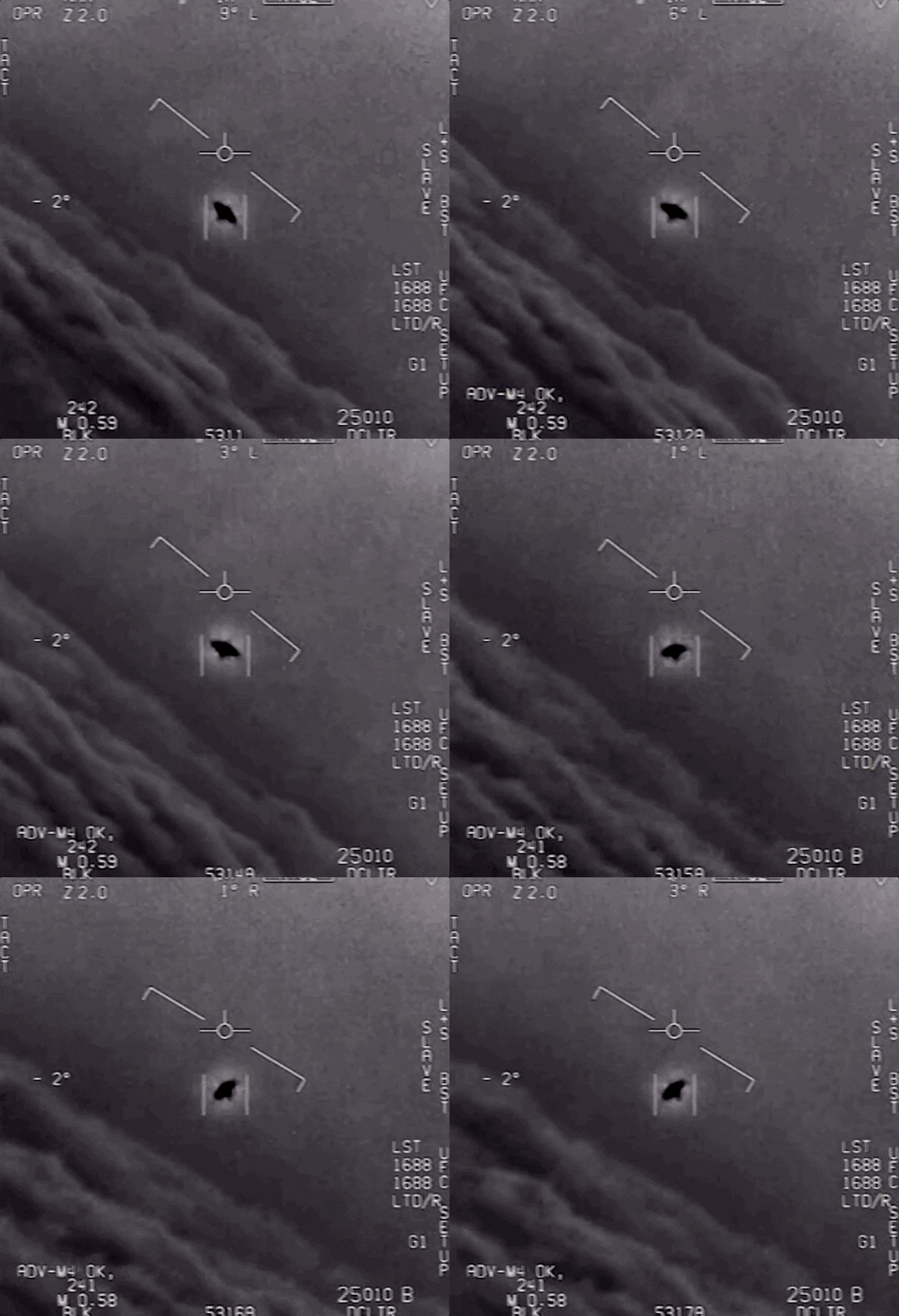


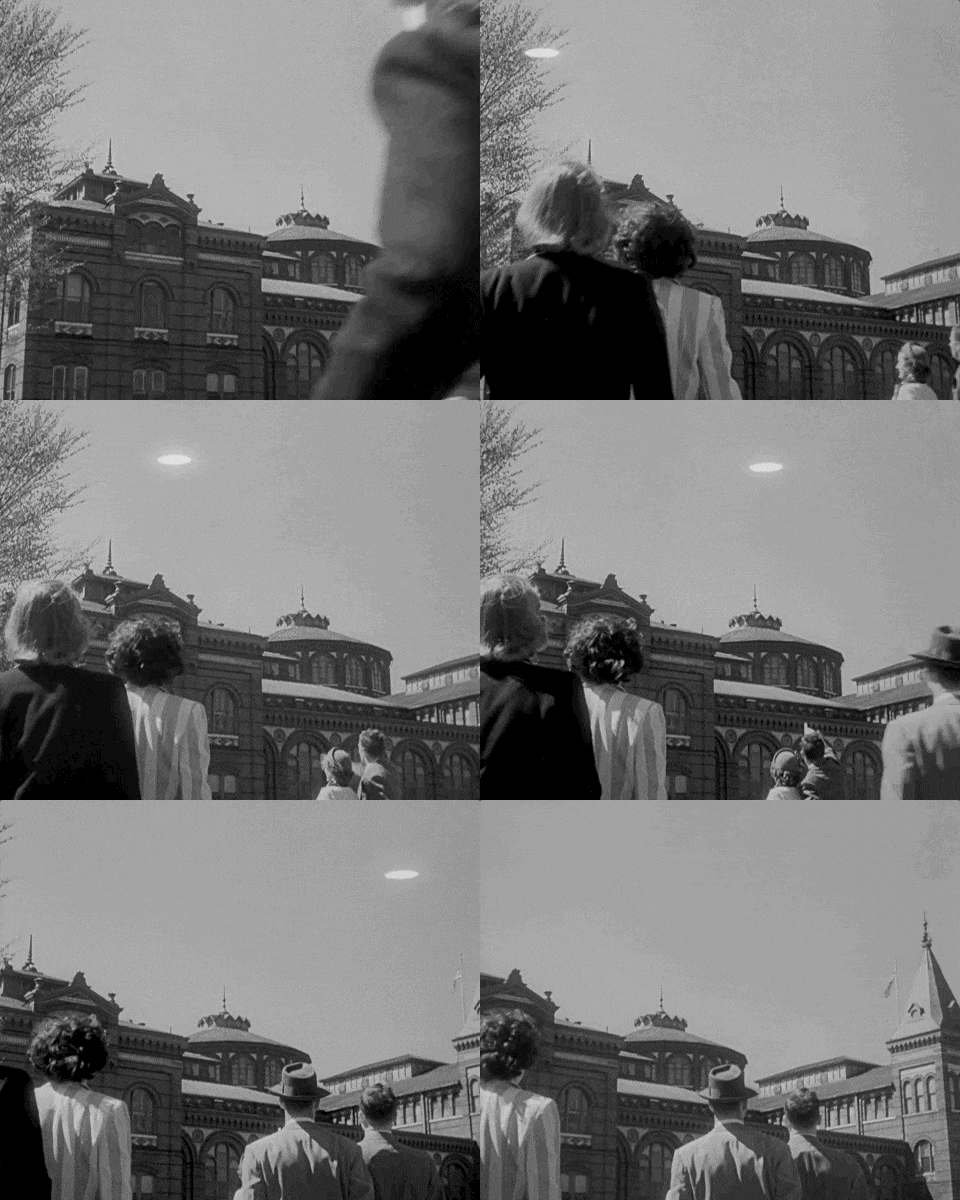


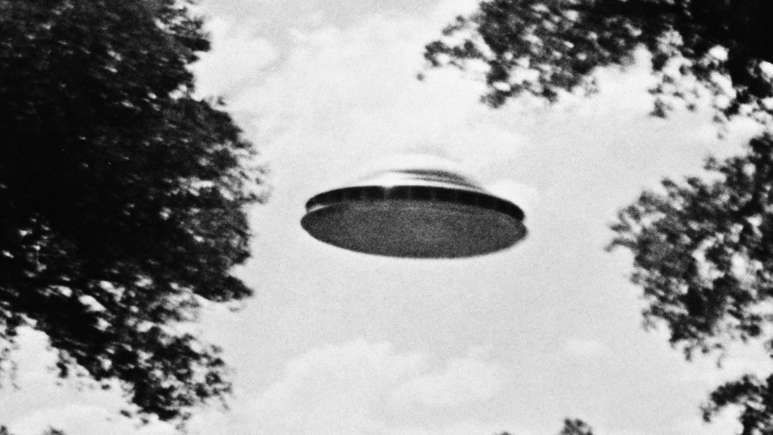


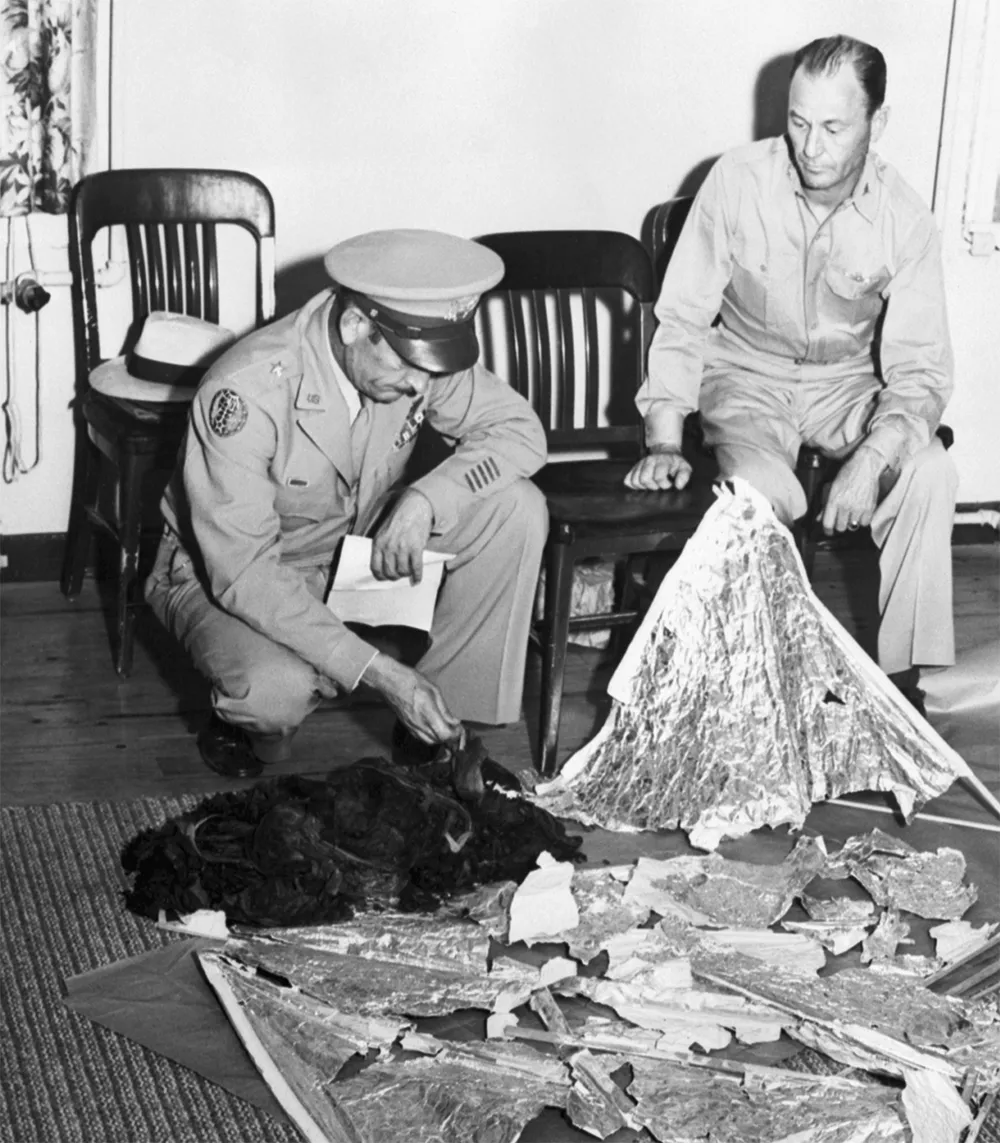

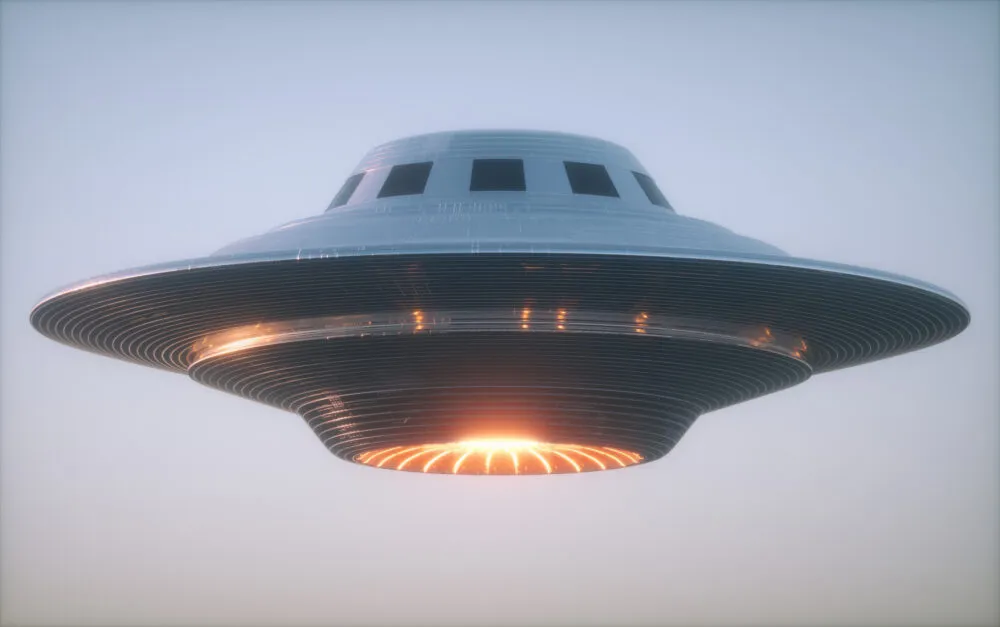
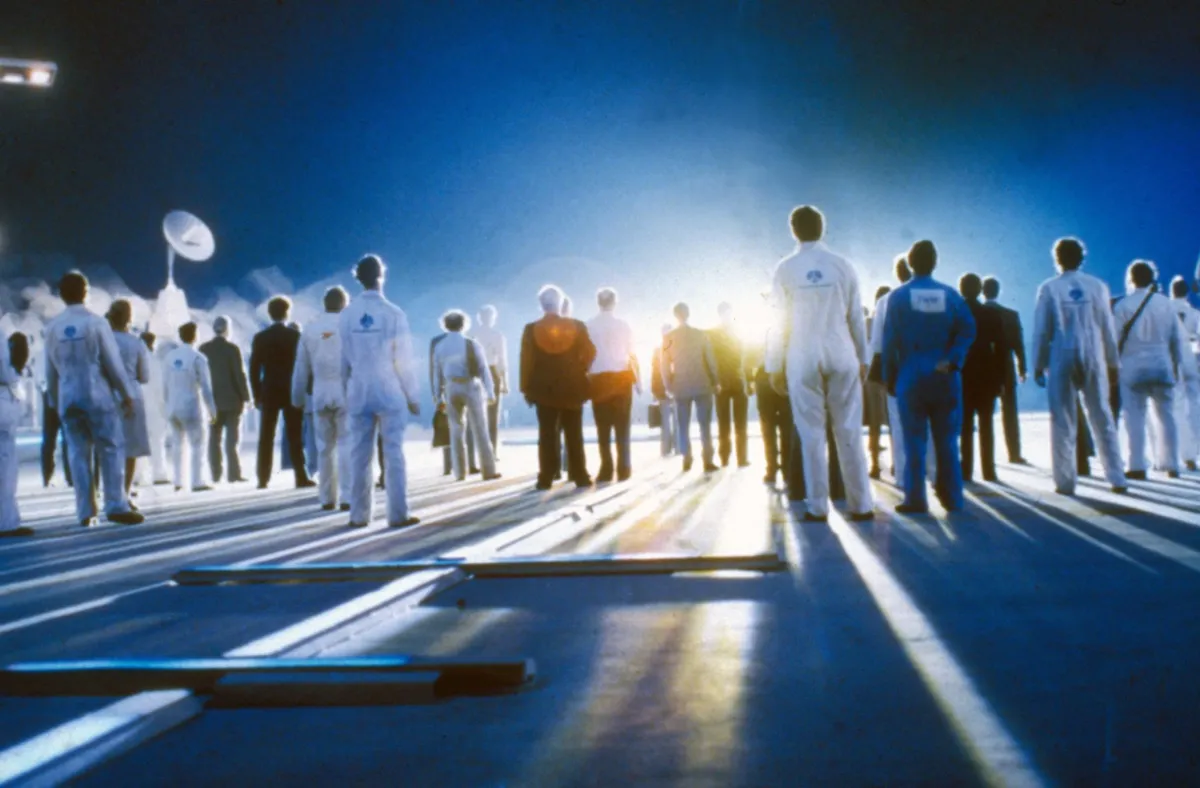


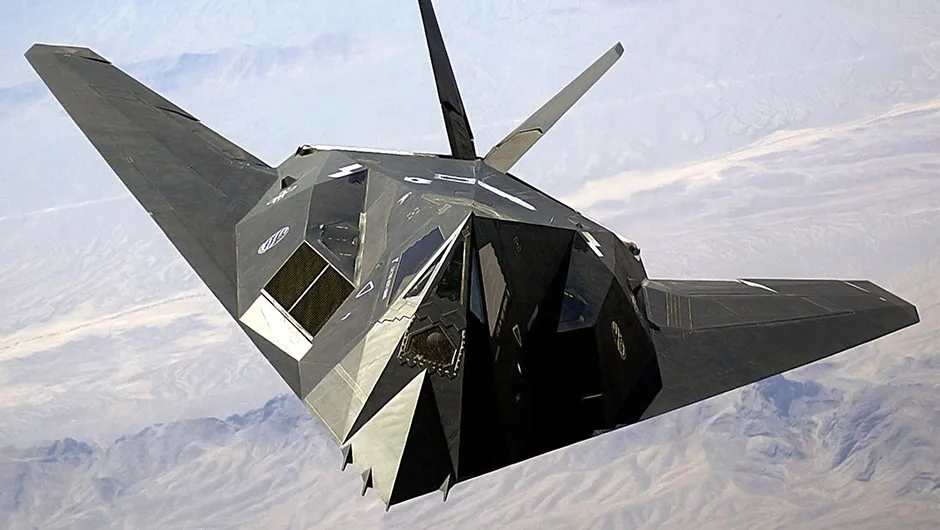
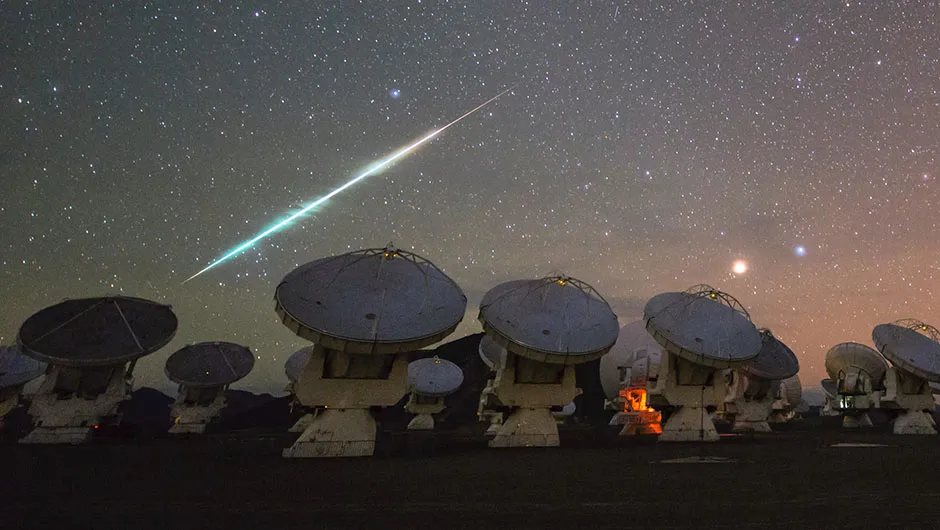

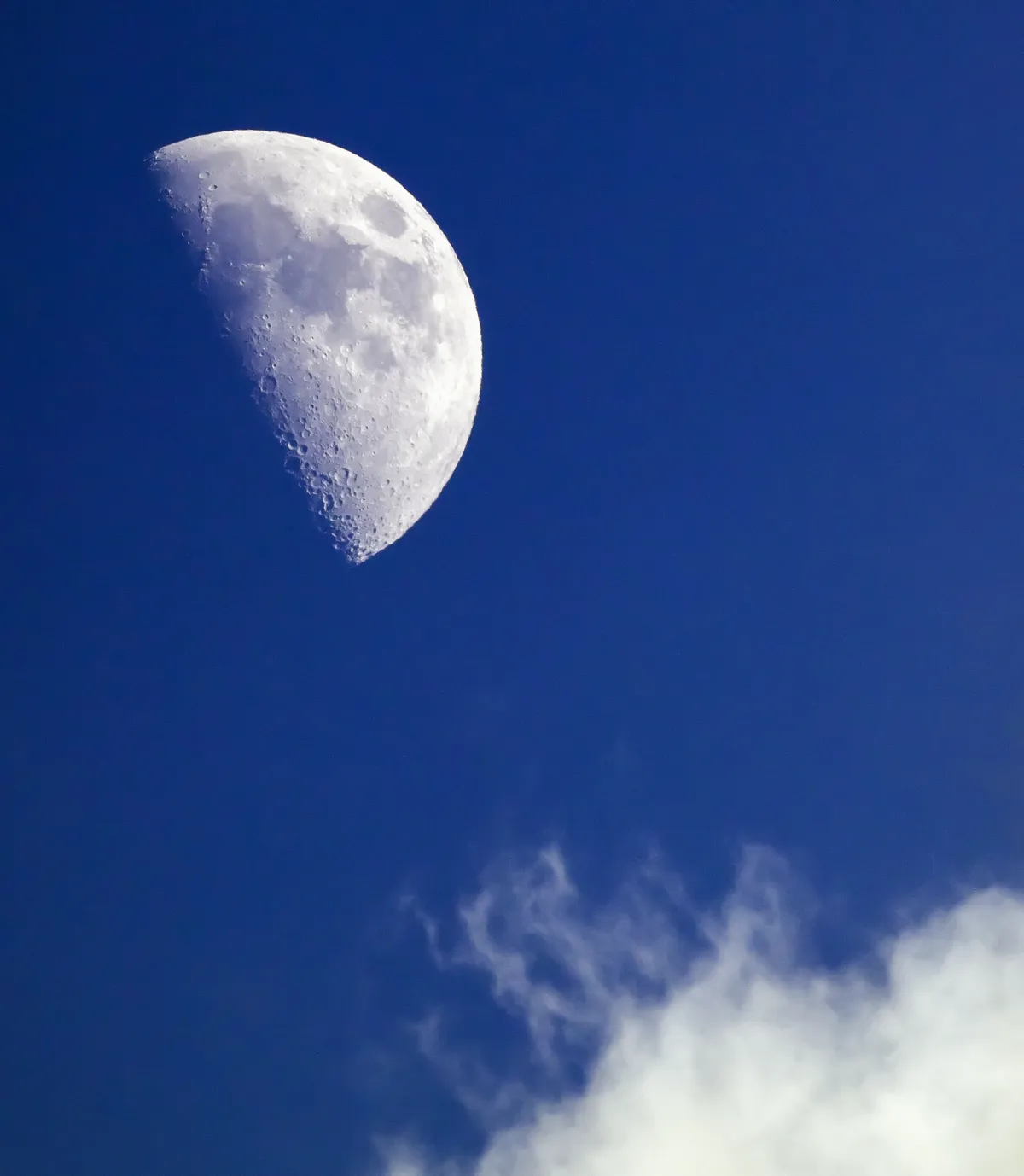
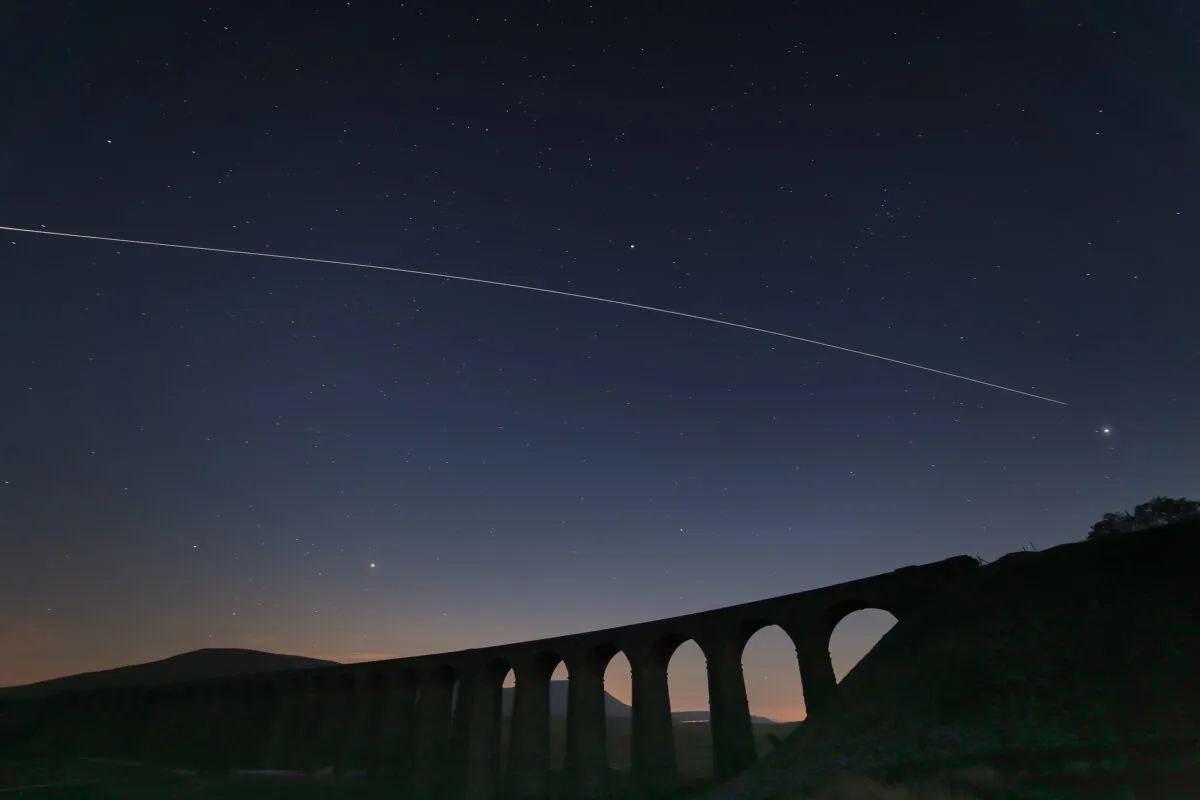




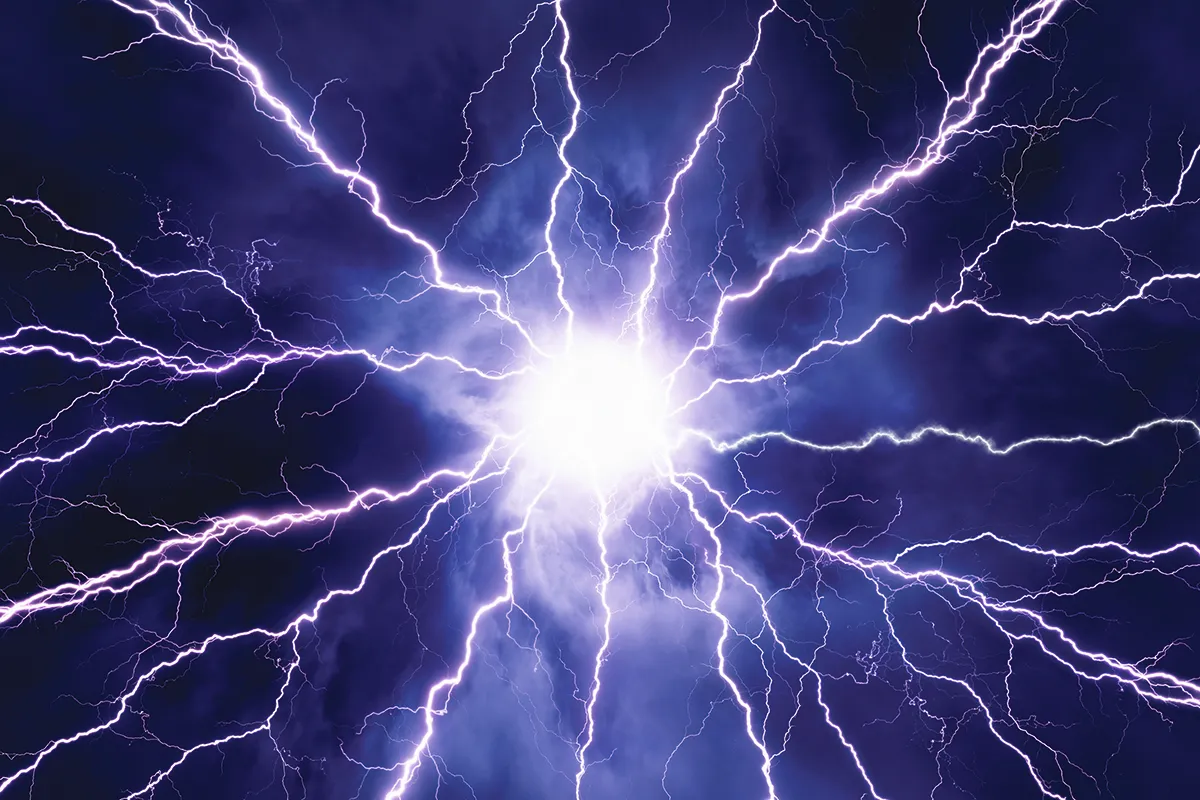
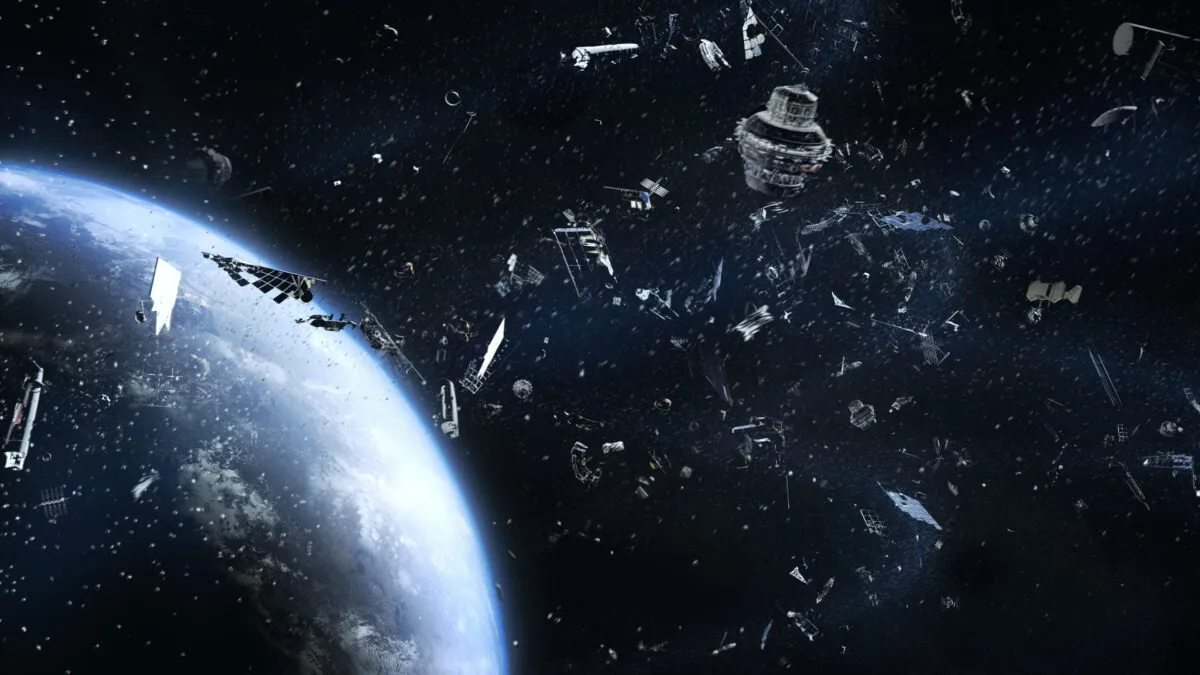
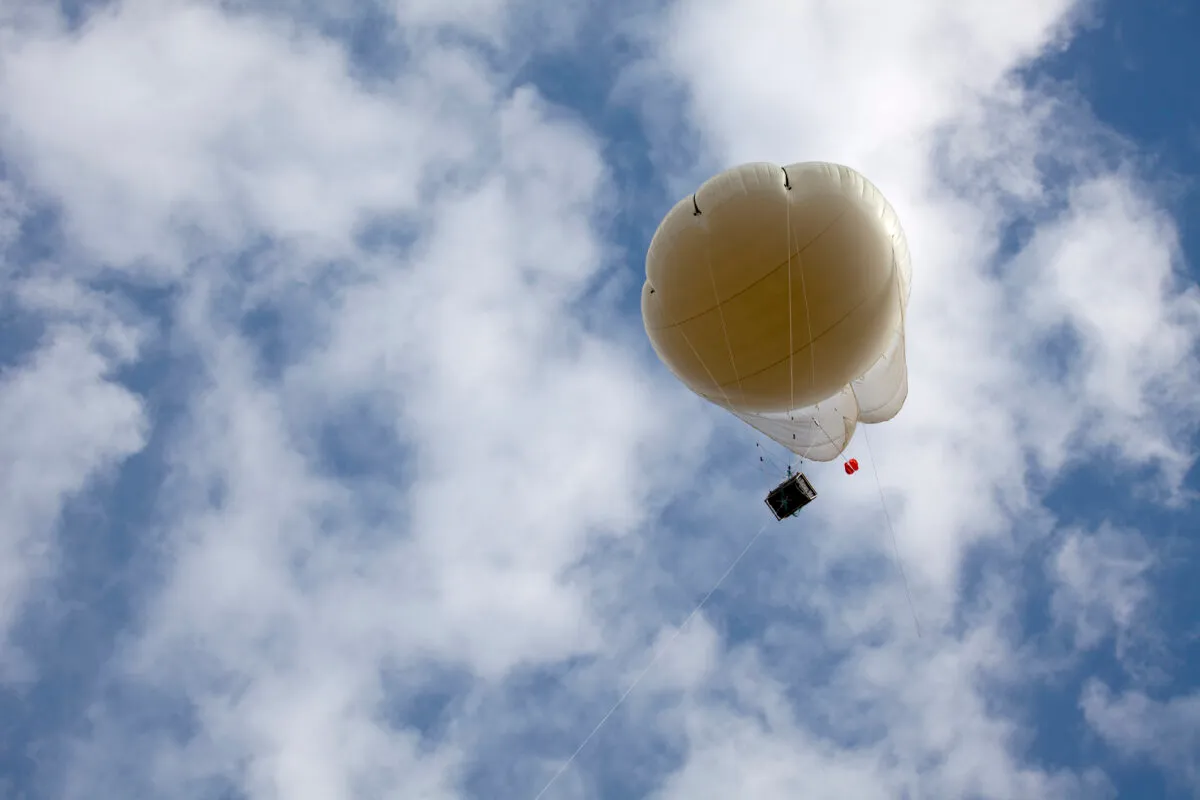
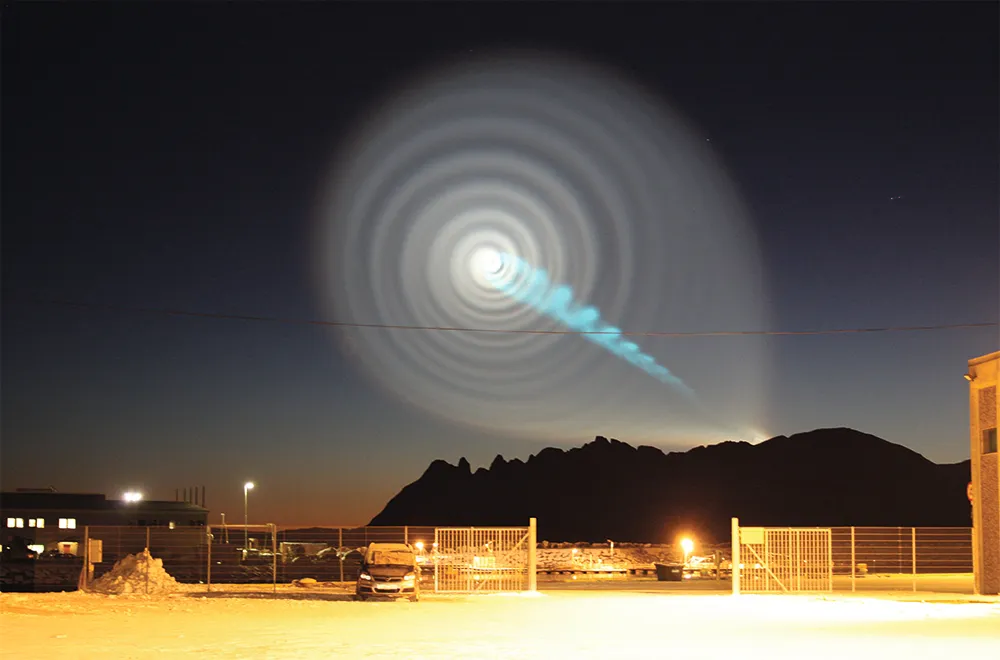
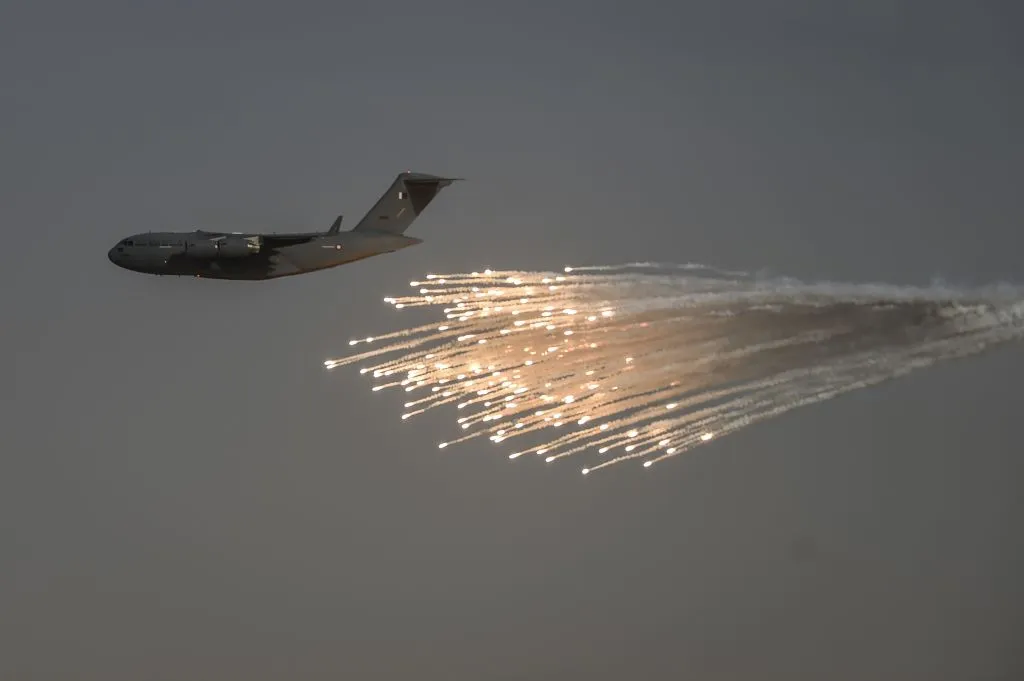


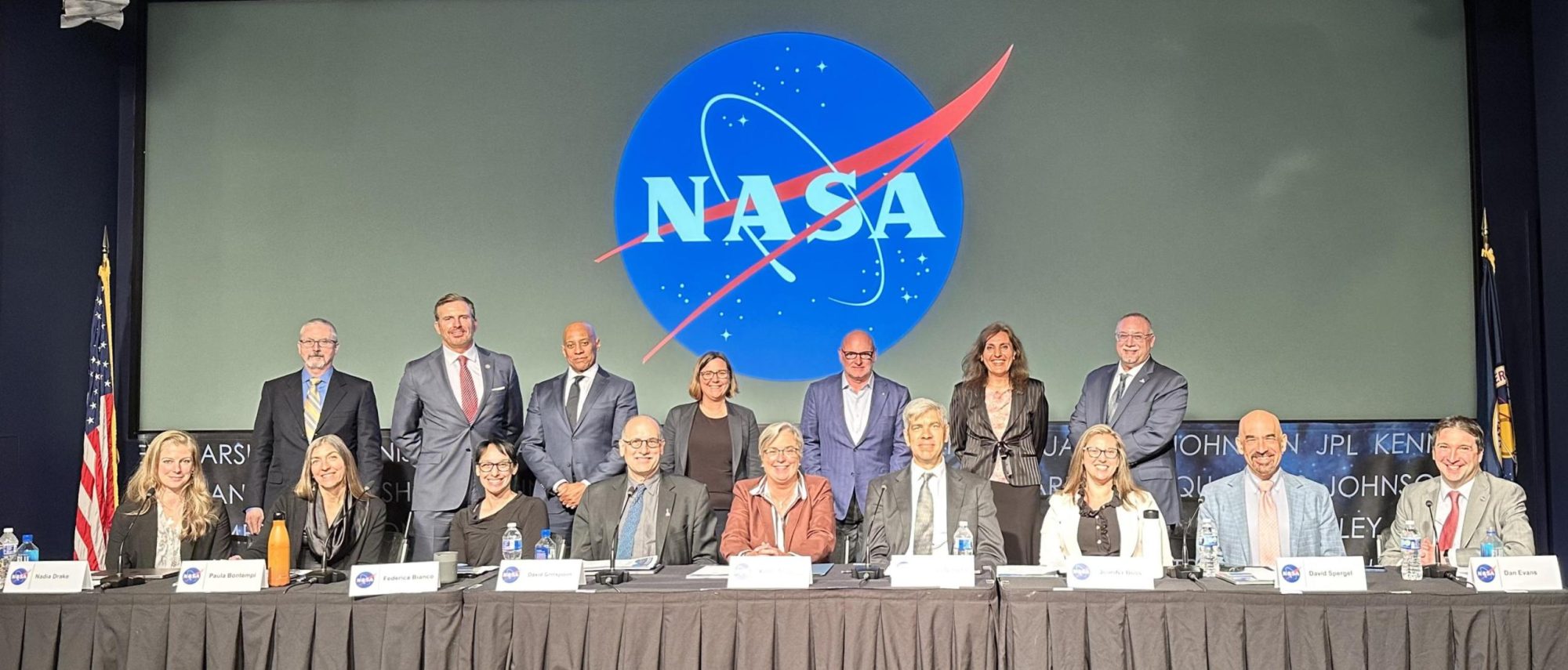








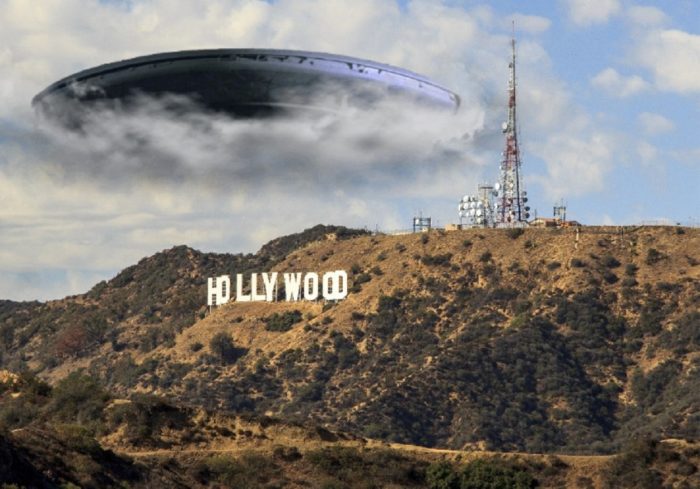
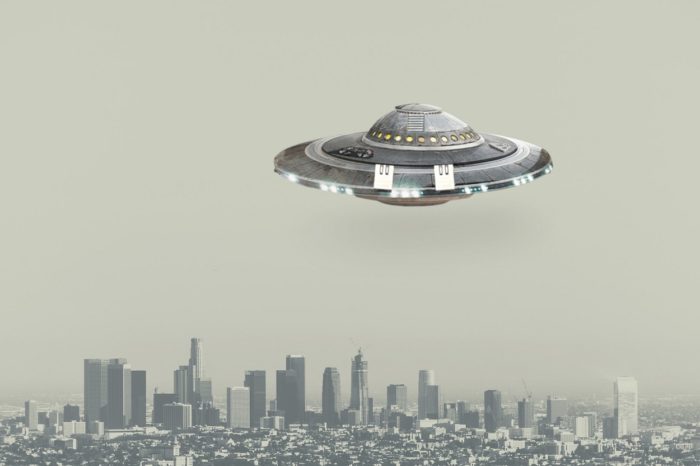
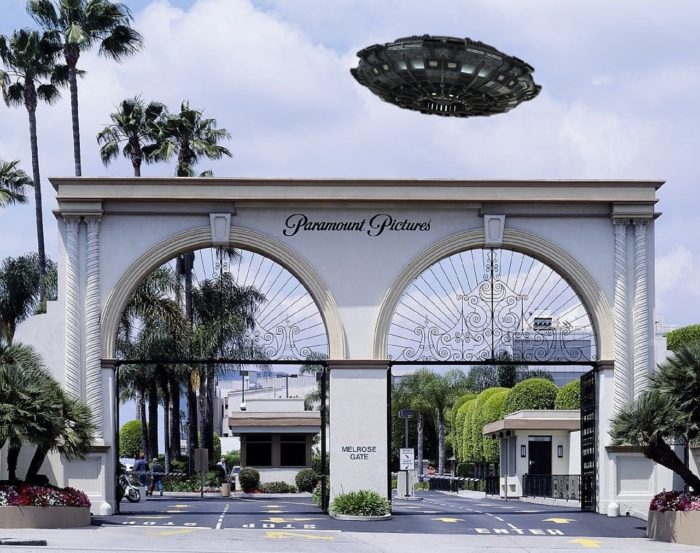
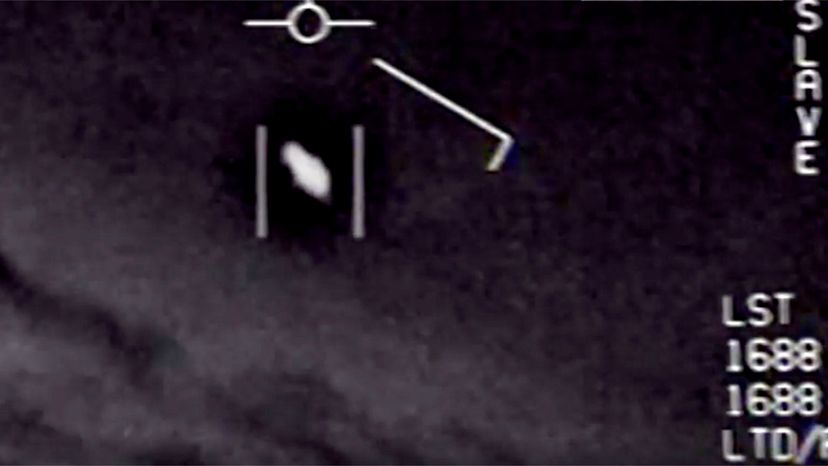








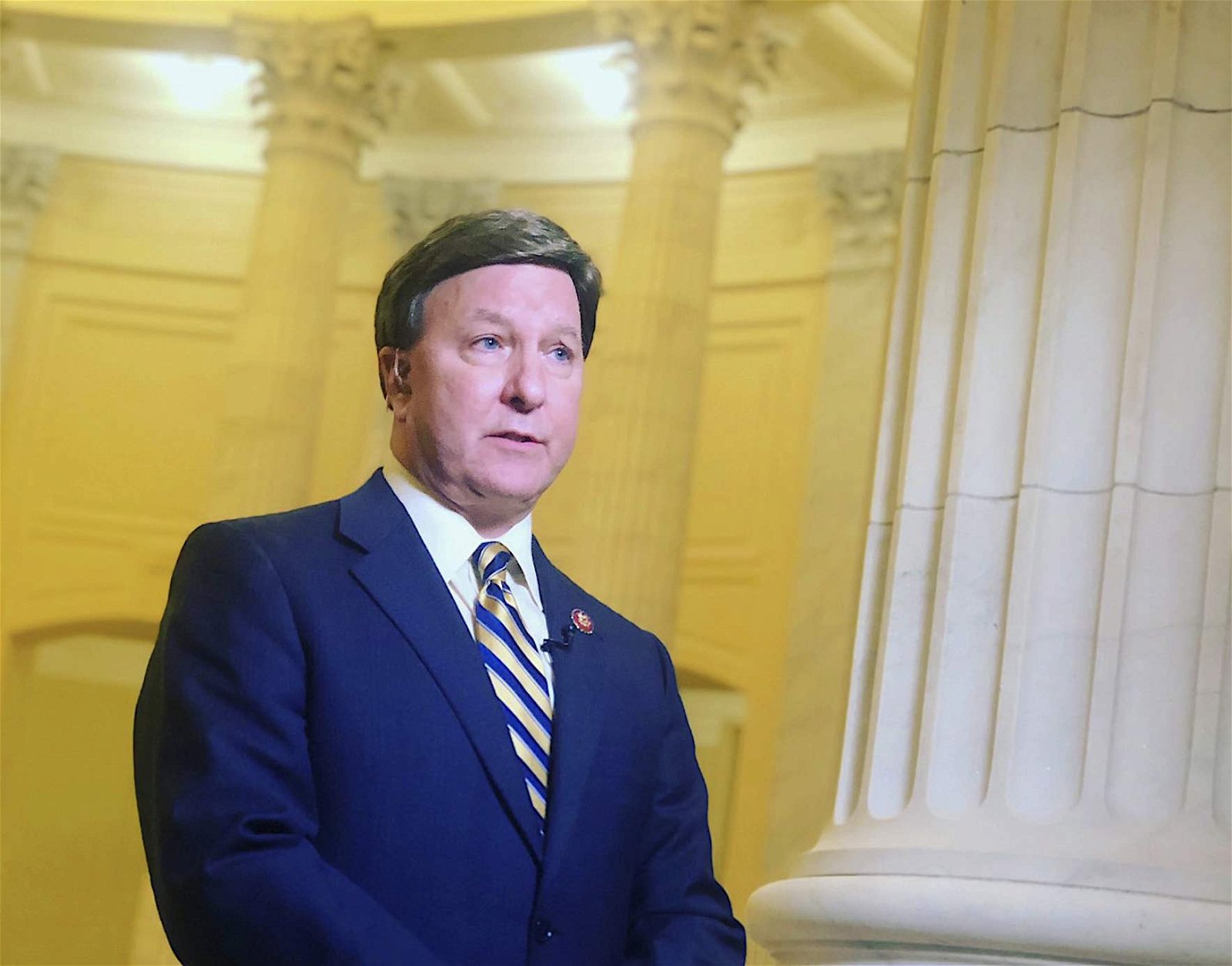

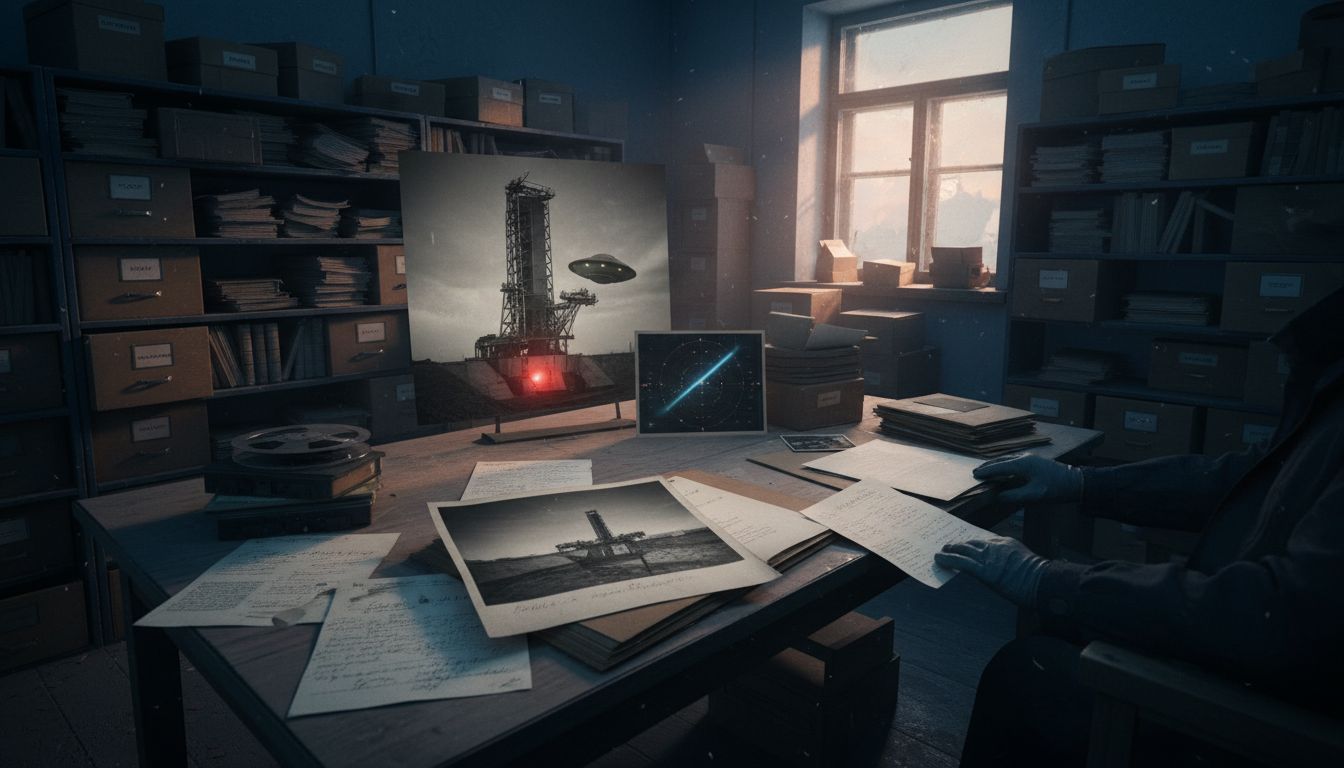

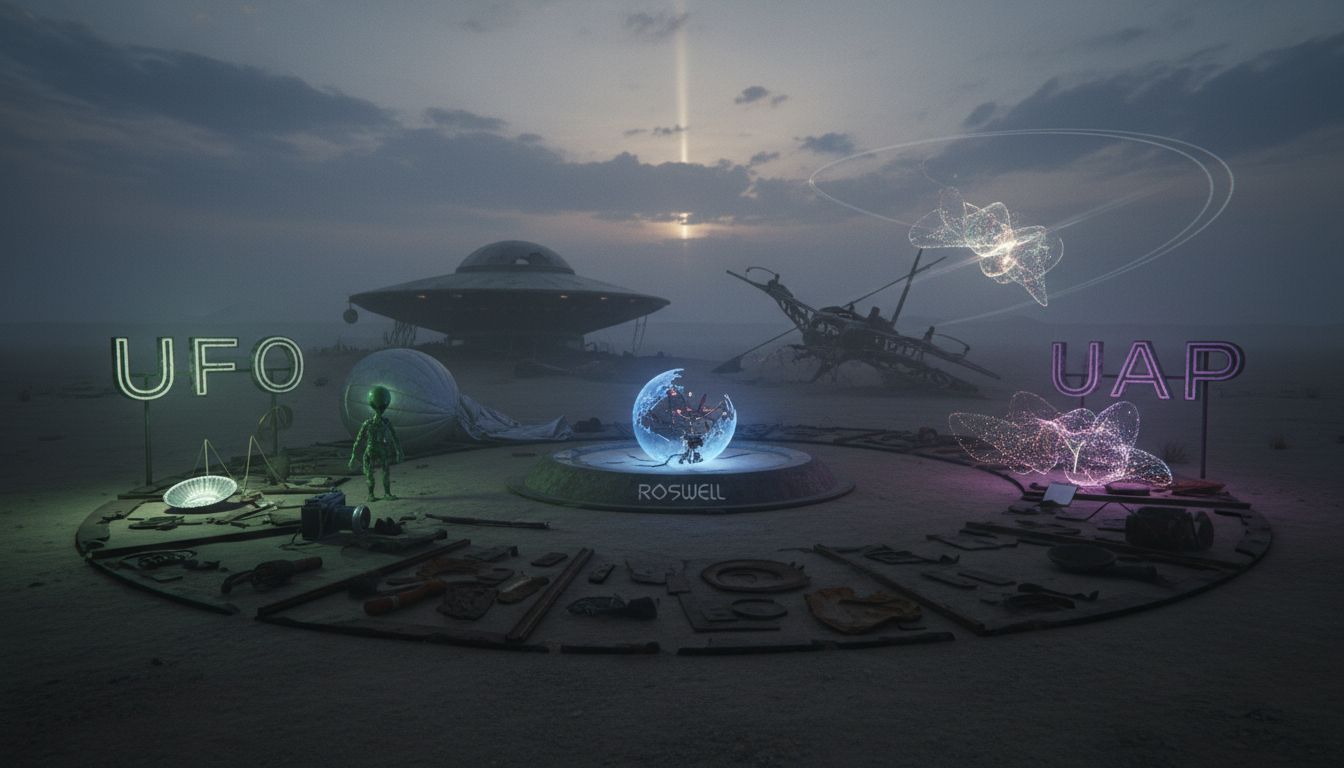
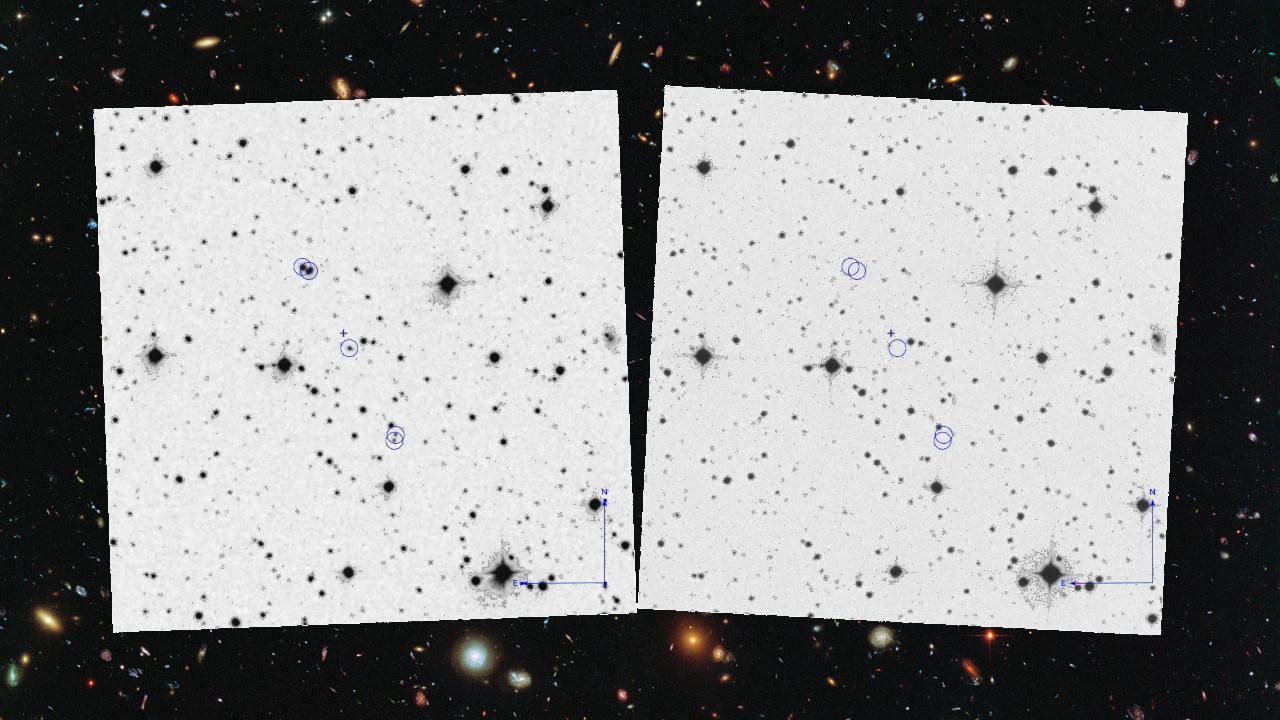
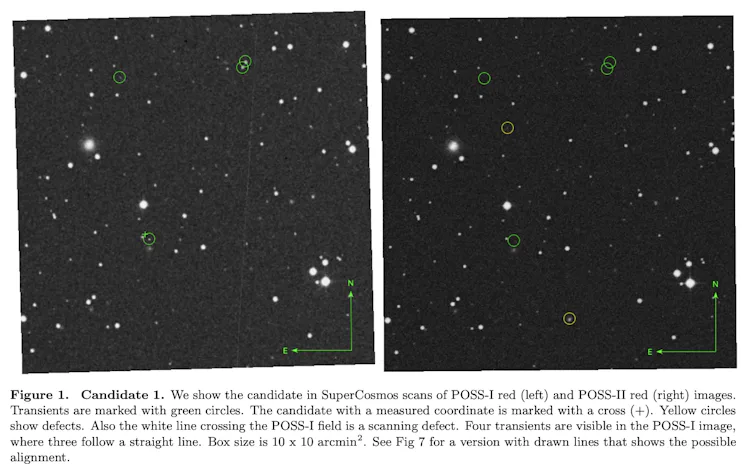
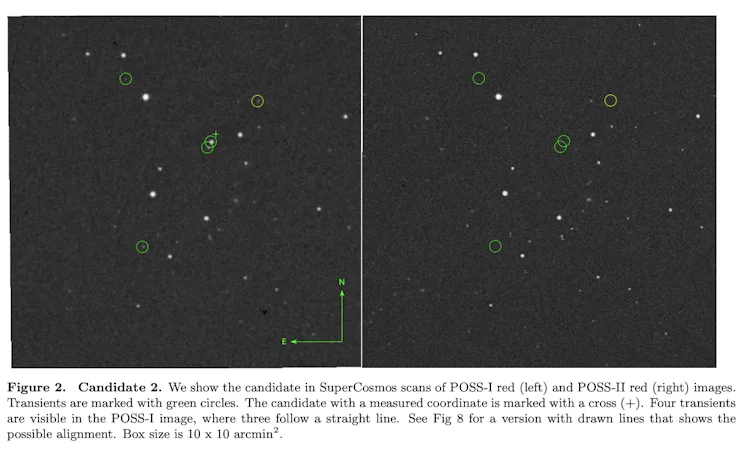


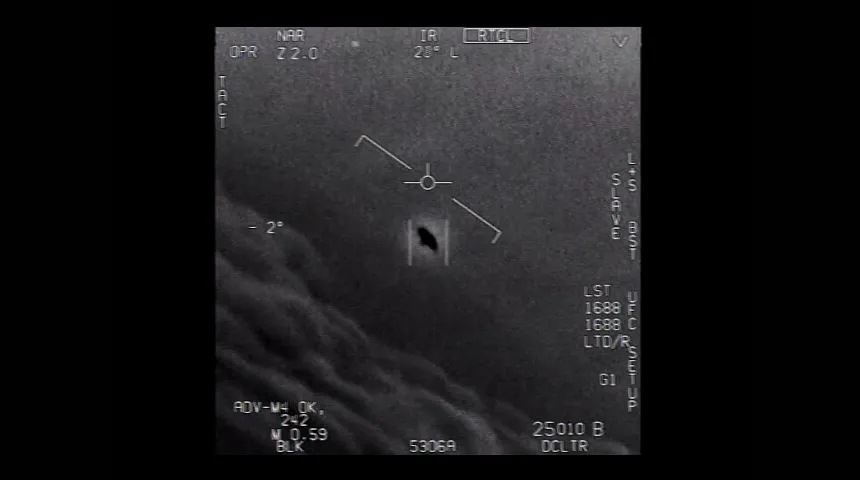
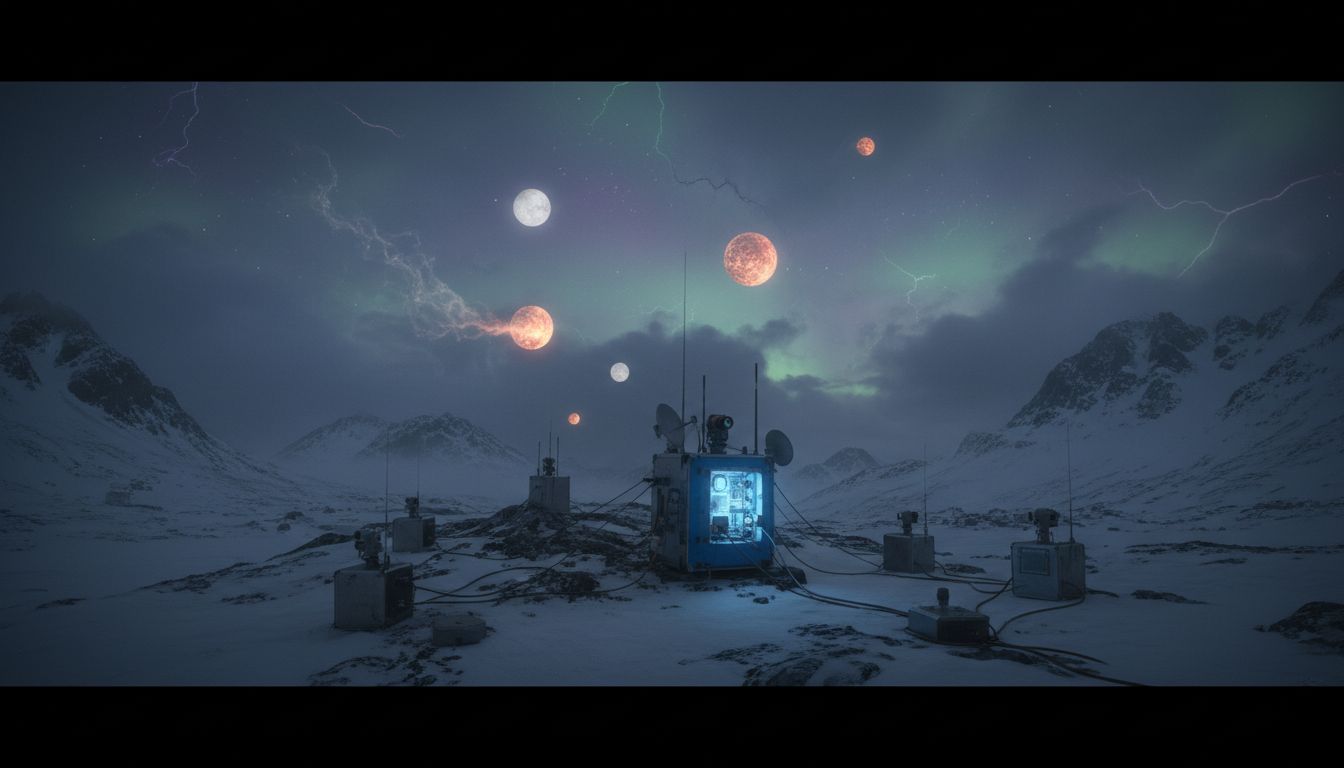
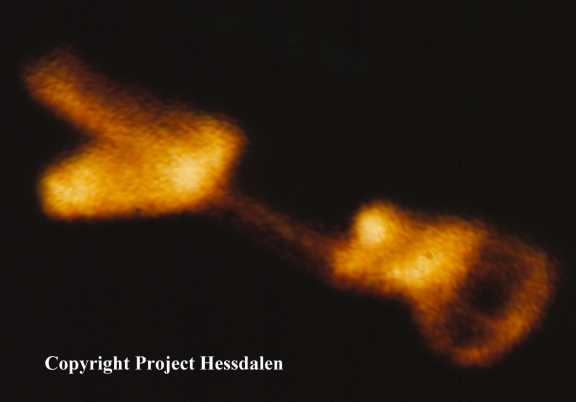
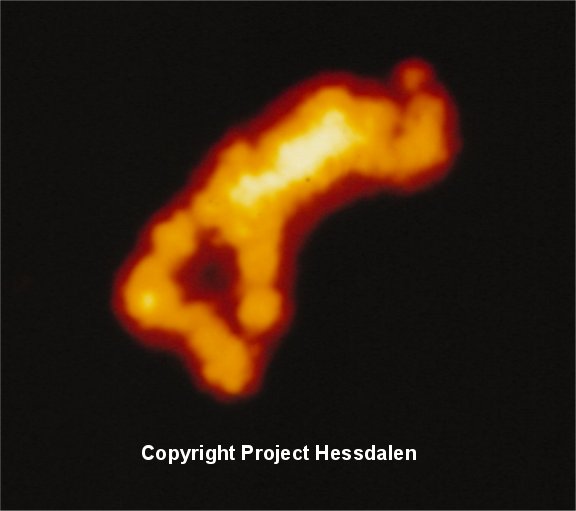

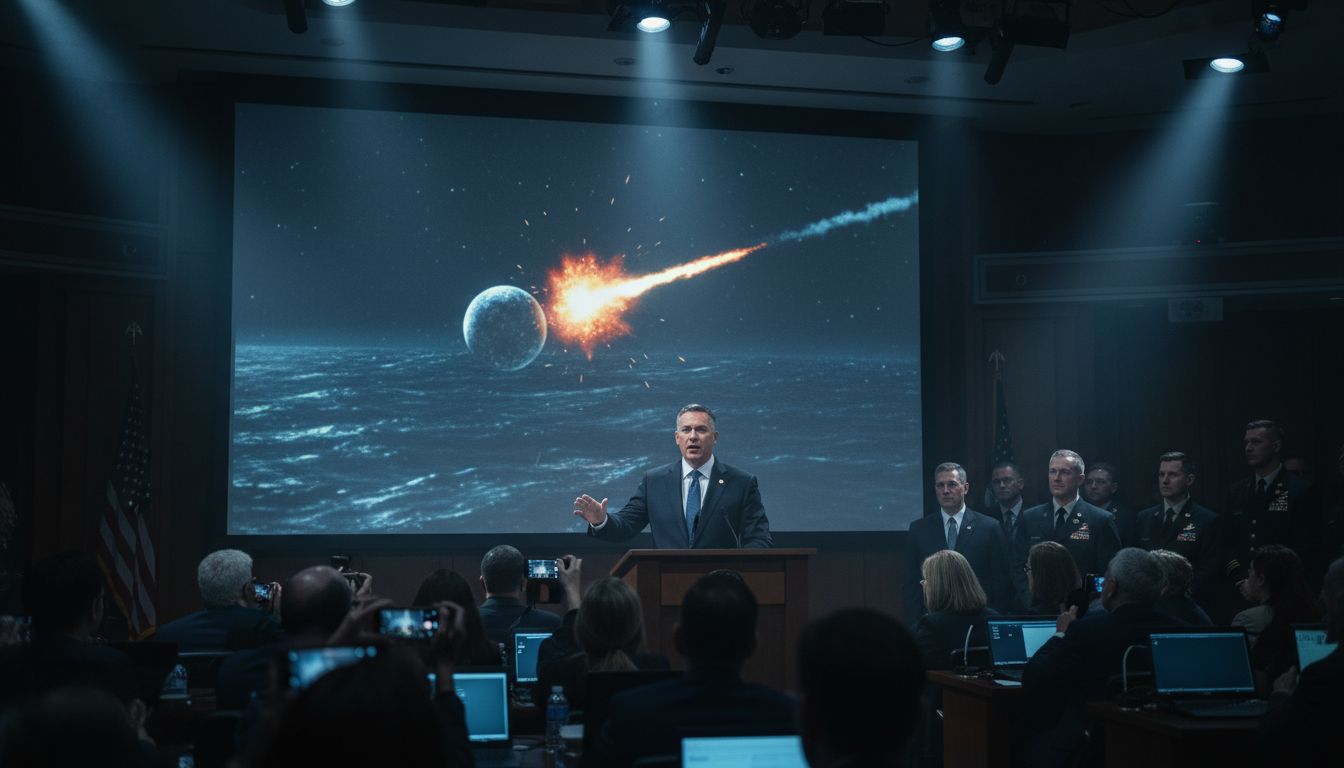
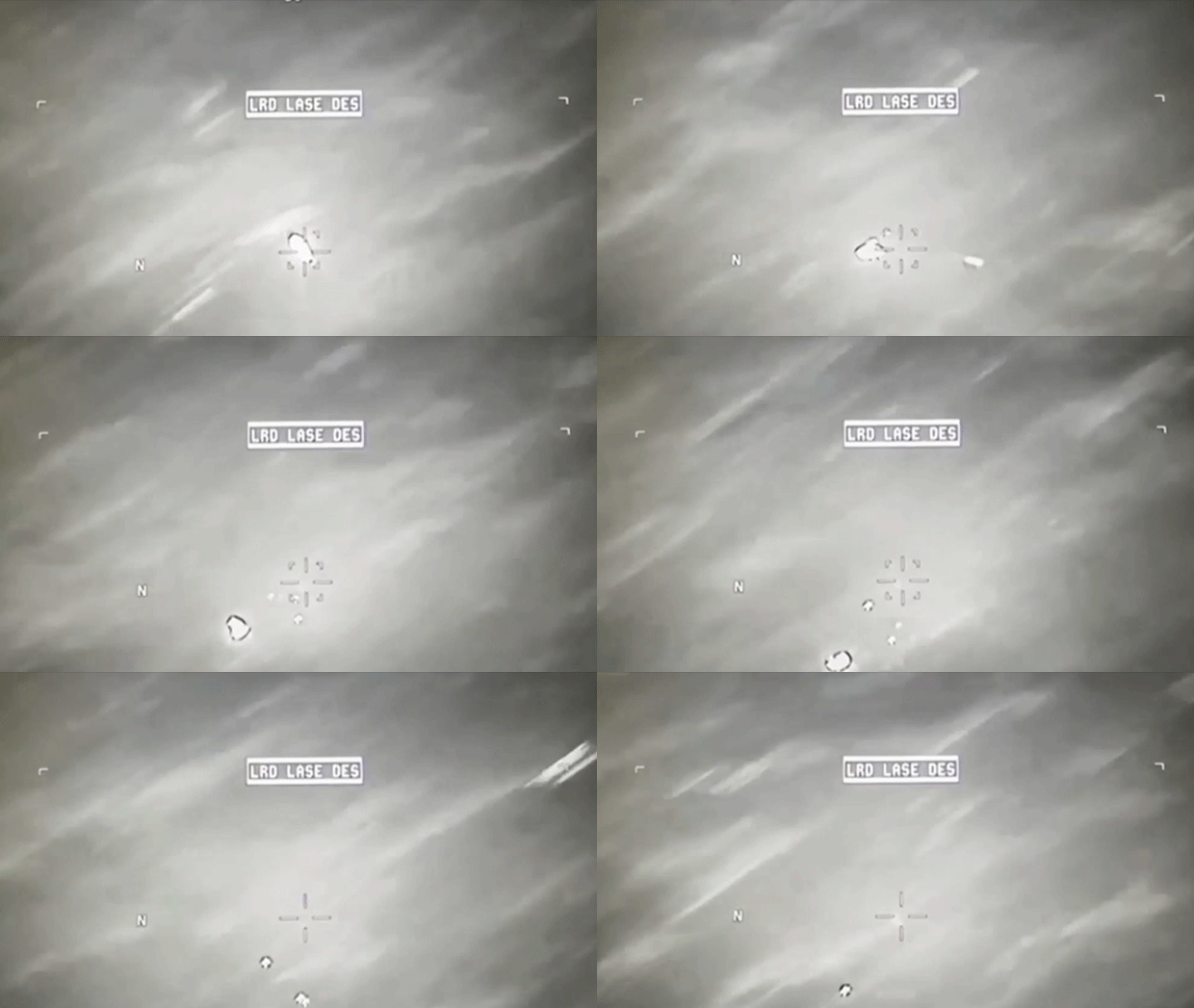
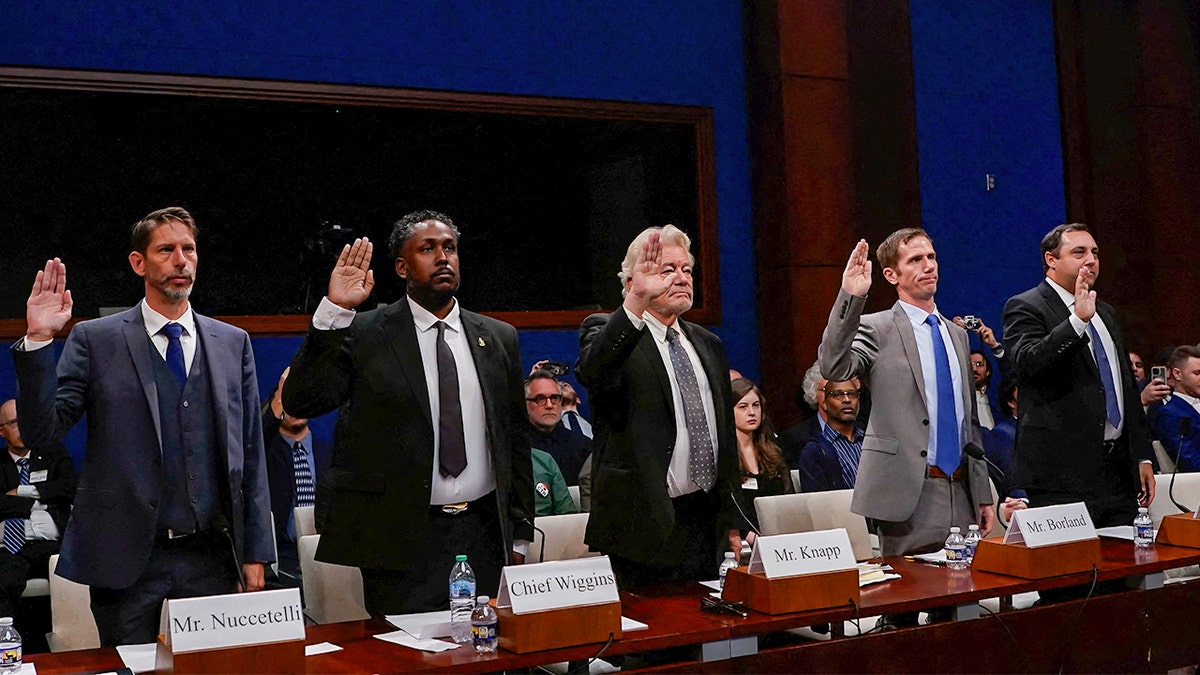



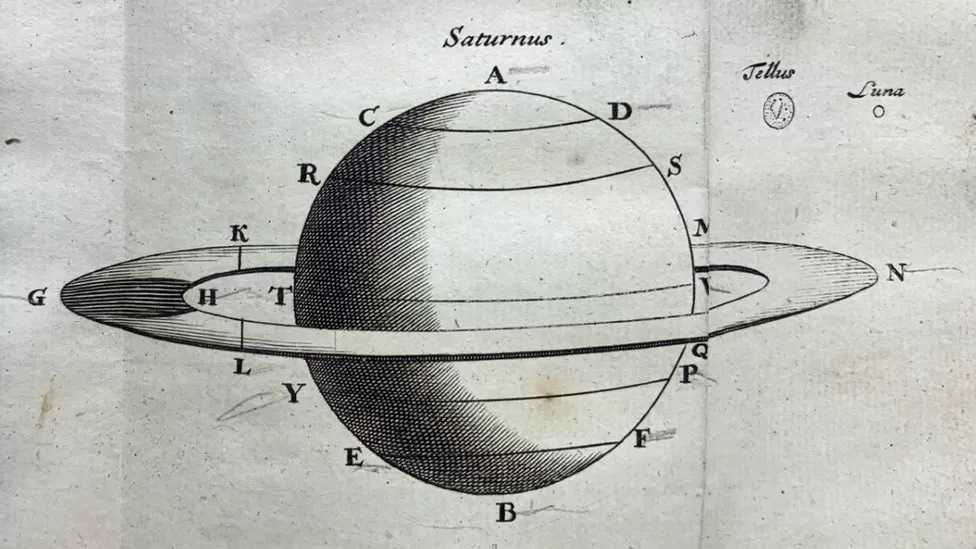


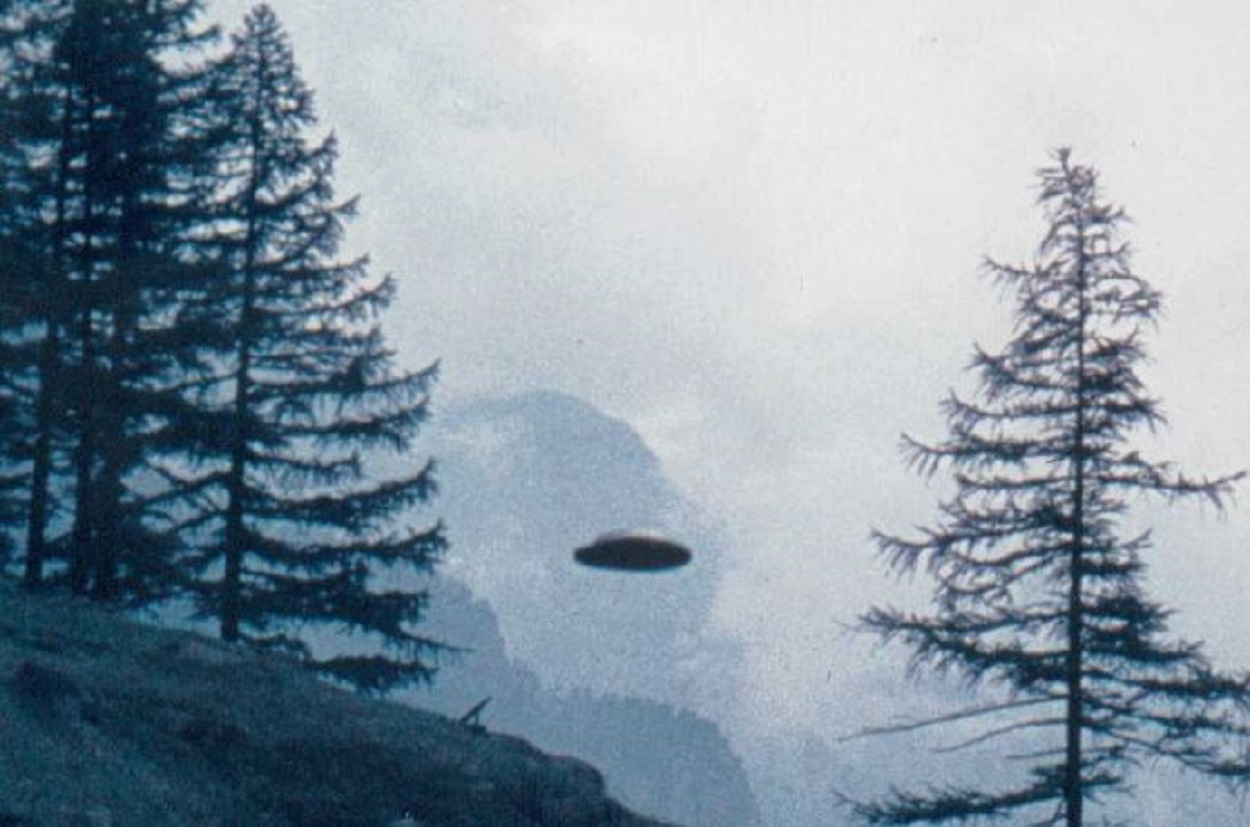
.jpg)