Location of discovery: Mars
NASA photo:
Ancient face on Mars, this is what intelligent aliens look like, UFO Sighting News.
Four billion years ago 'Humans' of the Lyran System came to Earth
Marine Veteran Reports Witnessing ‘Jellyfish’ UAP Footage in Iraq

In a world increasingly curious about aerial mysteries, a recent account by a Marine veteran adds a new chapter to the annals of unidentified aerial phenomena (UAP). The story revolves around a peculiar sighting, commonly referred to as the ‘Jellyfish’ UAP, witnessed during a deployment in Iraq.
The ‘Jellyfish’ UAP, a name coined due to its unique appearance, was first brought into the spotlight by UFO journalist Jeremy Corbell. He released footage showcasing an enigmatic object in the skies of Iraq. This footage, while intriguing, remains unverified. However, its existence and the buzz it created cannot be overlooked.
Read more:
The narrative gains substance with the testimony of Michael Cincoski, a former Marine. Stationed at an Iraqi base in 2018, Cincoski reports that he, along with his colleagues, viewed the entire footage of this mysterious object. This object was not perceived as a threat but rather as a profound mystery by those on the base.
Interestingly, the Marines stationed at the base had nicknamed the object the ‘Spaghetti Monster’. Their initial encounters with the phenomenon involved monitoring it to ensure it posed no immediate threat. Despite employing various sensors and night vision equipment, the Marines could not conclusively identify or locate the object, adding to its enigmatic nature.
According to Cincoski, the footage of the ‘Jellyfish’ UAP was captured in 2017 by an aerostat – a large balloon-like structure equipped with surveillance cameras. This aerostat, hovering over the base, allowed for an extended observation of the object as it traversed near the base and over Lake Hahave in the Anbar Province of Iraq.
The Marine veteran mentioned seeing the full 17-minute video, which remains largely unseen by the public. He described the object as moving off into the distance, getting smaller until it was no longer visible. Whether it descended into the lake or simply flew away remains a subject of speculation.
The ‘Jellyfish’ UAP, as described by Cincoski, did not display any aggressive postures or threaten the base. This led to it becoming more of a ghost story among the Marines, a mysterious encounter that sparked curiosity but never escalated to a security concern.
Despite repeated inquiries, the Pentagon has not provided specific confirmations or denials regarding this video. This silence adds another layer of intrigue to the already mysterious sighting.
The ‘Jellyfish’ UAP sighting in Iraq, as recounted by Marine veteran Michael Cincoski, is a compelling addition to the growing list of unexplained aerial phenomena. While it raises more questions than answers, it undoubtedly fuels the curiosity and debate surrounding the existence and nature of UAPs
UFO Expert Suggests ‘Jellyfish’ UAP Video Could Be Authentic
In the world of UFO sightings and unexplained aerial phenomena, there is always a fine line between skepticism and belief. However, a recent video released by UFO journalist Jeremy Corbell has sparked intense debate among experts and enthusiasts alike. This video, which Corbell describes as a “jellyfish” UAP (Unidentified Aerial Phenomenon), was reportedly captured in Iraq in 2018, and its authenticity has become a subject of fascination and scrutiny.
While it’s important to emphasize that NewsNation has not independently verified this footage, the discussion surrounding it has attracted the attention of UFO expert Nick Pope, who recently joined a discussion on the subject.
The UFO community is no stranger to claims and sightings, but this particular video has piqued the curiosity of many for several reasons. Let’s delve deeper into the context and perspectives surrounding the ‘Jellyfish’ UAP video.
The Universe of Possibility:
In the world of UFO research, the possibilities are endless. Nick Pope, in his interview with “Banfield,” highlighted the vast universe of possibilities when it comes to discussing UFOs. He stressed that the Inspector General of the Intelligence Community has been briefed on these matters and has access to significant information. This underscores the seriousness with which the government has approached the subject.
The Reality of Threats:
One striking aspect of Corbell’s interview is his acknowledgment of the threats he has received due to his involvement in UFO research. Regardless of personal belief in the phenomenon, it’s clear that individuals who delve into this field face significant challenges, including harassment and threats. Corbell’s commitment to uncovering the truth underscores the passion that drives many in the UFO community.
Transparency and National Security:
The interview touches upon a critical issue – the balance between transparency and national security. It is a challenge to maintain both in a world where classified information regarding UAPs exists. The secrecy surrounding these matters is of great concern, and there is growing pressure from the public and lawmakers for more transparency.
The Race to Reverse Engineer Technology:
One of the most intriguing aspects of the interview is the idea that the UAP phenomenon might involve technology beyond our comprehension. Nick Pope emphasized that it’s not just about the presence of UAPs but also the potential for reverse engineering programs and holding facilities with full crafts. This suggests a race to understand and harness advanced technology that could have far-reaching implications.
Seeking Answers:
Throughout the interview, Jeremy Corbell and Nick Pope share a common goal – the quest for truth. Regardless of whether the ‘Jellyfish’ UAP video proves to be genuine, the desire to uncover what is real and to inform the public remains a driving force behind their work. They advocate for responsible disclosure and treating whistleblowers with respect and protection.
VIDEO:
The ‘Jellyfish’ UAP video serves as another intriguing chapter in the ongoing exploration of unexplained aerial phenomena. It highlights the passionate commitment of researchers and experts like Jeremy Corbell and Nick Pope to shed light on these mysterious occurrences. While skepticism is natural in such matters, the quest for truth and transparency should continue to guide our exploration of the unknown.
As we navigate the universe of possibilities and delve deeper into the realm of UAPs, it’s essential to approach this topic with an open mind and a commitment to responsible investigation. The ‘Jellyfish’ UAP video may or may not be the ‘real deal,’ but it undoubtedly adds to the growing body of evidence that invites us to explore the unknown and challenge our understanding of the world beyond our own.
Dark Disk Over Medellin, Colombia is back again! Jan 2024, UFO Sighting News Video.
Date of sighting: January 2024
6km UFO Near Astroid Eros, 5 in Total! UFO Sighting News. Video.
Date of discovery: Jan 8, 2024
Komen deze voorspellingen van Stephen Hawking daadwerkelijk uit?©Getty Images
Komen deze voorspellingen van Stephen Hawking daadwerkelijk uit?

Stephen Hawking (1942-2018) stond bekend om zijn werk op het gebied van zwarte gaten en de algemene relativiteitstheorie. Maar de beroemde natuurkundige stapte vaak buiten zijn eigen onderzoeksveld en gebruikte zijn erkenning om te benadrukken wat hij zag als de grote uitdagingen en existentiële bedreigingen voor de mensheid in de komende decennia. Variërend van onderwerpen als buitenaardse wezens tot het einde van de wereld, haalden zijn uitspraken de krantenkoppen en bleken ze soms controversieel.
Nieuwsgierig? Lees hieronder enkele van zijn beroemdste voorspellingen.

©Shutterstock
De aarde verlaten
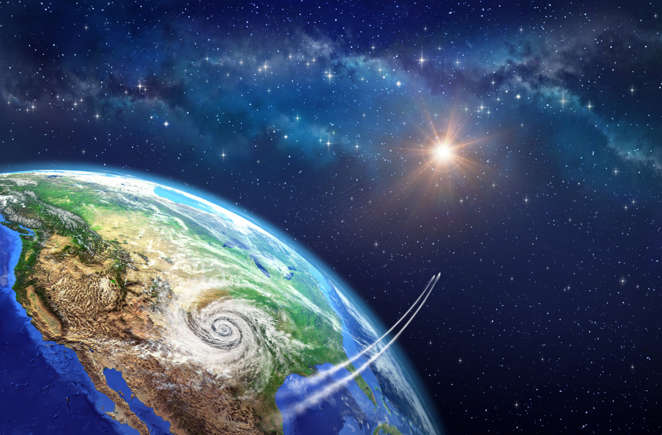
Al tientallen jaren vertelt de theoretische natuurkundige de mensen dat ze moeten beginnen met het proces om zich permanent op andere planeten te vestigen.
©Shutterstock
De aarde verlaten
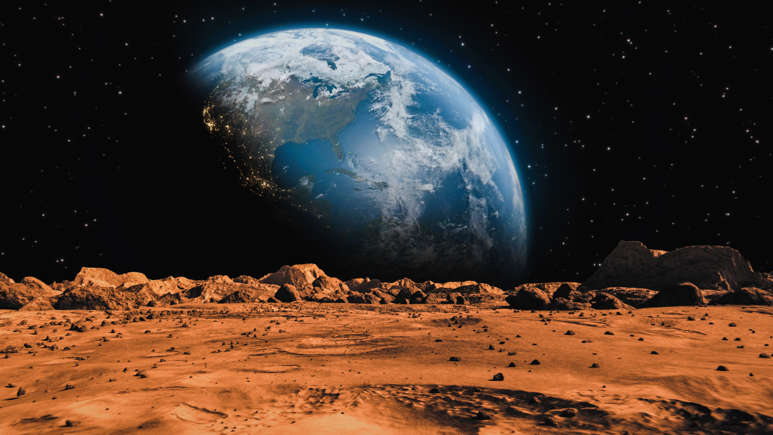
Hawking beweerde dat de mensheid uiteindelijk het slachtoffer zou worden van een ramp die zo groot was dat we zouden uitsterven, misschien wel eerder vroeger dan later.
©Shutterstock
De aarde verlaten
In 2016 vertelde hij de BBC het volgende: "Hoewel de kans op een ramp voor de planeet Aarde in een bepaald jaar vrij klein kan zijn, wordt het in de loop van de tijd steeds groter en wordt het een bijna zekerheid in de komende duizend of 10.000 jaar.

©Shutterstock
Andere planeten en zonnestelsels koloniseren
Om het voortbestaan van de mensheid te garanderen, geloofde Hawking dat we andere planeten en zonnestelsels zouden moeten koloniseren.

©Shutterstock
Andere planeten en zonnestelsels koloniseren
"Verspreiding is misschien het enige dat ons van onszelf redt. Ik ben ervan overtuigd dat de mens de aarde moet verlaten", zei hij in 2017 op een Noors wetenschaps- en kunstenfestival.

©Shutterstock
De opkomst van kunstmatige intelligentie
Hawking zag de kansen van de vooruitgang op het gebied van kunstmatige intelligentie, maar waarschuwde ook voor de gevaren.

©Shutterstock
De opkomst van kunstmatige intelligentie
In 2014 vertelde hij de BBC dat "de ontwikkeling van volledige kunstmatige intelligentie het einde van het menselijk ras zou kunnen betekenen".

©Shutterstock
De opkomst van kunstmatige intelligentie
Hawking geloofde dat de kunstmatige basisintelligentie die tot nu toe was ontwikkeld al heel nuttig was gebleken. De technologie die hij gebruikte om te communiceren bevatte bijvoorbeeld een basisvorm van AI.

©Shutterstock
De opkomst van kunstmatige intelligentie
Maar Hawking vreesde de gevolgen van geavanceerde vormen van machine-intelligentie die mensen zouden kunnen evenaren of overtreffen.

©Shutterstock
Genbewerking
In zijn postume verzameling artikelen en essays 'Brief Answers to the Big Questions' voorspelde Hawking dat genetische manipulatietechnieken zullen leiden tot een ras van "supermensen".

©Shutterstock
Genbewerking
"Ik ben er zeker van dat mensen in de loop van deze eeuw zullen ontdekken hoe ze zowel intelligentie als instincten zoals agressie kunnen veranderen," schreef hij.

©Shutterstock
Genbewerking
"Zodra zulke supermensen verschijnen, zullen er aanzienlijke politieke problemen zijn met niet-verbeterde mensen, die niet in staat zullen zijn om te concurreren," schreef hij. "Vermoedelijk zullen ze uitsterven of onbelangrijk worden. In plaats daarvan zal er een ras zijn van zelfontwerpende wezens die zich steeds sneller verbeteren."
©Shutterstock
De grootste bedreiging voor de aarde
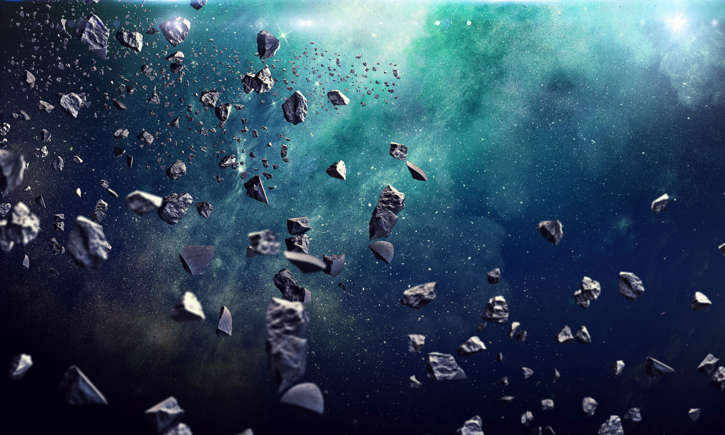
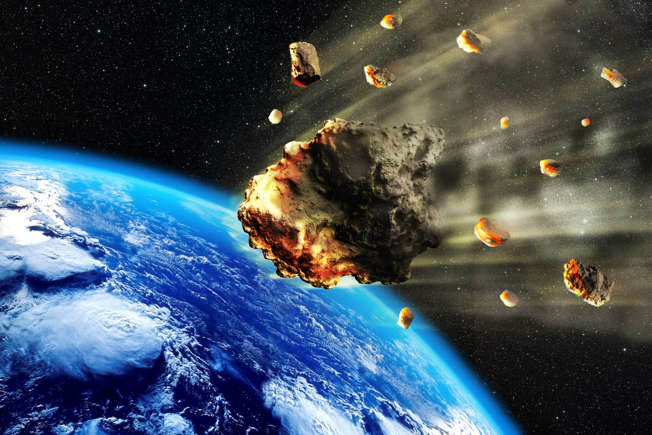
In hetzelfde boek voorspelde Hawking dat de grootste bedreiging voor de aarde een botsing met een asteroïde is, net zoals de asteroïde die de dinosauriërs doodde.
©Shutterstock
De grootste bedreiging voor de aarde
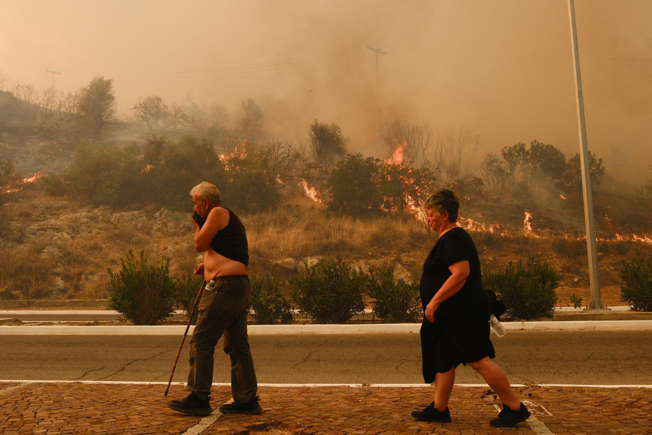
Daar hebben we echter "geen verdediging" tegen, schreef Hawking. Aan de andere kant zag hij de opwarming van de aarde als een meer directe bedreiging.
©Shutterstock
Klimaatverandering
Hawking was vooral bezorgd over een zogenaamd omslagpunt, waarbij de opwarming van de aarde onomkeerbaar zou worden.

©Shutterstock
Klimaatverandering
Hij uitte ook zijn bezorgdheid over het besluit van Amerika om zich in 2017 terug te trekken uit de Overeenkomst van Parijs.

©Shutterstock
Klimaatverandering
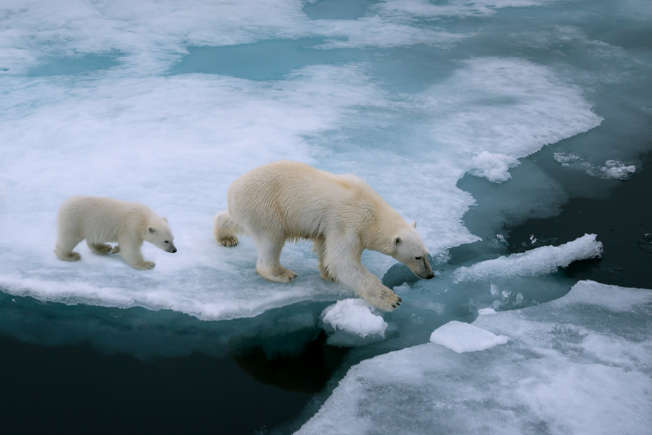
"Trump's actie [het terugtrekken uit het Akkoord van Parijs] kan de aarde over de rand duwen, om te worden zoals Venus, met een temperatuur van 250 graden en zwavelzuurregens," vertelde Hawking aan de BBC.
©Shutterstock
Klimaatverandering
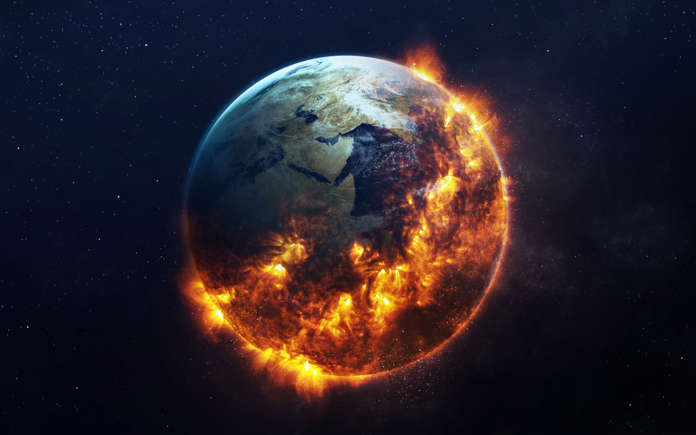
De Intergouvernementele Werkgroep inzake klimaatverandering (IPCC) van de VN waarschuwt ook voor het potentiële risico op het bereiken van omslagpunten in het klimaat, naarmate de temperaturen stijgen.
©Shutterstock
De aarde zal in een vuurbal veranderen
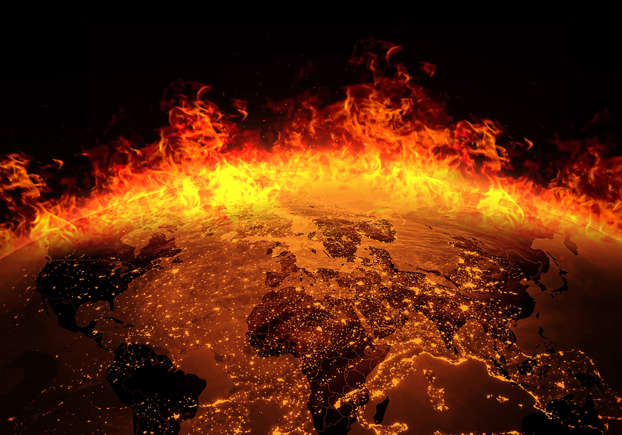
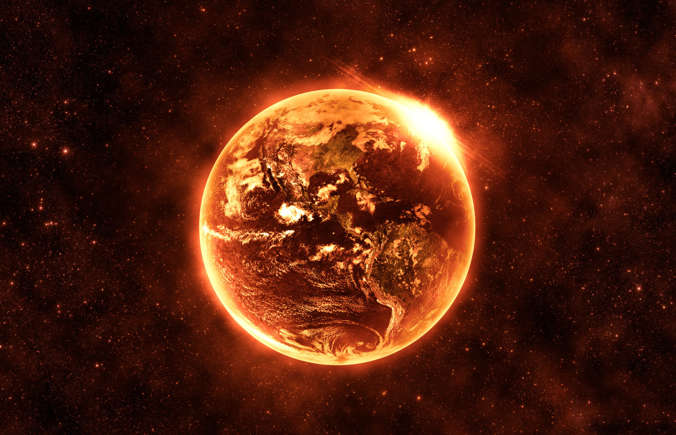
Hawking theoretiseerde dat de planeet tegen 2600 in een gigantische vuurbal zou veranderen door overbevolking en energieverbruik. Dit zou de aarde onbewoonbaar maken.
©Shutterstock
De aarde zal in een vuurbal veranderen
"Met de klimaatverandering, de dreigende inslagen van asteroïden, epidemieën en de bevolkingsgroei wordt onze eigen planeet steeds precairder," vertelde hij de BBC in 2017.
©Shutterstock
De aarde zal in een vuurbal veranderen
Dit was een van de redenen waarom Hawking het idee verdedigde dat mensen zich permanent op andere planeten zouden vestigen.

©Shutterstock
Buitenaards contact
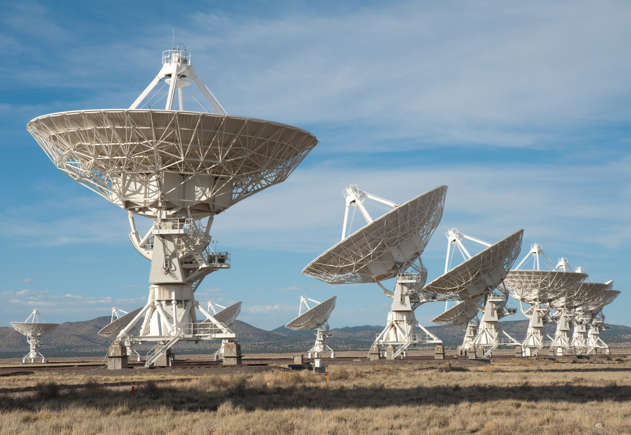
Aangezien Hawking het grootste deel van zijn leven naar de ruimte heeft gekeken, is het niet verwonderlijk dat hij nadacht over de vraag of er andere levensvormen bestaan.
©Shutterstock
Buitenaards contact
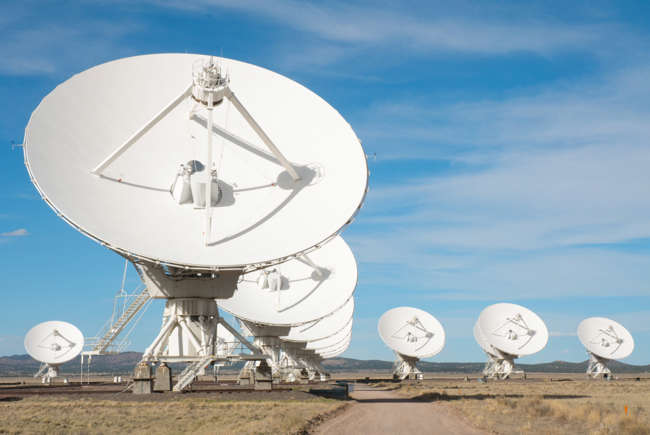
Er is zelfs een hele tak van wetenschap, SETI (Search for Extra-Terrestrial Intelligence) genaamd, die zich bezighoudt met het luisteren naar signalen van intelligente wezens elders in het universum.
©Shutterstock
Buitenaards contact
Hawking waarschuwde echter tegen actieve pogingen om buitenaardse beschavingen te begroeten.
©Shutterstock
Buitenaards contact
In 2010 vertelde hij Discovery Channel: "Als buitenaardse wezens ons bezoeken, zou de uitkomst hetzelfde zijn als toen Columbus in Amerika landde, wat niet goed afliep voor de inheemse Amerikanen."

©Shutterstock
Het beste idee dat de mensheid zou kunnen uitvoeren
Toen het tijdschrift Time hem in 2010 vroeg welke wetenschappelijke ontdekking of vooruitgang hij tijdens zijn leven zou willen zien, antwoordde Hawking met "kernfusie". Dit zou een nieuwe bron van koolstofvrije energie zijn, waarbij twee waterstofatomen samensmelten om een heliumatoom en veel energie te produceren.

©Shutterstock
Het beste idee dat de mensheid zou kunnen uitvoeren
"Ik zou graag zien dat kernfusie een praktische energiebron wordt. Het zou een onuitputtelijke energiebron zijn, zonder vervuiling of opwarming van de aarde," zei hij.
Bronnen:
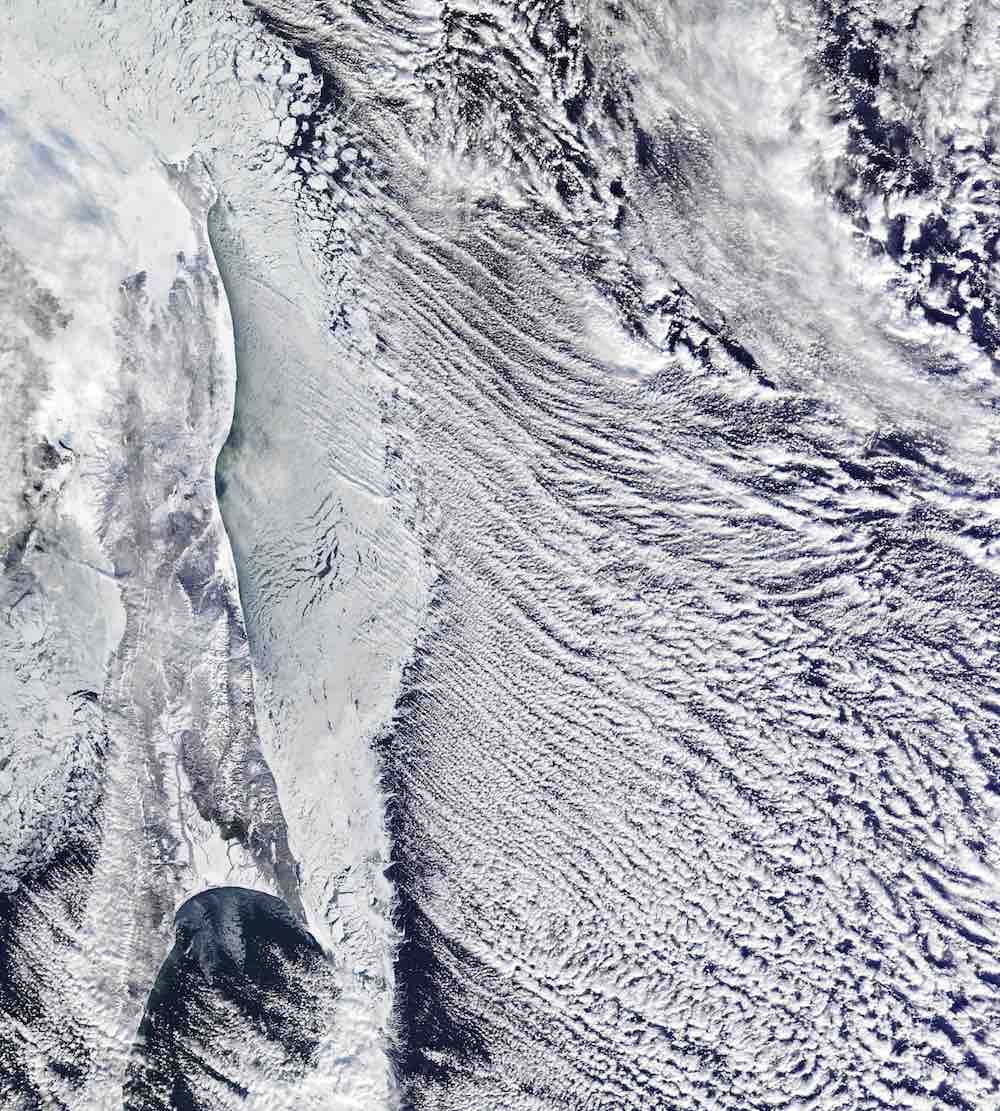
NASA SATELLITE IMAGES HAVE REVEALED SOMETHING CURIOUS IN THE SKIES ABOVE RUSSIA’S EASTERN COAST(Michala Garrison/NASA Earth Observatory/EOSDIS LANCE/GIBS/Worldview)
NASA satellite images obtained late last year captured an odd-looking occurrence in the skies off the coast of eastern Russia, coinciding with an “anomalously low” temperature drop, the agency reported in a recent online posting.
Captured by the Moderate Resolution Imaging Spectroradiometer (MODIS) instrument on NASA’s Terra satellite, a series of odd parallel lines could be seen taking shape in cloud formations just east of Sakhalin Island, Russia’s largest island which separates the Sea of Okhotsk to its east and the Sea of Japan, which lays to the southwest.
Roughly the size of a school bus, the Terra satellite, launched in 1999, studies Earth’s climate through connections between the atmosphere and a range of planetary features that include land and sea. Equipped with five instruments capable of measuring different features of the Earth, Terra collects data that helps scientists gauge the impact of human activity on our planet, as well as how natural disasters impact human population centers and ecosystems.
Through the lens of its camera eye, the MODIS instrument visualizes every point on Earth every 1-2 days from its position in orbit, recording what it observes in 36 spectral bands, making it the most comprehensive of all the sensors on board the Terra satellite and tracking the largest array of our planet’s vital signs.
On December 28, 2023, Terra’s MODIS detected the odd formation of parallel lines of cumulus clouds over the Sea of Okhotsk. Striking in appearance, these unusual cloudy structures are a phenomenon well-known to atmospheric scientists.

Above: Cloud streets visible in the cumulus cloud formations off the eastern coast of Russia on December 28, 2023
(Credit: Michala Garrison/NASA Earth Observatory/EOSDIS LANCE/GIBS/Worldview).
Horizontal convective rolls, more commonly known as “cloud streets,” these odd-looking structures take shape in the troposphere as cool dry pockets of air make their way out over warm coastal waters, where they begin to acquire moisture rising from the sea. The resulting vapor condensation gives rise to cloud formation, whereas cooler portions of the surrounding air sink.
The atmosphere above Russia’s eastern coast is ideal for the formation of features like these, which generally appear in the same direction as the prevailing wind. Over the Sea of Okhotsk, the exceptionally cold northwest winds emerging from Siberia have been likened to a “factory” of ice and cloud formation, where temperatures on Sakhalin Island this time of year often plummet to as low as -6 degrees Fahrenheit (-21 degrees Celsius).
In the photos made available at NASA’s Earth Observatory page, Arctic stratospheric conditions were producing clouds featuring striking iridescent coloration.
“These ethereal polar stratospheric clouds develop in extremely cold conditions and were recently visible to observers at lower latitudes than usual,” wrote Lindsey Doermann in an entry on the Earth Observatory website describing the phenomenon in the NASA satellite images.
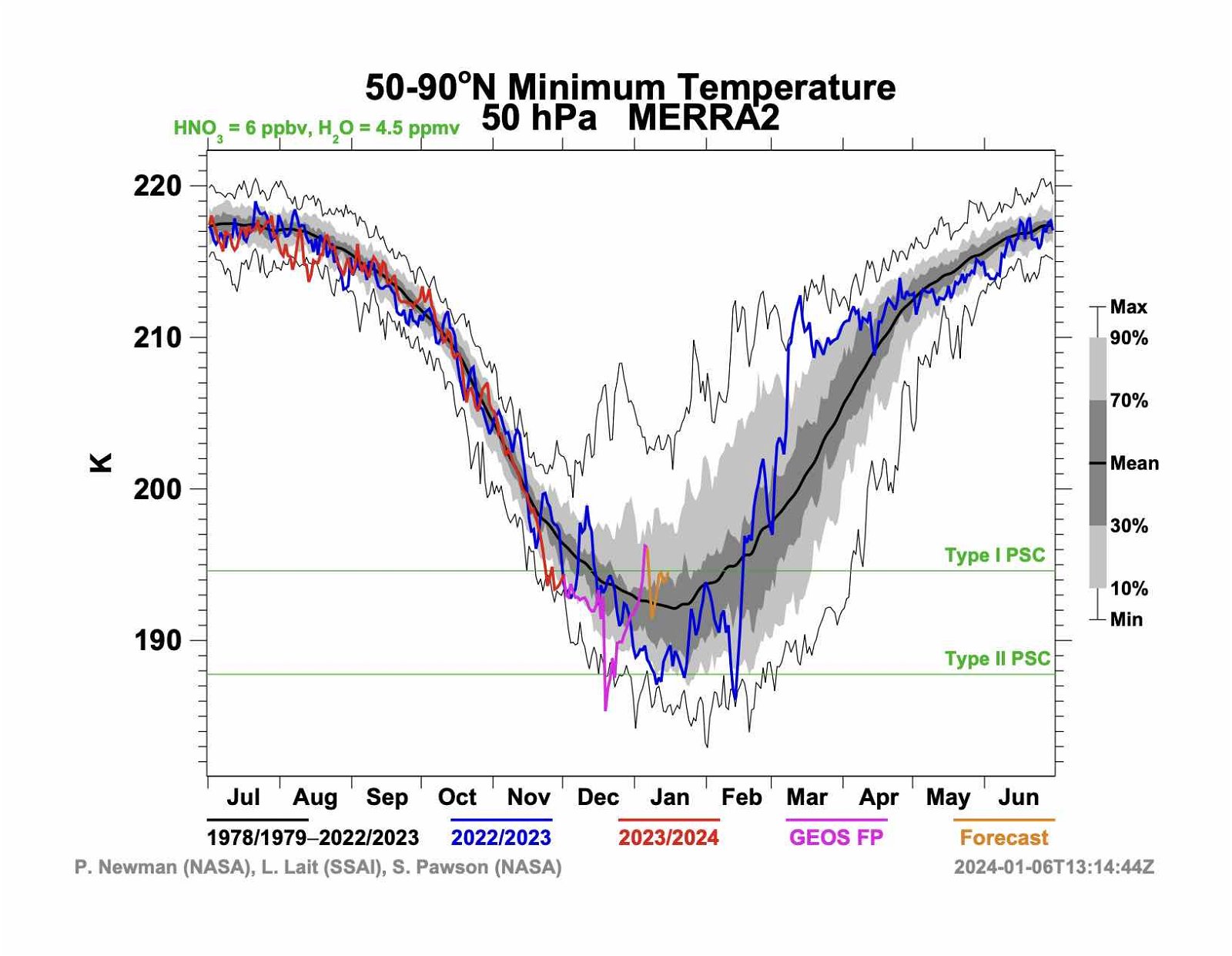
Data collected by NASA’s Global Modeling and Assimilation Office (GMAO) conveyed what it described as “anomalous” low temperatures coinciding with the appearance of the cloud streaks over the eastern Russian coast in recent weeks (Credit: P. Newman (NASA), L. Lait (SSAI), S. Pawson (NASA)).At the time the cloud streets appeared off the Russian coast, Arctic stratospheric temperatures had dropped extremely low (see above), according to data models produced by the space agency’s Global Modeling and Assimilation Office (GMAO).
Supporting NASA’s Earth Science mission, the GMAO provides modeling and data assimilation to help strengthen the information obtained from NASA satellite images, and to provide additional analysis and predictions about events occurring in the atmosphere, as well as on land and in the oceans.
Additional information about the formation of cloud streets can be found here, and further information about NASA’s Global Modeling and Assimilation Office can be found at the GMAO Research Site.
NASA Is Delaying Artemis Moon Missions By A Year — Here’s The Main Safety Reason

NASA officials say they didn’t expect the heat shield to burn and fall apart as much as it did during Artemis I’s re-entry.
NASA has delayed humanity’s highly-anticipated return to the Moon, its Artemis II mission, to September 2025 from an original target launch of November 2024, citing the need for extra time to analyze why the space capsule’s heat shield created hazardous, burning debris upon re-entry to Earth during the Artemis I mission.
Hellish heat of about 5,000 degrees Fahrenheit engulfed NASA’s Artemis I Orion capsule on December 11, 2022, as it careened through Earth’s atmosphere at more than 24,000 miles per hour after visiting the Moon. But charred material unexpectedly flaked off Orion’s heat shield during a maneuver to slow the vehicle down. NASA officials say they didn’t expect the heat shield to burn and fall apart as much as it did.
At high speeds and high heat, debris can become a safety hazard. The space agency spent this past year analyzing the potentially hazardous debris, Amit Kshatriya, deputy associate administrator of NASA’s Moon to Mars Program, said during a media teleconference call on Tuesday. If the Artemis I Orion had a crew onboard, they wouldn’t have been in harm’s way, officials said on Tuesday. However, it could have posed a hazard if there was a crew onboard and it happened to be oriented in a different way. Because of this, Kshatriya said the team wants to fully understand why this debris happened in the first place and prevent it from occurring on future missions.
Hazardous debris is a known major safety risk for space launches. About a minute after the Space Shuttle Columbia launched in January 2003, the external tank released foam insulation. The debris struck the shuttle’s left wing, leaving a wound that likely contributed to the Columbia reentry disaster on February 1, 2003, which killed all seven crew members onboard.
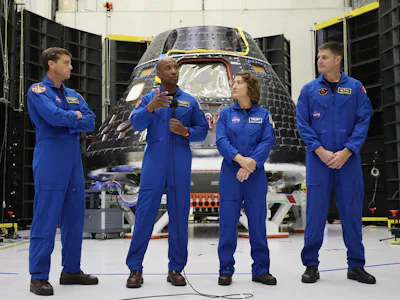
The Artemis missions are NASA’s major push to establish an ongoing human presence on the Moon. Artemis II will be the first test of the vehicle that will send four astronauts — Reid Wiseman, Victor Glover, Christina Koch, and Jeremy Hansen — around the Moon’s farside and back. Artemis III is set to be the first Moon landing since Apollo (as long as no other country beats us to it). But that, too, is delayed. NASA Administrator Bill Nelson said Artemis III won’t fly earlier than September 2026, a year later than originally planned.
“Safety is our number one priority,” said Jim Free, NASA Associate Administrator, at the press conference. “We will launch when we are ready.”
China’s mega-satellietproject: Een strategische zet om supersnel internet van Starlink te beconcurrerenSamengevat. China kondigt plannen aan voor een eigen satelliet-internetnetwerk, vergelijkbaar met StarLink, met de bedoeling om wereldwijde dekking te bieden door 26.000 satellieten te lanceren, een onderneming geleid door staatsbedrijven.
Deze stap markeert een belangrijke ontwikkeling in de wereldwijde ruimtewedloop, waarmee China zichzelf als een dominante ‘ruimtemacht’ positioneert, in directe competitie met de Verenigde Staten. Die tonen bezorgdheid over China’s ruimteambities, wat leidt tot geopolitieke spanningen en concurrentie.
In het nieuws. China begint dit jaar met de bouw van een satelliet-internetconstellatie die de concurrentie wil aangaan met Starlink van Elon Musk.
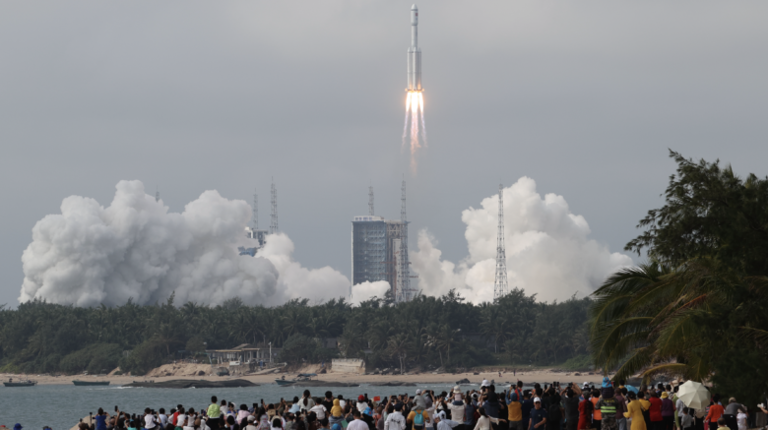
Zoom in. Een specifieke lanceerlocatie is in aanbouw nabij de Wenchang Space Launch Site in Hainan.
Zoom out. Dit project is onderdeel van China’s bredere ambitie om tegen 2030 een ruimtemacht gelijkwaardig aan de VS te worden.