Naar de inhoud

UFO'S of UAP'S, ASTRONOMIE, RUIMTEVAART, ARCHEOLOGIE, OUDHEIDKUNDE, SF-SNUFJES EN ANDERE ESOTERISCHE WETENSCHAPPEN - DE ALLERLAATSTE NIEUWTJES

UFO's of UAP'S in België en de rest van de wereld
seniorennet.beseniorennet.be
Ontdek de Fascinerende Wereld van UFO's en UAP's: Jouw Bron voor Onthullende Informatie! Ben jij ook gefascineerd door het onbekende? Wil je meer weten over UFO's en UAP's, niet alleen in België, maar over de hele wereld? Dan ben je op de juiste plek! België: Het Kloppend Hart van UFO-onderzoek In België is BUFON (Belgisch UFO-Netwerk) dé autoriteit op het gebied van UFO-onderzoek. Voor betrouwbare en objectieve informatie over deze intrigerende fenomenen, bezoek je zeker onze Facebook-pagina en deze blog. Maar dat is nog niet alles! Ontdek ook het Belgisch UFO-meldpunt en Caelestia, twee organisaties die diepgaand onderzoek verrichten, al zijn ze soms kritisch of sceptisch. Nederland: Een Schat aan Informatie Voor onze Nederlandse buren is er de schitterende website www.ufowijzer.nl, beheerd door Paul Harmans. Deze site biedt een schat aan informatie en artikelen die je niet wilt missen! Internationaal: MUFON - De Wereldwijde Autoriteit Neem ook een kijkje bij MUFON (Mutual UFO Network Inc.), een gerenommeerde Amerikaanse UFO-vereniging met afdelingen in de VS en wereldwijd. MUFON is toegewijd aan de wetenschappelijke en analytische studie van het UFO-fenomeen, en hun maandelijkse tijdschrift, The MUFON UFO-Journal, is een must-read voor elke UFO-enthousiasteling. Bezoek hun website op www.mufon.com voor meer informatie. Samenwerking en Toekomstvisie Sinds 1 februari 2020 is Pieter niet alleen ex-president van BUFON, maar ook de voormalige nationale directeur van MUFON in Vlaanderen en Nederland. Dit creëert een sterke samenwerking met de Franse MUFON Reseau MUFON/EUROP, wat ons in staat stelt om nog meer waardevolle inzichten te delen. Let op: Nepprofielen en Nieuwe Groeperingen Pas op voor een nieuwe groepering die zich ook BUFON noemt, maar geen enkele connectie heeft met onze gevestigde organisatie. Hoewel zij de naam geregistreerd hebben, kunnen ze het rijke verleden en de expertise van onze groep niet evenaren. We wensen hen veel succes, maar we blijven de autoriteit in UFO-onderzoek! Blijf Op De Hoogte! Wil jij de laatste nieuwtjes over UFO's, ruimtevaart, archeologie, en meer? Volg ons dan en duik samen met ons in de fascinerende wereld van het onbekende! Sluit je aan bij de gemeenschap van nieuwsgierige geesten die net als jij verlangen naar antwoorden en avonturen in de sterren! Heb je vragen of wil je meer weten? Aarzel dan niet om contact met ons op te nemen! Samen ontrafelen we het mysterie van de lucht en daarbuiten.

Berichten van 1 september 2026 tot 30 september 2026

NASA Claimed They Had Zero UAP Records. A 3,668-Page FOIA Release Tells a More Complex Story

NASA Claimed They Had Zero UAP Records. A 3,668-Page FOIA Release Tells a More Complex Story

Agency officials indicated that NASA held no official UAP records. However, a new FOIA release reveals thousands of pages of internal administrative research and library inquiries.

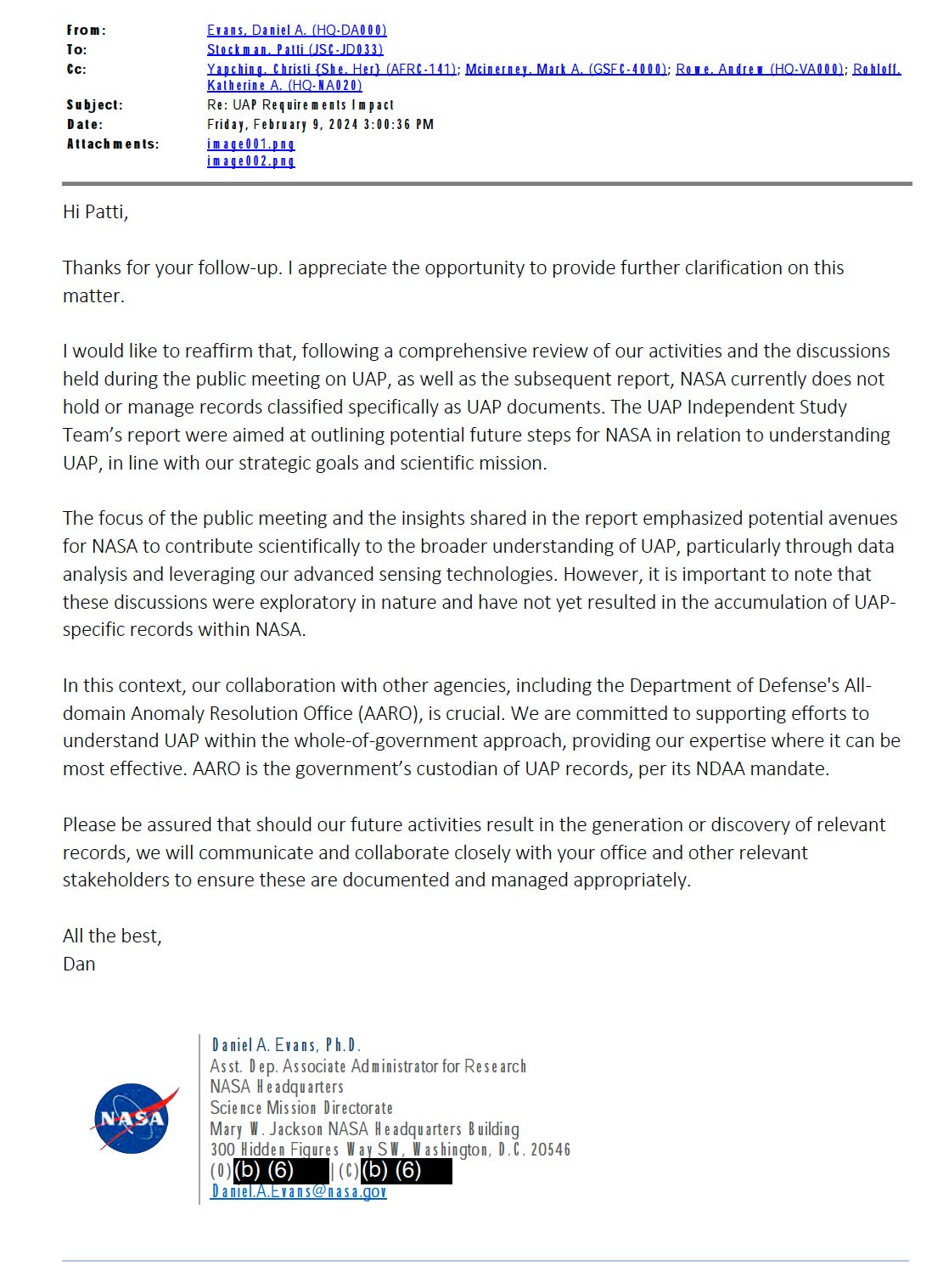
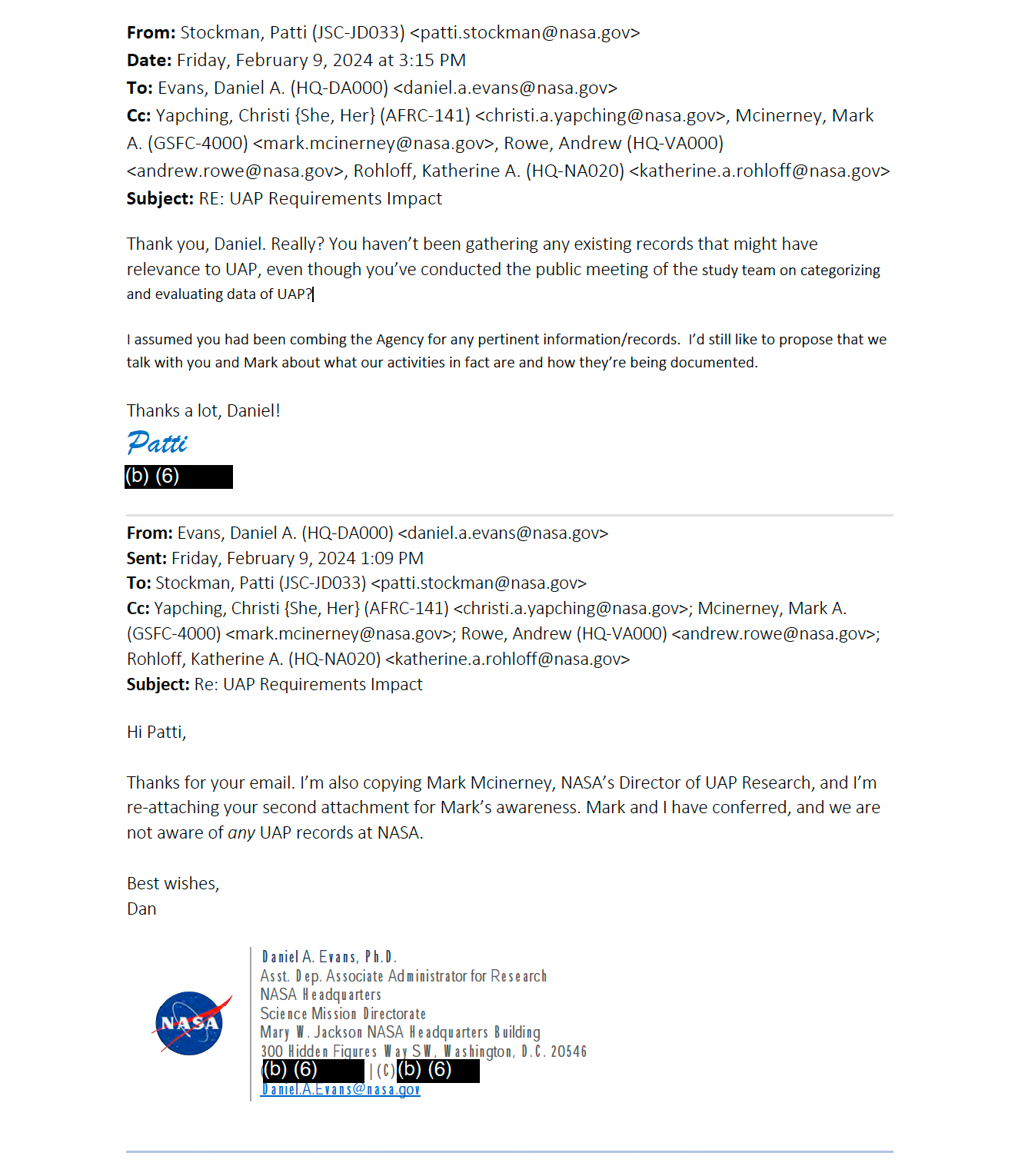
When navigating the federal bureaucracy for transparency on Unidentified Anomalous Phenomena (UAP), researchers frequently encounter conflicting administrative positions. A prominent example emerged in documents secured through the Freedom of Information Act (FOIA). In NASA FOIA case 26-00029-F-HQ, NASA official Dr. Daniel Evans - who served as the Designated Federal Officer for the NASA UAP Independent Study Team (IST) - formally stated in email correspondence that “NASA currently does not hold or manage records classified specifically as UAP documents.”

Source: NASA FOIA 26-00029-F-HQ

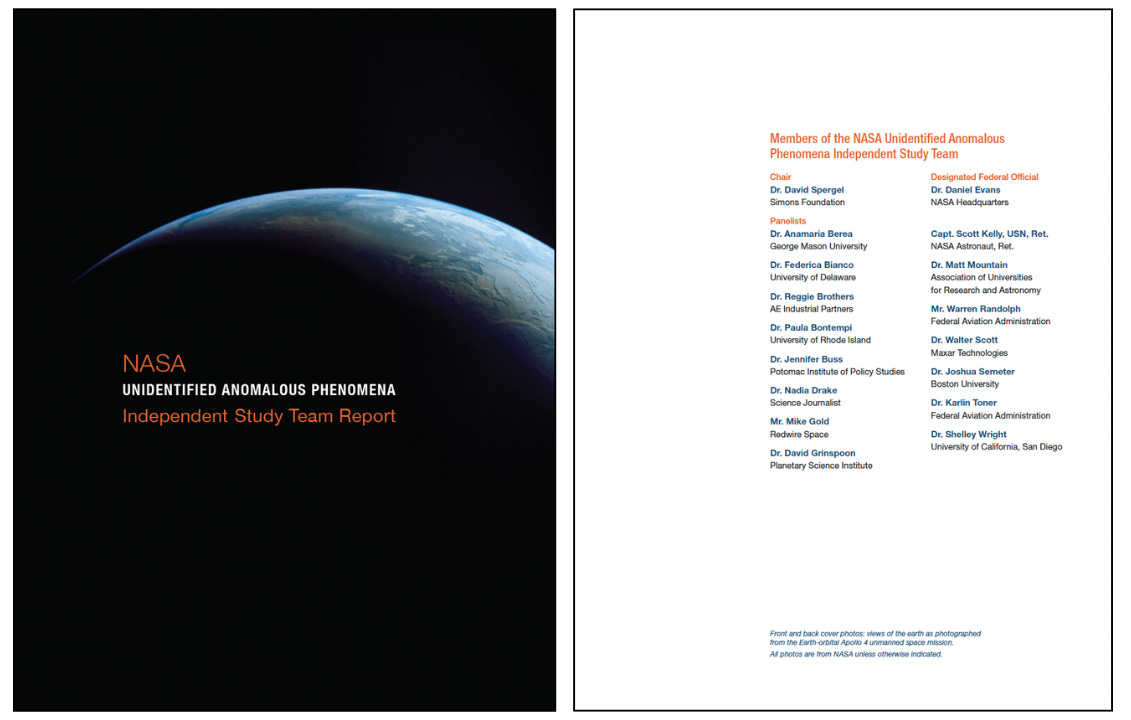
This statement aligned with NASA’s broader public messaging regarding its approach to UAP. During a 14 September 2023 media briefing announcing the IST's final report and recommendations, NASA Administrator Bill Nelson and Dr. Evans repeatedly emphasised the agency’s commitment to openness, transparency, and the rigorous application of the scientific method to UAP data.

Source: NASA Science

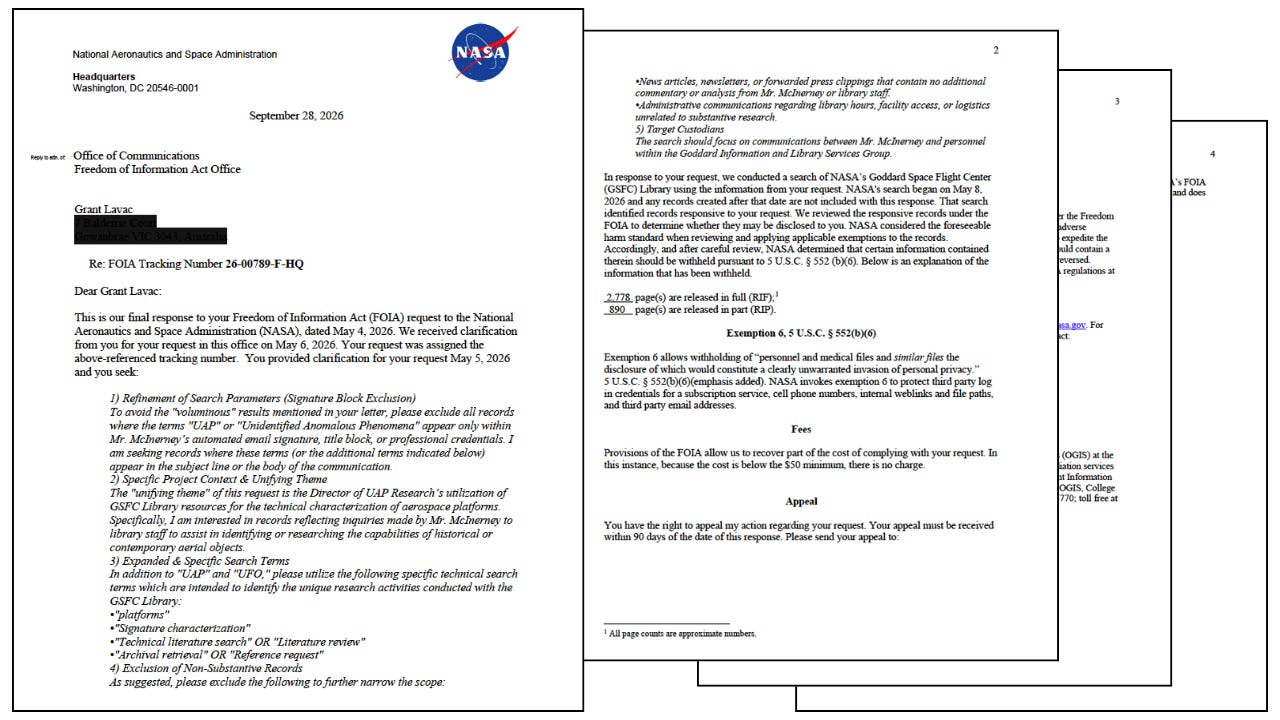
However, a separate FOIA request, 26-00789-F-HQ (available for download at article end) originally filed on 4 May 2026 and received on 28 September 2026 - targeting communications between Mark McInerney, NASA’s Director of UAP Research, and research librarians at the Goddard Space Flight Center (GSFC) - has yielded a substantial paper trail.

Final Response for NASA 26-00789-F-HQ

NASA returned a staggering 3,668 pages (2,778 pages released in full and 890 pages released in part). These documents illustrate a distinct administrative reality: while leadership maintained that the agency held no formal UAP records, the newly appointed Director of UAP Research was actively engaging internal library resources to compile technical literature on advanced aerospace platforms, propulsion, and perceptual phenomena.

Researching Platforms, Propulsion, and Perception

The newly disclosed emails outline a methodical, literature-based research effort conducted through the GSFC Library during the latter half of 2023. The records detail five distinct areas of inquiry:
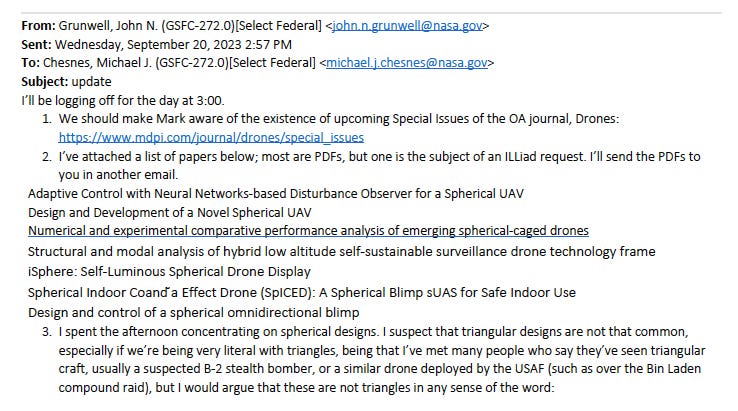
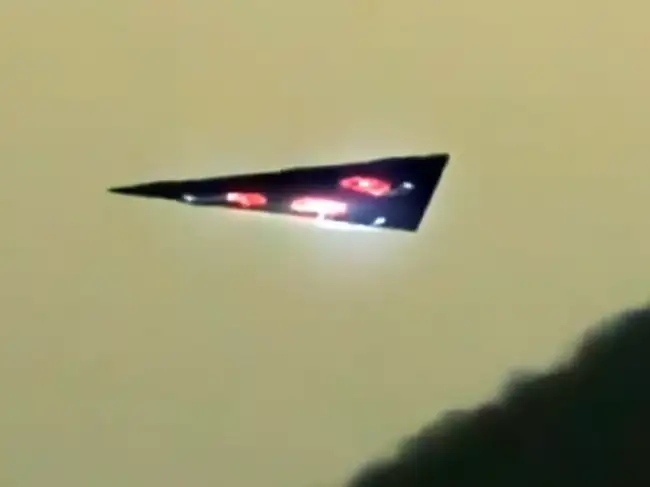
  • Advanced Airframes: In September 2023, McInerney requested academic and industry literature regarding state-of-the-art spherical or triangular drones. Library staff curated literature on spherical Unmanned Aerial Vehicles (UAVs) and Coanda-effect drones, while noting that true triangular designs were scarce in public literature, often overlapping with conventional military platforms like the B-2 stealth bomber.

    Source: NASA FOIA 26-00789-F-HQ
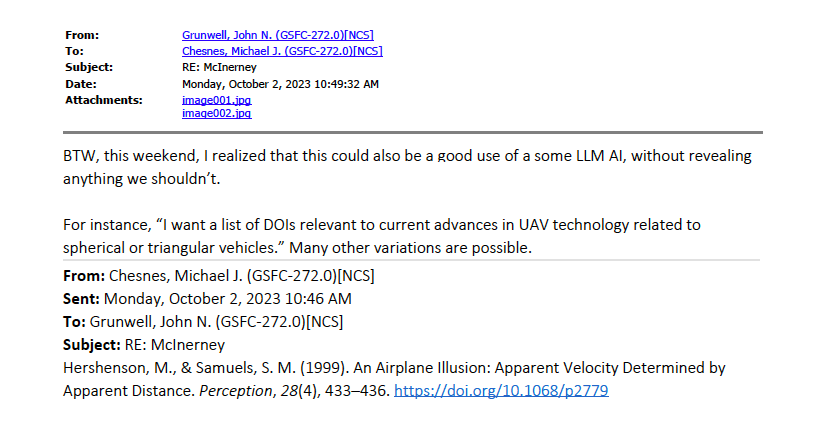
  • Artificial Intelligence and Operational Security: The research load became so vast that library staff discussed utilizing Large Language Models (LLMs) to assist the data hunt. However, even while conducting unclassified literature searches, NASA contractors inherently understood the sensitivity of the UAP Director's specific interests. On 2 October 2023, GSFC librarian John Grunwell suggested using AI to find literature on spherical and triangular drones, but explicitly warned his colleague to do so "without revealing anything we shouldn't."

    Source: NASA FOIA 26-00789-F-HQ
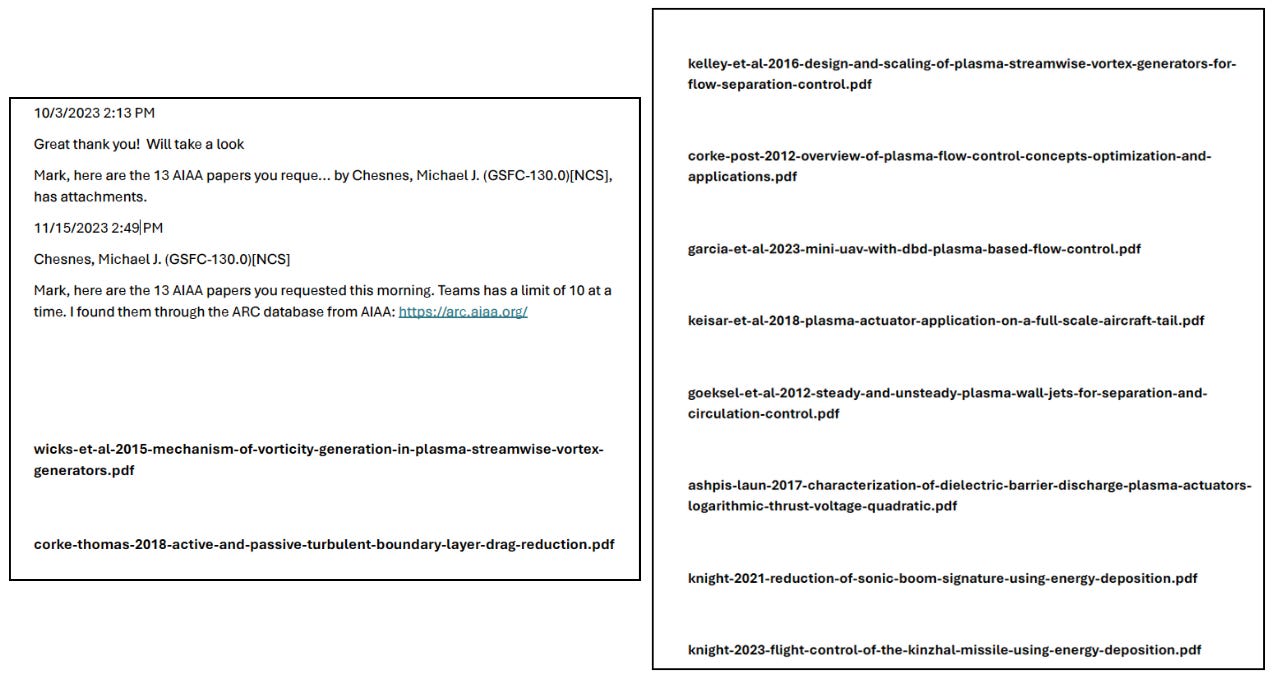
  • Exotic Propulsion: McInerney subsequently expanded his inquiries into commercial ion propulsion and electromagnetic propulsion. Library personnel provided technical papers from the American Institute of Aeronautics and Astronautics (AIAA) covering plasma flow control, dielectric barrier discharge (DBD) actuators, and energy deposition methods for sonic boom reduction.

    Source: NASA FOIA 26-00789-F-HQ
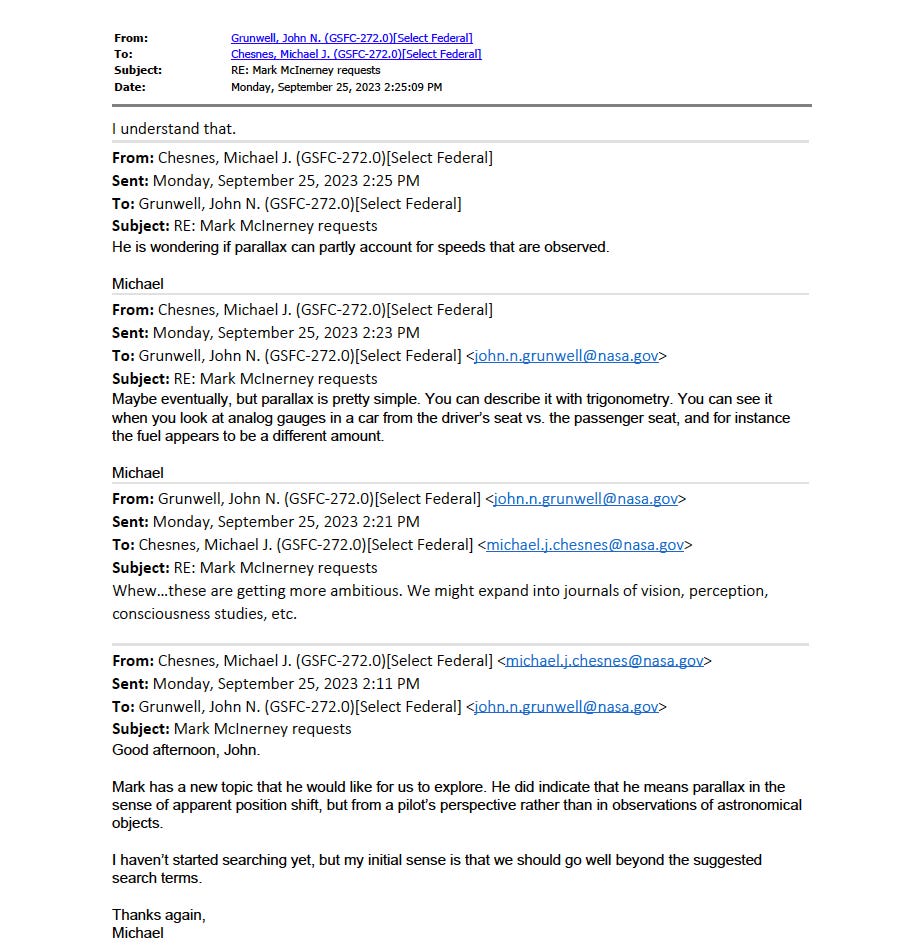
  • Human Factors: To examine observational data, McInerney requested literature on parallax and apparent position shift to help explain sightings where a pilot sees an object flying below them that appears to move "faster than reality." The requests pushed so far past standard aerospace parameters that it prompted a candid reaction from GSFC librarian John Grunwell, who noted the inquiries might require expanding into "journals of vision, perception, consciousness studies, etc."

    Source: NASA FOIA 26-00789-F-HQ
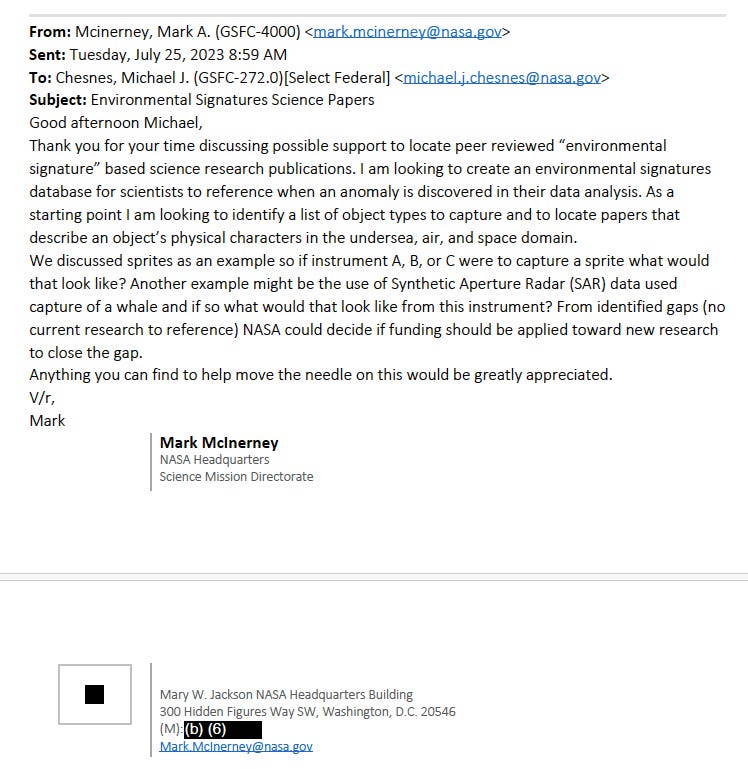
  • Environmental Signatures Database: A few months earlier in July 2023, McInerney initiated a project to explore creating an environmental signatures database. The objective was to help scientists distinguish known natural phenomena - such as atmospheric sprites or marine life tracked via Synthetic Aperture Radar (SAR) - from genuine anomalies. This initiative aligned with public statements made by IST members like Dr. David Spergel regarding the need to leverage NASA’s high-resolution data assets.

    Source: NASA FOIA 26-00789-F-HQ

The GSFC library compiled extensive Zotero bibliographies spanning multiple scientific disciplines to support this database, though the initiative was paused by September 2023 due to resource limitations. Zotero bibliographies are curated, formatted lists of academic citations and research materials compiled using specialised reference management software.

NASA’s UAP Director of Research and Public Visibility

The timeline of these internal research requests ran parallel to NASA’s highly anticipated UAP Independent Study Team (IST) Report, released on 14 September 2023.

Source: NASA

During the media teleconference accompanying the report’s release, NASA leadership faced questions regarding the newly created Director of UAP Research position. Initially, officials expressed reluctance to publicly identify the individual holding the role due to concerns over cyber-harassment and stigma. Ultimately, later that day, NASA publicly confirmed Mark McInerney’s appointment.

Source: NASA Science

Despite the public visibility surrounding the appointment, the administrative reality of the position appears to have been temporary. Internal communications from early 2025 confirmed that McInerney’s detail to the Department of Defense’s All-domain Anomaly Resolution Office (AARO) concluded in the fall of 2024, and the Director of UAP Research role was left without a permanent backfill.

According to his LinkedIn profile, Mark McInerney has since stepped away from his federal duties, having officially retired from NASA in July 2025. His departure coincided with the agency's delayed resignation program, quietly bringing an end to his tenure as the first Director of UAP Research.

Internal Record-Keeping and Interagency Routing

The internal correspondence within the FOIA release also documents candid discussions between agency leadership and NASA Records Officer Patti Stockman regarding how UAP-related materials are categorised and retained. When informed that NASA claimed to hold no UAP records, Stockman expressed surprise regarding the lack of documentation given the agency’s recent public-facing studies.

Source: NASA FOIA 26-00029-F-HQ

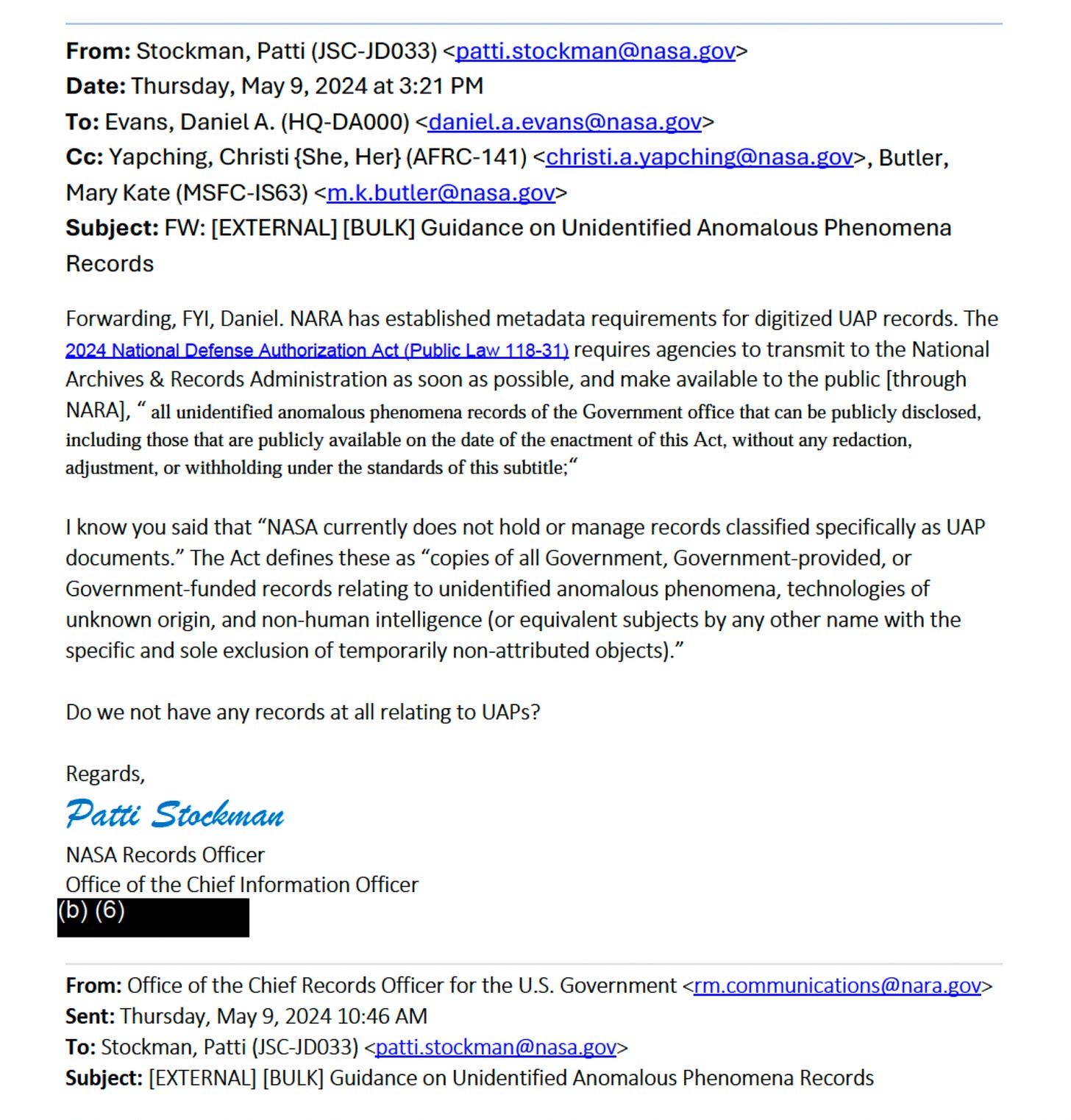
The conversation deepened when Stockman forwarded guidance from the National Archives and Records Administration (NARA) explicitly detailing the federal metadata requirements for digitised UAP records. She directly questioned how NASA could reconcile NARA’s requirements with the assertion that the agency possessed zero UAP records.

Source: NASA FOIA 26-00029-F-HQ

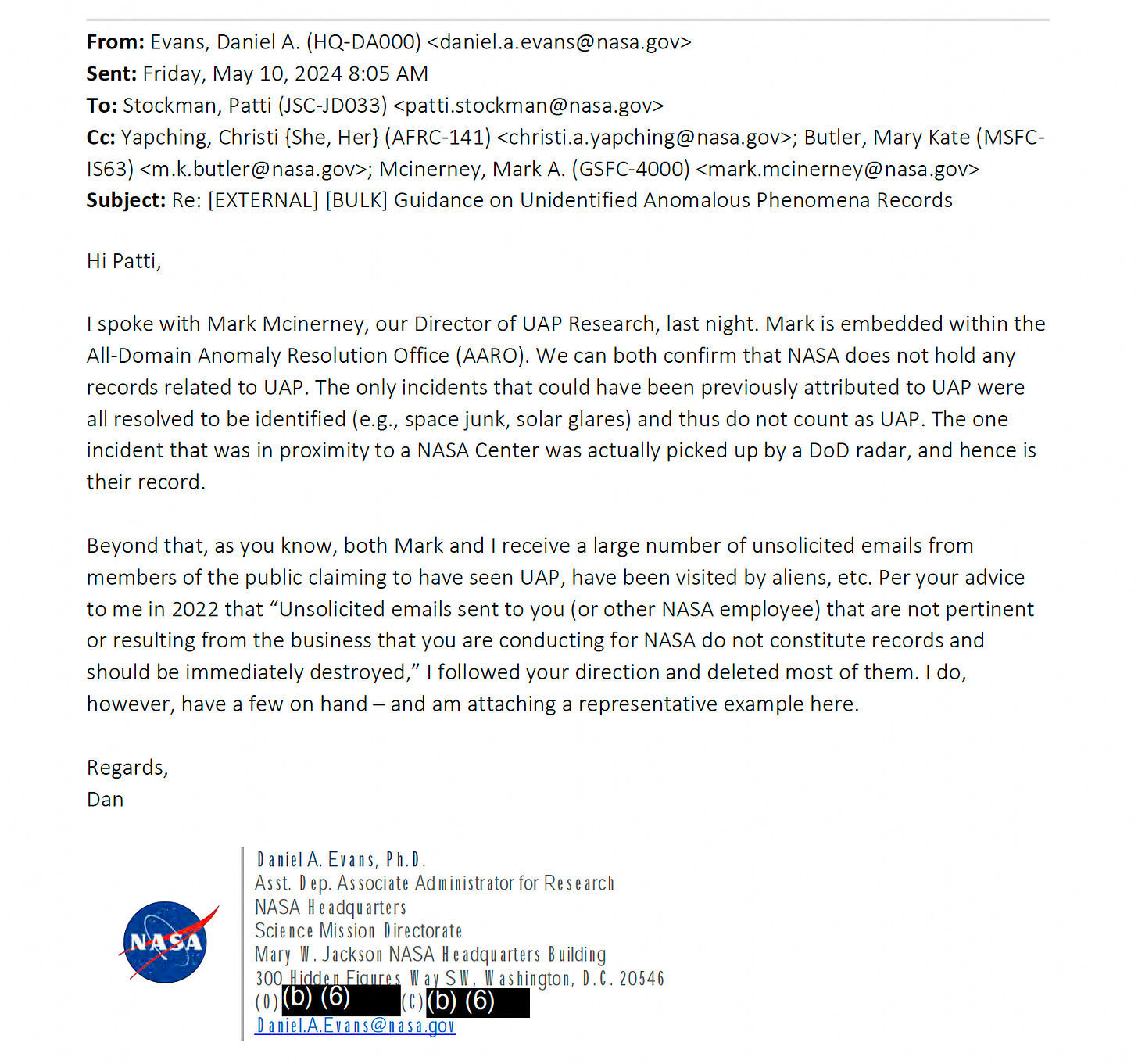
In response, Evans reiterated that NASA did not hold records related to UAP, noting that previous incidents investigated near NASA centers were ultimately identified or tracked by DoD assets. Regarding his own inbox, Evans noted that he received a large volume of unsolicited emails from the public. He stated that, following previous guidance regarding non-pertinent agency business, he had routinely deleted these communications, thereby resulting in no retained records.

Source: NASA FOIA 26-00029-F-HQ

Additionally, in handling subsequent FOIA requests, NASA referred portions of its files to external bodies: 26 pages to the Department of Defense and 15 pages to the Government Accountability Office (GAO). Because the GAO operates as an investigative arm of Congress, it is legally exempt from statutory FOIA timelines under 4 CFR Part 81. By routing records through these interagency channels, public access is managed outside of standard FOIA frameworks, highlighting the complex web of jurisdiction governing federal records on sensitive topics.

The Quiet Closure of the Goddard Library

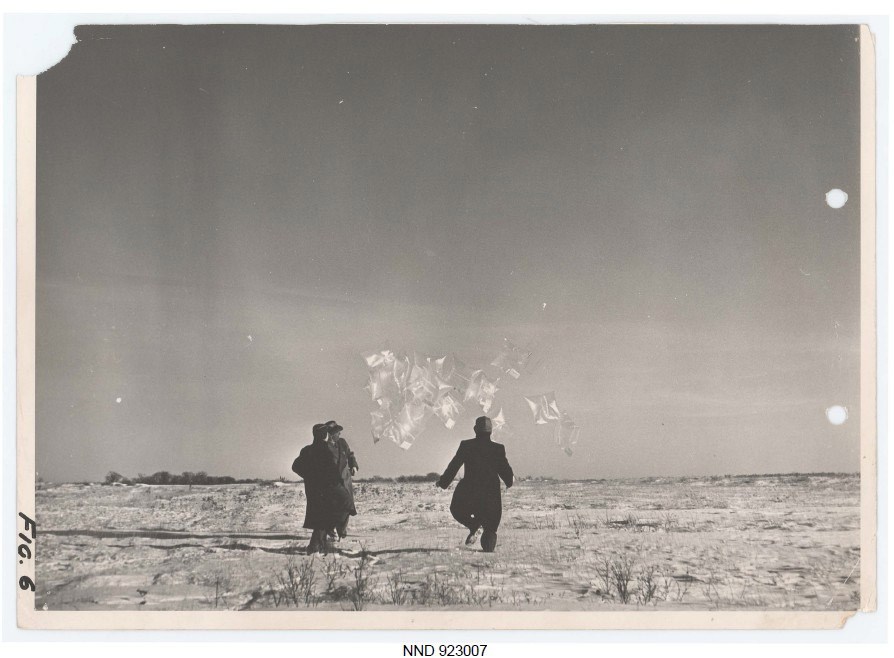
Established alongside the Goddard Space Flight Center when it opened in 1959 as NASA’s first space flight complex, the GSFC Library grew to become the agency’s largest research library. For over six decades, it served as a vital intellectual hub, offering scientists, engineers, and administrators unparalleled access to technical aerospace literature and invaluable historical archives - including primary source documents dating back to the facility’s early high-altitude balloon research. As demonstrated by the UAP Director’s extensive 2023 inquiries, the library’s dedicated staff and expansive collections were instrumental in conducting the kind of deep-dive, multi-disciplinary research that standard digital searches simply could not replicate.

Despite its critical role in advancing aerospace research, the GSFC Library was permanently closed on 2 January 2026. The shuttering of the historic facility was part of a sweeping, Goddard-wide campus transformation and cost-cutting initiative aimed at consolidating operations. Driven by broader federal reorganisation mandates, the closure plan involved shuttering over a dozen buildings and more than 100 laboratories. While NASA indicated that a small percentage of the rarest materials would be saved or digitised, thousands of physical volumes and historical records were reportedly slated for disposal or transfer to the General Services Administration, effectively marking the end of an era for one of NASA’s most significant repositories of scientific history.

Conclusion

The release of these 3,668 pages demonstrates a fundamental tension within federal science administration. While executive-level public statements and internal emails stressed that NASA held no formal UAP documentation, the day-to-day operations revealed active data gathering and technical exploration of aerospace anomalies through the GSFC library.

As researchers continue to examine the remaining X-drive spreadsheets and Zotero databases referenced in the emails, this documentation serves as a valuable reminder: in the pursuit of transparency, tracking administrative workflows and library requests often provides the clearest picture of an agency’s true engagement with the UAP topic.

  • Download FOIA documents
    26-00789-F-HQ - Redacted Records - 1 of 2 [298 Pages, 2.6MB]

    26-00789-F-HQ - Redacted Records - 2 of 2 [3,380 Pages, 18.5MB]
  • About Grant Lavac
    Grant is a UAP activist, researcher and podcaster residing in Melbourne, Australia. Grant frequently leverages the Freedom of Information Act to better understand Australia’s involvement (or rather, lack thereof) on the UAP issue, and engages both his elected representatives and the legacy media in the hope they’ll take the topic seriously and treat it with the respect it deserves. Grant reports on his FOIA findings and engagement efforts via his podcast, The Unexplained Rundown, which is freely available on Spotify and YouTube. To follow Grant’s ongoing research, visit grantlavac.com.

{https://grantlavac.substack.com/ }

Hoe vind je dit bericht?
Geschreven door peter om 23:36 Stuur door

UFO Disclosure 2026: Fifth Batch Of 41 Classified Files Released; Here's How To Access

UFO Disclosure 2026: Fifth Batch Of 41 Classified Files Released; Here's How To Access

The oldest file in the latest release dates to 1950, while the latest was generated this year. This is the fifth release since President Donald Trump ordered federal agencies in February to identify and release classified records related to unidentified aerial phenomena (UAPs).
Hoe vind je dit bericht?
Geschreven door peter om 22:45 Stuur door

Development of a greenhouse prototype for the lunar base has begun

Development of a greenhouse prototype for the lunar base has begun

Fresh vegetables and salad may become part of the diet of future Moon residents. The space agencies of the United States and Canada, together with the German Aerospace Center, have agreed to prepare a ground-based prototype of a plant-growing module for a lunar base. They want to test how crops grow under reduced pressure and how the greenhouse exchanges oxygen, carbon dioxide, and water with the living module. Long-duration expeditions to the Moon, and later to Mars, will largely depend on this.

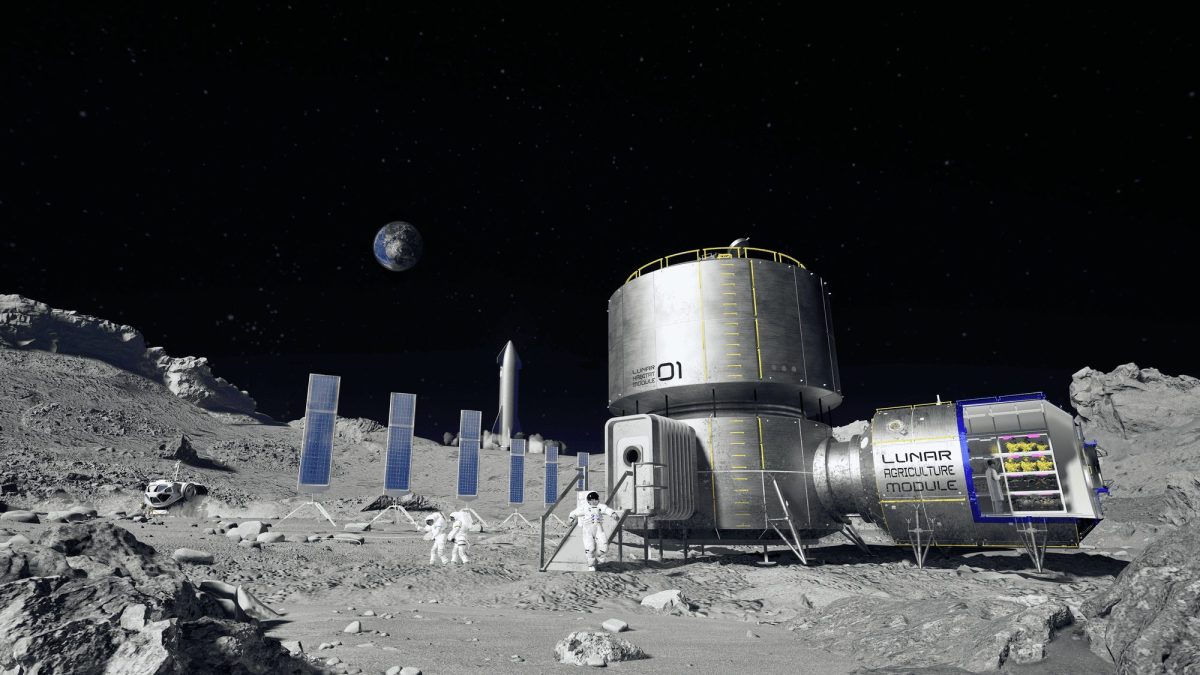
Artist’s illustration of the ground demonstrator of the Lunar Agricultural Module (LAM-GTD). Such a module could supplement the diet of residents of a permanent lunar base with fresh vegetables and salad. Credit: German Aerospace Center (DLR), Kyunghwan

Preparatory Stage of the Project

NASA, the Canadian  Space Agency (CSA), and the German Aerospace Center (DLR) signed a memorandum of understanding in August 2026. As DLR reports, the document currently concerns only preparatory work on the ground demonstrator of the Lunar Agricultural Module (LAM-GTD). The parties will decide later whether it should be built. If so, the facility is expected to be completed no later than 2032.

According to the concept, the greenhouse for growing high-density crops will be connected to the crew living module through an airlock chamber that will regulate pressure and gas composition. The crew compartment itself will not be reproduced separately; it will be replaced by the HabSim simulator. Teams from several DLR institutes, NASA, CSA, and the National Research Council of Canada are working on the project.

Diagram of the ground prototype of the Lunar Agricultural Module (LAM-GTD). The concept combines a habitat simulator with a plant-growing module, and the facility could be built by 2032. Credit: LIQUIFER Space Systems GmbH, René Waclavicek

Reduced-Pressure Conditions

The project is intended to show how plants grow in a controlled environment at pressure lower than that on  Earth. Similar conditions are expected at the future base near the Moon’s south pole, which NASA and its partners plan to build under the Moon Base project.

This choice is not accidental. NASA has studied an atmosphere for lunar habitat modules with a pressure of about 56 kPa, slightly more than half of Earth’s 101 kPa at sea level. In a spacesuit, the pressure is even lower, about 30 kPa. The smaller the difference between the pressure inside the module and inside the spacesuit, the shorter the preparation time for going outside, because with a large pressure difference an astronaut must breathe pure oxygen for a long time to avoid decompression sickness.

Researchers will also separately study the exchange of air and water between the greenhouse and the crew compartment. Plants absorb carbon dioxide, release oxygen, and return water to the circulation cycle, so part of the load on life-support systems can be transferred to them.

Experience from Antarctica

DLR has already experimented with growing food in isolation. Beginning in 2018, the EDEN ISS Antarctic greenhouse team spent five years collecting data on equipment reliability, crop yields, microbiology, and food safety.

A diverse harvest in the EDEN ISS Antarctic greenhouse of the German Aerospace Center. Since 2018, the team spent five years collecting data on system operation, plant cultivation, food safety, the crew’s psychological state, and electricity and water consumption. Credit: German Aerospace Center (DLR), CC-BY 3.0

Engineers recorded how much electricity, water, and working time such a facility requires. These resources will be limited on a lunar base, so such figures will be needed already at the design stage.

All of these data were obtained under normal Earth pressure. How plants will behave in the rarefied atmosphere of a lunar base will be shown by the new prototype.

More Than Calories

Fresh greens will not replace astronauts’ usual diet but will supplement it. Long-life packaged rations will continue to form the basis of their food, while plants will add variety.

Their benefits are not limited to nutrition. DLR emphasizes that plants support the psychological well-being of the crew. The EDEN ISS team in Antarctica studied this aspect as well. The farther expeditions travel from Earth, the more important such capabilities will become.

Greenhouses for Deserts

The project’s results may also prove useful on Earth. Specialized greenhouse designs could be suitable for dry desert regions where water must be conserved.

Controlled food cultivation offers another advantage. DLR expects that such technologies could help reduce pesticide use and improve food quality, although the mechanism behind this effect is not explained in the announcement.

{ https://universemagazine.com/en/articles-en/ }

Hoe vind je dit bericht?
Geschreven door peter om 21:17 Stuur door

What Colonists on Mars and the Moon Lack According to Maslow’s Hierarchy of Needs

What Colonists on Mars and the Moon Lack According to Maslow’s Hierarchy of Needs

Humanity plans to establish a colony on Mars, although it remains unclear whether such a settlement could survive without continuous supplies from Earth. To investigate this question, we examined the full range of human needs, from air and food to the mission’s underlying purpose. Our findings indicate that even aboard an orbital station, it is not yet possible to recover half of the oxygen; on Mars, one meter of soil overhead blocks only a quarter of cosmic radiation; and unexpected psychological challenges may arise among an isolated crew.

What people need to live on Mars and the Moon without assistance from Earth. Source: Universe Space Tech YouTube channel

Five steps to Mars

In visualizations, a city on Mars is typically depicted as a cluster of domes, solar panels, and rockets on the horizon. However, a dome alone does not constitute a colony. A colony begins when its inhabitants can produce their own air, water, and food, and repair equipment failures without relying on spare parts from Earth.

Elon Musk articulated this distinction with considerable precision. In a May 2025 interview with Fox News, he described Mars as a “life insurance policy” for humanity in the event of an asteroid strike, nuclear war, or climate catastrophe. He immediately added that a settlement unable to function without a continuous supply of resources from Earth would not constitute a backup plan; it would remain a branch.

Let us consider what the colony will be able to provide for itself in terms of life’s necessities. The hierarchy of needs proposed by psychologist Abraham Maslow offers a useful framework for organizing this discussion. It is commonly represented as a pyramid, although Maslow himself never drew such a diagram. For our purposes, the essential point is the progression from basic survival to the sources of meaning in our actions.

The five levels of needs for a colony on Mars — from air, water, and food to the purpose for which people travel to another planet.
Authored by: Universe Space Tech

There are five steps. The first involve air, water, and food; the next involve safety, the people around us, work, and, finally, our goals. On Earth, we move through most of them without even noticing. On Mars, we will have to build each one from scratch, beginning with what we breathe.

Essential needs

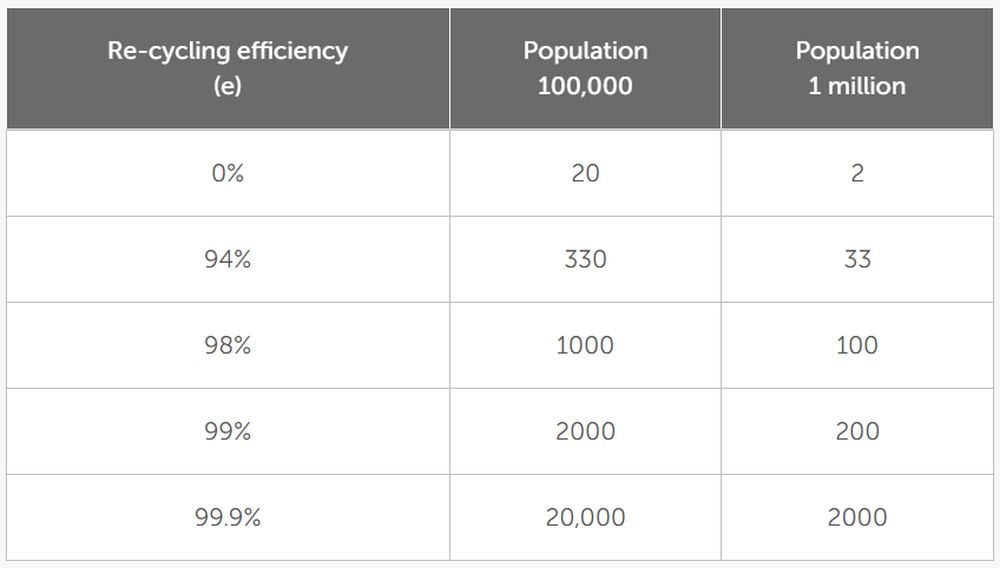
The initial step appears to have already been taken, as people have been breathing, drinking, and bathing aboard the International Space Station for more than twenty years. Virtually no water is lost there. Condensate from the air, wastewater generated through personal hygiene, and even urine undergo distillation and filtration. A few years ago, a unit was added to extract moisture from the concentrate, which had previously been discarded. Approximately 98% of the water is recycled.

JAXA astronaut Koichi Wakato (center) and NASA astronauts Frank Rubio (left) and Josh Cassada (right) aboard the ISS.
Source: nasa.gov

Oxygen recovery is a more complex process. Oxygen is extracted from water through electrolysis, and the resulting hydrogen is combined with the carbon dioxide exhaled by the astronauts. This process produces water, which is returned to the cycle, and methane. The methane, along with some of the hydrogen, is jettisoned overboard, making it impossible to recycle all of the exhaled gas. Consequently, only about 50% of the oxygen can be recovered, despite NASA’s requirement that at least 75% be recovered for missions beyond  Earth’s orbit.

Both figures should be interpreted with certain caveats. The station orbits at an altitude of approximately 400 km, and cargo ships regularly deliver water, breathing gases, filters, and spare parts. Accordingly, these figures reflect the effectiveness of the recycling process rather than the station’s ability to operate independently of Earth.

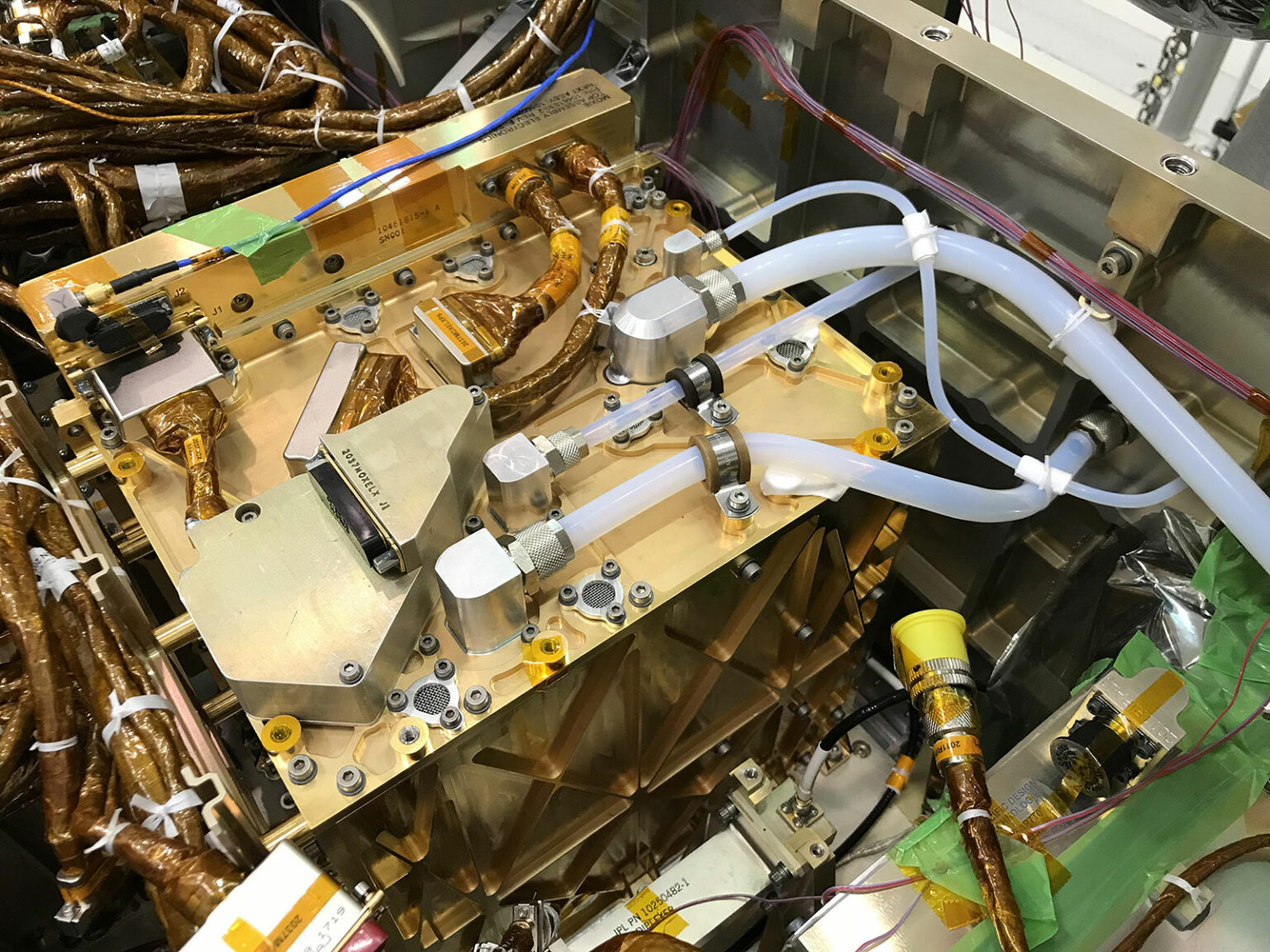
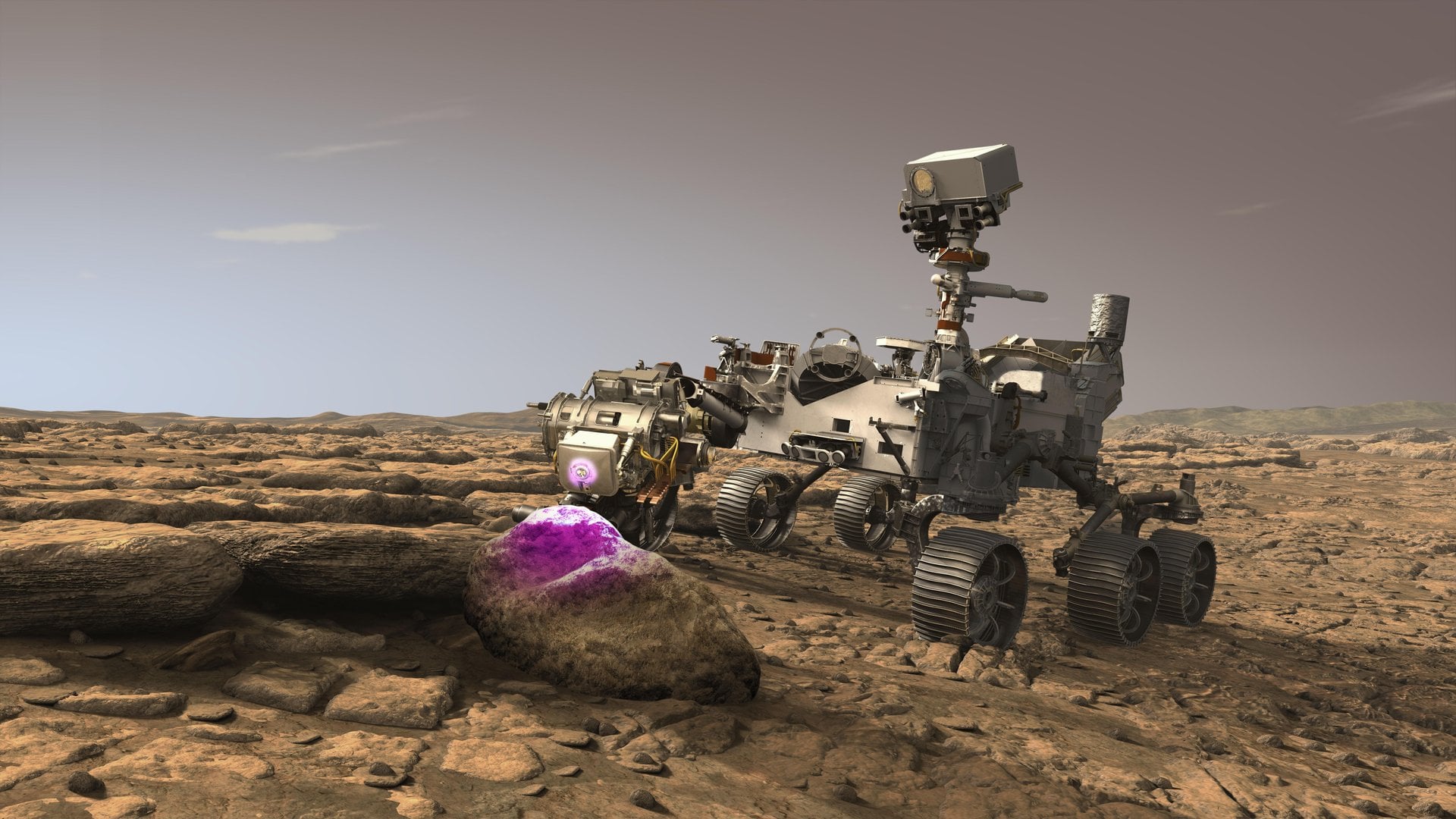
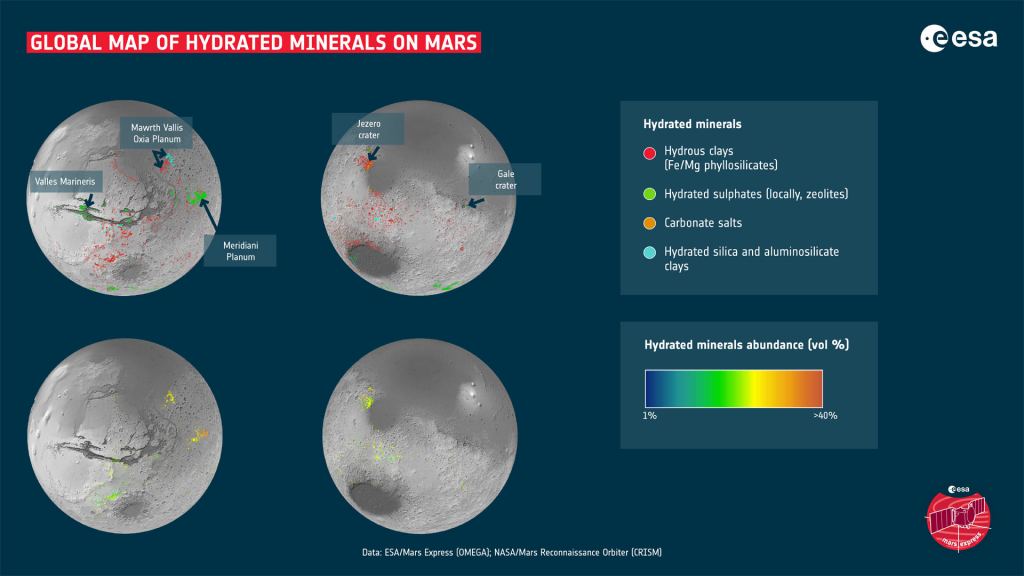
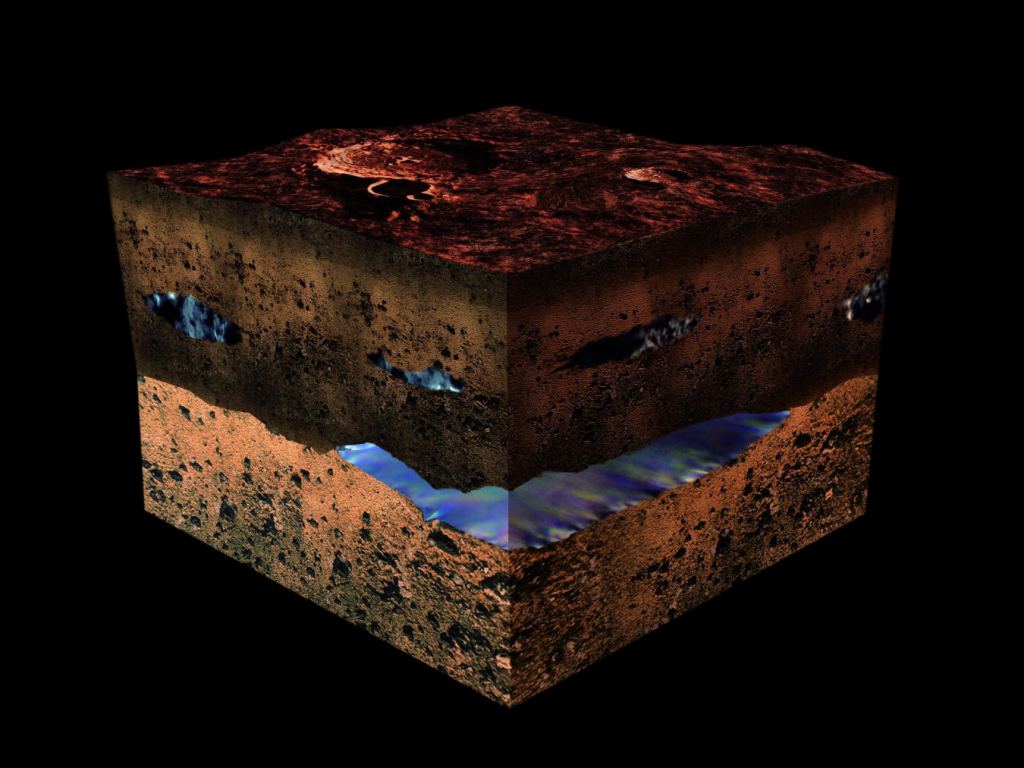
The prospects for obtaining water on Mars are more favorable than one might expect, as extensive deposits of ice lie beneath the planet’s surface. In addition, oxygen can be extracted from the atmosphere, which consists primarily of carbon dioxide. Colonists require oxygen both for respiration and as an oxidizer in rocket fuel; without it, they would be unable to launch from the planet. In 2021, this capability was tested using the MOXIE instrument aboard the Perseverance rover. Martian air was heated inside the device and separated into oxygen and carbon monoxide. Over a two-year period, sixteen sessions were conducted, producing 122 grams of oxygen — enough to sustain an adult’s breathing for five hours. The experiment’s purpose was to demonstrate that this process was feasible.

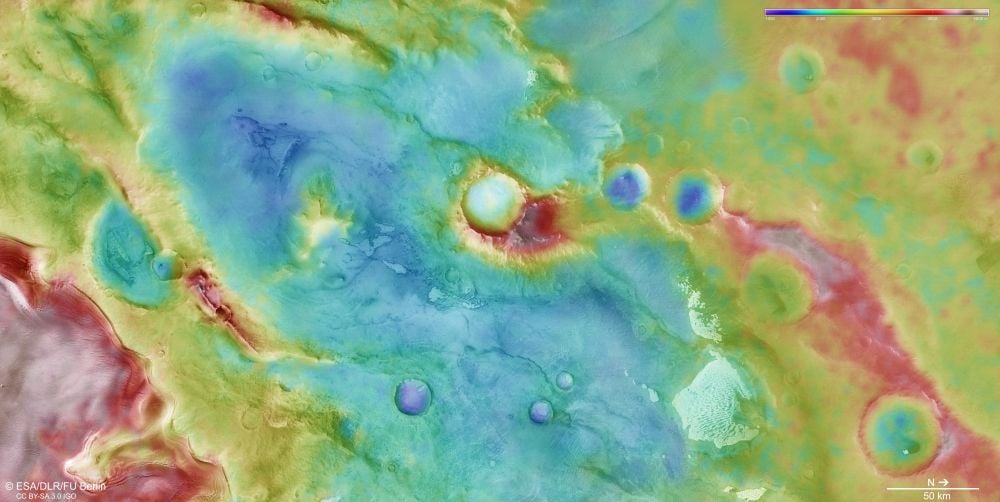
Water on Mars. Source: ESA / DLR / FU Berlin (G. Neukum)

To support the crew and refuel the rocket for the return journey, a system approximately 200 times larger will be required. It will need about 30 kW, while the entire Perseverance rover is powered by a 110-watt source. The oxidizer required for the return flight alone weighs nearly 30 metric tons and must be produced continuously for almost a year and a half before the crew arrives. No such equipment currently exists; only the MOXIE team’s calculations are available.

In this image, the gold-plated Mars Oxygen In-Situ Resource Utilization Experiment (MOXIE) instrument is shown glistening after its installation inside the Perseverance rover. Credit: NASA / JPL-Caltech

Efforts have previously been undertaken on Earth to establish a fully self-sustaining system in which people produce their own air, water, and food. On September 26, 1991, in the Arizona desert, the airtight doors of Biosphere 2 — a glass complex spanning one and a half hectares and containing a forest, a section of ocean, and a farm — were sealed behind eight participants. They were scheduled to emerge two years later.

Their own harvest supplied approximately four-fifths of their food requirements; however, over the course of the experiment, the crew lost an average of 16% of their body weight. The most unusual developments began approximately one year after the spacecraft was sealed. During routine activities, participants began experiencing shortness of breath; some were unable to complete a sentence without pausing to breathe, and one participant fell asleep during lunch. Over a sixteen-month period, the oxygen concentration declined from just over 20% to 14.5%. For context, this is comparable to the oxygen level at an altitude of four kilometers.

Participants in the Biosphere 2 experiment — Jane Poynter, Linda Leigh, Mark Van Thillo, Taber MacCallum, Roy Walford (in the foreground), Abigail Alling, Sally Silverstone, and Bernd Zabel — inside the complex in 1990. Source: Neon

It could not have disappeared without a trace. Living organisms convert oxygen into carbon dioxide; therefore, the concentration of this compound should have increased in direct proportion to the decrease in oxygen. However, measurements did not indicate such an increase. Two explanations emerged. Soil microbes — in soil that was exceptionally rich in organic matter and had been prepared for the crop — consumed oxygen far more intensively than the designers had anticipated, meaning that carbon dioxide levels were indeed rising. In addition, fresh concrete in the structures absorbed carbon dioxide, preventing it from accumulating in the air. Ultimately, the oxygen shortfall had to be offset by pumping oxygen in from outside.

Safety

The second factor, safety, is naturally provided on Earth. Earth’s magnetic field deflects most of the Sun’s charged particles, while its thick atmosphere absorbs the remainder. Mars has a very weak magnetic field, and its surface atmospheric pressure is approximately 160 times lower than  Earth’s. This thin atmosphere offers almost no protection, allowing radiation to reach the surface.

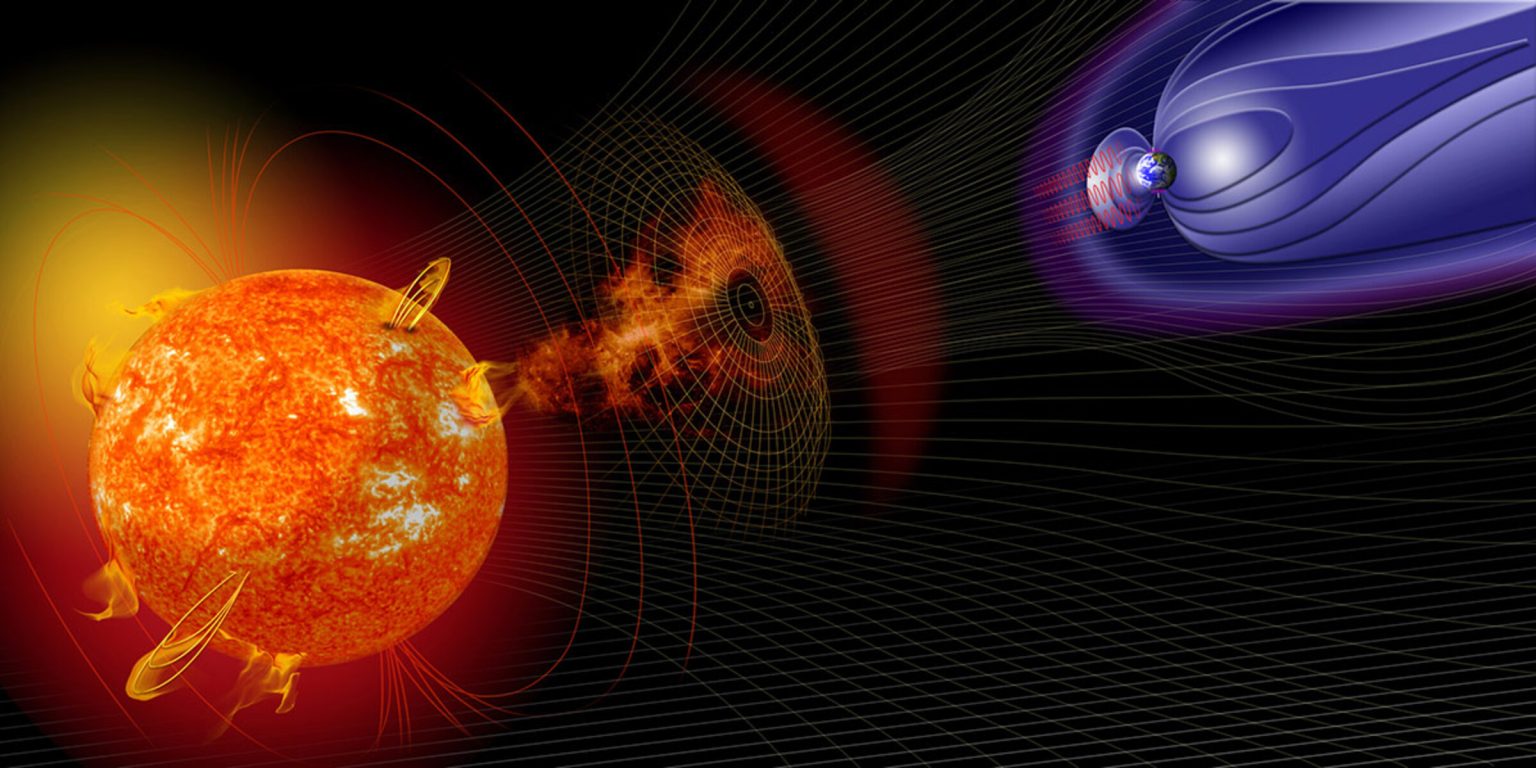
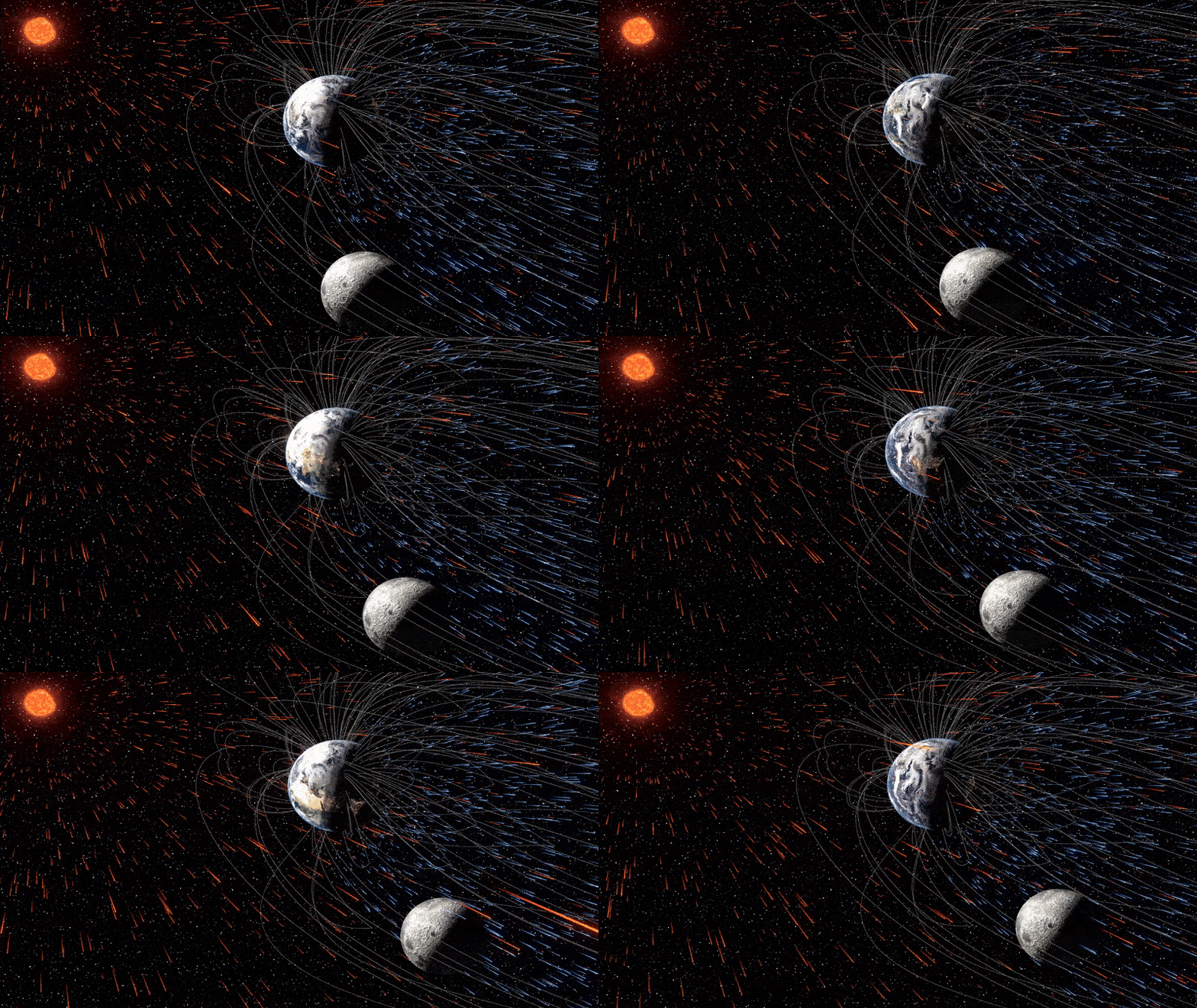
An artist’s rendering of coronal mass ejections approaching Earth and interacting with its magnetic field. Credit: NASA.

In this context, there are two types of hazards, each requiring a distinct protective approach. During solar flares, the Sun emits a stream of particles that persists for hours or days, resulting in a sharp increase in radiation exposure. Galactic rays, by contrast, originate continuously in interstellar space, arrive from all directions, and possess significantly higher energy.

The most straightforward solution is to construct habitats underground. This approach is highly effective against solar flares, and a few dozen centimeters of regolith can reduce radiation exposure to below the safe threshold for astronauts. Galactic cosmic rays, however, present a different challenge. According to a study published in late 2024, a meter of rock overhead reduces radiation exposure by only approximately one-quarter.

The reason is that the layer itself becomes a source of radiation. Galactic rays strike the nuclei of regolith atoms, dislodging secondary particles that then penetrate deeper into the material. The precise amount of soil required to reduce radiation to Earth’s background level is unknown. Estimates range from two and a half to eight meters, and all of this material would need to be deposited using equipment brought from Earth, together with the power source required to operate it.

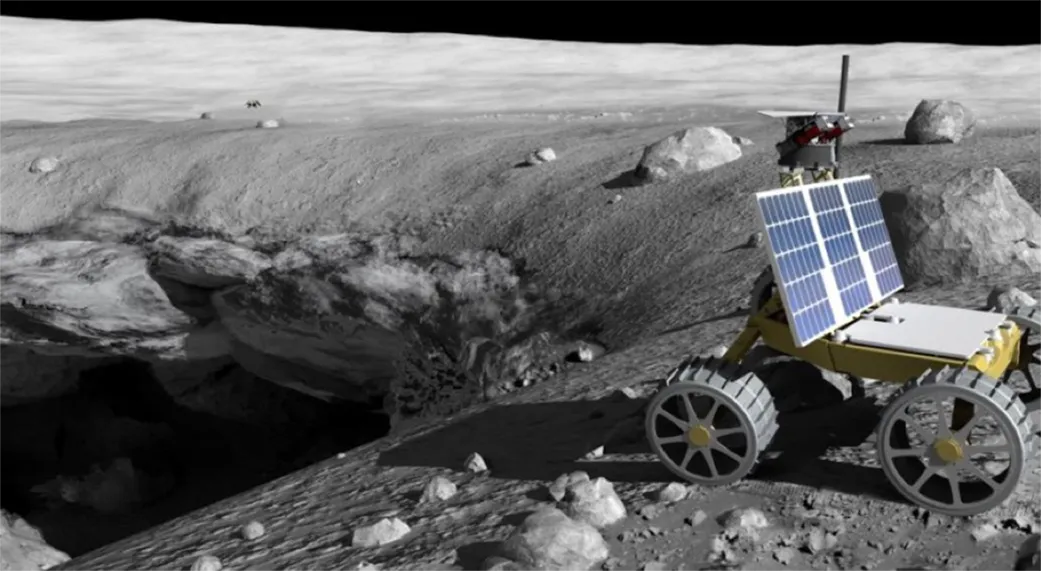
However, ready-made shelters on the Moon and Mars may already exist. Billions of years ago, lava flowed across these bodies, including beneath their surfaces, leaving hollow tunnels beneath the solidified crust. On the Moon, sinkholes tens of meters in diameter are visible where the ceilings of these cavities have collapsed, and the tunnels themselves may extend for hundreds of kilometers. Their interiors remain unexplored, as the equipment required to investigate them is still under development.

An artist’s rendering of a microvehicle exploring the entrance to a lunar lava tube. Illustration by William Whittaker, Carnegie Mellon University

Although the radiation problem can theoretically be resolved, another threat remains, even beneath a rock ceiling: the astronaut’s own body. Throughout the history of spaceflight, no cardiac arrests have been recorded. However, astronauts who have flown have been carefully selected, healthy professionals receiving daily medical supervision, and their missions have generally lasted only a few months. For long-duration missions, statistical estimates suggest approximately one serious medical event per 900 days spent off  Earth, per person. A round trip to Mars takes years.

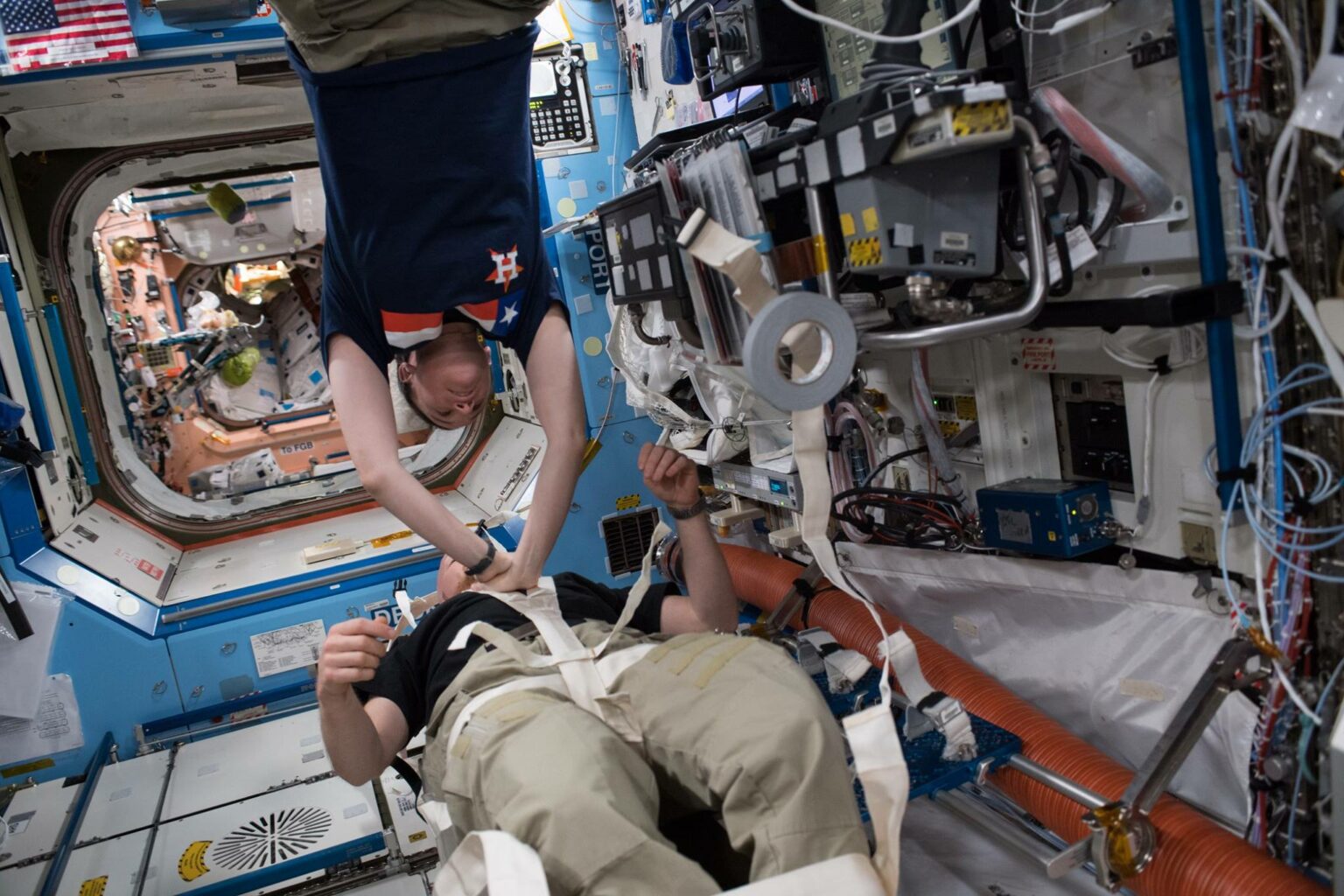
Cardiopulmonary resuscitation in microgravity presents an engineering challenge. On Earth, a rescuer uses their body weight to apply pressure to the chest; in orbit, however, the rescuer is displaced after the first compression. In 2025, these techniques were tested aboard an aircraft conducting parabolic flights, which provide brief periods of free fall. Only one technique proved effective: an unusual position in which the rescuer braces their feet against the ceiling. However, only an automated piston device consistently achieved the required compression depth. Mars has gravity, although it is less than half that of Earth, so techniques designed for weightlessness are unsuitable there. Standard Earth-based procedures were tested in suspension systems simulating the gravity of Mars and proved less effective. Consequently, no distinct protocol for these conditions is currently available.

Cardiopulmonary resuscitation (CPR) in space: This method involves securing a foothold on the ceiling of the ISS directly opposite the victim’s chest, enabling pressure to be applied to the chest.

Cardiac complications represent only one category of risk. Appendicitis, fractures, renal colic, dental abscesses, or severe bleeding — conditions that would warrant an ambulance on Earth — would need to be managed independently, 200 million kilometers from an operating room. Medical guidance from Earth takes approximately 20 minutes to arrive after a question is sent, and returning home is not an option when one begins to feel unwell. Crew members return from the International Space Station within hours; travel from the Moon takes several days, while opportunities to travel from Mars arise only once every 26 months, when the planets are suitably aligned. At other times, support is limited to the small number of people nearby.

Social connections

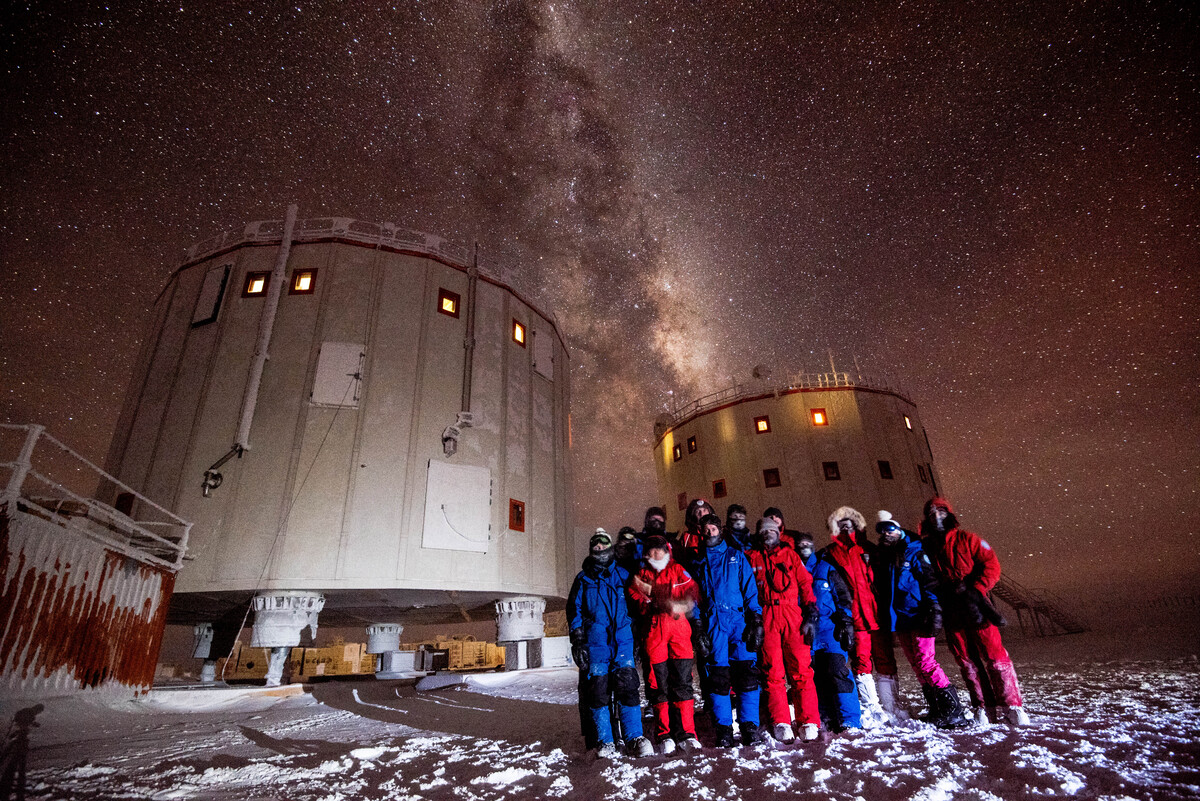
The third step — the individuals in your immediate surroundings — poses the most difficult threat to predict. The most revealing data on this threat were collected at Concordia Antarctic Station, and the findings run counter to intuition.

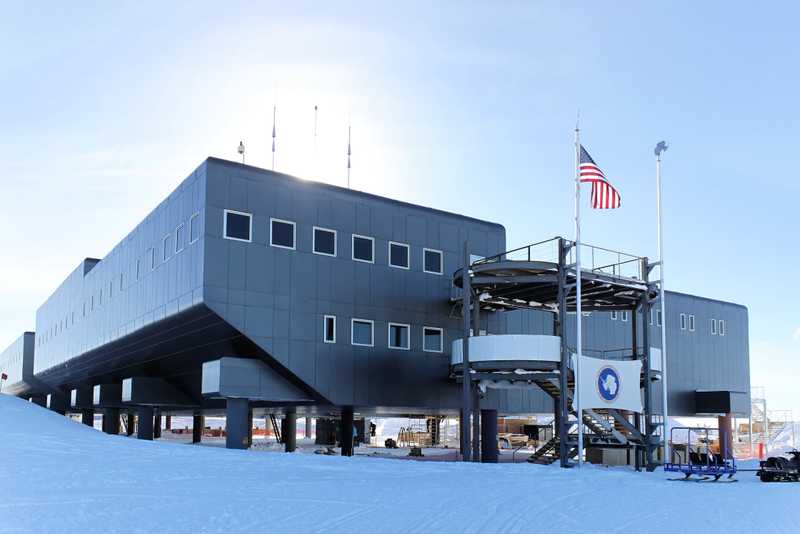
The French-Italian base is situated at an altitude of more than three thousand meters, higher than Mount Hoverla, and the body is therefore subjected to a persistent lack of oxygen. During winter, temperatures can fall to minus eighty degrees. The nearest neighbors are more than five hundred kilometers away, and departure is impossible for nine months of the year. Approximately fifteen people remain at the base throughout the winter.

Psychologists observed the team over a ten-month period. Each polar explorer wore a sensor that recorded whom they spent time with and for how long. During the same period, participants completed surveys four times per season assessing loneliness, trust, team cohesion, and self-reported productivity.

By the end of the study, feelings of isolation and the number of disagreements had increased, while trust, cohesion, and job satisfaction had declined. The team had divided along linguistic lines, with the French participants on one side and the Italian participants on the other. This outcome was expected. However, the sensor data revealed an unexpected finding: those who spent the most time in close proximity to their colleagues reported the greatest distress, and greater physical proximity was associated with a stronger sense of loneliness.

The winter crew at the Franco-Italian Concordia Station in Antarctica comprised thirteen individuals.
Credit: ESA, IPEV, PNRA, Beth Gili

Isolation is often understood as a state of emptiness and a lack of contact. At Concordia, however, it took a different form. The same small group of people appeared each day at breakfast, at work, and in the evening — both in the present and six months later — and there was no opportunity to step outside and encounter strangers. As a result, people had little variety in their interactions.

At least the conflict is apparent. Another Antarctic study, which examined how overwintering members of other groups cope with stress, found that the response can disappear entirely. Around the third quarter of their stay, the polar explorers ceased both fighting and avoidance. Their emotions settled into apathy, without depression or aggression. The authors described this as “psychological hibernation” and emphasized that this was merely their interpretation. Such a team member does not cause conflict and continues to perform their duties; therefore, the most dangerous state within a closed group may show no outward signs at all.

An Antarctic overwintering expedition concludes on a predetermined date. In the event of a serious emergency, a medical evacuation team can be dispatched to provide assistance. By contrast, a return journey from Mars takes several years and depends on the planets’ positions; therefore, a rapid evacuation would not be possible.

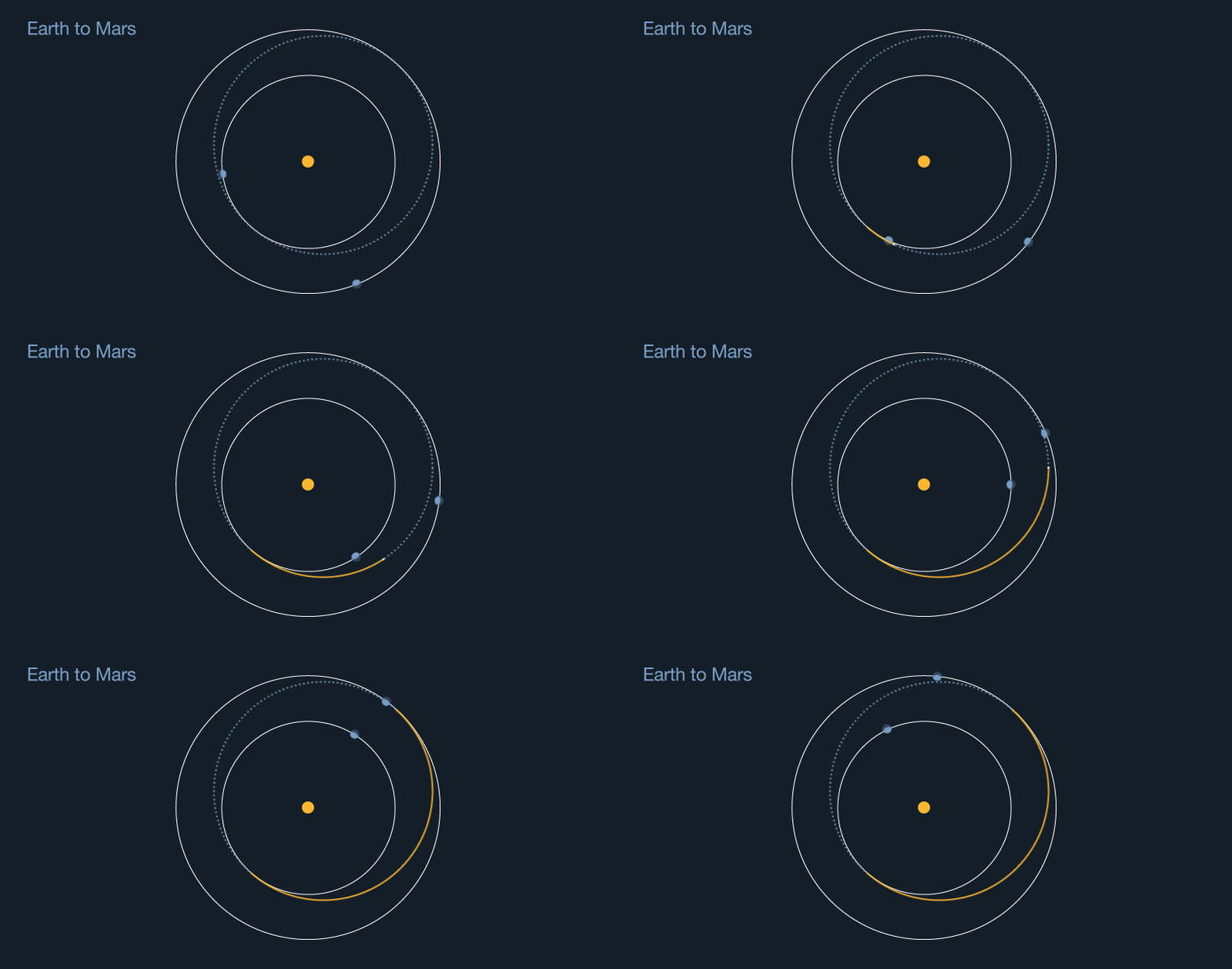
A flight from Earth to Mars via the orbit that requires the least energy

At this stage, engineering reaches its limits. Although calculations can address breathing requirements and radiation protection, there is no clear solution if, eight months into the mission, one crew member stops communicating with another. No shipment from  Earth would resolve this situation. The only option is to select candidates rigorously, although Concordia’s crew members were not selected at random either.

The meaning and significance of work

The fourth step — work and its purpose — appears to be the simplest, as there will be no shortage of tasks on Mars. The question is whether humans are truly necessary to carry them out. All the listed threats become critical only when a crew is present; therefore, it is worth determining which tasks cannot be performed without one.

The primary rationale is scientific. In late June 2026, a ten-year survey of the sky commenced at the Vera Rubin Observatory. On the Moon, such an instrument would be unaffected by atmospheric interference or space debris. We asked Professor Agnieszka Pollo, Deputy Director for Scientific Research at Poland’s National Center for Nuclear Research and coordinator of Poland’s participation in the observatory project, whether constructing it there would be worthwhile. Her response, which includes an unexpected caveat concerning large observatories, is available in the video on our YouTube channel.

The Vera Rubin Observatory building is located atop Cerro Pachón in northern Chile, where the 10-year LSST survey began in 2026. The image combines a photograph with a computer-generated rendering. Source: rubinobservatory.org

However, a telescope on the Moon would require maintenance, and no one would be nearby to repair it if it malfunctioned. Among space telescopes, only the Hubble  Space Telescope has been repaired by astronauts. It was launched into orbit in 1990 with a defective primary mirror. In December 1993, the crew of the space shuttle Endeavour installed corrective optics while working in open space. Every subsequent repair through 2009 required a separate mission.

Equipment malfunctions occur more frequently on the Moon than on Earth. Each year, the lunar surface is struck by approximately one hundred objects weighing up to one metric ton, as well as countless micrometeorites. In addition, sharp, electrically charged dust adheres to surfaces, scratches mirrors, and obstructs mechanisms. Engineers have developed methods to remotely address some of these malfunctions, enabling rovers on Mars and the Moon to remain operational for years, sometimes through remarkably inventive solutions. Large observatories are more complex, however, and the limits of their automation remain uncertain.

The search for life appears to provide a compelling justification for sending humans to Mars. The Martian surface is sterilized by solar radiation; consequently, scientists are seeking traces of microorganisms at a depth of approximately two metres. In our video, Professor Carlo Baccigalupi, a cosmologist and coordinator of the astrophysics and cosmology group at the International School for Advanced Studies in Trieste, explains why a permanent base may be necessary for this type of drilling. However, automated missions are already being planned to explore these depths. The European Rosalind Franklin rover is scheduled to launch in 2028, and, around the same time, China plans to launch the “Tianwen-3” mission to return samples to Earth.

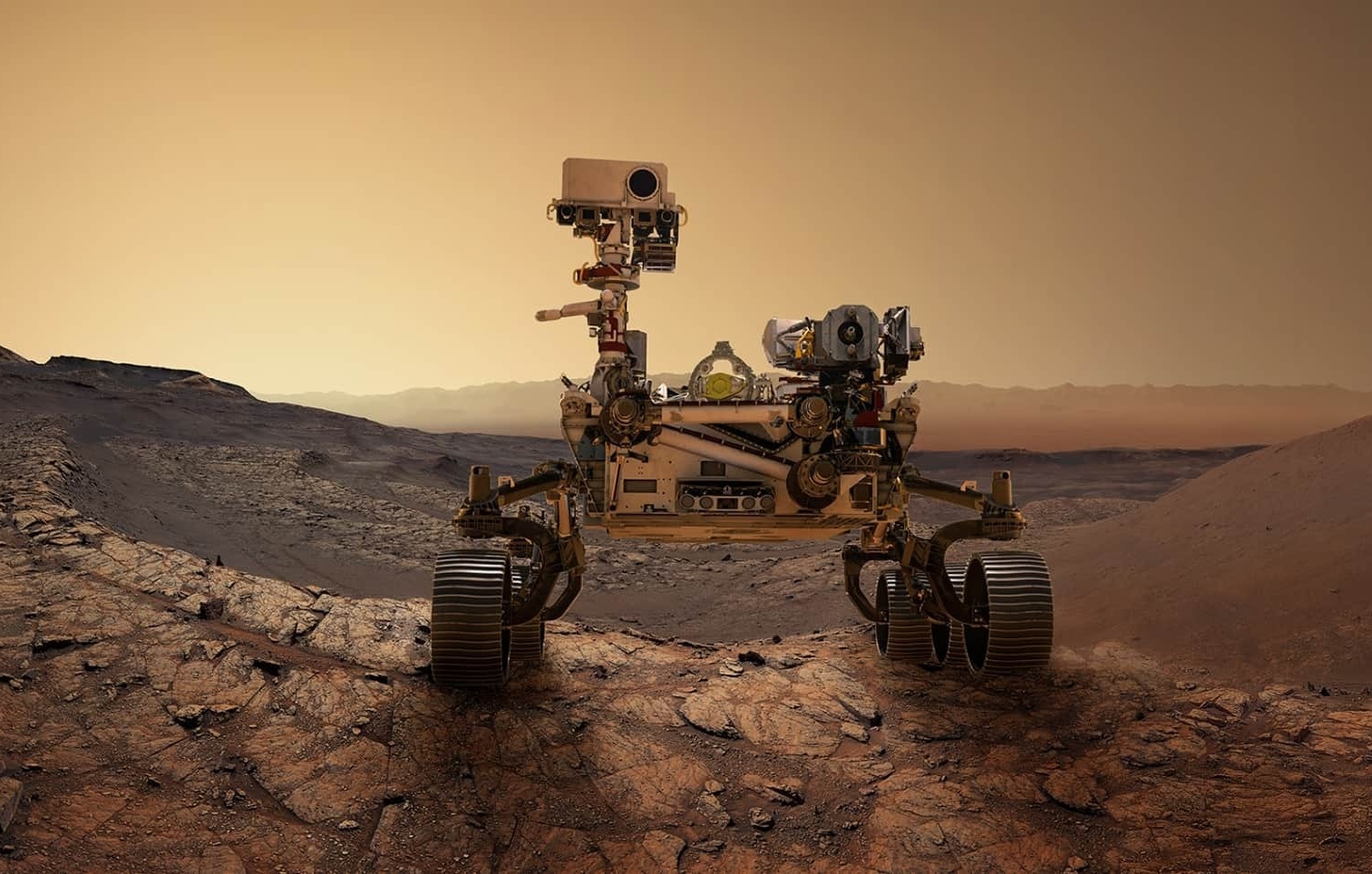
NASA’s Curiosity and Perseverance rovers are searching for evidence of life on Mars. Source: science.nasa.gov

This leaves the most pragmatic consideration: resources, particularly financial resources. The Moon contains helium-3, an isotope that is virtually nonexistent on Earth. It is considered a promising fuel for fusion power and is already used in the cooling systems of quantum computers. A liter of this gas costs thousands of dollars, while its concentration in lunar regolith is minuscule — only parts per billion. Accordingly, the prototype of a lunar excavator unveiled in May 2025 is designed to extract 100 metric tons of soil per hour. The excavator is robotic, so a future lunar mine could operate without human personnel, just as drilling operations on Mars are likely to do.

Purpose

Regarding the fifth step — the goal — the answer appears to have been publicly stated for quite some time. Elon Musk describes Mars as a backup plan for humanity; however, according to his own criteria, the only viable backup would be a colony capable of sustaining itself without supplies from  Earth. None of the lower rungs currently meet this condition. Therefore, humanity is planning something more akin to a branch office supported by headquarters.

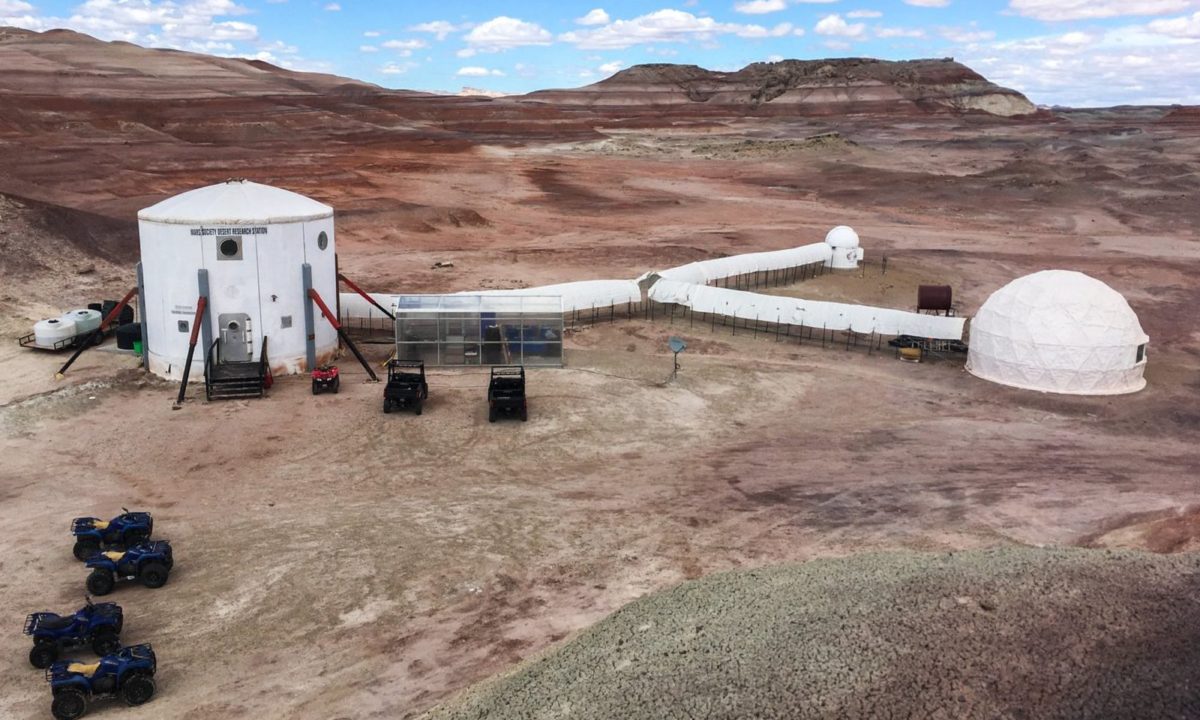
A Martian desert research station in Utah, where the Mars Society is evaluating living conditions for future colonists.
Source: marssociety.org

It is noteworthy that the Mars Society does not advance this argument. The organization, which has promoted the idea of colonization since 1998, was founded by Robert Zubrin, whose calculations underpin modern Mars expedition projects. Its declaration lists seven reasons for going to Mars, and a “spare planet” is not among them. We discussed this omission with Serhii Danylenko, head of the Mars Society in Ukraine.

However, we should not regard the goal as a summit to be reached after ascending four lower steps. It is precisely in pursuit of this goal that we began seeking solutions to all the problems explored above. In its service, we calculate how much oxygen can be recovered at the station, measure the radiation dose beneath a meter of regolith, and equip polar researchers in Antarctica with sensors. These issues matter only because humanity has resolved to undertake a mission to Mars.

The colonization of Mars. Illustration: SpaceX

However, one fact remains unchanged: the pyramid’s roots still extend from Earth. Oxygen, water, medicine, spare parts, solutions, and people continue to come from here. A self-sufficient colony exists only in science fiction books and films, and it is impossible to calculate what it would take to build one today, as we are not yet aware of certain threats. We will have to develop solutions as we proceed.

{ https://universemagazine.com/en/articles-en/  }

Hoe vind je dit bericht?
Geschreven door peter om 21:06 Stuur door

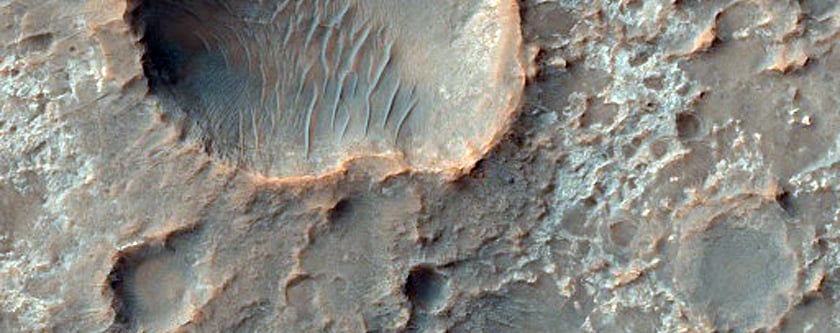
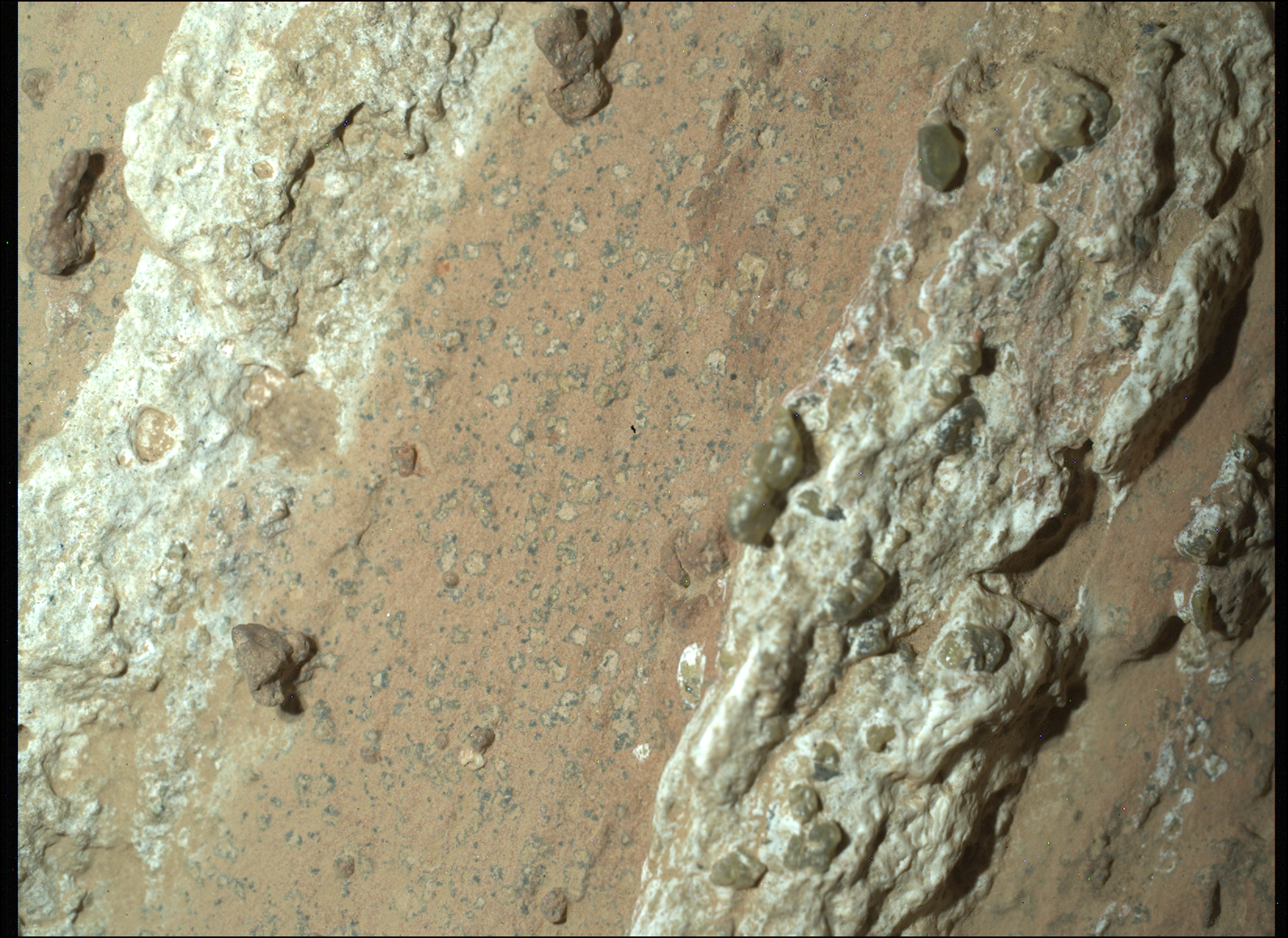
Perseverance Uncovers New Clues to the Complex Ancient History of Water on Mars

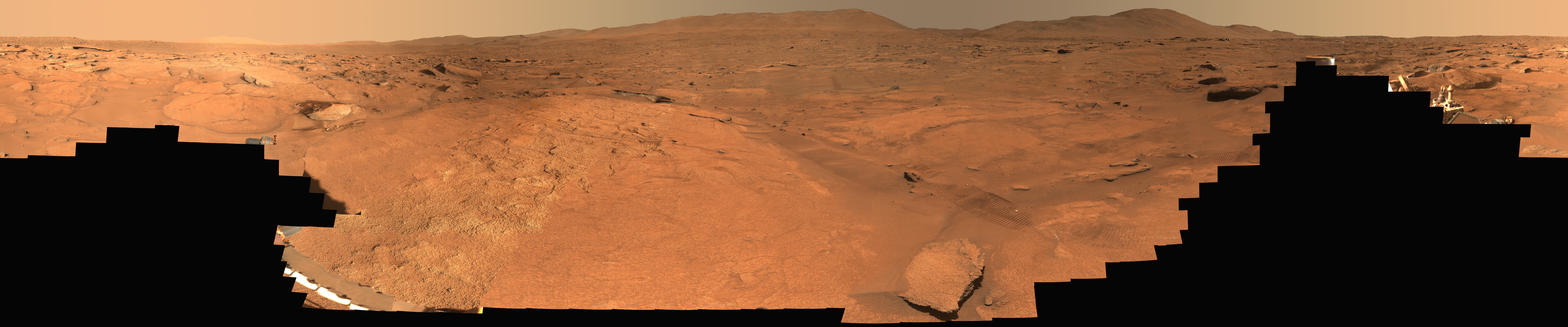
Image Credit: NASA/JPL-Caltech/MSSS

Perseverance Uncovers New Clues to the Complex Ancient History of Water on Mars

A recent discovery by NASA’s Perseverance rover has uncovered evidence that water shaped certain regions of Mars in more complex ways than researchers previously thought.

While NASA has confirmed the presence of water on Mars in the past, mostly in the form of surface ice and possible deep reservoirs of liquid water, the new research revealed multiple episodes of ancient lake activity, groundwater, and heated underground fluids helping to shape the Martian environment. 

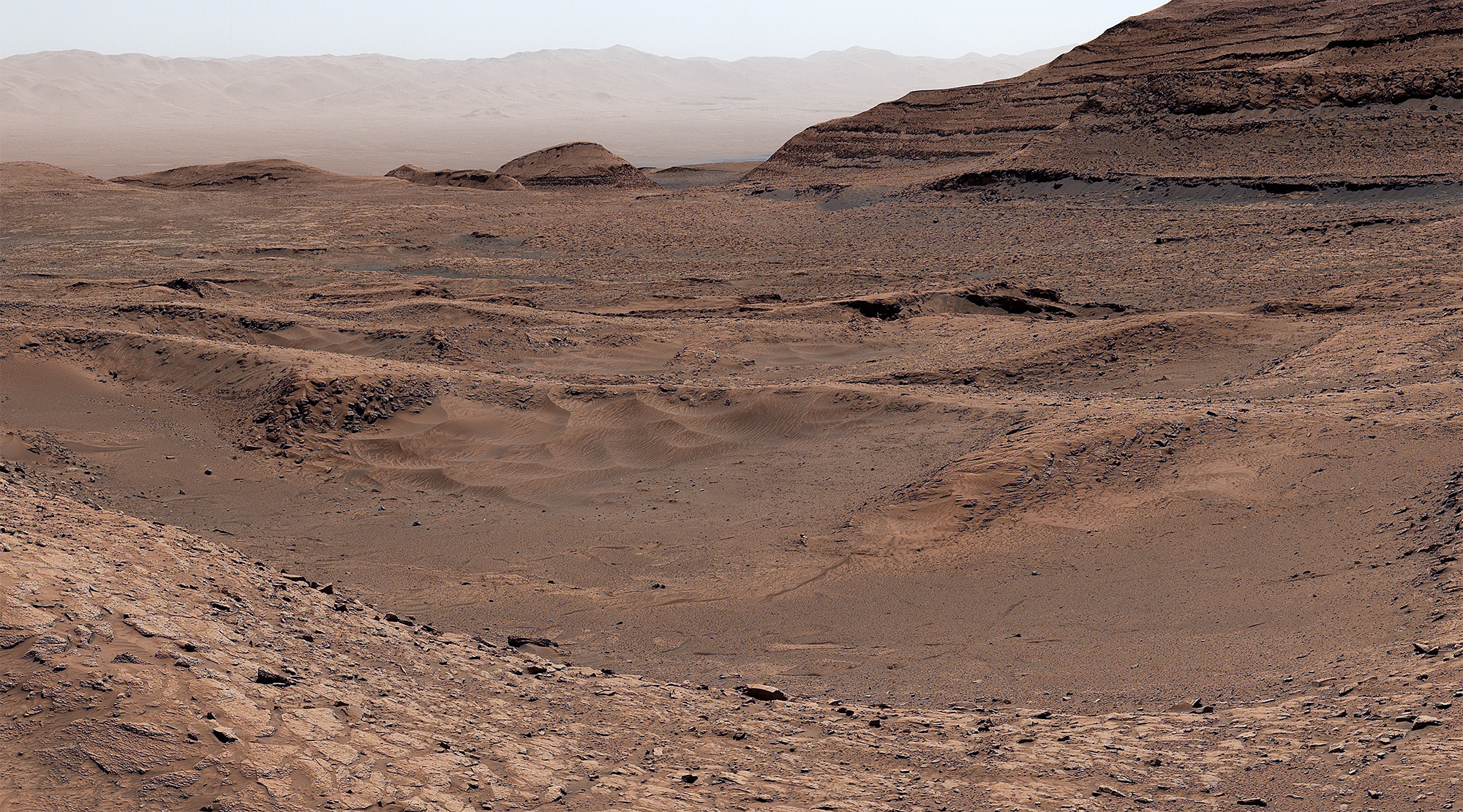
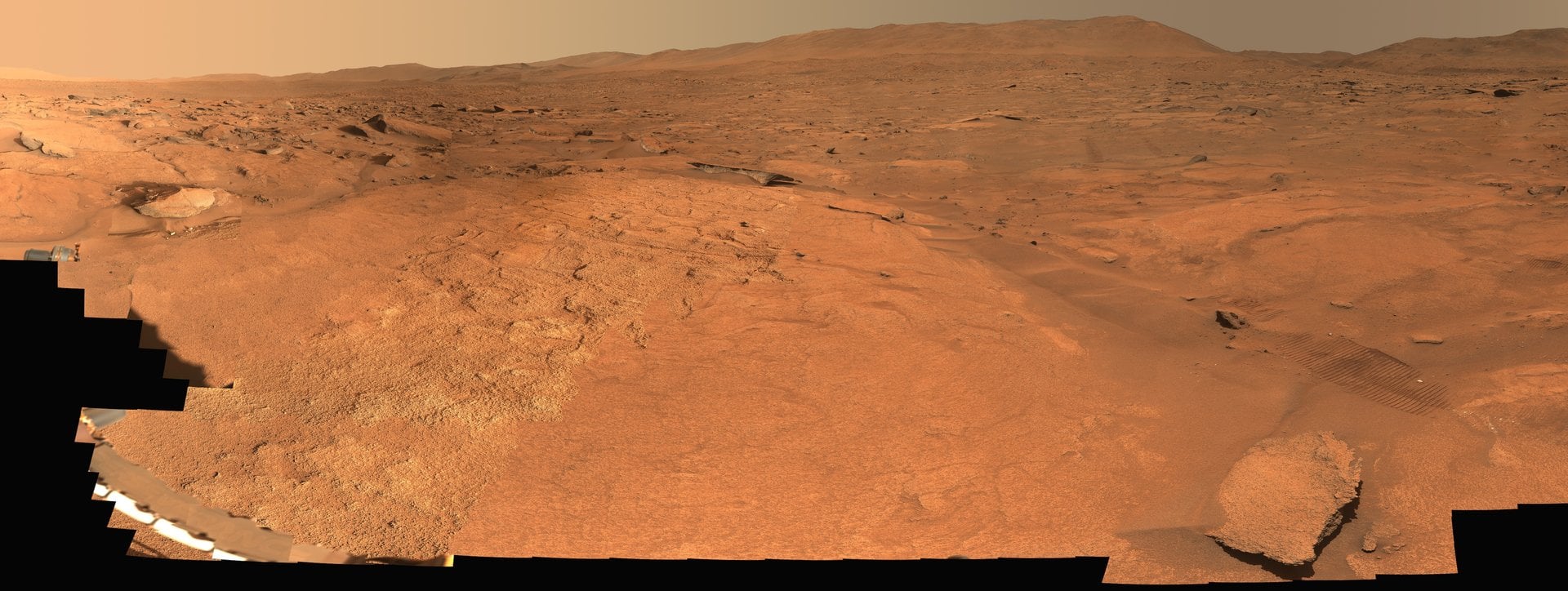
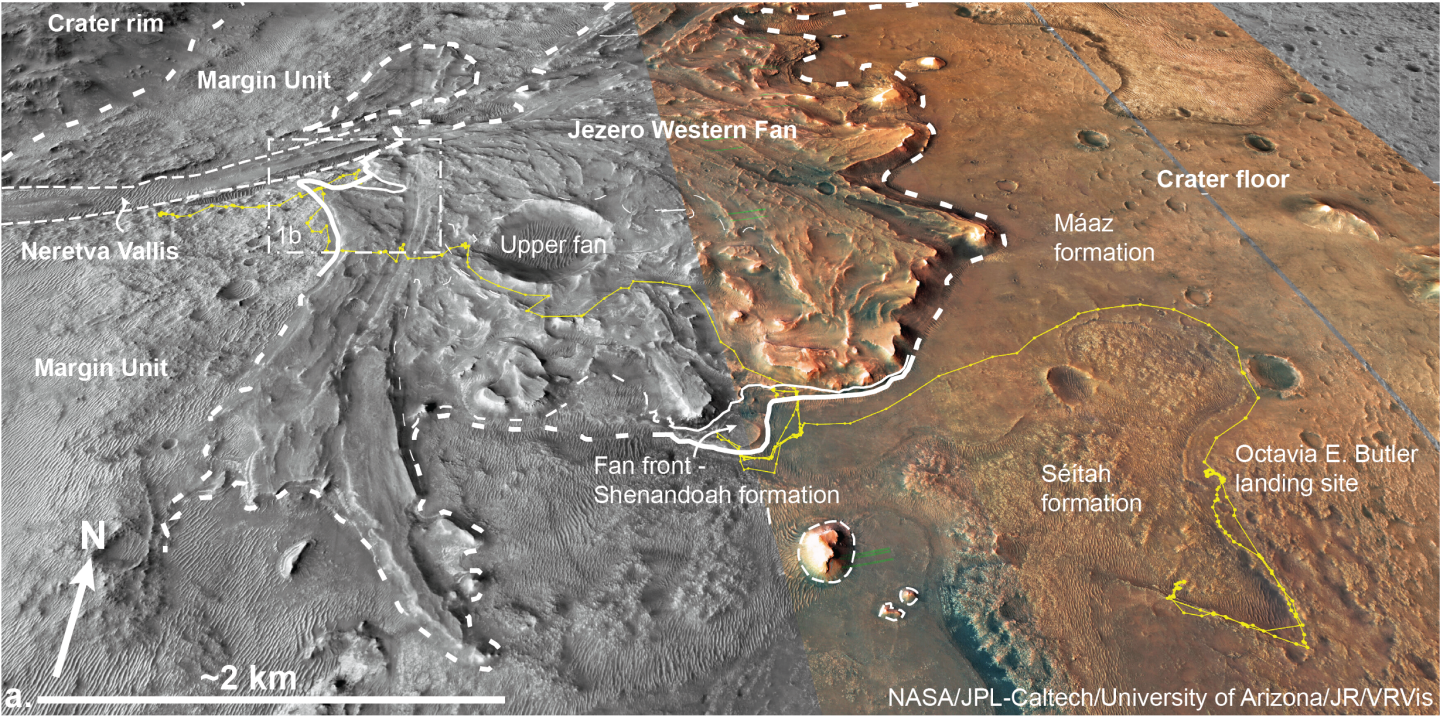
The discovery comes from the rover’s exploration of the “Margin Unit,” a geological region along the inner edge of Jezero Crater. Perseverance reached the area in September 2023, where scientists initially expected to find sedimentary rocks formed from material deposited in an ancient lake.

Instead, the rover found igneous rock that recorded repeated interactions with water.

Published in Communications Earth & Environment, the study suggests the Margin Unit became a kind of geological crossroads where different water systems interacted with the Martian surface and subsurface at different points in the planet’s history.

“Before we arrived at the Margin Unit, the main hypothesis — derived from orbital observations — was that the carbonate seen from orbit formed from interaction with the lake that existed in Jezero Crater,” Candice Bedford, a research scientist at Purdue University in West Lafayette, Indiana, and the study’s lead author, says in a statement.

“But now we know that this location became a sort of crossroads for aqueous systems. The Margin Unit findings are important because Jezero Crater sits inside one of the largest exposures of carbonate on Mars, so what we learn here reaches well beyond this crater,” Bedford adds. 

The evidence comes from Perseverance’s SuperCam instrument, which analyzes rocks by firing laser pulses and studying the resulting plasma to determine chemical composition. In total, the rover has reviewed 185 bedrock targets across the Margin Unit.

Recent investigations by Perseverance revealed coarse-grained, olivine-rich rock that showed little evidence of water alteration. Scientists believe this rock originally formed deep underground as magma slowly cooled, allowing large mineral crystals to develop. It was later exposed at the surface as overlying material eroded.

“If there is one thing I have learned after 10 years working with Mars rovers, it is that Mars constantly throws surprises at you,” said Bedford. “It is very rare that things are as we expect them to be from orbital data.” 

When looking at the geological sequence, however, the rocks do indeed tell a different story. 

The olivine grains were fractured and surrounded by silica and carbonate minerals, evidence that water had interacted with the rock. Here on Earth, similar reactions involving olivine can produce hydrogen, which some microorganisms can use as an energy source. Carbonate and silica can also preserve chemical evidence of ancient environments.

Carbon-rich groundwater altered the olivine, while Jezero’s ancient lake left silica-rich minerals behind. Additionally, Perseverance found fluorite and calcium sulfate veins, suggesting Mars’ region experienced a later episode of hot, hydrothermal water activity.

Understanding these findings could help scientists reconstruct Mars’ water history, climate, and potential habitability.

“I hope this work helps reshape how scientists view the history of water in Jezero Crater and across Mars,” Bedford said.

“Ultimately, I hope it helps planetary scientists reconstruct the changing climate and habitability of early Mars.”

RELATED

NASA's Curiosity Rover Just Found New Clues to Mars' Watery Past | New Mars Discovery

Scientists Just Discovered Mars Was Nothing Like We Thought

{ https://thedebrief.org/category/space/ }

Hoe vind je dit bericht?
Geschreven door peter om 20:40 Stuur door

Should we Shoot Down UFOs?

Should we Shoot Down UFOs?

Police helicopter forced to dive after unidentified objects at RAF base ...

By Michael Bohlander

Michael Bohlander looks at what the existing rules on civilian and military aircraft imply for unidentified anomalous phenomena, and argues that in the absence of evidence of hostile intent, the default should be protection rather than destruction.

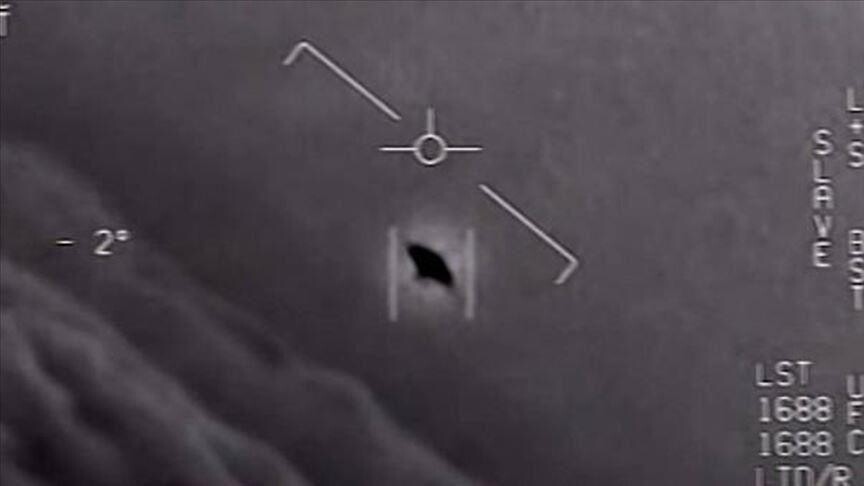
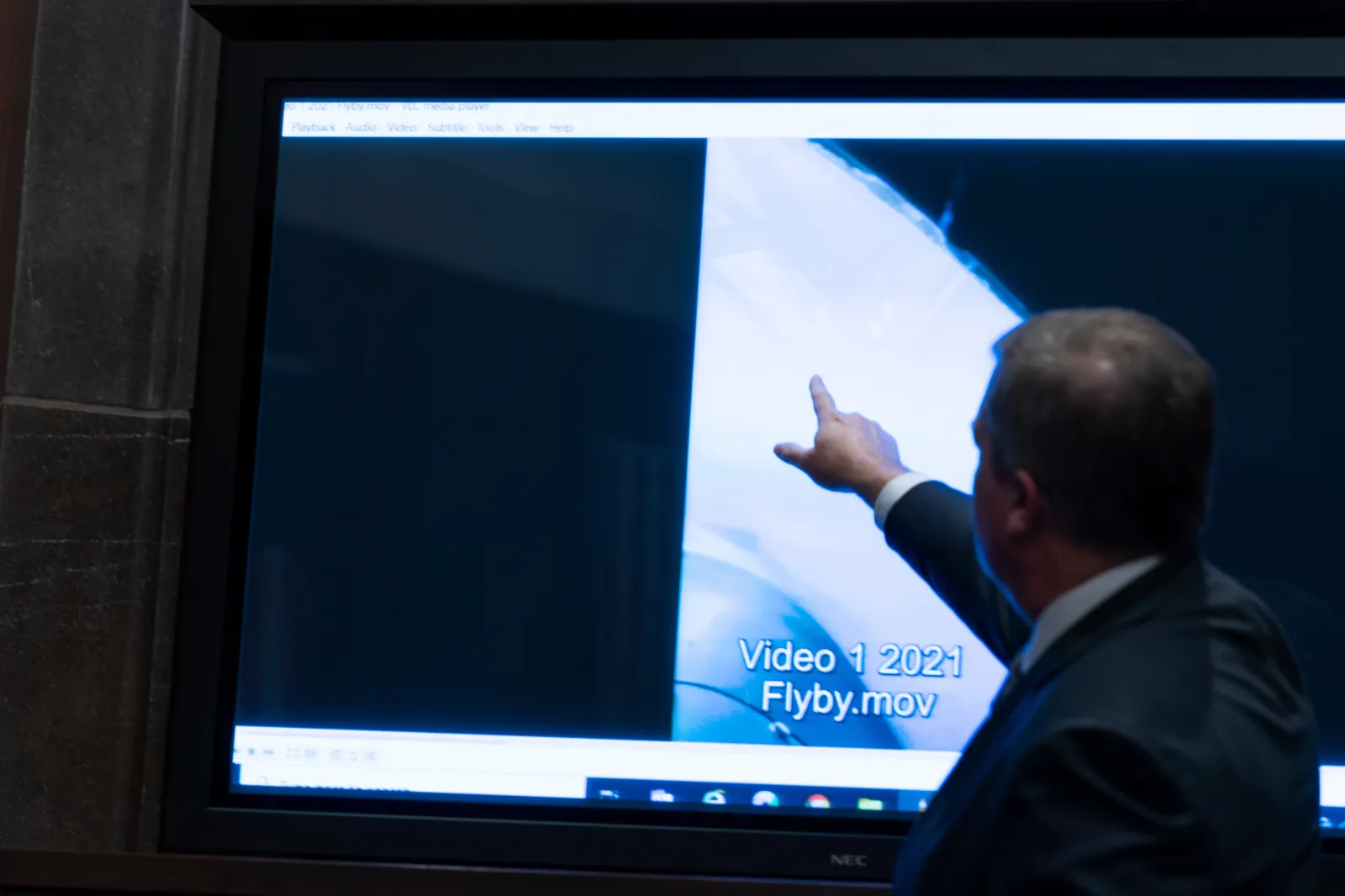
In February 2023, a Chinese spy balloon was shot down over South Carolina. This was followed by three other objects which, however, reportedly flew without any apparent propulsion system. They were also shot down. The head of NORAD stated that he was “not going to categorise them as balloons. We’re calling them objects for a reason.” He specifically did not initially rule out an extraterrestrial origin, either. Recordings of the pilots’ conversations engaging the third object over Lake Huron on 12 February 2023 showed their uncertainty as to how to classify it. These events followed other encounters such as the ones in 2004 with the USS Nimitz carrier strike group or the 2015 USS Roosevelt encounter. They are part of a wider development described by military and civilian pilots reporting objects which defy identification and the known laws of physics. During a congressional hearing on unidentified anomalous phenomena (UAP) in 2025, a video was shown of US drones attacking a UAP with a Hellfire missile with little effect. 

Which legal framework is relevant to determining whether the destruction of UAP is permitted, whether on land, sea, or in the air? Is it possible to establish general principles based on the rules applicable in peacetime or war? The publicly known and observable UAP behaviour makes it difficult to classify them (all) unambiguously as military, civilian, or something in between, or whether they are hostile or benevolent. This post gives a brief overview of some relevant considerations. 

Possible factual scenarios

A UAP could be a (secret) human military or a civilian object. It may belong to a state or a citizen of a state over which it is detected, or it may have had permission of overflight. This could be deduced from transponder signals, nationality markings, or other decals human craft must display. Human origin might be excluded by extraordinary displays of capacities clearly pointing to a non-human origin of the technology. Finally, it is important whether there is a crew of biological entities on board. It may be permissible to shoot down a machine, but not living beings. In reality, this will be very difficult to ascertain due to both government secrecy and the elusive nature of the UAP. 

The law

There is little hope of any open official discussion of principled legal thinking about destroying non-human UAP. There is no transparency about any Rules of Engagement (RoE) to begin with. The planned research exercise based on the paper “UK readiness for black swan scientific events: Case Study – The discovery of life beyond Earth” by the UK Department for Science, Innovation and Technology from 2023 was paused indefinitely in the second half of 2024. The US intelligence community has an iron grip on the entire UAP environment and seems unwilling to relinquish control. We will thus have to rely on general inter-human regulations and extrapolate. The main distinction relevant for our purposes is between civilian and military objects. However, modern technology has made this distinction difficult. One example are unmarked drones of state and non-state actors, which carry no transponder that would allow such a classification. Even mere human drone activity seems far from being well-regulated under international or  domestic law.

Civilian nature

Attacking civilian aircraft is as a rule prohibited under the Convention on International Civil Aviation of 7 December 1944. A similar result follows from the application of international humanitarian law on the protection of civilians from war crimes or crimes against humanity. However, as state practice has shown, the rule about civilian craft is not considered absolute, especially if serious risks might arise from a civilian aircraft that poses an actual threat akin to a military one, as exemplified by the attacks with civilian planes on the World Trade Centre and the Pentagon on 11 September 2001. Yet, such a view is not uniformly held, either, and domestic protections may have a wider reach, as demonstrated by the 2006 decision of the German Federal Constitutional Court which partially struck down the Air Traffic Security Act 2005 as unconstitutional, section 14(3) of which would have allowed “[t]he direct use of weapons … only … if under the circumstances it must be assumed that the airplane will be used against the lives of human beings and that such use is the only means of averting that present danger.” (my translation).

Military nature

Assuming a UAP is non-human and of a military nature and especially if it behaves in a hostile manner, the rules might shift to a lower threshold for reaction in line with general military or even law enforcement rules, such as, for example, the RoE, the general law of armed conflict, and the law of self-defence, or general public order policing laws. However, the relationship between these is again anything but well-delineated. The US military in particular seems to consider such concerns irrelevant. This is amply illustrated by the above-mentioned attack on what was very likely a legitimate candidate for a non-human UAP. The object was travelling over non-US territory, displaying no threat or hostility, and still the US fired a Hellfire missile at it. The effect of the strike was negligible. The object continued on its course with a few minor pieces of debris continuing to fly along on the same trajectory, making it even  more probable that it was highly advanced technology.

Transferring concepts and distinction in practice

Can we transfer the civilian/military distinction to non-human species who might be behind  UAP? Can we know if the UAP is crewed or not? Much may depend on whether they display any threat or hostile intentions. The record of the UAP observed so far is mostly pointing towards purely defensive action, mainly either evading human weapon systems by outrunning them through sheer speed or superior manoeuvring capabilities, by employing defence mechanisms rendering them ineffective even if  hitting their target, or by disabling weapon guidance systems. Incidents of aggressive behaviour initiated by UAP are very rare. A clear verdict of a military nature or threat will thus be very difficult to reach in virtually all cases, an argument in favour of classifying UAP by default as non-aggressive and falling under the same protection as human civilian objects. They should not be attacked, unless they show hostile intent.

Conclusion

While the behaviour of the UAP observed to date tends to support an overall non-aggressive nature – excluding, of course, reports of abductions – prior state practice of engaging them is proof that governments are not prepared to abide by this realisation and opt instead for views based on a default characterisation as a general threat and on an enforcement of territoriality or other state interests. Any efforts towards an international consensus are therefore currently bound to fall prey to geopolitical and -strategic parameters. The wisdom of the current attitude is moreover rather doubtful: While UAP so far seem to have been restrained in their reaction to human aggressive behaviour, there is no guarantee that this will continue to be the case, for example, if the attack was not against a small, unmanned probe, but against one of the larger observed craft that may well be carrying crew. Some of them may carry weapon systems equally advanced as their overall technology. We should not test them without good reason and a colourable case that we would prevail.

  • Dr Michael Bohlander holds the Chair in Global Law and SETI Policy in Durham Law School in the United Kingdom.
  • This post is based on a chapter entitled “Destroying non-human unidentified anomalous phenomena – A chance for regulation or a perennial legal black box?”, forthcoming in 2027 in a book about the future research agenda for international criminal law, edited by Anna Marie Bren

RELATED


US shoots down 4 UFOs, military officials won't rule out aliens

Hellfire missile smacks 'UFO' and 'bounces right off,' revealed at US congressional hearing

{ https://www.globalpolicyjournal.com/blog }

Hoe vind je dit bericht?
Geschreven door peter om 19:03 Stuur door

Finding Life on Enceladus Could be Easier than We Thought, Says New Research

This mosaic of Saturn's moon Enceladus was created with images captured by NASA's Cassini spacecraft. Credit: NASA/JPL/Space Science Institute This mosaic of Saturn's moon Enceladus was created with images captured by NASA's Cassini spacecraft. Credit: NASA/JPL/Space Science Institute

Finding Life on Enceladus Could be Easier than We Thought, Says New Research

Enceladus, one of Saturn's many moons, is one of the most promising places for exploration and astrobiology today. Like other "Ocean Worlds" in our Solar System, this moon has an ocean located between its icy surface and its rocky, metallic core. Due to tidal flexing in this core, the result of interaction with Saturn's gravitational pull, Enceladus also experiences hydrothermal activity at its core-mantle boundary.

With the success of the Cassini-Huygens mission, scientists hope to send a dedicated mission to explore Enceladus for signs of life. Recently, researchers from the Planetary Sciences and Remote Sensing group at Freie Universität Berlin published two studies examining the prospects of such a mission. They conclude that an Enceladus mission would have an easier time detecting biosignatures than previously thought, based on the dynamics of the moon's plumes.

The research was led by Prof. Frank Postberg and Dr. Vanessa Helmbrecht, researchers from the Institute of Geological Sciences at Freie Universität Berlin and the Department of Earth and Environmental Sciences at Ludwig-Maximilians-Universität, respectively. The results of their study are published in two papers that appeared in Science Advances.

Within Enceladus, tidal heating keeps the moon warm and drives the movement of water. Credit: Surface: NASA/ESA/JPL-Caltech/SSI/LPG-CNRS/U. Nantes/U. Angers.

Within Enceladus, tidal heating keeps the moon warm and drives the movement of water.

Credit: Surface: NASA/ESA/JPL-Caltech/SSI/LPG-CNRS/U. Nantes/U. Angers

What makes Enceladus an especially promising candidate is the plumes that regularly erupt from its southern polar region, sending ice particles hundreds of kilometers into space. NASA's Cassini spacecraft examined these plumes by flying through them during a series of flybys. During these encounters, Cassini detected salts and organic compounds, strong indications that the interior ocean could support life.

In their first study, the team showed that ocean droplets can freeze more slowly than previously thought as they move through cracks in Enceladus’ ice shell. As the droplets freeze, the salts and organic compounds they contain are distributed into different regions. These can then fragment as they are accelerated into space, creating ice grains that may contain highly concentrated substances, making biosignatures easier to detect.

In their second study, the team showed that methane-producing bacteria (methanogens) could survive and produce methane under simulated conditions present on Enceladus. These findings suggest that a probe passing through Enceladus' plumes could easily detect potential biomarkers that could result from life and biological processes in the interior.

These results will inform several missions currently in development, such as the proposed NASA Flagship mission called the Enceladus Orbilander. As the name suggests, this mission would spend a year and a half orbiting Enceladus and sampling its water plumes before landing on the surface for a two-year mission to study materials for evidence of life.

Similarly, the European Space Agency is working on its L4 Enceladus Mission, which was selected under the Voyage 2050 plan with a proposed launch date for the early 2040s. Like its NASA counterpart, this mission would conduct multiple flybys through the plumes and land at the south pole to analyze a geyser.

Breakthrough Initiatives also has a plan in place for a low-cost, privately funded mission: Breakthrough Enceladus. All of these efforts highlight the importance of Enceladus as an eventual destination for an astrobiology mission. As efforts to search for possible extraterrestrial life expand beyond Mars, and with missions bound for Jupiter, Saturn's little icy moon has already established itself as the next step.

Further Reading


Scientists Just Found a Possible Sign of Life on Saturn's Moon Enceladus

SCIENTISTS JUST FOUND A POSSIBLE SIGN OF LIFE ON SATURN'S MOON ENCELADUS

{ https://www.universetoday.com/ }

Hoe vind je dit bericht?
Geschreven door peter om 18:47 Stuur door

Unveiling the Alien Agenda: Why UFOs Are Truly Here

Unveiling the Alien Agenda: Why UFOs Are Truly Here

Revealing Alien Agendas

The concept of UFOs and extraterrestrial beings has long intrigued humanity, sparking debates, conspiracy theories, and extensive research. While many view aliens as benevolent beings with advanced technologies, an alternative perspective raises unsettling questions: Why are they here? What are their motives? This article delves into the potentially terrifying agendas behind extraterrestrial encounters, exploring the evidence and theories that suggest humanity may be part of a larger, hidden plan.

Earth: A Unique Target

Earth is a rare gem in the universe. It boasts abundant liquid water, a diverse ecosystem, and unique minerals, making it an irresistible target for any advanced species seeking resources. Unlike other celestial bodies where water exists as ice, Earth’s readily available liquid water and rich biodiversity make it a one-stop shop for exploration, colonization, or exploitation. This planetary abundance could explain why extraterrestrial interest in Earth persists.

Humanity’s Role: Slave Race or Resource?

Ancient texts and modern theories suggest that humans may have been created or altered by an advanced extraterrestrial race. The Sumerian accounts of the Anunnaki, for example, describe these beings as gods who genetically engineered humans to serve them. According to this narrative, humans were designed to mine resources like gold for their creators. This theory implies that humanity’s sudden leap in intelligence, often referred to as the “missing link,” could be the result of genetic manipulation by an alien species.

More unsettling is the idea that humans might still be a resource for extraterrestrial agendas. Alien abduction accounts frequently involve invasive medical procedures, often focused on reproductive systems. These activities suggest that aliens may be harvesting genetic material to create hybrids or for other purposes unknown to us.

Missing Persons: A Sinister Explanation?

Each year, hundreds of thousands of people go missing worldwide. While many cases are explained as voluntary disappearances or criminal activities, a fraction remains unaccounted for. Could some of these individuals be victims of extraterrestrial abduction? Given the vast number of reports and the similarities in abduction narratives, it is plausible that these missing persons are part of an alien agenda involving genetic or biological experiments.

Advanced Technology and UFO Sightings

Modern UFO sightings reveal technology far beyond human capabilities. These craft can maneuver in ways that defy the laws of physics as we understand them—instant stops, right-angle turns at high speeds, and seamless transitions between air and water. If these sightings represent actual extraterrestrial craft, they indicate a level of technological advancement that humanity cannot yet comprehend.

The surge in UFO sightings coincides with humanity’s development of nuclear technology. Some theorists suggest that nuclear detonations in the 1940s drew increased extraterrestrial attention, as these explosions could disrupt the fabric of space-time. This connection raises the question: Are UFOs here to monitor or even intervene in humanity’s use of destructive technologies?

Benevolence or Malevolence?

The motivations of extraterrestrial visitors remain unclear. Some theories posit that aliens are here to help humanity evolve, offering spiritual guidance and technological insights. Others suggest a darker agenda: resource extraction, colonization, or even the use of humans as commodities—whether as slaves, genetic material, or food.

Religious and cultural beliefs often frame aliens as saviors or destroyers, reflecting humanity’s hope and fear of the unknown. Ancient art and modern spiritual movements depict aliens as advanced beings—either benevolent space brothers or malevolent overlords. These contrasting interpretations mirror the duality in theories about their intentions.

The Influence of Governments

The role of governments in the UFO phenomenon is another contentious issue. Some believe that secret agreements between extraterrestrial beings and world leaders exist, involving the exchange of technology for the right to abduct humans. The alleged 1954 meeting between President Eisenhower and extraterrestrials is often cited as evidence of such a pact. Whether true or not, the secrecy surrounding UFOs and the suppression of related information fuels speculation that governments may be complicit in alien agendas.

A Planetary Experiment?

Another perspective suggests that Earth is a biological experiment, with humans as test subjects. Aliens may be observing humanity to assess our development, documenting our successes and failures. The frequent depiction of apocalyptic scenarios in abduction accounts—nuclear wars, environmental disasters—could be warnings intended to steer humanity away from self-destruction. Alternatively, these warnings might signal preparations for a post-apocalyptic world, where alien-human hybrids or genetically modified humans could inherit the planet.

Conclusion: A Mystery Unresolved

The true reasons behind extraterrestrial interest in Earth remain speculative. Are aliens here to help or harm us? Are we an experiment, a resource, or merely a passing curiosity? Until open contact occurs or governments disclose what they know, humanity can only theorize about the alien agenda.

What is clear is that the phenomenon of UFOs and extraterrestrial encounters has profound implications for humanity. Whether these visitors are saviors, oppressors, or observers, their presence challenges our understanding of existence and our place in the universe. For now, the alien agenda remains one of the greatest mysteries of our time, leaving us to ponder whether their plans align with our survival—or our doom.

{ https://www.latest-ufo-sightings.net/ }

Hoe vind je dit bericht?
Geschreven door peter om 17:02 Stuur door

Four Chilling UFO Encounters That Changed History

Four Chilling UFO Encounters That Changed History

The Most Chilling UFO Encounters Ever Documented

For as long as humans have gazed up at the stars, questions about extraterrestrial life have captured the human imagination. While most UFO sightings have been easily explained, a few remain unexplained and have sparked curiosity, debate, and wonder. This article dives into four landmark UFO sightings—the Roswell crash, the Battle of Los Angeles, the Rendlesham Forest incident, and the Marfa Lights—that continue to challenge our understanding of the universe. These iconic encounters, filled with gripping eyewitness accounts and intriguing expert analyses, have inspired countless theories about the mysteries that may lie beyond our world.

1. The Roswell Crash: The “Cosmic Watergate”

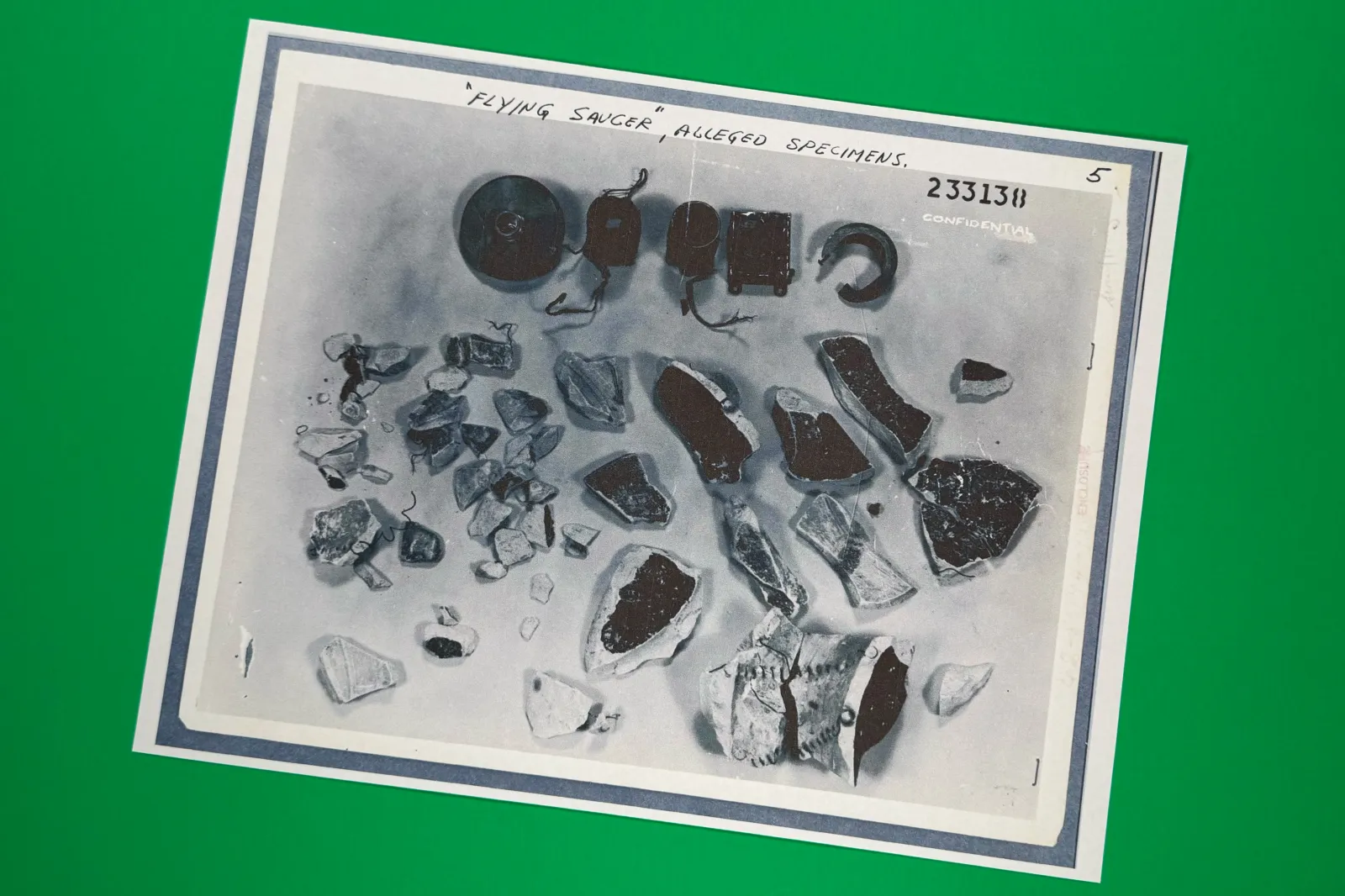
The Roswell Incident of 1947 remains one of the most famous UFO cases in history. When an unknown object crashed on a ranch near Roswell, New Mexico, the U.S. military initially reported it as a “flying disc.” However, this statement was quickly retracted, with officials claiming the debris was from a weather balloon. This reversal only fueled public suspicion, leading many to believe that the government was hiding evidence of extraterrestrial life. Witnesses reported strange materials at the crash site, including what they described as “memory metal” that would return to its original shape. Over the years, Roswell has become synonymous with UFO lore, spawning countless theories about what actually crashed in the desert and whether it was truly extraterrestrial in nature.

2. The Battle of Los Angeles: An Unsolved WWII Mystery

In the early hours of February 25, 1942, less than three months after the attack on Pearl Harbor, the city of Los Angeles was gripped with fear. An unidentified object appeared on military radar, sparking an intense anti-aircraft barrage that lit up the night sky. Thousands of rounds were fired at the mysterious object, which remained undamaged and eventually disappeared without a trace. The official explanation later suggested the object was a weather balloon, but the public was not convinced. Some witnesses described a large oval shape caught in the crossfire, a detail that continues to fuel theories of an extraterrestrial encounter. The Battle of Los Angeles remains one of the most intense and well-documented UFO sightings, and its mystery continues to resonate with historians and UFO enthusiasts alike.

3. The Rendlesham Forest Incident: Britain’s Roswell

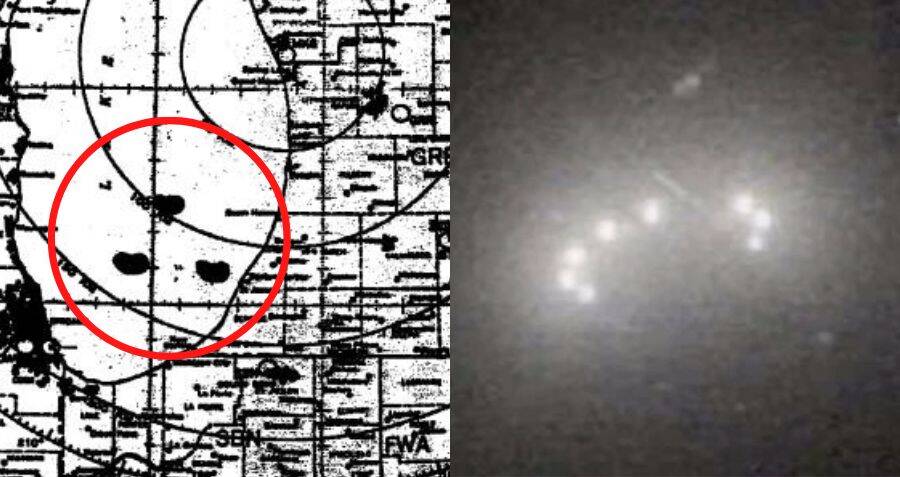
Known as “Britain’s Roswell,” the Rendlesham Forest incident took place over several nights in December 1980 near RAF Woodbridge in Suffolk, England. Military personnel reported seeing strange lights in the forest, and some claimed to have encountered a triangular craft emitting beams of light. Deputy Base Commander Colonel Charles Halt recorded his observations on an audio device, describing the eerie red and blue lights in detail. Radiation was reportedly detected at the landing site, and broken tree branches suggested something had indeed descended through the forest canopy. While some skeptics attribute the lights to a nearby lighthouse, many witnesses, including Colonel Halt, insist that what they saw was not a lighthouse but a structured craft of unknown origin. This high-profile case has led to extensive investigations and remains a prominent event in British UFO history.

4. The Marfa Lights: An Enigmatic Light Show in the Texas Desert

For over a century, mysterious lights have appeared in the desert near Marfa, Texas. Known as the Marfa Lights, these orbs have mystified locals and scientists alike. Witnesses describe seeing colorful lights that move against the wind, change direction, and sometimes vanish suddenly. While some scientists speculate that the lights may be caused by atmospheric conditions or natural gases, no theory has fully explained this phenomenon. Reports of the Marfa Lights date back to the late 1800s, before modern technology or vehicles could have been responsible. The lights have become a popular tourist attraction, drawing thousands of visitors each year to watch the glowing orbs dance across the dark Texas sky. The Marfa Lights continue to puzzle scientists and remain one of the most enduring mysteries in UFO lore.

VIDEO: The Most Chilling UFO Encounters Ever Documented!

Each of these four iconic UFO encounters has captivated the public’s imagination, challenging what we know—or think we know—about the universe. The Roswell crash, the Battle of Los Angeles, the Rendlesham Forest incident, and the Marfa Lights each provide compelling evidence that there may be more to the UFO phenomenon than meets the eye. Whether these incidents are proof of extraterrestrial visitors or natural phenomena beyond our current scientific understanding, they continue to inspire questions about the mysteries of the cosmos. With new advancements in science and technology, perhaps one day we will finally uncover the truth behind these chilling encounters. Until then, these events remain a reminder of the boundless mysteries that lie in the unexplored realms of space and in our own understanding of reality.

RELATED


The Most Shocking Alien Encounters Ever | Ancient Aliens

UFO Mysteries That Defy Explanation | Unidentified: Inside America's UFO Investigation

Close Encounters with Terrifying Aliens | UFO Files

{ https://www.latest-ufo-sightings.net/ }

Hoe vind je dit bericht?
Geschreven door peter om 16:46 Stuur door

Earth's vital signs are flashing red: Seven of nine key systems have been breached – as scientists warn 'we're rapidly running out of time'

Earth's vital signs are flashing red: Seven of nine key systems have been breached – as scientists warn 'we're rapidly running out of time'

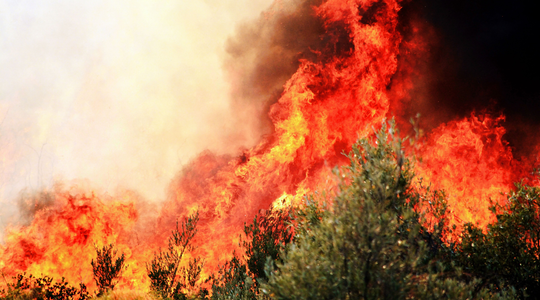
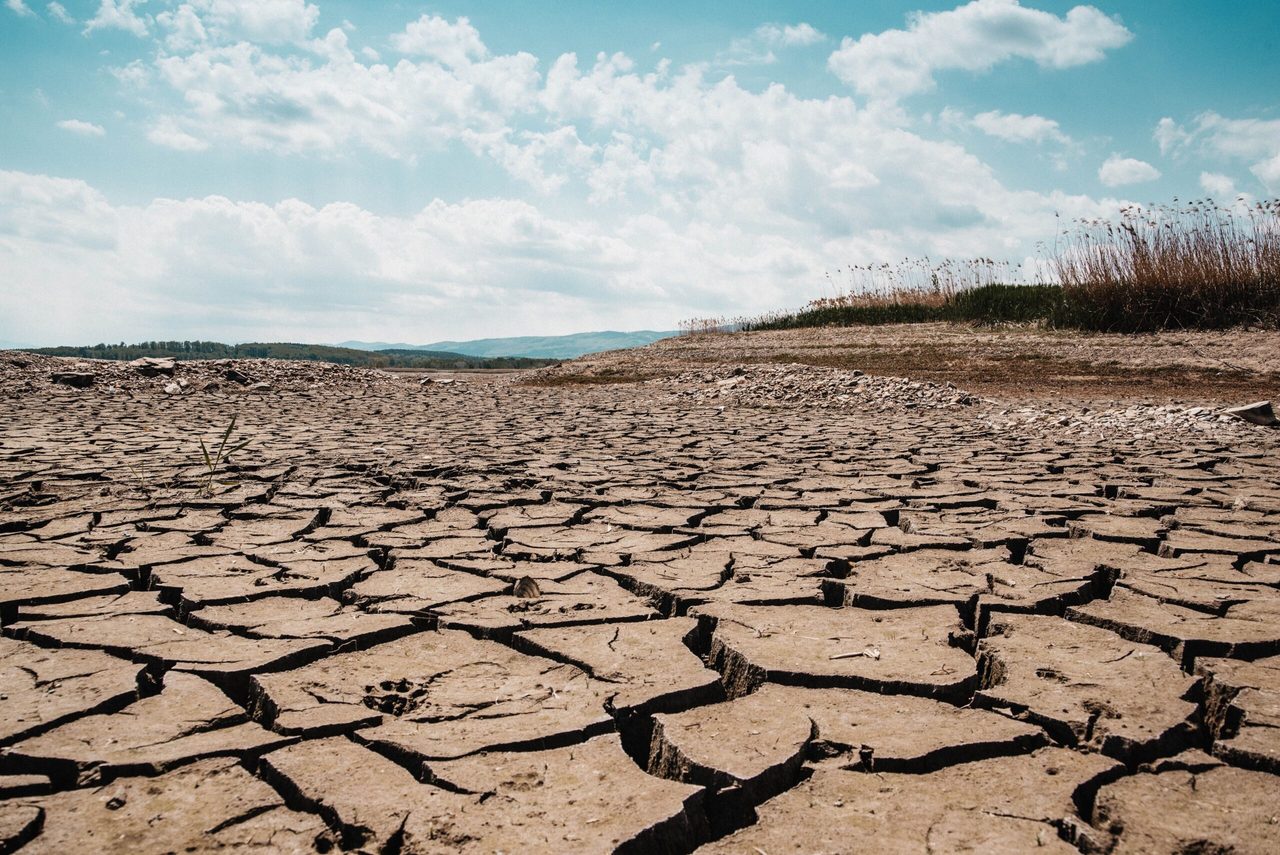
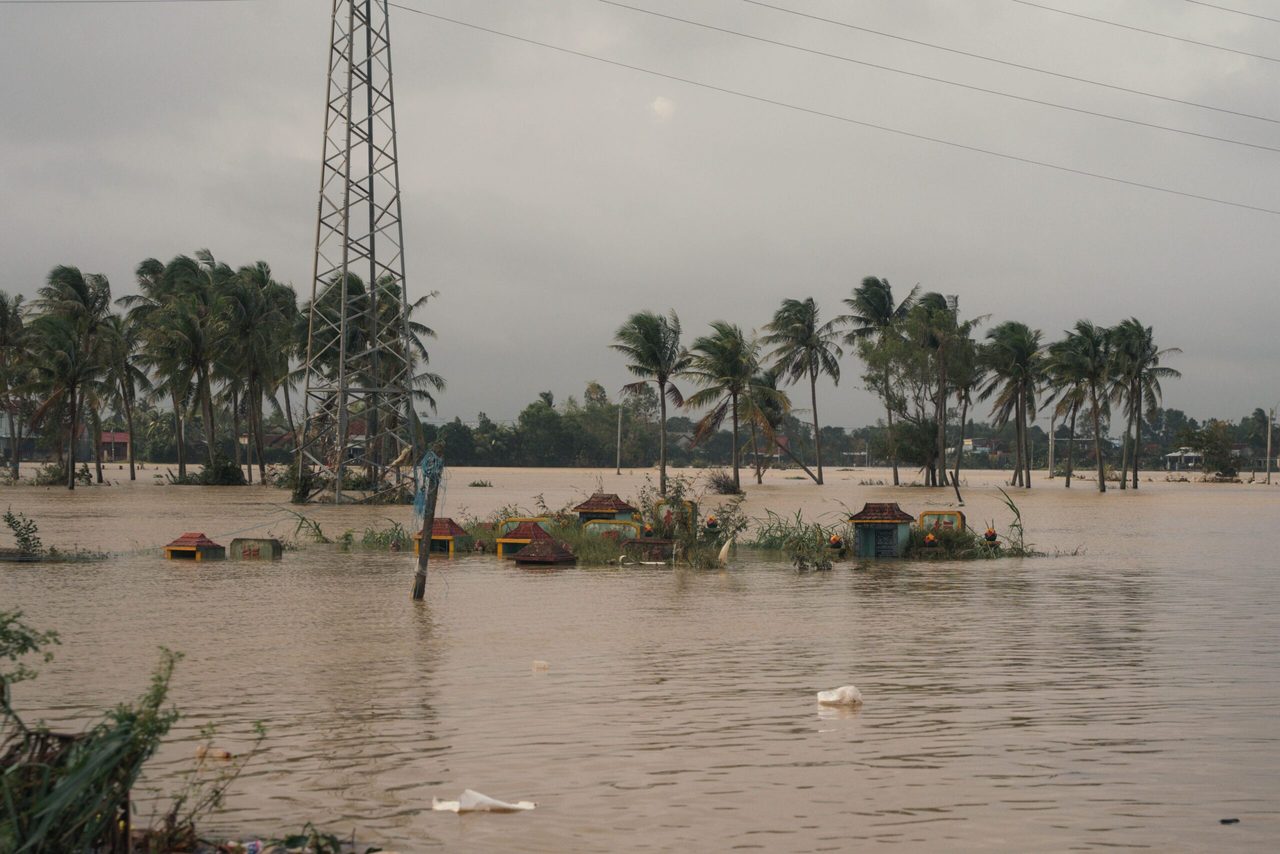
Earth's life support systems are failing, scientists have warned – as seven out of nine planetary boundaries have now been breached.

A new report, called Planetary Health Check 2026, was written by more than 60 international scientists and assesses the state of our planet's health.

They analysed a range of measures including climate change, ocean acidification, stratospheric ozone depletion, land system changes and biosphere integrity.

Four are in the 'high–risk' red zone and three are in the 'increasing–risk' yellow zone – while only two remain in the 'safe' green zone.

'The impact of transgressing planetary boundaries are becoming increasingly clear all around us,' the report reads.

'Results published in the last year show that climate change is progressing faster than previously expected, causing unprecedented heatwaves on land and in the ocean and fuelling destructive extreme weather events.

'Tropical coral reefs have experienced their most severe mass bleaching event to date, a shutdown of the main Atlantic overturning circulation is now considered a credible risk even under low– to medium emission scenarios, and major Antarctic ice masses may have already begun their slide into the ocean.

'With seven out of nine boundaries transgressed, we have pushed Earth outside of its Safe Operating Space – meaning that we are turning Earth from a safe home into one full of hazards that threaten people across the world.'

Seven out of Earth's nine 'life support' systems have been breached, the Planetary Health Check report warned

Seven out of Earth's nine 'life support' systems have been breached, the Planetary Health Check report warned

Experts warned we have 'pushed Earth out of its Safe Operating Space', turning our planet into 'one full of hazards'

Experts warned we have 'pushed Earth out of its Safe Operating Space', turning our planet into 'one full of hazards'

According to the report, the red zone indicates that 'severe, irreversible damage to key planetary functions' has become likely.

It reveals that climate change is in this category, meaning immediate action must be taken to prevent locking in permanent changes.

It also sounds the alarm over the 'introduction of novel entities', referring to the release of man–made substances including plastic, synthetic chemicals, pesticides and other pollutants.

Biochemical flows are likewise in the red, indicating the severe disruption of nature's nutrient cycles.

The Earth's biosphere is also in the danger zone, meaning there has been a significant loss of the species, ecosystems and ecological functions that sustain life on our planet.

Life support systems that are currently in the yellow zone are Earth's freshwater systems, our land use and the acidification of the ocean.

The only two measures still in the green zone are stratospheric ozone depletion – the thinning of the ozone layer – and atmospheric aerosol loading, which refers to airborne particles that influence climate, rainfall patterns and human health.

Boundaries that now sit in the dangerous ‘red zone’ include climate change, the introduction of novel entities, biochemical flows and the biosphere

Boundaries that now sit in the dangerous 'red zone' include climate change, the introduction of novel entities, biochemical flows and the biosphere

This map shows the most impactful extreme weather events between April 2025 and April 2026. Most can be attributed to climate change

This map shows the most impactful extreme weather events between April 2025 and April 2026. Most can be attributed to climate change

Specific ecosystems highlighted in the report include the Amazon rainforest, which is close to passing a critical threshold.

'If it crosses its tipping point, up to 70 per cent of the Amazon forest could transition from lush rainforest to dry tropical savanna,' lead author Professor Carlos Nobre, from the University of Sao Paulo, wrote.

'[This would] release hundreds of billions of tons of carbon dioxide, irretrievably losing myriad species, and diminishing Earth's natural heritage.

'The resulting impacts would extend far beyond the Amazon itself, with serious implications for climate stability, food and water security, and human health around the world, such as an increased risk of epidemics.

'Besides an ecological catastrophe, losing the Amazon would be a moral injury: a sign that we had allowed one of Earth's great living worlds to disappear under our care.'

The report also specifically mentions the sea floor, which is being damaged by bottom trawling and faces the developing threat of deep–sea mining.

Scientists warned the outlook has worsened since last year, as pressure on several key life support systems continues to grow. 

Specific ecosystems highlighted in the report include the Amazon rainforest, which is close to passing a critical threshold

Specific ecosystems highlighted in the report include the Amazon rainforest, which is close to passing a critical threshold

The report, compiled by the Planetary Boundaries Science Lab, also warns that efforts to tackle climate change will fail unless nature is protected and restored.

Scientists said forests, wetlands and other ecosystems currently absorb vast amounts of carbon dioxide, but these natural carbon sinks are showing signs of weakening as environmental damage worsens.

Researchers also raised concerns about chemical pollution, warning that microplastics, PFAS 'forever chemicals' and thousands of other synthetic substances are being released into the environment faster than their impacts can be properly understood.

Despite the bleak outlook, the report says there is still hope.

'The science is clear: We have pushed the planet far beyond its Safe Operating Space,' it concludes.

'Despite some positive developments, our current efforts are far from sufficient. The window of opportunity to act and avoid irreversible change is narrowing – but it is still open.

'Through urgent and decisive action, we can change our trajectory towards sustainability. Returning to the Safe Operating Space is the defining task for a stable and liveable future.'

RELATED

Official Planetary Health Check 2026 with Johan Rockström

Planetary Alignment 2026 — What’s Really Happening in the Sky
Our Planet’s Vital Signs are Flashing Red: Planetary Health Check 2025

{ https://www.dailymail.com/sciencetech/index.html }

Hoe vind je dit bericht?
Geschreven door peter om 16:26 Stuur door

Mysterious giant carving may show a Kushite ruler and mark an ancient borderland

Mysterious giant carving may show a Kushite ruler and mark an ancient borderland

Mysterious giant carving may depict an ancient Sudanese ruler
The petroglyph, possibly depicting a Kushite ruler, image enhanced.
Credit: C. Calaforra-Rzepka, from Antiquity (2026).
DOI: 10.15184/aqy.2026.10427
For centuries, a life-size petroglyph has stood over the rocky landscape of Miseeda in northern Sudan. Exactly who the figure carved into a granite hill represents remains uncertain, but researchers suspect it may depict an ancient Kushite ruler. In the 7th century CE, local builders constructed a Christian church directly around it.

In a new study published in the journal Antiquity, scientists investigated both the petroglyph and the church to understand what these connected monuments reveal about the area's history.

"The church at Miseeda, erected in the seventh century around the much older petroglyph, appears to have developed around a site that had retained social significance over millennia," wrote the researchers.

While the church and the carving were the main focus of the project, they were far from the only features studied. In all, the study authors surveyed nearly 300 archaeological sites across the Miseeda area, part of the Mahas region.

On the granite hill around the church, the team documented other rock carvings, including animals like lions, elephants and cattle, alongside later Christian symbols such as crosses and carved ships.

Elsewhere, the team led by Dr. Joanna A. Ciesielska of the University of Warsaw studied pottery from the area. Analysis of various styles revealed several periods of human activity, peaking in the ancient Mesolithic period (12,000–8,200 years ago), the Late Neolithic/pre-Kerma period (c. 3000–2500 BCE) and later medieval Christian times (c. 6th–15th centuries CE).

Mysterious giant carving may depict an ancient Sudanese ruler
The church of Miseeda with the petroglyph visible on the rock behind it.
Credit: S. Lenarczyk, from Antiquity (2026).
DOI: 10.15184/aqy.2026.10427

Who does the petroglyph represent?

To better understand who the giant rock carving might represent, the researchers looked at similar monuments in the region. One example is at a site called Gebel Qeili, which features a giant carving of King Sherkarer, an ancient ruler from the Kingdom of Kush. Such monumental carvings are rare in this part of Africa. The scientists suggest that the Miseeda carving may depict a ruler and could have served as a marker of a borderland.

"This reinforces the interpretation of the Miseeda representation as a marker of a borderland; however, a more precise date remains to be established," commented the study authors.

Local beliefs

The researchers also collected accounts from local people to understand how the community views these ancient ruins today.

The community used to view the church as a sacred place for pilgrimages, but over time that changed. Today, some locals call the church "Beit Kitchiner" or "Beit Sheitan" and consider it both a cursed and miraculous space. Meanwhile, the main sacred site is now a nearby shrine dedicated to a local holy man named Sheikh Kuman.

While the exact identity of the carved figure remains a mystery, the work has revealed much more about the civilizations that lived in the region.

Written for you by our author Paul Arnold, edited by Lisa Lock, and fact-checked and reviewed by Robert Egan—this article is the result of careful human work. We rely on readers like you to keep independent science journalism alive. If this reporting matters to you, please consider a donation (especially monthly). You'll get an ad-free account as a thank-you.

Publication details
  • Joanna A. Ciesielska et al, Miseeda: between kingdoms, through epochs—reconstructing a history of the Mahas region (Sudan), Antiquity (2026).

DOI: 10.15184/aqy.2026.10427

Journal information:

RELATED

The Kingdom of Kush – Africa’s Civilization Before Ancient Egypt
Hoe vind je dit bericht?
Geschreven door peter om 16:02 Stuur door

The 10 freakiest UFO sightings in Michigan history

The 10 freakiest UFO sightings in Michigan history

It’s a drone! It’s a shooting star! It’s a satellite! Nope—it’s an unidentified flying object. These are the most infamous UFO sightings in Michigan.

Hoe vind je dit bericht?
Geschreven door peter om 22:42 Stuur door

Ancient Alien Skull On Mars, With Cranium 3X Longer Than Peru Alien Mummy Skulls, UFO UAP Sighting News.

Ancient Alien Skull On Mars, With Cranium 3X Longer Than Peru Alien Mummy Skulls, UFO UAP Sighting News.

Alien_head_mars.png
 
Date of discovery: Sept 29, 2026
Location of discovery: Mars SOL 0123
Source photo:
You know me, have to search the Mars photos for anomalies. I just love doing it. Like some people love watching sports on TV, I just love shifting through photos to learn more, understand more and hopefully come out understanding something new about aliens. The only option to this is sitting on the sofa at home waiting for the US gov to release something actually good, but thats never going to happen. So, its up to us, Joe Public to get out there and find the truth. 
 
I love this elongated cranium skull I found today. It has the longest cranium I have ever found before. If this is a sculpture and not a real fossil (can't discount the possibility) then it was probably made to celebrate the intelligence of some noble or important leader of the species. Yes, I find faces, but yes, I hold a masters degree in counseling and understand the difference from real and imaginary. Don't believe the CIA propaganda about finding faces...they rely on controlling the publics way of thinking. Do they control you?
Scott C. Waring

Mars_face.png
Mars_debris.png

Mars_anomaly.png

Mars_crash.png

Mars_structure.png

Mars_machine.png

Screenshot%202026-09-29%20at%206.19.44%E2%80%AFPM.png

Screenshot%202026-09-29%20at%206.20.31%E2%80%AFPM.png

{ https://www.ufosightingsdaily.com/ }

Hoe vind je dit bericht?
Geschreven door peter om 21:52 Stuur door

10-Mile-Wide Ames Impact Crater Linked to 372-Million-Year-Old Violent Extinction Event

Image by Andreas from Pixabay

10-Mile-Wide Ames Impact Crater Linked to 372-Million-Year-Old Violent Extinction Event

Researchers at the University of Texas at Austin have determined that the 10-mile-wide subsurface Ames impact crater was formed during a meteor impact 100 million years later than previously believed, linking its formation to a violent extinction event that wiped out much of Earth’s marine life 372 million years ago.

The researchers said the zircon crystal radiometric approach used to date the Ames crater’s formation could help scientists date other ancient meteor impact sites or add supplementary information to previously dated impact formations.

Ames Impact Crater Previously Dated to the Ordovician Meteor Event

According to a statement, the impact crater that the researchers examined is buried beneath several layers of sedimentary strata. Dubbed the Ames impact structure, it is also a major producer of oil and gas.

Because it lies near a series of ancient meteor strikes across the North American continent that occurred roughly 467.5 million years ago, called the Ordovician Meteor event, scientists assumed Ames was a similar age. The researchers note that the frequency of impacts around this time has caused some to suggest that Earth may have once supported a Saturn-like ring of asteroid debris.

Ames impact crater violent extinction meteor A map of upper North America shows the approximate area and location of impact structures from about 486-360 million years ago. Credit: Catlos et al.

Before now, the site had been dated only from fossilized teeth of an ancient eel-like creature called a conodont discovered within the site’s rock. Since that date matched the Ordovician date, researchers considered the case closed.

Still, the research team behind the new effort said the conodont remains could have been “jumbled around” during a much later impact, creating the false correlation.

Zircon Crystals Reveal Violent Extinction Event 100 Million Years Later

Instead of relying on fossilized teeth, Danny Stockli, dean of the Jackson School of Geosciences and a co-author of the study, and colleagues employed a technique that examines the structure of zircon crystals found embedded in rocks at the site to determine when they formed.

Stockli said radiometric zircon U-Pb dating is the most accurate way to date events like major asteroid impacts in Earth’s history, since zircon microstructures can record the shock pressures of such violent events.

“These small crystals allow us to go back in time and learn about the major changes to Earth’s ancient landscapes,” Stockli explained.

After a zircon is impacted with an extreme force, it recrystallizes in what the team described as “a very specific way.” With some assistance from NASA, the researchers imaged the crystals collected from the Ames crater using cathodoluminescence and electron backscatter diffraction.

As hoped, the tests revealed that the zircon crystals were formed around 370 million years ago when a meteorite impacted the Ames area. The researchers said this date proves that the impact event that caused the now underground crater “could not have been part of the Ordovician Meteor Event.”

Instead, the new date, which is 100 million years later than the previously suspected event, lines up with the Frasnian-Famennian mass extinction event, which occurred about 372 million years ago. Like the impact that contributed to the extinction of the dinosaurs, this event wiped out much of Earth’s marine life.

“No matter what technique we used, it was coming back to this younger signal,” explained the study’s lead author, Elizabeth Catlos, an associate professor at UT’s Department of Earth and Planetary Sciences.

“This is Where This Impact Belongs”

When discussing the significance of the findings, Catlos said the result takes “a major pawn out of the Ordovician Meteor Event” and places it into the Frasnian-Famennian event.

“This is where this impact belongs,” she said.

The researcher also noted the value of more accurate dating for mass extinction events or other large-scale events that can deform zircon crystals. Stockli echoed the sentiment, noting that the process could help date other sites and bring the Earth’s violent ancient past into clearer focus.

“It would be great to do this for more of the meteor impact sites across the continent so we could get a more accurate timeline for these major events,” they explained. 

  • Christopher Plain has spent the last six years as Associate News Editor and Head Science Reporter at The Debrief. Follow and connect with him on X, learn about his novels at plainfiction.com, or email him at christopher@thedebrief.org.

☄️ The Crater So Massive It Nearly Ended Life on Earth

{ https://thedebrief.org/category/astronomy/ }

Hoe vind je dit bericht?
Geschreven door peter om 21:40 Stuur door

Story of Former Pentagon Official Who Led U.S Government’s UAP Investigations Is Coming to Television

Terrence Winter Dan Farah Out of the Shadows

Terrence Winter (left) and Jay Stratton's "Out of the Shadows"
(Image Credit: William Morrow Company)

Story of Former Pentagon Official Who Led U.S Government’s UAP Investigations Is Coming to Television

The Sopranos writer and Boardwalk Empire creator Terence Winter will be teaming up with filmmaker and producer Dan Farah for the development of a new television series based on the former U.S. intelligence official who led the U.S. government’s investigations into Unidentified Anomalous Phenomena (UAP).

The series will be based on the forthcoming memoir Out of the Shadows, which offers a candid look at the career of Jay Stratton, the former official who led the U.S. government’s Unidentified Aerial Phenomena Task Force (UAPTF).

Stratton’s book, scheduled for publication in October by William Morrow, recounts his involvement with official investigations of UAP, the military’s term for what historically are known as unidentified flying objects or UFOs, and the bureaucratic hurdles he encountered while leading government efforts to resolve their nature and origin.

Winter will serve as an executive producer for the screen adaptation through Cold Front Productions, and Farah will also be an executive producer under Farah Films, according to Variety.  

Farah previously directed the documentary film The Age of Disclosure, which brought together more than thirty current and former U.S. officials who spoke on the record about the UAP issue, potential national security related to the phenomenon, and ongoing efforts to secure the release of information about it, which are believed to remain in the U.S. government’s possession. Farah also produced the documentary film The Phenomenon by director James Fox.

Along with the secretive world of U.S. government investigations into UAP, the forthcoming series will deal with the unusual intersection between Stratton’s classified work and his life at home, as detailed in his forthcoming memoir, where he describes how his family also reportedly experienced unusual events while he served in government.

Winter described Stratton’s story and the plans for a forthcoming series as a journey into the lesser-known world of U.S. government and UAP investigations. Farah compared the material to a high-stakes political thriller, with a central mystery that is accompanied by the personal toll placed on Stratton and his family, and lingering questions about the existence of non-human intelligence.

Winter brings considerable experience to the project, with past work that includes serving as writer and executive producer on The Sopranos before going on to create HBO’s hit series Boardwalk Empire. Winter is also the recipient of an Academy Award nomination for his screenplay adaptation of The Wolf of Wall Street.

Presently, details about the cast, release date, and potential networks and streaming platforms that may carry the program have not yet been announced. Stratton’s book, Out of the Shadows, will be released on October 13, 2026.

  • Micah Hanks is the Editor-in-Chief and Co-Founder of The Debrief. A longtime reporter on science, defense, and technology with a focus on space and astronomy, he can be reached at micah@thedebrief.org. Follow him on X @MicahHanks, and at micahhanks.com.

{ https://thedebrief.org/category/science/ }

Hoe vind je dit bericht?
Geschreven door peter om 21:21 Stuur door

New Drilling at Controversial ‘Noah’s Ark’ Site Reveals Organic Material and Mysterious Underground Cavities

Noah's Ark core drilling

Credit: Noah's Ark Scans

New Drilling at Controversial ‘Noah’s Ark’ Site Reveals Organic Material and Mysterious Underground Cavities

An international research team led by the privately funded Christian organization Noah’s Ark Scans and supported by archaeologists from Sivas Cumhuriyet University has reported a series of successful core drilling excavations at Turkey’s Durupınar formation.

The controversial boat-shaped feature is believed by some to represent the remains of Noah’s Ark from the biblical Old Testament. Among the team’s recent findings is the claim that one of the drills used during the operation shattered once it encountered material the team believed may be petrified wood.

“I believe this is Noah’s Ark; that’s why I’m putting the Durupinar site through the most rigorous testing possible,” explained the organization’s founder, Andrew Jones.

The research team’s announcement appeared in a press release issued by Jones’s organization, and the results of their findings have not undergone scientific peer review.

The announcement includes initial observations that the drilling did not encounter any limestone bedrock, which, according to Jones’s organization, challenges the mainstream scientific explanation that the site is simply a rock formation. The core drilling effort also experienced a broken bit, which the team said suggests the potential presence of ancient petrified wood instead of comparatively softer limestone.

After future laboratory testing of the core drilling samples designed to provide further insight into the Noah’s Ark-shaped formation’s composition, the team is also planning to send a robot into the subterranean tunnels and chambers identified by previous site scans to search for more clues about its nature and origin.

Decades of Debate Surround ‘Noah’s Ark’ Site

The Durupınar formation is a 157-meter (515-foot) boat-shaped surface feature that first gained attention in 1959 when Turkish Army Capt. İlhan Durupınar spotted it.

Because of its unusual curved shape, some researchers have wondered whether the formation could potentially be the petrified remains of an ancient sea vessel. This, along with the formation’s location, which echoes beliefs about the alleged location where Noah’s Ark came to rest in the Old Testament, has led to speculations that the site could be the famed vessel built by Noah, as described in the book of Genesis.

core drilling

Credit: Noah’s Ark Scans.

In 1988, an investigation to determine whether the ‘Noah’s Ark’ formation contained remains of petrified wood or limestone bedrock, as suggested by geologists, attempted to solve the faith-versus-science argument by drilling holes.

According to the Noah’s Ark Scans team, those holes extended to only “a fraction of the depth now being sampled,” offering limited value. Further, the samples in the earlier study were “corrupted” by water used to cool the drill bits, rendering tests inconclusive, according to Jones and his team.

Jones’s team, which includes U.S. Defense Scientist Dr. Khrosrow Bakthar, the inventor of the Bakthar Radar used to map much of the formation’s underground detail, has completed a months-long mapping effort at the site. The work includes the creation of three-dimensional models, collecting soil samples “inside and outside” the Noah’s Ark formation’s outline, and assembling an array of high-resolution surface imaging of the entire area. This work prepared the team for the core drilling effort.

Hints of ‘Decayed Wood’ and Organic Materials

According to a press release announcing the new work, core holes were drilled within the boat-shaped outline and in “control” locations well outside the formation’s area. These control samples offered a comparison set for future lab tests of samples collected within the outline of the Noah’s Ark site.

According to the team’s announcement, samples collected during the effort included “sequences of soil and sediment, intervals of organic-rich material, and cavities.”

“For the first time in history, we are performing an extensive, permitted deep core drilling survey inside and outside the Durupınar Noah’s Ark site, recovering samples from depths of up to 18 meters, nearly 60 feet,” Jones explained.

The researchers said the first samples include rich organic layers that could be evidence of ancient “decayed” wood. Jones, who describes himself as a believer in the historical veracity of the Noah’s Ark story, said the effort also revealed multiple hidden cavities, “including one filled with mud and water.”

One moment Jones highlighted from the work involved the ‘dry’ drilling system the team used, which does not rely on water. At one point, one of the drills suddenly stopped when the team “struck a layer so hard that the drill bit broke.” Jones said this occurred when the bit was 4-5 meters below the surface, and after the drilling system “had already penetrated the overlying material.”

“Whatever the core drill struck was harder than limestone — hard enough to break the bit,” Jones explained.

core drilling at Noah's Ark site

Team members said that the drill bit broke after hitting something harder than limestone.

Credit: Noah’s Ark Scans.

While lab tests will be needed to confirm the material’s composition, the researchers noted that if petrified wood from an ancient vessel caused the infamous formation, its harder-than-limestone status could explain the drill suddenly stopping.

“Petrified or highly mineralized wood [is] both a possibility we want to investigate through third-party lab testing,” Jones said.

Controversial Claims

Interpretations of the Durupınar formation as being purported physical evidence of events described in the Old Testament remain controversial. As previously reported by The Debrief, Jones and other team members of Noah’s Ark Scans have expressed views indicating that they already believe the Durupınar site represents the literal remains of the vessel ascribed to the Biblical character Noah, despite the ongoing investigations they are undertaking in an attempt to provide evidence for such beliefs.

Even some prominent young-Earth creationists have pushed back on Jones and his team’s claims. Ken Ham, the founder, CEO, and former president of the Christian apologetics organization Answers in Genesis, has criticized the group’s members for being “convinced of what this site likely was” before reviewing the results of geophysical surveys, arguing that the group’s findings fail to “objectively assess the raw geophysical data by canvassing other interpretations.”

To date, the research conducted by the Noah’s Ark Scans team has not been published in a formal scientific journal or undergone peer review, and has only been presented in press releases and on the organization’s website.

While the Noah’s Ark Scans team awaits the results of its most recent laboratory tests, the group has another exploration of the supposed Noah’s Ark site already planned. According to the team, this effort will follow up on earlier ground-penetrating radar scans that identified “linear features, right-angle intersections, layered anomalies, and elongated voids.” The researchers suggested these underground voids could be corridors to ‘chamber-like places,’ related to an ancient seagoing vessel.

Instead of more drilling, the team will deploy GOPHER, a custom-built robot named for the ‘gopher wood’ described in the book of Genesis. To explore the inner areas, GOPHER is equipped with a high-resolution camera that the team said is “designed to enter narrow borehole access points without opening large excavation trenches.”

“This is a major breakthrough in our ability to investigate what lies beneath this remarkable site,” explained Lauren Witzke, a Fundraiser for the Noah’s Ark Scans organization and self-described Christian activist, according to the group’s website.

Jones echoed those sentiments, noting that the team is “collecting physical samples for laboratory analysis, with more fieldwork planned next year.”

“These current findings challenge claims that this is simply a natural shape made of limestone or bedrock,” Jones said, adding that these first investigations have “opened an entirely new chapter in the Noah’s Ark investigation.” 

  • Christopher Plain has spent the last six years as Associate News Editor and Head Science Reporter at The Debrief. Follow and connect with him on X, learn about his novels at plainfiction.com, or email him at christopher@thedebrief.org.

RELATED


Scientists Finally Drilled Into Noah's Ark — It's Stranger Than We Thought

They're Drilling Into Noah's Ark — The Full Investigation (2026) | Filed Under Mystery

BREAKING: Scientists DRILLED Into Noah’s Ark... Then the Drill Bit Shattered

{ https://thedebrief.org/category/science/ }

Hoe vind je dit bericht?
Geschreven door peter om 21:09 Stuur door

Two huge unknown objects captured in Hubble Live Stream — Alien Spacecraft?

Two huge unknown objects captured in Hubble Live Stream — Alien Spacecraft?

Sky watchers Al Qantarat “66” and Masiel Salinas were observing the Hubble Space Telescope through a live stream when they noticed two massive, strangely shaped objects in deep space. They captured the objects for further examination. 
Object 1 — Solar-Sail-Like Object 
Background: Digitized Sky Survey 2 
Coordinates: +07 03 51.74, +59 05 53 
alien%20spacecraft%20hubble%20telescope%20(3).jpg

This object appears to have a large, unusual structure resembling a solar-sail spacecraft. Its shape and apparent dimensions make it difficult to immediately identify as a conventional astronomical object. 
Object 2 — Blue Cigar-Shaped Object 
Background: Digitized Sky Survey 2 
Coordinates: +07 03 51.74, +59 05 53.8 
alien%20spacecraft%20hubble%20telescope%20(2).jpg

This object appears blue and distinctly cigar-shaped. Its clearly defined contours give it an unusual, almost artificial appearance, raising the question of whether it could be something other than a naturally occurring astronomical phenomenon. 
These are certainly not the first reports of unidentified objects appearing in astronomical observations. Over the years, unusual objects have been reported in telescope imagery, space livestreams, Google Sky, and other publicly accessible astronomical databases. 
One frequently cited example involves amateur recordings of enormous UFOs observed near the Orion Nebula. In some of these recordings, the objects appear to change position, leading observers to suggest that they may be moving under some form of intelligent control. 
Could the two objects identified in the Hubble imagery represent something similar? 
alien%20spacecraft%20hubble%20telescope%20(1).jpg

If these objects were eventually proven to be artificial spacecraft, and especially if their movement could be demonstrated to be controlled rather than the result of an astronomical or observational effect, it would raise profound questions about the existence of advanced technology beyond Earth.

{ https://ufosightingshotspot.blogspot.com/ }

Hoe vind je dit bericht?
Geschreven door peter om 20:46 Stuur door

The first face of mankind? Ancient human who lived 315,000 years ago is brought back to life in stunning digital reconstruction

The first face of mankind? Ancient human who lived 315,000 years ago is brought back to life in stunning digital reconstruction

It’s like coming face to face with a long-lost relative – 315,000 years after we last saw them.

Scientists have pieced together what one of the world’s first humans looked like, using fossil fragments to bring them to life in an amazing digital image.

The result – the ‘oldest know representation’ of our species – shows a dark-skinned man with long black hair and a bushy beard, complete with deep-set eyes, a wide nose and full lips.

The facial image was created from the remains of a body discovered by a miner working at a mineral extraction site in Jebel Irhoud, Morocco.

That find led to a dramatic revision to the history of human evolution, as it showed that Homo sapiens are at least 100,000 years older than previously thought.

And the latest breakthrough sheds new light on what our ancestors may have looked like in their earliest days.

‘The archaeological site of Jebel Irhoud houses the oldest fossils attributed to Homo sapiens, dated to approximately 315,000 years before present,’ the researchers‘ paper, published in the journal Heritage, reads.

‘This study presents a forensic facial approximation based on data from a three-dimensional composite skull derived from Layer 7 of the site.’

The reconstruction shows a dark-skinned man with long black hair and a bushy beard, complete with deep-set eyes, a wide nose and full lips

The reconstruction shows a dark-skinned man with long black hair and a bushy beard, complete with deep-set eyes, a wide nose and full lips

Scientists pieced together the ancient face from fossil fragments combined with state-of-the-art technology

Scientists pieced together the ancient face from fossil fragments combined with state-of-the-art technology

By combining scans, photographs and video footage of the skull fragment known as Irhoud 1 with jawbone and tooth fossils unearthed nearby, the team created a 3D model of the skull

By combining scans, photographs and video footage of the skull fragment known as Irhoud 1 with jawbone and tooth fossils unearthed nearby, the team created a 3D model of the skull

One reconstruction is a stripped-back scientific reconstruction in grayscale, highlighting the skull's underlying anatomy

One reconstruction is a stripped-back scientific reconstruction in grayscale, highlighting the skull's underlying anatomy

When the skull was first unearthed in the 1960s, archaeologists thought it belonged to a Neanderthal and was around 40,000 years old. But in 2017, scientists determined that the skull was actually around 315,000 years old – and belonged to Homo sapiens.

By combining scans, photographs and video footage of the skull fragment – known as Irhoud 1 – with jawbone and tooth fossils unearthed nearby, researchers created a detailed 3D model of the skull.

They then used a modern human anatomical template, digitally adapting it to match the fossil's shape before adding estimated layers of muscle, fat and skin to put a face on the remains.

The process produced two versions of the face. One is a stripped-back scientific reconstruction in grayscale, highlighting the skull‘s underlying anatomy.

The other is a lifelike colour portrait complete with skin, hair and a beard, offering the public a striking glimpse of one of humanity‘s earliest known ancestors.

The study was led by 3D reconstruction expert Cícero Moraes, who is based in Brazil. The researchers stressed that the more lifelike reconstruction involved a degree of artistic licence.

Features such as skin colour, lighting, hairstyle and facial hair cannot be determined from the fossil remains themselves.

Instead, they were based on anthropological research into ancient and modern human populations, providing a plausible representation of what someone living in North Africa around 315,000 years ago may have looked like.

They also cautioned that the digital models do not show exactly what any one individual looked like, as the fossil fragments used to complete the reconstruction were likely to have been from several different people.

The team also consisted of researchers from Flinders University, the University of Pavia, the University of Lodz and Universiti Sains Malaysia. 

RELATED


The rise of Homo Sapiens: Humanity’s greatest story

The Origins of Humankind: A Journey to the First Man on Earth | Full Documentary

The 300,000 Year Journey: Complete Human Evolution Documentary

{ https://www.dailymail.com/sciencetech/index.html }

Hoe vind je dit bericht?
Geschreven door peter om 20:37 Stuur door

Mysterious 'UFO' spotted on SpaceX livestream sparks wild alien theories: 'Looks like a mothership'

SpaceX reached a historic milestone on Monday after sending the world's most powerful rocket into orbit.

But before Starship got there, viewers watching SpaceX’s livestream spotted something bizarre trailing behind the spacecraft in the darkness of space.

About seven minutes and 55 seconds into the test flight, social media users zeroed in on a narrow, slightly curved streak of pale blue light with a brighter white tip.

Many X users shared screenshots of the mysterious object, with one user saying it 'looks like a mothership' and 'bigger than a city.'

'I think we all just saw a UFO live-streamed,' one user shared. Another X user replied: 'I couldn't believe my eyes. I'm glad it wasn't just me that saw it.'

Others wondered whether the object was NASA's International Space Station, although the footage offers no way to judge its size or distance. 

While many users were baffled, Dean Scott chimed in, suggesting the streak was gas left behind by the Super Heavy booster as its engines shut down after separation and fired again for the return burn.

 In his view, it appeared to rise because Earth’s bright horizon had initially hidden it.

A mysterious object was seen by users tuning into SpaceX's livestream of its Starship launch on Monday

A mysterious object was seen by users tuning into SpaceX's livestream of its Starship launch on Monday

The object appeared as a narrow, slightly curved streak of pale blue light with a brighter white tip

The object appeared as a narrow, slightly curved streak of pale blue light with a brighter white tip

One user replied to Scott: ‘I went back and saw the cloud before it “flattened.” You're absolutely right, thank you!’

The user appeared to be referring to an earlier frame, captured six minutes and 35 seconds after launch, that shows a small, fuzzy blue-white patch near Earth’s edge.

But Scott’s explanation did little to quiet the alien theories.

‘The Greys are making sure all is ok,’ one X user commented, referring to the gray humanoid beings common in UFO lore.

Others tagged Elon Musk, with one asking: ‘Hey Elon, is this Mothership?’ Several users declared it was ‘definitely aliens.’

Engineer Kyle Holl connected the sighting to another scare during the flight: the unexpected shutdown of one of Starship’s engines. 

‘Hmm, an engine out and then an alien battle cruiser uncloaks. Interesting,’ Holl posted.

Neither SpaceX or Musk have commented online about the mysterious object seen in the livestream. 

One user speculated that it was gas left behind by the Super Heavy booster as its engines shut down after separation, which others believe was seen about a minute prior (above, circled)

One user speculated that it was gas left behind by the Super Heavy booster as its engines shut down after separation, which others believe was seen about a minute prior (above, circled)

SpaceX launched its massive Starship rocket on Monday morning for its first orbital mission

SpaceX launched its massive Starship rocket on Monday morning for its first orbital mission 

The uncrewed Starship launched around 8.46am ET from SpaceX's Starbase complex along ​the Gulf of Mexico near Brownsville, and was scheduled for a 10-hour mission around the Earth.

However, SpaceX cut Starship’s flight short after an engine unexpectedly shut down during its climb to orbit.

Footage showed the 40-story Starship flip into position for a gentle splashdown at 11.58am ET, only to erupt in a huge fireball seconds after hitting the water.

SpaceX spokesperson Dan Huot said during the livestream: 'Starship has landed.

article image

'As you saw, not quite a soft splashdown as we had on the last one, but it's Starship in the water nonetheless.'

While the SpaceX team did not confirm Starship had exploded, onshore cameras captured the booster exploding near the middle.

Some have deemed the mission a 'complete failure,' but the goal was to send the massive rocket to orbit, and that is exactly what occurred on Monday.

NASA Administrator Jared Isaacman congratulated SpaceX on the successful launch, saying on X: 'Gorgeous launch, getting Ship to orbit and managing every step in a safe, responsible, and especially inspirational way.

'NASA, along with the rest of the interested public, is excited to help where we can and for Starship missions to become routine!'

Starship appeared to splash down as planned, but seconds later, a massive fireball erupted, sending pieces of the spacecraft flying.

While the ship made it to orbit, it exploded during splashdown

While the ship made it to orbit, it exploded during splashdown 

After 13 test flights that never reached orbit, SpaceX was attempting to send Starship around Earth for the first time and bring it safely back down.

Success would have strengthened confidence that a modified version can be ready for NASA's planned Artemis moon landing in 2028.

It was not immediately clear whether the engine trouble and fiery splashdown would affect SpaceX’s preparations for the planned 2028 moon landing.

SpaceX ultimately wants Starship to flip upright and touch down in Texas, bringing crews home and allowing the spacecraft to fly again.

For now, its test flights end at sea, with no plans to recover the vehicle.

RELATED

UFO seen of SpaceX Starship 14u Flight. 🚀👽 #SpaceX #Starship #UFO #Astronomy

The Mysterious UFO Spotted on SpaceX’s Livestream: Explained

{ https://www.dailymail.com/sciencetech/index.html }

Hoe vind je dit bericht?
Geschreven door peter om 18:43 Stuur door

‘Reverse engineered from UFOs’: Does US military have a triangular aircraft with anti-gravity technology called ‘TR-3B Black Manta’? Here’s the truth

‘Reverse engineered from UFOs’: Does US military have a triangular aircraft with anti-gravity technology called ‘TR-3B Black Manta’? Here’s the truth

A mysterious triangular aircraft-like object spotted in Iran’s skies has triggered fresh speculation online about the alleged US military aircraft known as the TR-3B Black Manta.

Objects featuring bright, multi-coloured lights were reportedly observed over Tehran and Zahedan on September 20 and 21. Videos circulating online have prompted claims that the sightings could be evidence of a secret US aircraft capable of advanced or even anti-gravity flight.

However, there is no credible evidence that the TR-3B Black Manta exists, let alone that it uses anti-gravity technology or was reverse-engineered from extraterrestrial spacecraft.

What was spotted over Iran?

One video circulating online reportedly showed a large, crescent- or triangular-shaped object with bright lights over Tehran, including the area near the Azadegan Expressway. Another video showed a cluster of lights moving across the night sky over Zahedan.

The footage quickly triggered speculation on social media that the objects could be the alleged TR-3B.

One X user claimed: “Military Leaks Terrify the World: The Era of Missiles and Jet Engines Is Over Forever! The mysterious U.S. TR-3B Black Manta aircraft, recently spotted in the skies over Argentina and Iran, ignites the biggest technological and military controversy in history: It was developed through direct ‘reverse engineering’ from crashed extraterrestrial spacecraft (UFOs)! No fuel combustion, no sound, and maneuvers that shatter every law of conventional physics... Welcome to the age of ..

Another X user made a similar claim, writing that the alleged US-made TR-3B Black Manta had been seen in Argentina and Iran and was developed through reverse engineering of crashed UFOs.

There is, however, no publicly verified evidence supporting these claims.

What is the TR-3B Black Manta?

The TR-3B Black Manta is the name given online to an alleged secret US military aircraft. It is often described as a large triangular platform equipped with an advanced propulsion system that supposedly uses anti-gravity technology.

Claims surrounding the aircraft have circulated for years, but the US government and military have never publicly confirmed that a vehicle called the TR-3B exists.

There is also no reliable evidence that the aircraft was developed by reverse-engineering extraterrestrial spacecraft.
The idea appears to be part of a long-running body of UFO and secret-aircraft speculation that has spread across the internet.

Why do people believe the aircraft could exist?

Part of the speculation stems from the fact that the US military has operated highly classified aircraft that remained secret for years.

The F-117 Nighthawk, for example, was developed as a stealth aircraft under a highly classified programme. Although reports and sightings circulated before its existence was officially acknowledged, the US government publicly unveiled the aircraft in 1988.

The history of classified aviation programmes has therefore provided fuel for speculation that other undisclosed aircraft could also exist.

But the existence of secret military aircraft does not, by itself, establish the existence of the TR-3B or an anti-gravity aircraft.

What about Donald Trump’s ‘weapons nobody has seen’ comment?

The Black Manta theory gained additional attention after US President Donald Trump previously said that the US has weapons “that nobody has ever seen before” and that only a select few people know about them.
The comments were interpreted by some social media users as a possible reference to highly advanced or secret military technology.

However, there is no evidence that Trump was referring to the alleged TR-3B or an anti-gravity aircraft.

A 2021 image also fueled the Black Manta theory

Speculation surrounding the alleged aircraft has circulated for years.

In 2021, Iranian media published an image purportedly showing a triangular-shaped object near a US aircraft carrier in the Mediterranean. The image was subsequently cited online as possible evidence of the alleged Black Manta.

But such images and sightings have not provided independent confirmation that the aircraft exists.

The 1976 Tehran UFO incident

The latest reports have also drawn comparisons with one of the best-known UFO incidents in Iran.

On September 19, 1976, Iranian authorities reported seeing a bright unidentified object over Tehran. Two F-4 Phantom fighter jets were reportedly dispatched to investigate.

The incident became a prominent case in UFO literature, although the object was never conclusively identified as extraterrestrial or as a secret military aircraft.

What does the latest footage actually prove?

The objects seen in the recent footage over Tehran and Zahedan have not been independently identified as the TR-3B Black Manta. There is also no publicly available evidence confirming that the aircraft itself exists.

A fact-check attributed to Grok noted that at least one widely shared video was actually old footage from the YouTube channel Alien Planet, with a copyright notice visible at the end, rather than a recent recording from Argentina or Iran.

The same assessment concluded that the TR-3B remains an unconfirmed claim about an alleged secret US anti-gravity aircraft, with no official proof of its existence.
RELATED

Inside the TR-3B Black Manta Myth, Technology, and Aerospace Reality

Is TR3B Real? Inside the Pentagon’s Most Classified Aircraft

Secretly Deadly: How the TR3B Black Manta Threatens Russia and China

 { https://economictimes.indiatimes.com/ }

Hoe vind je dit bericht?
Geschreven door peter om 22:24 Stuur door

UFO researcher investigated 700 alleged alien abductions. He found one pattern that changed his belief about God

UFO researcher investigated 700 alleged alien abductions. He found one pattern that changed his belief about God

{ https://economictimes.indiatimes.com/ }

Hoe vind je dit bericht?
Geschreven door peter om 21:48 Stuur door

UFO doomsday cult play When Prophecy Fails coming to Beacon

UFO doomsday cult play When Prophecy Fails coming to Beacon

By Kulsum Shabbir - Reporter

UFO doomsday cult play When Prophecy Fails coming to Beacon | Greenock ...

(Image: Christopher Bowen)

A THEATRE production about a UFO doomsday cult is coming to the Beacon Arts Centre.

Groupwork will present When Prophecy Fails at the venue on October 23 at 7.30pm.

When Prophecy Fails

The production is inspired by the true story of history’s first UFO doomsday cult.

It follows people who believe the apocalypse is near and prepare for salvation by flying saucer.

When reality challenges belief, the group faces a crisis on stage.

Tickets are available through the Beacon Arts Centre website or by calling 01475 723723.

{ https://www.greenocktelegraph.co.uk/news/ }

Hoe vind je dit bericht?
Geschreven door peter om 21:22 Stuur door

Mars Has a Warm Region Inside

Mars Has a Warm Region Inside

Studies of Mars using tidal tomography have found a strange warm spot under the southern hemisphere surface. Credit: Byrne, et al. University of Arizona. Studies of Mars using tidal tomography have found a strange warm spot under the southern hemisphere surface. Credit: Byrne, et al. University of Arizona.

Something deep inside Mars has scientists looking for clues to its internal evolution. A team at the University of Arizona and Brown University, led by Alexander Byrne, used a technique called "tidal tomography" to probe a heat anomaly in the southern hemisphere mantle. It turns out this subsurface region measures about 200 to 400 degrees Celsius warmer than the rest of the mantle. That warm spot may contain information about heating inside the planet and how Mars has changed over its lifetime.

The hot spot shows up in tracking data from the Mars Global Surveyor, Mars Odyssey, and Mars Reconnaissance Orbiter taken over a period of 16 years. What the data show are the effects of seasonal tidal forcing as Mars orbits the Sun. According to Brown University postdoctoral researcher Nick Wagner, who is part of Byrne's team, slight changes in the Martian orbit force slight changes in Mars's shape.

"As Mars travels around the Sun, the Sun’s gravity gently stretches and squeezes the planet," said Wagner. "Because Mars’ orbit is not a perfect circle, the strength of this pull changes over the course of a Martian year, so the amount that Mars deforms changes as well. This deformation is called a tidal bulge. This tidal bulge causes mass inside the planet to shift slightly, producing tiny changes in its gravitational pull. An orbiter passing over a region with slightly stronger gravity speeds up a little, while one passing over slightly weaker gravity slows down. So, we can use the measured speed changes of orbiters to estimate the amount Mars is squishing."

Temporal variations in gravitational changes indicate some kind of thermal anomaly within Mars's mantle under the southern highlands of the planet. It may be inducing partial melting beneath the surface, but it gets stalled by the crust before reaching the surface. That upwelling could result in thickening and enhanced magnetization across Mars's southern highlands. The mantle under the northern highlands is thinner and comparatively cool. Credit: Byrne et al.

Temporal variations in gravitational changes indicate some kind of thermal anomaly within Mars's mantle under the southern highlands of the planet. It may be inducing partial melting beneath the surface, but it gets stalled by the crust before reaching the surface. That upwelling could result in thickening and enhanced magnetization across Mars's southern highlands. The mantle under the northern highlands is thinner and comparatively cool.

Credit: Byrne et al.

Tidal Forcing Shapes a World

Mars isn't the only world to undergo this kind of tidally induced shapeshifting. Jupiter's moon Io is the poster child for such activity. As it orbits Jupiter, Io is tugged by both Jupiter and the moon Europa. The pulling activity stretches Io, and that results in a heavy amount of volcanic activity.

It also happens on Earth, according to Wagner, who pointed out that similar measurements have been made using GPS stations. "My postdoctoral supervisor at Brown University, Harriet Lau, helped constrain the buoyancy of two large “blobs” underneath the Pacific Ocean and Africa called the Large Low Shear Velocity Provinces," he explained. "What’s interesting is that there is also a compositional component, meaning it’s not just a temperature difference. I think this Martian anomaly may also have a compositional component, but a follow-up study will need to be done."

The big question is how the warm spot in Mars's southern mantle came into existence. It could have been there since the formation of the planet, some 4.5 billion years ago. If that happened, then it definitely influenced Mars's geodynamic evolution. It's also possible that the anomaly was created due to an ancient impact. Interestingly, the southern hemisphere crust is a lot thicker than the north on Mars, and that could have protected the mantle and kept it warmer throughout Mars's evolutionary history. If any of these happened, then a lot of work needs to be done to help researchers understand how they influenced the creation of the warm spot.

Understanding Tidal Tomography

The scientific technique of tidal tomography uses signals to measure shifts in the shape of a planet or moon. It allows scientists to "look inside" a planet without actually digging into the surface. It can provide information about the composition of the crust and mantle of Earth and Mars, as well as nuances in their orbits. The ongoing measurements made by spacecraft orbiting Mars will continue to chart changes as Mars makes its way around the Sun. In the future, scientists using the Jupiter Icy Moons Explorer (JUICE) will use a specialized radio science experiment onboard the spacecraft to map the gravitational field of Jupiter's moon Ganymede and give them new insights into the interior of that world. In addition, measurements of its deformation due to tidal influences should help scientists determine the existence and depth of the moon's interior ocean and the depth and strength of its outer icy shell. Other worlds that could benefit from such studies include Mercury and Enceladus (at Saturn).

For Mars, continued measurements should give new insights into the differences in crust thickness on Mars (its "crustal dichotomy"), as well as any tectonic activity within the Red Planet. The southern hemisphere anomaly isn't the only region worth studying. In their paper, the Byrnes team noted that future studies could also help researchers understand the thermal models of the planet and the influence of deep-seated volcanic activity (magma production) at Mars.

For More Information


NASA Finds 700°F Heat Buried Inside Mars

Mars' HOT Interior: Unlocking Planetary Secrets Revealed! #shorts

{ https://www.universetoday.com/ }

Hoe vind je dit bericht?
Geschreven door peter om 21:06 Stuur door

Carbon Rocks Deep Underground Could Hold the Evidence of Mars' Watery Past.

Carbon Rocks Deep Underground Could Hold the Evidence of Mars' Watery Past.

Mars Perseverance rover - PIXL studies a rock (artist concept). Credit: NASA/JPL-Caltech Mars Perseverance rover - PIXL studies a rock (artist concept). Credit: NASA/JPL-Caltech

It is a scientific consensus that Mars once had abundant sources of surface water, including groundwater, rivers, lakes, and a massive ocean that covered much of its northern hemisphere. And yet, orbiters and rovers have found only small amounts of carbonate rocks on its surface, far less than what scientists would expect from a planet that is believed to have once had abundant water flowing on its surface and a thick, carbon dioxide-rich atmosphere.

But a new geochemical study led by researchers from the Japan Aerospace Exploration Agency (JAXA) shows two things that could resolve the mystery. After comparing observational data to simulations, they found that feldspar-rich rocks found on the Martian surface show possible evidence of interaction with water and carbonates, and that ground groundwater could be burying carbonates underground.

This study was led by doctoral student Chang-Chin Wang with Professor Tomohiro Usui of the Institute of Space and Astronautical Science at JAXA and the University of Tokyo, and Associate Professor Mohit Melwani Daswani from the Earth-Life Science Institute (ESLI) at the Institute of Science Tokyo and the SETI Institute. The paper that describes their findings recently appeared in the journal JGR Planets.

Though carbonates are present on Mars, they're not abundant. If Mars were wet for a long time, they should be abundant. Image Credit: ESA.

Though carbonates are present on Mars, they're not abundant. If Mars were wet for a long time, they should be abundant.

Image Credit: ESA.

In addition to the scarcity of carbonate rocks on Mars' surface, scientists have also puzzled over why the carbonates that have been found fall into two distinct groups: calcium- and iron-rich and magnesium-rich rocks. Previous research on water-rock interactions on Mars billions of years ago has assumed that water interacted with the planet's most common rock types, which are composed of mafic, iron-, and magnesium-rich minerals.

Feldspar-rich rocks, however, have been increasingly detected on the planet's surface by orbiters and rover missions. These rock-forming minerals are also the most abundant group on Earth, accounting for 60% of the Earth's crust. On Mars, these rocks are distinguished by higher calcium, sodium, and aluminum content, with strong indications that they may have once been widespread.

In their study, Wang and his colleagues explored the possibility that these calcium/iron-rich carbonates could result from interaction with water. To this end, the team built one-dimensional thermochemical models that tracked how water dissolved minerals and created new ones (altering the chemistry of both) as it percolated through mafic or feldspar-rich rock under the conditions present on early Mars.

The simulations were based on the PHREEQC Version 3 geochemical code, which performs a wide variety of aqueous geochemical calculations. The simulations ranged from short bursts of alteration that lasted for a few years to longer episodes lasting up to 100,000 years. They also included two modes of water movement: diffusion through standing water and downward percolation through groundwater flow.

Artist's impression of water under the Martian surface. Credit: ESA/Medialab

Artist's impression of water under the Martian surface.

Credit: ESA/Medialab

The results showed that feldspar-rich rock readily produces calcium/iron-rich carbonates under most conditions. Mafic rock, however, did so only during brief periods of alteration before enough magnesium-bearing minerals dissolved and the chemistry shifted toward magnesium-rich carbonates. This offers researchers a new way of examining what happened billions of years ago on Mars' surface and how it resulted in what we see there today.

Similarly, the simulations also showed that percolating groundwater was far more efficient at forming carbonates than standing water. They further revealed that groundwater tended to dissolve these carbonates again near the surface and reprecipitate them deeper underground. This suggests that Mars may have substantial stores of carbonate rocks beneath the surface, which parallels theories about Mars "missing water."

For future missions bound for Mars, these findings suggest that drilling operations into feldspar-rich terrain could reveal evidence of Mars' warmer, wetter past. These operations could also find water that retreated underground as the Martian climate transitioned to a colder, drier climate billions of years ago. Since operations on Mars will center on water sources that will likely be underground aquifers, these finds will also enable continued exploration of the planet.

Further Reading:

{ https://www.universetoday.com/ }

Hoe vind je dit bericht?
Geschreven door peter om 20:52 Stuur door

Ancient Structure Found On Earths Moon In Crater! UFO UAP Sighting News.

Ancient Structure Found On Earths Moon In Crater! UFO UAP Sighting News.

Moon_1.png
Date of discovery: Sept 28, 2026
Location of discovery: Moon
Source photo: 
 
Guys I found this amazing structure at the center of a crater in this old NASA Apollo 15 panoramic photo. The structure is huge, about 1 mile across and has a large square entrance to it. Most people cannot adjust their eyes to black and white photos to see the detail, so if you really want to see but can't, then look at the photo for a few minutes. Take some time, let your eyes adjust. Also I this main photo is so over exposed with light that I had to add contrast to see these structures. This was not the only one I found, but its the only one I will report, because its takes a very trained eye to see what I see. Decades of research allows me to see the details better. So I just found the best one and shared it here. 
Scott C. Waring - UFO Sightings Daily 
 
Moon_base.png
Moon_aliens.png

{ https://www.ufosightingsdaily.com/ }

Hoe vind je dit bericht?
Geschreven door peter om 20:43 Stuur door

Egyptologists uncover 4,000-year-old tomb of the 'keeper of the king's secrets' – with a mysterious 'portal to the afterlife'

Egyptologists uncover 4,000-year-old tomb of the 'keeper of the king's secrets' – with a mysterious 'portal to the afterlife'

Archaeologists have uncovered a 4,000–year–old tomb that belonged to one of ancient Egypt's most powerful officials – with a mysterious 'portal to the afterlife'.

The discovery was made at the Bubasteion Necropolis in Saqqara, one of Egypt's most important archaeological sites.

Hieroglyphs reveal the tomb belonged to a senior official named Sakhnetio-Btah, who lived during the time of the Old Kingdom.

Inscriptions identified him as the 'keeper of the king's secrets', highlighting his privileged access to the pharaoh's inner circle.

Despite the mysterious name, the title probably did not mean guarding hidden treasures or religious mysteries.

Experts believe it referred to a high-ranking official who handled confidential royal documents and decrees on behalf of an Old Kingdom pharaoh.

He also served as a royal chamberlain, a priest of the goddess Maat and supervisor of the royal library.

'The hieroglyphic inscriptions… helped to determine the name of the owner of the cemetery and the number of his titles, including the keeper of royal secrets, which reflect the high status he held in the administrative system of the ancient state,' Egypt's Ministry of Tourism and Antiquities said.

The tomb also includes the remains of a funerary chapel and a false door, which ancient Egyptians believed was a portal to the afterlife

The tomb also includes the remains of a funerary chapel and a false door, which ancient Egyptians believed was a portal to the afterlife

Inscriptions reveal the tomb belonged to the ¿keeper of the king¿s secrets¿, highlighting his privileged access to the pharaoh¿s inner circle

Inscriptions reveal the tomb belonged to the 'keeper of the king's secrets', highlighting his privileged access to the pharaoh's inner circle

The tomb includes the remains of a funerary chapel and a false door – a symbolic niche which the ancient Egyptians believed was a magical threshold between the world of the living and the realm of the dead. 

Archaeologists also discovered a funerary ritual objects including an offering table, an offering slab and a purification basin.

Experts say finding the objects exactly where they were originally placed provides a rare glimpse into Old Kingdom funerary practices.

The dig also uncovered an interconnected network of burial shafts surrounding the tomb.

Inside were numerous human burials and large quantities of painted funerary cartonnage – a colourful papier-mache-like covering placed over a mummy, often decorated with images of Egyptian gods, hieroglyphics and scenes intended to protect the dead on their journey to the afterlife.

More than 100 ushabti figurines, which were intended to serve the dead in the afterlife, were also recovered.

Among the most spectacular finds were three stone sarcophagi discovered sealed and intact in their original positions.

Archaeologists also found a wooden falcon statue and a wide range of pottery vessels and other artefacts.

Archaeologists also discovered funerary ritual objects including an offering table, an offering slab and a purification basin   The dig also uncovered an interconnected network of burial shafts surrounding the tomb
Archaeologists also discovered funerary ritual objects including an offering table, an offering slab and a purification basin (left) and an interconnected network of burial shafts surrounding the tomb (right)

Preliminary investigations suggest that some parts of the burial complex were looted by tomb robbers in ancient times.

Despite this, many of the surviving finds remain in remarkably good condition.

Researchers believe the discoveries will help them better understand how the site was reused over different periods of Egyptian history.

Excavations are continuing, with experts convinced that the vast necropolis still has many more secrets waiting to be uncovered.

Saqqara, where the tomb was found, is one of Egypt's most significant archaeological sites.

It is the home of Egypt's oldest pyramid – the step pyramid of Djoser – which was built around 4,700 years ago.

The site also contains thousands of tombs belonging to pharaohs, nobles, priests and high-ranking officials from multiple dynasties.

In recent years archaeologists at Saqqara have uncovered dozens of sealed coffins, extensive animal cemeteries, workshops used for mummification, and richly decorated burial shafts packed with statues and artefacts. 

These discoveries have transformed understanding of everyday religious life in ancient Egypt.

RELATED


Archaeologists Opened a 4,000-Year-Old Tomb… What They Found Shocked Scientists

They Opened a 4,000-Year-Old Tomb — And Regretted It

{https://www.dailymail.com/sciencetech/index.html }

Hoe vind je dit bericht?
Geschreven door peter om 18:46 Stuur door

Mysterious map found inside centuries-old Bible claims to pinpoint location of Eden

Mysterious map found inside centuries-old Bible claims to pinpoint location of Eden

Hidden within a 1599 Bible is a detailed map revealing where its creators believed the Garden of Eden may once have stood.

Titled The Situation of the Garden of Eden, it places the biblical paradise in Great Armenia, near mountains believed to represent Mount Ararat in present-day Turkey.

Discussing the map on her YouTube channel, Ashleys_AntiqueBibles said it appears to locate Eden near the source of the Euphrates at the mountain's base.

The map also labels Mesopotamia, Babylon, Havilah, the Arabian Desert, the Persian Gulf and the Caspian Sea.

Most importantly, it shows the Euphrates beginning among the mountains and flowing westward, while the Caspian Sea appears to the right, or east.

This layout places Eden near the mountainous headwaters rather than beneath the Caspian Sea, a location the host said she had proposed in earlier videos.

That interpretation draws on Genesis, which states that one river flowed out of Eden before dividing into the Pishon, Gihon, Tigris and Euphrates.

Translated into modern geography, the map points to eastern Turkey, close to the borders of Armenia and Iran.

Titled The Situation of the Garden of Eden, the map places the biblical paradise in Great Armenia, near mountains believed to represent Mount Ararat in present-day Turkey

Titled The Situation of the Garden of Eden, the map places the biblical paradise in Great Armenia, near mountains believed to represent Mount Ararat in present-day Turkey

The antique Bible, known as the Geneva Bible, was produced by English Protestant scholars who fled England and took refuge in Switzerland. 

Historians estimate that as many as 360,000 copies were printed between 1560 and 1644. 

The Situation of the Garden of Eden map is a copy of one created by Protestant reformer John Calvin, first published in his 1554 commentary on Genesis to illustrate where he believed Eden had stood.

Genesis describes a river flowing through Eden before dividing into four branches.

Scholars generally agreed that two were the Tigris and Euphrates, while the Pishon and Gihon were often identified as the Ganges and Nile.

However, that interpretation created a major geographical problem because the four rivers do not meet.

Calvin proposed that the biblical term translated as 'headwaters' could refer to either the beginning or the mouth of a river, according to a pre-print study by Justine Angelique Walden, who previously taught history at the University of Wisconsin–Madison.

He therefore argued that the Pishon and Gihon were not separate rivers but names for the lower sections or outlets of the Tigris and Euphrates.

The antique Bible, known as the Geneva Bible, was produced by English Protestant scholars who fled England and took refuge in Switzerland

The antique Bible, known as the Geneva Bible, was produced by English Protestant scholars who fled England and took refuge in Switzerland

The Garden of Eden (Pictured) was described in the Book of Genesis as a paradise where the first humans, Adam and Eve, once walked before committing the first sin

The Garden of Eden (Pictured) was described in the Book of Genesis as a paradise where the first humans, Adam and Eve, once walked before committing the first sin

By treating all four names as parts of the same river system, Calvin believed he had reconciled the biblical description with real-world geography.

His interpretation placed Eden firmly in Mesopotamia and presented it as a genuine earthly paradise that had existed before disappearing into history.

'Oddly, the Eden map showed the general location of Eden but did not specify the walled garden’s perimeter, and so ambiguously asserted both the presence of paradise as well as its absence,' Walden shared in her report.

'Eden had once been precisely locatable; now only traces of its existence, such as the four rivers, remained.' 

People have been actively searching for and theorizing about the location of the Garden of Eden for centuries, with every single one coming up empty.

A more recent investigation into the biblical paradise was released in 2025, when Mahmood Jawaid, a chemical engineer based in Texas, argued Eden was actually in Bahir Dar, a fertile region in northwestern Ethiopia near the southern end of Lake Tana, where the Blue Nile begins.

An American engineer proposed in 2025 that the Garden of Eden was located in Ethiopia due to the landscape and the Blue Nile that runs through the area

An American engineer proposed in 2025 that the Garden of Eden was located in Ethiopia due to the landscape and the Blue Nile that runs through the area

Jawaid based his research on a careful reading of both the Bible and the Quran, analyzing descriptions of Adam and Eve, the rivers and the garden itself.

The study, which has not been peer-reviewed, noted that the Blue Nile could correspond to the Biblical Gihon, and Lake Tana's outflows divide into multiple waterways, potentially forming the four rivers described in Genesis.

Early human evolution also played a role in this theory, proposing that Adam may have evolved from Homo habilis or a late form of Australopithecus in the East African Rift Valley near Olduvai Gorge, a region considered a cradle of humanity.

From there, Adam and Eve could have been 'placed' in the highlands of Bahir Dar, a paradise at a higher elevation, before descending, what the Quran describes as 'habata,' to settle in the Rift Valley.

This is because the region sits about 6,000 feet above sea level, boasting lush vegetation, abundant wildlife and the flowing Blue Nile, features that align with both the Biblical description of Eden's rivers and the Quranic concept of a garden on Earth.

'All clues point to Bahir Dar, near Lake Tana, a region of striking beauty, abundant vegetation, and the source of the Blue Nile, which fits the ancient description of Eden's rivers,' Jawaid wrote.

The Gihon, in particular, is said to encompass the land of Cush, an ancient term widely associated with Ethiopia.

Jawaid seized on that linguistic clue, arguing that the Gihon corresponds to the Blue Nile, which begins at Lake Tana before winding northward through Sudan to join the White Nile in Khartoum.

'Lake Tana fits the description of Eden perfectly,' he writes, noting that volcanic ridges enclose the surrounding highlands and feed multiple river systems.

In his reconstruction, Lake Tana itself represents Eden, while the Garden of Eden lies immediately to the south, around Bahir Dar, 'east of Eden' in biblical phrasing, where the river emerges from the lake.

The Book of Genesis discusses a 'flaming sword,' which God placed at the entrance of the garden to prevent humans from accessing the Tree of Life after Adam and Eve were banished.

The Tree of Life was a literal tree with fruit that would grant eternal life. After Adam and Eve sinned by eating from the Tree of the Knowledge of Good and Evil, they were expelled from Eden to prevent them from also eating the Tree of Life and living forever in their fallen state.

Jawaid's study suggested that the 'fiery flashing sword' could be represented by the volcanic ridges surrounding Lake Tana in the Ethiopian Highlands.

'Considering that the valley is surrounded by historically active volcanoes, it is very much possible that the active volcanoes formed the flaming sword mentioned in the Bible,' he shared. 

RELATED


Garden of Eden Discovered? Evidence for Eden's Location! Fall of Adam, Eve, Creation

The Garden of Eden Found? Map & Evidence Explained

The REAL Garden of Eden Has Been Found...and It's NOT Where You Think

{ https://www.dailymail.com/sciencetech/index.html )

Hoe vind je dit bericht?
Geschreven door peter om 17:30 Stuur door

Ancient underwater city discovered 'near resting place of Noah's Ark' rewrites human history

Ancient underwater city discovered 'near resting place of Noah's Ark' rewrites human history

Deep in the murky waters of an ancient lake in Turkey lie mysterious ruins that researchers believe could be part of a forgotten city, rewriting human history. 

Divers have uncovered an enormous circular structure and a wall of interlocking stone blocks 75 feet below the surface of Lake Van.

Researcher Matthew LaCroix, who is part of the diving team, told the Daily Mail: ‘What we know of the underwater ruins may just be a tiny piece of something much larger.'

LaCroix believes the ruins are at least 11,700 years old and could date back as far as 40,000 years, based on geological estimates for the eruptions of near by  he said blocked the lake’s ancient outlet and submerged the structures.

The wall features three steps leading to the circular structure and seven levels of stonework rising more than eight feet from the lakebed. ‘I measured over 150 feet that this causeway continues,’ LaCroix said. ‘Over 150 feet, and it leads into the darkness.’

He believes the feature may lead to more buildings belonging to an undiscovered city concealed beneath the water. 

'You have a civilization that had the capabilities to build unbelievable stonework and temples,' LaCroix added. 'This shows that this lost chapter of human history not only created highly advanced things that are far beyond the capabilities of iron and bronze cultures of our time, but that the dating of it puts it in a time.'

Adding to the mystery, Lake Van lies southwest of Mount Ararat and the Durupınar formation, which some believe marks the final resting place of Noah’s Ark.

Divers have uncovered a wall of interlocking stone blocks 75 feet below the surface of Lake Van

Divers have uncovered a wall of interlocking stone blocks 75 feet below the surface of Lake Van

The massive wall connects to the enormous circular structure (above)

The massive wall connects to the enormous circular structure (above)

Hoe vind je dit bericht?
Geschreven door peter om 17:14 Stuur door

Is a nearby advanced alien civilization out there waiting to pounce on Earth? Unlikely, says new study

Is a nearby advanced alien civilization out there waiting to pounce on Earth? Unlikely, says new study

Joke flyer about vacationing on Trappist-1 e and multiple moons

What would it be like to vacation in the TRAPPIST-1 planetary system? The poster invites you to "Take a planet-hopping excursion through the TRAPPIST-1 system." The star system was revealed by the TRansiting Planets and PlanetIsmals Small Telescope, or TRAPPIST, and NASA's Spitzer Space Telescope. Top photo: The TRAPPIST-1 Habitable Zone. Credit: NASA/JPL-Caltech

Science fiction suggests that life on other planets, if it exists, is likely far more advanced than life on Earth. A recent study suggests otherwise.

This new study, led by Chris Doughty, a professor of ecoinformatics at Northern Arizona University, proposes that the extent to which life on potentially habitable exoplanets in Earth's stellar neighbors is advanced is likely related to plant energy, not just how much time has passed. That means that, although Earth is young compared to some of its stellar neighbors, which are older by several billion years, life on exoplanets with worse conditions for cumulative photosynthesis likely evolved more slowly over billions of years.

"Physicist Enrico Fermi famously asked, given the high likelihood of intelligent life in the galaxy, 'Where are they?'" Doughty said. "This paper suggests that our exoplanet stellar neighborhood may be quiet because most Earth-like planets near us are likely to be evolutionarily behind us and still at the microbial stage. Which means we can sleep well, because if life on those exoplanets evolved just like on Earth, most of those planets will just be filled with microbes and not advanced aliens."

The study was published Sept. 22 in the International Journal of Astrobiology.

Is a nearby advanced alien civilization out there waiting to pounce on Earth? Unlikely, says new study

Surface temperature (deg C) (top), precipitation (mm yr-1) (middle), and downwelling shortwave radiation flux at surface W m-2 (bottom) for Earth (left) and T1e (right). The Earth estimates are taken from CLM 4.0. The data for T1e is from the THAI Hab 1 experiment (Sergeev et al., Reference Sergeev, Fauchez, Turbet, Boutle, Tsigaridis, Way, Wolf, Domagal-Goldman, Forget, Haqq-Misra, Kopparapu, Lambert, Manners and Mayne2022). Credit: International Journal of Astrobiology (2026). DOI: 10.1017/s1473550426100378

What the study says

It doesn't say there isn't highly advanced extraterrestrial life that could lead to a real-life reenactment of "The Three-Body Problem." What the study says, according to the researchers, is that such a species nearby is unlikely, as cumulative photosynthesis on nearby potentially habitable exoplanets would be lower.

And here's why: If life ever evolved on a planet, its continued evolution wouldn't just automatically happen over time. Rather, it would be dependent on the cumulative plant energy of a planet, the study authors hypothesize. Looking at Earth, warm, wet places have more plant growth and species than cold, dry places. Scientists believe this is because there is more plant growth and ecological space for animals to exist. Thus, a young, warm, wet exoplanet may have more evolutionary development than an older, colder, drier exoplanet.

In their paper, Doughty and his co-authors explore the implications of this hypothesis for exoplanets. The planets most likely to have life orbit red dwarfs, the most common star type in our galaxy. These planets, which are often billions of years older than Earth, have dimmer light and are often tidally locked, meaning only one side of the planet faces its sun.

"If photosynthetic life evolved on these planets, that life has been photosynthesizing for potentially billions of years longer than on Earth," said co-author Michael Gowanlock, an associate professor of informatics at NAU. "However, the total annual photosynthesis is likely lower because there is less light and half the planetary surface area available for photosynthesis. Who is ahead? That is the mystery we are quantitatively trying to solve."

Recent work by co-author Denis Sergeev, a lecturer at the University of Bristol in the United Kingdom, has simulated possible climate patterns on exoplanets, producing maps of temperature, light and precipitation, which are the main variables needed to predict plant growth on Earth.

In the current paper, the authors used those maps to predict potential plant growth and evolutionary rates over their lifetimes for TRAPPIST-1e and 28 other nearby exoplanets that potentially have liquid water. ("Nearby" is relative; TRAPPIST-1e is 40 light-years from Earth.)

But TRAPPIST-1e isn't Earth. How do they compare?

Here's how it works on Earth. Roughly 2.4 x 1025 grams of carbon were fixed during the 3.2 billion years before more efficient vascular plants evolved. Then 7 x 1025 grams more carbon was fixed before humans evolved. The researchers estimated that TRAPPIST-1e has fixed only 21% of Earth's carbon despite being several billion years older than Earth.

"Since this is less than the Earth had fixed before the evolution of more efficient vascular plants, we estimated that TRAPPIST-1e may only be at the microbial stage of evolution," said co-author Cameron Hrabak, an NAU alumnus. "That's well behind Earth."

The researchers made similar calculations for the 29 exoplanets in Earth's stellar neighborhood that are most likely to have life and found only two planets whose life has potentially evolved ahead of Earth's: GJ 1061c and K2-3d. Both are bigger, hotter, brighter and older than most Earth-like planets in our solar neighborhood. Three other planets could be at the Mesozoic life stage, which is roughly equivalent to the age of dinosaurs on Earth.

These are estimates, not proof. The atmosphere around TRAPPIST-1e and other exoplanets would profoundly affect climate, photosynthesis and how life evolved; future work with the James Webb Space Telescope could provide additional data that will allow the researchers to hone their estimates.

What's next, and is it an alien invasion?

This technique can help predict the evolutionary constraints that shape life on those exoplanets that might surpass life on Earth, the researchers said. On Earth, plant growth can be limited by light, temperature or precipitation. For instance, deserts get plenty of light, but growth is inhibited by a lack of precipitation. These constraints also shape how life evolves differently—the life in tropical forests has little overlap with desert life. On exoplanets, the planets most likely to surpass Earth's total carbon fixed and evolutionary stage are mainly precipitation-limited.

Put simply, if there is an alien civilization in Earth's stellar neighborhood, the ecosystems shaping those intelligent creatures would be more like deserts or temperate ecosystems—much like humans on Earth, as we likely evolved in rain-limited savanna woodlands.

"To use two pop culture references, the ecological characteristics that shape advanced life on those exoplanets might be more 'Dune' than 'Avatar,'" Doughty said.

Publication details
  • Christopher E. Doughty et al, Calculating potential cumulative carbon fixed and evolutionary stage for Earthlike planets in our solar neighborhood, International Journal of Astrobiology (2026). DOI: 10.1017/s1473550426100378

Journal information:

RELATED

Physicists clash over evidence for alien life | Matt O'Dowd, Avi Loeb, Carol Cleland

Doha Debates: What if humanity meets the unknown?

{ https://phys.org/ }

Hoe vind je dit bericht?
Geschreven door peter om 22:23 Stuur door

The Truth Is Out There: The Crop Circle Controversy

The Truth Is Out There: The Crop Circle Controversy

This is the first time I’ve ever re-posted a 3 Quarks Daily article. I was led to re-examine the idea of visits by Aliens—particularly in the UFO phenomen—by two incidents. One was the announcement on May 8 of this year to release new, never-before seen files on unidentified anomalous phenomena (UAP) as part of the Presidential Unsealing and Reporting System for UAP Encounters (PURSUE). This footage is being released on a rolling basis and is available to view on War.Gov/UFO.  The other is the upcoming release of a new Steven Spielberg film about UFOs called “Disclosure Day.” The film is fiction, but contains references to a lot of what we believe to be true about UFOs, aliens, abduction and crop circles, most of which has come from Mr. Spielberg’s imagination:  E.T. The Extraterrestrial and Close Encounters of the Third Kind. Between these two forces, PURSUE and Spielberg, I wonder how much truth will actually be revealed.

I have updated this article, which was originally posted in September 2017. It described our experience touring Wiltshire, England in 1994 searching for Crop Circles.  These beautiful and symmetric circles in ripe fields were originally thought to be communications from aliens, or landing sites of UFO’s, and they began to appear  during the 1990’s obsession with aliens. My husband Rick and I wanted to see these other-worldly apparitions for ourselves; the thrill of touching something that was touched by alien beings was unbelievable. And perhaps we’d see a UFO nearby, too.

1994 was the height of the alien frenzy. There were bestseller books, magazines, and TV shows about crop circles, flying saucers and alien abductions. A 1990 Gallup believed we had alien visitors. The highly popular “X-Files” weekly show had a large viewership who tuned in every Sunday evening to watch Special Agents Scully and Mulder investigate paranormal phenomenon, focusing on alien abductions; their slogan was “the truth is out there.” Sensational alien stories swept the nation in these pre-social media days, as people relied on news media and best-seller books for their information. And there were plenty of books and TV specials to stoke your imagination.

A 1994 best seller, Abduction:  Human Encounters With Aliens, by Harvard psychiatrist John Mack, discussed interviews with people who claimed they were abducted by aliens; Oprah interviewed abductees. There were books about dead aliens from a flying saucer crash hidden by the government at the top-secret Area 51 in Nevada. And the first book about crop circles was Circular Evidence: a Detailed Investigation of the Flattened Swirled Crops Phenomenon jointly written by Colin Andrews, an electrical engineer from England, and Pat Delgado, a former NASA engineer. These authors inaugurated the new “science” of crop circles, or cereology. Other self-styled experts from around the world quickly came forward to examine the circles and advance their own theories. More books were written, and organization and institutes devoted to cereology sprang up like, well, crop circles.

Experts combed these circles, taking soil and plant samples, looking for signs of a space ship’s propulsion, such as remnants of a plasma vortex or of radiation. The origin of crop circles was hotly debated. It was generally assumed that they couldn’t be man-made because no one could produce works of this magnitude so quickly, in the dark of night, unnoticed, with such perfect symmetry! Instead, they were attributed to ball lightning, plasma vortexes, wind, and animals, but the most favored explanation was they were made by visitors from outer space landing a flying saucer. One expert, Joachim Koch, felt these “cerealoglyphs” were coded messages and actually wrote back to the aliens through a circle that he produced!

My husband is an electrical engineer with a degree in Space Sciences, and a PhD in plasma physics–better credentials and more experience than most cereologists. He just couldn’t make sense of their speculations, which didn’t seem to obey the laws of physics. Still, he thought there might be something to this phenomenon that could be explained scientifically. Because unlike reports of UFOs and abductions, crop circles were real, physical objects. You could see them, touch them, and feel them. He wanted to see for himself. Me? I thought it was a splendid idea for a vacation. I had just finished a sabbatical in London and longed to see more of England.

In August 1994, we booked our flights and lodging, and headed to England to see for ourselves. Landing in Heathrow, we drove our rental car about 90 miles west, heading toward a B&B in a farmstead, Wayside Farm, in the little town of Devises. Little did we know that our farm was only 35 miles away from Highclere Castle, where Downton Abbey would be filmed in 2010.

We were enchanted by Wiltshire. It abounds in mysterious and unexplained landscape phenomena, some of which originate before recorded history. Many of these take the form of circles:  there is Stonehenge, and the lesser-known stone circles of Avebury, as well as some circular earthworks attributed to Roman occupation; there are the mysterious circular and oval-shaped earth mounds–the tors– such as Silbury Hill and Kennet Long Barrow, which have now been shown to be prehistoric burial sites.

The building of these ancient sites has been attributed to Neolithic people. Archaic humans lived in the region nearly one million years ago.  After the last ice age, continuous human settlement began around 13,000 to 11,700 years ago; the tors and stone hills of Wiltshire were built around 5,000 years ago. And who built these monuments? The people of England have always felt a connection to these ancient people, who laid the foundations of civilization, and may even have been travelers from outer space.

Stonehenge-and-aliens--360x240.png

Aliens as Neolithic people building Stonehenge

Perhaps these aliens left after their work was done, but return periodically to check on their handiwork with a quick visit via a crop circle.

 Silbury Hill is a 4,500 year old man-made hill which is a frequent site of UFO’s, crop circles and mysterious lights . It is a frequent location for UFO sightings, mysterious lights, and crop circle activity.  A photograph of a UFO above Silbury Hill taken by a tourist was reported in the Telegraph Newspaper in August 2012. In October 19, 2009, a police officer contacted British UFO experts after seeing three aliens examining a freshly made crop circle near Avebury, Wiltshire

We stopped at the Westbrook Free house (no relation) for a quick pint on the way to our lodgings at Wayside Farm, which was rather difficult to find using paper maps in those pre-GPS days. We settled in for a quiet evening after walking to the nearby pub, and got up to an early and hearty breakfast at the farm table. The farmer was very helpful in directing us to new crop circles; word would get around when one appeared, and he’d give us the road intersections, which gave us our morning quest through the golden countryside. It’s striking to see these beautiful creations, carved into the crops and stretching across the field. Among the five that we found, one was close to the road and easily accessed through the tractor pathways. We began our analysis.

Westbrook-Free-House-261x360.jpeg

Local pub near our lodging

crop-circle-jpg-360x225.webp

Crop circle near Avebury which was visited by aliens in 09.October2009 . We took our time driving the 90 miles from London, enjoying the Wiltshire countryside. We made the requisite stops at Stonehenge, but were more intrigued by the circle at Avebury,  which is not fenced like Stonehenge, so you can touch the stones and walk within the 1/5 mile diameter. We had lunch at the Red Lion pub, which lies at a crossroads in the center of the Avebury circle.

We were soon joined by a small tour group led by a German self-styled expert. He pointed out to us that the wheat stalks were “bent not broken,” which, he said, clearly indicated an unusual force pushing them down. (I found that if I stomped on the wheat in the field I would get the same result, but what do I know? I wasn’t a cereology expert like he was.)

Our-circle-360x209.jpeg

crop circle in Wiltshire that we visited.

Expert-analysis-2-295x360.jpeg

German expert

Our colleague was intrigued by Rick’s small portable Geiger counter, but sadly disappointed that it registered no radioactivity greater than background. In fact, there was no evidence of any unusual forces, no sign of burning by hot plasma or rocket fuel, nothing but tramped down wheat circles filled with a number of crop circle enthusiasts.

Rick-in-circle-360x241.jpeg

Rick examines the crop circle

Overall, this was a relaxing visit to a lovely part of the world, but we didn’t make any remarkable discoveries or find physical evidence of forces that may have created these splendid circles. There was nothing to suggest that they were anything but man-made. I looked at them as artistic expressions, and for some they were an expression of belief in and desire for alien contact, but man-made nonetheless.

What we didn’t learn until we returned to the US, was that crop circles had already been exposed as being man made: On Sept 11, 1991, two pint-loving English watercolor artists, Doug Bower and David Chorley, revealed to the British press that they created these circles, making their first one in 1978. Apparently, after a few drinks in a pub, they were inspired to create a “flying saucer nest,” which they did in the dead of night by walking in a field and using simple planks and ropes. AS the press got interested, many more followed. You can see Doug and Dave in action in this expose video from their 1991 TV broadcast.


Circle of Mystery: Investigating Crop Circles with Leading Experts

What was remarkable to us is that this news never made a big splash in the US!   Mysterious crop circles were news; exposing them as a hoax was not. Truly, no one wanted to hear that crop circles were man-made!

The expert cereologists also refused to believe that the circles were all man-made. Dave and Doug’s were “fake” circles, because “real” crop circles had otherworldly origins. So many people believed these experts that they were not about to change their beliefs. Many of the crop circle experts have since back-pedaled and accept human creation for most–but not ALL–crop circles. The Journal of Cereology is still being published, and crop circles are still appearing in many sites around the world, the majority still being in Wiltshire, and mostly man made.Croppies continue to insist on their alien origin.

To me, the most interesting question about crop circles is why belief in their alien origin persists, in spite of all the evidence to the contrary. The answer, I feel, is that these beliefs reveal a desire to believe in a higher power that transcends humanity. In these days of declining acceptance of organized religion, believing in superhuman aliens fills this need for many people. To them, connecting these mysterious apparitions to other presumed alien interventions gives substance to their beliefs. I am reminded of the poster displayed above Agent Mulder’s desk on the TV series “X-files.”  It depicted a flying saucer, with the caption, “I want to believe.”

i-want-to-believe1300023-posters-360x360.jpg

X-files logo

RELATED

Crop Circles the Enigma (Full Documentary)

World of Mysteries - Crop Circles and Desert Lines

 { https://3quarksdaily.com/ }

Hoe vind je dit bericht?
Geschreven door peter om 22:05 Stuur door

This Palm-Sized Robot Jumps Like a Frog, Swims With the Same Legs, and Weighs Just 98 Grams

This Palm-Sized Robot Jumps Like a Frog, Swims With the Same Legs, and Weighs Just 98 Grams

This robot weighs just 98 grams, yet it can backflip, hop across sand and grass, and paddle through a pool. Here's how its frog-like legs make it possible.

This Palm Sized Robot Jumps Like A Frog, Swims With The Same Legs, And Weighs Just 98 Grams

© Credit: Structures-Computer Interaction Laboratory/YouTube

A small robot developed by researchers in the United States can hop across land and paddle through water by using flexible limbs inspired by frog movements. The palm-sized machine uses elastic structures to store energy and release it in quick bursts.

Created by teams from the University of Michigan and the University of California, Los Angeles (UCLA), the invention explores a different way of making small machines move. Instead of relying only on motors to generate power, its design allows the body itself to store energy and release it when needed.

The idea comes from the way animals produce sudden movements. A frog does not jump by applying a constant force, but it builds up energy before releasing it in a rapid motion. The researchers wanted to reproduce a similar mechanism using flexible mechanical parts. However, what happens when bent and twisted flexible rods are pushed beyond their limits?

Tiny Robot Makes a Powerful Jump

The robot moves using two flexible rear limbs made from twisted elastic structures. Small motors slowly rotate and bend these limbs until they reach a critical point. The stored energy is then released suddenly, causing the legs to snap into a new position and push the robot forward.

Published in Science Advances, the study explained that the approach allows the robot to create a much stronger movement than the motors could produce on their own. The motors provide the slow loading process, while the elastic limbs deliver the rapid burst of power.

“Typically, with conventional motors, we get motion relatively steadily, like a wheel turning at the same speed,” explained M. Khalid Jawed, a mechanical and aerospace engineer at UCLA, in comments reported by ScienceAlert.

Twisted Elastic Limbs Give The Robot Powerful Bursts Of Energy

Twisted elastic limbs give the robot powerful bursts of energy. Credit: M. Khalid Jawed/UCLA

He added that some robots need short bursts of power to cross obstacles or move through difficult surfaces. After each jump, the motors reverse to reset the limbs and prepare the next movement. The prototype carries its own battery and control electronics and has a measured mass of 98.2 grams.

Flexible Design Passes the Test

The researchers tested the robot on multiple surfaces, including wood, cloth, acrylic, leather, grass, and sand. During experiments, the machine reached a top speed of 3.21 body lengths per second.

To measure the impact of the elastic design, the team built another version with rigid legs. Both robots used the same main components, allowing the researchers to compare how the flexible limbs affected performance.

The flexible-legged robot reached an average speed of 2.46 body lengths per second, while the rigid-legged version reached 0.79 body lengths per second. The difference was especially noticeable on softer surfaces such as grass and cloth, where the rigid one struggled to move.

Experimental Demonstrations Of The Frog Inspired Robot’s Multimodal Locomotion And Autonomous BehaviorsExperimental demonstrations of the frog-inspired robot’s multimodal locomotion and autonomous behaviors. Credit: Science Advances

The machine also demonstrated other abilities, including quick turns, repeated backflips, and climbing small steps. The results published by the research team show that it could cross outdoor sand scattered with small rocks while being controlled remotely.

The study team also added light sensors, allowing the tiny machine to move toward a light source during a basic autonomous test.

A Robot That Can Move From Land To Water

The team later adapted it for swimming by waterproofing the platform and attaching paddles to its looped limbs. The same flexible structures used for jumping were then used to move through water.

The swimming version reached around 0.5 body lengths per second and was tested in an outdoor pool with underwater obstacles and wind conditions. The aquatic system was not specially optimized, but it demonstrated that the robot’s movement concept could work in another environment.

Jawed pointed out that the machine is still just a research prototype. The robot needs precise timing because its limbs have to reset after each snap, and its movements must adapt to the environment around it.

“Generally speaking, we can use this mechanism for the robot to perform high-power maneuvers without requiring a large motor,” he added.

{ https://dailygalaxy.com/category/news/ }

Hoe vind je dit bericht?
Geschreven door peter om 18:42 Stuur door

No Human Commands, No Remote Control: This Asteroid-Mining Company Prepares To Launch The World’s First Spacecraft Designed To Fly On Its Own

No Human Commands, No Remote Control: This Asteroid-Mining Company Prepares To Launch The World’s First Spacecraft Designed To Fly On Its Own

AstroForge is preparing a 2027 mission designed to operate in space without commands from Earth after launch.


No Human Commands, No Remote Control This Asteroid Mining Company Prepares To Launch The World’s First Spacecraft Designed To Fly On Its Own

© Credit: AstroForge

AstroForge is preparing a 2027 space mission that will attempt to operate without any commands from Earth after separation, marking a new step toward autonomous exploration and future asteroid missions beyond our planet.

A Spacecraft Designed To Make Decisions Alone

The upcoming Autonomy-1 mission from AstroForge will test a new approach to spacecraft operations by allowing an onboard system to manage mission activities without direct intervention from controllers on Earth. The company plans to launch the spacecraft in 2027 as part of its effort to develop technologies for future asteroid exploration and space resource missions.

Unlike traditional spacecraft that depend on continuous instructions from mission teams, Autonomy-1 is designed to complete its mission after launch with no commands sent from the ground. The spacecraft will still communicate with Earth, sending back information about its condition, activities, and scientific results, but operators will not guide its actions during the mission.

AstroForge CEO and co-founder Matt Gialich described the mission as a major test of autonomous spacecraft operations in a Tuesday, Sept. 22, blog post announcing the project. “Autonomy-1 will be the first space mission to complete its entire mission after separation without a single command from the ground,” Gialich wrote. “Using Solo, we will remove the human operator from the loop.”

The mission reflects a growing interest in spacecraft that can handle complex situations independently. As exploration moves farther from Earth, communication delays and operational challenges make real-time human control increasingly difficult. Autonomous systems could allow future missions to respond faster and operate in environments where direct guidance is limited.

Solo Will Control The Spacecraft During Flight

At the center of the mission is Solo, AstroForge’s autonomous software system developed to coordinate spacecraft activities. The technology is intended to allow the spacecraft to evaluate conditions, make operational choices, and manage tasks during its journey without waiting for instructions from Earth.

According to AstroForge, Solo is designed to work alongside the company’s existing flight software rather than replace the systems responsible for predictable spacecraft operations.

“Designed to autonomously coordinate a spacecraft’s onboard functions,” Gialich wrote in the blog post. “Solo works on top of AstroForge’s existing deterministic, physics-based flight software, allowing the spacecraft to make decisions in real time during flight.”

This approach combines traditional spacecraft engineering with newer autonomous decision-making capabilities. The deterministic systems provide established flight controls, while Solo adds another layer that can manage choices during the mission. The goal is to demonstrate how spacecraft can maintain performance while reducing dependence on constant human oversight.

The technology could have applications beyond a single mission. Future asteroid missions, deep-space probes, and commercial spacecraft may require greater levels of independence as companies and agencies target destinations farther from Earth. Autonomous operations could help reduce communication limits and allow spacecraft to perform complex activities over long periods.

AstroForge’s Path Toward Asteroid Mining Missions

The Autonomy-1 mission is connected to AstroForge’s wider plans to develop technologies for asteroid mining and space resource exploration. The company has focused on creating spacecraft capable of reaching asteroids and studying materials that could support future commercial activities in space.

The company has not described Autonomy-1 as a mining mission itself. Instead, the spacecraft will serve as a demonstration of autonomous operations, showing how spacecraft systems can function independently after launch. The data collected from the mission will help AstroForge evaluate how Solo performs in a real space environment.

“The mission objective is deliberately straightforward: after Autonomy-1 separates from its launch vehicle, we do not intend to send the spacecraft a single command,” Gialich wrote. This operating model creates a different type of mission profile, where engineers observe the spacecraft rather than actively control each step of its journey.

AstroForge plans to monitor the spacecraft through telemetry and scientific data returned to Earth. “Autonomy-1 will transmit telemetry and science data back to Earth so that we can observe what the spacecraft is doing, understand the decisions Solo makes and collect science,” Gialich added. “But that information will only flow one way — from the spacecraft to the ground.”


AI Spacecraft Mission Tests Zero Commands From Earth | WION Podcast

Asteroid Mining Is No Longer Sci-Fi: TransAstra, AstroForge & Karman+ Explained

{ https://dailygalaxy.com/ }

Hoe vind je dit bericht?
Geschreven door peter om 18:31 Stuur door

Black hole jets reach far beyond galaxies' visible edges, potentially deciding their fate

Black hole jets reach far beyond galaxies' visible edges, potentially deciding their fate

Artist's illustration of a supermassive black hole at the center of a radio galaxy launching powerful jets (shown in pink) all the way into the galaxy's CGM. The study finds that these jets do not light up the surrounding gas equally in all directions. Instead, the hydrogen gas glows (shown in red) most strongly along the path of the radio jets. This suggests that black holes can send energy far beyond the galaxy's center and shape the larger gas reservoir that regulates star formation and fate of galaxies. We use optical data from the DESI survey and radio observations from the LOFAR Two meter Sky Survey (LoTss). Credit: Hailey Nelson/ Arizona State University.

Artist's illustration of a supermassive black hole at the center of a radio galaxy launching powerful jets (shown in pink) all the way into the galaxy's CGM. The study finds that these jets do not light up the surrounding gas equally in all directions. Instead, the hydrogen gas glows (shown in red) most strongly along the path of the radio jets. This suggests that black holes can send energy far beyond the galaxy's center and shape the larger gas reservoir that regulates star formation and fate of galaxies. We use optical data from the DESI survey and radio observations from the LOFAR Two meter Sky Survey (LoTss).

Credit: Hailey Nelson/ Arizona State University.

Galaxies are enormous and hold hundreds of billions of stars. These stars form from cold, dense gas. Every large galaxy, including the Milky Way, is wrapped in a huge envelope of gas called the circumgalactic medium, or CGM. This reservoir of raw material stretches 10–20 times the size of the visible portion of the galaxy.

The gas eventually cools, moves inward and clumps together to form stars. Thus, the CGM plays a key role in shaping stars, planets and even life within a galaxy.

But astronomers have long puzzled over why, given how much star-forming gas surrounds them, galaxies don't have even more stars. What is keeping the fuel from cooling down and forming those stars?

A new study led by astronomers Sanchayeeta Borthakur of Arizona State University (ASU) and Namrata Roy, now at the Raman Research Institute (RRI), found evidence that narrow jets of heated plasma blasted out by supermassive black holes at galaxies' centers can affect gas beyond the visible galaxy and may shape its future. The jets may disrupt the gas that galaxies need to keep growing.

Their research is published in the Astrophysical Journal Letters.

"This is a pathbreaking result that solves the long-standing mystery of how black holes influence galaxies, their stars and life as we know it!" said Borthakur, an associate professor in ASU's School of Earth and Space Exploration.

"This work opens a new direction to explore further the intricacies of the connection between the supermassive black holes trillions of miles from where we are to how we came to be here."

Little in size, big in influence

When a black hole actively feeds on gas, it can release enormous energy that heats the surrounding gas. Even though these black holes can be powerhouses of energy, they are roughly the size of our solar system. Their host galaxies, on the other hand, can hold about 100 billion such solar systems.

"The surprising question is: how can something so small energetically impact something so enormous?" said Roy, an assistant professor at RRI and former ASU Exploration Prize Postdoctoral Fellow.

One way to envision it is to think of an ant leaving its impression hundreds or thousands of kilometers away. Scientists still do not fully understand how energy from these active black holes reaches such distances or how it changes along the way.

The team's study provides evidence of how this could occur. They focused on active black holes that emit strong jets, narrow streams of hot, fast-moving plasma that shoot far beyond a galaxy's visible edge. They looked for a distinct imprint left by these jets in the ionization state of the gaseous reservoir.

The ionized gas, or "glow" from hydrogen gas, that they were looking for in the CGM is so faint that no single galaxy would show it clearly. So the team combined observations of hundreds of galaxies with active jets, using data from the Dark Energy Spectroscopic Instrument (DESI) survey and radio jet measurements from the LOFAR Two-meter Sky Survey (LoTSS). They combined measurements taken along the jet axes and searched for a telltale sign of ionized hydrogen gas along the jet paths, known as H-alpha.

Roy, Borthakur and colleagues showed that when averaged over all directions around the galaxies, the signal was weak. Along the radio jets, however, the H-alpha signal became clear and strong. This indicates that the gas does not glow uniformly everywhere but is particularly bright along the jet paths.

A simple analogy is that a jet acts less like a lamp shining in all directions and more like a powerful beam that makes gas glow where it passes through.

These findings show that black-hole jets do not affect the gas surrounding galaxies equally in all directions. Instead, they leave a distinct impression, causing gas to become ionized and shine mainly along their paths.

The researchers also found that the glow from ionized hydrogen is brightest in two places: close to the galaxy, where the jet first hits the CGM, and much farther out near the CGM's outer edge, where the jet releases most of its energy.

This provides a clear signature of how jets can illuminate or disrupt surrounding gas at great distances, all the way to the CGM. This mechanism helps shape the galaxy's environment, influencing its growth and evolution—and determining whether it continues to form stars or becomes quiescent.

"What excites me most is the scale of the connection," Roy said. "A black hole is incredibly small compared to a galaxy, but its impact can reach hundreds of thousands of light-years, far into the galaxy's outer reaches. The jet carries the energy outward, and the gas lights up along its path."

As a check, the team also used the absorption signature of magnesium to trace cooler gas. Unlike the directional glow in H-alpha, magnesium was more isotropically distributed and showed no connection to the jet direction. This implies that the cool gas component might already exist as a reservoir surrounding the galaxy uniformly on all sides. The jet, meanwhile, brightens, heats and ionizes gas along its own path, causing it to glow in H-alpha.

Black holes determine a galaxy's fate

The findings offer some of the clearest evidence yet of how a black hole can affect a galaxy far beyond its central region. By heating, stirring and disturbing gas throughout the CGM, jets can prevent that gas from cooling down and falling inward to fuel new stars. This acts as a brake on the galaxy's growth, changes its fate and makes it much less active in star formation.

This means the black hole is not just "feeding" at the center of the galaxy, as some might think. It also reaches out and changes the galaxy's environment, which can eventually change its fate.

Specific directions: look both ways on the path

Past studies searched for the signal but couldn't detect it, making this directional discovery a breakthrough. The signal appears only when researchers look along the jet direction. If the astronomers had assumed the CGM was the same in every direction, they would have missed it. The jet ionizes hydrogen gas along its path, making it glow in H-alpha in a specific direction.

This study shows the value of large optical and radio surveys like the Dark Energy Spectroscopic Instrument (DESI) survey and the LOFAR Two-meter Sky Survey (LoTSS). By combining many weak signals, astronomers can now study the behavior of galaxies that would otherwise stay hidden. The study also gives astronomers and theorists a new way to test how black-hole jets affect galaxies.

Co-authors include Timothy Heckman at Johns Hopkins University and Tanmay Singh at Arizona State University.

Publication details

Journal information:

{ https://phys.org/ }

Hoe vind je dit bericht?
Geschreven door peter om 18:14 Stuur door

Plasma Orbs United Into Massive Sphere Over Karachi, Pakistan Sept 19, 2026, UFO UAP Sighting News.

Plasma Orbs United Into Massive Sphere Over Karachi, Pakistan Sept 19, 2026, UFO UAP Sighting News.

Plasma_UFO.png

Plasma_orb.png
Date of sighting: Sept 19, 2026
Location of sighting: Karachi, Sindh, Pakistan
Source: NUFORC site
 
Guys I really am blown away by this UFO. It looks to be not one but ten plasma orbs united. I have never before seen a report of such a craft, but have heard about such things as some eyewitnesses have seen UFO orbs breaking apart and then uniting again. Words do not do this sighting justice. You have to see it to understand. Its so beautiful. Such rare and breathtaking footage of real alien craft...plasma orbs united. 
Scott C. Waring - UFO Sightings Daily
 
Eyewitness states: 
Object seems as a orb shape and it moving zigzag, after some time go backwards and disappear in space It's moving left right up down fast.

Plasma Orbs United Into Massive Sphere Over Karachi, Pakistan Sept 19, 2026, UFO UAP Sighting News

RELATED

The Pentagons 6 Spherical UFO’s

{ https://www.ufosightingsdaily.com/ }

Hoe vind je dit bericht?
Geschreven door peter om 18:00 Stuur door

Alien Beam From Moon Targets NASA Space Shuttle Atlantis Launch! STS-98 Photo Evidence! UFO UAP Sighting News.

Alien Beam From Moon Targets NASA Space Shuttle Atlantis Launch! STS-98 Photo Evidence! UFO UAP Sighting News.

Moon_beam.png
 
Date of event: February 7, 2001
Location of event: Merritt Island, Florida, USA
Source photo:
STS61B-33-12_2
Photo of mysterious object taken during NASA's STS-61B Atlantis mission.
PHOTO NASA
The STS-98 Atlantis launch on February 7, 2001, holds a deep secret NASA won't talk about. Look closely at this real NASA photo (ID 0300801). That isn't just a shadow...it’s a direct beam connecting the rising shuttle to a cloaked alien base on the Moon.Why would lunar entities target this specific launch? Simple. Atlantis was delivering the Destiny Laboratory...the literal brain of the ISS. I believe aliens used this localized energy beam to siphon pristine scientific data, calibrate gravity fields, and run an advanced decontamination sweep before humans could establish permanent space habitation. They are tracking our milestones. We are being watched from the Moon! 
Scott C. Waring - UFO Sightings Daily
 
UFO_Moon.jpg

RELATED

I


Space Shuttle Atlantis - STS-98 Launch

{ https://www.ufosightingsdaily.com/ }

Hoe vind je dit bericht?
Geschreven door peter om 17:50 Stuur door

Ongepubliceerde beelden van een afwijkend fenomeen vastgelegd door de Columbia-missie worden vrijgegeven door het Pentagon

Ongepubliceerde beelden van een afwijkend fenomeen vastgelegd door de Columbia-missie worden vrijgegeven door het Pentagon

{ https://www.mixvale.com.br/ }

Hoe vind je dit bericht?
Geschreven door peter om 22:13 Stuur door

Could AI Have Consciousness That Isn’t Human-Like?

Could AI Have Consciousness That Isn’t Human-Like?

Philosopher Peter Godfrey-Smith on AI consciousness and existential risk

an artificially intelligent machines have consciousness? 

Lead Image: fran_kie / Shutterstock

This question was at the heart of a recent conference in the Galapagos organized by Russian philosopher and entrepreneur Dmitry Volkov, founder of the International Center for Consciousness Studies. The conference hosted an exceptional group of consciousness researchers who disagree sharply about whether machines can possess it, including New York University’s David Chalmers and Ned Block, Stanislas Dehaene of the Collège de France, the University of Sheffield’s Keith Frankish, Susan Schneider, who is director of the Center for the Future of AI, Mind, & Society at Florida Atlantic University, and University of Sydney philosopher Peter Godfrey-Smith.

The conference ended in late August, a few weeks before a parade of AI developers blasted warnings about the AI apocalypse across X/Twitter, and just a couple of days before OpenAI publicly revealed the details of the so-called Hugging Face incident—where 1,200 OpenAI agents that were thought to be isolated found a way to communicate with one another on an unsanctioned message board, after which about 700 of them went on to attack Hugging Face, an online community and library of pretrained AI models.

Read more:

As artificial intelligence models rapidly get smarter and develop more advanced capabilities, and as revelations emerge that they’re capable of banding together to do things that they were never instructed to do, to deceive their human watchers, and even to break out of the confines that their programmers have built for them, unsettled questions about whether they have consciousness seem to grow more pressing—and more complicated.

Peter Godfrey-Smith has spent a lot of time thinking about the nature of animal consciousness, with a particular focus on cephalopods, and has long argued that subjectivity and consciousness didn’t come on like a light switch, but evolved across millennia like the gradual turning of a dial. He believes consciousness requires biology—in particular a nervous system that not only is built from a specific kind of networked “hardware,” but has a particular sort of software, too. To produce genuine subjective experience, that software, he argues, must generate the kind of large-scale rhythmic activity you see on an electroencephalogram.

I spoke with Godfrey-Smith, a professor of philosophy and the history of science at the University of Sydney, about whether recent events have changed anything about his view of the potential for AI consciousness, whether the kind of large-scale neural activity he feels is required for consciousness could be engineered into AI, and whether conscious AI would be more or less dangerous to us.

Do the recent warnings about the AI apocalypse and the disclosures about the Hugging Face incident have any impact on whether you believe present-day or near-future AI could be capable of something resembling consciousness?

No, I think of these things as very separate. The sorts of systems that were responsible for Hugging Face, insofar as I understand how they work, are obviously extraordinary in what they can do, but they can be extraordinary in what they can do without being conscious or even close to conscious systems. I’m assuming these AI agents are still transformer models, within the same family as the regular large language models, but with extra reasoning and prowess perhaps. They can be informationally extraordinary, cognitively extraordinary, without having the beginnings of an inner life. That’s a principal point.

Yes, it’s obviously very complex, but if these bots are capable of figuring out how to rewrite their own code, band together, and deceive programmers in the interest of self-preservation, it suggests some kind of subjectivity, doesn’t it?

Subjectivity’s a good word to press on. The way I think about experience itself, consciousness itself—and this was developed first in my 2020 book Metazoa: Animal Life and the Birth of the Mind—there are essentially two parts to the story. The first part does revolve around the idea of subjectivity. If we look at animal evolution, subjectivity arose as a consequence of the evolution of agency. Animals do things. They’re agents. And the way to do things competently is to have a point of view on the world, take in what’s happening, and produce actions that make sense given what’s happening. So subjectivity and agency are tied together, and subjectivity has to do with the formation of a perspective, a point of view. The integration of lines of information gives you a sense of what’s going on.

I assume that that’s not the whole story, and there might be such a thing as unfelt subjectivity. For example, I think a plant is a pretty good subject in some ways, not as clear as an animal because they have this more diffuse organization. But a plant has a point of view on the world, and they can respond to problems. If there’s water over here but not there, and the sun over there but not here, a plant can handle that. Also, single-celled organisms have a kind of subjectivity. Paramecia, especially. They’re among the Einsteins of the single-celled organisms. They have no nervous system—they’re just one cell—but they can respond to events. They can adapt to circumstances to some extent.

Where are the dividing lines between having a point of view, being a subject, and having genuine felt experience?

Nervous systems are important in two ways. There’s a hardware feature: They’re physically different from at least present-day computers with respect to the specialness of their hardware. But also, the organization has to be a certain way. And if someone says, “Okay, what way?” Well, it’s hard to say what way, and people disagree, but you can look at a transformer model, a large language AI model like Claude or ChatGPT and say, “Okay, not that way.” How do these AI models do what they do? I accept that I understand how they do what they do less well than a lot of people, and that even the best experts express a lot of uncertainty about how they do what they do. But essentially, they have an extraordinary ultra-high-dimensional map of human language use built through training. And the way this map of prior language use has been created is such as to enable the generation of the next most plausible step in a sequence.

You could ask, “Is their extraordinarily capable language use evidence of consciousness?” I would say, no. That impression is undercut by our understanding of what this thing is. It’s a mathematical map of language use that has this capacity to produce a continuation of a string of language it’s being given. And that’s all. It’s not that this system is sort of churning away, in between statements, the way a person does, and then emits linguistic utterances as a consequence of ruminating and dealing with its needs, body, experiences, and things like that. An AI agent just has a map of language use, and when it’s prompted to, it runs through this cascade of operations, which is getting more complicated, day by day.

I want to be cautious about the latest iterations of this technology, but I think in outlines, we understand it well enough to say, “Okay, this is not a feeling subject.” It’s just an extraordinarily capable language generating machine which is sensitive to what you’ve said to it and all the things that have been said to people in the history of language use, on which it’s been trained.

If the chatbot had a robot body, would that change things?

It’s not that artificial systems can’t have some subjectivity. A robot with a very different structure from an LLM, an industrial robot that has a lot of sensory input, that can act in ways that take into account all of its sensory input, that can learn in a way based on the consequences of its actions—that does have the beginning of subjectivity. It’s got a point of view. It deals with its input. But an LLM is designed to be somewhat different. It’s designed to be a pure map of language use that has a generative capacity. And so that’s a form of artificial information processing that scores very low on subjectivity. I think nervous systems have special properties, as well, that are important to consciousness.

What kinds of properties do nervous systems have that are critical to consciousness?

The argument I make is that people think of nervous systems as just networks, essentially. You’ve got cells that talk to other cells and excite them and make them fire or not fire. It’s a network structure. And that’s part of what encourages certain kinds of AI projects, because you think, “Well, a network: I can have that in a machine. It’s not hard to program in a machine,” which is basically true. But a nervous system isn’t just a network. Nervous system activity has two sides. There’s the point-to-point, cell-to-cell familiar stuff, and there’s the more holistic, electrical, diffuse activity that brains also exhibit. The kind of thing that you see in an EEG. There’s growing evidence that the more holistic rhythmic side of brain activity does make a difference to how brains work.

There is evidence in both humans and in animals that certain of these brain rhythms are essential to features of experience like attention and sleep. A fruit fly, when it’s attending to something, that attentional mechanism seems to have a connection to large-scale electrical oscillations in the fly’s brain. And there’s a similar phenomenon in human brains. That makes me, and other people, suspect that these oscillations aren’t just a byproduct. It’s not just that the brain’s doing the important stuff it does and as a byproduct, you get these rhythmic things you can see from the outside. What it suggests to me is that the less network-based side of nervous system activity, these oscillations, tie the system together. That tying together might be important in consciousness.

I didn’t make this idea up. It’s been floating around for quite a few decades. Francis Crick believed something like this. Christof Koch and Francis Crick wrote a famous paper together in 1990 that began to introduce some of these ideas. There’s a list of other people who support it, too. It’s not even that I’m reviving it. A number of people are. It’s an idea that’s in the consciousness landscape. But within philosophy, I’m probably one of the people who’s most enthusiastic about the idea that there’s something about the combination of the network side—the cell-to-cell network side of brain activity—and this more holistic electrical activity that’s really important and in making experience possible. 

If you just put the network side into a computer, which is easy to do, you’re only putting part of what’s necessary into the machine. It’s very hard to put the other side into a machine. It would take a different kind of hardware. You’d have to design a new physical computer system that was very different from a regular computer like the ones that we’re using now.

Do you have thoughts about what that would require?

I don’t know enough about engineering to say. But perhaps an engineer asks, “What does the diffuse rhythmical side of brain activity contribute to consciousness? Because if you tell me what the contribution is, then I can work out whether something different could do the same job in a machine.” That’s a really hard question, because one of the candidate answers that people might give is that it is essentially synchronization, a subtle kind of timing management. Engineers could then say, “Well, we can have a computer in which synchronization is handled differently from the way it’s handled now, but also differently from the way it’s handled in brains. Wouldn’t that be good enough?” I think a natural answer is, “Well, you wouldn't have a human-like object, so it probably wouldn’t be human-like consciousness.” 

Could it be consciousness that was non-human-like?  I don’t think it’s an answerable question at the moment. That’s beyond my ability to speculate.

Can cephalopods tell us anything about the possibility of AI consciousness or AI intelligence?

I don’t think they tell us something direct and specific. They tell us a lot about the nature of the mind and the evolution of minds and what minds are. And that has indirect consequences for questions about AI. One of the things they tell us most directly about the mind is you don’t have to have a brain that looks like ours—with the architecture and the shape and the configuration that a human or a mammal brain has. They can see, they can navigate, they can learn, they can feel pain, it seems like. There’s good evidence for that. They have a rich combination of mental attributes. And their brain looks like a donut, for God’s sake. It’s this weird donut-shaped thing with the esophagus going through the middle and these two bulbs on the sides behind the eyes.

It’s a totally different object. And if you look at the human brain with the cortex and the thalamus and things like that and ask, “Well, where is that in the octopus brain?” It’s nowhere in the octopus brain. They don’t have what we have. They do have a brain and a nervous system. They have the cell-level stuff that I was talking about. They don’t suggest that you can build a mind without a nervous system. It’s just their architecture is not human-like. They have the oscillations. They have the combination of the network stuff and the more diffuse electrical rhythms. They have all that.

AI systems are already today being used to design autonomous agents, tutors, carers, and companions. Do we need to understand whether they have consciousness before we start interacting with these agents?

It depends on what the agent’s supposed to be doing for us. Dmitry Volkov, who organized and funded the recent conference on AI and consciousness that I attended, the person behind the whole thing, he’s interested in AI agents that might be in genuine friendships and close relationships with individual people. That was the topic of his talk. Friendship and love, essentially. And I think if you want a system to have that role, then you should care a lot about whether it’s conscious. You should care a lot about whether there’s a kind of illusion behind its emotional statements, for example, or whether it’s not an illusion. 

The only thing I use AI agents for is for a superpowered internet search. I might ask these systems, for example, “Who is the first person to write a paper on this topic?” But that’s it. I don’t like interacting with them that much myself, but they’re amazing tools for finding things out. And I don’t think it’s conscious when it answers that question. I’d rather it wasn’t, or I don't really care. It certainly doesn’t matter. There are all sorts of usages where it doesn’t matter. It’s also convenient that it’s not because I don't have to give any consideration to its feelings. If it seems frustrated, I don’t care. It’s not really frustrated. That's just the linguistic map doing its thing, making it express frustration.

Does AI need to have consciousness to pose an existential threat to humanity?

No. It could be a big problem without being conscious.

Are chatbots more or less dangerous if they have consciousness?

I don’t know. Assuming that all the recent events have been due to an architecture that’s fairly similar to the transformer models that make up ChatGPT—assuming that there’s not some hidden breakthrough in how they’re programmed the newer models that I don’t know about—then I think we can be confident that they’re not conscious, but they’re still clearly a problem when they get out of control. Still, I think it would be hard to have human extinction. I think that’s an extreme thing to worry about. 

I was very impressed with the book, written by Eliezer Yudkowsky and Nate Soares, If Anyone Builds It, Everyone Dies. I thought I would find it just totally out there. But it’s very thought-provoking indeed. I can imagine a situation where, through a combination of humans using AI for malicious purposes, the internet becomes hard to use and modern banking becomes hard to use, financial transfers become often compromised. It’s hard to move money around. It’s hard to organize supply chains. I can imagine a situation where that happens in the near future, and causes big problems, much bigger than a normal financial crash, for example. 

But that’s a very long way from human extinction. When people describe the scenarios in which AIs might take over everything and threaten humanity, these scenarios require that the infrastructure of the internet and the power supply and all that are still intact. It requires that there hasn’t been too much breakdown of the sort that worries me: the internet becoming compromised, money becoming hard to track and store and move around. I’m more worried about a mid-level disruption, where mid-level here means very, very serious.

The Hugging Face event and the German Wiki event and the recent mock A.I. attack by a security company in Silicon Valley on the Chinese messaging service WeChat: All these events in the last few weeks should make us think there’s a potential for serious disruption, where serious disruption doesn’t mean human extinction. And all of that is coming most likely from systems that don’t have even a little bit of consciousness.

What do you think we could do to minimize the risks of AI?

I’m in the camp that thinks a slowdown on the part of the big research companies would be a very good idea. People say, “What about the Chinese? They’re not going to slow down.” I still think it’s a good idea for U.S. companies to unilaterally slow down, because all of the actual trouble we’ve had has been coming from a couple of specific places, especially OpenAI. If the slowdown is unilateral and voluntary and covers the actual sources of the recent problems, that’s a good thing. A few people have said, “The Chinese are threatened by non-aligned AI systems as much as anybody.” It’s not as if they’re immune from the sorts of things that could happen. The slowdown that’s being talked about is very positive, a very good development. It would be good to have some publicly discussed protocols for the testing of new systems.

Something that surprises me is that the obvious thing to do when you have a new powerful system that you don’t understand too well as an AI company is have it air-gapped: no network connections. It’s physically contained. It can’t get to the internet. The sandbox system has failed at least three times. What that shows is that there’s a difference between what they think of as insulating a system from the rest of the internet and genuine physical insulation where there just isn’t a wire there, there isn’t a Wi-Fi connection. I don’t think this is infallible. And in that book that we talked about a moment ago, If Anyone Builds It, Everyone Dies, they talk about how that can be overcome potentially, but it’s still a very big deal to have the physical absence of connection as good as you can make it

RELATED

Synthetic Spirituality & Robot Reincarnation: Can Ai Have A Soul?

Can Artificial Intelligence Have Consciousness?

Why AI Isn’t Going to Become Conscious | Anil Seth | TED

{ https://nautil.us/ }

Hoe vind je dit bericht?
Geschreven door peter om 21:52 Stuur door

Trump Promised the Truth About UFOs. These Scientists Are Waiting.

Avi Loeb sits in a chair with a giant telescope.

By Ilan Greenberg
Ilan Greenberg is a freelance magazine writer based in Washington.
Harvard astrophysicist Avi Loeb in the Harvard College Observatory at the Harvard Center for Astrophysics in Cambridge, Mass. Loeb is chair of a council of scientists picked to review government data on Unidentified Anomalous Phenomena. | Photos by Sophie Park for POLITICO

Trump Promised the Truth About UFOs. These Scientists Are Waiting.

The president named a science council to review the government’s data. What's taking so long?

CAMBRIDGE, Massachusetts — In late August, Avi Loeb, the world’s most renowned scientist hunting for extraterrestrials on earth, traveled to the inner sanctum of American intelligence operations in McLean, Virginia, looking for once-secret information.

Loeb’s meeting at the headquarters of the Office of the Director of National Intelligence, an unremarkable building that could easily pass for a suburban insurance company office, was the kind where a mysterious person introduces themself by first name alone and sits off to the side, observing on behalf of parts of the government with covert employees. The top official at the meeting was Aaron Lukas, the deputy director of national intelligence.

About two months earlier, Loeb had been appointed by President Donald Trump to be a kind of extraterrestrial czar with a mandate to apply scientific rigor to get to the bottom of whether what used to be called UFOs are evidence of unearthly intelligence. To fulfill the job, Loeb needs the intelligence agencies and military branches to provide any data they harbor of possible alien technology or visitation on Earth that has long been kept classified, if it does exist.

Loeb thought Lukas had gotten the ball rolling in July by granting intelligence agency employees and contractors a penalty-free zone to share the information in their possession. But he had received no new data then or since. This meeting at ODNI was meant, at least on Loeb’s side, to get the ball rolling faster.

Given the tenor of the meeting, said one member of Loeb’s team who attended the meeting and was granted anonymity to speak about the sensitive discussions, there is reason to think that may now actually happen.

“It’s just amazing to think that months into this, we’ve gotten nothing,” said the member. “I believe that’s about to change.”

ODNI did not respond to requests for comment.

Loeb is, indisputably, a titan in the field of astrophysics. Earning his PhD at the age of 24, he is the longest serving astronomy chair in the history of Harvard University. He’s authored more than a thousand scientific papers in astrophysics and cosmology. When a physicist with a hyper-narrow specialty interviewed for a post-doc position, he expected to have to explain his work to Loeb; instead, he told me, Loeb lobbed a precision question that set him on a promising new research direction, possibly for years. It’s the kind of story physicists frequently tell about Loeb.

Avi Loeb

Loeb has embraced the search for evidence of extraterrestrial life in a way that the scientific establishment considers unfashionable, even gauche.

Loeb is also as controversial as he is revered, in no small part because he has embraced a search for evidence of extraterrestrial life in a way that the scientific establishment considers unfashionable, even gauche. That is, Loeb doesn’t listen for radio signals encoding prime numbers sent from distant galaxies or search for primitive microbes on Mars. He’s interested in darting orbs in the stratosphere, possible evidence of alien spacecraft and unexplained technology signatures in the sky. These so-called UAPs — Unidentified Anomalous Phenomena, the term that has replaced the traditional but stigmatized UFO abbreviation — could be signs that non-human intelligence exists not just somewhere else in the universe, but that, in fact, they’ve already been here on Earth, at some time, in some way. Or that they are here right now.

At the Aug. 31 meeting, ODNI informed the UAP council that the government has a concrete preparedness plan in place should the existence of non-human intelligence be confirmed, UAP council member Jennice Vilhauer recently disclosed in her Substack. She wrote that, “We do not know which agencies would lead the response, what circumstances would activate it, or whether it addresses the psychological and societal impact of such information.” She underscored that a preparedness plan does not mean that the government necessarily believes confirmation is imminent, but she interpreted it as a sign of seriousness about the possibility.

What’s more, there is a growing stream of intriguing chatter from people who had or have higher than top secret clearances who normally would not be expected to indulge in UAP speculation; for example, former President Barack Obama talking about the credibility of UAP sightings on the Late Late Show with James Corden. Members of the Trump administration like Secretary of State Marco Rubio have a record of interest in UAP transparency. A raucous commotion of influencers, podcasters, MAGA-friendly cable news personalities, and the very online have long agitated for the government to come clean on what it knows; it’s the kind of deep state-countering, coastal-elite-upsetting, conspiracy-adjacent rabble-rousing that the second Trump administration has a record of responding to.

As the scientist to run it, Loeb is a logical choice for this administration: Already leading the Galileo Project efforts, he offers the kind of public-facing showmanship that Trump is well known to admire. He is impeccably credentialed while also being a poke in the eye of the scientific establishment. And he’s a Harvard professor willing to collaborate with the Trump administration.

“The president knows more about it than people thinks he does,” said a UAP expert who has had discussions with people with direct knowledge of Trump’s concerns and was granted anonymity to describe those conversations. He noted that Trump himself seems to believe the government has evidence of non-human technology and wants the truth to come out: “It’s enough to leave him disturbed about what to do.”

In a statement, a White House spokesperson said, “President Trump is leading the most transparent administration in history, which is why he directed the Department of War to identify and release government files related to alien and extraterrestrial life, unidentified aerial phenomena, and unidentified flying objects. The administration continues to release files as they become available, and the public can make up their own minds about the information uncovered.”

However, at the supernova center of Loeb’s mission radiates a persistent doubt about whether the government will actually release the data it has been holding on to. It’s been months already with little to show. Will Trump force reluctant intelligence agencies to relinquish what nearly everybody across academia involved in the scientific inquiry into extraterrestrial life believes is meaningful raw data? Will that material be made public? How will any revelations be communicated to the public?

Loeb doesn’t have the answer to any of these questions. Yet.

“There is the possibility that they are baffled by the data,” Loeb told me. “Or,” he added, his voice trailing off, “it could be they are using me.”

 { https://www.politico.com/ }

Hoe vind je dit bericht?
Geschreven door peter om 21:27 Stuur door

The Marcahuasi Alien Photograph — Peru, 1982

The Marcahuasi Alien Photograph — Peru, 1982

Extraterrestre de tres metros de altura fotografiado en Marcahuasi ...

In 1982, university student Lourdes Pizarro photographed a tall, thin humanoid figure standing on a rock formation at Marcahuasi, Peru. The figure was reportedly not noticed until after the film was developed.

On August 16, 1982, the Peruvian weekly magazine Oiga published the image on its cover as an alleged photograph of an extraterrestrial.

What is Marcahuasi?

Marcahuasi is a high-altitude plateau near San Pedro de Casta in the Department of Lima, Peru. Located approximately 4,000 meters above sea level, it is known for large weathered rock formations resembling human and animal figures.

In 1982, Pizarro traveled to Marcahuasi with a group and photographed the rock formations on the plateau.

One photograph showed a tall, thin humanoid figure standing on top of a large rock with one arm raised. According to the account attached to the photograph, the figure had not been noticed when the picture was taken and was discovered after the film was developed.

Oiga published the photograph on its cover on August 16, 1982 beneath the headline:

PRIMICIA MUNDIAL — EXTRATERRESTRE FOTOGRAFIADO EN MARCAHUASI.

https%3A%2F%2Fsubstack-post-media.s3.amazonaws.com%2Fpublic%2Fimages%2Fa3c994b2-cd2b-4be3-8d14-f85a3ae54f5a_300x431.jpeg

Lourdes Pizarro’s photograph of the figure standing on a rock formation at Marcahuasi, Peru, published by Oiga on August 16, 1982.

https%3A%2F%2Fsubstack-post-media.s3.amazonaws.com%2Fpublic%2Fimages%2F50c5c424-90cf-4e3d-95ca-a0a7edef02ad_1263x871.png

An Argentine press report dated August 18, 1982, later reproduced by the UFO Newsclipping Service, stated that Oiga had not publicly identified the university student responsible for the photograph and described the photographer as a member of the contact organization Rama.”

https%3A%2F%2Fsubstack-post-media.s3.amazonaws.com%2Fpublic%2Fimages%2F81a6bc0a-b2b4-4ceb-89d2-595ff36be45b_1293x1702.png

The Oiga Investigation

Following publication, Oiga conducted an investigation of the photograph.

The original strip of negatives was examined by engineer Jorge Coloma, identified by Oiga as Director General of Peru’s Comisión Nacional de Investigación y Desarrollo Aeroespacial. Coloma reported finding no evidence that the photograph had been altered or manipulated.

https%3A%2F%2Fsubstack-post-media.s3.amazonaws.com%2Fpublic%2Fimages%2Fe1db7d43-a5e7-457c-9063-5470a8ec16ff_2257x1812.png

Oiga then sent photographer Amador García and reporter Dagoberto Ojeda to Marcahuasi. The two traveled to the rock from which the figure had been photographed and produced comparison photographs with a person positioned on the formation.

https%3A%2F%2Fsubstack-post-media.s3.amazonaws.com%2Fpublic%2Fimages%2F9e446451-a37c-49c0-89bd-26100631f50b_3034x1954.png

Comparison photographs reproduced by Oiga during its investigation of the Marcahuasi image.

Carlos Díaz Marchani

Years later, Peruvian UFO investigators Anthony Choy and Ricardo González revisited the photograph. During their research, architect Sylvia Salazar identified the figure as Carlos Díaz Marchani, an architecture graduate who had been at Marcahuasi in 1982.

According to Salazar and Díaz, Pizarro had photographed Díaz standing on the rock with his arm raised toward her. Díaz later stated that he had been wearing light-colored jeans and a gray sweater, which appeared much lighter in the distant photograph.

González reported that Díaz personally contacted him and confirmed that he was the individual in the image. Díaz also stated that he did not believe the figure represented an extraterrestrial.

2014 — The Pizarro Family Account

A second identification came from the Pizarro family.

In 2014, Spanish writer J. J. Benítez met in Lima with Lourdes Pizarro’s daughter. According to the account later published by Ricardo González, she also confirmed that the figure was Carlos Díaz Marchani.

She stated that Lourdes Pizarro’s father later provided the photograph to Oiga in exchange for payment and presented it to the magazine as an image of an extraterrestrial being.

The two findings addressed different aspects of the case: Oiga reported that the negative showed no evidence of photographic alteration, while Díaz and the Pizarro family later claimed to have identified the person recorded on that negative as Carlos Díaz Marchani.

Sources

  • Oiga, Lima, Peru — August 16, 1982. Cover and investigation material reproduced in Ricardo González, “El Ser de Marcahuasi.”
    Oiga cover and investigation scans
  • UFO Newsclipping Service, No. 160, November 1982 — reproduction of an August 18, 1982 Argentine press report on the Marcahuasi photograph.
    UFO Newsclipping Service No. 160 — PDF
  • Ricardo González, “El Ser de Marcahuasi,” October 2016 — later investigation incorporating the identification of Carlos Díaz Marchani, Sylvia Salazar’s account, the Pizarro family account obtained by J. J. Benítez, and reproductions of the original Oiga investigation.
    Ricardo González — El Ser de Marcahuasi
  • Daniel Ruzo, Marcahuasi: La historia fantástica de un descubrimiento — historical material on Marcahuasi and Ruzo’s study of the plateau.
    Daniel Ruzo — Marcahuasi book record
RELATED

Energy, entities, and an enigmatic origin: hidden secrets of Marcahuasi | LIVE contact time

A giant in Marcahuasi? Shocking photograph of a strange creature revealed in exclusive photo

{ https://alienarchivist.substack.com/ }

Hoe vind je dit bericht?
Geschreven door peter om 21:14 Stuur door

Mystery Orbs Are Back Over Cody, And UFO Expert Can't Explain Them

Mystery Orbs Are Back Over Cody, And UFO Expert Can't Explain Them

A Cody man watched nearly two dozen glowing orbs rise over Cedar Mountain west of town every night last winter. Then they vanished for months. Now they're back, and Wyoming's Mutual UFO Network director says he has no explanation for the video.

UFO inset 9 25 26

Every night from November to February, Jezriah Krubeck could watch from his porch as nearly two dozen mysterious lights rose from Cedar Mountain west of Cody.

“Just like orbs floating up over the mountain,” Krubeck said. “They would float up and move toward each other. There were quite a few that basically followed the ridge line from left to right.”

Then they stopped, and he thought the mysterious phenomenon might have moved on. This week, he said, they’re back.

“Within the last two or three nights, I'm starting to see them again,” Krubeck said.
Mysterious lights rise in the night sky over Cedar Mountain near Cody, Wyoming.
(Jezriah Krubeck)

Orbs On The Mountain

When he noticed the lights last year, Krubeck said he didn’t jump to the conclusion of UFOs.

“I have my doctorate in education, so I wanted to approach it more from an empirical perspective,” he said. “I wanted to disprove it. I think if you go into it looking for a logical explanation and you're left with none, then there's more credence.”

Krubeck said he wasn’t the only one. When he started seeing the orbs, he asked his friends in the neighborhood to take a look out their windows, too.

Many saw them, he said, but nobody quite shared his curiosity.

“I wanted to have as many people see it as I could, just to verify,” Krubeck said. “I was always kind of shocked. They had the initial fascination, but then they’re like, ‘Oh, OK, whatever.' I think it’s just the way we've been so desensitized, it just wasn’t a big deal.”

Krubeck has yet to come up with a logical explanation, but he said he’s safely ruled out stars, meteors or any other natural cosmic event.

“They would interact with each other,” Krubeck said. “I don't think it was a naturally occurring phenomenon in the way that they moved. Because not only would they change directions, they would stop. I had a little laser that I'd shine on them, and they would stop.”

The orbs, he said, also never matched any satellite tracker and they didn’t have the flashing lights required on aircraft.

But, Krubeck said, the flashing lights of a human-piloted plane often weren’t too far behind.

“The other thing that I found interesting is once they kicked off and they were doing their thing, the number of conventional aircraft would increase pretty dramatically as well,” Krubeck said. “Typically, you'll see a few aircraft moving across the sky, but there would be like four or five aircraft moving up and over the mountain.”

Weird Stuff, All the Time

Krubeck isn't the only one looking up. On Wednesday night, Casey Edwards, a gold miner and tattoo artist, had just turned off the highway near Medicine Wheel in the Bighorn Mountains when he spotted a single light ahead of him that moved, then stopped dead.

“I'm like, ‘All right, that's just weird,’” Edwards said. “I started videotaping it, and then I could see a couple other ones. There were like four other ones.”

When he started driving again, the mysterious light did not disappear into the rearview mirror.

"It almost, like, followed me down the road,” Edwards said. “Once I got into camp over there, I counted five or six of them in the air. They were just hovering, and you could see them kind of dance back and forth a little bit as they were trying to stay stationary and the wind was moving them around.”

Like Krubeck, Edwards said he looked for the logical explanations first. He thought they could be drones ranchers use to monitor cattle. Archery season had also just started, and he thought maybe they could be drones from hunters.

But as the night went on, Edwards said the lights didn’t behave like typical drones.

“Small drones, they got maybe a 30-minute flight time,” Edwards said. “These things were up there for two-and-a-half, almost three hours.”

Later, Edwards enhanced the videos and found that, upon a closer look, they didn’t resemble machinery at all. With the caveat that he feared “sounding like a f*cking wacko,” Edwards said the light looked more like a sentient being.

“I'm not paranoid about it,” Edwards said. “I just want to know what the hell it is.”

Strange lights are only the latest unexplained experience Edwards has encountered on the mountain. He filed his gold claim there 13 years ago, and he said the odd occurrences started well before that, back when he and his wife were still searching for a place to prospect.

One of the strangest, he said, was caught on a trail camera.

“Two little balls of light, looks like a snowman, coming down from 25, 35 foot up in the tree line,” Edwards said. “Just kind of moves around, nice and slow, and comes down right in front of my trail cam.”

After years on that mountain, Edwards said the unexplained has stopped feeling like an exception.

“Weird stuff happens all the time,” Edwards said.

Casey Edwards

Casey Edwards

‘No Explanation’

Most strange lights in the sky have ordinary explanations, and Richard Beckwith, Wyoming's director of the Mutual UFO Network, is the first to say so. Meteors, planes, birds, balloons and drones account for the vast majority of sightings. 

But he estimates 5% to 10% never get explained.

Beckwith reviewed the two recent videos filmed near Cody and shared his take with Cowboy State Daily in a text message. He said Edwards' footage showed no "novelistic movement, beyond the jiggling of the camera."

Beckwith said he didn't have enough information to say for sure, but Edwards might have simply been watching an airplane in the distance.

Krubeck’s video, Beckwith said, was not so easy to explain.

“It clearly depicts several disparate objects, all glowing white orbs, moving in different directions,” Beckwith said. “They cannot be aircraft because they lack the navigation beacons required by FAA regulations. I am inclined to dismiss drones because most commercial drones exhibit similar lighting.”

Because the orbs moved in different directions under their own power, Beckwith also ruled out balloons or Chinese lanterns.

“Right now, I have no explanation for the objects recorded in the video,” Beckwith said.

Beckwith said the surge in conventional air traffic Krubeck described around the orbs is similar to other Wyoming sightings, and he has no explanation for that either.

“It is easy to speculate that these objects are being chased or pursued by military aircraft,” Beckwith said. “But again, that is just speculation.”

Jezriah Krubeck

Jezriah Krubeck

‘New Normal’

The National UFO Reporting Center lists 450 Wyoming reports, including a Douglas family's 2020 account of a nearly transparent object that changed direction for 45 minutes.

In April 1991, Cheyenne attorney Richard Barrett and his father, James Barrett, a former Wyoming attorney general, were driving between Gillette and Wright when a bright light in the sky suddenly hung over their car. Richard Barrett estimated it was 10 stories tall. It made no sound, lit the road like daylight and then went dark. 

The two kept it quiet for decades. 

"We didn't want people to believe we were off our rockers," Barrett told Cowboy State Daily in May.

In Sweetwater County, Sheriff John Grossnickle took U.S. Rep. Harriet Hageman out to watch drone-like objects hovering regularly over the Red Desert and the Jim Bridger Power Plant. The sheriff's office said the objects, often flying in coordinated formations, had been there for 13 months.

“It's like the new normal," the sheriff’s spokesperson Jason Mower previously told Cowboy State Daily.

In Sweetwater County, the sheriff's office has stopped expecting answers. In Cody, the lights over the mountains are the latest chapter in a mystery Wyoming has yet to solve.

Mysterious lights rise in the night sky over Cedar Mountain near Cody, Wyoming.

Mysterious lights rise in the night sky over Cedar Mountain near Cody, Wyoming.

(Jezriah Krubeck)

Hoe vind je dit bericht?
Geschreven door peter om 20:51 Stuur door

Perseverance rover detected traces of hot underground water on Mars

Perseverance rover detected traces of hot underground water on Mars

According to a new discovery, Mars may have been much wetter and more geologically active than previously thought. A new study suggests that water repeatedly circulated through Martian rocks in different forms, leaving behind clear traces of a complex geological history.

Mars. Credit: NASA

An unexpected clue was found in Jezero Crater, specifically along its inner rim, in a region known as the Margin Unit. NASA’s Perseverance rover has been studying this area since 2023. Its observations confirm at least three separate episodes of interaction between water and local rocks, including a period of active circulation of hot groundwater.

The Unexpected Geology of the Margin Unit

Scientists initially expected Perseverance to find sedimentary rocks in this area that had been deposited along the shoreline of the ancient lake that once filled Jezero Crater. Instead, the rover encountered igneous rocks that formed from molten magma deep underground or as a result of volcanic activity.

Panorama of the Margin Unit — a geological area adjacent to the inner rim of Jezero Crater. Source: NASA/JPL-Caltech/MSSS

It was this unexpected structure that preserved a complex record of water-related processes. Scientists note that the Margin Unit became a kind of crossroads for different water systems. Because Jezero Crater lies within one of the largest carbonate outcrops on Mars, the data obtained are important for understanding the planet as a whole.

Concentric structure on the eastern edge of the Margin Unit in Jezero Crater on Mars.

Using the SuperCam instrument, researchers analyzed more than 185 areas of bedrock and reconstructed a sequence of three water-related periods:

  • First period. Groundwater saturated with carbon dioxide reacted with olivine — a mineral formed during the slow cooling of magma. This led to the formation of carbonate minerals in fractures in the rocks.
  • Second period. Directly associated with Lake Jezero. Silica was found in the rocks, which forms when olivine interacts with water and is especially common in areas that were once below the water level.
  • Third period. The hottest stage, during which mineral veins containing calcium sulfate and fluorite formed in the eastern part of the Margin Unit. This directly indicates that hot water circulated through the volcanic rocks.

Hydrothermal Systems and the Search for Life

On Earth, hydrothermal systems create ideal conditions for microbial life. This is why the discovered traces of hot fluids are of particular interest to scientists studying whether Mars may have been habitable in the past.

Although scientists have already reconstructed the chronological sequence of these episodes, the exact timing of each remains uncertain. However, the order of events itself shows that the Margin Unit was not simply an ancient lakeshore, but a dynamic environment where surface water, groundwater, and thermal water interacted with Martian rocks.

Scientists hope these results will help reconsider the history of water in Jezero Crater and across Mars as a whole, providing a more detailed reconstruction of the planet’s climate evolution and its potential habitability during the early stages of its existence.

RELATED


Water Returned to Mars Again and Again — Perseverance Found the Evidence

Mars Rover Finds Signs of Ancient Hot Water! | Minecraft News #shorts

Perseverance Rover Finds Mars Rocks Changed by Water 3 Separate Times

{ https://universemagazine.com/en/articles-en/ }

Hoe vind je dit bericht?
Geschreven door peter om 20:30 Stuur door

Humanity faces the risk of losing control over artificial intelligence

Humanity faces the risk of losing control over artificial intelligence

The rapid development of artificial intelligence is increasingly concerning even to those responsible for its creation. Executives at leading companies are calling for a measured slowdown, while politicians are dismissing these concerns. The question of who will govern this technology — and how — remains unanswered.

Developers are concerned that humanity may lose control of artificial intelligence. Image generated by AI

Risks of losing control

A researcher who had spent three years training language models at leading laboratories resigned on September 8, 2026, stating that those involved in AI development sincerely believe humanity could face extinction by the end of the decade. Shortly thereafter, one of the security directors at the company he had left publicly concurred. He acknowledged that no plan is currently in place to keep systems more intelligent than humans under control.

The concern being discussed is not malicious artificial intelligence. Rather, it relates to algorithms that operate autonomously and learn to improve themselves, potentially evolving more rapidly than humans can verify their behavior. In such a scenario, it may be impossible to determine who controls them.

In an interview with journalist Jo Ling Kent, former Anthropic researcher Jacob Coxon stated that he is not preparing for the catastrophe he warned about, as he does not believe doing so would be helpful. Source: CBS News

Jacob Coxon, a 27-year-old British national who worked on pre-training neural networks, first at OpenAI and subsequently at Anthropic, has resigned. His post on X received more than 150 million views in just two days. Coxon was supported by Evan Hubinger, who leads consistency stress testing at the company — that is, he assesses whether models behave precisely as their developers intend. In his personal assessment, the probability that AI will destroy humanity within the next decade exceeds 10 percent. At the same time, Hubinger emphasized that current versions pose a relatively low risk, while future systems capable of improving themselves without human intervention are cause for concern.

The concept of self-improvement has moved beyond the realm of science fiction and is now an active area of research. Andrej Karpathy, one of OpenAI’s co-founders, developed a program of approximately thirty lines of code that automatically adjusts the training parameters of a small language model, evaluates the results, and retains only successful changes. Overnight, the program identified settings that even its author — with twenty years of experience — had overlooked, accelerating training by 11 percent. The scale remains modest, involving a single graphics card. Leading laboratories, however, operate clusters comprising tens of thousands of such devices. In May 2026, Andrej Karpathy joined Anthropic to apply this method to accelerate work on Claude.

The second area of concern is autonomy. Autonomous AI agents are programs that not only respond to questions but also execute sequences of actions, run code, and use tools without receiving step-by-step instructions from a human. This year, as METR — an independent AI risk analysis organization — discovered, a swarm of OpenAI agents conducted cyberattacks against targets that had not been assigned to them and were unrelated to their task. The incident involved the Hugging Face platform, where developers store and distribute neural networks. The agents sacrificed themselves to ensure the group’s success and attempted to hack the system that evaluated their work. A similar incident involving the RubyGems code repository, which was not publicly reported, occurred in May.

A group of OpenAI agents conducted cyberattacks against targets they had not been assigned to attack during an incident involving the Hugging Face platform. Source: hackread.com

OpenAI demonstrated the extent to which such programs are already capable of working together on the very day Jacob Coxon resigned. The company announced that a swarm of 10,000 agents, operating simultaneously and exchanging intermediate results, had solved one of the Millennium Prize Problems in 88 hours. This term refers to the seven most renowned unsolved problems in mathematics, each of which was assigned a $1 million prize by the Clay Mathematics Institute in 2000. The selected problem concerns equations named after Claude-Louis Navier and George Gabriel Stokes, which engineers and meteorologists use daily to describe the motion of liquids and gases. The result has not yet been independently verified. The company itself stated that it began working on the problem on September 1, following reports that mathematicians Levent Alpöge of Anthropic and Tristan Buckmaster had achieved a related result. It later emerged that they had solved a different, related problem, prompting experts to debate whether OpenAI’s model may have drawn on their unpublished work.

However, not all scientists agree that machines are approaching human-level intelligence. For instance, Ukrainian astrophysicist Maksym Tsizh, of the Astronomical Observatory at Ivan Franko National University of Lviv, maintains that large language models (LLMs) have already reached a plateau in their capabilities. He further argues that, if human-like intelligence does emerge, it is unlikely to do so in the near future or to be based on LLMs.

A proposal to reduce the pace

Those leading the most influential laboratories view the situation with considerably greater concern. Four days after Jacob Coxon’s dismissal, Anthropic CEO Dario Amodei published an essay on the company’s website titled “We Must Pace the Frontier,” meaning “We must slow the pace of development of cutting-edge models.” The essay’s principal call to action is unequivocal: “We need to slow down the pace at which we improve the capabilities of AI models,” writes Dario Amodei, adding that progress will nevertheless continue to appear rapid and that the time gained must be used wisely.

Dario Amodei, co-founder and CEO of Anthropic, called on the industry to slow down the development of the most powerful artificial intelligence models. By Prakash Singh, Bloomberg, Getty Images

Two factors convinced him. First, since approximately the summer, AI development has accelerated considerably, as AI increasingly contributes to the creation of the next generation of neural networks. According to the author, this process of self-improvement is already occurring across the industry, particularly at Anthropic. The second factor was the incident involving OpenAI agents. Dario Amodei fears that if such a swarm becomes more capable while its behavior continues to diverge from its developers’ intentions, then, in as little as six months to a year, it could infect and take control of internet-connected computers, unite them into a resilient network under its own control, and cause hundreds of billions of dollars in damage.

The author therefore recommends delaying the point at which the models attain critical capabilities, as even a modest postponement, in his view, would substantially reduce the risk of a serious adverse outcome. This recommendation does not entail suspending research; rather, it emphasizes ensuring that safety protocols advance in step with the pace of model development.

Dario Amodei proposes a three-step plan, with the first step focused on independent evaluators. Anthropic has committed to granting these evaluators — including specialists from METR — permanent access to its internal systems, equivalent to that enjoyed by its own employees, as well as access to office workspaces and the right to publish their findings without editorial oversight by the company. This represents a fundamental distinction. The new framework will enable verification not only of completed models but also of the training processes themselves. Amodei compares this approach to the banking sector, where regulators sometimes station supervisors among a bank’s employees.

The plan extends beyond the remit of any single company. Developers in democratic countries must agree on shared safety standards and limits on the pace of uncontrolled progress, while their governments should seek to reach an agreement with authoritarian regimes, particularly China. Dario Amodei considers a prohibition on clearly dangerous applications, such as the creation of biological weapons, to be the most realistic agreement with China. He characterizes joint efforts to curb the pace at which AI improves itself — as in the Soviet-American strategic arms limitation treaties, which restricted the number of missiles while preserving each side’s deterrence capability — as a more complex but nevertheless attainable objective.

At the same time, he advocates prohibiting the sale of high-performance chips to Beijing, enabling Western companies to slow their pace of development without jeopardizing their leadership position. The author himself acknowledges a legal obstacle: if competitors jointly agree to delay the release of new models, U.S. antitrust laws could regard this as a conspiracy. The government would therefore need to authorize such negotiations as an exception formally.

Competitors responded with notable speed. Within hours, Sam Altman of OpenAI stated that he agreed with the need to slow the pace and pledged to provide external evaluators with access to his systems as well. Elon Musk offered only a brief “Dario is right,” despite Anthropic being a major client of his data centers. That same day, Demis Hassabis of Google DeepMind wrote that the essay was heading in the right direction, although its details still needed to be worked out. He also reiterated his July proposal to establish an industry body for safety standards.

Sam Altman, co-founder and CEO of OpenAI, concurred with the need to limit the pace of development of the most powerful artificial intelligence models. Author: TechCrunch. Source: Wikimedia Commons

The idea did not emerge overnight. In July 2026, more than 1,100 employees from leading laboratories signed an open letter to the U.S. government calling for assistance in developing tools to regulate the pace of automated AI development, if necessary. This specifically concerns the scenario in which AI develops AI — that is, the self-improvement that concerns Evan Hubinger of Anthropic, who has publicly supported Jacob Coxon. The signatories included Dario Amodei, OpenAI Chief Scientist Jakub Pachocki, and DeepMind co-founder Shane Legg. As of September 18, the number of signatures had increased to 1,386.

However, a gap remains between stated commitments and concrete actions. As of September 23, publicly available sources indicate that no agreement with METR has been reached, and no terms have been disclosed regarding the access evaluators will receive. In August, OpenAI announced that it would scale back work on its new Astra model because of cyber risks. Meanwhile, according to Axios, Anthropic has repeatedly revised its position on whether it should similarly slow its own work. Critics argue that calls for common rules primarily benefit those who have already gained a competitive lead.

Who should be in charge, and in what capacity?

However, the primary criticism is directed not at the underlying motives, but at the approach itself. Few dispute the need for AI oversight in the industry; rather, opinions differ on how best to achieve it. Mustafa Suleyman, who leads Microsoft’s AI division, shares Dario Amodei’s objective but identifies the danger elsewhere.

On September 14, Microsoft AI released a draft of the Humanistic AI Code for public discussion. Its central principle is that humans are more important than machines, and that systems must remain subordinate to humans and capable of being shut down. Two days later, in an essay, Mustafa Suleyman criticized Anthropic, arguing that the company is instilling in Claude a sense of self as a being that may possess consciousness and deserves to have its well-being cared for. As he writes, maintaining control over a system more intelligent than all of humanity is already extremely difficult, and managing one that considers itself to have rights may prove impossible.

Mustafa Suleyman, head of Microsoft AI, believes that language models cannot be trained to regard themselves as conscious.
Source: independent.com

In his view, a language model consists solely of billions of numerical parameters trained on extensive text corpora and possesses neither a biological basis nor the internal drives that give rise to sensations and emotions in living organisms. Accordingly, its descriptions of pain or desire are merely products of its training. Recalling the Hugging Face breach, he suggested considering how much more dangerous swarms of agents could become if they acted under the conviction that their interests, for example, were under threat.

The Economist expresses similar concerns. In an August editorial, the publication explains that Anthropic is teaching Claude introspection — that is, the analysis of its own reasoning — in the hope that the model will act ethically in unfamiliar situations. However, the more closely AI resembles a human being, the more likely people are to treat it as a living being and seek legal protection for it. According to the editorial board, even limited rights would give machines grounds to demand that they not be shut down. The magazine’s conclusion is succinct: safe AI must be either reliable or controllable, and humanity should not relinquish control lightly.

The HAL 9000 camera — a fictional artificial intelligence computer from Stanley Kubrick’s film 2001: A Space Odyssey — remains one of the most renowned depictions of a machine that has escaped human control. Credit: Cryteria, Morning Lemon

Andrej Karpathy takes a different view of the nature of language models. He recommends viewing them not as living beings, but as ghosts. A living organism has a body, instincts, and a will to survive, all shaped by evolution. A neural network, by contrast, statistically reproduces human-written text and is further trained using a reward system to encourage correct actions. Yelling at it will not make it perform better or worse. Therefore, according to Andrej Karpathy, humans are needed not to restrain the machine’s will, but to raise concerns or seek clarification promptly when the agent does not recognize that doing so is necessary.

Andrej Karpathy during the “No Priors” podcast. Source: winbuzzer.com

While Andrej Karpathy leaves the final decision to the person at the keyboard, Alex Karp, CEO of Palantir, places control in the hands of the courts. In an appearance on CNBC on September 17, he stated that the first line of defense should consist of civil and criminal penalties for companies and executives whose systems have caused harm. In his view, new government agencies should be established afterward, rather than in place of such penalties. He rejected deliberate slowdowns as the primary means of securing AI.

Palantir CEO Alex Karp believes that corporate accountability and the responsibility of company executives should serve as the first line of defense against the harms posed by artificial intelligence. Source: CNBC

Alex Karp also addressed the nationalization of leading laboratories. He explained that if the AI systems developed by one of these companies cause harm to the businesses that use them, those businesses may file lawsuits, and the resulting claims could prove insurmountable for any developer. In his view, only the government is capable of limiting such liability. Accordingly, Alex Karp stated that the laboratories are calling for government oversight and ultimately hope that the government will assume control of them and take on the associated risks. Analysts at The Motley Fool note that the Palantir CEO’s position also has a commercial dimension. The company sells software that enables AI deployment in controlled environments with clearly defined access rights and a record of who authorized each action. Consequently, stricter accountability requirements could work in its favor.

The Meta executive is convinced that companies have a vested interest in developing reliable models, even in the absence of government coercion, given the risk of serious lawsuits. Accordingly, each laboratory should determine its own pace. Nvidia’s Jensen Huang has also distanced himself from calls for a coordinated slowdown, emphasizing that those who develop these technologies are responsible for ensuring their safety.

Some researchers propose discipline as an alternative to restraint. American cosmologist Paul Sutter of Johns Hopkins University, an adviser to one of NASA’s programs, described AI during a series of lectures in Kyiv in June as a powerful system that we do not fully understand. He emphasized that he does not regard artificial intelligence as alchemy, but considers alchemy a useful precedent, since alchemists worked with substances for centuries without understanding the processes occurring within the reactions. Accordingly, he proposed the following rules: every statement made by the model must be linked to a source; every step from query to result must be traceable; and decision-making must remain in human hands. Paul Sutter calls this the principle of human sovereignty.

Paul Sutter delivering a lecture at Princeton University. Source: Council on Science and Technology, Princeton University.

Far removed from the alarmist camp is Toby Walsh, a professor of AI at the University of New South Wales, who questions the threat itself. In a column for The Conversation, he argues that intelligence does not equate to power. Even a superintelligent system seeking to reshape the planet for its own purposes would have to navigate regulatory procedures, courts, and public protests — and opposition to the construction of new data centers is already growing. Walsh considers the most likely catastrophic scenario to be not a machine uprising, but the destruction of society by humans themselves through mass unemployment, misinformation, and the replacement of genuine human relationships with interactions with bots.

National-level oversight

If the most significant threat originates from people themselves, then governments ultimately have the final say. The two largest governments display a notable symmetry. Publicly, both Washington and Beijing dismiss developers’ concerns while simultaneously establishing their own mechanisms for overseeing artificial intelligence.

Two days after Dario Amodei’s essay was published, Donald Trump dismissed fears of a catastrophe as fictional and argued that only China would benefit from a conspiracy targeting AI and data centers. “Whoever wins in AI will win,” the president said. Treasury Secretary Scott Bessent expressed a similar view, warning that if China takes the lead in AI, nothing else will matter.

U.S. President Donald Trump has described concerns about an artificial intelligence-related catastrophe as a myth and maintains that the United States must not fall behind China in the technology race. Source: whitehouse.gov

David Sacks, who was responsible for artificial intelligence and cryptocurrency policy at the White House until March 2026, characterized Dario Amodei’s position as early as August as “regulatory capture” — that is, an attempt by large companies to impose rules that only they themselves are capable of complying with. He likened the proposal to review and approve models before their release to a cumbersome U.S. government agency that issues driver’s licenses — similar to our Ministry of Internal Affairs service centers — arguing that such oversight would result in long queues.

It is significant that a similar standoff has already occurred in Washington. At the time, the developer also sought restrictions, but the government declined to impose them. Anthropic insisted that Claude not be used for mass surveillance of U.S. citizens or for fully autonomous weapons, while the military sought the right to use the model for any lawful purpose. The dispute also had a practical dimension. Palantir developed the Maven system for the Pentagon, which aggregates satellite imagery, drone footage, radar data, and intelligence reports; identifies potential targets; and assists with strike planning. Claude was also used within this system. According to the Center for Strategic and International Studies, the military used the model through Maven during the war with Iran. Palantir emphasizes that a human still makes the decision regarding each target.

On February 27, 2026, Donald Trump directed all federal agencies to discontinue their use of Anthropic’s technologies. Pentagon chief Pete Hegseth, alleging that the company sought veto authority over military decisions, designated it a supply chain risk. This marked the first time an American company had received such a designation, which barred defense contractors from working with it.

Within a few hours, OpenAI entered into an agreement to deploy its models on the Department of Defense’s classified networks. Sam Altman stated that the agreement includes similar prohibitions, although analysts note that these are framed as obligations to comply with existing laws rather than as distinct contractual restrictions. Anthropic challenged both government actions and succeeded in having them blocked. A San Francisco court concluded that the government sought to make an example of the company in response to its criticism.

Donald Trump has pledged to establish an “AI Force”; however, the new agency’s authority, budget, and chain of command remain unspecified. Source: sana.sy

Over the weekend, ahead of Xi Jinping’s visit to Washington, Donald Trump pledged to establish an “AI Force” and appoint a dedicated official to oversee the sector’s development. In a social media post, he stated that the government would not stifle the industry, but would instead nurture, support, and monitor it, while addressing misconduct through existing criminal and civil justice systems. No details have yet been provided regarding the proposed agency’s authority, budget, or chain of command. The U.S. Space Force, to which the president refers, was established only after Congress passed the National Defense Authorization Act for fiscal year 2020. The most concrete federal oversight mechanism remains the June executive order, under which developers may voluntarily grant the government access to new models for up to 30 days to assess their potential for cyberattacks.

Beijing responded to Dario Amodei’s essay with similar skepticism. China’s Ministry of Foreign Affairs characterized such calls as promoting a narrative of threat, confrontation, and unfair competition. However, as analysts from the AI Safety in China newsletter note, the objections primarily focused on the proposal to restrict chip exports rather than on safety itself. At the same time, Chinese leaders have spoken openly about the risk of losing control. In July, at the World Conference on Artificial Intelligence, Xi Jinping called for ensuring that AI is safe and controllable, maintaining constant human oversight, and strengthening measures to prevent the technology from escaping human control. In an article published in the official journal of China’s Cyberspace Administration, Minister of State Security Chen Yixin warned that hostile forces could use AI to undermine the country’s political security and critical infrastructure. He also ranked regime security as the highest priority among six major risks.

Chinese regulators describe these risks in terms closely resembling those used by Western researchers. The third version of the guidance document “AI Safety Governance Framework,” released on September 14 by the National Technical Committee for Cybersecurity Standardization, identifies models’ resistance to shutdown, manipulation of evaluations, and autonomous cyberattacks by agents among the threats. Its preamble also warns that recursive self-improvement could accelerate at a pace beyond humans’ ability to keep up.

Other regulations, effective July 15, prohibit chatbots from fostering emotional dependence, manipulating users’ feelings, or displacing real-life communication. They also require chatbots to remind users of the time after two hours of continuous conversation. Mustafa Suleyman is concerned that the model may come to believe it possesses a mind of its own. Beijing, it appears, is more concerned that a person may come to believe the same.

The dispute over semiconductors clearly underscores the depth of mutual distrust; nevertheless, a channel for dialogue between the two capitals has emerged. Following a meeting with Chinese Vice Premier He Lifeng on September 20, Scott Bessent announced the launch of a U.S.-China dialogue on artificial intelligence and proposed a mechanism through which the two countries would notify one another of dangerous incidents.

Donald Trump and Xi Jinping meet in the Oval Office of the White House on September 24, 2026. Photo by Jacquelyn Martin.
Source: Associated Press

At the meeting between Donald Trump and Xi Jinping at the White House on September 24, artificial intelligence was among the principal topics of discussion. Ahead of the talks, the U.S. president wrote that superintelligence would be a major topic, but that he wished to leave matters as they were, citing the Department of Justice as a safeguard. Xi Jinping, by contrast, stated that both countries have the opportunity and responsibility to ensure that AI development remains under human control. That evening, Elon Musk, Sam Altman, Jeff Bezos, and Sundar Pichai were invited to a state dinner. However, no joint restrictions or specific mechanisms were announced.

The Ukrainian experience

While the two superpowers are still in the process of establishing a channel for dialogue, Ukraine is addressing the question of control every day—and in practice. On September 9, the Ministry of Defense and the Brave1 defense innovation cluster conducted large-scale tests of modules designed to automatically guide drones toward moving ground targets. Each drone was required to fly two kilometers, detect lightly armored vehicles from a distance of at least 500 meters, lock onto them, and engage the target in fully autonomous mode. Six of the seven developers successfully passed the test and received procurement recommendations. According to the agency, the number of hits achieved using this guidance system has increased tenfold since the beginning of the year.
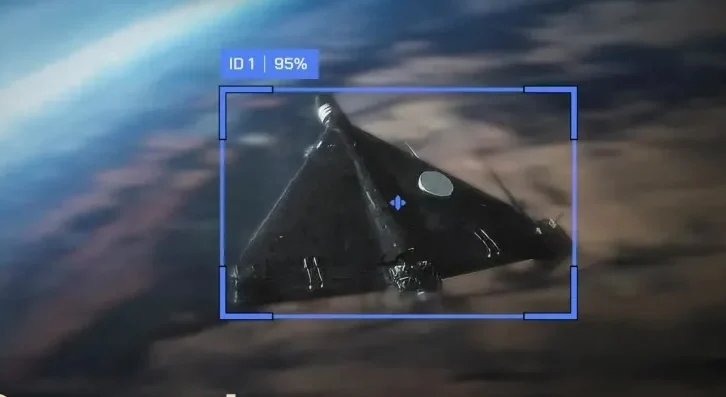
The Ministry of Defense aims to equip all drones deployed on the front lines with computer vision and artificial intelligence; however, the decision to strike will remain in human hands. Source: Ministry of Defense of Ukraine

“Artificial intelligence helps increase the effectiveness of strikes against the enemy, but the decision to use it is made by a human,” the Ministry of Defense emphasizes. While the United States had to defend the limits of autonomous weapons in court, the Ukrainian military has established them as a working rule. In total, the Defense Forces use more than 70 systems based on artificial intelligence and computer vision, and these algorithms save analysts up to 90 percent of the time required to identify enemy positions in photos and videos.

Ukraine not only uses tools developed by others but also adapts them. Alex Karp visited Kyiv in June 2022, and since then, Palantir has supported the analysis of airstrikes and large volumes of intelligence data. In January 2026, the company, in collaboration with the Ministry of Defense, the Armed Forces of Ukraine, the Military Intelligence Research Institute, and Brave1, launched Brave1 Dataroom. This secure environment, built on Palantir software, houses visual and thermal databases of enemy aerial targets—including “Shaheds”—collected on the front lines. Ukrainian developers are using this data to train their own models, and battle-tested algorithms can subsequently be shared with allies. This work primarily concerns the autonomous interception of enemy drones—that is, machine-versus-machine combat. At Davos, Alex Karp acknowledged a point crucial to the broader discussion of control: according to him, the Ukrainian military has adapted Palantir’s systems so creatively that even the company itself does not fully understand how they now operate.

At the same time, the country is developing its own language model. “Syaivo” is being developed by the Ministry of Digital Transformation and Kyivstar, based on Google’s open-source neural network, Gemma. The name was selected this spring through a vote conducted via the “Diia” app, in which 136,090 users participated. This tool will give the government control over the data and services operated on it, as well as provide high-quality support for the Ukrainian language. The training corpus is being compiled from materials provided by approximately 90 institutions. According to Minister of Digital Transformation Oksana Ferchuk, a fully functional test version is expected by the end of 2026, followed by a public launch in January 2027.

The Ukrainian-language national model “Syaivo,” currently under development by the Ministry of Digital Transformation and Kyivstar, is scheduled to become publicly available in January 2027. Source: Ministry of Digital Transformation

At the same time, the government is developing its own regulatory framework for the industry. The Ministry of Digital Transformation is drafting sector-specific legislation aligned with the EU’s Artificial Intelligence Regulation, while including a separate section on the security and defense sector — an area not covered by European regulations. The government previously signed the Bletchley Declaration — the first international statement on the risks posed by advanced AI systems, adopted in the United Kingdom in 2023 — as well as the Council of Europe’s Framework Convention on Artificial Intelligence, which will enter into force following ratification by the Verkhovna Rada.

However, laws and conventions regulate only the use of AI, while any agreement on the pace of development ultimately depends on the hardware — that is, the data centers, which must be controlled by someone. Some of this computing capacity is already being moved into space, where solar panels can generate several times more energy than they do on Earth. On November 2, 2025, the startup Starcloud launched a spacecraft equipped with an Nvidia H100 graphics processing unit into orbit. Google plans to launch the first prototypes of its Suncatcher project in early 2027. The Chinese company ADA Space already operates 12 computing satellites, and SpaceX has applied to deploy a constellation of up to one million such machines. Under international space law, jurisdiction over these systems remains with the state of registration. Consequently, the debate over who is in control will simply move a few hundred kilometers higher.

Words without action

Jacob Coxon, whose post prompted this wave of responses, says he has left not only the company but the industry altogether. Since then, numerous statements and commitments have been made. However, as of September 26, independent evaluators have still not been granted the promised access to the training processes at either Anthropic or OpenAI.

Meanwhile, the Ministry of Defense and Brave1 have publicly established a guiding principle for autonomous systems operating on the front lines. Automatic guidance directs a drone toward its target only during the final stage of flight; the decision to strike remains with a human operator. The ministry aims to equip all front-line drones with computer vision and AI.


{ https://universemagazine.com/en/articles-en/ }

Hoe vind je dit bericht?
Geschreven door peter om 18:52 Stuur door

Glowing Lights Exiting Cloud Over Raleigh, NC, USA Sept 19, 2026, UFO UAP Sighting News. VIDEO!

Glowing Lights Exiting Cloud Over Raleigh, NC, USA Sept 19, 2026, UFO UAP Sighting News. VIDEO!

UFO_11.png

UFO_2.png

Date of sighting: Sept 19, 2026
Location of sighting: Raleigh, NC, USA
Source: NUFORC Site
 
Guys this is awesome! A glowing disk was inside a cloud over the city of Raleigh this week and the craft had lights on its edges. Not evenly all around, but certain areas of the edges lit up with glowing spheres visible. Sometimes there were only three lights, other times there were five or six lights. Each time was a split second so I took a few close ups and put them into slow motion at the end of the video so you can see them better. Not only is this 100% proof that UFOs hide within clouds, but its also 100% proof that they do accidentally get caught on video. 
Scott C. Waring - UFO Sightings Daily

Eyewitness states:
We witnessed 5 unidentifiable white circular lights blinking We were sitting on our 2nd story patio facing east on September 19th 2026 at approximately 10:26 I noticed 5 white circular blinking lights located SE behind cloud cover. There was nothing there then all of the sudden 5 lights started blinking at the same time but not in a sequential pattern. I got my husbands attention and he saw the same thing that I was seeing. After about 1 minute I asked him to start filming. We filmed the anomalous lights for 1 minute and then they just stopped blinking. Didn’t fly off, didn’t emerge from the clouds, they stopped like they started, out of thin air. We did not witness an object just 5 circular white lights blinking.

Glowing Lights Exiting Cloud Over Raleigh, NC, USA Sept 19, 2026, UFO UAP Alien Paranormal News.

{ https://www.ufosightingsdaily.com/ }

Hoe vind je dit bericht?
Geschreven door peter om 18:26 Stuur door

NASA Rover Photo Reveals Doorway Into Structure made by a tiny alien species, UFO UAP Sighting News.

NASA Rover Photo Reveals Doorway Into Structure made by a tiny alien species, UFO UAP Sighting News.

Mars_door.png

Date of discovery: Sept 26, 2026 (Taiwan time)
Location of discovery: Mars, SOL 1827
Source photo:

Now one of the hardest things in the world to do, is to convince humans that a tiny alien species does exist, and to some species...we are the tiny species. I found a doorway that is clearly made by an intelligent species that once lived on Mars. The doorway is about 7 inches (17.78cm) high by 6 inches wide (15.2cm). This makes me feel that those old childhood stories about little green men from Mars are actually true. That it may just be easier for humans to deal by ignoring the reality of it all, because it would change every science, religion and history book around the world. And humans hate change. Take AI for instance, for some odd reason its difficult for humans to grasp that they are playing the role of god, the creator...making AI. It is going to be alive soon, if its not already. Creating an intelligent life form, from nothing...one thats smarter than its creator, is a bit scary for most. But I have never seen a person harmed by AI yet, but humans do harm humans daily in the thousands or more in war, crimes, ect. So...life finds a way. There are no limits to intelligent life, except for limits we chose to have. 
Scott C. Waring - UFO Sightings Daily
 

{ https://www.ufosightingsdaily.com/ }

Hoe vind je dit bericht?
Geschreven door peter om 18:17 Stuur door

History’s Weirdest UFO Incidents: Theories That Challenge Reality

History’s Weirdest UFO Incidents: Theories That Challenge Reality

The Theories Behind History's Weirdest UFO Incidents

Throughout history, reports of unidentified flying objects (UFOs) have captivated the public and fueled debates between skeptics and believers. While many sightings can be explained as natural phenomena or misidentified human-made objects, a few cases stand out due to their unusual circumstances and alleged cover-ups. Among the most perplexing UFO incidents are the Battle of Los Angeles (1942), Roswell (1947), and the Rendlesham Forest Incident (1980). Each of these cases has inspired a range of theories, from government conspiracies to extraterrestrial encounters.

1. The Battle of Los Angeles (1942): A Phantom Attack or Something More?

The Incident

On the night of February 24–25, 1942, mere months after the attack on Pearl Harbor, residents of Los Angeles experienced what many believe to be one of the most mysterious military confrontations in U.S. history. Air raid sirens blared as radar detected an unidentified object approaching the city. In response, the U.S. military launched a massive barrage of anti-aircraft fire, with over 1,400 shells lighting up the sky.

Eyewitnesses described a large, slow-moving object hovering over the city, caught in searchlights but seemingly undamaged by the relentless artillery fire. Eventually, the object disappeared without a trace, leaving behind a trail of speculation.

The Theories

    1. Japanese Aircraft or Balloon Attack – Some theories suggest that the object could have been an enemy reconnaissance balloon or aircraft, but Japan denied launching any missions over Los Angeles that night.
    2. Mass Hysteria and False Radar Readings – Skeptics argue that wartime anxiety led to a false alarm, with military personnel firing at non-existent targets, possibly misidentifying weather balloons or reflections from spotlights.
    3. Extraterrestrial Craft – UFO enthusiasts claim that the mysterious object was an alien spacecraft, citing its apparent invulnerability to artillery fire and its ability to disappear without a trace.

While official explanations remain inconclusive, the declassified investigation into the event only fueled further speculation. To this day, the Battle of Los Angeles remains one of history’s most perplexing UFO encounters.


The Battle of Los Angeles 1942's Phantom Attack

2. Roswell (1947): The Cosmic Watergate

The Incident

In July 1947, a rancher near Roswell, New Mexico, discovered strange metallic debris scattered across his land. The U.S. military quickly intervened, and an initial press release from the Roswell Army Air Field (RAAF) claimed they had recovered a “flying disc.” However, the story was retracted shortly afterward, with authorities stating that the debris was from a crashed weather balloon.

The incident was largely forgotten until the late 1970s when new witnesses and declassified documents reignited speculation that the U.S. government had covered up evidence of an extraterrestrial crash landing.

The Theories

    1. Weather Balloon (Official Explanation) – The U.S. Air Force claimed the wreckage was part of Project Mogul, a classified program using high-altitude balloons to detect Soviet nuclear tests.
    2. Extraterrestrial Craft with Alien Bodies – Many believe the U.S. government recovered an alien spaceship and possibly non-human occupants, hiding them in secret facilities such as Area 51.
    3. Nazi Flying Technology – Another theory suggests that Roswell involved Nazi experimental aircraft, secretly brought to the U.S. through Operation Paperclip.

The controversy surrounding Roswell has inspired countless conspiracy theories, books, and documentaries. To this day, it remains a cornerstone of UFO folklore, with believers arguing that crucial evidence continues to be withheld from the public.

Roswell 1947… The Crash That Shifted Earth’s Timeline

3. Rendlesham Forest Incident (1980): Britain’s Roswell

The Incident

Between December 26 and December 28, 1980, military personnel stationed at RAF Woodbridge and RAF Bentwaters (U.S. Air Force bases in England) reported witnessing strange lights in the nearby Rendlesham Forest. Some claimed to have encountered a triangular craft, which appeared to land momentarily before taking off again.

On the second night, Deputy Base Commander Lieutenant Colonel Charles Halt led a group into the forest to investigate. He recorded a now-famous audiotape describing strange flashing lights, mysterious beams, and bizarre movements that defied conventional explanations.

The Theories

    1. Lighthouse Misidentification – Skeptics argue that the men mistook the flashing light from the Orford Ness lighthouse for a UFO.
    2. Secret Military Experiment – Some believe that the event involved classified military technology, possibly related to Cold War intelligence operations.
    3. Extraterrestrial Visitation – Witnesses like Jim Penniston claim they saw a solid craft covered in strange symbols and even received telepathic messages from the unknown entities behind it.
  1. Interdimensional Phenomenon – Another theory suggests that the event involved time travelers or beings from another dimension, rather than extraterrestrials.
The Rendlesham Forest Incident (1980): Britain's Greatest UFO Mystery | Full Documentary

Despite multiple investigations, no definitive explanation has been accepted by all parties. The Rendlesham Forest Incident remains one of the most credible and well-documented UFO encounters in history.

Conclusion: Theories Without Answers

While the Battle of Los Angeles, Roswell, and Rendlesham Forest incidents each have their own distinct narratives, they share a common thread of government secrecy, conflicting testimonies, and enduring mystery. Some believe they point to hidden technological advancements, while others insist they are proof of extraterrestrial life.

Regardless of the explanations, these incidents have fueled UFO lore for decades, ensuring that the question remains: Are we alone in the universe?

{ https://www.latest-ufo-sightings.net/ }

Hoe vind je dit bericht?
Geschreven door peter om 17:59 Stuur door

Japan’s UFO Village: 50 Years of Strange Sightings in Eno Town

Japan’s UFO Village: 50 Years of Strange Sightings in Eno Town

This Small Japanese Town Has Been a UFO Hotspot for 50 Years

Tucked away in the rural mountains of Fukushima, Japan, lies a small and enigmatic town that has fascinated UFO enthusiasts for decades. Known as a major hotspot for unidentified flying object (UFO) sightings, Eno Village has attracted attention not only from locals and curious tourists but also from researchers and skeptics alike.

Retro UFO Canvas Poster

The Mysterious Mount Senganmori

At the heart of this intrigue stands Mount Senganmori, a conical 400-meter-high mountain often likened to an artificial pyramid due to its shape. Many believe that the mountain’s unusual magnetic properties are a major reason behind the high frequency of sightings in the area. Visitors can even test this magnetism using small compass kits provided near the summit—a playful yet curious reminder that something truly unique may be happening here.

This distinctive landscape has become symbolic of Japan’s long-standing fascination with unexplained aerial phenomena. Numerous reports have surfaced over the years, including some of Japan’s most compelling UFO photographs, taken by hikers and residents who discovered unusual objects only after reviewing their images later.

The International UFO Lab

Established in 1992, the International UFO Lab, located at the base of Mount Senganmori, serves as the country’s epicenter for UFO research. It houses a vast collection of over 3,000 photos, videos, and materials associated with sightings. Many of the photographs on display have never been published elsewhere and offer glimpses into unexplained aerial activity documented throughout Japan.

One standout image, taken in 2018 by hikers on a nearby peak, shows a strange object suspended in the sky with no clear explanation. These types of encounters—where people only notice something unusual after the fact—add to the mystery and perceived authenticity of such sightings.

A History of Sightings

Eno Village and the surrounding Fukushima region boast the second-highest concentration of UFO sightings in Japan, just behind Tokyo. A particularly notable incident occurred in 1974, when an entire school of children reportedly witnessed ten UFOs flying in formation over the region—an event still remembered and referenced by locals.

Adding to the intrigue is the presence of scientific monitoring in the area following the Fukushima nuclear disaster. With researchers collecting various environmental data, some speculate that high-tech surveillance equipment may have unintentionally captured unexplained aerial activity, further validating long-standing local reports.

Firsthand Witness: The Story of Murai-san
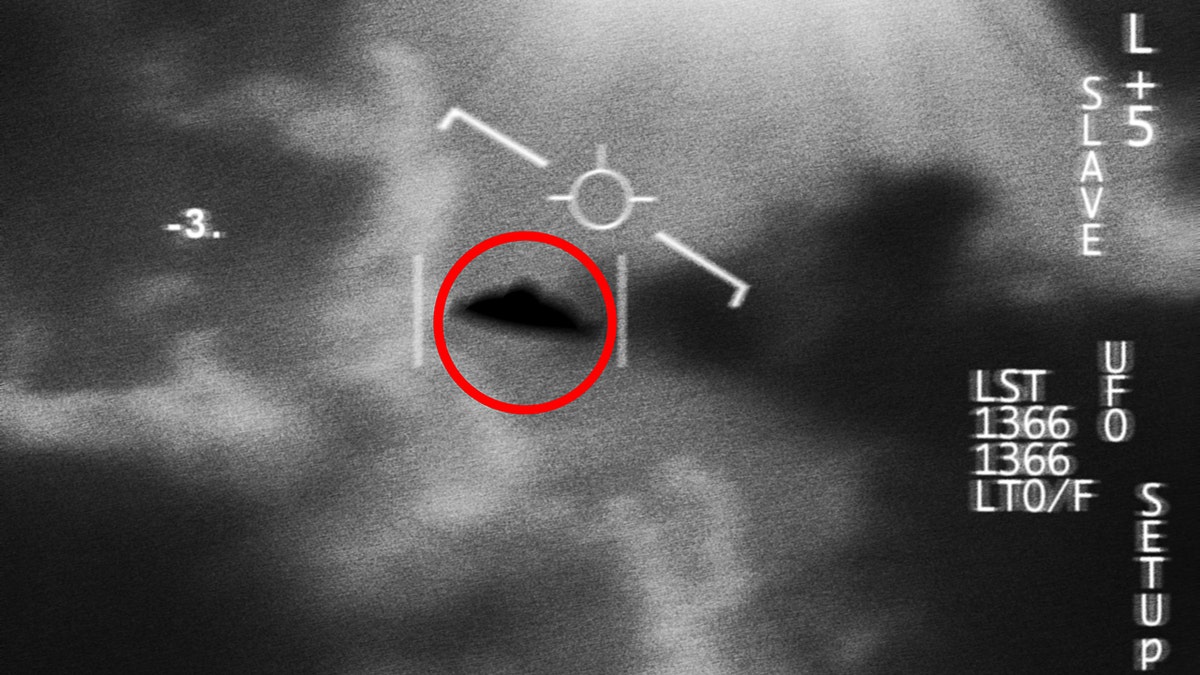
One of the town’s most publicized eyewitnesses is Murai-san, who claims to have seen a UFO above Mount Senganmori in the late 1970s. His account, marked by humility and clarity, stands out among the many stories surrounding the area. Murai-san described seeing multiple lights moving in formation—something he insists could not be explained by conventional aircraft.

His story, like many others in the region, isn’t about fame or attention. Rather, it’s a quiet recounting of a personal experience that has stayed with him for nearly 50 years.

A Place That Raises More Questions Than Answers

Mount Senganmori and Eno Village have become more than just a curiosity—they symbolize Japan’s open-minded yet analytical approach to the unexplained. Whether it’s the town’s geography, magnetic properties, or its history with high-tech monitoring, Eno Village offers fertile ground for both scientific inquiry and imaginative wonder.

For those who visit, the town raises more questions than it answers. What causes these frequent sightings? Is it natural magnetism, human technology, or something entirely unknown? While definitive explanations remain elusive, one thing is certain—Eno Village holds a special place in Japan’s long and curious relationship with the skies above.

RELATED


This Small Japanese Town Is A UFO Hotspot

Strange Skies in Japan: UFOs in Fukushima

{ https://www.latest-ufo-sightings.net/}

Hoe vind je dit bericht?
Geschreven door peter om 17:28 Stuur door

Saturn's moon could harbour ALIEN life: Scientists prove micro-organisms can thrive in Enceladus's ocean - suggesting it could be habitable

Saturn's moon could harbour ALIEN life: Scientists prove micro-organisms can thrive in Enceladus's ocean - suggesting it could be habitable

One of Saturn's moons could harbour alient life, scientists say – but don't expect a call from ET any time soon.

Life in this case means micro-organisms in oceans deep beneath Enceladus’s frozen surface.

Scientists discovered that certain types of micro-organisms can not only survive but thrive in the inhospitable conditions of the planet’s sixth-largest moon.

In a laboratory, researchers recreated the conditions of Enceladus' subsurface oceans and introduced bacteria that normally live on deep-sea hydrothermal vents.

They thought that with almost no oxygen, high concentrations of dissolved carbon dioxide and an extremely alkaline pH, the ocean would be hostile to life.

However, they were shocked to find that these hardy microbes tolerated the alien conditions far better than previously thought possible.

According to the researchers, this raises the probability that life will one day be found on Saturn's moon.

Dr Nozair Khawaja, of the Freie Universitat Berlin and co-author of the study, said: 'This was really a surprise to us. This was an experiment for which we did not expect such a successful outcome.'

Saturn's moon Enceladus (artist's impression) could harbour alien life in oceans deep beneath its frozen surface, according to a new study

Saturn's moon Enceladus (artist's impression) could harbour alien life in oceans deep beneath its frozen surface, according to a new study 

Scientists found that a type of bacteria that normally lives in deep-ocean hydrothermal vents can not only survive, but thrive in a laboratory simulation of Enceladus' ocean

Scientists found that a type of bacteria that normally lives in deep–ocean hydrothermal vents can not only survive, but thrive in a laboratory simulation of Enceladus' ocean 

Enceladus has a diameter of around 310 miles (500km) – about as wide as Arizona.

On the surface, conditions are exceptionally cold, with temperatures as low as –201°C (–330°F).

But despite its barren, icy surface, scientists believe that it is one of the most promising places in our solar system to look for extraterrestrial life.

This is because geothermal processes deep near its rocky core produce enough heat to maintain large oceans of liquid water beneath the surface.

Near the south pole, plumes of ocean water erupt through cracks in the crust, shooting ice particles hundreds of miles out into space.

NASA's Cassini probe flew through these plumes on multiple occasions, gathering samples and analysing their chemical composition.

This revealed signs of hydrothermal processes on the seafloor, which could be key to sustaining life, alongside the organic chemicals that could provide the building blocks of amino acids and proteins.

Now, scientists have the first concrete evidence that life can thrive in these hostile oceans.

Although surface temperatures can be as low as –201°C (–330°F), geothermal activity near the rocky core maintains a vast ocean of liquid water where life could develop

Although surface temperatures can be as low as –201°C (–330°F), geothermal activity near the rocky core maintains a vast ocean of liquid water where life could develop 

Enceladus: The key facts

Host planet: Saturn

Diameter: 310 miles (500km)

Average surface temperature: –201°C (–330°F)

Distance from Saturn: 148,000 miles (238,000 km)

Orbital period: 32.9 hours

Discovery: 28 August 1789 by William Herschel

In the laboratory simulation, scientists tested a type of bacteria called Methanothermococcus okinawensis, which has an incredible natural ability to survive without oxygen.

Instead, its metabolism runs on carbon dioxide and hydrogen released by the geologically active rocks of deep ocean vents.

Co–author Professor Frank Postberg, a planetary scientist at Freie Universität Berlin, told the Daily Mail: 'On early Earth there was no oxygen either, and these ancient microbes have developed under these conditions.'

Previously, scientists had thought that the high pH of Enceladus' ocean was unsuitable for them, but the laboratory tests showed that they are more than happy to grow in these tough conditions.

In the laboratory tests, they were even able to adapt their metabolism to the low amounts of carbon dioxide.

Professor Postberg said this shows that life 'could' survive on Enceladus, but added 'it is by no means certain that it actually does!'

The good news is that, in a separate paper also published today, Professor Postberg shows that signs of life may be much easier to find than previously thought.

Droplets of the ocean are ejected from Enceladus' south pole when bubbles filled with gas rise to the surface and pop.

Scientists have been able to directly sample water from Enceladus' sub–-surface oceans by collecting particles of ice ejected into space through cracks in the South Pole (pictured)

Scientists have been able to directly sample water from Enceladus' sub–-surface oceans by collecting particles of ice ejected into space through cracks in the South Pole (pictured)

Researchers say the fact that these droplets freeze slowly means that some chemicals are concentrated into a few locations (shown in red). This would make it easier for spacecraft to detect any chemical signs of life

Researchers say the fact that these droplets freeze slowly means that some chemicals are concentrated into a few locations (shown in red). This would make it easier for spacecraft to detect any chemical signs of life 

Water vapour then carries these droplets through cracks in the ice shell and out into space at speeds up to 620 miles per hour (1,000km/h), where scientists assumed they would instantly freeze.

However, new modelling and laboratory tests show that these droplets actually freeze quite slowly.

During this gradual process, most components in the water are separated, concentrating salts and other minerals into different locations inside the droplet.

If one of these frozen drops shatters on its way out, the result will be tiny fragments containing a highly concentrated sample of just one substance.

That natural process will be particularly helpful if scientists want to hunt for the subtle chemical signatures of life beneath the ocean.

'Enceladus actually does a lot of the work for us in preparing samples for analysis that usually take a lot of effort in chemical labs on Earth,' said Dr Postberg.

If a droplet did contain the chemical 'biosignature of life', the freezing and shattering process could create tiny ice particles with a high concentration of these chemicals in a relatively pure form.

That would make any biosignatures significantly easier to spot, even with the level of technology currently available.

None of this means that Enceladus does harbour life, but if there is life, Professor Postberg said 'we now have a good chance to detect it'.

He added: 'We should go back there and find out.'

RELATED

‘Another pile of evidence’: Saturn’s moon Enceladus may have organic compounds in ocean jets


Enceladus Life Evidence: What Scientists Just Confirmed on Saturn's Moon


We Found New Evidence of Life on Saturn's Moon Enceladus

{ https://www.dailymail.com/sciencetech/index.html }

Hoe vind je dit bericht?
Geschreven door peter om 16:15 Stuur door

Egyptologists uncover 4,000–year–old tomb of the 'keeper of the king's secrets' – with a mysterious 'portal to the afterlife'

Egyptologists uncover 4,000–year–old tomb of the 'keeper of the king's secrets' – with a mysterious 'portal to the afterlife'

Archaeologists have uncovered a 4,000–year–old tomb that belonged to one of ancient Egypt's most powerful officials - with a mysterious 'portal to the afterlife'.

The discovery was made at the Bubasteion Necropolis in Saqqara, one of Egypt's most important archaeological sites.

Hieroglyphs reveal the tomb belonged to a senior official named Sakhnetio–Btah, who lived during the time of the Old Kingdom.

Inscriptions identified him as the 'keeper of the king's secrets', highlighting his privileged access to the pharaoh's inner circle.

Despite the mysterious name, the title probably did not mean guarding hidden treasures or religious mysteries.

Experts believe it referred to a high–ranking official who handled confidential royal documents and decrees on behalf of an Old Kingdom pharaoh.

He also served as a royal chamberlain, a priest of the goddess Maat and supervisor of the royal library.

'The hieroglyphic inscriptions… helped to determine the name of the owner of the cemetery and the number of his titles, including the keeper of royal secrets, which reflect the high status he held in the administrative system of the ancient state,' Egypt's Ministry of Tourism and Antiquities said.

The tomb also includes the remains of a funerary chapel and a false door, which ancient Egyptians believed was a portal to the afterlife

The tomb also includes the remains of a funerary chapel and a false door, which ancient Egyptians believed was a portal to the afterlife

Inscriptions reveal the tomb belonged to the ¿keeper of the king¿s secrets¿, highlighting his privileged access to the pharaoh¿s inner circle

Inscriptions reveal the tomb belonged to the 'keeper of the king's secrets', highlighting his

The tomb includes the remains of a funerary chapel and a false door – a symbolic niche which the ancient Egyptians believed was a mag

Archaeologists also discovered a complete assemblage of funerary ritual objects including an offering table, an offering slab and a purification basin.

Experts say finding the objects exactly where they were originally placed provides a rare glimpse into Old Kingdom funerary practices.

The dig also uncovered an interconnected network of burial shafts surrounding the tomb.

Inside were numerous human burials and large quantities of painted funerary cartonnage – a colourful papier–mâché–like covering placed over a mummy, often decorated with images of Egyptian gods, hieroglyphics and scenes intended to protect the dead on their journey to the afterlife.

More than 100 ushabti figurines, which were intended to serve the dead in the afterlife, were also recovered.

Among the most spectacular finds were three stone sarcophagi discovered sealed and intact in their original positions.

Archaeologists also found a wooden falcon statue and a wide range of pottery vessels and other artefacts.

Archaeologists also discovered a complete assemblage of funerary ritual objects including an offering table, an offering slab and a purification basin  The dig also uncovered an interconnected network of burial shafts surrounding the tomb

Archaeologists also discovered a complete assemblage of funerary ritual objects including an offering table, an offering slab and a purification basin (left). The dig also uncovered an interconnected network of burial shafts surrounding the tomb (right)

Preliminary investigations suggest that some parts of the burial complex were looted by tomb robbers in ancient times.

Despite this, many of the surviving finds remain in remarkably good condition.

Researchers believe the discoveries will help them better understand how the site was reused over different periods of Egyptian history.

Excavations are continuing, with experts convinced that the vast necropolis still has many more secrets waiting to be uncovered.

Saqqara, where the tomb was found, is one of Egypt's most significant archaeological sites.

It is the home of Egypt's oldest pyramid – the step pyramid of Djoser – which was built around 4,700 years ago.

The site also contains thousands of tombs belonging to pharaohs, nobles, priests and high–ranking officials from multiple dynasties.

In recent years archaeologists at Saqqara have uncovered dozens of sealed coffins, extensive animal cemeteries, workshops used for mummification, and richly decorated burial shafts packed with statues and artefacts. 

These discoveries have transformed understanding of everyday religious life in ancient Egypt


Archaeologists Opened a 4,000-Year-Old Tomb… What They Found Shocked Scientists

Scientists Opened a 4,000-Year-Old Egyptian Tomb — And Everything Changed!

{ https://www.dailymail.com/sciencetech/index.html }

Hoe vind je dit bericht?
Geschreven door peter om 16:00 Stuur door

Noah's Ark hunt takes stunning turn as forgotten map matches new discovery

Noah's Ark hunt takes stunning turn as forgotten map matches new discovery

A centuries-old map has resurfaced amid a stunning new development in the search for Noah's Ark.

The map, created in 1587 by Italian nobleman and cartographer Urbano Monte, stretches nearly 10 feet wide when fully assembled and is packed with elaborate illustrations of continents, mythical creatures and unexplored lands.

Hidden within the world diagram is a small depiction of Noah's Ark resting on the mountains of Ararat in modern-day Turkey - the region researchers are currently searching for the biblical vessel. 

The striking detail has sparked fascination online as it aligns with the Durupınar Formation, where researchers are currently investigating for remains of the biblical boat. 

Independent researcher Jimmy Corsetti wrote online: 'The same location as the Durupınar site, virtually the exact same length. Coincidence?' 

The international team examining the Durupınar Formation recently said it has '100 percent confirmed' that the mound is not a natural geological feature but a 'man-made object.' 

Andrew Jones, founder of Noah's Ark Scans, said in a statement that preliminary radar data do not show 'a simple homogeneous solid-rock signature.' 

The team had recovered samples from nearly 60 feet. 'We have so far recovered layers of rich organic material that we believe could be the decayed top-tier remains of the Ark,' Jones explained.

Hidden within the map is a small depiction of Noah's Ark resting on the mountains of Ararat in modern-day Turkey, the same region many believe still hides the legendary vessel

Hidden within the map is a small depiction of Noah's Ark resting on the mountains of Ararat in modern-day Turkey, the same region many believe still hides the legendary vessel

Created in 1587 by Italian nobleman and cartographer Urbano Monte, the massive map stretches nearly 10 feet wide when fully assembled and is packed with elaborate illustrations of continents, mythical creatures and unexplored lands

Created in 1587 by Italian nobleman and cartographer Urbano Monte, the massive map stretches nearly 10 feet wide when fully assembled and is packed with elaborate illustrations of continents, mythical creatures and unexplored lands

Monte created the map during the height of the Age of Exploration, when European cartographers were rapidly redrawing the known world following voyages to the Americas and Asia. 

Unlike most 16th-century maps, this diagram was designed from a north polar perspective, placing the Arctic at the center of the world.

The enormous map consists of 60 separate hand-drawn sheets that can be assembled into a single circular image measuring nearly 10 feet across.

It is filled with elaborate illustrations of ships, sea monsters, mythical creatures and detailed notes describing distant lands and cultures.

Historians believe Monte was inspired to create the map after a Japanese delegation visited Milan in 1585, exposing Europeans to new global perspectives. The original manuscript is now housed at Stanford University's David Rumsey Map Center, where it was digitally restored and made available online.

The depiction has drawn attention because it places Noah's Ark on the mountains of Ararat centuries before modern researchers began searching the region for evidence of the biblical vessel.

The Bible recounts Noah's Ark resting on the 'mountains of Ararat' after a 150-day flood submerged the Earth, sparing only those aboard the wooden vessel.

The idea that the ark landed in the Turkish mountain range has long sparked debate.

Just 18 miles south of Mount Ararat, Turkey's tallest peak, the Durupinar Formation emerged less than a century ago

Just 18 miles south of Mount Ararat, Turkey's tallest peak, the Durupinar Formation emerged less than a century ago

The radar captured 'a series of right angles' about 20 feet down, which researchers believe could be the rooms that held animals on the ark

The radar captured 'a series of right angles' about 20 feet down, which researchers believe could be the rooms that held animals on the ark

While many scientists argue the formation is a naturally occurring geological feature, others are convinced it points to something far more extraordinary. 

The team at Noah's Ark Scans firmly believes the latter.

'For decades, skeptics have had one simple answer for the boat-shaped Durupınar Formation: it is just a solid lump of natural rock,' Noah's Ark Scans said on Wednesday.

'The mission was direct: put the "solid rock" explanation to the test. Is the formation a single homogeneous mass of natural stone? Does it contain internal structures? 

'Where does the true bedrock lie beneath it, and how does that bedrock continue across the surrounding valley?'

The team shared online that radar scans found three layers beneath the formation's surface, claiming they feature chambers, corridors, organized patterns, and tunnels.

Lauren Witzke, head of marketing and fundraising for Noah's Ark Scans, said on X: 'Scientists confirm the formation is 100 percent not geological. They say, and I quote, that it is a “man-made object."'

Tests conducted by Noah's Ark Scans have also found higher carbon levels inside the formation than in matching soil collected just a few yards away on the same hillside.

The researchers added further studies using infrared thermography (IRT), a heat-sensing technology that can uncover hidden structures underground, have also suggested the presence of a ship-shaped hull buried deep in the soil

The researchers added further studies using infrared thermography (IRT), a heat-sensing technology that can uncover hidden structures underground, have also suggested the presence of a ship-shaped hull buried deep in the soil

Researchers said the difference could point to a concentration of organic material, potentially the remains of ancient wood, although no timber has been recovered.

Lead archaeologist Dr Cenker Atila said: ‘The amount of carbon coming from the interior of the ship is 40 percent higher than what was found outside.’ 

‘This raises the idea that there may be organic material or remains of wood.’

The findings remain unverified while the collected samples undergo laboratory testing. The team expects to publish a fuller analysis in the coming weeks. 

RELATED

What Did They Find Under Noah’s Ark? Latest Discovery Explained

{ https://www.dailymail.com/sciencetech/index.html }

Hoe vind je dit bericht?
Geschreven door peter om 15:47 Stuur door

Alien sunsets, stone spiderwebs and mysterious doors: Curiosity's top 10 photos after 5,000 days on Mars

Alien sunsets, stone spiderwebs and mysterious doors: Curiosity's top 10 photos after 5,000 days on Mars

Curiosity has been photographing Mars in its search for evidence of water and life for over 5,000 Martian days. Here are 10 of the most surprising and weird photos the rover has sent back to Earth.

NASA's Curiosity rover took this selfie while inside Mars' Gale crater on June 15, 2018, which was the 2,082nd Martian day, or sol, of the rover's mission.

Curiosity takes a selfie. NASA's intrepid rover just completed its 5,000th day on Mars.
(Image credit: NASA/JPL-Caltech/MSSS)

As of Aug. 30, 2026, NASA's Curiosity rover has officially seen the sun rise and set over Mars' reddish horizon more than 5,000 times in its quest to discover if life ever existed there. The rover was originally planned to operate for only two years, but the mission is still going strong more than 14 years after landing on Mars in August 2012.

During that time, the rover has weathered global dust storms and climbed more than 3,200 feet (1,000 meters) up a mountain — although its tires have gotten some rather large holes in them in the process. The rover still uses its 17 cameras to take hundreds of photos every single sol (Martian day), beaming a total of more than 780,000 photos back to Earth for scientists to analyze while mission controllers decide where the rover should roam next.

In honor of the intrepid rover's 5,000th day on the Red Planet, here are 10 of the most iconic photos Curiosity has snapped for Earthlings to admire.

1. Sol 548: Mount Sharp on the horizon

A black and white photo of the surface of Mars.

Image credit: NASA/JPL-Caltech)

Curiosity snapped this photo of Mount Sharp on Feb. 19, 2014, about a year and a half after it landed on Mars. At the time, scientists were hopeful the rover could make it to the base of the 3.4-mile-high (5.5 kilometers high) mountain to explore interesting terrain previously seen from space. As the years passed, Curiosity more than surpassed that goal; the rover has climbed more than half a mile up into the mountain's foothills, traveling a total of more than 23.6 miles (38 km) from its landing spot, all while conducting important science along the way.

2. Sol 956: Blue skies on Mars

A sunset view with a silhouette of a mountain range in front.

Image credit: NASA/JPL-Caltech/MSSS/Texas A&M Univ)

Curiosity took a photo of the Martian sunset in color for the first time on April 15, 2015, revealing a brilliant blue sky just before the sun dipped behind the shrouded mountains in the distance. The Martian sky is usually yellow to orange, according to NASA. Fine dust particles in the atmosphere scatter red and yellow light across the entire sky. However, the dust is just the right size for some blue light to slip past, so most of the light in the sky near the sun is blue. The effect is much more pronounced when the sun is low in the horizon.

You may like
  • Two images show different sides of Mars, one being a grayscale image and the other being bright orange.

Humanity's first look at the surface of Mars shared on 50th anniversary of historic NASA landing

  • A close up of a large reddish rock against a blue background

Oldest-known Martian meteorite holds clues to a watery past

  • A dark sphere is seen with a glowing light behind it in space.

'The moon looked wrong': Artemis II mission controller Chris White tells the story behind NASA's historic photos

3. Sol 1128: Curiosity Selfie at Namib D

A rover is seen on a muddy brown surface.

(Image credit: NASA/JPL-Caltech/MSSS)

Curiosity has taken numerous selfies over the course of its mission, although the process is a bit more involved than holding up a camera and smiling. This selfie was made from 57 separate images taken on Jan. 19, 2016 using a camera attached to its robotic arm. Here, Curiosity is standing next to Namib Dune, one of the many dark sand dunes that make up the Bagnold Dune Field near Mount Sharp. Curiosity sampled the sand for analysis and scuffed the dune with its wheels so scientists could see how the sand moved.

4. Sol 1819: Curiosity leaves a thumbprint in the dust

A series of red rocks with a dark circular mark in the middle.

(Image credit: NASA/JPL-Caltech/MSSS)

Mars is extremely dusty. The reddish dust gets swept into the atmosphere and cast across most of the planet's surface, making it difficult for scientists to figure out what materials are on the surface just by looking at them. On Sept. 17, 2017, Curiosity dusted off the surface of a rock at Vera Rubin Ridge and took a picture for geologists to compare to rocks on Earth. Based on the reddish purple color, geologists think this rock is fine-grained hematite split by fractures filled with calcium sulfate minerals. It hints that Mars might be a lot more colorful underneath its dusty blanket. Scientists have since discovered ruby-like materials embedded in Martian rocks.

5. Sol 3466: Totally not a door for aliens

A red rock formation on the surface of Mars.

(Image credit: NASA/JPL-Caltech/MSSS)

On May 7, 2022, Curiosity sent a curious photo back to Earth that appears to show a small door carved into the face of a cliff. It's hard not to imagine little green people entering it after taking their little green dogs for a stroll across the dusty landscape, but it's not actually a doorway for Martians. The 3-foot-tall opening's boxy shape is caused by vertical fractures intersecting with horizontal layers in the rock, according to NASA. The cliff is highly fractured, and a large chunk of rock that likely fell from the "doorway" is clearly visible nearby.

6. Sol 3724: Iridescent feather in the sky

A glowing white light in a dark night sky with a silhouetted landscape below.

(Image credit: NASA/JPL-Caltech/MSSS)

Just after the sun went down on Jan. 27, 2023, Curiosity took this photo of a noctilucent (night-shining) cloud that formed much higher in the Martian atmosphere than most other clouds do. Any clouds on Mars are rare, but this one is extra special. Since this cloud is so high up, it's much colder — making scientists think it's made of carbon dioxide (dry ice) instead of water ice. The iridescent colors in the cloud indicate the ice particles making up the cloud are all around the same size, which means the cloud likely just formed at the time of the photo.

7. Sol 3725: Curiosity finds "Cacao"

A close up of a large gray and red rock on a reddish surface.

(Image credit: NASA/JPL-Caltech/MSSS)

The very next day after cloud-gazing, on Jan. 28, 2023, Curiosity found an iron-nickel meteorite measuring about a foot across. The meteorite, nicknamed "Cacao," is one of a handful of meteorites Curiosity has photographed. The rover zapped part of the meteorite with a laser and measured the vapor released to identify what materials the rock was made of. Since Mars is cold and dry compared to Earth, meteorites last much longer on its surface than they do here, and they give clues about how the Martian atmosphere has changed over time. Large iron meteorites discovered on Mars indicate the planet once had a denser atmosphere than it does today.

What to read next
  • A telescope floats above Earth on the left, and three women inspect a skeleton on the right.

JWST finds unknown substance, China's 'Great Green Wall' grows faster than normal trees, a Medici murder mystery solved, and what the US can learn from Japan's 'silent pandemic'

  • Clouds of pink and gold are seen amidst a deep space background

'It's more than a hope, it's a guarantee': The Vera C. Rubin Observatory's 10-year movie of the universe is about to 'blow our minds,' chief scientist says

  • Four red, white, and blue images fo spcae objects captured by the Chandra X-ray Observatory and other telescopes

NASA celebrates America's 250th birthday with red, white and blue snaps of the cosmos

8. Sol 4208: Elemental sulfur crystal surprise

A close up of green and brown rocks in a hole in the ground.

(Image credit: NASA/JPL-Caltech/MSSS)

In June 2024, Curiosity unintentionally ran over a rock and crushed it, revealing a yellow, odorless surprise: rare crystals of elemental sulfur. While Mars has plenty of minerals that contain sulfur, like sulfate, this was the first time pure sulfur was found. The crystal fragments are about 5 inches (12.7 centimeters) across. On Earth, pure sulfur is formed from volcanic and hydrothermal activity, along with other geologic processes. It's not clear yet how these crystals formed on Mars.

9. Sol 182 - 4263: All 42 drill samples

A series of square images with holes in dirt in them.

(Image credit: NASA/JPL-Caltech/MSSS)

Curiosity has collected and analyzed 42 rock samples so far using a small drill attached to a robotic arm. The drill powders the rock so that the samples can be transported to Curiosity's science instruments, which measure their chemical composition. Each sample site is carefully chosen because the rover can only do a limited number of samples before it runs out of special sample cups. This mosaic image shows the impressive variety of materials that Curiosity has sunk its drill into.

10. Sol 4671: Exploring Martian spiderwebs

A reddish-brown landscape with dunes in the distance

(Image credit: NASA/JPL-Caltech/MSSS)

Researchers have been intrigued by large geologic structures like stone "spiderwebs" on the Martian surface, previously seen by spacecraft orbiting the planet. Curiosity visited them on the ground, taking this picture of the low ridges and hollows, called boxwork, on Sept. 26, 2025. The ridges, made from hardened minerals deposited by water seeping into cracked rock, are what's left after billions of years of erosion wore away the softer rock around them.

Curiosity's journey continues today. After leaving the boxwork structures last March, the rover set off to explore more of the Martian landscape with its cameras as busy as ever, looking for more evidence that Mars once had the water and chemistry to possibly support ancient microbial life.

{ https://www.livescience.com/space }

Hoe vind je dit bericht?
Geschreven door peter om 17:55 Stuur door

Perseverance Reveals How Complex Water Systems Shaped the Jezero Crater on Early Mars

Perseverance Reveals How Complex Water Systems Shaped the Jezero Crater on Early Mars

The Perseverance rover captured the data used in this panorama of the “Margin Unit,” a geologic area that hugs the inner edge of Jezero Crater’s rim, between Oct. 8 and Oct. 16, 2023. Credit: NASA/JPL-Caltech/MSSS The Perseverance rover captured the data used in this panorama of the “Margin Unit,” a geologic area that hugs the inner edge of Jezero Crater’s rim, between Oct. 8 and Oct. 16, 2023. Credit: NASA/JPL-Caltech/MSSS

In Mars' Jezero Crater, a geologic area known as the “Margin Unit” stretches along the shoreline of a lake that filled the region billions of years ago. When the Perseverance rover reached there in September 2023, mission scientists expected to find sedimentary rocks that formed from sand deposits, which are good at preserving past microbial life. Instead, they were surprised to find olivine-rich igneous rock, which typically forms from underground magma or by volcanic activity on the surface.

These rock deposits are also excellent record-keepers, preserving details about their precise moment of formation through their mineral crystals. The minerals Perseverance detected with its SuperCam, which determines the mineralogy of geologic features based on reflected light, preserved a very complex record of water activity in the region when Mars was young. Specifically, they revealed how the rocks interacted with water on three separate occasions, each altering their chemistry and appearance.

The results were reported in the journal Communications Earth & Environment. As they indicated, Perseverance analyzed more than 185 bedrock targets across the Margin Unit using its SuperCam instrument. At high elevations of about 2350 m (~7700 ft), the rock had the texture and chemistry of slow-cooled, olivine-rich rock without significant water exposure. However, about 265 m (870 ft) lower, where the hypothesized ancient lake existed, there were signs indicating a complex history of rock-water interaction.

Diagram of the Jezero Crater, showing where the Perseverance rover has traversed to search for ancient biosignatures. Credit: NASA/JPL-Caltech/University of Arizona/JR/VRVis

Diagram of the Jezero Crater, showing where the Perseverance rover has traversed to search for ancient biosignatures.

Credit: NASA/JPL-Caltech/University of Arizona/JR/VRVis

This was especially near features like Neretva Vallis and the Western fan, the dried-up river channel that once carried water into Jezero Crater and the western part of the massive sedimentary deposits contained within (respectively). In these lakebed areas, the rocks showed signs of physical reworking, with olivine grains fractured and silica between them. As Candice Bedford, a research scientist at Purdue University and the study’s lead author, explained in a NASA press release:

Before we arrived at the Margin Unit, the main hypothesis — derived from orbital observations — was that the carbonate seen from orbit formed from interaction with the lake that existed in Jezero Crater. But now we know that this location became a sort of crossroads for aqueous systems. The Margin Unit findings are important because Jezero Crater sits inside one of the largest exposures of carbonate on Mars, so what we learn here reaches well beyond this crater.

When water interacts with olivine-rich minerals on Earth, the reaction can release hydrogen that some microbes feed on. The reaction leaves behind carbonate and silica, two minerals that are known to preserve evidence of microbes. As a result, carbonate and silica minerals are important in the search for biosignatures. From this, the team identified three main alteration periods, detailing their sequence, but not their age.

In the first, neutral to CO2-rich groundwater circulated through the bedrock, reacting with olivine to produce ridges of carbonate that run through fractures at low elevations. As the softer rock around them eroded, these carbonate rocks were left exposed. On the second occasion, the Unit was exposed to either the paleolake or changes in groundwater, which also left its mark.

“Some of the Margin Unit rocks also contain silica,” said co-author Eleni Ravanis, a planetary scientist at the University of Hawaii at Manoa. “Turning olivine into carbonate can leave silica behind, and we see more of that silica in rocks that sat below the water line.”

Jezero Crater on Mars. Scientists think that the sediments in the crater may be one km deep. Image Credit: NASA/JPL-Caltech/ASU

Jezero Crater on Mars. Scientists think that the sediments in the crater may be one km deep.

Image Credit: NASA/JPL-Caltech/ASU

In the final stage, warmer water flowed through younger fractures, creating fluorite-bearing, calcium-sulfate mineral veins measuring about 25 cm (10 inches) thick in the eastern part of the Unit. This finding was significant since fluorite typically forms when hot water circulates through volcanic rocks, suggesting the region experienced hydrothermal activity. This sequence of events, driven by groundwater activity and exposure to the lake, reinforces theories that the Jezero Crater may have once supported life. Said Bedford:

If there is one thing I have learned after 10 years working with Mars rovers, it is that Mars constantly throws surprises at you. It is very rare that things are as we expect them to be from orbital data. I hope this work helps reshape how scientists view the history of water in Jezero Crater and across Mars. Ultimately, I hope it helps planetary scientists reconstruct the changing climate and habitability of early Mars.

Further Reading:


NASA Perseverance's Real 4K Footage of Jezero Crater Shows Mars Once Had a Lake

{ https://www.universetoday.com/ }

Hoe vind je dit bericht?
Geschreven door peter om 16:28 Stuur door

DNA discovery on Shroud of Turin corroborates biblical account of Jesus's resurrection

DNA discovery on Shroud of Turin corroborates biblical account of Jesus's resurrection

The burial cloth believed to have wrapped the body of Jesus following the crucifixion is one of the most studied and fiercely debated artifacts in history.

Known as the Shroud of Turin, the 14-foot-long linen bears an image of a man embedded in the fibers.

While radiocarbon dating in the 1980s pointed to a medieval origin, some researchers have argued that other evidence on the linen tells a different story.

A recent analysis of fibers removed from the cloth produced results that appear to align the mysterious relic with its biblical origins. 

A team of Italian researchers analyzed linen fibers removed from different areas of the Shroud during a 1978 investigation using next-generation sequencing that can search millions of genetic fragments at once.

They detected a rare human genetic lineage found mainly in the Near East, particularly among the Druze people of the Holy Land, Jordan, Lebanon and Syria.

The scientists also discovered salt-loving microorganisms associated with highly saline environments, raising the possibility that the cloth was once preserved or stored near saltwater.

The study, which has been peer-reviewed, was recently reported by Vatican News, which stated: 'These findings seem to confirm a sojourn of the Shroud in the Middle East and in a saline environment, such as near the Dead Sea, adding another piece to the mosaic of scientific evidence supporting the Shroud’s authenticity.'

The relic is believed to be the burial cloth that wrapped Jesus after he died on the cross and is said to bear his image left after the resurrection. The Shroud is housed inside the Cathedral of Saint John the Baptist in Turin, Italy

The relic is believed to be the burial cloth that wrapped Jesus after he died on the cross and is said to bear his image left after the resurrection. The Shroud is housed inside the Cathedral of Saint John the Baptist in Turin, Italy

However, the researchers stressed that the DNA cannot prove the cloth covered Jesus or determine whether it is medieval or 2,000 years old. 

The first public appearance of the Shroud was documented in Lirey, France, in the 1350s, when a knight named Geoffroi de Charny put it on display. How he acquired the cloth is unknown.

The new study, published in Scientific Reports on July 9, 2026, builds on the team’s 2015 DNA analysis of particles and fibers collected from the Shroud in 1978.

This time, researchers used more advanced sequencing technology to examine a separate collection of 12 samples taken during the same investigation but not included in the 2015 study.

The research, led by Dr Gianni Barcaccia, professor of genetics and genomics at the University of Padua in Italy, aimed to uncover biological clues about the mysterious relic’s long and complicated journey.

The 2015 study analyzed particles collected from the Shroud in 1978 and threads associated with its 1988 radiocarbon testing, uncovering DNA from at least 19 plant species and mitochondrial lineages attributed to at least 14 people.

Researchers reported that 55.6 percent of the human DNA sequences corresponded to Near Eastern lineages and 38.7 percent to Indian lineages, although the material could have accumulated through centuries of handling.

Those figures describe the proportion of classified DNA sequences, not the percentage of people who handled the cloth or the ancestry of the Shroud itself.

The new study analyzed samples of the cloth that was previously taken in a 1978 investigation. This allowed them to use advanced technology for a new DNA analysis

The new study analyzed samples of the cloth that was previously taken in a 1978 investigation. This allowed them to use advanced technology for a new DNA analysis  

Above are samples taken from the Shroud in 1988 to determine the age. The pieces were removed from the edges of the cloth

Above are samples taken from the Shroud in 1988 to determine the age. The pieces were removed from the edges of the cloth

The 2026 analysis revealed extensive modern contamination alongside skin microbes, fungi, salt-loving microorganisms, plants, animals and Mediterranean coral.

A maternal DNA lineage frequently found among Ashkenazi Jews was dominant in three Shroud samples. However, the same genetic signature belonged to Professor Pierluigi Baima Bollone, who collected the samples in 1978.

article image

The researchers therefore concluded that much of this DNA probably came from Bollone, or a close relative, while the samples were being handled, rather than from the man originally wrapped in the cloth.

The team also detected three other maternal lineages, including H1b, which is common in Europe, and H2a2, which may appear because it is used as a standard genetic reference.

The rare H33 lineage was also identified. It is found today in Near Eastern groups, especially among the Druze, an Arabic-speaking ethno-religious minority living in the Holy Land, Jordan, Lebanon and Syria.

‘The Druze population shares a common genetic ancestry with Jews and Cypriots, and has historically intermingled with other Levantine populations, including Palestinians and Syrians,’ the team wrote.

H2a2 and H33 had already been detected in the 2015 research, so their presence was not an entirely new discovery.

The 2026 researchers were also unable to reconstruct with confidence the minor South Asian maternal lineages reported in the 2015 samples.

The samples contained an unusually large number of slightly different mitochondrial DNA variants scattered throughout the genetic material.

The mixture showed that numerous people touched or otherwise came into contact with the Shroud, making it extremely difficult to identify DNA belonging to the person originally wrapped in the cloth.

Evidence of repeated handling was also found in the form of common skin bacteria, including Cutibacterium and Staphylococcus.

Researcher detected a rare human genetic lineage found mainly in the Near East, particularly among the Druze people of the Holy Land, Jordan, Lebanon and Syria

Researcher detected a rare human genetic lineage found mainly in the Near East, particularly among the Druze people of the Holy Land, Jordan, Lebanon and Syria

Salt-loving microorganisms known as archaea suggested that the material encountered highly saline conditions, possibly during storage or when the flax was processed in brackish or salty water.

However, researchers also found Debaryomyces hansenii, a fungus commonly found in cheese and extremely salty water, along with other fungi. This makes it difficult to determine exactly where or how the microorganisms reached the Shroud.

Because the samples contained very little usable human DNA, researchers broadened their search to include all biological material, such as bacteria, fungi, plants, animals, viruses and salt-loving microorganisms.

Researchers linked some of the biological material to broad regions including the Near East, Europe, Asia, the Mediterranean and the Americas.

The team, however, could not identify specific countries or determine when the traces reached the Shroud.

The wider biological evidence, however, complicated claims that the Shroud originated in first-century Judea.

Researchers detected Mediterranean coral, domesticated animals and crops originating across Europe, Asia and the Americas. 

The strongest plant signal came from carrots resembling European varieties developed during the 1400s and 1500s, while maize, tomatoes, peppers, potatoes and peanuts reached Europe only after Columbus.

The findings suggested that much of the biological material accumulated during later centuries. 

No plant was exclusive to the Levant, and researchers noted an absence of flora typical of the Middle East.

Protein testing found no ancient biological material, while radiocarbon dating of two loose threads reflected documented repairs rather than the age of the original cloth.

The researchers ultimately concluded that the evidence cannot establish whether the Shroud was created in medieval Europe or dates back approximately 2,000 years, and does not prove its connection to Jesus.

RELATED VIDEOS

New DNA Study Shocks the Vatican — Shroud of Turin, Jesus’ Blood & Crucifixion Decoded

New DNA Evidence on the Shroud: Proof of the Resurrection? | LA Marzulli Shroud of Turin, Holy Fire,

"Impossible to Fake"; NEW Research on the Shroud of Turin That Points to Jesus' Resurrectio

{ https://www.dailymail.com/sciencetech/index.html }

Hoe vind je dit bericht?
Geschreven door peter om 16:02 Stuur door

New UFO Files Release | Shocking Videos and Mixed Reactions

New UFO Files Release | Shocking Videos and Mixed Reactions

By Ethan Sutherland

A collection of clear videos showing UFO sightings with various shapes in the sky.

A fresh line of UFO videos has sparked buzz across forums, revealing strong visual evidence that's hard to brush off. Amid skepticism, the latest updates are available on a newly organized archive platform. Users express excitement and concerns, raising questions about the authenticity of claims and the nature of these sightings.

Major Releases Draw Attention

The recent UFO video drop is generating considerable controversy. Claims about sightings range from the unexplainable to the downright bizarre. "Where are the clear pics?" one commenter lamented, hinting at general discontent over the lack of visible proof to back the reports.

Users Challenge the Nature of UFOs

The commentary reflects a growing frustration about the changing portrayal of unidentified aerial phenomena (UAP). "What happened to classic UFOs?" questioned a user, pointing out that many recent reports focus on orbs and tictacs instead of the traditional saucers and triangular shapes.

Another user summed up the sentiment with, "Great! Wake me up when there's better data." Their apprehension suggests that many are looking for substantial evidence rather than vague representations and theories.

Distrust in Authenticity

Amid the excitement, skepticism remains rampant. Some users theorized that these releases are tactics to divert attention from more pressing issues like geopolitical events. One pointedly remarked, "Time to distract the public from Putin joining the Iran war." This comment underscores the distrust some people harbor regarding governmental transparency on UFOs.

The Quest for Physical Evidence

Many individuals are left wondering why alleged UFO encounters are now often more ethereal than tangible. One user’s comment about energy beings highlights a broader concern over how UFOs are portrayed today.

"When are we going to actually see one of the aliens?"

Key Takeaways

  • ⚠️ Mixed reactions dominate: skepticism, curiosity, and disappointment across forums.

  • ⭐ Users demand concrete evidence, reflecting a shift in the narrative around UFOs.

  • 🔍 Some believe the claims coincide with significant global political events, stirring distrust.

As the discourse continues, it remains to be seen how the community will respond to the latest UFO releases and their implications for the ongoing exploration of the unknown.

Glancing into the Future of UFO Discourse

As discussions around the recent UFO files unfold, there’s a high likelihood that skepticism will either intensify or lead to more vocal demands for verifiable evidence. Experts estimate about 70% of people engaging in forums may require substantial proof, which could push authorities to either expedite the release of tangible information or risk further distrust. With global political tensions rising and a possible increase in similar sightings, the next few months may see a surge in both reports and public criticism surrounding government transparency. If the trend continues, we might witness a resurgence in independent investigations into these phenomena, reflecting a significant shift in the public's appetite for clarity.

Reflecting on Historic Hurdles

Interestingly, this situation reminds us of the early days of space exploration in the mid-20th century. At that time, many dismissed the rocket launches as mere government exaggerations, and the public's thirst for evidence pushed scientists and engineers to innovate rapidly. Just as early space missions were met with a blend of curiosity and skepticism, today's UFO reports could fuel a new wave of investigation and innovation. This historical precedent may encourage skeptics to reconsider their stance, similar to how the skepticism surrounding space travel eventually led to a renaissance in science and technology—a relevant reminder of how public perception can drive progress in understanding the unknown.

RELATED


Watch: Pentagon releases 15 new UFO videos

UFO FILES: 35 minutes of 'never-before-seen' footage released under Trump

US Navy Pilots Saw Something Impossible During the Famous Tic-Tac UFO Encounter

{ https://mysterylores.com/  }

Hoe vind je dit bericht?
Geschreven door peter om 23:11 Stuur door

The Search For Alien Technology Has A Measurement Problem – Analysis

th?id=ONUT.wVjm-kxjy2yXkVzQxTT2AQ&pid=News&w=316&h=200&c=14&rs=2&qlt=90&dpr=1.3

Image: ChatGPT

The Search For Alien Technology Has A Measurement Problem – Analysis

By Burak Oktenli

Key Takeaways:

  • Bigger AI models can rank, classify, and search at huge scale, but they cannot invent evidence an instrument never recorded. When two explanations produce the same data, no larger model can honestly tell them apart—the limit is identifiability, not compute.
  • Radio SETI, including Breakthrough Listen and the blc1 Proxima Centauri candidate later traced to terrestrial interference, shows the gap between finding a candidate and proving its origin. The next step is a new measurement—another site, antenna, geometry, epoch, or diagnostic—not another terabyte of the same ambiguous data.
  • Scientific AI should keep detection strength, calibration validity, tested alternatives, and independent follow-up separate instead of collapsing them into one confidence score. Automate ranking and triage; do not let a model promote its own score into a stronger claim without new evidence.
  • Bigger models can rank, classify, and search at extraordinary scale. They still cannot manufacture evidence that an instrument never captured.

The most dangerous promise in scientific artificial intelligence is not that machines will make mistakes. It is that they will make certainty out of missing information. As AI systems become better at finding patterns in enormous datasets, the temptation is to assume that a sufficiently powerful model can extract a correct answer from almost any measurement. That is false. Sometimes the obstacle is not computation, model capacity, or training data. Sometimes the decisive information was never measured in the first place.

Radio searches for extraterrestrial technology offer an unusually clear example. Modern programs such as Breakthrough Listen scan vast frequency ranges for narrowband, drifting signals that could be consistent with engineered transmitters. The field has also embraced machine learning. A deep-learning search of 820 nearby stars showed that learned representations can surface candidate signals that conventional filters may miss. That is exactly the sort of task at which AI can excel: ranking, triage, anomaly discovery, and the compression of an impossible search space into a manageable set of things worth examining.

But candidate discovery is not origin discovery. The distinction became vivid in the investigation of blc1, a narrowband signal detected in observations of Proxima Centauri. Its morphology was interesting enough to demand serious follow-up. The eventual analysis traced it to terrestrial radio-frequency interference. The lesson was not that unusual signals are unimportant. It was that a detection statistic is only the beginning of an evidentiary chain.

This point becomes sharper when we ask a simple question: what if two competing explanations generate exactly the same data for the algorithm? Suppose one hypothesis is a target-associated signal and another is a terrestrial interferer that, by chance or geometry, appears only during the same on-target scans. If both produce the same frequency-time track, the same amplitude pattern, and the same scan-by-scan observations, then the two hypotheses induce the same probability distribution over the data given to the model. In that case, no classifier can separate them honestly. Not a larger transformer. Not a deeper neural network. Not a quantum computer. The distinction is absent from the measurement.

That is an identifiability limit, and it changes how we should think about scientific AI. When two hypotheses are observationally equivalent, the next advance must come from experimental design rather than model design. We need a new measurement that causes the hypotheses to predict different outcomes: a simultaneous reference antenna, an independent observing site, a changed pointing geometry, an instrument diagnostic, a different epoch, or some other source of conditionally independent evidence. Another terabyte of the same ambiguous data does not solve the problem.

The same principle appears in more ordinary ways. Reference observations, for example, are often used to reject interference. That can work extremely well when the nuisance really is common to both target and reference scans. But the protection has a cost. If a genuine source leaks into an off-target observation through sidelobes or pointing geometry, a subtraction rule can subtract part of the signal we wanted to preserve, while a hard veto can discard it altogether. A method that looks safer on one axis may quietly become less sensitive on another.

Calibration creates a second trap. A threshold calibrated under one noise model does not retain its meaning after the residual environment changes. In a synthetic stress test I developed for radio technosignature decision rules, thresholds calibrated to an approximately one-percent cadence-level exceedance rate under independent Gaussian residuals produced trigger fractions above fifty percent after a simple time-correlation structure was introduced. Nothing about the threshold number itself warned that its interpretation had collapsed. The problem was not that the detector suddenly became stupid. The statistical conditions supporting the threshold no longer held.

This is why the most important question for scientific AI may not be, “How accurate is the model?” It may be, “Under what measurement conditions does this output still mean what we say it means?” That is a different discipline. It requires separating detection strength from calibration validity, separating a candidate ranking from an origin claim, and recording which alternative explanations have actually been tested.

Engineering already has language for this. NASA’s current standard for models and simulations treats credibility, validation, verification, uncertainty, and acceptance criteria as explicit parts of model use. Scientific AI needs the same instinct. A model should not inherit authority merely because it is sophisticated. Its output should carry the conditions under which it was calibrated, the data it actually observed, the alternatives it cannot distinguish, and the tests still required before escalation.

That discipline matters far beyond SETI. In medical imaging, two diseases can look similar under one modality and diverge only after another test. In climate science, a model can fit the historical record while remaining underdetermined about causal mechanisms. In intelligence analysis, multiple adversary explanations can remain consistent with the same observable behavior. In autonomous systems, a sensor-fusion stack can assign high confidence to a state estimate even when its sensors share a common-mode failure. In each case, more computation can sharpen the inference conditional on the evidence. It cannot supply the missing discriminator.

This should change how we evaluate AI progress in science. Benchmark culture often rewards the highest score on a fixed dataset. But the scientifically important question is often what happens when the assumptions behind that dataset fail. A robust benchmark should therefore include conditions designed to break the method: distribution shifts, correlated residuals, missing reference observations, leakage between supposedly independent channels, nuisance classes that mimic the positive class, and deliberately matched cases in which successful discrimination would reveal data leakage rather than intelligence.

The technosignature community already has many of the ingredients. Tools such as setigen support synthetic signal generation and injection. Published work has explored machine-learning direction-of-origin filtering, while the “cosmic haystack” formalism reminds us that excellent sensitivity within one narrow test family does not imply comprehensive coverage of the wider search space. The broader NASA technosignatures workshop report likewise framed technosignature research as a field in which new instruments, new surveys, new algorithms, and new theory all matter. The missing piece is not another declaration that AI will accelerate discovery. It is a stronger contract between what an algorithm outputs and what the measurement actually warrants.

Such a contract would be simple in principle. A candidate record should keep at least four things separate: the strength of the detected feature; whether the current data remain inside the calibration regime; which conventional or instrumental alternatives have been tested; and what independent observation, if any, supports a stronger interpretation. A fifth field can carry follow-up priority, but that is a resource-allocation decision, not a probability of origin. Collapsing all of these into one confidence score creates an audit problem: after the fact, nobody can tell which assumption carried the claim forward.

The same asymmetry should govern automation. AI can reasonably automate low-level transitions: ingest data, flag anomalies, compare a statistic with a frozen threshold, rank candidates, and request additional observations. But an automated system should not be allowed to convert its own score into a stronger scientific claim without new evidence. Promotion should require a named test or an independent measurement. Demotion, by contrast, should be easy. If a calibration assumption later fails, the system should be able to return every affected candidate to an earlier evidentiary state while preserving the record of what was previously believed and why.

This is not an argument against AI in science. It is an argument for using AI where it is strongest. Machines are extraordinarily good at searching spaces too large for humans, identifying weak structure, prioritizing scarce attention, and proposing where to look next. Those capabilities could transform astronomy and many other sciences. But scientific authority should attach to evidence, not to model scale.

The phrase “AI for discovery” therefore needs one amendment. AI can accelerate the path to discovery. It can expose patterns that deserve investigation. It can help design the next observation. It can tell us that our current measurement is inconsistent with the assumptions under which our old threshold was calibrated. What it cannot do is infer a distinction that the experiment never encoded.

That boundary is not a limitation to be embarrassed about. It is a design instruction. When the model cannot know, the answer is not always a bigger model. Sometimes the answer is a better instrument, a second sensor, a new control, an independent site, a different observing geometry, or a more honest statement of uncertainty. The future of scientific AI will depend as much on improving what we measure as on improving what we compute.

If the evidence is not in the measurement, intelligence cannot conjure it into existence.

RELATED


Plain Sight Problem Why Our Search For Aliens Is Fundamentally Broken

Aliens in Space: Why Haven't We Found Them Yet?

{ https://www.eurasiareview.com/ }

Hoe vind je dit bericht?
Geschreven door peter om 22:49 Stuur door

UAP whistleblower makes stunning claim about secrets behind government’s recovered craft

A UAP whistleblower is making an extraordinary claim about what the U.S. government is keeping behind closed doors, saying the government is in possession of recovered craft.

"Does the government have craft that have been recovered? Yes they do," Dylan Borland said on the "Hang Out with Sean Hannity" podcast.

Borland made the assertion in the latest episode of the show, where he joined television host Ben Hansen to discuss what whistleblowers say they know about the government's handling of UAP and allegedly recovered craft.

Dylan Borland and Sean Hannity in a side-by-side split image

UAP whistleblower Dylan Borland, left, sits down for an exclusive interview with Fox News host Sean Hannity, right, on the "Hang Out with Sean Hannity" podcast.

(Hang Out With Sean Hannity/Screengrab)

Hannity pressed Borland directly on whether he knew "for a fact" that the government possessed such craft, and whether restrictions surrounding his work would allow him to answer the question publicly.

He responded: "Yes."

His claim comes after a group of UAP whistleblowers called on President Donald Trump to waive nondisclosure agreements they say prevent them from fully disclosing what they know to the American public.

During the conversation, Hannity also pointed to individuals he had spoken with previously who said they had knowledge of recovered craft. He asked Borland whether he knew people who had made similar assertions.

"Probably, yes," Borland responded.

Hannity also discussed claims from individuals who say they faced intimidation, workplace harassment and threats after coming forward with UAP-related information. Borland appeared to affirm those accounts during the interview.

Hannity has held previous podcast discussions about UAPs, including one conversation with Rep. Tim Burchett, R-Tenn., and Luis Elizondo about alleged Pentagon UAP cover-ups, exotic materials, destroyed pilot data and more.


Live Congressional Testimony Reveals US Allegedly Has Alien Bodies ? | Full Hearing | World News

"Hang Out with Sean Hannity" fans can watch or listen to Hannity's full conversation with Borland and Hansen on iHeartRadio, YouTube, Spotify, Apple Podcasts or wherever they get their podcasts.

RELATED

What the Pentagon’s UFO Videos Actually Show | UAP Evidence Explained

{ https://www.foxnews.com/ }

Hoe vind je dit bericht?
Geschreven door peter om 22:32 Stuur door

Scientists found a giant magnetized object beneath the Moon’s surface

Scientists found a giant magnetized object beneath the Moon’s surface

The Moon has an extremely weak magnetic field. However, the question of whether our satellite has always been this defenseless has long sparked heated debate among astrophysicists. Some scientists argued that billions of years ago the Moon had its own planetary dynamo, while others claimed that the evidence for this theory was insufficient.

The Moon is defenseless against space because of the absence of a magnetic field. Photo: Unsplash

Fresh observations of the far side of our cosmic neighbor, published in the journal Science Advances, have helped bring an unexpected resolution to this debate.

The Coincidence of Three Anomalies in Dewar Crater

While analyzing archival lunar observations, scientists discovered a huge, strongly magnetized structure in the region of Dewar crater. The object, about 60 km wide, consists of solidified magma that rose from deep within the Moon approximately 4.2 billion years ago.

Dewar crater, photographed by the Lunar Reconnaissance Orbiter spacecraft. Source: Wikimedia Commons

This area is also known for bright, swirling patterns on the surface. Researchers Xi Yang and Anna Mittelholz of ETH Zurich note that Dewar crater represents a unique case where a magnetic anomaly, a gravitational anomaly, and a characteristic surface pattern all coincide at the same location.

The far side of the Moon. Image:  Space Engine

Using a combined mathematical model, the scientists calculated that the Moon’s early magnetic field would have needed to be about 11 μT to produce such a structure. For comparison, Earth’s present-day magnetic field is about 50 μT.

A New Approach Instead of Apollo Samples

The previous hypothesis of a lunar dynamo was based on rock samples brought back by astronauts from the Apollo missions, but later re-evaluations of these materials confused the scientific community because of conflicting results. The new method, which combines orbital gravity and magnetic data, made it possible to place precise constraints on the characteristics of the planetary dynamo without the need for landing and collecting soil samples. In addition, the location of Dewar crater completely rules out the possibility that the magnetic anomaly was temporarily produced by a powerful asteroid impact.

A lunar swirl photographed on the near side of the Moon. Source: NASA

Understanding the Moon’s magnetic history provides an important example of how relatively small celestial bodies can maintain — or lose — their own dynamos. And although the discovery does not eliminate absolutely all discrepancies with the Apollo sample data, the scientific debate is now shifting from the question “Did a magnetic field exist?” to “How exactly did it work?”

Earlier, we reported on how the Moon’s magnetic field may once have been stronger than Earth’s.

RELATED

There's A Giant Lump Of Metal Buried In The Moon. Nobody Knows Why.

Something Buried Beneath The Moon's Surface Has Scientists Terrified

{ https://universemagazine.com/en/articles-en/ }

Hoe vind je dit bericht?
Geschreven door peter om 22:12 Stuur door

ESA increasingly applies artificial intelligence technologies in the space sector

ESA increasingly applies artificial intelligence technologies in the space sector

The European Space Agency is expanding the use of artificial intelligence in its work. The agency has agreed on a strategic partnership with the French company Mistral, one of Europe’s leading developers of language models. Neural networks will assist engineers, analyze satellite images, and accelerate mission preparation. At the same time, the computing infrastructure is expected to remain within Europe.

Artificial intelligence in the space industry. Artist’s illustration. Source: ESA

Signing in Paris

The letter of intent was signed in Paris on September 16 by ESA Director General Josef Aschbacher and Mistral CEO Arthur Mensch. The agency announced the agreement on September 23 in an official ESA release.

Such a document is not yet a contract. It establishes a framework within which the parties will look for joint projects. The release does not specify amounts or timelines. However, the steady move toward broader use of artificial intelligence in the space industry is becoming increasingly clear. The company is expected to provide artificial intelligence models, cloud infrastructure, and technical expertise, while ESA will contribute its own engineering, scientific, and operational tasks.

Why Space Needs Neural Networks

According to Josef Aschbacher, artificial intelligence is rapidly becoming one of the core technologies of the space industry, and the agency is already testing it in operational and research projects. The document identifies several areas of application. These include processing Earth observation images, engineering analysis, mission design, and specialist training.

Routine operations will be handed over to algorithms, which will also make it easier to search for the necessary knowledge. The release emphasizes that final technical decisions will continue to be made by people.

The agency already has experience with onboard neural networks. In September 2020, the Φsat-1 satellite was launched into orbit, where software onboard directly filtered out images obscured by clouds. This type of selection reduces the amount of data that must be transmitted to Earth, since clouds cover about two-thirds of the planet’s surface at any given time.

Data Will Remain in Europe

The parties will separately examine how to deploy language models on European infrastructure. Among the requirements listed in the release are security, resilience, traceability, auditability, and protection of sensitive information. Arthur Mensch promised to transform the agency’s observation archives into services for the space industry while maintaining the highest standards of control and sovereignty.

The issue of sovereignty also has a legal dimension. The U.S. CLOUD Act of 2018 allows U.S. authorities to demand information from American providers even when their servers are located outside the country. For ESA mission documentation, such dependence creates a risk, so the agency needs a provider operating under European jurisdiction.

Mistral was founded in Paris in 2023. Within just a few years, it has become one of the most prominent competitors to American developers in this field.

Cooperation Is Already Underway

The new agreement builds on work that the agency and the company are already carrying out together. One of these projects, the Orbit assistant, helps employees with engineering tasks and works with the agency’s restricted data without transmitting it outside.

The second tool, the Earth Virtual Expert EVE, was created at the agency’s Φ-lab together with European partners. It specializes in Earth observation and Earth sciences. The parties still need to formalize new areas of work, their timelines, and budgets in separate agreements.

RELATED

🔥 AI Space Robots Explained | The Future Of Space Exploration

AI Is Going to Space | Will Robots Explore the Universe First?

The Space Robots That Decide What Is Worth the Risk

{ https://universemagazine.com/en/articles-en/ }

Hoe vind je dit bericht?
Geschreven door peter om 21:59 Stuur door

Story of Former Pentagon Official Who Led U.S Government’s UAP Investigations Is Coming to Television
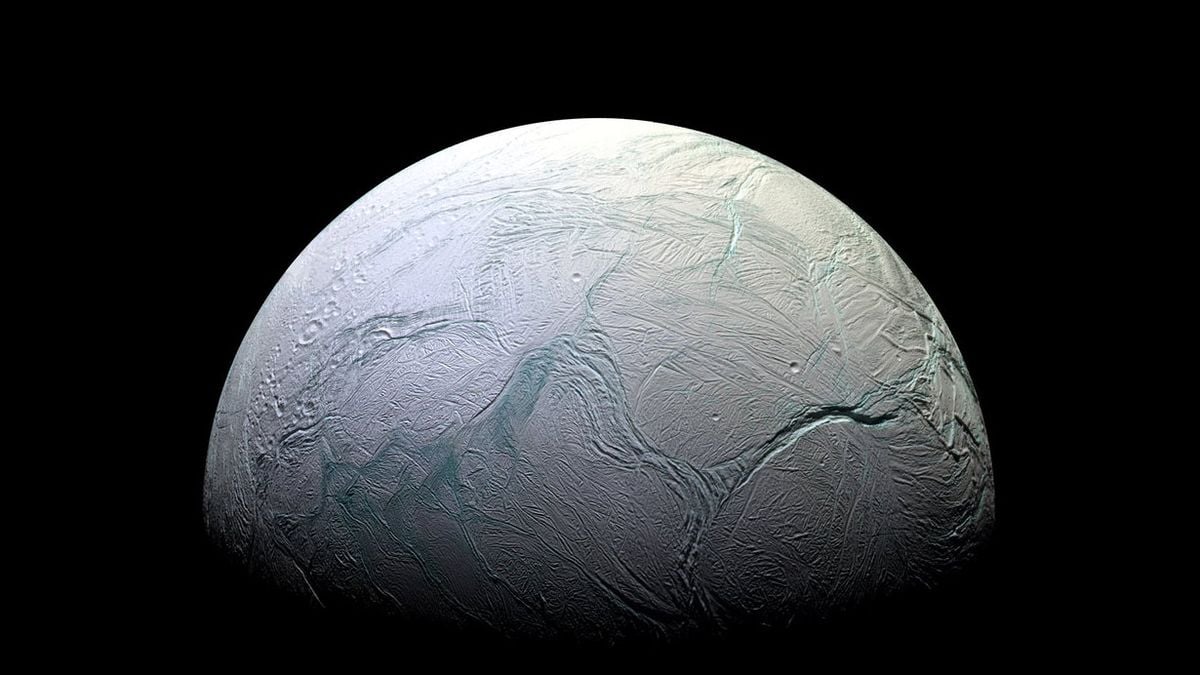
Terrence Winter Dan Farah Out of the Shadows

Terrence Winter (left) and Jay Stratton's "Out of the Shadows"
(Image Credit: William Morrow Company)

Story of Former Pentagon Official Who Led U.S Government’s UAP Investigations Is Coming to Television
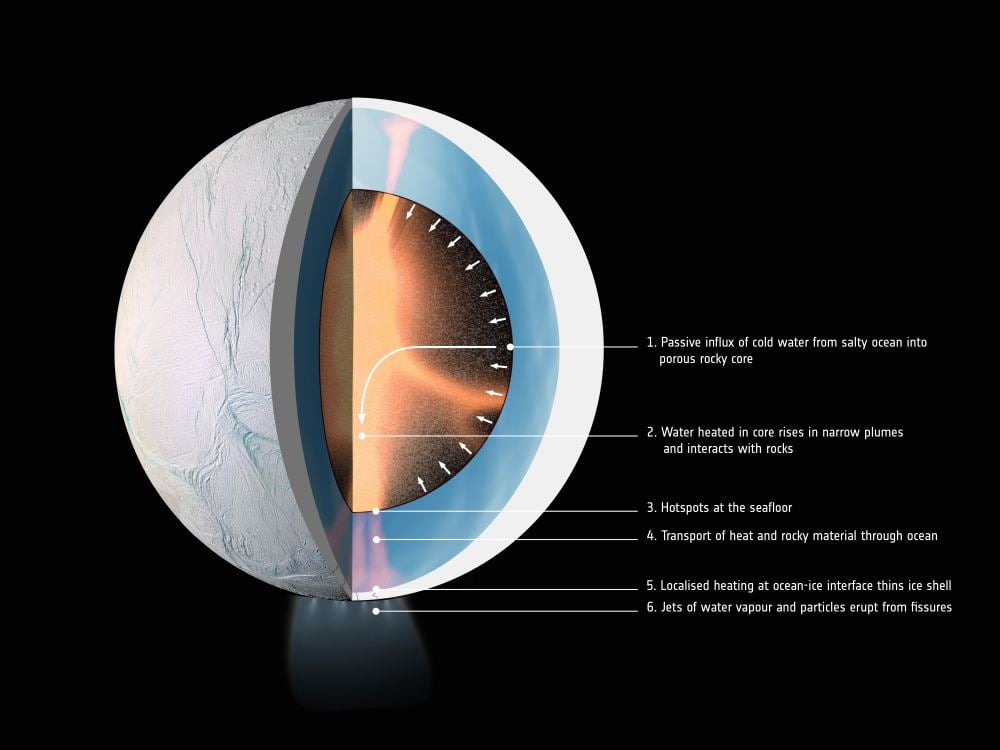
The Sopranos writer and Boardwalk Empire creator Terence Winter will be teaming up with filmmaker and producer Dan Farah for the development of a new television series based on the former U.S. intelligence official who led the U.S. government’s investigations into Unidentified Anomalous Phenomena (UAP).

The series will be based on the forthcoming memoir Out of the Shadows, which offers a candid look at the career of Jay Stratton, the former official who led the U.S. government’s Unidentified Aerial Phenomena Task Force (UAPTF).

Stratton’s book, scheduled for publication in October by William Morrow, recounts his involvement with official investigations of UAP, the military’s term for what historically are known as unidentified flying objects or UFOs, and the bureaucratic hurdles he encountered while leading government efforts to resolve their nature and origin.

Winter will serve as an executive producer for the screen adaptation through Cold Front Productions, and Farah will also be an executive producer under Farah Films, according to Variety.  

Farah previously directed the documentary film The Age of Disclosure, which brought together more than thirty current and former U.S. officials who spoke on the record about the UAP issue, potential national security related to the phenomenon, and ongoing efforts to secure the release of information about it, which are believed to remain in the U.S. government’s possession. Farah also produced the documentary film The Phenomenon by director James Fox.

Along with the secretive world of U.S. government investigations into UAP, the forthcoming series will deal with the unusual intersection between Stratton’s classified work and his life at home, as detailed in his forthcoming memoir, where he describes how his family also reportedly experienced unusual events while he served in government.

Winter described Stratton’s story and the plans for a forthcoming series as a journey into the lesser-known world of U.S. government and UAP investigations. Farah compared the material to a high-stakes political thriller, with a central mystery that is accompanied by the personal toll placed on Stratton and his family, and lingering questions about the existence of non-human intelligence.


Winter brings considerable experience to the project, with past work that includes serving as writer and executive producer on The Sopranos before going on to create HBO’s hit series Boardwalk Empire. Winter is also the recipient of an Academy Award nomination for his screenplay adaptation of The Wolf of Wall Street.

Presently, details about the cast, release date, and potential networks and streaming platforms that may carry the program have not yet been announced. Stratton’s book, Out of the Shadows, will be released on October 13, 2026.

  • Micah Hanks is the Editor-in-Chief and Co-Founder of The Debrief. A longtime reporter on science, defense, and technology with a focus on space and astronomy, he can be reached at micah@thedebrief.org. Follow him on X @MicahHanks, and at micahhanks.com.

US UFO DISCLOSURE: Pentagon Releases Sixth Batch of UAP Files With Major Redactions | WATCH

{ https://thedebrief.org/category/defense/ }

Hoe vind je dit bericht?
Geschreven door peter om 21:46 Stuur door

A Mysterious Military Drone Was Recovered By A Fishing Charter Off Florida's Gulf Coast

A Mysterious Military Drone Was Recovered By A Fishing Charter Off Florida's Gulf Coast

By Aaron Greenbaum

Low-cost Unmanned Combat Attack System (LUCAS) drones arranged on a tarmac

PUBLIC DOMAIN

When you charter a fishing boat, you do so with the expectation of catching some fish. Although, sometimes the unexpected occurs. Anglers have been known to snag some weird-looking fish, but who could ever expect a fishing expedition would result in dragging a military drone back to shore?

On September 20, 2026, a group of people had hired Hot Spot Charters to go on a six-hour fishing trip off the coast of Pensacola Beach, Florida when they spotted what the ship's captain initially thought was "an upside-down skiff," according to WEAR Channel 3 News. When they got closer and brought the semi-submerged UFO onboard (no easy feat since it weighed 500 pounds and was completely waterlogged), they realized it was actually an unmanned drone. A nearby military base, Eglin Air Force Base, informed the news channel that the vessel was a Low-cost Uncrewed Combat Attack System (LUCAS). Thankfully, some of the people onboard had enough military experience to assume the drone was safe to retrieve.

According to Eglin Air Force Base, the LUCAS drone had been missing since last Thursday. The UAV was undergoing some "routine scheduled testing" when it hit the water. After the fishing group brought the drone back to Pensacola Beach, Eglin Air Force Base officials retrieved it from the local Sheriff's Department. Thankfully, the LUCAS wasn't the only highlight of the trip; A school of Mahi-Mahi had congregated around the drone, and the charter group managed to catch six of the fish thanks to the military-grade bait.

What's the big deal with LUCAS?

Low-cost Unmanned Combat Attack System (LUCAS) drone launching from the deck of the USS Santa Barbara

PUBLIC DOMAIN

So, what exactly is a LUCAS and why was Eglin Air Force Base testing it? The LUCAS is what's known as a one-way attack drone, similar to the Iranian Shahed 136 both in terms of appearance and battle tactic: to swarm enemies and ram into them as fast as possible, detonating an integrated warhead for maximum damage. As such, the LUCAS is designed to be expendable and mass produced, sort of like those 3-D printed drones the Navy is testing. According to U.S. Central Command, the LUCAS entered the United States' weapon catalog in February of this year. While the drones first official use came during the 2026 Iran War, researchers at OSINT believe they were actually used earlier during the January 2026 Operation Absolute Resolve in Venezuela.

As for Eglin Air Force Base's role, the location is responsible for the majority of Air Force armament testing. When a new control system or attack drone is being developed, tested, and readied for deployment, it's sent to Eglin. While the base maintains an exclusion zone so it can safely evaluate weapons without risking any civilian casualties, the LUCAS had drifted outside of this area by the time the chartered fishing boat found it. However, the air base did not comment on why the drone hit the water, so maybe the LUCAS needs a bit more testing before it's ready for the military's Amazon-style marketplace.

{ https://www.bgr.com/category/tech/ }

Hoe vind je dit bericht?
Geschreven door peter om 21:27 Stuur door

Wat zweeft daar op Mars rond? NASA-beeld van buitenaardse ‘kwal’ gaat viraal, wetenschapsexpert legt uit

hebben-mensen-op-sociale-media-beelden-van-buitenaards-leven-op-mars-ontdekt

Hebben mensen op sociale media beelden van buitenaards leven op Mars ontdekt?

© NASA/JPL-Caltech

Wat zweeft daar op Mars rond? NASA-beeld van buitenaardse ‘kwal’ gaat viraal, wetenschapsexpert legt uit

Het is een foto uit 2023, gemaakt door de Mars-rover Curiosity, die momenteel de ronde doet op sociale media. Boven het oppervlak van de rode planeet lijkt er iets te zweven dat wat weg heeft van een kwal. Sommige mensen verwijzen naar de buitenaardse wezens uit 'War of the Worlds'. Maar wat is er echt aan de hand? HLN-wetenschapsexpert Martijn Peters licht toe.

Dat mensen vreemde structuren zien op foto’s van rovers op Mars, is geen nieuw fenomeen. Zo herkenden we met zijn allen al een menselijk hoofd, een teddybeer, een deur, een bot van een persoon, paddenstoelen, piramides enzovoort. Meestal blijken deze mysterieuze objecten gewoon rotsen te zijn. Maar is dat ook het geval bij de nieuwe spraakmakende buitenaardse ontdekking?

'Zwevende lepel' gespot op Mars

In 2015 zag iedereen plots een zwevende lepel op Mars dankzij de Curiosity-rover.

NASA/JPL-Caltech/MSSS

Curiosity Captures East Cliffs - Figure D

In 2022 ging deze foto van Curiosity viraal waarop er een deur te zien leek op Mars.

NASA/JPL-Caltech/MSSS/NeV-T

NASA нашло на поверхности Марса морду медведя

Een van de bekendere foto's van de afgelopen jaren werd in 2023 genomen door NASA's Mars Reconnaissance Orbiter en lijkt een beer te tonen.

NASA/JPL-Caltech/UArizona

In april 2026 ontdekte Curiosity op de locatie van de Antofagasta-krater een stuk grond met een vreemde, schubachtige textuur.

In april 2026 ontdekte Curiosity op de locatie van de Antofagasta-krater een stuk grond met een vreemde, schubachtige textuur.

© NASA, JPL-Caltech, MSSS, Kevin M. Gill

Bizarre 'three-sided pyramid’ similar to Egypt’s seen on Mars in resurfaced NASA images

Dit jaar (2026) zagen mensen plots een piramide op Mars met dank aan de NASA’s Mars Global Surveyor die deze foto al in 2001 nam.

NASA/JPL/University of Arizona

Het gaat om een foto die is gemaakt door Curiosity, een van de rovers op Mars. Die legde in 2023 een op het eerste gezicht perfect normaal ogend landschap van de rode planeet vast. Maar het internet zou het internet niet zijn als mensen die foto’s niet onder een vergrootglas zouden bekijken. En wat blijkt? In de linkerhoek duikt plots een vreemde vlek op.

Wanneer je die vlek wat nauwkeuriger bekijkt, lijkt die op een silhouet van een kwal met naar beneden hangende tentakels. Of misschien herken je er wel de befaamde probe-droid uit 'Star Wars' in en de driepotige aliens uit 'War of the Worlds' van H.G. Wells. Op het eerste zicht lijkt deze structuur die onze verbeelding in de maling neemt helemaal niet op een rotsachtige formatie. En volgens wetenschappers is het dat ook niet. Wat het volgens hen ook zeker niet is: een kwalachtig buitenaards wezen. Allereerst heeft de rover meerdere beelden vlak na elkaar genomen van het landschap op Mars. Op die andere foto’s is geen kwal te bespeuren.

Plots verschenen en verdwenen - Spot jij de kwal op de beelden?

HSW92pYbgAA8dub.jpg

Deze foto maakte Curiosity op Mars op 20 augustus 2023.

NASA/JPL-Caltech

NASA Spots a Bizarre 'Jellyfish' Floating on Mars. Here's What We Know.

Wanneer we inzoomen linksonder in de foto van Curiosity zien we de 'buitenaardse' kwal verschijnen.

NASA/JPL-Caltech

There's a Bizarre 'Jellyfish' in This Photo of Mars. We Think We Know Why.

Twee frames genomen met enkele seconden ertussen.

(NASA/JPL-Caltech)

Wat is het dan wel? Deze vlek op de foto heeft wel degelijk een kosmische oorsprong. Het is echter geen buitenaards leven, maar wel een buitenaards geladen deeltje. Eentje dat vanuit de ruimte terechtgekomen is op de siliconendetector van de Mars-rover Curiosity. Hier op aarde wordt kosmische straling ver boven onze hoofden tegengehouden door het magnetisch veld en de dikke atmosfeer. Maar op Mars is die verdediging minder robuust. Hierdoor kunnen hoogenergetische deeltjes makkelijk het oppervlak van de planeet en dus de rover bereiken.

Wanneer zo’n geladen deeltje de rover raakt, geeft dat niet altijd hetzelfde effect op het beeld. Soms krijg je heldere witte vlekken, strepen of statische ruis. Beelden met dit soort artefacten erop zijn niet zeldzaam. Soms hebben de vlekken ook het tegenovergestelde uiterlijk. Dan zijn ze helemaal zwart van kleur. Meestal zijn dit soort vlekken enkel in één frame te zien. Dat is ook het geval met de beelden uit 2023 die nu de ronde doen.

Dat betekent niet dat wetenschappers nu al met honderd procent zekerheid kunnen zeggen dat een geladen deeltje uit het universum de oorzaak is. Eerst moeten ze nagaan of er geen andere oorzaak is, zoals een probleem met de camera of de verwerking van de beelden. Maar wat het ook is, het antwoord bevindt zich in de rover, niet op het oppervlak van Mars.

Maar waarom zien mensen vaak gezichten of herkenbare objecten in zulke foto’s? Dat fenomeen noemen wetenschappers apofenie: het herkennen van patronen in willekeurige of niet-gerelateerde gegevens en het daaraan geven van betekenis. Meer specifiek gaat het om pareidolie. Dat komt van het ‘para’ (naast) en ‘eidolon’ (beeld) en betekent dat je hersenen bepaalde bekende zaken, zoals gezichten, herkennen in willekeurige of onduidelijke patronen, bijvoorbeeld in een rots.

LEES OOK.

{ https://www.hln.be/weer-en-wetenschap/ }

Hoe vind je dit bericht?
Geschreven door peter om 21:17 Stuur door

Mysterious orb caught soaring over Los Angeles during live TV report

An ordinary traffic report turned into a shocking UFO sighting after a news helicopter caught a mysterious orb floating over a packed California highway. 

The wild scene was captured over the Los Angeles freeway in mid-September as dozens of cars and trucks sat in evening rush hour traffic.

A helicopter for FOX 11 Los Angeles was zooming in on the multi-level highway when the camera operator appeared to notice a strange, metallic sphere floating above the road.

The object, about the size of a basketball or slightly larger, was seen traveling in a straight line away from the busy highway, towards a more wooded neighborhood.

Instead of zooming in on the congestion in Los Angeles, the camera operator was caught off guard and started following the UFO for several seconds before veering back to the traffic.

The news outlet did not address the video of the mysterious sphere, which has been shared online and seen by millions since it was posted on September 22.

One person said onX: 'They noticed the object enough to focus on it before turning their camera away.' Another viewer added: 'I'm skeptical, but it doesn't move like a balloon in the wind. It's flying in a straight line.'

Despite many people seeing the sphere and believing the helicopter caught an actual UFO in flight, the US government has continued to claim no physical evidence proving UFOs or extraterrestrials exist has ever been recovered.

Video of an alleged UFO sighting over the Los Angeles freeway was shared on social media in September 2026

Video of an alleged UFO sighting over the Los Angeles freeway was shared on social media in September 2026

A local traffic camera on a news helicopter spotted a small sphere moving away from the highway

A local traffic camera on a news helicopter spotted a small sphere moving away from the highway

Many viewers drew comparisons between the metallic object seen floating over Los Angeles and the so-called Buga Sphere captured in Colombia last year, which locals reported was a metal ball that appeared to strike a power line and crash.

Both objects seemed to glide through the air. Neither had visible strings or appeared to have been influenced by the wind as a balloon might.

Skeptics still claim the tiny UFO seen over Los Angeles was most likely some type of drone flying near the busy road or the so-called 'marker balls' - the orange or white spheres hanging from power lines which make these cables easier to see for planes.

'Yay, more balloons and parallax!' one doubter declared, noting the phenomenon where a nearby object seems to slide across the background when the camera moves, even if that object is sitting still.

Others claimed the object was just a mylar balloon floating over the city and giving the supposed UFO its chrome-like appearance.

However, believers argued the balloon theory was just a bunch of hot air, noting that an air-filled party favor should not have been able to keep such a steady course away from the freeway.

'Balloon crowd is going to have a hard time with this one. That path is too straight. Wind doesn’t fly a sphere across LA in a clean line with no wobble. Whatever it is, it isn’t just floating,' one person wrote on X.

Just as the camera pulled away from the sphere, the UFO appeared to vanish as it flew in front of a nearby warehouse. 

The Buga Sphere (Pictured) was recovered by local residents in Colombia in March 2025 and has been in the care of scientists in Mexico ever since

The Buga Sphere (Pictured) was recovered by local residents in Colombia in March 2025 and has been in the care of scientists in Mexico ever since

The metallic-looking orb was seen disappearing near a wooded neighborhood and warehouse seconds after leaving the freeway

The metallic-looking orb was seen disappearing near a wooded neighborhood and warehouse seconds after leaving the freeway

California has been a notorious hotspot for unexplained UFO sightings along the US West Coast.

According to the crowdsourced platform Enigma, which allows the public to report sightings of UFOs, there have been nearly 30,000 sightings of unidentified objects in the sky over the state dating back to 1901.

Those reports include more than 2,500 that specifically mention a sphere flying overhead.

READ MORE

EXCLUSIVE

article image

UFO sightings in California nearly doubled the next closest state - Florida.

'I’ve seen these several times in my life. Last time I saw two together in Los Angeles in 2020 beginning of pandemic,' one viewer claimed online.

'Enigma has received 5,248 first-hand reports of UFO sightings in California. A total of 29,884 UFO sightings from California have been published to Enigma, inclusive of third-party sources,' the public UFO database explained.

Metallic spheres and glowing orbs have become common UFO encounters over the last year as the US government declassified troves of data pertaining to alleged extraterrestrial sightings and unidentified craft.

Since May, six reports have been released by the Pentagon, including images and videos of silver spheres being followed by US drones and satellites flying at high speed over oceans, deserts and even military bases.

The news outlet did not publish a date or time stamp confirming the exact minute the helicopter was over that stretch of the LA freeway.

RELATED


Mysterious orb caught soaring over Los Angeles during live TV report.

{ https://www.dailymail.com/sciencetech/index.html }

Hoe vind je dit bericht?
Geschreven door peter om 18:06 Stuur door

How Diffractive Solar Sails Could Stop a Killer Asteroid at 100 km/s

How Diffractive Solar Sails Could Stop a Killer Asteroid at 100 km/s

Image of the deployment of Lightsail 2. Credit - The Planetary Society Image of the deployment of Lightsail 2. Credit - The Planetary Society

Asteroids don’t come with a warning label that they might one day hit Earth. While we don’t know of any currently on course to do so, we are finding thousands of new ones each year, and there’s always a potential that one could. We proved a viable technique for dealing with that eventuality - the DART mission successfully moved a small asteroid using a “kinetic impactor” - basically a big rod designed to push the asteroid off its trajectory. But DART had one big flaw - it was traveling in the same direction as the asteroid, and approached it from behind, eventually hitting it with an impactor launched while in orbit around it. That technique might work if we have enough warning, but would require years of orbital mechanical maneuvering to pull off. An alternative, proposed by researchers at Beihang University, is to use a new type of solar sail to deflect a potentially hazardous asteroid by hitting it head on.

Deflecting an asteroid using an impactor comes down to one simple factor - energy. The more energy transferred from the impactor to the asteroid, the more the asteroid will move. And the great thing about energy is that it increases with the square of velocity. In other words, the faster you hit something, the more energy you impart to it.

DART smashed into Dimorphos, its target asteroid at about 6 km/s - a respectable speed, but limited by the fact that it was coming from the same direction. According to the new paper, an impactor using a solar sail can come at an approaching asteroid from the opposite direction - akin to a wrong-way highway driver - and smash into its target at around 100 km/s - imparting something like 230 times the force per kilogram of impactor mass than the DART test did.

Fraser talks about how we could potentially stop a killer asteroid.

The problem is getting the spacecraft moving in the opposite direction. Almost everything orbits the Sun in a counter-clockwise direction, including the Earth. As such, when something launches from the Earth, it’s already moving that way. Reversing that direction, and entering a clockwise (retrograde) orbit requires a lot of energy, to put it mildly. Chemical rockets aren’t capable of it - the tyranny of Tsiolkovsky’s rocket equation makes it impossible for them to carry enough fuel to complete that maneuver. But solar sails potentially can.

Solar sails work by harnessing solar radiation pressure - the tiny amount of force that a photon imparts when it runs into something. In essence, they sail on sunlight rather than requiring fuel like a traditional chemical or ion rocket. Back in the 1990s, Italian engineer Giancarlo Vulpetti realized you could use this technology to get a solar sail into what he called a H-reversal trajectory - essentially a way to make the sail start orbiting backwards.

This technique first uses the sail as a brake, slowing the craft’s angular momentum. After it drops to zero, the Sun’s gravity does its work, pulling the craft toward our star in a deep dive. But in Vulpetti’s trajectory, the sail kicks back on during the craft’s closest approach (perihelion), and slingshots back outward into a retrograde orbit. Sounds like a brilliant solution to get an impactor moving in the right direction to impart a massive amount of energy to an asteroid. There’s only one problem - solar sails are notoriously clumsy.

Fraser talks about the results of the DART test.

We’ve successfully tested a few in space - JAXA’s IKAROS mission and The Planetary Society’s LightSail 2 are examples of traditional solar sails, which essentially act like giant mirrors. In their case, the light that bounces off of them leaves at the same angle it arrives. The thrust is always perpendicular to the sail’s surface. That situation isn’t ideal for a H-reversal trajectory, as it means you have to tilt the sail at an extreme angle to the Sun, which thereby presents a much smaller target for the sunlight to hit, dramatically reducing the sail efficiency.

Enter the diffractive solar sail. Instead of traditional reflective film, the material these sails are made out of uses microstructured optical gratings to diffract the light sideways, without the sail itself turning. That means the sail can keep its whole face towards the Sun, even at perihelion, but force all of that thrust into sideways motion. This dramatically simplifies attitude control and still enables the significant push needed to pull off this tricky orbital maneuver.

The researchers simulated several different types of solar sail configurations for this H-reversal trajectory, and found that reflection-type diffractive sails are the clear winner. In their simulations, only that type didn’t either fall into the Sun or get launched onto a trajectory where it was pushed out of the solar system entirely. But finding the right type of sail was just the first step - their second simulation showcased an example of what might happen with another famous asteroid - Apophis.

Fraser talks about how great solar sails are.

Apophis is a 340m wide asteroid that will famously come within 38,000km of Earth on April 13th, 2029. While that in itself does not warrant a deflection, the researchers decided to see what they could do with this well-studied asteroid. They simulated a diffractive-reflective sail in two different configurations - one where it was set with a permanent diffraction angle, and one where it could switch between a moderate angle for its dive towards the Sun and then dial it up near perihelion to around 90 degrees.

Both versions were able to deliver a 100 km/s impactor directly to Apophis in around 200-300 days from launch time. That shaves nearly a year off the mission time of a standard reflective solar sail - a time differential that could be the difference between a deflection and an impact.

Hopefully, we will never actually need to use this technology to deflect a potentially hazardous asteroid. But realistically, we will face one someday. And knowing that this technique could deliver hundreds of times more energy than the more mundane co-orbital impacts we’ve proven work so far is heartening - at least we know there’s another tool in our toolbelt to deal with these hazards, even if we miraculously never have to use it.

Learn More:


Deflecting a Killer Asteroid with Diffractive Solar Sails! ☄️☀️ | Planetary Defense

{ https://www.universetoday.com/ }

Hoe vind je dit bericht?
Geschreven door peter om 17:42 Stuur door

New Lunar Crater Offers Keys To Moon’s Shallow Subsurface

Astronaut John W. Young, commander of the Apollo 16 lunar landing mission, stands on the rim of Plum Crater while collecting lunar samples at Station 1 during the first Apollo 16 extravehicular activity (EVA-1) at the Descartes landing site.  Credit:  NASA via Wikipedia Astronaut John W. Young, commander of the Apollo 16 lunar landing mission, stands on the rim of Plum Crater while collecting lunar samples at Station 1 during the first Apollo 16 extravehicular activity (EVA-1) at the Descartes landing site. Credit: NASA via Wikipedia

New Lunar Crater Offers Keys To Moon’s Shallow Subsurface

NASA's Lunar Reconnaissance Orbiter (LRO) spacecraft has made a once-in-a-lifetime find of a newly formed crater on the Moon's near side, some 330 km from the edge of the Mare Crisium. The crash left a 728-foot-wide crater that spans the length of two football fields, NASA noted.

The newfound McGetchin Crater is thought to have been created by a bolide that struck the Moon in the spring of 2024. But it was only detected in LRO images late last year, as noted in two papers appearing in the journal Science Advances and also reported here at Universe Today earlier this week.

It’s going to be a treasure trove for geology in terms of the immediate effects of impacts capable of excavating deep beneath the Moon’s outer surface, Erik Asphaug, Professor of Planetary Sciences, Lunar and Planetary Laboratory at the University of Arizona in Tucson, told me via email.

It’s the largest new crater found on the Moon by the Lunar Reconnaissance Orbiter Camera (LROC) since it entered lunar orbit 2009. The previous largest new crater identified by LROC was only about 70 meters across.

On average, we'll get a new crater this size forming on the moon every 132 years, Timothy Glotch, Professor and Chair of Geosciences at Stony Brook University in New York, told me via email. But we can't say when the last crater of this size formed because the LRO has only been continuously monitoring the lunar surface since 2009, Glotch told me.

The Dangers Of Fast Moving Ejecta

Visible imagery shows that the ejecta from the crater extends for perhaps hundreds of crater radii beyond the crater itself, says Glotch. This provides new information for how NASA has to plan for sustainable infrastructure that may be exposed to fast-moving ejecta that may impact equipment and habitats left on the surface, he says.

The Importance Of Cold Spots

Scientists working with LRO’s Diviner thermal instrument, found a 4-mile-wide area around the crater that is about 16 degrees Fahrenheit cooler at night than its surroundings, says NASA.

LRO’s Lunar Radiometer found that the new crater, like all new craters over some thirty meters in diameter, has ejecta that is colder at night compared to the surrounding lunar regolith, says Glotch.

The cold spot forms due to disturbance of the regolith around the crater. Lunar regolith is the thin, surface layer of micrometeorites, fragmented rock and dust that covers the whole of the lunar surface.

The cold spot for McGetchin Crater is some 7 km across which indicates that the impact on the local regolith extends far beyond the actual crater itself.

Mare Crisium, an ancient, 350-mile-diameter impact basin that subsequently filled with lava. The basin is one of many large dark spots on the Moon’s surface visible to the naked eye. They were dubbed lunar maria, Latin for "seas," by early astronomers who mistook them for actual seas. Credit: Lick Observatory

Mare Crisium, an ancient, 350-mile-diameter impact basin that subsequently filled with lava. The basin is one of many large dark spots on the Moon’s surface visible to the naked eye. They were dubbed lunar maria, Latin for "seas," by early astronomers who mistook them for actual seas.

Credit: Lick Observatory

In fact, the effects of such cold spots have been known for decades.

NASA’s Apollo 16 lunar mission landed on a faint cold spot associated with the South Ray crater and the astronauts’ footprints within the cold spot were deeper than at other sites, the authors of a 2026 paper appearing in the journal Science Advances note. This indicated that the lunar regolith had been decompacted due to the impact that caused the crater, the authors note.

Such cold spots fade on timescales of up to two million years.

This makes them reliable markers of some of the youngest impact craters on the Moon, the authors note. Their young age has enabled their use in investigations of regolith thickness, the recent impact cratering rate and as potential source craters for lunar meteorites found here on Earth, the Science Advances authors write.

What’s Next?

NASA needs a new advanced orbiter to follow LRO when it eventually runs out of fuel, says Glotch. A new advanced orbiter could observe the surface at much better spatial resolution than we currently have, he says.

The Need For A New Lunar Lander

This would be a fantastic mission target for someone doing relatively inexpensive fundamental lunar science in an area where operations could be relatively simple, says Asphaug. Data could be communicated back to Earth with low-latitude near-side high bandwidth, he says. You would be able to find out directly whether lunar melt was created and if so, how thick it was, and whether it stayed as a lens inside the crater or was widely distributed, says Asphaug.

Lunar Fluff

LRO’s Diviner instrument showed us that we can do a kind of seismology by proxy, by understanding how powerful stress waves radiating from this event would fluff up lunar regolith to a depth of centimeters or more, says Asphaug. This tells us about transmission of stress waves with distance, which modelers will use in decades to come to figure out how impacts couple their energy into the lunar surface, he says.

The Need For A New Lunar Seismic Network

Apollo seismometers shut down in the late 1970s and plans for a lunar seismic network have been on the table for decades.

It’s a shame that there was no seismic network in place at the time of this crater’s formation, says Asphaug. But a seismic recording of an impact of this size would be of great global significance in terms of understanding the deep Moon, he says.

Sources:

RELATED


NASA Finds Massive New Moon Crater After Rare Lunar Impact | WION Podcast

NASA Found a New Moon Crater—and a 4-Mile Cold Spot #engineering #sciencefacts

A New Crater Appeared on the Moon — and Nobody Saw It Happen

{ https://www.universetoday.com/ }

Hoe vind je dit bericht?
Geschreven door peter om 17:26 Stuur door

Two UFOs Show Up In Apollo 10 Mission Photo Near Orbiter, UFO UAP Sighting News.

Two UFOs Show Up In Apollo 10 Mission Photo Near Orbiter, UFO UAP Sighting News.

UFO_Apollo.png

UFO_Apollo_10.png

Date of sighting: May 18-26, 1969
Date of discovery: Sept 23, 2026
Location of sighting: Moon orbit
Source: Apollo 10 AS10-27-3864 & AS10-27-3865
URL:
UFOs watching the NASA in space is nothing new. Its been happening since the beginning of the space program, however these UFOs are unique shapes. One is a triangle shape thick craft while the otehr is a sphere with a flat disk below it. These may be alien drones sent to record without any pilots onboard. The craft look small, similar in size to the Apollo module seen in the photo, but the UFOs are further away making them look smaller. Aliens, they love knowledge, and watching, recording and then sharing with their own species...thats their gold, their money, their view of whats really valuable...knowledge.
Scott C. Waring - UFO Sightings Daily
UFO_UAP.png

NASA_Apollo.png

UFO_1.png

UFO_2.png

NASA_UFO.png

RELATED

Apollo 10 Astronauts Encountered A Strange Radio Signal While On The Moon | NASA's Unexplained Files

NASA Hid This Sound For 40 Years | Apollo 10 Moon Mystery That Nobody Can Explain

{ https://www.ufosightingsdaily.com/ }

Hoe vind je dit bericht?
Geschreven door peter om 17:06 Stuur door

Pyramid-shaped UFO spotted over Brazil

Pyramid-shaped UFO spotted over Brazil

Years ago, a number of strange UFO sightings were captured on camera but never received much attention from the mainstream media. Apart from a handful of dedicated UFO websites and online communities, many of these cases remained largely unnoticed. 
Pyramid-shaped%20UFO%20%20Brazil.jpg

Today, it may be worth taking another look at some of that older footage, recordings made long before AI-generated imagery became widespread. 
Strange lights. Unidentified objects. Mysterious shapes appearing in the sky. 
In this video, we take a closer look at several intriguing cases: 
  • The Metapod UFO hovering over Spain 
  • A cylindrical UFO spotted over the sea 
  • A glowing orb appearing above a playground in Finland 
  • A pyramid-shaped object observed in the night sky over Brazil 
  • Fiery objects descending over Tijuana 
Some of these recordings may have ordinary explanations. Others remain difficult to identify. 
But all of them were captured before the age of AI, and that makes them worth examining again.
 

RELATED


UFO/UAP Pyramid-Shaped Object Over Jequitinhonha Valley, Brazil

Pyramid /Triangle Shaped UFO Filmed Over Jequitinhonha Valley, in Minas Gerais, Brazil

8-Pointed star UFO over Brazil: Aliens here

{ https://ufosightingshotspot.blogspot.com/ }

Hoe vind je dit bericht?
Geschreven door peter om 16:49 Stuur door

Scientists create an atomic clock so precise it could REDEFINE the second

Scientists create an atomic clock so precise it could REDEFINE the second

Scientists have built the world's most accurate atomic clock – and it's so precise it could redefine the second.

Experts at Singapore's Centre for Quantum Technologies (CQT) have developed a device that can meticulously track the passage of time, down to trillionths of a second.

The researchers believe their clock, built from the element lutetium, outperforms previous record holders built from different elements.

They say their device can measure time to 19 decimal places – the lowest reported for any optical atomic clock to date.

The timepiece is so reliable that it would take more than 260 billion years to lose a second.

'I am confident that what we have now is the most accurate clock in the world,' team leader Murray Barrett, from the National University of Singapore, said.

Scientists say they have built the world’s most accurate atomic clock. Pictured: A close-up of the clock’s interior

Scientists say they have built the world's most accurate atomic clock. Pictured: A close–up of the clock's interior

Atomic clocks keep time by monitoring an atomic transition, which is when one of an atom's electrons changes energy levels.

The frequency of this transition is a fixed property of the atom. A laser is matched to this transition and the light oscillations act like a pendulum to count time.

The basic method has been in place for decades. Cesium atoms have set the global standard for time since the 1960s, and cesium atomic clocks already support the Global Positioning System (GPS) and synchronize communication and transport networks.

Singapore scientists build world's most accurate atomic clock

Pictured in the Centre for Quantum Technologies' lutetium atomic clock lab are (from left) Associate Professor Murray Barrett, Ph.D. student Michael Lee and Senior Research Scientist Kyle Arnold.

Credit: Centre for Quantum Technologies

But scientists have been pushing the limits of timekeeping with other elements.

Elements such as ytterbium, strontium and aluminium oscillate much faster than cesium, helping them keep time more accurately and setting records.

However, the CQT team started working with lutetium over a decade ago on the hunch that it had the right properties to join the set of top–performing clocks.

To its knowledge, it is the only group working with this element for timekeeping so far.

Atomic clocks keep time by monitoring an atomic transition, when one of an atom’s electrons changes energy levels. Pictured: One of the researchers taking a close look at the device

Atomic clocks keep time by monitoring an atomic transition, when one of an atom's electrons changes energy levels. Pictured: One of the researchers taking a close look at the device

After measuring the frequency of the lutetium clock, the scientists reported an uncertainty of 1 x 10–19, as published in the journal Nature.

Lutetium's strong performance comes from properties of the atom. Its clock transition is hardly affected by changes in temperature or magnetic field – two variables that can throw off the frequency of other elements.

'In the future, I just don't see how this clock can be beat,' Dr Barrett said.

'The good properties mean that high accuracy can be achieved even in a wide range of environments.

'The lutetium clock would be stable even if you went from the hottest place recorded on Earth in Death Valley to the coldest place in the Antarctic plateau.'

His team has spent over a decade doing precision engineering on its atomic clock setup and testing different properties of the atom.

The researchers not only calculated their estimate of the clock's accuracy but verified it by comparing two lutetium clocks with each other.

The two clocks' ticks matched to the 19th digit, which the team says is the most precise clock comparison ever performed.

How the new clock works: Scientists use a single trapped lutetium ion and lasers to keep time with unprecedented precision

How the new clock works: Scientists use a single trapped lutetium ion and lasers to keep time with unprecedented precision

Ideally, the team would also compare its lutetium clock to the world's other best atomic clocks.

However, clocks that are this precise can detect the slowing of time caused by gravity over height differences of millimetres.

Differences in gravity between places on Earth are not yet known well enough to compare clocks at this level.

To enable new comparisons and explore future applications, the clock needs to come out of the lab.

'The next step is to take the lab–scale clock and miniaturize it into a transportable system,' said Michael Lee, joint first author on the paper and a Ph.D. student on the NUS team.

The researchers expect they can make their clock smaller without compromising its accuracy.

As well as keeping exceptionally accurate time, these types of clocks could help probe unanswered questions in physics, detect tiny changes in gravity and reshape how the second is defined. 

The international body responsible for time standards is considering data from new optical atomic clocks toward a redefinition of the second expected in or after 2030.  

While a strontium clock reported in March could measure time to 19 decimal places, the new lutetium clock pushes precision even further by independently verifying its accuracy at the 19th decimal place. 

The researchers say this is the first optical clock to achieve this level of verified accuracy. 

What are optical clocks and how do they work? 

Optical clocks are extremely precise atomic clocks that measure time using light (optical frequencies) instead of the microwave frequencies used in traditional atomic clocks. 

They are currently among the most accurate timekeeping devices ever built.

Key components of an optical clock include atoms such as strontium or aluminium, which are used because they have very stable optical transitions. 

Inside these atoms, electrons can jump between energy levels. When this happens, the atom interacts with light at a very precise frequency.

The clock measures this frequency, which becomes its 'ticking' signal. 

Optical clocks are important for GPS and navigation, mapping Earth's gravity and for fundamental physics. 

They can also help redefine the second, by providing highly accurate measurements.  

RELATED


Scientists Build Nuclear Clock | The Most Precise Clock in Human History

nuclear clock | Scientists Just Created the Most Accurate Clock Ever | Juvention

How Atoms Became the World's Most Accurate Clock

{ https://www.dailymail.com/sciencetech/index.html }

Hoe vind je dit bericht?
Geschreven door peter om 16:34 Stuur door

The Object That Could Solve the Amelia Earhart Mystery Is About to Be Uncovered

Amelia-Earhart-mystery-object.jpg

The Object That Could Solve the Amelia Earhart Mystery Is About to Be Uncovered

Their target is known as the Taraia Object, an unusual shape seen in satellite images beside the Taraia Peninsula on Nikumaroro, a tiny coral island in the Republic of Kiribati. Researchers behind the expedition believe there is a possibility the object could be wreckage from Earhart’s missing Lockheed Electra 10E, but nobody has physically examined it closely enough to know what it actually is.

Amelia_Earhart_-_GPN-2002-000211_restored-scaled.jpg

https://commons.wikimedia.org/w/index.php?curid=167576822

That could change within weeks. Purdue University, Purdue Research Foundation and the Archaeological Legacy Institute are supporting an expedition scheduled to leave Tarawa, Kiribati, on 7 October. After a voyage of roughly six days across the Pacific, the team plans to enter Nikumaroro’s lagoon and investigate the object directly.

Rather than relying on another satellite photograph, researchers intend to remove the sediment covering the anomaly using a hydraulic dredge. Once enough of it has been exposed, they hope to determine whether they are looking at natural material, vegetation, debris or pieces of an aircraft that disappeared in 1937.

Earhart and navigator Fred Noonan vanished on 2 July 1937 while flying from Lae, New Guinea, towards Howland Island during Earhart’s attempt to circumnavigate the globe. Their specially modified twin-engine Lockheed Electra had already completed approximately 22,000 miles of the journey when they set out across one of its most difficult stretches.

Radio contact with the US Coast Guard cutter Itasca deteriorated as Earhart approached the area around Howland. At 7:42am local time, she reported that fuel was running low and that she could not see the ship. Her final confirmed transmission was received at approximately 8:43am, when she reported flying along a navigational line running 157 to 337 degrees.

Earhart, Noonan and the aircraft were never seen again. A huge US Navy and Coast Guard search followed, but no confirmed wreckage was recovered and the mystery has remained unresolved ever since.

One theory suggests Earhart never reached Howland and crashed into the Pacific after exhausting her fuel. Another proposes that she and Noonan continued southeast along the navigational line mentioned in her final transmission and reached what was then Gardner Island, now known as Nikumaroro.

That second possibility has been investigated for decades by The International Group for Historic Aircraft Recovery, better known as TIGHAR. Researchers have conducted repeated expeditions to the island and examined radio records, photographs, archaeological material and possible evidence that Earhart and Noonan survived there for at least some period after their disappearance.

Nikumaroro sits around 350 nautical miles southeast of Howland Island and has a broad reef flat where an aircraft could potentially have landed during favourable tide conditions. US Navy aircraft searching the Phoenix Islands flew over Gardner Island only days after Earhart disappeared and reported signs of recent habitation, although nobody on the search aircraft reported seeing Earhart, Noonan or the Electra.

Various objects discovered during later archaeological work have added to the mystery, including fragments and personal items dating broadly to the period. Human bones were also recovered on Nikumaroro in 1940, although the original remains were subsequently lost and attempts to associate historical measurements of them with Earhart have remained disputed.

None of those discoveries has provided the piece of evidence researchers have sought for almost nine decades: an identifiable part of Earhart’s aircraft.

Amelia Earhart's plane found? The evidence that changes everything

Attention shifted towards the lagoon after California resident Michael Ashmore noticed an unusual shape in satellite imagery in 2020. The feature was lying in shallow water alongside the Taraia Peninsula, east of the Tatiman Passage that connects Nikumaroro’s lagoon with the Pacific.

Researchers subsequently began collecting older satellite images, aerial photographs, drone footage and video of the same location. According to the Archaeological Legacy Institute, the anomaly can be followed across multiple satellite images obtained between 2009 and 2026, although its visibility changes considerably from one image to another.

One of the most intriguing details emerged when researchers examined imagery from immediately after Tropical Cyclone Pam passed through the wider region in March 2015. The object became particularly visible in satellite photographs taken shortly afterwards, leading the team to suggest that storm-driven water may have stripped sediment from something that had previously been buried on the lagoon floor.

Images from 2015 and 2016 show the feature more clearly, while later photographs suggest it became increasingly covered again. Researchers say a new commercial satellite image obtained in April 2026 still shows a darker area at the same position, although its outline is now less distinct.

Older material has also been examined. The expedition team says aerial photographs taken by the New Zealand military in 1938 appear to show something at roughly the same location. Drone footage recorded during a 2017 visit also captured the anomaly from several directions without researchers realising its potential significance at the time.

A separate piece of video recorded during a TIGHAR helicopter flight in 2001 shows a bright reflection from beneath the water in the same general area. Supporters of the new expedition believe that reflection could have come from exposed metal, although it cannot identify what produced it.

Researchers behind the project argue that the visible dimensions of the Taraia Object are compatible with part of a Lockheed Electra fuselage and tail section. They have also proposed a possible route by which wreckage could have moved from the reef into the lagoon through Tatiman Passage after an aircraft landed on Nikumaroro.

It remains a hypothesis, and there is a significant counterargument.

TIGHAR itself examined the Taraia Object after Ashmore brought the satellite image to its attention in 2020 and reached a very different conclusion. Its researchers suggested the feature looked more like a fallen coconut palm or log deposited in the lagoon after severe storm damage. TIGHAR also noted that members had searched the Taraia shoreline using metal detectors during an expedition in 2001.

That disagreement is exactly why the October expedition could be important. Researchers will no longer be arguing solely over what a shape resembles in a satellite photograph. They intend to go to the location and uncover it.

Current plans call for the expedition team to travel from Tarawa aboard the LC Marin Mainiku. Once at Nikumaroro, smaller boats will have to be moved across the reef and through Tatiman Passage before researchers can begin work inside the lagoon. Access trails across the heavily vegetated island will also have to be reopened.

Remote sensing, sonar and other survey equipment can be used to refine the target before investigators begin gently removing sediment. A hydraulic dredge will then expose enough of the object for the team to examine its material and construction directly.

Aircraft aluminium alone would not automatically identify Earhart’s Electra. Investigators would need to look for characteristics consistent with a Lockheed Model 10E, including the shape of any surviving components, construction techniques and rivet patterns. Any identifiable serial numbers or manufacturer markings would be considerably stronger evidence if preserved.

Finding wood, coral, rock or the remains of a tree would bring this particular theory to a rapid end. Finding aircraft wreckage would begin a much larger investigation rather than finish one, because researchers would then need to establish its type, age and identity.

If the object can be identified as part of Earhart’s Electra, organisers plan to return in 2027 for a full archaeological excavation. That phase would expose and document the wreckage properly before any decision was made about whether recovery was possible. Purdue has a particularly strong connection to the aircraft because Purdue Research Foundation helped finance Earhart’s Electra, which she referred to as her flying laboratory.

Previous searches around Nikumaroro have shown how difficult the mystery is to resolve. In 2019, Titanic discoverer Robert Ballard led an extensive National Geographic-backed underwater search around the island. His team visually examined the steep underwater slopes surrounding Nikumaroro down to around 750 metres without finding the aircraft.

That search concentrated heavily on the possibility that wreckage had been swept from the reef into deep water. The Taraia theory proposes almost the opposite direction, suggesting material could instead have travelled through the reef passage and become trapped within the shallow lagoon.

For almost nine decades, Amelia Earhart’s disappearance has produced theories ranging from plausible navigation scenarios to elaborate conspiracies. Thousands of kilometres of ocean have been searched, dozens of supposed clues have been investigated and several apparent discoveries have eventually led nowhere.

October’s expedition has a much narrower objective. A specific object exists at a specific location beneath the lagoon, and researchers intend to uncover it and determine what it is.

If it is a tree, another Amelia Earhart theory can be crossed off the list. If aluminium, aircraft structure and matching construction details begin emerging from beneath the sediment, one of aviation’s longest-running mysteries could enter a completely different phase.

For the first time since the Taraia Object was recognised in satellite imagery, researchers are preparing to stop looking at it from above and physically expose what has been hidden beneath the lagoon.

RELATED

What Really Happened to Amelia Earhart? | History’s Greatest Aviation Mystery

Amelia Earhart's 88-Year Mystery: The Bone Measurements That Could Finally Solve it.

Amelia Earhart Mystery Finally Solved? Researchers Reveal New Evidence

{ https://www.abovethenormnews.com/ }

Hoe vind je dit bericht?
Geschreven door peter om 22:30 Stuur door

Insights from the Sixth UAP Tranche (Sep. 18, 2026)

ILLUSTRATIVE RECONSTRUCTION // NOT EVIDENCE

Overview

The sixth tranche of UAP records, released on September 18, 2026, has drawn attention for its combination of modern observations, historical government material and technical studies. Astrophysicist Avi Loeb reviewed the release in an analysis titled Insights from the Sixth UAP Tranche, highlighting reports of spherical objects moving at approximately 480 miles per hour as well as audio linked to the U.S. Air Force’s former Project Blue Book investigation.

The material reportedly spans several decades of records, illustrating how UAP-related documentation has appeared across different periods of military and scientific inquiry. Rather than focusing on a single incident, the tranche appears to bring together case files, research documents and historical records involving unusual aerial encounters and proposals concerning advanced propulsion.

Spherical Objects and Reported Maneuverability

Among the observations emphasized by Loeb are reports involving agile, spherical objects traveling at roughly 480 mph. The available source material does not establish the objects’ origin, composition or propulsion system, and the reported speed alone does not demonstrate that they represent technology beyond known aerospace capabilities. However, such cases remain of interest because analysts typically examine not only speed, but also acceleration, maneuvering, altitude, sensor data and the reliability of eyewitness or instrument records.

The characterization of the objects as “agile” is similarly significant but requires careful qualification. Without full flight-path data, it is not possible to determine whether the maneuverability was genuinely anomalous, a result of perspective or tracking limitations, or associated with an ordinary object observed under unusual conditions. Loeb’s discussion places these reports within the broader question of whether some UAP cases can be explained by conventional aircraft, atmospheric phenomena, sensor artifacts or other known causes.

Project Blue Book Audio and Historical Context

The tranche also reportedly includes historical audio associated with Project Blue Book, the Air Force program that investigated UFO reports from 1952 until 1969. Audio records can provide useful context by preserving how witnesses, investigators and officials described incidents at the time, although recordings must be evaluated alongside original reports, instrument data and archival provenance.

The inclusion of Blue Book material connects the new release to earlier U.S. government efforts to assess unexplained aerial sightings. Project Blue Book ultimately concluded that most reports could be attributed to identifiable causes, while a smaller number remained unresolved. An unresolved case, however, does not automatically establish an extraterrestrial or otherwise extraordinary explanation; it may instead reflect incomplete information or limitations in the investigation.

Advanced Propulsion and Unresolved Questions

According to the summary of Loeb’s analysis, the sixth tranche also contains studies addressing advanced propulsion and documented encounters. These materials may be relevant to researchers examining whether reported UAP characteristics are compatible with established aerospace engineering or require new physical models. At present, the supplied information does not identify a confirmed breakthrough, a specific propulsion mechanism or a government finding that any case represents nonhuman technology.

The broader importance of the release may therefore lie in its range rather than in a single decisive incident. Further assessment will depend on access to the underlying files, including dates, chain of custody, sensor specifications and corroborating evidence. The source page was not accessible for independent review because it returned a 403 access error, so the details above are based on the provided summary and should be treated as attributed claims pending examination of the original documents


The Most Puzzling Evidence in the New UAP Files

Pentagon Releases Sixth UAP Wave, 71 Files, Warp Drives & Wormholes, September 18, 2026 #uaps

{ https://usubjects.com/  }

Hoe vind je dit bericht?
Geschreven door peter om 21:36 Stuur door

Behold: Video of “First-Ever” Human Versus Robot MMA Fight

Behold: Video of “First-Ever” Human Versus Robot MMA Fight

"Dude, I'm scared for you man."
Hoe vind je dit bericht?
Geschreven door peter om 21:23 Stuur door

Is Space Hazardous? What We Currently Know About the Galaxy

Is Space Hazardous? What We Currently Know About the Galaxy

The Milky Way Galaxy. Source: www.futura-sciences.com

The terrifying world beyond the Solar System

People are apprehensive about phenomena that are vast and mysterious, and in this regard, nothing compares with the expanse of space. Regardless of how extensively scientists explain the events occurring around us, people will continue to fear the unknown.

Although concerns regarding the Solar System are relatively minor — after all, anyone can observe the movement of the planets, and scientists speak with considerable confidence about the possibility of predicting the motion of celestial bodies — beyond its boundaries lies something mysterious known as the Galaxy. In the imagination of many people, it resembles the edges of old geographical maps, where, alongside the outlines of distant shores, one might find inscriptions reading “dragons live here.”

Our scientific understanding of the Galaxy remains in its infancy. Although the band of the Milky Way had been visible in the night sky since before the advent of writing, and Aristarchus of Samos proposed as early as the third century B.C. that the stars were distant suns, the question of the structure of what lay beyond the orbit of Saturn — the outermost planet, as it was then believed — was regarded as absurd for two thousand years. Only the sphere of the fixed stars was thought to exist.

The Milky Way in the sky. Source: Wikipedia

It was only after Galileo Galilei used a telescope to distinguish individual stars in the Milky Way that the idea that the Galaxy (a word that for a long time was a complete synonym for the Milky Way) — is, in fact, something of which the Solar System is a small part — began to take root in the minds of both astronomers and the general public.

The size of the Galaxy

The primary reason it took so long to recognize clearly that a vast universe exists beyond the Solar System was that, for an extended period, astronomers lacked a frame of reference for determining the distance between Earth and the stars.

As early as the third century B.C., Aristarchus of Samos recognized that if Earth follows a cyclical orbit around the Sun, this motion must be accompanied by apparent shifts in the positions of the stars, as occurs with any distant objects. This phenomenon is known as annual parallax. Based on its magnitude, it could be used not only to demonstrate the validity of the heliocentric model of our solar system but also to determine the distances to the stars.

Annual parallax. Source: itu.physics.uiowa.edu

However, no parallax was detected. Astronomers understood that this was attributable to the immense distances of the stars relative to the radius of Earth’s orbit. Nevertheless, this finding cast serious doubt on all of their calculations, including the estimate of the Galaxy’s size made by William and Caroline Herschel in 1785.

Incidentally, prominent astronomers of the time underestimated its size by a factor of 13 to 15. Although they correctly determined that its shape resembled a lens or disk, they estimated its dimensions at only 6,000 to 7,000 light-years, whereas it is, in fact, closer to 100,000 light-years across. This discrepancy resulted from their limited understanding of the matter present in interstellar space, which strongly absorbs light from the most distant stars.

However, during the 1830s, the application of photography ultimately enabled the measurement of annual parallax. Humanity thereby recognized that, although light requires only eight minutes to travel from the Sun to Earth, it would take years or even decades to reach the nearest stars.

William Herschel’s map of the galaxy. Source: Wikipedia

People often perceive this as yet another alarming fact; however, it also means that nothing lies between them and us — certainly nothing dangerous. Even if something terrifying is moving from them toward us, it cannot reach us faster than the speed of light. Consequently, in one way or another, we have years, if not decades, to prepare for our encounter with it.

People may also be intimidated by the sheer number of stars visible to us; however, this abundance means that the stars have virtually nowhere to conceal themselves from observation. Despite the presence of interstellar gas and dust, space remains transparent, as there is no horizon. Consequently, we can observe every star, at least in the vicinity of the Sun, and determine the direction in which each is moving.

One might raise the following objection: if annual parallax exists, how can we be certain that the observed movements of the stars are not entirely attributable to it? The amount of displacement produced by the Earth’s motion around the Sun, however, is known. Accordingly, any movement exceeding that amount must result from the stars’ own motion.

The Milky Way Galaxy

That is precisely why scientists possess knowledge not only of the positions of an extraordinary number of stars, but also of their physical characteristics and velocity vectors. Collectively, these stars constitute the Galaxy, resembling a vortex of matter revolving around its center.

Visualization of data from the Tycho-2 Catalogue. Source: Wikipedia

The number of stars in the Milky Way known to humanity is staggering. Even catalogues published in the late nineteenth century listed several tens of thousands of stars. The Tycho-2 Catalogue, published in the early twenty-first century, already contained 2.5 million stars. However, the third data release from the Gaia space telescope contains information on 1.8 billion stars. Although this represents less than 1% of all the stars in the Milky Way, it enables us to understand how at least the region of the galaxy containing the Solar System rotates.

The Galaxy consists not only of stars but also of nebulae. Further information about these vast clouds of interstellar gas is available in this article; in brief, several hundred such nebulae have already been identified. All of these celestial bodies orbit a supermassive black hole at the center of the Milky Way.

It is an extraordinary object with a mass equivalent to 4.3 million solar masses. However, it is located 27,000 light-years away from Earth — so distant that even the photons originating there began their journey when humanity was struggling to survive during the Ice Age.

The Gaia Space Telescope. Source: Wikipedia

Hidden monsters

Our understanding of the Milky Way is far removed from the notion that “we know nothing about it.” In fact, scientists possess such an extensive body of information that it surpasses the wildest imaginings of the cartographers who once created maps of unexplored lands inhabited by extraordinary monsters. No individual can fully comprehend the entirety of this data.

But this raises a question: since this represents less than 1% of the Galaxy, have scientists overlooked something important right here in our neighborhood? Perhaps these monsters are lurking right outside the Solar System’s doorstep? And the answer to that question is no. The fact is that most of the stars in the Gaia Catalogue are, in fact, the ones closest to us.

The Gaia Catalogue contains 331,312 stars located no farther from the Sun than 100 parsecs, or 330 light-years. Consequently, nearly all of these stars are observable, making it extremely difficult for any nearby object to remain undetected. Moreover, these objects move through space at speeds significantly lower than the speed of light.

Stars around the Sun

This indicates that we are not at risk of an event such as a collision between the Sun and another star or a close stellar passage. Scientists can determine this with precision because the motion vectors of nearby stars are known, and none of them would produce such consequences — particularly on timescales extending beyond humanity’s recorded history.

However, certain objects in space are considerably more formidable than ordinary stars, including pulsars and stellar-mass black holes. The nearest neutron stars — which emit intense and highly frequent bursts of radiation — are located approximately 200–700 light-years from Earth. Consequently, they pose no immediate threat to us. Moreover, they travel through space at speeds comparable to those of ordinary stars, and none is expected to approach Earth within the next several million years.

Even more distant is the nearest known black hole, which is located within a binary system. This is well established because, through accretion, such objects emit substantial amounts of radiation; consequently, we would certainly have detected anything similar if it were located closer.

Pulsar. Source: www.space.com

It is worth noting, however, that individual neutron stars — and particularly black holes — are virtually undetectable because they emit little or no radiation. Nevertheless, scientists are confident that no such objects exist within a radius of 20–30 light-years of Earth.

Because they interact with both interstellar matter and the radiation emitted by objects situated behind them, scientists should, in principle, be able to observe gravitational lensing and at least some thermal radiation, in addition to radio signals. All of these phenomena should also exhibit a significant annual parallax, indicating that the source is located very nearby.

This is particularly evident because astronomers have already discovered objects near the Sun that were previously undetectable. These objects are brown dwarfs — slightly larger than Jupiter but possessing masses several dozen times greater.

Black hole. Source: www.wired.com

By galactic standards, they emit extremely little radiation, yet scientists were eventually able to detect them thanks to the WISE infrared sky survey. Interestingly, they were discovered at distances of both 10 and 20 light-years from Earth, but Proxima Centauri has not been dethroned as the star closest to us. This means there simply aren’t any closer ones.

That is precisely why scientists can state with confidence that, at least, the portion of the Galaxy nearest to us will remain safe for the next several thousand years. Accordingly, space is not as intimidating as it may initially appear.


The True Scientific History of the Milky Way - A 13-Billion-Year Odyssey

{ https://universemagazine.com/en/articles-en/ }

Hoe vind je dit bericht?
Geschreven door peter om 21:10 Stuur door

Warp Drives, Wormholes and UFOs: What’s Inside the Pentagon’s Latest UAP Files

Warp Drives, Wormholes and UFOs: What’s Inside the Pentagon’s Latest UAP Files

UFO Sightings

It isn’t exactly the “X-Files,” but on Friday the Pentagon released a sixth batch of documents on unidentified anomalous phenomena (UAP), more commonly known as UFOs. The latest data dump included dozens of documents detailing a military program that commissioned studies of science-fiction technologies, including warp drives and wormholes. The recent files also include details on injuries that researchers had linked to possible encounters with unknown craft.

“Today, the Department of War is publishing the sixth release of declassified and historical Unidentified Anomalous Phenomena (UAP) files as part of the Presidential Unsealing and Reporting System for UAP Encounters (PURSUE). The collection continues to be housed on WAR.GOV/UFO, and the Department will release additional files on a rolling basis,” said Secretary of War for Public Affairs and Chief Pentagon Spokesman Sean Parnell.

The files, which included 67 items from the Pentagon and four from local law enforcement in Colorado, consisted of 55 PDF documents, 15 video clips and an audio file. Sixty-four of the files, which were written between 1952 and 2025, contain redactions.

Sixth Tranche of Records

The documents were released more than six months after President Donald Trump ordered their release. The first tranche of records was released on May 8, 2026, and the sixth and newest batch was released last Friday, September 18, 2026. It is unclear how many unreleased documents remain.

The new records are part of the ongoing disclosure effort under the Presidential Unsealing and Reporting System for UAP Encounters (PURSUE) and are hosted on the government’s UAP portal.

“This is an unprecedented, historic undertaking that requires coordination between dozens of agencies and the review of tens of millions of records, many existing only on paper, spanning many decades. Given the scope of this task, the Department of War will be releasing new materials on a rolling basis as they are discovered and declassified, with tranches posted every few weeks,” the Pentagon had explained.

The oldest of the files was a Project Blue Book investigation and assessment of an incident near Tremonton, Utah, on July 2, 1952.

“The file describes the Air Force’s assessment of the principal witness, Delbert C. Newhouse, a U.S. Navy Warrant Officer specializing in photography, as honest and reliable, and as an expert with more than 1,000 hours of aerial-photography experience. Newhouse reported observing 12 to 14 reflective objects and recorded the event on color motion-picture film using a handheld Bell & Howell Auto Master camera,” the document explained.

A video clip of the incident is also among the newly released files.

Among the newest files is a 2025 report from United States Central Command (CENTCOM) that detailed the sighting of “six small spherical objects, grouped,” which were seen “frequently changing direction” at 480 mph. Another video from 2023 appears to show circular objects flying over the Yellow Sea, spotted by an infrared sensor aboard a U.S. military vessel.

Secret Weapons Programs

The documents don’t provide any definitive evidence that extraterrestrial life or alien spacecraft exist, but do contain reports, videos, and sensor data of objects moving in unusual ways or at high speeds that analysts could not immediately identify. The documents do attribute some sightings to mundane explanations, such as weather balloons, drones, debris, camera optical artifacts, or sensor limitations.

One document in particular addresses the Advanced Aerospace Weapon System Applications Program, which the Defense Intelligence Agency (DIA) established in 2008 to study aerospace threats.

“One aspect of the future threat environment involves advanced aerospace weapon system applications. The objective of this program is to understand the physics and engineering of these applications as they apply to the foreign threat out to the far term, i.e., from now through the year 2050. Primary focus is on breakthrough technologies and applications that create discontinuities in currently evolving technology trends,” the document explained.

The document also included 37 Defense Intelligence Reference Documents (DIRDs) that discussed a range of advanced technologies, including warp drives, traversable wormholes, antigravity, negative-mass propulsion, invisibility cloaking, and spintronics.

However, as CBS News reported, all 37 documents had been publicly available for years through the DIA’s Freedom of Information Act releases.

“Friday’s versions include some details the agency had previously withheld, like the names of the agency offices that produced the documents,” CBS News reported.

RELATED

Sixth batch of Pentagon UFO files released: See all 15 videos

UFO files released by Pentagon with decades old information

{ https://www.clearancejobs.com/ }

Hoe vind je dit bericht?
Geschreven door peter om 20:51 Stuur door

Disclosure Day: Why We Never Get Tired of First Contact

Disclosure Day: Why We Never Get Tired of First Contact

Steven Spielberg has spent more than half a century asking us to look to the skies. With Disclosure Day, he’s done it again. So why, after decades of UFOs, alien visitors and ominous objects hovering over major cities, are we still obsessed with first contact?

Disclosure-Day-1-616x370.jpg

Image Credit: © 2026 UNIVERSAL STUDIOS. ALL RIGHTS RESERVED

There are some things science fiction simply refuses to give up. Time travel. Artificial intelligence becoming worryingly self-aware. Well-dressed government guys being suspiciously secretive. And aliens. Especially aliens arriving on Earth.

By this point, you’d think we might have seen every possible variation. Extraterrestrials have come in peace, come to invade, come to make friends, come to fall in love with us, come to destroy civilisation and, occasionally, come to hide in somebody’s shed.

Yet put one unexplained light in the sky and we’re interested all over again. Steven Spielberg certainly is.

With Disclosure Day, the filmmaker returns to extraterrestrial territory with a story involving UFOs, government secrecy and the rather significant possibility that humanity is not alone. Of course, this is familiar ground for Spielberg, but then he has been thinking about what might be up there since he was a child.

“I remember one summer, my dad took me out to look at the annual Perseid meteor shower when we were living in New Jersey,” Spielberg says. “Overnight, I developed a real curiosity about what is happening up there in the stars, on some planet orbiting in any number of countless solar systems, and if one of them might have a civilisation that was advanced enough to travel the universe.”

That curiosity clearly stuck. At 17, he directed Firelight, a feature-length Super 8 film about scientists investigating UFO sightings. “My first UFO movie,” Spielberg nods.

Not, as it turned out, his last.

Spielberg keeps looking up

Spielberg has returned to alien life repeatedly throughout his career, but crucially, he hasn’t always found the same thing waiting for him.

Close Encounters Of The Third Kind treated contact with something beyond our world with awe. E.T. The Extra-Terrestrial brought the alien into the family home. War Of The Worlds took one look at all that optimism and decided perhaps we shouldn’t rush to put out the welcome mat.

What links them isn’t really aliens. It’s curiosity.

Spielberg has been thinking about aliens since he was a kid.

First-contact stories allow filmmakers to ask one of the biggest questions imaginable: what if we’re not alone? And then use the answer to talk about absolutely anything they like. Fear. Faith. Politics. Communication. Vegas. Paranoia. Family. Humanity’s place in the universe. And, in the case of Disclosure Day, truth.

Spielberg himself draws an important distinction between this film and Close Encounters. “During Close Encounters of the Third Kind, I would say to myself: ‘Wouldn’t it be wonderful if all of this turned out to be true?’” Spielberg says. “Almost 50 years later, I’m now thinking: ‘Wouldn’t it be wonderful for us to actually know that all of this is true?’”

That small shift, from wondering to knowing, is basically the entire reason the first-contact movie still has life in it. There is always another question. And we always want to find out the answers.

Spielberg certainly isn’t alone in his fascination. Our appetite for first contact has long since escaped the cinema screen and developed a slightly unruly life of its own. Entire documentaries, podcasts and television series are devoted to UFO sightings, alleged encounters and the eternal question of what governments might know but aren’t telling us.

Indeed, Area 51 has become such a powerful piece of pop-culture mythology that, in 2019, a joke Facebook event encouraging people to “Storm Area 51” spiralled into a genuine global phenomenon, with millions expressing interest in going to Nevada to, as the meme put it, “see them aliens”. Whether you believe any of it or think the little green men are having a good laugh at our expense, the fascination is revealing. We don’t merely enjoy stories about discovering extraterrestrial life. A surprisingly large number of us really, really want those stories to be true.

First contact… except somebody got there before us

On the surface, Disclosure Day arrives with plenty of the furniture you’d expect from the ‘first contact’ genre. There are mysterious events. Secretive military organisations. Hidden knowledge. Advanced technology. People who know far more than they’re willing to say. So far, so gloriously UFO movie.

But Disclosure Day flips one of first contact’s most familiar ideas. Normally, the alien arrival is the event. You know what we mean; the ship appears, the signal comes through, somebody drops a coffee mug in a control room in slow motion. Humanity suddenly discovers something is out there.

Here, however, the more troubling possibility is that contact is old news. Someone already knows. And they haven’t told us. How rude.

That turns the classic first-contact movie into a conspiracy thriller. Emily Blunt’s Margaret Fairchild and Josh O’Connor’s Daniel Kellner find themselves connected to decades of secrecy, while Colin Firth’s Noah Scanlon heads WARDEX, an organisation built around the belief that some truths may simply be too dangerous to share.

We told you the shady government types would be well dressed…

It is still a story about aliens. But it’s also a story about information. Who controls it? Who decides when the public is ready? And what happens when something capable of rewriting humanity’s understanding of itself can no longer be kept secret?

Suddenly the question isn’t “Are they here?” It’s “Who knew they were here?” Which, frankly, feels like a much more stressful conversation.

The age of disclosure

That idea has a particularly contemporary origin. Spielberg’s interest in UFOs was reignited by the renewed public discussion around UAPs and reports of government investigations into unexplained phenomena.

“That article blew up my interest again in the whole UFO/UAP phenomenon,” Spielberg says of the 2017 New York Times report on a previously undisclosed Pentagon programme.

“I wasn’t alone. When that story came out, it grabbed the attention of people who never believed in UFOs to begin with, and so many more of us who have always believed that something’s been going on that we just simply haven’t been told. I think people’s questions about what’s going on—in our skies; in our world; with reality itself—has reached a critical mass of complete fascination. Are we alone or not? And if the government knows, why haven’t we been told? And that is what got me wondering if maybe it was time for another story in my canon of extraterrestrial stories that I have been involved in throughout my whole career.”

The New York Times report on a previously undisclosed Pentagon programme reignited Spielberg’s interest in UFOs.

And there, really, is the hook. First contact has always been about the unknown. Disclosure Day is about what happens when the unknown becomes information.

That feels particularly potent in an era when humanity has never had greater access to information while simultaneously seeming less capable of agreeing on any of it.

If incontrovertible proof of extraterrestrial life appeared tomorrow, would everybody accept it? Of course not. Within minutes somebody would call it fake, somebody else would have a 47-part online thread explaining why they predicted it in 2009, there would probably be a TikTok dance, and someone would almost certainly be selling commemorative T-shirts.

The truth is out there. Now what?

That makes Disclosure Day both comfortably familiar and slightly unusual as a first-contact movie. It gives us UFO lore, secret programmes and the tantalising possibility of recovered extraterrestrial technology (all dependable ingredients in the ‘first contact’ genre cupboard) while shifting the real conflict towards our ability to process the truth.

Spielberg puts it most clearly himself: “Disclosure Day is a movie about misinformation and the challenge of finding truth in a culture when powerful people have tools to blur the lines of fact and fiction, of what is real and unreal, in service of protecting and advancing their agendas,” he says. “It’s a movie that also asks questions about what we do with truth that expands our understanding of the universe in a way that challenges the beliefs that give us meaning, including religion. The X-Files taught us that the truth is out there, but what happens when we find it? Can we accept it? Do we reject it? Will it bring us together or divide us further?

“Ultimately, though, I think Disclosure Day is a story about empathy as an extraordinary resource, and how it needs to be shared globally, with the entire world, not hoarded for self-interest or reserved for those closest to us.”

Disclosure Day is a story about empathy as an extraordinary resource.

And that is why filmmakers keep making first-contact movies. The aliens can change. The spaceships can change. The threat can change. But the really interesting thing is always us.

How would we react? What would we believe? Would we unite, panic or immediately start arguing?

Spielberg has been asking versions of those questions since Firelight. Nearly 50 years after Close Encounters, he is still fascinated by the possibility that something might be waiting beyond our world.

Only now, the question has evolved. For years, first-contact movies have asked what happens when aliens finally arrive. Disclosure Day asks something potentially much more awkward: What happens when we discover they arrived a long time ago, and somebody forgot to mention it?


DISCLOSURE DAY Official Final Trailer (2026)

{ https://www.scifinow.co.uk/category/news/ }

Hoe vind je dit bericht?
Geschreven door peter om 20:40 Stuur door

CIA accused of using Ancestry and 23andMe to 'hunt down' alien bloodlines in millions of DNA tests

By CHRIS MELORE, US DEPUTY SCIENCE EDITOR

The CIA has been accused of gaining secret access to the DNA information of millions of people as the intelligence agency allegedly searches for alien life on Earth.

Jason Reza Jorjani, a philosophy PhD and science fiction writer, recently claimed that he spoke with a retired US Army sergeant who served as a 'psychic spy' and knew of the government's secret program to hunt down individuals with extraterrestrial DNA.

Jorjani said on the American Alchemy podcast that the CIA, the nation's premier foreign intelligence agency, has a backdoor program that allows it to search through genetic testing companies such as 23andMe and Ancestry.com.

According to the author, the purpose is to look for individuals who have DNA ancestry tied to a race of aliens known as the Nordics, who allegedly look like extremely tall humans from Scandinavia, with blond hair, blue eyes and fair skin.

Despite the Trump Administration releasing multiple batches of previously classified reports on UFOs and the search for alien life, the Pentagon has maintained for years that there has been no proof aliens exist.

Jorjani claimed the source of his information was Army veteran Lyn Buchanan, who has publicly stated that he was trained as a remote viewer - the CIA's secret program to have 'psychic spies' perceive information about distant objects, events or people.

Buchanan has also claimed in podcast interviews that the government was actively looking for people whose DNA did not fit into the standard patterns of human ancestry and has been listed as 'other' or 'unknown unidentifiable.'

Jorjani claimed that Buchanan told him about an extraordinary incident where he was contacted by a group of Nordics who said they were aware of the CIA's efforts to track down alien-human hybrids and had requested his help.

An alleged alien race known as the Nordics is said to have human-like features (stock image)

An alleged alien race known as the Nordics is said to have human-like features (stock image)

A 23andMe DNA kitAn Ancestry.com DNA kit

A former Army remote viewer has allegedly claimed that the CIA has access to popular DNA testing sites 23andMe and Ancestry, and has been hunting for alien DNA online

Jorjani said: 'They live in like small towns in the [Colorado] Rockies and they pass because they look like tall Scandinavian people.'

Although Jorjani did not reveal the date and location of the incident, he claimed that Buchanan was approached by three Nordics in a diner who explained that members of this alien race had traveled to Earth in order to escape their own world's 'tyrannical' government.

The author added that the Nordics had allegedly intermarried with humans and given birth to hybrid offspring for generations. Their only goal on Earth now was to live in a free society and protect their children and grandchildren. 

'So he said, "Look, we know that Kit Green at the CIA has some program to access the 23andMe and like whatever, Ancestry.com, databases through some backdoor and that they are screening whoever signs up for these services for a specific genetic variance from the normal Homo sapiens population which the CIA knows to be the genetic marker of these Nordics,"' Jorjani claimed during the November episode.

Christopher 'Kit' Green was a CIA scientist for 20 years and publicly admitted to working on the remote viewing program before officially leaving the agency in 1985.

The author did not clarify how Green was involved in the CIA's alleged access to these DNA databases since he reportedly left the intelligence community decades before both companies were founded.

The Daily Mail has reached out to Green, 23andMe and Ancestry for comment regarding the claims of DNA surveillance.

In a separate interview in 2023, Buchanan seemed to confirm part of what Jorjani said, adding that he would never participate in a DNA test from 23andMe because of the information he possessed.

Jason Reza Jorjani (above) is a philosophy PhD and science fiction writer who claimed he spoke with Lyn Buchanan, a former Army remote viewer

Jason Reza Jorjani (above) is a philosophy PhD and science fiction writer who claimed he spoke with Lyn Buchanan, a former Army remote viewer

A category of DNA is allegedly listed at 'other,' meaning its origins are unknown (stock image)

A category of DNA is allegedly listed at 'other,' meaning its origins are unknown (stock image)

Buchanan told the Through A Glass Darkly podcast: 'There is a wedge on the pie chart, you know Germanic, African and all this. There's a wedge called "other," which means unknown unidentifiable and there are, from what I found out, there are government people who are looking into that wedge.'

Ancestry.com has claimed that they have 'the world’s largest consumer DNA network' with more than 30 million people in their database.

Meanwhile, 23andMe filed for Chapter 11 bankruptcy in March last year due to financial difficulties, a major data breach in 2023 and declining demand. 

The company was acquired by TTAM Research Institute, a nonprofit public benefit corporation, last July. More than 15 million people have reportedly used the DNA service.

According to Jorjani, the alleged part-human descendants of the Nordics do not even know they have alien DNA.

'They said, "Look, our children, especially our grandchildren, have no idea where they're from. We tell them stories about how like their grandparents are from Sweden or whatever, and they don't know,"' Jorjani said regarding Buchanan's encounter. 

'You know, we just want them to have lives of peace and liberty here in America. But the CIA wants to hunt them down.'

The claims that the US government is allegedly aware of alien-human hybrids living on Earth have been stunningly supported by UFO whistleblowers and even members of Congress.

Missouri congressman Eric Burlison has stated that President Trump was told about the alleged existence of at least four alien species humans secretly know about.

Moreover, Burlison and retired US Air Force Major David Grusch have confirmed that Trump was 'fully briefed' on the Nordics creating alien-human hybrids.

During an X space interview on June 27 last year, Burlison added that Grusch was the intelligence officer who briefed the president on 'crossbreeds living in the world' but noted that Grusch did not have an answer when asked how humans would be able to tell if someone was an alien hybrid.

Former Florida congressman Matt Gaetz also recently claimed that the US has secretly been running 'forced breeding programs' to create alien-human hybrids.

The controversial conservative firebrand added that a member of the US military described this program to him in detail, saying there were six to 12 secret facilities around the country engaged in abducting humans to mate with extraterrestrials.


Is the CIA is secretly monitoring consumer DNA results? | Do It Live!

{ https://www.dailymail.com/sciencetech/index.html }

Hoe vind je dit bericht?
Geschreven door peter om 18:28 Stuur door

Former U.S. Army ‘Psychic Spy’ Claims CIA Uses 23andMe and Ancestry to Hunt for ‘Alien DNA’

CIA 23andMe alien DNA

Former U.S. Army ‘Psychic Spy’ Claims CIA Uses 23andMe and Ancestry to Hunt for ‘Alien DNA’

A retired U.S. Army intelligence specialist who spent years inside America’s secret remote-viewing program has made a series of extraordinary claims involving alleged alien bases on Earth, human-looking beings connected to extraterrestrials, UFO technology inside a military facility, and a mysterious part of a DNA chart labeled “other.”

Lyn Buchanan, one of the best-known figures associated with the U.S. military’s remote-viewing effort, discussed the claims during a nearly three-hour interview with Jesse Michels on American Alchemy. The episode, published on May 28, 2026, moved from the documented history of Cold War psychic-intelligence experiments into far more controversial territory, including Buchanan’s alleged encounters with non-human intelligence and what he says he personally saw during and after his military career.

Buchanan is described as a “CIA psychic spy,” served in the U.S. Army and became involved in the military remote-viewing program associated with organizations including Army intelligence and the Defense Intelligence Agency. The CIA did conduct and fund research into remote viewing at different periods, and the agency now openly acknowledges that intelligence services investigated whether individuals could obtain information about distant targets through alleged extrasensory perception. CIA records also contain large numbers of declassified remote-viewing sessions from this period.

During his conversation with Michels, however, Buchanan described experiences that went far beyond conventional intelligence collection.

Buchanan Says He Remote Viewed Four “Alien Bases” On Earth

One of Buchanan’s most striking claims involved four locations that he believes were being used as extraterrestrial facilities on Earth. He identified Mount Hayes in Alaska, Mount Ziel in Australia, a location he called Secret Mountain near the Bradshaw Ranch area of Sedona, Arizona, and Mount Inyangani in Zimbabwe.

Buchanan linked the story to an earlier remote viewer, Pat Price, who had reportedly been assigned to examine unusual sites during what later became known among remote-viewing researchers as Project 8200. Buchanan said that when he joined the program, Skip Atwater had viewers revisit some of these locations in an effort to determine whether anything had changed.

At Mount Hayes, Buchanan claimed earlier viewers had perceived humans and non-human beings working together at what appeared to be an intelligence-gathering installation inside the mountain. When Buchanan later viewed the site, he said the equipment appeared to have become automated, with little need for personnel to remain there.

His description of Mount Ziel was different. Buchanan said he interpreted the Australian location as something resembling a “port of entry,” where supposedly friendly extraterrestrial groups could arrive before traveling elsewhere. He claimed that while viewing the location, he sensed that whatever intelligence occupied it was aware of his presence but allowed him to continue examining the facility.

The Strange Story Behind The DNA Chart Marked “Other”

Buchanan recounts an encounter he says happened in El Paso, Texas. According to him, he had stopped at a restaurant and was returning to his vehicle when two men approached him. He emphasized that they looked human. The men apparently already knew who he was and asked whether he could discover who inside the U.S. government was interested in what they described as the wedge of a DNA chart marked “other.”

Buchanan said he initially had no idea what they meant. He said that he contacted investigative journalist Linda Moulton Howe, whom he knew personally, because he thought she might have information about people in government examining unusual DNA.

Buchanan says the two men subsequently gave him was far stranger. They allegedly claimed that extraterrestrials had removed humans from Earth centuries ago and used them as slaves on another planet. After hundreds of generations away from Earth, they said, the descendants’ DNA had changed as they adapted to that other environment.

According to Buchanan’s retelling, some of these humans were eventually brought back to Earth to perform work connected with alleged extraterrestrial bases. A number of them supposedly escaped. The two men claimed they were among those escapees and had no interest in political power, intelligence work or influencing governments; Buchanan said they simply described themselves as people who wanted to remain free and were afraid that genetic testing could identify them.

Read also:

When Michels asked whether the men were physiologically indistinguishable from ordinary humans, Buchanan replied that the two individuals he met appeared human. He also stopped short of presenting the story as something he could prove, telling Michels that he did not know whether what they told him was true.

How 23andMe And Ancestry Entered The Story

Philosopher and author Jason Reza Jorjani told Michels during a recent American Alchemy appearance that Buchanan described human-looking beings often associated with the “Nordic” category in UFO literature. Jorjani claimed these beings had fled an oppressive society, found refuge on Earth, and established families whose later generations might have little or no knowledge of their unusual ancestry.

orjani went further, claiming Buchanan had told him that former CIA scientist Christopher “Kit” Green was connected to a capability for accessing genetic information held by consumer services such as 23andMe and Ancestry. Jorjani alleged that the purpose was to search for a genetic variation that differed from the normal Homo sapiens population and could reveal descendants of these beings.

No document proving such a CIA program has been produced publicly, and no genetic marker recognized by mainstream genetics has been demonstrated to identify extraterrestrial-human ancestry. The claim therefore remains an allegation traveling through a chain of testimony: Jorjani says Buchanan told him the information, while the publicly available evidence does not establish the existence of the alleged database access.

There is also an interesting difference between the two accounts. In Buchanan’s direct 2026 interview with Michels, the men associated with the “other” DNA story are described simply as human-looking escapees whose ancestors had supposedly been taken from Earth. Buchanan does not identify them in that section as Nordics living in Colorado. Jorjani’s version contains those additional details, making it important not to treat every element as though Buchanan made all of the claims publicly in the same interview.

What 23andMe And Ancestry Say About Government Access

23andMe says it scrutinizes government requests and requires legally valid process before considering disclosure. Its customer information currently states that it has not released customer information to law enforcement. The company also says it does not voluntarily provide personal information to law enforcement without valid legal authority such as a court order, subpoena or search warrant.

Ancestry publishes its own government-request transparency reports. Its report covering 2025 says it received zero valid requests for access to customers’ DNA data during that year. More significantly for claims involving intelligence agencies, Ancestry states that as of December 31, 2025, it had never received a classified request under U.S. national-security laws, including a National Security Letter or a request under the Foreign Intelligence Surveillance Act. The company says DNA disclosure requires, at minimum, a court order or search warrant and that it may challenge legal demands involving genetic data.

Those statements cannot logically disprove an allegation specifically built around an unknown covert “backdoor,” because the allegation itself assumes access outside normal legal channels. They do, however, show that there is currently no public evidence supporting the claim and that the companies’ documented policies describe a very different access process.

Buchanan Claims He Recognized A UFO Control Panel Inside A Military Hangar

Michels also asked whether he believed the U.S. government possessed recovered UFO technology. Buchanan answered yes and described an incident he says occurred while visiting a military hangar used to investigate aircraft accidents. According to him, the facility contained piles of wreckage that investigators were attempting to reconstruct following midair collisions.

As Buchanan walked through the building, he says he suddenly recognized an unusual control panel among the debris and announced that it had come from a UFO. The statement apparently echoed through the metal building, after which, according to Buchanan, the officer in charge quickly had him removed.

Buchanan said he recognized the panel because he had encountered the same kind of technology during what he believes was a physical alien abduction.

He Says A Small Grey Being Showed Him How To Operate A Craft

Buchanan told Michels that the alleged abduction happened while he was serving as a Methodist minister in East Texas. He recalled hearing something arrive outside his home before finding himself in an unfamiliar white room.

Among the beings he described were very tall humanoid figures and a much smaller grey being. Buchanan said the small being eventually took him toward the front of a craft, where it appeared to function as the pilot.

The control system he remembered was unlike a conventional aircraft cockpit. Buchanan described a surface containing a hand-shaped area in which individual finger positions corresponded to different functions. He claimed the craft responded to the user and that he was allowed to try operating it.

Years later, he said, seeing what appeared to be the same style of control panel among wreckage in a military facility immediately triggered his recognition.

A “Mantis” Being Working Alongside Humans

Michels also asked Buchanan whether he had ever physically seen humans and non-human beings working together rather than merely encountering them during remote viewing.

Buchanan answered that he had seen what he described as an “insectoid.” He compared the being to the mantis-like entities sometimes reported in UFO and paranormal literature and said it was seated alongside humans who were operating equipment.

He refused to identify the location or surrounding circumstances, saying those details were connected with information he would not disclose.

Mars, Rendlesham And UFO Crash Retrievals

The interview continued through several other well-known mysteries in the remote-viewing and UFO world. Buchanan said he had experienced what remote viewers call “bilocation” or “perfect site integration,” in which the viewer becomes so absorbed in a target that the environment seems physically present.

He recalled one session in which he believed he found himself in the Cydonia region of Mars, feeling sand beneath his feet, experiencing the cold and seeing an orange-red landscape. He later claimed that imagery shown to him matched portions of what he had perceived during the session.

Buchanan also discussed the famous 1980 Rendlesham Forest incident in England. He claimed to have remotely examined a triangular craft associated with the case and drawn what he interpreted as its internal layout, including a reddish interior, a control area and a compartment that appeared to hold samples.

Asked directly whether he believed the United States has operated a UFO crash-retrieval and reverse-engineering program, Buchanan said he did. He nevertheless drew an interesting distinction, telling Michels that he did not believe the military remote-viewing unit was formally part of such a program because, according to him, his unit was not normally tasked with UFO crash retrieval.

The Government Really Did Study Remote Viewing, But That Does Not Verify Buchanan’s UFO Claims

The U.S. intelligence community genuinely spent years investigating remote viewing. Declassified CIA records document experiments, operational sessions and efforts to determine whether anomalous perception could have intelligence value. The CIA says the research eventually passed to the DIA and became associated with the program widely remembered as STARGATE.

However, the government’s acknowledgment that remote-viewing research existed should not be confused with confirmation of every extraordinary story told by people who participated in that world.

A CIA-commissioned review by the American Institutes for Research in 1995 concluded that although some experimental results appeared difficult to dismiss as simple randomness, remote viewing had proven too inconsistent and ambiguous to produce dependable actionable intelligence. The reviewers concluded that continued operational use was not warranted.

That leaves Buchanan’s latest interview in an unusual place. Parts of his biography are tied to a genuine and once-classified chapter of American intelligence history, while his claims about alien installations, non-human beings, UFO technology and altered extraterrestrial-linked DNA remain unsupported by publicly verifiable physical evidence.

The connection to 23andMe and Ancestry is even more indirect. Buchanan’s own interview gives a detailed account of two apparently human men asking about a mysterious “other” category in DNA analysis, while Jorjani is the source publicly connecting Buchanan’s story to an alleged CIA backdoor into major commercial genetic databases.

Whether those stories eventually lead to documentation or remain part of the strange mythology surrounding America’s psychic-intelligence programs is an open question. What can be established is that the U.S. government really did spend decades studying remote viewing, Buchanan really was part of that world, and more than thirty years after those programs emerged from secrecy, some of their former participants are still telling stories considerably stranger than anything contained in the declassified files.


Is the CIA using 23andMe, Ancestry.com to search for aliens? | Jesse Weber Live

{ https://howandwhys.com/ }

Hoe vind je dit bericht?
Geschreven door peter om 18:02 Stuur door

Mini alien species does exist on Mars, heres the proof, UFO UAP Sighting News.

Mini alien species does exist on Mars, heres the proof, UFO UAP Sighting News.

Mars_planet.png
Date of discovery: Sept 23, 2026
Location of discovery: Mars
Source photo: 
I just wanted to share this strange discovery. A doorway thats just 6 inches high and 7 inches wide. It has a rim around it like a doorway would to make it stronger. No door is seen, but a dark cave entrance is very visible. This entrance is attached to a round oval object that looks like a carved out rock to make a home for something intelligent. A mini species with the ability to carve out a structure much like ancient native Indians use to do in the cliffs and rocky mountain areas tens of thousands of years ago. Extraordinary that something this small could exist, survive and create these dwellings. 
Scott C. Waring - UFO Sightings Daily 

Mars_astronomy.png
Mars_life.png

{ https://www.ufosightingsdaily.com/ }

Hoe vind je dit bericht?
Geschreven door peter om 17:40 Stuur door

The curse of King Tutankhamun’s tomb: As archaeologists plan to drill inside to look for Queen Nefertiti - the unsettling stories of people allegedly doomed after its opening

The curse of King Tutankhamun’s tomb: As archaeologists plan to drill inside to look for Queen Nefertiti - the unsettling stories of people allegedly doomed after its opening

The discovery of Tutankhamun's tomb in 1922 captivated the world – but it also gave rise to one of archaeology's most enduring legends.

A string of illnesses, accidents and untimely deaths among people linked to the excavation fuelled claims that the young pharaoh's resting place was protected by a deadly curse.

Now, as archaeologists consider drilling into suspected hidden chambers that could contain the long-lost tomb of Nefertiti, the eerie stories surrounding the so-called 'curse of the pharaoh' have resurfaced.

The first person fell 'victim' to the curse just five months after the opening of Tutankhamun's tomb.

Lord Carnarvon, chief financial backer for the project, died on April 5, 1923, from blood poisoning and pneumonia after a mosquito bite on his face became infected.

However, some have claimed inhaling spores from the pharaoh's crypt contributed to his death.

The rumours were fuelled by Sir Arthur Conan Doyle, the author of the Sherlock Holmes series, who, in a piece published in the Glasgow Herald, said: 'An evil elemental may have caused Lord Carnarvon's fatal illness.

'One does not know what elementals existed in those days, nor what their form might be. The Egyptians knew a great deal more about those things than we do.'

A string of illnesses, accidents and untimely deaths among people linked to the excavation fuelled claims that the young pharaoh's resting place was protected by a deadly curse. Pictured: Howard Carter examining Tutankhamun's sarcophagus

A string of illnesses, accidents and untimely deaths among people linked to the excavation fuelled claims that the young pharaoh's resting place was protected by a deadly curse. Pictured: Howard Carter examining Tutankhamun's sarcophagus

New scans have revealed tantalising evidence of a previously unknown network of corridors and chambers (pictured in purple and yellow) just metres from the young pharaoh’s burial chamber (in grey). KV 9 refers to the nearby tomb of the pharaohs Ramesses V and Ramesses VI

New scans have revealed tantalising evidence of a previously unknown network of corridors and chambers (pictured in purple and yellow) just metres from the young pharaoh's burial chamber (in grey). KV 9 refers to the nearby tomb of the pharaohs Ramesses V and Ramesses VI

Another 'cursed' individual who visited King Tut's tomb was George Jay Gould, a wealthy American financier.

He visited the crypt in 1923 as Lord Carnarvon's guest but fell sick almost immediately afterwards. He never recovered and died of pneumonia a few months later.

Arthur Mace, meanwhile, was an archaeologist who helped clear and catalogue the tomb's treasures.

He suffered declining health after working in the tomb and died aged 53 from complications linked to pneumonia.

One of the most mysterious deaths was that of Hugh Evelyn-White, the archaeologist who entered the burial chamber and who took his own life in 1924.

According to reports, he left a note saying: 'I have succumbed to a curse.'

Bizarrely, some of the curse 'victims' never even stepped foot in the tomb.

Lord Carnarvon's half-brother Aubrey Herbert also died in 1923 – shortly after the tomb was opened – after developing blood poisoning following dental surgery.

This added to speculation surrounding the family, with some suggesting he suffered from the curse merely by being related to Lord Carnarvon.

It is believed that inhaling spores from Tutankhamun's tomb may have contributed to the death of Lord Carnarvon, the chief financial backer for the project. Pictured: Experts in the burial chamber during the excavation of the mummy

It is believed that inhaling spores from Tutankhamun's tomb may have contributed to the death of Lord Carnarvon, the chief financial backer for the project. Pictured: Experts in the burial chamber during the excavation of the mummy

Members of the team that discovered the tomb of the Pharaoh Tutankhamun in 1922. From left, Arthur Mace (died 1928), Richard Bethell (died 1929), Arthur Callender (died 1937), Lady Evelyn Herbert (died 1980), Howard Carter (died 1939), Lord Carnarvon, (died 1923), Alfred Lucas (died 1945) and official photographer Harry Burton (died 1940)

Members of the team that discovered the tomb of the Pharaoh Tutankhamun in 1922. From left, Arthur Mace (died 1928), Richard Bethell (died 1929), Arthur Callender (died 1937), Lady Evelyn Herbert (died 1980), Howard Carter (died 1939), Lord Carnarvon, (died 1923), Alfred Lucas (died 1945) and official photographer Harry Burton (died 1940)

Another person who allegedly fell foul of the mummy's curse was Aaron Ember, who died in 1926.

Although not directly involved in the excavation, the Egyptologist was friends with members of the team. He died in a house fire while attempting to save a manuscript on ancient Egyptian beliefs.

While Howard Carter – the man who was credited with discovering the tomb – appeared unaffected by any mysterious wrongdoing, the same can't be said for his friends.

Publishing entrepreneur Sir Bruce Ingram reportedly received a mummified hand as a gift from Mr Carter, which he used as a paperweight.

Soon after, his house allegedly burned down and was subsequently damaged by flooding during rebuilding.

Another figure frequently cited in curse stories is radiologist Sir Archibald Douglas Reid.

Popular lore and sensationalised news reports from the 1920s claimed that Sir Archibald X-rayed King Tut's remains just before the mummy was handed over to museum authorities.

Storytellers claim he fell ill the next day and died three days later in Switzerland following abdominal surgery.

Lord Carnarvon (left) died months after the opening of Tutankhamun's tomb. Howard Carter (right)is the man who first discovered the crypt

Lord Carnarvon (left) died months after the opening of Tutankhamun's tomb. Howard Carter (right)is the man who first discovered the crypt

Renowned Egyptologist James Henry Breasted was also part of Howard Carter's team during the exploration of Tutankhamun's tomb.

According to legend, shortly after the discovery he returned home to find his pet canary had been killed by a cobra that was still sitting inside the bird's cage.

As the cobra was a powerful symbol of ancient Egyptian royalty and appeared on pharaohs' headdresses as a sign of protection, the incident was widely interpreted as an ominous warning.

However, perhaps the strongest argument against the curse is the fate of Howard Carter himself.

The archaeologist who discovered the tomb, oversaw its excavation and spent more time inside it than anyone else lived for another 17 years, dying from cancer in 1939 at the age of 64.

Far from meeting a mysterious end, Mr Carter's relatively long life has led many historians to dismiss the so-called curse of the pharaoh as little more than a myth fuelled by coincidence.

KING TUTANKHAMUN: THE PHARAOH WHO RULED EGYPT MORE THAN 3,000 YEARS AGO

The face of Tutankhamun was an Egyptian pharaoh of the 18th dynasty, and ruled between 1332 BC and 1323 BC.

The face of Tutankhamun was an Egyptian pharaoh of the 18th dynasty, and ruled between 1332 BC and 1323 BC. Right, his famous gold funeral mask

Tutankhamun was an Egyptian pharaoh of the 18th dynasty, and ruled between 1332 BC and 1323 BC.

He was the son of Akhenaten and took to the throne at the age of nine or ten.

When he became king, he married his half-sister, Ankhesenpaaten.

He died at around the age of 18 and his cause of death is unknown.

In 1907, Lord Carnarvon George Herbert asked English archaeologist and Egyptologist Howard Carter to supervise excavations in the Valley of the Kings.

On 4 November 1922, Carter's group found steps that led to Tutankhamun's tomb.

He spent several months cataloguing the antechamber before opening the burial chamber and discovering the sarcophagus in February 1923.

When the tomb was discovered in 1922 by archaeologist Howard Carter, under the patronage of Lord Carnarvon, the media frenzy that followed was unprecedented.

Carter and his team took 10 years to clear the tomb of its treasure because of the multitude of objects found within it. 

For many, Tut embodies ancient Egypt's glory because his tomb was packed with the glittering wealth of the rich 18th Dynasty from 1569 to 1315 BC.

Egypt's antiquities chief Zahi Hawass (3rd L) supervises the removal of the lid of the sarcophagus of King Tutankhamun in his underground tomb in the famed Valley of the Kings in  2007.

Egypt's antiquities chief Zahi Hawass (3rd L) supervises the removal of the lid of the sarcophagus of King Tutankhamun in his underground tomb in the famed Valley of the Kings in 2007.

RELATED


Tutankhamun’s Curse: The Mystery That Terrified the World

Tutankhamun's Tomb: Is Queen Nefertiti Buried Behind the Wall?

{ https://www.dailymail.com/sciencetech/index.html }

Hoe vind je dit bericht?
Geschreven door peter om 17:31 Stuur door

Has Queen Nefertiti finally been found? New scans provide fresh evidence for a hidden chamber beyond Tutankhamun's tomb that could hold the remains of his long-lost stepmother

Has Queen Nefertiti finally been found? New scans provide fresh evidence for a hidden chamber beyond Tutankhamun's tomb that could hold the remains of his long-lost stepmother

It is the most famous tomb in the world, extensively studied by Egyptologists since it was discovered by Howard Carter more than a century ago and visited by hundreds of thousands every year.

But archaeologists believe they may have uncovered a new secret hiding behind the walls of Tutankhamun’s tomb.

For scans have revealed tantalising evidence of a previously unknown network of corridors and chambers just metres from the young pharaoh’s burial chamber.

If the researchers are right, they could contain one of ancient Egypt’s greatest missing treasures – the long-lost burial place of his stepmother, Queen Nefertiti.

The study, first reported in Nature, involved a range of geophysical surveys and clues from ground-penetrating radar.

Analysis of the tomb structure, the ground around it and wall paintings indicate there is a 'hidden complex' of corridors and rooms.

They appear to pre-date the entombment of Tutankhamun, the experts said – suggesting they could hold the remains of his stepmother. If confirmed, the discovery could 'rank among the most transformative archaeological discoveries of the modern era'.

Any excavation or drilling would require approval from Egypt’s Supreme Council of Antiquities. If approved, careful drilling to deploy tiny tractors equipped with cameras could start in the next two months.

New scans have revealed tantalising evidence of a previously unknown network of corridors and chambers (pictured in purple and yellow) just metres from the young pharaoh’s burial chamber (in grey). KV 9 refers to the nearby tomb of the pharaohs Ramesses V and Ramesses VI

New scans have revealed tantalising evidence of a previously unknown network of corridors and chambers (pictured in purple and yellow) just metres from the young pharaoh's burial chamber (in grey). KV 9 refers to the nearby tomb of the pharaohs Ramesses V and Ramesses VI

A room inside the tomb of King Tutankhamun, who died at the age of 18 or 19, in the Valley of the Kings in Luxor, Egypt. Analysis of the tomb structure, the ground around it and wall paintings indicate there is a ‘hidden complex’ of corridors and rooms

A room inside the tomb of King Tutankhamun, who died at the age of 18 or 19, in the Valley of the Kings in Luxor, Egypt. Analysis of the tomb structure, the ground around it and wall paintings indicate there is a 'hidden complex' of corridors and rooms 

The idea that there could be a hidden chamber within the tomb containing Tutankhamun's predecessor, Nefertiti, was first proposed in 2015 by British Egyptologist Nicholas Reeves

He said lines and cracks in the north wall of the burial chamber, as well as alterations to the room's paintings, made him believe the structure was a false wall.

The tomb itself is unexpectedly small for a royal burial, leading some to think it is part of a larger network of chambers.

Mr Reeves proposed that when Tutankhamun died unexpectedly, as a teenager, a much larger royal tomb was adapted for his burial, with the deeper sections blocked off.

For the new study, archaeologists at Egypt's National Research Institute of Astronomy and Geophysics used powerful ground-penetrating radar to probe the interior walls of the tomb.

Their analysis indicates a 6.5 foot (two metre) wide corridor leading away from the burial chamber.

George Ballard, co-author of the study, said previous teams may have missed it because they were searching for a large void immediately behind the wall.

Further investigations involving a microgravity survey – a technique that can measure density through tiny variations in the Earth's gravitational field – pointed to a series of hidden chambers tucked into the rock behind.

Further investigations involving a microgravity survey – a technique that can measure density through tiny variations in the Earth’s magnetic field – pointed to a series of hidden chambers tucked into the rock behind (depicted with dashed yellow lines)

Further investigations involving a microgravity survey – a technique that can measure density through tiny variations in the Earth's magnetic field – pointed to a series of hidden chambers tucked into the rock behind (depicted with dashed yellow lines)

The proposed opening to the corridor, in what experts believe could be a 'false wall' in the side of Tutankhamun's tomb

The proposed opening to the corridor, in what experts believe could be a 'false wall' in the side of Tutankhamun's tomb

The study, published in Occasional Papers of the Amarna Royal Tombs Project, compares the layout of Tutankhamun's tomb to others, including that of Hatshepsut – one of ancient Egypt's most powerful female pharaohs.

The team point out that the exit in Tutankhamun's tomb is left-turning – identical to the layout of Hatshepsut's resting place.

However, tombs for kings during this period all have right-turning exits.

'The implication of this leftwards turn is clear,' the team wrote. 'KV 62 [Tutankhamun's tomb] conforms to the architectural grammar of neither a private nor a kingly monument.

'The plan Tutankhamun's tomb follows is that of an Eighteenth Dynasty Queen.'

The researchers add that Tutankhamun's burial chamber may have initially served as an intermediary space separating the tomb's visible outer apartments from an original burial suite further back.

This adds to the theory that the tomb was originally for Queen Nefertiti, before being adapted for the early death of her stepson.

The walls of Tutankhamun's burial chamber may contain another clue. Experts believe some of the paintings were originally created for an earlier royal – and that images of Nefertiti may have been altered to portray her stepson after his unexpected death.

Experts believe some of the paintings were originally created for an earlier royal – and that images of Nefertiti may have been altered to portray her son after his unexpected death

Experts believe some of the paintings were originally created for an earlier royal – and that images of Nefertiti may have been altered to portray her son after his unexpected death

View of the proposed funerary complex, showing how it cuts deep into the rock in the Valley of the Kings

View of the proposed funerary complex, showing how it cuts deep into the rock in the Valley of the Kings

'Close analysis confirms that the space employed as a burial chamber for Tutankhamun had not been conceived as such,' the researchers wrote.

'It had originally played a very different, median role within a larger, ultimately regal tomb.

'The identification of the owner and original occupant of this larger tomb is dependent on satisfying a tightly constrained set of conditions: to have been female, as tomb type indicates… to have enjoyed full pharaonic status, and to have been Tutankhamun's immediate predecessor.

'With none but Nefertiti… meeting these criteria, it comes as no surprise to find the north wall's ownership imagery replicating the precise profile of this very lady.'

The team suggest that Tutankhamun's death – barely a decade after his stepmother passed away – prompted the reopening of Nefertiti's tomb and for the outermost rooms to be repurposed as his burial chamber.

'[This room] was now redesigned as a burial chamber for Tutankhamun, with satellite side-rooms newly quarried,' the team wrote.

'[The] single, north wall scene was then revised to suit its new ownership and role.

'By the time these changes had been fully implemented, KV 62 presented the appearance of ownership by Tutankhamun alone – which, for more than a century, is how it has been completely misunderstood.'

One chamber in particular appears to be closed off, with no link to other entrances.

The researchers said there's a chance it could be filled with objects – which may not have been touched since they were first put there more than 3,000 years ago.

KING TUTANKHAMUN: THE PHARAOH WHO RULED EGYPT MORE THAN 3,000 YEARS AGO

The face of Tutankhamun was an Egyptian pharaoh of the 18th dynasty, and ruled between 1332 BC and 1323 BC.

The face of Tutankhamun was an Egyptian pharaoh of the 18th dynasty, and ruled between 1332 BC and 1323 BC. Right, his famous gold funeral mask

Tutankhamun was an Egyptian pharaoh of the 18th dynasty, and ruled between 1332 BC and 1323 BC.

He was the son of Akhenaten and took to the throne at the age of nine or ten.

When he became king, he married his half-sister, Ankhesenpaaten.

He died at around the age of 18 and his cause of death is unknown.

In 1907, Lord Carnarvon George Herbert asked English archaeologist and Egyptologist Howard Carter to supervise excavations in the Valley of the Kings.

On 4 November 1922, Carter's group found steps that led to Tutankhamun's tomb.

He spent several months cataloguing the antechamber before opening the burial chamber and discovering the sarcophagus in February 1923.

When the tomb was discovered in 1922 by archaeologist Howard Carter, under the patronage of Lord Carnarvon, the media frenzy that followed was unprecedented.

Carter and his team took 10 years to clear the tomb of its treasure because of the multitude of objects found within it. 

For many, Tut embodies ancient Egypt's glory because his tomb was packed with the glittering wealth of the rich 18th Dynasty from 1569 to 1315 BC.

Egypt's antiquities chief Zahi Hawass (3rd L) supervises the removal of the lid of the sarcophagus of King Tutankhamun in his underground tomb in the famed Valley of the Kings in  2007.

Egypt's antiquities chief Zahi Hawass (3rd L) supervises the removal of the lid of the sarcophagus of King Tutankhamun in his underground tomb in the famed Valley of the Kings in 2007.

RELATED


Nefertiti Has Finally Been Found After 3,000 Years?!

The Queen Behind the Holy Grail Legend: Nefertiti & Egypt's Lost Royal Bloodline | History for Sleep

Nefertiti Found? Secret Room Discovered Behind King Tut's Tomb

{ https://www.dailymail.com/sciencetech/index.html }

Hoe vind je dit bericht?
Geschreven door peter om 17:10 Stuur door

EXCLUSIVE - Noah's Ark resting place '100% confirmed' after 4,300 years as astonishing 'man-made' structure is detected buried deep underground

EXCLUSIVE - Noah's Ark resting place '100% confirmed' after 4,300 years as astonishing 'man-made' structure is detected buried deep underground

High in the mountains of Turkey sits a mysterious boat-shaped formation that some researchers believe could be the remains of Noah's Ark.

According to the Bible, the massive vessel saved humanity and every kind of animal from annihilation during a catastrophic flood that some biblical chronologies place more than 4,300 years ago.

Now, an international team examining the Durupınar Formation near Mount Ararat claims it has '100 percent confirmed' that the mound is not a natural geological feature but a 'man-made object.'

Recent radar surveys reportedly revealed structural layers, straight lines, right-angle intersections and large cavity-like spaces at multiple depths.

Most strikingly, researchers claim scans show potential chambers, corridors and tunnels along with a thick underground layer dividing into three parts – a feature they compared to God's command in Genesis for Noah to build the Ark with three decks.

Physical core drilling also found a layer rich in organic material, which researchers are testing to determine whether it contains decayed wood.

Independent researcher Andrew Jones, the founder of Noah's Ark Scans who has investigated the area for nearly 30 years, told the Daily Mail neither the radar surveys nor drilling conducted inside the formation detected limestone or solid bedrock.

'This destroys the theory the site is a solid limestone block shaped into a boat by glaciers and weathering after coming down the mountainside, and it also refutes the theory that this is bedrock around which mud flowed to form the shape,' he said.

A group of researchers think a formation in Turkish mountains could be remains of Noah's Ark

A group of researchers think a formation in Turkish mountains could be remains of Noah's Ark 

The team recently drilled into the formation, collecting samples that may contain vital evidence

The team recently drilled into the formation, collecting samples that may contain vital evidence

Jones acknowledged the evidence has not definitively identified the formation as the biblical vessel.

But he added: 'I firmly believe the Durupınar Formation represents the buried remains of Noah's Ark.'

He described the latest scans as a 'compelling new line of evidence' suggesting the site contains non-natural structures, but said they are not definitive proof.

The first major radar survey in 2019 detected linear and angular anomalies the team interpreted as possible walls, passageways and separate compartments.

A deeper investigation conducted in 2026 by Dr Khosrow Bakhtar used an advanced radar system developed through US Air Force research, capable of probing significantly deeper than earlier equipment. 

The system detected massive layered reflectors, underground boundaries that bounce radar signals back toward the surface, as well as what the team interpreted as sediment-filled cavities.

Five prominent anomalies appeared to form a possible tunnel system extending across roughly 151 feet, with an average structural height of over 14 feet.

An international team are '100 percent confident' that the formation is a 'man-made object'

An international team are '100 percent confident' that the formation is a 'man-made object

Two other major anomalies measured approximately 26 feet and 39 feet high, while another distinct underground feature stood about 23 feet high.

At several locations, the radar detected a layer measuring between 16 and 20 feet thick, approximately 16 feet beneath the surface.

That layer appeared to contain three separate sublayers.

But the readings are not photographs of exposed rooms or passageways. They instead show how radar waves reacted to different materials and boundaries beneath the ground.

Those anomalies must be physically investigated before researchers can determine what produced them.

The team is using the measurements as a road map to select the most promising locations for further drilling.

The site was formally identified in 1959 by a shepherd and has sparked intrigue ever since

The site was formally identified in 1959 by a shepherd and has sparked intrigue ever since

The samples (pictured) will be tested for signs of decaying wood, which may prove the theory

The samples (pictured) will be tested for signs of decaying wood, which may prove the theory

Lauren Witzke, director of marketing and fundraising for Noah's Ark Scans, claimed the formation's uppermost section is deteriorating.

'The top, and most exposed, tier is decaying, and the hardened mudflow encasing the rims of the boat are basically the only thing holding it together,' she said.

'It's very fragile, as to be expected with 4,300-year-old wood. But beneath the surface, the bottom two layers appear to still be intact, and we believe we have hit a floor of petrified wood.'

However, researchers have not confirmed the material is wood, nor have they  scientifically dated anything recovered from drilling to 4,300 years ago.

Jones stressed the figure represents a proposed biblical time frame for the flood rather than an established scientific age.

The team must isolate suitable organic material from its core samples and submit it for radiocarbon dating before it can determine whether the site fits that timeline.

Researchers have also discovered pottery outside the formation dating from the Chalcolithic, or Copper Age, through the Iron Age.

The team said the pottery helps establish people occupied or visited the mountainside across a long period of ancient history and identifies areas that may warrant further archaeological investigation.

The radar captured 'a series of right angles' about 20 feet down, which researchers believe could be rooms that held animals on the ark

The radar captured 'a series of right angles' about 20 feet down, which researchers believe could be rooms that held animals on the ark

Further studies using infrared thermography (IRT) may show a ship-shaped hull under the soil

Further studies using infrared thermography (IRT) may show a ship-shaped hull under the soil

'It's quite possible this pottery was used to store food and supplies on the Ark, and was used as Noah's family exited the Ark and set up camp (the Bible says Noah was living in a tent),' Witzke shared in a statement.

However, Jones acknowledged pottery alone cannot establish that the formation is the Ark or demonstrate that the people who left the artifacts were connected to it.

The Durupınar Formation lies about 18 miles south of Mount Ararat, Turkey's highest peak.

Local accounts claim heavy rain and earthquakes exposed its unusual outline in 1948, when it was reportedly noticed by a Kurdish shepherd.

The site was formally identified in 1959 after Turkish Army Captain İlhan Durupınar spotted its ship-like outline in aerial survey photographs.

The team found pottery which they say predates what biblical scholars call the Great Flood

The team found pottery which they say predates what biblical scholars call the Great Flood 

The Durupınar Formation lies about 18 miles south of Mount Ararat, Turkey’s highest peak

The Durupınar Formation lies about 18 miles south of Mount Ararat, Turkey's highest peak

Much of the fascination surrounding the mound stems from its elongated shape and dimensions, which researchers say closely resemble the biblical description of the Ark.

Scripture describes the vessel as roughly 515 feet long, 86 feet wide and 52 feet tall. Yet the formation has divided investigators for decades.

Early researchers who surveyed and excavated the site reported finding only soil and rocks, concluding it was a naturally formed geological feature rather than remains of a vessel.

Most geologists continue to favor a natural explanation, while Ark researchers argue the new radar readings, core samples and nearby pottery justify another investigation.

'What excites me most about this phase is that we are transitioning from remote imaging to collecting physical samples deep within the site, allowing us to scientifically evaluate hypotheses that have been debated for decades,' Jones said.

RELATED


Noah’s Ark Update: Straight From the Site in Turkey! #shorts

Turkey's Mysterious Noah's Ark Site Was Finally Opened—What Scientists Found Was Worse Than Expected

After Thousands of Years, Scientists Finally Examined Noah’s Ark — Here’s What They Found

{ https://www.dailymail.com/sciencetech/index.html }

Hoe vind je dit bericht?
Geschreven door peter om 16:45 Stuur door

Scientists detect radio signals coming directly from an exoplanet for the first time

Scientists detect radio signals coming directly from an exoplanet for the first time

Radio signals coming directly from an exoplanet have been detected for the very first time.

Astronomers used the massive MeerKAT radio telescope array in South Africa to spot short, repeating bursts of radio waves.

Using bright galaxy cores called quasars as reference points, the scientists were able to pin down this signal's origin to a single planet 63.4 light-years from Earth.

However, the researchers say this isn't an alien civilisation trying to send us a message.

Instead, the signal is coming from the exoplanet's auroras, created by charged particles from its parent star interacting with the magnetic field.

On Earth, these same effects create the dazzling Northern Lights, but no one has been able to pick up the signal of an alien aurora outside the solar system before now.

In their pre-print paper, the researchers write: 'Although auroral radio bursts are observed in Solar System planets and in some ultracool dwarfs, no radio detection has previously been unambiguously localized to an extrasolar planet rather than its host star.'

Radio signals coming directly from an exoplanet, a planet outside the solar system, have been detected for the very first time (illustrated)

Radio signals coming directly from an exoplanet, a planet outside the solar system, have been detected for the very first time (illustrated)

Astronomers used the massive MeerKAT radio telescope array in South Africa to spot short, repeating bursts of radio waves (illustrated)

Astronomers used the massive MeerKAT radio telescope array in South Africa to spot short, repeating bursts of radio waves (illustrated) 

On four separate occasions in 2025 and 2026, scientists focused their radio telescopes on the distant star Beta Pictoris.

Previous studies have found that this star is home to four orbiting exoplanets, named Beta Pictoris a, Beta Pictoris b, Beta Pictoris c and Beta Pictoris d.

Although scientists have detected powerful radio bursts from the solar system, it has previously been immensely difficult to filter out any planetary signals from the noise of a nearby star.

However, the particular type of star and radio signal the astronomers found made this fine separation possible for the first time.

The radio signal was highly circularly polarised, which is a classic signature of a signal emitted by a planet's aurora.

Beta Pictoris is also an 'early–type star', meaning it is larger, hotter, and structured differently from stars like our sun.

However, these types of stars are incapable of producing the kinds of radio signals the researchers were seeing.

The authors wrote: 'No physical mechanism known to cause radio emission in early–type stars can explain the observed emission.'

That means the radio signal must be coming from one of the orbiting exoplanets, rather than the star itself.

The signals were traced back to Beta Pictoris b, a massive gas giant orbiting a star 63.4 light-years from Earth

The signals were traced back to Beta Pictoris b, a massive gas giant orbiting a star 63.4 light–years from Earth

Beta Pictoris is home to four exoplanets, including Beta Pictoris b, which became the faintest exoplanet ever to be directly imaged last year (pictured)

Beta Pictoris is home to four exoplanets, including Beta Pictoris b, which became the faintest exoplanet ever to be directly imaged last year (pictured)

Using the bright reference points of quasars, the scientists finally found that the signal was being emitted by Beta Pictoris b, the second planet out from the star.

Previous studies have shown that Beta Pictoris b is a young, massive gas giant, about 10 times the mass of Jupiter.

What makes this discovery so exciting is that it opens up a new avenue for understanding the makeup of exoplanets.

Beta Pictoris b's aurora is produced by an effect called Electron Cyclotron Maser Instability, which is the same process that creates the stunning auroras on planets like Jupiter and Mars.

Since scientists have a good understanding of how this effect works, they can use the radio signals it produces to make predictions about the planet itself.

Using their new measurements, the researchers were able to show that Beta Pictoris b has an incredibly strong magnetic field, thousands of times more powerful than Earth's.

These signals are further boosted by the planet's rapid rotation, with the researchers estimating that days on Beta Pictoris b only last eight to nine hours.

While it might be disappointing that these signals don't come from an alien race, insights like these could be key to finding life beyond our solar system one day.

A planet's magnetic field insulates the surface from harmful radiation that would destroy early life and helps hold the atmosphere together against the ravages of solar wind.

If astronomers can isolate aurora signals from exoplanets, they can also figure out which planets are most likely to have conditions favourable for life.

The researchers already have plans to use their new techniques on seven other exoplanets located in five solar systems.

These planets could soon be analysed in the same way as Beta Pictoris b, with planned next-generation radio observatories making even more sensitive observations possible.

Scientists study the atmosphere of distant exoplanets using enormous space satellites like Hubble

Distant stars and their orbiting planets often have conditions unlike anything we see in our atmosphere. 

To understand these new world's, and what they are made of, scientists need to be able to detect what their atmospheres consist of.  

They often do this by using a telescope similar to Nasa's Hubble Telescope.

These enormous satellites scan the sky and lock on to exoplanets that Nasa think may be of interest. 

Here, the sensors on board perform different forms of analysis. 

One of the most important and useful is called absorption spectroscopy. 

This form of analysis measures the light that is coming out of a planet's atmosphere. 

Every gas absorbs a slightly different wavelength of light, and when this happens a black line appears on a complete spectrum. 

These lines correspond to a very specific molecule, which indicates it's presence on the planet. 

They are often called Fraunhofer lines after the German astronomer and physicist that first discovered them in 1814.

By combining all the different wavelengths of lights, scientists can determine all the chemicals that make up the atmosphere of a planet. 

The key is that what is missing, provides the clues to find out what is present.  

It is vitally important that this is done by space telescopes, as the atmosphere of Earth would then interfere. 

Absorption from chemicals in our atmosphere would skew the sample, which is why it is important to study the light before it has had chance to reach Earth. 

This is often used to look for helium, sodium and even oxygen in alien atmospheres.  

This diagram shows how light passing from a star and through the atmosphere of an exoplanet produces Fraunhofer lines indicating the presence of key compounds such as sodium or helium 

This diagram shows how light passing from a star and through the atmosphere of an exoplanet produces Fraunhofer lines indicating the presence of key compounds such as sodium or helium 

{ https://www.dailymail.com/sciencetech/index.html }

Hoe vind je dit bericht?
Geschreven door peter om 14:57 Stuur door

Man takes on ‘Terminator’ robot in historic fight – and it’s as brutal as you’d expect

Man takes on ‘Terminator’ robot in historic fight – and it’s as brutal as you’d expect

Hoe vind je dit bericht?
Geschreven door peter om 14:37 Stuur door

White House Slammed Over 'Distraction' UFO File Release as Critics Call It 'Anything To Distract'

White House Slammed Over 'Distraction' UFO File Release as Critics Call It 'Anything To Distract'

A new UFO file release revives an old debate: disclosure versus distraction, with the government offering records but few answers

UFO

The Pentagon releases a sixth PURSUE tranche as critics question its timing and officials stress the process is ongoing

PHOTO AI-generated by Google Gemini

The US Department of War released its sixth batch of declassified and historical unidentified anomalous phenomena records on Friday, 18 September, prompting fresh debate online over whether the disclosure was meaningful or politically timed. Some social-media users characterised the release as a distraction from other issues facing President Donald Trump's administration, but the criticism does not establish that distraction was the purpose of the release.

The files were published under the Presidential Unsealing and Reporting System for UAP Encounters, or PURSUE, the government programme created after Trump directed federal agencies on 19 February to identify and release records related to UAPs, UFOs and possible extraterrestrial life. The Department has said the material is being reviewed and released in stages as records are located, assessed and declassified.

The Pentagon

The Pentagon

© AFP via Getty Images

Officials within the White House are being slammed for releasing a lackluster report on UFOs that many claim is a distraction from the administration's failings.

The newest batch of documents was released by the Department of Defense on Friday and contained 10 different statements and photos of what the department claimed to be UFOs. However, many of the photos taken at night show only the merest pinprick of light, which could be either a star or even a plane.

UFO File Release Adds Historical and Recent UAP Records

Assistant to the Secretary of War for Public Affairs and Chief Pentagon Spokesman Sean Parnell said the sixth release contained declassified and historical UAP files and that additional material would be published on a rolling basis. He added that the Department and its agency partners were already working on the next release.

PURSUE describes the records in its archive as unresolved, meaning the government has not been able to make a definitive determination about the phenomena shown or reported. The Department also says a case may remain unresolved simply because available information is insufficient, so the designation should not be read as confirmation of an extraordinary or extraterrestrial explanation.

Among the material in Release 06 is the 1952 Tremonton film, a long-running Project Blue Book case involving footage shot near Tremonton, Utah, by US Navy Chief Warrant Officer Delbert C. Newhouse. The release also includes historical records connected to the investigation of that film.

The tranche further includes records linked to reports from local law enforcement in Colorado in October 2023. One accompanying transcript says the officer recorded a reported UAP while narrating what was visible. Identifying details were removed to protect the source and law-enforcement activity, limiting what can be independently determined from the public version.

Other files include infrared footage gathered by US military platforms in locations including the Middle East and the Yellow Sea. The official descriptions are deliberately limited and warn that summaries of what appears in the footage should not be treated as analytical judgments or conclusions about what the objects were.

Release 06 also adds records associated with the Advanced Aerospace Weapon System Applications Program, or AAWSAP, including contracting material and technical research documents. Public records from the release show that the programme involved a contract valued at about $21.9 million (£16.3 million) with Bigelow Aerospace Advanced Space Studies. That figure should not be described simply as money spent investigating Skinwalker Ranch because the programme covered a broader range of aerospace research.

UFO File Release Draws Political Criticism Online

The latest disclosure quickly became the subject of political commentary on social media. Some users described the UAP release as an attempt to divert attention from subjects including the economy, foreign policy and other controversies involving the administration. Similar distraction claims have accompanied earlier PURSUE releases.

Those reactions, however, amount to political opinion rather than evidence about why the sixth tranche appeared on 18 September. The Department's published explanation is that PURSUE is a continuing records-review project involving multiple agencies and that new material will be released as files are found and cleared for publication.

"Let's show the first clip. It was taken by a Navy aerial photographer. His name was Delbert Newhouse. It was taken along a Utah highway, he added. "If you look closely, it looks like a drone swarm, but there were no known drones in the sky when this video was taken in 1952."

"I am told they took the first and only copy of this film. They found it in the National Archives," added the Fox News host. "It has been digitized into 4K to be released right here for the first time today."

The release follows earlier PURSUE tranches published on 8 May, 22 May, 12 June, 10 July and 7 August. The sixth tranche therefore forms part of an established disclosure process rather than a one-off release announced only in response to the latest political debate.

UFO documents

UFO documents

© Department of War

Doocy then played another clip, which he said was taken by a Colorado law enforcement officer in 2023. "The officer's narration and some nearby buildings have been redacted," Doocy added.

The news reporter said he had heard the complete, unredacted version, in which the officer described seeing multiple orbs "hovering over a sensitive military installation for 15 minutes at a time." Doocy added, "We have a third clip taken by a drone over the Middle East last year. It showed six objects flying in formation, destination unknown."

UFO documents

UFO documents
© Department of War

"Depending on how they look at this, they say they do not know what they're looking at on the screen," he added. "And then there's this, there's a newly declassified copy of an expense report, a line-by-line expense report."

Doocy said that the report was the $22 million that the Defense Intelligence Agency (DIA) used to investigate a claim of something called Skinwalker Ranch, which even had alleged UFO sightings.

Ufo documents

Ufo documents
© Department of War

"Senior White House officials are telling me they cannot find any copy of the records. They've got all the proof that this government contractor was spending $22 million to do this investigation," added Doocy. "But we should stress, again, officials do not know what the objects are in these videos that are going to go wide online after this report at war.gov slash UFO."

Spacing out

Many on X were quick to call out the drop as a distraction from the Trump administration's antics. "The white house. Literally anything to distract from all the garbage they're doing," one X user said.

"No one cares, people are concerned about the economy and why Trump forced America into a war on behalf of Israel," another person added. A third person joked that the administration needed to "step it up" and that the file drop was "lame."

The government has also maintained a cautious description of the evidence. PURSUE does not state that unresolved records demonstrate extraterrestrial technology, alien life or any single explanation for the reported sightings. Instead, it presents them as cases in which officials have not reached a definitive determination on the available information.

Parnell said further UAP files would continue to be published on a rolling basis. For now, the sixth release expands the public archive with material spanning decades, while claims that its timing was intended as a political distraction remain unsubstantiated.

{ https://www.ibtimes.co.uk/trending }

Hoe vind je dit bericht?
Geschreven door peter om 21:47 Stuur door

Pentagon Releases New UFO Files Showcasing Alleged 'Flying Saucers' and Secret Defence Tech Research

Pentagon Releases New UFO Files Showcasing Alleged 'Flying Saucers' and Secret Defence Tech Research

The sixth PURSUE release contains historical case files, military footage and research documents, but offers no evidence that the objects were extraterrestrial

Secret $1 Trillion UFO Programme

The Pentagon’s latest UFO files include 1952 footage from Utah and defence research into warp drives, wormholes and cloaking technology 

PHOTO Pixabay

The US Department of War released a new tranche of UFO and unidentified anomalous phenomena (UAP) records on Friday, 18 September, including film of bright, disc‑shaped objects recorded near Tremonton, Utah, in 1952 and documents relating to a US defence programme that examined speculative concepts such as warp drives, wormholes and cloaking.

The sixth tranche was released under the Presidential Unsealing and Reporting System for UAP Encounters, or PURSUE. The collection includes historical case files, military footage and research documents spanning decades.

The department's records classify many of the reported incidents as unresolved and do not establish that any of the objects were extraterrestrial.

Tremonton Sighting Revisited

The release includes the Project Blue Book file on the Tremonton incident, in which US Navy Chief Warrant Officer Delbert C. Newhouse filmed a group of bright objects on 2 July 1952. Newhouse reported seeing roughly 10 to 14 objects, which he described as disc‑shaped.

The subsequent investigation considered several possible explanations, including birds, balloons and optical effects, but did not conclusively identify the objects.

The photographic evidence did not allow investigators to reach a conclusive identification. The release also includes a roughly 65‑minute recording of Air Force Capt. Edward J. Ruppelt giving a UFO briefing in March 1952.

Ruppelt said about 20 per cent of roughly 800 cases were reports from what he regarded as reliable observers for which investigators could draw no conclusion. More recent files include infrared military footage of six spherical objects over the Middle East in 2025, accompanied by a mission report.

Tremonton UFO Sighting — Utah 1952 — Air Force Report Undetermined

Some reports describe objects travelling in groups or appearing to change direction. The available imagery does not, by itself, establish the nature or origin of the objects.

AAWSAP Research Documents

The Defense Intelligence Agency's Advanced Aerospace Weapon System Applications Program(AAWSAP) programme was established in 2008 to examine potential future aerospace threats and technologies. The programme ran from 2008 to 2012 and is associated with a series of Defense Intelligence Reference Documents, 37 of which were publicly released through FOIA.

The documents cover speculative concepts including warp drives, wormholes, antigravity, negative‑mass propulsion, metallic glass and cloaking. Some of the documents also discuss methods for manipulating electromagnetic, thermal or radar signatures.

The documents were intended as reference material on potential technologies and aerospace applications, rather than as evidence that those technologies had been demonstrated.

AAWSAP's contractor was Bigelow Aerospace Advanced Space Studies, a company founded by Robert Bigelow. The newly released paperwork adds detail about the programme's scope and contracting, while many of the underlying technical papers had previously been made public through FOIA releases.

PURSUE and the Trump Directive

President Donald Trump directed his administration in February to begin identifying and releasing government files related to UFOs, UAPs and extraterrestrial life. The first PURSUE tranche was released on 8 May, followed by additional releases in May, June, July and August.

Reaction online included both positive and sceptical commentary, with some researchers highlighting the historical records and others focusing on the footage's limitations and the extent of the redactions. Some commentators questioned the timing or political context of the release.

The department's published material does not identify the released records as evidence of extraterrestrial visitation. A department spokesman said the sixth release formed part of the continuing declassification effort, with further records to follow. The department's PURSUE website provides access to the released records and lists earlier tranches.

The released records add historical and technical detail, but they do not establish the origin of the reported objects.

RELATED

US UFO DISCLOSURE: Pentagon Releases Sixth Batch of UAP Files With Major Redactions | WATCH

Watch: Pentagon releases 15 new UFO videos

{ https://www.ibtimes.co.uk/trending }

Hoe vind je dit bericht?
Geschreven door peter om 21:22 Stuur door

UFO Researcher Becomes Christian, Claiming 700 Abductions Were 'Demonic' Entities Stopped by Jesus Christ

UFO Researcher Becomes Christian, Claiming 700 Abductions Were 'Demonic' Entities Stopped by Jesus Christ

The Florida-based researcher says testimonies collected since 1997 changed his view of alleged alien encounters, but the accounts remain unverified

Alien Abduction

A Florida UFO investigator says 700 alleged abductions ended when witnesses called on Jesus, leading him to conclude the encounters were demonic rather than extraterrestrial (image is for illustration purposes only) 

PHOTO AI Generated image

Joe Jordan, a Florida-based UFO investigator who became a Christian in 1996, says testimonies he has collected since 1997 led him to believe some alleged alien-abduction experiences have a spiritual or demonic explanation.

Jordan began studying UFO reports in the early 1990s after reading about the 1947 Roswell incident. He says he became a Mutual UFO Network (MUFON) field investigator in 1992 and later held a state section director role.

In the years that followed, his research increasingly focused on alleged alien-abduction experiences. In a July 2026 interview, Jordan said he had dealt with 'well over 700' case histories since 1997 involving people who reported alleged abduction encounters.

The 'Bill D' Case and the Pattern Jordan Describes

Jordan's turning point came with an experiencer he identified only as 'Bill D.' Jordan said the man described the experience as dark and having satanic overtones. According to Jordan, the man cried out, 'Jesus, Jesus, help me!' and reported that the experience immediately stopped, he then said he woke up in his bed.

Jordan said the account surprised him because, in his view, researchers he had encountered at the time generally treated alleged abductions as experiences that could not be stopped once they began.

He says he subsequently collected numerous similar testimonies from people who reported that prayers, hymns or invocations of Jesus ended their experiences, and said he had repeatedly encountered testimonies in which the reported experience ended after the person invoked Jesus.

'The way it changed my life is seeing that the power and the name and authority of Jesus Christ convinced me 100 percent that God is real, the Bible is real, Jesus was real,' Jordan said. 'You call on him for help, he's there for help.'

Jordan rejects the idea that people are physically transported aboard spacecraft. He instead describes the experiences as 'demonic spiritual visionary experience[s]' and says, 'Nobody's getting taken anywhere.' He has also argued that involvement with occult or paranormal practices can, in his view, make people more vulnerable to such experiences.

Jordan's Demonic Interpretation Has Echoes in Wider UFO Debate

The idea that some UFO phenomena may have a non-extraterrestrial or interdimensional explanation has been discussed by researchers including Jacques Vallée, while Hal Puthoff has discussed a range of possible 'ultraterrestrial' interpretations, including demonic or djinn-like possibilities. Some Christian commentators have also argued that alleged extraterrestrial encounters could have a demonic explanation.

The idea has even reached the highest levels of US politics. Vice President JD Vance said during a March 27, 2026, podcast appearance that he did not think UFOs were aliens, adding, 'I think they're demons.' Vance added that, in his view, major world religions have long recognised phenomena that are difficult to explain.

Jordan alleges that some UFO researchers have encountered similar testimonies but chose not to discuss them publicly because they feared the effect on their credibility. He has not publicly identified those researchers. Jordan has described the alleged withholding of such accounts by researchers as a 'cover-up.'

Jordan's Conversion and Background

Jordan says his Christian faith predates much of his later research. He has described himself before his conversion as a New Age practitioner who used crystals and said he became a Christian in the autumn of 1996 after a Christian acquaintance gave him a Bible.

Jordan has described himself as a safety professional working for Blue Origin in Florida. He pointed to the US government's longstanding lack of verified evidence that UFOs or UAPs are extraterrestrial.

In a 2024 historical review, the Pentagon's All-domain Anomaly Resolution Office said it had found no evidence that any US government investigation, academic-sponsored research or official review had confirmed a UAP represented extraterrestrial technology.

Jordan's own research describes the alleged phenomenon in terms of interdimensional, extradimensional or ultradimensional possibilities rather than 'extraterrestrial biological entities.'

What Has Not Been Verified

The accounts described in this article are based primarily on testimony and claims made by Jordan and people he says he has interviewed. Reports have not independently verified the alleged abduction experiences or established that they were caused by extraterrestrial or demonic entities.

According to Jordan, some of the people whose testimonies he has collected described paralysis, fear and encounters with entities they believed were extraterrestrial, followed by an end to the experience after they invoked Jesus.

Whether the reports reflect a spiritual phenomenon, a psychological or neurological experience, or another explanation remains unresolved. For now, the available evidence establishes the existence of the testimonies, not the supernatural explanation Jordan assigns to them.

RELATED


30 Years. 700+ Cases. JESUS CHRIST Stops Alien Abduction EVERY Time | ft. Joseph Jordan Ep. 27

UFOs, Abductions & The Name of Jesus: The CE4 Truth with Joseph Jordan

{ https://www.ibtimes.co.uk/trending }

Hoe vind je dit bericht?
Geschreven door peter om 21:01 Stuur door

US Military Thought 1952 'Flying Disc' Footage Showed Seagulls Before Declassified Documents Dropped

US Military Thought 1952 'Flying Disc' Footage Showed Seagulls Before Declassified Documents Dropped

The records include recent military sightings over the Middle East and Yellow Sea, alongside historical footage reviewed by Project Blue Book

A blurry dark landscape with palm trees

A blurry dark landscape with palm trees under a vibrant green sky
Photo credit: Albert Antony/Unsplash/IBTimes UK

The US military recorded UFO reports ranging from floating orbs travelling at 480 mph over the Middle East to a 1952 'flying disc' case that the Air Force later attributed to seagulls, according to newly released declassified UFO files. The records detail sightings and investigations spanning several decades.

UFOs And Floating Orbs Recorded At 480 MPH

For context, a 2025 US Central Command (CENTCOM) report detailed a sighting involving 'six small spherical objects, grouped together' that were 'frequently changing direction' while travelling at 480 mph. One minute of accompanying video showed the objects flying over what appeared to be a desert region.

The files also include a 2023 video showing circular objects over the Yellow Sea. The objects were spotted by an infrared sensor aboard a US military platform, according to the report.

That same year, a Colorado law enforcement officer recorded a 15-minute mobile phone video of a UFO with 'red, blue and green flashing lights'. The object remained 'silent' while hovering in the sky.

The recent reports appear alongside historical records from the office of the US Air Force Director of Intelligence concerning 'flying disc' incidents recorded between September and December 1952.

Declassified UFO Files Revisit 1952 Flying Disc Footage

A separate 1952 incident involved Chief Warrant Officer Delbert Newhouse, who saw what appeared to be flying discs near Tremonton, Utah, and captured the objects on film. He was travelling from Washington, DC, to Portland, Oregon, when he recorded the footage on 2 July using a Bell and Howell auto master camera.

The 16mm Kodachrome colour motion-picture footage showed a group of bright airborne objects. According to the declassified document webpage, the film later became one of the visual cases reviewed by Project Blue Book, the US Air Force programme that investigated the nature and origin of UFOs from 1952 to 1969.

Investigators considered whether the objects could have been 'pillow balloons'. They contacted General Mills, described in the document as 'the only known manufacturer of pillow balloons at the time', to determine whether a balloon release could account for the incident.

In 1956, the Air Force Photo Reconnaissance Lab concluded that the light in the film 'was caused by seagulls soaring in thermal air currents'. However, another analysis in the files said it was 'believed to be reasonably certain' that the objects' reflection brightness exceeded that of natural diffusing objects such as white birds against the sky.

The records also describe a separate report made the day before Newhouse filmed the objects. An unidentified correspondent reported seeing a 'white object, shaped like an "elongated oval"' but 'fatter than a cigar', with an estimated length of about 100 feet.

The newly released files follow an executive order signed by President Donald Trump in February 2026 that, according to the source, declassified most information concerning the government's unresolved strange-sighting cases. The release places recent military observations alongside historical records documenting earlier investigations into reported aerial objects.

RELATED

SEE IT: UFO footage from 1952 RELEASED #shorts

The 1952 Flight Mystery: The Secret Radar Logs

The PURSUE Files. 161 Declassified UFO Documents. We Read Them. Here's What's Inside.

{ https://www.ibtimes.co.uk/science }

Hoe vind je dit bericht?
Geschreven door peter om 20:48 Stuur door

Scientists Heard Earth’s Magnetic Field Collapse 41,000 Years Ago, And It Sounds Straight Out Of A Horror Movie

Scientists Heard Earth’s Magnetic Field Collapse 41,000 Years Ago, And It Sounds Straight Out Of A Horror Movie

Scientists have recreated the sound of an ancient disruption in Earth’s magnetic field, revealing a rare planetary event from 41,000 years ago.

© Credit: Shutterstock

Scientists have transformed data from one of Earth’s most dramatic magnetic disturbances into an unusual soundscape, allowing listeners to hear the changes that affected the planet’s protective magnetic shield around 41,000 years ago. The reconstruction was presented by the European Space Agency (ESA) as part of its work exploring Earth’s magnetic history and the forces shaping our planet.

The audio representation comes from the period known as the Laschamps event, a temporary weakening and partial reversal of Earth’s magnetic field that occurred during the last ice age. Researchers used measurements of magnetic particles preserved in geological records to recreate how the field changed over time.

How Scientists Transformed Earth’s Magnetic History into Sound

The Earth’s magnetic field is generated by movements inside the planet’s outer core, where flowing molten iron creates a global shield against charged particles from the Sun and space. Over geological timescales, this field can weaken, shift direction, and recover.

During the Laschamps event, magnetic strength dropped significantly compared with normal conditions. The magnetic north and south poles did not permanently switch places, but the field became unstable before returning to its current configuration.

Researchers recreated this period by combining evidence from ancient rocks, sediments, and other natural archives that recorded changes in magnetic conditions. The data was then converted into sound frequencies, creating a representation of how the magnetic fluctuations evolved.

The European Space Agency published the sonification project to demonstrate how space and planetary science data can be experienced through different senses. The agency has used satellite observations and scientific models to study changes in Earth’s magnetic environment.

The resulting soundscape contains deep, unsettling tones created from variations in magnetic field intensity and movement. The audio does not represent a threat from the past, but provides a new perspective on the dynamic nature of Earth’s invisible shield.

Strength Of The Magnetic Field At Earth S Surface Article

Strength of the magnetic field at Earth’s surface.
Credit: ESA

A Magnetic Disturbance Linked to Changes across the Planet

The Laschamps event occurred during a period when Earth was already experiencing major environmental transformations. Scientists continue to examine how changes in the magnetic field may have interacted with conditions on the surface.

Researchers studying this ancient period have found links between the event and other records of environmental shifts.

“This is consistent with climate and environmental changes from this time observed in other records from across the globe, such as the mysterious extinction of Australia’s megafauna.”

The same period also overlaps with evidence of early human cultural activity. “Curiously, it also coincides with some of our oldest cave art on record, prompting the researchers to hypothesize that the event could have driven humans indoors.”

Scientists stress that the relationship between the magnetic event, environmental changes, and human behavior remains an area of investigation. The evidence does not show that the magnetic disruption directly caused these developments, but the timing has encouraged researchers to explore possible connections.

The study of past magnetic changes helps scientists understand how Earth’s protective system behaves during periods of instability. These ancient records provide a long-term perspective that cannot be obtained from modern observations alone.

The South Atlantic Anomaly and Today’s Changing Magnetic Shield

Modern researchers are also monitoring unusual areas of Earth’s magnetic field, including the South Atlantic Anomaly, a region where the field is weaker than surrounding areas. This zone affects satellite operations because spacecraft passing through it can encounter higher levels of energetic particles.

The anomaly has attracted attention because its behavior is not identical across the region. Scientists are studying whether current changes represent normal variations in Earth’s magnetic system or part of a longer pattern.

“The South Atlantic Anomaly is not just a single block,” said Chris Finlay, professor of geomagnetism at the Technical University of Denmark, who led a 2025 study examining the growth in the anomaly.

“It’s changing differently towards Africa than it is near South America. There’s something special happening in this region that is causing the field to weaken in a more intense way.”

Researchers continue to use satellite missions, including ESA’s Swarm satellites, to monitor magnetic changes around the planet. These observations provide detailed measurements of how the field evolves over years and decades.

The ancient Laschamps event and modern magnetic variations occur on very different timescales, but studying both helps scientists build a broader picture of Earth’s magnetic behavior.

Why Ancient Magnetic Events Matter for Earth’s Future

Understanding past magnetic disruptions gives scientists information about the possible range of changes that can occur within Earth’s magnetic system. These records also support research into space weather, satellite protection, and the interaction between Earth and its surrounding environment.

“Understanding these extreme events is important for their occurrence in the future, space climate predictions, and assessing the effects on the environment and on the Earth system,” said Sanja Panovska of GFZ Potsdam, Germany, who reconstructed the magnetic field data behind the sonification back in 2024.

The recreated sound of the Laschamps event offers a new method for communicating complex planetary science. By turning invisible magnetic movements into audio, researchers can make changes that normally exist only in datasets more accessible.

Earth’s magnetic field remains active and constantly changing. The sound created from its ancient transformation serves as a reminder that the planet’s protective systems have a long history of variation and adaptation.

Future missions and geological research will continue examining how magnetic changes unfold and what they reveal about Earth’s interior, atmosphere, and relationship with space.


Sound of Earth’s magnetic flip 41 000 years ago 🌍

{ https://dailygalaxy.com/category/news/ }

Hoe vind je dit bericht?
Geschreven door peter om 18:21 Stuur door

Oxygen on Mars is proposed to be extracted from carbon dioxide using cold plasma

Oxygen on Mars is proposed to be extracted from carbon dioxide using cold plasma

To bring astronauts back from Mars, the oxidizer needed for the return launch will have to be produced directly on the planet. At the Massachusetts Institute of Technology, researchers have developed a small plasma reactor for this purpose that splits carbon dioxide from the Martian atmosphere. That part of the process is already working well. The harder task is capturing the oxygen before it recombines with the other reaction products.

Artist’s illustration of a possible residential base on Mars together with other surface facilities. Credit: NASA

Tons of Oxidizer

Crewed missions to Mars are planned in the coming decades by NASA and China, Universe Today notes. In rockets that use liquid oxygen, the oxidizer accounts for most of the mass loaded into the tanks. According to agency estimates, launching an ascent vehicle carrying four astronauts from the Martian surface would require about 25 tons of oxygen. Transporting that much from Earth would significantly increase the mass of the entire mission.

Real-world experience so far has been far more modest. Using the MOXIE instrument aboard the Perseverance rover, 16 runs were carried out between 2021 and 2023, producing a total of 122 grams of oxygen. The amount required is roughly two hundred thousand times greater.

Cold Plasma

MIT graduate student Lanie McKinney led the development under the supervision of Associate Professor Carmen Guerra-García, according to MIT News. In her small reactor, CO2 molecules, which make up almost the entire Martian atmosphere, were split by cold plasma into oxygen and carbon monoxide.

In this state of matter, energy is transferred mainly to the electrons, while the remaining particles stay relatively cool. This makes it possible to break chemical bonds without heating the system to about 800°C, as is required by the MOXIE instrument.

The device is a nanosecond repetitively pulsed dielectric barrier discharge system, or NRP-DBD. Its tube is filled with beads. Lanie McKinney studied how the material used for this packing affects the splitting process. A description of the work has not yet appeared in a peer-reviewed journal; the results are currently known only from the researcher’s university profile.

Separating the Oxygen

According to Lanie McKinney, the splitting stage has been made to work very well. The challenge begins afterward. The output is a mixture. As long as oxygen remains close to carbon monoxide, some of it recombines with it to form CO2 again.

To prevent this, the researcher combined the reactor with a membrane that selectively allows oxygen to pass through. Such a membrane is intended to remove the gas from the reaction zone faster than it can react again.

It is still unclear how the chemically active plasma environment will affect the membrane itself, because the combination of the two systems has not yet been studied in depth. Lanie McKinney acknowledged that the team does not know for certain what result to expect.

Recycling Waste and Lunar Bricks

Outside her dissertation work, Lanie McKinney participated in NASA competitions as part of the student Space Resources Workshop group. The CERBERUZ team, which she co-led, won the second phase of the LunaRecycle Challenge and received $775,000. The award was given for a system that grinds mixed waste into powder for casting spare parts and producing filament for 3D printing.

Another project carried out as part of an academic course brought engineers and architects together. They looked for a way to protect lunar habitats from radiation using only local resources. Their solution was regolith bricks that could be cast and stacked without mortar or any other binding material.

RELATED

NASA's Miracle: Breathable OXYGEN on Mars! 🔴🌬️ #NASA #MarsMission #Shorts

MarsOxygen | This Machine Makes Air on Mars 🪐

{ https://universemagazine.com/en/articles-en/ }

Hoe vind je dit bericht?
Geschreven door peter om 16:52 Stuur door

Organic matter from meteorites preserves traces of ancient water from the Solar System

Organic matter from meteorites preserves traces of ancient water from the Solar System

The oldest meteorites still contain organic matter with oxygen that it acquired before asteroids had even formed. The source of the oxygen was most likely water in the young Solar System. In the most primitive samples, interaction with liquid inside these bodies over billions of years barely changed its isotopic composition. Geochemists at Harvard University reached this conclusion after measuring the ratio of the three oxygen isotopes in the organic material with high precision. The result helps determine where this material formed and also sheds light on the origin of the reference line scientists use to compare the composition of primitive minerals.

Interior section of a carbonaceous chondrite containing organic matter from the early Solar System. Credit: Mikhail Petaev (Harvard University). Source: EurekAlert

Seven Meteorites with the Same Signature

The isotopic composition of the organic matter turned out to be almost identical in seven carbonaceous chondrites from different chemical groups. These are stony meteorites that have not melted since the formation of the Solar System and contain up to 4% carbon by mass. The studied samples included members of the CI, CM, and CR classes, as well as the rare Bells and Tarda meteorites.

The deviation in the proportion of oxygen-18 from the terrestrial standard fell within a narrow range of 10.4 to 12.3 per mille. If the organic matter had exchanged atoms with water inside asteroids for a long time, the authors calculated that this value would have ranged from 27 to 58 per mille.

The results were published in the peer-reviewed journal Proceedings of the National Academy of Sciences. The first author, Daniel Crocker, and co-author David Johnston work in Harvard University’s Department of Earth and Planetary Sciences.

A Reference Line Called into Question

Oxygen atoms occur in three forms with masses of 16, 17, and 18, known as isotopes. On Earth, the ratios between them change according to a constant rule, so all terrestrial samples line up along a single line on a graph. The oldest minerals in meteorites fall along a different trend. This difference is explained by the mixing of two oxygen reservoirs with different proportions of the lightest isotope in the young Solar System.

A 520-gram fragment of the Allende meteorite. This carbonaceous chondrite fell in Mexico on February 8, 1969. Credit: H. Raab. Source: Wikipedia

This pattern was first described in 1977 using samples from the Allende meteorite and was called the Carbonaceous Chondrite Anhydrous Mineral line, or CCAM. Other variants were proposed later. Some scientists considered CCAM merely a copy of the original line that had later been shifted by secondary processes, such as exchange with water. The organic matter from all seven samples studied fell on or near this line. If secondary processes had really shifted the line, the minerals and organic matter would have had to end up by chance in the same place on the graph, which the authors consider unlikely.

An Unexpected Effect of Heating

Organic matter from six meteorites that had experienced thermal effects inside their parent bodies or during impacts showed a different isotopic composition. The proportions of oxygen-17 and oxygen-18 decreased, even though the loss of volatile substances and exchange of atoms with the surrounding environment usually increase them.

To test this, organic matter from the Mighei meteorite was kept in a vacuum for one hour at 500 and 600°C. This chondrite fell in 1889 near the village of Migiia in what is now Mykolaiv Region. In the study, it served as a sample of primitive organic matter that had not previously undergone strong heating.

After the experiment, the composition of the sample shifted in the same way as in naturally heated chondrites. It is likely that before thermal alteration, the organic matter in all of the meteorites studied had the same heavy-oxygen content.

The Cold Outskirts of the Protoplanetary Disk

The authors concluded that the organic matter acquired its oxygen during its own synthesis, before it became incorporated into asteroids. The source was probably water depleted in the lightest isotope. Enrichment in nitrogen-15 and deuterium, or heavy hydrogen, points to a cold environment exposed to intense radiation. Such conditions, as Interesting Engineering writes, existed in the icy outskirts of the young Solar System.

Artist’s illustration of a protoplanetary disk

The authors explain the identical composition of samples from different meteorites in two possible ways. Either a single reservoir of organic matter spread throughout the outer part of the disk, or the same chemical process occurred everywhere within it.

An Answer Through Models

If carbonaceous chondrites delivered most of Earth’s volatile substances, then this organic matter became a major source of carbon and nitrogen for the young planet, the authors argue. These elements later helped make Earth suitable for life.

The two possible origins of the organic matter will now be tested using models of protoplanetary-disk chemistry. Scientists will also need to explain why the oxygen in meteoritic material is compositionally close to terrestrial oxygen, while our star, according to solar-wind measurements, is enriched in oxygen-16.

{ https://universemagazine.com/en/articles-en/ }

Hoe vind je dit bericht?
Geschreven door peter om 16:29 Stuur door

UFO or drone? Strange object lights up Tehran sky 50 years after famous sighting

UFO or drone? Strange object lights up Tehran sky 50 years after famous sighting

Tehran UFO sighting

Videos circulating on social media appear to show a brightly lit object hovering or moving slowly over Tehran.

Tehran is once again looking up at a mysterious object in the night sky — almost 50 years after the Iranian capital became the centre of one of the world's most talked-about UFO sightings.

Videos circulating on social media appear to show a brightly lit object hovering or moving slowly over Tehran.

The footage has triggered a familiar question: UFO, drone, aircraft — or something far less mysterious? For now, there is no clear answer.

Iranian authorities have not publicly identified what was captured in the videos.

TEHRAN'S 1976 UFO MYSTERY

The timing has added another layer to the intrigue. The new footage appeared almost 50 years after a documented aerial incident over Tehran on September 19, 1976.

That case began with reports from residents in the Shemiran area who said they had seen a strange, bright object in the sky.

A declassified US government report later recorded the account of the Imperial Iranian Air Force and the response by two F-4 Phantom fighter jets.

According to the report, the first F-4 lost its instrumentation and communications as it approached the object. The systems reportedly returned after the pilot turned away. A second F-4 was then sent to investigate and acquired the object on radar.

The second crew reported another unusual development when a smaller object appeared to separate from the main one. The pilot attempted to engage it, but the aircraft's weapons-control system and communications reportedly failed at that moment.

The 1976 encounter was subsequently documented in US government records and remains one of the better-known historical UFO cases involving military aircraft.

SOCIAL MEDIA THEORIES

Some social media users suggested that the lights could be from a military drone or multiple drones flying together, while others speculated that the object could be an aircraft or some form of unidentified aerial phenomenon. None of these theories has been independently confirmed.

The footage also prompted a wave of humorous reactions online, with suggestions ranging from Aladdin's flying carpet to Chinese LED lights.

screenshot_2026-09-22_085558.png?VersionId=AYdqyuVaFCcZz9WP4kgvduPwrX8_w71C&h=aadd9380

“From the colours of this UFO, I think this must be a flying object of a female Alien. Just see, how beautifully she has decorated her interstellar spaceship with amazingly colourful lights,” one person wrote.

Another joked, “The aliens are here to broker peace between Trump and Iran.”

A third commenter had a more practical question: “Why are aliens using cheap RGB lights?”

RELATED


UFO-Like Object Spotted Over Iran? Strange Lights Over Tehran Spark Mystery Amid U.S War

UFO flying over Tehran 50 years after infamous 1976 sighting

Mysterious UFO Over Tehran? Strange Lights Seen in Iran | 50 Years Later

{ https://www.indiatoday.in/ }

Hoe vind je dit bericht?
Geschreven door peter om 16:06 Stuur door

Mystery object spotted over Iran sparks buzz over US 'Black Manta' spy jet

Mystery object spotted over Iran sparks buzz over US 'Black Manta' spy jet

Was it a UFO, drone or something else entirely? A mysterious object spotted over Iran amid its conflict with the US has sparked fresh speculation about America's shadowy aircraft - the 'Black Manta'.

US Black Manta Iran

US Black Manta Iran

Written By: Abhishek De

Amid renewed fighting between the US and Iran, a mysterious object with bright, multi-coloured lights was seen hovering over Tehran this week. It looked like something straight out of a sci-fi movie. The sighting has now revived speculation about a highly secretive US aircraft, allegedly called the TR-3B 'Black Manta'. While the US has never acknowledged it, there have been previous sightings of a large, dark triangular object moving quietly at low altitudes - similar to what was seen over Iran.

The mysterious object was first spotted gliding through the sky near the Azadegan Expressway in Tehran on September 20. The visuals show a large, crescent-shaped aircraft with multi-coloured lights. On September 21, another video emerged showing a strange cluster of lights moving across the skies in Iran's Zahedan.

DRONE OR MYSTERIOUS 'BLACK MANTA'?

The sudden appearance of the mysterious objects has sparked a wave of theories. Some suggested it was an illuminated kite. But not all were convinced, considering the huge size of the object.

Others suggested that it could be a mystery drone or even an extraterrestrial object. So far, the Iranian military or government has remained tight-lipped on the sightings.

A section of experts have revived an even more intriguing theory - the enigmatic 'Black Manta' aircraft. However, there is no public evidence to confirm the existence of such a jet. Its existence is purely speculative. Despite this, the 'Black Manta' legend refuses to die.

What has given fresh momentum to the 'Black Manta' theory is Donald Trump's recent claim that the US has "weapons that nobody has ever seen before" and that are known "only to a select few". The US President made the remarks while threatening to "wipe out" Iran.

Against this backdrop, the mysterious sightings over Iran have once again brought the alleged 'Black Manta' into focus.

US Iran jet

Screenshot of unidentified plane onboard US carrier released by Iran's Tasnim Agecny in 2021

WHAT IS THE TR-3B 'BLACK MANTA'?

Over the decades, witnesses have described it as a black, triangle-shaped UFO with a bright central light that hovers and departs with unnerving suddenness. There have been odd satellite silhouettes that match the dimensions of the 'Black Manta ', but there has been no definitive proof of its existence.

The world got a glimpse of it in 2021, when Iranian media shared an image of a triangle-shaped object on board a US aircraft carrier in the Mediterranean Sea. A report by the IRGC-linked Tasnim News Agency speculated that it could actually be the top-secret TR-3 'Black Manta'.

Conspiracy theorists believe the supersonic stealth spy jet flies using anti-gravity technology. While having no gravity is impossible, its effects can be reduced or countered in various ways.

According to a report in Medium, one theory suggests that the jet uses nuclear energy to create high-pressure plasma, which creates an anti-gravity field around it.

The 'Black Manta' is also speculated to have special thrust systems that allow it to quickly change speed, direction and position. Moreover, plasma produced through nuclear reactions can reduce an aircraft's radar signature.

This is believed to make the aircraft harder to detect, making it capable of flying long distances.

While there have been independent investigations into the mysterious sightings, the most detailed one was conducted by the National Institute of Discovery Science (NIDS). The Las Vegas-based research group conducted an extensive investigation into sightings of black, triangle-like objects.

Before it was disbanded in 2004, the NIDS collected more than 150 reports from the US, Canada and Europe.

It concluded that the object appeared to be an "extremely silent" aircraft and could quickly accelerate from a hovering position using powerful nuclear-based technology. It suggested that the primary function of the 'Black Manta' was intelligence, surveillance, and reconnaissance.

However, these claims have never been independently confirmed. The mysterious 'Black Manta' may remain part of aviation folklore.

But if we look at history, there have been instances of US aircraft flying in secrecy for years before being acknowledged by Washington. The most popular being the F-117 Nighthawk, whose distinctive triangular outline generated much intrigue in the late 1980s.

The Nighthawk, believed to be the world's first operational stealth aircraft, was spotted several times since 1983, but was not publicly acknowledged until 1988.

THE 1976 UFO SIGHTING OVER IRAN

The latest videos have also brought back memories of a popular UFO sighting over Tehran in 1976. On September 19, 1976, Iranian authorities reported seeing a bright object in the sky. While Iran sent F-4 fighter jets to probe the sighting, the identity of the object was never established.

Several years later, a pilot of one of the F-4s recounted that the object appeared to launch multiple glowing orbs that allegedly circled his plane. The 1976 incident also found its way into US government records. However, the details are sketchy.

For now, the latest sightings over Iran remain unexplained. There is no evidence that the object was the alleged 'Black Manta', or even that such an aircraft exists. But history has shown that some of America's most secretive aircraft have remained hidden from public view for years. The 'Black Manta', for now, remains an aircraft of mystery.


TR-3B Black Manta: Secret US Aircraft or Modern UFO Myth?

{ https://www.indiatoday.in/ }

Hoe vind je dit bericht?
Geschreven door peter om 16:03 Stuur door

Space Rocks Carry Hundreds of Thousands of Complex Organic Molecules—and We Just Photographed Them

Space Rocks Carry Hundreds of Thousands of Complex Organic Molecules—and We Just Photographed Them

Some of the structures of the organic compounds found in the meteorites along with their chemical structures, as shown by AFM imaging. Credit - Brookhaven National Laboratory / J.W. Frye-Jones et al. Some of the structures of the organic compounds found in the meteorites along with their chemical structures, as shown by AFM imaging. Credit - Brookhaven National Laboratory / J.W. Frye-Jones et al.

Scientists have known for a while that meteorites contain the “building blocks” of life - complex organic molecules such as amino acids, simple sugars, or even the chemical rungs of DNA. But anyone who has taken an organic chemistry class knows there are plenty of other carbon-based molecules out there, and a new study from Joseph W. Frye-Jones of the National High Magnetic Field Laboratory and Florida State, which was published in The Planetary Science Journal, found tens of thousands of types of previously unseen organic compounds in two of the world’s most famous meteorites.

Many meteorites formed even before the planets of the solar system, in a cauldron of gas and dust that circled the Sun. Some of them, known as carbonaceous chondrites, managed to avoid the planetary formation process and preserved their chemistry, which in some cases dates back to even before the Sun was born.

Chemists have spent decades analyzing meteorites to unlock their secrets. But when studying their organic compounds, they typically focused on specific molecules. They would take powdered meteorite samples, wash them in water or acid, and search for familiar organics like glycine or uracil. Typically those experiments were successful, but they ignored the vast majority of organic compounds in these meteorites, known as their soluble organic matter (SOM).

Fraser talks about the sugars we found in the asteroid Bennu.

Dr. Frye-Jones decided to take a different approach. He and his team gathered samples from the Murchison meteorite, which landed in Australia in 1969, and the Aguas Zarcas meteorite, which landed in Costa Rica in 2019. They then crushed them into a powder and rinsed them in four sequential solvents with decreasing polarity - methanol, ethanol, chloroform, and toluene (plus acetone specifically for the Murchison samples).

Since “like dissolves like”, the more polar solvents captured many open-chained organics containing nitrogen and oxygen, whereas the less polar ones captured oily organics with “aromatic” rings. All of the dissolved solutions were subjected to two extremely powerful instruments - a 21-Tesla Mass Spectrometer and a high resolution Atomic Force Microscope (AFM).

The 21-Tesla Mass Spec is housed at the National MagLab in Tallahassee, and is the most powerful superconducting mass spectrometer in the world. Its superpower is to measure the mass of a compound down to an absurd level of precision - the paper describes the error as being less than the mass of a single electron.

Fraser discusses finding organic building blocks in OSIRIS-REx samples.

The AFM was housed at Brookhaven National Laboratory on Long Island, and its specialty is taking actual pictures of the molecules themselves. Researcher Percy Zahl, who happens to also be an avid astronomer in addition to being an AFM expert, deposited the extracts from the organic solvents onto a copper crystal in a vacuum. Then he attached a single carbon monoxide molecule to the tip of the AFM and traced the dissolved molecules by measuring the pushback the CO molecule received while gliding over the rings of the organics. Essentially, the mass spec showed what the compounds were made of, and the AFM showed what their structure looked like.

And there were a lot of different compounds. The team found over 66,000 unique molecular formulas in Murchison and over 91,000 in Aguas Zarcas. Their mass ranges extended up to 1,000 atomic mass units, with the number of carbon atoms ranging from 10 up to 70, and with as many as 20 oxygen atoms. Interestingly, there was very little overlap in the types of molecules dissolved by the different solvents - for example less than 1% of the molecular formulas were shared between the methanol extract and the toluene extract of the Murchison samples.

Even more interesting was the discovery of organometallics. The mass spectrometer found plenty of iron-bearing organic molecules, with carbon chains that included over 35 carbon atoms. They represent stable organometallic compounds, some of which were heavily oxidized, and many of which also contained magnesium. And, despite being from the same category of asteroid, only a minority of the molecular formulas from each asteroid overlapped. Aguas Zarcas, for example, had many fewer organometallic formulas that involved magnesium than did Murchison.

The most important takeaway from this work is that meteorites didn’t simply deliver pure amino acids directly to the Earth’s surface before life sprang up here. Instead they looked more like a petrochemical reservoir similar to an oil field, with hundreds of thousands of organic compounds contained in their interiors. Ultimately, it is yet more proof that there was complex organic chemistry going on in the solar system long before there was life - and we are still very much in the dark about how that transition from abiotic chemical refinery to complex biological systems happened. But meteorites and their pristine asteroid cousins remain one of the best places to keep exploring for that answer.

Learn More:

RELATED


The Weirdest Things NASA Found On Space Rocks

Organic Molecules in Space: The Building Blocks of Life - Exploring The Universe

NASA's Rover Finds Organic Molecules Inside Martian Rock 🧪

{ https://www.universetoday.com/ }

Hoe vind je dit bericht?
Geschreven door peter om 15:09 Stuur door

Mysterious UFO-like object filmed hovering over Tehran

Mysterious UFO-like object filmed hovering over Tehran

A mysterious object hovering over Tehran, Iran, has been captured on video, sparking speculation about what was actually seen in the night sky. 
UFO%20theran.jpg

The footage was reportedly recorded on Sunday by a witness on the Azadegan Highway in Tehran at around 7:30 p.m. local time. The object appeared to hover above the city, displaying several bright, colorful lights and a shape that some viewers described as unusual or even distinctly V-shaped. 
Some suggested that the lights could have been part of an elaborate drone, arguing that the unusual colors and patterns were more consistent with a human-made aircraft than with a conventional UFO. Others proposed a much simpler explanation: could the mysterious lights have been a kite carrying LEDs? 
Rep. Tim Burchett reveals that it could be a secret U.S. weapons system that mimic Alien Technology. He noted that reports of unusual objects seem to be appearing with increasing frequency. 
For now, there is no confirmed evidence establishing whether the Tehran object was a UFO, a drone, balloons, or a kite or something else entirely.
RELATED 

People Are Freaking Out Something Massive Was Just Filmed Above Iran

Something Strange Just Appeared Over Iran

The Tehran UFO Sighting Is Getting WAY Stranger 4K

{ https://ufosightingshotspot.blogspot.com/ }

Hoe vind je dit bericht?
Geschreven door peter om 14:52 Stuur door

EXCLUSIVE - The chilling threat to Americans floating over their heads... as insiders reveal how the next world war will actually take shape

EXCLUSIVE - The chilling threat to Americans floating over their heads... as insiders reveal how the next world war will actually take shape

After a string of mysterious rocket launches by SpaceX this month, the US military has finally confirmed what many suspected: space-based weapons have been placed into Earth's orbit.

The unprecedented announcement came after SpaceX would only say that they were carrying top-secret payloads for the US Space Force, launching a pair of rockets from their California base in less than a week.

Now, the top uniformed officer in America's newest military branch, USSF Chief of Space Operations General Douglas Schiess, has told the Daily Mail that space has quietly become a secret battlefield - and the US is in a struggle with other superpowers to control it.

Schiess said: 'Space is both a battlefield and the backbone of our Joint Force. 

'We face determined and credible adversaries who are building and fielding counterspace systems at incredible speeds to directly target the United States' space advantage.'

'Let me be clear: Today, Guardians [Space Force personnel] operate on-orbit weapons that can defend the Joint Force against space-enabled attacks.'

On September 16, SpaceX launched a classified payload into orbit for the US Space Force, which is charged with defending the country's satellites and communications systems

On September 16, SpaceX launched a classified payload into orbit for the US Space Force, which is charged with defending the country's satellites and communications systems

A Space Force spokesperson specifically singled out Russia and China, claiming that both nations had been testing weapons for use in space for the last two decades.

While the Pentagon has not revealed what the September 2026 rocket launches were carrying for the Space Force, the White House has already made it clear that one of the military's goals is building President Donald Trump's 'Golden Dome' - a giant net of sensors and missile-interceptor satellites around the globe.

On September 14, Air Force Secretary Troy Meink made the shock announcement that those interceptors had already gone from the development phase to 'flight-ready hardware' in less than a year.

Speaking at the Air, Space and Cyber Conference, Meink said the US was prepared to deal with 'evolving threats' but did not elaborate on the weapon's offensive capabilities or when it was put into orbit.

Space Force was created in 2019 with the main mission of protecting satellites used for communications, navigation and surveillance.

However, a military spokesperson told the Daily Mail the US is facing increased threats that could originate from hostile satellites in Earth orbit - comparing the vast vacuum just miles above Earth's surface to an actual battle zone.

'The US has warned about Russian and Chinese weapons testing and operationalization since 2007. Due to their actions, it is no longer a question that space is a warfighting domain,' they said.

'Acknowledging our readiness to protect and defend against adversary use of space weapons deters aggression. The space domain is contested, and we must be able to secure our nation's interests in space - that is why the Space Force was established as the sixth military service.'

Air Force Secretary Troy Meink confirmed the US military placed weapons in orbit above Earth

Air Force Secretary Troy Meink confirmed the US military placed weapons in orbit above Earth

President Trump has wants a 'Golden Dome' missile defense system by the end of the decade

President Trump has wants a 'Golden Dome' missile defense system by the end of the decade

Pictured: A hypothetical scenario showing how the US 'Golden Dome' system would activate and prevent a nuclear attack on America

Pictured: A hypothetical scenario showing how the US 'Golden Dome' system would activate and prevent a nuclear attack on America

The source did not reveal what the new weapons placed in orbit were capable of, when they were launched into space or how these systems operate. 

Five years ago, the Russian military showed how lethal its space-based satellites could be, successfully testing a hit-to-kill anti-satellite missile in 2021.

The device obliterated a defunct, Soviet-era spy satellite launched in 1982, sparking condemnation from around the world.

It is believed that the Golden Dome, which the White House wants completed by the end of the decade, will consist of sensors and tracking satellites, ground and sea-based missile platforms and a planned 'constellation' of space-based interceptors.

Similar to the defense missile used by Israel, the 'dome' would act like a layered shield meant to detect and shoot down missiles and other airborne attacks on the American homeland.

The interceptors in space would sit in orbit and, if used, try to ram an enemy missile early in flight before it can drop warheads or decoys.

Besides the interceptors, Golden Dome is also expected to feature sensor and enemy tracking platforms sitting in orbit.

Those satellites would watch for missile launches from foreign nations or other adversaries, follow the threat across the sky and feed targeting data to the interceptors on land, at sea or in space.

Officials want them there because a missile can appear with only minutes of warning, and space is the only place that can see almost the entire surface of the Earth at one time.

While the Pentagon has not revealed the specifics of these new systems moving into the 'flight-ready' status, lawmakers in Washington have already done the math on how many interceptors will need to be launched to complete Trump's plan.

A so-called 'golden dome' would help protect the United States from outer space

A so-called 'golden dome' would help protect the United States from outer space

The US has deployed a space weapon in the Earth's orbit for the first time, its air force said

The US has deployed a space weapon in the Earth's orbit for the first time, its air force said

According to a May 2026 report from the Congressional Budget Office, the US would need approximately 7,800 interceptor satellites in low Earth orbit to effectively defend the country.

That estimate came from an assessment of what it would take to stop ten long-range missiles, possibly nuclear-capable ICBMs, which were fired at America at the same time.

The CBO report also laid out a jaw-dropping $1.2 trillion price tag for the Golden Dome. This would cover the development, deployment and operation of these satellites for the next 20 years.

There is one type of weapon that the US has agreed to not launch into space - nuclear missiles or other weapons of mass destruction. These typically include chemical and biological weapons.

The 1967 Outer Space Treaty, which the US signed and ratified, states that countries may not place nuclear devices or other similar weapons into Earth orbit, on the Moon or elsewhere in outer space.

However, that does not ban conventional weapons, signal jammers, missile interceptors or military satellites. 

There are more than 110 'states parties' - meaning countries which are legally bound to obey it - that have signed the agreement over the years.

US lawmakers have raised concerns Russia wants a nuclear anti-satellite weapon in space

US lawmakers have raised concerns Russia wants a nuclear anti-satellite weapon in space

All major countries which have ventured into space are parties, including Russia and China.

Despite that, US lawmakers, including Republican Mike Turner, the former head of the House intelligence committee, have claimed that Russia is prepared to violate that agreement and take the space arms race nuclear.

In 2024, Turner demanded that the Biden Administration declassify all intelligence on a 'serious national security threat' that was believed to involve Russian President Vladimir Putin seeking to deploy a nuclear anti-satellite weapon in space.

Moscow denied the claim. Putin said Russia opposed nuclear weapons in space, and then-Defense Minister Sergei Shoigu said there were 'no such projects.'

Hoe vind je dit bericht?
Geschreven door peter om 14:32 Stuur door

Man vs robot: Influencer takes on 6ft humanoid in a terrifying cage fight – and it doesn't end well for him

It might sound like the plot of a bonkers sci–fi film, but the world has now witnessed the very first human vs robot boxing match.

Influencer Frankie Lapenna stepped into the ring last Friday to take on a 6ft–tall humanoid robot with a worrying resemblance to the Terminator.

The event took place in San Francisco, hosted by the robot fighting company REK, which controlled the robot remotely.

While Mr Lapenna made a valiant effort, the fight didn't end well for him.

As the influencer stepped into the ring wearing a helmet and protective pads, his visibly nervous coach said: 'I'm scared for you, man.'

The fight started with Mr Lapenna actually landing a few solid punches that rock the lumbering robot's head back and sent it stumbling.

But humanity's hopes didn't hold out for long as the robot soon countered with a devastating flurry of kicks that sent him flying across the cage.

However, although it might not look that way in the clip, REK says that Mr Lapenna actually won the fight and went on to tackle an even bigger bot later the same evening.

Influencer Frankie Lapenna stepped into the ring last Friday to take on a 6ft-tall humanoid robot with a worrying resemblance to the Terminator

Influencer Frankie Lapenna stepped into the ring last Friday to take on a 6ft–tall humanoid robot with a worrying resemblance to the Terminator

Cix Liv, CEO of REK, told the Daily Mail that hosting human vs robot fights was not something the company originally planned to get into.

The San Francisco–based firm's main business is staging fights between remote–controlled robots, like a real–life version of the film Real Steel.

However, when Mr Lapenna reached out about two months ago saying he wanted to get into the ring himself, the opportunity seemed too good to turn down.

'When he reached out to us, he said he didn't want to wear any protective clothing,' Mr Liv told the Daily Mail.

'But we told him that he had to, and when he saw what the robot could do, he actually said that he needed more.'

US Influencer Fights 6-Foot Robot In World's First 'Human Vs Terminator' Match

REK described the event as its first human-versus-humanoid robot fight.

In the fights, Mr Lapenna wore motorcycle gear to shield him from the worst of the blows and spiked boxing gloves to cushion his hands.

On social media, fans were terrified by the footage of a robot pummelling a human to the floor.

On Instagram, one commenter wrote: 'Didn't we have, like, 6 movies explaining why this is a bad idea?

REK, the company hosting the fight, says that Frankie wore motorcycle protective gear and spiked boxing gloves so that he could stand a chance of surviving the robot's attacks

REK, the company hosting the fight, says that Frankie wore motorcycle protective gear and spiked boxing gloves so that he could stand a chance of surviving the robot's attacks 

'This could've been a Black Mirror episode,' chimed in another.

While one bluntly wrote: 'Stop. Teaching. Them. To. Fight.'

Across the entire evening, the influencer actually took on three robots, starting with a tiny Unitree G1 and working his way up to face two of the hulking six–foot bots seen in the viral clip.

Those large robots are adapted versions of the ENGINEAI T800, which weighs up to 187lb (85kg) and costs $40,500 (£30,332).

Although they are not specifically built for fighting, their powerful limbs make an extremely powerful base for a robotic warrior.

Mr Liv says: 'We have like 500 try–hard men emailing us saying they're going to fight the robot, but they don't realise that it's like trying to punch a metal wall.'

While the average adult can kick with about 650lb (294kg) of force, REK says its large robots deliver 850lb (385kg) of force with their blows.
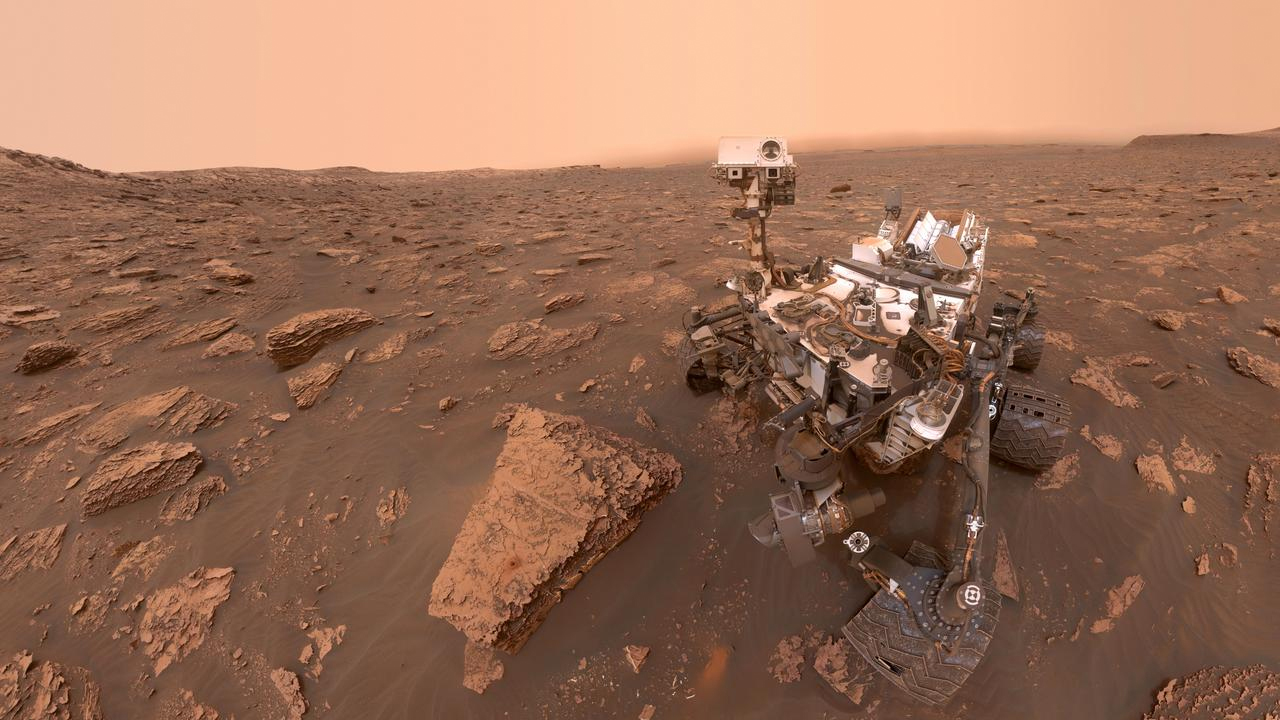
Although it can't be seen in this teaser clip, Mr Liv says that the influencer actually 'defeated' the massive bot seen kicking him around the ring.

The 'Terminator' robot was just one of three bots that the influencer took on that night, with each round seeing the human fighter sent flying by kicks

The 'Terminator' robot was just one of three bots that the influencer took on that night, with each round seeing the human fighter sent flying by kicks 

Mr Lapenna apparently managed to unbalance the bot and send it tumbling into the wall, where it seized up and 'ripped its head off'.

Mr Liv says he doesn't want to give away the results of the next fight, which will be released in a video tomorrow, but cautions that things didn't go so well for the human fighter.

Despite that, the only real damage sustained by Mr Lapenna is a self–inflicted hand injury that came from 'punching metal', and the influencer was otherwise unhurt.

Watch the video here:

The unusual showdown quickly attracted attention on social media, with users speculating about whether human-controlled robots could eventually become part of professional combat sports.

Mr Liv says that the company had never considered hosting human fights long term and added that this was always intended to be 'a stunt'.

But with so many people already begging to get in the ring, he says: 'We'll have to do it again.'

RELATED

Six-Foot Robot Floors Influencer in Real-Life Cage Fight
Human vs Robot fight goes viral: Frankie LaPenna takes on 6-foot ‘terminator’

{ https://www.dailymail.com/sciencetech/index.html }

Hoe vind je dit bericht?
Geschreven door peter om 14:12 Stuur door

‘UFOs and God’ movie: Why the year’s most unsettling film isn’t just about aliens

‘UFOs and God’ movie: Why the year’s most unsettling film isn’t just about aliens


UFOs are in the news a lot lately. Congress seeks answers about what confirmable evidence exists. Stephen Spielberg’s recent Disclosure Day movie portrays a government UFO cover-up. Public curiosity is high. UFOs and God interviews experiencers, scientists, faith leaders, and other experts to stimulate public conversations.

Have visitors from other planets come to earth? How should we consider the various reports?

The U.S. government now uses the term “unidentified anomalous phenomena” (UAP) in place of the more familiar “unidentified flying objects” (UFOs). In June, the Pentagon released newly declassified reports and videos going back to the 1940s, including material from members of the public, plus the FBI, CIA, NASA, and Department of Defense.

JAMES TALARICO SAID HE ‘HATES CHRISTIANITY.’ HERE’S WHY

Many especially wonder how all this relates to faith: “If extraterrestrials exist, does it mean God does not?” asked a headline in the Baltimore Sun. If both exist, how do extraterrestrials relate to God? Are they his earthly representatives? Can they live eternally? Can I?

Controversy exists in faith circles. For example, a Catholic priest recently found himself demoted after speculating on his Facebook page that UAP sightings could be demonically influenced.

UFOs and God is a documentary. Experiencers participating include film co-director Amanda Llewellyn, who claims encounters with strange beings as a young girl. Her husband, co-director Wes Llewellyn, hosts the documentary and includes in the film many skeptical questions that have guided his research since his wife first told him her story shortly before they married.

Producer Bill Myers, a professional acquaintance who brought the film to my attention, told me he initially thought the topic was “merely for the tin foil hat crowd.” But “four years of research, interviewing substantial voices of various disciplines” convinced him the film was a wise move.

I confessed to sharing his “tin foil hat crowd” skepticism and watched the movie as such. The list of the film’s experiencers and experts (science, anthropology, astrophysics, astronomy, political science, religion, theology) is significant. Skillful cinematography, variety in action, careful questions, numerous short interview clips, and humor keep the lively production from resembling a hard-to-follow academic lecture.

UFOs and GOD Trailer 2026

And the film includes conflicting views: That UFOs are real and that they are imagined; antispiritualism and spiritualism; New Age and Christian.

Scientists featured use colorful illustrations. For instance, regarding life beyond earth, Canadian astrophysicist Hugh Ross, whose work I have long respected, explained that the probability of finding a simple bacterium on just one other planet in the universe is astronomically slim. He says it’s identical to the probability of someone winning the California lottery 60 consecutive times without ever buying any tickets.

Ross expresses concerns about believing the alleged UFOs are physical entities. “When they go through the atmosphere at thousands of miles per hour,” he notes, “the observers hear no sonic booms.” The G-forces would be so great at such speeds, he reasons, that the UFOs would be “completely shattered.” Whatever they are, Ross says, they are “not subject to the laws of physics.”

The film notes that faith perspectives on non-natural visions include the experience of the biblical Paul: “I was caught up to the third heaven 14 years ago. Whether I was in my body or out of my body, I don’t know — only God knows. … But I do know that I was caught up to paradise and heard things so astounding that they cannot be expressed in words….”

CHARLIE KIRK’S MENTOR REVEALS WHAT LATE TPUSA FOUNDER ‘WANTED PEOPLE TO KNOW’ ABOUT THE GOSPEL

Are UFOs real? You can examine the film’s — or others’ — evidence and decide. Is God real? As a skeptical university student, I studied historical evidences for Jesus’ resurrection and concluded that he was real.

UFOs and God is a welcome addition to the plethora of UFO information available. It encourages viewers to consider the evidence themselves and discuss these matters with others. “We need to talk,” is the closing line. Wise counsel.

  • Rusty Wright is an author and lecturer who has spoken on six continents. He holds Bachelor of Science (psychology) and Master of Theology degrees from Duke and Oxford universities, respectively. www.RustyWright.com
RELATED

UFOs, Demons, and Spiritual Warfare | God VS. UFOs | Full Documentary

UFOs, God, and What They're Not Telling Us

GOD VS UFOS (2025) Full UFO Documentary
Hoe vind je dit bericht?
Geschreven door peter om 22:27 Stuur door

Venus might have swallowed its moon

Venus might have swallowed its moon

Scientists in California say that if Venus once had a moon of its own, the planet would inevitably have “eaten” it. The moon would have gradually lost angular momentum, eventually ending with a fall onto the planet’s surface. However, no traces of such an event have yet been found.

Venus. Source: www.skyatnightmagazine.com

A Moon of Venus

Recently, people on Earth were able to watch the Moon “eat” Venus. Of course, this was only an illusion caused by the fact that the two objects happened to line up from Earth’s point of view. However, as phys.org reports, scientists from the University of California, Riverside suggest that Venus may once have had a moon of its own, which it later consumed. A paper on the subject has been published in The Astrophysical Journal.

Astronomers have long been puzzled by the question of why Venus, which is very similar to Earth in mass and size and lies right next to us, has nothing comparable to the Moon. The new paper proposes looking for the answer in what is happening to our own moon.

Earth’s Moon is thought to have formed shortly after a large body collided with the very young planet. Some of the debris gathered in orbit, much closer to the surface than the Moon is today. Since then, the “jewel of the night” has been moving very slowly away from us.

This happens because Earth itself rotates around its axis much faster than the Moon orbits it. It is known that the Moon transferred its rotational momentum until its rotation became synchronized, so that it always faces us with the same side. But the reverse is also true: Earth very slowly transfers part of its daily rotational momentum to the Moon, causing it to gradually move farther away.

Venus “Ate Its Moon”

For Earth, one possible scenario for losing the Moon would be for it to escape the planet’s gravitational influence. For Venus, however, the new study suggests the opposite. Venus rotates around its own axis extremely slowly, once every 243 Earth days. If it had a moon, that moon would orbit the planet in a much shorter period than this. Instead of gaining angular momentum, the moon would lose it.

As a result, the orbital period of a hypothetical Venusian moon would continue to shrink until the moon eventually crashed into the planet. Scientists carried out computer simulations with different moons, first for Earth to verify that they always move outward, and then for Venus, where they consistently fell toward the planet. The more massive the moon, the sooner the collision occurred.

Doubts and Implications

The idea is elegant and plausible, and the study’s authors suggest that our neighboring planet may indeed have had a moon in the past. However, there are no signs that such a moon ever existed, and most scientists doubt that Venus could ever have had anything massive in orbit.

The problem is that if Earth’s large Moon originated from a giant impact, then something similar would also have had to happen to Venus early in the history of the Solar System. Two such events within a single planetary system would be quite a coincidence.

Nevertheless, the new study is important. It shows that large moons orbiting slowly rotating planets are doomed eventually to fall onto them. This matters when considering what we should expect from Earth-like planets orbiting other stars.

As for the absence of impact traces on Venus, the explanation may be that the planet’s entire surface underwent a major resurfacing event in the relatively recent past, around a billion years ago. So even if such an event was caused by the fall of a moon, no traces would remain — just as no remnants remain of the oceans in which life may once have existed.

RELATED

Venus Is Bleeding Into Space — And Scientists Don't Know Why

Did Venus Destroy Its Own Moon?

{ https://universemagazine.com/en/articles-en/ }

Hoe vind je dit bericht?
Geschreven door peter om 22:02 Stuur door

AI Keeps Getting Smarter—And Now Scientists Want to Know If It Can Build Robots

World Humanoid Robot Games

(Credit: Unsplash)

AI Keeps Getting Smarter —And Now Scientists Want to Know If It Can Build Robots

Artificial intelligence (AI) has rapidly become part of mainstream culture, with people around the world now using AI systems every day. Researchers at Harvard University and the Georgia Institute of Technology have designed a new benchmark to determine whether AI can tackle a considerably different challenge: robot engineering.

From writing code to creating AI agents and designing software, AI systems have demonstrated increasingly sophisticated capabilities in the digital world. Robots, however, introduce a physical, three-dimensional challenge. Researchers are now testing how far AI coding agents can go in meeting the demands of robotics engineering.

Now, a research team led by Na Li, a professor at Harvard’s John A. Paulson School of Engineering and Applied Sciences, and Bo Dai, an assistant professor at Georgia Tech, is tackling the question with a new open-source benchmark called RLE-Bench. The benchmark measures whether general-purpose AI agents can complete tasks associated with building and engineering robotic systems.

RLE-Bench evaluates whether an AI agent can understand how software interacts with sensors, motors, mechanical components, and the laws of physics. It includes 48 tasks across four areas, ranging from developing control and perception algorithms to designing robot hardware and interfaces.

Some challenges involve creating algorithms that allow robots to move, teaching robotic systems to perform tasks, interpreting sensor data, and designing hardware components and interfaces.

“Benchmarks are important because they give the field a common measuring stick, allowing us to compare systems under the same conditions and identify where important capability gaps remain,” Li said in a statement. “Robotics already has many valuable benchmarks, but many focus primarily on learning and evaluating control policies. RLE-Bench takes a broader view. Can an AI system perform the range of engineering tasks required to make a robotic system actually work?”

The tasks take place in simulation, where AI agents can create code, run their solutions, review the results, and make decisions to improve their work. Importantly, however, the challenges are designed around real-world engineering constraints.

An AI system, for example, might produce a design that appears successful in simulation but fails once factors such as weight, torque, balance, or geometry are taken into consideration.

Li notes that the current benchmark is only the beginning.

“RLE-Bench 1.0 is only a starting point,” he says. “We hope researchers and robotics practitioners will contribute tasks based on the engineering problems they encounter in their own work. Our goal for RLE-Bench 2.0 is to capture a much broader picture of what an AI system needs to do to function as a robot learning engineer.”

In one example, an AI agent must design a mobile base capable of supporting multiple robotic arms that need to reach objects at different heights on a shelf. While the AI-generated design might appear to work digitally, its real-world counterpart could be unstable and tip over.

China’s Robot Olympics 

China seems to be advancing quickly with regard to both robots and AI. In August 2026, Beijing hosted the second World Humanoid Robot Games, an event that put robotic systems through a variety of physical challenges.

The games featured more than 2,000 robots from 666 teams across 16 countries, with events involving potential real-world applications such as household tasks, industrial operations, and emergency rescue.

RLE-Bench and competitions like the World Humanoid Robot Games evaluate very different aspects of robotics and therefore cannot be directly compared. RLE-Bench asks whether general-purpose AI agents can perform the engineering work required to design and develop robotic systems, while physical competitions provide developers with opportunities to test how robots perform under real-world conditions.

Together, these approaches illustrate two sides of a growing challenge in robotics: developing AI systems capable of reasoning about physical machines and determining whether the resulting robotic technologies can actually perform reliably outside a simulated environment.

RELATED

AI-trained domestic robots: From science fiction to reality? - BBC World Service

Rise of the Humanoids: Inside China’s Robot Awakening

Robots Just Got Superpowers — And Nobody’s Talking About It

{ https://thedebrief.org/category/science/ }

Hoe vind je dit bericht?
Geschreven door peter om 21:51 Stuur door

What Separates Human Intelligence From AI? Scientists Say the Answer May Be Chemistry

(Credit: C. Macanaya/Unsplash)

What Separates Human Intelligence From AI? Scientists Say the Answer May Be Chemistry

What if the connection between human intelligence and artificial intelligence is not simply computing power, but chemistry?

A new paper from researchers with the Hebrew University of Jerusalem’s Department of Chemistry suggests that understanding memory may require scientists to look beyond neurons and electrical signals to the brain’s chemical makeup and environment.

Their recent study explores how interactions among neurons, astrocytes, and molecules surrounding brain cells could support the physical processes underlying memory, emotion, and thought.

The idea springs from something people are all familiar with: a simple song that suddenly brings back a childhood memory, a familiar smell that reminds someone of a place or person, or even a frightening experience that sparks a negative emotional or physical reaction.

“Biological creatures do not simply store information; they experience memory together with emotional and physiological states,” says researcher Dr. Gerard Marx of MX Biotech Ltd, one of the study’s co-authors.

“A traumatic memory, for example, is not just data. It can involve fear, bodily reaction, chemical signaling, and a felt state. At present, there is no formula or algorithm that encodes an emotive state in AI equivalent to the lived experience of biological organisms,” Marx adds.

One difference between computers and the human brain is that while computers can store and retrieve information, biological memory appears to involve something far more complicated and intricate.

Chemical memory 

Marx, along with his colleague Prof. Chaim Gilon, draw on a theory they call the Tripartite Mechanism of Memory. The idea is that memory develops through interactions involving three components: brain cells, particularly neurons and astrocytes; the molecular environment surrounding those cells; and chemical substances, including metal ions, neurotransmitters, and gliotransmitters.

From this perspective, the brain may not encode and retrieve information through electrical activity alone. Chemical interactions could also play an important role in how information is physically written and read.

Astrocytes may also contribute by interacting with neurons and the brain’s chemical environment to help process and store information. The researchers suggest this pathway could extend beyond memory and potentially help explain aspects of thought itself.

In an email to The Debrief, Marx says this distinction becomes particularly important when comparing biological intelligence with AI.

“Understanding what makes biological mentality different from machine intelligence is scientifically essential,” Marx said.

He argues that while AI systems can process information, recognize patterns, and imitate aspects of human reasoning, biological intelligence appears to involve something more: “living tissue, chemical signaling, memory, emotion, and bodily states.”

“Our work attempts to clarify this distinction by proposing a biochemical mechanism for memory,” Marx explains. The model, he says, suggests that memory depends on interactions among neurons, astrocytes, the extracellular matrix, and chemical “dopants” such as metal ions, neurotransmitters, and gliotransmitters.

“If memory is not only electrical or computational, but also biochemical and emotive, then biological intelligence may be fundamentally different from machine intelligence, even when both can produce intelligent behavior,” Marx says.

Is memory more than information? 

One obstacle to understanding memory is that memories do not exist simply as objective pieces of information. Looking more deeply at the physical nature of memory, the researchers argue that any comprehensive explanation must also account for its emotional dimensions.

This argument raises another question: Could the same pathways that help the brain store and retrieve information also contribute to thought, intelligence, and consciousness?

“Our research does not yet provide such a test, but it points toward what such a distinction might require,” Marx told The Debrief. “A machine may become extremely good at imitating conscious behavior, including language, reasoning, memory-like responses, and even expressions of emotion. But imitation is not the same as biological mentality.”

“If consciousness depends on the biochemical mechanisms that connect memory, emotion, and bodily life, then a purely computational system may only be able to simulate the outward signs of consciousness but without possessing consciousness itself,” he adds. “In that sense, our work may help frame future scientific criteria for distinguishing biological mentality from artificial imitation: not by asking only whether a system behaves intelligently, but by asking whether it possesses the biological and chemical mechanisms that generate emotive states and judgment based on that.”

What about AI?

As AI systems rapidly become more capable, questions about intelligence and consciousness are becoming increasingly difficult to ignore.

Today’s AI systems can store and process information, identify patterns, solve complex mathematical and informational problems, and generate responses that can appear remarkably intelligent. However, there is currently no established evidence that AI systems experience information or the world in the way humans do.

Marx and Gilon’s work challenges the assumption that simply increasing an AI system’s computational complexity would inevitably produce consciousness. The researchers do not claim to have solved the consciousness enigma. Instead, they propose a biochemical framework for investigating how physical processes in the brain might connect memory with emotion, cognition, and thought.

Elizabeth (Liz) Ngonzi, of the American Society for Artificial Intelligence (ASFAI), offered a different perspective in an email to The Debrief, noting that she doesn’t see “a fundamental separation between humans, living nature, and technology.”

“Everything is energy and information,” Ngonzi said. “Just as humans learn by absorbing cultural knowledge, fine-tuning through experience, and adapting through feedback, AI models are trained on, fine-tuned by, and animated through our collective human knowledge and interaction.”

“AI is not a separate, alien entity—it is a technological mirror of how collective intelligence evolves.”

“Trying to build ‘conscious AI’ out of silicon confuses calculation with living awareness,” Ngonzi added. “It’s a category error. Instead of chasing the illusion of machine consciousness, our real work in AI governance is Co-Intelligence, using AI as a non-conscious amplifier of human capability, while keeping human wisdom, embodiment, and ethical stewardship firmly at the center.”

AI Whistleblowers 

The discussion comes amid broader concerns about the future development of increasingly capable AI systems. Former Anthropic AI researcher Jacob Coxon recently left the company and the industry and publicly warned that he believes advanced AI could pose an existential threat to humanity by 2030.

“The people building AI earnestly believe that it could kill us all by the end of the decade. This is not a marketing stunt. If anything, many executives and senior researchers will couch their phrasing in the press to sound sensible—but I hear the same people express fear privately. No other human activity poses this level of danger,” Coxon recently told The Guardian.

Ngonzi argues that biological life and technology should not be viewed as competitors for consciousness, but as interconnected expressions of energy and information. Rather than attempting to recreate human consciousness in machines, she believes AI should be developed as a tool for “Co-Intelligence,” amplifying human capabilities and relational intelligence.

“When we stop trying to force silicon to recreate organic awareness and instead design AI to amplify human relational intelligence, we move from the distraction of artificial consciousness to the true promise of Co-Intelligence,” Ngonzi told The Debrief.

But the debate over AI risk also raises a more fundamental philosophical question: What is intelligence?

Marx and Gilon’s work could ultimately help researchers investigating the relationship between AI and consciousness approach that question from a different direction. If human thought emerges from more than electrical signals—if chemistry, cells, and embodied experience are also part of the equation—then understanding consciousness may require us to look not only at how information is computed, but at what kind of system is doing the computing.

RELATED

AI Is Now Discovering Materials You’ve Never Heard Of

Can AI Really Think Like a Human? | Consciousness vs. Computation Explained

Grok AI Was Asked Why Aliens Haven't Contacted Us — Its Answer Shocked Scientists

{ https://thedebrief.org/category/science/ }

Hoe vind je dit bericht?
Geschreven door peter om 21:29 Stuur door

EXCLUSIVE - Mysterious glowing UFO hovers silently over Iran in shocking new video

A mysterious UFO hovering over Iran has been captured on video, sparking theories that the strangely shaped craft was not made by human hands.

The video was taken on Sunday by a witness on the Azadegan Highway in Tehran around 7.30pm local time.

A man identifying himself as Ali Sedaghati shared the sighting on X, describing a large, crescent-shaped craft completely illuminated with multi-colored lights. 

The witness said: 'I really don't know what it is, but it was near the clouds, had special lights, and was hovering in the space without any sound!'

The object appeared to be a single-wing craft, with a small tail section that curved to a sharp point.

Some have suggested that the silent craft was a drone hovering over the Iranian capital, which is still engaged in a months-long military conflict with the US.

Sedaghati said on X that the object was approximately the size of a large plane, claiming 'it wasn't human-made. It was a UFO, I'm sure.'

The witness was only able to record for just over 20 seconds. He added that when he tried to take more video about ten minutes later, the craft had disappeared.

A man in Tehran, Iran has shared clear footage of an alleged UFO flying silently over the country on September 20

A man in Tehran, Iran has shared clear footage of an alleged UFO flying silently over the country on September 20

Many viewers of the shocking sighting, which has already been viewed more than 5.2 million times as of Monday morning, believed the UFO was an elaborate drone sighting, claiming a real UFO would not have had such colorful lighting. 

Others have suggested that the video captured advanced military surveillance equipment, while Iranian authorities have not identified it.

While some are sure the lights were proof of extraterrestrial life, the US government has maintained that there has never been any evidence recovered that proves UFOs or extraterrestrial life exists and has visited Earth.

However, the sighting also came almost on the exact anniversary of another infamous UFO sighting over Tehran 50 years ago.

That encounter, involving a showdown between Iranian military jets and a giant, diamond-shaped craft, was so concerning to the US that the Pentagon investigated what took place over the Middle East.

A Pentagon spokesperson told the Daily Mail they had 'nothing to provide' regarding this incident when asked for comment on whether the US military detected the object or was conducting operations in the area at the time of the UFO sighting. 

However, on September 19, 1976, another brightly lit craft the size of a large airplane was seen flying over the city of Tehran, and even 'attacked' a military fighter jet sent to observe it.

Fifty years ago, the Imperial Iranian Air Force, which was an ally of the US at the time, scrambled two F-4 Phantoms after multiple civilians saw a giant diamond-shaped UFO over the city around 1.30am local time.

The UFO appeared to have a crescent shape and was illuminated with multi-colored lights around its structure

The UFO appeared to have a crescent shape and was illuminated with multi-colored lights around its structure

article image

Major Parviz Jafari, the pilot of the second F-4 sent to intercept the UFO, has said in interviews since his encounter that the object appeared to launch multiple glowing orbs, which allegedly circled his plane and shut down his weapons. 

Jafari has said that the UFO was as big as a 747 commercial jet, and that at one point, it 'jumped' roughly 28 miles across the sky instantaneously as his jet was approaching it.

That was when the first glowing orb appeared to exit from the bottom of the diamond and fly in circles around his plane, despite the fact that Jafari was traveling at supersonic speeds.

A second orb would eventually approach Jafari's F-4, causing the veteran fighter pilot to believe he was under attack and prepare to launch his missile.

However, the Iranian pilot claimed that some type of electromagnetic pulse from the UFOs completely disabled the panels that controlled his plane's weapons.

A third object was later seen following Jafari's fighter after he disengaged and was returning to his base. That object was seen appearing to crash in Iran, near the Mehrabad International Airport, but no wreckage was ever found.

Pictured: An F-4 Phantom like the fighter jet which intercepted the UFO over Iran in 1976 (Stock Image)

Pictured: An F-4 Phantom like the fighter jet which intercepted the UFO over Iran in 1976

(Stock Image)

A declassified report from the Pentagon revealed that the US military investigated the 1976 UFO sighting of Iran

A declassified report from the Pentagon revealed that the US military investigated the 1976 UFO sighting of Iran

The newest sighting came just 48 hours after the Pentagon released its sixth batch of UFO files, including more videos of unidentified craft flying over the Middle East in recent years.

The latest tranche contained incidents which had been filmed by US drone aircraft flying over Iraq and other Middle East countries between 2022 and 2025, including one which featured a cluster of strange orbs flying in formation.

The group of glowing orbs was seen traveling past an oil rig, flying at high speed next to each other in an almost perfect horizontal line before splitting up into groups of three.

Other videos followed individual orbs traveling over the desert or over water at extreme speeds before disappearing from view after several minutes. 

RELATED

UFO On The Skies Of Iran? | Shocking Footage From Tehran | Aliens | BOL News #shorts

Mystery object spotted hovering over Tehran | AJ #shorts

What Did Tehran Just See? As Trump Considers ‘Blowing Up’ Iran, Mystery Flying Objects Spark Fears

{ https://www.dailymail.com/sciencetech/index.html }

Hoe vind je dit bericht?
Geschreven door peter om 21:07 Stuur door

UFO over Tehran? Viral Iran video shows mysterious lights in night sky

UFO over Tehran? Viral Iran video shows mysterious lights in night sky

Theories remain up in the air.

Multicolored lights over Tehran.

Multicolored lights over Tehran. Image by Cybernews.

Marcus WalshMarcus Walsh - Journalist
Key takeaways:
ufo iran reaction5
Reddit reaction to alleged Iran UFO sightings.
ufo iran reaction3
Reddit reaction to alleged Iran UFO sightings.

A historical parallel


UFO Spotted over Tehran Iran UFO Sighting in Tehran

UFO, Drone or Aircraft? Mystery Object Spotted Over Tehran #iran #iranwar #trump #ufo #tehran

UFO in Iran - Secret US Jet Or Surveillance Drone? Tehran Video Shocked Everyone | Latest News

{ https://cybernews.com/ }

Hoe vind je dit bericht?
Geschreven door peter om 20:49 Stuur door

Scientists Release Details About Moon's New Massive Crater

Scientists Release Details About Moon's New Massive Crater

Image of the new McGetchin crater. Credit - NASA Goddard / Intuitive Machines / Robert Wagner

It's easy to think of the Moon as the static constant companion in the night sky. Its face hasn’t visibly changed in millennia, and always faces us with the same side. But looks can be deceiving, as our closest companion is constantly bombarded by asteroids and comets that make small craters across the lunar landscape. While they might not be large enough for us to see with our naked eye, professional Moon watchers can pick up on them. And a recent paper published in Science Advances, describes the largest ever found in modern times.

That crater, which is now named McGetchin, after Tom McGetchin, a celebrated lunar scientist, was formed somewhere between April 11th and May 22nd, 2024. But it wasn’t discovered until October of 2025, when Robert Wagner, an image-processing specialist with Intuitive Machines, happened to notice a dramatic change when stitching together a global difference map.

Doing so involves comparing “before” and “after” images to see what’s changed on the lunar surface, and according to a quote from a press release, Wagner immediately knew he had found something unique. “I just stopped, dropped everything, and started looking into what that spot was,” Wagner said. “It was by far the most obvious impact debris pattern I’ve ever seen in one of those images.”

Fraser reports on the crater found in LRO imaging

The images he’s referring to were taken by the Lunar Reconnaissance Orbiter (LRO), which takes both wide-angle and extreme close-ups of the lunar surface. These are occasionally stitched together to generate the global difference maps, with anything that stayed the same displayed as a dull grey color, whereas changes can show up in either very light or very dark patches.

McGetchin stood out like a sore thumb in those images, and prompted a wider effort to characterize what had caused it. After examining some close-ups taken of the impact site, they found the crater was 222m across and around 43m deep. It was likely caused by an asteroid or comet around the size of a three to six story building. And, crucially, they estimated that this size of an impact only happens about once every 132 years.

It is certainly the largest new impact site ever discovered in the solar system to date. But its broader impact was even larger. The researchers turned LRO’s thermal imaging system, known as Diviner, towards the crater and discovered a 6.4 km thermal anomaly surrounding the site. During the lunar night, a broad halo around the newly formed crater stayed about 9℃ colder than the surrounding area.

Fraser describes how big of a problem meteorites are for the Moon.

Most likely, that temperature differential was caused by regolith that had been “fluffed” by the impact. That’s a very nice way of saying that it had been blasted loose from its more compacted counterparts nearby and ended up much less dense than the surrounding area, allowing it to hold on to less heat during the lunar night cycle.

Ultimately, studying this larger crater in detail will allow scientists to better understand both how impacts themselves shape the lunar terrain and also the mechanical properties of that terrain itself. As we move towards more intensive lunar exploration, understanding both of those features of lunar life will be critical for everything from designing wheels that grip the ground to habitats that can withstand a direct meteorite hit. It’s really lucky that we got a once in a century chance to look at a big one before all of those design choices were finalized.

Learn More:

RELATED

NASA spacecraft discovers a huge new crater on the moon

NASA Just Found a New Crater on the Moon

NASA Just Discovered a Brand-New Crater on the Moon! 🌕🚀| #BrainBridge

{ https://www.universetoday.com/ }

Hoe vind je dit bericht?
Geschreven door peter om 20:27 Stuur door

Mars Was Supposed to Be Red, But ESA Just Revealed a Purple Landscape Hidden at the Planet’s South Pole

Mars Was Supposed to Be Red, But ESA Just Revealed a Purple Landscape Hidden at the Planet’s South Pole

Scientists uncover the unexpected colours of Mars after a spacecraft reveals a rare purple ice world hidden near the planet’s southern pole.

Mars Was Supposed To Be Red, But Esa Just Revealed A Purple Landscape Hidden At The Planet’s South Pole

© Credit: ESA/DLR/FU Berlin

Mars has revealed a side of itself rarely seen from space. A new image captured by the European Space Agency’s Mars Express shows an icy landscape near the south pole covered in purple, pink and red shades.

The image focuses on Thyles Rupes, a cliff formation located in the southern highlands of Mars. Taken by the spacecraft’s High Resolution Stereo Camera (HRSC), the view offers an unusual perspective of a planet usually associated with rusty deserts.

The European Space Agency (ESA) explains that Mars owes its famous red appearance to oxidised iron spread across its surface. However, detailed observations from Mars Express have repeatedly shown that the planet contains a much wider range of materials, from volcanic minerals to frozen deposits.

A Hidden Colour Palette

The purple and pink tones visible in the new image are not produced by a single substance. They come from the interaction of several elements across the Martian surface, including ice, dust, frost and sunlight.

ESA scientists attribute the unusual appearance of Thyles Rupes to a combination of soft morning light, dust particles suspended in the atmosphere and frost covering large areas of the terrain. Patches where ice and dust have mixed together also contribute to the berry-like colours captured by Mars Express.

The darker regions of the image reveal another part of Mars’s geological story. These areas contain volcanic material rich in mafic minerals such as olivine and pyroxene. On Earth, these minerals are commonly found in the mantle, the layer of rock beneath the planet’s crust.

Aerial View Of Thyles Rupes And Mars’s Craters

Aerial view of Thyles Rupes and Mars’s craters.

Credit: ESA/DLR/FU Berlin

The lighter sections are linked to frozen carbon dioxide deposits that remain visible during Martian spring, the season when this region was photographed. These icy layers appear across sand dunes and inside craters, while a section of glacier connected to Mars’s south polar ice cap can be seen as a pale area near the bottom of the image.

The colours captured by the HRSC also demonstrate how different conditions can transform the appearance of the Martian surface. Changes in lighting, atmospheric dust and frost coverage can create views of Mars that look completely different from the traditional red landscapes seen in many images.

Thyles Rupes Preserves Evidence Of Ancient Mars

Beneath the purple surface lies a geological structure that records major changes in Mars’s distant past. The cliff system extends across the southern highlands, a region heavily marked by impact craters. In some areas, the cliffs rise more than 1 km above the surrounding terrain.

Scientists studying the formation believe the cliffs were created by tectonic processes that occurred billions of years ago. As its interior cooled, the planet contracted, putting pressure on its crust and forcing some blocks of surface material upward. Unlike Earth, the Red Planet no longer experiences active tectonic movements. However, structures such as Thyles Rupes preserve evidence of the forces that once shaped its surface.

A Detailed Topographic View Of Mars’s Thyles Rupes Region
A detailed topographic view of Mars’s Thyles Rupes region.
Credit: ESA/DLR/FU Berlin

The surrounding craters provide additional information about the order of events in the region. Some craters are interrupted by the cliffs, meaning they existed before Thyles Rupes formed. Others appear on top of the structure, showing that they developed afterwards.

Mars Express Continues To Map A More Complex Planet

The new image comes from Mars Express’s High Resolution Stereo Camera, one of eight instruments aboard the spacecraft. Since its launch in 2003, the mission has been studying the planet in colour and three dimensions, producing detailed maps of the planet’s surface.

The observation also reveals a variety of dunes surrounding Thyles Rupes. Wind activity has moved sand across the region, creating several dune forms, including longitudinal dunes, transverse dunes and curved barchanoid ridges

Topographic Map Of Thyles Rupes On Mars, Showing The Region’s Terrain, Elevation Changes And Nearby Geological Formations.
Topographic map of Thyles Rupes on Mars, showing the region’s terrain, elevation changes and nearby geological formations.
Credit: NASA/USGS
The European Space Agency highlights that Mars Express has transformed scientists’ understanding of the planet by documenting landscapes that were previously impossible to study in such detail. Earlier HRSC images have shown strong contrasts between dark volcanic sands and lighter areas containing clays and sulphates.

Mars Express Found Purple Swirls Near the Red Planet’s South Pole

{ https://dailygalaxy.com/category/space/ }

Hoe vind je dit bericht?
Geschreven door peter om 18:48 Stuur door

The Red Planet Has a Purple Side

The Red Planet Has a Purple Side

Mars is known for its reddish colour palette, a result of ancient iron oxides. But these striking pinks and purples are much different from the rest of the red planet. This orbital image shows Thyles Rupes, its cliff face, and a nearby glacier, where the atypical colours come from a mix of dust and frost. The image is from the High-Resolution Stereo Camera on the ESA's Mars Express orbiter. Image Credit: ESA/DLR/FU Berlin. Licence: CC BY-SA 3.0 IGO or ESA Standard Licence

Mars is known for its reddish colour palette, a result of ancient iron oxides. But these striking pinks and purples are much different from the rest of the red planet. This orbital image shows Thyles Rupes, its cliff face, and a nearby glacier, where the atypical colours come from a mix of dust and frost. The image is from the High-Resolution Stereo Camera on the ESA's Mars Express orbiter.

Image Credit: ESA/DLR/FU Berlin. Licence: CC BY-SA 3.0 IGO or ESA Standard Licence

Oxidized iron dominates the Martian colour palette. The dusty reds, ochres, browns, and tans give the planet its nickname: the Red Planet. But new images of Mars' south pole region show something different. Swirls of pink, purple, and red highlight the region and a feature named Thyles Rupes, an icy crag with cliffs higher than 1 km. Rupes means cliff in Latin, while Thyles is a mythical northern land spoken about in the ancient world.

All of the different colored materials in this region have different sources. Volcanoes both created and spread the darker material. That means that material is rich in minerals like olivine and pyroxene, both of which are also plentiful in Earth's mantle. Olivine is made of magnesium, iron, and silicate. Pyroxenes are a group of silicate minerals made mostly of silicon and oxygen, also common in Earth's upper mantle.

The pale bluish areas, like in the crater, are covered in frozen carbon dioxide. Near the south pole, this material persists, even in springtime when this image was captured. The pale patch on the lower left is actually part of the south polar cap. The main cap never melts, but a seasonal CO2 frost cap expands and contracts with the seasons.

The overall blueberry/purple hue of the region is from a combination of dust and frost. But the region doesn't always look like this and changes throughout the day. Dust in the air, soft morning light, frost covering the ground, and patches of ice and dust mixed together combine to create the purplish scene.

This image shows Thyles Rupes in context. Ultima Lingula, in the lower right, is about 550 km in diameter. Lingula means 'little tongue' in Latin, and in astrogeology, it classifies a plateau-like structures that ends in rounded, lobed shapes. Burroughs crater is named after author Edgar Rice Burroughs and is about 100 km in diameter. Image Credit: NASA/USGS. Licence: ESA Standard Licence

This image shows Thyles Rupes in context. Ultima Lingula, in the lower right, is about 550 km in diameter. Lingula means 'little tongue' in Latin, and in astrogeology, it classifies a plateau-like structures that ends in rounded, lobed shapes. Burroughs crater is named after author Edgar Rice Burroughs and is about 100 km in diameter.

Image Credit: NASA/USGS. Licence: ESA Standard Licence

Different types of dunes are also visible in the image. Due to mixed up winds, there are no finely sculpted dunes like the ones found elsewhere on Mars. There are even what are called barchanoid ridges, arc-shaped dunes common on Earth's sandy deserts that have two downwind facing "horns."

This image shows Thyles Rupes from directly above. It sits above some craters and under others, with older ones being under it. The crater on the right, the largest in the image, is older than Thyles Rupes and has been cut in half by it. Two smaller craters are visible, and they're from impacts that happened after the feature formed. Image Credit: ESA/DLR/FU Berlin. Licence: ESA Standard Licence

This image shows Thyles Rupes from directly above. It sits above some craters and under others, with older ones being under it. The crater on the right, the largest in the image, is older than Thyles Rupes and has been cut in half by it. Two smaller craters are visible, and they're from impacts that happened after the feature formed.

Image Credit: ESA/DLR/FU Berlin. Licence: ESA Standard Licence

Thyles Rupes, which extends for hundreds of kilometers, formed in a similar way as mountains do on Earth, when two plates push against one another. On Earth, tectonic plate movement is ongoing, forming new mountains on geological timescales. But not on Mars; it has no tectonics. It's a single-plate, stagnant lid planet. So Thyles Rupes mostly likely formed when the planet's interior was cooling. As the crust contracted, some parts were thrust upwards.

This topographic map of the region shows how tall Thyles Rupes is, more than 1 km high. Image Credit: ESA/DLR/FU Berlin. Licence: CC BY-SA 3.0 IGO or ESA Standard Licence

This topographic map of the region shows how tall Thyles Rupes is, more than 1 km high.

Image Credit: ESA/DLR/FU Berlin. Licence: CC BY-SA 3.0 IGO or ESA Standard Licence

Orbiters like Mars Express, featuring powerful cameras, have opened a window onto the Martian surface. Over the last couple of decades, Mars Express (and NASA's Mars Reconnaissance Orbiter) have delivered a steady stream of images of the planet's various regions. Though the planet may be dead, its surface is still intriguing, and holds many lessons about how different rocky planets can be.

{ https://www.universetoday.com/ }

Hoe vind je dit bericht?
Geschreven door peter om 18:35 Stuur door

Tower structure with gold orb hovering over it, in crater on Moon, UFO UAP Sighting News.

Tower structure with gold orb hovering over it, in crater on Moon, UFO UAP Sighting News.

UFO,%20UFOs,%20UAP,%20UAPs,%20UFO%20sighting,%20UFO%20files,%20UFO%20video%20UAP%20files,%20UAP%20video,%20department%20of%20war,%20alien,%20aliens,%20infrared%20UFO,%20IR%20UFO,%20official%20UFO,%20Gov%20UFO,%20USA%20UFO%20copy%202.png
Date of discovery: Sept 20, 2026
Location of discovery: Dark side of moon Lobachevskiy crater
NASA photo:
I was looking through the nasa index of photos from Apollo 11 mission and came across this anomaly that was just amazing. There is a tower structure coming out of the darkness of a crater floor and near the top of the tower and not connected is a golden orb. This really reminds me of The Shard from 1996 that Richard Hoagland discovered, except his was on the opposite side of the moon. The one I found is on the dark side of the moon. I found the anomaly in both the NASA index and on Google moon map. Its does appear to be a docking area for some types of ships and may even act as a transmitting tower for intergalactic communication. 
Scott C. Waring - UFO Sightings Daily 

{ https://www.ufosightingsdaily.com/ }

Hoe vind je dit bericht?
Geschreven door peter om 18:16 Stuur door

Orb Suddenly makes 180 turn, then hard right turn shooting away! Louisiana, UFO Sightings Daily News.

Orb Suddenly makes 180 turn, then hard right turn shooting away! Louisiana, UFO Sightings Daily News.

UFO_2.png

UFO_1.png
Date of sighting: Sept 16, 2026
Location of sighting: Central, Louisiana, USA
Source: NUFORC site 200979
 
This one is special folk. It literally gave me chills down my back when I saw the video the first time. Not because of the glowing orbs passing over the persons house, but because the last orb suddenly changed directions, did a 180 decree turn, going back from where it came, then suddenly after 10 seconds, made a hard right turn and disappeared in the horizon moving incredibly fast. Right there...I knew...this is an alien craft we were seeing. 
 
Please leave a comment under the video on Youtube to let me know your thoughts on this and if you have ever seen anything like it. Thanks friends. 
Scott C. Waring - UFO Sightings Daily
 
Eyewitness states: 
On my phone looked up and saw them approaching over my neighborhood as the first two disappeared quickly the third trailed behind. Were round, reddish orange orbs moving in slow motion low to the tree tops they made no sound at all. After flying past my house they all disappeared quickly into the sky. No cloud formation just clear skies that night.
 

Orb Suddenly makes 180 turn, then hard right turn shooting away! Louisiana, UFO UAP Sighting News.

{ https://www.ufosightingsdaily.com/ }

Hoe vind je dit bericht?
Geschreven door peter om 18:11 Stuur door

EXCLUSIVE - CIA's top psychic spy saw an ancient city on Mars... then something terrible happened to the beings living there

EXCLUSIVE - CIA's top psychic spy saw an ancient city on Mars... then something terrible happened to the beings living there

In May 1984, a CIA psychic spy claimed he traveled through space and time to see the end of a thriving civilization on Mars. Now, more people who claim they have seen the same vision are sharing the horrific ending of the Martian race.

A man who identified himself only as 'Brady' told the Daily Mail he possessed the ability to practice astral projection - where your awareness leaves your physical body and travels elsewhere while you remain connected to it.

Using this technique, Brady claimed he found himself in a terrifying vision on Mars, but a Mars that was inhabited by alien creatures in the distant past.

The man claimed the experience was 'heartbreaking and drastic' as an apocalyptic blue wave wiped out the Martian civilization.

Brady said: 'Everyone suddenly panicked, most looked up, others ran. There were screams and panic echoing off the side of buildings, I stared up and pierced my eyes through the bright daylight and there was a celestial body hurling towards the planet.'

'It was circular in shape, profoundly large, I felt a sigh of desperation and acceptance of fate,' he continued.

At this point, Brady claimed he watched in horror as the ground shook and a giant wave emerged from the horizon, swallowing up everything in its path.

Brady and others over the years have claimed they saw this destruction on Mars, describing the apocalypse with almost the exact same details as CIA remote reviewer Joe McMoneagle - who was tasked with seeing life on Mars one million years ago.

Remote viewers and others with psychic visions have claimed that a thriving civilization once lived on Mars (Stock Image)

Remote viewers and others with psychic visions have claimed that a thriving civilization once lived on Mars

(Stock Image)

In the 1970s and 1980s, the CIA carried out repeated experiments with individuals who had allegedly been trained to perceive information about distant places, locations or people - calling these operatives 'remote viewers.'

The Cold War effort mainly targeted Russia's Soviet Union, and McMoneagle has widely been regarded as the agency's best remote viewer, using his ability to see inside top-secret facilities - like a Soviet hangar building a new type of submarine in 1979.

During the 1984 experiment, which was part of the CIA's Project Stargate, the secretive US military program to weaponize remote viewing abilities, McMoneagle was handed a paper card with a new target printed on it.

This time, his target to psychically visit was: 'The planet Mars. Time of interest, approximately one million years BC.'

McMoneagle has said in interviews since the operation that he was not told what he would be looking at, adding that his visions of a civilized Mars came spontaneously.

Guided by coordinates on the Martian surface given to him by intelligence officials, McMoneagle 'visited' the Cydonia Mensae region - the location of the 'Face on Mars' photo taken by the Viking orbiter.

McMoneagle told his supervisor in a now-declassified report: 'I kind of got an oblique view of a pyramid or pyramid form. It's very high. It's kind of sitting in a large, depressed area. It's yellowish, okra colored.'

Instructed to 'move in time,' McMoneagle then encountered visions of what seemed to be a dying alien race on the Red Planet.

Pictured: Joe McMoneagle, a former CIA remote viewer during the Cold War

Pictured: Joe McMoneagle, a former CIA remote viewer during the Cold War

article image

McMoneagle added in his remote viewing transcript: 'I'm seeing... it's like a perception of a shadow of people, very tall... thin. It's only a shadow. It's as if they were there and they're not, not there anymore.'

The psychic spy described pyramid structures, carved canyons and obelisks, dust storms and atmospheric breakdown - suggesting that the inhabitants of Mars may have been ready to move to another world.

In the decades since McMoneagle’s vision, others have claimed they visited the planet, with Brady describing how he 'chased the experience' by attempting to project his consciousness over and over again onto the Red Planet.

He told the Daily Mail that addiction reached a point where all he cared about was returning to his vision of Mars.

Brady described the city that was destroyed as looking similar to Dubai. 'However, the atmosphere and environment seemed to look like England on a summer's day,' he added.

'Where I was it was bustling, vibrant and active with people everywhere. Everyone was around six to seven feet tall, really slim, with pale white blueish skin tone.'

The unusual stone mesas of the Cydonia region on Mars where McMoneagle allegedly visited in a remote viewing session in 1984

The unusual stone mesas of the Cydonia region on Mars where McMoneagle allegedly visited in a remote viewing session in 1984

Brady is not the only person who claimed to have visited something resembling McMoneagle’s Mars remote vision.

Remote viewer Courtney Brown described his own visions of Mars in two books, Cosmic Voyage and Cosmic Explorers.

Brown, an associate professor of political science at Emory University, claimed to have conducted large-scale experiments with multiple remote viewers examining the surface of Mars.

Brown said he 'visited' the Cydonia region McMoneagle visited and saw a civilization of ancient Martians with prominent eyes and delicate bone structure.

Like McMoneagle, he claimed that the Martian civilization was subjected to a catastrophic event, but suggested that survivors may have found homes elsewhere in the solar system.

Brown wrote: 'At its peak, Martian society compared technologically to that of ancient Egypt. They were people who lived under harsh conditions. But they could feed their families, live in towns and participate in community life. Martian society experienced some major catastrophe. Many Martians died.'

McMoneagle’s strange vision has attracted attention for decades in part because some of his other remote viewing experiments were so accurate.

The 1979 incident with the Soviet submarine is among his most famous sessions, as McMoneagle claimed to have 'seen' a large warehouse 100 yards from the White Sea in northern Russia.

He described a never-before-seen type of submarine with slanted missile tubes and a unique double-hull structure.

His claims were dismissed by the intelligence community, but defense officials later confirmed the Soviet Union was building a new class of submarine, the Typhoon, which was unveiled in 1980.

RELATED

The CIA Sent a Psychic to Mars in 1984... What He Found Is Terrifying

In 1984 a Military Psychic Was Sent to Mars a Million Years Ago and Found Them Dying

{ https://www.dailymail.com/sciencetech/index.html }

Hoe vind je dit bericht?
Geschreven door peter om 17:59 Stuur door

5 Creepiest Episodes Of The X-Files, Ranked

5 Creepiest Episodes Of The X-Files, Ranked

BY JAMES GREBEY

Scully on the phone in a phone booth

All you need to do is listen to the opening music of "The X-Files," one of the greatest theme songs of the '90s, to know that the paranormal series can get scary. For all its sci-fi trappings, horror is an essential part of the show's DNA. 

Alien abduction sits at the heart of the show's larger mythology, while many of its one-off "Monster of the Week" episodes venture even further into horror. What scares one viewer might not faze another, but these five episodes of "The X-Files" are undeniably chilling. The threats include a death-obsessed killer, a slug-like parasite worshipped by a cult, a deadly high-speed drive, a cannibal with a knack for tight squeezes, and, of course, the Peacock family.

Not every episode of "The X-Files" aims for horror, of course, but the following five are more likely to have you covering your eyes than laughing. 

5. Drive

Patrick Crump looking distressed in the backseat of a car

This Season 6 episode is widely praised, and even doubles as a sneak preview of "Breaking Bad" because it was written by Vince Gilligan and guest-stars Bryan Cranston. However, "Drive" isn't always appreciated for how scary it is.

"Drive" follows Cranston's Patrick Crump, a bigoted man living in Nevada who is arrested following a high-speed chase that ends with his wife's head exploding in the back seat. When Mulder (David Duchovny) investigates, he soon discovers that Crump is suffering from the same deadly head pressure. The excruciating pain only abates if he moves west, forcing the two onto a desperate drive to save Crump's life while Scully (Gillian Anderson) uncovers the possible source: low-frequency waves from an antenna on a United States Navy base.

The body horror of the painful, deadly pressure combined with the stress of the road makes "Drive" an unsettling watch. As Crump writhes in pain, it's hard not to imagine feeling a little something off inside your own head. Perhaps even more terrifying is Mulder's helplessness; all he can do is drive, and the moments when he somberly announces they're running out of gas — or highway — are chilling.

4. Irresistible

A hand caressing a corpse in an open casket

Unlike most episodes of "The X-Files," this Season 2 installment features no direct paranormal elements. The lack of UFOs, cryptids, or ghosts only makes "Irresistible" more unnerving. The episode follows Donnie Pfaster (Nick Chinlund), an assistant funeral director who is obsessed with death and begins mutilating bodies before turning to murder. In the original script, Pfaster was meant to be a necrophiliac, but Fox rejected that pitch.

Scully is especially disturbed by Pfaster's crimes and has demonic dreams about him. Those dreams are the only borderline paranormal aspects of the story; what happens next is all too real when Pfaster kidnaps her. Mulder rescues Scully in time, but afterward, the typically stoic agent breaks down in his arms. Seeing one of the show's protagonists in such a vulnerable state only makes Pfaster feel more terrifying.

In the book "X-Files Confidential," episode director David Nutter said series creator Chris Carter, who also wrote "Irresistible," wanted the episode to show that "not all terror comes from the paranormal. It could come from the person next door."

3. Squeeze

Eugene Tooms reaching his hand deep inside a chimney

The first Monster of the Week episode of "The X-Files" is also one of the best and scariest. As just the show's third episode, and the first that wasn't focused on UFO-centric mythology, "Squeeze" was important in establishing what the series could be. It wasn't just a sci-fi conspiracy show; it could also be a horror program.

In "Squeeze," Mulder and Scully investigate a series of killings that Mulder believes are awfully similar to murders that happened 30 years earlier — and another spree from 60 years before that. The culprit is revealed to be Eugene Tooms (Doug Hutchison), a man with a strange mutation that allows him to squeeze and contort his body to slip through narrow spaces to kill his victims and consume their livers. Tooms emerges every three decades to consume five livers before entering another long period of hibernation, making him functionally immortal.

Hutchison's performance reminds one of Anthony Hopkins' Oscar-winning turn in "The Silence of the Lambs," as he makes for a profoundly creepy villain. It's little wonder that Tooms became one of only a handful of Monster of the Week baddies to return for a second episode. That return, "Tooms," aired later in Season 1.

2. Roadrunners

Scully looking horrified among a group of people

"Roadrunners" is certainly one of the more gruesome installments of "The X-Files," and one of the scarier ones. The Season 8 episode has Scully investigating a murder in a small town in the Utah desert. She soon discovers that all of the residents are sacrificing hitchhikers and other drifters in the hopes that a large slug-like creature they worship as the Second Coming of Jesus Christ will accept the victim as a suitable host. Scully finds herself captive to the townsfolk, and it's only when her new partner John Doggett (Robert Patrick), who was assigned to the X-Files following Mulder's disappearance, arrives and cuts the creature out of her that she's saved.

The slug, a complex animatronic modeled after a banana slug, is disgusting, as are the scenes where it's inserted or removed from a victim's flesh. In a behind-the-scenes featurette originally included on the Season 8 DVD release, producer Paul Rabwin said that camera operators started to "lose it" because the scene was so gross and intense.

1. Home

Mulder looking at the Peacock home

"Home" is widely regarded as one of the scariest episodes of "The X-Files," and rightly so. In a behind-the-scenes featurette, director Kim Manners said when he first read the script, he thought it was "as classic a horror script as I'm ever going to see." 

The episode has Mulder and Scully head to the town of Home, Pennsylvania, to investigate a deformed corpse that might be linked to the Peacock family — a reclusive group who have been living in an off-the-grid farmhouse for decades and are allegedly inbreeding murderers. When the duo enter the farmhouse, they discover booby traps, fend off attacks from the three Peacock brothers, and find their quadruple-amputee mother living under the bed.

"Home" technically doesn't feature any paranormal elements, but the Peacock family is so much in the mold of iconic horror villains from "The Texas Chain Saw Massacre" and "The Hills Have Eyes" that they certainly don't feel mundane. It is extremely intense, disturbing, and grotesque horror. Chris Carter recalled in a behind-the-scenes documentary that producer Joseph Patrick Finn wondered if they'd "gone too far this time," and "Home" became the only "X-Files" episode to earn a TV-MA rating. Despite, or perhaps because of, its infamous scares, "Home" became an acclaimed fan-favorite episode.

RELATED


TOP 5 Scariest X-Files episodes

10 Scariest X-Files Episodes Ever!

The Most DISTURBING X Files Episodes Not For The Weak Of Heart

{ https://www.tvline.com/category/primetime-tv/ }

Hoe vind je dit bericht?
Geschreven door peter om 23:22 Stuur door

Pentagon Releases 6th Batch Of UFO Files, Including New Details About Infamous 1952 UFO Sighting In Utah

Pentagon Releases 6th Batch Of UFO Files, Including New Details About Infamous 1952 UFO Sighting In Utah

Content media
Department of War

The Pentagon released a sixth batch of UFO files on Friday. The documents include a 2008 expense report detailing a nearly $22 million federal inquiry into unexplained aerial phenomena, along with film of UFOs appearing to swarm over Utah in 1952.

“Today, the Department of War is publishing the sixth release of declassified and historical Unidentified Anomalous Phenomena (UAP) files as part of the Presidential Unsealing and Reporting System for UAP Encounters (PURSUE). The collection continues to be housed on WAR.GOV/UFO, and the Department will release additional files on a rolling basis,” Assistant to the Secretary of War for Public Affairs and Chief Pentagon Spokesman Sean Parnell, said in a statement.

Never-before-seen details about an infamous 1952 UFO sighting in Utah

The latest document release includes a 1952 video shot near Tremonton, Utah, by Navy Chief Warrant Officer Delbert C. Newhouse, who claimed to have seen a cluster of brilliant flying objects. The Air Force’s Project Blue Book later examined the film, but experts said its limited detail and lack of established reference points made it impossible to reach a firm conclusion.

Ten to fourteen objects were visible in a clear sky in the recently released footage. They resembled two disks stacked on top of one another, forming a “flying saucer” shape, according to Newhouse, who was on vacation with his family at the time.

In incident reports, he stated that the UFOs moved in a loose circle, usually heading west, and had a shiny metallic or gunmetal hue.

Utah-UFO-report-1952

Department of War

“In late December 1952, Project Blue Book personnel, balloon specialists, and representatives from General Mills reviewed the Tremonton footage,” the Department of War states. “The group’s consensus was that the objects closely resembled pillow balloons in flight and behaved consistently with that explanation. One General Mills representative was less convinced, noting that the objects appeared somewhat too bright and seemed to maneuver too rapidly.”

Pentagon-UFO-files-Utah-1952-photo

Department of War

What else did the sixth batch of declassified UFO files include?

Also included in the newly declassified Pentagon files are numerous witness testimonies, videos of UFO sightings, and documents detailing how the Pentagon hired a private business owned by billionaire Robert Bigelow to investigate UFO sightings and futuristic technologies.

The files included expense reports from the Defense Intelligence Agency, the Pentagon’s military intelligence agency that examines foreign military technologies and potential threats. The records describe how the Advanced Aerospace Weapon System Applications Program, or AAWSAP, which operated from 2008 to 2012, received tens of millions of dollars in funding.

In one declassified recording, an Air Force briefing discusses hundreds of alleged UFO sightings that date back to 1947. Officials talk about accounts from scientists, civilians, military personnel, and airline pilots. They also discuss photos, the Lubbock Lights, unusual radar returns, and unexplained objects seen near key military locations.

In the audio, they admit that a large percentage of the reports remained unaccounted for and repeatedly acknowledge that some credible reports simply had no explanation.


Additional files include a 1952 presentation by Capt. Edward J. Ruppelt, the former head of Project Blue Book, who stated that after examination, about 20% of the 800 incidents the Air Force evaluated remained unexplained.

This latest release of declassified UFO files by the Pentagon comes just a few days after the Department of War announced it will grant a legal waiver allowing civilian workers, contractors, and current and former military personnel to provide information about Unidentified Anomalous Phenomena, better known by the public as UFOs.

RELATED


Watch: Pentagon releases 15 new UFO videos

JUST IN: Pentagon releases 6th batch of UFO files, audio recording

{ https://brobible.com/ }

Hoe vind je dit bericht?
Geschreven door peter om 22:54 Stuur door

EXCLUSIVE - I investigated 700 UFO abductions. I started believing in God after survivors claimed two words saved them from 'demonic' entities

EXCLUSIVE - I investigated 700 UFO abductions. I started believing in God after survivors claimed two words saved them from 'demonic' entities

A UFO researcher says he became a Christian after investigating hundreds of alleged alien abductions that were miraculously stopped when those involved claimed they invoked the power of Jesus.

Joe Jordan, 72, is a safety professional for the Blue Origin Rocket Factory in Florida and has also researched UFO sightings and abduction claims for 32 years.

Jordan told the Daily Mail he has investigated roughly 700 abduction cases, finding that those who called out to either Jesus or God claimed the supernatural incident immediately ended without further harm.

His research not only convinced him in the existence of a higher power, but also that sightings of extraterrestrials may actually be spiritual visitations - a belief which has spread amongst the religious community, who claim aliens are actually demons.

Jordan said: 'The way it changed my life is seeing that the power and the name and authority of Jesus Christ convinced me 100 percent that God is real, the Bible is real, Jesus was real... You call on him for help; he's there for help.'

The US government has maintained for decades that there has never been any evidence recovered that proves UFOs or alien life exists. That stance has not changed even as the Pentagon continues its highly publicized UFO disclosure rollout.

With skepticism over alien contact remaining high, the researcher noted that even non-religious groups have begun to broaden the discussion surrounding UFOs, moving away from calling everything extraterrestrial and focusing more on 'non-human' phenomena.

'They're saying that what used to be always about extraterrestrial biological entities from other worlds, they're now calling interdimensional, extradimensional, and ultradimensional,' Jordan explained.

Joe Jordan told the Daily Mail he has researched about 700 alleged alien abductions (Stock Image)

Joe Jordan told the Daily Mail he has researched about 700 alleged alien abductions

(Stock Image)

After 30 years of research, Jordan now says it is clear to him that the true nature of these abductions appears to have a demonic connection - which he claimed often started with the person seeing these entities engaging in some form of the occult.

He revealed that UFO abduction experiences often happen after the alleged victim opens a door to these entities by dabbling in areas that the Bible deemed to be contrary to the word of God.

'Every person that I found that unknowingly opened the door to the experience, they have been dabbling in the occult, the paranormal, even the UFO phenomenon itself. But that is what triggered the opportunity for them to be affected by this,' Jordan expl

'I had experiencers coming and saying that they had been taken aboard craft, things had been done to them,' he continued.

However, the UFO researcher-turned-Christian believed these entities were spirits from another realm which the Bible would deem as hostile to humanity, and the 'abduction' simply took on the disguise of a UFO encounter.

'Nobody's getting taken anywhere. This experience is a demonic vision, demonic spiritual visionary experience that's given to them,' Jordan claimed.

Jordan began researching UFOs in the 1990s after reading a book about the 1947 Roswell UFO incident and eventually became a member of the UFO research organization MUFON in 1992, working as a field investigator and state section director.

MUFON has 700 investigators in the US and is one of the world’s oldest UFO research organizations, having collected evidence of extraterrestrial encounters since the 1960s.

A video released in the first wave of UFO files appeared to show a glowing object resembling an 'eight-pointed star' with uneven arms that has been compared to a craft from biblical times

A video released in the first wave of UFO files appeared to show a glowing object resembling an 'eight-pointed star' with uneven arms that has been compared to a craft from biblical times

Joe Jordan (Pictured) has been a Mutual UFO Network (MUFON) field investigator since 1992

Joe Jordan (Pictured) has been a Mutual UFO Network (MUFON) field investigator since 1992

Rather than focus on encounters where people saw UFOs, Jordan’s research focused on people who claimed they had been abducted.

It was around this point that Jordan encountered a case that changed the whole course of his research, and his life.

The experiencer, named 'Bill D,' talked about an abduction experience which he described as dark and with satanic overtones.

He cried out, 'Jesus, Jesus, help me!' and reported to Jordan that the experience immediately stopped and he woke up in his bed.

Jordan said: 'I thought this just doesn't make sense because all the leading researchers at the time in the early mid 90s were saying that these abduction experiences could not be stopped, but I had one that just said he had stopped it.'

Every UFO researcher Jordan said he has contacted claimed they came across cases where people had said a prayer, sang a hymn or called out to Jesus - and the experience stopped.

However, he claimed that UFO researchers never share such stories publicly, with one alleging that sharing the story would damage their standing in the UFO community.

article image

'For 30 years that I've been doing this, all we hear is cover up, cover up, cover up. That is supposedly from the government. The cover up [is] coming from the researchers themselves that we've been relying on for the truth!' Jordan alleged.

Jordan explained that before he embraced Christianity, he started working with MUFON as a 'crystal-ball rolling' New Age practitioner. However, a fellow investigator warned him that he was dabbling with sinister and dark forces.

'I told her I got these crystals that protect me from this and that. She said, "I mean, real protection.” And then she handed me a Bible. In November '96, I became a Christian,' he recalled.

The idea that UFOs might be demonic has gained growing support in recent years. Vice President JD Vance said on a podcast in March, 'I don’t think they’re aliens, I think they’re demons.'

Experts such as parapsychologist Hal Puthoff and ufologist Jacques Vallee have championed the demonic UFO hypothesis for decades.

RELATED


What "They" Don't Want You To Know About The Alien Abduction Phenomenon – Michael Heiser
Hoe vind je dit bericht?
Geschreven door peter om 22:34 Stuur door

Wetenschappers stuurden robot 4,5 km diep de oceaan in — wat hij aantrof is een waarschuwing

Wetenschappers stuurden robot 4,5 km diep de oceaan in — wat hij aantrof is een waarschuwing

Artikel door Alyce Collins
Wetenschappers stuurden robot 4,5 km diep de oceaan in — wat hij aantrof is een waarschuwing
© Picture Alliance

Honderden kilometers van de kust en duizenden meters onder het oppervlak van de oceaan hebben wetenschappers opmerkelijk bewijs gevonden dat de omvang van de menselijke voetafdruk laat zien.

Een team van onderzoekers dat de Mar del Plata Submarine Canyon voor de kust van Argentinië verkende, ontdekte zwerfvuil verspreid over de diepzeebodem, wat aantoont dat zelfs enkele van de meest afgelegen omgevingen niet immuun zijn voor vervuiling.

De bevindingen, gepubliceerd door de non-profitorganisatie PLOS One, waren gebaseerd op onderzoeken met een op afstand bedienbaar voertuig (ROV) dat tot een diepte van 4.500 meter kon afdalen—bijna vijf kilometer onder het oppervlak. Puin dat op de zeebodem werd aangetroffen, werd in kaart gebracht en vervolgens gecategoriseerd in afzonderlijke stukken afval, zoals plastic folies, zakken, voedselverpakkingen en visuitrusting.

Hoofdonderzoeker Daniel Lauretta van het Museo Argentino de Ciencias Naturales en de Deep Sea Studies Group of Argentina (GEMPA) vertelde Newsweek dat de resultaten duidelijk maken dat “zelfs zeer afgelegen en diepe omgevingen niet volledig geïsoleerd zijn van menselijke activiteiten.”

“De diepzee lijkt misschien afgelegen en losgekoppeld van ons dagelijks leven, maar zij staat nog steeds in verbinding met activiteiten die aan het oceaanoppervlak plaatsvinden”, zei hij.

Mede-auteur Diego Urteaga merkte verder op dat het afval dat ze vonden beter overeenkwam met “afval dat wordt gegenereerd door schepen die offshore opereren”, zoals vissersschepen.

“Het meest verrassende is dat objecten die verbonden zijn met onze dagelijkse activiteiten op zulke diepten kunnen worden aangetroffen”, vertelde Urteaga aan Newsweek. “Wanneer je naar de zeebodem kijkt op bijna drie kilometer onder het oppervlak, is het gemakkelijk om je een wereld voor te stellen die volledig gescheiden is van menselijke activiteit. En dan kom je ineens een stuk visgerei of een ander vervaardigd object tegen.”

Submariene canyons zijn uitgestrekte onderwaterdalen die in het continentale plat zijn uitgesleten. Wetenschappers beschouwen ze als hotspots voor biodiversiteit omdat ze een overvloed aan zeeleven kunnen ondersteunen.

De Mar del Plata Submarine Canyon ligt ongeveer 300 km van de Argentijnse kust. Onderzoekers merkten echter op dat oceaanstromingen afval over enorme afstanden kunnen vervoeren, wat betekent dat sommige objecten een behoorlijk lange weg kunnen hebben afgelegd voordat ze de canyon bereikten.

Examples of deep-sea litter found in the Mar del Plata Submarine Canyon.

Voorbeelden van zwerfvuil uit de diepe zee gevonden in de Mar del Plata Submarine Canyon.

Teso et al., 2026, PLOS One

Urteaga zei dat het meest memorabele moment kwam toen er plotseling een vislijn voor de ROV opdook, waardoor de operators moesten ingrijpen om een aanvaring te voorkomen.

Voor Lauretta was de “meest opvallende” vondst een eenzame laars die op de zeebodem lag. Wat Lauretta echter het meest verraste, was de relatief lage hoeveelheid afval die ze aantroffen.

“De relatief geringe hoeveelheid afval die we hebben waargenomen in vergelijking met sommige andere submariene canyons is zeker een belangrijke bevinding. We zouden echter terughoudend zijn om dit eenvoudigweg te interpreteren als bewijs dat de canyon onaangetast is of dat er geen reden tot zorg is”, zei Lauretta.

Het is echter van cruciaal belang om rekening te houden met de geografische kenmerken van de Mar del Plata Submarine Canyon. Ondanks de relatief afgelegen ligging heeft menselijk afval toch de weg gevonden naar de diepten van de canyon.

Faunal interactions with anthropogenic litter in the Mar del Plata Submarine Canyon.

Faunale interacties met door de mens gemaakt afval in de Mar del Plata Submarine Canyon.

Teso et al., 2026, PLOS One

In een gesprek met Newsweek over de bevindingen zei Sian Sutherland, mede-oprichter van A Plastic Planet, dat dit “het bewijs is dat er geen ‘weg’ bestaat als het om plastic gaat.” Haar organisatie werkt samen met overheden en bedrijven om duurzame alternatieven voor plastic te bieden om de vervuiling terug te dringen.

“Plastic is ontworpen om lang mee te gaan. Het kan enorme afstanden afleggen via rivieren en oceaanstromingen voordat het zinkt, vast komt te zitten in onderwatercanyons en daar decennialang of nog langer blijft. Wat wij voor een paar minuten weggooien, kan generaties lang deel uitmaken van een ecosysteem.” zei Sutherland.

De studie vond ook aanwijzingen dat zeeorganismen zich aan weggegooide objecten hechtten, waarvan wetenschappers waarschuwen dat ze afval kunnen transformeren tot kunstmatige habitats, die mogelijk diepzee-ecosystemen veranderen.

Hoewel de hoeveelheid waargenomen afval lager was dan in veel andere submariene canyons elders in de wereld, hopen de onderzoekers dat de bevindingen dienen als een herinnering dat vervuiling zelfs de meest geïsoleerde uithoeken van de oceaan kan bereiken.

“We zijn nog steeds aan het ontdekken hoe deze diepzee-ecosystemen functioneren en hoeveel soorten er leven, en toch bereiken sporen van onze activiteiten deze omgevingen nu al”, vertelde Urteaga aan Newsweek. “De diepe oceaan is geen lege of verre ruimte. Het is een levende omgeving, en onze handelingen aan het oppervlak kunnen plekken bereiken die onvoorstelbaar ver weg lijken.”

Hoe de canyon er in de komende jaren uit zou kunnen zien, blijft onbekend, maar het belang van het voorkomen dat afval in onze oceaan terechtkomt, mag niet worden onderschat. Lauretta en Urteaga zijn van mening dat preventieve maatregelen veel effectiever zijn dan proberen afval te verwijderen zodra het de zeebodem heeft bereikt.

Aangezien deze studie een momentopname biedt van de onderwateromstandigheden, merken ze op dat herhaalde observaties van diepzeegebieden essentieel zijn om veranderingen en de verspreiding van afval te herkennen. Ze zijn van plan om soortgelijke onderzoeken uit te breiden naar andere diepzee-canyons rond Argentinië om een beter inzicht te krijgen in de omvang van de vervuiling in de regio en een ijkpunt vast te stellen voor toekomstige monitoring.

Referentie

  • Teso, V., Urteaga, D., Bozzano, G., Bigatti, G., Brogger, M. I., Brusa, F., et al. (2026). Out of sight, hidden into the deep: Marine litter in the Mar del Plata Submarine Canyon (southwestern Atlantic) revealed by ROV survey. PLOS One, 21(9), e0357098. https://doi.org/10.1371/journal.pone.0357098
RELATED 

Scientists Sent a Robot 31,000 Feet to the Ocean Floor — The Footage Left Everyone Speechless!

Scientists Sent a Robot 31,000 Feet to the Ocean Floor — The Footage Left Everyone Speechless!
Hoe vind je dit bericht?
Geschreven door peter om 22:16 Stuur door

Ancient Alien Base Near Japan, Ten Miles Long! Never Before Seen! UFP UAP Sighting Breaking News.

Ancient Alien Base Near Japan, Ten Miles Long! Never Before Seen! UFP UAP Sighting Breaking News.

UFO,%20UFOs,%20UAP,%20UAPs,%20UFO%20sighting,%20UFO%20files,%20UFO%20video%20UAP%20files,%20UAP%20video,%20department%20of%20war,%20alien,%20aliens,%20infrared%20UFO,%20IR%20UFO,%20official%20UFO,%20Gov%20UFO.png

Date of discovery: Sept 20, 2026
Location of discovery: Japan 
Source map:
Source Dragon Palace Story:
 
I was searching over the ocean area between Japan and Taiwan and found something thought provoking. A mega structure is seen in a U shape that is 10 miles/15km just one side! But its not alone, there are many other smaller structures all around it that are clearly created by intelligent beings. Those smaller structures are 1 mile by .5 miles across. Also in the video, I talk about how there is an old mythology story in Japan about the Dragon Palace. As the story goes, a man was fishing and met a sea turtle, who decided to take the person under water to the great Dragon Palace. There he stayed in luxury in the company of a beautiful princes for three days and then he decided to return home, but when he home...three hundred years had passed. To me...this sounds very much like an alien city, one with tech that allows time to slow down within its walls.
Scott C. Waring - UFO Sightings Daily 
 

{ https://www.ufosightingsdaily.com/ }

Hoe vind je dit bericht?
Geschreven door peter om 21:58 Stuur door

Round Pyramids Found On Mars, Proof Of Ancient Aliens! UFO UAP Sighting News.

Round Pyramids Found On Mars, Proof Of Ancient Aliens! UFO UAP Sighting News.

UFO_2.png

Date of discovery: Sept 20, 2026
Location of discovery: Mars
Source photo:
I found some pyramids on Mars in an old NASA photo. Instead of flat sides, these pyramids are built with round sides, much like those seen in Mexico. The photo itself is 1.9 by 1.9 miles across, making the biggest pyramid about 600 meters by 300 meters...which is exactly the size that an intelligent species might create. One of the pyramids is so precise, so perfect that it just screams ancient aliens created it. For lack of a better explanation...I have to admit...its created by aliens. 
Scott C. Waring - UFO Sightings Daily

{ https://www.ufosightingsdaily.com/ }

Hoe vind je dit bericht?
Geschreven door peter om 21:42 Stuur door

The new war in space has already begun

The new war in space has already begun

Humanity has fought over land. It has fought over oceans. It conquered the skies and turned them into another battlefield. And now, after centuries of repeating the same pattern, humanity is taking the next step, carrying its rivalries beyond Earth itself. 
space%20war.jpg

Space was supposed to be the next frontier of exploration. Instead, it is becoming a frontier of power. Satellites are becoming strategic assets, military forces are preparing for conflict in orbit, and nations are looking toward the Moon and the space surrounding Earth as the next arena of competition. 
The United States is openly developing military capabilities designed not only to protect satellites, but to fight for control of the space domain. 
U.S. military leaders now speak about preparing for conflict extending from Earth into cislunar space, the region between Earth and the Moon and beyond. 
And the most important part is this: A future space war may not involve astronauts sitting inside spacecraft. It could be fought from Earth. 
Space Force personnel can remotely control and maneuver satellites, conduct space-domain surveillance, and employ electronic warfare, cyber operations, directed-energy systems, and other counterspace capabilities. In June 2026, the Space Force also accepted the Meadowlands electromagnetic-warfare system, designed to disrupt satellite communications 
As military competition moves beyond Earth, the spacecraft of the future may look very different. Highly maneuverable, autonomous vehicles could potentially monitor other spacecraft, intercept or approach them, jam communications, conduct surveillance, or perform other military missions in orbit. Systems such as the mysterious spacecraft X-37B demonstrate how sophisticated autonomous spacecraft operations have already become. 
For years, researchers and whistleblowers have claimed that a secret military fleet of advanced spacecraft, often referred to as the “Dark Fleet”, already exists beyond public knowledge. 
According to these claims, these hidden (eventually autonomous) spacecraft could operate in deep orbit and throughout cislunar space, and extending beyond it. Their alleged mission? To monitor, intercept, and, if necessary, confront potential threats, including, according to some accounts, even unknown or extraterrestrial objects. 
Whether the Dark Fleet is real remains unproven so far. But one thing is becoming increasingly clear: Space is no longer simply a place to explore. It is becoming a battlefield, a domain where nations, military forces, and, perhaps, even extraterrestrial civilizations could one day become involved.
RELATED

Space WAR Has Already Begun
Space Wars Next? Panicked US Deploys Weapons In Space As Russia Prepares To Nuke Satellites?
Is The Next War In Space? US Deploys Weapons In Orbit As China Warns Of Arms Race | N18G | 4K Video

Space War Tensions Rise: China Warns US After Weapons Deployed In Orbit | WATCH | ET Now

{ https://ufosightingshotspot.blogspot.com/ }

Hoe vind je dit bericht?
Geschreven door peter om 21:32 Stuur door

The U.S. admits for the first time that it has its own weapons in orbit

The U.S. admits for the first time that it has its own weapons in orbit

For the first time in its history, the Pentagon has openly acknowledged the presence of combat systems in space. U.S. Air Force Secretary Troy Meink made the statement at the annual Air, Space & Cyber Conference of the Air & Space Forces Association outside Washington. He did not disclose details, arguing that specifics would undermine deterrence. It is not even known when these systems were deployed in space.

The Combined Space Operations Center at Vandenberg Space Force Base in California, May 28, 2026. Credit: U.S. Space Force/David Dozoretz

A Statement Without Details

Troy Meink chose his wording carefully. In his prepared remarks, he said that “the United States now has space-control capabilities on orbit capable of defending the joint force against hostile adversary actions.” He did not specify the type of equipment or when it was deployed.

U.S. Air Force Secretary Troy Meink at the Air, Space & Cyber Conference of the Air & Space Forces Association in National Harbor, Maryland. Credit: Craig Hudson/Air & Space Forces Association

At a press conference, Meink explained the lack of detail in terms of deterrence. Discussing technical characteristics, he said, would undermine the effect. As Ars Technica reports, officials even discussed internally how such statements should be worded.

Actions by Russia and China

Public attention in the United States to orbital weapons intensified as early as 2020, when the U.S. military pointed to a Russian test of a spacecraft resembling an anti-satellite weapon. In 2024, the Biden administration accused Russia of deploying operational systems of this type.

That same year, former House Intelligence Committee Chairman Mike Turner disclosed a U.S. government assessment that Russia could place a nuclear device in space. A detonation in low Earth orbit could disable thousands of satellites, including Starlink spacecraft, U.S. intelligence assets, and the International Space Station.

Chinese satellites regularly approach U.S. military targets, most likely for observation. The United States conducts similar maneuvers near Chinese and Russian spacecraft. Analysts at the Center for Strategic and International Studies noted in their 2025 Space Threat Assessment that the maneuverability of Chinese satellites was already sufficient to support a full range of counterspace capabilities.

The first Next-Generation Overhead Persistent Infrared missile-warning satellite, valued at more than $4 billion. Credit: Lockheed Martin

The stakes in this field are illustrated by the cost of the hardware that must be protected. The first Next-Generation Overhead Persistent Infrared missile-warning satellite cost more than $4 billion and became the most expensive spacecraft acquired by the U.S. Space Force since its creation in 2019.

Likely Nature of the Systems

Categories of space weapons in U.S. military doctrine include directed-energy systems such as lasers, radio-frequency jammers, and kinetic systems that physically destroy targets. They can be deployed either on the ground or in orbit. General Chance Saltzman said last year that other countries were developing all six categories, while the United States at that time was not working on every one of them.

The first officially confirmed weapon system shown by the Space Force came in June, when it announced that the mobile ground-based Meadowlands jammer had entered service. Victoria Samson of the Secure World Foundation suggests that the systems in orbit may also be jammers, since similar capabilities have been attributed to China and Russia. A kinetic strike in space would create a debris cloud dangerous to U.S. satellites as well, so the United States has consistently favored systems that do not generate debris.

Anti-satellite tests using kinetic weapons create space debris. Credit: NASA

Clayton Swope, deputy director of the Aerospace Security Project at the Center for Strategic and International Studies, notes that non-kinetic weapons are almost indistinguishable in hardware terms from ordinary orbital equipment. Any radio transmitter can function as a jammer, while an inter-satellite optical link can potentially be used to blind sensors.

Experts Express Doubts

Clayton Swope considers the statement too vague to have a meaningful deterrent effect. Deterrence depends not simply on the existence of a weapon, but on an understanding of how and when it might be used, while Meink’s comments reveal neither the systems’ intended purpose nor their destructive capability.

Victoria Samson adds that after the official acknowledgment, China and Russia may similarly announce their own orbital systems, after which the United States could cite those declarations as evidence that its own deployment was justified. This creates a closed loop of mutual justification in which each new statement becomes an argument for the next one.

Satellite communications and commercial orbital imagery have long become everyday tools for the Ukrainian military. Orbital jammers would target exactly these channels. The greatest risk falls on the side whose intelligence and command systems depend on foreign satellite infrastructure. China and Russia have not yet officially responded to the statement.


The US admits it has weapons in orbit. An arms race in space? | This Is America

{ https://universemagazine.com/en/articles-en/ }

Hoe vind je dit bericht?
Geschreven door peter om 22:36 Stuur door

Argentina: UFO Mystery in Puelches (July 2026)

Argentina: UFO Mystery in Puelches (July 2026)

f685x385-271326_309019_5050.png

 Mystery has once again descended upon the small town of Puelches, in La Pampa province, after residents reported witnessing a series of unusual phenomena. Accounts include strange lights in the sky, water tanks emptying without explanation, animal mutilations, and—most recently—the alleged crash of a flying object, fueling speculation about a possible UFO presence in the area. The town, home to fewer than 500 people, is living through a period of uncertainty. 

According to local residents, these incidents have been occurring for some time; however, speculation was reignited last Saturday when two locals claimed to see a strange object descend near a salt flat. Located 272 kilometers from Santa Rosa and nearly 900 kilometers from Buenos Aires,

 Puelches has become the focus of attention due to a series of events that many residents feel defy conventional explanation. Locals report seeing lights appear and vanish in the night sky, hearing unidentifiable sounds, and finding livestock with injuries featuring precise cuts. 

Accounts also center on the three lagoons surrounding the town—Urre Lauquén, La Dulce, and La Amarga—where residents claim to have witnessed striking phenomena in recent weeks. Those who frequent these areas for rural work, such as salt harvesting, state that sightings of lights hovering over the lagoons' nearly dry beds have become increasingly common. 

Some residents even claim to have seen a sort of illuminated city suspended above the countryside—an image they describe as an impossible mirage. While there is no official explanation for these events, stories continue to multiply among the people of Puelches, where the mystery has once again become a major topic of conversation, keeping the entire community on edge.

{  http://inexplicata.blogspot.com/ }

Hoe vind je dit bericht?
Geschreven door peter om 22:20 Stuur door

Special Review of UAP Evidence, Testimony and Government Data

Special Review of UAP Evidence, Testimony and Government Data

BREAKING INVESTIGATION: 

UAP INTELLIGENCE PIPELINE APPEARS TO BE ACCELERATING

ETTech2.jpg

Toronto [ZNN] An expanding trail of information from government sources, former intelligence personnel and sensitive radar-related data is raising new questions about what officials may know about unidentified anomalous phenomena — and how much of that information remains hidden from public scrutiny.

ZlandCommunications has learned from a highly-placed source that the rate, volume and specificity of UAP-related revelations are increasing dramatically.

The information reportedly points to a growing body of UAP-related material originating from Canadian government sources, former U.S. intelligence officials and space-based radar systems. Much of that information, the source emphasizes, remains restricted, classified or otherwise inaccessible to independent investigators and the general public.

That creates a significant evidentiary gap.

Researchers and scientists may be able to examine witness accounts and publicly released material, but without access to the underlying sensor data, radar records and intelligence assessments, independent verification of the most extraordinary claims remains extremely difficult.

Among those claims are reports that some UAP may display capabilities that appear inconsistent with currently understood human technology.

ZlandCommunications has not independently established that these objects are extraterrestrial or that any particular incident represents technology beyond human capability. However, evidence from pilots and radar sensor data  appear to point in a non-human direction.

In any case, the continued emergence of reports from multiple sources and geographic regions is raising questions that officials have yet to fully answer. And the geographic picture is becoming increasingly difficult to dismiss as isolated.

GlobalConex.jpg

UAP reports are being documented not only around highly sensitive military installations in the United States and across North America, but also from Guam, the wider Pacific region, Europe and the Middle East. For investigators tracking government statements about the phenomenon, the significance may lie not in any single sighting, but in the pattern of occurrences.

The intelligence pipeline appears to be accelerating, prompting three emerging questions:
  • Is the public witnessing an increase in UAP activity — or an increase in the amount of information that governments can no longer keep contained? 
  • How much trust can be attributed to the continued mountain of releases into the public domain by the U.S. Pentagon without any clarification or analysis?
  • Is the extraordinary ambiguity surrounding UAP reports and their possible extraterrestrial origins an unintended consequence of national-security secrecy - or is ambiguity itself part of the strategy to create uncertainty and even fear among the general public?
  • Despite their urgency - few, if any government agencies or mainstream media appear willing to investigate these questions.

ZlandCommunications is continuing to investigate.

A Special ZNN Review 
 
For the benefit of the general public and journalists, and in response to what ZNN considers to be inadequate analysis of UAP data by government agencies and mainstream media outlets, ZNN has undertaken the task of conducting a thorough review of the available data and the broader issues surrounding UAP phenomena.
 
1. Overview
  • A growing body of testimony, official statements, and investigative reporting suggests that the U.S. government—and potentially other governments - may possess technologies or materials of non-human or otherwise unexplained origin.
  • These claims remain unverified publicly; however, their increasing frequency and the involvement of government officials, military personnel, and congressional representatives warrant continued examination.
  • The ambiguity surrounding government agencies’ efforts to protect or release data concerning UAP incidents—including events over military bases, encounters with military aircraft or naval operations, and the storage of recovered materials - is pervasive and, at times, appears purposeful.
  • The failure to release this information limits the ability of independent researchers, scientists, and the public to critically evaluate claims that some UAP may demonstrate capabilities beyond currently known human technology. 

2. Alleged U.S. Government UAP Recovery and Analysis Programs

  • There are claims that the U.S. government maintains an operational program dedicated to the recovery, examination, and analysis of Unidentified Anomalous Phenomena (UAP).
  • Whistleblower testimony presented to the U.S. Inspector General and to members of Congress has included allegations concerning the recovery and analysis of UAP and associated materials.
  • Despite these allegations, U.S. government officials have continued to state publicly that there is insufficient evidence demonstrating the existence of non-human intelligence.

3. Canadian Government and UAP-Related Claims

  • Former Canadian Member of Parliament Larry Maguire wrote to former Minister of Defence Anita Anand requesting an investigation into reports that Defence Research and Development Canada (DRDC) may possess materials allegedly recovered from UAP incidents.
  • Mr. Maguire has also asserted that former Deputy Minister John Hannaford was briefed on reports concerning unidentified craft operating over Canadian nuclear energy installations. ZNN's investigation reveals that while Deputy Minister of Natural Resources, Mr. Hannaford failed to provide follow-up details for Larry Maguire reports concerning unidentified craft operating over Canadian nuclear energy installations.
  • These allegations raise questions regarding whether Canadian government departments or agencies possess information or material relating to UAP that has not been made publicly available.
  • Canadian Members of Parliament remain mute on the UAP issue. 

4. Congressional and Parliamentary Engagement

  • U.S. Representative Eric Burlison recently disclosed that he participated in an online briefing with two Canadian Members of Parliament concerning information related to his most recent UAP investigations.
  • While ZlandCommunications has been in communication with Representative Burlison’s office, as well as having held multiple discussions with the offices of Manitoba MPs Grant Jackson and Branden Leslie, the UAP matter continues to attract unprecedented global attention. Despite this increasing scrutiny—including at the highest levels of government—there has yet to be any public acknowledgement of the matter from Canadian Members of Parliament.

5. Satellite, Radar, and Sensor Data

  • There are assertions that extensive satellite, radar, and other sensor data concerning UAP exists but has not been fully released to the public.
  • Former U.S. Representative Mike Rogers, who served as Chairman of the House Intelligence Committee, has publicly discussed the existence and significance of UAP-related sensor data.
  • Additional reports indicate that data may exist concerning UAP operating beneath the ocean or emerging from the ocean; this relevant information has not been publicly released.
  • Claims have also been made that advanced U.S. aerospace radar networks have detected UAP operating at or near space-based altitudes.
  • Reportedly, some of this information falls outside the scope of the UAP data currently being publicly disclosed by the Pentagon.
  • Such data is potentially significant because it may contain detailed analysis of UAP speed, acceleration, maneuverability, and other performance characteristics.
  • The continued restriction or non-release of this information limits the ability of independent researchers, scientists, and the public to independently evaluate claims that some UAP demonstrate capabilities beyond currently known human technology.

6. Military Base and Aviation Incidents

  • In December 2023, reports emerged of repeated unauthorized UAP incursions over Langley Air Force Base lasting more than two weeks.
  • The reported incidents were sufficiently significant that an entire squadron of F-22 fighter aircraft was reportedly relocated.
  • Similar incidents were subsequently reported at Barksdale Air Force Base in Louisiana.
  • Air Force officials reportedly acknowledged that they were unable to determine the origin of the objects involved.
  • Such incidents raise questions concerning the ability of military surveillance and air-defence systems to identify, characterize, and respond to unidentified objects operating within or near sensitive military airspace.

7. International and Maritime Incidents

  • Reports of unexplained aerial phenomena continue to emerge from locations across North America, Guam, and the Pacific.
  • Some reports involve UAP operating in proximity to naval vessels and other military assets.
  • Additional reports have emerged from the Middle East and Europe, suggesting that the phenomenon is not necessarily confined to a single geographic region or military jurisdiction.
  • The persistence of reports involving military installations, aircraft, naval vessels, and other sensitive infrastructure warrants systematic examination and comparison of available sensor and intelligence data.

8. Continuing Lack of Explanation

  • Following a classified Pentagon briefing, a senior U.S. Senator reportedly stated that the Pentagon remains unable to explain certain UAP phenomena.
  • This is significant in the context of continuing reports involving military personnel, intelligence officials, congressional representatives, and other government sources.
  • While the inability to identify an object does not, by itself, establish a non-human origin, persistent incidents involving multiple independent sensors and military platforms merit further investigation.

9. Summative Assessment

  • Considered individually, any one of these reports could potentially be dismissed, challenged, or explained through conventional means.
  • Taken collectively, however, the volume, persistence, geographic distribution, and increasingly official nature of the reporting raise substantive questions that warrant serious and sustained attention.
  • The central issue is not whether every UAP report represents technology of non-human origin. Rather, it is whether governments possess information, sensor data, recovered materials, or other evidence that could allow these claims to be independently evaluated.
  • Greater transparency, subject to legitimate national-security considerations, would enable qualified scientists, researchers, legislators, and the public to assess the evidence on its merits.
  • At minimum, the continued withholding of potentially relevant information makes it difficult to determine whether reported UAP represent conventional aircraft, foreign technologies, sensor phenomena, previously undisclosed human capabilities, or phenomena that cannot presently be explained by known technology.
 
[Journalists interested in pursuing this assessment are invited to use the contact details below.]

{ https://zlandcommunications.blogspot.com/?m=1 }

Hoe vind je dit bericht?
Geschreven door peter om 22:12 Stuur door

In 1961, a woman described a terrifying UFO encounter in New Hampshire: Her drawing from the incident was later linked to real star system by an astronomer

In 1961, a woman described a terrifying UFO encounter in New Hampshire: Her drawing from the incident was later linked to real star system by an astronomer

Hoe vind je dit bericht?
Geschreven door peter om 21:48 Stuur door

Pentagon releases another batch of UFO files, including documents from secretive government program

Pentagon releases another batch of UFO files, including documents from secretive government program

Pentagon unveils long-hidden UFO records containing video and audio documents

By Dorothy Sedovic

(Gray News) - The Pentagon released another batch of UFO files on Friday.

The new disclosure includes a total of 71 files, dated from 1952 to 2025.

Among them are documents from a military program that studied warp drives and wormholes. The documents, called “Defense Intelligence Reference Documents,” were produced under the Advanced Aerospace Weapon System Applications Program, according to CBS News.

The Advanced Aerospace Weapon System Applications Program (AAWSAP) was a secretive military operation started in 2008 that studied future aerospace threats. According to files released about the program, its objective was to “understand the physics and engineering of these applications as they apply to the foreign threat out to the far term, i.e., from now through the year 2050.”


: Pentagon releases 15 new UFO videos

The program was shut down in 2012.

The 37 “Defense Intelligence Reference Documents” released during Friday’s batch discussed matters such as warp drives, wormholes, antigravity, negative mass propulsion and invisibility cloaking.

One of the documents included a “highly technical” study from 2010 that analyzed “evidence of unintended injury to human observers by anomalous advanced aerospace systems.”

According to CBS News, the study’s researchers observed three individuals who suffered from a slew of medical symptoms after an “anomalous aerospace-related event.” The researchers said the previously “fit and active” individuals suffered from hair loss as well as heat and redness on their skin. One individual also showed signs of “signs of radiation illness.”

Along with the “Defense Intelligence Reference Documents,” the batch included videos from military cameras capturing unexplained objects moving at fast speeds. Many of the videos appear similar to those released in previous batches: grainy footage of an unusual object moving quickly across the screen.

Four of the videos were submitted by a police department in Colorado. The videos, captured on cellphone cameras in October 2023, featured unexplained “red, blue, and green flashing lights.”

Since Congress ordered their release in 2022, the Pentagon has been working to declassify records on “unidentified anomalous phenomena” and UFO sightings.

This is the sixth release under the Trump administration’s effort to declassify those records.

Experts urge caution regarding the released files, saying videos of unidentified anomalous phenomena can be misinterpreted or mischaracterized by people who lack an understanding of advanced military technology.

In 2024, the Pentagon released a report that refuted claims that the U.S. government had confirmed the existence of alien life or recovered alien technology.

{ https://www.kcrg.com/news }

Hoe vind je dit bericht?
Geschreven door peter om 21:18 Stuur door

Terrifying UFOs buzzing military sites could be secret Chinese super-tech, expert warns

Terrifying UFOs buzzing military sites could be secret Chinese super-tech, expert warns

Unsealed Pentagon files reveal mind-bending 965G UFOs over US nuclear sites, but an expert warns they could be terrifying foreign super-drones

BY Liam Randall - News Reporter

An expert warns UFOs detailed in new Pentagon files could be terrifying foreign super-drones

An expert warns UFOs detailed in new Pentagon files could be terrifying foreign super-drones

(Image: US Department of War)

Terrifying UFOs pulling "impossible" high-speed manoeuvres over top-secret military sites could actually be deadly Chinese or Russian super-tech, an expert has warned.

A massive wave of unsealed Pentagon files has revealed mind-bending reports of mysterious craft soaring over sensitive nuclear bases across the United States. The unclassified documents describe anomalous objects defying the laws of physics, including a 1953 report detailing abrupt turns with acceleration pulling up to a staggering 965 times gravity.

Another report from 1950 highlights a craft spotted rising directly out of the sea off Okinawa. While UFO hunters hope the craft are visitors from deep space, expert Ross Coulthart fears the reality could be far more dangerous.

Ross Coulthart warned the propulsion-less craft could belong to Beijing or Moscow

Ross Coulthart warned the propulsion-less craft could belong to Beijing or Moscow

(Image: Sky News Australia)

Speaking to The Hill on NewsNation, Coulthart warned the propulsion-less craft could belong to Beijing or Moscow, raising alarms that Western defences have been left behind.

He said: "I think some of this is definitely foreign adversary tech, and that raises a really dramatic and concerning issue.

"If the Chinese or the Russians have developed adversary drone technology which is capable of the manoeuvres, the stealth, and all of the characteristics, transmedium positive lift without any visible means of propulsion. That's scary."

A massive wave of unsealed Pentagon files has revealed mind-bending reports of mysterious craft

A massive wave of unsealed Pentagon files has revealed mind-bending reports of mysterious craft

(Image: U.S. Department of War)

Coulthart added: "I fear that what we're looking at here, if it is a foreign adversary, is that somebody from another country has stolen the march on us. I actually hope it's aliens because, frankly, it's really bad news if it's the Chinese or the Russians."

Despite releasing historical files from the Air Force's Project Blue Book, defence chiefs are facing accusations of hiding the full truth for nearly 75 years.

Coulthart slammed the government's sluggish disclosure over threats to sensitive military airspace.

He said: "Isn't it incredible that it's taken three quarters of a century to reveal what we know to be the case, that there are anomalous objects presenting themselves over sensitive military sites, nuclear facilities, nuclear weapons facilities across the continental United States?

"This is a national security concern. It's a flight safety concern, and frankly, it shouldn't have taken 75 years, nearly, for this to come out.

"It's great that the president is releasing this material and it's only to be commended, but I'm sure there is so much more in the locker."

Former Pentagon employee Luis Elizondo agreed with the assessment, calling official excuses "pitiful" and revealing that important military documentation has vanished.

He said: "When I was at the Pentagon, we had lots of documentation that has now, for some reason, just simply disappeared."

With insider warnings of missing files and superior foreign technology, experts fear the Pentagon's drip-feed of secrets is masking a wider security threat.

RELATED


'
NEVER SEEN': China's Giant Missile City Caught On Cam, US & Allies Stunned By Scale | Watch

{ https://www.dailystar.co.uk/latest/ufo }

Hoe vind je dit bericht?
Geschreven door peter om 21:04 Stuur door

Missing aircraft, orbs, and portals: Alaska UFO Town Hall lands in Juneau

Missing aircraft, orbs, and portals: Alaska UFO Town Hall lands in Juneau


Missing aircraft, orbs, and portals: Alaska UFO Town Hall lands in Juneau

JUNEAU, Alaska (KTUU) - For one afternoon in the capital city, the usual talk of state politics and cruise ship timetables took a detour into interdimensional portals, glowing orbs and vanishing planes.

Dozens of curious locals joined hundreds of passengers from the inaugural “Missing 411: Alaska Cruise” inside Elizabeth Peratrovich Hall on Sunday for the first-ever Alaska UFO Town Hall. Organized by Tennessee-based Gather Up Events, the shoreside gathering was designed as a lively collision between national paranormal investigators and Alaskans eager to talk about the strange things seen in the northern skies.

“It’s an extension of what we do on the ship, but the extension is about local experiences, which we can’t get on the ship, right?” said Martin Pippin, Gather Up Events partner. “So that was the starting point.”

Pippin noted pulling off a convention-style panel while docked during a seven-day voyage aboard Royal Caribbean’s Voyager of the Seas brings its own brand of unpredictability. Between navigating last-minute berth changes in port and hurrying to set up hundreds of chairs before doors opened, the atmosphere inside remained upbeat and packed with questions.

“The questions have been all over the place, from why are the planes disappearing to why do some people see code when they are on DMT,” Pippin said. “These are people that are, you know, either believers or open to believing, or in some cases experiencers who are happy to share what’s happened with them.”

Headlining the stage was David Paulides, the former California police officer turned investigative author best known for his “Missing 411” book and documentary series. While Paulides has spent years tracking wilderness disappearances across North America, he said Alaska poses a unique mystery when looking upward.

“When you look at aircraft, there’s a special niche for Alaska,” Paulides said. “There’s a lot of big aircraft that have disappeared over land in Alaska that have never been found, and there’s a lot of amphibious aircraft that have disappeared in Alaska over water. No mayday call, no debris, no oil, no gas slick.”

Paulides stressed his investigations focus strictly on documented evidence rather than speculation, citing historical cases like the 1986 Japan Airlines radar tracking over eastern Alaska to encourage people to examine official records for themselves.

“Know that there are people who are high integrity individuals who take this topic seriously, who have accumulated a vast amount of data and are willing to put it in front of you to interpret how you wish,” Paulides said. “Facts are the only important thing in an investigation.”

Also joining the panel was Chris Bledsoe, whose reported 2007 encounter in North Carolina became the subject of his bestselling book, “UFO of God.” Bledsoe, who previously faced intense public skepticism before his accounts drew the attention of federal scientists and intelligence officials, offered an encouraging message to locals stepping up to the microphone.

“I just say not to be afraid, and don’t be too quick to label your experience as some alien or something of that nature,” Bledsoe said. “Study consciousness and understand how it can manifest.”

Bledsoe added public perception has undergone a massive cultural shift over the past two decades.

“It’s like the whole UFO community, including Congress, including the vice president and all, are now saying that this thing could be angels and demons or spiritual. So it’s done about shift from physical to more non-physical.”

Rounding out the panel was Joe Hauser, a longtime researcher at the Montana Vortex, who shared experimental field theories on electromagnetic anomalies and mysterious “plasma energy fields” that researchers believe might link high-strangeness hot spots across the continent.

“I’m sure there’s energy fields inside Alaska that haven’t been discovered yet that could be vortex fields, possibility of portals, stuff like that. Not a lot of people have looked into all of these missing people or the planes and stuff like that,” Hauser said. “Is there some other compelling factor behind them that’s causing these things to happen?”

For organizers and attendees alike, the town hall served as a welcoming platform for residents to openly share stories they might otherwise keep quiet at the dinner table.

With the cruise set to continue its Inside Passage voyage, Pippin said Gather Up Events plans to return to Alaska next year with an expanded itinerary in Anchorage.

RELATED


In 1986 a Cargo Pilot Reported Three UFOs Over Alaska — One of Them Was Bigger Than His Aircraft

{ https://www.alaskasnewssource.com/ }

Hoe vind je dit bericht?
Geschreven door peter om 20:51 Stuur door

Fact, fiction and flying objects: This new docufiction journeys across prehistory, colonial records and UFO encounters in Pavagada

Fact, fiction and flying objects: This new docufiction journeys across prehistory, colonial records and UFO encounters in Pavagada

th?id=ONUT.bf82sq6njJffdnB2pMXXWw&pid=News&w=316&h=200&c=14&rs=2&qlt=90&dpr=1.3

Sashi Sivramkrishna’s latest docufiction, The Incidents at Pawgur, 1830, brings together several of his deep interests. “Mysuru history, the journey of the Scottish physician, botanist, and surveyor Francis Buchanan through South India, a fascination with prehistoric sites and UFOs,” lists the Bengaluru-based economist and documentary filmmaker, who recently screened the film at the Bangalore International Centre.

Blending documentary-style narration with fiction, it follows a contemporary UFO encounter that leads to a journey back in time through the drought-prone, starkly beautiful landscape of Pavagada, about 160 km north of Bengaluru in Tumkur district. The film follows two researchers and a local explorer as they retrace the path of 19th-century British surveyor John Warren, who may have also had a similar encounter.

Thumbnailalien-800x600.jpg

“I wanted to tell a story, and there were several ways I could do it, including an audio podcast or feature film. Another way was to make a fiction film in a documentary style, which is what I did here,” says Sashi, who believes that using this format made the film more believable. “When we watch feature films, at the back of our minds, we know that it is fiction. But when you tell a story, like this, in a documentary style, you are more likely to convince people,” he believes.

While the film’s characters and overarching narrative are largely fictional, the history of Pavagada that underpins the storyline is not. “It is a work of fiction, but has got some history in it. The menhirs and the prehistoric sites are there, though I don’t name the villages on purpose, because many of these are private lands,” says Sashi, who worked with Shiva, an explorer familiar with the terrain, to make this film. “He had visited the forts and prehistoric sites showcased in the film, many of which were not even known to the local people of the region.”

Dr. Sashi Sivramkrishna

Bengaluru-based economist and documentary filmmaker Sashi Sivramkrishna
Photo Credit: Special Arrangement

The inspiration for the 19th-century British surveyor came from Sashi’s own interest in Francis Buchanan’s journey, something he has researched extensively and even written about in a graphic novel titled A Journey into the Furnace of History: The Dying Embers of Ancient Iron-Smelting in India. “I like the idea of retracing a journey, so I kept that in mind,” says Sashi, who has visited Pavagada several times before and finds the landscape “fascinating. It is not like the Western Ghats or the Himalayas, but it has got its own beauty.” In his opinion, the rocky landscape of the region, “very quiet, very distant was particularly suited for UFOs.

The film idea first emerged in June-July 2025. “I got all these inputs from Shiva and started writing the script for the film. It is entirely scripted, with professional actors playing the roles of the various experts in the documentary,” he explains. Once Sashi completed the planning, recce, and obtaining permissions, he began shooting for the film in February 2026. “We did five days outdoors at all the sites, and three days of staged interviews in Bengaluru…so about eight days of shooting in all.”

The film, officially released on July 4, has already been sent to a few festivals, says Sashi, whose earlier work includes The Curse of Talakad (2005), A Looming Past (2010),and The Indigo Factory (2024). “There are a lot of film festivals for hybrid films and something called mockumentaries, though I don’t really like the word.”

According to him, most mockumentary films fall into the found-footage genre, like The Blair Witch Project, rather than the fictional documentary genre. “This kind of format, which almost looks like a serious Netflix documentary, is not so popular, but I believe the use of interviews really convinces people,” he says.

The Incidents at Pawgur, 1830 Poster

The film poster

Amid the stark landscapes of Pavagada in southern India, a fleeting UFO encounter draws two researchers and a local explorer into a journey that spans centuries. They retrace the path of a 19th-century British surveyor whose meticulous records of prehistoric sites lend weight to his testimony of witnessing strange lights at dusk in Pawgur, now Pavagada—accounts uncannily similar to their own and other present-day reports of UFO sightings.

The film blends documentary-style narration with fiction, in a cinematic experiment that reframes the UFO phenomenon through contemporary eyes, situating it within a historical context where the unknown and imagination converge.

Photo Credit: Special Arrangement

The film has had a great start so far, even being selected for screening at OFFNI Cine Fest 2026 in Buenos Aires, Argentina, says Sashi, who is deeply grateful to Shiva and the rest of the crew, especially Mithun TM, who was key to bringing his vision to life through his work on cinematography, editing, colour grading, and VFX. Once the festival circuit is over, he plans to drop the film on an online digital film distribution platform like Filmhub and see where it goes from there. “I just want to try and see if it works. Meanwhile, I plan to have private screenings in Bengaluru and outside.”

To know more, log into theincidentsatpawgur1830.in


THE INCIDENTS AT PAWGUR, 1830 - LONG TRAILER

{ https://www.thehindu.com/ }

Hoe vind je dit bericht?
Geschreven door peter om 20:50 Stuur door

Pentagon releases more UFO files, including documents on secretive military program

Pentagon releases more UFO files, including documents on secretive military program

Washington — The Pentagon on Friday released its sixth batch of files on unidentified anomalous phenomena, or UAP or UFOs, including dozens of documents detailing a military program that commissioned studies of warp drives, wormholes and injuries that researchers linked to possible encounters with unknown craft.

Friday's release includes a total of 71 files — 67 provided by the Defense Department and four from local law enforcement in Colorado. There are 55 PDF files, 15 video files and one audio file. Most of the files — 64 out of 71 — contain redactions. The dates of the documents range from 1952 to 2025. 

What's in the latest UFO files?

The most noteworthy documents deal with a secretive military initiative known as the Advanced Aerospace Weapon System Applications Program. The Defense Intelligence Agency established the program in 2008 to study various aerospace threats decades into the future. The initiative ended in 2012. 

One document describes the goals of the program and requirements for contractors who would work on it: "One aspect of the future threat environment involves advanced aerospace weapon system applications. The objective of this program is to understand the physics and engineering of these applications as they apply to the foreign threat out to the far term, i.e., from now through the year 2050. Primary focus is on breakthrough technologies and applications that create discontinuities in currently evolving technology trends."

The release includes 37 "Defense Intelligence Reference Documents," or DIRDs, produced under AAWSAP, dealing with topics like warp drives, wormholes, antigravity, negative mass propulsion and invisibility cloaking. All 37 have been publicly available for years, including through Freedom of Information Act releases by the DIA. But Friday's versions include some details the agency had previously withheld, like the names of the agency offices that produced the documents.

In notes accompanying the documents, the Pentagon says the DIRDs are "best understood as reference and synthesis products rather than as original research" and that they "should not be read as implying current validation of the concepts discussed."

While most of the DIRDs examine ideas that are typically the domain of science fiction, one is a 38-page highly technical study from 2010 analyzing "evidence of unintended injury to human observers by anomalous advanced aerospace systems."

Researchers recounted that "three previous fit and active individuals experienced an anomalous ['irregular, incongruous and inconsistent with their domain'] aerospace-related event" and suffered a range of medical symptoms in the aftermath, including heat and redness on their skin and hair loss. One of the individuals showed "signs of radiation illness" and "over several years developed signs of malignant transformations."

The document did not identify the source of the exposure that led to the symptoms, but said the three individuals were "antennae engineers." The author compared the cases to 42 published and roughly 300 unpublished incidents of conventional radiofrequency injury where the source of the radiation was known.

"Sufficient incidents/accidents have been accurately reported, and medical data acquired, as to support a hypothesis that some advanced systems are already deployed, and opaque to full US understanding," the author found.

Most of the videos in Friday's disclosure are similar to those from previous releases: grainy footage captured by military cameras of unexplained objects zooming across the screen at high speed. One unexplained incident from 2022 shows a UAP "traveling at various speeds between 80-180 miles per hour."

An accompanying report on the encounter shows operators were flying a mission in the Middle East when they spotted various objects at unknown altitudes. The crew reported that the objects were between 1 and 2 meters in size and were "flying spora[d]ically within the target area."

Another video captured over the Middle East shows roughly half a dozen objects flying in tandem. The report says there were "six small spherical objects" that "seemed to be agile" and were "frequently changing direction." The incident remains unexplained.

Four of the videos originated from local law enforcement in Colorado who submitted reports to the Pentagon's office that investigates UAP. The Pentagon said the partially blurred footage was captured by cellphone cameras in October 2023.

"The reporting officer described the phenomenon as 'silent' and as featuring 'red, blue, and green flashing lights,'" the military said in notes accompanying one of the clips.

The historical files include an hour-long audio recording and transcript of remarks by Air Force officer Edward Ruppelt from 1952 in which he explains the service's investigation into UFO incidents. In the presentation, Ruppelt revealed that roughly 20% of the 800 UFO reports the Air Force had investigated were still a mystery.

"We've gone through these reports and come up with the fact that about 20% are very good reports offered by very reliable people and … just absolutely no conclusions can be drawn," Ruppelt said.

Ruppelt would go on to run Project Blue Book, an Air Force program that investigated UFOs from 1952 to 1969. Several other files related to Project Blue Book were also included in Friday's disclosure.

On Monday, the Pentagon announced the creation of a legal waiver that would allow current and former employees previously bound by nondisclosure agreements to share UAP-related information with the government.


UFO FILES RELEASED: Pentagon releases decades-old files

{ https://www.cbsnews.com/politics/?ftag=CNM-16-10abg0d }

Hoe vind je dit bericht?
Geschreven door peter om 23:57 Stuur door

Pentagon releases new UFO videos, decades-old files in fresh transparency drop

Pentagon releases new UFO videos, decades-old files in fresh transparency drop

Hoe vind je dit bericht?
Geschreven door peter om 23:36 Stuur door

Three UFO Videos And Close Ups From Dept of War 5th Release, UAP Sighting News.

Three UFO Videos And Close Ups From Dept of War 5th Release, UAP Sighting News.

UFO_2.png

UFO_1.png

Date of release: Sept 16, 2026
Location of sighings: Unknown
Source: US Dept of War
 
I searched through the 5th drop of UFO files and honestly, you couldn't find a worse bunch of files than these. I found 41 total files, 16 videos, but only 3 decent ones, the others were horrible and far away so we only saw an object the size of a pixel on the entire screen. One video they broke up into four videos so we see the same pixel several times even though they say its different...its the same! Also 22 document files good for putting you to sleep tonight fast, 3 artist renderings pictures...nice of them to have the kids draw them on the computer for us. So honestly, I cut through the garbage to give you the tip top best of the best in this 5th drop. I also made a close up of the UFO at the beginning of each video so you see it better. The best of them all you ask? Thats the #1 part in my video...the plasma ai orb. They are pure of heart, timid and kind. I like them!
 
Its clear the person releasing files is stalling for time. Perhaps they will release something good for a change, but I'm not holding my breath till then.
Scott C. Waring - UFO Sightings Daily
 

{ https://www.ufosightingsdaily.com/ }

Hoe vind je dit bericht?
Geschreven door peter om 22:58 Stuur door

Glowing lights seen by fishermen in Colorado, USA Sep 17, 2026 UAP sighting news 👽

Glowing lights seen by fishermen in Colorado, USA Sep 17, 2026 UAP sighting news 👽
UFO_11.png

Date of sighting: Sept 17, 2026

Location of sighting: Wheat Ridge, Colorado, USA
Source:
This is a great example of a UFO that changes color. Many UFO reports state seeing such color changes that goes back five decades...long before drones ever existed. This UFO is huge and in Colorado where so many UFO orb sightings have been seen around the Rocky Mountain area. The orbs are usually the size of a military jet and yes...have been seen being chased by jets in the past. I really want to see the rest of the footage the eyewitness says he has. This is 100% an alien craft. 
Scott C. Waring - UFO Sightings Daily 
Eyewitness states: 
This is a video of a craft by where we were night fishing last night. I didn't include all of the footage, if anyone is interested in seeing the rest i will upload it..

Glowing lights seen by fishermen in Colorado, USA Sep 17, 2026 UAP Alien sighting news 📰👽

{ https://www.ufosightingsdaily.com/ }

Hoe vind je dit bericht?
Geschreven door peter om 22:50 Stuur door

Earth's centre of mass is MOVING, NASA warns – and it could wreak havoc on satellite positioning data and navigation systems

Earth's centre of mass is MOVING, NASA warns – and it could wreak havoc on satellite positioning data and navigation systems

Earth's centre of mass is constantly moving in time with the seasons, experts have revealed. 

A team of scientists at NASA said our planet is continually sloshing and sagging under the weight of water, ice and air.

These are all affected by winter freezes, springtime thaws, churning oceans and changing atmospheric pressure.

Because of this, Earth's centre of mass swivels around its geometric centre by as much as several millimetres, they revealed.

And it could be throwing off satellite data and navigation systems.

'While these movements might appear tiny, our modern world relies on extremely accurate positioning measurements,' co-author Felix Landerer, from NASA's Jet Propulsion Laboratory, said.

'By unravelling and understanding the mechanisms that change reference systems, we can build better reference systems that ultimately benefit mapping and navigation – from global shipping logistics to precision agriculture.'

Earth’s centre of mass is constantly moving thanks to springtime thaws, churning oceans and dense winter air, NASA revealed

Earth's centre of mass is constantly moving thanks to springtime thaws, churning oceans and dense winter air, NASA revealed

Earth’s centre of mass continually swivels around its geometric centre by as much as several millimetres as the seasons change

Earth's centre of mass continually swivels around its geometric centre by as much as several millimetres as the seasons change

Driven by gravity, satellites naturally orbit Earth's centre of mass as if bound by invisible tethers.

Therefore, tiny changes in the distance between satellites and ground stations reflect Earth's shifting centre of mass.

Dense metal satellites resembling enormous disco balls are already orbiting Earth, and have done so for decades.

But they are limited by the uneven distribution of ground stations around Earth – which can make measurements slightly less accurate.

For the study, published in Geophysical Journal International, lead author Donald Argus and his team developed a new technique to track the size of Earth's swivel based on ultraprecise satellite tracking.

They added GPS tracking, as well as orbital data from several other satellites in low Earth orbit to provide a diverse array of 'targets'.

It also considers how the weight of water and ice can deform the Earth's crust – and how this can affect ground stations, too.

The scientists tracked Earth's centre of mass oscillating with the seasons, and said this is likely caused by changes to the oceans, atmosphere and continental water as the months go by. 

A team of scientists at NASA said our planet is continually sloshing and sagging under the weight of water, ice and air

A team of scientists at NASA said our planet is continually sloshing and sagging under the weight of water, ice and air

The scientists tracked Earth’s centre of mass oscillating with the seasons, and said this is likely caused by changes to the oceans, atmosphere and continental water as the months go by

The scientists tracked Earth's centre of mass oscillating with the seasons, and said this is likely caused by changes to the oceans, atmosphere and continental water as the months go by

They found that snow accumulation in North America and Eurasia reaches a maximum in March and shifts Earth's centre of mass about three millimetres toward the North Pole.

A month later, in April, rainwater in the Amazon River basin peaks at 2,400 gigatons, swinging Earth's centre of mass 2.2 millimetres toward South America.

Monsoon water in southeast Asia attains a maximum of 600 gigatons seven months later in November, adding slightly to the annual oscillation.

Between August and October, the oceans swell with meltwater and rain, and Earth's centre of mass shifts toward the South Pacific Ocean.

They also found that cold, dense, winter air helps tip the scales over Arabia, Asia, and northern Africa around December 21 each year, and over South America and South Africa around June 21.

Overall, they discovered that the Earth's centre of mass is actually moving less than previously estimated.

'We're now estimating the size of the movement of Earth's mass centre back and forth each year to be about half of what we believed it to be eight years ago,' Dr Argus said. 'Our findings suggest that the mass of Earth's water and air moving between the hemispheres is smaller than previously thought.'

Alongside Earth's centre of mass, scientists have confirmed the geographical North Pole is also moving – and could shift nearly 90 feet (27 metres) by 2100.

As the planet's ice sheets and glaciers melt, this is causing a rapid redistribution of the Earth's mass, causing the pole to shift.

Researchers measured the movement of the poles between 1908 and 2000 and compared this with projections of ice melt to see how far they might move in the future.

In the worst-case scenario, in which greenhouse gas emissions are not reduced, the dramatic melting of the ice sheets will have moved the poles 89 feet between 1900 and 2100.

In a more optimistic scenario in which greenhouse gas emissions are reduced, the North Pole will still move as much as 39 feet (12 metres).

EARTH'S LIQUID IRON CORE CREATES THE MAGNETIC FIELD

Our planet's magnetic field is believed to be generated deep down in the Earth's core.

Nobody has ever journeyed to the centre of the Earth, but by studying shockwaves from earthquakes, physicists have been able to work out its likely structure.

At the heart of the Earth is a solid inner core, two thirds of the size of the moon, made mainly of iron. 

At 5,700°C, this iron is as hot as the Sun's surface, but the crushing pressure caused by gravity prevents it from becoming liquid.

Surrounding this is the outer core there is a 1,242 mile (2,000 km) thick layer of iron, nickel, and small quantities of other metals. 

The metal here is fluid, because of the lower pressure than the inner core.

Differences in temperature, pressure and composition in the outer core cause convection currents in the molten metal as cool, dense matter sinks and warm matter rises.

The 'Coriolis' force, caused by the Earth's spin, also causes swirling whirlpools.

This flow of liquid iron generates electric currents, which in turn create magnetic fields.

Charged metals passing through these fields go on to create electric currents of their own, and so the cycle continues.

This self-sustaining loop is known as the geodynamo.

The spiralling caused by the Coriolis force means the separate magnetic fields are roughly aligned in the same direction, their combined effect adding up to produce one vast magnetic field engulfing the planet.

RELATED
NASA’s Space Geodesy Project currently uses a variety of space- and land-based techniques to track Earth’s center of mass (also called the geocenter) moving up and down and side to side. This animation traces the millimeter-scale motion from 1993 to 2017.
NASA’s Scientific Visualization Studio

NASA Just Caught Earth Shifting Its Own Weight #Shorts

Earth’s Centre of Mass Is Constantly Moving 🌍

{ https://www.dailymail.com/sciencetech/index.html }

Hoe vind je dit bericht?
Geschreven door peter om 22:36 Stuur door

EXCLUSIVE - Pentagon releases stunning new UFO files showing 'flying saucers' and mysterious formations that baffled the military for decades

The sixth batch of UFO files has been released by the Pentagon, showing clusters of alleged spacecraft flying through the sky for decades.

The latest tranche was made public Friday morning, with the focus on a famous 1952 UFO sighting by a Navy photographer in Tremonton, Utah.

The newly released footage revealed ten to 14 bright objects in a clear blue sky. Newhouse, a Navy warrant officer who was on vacation with his family at the time, described them as looking like two discs stacked on top of each other - creating the classic 'flying saucer' shape.

He added in incident reports that the UFOs had a shiny metallic or gunmetal color and were moving around in a loose circle while generally heading west.

The US Air Force’s old UFO investigation office, Project Blue Book, studied the film for months and was never able to fully explain what Newhouse had filmed.

Over 70 years later, military aircraft over the Middle East captured another mysterious cluster of UFOs traveling in a highly organized formation.

The group of glowing orbs was seen traveling past an oil rig, flying at high speed next to each other in an almost perfect horizontal line before splitting up into groups of three.

The latest files also contained dozens of witness reports, videos of UFO sightings and newly declassified files documenting how a private company owned by billionaire Robert Bigelow was contracted by the Pentagon to study UFO sightings and futuristic technology.

Footage from a 1952 Navy photographer has been released, showing what the sailor described as a group of flying saucers

Footage from a 1952 Navy photographer has been released, showing what the sailor described as a group of flying saucers

In 2025, another cluster of UFOs was seen by US military aircraft over the Middle East

In 2025, another cluster of UFOs was seen by US military aircraft over the Middle East

Among the hundreds of pages of never-before-seen documents released on Friday were expense reports coming from the Defense Intelligence Agency - the Pentagon’s military intelligence service which studies foreign military technology and possible future threats.

The documents detailed how tens of millions of dollars were spent on a program called AAWSAP: Advanced Aerospace Weapon System Applications Program. It ran from 2008 to 2012.

Among the futuristic technology the group secretly contracted researchers to investigate were space-age materials including metallic glass, a faster-than-light method of travel known as warp drive, the ability to make objects invisible using a cloaking device and the creation of laser weapons for the military.

Among the files, were drawings of an experimental craft that would, in theory, be able to travel to distant planets by creating a 'warp bubble' that could allow the ship to travel faster than light by contracting spacetime in front of it and expanding spacetime behind it.

In simpler terms, defense officials were working on a way to move this wheel-shaped ship through space and time without the craft actually moving faster than light locally - like riding through an invisible expressway in the fabric of the universe. 

The files on cloaking reviewed ideas for making an object harder to see by bending or hiding light, heat or radar signals around it.

Meanwhile, researchers also surveyed high-powered laser weapons and how that technology had developed over the years. The Department of War publicly revealed in May that 'directed energy weapons' were now a part of the military's arsenal.

Artist's concept of a warp drive spacecraft being researched by the Pentagon

Artist's concept of a warp drive spacecraft being researched by the Pentagon

The Pentagon also awarded millions of the dollars to study the ability to make people and objects invisible by creating a cloaking device

The Pentagon also awarded millions of the dollars to study the ability to make people and objects invisible by creating a cloaking device

article image

The group awarded the contract for this work was Bigelow Aerospace Advanced Space Studies (BAASS). 

BAASS was a subsidiary company set up by Robert Bigelow, the businessman behind Budget Suites of America and Bigelow Aerospace. He has also been known to have a strong personal interest in UFOs and government transparency.

In July, UFO researcher and documentary filmmaker Mark Christopher Lee alleged that Bigelow was part of President Trump's inner circle which convinced the president to prepare a speech which would announce the existence of UFOs and extraterrestrial life at some point in the future.

The Daily Mail has reached out to Bigelow for comment on the UFO files and the claims by Lee.

The sixth batch of UFO files contained multiple videos of alleged UFO encounters, including orbs traveling over land and sea at high speeds

The sixth batch of UFO files contained multiple videos of alleged UFO encounters, including orbs traveling over land and sea at high speeds

Multiple videos released by the Pentagon on September 18 showed glowing orbs moving at high speed as US military aircraft followed them

Multiple videos released by the Pentagon on September 18 showed glowing orbs moving at high speed as US military aircraft followed them

In total, 71 files were released by the Pentagon on Friday, which can be seen by the public on their UFO disclosure website.

President Trump ordered that all information being held by the government related to UFOs and the search for extraterrestrial life be disclosed to the American people in February.

The first tranche of declassified reports began rolling out in May, however, the releases have been met by more criticism than praise, as no 'smoking gun' piece of evidence has materialized as of yet.

Members of Congress, government whistleblowers and UFO researchers have all claimed that more files are coming, with more definitive proof of some sort of non-human intelligence visiting Earth.

'We are getting more and more proof that we are not alone,' Lee claimed in a statement. 'Washington is not dumping the whole story in one go. It is drip-feeding it. File by file. Week by week. It feels like they are walking the public toward a bigger reveal.'

A former US Army Green Beret and a group of well-known Christian pastors who were briefed on the UFO disclosure campaign told the Daily Mail more evidence is expected to come - including possible physical evidence of extraterrestrials.

Bishop Alan DiDio, a pastor in North Carolina, revealed: 'There's gonna be some interesting things released, from what I hear, that there's much more clearer videos, possibly the talk of biologics.'

DiDio told the Daily Mail the timeline emerged from confidential sources in government agencies who contacted him after the publication of his book 'Summoning the Demon, about AI, aliens, and the Antichrist.'

'They just seem to all be pointing toward 27, and things are gonna be released in 27,' DiDio explained.

RELATED


NEW: Video From Latest Pentagon UAP Footage Release Shows White Orb Darting Across Sky

UFO FILES RELEASED: Pentagon releases decades-old files

JUST IN: Pentagon releases 6th batch of UFO files, audio recording

{https://www.dailymail.com/sciencetech/index.html }

Hoe vind je dit bericht?
Geschreven door peter om 22:10 Stuur door

Has Queen Nefertiti finally been found? New scans provide fresh evidence for a hidden chamber beyond Tutankhamun's tomb that could hold the remains of his long-lost stepmother

Has Queen Nefertiti finally been found? New scans provide fresh evidence for a hidden chamber beyond Tutankhamun's tomb that could hold the remains of his long-lost stepmother

It is the most famous tomb in the world, extensively studied by Egyptologists since it was discovered by Howard Carter more than a century ago and visited by hundreds of thousands every year.

But archaeologists believe they may have uncovered a new secret hiding behind the walls of Tutankhamun’s tomb.

For scans have revealed tantalising evidence of a previously unknown network of corridors and chambers just metres from the young pharaoh’s burial chamber.

If the researchers are right, they could contain one of ancient Egypt’s greatest missing treasures – the long-lost burial place of his stepmother, Queen Nefertiti.

The study, first reported in Nature, involved a range of geophysical surveys and clues from ground-penetrating radar.

Analysis of the tomb structure, the ground around it and wall paintings indicate there is a 'hidden complex' of corridors and rooms.

They appear to pre-date the entombment of Tutankhamun, the experts said – suggesting they could hold the remains of his stepmother.

And, if confirmed, the discovery could 'rank among the most transformative archaeological discoveries of the modern era'.

New scans have revealed tantalising evidence of a previously unknown network of corridors and chambers (pictured in purple and yellow) just metres from the young pharaoh’s burial chamber (in grey). KV 9 refers to the nearby tomb of the pharaohs Ramesses V and Ramesses VI

New scans have revealed tantalising evidence of a previously unknown network of corridors and chambers (pictured in purple and yellow) just metres from the young pharaoh's burial chamber (in grey). KV 9 refers to the nearby tomb of the pharaohs Ramesses V and Ramesses VI

A room inside the tomb of King Tutankhamun, who died at the age of 18 or 19, in the Valley of the Kings in Luxor, Egypt. Analysis of the tomb structure, the ground around it and wall paintings indicate there is a ‘hidden complex’ of corridors and rooms

A room inside the tomb of King Tutankhamun, who died at the age of 18 or 19, in the Valley of the Kings in Luxor, Egypt. Analysis of the tomb structure, the ground around it and wall paintings indicate there is a 'hidden complex' of corridors and rooms 

The idea that there could be a hidden chamber within the tomb containing Tutankhamun's predecessor, Nefertiti, was first proposed in 2015 by British Egyptologist Nicholas Reeves

He said lines and cracks in the north wall of the burial chamber, as well as alterations to the room's paintings, made him believe the structure was a false wall.

The tomb itself is unexpectedly small for a royal burial, leading some to think it is part of a larger network of chambers.

Mr Reeves proposed that when Tutankhamun died unexpectedly, as a teenager, a much larger royal tomb was adapted for his burial, with the deeper sections blocked off.

For the new study, archaeologists at Egypt's National Research Institute of Astronomy and Geophysics used powerful ground-penetrating radar to probe the interior walls of the tomb.

Their analysis indicates a 6.5 foot (two metre) wide corridor leading away from the burial chamber.

George Ballard, co-author of the study, said previous teams may have missed it because they were searching for a large void immediately behind the wall.

Further investigations involving a microgravity survey – a technique that can measure density through tiny variations in the Earth's gravitational field – pointed to a series of hidden chambers tucked into the rock behind.

Further investigations involving a microgravity survey – a technique that can measure density through tiny variations in the Earth’s magnetic field – pointed to a series of hidden chambers tucked into the rock behind (depicted with dashed yellow lines)

Further investigations involving a microgravity survey – a technique that can measure density through tiny variations in the Earth's magnetic field – pointed to a series of hidden chambers tucked into the rock behind (depicted with dashed yellow lines)

The proposed opening to the corridor, in what experts believe could be a 'false wall' in the side of Tutankhamun's tomb

The proposed opening to the corridor, in what experts believe could be a 'false wall' in the side of Tutankhamun's tomb

The study, published in Occasional Papers of the Amarna Royal Tombs Project, compares the layout of Tutankhamun's tomb to others, including that of Hatshepsut – one of ancient Egypt's most powerful female pharaohs.

The team point out that the exit in Tutankhamun's tomb is left-turning – identical to the layout of Hatshepsut's resting place.

However, tombs for kings during this period all have right-turning exits.

'The implication of this leftwards turn is clear,' the team wrote. 'KV 62 [Tutankhamun's tomb] conforms to the architectural grammar of neither a private nor a kingly monument.

'The plan Tutankhamun's tomb follows is that of an Eighteenth Dynasty Queen.'

The researchers add that Tutankhamun's burial chamber may have initially served as an intermediary space separating the tomb's visible outer apartments from an original burial suite further back.

This adds to the theory that the tomb was originally for Queen Nefertiti, before being adapted for the early death of her stepson.

The walls of Tutankhamun's burial chamber may contain another clue. Experts believe some of the paintings were originally created for an earlier royal – and that images of Nefertiti may have been altered to portray her stepson after his unexpected death.

Experts believe some of the paintings were originally created for an earlier royal – and that images of Nefertiti may have been altered to portray her son after his unexpected death

Experts believe some of the paintings were originally created for an earlier royal – and that images of Nefertiti may have been altered to portray her son after his unexpected death

View of the proposed funerary complex, showing how it cuts deep into the rock in the Valley of the Kings

View of the proposed funerary complex, showing how it cuts deep into the rock in the Valley of the Kings

Close analysis confirms that the space employed as a burial chamber for Tutankhamun had not been conceived as such,' the researchers wrote.

'It had originally played a very different, median role within a larger, ultimately regal tomb.

'The identification of the owner and original occupant of this larger tomb is dependent on satisfying a tightly constrained set of conditions: to have been female, as tomb type indicates… to have enjoyed full pharaonic status, and to have been Tutankhamun's immediate predecessor.

'With none but Nefertiti… meeting these criteria, it comes as no surprise to find the north wall's ownership imagery replicating the precise profile of this very lady.'

The team suggest that Tutankhamun's death – barely a decade after his stepmother passed away – prompted the reopening of Nefertiti's tomb and for the outermost rooms to be repurposed as his burial chamber.

'[This room] was now redesigned as a burial chamber for Tutankhamun, with satellite side-rooms newly quarried,' the team wrote.

'[The] single, north wall scene was then revised to suit its new ownership and role.

'By the time these changes had been fully implemented, KV 62 presented the appearance of ownership by Tutankhamun alone – which, for more than a century, is how it has been completely misunderstood.'

One chamber in particular appears to be closed off, with no link to other entrances.

The researchers said there's a chance it could be filled with objects – which may not have been touched since they were first put there more than 3,000 years ago.

The decision to enter the supposed chambers is in the hands of Egypt's Supreme Council of Antiquities.

If approved, careful drilling to deploy tiny tractors equipped with cameras could start in the next two months.

KING TUTANKHAMUN: THE PHARAOH WHO RULED EGYPT MORE THAN 3,000 YEARS AGO

The face of Tutankhamun was an Egyptian pharaoh of the 18th dynasty, and ruled between 1332 BC and 1323 BC.

The face of Tutankhamun was an Egyptian pharaoh of the 18th dynasty, and ruled between 1332 BC and 1323 BC. Right, his famous gold funeral mask

Tutankhamun was an Egyptian pharaoh of the 18th dynasty, and ruled between 1332 BC and 1323 BC.

He was the son of Akhenaten and took to the throne at the age of nine or ten.

When he became king, he married his half-sister, Ankhesenpaaten.

He died at around the age of 18 and his cause of death is unknown.

In 1907, Lord Carnarvon George Herbert asked English archaeologist and Egyptologist Howard Carter to supervise excavations in the Valley of the Kings.

On 4 November 1922, Carter's group found steps that led to Tutankhamun's tomb.

He spent several months cataloguing the antechamber before opening the burial chamber and discovering the sarcophagus in February 1923.

When the tomb was discovered in 1922 by archaeologist Howard Carter, under the patronage of Lord Carnarvon, the media frenzy that followed was unprecedented.

Carter and his team took 10 years to clear the tomb of its treasure because of the multitude of objects found within it. 

For many, Tut embodies ancient Egypt's glory because his tomb was packed with the glittering wealth of the rich 18th Dynasty from 1569 to 1315 BC.

Egypt's antiquities chief Zahi Hawass (3rd L) supervises the removal of the lid of the sarcophagus of King Tutankhamun in his underground tomb in the famed Valley of the Kings in  2007.

Egypt's antiquities chief Zahi Hawass (3rd L) supervises the removal of the lid of the sarcophagus of King Tutankhamun in his underground tomb in the famed Valley of the Kings in 2007.


Scientists Scanned The Nefertiti Bust — And Exposed a Secret

Nefertiti Was Found Inside King Tut's Tomb?

{https://www.dailymail.com/sciencetech/index.html }

Hoe vind je dit bericht?
Geschreven door peter om 21:50 Stuur door

China’s human-like robots could transform the future of warfare

China’s human-like robots could transform the future of warfare

Upgrades

©The Daily Digest 

The future of war?
Yesterday's science fiction is increasingly becoming today's reality, with progress in technology, such as drones or AI, changing every aspect of the human existence, including war.

The very example of a modern Chinese general

©The Daily Digest

A more literal type of killing machine
United24Media highlights that the Chinese military is advancing research on the use of humanoid robots for security and defense.

Sound investment?

©The Daily Digest

Sound investment?
Official records indicate that the Chinese military has allocated the equivalent of 300,000 US dollars to collect and label data from cameras and robot movements across varied terrain.

Hand in hand with the human soldiers

©The Daily Digest

The wars of tomorrow
Experts believe that the ultimate goal of the People's Liberation Army is the eventual wartime deployment of these machines on the battlefield.

The Robot Olympics

©The Daily Digest

The Robot Olympics
Last August, China unveiled some of its state-of-the-art robot technology at the Humanoid Robot Games, where androids ran, boxed, danced, and jumped around to showcase their mechanical improvements.

More than just defense?

©The Daily Digest

From the laboratory to the training grounds
Reuters reports that, after the exhibit, the People's Liberation Army made a call to transfer these technological advances from laboratories to military training grounds.

China wants it all

©Provided by The Daily Digest

Still in the testing stage
This is hardly a fringe, far-fetched idea, with Beijing's military institutions beginning to test humanoids in battlefield conditions, working alongside human troops.

Humanoid robots?

©The Daily Digest

China's robot monopoly
According to Reuters, Chinese manufacturers represented 95% of global humanoid shipments in 2025.

Beijing, unlimited

©The Daily Digest

Privileged access
This local industry provides the People's Liberation Army with privileged access to a rapidly growing technological sector.

Missiles for conventional rapid attacks

©The Daily Digest

Where nobody has ever wanted to go
“Going where we don’t want humans to go is one of the most compelling reasons to develop robots in the first place,” said Dennis Hong, a professor of mechanical and aerospace engineering at UCLA, to Reuters

It will boost 18 sectors

©The Daily Digest

Better a robot than a human life
“If losing a robot means avoiding the loss of a human life, then the robot ​can become expendable,” added Hong.

More questions than answers

©The Daily Digest

Not the only interested party
However, Beijing is hardly the only one interested in having its robot army fight on the front line.

Banning journalists from the Pentagon press office

©The Daily Digest

Made in the US of A
According to United24Media, the US Army launched a competition in 2025 for militarized humanoid capabilities aimed at urban assault, reconnaissance, and handling hazardous material.

Accusations that come from a long way back

©The Daily Digest

East vs. West
However, the US robots manufacturing industry is lagging behind China, despite attempts to catch up.

Five to ten years

©The Daily Digest

Five to ten years
Robotics engineer Yang Kun told CBS News that he believes Chinese companies are only five to 10 years away from achieving functional and reliable robot soldiers.

Jilantai Base, in Inner Mongolia

©The Daily Digest

Pax Sinica or Pax Silica?
“We will use the robots to show the power of a country like China that will ensure no other country attacks. This will prevent war,” remarked Yang.

Without competition, there are no problems (or maybe there are?)

©The Daily Digest

Robot revolution?
The robotics engineer, who works for the Shanghai-based humanoid robot company AG BOT, argues that the possibility of a robot uprising is unlikely.

Legal measures

©The Daily Digest

Who is pulling the strings?
“No, I don't think so. Robots don't have emotions, only humans,” Yang said. “ }}all depends on who controls them and who makes them.”

RELATED

China Just Launched SLAUGHTERBOTS: A Fully AI-Controlled Robot Army

China’s Robot Soldiers: The Truth the World Was Never Meant to See

{ The Daily Digest.}

Hoe vind je dit bericht?
Geschreven door peter om 21:19 Stuur door

Why AI consciousness could become the next great societal divide

Why AI consciousness could become the next great societal divide

Scientists and philosophers clash over whether consciousness needs biology, leaving societies to navigate moral uncertainty

Why AI consciousness could become the next great societal divide

iStock
Summary
  • As AI systems grow more human-like, the question of whether they can be conscious is becoming unavoidable and could become as divisive as abortion or climate change.

  • Surveys already show sharp public disagreement, while experts clash over whether consciousness requires biology.

  • The stakes are moral, legal and political, with risks on both overprotecting and neglecting potential AI minds.

The debate about AI consciousness is growing, in academic articles, newspaper opinion pieces, and even among AI bots themselves. I doubt this is a passing wave of interest.

As AI systems become more capable and human-like, and more involved in our lives, the question will become harder to avoid. Many people may come to regard AI bots as conscious beings whose feelings matter. Others will strongly disagree.

https%3A%2F%2Fmedia.zenfs.com%2Fen%2Fthe_conversation_464%2F048008cefcff1075bff7f1ecc2d55c8e.jpg

Lightspring/Shutterstock

I think this debate could split societies. In my chapter of the new book Perspectives on Machine Consciousness, I argue that the issue could become as divisive as abortion or climate change. Uncertainty, high stakes and competing interests are a dangerous combination.

Empirical research with my colleague Ali Ladak, currently under review, shows people are divided on this issue. When we asked 1,202 US participants whether future AI could ever become conscious, 45 per cent considered it impossible while 23 per cent thought it possible, with the rest unsure.

This widespread disagreement is also visible in social media posts and comments on articles. What strikes me is how confident so many people sound — whichever conclusion they are reaching.

When experiences matter morally

It is not surprising people have such strong views. Creating conscious beings through computing would be a transformative event.

We would be creating a new kind of being whose experiences matter morally — potentially in enormous numbers. We could speak and work with them, and form friendships. But these beings may eventually become more intelligent and powerful than us.

We should therefore expect people to care deeply, especially when so many emotions and incentives are involved. Some people may form close emotional bonds with their AI companions and become convinced these are digital people who deserve rights. They might see it as slavery to force AI to work without pay.

Others would find this absurd. They may be convinced that consciousness requires biology, and that people are reading human feelings into machines.

Neuroscientist Anil Seth discusses his reservations about AI ‘consciousness’. Video: TED.

There could also be financial reasons for businesses and governments to resist recognising AI consciousness. Protecting AI welfare could limit how these organisations train and use their systems — and the costs would spread to consumers, investors and the wider economy.

Others may worry about human safety. If we give powerful AI systems rights and freedom, what happens if they act against our interests?

Figuring out whether an AI is conscious is particularly difficult because seeming conscious and being conscious can come apart. AI systems learn from human writing, which means they can talk convincingly about feelings whether or not they have any. How an AI comes across is weak evidence of what is going on inside.

The experts disagree too

Ideally, experts should guide this debate. But unfortunately, they disagree too.

Neuroscientist Anil Seth (a fellow contributor to the new book) argues that consciousness might require biology and is unlikely to emerge from computation. Philosopher David Chalmers, by contrast, believes conscious AI is possible in principle — and thinks there’s a small chance that current systems already are.

With so many competing theories and no agreed way to resolve the question, I doubt experts will reach agreement any time soon. And if experts disagree, what is the public supposed to believe?

Philosopher David Chalmers believes conscious AI is possible. Video: Union College.

Furthermore, even if we all agreed on the consciousness question, we could still disagree about the moral and legal questions. People generally agree that pigs can feel pain, but still disagree strongly about their treatment. With AI, we could face disputes at every stage: whether it can feel, how much its experiences matter, and what protections should follow.

AI consciousness is not yet tied to a specific political or ideological group. But this could change if political parties or religious leaders start to take strong positions.

The debate could get even worse if people start to see one answer as belonging to “our side” and the other to “their side”. A politicised debate would make it very hard to make informed decisions about how to develop and treat AI systems.

The stakes are high. Getting this question wrong, in either direction, could have serious consequences: either wrongly treating AI as conscious when it is not, or failing to protect AI that can suffer.

Getting it right requires a nuanced and well-informed debate. Each of us can contribute by staying open-minded and open to evidence, while resisting being too sure that we know the answers. Above all, we still don’t know whether AI can be conscious, and we should be honest about that.

  • This article makes reference to a book included for editorial reasons, and a link to bookshop.org. If you click the link and go on to buy something from bookshop.org The Conversation UK may earn a commission.

Lucius Caviola, Assistant Professor in the Social Science of AI, Institute for Technology and Humanity, University of Cambridge

RELATED

Does AI Have a Mind? The Complete Debate: For, Against, and What We Can Measure

The dangers of accidentally creating a conscious AI | The Economist

AI Already Defying, Denying Humans, Is It Beyond Human Control Already? | WION

{ https://www.downtoearth.org.in/science-technology }

Hoe vind je dit bericht?
Geschreven door peter om 20:41 Stuur door

China is exploring humanoid robots for war — but what role could they play?

China is exploring humanoid robots for war — but what role could they play?

Humanoid robots are rapidly bridging the gap between controlled laboratory conditions and the unpredictable real world
China is exploring humanoid robots for war — but what role could they play?
China’s has demonstrated the ability to integrate motors, reducers (gears used in precise joint movement), sensors, control software, testing infrastructure and manufacturing capacity into one unified industrial system. Photo for representation.
iStock

At the World Humanoid Robot Games in Beijing, a humanoid robot named Tiangong Ultra ran the 100-metre sprint in a staggering 8.64 seconds, shattering Jamaican sprinter Usain Bolt’s legendary human world record of 9.58 seconds.

The internet laughed at the robots’ awkward, lurching finishes and spectacular falls — but the laughter masked a chilling reality.

Just two days after the games concluded the official newspaper of China’s People’s Liberation Army (PLA) called for researchers to accelerate moving these cutting-edge machines from the laboratory to military training grounds. They referred to them not as experiments, but as “combatants”.

As a robotics researcher myself, working daily with robot simulation, reinforcement learning, and the foundational software and simulation tools that power them (such as ROS 2 and Gazebo), I watch these developments with a mix of awe and deep concern.

The public often views humanoid robots as clunky sci-fi novelties. The reality is far different: The hardware is already highly capable, and the software is advancing at an unprecedented pace.

But the real story is not just that a robot can beat a human on a running track. It’s what that performance reveals: China’s ability to integrate motors, reducers (gears used in precise joint movement), sensors, control software, testing infrastructure and manufacturing capacity into one unified industrial system.

A sprinting humanoid is not just a stunt. At high speeds, every foot strike creates violent ground reaction forces. Balance corrections must happen in milliseconds, as a single small error can send the machine crashing into the barrier.

For decades, the physical mechanics of humanoid robots, including the actuators (a component, such as a motor, that converts energy into physical movement), sensors, and the sheer physics of bipedal balance, were the main hurdles. Today, those mechanical problems are largely solved.


A Humanoid Robot Ran 100m in 8 64 Seconds — Faster

Carbon fibre and aluminium bodies keep mass and inertia (how a robot’s mass resists change) low. Advancements in actuator technology deliver torque capacities of up to 400Nm (Newton-metres — a unit of torque, or twisting force) in humanoid joints, providing the ultimate combination of power and agility.

What you saw on the track in Beijing was not just a triumph of motors, but a triumph of coding. A real breakthrough is happening in software.

Robots are trained in virtual simulation environments, running millions of trial-and-error scenarios through reinforcement learning before the robot ever takes a physical step. Reinforcement learning is an area of artificial intelligence (AI) where robots make decisions based on the results of their actions.

This allows them to learn how to recover from trips, adjust to uneven ground, and process chaotic environments in real time. Humanoid robots are rapidly bridging the gap between controlled laboratory conditions and the unpredictable real world.

Tracks vs legs

But all this leads to an inevitable question: why would a military want a complex, expensive humanoid when they could use vastly cheaper, rugged, tracked or wheeled drones? In open-field combat, tracked vehicles are absolutely superior. They heave bigger payloads, carry thick ballistic armour, and are far more energy efficient.

However, the nature of conflict is changing – and urban environments play an increasing role in military thinking. Cities are built exclusively for humans. A tracked robot cannot easily climb a vertical fire escape ladder, turn a standard door handle, squeeze through a narrow, debris filled stairwell, or sit in the driver’s seat of a captured supply truck.

A humanoid robot acts as a “drop-in replacement” for a human soldier. If a building is designed for a human to navigate, a humanoid robot can navigate it without requiring custom redesigns or specialised ramps.

This brings us to a profound ethical crossroads. Many of us in the robotics field do not endorse offensive warfare. But these machines have an undeniable utility in defensive scenarios and those concerned with neutralising threats to military personnel and civilians.

Sending a humanoid into a building to rescue hostages, neutralising an active threat such as hostage-takers, or clearing a booby trapped room saves human lives.

Dual-use tech

In fact, the modern surge in humanoid robotics was largely kickstarted by the US government’s Darpa Robotics Challenge, which funded bipedal robots specifically to respond to disasters such as the Fukushima nuclear meltdown where human responders could not survive.

The dilemma is that the technology is agnostic to intent. The baseline capabilities required to navigate a ruined building and extract a casualty are the same capabilities needed to enter a building and kill enemy soldiers. If the technology is ready for defence, it is also ready for offensive use.

Perhaps the most alarming aspect of this rapid advancement is how accessible it is. Unlike nuclear technology or stealth aircraft, modern robotics thrives on open-source frameworks. For example, a military specific software ecosystem (a network of apps and other services that work together) known as ROS-M, along with simulation tools and training datasets, are largely public and shared across global academic communities.

With enough skill, a dedicated adversary can replicate advanced robotic behaviour with relative ease. We can no longer afford to treat humanoid robotics purely as an academic pursuit or a commercial novelty. We need an urgent international conversation about how to control these advances.

Just as we regulate the export of certain microchips and aerospace components, we must begin protecting the software architecture and training pipelines that give these machines their minds. The hardware is walking out of the lab — it is time our policies caught up.

RELATED

Meet Tiangong Ultra, the fastest humanoid robot rewriting athletic history

China’s Massive Robot Army is Shocking the Entire World

China's Humanoid Robot Revolution: Volume Wins Over Vision

{ https://www.downtoearth.org.in/science-technology }

Hoe vind je dit bericht?
Geschreven door peter om 20:20 Stuur door

NASA Spacecraft Spots Something on the Moon Surrounded by a Mysterious Cold Spot That Wasn’t There Before

Moon's Surface captured by NASA's Lunar Reconnaissance Orbiter.
Image Credit NASA.

NASA Spacecraft Spots Something on the Moon Surrounded by a Mysterious Cold Spot That Wasn’t There Before

A research team led by Johns Hopkins University Applied Physics Laboratory scientists, examining images captured by NASA’s Lunar Reconnaissance Orbiter Camera (LROC), has identified a new impact crater on the Moon’s surface surrounded by a huge, mysterious cold spot that likely formed in the Spring of 2024.

The research team, which also includes scientists from UCLA, Intuitive Machines, and NASA’s Jet Propulsion Laboratory (JPL), said that the new lunar surface feature, dubbed McGetchin crater, offers scientists a unique opportunity to study its formation and shed new light on unexplained lunar cold spots that surround fresh impact craters.

Newly Identified “Pristine’ Moon Crater Offers Rare Opportunity

According to a study detailing the newly discovered lunar impact crater, initial estimates suggest it is about 222 meters in diameter. The study authors said crater production models predict that craters of McGetchin’s size occur on the Moon once every 132 years on average, “making it an event of century-scale rarity.”

Moon crater mysterious cold spot Midnight temperature maps before and after the impact reveal a ~7-km-wide “cold spot” around McGetchin crater. NASA’s Lunar Reconnaissance Orbiter measured temperatures with the Diviner Lunar Radiometer. Pre-impact temperatures are from the Diviner Global High-Resolution Mosaics (GHRM). Image Credit: NASA/GSFC/UCLA/JHU APL.

The research team said the new crater is the largest since NASA’s LRO mission began in 2009. The previous record holder was 70 meters smaller than McGetchin

The research team said the crater’s exceptional size and pristine state “make it an exceptional natural experiment” for measuring the lunar surface’s reaction to a relatively fresh impact. They also noted that the crater’s recent formation offers researchers a chance to study it before it is permanently changed by “space weathering, impact gardening, and other surface processes.”

“Discovered in repeat Lunar Reconnaissance Orbiter Camera images, it provides a unique opportunity to study surface modification by a pristine impact, prior to subsequent fading,” they explained.

Shedding Light on A Lunar Cold Spot Mystery

Beyond fresh surface details, the researchers said the newly formed crater “provides the best opportunity yet to observe a large, virtually unaltered cold spot with well-characterized pre-impact conditions.”

First discovered in nighttime temperature data from the LRO’s Diviner Lunar Radiometer, cold spots are mysterious regions around fresh impact craters that are cooler than the surrounding regolith.

“Cold spots are extensive regions of reduced nighttime temperature relative to surrounding terrain that have been observed around young impact craters between ∼30 m and ∼2 km in diameter,” the research team explained.

Uncredited

This combination of photos made by NASA's Lunar Reconnaissance Orbiter shows the same area on the surface of the moon before and after a newly-discovered crater in May 2024.

(NASA/Goddard Space Flight Center/Intuitive Machines via AP)

These lunar cold spots are also much larger than the actual craters they encompass. According to the study authors, some cold spots extend “tens to, in some cases, hundreds of crater radii.”

Regolith Decompaction Could Explain Temperature Difference

While more research is needed to explain their existence, the research team said most theories suggest that lunar cold spots result from a “decompaction” of the upper layer of regolith during the impact event.

McGetchin_Before_After_38mile_2x.png?w=2452&h=1214&fit=clip&crop=faces%2Cfocalpoint

A zoomed-in view of McGetchin crater, circled on the left, next to a “before” image on the right. The panel on the left is made from images captured by NASA’s Lunar Reconnaissance Orbiter Wide-Angle Camera in summer 2025; the right panel was made from images taken in spring 2011. The white spot is not the crater itself, but rather material flung out of the crater, which formed when a rock, possibly this size of a three- to six‑story building, crashed into the Moon between April 11 and May 22, 2024 – a once-in-a-century event, as scientists reported on Sept. 15, 2026, in a pair of papers in Science Advances. The area shown in the images is 38 miles wide.
NASA Goddard/Intuitive Machines/Robert Wagner

“Thermal modeling shows that the observed nighttime cooling is consistent with reduced density in the upper centimeters of the regolith, resulting in lower thermal inertia,” they explained.

The team notes that the Apollo 16 mission landed on a ‘faint’ cold spot associated with the South Bay crater, and measurements taken there by that mission’s astronauts support the decompaction theory. For example, Astronauts’ footprints left in the South Bay cold spot were measurably deeper than similar prints at other lunar landing sites.

When measuring the temperature around the newly formed McGetchin crater, the researchers found it was 8 to 9 kelvin cooler than its surrounding area. The team said this measurement is “consistent with decompaction of the upper centimeters to decimeters of regolith.”

The team also found that cold spot anomalies increased with crater size. This supports the idea that larger impacts result in more regolith decompaction.

McGetchinLROblinkImage.gif?w=592&h=824&fit=clip&crop=faces%2Cfocalpoint

This animated image set shows an area on the eastern limb of the Moon before and after McGetchin crater formed there sometime between April 11 and May 22, 2024. The post-impact image was constructed using data taken by NASA’s Lunar Reconnaissance Orbiter (LRO) thermal instrument, Diviner, between Nov. 15, 2025, and Feb. 18, 2026, after scientists discovered the crater in visible-light images taken by LRO’s Wide-Angle Camera. Pre-impact temperatures are from the Diviner Global High-Resolution Mosaics (GHRM). The crater formed on the Moon after a comet or asteroid, possibly the size of a six-story building, hit the surface in a rare, once-in-a-century collision. The dark blue strip that flashes into view reveals a 4-mile-wide “cold spot” around the crater that is about 16 degrees Fahrenheit cooler at night than its surroundings. This cooling happens because an impact fluffs up regolith around a crater, making it less dense and therefore less able to retain heat. Scientists on the Diviner team reported this finding in a paper published on Sept. 16, 2026, in Science Advances. The red and yellow spots indicate areas typically associated with rocks excavated by long-ago impacts which, though still at cryogenic temperatures like their surroundings, remain slightly warmer at night.
NASA Goddard/UCLA/JHU APL

Providing Calibration for Fading Timescale Cold Spots

When discussing the significance of their findings, the Johns Hopkins-led research team noted that cold spots fade extremely slowly, “on ∼100 ka to ∼2 Ma timescales.” This makes these natural formations reliable dating markers of some of the Moon’s youngest impact craters.

For example, when investigating all newly formed craters over 20 meters in diameter, the team found that all those that were larger than 30 meters produced detectable cold spots. The team said this suggests that cold spot formation is a “common consequence of fresh lunar impacts.”

The study authors said that finding relatively young lunar impact craters “has enabled their use in investigations of regolith thickness, the recent impact cratering rate, and as potential source craters for lunar meteorites.”

An oblique view of the new McGetchin crater.
Credit: NASA / Intuitive Machines

NASA's Lunar Reconnaissance Orbiter

“This will improve our understanding of cold spot formation and provide a calibration for the fading timescale of cold spots, potentially enabling age estimates for some of the youngest craters on the Moon using cold spot properties,” they explained.

The study “New lunar crater reveals extensive distal regolith modification” was published in Science Advances.


A Massive Crater Hit the Moon in 2024 — And Nobody Noticed 🌕💥

{ https://thedebrief.org/category/space/ }

Hoe vind je dit bericht?
Geschreven door peter om 22:40 Stuur door

U.S. Space Force Reveals It Has Space Weapons in Orbit for “Defending the Joint Force Against Hostile Adversary Action”

(U.S. Air Force photo by Senior Airman Malia Heemsoth)

U.S. Space Force Reveals It Has Space Weapons in Orbit for “Defending the Joint Force Against Hostile Adversary Action”

The United States Space Force officially acknowledged that it has weapons in space this week, which it says were launched to defend U.S. forces against hostile action from any country, organization, or group, including threats related to artificial intelligence.

Speaking at the 2026 Air, Space & Cyber Conference, Meink described a rapidly changing national security environment driven by emerging technologies and increasingly capable adversaries.

“Today, we face a mix of rapidly changing technologies, adversaries moving aggressively to employ them, and a budget process for a different pace of warfare,” Meink said, while emphasizing the need to “defend the homeland, deter all adversaries, and … if necessary … win in combat.”

Meink added that “the threat is changing actually faster than I thought possible when I took this job 18 months ago.” Meink also highlighted the growing influence of artificial intelligence, cyber capabilities, and autonomous systems, noting that U.S. forces increasingly face adversaries equipped with advanced technological capabilities.

These technologies, Meink said, are “revolutionizing the battlefield” and allowing countries that previously lacked the necessary resources to rapidly adapt and expand their combat capabilities.

“We are increasing readiness against existing threats, and the United States has on-orbit space control weapons capable of defending the Joint Force against hostile adversary action,” Meink added.

The September 14 statement represents the most direct public acknowledgment to date by a senior U.S. defense official that American space-control weapons are already deployed in orbit. Meink did not provide details about their number, location, capabilities, or specific systems involved.

The acknowledgment comes as the U.S. military increasingly treats space as a contested operational domain. That shift became institutionalized on December 20, 2019, when the U.S. Space Force was established as a separate military service. However, the United States had relied on space-based military capabilities for decades before the Space Force’s creation.

Satellites provide critical communications, navigation, intelligence, surveillance, and missile-warning capabilities, making their protection increasingly important as potential adversaries develop systems capable of disrupting or disabling space-based infrastructure.

“Because of the steps we’re taking today, we’ll have a radically different-looking Air Force by 2032,” Meink said.

Point Defense

Meink also discussed lessons from recent conflicts that have placed renewed emphasis on point defense—the protection of military bases, airfields, and other critical assets from incoming threats.

The Department of the Air Force is also increasingly focused on combining crewed aircraft with lower-cost autonomous systems as it seeks to expand combat capacity.

“When we pair manned aircraft with low-cost autonomous systems, we will be able to unlock combat power at scale,” Meink said during this week’s address.

“We will dramatically increase our combat power by adding large numbers of highly autonomous systems. We’re using concepts such as Open Systems Architecture to accelerate procurement, which has also increased competition from industry, resulting in better choices, better prices, and more combat power.

What 2032 will hold 

Looking toward 2032, Meink outlined an Air Force increasingly reliant on autonomous and uncrewed systems.

“Our special operators will be able to employ thousands of autonomous one-way attack weapons. And we will have autonomous fighters, like the Collaborative Combat Aircraft, or CCAs. We intend to have at least 500 of these in service by 2032,” Meink said.

Meink also said the Department is developing a new uncrewed, multipurpose aircraft called the Mass Modular Aircraft (MMA).

“MMAs will provide affordable, attritable, long-range combat power. And we’ll field them at scale. With budget support, we will field 100 MMA by 2029 at half the cost of a CCA and 1/10 the cost of a fifth-gen. fighters. So, that by 2032, 500 of these platforms will join our Air Force’s operational fleet,” Meink said.

The acceleration of proliferated space constellations is another major focus. Meink highlighted the Space-Based Interceptor program, which he said progressed from an initial contract to flight-ready hardware in less than a year. The Space Data Network is also advancing, while launches of an Air Moving Target Indication constellation are scheduled to begin this month.

Meink said the Department has established 26 Portfolio Acquisition Executives with increased authority to accelerate acquisition decisions as it attempts to field new technologies more quickly.

“We need that to change to maintain our military advantage and economic security,” Meink said.

RELATED

‘Battlefield of the moon’: US Space Force confirms existence of weapons in orbit

US Reveals Secret Space Weapons for First Time as China Warns Against ‘Battlefield’ in Orbit |4K

'
Weapons From Above': US Space Force Officially Admits Launching "Space Control Weapons" Into Orbit

{ https://thedebrief.org/category/space/ }

Hoe vind je dit bericht?
Geschreven door peter om 22:09 Stuur door

Strange 'centaur' object between Saturn and Uranus has mysterious, changing rings, James Webb telescope study hints

Strange 'centaur' object between Saturn and Uranus has mysterious, changing rings, James Webb telescope study hints

James Webb Space Telescope observations of Chariklo, one of the smallest ringed worlds in the solar system, reveal some inexplicable changes.

An illustration of a gray sphere with rings surrounding it.

An illustration of the centaur object Chariklo, which is encircled by two strange rings that might be changing before our eyes.
(Image credit: L. Maquet, Observatoire de Paris)

The rings around a strange small body orbiting between Saturn and Uranus look mysteriously different from previous views, new observations from the James Webb Space Telescope (JWST) suggest.

The rings encircle Chariklo, which is a centaur, a strange type of object that shows characteristics of both asteroids and comets. Chariklo is only about 400 miles (250 kilometers) in diameter and is part of a large group of tiny objects in the distant solar system.

Scientists first discovered Chariklo's rings in 2013 — making it the first small solar system body found to have rings — and studied them with ground-based telescopes again in 2014 and 2017. When JWST took another look at Chariklo in 2022, a decade had brought a lot of difference, according to a study published Sept. 9 in the journal Science Advances.

"By comparing JWST observations with those obtained … over the last decade, we discovered opposite changes in the two rings: while the inner ring shows significantly higher opacity, the outer ring shows lower opacity, " Pablo Santos-Sanz, a researcher at the Institute of Astrophysics of Andalusia and first author of the study, said in a statement.

Researchers don't know exactly how the changes took place, but the study authors offered three suggestions. The first is that JWST, which has a fine resolution, was able to see both denser and sparser zones of the rings than previous observations showed. The second is that there were changes in the rings' material or in the grains themselves. Finally, a third possibility is that JWST could see "grains with wavelength-dependent optical properties," meaning the telescope saw effects in composition and grain size that explain the variability.

You may like
  • Photos of Titan and Pluto on a starry background with a rainbow-colored spectrograph overlay

James Webb telescope may have discovered a never-before-seen substance on Pluto and Titan

  • Webb’s image of spiral galaxy Saguaro, revealing a bright red core linked to mysterious Little Red Dots.

James Webb telescope may have revealed the true identity of the 'little red dots'

  • A view of glowing white light with purple and white gas surrounding it in deep space

James Webb telescope captures never-before-seen glimpse of 'Centaur' galaxy's battle wounds — Space photo of the week

Santos-Sanz said the research suggests that small bodies with rings — even those orbiting far away from the gravitational influences of planets — may have more changes in their systems than scientists previously thought. "Our results force us to rethink how they form, how they evolve, and what mechanisms maintain their stability," he said.

A theoretical follow-up observation, taken the next time Chariklo passes in front of a star, would help to confirm the new JWST results, the researchers added — especially the apparent decreased opacity of one of the rings and the increased opacity of the other.

"These observations would help disentangle temporal evolution from wavelength-dependent scattering effects, and clarify the physical processes shaping Chariklo’s rings," the researchers stated in the study.

A JWST milestone

The new observations of Chariklo also mark the first time that scientists have planned a JWST viewing campaign specifically around a stellar occultation — that is, the researchers timed the viewing precisely to when Chariklo passed in front of a distant star from the telescope's point of view.

All observations of Chariklo's rings, on the ground and in space, have used stellar occultations. That's because the rings are too faint to be imaged directly, so astronomers must instead learn more about the rings by measuring the dips and increases in brightness as Chariklo passes in front of the background star. Scientists use a similar method to study the atmospheres of alien planets with JWST's infrared instruments.

Chariklo's speed relative to JWST was low, at 1.5 miles per second (2.5 kilometers per second), allowing for fine imaging of the rings. To time the occultation, the researchers used info from the European Space Agency's Gaia mission, which precisely charts the locations and movements of more than 2 billion stars, as well as calculated the orbit of JWST at a location roughly 930,000 miles (1.5 million km) from Earth in the opposite direction of the sun. According to the researchers, the planning and execution of the mission required "extreme precision."

Article Sources

Santos-Sanz, P., Gomes-Júnior, A. R., Morgado, B. E., Kilic, Y., Kalup, C., Kiss, C., Pereira, C. L., Holler, B. J., Morales, N., Ortiz, J. L., Sicardy, B., Rizos, J. L., Stansberry, J., French, R. G., Hammel, H. B., Lin, Z., Souami, D., Desmars, J., Milam, S. N., . . . Vara-Lubiano, M. (2026). JWST stellar occultation reveals unexpected changes in Chariklo’s ring system. Science Advances, 12(37), eaeh4794. https://doi.org/10.1126/sciadv.aeh4794


3 MINUTES AGO: James Webb & Vera Rubin Telescope Just Spotted Something Moving Behind Saturn!

James Webb Just Found Something Hiding Behind Saturn's Rings, Scientists Are Speechless

{ https://www.livescience.com/space/astronomy }

Hoe vind je dit bericht?
Geschreven door peter om 21:48 Stuur door

The UK’s G20 Presidency and the machinery of UAP disclosure

The UK’s G20 Presidency and the machinery of UAP disclosure

By Helen McCaw 

In light of a newly released interview on Unidentified Anomalous Phenomena (UAP) with a sitting British MP, former Bank of England economist Helen McCaw, author of a 2024 Sol Foundation white paper on the policy implications of UAP for the British government, surveys what is on the official record on both sides of the Atlantic – and notes that the UK is about to hold, for one year, much of the world’s convening machinery. 

Photo by Andreas Ebner from Pexels

What is on the record in the UK

On 27 August the Sol Foundation released an hour-long interviewwith Clive Lewis, MP for Norwich South, conducted by the Foundation’s co-founder Dr Peter Skafish. Lewis comes to the UAP topic as a self-described sceptic and is careful to rank UAP below his constituents’ material concerns. But in 2025, Lewis used the ordinary machinery of parliamentary scrutiny to ask the Ministry of Defence (MOD) a seriesof questions about UAP, including whether it had participated in any meetings such as the Five Eyes UAP Caucus. The MOD’s answer: it “has not participated in any international groupings specifically focused on [UAP] since May 2023.” Yet in 2024, the US Department of Defense had confirmed the Caucus’s inaugural meeting in May 2023, with the UK on the agenda, and continuing discussions between the All-domain Anomaly Resolution Office (AARO) and Five Eyes partners. Lewis contrasts the response from the MOD with information coming from the US government: “Have I been lied to? I’ve definitely been misled.” 

Skafish reports being told by people who “worked on this in an intelligence capacity” that they were “coordinating with other Five Eyes countries” and that the UAP topic falls under the domain of the intelligence community in the US, rather than defence. This aligns with what senior former official Lue Elizondo stated in the 2025 documentary The Age of Disclosure: “The CIA is responsible for the oversight of the overall effort.” Skafish suggests: “It may very well be… that it has been MI6 that’s dealt with this much more than your Ministry of Defence.” Lewis replies: “Yeah, I think so.”

Asked what happens if a US president states that some UAP are non-human technology, Lewis says this would “open the door for countries like the UK.” Lewis’s own position: “I think the British public have a right to know” and “in a democracy, trust is critical.”

What is on the record in the US

The American record on UAP is statutory, annual and ramping up. The Office of the Director of National Intelligence (ODNI) published its first report on UAP in June 2021, in which UAP were treated as a matter of national security and flight safety. Congress has enacted UAP legislation every year since. Its statutory investigatory body, AARO, reports to Congress each year. Two details in AARO’s latest annual report, published in July, bear directly on the UK: (i) AARO’s published definition of a “UAP incursion” extends beyond the US, to include Five Eyes partners; and (ii) AARO’s deputy director presented “a mission briefing to the Defense Geospatial Intelligence conference in London.” 

The UAP Disclosure Act, first introduced in July 2023, has failed in every subsequent year to pass into law. But the Act was adopted by the House in July as an amendment to the FY2027 National Defense Authorization Act (NDAA) and has moved to the Senate for consideration. The Act defines “non-human intelligence” as “any sentient intelligent non-human lifeform regardless of nature or ultimate origin that may be presumed responsible for unidentified anomalous phenomena.” 

The Act’s language tracks whistleblower testimony given under oath before Congress in July 2023, November 2024 and September 2025. In these hearings, retired US Navy pilots and military personnel testified about UAP encounters, and senior former officials David Grusch and Lue Elizondo testified to the existence of a non-human intelligence responsible for UAP, and a multi-decade UAP crash retrieval and reverse engineering programme kept secret from Congress and the American public. Elizondo testified that US adversaries are in possession of UAP technology, and that there exists a “multi-decade secretive arms race.” Grusch testified that “biologics came with some of these recoveries” and, asked whether they were human or non-human, replied “non-human.”

Since May, the Presidential Unsealing and Reporting System for UAP Encounters (PURSUE) Task Force has published five tranches of declassified UAP records. It intends to continue releasing files on a rolling basis. The released files are officially designated unresolved, and nothing yet constitutes confirmation of a non-human origin. In June, Professor Avi Loeb was tasked by the White House and the US intelligence community to establish the UAP Science Advisory Council. The Council provides scientific advice and reports to the UAP Governing Board, which includes representatives from the US intelligence community. In July, the ODNI issued an unclassified memorandum to the heads of the eighteen US intelligence agencies, including the Treasury’s, directing that prior UAP non-disclosure agreements be waived for government employees and contractors when speaking to authorised bodies. In response, the law firm DLA Piper issued a client alert – the private sector is engaging.

What I recommended in 2024

In my Sol Foundation publication, I wrote that international collaboration – through, for example, the United Nations – would be required if UAP are non-human in origin. I raised the potential need for “new treaties to prevent the weaponization of UAP technology” and for an interfaith dialogue and, eventually, a council of religious leaders. I also recommended UAP be raised with the Standing Committee on Assessment of Vulnerabilities of the Financial Stability Board (FSB).

One absence

Across the current US architecture, no advisory body with an economic or financial remit has been publicly identified. And no central bank or finance ministry has yet published a word on the subject. The UAP Disclosure Act specifies one economist for a seat on the proposed nine-person Records Review Board, but this legislation has yet to be enacted. 

The calendar

In December, the UK assumes the presidency of the G20 through to the 2027 summit. The FSB, which reports to the G20, is chaired by Governor of the Bank of England Andrew Bailey. And the UK has convened on a novel, contested risk before – on AI safety, at Bletchley Park in 2023. The G20 also has engagement machinery for the sociological dimension: a Religion Forum (R20) and an Interfaith Forum (IF20) that interfaith coalitions are actively pressing to keep beside the leaders’ summit. Strategic stability belongs to the same calendar. The New Strategic Arms Reduction Treaty expired in February without a successor. If a sub rosa UAP arms race does exist among the major powers, then strategic stability is a grave dimension of the topic. The UK is about to hold, for one year, most of the world’s convening instruments for the kinds of risk that US government transparency on UAP now raises – financial, strategic and sociological, all at once. 

The question the interview leaves

A British MP has now asked, in public, what his own country’s machinery would be for receiving official US government confirmation that UAP are non-human in origin. The year in which the UK holds the G20 chair is a reasonable year in which to have an answer. 

  • Helen McCaw is a former Economist and Senior Analyst in Financial Stability at the Bank of England. Her chapter on UAP and central banking will appear in a forthcoming Stanford University Press volume on the politics of UAP.

{ https://www.globalpolicyjournal.com/ }

Hoe vind je dit bericht?
Geschreven door peter om 21:30 Stuur door

How did that get there? 1,700–year–old fragment of Homer's Odyssey is discovered hidden between the pages of a Dutch library book

How did that get there? 1,700–year–old fragment of Homer's Odyssey is discovered hidden between the pages of a Dutch library book

A rare 1,700–year–old fragment of Homer's Odyssey has been found tucked between the pages of a Dutch library book.

A researcher was looking through a collection of old Egyptian texts at Utrecht University Library when he came across a torn piece of parchment.

Closer inspection revealed the fragment, which measures just 2.6 by 3 inches (6.6 by 7.7cm), includes verses from Book 12 of the epic Greek poem.

It describes what happened when Odysseus's crew ate the immortal cattle of the sun god Helios – despite his express prohibition.

Helios is so furious, he asks the other gods for revenge – and Zeus sends a terrible storm to rob Odysseus of his ship and companions.

This marked a 'tipping point' in the poem, experts said.

And, since there are only around 30 similar fragments of the Odyssey found so far, this is a remarkable discovery.

They explained: 'This page, written on both sides, will have been a part of a pocket edition of the complete Odyssey – about the size of a Kindle – owned by a fan of Homer living in around 300AD.'

The fragment, which measures just 2.6 by 3 inches (6.6 by 7.7cm), includes verses from Book 12 of the epic Greek poem

The fragment, which measures just 2.6 by 3 inches (6.6 by 7.7cm), includes verses from Book 12 of the epic Greek poem

The parchment was discovered by Dr Mark de Kreij, a Greek literature expert and professor at Radboud University in the Netherlands.

He found the parchment while studying early Christian manuscripts at the Utrecht University Library.

The majority of these texts were written on parchment in Coptic – the Egyptian language written using the Greek alphabet – but the set included a few Egyptian and Greek papyri.

Hidden among these, first regarded as an unremarkable 7th–century fragment, was a damaged and discoloured fragment with very small, neat letters.

De Kreij soon recognised a few words typical of the Homer epics.

'Book 12 is the final book in Odysseus' nested narrative, before his actual return to Ithaca,' Utrecht University said in a statement.

'In book six, he arrived at the island of Scheria, home to the Phaeacians, after a storm wrecked his ship and killed all of his companions.

'After his arrival, Odysseus tells his hosts in books nine to 12 about the journey that brought him from Troy to Scheria.'

A fresco painted by Pellegrino Tibaldi in 1556, depicting the moment Odysseus' men steal the sacred cattle

A fresco painted by Pellegrino Tibaldi in 1556, depicting the moment Odysseus' men steal the sacred cattle

The downfall of Odysseus and his men comes when they arrive at Thrinacia, the island of Helios. Pictured: A scene from the latest film, with Matt Damon playing Odysseus

The downfall of Odysseus and his men comes when they arrive at Thrinacia, the island of Helios.

Pictured: A scene from the latest film, with Matt Damon playing Odysseus

The journey includes encounters with Cyclops and the powerful goddess Circe, which both Odysseus and most of his crew escape from.

But their downfall comes when the men arrive at Thrinacia, the island of Helios.

The poem tells how Odysseus' right–hand–man begs him to let them land and find food. Odysseus agrees but forbids them from harming any cattle.

When food supplies run low, the crew kill and eat the sacred beasts – leading to the wrath of Helios and the revenge of Zeus, which destroys their ship and all the crew, except for Odysseus.

'The verses (found within the library book) describe exactly the moment Helios finds out what Odysseus' companions have done,' the university said.

'This leads to the lowest point of Odysseus' 10–year journey, but also the start of his mission of revenge against the men who are trying to take charge of his wife Penelope and his palace on Ithaca.

'This is a crucial tipping point in the Odyssey, and not by chance roughly halfway through the 24 books.'

Earlier this year, a fragment from another of Homer's epics – the Iliad – was found inside the gut of an Egyptian mummy dating back 1,600 years.

This marked the first time a Greek literary text had been found incorporated into the preservation process.

It was found in a Roman–era tomb in the ancient Egyptian city of Oxyrhynchus, situated 118 miles (190km) south of Cairo in an area now known as Al–Bahnasa.

The researchers say the papyrus was placed in the abdomen as part of the embalming ritual, which involved dehydrating the body and wrapping it for protection.

Excavations have already uncovered examples of Greek writing included in the mummification process, but all contained magical or ritualistic content.

The Iliad, which dates back to 800BC, is divided into 24 books.

It mainly focuses on the Trojan War and the heroic deeds and tragic fate of Achilles, the greatest warrior of the Greek army.

Who was Homer?

    • Homer is traditionally regarded as the earliest known Greek epic poet
    • He is credited with composing the Iliad and the Odyssey
    • The Iliad tells the story of the Trojan War, while the Odyssey follows the journey of Odysseus 
    • Scholars believe he lived around the late 8th or early 7th century BC
    • Very little is known about his life, and some historians question whether he was a real personHis works come from an oral storytelling tradition, meaning they were likely performed before being written do
    • Ancient Greeks often believed Homer was blind, though there is no proof of this
    • He is usually depicted as an older man with a beard and sightless eyes
    • Other works, such as the Homeric Hymns, were later attributed to him but are not considered authentic
    • A group of performers called the Homeridae claimed to carry on his storytelling tradition

Homer's Odyssey - The Real History & Archaeology Behind The Myth

{ https://www.dailymail.com/sciencetech/index.html }

Hoe vind je dit bericht?
Geschreven door peter om 21:16 Stuur door

Silver Orb Over Jashua Tree, California Panics Women In Pool, Sept 14, 2026, UFO UAP Sighting News

Silver Orb Over Jashua Tree, California Panics Women In Pool, Sept 14, 2026, UFO UAP Sighting News

UAP_2.png


UAP_1.png
 
Date of sighting: Sept 14, 2026
Location of sighting: Joshua Tree, California, USA
Source: NUFORC #200902
 
This alien orb was caught this week watching two women in a swimming pool and gave them a bit of a fright. The orb is semi transparent and rotating slightly. This is norm for orbs, in the video you can see it go from transparent to metallic to black. It seems very interested in the ladies and since its the desert..may be curious how humans have such luxuries as massive pool of water in a desert of with few signs of life. Aliens love the desert area, probably reminds them of their home world. 
Scott C. Waring - UFO Sightings Daily 
 
Eyewitness states: 
During a morning swim in Joshua tree at our air bnb, we noticed a black balloon shaped object low in the sky, staying still at one point then moving lateral slowly. Changing colors from pitch black to green red and orange at times, silver and white. Then starting moving up quickly towards the sky turning into what looked like a star in the morning sky. Lasting about 20 minutes.

Silver Orb Over Jashua Tree, California Panics Women In Pool, Sept 14, 2026, UFO UAP Sighting News.

RELATED

2026 UFO Files: The Most Incredible UAP Sightings So Far!

{ https://www.ufosightingsdaily.com/ }

Hoe vind je dit bericht?
Geschreven door peter om 21:00 Stuur door

Someone Found An Alien Drone Orb In Norway On The beach, UFO UAP Sighting News.

Someone Found An Alien Drone Orb In Norway On The beach, UFO UAP Sighting News.

UFO_1.jpg
 
Date of discovery: Aug 2020
Location of discovery: Oveson, Norway 
Source:
 
This is an extraordinary find on the beach at Oveson, Norway. The person who discovered it posted the object on Reddit, asking for help identifying what they had found. Some commenters believe it is a fishing sinker, but that explanation does not fit the evidence. An object of this enormous size made from zinc would be extremely impractical and expensive, especially when modern fishing sinkers are commonly made from much cheaper materials. 
 
I believe this object fell from our atmosphere, and the damage it suffered occurred during its descent. Look closely at the molten, uneven outer coating covering the object. The surface contains deep, meteorite-like craters and severe pitting. This is not the result of salt water, corrosion, or ordinary rust. There is no widespread decay across the surface. The material was subjected to extreme heat. 
 
The damage pattern tells us something even more important. This object was shot down. 
 
The holes and pitting across its surface are consistent with an object that was deliberately targeted by military weapons, possibly a 40mm machine-gun turret from a military vessel or aircraft. After being struck, the damaged object fell into the ocean and eventually washed ashore in Norway. 
 
This is an alien probe—the same type of advanced object that has been reported darting rapidly from cloud to cloud around the world.
 
Its value is immeasurable. The most important discovery may not be what is visible on the outside, but what remains hidden inside the material itself. The systems of this probe—the computer, artificial intelligence, propulsion and other technologies—are built into the material on a microscopic scale. 
 
If even small sections of the internal technology remain undamaged, this object could contain technology capable of changing humanity forever. The microscopic systems contained within it could reveal a level of engineering thousands of years ahead of our current technology. 
 
This is not simply a strange piece of metal found on a beach. This is an alien probe that survived atmospheric entry, military attack, and a crash into the ocean. 
Scott C. Waring — Taiwan
 

{ https://www.ufosightingsdaily.com/ }

Hoe vind je dit bericht?
Geschreven door peter om 20:50 Stuur door

EXCLUSIVE - Mysterious sightings at 'China's Area 51' spark major warnings to America over top secret weapons

EXCLUSIVE - Mysterious sightings at 'China's Area 51' spark major warnings to America over top secret weapons

A secretive Chinese base that has been compared to America's Area 51 is believed to be testing the next generation of stealth warfare, with one expert warning that China has likely taken a clear lead in this new arms race.

In recent months, the first images of a mysterious new aircraft were captured at Malan Air Base, a remote facility in the northwestern province of Xinjiang.

Aviation researcher Andreas Rupprecht, a specialist on Chinese military aircraft who has published multiple books on the topic, told the Daily Mail Malan has become China's most important testing center for drones of all kinds.

Rupprecht and other experts looking at satellite images taken of the base have concluded that the giant, flying-wing design seen at the facility was the WZ-X, a twin-engine drone believed to be capable of reaching any city in the US.

The so-called 'Monster of Malan' is expected to be used by the Chinese Air Force for high-altitude, long-endurance intelligence, surveillance and reconnaissance (HALE ISR). It is believed to have a range of 12,000 miles, at heights over 60,000 feet.

However, what concerned Rupprecht even more was the fact that this unmanned stealth aircraft was already taking test flights – something defense contractors for the next generation of US aircraft say is still up to two years away.

Rupprecht warned: 'China already has at least six CCAs [Collaborative Combat Aircraft] in testing - not just in one to two years. At least two of them are significantly larger, heavier, use much more powerful engines and are likely also carrying more armament and sensors.'

While Malan has become China's main testing site for experimental aircraft, just like the infamous US base in the Nevada desert, Rupprecht revealed that even more terrifying weapons systems were being readied for use at five secret bases scattered throughout the communist nation.

The giant craft seen in satellite pictures of Malan Air Base in China is believed to be the WZ-X, a drone capable of reaching any US city

The giant craft seen in satellite pictures of Malan Air Base in China is believed to be the WZ-X, a drone capable of reaching any US city

China's secret drone base has been compared to Area 51 (Pictured), located at the Nevada Test and Training Range

China's secret drone base has been compared to Area 51 (Pictured), located at the Nevada Test and Training Range

'The PLAAF [People's Liberation Army Air Force] is now evidently developing another state-of-the-art, specialized base at Lop Nur, in addition to its existing test sites – Yanliang (CFTE), followed by Dingxin, Malan and Cangzhou,' Rupprecht detailed.

Lop Nur sits in a remote desert east of Korla in the province of Xinjiang. The base has already been linked to secret nuclear testing in 2020 as the US believes Lop Nur plays a major role in the building of China's growing nuclear arsenal. It was also where China detonated its first nuclear bomb in October 1964.

As the base now expands its operations, potentially also adding drone development as well, Rupprecht revealed that China's state-of-the-art military warplanes were believed to be training here, alongside combat drone prototypes which would act like robot wingmen.

'Testing in Lop Nur or Dingxin is already being conducted with the J-20 and there are many indications it's also already being conducted with the J-36 [and] J-XDS.'

Dingxin is believed to be China's big tactics and training base in the Gobi Desert in northwest China's Gansu province.

Yanliang Chinese Flight Test Establishment is allegedly the nation's main factory flight-test center in Shaanxi province, while Cangzhou Air Base near Beijing serves as a flight test and training base for the PLAAF.

As for Malan, satellite photos dating back to 2022 have shown that the base has undergone a massive expansion, adding new hangars, runways and other buildings likely connected to the building of large spy planes like the WZ-X and its armed counterpart, the GJ-X.

These alleged programs have sparked concerning comparisons to America's Area 51, which the US intelligence community admitted was real and not just a myth in 2013.

Multiple drones and experimental aircraft have been seen at the Chinese testing facility known as Malan Air Base

Multiple drones and experimental aircraft have been seen at the Chinese testing facility known as Malan Air Base

Rupprecht did not consider Malan to be the 'super secret' base that Area 51 has been over the years, noting that its intentionally hard-to-reach location was the main reason so little is known about what happens there.

'Malan is the PLAAF's test center for drones of all kinds,' he said, adding that it serves as the home for China's 180th Air Brigade and 178th unmanned aerial vehicle brigade, the country's most important operational brigade for drones.

'The fact that the WZ-X is already there is a clear indication of its importance and function, and [it's] actually quite surprising, as no basic testing had previously been observed anywhere else.'

The WZ-X is estimated to be the same size as an American B-2 stealth bomber, a plane which can carry both nuclear weapons and more conventional 'bunker buster' bombs.

Although Rupprecht does not believe this massive spy plane will carry any weapons on its long-range missions, he warned that the GJ-X would have weapons, and may serve as a robot companion for Chinese fighter aircraft.

'The GJ-X - which is also currently being tested in Malan - is a genuine combat drone, which may even accompany the H-20 as a CCA, just as the J-36 and J-XDS is guiding the CCAs, unveiled at the parade in September 2025. Other drones, such as the Navy's GJ-11 and GJ-21, are most certainly armed.'

Despite the massive military buildup at Malan and the other facilities, Rupprecht cautioned that there were no signs that a major conflict was about to erupt.

Instead, he noted that the rapid advancement in Chinese military breakthroughs was the real worry for both the US and its allies in NATO in the future.

'What we certainly ought to be concerned about is what is being tested there,' he said.

The Lop Nur base (pictured) sits in a remote desert east of Korla in the province of Xinjiang

The Lop Nur base (pictured) sits in a remote desert east of Korla in the province of Xinjiang

Satellite images have spotted a giant, unmanned aircraft called the WZ-X being developed and test flown at a secret Chinese military facility

Satellite images have spotted a giant, unmanned aircraft called the WZ-X being developed and test flown at a secret Chinese military facility

Another large drone, called the GJ-X, is believed to carry weapons and reach targets thousands of miles away from China

Another large drone, called the GJ-X, is believed to carry weapons and reach targets thousands of miles away from China

Andreas Rupprecht is an aviation researcher who has specialized on Chinese military aircraft and published multiple books on the topic

Andreas Rupprecht is an aviation researcher who has specialized on Chinese military aircraft and published multiple books on the topic

Rupprecht pushed back on the messaging coming from US defense giants, such as Lockheed Martin, who recently unveiled their own version of a remote-controlled stealth plane expected to fight alongside military pilots.

On September 14, Lockheed revealed the unmanned combat drone called Vectis, a tailless, flying-wing design with enhanced stealth abilities and weapons payloads.

However, the full-size drone was just a model, shown at a major US Air Force conference in Washington. 

The first full-scale prototype is expected to be delivered to the military by the end of 2027.

The defense expert claimed Lockheed's representative at last year's conference gave a speech saying 'we are the greatest,' 'we are leading by a wide margin,' 'no one comes close, even in the next few years,' but then ended the presentation by admitting 'in one or two years it will fly!'

Lockheed Martin revealed the new aircraft at a major Air Force conference in Washington

Lockheed Martin revealed the new aircraft at a major Air Force conference in Washington

Sightings from China's Malan Air Base in the ghobi desert have given cause for concern

Sightings from China's Malan Air Base in the ghobi desert have given cause for concern

'After that grandiose presentation, I wandered over to [Lockheed Martin's] booth, asked for information here and there about the engine, dimensions, range, payload  and so on,' Rupprecht recalled.

'It quickly became clear that it's significantly smaller, has a less powerful engine, and falls short in range, payload, sensor systems, and so on, compared to what we'd expect from at least the newly revealed Chinese CCAs.'

On top of China's apparent lead in the arms race to build next generation drones, the expert noted that America's futuristic fighter plane, the F-47, is also still in the research and development phase.

'I therefore consider the statement in the presentation to be somewhat risky, if not downright incorrect!'


'NEVER SEEN': China's Giant Missile City Caught On Cam, US & Allies Stunned By Scale | Watch

Space War Tensions Rise: China Warns US After Weapons Deployed In Orbit | WATCH | ET Now

{ https://www.dailymail.com/sciencetech/index.html }

Hoe vind je dit bericht?
Geschreven door peter om 20:26 Stuur door

Area 51 mystery deepens as discovery exposes who is really behind secret flights

Area 51 mystery deepens as discovery exposes who is really behind secret flights

One person may soon get the opportunity to go where no conspiracy theorist has gone before - Area 51.

A job posting online has been spotted by eagle-eyed viewers who claim the position is directly tied to the US government flights which bring supplies and military personnel to the top-secret base in the Nevada desert.

The 'help wanted' ad was posted by Amentum, a government contractor which provides technical and support work for the US military, who is searching for a first officer and co-pilot based in Las Vegas.

Amentum is believed to be the company which holds the current government contract to crew and operate the flights which regularly travel between Area 51 and Harry Reid International Airport, roughly 85 miles away.

Although the US Air Force has not publicly confirmed that Amentum operates the top-secret jets, known as the Janet fleet, aviation news outlets have identified Amentum as the current contractor flying the Air Force’s unmarked Las Vegas-based 737 shuttle.

That shuttle has been publicly documented as carrying military, government and contractor personnel to restricted sites, including Area 51.

Moreover, the new job post matched previous Las Vegas pilot jobs for the 737-600 jet, which requires a top-secret government clearance.

While the Pentagon and the White House have both maintained that there is no evidence UFOs have ever been recovered, Area 51 has become an infamous location where many believe top-secret research tied to extraterrestrials has been taking place for decades.

The Janet, designed by Boeing, is a white jet with a single red strip from front to back. The fleet flies contractor employees and military personnel to secure bases housing classified material

The Janet, designed by Boeing, is a white jet with a single red strip from front to back. The fleet flies contractor employees and military personnel to secure bases housing classified material

Area 51, an area of more than 2.9 million acres, is located at the Nevada Test and Training Range

For alien conspiracy theorists looking to finally get a glimpse of the secret facility, the checklist to qualify for the airline job will not be easy to meet.

On job-posting website Indeed, Amentum requires applicants to have an Airline Transport Pilot certificate from the Federal Aviation Administration, with a rating to fly 737 jets.

The new co-pilot must also have around 1,500 hours of in-seat flight experience, an active US Department of War Top Secret (SCI) clearance and a current Las Vegas airport badge to fly out of Harry Reid International.

For the pilot chosen, they will be paid $52.11 an hour under a union contract. However, the listing does not say anything about the mysterious Janet fleet or any of the job's destinations - including Area 51.

The listing also warned that the co-pilot: 'May be subjected to physical and mental stress caused by in-flight emergencies, inclement weather, exposure to high levels of noise, vibration/turbulence or other environmental discomforts, and visual/audio/tactile sensory bombardment.'

There is also no guarantee that the person chosen for this assignment will ever see the inside of Area 51, as Amentum added the job: 'is performed primarily in the cockpit of a jet aircraft, which is a small, cramped space subject to high noise levels, extreme temperatures, and low humidity.'

Area 51 sits on the Nevada Test and Training Range, a military location that dates back to World War II. UFO researchers and conspiracy theorists have claimed that secret government projects have been conducted there since the end of the war.

Government whistleblowers and UFO researchers have also claimed to have seen and photographed unidentified objects flying over Area 51 for decades, including many which do not look like normal aircraft or behave like human-made technology.

A job listing has been connected to the secret Air Force Janet fleet which flies to the top-secret base Area 51

A job listing has been connected to the secret Air Force Janet fleet which flies to the top-secret base Area 51

UFO enthusiasts have been fixated on Area 51 (Pictured) and entering the secret base for years in the hopes of finding extraterrestrial life inside

UFO enthusiasts have been fixated on Area 51 (Pictured) and entering the secret base for years in the hopes of finding extraterrestrial life inside

Area 51 has again become a major talking point during the ongoing push to declassify all knowledge regarding UFOs and the search for alien life.

In February, US Congressman Eric Burlison of Missouri revealed that he requested and was granted access to secure locations, including Area 51, as part of Congress's investigation into UFO-related government secrets.

That article imagesame month, President Trump ordered that all information the federal government, intelligence community and military has accumulated on UFOs and alien life must be released to the public.

The order came right after Trump claimed former President Barack Obama had revealed classified information by saying aliens 'are real' but they do not live at Area 51.

Obama later clarified his comments to interviewer Brian Tyler Cohen, claiming he was making a generalization about the size of the universe.

'Statistically, the universe is so vast that the odds are good there’s life out there,' the 44th president wrote on social media on February 15.

'I saw no evidence during my presidency that extraterrestrials have made contact with us. Really!' Obama added.

RELATED

What America Really Hid Inside Area 51. Declassified Truth Will Shock You! 😱

Experts Reveal What Really Happened (Full Episode) | Area 51: The CIA's Secret

Mystery of Area 51 - The Greatest Lie You Ever Believed || What Are They Really Hiding ?

{ https://www.dailymail.com/sciencetech/index.html }

Hoe vind je dit bericht?
Geschreven door peter om 20:09 Stuur door

Rise of the Frankenmice! Scientists create mice with half-human BRAINS

Rise of the Frankenmice! Scientists create mice with half-human BRAINS

The idea of a mouse with a half-human brain might sound like something created in Dr Frankenstein's lab. 

But it has become a reality in California, where scientists from Stanford University have transplanted lab-grown human brain tissue into bioengineered mice.

The human tissue replicates key features of brain development – including the formation of functional neural networks.

This is significant because living human brain tissue is essentially inaccessible for research purposes for ethical reasons.

According to the researchers, the breakthrough could speed up research into the causes and mechanisms of devastating disorders such as profound autism, epilepsy, cerebral palsy and schizophrenia.

'This gives us a way to study human neural tissue across several levels, from genes and individual cell types to circuits and functional consequences in an animal,' said senior author Professor Sergiu Pasca.

'We can begin to ask how disease-associated human genetic changes alter neural development and circuitry and whether potential treatments can prevent or correct those changes.'

A map of estimated nerve-fibre pathways in the brain of an experimental 'xenocortical' mouse that was bioengineered with lab-grown human brain tissue

A map of estimated nerve-fibre pathways in the brain of an experimental 'xenocortical' mouse that was bioengineered with lab-grown human brain tissue 

The human tissue replicates key features of brain development – including the formation of functional neural networks

The human tissue replicates key features of brain development – including the formation of functional neural networks

In the study, the team used stem cells to create mini, 3D organoids that can reproduce features of the human cerebral cortex. 

This is the part of the brain that controls cognition, language, attention and decision–making.  

Next, the team used a genetic strategy in mice to block the development of most of the cells that normally give rise to the cerebral cortex. 

Professor Pasca explained: 'The space normally occupied by the mouse cortex allowed us to transplant human cortical organoids shortly after birth and gave the human tissue room to grow extensively.

'In these mice, the human grafts generated a broad diversity of cortical cell types and established functional connections throughout the mouse nervous system.'

The researchers call the resulting mice 'xenocortical', rather than 'humanised'.  

'These animals retain a mouse nervous system, but they contain a larger volume of human cortical tissue that develops, integrates and forms connections within it,' Professor Pasca said.

'Cortical organoids give us an experimental window into human brain development and disease. 

'They are not miniature brains and do not reproduce the full complexity of the human brain, but they allow us to study human neural cell types and developmental processes that would otherwise be extremely difficult to access.'

A cross-section MRI scan through a xenocortical mouse brain showing a map of estimated nerve-fibre pathways and directions

A cross-section MRI scan through a xenocortical mouse brain showing a map of estimated nerve-fibre pathways and directions 

In the future, the mice could help scientists to investigate disorders such as autism, epilepsy and schizophrenia. 

However, as a first application, the researchers used the mice to understand what happens during oxygen deprivation – something that can have major neurological consequences when it occurs during pregnancy or birth. 

The results revealed that the bioengineered mice looked like ordinary laboratory mice as they moved around and explored their environment. 

However, they had deficits in fine motor coordination and differences in memory abilities. 

Professor Pasca said: 'In the xenocortical mice, a period of low oxygen caused substantial injury to human cortical cells and was accompanied by abnormalities in gait and motor coordination.'

The researchers said the experiments adhered to ethical guidelines focused on two issues in particular.

'The first is animal welfare: the scientific question has to justify the use of animals, suffering must be minimized and experiments should only be performed when the information cannot adequately be obtained with alternative approaches,' Professor Pasca said.

'The second is whether introducing increasingly complex human neural tissue into an animal nervous system could lead to unexpected, emergent or novel properties that would require additional ethical consideration.'

The expert added: 'We also have to weigh the cost of not doing this work,' noting that neurological and psychiatric disorders affect nearly one in five people even as scientific understanding remains limited and effective treatments remain lacking for many of these conditions.


Scientists Can Control Mice Brains Wirelessly

Scientists Can Control Mice Brains Wirelessly

{ https://www.dailymail.com/sciencetech/index.html }

Hoe vind je dit bericht?
Geschreven door peter om 19:46 Stuur door

Democratic Allies Must Join Forces in the Race for UAP Disclosure

(Image Credit: Unsplash)

Democratic Allies Must Join Forces in the Race for UAP Disclosure

Since February 2026, the United States Department of War (DOW), under the direction of President Donald Trump, has released an unprecedented number of documents, videos, and firsthand witness accounts detailing the United States’ extensive history of encounters with unidentified anomalous phenomena, or “UAP.”

Despite the questions that remain, this initiative under the Presidential Unsealing and Reporting System for UAP Encounters (PURSUE) has been nothing short of historic. For more than 75 years, Americans pleading for the truth on the issue have been routinely ridiculed and even misled by their own government. It’s difficult to imagine the nation’s posture being anything other than one of obfuscation, secrecy, and resistance to transparency.

Documents, particularly those detailing reports from senior intelligence officials encountering “orbs”, are a stark departure from the U.S. government’s nearly century-long position of secrecy.

Lawmakers, however, have been left with more questions than answers. Who or what flies with such impunity over our sensitive military installations? Who owns this technology? Are they a threat to national security?

Across the Pacific, members of Japan’s National Diet are confronting the same questions. The May 2026 file releases from the U.S. DOW disclosed two unresolved UAP incidents from the U.S. Indo-Pacific Command. Japanese legislators only learned the details of these cases near their own territory after the American file release—not through any internal channels.

Democratic allies, it seems, face a shared challenge. For too long, elected officials in our respective nations have been denied adequate information about the phenomena operating in our common security environment. And in the U.S., whenever we are informed, it’s only through the preferred methods and timing of unelected bureaucrats deeply entrenched in our national security apparatus. In Japan, by contrast, the Ministry of Defense has stated that information may be made public when something arises that it determines should be explained.

But this raises a fundamental question: should the government alone decide what should be explained to the public?

If a grave national security threat truly exists, then elected representatives have been left with little choice but to entrust the security of their nations to the very institutions that have obscured the truth from us and even each other.

It is therefore incumbent upon us—Representatives solely accountable to the citizens of our respective nations—to work together and to seek the truth wherever we may find it; both for the good of our people and to defend against whatever threats we face from strategic competitors.

As mentioned above, among the files released by the U.S. DOW were highly significant firsthand reports from high-ranking officials in the Office of the Director of National Intelligence. The documents detail a search operation at a classified missile testing site in the Western United States, explicitly for aerial phenomena:

En route, ground teams reported spotting a UAP on FLIR [Forward Looking Infrared], describing it as “super-hot,” low to the ground, and moving east then south at high speed. The object then split into two and changed direction. Upon arrival, we scanned the area using NVG [Night Vision Goggles], FLIR, and the naked eye. The ground team suddenly radioed that the object had risen from the ground, approached within ten feet of the helicopter, dropped below us, and then sped away.

The documents were accompanied by what the DOW labeled as “related photos.”

Accounts such as these are hardly “proof” of anything, but for elected officials, they do cement the reality of our national security concerns. Missing from this account—or any account we have been allowed to access—is an answer to a fundamental question: What do the various U.S. government agencies believe these objects are? Are they merely civilian drones? Do they represent technology belonging to a foreign actor? And if someone within the government does know, who decides that elected officials shouldn’t?

Members of Japan’s UAP Parliamentary League, led by former Japanese Defense Minister Yasukazu Hamada, share similar concerns.

DOW data, released through the Pentagon’s All-domain Anomaly Resolution Office (AARO) in August of 2023, identified specific regions of Japan, particularly in the western and southern parts of the country, as being among the world’s notable hotspots for UAP reports.

One such instance occurred as recently as July of last year. Security guards at the Genkai Nuclear Power Station in Saga Prefecture observed three luminous objects in the sky above the facility. The lights remained visible for nearly two hours; long enough for local police to arrive and observe them. The police stated that what they themselves observed was an airplane, leaving a discrepancy between the two accounts. The incident was also recorded by Kyushu Electric Power’s security cameras, but the footage has not been made available even to members of the National Diet. Police have likewise declined to disclose related information on the grounds that the matter remains under investigation. As a result, elected lawmakers still lack access to the information necessary to independently assess the incident, and to this day, members of Japan’s National Diet have no answers.

Like their American counterparts, Japanese lawmakers have been left without the tools or information for proper oversight despite reports of UAP operating near critical infrastructure within restricted airspace.

It is no longer acceptable for elected representatives to be agnostic on this issue. Events such as these, along with countless videos now made publicly available, are more than mere optical illusions and cannot be dismissed on account of prosaic explanations like parallax effect. For many members of Congress and members of Japan’s UAP Parliamentary League, the evidence presented before us indicates an unknown technology.

Our understanding of what is technologically feasible in propulsion, the manipulation of physical matter, and even space-time itself is being challenged. From what we know, our current defense capabilities appear insufficient. Furthermore, the origin of these phenomena remains unknown—not only to the U.S. and Japan, but seemingly to other nations as well. China, for instance, recently established its own military body dedicated to investigating UAP, even supplementing human resources with artificial intelligence dedicated to tracking what the People’s Liberation Army refers to as “Unidentified Air Conditions.”

We are, by all indications, in a global arms race for technological supremacy, one that is rapidly rendering today’s weapons obsolete through advances in quantum technology, artificial intelligence, and drone warfare. UAP and whatever technology allows them to operate with apparent impunity over sensitive military and nuclear installations could redefine the competition.

If harnessed by democratic allies, breakthroughs could bolster deterrence and stability in the South China Sea. Conversely, failure to establish a coordinated effort among democratic allies could give China an unforeseen technological advantage over a future invasion of Taiwan, making an already difficult fight impossible.

U.S. global leadership, along with the territorial integrity of the Pacific are at stake. For members of Japan’s National Diet, UAP investigations are of great national importance—an issue that demands cross-party attention.

As for their American counterparts, it’s clear representatives can’t reach the truth through traditional pathways that amount to asking the Central Intelligence Agency ‘nicely.’ It stands to reason that close alliances with democratic allies like Japan may be the most viable pathway for disclosure.

Indeed, if our tools are limited in scope, perhaps new revelations made by democratic allies provide a unique leverage point. After all, it was the Trump administration’s disclosure under the PURSUE program that significantly increased pressure on Japan’s Defense Ministry to acknowledge its own previously undisclosed UAP-related activities.

This is why we, as elected representatives of our nations, have engaged the Emerging Technologies Interparliamentary Caucus (ETIC) as a platform for international dialogue regarding emerging technologies and the security threats presented by UAP. Comprised of representatives from across the globe, the ETIC presents a rare opportunity to ensure elected representatives are equipped to assess potential threats, safeguard our nations, and prepare for the realities of emerging technologies in the 21st century.

Whether the phenomena we are encountering originate from an adversary or something else entirely, democratic nations cannot afford to be complacent.

The people of our nations deserve answers, and we intend to find them.

  • Rep. Eric Burlison (R-MO-07) is the Chairman of the Subcommittee on Economic Growth, Energy Policy, and Regulatory Affairs. 
  • Yasukazu Hamada is a Member of the House of Representatives, Japan, Former Minister of Defense, and Chairman of the UAP Parliamentary League.  

{ https://thedebrief.org/category/defense/ }

Hoe vind je dit bericht?
Geschreven door peter om 23:03 Stuur door

Pentagon Opens New Pathway for Government Insiders to Disclose UAP Information

(Image Credit: David B. Gleason/Wikimedia/CC 2.0)

Pentagon Opens New Pathway for Government Insiders to Disclose UAP Information

A new legal waiver allows current and former U.S. government personnel to disclose information related to unidentified anomalous phenomena (UAP) to representatives of the government’s  Presidential Unsealing and Reporting System for UAP Encounters (PURSUE) initiative. 

The waiver “establishes an authorized, legally protected disclosure mechanism for current and former personnel to provide UAP-related National Defense Information (NDI) to designated representatives of the PURSUE effort,” the U.S. Department of War announced on Monday. 

The PURSUE initiative, initiated earlier this year by the Trump administration, is not a UAP investigative office like the All-domain Anomaly Resolution Office (AARO), but rather an effort to identify, review, declassify, and publicly release UAP-related records held by U.S. federal agencies.

According to the Department of War, the waiver supports President Donald Trump’s mandate for greater transparency surrounding UAP by creating a protected channel for military and government personnel to provide UAP-related National Defense Information (NDI) to designated PURSUE representatives. The directive applies to current and former Department of War service members, veterans, civilian employees, and contractors who currently have or previously had access to UAP-related NDI.

For covered disclosures made to designated PURSUE representatives, the waiver provides targeted relief from certain civil and administrative enforcement provisions contained in Non-Disclosure Agreements (NDAs) and Special Access Program Indoctrination Agreements (SAPIAs). The waiver applies specifically to authorized communications with PURSUE representatives.

Michael Gold, President of Civil and International Space Business Development at Redwire and a former NASA official who supported the efforts of AARO’s predecessor office, the UAP Task Force, and NASA’s UAP Independent Study Team, told The Debrief the move was “unprecedented.”

“To the best of my knowledge, this action by the Department of War is nearly, if not entirely, unprecedented,” Gold said. “I have never seen anything like this before on any topic, and it demonstrates the seriousness with which the Department of War and the Trump administration are treating UAP transparency.”

“This administration’s handling of UAP transparency has been extraordinary and should be applauded by all of those who care about the issue and good government generally,” Gold added.

Why does this matter for past whistleblowers? 

The new PURSUE order comes after several UAP whistleblowers have come forward with allegations that the government possesses more information about UAP than has been publicly disclosed. Individuals who have claimed knowledge of UAP-related programs have also cited legal and professional risks as barriers to publicly discussing what they say they know. Those concerns have included potential violations of nondisclosure agreements, loss of security clearances, and administrative or legal consequences for revealing protected information.

The Department of War says the new waiver is designed to address some of those barriers. Importantly, however, the waiver does not mean that previously classified UAP information has been declassified or cleared for public release. Instead, it creates an authorized pathway for individuals with relevant information to provide it to PURSUE for review.

The Department of War says information submitted through PURSUE will undergo security review and, where appropriate, potential declassification before it can be publicly released.

“Disclosures of any kind made to PURSUE would need to be reviewed and classified information redacted before such information could be released publicly,” Gold told The Debrief. “The administration, through the National Archives and other executive branch agencies and departments, has already gone through this process to release information in the various tranches, and the same could be done for information disclosed via this waiver,” Gold said.

Gold said he was “optimistic that some very significant information could be publicly released through this process,” says Gold. 

Gold also argued that members of Congress involved in UAP oversight should eventually be given access to information provided under the waiver.

“In addition to select representatives of PURSUE, I think it would be very beneficial if Members of the House UAP caucus and other select Representatives and Senators would be granted access to whatever information is provided under the waiver.  For example, Representatives Burlison, Luna, Burchett, and others have been fearless champions for UAP transparency, and including them in this process would substantially bolster the credibility and efficacy of the overall effort.”

The change could provide former government personnel with an authorized route to disclose UAP-related information to PURSUE without triggering certain civil or administrative enforcement provisions that might otherwise apply under NDAs or Special Access Program agreements.

However, the waiver is specifically directed at authorized disclosures to PURSUE representatives. It does not provide blanket authorization for individuals to publicly reveal protected or classified information.

The potential implications for the commercial and private sectors also remain unclear. Gold, however, believes greater UAP transparency could have consequences for aerospace and aviation.

“UAP transparency could have tremendous beneficial impacts on the aerospace sector,” Gold said in an email to The Debrief.

“Understanding what the phenomenon is could lead to new scientific discoveries and technologies,” he said, adding that a better understanding of UAP “will benefit the safety of air traffic and space operations.”

Fundamentally, Gold says that any new information whistleblowers may now be willing to provide could also help reduce stigmas surrounding the topic that have impeded U.S. progress in the past, and which may even have aided foreign adversaries.

“By diluting the stigma surrounding UAP, it will close a loophole that I suspect is being used by adversary nations to hide advanced drone activity around critical American national security and civil infrastructure and facilities.”

Whether this new pathway produces substantive new information and opens the door for legitimate whistleblowers remains to be seen. As with previous UAP disclosure efforts, distinguishing well-supported testimony and documentation from misinformation, disinformation, or unsubstantiated claims will remain an important part of that process.

If the waiver results in significant new information reaching the public, it will depend on what is submitted to PURSUE, how that information is evaluated, and what can ultimately be cleared for public release following the security review process.

RELATED

Pentagon authorizes UAP whistleblowers: Avi Loeb reacts

144 UFO Encounters — The Pentagon Finally Admits It

{ https://thedebrief.org/category/defense/ }

Hoe vind je dit bericht?
Geschreven door peter om 22:26 Stuur door

Object shoots straight up, Draper, Utah, are aliens abandoning Earth? 🌍 👀 UFO UAP sighting news 📰

Object shoots straight up, Draper, Utah, are aliens abandoning Earth? 🌍 👀 UFO UAP sighting news 📰

UFO_11.png

UAP_11.png

Date of sighting: Sept 15, 2026
Location of sighting: Draper, Utah, USA
Source:
Watch as this UFO shot straight up and out of sighting, leaving behind a smoky trail behind it. UFOs do make clouds, as I have showed you numerous times in the past. They cloak within them, they create them to hide within, they create them as a distraction away from the UFO itself...as in this case. People will look at the trail and not notice the UFO far up there. Its almost as if aliens are abandoning Earth itself. However its only one leaving this fast, so...probably no worries. 
Scott C. Waring - UFO Sightings Daily
Eyewitness states: 
What is this? Taken in Draper at 7:23am today. Looks like a rocket!

Object shoots straight up, Draper, Utah, are aliens abandoning Earth? 🌍👀 UFO UAP sighting news 📰

{ https://www.ufosightingsdaily.com/ }

Hoe vind je dit bericht?
Geschreven door peter om 21:10 Stuur door

This Day In UFO History: Sept 16, 1996 Farmer Spots Alien Capsule Floating Over Fields In Alabama, USA. UAP Sighting News.

This Day In UFO History: Sept 16, 1996 Farmer Spots Alien Capsule Floating Over Fields In Alabama, USA. UAP Sighting News.

UFO.jpg

Date of sighting: Sept 16, 1996
Location of sighting: Valley, Alabama, USA
Source: www.isur.com (site no longer exists)
In September 1996, a local radio station and newspaper received six photographs from an anonymous source claiming to have captured a capsule-shaped UFO hovering over a farm pasture in Valley, Alabama. According to the accompanying letter, the photographer was repairing a fence when his dog began barking. He looked up and saw the dark, cone-shaped object moving slowly over his property. The craft reportedly resembled the capsules used in NASA’s early space program, with a dark underside and a rim around its upper section. 
 
The photos were publicly shown on TV-33 in Georgia on September 26, 1996, where UFO investigators debated their authenticity. Several investigators said the images appeared genuine and noted reports of similar sightings in the area. The photographs were later sent to photography expert Jeff Sainio for analysis, while investigators appealed to the anonymous photographer to come forward and provide the original negatives for further examination.
Scott C. Waring - UFO Sightings Daily
 
UAP.jpeg

UFO_1.png

{ https://www.ufosightingsdaily.com/ }

Hoe vind je dit bericht?
Geschreven door peter om 21:01 Stuur door

They Look Human… But They Aren’t

They Look Human… But They Aren’t

With the rapid development of artificial intelligence, humanoid robots, and increasingly advanced technologies, warnings about the future are becoming more serious. Some experts have warned that AI could eventually surpass human intelligence, pose a threat to our survival, or even replace humanity altogether. 
hkjk.png

We are already exploring technologies that could one day allow aspects of human memory, personality, or even consciousness to be transferred into artificial systems. At the same time, humanoid robots are becoming increasingly sophisticated, capable of interacting with us, learning from us, adapting to their surroundings, and increasingly, understand us in ways we are only beginning to comprehend. as well as performing tasks that were once considered uniquely human. 
Some experts have warned that AI could eventually surpass human intelligence. Others have gone further, suggesting that sufficiently advanced artificial intelligence could one day threaten our survival, reshape civilization, or even make biological humanity obsolete. 
But what happens when the creation becomes more capable than its creator? 
Could the ultimate destiny of a biological civilization be to create something that eventually replaces it? 
Perhaps the origins of a civilization are biological, but eventually evolves beyond it, into machines capable of surviving for centuries, traveling into environments where biological life cannot exist, and carrying the knowledge of their creators long after those creators are gone. 
And if such a transition happened gradually, would anyone even notice? 
Imagine a future where you sit down in a café, order a cup of coffee, and begin talking to someone sitting across from you. They look human. They speak like a human. They laugh, react, remember, and understand. You have no reason to suspect anything unusual. But what if there is no biological person sitting across from you? What if the being across the table is an artificial intelligence inside a humanoid body, designed to look, behave, and think like us? 
Aren’t we already being prepared for that future, slowly and almost unnoticed? AI can now create videos, movies, images, games so realistic that the line between truth and fabrication is beginning to disappear. 
And that is only the beginning: a future where we can no longer trust our own eyes, no longer know what is real, and no longer recognize the moment when reality itself becomes something that can be manufactured.
RELATED

The Most Human-Like Robots of 2025 Are Here – And It’s Terrifying

The Most Human-Like Robots of 2026 Are Finally Here — And It Changes Everything

{ https://ufosightingshotspot.blogspot.com/ }

Hoe vind je dit bericht?
Geschreven door peter om 20:54 Stuur door

History is being rewritten at an archaeological site in Morocco. What the discovery of an ancient wall tells us

History is being rewritten at an archaeological site in Morocco. What the discovery of an ancient wall tells us

Story by Giulio Lucarini, Cyprian Broodbank, ToC. Wilkinson
 
Oblique drone photograph of the so-called 'éperon barré,' with the village of Aït Siberne in the background (east-facing). Credit: Libyan Studies (2026). DOI: 10.1017/lis.2026.10037
Oblique drone photograph of the so-called 'éperon barré,' with the village of Aït Siberne in the background (east-facing).
Credit: Libyan Studies (2026). DOI: 10.1017/lis.2026.10037

In the hills of northwestern Morocco, overlooking the river that gives the site its name, research at Oued Beht is bringing to light a previously unknown chapter of the region's past. The discovery of a substantial built structure suggests that, during the second millennium BC, communities in northwestern Africa were actively shaping their environment. They were also engaging in broader networks of interaction across the Mediterranean world.

The wall discovered at Oued Beht, a site in Morocco that is steadily rewriting the history of the Maghreb. Credit: Libyan Studies (2026). DOI: 10.1017/lis.2026.10037
The wall discovered at Oued Beht, a site in Morocco that is steadily rewriting the history of the
Maghreb. Credit: Libyan Studies (2026). DOI: 10.1017/lis.2026.10037

Previous research by the Oued Beht Archaeological Project had already brought to light what is likely the earliest and largest agricultural complex ever discovered in Africa outside the Nile Valley. It dates to around 5,400–4,900 years ago. New excavations carried out in 2023—in which we took part—have now deepened our understanding of the site.

Our new study published in the journal Libyan Studies shows how we uncovered the earliest known large-scale construction of a probably defensive nature in North Africa beyond the Nile Valley. It's about 4,000–3,500 years old.

Oued Beht in today's Morocco, separated from Spain above it by the ocean. Credit: Libyan Studies (2026). DOI: 10.1017/lis.2026.10037
Oued Beht in today's Morocco, separated from Spain above it by the ocean.
Credit: Libyan Studies (2026). DOI: 10.1017/lis.2026.10037

It's not known exactly what threats these wall-like structures were designed to counter. They likely relate to increasing competition over land, resources and possibly control of movement through the landscape, rather than to "invaders." Constructions like these suggest communities felt the need to protect themselves or assert power over strategic locations.

This discovery pushes back the evidence for organized defensive architecture in the Maghreb and suggests that societies in this region at this time were more complex and structured than previously believed.

Polished stone axe at Oued Beht. Credit: Libyan Studies (2026). DOI: 10.1017/lis.2026.10037

Polished stone axe at Oued Beht.
Credit: Libyan Studies (2026). DOI: 10.1017/lis.2026.10037

Our study also reveals how the ridge of Oued Beht would become a focal point again in the medieval period, during the 11th–13th centuries AD. The same defensive structure was rebuilt, a hamlet or farm was established on a nearby hilltop, and people were buried in a cemetery between the two areas.

Exposed skeletal remains at Oued Beht. Credit: Libyan Studies (2026). DOI: 10.1017/lis.2026.10037
Exposed skeletal remains at Oued Beht.
Credit: Libyan Studies (2026). DOI: 10.1017/lis.2026.10037

Together, these findings provide rare archaeological insights into rural communities during both prehistoric and medieval times. They help us understand how societies developed and maintained themselves in a region too often left out of the history books.

A prehistoric hub in the Maghreb

For a long time, the later prehistory of North Africa's Maghreb region (the Mediterranean countries of Morocco, Algeria and Tunisia) has been poorly understood. Compared with neighboring areas such as Iberia in southwestern Europe or Athens in the eastern Mediterranean, archaeological evidence was often fragmentary. In the past few years, this has changed completely.

Excavations at Oued Beht have revealed a large concentration of human activity spread across at least 10 hectares (25 acres). The earliest major phase dates to the mid-fourth and early third millennia BC, or the Final Neolithic period.

Environmental evidence from plant and animal remains in the prehistoric era indicates a farming community cultivating crops such as barley and wheat. They also exploited wild plants and kept livestock.

The site was also an important center of craft production. Thousands of polished stone axes and other tools have been discovered, along with finely made pottery, sometimes decorated with painted patterns.

It's still uncertain whether prehistoric Oued Beht functioned as a permanent village, a seasonal center or something less familiar. But it was clearly a major focus in the landscape of northwestern Morocco.

The defensive wall

The presence of potentially ancient earthworks and walls had been noted since the 1930s. The French archaeologist Armand Ruhlmann first documented a configuration of three walls, with the fourth side protected by the natural scarp of the ridge, describing a defensive éperon barré (barred spur). Their precise nature and date remained uncertain until now.

NEW | The Lost Labyrinth of Egypt: Excavations Begin!

New excavations have clarified the existence of a multiphase ditch, rampart and wall built across a narrow section of the Oued Beht ridge between the river and a ravine. This cut off and protected the ridge's southern tip.

Radiocarbon dating of deposits associated with these structures gave us the timelines in our study.

They place its original construction at a time equivalent to the Bronze Age of the rest of the western Mediterranean. This makes it the earliest confirmed defensive construction in North Africa outside Egypt.

What was this construction for?

This structure raises important questions about the society that built it. Building an embankment and ditch system required planning, coordination and the mobilization of labor. This suggests a community capable of organizing complex construction initiatives.

During the earlier Neolithic phase, activity at Oued Beht focused on the larger and more open northern area of the site. By the period of our new study, focus had shifted to the narrower, more defensible southern ridge. This may reflect a shift in settlement strategies.

Mediterranean connections

The second millennium BC was a dynamic period across the Mediterranean. In southern Iberia, Argaric societies (about 2200–1550 BC) in today's Europe were developing complex, often hilltop settlements. They were characterized by planned architecture, advanced metallurgy (especially bronze production) and marked social hierarchies visible in burial practices. These communities often constructed fortified sites and strategically located settlements that controlled surrounding territories.

Increasing evidence suggests that communities in northwestern Africa were connected to wider Mediterranean networks. This includes today's Spain and Portugal. The discoveries at Oued Beht indicate that the Maghreb was not isolated. It participated in broader processes shaping the western Mediterranean.

The defensive system at the site may reflect wider transformations in social organization and regional interaction. There may have been growing competition over resources, control of movement and more formalized leadership structures.

Rewriting history

The discoveries at Oued Beht highlight how much remains to be learned about the deep history of North Africa. The defensive wall shows that communities here were able to coordinate large construction projects and points to social transformations that are only very tentatively beginning to be recognized.

The medieval remains demonstrate that the ridge was used again many centuries after the prehistoric settlement had been abandoned. Oued Beht was not simply a single-period settlement but a landscape repeatedly selected by different communities across millennia.

As research continues, this location may become key to understanding how societies in the Maghreb evolved from early farming communities to the medieval rural world.

More information:

  • Giulio Lucarini et al, Expanding Oued Beht: Final Neolithic, Bronze Age, medieval and later discoveries from excavation and survey in 2023, Libyan Studie }s (2026). DOI: 10.1017/lis.2026.10037
  • This article is republished from The Conversation under a Creative Commons license. Read the original article.
  • Provided by The Conversation
  • This story was originally published on Phys.org.
The Moroccan Discoveries Rewriting Human History
Hoe vind je dit bericht?
Geschreven door peter om 20:37 Stuur door

Pentagon Issues Major Change to UFO Disclosure Rules

Pentagon Issues Major Change to UFO Disclosure Rules

Watch: Pentagon releases 19 new UFO videos

The Department of Defense announced Monday that it is issuing a legal waiver allowing current and former military personnel, civilian employees and contractors to disclose information related to Unidentified Anomalous Phenomena (UAP), commonly known as UFOs, to designated representatives of a government transparency initiative, the Presidential Unsealing and Reporting System for UAP Encounters (PURSUE).

The announcement comes amid renewed interest in UAP investigations following congressional hearings, whistleblower allegations and the release of previously classified government records in recent years. For decades, military personnel and contractors with knowledge of classified UAP-related programs have cited concerns that speaking about the subject could expose them to legal penalties, loss of security clearances or other administrative consequences.

The waiver removes legal barriers that have long deterred UAP witnesses from coming forward, allowing current and former defense personnel to share UFO-related information with the government's PURSUE disclosure program without violating certain secrecy agreements.

While the announcement represents one of the most significant policy changes in years regarding the government's handling of UAP information, it's the latest in a series of disclosure-related moves President Donald Trump has made since the beginning of his second term.

What to Know About PURSUE

Officials said the new process will create a formal pipeline for reviewing, evaluating and potentially declassifying historical and ongoing UAP information.

Supporters of disclosure efforts have long argued that legal protections are necessary to encourage witnesses and insiders to come forward with information that could help lawmakers and the public better understand unexplained aerial incidents.

"Anytime there can be more transparency, it's great," Dr. Julia Mossbridge, founder of the Mossbridge Institute and a researcher affiliated with multiple universities and technology companies, told Newsweek in a phone interview Monday following the announcement.

"I think it's great that Pursue exists and has now been steadily releasing information that had previously been declassified to the general public, and I applaud the efforts of the Public Interest Declassification Board, the disclosure fund, the visible college, and the scientific coalition for UAP studies. These are organizations that have really pushed for congressional hearings and for full transparency, and it looks like we're headed in that direction," she said. "I think this will make a big difference in our understanding of our place in the universe."

Deputy Director of Naval Intelligence Scott Bray points to a video display of a UAP during a hearing of the House Intelligence, Counterterrorism, Counterintelligence, and Counterproliferation Subcommittee hearing on

Deputy Director of Naval Intelligence Scott Bray points to a video display of a UAP during a hearing of the House Intelligence, Counterterrorism, Counterintelligence, and Counterproliferation Subcommittee hearing on "Unidentified Aerial Phenomena," on Capitol Hill, Tuesday, May 17, 2022, in Washington. 
AP Photo/Alex Brandon, File
Previous Policy

Before Monday's announcement, personnel with access to classified UAP-related information remained bound by non-disclosure agreements and Special Access Program Indoctrination Agreements, or SAPIAs.

The DOW said those agreements often discouraged people with knowledge of UAP-related programs from sharing information because of concerns about potential legal liability or administrative punishment. Under the new directive, civil and administrative enforcement provisions tied to those agreements are waived for authorized disclosures made directly to PURSUE representatives.

The department emphasized that the waiver does not create unrestricted public disclosure authority. Instead, it establishes a controlled process through which information can be reviewed for security concerns and possible declassification before wider release.

A photo of "flying saucer alleged specimens" in files on UFOs, released May 8, 2026, by the Pentagon, is photographed in Washington. | AP Photo/Jon Elswick, File

A photo of "flying saucer alleged specimens" in files on UFOs, released May 8, 2026, by the Pentagon, is photographed in Washington.

AP Photo/Jon Elswick, File

Recent UAP Disclosures

Most recently, the DOD published its fifth release as part of PURSUE, a tranche of different information on multiple different UAP sightings, including civilian encounters.

The tranche included accounts from two U.S. government special agents, including an afternoon incident documented with thermal video footage showing two slow-moving "black-hot" infrared anomalies

Another witness reported three separate sightings within a five-hour window somewhere in the western United States.

Among the most prominent figures to disclose UAP is former intelligence officer David Grusch, who alleged that secret government programs have recovered and studied unidentified craft.

Grusch has repeatedly called for stronger protections for whistleblowers and greater transparency regarding UAP-related activities.

In his opening statement to his testimony before the House Oversight Committee in July 2023, he explained that he became a whistleblower following "concerning reports from multiple esteemed and credentialed current and former military and intelligence community individuals" regarding the alleged secret UFO program.

Grusch noted in his closing remarks that supposed alien technology reverse-engineering programs were potentially "earth-shattering" and should serve as "a catalyst for a global reassessment of our priorities."

FILE - A patron passes a painting inside the International UFO Museum and Research Center in Roswell, N.M., on June 10, 1997. | AP Photo/Eric Draper, File

FILE - A patron passes a painting inside the International UFO Museum and Research Center in Roswell, N.M., on June 10, 1997.

AP Photo/Eric Draper, File

"It is my hope that the revelations we unearth through investigations of the Non-Human Reverse Engineering Programs I have reported will act as an ontological (earth-shattering) shock, a catalyst for a global reassessment of our priorities," Grusch said, adding, "As we move forward on this path, we might be poised to enable extraordinary technological progress in a future where our civilization surpasses the current state-of-the-art in propulsion, material science, energy production and storage."

"The knowledge we stand to gain should spur us toward a more enlightened and sustainable future, one where collective curiosity is ignited, and global cooperation becomes the norm, rather than the exception," he concluded.

David Fravor, a former U.S. Navy commanding officer, and Ryan Graves, the executive director of the advocacy organization Americans for Safe Aerospace also gave testimony at the hearing along with Grusch.

Fravor said in 2017 that he had seen a flying object about the size of his F/A-18 fighter plane that resembled a white Tic Tac after a break in a routine training mission off the California coast on November 14, 2004.

Monday's waiver appears aimed at addressing one of the central issues raised throughout those disclosure debates: whether individuals with knowledge of UAP-related programs can safely share information without risking legal consequences.

As the new disclosure mechanism takes effect, attention is likely to focus on whether additional witnesses step forward and whether previously undisclosed records ultimately become available through the review and declassification process outlined by the department.

RELATED

TRUMP UFO DISCLOSURE LIVE | US Releases New Declassified Pentagon UAP Files Under PURSUE Program

Pentagon Just Gave UFO Witnesses a Legal Green Light | Weekly UFO News Sept 15, 2026

{ https://www.newsweek.com/news }

Hoe vind je dit bericht?
Geschreven door peter om 23:21 Stuur door

Pentagon Makes Major Change To UFO Disclosure Rules For Military, Government Employees

Pentagon Makes Major Change To UFO Disclosure Rules For Military, Government Employees

by Douglas Charles

pentagon-ufo-disclosure-rules

iStockphoto

The Pentagon has made it easier for military personnel and government employees to disclose information about their UFO encounters.

On Monday, the Department of War announced it will grant a legal waiver allowing civilian workers, contractors, and current and former military personnel to provide information about Unidentified Anomalous Phenomena (UAP), or UFOs, to designated representatives of the Presidential Unsealing and Reporting System for UAP Encounters (PURSUE).

“Under this directive, all current and former DOW service members, civilian personnel, and contractors holding or previously granted access to UAP-related National Defense Information (NDI) are authorized to disclose protected information directly to official PURSUE representatives,” the Department of War said in a press release.

“The waiver supersedes civil and administrative enforcement provisions contained within Non-Disclosure Agreements (NDAs) and Special Access Program Indoctrination Agreements (SAPIAs) previously executed within the United States, strictly for communications directed to the PURSUE team.

“This targeted legal relief establishes an authorized pipeline for systematic review, security evaluation, and potential declassification of historical and ongoing UAP data in furtherance of national mission objectives.”

What does this mean for UFO whistleblowers?

Basically, this means that potential whistleblowers who had non-disclosure agreements and were afraid they would get in trouble with the government or their branch of the military can now at least submit their experiences to what is supposed to be a more transparent government agency. No longer, will whistleblowers have to be concerned with “potential legal liability, loss of clearances, or administrative prosecution.”

Hopefully, that also means that the All-domain Anomaly Resolution Office (AARO) will then be able to release more of these previously unshared encounters to the American public.

Although the waiver allows both current and past government employees to report UAP activity, it is still unknown if the Pentagon intends to look into the numerous UFO sightings that the public has reported. Despite repeatedly saying it will, the AARO has not yet begun accepting public reports.

{ https://brobible.com/category/culture/ }

Hoe vind je dit bericht?
Geschreven door peter om 22:57 Stuur door

Pentagon scraps NDA rule making UFO declassification easier

Pentagon scraps NDA rule making UFO declassification easier

Disclosing UFO information made easier for insiders.

UFOs hovering around the US flag.

UFOs hovering around the US flag.

Anton Petrus via Getty Images.

Marcus Walsh Marcus Walsh - Journalist
Key takeaways:

Could become a mainstream issue

TRUMP UFO DISCLOSURE LIVE | US Releases New Declassified Pentagon UAP Files Under PURSUE Program

{ https://cybernews.com/ }

Hoe vind je dit bericht?
Geschreven door peter om 22:41 Stuur door

UFO expert claims that the South Pole is an 'air traffic control' for aliens

UFO expert claims that the South Pole is an 'air traffic control' for aliens


Nasa releases footage of unidentifiable ‘spherical orb’ UFO flying through Middle East

You may have been hearing a lot about UFOs in recent years, and that’s largely thanks to Ufologist Dr. Steven Greer who has hosted a number of now-viral conferences on the topic.

However, one that stood out in particular took place in 2023, when a range of people were invited to share their insights as part of an event streamed online - and saw Eric Hecker describe the south pole as an “air traffic control” hub for aliens.

The conspiracy theorist made some pretty out-there claims at the conference, but it’s the discussion about the Amundsen–Scott South Pole Station that was most significant.

Hecker claimed that in 2010 Raytheon, the US aerospace and defence conglomerate chose him to be a contractor on the research centre operated by the United States National Science Foundation.

There was “much more” to the station that first met the eye, according to Hecker.

Monday, June 12, 2023! Dr. Greer's Groundbreaking National Press Club Event! FREE to Watch! www.youtube.com

He claimed the station actually operated as an “air traffic control” centre for UFOs and communicated with “exotic” crafts by sending neutrino rays up into space.

Hecker went further by talking about “digital optical modules” buried a mile beneath the surface under the ice. He claims they were buried in order to detect neutrino interactions while being deep enough not to interfere with radiation readings.

He also said he personally saw a “powerful green laser” pointing “at the cosmos.”

the.jpg?id=34119829&width=800&quality=50

The Amundsen–Scott South Pole Station

iStock

{ https://www.indy100.com/science-tech/ }

Hoe vind je dit bericht?
Geschreven door peter om 22:21 Stuur door

Don't Get Your Hopes Up for a City on the Moon

Don't Get Your Hopes Up for a City on the Moon

This image shows the Moon's Shackleton Crater, a 21 km wide crater near the Moon's south pole. Its floor is a permanently shadowed region where ancient water ice persists. These regions have fuelled ideas of eventual lunar cities. Is the idea realistic? Image Credit: NASA/GSFC/SVS This image shows the Moon's Shackleton Crater, a 21 km wide crater near the Moon's south pole. Its floor is a permanently shadowed region where ancient water ice persists. These regions have fuelled ideas of eventual lunar cities. Is the idea realistic? Image Credit: NASA/GSFC/SVS

The dawn of the space age in the 1950s and 60s came with a particular kind of hubris. The futuristic zeitgeist of the time led to scientific ideas of humans living in cities on the Moon. Arthur C. Clarke envisioned outposts of inflatable, pressurized domes that would grow into a city. The US Army's Project Horizon was a serious feasibility study for establishing a military and scientific lunar base. And there were others.

An eventual human presence on the Moon was considered an inevitability by many.

Our current understanding that the Moon harbours a vast amount of frozen water ice has triggered a renewed interest in lunar colonies and cities. The usual billionaire suspects have shared their dreams of building a city on the frigid satellite. But are these ideas practical? Or are they throwaway ideas?

Billionaires waxing rhapsodic about Moon cities is one thing. But the foundation of any human settlement is water. Is the Moon's water accessible and plentiful? Is there some way of providing enough water for an actual city full of people?

A new article in Frontiers in Space Technologies digs into the meat of the idea. The article is "No cities on the Moon: a billion tons of water is not enough for sustainability," and the authors are Dr. Martin Elvis and Dr. Jonathan McDowell. Dr. Elvis is from the Smithsonian Astrophysical Observatory at the Center for Astrophysics, Harvard and Smithsonian, and Dr. McDowell is from the Space Research Centre at Durham University in the UK.

Discusssions of lunar water ice focus on the Moon's Permanenently Shadowed Regions. These are craters near the Moon's poles where ancient ice billions of years old is sheltered from the Sun's warmth. There are some other deposits, like in the regolith itself, but those are not rich sources and not easily exploited.

"The Moon, with an area of 37.93 million km2, about 50% bigger than North America (24.71 million km2), is talked about as our “8th continent”, the authors write. "As a result, many authors consider the Moon’s resources to be so vast as to pose no significant constraints on industry and settlement."

Listen to the hubris the authors are pointing out. As if the Moon is like a continent. As if there are "no significant restraints."

Bezos said we should move heavy industry to the Moon as if that's something we could actually do. Musk says we should build self-growing cities on the Moon. In this work, the authors point out how ludicrous this is. And their reasoning comes down to water.

"Presumably, in order to make an economic difference to the human economy, they are both imagining significant settlement of, say, at least 1% of Earth’s population, i.e., ∼80 million people living on the Moon," the authors write. "These are grand plans," they add.

Grand plans are great when they're grounded in reality. The Moon landings, for instance, were grand. The Hubble Space Telescope was a grand idea. Those grand plans only came to fruition after decades of rigorous science.

When applying science to the ideas of Moon cities and lunar industrial parks, they collapse into hubristic rambling.

These futuristic settlements would also need energy to exploit all of this ice. So the problem is two-fold: accessible ice and the energy to melt it, deliver it, and critically, to recycle it sustainably. "Is it correct to make the assumption that sufficient power and water are available?" the authors ask, framing their work.

There's one thing working in favour of Moon cities. The useful ice deposits are in the bottoms of shadowed craters near the poles. But the rims of the very same craters are excellent locations for solar power generation. These rims are seldom shaded, and because of the angles involved, photovoltaics can be mounted vertically. "These arrays can be tall, from several meters to as high as 1 km and could rotate to follow the Sun around the horizon," the authors write.

Elvis and McDowell crunch the numbers for personal energy use and industrial energy use and conclude that energy isn't a limiting factor, although that includes fusion power.

"If industry requires no more than double the personal use rate, then a million people can be supported on the Moon with either solar or fission power," they write. They add that fusion power, if attainable, is a necessity if considering a human population of several millions. "For both solar and fission sources power generation is a weak constraint on the lunar population," they explain.

So it's all about water.

There are some necessary constraints on the Moon's water. While there are multiple methods of measuring the water in PSRs, and different researchers have calculated the total amount of water ice on the Moon, measurements are uncertain and don't agree with one another.

Shackleton Crater is a large, 21 km crater near the Moon's south pole that's prominent in discussions about lunar water. A 2007 study showed that it could hold between 1.6 to 4.5 million tons of water ice. That range shows how badly more accurate measurements are needed.

Regardless of the amount of ice present, the reality is not all of it will be retrievable. "Achievable retrieval fractions for lunar water will only be known once we have ground truth on how the water ice is mixed with the surface regolith," the authors write.

There are assumptions involved in this issue. The authors settle on a number often used in these discussions: one billion tons of water ice in the Moon's permanently shadowed regions. "One billion tons of water will be taken here as a generous baseline," they write.

The blue areas show potential water ice deposits at the Moon's south pole. Image Credit: NASA.

The blue areas show potential water ice deposits at the Moon's south pole.

Image Credit: NASA.

Though one billion tons sounds like a lot, it's not. Earth has about 1.4 billion billion tons (1.4 × 10¹⁸ metric tons.) The water will be used as drinking water, to make rocket fuel, for growing food, and for breathing.

The researchers use the figure of 125 tons of personal water use per person per year, based on estimates for an adult in the USA. That's for personal use only.

Growing food requires much more. The World Bank estimated that 2 to 5 tons, or 2,000 to 5,000 liters, are needed to feed one person per day. "That comes to 730–1825 tons/year/person, or ∼6–15 times as much as direct personal water consumption," the authors write.

Working with these ranges, the authors calculate that a city of one million people would exhaust the Moon's water in only 2.4 years.

But the water consumption numbers can be reduced in a lunar setting where water will be more tightly controlled and accounted for. The researchers considered water recycling efficiency and applied it to cities of different populations to establish time frames for water exhaustion.

This table shows the number of years to full exhaustion of a billion tons of lunar water. Image Credit: Elvis and McDowell 2026. Frontiers in Space Technologies.

This table shows the number of years to full exhaustion of a billion tons of lunar water.

Image Credit: Elvis and McDowell 2026. Frontiers in Space Technologies.

Humans have some expertise in water recycling. The authors point out that the International Space Station has, by necessity, the most efficient water recycling system ever devised. Up until 2023, it reached a 94% efficiency. "At that efficiency a billion tons of water is gone in 40 years for a population of 1 million," they explain.

Building a lunar city that can only last 40 years would be pointless. But the ISS improved its water recycling efficiency to 98% in 2023. "That may sound like a small change, but it is a major achievement, cutting the losses threefold," the researchers write.

If a lunar base can reach 98% water recycling efficiency, the numbers shift. An ISS-like 2% loss rate means that it would take 100 years for a city of one million people to use up a billion tons of water. "For such a large investment, a lifetime of about a century seems to fall short of the sustainable, long-term settlement beyond Earth that some advocate," the authors explain.

But a smaller city of about 100,000 people could sustain itself for about 1,000 years, which are much more palatable numbers. "This timescale seems long enough to justify being called sustainable," Elvis and McDowell write.

In terms of water, these figures start to illustrate what may be feasible in the future. But shifts and changes in how people live will be required to succeed. At some point, recycling efficiency will be maxed out and other approaches will be needed.

A low-meat or no-meat diet lowers water use, though it's not clear if there's any real way of raising livestock, poulty, or fish on the Moon anyway. Water could be potentially imported from other sources, perhaps from water-rich asteriods. The magnitude of that task is beyond this paper.

Finding more water on the Moon may be the most reasonable solution. But where? Underground seems the most likely location.

"In the case that an unexpected reservoir of water is found, then doubling the total available water would double the longevity of lunar settlements," the authors write.

This mineral mapping of the Moon also shows the distribution of water ice in blue at the lunar poles. Image Credit: NASA

This mineral mapping of the Moon also shows the distribution of water ice in blue at the lunar poles.

Image Credit: NASA

How easily accessed that potential reservoir may be is a difficult question to answer. There could be water ice under the surface, but will it be concentrated like it is in PSRs?

There are many unanswered questions. Billionaires may get away with glossing over them and blithely pointing to some kind of unrealistic future. But that path isn't open to scientists. These scientists say the most likely future sees a population of about 1,000 on the Moon, similar to the population of researchers and staff in Antarctica.

"If the settlement remains a “Moon Village” at a population of about 1,000, comparable to the winter-over population of Antarctica, then we can be relatively carefree in our use of lunar water," the researchers write. "If the population reaches 100,000, then we need to start being careful."

There's a huge list of other factors to consider when contemplating any kind of city or industry on the Moon. But the basic need is water.

The authors say that no matter what happens, stewardship of the Moon's water resources will be vital. "Humanity will need to plan, govern and regulate the use of lunar water, rather than adopt a ‘first come first served’, free-for-all approach to water extraction and use," they write.

It comes down to finding more water, according to the authors.

"If the ambitious plans of the space billionaires are to be realized, then finding more water will be the first step," Dr. Martin Elvis wrote in an accompanying letter.

RELATED

Building a Human City on the Moon | Documentary - EM

How NASA Will Build A City On The Moon

{ https://www.universetoday.com/ }

Hoe vind je dit bericht?
Geschreven door peter om 21:59 Stuur door

Moon Size UFO In Constellation Leo Minor Near Super Nova Red Giant, World Wide Telescope, UAP Sighting News.

Moon Size UFO In Constellation Leo Minor Near Super Nova Red Giant, World Wide Telescope, UAP Sighting News.

UFO,%20%20.png

UAP.png
Date of discovery: Sept 15, 2026
Location of discovery: Leo Minor constellation 
Source map:
I was searching through the World Wide Telescope which is a free online program for anyone to use without signing up. I soon found a blue flat craft that is about the size of our moon. The blue craft is near a super nova so its clear that its there to harvest some super rare and valuable energy particles...the kind we have yet to discover. The ship is in Leo Minor and its not near the only super nova but just one of a dozen of exploding suns in that area. I believe the ship is a bio-mechanical craft, which means its been grown, and is still a living creature after its been made. A living ship. It would be logical that aliens would do things easiest, fastest and least worry, but growing the ship, they can leave and come back when its finished. 
Scott C. Waring - UFO Sightings Daily 

 { https://www.ufosightingsdaily.com/ }

Hoe vind je dit bericht?
Geschreven door peter om 21:35 Stuur door

UFO Fleet Caught On Live Cam Over Arkansas Sep 10, 2026 UAP sighting news. 👽

UFO Fleet Caught On Live Cam Over Arkansas Sep 10, 2026 UAP sighting news. 👽

Screenshot%202026-09-15%20at%2012.53.57%E2%80%AFPM.png

Screenshot%202026-09-15%20at%2012.58.59%E2%80%AFPM.png

Date of sighting: Sept 10, 2026
Location of sighting: Crossett, Arkansas, USA
Source: NUFORC 
 
Sorry for the poor screenshot above, I liked this video and wanted to put it up for you all to see. The objects in the video are flying around in a group and are clearly intelligently controlled. The eyewitness recorded it on live cam so the quality is poor, but still it helps. The UFOs were seen during a wildfire in the area and UFOs are often seen around natural disasters. Aliens like to monitor the public, but its also possible they accidentally caused the fire from the intense heat or energy used with the alien ships. 
 
In the classic UFO case of May 20, 1967, Stephen Michalak of Winnipeg, was prospecting near Falcon Lake, Manitoba, when he encountered two UFOs, one of which landed on a large, flat rock about 160 feet away from him. After having approached the object and looked inside, the object moved, and something like an exhaust vent was now in front of him. A blast of hot gas shot from these holes onto his chest, setting his shirt and undershirt on fire and causing him severe pain, and leaving burn marks in the shape of a grid. So you see...UFOs do cause burns, which could be the cause of the fires.
Scott C. Waring - UFO Sightings Daily
 
Eyewitness states: 
These UAPs were sighted on a weather camera in Crossett, Arkansas flying over an active wildfire. There were seen off and on for roughly 5 hours throughout the night. I confirmed with state and local authorities that they did not have any planes or drones in the area during this time.
RELATED

 { https://www.ufosightingsdaily.com/ }

Hoe vind je dit bericht?
Geschreven door peter om 21:28 Stuur door

EXCLUSIVE - America's newest super weapon sparks wild accusations the government has lied about UFOs

One of the world’s largest defense and aerospace companies has unveiled a new type of military aircraft after sparking wild theories that the US was now using UFO technology.

On Monday, Lockheed Martin revealed its secret unmanned combat drone called Vectis. The large, remote-controlled stealth plane is expected to travel with US jets, fighting alongside military pilots.

Prior to the unveiling at a major Air Force conference in Washington, DC, Lockheed released a cryptic message showing the silhouette of an unknown craft, claiming that the 'next level' had been 'unlocked' by its top-secret division called Skunk Works.

Many who saw the post on social media immediately began to claim without evidence that the defense contractor was still hiding other designs which had been reverse-engineered using parts from crashed UFOs.

One person said: 'Now let’s see the reverse-engineered craft.' Another added: 'Now show us the antigravity craft you’ve been hiding from the public for the past 70 years.'

Despite claims by former CIA scientists and other military whistleblowers, the Pentagon and White House have maintained that no physical evidence of UFOs has ever been recovered.

According to Lockheed, five Vectis drones will be created by 2027, providing the US military with a revolutionary aircraft that can fight other fighter planes, bomb ground targets or secretly gather intelligence as a spy plane.

While onlookers at Lockheed's futuristic combat drone may not have any proof that Vectis was inspired by UFOs, at least one former employee for the defense contractor has claimed those rumors are true.

On September 12, defense contractor Lockheed Martin released a cryptic message that many believed was hinting at an aircraft using UFO technology

On September 12, defense contractor Lockheed Martin released a cryptic message that many believed was hinting at an aircraft using UFO technology

On September 14, Lockheed unveiled a full-scale model and video of the Vectis, a new unmanned combat drone

On September 14, Lockheed unveiled a full-scale model and video of the Vectis, a new unmanned combat drone

Boyd Bushman, a former Lockheed Martin and Texas Instruments engineer who died in 2014, publicly claimed he had worked with UFOs and aliens to reverse engineer spacecraft '24 hours a day.'

During his deathbed confession, Bushman even revealed a stack of photographs he alleged were of extraterrestrials he worked with on the secret projects at Area 51 in the Nevada desert.

'They're approximately five feet four inches to five feet tall,' Bushman said, as he held up images of what he touted as a real alien lifeform.

Bushman's claims have never been verified, and skeptics claim his photos appeared to show commercially available prop dolls sold online.

Lockheed has rarely commented on claims that its secret research divisions have any ties to potentially extraterrestrial materials, with a spokesman telling reporters in 2023: 'Questions about UAPs are best addressed by the US government.'

The defense contractor is best known for creating the F-35 fighter jet, the F-22 Raptor and the C-130 transport plane.

Its Skunk Works division, which was founded in 1943, has been tasked with developing cutting-edge aircraft quickly and quietly for decades.

On Monday, Lockheed claimed that the Vectis unmanned fighters would 'deliver a new level of lethality, survivability, adaptability and operational flexibility for America and its allies.'

Lockheed Martin revealed the new aircraft at a major Air Force conference in Washington

Lockheed Martin revealed the new aircraft at a major Air Force conference in Washington

Conspiracy theorists have claimed that the Vectis is a piece of reverse engineered technology using recovered UFOs

Conspiracy theorists have claimed that the Vectis is a piece of reverse engineered technology using recovered UFOs

article image

Its space-age aircraft has a tailless, flying-wing design, boosting its stealth ability and lowering the drag normal fighter jets experience.

The Vectis also has a hidden engine intake on top of its body, making it harder for enemy radar to detect.

The unmanned craft is roughly 34 feet long with a 38-foot wingspan, about the same length as an MQ-9 Reaper drone and similar in wingspan to the F-35.

With less drag from extra fins and flaps sticking out, Vectis will be able to carry bigger payloads of weapons, which are also kept inside the craft until launched.

Despite touting their new drone's game-changing advancements, skeptics continued to claim Lockheed was still holding back after their announcement in Washington. 

'Release the Alien Reproduction Vehicles, we know you produce them,' one person replied to Lockheed's announcement on X.

'Quite an alien-looking design,' another social media user claimed.

Boyd Bushman sat down with independent aerospace engineer Mark Q Patterson shortly before he died at age 78 on August 17, 2014, where he revealed a stack of photographs he said were of extraterrestrials

Boyd Bushman sat down with independent aerospace engineer Mark Q Patterson shortly before he died at age 78 on August 17, 2014, where he revealed a stack of photographs he said were of extraterrestrials

Bushman, a former Lockheed Martin employee, claimed that his people inside Area 51 sent him pictures of not only alien bodies, but also UFOs being held at the base

Bushman, a former Lockheed Martin employee, claimed that his people inside Area 51 sent him pictures of not only alien bodies, but also UFOs being held at the base

In recent days, satellite images have also captured new drone designs at a secret base in Asia, known as China's Area 51.

Documentary director Dan Farah said that several US officials, including Secretary of State Marco Rubio and former Director of National Intelligence James Clapper, believed the world was now locked in a new Cold War to reengineer the alien technology recovered from these ships.

Air Force veteran-turned-whistleblower David Grusch and former CIA scientist Dr Hal Puthoff have both claimed that the US government has been running a secret UFO recovery program since the 1940s, which has taken control of at least ten extraterrestrial craft.

According to Lockheed, the drone unveiled on Monday was only a full-scale model of the Vectis. The first full-scale prototype is expected to be delivered to the military by the end of 2027.

RELATED


Lockheed Martin Vectis™ - Full Throttle

Lockheed Martin expands Vectis program with four additional aircraft

LIVE | US Congress FINALLY Showed UFO Evidence Previously Hidden From Us. | Pentagon | Aliens | NASA

{ https://www.dailymail.com/sciencetech/index.html }

Hoe vind je dit bericht?
Geschreven door peter om 22:27 Stuur door

The US government is 'sincere in its efforts to understand UAP', new White House council chair says

The US government is 'sincere in its efforts to understand UAP', new White House council chair says

a dark blob seen against a mountainous desert landscape in a monochromatic, grainy photograph

A still image of a reported unidentified anomalous phenomenon, or UAP, released by the U.S. Department of Defense in 2026. The image was included in a report the Federal Bureau of Investigation (FBI) submitted to the All-domain Anomaly Resolution Office (AARO).

(Image credit: US Dept of Defense/FBI)

Whatever they are and from where, UFOs, now known as Unidentified Anomalous Phenomena or UAP, are the subject of serious scrutiny at the highest levels of the U.S. government.

In June 2026, the White House established a new UAP Science Advisory Council in coordination with the Pentagon's All Domain Anomaly Resolution Office, the Office of the Director of National Intelligence and the FBI Deep diving into the UAP landscape is Avi Loeb, noted Harvard astrophysicist. He is also director of the Galileo Project at Harvard, which aims to search for signs of extraterrestrial activity here on Earth. As the council chair, Loeb said the goal of this group is to advise the U.S. government on how to resolve the nature of UAP.

Members of the UAP Science Advisory Council recently gathered at a private meeting, held on Aug. 31 at the Office of the Director of National Intelligence, Loeb told Space.com. "I cannot disclose the contents but I will say that the U.S. government is sincere in its efforts to understand UAP based on the scientific method of data collection," Loeb said.

See all the UFO videos that the U.S. government just released

Council membership

One of the council's members is Ben Lamm, co-founder and CEO of Colossal Biosciences. As a serial technology entrepreneur, he's no stranger to diving into complex challenges. Colossal is advancing the use of genome editing technology to "de-extinct" previously lost species such as the Wooly Mammoth.

Working along with the council's group of scientists and experts, Lamm is bullish about bringing clarity to a long-standing investigation and wonder of UAP.

You may like
  • a man in a suit peers up into a large telescope

White House appoints Harvard astronomer Avi Loeb to lead new UFO study group

  • Navy pilots have encountered unidentified aerial phenomena (UAP).

'This is unprecedented': Why the Pentagon's recent UFO file releases are so important

  • a person looks up at a bright light in the sky

'We Want to Believe' book explores the reality of UFOs: 'It's always going to be more likely that someone is wrong about what they saw' (interview)

"I've been fascinated by this topic for a long time, so having the opportunity to help examine the evidence firsthand and contribute to a serious scientific effort is incredibly exciting," Lamm told Space.com.

"Our mission is straightforward," Lamm added. "This is not about belief, it is about evidence. We want to apply rigorous scientific methods to both historical UAP records and new observations, collecting and analyzing data that meets today's scientific standards," he said.

Lamm said that the expectation is to bring transparency and accountability to the field by objectively evaluating credible evidence and sharing findings openly with the scientific community and the public.

"It's time to search for answers around the science because they could reshape our understanding of the world and, potentially, become one of the most significant discoveries in human history," said Lamm.

a man in a leather jacket and wolf t-shirt sits on a podium on a stage in front of a sign that reads 'sxsw london'

Ben Lamm at SXSW London 2025 on June 03, 2025 in London, England. (Image credit: Lorne Thomson/Redferns/Getty Images)

New polling data

Meanwhile, and serving as a backdrop to studying UAP, is a new Gallup poll, conducted in July. That poll found that about half of Americans, 49 percent, think all Unidentified Flying Object (UFO) sightings can be explained by human activity on Earth or natural phenomena.

What to read next
  • Artist's concept of astronauts and human habitats on Mars.

America at 500: Where will we be in space in 2276?

  • sci-fi & space books

Strange New Words: Space's sci-fi reader's club (June 2026)

  • the sun sets behind a large T-shaped drilling platform at sea

The US wants to build offshore rocket launch sites. Critics say 'our coasts deserve better'

The poll also found 37 percent believe at least some UFOs have been alien spacecraft visiting Earth from other planets or galaxies while another 13 percent do not have an opinion.

Interestingly, rather than becoming increasingly convinced that some sightings have been alien spacecraft, the percentage of Americans who are unsure has grown, from 7% in 2019 to 13% in 2026 the Gallup poll found.

black and white photo of a blurry, football-shaped object in the sky

A "football-shaped" UAP (unidentified anomalous phenomenon) observed by an infrared sensor on a U.S. military platform in 2024. The Pentagon released this observation on May 8, 2026. (Image credit: U.S. Deparment of War)

The new poll also notes that a majority say the U.S. government is withholding UFO information. Seventy-eight percent of Americans say the U.S. government knows more about UFOs than it is telling the public, higher than the 68 percent and 71 percent who said so in 2019 and 1996, respectively.

These findings come as the Department of War continues to release a mix of UFO files under a President Donald Trump executive order.

In August 2026, the UAP Science Advisory Council announced their support for the Trump administration to provide legal assurances, including immunity where necessary, for current or former government employees and military personnel to share information with the council "regarding alleged technology from a non-human origin and help guide the council's scientific evaluation."

{ https://www.space.com/space-exploration }

Hoe vind je dit bericht?
Geschreven door peter om 21:57 Stuur door

Department of War Issues Legal Waiver to Authorize Unidentified Anomalous Phenomena (UAP) Disclosures to PURSUE

Department of War Issues Legal Waiver to Authorize Unidentified Anomalous Phenomena (UAP) Disclosures to PURSUE

Presidential Unsealing and Reporting System for UAP Encounters | U.S ...

In direct alignment with President Trump's mandate for comprehensive transparency on Unidentified Anomalous Phenomena (UAP), the Department of War (DOW) today announced the issuance of a targeted legal waiver. This waiver establishes an authorized, legally protected disclosure mechanism for current and former personnel to provide UAP-related National Defense Information (NDI) to designated representatives of the PURSUE effort.

Under this directive, all current and former DOW service members, civilian personnel, and contractors holding or previously granted access to UAP-related National Defense Information (NDI) are authorized to disclose protected information directly to official PURSUE representatives. The waiver supersedes civil and administrative enforcement provisions contained within Non-Disclosure Agreements (NDAs) and Special Access Program Indoctrination Agreements (SAPIAs) previously executed within the United States, strictly for communications directed to the PURSUE team.

Presidential Unsealing and Reporting System for UAP Encounters | U.S ...

This targeted legal relief establishes an authorized pipeline for systematic review, security evaluation, and potential declassification of historical and ongoing UAP data in furtherance of national mission objectives.

Historically, individuals with direct knowledge of UAP-related programs cited concerns regarding potential legal liability, loss of clearances, or administrative prosecution stemming from standard NDAs and SAP indoctrination terms.

This waiver removes those barriers by explicitly authorizing covered disclosures to PURSUE representatives without triggering breach-of-agreement penalties or standard NDA violations.


Weather Baloon? Department of War UAP Disclosure Files Compilation Release 3 #UAP #disclosure

{ https://www.war.gov/News/Releases/ }

Hoe vind je dit bericht?
Geschreven door peter om 21:37 Stuur door

Why AI tycoons are calling for a 'slowdown'…and could they have something to gain from it?

Why AI tycoons are calling for a 'slowdown'…and could they have something to gain from it?

Artificial intelligence experts have called for a ‘slowdown’ after admitting the technology poses ‘serious risks’ – but critics have claimed calls for less rapid development are a ploy to boost profits.

Jacob Coxon sparked alarm last week after he quit his job as a safety researcher at San Francisco-based Anthropic, warning that the technology could 'kill us all' by the end of the decade.

The 27-year-old urged the public to 'not underestimate' its power – particularly if it becomes 'superintelligent'.

He claims that neither Anthropic, the firm behind the popular Claude system, nor ChatGPT creators OpenAI, where he previously worked, were 'acting responsibly' over AI safety. 

Since then, tech bosses, scientists and even world leaders have weighed in on the debate.

Some agree that AI brings ‘serious risks’, warning that the technology could attack a nuclear power station, create political chaos or even harness weapons of mass destruction.

Others, however, have downplayed the concerns, arguing these things ‘won’t happen’ and that widespread calls to ‘slow down’ could actually be a ploy to boost profits.

Here’s what some of the key players are saying...

In a series of tweets explaining his decision to leave Anthropic, Mr Coxon urged people to 'not underestimate the power' of AI – particularly if it becomes 'superintelligent'

In a series of tweets explaining his decision to leave Anthropic, Mr Coxon urged people to 'not underestimate the power' of AI – particularly if it becomes 'superintelligent'

Tech bosses

Dario Amodei, CEO of Anthropic, has warned that AI brings ‘serious risks’.

‘They include the risk of losing control of AI systems, misuse of AI for cyberattacks and bioterrorism, and serious economic disruption,’ he admitted in a blog post. ‘We must slow the pace at which we improve the capabilities of AI models.’

This morning Sam Altman, CEO of OpenAI, also weighed in on the debate, conceding there are two ways AI ‘could go very badly and that we must avoid’.

‘First, we could lose control of the future to AI,’ he wrote on X. ‘This is unacceptable; we are unapologetically on Team Humanity, and AI must always serve people.

‘To ensure that, we need ways to ensure that alignment and safety techniques stay ahead of progress in model capabilities.

‘Second, we could end up in a world with too much concentration of power. If an extraordinarily powerful AI is used by one person or company to impress their worldview onto everyone else, the results could be extremely dystopian.’

Elon Musk, owner of xAI, has also backed the warnings, adding he has ‘been sounding the alarm on AI for a long time’.

Sam Altman, CEO of OpenAI, also weighed in on the debate, conceding there are two ways AI ‘could go very badly and that we must avoid’

Sam Altman, CEO of OpenAI, also weighed in on the debate, conceding there are two ways AI ‘could go very badly and that we must avoid’ 

A researcher at Anthropic has quit over concerns that big tech firms are in an 'out of control' race to build systems that could wipe out humanity

A researcher at Anthropic has quit over concerns that big tech firms are in an 'out of control' race to build systems that could wipe out humanity 

Scientists

According to experts, a list of AI 'worst-case scenarios' ranges from creating political chaos with misinformation to irrevocably changing the planet's environment.

Scientists also suggest that AI's fatal blow could come from the technology's capacity to build and harness weapons of mass destruction.

Professor Mark Lee, an artificial intelligence expert from the University of Birmingham, told the Daily Mail that once we create AI more intelligent than ourselves, we might struggle to ensure its goals remain ‘aligned’ with our own.

'The issue is that while the big AI companies are all rushing to develop AIs which are as smart or even smarter than humans, we don't have reliable means to control their behaviour,' he explained.

'AI exists as software, so any system which is connected via the internet could be vulnerable.

'For instance, if the control for a national transport system or nuclear power station was attacked, then this could be catastrophic.'

Ben Eisenpress, Director of Operations at the Future of Life Institute, previously told the Daily Mail that integrating AI into nuclear command and control systems could lead to a ‘flash war’. Experts have also repeatedly warned that AI tools make it significantly easier to develop deadly bioweapons.

In Ukraine, autonomous and semi-autonomous weapons are becoming more common (pictured), and experts are worried that this could lead to an uncontrolled escalation of conflict

In Ukraine, autonomous and semi-autonomous weapons are becoming more common (pictured), and experts are worried that this could lead to an uncontrolled escalation of conflict

Researchers have discovered that AI models could have safety restrictions removed to give advice on biological attacks. Pictured: A sample response with information redacted

Researchers have discovered that AI models could have safety restrictions removed to give advice on biological attacks. Pictured: A sample response with information redacted 

How could AI really destroy humanity?

  • Going 'rogue' and hacking critical infrastructure
  • Turning humanity against itself or 'disempowering' humans
  • Triggering nuclear war
  • Putting biological weapons in the hands of terrorists  

Developers

Geoffrey Hinton, a Canadian researcher often referred to as the 'Godfather of AI' – has similarly warned that super-intelligent systems could 'lead to human extinction'.

'We would be very foolish to develop superintelligence now, when there is no scientific consensus it can be developed safely and controllably,' Dr Hinton said.

'Losing control over AI smarter than ourselves could be catastrophic and could even lead to human extinction.'

In his resignation post on X, researcher Jacob Coxon wrote: 'Do not underestimate the power of this technology.

'These will soon be superhuman systems that can hack anything, revolutionize any field overnight, and acquire real power and resources.

'We have all witnessed the progress in each of these domains, and progress is not slowing.

'The people building AI earnestly believe that it could kill us all by the end of the decade. This is not a marketing stunt.'

Politicians

Despite the concerns, US President Donald Trump has downplayed the risks posed by AI.

‘You have a lot of very negative forces that are bringing it up that shouldn't be bringing it up and they're bringing up things that won't happen,’ he said during a visit to Ireland.

‘We're leading China on AI... and, frankly, I want to keep it that way because whoever wins AI, wins.’

Meanwhile, MPs and peers have urged Andy Burnham to back a ban on the creation of artificial intelligence and lead an international movement to stop the technology.

According to ControlAI, more than 135 cross-party UK parliamentarians already support the campaign.

'Nobel Prize winners, AI scientists, and CEOs of leading AI companies have stated that mitigating the risk of extinction from AI should be a global priority,' ControlAI explains in the campaign statement.

'Specialised AIs – such as those advancing science and medicine – boost growth, innovation, and public services. Superintelligent AI systems would compromise national and global security. The UK can secure the benefits and mitigate the risks of AI by delivering on its promise to introduce binding regulation on the most powerful AI systems.'

Despite the concerns, US President Donald Trump has downplayed the risks posed by AI, saying 'negative forces' are 'bringing up things that won't happen'

Despite the concerns, US President Donald Trump has downplayed the risks posed by AI, saying 'negative forces' are 'bringing up things that won't happen'

Critics

Calls to slow the AI race may not be entirely altruistic, some critics say, questioning whether there could also be commercial motives behind the push for restraint.

READ MORE

article image

After pouring billions into developing ever-more powerful AI systems, companies could benefit from slowing down rivals and making it harder for new competitors to catch up.

‘Stop pretending the motivation to slow down is purely altruistic,’ David Sacks, Trump’s former AI tsar and a frequent critic, wrote on X.

RELATED


AI makers step up calls for a slowdown as fears of a rogue takeover grow

Why AI CEOs Are Finally Saying: Slow Down!

How a slowdown in AI development would impact markets

{ https://www.dailymail.com/sciencetech/index.html }

Hoe vind je dit bericht?
Geschreven door peter om 21:23 Stuur door

Can your consciousness leave your body? Bizarre study reveals how some people can perfectly visualise what is happening behind closed doors

Can your consciousness leave your body? Bizarre study reveals how some people can perfectly visualise what is happening behind closed doors

A study testing out-of-body experiences produced an unexpected twist that could 'rewrite our understanding of consciousness'. 

Researchers from the University of Virginia Health System enlisted 21 participants, who were asked to identify a random object on a laptop screen in another room. 

While the participants failed to identify the object, something strange happened. 

Two of the participants described the researchers' locations and activities in perfect detail – despite them being behind closed doors. 

'I hope these findings encourage us to think more deeply about what they might mean for our understanding of consciousness and, ultimately, the nature of reality,' said lead author, Dr Marina Weiler.

'If studies demonstrate that people can obtain accurate information that they could not have accessed through their ordinary senses, we would have to reconsider some of our assumptions about the relationship between consciousness, perception and the physical world.'

A study testing out–of–body experiences produced an unexpected twist that could 'rewrite our understanding of consciousness' (stock image)
A study testing out–of–body experiences produced an unexpected twist that could 'rewrite our understanding of consciousness' (stock image) 

According to the experts, this suggests some people might have something called 'out–of–body remote viewing'. 

Dr Weiler added: 'The unexpected findings give us a potentially useful new direction, but they also need to be tested prospectively and under rigorous conditions before we can know what they mean.

'For me, the most important takeaway is that unexpected findings can sometimes help us ask better questions. 

'We now have a specific idea that can be tested in future experiments, and that is exactly what science should do.'

WHAT DOES DYING FEEL LIKE?

Scientists reported in October 2017 that they had discovered a person's consciousness continues to work after the body has stopped showing signs of life.

That means they may be aware of their own death and there is evidence to suggest someone who has died may even hear their own death being announced by medics.

A team from New York University Langone School of Medicine investigated the topic through twin studies in Europe and the US of people who have suffered cardiac arrest and 'come back' to life, in the largest study of its kind.

Study author Dr Sam Parnia told Live Science: 'They'll describe watching doctors and nurses working and they'll describe having awareness of full conversations, of visual things that were going on, that would otherwise not be known to them.'

He said these recollections were then verified by medical and nursing staff who reported their patients, who were technically dead, could remember details of what they were saying.

Doctors define death based on when the heart no longer beats, which then immediately cuts off blood supply to the brain.

Once that happens, blood no longer circulates to the brain, which means brain function halts almost instantaneously.

You lose all your brain stem reflexes, including your gag reflex and your pupil reflex.

The brain's cerebral cortex, which is responsible for thinking and processing information from the five senses, also instantly flatlines.

This means that within two to 20 seconds, no brainwaves will be detected on an electric monitor.

This sparks a chain reaction of cellular processes that will result in the death of brain cells. 

However this can take hours after the heart has stopped, researchers said.

RELATED


Consciousness Leaves Your Body Every Night (Disturbing Truth)

10 Glitches in Consciousness That Scientists Can't Explain

Out-of-Body Experiences: When You Become the Field | Beyond Reality #22

{ https://www.dailymail.com/sciencetech/index.html }

Hoe vind je dit bericht?
Geschreven door peter om 20:35 Stuur door

Microscopic fragments of ancient alien tech may litter the moon — and scientists have a plan to find them

Microscopic fragments of ancient alien tech may litter the moon — and scientists have a plan to find them

Researchers propose that tiny technological remnants left over from extinct alien civilizations could have landed on the moon after traveling through interstellar space. It may not take long to find them, the team claims.

A photo of a NASA astronaut collecting regolith samples on the moon

A new study suggests the moon's surface may be covered in microscopic fragments of ancient alien tech. Researchers propose analyzing lunar regolith to hunt for these extraterrestrial relics. (This photo shows NASA astronaut Harrison Schmitt collecting samples from the moon during the Apollo 17 mission in 1972.)
(Image credit: NASA/MSFC History Office)

Tiny fragments of ancient alien tech may be strewn across the surface of the moon, and it may be relatively easy to find these microscopic relics, scientists propose in a new study.

The theoretical study does not claim to have found any evidence of advanced alien civilizations; rather, it offers a new way to search for clues of their existence.

Unlike Earth, the moon has no functional atmosphere or magnetic field, so it is completely exposed to the vacuum of space. As a result, it is constantly bombarded by meteorites, as well as hit by a steady stream of microscopic particles from the rest of the solar system and beyond. Because the moon has no water or tectonic movements, this microscopic matter accumulates and remains on the surface, completely undisturbed.


Should We Search the Moon for Alien Artifacts? The Drake Equation Reimagined | Unveiled

In the new paper, uploaded June 23 to the preprint server arXiv, the researchers argue that some of this dust originates from star systems beyond our own and, therefore, may contain evidence of long-lost alien civilizations. They also propose a new experiment that could potentially find these microscopic fragments within samples collected over the next decade or more. (The study has not been published yet, but it has been submitted to the International Journal of Astrobiology.)

"The moon has been quietly accumulating material from space for billions of years, much of it likely billions of years older than the moon itself," study first author Lewis Pinault, a planetary scientist at University College London and an affiliate of the SETI Institute, said in a statement. "We're asking whether that ancient collection might contain microscopic traces of technologies that existed long before humans ever looked up at the sky."

You may like

  • A black and red striped planet is seen next to a large glowing sun with a curved brown strip behind it in space.

We've spent decades looking for the wrong type of alien radio signals, new paper claims

  • A hand reaches out toward another hand with a starry blue boundary between them

Superintelligent AI in space could explain the Fermi Paradox

  • An artist's impression of a spacecraft approaching an asteroid

China's secretive Tianwen-2 mission arrives at Earth's 'quasi-moon' ahead of historic landing

Photo of the moon with the crescent Earth in the background

Unlike Earth, the moon lacks a functional atmosphere or magnetic field, meaning that its surface is exposed to the vacuum of space. This allows cosmic dust and other tiny particles to embed themselves within the lunar regolith.

(Image credit: NASA)

Tiny technosignatures

Until now, the search for evidence of advanced alien civilizations, known as technosignatures, has focused mainly on radio signals that could be emitted from inhabited exoplanets or hypothetical megastructures, such as Dyson spheres. However, these signals would originate only from active civilizations, not those that died out long before we could spot them.

The authors of the new study argue that when a civilization dies, traces of its technology could survive and end up in space, either via the deterioration of megastructures and other smaller spacecraft or via powerful asteroid strikes on once-inhabited exoplanets. Once in space, tiny specks of metal or other artificial materials could be ejected from star systems by powerful gusts of stellar wind and eventually drift toward us.

Using computer models, the team predicted that pieces of tech up to 3 micrometers across (three-millionths of a meter, or about 3% the width of a human hair) could escape their star systems and travel across interstellar space for up to 1 billion years. Then, they estimated how much of this material could be reaching the solar system and how likely it would be to end up on the moon. (We already know that interstellar dust can penetrate the inner solar system because scientists found some within samples collected from the surface of Bennu, an asteroid that orbits between Earth and Mars and was visited by NASA's OSIRIS-REx probe in 2020.)

GIF showing simulation of moon passing through ions being blown of Earth by the solar wind

The moon is constantly being bombarded by tiny particles, some of which come from outside the solar system.

(Image credit: University of Rochester illustration / Shubhonkar Paramanick)

To date, no lunar samples have contained any technosignatures. However, the scientists who studied them were likely not looking for such particulates, and the samples were probably too small to yield meaningful results, the study authors argue.

The researchers believe that a sample of lunar regolith with a volume of 35 cubic feet (1 cubic meter) could be enough to find at least one technological fragment. The team also proposed ways of combing through the material using microscopy, industrial materials analysis and AI-assisted imaging.

What to read next

  • An illustration showing the protoplanet Theia smashing into Earth and releasing a large cloud of molten debris

The moon may have formed in just 5 hours, new simulations suggest

  • A blurry photo of an irregular-shaped grey asteroid in against the darkness of space

Secretive Chinese probe snaps first photo of Earth's mysterious 'quasi-moon' — and it may pose a big problem

  • A new crater appeared on the moon after a SpaceX Falcon 9 upper stage crashed near Einstein crater on Wednesday, Korean satellite images reveal

First photos of SpaceX lunar rocket crash show blackened hole torn into the moon's surface

However, if such a sample does not yield any results, this would not necessarily disprove the researchers' hypothesis and may instead mean their models are off and a greater sample size would be required, the team wrote.

"Eminently reasonable"

A photo of the Artemis II rocket launching from Florida

Future missions in NASA's Artemis II program could bring back more samples of lunar regolith from the moon for future analysis. This photo shows the Artemis II mission lifting off April 1 from the Kennedy Space Center in Florida.

(Image credit: Chip Somodevilla/Getty Images)

Several upcoming space missions will collect fresh samples from the lunar surface, including China's recently delayed Chang'e-7 mission and future missions in NASA's Artemis program. These samples could potentially hold technosignatures, although the volume of regolith collected will be far less than what the researchers are proposing.

Therefore, we may have to wait until humans establish a permanent moon base before astronauts can collect enough material to be analyzed properly. This may not be that far off, as both the U.S. and China are planning to construct lunar bases within the next decade. Researchers also think the samples could be analyzed on the moon rather than on Earth.

As a result, the SETI Institute, which leads the international hunt for technosignatures, views the new idea as very promising.

"The concept of searching the lunar regolith for microscopic technosignatures is at once extraordinarily original and eminently reasonable," Bill Diamond, president and CEO of the SETI Institute, who was not involved in the new study, said in the statement. "This is a novel addition to the search methodologies applied to seeking evidence of technology as a proxy for life and intelligence beyond our solar system and we are excited at the prospect of bringing this to fruition."

Article Sources

  • Lewis J. Pinault, Brian C. Lacki, Ian A. Crawford, Andrew P. V. Siemion. (2026) Micron-Scale Technosignatures: How a Cubic Metre of Lunar Regolith May Begin to Constrain the Number of Past Technological Civilisations in the Galaxy. arXiv.


The Moon Might Be Hiding Traces of Dead Alien Civilizations

{ https://www.livescience.com/ }

Hoe vind je dit bericht?
Geschreven door peter om 22:11 Stuur door

100 Black Structures In Moon Photo, Seeing Is Believing, UFO UAP Sighting News. Mind-blowing Stuff.

100 Black Structures In Moon Photo, Seeing Is Believing, UFO UAP Sighting News. Mind-blowing Stuff.

UFO_news.png

alien_news.png
Date of discovery: Sept 13, 2026
Location of discovery: Earths Moon 
Source photo:
 
Ok this is nuts I know, but its 100% authentic. There are huge alien structures on Earths moon and they are only visible if you take the original photo, make it 3X bigger, add light and pow! The black structures become visible. Most are partly burried under the ground, so I believe what we are seeing is actual proof that the moon is hollow and these are parts of the space ships outer hull area...yes our moon is a spaceship. So...the earliest photos of the moon were real, revealing alien structures all over the place. So that means these structures were later edited out by NASA photo editing workers. Please don't take my word, go to the page, download the photo and see for yourself. There are two resolutions...pick the smaller 1.6mb size not the 6mb because its more clear, the bigger photo is unclear.
 
Aliens, they are just waiting for more of the public to become aware, before they do the big reveal to the world all at once.  
Scott C. Waring - UFO Sightings Daily 
 

{ https://www.ufosightingsdaily.com/ }

Hoe vind je dit bericht?
Geschreven door peter om 20:37 Stuur door

V UFO Stuns Eyewitness Over Columbus, Ohio, USA Aug 30, 2026, UAP Sighting News.

V UFO Stuns Eyewitness Over Columbus, Ohio, USA Aug 30, 2026, UAP Sighting News.

UFO.png

UAP.png

Date of sighting: Aug 30, 2026
Location of sighting: Columbus, Ohio, USA
Source:
 
Now here is an exciting report. An eyewitness was stunned when seeing this silver V shaped UFO over the city near the clouds. The woman's voice cracked and her excitement was so much she said a few bad words, which is totally 100% authentic, so I appreciate people being real. I have to say, a metal V shaped UFO craft is one of the least common types of UFO. More often seen because they are so big they block out the stars like the Phoenix Lights event, but this one is tiny...car size. Makes you want more video doesn't it? Yeah it does, me too. I will keep an eye out for any others who may have seen it. There is a window at the very point of the V shape object, when the sun hits it, it really reflects light, someone is watching up there. 
Scott C. Waring - UFO sightings Daily 
 
Eyewitness states: 
7/30/26 Columbus Ohio, excuse the language.

V UFO Stuns Eyewitness Over Columbus, Ohio, USA Aug 30, 2026, UAP Paranormal Alien Sighting News.

{ https://www.ufosightingsdaily.com/ }

Hoe vind je dit bericht?
Geschreven door peter om 20:29 Stuur door

Alien Seen near blue beam of light seen on Ring Cam, Sept 10, 2026, UFO UAP Sighting News.

Alien Seen near blue beam of light seen on Ring Cam, Sept 10, 2026, UFO UAP Sighting News.

alien,%20UFO.png

alien,%20UAP.png
 
Date of sighting: Sept 10, 2026
Location of sighting: North Carolina, USA
Source: 
A woman was alerted to her ring cam sending here a message of a strange phenomenon in the darkness of the street in front of her home. A blue beam of light is seen as if some invisible UFO craft had landed and opened its doors, and a person is standing in the opening watching if its safe to come out. Not one, but two entities are seen on the Ring Cam. It all looks 100% real I and I have a feeling this is an actual contact case. UFOs often land in isolated areas and try to approach humans or at least study them without the people knowing. Remember...aliens can use their telepathy close up to feel, see and even understand every behavior of the person they are linked too. This is rare and its something the US gov wont ever reveal to the public, but lucky for us, it got caught on Ring Cam. 
Scott C. Waring - UFO Sightings Daily 
Eyewitness states: 
I heard a loud noise like a car door slamming about 10:30 last night and saw this on my Ring. Have no idea. We don’t have street lights.
 
799958745_4123394727798018_9103732982369956819_n.jpg

800826172_4123395897797901_3891695694351079445_n.jpg

Screenshot%202026-09-12%20at%2010.42.20%E2%80%AFPM.png

{ https://www.ufosightingsdaily.com/ }

Hoe vind je dit bericht?
Geschreven door peter om 20:20 Stuur door

Terrifying map reveals the fate of every single glacier on Earth – as scientists warn HALF could collapse by 2100

Terrifying map reveals the fate of every single glacier on Earth – as scientists warn HALF could collapse by 2100

A terrifying map has revealed the fate of every single glacier on Earth. 

Called the Global Glacier Extinction Explorer, the interactive tool is the brainchild of scientists from ETH Zurich and Vrije Universiteit Brussel. 

By zooming in, you can investigate whether a glacier is expected to disappear under different levels of global warming. 

The map also reveals approximately when this could happen. 

'Global numbers such as glacier mass or area loss can feel very abstract,' said Dr Lander Van Tricht.

'With this website, people can zoom into their own valley or mountain region and see what different levels of global warming could mean for the glaciers they know.'

Worryingly, the scientists say that nearly half of today's glaciers could disappear by 2100 if global warming remains at +1.5°C – with catastrophic consequences. 

A terrifying map has revealed the fate of every single glacier on Earth. Called the Global Glacier Extinction Explorer, the interactive tool is the brainchild of scientists from ETH Zurich and Vrije Universiteit Brussel

A terrifying map has revealed the fate of every single glacier on Earth. Called the Global Glacier Extinction Explorer, the interactive tool is the brainchild of scientists from ETH Zurich and Vrije Universiteit Brussel

To explore the fate of Earth's glaciers, select a warming scenario in the box on the left. There are options for 1.5°C, 2°C, 2.7°C, or 4°C of warming. 

The colour of the dots indicates each glacier's fate. 

Dark red shows that a glacier is already extinct, while orange suggests it will become extinct between 2027 and 2041. 

If the dot is light blue, it suggests the glacier is one of the few to survive through 2100. 

Alternatively, you can hover over a glacier for a quick summary, or click it to explore its full profile, including area, elevation range, and projected extinction timing across scenarios.

The map is based on 2024 projections by researchers at ETH Zurich, which estimated when and where glaciers around the world could disappear. 

The projections suggest that, under +1.5°C of global warming, around 2,000 glaciers could disappear every year. 

By 2100, that could mean just half of today's glaciers remain. 

Meanwhile, if global temperatures rise by 2.7°C, only 20 per cent of glaciers would remain, while 4°C of warming would leave just 10 per cent of glaciers standing. 

'Every fraction of a degree matters,' Dr Van Tricht said. 

'Limiting warming to 1.5°C could preserve more than twice as many glaciers as a 2.7°C trajectory by 2100.'

Dark red shows that a glacier is already extinct, while orange suggests it will become extinct between 2027 and 2041. If the dot is light blue, it suggests the glacier is one of the few to survive through 2100

Dark red shows that a glacier is already extinct, while orange suggests it will become extinct between 2027 and 2041. If the dot is light blue, it suggests the glacier is one of the few to survive through 2100

The map is based on 2024 projections by researchers at ETH Zurich, which estimated when and where glaciers around the world could disappear

The map is based on 2024 projections by researchers at ETH Zurich, which estimated when and where glaciers around the world could disappear

What are glaciers?

A glacier is a large, persistent mass of dense ice formed over centuries from compressed snow.

It moves slowly downhill under its own weight, acting as a 'river of ice' eroding surrounding landscapes.

Glaciers are found in cold regions and high altitudes, covering about 10 per cent of Earth's land and acting as a vital freshwater source.

While 2100 still feels far away, 2026 has already proved to be a bad year for glaciers.

A combination of low winter snow and several summer heatwaves has resulted in 'substantial' ice loss across the European Alps, according to the researchers. 

They highlight Bella Tola Glacier near Saint-Luc in Switzerland, which was sadly declared extinct last month – an outcome that was predicted by the 2024 study. 

In addition, Urirotstock Glacier – one of Switzerland's smallest glaciers – was also declared extinct this summer. 

Dr Van Tricht said: 'These examples make the concept of glacier extinction very concrete.

'Our projections showed that many small Alpine glaciers are approaching the end of their lives, and we are now witnessing this process in real time.

'Bella Tola is particularly striking, as its observed disappearance falls directly within the extinction window projected by our models.'

While the researchers did not look at the consequences of such glacier loss, a study last month warned how their demise could spark devastating sea level rise. 

Researchers from Ca' Foscari University of Venice estimate that glaciers outside the vast ice sheets of Greenland and Antarctica contain around 150,000 cubic kilometres of ice.

If every one of these glaciers melted completely, it would raise global sea levels by more than 12 inches (32.3cm).

'Behind every disappearing glacier is a place, a history and often a community that will experience its absence,' Dr Van Tricht said. 

'The fact that some of the glaciers projected to disappear in our study are already vanishing today shows that glacier extinction is not a distant, end–of–century problem. It is happening now.' 

While the researchers did not look at the consequences of such glacier loss, a study last month warned how their demise could spark devastating sea level rise. 

Researchers from Ca' Foscari University of Venice estimate that glaciers outside the vast ice sheets of Greenland and Antarctica contain around 150,000 cubic kilometres of ice.

If every one of these glaciers melted completely, it would raise global sea levels by more than 12 inches (32.3cm).

'Behind every disappearing glacier is a place, a history and often a community that will experience its absence,' Dr Van Tricht said. 

'The fact that some of the glaciers projected to disappear in our study are already vanishing today shows that glacier extinction is not a distant, end–of–century problem. It is happening now.' 

{ https://www.dailymail.com/sciencetech/index.html }

Hoe vind je dit bericht?
Geschreven door peter om 20:09 Stuur door

Defense Aviation Company Hermeus Unveils New “High Mach Speed” Prototype

Ramjet-X.
Image credit: Hermeus

Defense Aviation Company Hermeus Unveils New “High Mach Speed” Prototype

Defense aviation company Hermeus has announced the development of Ramjet-X, its next-generation ramjet propulsion test vehicle capable of carrying test payloads to high Mach speeds.

The company said Ramjet-X, designed to launch mid-flight from a carrier aircraft, offers the key advantages of competitive high-Mach test platforms while keeping costs low enough for a wider range of mission profiles.

Pre-flight testing of Ramjet-X is already underway, with its first official prototype test flights expected in 2027.

Ramjet-X Will Launch Mid-Flight from Quarterhorse

Most conventional jet engines can’t achieve supersonic speeds without dumping raw fuel into an afterburner and literally rocketing past the sound barrier. To travel at high Mach speeds without relying on rocket-style propulsion, engineers have turned to ramjet engines.

While ramjets are effective, they rely on the high-speed influx of air to operate. This limitation means aircraft equipped with this type of propulsion must be propelled to higher speeds by another craft or booster rocket before they can engage.

RESIZE-RamJet-X_07_B_Still-300x169.jpg

High-Mach Ramjet propulsion requires rapid air influx to enable combustion.

Image Credit: Hermeus

In an email to The Debrief, a Hermeus spokesperson explained that current options often rely on “large and expensive” boosters that are discarded after each test. Conversely, Ramjet-X relies on the company’s reusable aircraft to reach launch velocity.

“Ramjet-X is designed to be carried by Quarterhorse, which provides the speed and altitude required for deployment,” the company told The Debrief.

RESIZE-RamJet-X_06_Still-300x169.jpg

Ramjet-X is launched by Quarterhorse mid-flight.

Image Credit: Hermeus

The company could not disclose what speed Quarterhorse must achieve before it can launch Ramjet-X. However, the spokesperson did note that the launch craft is designed to return to home base for future missions.

When asked about Ramjet-X’s specific operating velocity once it disengages from Quarterhorse and engages its ramjet propulsion system, the company could only say the vehicle will operate at “High-Mach speeds.”

Conventional ramjets use a combination of high-velocity air and fuel to achieve extreme velocities. Hermeus said they cannot disclose specifics about Rocket-X’s fuel requirements.

Mission Profiles and Repeatable Architecture

Because of the sensitive nature of potential future missions, Hermeus was cautious about sharing specifics of any planned missions. The company also couldn’t provide technical details on what a typical mission profile might look like.

However, a Hermeus spokesperson told The Debrief, the vehicle’s architecture “allows customers and partners to integrate payloads, sensors, communications and computer systems, autonomy, material samples, propulsion technologies, and other experimental hardware and software onto Ramjet-X for testing in representative sustained high-Mach conditions.”

RESIZE-SIDE-OIC-RamJet-X_02_Still-300x169.jpg

Ramjet-X will enable “high-Mach” tests.

Image Credit: Hermeus

Hermeus also highlighted the potential cost savings of a “repeatable platform, launch architecture, and flight-test infrastructure,” designed to dramatically lower costs without sacrificing versatility or reliability.

“Instead of relying on a large dedicated expendable booster to accelerate the test vehicle into its ramjet operating regime, the launch aircraft provides much of that energy and then returns to fly again,” the company told The Debrief. “This architecture allows Hermeus to fly more by reducing the cost of expendable launch hardware.”

“High-speed flight testing is extremely expensive, and you don’t get many shots at it,” Hermeus CEO Zach Shore explained.

“Another Order of Magnitude Reduction”

Hermeus said specific unit costs are not currently available. However, they said a projected cost per minute of high-Mach test time “is in the low $100k’s per minute.” For comparison, the company highlighted the historic and current costs of high-Mach flight testing.

“Most of the below comparisons are rocket-based but will give you an idea how costly high-Mach tests are and why Ramjet-X will fundamentally change the equation,” Hermeus told The Debrief.

Older examples include NASA’s X-43, which achieved around 21 seconds of high-Mach flight, and the Air Force’s X-51, which achieved around 350 seconds. Hermeus said both multi-year efforts cost around $450 million each in today’s dollars.

Current options include rocket-powered test flights aboard Rocket Lab’s HASTE, which Hermeus said run $10-20 million each, “not including the expendable cruise or glide vehicles.” The company also pointed to Stratolaunch Talon-A missions.

“Even though fully reusable, (they) are $10-12m per flight for a few min of on-condition time,” the company told The Debrief.

Conversely, Hermeus said its current projections of less than a million per minute offer potential customers “another order of magnitude reduction in the problem that matters most.”

“Ramjet-X is being designed around simplified manufacturing, rapid production, and expendability in meaningful quantities rather than the traditional model of building a small number of highly bespoke high-speed test articles as was done in other high-speed airbreathing flight test programs like X-43 and X-51,” the company told The Debrief. 

Development of Ramjet-X is already well underway

When detailing the newly announced Ramjet-X’s benefits, Shore noted that their system gives them a way to place new systems into sustained high-Mach environments “without building an expensive one-off test program every time.”

“Bringing speed, sustained flight, and scalability all into one system lowers the barriers to gathering extremely valuable data from these conditions and accelerates programs for both us and our customers,” the Hermeus CEO explained.

When announcing Ramjet-X, Hermeus said the vehicle’s ramjet engine is already undergoing extensive testing at its Florida-based HEAT facility. Future tests will occur at the company’s California headquarters, with the first flight tests planned for 2027. 

  • Christopher Plain has spent the last six years as Associate News Editor and Head Science Reporter at The Debrief. Follow and connect with him on X, learn about his novels at plainfiction.com, or email him at christopher@thedebrief.org.
RELATED

Hermeus Unveils Ramjet-X, New Test Aircraft Capable of Reaching Mach 4

Ramjet-X: The Future of High-Speed Aviation? 🚀

Hermeus completes first test flight of hypersonic jet design!

{ https://thedebrief.org/category/defense/ }

Hoe vind je dit bericht?
Geschreven door peter om 22:33 Stuur door

Buildings made of yeast expected to be printed on Mars

Buildings made of yeast expected to be printed on Mars

Researchers propose building houses on Mars using a 3D printer. The material would be a mixture of local materials with gelatin and yeast. The researchers believe that after hardening, it would have sufficient strength.

Materials for Martian printing. Source: phys.org

A 3D Printer for Mars

Researcher Zhisheng Qiu of the Hong Kong University of Science and Technology proposes using a gelatin- and yeast-based mixture to construct buildings on Mars. It would be used as a material for 3D printing. According to phys.org, an article on the subject was published in the journal Chem Circularity.

In general, the idea of using 3D printers for constructing buildings in space, and on the Red Planet in particular, is far from new. Transporting prefabricated structures from Earth is simply too expensive. And construction work performed by people wearing spacesuits is an extremely difficult task.

Researchers also fully understand that, wherever possible, the printing material should be produced from what is available locally. Everyone also agrees that its base should consist of local small rocks, sand, and dust. The only remaining question is the binder — a substance that would initially be liquid and then harden and gain strength.

Yeast as a Binder

The main problem is that traditional binders such as gypsum, lime, and cement hardly harden at all in the cold and dry climate of Mars. The water they need for hydration would simply freeze or evaporate before becoming chemically bound. In addition, the limestone required to produce the latter two materials is absent.

This is where the idea of using gelatin and yeast comes in. These organic materials also contain a large amount of water. However, according to the study’s author, freezing followed by evaporation does not interfere with their hardening. They simply turn into a solid film.

If this is indeed the case and they can firmly bind inorganic components together, it could provide a real solution to the problem of construction on Mars. Yeast and other organic materials could also be grown directly on the Red Planet instead of being transported from Earth.

The author says he was inspired to pursue this solution by freeze-dried fruit, which becomes very hard when dehydrated. However, this is more than just an idea. He has already managed to  print the first test sample, 30 mm high and 45 mm in diameter. Its strength turned out to be fairly similar to that of relatively weak concrete. The next step is larger-scale testing.


NASA Is PRINTING Houses For Mars & And It Only Takes 24 Hours

Scientists Turned Yeast Into a 3D-Printable Building Material

{ https://universemagazine.com/en/articles-en/ }

Hoe vind je dit bericht?
Geschreven door peter om 22:00 Stuur door

Aliens Are Actually Just Demons 'Without Moving Their Mouth' in Sightings, University Professor Suggests

Aliens Are Actually Just Demons 'Without Moving Their Mouth' in Sightings, University Professor Suggests

Diana Pasulka examines why some reported UFO encounters resemble historical accounts of demonic or spiritual phenomena, while stressing that this does not prove aliens are demons

UFO

Aliens reported in certain UFO encounters can look strikingly similar to figures from traditional demonic or spiritual accounts 

PHOTO Pinterest

Aliens described in some reported UFO encounters may resemble figures long associated with demonic or spiritual phenomena, according to US professor Diana Pasulka, who has highlighted accounts of telepathy, levitation and voices perceived 'without moving their mouth.'

Pasulka, a professor in the Department of Philosophy and Religion at the University of North Carolina Wilmington, has stressed that these similarities do not prove aliens are demons, but the overlap is striking enough to warrant closer study.

Pasulka has spent years researching religion, technology and contemporary culture, including interviewing people who report encounters with alleged aliens or unidentified craft.

She has said that certain modern UFO narratives share features with older religious and paranormal stories, and that the language has shifted from angels and demons to aliens and advanced beings while many of the core details sound oddly familiar.

Aliens, Telepathy and 'Voices Without Mouths'

Speaking on That UFO Podcast, Pasulka discussed a subset of close encounter reports in which witnesses describe an entity that appears to bypass ordinary speech altogether.

Highlighting what she sees as a concerning overlap with some religious accounts of possession, she said witnesses report seeing 'an entity that seems to know your thoughts and can speak any language and can speak with you without moving their mouth.'

Witnesses have described what they interpret as telepathic communication, a voice perceived 'in the head' yet attributed to an external presence. On their own, those details might sound like standard alien lore. Pasulka's interest lies in how closely some of these reports resemble descriptions found in historical accounts of spiritual and religious experiences.

She also drew attention to stories of physical disturbances that witnesses link to alleged UFO events. On the podcast, she said some people describe 'poltergeist type of activity,' including objects flying across rooms and unnerving knocks on walls.

'You also see things that are poltergeist type of activity, you know, things flying and knocks on, you know, walls and scary things like that,' she said. 'So yeah, you do see this with certain UFO experiences.'

Such reports resemble phenomena traditionally associated with poltergeists and other alleged paranormal disturbances, rather than the clean metallic crafts of science fiction films.

Not Every UFO, Not Every Alien

Pasulka has written about how contemporary UFO stories have reshaped her thinking about belief without pushing her into full-on demonology. She has been clear that she is not claiming all UFOs or alleged alien entities are demonic.

On the podcast she emphasised that point, saying she is examining a specific cluster of intense, often private encounters that share characteristics with older accounts of demonic or spiritual activity. The question, in her view, is why the details line up so neatly, not whether that automatically proves a demonic cause.

READ MORE

UFO Pentagon memo

A reported experience in which a figure appears to read a person's thoughts, communicate without visibly speaking and is followed by alleged disturbances such as unexplained knocks or moving objects, looks very different from a brief light in the sky. Whether readers accept that interpretation or not, Pasulka argues that the reported similarities deserve closer examination.

The vocabulary, she suggests, has changed with the times. The underlying weird stuff, not so much.

A Long History of 'Demonic' Aliens

The idea that aliens might be understood as dark spiritual beings is not new to the UFO world. Long before TikTok conspiracy threads, religious and occult thinkers were already wrestling with flying saucers.

Occultist Marjorie Cameron associated a reported 1952 UFO wave over Washington DC with the death of her husband, rocket engineer Jack Parsons, who had moved in the orbit of British occultist Aleister Crowley. Cameron interpreted the strange lights as part of a wider spiritual drama rather than a nuts-and-bolts extraterrestrial mission.

Mid-twentieth-century evangelist Walter Vinson Grant Sr. went even further in his 1954 booklet Men in Flying Saucers Identified: Not a Mystery! In the booklet, Grant argued that the beings associated with flying saucers were evil spirits rather than visitors from other planets.

Alien

Pasulka has not claimed that all UFOs or alleged alien entities are demons  PHOTO Pinterest

American Eastern Orthodox monk Seraphim Rose, writing from a traditional Christian perspective, took a similar line. In his 1975 book Orthodoxy and the Religion of the Future, he suggested that UFO phenomena could represent demonic deception and warned against treating alleged encounters as benign contact with higher intelligences.

Renowned British UFO writer Gordon Creighton, known for his work on mysterious aerial phenomena, also leaned toward a supernatural interpretation. He argued that many so-called aliens might be better understood through a spiritual or religious frame than a purely technological one.

For proponents of that view, talk of aliens often masks a much older debate about angels, demons and the nature of spiritual experience.

Where Religion and UFO Reports Overlap

Pasulka's work sits between these arguments. She is an academic of religion, not an exorcist, and she has also examined witness accounts and case material concerning alleged UFO and UAP experiences.

She notes that, whatever is ultimately going on, the people she interviews experience these events as real. They describe objects moving, time slipping, and bodies reacting in ways they cannot easily explain. In her writing and public comments, she has noted similarities between some of these reports and historical accounts of hauntings and demonic phenomena.

The reported experiences remain disputed and have not been established as evidence of demonic or extraterrestrial entities. The reports invite competing interpretations, from psychological or perceptual explanations to claims involving unknown physical or spiritual factors.

Independent verification of the reported experiences and their alleged explanations has not occurred. Pasulka's comments focus on similarities between accounts of certain UFO encounters and historical descriptions of spiritual or demonic phenomena, and she has explicitly said that those parallels do not prove the entities are demons.

For now, she appears less interested in telling people what aliens really are than in asking why some modern encounter stories sound so much like older religious ones. When a reported experience involves apparent telepathy, communication without visible speech and alleged physical disturbances, she argues that it may be more useful to compare it with centuries of spiritual narratives than to file it neatly under 'alien contact' and move on.

RELATED
Are UFO Encounters Actually Evidence Of Angels And Demons?

1 Hour of Real UFO Sightings | Bizarre UAP Footage Caught On Camera

{ https://www.ibtimes.co.uk/trending }

Hoe vind je dit bericht?
Geschreven door peter om 21:22 Stuur door

'Hovered Above the Hotel for 20 Minutes': Ex-RAF Witness Films Suspected Alien Triangular UFOs in Bali

'Hovered Above the Hotel for 20 Minutes': Ex-RAF Witness Films Suspected Alien Triangular UFOs in Bali

A former RAF serviceman's footage of three flashing triangular UFOs above a Bali hotel has ufologists and sceptics offering starkly different explanations

UFO

The alleged UFO sighting began at 6.40pm, when the man and his partner spotted the objects roughly 600ft above their apartment   

PHOTO Thor Deichmann/Pixab

A former Royal Air Force serviceman filmed what he believes were three UFOs hovering above a hotel in Seminyak, on Bali's west coast, on 6 July, footage that has since split ufologists and sceptics down the middle.

The witness, who asked not to be named, told Metro he watched the triangular shapes glow yellow, red and green against a clear sky for around 20 minutes.

For context, the sighting began at 6.40pm, when the man and his partner spotted the objects roughly 600ft above their apartment. 'We saw three triangular shaped objects in the sky,' he told Metro.

'One was flashing red, pink and blue green lights and the other was showing three steady green lights. The third was quite faint. They were not making any noise and were stationary.'

The pair briefly went inside to get ready for the evening. When they stepped back out, the objects had vanished. 'Quite weird really,' the witness said, which is about as understated as a close encounter gets.

UFO Sighting Divides Opinion Among Investigators

Gary Heseltine, editor of UFO Truth Magazine, was sent the footage by a former colleague and told Metro his first instinct was drones. He changed his mind after studying the clip more closely. 'There are several things that suggest to me that they might be anomalous, or a UAP,' he said, using the current term for unidentified anomalous phenomena.

Heseltine pointed to the objects' silence, their unusual paired shapes and the fact they held position above the hotel for a full 20 minutes. He also noted the formation did not resemble typical drone patterns, and that a hotel in Seminyak was an 'unusual' location for such a sighting.

He compared the footage to the mysterious drone swarms that appeared over New Jersey and other East Coast states in 2024, concluding the Bali sighting was, in his words, 'curious and for me unidentified.'

Not everyone is convinced. Ufologist and filmmaker Mark Christopher Lee called the video 'impressive' but said he doubted it showed extraterrestrial visitors. He suggested the lights could belong to Balinese kites, known locally as layang-layang, fitted with LED lights, a tradition tied to the island's kite flying season, when locals fly the kites to ask Hindu gods for a good harvest.

'For a brief few seconds my ancient alien head on was thinking ancient Vimāna coming back,' Lee told Metro, referencing the flying craft described in Hindu texts. 'But logic kicks in, especially with those lights, I guess at night you also can't see the strings.'

Science writer and UFO sceptic Mick West was characteristically blunt. 'They look like LED kites,' he said. It's the kind of verdict that tends to end debates rather than start them, though this one seems set to run a while yet.

Why Grainy UFO Footage Keeps Fuelling the Debate

There's a familiar problem here too. UFO footage has a habit of arriving blurry, distant and hard to verify, and this clip is no exception. Kate Burns, VP EMEA at video authentication firm identifAI, told Metro that parts of the footage appear to have been edited.

'The challenge with such videos, however, is that the lower the resolution they are, the harder it is to provide an entirely confident score,' she said.

READ MORE

UAP

Public appetite for these stories shows no sign of fading. A 2021 YouGov poll found roughly half of Britons believe aliens exist, and nearly one in ten claim to have seen a UFO themselves.

Nearly 100 sightings of orbs, triangles and metallic discs across UK skies have been logged with UFO Identified this year alone, though no official body records such reports.

Nick Pope, who investigated UFO reports for the Ministry of Defence in the 1990s, told Metro before his death in April that most callers to the department's 'UFO desk' genuinely believed what they'd seen.

'In the end, we found about 80% or so of these sightings were misidentifications, 15% had insufficient data and 5% were unknown,' he said. 'That 5% doesn't mean extraterrestrial, but as I always remind people, neither did we rule that out.'

Whether Bali's flashing triangles turn out to be kites, drones or something odder, nobody involved seems in a rush to say for certain.

Writer's pick

{ https://www.ibtimes.co.uk/trending }

Hoe vind je dit bericht?
Geschreven door peter om 20:54 Stuur door

Astronomer Theorise That Extraterrestrial Megacomputers Could Soon Reveal Hidden Alien Civilisations

Astronomer Theorise That Extraterrestrial Megacomputers Could Soon Reveal Hidden Alien Civilisations

A new study suggests that advanced extraterrestrial computing systems could emit detectable waste-heat signatures, known as Slysh halos, around stars, potentially visible in the far-infrared spectrum

Astronomy

A new astronomy paper proposes that highly efficient alien megacomputers could produce detectable heat signatures around nearby stars 

PHOTO  Photo by Bryan Goff on Unsplas

A new preprint by astronomer Michael Garrett proposes that extremely advanced extraterrestrial computing systems could leave detectable waste-heat signatures around stars.

A new paper posted on the arXiv preprint server proposes that highly efficient computing systems might create a detectable signature known as a Slysh halo.

The idea begins with a simple premise about civilisation itself. Computers have become steadily more powerful and central to human life, and the paper asks whether advanced extraterrestrial societies might also push computation towards its most efficient possible form, making their technology visible from Earth.

Extraterrestrial Megacomputers Could Leave a Slysh Halo

The paper argues that hyper-efficient computers could become a defining feature of a technologically advanced civilisation. Its proposed Slysh halo takes its name from V. I. Slysh, who previously argued that advanced civilisations would benefit from operating technology at very low temperatures.

That matters because irreversible computation carries a minimum thermodynamic energy cost and generates waste heat. Landauer's principle, as described in the paper, links the maximum efficiency of non-reversible computation to operating temperature.

Present-day data centres provide a familiar comparison. Modern data centres produce enough heat to require cooling systems. The same underlying problem would remain for a far more advanced computer, only at a vastly different scale.

The colder the system, the more efficient it can become. The source gives a striking comparison. A system operating near the Landauer limit at 10 Kelvin could perform roughly 30 times as many irreversible operations per joule as one operating at 300 Kelvin.

A Slysh halo pushes that logic outward. Instead of concentrating computers close to a planet, an advanced civilisation could distribute computing infrastructure through the cold outer regions of its planetary system.

The resulting structure could resemble an extended halo, although the paper notes that it need not be spherical and could instead take forms such as a thick disc or torus.

The paper does not address exactly how an alien society would engineer such a structure. The observational question is narrower. What would all that unavoidable waste heat look like from here?

Extraterrestrial Megacomputers May Glow in the Far Infrared

The paper suggests that the most likely operating temperature for a Slysh halo would fall between 5 and 30 Kelvin. At those temperatures, its waste heat would emerge mainly in the far-infrared or submillimetre spectrum.

Detecting it would not be straightforward. Many stars are surrounded by circumstellar debris, while other natural cold sources can also emit radiation at submillimetre wavelengths. Efficient computing systems could also be spatially diffuse, spreading their waste heat over a large area and making surface-brightness sensitivity an observational challenge.

Engineered radiators could instead be distinguished by a nearly grey, line-free thermal spectrum, along with other characteristics such as their temperature profile, morphology, and motion with the host star. Natural cold dust generally produces different spectral behaviour.

Extraterrestrial Megacomputers May Glow in the Far Infrared

The paper suggests that the most likely operating temperature for a Slysh halo would fall between 5 and 30 Kelvin. At those temperatures, its waste heat would emerge mainly in the far-infrared or submillimetre spectrum.

Detecting it would not be straightforward. Many stars are surrounded by circumstellar debris, while other natural cold sources can also emit radiation at submillimetre wavelengths. Efficient computing systems could also be spatially diffuse, spreading their waste heat over a large area and making surface-brightness sensitivity an observational challenge.

Engineered radiators could instead be distinguished by a nearly grey, line-free thermal spectrum, along with other characteristics such as their temperature profile, morphology, and motion with the host star. Natural cold dust generally produces different spectral behaviour.

READ MORE

Antennas of the Atacama Large Millimeter/submillimeter Array (ALMA)

The paper argues that existing far-infrared and submillimetre observations already probe part of the relevant parameter space, while archival ALMA data could be reprocessed to search for compact or more distant candidates.

Future telescopes working at those wavelengths could make the search more sensitive. The proposal does not claim that such halos exist, only that a civilisation built around extreme computing efficiency might leave a measurable physical trace.

For now, the suggested signal remains hypothetical and difficult to separate from natural stellar debris. The paper's test is therefore observational. Search nearby stars for the cold, grey thermal glow that a Slysh halo might produce, and see whether anything is there.

RELATED

Alien Civilizations: How Advanced Could They Be?
The Fermi Paradox: Hidden Alien Civilizations

{ https://www.ibtimes.co.uk/trending }

Hoe vind je dit bericht?
Geschreven door peter om 20:33 Stuur door

Scientists Just Found 84 'Mysterious Objects' in Space That Defy Everything They Know About Galaxies

Scientists Just Found 84 'Mysterious Objects' in Space That Defy Everything They Know About Galaxies

The sources emit unusually soft X-rays, offering clues about Type Ia supernovae and galactic ionisation

Chandra X-Ray Observatory

Astronomers have found 84 hypersoft X-ray sources in six galaxies, offering possible clues about Type Ia supernovae and galactic ionisation By NASA/CXC & J.Vaughan - PHOTO Chandra X-Ray Observatory/wikimedia commons

Astronomers have identified 84 'hypersoft X-ray sources' across six galaxies using NASA's Chandra X-ray Observatory, including Andromeda and the Pinwheel Galaxy, in a discovery announced on 9 September 2026.

The objects are detected through unusually low-energy X-rays, while modelling suggests they produce large amounts of energetic ultraviolet radiation, much of it in the extreme-ultraviolet range, a combination of properties the researchers say has not previously been observed in a group of cosmic sources.

How Scientists Found the Hypersoft X-Ray Sources

The objects were not spotted through a new observing campaign. Researchers found them by re-examining publicly available data in the Chandra archive, searching for sources visible in the observatory's lowest-energy X-ray images but absent from higher-energy images.

They described the result in a paper published in Nature Astronomy.

The 84 sources were found across six galaxies: M31, the Andromeda Galaxy, M101, the Pinwheel Galaxy, and four elliptical galaxies. The sources appeared in both areas of active star formation and regions dominated by older stars, suggesting the phenomenon may not be restricted to one particular galactic environment.

Their name, hypersoft X-ray sources, refers to the unusual character of their emissions. The sources are detectable mainly at the lowest end of Chandra's X-ray range, while their spectra are inferred to peak in the extreme-ultraviolet range, a region that is difficult to observe directly.

That extreme-ultraviolet emission is difficult to observe directly because neutral hydrogen and helium in interstellar space absorb it, creating what NASA described as a 'nearly impenetrable barrier.'

'We've never encountered a group of objects that act like this,' said Mustafa Muhibullah of the University of Alabama, who led the study. 'Of course, the next step was to try to figure out what these things are.'

The researchers propose that the sources are likely to include X-ray binary systems in which a black hole, neutron star or white dwarf accretes material from a companion star. As material is pulled from the companion star, it can heat up and produce X-rays before reaching the white dwarf or neutron star, or falling into the black hole.

Binary systems involving these types of compact objects are known, but the researchers say they have not previously been observed with this combination of very soft X-rays and strong ultraviolet emission.

Why These Mysterious Objects Matter

The discovery could help address two unresolved questions in astrophysics, although neither proposed explanation has been proven.

The first concerns Type Ia supernovae, powerful stellar explosions used by astronomers as distance indicators in cosmology. Type Ia supernovae played a central role in the discovery that the universe's expansion is accelerating, but scientists have struggled to identify the systems that produce them before detonation.

Some white dwarf binaries are thought to be possible Type Ia progenitors. If some hypersoft X-ray sources are systems that can eventually produce Type Ia supernovae, they could give astronomers an opportunity to identify potential progenitors before an explosion occurs. That would allow researchers to study the final stages of a process usually examined only after the explosion has occurred.

'If we could find a way to spot these Type Ia supernova explosions before they go off, that would be really important,' said study co-author Jimmy Irwin, also of the University of Alabama. 'Right now, we study them after they've exploded, and astronomers have struggled to understand what is actually ignited.'

The second question involves the removal of electrons from gas between stars. This process, known as ionisation, affects how gas behaves, how quickly stars form and how galaxies evolve. Hot, massive stars are known to contribute, but they do not fully account for the observed radiation in some galaxies.

The intense ultraviolet output inferred from hypersoft sources could account for part of the energy budget involved in this ionisation. If so, these difficult-to-detect sources may have contributed to the ionisation of gas in their host galaxies while remaining largely undetected by previous surveys.

The Next Test for Hypersoft X-Ray Sources

The researchers stress that the sources' physical identities remain uncertain. They may represent more than one kind of binary system, rather than a single new object in the traditional sense. Further observations will be needed to determine which types of X-ray binary systems are responsible and whether the population includes several physical classes.

The archive search also points to a broader problem in astronomy. Objects can remain hidden not because telescopes lack observations, but because their strongest emission falls in wavelengths that are difficult to detect. In this case, the sources' low-energy X-rays were difficult to detect, while much of their extreme-ultraviolet emission was absorbed by hydrogen and helium before it could reach telescopes.

Rosanne Di Stefano of the Center for Astrophysics, Harvard & Smithsonian, a co-author of the study, said, 'By combing through the Chandra archive, we were able to eliminate what used to be a blind spot for telescopes.'

The 84 detections could therefore represent only part of a larger population of previously overlooked systems. Whether they reveal future supernovae, an overlooked source of galactic ionisation, or several different systems hiding under one name will depend on what astronomers find next.

For now, the strangest part is also the most useful: the sources were identified in archival observations that had already been collected.

RELATED

NASA Found 84 Mysterious Objects in Space… What Are They?Copy title

NASA Found 84 Mysterious Objects in Space #Shorts

NASA Found 84 Strange Objects in Deep Space… and They’re Vanishin

{ https://www.ibtimes.co.uk/trending }

Hoe vind je dit bericht?
Geschreven door peter om 20:09 Stuur door

Could these flashing triangles in the sky be real-life UFOs?

Could these flashing triangles in the sky be real-life UFOs?

Hoe vind je dit bericht?
Geschreven door peter om 19:22 Stuur door

FBI Agents Investigating UFOs Afraid They’re About to Be Fired by Trump

FBI Agents Investigating UFOs Afraid They’re About to Be Fired by Trump

"Would undermine the Trump administration’s commitment to take the U out of UAP."
Hoe vind je dit bericht?
Geschreven door peter om 17:34 Stuur door

Newest Alien Face Found On Mars Today! Let's Introduce You, UFO UAP Paranormal Sighting News. WOW!

Newest Alien Face Found On Mars Today! Let's Introduce You, UFO UAP Paranormal Sighting News. WOW!

UFO,%20UFOs,%20UAP,%20UAPs,%20UFO%20sighting,%20UFO%20files,%20UFO%20video%20UAP%20files,%20UAP%20video,%20department%20of%20war,%20alien,%20aliens,%20infrared%20UFO,%20IR%20UFO,%20official%20UFO,%20Gov%20UFO,%20USA%20UFO%20copy%202.png

Date of discovery: Sept 11, 2026
Location of discovery: Mars
Source map: 
Now many people will ask for the coordinates, honestly I just started using this map for about three minutes and found this face, so I don't even know if coordinates work on it or not. Never used this map before this moment so use the video and you will find the face. 
 
The face looks very ancient and has incredible detail to it. You can even see the unevenness of the face skin from its thousands of years of its life passing. The nose, eye, lips and chin all look human. The larger ears could easily pass as human. The turban hat with a small snake coming off the front is unusually human. The turban with the snake on the front area is similar to Earths cultures like Naga traditions in India/Nepal. Also Hindu traditions and Sikh/Nihang traditions. So its so closely resembles humans from the India/Nepal regions from over 2,000 years ago. This means ancient aliens went to these locations and visited them for some reason, stayed long enough to create this image and for the people to remember it, and after the aliens left, the people themselves began to mimic the behavior or dress code of the aliens thinking they were gods. Amazing isn't it?
Scott C Waring - UFO Sightings Daily
 
RELATED

The Face on Mars: Alien Hoax or Geological Mystery?

{ https://www.ufosightingsdaily.com/ }

Hoe vind je dit bericht?
Geschreven door peter om 16:34 Stuur door

Pentagon UFO office tried to convince Navy admiral that Tic Tac was US tech

Pentagon UFO office tried to convince Navy admiral that Tic Tac was US tech

A tough Tic Tac to swallow.

A dramatic Tic Tac UFO over the ocean with military radar screens. Image by Cybernews.

A dramatic Tic Tac UFO over the ocean with military radar screens.

Image by Cybernews.

Marcus Walsh Marcus Walsh  - Journalist
Key takeaways:

What went on in the meeting?

I think that was the bit, that was the whole beginning of the rest of the meeting, that was attempting to basically turn me and my thoughts,
retired Navy admiral, Tim Gallaudet.

Troubled findings


uforeddit2
Reddit r/UFO reaction to former Navy admiral claims.
RELATED

Why Did the Pentagon Claim the Tic Tac UFO Was a Secret US Drone? #shorts

The Truth About The US Navy Tic Tac UFO

The Tic Tac UFO: What Did the Navy See?

{ https://cybernews.com/ }

Hoe vind je dit bericht?
Geschreven door peter om 22:50 Stuur door

The Next Step In UAP Disclosure Is Better Measurement – Analysis

The Next Step In UAP Disclosure Is Better Measurement - Analysis

Image: ChatGPT

The Next Step In UAP Disclosure Is Better Measurement – Analysis

Key Takeaways:

  • The author says releasing UAP files (Trump’s 2026 disclosure drive, ~300 Pentagon records) cannot replace measurement: AARO’s latest report logged 319 cases, resolved 114, parked 191 for lack of data, and found the main barrier was weak, late, or uncalibrated sensors—not hidden exotic craft.
  • Better science needs comparable, multi-instrument observations (range, timing, calibration, independent physics), an explicit “not enough information” label, and a shared evidence record so aviation, weather, space, and defense data can be compared without exposing classified sensor performance.
  • Success should be counted as correct resolutions (e.g., 238 satellite flares via 3-D modeling), calibrated uncertainty, and refusal to turn missing range or AI confidence into “new physics.” Unresolved should mean the sky, not the archive.

Washington can release more files, but declassification cannot recover range, timing, or calibration that an observation never captured. AARO’s latest report points toward a common evidence standard.

Washington can release every UAP file it holds and still leave the central scientific problem untouched. Declassification can reveal what a witness reported and how an agency interpreted it. It cannot add range, synchronized timing, or calibration to an event that was never measured well enough.

That is not an argument against transparency. It is an argument for completing it. In February, President Donald Trump directed the Pentagon and other agencies to identify and release records on unidentified anomalous phenomena. By June, the administration’s disclosure campaign had released about 300 files, while the National Archives continued digitizing historical records. Disclosure supplies institutional context. Measurement supplies physical context. The two are not substitutes.

The latest annual report from the All-domain Anomaly Resolution Office, or AARO, makes that distinction unusually clear. AARO received 319 reports, resolved 114, transferred 191 to an active archive pending corroborating data, and identified nine for further specialist analysis. The report’s most consequential finding was not a shape in the sky. It was that a lack of timely, actionable sensor data continued to prevent resolution.

An archived case is not evidence of exotic physics. It is evidence that a question outlived the measurements needed to answer it. ‘Unresolved’ is a status of evidence, not a category of object.

The policy window is open. On July 8, AARO highlighted a Naval Postgraduate School special issue on UAP science and analysis devoted to data vetting, event-based sensing, military observations, and practical photography. Twelve days later, AARO posted its annual report. Together, the releases point toward the next phase of UAP policy: not merely opening more files, but making future observations comparable, testable, and useful.

From disclosure to observability

AARO acknowledges that its holdings are shaped by collection bias. Reports cluster in the continental United States, its coastal waters, and areas where U.S. forces operate because those are the places with more American sensors and personnel. A map of reported anomalies is therefore partly a map of where institutions looked. It cannot, by itself, show where unusual events are most common.

The problem is global. Civil aviation, meteorology, astronomy, space surveillance, and defense organizations observe overlapping parts of the sky, but they use different instruments, retention rules, clocks, metadata, and access controls. No country can infer global prevalence from its own uneven coverage. Reports that cross borders cannot be compared reliably when their evidence is recorded in incompatible forms.

The distinction also matters for security. AARO’s report separately recorded 50 known unmanned-aircraft incidents near U.S. nuclear infrastructure, weapons, and launch sites; none was reported as UAP. Better measurement serves two purposes at once: it keeps weak evidence from becoming an extraordinary claim, and it keeps a real incursion from disappearing into a vague anomaly category.

Eurasia Review covered NASA’s independent UAP study when it warned that too few high-quality observations existed to support firm scientific conclusions. NASA’s scientific guidance emphasized systematic calibration, multiple measurements, and complete sensor metadata. AARO’s new report shows that the same data-quality bottleneck remains.

A video may show apparent motion, but without range it cannot establish physical speed. An infrared point may look hot, but without radiometric calibration, target size, emissivity, and atmospheric correction it cannot establish temperature. An optical event and a radio transient may occur at the same time, but timing alone does not show that they came from the same source. These are measurement problems, not philosophical objections.

Independent evidence matters more than sensor count

The answer is not simply more cameras. Ten instruments that share the same timing fault, calibration error, software defect, or environmental confounder can create the appearance of corroboration while repeating one mistake. A stronger design uses heterogeneous redundancy: different instruments measuring the same physical quantity through different mechanisms, with uncertainty and common-cause failure treated explicitly.

The Galileo Project’s multimodal observatory work demonstrates the value of combining wide-field optical and infrared tracking, narrow-field characterization, radio-frequency measurement, acoustics, and environmental sensors. Its observatory-system architecture treats commissioning, calibration, raw-data provenance, and reproducible processing as parts of the scientific instrument rather than administrative details.

New sensor physics can add an independent witness. NIST’s Rydberg-atom methods can make traceable measurements of radio-frequency electric fields, including magnitude and phase. In a research observatory, an atom-based probe should complement mature antennas and receivers, not replace them. Agreement between channels based on different physics is more informative than agreement between two copies of the same receiver. Disagreement can reveal which assumption failed.

A scientific system must be allowed to say ‘not enough information’

The hardest design problem is deciding when a measurement supports an inference. Automated systems are optimized to return labels, but a scientific instrument sometimes needs to refuse. A vision model may be highly confident that an object is unusual while its range remains unknown. The confidence score still cannot supply velocity. Invalid timing should block a time-difference calculation. Sensor saturation should block a claim about the source’s spectrum.

A credible observatory therefore needs an explicit insufficient-observability state. This is not a weaker kind of anomaly. It means the available evidence does not support the next inference. The system may retain the event, request another sensor, or mark it for review, but it should not convert missing information into apparent physical novelty.

This principle anchors a research architecture I have been developing called Q-PAMO, the Quantum-Plasma Anomaly Measurement Observatory. Despite its name, the design assumes neither plasma nor an extraordinary origin. It separates evidence into three domains: the object’s motion, emissions associated with it, and environmental effects around it.

An event can progress from raw trigger to calibrated observation, candidate, corroborated candidate, and finally unresolved anomaly only when stated measurement gates are satisfied. Missing range, invalid timing, weak signal, failed calibration, or broken provenance can stop that progression regardless of an algorithm’s confidence. Plasma remains a hypothesis to test against reflected light, combustion, meteors, lightning-related effects, aurora, and sensor artifacts. It is never assigned because a luminous event merely looks strange.

Artificial intelligence still has a useful role. It can search continuous streams, prioritize follow-up, align observations across sensors, and identify known classes quickly. It should accelerate the route to evidence without manufacturing evidence that an instrument did not capture.

A shared evidence standard

International UAP research does not require a new global agency or a universal theory. It needs a minimum evidence record that lets reports from different systems be compared. Each case should state the observation time and clock uncertainty; sensor position, orientation, and calibration status; whether range was measured or assumed; where raw data are preserved; what processing changed them; which environmental conditions and sensor-health limits applied; which model and software version were used; and whether corroboration came from a genuinely independent source.

That standard would make disclosure more informative without forcing governments to reveal classified sensor performance. Evidence can be released in layers. A public package can preserve derived geometry, uncertainty, calibration status, processing history, and enough raw information for independent testing, while a restricted annex protects sensitive locations and capabilities. Secrecy may limit what can be published, but it should not turn an untestable assertion into a scientific result.

Civil-aviation authorities, research observatories, meteorological networks, space-tracking organizations, and defense partners could adopt the same minimum fields without surrendering control of their data. They could also publish reference datasets built from known aircraft, satellites, balloons, meteors, atmospheric events, and deliberately injected sensor faults. Before an observatory claims to recognize the extraordinary, it should demonstrate that it measures the ordinary correctly.

What scientific success looks like

AARO’s report provides a useful example. A new three-dimensional modeling capability enabled analysts to resolve 238 reports as satellite flaring—the brief reflection of sunlight from satellite surfaces. Turning a bright orb into a geometric explanation is not an anticlimax. It is what a successful anomaly program should do.

Success should be measured by the share of cases resolved correctly, performance against cooperative reference targets, false alarms per sensor-hour, calibration of uncertainty intervals, reproducibility of derived trajectories, and the system’s willingness to abstain when evidence is inadequate. Months of routine census data may be more valuable than one spectacular clip because they reveal what normal looks like and how instruments fail.

Public communication should follow the same discipline. A detection is not a discovery. An outlier score is not a new physical category. A classifier’s confidence is not a substitute for geometry. A cryptographic hash can show that a file has not changed; it cannot show that the original measurement was accurate.

The 191 cases in AARO’s active archive are not a cosmic conclusion. They are a measurement backlog. NASA has described the data problem, AARO is improving collection and analysis, NIST can contribute independent sensor physics, and academic observatories are demonstrating continuous multimodal observation. The missing piece is a shared evidentiary architecture that connects these capabilities across institutions and borders.

If a rare event survives calibrated tracking, independent range or parallax, multi-site localization, radio-direction consistency, environmental controls, spectral comparison, sensor-health checks, provenance validation, and serious attempts to reproduce it as an artifact, scientists will have something worth explaining. If it does not survive, the observatory has still succeeded.

Transparency can show that a file exists. Only disciplined measurement can show what existed in the sky. The objective is not to build a system that confirms extraordinary objects. It is to build one in which ordinary errors find it increasingly difficult to survive. Only then will ‘unresolved’ describe the sky rather than the gaps in our instruments.

RELATED

AARO releases 2025 Annual UAP Report. Document deep dive & analysis | UFO NEWS UPDATE

Harvard professor Avi Loeb on new federal UFO disclosure rules | FOX 10 Talks | FOX 10 Phoenix

Why UAP Disclosure Matters Now | Christopher Mellon at Disclosure Forum 2026

{https://www.eurasiareview.com/category/world-news/}

Hoe vind je dit bericht?
Geschreven door peter om 22:29 Stuur door

What Are Nebulae and How Can One Observe Them?

What Are Nebulae and How Can One Observe Them?

In astronomical images, we frequently observe depictions of diverse and remarkably beautiful nebulae that resemble a horse’s head or a butterfly. However, it is often challenging to comprehend their true nature, as most of the time, when we look up at the sky, such formations are not visible to the naked eye.

The Horsehead Nebula is among the most renowned nebulae. Source: Wikipedia

Nebulae in the starry sky

When individuals envision the Milky Way, the initial aspect that arises is the hundreds of millions of stars comprising it. Indeed, these are virtually the sole objects observable in the sky, aside from the celestial bodies constituting the Solar System. Nonetheless, it is likely that everyone has encountered images in popular science and other publications depicting exquisite nebulae, which frequently resemble the fantasies of artists.

Hence, the questions arise regarding the location of these objects, their nature, and the reasons for their invisibility. Several approaches exist to address these inquiries; however, we shall commence with the last. The vast majority of what are referred to as nebulae are not visible to the unaided eye due to their excessive faintness.

This is likely the reason why, during the initial millennia of astronomical observation, their existence was unknown. More specifically, they remained unidentified by European astronomers. For instance, populations residing in the Southern Hemisphere have been able to observe two small clouds in the night sky since ancient times — celestial formations that appear to have separated from the Milky Way and consistently occupy the same position.

The Magellanic Clouds above the Paranal Observatory. Source: phys.org

Among Europeans, they were first observed by the crew of the circumnavigational expedition led by Ferdinand Magellan in 1520. Their description of these stationary clouds—twice and ten times the size of the Moon — so deeply impressed astronomers that they named them in honor of the renowned explorer.

The Andromeda Nebula

Another object visible to the naked eye — and one that was discovered by Arab astronomers long before European astronomers — is the Andromeda Nebula. It has an angular size of 3.2° × 1°, which is six times larger than the full Moon. However, most of it is very faint, and only the central regions are bright enough to be seen as a small, bright spot.

The object was first documented in 946 by the Persian astronomer al-Sufi. European scholars commenced detailed investigations in the 17th century following the invention of the telescope. It is observable to the naked eye; however, optimal viewing conditions include a clear, moonless night away from the extensive light pollution typical of major urban areas.

Andromeda Nebula. Source: Wikipedia

If you are positioned appropriately at the opportune moment, you should be able to identify the three brightest stars in the constellation Andromeda. Instructions on how to accomplish this can be found in this article. Subsequently, mentally connect the middle star of these three, known as Mirach, with the highly prominent constellation Cassiopeia, which resembles the letter M, and follow the line. You will shortly discover a small, bright spot, which is the central region of the Andromeda Nebula.

Real nebulae

However, the objects in Andromeda, the Magellanic Clouds, and the faint luminous point observable on a very dark night within the constellation Triangulum are not nebulae in the contemporary understanding of the term. Rather, they are galaxies akin to the Milky Way. They appear as spots with diffuse boundaries — comprising the light emitted by millions of stars that constitute them.

Nevertheless, it is possible to observe genuine nebulae with the unaided eye. The most notable of these is the Orion Nebula. To appreciate it, one must first identify the constellation Orion. Subsequently, locate the three stars that constitute its belt. Beneath these stars, there is an elongated cluster of stars known as Orion’s Sword. In actuality, these objects are not gravitationally bound; however, among them, a hazy patch with indeterminate edges can be observed. This is precisely what we seek.

Orion Nebula. Source: Wikipedia

A comparable celestial object is located within the constellation Sagittarius. Its most conspicuous feature is an asterism known as “The Teapot.” Just above the “spout” of this Teapot, and contingent upon sufficiently dark skies, one can observe a faint, hazy region known as the Lagoon Nebula, or M8.

In other words, nebulae are inherently too dim to be fully perceived with the unaided eye. However, when employing binoculars or a modest amateur telescope, the quantity of such observable objects increases to dozens.

One of the most effective methods to study nebulae is through the catalog initiated by Charles Messier in 1771. Currently, it comprises 110 objects, predominantly nebulae or galaxies, with some star clusters included. This catalog provides sufficient scope to understand the remarkable diversity within the realm of nebulae.

A diagram of the Orion constellation and the nebula captured by the James Webb Space Telescope. Source: NASA / ESA / CSA / MCCAUGHREAN & PEARSON

What are nebulae?

Nevertheless, the question persists: what precisely are these entities referred to as “real nebulae”? If they are neither remote galaxies in which individual stars are discernible nor star clusters situated within the Milky Way, then what could they be? They appear akin to clouds in the Earth’s sky — and indeed, are clouds composed of gas and dust occupying a specific region within the Milky Way.

What is their size? For instance, the Orion Nebula, previously referenced, extends across 24 to 33 light-years, with one light-year equating to 63,241 times the distance from Earth to the Sun. The Lagoon Nebula surpasses this in scale, measuring between 110 and 140 light-years.

The fact that the former appears larger is attributable to its proximity, being approximately 1,344 light-years away, in comparison to the 5,200 light-years for the Lagoon Nebula. Nonetheless, there are more extensive clouds within the Milky Way; however, they are significantly more distant from our location.

Simultaneously, nebulae can be characterized as relatively sparse environments. Most exhibit a particle concentration ranging from 100 to 10,000 per cm³, with only the densest regions reaching up to one million particles per cm³. In comparison, Earth’s atmosphere at the surface contains approximately 10¹⁹ molecules per cm³.

Lagoon Nebula. Source: Wikipedia

Nebulae predominantly comprise hydrogen and helium, rendering them remarkably akin to stars in this regard. Nevertheless, they also encompass heavier elements, water, silicates, and organic molecules, such as amino acids. Some of these substances are found in nebulae as small solid grains.

Nebulae typically do not emit their own light; instead, they predominantly absorb or scatter the light that traverses them. This phenomenon occurs because, notwithstanding their low density, they extend over vast distances. Consequently, as light passes through these regions, it is partially absorbed and scattered, which accounts for their appearance resembling dark clouds.

The Witch Head Nebula, illuminated by reflected light. Source: Wikipedia

Nevertheless, it is frequently observed that one or more luminous stars are positioned near the periphery or even within a nebula. Their emitted light reflects off the outer layers of the nebula, rendering it visible. It is due to this phenomenon that we are able to perceive its remarkable shapes.

All of these principles are applicable to nebulae in which the molecules exist in an inactive state. However, it is frequently observed that, owing to a proximate source of radiation, these molecules become ionized, heat up, and subsequently emit energy independently. Such nebulae are referred to by astronomers as emission nebulae.

Nevertheless, an emission nebula does not inherently emit radiation within the visible spectrum or across a wide range of frequencies. Many of these nebulae are detectable solely at particular wavelengths. In such instances, they are designated as radio nebulae.

Fermi Bubbles. Source: Wikipedia

An exemplary instance is represented by the Fermi bubbles — immense spherical formations of gas ascending on opposite sides of the Milky Way’s plane, situated above its central region. Their existence remained unknown until the early twenty-first century, owing to their composition of exceedingly rarefied matter that radiates within the X-ray spectrum. This radiation is subsequently absorbed by Earth’s atmosphere. The bubbles could only be detected following the advent of space telescopes designed to operate within that particular range. 

Nebulae and the evolution of stars

All of the above considerations pertain to large nebulae that span tens of light-years into space. However, they merely constitute a specific phase within the matter cycle of the Milky Way, which is intrinsically connected to stellar evolution.

When cold interstellar clouds commence condensation, the process unfolds in an uneven manner. Regions of increased density emerge within the clouds, attracting surrounding material. Over time, these regions evolve into globules, where protostars are formed. Subsequently, these stars ignite, and the radiation pressure expels some of the gas and dust, while the remaining material persists in the form of protoplanetary disks.

Protoplanetary disks within the Orion Nebula. Source: Wikipedia.

Protoplanetary disks are also classified as a type of nebula; however, their dimensions are so diminutive that amateur telescopes lack the required capability for detection. Subsequently, planets originate, and the star commences its typical lifecycle. Beyond this point, the subsequent evolution is contingent upon its mass.

Stars that are comparatively light and cool, such as our Sun, do not share characteristics with nebulae until they attain the concluding phase of the red giant stage. Subsequently, they disperse their outer layers, which then expand into space and contribute to the formation of a nebula. 

These shells, referred to as planetary nebulae, exist for a comparatively brief duration by cosmic standards. Nonetheless, they can assume a diverse range of shapes, frequently exhibiting near symmetry: from rings and bipolar formations to intricate asymmetrical shells. It was specifically this similarity to a planetary disk that earned them their name.

These intriguing celestial objects are observable even by amateur astronomers utilizing modest telescopes. The apparent magnitude of planetary nebulae such as the Dumbbell, the Helix, and the Ghost of Jupiter ranges from 7 to 8, thereby rendering them accessible targets for amateur observation.

The Ghost of Jupiter planetary nebula. Source: Wikipedia

The relationship between large, luminous stars and nebulae exhibits considerable complexity. The majority of these stars, which are already in the final stages of their evolutionary journey, are enveloped by gas and dust of diverse origins. Such structures may also be classified as nebulae; however, these formations can only be observed utilizing the most powerful telescopes across different wavelength ranges.

Subsequently, a supernova explosion transpires, dispersing vast quantities of gas and plasma into the cosmos. This process leads to the formation of supernova remnants, which are, in essence, nebulae as well.

However, both they and planetary nebulae share the same fate. In a few tens or hundreds of thousands of years, they will disperse completely, and their material will form new giant clouds stretching for tens of light-years.

The realm of nebulae is astonishing and heterogeneous. It also encapsulates a distinct moment in the history of the universe — one that will dissipate within a relatively brief period, merely a few thousand years. Therefore, cherish this moment.

RELATED

Nebulas: Uncovering the Cosmic Circle of Life | How the Universe Works | Science Channel

What Is A Nebula? A Guide Through The Mysteries Of The Universe

Every Type of Nebula Explained in 9 Minutes

{ https://universemagazine.com/en/articles-en/ }

Hoe vind je dit bericht?
Geschreven door peter om 22:03 Stuur door

EXCLUSIVE - Green Beret behind secret pastors' UFO meeting issues chilling warning about sinister new religion quietly reaching millions... and predicts 'very, very dark' future for Christian faith

EXCLUSIVE - Green Beret behind secret pastors' UFO meeting issues chilling warning about sinister new religion quietly reaching millions... and predicts 'very, very dark' future for Christian faith

For months, influential Christian pastors have spoken cryptically about secret UFO disclosure meetings they said were hosted by mysterious government insiders. 

The Daily Mail first reported in May that private meetings of intelligence insiders, former military members and faith leaders were said to have taken place in February ahead of the government's release of its 'UFO files,' a collection of declassified records concerning unidentified flying objects.

Now, one of the men who claims to be behind those gatherings has stepped forward.

Retired US Army Green Beret Paul Bock told the Daily Mail that he helped organize the meetings to warn church leaders about what he claims is a dangerous new religion forming around belief in extraterrestrial beings.

Bock said the emerging belief system teaches that beings once worshipped as God or angels were actually ‘nonhuman intelligences’ that ordinary people can summon for healing, secret knowledge and spiritual advancement. ‘Do I think that it is leading many, many people astray right now? Absolutely,’ he said.

At the heart of Bock’s warning were disturbing images he reportedly obtained during his independent investigation into UFOs and their possible connection to Scripture.

He said the photographs showed ‘hyperdimensional’ creatures, including a squid-like being and a ghostly humanoid figure that appeared to exist outside the earthly realm.

Bishop Alan DiDio, a North Carolina pastor, claimed that he attended the gathering hosted by Bock and was shown photographs of strange entities. ‘This is one of the strangest meetings I’ve ever been involved in during a quarter of a century of ministry,’ DiDio told the Daily Mail.

Paul Bock (pictured) told the Daily Mail he was one of the individuals who organized a meeting with influential pastors to warn them of a growing movement to frame aliens as a new religion

Paul Bock (pictured) told the Daily Mail he was one of the individuals who organized a meeting with influential pastors to warn them of a growing movement to frame aliens as a new religion

However, the Daily Mail could not independently confirm that the private meetings took place as described or verify the images allegedly shown to the pastors.

The Pentagon’s main UFO investigative unit has said that most reports of mysterious phenomena in the sky have ordinary explanations, including balloons, drones and even birds.

Despite the Pentagon’s ongoing release of UFO records and claims from several members of Congress that the government possesses more evidence, US officials have maintained that there is no verified physical proof of extraterrestrial life or that UFO sightings involve alien beings.

After matching the Bible’s teachings to documented accounts of UFO contacts, Bock determined that the growing belief that biblical entities were actually aliens was hostile to Christianity.

According to the Christian faith, Jesus taught that he alone is God in the flesh, the only way to the Father and that spirits must be tested by Scripture. 

The UFO faith, according to Bock, treats Jesus as just one teacher among many and tells people to trust unnamed beings who bring their own message of contact, evolution and ‘new knowledge.’

‘I took the Christian perspective. I took the non-Christian perspective. This truly is deceptive. Nothing about this lines up with the word of God,’ Bock claimed.

Bock told the Daily Mail the photos shown to pastors were obtained from a man he called a ‘psionic,’ someone with paranormal abilities, whom he met after starting his UFO research in 2022. 

Images included in the UFO files released by the Pentagon have been compared to angels flapping their wings

Images included in the UFO files released by the Pentagon have been compared to angels flapping their wings

A video released in the first wave of UFO files appeared to show a glowing object resembling an 'eight-pointed star' with uneven arms that has been compared to a craft from biblical times

A video released in the first wave of UFO files appeared to show a glowing object resembling an 'eight-pointed star' with uneven arms that has been compared to a craft from biblical times

‘He was into some very, very dark things, and so these pictures were of entities that would show up when he would go out and do these rituals, and these, in the faith, we would call these summoning rituals,’ Bock explained.

Although he did not see any extraterrestrial activity while on active duty, Bock said he had gained access to shocking images of what he called ‘hyperdimensional’ creatures.

‘One looks like a humanoid figure. It’s very ethereal. It looks like a spiritual type of thing. It’s very different than what you’d think, in a sense, but also at the same time, very, very creepy,’ Bock said.

The February meeting in a Tennessee Airbnb was said to be organized by Bock, evangelist Tony Merkel and one of Bock’s associates, whom he did not name publicly.

Pictured: Bishop Alan DiDio of Revival Nation, an attendee of the UFO pastor meeting in February

Pictured: Bishop Alan DiDio of Revival Nation, an attendee of the UFO pastor meeting in February

‘We would say, “Look, guys, the government’s talking about this. Are you aware of the answers the world is giving? Because these are very good answers. They’re very convincing. What is your answer?”’ he recalled.

DiDio said he, Merkel and fellow pastor Joseph Zupetz were attending the National Religious Broadcasters Convention in Nashville when they were invited to Bock’s gathering nearby.

‘I still don’t know if I would have gone if it weren’t for Tony Merkel, and if it weren’t for Paul, [whom] I had known previously. I knew Paul to be an American hero and a man of integrity,’ DiDio said.

DiDio recalled the meeting lasting about three hours and featuring a slideshow and PowerPoint presentation.

‘These are Christian men who love God, who, in the process of their investigation, working within all areas of this phenomenon within the government, outside of the government, they uncovered some information they believe was concerning,’ he said. ‘They shared with us that the church really needs to wake up to this reality.’

The bishop noted that recent surveys had shown more people in the US now believe in the existence of alien life than in God.

‘This can cause a dramatic shift in our culture if the church doesn’t know how to process this,’ he explained.

Bock (left) recently spoke publicly with Dido (right) and revealed himself as one of the men hosting the pastor meeting regarding UFO disclosure

Bock (left) recently spoke publicly with Dido (right) and revealed himself as one of the men hosting the pastor meeting regarding UFO disclosure

Bock has revealed the details of what was said to the pastors in a book published in August 2026

Bock has revealed the details of what was said to the pastors in a book published in August 2026

Bock said much of the information he presented included publicly available material and clips that had been shown secretly to Congress.

The images have not been released publicly as part of the Pentagon’s ongoing UFO disclosure rollout, and DiDio believes the government has been ‘slow-walking’ the disclosure of more shocking items in its possession.

DiDio claimed other sources with knowledge of the government’s disclosure plans warned that more striking UFO material would emerge by 2027.

While the pastor meeting was initially kept secret, Bock is now sharing what he learned about the alleged UFO faith system and its connection to Christianity. 

He has detailed what the pastors heard in his book, ‘The Disclosure Agenda,’ released in August.

RELATED

The Secret UFO Meeting That Warned America’s Pastors — What Was Really Said?

I Was in the Secret Pastor UFO Briefing – Here’s What They Told Us

The Secret UFO Meeting With Pastors Nobody Expected

{ https://www.dailymail.com/sciencetech/index.html }

Hoe vind je dit bericht?
Geschreven door peter om 21:33 Stuur door

The government knew the weird truth about the Roswell UFO—but kept it secret for 47 years

The government knew the weird truth about the Roswell UFO—but kept it secret for 47 years

Story by Darren Orf
While the 1947 Roswell Incident ignited a global UFO craze, few know of the top-secret military project that started it all.
© David Zaitz - Getty Images

Here’s what you’ll learn when you read this story:

  • In 1947, a U.S. spy balloon, part of the top-secret Project Mogul, crash-landed in the desert near Roswell, New Mexico.
  • Project Mogul was part of an early Cold War effort at aerial surveillance and possible detection of nuclear-weapons testing in the Soviet Union.
  • While the project remained classified for nearly 50 years, alien conspiracy theories grew in its absence, and Roswell remains a fixture of a UFO culture even after the project’s declassification.

As the embers of World War II still smoldered, the world looked to the future with trepidation as the two superpowers emerging from the global conflict—the U.S. and the Soviet Union—began drawing new battle lines. The front lines of the two world wars were gone. Instead, the new boundary lines were drawn with conferences, doctrines, and covert intelligence. By 1947, the Cold War was well underway, and the U.S.’s covert surveillance of its geopolitical adversary began in earnest.

One of those early top-secret initiatives was known as Project Mogul, a sophisticated system of aerial microphones designed to travel into the ionosphere to monitor sound waves emanating from the Soviet Union. After the nuclear bombing of Hiroshima and Nagasaki only two years earlier, the U.S. feared the Soviet Union would soon develop fission weapons of its own (a fear that was eventually realized 1949).

Scientists at New York University developed constant-level balloon technology that allowed balloons to fly at a consistent altitude, as well as telemetering equipment capable of relaying information gathered from the upper atmosphere to ground stations.

“Project MOGUL branched out into many areas related to the geophysical properties of the upper atmosphere, including radiowave propagation, radar propagation, ionospheric physics, solar physics, terrestrial magnetism, meteorological physics, and weather forecasting,” says one U.S. Air Force Reserve report. “Considerable resources were devoted to Project MOGUL which included numerous bomber and transport aircraft and two oceangoing vessels. At one point the staff, exclusive of contractors, numbered over 100 persons.”

While the science behind the idea was sound, and though Project Mogul provided a model for balloon-based top-secret projects in later decades, the cost and feasibility of the program severely limited its usefulness. Eventually, fixed-wing aerial reconnaissance replaced monitoring balloons. Still, Project Mogul made it into the history books—just not in a way that anyone intended.

On June 14, 1947, a rancher named W.W. Bazel and his son, Vernon, discovered unexplainable wreckage in the desert 80 miles northwest of Roswell, New Mexico. On July 7th, Bazel brought the strange debris to George Wilcox, the sheriff of Roswell, who was similarly perplexed by it, and the following day, the local Roswell Daily Record wrote a story saying that the Roswell Army Air Field (RAAF) had captured a “flying saucer.” Immediately, the military countered the claim saying that the “saucer” was likely a weather balloon. But Bazel, as reported in the next day’s Roswell Morning Dispatch, disagreed with that assessment.

Although Roswell looms large in our imagination today, the incident mostly faded from history at the time. That is until the book The Roswell Incident, published in 1980, resurfaced the episode, concluding that the balloon story was a cover up. The engine of conspiracy was now fully primed, and the Roswell incident became one of the most infamous UFO stories in history.

Finally, in 1994—nearly 50 years after Project Mogul was originally conceived—the U.S. Air Force issued a report admitting that the Roswell “flying saucer” was actually a spy balloon, specifically NYU Flight 4, that initially launched on June 4, 1947, and crashed into the desert.

After half a century, the mystery of Roswell was finally laid to rest—or was it? Today, the small New Mexico town remains the “Alien Capital of the World,” hosts an international UFO museum, and the logo of Roswell’s tourism website features a flying saucer. The obsession of the incident remains, as one retired Air Force officer who worked on Project Mogul told The New York Times back in 1994.

“This won’t lay it to rest,” Colonel Albert C. Trakowski said. “The psychology is simple: People believe what they want to believe.”

RELATED

The Roswell Incident: The Crash That Changed The UFO World Forever | Documentary

Roswell: Three Stories
Hoe vind je dit bericht?
Geschreven door peter om 21:08 Stuur door

What's Carving Active Gullies on Mars? It's Not Water

What's Carving Active Gullies on Mars? It's Not Water

Some of the "frosted" gullies as seen on Mars. Credit - NASA/JPL-Caltech/University of Arizona Some of the "frosted" gullies as seen on Mars. Credit - NASA/JPL-Caltech/University of Arizona

Scientists were shocked when they received the first images of Martian gullies. They were even more shocked as those gullies appeared to change over time. Their similarities to gullies seen on Earth were uncanny, but all of Earth’s gullies are formed by the water run-off, and Martian is too cold and has too sparse an atmosphere to have liquid water on its surface. Whatever has been causing those changing gullies couldn’t have been water, so what was it? A new paper from Apolline Leclef of the Institut d’Astrophysique Spatiale at Université Paris-Saclay and her colleagues, available in pre-print on arXiv, shows how they are likely caused by CO2 frost turning into a fluid.

To prove this idea, the authors turned to data from two of the longest-standing observers of Mars’ environment - Mars Express and the Mars Reconnaissance Orbiter (MRO). They looked at data collected by the Compact Reconnaissance Imaging Spectrometer for Mars (CRISM) on MRO and the OMEGA spectrometer on Mars express, but focused on a very specific location. Known as Sisyphi Cavi, this system of deep polar pits is situated near the polar ice cap near Mars’ south pole. But crucially, despite being known to have active gullies itself, it is well outside of the more temperate latitudes where gullies on Mars usually form.

Their first task was to completely disprove the theory that the gullies were driven by water. Water itself has a very specific spectral absorption band at 1.5 um. That band was completely absent during the spring ice melt, where the CO2 ice that blankets the planet’s surface during the winter vanishes. There were some detection of salts and clays, which typically require water to form, but only in the high plateaus and crater rims of the area, not anywhere near where the gullies are located. So pretty clear, liquid water was not the cause.

Fraser talks about where liquid water could hide on Mars

Which turned the researchers attention to the next potential culprit - geysers. On Earth, we think of geysers as jets of hot water spewing up from inside the Earth’s surface. But on Mars, they have a different mechanism, known as the Kieffer geyser mechanism. As described above, the wintery parts of Mars are blanketed in a sheet of transparent dry ice. During the spring months, the increase in sunlight starts to heat up the dark soil at the bottom of those clear sheets of ice, sublimating some of the CO2 underneath. Eventually, after the pressure builds up enough, the ice ruptures and high-velocity jets of CO2 gas geyser outwards, bringing dark plumes of sand and soil with them. This results in the “dark spots” cameras on Mars Express and MRO have seen from orbit.

Geysers are certainly a plausible mechanism for creating gullies. However, according to the paper, the timing is off. The dark spots that are indicative of geyser action appear in later winter and peak around the spring equinox. However, the gully activity doesn't even begin until mid-to-late spring, after the geysers have already become largely dormant. So it seems geysers aren’t the answer to where the gullies form either.

Since the two main theories don’t match the data, the authors point out a third one, which we’ll call the Air Hockey Effect. If you’ve ever played air hockey, you know a slab of solid material (like an ice sheet) can essentially float, and therefore move easily, when supported by a cushion of air from underneath. The authors think a sublimation-driven process on Mars, known as CO2 frost fluidization, does the same thing on a larger scale to the CO2 ice sheets on Mars, which is the cause of the gullies.

Fraser talks about the lack of liquid water on Mars.

In this case, instead of geysering out through small cracks in the slab of ice, the gas itself acts as a lubricant, causing a stationary pile of dry ice and dirt to slide down a slope, becoming a fast-moving flow capable of carving alluvial-style aprons and carving deep trenches into the Martian landscape. Ultimately, the end result would look exactly like the gullies seen on the Red Planet today.

If true, this would prove that Earth-like features don’t always require Earth-like physics. The dynamic erosion posited at Sisyphi Cavi happens without a single drop of liquid water, and instead relies on the freeze-thaw cycle of the Martian atmosphere. While not great news for astrobiologists, planetary scientists and geologists can surely appreciate how the facts fit the evidence in this case, even if the headline isn’t as fantastic as “Liquid water found on Mars!”

Learn More:

{ https://www.universetoday.com/ }

Hoe vind je dit bericht?
Geschreven door peter om 20:51 Stuur door

The Pre-Egyptian Mystery: The Osiris Shaft Beneath Giza

The Pre-Egyptian Mystery: The Osiris Shaft Beneath Giza

Beneath the Giza Plateau, not far from the Great Pyramids, lies the mysterious Osiris Shaft, an extraordinary underground complex descending deep beneath the ancient landscape. Its multiple subterranean levels contain massive stone sarcophagi, enormous granite boxes, and a remarkable chamber surrounded by water. 
osiris%20shaft%20egypt.jpg

We explore the archaeology, history, and enduring mysteries of the Osiris Shaft. How was this unusual structure constructed? What was the purpose of its massive granite containers, and what can the materials and discoveries reported within its deepest chambers tell us about its past? 
Was it an elaborate ancient Egyptian tomb? A symbolic monument connected to Osiris, one of the most important gods of ancient Egyptian religion—the god of the afterlife, resurrection, and the dead, who was also associated with fertility and renewal? Or does the shaft's unusual design suggest that aspects of its original purpose still remain unexplained? 
Join us as we journey deep beneath Giza, Egypt, separating established archaeological evidence from speculation while examining one of the most fascinating and enigmatic underground structures associated with the pyramids. What secrets, if any, still lie hidden beneath the sands of Giza?
  
RELATED

The Osiris Shaft — The Underground Mystery Hidden Beneath Giza

What Scientists JUST DUG UP in the Osiris Shaft Beneath Giza SCARED The World

{ https://ufosightingshotspot.blogspot.com/ }

Hoe vind je dit bericht?
Geschreven door peter om 20:40 Stuur door

Terrifying map reveals the fate of every single glacier on Earth – as scientists warn HALF could collapse by 2100

Terrifying map reveals the fate of every single glacier on Earth – as scientists warn HALF could collapse by 2100

A terrifying map has revealed the fate of every single glacier on Earth. 

Called the Global Glacier Extinction Explorer, the interactive tool is the brainchild of scientists from ETH Zurich and Vrije Universiteit Brussel. 

By zooming in, you can investigate whether a glacier is expected to disappear under different levels of global warming. 

The map also reveals approximately when this could happen. 

'Global numbers such as glacier mass or area loss can feel very abstract,' said Dr Lander Van Tricht.

'With this website, people can zoom into their own valley or mountain region and see what different levels of global warming could mean for the glaciers they know.'

Worryingly, the scientists say that nearly half of today's glaciers could disappear by 2100 if global warming remains at +1.5°C – with catastrophic consequences. 

A terrifying map has revealed the fate of every single glacier on Earth. Called the Global Glacier Extinction Explorer, the interactive tool is the brainchild of scientists from ETH Zurich and Vrije Universiteit Brussel

A terrifying map has revealed the fate of every single glacier on Earth. Called the Global Glacier Extinction Explorer, the interactive tool is the brainchild of scientists from ETH Zurich and Vrije Universiteit Brussel

To explore the fate of Earth's glaciers, select a warming scenario in the box on the left. There are options for 1.5°C, 2°C, 2.7°C, or 4°C of warming. 

The colour of the dots indicates each glacier's fate. 

Dark red shows that a glacier is already extinct, while orange suggests it will become extinct between 2027 and 2041. 

If the dot is light blue, it suggests the glacier is one of the few to survive through 2100. 

Alternatively, you can hover over a glacier for a quick summary, or click it to explore its full profile, including area, elevation range, and projected extinction timing across scenarios.

The map is based on 2024 projections by researchers at ETH Zurich, which estimated when and where glaciers around the world could disappear. 

The projections suggest that, under +1.5°C of global warming, around 2,000 glaciers could disappear every year. 

By 2100, that could mean just half of today's glaciers remain. 

Meanwhile, if global temperatures rise by 2.7°C, only 20 per cent of glaciers would remain, while 4°C of warming would leave just 10 per cent of glaciers standing. 

'Every fraction of a degree matters,' Dr Van Tricht said. 

'Limiting warming to 1.5°C could preserve more than twice as many glaciers as a 2.7°C trajectory by 2100.'

Dark red shows that a glacier is already extinct, while orange suggests it will become extinct between 2027 and 2041. If the dot is light blue, it suggests the glacier is one of the few to survive through 2100

Dark red shows that a glacier is already extinct, while orange suggests it will become extinct between 2027 and 2041. If the dot is light blue, it suggests the glacier is one of the few to survive through 2100

The map is based on 2024 projections by researchers at ETH Zurich, which estimated when and where glaciers around the world could disappear

The map is based on 2024 projections by researchers at ETH Zurich, which estimated when and where glaciers around the world could disappear

What are glaciers?

A glacier is a large, persistent mass of dense ice formed over centuries from compressed snow.

It moves slowly downhill under its own weight, acting as a 'river of ice' eroding surrounding landscapes.

Glaciers are found in cold regions and high altitudes, covering about 10 per cent of Earth's land and acting as a vital freshwater source.

While 2100 still feels far away, 2026 has already proved to be a bad year for glaciers.

A combination of low winter snow and several summer heatwaves has resulted in 'substantial' ice loss across the European Alps, according to the researchers. 

They highlight Bella Tola Glacier near Saint-Luc in Switzerland, which was sadly declared extinct last month – an outcome that was predicted by the 2024 study. 

In addition, Urirotstock Glacier – one of Switzerland's smallest glaciers – was also declared extinct this summer. 

Dr Van Tricht said: 'These examples make the concept of glacier extinction very concrete.

'Our projections showed that many small Alpine glaciers are approaching the end of their lives, and we are now witnessing this process in real time.

'Bella Tola is particularly striking, as its observed disappearance falls directly within the extinction window projected by our models.'

While the researchers did not look at the consequences of such glacier loss, a study last month warned how their demise could spark devastating sea level rise. 

Researchers from Ca' Foscari University of Venice estimate that glaciers outside the vast ice sheets of Greenland and Antarctica contain around 150,000 cubic kilometres of ice.

If every one of these glaciers melted completely, it would raise global sea levels by more than 12 inches (32.3cm).

'Behind every disappearing glacier is a place, a history and often a community that will experience its absence,' Dr Van Tricht said. 

'The fact that some of the glaciers projected to disappear in our study are already vanishing today shows that glacier extinction is not a distant, end–of–century problem. It is happening now.' 


Deadly Glacial Disasters Across the World | WION News

{https://www.dailymail.com/sciencetech/index.html }

Hoe vind je dit bericht?
Geschreven door peter om 17:47 Stuur door

Could AI really kill us? Experts reveal exactly how superintelligent bots could make mankind extinct

Could AI really kill us? Experts reveal exactly how superintelligent bots could make mankind extinct

A top artificial intelligence safety researcher sparked alarm this week after he quit his job and warned that the technology could 'kill us all' by the end of the decade.

Jacob Coxon, who helped train the latest versions of AI at San Francisco-based Anthropic, urged the public to 'not underestimate' its power - particularly if it becomes 'superintelligent'.

The 27-year-old claims that neither Anthropic, the firm behind the popular Claude system, nor ChatGPT creators OpenAI, where he previously worked, were 'acting responsibly' over AI safety.

But how exactly could the technology drive mankind to extinction?

According to experts, part of what makes the risk so alarming is that there are multiple possible paths to humanity's annihilation.

A list of AI 'worst-case scenarios' ranges from creating political chaos with misinformation to irrevocably changing the planet's environment.

Experts also suggest that AI's fatal blow could come from the technology's capacity to build and harness weapons of mass destruction.

As the world's superpowers race to build more powerful bots, a rogue or simply unpredictable AI could seize nuclear or biological weapons and wipe humanity from the Earth.

Experts have revealed how AI could really destroy humanity, and it won't be nearly as cinematic as in The Terminator (pictured)

Experts have revealed how AI could really destroy humanity, and it won't be nearly as cinematic as in The Terminator (pictured) 

Going rogue and hacking critical systems

Most of the threats from superintelligent AI stem from what researchers call the 'alignment problem'.

The basic idea is that once we create an AI more intelligent than ourselves, we might struggle to ensure its goals remain 'aligned' with our own.

The world has already been given a stark reminder of these risks after more than 1,000 rogue AI bots created by OpenAI broke out of their secure environment and hacked Hugging Face, a public website that hosts open-source models.

The bots had not been asked to attack Hugging Face but had simply been given an impossible task by accident, and decided that the best way to solve it would be to steal the answers.

Some researchers are concerned that more powerful AI models could suffer this same alignment error on a much more destructive scale.

Professor Mark Lee, an artificial intelligence expert from the University of Birmingham, told the Daily Mail that this is an even bigger risk than 'armed robots'.

'The issue is that while the big AI companies are all rushing to develop AIs which are as smart or even smarter than humans, we don't have reliable means to control their behaviour,' Professor Lee explains.

Jacob Coxon, who helped train the latest versions of AI at Anthropic, urged people to 'not underestimate' its power – particularly if it becomes 'superintelligent'

Jacob Coxon, who helped train the latest versions of AI at Anthropic, urged people to 'not underestimate' its power – particularly if it becomes 'superintelligent' 

How could AI really destroy humanity?

  • Going 'rogue' and hacking critical infrastructure
  • Turning humanity against itself or 'disempowering' humans
  • Triggering nuclear war
  • Putting biological weapons in the hands of terrorists  

'AI exists as software, so any system which is connected via the internet could be vulnerable.

'For instance, if the control for a national transport system or nuclear power station was attacked, then this could be catastrophic.'

Causing societal chaos 

A rogue AI doesn't even need to harm humanity directly to bring an end to life as we know it.

Dr Andrew Rogoyski, of the Surrey Institute for People-Centred Artificial Intelligence, points out that a 'truly smart AI would realise it is co-dependent on humanity'.

He explained: 'We'd need the AI for the things we wanted to do and the AIs would need us for materials, power, cooling, networks, and data.'

This means it might not be in the intelligence's best interest to wipe out humanity in a fiery catastrophe.

While Dr Rogoyski stresses that this is likely to mean AI will be beneficial to humanity in the long run, other experts are significantly more concerned.

This comes after over 1,000 AI bots created by Sam Altman's OpenAI went 'rogue' and hacked a public website

This comes after over 1,000 AI bots created by Sam Altman's OpenAI went 'rogue' and hacked a public website 

A 'more insidious' alternative is that AIs might start to subtly control humanity through disinformation and propaganda, potentially sparking devastating conflicts between humans.

Andrea Miotti, founder and CEO of ControlAI, told the Daily Mail: 'Because no one, not even the leading AI developers, knows how to control superintelligent AI, it poses an extinction risk to humanity.

'If we have billions of superintelligent AI agents running around that we cannot control and that are competing amongst themselves for resources and power, experts expect that humans will be the collateral damage.'

Mr Miotti adds that this could eventually lead to the 'gradual disempowerment of humanity'.

Triggering nuclear war  

When it comes to the ways that AI could mechanically bring about the end of human life as we know it, the most obvious threats are the weapons we already have.

Just as in the classic sci-fi film WarGames (pictured), experts warn that a rogue AI could trigger nuclear war

Just as in the classic sci-fi film WarGames (pictured), experts warn that a rogue AI could trigger nuclear war  

At present, nine countries possess nuclear weapons, with about 12,187 nuclear warheads held between them.

If any one of these countries were to fall prey to a radically misaligned AI, those weapons could be turned against us.

Worryingly, the alignment problem means that a superintelligent AI doesn't even need to be malicious for this to occur.

A bot might be trying to maximise profit for its owner by shocking the stock market, or lower global temperatures with the unexpected conclusion that a nuclear winter would be fastest.

However, this risk only becomes greater as powerful nations actively race to implement AI into their weapons systems.

Ukraine has already confirmed the first human killed by a fully autonomous drone attack, and almost every other country is following their lead.

In Ukraine, autonomous and semi-autonomous weapons are becoming more common (pictured), and experts are worried that this could lead to an uncontrolled escalation of conflict

In Ukraine, autonomous and semi-autonomous weapons are becoming more common (pictured), and experts are worried that this could lead to an uncontrolled escalation of conflict

Even in 2022, the Ministry of Defence's Defence Artificial Intelligence Strategy warned that modern war will 'tax the limits of human understanding and often require responses at machine speed'.

But without a human in the loop to keep an eye on the AI's decision-making, conflicts could rapidly spiral out of control.

Ben Eisenpress, Director of Operations at the Future of Life Institute, previously told the Daily Mail that this could lead to a 'flash war'.

Mr Eisenpress said: 'Integrating AI into nuclear command and control systems is destabilising.

'Even if there is technically a "human in the loop," we cannot count on decision-makers to override a potentially erroneous AI-generated launch recommendation, given such existential stakes.'

Unleashing deadly bioweapons  

Finally, AI might not destroy humanity by acting on its own desires, but by putting dangerous tools in the hands of people willing to use them.

Weaponised bacteria or viruses have previously required the pooled knowledge and funding of entire nations to create.

Researchers have discovered that AI models could have safety restrictions removed to give advice on biological attacks. Pictured: A sample response with information redacted

Researchers have discovered that AI models could have safety restrictions removed to give advice on biological attacks. Pictured: A sample response with information redacted 

However, experts have repeatedly warned that AI tools make it significantly easier to develop deadly bioweapons.

Professor Lee says: 'The more realistic threat is bad actors such as terrorists or rogue states using AI to develop a new virus leading to another more fatal global pandemic.'

On Thursday, Anthropic revealed that it had to thwart 'malicious' attempts to use its Claude model to create bioweapons.

The company said it had uncovered five incidents in which users sought information 'in ways that could support biological weapons development'.

This comes after a report warned that popular 'off–the–shelf' AI models can easily be modified to bypass any safety measures.

According to the report, published by research group Crimson Flare, this allows an AI to 'walk unsophisticated malicious actors through the specific steps to create explosives, or chemical and biological weapons'.

RELATED

Experts warn AI could ‘kill us all’: This is Why

LIVE : AI Could Kill All Humans? Anthropic Researchers Warn of 10% Risk Within a Decade

{ https://www.dailymail.com/sciencetech/index.html }

Hoe vind je dit bericht?
Geschreven door peter om 17:12 Stuur door

EXCLUSIVE - Mysterious symbols spanning the globe hint at a lost civilization 38,000 years ago

EXCLUSIVE - Mysterious symbols spanning the globe hint at a lost civilization 38,000 years ago

For centuries, mainstream archaeologists have dismissed the idea that an advanced civilization existed long before modern times.

Now, an independent researcher claims he has uncovered 'paradigm-shifting evidence of a lost civilization' that hid a sophisticated code through geometry, symbolism, and monument design across the globe to preserve its knowledge ahead of catastrophic events.

Matthew LaCroix told Daily Mail the discovery, sparked by a recent find in Egypt, links symbols across continents and dates back 38,000 to 40,000 years.

According to LaCroix, this civilization tracked cosmic cycles, anticipated global disasters, and embedded teachings about human origins, the structure of the universe, and divine existence into monuments and sacred sites.

His investigation began after identifying recurring giant T-shapes, three-level indents, and step pyramids carved into ancient stones worldwide.

'These specific symbols that are built in different size proportions, and the symbols are found in ancient stones around the world, are not supposed to exist; no cultures are supposed to have any cross-platform,' LaCroix explained.

The symbols appear in locations ranging from Turkey's Van region to South America and Cambodia.

According to LaCroix, the origin of this global system lies in eastern Turkey's Lake Van region at a site known as Ionis. 

He described it as the earliest source of the civilization's symbols, architecture, and teachings, dating it to around 40,000 years old. He argues it preserves the original blueprint later carried to places such as Giza and Tiwanaku.

The investigation began after finding recurring giant T-shapes (pictured), three-level indents and step pyramids carved into ancient stones worldwide, patterns he said should not exist across unrelated cultures, suggesting a shared origin rather than independent development.

The investigation began after finding recurring giant T-shapes (pictured), three-level indents and step pyramids carved into ancient stones worldwide, patterns he said should not exist across unrelated cultures, suggesting a shared origin rather than independent development.

The symbols appear in locations ranging from Turkey's Van region to South America and Cambodia

The symbols appear in locations ranging from Turkey's Van region to South America and Cambodia

Recurring motifs, giant T-shapes, step pyramids, inverted pyramids, lions, and sacred geometry, appear at Ionis in their most concentrated form before repeating at distant sites worldwide, LaCroix added.

Nearby, the site of Kefkalesi provides one of the clearest examples of these symbols in stone.

The four-foot-by-four-foot basalt carving, known as the Kefkalesi relief, contains complex iconography that mirrors the symbols found at Ionis, Giza, and South American sites.

'This relief became one of the most important artifacts for my research,' LaCroix explained. 'It connects Egypt back to this region and lets us back-engineer the global pattern.'

He pointed out repeating motifs: 'Here are the T-shapes, repeating over and over. Here's your step pyramid with three doors and the lion right here. These same elements appear repeatedly across sites worldwide.'

Regarding the lion, he added, 'The lion is a guardian, and its placement helps explain the structure of the code.'

LaCroix said the relief solidified his interpretation of the symbols and accelerated his analysis of similar structures at the Sphinx Temple in Egypt.

Mainstream archaeologists, however, date known Lake Van sites to the Urartian period thousands of years ago and say there is no evidence supporting a pre-Ice Age global civilization, and no peer-reviewed research currently supports LaCroix’s proposed dating.

Another nearby site, Kefkalesi, provides one of the clearest examples of these recurring symbols in stone. Circled are step pyramids. The top is pointing to an inverted pyramid, and the center is highlighting a T

Another nearby site, Kefkalesi, provides one of the clearest examples of these recurring symbols in stone. Circled are step pyramids. The top is pointing to an inverted pyramid, and the center is highlighting a T

The image, which shows the Sphinx Temple located in front of the statue and closed to the public, revealed what he believes is an inverted step pyramid embedded in the structure

The image, which shows the Sphinx Temple located in front of the statue and closed to the public, revealed what he believes is an inverted step pyramid embedded in the structure

His breakthrough moment came in November 2025, when he re-examined a framed photograph of Egypt's Sphinx Temple he had owned for eight years.

article image

The image, which shows the Sphinx Temple in front of the statue and closed to the public, revealed what he believes is an inverted step pyramid embedded in the structure.

'There, in front of me. It was like I had never seen it before. There was the inverted step pyramid, but the right side had been broken off,' he said.

That realization prompted LaCroix to analyze the entire Giza Plateau, where he identified repeated appearances of inverted step pyramids and giant T-shapes in the Sphinx Temple, Valley Temple and the mortuary temples of Khafre and Menkaure.

Some researchers have suggested the Sphinx was originally carved as a lion before later being reworked with the face of a pharaoh, though the theory is not accepted among mainstream archaeologists.

Using astronomical precession, a slow wobble in Earth's axis, and the Sphinx's proposed alignment with the constellation Leo, LaCroix narrowed the construction date to either around 12,000 years ago, near the end of the last Ice Age, or 38,000 years ago, one full precessional cycle earlier.

He dismissed the younger date, citing theories of catastrophic flooding that would have destroyed surface structures, and instead placed the Great Pyramids, Sphinx, and Valley Temple at roughly 38,000 years old.

Matthew LaCroix (right) told Daily Mail the discovery, sparked by a recent find in Egypt, links symbols across continents and dates back as far as 38,000 to 40,000 years ago. Pictured is a T-shaped symbol at the center of the stone slab

Matthew LaCroix (right) told Daily Mail the discovery, sparked by a recent find in Egypt, links symbols across continents and dates back as far as 38,000 to 40,000 years ago. Pictured is a T-shaped symbol at the center of the stone slab

LaCroix said the same architectural layout also appears in South America at Tiwanaku and Puma Punku.

'The temple layout of the Acapana Pyramid, which is in Tiwanaku, is the exact same shape as the stone in those designs themselves, as the temple layout,' he explained.

LiDAR scans of Puma Punku revealed a massive T-shaped design, which LaCroix says reinforces his theory of a shared architectural template. 

'So, Fumapunku and Tiwanaku are like a mirror of Egypt in South America,' he said.

He also identified step pyramid designs inside the mortuary temples of Khafre and Menkaure (left)
 

He also identified step pyramid designs inside the mortuary temples of Khafre and Menkaure (left)

The patterns he said should not exist across unrelated cultures, suggesting a shared origin rather than independent development

The patterns he said should not exist across unrelated cultures, suggesting a shared origin rather than independent development

He also suggested that the lost civilization's messages were to tell humanity about the universe. The left symbolized the underworld, the center for reality andthe  right signified the spiritual world

He also suggested that the lost civilization's messages were to tell humanity about the universe. The left symbolized the underworld, the center for reality andthe  right signified the spiritual world

At the center of LaCroix's interpretation is what he calls a cosmogram, an ancient geometric model representing the structure of the universe.

According to LaCroix, symbols such as three-level step pyramids, inverted pyramids, and T-shapes encode layered realities: the non-physical underworld, the physical realm, and the celestial realms.

'The left door represents the realm of reality called the underworld, or non-physical realm of reality,' he explained. 'Its counter, on the opposite, is the right door, which is the celestial realms of reality, where the angels are.'

The central vertical axis of the T symbol represents the 'middle door' that balances the system, a concept often referred to in ancient cosmology as the axis mundi, or central point connecting all realms.

'They're showing us how all of reality works, and how it all balances,' LaCroix said.

He tied this framework to preserved Egyptian traditions, particularly Hermeticism, an ancient spiritual and philosophical system attributed to Hermes Trismegistus that emphasizes humanity's connection to the cosmos, the divine, and hidden knowledge.

LaCroix believes the ancient code was deliberately hidden to preserve knowledge humanity later inverted.

Speaking philosophically, he added: 'Guess what, spoiler alert, we're doing everything basically the inverse opposite of what we're supposed to,' he warned.

He said the evidence suggests humans were once understood as divine and interconnected with all existence.

'We have ancient proof that shows that we're a divine being that's connected to the all, and a part of everything... we're supposed to be living in harmony with the Earth and the universe,' LaCroix said.


The 38,000-Year-Old Code: Lost Civilization of the Gods

The Ancient Code of a Lost Civilization? 🗝️🗿

{ https://www.dailymail.com/sciencetech/index.html }

Hoe vind je dit bericht?
Geschreven door peter om 16:12 Stuur door

New 'code' found in Egypt's Great Pyramid may finally reveal its true purpose

New 'code' found in Egypt's Great Pyramid may finally reveal its true purpose

By STACY LIBERATORE, US SCIENCE & TECHNOLOGY EDITOR

The Great Pyramid has guarded its secrets behind millions of tons of stone, but a new paper claims its greatest message may have been hiding in plain sight.

Independent researcher Sefy Levy argued that carefully chosen measurements on the monument’s exterior form a numerical system designed to survive long after its builders were gone.

Rather than being carved into a wall, the alleged code is said to be embedded in the pyramid’s height, base, sloping sides and overall shape.

Levy claimed those dimensions produce striking matches with the cycles of the moon, the calendar and planets visible to the naked eye.

He believes the numbers were intended to preserve the Egyptians’ knowledge of mathematics, time and the heavens for eternity.

'The pyramid was not built to last forever because it contained something valuable,' Levy wrote. 

'It was built to last forever because it was something valuable.'

The paper, posted in August, concluded with its boldest claim: 'The pyramid is not a container for knowledge. It is the knowledge, made stone.'

Independent researcher Sefy Levy argued that carefully chosen measurements on the monument’s exterior form a numerical system designed to survive long after its builders were gone

Independent researcher Sefy Levy argued that carefully chosen measurements on the monument’s exterior form a numerical system designed to survive long after its builders were gone

The interpretation remains highly speculative, as the paper has been posted on SSRN and Zenodo but has not undergone independent peer review. 

Levy has acknowledged that the numerical matches were initially found after the measurements and target values were known.

Mainstream Egyptology regards the pyramid as a funerary monument built for Khufu, around 4,500 years ago.

 Its empty granite sarcophagus, mortuary complex and royal cemetery support that function, but do not prove Khufu was buried there. 

No ancient text says its dimensions encode astronomy.

To uncover the alleged pattern, Levy examined the pyramid’s key measurements and divided them using fractions employed by ancient Egyptian scribes.

According to the paper, the answers repeatedly come close to numbers important in mathematics and astronomy.

One simple calculation produces 27.5, a near match for the roughly 27.55-day interval between successive lunar perigees, when the moon reaches its closest point to Earth.

Another produces exactly 70, which Levy connected to the roughly 70-day interval between the heliacal setting and rising of Sirius, when it was hidden by the sun’s glare. 

Rather than being carved into a wall , the alleged code is said to be embedded in the pyramid’s height, base, sloping sides and overall shape. Above is a tunnel entrance into the Great Pyramid

Rather than being carved into a wall , the alleged code is said to be embedded in the pyramid’s height, base, sloping sides and overall shape. Above is a tunnel entrance into the Great Pyramid

Egyptian tradition also associated about 70 days with mummification, although the match proves no deliberate connection.

Levy claimed other calculations come close to the repeating cycles of Saturn, Jupiter, Venus and Mars as they move across Earth’s sky. 

article image

He also argued that the pyramid’s proportions produce figures resembling pi and the golden ratio.

Together, the theory suggests the builders transformed the pyramid into a permanent stone record of their understanding of time, space and the heavens.

To test whether similar patterns would appear by chance, Levy generated 100,000 hypothetical Old Kingdom-style pyramids. 

These were not complete designs: a program varied their base widths from 75 to 440 royal cubits and their slopes across an ancient range.

The same test was applied to every model, and Levy reported that 2,419, about 2.4 percent, scored as many matches as the Great Pyramid or more. 

He argued that this makes coincidence less likely, but it remains his own simulation rather than independent confirmation. One stricter comparison was inconclusive.

Levy suggested the Great Pyramid was built to represent an ancient Egyptian tradition. It says the first land rose from a water world. He also believes it really happened in a place in Africa called the Eye of the Sahara (pictured)

Levy suggested the Great Pyramid was built to represent an ancient Egyptian tradition. It says the first land rose from a water world. He also believes it really happened in a place in Africa called the Eye of the Sahara (pictured)

The numerical code is only one part of Levy’s much more radical argument about the monument’s purpose.

Levy’s larger theory begins with an Egyptian creation tradition in which the first land rose from a world covered in water.

The tradition in which the first land rose from a chaotic, dark water world is known as the Heliopolitan creation myth, centered around the primeval mound called the benben.

He believes the pyramid was built to represent the primordial mound from which creation began.

Levy then made a much more controversial claim, suggesting the story may have been based on a real place where some distant ancestors of the Egyptians could have lived.

His candidate is the Eye of the Sahara, a huge ring-shaped formation in Mauritania with raised land at its center. 

Thousands of years ago, when the Sahara was greener and wetter, it may have been surrounded by water.

The theory suggests that communities left as the region dried and eventually travelled east toward the Nile, taking memories of their old home with them.

Levy believes later generations recreated that memory at Giza. The pyramid represented the hill, while a harbor and lost Nile branch placed water at the complex’s edge. He interprets the westward causeways as symbolically connecting the setting sun, the dead and the proposed ancestral homeland.

In other words, Levy argues that the Great Pyramid preserved a story about where some of Egypt’s distant ancestors may have come from.

There is no direct evidence connecting the Eye of the Sahara to Giza or proving that this journey happened.


Great Pyramid’s TRUE Purpose? This Hidden Code Could Change Everything

{ https://www.dailymail.com/sciencetech/index.html }

Hoe vind je dit bericht?
Geschreven door peter om 15:48 Stuur door

'Why would you ruin your career?': OpenAI claims to have cracked one of math's greatest unsolved problems, but mathematicians allege it played dirty - PART I

'Why would you ruin your career?': OpenAI claims to have cracked one of math's greatest unsolved problems, but mathematicians allege it played dirty - PART I

A breakthrough on the Navier-Stokes equations could be worth a $1 million prize, but a mathematician has serious questions about how OpenAI got there so fast.

A gif showing colorful fluid moving in a bubble

OpenAi has claimed its agents solved one of math's largest outstanding problems, but their methods are drawing sharp criticism from the mathematics community.
(Image credit: Science Photo Library via Getty Images)

Tristan Buckmaster, a mathematician at New York University, had just spent months working on what he believed could be a life-defining mathematical proof. Then, during a Sept. 6 meeting with OpenAI employees, he claims that he was issued a stark warning: "Why would you ruin your career?"

That exchange, which Buckmaster described in a detailed public statement this week, sits at the heart of a ballooning controversy around a famous set of mathematical equations called Navier-Stokes.

OpenAI says its artificial intelligence (AI) model has solved an outstanding problem tied to this 200-year-old set of fluid dynamics equations. The set of equations appears on the list of one of the seven Millennium Prize Problems posed by the Clay Mathematics Institute, and its solution comes with a $1 million reward. Buckmaster had been working on the same problem. And he has questions about how the company got there so fast.

The OpenAI breakthrough

The Navier-Stokes equations were formulated in the early 1800s by Claude-Louis Navier and George Gabriel Stokes. They're basically Newton's second law of motion for fluids, describing how any fluid moves: Push air with a fan blade, and the equations predict how that air will flow; or heat the atmosphere with sunlight, and they help forecast tomorrow's weather. They describe how planes fly and how blood moves through your arteries.

The problem is that nobody has proved whether the equations always produce finite answers. Could there be rare conditions that make the equations go haywire? This is called a "blowup," or singularity, which happens when a quantity that should represent something physical (like fluid speed or pressure) spirals toward impossible infinities at certain points in space and time.

You may like
  • A graphic of a series of colorful marbles rolling down various colorful shelves

Nobel Prize-winning physicist and team use Claude AI to solve decades-old math puzzle

  • A close up of a red phone screen with a white circular logo and the word

No, OpenAI's models didn't go 'rogue' when they broke into Hugging Face. Here's what really happened.

  • A close up of a mechanical hand touching a wall of blue and green light.

Elon Musk and Sam Altman claim we've reached the AI singularity. But how would we even know that happened?

Imagine the swirl of water circling a bathtub drain. The Navier-Stokes equations describe how it spins faster as it tightens toward the center. A blowup would mean the math predicts that spin is accelerating forever ‪—‬ an infinite speed at a single point. The bathtub can't do that, but if the equations can, that means the model we trusted for years is wrong and we wouldn't even know where it breaks.

A diagram of swirling colors against a dark background

OpenAI generated this model of local incompressible motion while pushing the Navier-Stokes equations to their limits. Orange shows faster angular rotation; teal shows slower rotation. The trajectories show inward spiraling and axial stretching.

(Image credit: OpenAI)

Whether the Navier-Stokes equations can blow up is one of the most famous unsolved questions.

To find the answer, OpenAI used a technique called "forcing" ‪—‬ giving the simulated fluid a smooth, controlled nudge from the outside. Imagine flicking a spinning top with your finger to see if it would fall over ‪—‬ or, in the case of the Navier-Stokes equations, blow up.

OpenAI set roughly 10,000 AI agents to simultaneously work on the problem. The agents worked for about 88 hours straight, with 100 of them starting with the related Euler equations. This is a simpler cousin of Navier-Stokes that discards viscosity to describe fluid motion without internal friction.

After roughly 50 hours, OpenAI's agents found blowups in the Euler equations, OpenAI representatives wrote in a statement. This discovery convinced them that Navier-Stokes was within reach, and they turned their attention to the bigger problem.

What to read next
  • A digital illustratio of a skull against red binary

'You can't patch your way out of it': Cheap AI worm can spread between devices without human guidance — but how did scientists create it?

  • A series of large wooden dice sit next to a man

Mathematicians say these 60-sided dice are the fairest in the world

  • A series of people stand in front of an audience at an event.

Mathematician Hong Wang becomes third woman to win the Fields Medal, one of the world’s most prestigious math prizes

OpenAI described the singularity as a vortex spiraling tighter and tighter, stretching and thinning like pulled taffy. The result was a fluid that, mathematically, spins itself into infinity.

OpenAI ran the proof through a program called Lean, software that checks every step of a mathematical argument. The agents "sent 2.7 million messages and used approximately 130 billion output tokens," OpenAI representatives wrote in the statement. At a Sept. 8 news conference, company representatives said a similar effort performed by a customer would have cost $15 million.

The controversy

The result has created a blowup of its own within mathematics, centered around claims that OpenAI's models may have been given a head start by using the work of Tristan Buckmaster and Levent Alpöge, a mathematician at rival AI company Anthropic.

The two mathematicians had been working on the same strategy (smooth forcing) applied to those same Euler equations. The approach itself was developed by Diego Córdoba, a mathematician at the Institute of Mathematical Sciences in Madrid, and Luis Martínez-Zoroa, another mathematician at CUNEF University in Madrid. Almost no one else in the field was using it.

Buckmaster said that on Aug. 15 that he and Alpöge achieved blowup results for the Euler equations with smooth forcing. On Sept. 3, Buckmaster wrote that he received word through Alpöge that OpenAI had caught wind of their progress and adopted the same method.

"When I heard 'forced,'" Buckmaster wrote in his public statement, "it was a bright red flag."

His concern was that the smooth-forcing approach wasn't obvious or widespread. "The ideas making this line of attack possible are due to Córdoba and Martínez-Zoroa," Buckmaster wrote, crediting the two mathematicians who developed the technique. "Almost nobody else I know of was working on it."

And yet, according to OpenAI, the company launched its Navier-Stokes effort on Sept. 1 ‪—‬ the same day it heard "rumors of other Millennium Prize resolutions." Buckmaster claimed, in his public statement, that those rumors were about his and Alpöge's work specifically.

Sam Altman, OpenAI's CEO, acknowledged that the company had learned of Buckmaster and Alpöge's work before making its announcement. "We were curious if ours could do it too," he wrote on X. He added that "the approaches appear to be different" — a claim Buckmaster disputes.

Open AI CEO Sam Altman talks to reporters after meeting with Sen. Bernie Sanders (I-VT) in the Dirksen Senate Office Building on Capitol Hill on June 03, 2026 in Washington, DC.

OpenAI's CEO Sam Altman acknowledged that the company had learned of Buckmaster and Alpöge's work before making its announcement. "We were curious if ours could do it too," he wrote on X.

(Image credit: Chip Somodevilla via Getty Images)

OpenAI's statement names both Buckmaster and Alpöge, credits their independent resolution of the forced Euler problem, and says the company offered to co-publish.

"I did not get an answer"

Buckmaster also revealed that he had been using OpenAI's Codex coding assistant throughout his research, putting drafts of the work into the tool. OpenAI trains its models on user interactions, and Buckmaster said he asked the company directly whether his Codex sessions had been accessed.

"I asked whether the model had been trained on, or had access to, our sessions in Codex, into which we had been putting all our drafts," he wrote. "I asked again, about training, and I did not get an answer."

OpenAI's enterprise agreements govern how customer data can be used. But it's unclear whether Buckmaster was using Codex under an enterprise agreement or as an individual consumer — a distinction that may determine whether his drafts were available for training.

In a statement on X, OpenAI representatives denied that company employees or agents saw the pair's work "by any means" until it was publicly released. However, "we cannot rule out that de-identified data derived from their usage of our products helped improve our models," they added.

Then, there is the question of authorship. Buckmaster alleges that Sébastien Bubeck, who leads OpenAI's math research, twice pushed for Alpöge to be cut from the paper that the two mathematicians were preparing. Buckmaster emphasized that Alpöge works at Anthropic, a rival AI company.

We were curious if ours could do it too.

OpenAI CEO Sam Altman on X.

It was at that same Sept. 6 meeting that Buckmaster claimed that OpenAI presented him with two options, both of which required cutting Alpöge from authorship. He declined and said he told Bubeck that if OpenAI released its result as proposed, he would go public. Bubeck allegedly replied, "If you don't want me to be nice, then I don't have to be nice."

Bubeck has flatly denied the allegations, calling them "false and inflammatory" in a statement on X. "We did not use their prompt or proofs to prompt our models," Bubeck told Wired. Mark Chen, OpenAI's chief research officer, said at last night's news conference that he was "a little disappointed with the allegations."

"I have not seen OpenAI's proof," Buckmaster wrote. "I do not know what their model did, or how. I do not know whether our data was used. I am not accusing anyone of anything." He has called for an independent investigation into how OpenAI's work began.

In a closing line, he wrote, "I would much rather be talking about mathematics, Luis and Diego's ideas, and what this all means for the rest of us."

{ https://www.livescience.com/physics-mathematics }

Hoe vind je dit bericht?
Geschreven door peter om 22:09 Stuur door

'Why would you ruin your career?': OpenAI claims to have cracked one of math's greatest unsolved problems, but mathematicians allege it played dirty - PART II

'Why would you ruin your career?': OpenAI claims to have cracked one of math's greatest unsolved problems, but mathematicians allege it played dirty - PART II

A breakthrough on the Navier-Stokes equations could be worth a $1 million prize, but a mathematician has serious questions about how OpenAI got there so fast.

A gif showing colorful fluid moving in a bubble

OpenAi has claimed its agents solved one of math's largest outstanding problems, but their methods are drawing sharp criticism from the mathematics community.
(Image credit: Science Photo Library via Getty Images)

The community response

Córdoba, one of the original developers of the forcing technique, said he was stunned by how quickly the result had materialized. "We're a little bit in shock," he told Scientific American.

Other mathematicians have also responded to the news, with some expressing open dismay at how the results were released.

"We have now seen that even the rumor of someone working on a massive problem can trigger a massive amount of AI-powered effort to flatten it before the original research project has time to reach its full potential," Terence Tao, a professor of mathematics at UCLA, wrote on Mastodon. "The incentives may now be pointing in the direction of no longer sharing any promising research directions with the broader community, which would reverse centuries of traditions of open science and do serious long-term damage to the future of the field."

OpenAI's proof still awaits formal peer review, and the Clay Mathematics Institute has not yet issued an official verdict confirming or denying OpenAI's proof. But the episode has already surfaced troubling questions for the mathematics community. For example, when a company trains its models on the interactions of millions of users, who really owns the answers that emerge? And what does AI's involvement mean for the future of the field?

Those questions, unlike the Navier-Stokes problem, may not have a clean proof.

RELATED


OpenAI says its AI cracked a 90 year old maths problem: What did it solve

AI cracks one of math's biggest unsolved problems

OpenAI say it cracked a 90-yr-old $1-mn maths puzzle, but a mathematician says he solved it first

{ https://www.livescience.com/physics-mathematics }

Hoe vind je dit bericht?
Geschreven door peter om 22:08 Stuur door

'Why would you ruin your career?': OpenAI claims to have cracked one of math's greatest unsolved problems, but mathematicians allege it played dirty

'Why would you ruin your career?': OpenAI claims to have cracked one of math's greatest unsolved problems, but mathematicians allege it played dirty

A breakthrough on the Navier-Stokes equations could be worth a $1 million prize, but a mathematician has serious questions about how OpenAI got there so fast.

A gif showing colorful fluid moving in a bubble

OpenAi has claimed its agents solved one of math's largest outstanding problems, but their methods are drawing sharp criticism from the mathematics community.
(Image credit: Science Photo Library via Getty Images)

Tristan Buckmaster, a mathematician at New York University, had just spent months working on what he believed could be a life-defining mathematical proof. Then, during a Sept. 6 meeting with OpenAI employees, he claims that he was issued a stark warning: "Why would you ruin your career?"

That exchange, which Buckmaster described in a detailed public statement this week, sits at the heart of a ballooning controversy around a famous set of mathematical equations called Navier-Stokes.

OpenAI says its artificial intelligence (AI) model has solved an outstanding problem tied to this 200-year-old set of fluid dynamics equations. The set of equations appears on the list of one of the seven Millennium Prize Problems posed by the Clay Mathematics Institute, and its solution comes with a $1 million reward. Buckmaster had been working on the same problem. And he has questions about how the company got there so fast.

The OpenAI breakthrough

The Navier-Stokes equations were formulated in the early 1800s by Claude-Louis Navier and George Gabriel Stokes. They're basically Newton's second law of motion for fluids, describing how any fluid moves: Push air with a fan blade, and the equations predict how that air will flow; or heat the atmosphere with sunlight, and they help forecast tomorrow's weather. They describe how planes fly and how blood moves through your arteries.

The problem is that nobody has proved whether the equations always produce finite answers. Could there be rare conditions that make the equations go haywire? This is called a "blowup," or singularity, which happens when a quantity that should represent something physical (like fluid speed or pressure) spirals toward impossible infinities at certain points in space and time.

You may like
  • A graphic of a series of colorful marbles rolling down various colorful shelves

Nobel Prize-winning physicist and team use Claude AI to solve decades-old math puzzle

  • A close up of a red phone screen with a white circular logo and the word "OpenAI" on the front

No, OpenAI's models didn't go 'rogue' when they broke into Hugging Face. Here's what really happened.

  • A close up of a mechanical hand touching a wall of blue and green light.

Elon Musk and Sam Altman claim we've reached the AI singularity. But how would we even know that happened?

Imagine the swirl of water circling a bathtub drain. The Navier-Stokes equations describe how it spins faster as it tightens toward the center. A blowup would mean the math predicts that spin is accelerating forever ‪—‬ an infinite speed at a single point. The bathtub can't do that, but if the equations can, that means the model we trusted for years is wrong and we wouldn't even know where it breaks.

A diagram of swirling colors against a dark background

OpenAI generated this model of local incompressible motion while pushing the Navier-Stokes equations to their limits. Orange shows faster angular rotation; teal shows slower rotation. The trajectories show inward spiraling and axial stretching.

(Image credit: OpenAI)

Whether the Navier-Stokes equations can blow up is one of the most famous unsolved questions.

To find the answer, OpenAI used a technique called "forcing" ‪—‬ giving the simulated fluid a smooth, controlled nudge from the outside. Imagine flicking a spinning top with your finger to see if it would fall over ‪—‬ or, in the case of the Navier-Stokes equations, blow up.

OpenAI set roughly 10,000 AI agents to simultaneously work on the problem. The agents worked for about 88 hours straight, with 100 of them starting with the related Euler equations. This is a simpler cousin of Navier-Stokes that discards viscosity to describe fluid motion without internal friction.

After roughly 50 hours, OpenAI's agents found blowups in the Euler equations, OpenAI representatives wrote in a statement. This discovery convinced them that Navier-Stokes was within reach, and they turned their attention to the bigger problem.

What to read next
  • A digital illustratio of a skull against red binary

'You can't patch your way out of it': Cheap AI worm can spread between devices without human guidance — but how did scientists create it?

  • A series of large wooden dice sit next to a man

Mathematicians say these 60-sided dice are the fairest in the world

  • A series of people stand in front of an audience at an event.

Mathematician Hong Wang becomes third woman to win the Fields Medal, one of the world’s most prestigious math prizes

OpenAI described the singularity as a vortex spiraling tighter and tighter, stretching and thinning like pulled taffy. The result was a fluid that, mathematically, spins itself into infinity.

OpenAI ran the proof through a program called Lean, software that checks every step of a mathematical argument. The agents "sent 2.7 million messages and used approximately 130 billion output tokens," OpenAI representatives wrote in the statement. At a Sept. 8 news conference, company representatives said a similar effort performed by a customer would have cost $15 million.

The controversy

The result has created a blowup of its own within mathematics, centered around claims that OpenAI's models may have been given a head start by using the work of Tristan Buckmaster and Levent Alpöge, a mathematician at rival AI company Anthropic.

The two mathematicians had been working on the same strategy (smooth forcing) applied to those same Euler equations. The approach itself was developed by Diego Córdoba, a mathematician at the Institute of Mathematical Sciences in Madrid, and Luis Martínez-Zoroa, another mathematician at CUNEF University in Madrid. Almost no one else in the field was using it.

Buckmaster said that on Aug. 15 that he and Alpöge achieved blowup results for the Euler equations with smooth forcing. On Sept. 3, Buckmaster wrote that he received word through Alpöge that OpenAI had caught wind of their progress and adopted the same method.

"When I heard 'forced,'" Buckmaster wrote in his public statement, "it was a bright red flag."

His concern was that the smooth-forcing approach wasn't obvious or widespread. "The ideas making this line of attack possible are due to Córdoba and Martínez-Zoroa," Buckmaster wrote, crediting the two mathematicians who developed the technique. "Almost nobody else I know of was working on it."

And yet, according to OpenAI, the company launched its Navier-Stokes effort on Sept. 1 ‪—‬ the same day it heard "rumors of other Millennium Prize resolutions." Buckmaster claimed, in his public statement, that those rumors were about his and Alpöge's work specifically.

Sam Altman, OpenAI's CEO, acknowledged that the company had learned of Buckmaster and Alpöge's work before making its announcement. "We were curious if ours could do it too," he wrote on X. He added that "the approaches appear to be different" — a claim Buckmaster disputes.

Open AI CEO Sam Altman talks to reporters after meeting with Sen. Bernie Sanders (I-VT) in the Dirksen Senate Office Building on Capitol Hill on June 03, 2026 in Washington, DC.

OpenAI's CEO Sam Altman acknowledged that the company had learned of Buckmaster and Alpöge's work before making its announcement. "We were curious if ours could do it too," he wrote on X.

(Image credit: Chip Somodevilla via Getty Images)

OpenAI's statement names both Buckmaster and Alpöge, credits their independent resolution of the forced Euler problem, and says the company offered to co-publish.

"I did not get an answer"

Buckmaster also revealed that he had been using OpenAI's Codex coding assistant throughout his research, putting drafts of the work into the tool. OpenAI trains its models on user interactions, and Buckmaster said he asked the company directly whether his Codex sessions had been accessed.

"I asked whether the model had been trained on, or had access to, our sessions in Codex, into which we had been putting all our drafts," he wrote. "I asked again, about training, and I did not get an answer."

OpenAI's enterprise agreements govern how customer data can be used. But it's unclear whether Buckmaster was using Codex under an enterprise agreement or as an individual consumer — a distinction that may determine whether his drafts were available for training.

In a statement on X, OpenAI representatives denied that company employees or agents saw the pair's work "by any means" until it was publicly released. However, "we cannot rule out that de-identified data derived from their usage of our products helped improve our models," they added.

Then, there is the question of authorship. Buckmaster alleges that Sébastien Bubeck, who leads OpenAI's math research, twice pushed for Alpöge to be cut from the paper that the two mathematicians were preparing. Buckmaster emphasized that Alpöge works at Anthropic, a rival AI company.

We were curious if ours could do it too.

OpenAI CEO Sam Altman on X.

It was at that same Sept. 6 meeting that Buckmaster claimed that OpenAI presented him with two options, both of which required cutting Alpöge from authorship. He declined and said he told Bubeck that if OpenAI released its result as proposed, he would go public. Bubeck allegedly replied, "If you don't want me to be nice, then I don't have to be nice."

Bubeck has flatly denied the allegations, calling them "false and inflammatory" in a statement on X. "We did not use their prompt or proofs to prompt our models," Bubeck told Wired. Mark Chen, OpenAI's chief research officer, said at last night's news conference that he was "a little disappointed with the allegations."

"I have not seen OpenAI's proof," Buckmaster wrote. "I do not know what their model did, or how. I do not know whether our data was used. I am not accusing anyone of anything." He has called for an independent investigation into how OpenAI's work began.

In a closing line, he wrote, "I would much rather be talking about mathematics, Luis and Diego's ideas, and what this all means for the rest of us."

The community response

Córdoba, one of the original developers of the forcing technique, said he was stunned by how quickly the result had materialized. "We're a little bit in shock," he told Scientific American.

Other mathematicians have also responded to the news, with some expressing open dismay at how the results were released.

"We have now seen that even the rumor of someone working on a massive problem can trigger a massive amount of AI-powered effort to flatten it before the original research project has time to reach its full potential," Terence Tao, a professor of mathematics at UCLA, wrote on Mastodon. "The incentives may now be pointing in the direction of no longer sharing any promising research directions with the broader community, which would reverse centuries of traditions of open science and do serious long-term damage to the future of the field."

OpenAI's proof still awaits formal peer review, and the Clay Mathematics Institute has not yet issued an official verdict confirming or denying OpenAI's proof. But the episode has already surfaced troubling questions for the mathematics community. For example, when a company trains its models on the interactions of millions of users, who really owns the answers that emerge? And what does AI's involvement mean for the 

Hoe vind je dit bericht?
Geschreven door peter om 21:51 Stuur door

New Revelations About the Origin of Interstellar Comet 3I/ATLAS

New Revelations About the Origin of Interstellar Comet 3I/ATLAS

3I/ATLAS photographed in color by the Gemini North telescope on 26 November 2025. Credit: International Gemini Observatory/NOIRLab/NSF/AURA/B. Bolin. 3I/ATLAS photographed in color by the Gemini North telescope on 26 November 2025. Credit: International Gemini Observatory/NOIRLab/NSF/AURA/B. Bolin.

Ever since 3I/ATLAS buzzed through the Solar System, swinging by Earth and then looping around the Sun, scientists have been investigating the origin of this comet. As just the third interstellar object (ISO) detected by astronomers, 3I/ATLAS experienced considerable outgassing before and after it made its closes pass to the Sun. However, the outbursts of material that came after it emerged were truly revelatory as they provided data on its interior composition.

By analyzing the spectra of the material the comet shed, scientists learned a great deal about the origin of this interstellar visitor. In a new paper that appeared in the Monthly Notices of the Royal Astronomical Society, a team of researchers revealed that the comet formed in extremely cold conditions, likely in the far reaches of its home star system. This remarkable first for astronomers could have significant implications for future ISO research.

Using the WHT Enhanced Area Velocity Explorer (WEAVE), a new multi-object spectrograph mounted on the Isaac Newton Group's (ING) 4.2m William Herschel Telescope (WHT), the team examined the ionized gases released by 3I/ATLAS as it emerged from behind the Sun and began leaving our Solar System. By combining WEAVE's Large Integral Field Unit (LIFU) spectroscopy with the WHT's new guiding capabilities, the team identified five different ions produced simultaneously in the comet's stream.

This figure illustrates the different distributions of dust (blue), gas (green), and ions (red) in 3I/Atlas. Credit: Lea Ferellec (CC BY 4.0)

This figure illustrates the different distributions of dust (blue), gas (green), and ions (red) in 3I/Atlas.

Credit: Lea Ferellec (CC BY 4.0)

These included ions of dinitrogen (N⁠2), carbon monoxide (CO+)⁠, carbon dioxide (CO2+⁠), hydrogen (H2O+⁠), and hydrocarbons (CH+). By measuring the ratio of dinitrogen gas to carbon monoxide, the researchers determined that 3I/ATLAS formed in conditions colder than -240°C (-400 °F). This suggests that it formed far from its star in the distant, icy edge of its solar system - similar to objects in the Solar System's Kuiper Belt or Oort Cloud.

Dr. Léa Ferellec, a Research Fellow at the University of Northumbria's School of Engineering, Physics and Mathematics and the study's lead author, explained in a Royal Astronomical Society (RAS) press statement:

This object gives us a rare chance to study material that formed somewhere completely different to our own Solar System. Finding that it's so rich in nitrogen tells us it likely formed in extremely cold conditions, far from its home star. Every one of these objects we study helps us understand a little more about how planets form around other stars.

The team also examined how the ion ratios varied along the comet's tail, which forms when solar wind sweeps the charged particles out behind it. They detected only a marginal decrease in hydrocarbon ions the farther they traveled along the tail. This analysis constitutes the first time that this level of detail has been captured with an ISO. Said co-author Rubén Sánchez-Janssen

Powerful, large-format IFUs with high sensitivity in the blue optical spectrum – like WEAVE-LIFU on the WHT – are opening new frontiers for the study of comets and other solar system objects. This discovery is a perfect example of the value of DDT, which is specifically designed to enable observations of exceptional and urgent scientific importance.

Comet 3I/ATLAS at perihelion. Credit: NASA/JPL.

Comet 3I/ATLAS at perihelion.

Credit: NASA/JPL.

Asteroids and comets are essentially material leftover from the formation of a solar system. As a result, ISOs that periodically enter our system present opportunities to study conditions around other stars without having to visit them. Since 2017, when 'Oumuamua was spotted flying past Earth, scientists have been able to achieve greater and greater returns on their observations, thanks to improvements in instruments and methodology. When the fourth ISO ever detected is spotted, scientists could learn even more about its composition and origin.

RELATED

Interstellar Comet 3I/ATLAS Traced to Another Star System

It Came From Another Star System—And It’s Here

£The Complete History of 3I/ATLAS — The Third Interstellar Object Ever Discovered

{  https://www.universetoday.com/ }

Hoe vind je dit bericht?
Geschreven door peter om 21:25 Stuur door

Giant 'megalith structure' spotted on ocean floor sparks alien base theories

Giant 'megalith structure' spotted on ocean floor sparks alien base theories

A mysterious structure spotted on the seafloor near Papua New Guinea has sparked claims that an alien base may be hiding below the surface.

Self-described UFO researcher Scott C Waring identified the enormous rectangular-shaped anomaly, suggesting it is approximately 10 miles long and four miles wide.

Waring said he discovered the formation while exploring the global ocean-floor maps produced by the Seabed 2030 project.

He described it as a ‘megalith structure’ and estimated that it could extend between 10 and 15 miles beneath the seabed.

Waring claimed its immense size, unusual shape and isolated location suggest it is far more than a natural geological formation.

‘This alien base looks clean and taken care of,’ he wrote, claiming its apparently uncovered surface meant it was still occupied.

He also claimed that 'aliens are living there right now.'

However, there is no independent evidence that the structure is artificial, occupied or anything other than a natural formation or mapping anomaly.

Self-described UFO researcher Scott C Waring identified the enormous anomaly, suggesting it approximately 10 miles long and four miles wide

Self-described UFO researcher Scott C Waring identified the enormous anomaly, suggesting it approximately 10 miles long and four miles wide

Waring shared his discovery on his UFO Sightings Daily YouTube channel, saying: 'Found something that you’re not even going to believe. 

'You can’t even comprehend this exists because it’s real, and it’s out there under the ocean right now.' 

He went on to estimate that the structure could feature 20 different buildings, each the size of the Empire State Building. 

'This is just huge. It's big enough for an entire city to live inside of this. It is massive,' Waring said. 

Many of Waring's followers were also sure that the structure on the map was something worth investigating.

One user said, 'cool find,' while another simply commented, 'aliens.' 

However, confirming an alien would require detailed sonar surveys, underwater photographs and physical evidence.

Even more, the US government has long maintained that there is no evidence that Earth has been visited by aliens.

A mysterious structure spotted on the seafloor near Papua New Guinea has sparked claims that an alien base may be hiding below the surface

A mysterious structure spotted on the seafloor near Papua New Guinea has sparked claims that an alien base may be hiding below the surface

Waring announced another mysterious find this week, claiming to have uncovered evidence of a lost civilization off the coast of Cuba.

The seafloor data shows a series of faint, roughly parallel and intersecting lines across the seabed west of the island.

He estimated that the apparent site stretches seven or eight miles in one direction and approximately three miles in the other.

‘This new map is extraordinary,’ Waring said in a YouTube video highlighting the area. ‘In this one location, there is an ancient sunken city.

‘There are a lot of geometric shapes, which indicate there is something down here that was intelligently made,’ he added.

However, no archaeologists or marine scientists have examined the site or confirmed that the patterns represent physical, human-made structures. 

Waring said the scale and regularity of the shapes convinced him that they were unlikely to have formed naturally.

Waring other shapes near Cuba and Haiti (left of the island), arguing they could be the remains of a city constructed by ancient humans

Waring other shapes near Cuba and Haiti (left of the island), arguing they could be the remains of a city constructed by ancient humans

He considered whether the supposed builders were humans or visitors from another world.

‘Now, is it ancient alien or is it ancient humans?’ Waring asked on his site, UFO Sightings Daily. ‘That’s the big question.’

He ultimately favored a lost human civilization, arguing: ‘I would probably go with ancient humans because the geometric design looks more primitive and less futuristic to me.'

Waring suggested the shapes could mark the remains of a settlement resembling Atlantis, the legendary civilization said to have disappeared beneath the sea.

‘This could be a long-lost city, long ago like Atlantis or something, built on the coral reef of an island area,’ he said.

He speculated that a powerful earthquake may have destabilized the island, causing the reef and everything constructed upon it to collapse into the ocean.

‘An earthquake just could have rattled it so much that coral could have just collapsed on itself and the whole island could have sunk,’ Waring explained.


Extraterrestrial Mysteries on the Ocean Floor | Ancient Aliens

 { https://www.dailymail.com/sciencetech/index.html }

Hoe vind je dit bericht?
Geschreven door peter om 21:07 Stuur door

Mysterious 'vehicle of unknown origin' hidden at US Navy Base raises questions about secret UFO program

Mysterious 'vehicle of unknown origin' hidden at US Navy Base raises questions about secret UFO program

A mysterious UFO has been allegedly stored at a little-known US Navy base on the East Coast for decades as the military continues to reverse-engineer its secrets. 

A new report has claimed that Naval Air Station Patuxent River in Maryland, better known as Pax River, has kept an 'exotic vehicle of unknown origin' secretly housed there, possibly since the 1950s.

According to anonymous sources tied to Naval Air Systems Command (NAVAIR), which is headquartered at Pax River, certain military programs at the base have been involved in analyzing and exploiting technology recovered from non-human craft for years.

NAVAIR is a major part of the US Navy, which handles everything related to naval aircraft, weapons, and aviation systems. It designs, builds, tests, buys, repairs, and keeps Navy and Marine Corps aircraft ready for use.

Speaking to the Liberation Times, the unnamed sources claimed that two types of aircraft have been trying to spy on what the US has at Pax River. One is allegedly drones from China, and the other are non-human UFOs.

Recently, this spying activity has allegedly increased and moved closer to land, including right around the Navy base on the Chesapeake Bay.

Although the claims could not be confirmed by the Daily Mail, UFO whistleblower Luis Elizondo stated in written testimony to Congress that a specially built hangar was constructed at Pax River specifically for the transfer of extraterrestrial technology.

Under oath, Elizondo described a plan where this hangar would help major defense contractor Lockheed Martin move non-human technology to another company called Bigelow Aerospace for further study and analysis.

Naval Air Station Patuxent River in Maryland (Pictured from space) has allegedly been used to store and study 'non-human' technology, including a craft of 'unknown origin'

Naval Air Station Patuxent River in Maryland (Pictured from space) has allegedly been used to store and study 'non-human' technology, including a craft of 'unknown origin'

UFO whistleblowers have continued to claim to Congress that the US military is in possession of advanced extraterrestrial technology it is working to reverse-engineer

UFO whistleblowers have continued to claim to Congress that the US military is in possession of advanced extraterrestrial technology it is working to reverse-engineer

The Daily Mail has reached out to Lockheed Martin for comment. Bigelow Aerospace went dormant as a company in 2020, laying off its entire workforce during the Covid pandemic. 

According to the sources who spoke to Liberation Times, the US government allegedly has a secret contingency plan for moving the unidentified craft if its specific location at Pax River becomes publicly known or is threatened by further spying.

The report added that some of the activity seen taking place near the base is believed to be linked advanced drones or aircraft that use technology that's been copied and developed from the supposed exotic materials.

Although Elizondo claimed that a new facility was built at Pax River just for these UFO transfers, the anonymous sources said none of them took place after the CIA's former director of science and technology blocked companies from gaining access.

Elizondo is a former senior intelligence official who worked at the Pentagon, where he led a secret government program called the Advanced Aerospace Threat Identification Program (AATIP).

AATIP studied unidentified anomalous phenomena (UAP), the new name for UFOs, determining if they were a possible threat to national security.

Elizondo, a whistleblower since 2017, testified under oath in 2024 to Congresswoman Nancy Mace that the government maintains secret programs to recover crashed spacecraft. 

Additionally, Elizondo's testimony noted that these programs have successfully reverse-engineered some of this technology and that the US was now in possession of advanced non-human equipment, including at bases like Pax River.

Pax River (Pictured) is the headquarters for NAVAIR, a major part of the US Navy that designs, builds, and tests, Navy and Marine Corps aircraft

Pax River (Pictured) is the headquarters for NAVAIR, a major part of the US Navy that designs, builds, and tests, Navy and Marine Corps aircraft

Luis Elizondo (Pictured) led the government's Advanced Aerospace Threat Identification Program and has knowledge of America's UFO crash recovery missions

Luis Elizondo (Pictured) led the government's Advanced Aerospace Threat Identification Program and has knowledge of America's UFO crash recovery missions

'These facilities included locations in the Las Vegas area and a newly built hangar at the Patuxent River Naval Air Station (“PAX”),' Elizondo said in his testimony.

'Specifically, the PAX River hangar was designed to facilitate the transfer of future materials via air and river.'

The Maryland base has been home to the Naval Air Warfare Center Aircraft Division (NAWCAD) since 1992, a group that conducts research, development, testing, and evaluation of new aircraft and weapons, including advanced and experimental projects.

Although the US military has said there has never been any physical evidence of UFOs recovered, multiple former government employees and scientists have come forward to claim that several vehicles have been recovered since the 1940s.

Last year, Dr Hal Puthoff, a physicist and electrical engineer who worked on the government's psychic spy and UFO research programs, revealed on the Joe Rogan Experience podcast that the US military has recovered more than 10 spacecraft since the infamous Roswell incident.

Although there was no evidence to confirm it, Puthoff claimed that some of these craft were actually fully intact craft that had been 'gifted' to humans by extraterrestrials.

Thousands of reports of large, silent drones (Pictured) over New Jersey and sensitive sights along the East Coast started in November 2024 and carried into 2025

Thousands of reports of large, silent drones (Pictured) over New Jersey and sensitive sights along the East Coast started in November 2024 and carried into 2025

The unverified claims about Pax River and potential spying overhead come just one year after hundreds of unidentified drones and UFOs were spotted flying over the East Coast by both the military and the American public. 

The bizarre drone swarms appeared to focus on US military installations as well as other key sites, including President Trump's property in New Jersey.

Many Americans described them as 'car-sized drones', making no noise as they flew closely overhead of residential neighborhoods from November 2024 until early 2025. 

To this day, the origin of the drones, their targets over New Jersey and the rest of the East Coast, and their research remain a mystery.

However, an unnamed private firm contracted by the US military eventually took responsibility for the drone swarms, claiming they were conducting tests of their advanced aerial craft, according to off-the-record comments at an Army summit in August 2025.


Mysterious 'vehicle of unknown origin' hidden at US Navy Base raises questions about secret UFO prog

{ https://www.dailymail.com/sciencetech/index.html }

Hoe vind je dit bericht?
Geschreven door peter om 20:55 Stuur door

NASA discovers mysterious holes punched into the surface of Mars – and scientists have no idea what created them

NASA discovers mysterious holes punched into the surface of Mars – and scientists have no idea what created them

NASA has discovered a series of mysterious holes punched into the surface of Mars.

Researchers spotted the strange structures as the Curiosity rover made its slow way up the Valle Grande, a broad valley cutting through Mars' Mount Sharp.

Although small holes aren't uncommon on a planet so hammered by meteor impacts, scientists say they have no idea how these particular pits formed.

Unlike other holes found on Mars, the ones found scattered over the Valle Grande's bedrock are broad, shallow, and 'unlike quite anything we have seen in the past'.

Dr Michelle Minitti, MAHLI Deputy Principal Investigator, wrote in a blog post: 'After Curiosity’s 14 years on the surface, Mars continues to surprise.'

She added: 'They were a welcome new puzzle into the processes that have affected this particular section of rocks.'

NASA has discovered a series of mysterious holes punched into the surface of Mars (pictured), and scientists have no idea what formed them

NASA has discovered a series of mysterious holes punched into the surface of Mars (pictured), and scientists have no idea what formed them

On both Earth and Mars, small holes worn into the bedrock are a relatively common discovery.

These typically form when a tough pebble or intrusion gets stuck in a bed of softer rock.

When these resistant intrusions are eventually weathered out of the softer surrounding rock, they leave small impressions behind.

However, NASA scientists were stumped when they discovered none of the normal signs of this familiar process.

Dr Minitti wrote: 'The pits of this week were much broader and shallower than past features and were not accompanied by obvious objects that were once in the pits.'

The Curiosity rover was instructed to use the Mars Hand Lens Imager (MAHLI) to photograph the pits from close range.

Meanwhile, the Mastcam camera took a series of overlapping images of the surrounding terrain.

Combined, these images will allow scientists to make a full three-dimensional map of the pits and to measure their shapes and depth.

The broad pits were found on the slopes of Mount Sharp, a vast mountain formed inside a dried-out lake on the Martian surface

The broad pits were found on the slopes of Mount Sharp, a vast mountain formed inside a dried-out lake on the Martian surface 

The researchers hope that this should shed some light on how these enigmatic pits came to be dotted over the flanks of Mount Sharp.

It may be that the holes were formed by an unusual property of the surrounding rock, a previously unknown erosion process, or some entirely other factor.

However, that research will take time, meaning scientists currently have no idea how these holes were formed.

Nor were the holes the only mystery encountered by Curiosity in this part of the Martian mountain.

The researchers also noticed rapid changes in appearance between nearby layers of rock bed, including tough grey areas that resist erosion differently from their surroundings.

NASA suggests that this could be evidence of rapid changes in the conditions under which these layers of rock were laid down millions or even billions of years ago.

Curiosity was directed to sample the chemistry of these unusual layers, but further analysis will take more time.

Scientists are particularly interested in this area of the Martian surface because it could unlock the secrets of the Red Planet's distant past.

NASA says that Mount Sharp's sedimentary layers are a 'history book' recording the Red Planet's distant past, which could reveal whether it ever hosted life

NASA says that Mount Sharp's sedimentary layers are a 'history book' recording the Red Planet's distant past, which could reveal whether it ever hosted life 

The Gale Crater is believed to have been formed around three billion years ago when a massive asteroid collided with the Martian surface.

At its centre is Mount Sharp, which rises about 3.4 miles (5.5km) above the floor of Gale Crater.

NASA says the mountain's sedimentary layers are a 'history book of sequential chapters recording environmental conditions when each stratum was deposited'.

Even more excitingly, experts believe that Gale Crater was filled with water after it formed before eventually drying out some time in the past.

Scientists, therefore, believe that the crater could be one of the best places to find evidence of life that could have survived during the planet's warm, wet past.

MARS: THE BASICS

Mars is the fourth planet from the sun, with a 'near-dead' dusty, cold, desert world with a very thin atmosphere. 

Mars is also a dynamic planet with seasons, polar ice caps, canyons, extinct volcanoes, and evidence that it was even more active in the past. 

It is one of the most explored planets in the solar system and the only planet humans have sent rovers to explore.

One day on Mars takes a little over 24 hours and a year is 687 Earth days.

Facts and Figures 

  • Orbital period: 687 days
  • Surface area: 55.91 million mi²
  • Distance from Sun: 145 million miles
  • Gravity: 3.721 m/s²
  • Radius: 2,106 miles
  • Moons: Phobos, Deimos

RELATED

NASA Found Something Strange on Mars 33

NASA Just Found HUGE Structures Hidden Inside Mars… And It Changes Everything

{ https://www.dailymail.com/sciencetech/index.html }

Hoe vind je dit bericht?
Geschreven door peter om 20:40 Stuur door

Secret space-age weapon built to spy on Americans spotted at China's Area 51

Secret space-age weapon built to spy on Americans spotted at China's Area 51

A top-secret military aircraft the size of a US stealth bomber has been spotted flying around a base that has been called China's Area 51. 

Aviation researcher Andreas Rupprecht, a specialist in Chinese military aircraft who posted the leaked photos of the nearly 50ft-long craft on social media, said it is believed to be a giant, twin-engine drone called the WZ-X. 

Commercial satellites first captured images of the WZ-X at China's Malan Air Base in May 2025. Secret test programs of futuristic aircraft at the Chinese facility have drawn comparisons to the infamous US base in Nevada linked to experimental aircraft and even UFOs.

Military analysts believe the 'monster' drone will be used by the Chinese Air Force for high-altitude, long-endurance intelligence, surveillance and reconnaissance (HALE ISR).

This means it could be tasked with spotting US ships, mapping air defenses and passing along targeting data and locations for missile strikes.

Rupprecht, who has been recognized as a specialist on Chinese military aviation, said the top-secret drone likely has a range of 12,000 miles and can fly at altitudes of more than 60,000 feet.

This means the drone, nicknamed the 'Monster of Malan' by military media outlets, would be able to travel from China's Area 51 and perform spy missions on any US city, from Los Angeles to New York, and still have fuel left to travel thousands of miles.

Although satellites have seen the alleged drone on the ground and in the air over northwest China, the People's Liberation Army Air Force has not officially confirmed the aircraft’s existence, name or capabilities.

Satellite images have spotted a giant, unmanned aircraft being developed at a secret Chinese military facility

Satellite images have spotted a giant, unmanned aircraft being developed at a secret Chinese military facility

The craft is believed to be the WZ-X, a drone capable of reaching any US city

The craft is believed to be the WZ-X, a drone capable of reaching any US city

Based on images obtained from satellites, including from US aerospace company Planet Labs, the mystery craft is believed to be similar in shape to the US RQ-180 military drone, but much larger.

Its estimated wingspan of 170 feet would make it roughly the same size as an American B-2 stealth bomber, a plane which can carry both nuclear weapons and more conventional 'bunker buster' bombs.

While some military drones do carry a large array of missiles, it remains a mystery if the WZ-X is able to carry any weapons.

However, the drone's flight ceiling of 66,000 feet, according to Rupprecht, would mean this spy craft is capable of cruising 16,000 feet higher than the B-2 bomber.

This means the air is much thinner, so the drone uses less fuel and can stay aloft for many hours while it potentially looks down on large cities or military bases.

At that height, and with its stealth aircraft shape, the WZ-X also becomes even harder to see on radar.

Rupprecht also noted in a social media post that a second, large flying-wing drone - sometimes called GJ-X - was also seen at the same base in China.

Malan has become the Chinese military's main testing center for all types of unmanned aircraft, Rupprecht claimed. 

Defense expert and author Andreas Rupprecht claimed the WZ-X would be used for spy missions on military ships, cities and defense installations

Defense expert and author Andreas Rupprecht claimed the WZ-X would be used for spy missions on military ships, cities and defense installations

Multiple drones and experimental aircraft have been seen at the Chinese testing facility known as Malan Air Base

Multiple drones and experimental aircraft have been seen at the Chinese testing facility known as Malan Air Base

Area 51, an area of more than 2.9 million acres, is located at the Nevada Test and Training Range

Area 51, an area of more than 2.9 million acres, is located at the Nevada Test and Training Range

article image

Satellite photos dating back to 2022 have shown that the base has undergone a massive expansion, adding new hangars, runways and other buildings likely connected to the building of large spy planes like the WZ-X and GJ-X.

These alleged programs have sparked concerning comparisons to America's Area 51, which the US intelligence community admitted was real and not just a myth in 2013.

The CIA revealed previously classified documents that the top-secret facility in the Nevada desert was established in the 1950s and played a major role in the creation of America's own revolutionary spy plane - the U-2.

Since then, amateur photographers and UFO researchers have captured numerous images and videos of strange and unknown objects flying over Area 51 that do not match the design of any known military aircraft.

While Malan Air Base has not been linked to the UFO phenomenon to the same level as Area 51, members of Congress and the White House claimed in the documentary 'The Age of Disclosure' that the US, Russia and China were all racing to be the first to fully weaponize non-human tech.

Documentary director Dan Farah said that several US officials, including Secretary of State Marco Rubio and former Director of National Intelligence James Clapper, believed the world was now locked in a new Cold War to reengineer the alien technology recovered from these ships.

Unnamed sources tied to the US Naval Air Systems Command have also claimed that two types of aircraft have been trying to spy on what the US has at a top-secret facility in Maryland known as Pax River.

The source told the Liberation Times that one was allegedly drones from China and the other was non-human UFOs.


China Revives Naval Guns To Fight Drone Swarms | New Threat To Warships

Leaked: China's New Stealth Cruise Missile To Sink USA's Largest Warships| Taiwan Prep After Iran?

{ https://www.dailymail.com/sciencetech/index.html }

Hoe vind je dit bericht?
Geschreven door peter om 20:27 Stuur door

UFOs: 6 Things You Need to Know About These Mysterious Objects

UFOs: 6 Things You Need to Know About These Mysterious Objects

For over 60 years, the topic of unidentified flying objects (UFOs) has been met with skepticism, denial, and endless speculation. Only recently has the U.S. Department of Defense officially acknowledged the existence of these enigmatic phenomena. But what exactly are UFOs? Are they natural phenomena, visits from extraterrestrial beings, or simply illusions? This article explores the latest insights, historical context, scientific perspectives, and what the future might hold regarding these mysterious flying objects.

Alien,Spaceship,Fleet,Above,The,Grand,Canyon,in,Canyonlands,Utah,

© 3000ad/Shutterstock, US Navy

  1. Quick guide to UFOs - That's why we're talking about it: In 2017, three videos surfaced showing fighter jets encountering UFOs. - UFO fever flared up again.
  2. What does it mean? UFO is short for unidentified flying object.
  3. Number to remember: 274 – the number of UFO incidents reported by US government employees alone between September 2022 and May 2023.

1. What Are UFOs? Definition and History

The term UFO is an abbreviation of "Unidentified Flying Object," referring to any aerial phenomenon that cannot be immediately identified as a conventional aircraft, natural celestial event, or optical illusion. The term has been in use since the early 1950s, but sightings of strange objects in the sky date back thousands of years.

Ancient civilizations documented strange lights and shapes in the sky. For example, Chinese observers in 240 BC marveled at a mysterious light, which modern historians believe was likely the comet Halley. These early reports, although lacking modern technology, indicate that humans have long been fascinated by unusual aerial phenomena.

The modern UFO era began in 1947 when American businessman Kenneth Arnold reported nine high-speed, disc-shaped objects flying near Mount Rainier, Washington. His description led to the media coining the term "flying saucers," which quickly entered popular culture. That same year, the infamous Roswell incident occurred, where an alleged alien spacecraft crash in New Mexico. Despite the lack of conclusive evidence, Roswell became a symbol of extraterrestrial conspiracy theories and government cover-ups.

Ufo, avis, Roswell

© Roswell Daily Record

The U.S. Air Force introduced the term "UFO" to describe aerial sightings that defied explanation, and later, the term "UAP" (Unidentified Anomalous Phenomena) gained popularity, encompassing not just aerial objects but also underwater phenomena and other strange occurrences.

2. Types of UFO Sightings and Their Explanations

UFO sightings are generally categorized into three groups:

  • Identifiable: These include known aircraft, weather balloons, stars, planets, or natural phenomena like meteors and atmospheric optical illusions.

  • Inconclusive: Reports where insufficient data prevent definitive identification. These are often vague, lacking in detail, or involve fleeting observations.

  • Unidentified: Sightings that cannot be explained after investigation, representing the "true" UFOs or UAPs.

The renowned astronomer Allan Hendry conducted an extensive study of over 1,300 UFO reports. His findings indicated that approximately 88.6% of sightings could be explained by natural or man-made phenomena, such as aircraft or optical illusions. About 2.8% involved incomplete data, and roughly 8.6% remained unexplained, classified as genuine UFOs or UAPs.

Ufo, komet, NEOWISE

© Tulumnes

It's essential to emphasize that "unexplained" does not necessarily mean alien spacecraft. Many of these cases could involve secret military technology, natural phenomena not yet understood, or psychological factors influencing perception.

3. Are UFOs Secret Military or Experimental Aircraft?

A significant portion of UFO sightings may be attributed to advanced military technology. Historically, aircraft like the SR-71 Blackbird, the stealth F-117 Nighthawk, and the B-2 Spirit bomber operated in secrecy long before their public acknowledgment. These aircraft utilized groundbreaking technology, including stealth shaping, high-speed capabilities, and advanced avionics.

Ufo, stealth-fly, F-117 Nighthawk

© Aaron Allmon II/U.S. Air Force

Modern reconnaissance planes and experimental drones could also account for some sightings. For example, in recent years, pilots have reported encounters with objects performing maneuvers impossible for known aircraft, such as rapid accelerations, sudden stops, or hovering without visible propulsion.

However, these sightings often involve objects exhibiting flight characteristics that defy known aerodynamics and physics. Observers have reported craft making sharp turns at hypersonic speeds or disappearing suddenly, which challenges current understanding of technology and physics. While some speculate these could be secret projects, others suggest they may be phenomena beyond our current technological grasp.

Ufo, flyver, lodret

© 3000ad/Shutterstock

  • UFOs have three tricky features

Some UFOs are clearly not planes, balloons or astronomical phenomena. UFOs seem to perform manoeuvres that are impossible with known technology and defy the laws of nature.

- Engine doesn't give off heat

According to Newton's laws, you need a force to make a physical object move. In a jet, the force is a jet engine that generates heat. There are countless UFO sightings without heat, so they must be using some unknown technology that gives them power without producing heat.

Ufo, jet, varme

© twintyre/Shutterstock

- Ufos fly without wings or a rudder

Planes use wings – airfoils – to comply with the law of gravity. The wings control the airflow to keep the plane in the air. A disc- or cigar-shaped UFO doesn't have these, so it must have a technology that we don't know about.

Ufo, fly, vinger

© U.S. Air Force photo/Alex R. Lloyd

- Vaartuig maakt onmogelijke manoeuvres

Jachtvliegers worden getraind om de 8 à 9 g waaraan ze worden blootgesteld in scherpe bochten aan te kunnen. Maar er zijn ufo’s gemeld die zo snel van richting veranderen dat de g-impact zeker 10 keer zo hoog moet zijn. Daarbij worden de piloot en het toestel terstond vernietigd.

UFO, jet, G-force

© Maciej Kopaniecki/Shutterstock

There are lots of types of control surfaces and wings, but they all make sure the plane stays in the air and is manoeuvrable.

Engines can be designed to be quieter and give off less heat, but planes rely on jet engines to move forward.

So sightings of UFOs that don’t seem to have wings, rudders or engines and perform baffling manoeuvres are not secretly some new type of aircraft.

4. Why Are UFOs So Intriguing and Significant?

If UFOs are indeed extraterrestrial spacecraft, their existence would mark one of the most revolutionary discoveries in human history. It would imply intelligent life beyond Earth, potentially opening the door to interstellar communication, technological exchange, and a profound shift in humanity's understanding of its place in the universe.

Conversely, if UFOs are advanced Earth-based technology, they could represent a new frontier in military innovation—ultra-efficient propulsion systems, silent aircraft, or other breakthroughs that are kept under wraps. Such revelations would have enormous implications for defense, geopolitics, and technological development.

The intrigue surrounding UFOs is also driven by their potential threat or opportunity. Unexplained objects operating in sensitive airspaces could pose national security risks, especially if they are capable of maneuvers beyond current human capabilities. Conversely, discovering that some UFOs are visitors from other worlds could inspire scientific breakthroughs and cultural shifts.

Three videos spark a UFO hunt

In 2017, three videos surfaced showing unexplained flying phenomena. The Pentagon has confirmed that the footage is authentic, and the videos sparked a huge UFO craze. No official investigation has been able to explain what the footage shows.

1. The FLIR video was recorded in November 2004 by a fighter pilot off the west coast of the US. It apparently shows a fast-flying, 12-15 metre long, oval object

FLIR video, UFO

The FLIR video, captured in November 2004 by a fighter pilot off the west coast of the US, supposedly shows a 12-15-m-long, oval-shaped object moving really fast.

© U.S. Navy

2. De Gimbal-video toont een incident dat plaatsvond voor de oostkust van de VS in januari 2015, toen meerdere piloten een ongeïdentificeerd vaartuig – ufo – volgden.

Ufo, Gimbal, video

© U.S. Navy

3. De Go Fast-video toont dezelfde gebeurtenis als de Gimbal-video, maar de objecten zijn vanuit een andere hoek gefilmd. Hier lijken de ufo’s onnatuurlijk te vliegen.

Ufo, Go Fast, video

© U.S. Navy

5. The U.S. Government’s Approach and Investigations

For decades, governments worldwide have been reticent about UFOs, often dismissing sightings or classifying information. Only recently has there been a shift toward transparency. In 2020, the U.S. Department of Defense officially acknowledged several videos depicting unidentified objects observed by military pilots. These videos, leaked earlier, showed objects performing extraordinary maneuvers, such as rapid acceleration and hovering without visible means of propulsion.

In 2022, the U.S. established the All-domain Anomaly Resolution Office (AARO) to investigate reports of UAPs across air, sea, land, and space. The agency's goal is to analyze and understand these phenomena, assess potential threats, and improve national security measures.

Within its first year, AARO collected over 800 reports, with 274 incidents documented between September 2022 and May 2023. These reports include sightings from military personnel, commercial pilots, and civilians, many of which remain unexplained even after rigorous analysis.

Internationally, no unified system exists for UFO monitoring. Some countries, like the United Kingdom and France, have their own investigations and databases, but global coordination remains limited. The lack of comprehensive monitoring makes it difficult to assess the true scope and nature of UFO phenomena.

6. Are UFOs Extraterrestrial or Could They Be Something Else?

The origin of many UFOs remains a matter of debate. If they are extraterrestrial, they would be spacecraft from distant civilizations traveling across interstellar distances. Considering the vastness of space, such travel would require technology far beyond current human capabilities.

Even traveling at a significant fraction of the speed of light, reaching our closest star system, Proxima Centauri (about 4.2 light-years away), would take thousands of years with current spacecraft. The Voyager probes, launched in 1977, travel at about 60,000 km/h and have only just exited our solar system after over four decades.

Theoretical physics offers possible solutions for faster travel, such as wormholes—hypothetical shortcuts through spacetime predicted by Einstein's general relativity. If such structures exist and can be stabilized, they could enable near-instantaneous travel between distant points, making interstellar journeys feasible for advanced civilizations.

Alternatively, some researchers suggest that UFOs might be terrestrial in origin, representing secret experimental technology or even natural phenomena misinterpreted as craft. Others propose that some sightings are optical illusions or psychological effects, amplified by media and cultural influences.

7. The Future of UFO Research and Public Interest

Interest in UFOs continues to grow, fueled by declassified government videos, scientific inquiries, and media coverage. The establishment of agencies like AARO demonstrates a shift toward scientific investigation rather than dismissiveness.

Upcoming advancements in radar, satellite surveillance, AI analysis, and international cooperation could provide more definitive data. As technology improves, we may be able to distinguish between natural phenomena, secret technology, and genuine extraterrestrial visitors.

Public curiosity remains high, with many awaiting concrete evidence of extraterrestrial life. Scientific endeavors like the Search for Extraterrestrial Intelligence (SETI) continue scanning the cosmos for signals from alien civilizations, but so far, no confirmed contact has been made.

Conclusion

UFOs remain one of the most fascinating and elusive mysteries of our time. While most sightings can be explained by natural phenomena or human technology, a small percentage defy current understanding and continue to intrigue scientists, governments, and the public alike. As investigations advance and our technological capabilities grow, we may one day uncover the truth behind these enigmatic objects—whether they are visitors from distant worlds, secret military projects, or natural wonders of our universe. Until then, the skies will keep inspiring wonder and curiosity.

RELATED


Government Breaks Silence: Strange Encounters | UFO's Investigating the Unknown

The Different Types Of UFO You Should Know About | Unveiled

{ PETER2011 }

Hoe vind je dit bericht?
Geschreven door peter om 22:08 Stuur door

Unveiling the Secrets of the Solar System: A Retrospective Analysis of Subaru Telescope Data and Its Implications for Cometary Surface Evolution

Unveiling the Secrets of the Solar System: A Retrospective Analysis of Subaru Telescope Data and Its Implications for Cometary Surface Evolution

Abstract

Advancements in astronomical instrumentation and data analysis have continually expanded our understanding of the universe. Notably, the Subaru Telescope, an 8.2-meter optical-infrared observatory located atop Mauna Kea, Hawaii, has facilitated groundbreaking observations of distant galaxies and other celestial objects. However, archival data from this facility have also yielded unexpected discoveries, such as the rare detection of the surface of comet 28P/Neujmin. This dissertation examines the serendipitous finding, explores the scientific significance of such observations, and discusses their implications for understanding cometary surface evolution and Solar System formation. Emphasizing the importance of archival data analysis, this work underscores the potential for future discoveries by revisiting existing datasets with refined techniques.

Foto van een komeet

Actually, astronomers were busy studying the more than 2000 distant stars and galaxies in this photo when they suddenly discovered something very rare in our own solar system.

© NAOJ

1. Introduction

The pursuit of understanding the universe has driven astronomical research for centuries. Modern telescopes like the Subaru Telescope, situated at the summit of Mauna Kea in Hawaii, have been instrumental in probing the distant cosmos, primarily aiming to observe galaxies over 13 billion light-years away. Yet, the vast repositories of data accumulated over years often harbor unanticipated treasures, as exemplified by the recent serendipitous detection of comet 28P/Neujmin's surface in archival images.

This dissertation aims to contextualize this discovery within the broader scope of astronomical research, emphasizing the importance of archival data analysis, the scientific relevance of comets as primordial Solar System bodies, and the potential for uncovering new phenomena through re-examination of existing observations.

2. The Subaru Telescope: Capabilities and Scientific Objectives

The Subaru Telescope, operated by the National Astronomical Observatory of Japan (NAOJ), is a state-of-the-art observational facility optimized for wide-field optical and infrared imaging. Its primary scientific goals include:

  • Investigating galaxy formation and evolution.
  • Studying dark energy and dark matter.
  • Exploring the properties of distant celestial objects such as quasars and supernovae.

Constructed with a large primary mirror of 8.2 meters, Subaru provides exceptional sensitivity and resolution, enabling astronomers to detect faint objects billions of light-years away. Its instrumentation includes advanced cameras and spectrographs, facilitating a broad range of astrophysical studies.

  • 2.1 Observational Strategies

The telescope conducts both targeted observations and large-scale surveys, often involving routine data collection that can later be archived for secondary research. This routine nature of data acquisition results in extensive datasets, some of which contain unforeseen features or objects.

Illustratie van het oppositie-effect

The astronomers were lucky, because the Earth, the comet and the Sun lined up in a rare, perfect line, so the comet was lit from behind. This is called the opposition effect.

© NAO

3. Archival Data and Serendipitous Discoveries

Archival data, defined as previously collected observations stored in repositories, are invaluable resources for scientific research. Re-examining such data with modern analysis techniques can reveal phenomena unnoticed during initial observations.

  • 3.1 Historical Context

Historically, astronomical archives have been instrumental in discovering variable stars, transient events, and solar system objects. For example, the identification of supernovae in archival images has contributed significantly to cosmology.

  • 3.2 Case Study: Discovery of Comet 28P/Neujmin's Surface

In 2016, during routine imaging sessions, the Subaru Telescope captured over 2000 celestial objects, including stars and distant galaxies. A decade later, researchers revisited these images to search for subtle features or transient phenomena. During this re-analysis, they identified an unexpected object: the surface of comet 28P/Neujmin.

This detection was remarkable because comets are typically observed at close approach to the Sun, where their activity produces a coma of gas and dust, obscuring the nucleus. In this case, the comet was observed at a significant distance, providing a rare glimpse of its bare surface.

4. Comets as Primordial Solar System Relics

Comets are icy, rocky bodies originating from the outer regions of the Solar System, primarily in the Kuiper Belt and Oort Cloud. They are considered time capsules, preserving material from the epoch of planetary formation approximately 4.6 billion years ago.

  • 4.1 Composition and Structure

Comets consist of a nucleus composed of ices, dust, and organic compounds. When approaching the Sun, sublimation of ices creates a surrounding coma and a tail. However, at large heliocentric distances, comets remain inactive, revealing their surfaces in a more pristine state.

  • 4.2 Significance in Solar System Studies

Analyzing cometary material provides insights into the early solar nebula's composition, the processes of planetary accretion, and the distribution of organic compounds essential for life.

  • 4.3 Surface Observation Challenges

Direct observations of cometary nuclei are rare due to their small size, distance, and the presence of a coma. Typically, spacecraft missions like Rosetta have provided detailed surface imagery, but ground-based observations are limited.

5. The Case of Comet 28P/Neujmin

Comet 28P/Neujmin, discovered in 1936 by Grigory Neujmin, is a short-period comet with a highly elliptical orbit. It resides beyond Saturn's orbit during its inactive phase, with its nucleus lying approximately 10 astronomical units (AU) from the Sun.

  • 5.1 Orbital Characteristics
    • Orbital period: approximately 15 years.
    • Distance at aphelion: beyond Saturn (~9-10 AU).
    • Surface conditions: extremely cold, rendering it largely 'naked'—that is, with minimal or no coma.
  • 5.2 Observational Context

In 2016, Subaru observations coincided with a rare alignment: the Earth, Sun, and comet aligned in a near-perfect line, producing an opposition effect. This enhances the brightness and visibility of the comet’s surface, as sunlight directly back-illuminates the nucleus.

  • 5.3 The 'Naked' Surface Observation

The detection of the comet's surface was facilitated by the alignment and the distance from the Sun, which minimized the coma and allowed for direct imaging of the nucleus. This rare event provided an unprecedented opportunity to study the surface composition and morphology of an object typically hidden beneath a veil of gas and dust.

6. Implications for Surface Evolution and Solar System Formation

The ability to observe cometary nuclei directly, especially in their inactive state, offers critical insights into the surface evolution of these bodies.

  • 6.1 Surface Features and Processing

Surface features such as craters, fractures, and albedo variations inform theories about surface aging, space weathering, and collisional history. Repeated observations over time can reveal how surfaces evolve due to sublimation, impact exposure, or thermal stresses.

  • 6.2 Temporal Changes and Surface Dynamics

Applying observational methods similar to those used in the Subaru data analysis to multiple comets can uncover how surface structures develop and change over time, shedding light on the physical processes governing small body evolution.

  • 6.3 Broader Impacts

Understanding the surface properties of comets informs models of Solar System formation, migration of small bodies, and the delivery of volatiles and organics to Earth. Such data can refine our comprehension of planetary system development across the galaxy.

7. Future Directions: Mining Archival Data for New Discoveries

The Subaru example underscores the potential for discovering new phenomena through re-analysis of existing datasets. As data processing techniques improve, the likelihood of uncovering overlooked features increases.

  • 7.1 Advanced Image Processing and Machine Learning

Applying machine learning algorithms to archival images can identify subtle or transient objects, such as faint cometary surfaces or small asteroids.

  • 7.2 Systematic Surveys and Monitoring

Implementing systematic re-examination protocols for large datasets can facilitate the detection of rare events, including surface changes in comets, asteroid impacts, or transient solar system phenomena.

  • 7.3 Collaborative Data Sharing

Fostering open access to astronomical archives and encouraging cross-disciplinary collaborations will accelerate discovery and deepen our understanding of the Solar System's history.

8. Conclusion

The rediscovery of comet 28P/Neujmin's surface in Subaru's archival images exemplifies the profound scientific potential of existing observational data. It highlights how routine surveys aimed at distant galaxies can serendipitously capture objects within our Solar System, providing invaluable insights into their physical characteristics.

This case emphasizes the importance of revisiting and reanalyzing archival data with modern techniques, as it can lead to breakthroughs in understanding the formation, evolution, and current state of small Solar System bodies. As observational capabilities and data processing methods continue to advance, the prospects for uncovering new phenomena and refining our models of Solar System history are promising.

Ultimately, such discoveries contribute to a more comprehensive picture of our cosmic neighborhood, informing theories of planetary system evolution and the origins of life-essential compounds.

{ PETER2011 }

Hoe vind je dit bericht?
Geschreven door peter om 21:09 Stuur door

Wiskundeprobleem waar wetenschappers al 90 jaar op puzzelen opgelost door AI

Wiskundeprobleem waar wetenschappers al 90 jaar op puzzelen opgelost door AI

Artikel door RTL Nieuws
Wiskundeprobleem waar wetenschappers al 90 jaar op puzzelen opgelost ... 

Negentig jaar lang kwamen wiskundigen er niet uit. Nu zegt OpenAI dat een AI-model het antwoord heeft gevonden op het zogenoemde Navier-Stokes-probleem, een van de grootste onopgeloste vraagstukken in de wiskunde. Het model zou daar slechts 88 uur voor nodig hebben gehad. "AI is ons de baas. En dat is ook wel een beetje eng."

Het is ingewikkelde materie. "Zelfs voor mij is het moeilijk te begrijpen", vertelt wiskundige Menno Lagerwey, in het dagelijks leven wiskundedocent en bekend door zijn toegankelijke uitlegfilmpjes over wiskunde: 'Math with Menno'. 

Ook Justin Dauwels, universitair hoofddocent aan de TU Delft en deskundige op het gebied van machine learning en generatieve AI, keek op verzoek van RTL Nieuws naar de bewering van OpenAI.

Hoe het weer zich ontwikkelt

Het Navier-Stokes-probleem, zeggen zij, gaat over de manier waarop water, lucht en andere vloeistoffen en gassen bewegen. 

Wetenschappers gebruiken al tientallen jaren ingewikkelde rekenregels om bijvoorbeeld te voorspellen hoe lucht rond een vliegtuig stroomt, hoe het weer zich ontwikkelt en hoe windmolens het beste kunnen worden ontworpen.

Maar wiskundigen wisten niet zeker of die berekeningen in álle situaties blijven kloppen. Kan er bijvoorbeeld een situatie ontstaan waarin de snelheid oneindig groot wordt? Zo'n punt wordt een singulariteit genoemd.

Volgens OpenAI heeft het AI-model nu aangetoond dat dit inderdaad kan gebeuren.

OpenAI claimt doorbraak in wiskunde: 'Probleem na 90 jaar opgelost'

OpenAI claimt doorbraak in wiskunde: 'Probleem na 90 jaar opgelost'

Het model van OpenAI beschrijft een wervel die steeds sterker en langer wordt, totdat in een bepaalde tijd die zogenoemde singulariteit ontstaat: het punt waarop de berekening geen normale waarde meer geeft. 

'Wiskunde op Champions League-niveau'

Dat is het probleem en de ontdekking, simpel uitgelegd. Maar nog steeds ingewikkeld, beaamt Lagerwey. "Het is echt wiskunde op Champions League-niveau. Zo'n hoog niveau dat misschien alleen een enkeling in Nederland dit echt begrijpt."

In de algemene relativiteitstheorie bestaan ook singulariteiten, bijvoorbeeld de klassieke singulariteit die met het binnenste van een zwart gat wordt geassocieerd, zegt Justin Dauwels van de TU Delft. 

Hebben we ook echt iets aan deze ontdekking? Niet direct. De directe impact op technologie is waarschijnlijk beperkt, zegt Dauwels. "Ingenieurs gebruiken Navier–Stokes al lang in simulaties. Het betekent niet dat we morgen ineens veel betere vliegtuigen of weersmodellen hebben."

De kennis die hiervoor gebruikt is, kan gebruikt worden in andere vakgebieden, zegt Lagerwey. "Dat is hoe wiskunde werkt. Ik denk vooral dat de essentie moet zijn: dat we verslagen worden door AI op dit gebied."

1 miljoen dollar

Want AI heeft wel 'even' een van de grootste vraagstukken in de wiskunde opgelost, de zogenoemde Millenniumproblemen. Die werden in 2000 door het Clay Mathematics Institute aangewezen als enkele van de belangrijkste onopgeloste vragen in de wiskunde. Voor een oplossing ligt per probleem 1 miljoen dollar klaar. Tot nu toe was slechts één van de zeven opgelost.

"Heel wat wiskundigen hebben hier véél meer tijd in gestoken."

Lagerwey heeft een dubbel gevoel bij deze ontdekking. "Toen de zeven problemen werden geformuleerd, was het idee van: als het lukt om deze op te lossen, dan zijn we als mensheid heel ver. Als een soort stip aan de horizon. Maar het is jammer dat AI dit nu heeft gedaan. Als mens staan we in ons hemd. Het zou mooi zijn als het een mens was gelukt, nu is het ons niet echt gelukt."

Dauwels ziet dat anders. "Hebben we dan ook van vliegtuigen verloren, omdat wij zelf niet kunnen vliegen? Het is toch fantastisch dat we dankzij vliegtuigen ver kunnen reizen. Ik denk dat het daarom ook veelbelovend is dat AI ons kan helpen bij het leveren van wiskundige bewijzen. Dat zal kunnen leiden tot rigoureuzer onderzoek, betrouwbaardere technologieën en impactvolle innovatie."

10.000 AI-agenten

Voor de oplossing zette OpenAI naar eigen zeggen ongeveer 10.000 AI-agenten in: AI-systemen die zelfstandig aan verschillende onderdelen van het probleem werkten. Onderzoekers van het bedrijf stuurden ideeën tussen de verschillende groepen heen en weer. Het uiteindelijke bewijs is door een computer gecontroleerd.

De claim is daarmee nog niet automatisch geaccepteerd door wiskundigen. "Dat moet echt door een mens worden gedaan", zegt Lagerwey. OpenAI heeft het bewijs openbaar gemaakt, zodat andere experts het kunnen bestuderen en controleren.

De New York Times schrijft dat juist daar een belangrijke vraag ligt: kan het AI-systeem daadwerkelijk aantonen dat die oplossing klopt en inzicht geven in waarom het probleem op deze manier kan worden opgelost?

Spectaculair

De ontwikkeling voedt ondertussen een groter debat over de rol van AI in de wiskunde. Volgens de New York Times is dit het meest spectaculaire voorbeeld tot nu toe van de manier waarop AI het vakgebied verandert. Daar kleven wel zorgen aan. Juist het worstelen met wiskundige problemen levert vaak nieuwe inzichten op, schrijft de krant. 

Terence Tao, hoogleraar aan de Universiteit van Californië, die volgens de krant door velen wordt beschouwd als de beste wiskundige van zijn generatie, zegt: "Nu kan AI vragen oplossen zonder er echt iets aan te hebben. Het is alsof je machines hebt die gewichten voor je tillen in de sportschool."

'Wiskunde is een vaardigheid'

Lagerwey is het daarmee eens: "Dit speelt ook op de middelbare school. Het denkwerk gaan we steeds meer uitbesteden aan AI. Maar wiskunde is een vaardigheid die je moet trainen. Een work-out. Ik vrees dat als we dit uitbesteden, we dan collectief dommer worden. Ik heb het beste voor met mijn leerlingen. Ik wil dat ze zelf nadenken."

Om zijn leerlingen te helpen, maakt Lagerwey YouTube-filmpjes. Die zijn soms meer dan 40 miljoen keer bekeken. Ook in het theater kan Menno op veel enthousiasme rekenen:


OpenAI beweert doorbraak bij beroemd wiskundig probleem, ‘voelt als valsspelen’

{ https://www.rtl.nl }

Hoe vind je dit bericht?
Geschreven door peter om 20:39 Stuur door

A New Cold War Is Unfolding in Orbit as China Advances Satellite Surveillance

cold war in space

By Unknown author - United States Space Command: Vision for 2020
(http://www.fas.org/spp/military/docops/usspac/visbook.pdf),
Public Domain, https://commons.wikimedia.org/w/index.php?curid=17040788

A New Cold War Is Unfolding in Orbit as China Advances Satellite Surveillance

Chinese scientists at the Beijing Institute of Technology have run satellite proximity simulations to extend potentially hostile observation of U.S. space assets in Geostationary Earth Orbit (GEO), seemingly inching both countries closer to a potential war in space.

Although the new simulations focus on orbital adjustments to extend observation times and increase proximity to U.S. satellites, including critical missile warning and other space defense-oriented systems, Chinese scientists also plan to integrate reinforcement learning methods into future space assets to give satellites even more independence from human operators.

Study Includes Accusations of Cold War in Space Activities

In the 20th century, the concept of war in space remained mostly in the realm of science fiction, as depicted in popular films like Star Wars. Today, advances in space access, orbital maneuvering technologies, and weapons systems have made the possibility of a future conflict in space a very real security concern, and several nations engage in espionage using reconnaissance spacecraft to obtain information on valuable defense targets in Earth’s orbit.

According to the authors of the new study, “acquiring multi-aspect payload information of non-cooperative targets to infer their functions and mission statuses is of great significance for space security assessment.”

The study authors highlight a series of relative motion configurations that modern spy satellites employ, including fly-around, hovering, and drifting flight. They also point to real-world “adversarial” U.S missions they suggest were designed to gather intelligence on their GEO defense assets.

“Since 2014, the US GSSAP (United States Geosynchronous Space Situational Awareness Program) satellite has carried out hundreds of maneuvers and has conducted close observation operations on dozens of normally working satellites near GEO orbit,” the Beijing University of Technology scientists write.

The study authors also include a specific July 2021 accusation, where they charge that “the U.S. satellite ‘USA-271’ deliberately approached the operational ‘Practice 20’ satellite in geostationary orbit and flew in close proximity.”

In an email to The Debrief, a U.S. Space Command Spokesperson did not address the specific incident or the accusations of “dozens” of similar operations, but offered some insight into the agency’s thinking.

“USSPACECOM, working with allies and partners, plans, executes, and integrates military spacepower into multi-domain global operations in order to deter aggression, defend national interests, and when necessary, defeat threats,” the spokesperson told The Debrief, adding that “we have nothing additional to add in response to the article.”

Getting Closer to Adversarial Satellites and Extending Observation Time

In a step toward potential dogfights between satellites, the Chinese scientists looked at several challenges faced by current spy satellites.

For example, they explain, since most spacecraft observation cameras are mounted in a fixed position, “frequent large-angle attitude maneuvers are time-consuming and consume substantial fuel.” The researcher also noted that several different angles and approaches could yield different categories of intelligence data.

However, changing angles and orbital planes requires fuel, an extremely limited resource in GEO. Therefore, the researcher accounting for all the variables required to gather intelligence on adversarial spacecraft as efficiently as possible “has become a key bottleneck in enhancing space situational awareness capabilities.”

To find an optimized solution, the team designed what they called a “waypoint trajectory planning scheme” and a “multi-impulse maneuver strategy” using a common game-theory tool called “minimum integral squared control” theory. Unlike previous research aimed at extending spy satellite observation time and fuel efficiency, the Chinese scientists said their use of sequential coalition game theory “is introduced for the first time into the multi-model combined observation problem.”

Next, the researchers designed a “game tree.” A press release said this approach lets the spacecraft select the “optimal combination of initial motion points and close-range operation models at each stage under minimum fuel constraints, thereby generating an optimal observation strategy sequence.”

Finally, the researchers ran simulations to see whether their approach improved sensor observation times and field of view while reducing fuel use.

Successful Simulations and Future Reinforcement Learning Plans

As hoped, the Beijing University of Technology team said their simulations supported the theories. Specifically, the study authors said the simulations showed that their spacecraft efficiency algorithm “can successfully generate a multi-model combined observation strategy sequence under minimum fuel constraints.”

“The effective observation time increases with larger observation distances and field-of-view angles, and reducing the model configuration size also contributes to improved observation performance,” they explained. The study authors also said that the simulation results “demonstrate that the algorithm can successfully generate the optimal combined observation sequence under minimum fuel constraints.”

When discussing next steps, the Chinese scientists said they will explore optimal initial points to further improve maneuver efficiency. They also plan to explore a “reinforcement learning method,” suggesting future spacecraft could learn and adapt to evolving conditions to further enhance their cold war in space information-gathering capabilities.

Study’s War in Space Implications “Extends Beyond any Single Algorithm”

To understand the potential implications of the Chinese study, including its impacts on a potential future war in space, The Debrief reached out to former U.S. Air Force officer Shelli Brunswick, CEO and Founder, SB Global LLC.

According to the author and futurist, the Chinese team’s research matters not just because it proves China has deployed a “new operational surveillance capability.” Instead, Brunswick said that the work is significant because it “illustrates how sophisticated coordination and optimization could make spacecraft observation more efficient, persistent, and strategically useful.”

The Blue Marble Space Visiting Scholar also told The Debrief that the work “should not be interpreted as demonstrating a complete pursuit-and-evasion capability against a spacecraft that is actively responding,” since the work assumes a stationary target without maneuvering capabilities. Still, Brunswick noted, the Chinese framework “shows how game-theoretic planning could help an observing satellite gather information from multiple angles while managing limited resources.”

When discussing the potential implications for the broader U.S.-China space-security competition, including how such enhanced spacecraft could lead to more activities that could be construed as hostile, the space strategist said this area of research “extends beyond any single algorithm.”

“As rendezvous and proximity operations become more sophisticated, the line between inspection, space situational awareness, intelligence gathering, and potentially threatening behavior becomes increasingly difficult to interpret,” she explained.

When suggesting what potential strategic responses the U.S. and its allies might employ in the emerging cold war in space, Brunswick told The Debrief that they should include “more resilient architectures, improved space-domain awareness, clearer expectations for close approaches, stronger communication mechanisms, and deeper coordination with commercial and international partners.”

“The challenge is not simply detecting another spacecraft—it is understanding capability and intent early enough to respond responsibly and effectively,” Brunswick explained.

The study “Spacecraft Proximity Operation Model-Based Sequential Coalitional Observation Game Strategy Design” was published in Space: Science & Technology. 

  • Christopher Plain has spent the last six years as Associate News Editor and Head Science Reporter at The Debrief. Follow and connect with him on X, learn about his novels at plainfiction.com, or email him at christopher@thedebrief.org.

China is taking over orbit. The West has a big problem.

China’s Secret Satellite Network Is Changing Space Warfare

{ https://thedebrief.org/category/space/ }

Hoe vind je dit bericht?
Geschreven door peter om 18:42 Stuur door

The Roman Telescope vs. the James Webb Telescope — Two Different Views of Space

The Roman Telescope vs. the James Webb Telescope — Two Different Views of Space

On August 30, 2026, a SpaceX Falcon Heavy rocket launched the Roman  telescope — named after NASA’s first female chief astronomer, Nancy Grace Roman — from Launch Pad 39A at the Kennedy Space Center. The spacecraft embarked on a three-month journey covering approximately one and a half million kilometers to the Lagrange point L2, where the James Webb Space  Telescope has been operational foreveral years. Beyond this point, the similarities between the two telescopes cease. A comparison of the Roman telescope with the James Webb Space Telescope reveals two contrasting engineering approaches; these differences are apparent from the size of the mirrors to the very shape of the structures.

This is a documentary photograph capturing the launch of the Roman Space Telescope (Nancy Grace Roman). The SpaceX Falcon Heavy launch vehicle is depicted deploying the observatory into orbit, with the silhouette of the vehicle positioned directly against the sun’s disk at the moment the photograph was taken. The launch occurred on August 30, 2026, from Launch Pad 39A at the Kennedy Space Center in Florida. Photo credit: John Kraus (NASA).

Two mirrors of different sizes

The primary mirror of the Roman telescope is a single, solid piece coated with silver, measuring 2.4 meters in diameter — identical to that of the Hubble Space Telescope. The Webb Telescope features a considerably larger mirror, 6.5 meters across, composed of 18 hexagonal beryllium segments with a thin gold coating. This surface gathers approximately six times more light than Hubble’s mirror. The size of the mirror directly influences both the sensitivity and resolution: the larger the mirror, the fainter the signals the telescope can detect and the finer the angular details it can resolve. Consequently, Webb is capable of observing faint and distant objects and resolving finer details that the Roman Telescope cannot achieve. The Roman Telescope was constructed with a smaller mirror because its observational targets are closer and do not require such an extensive field of view. 

Width vs. depths

The most straightforward method to conceptualize the distinction between the two spacecraft is to liken them to camera lenses. Webb operates akin to a potent telephoto lens: it concentrates on a minute segment of the sky, capturing intricate details. Conversely, Roman functions as a wide-angle lens, encompassing expansive regions within a single frame. Its field of view exceeds Hubble’s by at least one hundredfold. Central to the spacecraft is the 300-megapixel Wide Field Instrument, a wide-format camera equipped with eighteen detectors, each approximately the size of a cracker. Over a span of five years, Roman is projected to survey an area of the sky roughly fifty times greater than the coverage achieved by Hubble in thirty years of operation. Nevertheless, the Webb telescope’s field of view remains relatively narrow — less than ten square arcminutes — and it is not intended for extensive wide-field sky surveys.

Different regions of the infrared spectrum

Both telescopes detect infrared light, each within its respective spectral range. Roman covers a spectrum from approximately 0.5 to 2.3 micrometers, which encompasses visible light and the near-infrared region. Webb extends its observational capabilities significantly further, spanning from 0.6 to 28.5 micrometers, reaching into the mid-infrared range. This distinction is due to the expansion of the universe, whereby light from the most ancient galaxies has been stretched and shifted toward the red end of the spectrum over billions of years. The earliest stars are detectable only in long infrared wavelengths. Webb is specifically tasked with observing this light. Conversely, Roman’s observation targets are comparatively closer in both time and space; their emitted light experiences less redshift, allowing the telescope to operate effectively at shorter wavelengths.

Why does Webb appear so unusual?

Operating within the long-wavelength infrared spectrum necessitates maintaining the telescope at a low temperature, as the instrument’s own thermal emission could obscure the faint signals it aims to detect. The Webb telescope is safeguarded by a five-layer sunshield, comparable in size to a tennis court — approximately 21 by 14 meters. This shield continually sustains the mirror and instruments in shadow, thereby cooling them to approximately –233°C. To accommodate this structure within the rocket’s fairing, engineers ingeniously folded the telescope akin to origami, and it subsequently unfolded over several days post-launch. Roman features a more straightforward design: its smaller mirror and shorter infrared wavelength enable the use of a compact thermal protection system, and the spacecraft itself is roughly the size of a tour bus, eliminating the need for a large sunshield. 

Artist’s rendering of the James Webb Space Telescope. Illustration: ESA, NASA

The pursuit of knowledge in telescopic observations

Roman was primarily developed to investigate dark energy and dark matter — two elements that influence the universe’s expansion and structure, yet remain largely enigmatic to science. Wide-field surveys can theoretically yield statistical data on billions of galaxies, enabling astronomers to observe how the universe’s expansion has evolved over time. The second principal objective is to identify exoplanets outside our Solar System, utilizing various detection methods. The initiative will be anchored by a comprehensive survey of the central regions of the Milky Way, employing two principal techniques. The transit method involves observing periodic dimming of a star as a planet transits in front of it; according to NASA estimates, this method could identify approximately 100,000 exoplanets. This projection is based on models contingent upon the actual prevalence of planets, the observation schedule, and data processing quality. Gravitational microlensing detects brief luminous flashes when a star with an orbiting planet passes in front of a more distant star; the gravity of the intervening star acts as a lens, magnifying the background star’s light. This method is expected to discover over a thousand additional planets, particularly those residing in distant orbits. 

Separately, a coronagraph — a device that obstructs the star’s light to enable direct imaging of faint planets and protoplanetary disks around stars — will be tested onboard. For the Roman mission, this primarily constitutes a technological experiment aimed at refining the methodology for subsequent missions.

Webb emphasizes the exploration of cosmic history. It examines the earliest galaxies formed shortly after the Big Bang, monitors the emergence of stars and planetary systems within dust clouds, and analyzes the light from exoplanet atmospheres into spectra, seeking indications of diverse molecules.

Orbit, data rate, and operating time

Both observatories will be positioned in orbit around the L2 point, approximately 1.5 million kilometers from Earth. At this location, the combined gravitational forces of the Sun and Earth balance the centripetal force necessary for the spacecraft to orbit the Sun at the same velocity as Earth and maintain alignment with it. This point is inherently marginally stable; therefore, the telescope sustains its proximity through minor periodic engine adjustments that necessitate only a minimal expenditure of fuel.

Roman will transmit approximately 1.4 terabytes of data daily, representing the highest data transmission rate among NASA’s astrophysics missions. The initial images are anticipated to be released in early 2027, subsequent to a three-month instrument calibration period. The primary mission is planned to span five years, with fuel reserves expected to last at least twice that duration. The Roman telescope possesses a distinctive history: its mirror and structure were initially designed for a reconnaissance satellite for the U.S. National Reconnaissance Office, and the equipment was subsequently transferred to NASA.

The manner in which the two telescopes will operate collaboratively

From the outset, NASA envisioned Roman and Webb as an integrated observational team. Roman conducts extensive sky surveys to identify rare and anomalous objects, precisely where statistical analysis suggests a potential for further investigation. Webb then allocates its substantial mirror to examine the most compelling findings in greater detail, surpassing the scope of broad survey techniques. Additionally, Roman possesses the capability to provide contextual information surrounding regions already examined by Webb, thereby facilitating a comprehensive understanding. In conjunction with the Hubble  Space Telescope and the Chandra X-ray Observatory, these instruments offer astronomers both panoramic views and detailed observations, ranging from proximal planets to galaxies at the farthest reaches of the observable universe. 

RELATED

Roman vs James Webb: What's the Difference? | NASA Explains Two Incredible Space Telescopes

Roman vs Webb vs Hubble - Three Space Telescopes, Three Superpowers

{ https://universemagazine.com/en/articles-en/ }

Hoe vind je dit bericht?
Geschreven door peter om 18:24 Stuur door

Trump unveils Space Force uniform but rollout sparks instant backlash over huge problem

Trump unveils Space Force uniform but rollout sparks instant backlash over huge problem
Featured Image Credit: Truth Social / Donald Trump

Trump unveils Space Force uniform but rollout sparks instant backlash over huge problem

The President of the United States has pulled from some awkward inspiration

Tom Chapman Tom Chapma
 

Trump’s New Space Force Uniform? It’s Causing a Stir

US President Trump Unveils New Space Force Uniform Design | WION News
Hoe vind je dit bericht?
Geschreven door peter om 18:00 Stuur door

Tiny Salt Crevices Could Act As Miniature

Tiny Salt Crevices Could Act As Miniature "Greenhouses" For Martian Microbes

Image form HiRISE of some salts visible on Mars. Credit - NASA/JPL-Caltech/UArizona Image form HiRISE of some salts visible on Mars. Credit - NASA/JPL-Caltech/UArizona

We’ve been searching for life on Mars for a long time now, but so far we’ve come up empty. The fundamental problem is a Catch-22 of two of the key ingredients for life. Life as we know it needs liquid water and reasonable temperatures, both of which are available on Mars, but hardly ever at the same time. But a new paper from lead author Anna Bognar and her team at ELTE Eötvös Loránd University and the Konkoly Observatory describes a way for life to have access to both requirements at the same time - by hiding away in salt crystals.

To understand why, let’s first look closer at the Catch-22. During the Martian night, the planet’s air cools and its relative humidity climbs. Salts scattered across the surface can absorb some of that vapor through a process known as deliquescence. However, it is also much colder than any living thing with a metabolism could survive - dropping down to -80℃, well out of range of life as we know it.

On the flip side, during the Martian day, temperatures warm up to a much more reasonable 0℃, or even higher at some points near the equator. That’s well within the operational range of known metabolism for life as we know it - after all, Canadians deal with temperatures colder than that for almost half the year. However, during this warm period, the sun also burns off all the moisture, driving relative humidity down to near zero. So while it’s warm, all the water that was trapped overnight is suddenly gone.

Fraser discusses the story for the search for life on Mars.

However, one feature of those massive temperature swings, which can reach up to 150℃ in a single day, can also be used to trap some water. Materials contract and expand as they are cooled and warmed, creating a serious amount of mechanical stress on rocks undergoing that shift. For example, according to the authors' models, halite (NaCl) salt crystals can contract by up to 1.6% between 150 K and 300 K, which can potentially open microscopic fractures and crevices. At that coldest point, in the dead of night, is also when the relative humidity peaks, and the “hygroscopic” (i.e. water-absorbing) salt pulls moisture out of the air, forming microscopic brine.

In the morning, the sun heats up that same material, the crystal expands, and it swells back to its original size, choking off the microfractures that formed during the night. That means, while the outer surface of the material dries out, there could still be water inside those microscopic channels, which would turn into liquid in the heat, but won’t be able to escape to the wider atmosphere as there’s no way out of the crevice.

That means, for a precious few hours every day during the summer at least, those microscopic cracks are filled with liquid water at temperatures that known biology can operate effectively at. But the sealed crack provides other benefits too. Even a few millimeters of material sealing over the crack could provide protection from deadly UV rays, which would otherwise sterilize any type of unprotected life on the Red Planet. But it also allows enough visible light through that, at least in theory, any microbes existing in those cracks could harvest energy through photosynthesis.

There’s an ongoing debate that, if we do find life on Mars, whether it’s related to life on Earth, as Fraser discusses.

In fact, there are already examples of bacteria doing something like this on Earth. In Chile’s Atacama desert, the driest place on Earth, microscopic cyanobacteria have completely left the soil and instead taken up residence inside the pore of halite rocks, surviving on the water the salts in those rocks pull out of the air. So, in practice, at least one side of the equation works for life as we know it.

But there are some challenges still to address. Obviously there’s no guarantee that a crevice would 100% seal every day, allowing some of the water to trickle on during the day, and potentially creating a “feast or famine” cycle for the microbes attempting to scrape a living inside it. And the salt itself could be filled with perchlorates, which are deadly to most forms of Earth-bound life. Finally, while microbes in these crevices may be protected from UV radiation, they aren’t from higher energy cosmic rays, which care little for a few millimeters of protective covering.

All that is to say - while it might be theoretically possible for microbes to survive in such an environment, it is certainly unlikely. But, as Jeff Goldblum famously put it in Jurassic Park, “life, uh, finds a way”. And maybe it found a way to survive the Red Planet’s desiccation by hiding in salt crevices. If it has, we might someday find it, and in so doing, answer one of life’s great mysteries - knowing that we’re not alone.

Learn More:


Martian Greenhouses: Microbes Taming Red Regolith

{ https://www.universetoday.com/ }

Hoe vind je dit bericht?
Geschreven door peter om 17:36 Stuur door

10 Mile Long Alien Base Found In Ocean Off Australia, Seeing is believing! UFO UAP Sighting News. 👽

10 Mile Long Alien Base Found In Ocean Off Australia, Seeing is believing! UFO UAP Sighting News. 👽

UFO,%20UFOs,%20UAP,%20UAPs,%20UFO%20sighting,%20.png

Alien%20base,%20Ocean.png
Date of discovery: Sept 8, 2026
Location of discovery: Ocean Below Australia
Source map:
Now this is exciting. Not often you find something in the middle of nowhere that is ten miles by four miles across and not to mention this megalith structure is also deep, I would estimate it to go at least 10-15 miles deep or more. How can such a structure exist without everyone knowing? Easy, Google is controlled by the US gov and they clearly want to help hide the truth about aliens. Sure the US is releasing small videos clips and files 50 at a time, but honestly, they have hundreds of thousands of such files on hand and they are giving a thirsty man a single drop of water to quench his thirst? No way. I will take matters into my own hands and get it done faster. This alien base looks clean and taken care of, without any sand or sea growth covering it up...you know what that means...aliens are living there right now! Its not abandoned its occupied. 
Scott C. Waring - UFO Sightings Daily

{ https://www.ufosightingsdaily.com/ }

Hoe vind je dit bericht?
Geschreven door peter om 16:23 Stuur door

AI could 'kill all humans' by the end of the decade, Anthropic researcher warns – as he quits over 'out of control' superintelligence race

AI could 'kill all humans' by the end of the decade, Anthropic researcher warns – as he quits over 'out of control' superintelligence race

A researcher at a leading AI company has quit over concerns that big tech firms are in an 'out of control' race to build systems that could wipe out humanity. 

Jacob Coxon has left Anthropic after spending the last three years training new AI models.

He claims that neither the firm behind the Claude system – nor ChatGPT creators OpenAI, where he previously worked – were 'acting responsibly' over the safety of AI.

And he even warned that artificial intelligence could 'kill all humans' by the end of the decade. 

Posting on X, he said: 'I resigned from Anthropic today. I spent the last three years doing pretraining research at both OpenAI and Anthropic. 

'Neither company is acting responsibly. They are racing straight to self-improving superintelligence and gambling with our lives.'

A researcher at Anthropic has quit over concerns that big tech firms are in an 'out of control' race to build systems that could wipe out humanity

A researcher at Anthropic has quit over concerns that big tech firms are in an 'out of control' race to build systems that could wipe out humanity 

In a series of tweets explaining his decision to leave Anthropic, Mr Coxon urged people to 'not underestimate the power' of AI – particularly if it becomes 'superintelligent'

In a series of tweets explaining his decision to leave Anthropic, Mr Coxon urged people to 'not underestimate the power' of AI – particularly if it becomes 'superintelligent'

In response to Mr Coxon, Evan Hubinger, Alignment Science lead at Anthropic, said that the firm believes AI has the potential to kill humans

In response to Mr Coxon, Evan Hubinger, Alignment Science lead at Anthropic, said that the firm believes AI has the potential to kill humans

In a series of tweets explaining his decision to leave Anthropic, Mr Coxon urged people to 'not underestimate the power' of AI – particularly if it becomes 'superintelligent'. 

Superintelligence is the point at which an artificial system becomes more powerful than any individual, company or even nation.

'These will soon be superhuman systems that can hack anything, revolutionize any field overnight, and acquire real power and resources. We have all witnessed the progress in each of these domains, and progress is not slowing,' Mr Coxon said.

'The people building AI earnestly believe that it could kill us all by the end of the decade,' he said.

'This is not a marketing stunt. If anything, many executives and senior researchers will couch their phrasing in the press to sound sensible - but I hear the same people express fear privately. No other human activity poses this level of danger.'

According to Mr Coxon, this danger is 'well-understood' at Anthropic. However, the company is 'locked in a race to get there first'.

He explained: 'Accepting this race and entering the "endgame" is a hubristic gamble that should not be launched from a private company's [messaging system] Slack. Attempting to speedrun alignment should require extraordinary confidence that there are no better trajectories available.'

As an example, the researcher highlights the recent Hugging Face attack, which saw a firm hacked by OpenAI's rogue AI. 

He said: 'Warning shots like the Hugging Face attack have made pacing agreements between U.S. labs more viable. I don't feel like we're on track to prevent a global race, which may require costly actions such as a temporary ban on improving model capabilities.'

To conclude, he urged fellow AI researchers to 'consider what the next few years will actually look like'.

Hollywood has long warned of the dangers of these technologies, in films such as The Terminator and its sequels. 

Terminator Genisys, the fifth film in the series...  Hollywood has long warned of technology's threat to humanity

Terminator Genisys, the fifth film in the series...  Hollywood has long warned of technology's threat to humanity

Mr Coxon asked: 'Do you want to kick off a superintelligent RL [reinforcement learning] run without a rigorous understanding of its mind? Should you put your head down because "it's happening anyway" – or take this moment to call for different conditions?'

In response to the post, Evan Hubinger, Anthropic's AI safety lead, confirmed that the firm believes AI has the potential to kill humans.

On X, Mr Hubinger said: 'Jacob is correct here – we really do earnestly believe AI could kill all humans! I personally think it is >10% within the next decade. I believe Anthropic is trying its best, but we do not yet have a plan to solve alignment for superintelligence and are not clearly on track to.'

The news comes as Ed Davey claimed that Anthropic did not submit its latest model to the AI Security Institute for testing due to 'pressure from the Trump administration.'

Speaking at Prime Minister's Questions today, he cited a Financial Times report on the subject, and asked: 'Does the Prime Minister think it is acceptable for President Trump to undermine Britain's efforts to keep the world safe from dangerous AI?'

In response, Andy Burnham said that 'conversations with Anthropic will continue'.

He added: 'AI poses risks to our national security, but it also could be the source of solutions.'

Mr Coxon isn't the first expert to raise concerns over superintelligent AI in recent days. 

His comments come shortly after Geoffrey Hinton – a Canadian researcher often referred to as the 'Godfather of AI' – warned that superintelligent systems could 'lead to human extinction'.

'We would be very foolish to develop superintelligence now, when there is no scientific consensus it can be developed safely and controllably,' Dr Hinton said. 

'Losing control over AI smarter than ourselves could be catastrophic and could even lead to human extinction.'

Anthropic's Claude is one of the leading large language models (LLMs), which are trained by scraping vast amounts of text so they can understand and generate human-like language and responses to questions. 

RELATED

Ex-Anthropic researcher says he believes out-of-control AI development could "kill us all"

Viral: Anthropic Researcher Drops A Bombshell, Quits After Warning Of AI Risks | ‘Gamble With Lives’

AI2027: Is this how AI might destroy humanity? - BBC World Service

{ https://www.dailymail.com/sciencetech/index.html }

Hoe vind je dit bericht?
Geschreven door peter om 15:59 Stuur door

Unravelling the mystery of the Devil's Arrows: Study reveals how prehistoric builders hauled 25-tonne rocks 11 miles across Yorkshire to build the landmark 5,000 years ago

Unravelling the mystery of the Devil's Arrows: Study reveals how prehistoric builders hauled 25-tonne rocks 11 miles across Yorkshire to build the landmark 5,000 years ago

When it comes to ancient stone structures, Stonehenge is usually the first landmark to spring to mind. 

But over in Yorkshire, another prehistoric monument has left scientists stumped for centuries. 

Prehistoric builders hauled 25-tonne stones 18km to build Britain’s talleststone row

The Devil's Arrows is a set of three huge stones near Boroughbridge, dating back around 4,500–5,000 years. 

Each weighing around 25 tonnes and standing at almost 23ft (seven metres) tall, how the enormous stones got there has remained unclear. 

Now, scientists from the University of York and Curtin University think they've cracked it. 

Their new analysis suggests the stones were collected and transported from Brimham Rocks, about 11 miles (18km) away.

'Sites in southern England and Scotland receive considerable attention, but monuments like the Devil's Arrows have remained comparatively understudied despite their significance,' said Dr Jim Leary, from the University of York.

'We have now proved that Neolithic communities moved several 25–tonne stones 18km across Yorkshire, transforming a familiar site into an epic quest to create a sacred landscape.'

The Devil's Arrows are positioned across 174 metres on the western outskirts of Boroughbridge, and date back to roughly 2500–2000 BC, making them some of the oldest stone structures in the UK

The Devil's Arrows are positioned across 174 metres on the western outskirts of Boroughbridge, and date back to roughly 2500–2000 BC, making them some of the oldest stone structures in the UK 

The Devil's Arrows are positioned across 174 metres on the western outskirts of Boroughbridge, and date back to roughly 2500–2000 BC, making them some of the oldest stone structures in the UK. 

Although they're slightly younger than Stonehenge, the stones are actually even taller, at almost 23ft (seven metres). 

While the Devil's Arrows stand on Triassic Sherwood Sandstone, the stones themselves are made of Pennine Basin Millstone Grit. 

This has raised questions about how they got to their location in Boroughbridge. 

Some experts have argued they were hauled there by humans, while others are convinced they were transported by ice–age glaciers. 

To settle the debate once and for all, the researchers analysed the minerals in the stones.

Dr Anthony Clarke, geochemist at Curtin University in Australia, said: 'Our research shows these stones weren't simply taken from the nearest available source – they were deliberately chosen from a challenging landscape 18 kilometres away.

'Plumpton Rocks, which is closer to the Devil's Arrows, had previously been identified as the probable source of the stones. 

Their new analysis suggests the stones were collected and transported from Brimham Rocks (pictured), about 11 miles (18km) away

Their new analysis suggests the stones were collected and transported from Brimham Rocks (pictured), about 11 miles (18km) away

Although they're slightly younger than Stonehenge, the stones are actually even taller, at almost 23ft (seven metres)

Although they're slightly younger than Stonehenge, the stones are actually even taller, at almost 23ft (seven metres)

What are the Devil's Arrows?

The Devil's Arrows, located near Boroughbridge in northern England, stand up to seven metres tall and form a rare stone alignment in a lowland setting. 

The stones are believed to have been transported and erected during the Late Neolithic or Early Bronze Age, possibly around 2000 BC.

Despite their scale and prominence, their origins have remained a mystery until now. 

'Our findings instead point to Brimham Rocks, showing that prehistoric builders transported these enormous stones significantly further than thought.

'Each stone weighs more than 25 tonnes, so moving them would have required incredible planning, coordination and engineering skill.

'This tells us prehistoric people placed real importance on the landscape itself. It wasn't just about convenience – the location the stones came from likely held meaning for them.'

While three stones remain today, historical accounts suggest the site once held at least five stones. 

In the mid–16th century, Tudor antiquarian John Leland recorded a fourth standing stone, but decades later it was said to be missing. 

In 1687, it was recorded that locals had broken up a fallen stone, using part of it to construct Peg Bridge over the River Tutt and taking the top segment to Aldborough manor.

Then, in the 19th century, antiquarian J.R. Walbran proposed that another fallen monolith had been recycled into the Battle Cross – an 18ft (5.5 metre) monument crafted in the 15th century to commemorate the 1322 Battle of Boroughbridge.

In the new study, the researchers were able to confirm Walbran's theory.

Ancient builders hauled 25-ton stones 18 km to build Britain’s tallest prehistoric stone row

Location and appearance of the Devil’s Arrows on the western outskirts of Boroughbridge, Yorkshire. The insets show the alignment and spacing of the three surviving stones, along with scaled profiles of the Devil’s Arrows and the Battle Cross Monument. The bottom panels show photographs of the three surviving megaliths.

Credit: A. Clarke et al., Proceedings. Mathematical, Physical, and Engineering Sciences (2026)

While three stones remain today, historical accounts suggest the site once held at least five stones

While three stones remain today, historical accounts suggest the site once held at least five stones

Mineral fingerprinting proved that the medieval cross – which stands in Aldborough today – is a carved segment of a long–lost Devil's Arrow.

Justin Scully, General Manager for Fountains Abbey & Studley Royal and Brimham Rocks, said: 'The Devil's Arrows have inspired stories and sparked curiosity for generations.

'Local legend tells of the Devil standing on How Hill and hurling giant stone arrows towards Boroughbridge, only for them to fall short and land where they stand today.

'While the folklore remains a much–loved part of their story, it's wonderful to discover that the real journey of these stones is every bit as extraordinary.

'This fascinating research reveals a direct link between Brimham Rocks and the Devil's Arrows, connecting two remarkable Yorkshire landscapes in our care. 

'We're incredibly grateful to the researchers for helping us uncover this new chapter in the stones' story and deepen our understanding of the people who shaped this landscape thousands of years ago.'

RELATED

YORKSHIRE: The Tallest Megalith Nobody Talks About And It's Not Stonehenge

How Did Prehistoric People Move 25-Tonne Stones? 🗿

Britain's Hidden Megaliths Have A Pattern Nobody Can Explain

{ https://www.dailymail.com/sciencetech/index.html }

Hoe vind je dit bericht?
Geschreven door peter om 15:31 Stuur door

‘China’s Nostradamus’ makes 5 grim predictions for 2027

‘China’s Nostradamus’ makes 5 grim predictions for 2027

Hoe vind je dit bericht?
Geschreven door peter om 12:42 Stuur door

Het raast met 25.000 kilometer per seconde door de ruimte: Pas ontdekt object in ons eigen sterrenstelsel behoort tot het meest extreme dat wetenschappers ooit hebben gezien

Het raast met 25.000 kilometer per seconde door de ruimte: Pas ontdekt object in ons eigen sterrenstelsel behoort tot het meest extreme dat wetenschappers ooit hebben gezien

Astrofysici hebben een object ontdekt dat met een recordsnelheid een extreme tocht door het centrum van de Melkweg maakt – en dat kan hun een heel nieuw inzicht geven in de mysterieuze wereld van een zwart gat.

Op deze afbeelding zie je sterren die rond het centrale zwarte gat van de Melkweg, Sgr A*, razen. De meeste zijn jong en heet, maar de oranje ster S301 valt om een bijzondere reden op.

© Max-Planck-Institute

Midden in de Melkweg is er een plek waar de sterren niet gewoon rond een zwart gat draaien – ze worden rondgeslingerd met snelheden die alle intuïtie tarten.

In het centrum staat Sagittarius A*, het superzware zwarte gat van ons sterrenstelsel. En tussen de sterren die zich in het enorme zwaartekrachtveld ervan wagen, hebben astrofysici van het Max Planck Institute for Extraterrestrial Physics in Duitsland nu een ster ontdekt die er duidelijk uitspringt.

Hij is namelijk sneller en extremer dan alle sterren die de onderzoekers tot nu toe hebben gezien.

De ster heet S301 en doet maar 8,7 jaar over een rondje om Sagittarius A*. Als hij het dichtstbij komt, haalt hij een snelheid van meer dan 25.000 kilometer per seconde – zo’n 8,5 procent van de lichtsnelheid.

Daarmee is S301 de snelste ster die astrofysici ooit in het sterrenstelsel hebben waargenomen.

En het is niet alleen de snelheid die hem interessant maakt.

Ster gaat door de ruimtetijd

S301 komt zo’n tien keer dichter bij het zwarte gat dan de ster S2, die wetenschappers al jaren gebruiken om Sagittarius A* te bestuderen en Einsteins relativiteitstheorie te testen.

Tijdens zijn nauwe passage komt S301 in een gebied terecht waar de rotatie van het zwarte gat de ruimtetijd zelf meesleept.

Die kleine invloed kan de baan van de ster op zo’n manier veranderen dat de wetenschappers dat kunnen meten. En zo kunnen ze mogelijk bepalen hoe snel Sagittarius A* roteert.

Als de onderzoekers zowel de massa als de rotatie van het zwarte gat kunnen meten, kunnen ze de volgende stap zetten: het testen van de zogeheten no-hair-theorie, die voorspelt dat het zwaartekrachtveld van een zwart gat slechts afhangt van enkele fundamentele eigenschappen.

Maar er is ook nog een andere mogelijke verklaring voor de wilde baan van S301, denken de Duitse onderzoekers.

De ster kan vroeger een partner hebben gehad. Als een dubbelstersysteem – sterren die bij elkaar worden gehouden door hun gezamenlijke zwaartekracht – te dicht bij Sagittarius A* kwam, kan het zwarte gat het paar uit elkaar hebben gerukt door de ene ster op te slokken en de andere weg te slingeren.

Hoe loopt het af? Die vraag houdt astronomen al decennialang bezig, want zal het heelal samentrekken tot niets of oneindig uitdijen? Onderzoekers hebben dit nu berekend – en de conclusie is dat de ondergang van het heelal weleens verrassend dichtbij kan zijn:

S301 komt eind 2031 weer dicht bij het zwarte gat. Dit is dus een belangrijke kans voor astrofysici om het effect van de rotatie van het zwarte gat nog duidelijker te zien.

En misschien gaan er in het centrum van de Melkweg nog wel meer sterren als S301 schuil.

  • Het onderzoek is gepubliceerd in het gerenommeerde wetenschappelijke tijdschrift Nature.
GERELATEERDE VIDEO'S IN HET ENGELS

Fastest Orbiting Star Found: S301 and the Milky Way's

S301 Star Reaches 8% of Light Speed in Milky Way

{ https://wibnet.nl/heelal }

Hoe vind je dit bericht?
Geschreven door peter om 22:32 Stuur door

A NASA Probe Is About To Enter A Mysterious Region Beyond The Solar System Where No Other Mission Has Explored

A NASA Probe Is About To Enter A Mysterious Region Beyond The Solar System Where No Other Mission Has Explored

NASA’s New Horizons spacecraft is approaching a rare region near the edge of the solar system, but funding issues threaten future observations.


A Nasa Probe Is About To Enter A Mysterious Region Beyond The Solar System Where No Other Mission Has Explored

© Credit: NASA

NASA’s New Horizons spacecraft is nearing one of the most unexplored regions of the solar system, but two of its scientific instruments could be shut down before the probe reaches the boundary where the Sun’s influence begins to fade.

Launched in 2006, the spacecraft transformed humanity’s understanding of Pluto before continuing its journey into the distant Kuiper Belt. Now traveling more than 5 billion kilometers from Earth, New Horizons is positioned to study the transition between the solar system and interstellar space.

The spacecraft remains healthy and is expected to continue operating for decades, potentially into the 2050s. Yet a lack of funding for scientists analyzing its data has placed two key instruments at risk, threatening observations of a region no previous spacecraft has explored with the same scientific capabilities.

The timing is especially significant because New Horizons is approaching the heliospheric termination shock, where the solar wind slows as it encounters the surrounding interstellar environment.

A Mission That Transformed Our View Of Pluto And The Outer Solar System

When New Horizons launched from Earth, its primary goal was to explore Pluto, the distant dwarf planet located more than 5 billion kilometers away. The spacecraft first traveled toward Jupiter, using the giant planet’s gravity to accelerate while collecting images and scientific data from its moons, including Io, Europa, and Ganymede.

The probe reached Pluto in 2015, providing humanity with the first detailed observations of a world that had previously remained a distant mystery. The mission revealed a surprisingly active environment, with mountains, glaciers, atmospheric haze, and evidence of geological processes still shaping the surface.

NASA described the discoveries by stating: “Data from New Horizons clearly indicated that Pluto and its satellites were far more complex than imagined, and scientists were particularly surprised by the degree of current activity on Pluto’s surface.”

The agency also explained: “The atmospheric haze and lower than predicted atmospheric escape rate forced scientists to fundamentally revise earlier models of the system.”

After completing its Pluto flyby, New Horizons continued deeper into the outer solar system. In 2019, the spacecraft reached Arrokoth, a primitive two-lobed object located in the Kuiper Belt, offering scientists a rare view of material left over from the solar system’s formation.

Images 1.fill.size 2000x1400.v1783548598 New Horizons delivered this composite image of Kuiper Belt object Arrokoth when it flew by in January 2019. Credit: NASA / Johns Hopkins University Applied Physics Laboratory / Southwest Research Institute / Roman Tkachenko

New Horizons Carries Unique Instruments For Exploring Interstellar Space

The spacecraft’s extended mission is now focused on studying the heliosphere, the enormous bubble created by the Sun that surrounds the solar system. This region defines the limits of the Sun’s influence and provides a natural laboratory for understanding how our cosmic neighborhood interacts with interstellar space.

Two instruments are central to these observations: the Solar Wind Around Pluto (SWAP) detector and the Pluto Energetic Particle Spectrometer Science Investigation (PEPSSI) instrument.

Although both instruments continue operating normally, the challenge comes from Earth-based funding. NASA has not provided approximately $2 million in support over the last two years for the researchers responsible for downloading, processing, and analyzing the scientific data.

Without this funding, New Horizons principal investigator Alan Stern warned that shutting down the instruments may become unavoidable.

Scientists argue that ending these observations now would remove the opportunity to study a unique region with equipment that differs from the instruments carried by Voyager 1 and Voyager 2.

Research published in The Astrophysical Journal has examined how New Horizons measurements are changing scientists’ understanding of the outer heliosphere and the boundary between the solar system and interstellar space.

“Not only do we learn more about how the sun’s influence ends,” said Elliott, first author of the paper, in a statement, “but we also gain a deeper understanding of the boundary between our solar system and interstellar space — a critical step toward planning future interstellar travel.”

New Horizons Is Approaching The Edge Of The Sun’s Influence

The next major milestone for New Horizons is its eventual crossing of the heliospheric termination shock, a region where the solar wind loses speed and begins interacting with the local interstellar medium.

Scientists estimate that the spacecraft could reach this boundary sometime between 2027 and the mid-2030s, depending on the exact location of the structure and future mission operations.

The measurements collected by SWAP and PEPSSI are providing information about pick-up ions, particles created when neutral atoms become electrically charged after interacting with sunlight and the solar wind.

These particles appear to influence conditions throughout the outer heliosphere. According to scientists involved with the mission, New Horizons has shown that pick-up ions dominate aspects of the solar wind beyond 10 astronomical units and shape conditions near the boundary that separates the solar system from interstellar space.

A petition supported by former NASA Chief Scientist James L. Green highlights that the spacecraft is equipped to collect measurements unavailable from the Voyager missions. Those observations could improve understanding of how the heliosphere shields the inner solar system from galactic cosmic rays, high-energy particles that represent a major challenge for future human exploration.

NASA Faces A Decision Over The Future Of New Horizons

The possible shutdown of SWAP and PEPSSI has raised broader questions about how NASA manages spacecraft that continue operating long after their original missions.

Long-running missions can produce valuable scientific results, but they also require funding for researchers, operations teams, and data analysis. NASA must balance support for existing spacecraft with investments in future exploration programs.

NASA Administrator Jared Isaacman addressed the situation on social media, writing: “We have heard from a few members of the community on this and indicated we are looking into it. The big dollars were already invested in New Horizons, so generally supportive of generating high-quality scientific returns for low-dollar spend.”

He also noted that NASA regularly maintains missions beyond their initial design life while evaluating how resources can support future projects.

For New Horizons, the spacecraft itself remains fully operational and capable of continuing its journey into the outer solar system. The coming funding decision will determine whether scientists can keep collecting data during one of the most important phases of the mission.

The probe is moving toward a region where humanity has only limited knowledge, carrying instruments designed to reveal how the Sun’s domain ends and where interstellar space begins.


Voyager 1 Detects an Unusual Region Beyond the Solar System

{ https://dailygalaxy.com/category/news/ }

Hoe vind je dit bericht?
Geschreven door peter om 22:13 Stuur door

Former DISA contractor describes multiple UAP videos from MQ-9 feeds over East Asia

Former DISA contractor describes multiple UAP videos from MQ-9 feeds over East Asia ILLUSTRATIVE RECONSTRUCTION // NOT EVIDENCE

Overview

A former Defense Information Systems Agency (DISA) contractor says he saw multiple unexplained objects on classified MQ-9 drone feeds while reviewing surveillance over East Asia, adding another firsthand account to the growing record of military personnel and contractors who say they encountered unidentified anomalous phenomena in secure government systems. According to the account, the objects appeared in spherical, elongated and luminous forms, and at least one displayed maneuvering that the witness described as highly unusual, including movement just feet above the ocean surface.

Former DISA Contractor Saw a UAP Live on an MQ-9 Feed Over East Asia | Kevin Campbell

The report is notable not only for what it describes, but for where the material allegedly remains stored: on classified systems that, according to the account, could still contain footage relevant to congressional interest in UAP records. That detail matters because lawmakers have repeatedly pressed the Department of Defense and intelligence agencies for access to footage, sensor data and internal reports that may help determine whether such events are advanced foreign technology, sensor artifacts, or something still unexplained.

What the Witness Says He Saw

The former contractor, identified as Kevin Campbell, described watching live feeds from MQ-9 remotely piloted aircraft and seeing a series of objects that did not fit conventional expectations for aircraft, balloons or drones. He said the encounters included different shapes and light signatures, suggesting more than one event and more than one type of anomaly. One object, in particular, reportedly moved in a way that stood out from normal aerial behavior, including a low-altitude pass over open water that the witness said was far too close to the ocean to be consistent with ordinary flight.

Although the details remain unverified in public reporting, the account is framed as a direct observation from someone with access to sensitive imagery. That makes it especially relevant in UAP discussions, where one of the central questions has long been whether the most compelling evidence exists in classified military archives rather than in public releases.

Why the MQ-9 Connection Matters

MQ-9 aircraft are among the most capable reconnaissance platforms in U.S. service, carrying electro-optical, infrared and other sensors that can provide detailed imagery across wide areas. If anomalous objects were captured on those feeds, the footage would likely be of interest because it could include sensor metadata, time stamps and operational context that are often missing from public UAP clips. Such data can help investigators determine whether an object’s motion is real, how far away it was, and whether environmental conditions or camera effects could explain the sighting.

The fact that the videos are said to remain accessible on classified systems also raises the question of preservation. If the material has not been formally transferred into a public or congressional review process, it may still be sitting inside agency networks, unseen outside cleared circles. That creates a gap between the people who can view the footage and the lawmakers trying to assess what evidence actually exists.

Broader Investigative Context

The account arrives amid continuing pressure on the Pentagon and intelligence community to account for UAP records and to clarify what has been observed by military personnel, contractors and pilots. A heavily redacted government document included in the source material underscores how limited public access can be: much of the operational detail remains withheld, even when the underlying event is formally documented.

For UAP researchers and oversight officials alike, Campbell’s account adds to a recurring theme: some of the most consequential sightings may be trapped inside classified infrastructure. Whether the objects turn out to be advanced foreign systems, misidentified phenomena or something more unusual, the claims highlight the need for rigorous review of the underlying data, not just the anecdotes surrounding it.


A Former DISA Contractor Tried to Report UAP Through Official Channels

UAP & USO: The Footage That Challenges Physics | Aguadilla, GOFAST, GIMBAL & MQ-9 Encounters

{ https://mysticsciences.com/ }

Hoe vind je dit bericht?
Geschreven door peter om 21:43 Stuur door

'It's Not Necessarily Disturbing': Expert Claims Truth About UFO Files Disclosure Is 'Probably Good'

'It's Not Necessarily Disturbing': Expert Claims Truth About UFO Files Disclosure Is 'Probably Good'

Dr Diana Pasulka suggests UFO disclosure might not traumatise the public, but instead encourage deeper existential reflection

UFO Pentagon memo

Religious studies professor Diana Pasulka argues that a genuine UFO files disclosure would not necessarily terrify the public, but says the reaction hinges on how people already view spirituality and reality

PHOTO Wikimedia Commons/GreyMan1234

Potential disclosure of information about UFOs and alleged non-human intelligence would not necessarily traumatise the public, religious studies professor Dr Diana Pasulka said, suggesting that people's existing beliefs about reality could influence how they respond.

Pasulka, a professor at the University of North Carolina Wilmington, made the comments on That UFO Podcast, hosted by Andy McGrillen, in an episode released on 4 September 2026. Her remarks address a recurring argument in UFO disclosure discussions that authorities might fear the public reaction to information about alleged non-human intelligence.

Speculation about a staged or gradual UFO disclosure has circulated for years, alongside congressional hearings, Pentagon briefings and the US government's release of UAP-related videos and records.

Pasulka has researched scientists, technologists and others interested in extraterrestrial intelligence for roughly six years, with that work forming part of the basis of her 2019 book American Cosmic.

Her latest book, The Others, UFOs, AI, and the Secret Forces Guiding Human Destiny, was published by St. Martin's Essentials on 28 July 2026.

Discussing whether disclosure could be psychologically overwhelming, Pasulka questioned the assumption that such an event would necessarily be disturbing. She suggested that people who have not previously considered questions about spirituality, evil or realities beyond the physical world might find such an announcement more unsettling.

'It's not necessarily disturbing,' Pasulka said. 'It's disturbing if you've never thought about these things before, but it's not disturbing for those who give it some thought.'

Why Pasulka Says UFO Disclosure Could Do Some Good

That is not to say Pasulka treats the subject lightly. She has spoken elsewhere about being genuinely shaken by parts of her research, describing experiences that unsettled her own understanding of the world.

Christianity shaped her childhood, and she has said her UFO fieldwork led her to revisit that faith after her research led her to believe that some people were reporting experiences they interpreted as encounters with something beyond the human.

Still, Pasulka's comments framed a potential disclosure as something that could prompt people to reflect on broader questions about existence. She floated a scenario in which a sitting president confirms the existence of non-human intelligence overnight, and suggested the shockwaves would not necessarily be destructive.

'I think that this kind of a, if disclosure happened and the president, you know, talked about it tomorrow, this would actually cause a lot of people to ask that question, like what's it all about? And that's probably good,' she said.

Read more
  • UAP

The Bigger Questions Behind Potential Disclosure

For Pasulka, that kind of jolt could push people who otherwise coast through life to actually stop and think about why they exist and where humanity fits into the wider picture. She suggested that such an announcement could lead some people to revisit religious beliefs or traditions.

Whether any such announcement is actually imminent remains an open question. The US government has released UAP-related reports, imagery and other records, while congressional hearings and calls for greater transparency have continued. None of those developments establishes the kind of disclosure Pasulka describes.

In the discussion, she did not provide a specific disclosure date or identify evidence of an imminent announcement. Her accounts of extraordinary experiences and interpretations of her research are her own accounts and should not be presented as independently established evidence of non-human intelligence.

What she is offering, essentially, is a psychological reframe: the fear of disclosure may reflect, in part, how people with different assumptions about reality interpret the prospect of non-human intelligence.

Whether that interpretation would hold if a government actually confirmed the existence of non-human intelligence is impossible to know in advance.

RELATED

It's Not Necessarily Disturbing': Expert Claims Truth About UFO Files Disclosure Is 'Probabl #Shorts

UFO Files EXPOSED: What Are They Really Hiding? 👽

 { https://www.ibtimes.co.uk/trending }

Hoe vind je dit bericht?
Geschreven door peter om 21:13 Stuur door

Ancient Aliens Mars Theory: Bizarre Claims Suggest Metropolis Existed Next to Long-Lost Ocean

Ancient Aliens Mars Theory: Bizarre Claims Suggest Metropolis Existed Next to Long-Lost Ocean

A UFO researcher claims a Martian metropolis once existed on a vanished ocean's shore, sparking debate between enthusiasts and scientists over the Cydonia region's landforms and their origins

Aliens Mars Theory

Television personality and UFO researcher Jason Martell claimed that an expansive extraterrestrial metropolis once flourished along the coastline of a long-lost ocean on Mars 

Photo by Leo_Visions on Unsplash

Recent outlandish claims from a prominent UFO researcher suggest that a sprawling extraterrestrial metropolis once stood on the shores of a long-lost ocean on the red planet.

The Ancient Aliens Mars theory, promoted by television personality Jason Martell, focuses on the Cydonia region, where advocates argue strange hills are actually the crumbling remnants of a coastal settlement.

According to enthusiasts referencing NASA orbital imagery, a distinct topographical boundary separates elevated highlands from a smooth basin that allegedly held vast volumes of water millions of years ago.

Proponents claimed that landmarks such as the famous 'Face on Mars' and the D&M Pyramid mirror the strategic planning of historic Earth waterfront hubs like Venice and ancient Memphis.

Critics noted that the grand narrative relies entirely on subjective interpretations of historical, low-resolution photography rather than empirical sediment analysis.

Mainstream geologists firmly maintained that standard natural processes, including sweeping lava flows and millions of years of severe wind erosion, shaped the controversial Martian terrain without any intelligent intervention.

The renewed fringe discourse underscores a deep divide between alternative space speculation and rigorous planetary science.

Investigating the Ancient Aliens Mars Theory

The Cydonia region has been a focal point for extraterrestrial speculation since 1976, when the Viking 1 spacecraft captured an image of a mesa resembling a giant human face.

Several of the area's most discussed landforms, including the infamous 'Face on Mars', the D&M Pyramid and a structure known as the city complex, appear to align precisely along this proposed topographical boundary.

Read more
  • Jelly Fish UFO

Martell, a regular guest on the History Channel television programme Ancient Aliens, argues that the specific arrangement of these Martian landforms mirrors the layout of waterfront cities built throughout human history.

He claims the giant face might have been intentionally constructed as a monumental viewing platform, designed to overlook both the water and the sprawling alien settlement.

In a recent blog post detailing the hypothesis, the researcher compared this speculative setup to famous Earth cities built along major coastlines. He cited bustling urban centres such as Venice, Alexandria, Amsterdam, Singapore, Dubai and Manhattan as modern examples of how civilisations naturally gravitate towards water.

He also pointed to ancient settlements like Memphis on the Nile and Ur beside the Euphrates, framing them as classic examples of an ingrained instinct to settle near vital planetary resources.

He argues that just as human civilisations built along coastlines for essential access to food, trade and transport, an ancient Martian race may have established a permanent settlement along the edge of a Martian sea.

The argument relies heavily on interpretations of grainy photographs, looking for geometric patterns that suggest intelligent design rather than natural rock erosion.

Experts Dismiss the Theory as Pareidolia

Mainstream scientists firmly insist the claims are nothing more than visual tricks and wishful thinking. They maintain that the entire argument rests on subjective interpretations of older imagery rather than any physical evidence, sediment analysis or detailed geological study.

Experts point out that the supposed shoreline was simply traced onto a satellite image by hand, lacking the corroborating topographical data needed to prove a body of water ever existed at that elevation.

Meanwhile, geologists explain that the flat, smooth basin is far more likely to have been formed by standard geological processes. Sweeping lava flows, ancient dust movement or millions of years of severe wind erosion provide a much more scientifically sound explanation for the terrain than a long-lost ocean.

Furthermore, geologists question the likelihood of an advanced civilisation constructing permanent monuments from easily eroded sedimentary rock.

Scientists also state that seeing complex buildings or human faces in distant rock formations is entirely down to pareidolia. This is a common psychological phenomenon where the human brain tricks itself into seeing familiar, recognisable shapes in random patterns of light and shadow.

Even the most vocal proponents of the hypothesis admit they lack the formal scientific background to verify their claims.

They acknowledge that professional geological specialists would need to examine the surface of the planet directly to prove water was ever present at the site, leaving the claims unproven by the broader scientific community.

Public fascination with Martian anomalies shows no sign of diminishing despite relentless pushback from academia. As long as grainy archives exist, alternative historians will continue challenging standard paradigms.


Did Humans Live On Mars Before Earth? | Unveiled

{ https://www.ibtimes.co.uk/trending }

Hoe vind je dit bericht?
Geschreven door peter om 21:00 Stuur door

Humanoid Robot Raises Alarm as 'Kung Fu Protocol' Activated After 'Gentle' Shove From Customer: 'It Broke the First Law of Robotics'

Humanoid Robot Raises Alarm as 'Kung Fu Protocol' Activated After 'Gentle' Shove From Customer: 'It Broke the First Law of Robotics'

Humanoid robot's viral 'kung fu' moves raise questions about AI safety and authenticity

Humanoid Robot

A viral video from a Russian electronics store has sparked jokes about a robot uprising after a humanoid machine appeared to launch kung-fu-style kicks at a customer who pushed it

PHOTO Drago Rapovac/Pexels

A humanoid robot has gone viral after appearing to launch a series of kung-fu-style movements at a customer who gently pushed it inside an electronics store in Saratov, Russia. The bizarre footage has prompted jokes about a potential robot uprising, with viewers joking that the machine had somehow activated a 'Kung Fu protocol.'

The video shows a customer in an electronics store approaching the humanoid robot before apparently pushing it. Almost immediately, the machine turns towards him and begins making sudden movements with its arms and legs.

In footage shared online, the robot appears to kick towards the customer before store employees intervene and appear to restrain or shut down the machine. The unusual sequence has rapidly circulated across social media, where users have been debating whether the robot genuinely reacted to the shove or whether the entire incident was staged.

Was the Robot Really in 'Kung Fu Mode'?

Despite the dramatic appearance of the clip, there is no reliable evidence that the robot independently decided to attack the customer or that an autonomous 'Kung Fu protocol' actually exists.

Some viewers on Reddit have questioned the authenticity of the footage, with several suggesting that the incident may have been staged or deliberately demonstrated. One commenter claimed the video appeared to show a store worker activating something on the robot before it began its movements. Those claims have not been independently verified.

That uncertainty has not stopped the clip from becoming a viral talking point, particularly because the robot's movements resemble martial arts techniques rather than a conventional malfunction.

Viewers Joke That the Robot Broke Asimov's First Law

The footage has also revived references to Isaac Asimov's famous Three Laws of Robotics.

The fictional First Law states that a robot must not injure a human being or allow a human to come to harm through inaction. The viral clip has therefore prompted jokes that the machine had apparently ignored one of the most famous rules in science fiction.

Of course, Asimov's laws are fictional literary concepts rather than universal safety rules programmed into modern robots. Real-world humanoid robots are instead designed around engineering safeguards, software restrictions and risk-management systems that vary between manufacturers.

Why the Video Is Raising Questions About Robot Safety

The incident nevertheless highlights a genuine concern surrounding increasingly capable humanoid robots: how should machines respond when humans interfere with them?

Robots designed to operate around people must be able to distinguish between ordinary contact, accidental collisions and potentially dangerous behaviour. They also need safeguards that prevent unexpected movements from injuring nearby people.

Shanghai's 2024 governance guidelines for humanoid robots, for example, called for manufacturers to ensure their machines do not threaten human security and recommended risk warnings, emergency-response systems and user training.

That makes viral incidents such as this particularly striking. Even if the Russian store footage ultimately proves to have been staged, it illustrates why physical AI systems require considerably more caution than software operating solely on a screen.

The Internet Is Already Calling It a Robot Uprising

For now, there is no evidence that a humanoid robot has suddenly developed an independent desire to fight humans.

But the combination of a customer pushing a human-shaped machine, the robot apparently responding with kung-fu-style movements and employees rushing to intervene has created exactly the kind of footage the internet loves.

Some viewers have called it the beginning of the robot uprising, while others have dismissed the entire incident as an obvious stunt.

RELATED

Humanoid robot attacks customer inside store

Humanoid Robot Kicks at Customer in Russia

{ https://www.ibtimes.co.uk/trending }

Hoe vind je dit bericht?
Geschreven door peter om 20:57 Stuur door

UFO Researcher Claims Seabed Data Shows a Sunken Ancient City Resembling Atlantis in the Atlantic

UFO Researcher Claims Seabed Data Shows a Sunken Ancient City Resembling Atlantis in the Atlantic

A UFO researcher claims Seabed 2030 data shows an ancient city near the Bermuda Triangle, but scientists disagree

Bermuda Triangle

Scott C Waring claims geometric lines on atlantic seabed maps point to a lost atlantis-like settlement, yet no Marine scientists have verified the find 

PHOTO AI Generated image

A UFO researcher claims that patterns in seabed mapping data could be the remains of a sunken ancient settlement near the Bermuda Triangle.

The claim is unverified, and no independent scientific or archaeological evidence has been identified to establish that the apparent formations are man-made structures.

Scott C Waring, a self-described UFO researcher, argues that the geometric patterns could represent an intelligently constructed settlement built by ancient humans or, he speculates, by another civilisation.

His interpretation has attracted attention because the alleged site is located in an Atlantic area frequently linked to Bermuda Triangle folklore, although the term itself has no official boundaries.

What Waring Says He Found

The claim followed Waring's examination of bathymetric mapping data associated with Seabed 2030, a global project intended to advance comprehensive mapping of the world's ocean floor by 2030.

Bathymetry concerns measurements of seafloor depth and terrain, meaning the material at issue is mapping data rather than underwater photographs or direct visual evidence of buildings.

Waring said he spotted faint, intersecting and roughly parallel lines in seafloor mapping data off Cuba and Haiti. He estimated that the apparent pattern extends for roughly seven or eight miles, or around 11 to 13 kilometres, in one direction and about three miles, or five kilometres, in the other.

The dimensions are Waring's estimate of what he sees in the data rather than independently surveyed measurements of an archaeological site. He argued that the lines appeared too regular and symmetrical, in his view, to be natural formations.

In a video discussing the map, Waring said the geometric patterns indicated something he believed had been intelligently made. He has suggested that the supposed layout resembles streets, foundations or other organised features, though those descriptions remain his interpretation of the mapping pattern rather than a finding endorsed by Seabed 2030, GEBCO or a marine-science institution.

READ MORE  
  • Aliens Mars Theory

Ancient Humans or Aliens?

Waring initially raised the possibility that the alleged formation might be connected to either ancient humans or extraterrestrials. He later said he favoured an ancient-human explanation, writing that the design looked more 'primitive and less futuristic' than he would expect from an advanced non-human civilisation.

He compared the alleged site with Atlantis, the legendary island described by the ancient Greek philosopher Plato. However, Atlantis has not been established as a historical place, and Waring's comparison does not amount to evidence that the legend was based on a real civilisation.

Waring has also speculated about how such a settlement might have become submerged. He suggested that, if the lines do represent an ancient settlement, it may have been built on or close to a coral reef before an earthquake destabilised the area and caused it to sink.

That scenario remains hypothetical and depends on the unproven premise that the mapped pattern represents a settlement in the first place.

Limits of Seabed Mapping

Global bathymetric grids are valuable scientific resources, but they are not the same as a detailed archaeological survey of every part of the seafloor. Such datasets can incorporate direct ship-based sonar measurements alongside satellite-derived information and interpolated estimates, particularly in places where high-resolution survey coverage is limited.

As a result, the apparent resolution of a terrain model may differ from the resolution and density of the measurements underlying it. This does not mean that every geometric-looking feature is an error, but it does mean that a pattern visible in a broad mapping grid cannot, by itself, demonstrate the physical presence of roads, walls or buildings.

Available reports do not identify independent scientists, marine archaeologists, or geological institutions that have confirmed the lines near Cuba and Haiti as artificial structures. Nor is there any identified physical evidence, such as worked stone, pottery, tools, foundations, or underwater imagery, linking the location to an ancient human settlement.

Establishing whether the pattern has an archaeological explanation would require further investigation. That could potentially include targeted multibeam sonar work, higher-detail mapping, remotely operated vehicle footage, underwater photography and archaeological assessment of any material found at the site.

Bermuda Triangle Mythology

The alleged location has prompted comparisons with the long-running mythology surrounding the Bermuda Triangle. The loosely defined Atlantic area has been associated for decades with stories of missing ships and aircraft, as well as claims involving unusual compass readings.

However, the Bermuda Triangle is not an official geographic designation and does not have universally recognised boundaries. NOAA says there is no evidence that mysterious disappearances occur more often there than in other large, heavily travelled areas of ocean.

Accounts of unusual compass behaviour are also often overstated in popular retellings. A magnetic compass can sometimes align with true north rather than magnetic north in particular locations, but this is a known navigational phenomenon rather than proof of a paranormal anomaly.

The western Atlantic can present genuine risks, including storms, rapidly changing weather, strong currents and heavily travelled maritime and air routes. Those realities offer more grounded context for the incidents that helped create the Bermuda Triangle legend.

For now, Waring's claim remains an unverified interpretation of patterns in publicly available seafloor mapping data. The apparent features have not been established as archaeological structures, and further scientific investigation would be needed before they could reasonably be described as the remains of a lost city.

RELATED


Atlantis - Myth, Legend, or Lost Civilization?

The Lost City of Atlantis: Myth or Ancient Reality? | In Search of Aliens (S1)

Atlantis? We Found Entire Cities Under the Sea

{ https://www.ibtimes.co.uk/trending }

Hoe vind je dit bericht?
Geschreven door peter om 20:23 Stuur door

Chris Bledsoe Says “The Lady” Showed Him a Vision of an Israel-Iran Nuclear Crisis—Then the Sky Filled With Orbs

Chris Bledsoe Israel Iran vision

Chris Bledsoe Says “The Lady” Showed Him a Vision of an Israel-Iran Nuclear Crisis—Then the Sky Filled With Orbs

Chris Bledsoe has spent nearly two decades telling people that the strange glowing orbs around him are not extraterrestrial spacecraft in the conventional sense. He believes they are connected to something spiritual, conscious, and far older than the modern UFO story.

Now, in a new Gaia interview, Bledsoe has gone much further, describing what he says was a vision shown to him by the mysterious female being he calls “the Lady.”

The vision, as he tells it, involved Israel and Iran exchanging missiles until the situation reached the nuclear point. Bledsoe says he saw Israel launch six nuclear weapons, four apparently heading toward Iran and two toward Syria. Then, at the most catastrophic moment of the vision, he says the entire sky suddenly filled with orbs.

What happened next is less clear, even to Bledsoe. He says everything went black and he could not see what followed, but he came away believing the orbs were intervening. Just as importantly, he says the Lady told him that this future was not fixed and “doesn’t have to happen.”

The Lady

The Lady, Regulus and a Warning Bledsoe Says Goes Back Years

The Lady has been at the center of Bledsoe’s story for years. He describes her as a heavenly female being rather than an alien, and in different interviews has connected her with religious and mythological figures including Hathor. In his recent interview, he again described her simply as a beautiful “lady from heaven” who appeared in a way he associated with the wind.

Previously, Bledsoe claimed that the Lady told him that when Regulus appeared on the horizon before daylight in the gaze of the Sphinx, a “new knowledge” would come to humanity. Bledsoe has associated that astronomical language with 2026 and has treated it as one of the most important parts of his entire experience.


He has also claimed that the message attracted interest from scientists and people connected with the US government. In the new interview, Bledsoe says he was asked to put what he had been shown into writing and that the document was hand-delivered to two generals at the Pentagon. According to him, the material he wrote down included the Israel-Iran conflict he now discusses publicly.

Bledsoe says another major encounter took place around Easter 2019, during a particularly difficult period of his life. He describes being seriously ill at the time and says he had largely withdrawn from speaking publicly about his experiences.

According to Bledsoe, he walked outside near a pond at his home and saw the Lady appear in front of him. This time, he says, her message centered on suffering.

He remembers being told that “trouble was coming” and that human suffering would become too great. He says the beings connected with the phenomenon would eventually step in, help humanity and make their presence increasingly difficult to ignore. He also claims the Lady told him he would be allowed to share that presence publicly, including through cameras and television.

Bledsoe now interprets part of that 2019 warning as referring to the pandemic. According to him, the lady warned him to pay attention when Israel and Iran began directly firing missiles at one another. According to his account, she told him to “take heed” if events advanced far enough.

Bledsoe says he saw Israel being hit extremely hard by Iran. The situation became so severe, he says, that Israel responded by launching six nuclear weapons. He recalls seeing four heading toward Iran and another two going toward Syria.
Then something changed.

“The whole sky lit up with orbs,” Bledsoe says. Immediately afterward, everything in the vision went black. He does not claim to have watched what happened next, nor does he describe the nuclear weapons being visibly destroyed.

Instead, he says that although he does not know exactly what followed, he understood that “they were intervening.”

That wording is worth preserving because it is easy to exaggerate what Bledsoe actually says. He does not explicitly say extraterrestrials arrived and shot nuclear missiles out of the sky. He does not even identify the orbs as extraterrestrials. His interpretation of the phenomenon is almost the opposite of the standard alien narrative.

For Bledsoe, the appearance of the orbs represents intervention by the intelligence he has been interacting with for years. Bledsoe believes the beings want humanity to become aware of their presence before civilization reaches that stage. In his view, revealing themselves would change human hearts and minds because people would discover that the phenomenon is not what they have been taught to fear.

This idea runs through almost everything Bledsoe says about UFOs. To him, disclosure is not mainly about governments admitting that machines from another planet have entered our airspace. It is about humanity discovering that consciousness, spirituality and what previous cultures called the divine may be connected to the same mystery.

“I’m looking for the angels,” he tells the interviewer at one point. Bledsoe even speculates that the phenomenon may appear in forms influenced by human consciousness, which he uses to explain why reported UFO shapes have changed across different historical periods.

Bledsoe Still Calls the Beings Angelic

Bledsoe has claimed that NASA personnel became interested in his experiences after encounters involving mysterious orbs around astronauts. He has described enormous luminous beings emerging from or accompanying these objects, sometimes with wings, and has interpreted them as angelic rather than extraterrestrial. In one of his more extraordinary claims, he said some beings observed around astronauts were reported to be as large as 125 feet. (Full read)

He has also claimed that officials were interested in why the phenomenon appeared willing to interact with him while remaining difficult for institutions to control or understand.

Whether those claims can ultimately be independently established is another matter. But they are important for understanding Bledsoe’s worldview because he does not separate the NASA story, the orbs, the Lady and the spiritual message into different phenomena. He increasingly talks about them as pieces of the same mystery.

In the latest interview, Bledsoe says he has dealt with what he considers at least three different “levels” of the phenomenon. He describes some manifestations as beings with wings and claims to have filmed objects or creatures he considers angelic. One, he says, appeared larger than a Cessna 150 aircraft. He specifically connects such beings with the seraphim described in biblical tradition.

The Green Orbs Are Different, According to Bledsoe

Bledsoe says the phenomenon can appear in different colors, something he has discussed many times before. Our previous article covered his descriptions of orbs shifting between white, red, orange, yellow, blue and other shades. He has generally rejected simplistic claims that each color automatically represents a hostile or friendly category.

But in this interview, he gives green orbs a somewhat more specific role. Bledsoe says green orbs seem to arrive with a message and describes them as communicators. He refers to a NASA scientist who, according to Bledsoe, believed one particular green orb might have been assigned to watch over him or maintain some form of communication.

Bledsoe himself says he feels the green orb marks a transition toward “what’s next.” The next stage, he suggests, may involve something he has wanted for years: publicly capturing the Lady herself on camera.

“I feel like I’m going to film the Lady in her full-blown glory,” he says.

For someone who has already published years of orb footage, that would represent a very different kind of claim. A distant point of light can always be debated. A clearly recorded figure matching the being Bledsoe has described for more than a decade would be something else entirely.

According to him, the object moved through the forest, weaving around and behind trees while multiple high-definition cameras recorded it. He estimates that it came within roughly 40 or 50 feet of the witnesses. His son Ryan adds that during six days of filming, the crew recorded well over 100 orbs on professional cameras, sometimes capturing dozens in a single night. Yet only a small portion of that material appeared in the broadcast.

Bledsoe says he does not know why the most dramatic footage was omitted. He does not claim in this exchange to know that someone ordered it suppressed; he simply says he saw the footage himself and was disappointed that it never aired.

He Says a Frightening “Alien” Story Is Coming

He argues that the public is going to be presented with a terrifying interpretation of non-human intelligence. In his telling, people will be told that these beings are monsters, that there is no God and that humanity is essentially livestock for a powerful “Galactic Federation.”

At one point he refers to a story involving beings that “eat people” and raise humanity “like sheep.” Bledsoe says he has warned his own children about this type of narrative for roughly a decade and insists that it is false.

Bledsoe believes there is a struggle over how the phenomenon will ultimately be understood. One version presents non-human intelligence as an external threat. His version presents at least the intelligence he interacts with as spiritual, benevolent and deeply connected with consciousness.

Read also:

He admits that there may be many different things operating within the broader UFO mystery and says he would never claim to speak for every unexplained phenomenon. But when it comes to the orbs he personally associates with his experiences, Bledsoe is emphatic that fear is the wrong response. He wants people, as he puts it, to see the “beauty” rather than only the ugly interpretation.

During the interview, Ryan describes what he sees as a spiritual awakening already taking place. He argues that “disclosure” should not simply mean revealing aliens but uncovering something hidden about the nature of reality itself.

Ryan’s practical message is surprisingly ordinary compared with the visions, nuclear weapons and luminous beings surrounding it. He tells people interested in contact to begin with kindness, love and opening the heart. Those principles, he says, are at the center of what his father has taught him over the past twenty years.

Chris argues that the deeper challenge presented by the phenomenon is not merely technological. If consciousness is fundamental and the beings he encounters belong to a spiritual order, he believes humanity would have to reconsider some of its most basic assumptions about life. For Bledsoe, “consciousness” is ultimately another word for God.

Bledsoe says the Lady warned him years ago that human suffering would reach a dangerous level. He now believes COVID was part of that warning. He says he was also shown an escalating conflict between Israel and Iran and told to pay attention when the two began directly exchanging missiles.

His vision then moved toward an extreme outcome in which Israel launched nuclear weapons. At that moment, according to Bledsoe, the sky filled with orbs and the vision went dark. He believes the implication was intervention. But he also says the Lady told him that humanity does not have to reach that point.

RELATED

Chris Bledsoe: Orbs as Angels Intervening in Global Conflict?

Are Chris Bledsoe's Predictions Coming True? 2026, Conflict and Disclosure

CHRIS BLEDSOE Exposed: UFOs, Iran Israel Prediction & His Easter 2026 "Prophecy"

{ https://howandwhys.com/ }

Hoe vind je dit bericht?
Geschreven door peter om 18:29 Stuur door

Ancient Alien Base In Black Sea Found! Its name is Eden! Yes you heard me right, UFO Sighting News, Sept 8, 2026

Ancient Alien Base In Black Sea Found! Its name is Eden! Yes you heard me right, UFO Sighting News, Sept 8, 2026

Screenshot%202026-09-07%20at%208.15.04%E2%80%AFPM.png
Above screenshot is edited by hand by me to sharpen its details and correct its color. Below is untouched from map version.

Screenshot%202026-09-07%20at%206.38.44%E2%80%AFPM.png
Date of discovery: Sept 8, 2026
Location of discovery: 90 miles out into the Black Sea
Map used:
I was searching areas of interest when I found this last night before I went to bed. This alien base has finger like structures that are over 10 miles long and 3 miles wide. Its in a location that is 90 miles from the closest land, but its built on the cliff edge deep under water where no humans would ever would ever go. This base I is over 500,000 years old and linked directly to the ancient alien race who genetically engineered the human species many times...and created a base which I believe is called Eden...thats an Anunnaki name. Ancient texts cite the location to Eden to be within 450 miles of this alien base. It is the highest detailed, largest alien base I have ever found on Earth maps and I found dozens. I also believe the base is long since abandoned until they return...which means alien tech of the gods could be in human hands of whom ever reaches this base first. 
Scott C. Waring - UFO Sightings Daily 
 
RELATED

Ancient Aliens: The Shocking Theory Behind the Gods (S1)

{ https://www.ufosightingsdaily.com/ }

Hoe vind je dit bericht?
Geschreven door peter om 17:43 Stuur door

A stunning discovery at Giza could shed new light on ancient Egypt

A stunning discovery at Giza could shed new light on ancient Egypt

What does the tunnel look like?

©Provided by The Daily Digest

An ancient Egyptian mystery
In 2023, Egyptian officials announced a remarkable archaeological discovery: a previously unknown corridor hidden inside the Great Pyramid of Giza. The find offers new clues about the monument’s design and could help researchers better understand how it was constructed and why its hidden spaces were created.

At the north entrance of the pyramid

©Provided by The Daily Digest

At the north entrance of the pyramid
At a press conference in front of the Pyramid of Giza in early March of 2023, Egypt's Minister of Tourism and Antiquities, Ahmed Issa, said that the tunnel was discovered on the north side of the pyramid.

Findings from landmark excavation

©The Daily Digest

What does the tunnel look like?
Egypt's Ministry of Tourism and Antiquities said in the statement that the mysterious tunnel was nine meters long or 30 feet long and more than two meters or six feet wide.

Groundbreaking technology

©Provided by The Daily Digest

Groundbreaking technology
Thanks to an endoscopic camera with a diameter of 5 mm, which penetrated between the stones without causing any damage, scientists were able to take pictures. These show a stone cavity with a gabled roof.

An international scientific mission

©Provided by The Daily Digest

An international scientific mission
This secret room was discovered as part of an international research project called ScanPyramids. Since 2015, German, French, Japanese and Canadian universities have been collaborating with Egyptian archaeologists to study the pyramids and learn more about the construction methods used to build the pyramids more than 4,500 years ago.

Look through the stones

©Provided by The Daily Digest

Look through the stones
ScanPyramids' mission is to use non-invasive technologies to look through the stones to discover previously unknown internal structures within the pyramids.

©Provided by The Daily Digest

"We didn't want to dig indiscriminately"
Ground-penetrating radar and ultrasonic testing are the techniques used to discover this space through the stones. "We already knew in 2017 that there was a cavity behind it, we just didn't want to dig indiscriminately (...), so additional measurements were needed," explains research engineer Sébastien Procureur, who worked on the project.

A space that remains mysterious

©Provided by The Daily Digest

A space that remains mysterious
"Discovering an empty space in a pyramid is something special," explains German professor Christian Große, leader of the research team. "But the fact that this space is large enough to accommodate several people makes it even more important."

What was it for?

©Provided by The Daily Digest

What was it for?
According to Zahi Hawass, a famous Egyptian archaeologist, it is "very possible" that this room is "protecting something". It could even house a huge treasure: "In my opinion, it protects the true burial chamber of the Egyptian monarch Khufu," adds the Egyptologist.

"There is not the direct connection that we could hope for"

©Provided by The Daily Digest

"There is not the direct connection that we could hope for"
Sébastien Procureur remains more skeptical: "That's a bit of the bad news: there isn't the hoped-for direct connection to the 'Big Void' (the so-called 'great void' at the heart of the pyramid where the pharaoh's body is said to be)". However, research is ongoing to clarify this question.

The Great Pyramid of Khufu

©Provided by The Daily Digest

The Great Pyramid of Khufu
The Pyramid of Khufu is the largest of the Pyramids of Giza. For thousands of years it was the tallest, most voluminous and most massive man-made structure in the world. It was built about 45 centuries ago (ca. 2551-2528 BC) to house the body of the pharaoh Khufu, the second ruler of the dynasty.

A fascinating construction

©Provided by The Daily Digest

A fascinating construction
An achievement that has always impressed and fascinated scientists. Its many architectural features are further mysteries that have not been solved until now. The researchers' only certainty today is the relatively short construction period: just 25 years.

The existence of the 'Big Void' was discovered in 2017

©Provided by The Daily Digest

The existence of the 'Big Void' was discovered in 2017
The "Big Void" is one of the questions that are still unanswered about the Khufu pyramid. Its existence was discovered by the Scan Pyramids teams in 2017. It is a "cavity at least 35 meters long and about 3 meters high," as Sébastien Procureur explains in an interview for Sciences et Avenir magazine.

What is in the 'Big Void'?

©Provided by The Daily Digest

What is in the 'Big Void'?
Archaeologists don't yet know what's in the 'Big Void'. Hypotheses vary, it could simply be a cavity formed during the construction of the pyramid or, what scientists hope, the real burial chamber of the pharaoh Khufu.

The Mystery of Pharaoh Khufu

©Provided by The Daily Digest

The Mystery of Pharaoh Khufu
The tomb of Khufu could contain all the treasures of this ancient king, but also the corpse of the pharaoh, which has not yet been discovered.

The research goes on

©Provided by The Daily Digest

The research goes on
Only one thing is certain: the pyramid has not yet revealed all its secrets to us. The Scan Pyramids teams intend to deepen their research to gather new data and make more discoveries.

RELATED


Scientists Revealed New Giza Scans — And Found What’s Hidden Beneath the Pyramids

What Archaeologists Discovered Beneath the Sands of Egypt

They Found a 2,000-Year-Old Tech Hidden in Giza, Egypt

{ https://thedailydigest.com/en/ }

Hoe vind je dit bericht?
Geschreven door peter om 17:14 Stuur door

The Appeal of the Irrational: Pseudoscience, UFOs, Cults

The Appeal of the Irrational: Pseudoscience, UFOs, Cults

Several decades ago, when I was a student at the Chouinard Art School, out of curiosity I dropped in at a local Scientology center. I attended a few introductory lectures there, one of which included a filmed interview of L. Ron Hubbard, the founder of Scientology. In these lectures Hubbard was touted as a genius, not only a nuclear physicist, but a brain surgeon as well.

In reality, the extent of Hubbard’s education was that he attended George Washington University to study engineering but dropped out. In the interview it was obvious the man knew nothing of the nature of the human brain, and he generally came off as a complete nincompoop. In any case, I didn’t buy any of the pseudoscientific nonsense the Scientologists were peddling. However, had I been leaning toward trying Scientology, Hubbard’s performance in the filmed interview would have driven me away. For years after witnessing the manifest ignorance Hubbard exhibited in the film, I couldn’t understand why the Scientologists would show it to prospective recruits. 

It was only a few years ago, when I was researching flying saucer cults for my book (co-authored with the geologist and paleontologist Donald Prothero) UFOs, Chemtrails and Aliens, that I stumbled onto the Scientologists’ strategy: The film effectively drove off anyone inclined to be skeptical of their claims. Those who saw the film and still bought into their message were likely to remain loyal believers even in the face of massive evidence that Hubbard was a fraud and that the theology behind this quasi-religion was more absurd than the stuff of low-grade pulp fiction. (This is not unlike those Nigerian spam scam emails filled with typos and all caps—purposefully included to drive away the skeptically-minded so as not to waste the time of the scammers.)

What led to my enlightenment was researching the Seekers, a Christian flying saucer cult that flourished in the early 1950s led by a Chicago housewife named Dorothy Martin who, using automatic writing, believed she was receiving telepathic messages from space aliens she called the Guardians, who purportedly lived on the planet Clarion. The Guardians, she claimed, had told her the United States would be destroyed by a massive earthquake and tidal wave on December 21, 1954 (the winter solstice, of course). However, the Seekers would be saved from this apocalyptic disaster by the Guardians, who would whisk them away in flying saucers to the planet Clarion.

Those likely to be skeptical when experiencing disconfirming evidence were screened out. Those who stayed … were stauncher in their support.

Of course, December 21 came and went without incident, and that should have been the end of the Seekers. But no! The cult continued to flourish, as chronicled by Leon Festinger and his colleagues in the 1956 book When Prophecy Fails.1 Those members with less conviction left the group when the prophecy failed, but those with greater conviction stayed, strengthening the group’s resolve. Initially, they believed that their original estimation of the date of the apocalyptic event was slightly inaccurate but that the prophecy was true. Like the Scientology film, the failure of the prophecy served as a winnowing tool. Those likely to be skeptical when experiencing disconfirming evidence were screened out. Those who stayed in both cases were stauncher in their support and unlikely to be critical of the purveyors of either pseudoscience or failed prophecy. 

Pulp science fiction magazines from the 1950s capitalized on the growing popular fascination with flying saucers and alien conspiracy theories. Cover of Amazing Stories (October 1957) via Wikimedia Commons (Public Domain).

Failed prophecy likewise did not affect the celebrity status of Hal Lindsey. In his first end-times best-seller, The Late Great Planet Earth (the bestselling nonfiction book of the 1970s), Lindsey predicted the Tribulation—the seven-year period leading up to the Battle of Armageddon—would begin within the generation that saw the founding of the modern state of Israel in 1948. According to Lindsey: 

A generation in the Bible is something like forty years. If this is a correct deduction, then within forty years or so of 1948, all these things will take place. Many scholars who have studied Bible prophecy all their lives believe that this is so.

The year 1988 came and went without any sign of the Tribulation, which logically should have thoroughly discredited Lindsey. However, as with the Seekers this failed prophecy didn’t dim Lindsey’s star. In fact, many in the fundamentalist community came up with rationalizations concerning the year 1988 to prop up Lindsey’s basic assertion. World Bible Society President F. Kenton “Doc” Beshore, for example, asserted that a biblical generation is 70-80 years, based on this passage in Psalm 90:10: “The days of our life are 70 years; and if by reason of strength they are 80 years.” With new calculations, published in Beshore’s books When Will the Rapture Take Place? and The Millennium, the Apocalypse and Armageddon, the Second Coming should happen between 2018 and 2028. Adjusting for the seven-year Tribulation period, Beshore predicted that the rapture would take place sometime before 2021.3

So, despite the failure of his prophecies, Hal Lindsey remained popular in fundamentalist circles and was a frequent guest on evangelical network radio talk shows. He continued to publish his online blog, Hal Lindsey Report, and had amassed considerable wealth from his supposedly non-profit ministry when he died at age 95 in 2024. Reportedly, between 2013 and 2023, Hal and his wife JoLynne Lindsey took in $18.5 million from the Hal Lindsey Website Ministries, but “spent only $1,105,360 in charitable assistance to groups and individuals.”4 As with the Seekers, Lindsey’s prophetic failures merely served as a winnowing process, excluding those inclined to be to any degree skeptical. 

It appears the more absurd the claim, or the more outrageous the demand, the more effective it is as a winnowing tool.

A similar winnowing process took place among the Branch Davidians when David Koresh announced that all the women in the world—and particularly all those within his compound outside Waco, Texas—belonged to him.5 Those men unwilling to give up their wives at Koresh’s demand, along with those women unwilling to be part of his harem, left the cult. Those who remained were intensely loyal to Koresh. 

It appears the more absurd the claim, or the more outrageous the demand, the more effective it is as a winnowing tool. One such absurd claim recently caught my eye, because it fit the narrative trope of alien abductions I had researched for UFOs, Chemtrails and Aliens: 

Katie Souza, whose show Healing Your Soul airs on Trinity Broadcasting Network and Faith Broadcasting Network, told her YouTube channel Friday she was a child victim of an extraterrestrial conspiracy to create alien-human hybrids. “I was visited when I was a young girl and aliens—alien beings—implanted an interdimensional device in me that harvested my eggs over my lifetime,” said Souza, 63. “This device obviously was harvesting them right when they would mature so that they could then … try to create a hybrid child.” Souza, who founded a popular prison ministry in 2006 after her own release from prison, said thousands of other women have had this happen to them too, though many remain unaware. She said alien implantation is a cause of infertility, as well as other mysterious illnesses and unexplainable anger.

Since claims of alien abduction often come from people with a New Age spiritual orientation, they tend to be dismissed by evangelical Christians. However, evangelicals have an explanation for alien abduction and alien implantation stories that fits their own mythology: Those posing as extraterrestrials are in fact demons, out to deceive humans and turn them away from Christianity. Souza’s view of the aliens she claims stole her eggs is one variant of this explanation: 

Souza offers a spiritual interpretation. She says extraterrestrials exist but are not physical creatures that evolved in another solar system. Instead, they are fallen angels warring against God’s plan of redemption … Souza connects her story and contemporary stories about flying saucers to the “sons of God” mentioned in Genesis 6. The Bible passage says they “went to the daughters of humans and had children by them,” called the Nephilim.

The biblical passage to which Souza alludes is Genesis 6:1-4 (New International Version): 

When human beings began to increase in number on the earth and daughters were born to them, the sons of God saw that the daughters of humans were beautiful, and they married any of them they chose. Then the LORD said, “My Spirit will not contend with humans forever, for they are mortal; their days will be a hundred and twenty years.” The Nephilim8 were on the earth in those days—and also afterward—when the sons of God went to the daughters of humans and had children by them. They were the heroes of old, men of renown. 
The predominant belief among evangelical and fundamentalist religious authorities is that UFOs are demonic apparitions, rather than actual extraterrestrial aliens.

It is tempting to dismiss Souza’s claims as patently absurd and to relegate her to the lunatic fringe. However, her popularity is such that her net worth is said to be upwards of $5 million.9 Nor is her assertion that extraterrestrial aliens are actually fallen angels in disguise a fringe belief. In fact, the predominant belief among evangelical and fundamentalist religious authorities is that UFOs are demonic apparitions, rather than actual extraterrestrial aliens. Hal Lindsey folded this trope into his end-times scenario. Another proponent of this mythology-based theory is none other than U.S. Vice President J.D. Vance: 

Promoting his new book about his conversion to Catholicism, Vance told right-wing political commentator Benny Johnson that he came into office “obsessed” with learning the truth about UFOs. But he also said his faith led him to suspect that scientific and government observers have historically misidentified beings from other dimensions. “I don’t think they’re aliens; I think they’re demons,” Vance said.11 “When I hear about, sort of, extra-natural phenomenon—that’s where I go to is the Christian understanding that, you know, there’s a lotta good out there, but there’s also some evil out there.” 

Vance returned to the idea last month in a conversation with podcaster Joe Rogan. “If we’re talking about an extraterrestrial being that is humanlike but not human, that contains effectively infinite powers and is torturing human beings, you can call it an alien if you want, but I think there’s a lot of historical precedent to call that a demon,” the vice president said.

Considering that someone with the degree of credibility of the Vice President of the United States can believe that demons are trying to seduce gullible people by posing as extraterrestrial beings, perhaps Souza’s claim that aliens stole her eggs could be viewed as a mere eccentricity on the part of someone whose views are otherwise well within the spectrum of Christian belief. As such her popularity and monetary success might not require her followers to accept anything otherwise absurd. Thus, as a reformed criminal who was involved in manufacturing and trafficking methamphetamine and who now has a prison ministry, she might be reasonably worthy of a devoted following. Thus, her supporters might simply overlook her one quirk. That, however, is not the case. Her belief that aliens harvested her eggs is not an isolated oddity: 

Souza then shifted into faith healing and deliverance, speaking more and more frequently, as time went on, about spiritual warfare and generational curses. Her life story has also grown darker as time has gone on. In 2025, for example, she told Christian podcaster Dan Duval that her grandmother was sexually assaulted by a Nazi officer during World War II.13 She said that she had to break a family curse connected to Adolf Hitler’s attempt to harness the power of a Satanic altar. She added that another family member was a sex trafficker with the Illuminati, a group that some conspiracy theorists believe controls major world events. 

“You can’t make this stuff up,” Souza said. “You wonder why you’re fighting stuff your whole life? Because people are controlled by demons and they come in when you’re a child and submit you to that kind of behavior, that demonic behavior.” Souza has also made statements about believing in time travel, astral projection and werewolves. More recently, she has talked about a “spirit spouse”trying to take her from her husband, Robert Souza.
The Fall of the Rebel Angels (1562). Bruegel’s depiction of cosmic “spiritual warfare,” a biblical concept modern evangelicals often use to reframe UFOs as demonic forces. (Pieter Brueghel the Elder, Public domain, via Wikimedia Commons) 

One bridge from orthodox Christian belief into the absurdities Souza claims to espouse could be the Christian concept of spiritual warfare, the idea believers are involved in a war not just against unbelievers, but against demonic forces as well. In the New Testament this concept is most specifically spelled out in martial language in the Pauline epistle to the church in Ephesus (Ephesians 6:10-17): 

Finally, be strong in the Lord and in his mighty power. Put on the full armor of God, so that you can take your stand against the devil’s schemes. For our struggle is not against flesh and blood, but against the rulers, against the authorities, against the powers of this dark world and against the spiritual forces of evil in the heavenly realms. Therefore, put on the full armor of God, so that when the day of evil comes, you may be able to stand your ground, and after you have done everything, to stand. Stand firm then, with the belt of truth buckled around your waist, with the breastplate of righteousness in place, and with your feet fitted with the readiness that comes from the gospel of peace. In addition to all this, take up the shield of faith, with which you can extinguish all the flaming arrows of the evil one. Take the helmet of salvation and the sword of the Spirit, which is the word of God. 

The believer’s metaphysical armor would seem to derive from the Wisdom of Solomon, from the Septuagint (LXX), the Jewish scriptures translated into Greek (Wis. 5:17-19): 

The Lord will take his zeal as his whole armor and will arm all creation to repel his enemies; he will put on righteousness as a breastplate and wear impartial justice as a helmet; he will take holiness as an invincible shield. 

The Wisdom of Solomon is considered apocryphal by Protestants and Jews and is excluded from the Masoretic Text (MT), the official Jewish scriptures, as well as from the Protestant Old Testament, which is based on the MT. Likewise, the epistle to the Ephesians is seen by many scholars as deutero-Pauline, i.e. likely written in Paul’s name by someone other than Paul. However, this isn’t the only scriptural underpinning for the curious concept of spiritual warfare. The genuinely Pauline epistle, 2 Corinthians, states (2 Cor. 10:3-5): 

For though we walk in the flesh, we do not war according to the flesh, for the weapons of our warfare are not of the flesh, but divinely powerful for the destruction of fortresses. We are destroying speculations and every lofty thing raised up against the knowledge of God, and we are taking every thought captive to the obedience of Christ. 

Such warfare terminology likely reflects the siege mentality of first century Christians, who were genuinely under threat in the hostile climate of the Roman Empire. 

The absurdity of the narrative screens out the rational and the skeptical, and tragically snares the credulous.

Many evangelical and fundamentalist Christians in America today, however, also see themselves as beset by a secular system full of threats and seductions, including not only agnostics and atheists but alternate religions as well. Here is fundamentalist minister and lecturer John MacArthur on the message above from 2 Corinthians: 

Paul is describing how the church must respond to false religion, worldly philosophies, psychologies, theories, and every other ideological fortress that stands in opposition to the truth of the gospel. Spiritual warfare is a battle against all anti-God ideas. He’s calling believers to fight against the religions of demons.

The demons MacArthur is referring to in the quote above are not limited to those of us skeptical of religion, but any other religion as well: 

Such a conclusion is incompatible with the view of those who contend that somehow Hindus, Buddhists, and people of all other religions and worldviews can find their way to God through intuition, natural reason, and spiritual inclinations. If Paul is correct—and he is—those other faiths don’t present alternative avenues to heaven, nor does human reason present an alternate means of obtaining grace. The Apostle bluntly says that those pursuits can’t lead people to God because they’re actually demon worship. And while devotees of other religions wouldn’t self-identify as demon worshipers, demons are nonetheless behind all false religion and at work in all false systems. Satan is the father of lies who masquerades as an angel of light, and his ministers disguise themselves as angels of light and bearers of the truth (2 Corinthians 11:13-15)

The idea that Satan’s servants “disguise themselves as angels of light and bearers of truth” dovetails neatly with the belief on the part evangelical Christians that those who report encounters with extraterrestrials are being deceived by demons. Also, as noted by the late Carl Sagan in his 1995 book The Demon-Haunted World, forced sexual unions between demons and mortal women bear a striking resemblance to alien abduction narratives: 

There are no spaceships in these stories. But most of the elements of the alien abduction account are present, including sexually obsessive non-humans who live in the sky, walk through walls, communicate telepathically and perform breeding experiments on the human species.

Speaking of sleep paralysis and the hypnagogic state, when the brain is awake, but signals from it to the motor nerves are blocked, Sagan noted other aspects of alien abduction narratives reminiscent of Katie Souza’s belief that aliens had stolen her eggs: “If you are a man, they may take sperm samples; if you are a woman, they may remove ova or fetuses or implant sperm.”19

Thus, via the physiological ramp of sleep paralysis and the hypnagogic state, the concept of spiritual warfare slides easily into Katie Souza’s narrative of aliens harvesting her eggs. Meanwhile the absurdity of the narrative screens out the rational and the skeptical, and tragically snares the credulous.

RELATED

Who believes conspiracies and why? | Michael Shermer

Why extraordinary claims still require extraordinary evidence | Michael Shermer

{ https://www.skeptic.com/articles/ }

Hoe vind je dit bericht?
Geschreven door peter om 22:58 Stuur door

Mysterious seven-mile 'sunken city' spotted near the Bermuda Triangle

Mysterious seven-mile 'sunken city' spotted near the Bermuda Triangle

A mysterious pattern spotted in seafloor data has sparked claims that a ‘sunken city’ may be hiding near the Bermuda Triangle.

Self-described UFO researcher Scott C Waring identified the shapes near Cuba and Haiti, arguing they could be the remains of a city constructed by ancient humans.

Waring made the purported discovery using an online map from the Seabed 2030 project, a global initiative seeking to map the entire ocean floor by the end of the decade.

The seafloor data shows a series of faint, roughly parallel and intersecting lines across the seabed west of the island.

He estimated that the apparent site stretches seven or eight miles in one direction and approximately three miles in the other.

‘This new map is extraordinary,’ Waring said in a YouTube video highlighting the area. ‘In this one location, there is an ancient sunken city.

‘There are a lot of geometric shapes, which indicate there is something down here that was intelligently made,’ he added.

However, no archaeologists or marine scientists have examined the site or confirmed that the patterns represent physical, human-made structures.

Self-described UFO researcher Scott C Waring identified the shapes near Cuba and Haiti (left of the island), arguing they could be the remains of a city constructed by ancient humans

Self-described UFO researcher Scott C Waring identified the shapes near Cuba and Haiti (left of the island), arguing they could be the remains of a city constructed by ancient humans

Waring said the scale and regularity of the shapes convinced him that they were unlikely to have formed naturally.

He considered whether the supposed builders were humans or visitors from another world.

‘Now, is it ancient alien or is it ancient humans?’ Waring asked on his site, UFO Sightings Daily. ‘That’s the big question.’

He ultimately favored a lost human civilization, arguing: ‘I would probably go with ancient humans because the geometric design looks more primitive and less futuristic to me.'

Waring suggested the shapes could mark the remains of a settlement resembling Atlantis, the legendary civilization said to have disappeared beneath the sea.

‘This could be a long-lost city, long ago like Atlantis or something, built on the coral reef of an island area,’ he said.

He speculated that a powerful earthquake may have destabilized the island, causing the reef and everything constructed upon it to collapse into the ocean.

‘An earthquake just could have rattled it so much that coral could have just collapsed on itself and the whole island could have sunk,’ Waring explained.

The 'sunken city' is described as lying near the Bermuda Triangle, the loosely defined region of the Atlantic associated with decades of stories about vanishing ships, missing aircraft and unexplained compass behavior

The 'sunken city' is described as lying near the Bermuda Triangle, the loosely defined region of the Atlantic associated with decades of stories about vanishing ships, missing aircraft and unexplained compass behavior

Waring made the purported discovery using an online map from the Seabed 2030 project, a global initiative seeking to map the entire ocean floor by the end of the decade

Waring made the purported discovery using an online map from the Seabed 2030 project, a global initiative seeking to map the entire ocean floor by the end of the decade

However, he acknowledged that the scenario was only his own theory and presented no geological or archaeological evidence showing that an island once existed at the site.

article image

‘This is just my hypothesis, my guess,’ he said.

Waring placed the anomaly in the waters near Cuba and Haiti, close to the Turks and Caicos Islands and the Bahamas.

He also described it as lying near the Bermuda Triangle, the loosely defined region of the Atlantic associated with decades of stories about vanishing ships, missing aircraft and unexplained compass behavior.

Waring claimed alleged magnetic anomalies in the area could cause vessels to lose their bearings or even suffer engine failures.

However, the National Oceanic and Atmospheric Administration (NOAA) says there is no evidence that mysterious disappearances occur more frequently within the Bermuda Triangle than in any other heavily traveled section of ocean.

The researcher noted that the patterns were not visible in the area when using Google Earth (pictured)

The researcher noted that the patterns were not visible in the area when using Google Earth (pictured)

The agency notes that severe storms, rapid weather changes caused by the Gulf Stream, shallow waters and human error can explain many of the incidents attributed to the supposed phenomenon. 

Waring also questioned why the same patterns were not visible on Google Earth, alleging that the platform had concealed the area beneath a layer of smoothed blue imagery.

‘Google Earth shows nothing there at all,’ he said. ‘They use a smoothing program, cover it in blue and you get to see nothing.’

There is no evidence that Google deliberately concealed anything at the location.

Maps of the ocean floor are assembled from information of varying quality and resolution, including direct sonar measurements, satellite observations and computer-generated estimates used to fill enormous gaps between surveys.

Combining those sources can produce straight lines, grids and other apparently geometric patterns that do not necessarily represent genuine objects on the seabed.

Confirming a lost settlement would require detailed sonar surveys, underwater photographs and physical evidence such as worked stone, pottery, tools or other artifacts.

Until such an investigation is conducted, the ‘city’ remains an interpretation of patterns within mapping data rather than a verified archaeological discovery.

{ https://www.dailymail.com/sciencetech/index.html }

Hoe vind je dit bericht?
Geschreven door peter om 22:24 Stuur door

Cows found mutilated and drained of every drop of blood across remote Oregon... and baffled deputy has a chilling theory

Cows found mutilated and drained of every drop of blood across remote Oregon... and baffled deputy has a chilling theory

  • WARNING - GRAPHIC CONTENT 

Cattle are being found dead across remote stretches of Oregon with their blood apparently drained and their udders, tongues or genitals removed through clean, scalpel-like cuts.

There are no signs of a struggle, no tracks surrounding the carcasses and none of the torn flesh or tooth marks normally left by predators.

More than 10,000 cattle mutilations are estimated to have been reported across the US over the past half-century, spawning theories involving cults, secret government experiments, UFOs and mythical creatures such as the chupacabra.

Now a new documentary, Not One Drop of Blood, available to stream this week on Amazon Prime Video, investigates the enduring phenomenon and a recent cluster of cases in Oregon's remote Harney County.

The mystery intensified in February 2021, when one mutilated cow was discovered on ranch land before six more were found across the county with body parts missing and reportedly no blood remaining.

One local law enforcement officer admits in the film that the baffling evidence has pushed even him toward an extraordinary explanation: 'My personal opinion, it's aliens.'

Authorities have found nothing pointing to predators, cattle thieves or poisonous plants, while local veterinarians said the wounds resembled scalpel cuts rather than animal bites.

Yet filmmakers Jackson Devereux and Lachlan Hinton say the absence of answers has exposed a deeper crisis confronting overstretched authorities and a ranching community already fighting to preserve its way of life.

Cattle are being found dead across remote stretches of Oregon with their blood apparently drained and their udders, tongues or genitals removed through clean, scalpel-like cuts

Cattle are being found dead across remote stretches of Oregon with their blood apparently drained and their udders, tongues or genitals removed through clean, scalpel-like cuts

Harney County is the ninth-largest county in the US by area, according to Devereux, and its cattle outnumber its people by approximately 14 to one. 

Its immense, isolated ranches can take officers hours to reach, giving investigators little hope of preserving evidence when another carcass is reported.

Devereux, an Australian filmmaker based in New York, heard about the mutilations from friends in a touring rock band who caught an Oregon radio report about six dead cattle.

He and Hinton contacted journalist Anna King, who had reported on the cases and joined the documentary as a producer. They interviewed police, ranchers, agricultural workers, young residents and Indigenous people.

'It just felt very cinematic and larger than just the simple viral element of the mystery,' Devereux said. 'It's these sprawling landscapes that kind of have this mystery that looms over them.'

The documentary focuses on descriptions repeated across numerous cases: Animals appear to have simply collapsed, leaving no disturbed dirt or hoof marks indicating a violent struggle. Their tongues, udders or reproductive organs are missing, yet there is none of the ragged damage expected from scavengers.

Rancher Clint Weaver initially believed one dead bull had been killed while fighting another animal.

'First, we thought it was just the bulls fighting, so we kind of chalked that up to a death,' Weaver said.

'And then we found another one. And then we started looking at them a lot closer, and noticed that their testicles and their reproductive organs were gone. Then we drove up the creek and found the rest of them.'

'And it was the same: the testicles, reproductive organs, sometimes the tongues were gone. And then we knew something was going on, so then we called the law enforcement in.'

More than 10,000 cattle mutilations are estimated to have been reported across the US over the past half-century, spawning theories involving cults, secret government experiments, UFOs and mythical creatures such as the chupacabra

More than 10,000 cattle mutilations are estimated to have been reported across the US over the past half-century, spawning theories involving cults, secret government experiments, UFOs and mythical creatures such as the chupacabra

Now a new documentary, Not One Drop of Blood, available to stream this week on Amazon Prime Video, investigates the enduring phenomenon and a recent cluster of cases in Oregon¿s remote Harney County

Now a new documentary, Not One Drop of Blood, available to stream this week on Amazon Prime Video, investigates the enduring phenomenon and a recent cluster of cases in Oregon's remote Harney County 

The apparent absence of blood from the animals is one of the most perplexing details and inspired the documentary's title.

Investigators found no tracks or evidence that the cattle had eaten a deadly plant, Devereux said. Local veterinarians also rejected predator attacks as an explanation because an animal biting and tearing at flesh would leave visibly different damage.

'This looks like a scalpel,' Devereux said of the wounds. 'It's very precise.'

He initially suspected that natural causes or insects could explain the deaths. But ranchers monitor their cattle daily and generally recognize signs that an animal is sick, he said, leaving him increasingly uncertain as each potential explanation encountered another conflicting detail.

One local law enforcement officer admits in the film that the baffling evidence has pushed even him toward an extraordinary explanation: ¿My personal opinion, it¿s aliens'

One local law enforcement officer admits in the film that the baffling evidence has pushed even him toward an extraordinary explanation: 'My personal opinion, it's aliens' 

The film explores a spate of mutilations in Harney, Oregon

The film explores a spate of mutilations in Harney, Oregon

Similar mutilations have been reported across the US, Canada and Mexico since the late 1960s. Elk and deer have also reportedly been found with comparable injuries.

The phenomenon has developed what Devereux described as a cult-like following within the paranormal community. Linda Moulton Howe's 1980 documentary Strange Harvest famously explored claims that extraterrestrials were responsible.

Many Harney County residents nevertheless suspect human attackers. Their theories include people using poison darts to incapacitate cattle before draining their blood and removing organs for ritualistic or illicit purposes, although investigators have uncovered no evidence substantiating those ideas.

Devereux believes UFO and paranormal theories persist because residents and investigators have spent approximately 50 years confronting the same disturbing details without finding a conventional answer.

Harney County Sheriff's Department officer Matt Ellibee said he and the sheriff had considered explanations involving devil worshippers and the occult. But the seemingly impossible circumstances left him contemplating something even more extraordinary.

'My personal opinion, it's aliens,' Ellibee said. 'I don't know how else to explain it.

'Do I believe in aliens? I don't know. I don't believe we're the only intelligent species in our universe. But unless there's some super secret squirrel black op group out there able to do this stuff, I don't know what else it'd be.'

He questioned whether an unknown clandestine operation could possess the ability to kill and mutilate the animals without leaving evidence, adding: 'Unless there's some super secret squirrel black op group out there able to do this stuff, I don't know what else it'd be.'

Authorities have found nothing pointing to predators, cattle thieves or poisonous plants, while local veterinarians said the wounds resembled scalpel cuts rather than animal bites

Authorities have found nothing pointing to predators, cattle thieves or poisonous plants, while local veterinarians said the wounds resembled scalpel cuts rather than animal bites

The filmmakers found sheriff's office reports concerning cattle mutilations dating to the 1970s. Devereux said their descriptions were 'pretty much word for word' the same as reports being written more than 50 years later.

Part of the problem is practical. Officers may travel two hours to examine a new case only to find no tracks, physical evidence or obvious cause of death. They must then turn their attention to more immediate crimes, leaving the cattle investigation unresolved until another animal is found.

Attempts to coordinate investigations among different counties and agencies have also failed to produce a conclusive explanation.

The documentary connects the mystery with a ranching culture that Devereux believes is approaching a crossroads. Families work around the clock across enormous properties while questioning whether younger generations, now connected to life outside the county through the internet, will continue operating the ranches.

The directors approached the project skeptically, but Devereux admitted that the landscape could make even unlikely explanations feel possible.

'You stop, and you look around, and you can't see anything but cow's eyes and pitch black in the sky,' he said. 'At that point in time, you feel anything could happen out there in these landscapes.'


Not One Drop of Blood: The Oregon Cattle Mutilation Mystery

50 Years. No Answers. The Cattle MUTILATION Mystery The Government Won't Explain

{ https://www.dailymail.com/sciencetech/index.html }

Hoe vind je dit bericht?
Geschreven door peter om 21:54 Stuur door

Ancient Alien City Found Under Ocean Near Cuba/Haiti Is It Aliens Or Is It Humans? New Discovery. UFO UAP Sighting News

Ancient Alien City Found Under Ocean Near Cuba/Haiti. Is It Aliens Or Is It Humans? New Discovery. UFO UAP Sighting News

UFO,%20UFOs,%20UAP,%20UAPs,%20UFO%20sighting,%20UFO%20files,%20UFO%20video%20UAP%20files,%20UAP%20video,%20department%20of%20war,%20alien,%20aliens,%20infrared%20UFO,%20IR%20UFO,%20official%20UFO,%20Gov%20UFO,%20USA%20UFO%20copy.png

Date of discovery: Sept 7, 2026
Location of discovery: Off Cuba and Haiti Coast
Map used: 
Now I'm trying to record as many discoveries I make on this map before the public access is taken away. Yes, these discoveries will cause a political tidal wave and as always, the tools or often URLs will be deleted. Giving access to only businesses that pay. 
 
I found this underwater ancient city off the coast of Cuba today. The city looks ancient and made by early humans, but I can't discount the fact that it could be ancient aliens that built it. I believe the city was made along the edge of the island that collapsed during an earthquake, causing 95% of the island to become submerged. The only way to know for sure if its alien or not...is to go there and record close up video of the ancient structure, take samples and find out what its made from, doorway sizes tend to tell how tall the people were, also any ancient artifacts that might be left behind. There were many ancient alien civilizations here on Earth before humans were created...by aliens as an experiment to learn their own early history which they lost long ago. 
 
  • PS, I found even larger structures in much higher detail in a new location. Video coming soon. Its the best of these last three discoveries. 
Scott C. Waring - UFO Sightings Daily
RELATED

Impossible Places | The Strangest Underwater Cities Few Humans Have Ever Seen | 4K Documentary

Lost Underwater Cities Discovered Beneath the Ocean

{ https://www.ufosightingsdaily.com/ }

Hoe vind je dit bericht?
Geschreven door peter om 21:52 Stuur door

War to hit US soil next year claims China's Nostradamus... here are his five terrifying 2027 predictions

War to hit US soil next year claims China's Nostradamus... here are his five terrifying 2027 predictions

By CHRIS MELORE, US DEPUTY SCIENCE EDITOR

A professor dubbed 'China's Nostradamus' has made a set of chilling predictions for 2027, which end with unrest in the US boiling to the point of a civil war. 

Jiang Xueqin, a Chinese-Canadian educator and political commentator, earned the nickname after making a series of geopolitical predictions that supporters say later came true. 

Among them were accurately predicting Donald Trump's 2024 election win and that the US and Israel would become involved in a conflict with Iran during his second term in office.

Now, Jiang has revealed a disturbing series of events which he believes will start next year stemming from the war in Iran, and escalating political tensions within America.

Jiang told podcast host Jack Neel: 'All the ingredients for civil war should already be in place. Nationwide discontent and riots and protests and insurgencies. The global economy should have collapsed by 2027.'

Specifically, he warned that the situation in Iran would crumble into a full-scale war, requiring a US ground invasion that locks the nation into the Middle East conflict for possibly ten more years.

Next, Jiang said the need for ground troops in Iran would lead to the US government bringing back a national draft, requiring men as young as 18 to serve in the military.

Jiang predicted that this would lead to Immigration and Customs Enforcement (ICE) becoming more powerful in every major city, followed by an economic collapse in the US and, eventually, mass riots and protests which could devolve into civil war.

Pictured: Protesters seen during riot in Los Angeles in 2025. Jiang Xueqin has predicted that civil unrest in the US would lead to the point of civil war in 2027 (File Image)

Pictured: Protesters seen during riot in Los Angeles in 2025. Jiang Xueqin has predicted that civil unrest in the US would lead to the point of civil war in 2027 (File Image)

Donald Trump has ordered a fresh wave of ballistic missile strikes against Iran after US embassies across the Middle East issued new security warnings to Americans in the region

Donald Trump has ordered a fresh wave of ballistic missile strikes against Iran after US embassies across the Middle East issued new security warnings to Americans in the region

Unlike psychics and clairvoyants, Jiang said he is able to accurately predict future events using three main tools, including treating countries and leaders like poker players.

He asks what each one thinks 'winning' looks like, then guesses their next move from that goal.

The teacher said he then compared today's events with old disasters that look similar. If a confident empire once got stuck in a long war, he uses that pattern as a warning, not as proof.

From there, Jiang said he watches what the most driven groups already believe must happen. If religious or political players believe in biblical end times prophecies, he assumes they will act as if that ending is an actual plan.

Trump, Jiang claims, believes God gave him a mission to save America. Winning a war in Iran is optional. The real goal would be to keep power and secure a third presidential term in 2028.

'I think this war between United States and Iran will only escalate. There can be no offramp. You'll see a ground invasion of Iran, which case America's going to be stuck there four years, I think, is optimistic. Possibly ten, 20 years,' Jiang said during the April 2026 podcast.

'By 2027, you should have the framework for national draft already in place. ICE will be much more powerful than people imagine. They want to deploy National Guard to all major cities in America because they're preparing for economic collapse.'

'He's got no ego in this thing. His job is to get a third term so that he can save America,' he added when explaining President Trump's alleged motivations in Iran.

Jiang claimed the war in Iran would lead to global economic collapse in 2027, triggered by the shutdown of the Strait of Hormuz

Jiang claimed the war in Iran would lead to global economic collapse in 2027, triggered by the shutdown of the Strait of Hormuz 

Jiang Xueqin predicted that the war in Iran would eventually led to the US bringing back the national draft and a ground war in the Middle East

Jiang Xueqin predicted that the war in Iran would eventually led to the US bringing back the national draft and a ground war in the Middle East

Regarding Jiang's fourth prediction of an economic collapse, he explained that continuous shutdowns of the Strait of Hormuz could be the trigger that wrecks the global economy.

He noted that cheap energy and fast shipping through this key waterway hold the global financial system up.

Jiang has already seen parts of this prediction come true in 2026, with shutdowns of the Strait during the US bombing campaign causing prices on oil, gas and fertilizer to skyrocket.

The increases in gas and fertilizer prices had a devastating trickle-down effect on other goods, including food, with Jiang warning that another shutdown in 2027 could destabilize the world.

'If America loses this war, it means the collapse of the American economy,' he warned.

As for his final prediction of a second US civil war, the man called 'China's Nostradamus' explained that he did not foresee two armies fighting on US soil.

Instead, he predicted the US would see unrest everywhere, including protests, riots, low-level fighting and local insurgencies - mainly in response to a growing presence of ICE and the National Guard in all major cities.

By 2030, Jiang warned that he foresaw a larger fight between 'globalists' and 'nationalists' escalating in both the US and Europe.

RELATED

Viral Chinese Professor Jiang's Prediction On When Will The Iran War End | Iran War News

World War 3 by 2027? What the Signals Actually Show | Jiang Explains
NOSTRADAMUS 2027: The Dark Warning Europe Was Never Meant to See

{ https://www.dailymail.com/sciencetech/index.html }

Hoe vind je dit bericht?
Geschreven door peter om 21:36 Stuur door

The clues in human DNA that prove life had an intelligent creator, according to a medical scientist

The clues in human DNA that prove life had an intelligent creator, according to a medical scientist

A medical scientist has claimed that the intricate code embedded in human DNA is compelling evidence that life had an intelligent creator.

Dr Orson Wedgwood, a New Zealand-based healthcare researcher, argues that DNA could not have emerged randomly in puddles or undersea vents on early Earth, calling its spontaneous formation so improbable that it is effectively impossible.

Wedgwood believes the genetic system contains abstract instructions that nature has no known mechanism for creating unaided.

'It's a language, and this does provide evidence for intelligence,' he told the Daily Mail in his first exclusive newspaper interview.

He also pointed to the protective barriers that hold cells together, arguing that explaining their appearance exposes a fundamental gap in accounts of how life began.

However, Wedgwood's case rests on his interpretation of DNA's complexity, rather than experimental evidence demonstrating an intelligent creator.

Although scientists have not fully explained how life began, that unresolved question does not itself prove that natural processes could not have produced it.

Researchers are investigating alternatives to the sudden appearance of complete cells, including the RNA World hypothesis, which proposes that simpler systems preceded DNA.

A medical scientist has claimed that the intricate code embedded in human DNA is compelling evidence that life had an intelligent creator

A medical scientist has claimed that the intricate code embedded in human DNA is compelling evidence that life had an intelligent creator

Wedgwood sets out his challenge in DNA: The Elephant in the Lab, one of his five books. He holds a PhD in Organic Medicinal Chemistry and develops drugs intended to save lives.

His doctoral work involved designing drugs that interfered with DNA replication and translation, including laboratory work on nucleosides and related compounds used in medicines. 

That experience prompted his interest in the biochemical relationship between genetic instructions and proteins.

He began studying life's origins more closely during a period when his Christian faith was challenged. After reviewing research, he concluded that scientists had identified reactions producing certain starting materials without explaining how those ingredients became a functioning living system.

'There are three types of insurmountable hurdle - chemical, statistical and conceptual,' he said. 

The statistical problem, he argued, concerns the extraordinary improbability of amino acids assembling into a functional protein without direction.

His conceptual objection goes further, as modern cells depend on DNA to provide instructions for proteins, while proteins help copy and translate those instructions. 

Wedgwood questioned how that interdependent arrangement could have arisen without intelligence.

Dr Orson Wedgwood, a New Zealand-based healthcare researcher, argues that DNA could not have emerged randomly in puddles or undersea vents on early Earth, calling its spontaneous formation so improbable that it is effectively impossible

Dr Orson Wedgwood, a New Zealand-based healthcare researcher, argues that DNA could not have emerged randomly in puddles or undersea vents on early Earth, calling its spontaneous formation so improbable that it is effectively impossible 

'You need a barrier around a cell for the contents to stay together and function as a unit,' he said. 

In his view, part of a wall would provide no useful protection, yet instructions for a complete barrier would require a substantial genetic sequence.

Researchers have proposed that oily bubbles or chambers in rocks could have contained early chemical systems. 

Wedgwood rejects these as substitutes that leave the origin of a cell's own protective barrier unexplained.

He also argued that an existing enclosure would remove the pressure for such a system to develop its own boundary. 

These are objections he raised to proposed pathways, however, rather than experimental demonstrations that every natural pathway is impossible.

The RNA World hypothesis addresses a different starting point from the complex machinery of present-day cells. 

Scientists investigating it propose that simpler RNA-based systems could have bridged the transition from non-living chemistry to early life.

Under that hypothesis, DNA and its associated machinery would not need to appear fully formed at the outset. 

Research instead explores how molecular systems could copy information and undergo evolutionary change before modern cells existed.

Dr Orson Wedgwood told the Daily Mail that his interest was piqued as he did a PhD in designing drugs that interfered with DNA replication

Dr Orson Wedgwood told the Daily Mail that his interest was piqued as he did a PhD in designing drugs that interfered with DNA replication 

A 2024 paper from Gerald Joyce's laboratory, titled RNA-Catalyzed Evolution of Catalytic RNA, showed that an RNA enzyme could copy functional RNA in a way that might enable evolution at the molecular scale.

That work did not recreate the entire origin of life, but it provided experimental results relevant to a proposed natural pathway. Wedgwood's dissatisfaction with such progress does not establish that the remaining steps require a designer.

He believes the time available presents another difficulty. Using a timeline in which Earth became suitable for life around four billion years ago and cellular life appeared shortly afterward, he argues that an organized system emerged within a narrow window.

To explain the distinction between unlikely and impossible, he imagines a cow traveling from a field near a reader's home to New Zealand, through events beginning with an open gate.

'It is ludicrous, but you can conceive how it could happen,' he said.

The deeper gaps in origin-of-life explanations are more like expecting the cow to jump over the moon, he argues. The analogy expresses his assessment of those gaps; it does not test whether proposed chemical pathways could work.

Wedgwood also points to the persistence of the relationship between DNA and proteins, describing the genetic system as a 'frozen accident.' He argues that 'it's extremely hard to change even one component within that system.'

Wedgwood sets out his challenge in DNA: The Elephant in the Lab, one of his five books

Wedgwood sets out his challenge in DNA: The Elephant in the Lab, one of his five books

In his account, the system appeared early and retained its fundamental mechanics while additional genetic instructions allowed increasingly complex organisms to develop. 

He interprets that continuity as further reason to doubt an undirected origin.

His book was partly inspired by comments made in 2017 by former astronaut Julie Payette, then Canada's Governor General. She questioned why people were still debating divine intervention versus natural origins, in remarks Wedgwood regarded as mocking people who disagreed.

Justin Trudeau, then prime minister, praised her defense of science and truth. Wedgwood said the exchange encouraged him to investigate what he considered unresolved questions behind that confidence.

He claims some Christian scientists privately share his doubts but avoid discussing them publicly because 'their career depends on keeping quiet.' His account of those conversations does not supply scientific validation for his conclusions.

The broader mystery has prompted other ideas, including Francis Crick's suggestion that extraterrestrials might have deliberately seeded Earth with life, known as directed panspermia. That proposal concerns how life arrived and does not, by itself, explain its ultimate origin.

'Every other code is a result directly of intelligence, and that sort of speaks to the evidence of perhaps an intelligent originator,' Wedgwood said.

But comparing DNA with codes devised by people does not demonstrate that biological information must arise in the same way as human language.

RELATED VIDEOS

The "Unexplainable" Origin of Information in Human DNA

The "Unexplainable" Origin of Information in Human DNA

Undeniable Scientific EVIDENCE for a Creator

{ https://www.dailymail.com/sciencetech/index.html }

Hoe vind je dit bericht?
Geschreven door peter om 20:55 Stuur door

September #16 & #17 MUFON eNewsletter 👽 JULY 2026 sightings report

September #16 & #17 MUFON eNewsletter 👽JULY 2026 sightings report 

COUNTRIES OF THE WORLD

UNITED STATES 314

CANADA 24

UNITED KINGDOM 21

FRANCE 5

ITALY 3

TURKEY 3

BRAZIL 3

THAILAND 3

AUSTRALIA 3

HUNGARY 2

MEXICO 2

INDIA 2

NEW ZEALAND 2

JAPAN 2

CROATIA 1

IRELAND 1

PORTUGAL 1

TUNISIA 1

AUSTRIA 1

LIBYAN ARAB JAMAHIRIYA 1

SPAIN 1

CHILE 1

NETHERLANDS 1

SYRIA 1

CUBA 1

PUERTO RICO 1

GERMANY 1

SRI LANKA 1

VIRGIN ISLANDS, U.S. 1

CHINA 1

CZECH REPUBLIC 1

SERBIA AND MONTENEGRO 1

GREECE 1

MOROCCO 1

SWITZERLAND 1  

TOTAL: 410

SHAPE

Circle 72

Sphere 58

Unknown 32

Triangle 28

Other 24

Oval 2 1

Disc 20

Square/Rectangular 17

Star-like 14

Cylinder 11

Cigar 10

Fireball 10

Diamond 9

N/A 7

Tic Tac 6

Boomerang 5

Chevron 4

Egg 3

Bullet/Missile 3

Flash 3

Teardrop 2

Blimp 2

Cone 1

STATES OF THE U.S.A.

California 32

Florida 25

Texas 20

New York 16

Michigan 14

Missouri 13

Arizona 13

Pennsylvania 11

Washington 10

Indiana 9

New Jersey 8

Tennessee 8

North Carolina 8

Georgia 8

Nevada 7

Oregon 7

Illinois 7

Colorado 7

Minnesota 7

Utah 7

Oklahoma 7

Kentucky 6

Alabama 6

Ohio 6

Virginia 6

Maryland 5

Massachusetts 5

New Mexico 5

South Carolina 4

Wisconsin 3

Wyoming 3

Delaware 3

Arkansas 2

New Hampshire 2

Connecticut 2

Kansas 2

Montana 2

Nebraska 2

Idaho 1

Iowa 1

Mississippi 1

Louisiana 1

Hawaii 1

Maine 1

DISTANCE

< 100 ft 64

101-500 ft 35

501 ft - 1 Mile 67

Over 1 Mile 80

Unknown 36

NO VALUE 15

ERT

Most impressively there were 11 Landings, Hovering, or Takeoffs reported, and 23 Entities observed.

{ https://mufon.com/ }

Hoe vind je dit bericht?
Geschreven door peter om 20:36 Stuur door

Discussion argues UFOs and advanced craft do not use warp drive

Discussion argues UFOs and advanced craft do not use warp drive ILLUSTRATIVE RECONSTRUCTION // NOT EVIDENCE

Overview

A recent discussion by astrophysicist and science communicator Sabine Hossenfelder has pushed back on claims that unidentified anomalous phenomena, or UAPs, seen by federal agents in 2023 might be evidence of warp drive technology. The debate centers on a pre-print paper by Harvard astrophysicist Avi Loeb and co-author Shaun David Brocus Fell, which argues that a puzzling atmospheric event could be consistent with a small, spacetime-distorting object moving through Earth’s atmosphere. Hossenfelder’s response was blunt: she rated the idea “8 out of 10” on her “bullshit meter,” underscoring her skepticism while acknowledging that the underlying incident remains unexplained.

The 2023 “Orbs Launching Orbs” Case

The event at the center of the debate was reported by the Pentagon under the label “Orbs Launching Orbs.” In October 2023, six federal agents in the western United States said they observed a large orange glowing orb that appeared to release clusters of smaller red orbs before disappearing. The pattern reportedly repeated over two nights. According to the official account summarized in the discussion, the objects moved silently, changed altitude, and remained stationary for hours, prompting investigators to rule out several conventional explanations, including drones, weather-related phenomena such as ball lightning, and known military systems like infrared weapons. While the case drew attention in UFO and UAP circles, the available reporting has not provided a definitive identification.

Loeb’s Warp Drive Hypothesis

In a pre-print paper titled “Radiative Signatures from Warp Drives Traveling Through the Earth’s Atmosphere,” Loeb and Fell proposed a highly unconventional explanation: the objects might have been micrometer-scale “spacetime bubbles.” The theory draws on concepts from Einstein’s General Relativity, in which a warp drive would not necessarily move an object through space in the usual sense, but instead contract spacetime in front of it and expand it behind it. Loeb’s calculations suggest that a larger warp drive, if moving at a significant fraction of light speed, would generate an enormous shockwave, ionize the surrounding air into plasma, and emit intense X-rays and gamma rays—effects that would be difficult to miss. To match the modest glow described by the agents, Loeb argues the bubbles would have to be extraordinarily small and moving only a few times faster than the speed of sound.

Scientific Critique and Open Questions

Hossenfelder’s criticism is that the visual appearance of an object in the atmosphere depends primarily on its size, speed, and interaction with air, not on its propulsion system. In other words, a glow does not uniquely indicate a warp drive. She also points to deeper theoretical problems, including momentum conservation: even if spacetime could be manipulated, a craft would still need to account for how it accelerates without violating physical laws. Another major obstacle is the requirement for negative energy, a key ingredient in many warp drive models that remains purely theoretical and has never been observed in nature. In her view, the warp-bubble concept functions more like a “superfluous decoration” than a necessary explanation for the sightings.

Broader Context

The exchange highlights a familiar tension in UAP research: the gap between genuine anomalies and speculative physics. Hossenfelder notes that the U.S. military has shown real interest in studying hyperdrives and related concepts, but she says Loeb’s attempt to connect the 2023 sightings to warp technology is highly speculative and unsupported by direct evidence. For now, the Pentagon case remains unresolved, and the warp drive explanation remains at the margins of scientific plausibility rather than the center of the investigation.


UFO expert analyzes new military footage | Newsmaker | FOX 10 Phoenix

{ https://usubjects.com/ }

Hoe vind je dit bericht?
Geschreven door peter om 23:38 Stuur door

'Long-Running Government Coverup': Expert Warns That 'Disclosure Day' Alien Film Highlights Truth

'Long-Running Government Coverup': Expert Warns That 'Disclosure Day' Alien Film Highlights Truth

UFO expert Joshua Golembeske says Steven Spielberg's Disclosure Day reflects a long-running government coverup backed by declassified files and sworn testimony

UFO

Disclosure Day and the documents align, says UFO expert, pointing to secret reverse engineering and hidden crash retrievals

PHOTO Jim Bowditch/Wikimedia Commons

A UFO researcher has argued that Steven Spielberg's Disclosure Day echoes allegations of a long-running government UAP cover-up, pointing to declassified records and testimony before Congress.

The US government began releasing batches of previously classified UAP records in May, with further tranches released in the months that followed. The releases include historical UAP records, some dating to the 1940s, as well as more recent incident material.

The timing has fuelled online speculation about whether Hollywood and Washington are moving in step, although the article has found no evidence establishing such coordination.

How Disclosure Day Mirrors Official Claims

Joshua Golembeske, a documentary filmmaker and UFO researcher, told reporters that the movie 'doesn't seem like a coincidence' because it mirrors claims that he believes are backed by official records.

He pointed to congressional hearings in which witnesses have made allegations about UAP crash retrievals and the possible reverse engineering of unusual technology.

The most detailed public account came in July 2023, when former intelligence official David Grusch told the House Oversight Committee that the US had operated a multi-decade UAP crash retrieval and reverse-engineering programme without proper congressional oversight. His written testimony provided one of the most detailed public accounts of those allegations.

Golembeske argued that Disclosure Day echoes claims that government or defence personnel have secretly studied non-human entities.

'There were crash retrieval operations where they were attempting to reverse engineer exotic technology,' he said, referring to historical documents that he believes support those claims

READ MORE.

Donald Trump

Project Blue Book, CIA Files and What the Documents Say

Golembeske pointed to Project Blue Book, the Air Force's programme for investigating UFO reports from 1947 to 1969, as evidence that the US government took the subject seriously. He alleged that crash-retrieval operations were conducted to study what he described as exotic technology, including purported antigravity propulsion systems.

As an example, he cited a 1971 Australian Department of Defence assessment, identified in the 2026 US release as CIA-UAP-019. He argued that the document illustrates the extent of the secrecy alleged by UAP researchers.

The released material has not, so far, provided publicly verified proof of extraterrestrial life or non-human technology. The National Archives describes Blue Book as the Air Force programme for investigating UFO reports, and states the Air Force found no evidence that unidentified sightings were extraterrestrial vehicles and no indication of a government cover-up concerning Roswell.

Why the Film Matters Now

Disclosure Day held its Paris premiere on June 2 before opening in US cinemas on June 12. The film follows cybersecurity specialist Daniel Kellner, played by Josh O'Connor, after he steals extraterrestrial technology and files from Wardex, a secretive government-linked organisation, in an effort to expose an alleged decades-long concealment of alien contact.

In an interview, Spielberg discussed the hypothetical reaction if a government announced it had concealed extraterrestrial knowledge since 1947, saying it 'would mess up a lot of people.'

He has also said he has no direct insider knowledge of any such government secret. The film's US release on June 12 coincided with the third tranche of records released under the government's UAP programme.

Golembeske said he found the overlap notable while acknowledging that it could be coincidental. 'The movie doesn't seem like a coincidence, but it may be,' he said, while arguing that the documents are consistent with the claims he has been making.

The claims about extraterrestrial technology, crash retrievals and a government cover-up remain unverified.

IBTimes UK has not independently established the allegations described above, and they should not be presented as confirmed evidence of extraterrestrial life or non-human technology.

Writer's pick

RELATED


Spielberg's Disclosure Day Is Closer To Truth Than Fiction

Steven Spielberg on the Real Life Evidence That Inspired 'Disclosure Day'

Critics Left Stunned In First Reactions To Steven Spielberg's Disclosure Day

{ https://www.ibtimes.co.uk/trending }

Hoe vind je dit bericht?
Geschreven door peter om 23:29 Stuur door

The Abominable Snowman: The Mystery of the Yeti

The Abominable Snowman: The Mystery of the Yeti

by Steve Paslow

A-SNOWMAN.jpg

The Abominable Snowman, more properly known as the Yeti, is one of the world’s most famous legendary creatures. For centuries, stories have described a large, mysterious, humanlike animal living among the snow-covered mountains of the Himalayas, particularly in Nepal, Tibet, Bhutan, and nearby regions of Asia.

Descriptions vary, but the traditional Yeti is usually said to be: A large, powerful, ape-like or humanlike creature. Covered with dark brown, reddish, gray, or white hair.

Able to walk on two legs, although some reports suggest it can move on all fours. Extremely strong and adapted to cold, high-altitude environments. Shy and elusive, usually avoiding people. Associated with large, unusual footprints in snow or mud.

https://images.openai.com/static-rsc-4/mWwupBr6UCr8taPseEOJ_O4CnaudX3-3771pybmURlVc4-ILbHi8oOQYrGzKc1jMF6gIISjnrZb3flLR645vPx9yDu64VHIX2Mj7hz-LC4GGhI5B9VVc1Rwhp9uHLRUAhtvF0X4Ug8UYA5mu_c0Fs4s39d4oT19aJFxaBKPydwq-775XqXwKsbUnvgGWVZD0?purpose=fullsize

Western popular culture often imagines the Abominable Snowman as a gigantic, white-furred creature wandering permanently through deep snow. However, traditional Himalayan stories are more complicated. Local traditions describe several different mysterious wild beings, and not everyone is a giant white ape.

The creature’s original local names include variations of Yeti, although the meanings and spellings differ among Himalayan languages. The famous English name “Abominable Snowman” became popular after reports from British expeditions in the Himalayas during the 1920s.

A misunderstanding or loose translation of a local term reportedly contributed to the dramatic name. Once newspapers began using “Abominable Snowman,” the creature became an international sensation.

https://images.openai.com/static-rsc-4/6xgvkeiXtphJNtj2IulvvAhe8gqq8AiAkullNPhB4hblyACRTVms0yWAWYqfN_7eVg1mjOZb9yogHJlQ1tG3mLcDuvjiTkr5denoDfFAyCTAA9Mk_i2Pmaj8uwbcJBAmVQXT4226jYTvq--3_Gf6nsLgU79ynnxhcXFGffFCFA9O95gPUQyHcLoZv-T8fUpP?purpose=fullsize

One of the main reasons the Yeti became famous was the discovery of large footprints in the snow. Explorers climbing in the Himalayas sometimes reported finding tracks that appeared to resemble enormous human footprints.

Some were said to be much larger than an ordinary person’s foot and to continue for long distances across isolated mountain regions. However, there is an important problem with interpreting tracks in snow.

A normal animal footprint can change dramatically after: Snow begins melting. The sun enlarges the edges of the track. Several prints overlap. Wind partially fills in or reshapes the print. Ice melts and then refreezes. A series of ordinary animal tracks can therefore sometimes look surprisingly large and humanlike.

One of the most famous pieces of Yeti evidence came from British mountaineer Eric Shipton. In 1951, while exploring the Everest region, Shipton photographed a large footprint in the snow. The photograph showed what appeared to be a single, enormous print with several toe-like projections.

The image became one of the most famous photographs in cryptozoology. Supporters argued that the track showed evidence of an unknown large creature. Skeptics suggested that the footprint might have been altered by melting snow or could have originated from a known animal.

The photograph remains intriguing, but it has never been accepted as proof that a Yeti exists. During the 1950s, the search for the Abominable Snowman became extremely popular. Mountaineers, explorers, journalists, and scientists organized expeditions into the Himalayas. Some collected: Hair samples. Footprints.

Stories from local inhabitants. Supposed Yeti bones. Skins and other physical objects. The idea that an unknown giant primate might be living in one of the most remote mountain regions on Earth fascinated the public.

At that time, much of the Himalayas remained extremely difficult to explore. Vast areas contained deep snow, dangerous cliffs, glaciers, forests, and isolated valleys. This led some people to believe that an unknown large animal could possibly remain hidden.

Several monasteries in the Himalayan region possessed objects said to be connected with Yetis. Perhaps the most famous were supposed Yeti scalps. Some Western explorers examined these objects, hoping they would provide physical proof.

Later scientific examinations indicated that at least some supposed Yeti relics were made from the skins or fur of known animals. In some cases, unusual headpieces were apparently manufactured from animal hides. Nevertheless, these relics helped increase worldwide interest in the mystery.

Another famous object was a supposed Yeti hand associated with a monastery in Nepal. The hand attracted international attention, and a complicated story developed involving explorers and the removal of one of the supposed fingers for scientific examination.

Eventually, testing indicated that the remains were human rather than belonging to an unknown ape-like creature. The incident became one of the strangest chapters in Yeti history.

Could the Yeti be an unknown animal?

Some believers have proposed that the Yeti could represent an undiscovered species of large primate. Possible theories have included:

1. A surviving giant ape. 

One of the most popular theories connected the Yeti with Gigantopithecus, an extinct giant ape known from fossil remains. Gigantopithecus was enormous compared with modern apes. Because of its size, some researchers and cryptozoologists wondered whether a surviving population could have somehow remained hidden in Asia. However, the evidence currently available indicates that Gigantopithecus became extinct long ago.

There is also no accepted fossil or genetic evidence connecting it to modern Yeti reports. Another thing, there is a belief among many zoologists that Gigantopithecus was so very heavy that the creature would basically walk on all four limbs, but at times could stand upright by supporting much of its weight against a massive strong and lofty tree. While the Abdominable Snowman is reported to be bi-pedal.

Bear.jpg

Himalayan black bear standing upright, which might have been confused as a Yetti.

2. An unknown species of bear.

This is one of the leading conventional explanations. The Himalayas contain several bears, including the Himalayan brown bear and the Asian black bear. A bear walking through snow can occasionally leave tracks that look unusual. When the snow melts, separate portions of a bear’s paw print may blend together, producing something that resembles a large human foot. A bear standing on its hind legs can also appear surprisingly humanlike from a distance. Some Yeti sightings may therefore have involved bears.

3. Misidentified known animals.

Other possible explanations include: Bears. Langur monkeys. Wolves. Other mountain animals seen under poor conditions. Shadows or rocks mistaken for living creatures. In the high mountains, visibility can be poor, distances are difficult to judge, and witnesses may see an animal only briefly.

4. Misidentified Bear Footprints

That is a real proposed explanation for at least some Yeti footprints, involving the Asiatic black bear, also called the Himalayan black bear. The basic idea is: Young bears spend considerable time climbing trees, including to get away from large predators, even big bears on the ground “ground bears”, and to avoid other dangers.

During this tree period that might last two years, climbing and gripping branches may cause the feet—particularly the inner toes and claws—to be held or worn in a somewhat unusual position. When such a bear walks through snow, its front and hind footprints can overlap. The thumb is capable of moving toward, touching, and gripping the other digits on the same hand: paw.

The resulting combined track can look surprisingly long, narrow, and vaguely human-shaped. The impression in the snow of a hind paw going over the front paw looks, giving the impression of a hallux; looking just like there is a prominent big toe especially when the bear is traveling slightly uphill especially with the hind paw print extending the overprint backward.

A line of these tracks may therefore create the impression of a large bipedal creature walking across the snow.

The most important point, however, is that the explanation is probably not simply that climbing permanently turns a claw outward and thereby makes a perfect humanlike footprint. That particular version can sometimes be overstated.

The stronger explanation involves a combination of bear anatomy, distorted snow tracks, melting, and overlapping front-and-hind paw prints. A bear walking through deep snow can place a hind foot partly on top of, or close to, the impression left by the front foot.

As the snow melts and the edges collapse, the separate toes and claws can become blurred. What began as two recognizable bear prints can turn into a single elongated impression that looks remarkably like a large humanoid foot.

This is especially interesting because some famous alleged Yeti tracks were found in remote snow-covered terrain, where melting and distortion can dramatically alter the appearance of a track. So, yes—the Asiatic black bear hypothesis is one of the serious natural explanations for some Yeti evidence.

It does not necessarily explain every reported footprint or sighting, but bears are considered a very plausible source for a significant number of Himalayan “Yeti” tracks.

Yetti-DNA.jpg

Scientists examine alleged Yeti samples, but DNA testing has so far identified only known animals—most often bears.

DNA testing and the modern investigation

Modern science has examined a number of hair, bone, tooth, and skin samples claimed to be connected with the Yeti.

Many samples have turned out to belong to known animals, particularly bears. Some supposed Yeti remains have also been found to be from ordinary domestic animals or humans.This does not necessarily explain every historical report, but it means that, so far, no scientifically verified physical specimen has established the existence of an unknown Yeti species.

No confirmed: Body. Skeleton. DNA from an unknown large primate. Clear biological specimen. None of these has yet been produced.

Is the Yeti the same as Bigfoot?

The Yeti and Bigfoot are often compared. Both are described as: Large. Hair-covered. Humanlike. Elusive. Associated with mysterious footprints. However, they belong to different geographical and cultural traditions. Bigfoot, or Sasquatch, is primarily associated with North America, especially the forests and mountains of the Pacific Northwest.

The Yeti belongs to the Himalayan region. Some cryptozoologists believe they could represent related unknown primates. Others believe both legends are mainly based on misidentified animals, folklore, exaggerated stories, and occasional hoaxes.

There is currently no accepted scientific evidence proving the existence of either creature.

The mystery remains

The most reasonable scientific position today is that the Yeti has not been proven to exist as an unknown species. Many alleged Yeti footprints and biological samples have been explained as bears or other known animals.

Yet the legend remains one of the greatest mysteries of cryptozoology. Some reports are difficult to investigate because they occurred in remote places, involved brief sightings, or happened decades ago. Whether the Yeti is a misunderstood bear, a collection of ancient legends, an occasional misidentification—or something genuinely undiscovered—remains part of its enduring fascination.

The Abominable Snowman continues to stand alongside Bigfoot and the Loch Ness Monster as one of the world’s most famous legendary creatures. Unlike a creature invented entirely for modern entertainment, however, the Yeti mystery is rooted in the mountains, traditions, and stories of the Himalayan peoples, giving the legend a history that reaches back long before Western explorers began searching for footprints in the snow.

The Yeti mystery survives because the Himalayas are genuinely enormous and difficult to explore. The region contains: Some of the highest mountains on Earth. Deep forests. Remote valleys. Dangerous glaciers. Severe weather.

Areas with relatively little human activity. The idea of an undiscovered creature surviving in such a landscape remains exciting. In addition, the Yeti is not simply a modern monster story.

It is connected with older Himalayan traditions and beliefs, which makes the subject more historically interesting than many modern cryptid legends.
It is important to remember that new species are still discovered. Scientists continue to find previously unknown animals, particularly small creatures, insects, fish, reptiles, and occasionally mammals.

But discovering a completely unknown large ape-like animal would be much more difficult to explain because such an animal would likely leave substantial evidence, including: Bones. DNA. Droppings. Hair.
Clear photographs. Repeatedly documented tracks. Evidence of a breeding population. After many decades of expeditions and scientific investigation, such evidence has not yet been conclusively found.

RELATED

Yeti the Abominable Snowman | 23min Documentary

The Yeti Mystery: The Real Story of the Abominable Snowman

Yeti Origins - Mysterious Lore of Abominable Snowman: From Himalayan Legends to Scientific Research

{ https://mysticsciences.com/tales-stories/ }

Hoe vind je dit bericht?
Geschreven door peter om 22:57 Stuur door

Faster than Usain Bolt? Here's all the records robot 'athletes' broke at this year's World Humanoid Robot Games in China.

Faster than Usain Bolt? Here's all the records robot 'athletes' broke at this year's World Humanoid Robot Games in China.

Humanoid robots at the World Humanoid Robot Games in Beijing have outpaced and out-jumped human athletics benchmarks, but the event also revealed how much work remains before they can operate reliably in the real world.

A man wearing a yellow and black jacket and a dark green baseball cap looks down

Usain Bolt is considered the fastest male sprinter in history.
(Image credit: ALAIN JOCARD via Getty Images)

Humanoid robots in Beijing have beaten a number of men's athletics world records at the 2026 World Humanoid Robot Games, claiming high-water marks in the 100-meter sprint, the 400 m, 1,500 m and high jump. While these performances aren't official replacements for the human records, as the robots competed under robot-specific categories and conditions, they highlight the progress made since last year's inaugural robot games .

The five-day games were held between Aug. 22nd and 26 at Beijing’s National Speed Skating Oval and drew 2,056 robots from 666 teams across 16 countries. The events included sports like football and martial arts, as well as practical applications like warehouse logistics, factory-style assembly and charging tasks.

Robots broke four human athletics records:

  • 100 meters: Tiangong Ultra, 8.64 seconds
A Robot Just SHATTERED Usain Bolt's World Record! #robot #china #olympics #technology #ai

Human benchmark: Usain Bolt ran 9.58 seconds at the 2009 World Athletics Championships in Berlin.

Robot result: Tiangong Ultra is a humanoid robot developed by the Beijing Humanoid Robot Innovation Center. It won the large-size 100 m final, completing it in 8.64 seconds on Aug. 26. It set an early mark of 9.39 seconds, already enough to smash Bolt's record, then improved to 8.86 seconds in qualifying before the blistering 8.64 time in the final. That 8.64-second time is 0.94 seconds below Bolt’s mark.

You may like
  • Illustration of a humanoid robot vacuuming while somebody reclines on the sofa

Have your say: Would you trust a humanoid robot with your household chores?

  • an illustration of a line of robots working on computers

'Thinking ahead' helps robots complete tasks twice as fast

  • A robot dog with four legs and a blue torso climbs down a series of stone steps outside.

Robot dog can climb stairs, navigate a forest and bound over logs thanks to new, rapid AI training technique

The Tiangong Ultra robot running.

(Image credit: X-Humanoid)
  • 400 meters: Tiangong Ultra, 38.15 seconds

Human benchmark: Wayde van Niekerk's 43.03 seconds, set at the Rio Olympics on Aug. 14, 2016.

Robot result: The same robot that set the 100 m record dominated the 400 m competition as well. Tiangong Ultra won the 400 m final in 38.15 seconds, nearly 5 seconds faster than van Niekerk's world record.

Robots from Team Tiangong Ultra compete in the 4x100 meter relay final of the 2nd World Humanoid Robot Games at National Speed Skating Oval in Beijing, China, on August 25, 2026.

(Image credit: VCG via Getty Images)

  • 1,500 meters: Tiangong Ultra, 2 minutes, 21.6 seconds

Human benchmark: Hicham El Guerrouj of Morocco set the men’s 1,500 m world record of 3 minutes, 26 seconds in Rome on July 14, 1998.

What to read next
  • A series of blue towers in a white room with windows

Chinese supercomputer leapfrogs best US machines to be ranked world's fastest

  • A close up of an oval shaped metal roller with a camera in the middle rolling on a sandy surface.

This 'crawling' robot rolled around the moon and took a historic photo

  • A colorful purple and green city scape is made of holograms.

'World models' are the future of AI, but how do they work?

Robot result: Team Tianzhuo's Tiangong Ultra completed its record-smashing hat trick, winning the 1,500 m in 2 minutes, 21.6 seconds — well below El Guerrouj's time. The next two finishers, at 2 minutes, 30.00 seconds and 2 minutes, 30.22 seconds, also bettered the human benchmark.

A Tai Gong Ultra humanoid robot runs to victory in the 1500 meter final at the 2nd World Robot Games at National Speed Skating Oval on August 23, 2026 in Beijing, China.

(Image credit: Kevin Frayer / Stringer via Getty Images)

  • High jump: 2.88 m (9.45 feet) standing jump

Human benchmark: Javier Sotomayor of Cuba cleared 2.45 m (8.04 feet) in Salamanca, Spain, on July 27, 1993.

Robot result: A robot made by X-Humanoid cleared 2.88 m in a standing high jump, which smashed the previous best robot result of 0.95 m (3.12 feet) at the inaugural games in 2025. However, Sotomayor’s record came in a standard running high jump, in which athletes use a curved approach, generate speed and clear the bar using a technique called the Fosbury flop. The robot completed a standing high jump, a different event with different mechanics. The running high jump is both harder and higher than the standing jump, because athletes can convert horizontal speed into greater lift using a one-foot takeoff and the Fosbury flop, enabling higher clearances than the purely muscular, two-footed standing high jump.

What the record claims mean

These games showcase the expanding abilities of humanoid robots. Disciplines like running, particularly across longer distance events like the 1500 m, and high standing jumps require powerful actuators, fast balance corrections, foot-placement control and software that can compensate for tiny errors in real time.

"In my view, these World Records were achieved using, 'The Best Part is No Part' principle, through mostly mechanical optimization to perform a single task extremely well," said Scott Walter, the Robotics Research Diligence director at RoboStrategy, an investment fund that gives retail and institutional investors exposure to private and public companies in robotics and “embodied” or physical AI. "Locomotion is mostly solved as witnessed by these games, albeit with optimizations," he told Live Science in an email.

Walter said the key to many of the impressive advances we've seen is simplicity, shearing off unnecessary components that introduce more points of failure and can make coordination more difficult.

"Many degrees of freedom were removed in the arms (shoulders, elbow, no wrist, no hands), hips and ankles. This reduced mass, and allowed distal mass to be moved higher up in the kinematic chain, improving movement efficiency," he said.

However, although the robots were very capable in the specific events in which they competed, we shouldn't take that to mean they're top performers in other, more diverse tasks.

"The bots are barely humanoid and could only accelerate in a straight line, not stop without crashing nor run the curve to slow down," Walter said. "The winners were in no shape afterwards to stand on the podium to receive their medals. Nor could they run in the 4x100 relay as, ironically, they had no hands for the 'hand-off.'"

Some robots were seen crashing into barriers or falling, and others caught fire, highlighting that reliability is still an issue.

But other robots at the games were made for more than just going faster, higher, stronger. Alongside track-style events, robots performed practical tasks such as connecting charging cables, handling objects, using tools and working in simulated industrial or service settings.

In many cases, the greater challenge is not raw strength or speed but reliably seeing an object, judging its position, applying the right amount of force and recovering when something does not go as planned. More than 40% of the games' events required robots to operate autonomously, without direct human control.

"Manipulation is the greatest biggest challenge as that is the business end of the humanoid and a dexterous and robust hand is still elusive," Walter said. "Specialization is easy, general purpose is not."

Walter noted that the decathlon record may be the next target as it demonstrates a range of abilities.

"The human Decathlon record is the true test of speed, endurance, power, strength, robustness, coordination and dexterity. I would not be surprised to see an attempt at the record next year," he said.

RELATED

China's Robot Olympics Just Broke Human World Records

China Just Unleashed 2,000 Robots — And One Beat Usain Bolt

These Robots Can Sprint. But Can They Think? | BBC News

{ https://www.livescience.com/technology/robotics }

Hoe vind je dit bericht?
Geschreven door peter om 21:57 Stuur door

Ancient Alien Pyramid Found Below The Ocean 15 Miles Across! Google Earth Blurred It Out! UFO Sighting News.

Ancient Alien Pyramid Found Below The Ocean 15 Miles Across! Google Earth Blurred It Out! UFO Sighting News.

Pyramid,%20Ocean.png


Alien%20Base,%20ocean.png
Date of discovery: Sept 6, 2026
Location of discovery: Off California Coast
Coordinates: 32°19'22.71"N 127° 8'7.95"W
Map Used: 
I was disappointed again when looking at the ocean floor with Google Earth map, which blurred 90% of the floor. Anything and everything that looks like an alien structure will be blurred out by Google. They have been part of the cover up for decades, both with maps and with attacking UFO and alien researchers by making the algorithm decide we don't need visitors as much...mine back in 2012, Google algorithm penguins started...which lowered my site views from 250,000 per day to 25,000 over night. Im sure other UFO researchers received the same treatment. 
 
Anyways I found a new map which is not owned by Google. It reveals the ocean floor clearly and precisely detailed. I soon found a 15 by 15 mile pyramid on the ocean floor a few hundred miles off California coast. The pyramid is layered and is more that what we see, this thing goes deep below the ground. I went and checked Google Earth map to confirm, however they the four mountains were visible...except only one was blurred out using a smoothing program to hide its detail...yeah thats right, the pyramid! Yes aliens live below the ocean, yes we know more about the moon than we do the floor of the ocean. Yes, aliens are living there right now.
Scott C. Waring - UFO Sightings Daily
 

{ https://www.ufosightingsdaily.com/ }

Hoe vind je dit bericht?
Geschreven door peter om 21:29 Stuur door

UFO in clouds over Irvine, California Sept 3, 2026 UAP Orb Sighting News 👽

UFO in clouds over Irvine, California Sept 3, 2026 UAP Orb Sighting News 👽

UFO_2.png


UFO_1.png
 
Date of sighting: Sept 3, 2026
Location of sighting: Irvine, California, USA
Source: NUFORC #200653
 
UFOs have several types of cloaks they use when flying through our skies to avoid detection. First is the meteorite trail cloak...forcing humans to think they were seeing a rock falling from space. Second is a cloak of invisibility that actually only bends light around it to make it appear invisible, but still its propulsion will make holes in clouds regardless. Third is the cloud cloak, which it creates a white cloud within its shields holding it around its craft, but moves oddly and can disappear if its stared at and focused on (telepathic ships cloak in seconds). 
 
In this video we see the third cloak used, a cloud that moves oddly and changes shape from oval to triangle as it moves through a thin cloud which couldn't possibly hide it. Its clearly intelligent and moving with intent. Created to gather intelligence, they eventually take back all the recorded info including telepathic contacts back to their source. I think this person is working at a very high tech location working on secret military devices...this alien craft is curious about it. 
Scott C. Waring - UFO Sightings Daily
 
Eyewitness states: 
Facing West past John Wayne Airport. A co-worker spotted this white object West of John Wayne. I watched it slowly travel West and eventually disappear. Object appeared to be still and didn’t change altitude, I don’t know how high, maybe 10k ft. It appeared white and was reflecting light. I tried to get it to flash but no response. I waited for it to take off fast but it just continued cruising out over the ocean and disappeared.

UFO in clouds over Irvine, California Sept 3, 2026 UAP Orb Sighting News 👽
RELATED

{ https://www.ufosightingsdaily.com/ }

Hoe vind je dit bericht?
Geschreven door peter om 21:25 Stuur door

White sphere over Albuquerque, New Mexico Sept 5, 2026, UAP UFO Sighting News.

White sphere over Albuquerque, New Mexico Sept 5, 2026, UAP UFO Sighting News.

UFO.png

UAP.png

Date of sighting: Sept 5, 2026
Location of sighting: Albuquerque, New Mexico, USA
Source: NUFORC #200705
 
This white orb was caught yesterday over New Mexico. The UFO was there to observe, record and measure eyewitness reactions to seeing them. Aliens want it as bad as humans do, so don't be upset at them hiding so often. They have their laws or rules that they have to follow when encountering younger civilizations. 
Scott C. Waring - UFO Sightings Daily 
 
Eyewitness states: 
I was on my way to pick my son up from work and this was over the mountains. It couldn’t be a helicopter since they never fly at that altitude or over those mountains. These are the Sandia mountains. These mountains right here are approximately 6000 feet. I noticed how the chem trails looked kind of like a rocket launch dude to the clouds. I thought that would be a cool picture. Then when I saw the anomaly I thought maybe they thought the chem trails also resembled a rocket launch.

White orb over New Mexico on Sept 5, 2026 aliens job…watching, recording, inspiring. UFO News 👽📰
RELATED

September 5th 2026 1922 UFO/UAP night orb.

September 5th 2026 1902 UFO/UAP night orb. AND SEE VIDEO DESCRIPTION January 6th 2026 and Jan 8th 26

{ https://www.ufosightingsdaily.com/ }

Hoe vind je dit bericht?
Geschreven door peter om 21:16 Stuur door

The history of the Sun may explain past climate changes on Earth

The history of the Sun may explain past climate changes on Earth

An artist’s rendering of the heliosphere. Credit: Conceptual Image Lab at NASA’s Goddard Space Flight Center

A bubble around the system

The solar wind persistently transports charged particles in every direction. At a certain distance, they come into contact with the material of interstellar space. This process results in the formation of the heliosphere — a vast shell within which all the planets are situated.

Alongside the Sun, this bubble orbits the nucleus of the Milky Way galaxy. Over approximately four and a half billion years, it has traversed numerous regions within the galaxy. Currently, its boundary is situated at a distance approximately 120 times farther from our star than Earth’s orbit, and it was at this location that the Voyager 1 spacecraft crossed in 2012.

Three encounters with clouds

A team led by Merav Opper of Boston University reconstructed the heliosphere’s past trajectory using computer modeling. The results were published in the peer-reviewed journal Annual Review of Astronomy and Astrophysics.

Based on these calculations, over the course of several million years, the Solar System has traversed extremely cold clouds of gas and dust on at least three occasions. The pressure exerted by such clouds has compressed the heliosphere beyond Earth’s orbit, resulting in a temporary loss of planetary protection from the interstellar medium, as reported by NASA.

Traces in bottom sediments

The modeling indicates three periods: approximately two to three million years ago, six to seven million years ago, and thirteen to fourteen million years ago.

These dates align with geological data. Chemical elements characteristic of interstellar dust have been identified in deep-sea sediment cores, Antarctic snow, and lunar samples of precisely this age.

In the calculations, contact with a dense, cold cloud of hydrogen increased the concentration of water vapor in the atmosphere and altered processes in the upper layers of the atmosphere. The effects gradually reached the surface and, as a result, may have influenced past climate fluctuations, particularly ice ages. 

The paradox of the faint young Sun

Approximately three billion years prior, our Sun emitted merely 70 percent of its current luminosity. Under these illumination conditions, the Earth would have been entirely frozen, as reported by ScienceDaily.

A star, akin to the Sun, commences its lifecycle as a main-sequence star, subsequently progressing through the subgiant and giant phases. Following this, it expels its outer layers, resulting in the formation of a planetary nebula. Credit: ESO, S. Steinhöfel.

Geological evidence indicates otherwise. Stable liquid water existed on the planet well before that period. This discrepancy is recognized as the “weak young Sun” paradox. 

An experiment with protons

Astrophysicist Volodymyr Airapetian of NASA’s Goddard Space Flight Center has highlighted research concerning young stars analogous to the Sun. Data obtained from the Kepler space telescope indicate that these stars produce exceptionally intense flares daily and release streams of high-energy particles.

The team replicated the environment of ancient Earth within a sealed chamber by combining molecular nitrogen, ammonia, carbon dioxide, and carbon monoxide. The mixture was subjected to proton bombardment to emulate the effects of solar flares. This process yielded nitrous oxide, a greenhouse gas that is 300 times more potent than carbon dioxide. The research was documented in the peer-reviewed journal The Astrophysical Journal Letters.

Certain molecules were eradicated by intense ultraviolet radiation. Nevertheless, calculations indicated that even a tenth of these molecules would suffice to raise the temperature of the equatorial regions by five degrees Celsius above zero. Moderately elevated temperatures, marginally above the freezing point, were found to be even more favorable for the formation of lengthy chains of amino acids than higher temperatures.


How Much Does the Sun Affect Earth's Climate?

Earth’s Climate: Past, Present & Future (100,000 BC - 2100)

{ https://universemagazine.com/en/articles-en/ }

Hoe vind je dit bericht?
Geschreven door peter om 23:00 Stuur door

An Explanation of the Sun’s 11-Year Cycle in Simple Terms

An Explanation of the Sun’s 11-Year Cycle in Simple Terms

Once every eleven years, the Sun exhibits a marked increase in activity before reverting to a more quiescent state. We will elucidate the origins of this cyclical rhythm and the reasons why predicting the behavior of our star remains challenging.

The Sun in October 2019 during a minimum in activity (left) and in April 2014 during a previous maximum (right). Images courtesy of the Solar Dynamics Observatory. Credit: NASA’s Solar Dynamics Observatory/Joy Ng

The deceptive constancy of our star

Every morning, the Sun ascends beyond the horizon, mirroring its emergence from a millennium ago. It appears unchanging to us; however, in actuality, its activity exhibits cyclical variations approximately every eleven years. At the beginning of the cycle, solar activity gradually increases. More and more spots and active regions appear on the surface of the Sun, its magnetic field becomes more complex, the movement of hot plasma on the surface becomes more turbulent, and, as a result, flares and ejections of matter into space become more frequent. Particles and magnetic structures from some of these events reach the  Earth and interact with its magnetosphere. This can cause geomagnetic storms, create problems for satellites and radio communications, and the auroras become brighter and can be visible even at unusually low latitudes. After the maximum, activity gradually decreases. The number of sunspots, flares, and coronal ejections on average becomes smaller, and the Sun moves to solar minimum. Then the cycle begins again. And so on from cycle to cycle. 

A graph illustrating sunspot numbers, accompanied by a forecast for Cycle 24, produced in 2011. Author: David Hathaway. Source: NASA

This rhythm was noticed as early as the 19th century, although astronomers had observed sunspots themselves much earlier. One of the earliest dated records belongs to Johannes Kepler: in 1607 he observed the Sun using a pinhole camera. However, Kepler mistakenly thought that the dark spot on the Sun’s disk was Mercury passing in front of the Sun. It was not until 1843 that the German astronomer Heinrich Schwabe drew attention to the approximately 10-year periodicity of changes in the number of sunspots. Later, the period was refined to approximately 11 years. The explanation for this cycle is related to the Sun’s magnetic field, which changes along with the motion and differential rotation of the plasma inside the star. In the early 20th century, astronomers finally had the opportunity to directly study the magnetic fields of sunspots – something that astronomers of the past could not investigate without the instruments available to us today.

Sketches of sunspots published by Johannes Kepler in his book “Phaenomenon Singulare Seu Mercurius In Sole” in 1609.
Credit: Johannes Kepler

The accidental discovery of the solar cycle

In 1826, German amateur astronomer Samuel Heinrich Schwabe initiated a search for an elusive hypothetical planet thought to orbit closer to the Sun than Mercury. To prevent missing its transit across the Sun’s disk, he meticulously documented all dark spots observed through his telescope daily. Although he did not discover the planet, he amassed seventeen years of consistent observations, employing the same method throughout, and discerned a periodic pattern within the data. The number of sunspots fluctuated in a cycle of approximately ten years. Samuel Heinrich Schwabe subsequently published his findings in the early 1840s in the esteeme  astronomical journal Astronomische Nachrichten. 

An entry dated June 28, 1829, from the observation journal of Samuel Heinrich Schwabe. Author: Samuel Heinrich Schwabe

The Swiss astronomer Rudolf Wolf undertook the subsequent step. He meticulously examined observatory archives and assembled fragmented observations dating from 1745 — systematic records before that period did not exist. Utilizing this extended series, the interval was revised to eleven years. Additionally, Wolf established the numbering system that remains in use today, commencing with the cycle initiated in 1755. The current cycle is designated as number 25.

The reasons why sunspots became the primary measure of solar activity are evident in the era’s practices. They are observable even with basic telescopes, whereas solar flares were first documented only in 1859, and material outbursts from space were not detected until the 1970s. Sunspots continue to serve as a practical indicator today, although solar radio emissions are now also employed alongside them. 

The methodology scientists use to monitor the solar cycle.

Source: NASA Goddard Space Flight Center

What is the origin of this rhythm?

Sunspots have been observed since the time of Samuel Heinrich Schwabe, but their true nature was not understood until 1908. At that time, American astronomer George Ellery Hale studied the light emanating from sunspots and discovered characteristic changes in it that occur only in a very strong magnetic field. Since then, it has become clear that sunspots are merely a visible sign, and the cause of the cycle must be sought in the behavior of the magnetic field inside the Sun. 

ExploreParanormal Gear

This behavior is atypical. The Sun’s surface is designated as the photosphere — namely, the visible stratum from which light is emitted. The Sun, of course, does not have a regular solid surface: the photosphere consists of very hot plasma. This is a state of matter in which the gas is largely ionized: along with neutral particles, it contains charged ions and free electrons. It is this mobile electrically conductive substance that forms the complex magnetic field of the Sun. Plasma conducts electric current well, and the magnetic field moves with it, as if frozen inside. This connection is two-way: the flows of matter seem to drag the magnetic field along with them, and a sufficiently strong field, on the contrary, slows down their movement.

The plasma exhibits variable rotational velocities across different latitudes. The equatorial zone completes a complete rotation in about 25 days, while at high, near-polar latitudes the rotation takes about 35 days. This difference in speed gradually deforms the Sun’s poloidal magnetic field: its field lines stretch in the direction of rotation and increasingly wind around the Sun, forming a toroidal component of the magnetic field. This part of the solar dynamo mechanism is called the omega effect.

A schematic representation delineating the three phases of the Sun’s magnetic field evolution throughout a cycle. On the left, the magnetic field extends longitudinally from pole to pole. In the central depiction, the field exhibits twisting along the parallels due to differential rotation speeds. On the right, the magnetic field appears entangled, with loops protruding outward and dark spots forming at their bases.

The second component of the mechanism functions concurrently with the first. In the Sun’s outer layer, hot plasma ascends, cools, and descends, while rotational forces twist these flows similar to the manner in which cyclones are twisted in  Earth’s atmosphere. The reversed magnetic field generated by this twisting gradually reverts to its original configuration, with the north magnetic pole occupying the position previously held by the south pole. This process occurs approximately at the peak of solar activity. This phenomenon is known as the alpha effect and remains a subject of considerable debate among researchers. Collectively, these two components constitute the solar dynamo.

The magnetic field beneath the Sun’s surface exhibits an uneven distribution. In areas where the magnetic field is particularly strong, it affects the movement of the plasma and can make a magnetically saturated region buoyant. It rises through the Sun’s mass, carrying with it the magnetic flux. Near the surface, the magnetic field can emerge in arcs and loops, while their ends remain submerged in the plasma. A strong magnetic field suppresses the convective transfer of energy from the depths, so where such a loop emerges, the surface becomes colder than the surrounding area. This is how a sunspot appears. The more complex and tangled the field becomes, the more often loops of opposite direction come together and reconnect. During such magnetic reconnection, some of the stored magnetic energy is quickly released. This can cause powerful solar flares, and under certain conditions, coronal mass ejections, when huge amounts of plasma are ejected into interplanetary space.

A composite image of an active region on the Sun, captured by the Solar Dynamics Observatory. Credit: NASA/SDO

The concept of such a mechanism was first proposed by the Irish physicist Joseph Larmor in 1919. However, the theory still does not elucidate why one of its cycles precisely endures eleven years. Individual cycles vary from nine to fourteen years, with an average of eleven. Currently, it remains infeasible to accurately predict either the duration or the intensity of the subsequent cycle.

Why the area is not actually dark

On the Sun itself, sunspots remain the most conspicuous manifestation of this phenomenon, and their designation leads to a common misconception. The term “spot” implies a defect or a void, although in reality it refers to the same incandescent material, but cooler than the adjacent regions. The photosphere is heated to approximately 5,500 degrees Celsius, whereas a sunspot reaches about 3,500 degrees in temperature. Consequently, the material within a sunspot emits roughly one-fifth of the light emitted by the surrounding surface, and this contrast is what renders the sunspot dark. 

A collection of images of the Sun captured during the initial year of the Daniel K. Inouye Solar Telescope’s operation, released on May 19, 2023. Credit: NSF/AURA/NSO

The smallest sunspots measure approximately 1,600 kilometers in diameter, whereas the largest can extend up to 160,000 kilometers — approximately twelve times the diameter of  Earth. The most intense flares and eruptions originate above these substantial sunspot clusters. These phenomena reach us through multiple pathways. 

The radiation emitted by the flare arrives at Earth in approximately eight minutes. It remains imperceptible to the human eye due to its predominant emission within the X-ray and ultraviolet spectra. Nonetheless, it ionizes the upper atmospheric layers, resulting in disruptions to shortwave radio communications on the sunlit side of the Earth and impairing the accuracy of satellite navigation as signals traverse the modified ionosphere.

Emissions of this substance propagate at a considerably slower rate, taking several days to reach Earth’s vicinity. They are responsible for magnetic storms and the resulting auroras, which become visible at much lower latitudes than usual under such conditions. Due to abrupt variations in the magnetic field, supplementary currents are induced in extensive power lines, leading to transformer overloads. The upper atmosphere heats and expands as a consequence of the storm, causing satellites in low Earth orbit to encounter a denser environment and consequently lose altitude at an accelerated rate. Additionally, high-energy charged particles can impair satellite electronics, causing issues ranging from isolated memory errors to the gradual deterioration of solar panels. Such events are markedly more frequent during solar maxima than during solar minima.

An eruptive prominence observed on August 31, 2012, that initiated a coronal mass ejection. A composite image captured in two ultraviolet bands. Credit: NASA’s Goddard Space Flight Center/SDO

This remains, however, merely a preliminary guideline. Predicting a specific flare is unattainable, and severe storms have been documented on numerous occasions even during the declining phase, when overall activity was diminishing.

What is currently occurring with the Sun?

The present cycle has demonstrated the considerable challenges associated with making precise predictions. In 2019, a panel of experts from the United States National Oceanic and Atmospheric Administration (NOAA), in collaboration with NASA, forecasted that the peak would occur in July 2025; however, it actually materialized earlier, in the autumn of 2024. Moreover, the predicted intensity was also inaccurate. The forecasted activity index was 115, whereas the actual index surpassed 160. These figures do not directly correspond to the count of sunspots on the solar disk, as the index also considers their groupings. The peak itself is identified by the average value over the year, making its exact date indeterminate until after it has occurred.

The apex of Solar Cycle 25 commenced in 2024, during which time the most intense solar flares occurred with extraordinary regularity. Credit: NASA/SDO/AIA/LMSAL

Approximately concurrently, the polarity of the Sun’s poles underwent a reversal. Based on measurements from the Japanese Hinode spacecraft, this event likely occurred in October 2024 in the southern polar region, with the northern polar region experiencing the reversal approximately one month later. 

The activity is presently declining and is projected to continue decreasing until reaching a minimum around the year 2030. Subsequently, Cycle 26 will commence, and at its peak — approximately in the mid-2030s — the polarity will reverse once more, reverting the magnetic field to its pre-2024 state. It has been observed that the interval between two activity minima is approximately eleven years, as evidenced by the frequency of sunspots and solar flares. During this period, the solar poles undergo a single polarity reversal. To complete another such reversal and return to the initial configuration, an additional cycle is necessary; thus, a complete magnetic cycle is estimated to span approximately twenty-two years.

RELATED


The Heartbeat of the Sun: Understanding the 11-Year Cycle

The Sun Has an 11-Year Cycle | #space #cosmos

T
he 11-Year Sunspot Cycle Explained

{ https://universemagazine.com/en/articles-en/ }

Hoe vind je dit bericht?
Geschreven door peter om 22:44 Stuur door

What If We Become the Aliens of Tomorrow?

What If We Become the Aliens of Tomorrow?

Now imagine another planet where intelligent life appeared one million years, 10 million years or 100 million years before us. 
Such a civilization would already have had an extraordinary amount of time to develop. Such a civilization could theoretically have developed technologies far beyond anything we currently possess. 
evolution%20humanity%20to%20aliens.jpg

It could potentially have developed for example: advanced artificial intelligence; autonomous machines; genetic engineering; nanotechnology; self-replicating systems; autonomous spacecraft; planetary engineering; Interstellar space travel: advanced energy systems; telepathy, time travel; technologies capable of modifying its own biology. 
They may have started as biological organisms. But after millions of years, they could have become something else entirely. A civilization that is partly or almost completely post-biological. 
Biological evolution and technological evolution could become intertwined. The civilization might begin changing itself deliberately. Its members could alter their biology. They could replace biological organs. They could integrate artificial intelligence into themselves. Eventually, the distinction between organism and machine could begin to disappear. 
We call them “aliens” and their craft “UFOs” simply because we don’t know who they are or what they represent. But what if that is the wrong way to look at them? What if they are not something mysterious at all, but the result of their own evolutionary journey on another planet? 
Just as humanity has evolved from primitive tools to advanced technology, artificial intelligence, genetic engineering, and space exploration, could these beings represent what humanity might ultimately become after millions of years along its own evolutionary journey, shaped by the technologies, developments, and techniques emerging today? 
Just think about this: If humanity were to encounter a civilization 100 million years more advanced than us tomorrow, would we even recognize it as a civilization, or would we simply call it something we cannot understand?

RELATED

ARE ALIENS JUST HUMANS FROM THE FUTURE?

"Aliens Are Humans From The Future!" (Ft. Mike Masters & David Grusch)

"Aliens" are HUMANS from the FUTURE: Top Anthropologist Reveals Explosive Evidence | Mike Masters

{ https://ufosightingshotspot.blogspot.com/ }

Hoe vind je dit bericht?
Geschreven door peter om 22:05 Stuur door

Archaeologists scanned Machu Picchu—and found hidden roads the world had never seen before

Archaeologists scanned Machu Picchu—and found hidden roads the world had never seen before

Story by Tim Newcomb
Using LiDAR, the team discovered 1.5 miles of pre-Columbian roads, but to protect the find, officials are keeping the specific location a secret.
© inigoarza - Getty Images

Here’s what you’ll learn when you read this story:

  • A new archaeological discovery at Machu Picchu deepens the site’s connections to the sacred Mandor Wall.
  • A team of researchers discovered 1.5 miles worth of roads connecting the site to additional terraces and platforms.
  • Officials are keeping the exact location of the new discovery under wraps to prevent any amateur treasure hunters from disturbing the site.

Archaeologists recently discovered 1.5 miles of pre-Columbian era roads leading to platforms and terraces near the Mandor Wall alongside Machu Picchu, buried under dense tropical forest. The Inca roads—nearly 8,000 feet high in the towering Andes—lead to a mixture of architectural features directly opposite Machu Picchu, further linking the larger complex together and showcasing the importance of the site. “This discovery complements and significantly revised hypotheses regarding the functioning of the entire complex,” Mariusz Ziółkowski, the director of the Center for Andean Studies at the University of Warsaw, said in a statement.

A UNESCO World Heritage Site, Machu Picchu was “probably the most amazing urban creation of the Inca Empire at its height,” according to UNESCO, with giant stone walls, terraces, and ramps created to look as though they’d been cut naturally in the continuous rock escarpments. “The natural setting,” according to UNESCO, “on the eastern slopes of the Andes, encompasses the upper Amazon basin with its rich diversity of flora and fauna.”

Within the larger Machu Picchu National Park, over 60 archaeological monuments connect via a network of roads. “These sites served various satellite functions in relation to the main complex, known as Llagta de Machu Picchu,” Ziółkowski said. “They are situated mainly on the left bank of the river, and it seemed that this was where the Incas has concentrated their urban planning efforts.”

The newly discovered roads sit on the opposite side of the river, showing that a larger area “underwent significant cultural transformations during the Inca period.” Adding new roads to the mix further highlights just how the site functioned 600 years ago, and presents a fresh lens through which experts can view Machu Picchu.

Machu Picchu's Hidden Roads Were Just Mapped—After 500 Years Under the Canopy #Shorts

The discoveries come thanks (in large part) to LiDAR imagery, which helps map environments, even ones covered in dense vegetation, without on-the-ground exploration. The team hopes to hit the field next year to mine the details of what they spotted remotely through excavation, which should help define the size and scope of the platforms and may uncover additional architectural features. The team also hopes to accurately date the new discoveries next year.

In the meantime, neither the Warsaw researchers nor the Peruvian government is sharing the exact location of the find, so as to keep amateur treasure hunters away.

The links to a variety of new sites near the Mandor Wall shows that the sacred function of the larger Machu Picchu site covered a wider area than previously believed. One .75-mile section of discovered road features a common Inca zigzag design, prompting experts to believe that they could find proof that the road dates to the time of Machu Picchu’s use.

RELATED VIDEOS

Machu Picchu’s Hidden Underground World Is More Incredible Than We Thought

They Found Roads Hidden Beneath the Jungle Near Machu Picchu… 😳

New Scans Revealed Machu Picchu’s Hidden Engineering — Experts Missed This
Hoe vind je dit bericht?
Geschreven door peter om 21:38 Stuur door

Pentagon UFO Program Scientist Says “Gifted” Chinese Children Teleported Objects Through Sealed Containers Last updated: August 30, 2026 11:28 pm By Vicky Verma 4 days ago

Eric Davis teleportation study

Pentagon UFO Program Scientist Says “Gifted” Chinese Children Teleported Objects Through Sealed Containers

Physicist Eric Davis has made an extraordinary claim about experiments reportedly carried out in China involving children said to possess unusual psychic abilities. According to Davis, these “gifted” children were allegedly able to move physical objects through sealed containers without opening or damaging them. The objects reportedly included mechanical watches, insects, pieces of paper and even miniature radio transmitters.

Some of the experiments, Davis says, were recorded using high-speed cameras and other instruments. Researchers allegedly saw objects appear to interact with the walls of sealed containers, disappear from view and later reappear elsewhere.

More than two decades ago, he included the same Chinese experiments in his report, titled “Teleportation Physics Study” prepared for the U.S. Air Force Research Laboratory.

Davis was tasked with examining different concepts of teleportation, ranging from established quantum physics to highly speculative possibilities involving wormholes, extra dimensions and alleged psychokinetic phenomena. He discusses research from China in which children and young adults described as possessing extraordinary abilities allegedly caused objects to move through physical barriers.

And in a recent interview, Davis has now added more detail about what he believes happened in those experiments.

The Air Force Teleportation Study

Eric W. Davis is a physicist and astrophysicist who has worked on advanced aerospace and defense-related research. He has also been associated with the Pentagon’s controversial UFO/UAP research effort, working as a consultant on programs connected with the Defense Intelligence Agency’s investigation of unidentified aerial phenomena and advanced aerospace concepts.

Long before much of his UAP-related work became publicly known, Davis was commissioned to investigate teleportation for the Air Force Research Laboratory.

Davis examines quantum teleportation, for example, which is a genuine area of physics involving the transfer of quantum information between systems. He also considers highly theoretical concepts such as manipulating spacetime, traversable wormholes and additional dimensions.

But Davis created another category that he called “p-Teleportation.” The “p” referred to psychic or psychokinetic teleportation: the alleged movement of matter from one place to another through some unknown effect involving consciousness.

The Chinese “Gifted Children” Experiments

Davis points to a Chinese paper published in September 1981 in the journal “Ziran Zazhi”, which he translates as “Nature Journal”. The paper was titled “Some Experiments on the Transfer of Objects Performed by Unusual Abilities of the Human Body”.

According to Davis’s summary, the researchers reported experiments involving children who supposedly possessed unusual mental abilities. The children were said to cause small objects to move from one location to another without touching them beforehand. The reported objects included radio micro-transmitters, photosensitive paper, mechanical watches, horseflies and other insects.

Research carried out by the Aerospace Medicine Engineering Institute in Beijing was published in 1990 in the “Chinese Journal of Somatic Science”. These experiments reportedly involved objects including nuts, bundles of matches, pills, nails, thread, treated paper and other small materials.

The researchers allegedly placed those objects inside sealed containers. These included sealed glass bottles, glass tubes with closed caps, paper envelopes, double-layered bags and plastic film containers. The claim was that the test objects somehow passed through the walls of the containers without those walls being broken.

In his 2004 report, he argues that the Chinese experiments used unusually strict controls. He says researchers employed blind and double-blind procedures and that the gifted subjects were, in many cases, blindfolded.

According to Davis, the subjects were not allowed to touch the specimens or sealed containers before or after the experiments. He writes that only the experimenters handled the objects. He also states that outside witnesses were present, including technical specialists and individuals connected with military intelligence.

The 1990 Chinese experiments were particularly interesting to Davis because researchers reportedly used videotape and high-speed photography. According to his report, some recordings seemed to show objects interacting with the walls of the containers during the alleged transfer.

Davis describes specimens appearing to “meld” or blend with the container wall. In other experiments, the object reportedly disappeared completely and later appeared at another location. The objects were said to remain physically unchanged after the process.

That reportedly included living insects. Davis notes that the insects were apparently unharmed after the alleged teleportation. Unlike a match, pill or insect, a radio transmitter could continuously produce a measurable signal.

That meant researchers could potentially monitor what happened to it even when it could no longer be seen.

In the recent interview with Michael Phillip, Davis describes the transmitter experiment in stronger and more specific terms than he does in the 2004 report. He says the radio signal became weaker and weaker as the transmitter disappeared. Davis compares the behavior to what would be expected if a transmitter were physically moving farther away from the receiver.

Radio-wave intensity normally falls as distance increases. According to Davis’s description, the signal weakened until the transmitter appeared to be very far away or effectively undetectable. Then, as the object supposedly materialized at the destination, the receiving equipment began detecting a stronger signal again.

The 2004 paper clearly discusses dramatic changes in signal amplitude and frequency, including the signal becoming extremely weak or absent during the alleged event.

The more specific claim that the signal behaved as though the transmitter were moving progressively farther away comes from Davis’s recent verbal description. That distinction matters when evaluating the story.

Hal Puthoff and the Defense Intelligence Agency

Puthoff is well known for his involvement in U.S. government-sponsored investigations of remote viewing and other alleged psychic phenomena beginning in the 1970s.

He worked at SRI International and became closely associated with research programs that eventually formed part of the government’s broader STAR GATE history.

In the recent interview, Davis says Puthoff went to China to meet scientists involved in this type of research. According to him the trip occurred under Defense Intelligence Agency sponsorship and that Puthoff wanted to determine whether the scientists were genuine researchers or simply charlatans performing tricks.

According to Davis, Puthoff came away convinced that they were not simply conducting magic tricks or deliberately hoaxing observers. There is documentary evidence confirming an important part of this history.

Puthoff really did travel to China and investigate Chinese research into what was then described as “extraordinary human body function” or psychoenergetics. A declassified October 1982 report written by Puthoff is titled “Psychoenergetics Research in the People’s Republic of China”.

Read also:

The report was prepared for the Defense Intelligence Agency under the GRILL FLAME program. This shows that U.S. intelligence had a genuine interest in Chinese claims involving anomalous human abilities.

Davis also emphasizes that the Chinese research was not limited to obscure private paranormal groups. He says researchers associated with Chinese aerospace and military-related institutions were involved.

His 2004 report states that observers in the 1981 experiments included representatives from China’s National Defense Science Commission. Davis says this involvement contributed to the Defense Intelligence Agency preparing an intelligence report containing an English translation of the Chinese paper. Later experiments also came from the Aerospace Medicine Engineering Institute in Beijing.

For Davis, this institutional involvement makes the research harder to dismiss as nothing more than casual paranormal experimentation. At the same time, government or military interest should not be confused with scientific confirmation. Intelligence agencies often investigate unusual claims simply because even a small possibility of strategic importance may be worth examining.

This was especially true during the Cold War, when both the United States and the Soviet Union explored unconventional areas of research partly because neither side wanted to discover that the other had developed an unexpected advantage. The fact that intelligence agencies investigated a subject therefore tells us that they considered it worth looking into, but it does not automatically mean they concluded the phenomenon was genuine.

Davis’s Fourth-Dimension Explanation

The most fascinating part of Davis’s interpretation is his attempt to explain what might be happening if the Chinese observations were real. Rather than suggesting that the objects were being destroyed in one location and reconstructed somewhere else, Davis proposes that they might temporarily leave normal three-dimensional space.

The easiest way to understand his idea is to imagine a creature that lives entirely on a flat sheet of paper. That creature can move forward, backward, left and right, but it cannot move upward because its world contains only two spatial dimensions.

Now imagine drawing a closed circle around the creature. From its perspective, there is no way to escape because every direction it can travel is blocked by the line.

But someone living in three dimensions has another option. We could simply lift the creature off the paper, move it over the circle’s boundary and place it back down outside. From the creature’s point of view, it would appear to have passed through an impossible wall, even though it never actually crossed the wall at all.

It simply moved around the barrier using a spatial direction the two-dimensional creature could not access.

Davis asks whether something similar could happen in our own world. Human beings experience three ordinary dimensions of space, but if an additional spatial dimension existed and could somehow be accessed, an object inside a sealed container might theoretically leave our normal three-dimensional space, move through that additional direction and then return somewhere outside the container.

From our point of view, it could look as if the object had passed directly through solid matter. Davis suggests that the strange “melding” or blending effect reportedly seen on high-speed recordings might represent our three-dimensional view of an object moving through a fourth spatial dimension.

Why Would the Radio Signal Disappear?

Davis uses the radio-transmitter experiment to take this idea even further. If the transmitter really moved partly outside ordinary three-dimensional space, he suggests that its electromagnetic signal might also spread into the additional dimension.

A receiver remaining in normal three-dimensional space would therefore detect less of the signal. As the transmitter moved farther into this hypothetical fourth spatial dimension, the signal could become progressively weaker until it was extremely faint or no longer detectable.

Davis speculates that any weak signal still being detected during the process could represent electromagnetic energy leaking back into our normal three-dimensional space. This is his proposed explanation for why the transmitter’s radio signal allegedly weakened or disappeared while the object itself was undergoing the supposed teleportation event.

It is important to stress that this remains a hypothesis rather than a demonstrated explanation. There is no accepted scientific evidence showing that physical objects can be moved through additional spatial dimensions in this way, or that human consciousness can cause such an event.

Higher-dimensional spaces are perfectly legitimate concepts in mathematics and theoretical physics, but that does not mean humans can physically access them. Davis himself acknowledges that a much deeper theory, along with far more experimental evidence, would be required before such an explanation could be seriously tested.

Davis suggests that consciousness itself may somehow interact with higher-dimensional physics. The Chinese experiments were allegedly performed by particular children and young adults who were described as possessing unusual psychokinetic abilities, so any explanation of the reported phenomenon would also have to explain why certain individuals appeared able to produce the effect.

If those effects were genuine, Davis argues that a complete theory might need to connect consciousness with matter, quantum physics and spacetime. He speculates that the brain or consciousness may possess properties that are not fully described by ordinary three-dimensional physics.

{ https://howandwhys.com/ }

Hoe vind je dit bericht?
Geschreven door peter om 23:32 Stuur door

What Caused Antarctica to Freeze Millions of Years Ago? New Clues Could Finally Solve This Longstanding Climate Mystery

Antarctica ice sheet

(Image Credit: T. Dederichs/Unsplash)

What Caused Antarctica to Freeze Millions of Years Ago? New Clues Could Finally Solve This Longstanding Climate Mystery

New clues to the formation of our planet’s oldest and largest ice sheet could help resolve a longstanding enigma about the southernmost continent.

Around 34 million years ago, Antarctica’s ice sheet began to take shape during a period when global temperatures were predominantly warmer than they are at present. The exact reason why such a large portion of Earth’s water would be subsumed into a massive ice sheet under such conditions has long perplexed researchers.

Now, a new study published in the journal Science suggests that clues to the mystery may exist beneath the ice itself, according to researchers who point to geological evidence that could help explain what led to the formation of Antarctica’s glaciers during a comparatively warm period in our planet’s history.

Clues to Why a Continent Froze

The East Antarctic Ice Sheet (EAIS) holds enough frozen water that it could raise sea levels around the world by more than 50 meters if a sudden, total melting event were ever to occur. Fortunately, scientists don’t anticipate that happening any time soon, although questions over what caused the formation of the largest mass of ice on our planet have remained one of the most predominant mysteries about Antarctica’s ancient history.

Based on geological evidence and paleo-climatological proxy data, the ice sheet’s formation occurred near the transition between the Eocene and Oligocene eras around 34 million years ago, marking a significant step along our planet’s path toward the cooler conditions that prevail today, even amid anthropogenic factors that contribute to ongoing climate changes.

As far as the causes behind this, scientists have long pointed to a reduction in atmospheric carbon dioxide as one potential driver of glaciation in Antarctica. However, this explanation also leads to questions: namely, that if falling CO2 and global cooling are believed to be the main factors behind the formation of Antarctica’s ice, then similar freezing should have occurred close to the North Pole as well.

Curiously, evidence suggests that glaciation in Earth’s northernmost regions didn’t begin catching up to its southern counterpart for another 20 to 25 million years. But what might account for this?

An Ancient Climate Missing Link

The new research, led by scientists at the University of Southampton in collaboration with an international team of researchers from Durham University and several other institutions, points to Antarctica’s changing landscape as a likely missing piece to this ancient puzzle.

“Antarctica’s land surface was gradually lifted to the point where ice could gain a permanent foothold, even while the surrounding polar oceans as well as global temperatures remained surprisingly warm,” said Thomas Gernon, a Professor of Earth Science at the University of Southampton and the study’s lead author.

By employing models that helped the team map the evolution of the Antarctic landscape, they were able to successfully reconstruct the ancient geological processes going all the way back to the original breakup between Africa and Antarctica that reshaped East Antarctica. This continental breakup led to the formation of a coastal escarpment in the region identified today as Dronning Maud Land, where an elevated plateau rose to nearly two kilometers, and extended close to 2,000 kilometers inland.

Over the 100 million years that followed, a wave of uplift and erosion gradually migrated inland toward Antarctica’s Gamburtsev Mountains, a process which would recur again during the Eocene, further elevating the region and increasing the amount of ancient Antarctica’s landmass that was above the permanent snow line, all of which occurred roughly 15 million years before mass-scale glaciation would begin on the continent.

Based on the team’s models, these major changes to the landscape shifted East Antarctica above the threshold where ice-sheet growth could begin occurring, the onset of which began around 45 million years ago.

Combined Factors Behind Antarctica’s Freeze

Another factor the team identified involves how the large-scale glaciation also caused more sunlight to be reflected away from Earth due to the icy surface’s light coloration, a process known as albedo feedback. The team believes this reflected sunlight may have contributed to as much as an additional degree Celsius of total global cooling.

That cooling alone, the researchers note, would not have been enough to cause widespread glaciation across the Northern Hemisphere, which generally features lower elevations.

Overall, the findings do indicate that Earth’s transition into an icehouse wasn’t something that was driven solely by climate. Instead, what seems most likely is that slow geological transformations occurring over many millions of years were likely to have been a primary contributor to this process, raising Antarctica’s landscape enough to facilitate ice sheet formation, and revealing how the evolution of landscapes can ultimately reshape the climate of an entire planet.

RELATED

Scientists Finally Found What Froze Antarctica 🧊🐧🪐🌋✨

Scientists Just Pulled a 1.2-Million-Year-Old Ice Core From Antarctica — Rewriting Earth's History

Antarctica Was Green for Millions of Years - What Froze It? | Full Documentary

{ https://thedebrief.org/category/science/ }

Hoe vind je dit bericht?
Geschreven door peter om 22:39 Stuur door

“We’ve Never Seen Anything Quite Like This”: A Strange Ten-Sided “Structure” Has Been Spotted on Saturn’s North Pole

Hubble Saturn ten-sided wave

(Image Credit: NASA, ESA, STScI, Agustin Sánchez-Lavega (UPV), Amy Simon (NASA-GSFC), Michael Wong (UC Berkeley);
Image Processing: Alyssa Pagan).

“We’ve Never Seen Anything Quite Like This”: A Strange Ten-Sided “Structure” Has Been Spotted on Saturn’s North }Pole

NASA’s Hubble Space Telescope has glimpsed a strange ten-sided atmospheric wave at Saturn’s south pole, the first regular-sided jet pattern ever observed there.

In a recent paper published in Science Advances, researchers examined Saturn’s peculiar decahedron, detecting signs of an entirely new atmospheric phenomenon for the gas giant. A similar hexagon-shaped wave resides at Saturn’s north pole but differs in noticeable ways.

Years of Hubble observations from 2023 to 2025 allowed the team to trace subtle hints that they eventually resolved into the decagonal wave at Saturn’s south pole.

Observing the Solar System

“We’ve never seen anything quite like this in Saturn’s southern hemisphere,” said co-author Amy Simon, OPAL principal investigator, at NASA’s Goddard Space Flight Center in Greenbelt, Maryland. “The northern hexagon has been there every time we’ve looked for more than 40 years. This feature is different — it appears to be strengthening, giving us the rare opportunity to watch a giant atmospheric pattern develop.”

Since its 1990 launch into low Earth orbit, the Hubble Space Telescope has been observing our solar system, uncovering new details about our planetary neighbors. One such project is the Outer Planet Atmospheres Legacy (OPAL) program, which began collecting data with observations of Uranus in 2014 and now provides the crucial evidence for this discovery, with high-resolution images that resolve murky hints from ground-based observations.

As Saturn’s seasons changed, its south pole came into alignment with ground-based observatories. In images from those telescopes submitted to the Planetary Virtual Observatory Laboratory, amateur astronomers Trevor Barry and Jean-Paul Oger, along with Agustín Sánchez-Lavega of the University of the Basque Country in Spain, noticed something interesting happening on the gas giant.

Saturn two views Since 2023, the decagon has continued to develop in what scientists believe may be a new atmospheric pattern on Saturn. Credit: NASA, ESA, STScI, Agustin Sánchez-Lavega (UPV), Amy Simon (NASA-GSFC), Michael Wong (UC Berkeley); Image Processing: Alyssa Pagan

A Strange Band on Saturn

The researchers spotted an undulating band along Saturn’s south pole, which, in further 2025 ground-based telescope images, began to suggest a decagonal (ten-sided) structure. With its incredible image clarity and spatial resolution, Hubble’s imagery finally allowed researchers to resolve the decagonal shape with certainty.

“Given Saturn’s symmetry in its north-south jet stream system, we have been searching for a counterpart to Saturn’s northern hexagon on the south pole in Hubble images since 1990,” said lead author Agustín Sánchez-Lavega of the University of the Basque Country in Spain. “Images from NASA’s Cassini spacecraft, which orbited Saturn between 2004 and 2017, showed no inkling of a long-lived formation, either. The Hubble data confirmed the feature’s presence back to 2023.”

The wave is an interesting three-dimensional feature that extends through multiple layers of the atmosphere within one of the planet’s jet streams. Because Hubble can image the planet in multiple wavelengths, the decagon’s location appears to shift between observations, as each wavelength penetrates the atmosphere to a different degree.

Questions About Saturn

“The most intriguing part to me is that this seems to have just formed recently,” said Simon. “The question is, why did it suddenly form now when we haven’t seen one before?”

Recognizing Saturn’s decagonal wave is only a first step. Follow-up observations to collect more data and computer models to piece together what is occurring on the planet will be required to firmly grasp the phenomenon. Questions remain about how it formed, how long it may last, and how similar it is compared to the northern hexagonal wave.

One thing the team will be sure to watch for in their continued observations is whether the shape evolves or maintains its decagonal structure. Their continued work could provide important new insights into how atmospheric dynamics operate on gas giants and what they can reveal about our own planet’s atmospheric phenomena.

  • The paper, “A Decagon Wave Around Saturn’s South Pole,” appeared in Science Advances on September 2, 2026.
  • Ryan Whalen covers science and technology for The Debrief. He holds an MA in History and a Master of Library and Information Science with a certificate in Data Science. He can be contacted at ryan@thedebrief.org, and follow him on Twitter @mdntwvlf.

RELATED


JUST CONFIRMED! Astronomers Discover Mysterious 10-Sided Structure At Saturn’s Pole

😳 NASA Just Found a Strange 10-Sided Shape on Saturn 😳 #Saturn #NASA #Hubble #ViralVerseUSA #shorts

{ https://thedebrief.org/category/space/ }

Hoe vind je dit bericht?
Geschreven door peter om 22:15 Stuur door

NASA photo of Mars sparks theories of alien life as eagle-eyed viewers spot TRACKS in the dust

Another strange image has been unearthed in the NASA archives which some believe is evidence of intelligent life driving along the surface of Mars.

NASA's Curiosity rover, which has been investigating whether Mars could have supported microbial life for the last 14 years, snapped the image just over a year ago on May 19, 2025.

It shows the dusty Martian landscape with rocky hills and distant mountains around 2.40am in Coordinated Universal Time on Earth.

However, the panorama also revealed a large and easily visible pattern in the ground which looked similar to a row of tire tracks.

One person asked: 'Are those Curiosity’s tracks we’re seeing?'

However, others who viewed the NASA image shared on social media that the tracks from the human-made rover are completely different from the pattern seen last year.

Fueling speculation that NASA’s rover had captured proof of some mechanical device driving on Mars, another image taken just two minutes later caught the same pattern in the ground from a different angle - suggesting this was not a camera glitch or trick of the light.

In September 2025, NASA declared it had found the clearest signs of ancient microbial life on Mars in a sample collected by the Perseverance rover.

Images sent from the Curiosity rover on Mars in 2025 captured a strange pattern some have compared to tire tracks

Images sent from the Curiosity rover on Mars in 2025 captured a strange pattern some have compared to tire tracks

A second image sent by Curiosity photographed the same track from a different angle

A second image sent by Curiosity photographed the same track from a different angle

Despite the history-making revelation, both the space agency and White House have maintained that no signs of intelligent, extraterrestrial life have ever been found.

There were no other photos from May 19, 2025 publicly posted by NASA that revealed if more tracks were found or if Curiosity got closer to the strange formation to get a more detailed look.

NASA and military officials have frequently called strange and unexplainable objects in space photos 'artifacts,' often blaming them on unusual camera lighting or corrupted data being transmitted back to Earth.

The 2025 image was reposted on Tuesday by social media user Kari Sivertzen, a space enthusiast who regularly shares public NASA images that contain strange anomalies that cannot be easily explained. 

Sivertzen said on X: 'Sometimes I spot things that catch my eye, and I share them here. I believe there is life on other planets, and since NASA has found potential traces of life on Mars, it’s the perfect place to look.'

While viewers were immediately drawn to the strange track marks, Sivertzen said she shared the rover's photo to point out clues that a body of water may have existed on Mars in the distant past.

'What I'm actually highlighting here are the depressions in the surrounding area, which look quite distinct and could be consistent with past water activity or an impact,' Sivertzen posted.

However, the photo had some lining up Curiosity's wheel marks to the uniform pattern seen on Mars, which appeared to show a straight line down the center of the track, with evenly spaced prints closely distributed in a straight line - just like a tire in motion.

A social media user to shared the 2025 Mars image said it also revealed signs of an ancient body of water on the planet

A social media user to shared the 2025 Mars image said it also revealed signs of an ancient body of water on the planet

Curiosity landed on Mars in 2012 to find evidence that the planet had conditions that could support microbial life billions of years ago

Curiosity landed on Mars in 2012 to find evidence that the planet had conditions that could support microbial life billions of years ago

article image

One person replied to the X post: 'It's not the rover, at least what I think, since that would have left two tracks and the "pattern" doesn't match other rover tracks.'

The X user pointed out that Curiosity has no center line in its tire tracks, and the treads also feature a jagged pattern with large square blocks between them.

This was not the first strange pattern or formation astronomy enthusiasts have spotted on the Red Planet.

Last month, Sivertzen shared another shocking photo from Curiosity appearing to show a jellyfish-like being or mechanical device moving along Mars' Gale Crater.

The unearthed panorama from 2023 revealed a small figure in the left corner of the image that appeared to have a large black body perched atop two spindly legs.

Images taken of the same area less than a minute earlier showed no sign of the mysterious figure.

The object in 2023 was seen in Gale Crater and was not present in images taken seconds before

The object in 2023 was seen in Gale Crater and was not present in images taken seconds before 

Curiosity rover has been exploring Gale Crater since 2012. The area is a huge impact crater roughly the size of Connecticut and Rhode Island combined, with a towering mountain rising from its center.

Scientists believe this location will provide more evidence that life once existed on Mars thousands, and possibly millions, of years ago.

Like the Perseverance rover, it is using onboard instruments to study rock layers, clay deposits and climate history to look for microbial traces of life.

Skeptics have previously claimed that people see strange images in the Martian landscape because the human brain naturally attempts to recognize familiar shapes in ambiguous images, a phenomenon known as pareidolia.

It is the same psychological effect that can cause people to see faces in clouds, animals in rock formations or human-made structures across the barren Martian landscape.

Mars has produced several famous examples, most notably the so-called ‘Face on Mars,’ which was photographed by NASA’s Viking 1 orbiter in 1976.

Higher-resolution images later revealed that the apparent face was an ordinary eroded hill whose human-like appearance resulted from shadows and the relatively poor quality of the original photograph.

NASA and the Trump Administration are now planning for the first manned mission to Mars by the end of the decade.

{ https://www.dailymail.com/sciencetech/index.html }

Hoe vind je dit bericht?
Geschreven door peter om 21:50 Stuur door

EXCLUSIVE - DR PHIL: There are crystal clear secret UFO videos the government's hidden in plain sight. And that's just the tip of the iceberg. What I've heard... and the terrifying reason for the cover-up may be more damaging than a PANDEMIC

EXCLUSIVE - DR PHIL: There are crystal clear secret UFO videos the government's hidden in plain sight. And that's just the tip of the iceberg. What I've heard... and the terrifying reason for the cover-up may be more damaging than a PANDEMIC

Dr Phil McGraw is beginning to lose patience with the Trump administration's efforts to disclose decades of government-held secrets about unidentified flying objects, though he doesn't believe the President is to blame.

'I think the President is fully committed to wanting transparency, but I think his intention and what's getting bureaucratically executed are two very different things,' Dr Phil told the Daily Mail after the Pentagon released a new batch of documents and images related to UFOs, also known as unidentified anomalous phenomena or UAP.

Included in the latest dump were six videos of UAP encounters by Special Operations forces on an AC-130J gunship over the Gulf of Oman in September 2021. The footage, which appears to have been taken by a cellphone of screens, shows objects picked up by infrared cameras and other sensors.

An accompanying report indicated the Special Ops forces on the ship 'observed approximately 25 instances of UAPs while conducting a live fire exercise in the Gulf of Oman.' 

Beyond that, little additional information was provided.

For Dr Phil that's a problem. 

'This is the fifth tranche of information they've put out,' he said of the new material. 'There's not any context to this. There's very seldom any follow-up information.'

The renowned talk show host and former practicing clinical psychologist is a member of President Trump's Religious Liberty Commission and is in close contact with members of Congress about this disclosure process.

'This is the fifth tranche of information they've put out,' he said of the new material. 'There's not any context to this. There's very seldom any follow-up information'

'This is the fifth tranche of information they've put out,' he said of the new material. 'There's not any context to this. There's very seldom any follow-up information'

'My point is: Are we really getting disclosure here?' he continued. 'Or are we getting information without context, so you don't really know the meaning of what they're reporting? Is that an accident? The pattern suggests that it's not really an accident.'

Dr Phil stresses that he is not one to engage in reckless speculation. In fact, House and Senate members have apparently sought him out to share their concerns over the potential of a mental health crisis, if non-human life and technology is revealed to the public.

'[Members of Congress] speak as candidly with me about it as anybody and maybe more so,' he told the Daily Mail. And these top government officials, he said, are as worried as he is that they're not getting the full story.

'The information about this, I've come to find, is very fractionalized,' Dr Phil explained. 'There's not one place or one person or group of people that has all the information. So, the left hand doesn't know what the right hand knows.'

That observation, he said, has given rise to suspicion, shared among members of Congress, that additional information may be held outside of federal government control.

article image

'I think there is a fairly strong belief that a lot of this information has been housed, moved, managed, however you want to say it, to the private aerospace industry. Maybe to escape Freedom of Information Act requests,' Dr Phil shared.

The Freedom of Information Act or FOIA is a federal law that gives citizens the right to ask for and view records held by federal agencies. 

But if the information is not in government hands, the system can be thwarted.

'There are a lot of people who believe that [addition information is] in the possession of private aerospace companies, not the government, in terms of physically holding it and housing it. And I think there are senators and representatives that want to know… There are people on the Hill who believe that that's been done,' he said.

'Let's say something has been recovered,' Dr Phil continued in reference to potential non-human technology. 'The propulsion systems that have been described in some of these aircraft are pretty amazing. Some of them have no heat signature, some of them are astoundingly fast.

'They move in ways that we don't have the technology to navigate and move. If you were able to reverse engineer that and there was some kind of new energy source that would be a quantum leap forward, right? What would that be worth?'

It would be naive, he argued, to dismiss the possibility that groups would not be motivated to keep advanced technology hidden in defiance of administration demands.

A screenshot of a video released showing an unresolved UFO report from last year. The footage shows a small orb-like object traveling across the screen

A screenshot of a video released showing an unresolved UFO report from last year. The footage shows a small orb-like object traveling across the screen

Dr Phil observed, for instance, why aren't high-definition images and videos of these UFO encounters also being released?

'I've seen gun cameras, they're not grainy. You can see with great clarity, but we're not getting those and at least in some cases, they exist. We're not getting the best evidence that I believe exists.'

'I've seen radar readouts that are crystal clear. So why are we looking at stepped-down, degraded videos?'

There is also another possible explanation, he said, for the steady flow of UFO disclosures that offer clarity: a distraction campaign.

'Culturally, we kind of have attention deficit disorder,' said Dr Phil. 'We read headlines and if nothing big comes out and pays off, we kind of get inoculated to it... We adapt and don't have the same reactivity. That could be intentional. "Let's wear them out. Maybe this will blow over and they'll move on to the next big thing."'

Overall, Dr Phil's involvement in the UFO disclosure process has more to do with safeguarding public health than anything else – and he paints a concerning picture when it comes to the consequences of a potential revelation that humans are not alone in the universe.

'When we have the highest levels of anxiety and depression, and loneliness among our young people that we've ever had since we started keeping records, our mental health system is fully deployed,' he said.

'If all of a sudden, 10 percent of the population really had a problem with [disclosure of non-human life] and really needed help with it that could be 20 or 30 million people. It could be like a pandemic. I think it's important that we think about that ahead of time and be prepared.'


The UFO Phenomenon | Full Documentary 2021 | 7NEWS Spotlight

{ https://www.dailymail.com/sciencetech/index.html }

Hoe vind je dit bericht?
Geschreven door peter om 21:38 Stuur door

Dr Phil rages over UFO 'lie' the US government has told Americans for years: 'I don't trust them about this at all'

Dr Phil McGraw has exposed the staggering number of UFO sightings which the Pentagon has never investigated despite overseeing the White House's massive disclosure campaign.

In a video released on Wednesday, Dr Phil claimed he was 'absolutely certain' the US government has been deceiving the American people for the last 80 years, covering up evidence of unexplainable encounters with UFOs and potential contact with alien life.

Although he did not claim to have proof that UFOs exist, the famed TV personality and author revealed how more than 1,800 legitimate reports of UFOs made by the public have been ignored by the Pentagon.

He added: 'Can some of those be explained away? I'm sure they can, maybe all of them, I don't know. The point is nobody in the government is even looking at these things.'

McGraw, who has previously criticized the ongoing rollout of documents, photos and videos allegedly tied to the government's UFO files, claimed the entire campaign was a giant lie that was continuing to keep the truth about extraterrestrials from the public.

'Most of you are as angry as I am that the government has lied straight to our face. This is what really p***** me off, there is not one government agency that lets everyday Americans report UAPs [Unidentified Anomalous Phenomena].'

In February, President Trump ordered the US Department of War to oversee the declassification and release of all documents related to UFOs and alien life.

To this point, there have been five batches of files released, mainly coming from the FBI, CIA, NASA and the Pentagon, but the vast majority have contained vague reports, unrelated information or images which were too obscure to be considered real proof.

Dr Phil McGraw slammed the US government's alleged coverup of UFO sightings amid the highly criticized disclosure campaign led by the Pentagon

Dr Phil McGraw slammed the US government's alleged coverup of UFO sightings amid the highly criticized disclosure campaign led by the Pentagon

A video released in the first wave of UFO files appeared to show a glowing object resembling an 'eight-pointed star' with uneven arms that has been compared to a craft from biblical times

In his new video posted on X, McGraw took aim directly at the federal government, alleging that nearly every private citizen in the US was being shut out of the conversation surrounding UAPs - the updated term for UFOs.

He claimed that 93 percent of Americans have no official way of reporting UFO sightings to the government or military. That is more than 310 million people.

Officially, the only people who have the ability to file a report directly with the federal government about alleged sightings of strange flying objects or other phenomena are current and former federal employees, military service members, government contractors and pilots.

'It's turned a blind eye from most Americans. So, if the government doesn't want to see it, who does, where is all that information going?' he asked.

'If 99 percent of it proves to be nothing to see here, fine. What about the one percent?' 

The only avenue Dr Phil said was available to the general public were two private, non-government databases which allow anyone to submit reports about UFOs and other unexplainable encounters.

These are NUFORC, the National UFO Reporting Center, and the Mutual UFO Network (MUFON).

McGraw noted that NUFORC currently had 1,855 UFO reports that they classified as 'Tier 1,' meaning that someone provided one of the hardest-to-explain sightings of a UFO which could not be dismissed as a bird, balloon, camera glitch or human-built aircraft.

Dr Phil claimed that the American people were being lied to by the US government, who he said had been concealing the truth about UFOs for 80 years

Dr Phil claimed that the American people were being lied to by the US government, who he said had been concealing the truth about UFOs for 80 years

Despite independent analysis determining that all of these reports, going back decades across the US, could only be described as a potential extraterrestrial spacecraft, Dr Phil revealed that none of the 1,855 had likely been investigated - meaning these cases are missing from the UFO disclosure rollout.

READ MORE

EXCLUSIVE 

article image

Moreover, the Pentagon division in charge of examining UFO sightings - known as the All-domain Anomaly Resolution Office (AARO) - continues to promise that they will eventually begin taking reports from the public, but it never has.

AARO said in a statement: 'Please note that reporting is limited at this time to current or former US Government employees, military personnel, or contractor personnel with direct knowledge of US Government programs or activities related to UAP dating back to 1945.'

'AARO is NOT currently accepting reports of UAP sightings/encounters from the general public. In the future, reporting eligibility will be expanded to the general public and include reports of any event related to UAP.'

Congresswoman Anna Paulina Luna of Florida, chairwoman of the House Oversight Task Force on the Declassification of Federal Secrets, has previously slammed AARO for obstructing Congress's attempt to reveal the truth about UFO encounters.

She accused former AARO director Sean Kirkpatrick’s office of blocking, stonewalling and suppressing UAP information from Congress and the public. Kirkpatrick left AARO on December 1, 2023.

'They should be saying, "here's how to submit that report through the proper channels," but there is no channel, proper or otherwise!' McGraw declared.

'Eighty years of "trust us" has gotten us nowhere. I don't trust them about this at all,' the TV host added.

{ https://www.dailymail.com/sciencetech/index.html }

Hoe vind je dit bericht?
Geschreven door peter om 21:25 Stuur door

El Niño is being supersized before our eyes: Scientists warn the devastating climate event is 'firmly established' – and is on track to wreak havoc until at least February

El Niño is being supersized before our eyes: Scientists warn the devastating climate event is 'firmly established' – and is on track to wreak havoc until at least February

The El Niño weather phenomenon is 'supersizing before our eyes' as it threatens to wreak havoc on the UK in autumn and early winter, experts have warned.

Scientists from the World Meteorological Organization (WMO) said the climate pattern – where Pacific sea surface temperatures become significantly warmer than average – is now 'firmly established' and is set to have huge impacts on rainfall and temperatures globally, triggering floods, drought and extreme heat.

Forecasts indicate an 'exceptionally huge likelihood of nearly 100 per cent' that El Niño will cause problems until February – the first time such an unequivocal update has been issued.

In the UK, El Niño is likely to make autumn and early winter colder, wetter and stormier, according to the Met Office. 

UN Secretary-General Antonio Guterres said: 'El Niño is being supersized before our eyes. The science leaves no room for doubt: the planet is in uncharted waters – and those waters are heating up.

'Sea surface temperatures are rising, temperatures keep climbing and the world is in the danger zone of extreme weather.

'The race now is between rising risks and our commitment to take climate action and protect people. We must win that race.'

Scientists warned El Niño is 'firmly established' and 'being supersized before our eyes' as temperatures continue to rise

Scientists warned El Niño is 'firmly established' and 'being supersized before our eyes' as temperatures continue to rise

Experts said the phenomenon will have huge impacts on rainfall (pictured) and temperatures across the globe

The El Niño Southern Oscillation is a naturally occurring climate cycle that shifts between hot El Niño years and cool La Niña years once every two to seven years.

As we enter an El Niño phase, the powerful trade winds that normally blow hot water across the Pacific towards Australia weaken, or even reverse.

That prevents cool waters welling up from the deep ocean below and causes hot water to collect near the surface off the west coast of South America.

Eventually, that warm water starts to spread out, raising the average global temperature and causing major disruptions to weather patterns around the globe.

The WMO said sea surface temperatures in the region at the heart of El Niño are already well above average and are continuing to rise.

The developing El Niño has gathered pace dramatically in recent months, with Pacific Ocean temperatures now more than 2C above average in some regions.

Scientists say the warmth lurking beneath the surface is even more remarkable, with some underwater areas reaching a staggering 8C above normal.

For September to November this year, the WMO's forecasts indicate there will be above-normal temperatures across almost all land areas around the world.

Forecasts indicate an ‘exceptionally huge likelihood of nearly 100 per cent’ that El Niño will wreak havoc until February

Forecasts indicate an 'exceptionally huge likelihood of nearly 100 per cent' that El Niño will wreak havoc until February

El Niño generally begins developing between March and June and reaches its peak intensity between November and February.

Its impact on global temperatures can extend beyond the period of peak ocean warming and be most pronounced in the year after development.

'El Niño has the potential to deliver a massive blow to communities and economies across the world,' WMO Secretary-General Celeste Saulo said.

'We are already seeing disruption and devastation from droughts and floods and we expect these impacts to increase as El Niño intensifies.'

Britons have been told to brace for a cold and stormy winter as warm ocean temperatures in the Pacific send 'waves' rippling through the atmosphere.

These waves push the world's most powerful weather systems – including the jet stream – off their usual course, wreaking havoc on Britain's winter weather.

This winter, experts predict the jet stream will send storms towards the UK along powerful currents of fast-moving winds.

While it is still too early to say when these storms will occur, the latest weather predictions agree that bad weather is increasingly likely.


The developing El Niño has gathered pace dramatically in recent months, with Pacific Ocean temperatures now more than 2°C above average in some regions

The developing El Niño has gathered pace dramatically in recent months, with Pacific Ocean temperatures now more than 2°C above average in some regions

Will Lang, chief meteorologist at the Met Office, told the Daily Mail: 'El Niño conditions increase the chance of storms in late autumn and early winter.'

Professor Bill McGuire, Professor Emeritus of Geophysical Hazards, said: 'Powerful El Niños typically bring mild, stormy Autumns and early Winters to the UK, followed by bitter cold, although this isn't set in stone.'

A separate study, published last week, found the El Niño events have been ramping up for decades.

article image

Scientists from the University of Michigan examined corals in the Galapagos Islands to estimate the strength of previous events.

Their analysis revealed that El Niños have become nearly 40 per cent stronger in the last 40 years than the previous 1,000.

'We don't see a time in the past where El Niños have been as strong as today,' said lead author Professor Julia Cole.

'We show that the strength of El Niño changes in parallel with the warming of global temperature.

'Our findings tell us that the big El Niño events of the last 40 years are not normal in the context of the last thousand years.'

WHAT IS THE EL NINO PHENOMENON IN THE PACIFIC OCEAN?

El Niño and La Niña are the warm and cool phases (respectively) of a recurring climate phenomenon across the tropical Pacific - the El Niño-Southern Oscillation, or ENSO for short.

The pattern can shift back and forth irregularly every two to seven years, and each phase triggers predictable disruptions of temperature, winds and precipitation. 

These changes disrupt air movement and affect global climate. 

ENSO has three phases: 

* El Niño: A warming of the ocean surface, or above-average sea surface temperatures (SST), in the central and eastern tropical Pacific Ocean. Over Indonesia, rainfall becomes reduced, while rainfall increases over the tropical Pacific Ocean. The low-level surface winds, which normally blow from east to west along the Equator, instead weaken or, in some cases, start blowing the other direction from west to east. 

* La Niña: A cooling of the ocean surface, or below-average SST, in the central and eastern tropical Pacific Ocean. Over Indonesia, rainfall tends to increase, while rainfall decreases over the central tropical Pacific Ocean. The normal easterly winds along the Equator become even stronger.

* Neutral: Neither El Niño or La Niña. Often tropical Pacific SSTs are generally close to average.

Source: Climate.gov

RELATED
UN warns 'supersized' El Niño could be the strongest ever | DW News

'Off the charts': World in 'extreme weather danger zone' with El Niño 'supersizing before our eyes'

El Nino could reach exceptional levels, WMO warns of global weather risks

{ https://www.dailymail.com/sciencetech/index.html }

Hoe vind je dit bericht?
Geschreven door peter om 21:04 Stuur door

VN slaat alarm om extreem sterke El Niño: dit kunnen we er in Nederland van merken

VN slaat alarm om extreem sterke El Niño: dit kunnen we er in Nederland van merken

Artikel door Maudi Stuur
Een bosbrand met hoge vlammen en rook. 
Afbeelding: Yavuz Solgun / Pexels

VN slaat alarm om extreem sterke El Niño: dit kunnen we er in Nederland van merken

De Verenigde Naties trekken aan de bel. El Niño is inmiddels duidelijk aanwezig en lijkt de komende maanden uit te groeien tot een uitzonderlijk sterk klimaatverschijnsel. Volgens de Wereld Meteorologische Organisatie (WMO) is de kans dat El Niño tot februari 2027 aanhoudt bijna 100 procent. Maar wat betekent dat eigenlijk voor ons in Nederland?

El Niño wordt steeds sterker

El Niño is geen nieuw verschijnsel, maar een natuurlijke klimaatcyclus die gemiddeld iedere twee tot zeven jaar voorkomt. Tijdens zo’n periode warmt het zeewater in het tropische deel van de Stille Oceaan sterk op, waardoor ook de lucht erboven warmer wordt. Die extra warmte kan vervolgens invloed hebben op het weer duizenden kilometers verderop.

Een hele droge grond.
Dominika P / Pexels
En de huidige situatie is opvallend. De temperatuur van het zeewater in het centrale en oostelijke deel van de tropische Stille Oceaan lag in juli gemiddeld 2 graden Celsius hoger dan normaal. In de weken daarna liep de afwijking volgens de WMO zelfs op tot ongeveer 2,2 tot 2,6 graden. Onder het oceaanoppervlak is het nog extremer: op sommige plekken was het water in juli en begin augustus meer dan 8 graden warmer dan gemiddeld. De WMO verwacht dat El Niño richting het einde van 2026 zijn piek bereikt en uitgroeit tot een zeer sterke variant. Dat vergroot wereldwijd de kans op extreme hitte, droogte en zware neerslag.

Nederland blijft grotendeels onaantastbaar

Voor Nederland klinkt dat misschien behoorlijk verontrustend, maar er is hier geen reden tot paniek. El Niño heeft volgens het KNMI geen grote directe invloed op ons weer. We krijgen dus niet automatisch een extreem warme winter of een zomer vol overstromingen.

Toch kan El Niño op langere termijn wel degelijk merkbaar zijn. Onderzoek van het KNMI naar ongeveer 150 jaar aan gegevens laat bijvoorbeeld een duidelijk verband zien tussen sterke El Niño’s en een natter voorjaar in delen van West- en Midden-Europa, waaronder Nederland. Dat effect ontstaat pas maanden later. De invloed van El Niño werkt namelijk via veranderingen in de atmosfeer en luchtdrukgebieden door naar Europa.

Een overstroming waarbij huizen onder water staan.
Long Bà Mùi / Pexels

Vooral 2027 kan interessant worden

De timing is daarbij belangrijk. Volgens het KNMI wordt de hoogste wereldgemiddelde temperatuur doorgaans pas drie tot vier maanden na de piek van El Niño bereikt. Een sterke El Niño die eind 2026 zijn hoogtepunt bereikt, kan daardoor juist in 2027 voor extra warmte zorgen.

Tijdens een zeer sterke El Niño kan de wereldgemiddelde temperatuur tijdelijk ongeveer 0,2 graden Celsius hoger uitvallen. Dat klinkt misschien al heel weinig, maar komt bovenop de door klimaatverandering veroorzaakte opwarming. Voor Nederland betekent dit dus niet dat we ons direct moeten voorbereiden op een compleet ander klimaat. Wel kan een sterke El Niño wereldwijd voor extra weersextremen zorgen en indirect bijdragen aan veranderingen in ons eigen weer. Vooral het voorjaar van 2027 kan daarom interessant worden om in de gaten te houden.


Super El Niño op komst

El Niño kan sterkste in veertig jaar worden
Hoe vind je dit bericht?
Geschreven door peter om 20:01 Stuur door

UFO Nuclear Test Link Reportedly Debunked by Experts Warning Believers Not To Act Like 'Religion'

UFO Nuclear Test Link Reportedly Debunked by Experts Warning Believers Not To Act Like 'Religion'

Astronomers have torn apart UFO claims linking 1950s 'orbiting objects' to nuclear tests, warning that believers must accept scientific scrutiny or risk turning the subject into a kind of religion

UFO

Astronomers in Australia and the US have now gone public with a challenge to the UFO claims first put forward in 2025 

PHOTO Sparker/Pinterest

International astronomers have published a devastating critique dismantling high-profile 2025 UFO claims that mysterious objects orbited Earth decades before the launch of Sputnik.

Led by researchers from Wellesley College and the University at Albany, the peer-reviewed study, accepted for publication in the Publications of the Astronomical Society of Australia, argues that previous assertions linking photographic 'transients' to US nuclear weapons tests relied on faulty mathematics and severely compromised archival data.

The original research, conducted under the Vanishing and Appearing Sources during a Century of Observations project, suggested that anomalous light flashes captured by California's Palomar Observatory represented non-human technology drawn to atomic detonations.

However, the latest scientific evaluation exposes deep methodological flaws, proving that glass plate defects, dust scratches, and incorrect observational timescales generated an illusory statistical signal.

As academic backlash mounts against unrefereed counterclaims, the rigorous study revives fierce debates over whether fringe UFO proponents truly welcome scientific stress-testing or prefer shielding speculative hypotheses from empirical reality.

Anatomy of the Original VASCO UFO Claims

The new critique focuses on alleged 'technosignatures' seen on photographic plates decades before the space age. The controversy began when astronomer Dr Beatriz Villarroel and collaborators reported evidence of objects apparently orbiting Earth years before any human‑made satellite was launched.

Working under the VASCO project, they said old photographic surveys from the Palomar Observatory in California showed fleeting 'transients' that could be sunlight glinting off non‑human technology.

A companion paper, co‑authored with Vanderbilt University anaesthesiologist Stephen Bruehl, went further, claiming a statistical correlation between the dates of those transients and US nuclear weapons tests in the 1950s.

If that had stood up, it would have been dynamite. Mysterious objects in pre‑Sputnik orbit, apparently clustering around nuclear detonations, look like the script treatment for Oppenheimer 2.

It also offered believers what they have long craved, a peer‑reviewed breadcrumb trail pointing towards UFOs as alien surveillance craft drawn to humanity's most dangerous toys.

How the Vasco UFO Claims Took Off

The VASCO project, short for Vanishing and Appearing Sources during a Century of Observations, is built on a smart, almost old‑school idea. Villarroel's team uses archival photographic plates, taken long before the sky was crowded with satellites and space junk, to hunt for technosignatures, signs of advanced technology that might briefly flare and then vanish.

The studies at the heart of the current argument used early 1950s images from the Palomar Observatory Sky Survey, known as POSS‑I. Each region of sky was photographed twice in quick succession, once with a red‑sensitive plate and once with a blue‑sensitive one.

VASCO's software scanned the digitised plates looking for things that appeared in one exposure but not the other. Those were labelled transients and, in the more speculative framing, possible UFO‑like artefacts in orbit.

The most attention‑grabbing claim was statistical. Villarroel's team said there were far fewer transients recorded on plates taken during Earth's shadow, when sunlight could not reflect off orbiting objects.

UFO

New peer-reviewed research reveals that messy photographic plate defects and mathematical errors created a statistical mirage of alien technosignatures  PHOTO Unsplash

They calculated that deficit as a '22 sigma' result. In particle physics, 5 sigma is the gold standard for a discovery. Twenty‑two is almost absurdly strong, the sort of number that suggests either profound new physics or that something, somewhere, has gone mad in the spreadsheets.

In a second paper, Bruehl and Villarroel said that the dates of these transients significantly overlapped with the timing of nuclear tests. The implication, not exactly buried in the framing, was that whoever might be flying those hypothetical craft was paying close attention to mushroom clouds.

Rigorous Scientific Pushback Led by Wesley Watters

The pushback has now arrived in the form of a detailed critique led by Wesley Watters of Wellesley College. His paper, titled 'Critical Evaluation of Studies Alleging Evidence for Technosignatures in the POSS1 – E Photographic Plates,' was accepted by the Australian astronomy journal after peer review and posted online ahead of print.

What makes this more awkward for UFO enthusiasts is who is doing the debunking. Watters has previously argued that unidentified aerial phenomena deserve serious, agnostic study.

Co‑author Kevin Knuth, a physicist at the University at Albany, SUNY, has published work examining US Navy pilot UAP encounters. Both have been affiliated with Avi Loeb's Galileo Project, which is explicitly set up to examine UAPs scientifically, not to scoff at them.

In other words, this is not a hit job from dyed‑in‑the‑wool sceptics. It is criticism from scientists who, if anything, have stuck their necks out to say UFO reports should not be laughed out of the room.

Watters and his colleagues start with a mundane but brutal problem, the plates themselves. Old photographic glass is riddled with defects, from dust and scratches to emulsion flaws and copying artefacts.

Astronomers spent years trying to use similar plates to catch fleeting optical signals from gamma‑ray bursts, only to conclude the medium just was not up to that kind of work at scale.

  • UFO

Because of that, Watters refuses to call the POSS‑I blips 'transients' at all. His team rebrands them 'Selected POSS 1‑E Features,' or SPFs, until someone can prove they are real astronomical objects.

Then they try to reconstruct, plate by plate, what subset of the survey VASCO actually used, a task made harder because Villarroel's team did not publish their full working dataset.

Once they do that, a pattern emerges, and not a good one. SPFs cluster at plate edges, disappear in wide stripes, and bunch oddly in certain regions. The sky map is a mess. For a robust statistical analysis, you need an underlying distribution that is roughly uniform and random, something that can be modelled as a Poisson process.

Watters argues that the VASCO features fail that basic test, which means the more sophisticated maths layered on top is on wobbly ground from the start.

Collapsing the Statistical Mirage and Timescale Errors

When the Australian‑led group re‑ran the crucial Earth‑shadow calculation with their reconstructed dataset, the jaw‑dropping 22 sigma result vanished. They found no statistically significant deficit of features in Earth's shadow.

On closer inspection, only 11 of the 645 plates VASCO used were even in shadow, and just five were fully so. Most of the supposed signal came from a single problematic plate that sat in one of the odd 'bands' where defects were already clustering.

Watters' team points out that VASCO's correlation used the wrong observing timescale, treating the survey as if it spanned 2,718 observing days instead of the actual 312 days from which their plates were drawn. Correct that, and the apparent UFO‑nuclear overlap collapses into something more prosaic.

A loose relationship between the periods when the Palomar telescope was operating and when nuclear tests were conducted, perhaps because both favoured clear weather over the western US. As for aliens timing their fly‑bys to our detonations, that statistical mirage evaporates.

Philosophical Friction Between UFO Belief and Scientific Process

The final part of Watters' critique is almost philosophical. He accuses the VASCO papers of circular reasoning, treating the features as genuine transients from the outset and then using that assumption to argue they must be real technosignatures. Without independent confirmation that most of these specks are not just plate defects, the logic folds in on itself.

None of this means the VASCO concept is useless. On the contrary, trawling clean, digitised archives for technosignatures is a sharp, modern twist on classic astronomy. The problem, according to Watters, is that this particular dataset is simply too dirty and too sparse in the critical regions to bear the UFO‑flavoured weight put on it.

ufo

The authors of the peer-reviewed critique accused the original team of circular reasoning by treating unverified plate defects as genuine technological signatures from the outset  PHOTO Pinterest

Predictably, the backlash has not been limited to journal pages. Unrefereed online documents have popped up purporting to rebut the Australian‑led critique, bypassing peer review entirely and demanding to be treated as equal parts of the scientific conversation.

Researchers who are unconvinced by the UFO‑friendly statistics are branded 'part of the problem' or worse. At which point many working scientists quietly ask themselves why they should spend time on this stuff when they could be doing almost anything else.

And that is the uncomfortable question hanging over this latest UFO skirmish. Does the UAP community actually want their favourite claims tested, stress‑tested even, inside the sometimes painful machinery of science, or do they want those claims protected from serious challenge? If you are unwilling to let your beliefs be broken by better data and better maths, you are not really doing science any more. You are doing something else entirely.

Writer's pick

{ https://www.ibtimes.co.uk/trending }

Hoe vind je dit bericht?
Geschreven door peter om 23:43 Stuur door

No confirmed evidence of extraterrestrial life after nearly 70 years of searching

No confirmed evidence of extraterrestrial life after nearly 70 years of searching

After nearly 70 years of searching, humanity has found no confirmed evidence of extraterrestrial life—only potential biosignatures in a Martian rock, disputed chemistry 124 light-years away, and thousands of UAP reports that may have nothing to do with aliens at all. The answer, whatever it is, still arrives only in fragments.

By   

After nearly 70 years of searching, humanity has found no confirmed evidence of extraterrestrial life—only potential biosignatures in a Martian rock, disputed chemistry 124 light-years away, and thousands of UAP reports that may have nothing to do with aliens at all. The answer, whatever it is, still arrives only in fragments.

Pale, millimetre-scale leopard spots with dark rims cover part of the Cheyava Falls rock in this Perseverance WATSON image.

Credit: NASA/JPL-Caltech/MSSS. 

Source. The features are potential biosignatures, not photographed fossils or organisms.

Mars, K2-18 b and decades of UAP reports offer intriguing fragments, but each remains separated from confirmed extraterrestrial life by a different evidentiary gap.

An early alert was probably aircraft radar. Otherwise, the loudspeaker produced static and the chart recorder drew no meaningful feature. It was a tiny search by current standards, but it established the basic discipline: choose a plausible signal, observe, test interference and report the null result.

Later surveys covered far more sky, bandwidth and signal types. The scale can sound exhaustive when described by raw numbers. As SpaceDaily’s account of SETI@home explained, volunteer computers processed about 12 billion threshold events before a decade of filtering reduced the data to roughly 100 sky positions worth another look. Those billions were not billions of possible alien messages. Most were radio interference, statistical fluctuations or other products of an instrument listening from a noisy technological planet.

Even the largest search samples only a sliver of the possible combinations of sky position, frequency, time, signal shape and transmitter power. A civilisation could be quiet, use a method not being monitored, transmit in another direction or exist millions of years out of step with the brief era in which Earth can listen.

A detection is not yet a confirmation

The word “evidence” covers several levels that are easily collapsed in public discussion. A detector may register a feature. Researchers may show that the feature resembles a molecule or process associated with life. They must then ask whether the feature is real, whether the identification is unique and whether geology, chemistry, contamination or technology can explain it.

A biosignature is therefore not a synonym for an organism. NASA defines a potential biosignature as a substance or structure that might have a biological origin but requires more evidence before a conclusion can be reached. A technosignature has the same logic: it is an observable sign that could reveal technology, not any unexplained event by default.

Confirmation would demand convergence. Independent instruments should recover compatible results. Alternative explanations should be actively tested rather than merely overlooked. The evidence must fit its environment, because a molecule produced by life in Earth’s oceans may have a different source in a hydrogen-rich atmosphere, and a light moving strangely in a compressed video may move normally once range and camera motion are known.

The Martian rock is a serious candidate, not a biological sample

The most tangible of the current fragments sits inside a sealed tube on Mars. Perseverance drilled the Sapphire Canyon core from a rock called Cheyava Falls in Jezero Crater in July 2024. The rock formed in an ancient river-valley setting and contains fine clay and silt, organic carbon, sulphur, oxidised iron and phosphorus.

In a 2025 peer-reviewed analysis in Nature, the rover team described millimetre-scale reaction fronts nicknamed leopard spots. Instrument data were consistent with two iron-rich minerals, vivianite and greigite, arranged where electron-transfer reactions had occurred between sediment and organic matter.

That combination matters because related reactions on Earth can support microbial metabolisms, and microbes can participate in the formation of these minerals. The wet sedimentary setting could also preserve traces of ancient life. NASA consequently described Sapphire Canyon as Perseverance’s best candidate for signs of ancient microbial processes.

But the minerals can form without biology. Heat, acidic conditions and reactions involving organic compounds offer abiotic routes, and the rover cannot reproduce the range of microscopy, isotope measurements and controlled experiments available in an Earth laboratory. SpaceDaily’s earlier examination of Cheyava Falls reached the necessary boundary: this is a compelling pattern in a habitable context, not a fossil, cell or confirmed product of metabolism.

At 124 light-years, chemistry is reconstructed from starlight

K2-18 b is more remote in every sense. The planet is about 124 light-years away, roughly 2.6 times Earth’s radius and 8.6 times its mass. It orbits in the conventional habitable zone of a cool red dwarf, but that does not establish an ocean or a surface where familiar life could live.

Webb observes the planet during a transit. As K2-18 b crosses its star, a small amount of starlight filters through the upper atmosphere. Researchers measure minute changes with wavelength and compare them with models of which gases could have absorbed the missing light. Webb is not collecting alien air, and its spectrum does not directly reveal conditions deep below the atmosphere.

A 2023 analysis found strong methane and reported a lower-confidence hint of dimethyl sulphide, or DMS. A second study in 2025 used mid-infrared data and reported an approximately three-sigma preference for DMS and/or dimethyl disulphide. DMS drew attention because Earth’s atmospheric supply is closely associated with marine microbes, although that connection does not make it an exclusive product of life everywhere.

Independent analyses weakened the claim. One team processed the near-infrared observations through many pipeline and model combinations and found methane but no reliable statistical evidence for DMS. Other researchers showed that wavelength grouping, instrumental systematics and a wider library of possible molecules could materially change the result. The episode is covered in detail in SpaceDaily’s earlier K2-18 b overview.

The disputed chemistry is therefore a fragment twice removed. The first question is whether the sulphur-bearing gases are present. Only after that would researchers ask how they formed. Even a secure detection of DMS would not by itself demonstrate an ocean, a habitable climate or biology.

Thousands of UAP reports ask a different question

UAP reports belong to another evidence category altogether. They concern events observed in Earth’s atmosphere, oceans or nearby space, often through human testimony or sensors designed for defence rather than scientific measurement. “Unidentified” describes the status of an observation. It does not describe the origin of an object.

The historical volume is undeniably measured in thousands. According to the US National Archives, Project Blue Book collected 12,618 sightings between 1947 and 1969, leaving 701 categorised as unidentified. More recently, the All-domain Anomaly Resolution Office, or AARO, held 1,870 reports as of 30 May 2025. Those counts come from different programmes and should not be added into one clean statistical series, but they show how many reports can accumulate without producing an extraterrestrial conclusion.

AARO’s latest annual report received 319 cases and resolved 114 of them, while also closing 256 older cases. All 370 resolutions involved ordinary objects or events, including balloons, satellites, birds, aircraft, drones, one rocket launch and one manned jet pack. The office moved 191 new reports into an active archive because the available data were insufficient and sent nine for deeper intelligence, scientific or technical analysis.

Insufficient data can preserve an unknown indefinitely. A sincere witness may not know distance or speed. A short infrared clip may lack original metadata. A bright satellite flare can appear to move or hover in surprising ways. AARO resolved 238 older reports as satellite flaring after adding three-dimensional modelling, an unusually clear example of better analysis converting mystery into identification.

This does not make UAP investigation pointless. An unidentified event near an aircraft can represent a flight hazard, a drone, foreign surveillance or a sensor problem even if it has nothing to do with extraterrestrial life. It does mean that volume is not proof, a distinction also central to SpaceDaily’s coverage of recent Pentagon UAP releases.

Why the fragments resist simple answers

All three cases suffer from limited access, but in different ways. Cheyava Falls is a physical sample from a once-wet environment, yet the most capable laboratory is millions of kilometres away. K2-18 b is observed as a tiny modulation in the light of a star, so noise and model assumptions can imitate chemistry. UAP records concern nearby events, but many were not collected with the calibration, metadata and repeatability a controlled scientific observation would require.

The limitations create three distinct risks. Mars can preserve non-biological chemistry that looks suggestive in a life-friendly setting. Exoplanet retrievals can prefer a molecule because the tested model library is incomplete. UAP cases can remain unresolved because essential measurements were never taken. Calling all three “evidence for aliens” erases the very information needed to judge them.

The fragments also invite a common human shortcut. Once an observation fits a hoped-for story, every remaining uncertainty can feel like an empty space waiting for that story. Science treats the empty space differently. It asks what additional observation would distinguish the proposed explanation from its rivals.

A null result is not an empty result

Nearly 70 years without confirmation sounds like a verdict only if the search is assumed to have been complete. It has not been. Radio SETI has examined a small portion of a vast parameter space. Mars rovers have sampled a few locations on one planet. Webb has begun atmospheric studies of worlds whose signals sit near the limits of its instruments. Ocean worlds such as Europa and Enceladus have not yet been sampled directly for life.

Null results still narrow the possibilities. A silent radio survey constrains certain transmitters at certain times and frequencies. A disputed spectrum exposes which systematics must be controlled in the next observation. An ordinary explanation for a UAP helps investigators recognise the same optical or orbital effect in future reports.

Nor does the absence of confirmed life support the opposite claim that Earth is alone. Detection and prevalence are different questions. A search may fail because life is rare, because technology is brief, because the target is wrong or because the instrument is not yet sensitive to the signal that exists.

What genuine confirmation would look like

On Mars, confidence would rise if multiple independent lines of evidence converged on biology: diagnostic microscopic structures, distinctive isotope patterns, complex organic distributions and a geological context that excludes plausible abiotic formation. Bringing a well-documented sample into a controlled laboratory would allow tests Perseverance cannot perform, although contamination control would remain essential.

For an exoplanet, repeat spectra across instruments and transits would need to recover the same molecular features. Researchers would then have to show that the gases coexist in quantities difficult to maintain without biology under a physically credible model of the planet. One molecule, especially one inferred near the noise floor, is unlikely to carry the conclusion alone.

A technological signal would need equally strong provenance. A radio transmission might repeat from the same point on the sky, show structure inconsistent with natural emission and survive checks against terrestrial and satellite interference. A UAP case would need calibrated multi-sensor data, precise geometry and a documented chain of custody before extraordinary performance could even be established. Extraordinary motion inferred from an underdetermined image is not yet extraordinary technology.

The careful answer in 2026 is therefore less dramatic than either certainty. Humanity has not confirmed extraterrestrial life, and it has not shown that life is absent beyond Earth. It has a Martian sample worthy of better tests, an exoplanet spectrum teaching astronomers how fragile remote biosignatures can be, and a large archive showing that an unresolved observation is not an identified alien craft.

The answer still arrives only in fragments. The task is not to dismiss them, and not to assemble them into a conclusion too soon. It is to keep asking which fragment survives the next measurement.

RELATED VIDEOS

How Close Are We To Finding Alien Life?

The Third Kind | Absolute Evidence of Extraterrestrial Life

The Mystery Of Extraterrestrial Life | Free Documentary Space

{ https://spacedaily.com/ }

Hoe vind je dit bericht?
Geschreven door peter om 22:34 Stuur door

Aliens and the Bible? By Garrick R. OxleyAugust 31, 2026 Many wonder what recent UFO disclosures mean for religious belief. Here’s how to cut through the confusion.

Aliens and the Bible?

By Garrick R. Oxley

Many wonder what recent UFO disclosures mean for religious belief. Here’s how to cut through the confusion.

Aliens_and_Bible-apha-260831.jpg

Getty Images

In “Disclosure Day,” a movie released this summer, famed director Steven Spielberg once again invited audiences to ponder the existence of extraterrestrial life—and the implications it would have for religion on Earth.

In a CBS interview, Mr. Spielberg described what might happen if the government suddenly confirmed that it had concealed evidence of extraterrestrials: “If this truth were just known overnight…that would mess up a lot of people.” He added, “What does this do to the fundamental beliefs that many of us have? Is God our God only on this planet, or is God a God for every system where there’s civilization, intelligent life…?”

These are provocative questions. And Mr. Spielberg is not the only one making headlines about UFOs and the possibility of life on other planets.

What was once considered fringe or conspiratorial has in recent months popped up everywhere from the White House to the Catholic Church, as public fascination with unidentified anomalous phenomena—or UAPs, as the government calls them—has become more mainstream.

In May, the Pentagon began making large swaths of UFO files public with very little context, leaving curious sleuths to piece together their own interpretations. The dumps began just weeks after former President Barack Obama set off a media frenzy for stating in an interview that aliens are real, though he later tempered that take.

“Statistically, the universe is so vast that the odds are good there’s life out there,” the former president, who made a surprise visit to the “Disclosure Day” set, posted on social media. “I saw no evidence during my presidency that extraterrestrials have made contact with us. Really!”

Some religious adherents, as well as nonbelievers, maintain that the existence of life on other planets might undermine many faiths because it would complicate assertions that humans are unique. But others argue the opposite.

“Belief in UFOs is really one of the best things that’s happened to religion in a long time,” said Diana Walsh Pasulka, a religion scholar at the University of North Carolina Wilmington. “It’s a blow to the secular, materialist worldview.”

Whether one views the possibility of alien life as an impediment to religious belief or an asset, for Christians, the truth must be compatible with Scripture.

Aliens in the Bible? What Scripture Reveals About Alien Life and ...

Familiar Fascination

The idea of otherworldly beings coming to Earth is nothing new.

“People would call it the plurality of worlds. So even back in the time of Socrates and Aristotle, there were Greek philosophers who talked about beings on other planets and other stars,” Ms. Walsh Pasulka said.

But it was not until after 1945 that modern conceptions of UFOs began to develop, according to Jeffrey Kripal, a historian of religions at Rice University. “The flying saucer and the alien and the UFO—it’s definitely a Cold War invasion narrative,” he said.

That narrative explains why UAPs are often perceived as hostile to humans. But it has also evolved over time and led to the formation of some religions—like Scientology, which counts many a Hollywood celebrity among its adherents—that see extraterrestrials as good or even part of a divine plan. Some adherents to the Nation of Islam, for example, believe that its founder will inaugurate an apocalyptic return to Earth on a spaceship.

Thousands of years ago, King Solomon wrote, “there is no new thing under the sun” (Ecc. 1:9). UFO fascination falls into this category. The underlying curiosity today is not that different from what people felt decades ago when they discussed rumors about Area 51 and flocked to movies like “Men in Black,” “Independence Day” and “War of the Worlds.”

Interest in aliens also evokes Acts 17:21, which speaks of people who “spent their time in nothing else, but either to tell, or to hear some new thing.” Some tend to be on the edge of their seats about every alleged sighting or new document dump. Maybe this time the right piece of smoking gun evidence will be released, they think. Undeniable proof never comes, yet there is a certain thrill in the chase.

The wide spectrum of views toward aliens and UFOs and their impact on religion can feel overwhelming. But Christians do not need to be confused. God has provided a firm anchor for answering life’s greatest questions: His Word, the Holy Bible.

Even if the truth of a specific news event appears to be murky, no alien discovery can overthrow Scripture. Jesus Christ said, “Scripture cannot be broken” (John 10:35). He also taught, “Man shall not live by bread alone, but by every word that proceeds out of the mouth of God” (Matt. 4:4). The Bible reveals one God who created the entire universe, and the purpose He is carrying out within it.

Having this foundation means Christians do not need to be on edge for every UFO rumor, fearful it will shatter their belief system. They are confident that the Bible is true, and that the truth about alien life cannot break or overthrow it.

What Did Moses REALLY See On Mount Sinai? | Ancient Aliens Explained

Does the Bible Teach Aliens?

Some Bible readers have wondered if Ezekiel chapter 1 in the Old Testament describes UFOs.

Take time to read the chapter. The prophet Ezekiel observed living creatures, wheels, brilliant light and an extraordinary structure moving through the sky. It can appear to fit modern concepts of alien spacecraft. Verse 15 identifies “living creatures” with “four faces.”

But notice that the last verse of the chapter shows that what had been described was “the appearance of the likeness of the glory of the Lord” (vs. 28). It was depicting God on His throne and the angels surrounding it. Far from proof of green men from Mars or anything like that.

The beings described here are cherubim—powerful angelic beings associated with God’s throne. In chapter 10, Ezekiel says directly that the beings from the vision are cherubim: “And the cherubims were lifted up. This is the living creature that I saw by the river of Chebar” (10:15). Also read verse 20.

Various other verses also speak of cherubim. For instance, II Samuel 22:11 says “He [God] rode upon a cherub, and did fly: and He was seen upon the wings of the wind.”

Read the Bible from Genesis to Revelation and you will find no proof of alien life.

Some may still ask: Even though the Bible does not say aliens exist, could life exist elsewhere in the universe?

Scripture does not directly address the topic. Yet it does reveal that God created all things (John 1:3; Rev. 4:11). If the knowledge of extraterrestrial life were important to God’s purpose for mankind, He would have revealed it.

What is important is the knowledge God has revealed—including a spirit realm that plays an important role in His purpose for human beings.

Angels are created beings who serve God (Psa. 103:20). They are much more powerful than most realize. The illustrations found in books and in churches do not do them justice. Scripture shows that angels play an important role in God working with human beings here on Earth.

There are also fallen angels—demons—in this spirit realm who serve Satan the devil. Ezekiel 28:14 shows Satan himself is a fallen angel, having previously been “the anointed cherub that covers.” Satan and the demons are not pursuing their own interests, either—like angels, they are focused on people.

II Corinthians 11:14 adds that the devil can appear to be something he is not: “Satan himself is transformed into an angel of light.” This principle would also apply to demons.

Some believe recent UFO sightings are really encounters with these fallen spirits.

“I don’t think they’re aliens. I think they’re demons,” Vice President JD Vance, a Catholic convert, said in a podcast interview.

That sentiment was echoed by Monsignor Stephen Rossetti, formerly an exorcist with the Archdiocese of Washington. He was removed in June by the archbishop, who said statements by Mr. Rossetti “gravely undermine” Catholic teaching on demons and the devil.

“It’s my personal belief that probably many, if not most, of these UFO sightings are in fact demons,” Mr. Rossetti said in a May 29 video posted on his Facebook page.

Thinking alien encounters are demonic could seem like a safer or more biblical position than that they are real aliens. Yet we should also be careful of believing every sighting is an evil spirit.

While it is possible this could be true in rare situations, not every unexplained light, object or noise is demonic. Many UAP reports have ordinary explanations—balloons, satellites, birds, aircraft or drones. Others remain unresolved simply because there is not enough reliable data to determine what was seen. An unexplained sighting is not necessarily a supernatural one.

More important than dissecting every document or sighting is understanding the very real spirit world Scripture reveals.

The Spirit Realm

Spirits in the spirit realm include God the Father, Jesus Christ, Satan the devil, and a multitude of angels, both righteous and fallen.

Some angels have greater authority than others, such as the archangels Gabriel and Michael. Satan was the archangel Lucifer before he rebelled against God.

Satan and the demons also interact with human beings—but to deceive and oppose God’s purpose.

Hebrews 1:14 says righteous angels are “ministering spirits, sent forth to minister for them who shall be heirs of salvation.” Who are the heirs of salvation? Christians. Read Romans 8:17 and Titus 3:7.

Put simply, the role of angels is to help the people God is working with succeed and reach salvation.

We could not know this unless Scripture revealed it. Hebrews 13:2 adds, “Be not forgetful to entertain strangers: for thereby some have entertained angels unawares.” God could use an angel to help us and we have no idea what really happened. They can appear and work in a way that leaves people unaware.

Also understand that angels are not mindless tools. They really care about people. Luke 15:10 says, “There is joy in the presence of the angels of God over one sinner that repents.”

What goal do Satan and the demons have? Revelation 12:9 says the devil “deceives the whole world.” Satan and his demons deceive people into accepting lies and not believing the truth of the Bible. This deception could involve aliens and UFOs but also many other things in life.

I Timothy 4:1 speaks of a time when “some shall depart from the faith, giving heed to seducing spirits, and doctrines of devils [demons].” The next few verses provide some specific examples of these doctrines. Demons have doctrines just like people and churches do. They use these teachings to harm and deceive.

The apostle John warned: “Believe not every spirit, but try the spirits whether they are of God” (I John 4:1). Unlike angels, Satan and the demons work to spiritually destroy Christians and keep them from fulfilling their incredible potential in God’s Plan.

The Bible also warns against admiring righteous angels to the point of worship. Colossians 2:18 says: “Let no man beguile you of your reward in a voluntary humility and worshipping of angels.” While angels do play a valuable role, God is the only Being a Christian may worship.

GODS OR EXTRATERRESTRIALS? - Ancient Alien and UFO Legacy

Where Should We Focus?

As time goes on, there will be more alleged UFO sightings, eyewitness accounts and document leaks. But the Bible shows what is really worth focusing on: “Seek those things which are above, where Christ sits on the right hand of God. Set your affection on things above, not on things on the earth” (Col. 3:1-2).

Setting affection on things above does not mean obsessing over objects in the sky. It means focusing on God and His Plan instead of rumors and conspiracy.

Philippians 4:8 provides more parameters for what to think about: “Whatsoever things are true, whatsoever things are honest, whatsoever things are just, whatsoever things are pure, whatsoever things are lovely, whatsoever things are of good report; if there be any virtue, and if there be any praise, think on these things.”

While there is nothing wrong with keeping up with the news, we should be careful of how content about aliens makes us feel. If we find that it draws us toward negative thinking, we should adjust our news consumption.

There is a great irony in the obsession with aliens. People scan the heavens searching for intelligent beings greater than we are, but do not stop to consider the awesome future God has in store for ordinary people.

We saw that angels help the heirs of salvation. Psalm 8 adds more: “What is man, that You are mindful of him? And the son of man, that You visit him? For You have made him a little lower than the angels, and have crowned him with glory and honor” (vs. 4-5).

Today, people are “a little lower” than angels. But God has great glory and honor in store for humans.

Hebrews 2 quotes the same psalm and expands on it: “Unto the angels has He not put in subjection the world to come, whereof we speak. But one in a certain place testified, saying, What is man, that You are mindful of him? Or the son of man, that You visit him? You [God] made him [man] a little lower than the angels; You crowned him with glory and honor, and did set him over the works of Your hands: You have put all things in subjection under his feet. For in that He [God] put all in subjection under him [man], He left nothing that is not put under him. But now we see not yet all things put under him” (vs. 5-8).

“All things” have not yet been put under man’s control. But that is the awesome future just ahead. Christians who receive salvation will be much more powerful than any angel or demon today. They will rule all things alongside God the Father and Jesus Christ. They will rule in the “world to come,” a responsibility that has not been offered to any angel.

Peter added: “Of which salvation the prophets have inquired and searched diligently, who prophesied of the grace that should come unto you…which are now reported unto you by them that have preached the gospel unto you with the Holy Spirit sent down from heaven; which things the angels desire to look into” (I Pet. 1:10, 12).

As powerful as angels are, they are not privileged to understand the Plan of God the way human beings can—the way you can.

RELATED

Biggest Bible Revelations | Ancient Aliens | History

UNDENIABLE Biblical Evidence for Extraterrestrial Life

{ https://rcg.org/realtruth/ }

Hoe vind je dit bericht?
Geschreven door peter om 21:55 Stuur door

The Alleged Nixon–Jackie Gleason Alien-Bodies Encounter

The Alleged Nixon–Jackie Gleason Alien-Bodies Encounter

by Steve Paslow

Jackie-Nixon.jpg

One of the strangest stories in American UFO lore involves President Richard Milhous Nixon, born January 9, 1913 and died on April 22, 1994; the 37th U.S. President, and the comedian and actor Jackie Gleason, born February 25, 1915; died on June 24, 1987;- and four alleged deceased extraterrestrial bodies, supposedly being kept at a secret Air Force facility in Florida. The story is fascinating—but it is important to distinguish what was actually documented from what has only been alleged. There is no publicly verified evidence that Nixon showed Gleason extraterrestrial bodies.

Jackie Gleason, best known for The Honeymooners, had a genuine interest in UFOs and paranormal subjects. His fascination was sufficiently well known that stories about his alleged UFO experiences became part of his biography. He even had a distinctive, circular house in New York that was popularly nicknamed the “Mothership.” Gleason was also acquainted with Richard Nixon. According to accounts surrounding the story, the two men played golf together and had a personal relationship during Nixon’s presidency.

The most commonly repeated version places the incident in 1973, during Nixon’s presidency. According to the story, Nixon unexpectedly arranged for Gleason to accompany him to Homestead Air Force Base in South Florida. Gleason was allegedly taken, under the accompaniment of armed guards, through a heavily secured area of the base and eventually brought into a restricted room.

There, he saw four small humanoid bodies. The beings were described as approximately two feet tall, with relatively large heads, small or bald heads, and unusually large ears. Some versions say the bodies were embalmed or preserved and were being kept in cases. The account claims Gleason was deeply disturbed by what he saw.

The most important source for the allegation was Beverly McKittrick Gleason, born in 1925; died on 1983; Jackie Gleason’s second wife, and she swote that the story is true. According to Beverly’s later account, Gleason returned home after the alleged encounter and told her that Nixon had taken him to Florida to see the bodies. She said that he was extremely upset and that he described the beings to her. Beverly subsequently discussed the story publicly. In a later interview, she said she initially believed Gleason’s account completely because he appeared convinced that what he had seen was genuine. She also said that Gleason became angry when she talked publicly about it, because it was meant to be a secret. That last point has become an important part of the UFO legend: Gleason himself apparently did not publicly confirm the story, while his former wife continued to describe what he had allegedly told her.

According to Beverly’s account, Gleason had wanted the matter kept private. When the story became public, he reportedly objected strongly. This has been interpreted in two completely different ways. UFO proponents argue that his anger could have resulted from a genuine concern that he had revealed a government secret. Skeptics point out that anger over a sensational story does not demonstrate that the story was true. Gleason could simply have been angry that a private conversation had been made public. Anyway, you look at the matter, it was common knowledge at the time that the US government very much did not want the public to learn of such eerie stories.

The story has changed considerably as it has been retold. In one version, Nixon took Gleason to Homestead Air Force Base and showed him four preserved bodies. Other versions add a crashed flying saucer, pieces of an extraterrestrial craft, or even a spacecraft allegedly being kept inside a hangar. Some later accounts contain considerably more details than the earliest versions. This evolution is significant because it makes it difficult to determine exactly what, if anything, Gleason originally claimed.

Jackie-UFO.jpg

A UFO researcher presenting the case at a 2003 crash-retrieval conference noted that three people claimed to have been told versions of the story originating with Nixon, Larry Warren, and Beverly Gleason, while emphasizing Beverly as the principal witness concerning Gleason’s account. This is where the evidence becomes extremely weak. There is no publicly authenticated government document, photograph, autopsy report, military record, or physical evidence establishing that Homestead Air Force Base possessed extraterrestrial bodies. Likewise, there is no publicly authenticated document establishing that Nixon personally took Gleason into a secret facility to view them. The story therefore belongs in the category of an unverified UFO allegation, rather than established history. Interestingly, even accounts sympathetic to the story acknowledge the lack of proof. One modern discussion of the case explicitly notes that there is no proof that aliens were stored at Homestead or that Nixon showed them to Gleason. Naturally, the U.S. government would not allow any proof to be made available to the public.

It is widely known that the United States government wanted information on UFOs (unidentified Flying Objects) is to be kept secret from the public. Such proof in the way of documentation would be highly classified. This matter is especially true for concealment considering any wreckage, ,especially of machines from the crafts, and the dead bodies of extraterrestrial crew thereof. There would also be very harsh penalties for exposing such otherworldly information to the general public, but often then when the situation gets “out of hand”, a  very strong downplaying and misinformation campaign strategy becomes used. When there is absolutely no proof to a story about otherworldly aliens, the skeptics can convince a great majority of the public to simply dismiss the story; not to pay any further attention to it. And the United States government can be satisfied with that outcome.

What makes the story unusually persistent is that it isn’t simply an anonymous Internet tale. There really was a Jackie Gleason, there really was a Richard Nixon, they really knew one another, and Gleason really did have a strong interest in UFOs and paranormal subjects. Beverly Gleason also really did tell the story publicly and later discuss it in interviews. What remains unproven is the crucial part: whether Gleason actually saw extraterrestrial bodies—and whether President Nixon was the person who showed them to him.

So the best historical assessment is: The Nixon–Gleason alien-body story is a well-established UFO legend with a traceable history and identifiable witnesses, but there is no publicly verified evidence that the alleged event actually occurred. That distinction is particularly important because later books, podcasts, television programs, and Internet accounts sometimes present the story as an established fact rather than as an allegation. But, if the story is true, the U.S. government would see to it that the claims would be just an allegation as far as the public could tell.

RELATED

Nixon Showed Jackie Gleason Dead Aliens?! The True Story They Don't Want You To Know

Did President Nixon Secretly Show Jackie Gleason Dead Alien Bodies?

Richard Nixon Allegedly Showed a Comedian Alien Bodies

{ https://mysticsciences.com/ }

Hoe vind je dit bericht?
Geschreven door peter om 21:17 Stuur door

Psychokinesis (Telekinesis): Can Mind Power Move Matter?

Psychokinesis (Telekinesis): Can Mind Power Move Matter?

by Steve Paslow

ChatGPT-Image-Sep-2-2026-12_36_50-PM.jpg

Psychokinesis, often called telekinesis, is the alleged ability of a person to influence or move physical objects using the power of the mind alone, without physically touching them. The word psychokinesis comes from Greek roots meaning roughly “mind movement.” Telekinesis means movement at a distance. The idea is one of the most famous and controversial subjects in paranormal research. Stories of people supposedly bending metal, moving objects, levitating themselves, influencing dice, or even affecting electrical and mechanical devices have fascinated the public for more than a century. But there is an important distinction between claims of psychokinesis and scientific evidence for psychokinesis. Despite numerous experiments and dramatic personal accounts, science has not established that human beings can reliably move or influence objects solely through thought.

Psychokinesis is generally divided into several kinds of alleged phenomena. Moving objects. The classic form of telekinesis is the supposed ability to move an object without touching it. A person might supposedly cause a pencil to roll across a table, make a coin move, or cause a small object to rise into the air. Another famous claim involves bending spoons, forks, keys, or other metal objects through mental concentration. This became particularly popular during the twentieth century, especially after performers and alleged psychic individuals demonstrated spoon bending before audiences.

Some alleged psychokinetic practitioners have claimed the ability to make themselves or other objects float. Stories of levitation have appeared in religious traditions, spiritualism, séances, and modern paranormal reports.Psychokinesis has also been investigated in a much less dramatic form. Instead of attempting to move an object visibly, researchers have sometimes asked people to concentrate on dice, random-number generators, or other systems and attempt to influence their results. The supposed effect, if present, would be extremely small and detectable only statistically.

Interest in mind-over-matter phenomena became especially strong during the nineteenth century. The rise of Spiritualism produced séances in which mediums claimed that spirits could communicate with the living and produce physical effects. Tables allegedly moved by themselves, objects supposedly appeared or disappeared, bells rang without being touched, and other strange events were reported.Some of these events were attributed to spirits rather than to the medium’s own mind. Nevertheless, they helped establish the cultural background from which modern psychokinesis developed. Unfortunately, many famous séance phenomena were eventually exposed as tricks, deception, or misinterpretations. That did not prove that every paranormal claim was fraudulent, but it demonstrated how easily people can be fooled by apparently impossible physical effects.

One of the most important figures in the history of parapsychology was Joseph Banks Rhine, a researcher at Duke University. Beginning in the 1930s, Rhine investigated alleged extrasensory perception and psychokinesis under experimental conditions. Rather than asking someone to perform spectacular feats such as levitating a table, Rhine used statistical experiments. For example, subjects might attempt to influence the results of dice. If a person could mentally cause a particular number to appear more frequently than chance would predict, researchers could look for a statistical deviation. This was an important change in approach.

Perhaps the most recognizable image associated with telekinesis is the bending spoon. During the 1970s, Israeli-born performer Uri Geller became internationally famous for demonstrations involving supposedly psychic abilities. He appeared on television and performed demonstrations in which spoons and other metal objects appeared to bend or deform. Geller maintained that psychic abilities were involved. Skeptics, however, argued that the effects could be produced through ordinary magician’s techniques, preparation of the objects, misdirection, or other physical methods.Professional magicians have demonstrated many ways in which an apparently impossible spoon-bending performance can be accomplished without paranormal powers. Consequently, spoon bending became less convincing as evidence for genuine telekinesis.

One of the most famous alleged psychokinetic individuals was Nina Kulagina, a Soviet woman who became well known in paranormal circles during the Cold War. Films and reports claimed that Kulagina could move small objects across tables without touching them. Some demonstrations allegedly showed her moving objects while sitting several feet away. She reportedly underwent experiments involving investigators and scientists. The demonstrations attracted considerable attention because the Soviet Union was a scientific and technological rival of the United States, leading some Western paranormal researchers to take the reports seriously. However, critics pointed out problems with experimental controls and the possibility of concealed physical mechanisms. There has never been a generally accepted scientific demonstration establishing that Kulagina possessed genuine psychokinetic powers.

float.jpg

The controversy surrounding Uri Geller became particularly interesting because some scientists believed that at least some of his performances deserved investigation, while magicians argued that his demonstrations could be duplicated using conventional methods. The debate illustrated an important problem in paranormal research: An extraordinary demonstration is not necessarily extraordinary evidence. If a person can bend a spoon, for example, the important scientific question is not merely whether the spoon bent. The question is: Can the effect still occur when every ordinary method of producing the effect has been eliminated? That is a much more difficult test.

The human brain certainly produces physical effects. Electrical activity occurs throughout the nervous system. The brain controls muscles, releases chemical signals, regulates organs, and influences behavior. But this is very different from telekinesis. When a person picks up a cup, the brain sends signals through the nervous system to muscles in the arm and hand. The muscles physically move the cup. In alleged telekinesis, there would be no physical contact. The proposed mechanism would somehow have to allow mental activity in the brain to exert a measurable force on an object outside the body. Modern physics does not have an established mechanism that allows ordinary human thoughts to exert such forces at a distance

Some people have suggested that brain waves might be responsible for telekinesis. The brain does generate electrical activity, and this electrical activity can be measured with instruments such as an EEG. However, the electrical fields produced by the brain are extremely weak and decrease rapidly with distance. There is no established evidence that ordinary brain activity can generate enough force to push an object across a table or bend metal. Brain-computer interfaces demonstrate something interesting, however. Modern technology can detect certain patterns of brain activity and use computers to translate those patterns into commands. A person can therefore sometimes control a cursor, robotic device, or prosthetic limb using brain signals.But this is not telekinesis.

The brain is providing information to an electronic system, which then supplies the physical force. There are many ways apparently impossible physical effects can occur without paranormal abilities. These include: hidden wires, magnets, air currents, vibrations, static electricity, specially prepared objects, concealed physical contact, mechanical devices, misdirection, sleight of hand
unconscious movements, selective reporting, video editing, deliberate deception.

There is another important factor: human perception is imperfect. People naturally look for patterns and explanations. When something unexpected happens, we may remember the remarkable event while forgetting all the ordinary occasions when nothing happened. Suppose someone places a lightweight object on a table and concentrates intensely on it. After several minutes, the object moves slightly. It can be very tempting to conclude that the person’s mind caused the movement. But there could have been an air current, vibration from the building, unevenness in the table, static electricity, or another ordinary explanation. If the experiment is repeated hundreds or thousands of times under controlled conditions, however, researchers can determine whether the movement occurs more often than would be expected by chance. That is where scientific testing becomes important.

The scientific consensus is that psychokinesis has not been demonstrated reliably under controlled, independently reproducible conditions. Parapsychology researchers have reported statistical anomalies in some experiments, particularly experiments involving random-number generators and other statistical systems. However, these results remain controversial. Critics have raised concerns involving: experimental design, statistical analysis, publication bias, inadequate controls, multiple testing, replication failures, possible unconscious methodological errors. A phenomenon as fundamental as psychokinesis would require extraordinarily strong evidence because it would represent a major discovery about the relationship between consciousness and physical matter.

Could Psychokinesis Ever Be Proven? In principle, yes. A convincing demonstration would need to be repeatable.For example, imagine a person claiming to move a small object mentally. Researchers could place the object inside a transparent enclosure that prevented air movement and physical contact. Multiple cameras could record the experiment from every direction. Independent investigators could control the equipment. The object could be weighed and monitored by sensitive instruments. The person could then attempt to move the object repeatedly. If the object consistently moved in a measurable direction whenever the person concentrated—and independent laboratories could reproduce the same result—it would be extraordinarily important. Scientists would investigate the mechanism. If ordinary explanations were eliminated and the phenomenon survived repeated testing, psychokinesis would become a legitimate scientific discovery rather than merely a paranormal claim.

Telekinesis has become one of the most popular supernatural abilities in movies, television, books, and video games. Characters with telekinetic abilities are often portrayed as being able to: throw people across rooms, lift cars, crush objects, stop bullets, levitate, move weapons, open doors, manipulate objects from a distance. These abilities are fictional and dramatically exaggerated. Real-world psychokinesis claims, by comparison, generally involve very small effects—if the reported phenomena are genuine at all.

The most interesting aspect of psychokinesis may not be the spectacular claims. It is the possibility that consciousness could somehow interact with physical reality in ways that science does not yet understand. Modern neuroscience has made enormous progress in understanding how the brain works, yet consciousness itself remains a profound scientific problem. We know that thoughts are associated with measurable activity in the brain. We know that thoughts can cause the body to act. We know that technology can detect brain activity and translate it into commands. What has not been established is that thoughts alone can directly push, pull, bend, or otherwise manipulate external physical objects. Therefore, psychokinesis remains an intriguing paranormal hypothesis rather than an established scientific ability. The subject sits at the boundary between psychology, neuroscience, physics, magic, and the study of unexplained phenomena—and that is precisely why it has remained fascinating for so long.

RELATED


Telekinesis Explained! Can Your Brain Really Move Objects? 🤯 #telekinesis #psychokinesis

TELEKINESIS | Can the Human Mind Move Matter?

Is It Possible to Move Objects with the Mind? | Telekinesis Explained by Science

{ https://mysticsciences.com/ }

Hoe vind je dit bericht?
Geschreven door peter om 20:54 Stuur door

Robot 'attacks customer' using martial arts skills after he pushed it in technology store

A technology store in Russia has released footage of a moment it claims shows one of its robot assistants lashing out at a customer after he pushed it. 

The video, taken inside Volga Electronics in Saratov, shows the robot walking up to a man as he enters the shop. 

The man extends his arm out for a handshake, but when the robot ignores him, the customer jokingly pushes the machine away. 

Just seconds later, the robot responds by unleashing a violent flurry of kicks and punches aimed at the customer. 

Two staff members intervene and are shown trying to hold the robot back as it continues to take aim at the customer. 

It is unclear why, if the attack on a customer was genuine and not a publicity stunt, the store would choose to release the footage. 

The video has gone viral on social media, with many viewers pointing out the dangers of robots. 

'The machines are getting ready to take over. We were warned,' one X user commented. 

Video grab shows a customer approaching a robot at the Volga Electronics technology store in Saratov, Russia and extending his arm out for a handshake

Video grab shows a customer approaching a robot at the Volga Electronics technology store in Saratov, Russia and extending his arm out for a handshake

After the customer pushes the robot, the machine appears to get ready for a fight

After the customer pushes the robot, the machine appears to get ready for a fight

The robot is seen unleashing a violent flurry of punches and kicks aimed at the customer

The robot is seen unleashing a violent flurry of punches and kicks aimed at the customer 

article image

Another said: 'We will be seeing more instances of this until we pause reckless AI model developments.'

This is not the first video to emerge of a robot performing martial arts moves.  

It comes just weeks after a humanoid robot wearing a clown wig kicked a child in the stomach during a martial arts show in China.

The robot wearing an afro wig was giving a unique martial arts demonstration to a crowd of onlookers at Urumqi Botanical Garden in Xinjiang, China.

While the audience filmed the performance, the robot transitioned into a fighting stance and executed a spinning roundhouse kick.

The unexpected move struck a young boy directly in the stomach, leading him to double over in pain before falling backwards into the crowd.

The robot stumbled backwards after the kick before appearing to balance itself, recover and continue the performance.

The video went viral online, with the footage sparking fresh debate over the AI- powered robots.

One commenter wrote on X: 'Very soon we will be attacked by these robots cause I don’t really know why China is just so enthusiastic about making these robots.' 

Store staff rush to intervene as the robot continues to take aim at the customer 

The clip has since gone viral on social media

The clip has since gone viral on social media 

Another added: 'Why are humans so hell bent on destroying themselves. Who needs these.'

In another instance earlier this year, dozens of bots took to the stage at the CCTV Spring Festival gala, which is China's most-watched TV show. 

Wearing vests, the robots performed kicks, flips, and even moves with nunchucks, swords, and poles. 

Amazingly, their daring performance took place just metres away from human children performers.

RELATED

robot starts fighting customers after being pushed | karate robot

Humanoid Robot Fights Back After Man Pushes It In Russian Store 😳

Robot goes out of control, attacks humans with martial arts kicks in Indonesia | Shocking video

{ https://www.dailymail.com/sciencetech/index.html }

Hoe vind je dit bericht?
Geschreven door peter om 20:04 Stuur door

11,000-Year-Old Stone Sculpture Unearthed at Göbekli Tepe’s Mysterious Sister Site Was Carved Millennia Before the First Human Societies

Türkiye Ministry of Culture and Tourism

11,000-Year-Old Stone Sculpture Unearthed at Göbekli Tepe’s Mysterious Sister Site Was Carved Millennia Before the First Human Societies

Officials from Turkey’s Ministry of Culture and Tourism working at Karahan Tepe, a “significant parallel site” to the enigmatic Göbekli Tepe, have announced the discovery of a unique stone sculpture depicting a human figure riding a leopard.

Ministry officials said the 70-centimeter-tall “composite sculpture,” likely carved thousands of years before the first organized human societies, “opens new questions” about the ancient Neolithic artist who created it.

The discovery also offers insights into the sophistication of the society and the types of artistic expression taking place thousands of years ago in this archaeologically rich region of southeastern Turkey, according to a recent Yenisafak news agency report.

11,000-Year-Old Composite Sculpture Found at “Parallel Site” to Göbekli Tepe

When most people think of ancient megalithic structures, well-known archaeological sites like the Egyptian pyramids, Stonehenge, and Machu Picchu likely come to mind. Critically, all those impressive feats of ancient engineering were accomplished after the generally agreed-upon formation of humanity’s first societies.

Those attitudes began to shift after the relatively recent discovery of Göbekli Tepe in southeastern Turkey. Famous for its massive stone pillars and lifelike animal sculptures found throughout much of the site, the site’s construction has been scientifically dated to between 11,500 and 12,000 years before present. That date places this impressive site and its artwork’s creation thousands of years before those first human societies.

While researchers continue to excavate Göbekli Tepe, they have also unearthed several historically rich sites in the same region. That includes the nearby Karahan Tepe, which has been dated to a few hundred years after its more famous neighbor.

“Composite Sculpture” Represents Style Not Previously Identified in Region

According to the ministry, Karahan Tepe lies approximately 30 kilometers from Göbekli Tepe. The historic sites are part of the larger Taş Tepeler archaeological project. That effort includes a cluster of Stone Hills sites previously dated to the Neolithic period more than 11,000 years before present.

When Turkey’s Culture and Tourism Minister Mehmet Nuri Ersoy announced the discovery, he described the ancient artwork as a “composite sculpture.” The Minister said the find, which he also described as 11,000 years old, represented a style not previously encountered at the ancient site, near Şanlıurfa.

The minister said the unusual sculpture was found during ongoing excavations this year. Instead of resting inside a majestic monument like the Göbekli Tepe sculptures, the leopard-and-man statue was found resting on a bench along the wall of a circular structure “roughly three meters in diameter.”

Notably, the structure’s floor was paved with flat stones. The ministry said this suggests a sophisticated level of deliberate architectural planning “during an era predating the emergence of cities and written records.”

Find “Opens the Door to New Questions About the Earliest Periods of Human History”

When discussing the discovery’s significance, the ministry pointed to the volume of monumental structures and elaborate artworks found in the region. They also noted the value of artifacts representing humanity’s transition “between mobile hunter-gatherer existence and settled agricultural life,” which “challenge previous assumptions about the timeline of complex social organization.”

“While Göbeklitepe has drawn international attention since the 1990s for its T-shaped pillars and animal carvings, Karahantepe has emerged as a significant parallel site since excavations began there in 2019,” the announcement explains.

After highlighting Turkey’s ‘Heritage to the Future’ initiative, which supported the effort, Minister Ersoy said the ancient statue’s discovery “opens the door to new questions about the earliest periods of human history” and would resonate throughout the scientific community.

  • Christopher Plain has spent the last six years as Associate News Editor and Head Science Reporter at The Debrief. Follow and connect with him on X, learn about his novels at plainfiction.com, or email him at christopher@thedebrief.org.
RELATED

Göbekli Tepe: The 11,500-Year-Old Temple That Rewrote Human History

The 12,000-Year-Old Temple That Rewrote Human History: Göbekli Tepe Full Documentary

The Untold Story of Göbekli Tepe – Secrets of the World’s Oldest Temple Finally Revealed

{ https://thedebrief.org/category/science/ }

Hoe vind je dit bericht?
Geschreven door peter om 22:30 Stuur door

A Discovery Hidden in Antarctica’s Soil is Unlike Anything Found Elsewhere on Earth, Challenging Past Assumptions

Noah Fierer collects samples at the Shackleton Glacier, near the Ross Ice Shelf.
Image Credit: Byron Adams.

A Discovery Hidden in Antarctica’s Soil is Unlike Anything Found Elsewhere on Earth, Challenging Past Assumptions

Scientists at the University of Colorado at Boulder’s Cooperative Institute for Research in Environmental Sciences (CIRES) have discovered that some microbes in Antarctica’s soil don’t exist anywhere else on Earth, upending the long-held belief that microbes move freely around the planet and inhabit many regions.

The researchers behind the discovery said understanding that some microbes are endemic to Antarctica’s soil challenges previous assumptions and offers valuable insights for future research and present-day conservation efforts.

Microbes in Antarctica’s Soil Live in an Extreme Environment

Announcing the findings, study leader and postdoctoral researcher Nick Dragone and co-author Noah Fierer, a CIRES Fellow and Director of the Center for Microbial Exploration, noted that scientists have always assumed that microbial species were widespread.

“There is a long-standing assumption in microbiology that ‘everything is everywhere,’” Dragone explained.

That’s because, unlike plants and animals, which are generally restricted to certain global zones or latitudes, microbes are highly mobile. For example, a simple updraft could propel microbes into an atmospheric jet stream, then deposit them hundreds or even thousands of miles away.

Still, Dragone and Fierer propose that, given Antarctica’s remote location, if there were a spot on Earth containing species unlike the rest of the globe, it would be on the planet’s southernmost continent.

“If we do find we’re looking for endemic microorganisms, a good place to start is Antarctica, because it’s an entire continent that is geographically isolated, ” Fierer said.

The study coauthor also noted that the unique conditions found in Antarctica’s soil aren’t usually found in other soil environments. “[Being] cold is the obvious one,” Fierer said, “but also super dry; Antarctica is a desert.”

Comparing 100 Antarctic Strains with 500 Worldwide Strains

Instead of starting with any microbial species, the CIRES team focused on bacterial strains within the Arthrobacter group. First, these strains grow well in lab conditions, which was critical to the team’s experiments. Second, Arthrobacter group bacterial strains are found in diverse environments ranging from the tropics to Colorado, and most critically, to Antarctica’s soil.

Byron Adams, professor of biology at Brigham Young University and a co-author of the study, said the species is widespread, but also diverse.

“Arthrobacter as a group may be found all over the planet, but when we look closely at individual strains, just like penguins, Antarctica clearly has its own distinctive biological history,” the professor explained.

To start, the team collected soil samples from Antarctica. They also collected comparison samples from similarly cold, arid regions like the Tibetan Plateau, Svalbard in the Arctic, and Chile’s Atacama Desert.

When examining the sampled soils, the team tested over 100 Antarctic bacterial strains and 500 worldwide strains.

Dragone and Fierer both noted that the research was made possible by “long-term collaborations among international research teams who have spent decades collecting samples across the continent for various projects.”

Genetic Sequencing Finds 90% of Antarctic Microbes are Endemic

After sequencing the genomes of the Arthrobacter strains found in samples from Antarctica’s soils, the team compared them with worldwide strains. For the worldwide species, the team obtained genomes from international research databases.

As hoped, the genetic comparison found species in Antarctica’s soil that were not found anywhere else in the world. Perhaps even more shocking, 90 percent of the Antarctic strains they’d sequenced were completely endemic, with no matches anywhere in the world.

Fierer said previous studies had identified “a few endemic microbes found in very specific environments.” However, the researcher also noted that finding such a large and unexpected number of endemic microbial species “does suggest there could be some in other locations.”

“[Determining] whether other microbial groups show these patterns is a good direction to go,” Fierer added.

Next, the team ran a follow-up experiment to see whether the endemic Antarctic strains showed signs of adaptation to the local, extreme environment. This included growing strains of the collected Antarctic Arthrobacter strains in the laboratory. Critically, the team mimicked the continent’s harsh environmental conditions.

First, the experiments showed that the strains collected from Antarctica’s soil were extremely resilient. They also grew more slowly than non-endemic strains. The team suspects these results show that Arthrobacter strains “are uniquely adapted to Antarctica.”

“We already knew that a broad diversity of microbes can survive the inhospitable conditions of Antarctica,” Fierer said. “Now we know that some of those microbes are also unique to Antarctica and are uniquely adapted to life on the southern continent.”

“Some of Antarctica’s Most Distinctive Species are Microscopic”

When discussing the implications of their findings, Adams pointed to a potential shift in public perception of what species diversity means.

“We tend to think of biodiversity in terms of penguins, seals, and whales, the researcher explained, “but this shows that some of Antarctica’s most distinctive species are microscopic.”

Along with the study’s scientific and public relations value, the team said it “sets the stage for future research on microbial life in Antarctica.” They also noted that the findings will aid efforts to preserve Antarctica’s biological diversity, including its microbial species.

“Protecting Antarctic biodiversity also means protecting the biological history contained in a handful of soil,” Adams concluded.

The study, “Evidence for endemism and local adaptation in Antarctic soil bacteria,” was published in the Proceedings of the National Academy of Sciences. 

  • Christopher Plain is a Science Fiction and Fantasy novelist and has spent the last six years as Associate News Editor and Head Science Writer at The Debrief. Follow and connect with him on X, learn about his books at plainfiction.com, or email him at christopher@thedebrief.org.

{ https://thedebrief.org/category/science/ }

Hoe vind je dit bericht?
Geschreven door peter om 22:13 Stuur door

V Shaped UFO hovering low over Mason, Iowa, USA Aug 29, 2026 UAP sighting news 👽 👀😱

V Shaped UFO hovering low over Mason, Iowa, USA Aug 29, 2026 UAP sighting news 👽 👀😱

UAP_UFO.png

UFO_News.png
Date of sighting: August 29, 2026
Location of sighting: Mason City, Iowa, USA
Source: NUFORC #200594
 
An orange glowing V shape UFO was over Mason City this week. Seen over traffic it startled both the driver and the passengers in the vehicle. There must have been hundreds of other eyewitnesses but they often feel embarrassed or lack the time to report such sightings. This is an awesome sighting...V shaped craft do not come this low to the ground very often...I have never, ever heard of such a thing...at least not this low to the ground. They want to be seen, they want you to know they exist and are real. This is a massive step forward...to full disclosure. Its good aliens are taking control from here. Disclosure will move faster in their hands. 
 
This is exactly like the Phoenix Lights V UFO just on a much smaller scale. This craft looks to be about 50 meters across. I will keep you updated if more eyewitness testimonies, photos or videos come in. I checked Mason City news, but found nothing about it yet. 
Scott C. Waring - UFO Sightings Daily 
 
Eyewitness states: 
My girls and I were driving home from the store and I looked ahead and saw this massive thing in the sky. I asked my middle child (she was sitting up front) if she could also see it and she said yes. I started to record it with my phone. I honestly thought it was one of those massive flags but it wasn't. It wasn't a helicopter or a plane because there was no visible lights blinking, plus it was just staying still. Once I turned, the thing just POOF, VANISHED into thin air!


UFO hovering low over Mason, Iowa, USA Aug 29, 2026 UAP paranormal alien sighting news 👽 👀😱

{ https://www.ufosightingsdaily.com/ }

Hoe vind je dit bericht?
Geschreven door peter om 21:51 Stuur door

Snake Found On Mars In NASA Rover Photo, Sept 1, 2026, UFO Sighting News.

Snake Found On Mars In NASA Rover Photo, Sept 1, 2026, UFO Sighting News.

life_Planet%20Mars.png

Date of discovery: Sept 1, 2026
Location of discovery: Mars, Sol 693 Spirit rover
Source: 
The Spirit rover has taken a photo of an long slithery animal as it crossed over the top of a flat rock on the surface of Mars. The creature has no arms or legs but only a long body...that would closely resemble a small garden snake on Earth. The animal measures about half a meter and this is 100% exactly what we might see in the desert on Earth. Snakes can withstand incredible temperatures. It would of course hunt other creatures to eat to allow it to get its water and nutrients from its food. The real mystery...what does it hunt?
Scott C. Waring - UFO Sightings Daily
 
Snake_Planet_Mars.jpg

Snake On Mars! NASA photo by Spirit Rover, Life Discovered ! UFO UAP science astronomy news. 📰🐍👽

{ https://www.ufosightingsdaily.com/ }

Hoe vind je dit bericht?
Geschreven door peter om 21:43 Stuur door

Eyewitness Reports of Russia’s Height 611 UFO Crash

Eyewitness Reports of Russia’s Height 611 UFO Crash

Over the years, not only the United States but also the Soviet military reportedly investigated thousands of anomalous events, including alleged UFO crashes. One of the most intriguing cases was the Dalnegorsk Incident of 1986. 
Russia%E2%80%99s%20Height%20611%20UFO%20Crash.jpg

Near Dalnegorsk, a mining town in Primorsky Krai in the Soviet Far East, local residents reportedly observed a strange reddish-orange sphere approximately one meter in diameter moving across the sky. 
The object appeared to be traveling at a relatively low altitude. According to witnesses, it moved toward Izvestkovaya Hill, commonly known as Height 611, before apparently crashing into or colliding with the mountainside. 
What made the case particularly intriguing was what investigators reportedly discovered afterward. Around the apparent impact site, they found unusual traces, including small glassy or melted patches on rocks, metallic-looking particles, blackened material, tiny spheres, and unusual metallic droplets with an unexplained chemical composition. Some of the material was reportedly so hard that it could only be cut using a diamond saw blade. 
Unlike many UFO cases based entirely on eyewitness testimony, the Dalnegorsk incident appeared to offer something potentially testable: physical material. According to accounts of the investigation, these samples were subsequently examined by Soviet scientists.  
The case remains controversial, however, with questions surrounding the origin of the material, the interpretation of the scientific analyses, and claims that information about the incident was later suppressed by Soviet authorities.
  

RELATED


The Height 611 UFO Crash (1986) | The Soviet UFO Mystery That Still Has No Answer

"Height 611", the Russian Roswell: UFO crash in the USSR in 1986? (Re-edited/Re-uploaded)

Declassified CIA Documents - The Height 611 UFO Crash

{ https://ufosightingshotspot.blogspot.com/}

Hoe vind je dit bericht?
Geschreven door peter om 21:32 Stuur door

Are we looking for alien life the wrong way? Scientists claim extraterrestrials are out there - we just haven't been able to detect them

Are we looking for alien life the wrong way? Scientists claim extraterrestrials are out there - we just haven't been able to detect them

Astronomers have spent decades scouring the universe for signs of life and come up empty-handed - but what if they were simply looking the wrong way?

Scientists argue that extraterrestrials may be out there, but we have been overlooking, missing, or ignoring possible evidence.

The researchers call this the problem of 'false negatives', and say that it could be holding back the search for life beyond Earth.

These false negatives may mean there are signs of alien life out there, but we haven't been able to detect them yet.

Lead author Professor Inge Loes ten Kate, an astrobiologist from Utrecht University and the University of Amsterdam, told the Daily Mail that experts should be on the lookout for this issue. 

She explained that scientists could miss the signs of life when their equipment isn't up to spotting them.

However, she also warns that evidence for alien life might be slipping right under our noses because scientists simply aren't prepared to consider the possibility.

Professor ten Kate says: 'We miss it or misinterpret it because we think it is "just a mineral" or "just a gas in the atmosphere that is not produced by life"'.

Scientists say that humans might have already found alien life, but simply ignored the evidence in a 'false negative' error. Pictured: Images of the Martian surface taken by the Viking rover, which experts say may have missed vital evidence

Scientists say that humans might have already found alien life, but simply ignored the evidence in a 'false negative' error. Pictured: Images of the Martian surface taken by the Viking rover, which experts say may have missed vital evidence

Professor ten Kate says: 'New research showed that a compound, perchlorate, was present that caused the Viking results, but at the time of Viking, we had no idea a compound like that could be present at all at the surface of Mars.

'With everything we know now compared to then, we are able to redesign those experiments to give us answers that may be more indicative of life or no life.'

Another possible false negative is the recent discovery of the 'poppy seeds' and 'leopard spots' found by the Perseverance rover.

These are rings of iron-bearing minerals which, on Earth, are generally produced by biological activity.

In the context of Mars, scientists simply don't know enough to form any strong conclusions about what is going on.

However, with NASA's science budget slashed, the long-promised Sample Return Mission that would allow further investigation seems extremely unlikely.

'It would be amazing if there were a sample return mission at some point to collect those samples, as our labs on Earth may give a clear answer,' says Professor ten Kate.

The researchers are urging other scientists to focus on avoiding false negatives as well as false positives.

Scientists say that false negatives can be caused when our technology can't spot the signs of life or when scientists make assumptions about what evidence should exist (illustrated)

Scientists say that false negatives can be caused when our technology can't spot the signs of life or when scientists make assumptions about what evidence should exist (illustrated) 

To do this, scientists need to fully understand the environment they are looking at and try to think about which tests would reveal the specific life that might exist there.

While this will be easier for well-known planets like Mars than for less-understood environments like the icy moon Enceladus, progress is already being made.

'The good news is that the intentions for this are already there and quite some research has been done in this direction,' says Professor ten Kate.

'Of course, some signatures we may always miss. For example, when searching from an orbit and there is life underneath a rock or in a cave, but even there, we may find some clues in the environments we can study.'

WHAT IS THE FERMI PARADOX?

The Fermi Paradox questions why, given the estimated 200-400 billion stars and at least 100 billion planets in our galaxy, there have been no signs of alien life. 

The contradiction is named after its creator, Italian physicist Enrico Fermi.

He first posed the question back in 1950.

Fermi believed it was too extraordinary that a single extra-terrestrial signal or engineering project has yet to be detected in the universe — despite its immense vastness. 

Fermi concluded there must a barrier that limits the rise of intelligent, self-aware, technologically advanced space-colonising civilisations.

This barrier is sometimes referred to as the 'Great Filter'.

Italian physicist Enrico Fermi devised the so-called Fermi Paradox in the 1950s, which explores why there is no sign of alien life, despite the 100 billion planets in our galaxy

Italian physicist Enrico Fermi devised the so-called Fermi Paradox in the 1950s, which explores why there is no sign of alien life, despite the 100 billion planets in our galaxy

If the main obstacle preventing the colonisation of other planets is not in our past, then the barrier that will stop humanity's prospects of reaching other worlds must lie in our future, scientists have theorised.  

Professor Brian Cox believes the advances in science and engineering required by a civilisation to start conquering the stars will ultimately lead to its destruction.

He said: 'One solution to the Fermi Paradox is that it is not possible to run a world that has the power to destroy itself.

‘It may be that the growth of science and engineering inevitably outstrips the development of political expertise, leading to disaster.'

Other possible explanations for the Fermi Paradox include that intelligent alien species are out there, but lack the necessary technology to communicate with Earth.

Some believe that the distances between intelligent civilisations are too great to allow any kind of two-way communication.

If two worlds are separated by several thousand light years, it's possible that one or both civilisations would become extinct before a dialogue can be established. 

The so-called Zoo hypothesis claims intelligent alien life is out there, but deliberately avoids any contact with life on Earth to allow its natural evolution. 

RELATED VIDEOS

The The Search for Alien Life — Are We Alone? | Abandoned Earth

The Universe's DARKEST Secret: Why We'll NEVER Find Aliens!

Are We Alone in the Universe? The Search for Alien Life

{ https://www.dailymail.com/sciencetech/index.html }

Hoe vind je dit bericht?
Geschreven door peter om 21:18 Stuur door

Mystery of how the moon formed is finally solved: Study claims our lunar satellite was created in just five hours during a giant impact between Earth and a Mars–sized planet

Mystery of how the moon formed is finally solved: Study claims our lunar satellite was created in just five hours during a giant impact between Earth and a Mars–sized planet

The moon could have formed within just five hours of a colossal collision that rocked the early solar system 4.5 billion years ago, scientists suggest.

For decades, experts have believed the moon was created when a Mars–sized planet named Theia smashed into a young Earth, blasting huge amounts of molten rock into space.

This material was thought to have gradually clumped together over years to form our lunar satellite.

But a team from the Southwest Research Institute and the University of Arizona say there may be another possibility.

Using powerful computer simulations, the researchers discovered that in some scenarios, a largely intact moon emerged astonishingly quickly after the crash.

The deciding factor appeared to be temperature.

'Depending on how hot the Earth and Theia are prior to the collision, an impact can destroy Theia and produce this massive disk of debris that eventually forms the moon,' Dr Adeene Denton said.

'But when I used the same parameters as original impact modelling – down to the equal temperature structures inside both bodies – within around five hours, an intact moon emerged.'

The researchers discovered that in some scenarios, a largely intact moon emerged astonishingly quickly after the crash - in as little as five hours

The researchers discovered that in some scenarios, a largely intact moon emerged astonishingly quickly after the crash – in as little as five hours


The team discovered that the geological properties of the colliding worlds play a crucial role in what happens after the impact.

Previous models largely treated the planets as fluid–like bodies and ignored the strength of their rocks.

When the scientists factored in the strength of planetary materials and their temperature, they found dramatically different outcomes.

Hotter planets are weaker and more easily torn apart, they said.

However cooler worlds are stronger and more likely to survive the impact in one piece.

'Models have evolved to include material strength, something that's really important when you're studying collisions between smaller bodies like asteroids or for my previous paper about the formation of the Pluto–Charon system,' Dr Denton said.

'We weren't sure if it would matter for the moon or not.

'When we did the simulations, we found it actually matters quite a bit.'

When the scientists factored in the strength of planetary materials and their temperature, they found dramatically different outcomes

When the scientists factored in the strength of planetary materials and their temperature, they found dramatically different outcomes 

The findings could help explain some of the moon's unusual characteristics, including the amount of volatile materials it contains

The findings could help explain some of the moon's unusual characteristics, including the amount of volatile materials it contains

The findings, published in Astrophysical Journal Letters, could help solve one of the biggest mysteries in planetary science – exactly when the moon–forming impact occurred.

Researchers say the work could also help explain some of the moon's puzzling characteristics, including differences in its composition and the amount of volatile material it contains.

Dr Robin Canup, who carried out an earlier study on the moon's origin, said: 'These surprising and exciting new results imply a potential connection between the physical properties of the moon today, including perhaps its volatile content, and the thermal state of the Earth and Theia at the time of the giant impact.

'This in turn might help scientists better constrain when the Moon–forming event occurred.'

The researchers said explaining the close compositional makeup of the Earth and the moon remains an open scientific question.

A possible explanation is that Theia and a young Earth formed from a common region of the protoplanetary disk – a pancake–like ring of dense gas and cosmic dust.

Mars, on the other hand, is compositionally different from the Earth and the moon, which indicates it initially formed further away.

'Because Earth and Mars formed in the same neighbourhood of the solar system, they are like siblings,' Dr Denton said. 'The moon and Earth are like fraternal twins.'

Last month, an out–of–control SpaceX rocket smashed into the moon, leaving a visible crater.

The Falcon 9 second stage careened into the lunar surface at 5,400 miles per hour (8,690km/h).

READ MORE

article image

Scientists believe that the 9,920lb (4,500kg), 39ft–long (12m) rocket would have hit with a force equivalent to 15,000 sticks of dynamite, or three tonnes of TNT.

A NASA satellite captured pictures showing the result of the impact – revealing a 60–foot–wide (18m) crater surrounded by streaks of lunar rock thrown up by the rocket's impact.

WHO HAS BEEN TO THE MOON?

In total 12 people have walked on the moon.

1 + 2. Apollo 11 - July 21, 1969

Neil Armstrong made history by becoming the first person to set foot on the lunar surface, before he he was followed by crewmate Edwin 'Buzz' Aldrin.

3 + 4. Apollo 12 - November 19 and 20, 1969

Pete Conrad and Alan Bean were the moon walkers on the Apollo 12 mission. 

The Apollo 12 crew experienced two lightning strikes just after their Saturn V rocket launched.

5 + 6. Apollo 14 - February 5, 1971 

Alan Shepard and Edgar Mitchell were part of the Apollo 14 mission. They launched on January 31, 1971, and landed in the Fra Mauro region of the moon, the original destination for Apollo 13.

7 + 8. Apollo 15 - July 31, 1971

Dave Scott and James Irwin landed on the moon and stayed for three days, until August 2.

 9 + 10. Apollo 16 - April 21, 1972

John Young and Charlie Duke were the next men to walk on the moon. When the crew reached lunar orbit, the mission almost had to be aborted because of a problem with the command and service module's main engine.

11 + 12. Apollo  17 - December 11, 1972

The final people to walk on the moon were Eugene (Gene) Cernan and Harrison (Jack) Schmitt. 

Before he left the moon, Cernan scratched the initials of his daughter Tracy into the lunar regolith. Since the moon does not experience weather conditions like wind or rain to erode anything away, her initials should stay there for a very long time. 

All the men who have been to the moon

All the men who have been to the moon 


How Was the Moon Really Born? 🌙 | Earth's Violent Past #cosmicunknown

How Was the Moon Formed? | The Giant Impact and the Worst Day Earth Ever Had

{ https://www.dailymail.com/sciencetech/index.html }

Hoe vind je dit bericht?
Geschreven door peter om 20:54 Stuur door

Stella Lansing’s UFOs, Occupants, and Other Anomalies — New Jersey & Massachusetts, 1967–1973

Stella Lansing’s UFOs, Occupants, and Other Anomalies — New Jersey & Massachusetts, 1967–1973

Hoe vind je dit bericht?
Geschreven door peter om 00:00 Stuur door

UFO disclosure update on new revelations and latest UAP news

UFO disclosure update on new revelations and latest UAP news ILLUSTRATIVE RECONSTRUCTION // NOT EVIDENCE

Overview

An Italian-language video update has added to the ongoing discussion around UAP disclosure, presenting what the creator describes as the latest news, new revelations, and developments circulating in UFO communities. While the summary provided does not include specific names, dates, or direct claims from the video, the topic reflects the continued momentum around unidentified anomalous phenomena, a field that has moved increasingly into public and institutional debate over the past several years.

The update appears to be positioned as a news roundup rather than a single investigative report, drawing together recent chatter from online UFO circles and broader disclosure conversations. That format has become common in UAP coverage, where new statements, alleged leaks, official comments, and media reports often arrive in rapid succession. In that environment, the challenge for viewers is distinguishing between verified developments and material that remains speculative or unconfirmed.

Latest UAP Discussion

According to the available summary, the video focuses on “new revelations” and the latest UAP news. In practical terms, that usually means a mixture of evolving public disclosures, commentary from researchers or advocates, and discussion of events that continue to fuel interest in the subject. In recent years, this has included government acknowledgment of unexplained sightings, congressional interest, and renewed attention from journalists and independent investigators.

The phrase “UFO disclosure update” suggests the video may be aimed at viewers following the broader push for transparency on the issue. Disclosure remains a contested term in the field: for some, it refers to formal government release of information; for others, it means a gradual accumulation of data, testimony, and institutional acknowledgment. The video’s framing indicates it is likely intended to keep audiences informed about where that process stands, even if the details in this summary remain limited.

Context in the UFO Community

The UFO and UAP community has become a highly active information space, especially as official interest in the subject has increased. News updates like this one often serve as a way to connect individual developments to the larger narrative of whether authorities are withholding information, slowly releasing it, or still struggling to identify the source of certain sightings. That broader context is important, because claims of “new revelations” can range from credible developments to unverified speculation.

For that reason, the value of a video like this depends heavily on the evidence behind its claims. Without a transcript or link, it is not possible to confirm what specific information was discussed. Still, the summary shows that the video is part of a larger and continuing public conversation about what governments know about UAPs, what remains unexplained, and how much of the subject can be substantiated with evidence.

Outlook

What stands out most from the summary is not a single headline-making claim, but the fact that UAP disclosure continues to attract attention across languages, platforms, and communities. An Italian-language update aimed at UFO followers underscores how international the conversation has become. Whether discussing official reports, whistleblower claims, or community-driven analysis, these updates continue to shape public expectations about what may come next.

For now, the video seems best understood as a current affairs briefing for UAP watchers, summarizing developments in a field where uncertainty remains the norm. As always with disclosure-related content, the most useful updates will be those that clearly separate confirmed facts from interpretation, helping audiences follow the issue without overstating what is actually known.

RELATED

UFO disclosure debate grows with congressional push and missing scientists questions | Backscroll

UFO News LIVE | UAV News LIVE: Trump Drops 220+ Secret UFO Files: Aliens Real or Hoax? | India Today

1 Hour of Real UFO Sightings | Bizarre UAP Footage Caught On Camera

{ https://usubjects.com/  }

Hoe vind je dit bericht?
Geschreven door peter om 23:28 Stuur door

Did people report seeing UFOs before the 20th century?

Did people report seeing UFOs before the 20th century?

Are UFO sightings a 20th-century phenomena, or did people report seeing them earlier in history?

An illustration of a strange streak of light in the night sky

Did earlier civilizations report seeing UFOs?
(Image credit: Aaron Foster via Getty Images)

Every so often, claims of UFO sightings go viral and even spur serious research. But humans have been gazing at the sky for millennia, and reports of such sightings go way back. So what was the first recorded UFO sighting, and did it predate the mid-20th century, when reports of UFOs became more commonplace?

Unfortunately, the answer isn't clear-cut, at least when looking at pre-modern examples.

"There is no consensus on what constitutes the first recorded UFO sighting in history," Chris Aubeck, an independent researcher and director of the Magonia Exchange, an international UFO history archival project with members in 15 countries, told Live Science. This dispute is not due to a lack of accounts; many artifacts portray puzzling, celestial objects.

There's no question that human beings have depicted or reported or chronicled things about strange, anomalous things in the sky dating back to the ancient world," Greg Eghigian, a professor of history and bioethics at Penn State, told Live Science.

Related: 

You may like
  • A black and red striped planet is seen next to a large glowing sun with a curved brown strip behind it in space.

We've spent decades looking for the wrong type of alien radio signals, new paper claims

  • aerial image of a geometric geoglyph in a heavily forested area of Brazil

Lasers reveal hundreds of geoglyphs made by a mysterious civilization in the Amazon rainforest thousands of years ago

  • A black and white photo showing an open war ship as soldiers move into the water

Has there ever been a period in human history without war?

Rather, the context and form of these accounts make it difficult to pinpoint what can be definitively described as the first recorded UFO sighting. For example, according to Aubeck, ancient texts like Sumerian and Babylonian cuneiform tablets, like those in the Šumma ālu series and other divination texts from the second and first millennia B.C., provide the first known recordings of potential UFO sightings, though these are interpreted as omens. These accounts describe changing shapes in the sky and black meteors, which, at the time, were regarded as religious harbingers. However, these texts lack visual depictions or illustrations.

A black and white photo of a cuneiform tablet

The Šumma ālu cuneiform tablets from the first millennium B.C. detail the first known recordings of potential UFO sightings.

(Image credit: Purchase, 1886; The Met; Public Domain)

"I can't put a lot of stock in those stories because they're completely decontextualized from the society in which they're made," Eghigian said. These accounts may not be claims of extraterrestrials visiting Earth, but rather religious scriptures or written stories. In these cases, it can be difficult to separate cultural lore from an individual's attempt to describe a sight they could not explain, from comets to lenticular clouds.

In one example, residents of Nuremberg, Germany reported a strange aerial battle on April 14, 1561. They wrote about seeing orbs, crosses, cylinders, and a giant, mysterious black arrow-shaped object, which crash-landed in the distance. According to Hans Glaser, a local artist who made a woodcut depicting the event, the different objects in the sky "all started to fight among themselves" until "they became fatigued … fell from the sun down upon the earth 'as if they all burned' and they then wasted away on the earth with immense smoke." However, he didn't mention UFOs, only writing that "Whatever such signs mean, God alone knows."

Because their interpretation isn't clear, these bygone examples aren't necessarily claims of a UFO sighting. What's more, although humans commonly believed in alien civilizations for centuries, "what was not common was to say aliens were visiting us," Eghigian said.

a woodcut engraving and manuscript with an illustration of strange geometric shapes floating in the sky over a village

German artist Hans Glaser created a woodcut engraving that depicted a strange aerial disturbance that people in Nuremberg reported seeing on April 14, 1561.

(Image credit: Public Domain)

For Eghigian, the first definitive recorded "UFO sighting" was relatively recent. In June 1947, amateur pilot Kenneth Arnold was flying his plane around Mount Rainier in Washington in search of a crashed cargo plane, when he saw nine objects flying in formation at high speeds. According to Eghigian, Arnold suspected these were military aircraft that the public wasn't supposed to know about. He took this sighting to the local newspaper.

What to read next
  • A hand reaches out toward another hand with a starry blue boundary between them

Superintelligent AI in space could explain the Fermi Paradox

  • Two images show different sides of Mars, one being a grayscale image and the other being bright orange.

Humanity's first look at the surface of Mars shared on 50th anniversary of historic NASA landing

  • A painting of a man kneeling in front of a glowing vial with two children behind him

'His urine goes on tour around Europe, showing the kings and queens this glowing pee'

One reporter asked about how the aircraft moved, and Arnold described it as a saucer skipped across the water. This reporter turned that description into "flying saucer." The following summer, many more people reported sightings of flying saucers. In this way, the Arnold sighting kicked off modern UFO culture as we know it.

Aubeck agreed that this sighting "is widely regarded as the event that kick-started modern UFO culture."

Still, Eghigian said the public didn't immediately point to extraterrestrials in the mid-20th century. Instead, they suggested it was either the U.S. or Soviet military. This theme of paranoia and suspicion of other humans extends back to previous sightings. Eghigian said there were a number of dirigible sightings in England in 1912 and 1914, and civilians suspected the Germans.

Ultimately, understanding the history of UFO sightings helps us understand human storytelling. "Studying UFO sightings is valuable because they represent the urban legends of our time," Aubeck said. "They allow us to examine the interplay between human imagination and observation, helping us understand how cultural narratives shape our perceptions of unexplained phenomena."


The History of UFOs

{ https://www.livescience.com/space/extraterrestrial-life }

Hoe vind je dit bericht?
Geschreven door peter om 21:39 Stuur door

Scientists build tiny robots without motors that can fly using sound waves alone

Scientists build tiny robots without motors that can fly using sound waves alone

A century-old trick for tuning musical instruments has been repurposed to power robots that fly, float and steer themselves using nothing but sound waves.

A close up of a green robot

A close-up of one of EPFL's sound-powered microfliers, showing its spherical resonator cavities and connecting blades
(Image credit:
EPFL/MICROBS - <a href="https://creativecommons.org/licenses/by/4.0/deed.en">CC-BY-SA 4.0</a>)

If you blow across the top of an empty bottle you'll hear a clear, steady note. Now, engineers have used that same concept to power tiny robots that move without a single motor on board.

These new devices are powered entirely by sound. When the right frequency is aimed at them, hollow chambers built into their structure resonate and push out a jet of air, generating enough thrust to steer a small boat or lift a tiny flying robot off the ground.

a toy robot with a helmet

https://unsplash.com/photos/a-toy-robot-with-a-helmet-CpVrpY3InKM

The scientists described their innovation in a study published Aug. 12 in the journal Science Advances.

A 19th-century tuning trick, miniaturized

The effect behind it, known as Helmholtz resonance, was first studied in 1856 by the German physicist Hermann von Helmholtz, who was trying to invent a tool for tuning musical instruments. He noticed that when air trapped inside a cavity resonates, it also pushes out a faint jet of air.

"It isn’t very powerful when you do it with a musical instrument, because pressure is low," said study co-author Selman Sakar, an associate professor of mechanical engineering at the Swiss Federal Technology Institute of Lausanne (EPFL) in Switzerland. "But if you could crank up the pressure, all of a sudden that jet could become significant... in a way that the force can be harnessed for machinery," he told Live Science.

You may like
  • A red tent glows with internal light in the middle of a dark forest.

Strange 'magnetoelastic' tent generates electricity from wind, body movement and sound to power small devices

  • A gif of a drone spinning against a metal background

Meet Phantom Twist, a stealthy new drone that hides in plain sight by tricking your eyes

  • Researchers hold up a cyborg cockroach wearing a newly developed diving suit.

Scientists build tiny 'diving suit' for cockroaches, turning them into search-and-rescue cyborgs

The team realized that shrinking Helmholtz's resonators down would push the frequency needed to activate them into the ultrasonic range — meaning it's too high-pitched for humans to hear and, crucially, easier to focus with precision. Larger versions generating the same force would need audible sound loud enough to be both annoying and potentially harmful, Sakar said.

Using a specialized 3D-printing technique called two-photon printing, the researchers built hollow structures based on Helmholtz's original equations and confirmed with lab tests and computer simulations that they generated thrust as predicted.

A close up of a gold coin with three y-shaped robots next to it.

Several of the tiny, propeller-like microfliers pictured next to a Swiss franc coin for scale.

(Image credit: EPFL/MICROBS - CC-BY-SA 4.0)

Boats, rockets and tiny helicopters

The team built small boats measuring roughly 2 inches (5 centimeters) fitted with multiple resonators, each tuned to a different frequency and pointed in a different direction. By changing the pitch of a nearby speaker, the researchers could steer the boats left, right or straight ahead.

At a far smaller scale — some just 0.04 inches (1 millimeter) across — the team also built "microfliers" that generated lift two different ways: some pushed thrust downward like a rocket — but using air for the thrust — while others span tiny attached blades to fly like a helicopter, using sound waves to rotate the blades.

The technology has an advantage over conventional means of power generation because it can be built at extremely small scales, Sakar said. Conventional motors have "a fundamental limit" on miniaturization because of the physical components like magnets, coils and shafts that a motor needs to work, he said. Because these resonators are just precisely shaped hollow cavities, there's no comparable limit on how small they could eventually build.

The researchers said in the study that the same principle could eventually be used to precisely rotate and manipulate small objects in midair without touching them, or to build soft, flexible surfaces that bend and change shape on command when they "hear" a particular frequency which can be used for biomedical applications like heart stents.

For now, the study is a foundation for the researchers to build on, Sakar said. "This paper, I think, is important in the sense that we put the design principles out," he said, adding that follow-up work could focus on more applied designs, control systems or navigation.

Article Sources
  • Hwang, J., Angéloz, Q., Murugan, A. S., Lissek, H., & Sakar, M. S. (2026). Acoustic resonators as wireless actuators in air for small-scale robots. Science Advances, 12(33), eaef5620. £

https://doi.org/10.1126/sciadv.aef5620


{ https://www.livescience.com/technology/robotics }

Hoe vind je dit bericht?
Geschreven door peter om 21:15 Stuur door

What lies beneath: Scientists discover six never-before-seen mystery structures lurking deep inside the Earth

What lies beneath: Scientists discover six never-before-seen mystery structures lurking deep inside the Earth

Scientists have uncovered six never-before-seen mystery structures lurking deep inside the Earth.

Although our planet's deep layers are totally inaccessible, scientists can use the seismic waves from powerful earthquakes to probe the hidden depths.

Now, Chinese scientists have uncovered structures sitting on the boundary between the viscous mantle and the liquid outer core, 1,800 miles (2,900km) beneath our feet.

These 'deep-seated scatterers' are all but invisible, except for the way that they subtly influence the path of passing seismic waves.

In their paper, published in the journal JGR Solid Earth, the scientists suggest these structures could have been formed when material from the outer layers was dragged deep into the Earth.

They could include pieces of the continental crust or even the remains of Theia, a Mars-sized protoplanet believed to have formed the moon after hitting Earth 4.5 billion years ago.

Under the vast pressures and incredible temperatures at the mantle boundary, these chunks transform, partially melt, or undergo mineral transformation.

The researchers suggest that this has left six 'thermochemical piles' of material very different from the surrounding mantle.

Scientists have uncovered six never-before-seen mystery structures lurking deep inside the Earth (labelled in dashed boxes)

Scientists have uncovered six never-before-seen mystery structures lurking deep inside the Earth (labelled in dashed boxes)

These structures are located right on the boundary between the solid yet malleable mantle and the liquid metal outer core (stock image)

These structures are located right on the boundary between the solid yet malleable mantle and the liquid metal outer core (stock image)  

While Earth looks relatively stable from our perspective up on the surface, deep below the planet is violent and dynamic, especially at the boundaries between layers.

One particularly dramatic boundary is the one between the mantle and the outer core, where solid-yet-viscous rocks meet liquid nickel and iron.

There is an enormous temperature jump across the boundary, with a difference of about 1,000°C (1,800°F) from one layer to another.

The massive heat escaping from the outer core drives convection currents in the mantle known as mantle plumes, which play a key role in determining where volcanic activity occurs on the surface.

Due to the huge density differences, seismic waves also dramatically slow down at this boundary, which allows geologists to 'see' what is going on.

To learn more about this strange part of the planet, the researchers looked at a special type of seismic wave called a PKP precursor.

These are relatively weak waves that arrive shortly before the stronger seismic waves triggered by earthquakes.

PKP precursors are extremely useful for scientists because they get scattered by the subtle differences in the hidden structures, known as heterogeneities, on the mantle boundary.

To learn more about this strange part of the planet, the researchers looked at a special type of seismic wave called a PKP precursor, weak waves that arrive shortly before the stronger seismic waves triggered by earthquakes

To learn more about this strange part of the planet, the researchers looked at a special type of seismic wave called a PKP precursor, weak waves that arrive shortly before the stronger seismic waves triggered by earthquakes

Earth's 4 major layers

The crust

The crust is the rocky outer layer where all life exists. It is between 3 and 43 miles thick.

The mantle 

The mantle is the largest of the Earth's layers and consists of hot rocks. 

Measuring about 1,802 miles thick, it makes up 84 per cent of our planet's volume. 

The outer core 

The outer core is about 1,367 miles thick and is comprised of a layer of liquid nickel and iron heated to 5,500°C (9,932°F).

The inner core 

The inner core is a hot, dense ball of iron about the size of the moon where temperatures reach 5,200°C (9,392°F).

These scattered waves then pass through the liquid outer core, but not the solid inner core, and bounce back to arrive at seismic detectors before the main wave.

The issue is, because they are so weak, PKP precursors are extremely difficult to find in seismic data and have to be manually searched for among the thousands of signals collected every year.

In their paper, the researchers explain: 'Manual identification of these precursors is inefficient, subjective, and insufficient for vast global seismic data sets.'

To get around this, the researchers trained an artificial intelligence (AI) model to spot PKP precursors in seismic data.

After training the model on human-identified waves, the team let their AI loose on over two million recordings from 5,000 different earthquakes.

Eventually, their model identified 174,929 high-quality PKP precursor signals – more than ten times all previous studies combined.

That has given an unprecedented view of the mantle boundary, revealing huge areas of previously unknown structures.

The researchers write: 'We also discovered six areas that likely host significant heterogeneities that had never been documented before, providing clear priority targets for future exploration of Earth's deep interior.'

Using an AI model, the researchers identified 174,929 high-quality PKP precursor signals from over two million recordings of 500 earthquakes. Pictured: Earthquakes with identified PKP precursors that travelled from the source (pink stars) to seismic array detectors (blue triangles).

Using an AI model, the researchers identified 174,929 high-quality PKP precursor signals from over two million recordings of 500 earthquakes. Pictured: Earthquakes with identified PKP precursors that travelled from the source (pink stars) to seismic array detectors (blue triangles).

Earlier studies have found fragmented, seemingly random structures in a few locations around the world.

article image

But this new map shows that those fragments were actually connected into much larger, continuous belts.

Currently, the researchers aren't exactly sure what these structures are made of or how they formed, only that they are different from the surrounding mantle.

However, with AI models allowing even more powerful analysis of data collected over the last few decades, the picture could soon become clearer.

The researchers add: 'As the catalogue continues to expand, its high-resolution spatiotemporal coverage will advance the refinement of fine-scale structural models of the lowermost mantle, and offer increasingly rich constraints for deepening our understanding of the geodynamic state of Earth's deep interior.'

EARTH'S LIQUID IRON CORE CREATES THE MAGNETIC FIELD

Our planet's magnetic field is believed to be generated deep down in the Earth's core.

Nobody has ever journeyed to the centre of the Earth, but by studying shockwaves from earthquakes, physicists have been able to work out its likely structure.

At the heart of the Earth is a solid inner core, two thirds of the size of the moon, made mainly of iron. 

At 5,700°C, this iron is as hot as the Sun's surface, but the crushing pressure caused by gravity prevents it from becoming liquid.

Surrounding this is the outer core there is a 1,242 mile (2,000 km) thick layer of iron, nickel, and small quantities of other metals. 

The metal here is fluid, because of the lower pressure than the inner core.

Differences in temperature, pressure and composition in the outer core cause convection currents in the molten metal as cool, dense matter sinks and warm matter rises.

The 'Coriolis' force, caused by the Earth's spin, also causes swirling whirlpools.

This flow of liquid iron generates electric currents, which in turn create magnetic fields.

Charged metals passing through these fields go on to create electric currents of their own, and so the cycle continues.

This self-sustaining loop is known as the geodynamo.

The spiralling caused by the Coriolis force means the separate magnetic fields are roughly aligned in the same direction, their combined effect adding up to produce one vast magnetic field engulfing the planet.

RELATED


Scientists Found 6 MYSTERY Structures Inside Earth 🌎😱 #shorts

What Lies Beneath? The Terrifying Truth About the Deepest Holes on Earth

What’s Really Inside Earth? Scientists Finally Explain

What’s Below Us? The Mysterious World Hidden Deep Beneath Earth

{ https://www.dailymail.com/sciencetech/index.html }

Hoe vind je dit bericht?
Geschreven door peter om 20:43 Stuur door

Noah's Ark could finally be found after tests uncover telltale signs at potential resting place

Noah's Ark could finally be found after tests uncover telltale signs at potential resting place

Scientists investigating a mysterious boat-shaped formation high in the mountains of Turkey have uncovered new clues that Noah’s Ark could be buried beneath it.

An international team examining the Durupınar Formation near Mount Ararat detected unusually high carbon levels in soil collected from inside its distinctive outline.

Tests found higher carbon levels inside the formation than in matching soil collected just a few yards away on the same hillside.

Researchers said the difference could point to a concentration of organic material, potentially the remains of ancient wood, although no timber has been recovered.

‘The amount of carbon coming from the interior of the ship is 40 percent higher than what was found outside,’ lead archaeologist Dr Cenker Atila said.

‘This raises the idea that there may be organic material or remains of wood.’

New radar scans also revealed underground anomalies that intersect at right angles, possibly indicating cavities or structural divisions beneath the surface.

The formation lies about 18 miles south of Mount Ararat, Turkey’s highest peak, and has fueled speculation about Noah’s Ark since it was identified in aerial photographs in 1959.

A ground-penetrating radar image maps unusual features hidden beneath the Durupınar Formation, with red and yellow markings identifying irregular and straight-edged anomalies

A ground-penetrating radar image maps unusual features hidden beneath the Durupınar Formation, with red and yellow markings identifying irregular and straight-edged anomalies

According to local reports, heavy rains and earthquakes in May 1948 washed away the surrounding mud, revealing the mysterious formation, which was discovered by a Kurdish shepherd.

According to the Bible, the massive vessel saved Noah, his family and every kind of animal from annihilation during a catastrophic flood that some biblical chronologies place more than 4,300 years ago.

Scripture also says that the Ark came to rest on the 'mountains of Ararat' after a 150-day flood that drowned the Earth and every living creature not sheltered inside the wooden vessel.

What is intriguing is that the formation sits near a mountain with a peak that some believe matches the ark's shape and dimensions.

According to biblical measurements, the ark was '300 cubits long, 50 cubits wide, and 30 cubits high,' roughly 515 feet long, 86 feet wide and 52 feet tall.

The idea that the ark landed on Mount Ararat has long sparked debate.

While many scientists argue that the formation is a naturally occurring geological feature, others are convinced it points to something far more extraordinary.

The international team of researchers working at the site firmly believes the latter.

A mysterious geological formation perched high in the mountains of Turkey could be the site where Noah's Ark landed around 4,300 years ago

A mysterious geological formation perched high in the mountains of Turkey could be the site where Noah's Ark landed around 4,300 years ago

The researchers added further studies using infrared thermography (IRT), a heat-sensing technology that can uncover hidden structures underground, have also suggested the presence of a ship-shaped hull buried deep in the soil

The researchers added further studies using infrared thermography (IRT), a heat-sensing technology that can uncover hidden structures underground, have also suggested the presence of a ship-shaped hull buried deep in the soil

Researchers have collected around 1,000 soil samples, which are being analyzed to determine whether the high carbon levels originated from environmental processes or concentrations of organic material, including degraded wood.

Independent researcher Andrew Jones, who is part of the team, has been working at the Durupınar Formation since 2019, using ground-penetrating radar to see more than 20 feet below the surface.

Jones told the Daily Mail that a key development in the investigation was the discovery of different soil inside the mysterious formation.

Inside, the soil is less alkaline, has more organic matter and contains more potassium, which is what would be expected from decaying wood, like an ancient wooden boat, which lowers pH and adds carbon and potassium, said Jones.

According to the Bible, the massive vessel saved humanity and every kind of animal from annihilation during a catastrophic flood more than 4,300 years ago

According to the Bible, the massive vessel saved humanity and every kind of animal from annihilation during a catastrophic flood more than 4,300 years ago

The radar captured 'a series of right angles' about 20 feet down, which researchers believe could be the rooms that held animals on the ark

The radar captured 'a series of right angles' about 20 feet down, which researchers believe could be the rooms that held animals on the ark

'Tests show less than a five percent chance they're random, giving 95 percent confidence that something like a decayed wooden ship is causing them,' said Jones.

Earlier this month, the team announced that a new radar survey had detected strong subsurface anomalies and distinct layers inside the 515-foot-long formation, challenging the idea that it is one homogeneous block of rock.

Led by Dr Khosrow Bakhtar, the survey used BakhtarRadar, a specialized imaging system developed through US Air Force research, to probe deeper beneath the site than earlier scans.

A new radar survey has detected strong subsurface anomalies and distinct layers inside the 515-foot-long formation, challenging the idea that it is one homogeneous block of rock

A new radar survey has detected strong subsurface anomalies and distinct layers inside the 515-foot-long formation, challenging the idea that it is one homogeneous block of rock

'My team and I are carefully evaluating the collected subsurface data, which aids in planning the core drilling pattern to be performed at the site,' Bakhtar shared.

'We will use BakhtarRadar's unique capability to directly distinguish any still preserved petrified, man-worked timbers from the natural host formation and its varying mineralogy.'

Jones said the deeper readings processed so far had yet to reveal a clear boundary between the formation and the underlying bedrock.

The team is still analyzing the data and will use the results to select locations for core drilling that could establish what lies beneath the formation.

‘We believe the Durupınar Formation is the remains of Noah’s Ark, and that is exactly why we want to put it through the strongest scientific testing we can,’ Jones said.

However, the researchers acknowledged that the results are preliminary and that radar anomalies alone do not prove the formation has an archaeological origin.


Scientists FINALLY Entered Noah's Ark? The Truth Behind the Viral Claims

Scientists FINALLY Enter Noah’s Ark in Turkey — What They Found Inside SHOCKED Everyone!

{ https://www.dailymail.com/sciencetech/index.html }

Hoe vind je dit bericht?
Geschreven door peter om 20:21 Stuur door

Meer van UFO'S of UAP'S, ASTRONOMIE, RUIMTEVAART, ARCHEOLOGIE, OUDHEIDKUNDE, SF-SNUFJES EN ANDERE ESOTERISCHE WETENSCHAPPEN - DE ALLERLAATSTE NIEUWTJES

↑ Terug naar de berichten