We Could Detect Alien Life in the Next 20 Years—But What Happens If We Do?
The search for extraterrestrial life has captivated human imagination for centuries, and recent advancements in technology and astrophysics have brought us closer than ever to potentially detecting alien life within the next two decades. This essay explores the implications of such a discovery, examining scientific, philosophical, and sociocultural dimensions. It delves into the methods of detection, the criteria for life, the potential forms that life might take, and the consequences of contact. Ultimately, this exploration highlights the need for a comprehensive framework to prepare humanity for the profound implications of discovering life beyond Earth.
1. Introduction
The question of whether we are alone in the universe is one of the most profound inquiries of our time. Recent advances in astrobiology, planetary science, and technology suggest that we may be on the brink of detecting extraterrestrial life within the next two decades. The implications of such a discovery are vast, affecting not only our scientific understanding of life but also our philosophical, ethical, and sociocultural frameworks. This essay aims to explore the potential scenarios surrounding the detection of alien life, the nature of that life, and the implications for humanity.
2. The Search for Extraterrestrial Life
The search for extraterrestrial life is a profound inquiry that has captivated the human imagination for centuries. From the earliest days of human civilization to the advanced scientific explorations of today, the question of whether we are alone in the universe has continued to inspire curiosity and innovation. This exploration can be divided into three key sections: the historical context that has shaped our understanding of life beyond Earth, the current methods employed to detect extraterrestrial life, and the theoretical frameworks that guide our search, such as the Drake Equation.
2.1 Historical Context
2.1.1. Ancient Philosophical Foundations
The quest for extraterrestrial life is not a modern phenomenon; its roots can be traced back to ancient civilizations. Philosophers such as the Greek philosopher Anaxagoras (c. 500–428 BCE) and later thinkers like Epicurus and Lucretius speculated about the existence of other worlds and forms of life beyond our own. This early philosophical inquiry laid the groundwork for future scientific exploration.
2.1.2. The Copernican Revolution
The Copernican Revolution marked a pivotal moment in humanity's understanding of its place in the universe. Nicolaus Copernicus proposed a heliocentric model of the solar system in the 16th century, suggesting that Earth was not the center of the universe but rather one of many celestial bodies orbiting the Sun. This shift in perspective was crucial in fostering the idea that Earth might not be unique and that life could potentially exist elsewhere.
2.1.3. Advances in Astronomy
The invention of the telescope in the early 17th century revolutionized astronomy and expanded our understanding of the cosmos. Figures like Galileo Galilei and Johannes Kepler made significant contributions to our knowledge of celestial bodies, leading to the discovery of planets, moons, and stars. The realization that there are billions of stars, many of which likely host their own planetary systems, further fueled speculation about extraterrestrial life.
2.1.4. The 19th and 20th Centuries
The 19th century saw a burgeoning interest in the possibility of life on other planets, particularly with the discovery of Mars and its intriguing features. The idea of "canals" on Mars, popularized by astronomer Percival Lowell, led many to believe that intelligent life may exist on the Red Planet. The 20th century brought about significant advancements in technology and scientific understanding, culminating in the formulation of astrobiology as a distinct scientific discipline. The exploration of Mars, Europa (one of Jupiter's moons), and the discovery of exoplanets became focal points for the search for extraterrestrial life.
2.1.5. The Role of Science Fiction
Science fiction literature and media have played a significant role in shaping public interest and perceptions about extraterrestrial life. Works by authors like H.G. Wells, Arthur C. Clarke, and Isaac Asimov have not only entertained but also inspired scientists and researchers to explore the possibilities of life beyond Earth. The cultural impact of these narratives has contributed to a broader fascination with the cosmos and our place within it.
2.2 Current Methods of Detection
2.2.1. Technological Advancements
In recent decades, advancements in technology have greatly enhanced our ability to detect signs of extraterrestrial life. The development of sophisticated telescopes and space missions has opened new avenues for exploration. Telescopes such as the Kepler Space Telescope and the Transiting Exoplanet Survey Satellite (TESS) have identified thousands of exoplanets, some of which reside within the habitable zone of their stars—regions where conditions may be suitable for liquid water and, potentially, life.
2.2.2. Exoplanet Detection
The discovery of exoplanets has transformed our understanding of planetary systems. The Kepler Space Telescope, launched in 2009, was instrumental in identifying over 2,300 confirmed exoplanets and thousands of additional candidates. Its method of measuring the dimming of stars caused by transiting planets has provided insight into the size, composition, and orbits of these distant worlds. TESS, launched in 2018, has continued this work by focusing on nearby stars, allowing for the identification of potentially habitable exoplanets that are easier to study.
2.2.3. The James Webb Space Telescope (JWST)
The James Webb Space Telescope, launched in December 2021, represents a significant leap forward in our quest for extraterrestrial life. With its advanced capabilities, JWST is designed to analyze the atmospheres of exoplanets, searching for biosignatures—chemical indicators of life. By observing the light that passes through an exoplanet's atmosphere during transits, scientists can detect the presence of molecules such as methane, oxygen, and water vapor. These biosignatures could provide crucial evidence of biological processes occurring on distant worlds.
2.2.4. Astrobiology and Laboratory Experiments
Astrobiology, the study of life in the universe, encompasses a wide range of scientific disciplines, including biology, chemistry, geology, and astronomy. Researchers in astrobiology conduct laboratory experiments to simulate extraterrestrial environments, such as the conditions found on Mars or the icy moons of Jupiter and Saturn. These experiments help scientists understand the potential for life to exist in extreme conditions and inform the design of future missions aimed at searching for life beyond Earth.
2.2.5. SETI and Radio Astronomy
The Search for Extraterrestrial Intelligence (SETI) employs radio telescopes to scan the cosmos for signals that may indicate the presence of intelligent civilizations. By monitoring specific frequencies and conducting surveys of the sky, SETI researchers hope to detect deliberate signals or artifacts of technology from extraterrestrial civilizations. Although no definitive signals have been identified to date, the ongoing efforts of SETI contribute to our understanding of the likelihood of intelligent life in the universe.
2.2.6. Robotic Missions and Sample Return
Robotic missions to other planets and moons play a critical role in the search for extraterrestrial life. NASA's Perseverance rover, which landed on Mars in February 2021, is equipped with advanced instruments designed to search for signs of past microbial life and collect samples for future return to Earth. Missions to Europa, such as the forthcoming Europa Clipper, aim to investigate the moon's subsurface ocean for potential habitability and signs of life. Sample return missions, such as those planned for Mars and asteroids, are essential for analyzing extraterrestrial materials in Earth-based laboratories.
2.3 The Drake Equation
2.3.1. Introduction to the Drake Equation
The Drake Equation, formulated by astronomer Frank Drake in 1961, serves as a probabilistic framework for estimating the number of active, communicative extraterrestrial civilizations in the Milky Way galaxy. The equation takes into account various factors that contribute to the existence of intelligent life, providing a basis for discussion and research in the field of astrobiology.
2.3.2. Components of the Equation
The Drake Equation is expressed as:
N = R* × fp × ne × fl × fi × fc × L
Where:
- N = the number of civilizations with which we might be able to communicate
- R* = the average rate of star formation per year in our galaxy
- fp = the fraction of those stars that have planetary systems
- ne = the average number of planets that could potentially support life for each star that has planets
- fl = the fraction of planets that could develop life
- fi = the fraction of planets with life that could develop intelligent life
- fc = the fraction of civilizations that would develop a technology that releases detectable signs of their existence into space
- L = the length of time that civilizations release detectable signals into space
2.3.3. Implications of the Drake Equation
The Drake Equation highlights both the vast potential for extraterrestrial life and the uncertainty surrounding it. By considering the various factors involved, the equation illustrates that while the galaxy is likely to be teeming with stars and planets, many uncertainties remain regarding the development of life and intelligence.
2.3.4. Encouraging Further Exploration
While the Drake Equation does not provide a definitive answer to the question of extraterrestrial life, it serves as a valuable framework for guiding scientific exploration and research. Each of the factors in the equation can be investigated through astronomical observations, space missions, and laboratory experiments. As our understanding of the universe evolves, so too will the estimates derived from the Drake Equation, encouraging continued inquiry into the possibility of life beyond Earth.
2.3.5. The Role of Public Interest and Funding
Public interest in the search for extraterrestrial life has led to increased funding for space exploration and research initiatives. As more discoveries are made—such as the identification of potentially habitable exoplanets and the analysis of Martian samples—the public's fascination with the cosmos continues to grow. This interest is crucial for sustaining the momentum of scientific investigations and ensuring that the quest for extraterrestrial life remains a priority for future generations.
2. 3.6. Conclusion
The search for extraterrestrial life is a multifaceted endeavor that spans centuries of philosophical inquiry, technological advancement, and scientific exploration. From the ancient musings of philosophers to the sophisticated methods employed by modern astronomers, humankind's quest to understand our place in the universe has evolved dramatically. As we continue to develop new technologies, analyze exoplanetary atmospheres, and explore the potential for life on other celestial bodies, we inch closer to answering one of humanity's most profound questions: Are we alone in the universe? The journey is ongoing, and with each new discovery, the possibilities seem increasingly boundless.
3. Defining Life: Criteria and Forms
The exploration of life beyond Earth captivates the imagination of scientists and enthusiasts alike. While we have a fundamental understanding of what constitutes life on Earth, the quest for extraterrestrial life compels us to expand and refine these definitions. In this essay, we will delve into the criteria that define life, examine the potential forms of extraterrestrial life, and discuss the implications of these discoveries for our understanding of biology and the cosmos.
3.1. The Definition of Life
Traditionally, biologists define life through a series of characteristics that include metabolism, growth, reproduction, and response to stimuli. These criteria serve as a framework for identifying and categorizing living organisms.
-
Metabolism refers to the chemical processes that occur within a living organism to maintain life. These processes enable organisms to convert energy from their environment into usable forms, facilitating growth and reproduction. For instance, plants engage in photosynthesis, using sunlight to synthesize food, while animals metabolize nutrients from their diet.
-
Growth involves the increase in size and complexity of an organism over time. This can manifest as cellular division, tissue formation, or the accumulation of biomass. Growth is a hallmark of life, indicating that organisms undergo systematic changes throughout their life cycles.
-
Reproduction is the biological process by which new individual organisms are produced. This can occur through asexual means, such as budding or binary fission, or through sexual reproduction, which involves the combination of genetic material from two parents. Reproduction is essential for the continuation of a species and contributes to genetic diversity.
-
Response to Stimuli encompasses the ability of organisms to react to environmental changes. This can range from simple reflexes, like a plant bending toward light, to complex behaviors exhibited by animals in response to threats or opportunities in their surroundings.
While these characteristics provide a robust framework for defining life on Earth, they may not encompass all forms of potential extraterrestrial life. The existence of extremophiles—organisms that thrive in extreme conditions, such as high radiation, intense heat, or extreme acidity—challenges our understanding of what constitutes a viable life form. For example, certain microorganisms can survive in hydrothermal vents on the ocean floor, where temperatures can exceed 300 degrees Celsius and pressures are immense. Other extremophiles can endure the vacuum of space or high levels of radiation. These organisms demonstrate that life can exist in conditions previously thought to be inhospitable, suggesting that extraterrestrial life may manifest in ways that defy our conventional definitions.
Furthermore, the potential for life to exist in non-carbon-based forms expands the possibilities of what life can be. For instance, scientists have speculated about silicon-based life, which could function analogously to carbon-based life in environments where silicon is more abundant. This opens up a realm of possibilities for life forms that may exist under conditions vastly different from those on Earth.
3.2. Potential Forms of Extraterrestrial Life
The search for extraterrestrial life is a fascinating endeavor that extends beyond the familiar carbon-based organisms that dominate our planet. Scientists actively explore various potential forms of life, each presenting unique challenges and opportunities for detection and understanding.
-
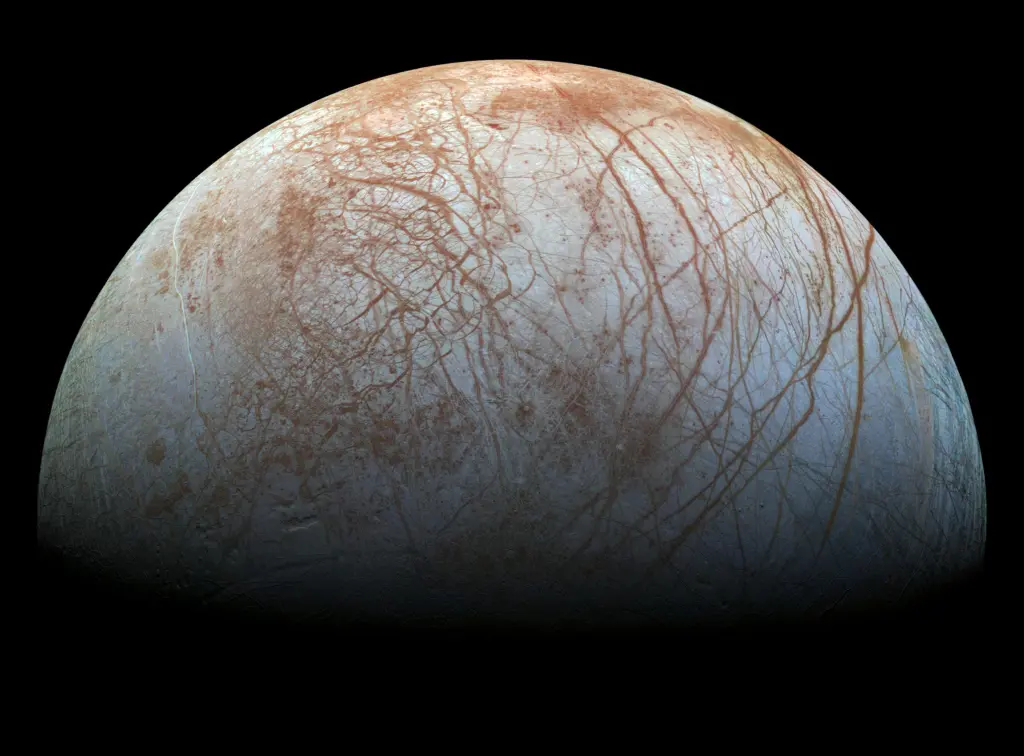
Microbial Life in Subsurface Oceans: One of the most promising avenues for discovering extraterrestrial life lies in the subsurface oceans of icy moons such as Europa and Enceladus. These moons, orbiting Jupiter and Saturn respectively, are believed to possess vast oceans beneath their icy crusts. The potential for microbial life in these environments is bolstered by the presence of liquid water, essential for life as we know it.
The search for life on Europa and Enceladus involves missions such as NASA's Europa Clipper, which aims to study the moon's ice shell and subsurface ocean to assess its habitability. The detection of organic molecules or signs of biological activity in plumes of water vapor ejected from Enceladus would provide compelling evidence for life beyond Earth. The unique chemistry of these oceans, coupled with the energy sources potentially available from hydrothermal vents, makes them prime candidates for hosting microbial life.
-
Silicon-Based Life: The concept of silicon-based life arises from the idea that silicon could serve as an alternative to carbon in forming complex molecules. Silicon, like carbon, can form four bonds and create long chains, potentially leading to the development of complex biological structures. The theoretical framework for silicon-based life suggests that it could thrive in environments with high temperatures or pressures, such as those found on planets like Venus.
While silicon-based life remains speculative, it encourages researchers to consider the diversity of life forms that could exist in the universe. Understanding the chemical properties of silicon and its potential to form life-like structures could shape future exploration efforts and inform the search for signs of life on exoplanets with extreme environments.
-
Intelligent Life: The search for intelligent extraterrestrial life has captured the human imagination for centuries. While we have yet to find definitive evidence of intelligent beings beyond Earth, the vastness of the universe and the discovery of potentially habitable exoplanets fuel speculation about the existence of such life forms.
The search for intelligent life includes initiatives like the Search for Extraterrestrial Intelligence (SETI), which employs radio telescopes to listen for signals from advanced civilizations. The discovery of exoplanets within the habitable zone of their stars raises the question of whether intelligent life could emerge in these distant worlds. By studying the conditions that foster the development of complex life on Earth, researchers aim to identify similar conditions elsewhere in the universe.
3.3. Implications for Our Understanding of Biology and the Cosmos
The exploration of life beyond Earth has profound implications for our understanding of biology and the universe. As we expand our definitions of life, we are compelled to rethink the fundamental principles that govern living systems. The possibility of diverse life forms challenges the notion of a singular biological paradigm and encourages scientists to adopt a more inclusive perspective.
-
Redefining Life: The recognition of extremophiles and the potential for non-carbon-based life forms necessitates a broader definition of life. As we uncover new forms of life, we may need to develop new criteria that encompass the myriad ways life can manifest. This redefinition could lead to a more comprehensive understanding of life's origins and evolution.
-
Astrobiology: The study of life in the context of the universe—astrobiology—has emerged as a vital field of research. Astrobiologists investigate the conditions necessary for life to exist, the potential for life to evolve in diverse environments, and the implications of discovering extraterrestrial life for our understanding of biology. This interdisciplinary approach combines biology, chemistry, geology, and astronomy to create a holistic view of life beyond Earth.
-
Philosophical and Ethical Considerations: The discovery of extraterrestrial life, whether microbial or intelligent, poses profound philosophical and ethical questions. How would such a discovery impact our understanding of humanity's place in the universe? What responsibilities do we have toward other life forms? Engaging with these questions requires a thoughtful examination of our values and beliefs in light of new scientific knowledge.
-
Technological Advancements: The search for extraterrestrial life drives technological innovation. Missions to icy moons, telescopic observations of exoplanets, and advancements in astrobiology require the development of new tools and methods for exploration. These technological advancements not only enhance our search for life but also have applications in various fields on Earth, from medicine to environmental science.
In conclusion, the definition of life and the exploration of its potential forms are dynamic and evolving concepts. The criteria that we use to define life may not fully encompass the diversity of life forms that could exist beyond our planet. As we continue to explore the cosmos, the search for extraterrestrial life invites us to expand our understanding of biology, redefine our definitions of life, and engage with the profound implications of discovering life beyond Earth. Whether through microbial life in subsurface oceans, the possibility of silicon-based organisms, or the search for intelligent beings, the quest for life in the universe remains one of humanity's most significant endeavors, shaping our understanding of existence itself.
4. The Implications of Detecting Alien Life
The prospect of discovering extraterrestrial life has fascinated humanity for centuries. As scientific advancements in astrobiology and space exploration continue to push the boundaries of our knowledge, the implications of detecting alien life become increasingly significant. This exploration can be categorized into three main dimensions: scientific implications, philosophical implications, and sociocultural implications. Each of these facets reveals a complex and intertwined web of consequences that could fundamentally alter our understanding of life, existence, and humanity's place in the universe.
4.1 Scientific Implications
The scientific implications of detecting extraterrestrial life are profound and multifaceted. Firstly, it would challenge and potentially revolutionize our understanding of biology and evolution. Currently, our biological frameworks are heavily centered around Earth-based life forms, governed by the principles of Darwinian evolution. If we were to encounter alien life, particularly if it were based on a different biochemistry—such as silicon-based life or organisms that thrive in extreme conditions—we would need to reevaluate our definitions and theories of life itself. This could lead to a broader understanding of the conditions necessary for life, revealing that life may emerge in diverse environments previously thought to be inhospitable.
Moreover, the discovery of extraterrestrial organisms could lead to groundbreaking advancements in genetics and biochemistry. For instance, if alien life forms utilize different genetic coding mechanisms or metabolic pathways, understanding these systems could unlock new avenues for biotechnology, medicine, and environmental science. The possibility of extraterrestrial microbes or complex organisms could even lead to innovations in genetic engineering, synthetic biology, and our understanding of disease processes on Earth.
Additionally, the implications for planetary science would be significant. The search for life on other planets has already driven research into extremophiles—organisms that thrive in extreme environments on Earth, such as deep-sea vents or acidic lakes. This research informs our understanding of potential habitats on other planets or moons, such as Europa or Enceladus, which may harbor subsurface oceans. The detection of life on these celestial bodies would not only validate the existence of habitable conditions beyond Earth but also inspire new exploration missions and technologies designed to uncover more about our solar system and beyond.
Furthermore, the existence of life elsewhere could suggest that life is a common phenomenon in the universe rather than an isolated event. This realization could lead to the development of new theories regarding the emergence of life, including panspermia—the hypothesis that life can be spread across the universe via comets or meteorites. Such ideas would fundamentally reshape our understanding of the origins of life, challenging the notion that Earth is unique in its capability to host living organisms.
4.2 Philosophical Implications
The philosophical implications of detecting alien life are equally significant, challenging longstanding human beliefs about existence and our place in the cosmos. For centuries, humanity has viewed itself as the pinnacle of creation, the center of the universe. The discovery of intelligent extraterrestrial civilizations would fundamentally challenge this anthropocentric worldview, forcing a reevaluation of what it means to be intelligent and conscious.
One of the most profound questions raised by the existence of alien life is: What defines life and consciousness? If we encounter beings with different forms of intelligence or consciousness, it could lead to a deeper understanding of these concepts. Are intelligence and consciousness solely human traits, or can they manifest in forms we cannot yet comprehend? This inquiry could push the boundaries of philosophy, prompting debates about the nature of existence and the criteria that define sentient life.
Additionally, the existence of intelligent extraterrestrial civilizations could alter ethical frameworks and our responsibilities toward other sentient beings. Should we extend moral consideration to these beings, and if so, what rights do they possess? This would necessitate a reevaluation of ethical principles, particularly in relation to our treatment of non-human animals and ecosystems on Earth. The encounter with alien life could lead to a more inclusive understanding of sentience, prompting humanity to reconsider its role as stewards of the Earth and its inhabitants.
Moreover, the possibility of communicating with extraterrestrial civilizations raises questions about the potential for collaboration or conflict. Would we seek to establish diplomatic relations with intelligent alien species? What ethical obligations would we have in such interactions? The potential for sharing knowledge, culture, and technology could be immense, but so too could the risks of misunderstanding or hostility. This philosophical exploration would require humanity to grapple with the implications of interstellar diplomacy and the moral responsibilities that come with it.
4.3 Sociocultural Implications
The societal impact of detecting alien life could be immense, with far-reaching consequences for culture, religion, and social cohesion. The discovery of extraterrestrial life may serve as a unifying force, bringing humanity together in a shared quest for knowledge and understanding. The realization that we are not alone in the universe could inspire a collective sense of purpose, driving collaboration across nations and cultures to explore and understand our cosmic neighbors.
However, this newfound awareness could also exacerbate existing divisions and fears. Different cultures and belief systems may interpret the discovery of alien life in various ways, leading to potential conflicts and debates. Religious interpretations of life and creation may be especially challenged. Many religious doctrines center around the idea of humanity as the central creation of a divine being. The possibility of intelligent extraterrestrial life could prompt significant theological debates and reinterpretations of sacred texts. Some may see this discovery as a threat to their beliefs, while others may embrace it as an expansion of understanding.
In addition to religious implications, the cultural narratives surrounding alien life would likely undergo significant transformation. Literature, art, and media have long been fascinated with the idea of extraterrestrial beings, and the actual discovery of alien life would inspire new creative expressions. Writers, filmmakers, and artists would explore themes of coexistence, conflict, and the vastness of the universe, shaping the way we envision our future and our place in the cosmos.
Furthermore, the implications for education and science communication would be profound. The detection of alien life would necessitate a reevaluation of educational curricula, integrating astrobiology, ethics, and cultural studies. New generations would need to be equipped with knowledge and skills to navigate a universe that is no longer viewed as empty but filled with potential life. This could lead to a greater emphasis on STEM (science, technology, engineering, and mathematics) education, as well as interdisciplinary studies that encompass the social sciences and humanities.
In conclusion, the detection of alien life would have far-reaching implications across scientific, philosophical, and sociocultural domains. It would challenge our understanding of biology, evolution, and the conditions necessary for life, leading to potential breakthroughs in various scientific fields. Philosophically, it would force humanity to reconsider its place in the universe, the nature of consciousness, and our ethical responsibilities toward other sentient beings. Socioculturally, the discovery could unify humanity in a shared quest for knowledge while also provoking debates and challenges to existing beliefs and narratives. As we continue to explore the cosmos, the possibility of encountering alien life remains one of the most profound questions of our time, with the potential to reshape our understanding of ourselves and our universe.
5. Preparing for Contact
5.1. The Need for Frameworks
The discovery of extraterrestrial life could profoundly alter humanity's understanding of its place in the universe. Therefore, it is essential to establish comprehensive frameworks that govern communication, research, and ethical considerations regarding this groundbreaking event. These frameworks should be developed collaboratively, incorporating input from a wide range of stakeholders, including scientists, ethicists, policymakers, and representatives from diverse cultural backgrounds.
The International Academy of Astronautics (IAA) has taken a significant step by proposing protocols for the detection of extraterrestrial life. These protocols emphasize the importance of transparency in communication and collaboration among nations and organizations. The involvement of diverse voices is crucial, as it ensures that the decision-making processes reflect a multitude of perspectives and values. This diversity can help mitigate biases and foster a more inclusive approach to understanding and interacting with alien life forms.
Establishing these frameworks is not merely a precaution; it is an essential foundation for responsible exploration and interaction with potential extraterrestrial civilizations. By agreeing on protocols and guidelines beforehand, humanity can approach the profound implications of such discoveries with foresight and caution.
5.2. Communication Strategies
Once intelligent extraterrestrial life is detected, effective communication will be of utmost importance. Scientists and communicators will face the challenging task of conveying information in a manner that is both understandable and respectful to beings whose cognitive frameworks may differ significantly from our own.
To facilitate this process, it may be necessary to utilize universal concepts, particularly those grounded in mathematics and science. Mathematical equations, for example, are often seen as a universal language that transcends cultural and linguistic barriers. Additionally, scientific principles such as the laws of physics could serve as a common ground for establishing initial communication.
However, communication goes beyond mere information exchange; it must also consider cultural contexts and the potential for misunderstandings. Scientists should engage in collaborative efforts with linguists, anthropologists, and cultural experts to develop strategies that respect and honor the unique perspectives of extraterrestrial civilizations. This respectful approach will be essential in fostering a positive relationship and ensuring that our interactions are constructive rather than confrontational.
5.3. Ethical Considerations
The engagement with extraterrestrial life introduces a host of ethical considerations that must be carefully navigated. One of the primary questions arises around our responsibilities toward other sentient beings. The ethical implications of our actions could be vast; for instance, should we prioritize the preservation of alien ecosystems? How do we ensure that our interactions do not lead to the exploitation or harm of other civilizations?
Establishing ethical guidelines will be crucial in addressing these complex issues. Such guidelines should encompass principles of respect, equity, and sustainability, ensuring that our actions reflect a commitment to coexistence rather than domination. Moreover, interdisciplinary collaboration among ethicists, scientists, and policymakers will be vital to creating a robust ethical framework that can adapt to various scenarios and contexts.
Ultimately, as we prepare for the possibility of contact with extraterrestrial life, it is essential to approach this endeavor with a mindset rooted in responsibility, empathy, and a commitment to ethical principles. By doing so, we can navigate the uncharted waters of interstellar communication and relationships with a sense of integrity and honor.
6. Conclusion
The potential discovery of extraterrestrial life within the next 20 years marks a pivotal juncture in human history, one that could fundamentally alter our understanding of existence itself. This moment promises to not only advance our scientific knowledge but also challenge the very philosophical underpinnings of what it means to be human. The implications of such a discovery extend far beyond the realm of science; they seep into our ethical frameworks, belief systems, and societal narratives, requiring us to reassess our place in the universe.
From a scientific perspective, the confirmation of extraterrestrial life would radically transform our understanding of biology, evolution, and the conditions necessary for life to thrive. It would compel scientists to reevaluate theories that have long been accepted and to expand the scope of research into astrobiology, potentially leading to groundbreaking technological advancements and a deeper comprehension of life's diversity.
Philosophically, the existence of extraterrestrial beings raises profound questions about consciousness, intelligence, and the nature of existence itself. It invites us to consider the implications of sharing the universe with other sentient beings: What does it mean for our self-identity and the narratives we tell about our own origins? The introduction of extraterrestrial life challenges anthropocentrism, prompting a reevaluation of our moral and ethical responsibilities not just to our own species, but to all forms of life.
Socioculturally, the discovery of extraterrestrial intelligence could either unite humanity or exacerbate existing divisions. It offers an opportunity to foster global cooperation, as the implications of contact with other civilizations would necessitate a collective response. However, it also risks igniting fear, xenophobia, and conflict, as differing beliefs about alien life could lead to societal fragmentation.
As we approach this monumental discovery, it is crucial to engage in proactive and thoughtful discourse about its potential consequences. This involves not only scientists and policymakers but also artists, ethicists, and the general public. By fostering a collaborative and inclusive approach, we can ensure that humanity navigates this uncharted territory with curiosity, respect, and a sense of responsibility.
In conclusion, the impending possibility of discovering extraterrestrial life invites us to embrace a new chapter in our shared narrative. It is an opportunity to redefine our understanding of life, extend our moral considerations, and cultivate a sense of unity in the face of the unknown. By preparing for the consequences of this discovery and engaging in open dialogue, we can approach the future with hope and optimism, ready to embrace the wonders that lie ahead in the cosmic tapestry of existence.
{ PETER2011 }


 Vera Rubin Gets its Camera Installed