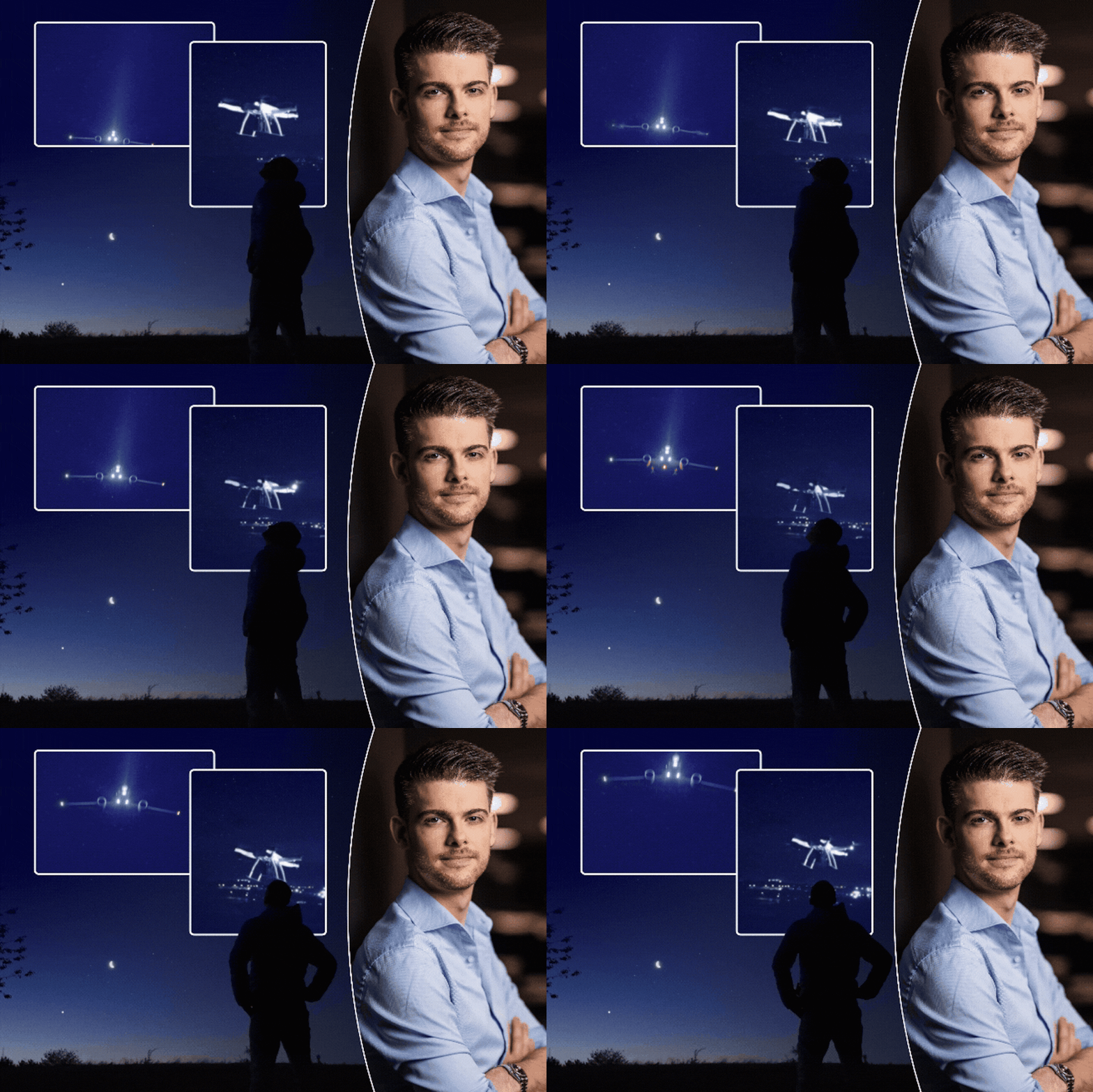
 NASA SkyCam Captures Bizarre Multi-Arc Object — SpaceTracker Enhances Footage to 8K
Overview
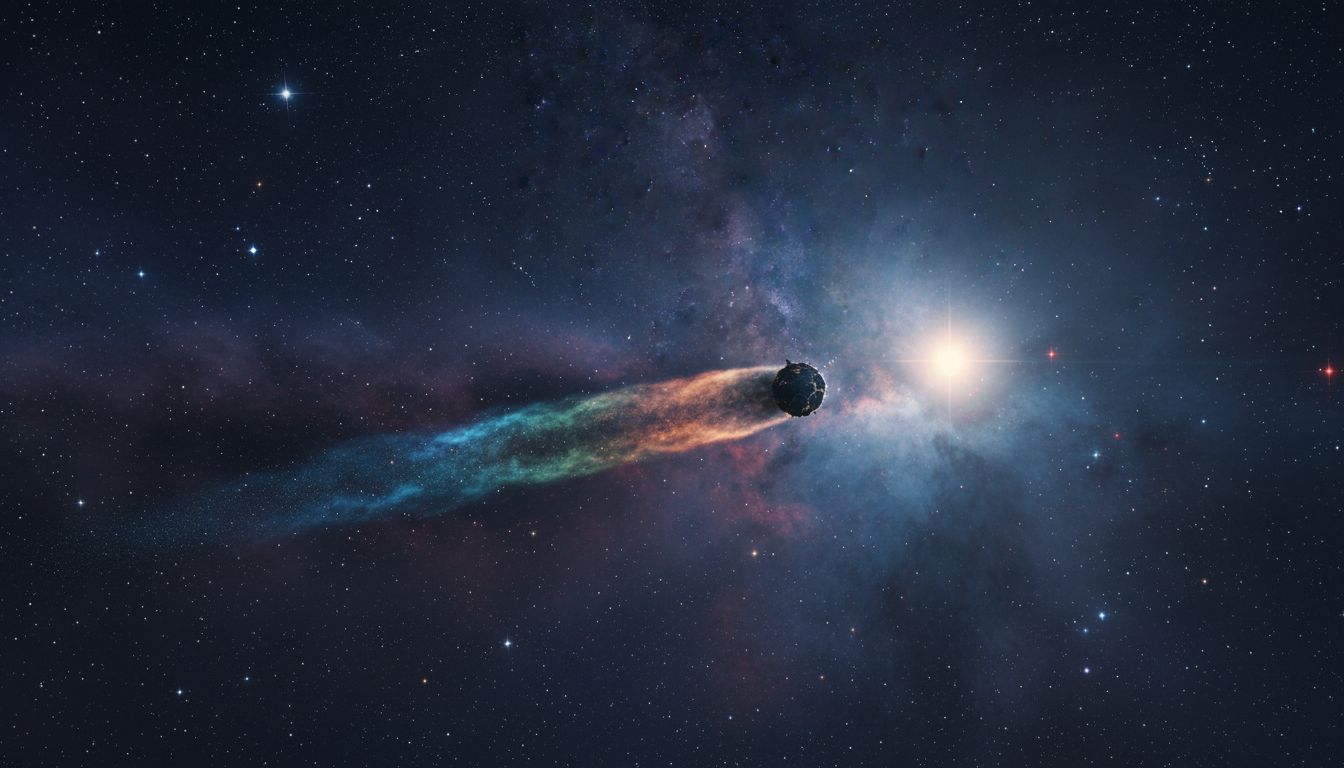
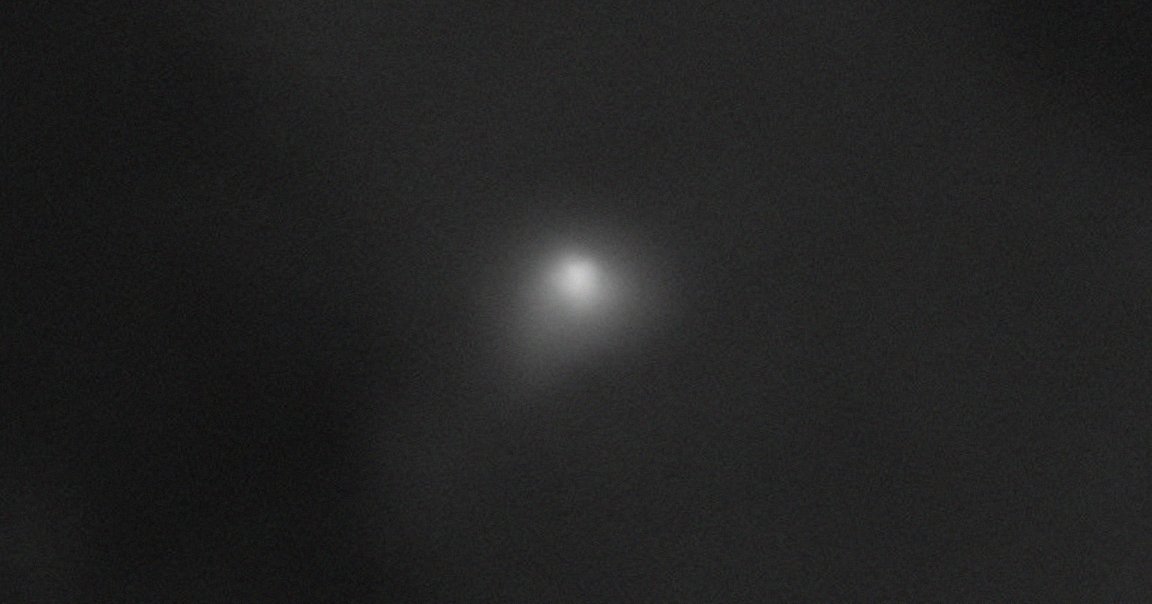
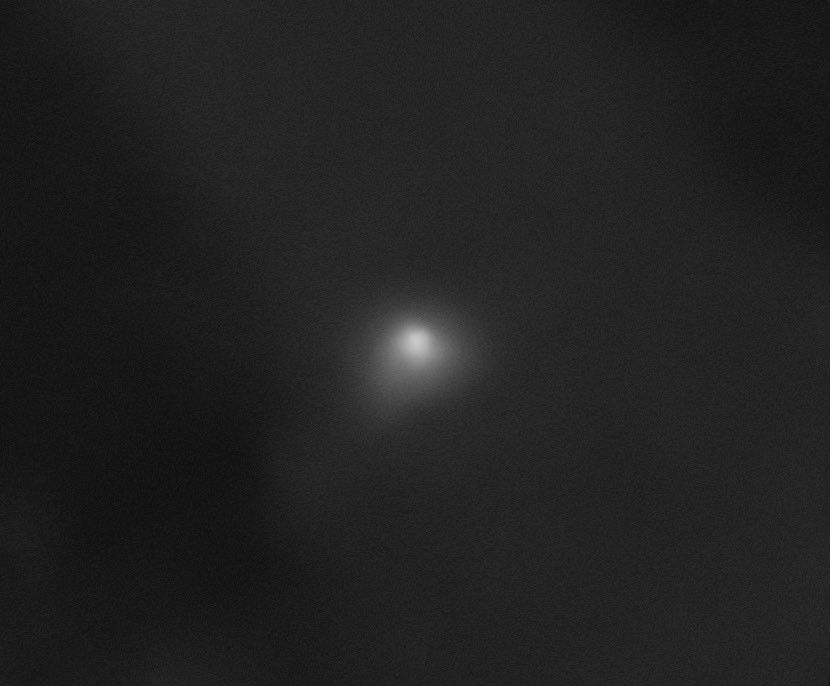
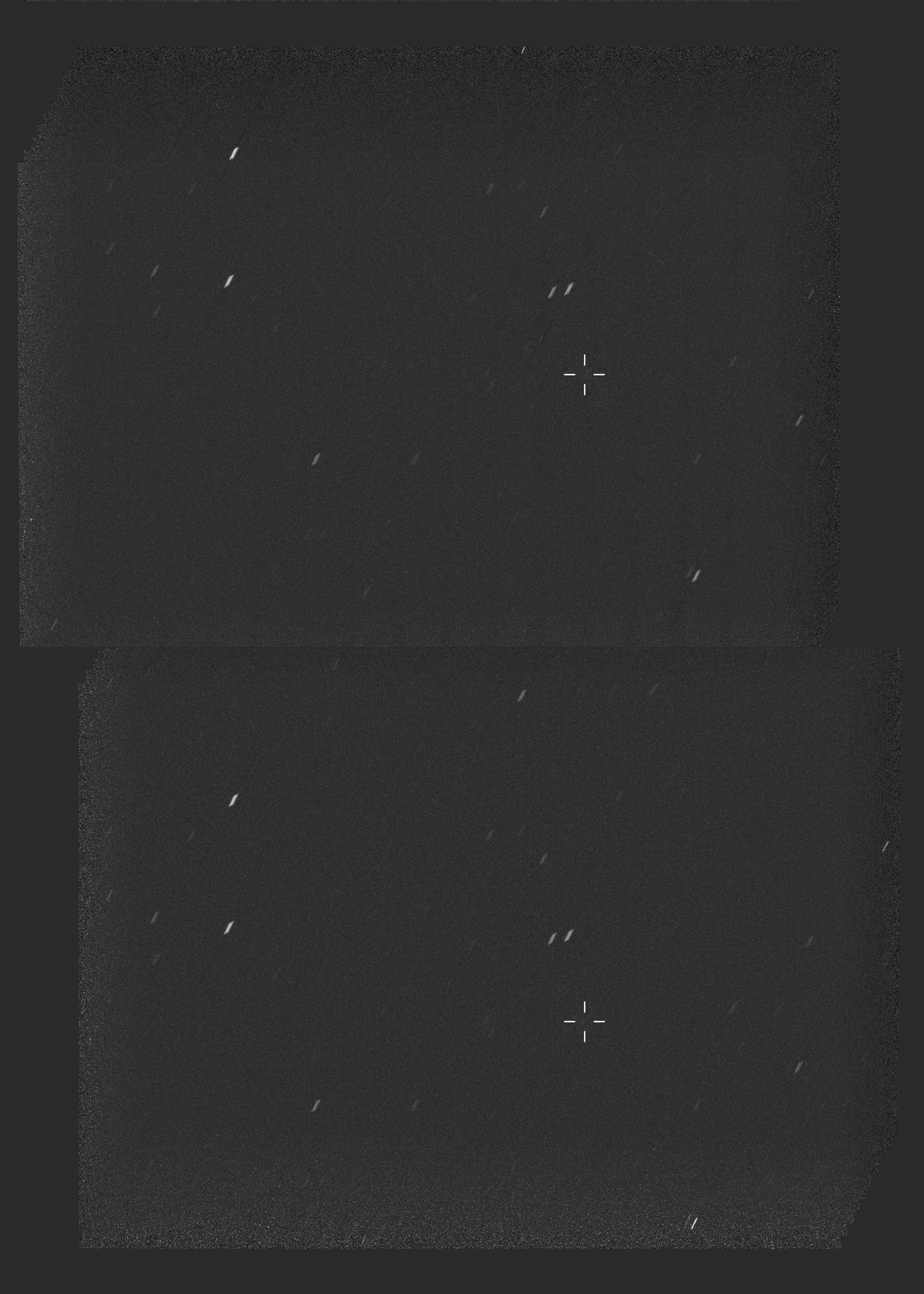
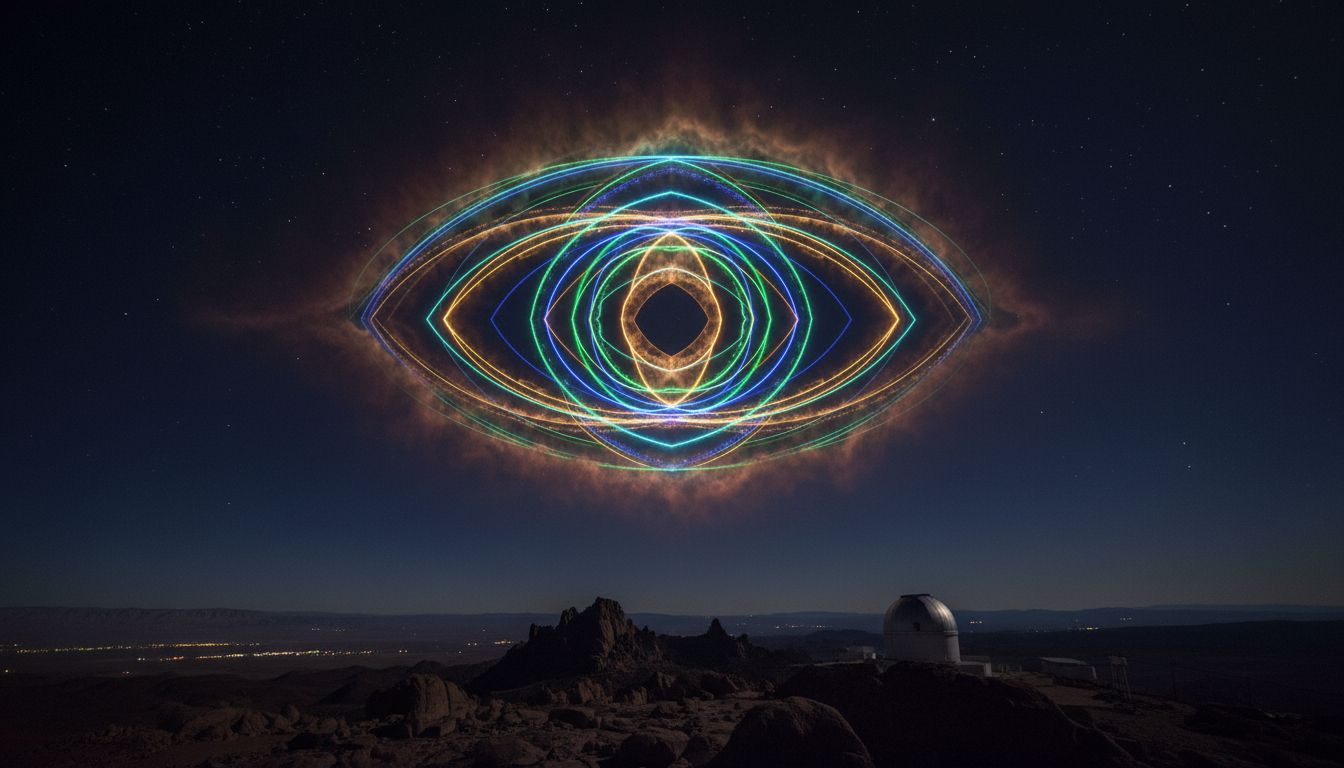
On June 12, 2025, an intriguing event was recorded by NASA’s internal SkyCam system—a highly sensitive camera mounted high in the upper atmospheric region that detected an unusual luminous phenomenon. This event involved a multi-arc formation seemingly suspended in the near-vacuum environment of the thermosphere, hundreds of kilometers above Earth’s surface. The initial footage, captured in 1080p resolution, revealed a faint but luminous structure displaying an intricate pattern of intersecting semi-circular arcs, which sparked immediate interest and skepticism within the UFO (Unidentified Aerial Phenomena, UAP) research community, aerospace analysts, and atmospheric scientists alike.
Soon after the event, a civilian open-source platform known as SpaceTracker—which specializes in processing, enhancing, and analyzing aerospace imagery—obtained and analyzed the raw footage. Using advanced image enhancement algorithms, SpaceTracker processed the clip to an unprecedented 8K resolution (7680×4320 pixels), significantly clarifying the features and revealing fine details previously obscured. The enhanced imagery, publicly released on June 20, 2025, has reignited discussions about the nature of high-altitude phenomena that do not conform to traditional explanations, such as natural atmospheric events, space debris, or known satellite activity.
This article provides an in-depth examination of the event, including the technical aspects of the image processing, expert interpretations, contextual significance within the broader UAP phenomena, and the possible scientific and exploratory avenues this incident opens.
Technical Analysis
1. Image Processing and Enhancement Techniques
The transformation from the original 1080p footage to a detailed 8K resolution involved the integration of multiple state-of-the-art image processing methodologies:
-
Frame Averaging: To improve the signal-to-noise ratio, multiple sequential frames were combined, reducing random noise artifacts while preserving signal details such as faint arcs and subtle halo effects.
-
De-noising Algorithms: Advanced noise reduction algorithms, including wavelet-based filtering and machine learning-driven denoising networks, were applied to suppress sensor noise yet retain the integrity of luminous features.
-
Super-Resolution Techniques: Utilizing a combination of deep learning models trained on high-fidelity imagery, the data was reconstructed to a higher resolution. These models infer details beyond the original pixel data based on contextual cues, enabling a crisper, more detailed visualization of the arcs and their geometric structures.
2. Visualization of the Phenomenon
The enhanced footage yields several notable observations:
-
Geometrically Consistent, Semi-circular Arcs: The arcs are roughly semi-circular, extending across a span of approximately 30 kilometers within the camera’s field of view. Their intersections form a complex, symmetrical pattern reminiscent of a geometric web or a set of overlapping spherical caps.
-
Luminous Core and Halo: The central region of the formation exhibits a stable, steady luminosity that persists over several seconds. Encircling the arcs, a faint, fine-grained halo—interpreted as a dust or particulate scattering layer—suggests the presence of a tenuous particulate medium around or behind the arcs.
-
Motion and Orientation: The entire formation exhibits coherent motion, with no observed erratic wobble or turbulence characteristic of debris or re-entry particles. It maintains a consistent orientation relative to the horizon, suggesting a possible aerodynamic or electromagnetic stability that would be atypical for conventional space debris or meteorological phenomena.
3. Data Integrity and Limitations
While the processing has uncovered significant details, it’s crucial to acknowledge the limitations:
-
The SkyCam system, primarily designed for spacecraft exterior monitoring, was not optimized for scientific observation of transient phenomena. This introduces uncertainties regarding calibration, exposure, and sensor linearity.
-
The footage's temporal resolution (frame rate) and the camera’s spectral capabilities (spectral filters, IR sensitivity, etc.) limit definitive conclusions about the physical properties—such as composition or thermal signatures—of the observed phenomenon.
Expert Commentary
1. Atmospheric Physics Perspective
Dr. Elena Morales, an atmospheric physicist specializing in high-altitude optical phenomena at the University of Colorado Boulder, approached the footage with scientific caution. She emphasized the importance of ruling out common atmospheric mechanisms:
“The geometric precision of these arcs is unusual. Atmospheric optics often produce optical illusions like parhelia or sundogs, which are caused by light interacting with ice crystals in cirrus clouds. However, these typically produce right-angled halos, not intersecting semi-circular arcs with such stability and coherence. Alternative mechanisms, like gravitational lensing or scattering from localized dust jets, can sometimes create arc-like phenomena, especially in the upper atmosphere where turbulence and particulate activity can vary.”
Morales further elaborated on potential natural causes:
-
High-Altitude Ice Crystals: In rare cases, high-altitude ice clouds with unique crystal geometries can produce complex light patterns.
-
Electrostatic or Electromagnetic Interactions: Active phenomena like lightning or transient luminous events (TLEs) such as sprites or elves could generate fleeting arcs, though their typical morphology differs from what is observed here.
2. Defense and Aerospace Analysis
Former NASA flight surgeon Lt. Cmdr. Aaron Patel, now an independent analyst, outlined the operational considerations:
“The SkyCam system is calibrated for spacecraft exterior conditions—monitoring shuttle or station surfaces—and its data integrity is solid for such applications. Its ability to resolve features at 8K enhances the credibility of the visual data. However, corroborating measurements—like radar tracking, infrared imaging, or additional ground-based observations—are crucial for understanding what exactly we’re seeing."
He highlighted the importance of cross-referencing data streams:
-
Radar & Lidar Data: Would help determine motion, altitude, and possible physical size estimates.
-
Spectroscopic Analysis: Could reveal composition or ionization states, giving clues about the nature of the material or energy involved.
3. UAP Research Community Response
The incident struck a chord within the global UAP community, especially given the increasing transparent sharing of data by aerospace agencies. Previous episodes, notably the X-Bump event in 2023—captured by the International Space Station (ISS)—showcased structured luminous patterns that defied straightforward classification.
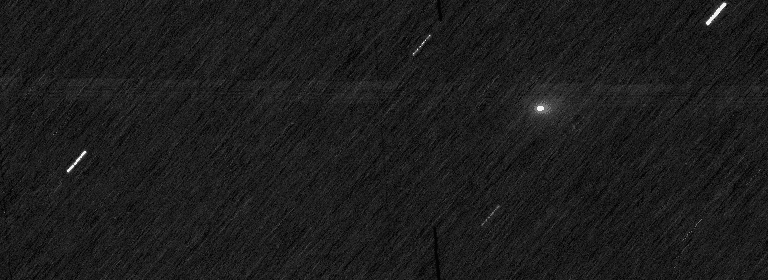
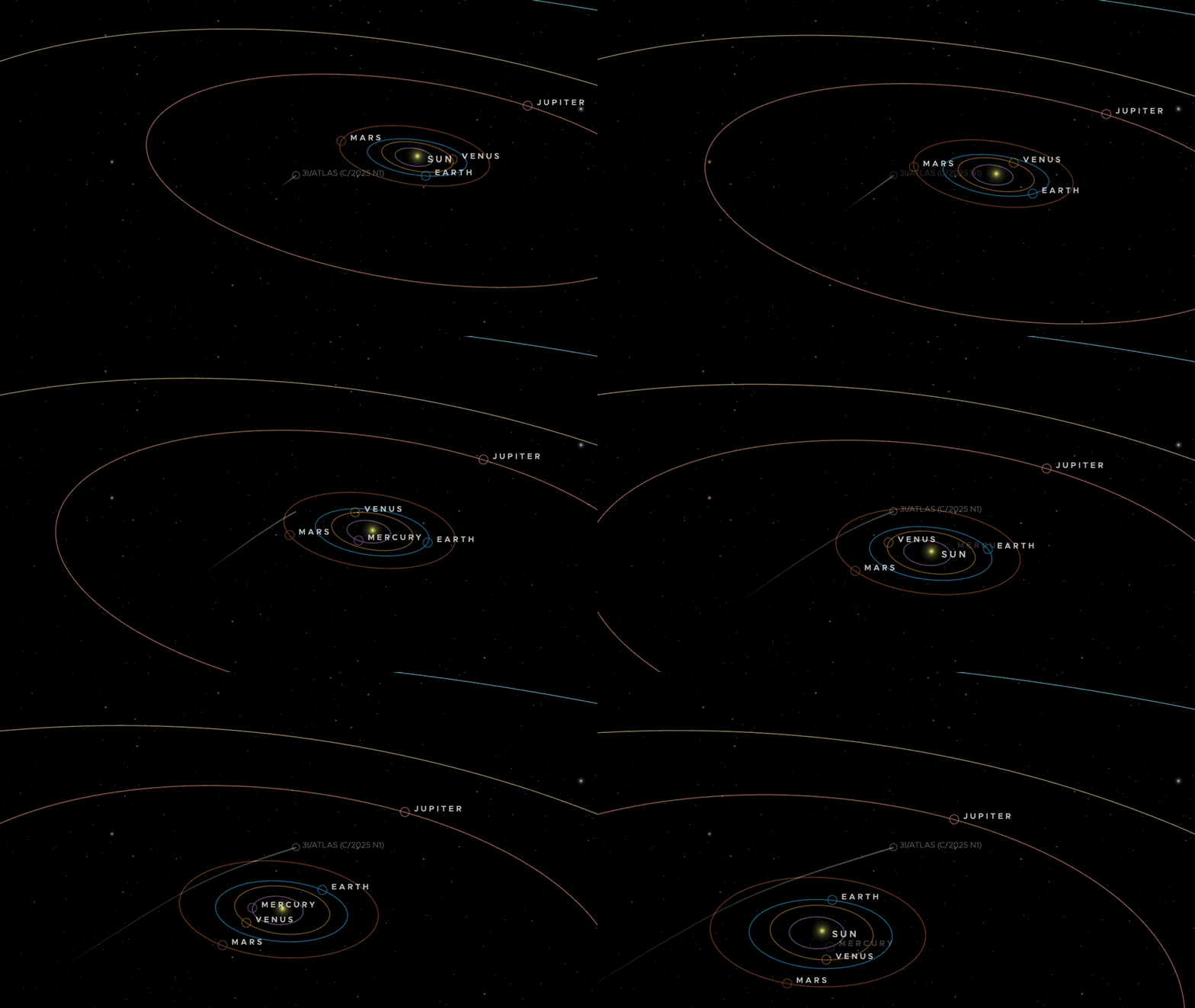
The X-Bump involved high-altitude luminous arcs and structured light, sparking speculation about unknown atmospheric or extraterrestrial phenomena. Similarly, the current footage has drawn parallels to dust jets emitted by cometary bodies—particularly those associated with the recently observed activity of comet 3I/ATLAS, which displayed transient dust streams when passing through the inner solar system.
While the cometary hypothesis is intriguing, it remains speculative because no known cometary activity was recorded near Earth at the time of this capture. Moreover, the arcs’ stability and detailed geometry pose challenges to simple interpretations.
Context Within UAP Research
1. Historical and Recent Occurrences
The 2025 SkyCam event is part of a broader pattern of anomalous high-altitude phenomena captured through various platforms—ranging from ground-based observatories and aircraft to space station cameras and dedicated satellite sensors. Historically, such phenomena have often been dismissed as optical illusions or natural atmospheric effects, but increasingly, they are being documented with high-confidence imagery and multi-sensor corroboration.
2. Significance of the 8K Enhancement
The availability of ultra-high resolution imagery profoundly impacts the investigation process. The detailed visualization of intersecting arcs, halo effects, and stable trajectory—items difficult to detect in standard video—offers new avenues for modeling and hypothesis testing. It also challenges conventional understanding of atmospheric optics and high-altitude physics.
In particular, the detailed patterning resembles:
-
Structured electromagnetic phenomena akin to plasma arcs or self-organizing luminous structures.
-
Potential interference with Earth's magnetic or electric fields, which could stabilize or shape such formations at high altitude.
Path Forward: Scientific and Investigative Steps
1. NASA and Federal Agency Responses
NASA’s UAP Task Force announced it is reviewing this footage along with other sensor data, emphasizing an analytical approach:
“Every phenomenon must be examined comprehensively, considering all conflicting or supporting measurements—radar, lidar, spectroscopic, and infrared. We remain committed to transparency and scientific rigor.”
Government agencies globally are encouraging the collection of additional data. NASA has planned further deployment of near-real-time high-altitude sensing arrays, and private sector organizations are mobilizing to create coordinated multi-platform observation campaigns to:
-
Capture similar events in different geographic regions.
-
Cross-validate with ground-based all-sky cameras, unmanned aerial vehicles, and satellite sensors.
2. Scientific and Technological Implications
The incident underscores the importance of:
-
Multi-modal detection infrastructure: The integration of optical, electromagnetic, and radar data streams for real-time anomaly detection and analysis.
-
Automated analysis and AI-driven pattern recognition: Machine learning algorithms can sift through large datasets, identify recurring features, and generate hypotheses.
-
High-fidelity simulation models: Physicists can endeavor to recreate the observed phenomena under controlled conditions, testing hypotheses related to high-altitude plasma physics, electromagnetic interactions, and particulate scattering.
2. Interdisciplinary Investigations
Given the complex nature of the observed structure, efforts involve multiple scientific disciplines:
-
Atmospheric physics and meteorology: To explore natural optical phenomena and rare atmospheric events.
-
Plasma physics: To understand whether ionized particles or electromagnetic discharges could produce similar structures.
-
Astrophysics and celestial mechanics: To assess any potential link with cosmic dust streams, meteor showers, or cometary activity—albeit temporally and spatially disconnected in this case.
-
Materials science and particle physics: To investigate the potential involvement of unknown or exotic particulate materials in the formation and sustained stability of the arcs.
Conclusion: Scientific and Mystical Significance
The enhanced SkyCam footage featuring the multi-arc formation is a remarkable addition to the growing compendium of high-altitude UAP observations. Its visually striking geometry—intersecting semi-circular arcs, a steady luminous core, and surrounding dust halo—poses significant questions for conventional physics and atmospheric science.
While natural explanations such as optical illusions, atmospheric dust, or plasma phenomena remain plausible, the coherence and stability of the structure challenge these interpretations. The precise geometry and persistence suggest either an unknown natural process, a yet-to-be-understood atmospheric physics phenomenon, or, more provocatively, an engineered or new physics-based event indicative of technological or extraterrestrial origins.
The ongoing investigations, increased data collection, and interdisciplinary research promise to broaden our understanding of these mysterious high-altitude phenomena. Whether this event ultimately leads to a scientific breakthrough or remains an intriguing anomaly, it underscores the importance of advanced observational technologies, global cooperation, and open scientific inquiry in unraveling the secrets of our skies.
{ PETER2011 }