Ontdek de Fascinerende Wereld van UFO's en UAP's: Jouw Bron voor Onthullende Informatie!
Ben jij ook gefascineerd door het onbekende? Wil je meer weten over UFO's en UAP's, niet alleen in België, maar over de hele wereld? Dan ben je op de juiste plek!
België: Het Kloppend Hart van UFO-onderzoek
In België is BUFON (Belgisch UFO-Netwerk) dé autoriteit op het gebied van UFO-onderzoek. Voor betrouwbare en objectieve informatie over deze intrigerende fenomenen, bezoek je zeker onze Facebook-pagina en deze blog. Maar dat is nog niet alles! Ontdek ook het Belgisch UFO-meldpunt en Caelestia, twee organisaties die diepgaand onderzoek verrichten, al zijn ze soms kritisch of sceptisch.
Nederland: Een Schat aan Informatie
Voor onze Nederlandse buren is er de schitterende website www.ufowijzer.nl, beheerd door Paul Harmans. Deze site biedt een schat aan informatie en artikelen die je niet wilt missen!
Internationaal: MUFON - De Wereldwijde Autoriteit
Neem ook een kijkje bij MUFON (Mutual UFO Network Inc.), een gerenommeerde Amerikaanse UFO-vereniging met afdelingen in de VS en wereldwijd. MUFON is toegewijd aan de wetenschappelijke en analytische studie van het UFO-fenomeen, en hun maandelijkse tijdschrift, The MUFON UFO-Journal, is een must-read voor elke UFO-enthousiasteling. Bezoek hun website op www.mufon.com voor meer informatie.
Samenwerking en Toekomstvisie
Sinds 1 februari 2020 is Pieter niet alleen ex-president van BUFON, maar ook de voormalige nationale directeur van MUFON in Vlaanderen en Nederland. Dit creëert een sterke samenwerking met de Franse MUFON Reseau MUFON/EUROP, wat ons in staat stelt om nog meer waardevolle inzichten te delen.
Let op: Nepprofielen en Nieuwe Groeperingen
Pas op voor een nieuwe groepering die zich ook BUFON noemt, maar geen enkele connectie heeft met onze gevestigde organisatie. Hoewel zij de naam geregistreerd hebben, kunnen ze het rijke verleden en de expertise van onze groep niet evenaren. We wensen hen veel succes, maar we blijven de autoriteit in UFO-onderzoek!
Blijf Op De Hoogte!
Wil jij de laatste nieuwtjes over UFO's, ruimtevaart, archeologie, en meer? Volg ons dan en duik samen met ons in de fascinerende wereld van het onbekende! Sluit je aan bij de gemeenschap van nieuwsgierige geesten die net als jij verlangen naar antwoorden en avonturen in de sterren!
Heb je vragen of wil je meer weten? Aarzel dan niet om contact met ons op te nemen! Samen ontrafelen we het mysterie van de lucht en daarbuiten.
Berichten van 1 februari 2022 tot 28 februari 2022
You probably can’t even fathom how big the universe is until you observe an image showing a miniature, tiny, small, insignificant part of space, home to 84 million galaxies.
The central part of the Milky Way Galaxy showing 84 million stars. Image Credit: ESO.
And yeah, that may sound as much. However, it’s only a small part of the stars and galaxies in the universe.
The jaw-dropping image published by the European South Observatory features 85 million stars and shows a view of the cosmos as observed by the VISTA telescope.
The VISTA telescope can peer through dust fields that usually obscure an optical telescope’s view thanks to three separate infrared filters.
A mind-boggling view
The original, zoomable image is 24.6 gigabytes in size.
The image you see here below is just a small version of the original image, which has a resolution of 108,500×81,500 pixels.
All of the tiny dots you see in this image are stars. Image Credit: ESO.
In other words, it is a 9-gigapixel image of cosmic beauty that reminds us of just how small we are.
If you want to go ahead and download the original, zoomable image and explore the wonders of the cosmos, you can do so by clicking here.
But if you want to take a peek and zoom into the 84 million stars visible in the Vista image, click here.
The image is too large to be viewed at full resolution, so we suggest using the featured zoom tool to observe the image entirely.
As noted in a 2012 photo release from ESO, “this massive dataset contains more than ten times more stars than previous studies and is a major step forward for the understanding of our home galaxy. The image gives viewers an incredible, zoomable view of the central part of our galaxy. If printed with the resolution of a typical book, it is so large that it would be meters long and 7 meters tall.”
The image seen here covers around 315 square degrees of the sky (a bit less than 1% of the entire sky).
READER QUESTION: My understanding is that nothing comes from nothing. For something to exist, there must be material or a component available, and for them to be available, there must be something else available. Now my question: Where did the material come from that created the Big Bang, and what happened in the first instance to create that material? Peter, 80, Australia.
“The last star will slowly cool and fade away. With its passing, the universe will become once more a void, without light or life or meaning.” So warned the physicist Brian Cox in the recent BBC seriesUniverse. The fading of that last star will only be the beginning of an infinitely long, dark epoch. All matter will eventually be consumed by monstrous black holes, which in their turn will evaporate away into the dimmest glimmers of light. Space will expand ever outwards until even that dim light becomes too spread out to interact. Activity will cease.
Or will it? Strangely enough, some cosmologists believe a previous, cold dark empty universe like the one which lies in our far future could have been the source of our very own Big Bang.
The First Matter
But before we get to that, let’s take a look at how “material”—physical matter—first came about. If we are aiming to explain the origins of stable matter made of atoms or molecules, there was certainly none of that around at the Big Bang—nor for hundreds of thousands of years afterwards. We do in fact have a pretty detailed understanding of how the first atoms formed out of simpler particles once conditions cooled down enough for complex matter to be stable, and how these atoms were later fused into heavier elements inside stars. But that understanding doesn’t address the question of whether something came from nothing.
So let’s think further back. The first long-lived matter particles of any kind were protons and neutrons, which together make up the atomic nucleus. These came into existence around one ten-thousandth of a second after the Big Bang. Before that point, there was really no material in any familiar sense of the word. But physics lets us keep on tracing the timeline backwards—to physical processes which predate any stable matter.
This takes us to the so-called “grand unified epoch.” By now, we are well into the realm of speculative physics, as we can’t produce enough energy in our experiments to probe the sort of processes that were going on at the time. But a plausible hypothesis is that the physical world was made up of a soup of short-lived elementary particles, including quarks, the building blocks of protons and neutrons. There was both matter and “antimatter” in roughly equal quantities: each type of matter particle, such as the quark, has an antimatter “mirror image” companion, which is near identical to itself, differing only in one aspect. However, matter and antimatter annihilate in a flash of energy when they meet, meaning these particles were constantly created and destroyed.
But how did these particles come to exist in the first place? Quantum field theory tells us that even a vacuum, supposedly corresponding to empty spacetime, is full of physical activity in the form of energy fluctuations. These fluctuations can give rise to particles popping out, only to be disappear shortly after. This may sound like a mathematical quirk rather than real physics, but such particles have been spotted in countless experiments.
The spacetime vacuum state is seething with particles constantly being created and destroyed, apparently “out of nothing.” But perhaps all this really tells us is that the quantum vacuum is (despite its name) a something rather than a nothing. The philosopher David Albert has memorably criticized accounts of the Big Bang which promise to get something from nothing in this way.
Suppose we ask: where did spacetime itself arise from? Then we can go on turning the clock yet further back, into the truly ancient “Planck epoch”—a period so early in the universe’s history that our best theories of physics break down. This era occurred only one ten-millionth of a trillionth of a trillionth of a trillionth of a second after the Big Bang. At this point, space and time themselves became subject to quantum fluctuations. Physicists ordinarily work separately with quantum mechanics, which rules the microworld of particles, and with general relativity, which applies on large, cosmic scales. But to truly understand the Planck epoch, we need a complete theory of quantum gravity, merging the two.
We still don’t have a perfect theory of quantum gravity, but there are attempts, like string theory and loop quantum gravity. In these attempts, ordinary space and time are typically seen as emergent, like the waves on the surface of a deep ocean. What we experience as space and time are the product of quantum processes operating at a deeper, microscopic level – processes that don’t make much sense to us as creatures rooted in the macroscopic world.
In the Planck epoch, our ordinary understanding of space and time breaks down, so we can’t any longer rely on our ordinary understanding of cause and effect either. Despite this, all candidate theories of quantum gravity describe something physical that was going on in the Planck epoch—some quantum precursor of ordinary space and time. But where did that come from?
Even if causality no longer applies in any ordinary fashion, it might still be possible to explain one component of the Planck-epoch universe in terms of another. Unfortunately, by now even our best physics fails completely to provide answers. Until we make further progress towards a “theory of everything,” we won’t be able to give any definitive answer. The most we can say with confidence at this stage is that physics has so far found no confirmed instances of something arising from nothing.
Cycles From Almost Nothing
To truly answer the question of how something could arise from nothing, we would need to explain the quantum state of the entire universe at the beginning of the Planck epoch. All attempts to do this remain highly speculative. Some of them appeal to supernatural forces like a designer. But other candidate explanations remain within the realm of physics—such as a multiverse, which contains an infinite number of parallel universes, or cyclical models of the universe, being born and reborn again.
The 2020 Nobel Prize-winning physicist Roger Penrose has proposed one intriguing but controversial model for a cyclical universe dubbed “conformal cyclic cosmology.” Penrose was inspired by an interesting mathematical connection between a very hot, dense, small state of the universe—as it was at the Big Bang—and an extremely cold, empty, expanded state of the universe—as it will be in the far future. His radical theory to explain this correspondence is that those states become mathematically identical when taken to their limits. Paradoxical though it might seem, a total absence of matter might have managed to give rise to all the matter we see around us in our universe.
In this view, the Big Bang arises from an almost nothing. That’s what’s left over when all the matter in a universe has been consumed into black holes, which have in turn boiled away into photons—lost in a void. The whole universe thus arises from something that, viewed from another physical perspective, is as close as one can get to nothing at all. But that nothing is still a kind of something. It is still a physical universe, however empty.
How can the very same state be a cold, empty universe from one perspective and a hot dense universe from another? The answer lies in a complex mathematical procedure called “conformal rescaling,” a geometrical transformation which in effect alters the size of an object but leaves its shape unchanged.
Penrose showed how the cold dense state and the hot dense state could be related by such rescaling so that they match with respect to the shapes of their spacetimes—although not to their sizes. It is, admittedly, difficult to grasp how two objects can be identical in this way when they have different sizes—but Penrose argues size as a concept ceases to make sense in such extreme physical environments.
In conformal cyclic cosmology, the direction of explanation goes from old and cold to young and hot: the hot dense state exists because of the cold empty state. But this “because” is not the familiar one—of a cause followed in time by its effect. It is not only size that ceases to be relevant in these extreme states: time does too. The cold dense state and the hot dense state are in effect located on different timelines. The cold empty state would continue on forever from the perspective of an observer in its own temporal geometry, but the hot dense state it gives rise to effectively inhabits a new timeline all its own.
It may help to understand the hot dense state as produced from the cold empty state in some non-causal way. Perhaps we should say that the hot dense state emerges from, or is grounded in, or realized by the cold, empty state. These are distinctively metaphysical ideas which have been explored by philosophers of science extensively, especially in the context of quantum gravity where ordinary cause and effect seem to break down. At the limits of our knowledge, physics and philosophy become hard to disentangle.
Experimental Evidence?
Conformal cyclic cosmology offers some detailed, albeit speculative, answers to the question of where our Big Bang came from. But even if Penrose’s vision is vindicated by the future progress of cosmology, we might think that we still wouldn’t have answered a deeper philosophical question—a question about where physical reality itself came from. How did the whole system of cycles come about? Then we finally end up with the pure question of why there is something rather than nothing—one of the biggest questions of metaphysics.
But our focus here is on explanations which remain within the realm of physics. There are three broad options to the deeper question of how the cycles began. It could have no physical explanation at all. Or there could be endlessly repeating cycles, each a universe in its own right, with the initial quantum state of each universe explained by some feature of the universe before. Or there could be one single cycle, and one single repeating universe, with the beginning of that cycle explained by some feature of its own end. The latter two approaches avoid the need for any uncaused events—and this gives them a distinctive appeal. Nothing would be left unexplained by physics.
Penrose envisages a sequence of endless new cycles for reasons partly linked to his own preferred interpretation of quantum theory. In quantum mechanics, a physical system exists in a superposition of many different states at the same time, and only “picks one” randomly, when we measure it. For Penrose, each cycle involves random quantum events turning out a different way—meaning each cycle will differ from those before and after it. This is actually good news for experimental physicists, because it might allow us to glimpse the old universe that gave rise to ours through faint traces, or anomalies, in the leftover radiation from the Big Bang seen by the Planck satellite.
Penrose and his collaborators believe they may have spotted these traces already, attributing patterns in the Planck data to radiation from supermassive black holes in the previous universe. However, their claimed observations have been challenged by other physicists and the jury remains out.
Endless new cycles are key to Penrose’s own vision. But there is a natural way to convert conformal cyclic cosmology from a multi-cycle to a one-cycle form. Then physical reality consists in a single cycling around through the Big Bang to a maximally empty state in the far future—and then around again to the very same Big Bang, giving rise to the very same universe all over again.
This latter possibility is consistent with another interpretation of quantum mechanics, dubbed the many-worlds interpretation. The many-worlds interpretation tells us that each time we measure a system that is in superposition, this measurement doesn’t randomly select a state. Instead, the measurement result we see is just one possibility—the one that plays out in our own universe. The other measurement results all play out in other universes in a multiverse, effectively cut off from our own. So no matter how small the chance of something occurring, if it has a non-zero chance then it occurs in some quantum parallel world. There are people just like you out there in other worlds who have won the lottery, or have been swept up into the clouds by a freak typhoon, or have spontaneously ignited, or have done all three simultaneously.
Some people believe such parallel universes may also be observable in cosmological data, as imprints caused by another universe colliding with ours.
Many-worlds quantum theory gives a new twist on conformal cyclic cosmology, though not one that Penrose agrees with. Our Big Bang might be the rebirth of one single quantum multiverse, containing infinitely many different universes all occurring together. Everything possible happens—then it happens again and again and again.
An Ancient Myth
For a philosopher of science, Penrose’s vision is fascinating. It opens up new possibilities for explaining the Big Bang, taking our explanations beyond ordinary cause and effect. It is therefore a great test case for exploring the different ways physics can explain our world. It deserves more attention from philosophers.
For a lover of myth, Penrose’s vision is beautiful. In Penrose’s preferred multi-cycle form, it promises endless new worlds born from the ashes of their ancestors. In its one-cycle form, it is a striking modern re-invocation of the ancient idea of the ouroboros, or world-serpent. In Norse mythology, the serpent Jörmungandr is a child of Loki, a clever trickster, and the giant Angrboda. Jörmungandr consumes its own tail, and the circle created sustains the balance of the world. But the ouroboros myth has been documented all over the world— including as far back as ancient Egypt.
The ouroboros of the one cyclic universe is majestic indeed. It contains within its belly our own universe, as well as every one of the weird and wonderful alternative possible universes allowed by quantum physics—and at the point where its head meets its tail, it is completely empty yet also coursing with energy at temperatures of a hundred thousand million billion trillion degrees Celsius. Even Loki, the shapeshifter, would be impressed.
CHINA SAYS ROVER DISCOVERED GLASS SPHERES ON THE DARK SIDE OF THE MOON
"THE GLOBULES SIMPLY BLOW OUR MIND..."
CHINA NATIONAL SPACE ADMINISTRATION
Globular Glass
China’s Yutu-2 rover just won’t stop making — or at least claiming – weird discoveries on the Moon. Case in point, Chinese space authorities now say it’s found several mysterious glass spheres found on the far side of the lunar surface.
The team behind the discovery published a paper about the findings in the journal Science Bulletin, in which they describe the objects as “translucent glass globules.”
The spheres are roughly a centimeter in diameter, they say, and were spotted in images taken by the panorama camera on the Yutu-2 rover on the dark side of the Moon.
However, the glass that the scientists say Yutu-2 discovered is unusual because they say the spheres are bigger than glass typically found on the Moon. Also, the newest glass samples have a unique light brown coloring and are translucent.
“The globules simply blow our mind since they are so unique on the Moon,” Dr. Zhiyong Xiao, an associate professor at the Planetary Environmental and Astrobiological Research Laboratory at Sun Yat-sen University and lead author of the study, said in a statement.
Glass Half Full
Xiao added that the discovery might indicate that similar glass spheres might be common on the far side of the Moon. If that’s the case, he suggests that it could also be an incredibly valuable resource for future lunar colonies to produce glass for construction material or tools.
Of course, we’re likely a long way from producing glass windows and greenhouses on the Moon, but it’s still a very fascinating discovery.
Though the globules seem plausible, it’s worth noting that Yutu-2 has been the source of some sketchy claims during its tenure on the Moon. Remember that “moon cube” that turned out to be a boring rock? Or that “gel” that turned out to be, uh, another rock?
So in the case of the spheres, we might withhold judgment until more data comes in.
Vlak voordat we sterven, zien we vermoedelijk de mooiste herinneringen uit ons leven voorbijflitsen. Dat hebben Canadese artsen per ongeluk ontdekt. Een oudere man stierf daar toen hij een hersenscan onderging.
De 87-jarige man werd opgenomen in het Vancouver General Hospital in Canada, om zijn epilepsiestoornis te behandelen. Tijdens zijn EEG of hersenscan kreeg hij plots een dodelijke hartaanval. Daardoor kregen artsen de unieke kans om te zien wat er zich in de hersenen afspeelt als iemand sterft.
Het resultaat is verrassend: voor en na de laatste hartslag, werd er een toename van gammagolven gemeten. Deze hersengolven worden geassocieerd met cognitieve functies, en zijn vooral actief als we ons concentreren, dromen, mediteren en als we herinneringen ophalen.
“We kunnen hieruit leren dat als onze dierbaren hun ogen gesloten hebben en klaar zijn om te rusten, nog even de mooiste momenten uit hun leven kunnen afspelen”, zegt neurochirurg Ajmal Zemmar. “Bovendien daagt het ons uit om opnieuw na te denken over wanneer ons leven precies eindigt. Ook kunnen we ons vragen stellen over bijvoorbeeld de timing van orgaandonatie.”
Wetenschappers benadrukken wel dat het brein van 87-jarige man al beschadigd was door epilepsie. Er is dus nog verder onderzoek nodig om zeker te zijn van de theorie.
Our lives really DO flash before us: Scientists record the brain activity of an 87-year-old man at the moment he died, revealing a rapid 'memory retrieval' process
Researchers recorded brain activity of 87-year-old as he died from a heart attack
Brain waves indicated rapid memory retrieval process occurred at time of death
Findings suggest our life does flash before our eyes through 'memory retrieval'
What happens in the brain as we die has been a source of mystery for centuries, but a new study suggests our lives really do flash before our eyes in our final moments.
Neuroscientists inadvertently recorded a dying brain while they were using electroencephalography (EEG) to detect and treat seizures in an 87-year-old man, and he suffered a cardiac arrest.
It was the first time ever that scientists had recorded the activity of a dying human brain, according to the team.
Rhythmic brain wave patterns were observed to be similar to those occurring during memory retrieval, as well as dreaming and meditation.
This supports a theory known as 'life recall' – that we relive our entire life in the space of seconds like a flash of lightning just prior to death.
In fact, the brain may remain active and coordinated during and after the transition to death, and may even be programmed to 'orchestrate the whole ordeal', according to the researchers.
The team recorded a dying brain while they were using electroencephalography (EEG) to detect and treat seizures in an 87-year-old man and the patient suffered a heart attack. Pictured is EEG output over a 900 second period encompassing a seizure (S), suppression of left cerebral hemisphere activity (LS), suppression of bilateral cerebral hemisphere activity (BS), and cardiac arrest (CA). Point of death is CA, coinciding with changes in EEG patterns. FP1, F7, T3 and so on refer to different electrodes of the EEG which are attached or contact different regions on the scalp of the patient. Left indicates left brain hemisphere, right indicates right brain hemisphere
Scientists have recorded the brain activity of a 87-year-old male epilepsy patient while he was dying from a heart attack. Pictured are CT scans of the patient, whose identity was not disclosed. A and B show effects of subdural hematoma - a serious condition where blood collects between the skull and the surface of the brain - with a larger mass effect on the left side. C and D show the same scan sequences after decompressive craniotomy - a surgery to treat the condition
THE LIFE RECALL THEORY
Imagine reliving your entire life in the space of seconds.
Like a flash of lightning, you are outside of your body, watching memorable moments you lived through.
This process, known as 'life recall', can be similar to what it's like to have a near-death experience.
What happens inside your brain during these experiences and after death are questions that have puzzled neuroscientists for centuries.
The patient, who is unnamed, was admitted to the Vancouver General Hospital in British Columbia, where neurosurgeon Dr Ajmal Zemmar was working at the time.
The researchers took EEG recordings from his brain before he eventually underwent a fatal cardiac arrest.
EEG is a method of recording electrical activity of the brain that involves electrodes placed along the scalp.
'We measured 900 seconds of brain activity around the time of death and set a specific focus to investigate what happened in the 30 seconds before and after the heart stopped beating,' said Dr Zemmar, now based at the University of Louisville, Kentucky.
'Just before and after the heart stopped working, we saw changes in a specific band of neural oscillations, so-called gamma oscillations, but also in others such as delta, theta, alpha and beta oscillations.'
Brain oscillations (more commonly known as 'brain waves') are patterns of rhythmic brain activity normally present in living human brains.
The different types of oscillations, including gamma, are involved in high-cognitive functions, such as concentrating, dreaming, meditation, memory retrieval, information processing, and conscious perception, just like those associated with memory flashbacks.
'Through generating oscillations involved in memory retrieval, the brain may be playing a last recall of important life events just before we die, similar to the ones reported in near-death experiences,' Zemmar said.
'These findings challenge our understanding of when exactly life ends and generate important subsequent questions, such as those related to the timing of organ donation.'
While this study is the first of its kind to measure live brain activity during the process of dying in humans, similar changes in gamma oscillations have been previously observed in rats kept in controlled environments.
This means it is possible that, during death, the brain organises and executes a biological response that could be conserved across species.
Electroencephalography (EEG) is a method of recording electrical activity of the brain that involves electrodes placed along the scalp
(file photo)
These measurements are, however, based on a single case and stem from the brain of a patient who had suffered injury, seizures and swelling.
This complicates the interpretation of the data, although Dr Zemmar said he hopes to investigate more cases in future.
'As a neurosurgeon, I deal with loss at times. It is indescribably difficult to deliver the news of death to distraught family members,' he said.
'Something we may learn from this research is: although our loved ones have their eyes closed and are ready to leave us to rest, their brains may be replaying some of the nicest moments they experienced in their lives.'
An electroencephalogram (EEG) is a recording of brain activity which was originally developed for clinical use.
During the test, small sensors are attached to the scalp to pick up the electrical signals produced when brain cells send messages to each other.
In the medical field, EEGs are typically carried out by a highly trained specialist known as a clinical neurophysiologist.
These signals are recorded by a machine and are analysed by a medical professional to determine whether they're unusual.
An EEG can be used to help diagnose and monitor a number of conditions that affect the brain.
It may help identify the cause of certain symptoms, such as seizures or memory problems.
More recently, technology companies have used the technique to create brain-computer interfaces, sometimes referred to as 'mind-reading' devices.
This has led to the creation and design of a number of futuristic sounding gadgets.
These have ranged from a machine that can decipher words from brainwaves without them being spoken to a headband design that would let computer users open apps using the power of thought.
he Biggest 3D Map of the Milky Way is Here and it’s Ridiculously Stunning
Our planet isn't flat, and guess what? Neither is our galaxy.
An international team of scientists has created a three-dimensional map of the Milky Way, the largest to date, and the results have been published in the journal Science.
By measuring the distance from our Sun to thousands of pulsating stars scattered throughout our galaxy, researchers have managed to produce a 3D map that reveals the S-shaped structure of the combined star disk of the Milky Way galaxy, our cosmic address.
“This is the first time we can use individual objects to display it in three dimensions,” he added.
Much of the current knowledge of our galaxy’s spiral shape and structure is based on indirect measurements of celestial objects and inferences based on other distant galaxies in the Universe.
But as scientists have revealed, the galactic map produced by these limited observations is incomplete.
Like numerous distant lighthouses, the classical Cepheids (massive stars that burn hundreds, if not thousands, of times brighter than our Sun) pulse regularly and are visible through the vast interstellar dust clouds that often obscure less bright interstellar objects.
And precisely thanks to periodic variations in brightness, distances to these stars can be accurately determined.
Warsaw University researcher Dorota Skowron, along with scientists from the Ohio State University in the United States and the University of Warwick, in the United Kingdom, traced the distance to more than 2,400 cepheids along the Milky Way, most of which were identified by the Optical Gravitational Lensing Experiment (OGLE), a project that helped double the number of known galactic classical cepheids.
By assigning coordinates to each distant pulsating star in relation to our Sun, the researchers managed to develop a three-dimensional model of the Milky Way of very high precision.
The result is a stunning, never-before-seen map of the Milky Way Galaxy.
The warped shape of the Milky Way Galaxy.
A twisted, warped place
The study results have allowed astronomers to understand our cosmic neighborhood better and accurately illustrate the galaxy’s shape.
And it’s not flat, but it has a strange shape.
As noted by Space.com, “this new map helped reveal more details on distortions that astronomers had “previously detected in the shape of the Milky Way.”
It took scientists six years to produce the map, but as revealed by participating astronomers, “it was worth it.”
We’ve found that the galaxy’s disk is not flat at a distance of over 25,000 light-years from the galactic core. It is warped. This warping was possibly caused by the galaxy’s interactions with surrounding galaxies, intergalactic gas, or even dark matter.
“Warping of the galactic disk has been detected before, but this is the first time we can use individual objects to trace its shape in three dimensions,” explained Mróz in a statement.
The astronomers explained that the amount of ‘warping’ spotted in our galaxy was surprisingly pronounced.
“It is not some statistical fact available only to a scientist’s understanding,” Mróz said. “It is apparent by eye.”
Since time unremembered we have sought to penetrate out beyond what our maps show and trudge out over the horizon to explore and conquer the uncharted lands that lie beyond. It is an innate characteristic of the human spirit to wonder at what lies beyond what we know and to delve into the mysteries these wildernesses hold. For centuries explorers have gone out into the unknown and brought back information that has helped us to better understand our world and even our place within it. On occasion, these explorers have brought back some strange stories indeed. It seems only natural that the intrepid explorers who first step foot into new, unexplored realms that are strangers to civilization should come across things no one has ever seen before, and often this comes in the form of coming across creatures that seemingly should only inhabit the wilds of the imagination. One explorer who brought back myriad tales of strange beasts within his journals is an intrepid explorer of the South American jungles, who went out looking for a lost city and would come back with a whole list of weird creatures never seen before.
One of the most well-known explorers of the Amazon jungle is the famed explorer Percy Fawcett, who is most famous for his ambitious and ill-fated expedition in 1925 to find a lost city he was convinced existed in the forgotten, unexplored depths of the Amazon jungle, a journey during which he would vanish off the face of the earth to become one of the most baffling disappearances in history. I have written of Fawcett and his various expeditions, in particular that of his lost city, in much more depth here at Mysterious Universe before, but one of the more interesting and lesser discussed aspects of his adventures are all of the strange and mysterious creatures he allegedly encountered along the way in that maze of wilderness. Throughout his journeys, Fawcett kept rather detailed journals of his expeditions, and flipping through the normal, more mundane everyday trials and tribulations of the expedition, one can at times find some rather amazing, bizarre accounts involving myriad strange creatures that just seem to jump off the page. Indeed, Fawcett’s journals hold a veritable zoo of strange and bizarre beasts that have never really been identified or explained, and he once cryptically and eerily wrote of the Amazon as being:
A poisoned hell that could never be explored on foot, 60 foot anacondas capable of picking a man out of a canoe, savage ape men, an infested plain of deadly snakes, bats so big they looked like pterodactyls, ferocious black panthers, white Indian tribes, swarms of biting bees, fires in the distance.
Percy Fawcett
Some of the strange creatures that are mentioned in his journals, and which are obviously something not officially known, are frustratingly mentioned only briefly or in passing, as if they are just a part of everyday life for them, another one of the menagerie of poisonous snakes and spiders, vampire bats, giant anacondas, electric eels, ferocious piranhas, jungle cats, and other dangerous animals that all conspired to make the expedition members miserable. One of these was something he called the “sauba ants” which could apparently reduce clothing and bedding to threads in a single night, mentioned in passing but obviously no normal ants that we presently know of. There are also casual mentions made of millipedes that “squirt cyanide” and a type of gigantic spider larger than a dinner plate he calls the Apazauca Spider, which he says has poison that could kill a grown man nearly instantaneously and liked to enter tents at night. Another creature described in only passing detail is what is described as a cat-like canid with a double nose, and he also makes mention of a shark called the manguruyú, which he writes is “a freshwater shark, huge but toothless, said to attack men and swallow them if it gets a chance.” These are all strange in that they give such short shrift to these oddities, maddeningly brief and lacking in detail, which was a bit odd for Fawcett, who normally went to great lengths to take meticulous and detailed notes during his expeditions. Fawcett made another brief mention in his many notes of something very strange, large, and seemingly very much like a dinosaur in the wilds of Bolivia, of which he wrote:
Some mysterious and enormous beast has frequently been disturbed in the swamps – possibly a primeval monster like those reported in other parts of the continent. Certainly tracks have been found belonging to no known animal – huge tracks, far greater than could have been made by any species we know.
What was it? It is hard to say because he never mentions it again, although he at several points talks about hearing from natives of enormous, mysterious tracks along the Acre River, near where the borders of Peru, Bolivia, and Brazil collide. Of the actual creature itself, no more is said of it, an afterthought in his otherwise sprawling details of the expedition. It is frustrating to say the least, and this is only just the beginning of tales of Fawcett’s encounters with mystery beasts in the remote rainforests of South America, but other reports get a bit more meat to them and are also at times quite a bit more spectacular. One of these is his expedition’s supposed encounters with a giant snake far larger than anything known, and also apparently more aggressive. Compared to the brief, matter-of-fact write-ups on the creatures already mentioned, Fawcett in this case goes into great detail about the team’s harrowing encounter with the serpent, writing:
We were drifting easily along in the sluggish current not far below the confluence of the Rio Negro when almost under the bow of the boat there appeared a triangular head and several feet of undulating body. It was a giant anaconda. I sprang for my rifle as the creature began to make its way up the bank, and hardly waiting to aim smashed a .44 soft-nosed bullet into its spine, ten feet below the wicked head. At once there was a flurry of foam, and several heavy thumps against the boat’s keel, shaking us as though we had run on a snag. With great difficulty I persuaded the Indian crew to turn in shore-wards. They were so frightened that the whites showed all round their popping eyes, and in the moment of firing I had heard their terrified voices begging me not to shoot lest the monster destroy the boat and kill everyone on board, for not only do these creatures attack boats when injured, but also there is great danger from their mates.
We stepped ashore and approached the reptile with caution. It was out of action, but shivers ran up and down the body like puffs of wind on a mountain tarn. As far as it was possible to measure, a length of 45 feet lay out of the water, and 17 feet in it, making a total length of 62 feet. Its body was not thick for such a colossal length-not more than 12 inches in diameter -but it had probably been long without food. I tried to cut a piece out of the skin, but the beast was by no means dead and the sudden upheavals rather scared us. A penetrating foetid odour emanated from the snake, probably its breath, which is believed to have a stupefying effect, first attracting and later paralysing its prey. Everything about this snake was repulsive. Such large specimens as this may not be common, but the trails in the swamps reach a width of six feet and support the statements of Indians and rubber pickers that the anaconda sometimes reaches an incredible size, altogether dwarfing the one shot by me. The Brazilian Boundary Commission told me of one killed in the Rio Paraguay exceeding 80 feet in length!
That is certainly a really big snake, far beyond the size of anything known. Again, this is an isolated report in his journal, leaving the reader to decide what ever became of it. Besides giant snakes, Fawcett also wrote quite a lot on his encounters with a tribe of hairy, man-like beasts that he calls the Maricoxi, and which are mostly described as being little more than beastly hairy ape-like savages. By far his most detailed entry on these creatures is also the most sensational, in which Fawcett provides a blow by blow description of his expedition’s frightening encounter with these beasts as follows:
I whistled, and an enormous creature, hairy as a dog, leapt to his feet in the nearest shelter, fitted an arrow to his bow in a flash, and came up dancing from one leg to the other till he was only four yards away. Emitting grunts that sounded like ‘Eugh! Eugh! Eugh!’ he remained there dancing, and suddenly the whole forest around us was alive with these hideous ape-men, all grunting ‘Eugh! Eugh! Eugh!’ and dancing from leg to leg in the same way as they strung arrows to their bows. It looked like a very delicate situation for us, and I wondered if it was the end. I made friendly overtures in Maxubi, but they paid no attention. It was as though human speech were beyond their powers of comprehension.
The creature in front of me ceased his dance, stood for a moment perfectly still, and then drew his bowstring back till it was level with his ear, at the same time raising the barbed point of the six-foot arrow to the height of my chest. I looked straight into the pig-like eyes half hidden under the overhanging brows, and knew that he was not going to loose that arrow yet. As deliberately as he had raised it, he now lowered the bow, and commenced once more the slow dance, and the ‘Eugh! Eugh! Eugh! A second time he raised the arrow at me and drew the bow back, and again I knew he would not shoot. It was just as the Maxubis told me it would be. Again he lowered the bow and continued his dance. Then for the third time he halted and began to bring up the arrow’s point. I knew he meant business this time, and drew out a Mauser pistol I had on my hip. It was a big, clumsy thing, of a caliber unsuitable to forest use, but I had brought it because by clipping the wooden holster to the pistol-butt it became a carbine, and was lighter to carry than a true rifle. It used .38 black powder shells, which made a din out of all proportion to their size. I never raised it; I just pulled the trigger and banged it off into the ground at the ape-man’s feet.
The effect was instantaneous. A look of complete amazement came into the hideous face, and the little eyes opened wide. He dropped his bow and arrow and sprang away as quickly as a cat to vanish behind a tree. Then the arrows began to fly. We shot off a few rounds into the branches, hoping the noise would scare the savages into a more receptive frame of mind, but they seemed in no way disposed to accept us, and before anyone was hurt we gave it up as hopeless and retreated down the trail till the camp was out of sight. We were not followed, but the clamor in the village continued for a long time as we struck off northwards, and we fancied we still heard the ‘Eugh! Eugh! Eugh!’ of the enraged braves.
What were these creatures? Considering they are only ever mentioned in Fawcett’s report in passing and there are no further details we will probably never know. Although it might be tempting to chalk some of these reports up to instances of Fawcett being a little imaginative and sprucing his journal up a bit, the thing is he was not really known for that at all. Fawcett was a respected explorer and naturalist, a consummate professional who kept very good and accurate journals for what he saw or witnessed, with no real hint that he was prone to just sudden flights of fancy or making things up, and these tales are also interspersed between totally normal accounts of mundane things and observations, so why would he do this in the first place? It seems to be unlikely he would have just made these stories up, and he was knowledgeable enough about the region and its wildlife that he likely would not have been making misidentifications that he spun into tall tales. In the end we are left to just wonder what was going on here, and they are all just more cryptic accounts brought back by explorers penetrating out into realms beyond our understanding.
It’s a cliché that everyone has heard when person tells of being in danger or in a near-death experiences: “I saw my life flash before my eyes.” Could this really happen? An 87-year-old man with epilepsy was connected to a brain-scanning monitor tracking seizures when he suffered a heart attack and died … with the monitor recording his brain activity until it stopped. His doctors now had an image of his thoughts before death. What, if anything flashed before his eyes? Will it happen to all of us?
“We measured 900 seconds of brain activity around the time of death and set a specific focus to investigate what happened in the 30 seconds before and after the heart stopped beating. Just before and after the heart stopped working, we saw changes in a specific band of neural oscillations, so-called gamma oscillations, but also in others such as delta, theta, alpha and beta oscillations.”
In a study published in the journal Frontiers in Aging Neuroscience, research leader Dr Ajmal Zemmar, a neurosurgeon at the University of Louisville, explains the unnamed man in Estonia was on a continuous electroencephalography (EEG) machine while doctors attempted to captures his brain waves during a seizure and attempt to diagnose and treat his problem. The sudden heart attack leading to death allowed them to inadvertently record the activity of a dying human brain for the first time. Those brain waves answered the question.
“Brain oscillations (more commonly known as ‘brain waves’) are patterns of rhythmic brain activity normally present in living human brains. The different types of oscillations, including gamma, are involved in high-cognitive functions, such as concentrating, dreaming, meditation, memory retrieval, information processing, and conscious perception, just like those associated with memory flashbacks.”
The man showed the same brain waves a person has during memory flashbacks. In addition, the waves showed signs of concentration, memory retrieval and information processing – exactly the activities a rain would perform when tasked with organizing the facts, images and memories of a person’s life. Zemmar sounds confident that’s when the EEG recorded.
“Through generating oscillations involved in memory retrieval, the brain may be playing a last recall of important life events just before we die, similar to the ones reported in near-death experiences.”
This new information affects both the science and ethics of death. This brain activity impacts determining the moment of death for organ donations. It also impacts how family, hospice providers and others present at the deathbed react to what they are seeing – while the loved one may be still, their mind may be racing though many decades of memories, which would dictate a bedside manner that allows it to finish and perhaps even aids in the activity.
Will this happen to all of us eventually?
Before drawing any conclusions, the press release reminds us that this is a single case and the patient had an epileptic brain that was injured. Nonetheless, this type of activity has been observed in a controlled rodent study. Taken together, it “suggests that the brain may pass through a series of stereotyped activity patterns during death.” In other words … we may all see our lives pass before our eyes at the time of death.
NASA is Upping the Power on its Lunar Wattage Challenge!
For years, NASA has been gearing up for its long-awaited return to the Moon with theArtemis Program. Beginning in 2025, this program will send the first astronauts (“the first woman and first person of color”) to the Moon since the end of the Apollo Era. Beyond that, NASA plans to establish the necessary infrastructure to allow for a “sustained program of lunar exploration,” such as the Lunar Gateway and the Artemis Base Camp.
Beyond these facilities, several elements are essential to ensuring a long-term human presence on the Moon. These include shelter from the elements, food, air, water, and of course, power. To address this last element, NASA has teamed up with HeroX – the leading crowdsourcing platform – to launch the NASA Watts on the Moon Challenge. This competition is entering Phase II and will award an additional $4.5 million for innovative concepts that supply power to future lunar missions.
Illustration of NASA astronauts on the lunar South Pole. Credit: NASA
For this challenge, NASA is not seeking proposals for power generation but innovative engineering approaches for integrating power transmission and energy storage into lunar missions. Specifically, these solutions will need to support astronauts, hardware, and systems in the conditions prevalent in the South-Pole Aitken Basin. This permanently shadowed, cratered region is located around the Moon’s southern polar region and has large deposits of ice water.
In addition to NASA, the European Space Agency (ESA), the China National Space Agency (CNSA), and Roscosmos are all eying this region as a site for future bases. While these craters present numerous advantages (such as the availability of ice water), they also present several hazards. These environments are not subject to the extreme variations that occur around the equator, where temperatures range from -173 to 117 °C (-279 to 243 °F).
On the other hand, polar craters are permanently shadowed, and temperatures are perennially freezing, averaging -269 °C (-452 °F). Current proposals for lunar bases include placing solar arrays around the crater’s rim, but these are still limited by the extended periods of darkness and light around the poles – which last for 706 hours (or 29d 12h 44m 03s) at a time. As such, NASA and other space agencies are looking for options to provide power during extended periods of darkness.
The first phase of the competition ran from September 2020 to May 2021 and focused on theoretical approaches to energy management, distribution, and storage solutions. In the end, seven competitors were awarded a total of $500,000 in prize money for their approaches, which showed considerable promise. As a result, NASA and HeroX have launched Phase 2 to allow the winners to develop and demonstrate their proposals in simulated lunar conditions.
Habitats grouped together on the rim of a lunar crater, known as the Lunar Village. Credit: ESA
This phase of the competition will consist of three levels that will award up to 17 prizes in total. The specified requirements remain the same from Phase I, where teams chose one or more activities (collecting regolith, water production, and oxygen production) and offered solutions for energy distribution, management, and/or storage. For Phase Two, NASA has identified two specific areas that are need of improvement:
Power Transmission:that can deliver power from a remote generation source to critical mission operation loads where (1) power loads are frequently or permanently immersed in extreme cold and (2) there are large variations in average power loads versus peak power loads. NASA has significant interest in both wired and wireless transmission, and the Challenge seeks to incentivize and demonstrate both types of solutions.
Energy Storage:that can (1) power mission operation loads when intermittent power generation is not available and (2) survive and operate in extreme cold environments.
For this phase, NASA is looking for solutions that can be designed, built, and then tested in a simulated lunar environment with conditions mirroring the real thing (freezing cold, near-vacuum, and permanently shadowed). NASA also seeks solutions that can proceed toward flight readiness and future operation on the surface after the challenge is complete. It is also essential that these proposals work with ideas for power generation, which NASA is pursuing through many programs.
This includes the Fission Surface Power (FSP) system, a lightweight ten kilowatt (kW) nuclear reactor that emerged from the Kilopower project – which yielded the Kilopower Reactor Using Stirling Tech (KRUSTY) demonstrator. There’s also the novel “Light Bender” system that would use solar collectors and telescope optics to capture and distribute sunlight in shadowed craters on the Moon.
As always, the challenge is expected to advance similar technologies and have public and commercial applications here on Earth. As such, it is hoped that proposals for this competition could be adapted for power distribution and storage here at home. The competition is open to all residents in the U.S., individuals or teams, that are 18 years of age or older. Organizations must be incorporated in and maintain a primary place of business in the U.S. (some restrictions apply).
For more information, or to enroll in the challenge, visit HeroX.
What is humanity? Do our minds set us apart from the rest of nature and from the rest of Earth? Or does Earth have a collective mind of its own, and we’re simply part of that mind? On the literal face of it, that last question might sound ridiculous.
But a new thought experiment explores it more deeply, and while there’s no firm conclusion about humanity and a planetary mind, just thinking about it invites minds to reconsider their relationship with nature.
Overcoming our challenges requires a better understanding of ourselves and nature, and the same is true for any other civilizations that make it past the Great Filter.
Humanity is pretty proud of itself sometimes. We’ve built a more-or-less global civilization, we’ve wiped out deadly diseases, and we’ve travelled to the Moon. We’re so smart we’re taking steps to protect Earth from the type of calamitous impact that wiped out Earth’s previous tenants, the dinosaurs. But that’s just one perspective.
Another perspective says that we’re still primitive. That billions of us are in the grip of ancient superstitions. That nuclear war haunts us like a spectre. That tribalism still drives us to do horrible animalistic things to one another. That we’re not wise enough to manage our own technological advancement.
Both perspectives are equally valid. All that can really be said is that we’re not as primitive as we used to be, but we’re nowhere near as mature as we need to be if we hope to persist beyond the Great Filter.
The Juno spacecraft took this image of Earth during a gravity assist flyby of our planet in 2013. The fact that we can make a spacecraft take a picture of our home planet is a sign of intelligence. But how intelligent are we really? Credit: NASA/JPL-Caltech/SwRI/MSSS/Kevin M. Gill.
Can we come up with a way to explain what stage we’re at in our development? The authors of a new article think they can. And they think we can only do that if we take into account Earth’s planetary history, the collective mind, and the state of our technology.
This trio of scientists wrote the new article in the International Journal of Astrobiology. It’s titled “Intelligence as a planetary scale process.” The authors are Adam Frank from the University of Rochester, David Grinspoon from the Planetary Science Institute, and Sara Walker from Arizona State University. The article is a thought experiment based on our scientific understanding of Earth alongside questions about how life has altered and continues to alter the planet.
Humans tend to think of intelligence as a property belonging to individuals. But it’s also a property belonging to collectives. Social insects use their collective intelligence to make decisions. The authors take the idea of intelligence even further: from individual intelligence to collective intelligence, to planetary intelligence. “Here, we broaden the idea of intelligence as a collective property and extend it to the planetary scale,” the authors write. “We consider the ways in which the appearance of technological intelligence may represent a kind of planetary-scale transition, and thus might be seen not as something which happens on a planet but to a planet, much as some models propose the origin of life itself was a planetary phenomenon.”
We’ve divided Earth’s life forms into species. We recognize that evolution drove the development of all these species. But are we missing something in our urge to classify? Is it more correct to view life as planetary rather than as individual species? After all, species didn’t suddenly appear; each one appeared in an ongoing chain of evolution. (Except for the original species, whose origins remain clouded in mystery.) And all species are linked together in the biosphere. It’s often pointed out that Earth is a bacterial world and the rest of us are only here because of bacteria.
It’s worthwhile to recall the work of Vladimir Vernadsky. Vernadsky was an important founder of biogeochemistry. Wikipedia defines biogeochemistry as “… the scientific discipline that involves the study of the chemical, physical, geological, and biological processes and reactions that govern the composition of the natural environment (including the biosphere, the cryosphere, the hydrosphere, the pedosphere, the atmosphere, and the lithosphere).
Vernadsky saw that the biosphere system is strongly linked to the Earth’s non-living systems. It’s difficult to understand the biosphere without looking at how it’s linked with other systems like the atmosphere. The linkage allows the biosphere to shape Earth’s other “spheres.”
Vernadsky wrote: “Activated by radiation, the matter of the biosphere collects and redistributes solar energy and converts it ultimately into free energy capable of doing work on Earth. A new character is imparted to the planet by this powerful cosmic force. The radiations that pour upon the Earth cause the biosphere to take on properties unknown to lifeless planetary surfaces, and thus transform the face of the Earth.”
In their article, the authors point out how organisms changed Earth’s biosphere. When the ability to photosynthesize appeared in lifeforms, individual lifeforms used it to great benefit. But collectively, they oxygenated Earth’s atmosphere in the Great Oxygenation Event (GOE.) The photosynthesizers opened a pathway for their own continuation and for more complex life to develop. It not only changed the course of evolution, but it also changed the very geology and geochemistry of the planet. The authors liken the collective activity of photosynthetic organisms to collective intelligence.
This figure from the article illustrates multi-level networks as a property of planetary-scale operation of intelligence. Each layer of the coupled planetary systems constitutes its own network of chemical and physical interactions. Specific nodes in each layer represent links connecting the layers. Thus, the geosphere contains chemical/physical networks associated with processes such as atmospheric circulation, evaporation, condensation and weathering. These are modified by the biosphere via additional networks of processes such as microbial chemical processing and leaf transpiration. The technosphere adds an additional layer of networked processes such as industrial-scale agriculture, manufacturing byproducts and energy generation. Image Credit: Frank et al. 2022.
“Making sense of how a planet’s intelligence might be defined and understood helps shine a little light on humanity’s future on this planet—or lack thereof,” they write. “If we ever hope to survive as a species, we must use our intelligence for the greater good of the planet,” said Adam Frank.
That won’t come as a shock to Universe Today readers.
The authors point out how collective activity changes the planet. They base their experiment partly on the Gaia hypothesis, which says that the Earth’s non-biological systems—geochemistry, plate tectonics, the atmosphere, the oceans—interact with living systems to maintain the entire planet in a habitable state. Without the “collective intelligence” of the biological world, the Earth wouldn’t be habitable.
The authors use an example from forests to illustrate the point.
Earth’s great forests couldn’t exist without the network of mycorrhizal fungi that live below ground. Tree roots interact with the network and the network moves nutrients around in the forest. The fungi get carbon in return. Without this network, the trees couldn’t survive, and no great forests would emerge.
Mycorrhizal fungi are in a symbiotic relationship with plants. The relationship is usually mutualistic, the fungus providing the plant with water and minerals from the soil and the plants providing the fungus with photosynthesis products. Parasitic organisms are also part of the network. Image Credit: By Charlotte Roy, Salsero35, Nefronus – Adapted from https://commons.wikimedia.org/wiki/File:R%C3%A9seau_mycorhizien.svg, CC BY-SA 4.0, https://commons.wikimedia.org/w/index.php?curid=92921450
As schoolchildren, we learn that plants produce the oxygen we need to breathe. Without photosynthetic organisms, we couldn’t survive. So the collective activity of the plant world (and algae, etc.) changes the planet to a place hospitable for humanity and other complex life. But now in our short time on Earth, we’ve developed technology, which is the most powerful expression of our collective planetary intelligence. What does that mean for Earth?
The authors talk about four stages of Earth’s development and how we can understand the idea of collective planetary intelligence as those stages evolve.
“Planets evolve through immature and mature stages, and planetary intelligence is indicative of when you get to a mature planet.”
Adam Frank, co-author, “Intelligence as a planetary scale process.”
The first stage is an immature biosphere. Billions of years ago the Earth was an immature biosphere. The only lifeform was bacteria, which couldn’t exert much force on Earth’s planetary systems. Because of this, there was no important global feedback between life and the planet. There was no collective intelligence.
The second stage was a mature biosphere. This was about 2.5 billion to 540 million years ago. Photosynthesis appeared and then plants. Photosynthesis oxygenated Earth’s atmosphere and an ozone layer developed. Life was making the Earth more stable and hospitable for itself. This is the collective planetary intelligence the authors are talking about.
Earth’s immature biosphere and mature biosphere stages. The mature biosphere stage was only possible once photosynthetic organisms created feedback with Earth’s non-biological processes, oxygenating the atmosphere and creating an ozone layer. Image Credit: University of Rochester illustration / Michael Osadciw
The third stage is where we’re at now, according to the authors. We live in an immature technosphere of our own creation. Our communication, transportation, electrical, and governmental networks are increasingly linked into a technosphere. A quick scan of headlines in consumer tech media shows how we can get a little excited about what we’ve created as a species (Meta, anyone?) But it’s wise not to get too excited. Why?
Because our technosphere is not linked with natural systems. Our immature technosphere largely ignores its impact on the Earth’s atmosphere, oceans, and the biosphere in general. We extract fossil fuels and push carbon into the atmosphere in an unregulated way. The danger is that this technological immaturity will force the Earth’s systems into a state that imperils the technosphere itself. The immature technosphere is working against itself and the biosphere that supports it.
The fourth stage represents a workable future. It’s the mature technosphere, and in a mature technosphere, our technological intelligence benefits the Earth. For example, renewable energy sources like solar energy will displace fossil fuels and help the climate regulate itself and maintain its habitability. Technological agriculture will strengthen the Earth’s soil systems rather than degrade them. We’ll use our technology to build cities that co-exist with natural systems rather than dominating them. But there are a lot of unknowns.
Earth’s immature technosphere and mature technosphere stages. The mature technosphere stage will be possible when we use our technology to maintain Earth’s life-supporting systems rather than to degrade them. Image Credit: University of Rochester illustration / Michael Osadciw
“Planets evolve through immature and mature stages, and planetary intelligence is indicative of when you get to a mature planet,” Frank says in a press release. “The million-dollar question is figuring out what planetary intelligence looks like and means for us in practice because we don’t know how to move to a mature technosphere yet.”
In a mature technosphere, systems would interact in mutually beneficial ways, like the trees and the mycorrhizal network in forests. A network of feedback loops both technological and natural would work intelligently to maintain habitability. This would be an entirely new arrangement, and the complexity would allow new capabilities to emerge. The emerging capabilities are one hallmark of a mature technosphere. Another is self-maintenance.
This figure from the article is a schematic representation of the evolution of coupled planetary systems in terms of degrees of planetary intelligence. The authors propose five possible properties required for a world to show cognitive activity operating across planetary scales (i.e. planetary intelligence). These are: (1) emergence, (2) dynamics of networks, (3) networks of semantic information, (4) appearance of complex adaptive systems, (5) autopoiesis. Different degrees of these properties appear as a world evolves from abiotic (geosphere) to biotic (biosphere) to technologic (technosphere). Image Credit: Frank et al. 2022.
“The biosphere figured out how to host life by itself billions of years ago by creating systems for moving around nitrogen and transporting carbon,” Frank says. “Now we have to figure out how to have the same kind of self-maintaining characteristics with the technosphere.”
There are some signs that we’re groping towards a mature technosphere, but they’re mostly crisis-driven. In 1987, we banned the ozone-harming class of chemicals called chlorofluorocarbons (CFCs) after scientists found a hole in the ozone layer. Acid rain is caused by sulphur dioxide and nitrogen dioxide and we’ve developed international agreements to limit them after scientists found that acid rain damages soil, trees, fish and other aquatic animals. DDT was used to kill pests and malarial mosquitoes but many countries banned their use when scientists found that it persisted in the environment and led to population declines in birds of prey, among other biosphere-harming effects.
This figure from the article shows timescales for interventions at different proposed levels of planetary intelligence. For so-called ‘mature biospheres’, feedbacks or interventions occur across a range of timescales from decades (DMS ((dimethyl sulphide) ocean temperature regulation) to millions of years for CH4 climate regulation. For ‘immature technospheres’ where the feedbacks or interventions are inadvertent, timescales occur on decades to century timescales. For ‘mature technospheres’ interventions are intentional and designed to maintain the sustainability of both the biosphere and the technosphere as a coupled system. Ozone replenishment and climate mitigation would occur on decades to century timescales while intentional changes in stellar evolution (if possible) would define the longest timescales at tens to hundreds of millions of years. Image Credit: Frank et al. 2022.
So there’s been some progress towards planetary intelligence. But those successes are mostly corrections to previous bad behaviour. Can we be more proactive?
We might be starting to. We’re developing systems to detect, catalogue, and deflect dangerous asteroids that pose a collision hazard with Earth. If we can do that, we can protect the entire biosphere from calamity, along with our own civilization. NASA and the ESA are working on planetary defence, and NASA launched a technology demonstration mission in 2021. If we can use technology to protect the entire planet, that must constitute a step toward a mature technosphere.
Some of these efforts are heartening, but we have a long ways to go, and this thought experiment can help us think more clearly about it. “We don’t have planetary intelligence or a mature technosphere yet,” Frank said. “But the whole purpose of this research is to point out where we should be headed.”
Are the development of planetary intelligence and a mature technosphere hallmarks of civilizations that make it past a “Great Filter?” Maybe. That idea dovetails with Frank’s other work in the search for alien technosignatures on distant exoplanets.
“We’re saying the only technological civilizations we may ever see—the ones we should expect to see—are the ones that didn’t kill themselves, meaning they must have reached the stage of a true planetary intelligence,” he says. “That’s the power of this line of inquiry: it unites what we need to know to survive the climate crisis with what might happen on any planet where life and intelligence evolve.”
For we lifeforms on Earth at this time, Anthropogenic Global Warming is the biggest threat to a sustainable biosphere. While we can debate what it is about our species that drives us to want more stuff, consume more stuff and create more pollution, the debate about AGW itself is over. It’s happening and we’re causing it.
There are some glimmers of planetary intelligence flickering on the horizon. But we’ve got a long way to go yet. Will we become intelligent enough to make it past the climatic Great Filter?
Retired FBI Special Agent Warns of Alien False Flag Attack
Revealing interview on Exopolitics Today, John DeSouza discusses cases involving extraterrestrial life and UFOs, the mysterious Men in Black phenomenon, the Moon being an artificial structure, the activation and appearance of huge motherships or 'arks'.
He predicts that UAPs/UFOs are going to behave more aggressively and this is part of a fake alien invasion scenario that may be unleashed on the world.
John DeSouza is a retired FBI Special Agent who served for 25 years on Counter-Terrorism and Paranormal cases. He has a law degree and possessed a Top Secret security clearance during his FBI career.
Special Agent DeSouza collected true life X-Files that were used in the hit show "The X-Files". He has written several best-selling books and discussed his paranormal cases in presentations given around the world.
Well, the answer to the question above is a definitive “Yes!” The U.S. government may not have much understanding of who the Men in Black really are, but the military, and various agencies, have certainly followed the activities of the MIB. As you will see now. Thanks to the phenomenally successful Men in Black movie franchise, there can be very people who have not heard of the sinister MIB. In the movies starring Will Smith and Tommy Lee Jones as agents “J” and “K,” the MIB are employed by a secret government body that is dedicated to wiping out hostile aliens on the Earth. The reality of the Men in Black, however, is very different. Unlike their movie counterparts, the real MIB are described as looking definitely non-human: their skin is extremely pale, they have large, bulging eyes; they are extremely skinny and often very tall. In other words, they don’t even look like regular people. This has given rise to the theory that the MIB may be alien-human hybrids. Possibly, even supernatural entities. Not only that, there is strong evidence that suggests the U.S. Government has secretly investigated the MIB phenomenon, to try and figure out who – or what – the Men in Black are.
(Nick Redfern)
Men in Black: What does the U.S. Government Know?
Thanks to the U.S. Freedom of Information Act legislation, we now have in our possession a number of official, previously secret, U.S. military documents that confirm those secret investigations, that were clearly covered up at the time the government was doing its utmost to solve the mysterious riddle of who these strange characters were. Now, to the next part: John Keel was not only the author of the acclaimed book, The Mothman Prophecies. He was also someone who dug very deeply into the matter of the MIB, who they were, and where they came from. In February 1967, Keel had the opportunity to speak with Colonel George P. Freeman. Colonel Freeman, of the U.S. Air Force, made the following, written statement about the MIB. Keel took careful note of it: “Mysterious men dressed in Air Force uniforms or bearing impressive credentials from government agencies have been silencing UFO witnesses. We have checked a number of these cases, and these men are not connected to the Air Force in any way. We haven’t been able to find out anything about these men. By posing as Air Force officers and government agents, they are committing a Federal offense. We would sure like to catch one – unfortunately the trail is always too cold by the time we hear about these cases, but we are still trying.”
Less than one month later, specifically on March 1, 1967, Lieutenant General Hewitt T. Wheless, USAF, penned the following memo. It was widely circulated within the military: “Information, not verifiable, has reached HQ USAF that persons claiming to represent the Air Force or other Defense establishments have contacted citizens who have sighted unidentified flying objects. In one reported case, an individual in civilian clothes, who represented himself as a member of NORAD, demanded and received photos belonging to a private citizen.” The document continues: “In another, a person in an Air Force uniform approached local police and other citizens who had sighted a UFO, assembled them in a school room and told them that they did not see what they thought they saw and that they should not talk to anyone about the sighting. All military and civilian personnel and particularly information officers and UFO investigating officers who hear of such reports should immediately notify their local OSI offices.” Clearly, not only does the above-documentation demonstrate that the Men in Black were nothing to do with the government; it also shows that the government had no more understanding of who the MIB were than did the average UFO researcher. Moving on to the FBI…
(Nick Redfern)
Bender, Barker and the G-Men
In 1956, paranormal/UFO investigator Gray Barker wrote and published a book titled They Knew Too Much About Flying Saucers. A significant percentage of the book was focused on the MIB-themed experiences of Albert Bender, who, in the early 1950s, established the International Flying Saucer Bureau (in Bridgeport, Connecticut). It wasn’t long before the IFSB was no more. Bender supposedly closed it down after receiving repeated, menacing visits from the Men in Black. Bender’s MIB were far less like 1950s-era G-Men or agents of the CIA. They were far more like something from the pages of a Bram Stoker novel, mixed in with a greater than liberal sprinkling of H.P Lovecraft. As a result of the publication of Barker’s book, a number of people contacted the FBI, demanding to know who the dark-suited silencers really were – and particularly because certain ufologists, such as Barker, were claiming the MIB were from “the government.”
The FBI has declassified some of its documents on Bender and Barker. They demonstrate something notable. Namely, that just like the U.S. military, the FBI too had no real understanding of who the MIB were; but, they knew the MIB existed and were terrorizing people. On January 22, 1959, none other than J. Edgar Hoover instructed the Chicago office of the FBI: “The Bureau desires to obtain a copy of the book written by Gray Barker entitled ‘They Knew Too Much About Flying Saucers.'” Records demonstrate that behind closed doors and after reading Barker’s book, the FBI was as baffled in the Fifties as the Air Force was, almost a decade later.
In October 2017, a post appeared on the 4chan message board from an anonymous account calling itself “Q Clearance Patriot.” This poster, who became known as “Q,” claimed to be a high-ranking government insider with access to classified information from President Trump’s administration, about an alleged global cabal against Trump. Since then, despite many postings, much speculation on both political sides and numerous investigations, the identity of Q has never been proven with certainty. That may have changed with the announcement that two independent groups of linguistic detectives using machine learning software to track speech patterns in Q’s myriad of social media messages have put a name to the letter … in fact, two names. There is much information about QAnon online – you can start here if you need some. The purpose of this article is examine the techniques each group used to make their determinations.
“The two analyses — one by Claude-Alain Roten and Lionel Pousaz of OrphAnalytics, a Swiss start-up; the other by the French computational linguists Florian Cafiero and Jean-Baptiste Camps — built on long-established forms of forensic linguistics that can detect telltale variations, revealing the same hand in two texts.”
The New York Times was the first to reveal the results of these independent analyses which both used stylometry — the statistical analysis of variations in literary style between one writer or genre and another – albeit in different ways. The groups began with text samples, including more than 100,000 words by Q and at least 12,000 words by each of the 13 other writers that they identified as likely suspects in the quest to out Q. The Swiss researchers used AI which searched for three-character patterns across multiple texts and compared vocabulary and syntax. The French group used AI that learned to recognize patterns in writing the same way facial-recognition software learns patterns in human features. Both techniques had their doubters.
“Gerald McMenamin of the University of Nevada, Reno, a renowned forensic linguist critical of the machine-learning techniques, said he doubted that software could pick out the telltale individual variations from the quirks of the distinctive voice assumed in the Q messages — full of short sentences, cryptic statements, military jargon and Socratic questions.”
Both groups focused primarily on Q’s tweets so the comparisons between writers were apples-to-apples. At some point, the Swiss and French groups heard about each other and decided to share resources. The Swiss team identified six writers as possible Q’s, while the French examined those and seven more people from inside the Trump administration. In the end, both AIs pointed to the same person — make that persons.
“At first most of the text is by Furber. But the signature of Ron Watkins increased during the first few months as Paul Furber decreased and then dropped completely.”
Florian Cafiero says the conclusions were the same – the first Q was Paul Furber, a South African software developer and tech journalist whose name appeared on message boards as an early follower but who the AI determined was actually the first writer of the messages. Eventually, minute aspects of the messages prompted the AI to show that Furber had left and Ron Watkins, who operated a website where the Q messages began appearing in 2018 and is now running for Congress in Arizona, became the new Q. While not perfect, the Swiss team said its software linked the writings of these two men to that of Q 93 percent of the time, while the French team said its software linked Watkins’s writing in 99 percent of tests and Furber’s in 98 percent. The New York Times says it contacted two prominent experts in linguistic detective work who both called the conclusions “credible and persuasive.”
“(Q’s messages) took over our lives, literally. We all started talking like him.”
When contacted by The New York Times, Furber denied being Q, implying the real Q’s influence made his own writings sound like him. Watkins, known to QAnon fans as CodeMonkeyZ, simply said, “I am not Q.”
The Times calls this “the first empirical evidence of who invented” QAnon. Forensic analyses, linguistic detective work, artificial intelligence and machine learning are all accepted science whose results regularly hold up in the court of law. Will they hold up in the court of public opinion?
A topic previously pushed into science fiction is suddenly being taken very seriously based on an extraordinary video, taken, and authenticated by the US Military.
Scientists Reveal Device that Can Project Holograms Into Your Brain to Create New Experiences
SCIENCE
R2-D2 being able to transmit a hologram of Princess Leia was the coolest thing ever back in the late 70s when “Star Wars: A New Hope” was first on the big screen. More recently, we have seen holograms in our cards or money.
In 2019, there are card game enthusiasts who are designing holographic images of the monsters in games such as Yu-Gi-Oh for use in tournaments. When we imagine our future, we might see holographic projections of cell phone apps in front of our faces as we walk down the street.
What if those same holographic images were able to create sensations such as touch, memory, or hearing things that weren’t actually real? What if certain sensations could be omitted, such as painful ones? Scientists recently revealed a device that can project holograms into your brain to create new experiences.
Neuron, Cell of the nervous system allowing information to be carried in the form of electrical and... [+]
How is a hologram created?
A hologram, according to Merriam-Webster, is “a three-dimensional image reproduced from a pattern of interference produced by a split coherent beam of radiation. A laser is a great example.” The scientific term for the process of making a hologram is holography.
Light travels in waves. A hologram records the light waves as they bounce off an object. When a light wave bounces off an object, its changed form is called an interference wave. Think of when you toss a pebble into a pond over your reflection; you see an image of yourself in the water but that image appears slightly distorted. In a light wave, due to the discovery of lasers, that distortion is minimal and can be projected onto an outside source.
Lasers help create 3D holographs due to how the light operates from a laser. Light from a laser has a constant flow of light that moves in consistent phases. Therefore, the entire area is getting consistent light waves, which then bounce off more equal to the original light source. Holography acts like photography. Original photograph images can be captured by allowing the light bouncing off an object to be reflected off a mercury-coated surface and then it is captured onto a different surface.
Real-world uses for holograms
Holograms have several uses, and their potential for changing how we interact in the world is impressive.
Use of holograms in the entertainment and marketing industry:
Various big-name brands are using holograms to invoke excitement for their products and to gain information about the users.
In Los Angeles, CA, September of 2017, an augmented reality company, VNTANA, partnered with an intelligent engagement company, Satisfi Labs, and created the first AI concierge. This concierge was designed to be interactive in its responses to the public. People could communicate with the hologram and ask questions related to the particular event it was hosting.
The Death Star hologram was made available to those who purchased a deluxe edition of the Star Wars soundtrack for the Star Wars’ 40th anniversary.
Coachella put on a holographic concert in 2017 of Tupac Shakur. The same company who put on that concert has also opened an all-holographic theatre in Hollywood.
In Chicago, Pepsi and Aquafina put on a hologram of a baseball player which allowed visitors to play baseball with it.
The benefits of these holograms for the industries:
Well, other than the coolness factor, here are some others:
The companies can request visitors’ names and email addresses either to gain access or to obtain a digital copy of the event after the fact.
With more involvement, the companies have better feedback on the crowd’s reaction.
Listening in on social sharing. In most instances, the public took pictures or video of themselves with the hologram and shared it on social media. Not only is that continued free advertising, but it also creates more comments and reactions.
It leaves an impression of the brand or company not easily forgotten.
Encourages longer engagement from the public at events.
On a more personal level, one company, 8i Studios in Culver City, Ca., is working on creating holographic images of people that can be recorded and then viewed through a VR headset or 8i’s app, Holo. The purpose of this is to create authentic, recorded memories; for example, recorded images of your parents while you were a child, or a favorite pet, or your newborn baby. Just imagine, re-experiencing people you have lost or who have grown up, all over again in the now. It would be like a photo album but with the sensation of the people truly being in the room.
How are holograms used in medicine?
The science of medicine began due to inquisitive individuals who wanted to know how our bodies worked and how we could heal people. In order to learn more about our bodies, scientists used cadavers. Now, medical students can peer at the holographic image of the human body. This also allows for a more intensive, in-depth study of how the neurological, vascular, and musculoskeletal systems are laid out and react with each other.
Other medical holographs are of the cell structure, organs, and our DNA. This then encourages further advancement in the biomedical field.
Holograms find their primary uses by scientists, biomedical professionals, and researchers. Through holographic imaging, these professionals can see what is going on in your body without having to undertake any risky procedure. It also allows for research and further understanding of the complexities of how our brain and neurological systems operate and react under various circumstances. They can trigger events without causing harm and see how it all reacts.
All of this increases the opportunity to make a more accurate diagnosis and treatment for patients in a far less obtrusive and risky manner.
The benefits of creating new experiences through holograms into the brain
Could you ever imagine that holographic images could project into our brains and target specific neurons in order to recreate a sensation? It could also potentially project a false memory for the betterment of an individual’s life.
Researchers at the University of Berkley are working on designing a way to create a hologram within the brain. They have found that this would allow them to read the activity of the neurons in the brain and then influence them.
The scientists had to match the speed of the pulsing neurons in our brain and then recreate the pattern with lasers. The goal was to mimic the brain’s activity in order to fool it into believing it was part of its own pattern. They then created a holographic image of a brain with a focus on the individual neurons to isolate the particular ones they wished to influence. The scientists then projected that image onto a thin slice of a brain.
They first did this to affect the touch, motor, and vision neurons of mice. While the mice did not demonstrate any change through behavior, a reading of the neurons did demonstrate that the stimuli were received by the brain. The next step in the process is to train the mice to alter their behavior depending upon the stimuli.
The hope of this experiment is to aid with many diseases or disorders.
The first they feel it would be most effective with is those who have lost a limb. It would help by allowing the body to respond the same with a prosthetic as one would with a limb. As technology and their knowledge advances, they hope to see areas where the brain misfires; examples include a seizure or schizophrenia. Then they may find a way to alter the brain’s neurons to fire correctly. They even believe it could offer a return of sight to those who lost their vision.
“But as basic neuroscientists, we are also primarily interested in using this system to ‘crack’ the neural codes of sensory perception.”
We want to understand how our brain builds perceptions of our external world all through the language of neurons …. We believe this new technology can address this fundamental question in neuroscience because we can attempt to generate artificial perceptions by writing specific patterns of activity into the brain and see what’ works.'”
Closing Thoughts
Can you believe it? Scientists have created a device that can project a hologram to create experiences in our brain! They have also found a way to isolate individual, tiny neurons. Amazing!
The capability of being able to communicate directly to the brain has many possibilities. Not only does this make feasible the ability to read what is happening in the brain, but it can also “write” changes onto your brain. The implied possibilities are awe-inspiring to even think about. They add more hope for those who would benefit.
ALL RELATED VIDEOS, selected and posted by peter2011
Holograms just got a lot more exciting with the news that a team of researchers in Japan has developed a 3D hologram projector that responds to a person’s touch, allowing it to completely change shape.
Dubbed ‘Fairy Lights’, and developed by researchers from five Japanese universities, the project was started as a means of improving existing 3D hologram technology and ones that react to touch in mid-air.
According to Hacked, the technology behind touchable holograms has been in existence for a number of years now, but has been nowhere near capable of being introduced to the commercial market because the laser beams, which generate the hologram, actually burn human skin on contact with it.
To fix this, the Japanese researchers decided to develop a system whereby their device will fire laser pulses that are fired at high frequencies, ionising the air molecules that exist in one particular spot.
The lasers in question are known as femtosecond lasers, which create pulses of light that last a few tens of femtoseconds, which to you and me means one millionth of one billionth of just one second.
This leads to the formation of the pixels, which respond to touch when the pulses are interrupted.
Scientists Reveal Device that Can Project Holograms Into Your Brain to Create New Experiences
From the video they have published to show their results, the minute scale of the holograms shows great promise for bringing the technology on a larger scale in the near future during a time when augmented reality (AR) is seen as being a realistic alternative to interactive hologram technology.
Researchers have developed a hologram that allows you to reach out and “feel” it — not unlike the holodecks of “Star Trek.”
University of Glasgow scientists have created hologram system that uses jets of air known as “aerohaptics” to replicate the sensation of touch, according to Ravinder Daahiya, a researcher who worked on the project. He said that the air jets can allow you to feel “people’s fingers, hands and wrists.” The team published a paper of their findings in Advanced Intelligent Systems.
“In time, this could be developed to allow you to meet a virtual avatar of a colleague on the other side of the world and really feel their handshake,” he said in his piece for The Conversation. “It could even be the first steps towards building something like a holodeck.”
No Gloves, No Problems
Similar to previous touch sensory holograms, the aerohaptic system doesn’t require a handheld controller or smart gloves in order to produce the sense of touch. Instead, a nozzle, which is able to respond to the movements of your hand, blows air with an appropriate amount of force onto you.
Daahiya and his team tested this with an interactive projection of a basketball, which he said “can be convincingly touched, rolled and bounced.”
“The touch feedback from air jets from the system is also modulated based on the virtual surface of the basketball, allowing users to feel the rounded shape of the ball as it rolls from their fingertips when they bounce it and the slap in their palm when it returns,” he said.
Welcome to the Holodeck
While it would be pretty cool to see this system fleshed out until we get an honest-to-God holodeck to live out our Sherlock Holmes fantasies, the system will be pretty limited for now.
However, Daahiya has hopes that it could eventually be used to create some pretty amazing video game experiences — as well as help doctors better treat patients no matter where they are on Earth.
Op exoplaneet WASP-121b regent het mogelijk vloeibare edelstenen
Het zou wel eens vloeibare edelstenen kunnen regenen op WASP-121b, zo besluiten wetenschappers in een nieuwe studie die gepubliceerd werd in het vaktijdschrift Nature Astronomy. In plaats van regenwolken worden er wolken met metalen gevormd. Samen zouden ze de metaalverbinding korund kunnen vormen, een verbinding die we ook wel kennen in de vorm van saffieren en robijnen.
WASP-121b is een exoplaneet die in 2015 ontdekt werd. De exoplaneet bevindt zich zo’n 880 lichtjaren van de aarde en vertoont heel wat fysieke overeenkomsten met Jupiter, de grootste planeet van onze Melkweg. Het is een gasreus, net zoals Jupiter en Saturnus, met een nog grotere massa.
Sinds de ontdekking van de exoplaneet hebben astronomen uitvoerig bestudeerd. Zo blijkt nu uit de nieuwe studie dat de weersomstandigheden op de exoplaneet bijzonder eigenaardig zijn. Terwijl metalen en mineralen verdampen aan de warmste zijde van de planeet, regent het vloeibare edelstenen aan de koele zijde.
Koel of gloeiend heet
Dat zit zo: het kost de exoplaneet 30 uur om één baan rond haar ster te draaien. En het kost haar evenveel tijd om rond haar eigen as te draaien. Het resultaat? Aan de ene kant van de planeet is het altijd gloeiend heet, aan de andere zijde blijft het koel. Daardoor ziet de watercyclus op WASP-121b er bijvoorbeeld helemaal anders uit dan op aarde.
Aan de warme kant van de planeet bereikt de bovenste atmosfeer een temperatuur bijna 3.000 graden. Bij zulke temperaturen vallen de moleculen van water uiteen in hun atomaire componenten. Aan de andere (koude) zijde van de planeet is het dan weer 1.500 graden koeler.
Het extreme temperatuurverschil tussen de twee zijdes zorgt er op zijn beurt voor dat er sterke winden van west naar oost ontstaan. Door de lagere temperaturen aan de koelste zijde komen de waterstof- en zuurstofatomen weer samen, maar het wordt evenwel nooit koud genoeg om regenwolken te doen ontstaan. Toch ontstaan er wel degelijk wolken: deze bestaan voornamelijk uit metalen waaronder ijzer, magnesium en chroom.
Vloeibare edelstenen
Opvallend, aluminium en titanium behoorden niet tot de gassen die werden waargenomen in de atmosfeer. Vermoedelijk omdat deze metalen reeds condenseerden aan de koele zijde van de planeet. Daar zouden ze mogelijk de metaalverbinding korund vormen, een chemische verbinding die we kennen in de vorm van saffieren en robijnen. Na condensatie zouden de (vloeibare) edelstenen naar beneden regenen.
“Het is opwindend om planeten als WASP-121b te bestuderen”, zegt co-auteur Joanna Barstow (Verenigd Koninkrijk). “Ze gedragen zich immers helemaal anders door de extreme omstandigheden.”
Group of UFOs Seen Falling From The Sky In Alaska, Video, UFO Sighting News.
Date of sighting: April 14, 2021 but reported this week.
Location of sighting: Alaska, USA
Alaska is the least populated state in the United States, so it makes sense that aliens would find it much easier to hide from the public in such a large densely populated location.
Oh, and this was recorded by a computer cam which watches for anything that is flying in the sky. Its the software the person is developing to catch it. I saw a few other videos of him meeting with many other developers on the project and I guess its still in development, but really awesome. So because a human didn't catch this...there is no chance or bias tied to this sighting. It's pure cam footage.
The eyewitness believes it to be an old weather balloon falling...and it is similar, but it's an incorrect assumption. If you watch the video carefully, you will notice that at the 31 second mark...another UFO comes from the right of the screen and heads towards the two larger ones. Also at the 33 second mark...as the two larger ones are falling...a fourth one is hovering below them waiting...for them to join together. Those two additional objects do not have the behavior of a broken balloon, but of a craft intelligently controlled and deliberately maneuvered. This video is undeniable proof that aliens fly in groups.
Scott C. Waring - Taiwan
Eyewitness states:
Probably an exploded balloon came down in Alaska. Inquiries about a missing balloon over Alaska were running short.
UFO Being Pulled By Semi Truck Being And Escorted In California, 7-15-21, Two Videos, UFO Sighting News.
Date of sighting: 7-15-2021
Location of sighting: Southern California, USA
Watch this semi truck and trailer being led by a police car in Southern California this week. You will soon notice that the trailer has no bottom, but instead has slings holding a huge disk object the size of two cars. Its being taken down the extraterrestrial highway, also known for its UFO sightings. Coincidence? No its not. You see, Area 51 is not far away and either is Nellis AFB, both of which have alien technology. They take the craft there, then back engineer them to learn how they work so they could make more. Undeniable Proof that the US military got their hands on a new UFO this week.
This UFO was caught shooting out of the volcano so fast that it was only caught on the video in a few frames. I mean thats really fast, so fast the human eye normally wouldn't even notice it. Lucky for us, I had my recorder on and caught it when I was walking to the kitchen to get some orange juice. When I came back, I noticed a single frame of video had a thick disk...and it looked metallic. I thought nah...must be a bird, but then two eagles go flying past. They looked nothing like the UFO! Also the eagles were focused, black and the wings stood out well defined. However the UFO is slightly blurry, grey metallic and oval shaped. Many UFO reports have photos and eyewitness testomony of blur disks. The propulsion system creates the blur, it's not on purpose to prevent clear photos. It's by accident.
I just wanted to share what I found. Not my best discovery by far, but nevertheless it is proof that UFOs and Volcanos are tied together in ways that would blow your mind. You see, alien species...and there are many...created bases tens of thousands of years ago under these volcanos because humanity would never find them. The bases sit 4-6km below the base of the volcano.
How? The ship just lowers down...a shield goes around the ship, created by the alien base 6km below the volcano. The shield protects the ship and it also opens a tunnel it will safely travel through. I got this info from the 1960s Rocca Pia Italy Friendship Case that lated decades.
Jellyfish UFO Over Georgia On Feb 22, 2022, VIDEO, UFO Sighting News.
Date of sighting: Feb 22, 2022
Location of sighting: Georgia, USA
This eyewitness silently records this glowing object in the sky over Georgia. The object was huge, the size of a bus and had long tentacles going out its back area. The object hovers over his neighborhood...facing him. Yes, the object saw him and was equally curious about him. Notice the UFOs round front facing him, the tentacles of the UFO facing away?
I wonder, is the UFO communicating to him subtly through telepathy? Often it could be misunderstood as his own imagination talking to him...but more powerful. Very fascinating and 100% proof that humans are looking at UFOs and UFOs are looking back.
Scientists Designs A Laser Propulsion System That Can Take You To Mars In Just 45 Days
Scientists at McGill University (Montreal, Canada) present in a recent study the design of a “laser-thermal propulsion” system that would allow humans to reach Mars in just 45 days.
NASA, which plans to send a manned mission to the red planet in the mid-2030s, expects such a trip to take about 500 days .
However, McGill engineers believe it’s possible to cut the journey down to just over six weeks thanks to directed-energy propulsion , which uses large lasers fired from Earth to deliver power to a hydrogen heating chamber on the spacecraft. and, in this way, promote it.
The spacecraft speeds up rapidly while close to our planet, and in the following month it makes the long way to Mars. For landing, the main vehicle is released and the rest of the ship is returned to Earth so that it can be recycled for the next launch.
The idea of directed-energy propulsion had previously been proposed by other scientists in a project that involves using lasers to send small sail probes to the red dwarf star Proxima Centauri.
The system uses laser beams to propel a spacecraft into deep space at relativistic speeds, a fraction of the speed of light. The more powerful the laser, the faster the spacecraft can be accelerated.
“We were interested in how the same laser technology could be used for rapid transit in the solar system,” said Emmanuel Duplay, lead author of the recent study.
The conceptual spacecraft created by the team would require a 100-megawatt, 10-meter-diameter array of lasers .
“Our approach would use a much more intense laser flux on the spacecraft to directly heat the propellant, similar to a giant steam boiler,” Duplay said.
The engineer also points out that it would be necessary “to develop high-temperature materials that allow the spacecraft to break against the Martian atmosphere upon arrival.”
Diaper technology
The problem is that these technologies are still in their early stages and have only been developed at a theoretical level, so they may not be ready for the next decade.
“The laser heating chamber is probably the biggest challenge,” Duplay concludes.
Lasers Could Send Missions to Mars in Just 45 Days
ByMATT WILLIAMS, UNIVERSE TODAY
A swarm of laser-sail spacecraft leaving the Solar System.
Credit: Adrian Mann
NASA and China plan to mount crewed missions to Mars in the next decade. While this represents a tremendous leap in terms of space exploration, it also presents significant logistical and technological challenges. For starters, missions can only launch for Mars every 26 months when our two planets are at the closest points in their orbit to each other (during an “Opposition“). Using current technology, it would take six to nine months to transit from Earth to Mars.
Even with nuclear-thermal or nuclear-electric propulsion (NTP/NEP), a one-way transit could take 100 days to reach Mars. However, a team of researchers from Montreal’s McGill University assessed the potential of a laser-thermal propulsion system. According to their study, a spacecraft that relies on a novel propulsion system – where lasers are used to heat hydrogen fuel – could reduce transit times to Mars to just 45 days!
The research was led by Emmanuel Duplay, a McGill graduate and current MSc Aerospace Engineering student at TU Delft. He was joined by Associate Professor Andrew Higgins and multiple researchers with the Department of Mechanical Engineering at McGill University. Their study, titled “Design of a rapid transit to Mars mission using laser-thermal propulsion,” was recently submitted to the journal Astronomy & Astronomy.
Artist’s impression of a directed-energy propulsion laser sail in action.
Credit: Q. Zhang/deepspace.ucsb.edu
In recent years, directed-energy (DE) propulsion has been the subject of considerable research and interest. Examples include the Starlight program – also known as the Directed Energy Propulsion for Interstellar Exploration (DEEP-IN) and Directed Energy Interstellar Studies (DEIS) programs – developed by Prof. Phillip Lubin and the UCSB Experimental Cosmology Group (ECG). As part of NASA-funded research that began in 2009, these programs aim to adapt large-scale DE applications for interstellar missions.
There’s also Breakthrough Starshot and Project Dragonfly, both of which emerged from a design study hosted by the Initiative for Interstellar Studies (i4iS) in 2013. These concepts call for a gigawatt-power laser array to accelerate a lightsail and a small spacecraft to a fraction of the speed of light (aka. relativistic speeds) to reach nearby star systems in decades, rather than centuries or millennia.
But whereas these concepts are interstellar in focus, Duplay and his colleagues explored the possibility of an interplanetary concept. As Duplay explained to Universe Today via email:
“The ultimate application of directed-energy propulsion would be to propel a lightsail to the stars for true interstellar travel, a possibility that motivated our team that did this study. We were interested in how the same laser technology could be used for rapid transit in the solar system, which will hopefully be a nearer-term steppingstone that can demonstrate the technology.”
Project Starshot, an initiative sponsored by the Breakthrough Foundation, is intended to be humanity’s first interstellar voyage.
Credit: breakthroughinitiatives.org
Aside from laser sail propulsion, DE is being explored for several other space exploration applications. This includes power beaming to and from spacecraft and permanently-shadowed habitats (e.g., the Artemis Program), communications, asteroid defense, and the search for possible technosignatures. There’s also a concept for a laser-electric spacecraft being investigated by NASA and as part of a collaborative study between the UCSB ECG and MIT.
For this application, lasers are used to deliver power to photovoltaic arrays on a spacecraft, which is converted to electricity to power a Hall-Effect Thruster (ion engine). This idea is similar to a nuclear-electric propulsion (NEP) system, where a laser array takes the place of a nuclear reactor. As Duplay explained, their concept is related but different:
“Our approach is complimentary to these concepts, in that it uses the same phased-array laser concept, but would use a much more intense laser flux on the spacecraft to directly heat propellant, similar to a giant steam kettle. This permits the spacecraft to accelerate rapidly while it is still near earth, so the laser does not need to focus as far into space.
“Our spacecraft is like a dragster that accelerates very quickly while still near earth. We believe we can even use the same laser-powered rocket engine to bring the booster back into earth orbit, after it has thrown the main vehicle to Mars, enabling it to be quickly recycled for the next launch.”
An artist’s concept for a nuclear rocket that would facilitate missions to Mars.
Credit: Rolls-Royce
In this respect, the concept proposed by Duplay and his colleagues is akin to a nuclear-thermal propulsion (NTP) system, where the laser has taken the place of a nuclear reactor. In addition to DE and hydrogen propellant, the mission architecture for a laser-thermal spacecraft includes several technologies from other architectures. As Duplay indicated, they include:
“[A]rrays of fiber-optic lasers that act as a single optical element, inflatable space structures that can be used to focus the laser beam when it arrives at the spacecraft into the heating chamber, and the development of high-temperature materials that allow the spacecraft to break against the Martian atmosphere upon arrival.”
This last element is essential given that there’s no laser array at Mars to decelerate the spacecraft once it reaches Mars. “The inflatable reflector is a key from other directed-energy architectures: designed to be highly reflective, it can sustain a greater laser power per unit area than a photovoltaic panel, making this mission feasible with a modest laser array size compared to laser-electric propulsion,” added Duplay.
By combining these elements, a laser-thermal rocket could enable very fast transits to Mars that would be as short as six weeks – something that was considered possible only with nuclear-powered rocket engines before. The most immediate benefit is that it presents a solution to the hazards of deep-space transits, like prolonged exposure to radiation and microgravity.
Artist’s impression of the Mars Base Camp in orbit around Mars. When missions to Mars begin, one of the greatest risks will be that posed by space radiation.
Credit: Lockheed Martin
At the same time, says Duplay, the mission presents some hurdles since many of the technologies involved are bleeding-edge and have not been tested just yet:
“The laser heating chamber is likely the most significant challenge: Can we contain hydrogen gas, our propellant, as it is being heated by the laser beam to temperatures greater than 10,000 K while at the same time keeping walls of the chamber cool? Our models say this is feasible, but experimental testing at full scale is not possible at present because we have not yet built the 100 MW lasers needed.”
While much of the technology in this proposed mission architecture – and other similar proposals – is still in the theory and development phase, there is no doubt about their potential. Reducing the time it takes to get to Mars to a matter of weeks instead of months will address two of the biggest challenges for Mars missions – logistical and health considerations.
Furthermore, establishing a rapid-transit system between Earth and Mars will speed the creation of infrastructure between Earth and Mars. This could include a Gateway-like space station in orbit of Mars, like the Mars Base Camp proposed by Lockheed Martin, as well as a laser array to decelerate incoming spacecraft. The presence of these facilities would also accelerate plans to create a permanent human presence on the surface. As Professor Higgins concluded:
“The Mars-in-45-days design study that Emmanuel led was motivated by exploring other, near-term applications of the phased array laser technology that Philip Lubin’s group is developing. The ability to deliver energy deep into space via laser would be a disruptive technology for propulsion and power. Our study examined the laser thermal approach, which looks encouraging, but the laser technology itself is the real game changer.”
THESE MATHEMATICIANS THINK THE UNIVERSE MAY BE CONSCIOUS
"THIS COULD BE THE BEGINNING OF A SCIENTIFIC REVOLUTION."
IMAGES VIA PIXABAY/VICTOR TANGERMANN
Theory of Everything
Scientists are doubling down on a peculiar model that attempts to quantify and measure consciousness.
The model, known as Integrated Information Theory (IIT), has long been controversial because it comes with an unusual quirk. When applied to non-living things like machines, subatomic particles, and even the universe, it claims that they too experience consciousness, New Scientist reports.
“This could be the beginning of a scientific revolution,” Munich Centre for Mathematical Philosophy mathematician Johannes Kleiner told the magazine.
Complex Math
IIT relies on a value called phi that represents the interconnectivity of a node, whether it’s a region of the brain, circuitry, or an atom. That value represents the node’s level of consciousness. The cerebral cortex, for instance, has a high value because it contains a dense cluster of widely-interconnected neurons.
But when IIT was first presented, calculating phi was impossibly convoluted. New Scientist reports that calculating the phi of a human brain would have previously taken longer than the universe has existed, but a February paper by IIT’s creators, currently awaiting peer review, attempts to simplify the process significantly.
Show Your Work
Many academics remain unconvinced by IIT, in part because of its complexity but mainly because of its far-reaching implications for a conscious universe.
“I think mathematics can help us understand the neural basis of consciousness in the brain, and perhaps even machine consciousness, but it will inevitably leave something out: the felt inner quality of experience,” University of Connecticut philosopher and cognitive scientist Susan Schneider told New Scientist.
A 107-YEAR-OLD EINSTEIN THEORY ON THE ORIGIN OF THE UNIVERSE MAY BE RIGHT
We could be on the verge of a big discovery.
IN FEBRUARY 2016,Gravitational Waves (GWs) were detected for the first time in history. This discovery confirmed a prediction made by Albert Einstein over a century ago and triggered a revolution in astronomy.
Since then, dozens of GW events have been detected from various sources, ranging from black hole mergers, neutron star mergers, or a combination thereof. As the instruments used for GW astronomy become more sophisticated, the ability to detect more events (and learn more from them) will only increase.
For instance, an international team of astronomers recently detected a series of low-frequency gravitational waves using the International Pulsar Timing Array (IPTA).
These waves, they determined, could be the early signs of a background gravitational wave signal (BGWS) caused by pairs of supermassive black holes. The existence of this background is something that astrophysicists have theorized since GWs were first detected, making this a potentially ground-breaking discovery!
As Einstein predicted with his theory of general relativity, gravitational waves are generated when two or more massive objects merge (black holes, neutron stars, etc.), causing ripples that are detectable many light-years away.
In some cases, these ripples may result from galactic mergers, including the supermassive black holes (SMBHs) at their cores or from events occurring soon after the Big Bang. Ever since the first GW event was detected, scientific consortiums worldwide have been looking for signs of this gravitational wave background (GWB).
These stellar remnants are neutron stars that spin hundreds of times per second and have tremendously powerful magnetic fields — which focus their electromagnetic emissions along the poles.
This energy is emitted as pulsing beams of radio waves (hence their name) that sweep across space to create a strobing (or “lighthouse”) effect.
For years, astronomers have used this effect for time-keeping, since their pulses are extremely consistent over long periods. At the same time, their strobing light has been used to measure astronomical distances and probe the interstellar medium (ISM). With the birth of GW astronomy, these consortia are now using pulsars to probe the Universe for signs of background GWs.
This comes down to using their observatories to look for disturbances in the sweeps of pulsar beams, which are attributed to passing gravitational waves.
Recently, these consortia have come together to combine data sets, including the IPTA’s new data release — Data Release 2 (DR2). This consists of precision timing data from 65-millisecond pulsars, neutron stars that spin hundreds of times per second.
“The GBT [Green Bank Telescope] contributes to the IPTA as one of the most important telescopes used by c,” said Ryan Lynch, a Green Bank Observatory scientist, and a NANOGrav member. “The combination of the GBT’s excellent sensitivity, instruments, and ability to see so much of the sky make it a critical part of the IPTA’s efforts.”
Analysis of the IPTA DR2, combined with independent data sets from the other collaborations, revealed strong evidence for this low-frequency gravitational wave signal — as indicated by many pulsars. The characteristics of this signal were consistent with what astrophysicists expected to see from a gravitational wave background (GWB).
This background is formed by many overlapping GW signals caused by a cosmic population of supermassive black holes that orbit each other (binary SMBHs) and eventually merge.
This GWB is analogous to background noise in a crowded room and is reminiscent of the Cosmic Microwave Background (CMB), the remnant radiation left over from the Big Bang. These results not only strengthen the case for the existence of a GWB, something astronomers have been predicting for some time.
It also demonstrated the effectiveness of the observatories and instruments involved and strengthens the case for similar signals found in the individual data sets from the participating collaborations.
As Lynch indicated, The Green Bank Observatory is developing new technology to enhance the GBT’s capabilities for this research:
“The IPTA is a great example of scientists and instruments from around the world coming together to advance our understanding of the cosmos. New instruments, like our upcoming ultrawideband receiver [funded by the Moore Foundation], will ensure that the GBT continues to make essential contributions to NANOGrav and the IPTA. If what we are seeing here is indeed the signature of gravitational waves, then the next few years are going to be really exciting.”
However, the scientific collaborations caution they don’t have definitive evidence for the GWB yet. While the case for it has been bolstered by these latest findings, the contributing consortia are still gathering information and looking into what else this signal could be.
The ultimate goal for studying GWs is to find evidence of a unique relationship in the signal strength between pulsars in different parts of the sky. These “spatial correlations” are yet to be found, but the existing signal is consistent with scientists’ predictions.
Looking ahead, the IPTA will be analyzing more recent data, hoping that this will confirm that this new signal is evidence of a GWB. In addition, many new instruments and scientific collaborations will begin gathering data in the coming years — like the MeerKAT array in South Africa and the India Pulsar Timing Array (IPTA).
There’s also the European Space Agency’s Laser Interferometer Space Antenna (LISA), a proposed mission that will consist of three satellites scheduled to launch sometime in the late 2030s and the first dedicated space-based gravitational wave detector.
Said Dr. Maura McLaughlin, a researcher of West Virginia University who uses the GBT for data collection for NANOGrav:
“If the signal we are currently seeing is the first hint of a GWB, then based on our simulations, it is possible we will have more definite measurements of the spatial correlations necessary to conclusively identify the origin of the common signal in the near future.”
China has had a bumper few years in space exploration, and its ambitions are about to get bolder. The China National Space Administration has released an overview of its plans for the next five years, which include launching a robotic craft to an asteroid, building a space telescope to rival the Hubble and laying the foundations for a space-based gravitational-wave detector.
The missions were highlighted in a white paper, ‘China’s Space Program: A 2021 Perspective’, released last month. The plans continue the country’s trend in emphasizing missions with science at their heart, rather than technology development and applications, says Shuang-Nan Zhang, an astronomer at the Institute of High Energy Physics in Beijing. “This is a very good sign,” he says. “It’s a continuous increase in investment in exploration of the Universe.”
Nature looks at five of the most ambitious projects.
Visit an asteroid
China aims to launch asteroid probes to sample near-Earth asteroids and study icy comets that have asteroid-like orbits. The mission, which will probably be named ZhengHe after a Ming-dynasty Chinese explorer, would be the country’s first to visit an asteroid, and could launch as soon as 2024. It will follow in the wake of Japan’s successful Hayabusa asteroid missions and NASA’s OSIRIS-Rex, which is due to return space rocks to Earth next year.
ZhengHe will fly for ten years, first landing on an ancient asteroid known as HO3 or Kamo‘oalewa, which loops around Earth as a quasi-satellite (see Earth’s Pet Rock). Scientists hope that studying it will give them an insight into conditions in the early Solar System. ZhengHe will anchor itself on the asteroid before scooping up its sample, according to a correspondence1 published in Nature Astronomy last year. ZhengHe will return to Earth’s orbit in 2026 to drop off its spoils, which will parachute to the ground. The craft will then sling-shot around Earth and Mars and travel to comet 311P/PANSTARRS in deep space.
Towards a lunar base
Not content with returning the first lunar samples to Earth since the 1970s, China approved three more lunar missions in December, all focusing on the Moon’s south pole, where the country is considering building a lunar base.
Chang’e-7, set to launch in 2024, will carry out a detailed survey of the Moon’s south pole, including mapping the distribution of ice in its shadowy craters. Chang’e-6 will follow, aiming to bring back polar soil samples. The ice is a treasure trove for scientists, who can use it to study the Moon’s history, and for prospectors, who hope to use it as rocket fuel and to supply lunar bases.
Work will also begin on Chang’e-8, which is not scheduled to fly until 2030; this will test “core technologies” for a crewed international lunar research station — the focus of China’s lunar programme beyond 2025. Russia and China will sign an intergovernmental agreement on building a research base together “as soon as possible this year”, said Wu Yanhua, vice-administrator of the China National Space Administration (CNSA), at the press conference to launch the white paper. He stressed, however, that the venture was open to all nations.
Wu added that China wants to broaden and deepen international collaboration, including on lunar exploration; on China’s space station, Tiangong, which is under construction; and on planetary exploration.
Mars and beyond
China made its first leap into interplanetary space with the Tianwen-1 orbiter, which dropped a lander containing the Zhurong rover on Mars in May. According to the white paper, China will complete research for sending a craft to Mars to sample rocks and return them to Earth. This mission could launch in 2028. (NASA’s Perseverance rover collected the first Mars rocks in 2021. The agency hopes to bring them back to Earth as part of a joint mission with the European Space Agency (ESA), launching in 2026.)
The white paper also lays out China’s plans to eventually probe further into the solar system. The next five years will see the completion of key research for a mission to explore Jupiter and its ocean-filled moon system. Press reports suggest that this mission could launch as early as 2029 — meaning that it would join ESA’s JUICE and NASA’s Europa Clipper mission, scheduled to fly in 2023 and 2024. “Deep space is certainly another area China sees there are a lot of opportunities for scientific breakthroughs,” says Zhang.
The country has also set its sights on exploring the boundary of the Solar System. China’s funding agencies have yet to confirm this, or the Jupiter mission, but “a mention in the plan is certainly helpful”, says Zhan Hu, an astronomer at the National Astronomical Observatories in Beijing.
A new Hubble: the Xuntian space telescope
China also plans to launch a space telescope called Xuntian, whose name means ‘survey the heavens’. This will image in the same wavelengths — ultraviolet, visible and infrared — as those used by NASA’s Hubble Space Telescope.
Slightly smaller than Hubble, Xuntian will not quite match its predecessor’s resolution; but, at any one time, Xuntian will capture a patch of sky 300 times larger. That will allow it to probe a much greater volume of the Universe than Hubble, says Zhan, who works on Xuntian.
Most of Xuntian’s first 10 years will be devoted to understanding the history and evolution of the Universe through a wide survey of the sky. The telescope will periodically dock with China’s space station, Tiangong, for refuelling and maintenance. Zhan says that the team plans to deliver the telescope by the end of 2023, ready for launch in 2024. “The schedule is very tight,” he says.
Detecting gravitational waves in space
China wants to further develop plans to launch a space-based gravitational-wave detector, called Taiji, in the early 2030s. If launched then, it would be the first of its kind. Such a mission would observe lower-frequency waves than those seen by ground-based detectors such as Advanced LIGO, allowing it to detect higher-mass black holes, including those in the early Universe.
But the experiment would be complex: spotting ripples in space-time will mean detecting shifts of just a few trillionths of a metre in the distances between three spacecraft, positioned 3 million kilometres apart from each other in the shape of a triangle.
An initial pilot satellite, called Taiji-1, completed its mission successfully in 2019, and researchers now hope to fly a two-satellite mission in 2024–25 to test the necessary precision technologies. This will “remove all the technical obstacles” for the ultimate Taiji mission, says Yue-Liang Wu, a physicist at the University of the Chinese Academy of Sciences in Beijing.
ESA has long planned its own gravitational-wave observatory, LISA, and has already flown a successful pathfinder. But LISA is not scheduled to launch until 2037. Together, the two networks could be used to measure the Hubble constant, which describes the expansion of the Universe, with much greater accuracy than ground-based detectors can, say researchers behind the mission.
A new process for turning atmospheric carbon dioxide desorbed from an absorbent into dry ice reduces the energy input needed for carbon capture.
A new technology for capturing carbon dioxide from air, Cryo-DAC can use existing infrastructure at ports for ships that transport liquefied natural gas and infrastructure used to prepare city gas.
Carbon capture is playing an increasingly prominent role in plans to combat climate change. A new process for direct air capture, which involves capturing carbon dioxide (CO2) from the atmosphere, promises to greatly enhance the efficiency of the technology.
“Direct air capture has great potential for removing CO2 from the atmosphere on massive scales,” says Soichiro Masuda at the R&D/Digital Division of the Japanese energy-provider Toho Gas. “And it has evolved rapidly in the past several years.”
Direct air capture complements other technologies that capture carbon from industrial emissions, but the lower levels of CO2 in atmospheric air make it considerably more challenging. “Efficiency has continued to be a challenge for direct air capture, as the steps that isolate CO2 from atmospheric air require the input of energy,” says Masuda. “Burning fossil fuel to provide the energy input ends up creating more carbon emission for the sake of capturing carbon.”
“Direct air capture technology is a key part of our corporate strategy to reach carbon neutrality by 2050,” says Masuda. Now, Toho Gas and Nagoya University, have started research and development into realizing carbon neutrality and have devised a way to largely overcome the problem of capturing carbon with an improved direct air capture technology called Cryo-DAC.
Diagram depicting the carbon cycle (left) of Cryo-DAC (right), the direct air capture technology developed by researchers at Toho Gas and Nagoya University.
A key advantage of recycling carbon by Cryo-DAC is that it can use existing infrastructure such as ports for ships that transport liquefied natural gas, along with the associated infrastructure used to prepare city gas for industrial and household use. Natural gas is imported in liquefied form at about −162 degrees Celsius. Japan is one of the world’s major importers of liquefied natural gas, accounting for nearly 20% of global imports.
“Ever since Japan first imported natural gas in 1969, we’ve been exploring ways to exploit the cold energy of liquid natural gas,” explains Masuda. “We think we’ve finally found a solution.” Liquefied natural gas is vaporized by exchanging heat with seawater; the cold energy generated in this exchange is used for industrial purposes such as liquefying industrial gases. Large amounts of the cold energy, however, was wasted.
Cryo-DAC uses cold energy, thereby minimizing the thermal energy needed for the process. Of the various types of direct air capture being developed worldwide, Cryo-DAC employs a method that captures and isolates CO2 with chemical absorbents. “The scalability of the chemical absorption method is well suited for collecting massive amounts of CO2,” says Masuda. “This involves collecting atmospheric air, absorbing CO2 in a solvent, and then isolating the CO2 from the solvent. This last step, however, requires large amounts of heat, creating carbon emission.”
Using dry ice to create a vacuum
The research team designed a new process that has a chamber in which CO2is sublimated into dry ice by using the cold energy of liquid natural gas. The new chamber is connected to another in which CO2 is absorbed in solvent; the phase change from CO2 to dry ice lowers the pressure inside, which causes the solvent and CO2 to evaporate. “As a result, CO2 can be recovered from the solvent at near room temperature, minimizing the thermal energy needed,” explains Yoshito Umeda, a professor at Nagoya University.
Schematic diagram of the cryopump used in Cryo-DAC.
The output of Cryo-DAC is high-pressure CO2 gas. Toho Gas plans to use the captured CO2 as a raw material for city gases that the company provides to its customers. “High-pressure CO2 is needed to produce methane, the main component of city gas, that can be obtained by reacting CO2 and hydrogen. While CO2 for methanation is typically prepared with compressors, Cryo-DAC has the potential to separate CO2 from air and generate high-pressure CO2 at low cost. Although city gas leaves a carbon footprint when burned, direct air capture with Cryo-DAC could offset these emissions,” says Masuda. “The International Energy Agency predicts that the demand for natural gas will continue to increase until 2050, unlike other major fossil fuels like oil or coal. We thus see Cryo-DAC as a key part of future gas infrastructure with net-zero carbon emission.”
The research is now a part of Japan’s Moonshot Research and Development Program, the Cabinet Office’s initiative to fund high-risk, high-impact research projects. The team includes collaborators at Tokyo University of Science, Chukyo University and the University of Tokyo, who are enhancing the materials and processes used in Cryo-DAC. The group is currently developing a solvent with higher absorption capabilities, as well as trying to achieve a continuous flow from CO2 sublimation to the output of high-pressure CO2. The aim is to establish the core technology by 2022 so that the system can operate continuously with a capacity of 1 tonne of CO2 per year in 2024. The group also aspires to design equipment for commercial use, and create detailed plans for implementing the system in a real-world setting by 2029.
“By using existing infrastructure for gas-consuming appliances and pipelines, we expect to transition smoothly to carbon neutrality without imposing a significant burden on our customers or the wider society,” says Masuda.
A few days ago I got into a debate about the theories of the late Mac Tonnies, well known for his books, After the Martian Apocalypse and The Cryptoterrestrials. It’s the latter book (and the relevant data and theories) that I’m focusing on today. I have to say that Tonnies’ The Cryptoterrestrials makes a very good, solid case with regard to his ideas and concepts. If you don’t know them, it basically like this: that the UFO phenomenon has nothing to do with extraterrestrials, but everything to do with an ancient, advanced, human society that has lived here in stealth for possibly tens of thousands of years. Maybe, even longer. And, as Mac saw it, the Cryptoterrestrials present themselves as aliens from other worlds (or even from other solar-systems) so we don’t discover their true origins. Mac was a great writer and he presented his overall story in a fashion that definitely makes food for thought. And, as I see it, many of his theories stand up. For example, he suggested the reason why the 1950s-era “Space Brothers”were so concerned about our nuclear weapons was because they were really from Earth, and not from another world, at all. In other words, if we destroyed ourselves, then the Space Brothers – really home-grown, ancient humanoids and not ETs – would be destroyed in the radioactive inferno, too.
(Nick Redfern)
“Giant Rock,” California and Mac Tonnies “Space Brothers”
Tonnies also focused on the matter of the black-eyed Greys of today and how the Cryptoterrestrials might be using our DNA, cells, eggs, sperm, and so on, to try and save their waning civilization – a civilization that really has its origins on Earth. In addition, he looked at the matter of the Cryptoterrestrials – carefully, stealthily and even in a creepy and sinister fashion – infiltrating our society and our cities. Let’s see a few of Mac’s own words that he made to me before his death. In terms of his theorizing, Tonnies said: “After devouring countless books on the UFO controversy and the paranormal, I began to acknowledge that the extraterrestrial hypothesis suffered some tantalizing flaws. In short, the ‘aliens’ seemed more like surreal caricatures of ourselves than beings possessing the god-like technology one might plausibly expect from interstellar visitors. Like [UFO researcher] Jacques Vallee, I came to the realization that the extraterrestrial hypothesis isn’t strange enough to encompass the entirety of occupant cases. But if we’re dealing with humanoid beings that evolved here on earth, some of the problems vanish.”
Mac had more to think on: “I envision the Cryptoterrestrials engaged in a process of subterfuge, bending our belief systems to their own ends. And I suggest that this has been occurring, in form or another, for an extraordinarily long time. I think there’s a good deal of folkloric and mythological evidence pointing in this direction, and I find it most interesting that so many descriptions of ostensible ‘aliens’ seem to reflect staged events designed to misdirect witnesses and muddle their perceptions. I regard the alleged ‘hybridization program’ with skepticism. How sure are we that these interlopers are extraterrestrial? It seems more sensible to assume that the so-called aliens are human, at least in some respects. Indeed, descriptions of intercourse with aliens fly in the face of exobiological thought. If the cryptoterrestrial population is genetically impoverished, as I assume it is, then it might rely on a harvest of human genes to augment its dwindling gene-pool. It would be more advantageous to have us believe we’re dealing with omnipotent extraterrestrials, rather than a fallible sister species. The ET-UFO mythos may be due, in part, to a long-running and most successful disinformation campaign.”
(Nick Redfern)
Only a model, but it captures the atmosphere!
As I see it, Mac worked out his theory pretty good (and granted, yes, it was just a theory). There is one part of the story, however, that I can’t buy into – or, at least, not to a 100 percent degree. Here’s why: one of the things Mac suggested was that the Cryptotererstrials were only seen now and then (and that went for their craft, too) because for most of the time they lived underground. This is where my doubts come in. Of course, for centuries tales of strange entities among us can be placed in that category – and living below the surface of our world – abound. Fairies, “the little people,” Richard Shaver, the “Dulce Base” controversy, and more. Is it feasible that an entire ancient civilization would be able to hide underground? And, even more importantly, what about not being seen coming in and out of huge entry and exit places – and maybe on every continent? That’s where I feel Mac stretched things to a degree – maybe a significant degree. I can see aliens stealthily entering our solar-system – and our atmosphere, too – and not being seen. But, ship after ship soaring out of large tunnels that clearly no-one has ever found? If someone showed me some kind of proof of massive, high-tech, underground worldwide caverns, caves and underground bases I wouldn’t just be impressed. I would be beyond impressed.
In short: if the Cryptoterrestrials (and their craft) are from the Earth’s underground, then they surely would be seen like a missile exiting a military missile silo – here, there and everywhere and 24/7, too. But, that’s not what we’re seeing. Yes, we see UFOs all the time. Do we see them coming out of the ground over and over again? Nope. And that’s a key issue. I like Mac’s theory of an ancient humanoid race – one that looks somewhat like us and that is infiltrating us. But, the underground aspect? No.
A couple of days ago I wrote an article here at Mysterious Universe on the matter of the late authorMac Tonnies and his theories on what he termed the Cryptoterrestrials. As I said in the previous article about the mysterious beings: “If you don’t know them, it basically like this: that the UFO phenomenon has nothing to do with extraterrestrials, but everything to do with an ancient, advanced, human society that has lived here in stealth for possibly tens of thousands of years. Maybe, even longer. And, as Mac saw it, the Cryptoterrestrials present themselves as aliens from other worlds (or even from other solar-systems) so we don’t discover their true origins. If you don’t know them, it basically like this: that the UFO phenomenon has nothing to do with extraterrestrials, but everything to do with an ancient, advanced, human society that has lived here in stealth for possibly tens of thousands of years. Maybe, even longer. And, as Mac saw it, the Cryptoterrestrials present themselves as aliens from other worlds (or even from other solar-systems) so we don’t discover their true origins.” As I also said in the article, the main issue I had with Mac’s theory was the idea of worldwide caves , caverns, and underground bases – and all dotted around the planet, but not seen taking off regularly from their presumably huge, underground silo-style facilities. Now, we come to someone else who has looked deeply into this issue of the Cryptoterrestrials. His name? Walter Bosley (he writes, however, under E.A. Guest). First, though, let’s take a quick look at the legendary crash itself.
(Nick Redfern)
One of the U.S. Air Force’s reports on the Roswell enigma
When it comes to the issue of what really happened on what was once known as the Foster Ranch, Lincoln County, New Mexico in early July 1947, there are things we know, things we suspect, and things we will probably never know. But, that something happened – something which caused the U.S. Air Force to offer multiple explanations for the event – is not a matter of any doubt at all. It was an incident that clearly concerned elements of not just the military, but the government, too, and to a highly significant degree. Eye-witnesses – both military and civilian – were warned not to talk about what they had seen and / or heard. More than a few of those warnings crossed the line and can only accurately be described as death threats. People were plunged into states of fear. Lives were changed forever. And multiple theories for what happened were put forward. They include: a weather-balloon, a Mogul balloon, a Japanese balloon, a Russian craft and more.
(Nick Redfern)
Welcome to Roswell!
Back in the 1950s, Bosley’s father worked on certain, classified programs that benefited the pre-NASA U.S. space program, much of it in relation to flight medicine training. On one memorable occasion, Bosley Sr. was ordered to make a flight to Wright-Patterson Air Force Base, located in Dayton, Ohio. It was a day that Walter Bosley’s father would never forget: he was briefed on what really happened near Roswell, New Mexico in early July 1947; the most famous UFO case of all. Bosley’s father was told that nothing of an extraterrestrial nature came down in the wilds of New Mexico. Walter Bosley said that “…The civilization…exists in a vast, underground system of caverns and tunnels beneath the southwest and is human…They are human in appearance, so much so that they can move among us with ease [and] with just a little effort. If you get a close look, you’d notice something odd, but not if the person just passed you on the street.” Now, finally…
Mac Tonnies contemplated on this particularly fascinating and alternative theory for what happened back in 1947: “The device that crashed near Roswell in the summer of 1947, whatever it was, featured properties at least superficially like the high-altitude balloon trains ultimately cited as an explanation by the Air Force. Debunkers have, of course, seized on the lack of revealingly ‘high-tech’ components found among the debris to dismiss the possibility that the crash was anything but a case of mis-identification; not even Major Jesse Marcel, the intelligence officer who advocated an ET origin for the unusual foil and structural beams, mentioned anything remotely resembling an engine or power-plant. The cryptoterrestrial hypothesis offers a speculative alternative: maybe the Roswell device wasn’t high-tech. It could indeed have been a balloon-borne surveillance device brought down in a storm, but it doesn’t logically follow that is was one of our own. Upon happening across such a troubling find, the Air Force’s excessive secrecy begins to make sense.”
Meet the ancient bird with a 'movable CHIN': Bizarre avian with a bony appendage at the tip of its lower jaw that helped it root for food roamed China 120 million years ago, fossil analysis reveals
Fossil analysis has revealed bizarre bird that roamed China 120 million years ago
Ancient avian had bony appendage at tip of lower jaw that helped it root for food
'Movable chin' is a dental feature that has never been seen in any other dinosaurs
Small group of dinosaurs evolved into birds that co-existed with other dinosaurs
A bizarre-looking ancient bird that had a 'movable chin' to help it root for food 120 million years ago has been identified.
Scientists analysed fossils unearthed near the Great Wall of China to reveal that the creature had a bony appendage at the tip of its lower jaw which it was not only able to move but also feel through.
This bony pincer was just in front of the teeth, in the spot where a chin would be if birds had chins.
Experts said this so-called 'movable chin' was a dental feature that has never been seen in any other dinosaurs.
Named Brevidentavis zhangi, meaning 'short-toothed bird', it was one of two new species identified by researchers led by Chicago's Field Museum.
A bizarre-looking ancient bird that had a 'movable chin' to help it root for food 120 million years ago has been identified. Brevidentavis zhangi (shown in an artist's impression with its mouth open) is one of two new species identified, along with the toothless Meemannavis ductrix (left)
WHAT IS GANSUS YUMENENSIS?
Gansus yumenensis is the first Mesozoic bird found in China.
It was identified following the discovery of a fossil near Changma, Gansu Province, northwestern China in 1984.
Changma is an important place for researchers studying bird evolution.
Later on, five more well-preserved specimens were found in mudstone at the site of an ancient lake at Changma, Gansu.
Gansus yumenensis was about the size of a pigeon and similar in appearance to loons and diving ducks.
It had many features common among modern birds, and also retained some primitive traits such as its clawed wings.
Changma is the second-richest Mesozoic fossil bird site in the world, but more than half of the fossils found there belong to the same species, Gansus yumenensis.
The other was a toothless bird named Meemannavis ductrix.
Both Meemannavis and Brevidentavis are ornithuromorph birds — the group that contains modern birds.
Like today's birds, Meemannavis was toothless, while Brevidentavis had small, peg-like teeth packed close together in its mouth.
Along with those teeth came its strange 'movable chin' feature.
'It was a long, painstaking process teasing out what these things were,' said Jingmai O'Connor, the study's lead author and the associate curator of vertebrate paleontology at Chicago's Field Museum.
'Brevidentavis is an ornithuromorph bird with teeth, and in ornithuromorphs with teeth, there's a little bone at the front of the jaw called the predentary, where its chin would be if birds had chins.'
In a previous study on the predentary in another fossil bird, the researchers discovered that the predentary bone underwent stress and also found a kind of cartilage that only forms when there's movement.
'In this earlier study, we were able to tell that the predentary was capable of being moved, and that it would have been innervated — Brevidentavis wouldn't just have been able to move its predentary, it would have been able to feel through it,' said O'Connor.
'It could have helped them detect prey. We can hypothesise that these toothed birds had little beaks with some kind of movable pincer at the tip of their jaws in front of the teeth.'
Over the last two decades, teams of researchers have unearthed more than 100 specimens of fossil birds close to China's Great Wall.
The birds would have lived approximately 120 million years ago, during the time of the dinosaurs.
Study co-author Jerry Harris, of Utah Tech University, said: 'These fossils come from a site in China that has produced fossils of birds that are pretty darned close to modern birds, but all the bird fossils described thus far haven't had skulls preserved with the bodies.
'These new skull specimens help fill in that gap in our knowledge of the birds from this site and of bird evolution as a whole.'
All birds are dinosaurs, but not all dinosaurs are birds; a small group of dinosaurs evolved into birds that co-existed with other dinosaurs for 90 million years.
Modern birds are the descendants of the group of birds that survived the extinction that killed the rest of the dinosaurs, but many prehistoric birds went extinct then too.
O'Connor's work focuses on studying different groups of early birds to understand why some survived while others went extinct.
The fossil site in northwestern China, called Changma, is an important place for researchers like her to study bird evolution.
It is the second-richest Mesozoic fossil bird site in the world, but more than half of the fossils found there belong to the same species, Gansus yumenensis.
Determining which fossils are Gansus and which ones aren't is tricky; the six specimens that O'Connor and her colleagues examined in this study are primarily just skulls and necks, parts not preserved in known specimens of Gansus.
The fossils were also somewhat crushed by their time deep in the Earth, which made analysing them difficult.
Analysis: Jingmai O'Connor, the study's lead author, is pictured carrying out fieldwork at the site where the fossil birds were found
The fossil site in northwestern China, called Changma, is an important place for researchers to study bird evolution
Through painstaking work, the researchers were able to identify key features in the birds' jaws that showed that two of the six specimens were unknown to science.
They named these Meemannavis ductrix and Brevidentavis zhangi.
Brevidentavis isn't the first fossil bird discovered with a predentary that might have been used in this way, but its existence, along with Meemannavis, helps round out scientists' understanding of the diversity of prehistoric birds, especially in the Changma region.
The study also helps shed light on the most common bird from the site, Gansus, as at least four of the other specimens examined probably belong to this species.
O'Connor said: 'These new specimens include two new species that increase our knowledge of Cretaceous bird faunas, and we found combinations of dental features that we've never seen in any other dinosaurs.
'These discoveries strengthen the hypothesis that the Changma locality is unusual in that it is dominated by ornithuromorph birds, which is uncommon in the Cretaceous.'
She added: 'Learning about these relatives of modern birds can ultimately help us understand why today's birds made it when the others didn't.'
The Great Wall of China is perhaps the most studied structure in the world and its impact on the areas it runs through was unprecedented. However, there was life in that area before the Great Wall and a recent discovery by archeologists digging near the wall’s west end shows how little we really know about it. Paleontologists examining fossils at Changma, 80 miles from the wall’s western end are now calling it a ‘lost world’ of birds that lived 120 million years ago … and they’ve identified a number of new and unusual species.
“These fossils come from a site in China that has produced fossils of birds that are pretty darned close to modern birds, but all the bird fossils described thus far haven’t had skulls preserved with the bodies. These new skull specimens help fill in that gap in our knowledge of the birds from this site and of bird evolution as a whole.”
Some modern birds like this ground hornbill still look like dinosaurs.
In a new study published in the Journal of Systematics and Evolution, co-author Jerald Harris from Utah Tech University unveils the first unique aspect of this ‘lost world’ – skulls. Birds are the most fragile of prehistoric remains and skulls are extremely rare, which makes determining what they ate, how they ate it, brain size and other key characteristics impossible. In addition, while much is know about the small group of dinosaurs which evolved into the birds that became modern birds, little is known about the birds that didn’t survive the dino-killing extinction. Jingmai O’Connor, lead author and the associate curator of vertebrate paleontology at Chicago’s Field Museum, points out in the press release that the ‘lost world’ helped find some.
“It was a long, painstaking process teasing out what these things were. But these new specimens include two new species that increase our knowledge of Cretaceous bird faunas, and we found combinations of dental features that we’ve never seen in any other dinosaurs.”
Illustration by Cindy Joli, Julio Francisco Garza Lorenzo, and René Dávila Rodríguez.
O'Connor conducting fieldwork at the site where the fossil birds were found. Credit: You Hailu
Ornithuromorph birds with teeth had what looks like a chin bone that didn’t move, but this unusualBrevidentavis zhangihad cartilage attached to the bone, which showed evidence of stress. That means it moved and was able to feel what it touched.
“It could have helped them detect prey. We can hypothesize that these toothed birds had little beaks with some kind of movable pincer at the tip of their jaws in front of the teeth.”
O’Connor thinks this made Brevidentavis zhangi a predator – possibly of some of the other species in the ‘lost world’ like the Gansus, the first known true Mesozoic bird in the world. The site contained at least four Gansus skulls. Tom Stidham, another co-author from the IVPP (Institute of Vertebrate Paleontology and Paleoanthropology) in Beijing, eloquently describes the significance of this discovery.
Now THAT’S a predator!
“At a time when giant dinosaurs still roamed the land, these birds were the products of evolution experimenting with different lifestyles in the water, in the air, and on land, and with different diets as we can see in some species having or lacking teeth. Very few fossils of this geological age provide the level of anatomical detail that we can see in these ancient bird skulls.”
The Great Wall is great because of its size and contribution to Chinese history. The Changma fossil site just made a great contribution to Chinese prehistory. Is it time to start calling it the Great Lost World of China?
Imaging the Galaxy’s Centre in Unprecedented Detail Reveals More Mysterious Filaments
The inner 600 light years of our galaxy is a maelstrom of cosmic radiation, turbulent swirling gas clouds, intense star formation, supernovae, huge bubbles of radio energy, and of course a giant supermassive black hole. This bustling downtown of the Milky Way is a potential treasure trove of discovery but has been difficult to study as the galaxy’s central regions are obscured by dust and glaring radiation. But a new image of this region with unprecedented detail reveals more than we’ve ever seen before. We find some familiar objects like supernovae but also some mysterious structures – gaseous filaments dozens of light years long channeling electrons at near light speed.
Behold, the galaxy’s centre as never seen before:
The new MeerKAT image of the Galactic centre region is shown with the Galactic plane running horizontally across the image. Many new and previously-known radio features are evident, including supernova remnants, compact star-forming regions, and the large population of mysterious radio filaments. Colours indicate bright radio emission, while fainter emission is shown in greyscale. Credit: I. Heywood, SARAO. Image description: SARAO
Creating this incredible image required the power of theMeerKAT observatory. MeerKAT is located in South Africa which has a vantage point of the galaxy’s centre 25,000 light years away toward the constellation Sagittarius. MeerKAT sees the Universe in radio waves which penetrate interstellar dust normally obscuring this region of space. The image above is the result of 144 hours of telescope observation and 70 terabytes of raw data. Created from 20 separate pointings, the image is a mosaic representing 6 square degrees of sky – the equivalent of30 full Moons spanning 4 full Moons wide – not just a speck in the night. If your eyes were sensitive enough to radio waves, this is what the the galaxy would look like above you.
The Milky Way is a flat-ish disk of hundreds of billions of stars with a bulging central core. Within the core exists a region called the “Central Molecular Zone” or CMZ with gas densities and turbulence 10-1000 times what you find in outer disk of the Milky Way (where we are located thankfully) and cosmic radiation levels equally higher than the rest of the galaxy. Clusters of young massive stars are being created from fresh gas drawn toward the CMZ. Some of these massive stars have already exploded in these clusters as supernovae.
Another version of the MeerKAT image of the Galactic centre Credit: I. Heywood, SARAO
Reaching Outward
Much of what we’re observing in the heart of the galaxy are familiar objects – stars exploding and gas flowing – but there are mysterious structures unique to this region we don’t fully understand. Reaching out from the Milky Way’s core are giant magnetic tendrils – like strands or filaments – up to 150 light years in length. They appear in pairs or clusters like “strings on a harp” separated from each other by about 1 AU (the Earth’s distance from the Sun), and act like wires conducting electrons accelerated to near the speed of light.
Numerous filaments spanning the Galactic plane. The filaments are identified in the lower panel “Spectral Index” Credit Heywood et al Figure 9
We’ve seen these filaments before MeerKAT. They were first discovered by Farhad Yusef-Zadeh of Northwestern University in the 1980’s. But MeerKAT’s new image has uncovered 1000 more filaments – 10 times more than previously known. The filaments are difficult to see as they blend into the rest of the other structures and shapes of turbulent gas and star forming regions at the centre of the galaxy.
Because the filaments are magnetic, the flow of electrons along their length creates a unique signature of radiation that can be detected by MeerKAT – Synchrotron radiation. Synchrotron radiation is generated by the motion of high speed electrons through a magnetic field. This unique radiation allows the filaments to be teased out in images from other structures. Software image processing also highlights the edges of the filaments further drawing them out from the background galaxy.
So what are these filaments, what is accelerating electrons along their length, and why are they unique to the centre of the galaxy?
Black Heart
Lurking at the centre of the Milky Way is a supermassive black hole. Black holes come in a few varieties. Supermassives weigh in at millions or even billions of times the mass of our Sun and are typically found in the centres of galaxies. Extending outward from the central region of the Milky Way are two large bubbles of gas emitting radio waves. They are symmetrical, forming an hourglass rising above and below the galactic plane.
This cirrus cloud-like emission from the Galactic centre super bubble dominates this image. This is traversed by a complex of many parallel filaments. The radio bubble nestles against the diffuse Sagittarius A region in the lower centre of the image. The bright dot near the centre of this region is Sagittarius A*, a 4 million solar mass black hole. This image captures the chaotic complexity of the very heart of our Galaxy. Credit: I. Heywood, SARAO Image Description SARAO
MeerKAT found these radio bubbles in 2018 which extend a thousand light years outward from the central region and are thought to be created by a massive outburst from our black hole about 100,000 to a million years ago – powerful enough to send two send the bubbles surging outward from the galaxy’s disk. While large black holes feed, huge amounts of energy are released that could create bubbles like these. (Black holes are messy eaters.)
The “hour glass” radio bubbles discovered by MeerKAT extend vertically above and below the plane of the galaxy. Many magnetised filaments can be seen running parallel to the bubbles. (Adapted from results published in Heywood et al. 2019.).
There have also been outbursts of energy from the supernovae explosions and star formation in this region. It’s possible the filaments are created by the interaction of both the radio bubbles and star formation as the magnetic fields of energized gases expanding from the black hole become entangled with outbursts from stellar formation and explosions. The black hole’s outbursts also accelerate electrons along the length of the filaments themselves.
Will Our Black Hole Eat the Milky Way? – Video by Fraser Cain
If an interaction between the black hole outbursts and supernova explosions creates the filaments, that interaction would explain why the filaments are unique to this part of the galaxy. They also seem to appear only within the radio bubbles themselves. The filaments have also captured cosmic rays – high energy particles created by stars – in their magnetic fields. The particles can be dated essentially leaving a time stamp on the filaments. The cosmic ray time stamp matches the period of outburst from the black hole further leading researchers to believe the filaments are related to the black hole outburst. The MeerKAT images make it possible to catalogue each of the filament clusters to learn more about them and therefore the story of the centre of our galaxy.
Catalogue of newly discovered filaments from MeerKAT. Credit Heywood et al Fig 8
Spiraling Down
MeerKAT spotted some other incredible things within our galaxy’s busy downtown. The image below shows the spherical supernova explosion (rare for supernovae images which are usually more asymmetrical) and features an unknown object resembling a comet (though not a comet) toward the right which might be streaking past leaving behind a wake.
A rare, almost-perfect spherical supernova remnant that has been discovered at the edge of the MeerKAT mosaic. Numerous compact radio sources are also visible, many of which signpost supermassive black holes at the centres of galaxies far beyond our own. There is also an intriguing tailed radio source visible on the right of the image, which could be an object in our galaxy moving at high speed, leaving a trailing wake. Credit: I. Heywood, SARAO. Image Description by SARAO
But the other image that made me gasp – a “mini spiral.” This mini-spiral below is a structure extending out from the Milky Way’s central black hole thought possibly to be gas spiraling toward the black hole itself!
The upper panel’s glowing area shows a synchrotron radiation halo surrounding the supermassive black hole at the centre of the galaxy. The radiation highlights the flows of gas funneling toward the black hole. As the gas approaches the black hole, it is heated beginning to ionize where electrons are stripped from the gas. The ionized gas appears as a “mini-spiral” in the lower panel within about five light years of the central black hole. The scale on the top panel shows 5pc (parsecs or about 16 light years). In other words, this cloud of ionized gases and synchrotron radiation swirling about our black hole is light years across. Credit Heywood et al Figure 14
The Model-T(elescope)
In the early 1930’s astronomer Karl Jansky first detected radio emission from the galactic centre. That observation – considered the birth of radio astronomy – was the earliest version of what MeerKAT is observing now. It’s possible some of those radio emissions Jansky detected were the first observation of the black hole at the centre of our galaxy.
Karl Jansky’s radio telescope build to rotate on Ford Model-T wheels. This is the first radio telescope ever created. Image courtesy of NRAO CC by 3.0
We’ve come a ways since Jansky’s radio telescope built literally on Ford Model-T wheels. None of these new views of our galaxy would possible without the MeerKAT facility and the work of lead author Dr. Ian Heywood and research team that created the mosaic image.
Inaugurated in 2018 with 64 antennae spread over 8km of the Northern Cape of South Africa, MeerKAT is the most sensitive radio telescope of its kind. Between facilities like this, and the newly launched JWST, we are in for a front row seat to the unveiling of the Universe as never before.
MeerKAT observatory Credit SARAO
Feature Image:
Milky Way centre by the MeerKAT array of 65 radio dishes in South Africa. The image spans 4 times the Moon’s size in the sky. Ian Heywood (Oxford U.), SARAO; Here is a full sized version of the picture that was posted in Astronomy Picture of the Day. Colour processing on the image was done by Juan Carlos Munoz-Mateos (ESO) whose Instagram channel you should definitely check out. Has some of the coolest astro images I’ve seen.
New Photos Show a Black Hole Blasting out Powerful Winds
Pictures of galaxies never cease to amaze, and astronomers are consistently coming up with new ones that provide a different viewpoint on the universe and maybe some exciting science along with it. A recent picture of the galaxy NGC 7582, taken with the Very Large Telescope (VLT), shows an active supermassive black hole at the galaxy’s core. However, something appears to be redirecting its “wind” away from the rest of the spiral galaxy.
Black holes are notorious for gobbling up matter and, as a byproduct, producing massive streams of energy that can obliterate their surroundings. A study from Stéphanie Juneau of NOIRLab showed that in NGC 7582 at least, those energy streams are being redirected away from the rest of the galaxy by a “wind.”
Video showing data on the wind from NGC 7582’s black hole. Credit – Juneau et al.
That isn’t a “wind” in a traditional sense, but one that can be seen in a particular wavelength of light. Utilizing the Multi Unit Spectroscopic Explorer (MUSE) of VLT, Dr. Juneau and her colleagues looked at the ionized particles that were present in the galaxy. The color-corrected image shows oxygen (blue), nitrogen (green), and hydrogen (red), respectively. The ionized heavier elements can be seen in a cone shape around the supermassive black hole at NGC 7582’s center, depicting the expected energy flow nicely. By contrast, the red coloration of the image shows where the star-forming regions of the galaxy are. Conveniently, the wind seems isolated from those delicate regions, allowing stars to form unmolested.
No matter what might be protecting those star-forming systems, the image that shows it is astounding. And it happens to have some novel science behind it too.
An image of NGC 7582, on the left showing it in traditional light, while on the right is a detailed view of the massive wind coming of the galaxy’s central black hole. Credit – ESO / Juneau et al.
Twin Brown Dwarfs Discovered, Orbiting One Another at Three Times the Distance From the Sun to Pluto
Gravity is a funny force. The gravity of every given object technically impacts every other given object, though, in practice, large distance and small masses make those forces negligible for such interactions. But in some cases, especially when large groups are floating in empty space, gravity can still hold sway over considerable distances. Such is the case with a new pair of brown dwarfs found by astronomers at the Keck Observatory.
Those brown dwarves are paired to each other, but the distance between them is 12 billion miles – 3 times the distance of Pluto to the Sun. The system, called CWISE J014611.20-050850.0AB, was discovered using observations made by UC San Diego’s Cool Star Lab. Observations were completed with the Near-Infrared Echellete Spectrometer (NIRES) instruments.
UT contributor Paul Sutter explains why brown dwarfs are so unique. Credit – Paul Sutter YouTube Channel
Infrared surveys are particularly good at detecting brown dwarves, as they emit heat rather than light. In the case of CWISE J014611.20-050850.0AB it was even more critical than usual. “Keck’s exceptional sensitivity in the infrared with this instrument was critical to our measurements. The secondary brown dwarf of this system is exceptionally faint…” said study co-author and UCSD Physics professor Adam Burgasser, but they were able to differentiate it with Keck.
To know where to look, they first utilized another tool – the Wide-field Infrared Survey Explorer (WISE), which has already discovered many brown dwarfs. An associated citizen science project called Backyard Worlds: Planet 9 typically searches WISE databases for hints of brown dwarfs. The researchers took a look at 3,000 separate brown dwarfs discovered by Backyard Worlds and cross-referenced them with data from the Dark Energy Survey, another tool that had observed that part of the sky.
Want to help with these efforts? Contribute to Backyard Worlds today! Credit – NASA Goddard YouTube Channel
Keck’s observations solidified the finding, even so far away as it is. The researchers stress the importance of finding unique binary systems to help inform models of how exactly brown dwarf binaries are formed and estimate how many of them might be out there. There are sure to be plenty more where CWISE J014611.20-050850.0AB came from.
Is EMF Radiation to Blame for the Bird Deaths Exploding Across the World?
200 ducks in Denmark, hundreds of herons in Turkey, thousands of swallows and swifts in Greece, 1000 starlings in Rome…
Birds literally fall dead from the sky, and nobody knows why.
Hundreds of dead birds block a road in Rome, Italy. Picture: Bufale
Thousands of dead swallows and swifts in Greece
Scientists believe high winds over the last three days have killed or gravely injured thousands of swallows and swifts, migrating from Africa to Europe.
The carcasses have been found in the streets of Athens, on apartment balconies in the capital, on Aegean islands and around a lake close to the seaport of Nauplia in the Peloponnese. Here a video of the living birds:
The situation has been described as a major disaster.
The dead birds were found near the village of Köprışık.
Residents and officials are scared as nobody really knows what’s behind the massive die-off.
Pesticides? Poisoning? Bird flu? Samples are being analysed right now. [ajanimo]
200 dead ducks in Denmark
About 200 dead ducks have been found along the beaches on Læsø, Denmark and everybody is wondering if they died of bird flu. This is completely unheard of on the island.
Four of the dead ducks have been tested for avian influenza, but all tested negative.
So what’s behind this new mass die-off in Denmark? [TV2 Nord]
1000 dead birds in the streets of Rome
On February 5, 2020, hundreds of dead birds covered parts of Viale del Policlinico.
Again, according to officials, the birds died when a tree collapsed due to strong winds across the capital city. [Bufale]
Here some other mass die-offs in the last weeks or months:
So there is a clear increase in birds mysteriously dying and falling from the sky. But nobody really can’t tell the cause of these massive mass die-offs.
Are these bird deaths linked to poisoning? Diseases? New technologies? A bit of all? What’s your opinion and hypothesis? More animal mass die-off news on Strange Sounds and Steve Quayle.
RECENT RELATED VIDEOS, selected and postyed by peter2011
An eyewitness in Jerusalem, Israel, spots a strange bright ball of light hovering over a very important landmark, in this clip from Season 2, “DOME OF THE ROCK INCIDENT / SOLWAY SPACEMAN.”
Demonic Evil Meets Human Evil: When Evil Was Released into the World
“There is no good, and there is no evil. There is only the flesh and the patterns to which we submit it.” At least that was one of the things which the character Pinhead was supposed to say according to a proposed script for one of the Hellraiser movies based on the writings of Clive Barker. Even though the line was not used in the film, to a certain extent, there is some truth to that. The dual perspective based on the good-evil distinction was mostly introduced by religions such as Christianity which refer to two main entities, two antagonists, one representing good (like God) and the other representing demonic evil (like the Devil).
In real life, such distinctions become blurred. A person can have both good and evil inside the soul. What matters most is what a person chooses to act upon. Unfortunately, many humans choose to act on evil. With entities like demons which are regarded as actual manifestations of demonic evil, humans acting on evil imply their choice and many sources argue that the patterns of human evil can, in reality, be much worse than those of demonic evil. This essay looks into the origins of these ideas of good and evil through the ages.
The curiosity of Pandora led her to open a box and release all the evils into the world.
In Christianity, Eve introduced sin (and evil) into the world by eating from the tree of knowledge. Some researchers claim that her sin had not been limited only to this, but that she had also mated with the snake. However, the concept of introducing evil into the world is much older.
In the Greek tradition, Pandora was the first woman, having been created by the gods out of earth and water. To her a box was offered which she was not to open, but curiosity pushed her to do exactly the contrary. When Pandora opened the box received as a gift from the gods, all the evils were released into the world. When the woman closed the box, it was already too late. The evils had escaped. Inside the box, on the bottom, only the spirit of hope named Elpis had remained.
In the Bible, evils appear under the form of the four horsemen of the Apocalypse who are released in turn, as the lamb of God opens one by one the four seals of the parchment from the right hand of God sealed, in total, with seven seals. Thus, the horsemen symbolize the Apocalypse announcing the coming of the moment of final judgment.
Conquest is the first horseman who is described in the text as follows:
“Then I saw when the Lamb broke one of the seven seals, and I heard one of the four living creatures saying as with a voice of thunder, “Come.” I looked, and behold, a white horse, and he who sat on it had a bow; and a crown was given to him, and he went out conquering and to conquer.”
Interpretations of this horseman associated with military conquests sometimes consider him to be the Antichrist or a representation of false prophets. Within the Bible, the second horseman is War, representing mass slaughter. He has a sword symbolizing the blood which will flow and he is described in the following manner:
“When He broke the second seal, I heard the second living creature saying, “Come.” And another, a red horse, went out; and to him who sat on it, it was granted to take peace from Earth, and that men would slay one another; and a great sword was given to him.”
Famine follows:
“When He broke the third seal, I heard the third living creature saying, “Come.” I looked, and behold, a black horse; and he who sat on it had a pair of scales in his hand. And I heard something like a voice in the center of the four living creatures saying, “A quart of wheat for a denarius, and three quarts of barley for a denarius; but do not damage the oil and the wine.”.
The last horseman is Death or the Grim Reaper about whom the Bible says:
“When the Lamb broke the fourth seal, I heard the voice of the fourth living creature saying, “Come.” I looked, and behold, a pale horse; and he who sat on it had the name Death; and Hades was following with him.”.
Out of all the horsemen of the Apocalypse, only Death is named in an explicit manner, and about all of them, as a group, the Biblical text affirms that:
“Authority was given to them over a fourth of the earth, to kill with sword and with famine and with pestilence and by the wild beasts of the earth.”
1796 painting "Death on a Pale Horse" artist depiction of the Four Horsemen of the Apocalypse.
In the Middle Ages humans wanted to blame someone for all the evil of the world, and so there began to appear thick volumes which described the appearance, powers and ranks of demons from the infernal hierarchy. Priests told people to permanently guard themselves against the malefic influence of demons and to be vigilant in what regarded such aspects.
In the 13th century, an abbot established the number of demons at 1,758,176. He explained: “Every human being is pursued by several demons. Just like a human who dives into the sea is surrounded by water, above as well as below, that is how demons surround humans from all sides."
Then, after approximately 300 years, the Church increased the number of demons to 7,405,926. As it is said that demons have abilities, domains of action and specific positions within the infernal hierarchy, in the world there is a large number of demonological catalogues which record the names of demons and describe them. Wizards used such catalogues to choose the demons they were about to invoke to ask for their help. In exchange, they offered their souls to the demons.
Nevertheless, evil does not come solely from demons. There have existed a lot of cases in which human evil surpassed demonic evil in terms of ingenuity and cruelty. From here, also come the legends about humans turned demons or about demons who look for humans as cruel and perverse as possible in order to manifest themselves and to be able to accomplish their diabolical plans.
Roman Polanski’s 1999 film entitled The Ninth Gate follows a character specialized in finding, authenticating, and selling old books. He must find the original variants of nine engravings. Placed in the correct order these were said to open the nine gates of the entrance to Hell. The idea presented in this modern-day Hollywood production comes from a much older legend.
It is said that, in Hell, the Devil was looking around when his attention was attracted by the evils performed by human demons. This had to do with those demons who had been created from a perverted human soul. The evils done by them greatly surpassed those performed by the demons who had actually been born in demonic form ever since the beginning.
Amazed and surprised beyond measure, the Devil could not understand this aspect. How could human demons surpass in cruelty and ingenuity actual demons? Desiring an answer, the Devil decided to incarnate himself as a human. In this way, he could live a number of successive lifetimes as a human being and he could discover what made human demons more atrocious and crueler than pure-blood demons.
Taking into account that he would be absent from Hell for quite some time, in case of emergency, the Devil included in his plan a safety system. Should his presence be greatly needed in Hell, a ritual would remind him his true identity, a thing that would help him to take on again his true demonic form and return to his business. The idea was that in the case of an emergency, a certain demon would come to him before the end of the pre-established number of human lives and help him execute a ritual allowing him to become himself once again. The demonic ritual of initiation appears in the film mentioned previously in an adapted cinematic version.
According to the legend, the Devil did not pass through all of the pre-established lives, his urgent presence in Hell being highly needed. For this reason, the Devil himself has remained eternally fascinated by the cruelty of the evil with human origin.
People have throughout history attempted to explain the origins of demonicevil.
Psychopathologist Adrian Raine from the University of Southern California has conducted scientific research which has shown that a large portion of criminals have a lack of neurons in the pre-frontal cortex. The neurological studies have demonstrated that, ever since childhood, conscience, the feeling of guilt and altruism appear and develop as a result of a correct functioning of the pre-frontal cortex.
Many psychopaths and criminals have suffered from APD (Antisocial Personality Disorder) which determines the lack of any feeling of affection, antisocial behavior, perfidy and irresponsibility. In addition, many of these psychopaths lacked the nervous cells mentioned previously.
Thus, Professor Adrian Raine ended up asking himself whether criminals can be considered responsible for the crimes they commit, taking into consideration the fact that they are missing part of their brain. He also considers that, for these reasons, it is late for someone to deal with the teenagers and the minors from correction schools and with convicts. The right time to prevent and treat antisocial behavior is during childhood.
The accuracy of this study is situated somewhere at 75%, so there are psychopaths who have no neuron lacking from their pre-frontal cortex. Aside from this, there are also humans who indeed have the respective neurons lacking, but who do not present any antisocial behavior .
A psychiatrist at St. Bartholomew Hospital of London, Doctor Martin Deahl, claims that there are indeed abnormalities in the brains of psychopaths, but these are not standard abnormalities on the basis of which an exact diagnostic can be attributed. So, in a latent state, a psychopath can exist inside any individual. Everything depends only on specific conditions and on triggering factors.
The brazen bull was a Roman torture device where people would be locked inside a metal bull and a fire would be lit below it.
Another legend claims that Saint Anthony had sent a letter to the Devil asking him to explain himself and to stop all evils on Earth. Apparently the Devil responded, claiming that he had a lot of business to attend to in Hell and no time at all to intervene in the affairs of humans.
In his reply, he also added that Saint Anthony would discover the source of evils from Earth if he asked the Church. This was a time when the Inquisition had unjustly killed and tortured unthinkable numbers of people. In this way, a religion of mercy, as Christianity is regarded to be, had led to the death of a larger number of people than the two world wars put together.
Ever since Antiquity, as well as during the Middle Ages, a large number of methods and instruments of torture has been created and used, some more inventive than others. Depicted in engravings and described in real manuals of torture, these taught and helped executioners in their job.
The brazen bull of the Romans was a large metallic bull whose belly opened to allow for one or more humans to be locked inside it. The fire then lit below the bull's belly made it hot and it slowly fried the man inside.
Meanwhile, the cradle of Judas implied sitting the condemned on a pyramid-shaped chair with a sharp top. The bindings made for every movement, no matter how small, to move the entire body to increase pain. The pain was unbearable because the sharp edge was stuck inside the anus or inside the vagina and, as the chair was not really washed, even in the case of an acquittal, the individual could die shortly after because of the infections resulted after applying the torture method.
Other convicts were locked inside cabinets in the form of a sarcophagus which had spikes on the interior. This was the iron maiden which, in the moment when it was locked, it would pierce the body of the convict with its spikes, killing him.
Other methods of torture included the wheel, which ensured a very slow death, the old method of flaying and impaling invented by the Turks. Witches and wizards were executed by placing a board on top of their horizontally bound bodies. On the board, very heavy boulders were placed, the condemned being able to hear their bones crushing before death. In the cases in which confessions were wanted, the chair with spikes was the most often used.
The use of the lethal injection is the ultimate expression of human evil.
In the world there are no new things, only new people. There are still countries where the death penalty continues to be applied through various methods such as the lethal injection, hanging, shooting or the electric chair.
In the case of the first method, three substances (sodium thiopental, a barbituric which sedates the convict; pancuronium bromide which paralyzes the muscles and the lungs and blocks the breathing system and potassium chloride which causes cardiac arrest) are introduced, in turn, inside the body of the condemned in doses established in such a way that only a single one can cause death.
Studies performed in this regard have shown that, in the cases without a proper anesthesia, even though pancuronium bromide paralyzes the lungs and the muscles, it leaves the convict in a perfect state of lucidity. In this state, the convict goes through a state of suffocation intensified by injecting the potassium chloride. This latter substance irritates the walls of blood vessels and the individual passes through the sensation of burning alive.
Because of these terrible pains which it produces, pancuronium bromide has been forbidden when it comes to animal euthanasia. In the case of humans, it is still used because, with the individual being sedated, from the exterior perspective of those who are witnesses to the event, all that is observed is an individual who seems unconscious, who does not move and whose calm expression leaves the sensation of a slow descent into an eternal sleep.
Why is such an awful and painful method of execution still used in the case of humans? On one side, because it induces fear, the fear of breaking the law and committing crimes legally punishable by death. From this perspective, it is a method of control and of making sure the laws are respected.
From an external perspective, the mental comfort of those who witness such an execution is taken into account. Many have no idea about the pain the convict experiences. They just see him tied up and sedated, having the impression of a calm death. Only a few are aware of the reality of the actual excruciating pain felt by the convict.
In fact, a painless method of execution implies quickly destroying the nerves that send the pain signals to the brain. This could be achieved by attaching explosives to a convict's head and detonating them. But for lawbreakers this would mean a fast painless death and for the witnesses to the execution it would imply a disturbing sight. So, no fear for potential lawbreakers to deter them and no moral comfort for those who witness the execution.
When it comes to myths and legends as relates to demons, these merely symbolize the latent evil that exists inside every human. As long as evil continues to exist in the world, these legends will attempt to offer up explanations, to help us understand the inexplicable potential for cruelty that exists in human nature.
Top image: Personification of demonic evil. Source: likozor / Adobe Stock
Darwin’s Natural Selection Theory May Not Be True, Gene Study Says
Researchers from Ghana and the University of Haifa, Israel, have published a breakthrough study that questions randomness in Darwin’s natural selection theory, in the Genome Research journal which may revolutionize human evolutionary history. According to the researchers, mutations have been misattributed to randomness, and this has been the backbone of the theory of evolution, until now. Instead, the researchers have been able to provide evidence of non-random mutations by showing “a long-term direct mutational response to environmental pressure.”
For over 160 years, the scientific community has followed Darwin’s natural selection theory, which basically says nature selects for new mutations in a totally random way. But a new study shows that it may not be randomness at all but environmental pressures that cause mutations.
Non-Randomness Versus Accidental Natural Selection Theory
This is in direct contradiction to Darwin’s longstanding theory of natural selection, which argues that all genetic mutations are random and accidental, and attributes beneficial traits being passed on through generations of breeding. For long, this has been a key tenet of neo-Darwinism, but we can now safely postulate that one helpful genetic mutation was not random at all – the human haemoglobin S (Hbs) mutation that protects against malaria.
Lead researcher Professor Adi Livnat, from the University of Haifa, Israel said:
“For over a century, the leading theory of evolution has been based on random mutations. The results show that the HbS mutation is not generated at random but instead originates preferentially in the gene and in the population where it is of adaptive significance. We hypothesize that evolution is influenced by two sources of information: external information that is natural selection, and internal information that is accumulated in the genome through the generations and impacts the origination of mutations.”
Professor Livnat is referring to the unique approach adopted by his team, wherein, the HbS mutation was isolated to distinguish between random mutations, and natural selection. In the mix, non-random mutations were added to detect “de novo” mutations, which literally mean “out of the blue” mutations that are present in an offspring but not inherited from either parent, reported The Daily Mail .
Interestingly, the HbS mutation was found to occur more frequently in populations where malaria is endemic, i.e., Africa, suggesting that certain mutations arise more frequently where they are of adaptive significance. The scientists behind the latest study hypothesize that evolution is influenced both by external information (natural selection), and internal information (generational genetic pools).
For over 160 years, based on Darwin’s natural selection theory, we have been taught that evolution through mutation is random and accidental, but the latest study shows that this isn’t true for malaria.
Lamarckism, Environmental Pressures and De Novo Mutations
This new thinking about natural selection has actually been around for a long time but the recent study proves it for the human hemoglobin malaria mutation.
Many scientists have written that complex and impressive adaptations in the eyes, brain, or hands, cannot be just attributed to randomness. Neither can the entire natural selection process be explained by Lamarckism, which posits that all beneficial adaptations come from direct environmental pressure. When the out-of-the-blue mutation hypothesis is applied to HbS, it is seen to provide protection against malaria for people with one copy, but causes sickle cell anemia in those with two copies, reported Salon.
"This shows empirically for the first time a directional response of mutation to a specific long-term environmental pressure . This sort of result cannot be explained by Neo-Darwinism, which is limited to explaining minor, gross-level effects on average mutation rates, not responses of specific mutations to specific environmental pressures. Therefore, the implications are that here there is an empirical finding that Neo-Darwinism really cannot explain, which challenges the notion of random mutation on a fundamental level,” added Dr Livnat.
Dr Livnat, and his lab manager, Dr Daniel Melamed, applied the de novo emergence of the HbS mutation to its origins, showing that the malaria-protective mutation actually originates de novo more frequently in sub-Saharan Africans , a population subgroup that has been exposed to centuries of malarial selection pressure, compared to that of the Europeans. Clearly, a random mutation would have equally random chances of appearing in both populations, as per Darwinian postulation, but that is not what actually happened.
“Mutations defy traditional thinking. The results suggest that complex information that is accumulated in the genome through the generations impacts mutation, and therefore mutation-specific origination rates can respond in the long-term to specific environmental pressures. Mutations may be generated nonrandomly in evolution after all, but not in the way previously conceived. We must study the internal information and how it affects mutation, as it opens the door to evolution being a far bigger process than previously conceived,” Livnat concluded.
Previous studies using Lamarckism as a theoretical base looked for immediate mutational adaptations to environmental stressors. Other studies, which found Lamarckism too limited in its scope, used only Darwinian natural selection and looked for random internal genetic mutations.
The current study gives scientists motive to reconsider current practices “of measuring mutation rates as averages across a multitude of positions on the genome.” This also opens up the field to study mutations other than HbS to see if the story of human evolution is actually random or smart by design!
Top image:This arc of five hominin skulls has been used for over 100 years to prove that natural selection theory is totally random and accidental, but a new study shows this to be false for a malaria mutation. Source: Smithsonian
ZIJN WE ALLEEN IN HET HEELAL? HET LIJKT STATISTISCH ONMOGELIJK!
Tim Kraaijvanger
Er is nog geen leven buiten onze planeet gevonden, maar de kans is groot dat astronomen ooit een tweede aarde tegenkomen.
Als we ‘s nachts naar de nachthemel staren, dan zien we een eindeloze zee van sterren. Toch spotten we maar een fractie van alle sterren in de Melkweg. Zo is de meeste nabije ster – Proxima Centauri – niet met het blote oog te zien. In 2013 berekenden wetenschappers dat er alleen al in ons sterrenstelsel minimaal honderd miljard planeten zijn. Dit is een ondergrens, dus het daadwerkelijke aantal ligt mogelijk veel hoger. Astrofysicus Ethan Siegel denkt dat dit aantal dichter bij de tien biljoen ligt. “Dan tel ik geen solitaire planeten mee,” zegt Siegel. Dit zijn planeten die uit een planetair systeem zijn geworpen en niet om een ster draaien. “Dan gaat dat aantal mogelijk met een factor 100 of 1.000.000 omhoog. Dan zijn er dus wellicht triljoenen planeten, alleen in ons sterrenstelsel.”
Nu hebben we het alleen over ons eigen sterrenstelsel. In het heelal zijn minimaal 200 miljard sterrenstelsels. Gaan we uit van één triljoen planeten per sterrenstelsel, dan zijn er vele triljarden of zelfs quadriljoenen planeten.
Is er een tweede aarde? Deze aantallen zijn indrukwekkend. Maar op hoeveel van deze planeten is leven mogelijk? We weten inmiddels dat er veel verschillende planeten in het heelal zijn en dat veel van deze planeten afvallen als kandidaten. Het is er te warm, het is er te koud, het is een gasplaneet of de moederster is niet stabiel. Aan de andere kant komen wetenschappers levensvormen als mosdiertjes en kokerwormen tegen op extreme plaatsen op aarde, zoals onder Antarctische ijsplaten, dus leven kan tegen een stootje. In 2020 berekenden astronomen dat er mogelijk zes miljard aardachtige planeten in de Melkweg zijn. Zij baseerden zich op data van de Kepler-telescoop.
Maar is er ook intelligent leven op één van deze zes miljard planeten? Een lastig te beantwoorden vraag. Op aarde duurde het 4,5 miljard jaar voor er een intelligente levensvorm ontstond, maar dit hoeft geen standaard regel te zijn. Misschien is de moderne mens heel uniek. Of misschien niet. Wetenschappers weten het simpelweg niet. Daarnaast kunnen intelligente beschavingen weer verdwijnen en gaan ze ten onder door hun eigen gedrag (bijv. klimaatverandering, oorlog) of externe gebeurtenissen (meteorietinslag). Wetenschappers van de Universiteit van Nottingham beweren dat er momenteel minimaal 36 intelligente beschavingen in onze Melkweg zijn die in staat zijn om met ons te communiceren, maar deze conclusie moet met een flinke korrel zout genomen worden. Er worden veel aannames gedaan en er zijn (natuurlijk) geen harde bewijzen dat deze cijfers daadwerkelijk kloppen. Een interessant statistisch onderzoek, maar daar blijft het dan ook bij.
Zonnestelsel in de maak Als wetenschappers denken dat er minimaal 36 intelligente beschavingen zijn in onze Melkweg, dan kan het toch niet zo zijn dat we alleen zijn in dit universum? Dat lijkt statistisch onmogelijk. Overal om ons heen vinden we planeten en worden nieuwe werelden geboren, zoals te zien is op de ruimtefoto van deze week. De Atacama Large Millimeter/submillimeter Array – een interferometer van 66 radioschotels – maakte deze foto van de geboorte van een zonnestelsel. We zien hier de jonge ster HL Tauri met daaromheen de protoplanetaire schijf. De ster is slechts één miljoen jaar oud, maar we zien al donkere banen in de stofschijf. Dit zijn banen die door jonge protoplaneten zijn schoongeveegd. Hier draaien dus planeten om de jonge ster. “Het is verrassend dat we dit zien op deze foto, aangezien we niet wisten dat zulke jonge sterren al grote planeten hebben die hun banen kunnen schoonvegen,” vertelde directeur Stuartt Corder van het ALMA-project in 2014.
Deze zomer opent de James Webb-ruimtetelescoop zijn ogen en gaan we hopelijk ontdekken meer aardachtige planeten vinden. James Webb is in staat om op zoek te gaan naar biosignaturen in de atmosferen van andere planeten. Zo’n biosignatuur is de aanwezigheid van zuurstof. Door te ‘ruiken’ aan de atmosfeer van een exoplaneet kunnen wetenschappers achterhalen of er mogelijk leven aanwezig is. Hopelijk krijgen astronomen dan voor eens en altijd een duidelijk antwoord op één van de grootste levensvragen: zijn we alleen?
De afgelopen decennia hebben ruimtetelescopen en satellieten prachtige foto’s gemaakt van nevels, sterrenstelsels, stellaire kraamkamers en planeten. Ieder weekend halen we één of meerdere indrukwekkende ruimtefoto uit het archief. Genieten van alle foto’s? Bekijk ze op deze pagina.
Bronmateriaal:
Afbeelding bovenaan dit artikel: ALMA
GERELATEERDE VIDEO'S, uitgekozen en gepost door peter2011
Talk of UFOs ignited by mysterious ‘red trails’ seen in darkness off the Outer Banks
BY MARK PRICE
A man taking time lapse images of the Milky Way also captured a series of odd light swirls in the sky, and the resulting footage has ignited talk of UFO activity off North Carolina’s Outer Banks.
Artist Wes Snyder is well known in the Southeast for his coastal photography — particularly images taken at night — but even he is at a loss for what the rotating red trails might be.
The lights are seen multiple times in his video — always along the horizon — and they appear to be circling something.
Snyder says the movement defies easy explanation, when taking into account the time lapse process: Each photo is taken with a 10-second exposure, with one second in between.
Wes Snyder recording time lapse photos off the Outer Banks and found mysterious "red trails" that some say are UFOs. Others believe it is military craft.
VIDEO SCREENSHOT
“I’ve caught thousands of plane trails and never have any of them looked like this, so I’m certain they are not your typical aircraft,” Snyder told McClatchy news.
“I’ve caught these trails before in several other time lapses, but I have yet to figure out what kind of plane possibly has these capabilities. ... Whatever they are, they have some incredible maneuverability.”
The photos were taken between 8 and 10 p.m. on Sept. 27, with cameras facing west, toward the mainland. Snyder says the trails were “visible for 10-20 minutes.”The video was only recently posted online, because of the time it takes to edit images taken simultaneously by three cameras, he said.
“We (the Outer Banks) are not too far away from a bombing range and eastern North Carolina is known for lots of military aircraft,” Snyder said. “My bet is that it’s military aircraft training over the Pamlico Sound.
“All I want to know is, how can I get a ride in whatever it was,” he added.
The Pentagon released three videos of UFOs taken by Navy pilots to "clear up misconceptions."
BY US DEPARTMENT OF DEFENSE VIA STORYFUL
The video was shared Jan. 21 on Facebook, where it has been viewed 13,000 times and gotten hundreds of reactions as of Jan. 31. (He posted it Jan. 27 on YouTube.) A recently removed shipwreck known as the Ocean Pursuit is included in the foreground of the video.
Many commenters on the Facebook post seem to agree the lights were likely military craft or drones, while others weren’t afraid to call it a UFO. That’s technically correct, since the lights are tough-to-identify flying objects.
“I believe they exist ... and have been visiting us for a long time,” one woman wrote.
“Whatever they are, I hope they’re on our team!” another commenter posted.
US Army High-ranked Confirms 57 Alien Species Similar To Humans That Walk Among Us
Back in 2001, on May 9th, a conference was held at the National Press Club in Washington DC, where delegates spoke about everything there is to talk about, beginning with UFOs and going all the way to the idea of alien life forms living among us.
What is crucial to note in this situation is that, according to elected officials, there has been ample evidence to support these allegations to date.
Sargent Clifford Stone also sent us a number claiming that there are 57 alien life forms that look just like us living among us. He said he doesn’t know their goals or what they’re doing on our planet, to begin with, so it’s certainly a hard idea to swallow.
NASA Officials Reportedly Horrified That SpaceX’s Starship May Succeed
"They are sh**ting the bed."
Image by SpaceX
If Elon Musk is right, SpaceX is poised to become the most successful spaceflight organization ever, public or private — and its competitors, including NASA, are scared shitless.
As Politico reports, the key proposed value of SpaceX’s Starship — that it can be reused over and over without spending as much time or money as previous spacecraft have required — a dynamic that may be posed to permanently alter the status quo, and which Politico characterized as inspiring a “mix of awe and horror” at NASA and its more traditional aerospace contractors.
Starship is slated to be the first all-purpose reusable spacecraft that can take people and cargo to and from the Moon and even Mars an indefinite number of times. NASA’s Space Launch System, meanwhile, has cost billions more than it was supposed to and is years behind schedule. As Politico notes, the $2 billion-per-launch price tag that accompanies SLS’ three slated Artemis moon landing missions make it much less attractive in comparison to Starship, which Musk recently bragged could cost as little as $1 million per launch.
Although NASA contracts with more established companies like Aerojet Rocketdyne, Northrup Grumman, and Boeing, SpaceX’s success in becoming the first consumer spaceflight company to take astronauts to the International Space Station has irrevocably altered the playing field, according to Politico‘s analysis — and the imminent launch of Starship may stack the deck further in its favor.
“Once [Starship’s] reliability is demonstrated with a large number of flights, which could happen in a matter of months, it will obsolesce all existing launch systems,” aerospace engineer and consultant Rand Simberg told Politico. “If SLS is not going to fly more than once every couple of years, it’s just not going to be a significant player in the future in space, particularly when Starship is flown.”
In a paper titled “Walmart, But for Space,” Simberg wrote that SpaceX will “revolutionize spaceflight” if it can demonstrate that it’s genuinely, in Musk’s optimistic prediction, “rapidly reusable.” This “radical cost reduction” that’s built upon low-Earth orbit refueling tankers could, the engineer told Politico, dramatically bring down the cost of space travel.
While SpaceX being as reusable as Musk says it is remains a pretty big if, the possibility alone has been enough to have some NASA officials and the aerospace contractors that work for them hearing brown notes.
One high-profile space lobbyist who spoke to Politico on condition of anonymity to avoid angering his Congressional allies perhaps put it best.
CHINA’S NEW ROCKET CONCEPT LOOKS SUSPICIOUSLY LIKE SPACEX’S STARSHIP
WAIT... THAT LOOKS AWFULLY FAMILIAR.
SPACEX
Chinese Starship
If imitation is the sincerest form of flattery, SpaceX must be very pleased with the Chinese space program.
Wang Xiaojun, president of the nation’s Academy of Launch Vehicle Technology (CALT), gave a presentation earlier this month showing off a concept for a two-stage methane-liquid launch system that looked suspiciously familiar, as SpaceNews pointed out.
To wit, the images used in the slides bear a striking resemblance to SpaceX’s Starship spacecraft. In all fairness, though, there are differences as well. CALT’s launch system is designed to carry around 20 tons to low-Earth orbit, while SpaceX’s mammoth spacecraft aims at carrying a whopping 100 tons. There also appear to be differences in how the engines generate thrust, as SpaceNews points out.
Mars Express
In short, there’s a very good chance CALT took some convenient shortcuts to show off a very early rendition of its planned methane-LOX launch system. And it’s just as likely its design language will change over time.
Case in point: postgraduate students from CALT also showed off a “Mars Express” heavy launch vehicle capable of reaching the Martian surface. A rather rudimentary animation shows a spacecraft that doesn’t look anything like SpaceX’s Starship, at least beyond being vaguely long and pointy.
The academy’s plans also represent a renewed focus on reusability and affordability, a goal that more space programs are starting to embrace beyond SpaceX and NASA.
SpaceX has been a pioneer when it comes to recovering and reusing rocket stages, particularly when it comes to its workhorse Falcon 9 rocket.
Russia’s space corporation Roscosmos also showed off designs for a reusable rocket dubbed Amur in July 2020 that looked like a much clearer copy-paste job, this time of SpaceX’s Falcon 9 rocket.
“It’s a step in the right direction, but they should really aim for full reusability by 2026,” Musk tweeted at the time.
NASA’s new chief Bill Nelson has recently begun to study UFOs after the US government showed a serious interest in them. He personally does not believe that the UFOs are extraterrestrial and if that was the case then he would know.
Eventually, he stated that people cannot rule out the other possibility as well. NASA has been exploring space for a long time and there are chances that they have found a sign of aliens but hiding it from the public. There are someNASA legendssuch as Gordon Cooper, Edgar Mitchell and Story Musgrave, who are firm believers of UFOs.
Donna Hare
NASA conspirators have a full assurance that the US space agency has been covering the evidence of UFOs since the first Apollo mission. Donna Hare claimed to have worked for NASA contactor Philco Ford in the early 1970s. She had a high-security clearance to walk in NASA’s photo lab and other departments.
During the Disclosure Project press conference, Hare revealed that NASA covered up and eliminated space anomalies such as UFOs from the satellite photos. Hare has got several awards in the space programs. She dedicated most of her time as a technical illustrator in space programs. She created lunar maps, landing slides and had been working 15 years as a sub-contractor for NASA.
With a half-earth in the background, the lunar module “Eagle,” carrying Neil Armstrong and Edwin Aldrin, approached the Apollo command module manned by Michael Collins after Messrs. Armstrong and Aldrin walked on the moon. Image credit: NASA
She claimed to have access to a place known as “Building Eight,” from where she made contacts with high-ranking officials. Once, she walked into a restricted area which was NASA’s photo lab. She noticed the lab had photographs (mosaic) of the Moon taken from satellites. She was with a friend who pointed at one of the photographs and surprisingly, she saw a round white dot.
“I said to him what is that. Is that a dot on the emulsion? Then he’s grinning and he says dots on the emulsion don’t leave shadows on the ground. There was a round shadow at the correct angle.
I looked at him and I was pretty startled because I’d worked out there several years and never seen anything like this never heard of anything like this and I said is this a UFO and he’s smiling at me and he says I can’t tell you,” Hara said. She knew what he meant but could not tell. He said that their work was to airbrush them before putting into the public domain.
According to her, NASA had a protocol to alter the satellite images, and workers who were assigned to this program were put in quarantine. She was told by one of the sources that during one of the moon landings, three UFOs had landed. Subsequently, there was a codeword “Santa Claus” for these crafts.
No one was allowed to talk about these in public, otherwise they would face serious consequences after retirement. She remembered that one person from that secret program told her that every astronaut had seen those crafts during their space missions. She had never seen that man again but got his name which was given to Ufologist Dr. Steven Greer in a hope that he would find him.
Sergeant Karl Wolfe
Former US Air Force Sergeant Karl Wolfe, who died in a bike accident in 2018, was another person who shared a similar story. He also had top-secret clearance and worked at Langley Air Force base in Virginia, the USA.
Karl worked as a precision electronics photograph repairer for Nasa’s Lunar Orbiter Project. One day, he was taken into a lab by another worker who showed him a photo of artificial buildings at the lunar base. His death remains a mystery as many believe that he was killed for exposing top-secret documents.
Major Robert Orel Dean
Karl was not the only whistleblower whose death seems mysterious. Former U.S. Army Command Sgt. Major Robert Orel Dean claimed that when he worked for NATO in France, he read a document titled “The Assessment” in the 1960s. According to him, the document consisted the information about “photos of dead aliens, crashed UFOs and reports by military pilots and scientists.” Coincidently, he also died a week before Karl’s death in 2018.
Remember how we had “alien invasion” on our 2020 bingo card? Well, we might just be able to check off that box. On Dec. 29, at roughly 8:30 p.m. local time, eyewitnesses on the Hawaiian island of Oahu spotted an unidentified flying object in the night sky, prompting several 911 calls. As reported by Hawaii News Now, the UFO, which was caught on video, had a glowing blue oblong form, described by one onlooker as “larger than a telephone pole.” It sailed across the sky for several miles before crashing silently into the sea.
One witness, identified by Hawaii News Now as a woman named Moriah, saw a second UFO — this one with a whitish hue. “The white one was smaller. Was coming in the same direction as the blue one,” Moriah told Hawaii News Now. It disappeared from her sight as it flew over a neighboring town.
Local police reported the UFO sightings to the Federal Aviation Administration (FAA), in the event there was a downed aircraft, but the FAA said that no planes had disappeared from radar in the area, nor were any deemed overdue or missing.
But don’t go putting on your tinfoil hat just yet. These sightings are not likely extraterrestrial in nature, as is the case with most UFOs. In fact, some internet sleuths have already proffered a plausible explanation: The floating blue object bears resemblance to an LED kite, as demonstrated in this video by fact-checking Twitter account UFO of Interest.
So, as it turns out, 2020 just wasn’t the year for aliens, but who knows what 2021 will bring.
It’s hard to conceptualize the bizarre quantum behavior of subatomic particles, which are often too tiny, fleeting, and counterintuitive to conceptualize on any tangible scale. But new research bucks that trend, suggesting that an unusual quantum phenomenon could have a serious impact to biological structures — even causing point mutations in molecules of DNA.
The upshot is that the hydrogen bonds that link together two spiraling strands of DNA are prime for an unusual quantum process called proton tunneling, according to research published by University of Surrey scientists last month in the journal Physical Chemistry Chemical Physics.
Proton tunneling happens when a proton seemingly vanishes and reappears elsewhere on the other side of a physical or energetic barrier. Protons are massive compared to other subatomic particles that exist on the quantum scale, so it’s not as common to see a proton tunnel as it is to see something like an electron tunnel. But it is possible, and when it happens within a DNA molecule, it can essentially move atoms to the wrong place, leading to a mutation in the genetic code.
“Many have long suspected that the quantum world — which is weird, counter-intuitive, and wonderful — plays a role in life as we know it,” lead author and Surrey chemist Marco Sacchi said in a press release. “While the idea that something can be present in two places at the same time might be absurd to many of us, this happens all the time in the quantum world, and our study confirms that quantum tunneling also happens in DNA at room temperature.”
The odds that one of these quantum mutations would lead to medical problems down the line is rare — the paper notes that the DNA molecules are capable of righting themselves in fairly short order. But just like with any other mutation, it is possible that these mutations take hold and propagate through the DNA replication process, potentially causing issues or even increasing the risk of cancer.
“There is still a long and exciting road ahead of us to understand how biological processes work on the subatomic level,” study coauthor and quantum biologist Louie Slocombe said in the release, “but our study — and countless others over the recent years — have confirmed quantum mechanics are at play.”
Meer van UFO'S of UAP'S, ASTRONOMIE, RUIMTEVAART, ARCHEOLOGIE, OUDHEIDKUNDE, SF-SNUFJES EN ANDERE ESOTERISCHE WETENSCHAPPEN - DE ALLERLAATSTE NIEUWTJES


 This 9-Gigapixel Image Of the Milky Way Shows 84 Million Stars






 Is THIS why our brains slow down as we age? Older people...
 Why we forget: Scientists claim 'forgetting' is actually a...
 Surgeons successfully transplant two PIG KIDNEYS into brain...
 Exercise 'sweet spot' found to reverse cognitive decline in...













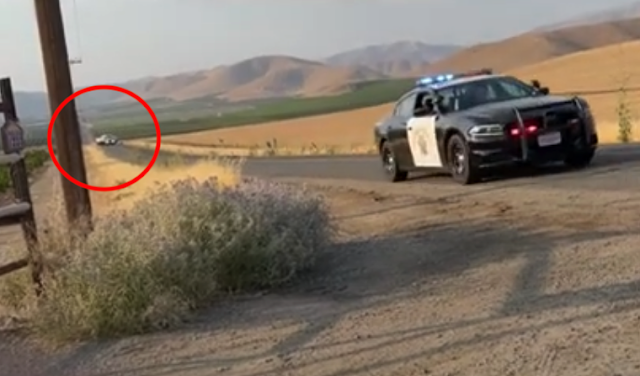







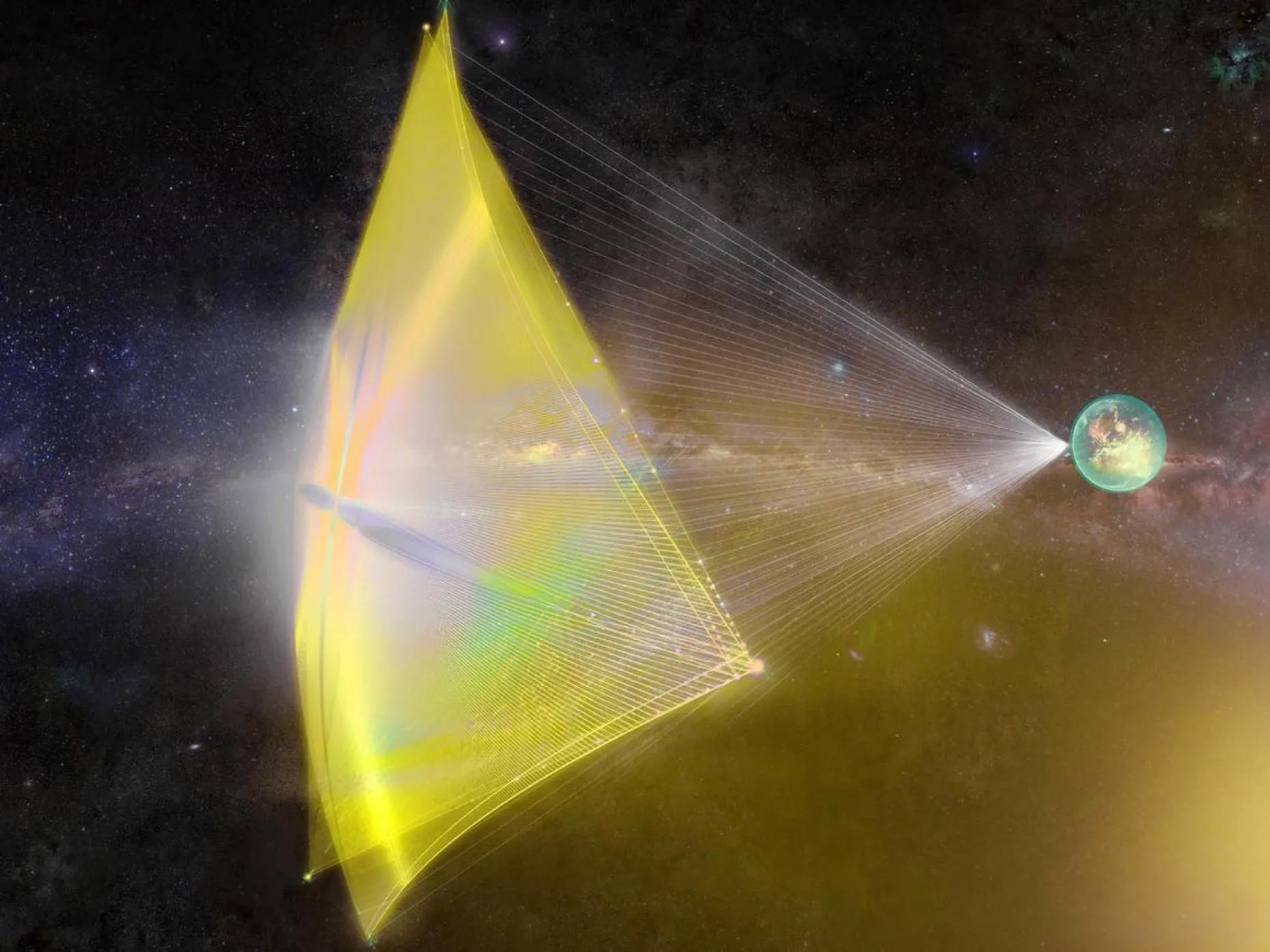


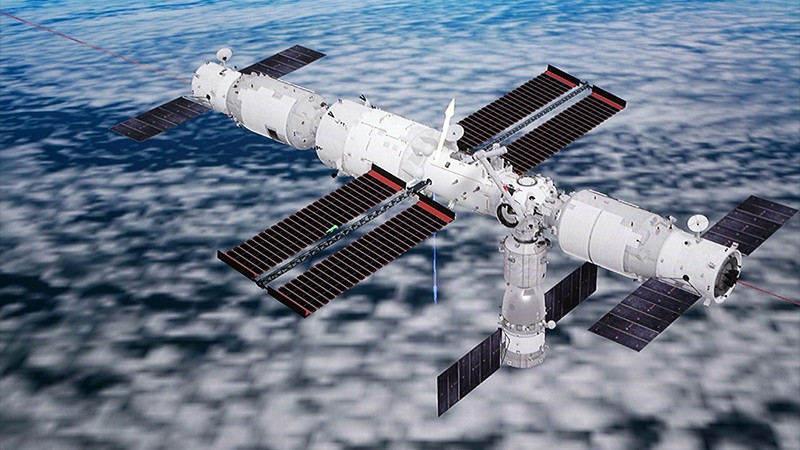
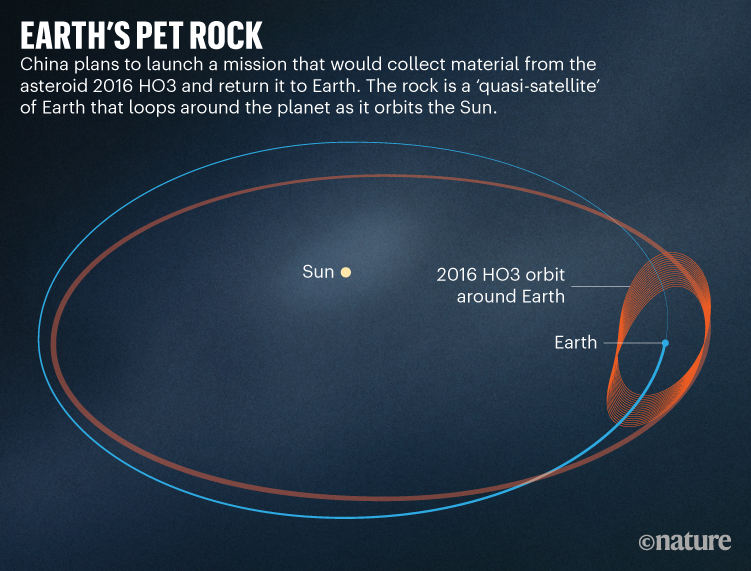






 A jaw-some discovery! Huge 33ft-long dinosaur with a...
 Meet the 'great grandfather' of Diplodocus and Brontosaurus!...
 Armless…but not harmless! Terrifying dinosaur that roamed...