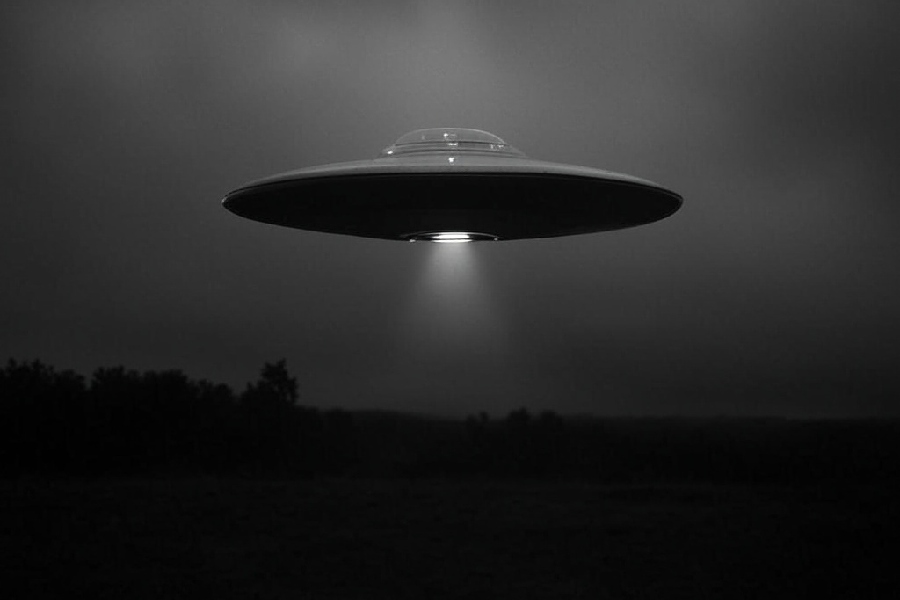
Ontdek de Fascinerende Wereld van UFO's en UAP's: Jouw Bron voor Onthullende Informatie!
Ben jij ook gefascineerd door het onbekende? Wil je meer weten over UFO's en UAP's, niet alleen in België, maar over de hele wereld? Dan ben je op de juiste plek!
België: Het Kloppend Hart van UFO-onderzoek
In België is BUFON (Belgisch UFO-Netwerk) dé autoriteit op het gebied van UFO-onderzoek. Voor betrouwbare en objectieve informatie over deze intrigerende fenomenen, bezoek je zeker onze Facebook-pagina en deze blog. Maar dat is nog niet alles! Ontdek ook het Belgisch UFO-meldpunt en Caelestia, twee organisaties die diepgaand onderzoek verrichten, al zijn ze soms kritisch of sceptisch.
Nederland: Een Schat aan Informatie
Voor onze Nederlandse buren is er de schitterende website www.ufowijzer.nl, beheerd door Paul Harmans. Deze site biedt een schat aan informatie en artikelen die je niet wilt missen!
Internationaal: MUFON - De Wereldwijde Autoriteit
Neem ook een kijkje bij MUFON (Mutual UFO Network Inc.), een gerenommeerde Amerikaanse UFO-vereniging met afdelingen in de VS en wereldwijd. MUFON is toegewijd aan de wetenschappelijke en analytische studie van het UFO-fenomeen, en hun maandelijkse tijdschrift, The MUFON UFO-Journal, is een must-read voor elke UFO-enthousiasteling. Bezoek hun website op www.mufon.com voor meer informatie.
Samenwerking en Toekomstvisie
Sinds 1 februari 2020 is Pieter niet alleen ex-president van BUFON, maar ook de voormalige nationale directeur van MUFON in Vlaanderen en Nederland. Dit creëert een sterke samenwerking met de Franse MUFON Reseau MUFON/EUROP, wat ons in staat stelt om nog meer waardevolle inzichten te delen.
Let op: Nepprofielen en Nieuwe Groeperingen
Pas op voor een nieuwe groepering die zich ook BUFON noemt, maar geen enkele connectie heeft met onze gevestigde organisatie. Hoewel zij de naam geregistreerd hebben, kunnen ze het rijke verleden en de expertise van onze groep niet evenaren. We wensen hen veel succes, maar we blijven de autoriteit in UFO-onderzoek!
Blijf Op De Hoogte!
Wil jij de laatste nieuwtjes over UFO's, ruimtevaart, archeologie, en meer? Volg ons dan en duik samen met ons in de fascinerende wereld van het onbekende! Sluit je aan bij de gemeenschap van nieuwsgierige geesten die net als jij verlangen naar antwoorden en avonturen in de sterren!
Heb je vragen of wil je meer weten? Aarzel dan niet om contact met ons op te nemen! Samen ontrafelen we het mysterie van de lucht en daarbuiten.
Aliens among us? New military radar footage shows mysterious ‘tic tac’ UFOs off US coast
It was seen emerging from the Pacific Ocean and seamlessly transitioning into air-flight ‘without any plumes or exhaust signatures of conventional propulsion’.
It was seen emerging from the Pacific Ocean and seamlessly transitioning into air-flight ‘without any plumes or exhaust signatures of conventional propulsion’. (Representational image | Pexels)
American military ships may have recorded fresh examples of ‘alien activity’ — with newly released footage showing ‘tic-tac’ shaped UFOs flying off the coast of California. The radar video was purportedly recorded by active duty naval officers in 2023 as they witnessed one of the unidentified flying objects with their own eyes.
“Personnel from the USS Jackson in the CIC (Combat Information Center) filmed them. One of the vehicles of unknown origin was observed exiting the water, transitioning directly into flight, demonstrating transmedium capability. No flight control surfaces or conventional propulsion signatures (heat plumes, exhaust) were detected. The UAPs executed an observed instantaneous, synchronized departure,” ufologist Jeremy Corbell wrote on X while sharing the clip.
According to the details shared on his podcast, the first of these “self-illuminated” UFOs was observed at night on February 13, 2023 by officials stationed on the USS Jackson. It was seen emerging from the Pacific Ocean and seamlessly transitioning into air-flight ‘without any plumes or exhaust signatures of conventional propulsion’. The Naval officer had subsequently rushed to track the anomalous object using forward-looking infrared radar.
The clip shared by Corbell showed several white cruciform signatures popping up on the radar interface as Naval operators tried to monitor the situation. Witnesses said that the four ‘tic-tac’ forms eventually departed in an ‘instantaneous’ and ‘synchronized’ manner.
The US Pentagon had previously confirmed in 2021 that footage of unidentified aerial phenomena (a blinking triangular object in the sky as well as those categorised as sphere, acorn and metallic blimp) were legitimate and taken by Navy personnel. Later came the historic US congressional hearing on UFOs following claims that the government was concealing a longstanding programme that retrieves and reverse engineers UFOs. Three retired military veterans had testified during the widely-followed 2023 hearings — and even claimed that that the US had recovered non-human “biologics” from alleged crash sites
Do you believe in aliens: CIA says KGB fought UFOs, ETs in Cold War Ukraine
According to the survivors, the extraterrestrials regrouped and 'merged into a single object that acquired a spherical shape'
A declassified CIA document has gone viral—reviving an eerie, long-buried incident that apparently took place in the dying days of the Soviet Union.
A page from the declassified CIA document that has gone viral. (X/@BoDeepest)
According to the document, now available on the CIA’s official website, a bizarre event unfolded in 1989-90 during a military training exercise in Ukraine—then part of the USSR—where a group of Soviet soldiers reportedly engaged a low-flying, saucer-shaped UFO.
What followed was a scene straight out of a sci-fi horror film.
AI-generated image
(ChatGpt)
The 250-page KGB report, said to have been obtained by the CIA following the collapse of the Soviet Union in 1991, recounts in chilling detail how a platoon of soldiers fired a surface-to-air missile at the unidentified craft.
The attack reportedly brought down the object, prompting five short, humanoid beings with large heads and black eyes to emerge from the wreckage.
The witnesses’ account becomes more unsettling from there.
According to the survivors, the extraterrestrials regrouped and “merged into a single object that acquired a spherical shape.”
Seconds later, the sphere emitted an intense, blinding flash of light.
In the moments that followed, 23 soldiers who had been watching were reportedly transformed—turned into what the document refers to as “stone poles.”
Only two soldiers survived, supposedly shielded by the shadows of nearby cover, escaping the full force of the mysterious flash.
The report—based on summaries from Canadian Weekly World News and Ukrainian newspaper Holos Ukrayiny—described “a horrific picture of revenge on the part of extraterrestrial creatures, a picture that makes one’s blood freeze.”
The alleged petrified bodies and the wreckage of the unidentified object were transported to a secret Soviet research facility near Moscow.
There, scientists are said to have determined that the soldiers’ bodies had been transformed into a limestone-like substance.
Whatever technology the beings deployed, the report concludes, it defied science.
“If the KGB file corresponds to reality, this is an extremely menacing case,” a CIA analyst reportedly noted, as per Hindustan Times report. “The Aliens possess such weapons and technology that go beyond all our assumptions. They can stand up for themselves if attacked.”
Although the event allegedly occurred in either 1989 or 1990, the story surfaced after the disintegration of the Soviet Union and was declassified by the CIA in 2000.
The document has since drawn renewed interest, surfacing in various discussions, including a recent episode of The Joe Rogan Experience.
Former CIA officer Mike Baker cautioned against taking the report at face value.
Speaking to Fox News Digital, Baker remarked, “If there was an incident, regardless of the nature of the incident, I suspect that the actual report doesn’t look much like what has now come out from five or six or seven iterations of what originally was [written].”
“I’m sure there’s something out there,” he added. “I just don’t think that they landed decades ago, turned Soviet soldiers into limestone, and we’re just now hearing about it. I don’t think that’s the case.”
Despite his doubts, Baker conceded that unexplained aerial phenomena remain worthy of investigation.
AI-generated image
(Grok AI)
The declassified file arrives at a time of heightened public interest in UFOs—now officially termed Unidentified Aerial Phenomena (UAPs).
In 2020, the US Department of Defense established a UAP Task Force aimed at detecting, analysing, and cataloguing such encounters.
This initiative resulted in the release of several formerly classified files, igniting widespread public discourse.
As per The Economic Times, between May 2023 and June 2024 alone, the Pentagon received 757 reports of UAPs.
While most sightings were attributed to balloons, drones, or satellites, a handful remained unexplained—including a near-collision between a commercial airliner and a mysterious object near New York.
Even political leaders have weighed in.
Donald Trump and Logan Paul
(AI-Generated picture via ChatGpt)
During his 2024 presidential campaign, Donald Trump told podcast host Logan Paul he didn’t believe in aliens.
But upon assuming office, he signed an executive order mandating the declassification of all federal records related to extraterrestrial sightings, stating that it was time to “expose or dispel rumours of any cover-up that may or may not have taken place.”
Blue Origin All Female Crew, Including Katy Perry Scream All The Way Back To Earth!, UFO UAP Sighting News.
Date of landing: April 14, 2025
So an all woman crew...every guy has thought about such sci-fi epic stories...and yet Earth had just such a historical moment today...as they landed in the desert in a space capsule. You might by chance notice a little screaming every now and then. The screams are as if they saw an alien for the first time, but it's not, it's just the sudden G force change as they drop, the parachute opens and they hit the ground. I sure hope Katy Perry can sing again after all that screaming but hey, if not, there is an opening on the space station she might take.
Clone Robotics' Protoclone android can be seen flexing its bionic muscles in a new video, creepily jerking its limbs back and forth as it hangs from the ceiling.
A robotics company has showcased the jerky, uncanny-valley movements of its muscular humanoid robot in a horrifying new video.
Engineers at Clone Robotics, a startup founded in Poland in 2021, are building androids that look more humanlike than any other humanoid robot built to date and mimic human movement.
The new video, released by the company on April 9, shows their translucent-white skinned "Protoclone" robot hanging from the ceiling with its legs in a plié position, while its arms, head, and hands move eerily. The robot can be seen jerking around like a marionette, shrugging its shoulders, flexing its hands into fists, moving its arms up and down, and nodding its head.
"Meet Clone's first musculoskeletal android: Protoclone, the most anatomically accurate robot in the world," company representatives wrote in the caption of the video. "Based on a natural human skeleton, Protoclone is actuated with over 1,000 Myofibers, Clone's proprietary artificial muscle technology."
In humans and animals, muscles are attached to the skeleton via tendons, which are strong connective tissues. When a muscle contracts, the contraction pulls on the tendon, which pulls on the bones, moving them around a joint.
The Protoclone robot has a realistic human-like skeleton, Clone Robotics representatives say, and is equipped with the company's artificial muscles called Myofibers, which are attached to the appropriate bones using artificial ligaments and connective tissues.
A humanlike android with humanlike movement
According to Clone Robotics' website, the robot contains all 206 human bones made from "cheap and durable polymers." The shoulder joints of the Clone, which connect the shoulder blade, collarbone, and upper arm bones, have a total of 20 degrees of freedom, which is the number of independent movements a joint can perform.
Hinge joints like the knee and elbow only have one degree of freedom each, while ball and socket joints like the hip have three degrees of freedom. Alongside the 26 degrees of freedom allowed by the hand, elbow, and wrist joints, Clone Robotics representatives claim that the Clone's upper torso alone has 164 degrees of freedom.
The Myofibers of the robot were first invented by the company in 2021, and are the "only artificial muscle in the world capable of achieving such a combination of weight, power density, speed, force-to-weight, and energy efficiency," according to the Clone Robotics website. They also state that Myofibers allow "[contraction] faster than human, skeletal muscle fibers."
The Protoclone also uses water-powered hydraulics to move its muscles, driven by a battery-powered electric pump.
"The Clone’s vascular system is the most sophisticated hydraulic powering system ever designed, with a 500 watt electric pump as compact as the human heart able to pump liquid," the Clone Robotics site reads.
The android will also be equipped with hundreds of sensors, but will not be able to feel touch or pain — only where its limbs are in reference to the rest of its body. In total, there are four depth cameras in the skull for vision, 70 inertial sensors that provide joint-level proprioception (angles and velocities) and 320 pressure sensors for muscle-level force feedback.
The full-limbed Protoclone was first revealed in February of this year in a video that went viral for its creepy movements, and the company has also previously showcased the Clone Torso in 2024, and the Clone Hand in 2022, which could rotate its thumb and even catch a ball.
The Protoclone is a prototype of the company's Clone Alpha android, which they claim will "walk naturally," perform household chores like vacuuming, laundry and meal preparation, and even "shake hands with your friends" and spout "witty dialogue."
The Six Mass Extinctions: A Scientific Exploration of Past and Present
Introduction
Throughout Earth's history, life has flourished and adapted in countless forms. However, this rich tapestry of biodiversity has been punctuated by significant events known as mass extinctions. A mass extinction is defined as a rapid decrease in the biodiversity on Earth, resulting in the extinction of a substantial number of species across various taxa. Scientists recognize six major mass extinctions, each with its unique causes and consequences. In this article, we will delve into the details of these six events, examining their timing, causes, effects on flora and fauna, future implications, and the possibility of other overlooked extinctions.
The Six Major Mass Extinctions
1. The Ordovician-Silurian Extinction: An In-Depth Analysis
1.1. Timing and Causes: The Ordovician-Silurian Extinction (approximately 443 million years ago)
The Ordovician-Silurian extinction event, which unfolded around 443 million years ago, stands as the second-largest mass extinction in Earth’s geological history. This event is noteworthy not only for the sheer number of species it affected but also for the significant transformations it catalyzed within marine ecosystems. The extinction is estimated to have eliminated approximately 85% of all marine species, profoundly reshaping the biodiversity of the planet.
The primary causes of this catastrophic event are attributed to drastic climate changes, which can be broken down into two major phenomena: glaciation and fluctuations in sea levels. The onset of glaciation resulted in a substantial drop in global temperatures, leading to a significant decline in sea levels. This decrease in sea levels exposed continental shelves and altered shallow marine habitats, creating inhospitable environments for many species. Following this period of glaciation, there was a rapid rise in sea levels due to melting ice, which further disrupted existing ecosystems. These dramatic shifts not only caused habitat loss but also affected the nutrient cycles and the availability of oxygen in marine environments, contributing to the widespread extinction of species.
1.2. Consequences for Flora and Fauna
The consequences of the Ordovician-Silurian extinction were profound and far-reaching, particularly for marine flora and fauna. Major groups such as trilobites, brachiopods, and graptolites experienced extensive losses, with entire families and genera disappearing from the fossil record. The trilobites, once one of the most prolific groups of marine arthropods, faced severe declines, while many brachiopod species were rendered extinct. Graptolites, key index fossils for dating geological strata, also suffered significant losses, with many species not surviving the transition into the Silurian period.
However, this extinction event also served as a catalyst for evolutionary innovation and diversification. In the aftermath of the extinction, ecological niches that were previously occupied became available, allowing for the emergence of new species and families. The recovery of marine ecosystems during the Silurian period was characterized by the diversification of life forms, including the rise of new types of fish and the establishment of coral reefs. This period also saw the emergence of early land plants, marking a significant transition in the evolution of life on Earth.
1. 3. The Impact on Flora and Fauna
The impact of the Ordovician-Silurian extinction extended beyond the immediate loss of species. The extinction event led to significant changes in the structure of marine ecosystems, fundamentally altering predator-prey relationships and community dynamics. With many established species gone, new ecological interactions emerged, allowing for the diversification of surviving groups. For example, the surviving fish species began to exploit new niches, leading to the evolution of more complex food webs.
The loss of biodiversity during this extinction also had lasting effects on the evolutionary trajectory of life on Earth. The extinction created opportunities for certain groups, such as jawed vertebrates and corals, to thrive and evolve into dominant forms in the following geological periods. This shift laid the groundwork for the development of more complex ecosystems that would eventually support terrestrial life.
1. 4. How Evolution Continued After the Extinction
Following the Ordovician-Silurian extinction, the evolutionary process took a dynamic turn. The Silurian period, which followed the extinction, was marked by a remarkable recovery and diversification of life. New species emerged, filling the ecological void left by the extinct species. Coral reefs began to develop, which provided essential habitats for various marine organisms, facilitating further evolutionary innovations.
The evolutionary adaptations that occurred during this time were significant. Organisms developed more complex body structures and behaviors, enabling them to exploit newly available resources and adapt to changing environmental conditions. This period also saw the rise of early land plants, which played a crucial role in transforming terrestrial ecosystems and eventually allowing for the colonization of land by other life forms.
In conclusion, the Ordovician-Silurian extinction event was a pivotal moment in Earth’s history, marked by dramatic climatic changes and massive biodiversity loss. While it had devastating consequences for many marine species, it also spurred an evolutionary response that led to increased diversity and complexity in the subsequent Silurian period and beyond. The legacy of this extinction continues to influence the trajectory of life on our planet today.
2. The Late Devonian Extinction (approximately 375 million years ago)
2. 1. Timing of the Extinction Events
The Late Devonian extinction, one of the five major extinction events in Earth's history, occurred approximately 375 million years ago and was not a single catastrophic event but rather a protracted series of extinction pulses that unfolded over several million years. This period was marked by dramatic fluctuations in biodiversity, with several distinct phases of extinction, often referred to as "extinction events." These pulses are thought to have occurred over a span of about 20 million years, with the most significant losses recorded during the Late Devonian, particularly around the Frasnian to Famennian stages.
During this time, the Earth was undergoing significant geological and climatic changes. The Devonian period itself was characterized by the proliferation of marine life, particularly in shallow seas. However, the end of this period would see dramatic shifts that would set the stage for one of the most critical transitions in the history of life on Earth.
Since we know that the late Devonian extinction was triggered by an overpopulation of plants which resulted in the decrees of levels of oxygen in seas got some of the marine life killed but did some of the land delving groups of animals also became extinct as a result of a plant overgrowth.
2. 2. Causes of the Extinction Events
The Late Devonian extinction has been attributed to a combination of interrelated factors that contributed to the decline of marine and terrestrial biodiversity. One of the primary causes identified is the fluctuation of sea levels. During this period, there were significant changes in the distribution of land and water, leading to the inundation of continental shelves and the resultant loss of habitats for numerous marine species.
Another critical factor was global cooling, which led to a drop in temperatures and altered climate patterns. This cooling could have disrupted existing ecosystems, placing additional stress on species already vulnerable to changing conditions. Furthermore, anoxic events, characterized by a lack of oxygen in ocean waters, played a pivotal role in the extinction process. These anoxic conditions were likely exacerbated by widespread algal blooms, which, while initially beneficial for some organisms, ultimately resulted in the depletion of oxygen in the water, creating a hostile environment for many marine species.
The interaction of these factors created a perfect storm, leading to widespread extinctions across various taxa, particularly in marine environments.
2. 3. Impact on Flora and Fauna
The consequences of the Late Devonian extinction were profound, particularly for marine ecosystems. It resulted in the extinction of numerous reef-building organisms, with stromatoporoids—coral-like creatures that played a crucial role in creating and maintaining reef structures—falling victim to the changing conditions. The loss of these organisms signified a drastic shift in marine biodiversity, altering the ecological landscape of the oceans.
Fish populations were not spared either, as many species, particularly placoderms, faced significant declines. These armored fish had been dominant during the Devonian, but their extinction paved the way for other groups to rise in prominence. The loss of such a substantial number of marine species had cascading effects throughout the food web, altering predator-prey dynamics and ecosystem stability.
On land, the extinction event also had significant implications for terrestrial flora. The Devonian period had seen substantial advancements in plant life, with the emergence of early vascular plants. However, the extinction event disrupted these advancements, although in the long term, it also laid the groundwork for the evolution of more complex terrestrial ecosystems. The survivors of this period, including early amphibians, began to exploit new niches, leading to a diversification of life forms that would ultimately shape future terrestrial ecosystems.
2. 4. Further Evolution Following the Extinction
Following the Late Devonian extinction, the evolution of life on Earth took a new trajectory. The extinction paved the way for the rise of new groups of organisms that would fill the ecological void left by those that had perished. In the wake of the extinction, early amphibians began to diversify, marking a significant transition from aquatic to terrestrial life. This shift was crucial for the colonization of land by vertebrates.
Furthermore, the recovery of marine ecosystems after the extinction led to the emergence of new reef-building organisms, including modern corals. This recovery phase saw the development of more complex and diverse ecosystems, which would eventually lead to the flourishing of life forms in subsequent geological periods.
On land, the diversification of plant life continued, laying the foundation for the eventual dominance of seed plants and forests in later periods. The Late Devonian extinction, therefore, while devastating in the short term, ultimately catalyzed significant evolutionary advancements that shaped the trajectory of life on Earth for millions of years to come.
In conclusion, the Late Devonian extinction was a complex interplay of environmental changes that had far-reaching consequences for both marine and terrestrial life. The recovery and evolution that followed this extinction event set the stage for future biodiversity, illustrating the resilience of life in the face of profound ecological challenges.
3. The Permian-Triassic Extinction (approximately 252 million years ago) A Comprehensive Overview
3. 1. Timing and Causes:
The Permian-Triassic extinction, often dubbed "The Great Dying," marks a pivotal moment in Earth's history, occurring approximately 252 million years ago. This catastrophic event is distinguished as the most severe mass extinction in the geological timeline, erasing around 96% of all marine species and about 70% of terrestrial vertebrate species. The sheer scale of this extinction event has led scientists to extensively investigate its causes, which appear to be multifaceted.
One of the primary drivers identified is the series of massive volcanic eruptions in what is known as the Siberian Traps. These eruptions released enormous quantities of carbon dioxide (CO2) and sulfur dioxide (SO2) into the atmosphere. The release of CO2 contributed to global warming, while SO2 led to acid rain and subsequent ocean acidification. The destabilization of the climate would have triggered a cascade of environmental changes, including altered weather patterns and the disruption of ecosystems.
Additionally, it is believed that the warming oceans lost their ability to hold oxygen, creating anoxic (oxygen-deprived) conditions that were lethal to many marine organisms. This combination of volcanic activity, climate change, and oceanic disruption created a perfect storm, leading to a dramatic decline in biodiversity. The scale and speed of these changes were unprecedented, setting the stage for one of the most significant shifts in the history of life on Earth.
3. 2. Consequences for Flora and Fauna:
The consequences of the Permian-Triassic extinction were profound and far-reaching, reshaping the planet's biological landscape. The immediate aftermath saw a drastic alteration in the composition of life. With the extinction of dominant species, ecological niches became available, allowing for the emergence of new groups of organisms. The extinction paved the way for the rise of the dinosaurs during the Mesozoic Era, which would dominate terrestrial ecosystems for millions of years.
In terms of flora, the extinction event marked a significant transition in plant life. The dominant seed ferns, which had flourished during the late Paleozoic, saw a severe decline. In their place, conifers and other gymnosperms began to rise to prominence. This shift not only changed the types of vegetation that thrived in various ecosystems but also altered the types of fauna that relied on these plants for food and habitat. The extinction event thus initiated a reorganization of both terrestrial and marine ecosystems, leading to a world that would be markedly different from the one that preceded it.
3. 3. Evolutionary Pathways Post-Extinction:
In the wake of the Permian-Triassic extinction, the evolutionary pathways taken by surviving species were crucial in determining the trajectory of life on Earth. The dramatic loss of biodiversity created both opportunities and challenges for the organisms that remained. With many ecological niches vacant, evolutionary pressures shifted, allowing for rapid diversification among surviving species.
One of the most notable outcomes of this post-extinction recovery was the emergence of the archosaurs, a group that would include the ancestors of modern birds and crocodiles, as well as the dinosaurs. The Mesozoic Era, which followed the extinction, became a time of significant evolutionary experimentation, characterized by the development of various life forms, including the first mammals and flowering plants. This era was defined by a remarkable adaptive radiation, where various species evolved to exploit the newly available ecological niches.
The recovery process was not instantaneous; it took millions of years for ecosystems to stabilize and for biodiversity to rebound. However, this long-term recovery ultimately laid the groundwork for the modern ecosystems we observe today. The evolutionary legacy of the Permian-Triassic extinction is evident in the vast array of life forms that have since emerged, showcasing the resilience of life even in the face of catastrophic events.
3.4. Conclusion:
The Permian-Triassic extinction stands as a stark reminder of the fragility and resilience of life on Earth. Occurring approximately 252 million years ago, this event was driven by a combination of volcanic activity and climate change, resulting in the most severe mass extinction in history. The loss of biodiversity had profound consequences for both flora and fauna, leading to the emergence of new groups and the reorganization of ecosystems. The evolutionary pathways forged in the aftermath of this extinction event continue to shape the biodiversity we observe today, illustrating the complex interplay between extinction, recovery, and evolution in the history of life on our planet.
4. The Triassic-Jurassic Extinction (approximately 201 million years ago)
4.1. Timing of the Extinction Event
The Triassic-Jurassic extinction event unfolded approximately 201 million years ago, marking a significant turning point in Earth’s biological history. This event is notable for the dramatic loss of biodiversity, with estimates suggesting that around 50% of all species on the planet went extinct. It is considered one of the five major extinction events in Earth's history, alongside the more famous Permian-Triassic extinction. The period leading up to this extinction was characterized by a complex interplay of geological and climatic changes. The Triassic period itself was a time of significant diversification, with many species evolving and thriving. However, by the end of this era, the stage was set for a catastrophic shift that would forever alter the course of life on Earth.
4. 2. Causes of the Extinction
The causes of the Triassic-Jurassic extinction are still a matter of scientific investigation and debate. However, several key factors have been proposed as significant contributors to this mass extinction. One of the primary drivers was extensive volcanic activity associated with the opening of the Atlantic Ocean. This volcanic activity was part of what is known as the Central Atlantic Magmatic Province (CAMP), which released massive amounts of carbon dioxide and sulfur dioxide into the atmosphere. The emissions from these volcanoes likely led to severe climate change, resulting in global warming, acid rain, and disruptions to weather patterns.
In addition to volcanic activity, fluctuations in sea levels due to tectonic movements played a crucial role. Rising sea levels could have submerged coastal habitats, while falling sea levels would have exposed shallow marine environments, both of which would have devastated ecosystems. Moreover, there is evidence suggesting that asteroid impacts could have contributed to the environmental stresses during this period, although this hypothesis remains less certain compared to the volcanic activity theory. The combination of these factors created a harsh environment that many species could not withstand, leading to widespread extinction.
4. 3. Impact on Flora and Fauna
The consequences of the Triassic-Jurassic extinction were profound, particularly for flora and fauna. The extinction event dramatically reshaped ecosystems, paving the way for the emergence and dominance of new groups of organisms. Among the most significant outcomes was the rise of the dinosaurs, which would go on to dominate terrestrial ecosystems for the remainder of the Mesozoic Era. With many competitors eliminated, dinosaurs were able to diversify and fill ecological niches that had previously been occupied by a variety of species.
Additionally, the extinction event facilitated the diversification of mammals and reptiles. During the Triassic, mammals were small, nocturnal creatures living in the shadow of larger reptiles. However, with the extinction of many dominant species, mammals began to evolve and adapt more significantly, ultimately leading to the wide variety of mammals seen in later periods. The flora also underwent significant changes; many plant groups, including the dominance of gymnosperms, proliferated in the aftermath of the extinction. The reduced competition allowed these plants to spread and diversify, leading to new ecosystems that would support the thriving dinosaur population.
4. 4. Further Evolution after the Extinction
Following the Triassic-Jurassic extinction, the Mesozoic Era entered a new phase characterized by remarkable evolutionary developments. The Jurassic period, which followed the extinction, was marked by the reign of dinosaurs, which evolved into various forms, from the colossal sauropods to the agile theropods. This period saw the emergence of iconic species such as the Brachiosaurus and the Allosaurus, which adapted to various ecological niches and became the dominant terrestrial vertebrates.
Meanwhile, the evolutionary trajectory of mammals continued, albeit at a slower pace. Mammals remained relatively small and inconspicuous for much of the Jurassic, but this would set the stage for their eventual rise in the Cretaceous period. The extinction event also allowed for the evolution of new plant species, including early flowering plants, which would diversify and become more prevalent in the Cretaceous.
In summary, the Triassic-Jurassic extinction was a pivotal moment in Earth's history that reshaped the planet's biological landscape. The causes of this extinction are complex, involving volcanic activity, climate change, and possibly asteroid impacts. Its impact on flora and fauna was significant, leading to the rise of dinosaurs and the diversification of mammals. The further evolution post-extinction set the stage for the rich tapestry of life that would flourish in the Mesozoic Era and beyond.
5. The Cretaceous-Paleogene Extinction (approximately 66 million years ago) A Pivotal Event in Earth’s History
5. 1. Timing of the Extinction
The Cretaceous-Paleogene (K-Pg) extinction event occurred approximately 66 million years ago, marking a significant boundary in Earth's geological history. This event is often referred to as the greatest mass extinction, as it led to the sudden and dramatic decline of diverse species, most notably the non-avian dinosaurs. The timing of this extinction coincides with significant geological and climatic changes that were already underway, but the K-Pg event itself acted as a catalyst for a profound shift in the Earth’s biological landscape.
5. 2. Causes of the Extinction
Multiple theories have been proposed regarding the precise causes of the K-Pg extinction, though two primary factors are most widely accepted: the impact of a massive asteroid and extensive volcanic activity. The asteroid, estimated to be about 10 kilometers in diameter, struck the Earth near present-day Chicxulub in Mexico. This impact released energy equivalent to billions of atomic bombs, causing immediate devastation through the formation of a massive crater and triggering catastrophic environmental changes.
In addition to the asteroid impact, the volcanic activity associated with the Deccan Traps in present-day India played a critical role. These extensive volcanic eruptions released vast amounts of volcanic gases, including sulfur dioxide and carbon dioxide, into the atmosphere. This led to acid rain, global cooling, and significant shifts in climate, further exacerbating the stress on ecosystems already impacted by the asteroid’s fallout. Together, these two forces created a "nuclear winter" effect, drastically reducing sunlight penetration and disrupting photosynthesis, which was vital for plant life and, by extension, the entire food chain.
5. 3. Impact on Flora and Fauna
The consequences of the K-Pg extinction were catastrophic for both flora and fauna. Approximately 75% of all species on Earth became extinct during this event, including the dominant non-avian dinosaurs, ammonites, and many marine reptiles. The extinction of these species was not merely a loss of individual organisms; it marked a profound shift in the Earth's biodiversity.
Flora, too, suffered tremendously. The destruction of plant life, particularly the dominant angiosperms (flowering plants), led to a significant decline in plant diversity. With the loss of primary producers, herbivores struggled to find food, which in turn affected the carnivores that preyed upon them. The collapse of these interconnected ecosystems created a vacuum in the chain of life, leading to a dramatic reduction in biodiversity.
However, this catastrophic event also set the stage for the resurgence and diversification of mammals. The extinction of dinosaurs and other dominant species opened ecological niches that had been previously occupied. With the disappearance of these large reptiles, mammals began to evolve rapidly, adapting to various environments and filling roles that had been vacated. This eventual diversification would lead to the rise of modern mammals, paving the way for the emergence of primates and eventually humans.
5. 4. Evolutionary Aftermath
In the aftermath of the K-Pg extinction, the process of evolution took a new trajectory. With the vast majority of species gone, the surviving organisms had the opportunity to exploit the ecological niches left empty. Mammals, which had previously been small and largely nocturnal, began to evolve into larger and more diverse forms. This period, known as the Paleogene, saw the rise of many modern groups of mammals, including primates, cetaceans, and even the ancestors of modern horses and elephants.
The evolutionary pressure created by the K-Pg event also led to innovations in reproductive strategies, social behavior, and adaptations to diverse habitats. The flowering plants, which had survived the extinction event, began to diversify as well, leading to a rich array of plant species that would support the herbivorous mammals that were evolving at the same time.
The K-Pg extinction can be viewed as a turning point in the history of life on Earth. It was a stark reminder of the fragility of ecosystems and the interconnectedness of life forms. The survivors of this extinction event set the stage for a new era of biodiversity, which would eventually lead to the complex ecosystems we see today.
5. 5. Conclusion
In summary, the Cretaceous-Paleogene extinction event, occurring around 66 million years ago, was a pivotal moment in Earth’s history, characterized by massive ecological upheaval due to an asteroid impact and volcanic activity. The resulting extinction of a significant percentage of species had profound effects on flora and fauna, reshaping the evolutionary trajectory of life on Earth. The aftermath of this event illustrates both the destructive power of natural forces and the resilience of life, as new species emerged to fill the void left by those that perished.
6. The Holocene Extinction (present day) An Ongoing Crisis
6. 1. When Did the Extinction Events Occur?
The Holocene extinction, often referred to as the sixth mass extinction, is currently unfolding, having begun approximately 10,000 years ago with the advent of human civilization. However, it has gained significant acceleration since the Industrial Revolution in the late 18th century. The effects of human activity on biodiversity have become increasingly pronounced in the 20th and 21st centuries, as urbanization, industrialization, and globalization have contributed to unprecedented levels of species loss. Unlike previous mass extinctions, which were often triggered by natural events such as volcanic eruptions or asteroid impacts, the Holocene extinction is predominantly driven by anthropogenic factors.
As we continue into the 21st century, the pace of extinction has intensified alarmingly. Estimates indicate that species are currently disappearing at a rate 100 to 1,000 times faster than the natural background rate. This alarming trend is projected to escalate further, especially as human populations continue to grow and exert pressure on natural ecosystems.
6. 2. What Caused This Extinction?
The causes of the Holocene extinction are multifaceted and deeply intertwined with human actions. The primary drivers include:
Habitat Destruction: The conversion of natural habitats into agricultural lands, urban areas, and infrastructure has led to significant fragmentation and loss of ecosystems. Deforestation, wetland drainage, and the destruction of grasslands are just a few examples of how human activity has irreparably altered landscapes.
Pollution: Chemicals, plastics, and other pollutants have contaminated air, water, and soil, posing dire threats to many species. For instance, pesticides harm non-target species, while plastic waste in oceans endangers marine life through ingestion and entanglement.
Climate Change: The rapid changes in climate caused by greenhouse gas emissions are shifting habitats and altering weather patterns. Species that cannot adapt quickly enough or migrate to suitable environments face extinction. Coral reefs, often referred to as the "rainforests of the sea," are particularly vulnerable, with rising ocean temperatures leading to widespread bleaching events.
Overexploitation of Resources: Overfishing, poaching, and unsustainable hunting practices have drastically reduced populations of various species, some to the brink of extinction. Many iconic species, such as elephants and rhinos, face extreme pressure from illegal wildlife trade.
Invasive Species: The introduction of non-native species into ecosystems has led to the decline or extinction of indigenous species. Invasive species often outcompete native flora and fauna for resources, disrupt local food webs, and introduce diseases.
These fa Ictors collectively represent a complex web of challenges that are driving the ongoing biodiversity crisis, with humans at the center of the problem.
6. 3. What Was/Is the Impact on Flora and Fauna?
The consequences of the Holocene extinction for both flora and fauna are dire and far-reaching. It is estimated that up to 1 million species are at risk of extinction in the coming decades, a scenario that would have catastrophic implications for global biodiversity and ecosystem services. The loss of species disrupts ecological balance and diminishes the resilience of ecosystems, making them less capable of withstanding environmental changes and stressors.
For flora, the decline of pollinators, such as bees and butterflies, threatens the reproduction of many flowering plants, which are essential for food production and ecosystem health. The extinction of plant species can lead to the loss of entire habitats, affecting numerous animal species that depend on those plants for food and shelter.
For fauna, the extinction of keystone species—organisms that play a critical role in maintaining the structure of an ecosystem—can trigger cascading effects. For example, the decline of apex predators can lead to an overpopulation of herbivores, which in turn can decimate vegetation and disrupt entire ecosystems. The loss of biodiversity also limits the genetic variability necessary for species to adapt to changing environments, further exacerbating their vulnerability.
6. 4. How Did Further Evolution Occur?
The ongoing Holocene extinction presents a paradox within the context of evolution. While extinction events typically pave the way for new species to emerge and adapt, the rapid loss of biodiversity today is occurring at a pace that outstrips the ability of species to evolve. Natural selection requires time, and the accelerated rate of extinction hinders the evolutionary processes that could yield resilient species in the future.
However, some species may adapt to changing conditions, leading to microevolutionary changes. For instance, certain plants and animals are developing new traits that allow them to survive in altered environments or cope with human-induced pressures. Urban wildlife, such as raccoons and pigeons, are adapting to life in cities, showcasing remarkable behavioral changes.
Nonetheless, the overall trajectory of biodiversity loss threatens the rich tapestry of life on Earth. The extinction of so many species erodes the genetic diversity that is crucial for ecosystems to thrive. As human activities continue to shape the planet, it becomes imperative to take action to mitigate these impacts, conserve remaining species, and foster a more sustainable coexistence with nature.
In conclusion, the Holocene extinction represents a critical juncture in Earth's history, driven by human actions that have led to unprecedented rates of species loss. The need for immediate and concerted conservation efforts has never been more urgent, as the fate of countless species—and the health of our planet—hangs in the balance.
7. Future Perspectives and Overlooked Extinctions
7. 1. Future Perspectives
The current trajectory of biodiversity loss indicates that we are at a critical juncture in environmental history. If the current trends of habitat destruction, climate change, and pollution persist, we may experience an alarming acceleration in species extinction rates. This situation is dire, as the loss of biodiversity can destabilize ecosystems, diminish natural resources, and ultimately impact human well-being. Conservation efforts have never been more crucial in mitigating these adverse effects. To combat this crisis, comprehensive strategies such as habitat restoration, legal protections for endangered species, and sustainable resource management must be prioritized. Habitat restoration involves rehabilitating degraded ecosystems to restore their ecological functions and biodiversity. Legal protections can help safeguard threatened species from poaching and habitat encroachment, while sustainable resource management ensures that natural resources are used in a manner that does not compromise the environment for future generations. Only through concerted global efforts can we hope to slow down or even reverse some of the biodiversity loss that threatens our planet.
7.2. Overlooked Extinctions
In addition to the six major mass extinctions that are widely recognized, there may be numerous additional extinction events that are less documented and studied. For example, local extinctions—where species disappear from a specific area—may not garner the same level of attention as global events, yet they can have profound impacts on local ecosystems. Moreover, the extinction of lesser-known species, such as certain insects or plants, can lead to significant ecological consequences, disrupting food webs and ecosystem services. The loss of these species often goes unnoticed, complicating our overall understanding of biodiversity loss and its implications. By expanding our focus beyond the well-known extinctions to include these overlooked events, we can gain a more comprehensive view of the current biodiversity crisis and the urgent need for effective conservation measures.
Conclusion
The study of mass extinctions is not merely an academic exercise; it serves as a crucial lens through which we can understand the resilience and vulnerability of life on Earth. Each of the six major mass extinction events—ranging from the Ordovician-Silurian extinction to the Cretaceous-Paleogene event—has profoundly influenced the trajectory of biodiversity, ushering in the rise and fall of countless species. These events reveal patterns of ecological disruption, evolutionary responses, and the long-term consequences of environmental changes. As we navigate the complexities of the ongoing Holocene extinction, it becomes imperative to draw lessons from these historical precedents and implement proactive measures to safeguard the biodiversity that remains.
Historically, mass extinctions have often been triggered by significant environmental upheavals, such as volcanic eruptions, climate change, and asteroid impacts. For instance, the Permian-Triassic extinction, which occurred approximately 252 million years ago, is estimated to have wiped out nearly 90% of marine species and 70% of terrestrial vertebrates. This event serves as a stark reminder of the fragility of ecosystems when confronted with rapid and extreme changes. Understanding the factors that contributed to these extinctions allows us to identify contemporary threats, such as habitat loss, pollution, climate change, and invasive species, that are currently driving species to extinction at an unprecedented rate.
The current Holocene extinction—often described as the sixth mass extinction—highlights the impact of human activity on the natural world. According to various studies, species are disappearing at a rate 100 to 1,000 times faster than the natural background rate of extinction (Pimm et al., 2014). This alarming trend underscores the urgency of our situation and the need for immediate action. By learning from the past, we can better understand how to mitigate these threats and foster resilience in ecosystems.
Preserving biodiversity is not merely an ecological concern; it is also vital for human well-being. Biodiverse ecosystems provide essential services, including clean air and water, pollination of crops, and climate regulation. The loss of biodiversity can lead to the destabilization of these systems, ultimately affecting food security and public health. Therefore, our stewardship of the Earth must encompass not only conservation efforts but also sustainable practices that promote coexistence with nature.
In response to the challenges posed by the ongoing extinction crisis, various strategies have been proposed, including the establishment of protected areas, restoration of degraded habitats, and the implementation of policies that address climate change and pollution. Engaging local communities in conservation efforts is also critical, as local knowledge and stewardship can significantly enhance biodiversity preservation.
Moreover, education and awareness-raising initiatives are essential for fostering a culture of conservation. By informing the public about the importance of biodiversity and the consequences of its loss, we can inspire collective action and drive policy changes that prioritize ecological health.
In conclusion, the legacy of past mass extinctions serves as both a warning and a guide for our future stewardship of the Earth. As we confront the challenges of the Holocene extinction, it is crucial to recognize and mitigate the threats facing flora and fauna today. The future of our planet's biodiversity hinges on our willingness to learn from history and take meaningful action to preserve the rich tapestry of life that still exists.
References
Pimm, S. L., Jenkins, C. N., Abadi, F., & Moore, J. L. (2014). The biodiversity crisis: Losing the common and the rare. Science, 343(6171), 1241-1244.
Erwin, D. H. (2009). Climate as a driver of evolutionary change. Current Biology, 19(18), R779-R786.
Barnosky, A. D., Matzke, N., Tomiya, S., et al. (2011). Has the Earth’s sixth mass extinction already arrived? Nature, 471(7336), 51-57.
Ceballos, G., Ehrlich, P. R., & Dirzo, R. (2017). Biological annihilation via the ongoing sixth mass extinction signaled by vertebrate population losses and declines. Proceedings of the National Academy of Sciences, 114(30), E6089-E6096.
Venter, O., Sanderson, E. W., Magrach, A., et al. (2016). Estimating the size of the global conservation area. Nature, 537(7618), 145-149.
Sala, O. E., et al. (2000). Global biodiversity scenarios for the year 2100. Science, 287(5459), 1770-1774.
Hooper, D. U., et al. (2005). Effects of biodiversity on ecosystem functioning: A consensus of current knowledge. Ecological Monographs, 75(1), 3-35.
McKinney, M. L., & Lockwood, J. L. (1999). Biotic homogenization: A few winners replacing many losers in the next mass extinction. Trends in Ecology & Evolution, 14(11), 450-453.
Thomas, C. D., et al. (2004). Extinction risk from climate change. Nature, 427(6970), 145-148.
IPBES. (2019). Global Assessment Report on Biodiversity and Ecosystem Services. Intergovernmental Science-Policy Platform on Biodiversity and Ecosystem Services.
Frozen Lava Domes on Europa Might Provide Future Habitats!
By Mark Thompson
Ridges disrupted by the localized formation of domes may be indicative of thermal upwelling of water from beneath Europa's crust (Credit : NASA/JPL/Southwest Research Institute)
Europa is one of the four satellites of Jupiter that were discovered by Galileo over 400 years ago. It’s slightly smaller than Earth’s Moon and is covered by a thick shell of ice, beneath which lies a global subsurface ocean kept liquid by tidal heating from Jupiter’s strong gravitational pull. Its surface is marked by cracks, ridges, and smooth plains, suggesting ongoing geological activity. There are features like domes and ridged terrains indicate that material from the interior may be interacting with the surface, possibly through processes like cryovolcanism.
This is Europa in true colour from Juno's flyby
(Credit : NASA/JPL-Caltech/SwRI/MSSS/Kevin M. Gill)
The Galileo spacecraft’s Solid State Imager revealed that Jupiter’s moon Europa has a geologically young and diverse surface, Some of the domes, particularly those with circular or lobate shapes and smooth surfaces, are believed to be cryovolcanic in origin, formed by the eruption of water or slushy ice rather than molten rock. Various formation mechanisms have been proposed, including diapirism (upward movement of warmer ice) and cryovolcanic emplacement. Previous studies have identified 38 candidate cryolava domes in Europa’s Conamara region, with a third modelled using a volume flux approach that suggested the erupted cryolava was far less viscous than previously estimated.
Artist's Image of NASA's Galileo Spacecraft Flying Past Jupiter's moon Io
(Credit : NASA)
A recent piece of research led by Kierra A. Wilk from the NASA Goddard Space Flight Center has expanded the study to include 186 domes, providing deeper insight into the behaviour of Europa’s cryolava and the potential for exchange between the surface and the subsurface ocean making it an environment that could be suitable for life. Using images and elevation data from Galileo’s E6, E14, E15, and E17 flybys, the team identified and mapped potential cryovolcanic domes on Europa, noting their geological context, such as whether they intersect ridges, sit in depressions, or show signs of flow lobes.
For each dome, three topographic profiles were created with adjustments made for surrounding terrain to estimate relative dome heights. The average diameter and height of each dome were then used in models based on fluid dynamics to understand how they formed. While Earth’s lava domes can take months to decades to form, Europa’s cryolava domes are estimated to have formed in as little as one month to up to 50 years, depending on how quickly the cryolava cooled and solidified.
The new study uses the maximum dome height rather than the average based on previous studies, as using average height can underestimate cryolava viscosity by up to 100 times. The estimated formation time for the domes matches earlier studies, but viscosity may be higher if cooling and formation happened over the same period.
These findings suggest Europa's cryolava may behave like basaltic to andesitic lava on Earth and could be made of thick, particle-rich brine. Viscosity differences hint at varying temperatures or compositions in Europa’s interior. Upcoming high-resolution data from the Europa Clipper mission will help identify more domes and active areas, offering deeper insight into Europa's geological activity and the potential habitability of its subsurface reservoirs.
How Crater Shapes Are Revealing More About Titan’s Icy Crust
By Mark Thompson
Artist Illustration of Titan's Thin Icy Crust (Credit : NASA/JPL)
Titan, Saturn's largest moon, is a fascinating world that is unique among moons of the outer Solar System. It’s shrouded in a thick, hazy atmosphere rich in nitrogen and methane and it's the only moon with a substantial atmosphere and the only place besides Earth known to have stable bodies of surface liquid. These aren't water lakes and seas, however, but collections of liquid hydrocarbons (primarily methane and ethane) that form a complex cycle similar to Earth's water cycle. Beneath this alien landscape lies a mysterious interior: likely a water-ice crust floating atop a subsurface ocean of liquid water mixed with ammonia.
Saturn's moon Titan
(Credit: NASA/Kevin Gill)
A new paper reveals how a team of researchers from Imperial College London, UK have compared real craters on Titan with computer-simulated ones to determine the thickness of its icy shell. This information is important for understanding Titan's interior structure, how it evolved thermally, and its potential to produce organic molecules—making it significant for astrobiology research.
Impact simulations for Titan used special hydrodynamic code that simulates crater impact processes on planetary surfaces. They ran simulations with vertical impact velocities at 10.5 km/s, testing three impactor sizes (2, 5, and 10 km). The models incorporated strength and damage parameters for methane clathrate (where methane gas is trapped inside water) and water ice based on previous studies, using a model that simulates how rock and debris behaves like a fluid during high energy impact events.
Image showing surface detail on Titan
(Credit : NASA)
They also employed an ANEOS equation of state to describe how water ice behaves under extreme conditions, this was also used for methane clathrate too since there is limited data on this state. The simulations used adaptive resolution (starting at 40 cells per projectile radius) and continued until crater dimensions stabilised, with error margins of about 15% for dimensions and two grid cells for depth measurements.
All of the simulated impact craters appeared deeper than those actually observed on Titan. Among the tested models, the 10 km methane clathrate-capped scenario produced craters closest to reality, though still hundreds of meters too deep. Pure ice models performed worst, creating craters over a kilometre deeper than observed, but results improved as the ice lid thickness decreased.
When comparing Titan's actual craters to computer simulations, researchers found the 10 km methane clathrate model best matched reality. This model produced craters with central peaks and sharp rims like the observed Selk crater, though slightly deeper—likely due to sand filling in the craters over time. Pure ice models created much simpler yet significantly deeper craters that couldn't be explained by erosion or infill. The most accurate model appears to be a 10 km methane clathrate layer above 5 km of conductive ice, with warm convective ice beneath at 256.5 K.
Unknown object fell from sky in Magnolia, New Jersey damaging Shop, Video! April 13, 2025 UFO Sighting News.
Date of sighting: April 13, 2025
Location of sighting: South New Jersey, USA
The sky over New Jersey has been littered with alien drones and one of them may have crashed into this auto repair shop. The guy must be a very hard worker because he reported the damage and never really looked for the object since he had so many cars to repair. He said he will search when he gets time to clean up when finished repairing the cars. Till then, we can only guess. I wonder...if nothing was visible, it's possible that it may still be on the outside roof above or in between the layer of top roof and ceiling. I have a feeling there is alien tech in his shop and it's damaged and no longer able to fly...meaning it's hiding somewhere. I will update this if he finds something.
UFO Over Abilene, Texas April 13, 2025 - VIDEO- UAP Drone Sighting News.
Date of sighting:
Location of sighting:
Source: Email report
This strange object was seen in the sky over Texas last night. The object looks huge and often I notice that the US military or gov will try to pass it off as a missile launch, rocket launch or experimental aircraft...when they know good and well its something alien, they just don't want the public knowing the truth.
Alien Black Orb Over North Carolina, April 13, 2025, UFO UAP Sighting News.
Date of sighting: April 13, 2025
Location of sighting: Charlotte, North Carolina, USA
Source: Email Report scwaring @yahoo.com
This is one fast orb and it's totally 100% controlled. It's not a balloon because a balloon would turn, rotate and spin revealing an oval shape, this has none of that. This craft looks similar to many of the silver orbs only darker. We are looking at 100% alien technology.
Scott C. Waring
Eyewitness states:
Saw it yesterday 4/12 late afternoon. It seemed to move at a stable speed in a very determined/controlled way and wasn't swayed by the wind. It's hard to say if it was black or shiny but I lean black/gray. Not sure where it started or where it ended, just saw it from my deck. I see other videos of orbs and spheres but they all seem metal or shiny. Curious if this is in fact an identifiable flying object.
Meer van UFO'S of UAP'S, ASTRONOMIE, RUIMTEVAART, ARCHEOLOGIE, OUDHEIDKUNDE, SF-SNUFJES EN ANDERE ESOTERISCHE WETENSCHAPPEN - DE ALLERLAATSTE NIEUWTJES


 Aliens among us? New military radar footage shows mysterious ‘tic tac’ UFOs off US coast