©NASA Earth Observatory/Wikimedia Commons
Enormous Crater 3x the Size of the Grand Canyon Discovered in U.S.
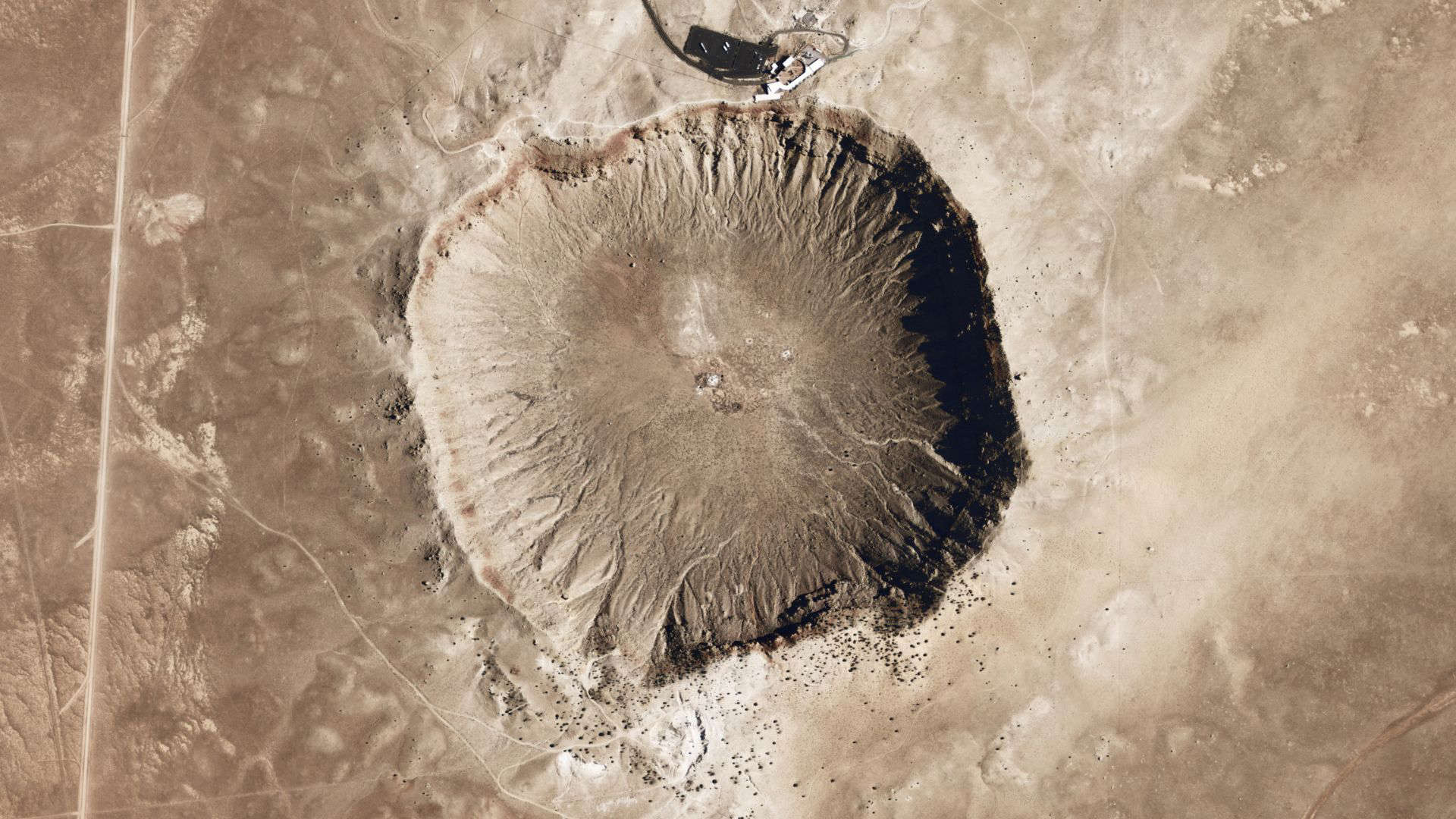
There are various craters that have been discovered around the United States, thanks to giant asteroids and meteors from outer space crashing into Earth millions of years ago.
These craters can come in all shapes and sizes. Often, average Americans don’t even realize some of these enormous craters even exist — and can be found in their local areas. In fact, the largest crater ever discovered in the U.S. is about three times larger than the Grand Canyon.
©DiscoA340/Wikimedia Commons
What Are Impact Craters?
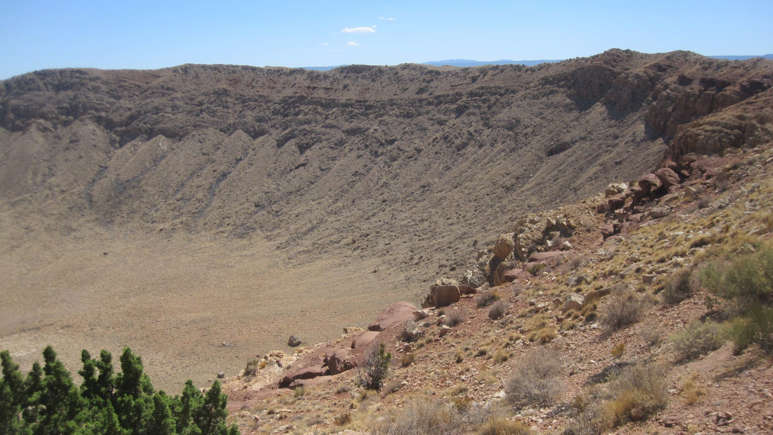
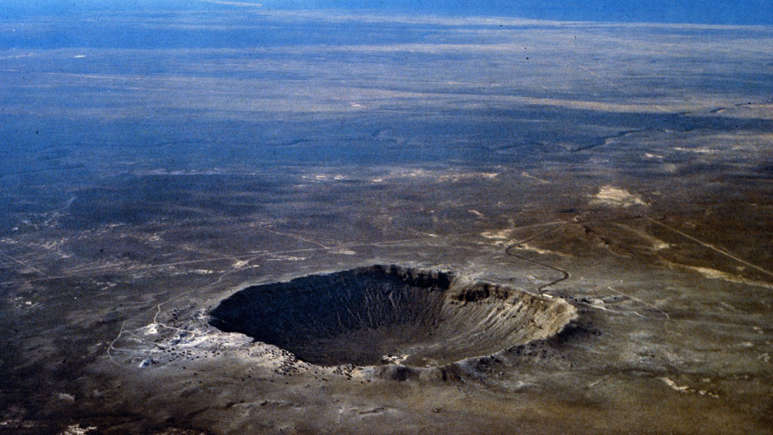
Impact craters occur on the Earth’s surface after large space rocks, such as meteors or asteroids, hit the planet forcefully, leaving behind a changed landscape.
These so-called impact events occur over millions of years. As there can be different types of sizes of these space rocks, the types of craters they leave behind can vary.
©Public Domain/Wikimedia Commons
Discovering Craters
While you may think that it’s easy to spot a crater — after all, they can often appear to be giant holes in the ground — scientists have long explained that discovering craters can be quite difficult.
Scientists conduct many tests to fully understand if an impression on the Earth is from a meteor or asteroid — or if it’s from something else.
©Westwind Air Service/Unsplash
Uncovering Hidden Impact Craters
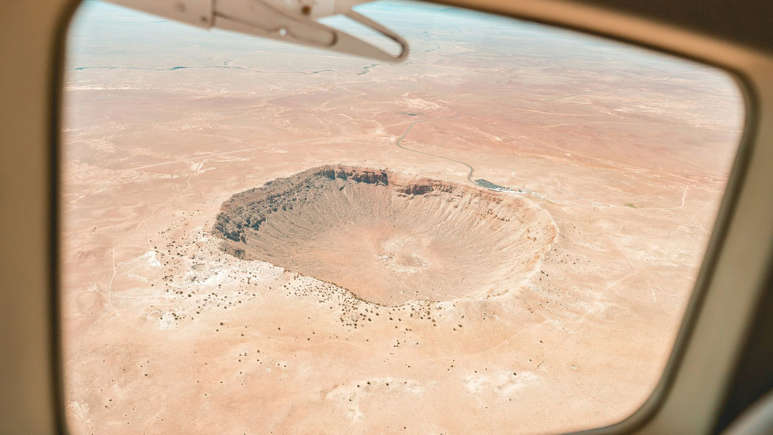
There are many crater sites around the world that likely haven’t been discovered yet, as weathering and erosion can keep these sites from view.
In some cases, scientists have even stumbled upon impact craters without even realizing it, only learning the truth after some studies have been conducted on the region.
©NASA/Wikimedia Commons
Understanding the Planet’s Age
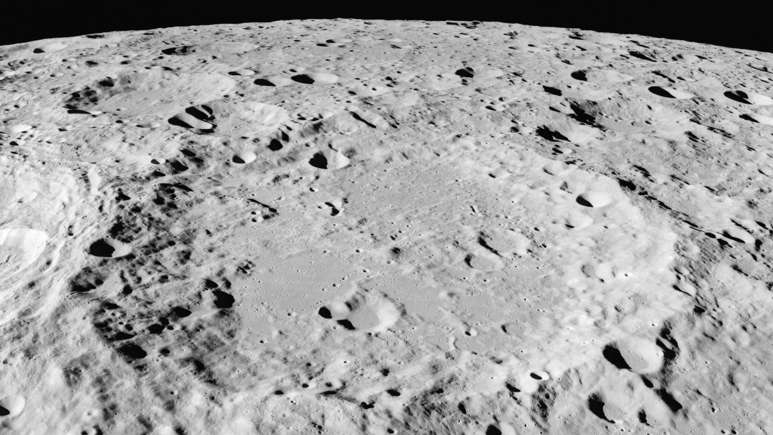
There are a variety of reasons why studying impact crater sites is so important. Scientists explain that these craters can help us better understand how old a planet is.
For example, Earth is a relatively newer planet than the Moon and Mercury, which have many noticeable craters. The Moon even has about 9,137 craters on its surface that scientists have recognized. More could be found in the future.
©Chase O/Unsplash
Craters in the U.S.
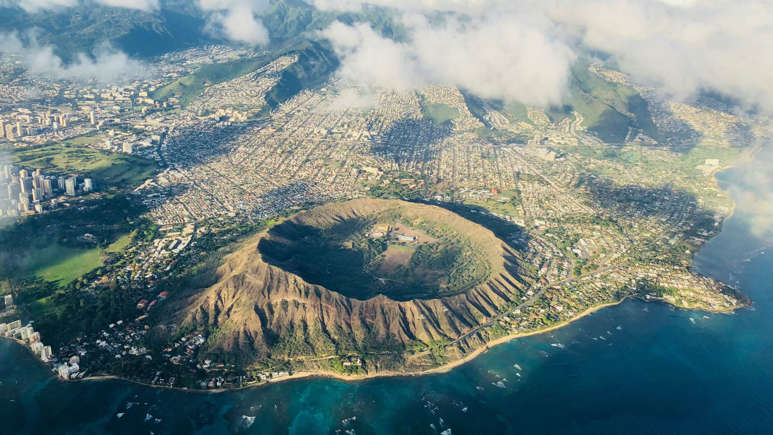
Meanwhile, in the United States, at least 28 different impact crater sites have been found and uncovered by scientists.
These crater sites vary greatly in size and range. Diameters can be as small as 0.1 kilometers to as large as 90 kilometers.
©Steve Adams/Unsplash
The Largest Crater Sites in the U.S.
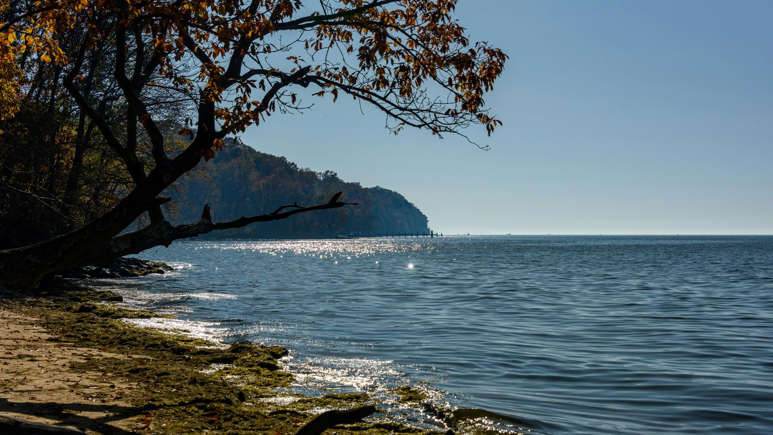
The largest crater site in the country can be found in none other than the Chesapeake Bay. The Chesapeake Bay Crater was first discovered in the 1990s by C. Wylie Poag, quite by accident.
Poag was in the region for an offshore drilling project when this stunning discovery was made. The crater site was hidden beneath the Chesapeake Bay’s floor for centuries before Poag finally realized the truth of the Bay.
©Tim Hart/Unsplash
Larger Than the Grand Canyon
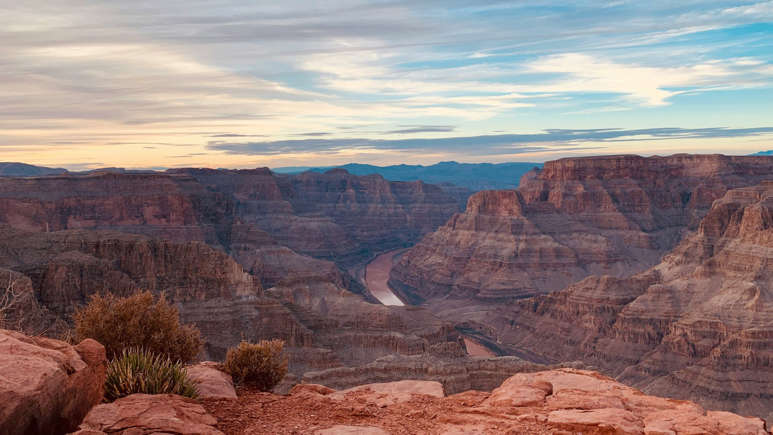
Scientists have deemed the Chesapeake Bay Crater to be the most significant impact crater throughout the entire United States, as it’s enormous.
This crater site has a diameter of 53 miles. This makes it larger than the Grand Canyon, which has a widest point of about 18 miles.
©Max Shein/Unsplash
How This Crater Site Formed
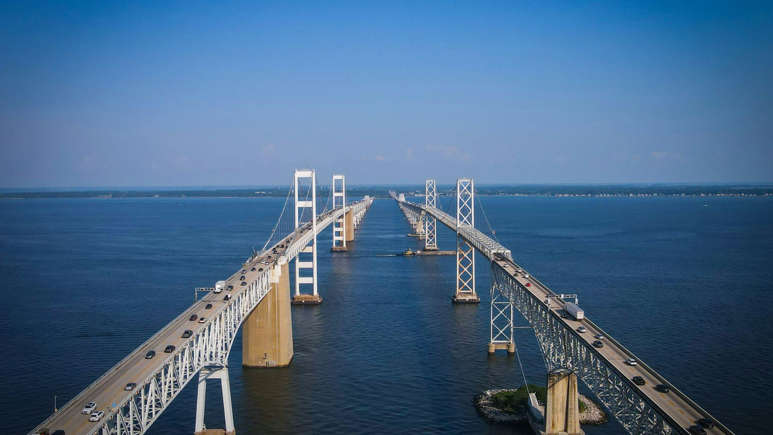
According to scientists, this crater likely formed about 35 million years ago when a bolide — a very large crater-forming body — crashed into what is now known as Virginia’s Hampton Beach.
This 3 km long bolide traveled at 144,000 miles per hour before colliding with the planet, leaving a 1.3 km deep impact crater behind.

©Sara Cottle/Unsplash
A Changed Region
This collision left behind a completely different region, as scientists believe that the crater impact excavated coastal aquifers.
In our present day, a large reservoir filled with water 1.5 times saltier than seawater lies in the impact spot. Because this water is incredibly salty, it cannot be used for many purposes, such as for drinking water.
©Carol M. Highsmith/Wikimedia Commons
Changing the Rivers
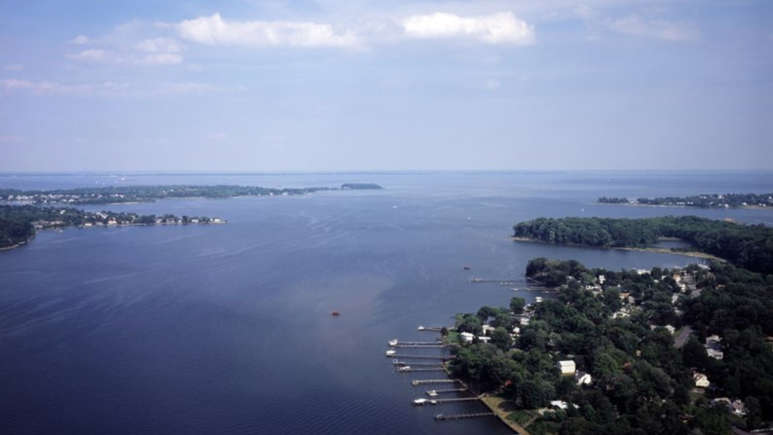
This crater also changed how the rivers flow in the area. For example, rivers like the Rappahannock flow to the Atlantic in a southeast direction.
Researchers believe that, after this collision, the York and James rivers changed their flow to head northeast to the crater.
{ https://www.msn.com/en-us/ }


 'Cigar-shaped UFO with red pulsating glow' in seaside town prompts BBC probe 47 years on