Social media goes into meltdown after someone claims the egg in a pack of Haribo Starmix is actually a UFO (so is he right?)

 Emma Watson reveals VERY intimate details of her beauty...
 Bottoms up! Student becomes a viral hit after filming...





Each week we uncover the most interesting and informative articles from around the world, here are 10 of the coolest stories in science this week.
Looking for a light source

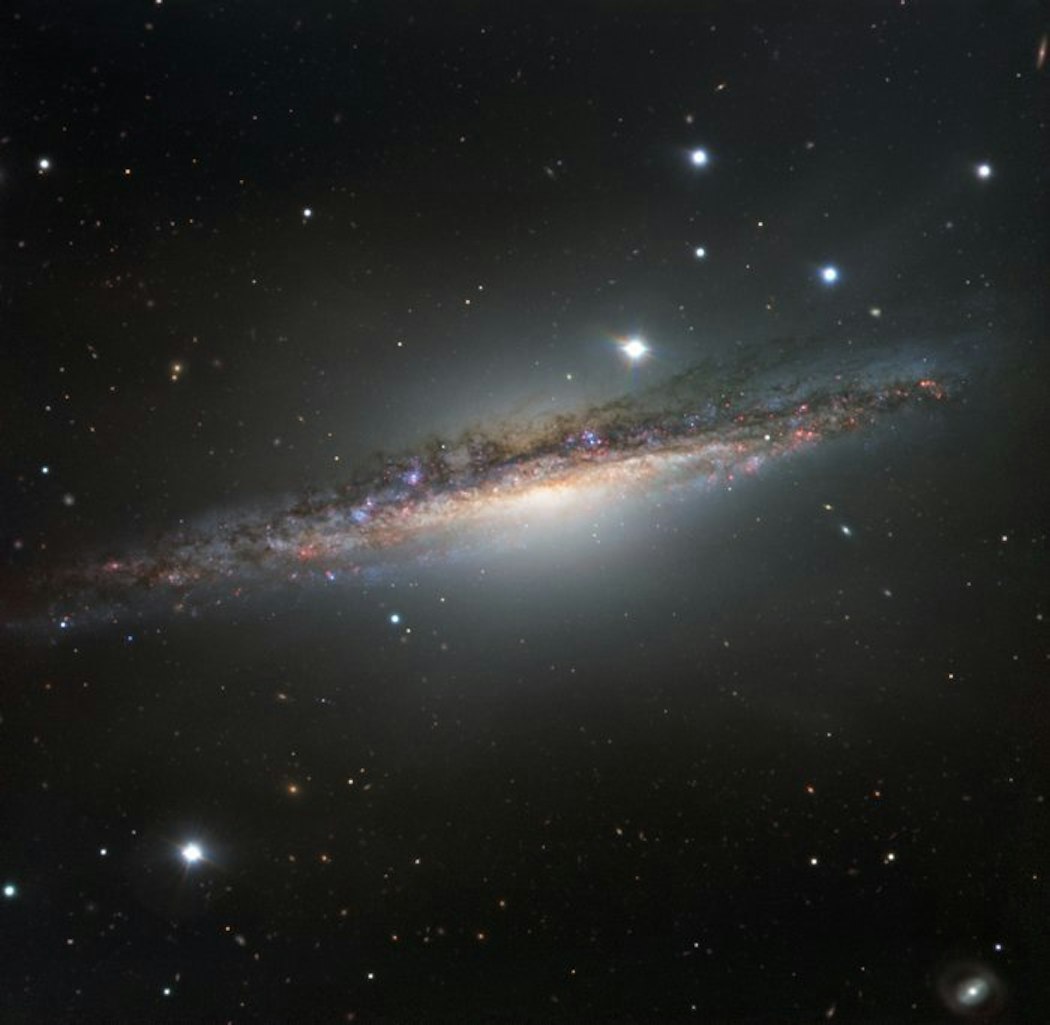
A nebula is an interstellar cloud of gases and dust; an ELAN is a special kind of nebula, so named because it emits Lyman-alpha radiation — a particular wavelength of light emitted when the electron in a hydrogen atom drops down to its lowest energy level. The discovery of a new and rarely seen nebula 10 billion light-years away has created a cosmic mystery: What is lighting up this dusty cloud of gases? [Read more about the nebula.]
Strange sex-life

A new worm discovered on the Iberian Peninsula is missing something: a penis.
The tiny nematode, found in a compost pile, mates without penetration. Instead, it pumps a capsule full of sperm out of an opening in its body and into a funnel-like structure on the female's vulva. From there, the sperm enter the female's reproductive tract to fertilize her eggs. [Read more about odd worm.]
To the moon

SpaceX will fly two private citizens on a trip around the moon in 2018, the company's founder Elon Musk announced Monday (Feb. 27).
The private spaceflight company will use its Falcon Heavy rocket to send the two paying passengers into space aboard one of the company's Dragon spacecraft. The two private citizens, who have not yet been named, approached SpaceX about taking a trip around the moon, and have "already paid a significant deposit" for the cost of the mission, according to a statement from the company. [Read more about trip.]
Red-hot center

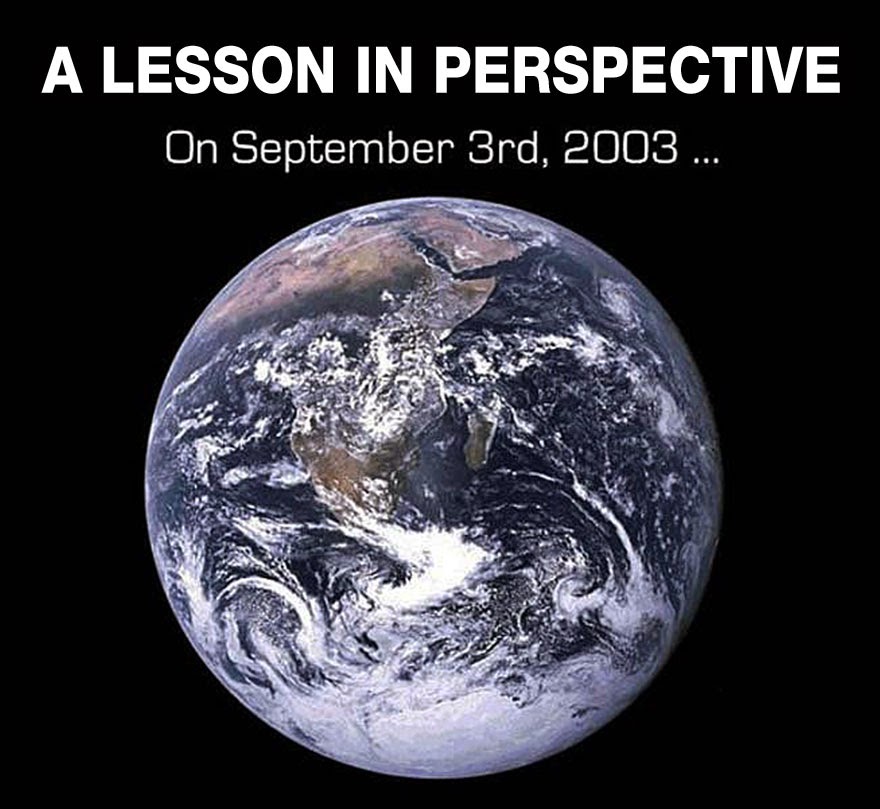
How hot are Earth's scorching insides? A sweltering 2,570 degrees Fahrenheit (1,410 degrees Celsius), a new study finds.
The discovery reveals that the mantle under Earth's oceans — the area just below the crust that extends down to the planet's inner liquid core — is almost 110 degrees F (60 degrees C) hotter than scientists previously thought, the researchers said. [Read more about center of the Earth.]
Childlessness condemned

A person's decision to not have children can spark "moral outrage" in others, even total strangers, a new study finds.
The study comes as more adults in the U.S. are deciding to delay having children, or to forgo having children entirely. [Read more about the odd reaction.]
In life and death

Forget roses and chocolates. Modern-day romantic gestures pale in comparison to what one Renaissance couple did after death: The wife went to her final rest with her husband's heart on her coffin. The discoveries raise questions about medieval European funerary rites, researchers from the University of Toulouse in France wrote in the study, published in December in the journal PLOS ONE. [Read more about the eternal love.]
Antarctic heat

Temperatures on the Antarctic continent reached a record-breaking high of 63.5 degrees Fahrenheit (17.5 degrees Celsius) in 2015, according to a new report of balmy records for the bottom of the world.
And things got even toastier back on Jan. 30, 1982, when the thermometer peaked at 67.6 degrees F (19.8 degrees C) at Signy Research Station on Antarctica's Signy Island, according to the World Meteorological Organization (WMO), a division of the United Nations. [Read more about the record.]
Ancient bones

Ancient traces of microbial life that are between 3.77 billion and 4.29 billion years old might have been unearthed in a rocky outcropping in Canada, a new study suggests. However, some scientists are casting doubt on what the findings truly mean.
If the new microfossils truly are evidence of primordial life that once sprang up in ancient hydrothermal vents, it suggests that life began on Earth soon after the planet coalesced, the study authors said. [Read more about the fossils.]
Hunting fortune

Two amateurs using metal detectors have discovered four gold torques from more than 2,000 years ago in a field near the town of Leek in central England.
The jewelry, which would have been worn as a necklace or bracelet, "dates to around 400 to 250 B.C., and is probably the earliest Iron Age goldwork ever discovered in Britain," Julia Farley, curator of British and European Iron Age collections at the British Museum in London, said in a statement. [Read more about the link between the treasure.]
Kinky arachnids

One autumn night while searching for spiders in his backyard, Matthew Persons came across something unexpected: a wolf spider ménage à trois.
The findings are the first cases on record of one female and two male wolf spiders (Rabidosa punctulata) in a three-way lovefest, a feat that's possible because the females have paired reproductive organs. But this ménage à trois wasn't purely for pleasure. [Read more about the spiders.]
Follow Live Science @livescience, Facebook & Google+.