January 13, 2023: Webb Confirms its First Exoplanet, China's Mars Rover is Gone, Huge Increase in UAP Sightings, And More...- PART I

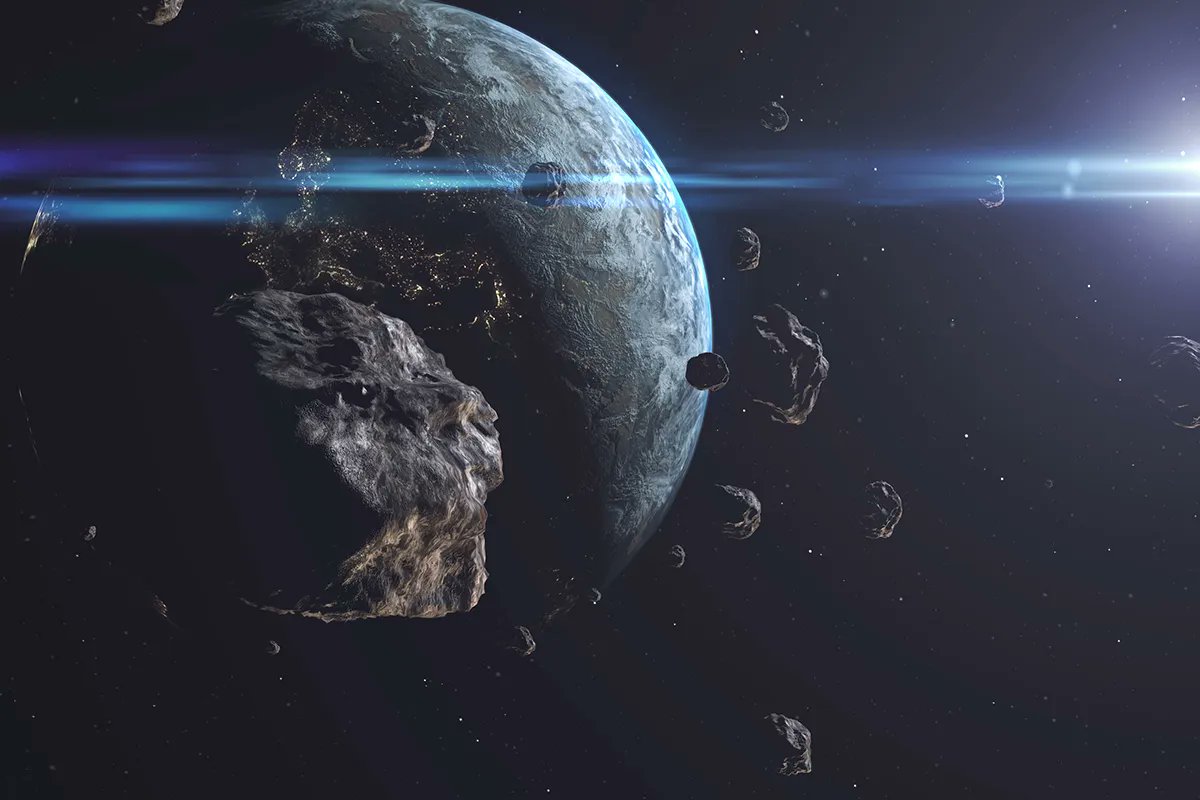
Even though the Arecibo Observatory collapsed a few years ago, it gathered mountains of data that astronomers are still studying. One of the largest data dumps is a collection of 191 Near-Earth Asteroids reviewed by Arecibo as they flew past our planet from December 2017 to December 2019. They were scanned using a delay-Doppler radar, which allowed astronomers to map the surfaces of the asteroids, revealing their rough overall shape with a resolution of 7.5 meters.
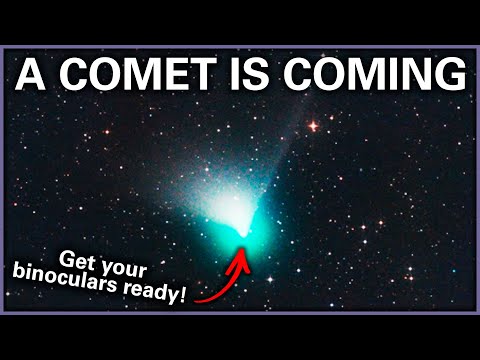
Keep your eyes on the sky for a comet, another Mars rover has died, the leaky Soyuz is going to be replaced, JWST dominates the American Astronomical Society meeting, and is Starship just around the corner
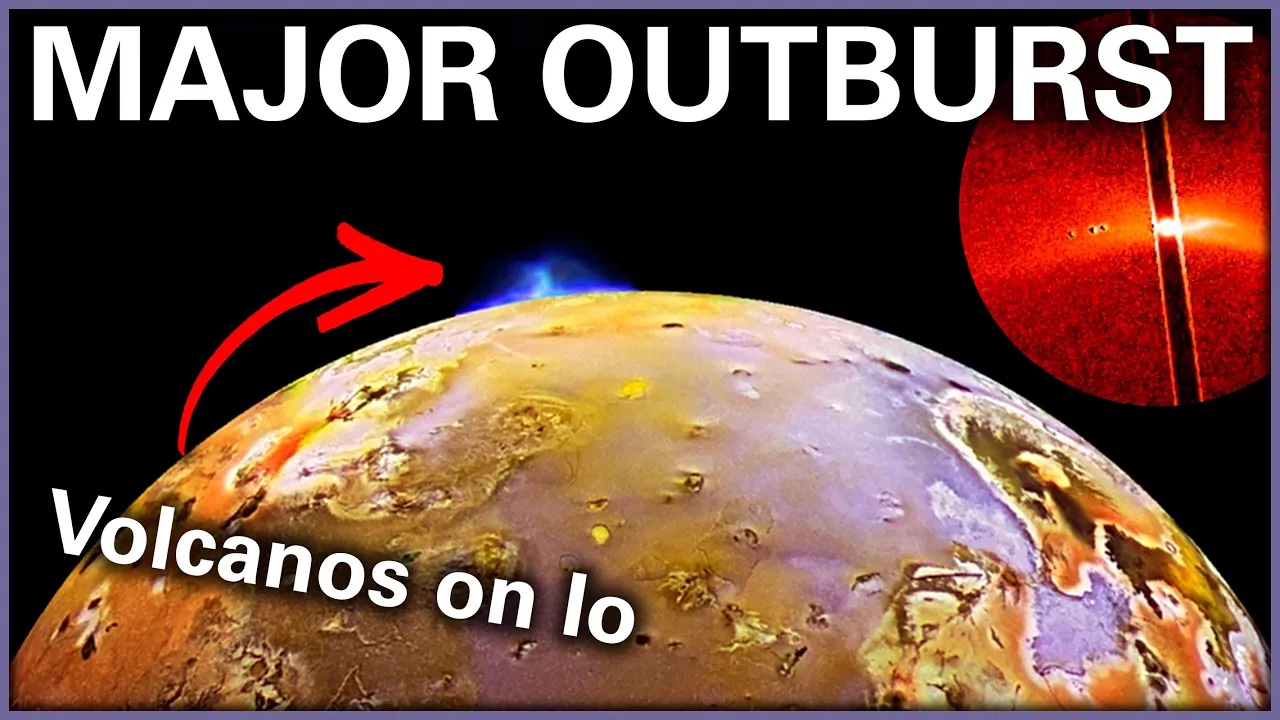
NASA is looking for dangerous asteroids, Io is blasting lava into space, the solar wind could be creating water on the Moon, space power is finally getting a test.
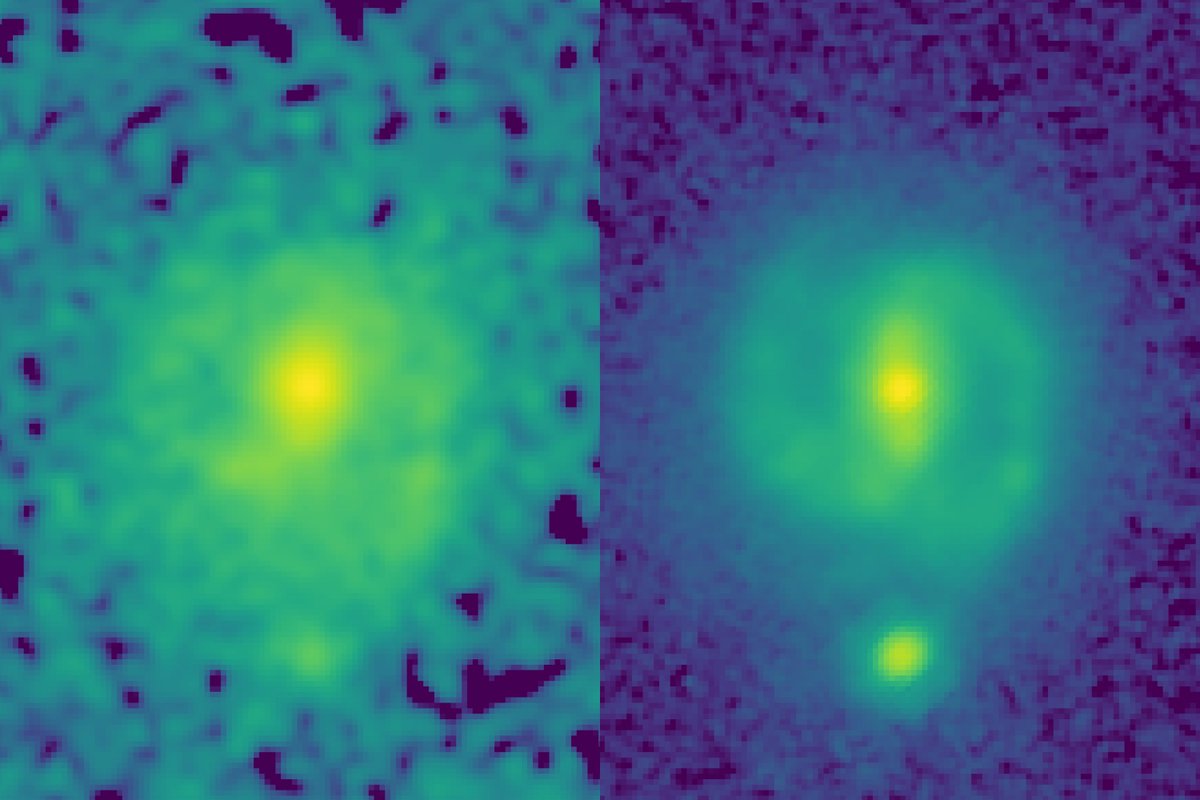
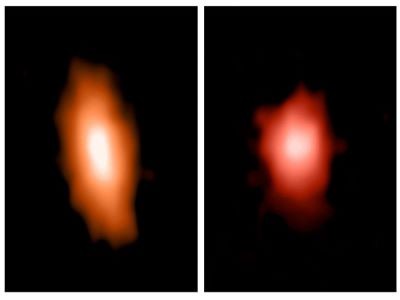
Our Milky Way seems like a modern and mature galaxy formation evolution, resulting from billions of years of mergers from smaller dwarf galaxies. Astronomers have been surprised to discover that grand spiral galaxies were already there in the Universe just a few billion years after the Big Bang. The images were captured using JWST, revealing six spiral galaxies over 8.4 billion years old and two older than 11 billion years. This means they already had this structure less than 3 billion years after the Big Bang.
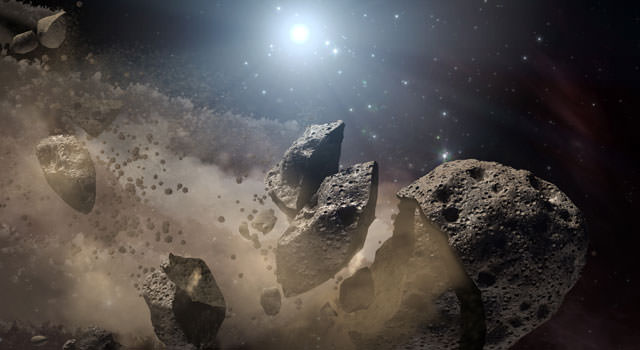
The future of human space exploration depends on learning how to extract resources from asteroids. Unfortunately, the asteroids are far away from the places where we want to use them, like orbital space stations and lunar bases. What's the best way to get these resources back home? Solar sails don't require any onboard propellant, but they're slower, while chemical rockets can be quicker, but you have to expend propellant to move.
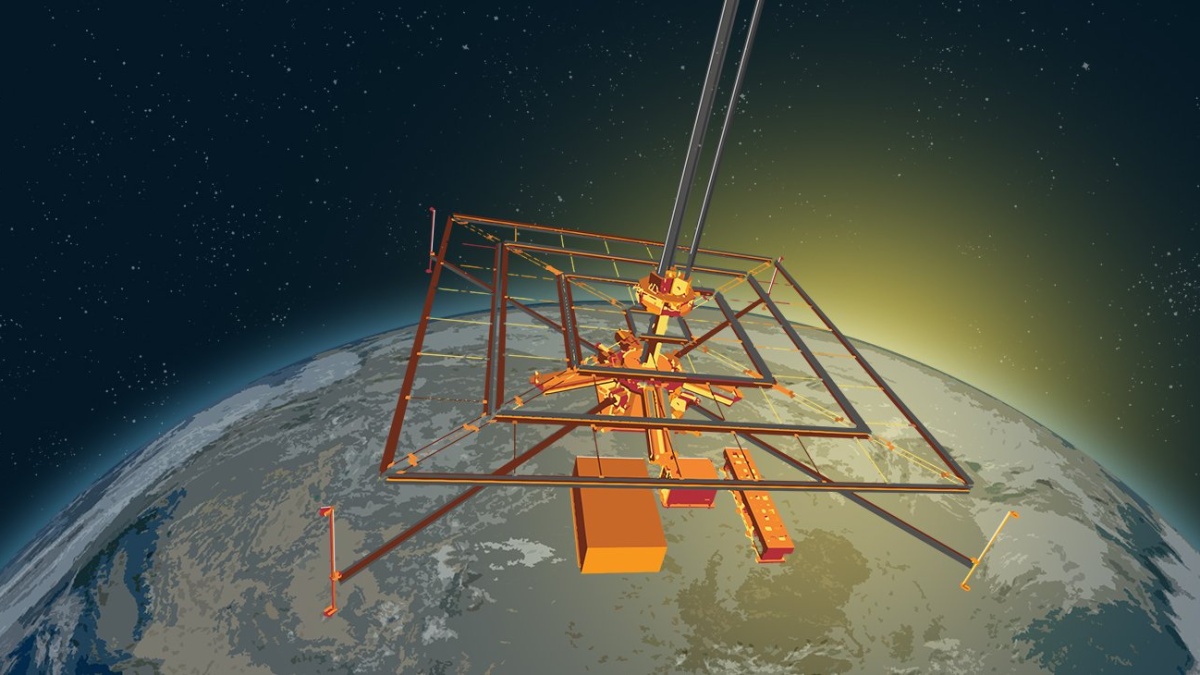
Engineers have proposed harvesting solar power from space and beaming it back to Earth. The idea has been around for decades. But nobody has ever tested it until now. A new technology demonstration satellite, Transporter 6, was just launched to orbit on a SpaceX Falcon rocket. The satellite is equipped with solar panels and a microwave transmitter to send power to a ground station on Earth. If this prototype functions, scientists will know if it's possible to scale it up to an industrial level.
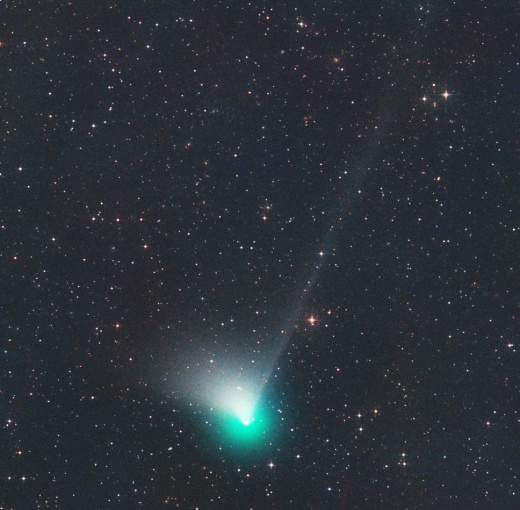
Keep your eyes on the sky over the next few weeks for your first chance to see a comet in 2023. Designated C3/2022 ZTF, the comet was first discovered in March 2022, and it has been getting closer to Earth and brightening. It's expected to reach its brightest point in early February, taking a path through the sky to bring it close to the Big Dipper and Cassiopea. Astronomers have calculated that it's on a 50,000-year orbit, so it's been eons since its last visit. It should look great in a pair of binoculars or a small telescope.
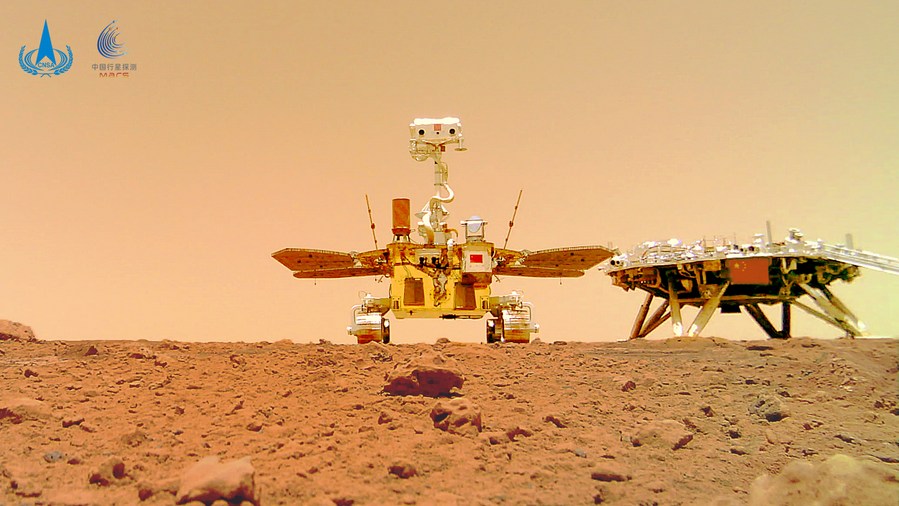
The terrible dust on Mars has claimed another victim. This time it's China's Zhurong rover, which was supposed to wake up from hibernation on December 26th. China's Nationational Space Administration has tried to reestablish communications with Zhurong, but they've been unsuccessful. The rover was put into hibernation six months ago to help it survive the Martian winter when temperatures get down to -100C. A regional dust storm also cloaked the area, reducing the energy it could use to keep its batteries operational.
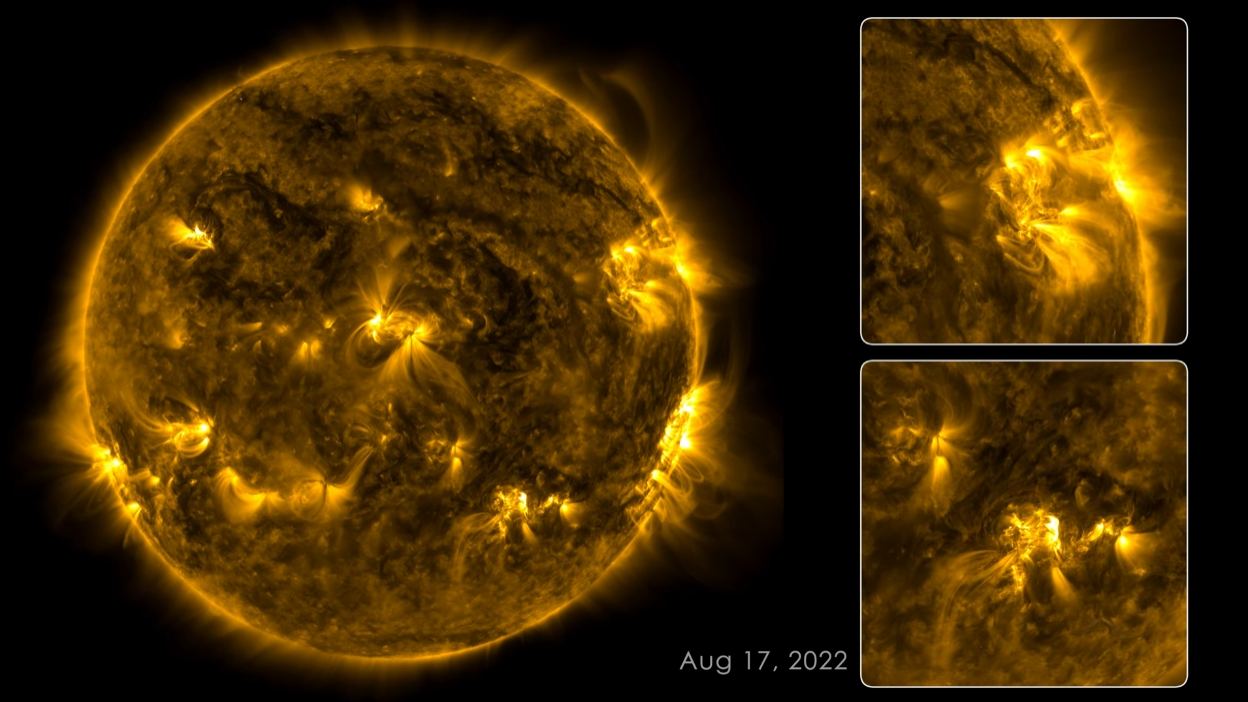
NASA has released a fantastic hour-long timelapse that shows the Sun's activity over 133 continuous days. The Solar Dynamics Observatory captured the images, which have been observing the Sun continuously since its launch in 2010. Each photo was taken 108 seconds apart in the extreme ultraviolet wavelength. Watch the video, and you can see the Sun rotating, with the twisting magnetic fields surrounding the sunspots on its surface. You can also see the occasional bright flare and coronal mass ejection.
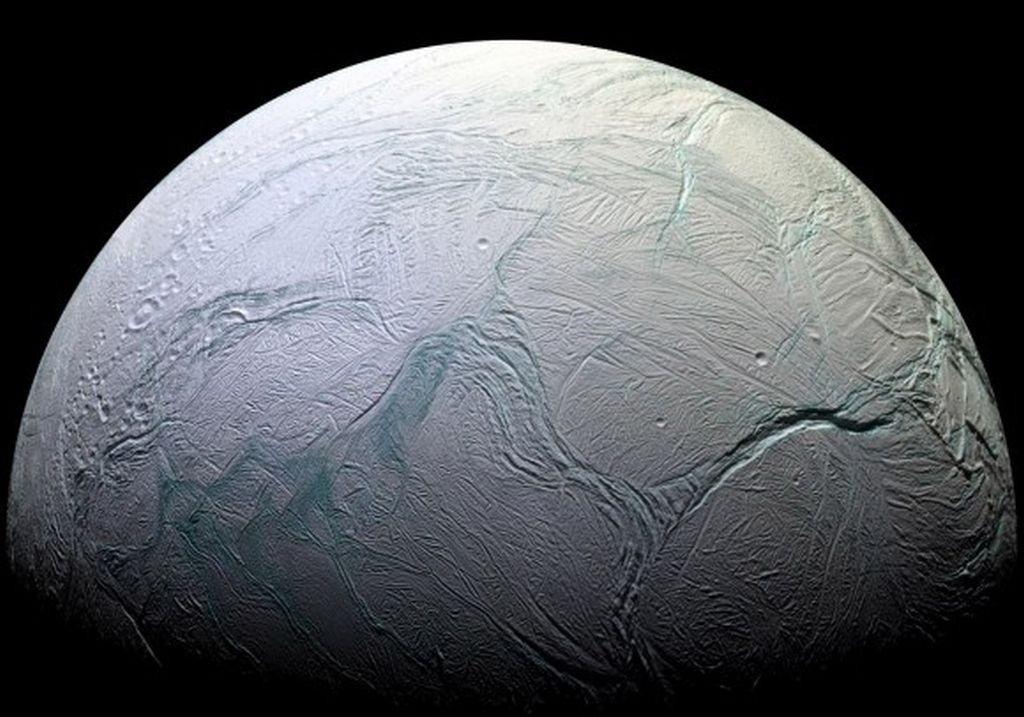
Saturn's moon Enceladus has an icy outer shell surrounding a vast ocean of liquid water. Could there be life? It will be challenging to find out since you need to get through kilometers of ice to access the oceans and sample them for life. But Enceladus cryovolcanoes spew plumes of water ice into space. By flying through these plumes, a future mission could test them for organic chemicals or even life, finally answering the question if there's life anywhere else but Earth.
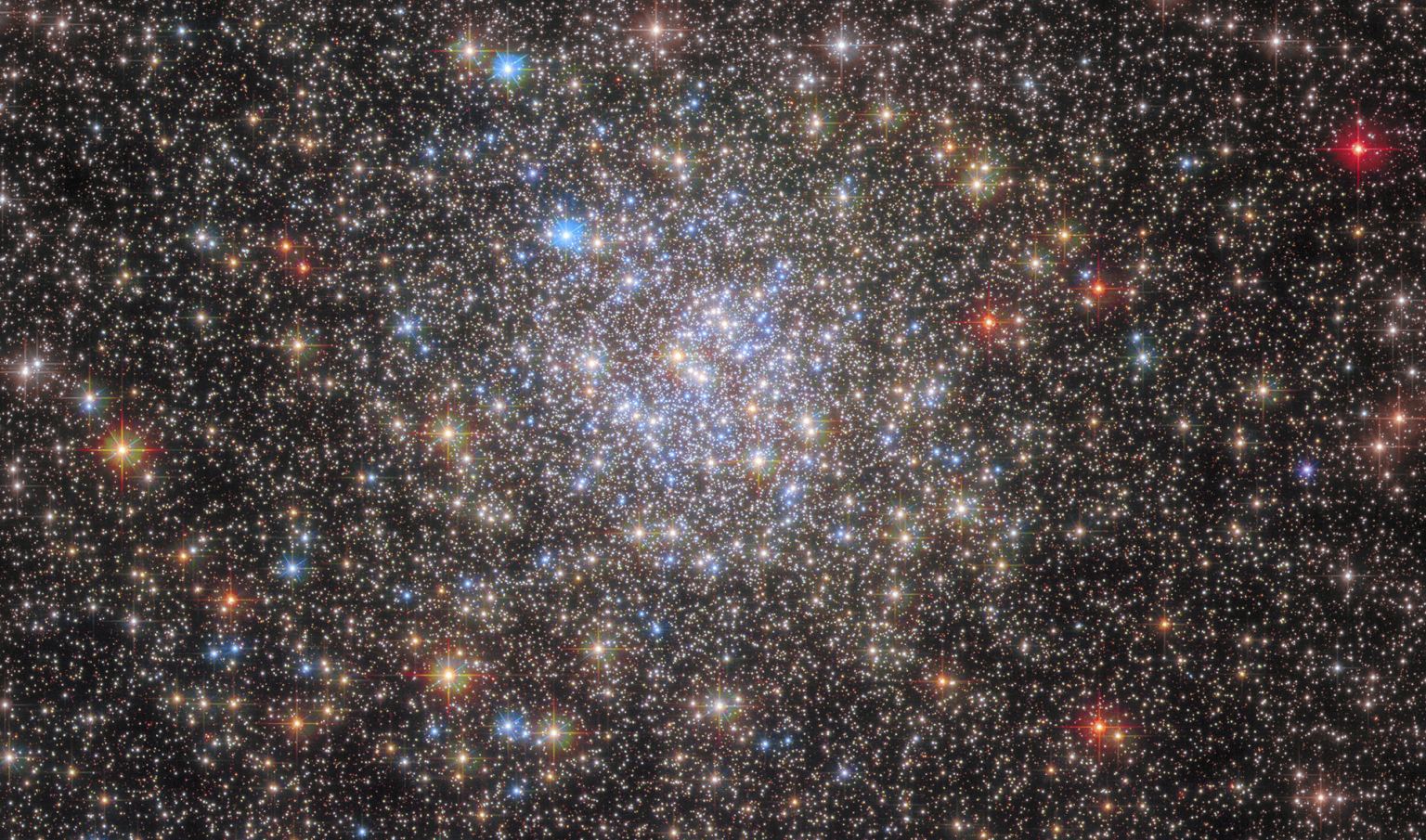
Astronomers can finally work with the mighty James Webb Space Telescope, but that doesn't mean they've forgotten about the Hubble Space Telescope. Here's a beautiful image of the globular cluster NGC 6355, located about 50,000 light-years from Earth in the constellation Ophiuchus. The picture was taken by Hubble, which can collect a vast range of wavelengths of light, from near-infrared through visible to ultraviolet. Hubble's powerful optics allow it to resolve the individual stars in the cluster so astronomers can examine them.
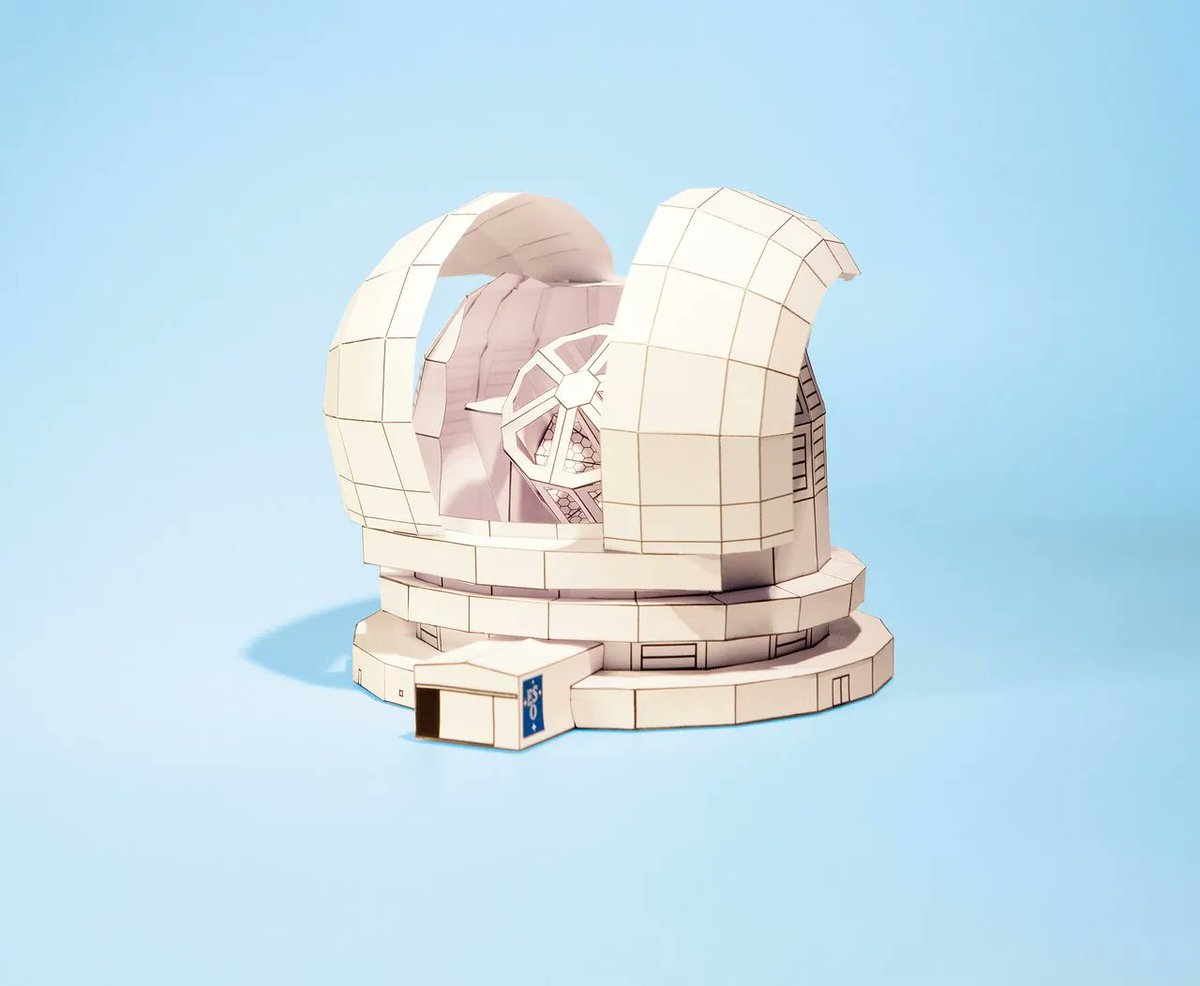
Got a little extra time on your hands? Here's to keeping you busy. The European Southern Observatory has released a paper model of its Extremely Large Telescope. Although the actual telescope will measure almost 40 meters across and can see Earthlike planets orbiting sunlike stars, yours will be much smaller, made of paper, and can't make any observations at all. Still, it'll be fun, and you can learn more about the telescope as you craft yours out of paper.
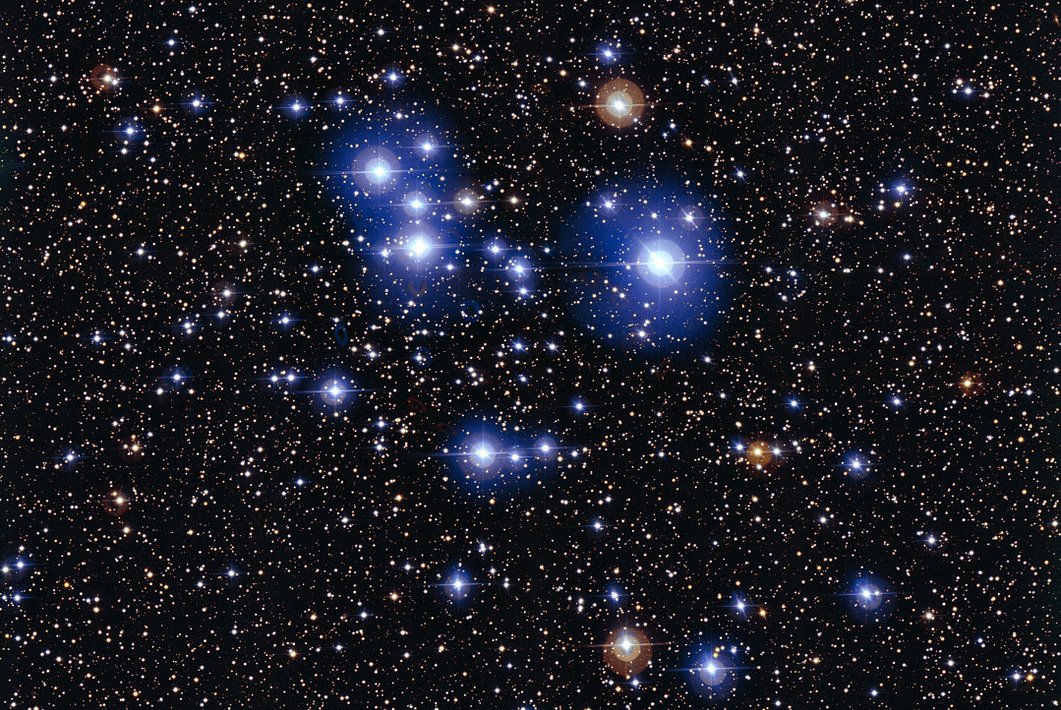
By analyzing the composition of stars in a stellar cluster, astronomers can measure their related ages. The largest, hottest, bluest stars live short lives, exploding as supernovae, while the less massive stars sip away at their hydrogen for much longer, lasting billions of years. But astronomers have discovered a strange anomaly called "blue stragglers." These are seemingly young, hot stars surrounded by much older stars in a dense cluster. How could they have formed? One theory is that the blue stragglers result from stellar collisions, making old stars act new again.
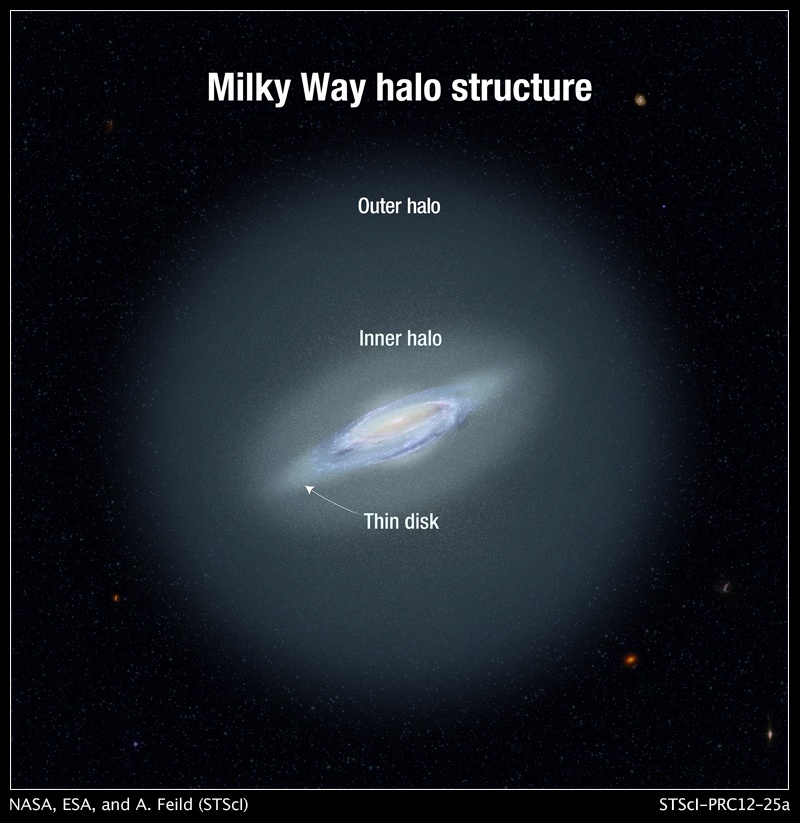
The Milky Way measures about 130,000 light-years across, and the closest large galaxy, Andromeda, is about 2.5 million light-years away. The two galaxies are rushing toward each other, but it's expected that they'll take billions of years to merge. Except, it appears they're already starting to merge. New observations have shown that the most distant stars in the Milky Way in our galaxy's outer halo are halfway to Andromeda already. Andromeda is even larger than the Milky Way, so its stars are halfway to us. The merger has already begun.
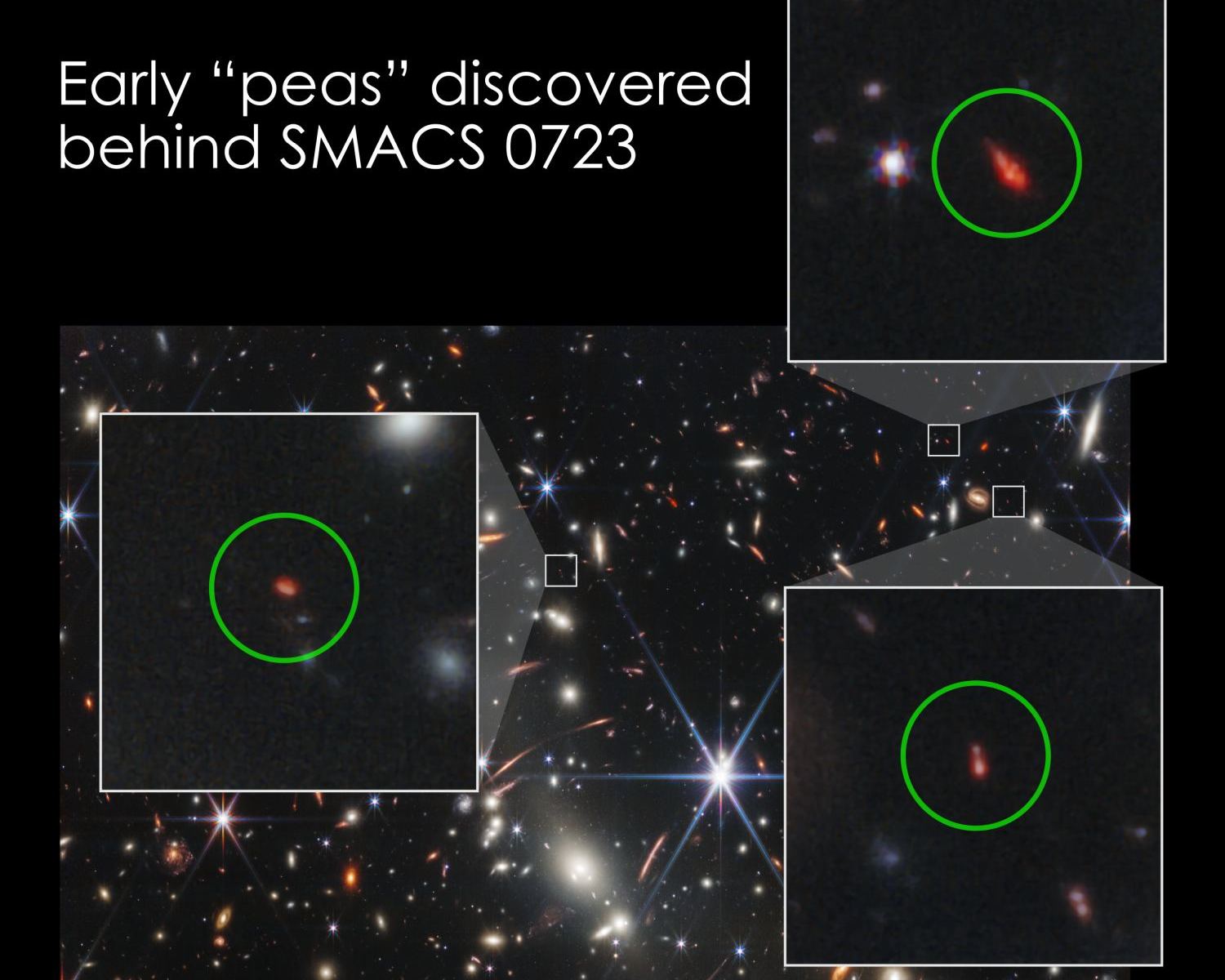
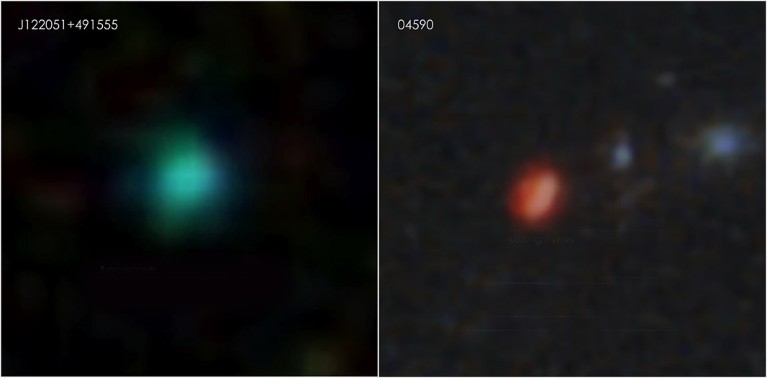
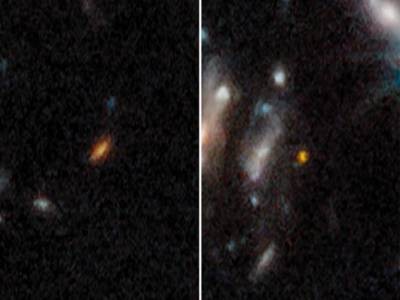
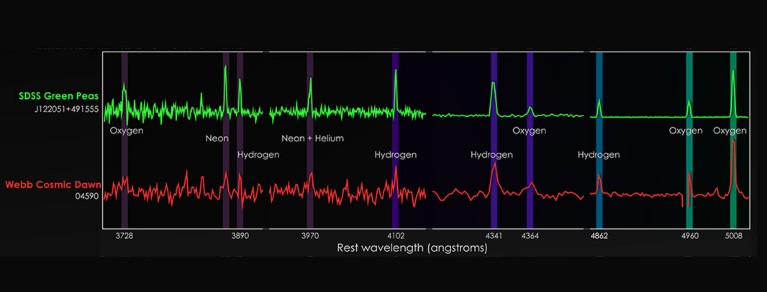
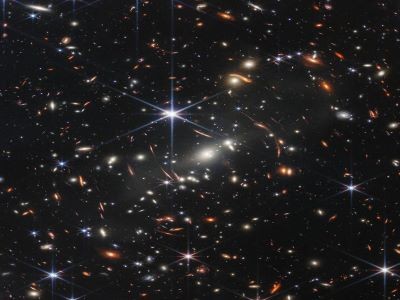
This week the American Astronomical Society is meeting for the first time since the James Webb Space Telescope became operational, so there's been a mountain of Webb news. One remarkable story is this image of primordial galaxies captured by JWST. These galaxies are just a few thousand light-years across and have so much star formation they're heating the surrounding gas and dust, so it glows in the ultraviolet (redshifted to infrared after billions of years). Their structure matches newly discovered "green pea" galaxies, which have the same behavior and are much closer, and, therefore, easier to study.
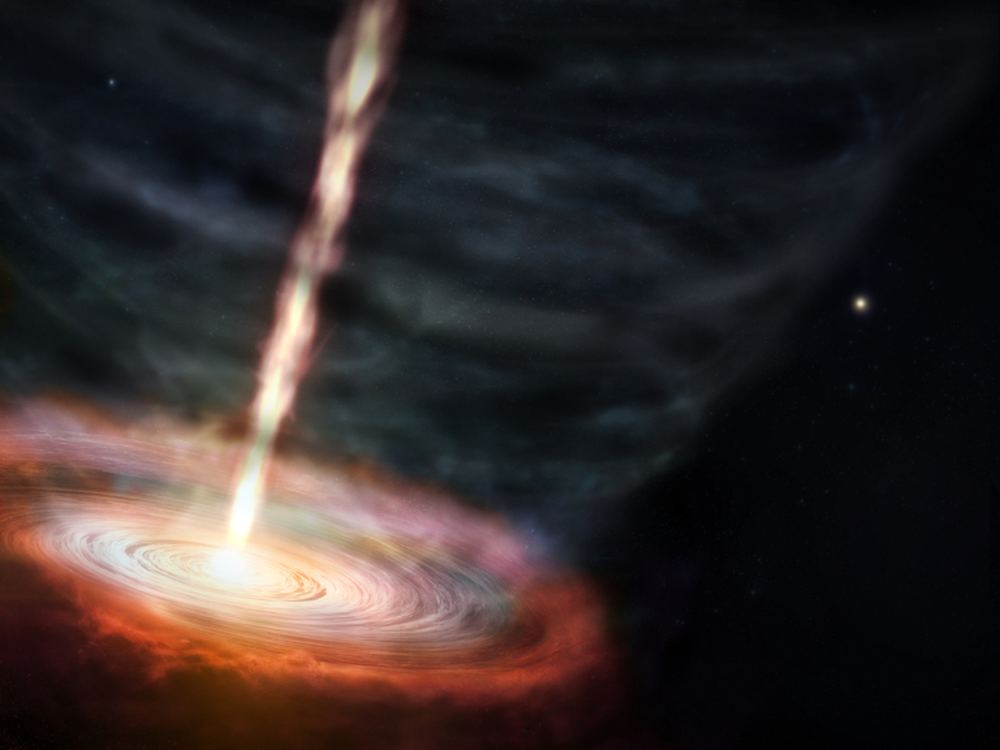
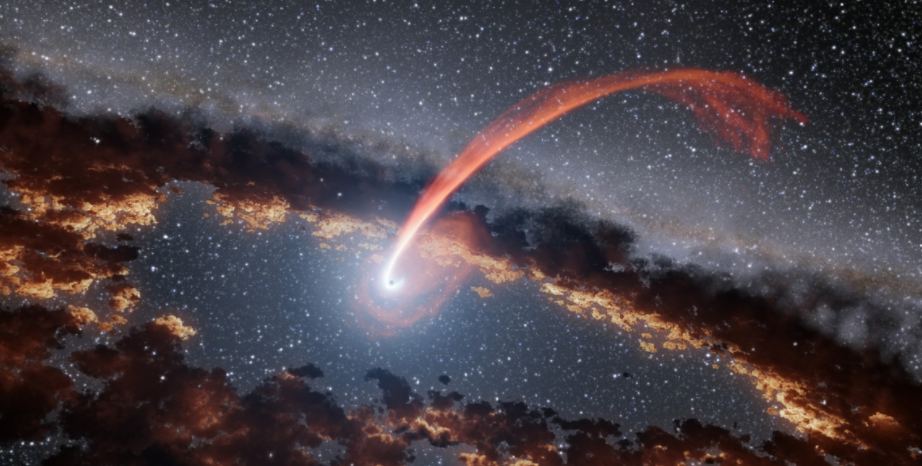
The Universe is a place of extremes. For example, astronomers have discovered a nearby star hurling jets of material into space at an astonishing 500 km/s. The massive star is surrounded by a photoevaporative disk that produces an outflow focused into twin jets of material. The jets release microwave emissions detected by the ALMA telescope, allowing astronomers to map out their structure and measure speed.
How do we determine the velocities of objects in distant space? Can we use a laser a space engine on a spaceship? Can we find stars with rings? Is it possible to see the same star at different stages of its life? All this and more in this week's Q&A.
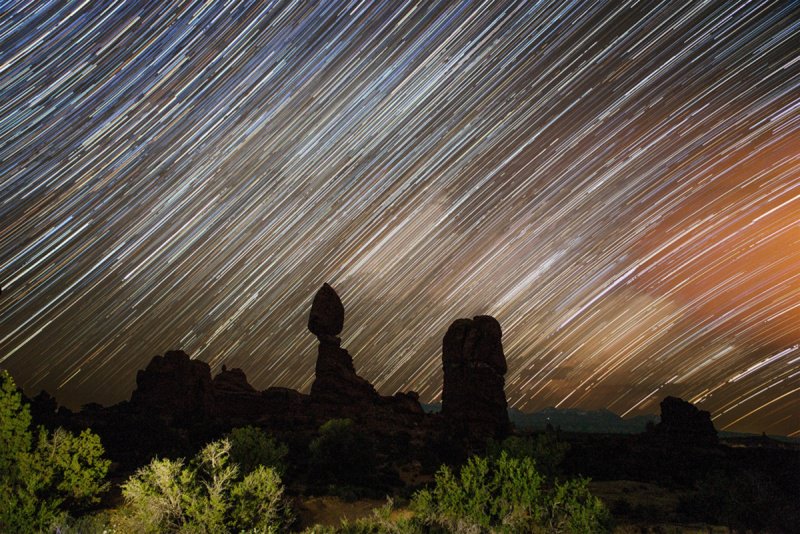
Want to build a time machine? No problem, all you need to do is make the entire Universe rotate. This is one of the implications of theories developed by the famous mathematician Kurt Gödel, who often worked with Einstein. He was investigating the implications of General Relativity and developed an artificial model of the Universe, which was rotating and contained only one ingredient: a negative cosmological constant that resists the centrifugal force of rotation to keep the Universe static. If you follow a path in this rotating Universe, you can end up in your past.

Last summer Nichelle Nichols passed away. She famously portrayed Lt. Nyota Uhura in Star Trek, but she was also an activist and musician. A new foundation was created in her honor to continue her legacy of inspiration for women and people of color. The foundation was unveiled on December 28th, 2022, which would have been her 90th birthday.
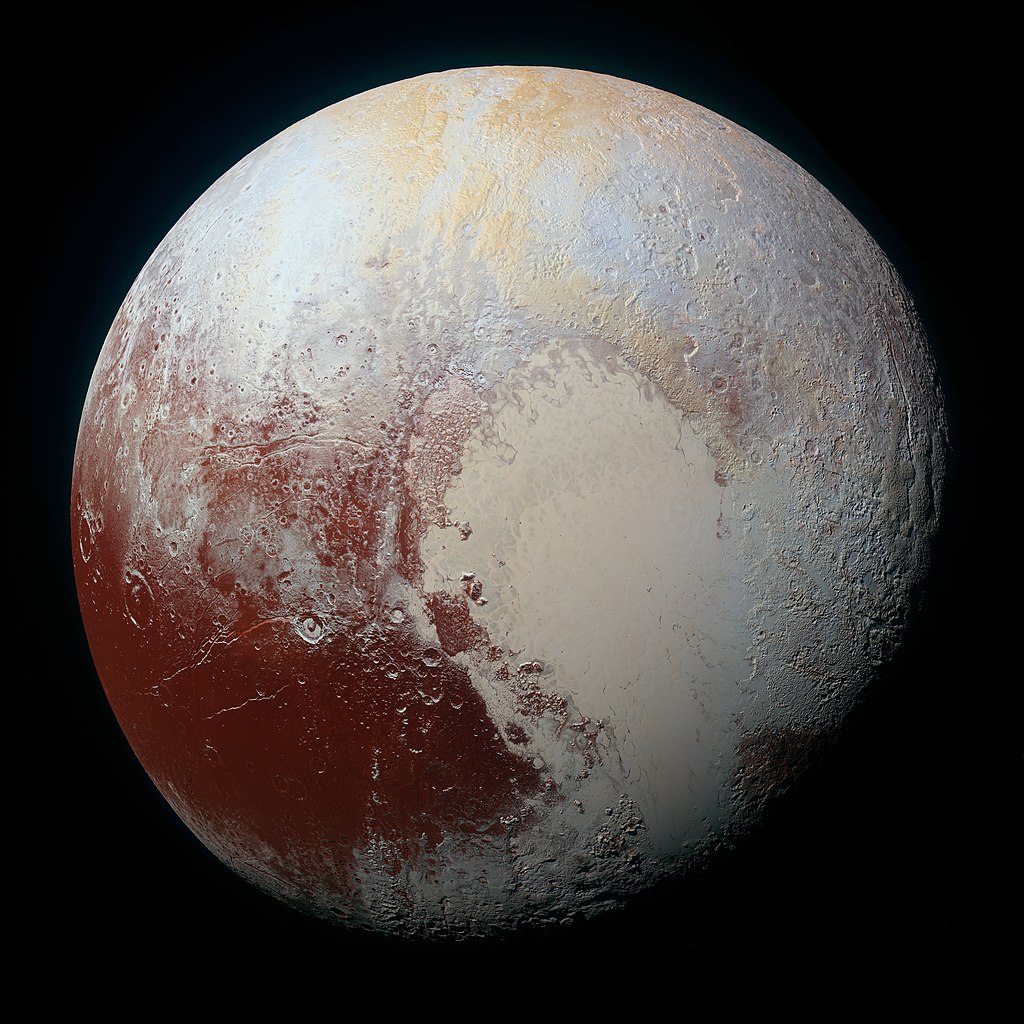
When NASA's New Horizons spacecraft finally reached Pluto, we saw this fantastic world for the first time with enough resolution to see mountains and vast glaciers on its surface. It appears that Pluto also probably has an ocean of liquid water underneath a thick icy surface. Wherever we find water on Earth, we find life, so could there be life on Pluto? Maybe, but getting down through the ice to find it will challenge future generations.
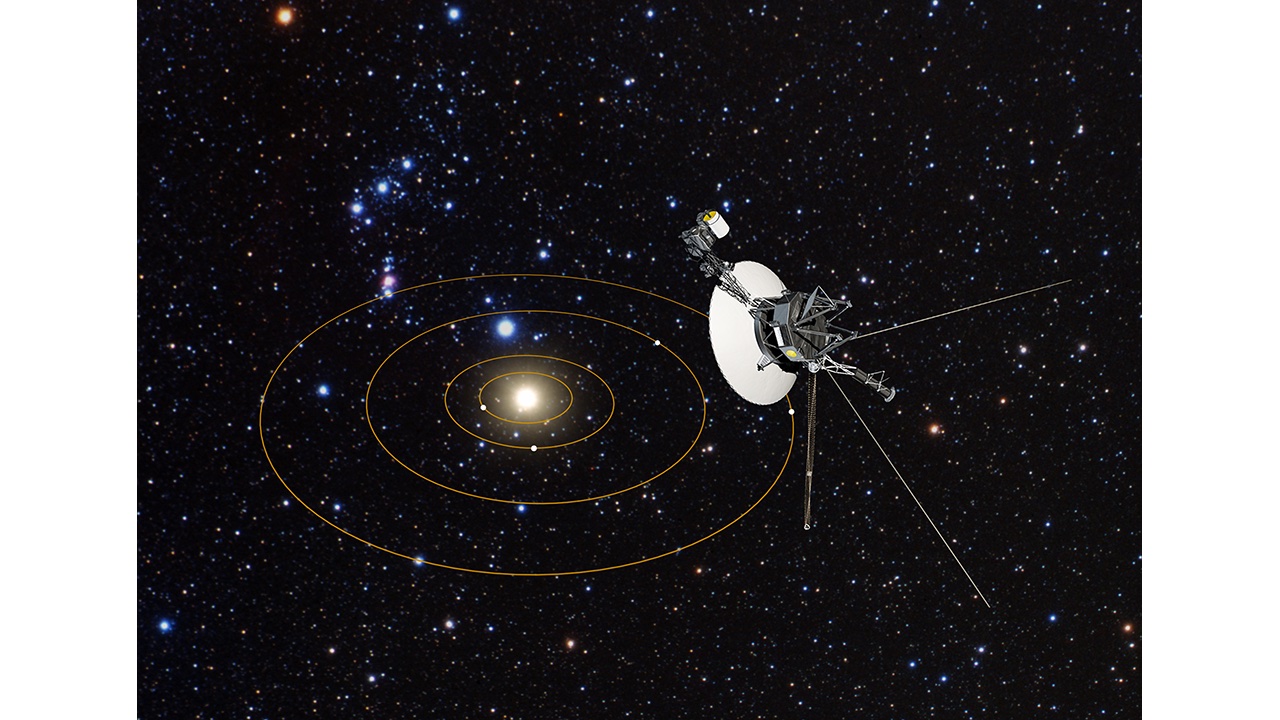
Would you send an interstellar mission to another star system if you knew a future generation would have better technology and their probe would arrive before yours? The famous "Wait Calculation" shows that we can predict a point in the future when a spacecraft won't be overtaken by newer technology. It makes the most sense to wait until then. If we ever find a probe here in the Solar System, it might be the latest model, with older technology arriving later even though it was sent earlier.
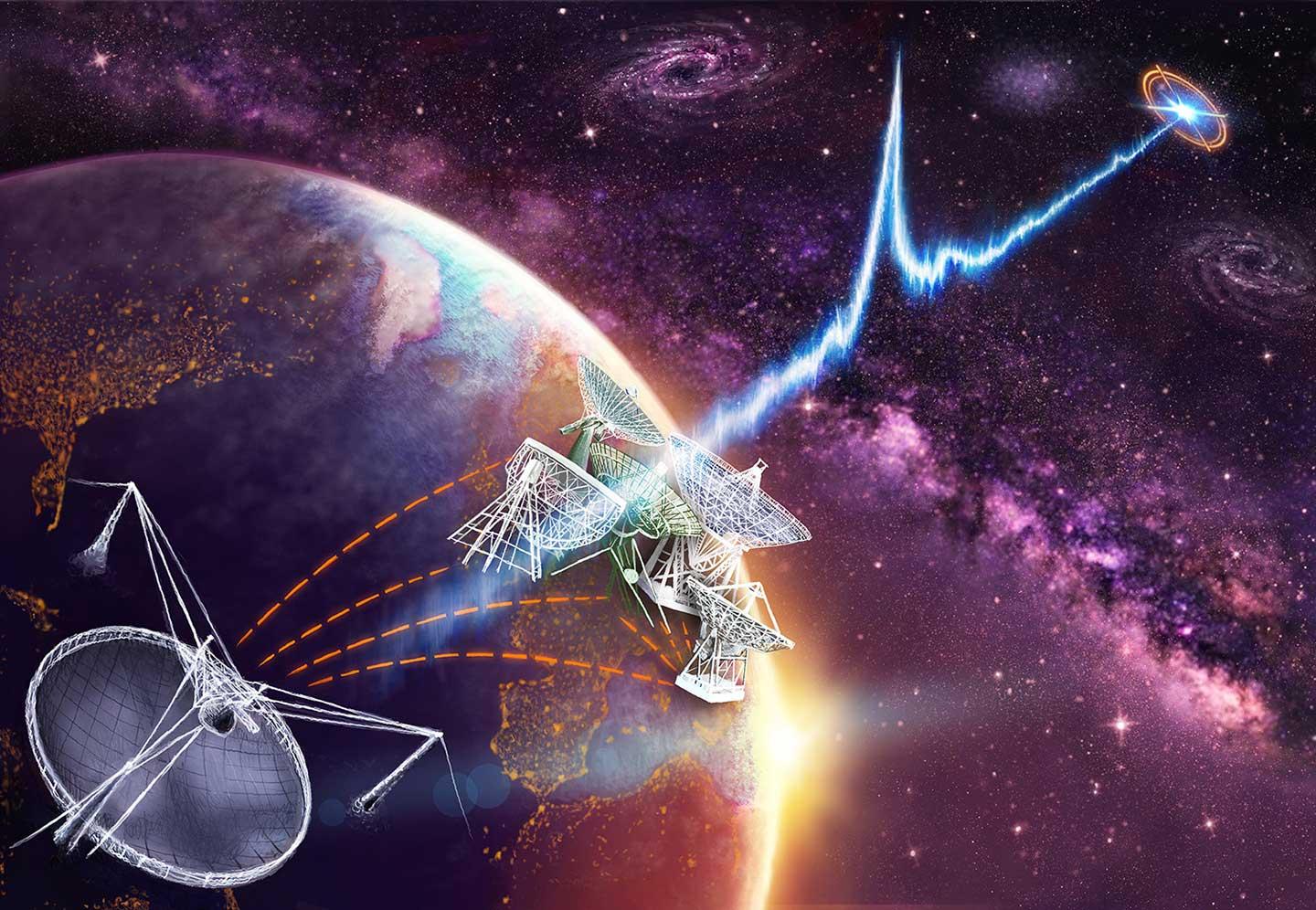
The largest radio telescope in the world is the enormous Five-hundred-meter Aperture Spherical Telescope (FAST) in China. During a recent survey, astronomers used the telescope to locate more than 500 new faint pulsars. During this survey, they recorded detailed spectral data that allowed them to study the structure of the Milky Way itself.
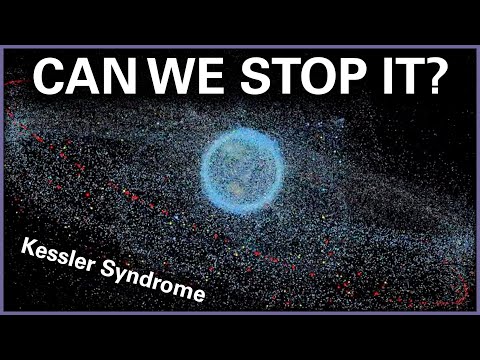
Mapping out all the space objects and understanding their orbits is the key to avoiding problems in orbit. What are the technical challenges and what's the current state of affairs? We're discussing it with Dr. Moriba Jah.
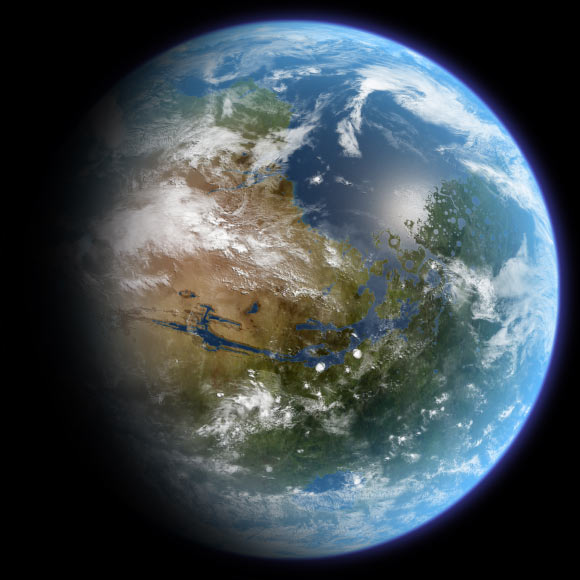
The James Webb Space Telescope is the most powerful telescope ever launched into space. That power has led to a string of observational successes: ancient galaxies, obscured star-forming regions, and an exoplanet atmosphere. Now the telescope has identified its first exoplanet, and it’s a rocky planet the same size as Earth.
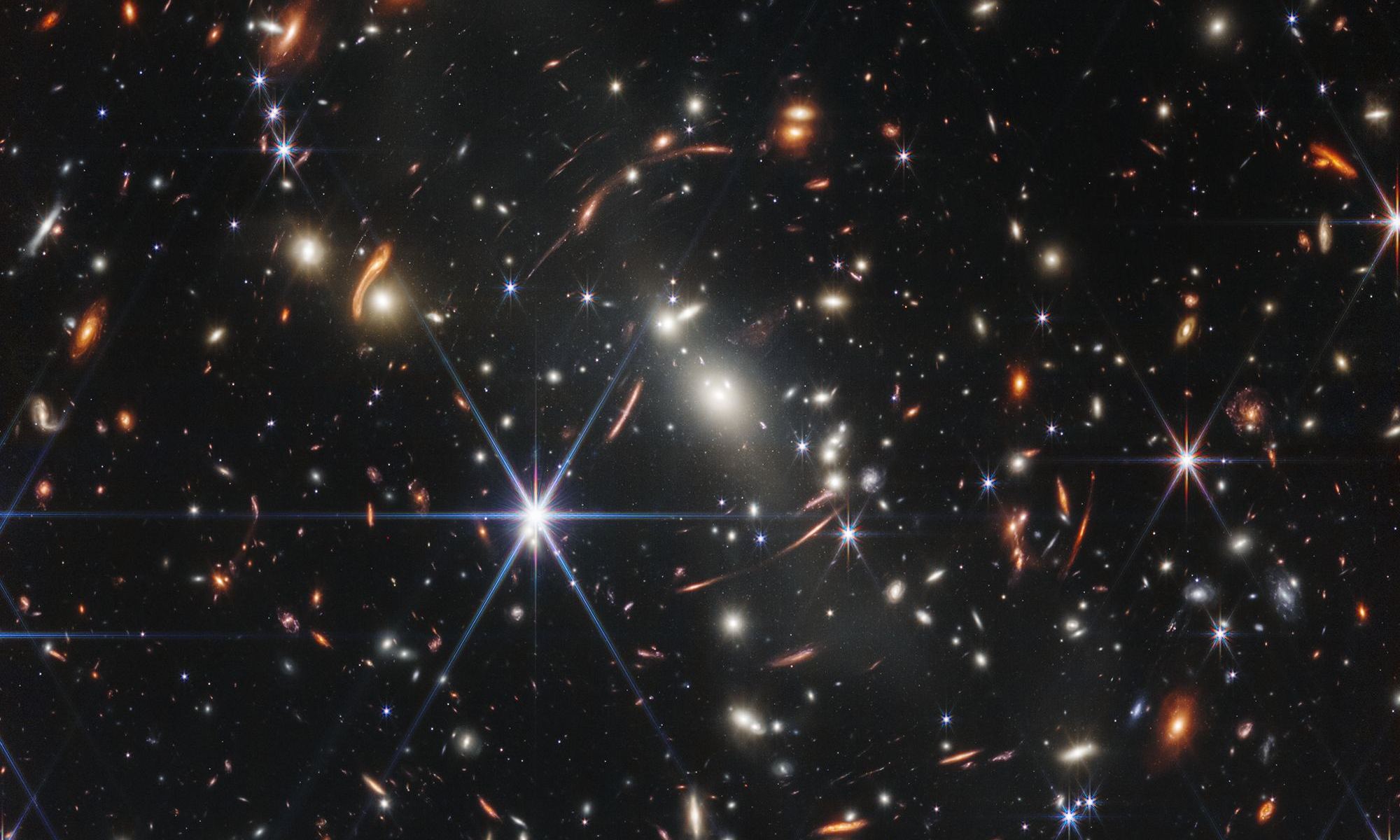
Gravity pulls galaxies together into vast clusters. But they don't just fall into the center; they keep moving around. Astronomers are using gravitational lensing to study these enormous clusters, which slowly emerged over billions of years by attracting all the nearby galaxies. When galaxies fall into the gravitational well, they fall and back up again, like someone on a swing. Many galaxies in a cluster have already gone through the core and have the tidal bruises to show for it.
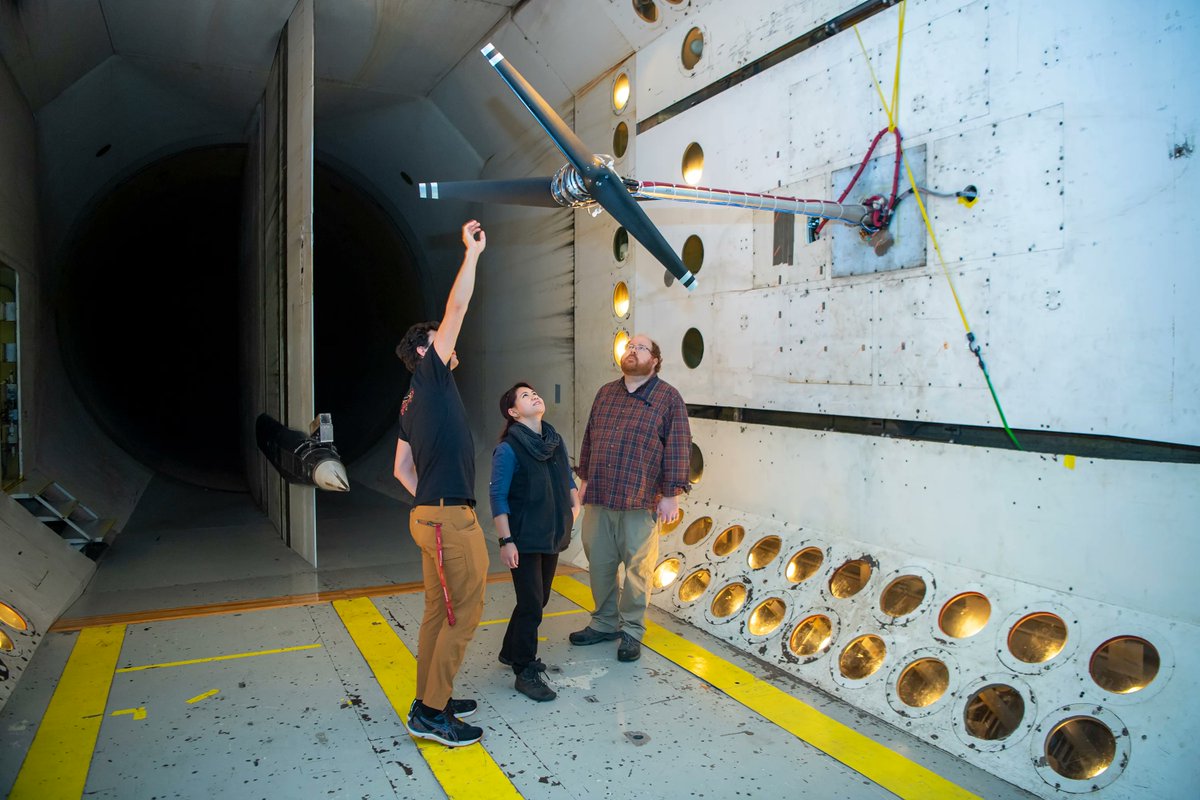
Wrap your mind around this idea. NASA is building a helicopter with a nuclear battery to explore Saturn's moon, Titan. No, you're not dreaming; this is an actual thing. The Titan Dragonfly is under construction but will fly to Saturn in 2027, arriving at the moon in 2034. NASA gave us an update, showing how engineers test its rotors in a wind tunnel to compare how they'll operate in the thick atmosphere on Titan. Dragonfly will eventually have 8 of these rotors, and the helicopter will be huge, measuring 4 meters by 4 meters.

Legendary astronomer John Mather is the mind behind the James Webb Space Telescope, detailing how a telescope could see the first galaxies forming at the beginning of the Universe. With Webb active and in space, Mather is working on other ideas for observatories that could push our knowledge even further. In a recent meeting, he talked about the Habitable Worlds Observatory that would go to the same destination as JWST, but unlike its predecessor, it would be designed for robotic servicing and upgrades.
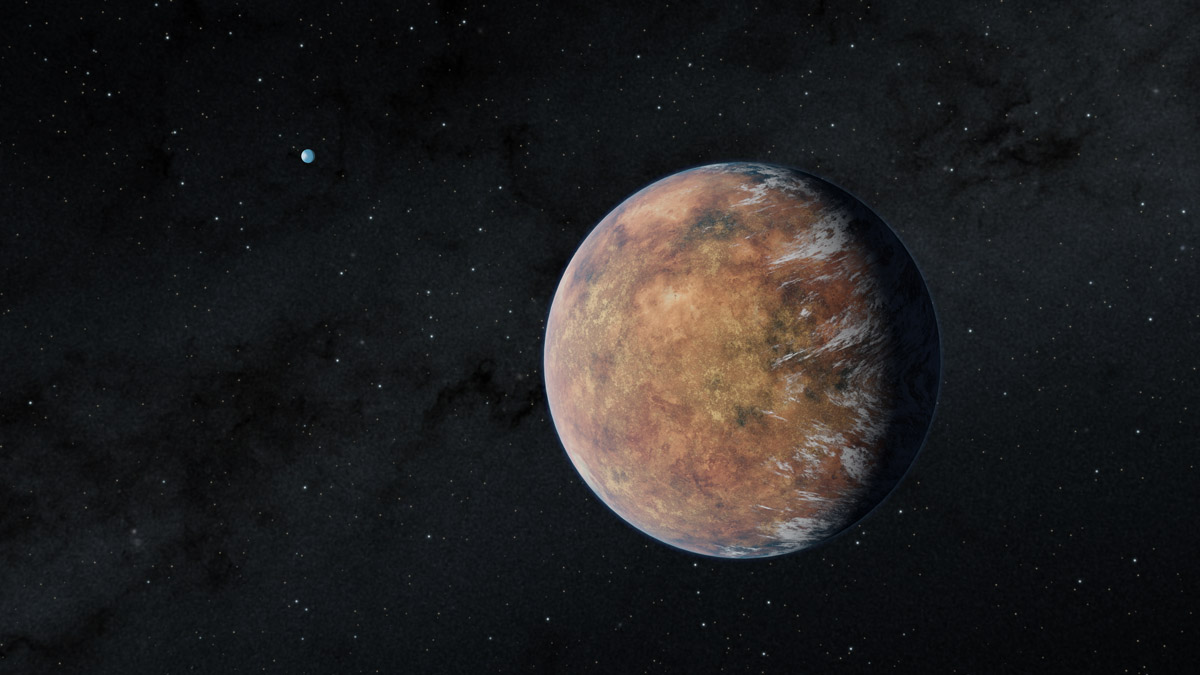
NASA's Transiting Exoplanet Survey Satellite has located a second Earth-sized exoplanet in a star system. The newly-found planet is TOI 700-e, and TESS has already turned up three planets orbiting the star. This brings the total number of planets to four in the system, and it's starting to approach the number in the TRAPPIST-1 system. All the planets are tidally locked to the star, and two might be in the habitable zone, where liquid water might be present.
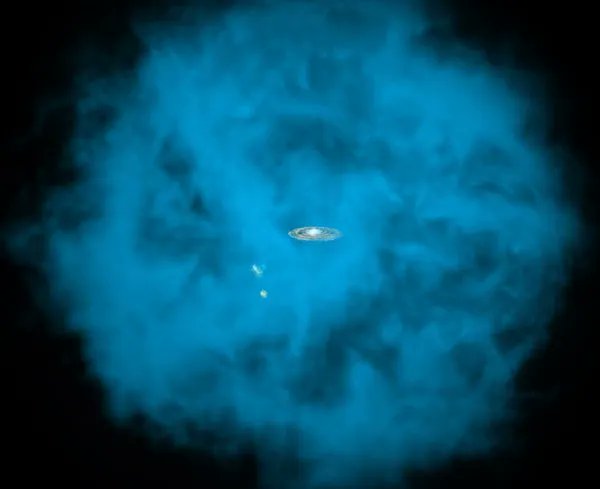
Astronomers have known about Fast Radio Bursts (FRBs) for about 15 years. These blasts occur randomly across the Universe, rarely repeating, lasting for just a few milliseconds before fading away. Although the source of FRBs is still a mystery, astronomers have developed a technique to use these blasts to probe the structure of the Milky Way. A new observatory called the Deep Synoptic Array was explicitly built to search for FRBs. Through their analysis of how their emissions move through our galaxy, astronomers have discovered that the Milky Way has less matter than previously theorized.
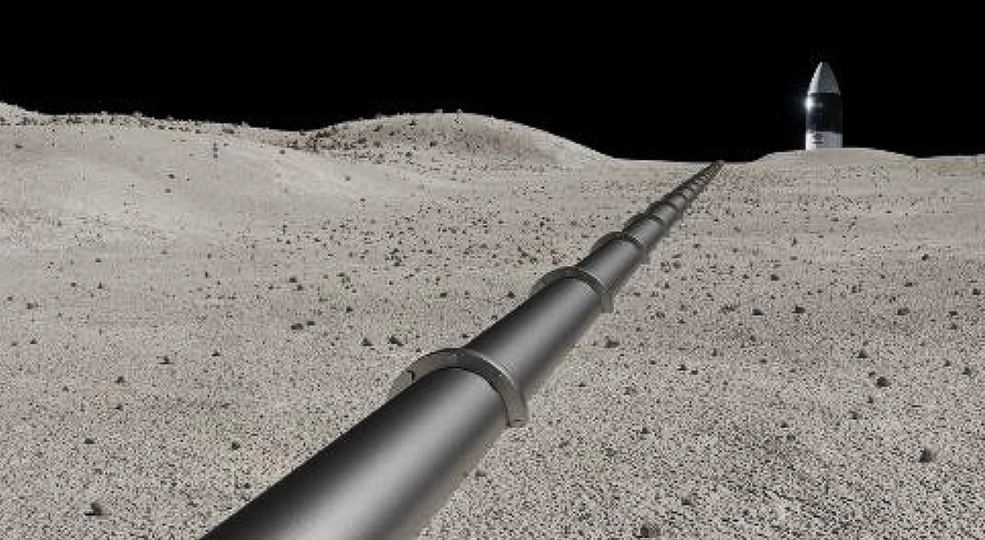
When NASA sends humans back to the Moon with Artemis III, they'll land at the lunar south pole, helping to explore the area. This is where it's believed there are vast reservoirs of water ice in the permanently shadowed craters in the region. But this isn't the best place for a base. Instead, liquid oxygen will be extracted from the ice and piped farther away to a more hospitable location. A new NASA NIAC grant is investigating what it would take to install an oxygen pipeline on the Moon.

Although carbon dioxide emissions come from all aspects of modern society, there are specific polluters like power plants and factories that should be curbing their emissions. Satellite detection has gotten so precise that NASA satellites can pinpoint the exact locations of excessive CO2 emissions. Twin spacecraft called the Orbiting Carbon Observatories were able to home in on the world's fifth-largest coal-fired power plant as a test case, tracking its emissions and changes.
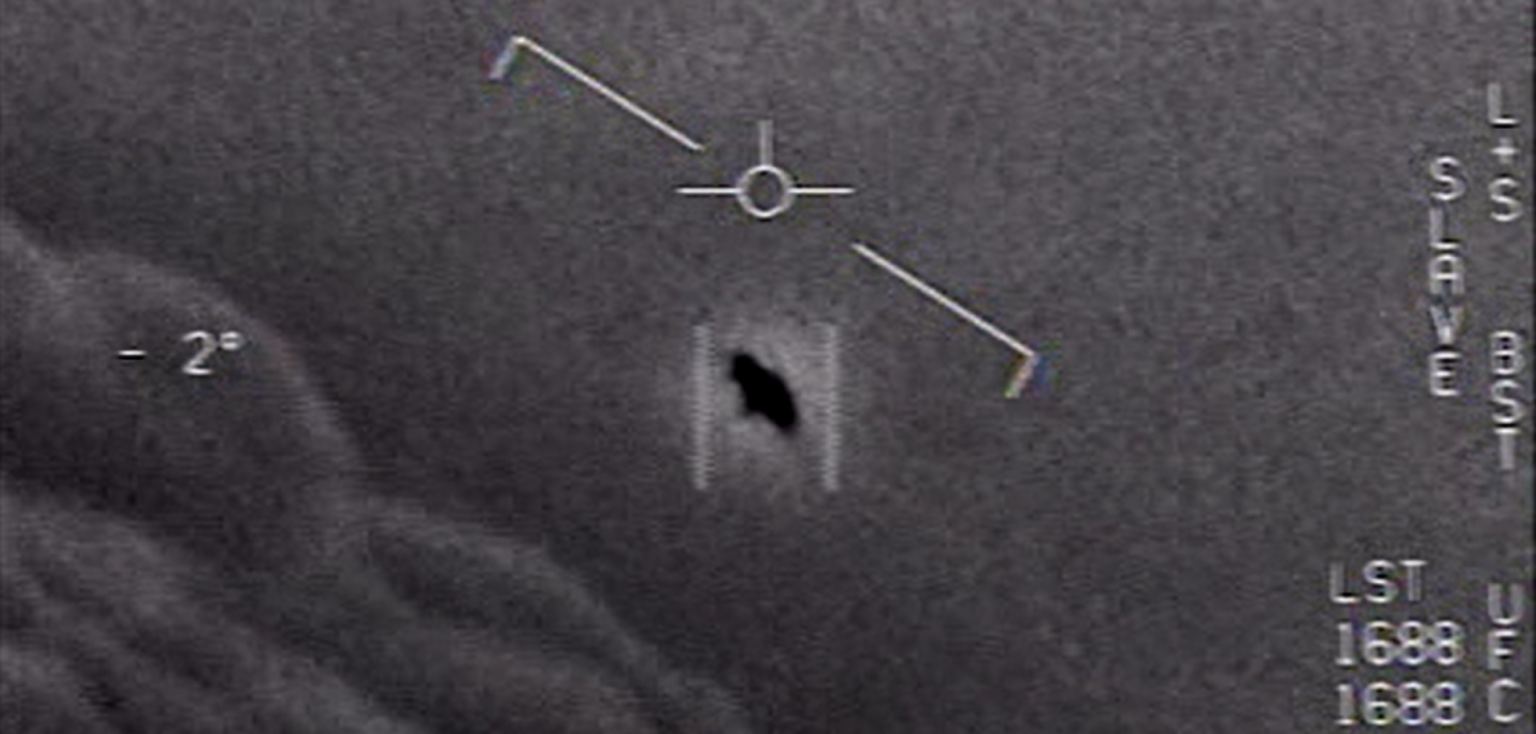
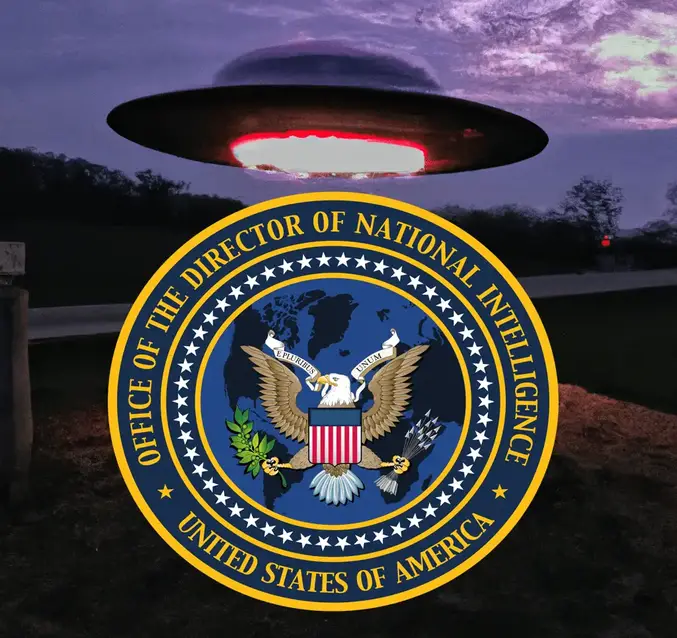
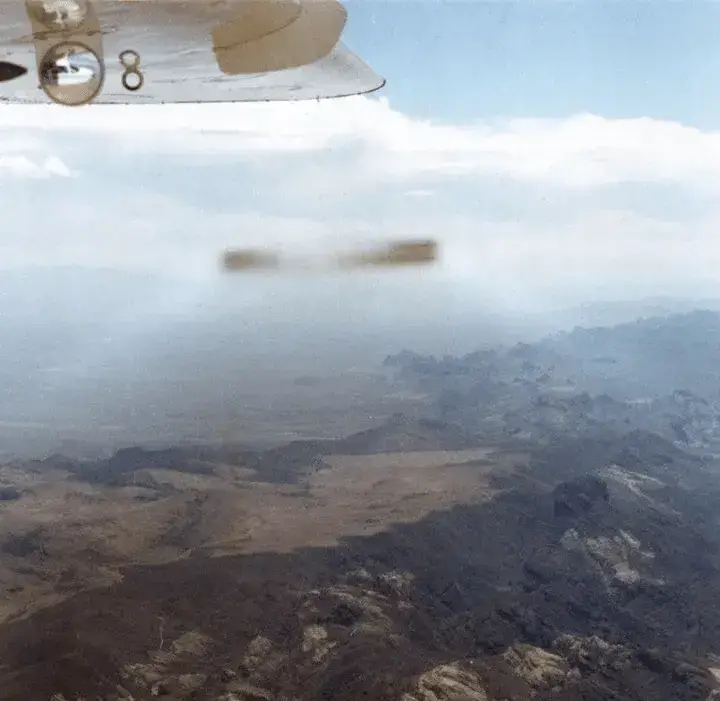
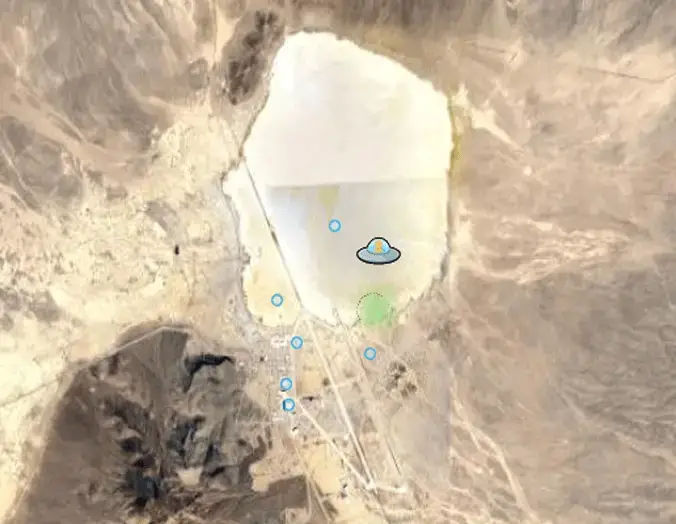
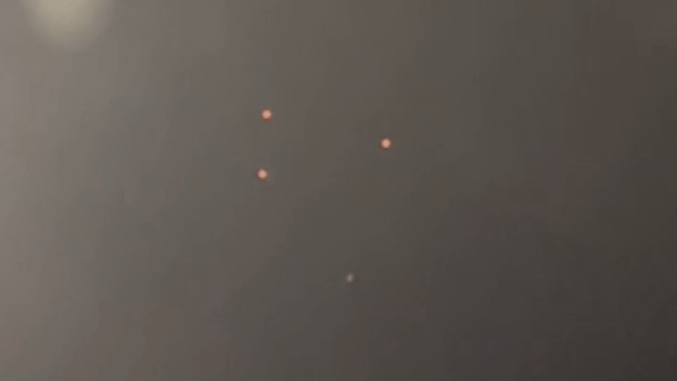
The Pentagon's task force on UFOs has released a new report, providing an update to their preliminary assessment of unexplained aerial phenomenon they first released in 2021. According to the latest info, there were 144 UAP sightings by the military between 2004 and 2021, and several hundred have been added in the last few years. As of August 30th, there were 510 UAP reports by the military. Of course, it doesn't mean we're under an alien invasion, just that there's a better network within the military to collect and centralize the sightings.


 Abstracts written by ChatGPT fool scientists