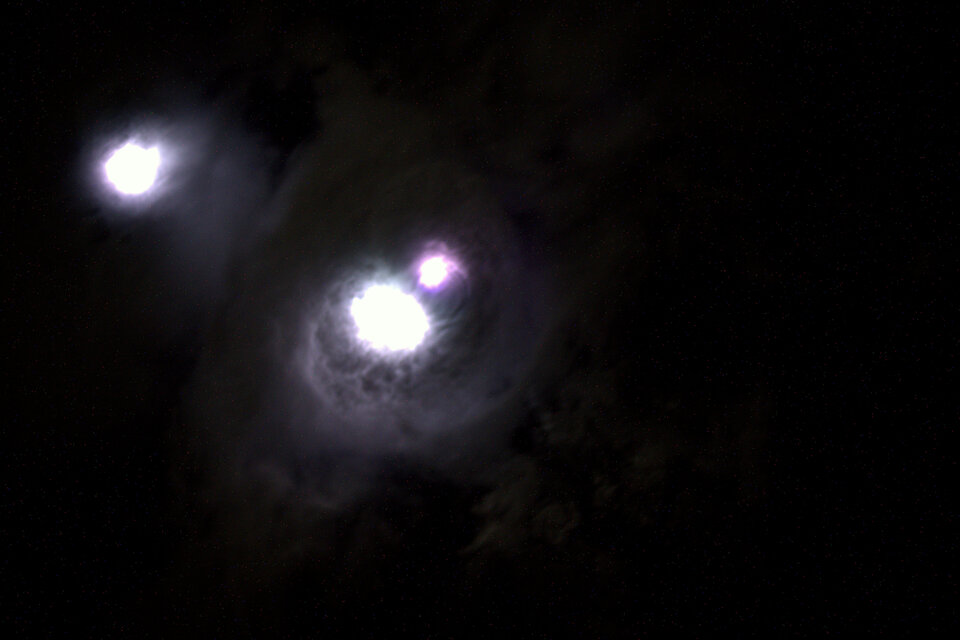
The Cisco Grove mystery: Close encounter with UFOs, Humanoids and Robots

The Cisco Grove mystery: Close encounter with UFOs, Humanoids and Robots
23 Meter UFO Landed In Washington On Google Earth, UFO Sighting News. Video.
Date of discovery: Dec 8, 2023
Ufo's in de geschiedenis: waarnemingen, ontvoeringen en mysteries
Sinds het Pentagon afgelopen mei toegaf dat het sinds 2004 minstens 400 waarnemingen van 'ongeïdentificeerde vliegende objecten' heeft geregistreerd in de Verenigde Staten, is de publieke belangstelling voor dit fenomeen toegenomen.

Het was 50 jaar geleden dat de ufo-kwestie voor het laatst in het Congres werd besproken. Maar dit jaar was de verrassing nog groter, omdat de adjunct-directeur van de inlichtingendienst van de marine in de VS, Scott Bray, verzekerde dat ufo-waarnemingen "frequent en aanhoudend" zijn.
Arnold verklaarde dat, terwijl hij op zoek was naar een vermist vliegtuig, hij boven Mount Rainier (Washington) niet minder dan negen objecten met abnormale bewegingen zag die samen in een lijn vlogen. Hij beschreef ze als "extreem heldere objecten", met een "onregelmatige vliegwijze" die zich met "enorme snelheid" verplaatsten.
Het is door deze waarneming dat de mythe van de ovaalvormige ufo is ontstaan en de term 'vliegende schotel' begon te worden gebruikt, aangezien, in zijn eigen woorden, "ze onregelmatig vlogen, als een schotel die in het water werd gegooid".
Anderen gaan echter veel verder terug in de tijd. In het Zuid-Amerikaanse Chili werden in de 19e eeuw verschillende vreemde dingen gezien. Zo meldde Maria Graham in haar boek 'Journal of a Residence in Chile' (1822) dat ze een reeks vreemde lichten boven de zee had gezien. Ook zag commandant Buenaventura Martínez Díaz in 1853 dat hij en voorwerp had gezien dat "de wolken doorkruiste in de vorm van een vonk."

En op 15 mei 1861 berichtte de Chileense krant La Esperanza over de dagen van verschrikking die de inwoners van de stad Talca beleefden. Niet vanwege een ufo, maar vanwege de aanwezigheid van een wezen dat van een andere planeet leek te komen.
Foto: Stephen Leopardi/Unsplash

In die Chileense precedenten springen "drie onverklaarbare luchtverschijnselen" het meest in het oog. De krant El Constituente had het over drie waarnemingen in maart, juli en november 1868. Ze waren allemaal in Copiacó, een stad waar vele jaren later, in 2013, nog eens een waarneming werd gemeld.

Sindsdien zijn er duizenden ufo-waarnemingen gemeld, door strijdkrachten van verschillende landen, vliegtuigpiloten of gewone mensen. Waarnemingen die in veel gevallen een wetenschappelijke verklaring hebben, maar die in andere gevallen verontrustend mysterieus blijven.

Van 1948 tot 1969 werd in de Verenigde Staten Project Blue Book gelanceerd, een overheidsinitiatief om ufo's te onderzoeken als een mogelijke bedreiging voor de nationale veiligheid. Dit alles in een tijd waarin de luchtmacht 12.618 waarnemingen rapporteerde, waarvan er vandaag de dag nog 701 ongeïdentificeerd blijven.

Project Blue Book werd in 1969 afgesloten vanwege de hoge kosten. De conclusie van het onderzoek luidde dat de ufo's geen bedreiging vormden voor de nationale veiligheid en dat er geen bewijs was dat het om buitenaardse vaartuigen ging, noch om technologische ontwikkelingen die de moderne wetenschap te boven gaan.
In 1947, hetzelfde jaar van de waarneming van Kenneth Arnold, vond ook een van de meest legendarische ufo-gebeurtenissen plaats: het Roswell-incident. Een ongeïdentificeerd vliegend object stortte neer in een veld in deze stad in New Mexico, en onmiddellijk daarna volgde een ontmoeting met buitenaardse wezens.

De Amerikaanse regering probeerde de commotie rond het Roswell-incident te sussen door te beweren dat het om een weerballon ging en niet om een vliegende schotel, zoals velen aanvankelijk beweerden. Volgens een opiniepeiling van CNN uit 1997 denkt echter bijna twee derde van de Amerikanen nog steeds dat het een ufo was die er was neergestort.
Er waren vermeende getuigen die toen verklaarden dat ze hadden gezien hoe militairen het ongeïdentificeerde object en de lichamen van de buitenaardse wezens uit het gebied van het incident hadden weggehaald. Toch was er geen echt bewijs.
Momenteel leeft Roswell van het toerisme van ufo- en alien-liefhebbers uit de hele wereld die blijven zoeken naar antwoorden. De stad heeft zelfs een drukbezocht 'UFO Museum'.
En als Roswell een mythische plek is binnen het ufo-fenomeen, dan wat gezegd van Area 51, een gebied midden in de Nevadawoestijn? Velen geloven dat de Amerikaanse regering er zowel ufo's als lichamen van aliens verbergt.

In 2013 declasseerde de CIA documenten waarin officieel werd erkend dat Area 51 een geheime militaire basis was waar niets buitenaards werd verborgen, maar dat het werd gebruikt om de luchtbewakingsprogramma's U-2 en OXCART te testen tegen de Sovjets tijdens de Koude Oorlog.
Zeven voormalige leden van de luchtmacht van de Verenigde Staten beweerden in 2010 dat ze tussen de jaren zestig en tachtig ufo's hadden waargenomen in de buurt van kernwapeninstallaties.
Over een van de waargenomen ufo's zei Robert Salas, een voormalige kapitein van de luchtmacht: "Onze raketten begonnen in wat men een niet-actieve toestand noemt te komen; ze konden niet worden gelanceerd. Ze werden gewoon gedeactiveerd, terwijl dit object om ons heen was."
Ufoloog Robert Hastings, die de persconferentie organiseerde waarop deze waarnemingen werden gemeld, zei: "Deze heren geloven dat de planeet wordt bezocht door wezens uit een andere wereld, die geïnteresseerd zijn in de geschiedenis van nucleaire wapens die begon aan het einde van de Tweede Wereldoorlog."
Op 20 mei 1957 kregen volgens de krant The Times twee Amerikaanse piloten het bevel een ufo neer te halen die boven het Engelse platteland zweefde. Enkele veteranen van het leger, zoals die op de afbeelding, hebben het verhaal publiekelijk verteld.
Volgens Milton Torres (een van de betrokken piloten) bewoog het object "onregelmatig". Bovendien was het zo groot als "een vliegend vliegdekschip" en "hing het enkele ogenblikken in de lucht voordat het verdween met een geschatte snelheid van 12.000 kilometer per uur."
Door de zaak van korporaal Armando Valdés kwam de Chileense ufologie wereldwijd onder de aandacht. Armando zag in 1977 samen met zeven andere soldaten een ufo. Ze zagen vreemde lichten in de lucht en daarna verdween Armando gedurende 15 minuten.
In een interview met Agence France Presse in november 1978 zei Armando dat hij zes of zeven stappen zette weg van de groep, richting het licht, en dat hij geen idee had wat er daarna gebeurde. Hij zei: "Iets trok me aan. Het was als een interne communicatie met het licht."
Korporaal Armando, die zich de vorige dag had geschoren, had een baard van vijf tot zes dagen. Bovendien duidde zijn polshorloge de datum 30 april aan in plaats van 26, en liep de klok 15 minuten achter.
Foto: age barros/Unsplash
Op 27 september 1989 meldde het persbureau TASS dat voetballende jongens in een stadspark in Voronezh (Rusland) een roze gloed in de lucht zagen, een dieprode bal die zweefde, en een alien met drie ogen. De kinderen waren de enige getuigen, maar een politieagent meldde dat hij "een object in de lucht zag vliegen".
De Phoenix Lights (soms ook wel de 'Lichten boven Phoenix' genoemd) waren een reeks op grote schaal waargenomen ufo's boven Arizona, Nevada en de Mexicaanse staat Sonora, op 13 maart 1997. Er werden verschillende soorten lichten gezien door duizenden mensen.
Fife Symington, de voormalige gouverneur van Arizona en een voormalig luchtmachtofficier, verklaarde op CNN: "Ik zag een enorm deltavormig schip stilletjes over Squaw Peak vliegen, een bergketen in Phoenix. Het was echt indrukwekkend. Ik was stomverbaasd, omdat ik me naar het westen keerde op zoek naar de Phoenix Lights in de verte."
Oumuamua was een mysterieus object dat in 2017 door het zonnestelsel trok en werd ontdekt en drie dagen lang gevolgd door verschillende telescopen tot het verdween. Het incident veroorzaakte een groot debat in de wereld van de wetenschap. De meesten verzekerden dat het om een zeldzame asteroïde of komeet ging, maar anderen beweerden dat het misschien een enorm buitenaards ruimteschip was.
Volgens de gemaakte berekeningen was Oumuamua ongeveer 400 meter lang en 40 meter breed, en had het een roodachtig oppervlak. Het meest verrassende kenmerk was dat de baan ervan niet lineair was, maar eerder chaotisch, zeer snel draaiend en met zeer uitgesproken richtingsveranderingen.
Volgens astronomen Shmuel Bialy en Abraham Loeb (foto) is Oumuamua mogelijk een volledig operationele sonde die opzettelijk door een buitenaardse beschaving naar de buurt van de aarde is gestuurd.
Loeb is een groot verdediger van het feit dat Oumuamua het eerste ontdekte object in het zonnestelsel is dat daarbuiten is ontstaan. Hij herinnerde ons in een interview met de BBC eraan dat het ongewone kenmerken heeft die het tot een nooit eerder gezien zeldzaam object maken.
De laatste vermeende waarnemingen deden zich voor en namen exponentieel toe tijdens de maandenlange lockdown van de COVID-19-pandemie. Plots was − volgens de getuigenissen op sociale media met foto's en video's − het luchtruim gevuld met ufo's.
Om enkele historische waarnemingen te noemen in de wereld: de waarneming op Antarctica (1965); het ufo-incident in Teheran (1976); die van Manises (1979), de Canarische Eilanden (1976-1979) en Ochate (1981), alle drie in Spanje; het Colares-incident in 1977 (Brazilië) ...

De Republikeinse kandidaat voor het Congres in Miami, Bettina Rodríguez, heeft gezegd dat ze in 2009 werd ontvoerd door aliens. Ook de Argentijnse artiest Andrés Calamaro heeft bevestigd dat hij een ufo zag in de jaren tachtig, toen hij op tournee was met zijn groep Los Plateros.
Het ufo-fenomeen is nog steeds zeer interessant en bevat, zoals alle regeringen toegeven, mysteries. Voor veel van deze incidenten is er geen wetenschappelijke verklaring, al kan dat zijn omdat we niet over alle gegevens beschikken. Hoe dan ook: vliegende schotels zijn iconische, literaire en cinematografische elementen.
Foto: Unintended Concept / Unsplas
Captured on Camera: Multiple UFO Sightings Amidst Alleged Extraterrestrial Encounters

In recent years, the topic of UFO sightings has transitioned from fringe conspiracy theories to a subject of legitimate inquiry and discussion. With multiple reports of unidentified flying objects gracing our skies, the world stands at the precipice of potentially groundbreaking discoveries, leaving us with more questions than answers.
Historically, UFO sightings were often dismissed or explained away by mundane factors. However, a paradigm shift is occurring. Regions like the Middle East, previously not known for UFO activity, are now emerging as hotspots for such sightings. These mysterious metallic orbs, observed in various locations worldwide, defy conventional explanations and challenge our understanding of aviation technology.
Amidst this surge in sightings, reports have surfaced about a former intelligence official disclosing classified information to the US Congress. Allegedly, the government possesses “intact and partially intact” alien vehicles. This claim, if true, signifies a monumental leap in our understanding of extraterrestrial life and technology.
David Grush, a former combat officer and member of the Unidentified Aerial Phenomena Task Force, has stated that alien technology, ranging from partial fragments to fully intact vehicles, has been recovered and studied for decades. The implications of such findings are profound, suggesting that we might not be alone in the universe.
The increase in UFO sightings, especially during the lockdown period of 2020, has piqued public interest. Sightings were reported both during the day and night, sparking widespread speculation and debate. This surge coincided with a time when the world was grappling with the unprecedented challenges of a global pandemic, leading to heightened public vigilance and curiosity about the unknown.
NASA has formed an independent study team, consisting of 16 experts from diverse fields, to examine UFOs. This initiative underscores the growing scientific interest in understanding these phenomena. The lack of comprehensive data and its fragmented nature remain significant hurdles. However, the team’s efforts to collate and analyze available information could pave the way for new insights into these unexplained occurrences.
As we delve deeper into the mysteries of UFO sightings, the quest for understanding continues. The revelations and research efforts by various government and independent agencies are drawing us closer to potentially answering some of the most intriguing questions about our universe and existence.
VIDEO:
With each reported sighting and piece of evidence, we inch closer to possibly unravelling the enigma of UFOs and their origins. Whether these sightings are of extraterrestrial origin or represent advanced technologies yet unknown to us, the pursuit of knowledge continues, igniting the imagination and curiosity of people worldwide.
NASA benadrukt ongelooflijk uitzicht op de maan aan boord van ruimtevaartuig OrionHubble Benadrukt Verbluffende Afbeelding van Vlindervormige Nevel
De afbeelding werd gemaakt op het moment dat het ruimtevaartuig de maan naderde voor een terugstuwraketpassage en toont een spectaculair uitzicht op het maanoppervlak, met nadruk op de Oceanus Procellarum, ook bekend als de Oceaan der Stormen, met zijn donkere en gladde landschap.
Het centrum van de afbeelding toont de indrukwekkende Marius-krater, met een diameter van 41 kilometer, en aan de rechterkant bevindt zich de Kepler-krater.
Fly Slowly Through Enceladus' Plumes to Detect Life

Enceladus is blasting water into space from the jets at its southern pole. This makes it the ideal place to send a dedicated mission, flying the spacecraft through the plumes with life-detection instruments s. A new study suggests that a spacecraft must proceed carefully through the plumes, keeping its speed below 4.2 km/second (2,236 miles per hour). Using a specialized, custom-built aerosol impact spectrometer at these speeds will allow fragile amino acids to be captured by the spacecraft’s sample collector. Any faster, they’ll shatter, providing inclusive results.
One of the biggest surprises of the 20-year Cassini mission to the Saturn system was the discovery of the active geysers at Enceladus. At only about 500 km (310 miles) in diameter, the ice-covered Enceladus should be too small and too far from the Sun to be active. Instead, this little moon is one of the most geologically dynamic objects in the Solar System.
Cassini’s stunning backlit images of this moon show plumes erupting in Yellowstone-like geysers, emanating from tiger-stripe-shaped fractures in the moon’s surface. The discovery of the geysers took on more importance when Cassini later determined the plumes contained water ice and organics. Since life as we know it relies on water and a source of energy, this small but energetic moon has been added to the short list of possible places for life in our Solar System.
During three of Cassini’s passes of Enceladus in 2008 and 2009, the spacecraft’s Cosmic Dust Analyser measured the composition of freshly ejected plume grains. The icy particles hit the detector target at speeds of 6.5–17.5 km/s, and vaporized instantly. While electrical fields inside the instrument were able to separate the various constituents of the resulting impact cloud for analysis, for a future mission, scientists would like to measure the particles in the plumes without completely vaporizing them.
Back in 2012, researchers from the University of California San Diego started working on a custom-built unique aerosol impact spectrometer, designed to study collision dynamics of single aerosols and particles at high velocities. Although it wasn’t built specifically to study ice grain impacts, it turns out this instrument might be exactly what planetary scientists are looking for to use at Enceladus, or even at Jupiter’s moon Europa, where there is growing evidence of active plumes of water vapor erupting from its surface.
Robert Continetti’s one-of-a-kind aerosol impact spectrometer was used in this experiment. Ice grains impact the microchannel plate detector (far right) at hypervelocity speeds, which can then be characterized in-situ.
Continetti and several colleague have now tested the device in a laboratory, showing that amino acids transported in ice plumes — like at Enceladus — can survive impact speeds of up to 4.2 km/s. Their research is published in The Proceedings of the National Academy of Sciences (PNAS).
“This apparatus is the only one of its kind in the world that can select single particles and accelerate or decelerate them to chosen final velocities,” said Robert Continetti, a professor from UC San Diego, in a press release. “From several micron diameters down to hundreds of nanometers, in a variety of materials, we’re able to examine particle behavior, such as how they scatter or how their structures change upon impact.”
From Cassini’s measurements, scientists estimate the ice plumes at Enceladus blast out at approximately .4 km/s (800 miles per hour). A spacecraft would have to fly at the right speeds to make sure the particles could be captured intact.

Currently slated for launch in October of 2024, the Europa Clipper will travel to Jupiter (it will orbit Jupiter instead of Europa directly). It has a spectrometer on board to determine the composition of the surface and scan any plumes spouting water into space. Continetti and colleagues hope that their research will help determine what impact speeds would be optimal. But they also hope any future probes to Saturn might be able to identify a specific series of molecules in the ice grains that could point to whether life exists in the subsurface oceans of these moons. The challenge is having the molecules survive their speedy ejection from the moon and collection by the probe. They are confident their detector can do it.
“The implications this has for detecting life elsewhere in the Solar System without missions to the surface of these ocean-world moons is very exciting, but our work goes beyond biosignatures in ice grains,” said Continetti. “It has implications for fundamental chemistry as well. We are excited by the prospect of … looking at the formation of the building blocks of life from chemical reactions activated by ice grain impact.”
99% of Space Junk is Undetectable. That Could Change Soon

Private and military organizations are tracking some of the 170 million pieces of space junk orbiting the planet, but they’re limited to how small an object they can detect. Only chunks larger than a softball can be tracked with radar or optical systems, and that only accounts for less than 1% of the junk out there.
But a new technique is being developed to resolve space junk to pieces smaller than one millimeter in diameter.
Called Space Debris Identification and Tracking (SINTRA), the project will test out a new technique that uses the state-of-the-art sensors to detect plasma waves created by fields of debris. The new sensors are used along with existing sensors, such as ground-based radar, tracking satellites, and optical sensors in order to identify and track space debris in the one-millimeter size range.
“Right now, we detect space debris by looking for objects that reflect light or radar signals,” said Nilton Renno, from the University of Michigan and a professor of climate and space sciences, and engineering and aerospace engineering. “The smaller the objects get, the harder it becomes to get sunlight or radar signals strong enough to detect them from the ground.”
SINTRA is a 4-year project that will help advance the sensors needed for detecting orbital debris signatures. SIINTRA is a collaborative project funded by the Intelligence Advanced Research Projects Activity’s Space Debris Identification and Tracking Program. The project includes military contractor Blue Halo as well as several universities, such as the University of Michigan and the University of Alaska Fairbanks as well as MIT Lincoln Laboratory, Naval Research Laboratory, Los Alamos National Laboratory, and JHU Applied Physics Laboratory.

The idea behind SINTRA is to search for the electrical signals emitted by clouds of space debris. Colliding pieces of space debris explode into tiny fragments, some of which vaporize into a charged gas due to the heat created by the impact.
“When the cloud of charged gas and debris fragments expands, it creates lightning-like energy bursts, similar to signals produced by static sparks that appear after rubbing a freshly laundered blanket,” said Mojtaba Akhavan-Tafti, an assistant research scientist in climate and space sciences and engineering, and a lead scientist on the project for the University of Michigan.
The charged gas and debris fragments can create electric field pulses whenever they come close enough to each other, producing additional electrical bursts. These signals last for only a fraction of a second, but they could help track pieces of space debris and clouds of microscopic fragments that form when debris collides.
For example, when two pieces of aluminum collide at typical orbital speeds, they emit an electrical burst strong enough for a 26-meter dish with a high-quality radio receiver to detect from the ground, according to the University of Michigan team’s most recent computer simulations. The electric field pulses should similarly be detectable with more sensitive radio arrays, such as NASA’s Deep Space Network.
![]()
If successful, SINTRA would enable the first tracking capability for the ultra-small debris population, reducing risk to worldwide space operations. Space debris in low Earth orbit (LEO) have an average impact velocity of 36,000 km/hr (22,500 MPH). Therefore, even the smallest of debris can cause significant damage to operational satellites.
But there’s a lot of work yet to do in making the SINTRA concept work. The frequency of the electrical signals can vary with the speed of the collision; additionally, what the debris is made of also changes many variables, which could complicate detection.
In a press release from the University of Michigan, Akhavan-Tafti said that to see the electric signals, they need to be stronger than the ground instrument’s background signals and pass through Earth’s upper atmosphere.
For the project, the team will start by measuring real signals with NASA’s Deep Space Network, and analyze data from hypervelocity experiments at the Naval Research Laboratory and NASA’s Ames Research Center. Using the facilities’ lasers, the team can launch different kinds of debris at targets over a range of orbital speeds and measure the characteristics of the electric emissions resulting from the impact. If such experiments reveal a way to detect a wide range of electrical signals generated during space debris collisions, they could determine not just where space debris is, but what it looks like and is made of.
In a press release earlier this year, the US Intelligence Advanced Research Projects Activity agency said the goal of the SINTRA program is to fill gaps in current space debris-monitoring systems, which currently only track and monitor debris objects larger than four inches across. They said the detection, tracking, and characterization of lethal non-trackable space debris would support the safe operation of valuable space assets worldwide.
Another Fast Radio Burst is Coming from a Hypernebula. Also, Hypernebulae are a Thing

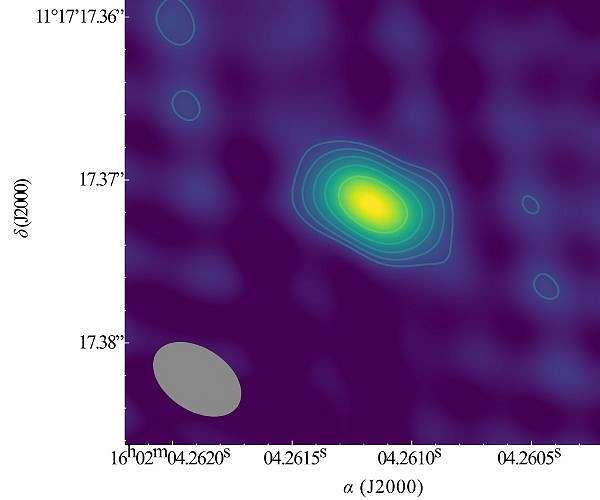
If nothing else catches your attention in the title then surely ‘hypernebula’ does! There are some amazing processes scattered around the cosmos, of particular interest are the fast radio bursts (FRB). These brief flashes of radiation happen without warning…until now. A team in the Netherlands have identified a second FRB as coming from within a hyper nebula – a dense and highly magnetised cloud of plasma that is illuminated by a powerful but unknown source!
FRBs are short outbursts of radio waves which last only a fraction of a second. They seem to originate from distant galaxies and one of the first to be discovered was FRB 20121102A. A second FRB source has been confirmed in the paper by the Netherlands team, this one known as FRB 20190520B. It was discovered by the FAST telescope in China and appears to be associated with hyper nebula just like the other repeating FRBs. Investigations go further revealing that it seems to be associated with a more constant source of radio waves.
The team followed up on their observations using the Very Long Baseline Interferometer (VLBI) which is a network of radio telescopes spread across Europe. Interferometry involves combining the signal form multiple dishes in different places. Using interferometry like this enables astronomers to capture images with a resolution far greater than they could achieve from the individual dishes.
Their observations from the team, led by Shivani Bhandari suggest the size of the host hyper nebula was of the order of 30 light years across, three times the size of the Crab Nebula. They were also able to measure the luminosity revealing it was around a hundred thousand times that of the Sun. This suggests the source may well be an extremely magnetic neutron star known as a magnetar (a neutron star is the highly compressed dense core of a star that went supernova).
Magentars are curious objects but one thing we do know is that they can produce a powerful stream of charged particles that create the surrounding nebulosity and it is from here that the radio source is being emitted. The magnetar inside FRB 20190520B is likely to be generating radio emissions which are prt of the driving force of the FRBs. The team have worked through their data and believe the magnetar to be around 4 and 1,900 years old making and the hyper nebula to be around 900 years old. Compared to most objects in the Universe, these are very very young.
One of the magic things about science is that there are often alternative theories. In the case of these repeating FRBs it may be that the hyper nebula is powered not by magnetism but by gravitation. In systems where there is a black hole or neutron star devouring matter from a nearby companion there could be a burst of radio waves as a result of powerful emissions.
Whether driven by magnetism or gravitational potential energy, these two FRBs are the first two that seem to repeat and are associated with a hyper nebula. Interestingly they are both hosted in low mass dwarf galaxies. They clearly show high levels of activity in young and energetic FRBs but it is interesring that even their older counterparts still emit radio bursts. There are many mysteries about FRBs but these latest observations hope to start to unravel their mysteries.
Source :
Dit zijn de gedachtengestuurde robots gemaakt in China©Aangeboden door The Daily Digest
Het is mogelijk om robots met gedachten te besturen
Het klinkt misschien als een sciencefictionverhaal, maar het kunnen besturen van een robot met gedachten krijgt steeds meer voet aan de grond in de wereld van de technologie.
©Aangeboden door The Daily Digest
China neemt het voortouw
Op het gebied van gedachtengestuurde robots lopen de Chinezen voorop. En dat is niet verwonderlijk, want de laatste jaren hebben de Chinezen ongelooflijke vooruitgang geboekt in wetenschap en technologie. Een goed voorbeeld daarvan is de kunstmatige zon die het land heeft ontwikkeld en die onbeperkte energie kan opwekken.
©Aangeboden door The Daily Digest
Een nieuw besturingssysteem
Uit enkele openbaringen van de krant South China Morning Post uit Hongkong blijkt dat de Chinezen een nieuw besturingssysteem ontwikkelen dat toekomstige ruimtemissies voorgoed zou kunnen veranderen. Dankzij kunstmatige intelligentie en hersengolven is het straks mogelijk om een robotarm te besturen met het menselijk brein.
©Aangeboden door The Daily Digest
Foto: Pixabay
Een nooit eerder bereikte precisie
Veel details van deze nieuwe technologie zijn nog topgeheim, of tenminste nog niet uit het onderzoek dat in het Chinese wetenschappelijke tijdschrift Control and Measurement of Computers verscheen uitgelekt. Zeker is dat deze nieuwe manier van werken een nooit eerder bereikte precisie heeft.
©Aangeboden door The Daily Digest
Waar wordt het toegepast?
Het is de bedoeling dat de Chinese astronauten – ook wel taikonauten genoemd – op het Chinese ruimtestation met uiterste precisie een enorme robotarm kunnen bewegen.
©Aangeboden door The Daily Digest
Foto: Wikipedia
Het Chinese ruimtestation
China beschikt reeds over twee ruimtestations, Tiangong-1 en Tiangong-2. Het land werkt momenteel aan een nog groter derde station met meerdere modules, waarop deze gigantische arm zal worden geïnstalleerd.
©Aangeboden door The Daily Digest
Foto: Pixabay
Hoe werkt de nieuwe technologie?
Laten we eens proberen te begrijpen hoe dit nieuwe en formidabele besturingssysteem werkt. Op het hoofd van de bediener is een apparaat aangesloten, waarmee hij zich alleen maar hoeft te concentreren op het deel van de robotarm dat hij wil bewegen, en deze de ontvangen order uitvoert.
©Aangeboden door The Daily Digest
Foto: Pixabay
Codering van neuronale impulsen
De verschillende onderdelen waaruit de robotarm bestaat zullen met tussenpozen oplichten totdat ze door de bediener worden gekozen. De neuronale impulsen zullen door het apparaat worden gecodeerd en op die manier overgebracht worden van geest naar object, in dit geval een robotarm.
©Aangeboden door The Daily Digest
Foto: Pixabay
Kunstmatige intelligentie
Het verschil tussen sciencefiction en werkelijkheid wordt gevormd door de hersengolven die de hersenen naar het scherm sturen. Aangezien deze echter te zwak zijn om al het werk zelf te doen, worden ze geholpen door kunstmatige intelligentie.
©Aangeboden door The Daily Digest
Foto: Pixabay
Besturen met de kracht van het denken
Het is een apparaat dat de bedoelingen van de bediener probeert te interpreteren, zodat de arm datgene wat nodig is kan uitvoeren.
©Aangeboden door The Daily Digest
Foto: Pixabay
Een verbluffende precisie
De uitgevoerde tests met deze nieuwe technologie zijn werkelijk verbluffend. We hebben het in feite over een doeltreffendheid en precisie gelijk aan 99%. Vergelijk dat maar eens met de technologieën die vandaag de dag worden gebruikt met besturingssystemen die een nauwkeurigheid hebben van 40 tot 80%.
©Aangeboden door The Daily Digest
Foto: Pixabay
Waarom telekinese in de ruimte?
Je kunt je afvragen wat de reden van de Chinese onderzoekers was om tot deze ongelooflijke innovatie te komen. Daarop is het antwoord: de gewichtloosheid.
©Aangeboden door The Daily Digest
Foto: Nasa
Het ontbreken van zwaartekracht
De ruimte is, zoals bekend, een omgeving zonder zwaartekracht. Daardoor kunnen astronauten sommige systemen aan boord alleen bedienen met joysticks en toetsenborden, met alle problemen van dien als gevolg van de gewichtloosheid.
©Aangeboden door The Daily Digest
Foto: Pixabay
Geen joysticks en toetsenborden meer
Wang Congqing, de bedenker van de technologie, zegt hierover: "Bij toekomstige ruimtemissies zullen machines en mensen samenwerken, waardoor toetsenborden, muizen en joysticks niet langer meer nodig zijn. Het enige dat hiervoor nodig is, zijn de hersenen en de ogen".
©Aangeboden door The Daily Digest
Foto: Pixabay
Niet alleen in de ruimte
Maar dit is niet alleen van toepassing op de ruimtevaart. De technologie op basis van 'denkkracht' zou ook uitgebreid kunnen worden naar andere sectoren, zoals fabrieken.
Aangeboden door The Daily Digest
Foto: Pixabay
Aan lopende banden
Een besturingssysteem met telekinese kan in een werkomgeving waar voortdurend nauw contact is tussen mens en machine een hele revolutie teweegbrengen, waarbij de processen aan de lopende band veel sneller en soepeler verlopen.
©Aangeboden door The Daily Digest
Foto: Pixabay
Wachten op ontwikkelingen
Momenteel bevindt dit revolutionaire besturingssysteem zich nog in de testfase. Het is nog even wachten op verdere ontwikkelingen en afwachten of de astronauten er daadwerkelijk van kunnen profiteren.
INVISIBILITY COAT’ THAT HIDES HUMANS FROM AI SECURITY CAMERAS DEVELOPED BY CHINESE STUDENTSAt first glance, it may look like an ordinary, run-of-the-mill camouflage coat. However, what a group of Chinese graduate students have actually developed is a cost-effective “invisibility coat” capable of concealing the human body from AI-monitored security cameras, both day and night.
At the forgivable price of just $70 USD, the high-tech jacket, which has been dubbed the “InvisDefense coat,” was crafted by a team of four graduate students from Wuhan University in China. The real-life sci-fi coat secured the top prize at the inaugural “Huawei Cup,” a cybersecurity innovation contest sponsored by the Chinese tech giant Huawei.
Professor Wang Zheng from the School of Computer Science oversaw the team, comprising doctoral student Wei Hui from the School of Computer Science, along with postgraduates Li Zhubo and Dai Shuyv from the School of Cyber Science and Engineering, and postgraduate Jian Zehua from the Economics and Management School.
The InvisDefense invisibility cloak involves a kind of camouflage pattern designed by a new algorithm, which challenges the efficacy of this commonly used method of AI pedestrian detection. “In layman’s terms, it means cameras can detect you but cannot determine that you are human,” according to a statement released by Wuhan University (WHU).

Diamgram released by Wuhan University detailing the function of the “invisibility coat”
(Image: Courtesy of Wei Hui).
In contrast to stealth fighter jets, which are only invisible to radar, the InvisDefense invisibility cloak renders itself undetectable to machine recognition rather than the naked eye. “Visual neural network refers to machine vision, not visual recognition of humans. It is widely used in video surveillance equipment with the pedestrian detection function and smart cars,” Professor Zheng explained.
The all-weather InvisDefense coat is visible to the human eye. However, to cameras, specific camouflage patterns disrupt the visual neural network during the day, while at night, InvisDefense incorporates temperature control materials, allowing stealth protection from thermal infrared imaging through distinct color blocks.
An innovative defense product, the InvisDefense invisibility cloak offers a potential new means to safeguard personal privacy and security. However, there are also concerns that arise from the development of such technology; the design of the coat could potentially confuse certain detection systems employed in self-driving cars and similar technologies.
During tests of the coat using on-campus security cameras, the accuracy of human detection saw a reduction of 57 percent. The researchers noted that one of the first challenges in developing the coat was finding a balance to deceive both the camera and the human eye.
“Nowadays, many surveillance devices can detect human bodies. Cameras on the road have pedestrian detection functions and smart cars can identify pedestrians, roads and obstacles,” Professor Wang told the South China Morning Post.
“Our InvisDefense allows the camera to capture you, but it cannot tell if you are human.”
Outside of the consumer trends that may potentially evolve from this technology, Professor Wang Zheng noted the invention may likely find possible applications in stealth military uniforms to evade detection from drones or AI units.
Furthermore, he notes that the algorithm could prove valuable in AI research, primarily by allowing researchers to more fully identify potential vulnerabilities.
Russian Navy Secret War With USOs Under Ocean & Encounter With 9 Feet Humanoids In Lake BaikalUnidentified flying objects are no longer a myth. Their existence has been accepted at the official level. The US government along with NASA has started an investigation on UFOs. The governments are not only looking for them into the sky but the underwater anomalies have also become a big concern for the military.
While the US government has found no evidence to call UFOs alien spacecraft, in 2013, the Russian government classified several documents describing the meetings of Russian soldiers with underwater UFOs including humanoids.
During the Soviet era, it was restricted to talk about UFOs and USOs but when it got disintegrated, some files came up with shocking information about alien spacecraft. The declassified documents said that the Russian navy found these unidentified objects technologically superior to Earth vehicles.

One of the undated accounts was a Soviet nuclear submarine’s encounter with the formation of six alien spacecraft in the south of the Pacific ocean. At the depth of 260 meters, the six disc-like objects were moving towards the submarine at the speed of 426 km per hour. The crew could not escape their pursuit, and the commander ordered the crew to rise to the surface. The crew saw through the periscope that the objects came out of the water and took off at absurdly fast speed.
Read also:
The same incident was covered by the British UFO researcher named Philip Mantle in his book “Russia’s USO Secrets: Unidentified Submersible Objects in Russian and International Waters.”

According to former nuclear submarine commander Yury Beketov, many mysterious events also took place in the Bermuda Triangle region. The devices failed for no apparent reason. He believed that the UFOs were behind it.
“[In Translation]We have repeatedly observed that devices record the movement of material objects at an unimaginable speed. We measured some speeds – it is about 230 knots (400 km per hour). Such speed is difficult to create on the surface, only in the air. But there is gigantic resistance in the water. As if the laws of physics do not apply to these objects. There is only one conclusion: the creatures who created such material objects significantly surpass us in development” Beketov said.
Another Navy intelligence Captain Igor Barclay said that the Unidentified submerged objects were seen in the places where the Russian Navy and NATO fleet are concentrated. He said: “These are the Bahamas and Bermuda, Puerto Rico. Especially often UFOs are seen in the deepest region of the Atlantic – in the south of the Bermuda Triangle and in the Caribbean.”

Fishermen often talked about glowing light coming from the depth of Lake Baikal and people who went swimming in the lake were dragged by the unknown creaturs. There is also a myth associated with the lake, talking about water spirits or krakens. Lake Baikal is the largest and deepest freshwater lake with a depth of approx. 1642 meters.
The most interesting encounter of the Russian military occurred beneath Lake Baikal in 1982. Seven trained Russian navy divers claimed to have seen about 9 feet tall humanoids, 50 meters deep into the lake during a research mission. They were wearing tight silvery suits and spherical helmets on their heads. It was surprising for the divers to see them without any scuba gears, breathing underwater.

The divers decided to catch one of them but the entities reacted with the powerful force that propelled the entire group of divers up to the surface from the deep water. Due to the rapid decompression, three divers died while others got severely injured.
A former employee of the British Government’s Ministry of Defence Nick Pope said, “These strange humanoid figures were much bigger than human beings and appeared to be wearing a helmet of some sort.”
In 1959, the Soviet TU-104 Camel jet airliner was chased by a UFO while flying over Lake Baikal. “Before falling into the lake, the captain of the ship allegedly informed the dispatchers about an unidentified flying object moving in the sky. All those present in the control room at that time had to sign a non-disclosure agreement. And the people fishing at the lake nearby saw a flying saucer chasing the falling plane – it accompanied the aircraft until the latter fell to the water.”
After flying objects, now underwater objects have become a subject of investigation for the governments. If extraterrestrials exist, then the oceans are the best place to hide as they are still hard for humans to explore.
Structures On Earths Moon LROC map, UFO Sighting News.
Unraveling the Enigma of Cisco Grove: A Riveting UFO Encounter

In the annals of UFO sightings, few accounts are as compelling and mystifying as the Cisco Grove incident involving Don Shrum. This bizarre event, occurring in September 1964, stands out for its unique blend of extraterrestrial elements and a lone human’s struggle for survival. You can also check this book on Amazon called Aliens in the Forest: The Cisco Grove UFO Encounter.
Don Shrum, an ordinary man with an extraordinary tale, ventured into the Tahoe National Forest for a weekend hunting trip. Working for Aerojet Corporation, a military subcontractor, Shrum was a welder by profession, skilled in handling Polaris and Titan nuclear missiles. This routine excursion took a turn into the surreal, setting the stage for one of the most intriguing UFO sightings in history.

The Encounter: A Night of Unearthly Visitors
As night fell, Shrum realized he was lost. Opting for safety, he climbed a large pine tree to avoid potential wild animals. This decision inadvertently positioned him as a witness to a bizarre and terrifying spectacle. A silent, hovering light, initially mistaken for a rescue helicopter, revealed itself as something far more enigmatic. This light was a precursor to the arrival of a huge, cylindrical UFO and smaller saucer-shaped crafts, marking the beginning of a long, otherworldly ordeal.

Shrum’s account details encounters with beings not of this Earth. Small humanoid figures with large, goggle-like eyes, and a robot-like entity featured prominently in his harrowing experience. These beings, equipped with advanced technology, tried various methods to capture Shrum, who valiantly defended himself using arrows and improvised firebombs.
The impact of this encounter on Don Shrum was profound. He endured severe PTSD and his professional life suffered dramatically. Despite the personal costs, Shrum’s story remained consistent over the years, lending credibility to his extraordinary claim.
The involvement of Wright-Patterson Air Force Base, known for its connection to Project Blue Book and UFO investigations, adds an intriguing government angle to the story. Investigators from the base took Shrum’s account seriously, recording his testimony and examining evidence, hinting at the significance of this case.
While skeptics point to the lack of physical evidence and the story’s alignment with 1960s sci-fi tropes, believers argue the psychological impact on Shrum and corroborative statements from other witnesses validate the encounter. The Air Force’s dismissal of the event as a hoax contrasts starkly with the detailed investigation they conducted, leaving room for speculation.
The Cisco Grove encounter remains a fascinating chapter in the history of UFO sightings. It’s a testament to the enduring human fascination with the unknown and the unexplained. Whether you’re a skeptic or a believer, the story of Don Shrum’s night in the forest is a compelling narrative of human resilience in the face of the incomprehensible.
RELATED
Het noorderlicht: het allermooiste natuurfenomeen©Shutterstock
Alles wat je moet weten over het noorderlicht
Iedereen zou dit natuurfenomeen minstens een keer in zijn leven moeten zien. Klik verder in deze galerij om meer te weten te komen over aurora borealis en de beste plekken om het licht te spotten!
©Shutterstock
Fenomeen
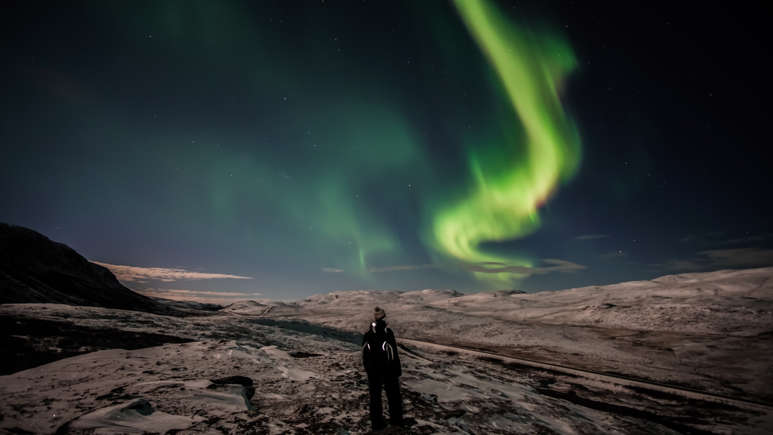
De aurora borealis is een visueel fenomeen dat voorkomt boven de magnetische polen van het noordelijk halfrond. Hetzelfde fenomeen doet zich voor op andere planeten zoals Jupiter, Saturnus, Venus en Mars.
©Shutterstock
Blote oog
Het menselijk oog is in staat om het noorderlicht waar te nemen tijdens de avond en de nacht.
©Shutterstock
Licht
Het fenomeen bestaat uit heldere en kleurrijke lichten, meestal groen of roodachtig.
©Shutterstock
Hoe het onstaat
De aurora borealis ontstaat wanneer een stroom van geladen deeltjes door de zonnewind worden meegevoerd naar de atmosfeer van de aarde en daar in botsing komt met het magnetische veld van de aarde.
©Shutterstock
Vormen
Het hypnotiserende licht beweegt zich meestal onregelmatig door de lucht.
©Shutterstock
Stralen en licht
Het licht wordt gevormd boven de magnetische pool en heeft meestal een halfronde vorm.
©Shutterstock
Onregelmatig
Het noorderlicht is zeer intens, onregelmatig en pulserend.
©Shutterstock
Tinten
De kleur is groenachtig door de botsing van zonnedeeltjes met zuurstof.
©Shutterstock
Waar
Het licht van de aurora borealis strekt zich normaal gesproken 95 tot 120 kilometer uit boven de oppervlakte van de aarde.
©Shutterstock
Beste tijd van het jaar
De lichten zijn het meest intens van september-oktober tot maart-april.
©Shutterstock
Kunstmatig noorderlicht
Het fenomeen kan worden nagebootst in een laboratorium of tijdens een nucleaire explosie.
©Shutterstock
Oorsprong
De wetenschapper Galileo Galilei noemde het natuurverschijnsel Aurora Borealis in 1619.
©Getty Images
Aurora borealis
De naam was een verwijzing naar Aurora, de Romeinse godin voor de dageraad.
©Shutterstock
Naam
Boreas was de Griekse god van de noordenwind.
©Shutterstock
Bestemmingen
Dit zijn de beste plekken om het noorderlicht te spotten:
©Shutterstock
Fairbanks, VS
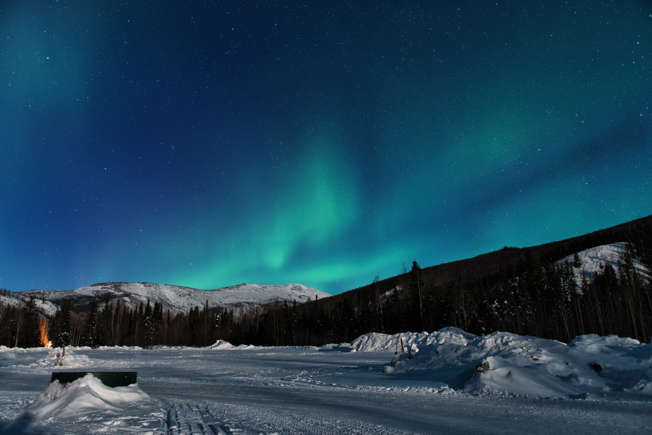
De stad Fairbanks in Alaska bevindt zich op de 65e breedtegraad, direct onder de aurora ovaal (de gigantische ring boven de magnetische noordpool waar het noorderlicht ontstaat). Hier zie je het noorderlicht op z'n best!
©Shutterstock
Tromsø, Noorwegen
De aurora borealis wordt al 25 jaar gevierd tijdens het Noorderlicht Festival in de Noorse stad Tromsø.
©Shutterstock
Isle of Skye, Schotland
Dit is de ideale plek om wat de Schotten de "mirrie dancers" noemen te bewonderen.
©Shutterstock
Nellim, Finland
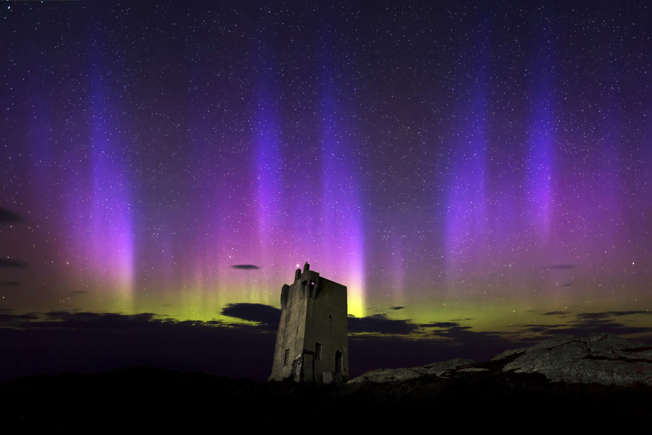
Nellim ligt in Lapland, op ongeveer 8 kilometer van de Russische grens. Dit is een van de beste spots om het noorderlicht te bekijken in Finland.
©Shutterstock
Idaho Panhandle National Forests, VS
Dit natuurreservaat, gelegen op het meest noordelijke puntje van de Idaho Panhandle, is de perfecte plek om te wandelen en de aurora borealis te spotten.
©Shutterstock
Akureyri, Ijsland
In IJsland zijn er mensen die geloven dat het noorderlicht engelen zijn die dansen in de lucht.
©Shutterstock
Yellowknife, Canada
In deze ongerepte regio is er een kans van 90% dat je het noorderlicht zult zien.
©Shutterstock
Abisko, Zweden
Dit dorp in Zweden heeft een microklimaat dat vrijwel wolkenvrij is. Dit zorgt voor een grote kans op zichtbaarheid van het noorderlicht.
©Shutterstock
Moermansk, Rusland
Iedere winter is het noorderlicht ongeveer 15 to 20 keer zichtbaar in Rusland.
©Shutterstock
Inishowen, Ierland
De lage graad van lichtvervuiling maakt dit Ierse schiereiland een goede spot voor het aanschouwen van het noorderlicht.
©Shutterstock
Longyearbyen, Noorwegen
Deze stad ligt ongeveer 900 kilometer ten noorden van het Noorse vaste land, wat het een perfecte plek maakt om het natuurfenomeen mee te pikken.
©Shutterstock
Kangerlussuaq, Groenland
Deze plek heeft 300 dagen per jaar een heldere hemel en is perfect gelegen in het midden van de noorderlichtgordel.
Unveiled: Could This Be the Real Vandenberg UFO Footage from 1964? #UFOTruth #VandenbergMystery

In the vast expanse of our universe, mysteries abound, and few are as captivating as the story that unfolded in 1964 – a tale that intertwines the enigmatic world of UFOs with the high-stakes arena of military might. Today, we delve into a chapter of this saga, brought to life by an alleged leaked video that claims to show an unprecedented encounter.
The Backdrop: A Missile, A Camera, and An Uninvited Guest
It was a day like any other at the Big Sur Test Range in California, or so it seemed. The U.S. Air Force was testing a nuclear missile, an event meticulously captured by cameras. Among these cameras, one operated by Lieutenant Robert Jacobs, was about to document something extraordinary. According to Jacobs, his film captured an unidentified flying object (UFO) in the act of intercepting and disabling the nuclear warhead with a precise laser-like beam.
The Claim: A Warhead, A UFO, and A Laser
The story goes that the warhead, instead of following its predetermined trajectory, malfunctioned and plunged into the sea – an outcome allegedly caused by the intervention of the UFO. For decades, this narrative has circulated in whispers and rumors, never substantiated by concrete evidence, until now.

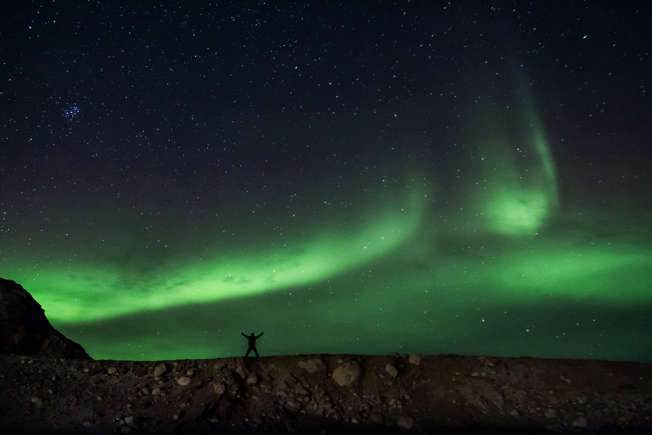
The Alleged Leaked Video: A Glimpse into the Unknown
This video, which has recently surfaced, purports to be the long-lost evidence of that day’s extraordinary events. It offers viewers a glimpse of what might be one of the most significant encounters between human technology and an unidentified aerial phenomenon.
Skepticism and Enthusiasm: The Dual Faces of Reception
While the authenticity of this video is yet to be verified, it has already ignited a firestorm of debate. Skeptics question its legitimacy, pointing to the absence of corroborative evidence and the ease with which digital content can be manipulated. Meanwhile, enthusiasts see it as a potential key to unlocking a long-standing mystery, perhaps even a doorway to understanding advanced extraterrestrial technology.
The Scientific Stance: Caution and Curiosity
The scientific community, ever cautious, urges a measured approach. They advocate for a thorough analysis of the video, considering all possible explanations, before jumping to conclusions about extraterrestrial involvement.
A Story Continue
As we present this video to the world, we invite viewers to watch with an open mind but also a critical eye. This alleged leaked video, whether it proves to be a groundbreaking discovery or an intriguing piece of fiction, adds a fascinating chapter to the ongoing story of humanity’s quest to understand the unknown realms of our universe.
A Call to the Audience: Your Thoughts Matter
What do you think about this alleged encounter? Does this video change your perspective on UFOs and extraterrestrial life, or do you remain skeptical? Share your thoughts and join the conversation as we explore the boundaries of our knowledge and the mysteries of the skies above.
NASA benadrukt de kosmische dans van sterren en stof in de CarinanevelDe afbeelding is vastgelegd door de Hubble Space Telescope en onthult een kosmisch schouwspel binnen de regio die bekend staat als de Mystieke Berg, bestaande uit zuilen van stof die, ondanks hun ondoorzichtige uiterlijk, voornamelijk bestaan uit transparant waterstofgas.
In deze hemelse scène ontketenen nieuw gevormde en massieve sterren een energetische dans, waarbij hun licht en winden geleidelijk de stellaire kraamkamers verdampen waar ze zijn geboren. Sommige van deze stofzuilen, die lijken op hemelse fakkels, worden daadwerkelijk verlicht door nabijgelegen sterren, waardoor een prachtige ‘verwarring’ van licht en schaduw ontstaat.
De Carinanevel, officieel bekend als HH1066, strekt zich uit over bijna een lichtjaar en bevindt zich op ongeveer 7.500 lichtjaar van de aarde.
LATEST UFO SIGHTINGS AND VIDEOS - 07/12/2023LATEST UFO SIGHTINGS AND VIDEOS - 07/12/2023
Woman Witnesses Strange UFO Sighting In British Columbia | Alien Mysteries
In July 1991, Corina Saebels sees a spaceship hovering over her home in Aldergrove, British Columbia. When she learns that she disappeared for more than 45 minutes, it leave her to question what really happened to her.
Ross Coulthart Drops Juicy UFO Bombs on Chris Cuomo Show
Buitenaardse wezens en UFO's - Wat is er ECHT aan de hand?
Aliens en UFO's: bekijk eerder duurzaamheid en doe mee voor een kans om te winnen en Aptera! https://geni.us/ApteraGiveaway
Er zijn maar weinig dingen die zo tot onze verbeelding spreken als buitenaardse wezens en UFO's. Maar de laatste tijd is er allerlei nieuws, waaronder hoorzittingen van overheidsfunctionarissen, en NASA heeft nu zelfs een rapport. Dus wat is er aan de hand, en krijgen we bezoek van kleine groene mensen? Laten we dit samen uitzoeken!
Explore the puzzling narratives of grey aliens| UFO Witness| Discovery
Dive into the heart of Colorado, a hotbed of extraterrestrial activity, on America's UFO Investigation with Ben Hansen. Witness firsthand accounts of UFO sightings, alien encounters, and the chilling mystery surrounding over 8000 cattle mutilations investigated by the FBI. Join investigator Katie Griboski, who brings forward reports of mutilated sheep, cows, horses, and dogs. Uncover theories, including military involvement in the unsettling cattle mutilations. Find out more about the Tic Tac UFO sightings and the disturbing removal of livestock organs. Are the greys creating an alien-human hybrid? Join us on Discovery Channel India for an extraordinary journey on America's UFO Investigation.
RELATED
From Beyond UFO Sightings Part 1
From Beyond UFO Sightings Part 2
Strange phenomenon appears above thunderstorm at high altitude


Two UFOs Caught Near Earths Moon, Using Nikon Camera, 6-4-2023, Video, UFO Sighting News.
Coast to Coast AM: The Flatwoods Monster Chronicles – The UFO Connection

In the quaint town of Flatwoods, West Virginia, a story has lingered for decades, shrouded in mystery and intrigue. It’s a tale that intertwines with the larger narrative of the UFO phenomenon in the United States, particularly the unprecedented wave of sightings in 1952. This story is about the Flatwoods Monster, an incident that has captivated researchers, conspiracy theorists, and the public alike.
The Encounter: A Night to Remember
It was a crisp evening on September 12, 1952, when a group of residents in Flatwoods reported seeing a bright object crossing the sky and landing nearby. Among them was Kathleen May, a local mother, who, along with her two sons and their friends, ventured into the darkness to investigate. Accompanied by their trusty dogs, they walked towards the Fisher Farm, unaware that they were about to become central figures in one of the most baffling UFO encounters in history.
The Aftermath and Investigations
The incident quickly captured national attention, with various newspapers and investigators flocking to Flatwoods. Among the most notable was Frank Feschino Jr., who extensively researched the encounter, interviewing witnesses and piecing together the events of that night. His findings suggest that the Flatwoods Monster was not an isolated incident but part of a larger series of UFO sightings and landings during the 1952 wave.
Theories abound as to the nature of the Flatwoods Monster. Some, like Feschino, propose that it was a mechanical entity, possibly a malfunctioning extraterrestrial craft or a suit, evidenced by the oil-like substance reported by witnesses. Others speculate that it was an entity wearing some form of protective gear, adapted for our atmosphere.
Connecting the Dots: The 1952 UFO Wave
The Flatwoods incident didn’t occur in a vacuum. 1952 was a landmark year for UFO sightings, with numerous reports across the United States. This wave reached its peak with the famous Washington, D.C., “flap,” where multiple unidentified objects were tracked by radar and witnessed by air traffic controllers.
Feschino’s research draws parallels between the Flatwoods sighting and other UFO incidents of the time. He suggests that these sightings were part of a larger, perhaps exploratory, mission by extraterrestrial beings. His mapping of the sightings and landings indicates a pattern, suggesting strategic movements rather than random appearances.
Legacy and Continuing Mystery
The Flatwoods Monster remains a compelling chapter in the annals of UFOlogy. It’s a story that has endured the test of time, captivating the imagination of those who dare to look up at the stars and wonder. For the residents of Flatwoods, it’s a part of their history, a mysterious event that has defined their town in the eyes of the world.
VIDEO:
As we continue to explore the vastness of space and the possibility of extraterrestrial life, the story of the Flatwoods Monster serves as a reminder of the unknowns that lie beyond our understanding. It’s a tale that asks more questions than it answers, leaving us to ponder the mysteries of the universe and our place within it.
RELATED VIDEOS