What is this 2.5 mile object on Planet Mercury? UFO Sighting News. Video.

What is this 2.5 mile object on Planet Mercury? UFO Sighting News. Video.
Ai focused 20 Mile Structures On Europa, Moon of Jupiter! NASA Link, UFO Sighting News.

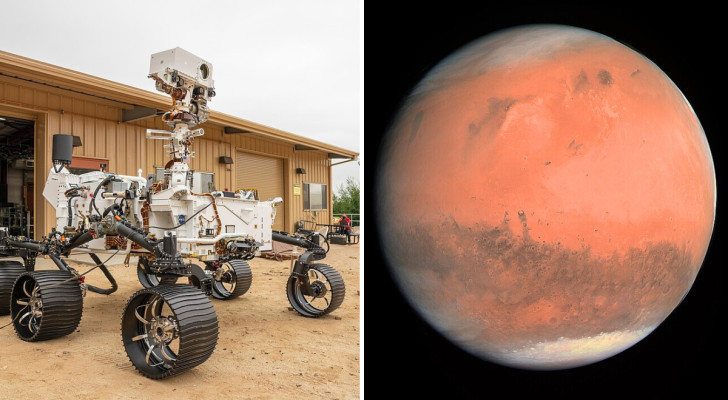
Perseverance vindt nieuw mogelijk bewijs van leven op Mars: “het is iets wat we nog nooit eerder hebben gezien”.
NASA/JPL-Caltech/Wikimedia commons -
Public domain / ESA & MPS for OSIRIS Team MPS/UPD/LAM/IAA/RSSD/INTA/UPM/DASP/IDA/Wikimedia commons - CC BY-SA 3.0 igo
NASA's Perseverance rover zet zijn missie op Mars voort op zoek naar bewijs dat de oude aanwezigheid van buitenaards leven op de rode planeet zou kunnen onthullen: er komt een opzienbarende nieuwe ontdekking.
Een vreemde rots, waarvan de vorm lijkt op de punt van een pijl, heeft de aandacht getrokken van NASA's Perseverance rover, op een missie naar Mars om te zoeken naar tekenen van buitenaards leven. Hoewel het bestaan van marsmannetjes nog niet is aangetoond, zijn er wel elementen naar voren gekomen die hun aanwezigheid op de rode planeet miljarden jaren geleden zouden kunnen bewijzen.
De Amerikaanse ruimtevaartorganisatie maakte dit bekend nadat Perseverance een rots had ontdekt die bedekt was met vlekken en rijk was aan “aderen”. Wetenschappers hebben deze rots een speciale naam gegeven, Cheyava Falls, naar een van de watervallen van de Grand Canyon. Maar wat is er zo bijzonder aan en waarom zou het bewijs kunnen leveren van buitenaards leven op Mars, dat ooit bewoonbaar kan zijn geweest?
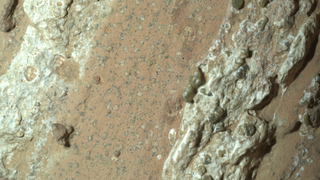
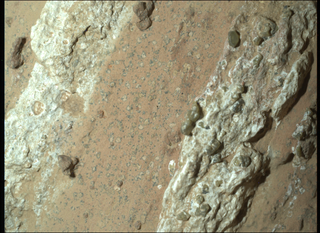
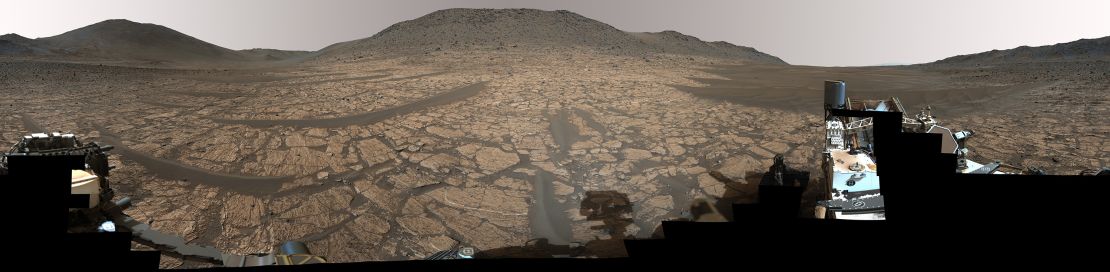
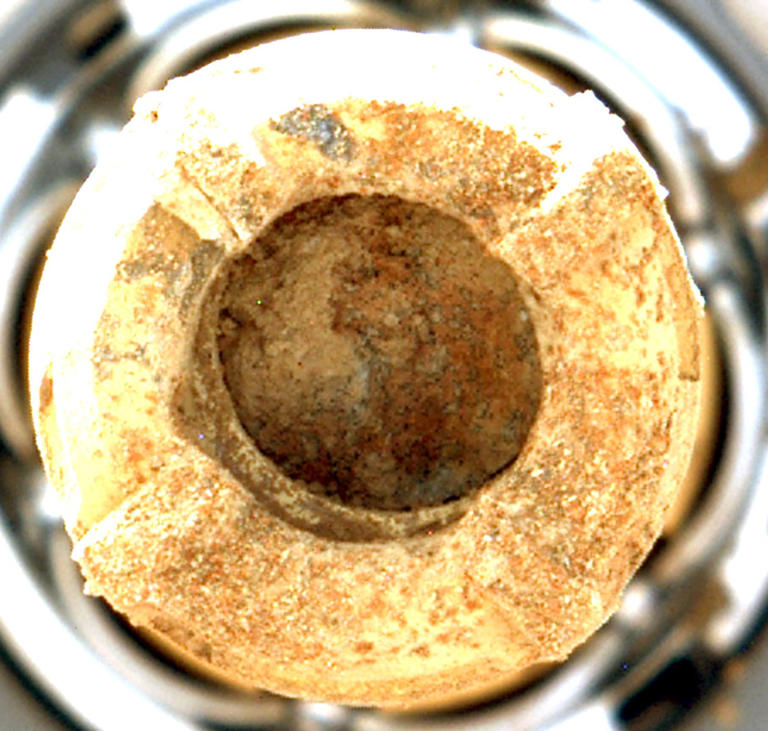
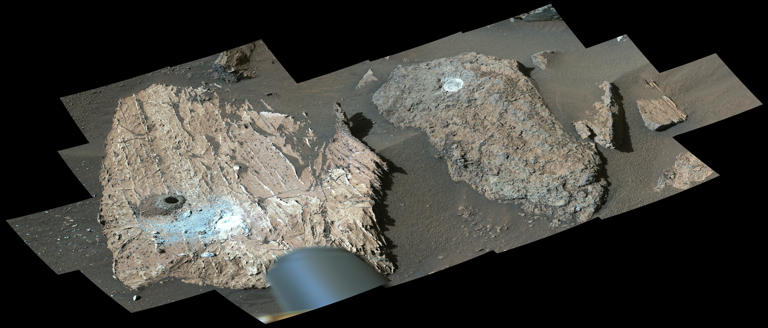
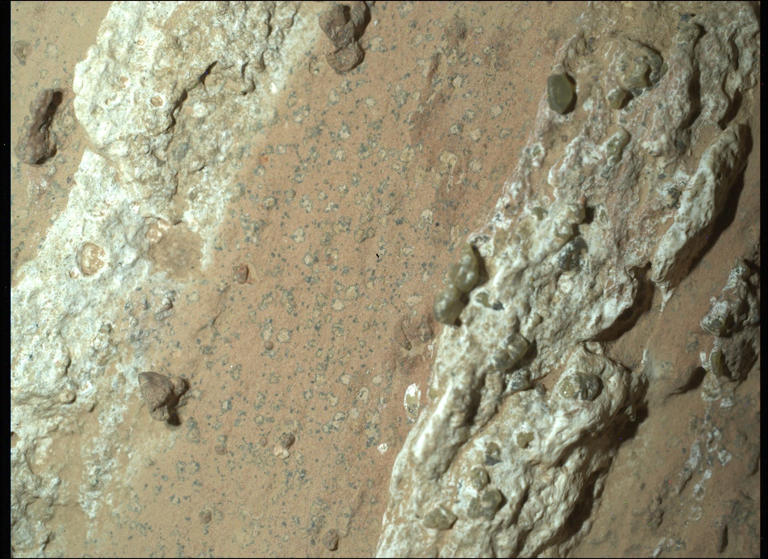
Cheyava Falls lijkt organische verbindingen te bevatten en dit zou kunnen wijzen op sporen van microbieel leven uit de tijd dat er water was op Mars. Perseverance vond de rots in het noordelijke deel van de Neretva-vallei, waar in het verleden een rivier stroomde die uitmondde in de Jezero-krater. "Deze “luipaardvlekken” op een rots op Mars zijn aanwijzingen voor waarschijnlijk de beste tekenen van oeroud microbieel leven die we tot nu toe op Mars hebben gevonden. Om het zeker te weten, moeten we het gesteente bestuderen in laboratoria op aarde", staat te lezen in het X-profiel van NASA's Jet Propulsion Laboratory.
De route van de rover, zoals uitgelegd door de Associate Administrator voor het Directoraat Wetenschapsmissies, Nicola Fox, was ontworpen om ervoor te zorgen dat hij de gebieden van Mars kan bereiken waar zich vermoedelijk de meest interessante wetenschappelijke monsters bevinden. "Deze reis door de rivierbedding van de Neretva Vallis heeft zijn vruchten afgeworpen, omdat we iets hebben ontdekt dat we nog nooit eerder hadden gezien en dat onze wetenschappers veel te bestuderen zal geven."
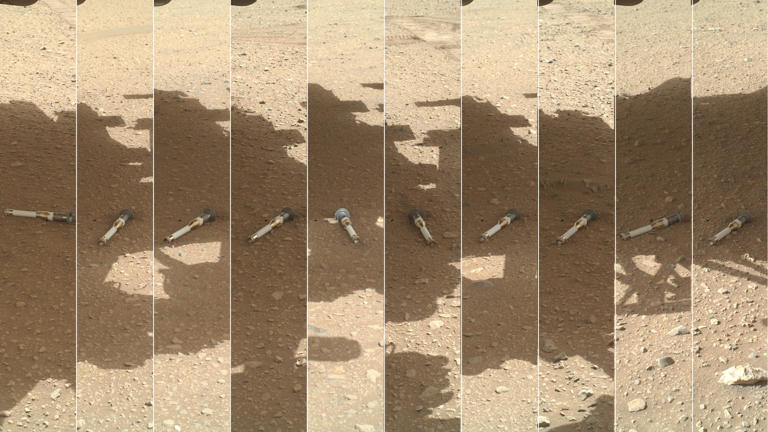
Perseverance van zijn kant "verklaarde" op zijn X-profiel: "Ik kwam naar Mars met een taak om uit te voeren: het vinden en bemonsteren van de beste rotsen voor toekomstige studies in laboratoria op Aarde. Ik zal deze speciale rotskern, en de andere in mijn collectie, veilig bewaren totdat er een toekomstige missie komt om ze naar de Aarde te brengen voor verdere studie."
De rots, die 90 cm bij 60 cm meet, verschilt van andere roodgekleurde rotsen die op Mars zijn gevonden door de vele zwarte en witte vlekken die erop zitten. De zwarte delen bevatten fosfaat en ijzer, net als aardse gesteenten waarop gefossiliseerd microbieel leven is gevonden. Juist dit heeft de hoop van wetenschappers aangewakkerd om misschien het leven van microben op Mars te kunnen bevestigen, hoewel we voor een definitief antwoord zullen moeten wachten tot de monsters over een paar jaar naar onze planeet terugkeren.
Night of Terror: The Chilling Pascagoula UFO Encounter of 1973″

On a quiet night in October 1973, the lives of two friends, Charles Hickson and Calvin Parker, were forever changed by a series of events that remain one of the most compelling UFO incidents in history. Fishing on the Pascagoula River in Mississippi, they encountered a mysterious craft and beings that would haunt them for decades. This article delves into the details of their experience, the aftermath, and possible explanations for what occurred that fateful night.
On October 11, 1973, Charles Hickson, 42, and Calvin Parker, 19, were fishing off a pier after a long day at their shipyard jobs. As they cast their lines into the water, a large, oval-shaped craft with blue lights appeared in the sky. It hovered about 40 feet long and 10 feet high, emitting a strange buzzing sound.
Three creatures emerged from the craft, floating just above the ground. These beings, about five feet tall, had pale, wrinkled skin and grotesque faces with pointed protrusions instead of noses and ears. Their hands ended in crab-like claws, and they moved with an eerie, robotic motion. The beings paralyzed Hickson and Parker, rendering them unable to move or cry for help.
The creatures lifted them off the ground and carried them into the craft. Inside, they were subjected to invasive procedures. Hickson remained conscious, his mind racing in terror as he was examined by the beings. Parker fainted but later recalled being examined by a more humanoid female alien who communicated telepathically, attempting to reassure him.
Hickson and Parker woke up back on the riverbank, disoriented and terrified. Although it felt like hours had passed, they realized only 20 minutes had elapsed. Determined to report the incident, they contacted the Air Force, who directed them to the local police.
At the police station, the officers, initially skeptical, secretly recorded Hickson and Parker’s conversation. The recording, later known as the “secret tape,” captured their genuine fear and consistent recounting of the incident, lending credibility to their story. Multiple witnesses also reported seeing strange lights in the sky that night, corroborating their account.
While Hickson and Parker’s story is compelling, some suggest it could be explained by psychological phenomena. Hypnagogic hallucinations, vivid experiences that occur between wakefulness and sleep, might account for their vivid memories. Sleep paralysis, where one is awake but unable to move, often accompanied by hallucinations and a sense of a threatening presence, could explain their paralysis and sense of fear.
In the years following the incident, Hickson reported multiple additional encounters with various alien beings. He claimed to have received messages about environmental concerns and nuclear weapons and even described receiving an implant. These stories, while controversial, kept him in the public eye within the UFO community.
Parker, on the other hand, initially shied away from the spotlight, struggling with PTSD. He later began speaking publicly about the incident, publishing a book recounting his experiences. Their accounts, though occasionally evolving over time, remained consistent in their core details.
The Pascagoula incident is one of many reported alien abductions, each sharing common elements such as paralysis, telepathic communication, and invasive procedures. Notable cases include the 1961 abduction of Betty and Barney Hill, the 1975 Travis Walton case, and Whitley Strieber’s 1985 experience. These stories have significantly contributed to public fascination with extraterrestrial encounters and have sparked numerous debates about their validity.
The Pascagoula UFO incident remains a fascinating and controversial event. While some believe Hickson and Parker were genuinely abducted by extraterrestrial beings, others attribute their experience to psychological phenomena such as hypnagogic hallucinations and sleep paralysis. Regardless of the true nature of their encounter, the trauma they experienced was real, and their story continues to captivate and intrigue those who hear it. The incident has not only left an indelible mark on the lives of Hickson and Parker but has also significantly influenced the broader narrative of UFO sightings and alien abductions.
NASA's Perseverance Mars rover finds possible signs of ancient Red Planet life

NASA/JPL-Caltech/ASU/MSSS

NASA/JPL-Caltech/ASU/MSSS

NASA/JPL-Caltech/MSSS
Telescopes Shooting Lasers, Assembling Telescopes in Space, Growing Plants on Mars | Overtime Q&A 2
What are those lasers shooting out from telescopes? Can we build a space elevator? Could we grow plants in Mars regolith? Why not assemble telescopes in space? Answering all these questions and more in this week's Overtime Q&A.
Earth is wobbling and days are getting longer — and humans are to blame

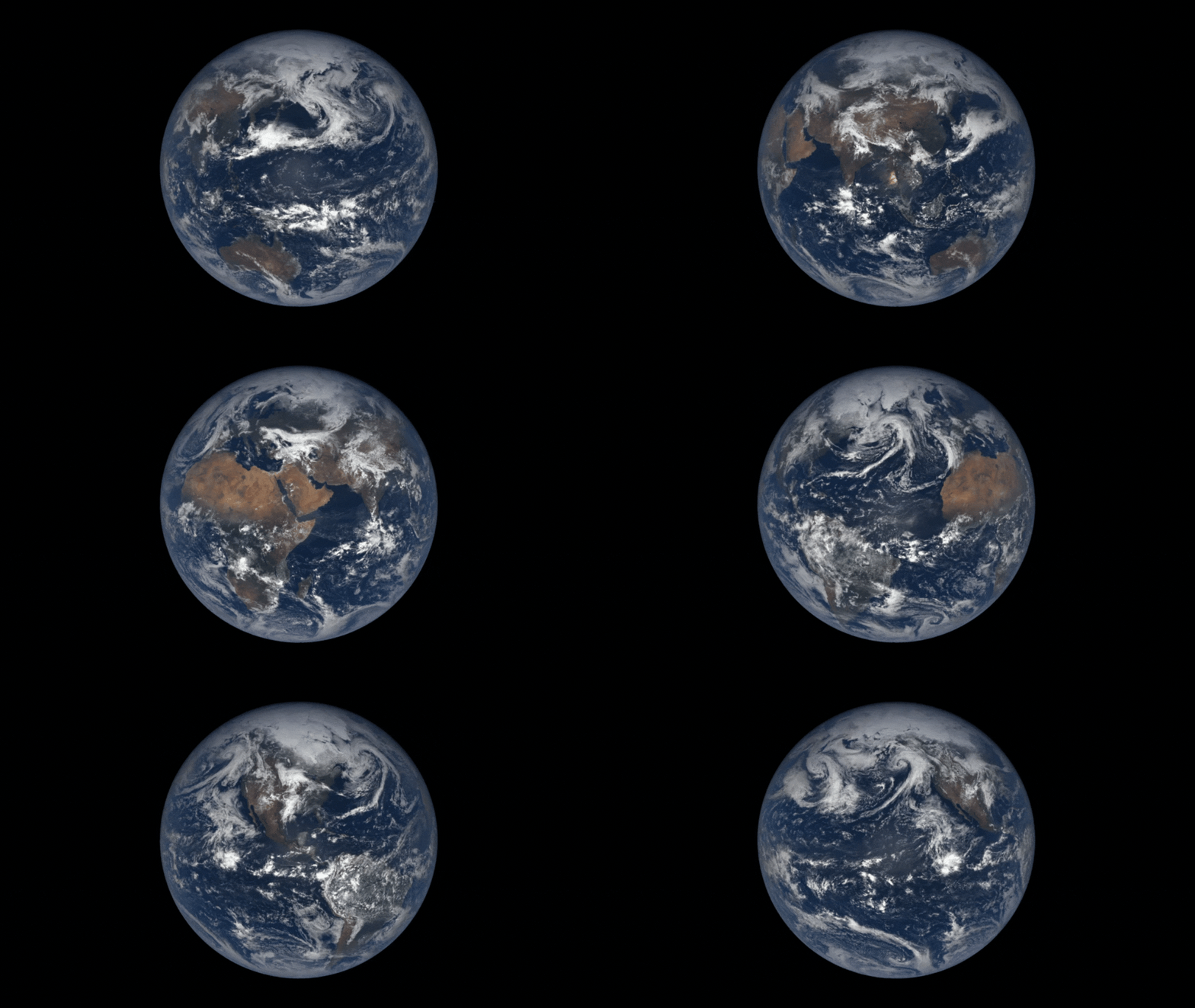
The length of Earth's days and the orientation of our planet are being thrown out of balance as human-caused climate change continuously alters Earth's spin, new research suggests.
Initially, these changes will be imperceptible to us, but they could have serious knock-on effects, including forcing us to introduce negative leap seconds, interfering with space travel and altering our planet's inner core, researchers warn.
A day on Earth lasts about 86,400 seconds. But the exact time it takes our planet to complete a single rotation can shift by tiny fractions of milliseconds every year due to a number of factors, such as tectonic plate movements, changes to the inner core's rotation and gravitational tugging from the moon.
However, human-caused climate change is another factor that can alter the length of our days, and scientists are just starting to realize how much this will affect our planet's spin in the coming years.
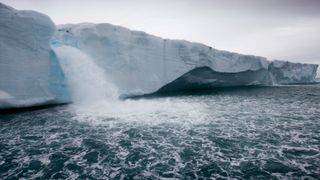
Over the past few decades, the rate of ice loss from Earth's polar regions, particularly Greenland and Antarctica, has been increasing rapidly due to global warming, leading to rising sea levels. Most of this extra water accumulates near the equator, causing our planet to bulge slightly around the middle. This, in turn, slows the planet's spin because more weight is distributed farther away from the planet's center — similar to how spinning figure skaters slow down by moving their arms away from their bodies.
In the new study, published July 15 in the journal PNAS, researchers used an advanced artificial intelligence program that combines real-world data with the laws of physics to predict how the planet's spin will change over time.
Related:

The results back up a similar study published in March, which suggested that Earth's days will get longer in the future. However, the new program offered much more precise estimates of how days will lengthen over time.
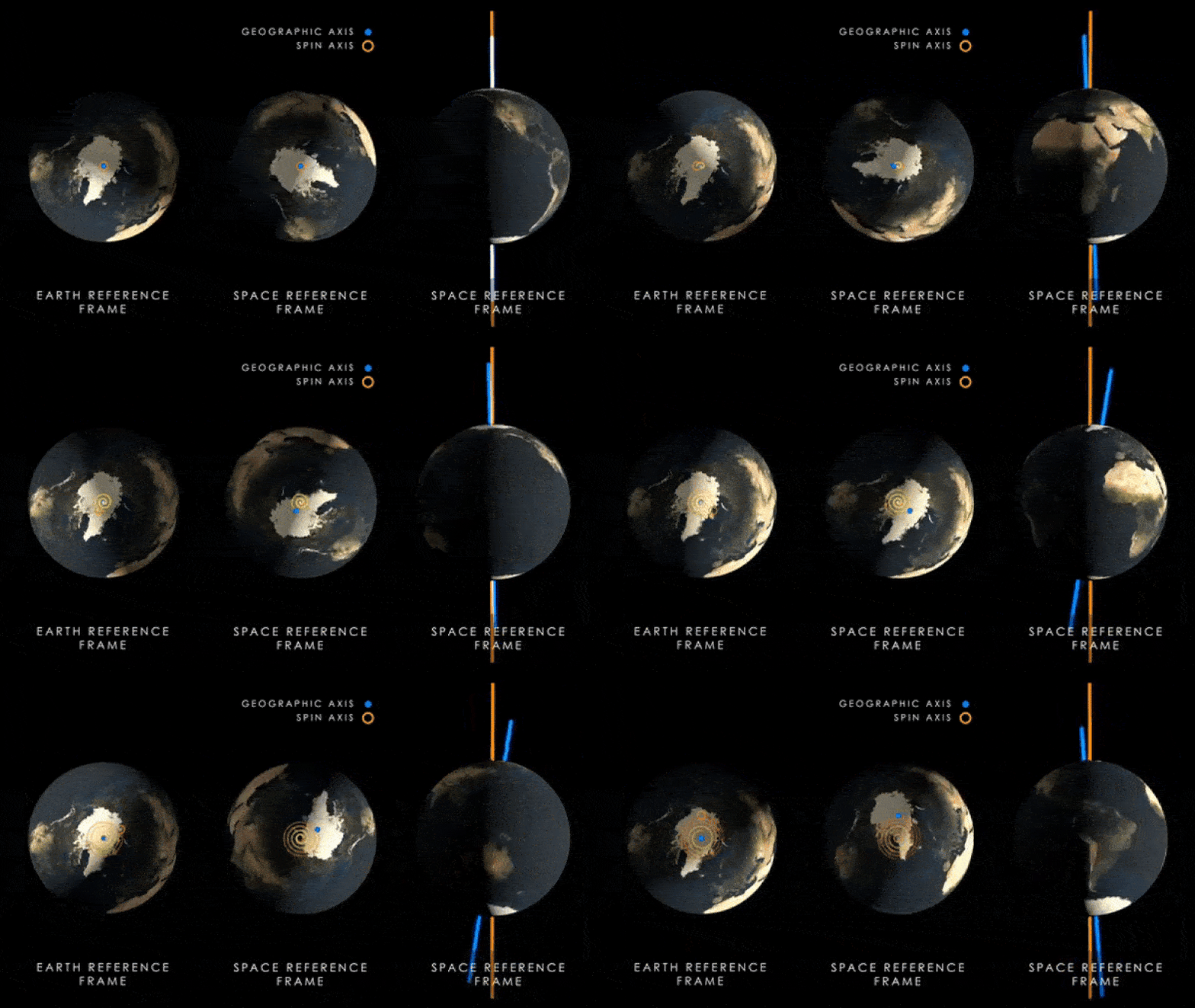
The same research team behind the new paper also released another study, published July 12 in the journal Nature Geoscience, which showed that the increased water near the equator is moving Earth's axis of rotation. This is making the magnetic poles wobble farther away from the axis every year.
Scientists previously found that this effect has likely been happening for at least the past three decades. However, the new study suggests the axis will move even farther from its current position than previous studies predicted.
"We humans have a greater impact on our planet than we realise," Benedikt Soja, a geodesist at ETH Zurich in Switzerland who was a co-author on both the new studies, said in a statement. "And this naturally places great responsibility on us for the future of our planet."

Earth's days have always varied in length. Around 1 billion years ago, our planet likely took only 19 hours to complete a single rotation, before slowing to the 24 hours we experience today.
It also changes on shorter timescales. For example, in 2020, Earth was spinning more quickly than at any point since records began in 1960. In 2021, the planet's rotation began to slow down again even though we experienced the shortest-ever recorded day in June 2022.
But in general, Earth's rotation has been slowing for millennia, mainly due to a process known as lunar tidal friction, in which the moon's gravitational effect on our oceans pulls water away from the poles. At the moment, this effect is lengthening our days by around 2.3 milliseconds every century.
The new studies show that climate change is currently lengthening our days by around 1.3 milliseconds every century. However, based on current global temperature models, the researchers predict that this could increase to 2.6 milliseconds per century by the end of the 21st century, which would make climate change the biggest influence on our planet's spin.

One of the most likely effects of longer days would be the need to introduce negative leap seconds — where we'd occasionally lose a second from some future days to accommodate the lengthening days, similar to how leap years work.
The March study suggests that this may need to start happening as soon as 2029, mainly to accommodate for how much the days have already lengthened over the past few millennia.
In the past, scientists have suggested this introduction could mess with the timekeeping of computers and smartphones. However, not everyone is convinced this will be a major issue.
The researchers of the new studies also noted that future changes could impact space travel.
"Even if the Earth's rotation is changing only slowly, this effect has to be taken into account when navigating in space — for example, when sending a space probe to land on another planet," Soja said. It is therefore important to monitor these changes closely, he added.
The team also warned that the changes to Earth's rotational axis could alter the rotation of Earth's inner core, which could further increase how fast days lengthen. However, this potential interaction is still largely unknown.
Donkere zuurstofbron ontdekt op de bodem van de oceaan: het zou de oorsprong van het leven kunnen verklaren

ROV KIEL 6000, GEOMAR/Wikimedia Commons - CC BY 4.0
Zonder zuurstof zou er geen leven op aarde zijn, althans niet al tweeënhalf miljard jaar. We weten nu dat de eerste organismen die zuurstof produceerden blauwalgen waren en dat na verloop van tijd planten zich specialiseerden in de productie ervan door middel van fotosynthese. Om zuurstof te krijgen heb je zonlicht nodig, en daarom zijn er geen algen in de diepe zee die dit kunnen produceren, toch? Nou, ja en nee: het klopt dat er geen planten zijn in de diepten van de oceaan, maar tegelijkertijd hebben onderzoekers een productie van donkere zuurstof ontdekt uit bepaalde mineralen op de zeebodem. Laten we eens kijken hoe dit proces plaatsvindt en wat het betekent voor de oorsprong van het leven op aarde.
Anaëroob leven, dat wil zeggen leven zonder zuurstof, is zeker niet onbekend: het wordt bijvoorbeeld aangetroffen in sommige diepten in de zee, zoals de verloren stad van Lost City. Kortom, op de bodem van de oceaan is het vreemder om zuurstofproducerende mechanismen te vinden dan planten. Toch heeft een internationaal team van onderzoekers ontdekt dat er speciale metaalmineralen in de oceaanbodem zitten die zeewater kunnen splitsen in waterstof en zuurstof. Dit zijn de woorden van Andrew Sweetman van de Scottish Association for Marine Science:
Zuurstof was noodzakelijk om het aerobe leven op aarde te laten ontstaan, en we zijn er altijd van uitgegaan dat deze toevoer begon met fotosynthetische organismen. Maar nu weten we dat er zuurstof wordt geproduceerd in de diepten van de zee, waar geen licht is.
Kortom, het zou een “donkere zuurstof” zijn, juist omdat het niet wordt geproduceerd dankzij de fotosynthese van chlorofyl en zonlicht, maar door andere chemische processen die letterlijk plaatsvinden daar waar de zon niet schijnt.

Goodfon
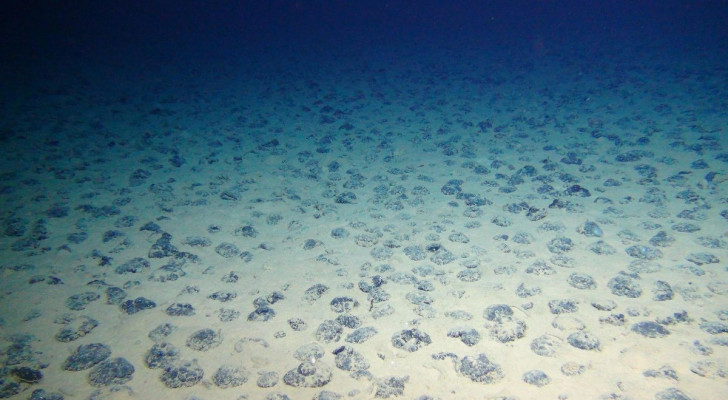
Zoals het team wetenschappers opmerkt in het onderzoek dat is gepubliceerd in het tijdschrift Geoscience, zijn het speciale polymetaalknollen die zich vormen op de oceaanbodem die zuurstof produceren. Deze formaties bevatten metalen zoals nikkel, koper, kobalt, lithium en mangaan, oftewel materialen die veel worden gebruikt bij de fabricage van elektrische batterijen. En het zijn precies “geobatterijen” waar Sweetman en zijn collega's het over hebben, nu ze zuurstofproductie hebben ontdekt in de Clarion-Clipperton-zone in het midden van de Stille Oceaan.
De onderzoekers ontdekten namelijk hoe de combinatie van roest en zout water elektriciteit kan opwekken. En er is slechts 1,5 volt nodig om zeewater te scheiden in waterstof en zuurstof, zoals werd aangetoond in een experiment: in de praktijk de spanning van een klassieke AA-batterij. De metaalknollen in de diepten van de oceaan fungeren als batterijen, of beter gezegd “geobatterijen”, voor de productie van zuurstof.
De ontdekking van de onderzoekers wijst in twee verschillende richtingen. De eerste is het verleden, en meer dan tweeënhalf miljard jaar geleden, het ontstaan van aeroob leven. Als rotsen inderdaad ook zuurstof kunnen produceren, wie zegt dan dat ze niet ook verantwoordelijk zijn voor het ontstaan van het leven op aarde zoals we dat nu kennen?
Tegelijkertijd is de tweede richting die van de toekomst en mijnexploitatie. Polymetaalknollen die donkere zuurstof produceren zouden tientallen jaren lang batterijen op wereldschaal van energie kunnen voorzien, maar is dat wel een goed idee? Enerzijds werd het onderzoek deels gefinancierd door het bedrijf The Metals Company, dat de metaalknollen wil extraheren. Aan de andere kant heeft diepzeemijnbouw tot verschillende problemen voor oceaanecosystemen geleid. Waaronder één die de zuurstof wil produceren die we al heel lang inademen.
Het iconische zeedier dat een schaal in de vorm van een taco had: een nieuwe studie onthult zijn “geheimen”

The Burgess Shale - Royal Ontario Museum
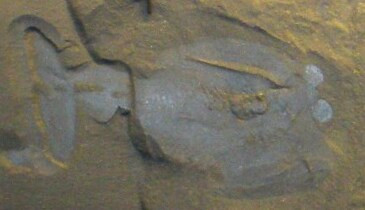
Vijfhonderd miljoen jaar geleden leefde er een zeedier in de vorm van een “taco” in de wateren van de aarde. Een ongekende fossiele analyse heeft iets nieuws ontdekt over dit merkwaardige uitgestorven dier.
In het Cambrium, toen het leven op aarde dramatisch explodeerde, leefde een vreemd wezen dat op een garnaal leek in de eerste oceanen die zich op onze planeet vormden. Landdieren die worden gedefinieerd als geleedpotigen met onderkaken of tangkaken bestaan voor ongeveer 70% uit krabben, bijen, duizendpoten en garnalen.
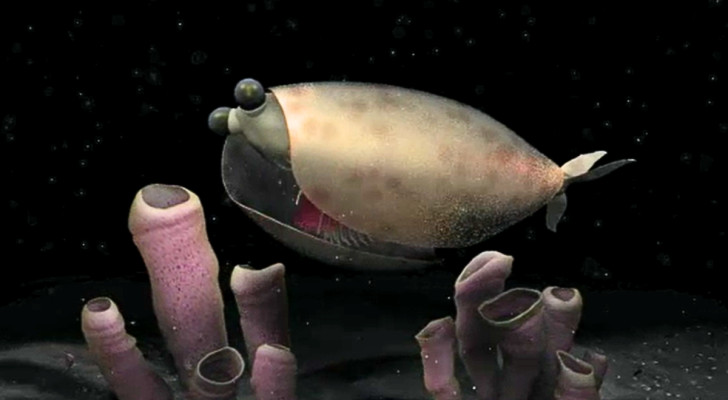
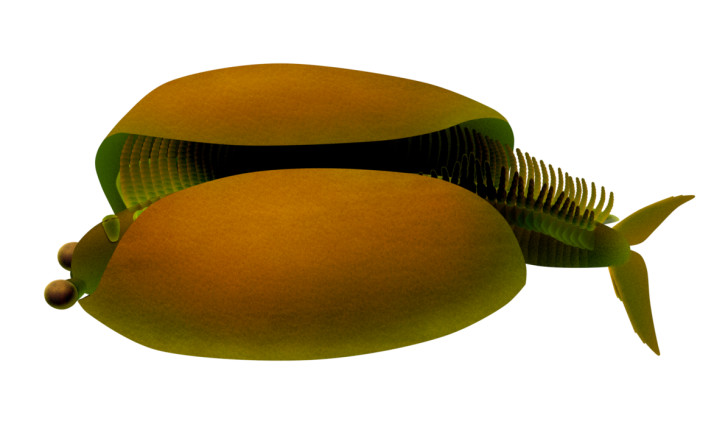
Daartoe behoorde de Odaraia, waarvan de specifieke schaal hem beschermde tegen mariene gevaren, in de prehistorie, ongeveer 508 miljoen jaar geleden. De Odaraia bewoog zich in ondiep water, was bijna twintig centimeter lang en door zijn taco-vormige schaal, de beroemde Mexicaanse tortilla, kon hij zowel in normale houding als ondersteboven voortbewegen in zee.

Ghedoghedo/Wikimedia commons - CC BY-SA 3.0
Onderzoekers van het Royal Ontario Museum in Toronto, Canada, hebben het eerste concrete bewijs geleverd dat dit schepsel was uitgerust met onderkaken, waarmee het zich voedde in open zee en niet alleen op de zeebodem. Door het analyseren van fossielen is het mogelijk geweest om enkele gaten in de evolutie van geleedpotigen op te vullen, en de Odaraia heeft in dit geval meer dan honderd jaar lang twijfels opgeroepen onder paleontologen.
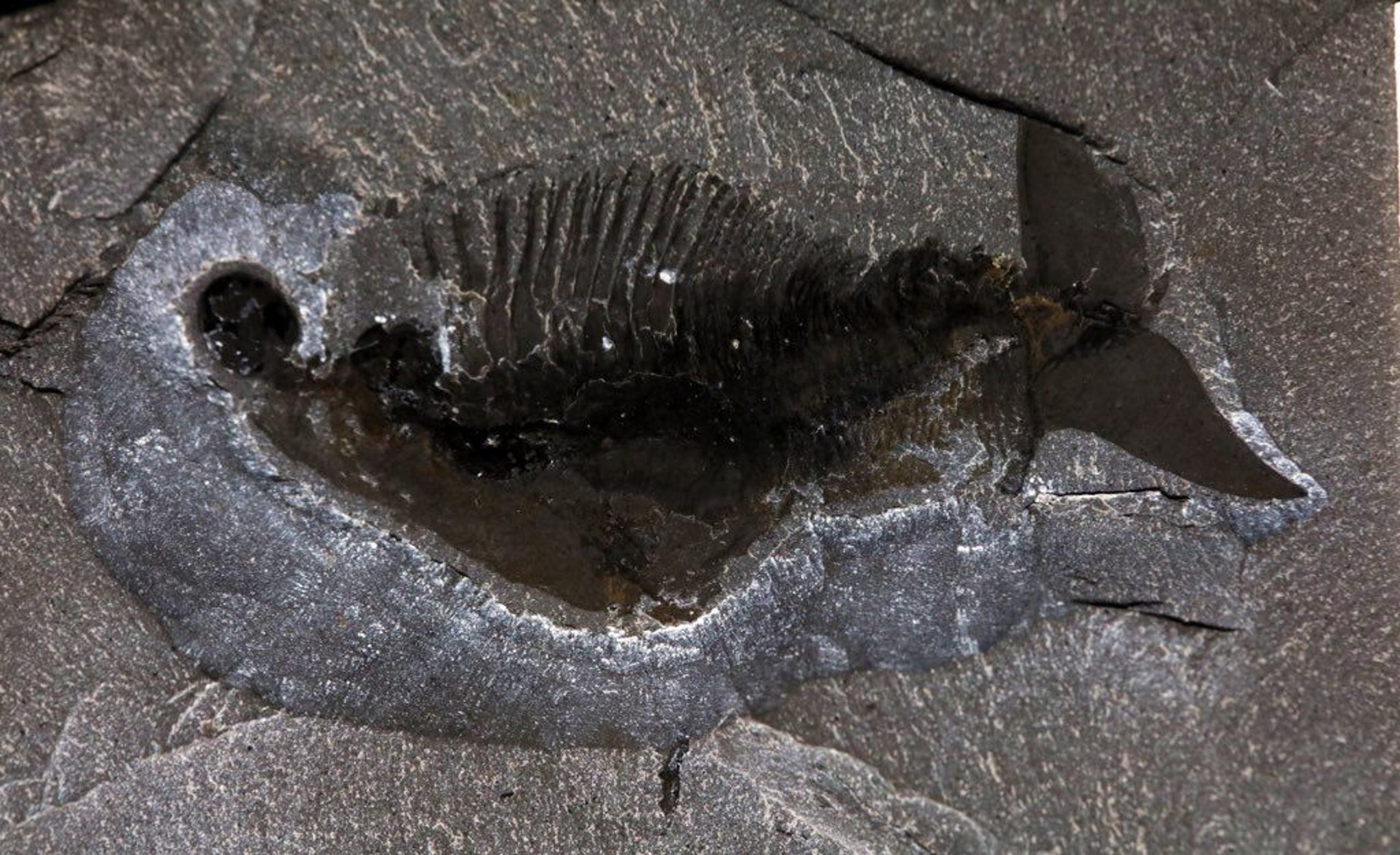
In 1912 en 1981 werd de hypothese geopperd dat dit grote waterinsect in staat was om voedsel door zijn kaken te filteren, net als moderne garnalen. De beschikbare fossielen waren echter niet voldoende om deze theorie te bevestigen. De nieuwe studie, onder leiding van paleontoloog Alejandro Izquierdo López, heeft eindelijk wat duidelijkheid gebracht: na onderzoek van 150 exemplaren uit het Royal Ontario Museum die tot nu toe nog niet bestudeerd waren, koos het team 24 van de best bewaarde exemplaren uit om in detail te analyseren. De fossielen in kwestie waren gevonden in de rotsformatie Burgess Shale, waar de conservering van vondsten doorgaans buitengewoon goed is.
Ontdekt hoe de Odaraia zich voedde

Qohelet12/Wikimedia commons - CC BY-SA 4.0
De ongelooflijke staat van bewaring, zelfs van de zachte delen van het lichaam, maakte het mogelijk om te ontdekken dat de Odaraia doorzichtige kaken had, uitgerust met kleine tandjes. Tussen de kaken stond een enkele tand, die waarschijnlijk diende om voedsel beter te kunnen kauwen. Izquierdo López verklaarde dat “het lijkt op een drietand. Het is iets dat nog nooit bij een ander dier uit het Cambrium is gezien."
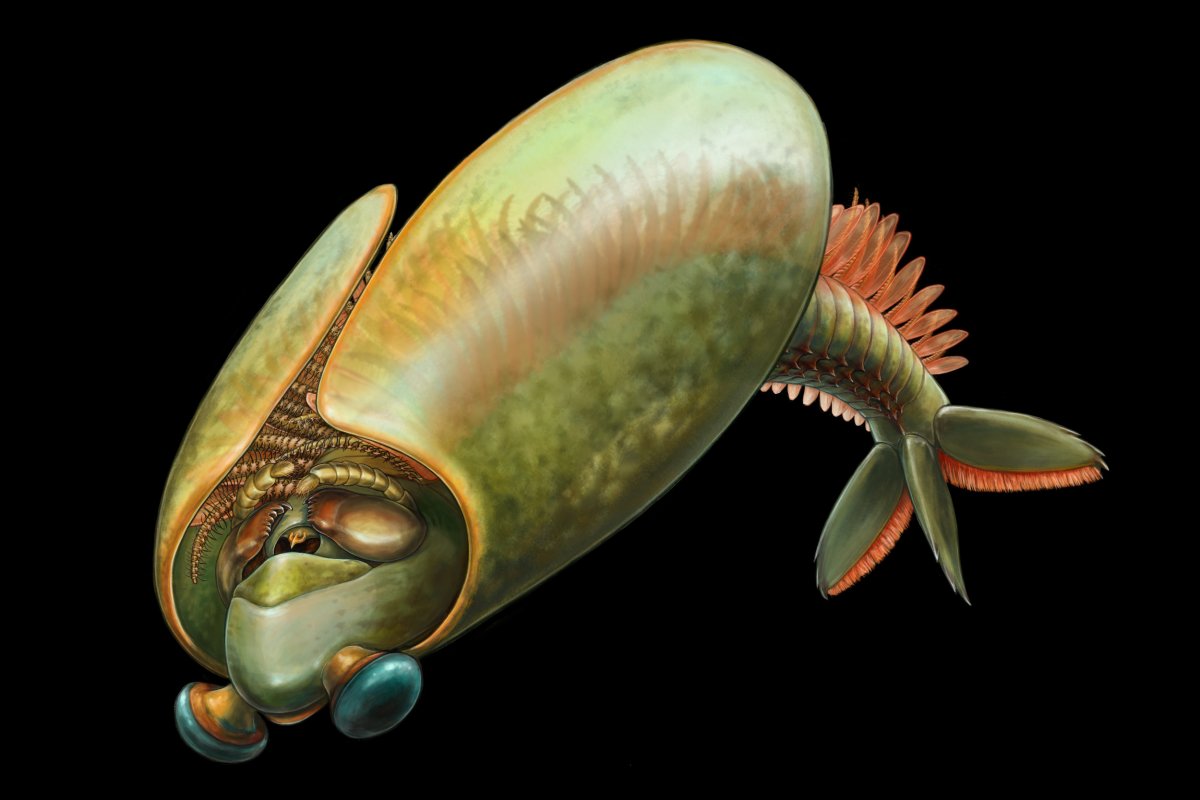
Verder bleek uit het onderzoek dat de 30 paar kleine poten van de Odaraia bedekt waren met talloze stekels en honderden kleine puntjes, die er samen uitzagen als een soort visnet voor de jacht op plankton. Een dier dat “deels filtervoeder, deels roofdier” was, met voor die tijd bijzonder grote ogen. Na meer dan een eeuw is het geheim van de bizarre Odaraia dus eindelijk onthuld en het helpt om de evolutie van de kaak bij de oude geleedpotigen van onze planeet te begrijpen.

Odaraia alata is portrayed swimming upside down. You can see its large eyes and mandibles, or pincers, at the front near its mouth.


Artist's reconstruction of Odaraia alata. It has now been classified as a mandibulate, and rsearchers believe it could have swum upside down to gather food with the help of the many spines along its legs. Less
ILLUSTRATED BY DANIELLE DUFAULT. COURTESY ROYAL ONTARIO MUSEUM
Are Aliens Future Humans? Exploring Dr. Michael P. Masters’ Groundbreaking Theory

In a recent episode of “Reality Check,” journalist Ross Coulthart sat down with Dr. Michael P. Masters, a professor of biological anthropology at Montana Tech University, to explore a fascinating and unconventional theory: Could UFOs and extraterrestrial beings be future humans? This theory, though unconventional, offers a unique perspective on the longstanding mystery of unidentified aerial phenomena (UAP) and the beings associated with them.
Dr. Michael P. Masters is not your typical scientist dabbling in speculative ideas. He holds a Ph.D. in anthropology from The Ohio State University, where he specialized in hominin evolutionary anatomy, archaeology, and biomedicine. His academic background provides a robust foundation for his research, which posits that the beings we often refer to as aliens might actually be our descendants from the future. This hypothesis is detailed in his books, including “Identified Flying Objects: A Multidisciplinary Scientific Approach to the UFO Phenomenon” (2019), “The Extratempestrial Model” (2022), and his novel “The Future Human Past” (2023).
The crux of Dr. Masters’ theory is the idea that UFOs and their occupants are not visitors from distant planets but time travelers from our own future. This hypothesis stems from his observations of the consistent humanoid descriptions of extraterrestrial beings. According to Masters, the anatomical features of these beings—such as their upright posture, bilateral symmetry, and advanced cognitive abilities—mirror the evolutionary trends observed in humans.
In his discussions, Masters elaborates on how these beings’ physical characteristics align with the trajectory of human evolution. He points out that the bipedalism, brain size, and facial anatomy of these so-called aliens show a continued evolution of traits that have defined our species for millions of years. He also touches on the improbability of similar evolutionary paths occurring independently on other planets, given the unique environmental pressures and conditions on Earth.
An intriguing aspect of the interview was Dr. Masters’ personal experiences with the paranormal, which began intensively in 2022. These experiences include seeing multiple UFOs near his home in Montana and engaging in what he describes as telepathic communications with an advanced consciousness. These encounters, particularly one involving a deep trance mediumship session with two individuals, have profoundly influenced his views on the phenomenon. Masters describes these experiences as wake-up calls, pushing him to pay closer attention to the mysteries surrounding UAPs.
In addition to his future human theory, Dr. Masters is also a proponent of the crypto-terrestrial hypothesis. This idea suggests that advanced beings might be hiding on Earth, possibly remnants of ancient civilizations that have advanced alongside us. This hypothesis aligns with various archaeological anomalies and ancient texts that hint at advanced knowledge and technology predating known human history.
For instance, the discovery of interlocking wooden pieces at Zambia’s Kalambo Falls dating back half a million years and a fossilized wheel imprint in a Ukrainian coal mine suggest the presence of advanced civilizations in Earth’s distant past. These findings challenge conventional timelines and suggest that humanity might not be the first technologically advanced species on this planet.
Masters and Coulthart also delve into the cultural and mythological aspects of the phenomenon. They discuss how various ancient cultures, from the Sumerians to Native American tribes, have legends of great floods and advanced beings. These stories, preserved in oral histories and ancient texts, often depict encounters with superior entities that could be interpreted as future humans or remnants of advanced ancient civilizations.
Despite the unconventional nature of these theories, there is a growing openness in mainstream media and scientific communities to explore these ideas. This shift is partly due to the increasing number of credible UFO sightings and the acknowledgment by government agencies of the need to investigate these phenomena seriously.
Dr. Masters’ recent Harvard research paper, though briefly taken down due to a minor grammatical error, has sparked significant interest and discussions. This paper, co-authored with other researchers, explores various hypotheses, including the possibility of extraterrestrial or crypto-terrestrial origins of these beings. The goal is to foster a scientific dialogue that transcends traditional boundaries and considers all plausible explanations.
The conversation between Ross Coulthart and Dr. Michael P. Masters offers a thought-provoking perspective on the nature of UFOs and their occupants. By considering the possibility that these beings are future humans, we are invited to rethink our understanding of time, evolution, and the cosmos. As scientific and public interest in UAPs continues to grow, such interdisciplinary and open-minded approaches may bring us closer to unraveling one of humanity’s greatest mysteries.
Planet Mercury is covered with a layer of diamonds that is 9 miles thickBeneath the skin of Mercury, the smallest planet in our solar system, expect the unexpected. Reaching out across the cosmos with this fascinating revelation is a new study that points to a 9-mile-thick layer of diamonds concealed beneath the planet's surface.
While instance of such valuable encrustation might sound tantalizing, turning these precious stones into fashionable jewelry remains an impossibility due to their inaccessible location deep within the planet.

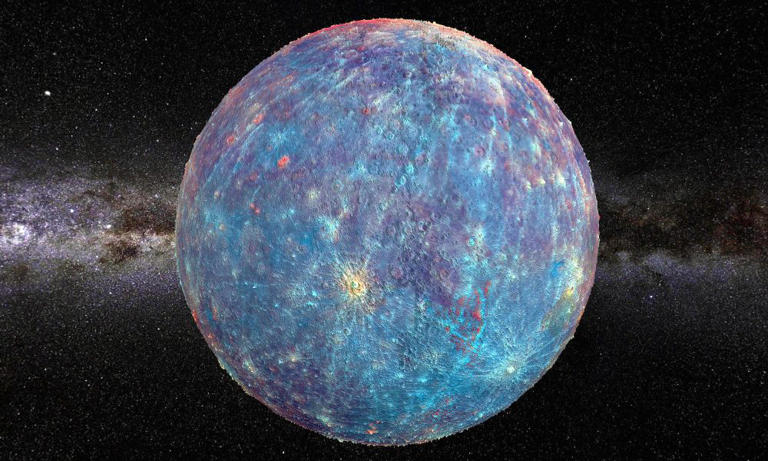
Mercury, seen in this false-color image, may have a deep layer of inner diamonds, new research finds.
(Image credit: NASA/Johns Hopkins University Applied Physics Laboratory/Carnegie Institution of Washington)
However, these gems could hold the key to unraveling some of the big unanswered questions circling around Mercury' composition and its rather curious magnetic field.
The scientist leading the charge is Yanhao Lin, a staff scientist based out of the Center for High Pressure Science and Technology Advanced Research in Beijing.
Oddly enough, for a planet its size, Mercury has a magnetic field. It is weaker than its Earth counterpart, but is still intriguing considering the planet's overall inactivity in geological terms.
What truly sparked Lin's interest, however, were the unusually dark patches on the surface of Mercury that were identified as graphite by NASA's Messenger mission.
This revelation triggered exploration into the possibility of something unique brewing within the planet's interior.
Utilizing a team comprised of Chinese and Belgian researchers, Lin sought to explore the possibility of diamond formation deep in Mercury's core.
The team began by creating chemical mixtures that replicated Mercury's magma ocean. The concoction included iron, silica, and carbon, elements similar to certain kinds of meteorites, and was subjected to crushing pressures and extreme temperatures.
The team's rigorous experiments and computer simulations confirmed that Mercury's mantle would indeed be conducive to forming diamonds, especially under the revised conditions that the team established.
If these diamonds do exist, they could form a 9-mile average thick layer at the core-mantle boundary of Mercury, which is approximately 300 miles below the surface.
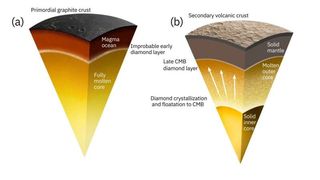
A diagram showing the proposed layer of diamond at Mercury's core-mantle boundary.
(Image credit: Dr. Yanhao Lin and Dr. Bernard Charlier)
The hypothesized existence of this layer of diamonds is more than just an intriguing fact. It could potentially explain the origin of Mercury's magnetic field.
These diamonds may facilitate heat transfer between the core and mantle, thereby creating temperature differences and causing liquid iron to circulate – a process that would kickstart the creation of a magnetic field.
The discovery of a potential diamond layer within Mercury opens new avenues for planetary research and composition studies not only of Mercury but also of other celestial bodies.
Understanding the unique geological characteristics of Mercury could provide deeper insight into the formation and evolution of the solar system.
Future missions to Mercury may focus on directly exploring its interior structure through advanced geophysical measurements and remote sensing techniques to verify the existence of this diamond layer and its impact on the planet's magnetic field.

Mercury as seen by the MESSENGER spacecraft. Although easily the darkest of the planets, Mercury may have a sparkling layer deep inside.
Image Credit: NASA/Johns Hopkins University/Hopkins University Applied University Applied Physics Laboratory/Carnegie Institution of Washington
This revelation also prompts a reconsideration of the processes involved in planetary formation.
Diamonds are typically associated with high-pressure environments, suggesting that similar conditions may exist in other distant rocky exoplanets and moons within our solar system.
Lin and his team's findings underline the importance of studying extreme planetary conditions, which can reveal not only the composition of these bodies but also the historical processes that formed them, leading to a more comprehensive understanding of geology across the cosmos.
The potential discovery casts a new light on the evolution of carbon-rich exoplanets. According to Lin, the process that led to the formation of a diamond layer on Mercury could also be at play on other planets, possibly leaving similar traces.
The arrival of the BepiColombo spacecraft, a joint mission of the European Space Agency and the Japan Aerospace Exploration Agency, in 2025 will provide better opportunities to delve deeper into this intriguing discovery.
Mercury, it seems, continues to dazzle us with new surprises, keeping the scientific community and general public on their toes.
Who'd have thought that this small, seemingly quiet planet could hold such vast volumes of precious stones deep within its confines?
NASA just scored a badly needed win: The best potential evidence of alien life yetNASA has snagged a chunk of rock on Mars that could someday prove to be the first clear evidence of alien life.
To be clear, NASA is not declaring that it's discovered Martian life. Rather, its Perseverance rover has drilled a sample from a rock with attributes that could have come from ancient microbial activity, the agency announced Thursday.
To confirm their suspicions, scientists would need to bring the rock sample to Earth and study it in more detail.
"This is exactly the kind of sample that we wanted to find," Katie Stack Morgan, a lead scientist on the Perseverance mission, told Business Insider.
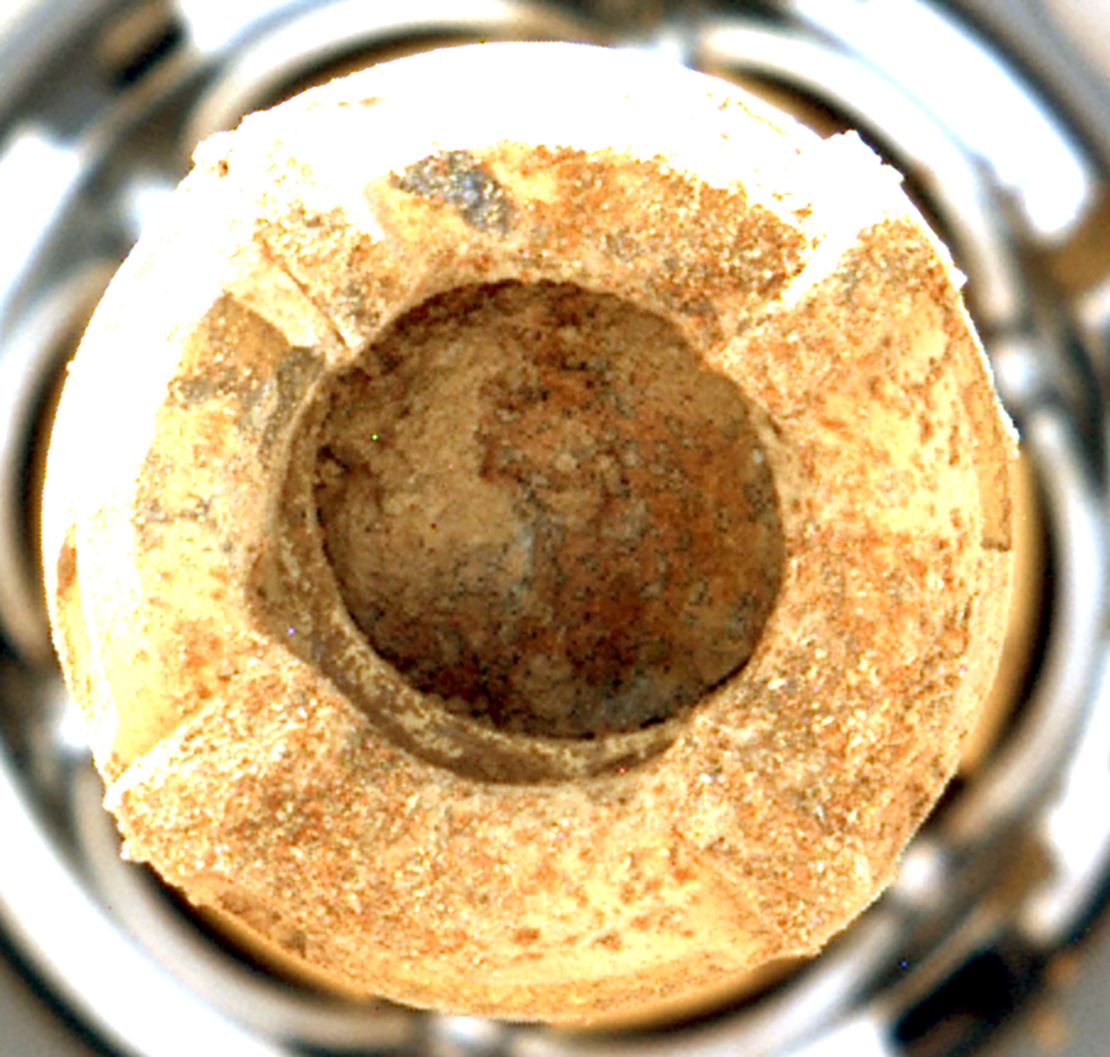
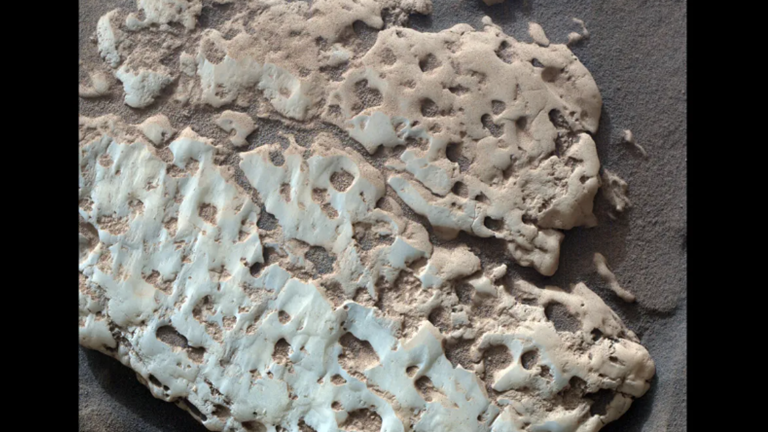
The rock, nicknamed Cheyava Falls, has three critical features:
A reddish Mars rock, nicknamed "Cheyava Falls," contains leopard spots that could point to ancient microbial life.
NASA/JPL-Caltech/MSSS© NASA/JPL-Caltech/MSSS
However, both the organic material and the leopard spots could have come from non-biological processes. That's why scientists need to study the sample more closely on Earth to know for sure.
The rover has reached the limit of what it can learn about the rock.
"We're not saying there's life on Mars, but we're seeing something that is compelling as a potential biosignature," Stack Morgan said.
:
A biosignature is any feature that points to the presence of life.
"This is a very significant discovery," she added.
It's a much-needed win for the space agency. In recent months, NASA has taken hit after hit from budget limitations and technical errors across missions.
Earlier this year, the agency's first attempt to return to the moon since 1972 failed. The NASA-funded Peregrine moon mission, by the company Astrobotic suffered a fuel leak shortly after launch, forcing it to return to Earth and burn up in the atmosphere. (The next attempt, a mission by the company Intuitive Machines, also funded by NASA, successfully landed on the moon.)
Then, new budgeting decisions came down. NASA's budget proposal for 2025 effectively defunds the Chandra X-ray Observatory, which is still a highly productive and functional mission.
And just last week, NASA officials announced they were scrapping the VIPER moon rover that the agency has already spent $450 million to build. NASA plans to disassemble it and reuse some of the parts for future moon missions.
Meanwhile, two astronauts have been stuck on the International Space Station for 51 days because the NASA-funded Boeing spaceship that carried them there is leaking helium and having thruster malfunctions.
Even Perseverance wasn't spared. In April, NASA announced it was canceling its $11 billion plan to send a follow-up mission, called Mars Sample Return, to collect the rover's tubes of Martian rock and carry them back to Earth. That was the plan that could've brought scientists the Cheyava Falls rock sample.
Instead, NASA is asking companies to step in and propose their own cheaper, faster versions of the mission.
The Cheyava Falls rock especially needs the extra studying.
"This rock is also one of the most complex rocks we've seen on the surface of Mars. There is a lot going on in this rock," Stack Morgan said.
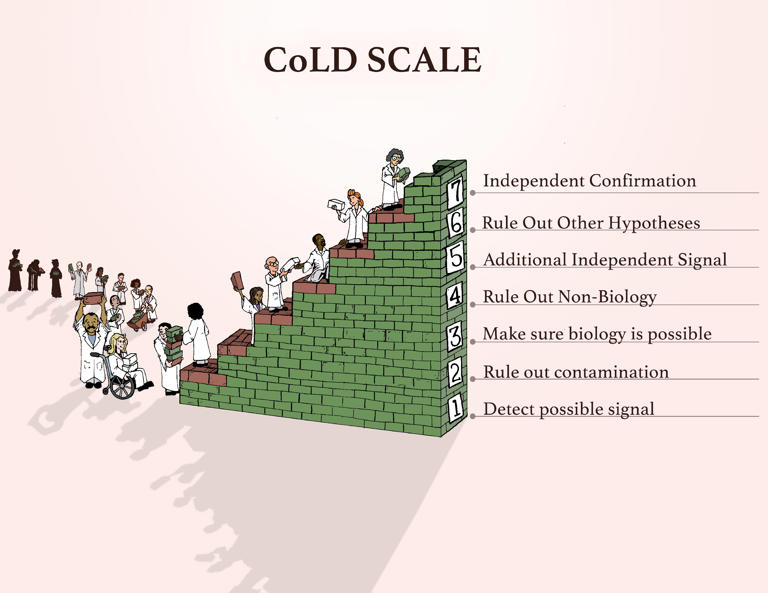
For now, this discovery is just a "step one" on the seven-step "confidence of life detection" (CoLD) scale.
The CoLD scale is a rough rating of scientific confidence in any potential alien-life discovery.
"We've taken us up to the start of that scale, and I think that's what the rover was sent to Mars to do," Stack Morgan said.
A possible biosignature can climb to higher levels of confidence as evidence builds. For example, if scientists can confirm that known non-biological processes didn't create the leopard spots, the Cheyava Falls rock might ascend to step two or three.
But they need to get the sample to Earth first. And NASA needs to figure out how to do that.
"We're hoping that our most recent sample can play into the conversation about whether this effort is worth it," Stack Morgan said. "And we believe that it is."
If you enjoyed this story, be sure to follow Business Insider on Microsoft Start.
Mysterieuze sporen in Lage Landen: UFO's geland?Vanuit de lucht zagen mensen plots vreemde sporen op Belgische bodem.
Het gaat hier om kronkelende paden die verschenen in een veld genesteld in de Kempen, een streek aan weerszijden van de grens tussen Nederland en België. En volgens het Agentschap voor Natuur en Bos (ANB) "zijn het zeker geen wandelpaden". Wat is er aan de hand?
Maar het gaat hier om een recent fenomeen waar eigenlijk niets mysterieus aan is. De verklaring is dan ook ontnuchterend, meldt het Belgische mediakanaal Sudinfo.
De ANB legt uit: "We hebben de stroken (die zichtbaar zijn vanuit de lucht) gemaaid en het is de bedoeling dat de nieuwe heidevegetatie daar groeit. Het klinkt inderdaad vreemd, maar we werken strook per strook en punt per punt zodat de oude heide op dit perceel de kans krijgt om te verjongen. We herhalen deze operatie elke twee of drie jaar om de variatie verder te vergroten. Hoe meer leeftijdsvariaties er zijn in een heideveld, hoe rijker de structuur, hoe meer soorten er opduiken en hoe robuuster de heidehabitat".
Geen UFO's dus, maar zorgvuldig natuurmanagement!
Marsrobot ontdekt verrassend (en bij toeval) pure zwavel: "Een oase in de woestijn, we kunnen dit niet verklaren"Curiosity bevindt zich sinds oktober 2023 in een gebied op Mars dat rijk is aan sulfaten, een mengeling van zout- en zwavelresten die gevormd worden wanneer water verdampt. Maar de jongste ontdekking is iets helemaal anders, en kwam als een echte verrassing.
Toen Curiosity over een steen reed, barstte die open als een noot. Er kwamen gele zwavelkristallen tevoorschijn: geen mengeling van zwavel met andere elementen, maar het pure spul. We associëren zwavel met de typische geur van rottende eieren, maar volgens de NASA is de pas ontdekte, pure zwavel geurloos.
Er is mogelijk nog veel meer pure zwavel aanwezig, want in de buurt liggen nog verschillende gelijkaardige stenen. Dat stelt wetenschappers voor vragen, want ze dachten niet dat er zich op die plek op Mars ooit zwavel zou hebben gevormd.
"Een veld vinden met stenen gemaakt uit puur zwavel, is zoals een oase in de woestijn vinden", vertelt Ashwin Vasavada van de NASA. "Het zou daar niet moeten liggen, dat veld, dus nu moeten we proberen om een verklaring te vinden. Het ontdekken van onverwachte en rare dingen maakt het verkennen van de ruimte zo opwindend."
De ontdekking gebeurde in het kanaal van Gediz Vallis, een bedding aan de voet van de 5 kilometer hoge Mount Sharp. Ooit moet daar water door gestroomd hebben, zeggen specialisten. Maar er is nog veel onderzoek nodig om te begrijpen hoe het landschap er zich precies heeft gevormd. De jongste ontdekking maakt die uitdaging nog wat groter.
Curiosity maakte een close-up van een witte steen, gelijkaardig aan degene die onlangs openbarstte. Er ligt in de buurt een heel veld.
© Foto: NASA/JPL - Caltech/MSSS
Now Uranus’ Moon Ariel Might Have an Ocean too

Venus is known for being really quite inhospitable with high surface temperatures and Mars is known for its rusty red horizons. Even the moons of some of the outer planets have fascinating environments with Europa and Enceladus boasting underground oceans. Recent observations from the James Webb Space Telescope show that Ariel, a moon of Uranus, is also a strong candidate for a sub surface ocean. How has this conclusion been reached? Well JWST has detected carbon dioxide ice on the surface on the trailing edge of features trailing away from the orbital direction. The possible cause, an underground ocean!
Uranus is the seventh planet in the Solar System and has five moons. Ariel is one of them and is notable for its icy surface and fascinatingly diverse geological features. It was discovered back in 1851 by William Lassell who funded his love of astronomy from his brewing business! The surface of Ariel is a real mix of canyons, ridges, faults and valleys mostly driven by tectonic activity. Cryovolcanism is a prominent process on the surface which drives constant resurfacing and has led to Ariel having the brightest surface of all Uranus’ moons.
Image of Uranus from Webb
Studying Ariel closeup reveals that the surface is coated with significant amounts of carbon dioxide ice. The trailing hemisphere of Ariel seems to be particularly coated in the ice which has surprised the community. At the distance of Uranian system from the Sun, an average of 2.9 billion kilometres, carbon dioxide will usually turns straight into a gas and be lost to space, it’s not expected to freeze!
Until recently, the most popular theory that supplies the carbon dioxide to Ariel’s surface is interactions between its surface and charged particles in the magnetosphere of Uranus. The process known as radiolysis breaks down molecules through ionisation. A new study just published in the Astrophysical Journal Letters suggests an intriguing alternative, the carbon dioxide molecules are expelled from Ariel, possibly from a subsurface liquid ocean!
A team of astronomers using JWST have undertaken a spectral analysis of Ariel and compared the results with lab based findings. The results revealed that Ariel has some of the most carbon dioxide rich deposits in the solar system. The deposits are not just wisps and trace amounts instead adding up to about 10 millimetres across the trailing hemisphere. Furthermore, the results also showed signals from carbon monoxide too which should not be there given the average temperatures.
Illustration of James Webb Space Telescope
It is still possible that radiolysis is responsible for at least some of the deposits but the replenishment from the subsurface ocean is thought to be the main contributor. This hypothesis has been supported by the discovery of signals from carbonate minerals, salts that can only be present due to the interaction between rock and water.
The only way to be absolutely sure is for a future space mission to Uranus. Such a mission will undoubtedly explore the moons of Uranus. Ariel is covered in canyons, fissures and grooves and it is suspected these are openings to its interior. A robotic explorer in the Uranian system will be able to uncover the origin of the carbon oxides on Ariel. Without such a mission we are still somewhat in the dark given that Voyager 2 only imaged around 35% of the moon’s surface.
Source :
Our Carbon Dioxide Emissions Have a Mesmerizing Side

Our CO2 emissions are warming the planet and making life uncomfortable and even unbearable in some regions. In July, the planet set consecutive records for the hottest day.
NASA is mapping our emissions, and while what they show us isn’t uplifting, it is visually appealing in a ghoulish way. Maybe the combination of visual appeal and ghoulishness will build momentum in the fight against climate change.
NASA’s Scientific Visualization Studio has released a video showing how wind and air currents pushed CO2 emissions around Earth’s atmosphere from January to March 2020. The video’s high-resolution zooms in and sees individual sources of CO2, including power plants and forest fires.
“As policymakers and as scientists, we’re trying to account for where carbon comes from and how that impacts the planet,” said climate scientist Lesley Ott at NASA’s Goddard Space Flight Center in Greenbelt, Maryland. “You see here how everything is interconnected by these different weather patterns.”
Credit: NASA’s Goddard Space Flight CenterThe video starkly shows that it doesn’t matter where CO2 emissions come from; we all deal with the outcomes. Yet there are some interesting global differences.
Above the USA, South Asia, and China, most of the carbon comes from industry, power plants, and transportation. But over Africa and South America, most of the emissions come from burning, including forest fires, agricultural burning, and land clearing. Emissions also come from fossil fuels like oil and coal.
The image pulses for a couple of reasons. Forest fires tend to flare during the day and then slow down at night. Also, trees and plants photosynthesize during the day, releasing oxygen and absorbing CO2. The land masses and the oceans act as carbon sinks.
There’s more pulsing in South America and the tropics because the data was collected during their growing season.
In this version, the video zooms in on the USA, showing individual CO2 sources.
These visualizations are based on GEOS, the Goddard Earth Observing System. GEOS is an integrated system for modelling Earth’s coupled atmosphere, ocean, and land systems. NASA calls it a “high-resolution weather analysis model,” and it uses supercomputers to show what’s happening in the atmosphere. GEOS is based on billions of data points, including data from the Terra satellite’s MODIS and the Suomi-NPP satellite’s VIIRS instruments. GEOS has a resolution that’s more than 100 times greater than typical weather models.
Klimaatverandering veroorzaakt extremer weer: Nieuwe studie onthult verontrustende trends
nrd via Unsplash
'Realistic' UFO spotted flying over city as onlookers brand it 'creepy as hell'

The 'UFO' was spotted flying over Curitiba, Brazil
(Image: Zona Desconhecida/YouTube)
A 'creepy as hell' 'UFO' has been sighted heading over southern Brazil as an eagle eyed videographer pulled out his camera picking up the mysterious 'spacecraft' in the sky
A well placed cameraman was on hand to catch the moment a ' UFO ' can be seen hovering across the sky, in a clip that was posted on his YouTube channel yesterday (Thursday, July 25).
The mysterious video, taken in the city of Curitiba in southern Brazil, seemingly shows a typical triangular shaped 'UFO' in the distance, with the cameraman zooming in to get a closer look.
But some Reddit users just couldn't agree on what they were watching with one user coming up with his own theory, writing: "Creepy as hell. I don't think this is a balloon or drone look close that s**ts like moving like there's little legs on the sides moving and the eye or whatever also moves."
But another user offered his own expanation in reply, saying: "When it finally comes into focus at the end, it just looks like smooth, uniformly shaped thing. The "landing gear" and the light colored features on the side I think were just artifacts of it being out of focus.
"In the frames where it is in focus, it's just hovering in place. It really does look like a balloon and there's no reason to think it's anything else; it doesn't exhibit any of the "observables" etc."
Meanwhile, another Reddit user was confident that it could be a legitimate UFO sighting, adding: "Amazing zoom on that camera, and a strong case for a UFO. Without it taking off and showing speed, it's hard for me to say for sure. But still, great submission."
Brazil is also home to one of the most notable UFO sightings of the 1980s, when on 19 May 1986 a number of sightings were reported in one night across several locations.
So much so, the Brazilian Air Force even gave a press conference to address the sightings, in which Brigadier Lima said: "It's not about believing or not (in aliens). We can only give out technical information. There are several hypotheses. Technically, I'd tell you gentlemen that we have no explanation."
Hier zijn de Pilaren der Creatie zoals niemand ze ooit heeft gezien: NASA publiceert 3D-videotour

NASA, ESA, CSA, STScI; J. DePasquale, A. Koekemoer, A. Pagan (STScI)
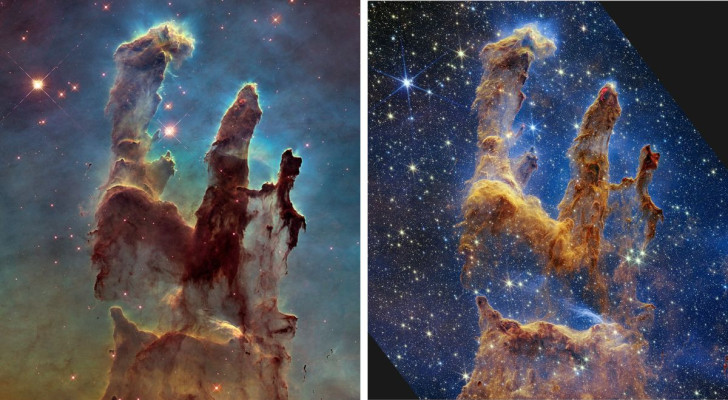
Er is niemand die de Pilaren der Creatie niet minstens één keer in zijn leven heeft gezien. Sinds ze beroemd zijn geworden door de Hubble ruimtetelescoop, heeft het buitengewone schouwspel van deze nevelachtige formaties astronomen en liefhebbers gefascineerd. Na de onthullingen van de James Webb Space Telescope heeft NASA een nieuwe voorstelling gepubliceerd waarmee het mogelijk is om de Pilaren der Creatie in 3D te verkennen. Laten we eens kijken hoe.
De zogenaamde Pilaren der Creatie, die zich op ongeveer 7000 lichtjaar van de aarde bevinden, zijn nevelachtige formaties. Ze worden zo genoemd vanwege de visuele impact van eerst de weergave van Hubble en later JWST. Het zijn eigenlijk kolommen van gas en stof die na verloop van tijd bijdragen aan de vorming van nieuwe sterren.
De Pilaren der Creatie worden verlicht door het licht van nabije sterren, ook al bevindt de dichtstbijzijnde zich op zo'n 500 lichtjaar. Bovendien bestaan ze voornamelijk uit waterstof en helium en zijn ze ruim 5 lichtjaar lang. Hun lot is nauw verbonden met de vorming van nieuwe sterren, maar dat niet alleen: voortdurende stellaire winden botsen op deze nevel en eroderen de samenstellende elementen. Het duurt misschien “een paar” miljoen jaar voordat de Pilaren der Creatie ophouden te bestaan, tenminste in deze vorm.

Greg Bacon, Ralf Crawford, Joseph DePasquale, Leah Hustak, Christian Nieves, Joseph Olmsted, Alyssa Pagan, and Frank Summers (STScI),
NASA's Universe of Learning
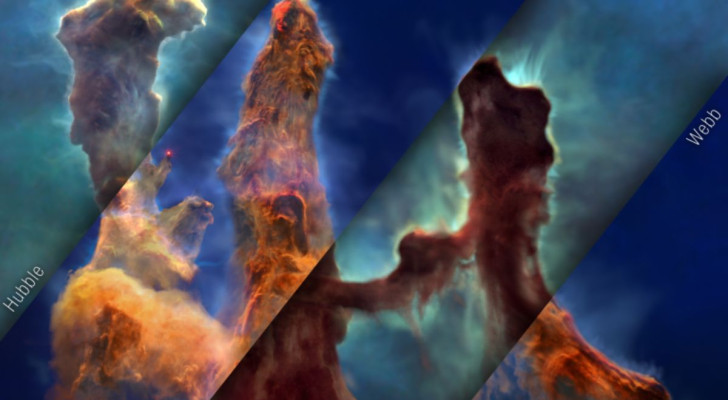
Zoals te zien is in de video die door NASA is gedeeld, maakt de nieuwe 3D-visualisatie van de Pilaren der Creatie het mogelijk om deze formaties als nooit tevoren te verkennen. Om tot deze weergave te komen, zijn gegevens van Hubble en James Webb gebruikt om meer detail te verkrijgen. Bovendien wordt in de video ruimte gegeven aan zowel de door Hubble verzamelde reconstructie in zichtbaar licht als de voor de JWST kenmerkende infraroodweergave. Volgens de experts die aan deze prestatie hebben bijgedragen, zullen alle mensen nu de Pilaren der Creatie kunnen verkennen:
We wilden de Pilaren der Creatie al heel lang in 3D nabootsen. Dankzij de Webb-gegevens in combinatie met de Hubble-gegevens konden we de pilaren gedetailleerder bekijken. Door de wetenschap te begrijpen en deze het beste weer te geven, kon ons kleine, getalenteerde team de uitdaging aangaan om deze iconische structuur te visualiseren.
De combinatie van gegevens die zijn verkregen door de twee ruimtetelescopen Hubble en James Webb, respectievelijk in 1995 en 2022, heeft het mogelijk gemaakt om de Pilaren der Creatie te reconstrueren zoals niemand ze ooit heeft gezien. Maar dat is nog niet alles. Zoals Mark Clampin van NASA zich herinnert:
Het gebied van de Pilaren der Creatie blijft ons nieuwe inzichten bieden die ons begrip van de vorming van sterren kunnen verscherpen. En nu, met deze nieuwe visualisatie, kan iedereen dit rijke en fascinerende landschap op een nieuwe manier ervaren.
In de video zie je een nieuw gevormde ster, met zijn karakteristieke helderrode gloed in het infrarode licht van de JWST. Bovenaan de linkerpilaar is een diagonale straal te zien van materiaal dat afkomstig is van een andere, eveneens pas ontstane ster. Afgezien van de gegevens die zijn gebruikt voor de 3D-reconstructie, lijdt het geen twijfel dat de inspanning van NASA en alle technici ook en vooral gericht is op het grote publiek. Dankzij de nieuwe visualisatie zal het dus niet alleen mogelijk zijn om te begrijpen hoe sterren worden gevormd, maar ook om nieuwe generaties enthousiastelingen en astronomen te fascineren. Die in de toekomst meer kunnen ontdekken over dit buitengewone en verre spektakel, maar vanaf vandaag iets dichterbij.
Het verborgen geheim van Mercurius: een laag diamant van wel 18 kilometer
Image by Tomislav Jakupec from Pixabay
Een team wetenschappers uit China en België heeft een baanbrekende ontdekking gedaan over de interne structuur van Mercurius, de kleinste planeet in ons zonnestelsel. Volgens hun onderzoek zou een laag diamant onder de korst van Mercurius wel 18 km dik kunnen zijn. “Ten eerste is er de kristallisatie van de magma-oceaan, maar dit proces heeft waarschijnlijk alleen een zeer dunne diamantlaag gevormd aan de kern/mantel-grens,” vertelde Olivier Namur, lid van het onderzoeksteam en universitair hoofddocent aan de KU Leuven, aan Space.com. “Ten tweede, en nog belangrijker, de kristallisatie van de metalen kern van Mercurius.” Toen de planeet ongeveer 4,5 miljard jaar geleden werd gevormd, was de metalen kern volledig vloeibaar, die zich in de loop van de tijd geleidelijk kristalliseerde, aldus Namur.
De exacte aard van de vaste fasen in de binnenkern is momenteel niet goed bekend, maar het team gelooft dat deze fasen arm aan koolstof of “koolstofarm” moeten zijn geweest. “De vloeibare kern bevatte vóór kristallisatie enige koolstof; kristallisatie leidt daarom tot koolstofverrijking in het resterende smelt,” vervolgde Namur. “Op een gegeven moment wordt een oplosbaarheidsdrempel bereikt, wat betekent dat de vloeistof geen extra koolstof kan oplossen en dat er diamant wordt gevormd.” Diamant is een dicht mineraal, maar niet zo dicht als metaal. Dit betekent dat tijdens dit proces de diamant naar de top van de kern zou zijn gedreven, tot aan de grens van de kern en de mantel van Mercurius. Dit zou hebben geleid tot de vorming van een ongeveer 1 kilometer dikke diamantlaag die in de loop van de tijd bleef groeien. De wetenschappers suggereren dat de laag wel 18 km dik zou kunnen zijn.
Deze ontdekking benadrukt de verschillen tussen het ontstaan van de planeet die het dichtst bij de zon staat en het ontstaan van andere rotsachtige planeten in het zonnestelsel, zoals Venus, Aarde en Mars. “Mercurius vormde zich veel dichter bij de zon, waarschijnlijk uit een koolstofrijke wolk van stof. Hierdoor bevat Mercurius minder zuurstof en meer koolstof dan andere planeten. Dit leidde tot de vorming van een diamantlaag,” voegde Namur toe. “De kern van de Aarde bevat echter ook koolstof, en de vorming van diamant in de kern van de Aarde is al door verschillende onderzoekers gesuggereerd.”