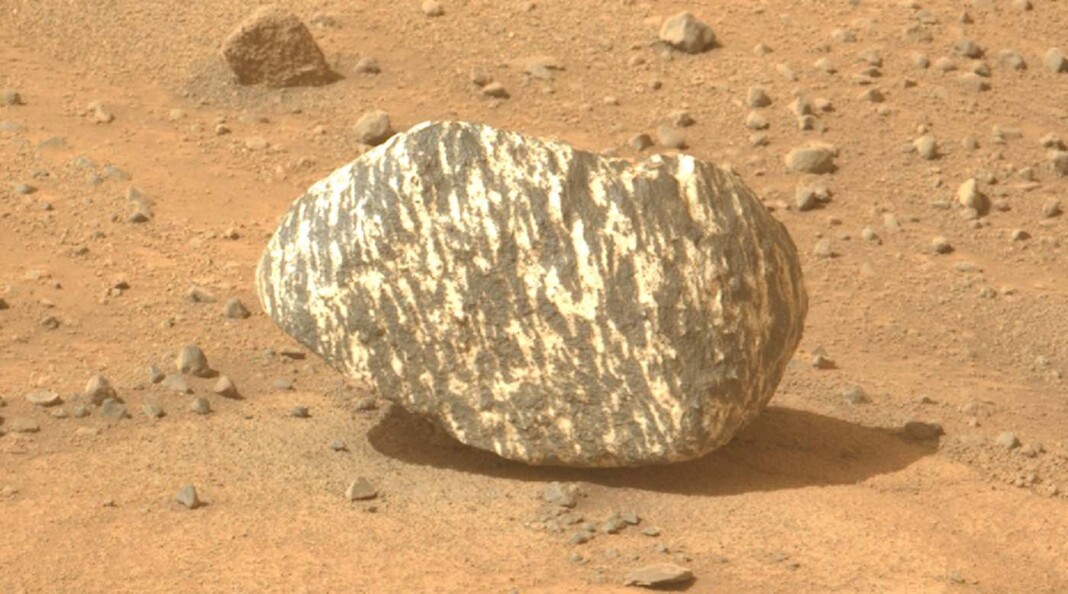
Strange Rock Found on Mars with Zebra Markings Has NASA Scientists ...
NASA Discovers New Substances on Mars: Implications for Future Exploration and Understanding of the Red Planet
Introduction
The quest to understand Mars has captivated scientists and enthusiasts alike for decades. With its striking similarities to Earth and its potential to harbor life, the Red Planet has been a focal point of exploration for NASA and other space agencies around the globe. Recent discoveries of new substances on Mars have opened up exciting avenues for research and exploration. This article delves into the significance of these findings, the methods used to uncover them, and what they mean for the future of Mars exploration.
The Historical Context of Mars Exploration
Mars, often referred to as the "Red Planet" due to its reddish appearance from iron oxide (rust) on its surface, has been a subject of human fascination for centuries. The first observations of Mars were made through telescopes in the 1600s, but it wasn't until the 20th century that space missions began to provide detailed information about its atmosphere, surface, and potential for life.
NASA's Viking missions in the 1970s were pivotal, providing the first close-up images and data about the Martian surface. Subsequent missions, including the Mars Pathfinder, Mars Exploration Rovers (Spirit and Opportunity), and the Mars Science Laboratory (Curiosity), have progressively advanced our understanding of the planet.
The Curiosity rover, which landed in Gale Crater in 2012, has been a key player in Mars exploration. It has analyzed various rocks and soil samples, providing evidence of past water flows and organic molecules, which are crucial for understanding the planet's potential for life.
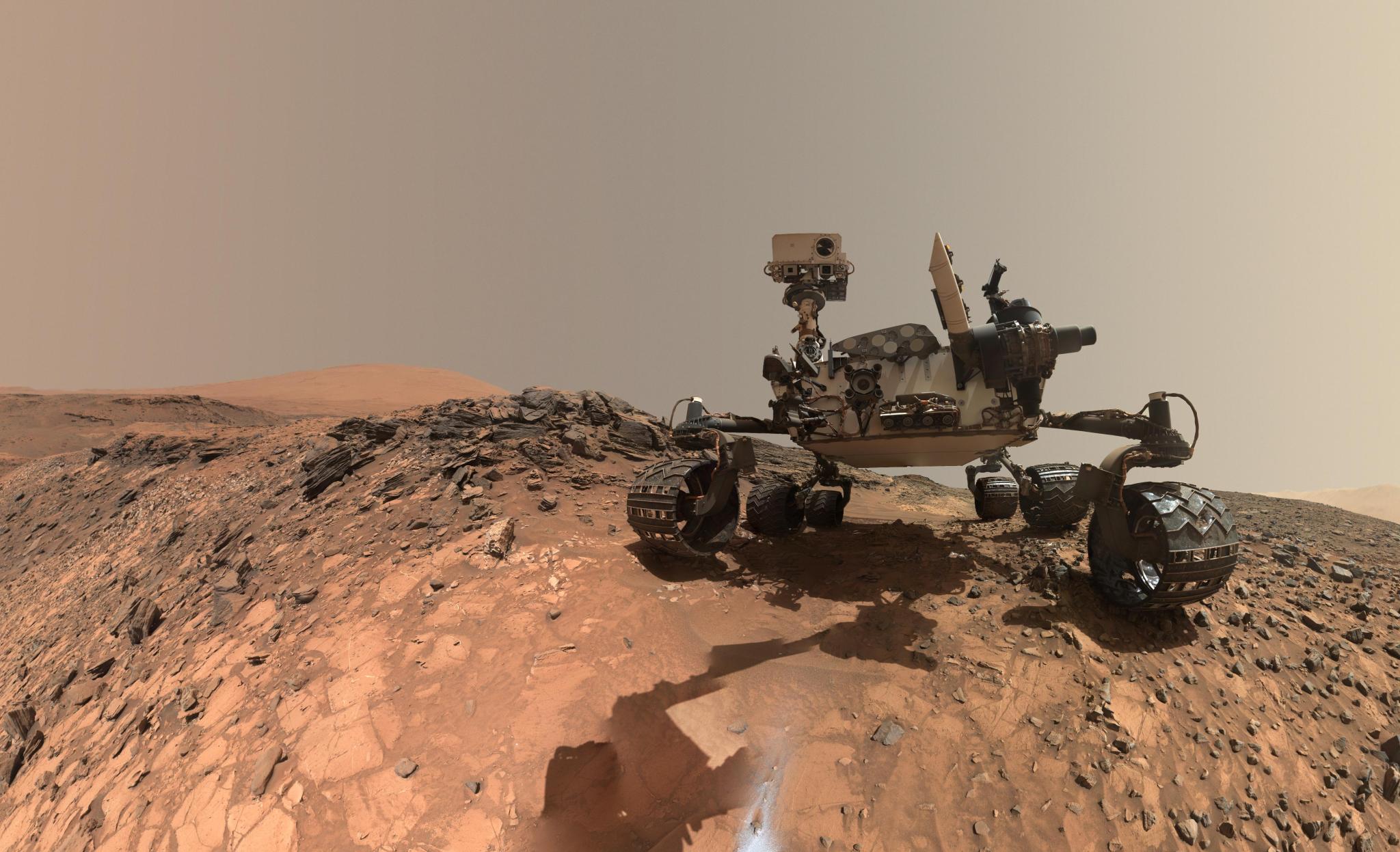
NASA Finds Ancient Organic Material, Mysterious Methane on Mars - This low-angle self-portrait of NASA’s Curiosity Mars rover shows the vehicle at the site from which it reached down to drill into a rock target called “Buckskin” on lower Mount Sharp.
Credits: NASA/JPL-Caltech/MSSS
Recent Discoveries: New Substances on Mars
NASA's ongoing missions have recently reported the discovery of new substances on Mars, particularly through the Perseverance rover and the Ingenuity helicopter. Perseverance, which landed on Mars in February 2021, has been tasked with seeking signs of ancient life and collecting rock and soil samples for future return to Earth.
- Organic Molecules and Their Significance
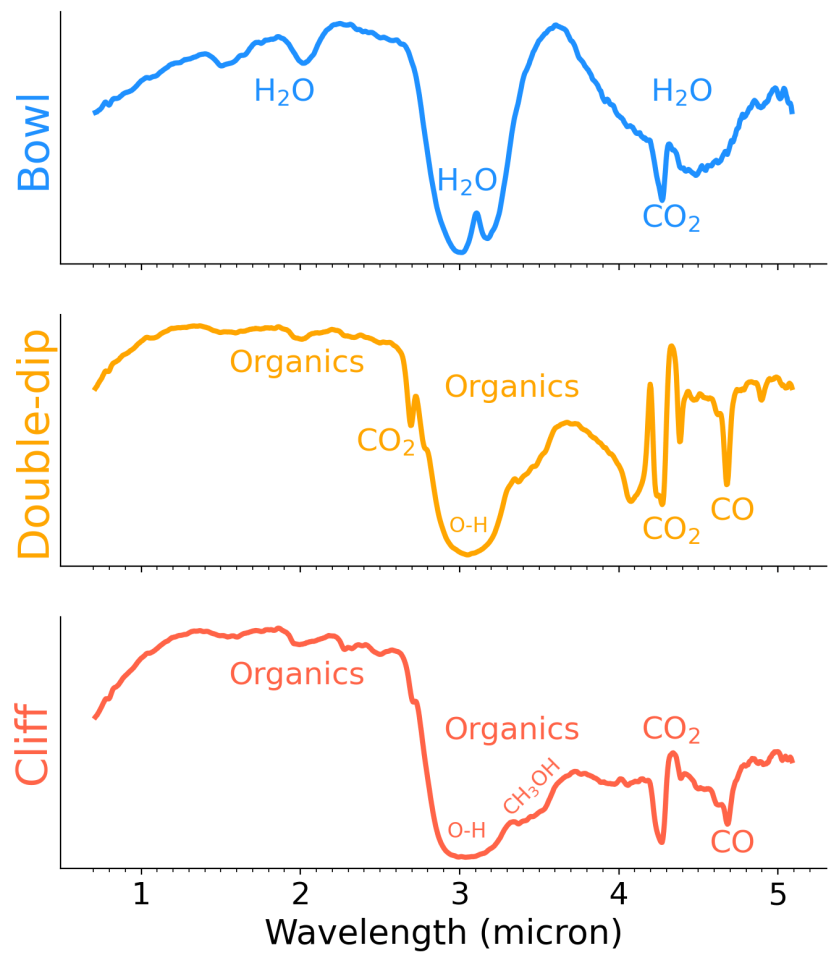
One of the most groundbreaking discoveries from Perseverance has been the identification of organic molecules in Martian rocks. Organic molecules are carbon-based compounds that are often associated with life. Their presence does not confirm life on Mars but suggests that the building blocks of life may exist on the planet.
NASA scientists have detected these molecules using the Scanning Habitable Environments with Raman & Luminescence for Organics & Chemicals (SHERLOC) instrument, which utilizes advanced spectroscopy techniques to analyze the composition of rock samples. This discovery has revived discussions about the potential for past microbial life on Mars.
- Salts and Their Geological Implications
Another significant finding from Perseverance is the presence of various salts in the Martian soil. These salts, including perchlorates, are of particular interest because they can provide insights into the planet's past climate and potential for habitability. Salts can indicate the presence of liquid water in the past, as they often form in evaporative environments.
The discovery of salts raises questions about the history of water on Mars. Understanding the distribution and concentration of these salts can help scientists reconstruct the planet's climatic history and assess whether conditions were ever suitable for life.
- Unusual Rock Formations and Their Composition
Perseverance has also encountered unusual rock formations that suggest a complex geological history. These formations, characterized by unique textures and mineral compositions, may tell a story of past volcanic activity, sedimentation, and erosion.
Researchers are employing a variety of analytical techniques to understand the mineralogy of these rocks. The ChemCam instrument, which uses laser-induced breakdown spectroscopy, has been instrumental in identifying the elemental composition of Martian rocks, revealing a diverse geological landscape.
The Role of Ingenuity in Exploration
The Ingenuity helicopter, accompanying Perseverance, has demonstrated the feasibility of powered flight on another planet. Its successful flights have not only provided aerial perspectives of the Martian terrain but have also guided Perseverance to scientifically interesting locations.
Ingenuity's ability to scout the landscape has been invaluable in directing the rover to areas with promising geological features. This synergy between the two missions highlights the potential for innovative technologies in planetary exploration.

A photograph of a "Silver Mountain" rock sample collected by NASA's Perseverance Mars Rover as it explores the rim of Jezero Crater.
(Image credit: NASA/JPL-Caltech)
Implications for Future Mars Missions
The discoveries made by Perseverance and Ingenuity have profound implications for future Mars exploration. As NASA plans for the Artemis program and aims to return humans to the Moon, the lessons learned from Mars missions will inform the agency's approach to exploring other celestial bodies.
- Sample Return Missions
One of the most ambitious goals of the current Mars exploration program is the return of samples to Earth. The Mars Sample Return mission, a collaboration between NASA and the European Space Agency (ESA), aims to bring back rock and soil samples collected by Perseverance. Analyzing these samples in terrestrial laboratories could yield insights that are currently beyond our reach with remote sensing and in-situ analysis.
- Search for Life
The discoveries of organic molecules and salts have intensified the search for life on Mars. Future missions will likely focus on identifying biosignatures—chemical indicators of past or present biological activity. This search will involve more sophisticated instruments capable of detecting and analyzing potential life forms, including microbial life.
- Human Exploration
As NASA prepares for the eventual human exploration of Mars, understanding the planet's geology, climate, and potential hazards will be crucial. The presence of resources, such as water in the form of ice or brines, will play a significant role in sustaining human life on Mars. Future missions will prioritize the identification and assessment of these resources.
Public Interest and International Collaboration
The discoveries on Mars have also sparked renewed public interest in space exploration. NASA's commitment to transparency and engagement with the public has fostered a sense of excitement and curiosity about the Red Planet. Educational outreach programs and interactive platforms have allowed people worldwide to participate in the journey of discovery.
Moreover, international collaboration in space exploration has become increasingly important. As countries like China, the United Arab Emirates, and India launch their Mars missions, the sharing of data and findings can enhance our collective understanding of the planet. Collaborative efforts can also help address the challenges of planetary exploration, including technology development and resource allocation.
Conclusion
The recent discoveries of new substances on Mars mark a significant milestone in our exploration of the Red Planet. The identification of organic molecules, salts, and unique geological formations has profound implications for our understanding of Mars' past and its potential to support life.
As NASA and other space agencies continue their missions, the integration of innovative technologies and international collaboration will be key to unlocking the mysteries of Mars. The quest for knowledge about our neighboring planet is not only a scientific endeavor but also an opportunity to inspire future generations to explore the cosmos.
In the coming years, as we await the return of samples from Mars and prepare for human exploration, the discoveries made today will shape our understanding of life beyond Earth and our place in the universe. The journey to Mars is just beginning, and the excitement of discovery continues to propel us forward into the unknown.
{ PETER2011 }


 NASA Discovers New Substances on Mars: Implications for Future Exploration and Understanding of the Red Planet