The Intersection of Aviation and the Unidentified: A Study of Pilots' Encounters with UFOs - PART I
Abstract
This dissertation explores the phenomenon of unidentified flying objects (UFOs) through the lens of aviation, focusing on notable cases involving pilots, particularly the incidents involving Frederick Valentich and Thomas Mantell. By analyzing these experiences, this study aims to understand the implications of such encounters on aviation safety, pilot psychology, and public perception of UFOs.
Chapter 1: Introduction
In recent years, there has been a significant resurgence of interest in the phenomenon of unidentified flying objects (UFOs). This renewed focus has not only captivated the general public but has also drawn the attention of researchers, government officials, and military personnel from around the world. Among the most intriguing aspects of this phenomenon are the accounts of professional pilots who have reported encounters with UFOs during their flights. These experiences, often dismissed or overlooked, offer a unique perspective on the intersection of aviation and the unidentified.
Pilots are trained observers, equipped with a wealth of knowledge about aircraft operations, atmospheric conditions, and navigational procedures. Their extensive experience in the skies provides them with a distinct vantage point from which to assess and interpret aerial phenomena. When these seasoned professionals encounter something they cannot readily identify, it raises important questions about the nature of what they have witnessed, the implications for aviation safety, and the broader understanding of unidentified aerial phenomena (UAP).
The phenomenon of UFOs is not a new one; it has persisted for decades, with reports dating back to the early 20th century. However, the advent of advanced technology and the increasing availability of data have allowed for a more rigorous examination of these encounters. Recent government disclosures, such as the release of UAP reports by the Pentagon, have further fueled public curiosity and prompted calls for transparency regarding the investigation of these incidents. This chapter serves as an introduction to the study of pilots' encounters with UFOs, exploring the historical context, the significance of these reports, and the implications for both aviation and society at large.
Historical Context
The modern UFO phenomenon began in the late 1940s, following World War II. The term "flying saucer" was first coined in 1947 after a series of sightings in the United States, which sparked widespread interest and speculation. During this period, a number of military pilots began reporting encounters with unidentified objects. These reports often described fast-moving aerial phenomena exhibiting flight characteristics that defied conventional explanations. The U.S. Air Force's Project Blue Book, established in 1952, aimed to investigate and analyze these sightings, yet many cases remained unresolved, leading to skepticism and conspiracy theories.
One notable case involved pilot Kenneth Arnold, who reported seeing nine unidentified flying objects near Mount Rainier, Washington, in 1947. His description of their movements as resembling "saucers skipping on water" captured the imagination of the public and marked the beginning of a new era of UFO sightings. Following Arnold's report, numerous military and civilian pilots would come forward with their own experiences, each adding to the growing body of evidence that something unusual was occurring in the skies.
The Significance of Pilot Reports
Pilot reports of UFOs are particularly significant for several reasons. First and foremost, pilots possess a unique skill set that allows them to discern between ordinary aircraft, weather phenomena, and potentially unidentified objects. Their training enables them to assess the speed, altitude, and behavior of aerial entities with a level of expertise that most civilians lack. When a pilot reports an encounter with something they cannot identify, it carries a weight of credibility that demands attention.
Additionally, the safety implications of UFO encounters are critical. The aviation industry prioritizes safety above all else, and any potential threat posed by unidentified objects must be taken seriously. Pilots are trained to report any anomalies they observe during flight, and UFO sightings fall within this category. Investigating these reports is essential to ensure that air traffic remains safe and that pilots are not put at risk by unrecognized aerial phenomena.
Furthermore, pilot encounters with UFOs challenge our understanding of the universe and our place within it. As technology advances and our ability to explore outer space improves, the possibility of extraterrestrial life becomes a topic of increasing interest. If pilots are indeed encountering objects of unknown origin, it opens the door to questions about advanced technology, interstellar travel, and the existence of intelligent life beyond Earth.
Government Response and Public Interest
The government's response to UFO sightings, particularly those reported by military personnel, has evolved over the decades. Initially, many reports were met with skepticism and were often classified or dismissed as hoaxes. However, in recent years, there has been a notable shift towards transparency. The release of UAP reports by the Pentagon in 2020 marked a turning point in official acknowledgment of the phenomenon. These reports, which included pilot encounters with unidentified aerial objects, sparked renewed public interest and led to calls for further investigation.
The growing acceptance of UFO sightings has encouraged a more open dialogue about the subject. Documentaries, books, and podcasts have emerged, exploring the experiences of pilots and other witnesses. Public interest in the phenomenon has also been fueled by social media, where individuals share their own encounters and engage in discussions about the implications of these sightings.
Conclusion
The intersection of aviation and the unidentified represents a fascinating area of study that combines elements of science, technology, psychology, and sociology. As we delve deeper into the accounts of pilots who have encountered UFOs, we are challenged to reconsider our understanding of the skies and the potential mysteries they hold. This study aims to provide a comprehensive examination of these encounters, exploring the historical context, the significance of pilot reports, and the broader implications for aviation safety, government transparency, and the quest for knowledge about our universe.
In the chapters that follow, we will analyze specific case studies, evaluate the methodologies used to investigate these encounters, and consider the implications of what these reports may mean for our understanding of aerial phenomena. By shedding light on the experiences of those who navigate the skies, we hope to contribute to a greater understanding of the intersection of aviation and the unidentified. As we embark on this exploration, we invite readers to keep an open mind and consider the possibilities that lie beyond the visible horizon.
Chapter 2: Literature Review
This chapter reviews existing literature on UFOs, including government reports, scientific studies, and personal accounts from pilots. Key texts include the U.S. Air Force's Project Blue Book, various psychological studies on perception and belief, and reports from the National UFO Reporting Center (NUFORC). This review will highlight gaps in the literature, particularly concerning the psychological impact of UFO encounters on pilots.
Chapter 3: Methodology
The intersection of aviation and the unidentified, particularly in the context of pilots' encounters with unidentified flying objects (UFOs), presents a unique opportunity for research. This chapter outlines the methodology employed in this study, which aims to systematically investigate the experiences of pilots who have reported sightings of UFOs. By employing a mixed-methods approach, this research seeks to understand the nature of these encounters, the circumstances surrounding them, and their implications for aviation safety and public perception of unidentified aerial phenomena (UAP).
Research Objectives
The primary objectives of this study are to:
- Document pilots' firsthand accounts of UFO encounters.
- Analyze the circumstances under which these encounters occur, including environmental factors and flight conditions.
- Investigate the psychological and social impacts of these encounters on pilots.
- Assess the implications of pilot UFO sightings on aviation safety and regulatory policies.
To achieve these objectives, a comprehensive methodology has been developed, incorporating both qualitative and quantitative research methods.
Research Design
Mixed-Methods Approach
This study adopts a mixed-methods approach, integrating qualitative and quantitative data collection and analysis techniques. This approach allows for a more holistic understanding of pilots' encounters with UFOs, as it combines the depth of qualitative insights with the breadth of quantitative analysis.
Qualitative Component
The qualitative component involves in-depth interviews with pilots who have reported UFO sightings. This method provides rich, contextual information about the pilots' experiences, perceptions, and the reactions of their peers and aviation authorities.
Interview Design
The interviews are semi-structured, consisting of open-ended questions that encourage participants to share their stories in their own words. Key themes explored in the interviews include:
- The details of the sighting (e.g., time, location, altitude, and object characteristics).
- The immediate emotional and psychological responses to the encounter.
- Subsequent discussions with colleagues, superiors, or family members.
- Any follow-up actions taken, such as reporting the sighting to authorities.
The interviews are designed to last approximately 60 to 90 minutes and are conducted in a comfortable, confidential setting to encourage openness.
Quantitative Component
The quantitative component involves a survey distributed to a broader population of pilots, including those who have not reported UFO sightings. This survey aims to gather data on the prevalence of UFO encounters among pilots, as well as their attitudes and beliefs regarding UAP.
Survey Design
The survey contains a mix of closed and open-ended questions. Key areas of focus include:
- Demographic information (e.g., age, gender, years of flying experience).
- Frequency and nature of UFO sightings.
- Attitudes toward UAP and the likelihood of reporting sightings.
- Perceived impacts of UFO encounters on flying performance and safety.
The survey is designed to be anonymous, ensuring that participants feel free to share their experiences without fear of stigma or professional repercussions.
Participant Selection
Sampling Strategy
Participants for both the interviews and the surveys are selected using a purposive sampling strategy. This approach ensures that participants have relevant experiences and insights to contribute to the study.
Criteria for Inclusion
- Pilots with UFO Sightings: Individuals who have reported encounters with unidentified flying objects during their flying careers.
- Pilots without UFO Sightings: A control group of pilots who have not reported any UFO sightings, allowing for comparative analysis of beliefs and attitudes.
Recruitment
Participants are recruited through various channels, including:
- Aviation forums and social media groups focused on pilot experiences.
- Professional aviation associations and unions.
- Aviation conferences and events where pilots gather.
Incentives such as small monetary compensation or entry into a prize draw may be offered to encourage participation.
Data Collection
Interview Process
Interviews are conducted in person, via video call, or over the phone, depending on participant preferences and availability. Each interview is recorded (with participant consent) and transcribed for analysis. The transcription process ensures that the nuances of participants' narratives are captured accurately.
Survey Administration
The survey is administered online, utilizing a secure platform that allows for easy data collection and management. The survey link is shared through various aviation networks, ensuring broad access to potential respondents. A follow-up reminder is sent to encourage participation.
Data Analysis
Qualitative Analysis
Thematic analysis is employed to analyze the interview transcripts. This method involves identifying common themes and patterns within the data, allowing for an in-depth understanding of pilots' experiences. Key steps in the thematic analysis include:
- Familiarization: Reading and re-reading the transcripts to become deeply familiar with the content.
- Initial Coding: Generating initial codes from the data that represent significant aspects of the participants' experiences.
- Theme Development: Grouping codes into broader themes that capture the essence of the experiences shared by the pilots.
- Review and Refinement: Refining the themes to ensure they accurately represent the data and are supported by the participants' narratives.
Quantitative Analysis
The quantitative survey data are analyzed using statistical software. Descriptive statistics provide insights into the demographics of respondents, while inferential statistics are used to examine relationships between variables. Key analyses may include:
- Frequency distributions of reported UFO sightings.
- Correlations between years of flying experience and attitudes toward UAP.
- Comparisons between pilots who have encountered UFOs and those who have not regarding beliefs and attitudes.
Ethical Considerations
Ethical considerations are paramount in this research, particularly given the sensitive nature of the topic. Key ethical principles include:
- Informed Consent: All participants are provided with detailed information about the study's purpose, procedures, and potential risks before providing consent.
- Confidentiality: Participants' identities and responses are kept confidential, with all data anonymized to protect their privacy.
- Right to Withdraw: Participants are informed of their right to withdraw from the study at any time without penalty.
Conclusion
This chapter outlines the methodology employed in this study of pilots' encounters with UFOs. By combining qualitative and quantitative approaches, the research aims to provide a comprehensive understanding of these phenomena and their implications for aviation. The careful selection of participants, rigorous data collection, and ethical considerations highlight the study's commitment to producing credible and insightful findings. The next chapter will present the results of the data analysis, shedding light on the experiences of pilots and the broader implications of UFO encounters in the aviation industry.
Chapter 4: Case Study: Frederick Valentich
The disappearance of Frederick Valentich remains one of the most enigmatic cases in the history of aviation and unidentified flying objects (UFOs). On October 21, 1978, the young Australian pilot vanished while on a routine training flight over Bass Strait, near King Island, Australia. His last communication with air traffic control has been analyzed extensively, leading to various theories and speculations regarding his fate. This chapter aims to delve into the details of the incident, assess the evidence, and explore the implications of Valentich's mysterious disappearance.
Background
Frederick Valentich was a 20-year-old pilot with a passion for aviation. He was known for his enthusiasm and had aspirations of becoming a commercial pilot. On the evening of October 21, 1978, Valentich was piloting a Cessna 182L on a training flight from Moorabbin Airport in Melbourne to King Island. The flight was intended to last approximately one hour, and Valentich had logged around 150 flying hours at the time.
The conditions on that evening were relatively clear, and Valentich's flight was uneventful until he reported an unusual sighting. At 7:12 PM, Valentich contacted Melbourne Air Traffic Control, stating that he was experiencing a strange aircraft following him. He described it as having a shiny metallic appearance, with a green light on top and a red light on the bottom.
The Final Communication
The final communication from Valentich is crucial to understanding the events that transpired. At 7:12 PM, he informed air traffic control, "It's hovering and it's not an aircraft." Valentich seemed increasingly anxious as he described the object, stating that it was "playing" with his Cessna. He articulated his fear, suggesting that the object was in pursuit of him. The last transmission recorded was at 7:24 PM, when he suddenly exclaimed, "It’s got a long shape… I can’t take it anymore," followed by a sudden silence.
This communication has been subjected to scrutiny, with various interpretations regarding Valentich's mental state and the nature of the object he observed. Some speculate that he may have been hallucinating or experiencing a psychological breakdown. Others suggest that he was genuinely witnessing an unidentified flying object.

Search and Investigation
Following Valentich's disappearance, an extensive search operation was launched by the Australian authorities. Search planes and boats scoured the area for several days, yet no trace of Valentich or his aircraft was ever found. The search was hampered by poor weather conditions and the vastness of the ocean.
The investigation into the incident was thorough but ultimately inconclusive. The Australian Transport Safety Bureau (ATSB) concluded that there was insufficient evidence to determine the cause of Valentich's disappearance. Various theories emerged, including potential mechanical failure, navigational errors, or even a mid-air collision, but none could be substantiated.
Theories and Speculations
The Valentich case has inspired numerous theories, particularly in the realm of UFO research. Some believe that Valentich encountered an extraterrestrial craft, which led to his disappearance. Eyewitness reports of strange lights in the sky in the days leading up to the incident fueled these theories, suggesting a possible connection between Valentich's sighting and a broader pattern of UFO activity in the area.
Conversely, skeptics argue that Valentich may have succumbed to anxiety, leading to a possible crash into the ocean. They point to the lack of physical evidence and the absence of any distress signals or emergency beacons after his final communication. Some even speculate that Valentich may have staged his own disappearance.
Psychological Factors
An exploration of psychological factors may offer insight into Valentich's behavior leading up to his final moments. Reports suggest that he was an ambitious young man, eager to prove himself in the aviation world. The pressures of flight training and the desire to impress others could have contributed to heightened stress levels. In the absence of concrete evidence, it is plausible that Valentich's mental state played a role in his perception of the situation.
Additionally, the influence of popular culture and media surrounding UFOs may have affected Valentich's mindset. The late 1970s saw a surge in UFO sightings and speculation, which could have heightened his sensitivity to unusual phenomena in the sky.
Conclusion
The case of Frederick Valentich remains one of the most perplexing mysteries in aviation history. Despite extensive investigations and analyses, the truth behind his disappearance continues to elude us. Whether it was an encounter with an unidentified flying object, a tragic accident, or something else entirely, the unanswered questions surrounding Valentich's fate have left an indelible mark on both aviation and UFO discourse.
As time passes, the Valentich case serves as a reminder of the limitations of human understanding and the complexities of unexplained phenomena. It has spurred ongoing research, discussions, and debates, keeping the memory of Frederick Valentich alive in the collective consciousness of those who seek to unravel the mysteries of the skies.
Chapter 5: Case Study: Thomas Mantell
The story of Thomas Mantell is one that intertwines the realms of aviation, military history, and the mysteries of unidentified flying objects (UFOs). Mantell, a Kentucky Air National Guard pilot, became a pivotal figure in the lore surrounding UFOs, particularly in the context of the post-World War II era when interest in aerial phenomena surged. This chapter delves into the life of Thomas Mantell, the events leading to his tragic demise, and the implications of his encounter with what was reported as a UFO.
Background
Thomas Mantell was born in 1923 in the United States. He served as a pilot during World War II, participating in significant military operations. After the war, he continued his aviation career as a member of the Kentucky Air National Guard. Mantell was known for his dedication and skill as a pilot, earning a reputation for reliability and a positive attitude. His military training and experience in flying various aircraft made him a respected figure within his unit.
The post-war period was characterized by a growing fascination with aviation technology and the mysteries of the skies. The United States was emerging from the war with advanced military aircraft, and the advent of the jet age promised new advancements in aviation. Concurrently, the Cold War was beginning to take shape, creating an atmosphere of heightened vigilance regarding aerial phenomena. It was within this context that Mantell's story would unfold.
The Incident
On January 7, 1948, Thomas Mantell was on a routine flight when he received a call about an unidentified flying object spotted in the vicinity of Fort Knox, Kentucky. The object was described as a shiny, metallic disc, and it was reported to be hovering at a high altitude. The sighting was so unusual that it prompted the Air National Guard to scramble a fighter jet to investigate.
Mantell, along with two other pilots, took to the skies to intercept the object. As they approached, the pilots described seeing a large, circular object that appeared to be much larger than any aircraft they had encountered. Mantell's colleagues turned back, concerned about their fuel levels, but Mantell pressed on, determined to get a closer look.
As he flew higher, Mantell reported the object was still at a high altitude and seemed to be moving away from him. His final transmission indicated that he was attempting to climb to 20,000 feet to intercept the UFO. Tragically, Mantell's aircraft ultimately lost altitude and crashed near the town of Franklin, Kentucky. He was pronounced dead at the scene.
Aftermath and Investigation
The crash of Mantell's F-51 Mustang fighter jet sparked widespread media attention and speculation. Investigators from various agencies, including the military and civilian aviation authorities, began examining the circumstances surrounding the incident. While the official investigation concluded that Mantell had likely experienced a fatal accident due to a lack of oxygen at high altitude, the question of what he had seen remained unanswered.
Witnesses on the ground reported seeing a large object in the sky during Mantell's flight. Some claimed it was a weather balloon, while others insisted it was a spacecraft. The lack of a definitive explanation fueled public interest in UFOs, and Mantell's name became synonymous with the phenomenon.

The UFO Phenomenon
The Mantell incident occurred during a period when the United States was grappling with the implications of UFO sightings. The late 1940s marked the beginning of a wave of reported UFO encounters, leading to the establishment of organizations dedicated to investigating these phenomena. The U.S. Air Force even created Project Sign in 1948, which aimed to analyze and understand UFO reports.
Mantell's case was one of the first instances where a military pilot had died in pursuit of a UFO. This tragedy highlighted the real dangers associated with aerial encounters and raised questions about the nature of the objects being sighted. While some skeptics dismissed Mantell's claims, others believed he had encountered extraterrestrial visitors, further fueling the growing UFO culture.
Legacy
Thomas Mantell's legacy transcends the immediate circumstances of his tragic death. His encounter with an unidentified object not only captured public imagination but also contributed to the ongoing discourse surrounding UFOs and the potential for extraterrestrial life. Mantell became a symbol of the brave men and women in the military who risked their lives to protect the skies.
In the years following the incident, Mantell's story has been revisited by historians, UFO enthusiasts, and researchers alike. Documentaries, books, and articles have sought to uncover the truth behind his encounter and the implications it holds for our understanding of aerial phenomena.
Conclusion
The case of Thomas Mantell is a poignant reminder of the intersection between military duty and the mysteries of the unknown. His tragic fate serves as a cautionary tale about the risks associated with pursuing the unexplained. As interest in UFOs continues to evolve, Mantell's legacy endures as a testament to the human spirit's quest for knowledge and understanding, even in the face of the inexplicable. His story remains a crucial chapter in the broader narrative of UFO history and the ongoing search for answers in the skies above us.
{ PETER2011 }


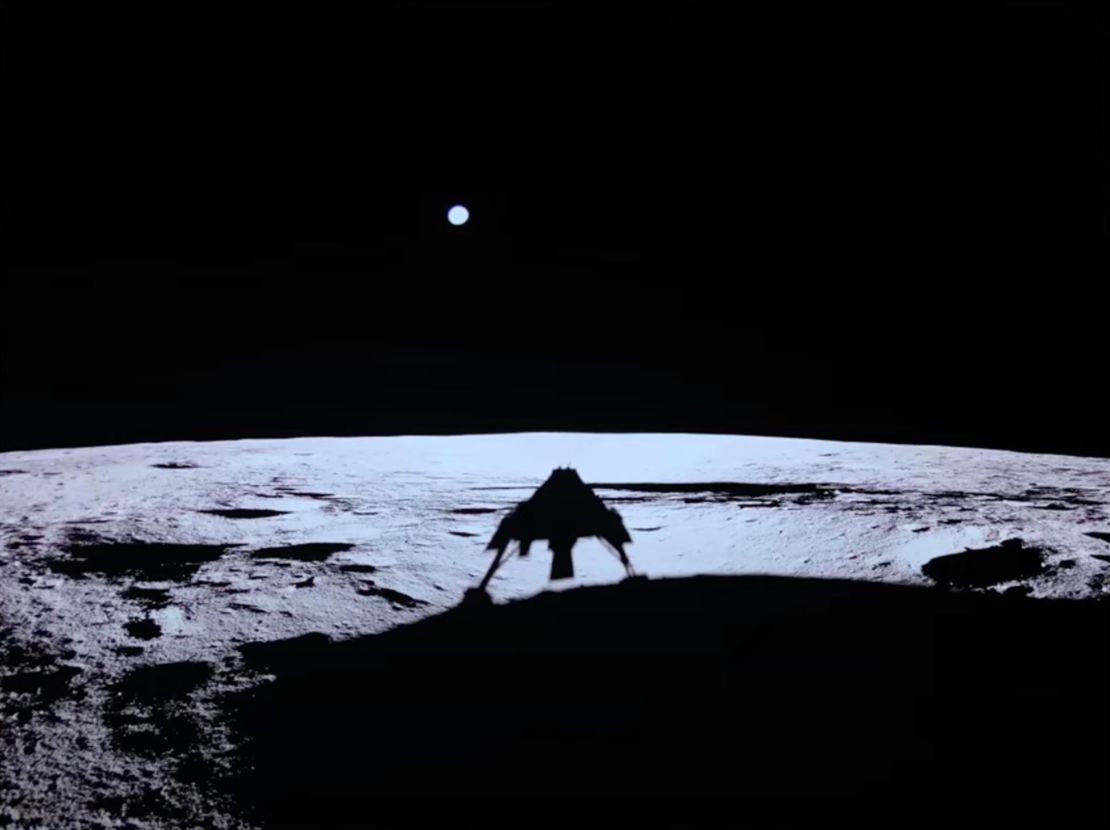
 Sunrise on the moon captured by Blue Ghost spacecraft after NASA and Firefly Aerospace announce successful lunar landing