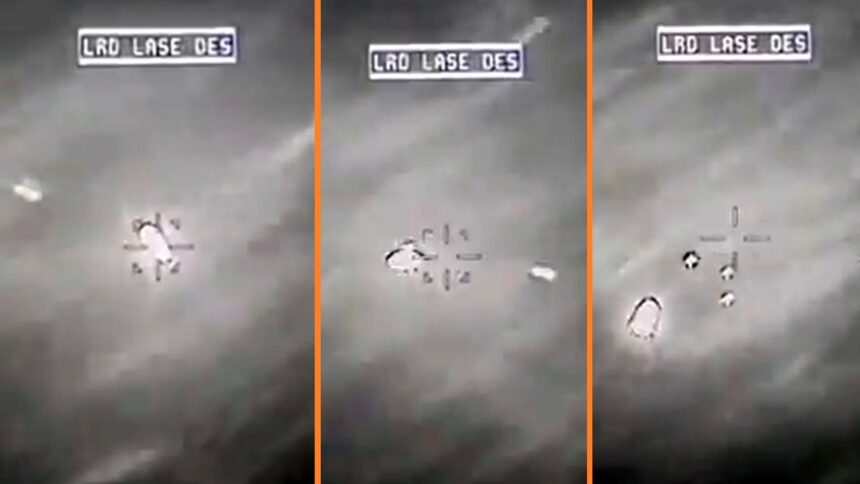
Ben je klaar voor een UFO-achtig avontuur dat letterlijk van een andere wereld lijkt te zijn? Voor Michelle Reyes en haar medepassagiers veranderde een alledaagse vlucht boven het LaGuardia Airport plotseling in een scène die rechtstreeks uit een buitenaardse film had kunnen komen. Wat begon als een vluchtige blik door het raam, eindigde in een volledige UFO-waarneming. Laten we deze buitengewone ervaring samen ontleden.
Maandag 15 september 2025
 The Impact Event that Shaped Earth’s History: An In-Depth Scientific Analysis of the 35-Million-Year-Old Asteroid Collision
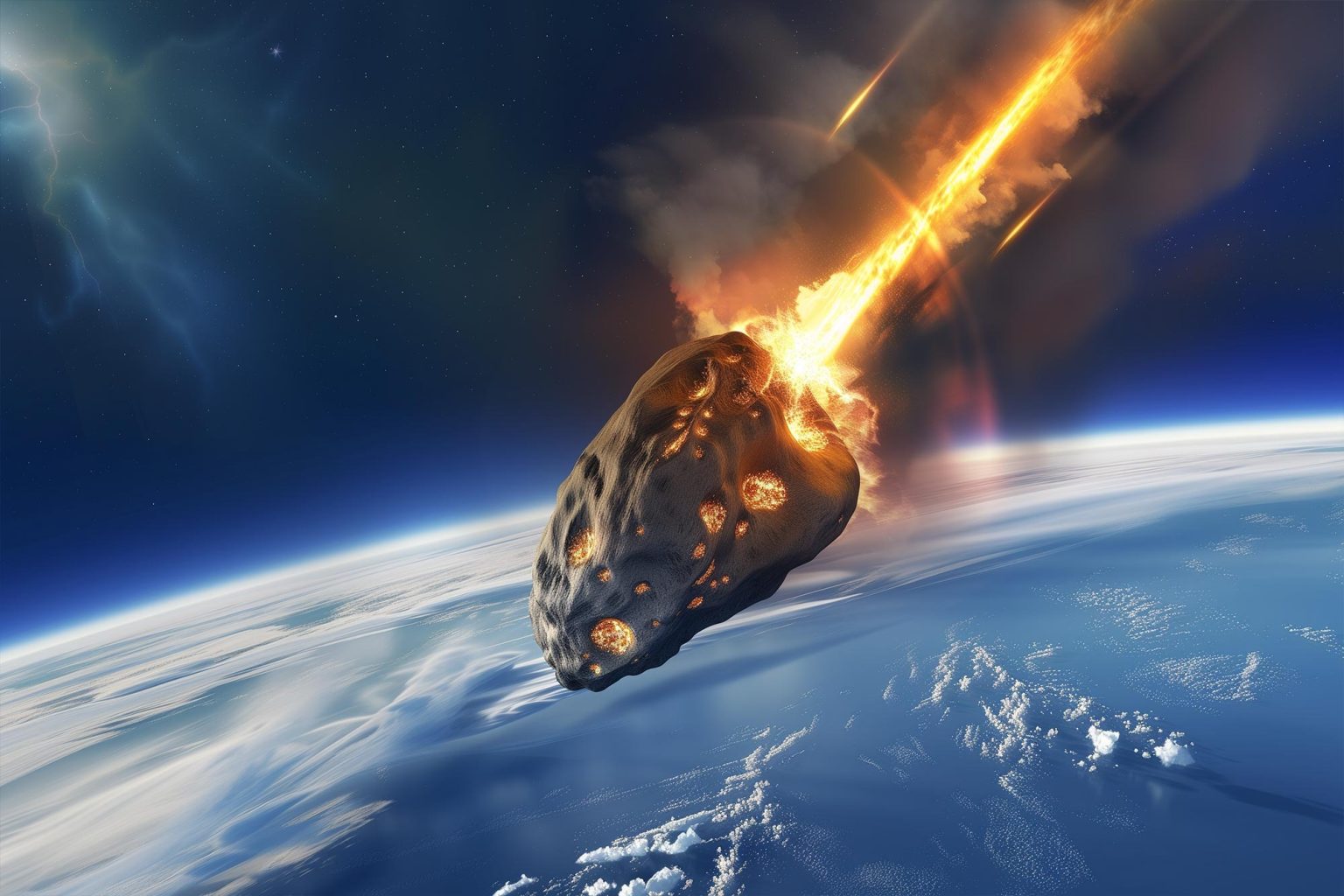
The Impact Event that Shaped Earth’s History: An In-Depth Scientific Analysis of the 35-Million-Year-Old Asteroid Collision
Introduction
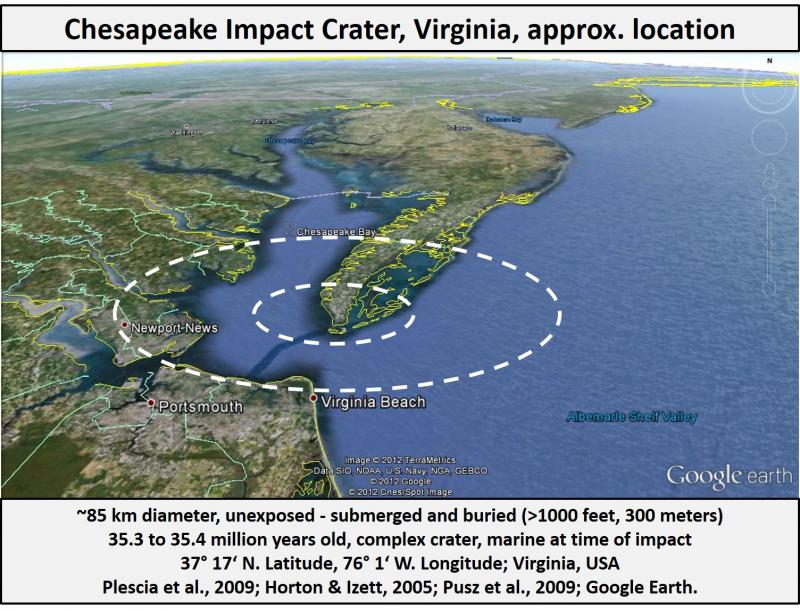
Throughout Earth's complex geological history, extraterrestrial impacts have played a significant role in shaping the planet’s surface, climate, and biological evolution. Among these, asteroid impacts stand out due to their catastrophic potential and their ability to produce profound, sometimes global-scale effects. Approximately 35 million years ago, a colossal asteroid struck the eastern coast of what is today North America, leaving behind one of Earth's largest and best-preserved impact craters beneath Chesapeake Bay. This event not only caused immediate destruction but also triggered a series of subsequent catastrophic phenomena, including massive tsunamis and environmental upheaval. Recent research has provided new insights into this ancient impact, revealing the event's true scale and its far-reaching consequences. This comprehensive analysis aims to detail the geological evidence, reconstruct the sequence of events, and explore the implications of this impact for Earth's history, drawing from recent scientific findings published in the journal Southeastern Geology.
A 5-kilometer asteroid caused two devastating planetary-scale catastrophes 35 million years ago.
Illustrative photo: SciTechDaily
The Asteroid: Dimensions, Velocity, and Impact Site
The impactor was approximately 5 kilometers in diameter, a size capable of releasing an enormous amount of energy upon collision. Traveling at velocities exceeding 64,000 km/h (about 17.8 km/s), the asteroid imparted an immense kinetic energy, estimated at roughly 10^24 joules—comparable to billions of nuclear bombs detonating simultaneously. Such an energy release would have instantaneously vaporized a vast area, generated shock waves propagating through Earth’s crust, and initiated global environmental disturbances.
The impact site was in what is now Chesapeake Bay, Virginia, a region characterized by sedimentary deposits accumulated over millions of years. The collision created a transient crater that, over geological time, was buried beneath sediment and oceanic deposits, resulting in the present-day impact structure lying approximately 500 meters below the current ocean floor. This buried crater remains one of the best-preserved terrestrial impact structures, providing a unique window into the processes and consequences of asteroid impacts.
Geological Evidence of the Impact
Recent geological studies, notably those published in Southeastern Geology, have uncovered compelling evidence of the impact event far from the crater itself. Notably, fossils and rock layers discovered in Moore County, North Carolina—approximately 386 km southwest of the impact site—serve as a crucial record of the event's global influence. The identification and analysis of these layers have significantly advanced our understanding of the impact’s scale and consequence.

An asteroid struck the East Coast of North America 35 million years ago. Ejected material from the impact site was distributed over an area of at least four million square miles. Researchers have found clear traces of the impact and dated them for the first time using the uranium-thorium-helium technique. ODP 1073 on the map refers to the ocean drilling project site where the sample material for this study was collected.
Credit: GEBCO world map 2014, www.gebco.net
Layered Sedimentary Record
Central to this research is a nearly one-meter-thick stratigraphic sequence containing four distinct layers, each representing different phases of the impact aftermath:
-
Bottom Layer (43 cm thick): This layer is rich in sandy clay, carbon glass (also known as tektites), and rock fragments. The presence of iridium at concentrations up to 18 parts per billion (ppb)—a hallmark of extraterrestrial material—provides unequivocal evidence that this layer originated from an extraterrestrial impact. Iridium is rare on Earth's crust but abundant in meteorites, making its presence a key indicator of cosmic origin.
-
Second Layer (9 cm thick): Comprising silt and loosely bound quartz and carbon fragments with reduced iridium levels, this layer signifies the dispersal of smaller impact ejecta as the initial shock wave dispersed material into the atmosphere and surrounding environment.
-
Third Layer (6 cm thick): Consisting of a mixture of marine sediments and seabed fragments, this layer indicates subsequent geological processes, particularly water filling the crater and triggering massive landslides of marine sediments into the impact basin.
-
Fourth Layer (15 cm thick): Composed of coarse sand and gravel, this uppermost layer bears the signature of a powerful tsunami wave depositing large sediments over the existing layers.
The stratigraphy offers a comprehensive timeline of the impact event, detailing the progression from the initial collision to subsequent environmental changes. Each layer reflects a distinct phase, revealing insights into the destructive processes and their global effects. Understanding this sequence helps scientists piece together the event’s magnitude and consequences, providing valuable context for Earth's geological history and impact assessment.
1. Impact and Shock Wave Generation
The collision of the asteroid with Earth's surface instantly generated an intense hypersonic shock wave that propagated rapidly through the crust. This energy release caused widespread destruction within hundreds of kilometers, obliterating everything in its path, including flora, fauna, and geological formations. The shock wave also led to the melting and vaporization of rocks, producing molten debris that was ejected high into the atmosphere. The immense pressure and heat created a transient but powerful zone of devastation, marking the beginning of the catastrophic sequence. This phase is critical because it set the stage for subsequent environmental upheavals, and the physical evidence of shock deformation in minerals confirms the immense energy involved.
2. Ejection and Atmospheric Dispersal
Within minutes of impact, a layer rich in impact ejecta, such as tektites and iridium-bearing material, was deposited across a vast area. These materials settle over regions as distant as Massachusetts and Barbados, demonstrating the event's enormous dispersal capacity. The presence of iridium, a rare extraterrestrial element, confirms the asteroid's origin. This layer provides a precise marker for dating the impact event, serving as a key stratigraphic reference point. The dispersal of molten and shattered debris not only signifies the initial energy release but also indicates the widespread atmospheric circulation that transported these materials globally. The distribution pattern reflects the impact's immense force and the Earth's atmospheric dynamics during the event.
3. Dispersal of Fine Particulates and Cloud Formation
Following the initial ejecta, a fine particulate cloud formed from pulverized rock and debris dispersed into the atmosphere. This cloud caused a significant reduction in sunlight reaching Earth's surface, leading to what is often described as an impact winter. The diminished sunlight likely caused short-term global cooling, disrupting photosynthesis and affecting ecosystems worldwide. This environmental upheaval could have contributed to the mass extinction of species, especially those sensitive to climate change. The stratigraphic record of this phase includes layers of soot and ash, indicating widespread fires and atmospheric particulates. This phase underscores how an impact event can trigger climate shifts, with short-term but profound effects on life.
4. Crater Filling and Landslides
As water flooded the impact crater, the unstable sediments surrounding the site became prone to destabilization. Massive landslides of marine sediments cascaded into the basin, filling the crater with a mixture of soil and seabed fragments. This process signifies a transition from a primarily impact-driven environment to a water-dominated one, altering local geology dramatically. The resulting layer contains evidence of sediment reworking, including disturbed strata and displaced marine fossils. This phase reflects the ongoing geological response to the impact, highlighting how secondary processes like flooding and landslides shape the stratigraphic record. It also indicates the importance of water in modulating the impact's environmental impact.
5. Tsunami Generation and Sediment Deposition
The final, most destructive phase involved the generation of a colossal tsunami triggered by the sudden displacement of water due to the impact and crater infilling. The tsunami propagated across the Atlantic Ocean, inundating coastal regions with high-energy waves. This resulted in the deposition of coarse sediments, such as gravel and sand, over large areas, including Moore County. The uppermost stratigraphic layer records this event, characterized by high-energy deposits indicative of tsunami action. The deposits include chaotic, poorly sorted sediments with marine fossils embedded within them, evidence of rapid, forceful inundation. This phase demonstrates the global reach of impact-induced phenomena and their capacity to reshape coastlines and sedimentary environments dramatically.


A microscopic photograph of tiny silica droplets, formed by an asteroid impact.
Credit: Natalie Cheng / Bridget Weed.
Environmental and Biological Consequences
The immediate aftermath of the impact was utterly catastrophic, unleashing a series of devastating environmental effects that reshaped Earth's ecosystems. The colossal shock wave generated by the impact would have propagated across vast distances, exerting immense pressure on both terrestrial and marine life forms. Simultaneously, the intense thermal energy released during the collision caused widespread vaporization of rocks and minerals, creating a colossal plume of superheated debris that was rapidly dispersed into the atmosphere. This atmospheric dispersal of particulate matter and aerosols would have triggered a temporary but severe "impact winter," dramatically reducing sunlight penetration to Earth's surface. The resulting drop in temperatures and suppression of photosynthesis would have led to mass extinction events among many plant species and the animals dependent on them, disrupting entire food chains and ecological networks.
The climatic perturbations caused by these events likely persisted for several years, or even decades, profoundly influencing evolutionary pathways. The prolonged darkness and cold conditions would have favored the survival of species capable of enduring harsh environments, thus driving selective pressures that shaped future biodiversity. The impact's influence on climate and ecosystems could have facilitated the emergence of new adaptive traits among surviving species, setting the stage for subsequent evolutionary diversification.
In addition to atmospheric and climate effects, the impact would have generated enormous tsunami waves that radiated outward from the site of impact, inundating coastal regions and reshaping shorelines. These massive waves would have caused widespread flooding of low-lying areas, leading to the destruction of habitats and the displacement of countless organisms. The marine environment, in particular, would have undergone profound changes: sedimentation rates increased sharply due to the influx of debris, and habitats such as coral reefs and seabed communities faced destruction or significant alteration. These disruptions would have led to a decline in marine biodiversity and a reshuffling of marine ecosystems.
On land, the effects were equally severe. The intense heat and shockwaves sterilized large areas, destroying plant life and disrupting terrestrial habitats. Forests, grasslands, and other ecosystems faced massive die-offs, while soil erosion and habitat fragmentation further impeded recovery. The combined terrestrial and marine ecological upheavals resulted in a significant biotic turnover, particularly during the Miocene epoch, a period marked by notable evolutionary shifts and diversification among surviving species.
Overall, the impact's environmental and biological consequences were profound, triggering immediate mass extinctions, altering climate patterns, reshaping coastlines, and instigating long-term evolutionary changes. The aftermath set in motion a series of ecological shifts that would influence the course of life on Earth for millions of years to come, marking a pivotal point in Earth's geological and biological history.
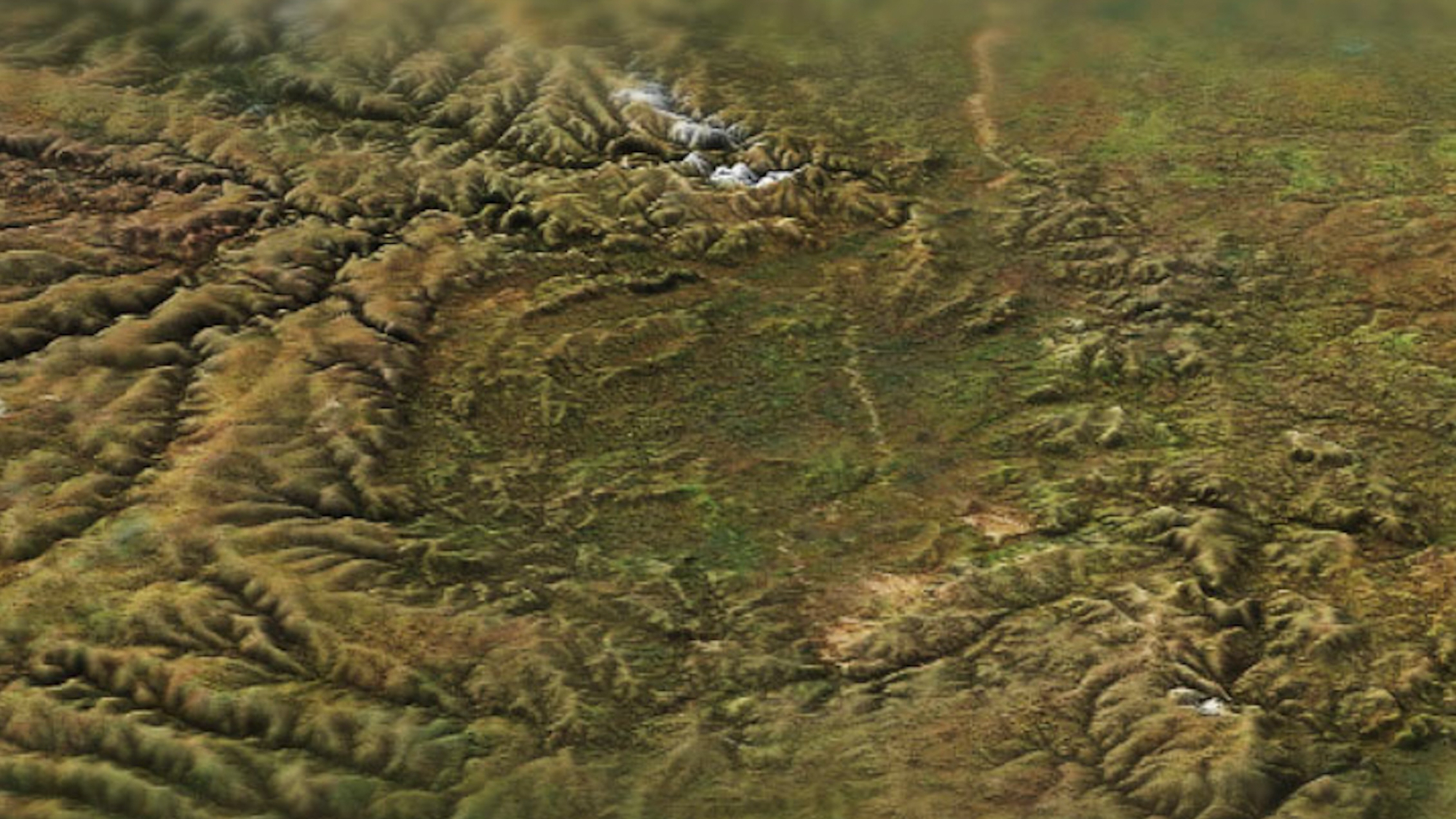
Popigai in Siberia, the result of an asteroid strike 36 million years ago, is one of the largest and most well-preserved impact craters on Earth.
(Image credit: NASA Earth Observatory/Joshua Stevens, using data from NASA/METI/AIST/Japan Space Systems and the US/Japan ASTER Science Team)
Implications for Earth's Geological and Biological Evolution
This impact event provides a compelling example of how extraterrestrial collisions have significantly influenced Earth's geological landscape as well as its biological history over millions of years. The evidence discovered in Moore County serves as a crucial piece in understanding the far-reaching effects that such catastrophes can have. Scientific investigations reveal that the physical and chemical signatures resulting from this impact are not confined to the immediate vicinity of the impact crater but can be detected hundreds of kilometers away. These signatures include shocked minerals, specific isotopic anomalies, and unique mineral formations such as shatter cones and tektites, which serve as telltale markers of large-scale impact events.
The timing of this impact correlates with a period of notable transition in Earth's biological and ecological systems during the Miocene epoch, approximately 15 to 10 million years ago. This era was characterized by significant shifts in flora and fauna, including the evolution and extinction of various species, as well as the expansion of grasslands and the diversification of mammals. The coincidence of this impact with such biological upheavals raises the possibility that extraterrestrial collisions may have played a role in accelerating or triggering these evolutionary changes. While it remains difficult to establish a direct causal relationship, this association underscores the importance of considering extraterrestrial influences as factors in Earth's complex evolutionary history.
In addition to its implications for understanding Earth's past, this impact event enhances our knowledge of planetary defense and risk assessment strategies for the future. By studying the physical evidence and the sequence of events surrounding ancient impacts, scientists can better recognize the signatures of similar events that might occur again. This knowledge enables the development of more accurate models of impact frequency, size, and potential consequences—such as widespread environmental disruption, climate change, and mass extinctions. Furthermore, understanding the long-term geological and biological effects of past impacts informs the creation of mitigation strategies, including asteroid detection programs and deflection technologies, aimed at preventing or minimizing the damage caused by future celestial collisions.
Overall, this impact event exemplifies the profound influence extraterrestrial collisions can have on shaping Earth's surface features and biological diversity. It highlights the importance of continued research into impact geology, planetary defense, and Earth's evolutionary history to better understand our planet's past and to safeguard its future.
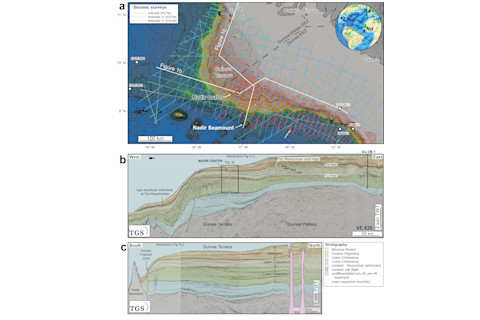
(Data courtesy of the Republic of Guinea and TGS) (a) regional map showing the location of the Nadir Crater on the Guinea Plateau, offshore West Africa. Other important seabed features are also highlighted, including the Nadir Seamount after which the crater is named. (b and c): regional seismic cross sections across the Guinea Plateau, showing the age of the sedimentary units across the plateau and the location of the Nadir Crater and Nadir Seamount.
Conclusion
The asteroid impact approximately 35 million years ago near present-day Chesapeake Bay represents a pivotal event in Earth's geological history, with profound and lasting effects on the planet's surface, climate, and biosphere. The recent discovery of detailed stratigraphic layers in Moore County has provided invaluable insight into the sequence of events that followed the impact. These layers reveal a complex interplay of immediate shock wave destruction, widespread wildfires, and the formation of a massive tsunami, which collectively reshaped the landscape and influenced the environment for millions of years thereafter. The irrefutable evidence of extraterrestrial origin, including shocked mineral grains and impact ejecta, emphasizes the importance of understanding cosmic influences on Earth’s history.
Studying such impact events is crucial for several reasons. Firstly, it enhances our comprehension of Earth's geological and biological evolution, shedding light on how catastrophic events have contributed to mass extinctions and subsequent recovery periods. Additionally, these findings help us recognize patterns and frequencies of large asteroid impacts, which is essential for assessing future risks. As the Earth continues its orbit through a universe teeming with potential hazards, ongoing research into past impacts serves as a vital tool in planetary defense strategies.
Furthermore, understanding the aftermath of such impacts can inform us about the resilience and adaptability of life, offering lessons on survival and recovery following global catastrophes. The knowledge gained not only satisfies scientific curiosity but also has practical implications for preparing for future impact threats. As technology advances, our ability to detect and potentially mitigate such events improves, emphasizing the importance of continued research and international cooperation in planetary defense efforts.
In conclusion, the study of the Chesapeake Bay impact event and similar occurrences underscores the dynamic and interconnected nature of Earth's history and its cosmic environment. These investigations deepen our appreciation of Earth's vulnerability and resilience while guiding us toward better preparedness for possible future cosmic encounters. Ultimately, understanding Earth's impact record enriches our knowledge of planetary evolution and supports the ongoing quest to safeguard our planet for future generations.
{ PETER2011 }
Geschreven door peter om 17:57
Stuur door