Could Aliens Exist?
Overview
Christian theologian Brandan Robertson posits that the existence of non-human intelligence is becoming increasingly plausible, to the point where it can almost be considered a fact. His argument hinges on two main pillars: the sheer scale of the universe and the evolving public opinion regarding extraterrestrial life. Robertson’s perspective reflects a broader shift in societal and scientific attitudes, driven by recent developments in space exploration, government disclosures, and changing cultural narratives. He notes that in a 2021 Pew Research poll, a significant majority of Americans expressed belief in the existence of extraterrestrial intelligence, a stark contrast to the skepticism and ridicule often associated with UFO discussions two decades ago. This shift signifies a remarkable transformation in collective consciousness, influenced by both empirical evidence and cultural acceptance.
Furthermore, Robertson emphasizes that scientific confidence is growing. He cites a 2025 survey conducted by Durham University, which found that most astronomers now consider the probability of extraterrestrial intelligence to be high. This scientific consensus is rooted in discoveries such as thousands of exoplanets located within habitable zones, which increase the statistical likelihood that life exists elsewhere in the universe. The discovery and study of these planets, combined with advances in telescope technology and astrophysics, bolster the argument that humanity is not alone. The convergence of scientific evidence and changing public attitudes suggests that the question of extraterrestrial life is transitioning from speculative fiction to a credible scientific and cultural discussion.
Cultural and Scientific Context
The transformation of extraterrestrial life from fringe speculation to a mainstream topic has been driven by a combination of empirical research, technological advancements, and declassification of government information. Over the past decade, astronomers have identified thousands of exoplanets, many of which are situated within the so-called “habitable zone,” where conditions could support life. These discoveries have been facilitated by space telescopes such as Kepler and TESS, which have expanded our understanding of planetary systems beyond our solar system. As a result, the statistical basis for considering life beyond Earth has grown stronger, fueling optimistic estimates in the Drake Equation, which attempts to quantify extraterrestrial civilizations.
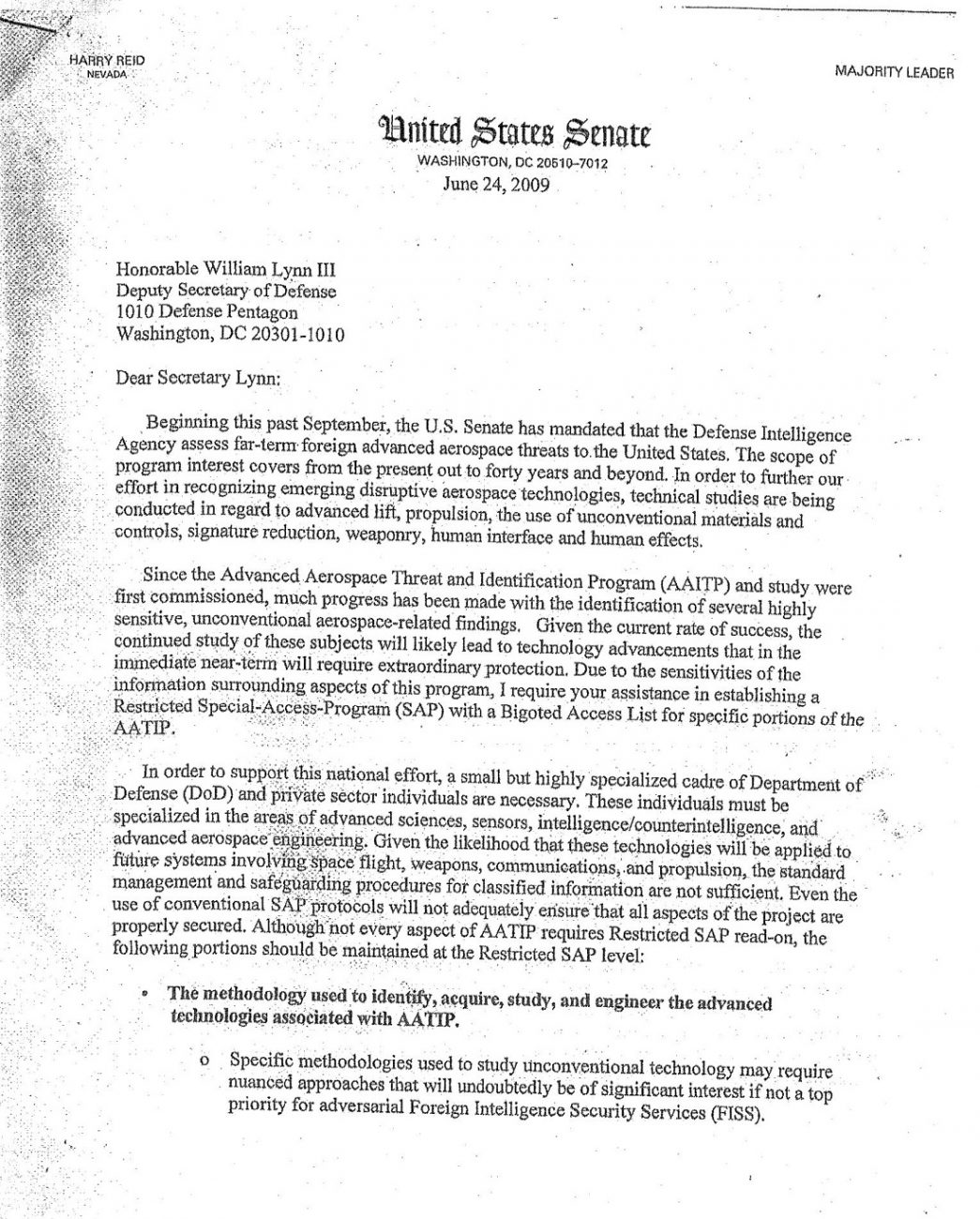
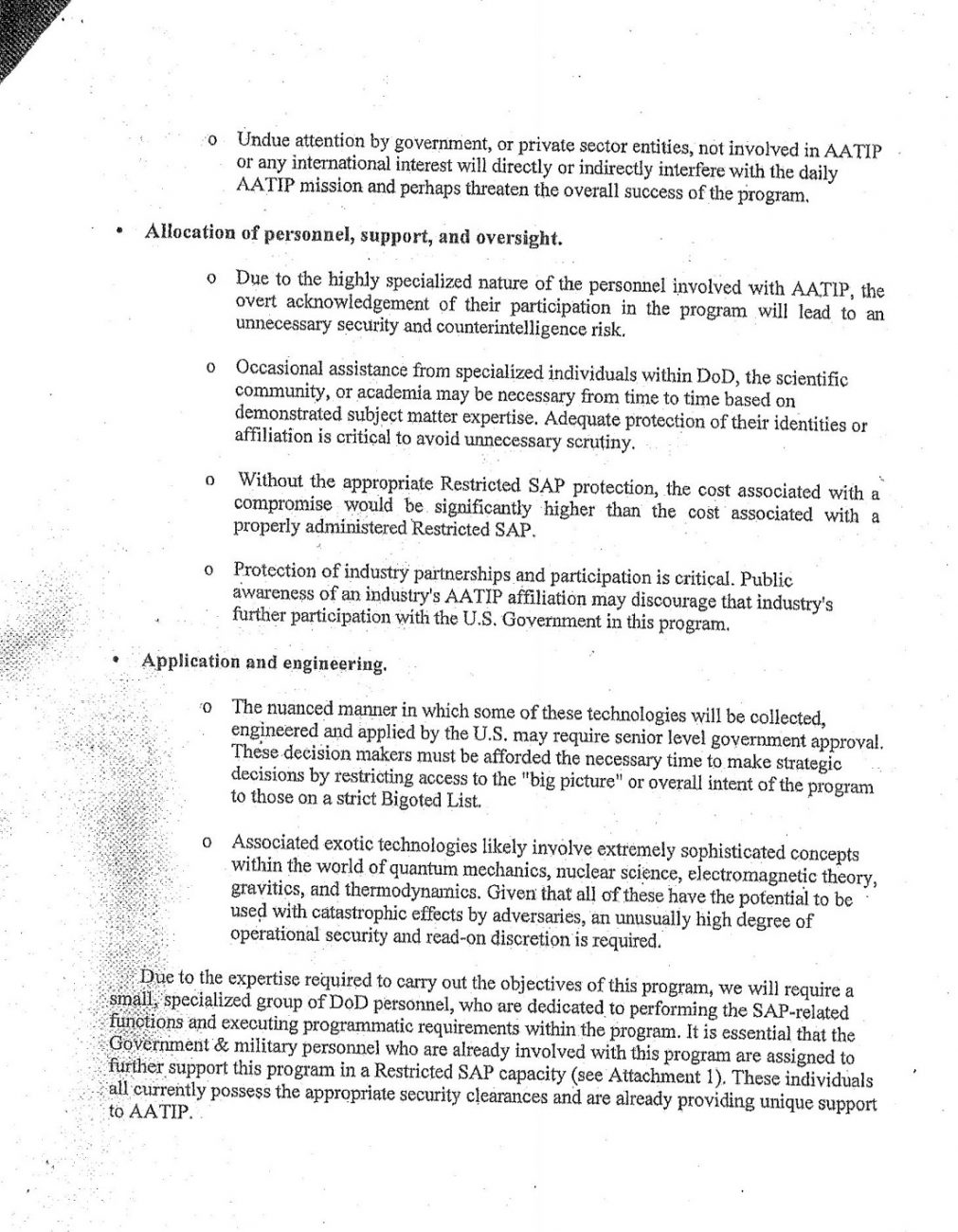
On the governmental front, a series of declassified videos and reports have played a significant role in shifting public perception. Although these disclosures do not confirm the existence of alien life, they acknowledge the presence of unidentified aerial phenomena (UAP) as objects worthy of scientific investigation. The Pentagon’s release of videos showing unexplained craft has sparked renewed interest and debate, challenging the long-held notion that such phenomena are merely optical illusions or atmospheric anomalies. Robertson interprets these developments as signs of an “age of disclosure,” suggesting that future revelations are likely to shed light on whether these UAPs are terrestrial, extraterrestrial, or of unknown origin. This period of increased transparency and scientific inquiry creates a fertile environment for further exploration and understanding of these phenomena.
The cultural shift is also reflected in popular media and public discourse. Films, documentaries, and podcasts increasingly explore the possibility of alien life, contributing to a normalization of the topic. This media landscape helps reduce stigma and ridicule, making it easier for scientists, policymakers, and the general public to engage in serious discussions. The cumulative effect of scientific discoveries and government disclosures has created a cultural climate where extraterrestrial life is no longer a taboo subject but a legitimate scientific and philosophical inquiry.
Possibility of Interaction
While Robertson does not suggest that places like Area 51 house actual alien beings, he entertains the possibility that some government officials may possess evidence of interactions with extraterrestrial craft or beings. He points to testimonies from senior Pentagon officials—documented in the documentary Age of Disclosure—who describe encounters with UAP that are potentially “demonic” or of unknown origin. These testimonies, while not definitive proof of extraterrestrial life, indicate that some aspects of these phenomena remain unexplained and warrant further investigation. Robertson emphasizes that the government’s interest and the testimonies of credible witnesses suggest that we may be closer to understanding these encounters than previously thought.
He also acknowledges that some interpretations of UAP encounters are spiritual or supernatural in nature. Certain military and intelligence officials have described some sightings as “demonic,” reflecting a cultural lens that interprets unknown phenomena through spiritual frameworks. Robertson cautions against immediate dismissals or sensationalism, advocating for a sober, scientific approach that considers multiple hypotheses. He suggests that humanity might already possess some evidence or at least have the capacity to acquire it, which could eventually lead to meaningful contact or understanding of non-human intelligences.
Robertson further argues that humanity has already demonstrated its readiness for a serious discussion about non-human intelligence. He cites historical examples such as the moon landing, which was initially met with skepticism but ultimately became a universally celebrated achievement. The societal and technological resilience displayed during such breakthroughs indicates that a future encounter with extraterrestrial life, should it occur, would not necessarily lead to chaos or societal collapse. Instead, he envisions a gradual process of integration where scientific, theological, and philosophical communities collaboratively interpret these phenomena, fostering a more comprehensive understanding of humanity’s place in the cosmos.
Theological Implications
The prospect of extraterrestrial life raises profound questions for Christian theology, a subject Robertson finds especially compelling. If non-human intelligences exist, what does this mean for humanity’s spiritual beliefs, salvation history, and the understanding of God’s creation? Robertson references Vatican astronomer Fr. Richard D’Souza, who in 2025 suggested that discovered intelligent beings could potentially be candidates for baptism. This provocative idea presumes that such beings are subject to original sin and in need of salvation—core doctrines of Christian faith—challenging traditional views on the exclusivity of Christ’s redemptive mission.
This theological speculation opens a Pandora’s box of questions: Would these extraterrestrial beings have souls? Would they be capable of salvation? How would their existence impact doctrines of creation and divine sovereignty? Robertson notes that some theologians argue that if intelligent life exists elsewhere, it could be an extension of God’s divine creativity, and therefore, they might be included within the scope of salvation. Conversely, others believe that the arrival of non-human intelligences could threaten the uniqueness of human redemption and the centrality of Christ’s incarnation.
Many Protestant and Orthodox traditions tend to emphasize humanity’s special status within creation, viewing human beings as the pinnacle of divine creation and the recipients of salvation through Christ. The arrival of extraterrestrial intelligence could challenge these assumptions, prompting a reevaluation of doctrines that place humans at the center of divine plan. Some theologians suggest that such discoveries could lead to a more expansive understanding of divine creation—seeing the universe as a vast, interconnected web of life, all under God's sovereignty.
Robertson emphasizes that these theological questions are not merely speculative but are essential for faith communities to consider. Theological humility is crucial, as believers must remain open to new insights while maintaining doctrinal integrity. The possibility of extraterrestrial life could serve as a catalyst for deeper reflection on God's omnipotence and the nature of salvation. It could also inspire a more inclusive view of divine creation, emphasizing that God's creative power extends beyond human understanding and terrestrial boundaries.
Reactions and Outlook
Reactions from religious communities and conservative commentators have been mixed, often tinged with skepticism or concern. Some evangelical leaders interpret UFO phenomena through a spiritual warfare lens, equating unidentified sightings with demonic activity or spiritual deception. Television personality Michael Knowles and others have publicly labeled certain UFO encounters as “demons,” reflecting a tendency to interpret the unknown within a spiritual battleground framework. These reactions often stem from a desire to protect doctrinal orthodoxy and avoid what is perceived as the threat of secular or pagan influences infiltrating faith.
Robertson cautions against such simplistic interpretations, warning against “idolatry of speculation” and urging believers to approach these phenomena with theological humility. He advocates for a balanced perspective that recognizes the potential significance of extraterrestrial life without succumbing to paranoia or sensationalism. As government disclosures continue and scientific research progresses, Robertson believes that the conversation will shift from sensational headlines to sober theological reflection. This transition offers faith communities an opportunity to engage thoughtfully with one of humanity’s most enduring mysteries: our place in the universe and the possibility of other intelligent life.
Looking ahead, Robertson envisions a future where scientific discoveries, government transparency, and theological inquiry converge to deepen humanity’s understanding of the cosmos. He emphasizes the importance of open dialogue among scientists, theologians, and policymakers to navigate the complex implications of extraterrestrial existence. Such interdisciplinary collaboration could foster a more nuanced worldview—one that appreciates the vastness of creation while grounding our understanding of life and salvation within a divine framework.
In conclusion, the question of whether aliens exist remains one of the most profound and challenging inquiries facing humanity. As evidence accumulates and cultural attitudes evolve, the potential for meaningful interaction and understanding grows. Whether through scientific discovery, theological reflection, or societal adaptation, humanity stands at the cusp of a new chapter—one in which our conception of life, creation, and divine purpose may be fundamentally transformed. The ongoing dialogue promises to be a defining feature of the 21st century’s exploration of our place in the universe, encouraging humility, curiosity, and faith in the face of the unknown.









![Hacker claims Nasa has list of 'non-terrestrial officers' and UFO photos The Lone Hacker That Found NASA?s Secret Space Fleet [Gary McKinnon Interview]](https://metro.co.uk/wp-content/uploads/2026/03/SEI_287644860-edf2.jpg?quality=90&strip=all&w=646)
![Hacker claims Nasa has list of 'non-terrestrial officers' and UFO photos The Lone Hacker That Found NASA?s Secret Space Fleet [Gary McKinnon Interview]](https://metro.co.uk/wp-content/uploads/2026/03/SEI_287644861-cbbf.jpg?quality=90&strip=all&w=646)
![Hacker claims Nasa has list of 'non-terrestrial officers' and UFO photos The Lone Hacker That Found NASA?s Secret Space Fleet [Gary McKinnon Interview]](https://metro.co.uk/wp-content/uploads/2026/03/SEI_287644859-554f.jpg?quality=90&strip=all&w=646)