Ontdek de Fascinerende Wereld van UFO's en UAP's: Jouw Bron voor Onthullende Informatie!
Ben jij ook gefascineerd door het onbekende? Wil je meer weten over UFO's en UAP's, niet alleen in België, maar over de hele wereld? Dan ben je op de juiste plek!
België: Het Kloppend Hart van UFO-onderzoek
In België is BUFON (Belgisch UFO-Netwerk) dé autoriteit op het gebied van UFO-onderzoek. Voor betrouwbare en objectieve informatie over deze intrigerende fenomenen, bezoek je zeker onze Facebook-pagina en deze blog. Maar dat is nog niet alles! Ontdek ook het Belgisch UFO-meldpunt en Caelestia, twee organisaties die diepgaand onderzoek verrichten, al zijn ze soms kritisch of sceptisch.
Nederland: Een Schat aan Informatie
Voor onze Nederlandse buren is er de schitterende website www.ufowijzer.nl, beheerd door Paul Harmans. Deze site biedt een schat aan informatie en artikelen die je niet wilt missen!
Internationaal: MUFON - De Wereldwijde Autoriteit
Neem ook een kijkje bij MUFON (Mutual UFO Network Inc.), een gerenommeerde Amerikaanse UFO-vereniging met afdelingen in de VS en wereldwijd. MUFON is toegewijd aan de wetenschappelijke en analytische studie van het UFO-fenomeen, en hun maandelijkse tijdschrift, The MUFON UFO-Journal, is een must-read voor elke UFO-enthousiasteling. Bezoek hun website op www.mufon.com voor meer informatie.
Samenwerking en Toekomstvisie
Sinds 1 februari 2020 is Pieter niet alleen ex-president van BUFON, maar ook de voormalige nationale directeur van MUFON in Vlaanderen en Nederland. Dit creëert een sterke samenwerking met de Franse MUFON Reseau MUFON/EUROP, wat ons in staat stelt om nog meer waardevolle inzichten te delen.
Let op: Nepprofielen en Nieuwe Groeperingen
Pas op voor een nieuwe groepering die zich ook BUFON noemt, maar geen enkele connectie heeft met onze gevestigde organisatie. Hoewel zij de naam geregistreerd hebben, kunnen ze het rijke verleden en de expertise van onze groep niet evenaren. We wensen hen veel succes, maar we blijven de autoriteit in UFO-onderzoek!
Blijf Op De Hoogte!
Wil jij de laatste nieuwtjes over UFO's, ruimtevaart, archeologie, en meer? Volg ons dan en duik samen met ons in de fascinerende wereld van het onbekende! Sluit je aan bij de gemeenschap van nieuwsgierige geesten die net als jij verlangen naar antwoorden en avonturen in de sterren!
Heb je vragen of wil je meer weten? Aarzel dan niet om contact met ons op te nemen! Samen ontrafelen we het mysterie van de lucht en daarbuiten.
In 2010, in a disturbing and eye-opening article, the U.K.’sGuardian newspaper reportedthe following: “More and more police forces and government agencies are exploring the potential of unmanned drones for covert aerial surveillance, security, or emergency operations across the UK, the Guardian has learned.” According to the Guardian, one of the departments of the British Government that is at the forefront of keeping the population of the United Kingdom under surveillance is SOCA, the Serious Organized Crime Agency. SOCA has a close working relationship with MI5, which is the U.K.’s equivalent of the United States’ FBI. Government documentation secured by investigative journalists of the Guardian revealed that the growth of the use of drones in the U.K., by regional police forces, is growing at an extremely rapid rate. And it’s not just the Guardian that has reported on such issues in the United Kingdom.
The BBC, in April 2015, told its readers that, “Police guarding London airports will start using drones for surveillance following a review by counter-terrorism officers. An 18-month analysis by the National Counter Terrorism Policing Headquarters, which helps develop police policy, found the technology could be ‘transformative.’ Privacy campaigners said they were concerned about the plans. Police are also to take over investigations into drone misuse.”
It’s decidedly disturbing that the very people who, in the U.K, are tasked with investigating the misuse of drones, are the same people who are using such drones, namely the police. The BBC had more to say on this issue. Revealing that, at the time of writing, more than 50,000 drones were in use in the U.K. – whether owned by the public and / or law-enforcement personnel and the intelligence world – the BBC noted how this growing increase in the employment of drones threatened the privacy of the people of the U.K. It quoted the words of Big Brother Watch’s Emma Carr, who said that, in regards to drones it’s vital that we have a fuller grasp of “how they’re used and who they’re being used by.” Amen to that.
Now let us move onto Australia. In 2014, Australia’s ABC News reported that, “The Australian Federal Police has told a federal parliamentary inquiry that drones are among the latest tools it is using in major crime investigations. A parliamentary committee has begun examining the growing use and popularity of drone technology, as well as the privacy concerns it raises for Australians.”
The extent to which the AFP was using drones, and the nature of the technology involved, became very clear in 2013. That was when the AFP used drone-based technology to search for the remains of an anti-drugs proponent in the New South Wales area of the nation. Mark Harrison, the Commander of the AFP, told the Australian press the following: “We assisted in the imagery and the recording of that search and excavation and the UAV provided a different and unique perspective to aid and assist in that process.” Notably, this was the very first occasion on which the AFP acknowledged it had a drone program. As is the case in the United States and the United Kingdom, the citizens of Australia have their deep concerns about how drones may be misused, all in the name of what passes for national security.
Certainly, the provisions of the Australian Freedom of Information Act have demonstrated that more and more people have lodged complaints with the world of law enforcement, chiefly to express their outrage at what they see as flagrant disregard for personal privacy. Much of this was revealed by Australia’s Office of the Privacy Commissioner. Timothy Pilgrim, the Commissioner himself, admitted that, “There are cases where people have woken up in the morning, pulled their curtains open and there’s been a drone hovering outside. It’s starting to suggest to us that there’s a point in time at which we need to sit back and say: ‘Do we have the right laws in place to make sure that we can regulate to the best extent possible how these devices can be used?’ That is the challenge now facing lawmakers in Federal Parliament and across Australia.”
In Australia, at least, there is some degree of oversight: the police, the military, and the intelligence community are now required to secure a warrant before any kind of drone-driven surveillance of citizens and residents can go ahead – which is very encouraging. We can only hope that such rules and regulations are being adhered to.
Unexplainable UFO sighting leaves stargazers in awe
It's not a bird, and it's certainly not a plane, so what is this object hovering over Lake Superior?
While traveling through Paradise, Michigan, Erik Rintamaki noticed two golden orbs flying above a boat for over an hour.
One of the lights mysteriously disappeared and reappeared shortly after he began filming, leaving him and his female companion wondering what exactly they were witnessing.
"This is the craziest thing I've ever seen," he exclaimed. Watch the eerie moment and decide for yourself what the puzzling sighting could possibly be.
I found this cross long ago back in 2015, but only now had time to make a video of it. The cross reminds me of a possible NASA base that on earths moon that I had once heard about. This could be that base. Is this a base, or is this a landed ship? You decide. Original NASA source has been deleted with all the Zond mission data. SCW
Researchers have just discovered that there’s something solid buried 180 miles beneath the moon’s surface … and, it’s huge. It’s estimated to weigh 4.8 quintillion pounds (that’s 17 zeroes), which is roughly 350 million times as heavy as the Great Pyramid of Giza.
Billions of years ago, something hit the moon and created one of the biggest impact craters in our solar system — a vast depression on the moon known as the South Pole-Aitken basin. It’s believed this could be a colossal mass of metal left over from the asteroid when it smashed into the lunar surface.
In this false-color graphic showing the topography of the far side of the moon, the warmer colors indicate high topography and the bluer colors indicate low topography. The large blue area is the South Pole-Aitken Basin, and the circle shows the location of the anomaly.
“Imagine taking a pile of metal five times larger than the Big Island of Hawaii and burying it underground. That’s roughly how much unexpected mass we detected,” author Peter B. James said in a statement. The research was published in the journal Geophysical Research Letters.
The crater itself is oval-shaped, as wide as 2,000 kilometers — roughly the distance between Waco, Texas, and Washington, DC — and several miles deep. Despite its size, it cannot be seen from Earth because it is on the far side of the moon.
It’s the largest preserved crater in the solar system. While larger impacts may have occurred throughout the solar system, including on Earth, most traces of those have been lost. Another possibility is that the large mass might be a concentration of dense oxides associated with the last stage of lunar magma ocean solidification.
How Was It Discovered?
Researchers were reviewing data from a NASA spacecraft used during the GRAIL mission in 2011 that studied the interior of the moon.
“When we combined [that GRAIL mission data] with lunar topography data from the Lunar Reconnaissance Orbiter, we discovered the unexpectedly large amount of mass hundreds of miles underneath the South Pole-Aitken basin,” James said. “One of the explanations of this extra mass is that the metal from the asteroid that formed this crater is still embedded in the moon’s mantle.”
Is It the Iron-Nickel Core of an Asteroid?
The dense mass is weighing the basin floor downward by more than half a mile, James said. Computer simulations of large asteroid impacts suggest that, under the right conditions, an iron-nickel core of an asteroid may be dispersed into the upper mantle (the layer between the moon’s crust and core) during an impact.
It’s Sadly Not a Monolith
So, sadly, it doesn’t sound like it’s a mysterious, totally smooth, black monolith measuring 1:4:9. That’s a pity. These monoliths were machines built by an unseen extraterrestrial species and featured in Arthur C. Clarke’s Space Odyssey series.
They first appeared on screen in Stanley Kubrick’s epic movie adaptation of the first novel in the series, 2001: A Space Odyssey, and again in the underrated sequel, 2010: The Year We Make Contact.
One such monolith was discovered buried on the moon in a prominent lunar impact crater located in the southern lunar highland called Tycho.
Media via NASA, Goddard Space Flight Center, University of Arizona, theWolfman4u, MGM
Keep September free … because a massive, football field-sized asteroid has a one in 7,300 chance of smashing into the Earth on the morning of September 9, 2019, according to the European Space Agency.
But it most likely won’t hit us.
Known as asteroid 2006 QV89, it has a diameter of 164 feet — that’s double the width of the meteor that exploded in the atmosphere over Chelyabinsk in Russiain 2013. That meteor came from behind the shadow of the sun and wasn’t seen by astronomers until it was already entering our atmosphere.
Current modeling of the asteroid’s orbit shows it more likely passing by Earth at a distance of over 4.2 million miles this September, but ESA says there’s roughly a one hundredth of a 1 percent chance the model is wrong and it hits our planet instead.
Only last month, US scientists took part in an exercise simulating an imminent asteroid impact with the Earth, and NASA administrator Jim Bridenstine warned that we need to take the real-world threat seriously during his keynote speech at the International Academy of Astronautics Planetary Defense Conference in College Park, Maryland.
But it most likely won’t hit us.
New York gets hit by a meteor shower in the 1998 movie 'Armageddon'.
Bridenstine also said that detecting, tracking, and studying asteroids and other near-Earth objects (NEOs) should be taken more seriously following the Chelyabinsk event. The resulting shock wave from that 65-foot-wide asteroid damaged thousands of buildings, and debris and flying glass injured over 1,500 people.
Last June, NASA produced a 20-page plan that details the steps the US should take to be better prepared for NEOs that come within 30 million miles of Earth.
Lindley Johnson, the space agency’s planetary defense officer, said that the country “already has significant scientific, technical, and operational capabilities” to help with NEOs, but implementing the new plan would “greatly increase our nation’s readiness and work with international partners to effectively respond should a new potential asteroid impact be detected.”
According to a 2018 report put together by Planetary.org, there are more than 18,000 NEOs.
Hollywood enjoyed a brief spell of asteroid impact-themed disaster movies during the summer of 1998. In the movie Deep Impact, a comet 1½ miles long slammed into the Atlantic ocean off the coast of Cape Hatteras, creating, at first, a tsunami 100 feet high traveling at 1,100 mph (that’s faster than the speed of sound). Then, when it reached shallow water, it slowed but increased in height to 3,500 feet. The wave washed away farmland and cities and eventually reached as far inland as the Ohio and Tennessee valleys (over 600 miles).
Project SIGMA: The Shocking History of Selling the Human Genome to the Grey Aliens
In 1952, a joint operation by the NSA and the CIA was launched – Project Sigma. The purpose of the operation, which was carried out under the immediate supervision of President Eisenhower, was to establish a productive partnership between human beings and aliens.
Scientists attached to the project located a suspicious group of asteroids that appeared to be moving in a uniform fashion and, using telecommunications equipment salvaged from a UFOwreck on Earth, requested a meeting. There was a response from the alien race known as the Tall Greys who agreed to visit Earth and meet with representatives.
Project Sigma's dirty deal with alien species
The message was also intercepted by a separate alien species, referred to as the Blues, who advised humans not to enter into negotiations with the Tall Greys, claiming that they were a self-serving race of aliens. The Blues instead made an offer of their own, claiming that they would help humanity with its spiritual development in exchange for the destruction of Earth’s nuclear arsenal. The Blues said that humanity had not proved itself responsible to wield such mighty power and, for the same reason, indicated that they would not provide human beings with alien technology. The Blues also made various criticisms of humanity; pointing to wars, pollution and endemic squandering of natural resources.
The US government rejected the offer and criticism of the Blues, thinking that their request that the nuclear arsenal be dismantled may have been a ploy to leave Earth defenceless in the face of an alien attack. Instead, a decision was taken to meet with the Tall Greys.
Where and when this meeting took place is still unknown, but sources have indicated what was said. The Tall Greys informed representatives from the US government that they would be happy to bequeath them with sophisticated technology including weapons and mind-control instruments as long as certain conditions were met. The Tall Greys claimed that their DNA was suffering from degradation and that they wanted to use the human genome to stabilise their own genes and ensure the continuation of their species. They asked for permission to abduct human beings and perform genetic research, assuring the humans that their subjects would be returned unharmed and with no memory of what had happened to them. The aliens also demanded that the US government not reveal their presence on Earth or interfere with their activities. They also requested that the United States build several underground bases for the exclusive use of the aliens.
While the deal was accepted enthusiastically at the time, the US authorities quickly realised that they were in over their heads. There has been evidence since the 1960s that the aliens are exceeding their quota of abducted humans and that they not honouring their agreement to return their subjects unharmed and without memory. While there have been attempts by the US government to back out of the deal, their protestations have been ignored by the Tall Greys.
The greys are allegedly trying to save their species by creating human-grey hybrids
A small space rock crashed into the Red Planet's surface recently, producing a fresh crater that researchers estimate is 49 feet to 53 feet (15 to 16 meters) wide.
The dramatic feature is clearly visible in a newly released image from NASA's Mars Reconnaissance Orbiter (MRO). The spacecraft has been imaging the Red Planet up close for more than 13 years using its High Resolution Imaging Science Experiment (HiRISE) camera and photographing larger swaths of terrain with its lower-resolution Context Camera (CTX).
A new crater on Mars, which appeared sometime between September 2016 and February 2019, shows up as a dark smudge on the landscape in this high-resolution photo.
A color image from HiRISE, posted June 6 and taken in April, shows a large black-and-blue bruise on the landscape amid an otherwise flat area of red Martian dirt.
Because MRO cannot look everywhere at once, it's unclear exactly when the new crater formed; the best estimate is somewhere between September 2016 and February 2019, scientists said.
While MRO captures hundreds of these new dark smudges a year, said HiRISE team member and University of Arizona staff scientist Veronica Bray, this new crater is on the larger side of the ones that she has ever seen. That means the impact that created it was a fairly rare event, at least as far as we know from 13 years of MRO's continuous observing.
Bray estimated that the impactor responsible was about 5 feet (1.5 m) wide — so small that it would either have burst into pieces or eroded away completely had it come through Earth's much thicker atmosphere. The impactor might have been a more solid rock than usual, she added, because other rocks coming into Mars' atmosphere often shatter high in the air and create chains of craters as broken-up pieces smack into the terrain below.
"It is a reminder of what's out there," Bray, a HiRISE targeting specialist who imaged this new crater, told Space.com. She said that Mars is a dynamic place, complete with shifting sand dunes and whirling dust devils, but she finds craters the most interesting Red Planet surface features.
"It's a gorgeous [crater]. I'm glad I got it in the color strip," she said.
Peter Grindrod@Peter_Grindrod
KABOOM! Before and after images of a meteorite forming a brand new impact crater on Mars. Sometime between 18 Feb 2017 and 20 March 2019.
Bray added that the color of this particular crater fascinates her, because she can see the impact wave clearly — a dark zone where dust was shifted off the surface. Beneath is likely basaltic rock, based on what we know of Mars geology and the colors showing in the image. There also are zones with a bluish tint, which may or may not be exposed ice. While the crater was blasted in the Valles Marineris region, near the relatively warm Martian equator, it's possible there could be a little ice underneath the dust, Bray said.
She noted, however, that no recent spectroscopy of the area is available (as far as she knows) through another MRO instrument called CRISM (Compact Reconnaissance Imaging Spectrometer for Mars).
Even if CRISM does image the area, there will be some barriers to learning more about what minerals are in the region, Bray said. The 13-year-old instrument, which is operating well past its design lifetime, ran out of coolant long ago and has poorer resolution than when it first began. In a best-case scenario, the crater might take up one pixel of the CRISM image. (CRISM has a resolution of about 52 feet, or 16 m, per pixel, while that of HiRISE is 0.8 feet, or 25 centimeters, per pixel.)
'This kind of blew me away'
Mars researcher Peter Grindrod, an ExoMars program researcher and planetary scientist at London's Natural History Museum, posted a GIF on Twitter Wednesday (June 12) showing lower-resolution "before" and "after" photos from CTX, as well as a height map showing the crater in relation to the flat terrain around it. (He generated the height map by running HiRISE photos through a commercial software program.)
Grindrod said he regularly posts Mars photos on his feed just out of interest, often when he is about to give a public or scientific talk on the Red Planet. In this case, the crater really got his attention:
"This kind of blew me away," he told Space.com, referring to the size of the fresh crater. "I'd never seen anything like that."
He added that this work is only possible because HiRISE provides so much of its data openly, allowing for re-publication and modification of the imagery for scientists or interested members of the public who want to learn more about Mars.
"Everything we do is open data, and we give away as many of these as we can," he said about space researchers, adding that participating mission scientists often have a brief period with exclusive access to the data so they can publish their own discoveries first.
While Grindrod is not a member of the HiRISE team, he regularly contributes to the Digital Terrain Model archive on the HiRISE website because he enjoys generating height maps, he said. These show Martian features in the context of the surrounding terrain, helping to give geological context to features such as dust devils or craters.
Preparing for more Mars work
Spacecraft continue to join the venerable MRO at and around the Red Planet. Grindrod has several affiliations with ExoMars, the two-phase British-Russian robotic exploration program.
For example, he's is a guest investigator with ExoMars' Trace Gas Orbiter, which arrived at the Red Planet in 2016. Grindrod is studying "active processes" such as dust devils and dunes. Before-and-after pictures are great for investigating these temporary phenomena, he explained, which is why he was inspired to make the GIF for the new crater.
TGO is the core of ExoMars' first phase. The second phase centers on a rover named Rosalind Franklin, which is scheduled to launch in July 2020 and land in February 2021. Grindrod's team generated height maps for dozens of proposed ExoMars rover landing sites as scientists debated where to go. He then provided these maps to the HiRISE group to post on their website.
"We gave them away to everyone who wanted them," he said. These height maps helped show researchers potential sites for water, an important item for looking for habitable environments, he explained.
Additionally, Grindrod participated in several ExoMars rover field trials between 2018 and 2019. A test rover was put through its paces in Utah, Spain and the Atacama Desert in Chile during three separate trials, with each attempt getting more complex and closer to what the real deal will be like on Mars.
Grindrod is also a member of Rosalind Franklin's panoramic camera team, which will provide geological context as the rover hunts for signs of previous life on the Red Planet. Since life as we know it requires liquid water, researchers on the search for habitable environments generally tend to look for formations (like clay) or minerals (like hematite) that usually form in the presence of water.
Europa’s subsurface oceans might be a lot more like the ones on Earth, raising a tantalizing question: could life exist in the satellite’s depths?
Jupiter’s icy moon Europa might have a salty ocean.
Image credits: NASA.
When you think about Earth-like places in our solar system, Europa is probably not on the list. A frigid, ice-covered satellite, hanging around in Jupiter’s orbit does not exactly resemble what we see around us every day. However, the similarities between the Earth and Europe might lie beneath the surface — literally.
Researchers have known for quite a while that beneath its surface ice, Europa hosts oceans of liquid water. However, the chemistry of this water has remained rather unclear. A new study suggests that this ocean might be salty, just like the ones on Earth.
Using a visible light spectral analysis, planetary scientists at Caltech and the Jet Propulsion Laboratory found that the yellow color visible on portions of the surface of Europa is actually sodium chloride — a compound you might know as table salt.
A closer view of some of Europa’s surface.
Image credits: NASA.
This doesn’t really come as a surprise since it was hypothesized for a while that the ocean might be salty, but it’s a heavy piece of evidence, suggesting that Europa’s oceans might be quite similar to Earth’s oceans.
Confirming the findings wasn’t easy, though.
“We thought that we might be seeing sodium chlorides, but they are essentially featureless in an infrared spectrum,” says Mike Brown, the Richard and Barbara Rosenberg Professor of Planetary Astronomy at Caltech and co-author of the Science Advances paper.
So what the team did was to irradiate ocean salts in a laboratory, mimicking the conditions on Europa. They found that several changes occur after irradiation — most importantly, the salts changed color to exactly what was seen on Europa in a region called the Tara Regio.
“Sodium chloride is a bit like invisible ink on Europa’s surface. Before irradiation, you can’t tell it’s there, but after irradiation, the color jumps right out at you,” says Hand, scientist at JPL and co-author of the Science Advances paper, adding that salt could also be a complicated chain of sub-surface processes and not come directly from the oceans.
“We’ve had the capacity to do this analysis with the Hubble Space Telescope for the past 20 years,” Brown says. “It’s just that nobody thought to look.”
The consequences of this discovery are not trivial. Life as we know it requires three things: water, energy, and suitable chemistry. Salt, specifically the sodium ions in table salt, is also crucial for a whole range of metabolic processes in plant and animal life. So the main ingredients for life may very well be on Europa. It’s still too early and speculative to say whether this is actually the case, but it certainly makes Europa one of the most interesting targets for future exploration.
WETENSCHAP & PLANEETHet Europese lanceerbedrijf Arianespace en het Europese Ruimtevaartbureau ESA hebben een contract afgesloten voor de lancering van een Europese missie naar de planeet Jupiter, zo heeft Arianespace vandaag getwitterd.
Een Ariane-5 of een nieuwe Ariane-64 moet - ten vroegste - in mei 2022 de JUICE naar Jupiter slingeren. JUICE moet ten minste drie jaar de gasreus exploreren en in het bijzonder ook zijn grootste manen bestuderen die mogelijk een oceaan onder hun ijslaag hebben.
De onbemande sonde zal ongeveer zes ton wegen en zal er 7,5 jaar over doen om Jupiter te bereiken. Om snelheid te winnen, zullen er scheervluchten zijn langs onze planeet, Venus en Mars.
JUICE zal de krachtigste wetenschappelijke lading meevoeren ooit naar de buitenkant van ons zonnestelsel. Airbus Defence and Space ontwikkelt en bouwt de verkenner. Het bedrijf neemt daarbij meer dan tachtig onderaannemers onder de arm, goed voor meer dan 110 contracten. Hoeveel het lanceercontract waard is, is traditioneel niet meegedeeld.
Bekijk ook:
Kijk hoe raket verticaal landt op schip na trip naar ruimte
NASADe Spitzertelescoop was een van de meest succesvolle ruimtetelescopen van NASA.
WETENSCHAPDe Amerikaanse ruimtevaartorganisatie NASA neemt op 30 januari afscheid van de Spitzertelescoop die de wetenschap meer dan elf jaar langer dan gepland heeft gediend.
De Spitzer ging in augustus 2003 de ruimte in en zou daar slechts 2,5 jaar blijven. In werkelijkheid werd de infrarode kijker één van de meest succesvolle ruimtetelescopen. Zo vond de Spitzer een nieuwe ring rond Saturnus, loerde de kijker naar sommige van de verst verwijderde sterrenstelsels en sterren van alle mogelijke leeftijden. De telescoop bracht ook onze Melkweg in kaart en speurde naar planeten buiten ons zonnestelsel.
Maar aan alle mooie liedjes komt een eind, aldus NASA. De meeste instrumenten zijn niet meer bruikbaar en de kansen op een anomalie, die een ongecontroleerd einde kan bewerkstelligen, stijgen. Daarom gaat op 30 januari 2020 de stekker gecontroleerd uit de missie.
In Maleisië is op 28 mei een wonderbaarlijk weerfenomeen gefilmd in Kuala Lumpur. Een regenboog kwam piepen van achter een wolk, waarna het zonlicht weerkaatste op de ijskristallen in de wolken. Zo ontstond een zogenaamde ‘crown flash’.
Earth Is Moving Toward The Same Meteor Swarm That Scientists Believe Caused The Tunguska Explosion Of 1908
Over the next several weeks, our planet will have a close encounter with the Taurid meteor swarm. It will be the closest that we have been to the center of the meteor swarm since 1975, and we won’t have an encounter this close again until 2032. So for astronomers, this is a really big deal. And hopefully there will be no danger to Earth during this pass, but some scientists are absolutely convinced that the Tunguska explosion of 1908 which flattened 80 million trees in Russia was caused by an object from the Taurid meteor swarm. As you will see below, the last week of June will mark the point when we are the closest to the center of the meteor swarm, and so that will be when the risk is the greatest.
According to CBS News, our planet “will approach within 30,000,000 km of the center of the Taurid swarm” by the end of this month…
This summer, Earth will approach within 30,000,000 km of the center of the Taurid swarm, the study says. That would be Earth’s closest encounter with the swarm since 1975 and the best viewing opportunity we’ll have until the early 2030s.
30 million kilometers may sound like a great distance, but in astronomical terms that is not very far at all, and it is important to remember that distance is measured from the exact center of the meteor swarm.
And there are some scientists that are convinced that giant rocks from this meteor swarm have been responsible for multiple “once-per-1,000-years catastrophic events on Earth” in the past. The following comes from Forbes…
The remnants of a comet. As Earth orbits the Sun, its orbital path often goes through dust and debris left by comets, with matter no bigger than a grain of sand busting into Earth’s atmosphere and burning up as “shooting stars”. Mostly, they’re harmless, but the Taurid swam is an exceptionally large cloud of debris, probably from Comet 2P/Encke, that scientists think may be responsible for some once-per-1,000-years catastrophic events on Earth. The Taurid complex-giant comet hypothesis proposes that a giant comet fragmented in the inner solar system, producing dust and small Near-Earth Objects (NEOs), including 2P/Encke and other asteroids, still present today. Among the observational evidence is increased “fireball” shooting star activity when Earth gets close to the “Taurid Swarm”, and increased impacts on the Moon.
In particular, it is now widely believed that the enormous object that exploded over Russia on June 30th, 1908 was from the Taurid meteor swarm.
If you are not familiar with the Tunguska event, here is some excellent information about it from Wikipedia…
Early estimates of the energy of the air burst range from 10–15 megatons of TNT (42–63 petajoules) to 30 megatons of TNT (130 PJ),[7] depending on the exact height of burst estimated when the scaling-laws from the effects of nuclear weapons are employed.[7][8] However, modern supercomputer calculations that include the effect of the object’s momentum find that more of the energy was focused downward than would be the case from a nuclear explosion and estimate that the airburst had an energy range from 3 to 5 megatons of TNT (13 to 21 PJ).[8]
The 15-megaton (Mt) estimate represents an energy about 1,000 times greater than that of the atomic bombdropped on Hiroshima, Japan—roughly equal to that of the United States’ Castle Bravo (15.2 Mt) ground-based thermonuclear detonation on 1 March 1954, and about one-third that of the Soviet Union‘s Tsar Bomba explosion on 30 October 1961 (which, at 50 Mt, is the largest nuclear weapon ever detonated).[9]
It is estimated that the Tunguska explosion knocked down some 80 million trees over an area of 2,150 km2 (830 sq mi), and that the shock wave from the blast would have measured 5.0 on the Richter magnitude scale.
Researchers from the Universities of New Mexico and Western Ontario warn we could be in for a similarly catastrophic event.
“If the Tunguska object was a member of a Beta Taurid stream, then the last week in June 2019 will be the next occasion with a high probability for Tunguska-like collisions or near-misses,” the researchers wrote in a recent paper.
Of course nobody is saying that something will happen during that time.
It is simply a time when there is a heightened risk, and we should all be hoping that absolutely nothing happens.
However, we should not completely dismiss this threat either. A couple of years ago, scientists discovered a “new branch” of the meteor swarm that contains “asteroids up to 1,000 feet wide”…
Scientists have discovered a new branch of the Taurids meteor stream that could pose a major risk to Earth, with asteroids up to 1,000 feet wide flying past us every few years.
If a 1,000 foot asteroid hit our planet tomorrow, we would be talking about the sort of civilization-changing event that I have been warning about for a very long time.
But once again, it is probably not likely that something will happen over the next few weeks.
In fact, scientists tell us that it is far more likely that there will be some sort of impact in 2032…
In November 2032, Earth will pass through the Taurid Swarm, a cloud of debris from Comet 2P/Encke that makes brilliant fireballs when its gravelly particles occasionally hit Earth’s atmosphere. Previous encounters with the Swarm in 2005 and 2015 produced showers of bright meteors observed around the world; in 1975 the Swarm contacted the Moon, making Apollo seismic sensors ring with evidence of objects hitting the lunar surface. If forecasters are correct, we’re in for similar activity 13 years from now.
In the end, we simply do not know when the next catastrophic meteor impact will happen, but scientists assure us that they will keep on happening.
Giant rocks go whizzing by our planet on a continual basis, and much of the time we do not even see them until they have already passed us.
So we may get some advance warning before a civilization-killing rock hits us someday, but then again, we might not.
You may observe the footage below. You may see the footage below. Footage of a significant shadow moving over the crowd stays in the movie. Footage of a big shadow moving over the crowd stays in the movie.
You may actually watch videos all day long for many years about aliens. The video can be seen on the TTS Academy Community of Interest site by click on this link. The quick video below, for example, is just one of several contemporary sightings. The shaky video tries to concentrate on the object. however, it fades in the clouds within minutes.
UFOs are frequently associated with aliens and conspiracy theories. Sometimes, however, they cannot be identified because of the low quality of evidence related to their sightings. Throughout that time period, there were two triangle UFOs sighted in the very same site.
My sighting only lasted a number of seconds. It’s simple to comprehend why there are lots of UFO sightings. Today, UFO sighting has been an issue of amusement as opposed to a concern, although there are ample evidences about their scary overall look. Many reported UFO sightings actually wind up being something as easy as a balloon.
UFOs are often related to aliens and conspiracy theories. At a while, you’re very likely to run into a UFO. Throughout that time frame, there were two triangle UFOs sighted in the same location.
What You Need to Know About Latest UFO Footage
The Bigfoot sighting a part of a bigger recording, but is covered during an approximate 53-second section of the film. The sighting itself, in spite of the corroborative sightings, is not hard to dismiss by itself. There are, however, several other similar sightings around some of the absolute most nuclear heavy facilities on Earth.
Basically, it is a way for the international science community to learn more about the topics which have been previously under-explored or unexploredincluding extraterrestrial life. Each year, this issue of UFOs grows in popularity, and that’s primarily because of the simple fact they’re actually real. Today you can get the related news immediately! Some reports state it is a ping, though some claim it is a beep. They state it’s a ping, but others claim it’s a beep.
You may have a look at the footage below. It’s possible that you look at the footage below. You can have a peek at the footage below. You can have a look at the footage below.
You may have a look at the video below. You’re in a position to have a look at the video below. You have the ability to look at the video below. It’s possible to have a look at the video below.
Life After Latest UFO Footage
In fact, thousands of women and men visit the area annually. In reality, they go to the area annually. There are hundreds and hundreds of credible men and women who support the extraterrestrial hypothesis.
People don’t need to go challenged. Some individuals may suffer financially. What You should Know About Latest UFO Footage You might actually watch videos all day long for a long time about aliens. It is a bit shaky on account of the simple fact the witness had to use full-zoom to concentrate on the craft.
New "Strange Sounds" Coming From The Sky! - Unusual Phenomena Returns!
People around the world have been reporting eerie, haunting and almost apocalyptic like sounds. According to witnesses of this unexplained phenomenon, they hear humming and loud booms, grinding metal, trumpet-like noises coming from the sky.
Now this unusual phenomena has returned again. Mrmb333 reports on the weird sounds coming from the sky over in South East England and Denmark. You can definitely hear the strange trumpet sounds from the sky.
Whether it comes to aliens, changes in the earth’s core, chemtrails, HAARP or other weather modification technology, with the latest strange sounds recorded in South East England and Denmark again people wonder what could be the meaning of these noises, but till now nobody has an explanation for the eerie sounds.
Q: Trump On UFOs Finally... The Pentagon Connection
When ABC News’ George Stephanopoulos asked Trump if he thought he would know if there were a case of extraterrestrial life, he said, “Our great pilots would know.” And went on to say basically he didn’t believe in them.
I found Trump’s comments to be ignorant and disappointing. We need a billion dollar space force but no UFOs exist. Many in the UFOlogy community are dismayed. Does Trump think all UFOs are aliens and thereforedismissesthem?Wellall UFOs are not aliens. Some could be Russian or Chinese technology thatmaybepreparing to bomb the living hadesoutta ofus. But UFOs may not exist.. lol God help us all. x Jeffery Pritchett
What people need to realize is that given the recent news going back to Dec-2017, New York times article that pretty much told us the government always new about ufos! 2017 marked a change in the secrecy. The cat is out of the bag and you can’t put it back in…this is evident that we have a sitting president actually talking on the issue!
2nd Video
Q Anon Trump Calls To End Phony Probes, Pentagon UFO Revelations, Dems Don’t Work
The exchange is now a famous one, and also one of the most notable quotes attributed to Hillary Clinton leading up to the 2016 election… at least among those interested in UFOs.
“You know, there’s a new name,” Clinton told comedian Jimmy Kimmel, who asked her about UFOs during an appearance on his program. “It’s unexplained aerial phenomenon. U.A.P. That’s the latest nomenclature.”
While there was a lot of buzz at the time about the fact that Clinton openly discussed the UAP issue on the program, what many are unaware of is that the question Kimmel asked her had been partially intended as a joke: in fact, it was suggested beforehand to Clinton aides by Kimmel himself.
The story behind the story here takes us back to the infamous Podesta email leaks. In an email exchange dated November 4, 2015, that was published as part of the batch of emails hacked from Podesta’s email account and released by Wikileaks, Clinton staffer Sara Latham wrote that, “[Kimmel] thinks it would be awesome and funny, if she explained that you don’t use the term UFO anymore.”
She further outlined how the proposed exchange might go, outlining the following “rough draft” of Clinton’s response to the question:
‘Jimmy if you talk about UFOs, people think you’re nuts – you have to use the term, UAP – unexplained aerial phenomenon. this is an issue I think the govt should take this more seriously the govt has been too stingy on what information we should know and when I’m President, the american people will find out !!’
There appeared to be some concern (or at least confusion) about the idea early on; in a previous exchange, Latham had noted that “the question seems odd,” and asked if there was “any further context on why Jimmy is going down the alien road.” Reasons were said to have included a Mother Jonesstory that had gone to print around that time, titled “ETs for Hillary: Why UFO activists are excited about Clinton presidency,” along with the fact that Kimmel had previously asked a similar question of the candidate’s husband, former President William Jefferson Clinton.
Bill Clinton, when asked about the issue, told Kimmel that had he found any significant information about the subject, he would have released that to the public. Former Presidents George W. Bush and Barack Obama were slightly less talkative on the matter when asked similar questions by Kimmel, but the exchanges do help establish a sort of track record the comedian has for asking high-ranking politicians questions about UFOs.
Which brings us back to Hillary Clinton, and Kimmel’s plans for the “UAP” gag. As the plan took shape before a live audience during Clinton’s appearance on Jimmy Kimmel Live!, perhaps the delivery had been just a tad too dry; in any case, it didn’t end up coming across quite like the joke it had been anticipated to be. The result was that Clinton’s widely publicized statements on UAP were offered by UFO advocates as further evidence of her frankness in discussing the matter, rather than a playful joke she was told in advance that she would be participating in.
However, the fact that Kimmel had actually suggested the “UAP, not UFO” statement doesn’t mean that there wasn’t evidence of legitimate interest in the subject by the Clinton campaign. In fact, shortly after the appearance, Joseph G. Buchman, a UFO transparency advocate, was quoted in the New York Times saying that “Hillary has embraced this issue with an absolutely unprecedented level of interest in American politics.” Prior to that, she had also stated in a radio appearance prior to that she wanted “to open the [UFO] files as much as we can.”
This wasn’t a newly acquired interest, either. In fact, going all the way back to just prior to her husband’s inauguration, the Clintons were briefed on the UFO issue by Laurance Rockefeller, who supplied a book on space and extraterrestrial life to Mrs. Clinton (this was determined by researcher Grant Cameron, from a photograph where a portion of the book could be seen protruding from a bag as she and Rockefeller were walking along together). The Clinton’s long-held interest in the subject is further reflected in Bill Clinton’s response to Kimmel asking him about it prior to the comedian’s exchange with Hillary.
And of course, John Podesta (who has appeared on UFO-related television shows that include Ancient Aliens) has quite a reputation for his interests in UFOs, which also may have carried over from his time working in the Clinton Administration during the 1990s. Podesta even wrote the forward to Leslie Kean’s 2010 book UFOs: Governments, Pilots, and Military Officials Go on the Record.
And, as Sara Latham noted in her emails (which were eventually forwarded to Podesta in 2015, and hence why we know about the exchanges today), she was seen noting at one point saying she was “familiar with [John Podesta’s] area51(sic) and X Files obsession.”
On a final interesting note, at the time Kimmel was working with Hillary Clinton’s staff to plan for her appearance, news about the Advanced Aerospace Threat Identification Program (AATIP) had not yet become public knowledge, nor had the Navy’s policies on reporting UFOs, or many of the other “revelations” about UFOs that have fed into a broader shift in attitudes, and thus, further public discourse on the subject, in recent months. However, one other thing we learned from the Podesta email leaks, as many will recall, is that former Blink 182 frontman Tom Delonge had made arrangements to meet Podesta, along with an individual believed to have been Major General William McCasland, Commander of the Air Force Research Laboratory at Wright-Patterson Air Force Base, Ohio.
It seems very likely that the early workings of what became Delonge’s To the Stars Academy, as featured more recently on the History Channel’s Unidentified: Inside America’s UFO Investigation, were at play here… and that they were aspiring to get whatever involvement from a potential future Clinton administration that they could. Delonge would later state that the Wikileaks email release had been problematic, and caused setbacks for what eventually became the To the Stars Academy.
Why is all this significant? Because more than a year before the pair of New York Times articles that detailed the existence of the AATIP program (of which there now seem to be more questions than answers), and brought renewed interest to the U.S.S Nimitz Incident, Clinton’s appearance on Jimmy Kimmel was generating buzz about her advocacy of UFO transparency, even to the extent the NYT carried the headline, “Hillary Clinton Gives U.F.O. Buffs Hope She Will Open the X-Files.” Suddenly, everyone was using the term “UAP” and touting it as a better, more modern and refined way of labeling the subject.
And if nothing else, well damn it, at least it *sounds* scientific.
So one day, when we look back and begin mapping out the modern history of what slowly led to broader, more open discussion on the UFO subject, let’s not forget to thank Jimmy Kimmel, whose idea for a joke (and Mrs. Clinton’s reliably deadpan delivery) helped set the tone for a new kind of public discussion on unidentified flying objects.
Mysterious white UFO is filmed hovering over Area 51 by hikers who also capture a giant new aircraft hangar, as military helicopters patrol and jets land
YouTuber Adventures with Christian filmed secret base Area 51 in Nevada, US
He scaled to the top of Tikaboo Peak to see the mysterious US Air Base
At one point a mysterious floating white object can be seen above a hangar
An unidentified flying object has been filmed from a mountain overlooking top secret US air base Area 51.
Hikers scaled Tikaboo Peak in Navada to overlook the secretive base which is thought to be where the latest aircraft technology is tested.
Speculators claim the mysterious US Air Base has been closed down - but YouTuber Adventures with Christian captured helicopters, trucks and planes there.
And 11 minutes in to his 22-minute video a strange floating white UFO can be seen close to a plane entering a hangar - though it is unlikely to be alien activity.
A huge new hangar can also been seen. The largest change to the base in almost ten years, the hangar is 210 feet wide by 250 feet long and very high.
An unidentified flying object can be seen at the top left of a hangar a jet is seen travelling through
YouTuber Adventures with Christian captured the video of Area 51 from the summit of Pikaboo Peak in Nevada
One of the HH-60 Pave Hawk helicopters, that provides security for Area 51, is also captured flying along the edge of another mountain between Tikaboo Peak and the base itself.
As Christian, who climbed the mountain with his son Sean, edits the video he points out a plane going in to an aircraft hangar.
Just seconds later he says 'just saying but that flipping thing is weird. Go back and check it out better' as he places a circle around an object to the left of the hangar.
A white disc appears to hover above the space to the left of to the aircraft hangar as the plane makes its way through the structure before emerging out the other side.
The image is blurry and it is difficult to tell what the white object is and whether it is actually hovering.
Another jet is then filmed travelling the opposite way along a runway as Christian says: 'This is very exciting for me.'
Christian even captures a Janet plane -- used to ferry workers between a special section of McCarran International Airport in Las Vegas and the base at Groom Lake
Located on the end of the main runway the new hangar, built in 2014, allows quick access to the skies
And, despite a few issues with a shaky camera, Christian captures trucks moving around and even pans the camera to show other buildings and runways
In another hour long video Christian documents his climb up the mountain and explains his use of rocks and tape to remember his route back.
Christian and his son Sean are forced to scale the peak as snow falls down on top of them. And by the time they reach the summit thick clouds block any view.
But fast moving winds drag the clouds away and the sky clears up enough for the father son duo to see the air base clearly.
Some 126 miles away from Las Vegas, Area 51 is just 26 miles away from where the footage was filmed at the Tikaboo Peak
A huge new hangar can also been seen to the far left of the image. The largest change to the base in almost ten years, the hangar is 210 feet wide by 250 feet long and very high
The base was created in April 1955 by the Central Intelligence Agency (CIA) to develop reconnaissance aircraft
One of the HH-60 Pave Hawk helicopters, that provides security for Area 51, is captured flying along the edge of the mountain between Tikaboo Peak and the base itself
And, despite a few issues with a shaky camera, Christian captures trucks moving around and even pans the camera to show other buildings and runways.
During his time at the mountain peak Christian also captures a Janet plane -- used to ferry workers between a special section of McCarran International Airport in Las Vegas and the base at Groom Lake.
The base was created in April 1955 by the Central Intelligence Agency (CIA) to develop reconnaissance aircraft.
But the US government did not admit to its existence until June 2013 - in a response to a 2005 Freedom of Information request.
The airfield on Groom Lake was first in operation during the Second World War when, in 1942, it was used as Indian Springs Air Force's Auxiliary Field.
It began as two unpaved 5000-foot runways.
The development of aircraft within Area 51 led to an increased number of reports of UFO sightings as jets began to fly higher than they had in the 1950s
The airfield on Groom Lake was first in operation during the Second World War when, in 1942, it was used as Indian Springs Air Force's Auxiliary Field
Though clouded in secrecy the base is thought to still develop CIA high-altitude spy plane technology.
Although conspiracy theorists have claimed it is where alien spaceships are taken if they crash land on earth.
The development of aircraft within Area 51 led to an increased number of reports of UFO sightings as jets began to fly higher than they had in the 1950s.
While commerical jets flew at 20,000 feet, and military jets at 40,000 feet, Lockheed U-2 aircraft flew at 60,000 feet.
And when their wings caught the reflection of the sun more people reported UFO sightings to the government. The sightings could be explained but the secrecy of the U-2 project meant those who reported seeing UFOs were never told.
Speculation claims the mysterious US Air Base has been closed down - but YouTuber Adventures with Christian captures helicopters, trucks and planes there
Christian often explores the Nevada Test and Training Range (NTTR) and also climbed Mount Tikaboo last year to see the site.
His video shows a weather station installed near Tikaboo's summit that may also serve as remote surveillance.
It is thought cameras capture any observers on the peak who might see clandestine flight test operations.
And when they are seen it has been claimed operations may be postponed to avoid prying eyes getting a glimpse in to CIA projects.
Despite seeing runways and hangars many of Area 51's operations are thought to occur underground - although a hidden railway system has been denied
Christian said: 'Area 51 from Tikaboo Peak the base is very active. A great look into Area 51 just as the snow stopped.
'I never wanted to go on Tikaboo Peak or the mountain I found myself on last year. To get the best video, and pictures of Area 51 out there it's about me laying my eyes on the base, and getting my own video, and pictures.
'I do feel the weather had a lot to do with the great shots I was able to get. Between the snowstorms, and clouds the base would just illuminate long enough for me to film, and take pictures.'
The best photos of Area 51 don’t come from satellites … Russian spy, Google Earth or otherwise. In fact, they don’t come from space at all but from a nearby peak that one brave man and his son visited on a cold day recently – a day so cold that the heat waves that normally distort such photos were gone. The end results, which he is sharing in a series of YouTube videos, are some of the clearest ground photos ever seen of Area 51, including the mysterious new hangar and a UFO. His name is Christian and you should take a look and his pictures before ‘someone’ takes them down.
“I never wanted to go on Tikaboo Peak or the mountain I found myself on last year. To get the best video, and pictures of Area 51 out there. It’s about me laying my eyes on the base, and getting my own video, and pictures. I do feel the weather had a lot to do with the great shots I was able to get. Between the snowstorms, and clouds the base would just illuminate long enough for me to film, and take pictures.”
The story actually begins two years ago in May 2017 when Christian – no last name given, claims to work in Nevada gold mines, has lived in the Las Vegas area since 1992 – posted his first Area 51 video of his first adventures attempting to explore the surrounding area and photograph what he could. He gives detailed summaries of dozens of videos he’s posted since then. To his credit, he’s had encounters with military “Camo Dudes” patrolling the grounds and is still here and still has his videos up.
“In the subsequent videos, Christian gets some great shots of the newer and quite massive hangar facility located on the south end of the base, as well as some sporadic activity happening around the installation. This includes the sudden appearance of one of the HH-60 Pave Hawk helicopters that provides security and other functions for Area 51 and one of the Janet 737s taking off towards the south.”
The latest video (watch it here) got some publicity from The Daily Mail (“Mysterious white UFO is filmed hovering over Area 51 by hikers who also capture a giant new aircraft hangar, as military helicopters patrol and jets land”) and an excellent and detailed review in The Drive. From their (Christian and his son, Sean) difficult-to-hike-to vantage point on Tikaboo Peak, they saw Janet jets (the official but mysterious Area 51 airline) taking off and landing, a security helicopter and strange-looking vehicles. The Drive’s Tyler Rogoway adds the insight that a shot of a hangar that had its roof torn off two years ago shows it not only hasn’t been repaired, it’s in worse shape. The video also shows the weather station on Tikaboo Peak that is suspected to use this excellent vantage point for surveillance as well.
Finally, there’s that UFO which appears at about the 11-minute mark in the 22-minute video. It’s obviously an anomaly but Christian has no comment about it. Is he purposely ignoring it as payback for being allowed to take and distribute the rest of his videos and photographs of one of the most secure places in the U.S. … if not the world?
Only Adventures with Christian knows the answer to that. Don’t wait for the answer – check out his latest video and some of the others … while you still can.
NEW - "STRANGE SOUNDS" coming from Sky! - Unusual phenomena RETURNS!
People around the world have been reporting eerie, haunting and almost apocalyptic like sounds. According to witnesses of this unexplained phenomenon, they hear humming and loud booms, grinding metal, trumpet-like noises coming from the sky.
Now this unusual phenomena has returned again. Mrmb333 reports on the weird sounds coming from the sky over in South East England and Denmark. You can definitely hear the strange trumpet sounds from the sky.
Whether it comes to aliens, changes in the earth’s core, chemtrails, HAARP or other weather modification technology, with the latest strange sounds recorded in South East England and Denmark again people wonder what could be the meaning of these noises, but till now nobody has an explanation for the eerie sounds.
Alien Orb Caught On Infrared Camera Leaving Abductees Bed, Jun 2019, UFO Sighting News.
A person on Twitter who says he has been abducted throughout his life made a video using an infrared camera while sleeping. He states "Here is the second video I said if you don't quit f****** with me I am going to bring in a damn Bible."
Infrared cams are famous in the UFO research community for catching alien orbs and UFOs, cutting through any cloak of invisibility the advanced tech object will have. This orb clearly knew that the man was aware of its presence in the room and in the bed, so it made a quick exit, but not before getting caught on camera. Awesome video...and this is 100% proof that this guy is being observed by aliens and his claims of being abducted are true. I admire his courage to come out and tell the world like he did. Scott C. Waring
UK’s Ministry of Defense Releases Declassified ‘X Files’ to Reveal UFO,
(Jasper Hamill) The Ministry of Defence has quietly released two final ‘X Files’ which detail the secrets of Britain’s quest to understand the phenomenon of UFOs.
Over the past 11 years, the MoD has declassified 60,000 pages exposing the secrets of a government investigation into unexplained sightings over the UK. In April, the last pair of files were published and made available to the public at the National Archives in Kew, where they must be viewed in person because they have not yet been digitised.
The latest files to be released do not contain a smoking gun which proves the existence of aliens, but they reveal fascinating aspects of investigators’ attempt to understand the phenomenon. They expose bitter arguments between a division that set the policy on UFOs and the Defence Intelligence Staff (DIS) resulting in a total breakdown of communications. The team which set policy on UFOs was shown to be cautious and worried about what the public might think of a probe into unexplained aircraft spotted in the skies, whilst the DIS was more open-minded and called for further investigation into the mystery.
Nick Pope, a former MoD UFO investigator, has been studying the files and said they also demonstrate the UK’s influence on the US, where ‘bombshell revelations about the US Navy’s encounters with UFOs have moved this subject out of the fringe and into the mainstream’.
He told Metro: ‘These last two files are particularly fascinating and I can understand why sensitivities over their contents may have delayed their release. ‘They show how a sceptic versus believer debate was raging at the MoD, with a total breakdown in relations between the division that set the policy on UFOs and the Defence Intelligence Staff (DIS), who provided the lead division with scientific and technical intelligence. ‘This all happened a few years after I left, but the documents show the policy division – where I worked – being sceptical and overly-concerned about what the media and the public might think, while the DIS were more open-minded and wanted to conduct more in-depth research and investigation into the phenomenon.’
Herbs for Roundup® (Glyphosate) Defense and Healing: Almost all food is contaminated with Glyphosate, a toxic pesticide, including organic food. Gasnier C et al, of the University of Caen, France, conducted a study, summarized by Dr. Pack who said Glyphosate causes “… liver cell death through cytotoxicity and apoptosis.” This leads to a host of health problems, including cancer. In August of 2018, in a landmark lawsuit, experts said “linking glyphosate and non-Hodgkin’s lymphoma were not “junk science.” The study confirmed that the “herbal combination in Dig1 is able to prevent Roundup cell death in liver cells by 89% within 48 hours.” Dig1 contains herbs that protect your body and health with dandelion, burdock and barberry extracts. Click here to learn more.
Investigators even explored the health ‘consequences’ of close encounters. In the US, UFOs are now refered to as unexplained aerial phenomena (UAPs), a phrase the MoD coined in the 1990s. Pope added: ‘The recent release of the final British government UFO files couldn’t have come at a better time. Interest in UFOs is at an all-time high. ‘If people look at the MoD UFO files and the recent US revelations, one can easily see the UK influence.
‘The most obvious sign of this is the fact that the US military now use the term ‘UAP’ in place of ‘UFO’. We changed the terminology back in the Nineties, because ‘UFO’ was too loaded a term, with too much pop culture baggage. ‘Using ‘UAP’ enabled us to escape from the science fiction connotations of ‘UFO’ and reframe the internal MoD debate about the phenomenon in terms of the defence and national security issue most of us believed it to be. ‘This is exactly what the US military is doing now, and the US Navy in particular is trying to de-stigmatize the issue so that Navy pilots who encounter these mystery objects will make an official report, instead of staying silent, as most do at present.’
Stillness in the Storm Editor: Why did we post this?
Unidentified Flying Objects or UFOs have captivated people for decades. The policy of investigative bodies has been to cover up legitimate reports and encounters. Despite officialdom’s mandate to suppress the truth, reports, anecdotal accounts, and declassified documents continue to spark the curiosity of those who take these things seriously. The preceding information provides food for thought regarding the reality of UFOs and what they might mean. This information is beneficial to consider because it expands ones thinking via the exploration of mystery. A mind captivated by mystery has the power to make leaps and bounds in soul growth, due to the powerful urge to seek the truth resulting in changes to the substructures of being. Thus, a mystery is arguably the best activator for the individual, quickening the mind and stimulating the soul. This information also helps dispel the false reality pushed by the Deep State, which is critically important for the activation of the freedom and justice urges.
President Dwight Eisenhower held a secret meeting with extraterrestrial visitors during the early hours of February 21, 1954, while on a “vacation” to Palm Springs in California, according to UFO and alien conspiracy theorists.
He went “missing” after he was whisked away secretly to Edwards Air Force Base and was not seen until he appeared at a church service in Los Angeles the next Sunday morning.
The official explanation of his mysterious “disappearance” was that he had to undergo an emergency dental surgery.
The abrupt disappearance of the president was so unusual that it fueled speculation about an illness or death in the media. The speculation became so intense that the rumors had to be dispelled by the president’s press secretary, James Haggerty, who told incredulous reporters at a press conference that Eisenhower had damaged a tooth cap while eating fried chicken and had to undergo emergency surgery.
An artist’s representation of Grey aliens who allegedly signed a treaty with the Eisenhower administration
[Image via Shutterstock]
A local dentist was later presented to reporters who claimed he had treated Eisenhower.
But strange rumors began spreading following information leaked by well-placed sources. The rumors alleged that the local dentist was used to provide Eisenhower with a cover story while he rendezvoused secretly with the extraterrestrial visitors at the Edwards Air Force Base.
Significantly, there are no records at the Eisenhower Library — which reportedly has extensive records related to Eisenhower’s health — that he ever underwent dental surgery in February 1954, according to UFO researcher William Moore.
Eisenhower thus became the first American president to have direct contact with extraterrestrials, according to conspiracy theorists. The meeting took place at Edwards Air Force Base in southern California during the early hours of February 21 in 1954. It was the first in a series of meetings that culminated in the signing of a treaty between the U.S. government and an extraterrestrial race called the Greys.
The First Contact meeting, as it is termed in UFO conspiracy theory circles, involved some intrigue. Eisenhower’s secret First Contact meeting on February 21, 1954, is believed to have been with the Nordic aliens, also known as Pleiadian aliens, an advanced extraterrestrial race from the Pleiades star cluster with distinctive Nordic appearance, such as fair hair, blue eyes, and white skin.
The two sides were unable to reach an agreement on the night of the First Contact, and the Greys took advantage of the failure by offering more favorable terms. The offer by the Greys allegedly led to the first treaty between humans and an extraterrestrial race.
According to UFO conspiracy theorists, several pieces of circumstantial evidence add up to support claims that the Eisenhower administration held “First Contact” meetings with extraterrestrial beings. The first circumstantial evidence was the awkward manner in which Eisenhower “disappeared” during the night of February 20-21 in the midst of an unscheduled winter vacation in Palm Springs, California, and the clumsy efforts by officials to explain his disappearance.
One of the first eyewitness testimonies came from Gerald Light, a writer and leading member of the community dedicated to metaphysical research. A letter circulated widely in the UFO and alien conspiracy community, dated April 16, 1954, is alleged to have been written by Gerald Light to Meade Layne, Director of Borderland Sciences Research Foundation. In the letter (see copy here), Light allegedly claimed to have been one of a group of community leaders who was present at the First Contact meeting with extraterrestrials at Edwards Air Force Base.
The group of “community leaders” included Edwin Nourse, President’s Truman’s chief economic adviser, Cardinal James Francis MacIntyre, head of the Catholic Church in Los Angeles at the time, and 80-year-old Franklin Winthrop Allen, a former reporter with Hearst Newspaper Group.
Light claimed in the letter he allegedly wrote to Layne that he recently returned from Muroc Airfield (now Edward Air Force Base). The letter contains a single reference to “Etherians” (presumed to be the aliens), and it includes a comment about “five separate and distinct types of aircraft being studied and handled by our Air Force officials — with the assistance and permission of the Etherians!”
The aircraft are believed to be alien UFOs stored at the facility for reverse-engineering studies.
The letter gives a vivid description of the bewilderment, confusion, and panic among the officials present at the meeting. UFO conspiracy theorists claim that Light’s account reveals uncertainty about how to respond to the aliens and fears due to the Cold War that the aliens could turn to the Soviets if the Americans spurned them.
But it is claimed that Eisenhower finally decided to reject the proposals of the Nordic aliens he met at the First Contact meeting at the Edwards Air Force Base in February 1954, and his administration eventually signed a treaty with the Greys, who offered to transfer their technology exclusively to the United States.
Several whistle-blowers claimed to have seen documents signed at the meetings while others claimed they obtained information from inside sources. The different versions of what allegedly transpired at the First Contact meetings leaked by the whistle-blowers agree on certain major points but differ in specific details.
Grey aliens land in a flying saucer
[Image via Shutterstock]
One of the best-known whistle-blowers, William Cooper, a former Naval intelligence officer who allegedly had access to classified documents, claimed that the First Contact meeting at the Edward Air Force Base in February 1954 was the culmination of a series of events after astronomers discovered a fleet of huge UFOs approaching Earth in 1953. First mistaken for asteroids, they were later determined to be spaceships.
Alien radio signals were allegedly intercepted under Project Sigma just before the UFOs went into high orbit. Project Plato was launched to receive the aliens and hold talks.
But before the aliens approaching in a huge UFO fleet landed, a different alien race contacted the U.S government and warned against the first group of aliens. But talks with the first group failed after they demanded nuclear disarmament and warned that humanity was on a path to self-destruction. They proposed instead to help humans to develop along a peaceful path to spiritual fulfillment.
Because the primary interest of the U.S. government at the time was signing a treaty that gives access to advanced alien technology, the Eisenhower administration rejected the overtures from the first alien group — the Nordic aliens — during the First Contact meeting at the Edwards Air Base and agreed to sign a treaty with the second group — the Greys — during a subsequent meeting at the Holloman Air Force Base in New Mexico in 1954.
Elements of the sketchy account given by Cooper were allegedly confirmed independently by other whistle-blowers, including Charles Suggs, a former retired U.S. Marine Corps Sergeant, who claimed that his father, a senior naval officer, had attended the First Contact meeting with the Nordic aliens in February 1954.
John Lear, another independent whistle-blower, was a former air force pilot and the son of William Lear, who built the Lear Jet. Lear also confirmed that two alien races had been involved in the First Contact meetings.
Grey aliens conduct medical research experiments on human abductees (Image via Shutterstock]
Robert Dean, a former intelligence officer, described Nordic aliens as humanoids with Nordic features, and the Greys as tall humanoids up to 9 feet tall with pale white skin, large eyes, large head, and spindly limbs.
Greys allegedly originated from a star in the constellation of Orion. Other reports claimed they came from a planet in the star system Zeta Reticuli.
Details of the agreement with the Greys leaked by whistle-blowers include non-interference in human affairs in exchange for accommodation on Earth under conditions of secrecy. In return, they would furnish the U.S. government with advanced technology to help the country to stay ahead of enemy nations. The Greys also agreed they would not approach any other nation to make a treaty.
The Greys were housed in an underground facility in Dulce where Phil Schneider claimed he encountered them while working as a geological engineer employed by a private company contracted to build underground bases for the Greys.
Schneider revealed that part of the treaty agreement allowed the Greys to abduct a very limited number of humans for medical research and experiments. But the Greys proved untrustworthy and violated the agreement on abductions.
Most reports of UFO sightings and stories of abductions involved Greys freely violating the treaty with the government, according to UFO conspiracy theorists.
In 1974, Stephen Hawking made one of his most famous predictions: that black holes eventually evaporate entirely.
According to Hawking's theory, black holes are not perfectly "black" but instead actually emit particles. This radiation, Hawking believed, could eventually siphon enough energy and mass away from black holes to make them disappear. The theory is widely assumed to be true but was once thought nearly impossible to prove.
For the first time, however, physicists have shown this elusive Hawking radiation — at least in a lab. Though Hawking radiation is too faint to be detected in space by our current instruments, physicists have now seen this radiation in a black hole analog created using sound waves and some of the coldest, strangest matter in the universe. [9 Ideas About Black Holes That Will Blow Your Mind]
Pairs of particles
Black holes exert such an incredibly powerful gravitational force that even a photon, which travels at the speed of light, could not escape. While the vacuum of space is generally thought of as empty, the uncertainty of quantum mechanics dictates that a vacuum is instead teeming with virtual particles that flit in and out of existence in matter-antimatter pairs. (Antimatter particles have the same mass as their matter counterparts, but opposite electrical charge.)
Normally, after a pair of virtual particles appears, they immediately annihilate each other. Next to a black hole, however, the extreme forces of gravity instead pull the particles apart, with one particle absorbed by the black hole as the other shoots off into space. The absorbed particle has negative energy, which reduces the black hole's energy and mass. Swallow enough of these virtual particles, and the black hole eventually evaporates. The escaping particle becomes known as Hawking radiation.
This radiation is weak enough that it's impossible right now for us to observe it in space, but physicists have thought up very creative ways to measure it in a lab.
A waterfall event horizon
Physicist Jeff Steinhauer and his colleagues at the Technion - Israel Institute of Technology in Haifa used an extremely cold gas called a Bose-Einstein condensate to model the event horizon of a black hole, the invisible boundary beyond which nothing can escape. In a flowing stream of this gas, they placed a cliff, creating a "waterfall" of gas; when the gas flowed over the waterfall, it turned enough potential energy into kinetic energy to flow faster than the speed of sound.
Instead of matter and antimatter particles, the researchers used pairs of phonons, or quantum sound waves, in the gas flow. The phonon on the slow side could travel against the flow of the gas, away from the waterfall, while the phonon on the fast side could not, trapped by the "black hole" of supersonic gas.
"It's like if you were trying to swim against a current that was going faster than you could swim," Steinhauer told Live Science. "You'd feel like you were going forward, but you were really going back. And that's analogous to a photon in a black hole trying to get out of the black hole but being pulled by gravity the wrong way."
Hawking predicted that the radiation of emitted particles would be in a continuous spectrum of wavelengths and energies. He also said that it could be described by a single temperature that was dependent only on the mass of the black hole. The recent experiment confirmed both of these predictions in the sonic black hole.
"These experiments are a tour de force," Renaud Parentani, a theoretical physicist at Laboratoire de Physique Théorique of Paris-Sud University, told Live Science. Parentani also studies analog black holes but from a theoretical angle; he was not involved in the new study. "It's a very precise experiment. From the experimental side, Jeff [Steinhauer] is really, at the moment, the world-leading expert of using cold atoms to probe black hole physics."
Parentani, however, emphasized that this study is "one step along a long process." In particular, this study did not show the phonon pairs being correlated on the quantum level, which is another important aspect of Hawking's predictions.
"The story will continue," said Parentani. "It is not at all the end."
Europa's huge buried sea may be sodium-chloride salty, like the oceans of Earth.
The huge ocean sloshing beneath the ice shell of the Jupiter moon Europa may be intriguingly similar to the seas of Earth, a new study suggests.
Scientists have generally thought that sulfate salts dominate Europa's subsurface ocean, which harbors about twice as much water as all of Earth's seas put together. But the Hubble Space Telescope has detected the likely presence of sodium chloride (NaCl) on Europa's frigid surface, the study reports.
The NaCl — the same stuff that makes up plain old table salt — is probably coming from the ocean, study team members said. And that's pretty exciting, given that the saltiness of Earth's oceans comes primarily from NaCl.
"We do need to revisit our understanding of Europa's surface composition, as well as its internal geochemistry," lead author Samantha Trumbo, of the California Institute of Technology in Pasadena, told Space.com.
"If this sodium chloride is really reflective of the internal composition, then [Europa's ocean] might be more Earth-like than we used to think," she added.
NASA's Galileo spacecraft, which orbited Jupiter from 1995 through 2003, spotted some odd, yellowish patches on Europa's surface. Subsequently, laboratory experiments performed in simulated Europa surface conditions suggested that irradiated NaCl may be responsible for these "color centers." (Europa lies within Jupiter's powerful radiation belts, and the moon's surface gets bombarded as a result.)
So, Trumbo and her colleagues went looking for signs of NaCl on Europa. They used Hubble's Space Telescope Imaging Spectrograph (STIS) instrument over four observing runs, from May 2017 through August 2017.
STIS spotted an absorption line at 450 nanometers, which is characteristic of irradiated NaCl. But this signature wasn't spread all over Europa. Rather, the team found it only on the moon's leading hemisphere, the one that's constantly facing Jupiter. (Like Earth's own moon, Europa is tidally locked to its parent planet, always showing it the same face.)
In addition, the NaCl was concentrated in "chaos regions" — complex, disrupted and geologically young areas of the Europan surface where material may be welling up from the ocean below.
Europa's trailing hemisphere gets hammered by sulfur compounds spewed out by another one of Jupiter's many moons, the supervolcanic Io. But the leading hemisphere is shielded from this cosmic rain. So, the composition of the young, relatively pure leading-hemisphere chaos terrain "may best represent that of Europa’s endogenous material," Trumbo and her colleagues wrote in the study, which was published online today (June 12) in the journal Science Advances.
However, it's unclear if this is definitely the case, Trumbo stressed.
"We are confident that the sodium chloride is coming from the interior," she said. "But the extrapolation to 'the interior is chloride-dominated' is less certain."
For example, it's still possible that sulfate salts — such as magnesium sulfate, commonly known as Epsom salt — rule the Europan seas, with NaCl as a relatively bit player. Indeed, experiments on Earth suggest that oceans such as Europa's may start out sulfate-dominated; if you soak meteorites in water, sulfates leach out, Trumbo said.
The balance can tip toward NaCl over time, if certain geological processes prevail. For instance, extensive seafloor hydrothermal systems could do the trick. And Europa may well have such systems; they're widespread throughout Earth's oceans, after all, and also likely exist on the geyser-spewing Saturn moon Enceladus, another icy satellite with a subsurface sea.
People have reported seeing Transient Lunar Phenomena – unusual flashes and other lights on the moon – for at least 1,000 years. Yet they’re still mysterious. Now a scientist in Germany is using a new telescope to try to solve the mystery.
A “lunar flare” example of TLP – seen near the lunar terminator, or line between light and dark on the moon, on November 15, 1953, by Leon H. Stuart in Tulsa, Oklahoma. He caught the flash with an 8-inch telescope.
Image via Leon H. Stuart.
Even though it’s so close and has been visited by both robotic spacecraft and human astronauts, the moon can still be a mysterious place. There is a lot we still don’t know about our nearby neighbor, including what causes unusual flashes of light and other light phenomena on its surface. These brief light displays – also known as Transient Lunar Phenomena (TLP) – have been seen for centuries, but they’re still not entirely explained. Recently, a professor in Germany announced his new study to try to figure out, at last, what is creating these intriguing lunar phenomena.
Hakan Kayal is Professor of Space Technology at Julius-Maximilians-Universität Würzburg (JMU) in Bavaria, Germany. He wants to try to find the explanation(s) for these odd light phenomena. He and his team have built a new telescope in a private observatory in Spain. The new telescope started lunar observations in April 2019. It is in a rural area far from light pollution about 60 miles (100 km) north of Seville. As to why it is located in Spain, Kayal said:
There are simply better weather conditions for observing the moon than in Germany.
The telescope has two cameras that observe the moon, remote-controlled from the JMU campus in Germany. If a flash or other light source is detected, the cameras will trigger other actions from the telescope, but only if both cameras make the detection. Photos and video are automatically taken and recorded, and an email is sent to Kayal and his team.
A closer view of the “lunar flare” TLP seen by Leon H. Stuart in 1953.
Image via Leon H. Stuart.
The moon telescope at the observatory in Spain.
Image via Hakan Kayal/Universität Würzburg.
The software being used at Kayal and his team’s telescope is still being refined. Eventually, it’ll incorporate artificial intelligence – estimated to take another year to complete – so that then system will gradually learn to distinguish a moon flash from technical faults in the telescope or from objects such as birds and airplanes passing in front of the cameras. And what about those SpaceX Starlink satellites? They may also have the potential to create headaches for Kayal’s team. Reducing false alarms is a key objective for Kayal. He would later like to use the same kind of cameras on a satellite orbiting Earth, where there is no interference from Earth’s atmosphere. Kayal said:
We will then be rid of the disturbances caused by the atmosphere.
When a flash or other luminous phenomenon is detected, those results can then be compared to those from other telescopes used by the European Space Agency. According to Kayal:
If the same thing was seen there, the event can be considered confirmed.
Unconfirmed sightings of Transient Lunar Phenomena have been reported for centuries. One of the earliest recorded sightings took place on June 18, 1178, when five or more monks from Canterbury reported an “upheaval” on the moon shortly after sunset.
There was a bright new moon, and as usual in that phase its horns were tilted toward the east; and suddenly the upper horn split in two. From the midpoint of this division a flaming torch sprang up, spewing out, over a considerable distance, fire, hot coals, and sparks. Meanwhile the body of the moon which was below writhed, as it were, in anxiety, and, to put it in the words of those who reported it to me and saw it with their own eyes, the moon throbbed like a wounded snake. Afterwards it resumed its proper state. This phenomenon was repeated a dozen times or more, the flame assuming various twisting shapes at random and then returning to normal. Then after these transformations the moon from horn to horn, that is along its whole length, took on a blackish appearance.
Along with flashes, TLP have been reported as gaseous mists, reddish, green, blue or violet colorations, other brightening and even darkenings. There are currently two comprehensive catalogs, one of which has 2,254 events going back to the sixth century. At least one-third of those were seen in the Aristarchus plateau region.
What are the possible explanations for TLP? One problem with finding explanations is that most reports are made by only one observer, or from a single location on Earth, making verification difficult.
That said, current theories include outgassing, impact events, electrostatic phenomena, and unfavorable observation conditions in Earth’s atmosphere. At least some of them are likely caused by gases escaping the surface during moonquakes, according to Kayal:
Seismic activities were also observed on the moon. When the surface moves, gases that reflect sunlight could escape from the interior of the moon. This would explain the luminous phenomena, some of which last for hours.
Plus, we know some flashes are likely caused by meteorite impacts, which still occur quite often on the moon. One such likely event was seen on the night of January 20-21, 2019, when a meteorite hit the moon’s surfaceduring a total lunar eclipse. It was caught in photos and on video as well as being seen by people just watching the eclipse. It was the first known instance of such a flash occurring during an eclipse.
View larger at EarthSky Community Photos. | This flash on the red, eclipsed moon came from a meteorite strike! Image via Greg Hogan in Kathleen, Georgia. Thanks, Greg!
In the 1960s, NASA ran its own investigation of TLP, called Project Moon-Blink. The background was described as follows:
There have been some puzzling reports over the years. Before 1843 astronomers listed Linne as a normal but steep-walled crater about five miles in diameter. In 1866 Schmidt, a famed astronomer, reported that Linne was not a crater at all but looked more like a whitish cloud. Later observers disagreed with both descriptions, saying it was a low mound about four miles across, with a deep crater one mile in diameter in its top. Much later – in 1961 – Patrick Moore, one of the foremost … lunar astronomers, was astonished that Linne appeared to be a normal crater about three miles in diameter. Moore examined it with two telescopes then called another astronomer. He examined it with a third instrument and reported a similar inexplicable appearance. The following night was cloudy, but the next night Linne appeared as Moore had always seen it, a gently rounded dome with a small crater on top. Moore attributed the changes to unusual lighting effects. During the [1950s], several incontrovertible observations have been reported of unusual color activity on or just above the lunar surface. These may be divided into two categories: those events localized to a few square miles of lunar area and those covering a significant portion of the lunar surface. Insufficient evidence exists at present to determine whether these two types of events are similar or dissimilar in nature …
During NASA’s Clementine mission to the moon in 1994, several events were reported, four of which were photographed. But later analysis showed no discernible differences at the sites where the events were seen.
The Lunascan Project in the 1990s and 2000s also cataloged TLP sightings, which can be read about in the website archives.
While this mystery is yet to be fully solved, it seems apparent that there is likely more than one cause of TLP. Meteorite impacts, as have been observed are one, but they don’t explain all the reported sightings. Other causes may point to residual geologic activity on the moon, even though it has long been thought of as a dead world. It will be very interesting to see what scientists like Kayal find in the near future.
Haykan Kayal standing next to the moon telescope.
Image via Tobias Greiner/Universität Würzburg.
Bottom line:Transient Lunar Phenomena have intrigued astronomers for centuries. Thanks to scientists like Haykan Kayal, we might now be closer to finding out just what causes these odd light flashes on our nearest celestial neighbor.
Earth is often struck by solar eruptions, but they tend to have little impact other than beautiful auroras seen around the planet's poles.
But if these bursts of energetic particles were to become powerful enough, they could devastate our planet, wipe out electricity and even destroy the atmosphere.
That's the warning from a group of astronomers that recently discovered our sun is capable of producing the kind of 'superflares' seen on other stars.
Earth is often struck by solar eruptions with minimal impact, but if these bursts of energetic particles were powerful enough, they could devastate our planet. That's the stark warning from a group of astronomers that recently discovered our sun is capable of producing the kind of 'superflares' seen on other stars
Although the researchers said the chances of it happening is low, they added it's 'not impossible', and one described the findings as 'frightening.'
Solar flares occur when large magnetic fields on the surface of the sun collapse. When that happens, huge amounts of magnetic energy are released.
When the sun pours out gigantic amounts of hot plasma during large solar eruptions, it can cause consequences on Earth. In particular, it can affect satellites and communication equipment.
HAS OUR SUN EVER PRODUCED A SUPERFLARE?
Evidence from geological archives has shown the sun might have produced a small superflare in AD 775.
Here, tree rings show that anomalously large amounts of the radioactive isotope 14C were formed in the Earth's atmosphere.
14C is formed when cosmic-ray particles from our galaxy, the Milky Way, or especially energetic protons from the sun, formed in connection with large solar eruptions, enter the Earth's atmosphere.
The studies from the Guo Shou Jing telescope support the notion that the event in AD 775 was indeed a small superflare.
But our sun's solar eruptions are nothing compared to the eruption we see on other stars - the so-called 'superflares'.
Superflares have been a mystery since the Kepler mission discovered them in larger numbers four years ago, and astronomers have questioned whether they could be produced by our sun ever since.
They are typically considered solar eruptions between 10 and 100 times larger that the largest solar eruption observed during the space age.
An international research team led by Christoffer Karoff from Aarhus University, Denmark used observations of magnetic fields on the surface of almost 100,000 stars to answer this questions.
The team used a spectrum for every star of those available for this analysis.
A spectrum shows the colours, or wavelengths, of the light from the stars.
Here, certain short ultraviolet wavelengths can be used to measure the magnetic fields around the stars.
These observations were made with the new Guo Shou Jing telescope in China.
'The magnetic fields on the surface of stars with superflares are generally stronger than the magnetic fields on the surface of the sun,' explained Karoff.
An international research team led by Christoffer Karoff from Aarhus University, Denmark used observations of magnetic fields on the surface of almost 100,000 stars. These observations were made with the new Guo Shou Jing telescope in China (pictured)
The magnetic fields on the surface of stars with superflares were generally stronger than the magnetic fields on the surface of the sun. The range of stars with superflares is shown in red. Stars with the highest energies are in green, and the blue shaded region marks the sun's energy between solar cycle minima and maxima
SOLAR ERUPTIONS AND EARTH
The sun is capable of producing monstrous eruptions that can break down radio communication and power supplies here on Earth.
The largest observed eruption took place in September 1859, where gigantic amounts of hot plasma from our neighboring star struck the Earth.
On 1 September 1859, astronomers observed how one of the dark spots on the surface of the sun suddenly lit up and shone brilliantly over the solar surface.
This phenomenon had never been observed before and nobody knew what was to come. On the morning of September 2, the first particles from, what we now know was an enormous eruption on the sun, reached the Earth.
The 1859 solar storm is also known as the 'Carrington Event'.
Auroras associated with this event could be seen as far south as Cuba and Hawaii, telegraph system worldwide went haywire, and ice core records from Greenland indicate that the Earth's protective ozone layer was damaged by the energetic particles from the solar storm.
'This is exactly what we would expect, if superflares are formed in the same way as solar flares.'
This suggests that the magnetic field of our sun is too weak to produce such superflares, otherwise we would have witnessed them.
However, out of all the stars with superflares analysed, around 10 per cent had a magnetic field with a strength similar to or weaker than the sun's magnetic field.
Therefore, even though it is unlikely, it is not impossible that the sun could produce a superflare, the researchers said.
'We certainly did not expect to find superflare stars with magnetic fields as week as the magnetic fields on the sun,' the continued.
'This opens the possibility that the sun could generate a superflare - a very frightening thought' added Karoff.
If an eruption of this size was to strike the Earth today, it would have devastating consequences.
Not just for all electronic equipment on Earth, but also for our atmosphere and thus our planet's ability to support life.
Plus, evidence from geological archives has shown the sun might have produced a small superflare in 775 AD.
'One of the strengths of our study is that we can show how astronomical observations of superflares agree with Earth-based studies of radioactive isotopes in tree rings.' explained Karoff.
In this way, the observations from the Guo Shou Jing telescope can be used to evaluate how often a star with a magnetic field similar to the sun would experience a superflare.
Around 10% of the stars analysed had a magnetic field with a strength similar to or weaker than our sun's. Therefore, even though it is unlikely, it is not impossible the sun could produce a superflare. Statistically speaking, it should experience a small superflare every millennium. Graph shows flare frequency
The study shows, for example, that the sun, statistically speaking, should experience a small superflare every millennium.
This is in agreement with idea that the event in 775 AD and a similar event in 993 AD were indeed caused by small superflares on the sun.
HOT MESS Scientists have found superflares erupting from older, sunlike stars, not just from young stars (one illustrated with an exoplanet).
NASA, ESA AND D. PLAYER/STSC
ST. LOUIS — It isn’t only young stars that spit high-energy superflares. Older stars, such as the sun, can also send out bursts of energy that could be powerful enough to strip away planetary atmospheres in close orbit, researchers report.
Such superflares can be seen from hundreds of light-years away. Astrophysicists had assumed that only young stars had these outbursts. But a team of researchers has documented superflares erupting from middle-aged stars, each with a similar temperature and radius to the sun. These massive flares can be at least 100 to 1,000 times as powerful as the average solar flares that Earth normally experiences.
But flares from these older stars are rare. “We have found superflares erupting once every 2,000 to 3,000 years in sunlike stars,” says study coauthor Yuta Notsu of the University of Colorado Boulder, who presented the findings June 10 at the American Astronomical Society meeting. By contrast, superflares from younger stars erupt much more frequently, about once every few days.
Using data from the Kepler space telescope, Notsu’s team looked at about 90,000 stars and found 300 that together produced more than 1,000 superflares over 500 days of observation. Adding data from the Gaia space telescope, the team whittled the group down to just 113 stars with a sunlike size and temperature.
With further analysis, the researchers narrowed their field to include only stars with slow rotations, an indication of older age. By comparing superflare frequencies with star age, the scientists predict that the roughly 4.6-billion-year-old sun might experience a superflare 100 times as strong as normal flares in the next 1,000 years. The team also reported the findings May 3 in the Astrophysical Journal.
Such a relatively small superflare would still likely be extremely damaging to society on Earth, knocking out power grids, communication satellites and other electronic systems. Even smaller but still powerful events could occur more frequently and also cause damage, the researchers say.
The closest the Earth may have come to a superflare in the recent past was the 1859 solar flare known as the Carrington Event, which hobbled telegraph stations worldwide. Historical data from tree rings and ice cores suggest that two small superflares erupted and hit Earth in roughly A.D. 774 and A.D. 993.
Astrophysicist Bradley Schaefer of Louisiana State University in Baton Rouge says that the research shows that “superflares can lie on a continuum with our solar features.” Still, a superflare from the sun “would be very rare ... and it would be low end.”
President Donald Trump said he'd been briefed on Navy pilots reporting increased sightings of unidentified flying objects, adding that he doesn't particularly believe in UFOs.
Speaking with ABC News' George Stephanopoulos in an interview segment released Saturday, Trump raised his eyebrows and grinned incredulously when asked what he made of the reports.
"I want them to think whatever they think," Trump said of the Navy pilots. "I did have one very brief meeting on it. But people are saying they’re seeing UFOs. Do I believe it? Not particularly."
The Navy recently drafted new guidelines for how to report encounters with "unidentified aircraft" in response to reports of sophisticated vessels intruding on Navy strike groups, POLITICO reported in April. Pilots reported seeing objects flying at 30,000 feet with no exhaust plumes and at supersonic speeds, according to The New York Times.
The Pentagon quietly set up a program to research UFOs more than 10 years ago at the direction of Congress. The Advanced Aviation Threat Identification Program was largely pushed by former Sen. Harry Reid (D-Nev.) and operated with extremely limited public exposure, though it was not a classified program.
Trump did not seem as eager to act on the reports, telling Stephanopoulos, "We’re going to see."
When asked if he would know of any extraterrestrial life, Trump demurred: "I think our great pilots would know. And some of them see things a little bit different from the past. ... We’re watching, and you’ll be the first to know."
The transcript of a conversation between a US Navy Vice Admiral and a leading scientist discussing a failed attempt to gain access to a highly classified program involving a crashed extraterrestrial craft has been recently released online. The conversation took place on October 16, 2002, and involved the retired Director of the Defense Intelligence Agency, Vice Admiral Thomas Wilson, speaking with Dr. Eric W. Davis, a scientist working on the feasibility of exotic propulsion systems with EarthTech International, an advanced technology think tank established in Austin, Texas.
In the 15 page document comprising the transcript, summary notes and an accompanying letter, Davis describes what Wilson told him about an April 10, 1997 “briefing” where he (Wilson) received information from former Apollo astronaut Dr. Edgar Mitchell and Dr. Steven Greer (founder of the Disclosure Project) about a classified UFO program that they had codeword information about. At the time, Wilson was a Rear Admiral (upper class); Deputy Director of the Defense Intelligence Agency; and Vice Director for Intelligence (VJ2), for the Joint Chiefs of Staff, a position he held from November 1994 to September 1997.
When Wilson inquired into the program’s existence from a regulatory body created for Special Access Programs, he learned it involved a corporate Research and Development effort involving a retrieved extraterrestrial craft but was denied access by three corporate officials working for a major US aerospace contractor.
The 1997 briefing was first publicly discussed by Greer and his associate Shari Adamiak only a month after it occurred and was corroborated by Mitchell over a decade later. In a May 1997 interview with Art Bell on Coast to Coast AM Greer said:
Joint Chiefs of staff level fellow that I briefed while I was in Washington about a month ago … After he looked at all this and heard the witness, he turned to us and said: ‘Well I have no doubt this is true but I am horrified that I hadn’t known about it’…Because of his position. And very, very senior … I can’t say who it was but a very, very senior position…And then they begin to come to grips with well: ‘Who the hell does know about it, what is going on here?’ And then they become frighten[ed].
Years later, Greer released a National Reconnaissance Office (NRO) document containing code words and locations that sparked Wilson’s failed attempt to gain access to the classified UFO program. In a workshop Greer explained the NRO document’s contents and what happened when Wilson investigated it:
“It’s the National Reconnaissance Office document. …..The reason it’s important is not so much for its content… ….. Take note of the distribution list, please. ….. …….’Blue Fire’, which is a code name, 1991, Commander’s Net, Royal Op’s, Cosmic Op’s…so, cosmic clearance…you’ve heard of this? It’s not a myth. It’s real. Maj Op’s, MAJI…It’s MAJIC Op’s. It goes through a whole bunch of them…Nellis Division, all these code numbers and you get down to some really interesting things. … this secret document went to the admiral [Admiral Tom Wilson] prior to our meeting, and he actually recognized one of these entities and made an inquiry, and it was being run by a contractor. ….. And the contractor…one of these corporate contractors…when he called them up, he said, ‘I’m Admiral Tom Wilson…at that time he was Head of Intelligence for the Joint Chiefs of Staff… I want to be read into this project.’ Guess what happened? They said, ‘Sir, you don’t have a need to know.’ This is the guy who’s supposed to give the intelligence briefings for the Joint Chiefs of Staff of the United States. He was told, ‘You don’t have a need to know’… and Admiral Wilson said, ‘Goddamn it, if I don’t have a need to know, who does?’ They said, ‘Sir, we cannot discuss this with you further’ and they hung up and blocked his line. This all happened before the stand-up meeting I did for [him with] Edgar Mitchell…6th man to walk on the moon…myself, my military adviser, and a few other people met with the Admiral in what’s called a ‘stand-up’ briefing. I was doing the presenting. It was supposed to be 45 minutes.
In 2007 Mitchell began publicly confirming that the briefing had indeed taken place, corroborating what Greer had revealed a decade earlier.
A detailed chronology of articles and interviews referring to the 1997 Wilson briefing is provided by Croatian UFO researcher Giuliano Marinkovic.
The transcript of the 2002 conversation between Wilson and Davis was first discussed in radio interviews by UFO researchers Grant Cameron and Richard Dolan in December 2018. Cameron said he was given the 15 page document, which he shared with Michael W. Hall a former lawyer and Superior Court judge. Hall has given several interviews in March 2019 discussing the document’s origins and authenticity.
Cameron, Dolan, and Hall believe the document is authentic, and its consistency with what Greer and Mitchell had earlier revealed does point to this. I contacted Dr. Eric Davis to comment on the document’s authenticity, and he replied saying: “I have no comment on this.” If the document was a hoax, I see no reason why Dr. Davis would not have said so.
All this leads me to conclude that the document is an authentic transcript of what Dr. Davis and Admiral Wilson discussed back in 2002 about the April 1997 meeting and Wilson’s subsequent investigation. The transcript was very recently released online and are available for public viewing.
The transcript, summary notes, and accompanying letter provide compelling documentary support that the 1997 briefing had occurred, exactly as Greer and Mitchell had reported up to two decades earlier. Importantly, the notes substantiate one of Greer’s major claims that he was regularly briefing senior officials in the Clinton Administration about the UFO coverup – something many UFO researchers had previously dismissed or ridiculed.
The transcript provides a fascinating insight into how a US Navy admiral who was Vice Director for Intelligence (VJ2), for the Joint Chiefs of Staff at the time, was denied access by corporate officials to a classified UFO program, which he firmly believed fell under his field of responsibility.
The briefing and unsuccessful investigation did not negatively impact Wilson’s career. Two years later, in May 1999, Wilson was promoted to Vice Admiral and became the 13th Director of the Defense Intelligence Agency (DIA), a position he served in until July 2002.
Three months after his retirement, Wilson met with Davis to discuss the 1997 meeting and its aftermath. In the transcript, we learn about Wilson’s perspective on what had happened.
Presumably, the recording and transcription of Wilson and Davis’ conversation were intended for a small audience at EarthTech International, founded by Dr. Hal Puthoff, which was studying exotic propulsion systems, and releasing feasibility studies of them to interested scientists and journals.
In 2009, Davis and EarthTech included some of these exotic propulsion feasibility studies as Defense Intelligence Reference Documents, two of which were first leaked online in December 2017 by Corey Goode who says a confidential DIA source gave him them.
In the transcript, Davis (EWD) describes how Wilson (TW) began by confirming that the April 1997 meeting did take place and involved Greer, Mitchell, and US Naval Reserve Commander Willard H. Miller, who was Greer’s top military advisor.
Miller played a critical role in the various “UFO briefings” Greer gave senior officials and politicians during the Clinton administration:
TW: Confirmed Greer/Miller/Mitchell gave talk in Pentagon Conference room. Adm Mike Crawford, Gen. Pat Hughes (Hughes his boss) were present (others too.) Date April “97. (Ed Mitchell said 4/9/947.) After group broke up, Miller/Wilson talked (privately) 2 hours on UFOs, MJ-12, Roswell, crashed UFOs/alien bodies, etc. TW intrigued – knew about intelligence on US mil/intel UFO close encounters – and foreign gov’t encounters. Seen records. Told Miller. [Transcript/Summary p. 1]
Wilson was here acknowledging that the serving Director of the Defense Intelligence Agency, Lt. General Pat Hughes, also sat in on the meeting. After the meeting broke up, Miller and Wilson continued to discuss issues that had been raised:
TW: Yes, Miller asked the question on MJ-12/UFO cabal – crashed UFO. Confirmed he called Miller ca. late June ’97 and told that he/Miller was right – there is such an organization in existence. [Transcript/Summary p. 1]
Wilson was here acknowledging that after being informed about the existence of the classified UFO program by Greer and Mitchell in April 1997, he had inquired into the program’s existence, and discovered that MJ-12 was real and that there indeed was a UFO cabal running classified operations involving crashed UFOs. This accounted for why Admiral Wilson later failed to gain access to the crashed UFO program, as explained later in Davis’ summary notes.
Miller subsequently told Greer and Mitchell about what Wilson had revealed to him in June 1997, after he [Wilson] was denied access to the classified program that Greer and Mitchell had told him about earlier in April. Admiral Wilson [TW] was furious that Miller had told Greer and Mitchel about Wilson’s failure to access it, as Davis’ [EWD] transcript make clear:
TW: Very furious – very angry about Miller (facial expression tense, angry voice)
Violated personal and professional trust – especially among intelligence colleagues/Navy officers
There’s Navy camaraderie among officers – brotherhood
Violated that and confidentiality
EWD: How?
TW: Miller told Greer their conversation
Who knows whom else he and Greer told. (EWD note – Miller told Ed Mitchell who only told me in 1999)
The significance of all this is that Admiral Wilson did not want the details of what he learned during his investigation of the classified program that Greer and Mitchell had first brought to his attention becoming public. By telling Greer, Commander Miller had in Wilson’s opinion broken trust shared between naval intelligence officers to keep the information confidential. That is why he was so angry.
However, if it were not for Miller taking the risk he had, Greer and the world would probably not have learned the truth of what happened, and how corporate contractors had sidelined Wilson and US naval intelligence over a classified reverse engineering program of a crashed extraterrestrial vehicle.
In part two, I will review what Admiral Wilson told Dr. Davis about the classified UFO crash retrieval program and its significance.
To be clear, your friend and humble narrator does not wear a tinfoil hat, nor does this reporter believe the U.S. government is competent enough to keep proof of alien life secret from the American public. (Just remember, the same government that conspiracy theorists allege is keeping the truth about UFOs under wraps also runs the Defense Finance and Accounting Service.)
Yet a number of credible media outlets have reported that Navy pilots are increasingly reporting sightings of unidentified aircraft, and the service is taking them seriously for a change. Politico's Bryan Bender reported in April that the Navy was working on new guidelines for reporting such aircraft in the wake of increased sightings in military ranges and airspace.
Helene Cooper of the New York Times recently reported that Navy pilots saw a slew of unidentified aircraft in 2014 and 2015 while flying training missions off the East Coast. In fact, a pilot from Virginia Beach nearly collided with one of the unknown aircraft in late 2014.
The strange aircraft had no visible engine or infrared exhaust plumes, the New York Times reported. They could fly up to 30,000 feet and they were able to loiter in the area of U.S. warships for 12 hours at high speeds.
The Navy declined to speculate who or what may be flying the mysterious aircraft.
"I would note; however, that, consistent with the wide proliferation and availability of inexpensive unmanned aerial systems sightings of this nature have increased in frequency from 2014 until now," said Joseph Gradisher, a spokesman for the deputy chief of naval operations for information warfare.
But could these strange aircraft actually be long-range Russian or Chinese unmanned surveillance aircraft?
Probably not, according to the Air Force.
"While there is a proliferation of UAV [unmanned aerial vehicle] technology across the globe, we are not concerned that China or Russia have developed a long-range capability about which we are not aware," said Air Force spokesman Maj. Bryan Lewis.
Any drone that could fly from Russia or China to the United States' East Coast would have to be at least as large as an MQ-9 Reaper and the data link used to fly the aircraft would be detectable, said retired Air Force Maj. Gen. James Poss, who served as the service's former assistant deputy chief of staff for intelligence, surveillance, and reconnaissance.
"I'd be very surprised if these were Russian or Chinese aircraft operating from Russia or China," Poss told Task & Purpose.
With conventional theories Tango Uniform, your humble Pentagon correspondent went full History Channel and asked defense officials if they had any concerns that extraterrestrials were spying on the U.S. military. (It is important to set the right tone when asking the military about UFOs, so this reporter attempted to be as nonchalant as Russian sailors letting it all hang out.)
For the most part, officials responded with polite silence – and in one case, a very long glare.
From 2008 until 2012, the Defense Intelligence Agency investigated unidentified aircraft as part of the Advanced Aerospace Threat Identification Program, which has been described in the media as the Pentagon's X-Files.
The program was meant to determine if unexplained sightings showed evidence of advanced enemy technology. It produced 38 reports, but a review in late 2009 found the data were of not much value to the DIA, so the program ended, defense officials said.
However, retired Sen. Harry Reid (D-Nev.) said he feels the Pentagon needs to look into unidentified aerial phenomena again.
"Why not?" Reid told Task & Purpose. "I think it's foolhardy to do nothing."
Reid secured most of the funding for the now defunct DIA program that investigated unexplained aircraft sightings. He said he is unsure if the type of unknown aircraft mentioned in the New York Times are extraterrestrial.
"We don't have a lot explanation for what they are," he said. "They can go vertically, horizontally at huge air knots. If you have a jet airplane that goes 700 miles an hour – we've only got one going that fast – these things it's estimated are going 3,000 miles per hour. So try that one on."
SEE ALSO: Declassified Video Purportedly Shows Navy Pilots Encountering Mysterious UFO
Sovershenno Sekretno, a very popular and respected Russian newspaper, published an article in its October 2011 issue. The author is Vladimir Kucharyants, writer and journalist. The title is (in English) Worlds of Professor Ludvig.
Professor Genrikh Mavrikiyevich Ludvig was a highly educated Russian scientist, an inmate of Stalin’s concentration camps, a philosopher, a scholar of ancient languages, daring architect, a teacher, a freethinker who lived in the stifling ideological climate of Communism…a person who did not break down under enormous pressure, torture, and betrayal.
Vladimir Kucharyants was his student in the 1960s, but only in recent years has discovered the scope of Professor’s Ludvig’s knowledge, ideas, and legacy. There is much more that needs to be discovered, and the Russian writer continues his quest. He is still not sure who Genrikh Ludvig really was: a phenomenally educated scientist who possessed encyclopedic knowledge; a mystic; a person who was ordained into secret knowledge.
Those who research the UFO phenomenon and ancient astronauts hypothesis will learn from the Sovershenno Sekretno article that Professor Ludvig was able to study amazing ancient manuscripts during his sojourn in the Vatican’s library (in the 1920s). There he read about extraterrestrials who had visited the Earth in antiquity; subsequently, he began his research of Maya civilization, and interpreted their symbols to be spaceships and spacesuits. In addition, Professor Ludvig mentioned that the library contained manuscripts about alchemy and ancient codes.
The Sistine Hall of the Vatican Library.
(Credit: Maus-Trauden/Wikimedia Commons)
When the NKVD (KGB) arrested him in 1938, Professor Ludvig was accused of being a Vatican (but also Turkish, Polish, German and American) spy. He survived the concentration camps and torture, and carried his incredible knowledge, language skills (he was fluent in 20 languages, including ancient ones), ideas and beliefs with him, through the years full of suffering and ordeals. He was informed on or denounced to the secret police by his wife.
Professor Ludvig prison picture.
(Credit: Sovershenno Sekretno)
Kucharyants mentions that Professor Ludvig showed his students photocopies of the Vatican’s ancient manuscripts ( containing information about extraterrestrials that had visited our planet) with drawings, described to them the hidden essence of ancient myths; he told them of the Fiery Pillar that destroyed an advanced ancient civilization; he showed the students photos of the fortress walls discovered in Babylon, melted with the horrendous temperature and believed that nuclear blasts could cause this.
Professor Ludvig was very much interested in Sumerian civilization and possessed great knowledge about it; he discussed the esoteric meaning of pyramids in Egypt (he considered them to be sort of “energy machines”); he studied the Etruscan civilization; he knew about Cabbala.
A Gulag labor camp.
(Credit: www.gulag.eu)
Professor Ludvig was also an inventor, and designer of military technology. He helped his country, even during his imprisonment. During his days as an inmate of the GULAG, during World War II, he had at least 17 inventions to his name: such as the construction of military airfields in marshy areas; a noiseless underground station for testing aerial engines; a bomb thrower for close distance tank warfare; and many more. His reward was extension of the prison sentence in 1942 for another ten years, after he was denounced for his criticism of Stalin’s policies inside the concentration camps.
Professor Ludvig in the 20s.
(Credit: Sovershenno Sekretno)
Ludvig knew the secrets of herbs and their esoteric medicinal properties, and once this knowledge helped him survive, when he had to cure the wife of the concentration camp commander, or face death.
There is much more information in the Sovershenno Sekretnoarticle (for example, his friendship with another great and highly talented Russian scientist Alexander Chizevsky, whose work I have described in my articles). I urge all those who are interested in the ancient astronauts hypothesis to learn more about Professor Ludvig. I will also try to discover more, although there are few sources available.
Genrikh Mavrikiyevich Ludvig who passed away in 1973, had fantastic intellect, and made incredible discoveries. I am sure his former student Vladimir Kucharyants, who was able to uncover Professor’s notes and writings from the 1930s, will find more documents and materials.
MESMERISING MULTI-COLOURED OCTOPUS CAUGHT SWIMMING IN THE DEPTHS OF THE OCEAN IN SPECTACULAR HD FOOTAGE
By Randal Coombs
A pair of rare multi-coloured blanket octopuses have been caught on camera during a night dive off the coast of Romblon, Philippines.
In the incredible high-definition clip, captured on April 5, one of the octopuses puts on a vibrant light show for cameraman, Joseph Elayani, as it glides through the water shifting through the different colours of the rainbow.
PIC FROM Caters News
The rapid colour change is thought to be a reaction to the different light levels from the camera, or as a defence mechanism against would-be predators.
The blanket octopus can be seen in the video transforming from pastel blues and purples to glimmering reds and oranges.
At the end of the footage, a second octopus also comes into view.
It is thought to be extremely hard to capture these bizarre creatures on camera in crisp, high-definition as it is rare to come across them in the wild.
PIC FROM Caters News
“My adrenaline was so high, I could only think where the buttons were on the camera, and my fingers trembled,” said Joseph.
“I remember when I first heard about this octopus, my great enthusiasm and encountering it in nature was a dream come true.”
“As far as I know it is extremely rare to see them in the wild,” he continued.
PIC FROM Caters News
“In fact, I think that video photography in a relatively wide lens in such good quality (4K) is unique and has not been done so far.
“I would say that maybe the behaviour when the blanket is open is to warn or to protect itself against predators and the colours accordingly.
“I can only note when we first noticed them two octopuses swam close and their colour was more silvery”.
For about a century, scientists and astronomers have been searching for evidence of life beyond Earth using indirect means. For the past sixty years, we have been able to look for it using direct means, using robotic spacecraft to search for biosignatures throughout the Solar System.
And while our efforts have been unsuccessful so far, we can take comfort in knowing that we have barely have scratched the surface. And it's entirely possible that we have been looking in the wrong places. As terrestrial creatures, we can be forgiven for thinking that life is likely to exist on rocky planets with plenty of water.
But as scientists have begun to suspect since the 1970s, the best bet for finding life in our Solar System may actually be beneath the surface of some its many icy moons.
What are "Ocean Worlds"?
By definition, ocean worlds are bodies that have abundant sources of water. Given that 71% of our planet's surface is covered in water, Earth is a good example of an "ocean world". Interestingly enough, Mars and Venus also had oceans on their surface as well, but these were lost as the planets underwent significant changes in their climate.
SPONSORED VIDEO
Because water is essential to life as we know it, ocean worlds like Earth have long been thought to be very rare and precious. But from the 1970s onward, robotic missions have revealed that oceans may also exist beneath the surfaces of icy moons in the outer Solar System. The first to be discovered were Jupiter's largest moons, which are also known as its Galilean moons (after their founder, Galileo Galilee).
Jupiter's four largest moons (right to left, top to bottom) - Io, Europa, Ganymede, and Callisto. Credit: NASA
Combined with a rich chemical environment that contains elements essential to life (oxygen, carbon, phosphorous, methane, etc.) and internal heating mechanisms, scientists began to speculate that these bodies could support life. In the past few decades, proposals have been made to send robotic missions to these bodies to search for signs of life ("biosignatures").
In 2004, NASA founded the Outer Planets Assessment Group (OPAG), which was charged with identifying scientific priorities and pathways for exploration in the outer Solar System. By 2016, OPAG founded the Roadmaps to Ocean Worlds (ROW) group, which was tasked with laying the groundwork for a mission to explore “ocean worlds” in search for life.
These objectives were published online in a 2019 study titled "The NASA Roadmap to Ocean Worlds" which was led by Amanda Hendrix of the Planetary Science Institute and Terry Hurford of NASA Goddard Space Flight Center. As they stated:
“For the purposes of ROW (Roadmap to Ocean Worlds), and to bound the extent of a future Ocean Worlds program, we define an “ocean world” as a body with a current liquid ocean (not necessarily global). All bodies in our solar system that plausibly can have or are known to have an ocean will be considered as part of this document. The Earth is a well-studied ocean world that can be used as a reference (“ground truth”) and point of comparison.”
Ocean Worlds in our Solar System:
At present, NASA has determined that there could be as many as nine ocean worlds within the Solar System, thought it is possible that there could be even more. They include Ceres, Europa, Ganymede, Callisto, Enceladus, Dione, Titan, Triton, Pluto - a combination of icy moons and icy minor planets.
These worlds are all believed to possess interior oceans which exist between the surface ice and the core-mantle boundary. An interesting feature about these worlds is just how much of them consist of water and ice. On Earth, water accounts for only 1% of the planet's total diameter. But on these moons and minor planets, it ranges from between 55% (Europa) to 90% (Ganymede and Enceladus)
In addition, on Earth, the deepest part of the ocean is located in the western Pacific; specifically, a region known as the Challenger Deep. This region is located at the southern end of the Mariana Trench, and is approximately 11,000 m (36,200 ft) deep. Compare that to oceans that can get up to around 100 km (62 mi) in depth, with more salt water than all of Earth's oceans combined.
How much more? Consider Europa, which is at the lower end of the scale. Its ice layers and ocean water have an estimated volume of about three quadrillion cubic kilometers (3 × 10^18 m³), which is slightly more than twice the combined volume of all of Earth’s oceans. At the other end of the scale is Ganymede, which has an estimated volume of ice and water that is 39 times as much as Earth.
Aside from water, these worlds have also been found to possess volatile compounds (i.e. carbon dioxide, methane, ammonia), biological molecules, and internal heating caused by geothermal activity or the decay of radioactive elements. This combination of water, biological molecules, and energy make these moons possible candidates in the search for extra-terrestrial life.
Ceres:
The dwarf planet Ceres is the largest object in the Main Asteroid Belt, as well as the largest object between Mars and Jupiter. In fact, when it was discovered by Giuseppe Piazzi in 1801, it was the first member of the Asteroid Belt to be observed. For the next two centuries, it would continue to be referred to as an "asteroid".
However, with the Great Planet Debate of the early 2000s, Ceres found itself being reclassified. Like Pluto and other spherical bodies that have not cleared their orbits, Ceres became designated as a "dwarf planet" (or minor planet), in accordance with the resolution passed during the 26th General Assembly of the International Astronomical Union (IAU).
Based on its size and density, Ceres believed to be differentiated between a core composed of silicate minerals and metals and a mantle composed of ice. In addition, there are multiple lines of evidence that support the existence of a liquid water ocean in Cere's interior, which would be located at the core-mantle boundary.
For instance, scientists have detected significant amounts of hydroxide ions near Cere's north pole, which could be the product of water vapor being chemically disassociated by ultraviolet solar radiation. Several sources of water vapor have also been detected around the mid-latitudes.
These may be the result of surface ice that has sublimated due to comet impacts, or of cryovolcanic eruptions resulting from internal heat and subsurface pressurization.
In addition, infrared data on the surface has indicated the presence of sodium carbonate and smaller amounts of ammonium chloride or ammonium bicarbonate. These materials may have originated from the crystallization of brines that reached the surface from below.
The presence of ammonia, a natural antifreeze that Ceres is known to have, could be how this interior ocean remains in a liquid state. It is estimated to be 100 km (62 mi) deep, and could contain as much as 200 million km³ (48 mi³) of water. This is almost three times as much fresh water that exists on Earth - 35 million km³ (8.4 million mi³).
The odds that this body could support life in its interior? Unclear at this time, but worth a check!
Callisto:
The outermost of Jupiter's Galilean Moons, Callisto is also believed to harbor an ocean in its interior. Like Ceres, this ocean is believed to exist as a result of there being sufficient amounts of ammonia in the interior, as well as the possible presence of radioactive elements whose decay provides the necessary heat.
The existence of this ocean is hypothesized based on the fact that Jupiter's powerful magnetic field does not penetrate beyond the Callisto's surface. This suggests that there is a layer of highly conductive fluid beneath the icy sheet that is at least 10 km (6.2 mi) in depth. However, allowing for sufficient amounts of ammonia, it could be up to 250 - 300 km (155 - 185 mi) deep.
Global image of Callisto, taken by the Galileo probe. Credit: NASA
If true, this would mean that Callisto is approximately equal parts rocky material and water ice, which ice constituting about 49-55% of the moon and water ice with volatiles (like ammonia) constituting 25-50% of its overall surface mass. Beneath this hypothetical ocean, Callisto’s interior appears to be composed of compressed rocks and ices, with the amount of rock increasing with depth.
This means that Callisto is only partially differentiated, with a small silicate core no larger than 600 km (370 mi) surrounded by a mix of ice and rock. Not a great bet for finding life, but a mission to explore the interior ocean would be invaluable nonetheless!
Europa:
Europa is the moon that started it all! For decades, the scientific consensus has been that beneath the surface of this a Jovian (and Galilean) moon lies a liquid water ocean, most likely located at the core-mantle boundary. The mechanism for this is believed to be tidal flexing, where Jupiter's powerful gravitational field causes Europa's rocky, metallic core to experience geothermal activity.
This activity could lead to the formation of hydrothermal vents on the ocean floor, where heat and minerals from the interior are injected into the ocean. On Earth, such vents are believed to be where the earliest life existed (which is indicated by fossilized bacteria that are dated to ca. 4.28 billion years ago).
In a similar vein, hydrothermal vents on Europa could give rise to similar lifeforms such as extreme bacteria and possibly even more complex lifeforms.
The existence of this interior ocean is supported by multiple lines of evidence gathered by a variety of robotic missions. These include geological models that anticipate tidal flexing in the interior and images taken by probes that revealed "chaos terrain" on Europa, where the terrain is crisscrossed by bands and ridges and is remarkably smooth.
There is also the way that periodic plumes of water have been observing breaching the surface of Europa and reaching up to 200 km (120 mi) in height - over 20 times the height of Mt. Everest! These appear when Europa is at its farthest point from Jupiter (periapsis) and are caused by tidal forces.
Using this data, scientists have developed a series of models to describe Europa's interior environment. Each of these has implications for the possible existence of life and our ability to find evidence of it on the surface.
In the “thin-ice model", the ice shell is only a few km thick - 200 m (650 ft) in some places - and contact between the subsurface and surface is a regular feature. This contact would be responsible for producing Europa's famous "chaos terrain", which are thought to be thin sections of ice sitting atop vast lakes of water.
In the “thick-ice model”, which is more favored, contact between the ocean and surface are rare and only takes place beneath open ridges. Between these two models, scientists estimate that Europa's crust is anywhere between 10–30 km (6–19 mi) thick, while its liquid ocean extends to a depth of about 100 km (60 mi).
Because of this combination of liquid water, organic molecules and chemistry, and internal heating, Europa is considered to be one of the best candidates for finding life beyond Earth.
Ganymede:
Another Jovian moon, also one of the Galileans, is Ganymede, which sets the record for being watery! Another thing that sets this moon apart is the intrinsic magnetic field - which is something no other moon (or rocky planet) possesses - and an atmosphere that experiences aurorae.
Like Europa, this moon is thought to have a core composed of metal and silicate minerals, which flexes due to interaction with Jupiter's gravity to create internal heating. This heat is what allows for a liquid water ocean located at the core-mantle boundary.
All told, Ganymede is believed to consist of equal parts rocky material and water ice, with water accounting for 46–50% of the moon’s mass, and 50-90% of the surface's mass.
In addition to other lines of evidence, the presence of an ocean inside Ganymede has been confirmed by readings obtained by robotic missions on how Ganymede’s aurora behaves. These aurorae are affected by Ganymede's magnetic field (something no other moon possesses) which is in turn affected by the presence of a large, subsurface ocean composed of salt water.
According to readings taken by robotic probes, the moon's interior is believed to be differentiated between a solid inner core measuring up to 500 km (310 mi) in radius (and composed or iron and nickel) and a liquid iron and iron-sulfide outer core. Convection in this outer core is what is believed to power Ganymede's intrinsic magnetic field.
The outer ice shell is the largest layer of all, measuring an estimated 800 km (497 miles) in radius. If these estimates are accurate, then Ganymede possesses the deepest oceans in the Solar System. As for whether or not these oceans could harbor life, that remains highly speculative.
Enceladus:
Here we have a more recent entry to the "Ocean Worlds" club. In 2005, NASA's Cassini mission noted the existence of water jets emanating from this moon's southern hemisphere around a series of features known as the "Tiger Stripes". These stripes correspond to linear depressions in the surface ice, where cryovolcanism forces water through to the surface.
Since that time, scientists have entertained the possibility that Enceladus has a liquid water ocean beneath its icy crust. Based on gravity measurements conducted by the Cassini mission, scientists estimate that it extends to a depth of about 10 km (6.2 mi) beneath the surface and that the surface plumes extend all the way to it.
Analysis of the plumes indicated that they are capable of dispensing 250 kg (lbs) of water vapor every second at speeds of up to 2,189 km/h, which allows them to reach up to 500 km (310 mi) into space. The intensity of these eruptions varies significantly based on changes in Enceladus’s orbit.
When Enceladus is at apoapsis (farthest from Saturn), the fissures through which the eruptions travel are under less pressure, which causes them to open wider. The plumes themselves are believed to originate from subsurface chambers at the core-mantle boundary, where geothermal activity maintains the ocean.
Even more impressive is the fact that spectroscopic analysis revealed the presence of methane and simple hydrocarbons in the plumes, as well as hydrated minerals. These elements are all essential to life as we know it and could indicate that colonies of simple lifeforms exist in Enceladus' interior.
Titan:
Saturn's largest moon is renowned for having a methane cycle that is very similar to Earth's water cycle - where methane exists on the surface as lakes, evaporates to form clouds, and returns to the surface in the form of hydrocarbon rains. All told, Titan contains more hydrocarbons in its atmosphere and on its surface than all of Earth’s oil deposits combined.
At the same time, Titan also has also been found to have prebiotic conditions and organic chemistry on its surface, which could be indicative of life. On top of that, Titan could have an ocean of liquid water beneath its surface that could also support life. Much like Callisto, Titan's interior is believed to be differentiated and composed of equal parts water ice and rocky material/metals.
At the center is a 3,400 km (~2100 mi) core of hydrous rocky material surrounded by layers composed of different forms of crystalized ice and deeper levels of high-pressure ice. Above this resides a liquid ocean up to 200 km (125 mi) thick and made up of water and ammonia, which would allow the water to remain in a liquid state even where temperatures are below freezing.
As with other "Ocean Worlds", the existence of this subsurface ocean is supported by multiple lines of evidence. This includes the fact that the moon's surface is very smooth and young where most features dated to between 100 million to 1 billion years old, an indication of geological activity that renews the surface.
Another indicator is evidence of cryovolcanism, which could be responsible for some of the atmospheric methane. Since the amount of liquid methane on the surface is deemed insufficient for the gaseous concentrations in Titan's hazy atmosphere, an interior source is also thought to play a role.
The case for life on Titan remains highly speculative and would involve extreme lifeforms that are very exotic by Earth standards. Nevertheless, laboratory simulations have led to the idea that there is enough organic material on Titan to start a chemical evolution analogous to what is thought to have started life on Earth.
Dione:
This moon of Saturn was first studied by the Voyager 1 and 2 space probes as they passed through the Saturn system in 1980 and 1981. It was further studied by the Cassini mission, which conducted five flybys of the moon between 2005 and 2015.
What these missions revealed was a satellite with smooth terrain, which is seen as an indication of endogenic resurfacing and renewal. Combined with models constructed by NASA scientists, it is believed that Dione’s core experiences tidal heating that increases as it gets closer in its orbit to Saturn. This may mean that Dione has a liquid water ocean at its core-mantle boundary.
Triton:
Neptune's largest moon has long remained a source mystery to scientists. Roughly 55% of Triton’s surface is covered with frozen nitrogen, whereas water ice comprises 15–35% while carbon dioxide ice (aka. "dry ice") forms the remaining 10–20%. Trace amounts of key volatiles have also been discovered in the crust, which includes methane and small amounts of ammonia.
Density measurements suggest that Triton's interior is differentiated between a solid core made of rocky material and metals and a mantle and crust composed of ice. It is theorized that if there are enough radioactive elements in the interior, it could provide enough energy to power convection in the mantle, which may be enough to maintain a subsurface ocean.
The presence of volatile elements further boosts this possibility, and if enough heat is provided from the core, it could be that life may exist in this interior ocean.
Pluto:
Based on data obtained by NASA's New Horizon mission, scientists now believe that Pluto’s internal structure could be differentiated between a core of rocky material and metal that measures about 1700 km in diameter (70% of the planet), which is surrounded by a mantle of ice composed of water, nitrogen and other volatiles.
Once again, the presence of enough radioactive elements in the core could mean that Pluto's interior is warm enough to maintain an interior ocean. As with other Ocean Worlds, this would be located at the core-mantle boundary and is estimated to be 100 to 180 km (62 to 112 mi) thick.
Past Exploration:
All of the suspects Ocean Worlds of the Solar System have all been explored in the past. Some have been explored more extensively by multiple robotic missions over the course of the past decades. Others, meanwhile, have been explored very rarely or only recently.
Jupiter:
The exploration of Europa and other Jovian moons began with NASA's Pioneer 10and 11 spacecraft, which conducted flybys of the Jupiter system in 1973 and 1974, respectively. These provided the first closeup photos of Europa and other Jovian moons, but in low resolution.
Images of Europa taken by the Galileo mission. Credit: NASA/JPL-Caltech
The two Voyager probes followed, traveling through the Jovian system in 1979 and providing more detailed images of Europa’s icy surface. These images revealed Europa's "chaos terrain" features, which triggered speculation that the moon might harbor an interior ocean. Geophysical models that looked at Jupiter's gravitational force on the moon and the resulting tidal flexing supported this interpretation.
Between 1995 and 2003, NASA's Galileo probe orbited Jupiter and provided the most detailed examing of the Galilean moons, which included numerous flybys of Europa. It was this mission that was responsible for detecting Europa's weak magnetic moment, which indicated that a layer of highly-electrically conductive material exists in Europa's interior. The most plausible explanation for this was a large subsurface ocean of liquid saltwater.
Saturn:
In 1979, the Pioneer 11 pass through the Saturn system and measured Titan’s mass and atmosphere. In 1980 and 1981 (respectively), Voyager 1 and 2 conducted a more detailed study of Titan's atmosphere and revealed light and dark features on its surface (which would later come to be known as the Xanadu and Shangri-laregions).
Between 2004 and 2017, the Cassini-Huygens mission would provide the most detailed and comprehensive look at Saturn and its system of moons. It was the first robotic mission to observe plumes on Enceladus in 2005, which mission scientists concluded were an indication of an interior ocean and also what was responsible for replenishing Saturn’s E-Ring with icy particles.
The Cassini orbiter also conducted multiple flybys of Titan and took the highest-resolution images ever of Titan’s surface. This allowed scientists to discern patches of light and dark terrain that were Xanadu and Shangri-La features, detect abundant sources of liquid in the northern polar region, in the form of methane lakes and seas.
The European Space Agency's (ESA) Huygens lander touched down on the surface on January 14th, 2005, which made Titan the most distant body from Earth to ever have a robotic mission land on it. While the lander was only able to transmit for 90 minutes, the data is sent back revealed a great deal about Titan's surface.
This included evidence that many of Titan's surface features appear to have been formed by fluids at some point in the past. The lander also provided information about the region it landed in, just off the easternmost tip of the bright region called Adiri. This included the “highlands” that are believed to be composed mainly of water ice and dark organic compounds.
These compounds are created in the upper atmosphere and may come down from Titan’s atmosphere with methane rain and become deposited on the plains over time. The lander also obtained photographs of a dark plain covered in small rocks and pebbles (composed of water ice) that showed additional evidence of possible fluvial activity (liquid erosion).
Other Worlds:
Only a handful of missions have explored the other Ocean Worlds of the Solar System. These include the Voyager 2 probe, which conducted a flyby of Triton in 1989 as part of its tour of Uranus, Neptune and the outer Solar System. During this flyby, Voyager 2 gathered data that revealed a great deal about the moon's surface and composition, which is still being studied today.
Between 2015 and 2018, Ceres was investigated by NASA's Dawn mission. This orbiter became the first mission to visit a dwarf planet and go into orbit around two destinations beyond Earth - Ceres and Vesta, the second-largest object in the Main Asteroid Belt. In addition to finding evidence of a possible interior ocean, the Dawn mission confirmed that a liquid ocean may have once covered much of Ceres' surface.
Last, but not least, is Pluto, which was visited for the first time in history in 2015 by the New Horizons mission. This mission provided the first clear images of Pluto's surface, revealing things about its surface features, geological history, composition, atmosphere, and hinting at its internal processes.
Future Exploration Missions:
For obvious reasons, multiple missions have been proposed to explore the Solar System's Ocean Worlds over time. Looking to the future, a number of these concepts are either in development or are approaching realization. In addition, next-generation missions that will push the boundaries of space exploration are also expected to play a role in the study of Ocean Worlds.
A 2016 artist's view of the Europa Clipper spacecraft. Credit: NASA
Europa Clipper:
In 2011, a robotic mission to Europa was recommended as part of the U.S. Planetary Science Decadal Survey, a report that was requested by NASA and the National Science Foundation (NSF) to review the status of planetary science and propose missions that would advance their exploration goals between the years of 2013 and 2022.
In response, NASA commissioned a series of studies to research the possibility of Europa lander in 2012, along with concepts for a spacecraft that could conduct a flyby of Europa and one that would study the moon from orbit. Whereas the orbiter proposal would concentrate on the “ocean” science, the multiple-flyby proposal would concentrate on questions related to Europa's internal chemistry and energy.
In July 2013, NASA’s Jet Propulsion Laboratory and Applied Physics Laboratory presented an updated concept for a flyby Europa mission (called the Europa Clipper). In addition to exploring Europa to investigate its habitability, the Clipper mission would be charged with selecting sites for a future lander. It will not orbit Europa, but instead orbit Jupiter and conduct 45 low-altitude flybys of Europa.
On January 13th, 2014, the House Appropriations Committee announced a new bipartisan bill that included $80 million worth of funding to continue the Europa mission concept studies. In May 2015, NASA officially announced that it had accepted the Europa Clipper mission proposal, which would launch sometime in the 2020s.
They also revealed that this mission would rely on a suite of instruments that would include an ice-penetrating radar, a short-wave infrared spectrometer, a topographical imager, and an ion- and neutral-mass spectrometer.
JUICE:
In 2012, the European Space Agency (ESA) announced that they had selected the JUpiter ICy moon Explorer (JUICE) mission concept, as part of the agency's Cosmic Vision 2015-2025 program. This mission will launch in 2022 and arrive at Jupiter in 2029, where it will spend at least three years conducting detailed observations of Jupiter and the moons of Europa, Ganymede and Callisto.
The mission would conduct several flybys of Europa and Callisto, but would ultimately be more focused on Ganymede. This will be done using a suite that includes cameras, spectrometers, a laser altimeter, an ice-penetrating radar instrument, a magnetometer, plasma and particle monitors, and radio science hardware.
Europa Lander:
NASA has also made plans in recent years for a Europa Lander, a robotic vehicle that would be similar to the Viking 1 and 2missions that explored Mars in the 1970s using an orbit and lander combination. The mission would also rely on technologies tested by the Mars Pathfinder, Spirit, Opportunity and Curiosity rovers, particularly those designed to look for signs of past life (aka. "biosignatures").
Like its predecessors, the Europa Lander would investigate Europa’s habitability and assess its astrobiological potential by confirming once and for all the existence of a subsurface ocean. It would also rely on a suite of instruments to determine the characteristics of water within and below Europa’s icy shell.
But of course, the greatest objective of this mission would be to look for evidence of life that could have made its way to the surface. For this reason, the regions where Europa experiences plume activity would be an ideal spot to land in.
Artist's concept of a Europa Lander mission. Credit: NASA
While no date has been specified yet for when such a mission would launch or arrive at Europa, the mission is considered of vital importance to future exploration. In all likelihood, it would follow in the wake of the Europa Clipper mission, landing at a site selected by the orbiter.
Titan Mare Explorer/Submarine:
NASA and the astronomical community have also considered a mission to explore the methane lakes of Titan (particularly the largest lakes of Kraken and Ligeia Mare) for signs of possible aquatic life. One concept is the proposal known as the Titan Mare Explorer (TiME), a concept under consideration by NASA in conjunction with Lockheed Martin.
This mission would involve a low-cost lander splashing down in a lake in Titan’s northern hemisphere and floating on the surface of the lake for 3 to 6 months. This proposal was overruled in 2012 in favor of the lower-cost Mars InSight lander instead, which reached Mars in 2018.
Another proposal for exploring the methane seas on Titan is the Titan Submarine, a concept being explored by NASA Glenn Research Center in conjunction with researchers from Washington State University. The plan is to send this vehicle to Titan within the next 20 years, which will then explore lakes like Kraken Mare autonomously for possible evidence of life.
This drone would take high-definition images of Titan's surface to shed additional light on the geology. At the end of the mission, the plane will would attempt a landing on Titan's dunes in order to gather more information on these curious features as well.
There's also the Titan Saturn System Mission (TSSM), a joint NASA/ESA proposal for the exploration of Saturn’s moons. This concept envisions a hot-air balloon floating in Titan’s atmosphere and conducting research for a period of about six months.
As an Outer Planets Flagship Mission concept, the design of the TSSM consists of three elements – a NASA orbiter, an ESA-designed lander to explore Titan’s lakes, and an ESA-designed balloon to explore its atmosphere. Unfortunately, this concept lost out to the Europa Jupiter System Mission (EJSM) in 2009.
Most recently, a radical proposal was made by the John Hopkins University Applied Physics Laboratory (JHUAPL), which is known as Dragonfly. This New Frontiers-class mission would involve a dual-quadcopter robotic explorer that is capable of vertical-takeoff and landing (VTOL) and powered by a nuclear reactor.
Such a mission would be capable of exploring Titan’s atmosphere as well as conducting science on the surface, which would include exploring Titan's mysterious dunes and methane lakes.
James Webb Space Telescope:
Now scheduled for launch by 2021, the JWST will be the successor to the Hubble, Spitzer, and Kepler Space Telescope. As the most advanced space telescope to date and using its cutting-edge infrared imaging capabilities, this telescope will have no shortage of scientific objectives.
These will include probing the early Universe, examine distant stars and exoplanets, and also study the planets of the Solar System. It is this latter respect where the study of Ocean Worlds comes into play. When deployed, the JWST will dedicate some of its mission time to studying Europa and Enceladus.
Using its advanced infrared imaging capabilities, it will look for IR signatures on the surface of both moons to discern the location of “hot spots”, which correspond to of plume activity. Spectra obtained on thee plumes will help determine their composition and look for organic molecules and signs of life.
There's something exciting about the prospect of studying the Ocean Worlds that reside within in our cosmic backyard. On the one hand, these worlds may be the most likely place where we will find evidence of life beyond Earth. On the other, the various missions that are intended to explore them directly are all expected to happen within the next few decades.
For example, the JWST is scheduled to study moons like Europa and Enceladus just six months after it is deployed and has commenced its scientific operations. The Europa Clipper mission is scheduled for the mid-2020s, while missions to Titan are expected to happen by the 2030s.
In other words, if there is life locked away beneath the icy crusts of these moons and minor planets, we will be hearing about it within our lifetime!
BIJZONDERE GRAANCIRKEL IN BRABANT, NEDERLAND, ONTDEKT
De mooiste graancirkels zijn tot nu gevonden in Engeland, maar soms verschijnen ze ook in ons land.
En als dat gebeurt, dan is dit dikwijls in Noord Brabant zoals ook nu weer het geval.
Het blijft een fascinerend fenomeen, die graancirkels en nog steeds jaar na jaar verschijnen ze weer.
Over het algemeen zijn de graancirkels die in Nederland worden aangetroffen wat minder spectaculair dan die in Engeland en de boeren in ons land schijnen ook wat minder geduld te hebben dat die in het buitenland.
Zo werd er vorig jaar een graancirkel ontdekt in Zevenbergen en zoals we toen schreven, maakte de boer er korte metten mee
En nu ontvangen we het volgende bericht van een lezer (dank!) uit Reusel in Noord Brabant over wederom een graancirkel in die provincie.
Het bericht luidt als volgt:
Toen ik met mijn hond ging wandelen zag ik op de hoek Laarakkerdijk, Schepersweijer in Reusel een grote tekening in de vorm van 3 cirkels. Deze stond in het gras.
Ik durf het bijna niet te zeggen want ik ben een nuchtere Reuselse boer maar het leek nog het meest op een graancirkel. Ik durfde er eerst geen melding van te maken omdat ik bang ben voor gek verklaard te worden maar zag op FB dat een boer er een foto van gemaakt heeft met zijn drone.
Zie bijlage. Is dit een UFO waarneming of kan dit ook door bijvoorbeeld windmolens komen? Die staan er enkele in dat gebied.
Tot ver deze lezer.
Nee, het lijkt ons niet dat windmolens dit soort structuren in het graan kunnen veroorzaken. Er is natuurlijk altijd de mogelijkheid dat dit door mensenhanden is gemaakt en in dat geval zouden wij graag horen van diegenen die dit gemaakt hebben.
Wat wij ervan kunnen maken is dat het de stand van 3 hemellichamen representeert. Daarbij zouden we misschien de zon zien met de aarde en daartussen een andere planeet? Het lijkt in ieder geval dat er aandacht wordt gevraagd voor een stand van bepaalde planeten, uitgelijnd op een bepaalde manier.
En dan is er met zoals de meeste graancirkels geen enkele "logische verklaring" met betrekking tot de makers, behalve dat ze door ons onbekende entiteiten of vliegende objecten (ufo's) zijn gemaakt.
We horen graag van lezers wat hun gedachten zijn over deze graancirkel en wat deze zou kunnen uitbeelden. Je kunt ons emailen via redactie (apenstaart) niburu.co
The ancient record is replete with stories about stargates and dimensional portals to other realms. The Sumerians, Egyptians, Native Americans, Mayans and many more ancient cultures all record accounts of some type of device that enables inter-stellar or inter dimensional travel through space and time.
Most mainstream academics dismiss these accounts as pure myth and fail to apply any worthwhile analysis. Instead, they claim these mysterious stories are nothing more than the result of our ancient ancestors’ very active imaginations.
They summarily dismiss even the possibility of the existence of such technology in order to keep their own historical paradigm intact. But, even within their own world of academia, these critics have a formidable foe – the theoretical physicist.
Greatest American Military UFO Experiences via the Nimitz Encounters
November 2004, 90 miles of the coast of Mexico near San Diego, California, the Nimitz Carrier Strike Group was conducting routine training and aerial defense exercises when unexplained events occurred.
No one could have predicted what would soon confront the world’s most advanced naval war ships and fighter jets.
Aerial craft would appear that forever changed all those that encountered them. The answers to the question of “what are they?” remains unanswered by the sailors and the US Gov. After years of cloaked secrecy the true story can finally be told. With multiple witnesses from the ships, their first hand testimony is impossible to deny.
Our film features CGI re-creations as told by the sailors and naval aviators that witnessed them. Aside from the historical fictionalized dialog (no one recorded the radio conversations), the story itself is based on the facts of the case, including official US government docs, witness statements, news reports and official timelines.) See www.thenimitzencounters.com for links to the official documents.
Some military personnel have requested their names be removed or remain anonymous, out of respect for their privacy we have changed names and details to protect their identity. All similarities to persons living or dead is unintentional. The producers have made every attempt to verify details and deny any liability for errors or omissions.
FLIR1 is the second of three US military videos of unidentified aerial phenomenon (UAP) that has been through the official declassification review process of the United States government and approved for public release. It is the only official footage captured by a US Navy F/A-18 Super Hornet present at the 2004 Nimitz incident off the coast of San Diego. Like GIMBAL, this footage comes with crucial chain-of-custody (CoC) documentation because it is a product of US military sensors, which confirms it is original, unaltered, and not computer generated or artificially fabricated. While there have been leaked versions on the internet, the CoC establishes the authenticity and credibility that this version is the original footage taken from one of the most advanced sensor tracking devices in use.
The sensor, a Raytheon AN/ASQ-228 Advanced Targeting Forward-Looking Infrared (ATFLIR) pod, has two imaging modes: mid-wave infrared and visual. It has high resolution and can locate and designate targets at distances exceeding 40 nautical miles. The FLIR1 footage shows what was on display to the fighter pilots in the cockpit of their Super Hornet. Here are the major features and what they mean:
Description of HUD (Heads Up Display) seen in the FLIR1 video as filmed by a US Navy F/A-18 Super Hornet using the Raytheon AN/ASQ-228 Advanced Targeting Forward-Looking Infrared (ATFLIR) pod.
ANALYZING THE VIDEO
It is important to note that this video was delivered without audio. The filename “FLIR1” appears to reference the fact that this video was captured by a Forward Looking Infrared System (FLIR).
As the video starts, the sensor is in infrared “white-hot” mode—white elements in the display are warmer than the dark, or cooler, areas. The UAP appears as a white shape in the middle of the screen. The chasing aircraft is in a left-hand turn flying Mach 0.55 at 19,990 feet altitude. The UAP is flying slightly above (6 degrees) and 4 degrees to the right of the Super Hornet. Pilot interviews state that the UAP was hovering at 24,000 feet.
Note that there is no visible exhaust plume from the object. Mid-wave infrared images of hovering aircraft, such as the AV-8B Harrier, would clearly reveal an exhaust plume if one was present.
At 0:15, the weapon sensor operator (WSO) changes the zoom from 1.0 to 2.0, making the object much larger on screen.
At 0:18, the WSO changes to TV mode and the zoom resets to 1.0. At 19 seconds, the operator changes the zoom to 2.0. In the visual band, the object appears dark against the bright daytime sky and is clearly oblong shaped.
At 0:41, the WSO changes the image back to IR mode and then resets zoom to 1.0.
At 0:52, the sensor either breaks lock on the object or the object shifts rapidly. The sensor rapidly regains lock.
At 1:11, the WSO changes zoom several times.
At 1:14, the object suddenly and instantaneously accelerates to the left, out of view of the sensor at what appears to be unprecedented velocity without a sonic boom or other associated tell-tale signatures of a conventional craft. The acceleration is so high that the sensor cannot maintain track. This type of flight performance cannot be achieved by any known aircraft.
IMPLICATIONS
With the chain-of-custody documentation, FLIR1 shows credible evidence of a flying vehicle that demonstrates characteristics unlike anything we know, understand, or can duplicate. The video along with eye-witness accounts by US navy professionals have allowed us to conclude the following characteristics about the UAP:
• Hovering without a propulsion exhaust plume.
• Extreme maneuverability and startling changes in acceleration.
• Attaining hypersonic velocities, typically referring to speeds over Mach 5 (five times faster than the speed of sound), without an indication of a sonic boom.
It is because we cannot replicate these flight characteristics with existing technology, we believe this is indicative of beyond next generation technologies and necessitates further research.
FURTHER INVESTIGATION
To read a pilot report that discusses this event in further detail, please click here.
To watch an interview regarding this event with Commander David Fravor, U.S Navy (Ret), who was piloting one of the F/A-18F Super Hornets that day, please click here.
To read an Executive Report that provides additional information on this and other sightings, please click here.
Additional credible footage, reports, and analyses to follow here on the TTS Academy COI.
This report was taken to obtain additional information regarding the 2004 USS Nimitz incident and the possible encounter of an unidentified aerial system while US fighter pilots were on an official training mission off the coast of San Diego. All personally identifiable information has been removed to protect sources and methods.
The "Source" of this report is a highly decorated and recognized expert in aviation and Navy combat flight operations with Top Secret clearance. There are also six "others knowledgable (OK)" that are referenced as being aware of the incident. OK-4 and OK-5, who were assigned to the follow-on cycle from the USS Nimitz on the same day, after the Source's encounter, reportedly saw the same object and were able to obtain brief FLIR footage. TTS Academy has obtained this footage, entitled "FLIR1," which you can watch here after reading this report.
To watch an interview regarding this event with Commander David Fravor, U.S Navy (Ret), who was also piloting one of the F/A-18F Super Hornets that day, please click here.
Saying that he wants the U.S. Navy and other agencies “to think what they think,” the U.S. President acknowledged that the military was saying they were seeing flying objects, but that he was not a particular believer yet.
Interestingly, Trump did seem to acknowledge that there had been a briefing or some other kind of meeting about the matter.
“I did have one very brief meeting on it,” Trump told Stephanopolous. He didn’t elaborate further on the nature of the meeting, or what it might have entailed.
Though little was said on the subject during the exchange, it is a notable first indication of U.S. President’s mindset toward the subject, and the fact that there has been at least limited discussion of the topic at the White House. Not surprisingly, the passing statement about a meeting has been receiving more attention than Trump’s broader statements that indicate an apparent lack of interest in the subject.
The questions followed recent news stories reporting on the fact that the Navy has announced it will institute new guidelines for how to report encounters with aircraft they can’t identify. According to a New York Times piece published in late May, many of these objects have been encountered by Navy pilots, and appear to possess advanced capabilities that include propulsion systems that may help keep them aloft for hours–if not days–on end.
Campaigning leading up to the 2016 U.S. Presidential election saw what was arguably the most public discussion of the UFO subject by a leading contender in the race. However, at that time it had not been Donald Trump making such comments, but Democratic challenger Hillary Clinton, who discussed the issue in a notable exchange with comedian Jimmy Kimmel on his program (there is evidence, however, that the exchange was at least partially intended as a joke by Kimmel).
The recent exchange between Trump and Stephanopoulos appears to be the first time since taking office that Donald Trump has made statements of any particular significance in relation to the UFO subject. And although President Trump doesn’t appear to be sold on the subject himself, he nonetheless expressed faith in the capabilities of Navy and USAF pilots and their testimony about these incidents.
“I think our great pilots would know,” Trump said to Stephanopolous, “and some of them see things a little bit different from the past.”
“We’re watching, and you’ll be the first to know,” he seemed to equivocate.
As I mentioned in my previous article, I noted that I have a new book out right now: Flying Saucers from the Kremlin. The subtitle: UFOs, Russian Meddling, Soviet Spies and Cold War Secrets. I thought, today, I would share with you an early example of how the Russians stuck their collective noses into what was afoot with UFOs in the United States. As well as investigating what appeared to be legitimate, mystifying UFO encounters in the summer of 1947, the FBI also studied the possibility that the Russians were recruiting communists within the United States to provoke fear – and were using aspects of the UFO enigma to heighten that fear. Barely a month after the Kenneth Arnold situation erupted and caused worldwide amazement, FBI Special Agent S.W. Reynolds had a face-to-face chat with Brigadier George F. Schulgen, of the Intelligence Branch of the Army Air Corps Intelligence. The reason was, in part, to address that controversial matter of potential Russian manipulation of the UFO issue. In fact, it was this theory – rather than matters relative to aliens or to highly classified U.S. military programs – that was at the forefront of Brigadier Schulgen’s thinking.
FBI records show Schulgen informed Reynolds that “the first reported sightings might have been byindividuals of Communist sympathies with the view to causing hysteria and fear of a secret weapon [italics mine].” Schulgen’s team suspected that many flying saucer sightings were not what they seemed to be. Rather, they were completely fabricated tales – with no real UFO component attached to them at all, but driven by a Soviet operation to maximize deep concern in the United States. The Russian program had begun. On August 14, 1947, the FBI got word – via newspaper articles contained in “the Los Angeles papers” of the day – that, to quote the FBI, “Soviet espionage agents had been instructed to determine the facts relative to the flying discs. The article carried a Washington date-line and indicated that Red espionage agents had been ordered to solve the question of flying discs, the Russians being of the opinion that this might be some new form of defense perfected by the American military.”
It should also be noted, however, that the FBI was worried that those same Russian agents cited in the L.A. press were actually in the United States for other reasons. Namely, to determine how effectively they – the Soviets – were disrupting the U.S. by conjuring up bogus tales of unidentified flying objects. When questioned by the media on this matter, the FBI stated that it had no information relative to such a story. Uh-huh. FBI Special Agent D.M. Ladd, of the Bureau’s Domestic Intelligence Division said that “in the event any inquiries were made concerning such a story, that the story should be flatly denied in so far as the FBI was concerned.” Nevertheless, behind closed doors elements of the FBI were still speculating on the astounding theory that many UFO reports were complete fabrications; fanciful tales put together at the behest of influential and powerful figures in the Moscow Kremlin – to give it its full name – which is the official residence of the President of the Russian Federation.
While addressing the same time-frame – the latter part of the 1940s – we see evidence that the U.S. Government chose to follow the lead of the Soviets when it came to the matter of manipulating the UFO controversy. That’s to say, U.S. Intelligence realized that if the Soviets could theoretically use bogus UFO tales as a means to try and keep the American people in a state of concern, then why couldn’t Uncle Sam do exactly the same – but with their operations aimed at the citizens of the likes of Moscow and Saint Petersburg? Evidence that the U.S. intelligence community entered into the very same realm of mind-games that the Russians initiated, can be found in the pages of a Project Grudge “Technical Report” on UFOs; Grudge being one of the early UFO projects of the U.S. military. The report was prepared by the U.S. Air Force in August 1949. The writer of the lengthy Project Grudge document states in part the following: “Upon eliminating several additional incidents due to vagueness and duplication, there remain 228 incidents, which are considered in this report. Thirty of these could not be explained, because there was found to be insufficient evidence on which to base a conclusion.”
It’s the following words, however, that really stand out. The military made a recommendation that “[the] Psychological Warfare Division and other governmental agencies interested in psychological warfare be informed of the results of this study[italics mine].” Quite possibly, it was this document – more than any other of that particular era – that led the U.S. Government to initiate a highly secret program to manipulate the flying saucer phenomenon and mess with the minds of Soviet Premier, Joseph Stalin, and his goons. Take a look at how the Pentagon defines psychological warfare. It is, in the military’s own words, “The planned use of propaganda and other psychological actions having the primary purpose of influencing the opinions, emotions, attitudes, and behavior of hostile foreign groups in such a way as to support the achievement of national objectives [italics mine].”
What this demonstrates, is that the earliest U.S. military-controlled UFO research programs weren’t just about investigating sightings of strange things in the sky. The operations were also focused on creating utterly bogus flying saucer-themed stories; amazing yarns born out of psychological warfare operations and ingenious propaganda. The Russians were doing it to our people, and we were doing likewise to theirs. And what a strange and twisted game it all became.
U.S. Moonbase In 2024 - NASA's Plan for Lunar Stepping Stone to Mars
The Trump administration's decision to ask NASA to land astronauts on the moon in 2024 was driven by its ambitious goal of sending astronauts to Mars in the 2030s, NASA Administrator Jim Bridenstine told lawmakers in a hearing of the House Science, Space and Technology Committee.
NASA was already planning to land astronauts on the moon in 2028 with the ultimate goal of going to Mars in the 2030s — until just last week, when Vice President Mike Pence announced new plans to have "boots on the moon" in 2024.
Doing so could put NASA on track to land astronauts on Mars in 2033, Bridenstine said at the hearing. However, committee members expressed some doubt over the feasibility and necessity of that accelerated timeline.
"We want to achieve a Mars landing in 2033," Bridenstine said. "In order to do that, we have to accelerate other parts of the program, and the moon is a big piece of that."
Rep. Eddie Bernice Johnson, D-Texas, the chairwoman of the committee, questioned Bridenstine about the need for undertaking a "crash program" to rush to the moon in just five years, while criticizing Pence's claim that the U.S. is in a new space race.
"The simple truth is, we are not in a space race to get to the moon. We won that race a half-century ago," she said. NASA's push to put humans on the moon in 2024 may get a financial boost next year.
A new budget amendment gives NASA an additional $1.6 billion in fiscal year 2020, on top of the $21 billion already allocated to the space agency, President Donald Trump announced on May 13.
"Under my Administration, we are restoring NASA to greatness and we are going back to the moon, then Mars. I am updating my budget to include an additional $1.6 billion so that we can return to space in a BIG WAY!" Trump said.
The amendment is a proposal for now, however; NASA won't get the money until Congress, which has the power of the purse, officially signs off. The extra $1.6 billion is designed to help NASA put astronauts down near the lunar south pole in 2024, an ambitious goal that Vice President Mike Pence laid out in March. (Prior to Pence's announcement, the agency had been working toward a late-2020s crewed lunar landing.)
This pioneering mission will help lead to a long-term, sustainable human presence on the moon, NASA officials have said.
Photographer took image of holographic anomalies from a parallel universe?
On June 11, 2019 the photographer took several photos within seconds of his family and other people with a beautiful landscape in the background near Slade, Kentucky.
One photo shows something remarkable, (three) rock or bolder like in appearance and shape while these objects cannot be seen in all other photos that were taken at the same time.
Not only some people believe the concept of a holographic universe but simulations back up theory that Universe is a hologram. Theoretical physicists and astrophysicists have also found there is substantial evidence supporting a holographic explanation of the universe.
Besides a Canadian, UK and Italian study has provided what researchers believe is the first observational evidence that our universe could be a vast and complex hologram.
Could it be that the photographer accidentally took an image of a holographic representation of objects from a parallel universe or the objects are just reflections in the camera lens? Mufon case 101069.
I found a face on Mars today, but I wasn't looking for one. I was actually more interested in the carved wall it was built into. I thought the wall looked very similar to those carved by ancient Egyptians, except the Egyptians carved their gods and pharos into them...then I noticed this face at the end of the wall. Could it be? The face appears to have some human like features. The nose, eye, out, lips and chin, cheeks all stand out. It does have a ridge going up its extended forehead which makes me believe it could be reptilian. The wall is only about .3 meters or 1 foot tall. The only reason someone would carve a face this close to the ground is if they themselves were short. Which means a species of only .3 meters or 1 foot or less tall existed on Mars. Wow!
I made the video below. Please like and subscribe.
NASA Space Station Captures UFO To Examine It, Video, UFO Sighting News.
Date of sighting: June 2019
Location of sighting: Space station
This UFO was record by a person in Asia and posted to Youtube today. The UFO looks similar in shape as many that I myself have see, except this one comes closer than I thought it would. As it comes close, it shows some serous detail to it.
You can hear the space station say "contact and capture," meaning they took the object aboard the space station. It doesn't appear to be a satellite because it has no solar panels for gathering energy. Very odd shape too. I wonder if NASA actually pulled in an alien craft that was abandoned and floating in earths orbit. This could be NASA retrieving a satellite, but I heard of no reports from NASA about such activities taking place.
Giant Disk Seen Near Sun On NASA Images, Proof Sun Is UFO Hotspot, Video, UFO Sighting News.
Date of sighting:June 13, 2019 Location of sighting: Earths sun This video was made by Youtube user Paranormal Darklord7, he is a new up and coming UFO researcher that has the old Streetcap1 style. He caught a UFO near our sun and this UFO has a hump at its upper and lower center. It almost looks exactly like the old Star Trek Enterpriss disk separated from the rest of the ship. Absolute awesome and it looks like some smaller UFOs are following behind it for safe travels. Magnificent! Scott C. Waring-Taiwan
Leg Bone Found On Mars Near Curiosity Rover, Awesome Photo, NASA Link, UFO Sighting News.
This leg bone was found by the alien researcher that uses the Youtube name WhatsUpInTheSky37. He found what looks like a human leg bone. Now my wife is a nurse and she confirmed that it does appear to be some kind of upper leg bone.
This is an awesome discovery because it proves that alien life once existed on the Mars surface. This my or may not be an intelligent being that died here, but its far more amazing than anything NASA has ever reported. This is a great HD photo that just blows my mind! Absolute proof that NASA is not doing their job on Mars.
Scott C. Waring
Alien Leg Bones Found On Mars Near Buddha Statue, Dec 4, 2016, Photos
When the solar system decided it liked Saturn and wanted to put a ring on it, it put together the most stunning, complex puzzle ring possible, so it's no surprise scientists are still piecing together how it works.
For centuries, Saturn's rings seemed simple, if beautiful — until NASA's Cassini spacecraft arrived at the planet in 2004 and began to reveal their complexity. Now, nearly two years after the end of the mission, researchers are still publishing new studies trying to better understand the features based on the data the spacecraft gathered.
"Getting closer to the rings, getting higher resolution images and spectra, we're starting to get new views, some of the best-ever views of some of the dynamics and evolution of what's going on in Saturn's rings," Linda Spilker, Cassini project scientist at NASA's Jet Propulsion Laboratory in California, told Space.com.
Spilker is a co-author on a new paper that describes in detail some of the strange features Cassini studied within Saturn's rings. "What's fascinating is as we got ever closer, we just saw more and more structure in the rings," she said. What seemed from afar to be flat, boring sheets turned out to be vibrant grooved structures embellished with small features and gaps.
Some of the detail is clear evidence of change, like a series of bumps caused by the interaction between the rings and the small moon Daphnis.
And scientists are still figuring out what causes those details. "A lot of the structure, we don't understand what maintains it over the long term," Spilker said. "We know the ring particles stick together at least for a short period of time … maybe some of the largest particles even create spaces around them."
The new paper describes some of the structures that seem to be created this way, which scientists have nicknamed propellers for their jagged blade-like shape that pops against the smooth striations of the rings. Other features are more subtle: small changes in the rings' structure or composition that make patches appear streaky or clumpy.
An artist's depiction of NASA's Cassini spacecraft arriving at Saturn.
The Cassini spacecraft watches Saturn's small moon Epimetheus orbiting beyond the planet's rings. The image was taken in visible light with the Cassini spacecraft narrow-angle camera on Dec. 30, 2011.
In this Cassini image of Saturn, the propeller in the rings which scientists have dubbed Earhart (at the lower left of the image) has been re-acquired.
Someday, Spilker hopes, scientists could return to inspect the rings still more closely. As they designed Cassini's path over its 13 years at Saturn, the mission's engineers worried that particles from the rings could damage the spacecraft, so even during its last, most dangerous maneuvers through a gap between the rings, they were careful to keep the spacecraft protected, sheltering behind its high-gain antenna.
But as the spacecraft flew, its operators realized those particles were safe — some process that scientists still don't understand ground them up so small they resembled particles of smoke. That realization could pave the way for more daring ring-exploration missions, although larger particles within the rings could still pose a threat.
Cassini stopped gathering data in September 2017, diving into Saturn's atmosphere to burn up. But scientists still have the spacecraft's data, and they know there's still plenty more mysteries to find there. "I think in so many ways we've really just skimmed the cream off the top of the data," Spilker said.
New research and hypotheses based on Cassini data are described in three papers published today (June 13) in the journal Science.
Trump says he is ahead in the polls ahead of the first Democratic debat
President Donald Trump said he doesn't particularly believe in unidentified flying objects (UFOs), despite a rise in reports of unidentified aircraft by U.S. Navy pilots.
In an exclusive interview with ABC News Chief Anchor George Stephanopoulos this week, the president was asked what he made of the increased reports.
ABC News
ABC News' George Stephanopoulos talks with President Donald Trump at the White House in Washington, June 12, 2019.
"I think it’s probably -- I want them to think whatever they think. They do say, and I've seen, and I’ve read, and I’ve heard. And I did have one very brief meeting on it. But people are saying they’re seeing UFOs. Do I believe it? Not particular," Trump said.
Asked if he thought he would know if there were a case of extraterrestrial life, the president replied, "Well, I think my great pilots would know. Our great pilots would know."
To the Stars Academy of Arts and Science
Video footage released by the To the Stars Academy of Arts and Science purportedly shows pilots observing a UFO while aboard a U.S. Navy aircraft.
"They see things a little bit different from the past. So we’re going to see. We’re watching, and you’ll be the first to know," he continued.
Earlier this year, the Navy updated its guidelines for how its pilots report the sighting of "unauthorized and/or unidentified aircraft" due to an increase in the number of reports in recent years.
"There have been a number of reports of unauthorized and/or unidentified aircraft entering various military-controlled ranges and designated air space in recent years," Joseph Gradisher, spokesperson for Deputy Chief of Naval Operations for Information Warfare, told ABC News last month. "For safety and security concerns, the Navy and the [U.S. Air Force] take these reports very seriously and investigate each and every report. As part of this effort, the Navy has updated and formalized the process by which reports of any such suspected incursions can be made to the cognizant authorities."
Gradisher added that senior Naval intelligence officials and aviators "who reported hazards to aviation safety" have briefed congressional members and staff in response to requests for information.
Trump croit-il les déclarations des pilotes américains sur les OVNIs?
Donald Trump s’est dit dubitatif concernant l’existence des OVNIs bien que le nombre des témoignages de pilotes états-uniens ayant observé des objets de nature inconnue ait augmenté, rapporte la chaîne ABC News.
Malgré plusieurs déclarations de pilotes américains d’avoir repéré des objets volants non identifiés, le Président Trump a indiqué à la chaîne ABC News ne pas en être particulièrement convaincu.
«En effet, ils [les pilotes, ndlr] en parlent, je l’ai vu et lu et j’en ai entendu parler. J’ai eu une réunion très courte sur cette question. Mais les gens disent qu’ils voient des OVNIs. Est-ce que j’y crois? Pas vraiment», a-t-il affirmé lors d’une interview accordée à la chaîne de télévision, interrogé sur l’augmentation du nombre d’apparitions d’OVNIs rapportées par des pilotes américains.
Répondant à la question sur la possibilité d’une vie extraterrestre, le Président américain a répondu que «nos grands pilotes le sauraient» et a promis que «vous serez les premiers à l’apprendre» en cas de confirmation de l’existence d’une vie extraterrestre.
Auparavant, l’US Navy avait mis en place un système qui permet aux pilotes ayant remarqué des objets volants non identifiés de transmettre facilement un rapport à ce sujet. Selon l’armée états-unienne, les cas d’entrée dans l’espace aérien américain d’objets volants non identifiés étaient assez fréquents ces dernières années.
A recently leaked document has exposed notes taken by legendary scientist Dr. Eric Davis during a meeting he had Admiral Thomas Ray Wilson, who was the Director of the Defense Intelligence Agency, regarding extraterrestrial space craft.
Reflect On:
UFOs used to be a conspiracy, now they are quite mainstream and their existence is backed by tremendous amounts of evidence. The next question is, where are they from, and who made them? Will this information be suppressed too?
A quote I love to use in many of my articles comes from Apollo 14 astronaut Dr. Edgar Mitchell. He said, “yes there have been crashed craft, and bodies recovered.” (source)
The thought that governments and/or rogue agencies around the world have been involved in taking down and even possibly revere engineering possible extraterrestrial craft is nothing new. Available to the public are statements from the highest ranking positions within government and the military, and there are also declassified documents that hint toward the same idea.
For example, former Canadian Defence Minister Paul Hellyer once told the public that the protocol with regards to UFOs was to “shoot first and ask questions after.” Dr. David Clarke, an investigative journalist, reader and lecturer at Sheffield Hallam University in England who was also the curator for The National Archives UFO project from 2008–13 uncovered documents showing that the Royal Air Force was desperate to capture one of these UFOs and reverse engineer it. You can see those and read more about it here.
Most Significant Leak?
Check out our video segment on this new leak, or read more below.
More recently, what some are calling the most significant leak in UFO history has been made public – and it may be one of the strongest documents linking UFOs to extraterrestrials.
The document goes into detail about a meeting that was had between Dr. Eric Davis, and Vice Admiral Thomas Ray Wilson. Who is Eric Davis? He is a very well known scientist, and quite the legend. For many years he was a member of the National Institute for Discovery Sciences (NIDS)(Owned by Robert Bigelow), the Chief Science Officer of EarthTech Int’l, Inc. and the Institute for Advanced Studies at Austin in Austin, Texas; and he is the Owner/Chief Executive/Chief Scientist of Warp Drive Metrics who consults and contracts for the Department of Defense. He is also an Adjunct Professor in the Early Universe, Cosmology and Strings Group at the Center for Astrophysics, Space Physics & Engineering Research at Baylor University in Waco, TX.
Admiral Thomas Ray Wilson was the Director of the Defense Intelligence Agency from July 1999 to July 2002, prior to that he was the Director of Intelligence for the Joint Chiefs of Staff.
The document is in the form of notes that were written by Davis after their meeting that took place in 2002, regarding a series of events that took place during the spring of 1997, when Wilson was Deputy Director of Intelligence for the Joint Chiefs of Staff.
Since the leak of this document, there has been no denial publicly by Davis regarding the authenticity of these documents, and the focal point of the document is about a meeting (and what happened after that meeting) that took place in 1997 between UFO researcher Dr. Steven Greer, Admiral Wilson, Dr. Edgar Mitchell (Apollo 14 astronaut) and other high ranking individuals within the military. This meeting was spoken about by Dr. Greer and Dr. Mitchell nearly four years prior to the leak of these documents, so it’s all very interesting. In the episode, we actually play footage of Mitchell confirming and talking about this meeting as well as Greer.
The documents point towards a program that involves the crash retrieval of extraterrestrial craft, that are “not made of this earth, not made by man.”
if you missed the video embed above of myself and Joe Martino having a discussion about these documents in detail, you can watch it here.
The Takeaway
“There is a serious possibility that we are being visited and have been visited for many years by people from outer space, from other civilizations.”
– Lord Admiral Hill-Norton, Former Chief of Defence Staff, 5 Star Admiral of the Royal Navy, Chairman of the NATO Military Committee
The fact that we are not alone has huge implications from science to technology, to history and possible metaphysical/spiritual implications as well. It really opens up Pandora’s Box, and it is one out of many examples that are allowing us to see how humanity has been conditioned to think a certain way, limit our reality, despite all of the evidence, that conflicts with long held belief systems.
At the end of the day, the idea that there are other highly advanced, intelligent lifeforms in the universe, or multiverse, and possibly other dimensions that are and have been visiting our planet, and others, for a very long time is most likely just the very tip of the ice-berg.
This is not a new discovery. We have had this type of knowledge of UFOs and ETs for a very long time, culture and elites have simply suppressed this knowing.
‘Belangrijk document’ over buitenaardse vaartuigen gelekt. Is dit de smoking gun?
Er is een onthullend document opgedoken over een ontmoeting in 2002 tussen de gerespecteerde wetenschapper Eric Davis en viceadmiraal Thomas Ray Wilson, tussen 1999 en 2002 directeur van de Amerikaanse militaire inlichtingendienst DIA.
Het document heeft volgens website CE betrekking op gebeurtenissen die zich afspeelden in 1997.
Tijdens de ontmoeting werd vooral gesproken over een andere ontmoeting, in 1997, waar UFO-onderzoeker Steven Greer, admiraal Wilson, Apollo-astronaut dr. Edgar Mitchell en diverse hooggeplaatste legerfunctionarissen bij aanwezig waren.
Speciaal team
Zowel dr. Greer als Mitchell verwezen eerder naar deze ontmoeting.
Het document gaat over een programma dat gericht is op de berging van gecrashte buitenaardse vaartuigen, die ‘niet op aarde en niet door de mens’ zijn gemaakt.
Wilson en Davis praten tijdens hun ontmoeting verder over een brief die ene Will Miller stuurde aan dr. Davis.
Miller, die toegang had tot geheime informatie, schrijft dat hij Davis informatie kan verstrekken over een ‘speciaal team’ dat belast is met het bergen van gecrashte ‘vaartuigen’.
Area 51
Hij zegt ook de naam en locatie te kunnen geven van een functionaris die volgens hem informatie heeft over zogeheten alien reproduction vehicles (ARVs) in Area 51 en op andere plekken.
Miller zegt daarnaast een lijst te kunnen geven met namen van mensen die kennis hebben van technologieën die zijn gekopieerd van buitenaardsen, en UFO-crashes en -landingen.
UFO Secrets Inside Wright-Patterson: Eyewitness Accounts from the Real Area 51
My interview last night with Thomas Carey..from The Church of Mabus radio show..
“Carey and Schmitt show that good, old-fashioned investigative reporting is still alive and well.”
—Cheryll Jones, former anchor, CNN News
The true nature of what actually crashed in Roswell, New Mexico, in 1947 remains classified. Only a select few have ever had access to the truth about what became known as Area 51.
But what happened to the remnants of that crash is shrouded in even greater mystery. What began in the high desert of New Mexico ended at Wright-Patterson, an ultra-top-secret Air Force base in Dayton, Ohio. The physical evidence of extraterrestrial visitation was buried deep within this nuclear stronghold. How tragic that such seismic news should be kept from the people of the world . . . pieces of history, now quickly dwindling into oblivion as the last of the secret-keepers passes on.
In addition to its rich history of military service to our nation, Wright-Patterson also stands as the secret tomb of one of the greatest occurrences in recorded history. Be prepared . . . the real Area 51—Wright-Patterson‘s vault—is about to be opened.
UFO Secrets Inside Wright-Patterson is a thoroughly researched work that includes:
New eyewitness accounts from the late Leonard Stringfield’s files about the crash retrieval evidence stored at Wright-Patterson
New testimonies from the late Emmy-award-winning TV reporter Carl Day concerning physical evidence of crashed UFOs stored in underground facilities at Wright-Patterson
Newly discovered Project Blue Book files from Wright-Patterson including photos and Air Force investigations of UFOs.
Thomas J. Carey is a U.S. Air Force veteran who held a Top Secret security clearance. He has spent the last 23 years investigating the Roswell incident and published more than 35 articles about it. Tom has appeared as a guest on many radio and TV shows and contributed to a number of Roswell-related documentaries. Together with Donald R. Schmitt, they have written many bestselling books such as Witness to Roswell.
Donald R. Schmitt is a best-selling author, a former co-director of special investigations at the J. Allen Hyneck Center for UFO Studies in Chicago, and a founder of the International UFO Museum and Research Center in Roswell. He has been interviewed on a number of media outlets including Oprah, 48 Hours, the Today Show, and the New York Times. Together with Thomas J. Carey, they have written many bestselling books such as Witness to Roswell.
Stanton T. Friedman is a nuclear physicist who worked on a wide variety of advanced, classified nuclear systems for major industrial companies. He began the civilian investigation of the Roswell Incident; wrote Flying Saucers and Science and TOP SECRET/MAJIC; and coauthored Crash at Corona, Captured! The Betty and Barney Hill UFO Experience, and Science Was Wrong. He has appeared on hundreds of radio and television programs. Friedman resides in Fredericton, New Brunswick, Canada.
Meer van UFO'S of UAP'S, ASTRONOMIE, RUIMTEVAART, ARCHEOLOGIE, OUDHEIDKUNDE, SF-SNUFJES EN ANDERE ESOTERISCHE WETENSCHAPPEN - DE ALLERLAATSTE NIEUWTJES


 The Growing Phenomenon of Drones and Surveillance


 Powerful moment Christchurch massacre survivor and hero who...


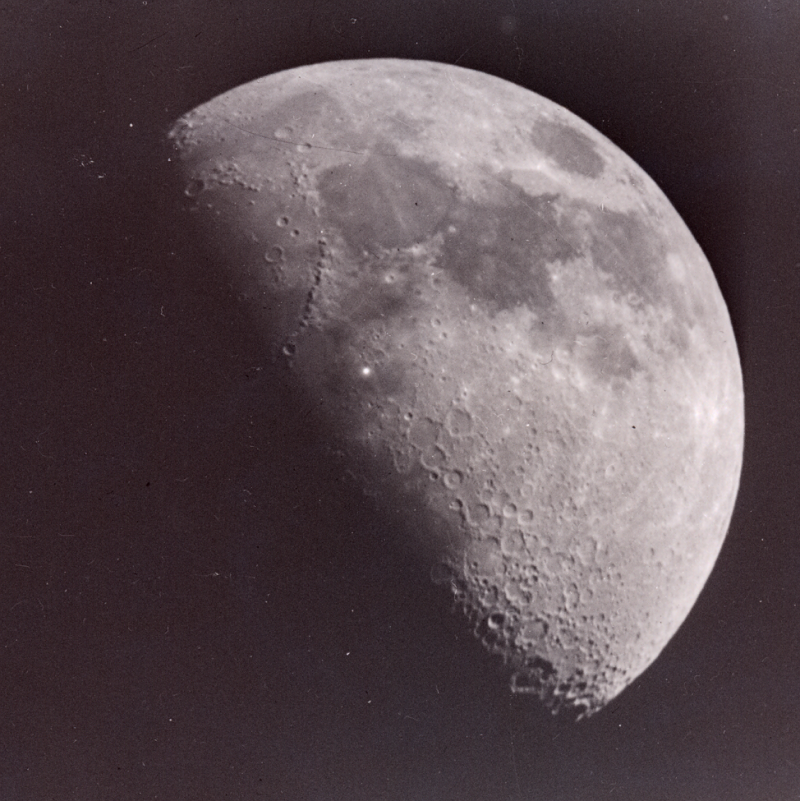
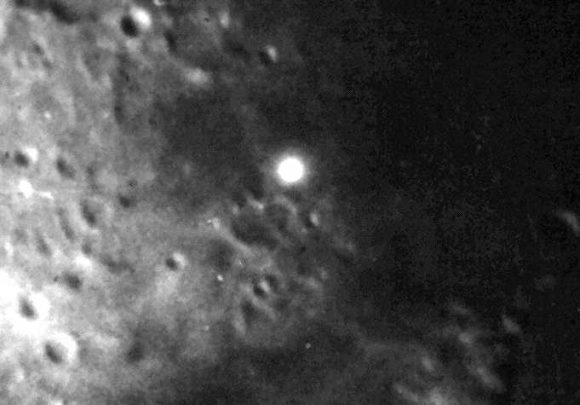

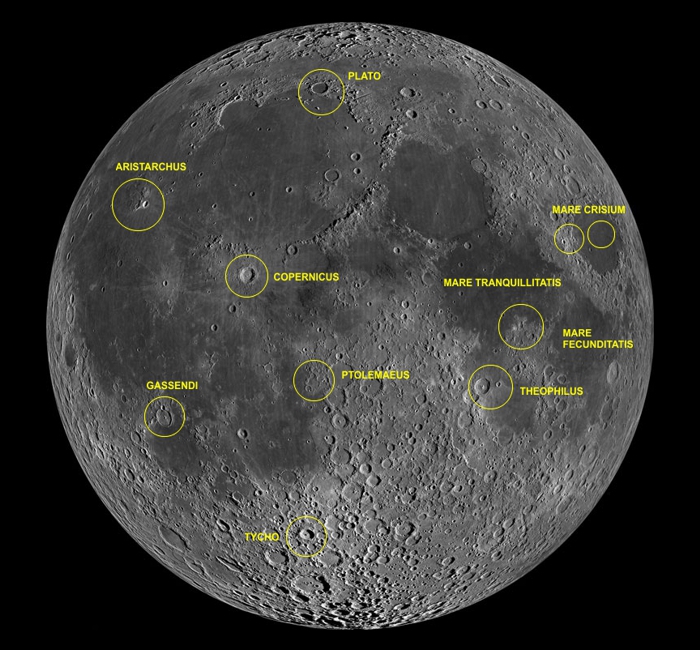
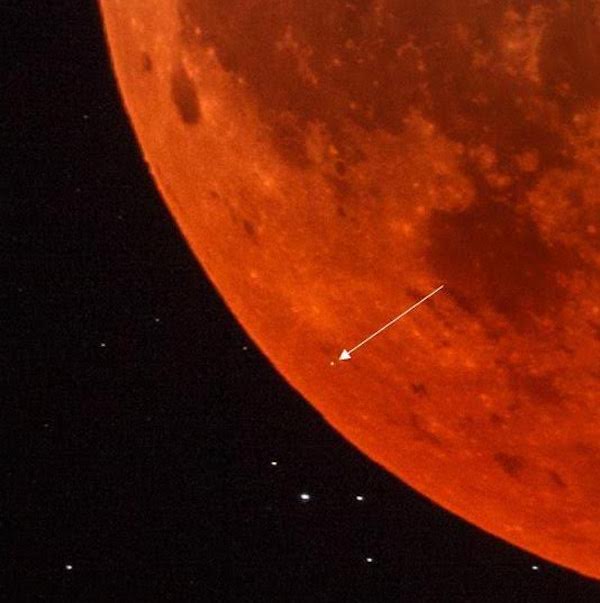

 'Northern Lights' spotted on JUPITER: Solar storms trigger...
 Is climate change making wine taste BETTER? Rising...
 'We could be living on the moon by 2022': Nasa claims a...
 Earth's moon threw a 'wobbly' after it formed: Lunar poles...