Naar de inhoud

UFO'S of UAP'S, ASTRONOMIE, RUIMTEVAART, ARCHEOLOGIE, OUDHEIDKUNDE, SF-SNUFJES EN ANDERE ESOTERISCHE WETENSCHAPPEN - DE ALLERLAATSTE NIEUWTJES

UFO's of UAP'S in België en de rest van de wereld
BerichtenArchiefGastenboekContact
akke.beakke.be
Ontdek de Fascinerende Wereld van UFO's en UAP's: Jouw Bron voor Onthullende Informatie! Ben jij ook gefascineerd door het onbekende? Wil je meer weten over UFO's en UAP's, niet alleen in België, maar over de hele wereld? Dan ben je op de juiste plek! België: Het Kloppend Hart van UFO-onderzoek In België is BUFON (Belgisch UFO-Netwerk) dé autoriteit op het gebied van UFO-onderzoek. Voor betrouwbare en objectieve informatie over deze intrigerende fenomenen, bezoek je zeker onze Facebook-pagina en deze blog. Maar dat is nog niet alles! Ontdek ook het Belgisch UFO-meldpunt en Caelestia, twee organisaties die diepgaand onderzoek verrichten, al zijn ze soms kritisch of sceptisch. Nederland: Een Schat aan Informatie Voor onze Nederlandse buren is er de schitterende website www.ufowijzer.nl, beheerd door Paul Harmans. Deze site biedt een schat aan informatie en artikelen die je niet wilt missen! Internationaal: MUFON - De Wereldwijde Autoriteit Neem ook een kijkje bij MUFON (Mutual UFO Network Inc.), een gerenommeerde Amerikaanse UFO-vereniging met afdelingen in de VS en wereldwijd. MUFON is toegewijd aan de wetenschappelijke en analytische studie van het UFO-fenomeen, en hun maandelijkse tijdschrift, The MUFON UFO-Journal, is een must-read voor elke UFO-enthousiasteling. Bezoek hun website op www.mufon.com voor meer informatie. Samenwerking en Toekomstvisie Sinds 1 februari 2020 is Pieter niet alleen ex-president van BUFON, maar ook de voormalige nationale directeur van MUFON in Vlaanderen en Nederland. Dit creëert een sterke samenwerking met de Franse MUFON Reseau MUFON/EUROP, wat ons in staat stelt om nog meer waardevolle inzichten te delen. Let op: Nepprofielen en Nieuwe Groeperingen Pas op voor een nieuwe groepering die zich ook BUFON noemt, maar geen enkele connectie heeft met onze gevestigde organisatie. Hoewel zij de naam geregistreerd hebben, kunnen ze het rijke verleden en de expertise van onze groep niet evenaren. We wensen hen veel succes, maar we blijven de autoriteit in UFO-onderzoek! Blijf Op De Hoogte! Wil jij de laatste nieuwtjes over UFO's, ruimtevaart, archeologie, en meer? Volg ons dan en duik samen met ons in de fascinerende wereld van het onbekende! Sluit je aan bij de gemeenschap van nieuwsgierige geesten die net als jij verlangen naar antwoorden en avonturen in de sterren! Heb je vragen of wil je meer weten? Aarzel dan niet om contact met ons op te nemen! Samen ontrafelen we het mysterie van de lucht en daarbuiten.

Archief

Donderdag 18 september 2025

Chinese scientists uncover strange life forms at 31,000 feet below the Pacific Ocean

Chinese scientists uncover strange life forms at 31,000 feet below the Pacific Ocean

By Bojan Stojkovski

Chinese scientists uncover strange life forms at 31,000 feet below the Pacific Ocean

China's manned submersible Fendouzhe udertaking the deep-sea study

IDSSE/CAS

The organisms discovered sustain on chemosynthesis rather than sunlight and are clustered around abundant methane seeps in the Kuril-Kamchatka and western Aleutian Trenches.

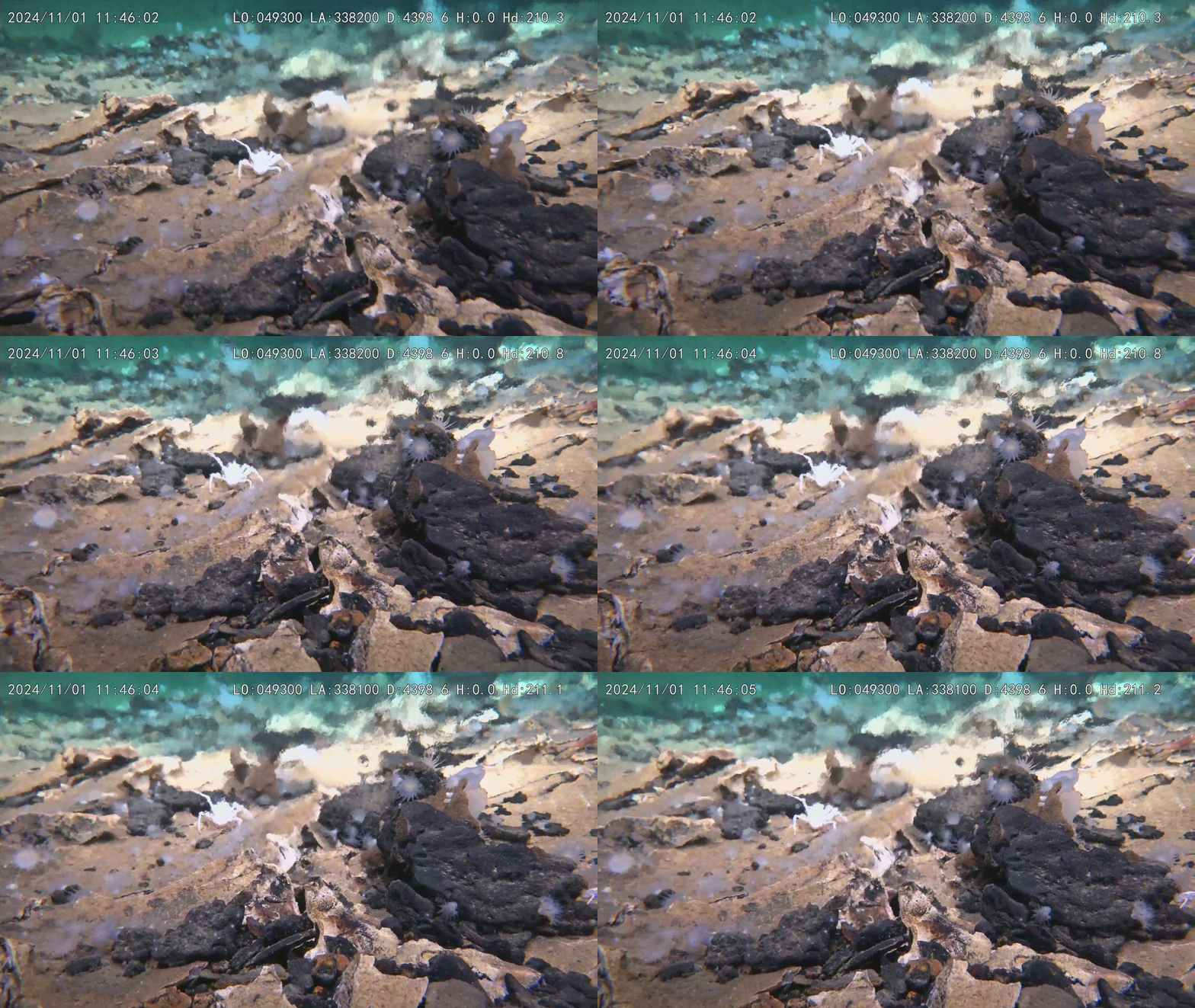
A GIF of marine life in the Kunlun system, taken from the Fendouzhe submersible.

Researchers documented a variety of life in the newly discovered system in the Pacific northeast of Papua New Guinea. 

(Image credit: Image by Prof. SUN Weidong, et al., 2025.)

A research team led by scientists from the Chinese Academy of Sciences has discovered extraordinary deep-sea life in one of the most extreme environments on Earth. Using a manned submersible, the team explored ocean trenches in the northwest Pacific, reaching depths of over 31,000 feet. 

There, they recorded stunning footage of strange ecosystems, including beds of clams, mats of bacteria resembling ice, and fields of tube worms. The discovery, published in a study in the journal Nature, sets a new milestone in deep-sea exploration, surpassing the previous record for filmed marine vertebrate, which included a snailfish spotted at 27,350 feet deep off the coast of Japan in 2023.

The Mariana Trench

Map locating the Mariana Trench

figure 1

The study area, situated in the northwest Pacific, is demarcated by a white rectangle in the inset. Orange dots represent dive sites where chemosynthesis-based communities were observed and sampled and crosses indicate dive sites lacking such communities. Open orange circles delineate potential seep sites characterized by black sediments. White arrows illustrate the direction of subduction for the Pacific Plate beneath the Okhotsk Plate and the Bering Sea Plate. The dashed white lines indicate the transitional connection zones between the Kuril–Kamchatka Trench and the Aleutian Trench. Bathymetric data were acquired using the KM-EM122 multi-beam bathymetric system during the research expedition. Scale bar, 200 km.

Credit: map created using Global Mapper 14 software, with background data sourced from GeoMapApp (http://www.geomapapp.org), under a CC BY 4.0 licence.

figure 2

a, Free-moving polychaetes Macellicephaloides grandicirra (white; reaching 6.5 cm in size) navigate among dense colonies of frenulate siboglinids, with tubes 20–30 cm in length and approximately 1 mm in diameter, at 9,532 m at The Deepest. b, Clusters of frenulate siboglinids extending red haemoglobin-filled tentacles, with small Gastropoda (white spots) on tops of the tubes near the tentacles, at 9,320 m at Wintersweet Valley. c, Tightly packed frenulate siboglinids are home to abundant free-moving polychaetes M. grandicirra (white) at 9,332 m at Cotton Field. d, Dense aggregation of vesicomyid bivalves A. phaseoliformis (reaching 23 cm in size) in the sediment, with approximately 6–8 cm of valves exposed and often hosting Actiniaria, at 5,743 m at Clam Bed. e, Tube-dwelling polychaetes Anobothrus sp. and Actiniaria are dominant at 6,870 m at Aleutian Deepest, with spots of white microbial mats. f, Dense aggregation of vesicomyid bivalves I. fossajaponicum (reaching 3 cm in size) associated with black sediments and accompanied by tube-dwelling polychaetes Anobothrus sp. at 6,928 m at Aleutian Deepest. g, Dark blue muds surrounded by clusters of frenulate siboglinids, mark methane seeps at 6,800 m at Blue Marsh. h, Large patches of white, snow-like microbial mats stretch tens of metres, accompanied by frenulate siboglinid tubeworms at 6,700 m at Icy River. The images were taken by the manned submersible equipped with a high-definition camera system. The name of each cold seep indicated in the lower left corner. The distance between laser beams is 10 cm. An expanded showcase of cold-seep fauna is given in Supplementary Video 1.

Life found where sunlight never reaches

Hadal trenches are deep-sea depressions between 19,700 and 36,100 feet, formed where one tectonic plate dives beneath another. These remote regions—among the least explored on the planet—have long been suspected of supporting life that relies on chemosynthesis rather than sunlight. 

The new findings confirm that these extreme environments do, in fact, harbor unique and resilient biological communities. The research team documented thriving species of deep-sea life fueled by chemosynthesis, clustered around abundant methane seeps in the Kuril-Kamchatka and western Aleutian Trenches. 

Bivalve mollusks discovered as part of the exploration. Source: IDSSE/CAS

As per the study’s findings, these ecosystems are sustained by methane and hydrogen sulfide–rich fluids rising through faults in deep sediment layers. Isotopic analysis suggests that the methane is generated by microbes breaking down organic material buried in the seabed. 

Because similar geological conditions exist in other hadal trenches, scientists believe such chemosynthesis-based ecosystems may be far more common than once believed. Furthermore, with the ongoing discovery of chemosynthesis-based communities in hadal zones, researchers may soon identify new species and reveal previously unknown relationships between animals and microorganisms that have adapted to survive under extreme high-pressure conditions

Fields of tube worms and mollusks discovered 

According to one of the lead researchers, Dr Xiaotong Peng, the expedition offered a rare opportunity to explore uncharted regions of the deep-sea and what the team encountered was remarkable.

As part of future research, the team aims to understand how these so-called chemosynthetic organisms convert chemical compounds into energy. Dr Megran Du, from China’s Institute of Deep Sea Science and Engineering (IDSSE), highlighted the challenge of adapting to extreme pressure, noting that uncovering the mechanisms behind their survival in such intense conditions is another key question they plan to explore.


Recent discoveries challenge long-held beliefs about life’s limits at extreme depths. Reflecting on the experience of descending into the pitch-black depths, Du added that while some might find it frightening, she encourages her students to look out the submersible’s window—where the view can be truly inspiring.

The research itself is part of the Global Hadal Exploration Programme (GHEP), a decade-long international project led by the Institute of Deep Sea Science and Engineering. The program focuses on exploring the Earth’s deepest oceans using advanced deep-diving technology.

You can view the full study here.

The mission on November 10 beamed up the world's first live video from Challenger Deep.

RELATED VIDEOS


{  https://interestingengineering.com/news }

Diversen (Eng, NL en Fr)

Hoe vind je dit bericht? 0 stemmen
Geschreven door peter om 17:13 Stuur door
Donderdag 18 september 2025

UFO over Los Angeles, California Aug 30, 2025 UAP sighting news 👽 it’s the battle of LA again! 🛸

UFO over Los Angeles, California Aug 30, 2025 UAP sighting news 👽 it’s the battle of LA again! 🛸

MUFON_NUFORC.png
Date of sighting: Aug 30, 2025
Location of sighting: Los Angeles, California, USA
Source: NUFORC website
 
Hey all, this UFO looks amazing. Its V shape really stands out and it has glowing lights along the whole craft. It's 100% similar in appearance to the famous Phoenix lights UFO, just smaller. This craft looks to be about 30 meters across, like that of a passenger jet. Fantastic detail and over a city with millions of people, but I have to say, I'm from LA and people have seen it all and just shrug the strange or unusual off like its just another day. But this is absolute a real alien UFO. 
Scott C. Waring - UFO sightings Daily 
 
Characteristics Observation:
  • Shape: Chevron 
  • Color: black w white lights 
  • Estimated Size: Not sure 
  • Viewed From: Land 
  • Direction from Viewer: South 
  • Angle of Elevation: 45 
  • Closest Distance: Not sure. Maybe 2-3 miles 
  • Estimated Speed: Not sure 
  • Characteristics: Lights on object V shaped craft with 9 circular white lights.  

Eyewitness states: 

While sitting on my balcony I saw a light in the sky bigger than stars usually appear. I took out my phone to zoom in to see what it was and started taking pictures and videos. It stayed in the same area for about 25–30 minutes for the first time I saw it. It moved around a little bit but didn’t go too far. At the end it just flew off in the south direction until I couldn’t see it anymore.

{ https://www.ufosightingsdaily.com/ }

LATEST ( UFO ) VIDEO NEWS ( ENG)

Hoe vind je dit bericht? 0 stemmen
Geschreven door peter om 14:47 Stuur door
Donderdag 18 september 2025

UFO over Yellowknife, Canada on August 30, 2025. UFO UAP Sighting News.

UFO over Yellowknife, Canada on August 30, 2025. UFO UAP Sighting News.


UFO_News.png
Date of sighting: Aug 30, 2025
Location of sighting: Yellowknife, Canada
Source: NUFORC website 
Guys check this out. This UFO report just came into NUFORC and it's absolutely mind boggling! This craft is huge, like football field size huge. The object is traveling slowly, so that rules out meteor and the object has a huge finlike shape...much like a fish. It's beautiful, and rare, such a great catch. I'm sure thousands of people saw it, but only one report this week came in about it so far. Yes it's a UFO...unidentified flying object...but is it an alien species flying it??? Yeah it is, because nothing on Earth is that big and can fly horizontal like that! 
Scott C. Waring - UFO Sightings Daily 
Characteristics observation
  • Shape: Triangle 
  • Color: White/Grey glowing 
  • Viewed From: Land 
  • Angle of Elevation: 13 
  • Characteristics: Aura or haze around object.
Eyewitness states: 
It was glowing white/grey and looked like the shape of a bird or beta fish. I spotted this ufo in the sky outside my apartment building as I got out of my car. The ufo was moving straight and started to fade after 2 minutes of movement. It was glowing white/grey and looked like the shape of a bird or beta fish.

{ https://www.ufosightingsdaily.com/ }

LATEST ( UFO ) VIDEO NEWS ( ENG)

Hoe vind je dit bericht? 0 stemmen
Geschreven door peter om 14:36 Stuur door
Donderdag 18 september 2025

Bizarre Vanishings in the Wilderness

Bizarre Vanishings in the Wilderness

Brent Swancer

Bizarre Vanishings in the Wilderness

The wilderness seems to beckon people to join it at times. Here we see some of the most mysterious vanishings there are, with people who have just gone off into the trees to evaporate into thin air. These dark places at times have a habit of drawing the unwary in and not letting go, leaving behind vanishings with a wake of strange circumstances and bizarre clues. 

Our earliest case here brings us back to August of 1934, when 21-year-old Olga Mauger seemed to have things going pretty well for her. She had just married wealthy Wyoming oil magnate Carl Mauger after a two-week whirlwind romance and the two were madly in love. They also had an upcoming elk hunting trip in the scenic wilderness near Dubois, Wyoming, that they saw as a romantic honeymoon. It seemed as if she had her whole future ahead of her, but she was about to become the center of one of Wyoming’s oldest and strangest unsolved mysteries.

The couple made their way to a place called Floyd Stalnacker camp, at Togwotee Pass up in the remote mountains, just six days after their wedding, and at first, the trip was everything they had hoped it would be. On September 17, 1934, the sixth day of their trip, the couple headed out into the wilderness on a scout expedition for elk. At some point during their hike, Carl told his wife he wanted to go up a small ridge not too far away, but Olga said that she was tired and wanted to take a rest. It was a bit strange because Olga was an avid hunter, athletic, and in incredible shape, to the point that it was usually Carl trying to keep up with her, but at the time, he didn’t think much of it and continued up the ridge as she sat down on a rock to rest. Little did he know that this would be the last time he would ever see her again. 

When Carl returned to the same spot 20 minutes later, his wife was nowhere to be seen. A quick search around the area turned up nothing else, and his calls out to her remained unanswered. Not long after this, authorities were summoned and they would launch a massive search involving an aircraft and over 300 people, bloodhounds, and even 20 Native American trackers, but they could find no trace of her. The dogs brought in could not find a scent trail; there was nothing. The only thing they managed to turn up was an empty paper sack in which there had been three sandwiches, but no sign of the food. How is it that she could so completely vanish within 20 minutes to the point that not even dogs and expert Native trackers could pick up her trail? No one had a clue, but as night approached and the weather got very cold, it was feared that wherever she had gone, Olga, who had been lightly dressed, might not survive. 

Nevertheless, the search continued into the coming weeks, and there were some clues that would show up during this time. One was that some local campers would claim to have heard a woman screaming out in the woods of a nearby canyon three days after she had gone missing, but this could not be confirmed to have been her. There was also much excitement when a set of footprints was found at a wooded area known as Turpin Meadows, about 8 miles from where Olga had gone missing. The tracks were first thought to be hers, but it turned out that they were not. There were also some reports of seeing a woman walking along the nearby Togwotee Pass Road, but these could not be verified to have been her. The search went on into October, until a massive snowstorm hit, and it was called off for good. Rather oddly, shortly after the end of the search, a woman was found in Bridgeport, Nebraska, who allegedly looked so much like Olga that she had to be ruled out. 

At the time, it was seen as a very odd disappearance for several reasons. One was that Olga had been hunting and fishing in that same area since she was a child and was very familiar with the terrain, meaning that it seems unlikely she could have gotten lost, and even if she had, why hadn’t she called out for help or answered calls out to her? Carl had allegedly been gone for only 20 minutes, so wouldn’t she be able to hear him? Also, how could she have managed to so completely elude the dogs and trackers? Why would she have wandered off from her spot on that rock in the first place? No one knew, but there were ideas. 

One idea was that she had gone down to the road and either hitchhiked a ride or been kidnapped, but why would she have gone there? Another was that she had simply gotten lost and met with misfortune, but with her knowledge of the area, this seemed unlikely, and again, why would she have gone off into the wilderness to begin with? It could also have been a bear attack, but again, this would have made a commotion, and no body or signs of an animal attack had been found. As more information came in, there was also seen the possibility that she had run away to start a new life. It would turn out that her marriage was not as blissful as had been thought when Olga’s sister claimed that the couple had been on the rocks, arguing frequently, and that Olga had been unhappy with the marriage and had regretted having the wedding so soon. In this scenario, Olga had used the elk-hunting trip as a ruse for her escape, knowing that with her outdoor survival skills, no one would be able to follow her. After this, all she had to do was go to the nearby road and hitch a ride to a new life. This might help explain how she was able to evade the search party, and it would also explain the oddity of her wanting her husband to continue on while she took a rest. If she had run away, then it was actually a pretty good plan.

Another, more ominous possibility was that it had been foul play. It would be found that Carl had been dating a woman by the name of Ella Tchack for five or six years when he met Olga at a dance. It had apparently been serious enough that they had been considering marriage, and Ella was reported as having been very upset about Carl running off with Olga, to the point that it was claimed she had threatened to commit suicide. Yet another witness close to her claimed that Ella and Carl had continued seeing each other after Carl’s marriage to Olga, something that Carl vehemently denied. The idea here is that Carl had perhaps murdered Olga to get out of his marriage and get back with Ella, and there were some sinister clues that supported this. One was that he would later contradict his statement that he had been gone 20 minutes, giving a different figure. Even more damning is that the Native guides made the observation that Carl Mauger's path away from his wife to the spot he claimed to have gone would have kept him in full view of her sitting place from the moment he left her to the moment he claimed he had returned. An excerpt from the Casper Star-Tribune says of this:

“They also pointed out that, although the country is rugged, it is open and that Mauger was in full view of the place, where he claimed he left his wife until he reached a small path where he said he turned around and retraced his steps.”

If this is true, then she would have never been out of his line of sight at all. It seems pretty ominous, but without any real evidence of wrongdoing, there was nothing to go on, and Carl Mauger was never pursued as a suspect. In a curious aside, he would be arrested not long after and put in jail after being mistaken for a wanted criminal who just happened to be his doppelganger and had the name Carl Mager. Weird. Also, rather odd, or to be expected, depending on your stance, Carl would later remarry, this time with Ella, the one he had been dating when he married Olga. Coincidence or not? We are left to ask ourselves what happened to Olga? Was this a tragic accident or foul play? Where did she go that day, and what became of her? Considering it is one of Wisconsin's oldest cold cases and there have been no new clues in decades, we will probably never know for sure.

Moving along, Susan Adams, 42, and her husband, Tom, of Austin, Texas, had been looking forward to their next big camping trip for months. Both avid campers, hunters, and birdwatchers, their plan was to take a wilderness tour with a group called Iron Horse Outfitters, their destination being a protected wilderness area near the Idaho/Montana border called the Selway–Bitterroot Wilderness. Lying along the Bitterroot Mountain range, it is a rugged domain of thick forests and alpine parkland that spans 1.3 million acres, making it one of the largest such wilderness areas in the entire country. The couple was very excited about exploring it, they both had experience with the outdoors, and they were going in with a reputable wilderness tour company and seasoned guides in good spirits. There was no reason to suspect this would be anything other than the trip of a lifetime, but this was an excursion that only one of them would return from.

On September 22 of 1990, the couple arrived in Idaho Falls ready for their adventure and met with the owner of the tour company, Art Griffith, before heading out a few days later to take a long horseback ride through pristine wilderness to the outfitters' camp in the Battle Lake area. There they were greeted by the rest of the crew, consisting of a group of hunters, guides, and the camp’s cook. They then spent about a week leisurely exploring the area, hunting, and engaging in their hobby of birdwatching, before Tom decided to go out on September 29 with some of the camp hunters for an overnight hunting trip. Susan decided she would stay behind at camp, and after escorting her husband by horseback to a ridge, she said her goodbyes and returned to camp. No one at the time realized that this would prove to be their final goodbye.

The following day at around 9 AM, Susan decided to go do some birdwatching at a nearby meadow. The weather was clear and calm, and so she only had with her light clothing, her binoculars, and her camera. The meadow was nearby and an easy short hike away, so when she told the camp cook that she was headed over there, no one thought anything of it. She walked off, but never came back. No one in the camp seemed to really be all that alarmed, as it was a nice day, the meadow was so close, and Susan had not said anything about when she planned to return. It didn’t even cross anyone’s mind that something was amiss until Tom came back from his hunting trip in the late afternoon, and she had still not returned.

Tom waited a while, but as darkness began to creep in, he became worried. He went out towards the meadow, where he found footprints that led away down a trail. Oddly, he claims that at some point, the tracks just abruptly ended right in the middle of that dusty trail, with no sign of any leading off anywhere. According to Tom, it was unsettling, as if she had simply vanished right there on the spot, and he would say, “I followed the footprints to a place about 20 yards from the meadow, where the tracks stopped.” He looked everywhere for more footprints, but there were none, and his desperate calls out into the trees were answered by the sounds of the darkening forest. He was then joined by the camp guides and hunters, many of them experienced trackers, but they had no more success, and after some time scouring the area with no sign of Susan, night was finally upon them, forcing them to abandon their efforts and just hope that Susan made her way back.

The following morning, Susan was still gone, and so authorities were notified of the disappearance. A large-scale search was launched of the entire area for miles around, but nothing whatsoever was found, and the operation had to be suspended due to cold and snowy weather moving in, which was worrying since Susan had not brought any warm clothing or survival gear with her. The search then resumed with renewed efforts to find the woman, as it was thought that every minute lost was dangerous if Susan was still alive at all. Aircraft, dogs, and hundreds of volunteers meticulously combed the area, even walking side by side at arm’s length apart through large stretches of wilderness to leave no stone unturned. Some scattered footprints were found that indicated perhaps someone who was injured, but they were so faded and unclear that it was not positive that they had belonged to Susan Adams at all. The theory that was brewing among law enforcement officials at the time was that she must have gotten injured and died out there, and before the official search was closed for winter, Sheriff Randy Baldwin would say:

“I believe beyond any reasonable doubt that Susan Adams died from injuries or other related causes due to being lost or hurt in the wilderness area near Battle Lake. I also believe that Susan Adams' remains are still in that area, but feel that any future organized search would not be effective in locating her remains.”

The family was so desperate that they even hired a psychic, who rather eerily came to the same conclusion, predicting that Susan had sustained a head injury and perished not far from camp. Yet if this is all correct, then why hadn’t they found any trace of remains or indeed any sign of her at all, despite such a detailed search? Another idea was that a wild animal might have attacked her and dragged her off, but if this were the case, it is thought that she would have screamed out, which would have been heard at the nearby camp, and there was also no sign of blood, shredded clothing, no indication of a struggle, nor any tracks from a dangerous animal. It is hard to believe that a vicious wild animal could have swooped in to take her away completely silently, without any sign of blood or a fight, and without leaving any tracks behind. The idea of foul play was also briefly looked at, but neither Tom Adams nor any of the hunters or guides was found to have any evidence at all that they were linked to the vanishing.

What happened to Susan Adams? How did she just wander away so close to camp and then evaporate to never be found? Was she attacked by an animal or a nefarious party? Was her attention drawn by something to bring her out and get injured? Or was it something far stranger? Why is it she did not call out, and why was no trace of her remains ever found? Even more eerily, what is the meaning of those tracks that just stopped in the middle of a trail? We will probably never know, and it is another bizarre case to add to the considerable number of those like it.

Some of the strangest of these wilderness vanishing cases have been written of by missing persons researcher and author on the subject, David Paulides, in his Missing 411 series of books, and these accounts can range from the slightly odd to the full-on bizarre. One very weird case that has been much discussed and speculated upon is that of a seasoned, experienced hunter who went out with a group of friends only to step off the face of the earth and leave strange clues and mysteries that have not been solved to this day.

The setting for this strange case is the rather ominously named Crazy Mountains, in the northern part of the Rocky Mountains of Montana, in the United States, where, in September of 2014, a 38-year-old elk hunter by the name of Aaron Joseph Hedges was out on a hunting trip with friends Greg Leitner and Joe Depew. The trip started on September 3, when the group headed out from the Cottonwood Lake Trailhead along with two horses and a mule. The men were in good spirits, looking forward to their excursion, and things were going smoothly as they headed towards a place called Campfire Lake, but they hit an obstacle when their mule got spooked and Hedges’ sleeping bag was thrown off the trail and lost.

It was an unfortunate turn of events, but fortunately, the group kept another hunting camp they had used the previous year and had loaded up with an emergency cache of extra supplies just in case they ever needed it. Among these supplies were extra sleeping bags and so on. On September 5, Aaron decided to make a trek up that way, towards a place called Sunlight Lake. It wasn’t a particularly formidable distance for the experienced outdoorsman, and he had a walkie-talkie, cellphone, and was armed with a firearm and bow, so no one thought much of it, especially since he told his companions that he was just going to grab the supplies and would be back before nightfall. Little did they know that as he stalked off up that trail into the trees, it would be the last time anyone saw him alive.

Night came and went with no sign of Hedges, and the next day he still did not turn up. The group tried numerous times to call him on his walkie-talkie, but there was no response. A look at the GPS for the walkie-talkie system showed that Hedges had missed the fork in the trail that he was supposed to take to his destination, and it labelled his position as being out at the very edge of the screen. They waited around the area for several more days, hoping that he would find his way back to them, but there was no further word, and Aaron Hedges was finally reported missing on September 8. A search was mounted, and although the effort was somewhat impeded by snow that had hit the area, the surroundings were meticulously scoured using helicopters with infrared equipment, horses, and 20 tracker dog teams, all of which turned up no sign at all of the missing hunter.

It was not until the second day of the search that a clue was finally found. By a creek just east of Sunlight Lake was found a spot where someone had attempted to start a fire using a pack of cigarettes, and nearby were found the water bladder that Hedges had been carrying, the waist straps of his backpack, and his shoes sat down neatly side by side as if they had been carefully removed and placed there. Oddly, the site was found in an area the search teams had just combed the previous day without finding a thing, and it was also considered puzzling that he would have taken his shoes off and just left them behind, considering the plummeting temperatures and snow. Also unusual was that tracker dogs passing through were unable to pick up a scent trail for the missing man, which was a bit hard to explain.  This was the only trace of Hedges that would be found during the search efforts, and it was as if he had just vanished into thin air, but things would get even weirder still, a full 9 months after the disappearance.

In June 0f 2015, a hiker by the name of Roger Beslanowitch was staying with relatives at a place called the Rein Anchor Ranch, when he took a walk to the top of a nearby ridge and came across someone’s outdoor gear, including a backpack containing a cellphone, an orange hunting vest, bow, clothes, a hunting license, and some scattered wrappers from granola bars. Bizarrely, at the head of the ridge was also a thermos cup placed upon a rock, along with an open energy drink nearby. Beslanowitch would report that he had been sure there had to be a body somewhere, but he could find none, just those belongings eerily piled up against a tree. When it was found through the hunting and driver’s licenses in the pack that they had belonged to Aaron Hedges, the authorities jumped all over this new lead in their cold case, but they could find no trace of any human remains.

It would not be until the following summer that remains would finally be discovered about half a mile from where the gear had been found, which was a full 15 miles from where he had last been seen and 6 miles from where his boots had been found, meaning he had somehow traversed that snow swept wilderness without his boots all of that way, along a route that had no major trails. Making it even weirder was that the area the remains were found in was within eyesight of the nearby ranch and right next to a frequently used road, which would have meant safety, but he had never managed to reach it. How could this be? He had obviously stopped to have something to drink on that ridge, from which he would have been able to clearly see the house, so why did he just stop, strip down out of his clothes, and die so close to safety?

The whole case is permeated by strange details. The fork in the trail that Hedges was originally meant to take up to his destination was clearly delineated and visible, and he was equipped with a GPS, yet he had gone right by it. He had then managed to set up a camp that evaded a complete search of the same area, then taken his boots off in freezing weather and somehow managed to walk 6 miles over rough terrain off-trail through snow, which authorities see as highly unlikely, as it would have been an incredible feat for even the most hardened survivalist. Indeed, why had he taken his shoes off to begin with? Then there is the fact that dogs could not pick up his scent, and all of this is punctuated by the rest of his belongings and his body plopped out there practically right on top of an inhabited ranch. The cause of death could also not be determined, as neither the skull nor any of the bones exhibited any sort of trauma indicating an injury of any kind. What is going on here?

There have certainly been plenty of theories ranging from the plausible to the far out. The official explanation is that he had probably had hypothermia and disorientation, which had caused him to wander about aimlessly and display his odd behavior. He may have even intentionally avoided search party teams and that ranch to cover the fact that he and his friends may have been hunting in off-limits areas and poaching. Other theories are decidedly more fringe, including the pervasive idea that he somehow passed into another dimension or through a portal. One Reddit user on the Missing 411 forum called “DapperWinner” explains his spin on the theory and how it matches many of the stranger details as follows:

“The turn in the path: Aaron left his hunting buddies to go to a cache that was a hike away, there was a visible path and clear turn for him to ascend up and get to the cache. What I believe happened is somewhere just before that turn or on it he 'passed' over into another dimensional reality. It was getting late and his friends tried to call him over the walkie talkie and they did ping his GPS. Now at this point, somehow I think for a split minute or so he flickered back into this reality in just enough time for the GPS to go off and then flickered back out. I'm no expert on this stuff so forgive the terms.

 The boots: The SAR has been called and they comb the area for him, dogs also cannot get a scent. Now with the dogs i believe the reason why they cannot find one is because he literally is not there, he is in some other dimensional reality overlapping our own. Further in the case they find his boots and other items AFTER they combed a particular area bythe ridgeline. Similar things have happened in other cases, so we came up with a theory that what if his items have somehow re-materialzed back into our reality? Let’s say that in the dimension he is in, whatever bad weather is happening in ours (The snow) Is not happening where he is. So perhaps he has a rest and takes his boots off to rest his feet, somehow those items reappear back in our reality and he loses them. This would explain why his boots were found just set there as if someone had placed them. Because they were.

 The pack: Months pass and the somebody finds Aaron hedges backpack and drinking equipment overlooking a property with human houses and structures visible. Let’s say Aaron did make his way to this place and I think he knew where he was going expecting to find those peoples properties. But here’s the thing: They weren't physically there in that other reality! He made his way to that ridgeline expecting to find houses but did not. And again, his items have somehow re-materialized back into this reality where they were found by a neighbor. Now this is where the speculation gets a little crazy: We theorized that what if the alternate reality he stumbled in, time flows differently. As they found his pack a year or so later I believe? What if wherever he is, it’s only felt like a day or two for him being lost, but in our reality a year had passed? As I said it’s just speculation on our part, but i find it hard to believe a backpack containing food was sitting there perfectly for a year for someone to discover without it being ravaged wildlife.”

What happened to Aaron Hedges? Did he simply get lost and succumb to the stresses of the environment? Is this, as the authorities say, a case of hypothermia-induced psychosis? If so, then what are we to make of all of the weird clues orbiting the whole thing? Or is this, as some of the stranger theories have posited, something altogether more bizarre and past out ability to really grasp? Just about the only thing we really do know about this weird case is that Aaron Hedges disappeared without explanation, his remains reappeared just as mysteriously, and no one truly knows what exactly happened to him except for him and the trees.

Finally, we come to the case of Terrence Shemel Woods Jr., of Capitol Heights, Maryland, who at the age of 26 years old made a pretty good success of himself as a filmmaker. Educated in England, he had worked on numerous TV programs and documentaries, including several that had taken him out into the rugged outdoors for shoots in such far-flung places as Turkey and Alaska, making him no stranger to roughing it. In 2018, Woods was working for a London-based production company called Raw TV, which specializes in the outdoors and is perhaps best known for the Discovery Channel reality show Gold Rush. In October of that year, he was enlisted to spend a few weeks in the remote wilderness of Montana and Idaho to work on a documentary for a British show called Whitewater, in this episode about the abandoned gold mine called Penman Mine, which lies within a place called the Nez Perce Clearwater National Forest, in the heart of north-central Idaho. Terrence was there with 12 other crew members and was reportedly in good spirits at first, but things were about to take a turn for the strange.

On October 5, 2018, the crew spent the entire day out at the mine filming. It was fairly isolated, rough and mountainous terrain, but all of them were quite experienced with this sort of shoot, and it was nothing they couldn’t handle. Woods reportedly had been quieter than usual that day, which most just chalked up to tiredness. As the crew began finishing up for the day, something very strange would happen when Woods took off running for no apparent reason and just kept on running right off the face of the earth. The production manager who witnessed it all would later say in a statement to Woods’ father:

“So we were finishing up for the day and your son was talking to one of the miners. I was in one of the vehicles doing some work when your son told the miner that he had to go relieve himself. Something told me, kind of like a gut feeling, to look over near the cliff your son was at, when I looked over there all I saw was the radio lying on the ground. I originally thought your son fell off the cliff so I leaped out of the vehicle and ran over there immediately. To my shock, your son was already 15 feet down the cliff running like a hare. I’ve never seen anyone run that fast. At that point I yelled to the crew to get in a vehicle and go to the main road. I proceeded down the cliff after your son but he kept running. Due to my professional SAR training, I stopped running after him out of fear he’d be further scared. So I went back topside and the crew hadn’t found your son on the main road. At this point we found the first house with a phone and reported your son missing.”

When he made his sudden run into the wilderness, he was carrying his cell phone, but he left behind his two-way radio and a backpack containing his belongings. By the time authorities reached the area, it was getting dark, and after a preliminary patrol of the area with no sign of the missing man, the search was started in earnest the following morning. The search teams used dogs, helicopters, and infrared cameras, but were unable to find a trace of Woods, with even the dogs unable to pick up a scent. A fresh sheen of snow had also fallen, yet no footprints could be found, and it was claimed by a search team member that it was “as if he had never been there at all.” After a week of nothing, the search was called off. In the meantime, some strange clues were turned up.

It would be discovered that, although he had planned to be in Idaho until mid-November, Woods had texted his father to tell him that he would be returning on October 10th, with no elaboration whatsoever, and it was even odder in that he had never been known to cut an assignment short. Some friends and family would also say that he had been acting uncommonly anxious about this trip in the weeks leading up to the shoot, and that he had expressed his desire not to go. This was all very unusual for him, because Woods had always been very enthusiastic about his work and the adventures it took him on. Not everyone agrees with this, though, and his older sister, Sharnia Tisdale, would say:

“I talked to him before he went out there and he seemed fine. He was going to go out and do a job with the film crew and he was going to come home, nothing abnormal and he wasn't acting different. We talk all the time. He is not the type of person that would just run off or do anything like this, so it seems unusual to me but you know I wasn't there so I can only go by what they are saying. He's traveled around the world he really likes to do tv, he is a loving person and caring and an all around good person.”

Also rather weird is that on the morning of the day of his disappearance, he had sent his father creepy footage of a river flowing through a canyon without any explanation or discernible reason for doing so, and although nothing was thought of it at the time in retrospect it now seems a bit eerie. There also seemed to have been some disagreements between Woods and the production manager, although what connection this could have is unknown.

Flyers were distributed all around the region, and volunteer searches orchestrated by the family continued, but no trace was found, and with the cold, snowy weather that had moved in, there was little hope that he could have made it out of there alive. It was truly baffling because Woods’ family would insist that he had never done drugs and did not have any mental issues or personal problems, making it all the more unusual that he should just suddenly bolt like that. While it is easy to see how someone could get lost in this treacherous and hostile terrain, what is it that made this normally rational individual just decide to suddenly drop everything and go running over a cliff to keep on going into that remote landscape to vanish into thin air?

One of the ideas postulated by the family is that he may have been scared of one of the crew members for some reason, to the point that he might have felt his life was in danger, but authorities have said there is no sign at all of foul play. In their opinion, he suffered some sort of mental break and perhaps had even been planning on committing suicide out there, but this is not in keeping with his established character and mental history. Indeed, Woods’ father has accused the police of not properly pursuing the case due to racism. Another rather ominous scenario is that he was possibly murdered by one of the crew members, but there is no evidence of this at all and none of them have ever been considered a suspect. Other, more fringe ideas are that some sort of paranormal force took him after luring him out into the woods, or that he passed through some sort of portal.

What happened to Terrence Shemel Woods Jr.? Why did he just suddenly decide to run off like that to join the annals of strange vanishings? Was this foul play, suicidal tendencies, a death wish, or something perhaps even stranger? To this day, the case has never been solved, and it continues to haunt family, friends, and those who would seek answers.

What is it about the wilderness that draws so many mysterious disappearances to it? Is this just a result of the terrain and wilderness itself, or is there something else going on here? Did these people just get lost or succumb to the elements, and if so, how do we explain all of the strange details involved? There is no way to really know what is going on, and at the moment, some wild places have many strange mysteries, indeed, and people still have a habit of coming here never to return.

RELATED VIDEOS

{ https://mysteriousuniverse.org/ }

MYSTERIES ( Fr, Nl, E)

Hoe vind je dit bericht? 0 stemmen
Geschreven door peter om 14:13 Stuur door
Donderdag 18 september 2025

Solar storms set to batter Earth sparking blackouts and Northern Lights as NASA warns the sun is 'waking up'

Solar storms set to batter Earth sparking blackouts and Northern Lights as NASA warns the sun is 'waking up'

  • MORE: Massive 250,000-mile-long 'canyon of fire' erupts on the sun

By CHRIS MELORE, US ASSISTANT SCIENCE EDITOR

Our sun has unexpectedly begun to ramp up its activity, which could lead to more severe solar storms that cause blackouts and disrupt global communications.

NASA revealed that our solar system's home star had been getting quieter and weaker for about 20 years, but that surprisingly changed in 2008 and scientists are still trying to figure out why.

Scientists found that since 2008, the sun's solar wind, which are streams of charged particles, has grown stronger, with increases in speed, density, temperature, and magnetic field strength.

This increased solar activity could lead to more powerful solar storms, which regularly hit Earth and cause disruptions.

Geomagnetic storms have the potential to damage power grids, leading to blackouts, interfere with satellites, and disrupt communication systems like GPS.

Stronger storms could also make the Northern Lights visible in more places further south of the north pole, but the risk to technology and infrastructure will require careful monitoring.

The exact timing and strength of these storms are hard to predict, but they could become more frequent as the sun's current 11-year cycle peaks between 2025 and 2026.

Lead study author Jamie Jasinski of NASA's Jet Propulsion Laboratory in California said: 'All signs were pointing to the sun going into a prolonged phase of low activity. So it was a surprise to see that trend reversed. The sun is slowly waking up.'

A new study has discovered a massive shift in solar activity which scientists weren't expecting

A new study has discovered a massive shift in solar activity which scientists weren't expecting

More solar activity could cause intensified storms that disrupt power grids on Earth (Stock Image)

More solar activity could cause intensified storms that disrupt power grids on Earth (Stock Image)

More activity means more sunspots, solar flares, and potentially hazardous ejections of material from the sun.

This could make the sun’s outer atmosphere, called the heliosphere, expand as the pressure from the solar wind increases.

On Earth, this could shrink our magnetosphere, the protective magnetic bubble around our planet, exposing us to more solar particles.

The increased solar particle exposure can pose a risk for astronauts, who could face higher radiation levels during space missions, potentially leading to health issues.

It could also damage satellites and spacecraft, disrupting communications and navigation systems critical for daily life.

Elon Musk's Starlink satellite internet service suffered widespread issues during the peak of a strong geomagnetic storm late Sunday night.

The problems started just before midnight, with more than 50,000 reports from Starlink users as a fresh barrage of solar storms hit Earth.

Additionally, solar particles could interfere with Earth's upper atmosphere, potentially affecting ozone levels and increasing ultraviolet radiation reaching people outdoors. 

Solar storms striking Earth are often caused by coronal mass ejections sent out by the sun days before they affect our planet (Stock Image)

Solar storms striking Earth are often caused by coronal mass ejections sent out by the sun days before they affect our planet (Stock Image)

A severe solar storm could have the potential to cause power grid problems that lead to blackouts or satellite communication issues

A severe solar storm could have the potential to cause power grid problems that lead to blackouts or satellite communication issues

Read More

  •  Pacific Ocean shift could send US food prices soaring for DECADES, scientists warn 

article image

The NASA team explained that the sun goes through an 11-year cycle of activity, marked by changes in sunspots.

After a weak cycle (number 24) from 2008 to 2019, the current cycle (number 25) is showing noticeably more activity.

The study, published in the Astrophysical Journal Letters, suggested this increase in solar activity might be part of a longer 22-year cycle, and the sun is now making up for its mysterious two-decade decline rather than entering an anticipated quiet period.

Since 2008, the solar wind's speed has increased by six percent, its density rose by 26 percent, its temperature soared by 29 percent, and pressure skyrocketed by 45 percent.

This more dynamic solar environment results in increased solar storms and enhanced interactions with Earth's magnetic field.

This isn't the first time in history that the sun has seen a mysterious quiet period before ramping back up, but the cause of these declines have baffled scientists, who also don't know when they're coming.

Records show one of the quietest solar periods in recent history was a four-decade window from 1790 to 1830.

'We don't really know why the sun went through a 40-year minimum starting in 1790,' Jasinski said in a NASA statement. 'The longer-term trends are a lot less predictable and are something we don't completely understand yet.'

{ https://www.dailymail.co.uk/sciencetech/index.html }

ASTRONOMIE / RUIMTEVAART

Hoe vind je dit bericht? 0 stemmen
Geschreven door peter om 13:46 Stuur door
Woensdag 17 september 2025

Did an Advanced Civilization Thrive 10,000 Years Ago? Mind-Blowing Evidence Is Stacking Up

Image of the lost city of Atlantis, by artist George Grie.
 ioannis

Did an Advanced Civilization Thrive 10,000 Years Ago? Mind-Blowing Evidence Is Stacking Up

What if everything we’ve been taught about the dawn of civilization is a lie—or at least a half-truth? Picture this: more than 10,000 years ago, while the last Ice Age glaciers retreated, a sophisticated society flourished—cities of stone rising from the earth, astronomers charting the heavens, engineers bending nature to their will. Not a ragtag band of hunter-gatherers fumbling with flint, but a lost civilization rivalling Egypt or Mesopotamia, erased by time and catastrophe.

Mainstream archaeology has long scoffed at the notion, relegating it to the realm of crackpot fantasy. Yet a cascade of recent discoveries—monuments older than history itself, submerged ruins whispering of drowned worlds, artifacts that defy explanation—is prying open the coffin of conventional wisdom. Could an advanced civilization have thrived millennia before we dared to dream? The evidence is growing, and it’s turning our past into a tantalizing enigma.

  • Top 10 Mysterious Ancient Manuscripts and Inscriptions Yet to be Deciphered
  • Ancient Medicine: How Did Ancient Civilizations Heal Themselves?

Göbekli Tepe: The Temple That Shatters Time

Göbekli Tepe’s construction secrets may be tied to the stars.

(Deriv.) (Brian Weed /Adobe Stock)

In the rolling hills of southeastern Turkey lies Göbekli Tepe, a site so revolutionary it’s been dubbed the “zero point of civilization.” Unearthed in 1994, its T-shaped limestone pillars—some towering 18 feet and weighing 16 tons—date to 9600 BCE, a staggering 7,000 years before Stonehenge and the pyramids of Giza. Carved with eerie precision, these megaliths boast reliefs of lions, foxes, and scorpions, alongside abstract symbols that hint at a cosmology we can’t yet decode. This isn’t the work of nomads with sticks; it screams organization—hundreds, perhaps thousands, of labourers hauling slabs across miles, guided by a blueprint lost to us.

Archaeologist Klaus Schmidt, who excavated the site until his death in 2014, argued it was a temple complex, a sacred hub for a society we didn’t know existed. But here’s the kicker: at a time when humans were supposedly scavenging berries and chasing mammoths, who built this? The scale suggests a hierarchy, a workforce, maybe even a priestly elite—hallmarks of civilization we peg to much later eras. Stranger still, some pillars align with constellations like Taurus, hinting at astronomical knowledge. Was Göbekli Tepe a star temple, a Stone Age observatory? And why was it deliberately buried around 8000 BCE, as if its makers wanted it hidden? The deeper we dig—only 5% of the site is exposed—the louder it whispers: we’ve missed something big.

The Sphinx’s Secret: Egypt’s Forgotten Dawn

Montage of sphinx creature representations.

(CC BY-SA 3.0); (CC BY 2.0); (CC BY-SA 3.0); (CC BY 2.5)

Shift your gaze to Giza, where the Great Sphinx crouches, its weathered face staring into eternity. Conventional history dates it to 2500 BCE, a monument of Pharaoh Khafre’s reign. But geologist Dr. Robert Schoch isn’t buying it. In the 1990s, he studied the Sphinx’s enclosure and found water erosion—deep, vertical fissures carved by heavy rainfall. Egypt’s last deluge like that? Around 10,000 years ago, when the Sahara was a lush savanna, not the arid waste of later millennia. If Schoch is right, the Sphinx predates dynastic Egypt by thousands of years, a relic of a forgotten people who tamed the Nile long before the pharaohs.

Sceptics howl—where’s the pottery, the tools? But consider the Giza plateau’s older quirks: megalithic blocks in the Valley Temple, cut with a precision that baffles modern engineers, and alignments with Orion’s Belt circa 10,500 BCE, as astronomer Robert Bauval argues. Could an advanced precursor civilization have laid these foundations, their traces scrubbed by floods or scavengers? The conspiracy isn’t just that Egypt’s timeline is off—it’s that an entire chapter of human genius might lie beneath the sand, waiting to rewrite the books.

  • Ancient Marvels: Ten Amazing Inventions Created Before Their Time
  • Unexplained Mysteries: Ancient Alien Theories Debunked or Proven?

Drowned Worlds: Atlantis in Plain Sight?

Yonaguni monument, Japan.

(nudiblue / Adobe Stock).

Now plunge beneath the waves, where the ocean guards secrets too wild to ignore. Off Japan’s Yonaguni Island, divers in 1986 stumbled on a submerged enigma: a stepped pyramid, 80 feet tall, with terraces, right angles, and stairways carved into sandstone. Dated to 10,000–12,000 years ago, when rising seas swallowed coastlines after the Ice Age, it looks man-made—too perfect for nature’s chaos. Marine geologist Masaaki Kimura calls it a ceremonial complex, possibly linked to the Jomon culture. Critics say it’s a natural fluke, but the symmetry nags: did a seafaring people build this before the waters claimed it?

Then there’s Dwarka, India’s sunken jewel. Legends in the Mahabharata describe Lord Krishna’s golden city, lost to the sea. In 2001, off Gujarat’s coast, archaeologists found it—walls, pillars, and pottery 120 feet underwater, carbon-dated to 7500 BCE or earlier. Stone anchors suggest a bustling port, a hub of trade and craft. Was Dwarka a myth, or a real metropolis drowned by a post-Ice Age surge? These underwater ghosts hint at civilizations that rivaled later empires, their stories submerged until modern sonar peeled back the tide.

The Younger Dryas Cataclysm: A Cosmic Killer?

Asteroid Day is June 30th.

(Lassedesignen / Adobe Stock)

What could erase such societies? Enter the Younger Dryas, a chilling mystery from 12,800 years ago. Geologists like James Kennett point to a cosmic culprit: a comet or asteroid swarm slamming into Earth, unleashing fire, floods, and a 1,000-year deep freeze. Evidence abounds—nanodiamonds from impact melt, soot layers in Greenland ice cores, and a sudden die-off of megafauna like mastodons. Graham Hancock, a maverick in these waters, ties it to Göbekli Tepe’s builders, suggesting they were survivors of a lost world, their monuments a warning to posterity.

Imagine it: a thriving culture—cities, temples, star charts—blasted apart by a skyborne apocalypse. Survivors scatter, their knowledge fading into oral tales of floods and angry gods. The Biblical deluge, the Sumerian Epic of Gilgamesh, even Plato’s Atlantis—could these be echoes of a real collapse? The Younger Dryas hypothesis isn’t fringe anymore; it’s a peer-reviewed puzzle piece, and it’s forcing us to ask: what fell before we rose?

Tools and Treasures: Clues of Lost Mastery

Artistic reconstruction showing how throwing sticks like the Schöningen Spears would have been thrown.

(Benoit Clarys, Universität Tübingen/CC0)

The evidence isn’t just in stones—it’s in the hands that shaped them. Take the Schöningen spears, unearthed in Germany: eight wooden javelins, expertly balanced, from 300,000 years ago—far older than Homo sapiens’ supposed monopoly on such skill. Or the 12,000-year-old obsidian blades from Çatalhöyük, Turkey, sharper than surgical steel, hinting at a metallurgy precursor. Then there’s Egypt’s predynastic vases—stone vessels so thin and symmetrical, modern craftsmen struggle to replicate them without machines. Were these the work of savages, or a people with secrets we’ve lost?

Even art whispers of sophistication. In France’s Chauvet Cave, 36,000-year-old paintings of rhinos and lions rival Renaissance masters, with perspective and shading that defy “primitive” labels. In Colombia, the San Agustín statues—hulking figures from 8000 BCE—suggest a culture with tools and time to spare. These aren’t flukes; they’re breadcrumbs of a vanished expertise, taunting us to connect the dots.

The Ice Age Enigma: Why Don’t We See More?

Analysis of 23,000-year-old hunter camp shows that Ice Age Galileans thrived.

(denissimonov / Adobe Stock)

If they existed, where’s the proof—cities, roads, records? The Ice Age is a brutal thief. Sea levels rose 400 feet after 12,000 BCE, drowning coastlines where early societies likely thrived. Earthquakes, volcanoes, and millennia of decay buried the rest. Writing wasn’t widespread; what survived was oral, warped into myths of gods and giants. Göbekli Tepe’s burial suggests intent—did they hide their works from a world they knew was ending? The gaps aren’t proof of absence; they’re a challenge to look harder.

A Past Unravelled, A Future Rewritten

Antarctica (Public Domain) and Figure 7a © William James Veall: a drawn image of the very first portrait the writer discovered on Antarctica; Deriv.

As of March 12, 2025, the clues are piling up, and they’re electric. Satellite scans reveal anomalies under Antarctica’s ice—could a temperate age hide ruins there? LiDAR in the Amazon uncovers lost cities from 10,000 BCE, their plazas and canals defying jungle logic. Even genetics chimes in: DNA from 12,000-year-old skeletons in the Americas hints at migrations from unknown origins. Each find chips at the old narrative—that civilization blinked on with Sumer and Egypt, a neat 5,000-year arc.

The conspiracy isn’t that aliens built it (though some X posts love that twist). It’s subtler, darker: we’ve underestimated our ancestors, blinded by a smug timeline. Were they astronomers mapping Sirius, engineers lifting megaliths, sailors crossing oceans? Did they fall to a comet’s wrath, their ashes seeding our myths? The evidence—Göbekli’s pillars, the Sphinx’s scars, Yonaguni’s steps—screams ‘yes.’ Yet the jury’s out, and the hunt’s on.

For every sceptic crying “where’s the smoking gun?” there’s a dreamer asking, “what if we’ve already found it?” This isn’t closure—it’s an invitation. Grab a shovel, a sonar, a star chart. The past is a locked vault, and we’re just now finding the keys. An advanced civilization 10,000 years ago? Not a fairy tale—a riddle begging to be solved. What’s your next clue?

RELATED VIDEOS


  • Top image: Image of the lost city of Atlantis, by artist George Grie.
  • Source: George Grie/CC BY-SA 4.0.

By Dr Ioannis Syrigos

{ https://www.ancient-origins.net/history-archaeology }

Myths, legends, unknown cultures and civilizations

Hoe vind je dit bericht? 0 stemmen
Geschreven door peter om 23:18 Stuur door
Woensdag 17 september 2025

Het Hall of Records en het Bewijs van Geavanceerde Oude Beschavingen

Image of the lost city of Atlantis, by artist George Grie.

Het "Hall of Records" en het Bewijs van Geavanceerde Oude Beschavingen

In de zoektocht naar de geschiedenis van de mensheid en de evolutie van beschavingen, stuiten velen op mysterieuze en intrigerende theorieën die de mainstream geschiedenis vaak tegenspreken. Een van de meest fascinerende onderwerpen op dit gebied is het concept van het zogenaamde "Hall of Records" — een vermeende grote archiefkamer die bewijs zou bevatten van oude, geavanceerde beschavingen die duizenden tot honderdduizenden jaren geleden op aarde hebben bestaan. Deze theorieën roepen vragen op over de aard van onze geschiedenis, de technologische ontwikkeling van oude volkeren en zelfs over de mogelijkheid dat buitenaardse beschavingen een rol hebben gespeeld in het vormgeven van onze geschiedenis.

The Sphinx of Egypt

De Sphinx van Egypte EN De Hal van Archieven onder de Sphinx, Egypte?

Wat is het "Hall of Records"?

Het idee van het "Hall of Records" (letterlijk vertaald: hal van de archieven) is gebaseerd op het bestaan van een enorme verzameling van kennis, documenten en artefacten die de geschiedenis van de mensheid en de aarde zelf documenteren. Volgens sommige onderzoekers en spirituele tradities zou deze 'hal' zich bevinden op een geheime locatie, mogelijk onder de piramides van Egypte, onder de Sfinx, of zelfs diep onder de oceaan. Het zou een soort universeel archief bevatten dat informatie bevat over de oorsprong van de mens, de oude beschavingen, technologische kennis, en misschien zelfs over buitenaardse interventies.

Hoewel er geen concreet fysiek bewijs is voor het bestaan van zo’n archief, worden er steeds vaker aanwijzingen en legendes aangehaald die de aanwezigheid ervan suggereren. Bijvoorbeeld, oude teksten, mythes en legendes uit verschillende culturen spreken over geheime locaties vol kennis en wijsheid, die slechts door ingewijden kunnen worden gevonden of geopend. Sommige onderzoekers geloven dat het Hall of Records niet letterlijk een fysieke ruimte is, maar eerder een symbolische representatie van de sluier die onze geschiedenis bedekt.

Bewijs voor geavanceerde oude beschavingen

Het bestaan van een oude, geavanceerde beschaving vóór de bekende beschavingen zoals de Egyptenaren, de Mesopotamiërs en de Indusbeschaving, wordt ondersteund door een groeiend aantal archeologische vondsten en megalithische structuren. Deze structuren, die vaak duizenden jaren ouder blijken te zijn dan de eerste beschavingen die we kennen, suggereren dat de mensheid ooit over een niveau van technologische kennis beschikte dat niet overeenkomt met de primitieve technologieën waarmee we ze doorgaans associëren.

Een bekend voorbeeld hiervan is de piramides van Gizeh in Egypte. Hoewel deze piramides vaak worden beschouwd als symbolen van oude Egyptische beschavingen, wijzen sommige onderzoekers op de technische precisie, de grote schaal en de complexe bouwmethoden die mogelijk wijzen op kennis en technieken die verloren zijn gegaan. De Grote Piramide van Cheops, bijvoorbeeld, is zo nauwkeurig uitgelijnd dat het bijna onmogelijk is te verklaren met de technologie van die tijd, wat leidt tot speculaties dat er nog oudere en meer geavanceerde kennis achter schuilgaat.

Daarnaast zijn er de megalithische structuren zoals de Stonehenge in Engeland, de Nazca-lijnen in Peru, en de megalithische tempels in Malta. Deze structuren vertonen astronomische oriëntaties en precisie in constructie die niet eenvoudig te verklaren zijn met de technologische kennis van de tijd. Sommige onderzoekers geloven dat deze monumenten bewijs zijn van een oude, wereldwijde beschaving die beschikte over geavanceerde technologieën, mogelijk verloren gegaan door de eeuwen heen.

lostme2.jpg?itok=2-7GoCzy

De bouwgeheimen van Göbekli Tepe kunnen verbonden zijn met de sterren.

(Afgeleid) (Brian Weed /Adobe Stock)

De invloed van buitenaardse beschavingen

Een andere aantrekkelijke theorie is dat deze oude beschavingen niet volledig door de mens zelf zijn ontwikkeld, maar dat ze beïnvloed zijn of zelfs geholpen zijn door buitenaardse wezens. Volgens deze visie zouden buitenaardse intelligences, vaak aangeduid als "ancient astronauts" of "oudere hemelreizigers", contact hebben gehad met de oude mensheid en deze hebben geholpen met technologieën en kennis die toen nog niet door de mens konden worden ontwikkeld.

Deze theorie wordt ondersteund door bepaalde oude kunstwerken, mythes en symboliek die mogelijk verwijzen naar buitenaardse wezens en technologieën. Bijvoorbeeld, de beroemde tekeningen en beeldhouwwerken uit het oude Egypte en Mesopotamië bevatten mogelijk afbeeldingen van buitenaardse wezens of technologieën die niet kunnen worden verklaard met de beschikbare kennis uit die tijd. Daarnaast wijst de constructie van de piramides en andere megalithische structuren op een kennis van astronomie en geotechniek die ver boven de capaciteit van de oude volkeren zou uitstijgen.

lostme3.jpg?itok=hyUoW8gL

Montage van representaties van sphinx-wezens.

(CC BY-SA 3.0); (CC BY 2.0); (CC BY-SA 3.0); (CC BY 2.5)

De rol van de "Hall of Records" in het bewijzen van deze theorieën

Volgens sommige onderzoekers en spirituele tradities zou het vinden van het "Hall of Records" de ultieme bevestiging bieden dat oude beschavingen veel geavanceerder waren dan we denken, en dat zij mogelijk kennis bezaten die verloren is gegaan in de loop der eeuwen. Het zou ook kunnen bewijzen dat onze geschiedenis niet lineair is, maar complexer en verweven met buitenaardse invloeden, verloren technologieën en geheime kennis.

Het zoeken naar de "Hall of Records" is dan ook een missie geworden voor vele archeologen, esoterici en avonturiers. Ze geloven dat de sleutel tot het begrijpen van onze ware geschiedenis ligt verborgen in oude teksten, ondergrondse tunnels, verborgen kamers in piramides, of zelfs in de diepe oceanen en bergen. Sommige theorieën suggereren dat de kennis in het "Hall of Records" niet alleen over het verleden gaat, maar ook aanwijzingen bevat over de toekomst en de evolutie van de mensheid.

lostme4.jpg?itok=2wrCQtLq

Yonaguni-monument, Japan.

(nudiblue / Adobe Stock).

Bewijzen en skeptici

Hoewel de theorieën over het "Hall of Records" en oude geavanceerde beschavingen fascinerend en intrigerend zijn, blijven ze controversieel. Tot op heden is er geen onweerlegbaar archeologisch bewijs dat het bestaan van een dergelijk archief bevestigt. Veel mainstream archeologen en wetenschappers beschouwen deze ideeën als speculatief en gebaseerd op interpretaties van oude mythes en symboliek in plaats van op harde feiten.

Desalniettemin blijven de verborgen en mysterieuze kenmerken van oude structuren, samen met de consistentie van bepaalde mythologische verhalen uit verschillende culturen, de nieuwsgierigheid en het onderzoek stimuleren. Het blijft een intrigerend vraagstuk: was onze voorouderlijke geschiedenis veel complexer en technologische vooruitstrevender dan we ons kunnen voorstellen? En bestaat er misschien nog een verborgen reservoir van oude kennis dat ooit gevonden moet worden?

Conclusie

Het idee van het "Hall of Records" en de bewijzen van oude, geavanceerde beschavingen opent een fascinerend venster op de mogelijkheid dat onze geschiedenis niet volledig bekend is. Het roept vragen op over de oorsprong van de mens, de evolutie van technologie en de rol van buitenaardse invloeden in onze ontwikkeling. Hoewel er momenteel geen definitieve bewijzen zijn, blijven onderzoekers, archeologen en enthousiastelingen zoeken naar aanwijzingen die de theorie kunnen bevestigen.

Het verhaal van de oude beschavingen en het vermeende "Hall of Records" blijft een boeiend mysterie dat ons uitdaagt om verder te kijken dan de gevestigde wetenschap en onze eigen geschiedenis opnieuw te onderzoeken. Misschien ligt de sleutel tot het begrijpen van onze ware verleden in het ontrafelen van de geheimen die nog verborgen zijn onder de eeuwenoude stenen en in de legendes die door de eeuwen heen zijn doorgegeven. Het is een zoektocht die de menselijke nieuwsgierigheid en het verlangen naar kennis blijft voeden, en die misschien ooit tot verrassende ontdekkingen zal leiden.

{ PETER2011 }

Myths, legends, unknown cultures and civilizations

Hoe vind je dit bericht? 0 stemmen
Geschreven door peter om 22:56 Stuur door
Woensdag 17 september 2025

Meet the 'world's cutest sea monster': Scientists discover an adorable snailfish nearly 10,800ft underwater - as amazed viewers compare it to a Pokémon

Meet the 'world's cutest sea monster': Scientists discover an adorable snailfish nearly 10,800ft underwater - as amazed viewers compare it to a Pokémon

By XANTHA LEATHAM, EXECUTIVE SCIENCE EDITOR

When you go this deep, you'd expect any sign of life to be pretty terrifying.

So scientists were delighted to discover an adorable new species of snailfish thousands of feet below the ocean's surface.

The large–eyed pink creature was first detected in 2019 by researchers who were exploring the seafloor off California using a remotely operated vehicle at a depth of 3,268m (10,722ft).

They came across this individual, an adult female 9.2cm (3.6 inches) long, happily swimming along amongst the crushing pressure, frigid cold and perpetual darkness.

New analysis now reveals this animal was a species previously unknown to science – and has been named the bumpy snailfish (Careproctus colliculi).

The snailfish family tend to have a large head, a jelly–like body covered in loose skin, and a narrow tail. Many have a disk on their belly that allows them to grip the seafloor or hitchhike on larger animals.

Fans of the snailfish described it as 'adorable' and 'the cutest sea monster' they've ever seen.

Commenting on a YouTube video of the new species, one even compared it to a 'real life Pokémon'.

Analysis now reveals this animal was a species previously unknown to science – and has been named the bumpy snailfish

Analysis now reveals this animal was a species previously unknown to science – and has been named the bumpy snailfish

These creatures tend to have a large head, a jelly–like body covered in loose skin, and a narrow tail

These creatures tend to have a large head, a jelly–like body covered in loose skin, and a narrow tail

Some fans said the new species looked like a Pokémon. Pictured: Whiscash, a water/ground-type Pokémon

Some fans said the new species looked like a Pokémon. Pictured: Whiscash, a water/ground-type Pokémon

'The deep sea is home to an incredible diversity of organisms and a truly beautiful array of adaptations,' Mackenzie Gerringer, associate professor at the State University of New York at Geneseo said.

'Our discovery…is a reminder of how much we have yet to learn about life on Earth and of the power of curiosity and exploration.'

A team from the Monterey Bay Aquarium Research Institute (MBARI) first made the discovery during an expedition to the outer reaches of Monterey Canyon, approximately 100km (62 miles) offshore of Central California.

They collected this individual but noticed it had features unlike other deep–sea snailfishes they had encountered.

Scientists used microscopes, micro–CT scans and careful measurements to determine it was different from any other known species.

They also analysed two other specimens and found they, too, were new to science – the dark snailfish and the sleek snailfish.

The bumpy snailfish has a distinctive pink colour, a round head with large eyes, wide pectoral fins with long uppermost rays, and a bumpy texture.

The dark snailfish has a fully black body with a rounded head and horizontal mouth.

The robotic submersible used in the expedition which first uncovered the new species of bumpy snailfish

The robotic submersible used in the expedition which first uncovered the new species of bumpy snailfish

Many deep–sea snailfishes are hard to identify from video alone. MBARI researchers have observed a snailfish that appears to be the newly described slender snailfish, but without collecting a specimen for closer analysis, they say they can't be sure

Many deep–sea snailfishes are hard to identify from video alone. MBARI researchers have observed a snailfish that appears to be the newly described slender snailfish, but without collecting a specimen for closer analysis, they say they can't be sure

The sleek snailfish is distinguished from other snailfishes by a long, black, laterally compressed body, absence of a suction disk, and prominently angled jaw.

This encounter is the only confirmed observation of the bumpy snailfish, so further detail on their full geographic distribution and depth range are unknown.

Read More

  • The eerie deep sea creatures that are hardly EVER seen by humans: Glass squid, fangtooth fish and frilled shark are among the mysterious beasts that lurk alongside 'doomsday' oarfish 

article image

Steven Haddock, senior scientist at MBARI, led the research expedition that first  encountered the bumpy snailfish.

He said documenting deep–sea biodiversity is 'critical to detecting any changes that may be occurring in this environment'.

Scientists have described more than 400 different species of snailfish worldwide.

These fish make their homes in a variety of ocean habitats, from shallow tide pools to deep–sea trenches.
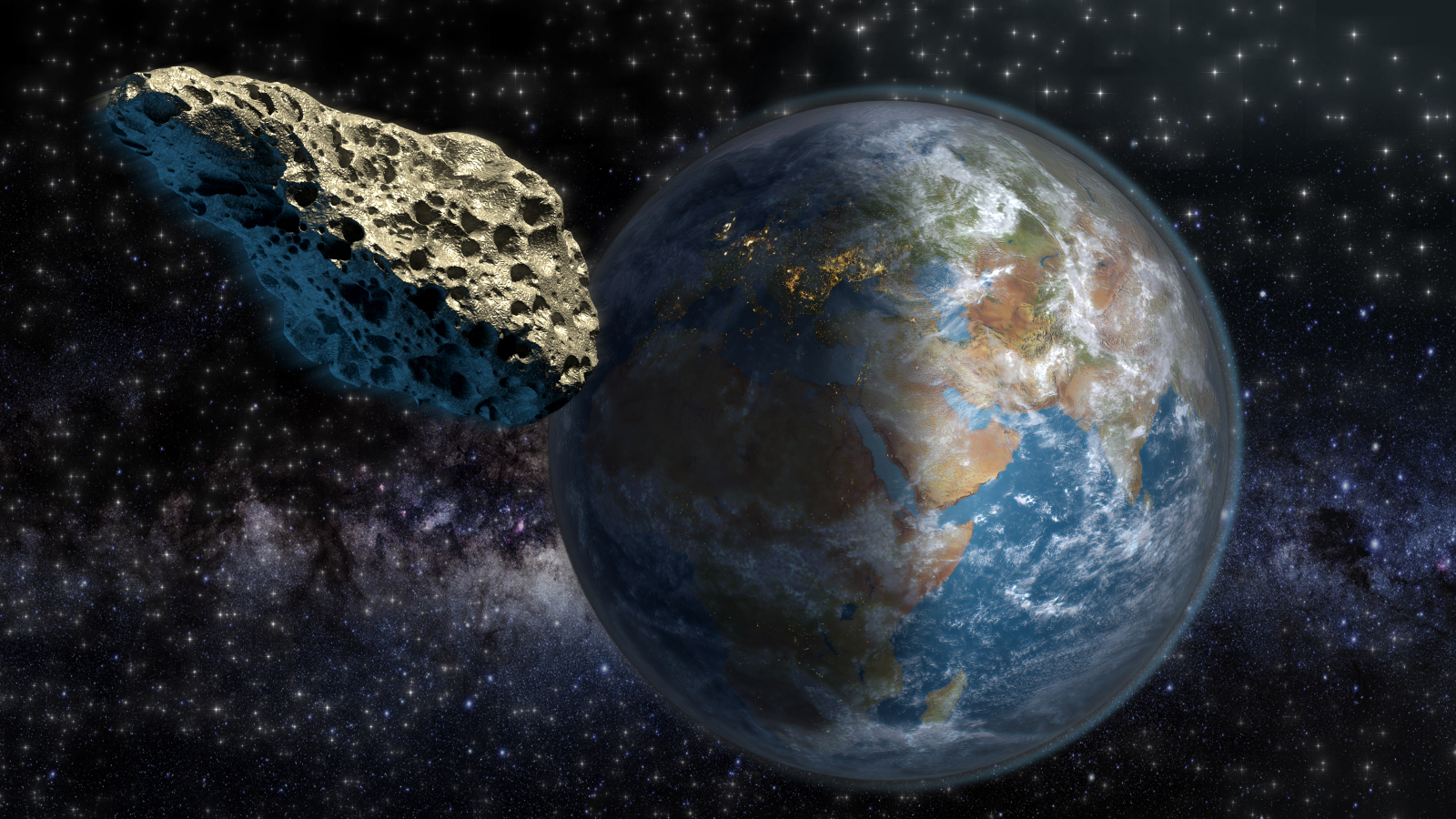
They also hold the record for the deepest–dwelling fish.

The new species was described in the journal Ichthyology and Herpetology. 

What is a snailfish?

  • Snailfishes belong to the family Liparidae. 
  • They typically have a large head, jelly–like body covered in loose skin, and narrow tail. 
  • Many snailfish species have a disk on their belly that allows them to grip the seafloor or hitchhike on larger animals, such as deep–sea crabs. 
  • Shallow–water snailfishes often cling to rocks and seaweed, curling up like a snail.
  • Scientists have described more than 400 different species of snailfish worldwide. 
  • These fishes make their homes in a variety of ocean habitats, from shallow tide pools to deep–sea trenches. 
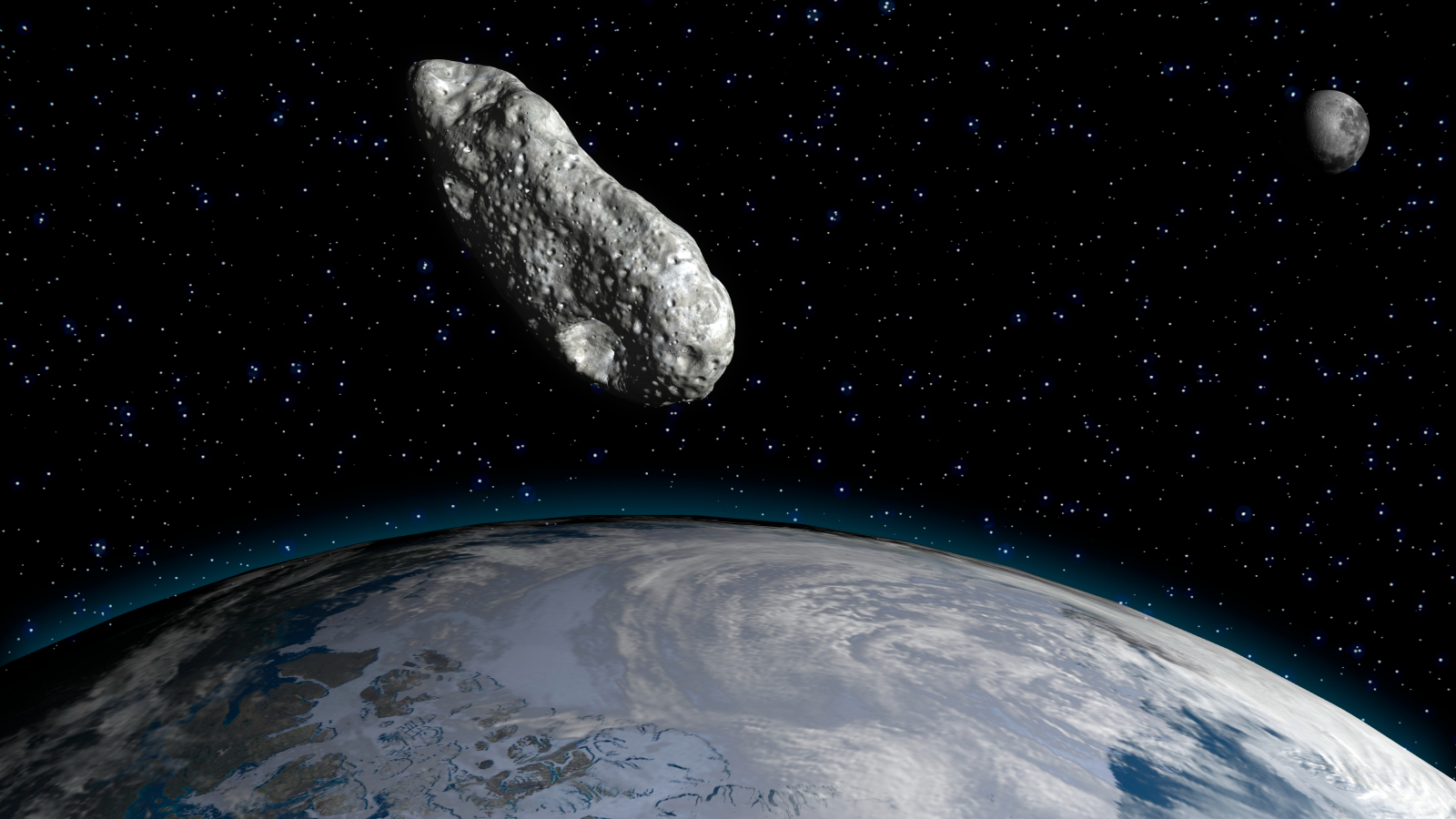
  • In fact, a snailfish holds the record for the deepest–dwelling fish.

RELATED  VIDEOS

{ https://www.dailymail.co.uk/sciencetech/index.html }

Diversen (Eng, NL en Fr)

Hoe vind je dit bericht? 0 stemmen
Geschreven door peter om 22:31 Stuur door
Woensdag 17 september 2025

Waarom bestaat het universum? De reden ligt in de onvriendelijke relatie tussen materie en antimaterie

Waarom bestaat het universum? De reden ligt in de onvriendelijke relatie tussen materie en antimaterie

Inleiding

De vraag waarom het universum überhaupt bestaat, is een van de meest fundamentele en intrigerende vragen uit de kosmologie en de theoretische fysica. Ondanks onze uitgebreide kennis over de natuurwetten en de kosmische geschiedenis, blijft het bestaan van het universum een mysterie dat ons uitdaagt tot diepgaande reflectie en wetenschappelijke zoektocht. Een van de meest gangbare verklaringen binnen de moderne wetenschap betreft de asymmetrie tussen materie en antimaterie. In dit essay wordt onderzocht waarom het universum bestaat vanuit het perspectief dat materie en antimaterie niet ‘goede vrienden’ zijn, en hoe deze onvriendelijkheid heeft geleid tot het bestaan van de wereld zoals wij die kennen.

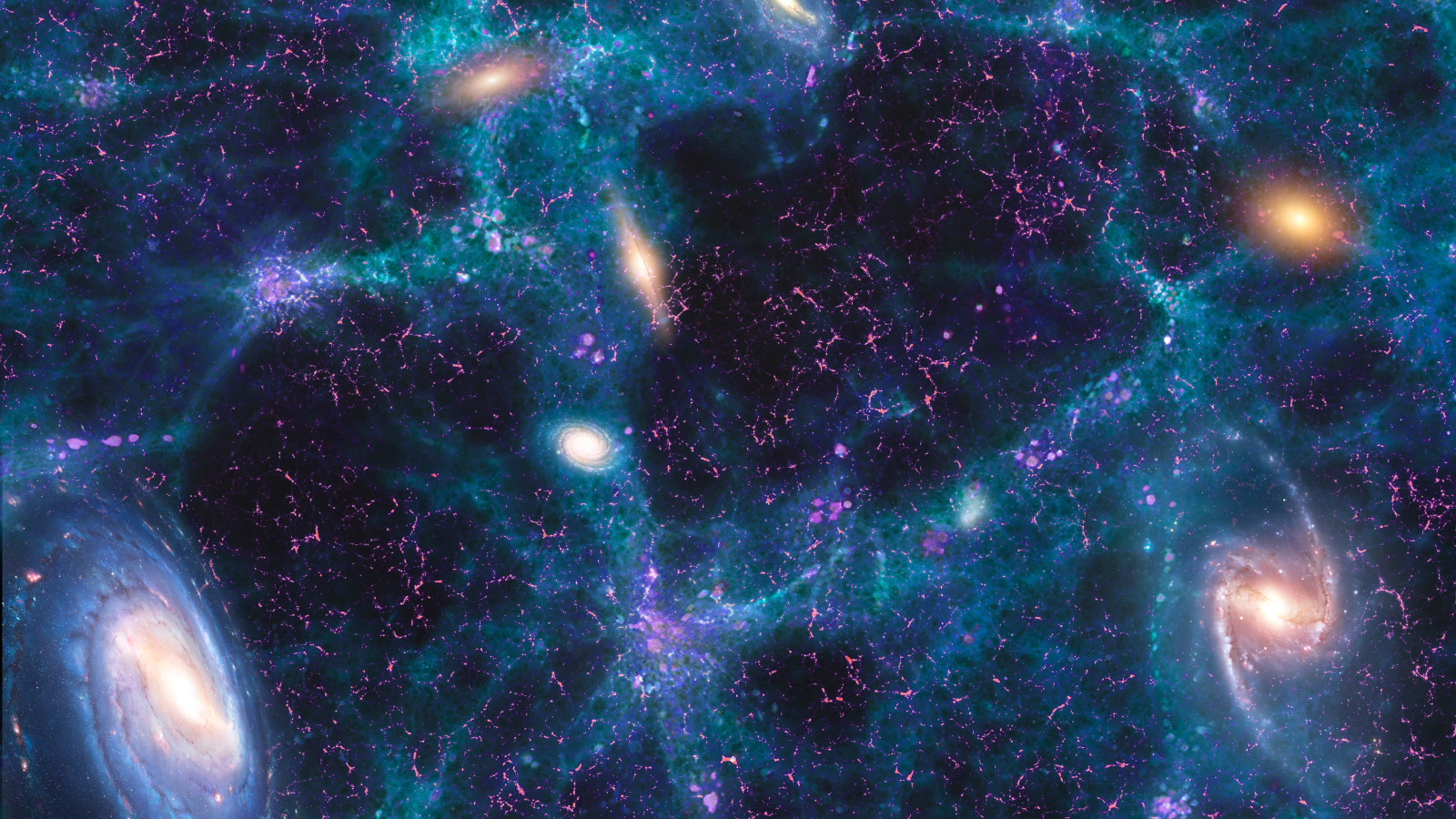
An illustration of different galaxies against a blue and purple weblike background.

Het kosmische web bestaat omdat de hoeveelheden materie en antimaterie oorspronkelijk niet gelijk waren.

(Afbeelding krediet: MARK GARLICK/SCIENCE PHOTO BIBLIOTHEEK via Getty Images)

1. De fundamenten: Materie en antimaterie

Om te begrijpen waarom het universum bestaat zoals wij dat kennen, is het essentieel om eerst de aard van materie en antimaterie onder de loep te nemen. In de wereld van de kwantumfysica worden alle elementaire deeltjes beschreven door een aantal fundamentele eigenschappen, waaronder massa, elektrische lading en spin. Elke deeltje heeft een antimaterie-tegenhanger, die precies dezelfde massa bezit, maar tegengestelde kwantumgetallen heeft. Een duidelijk voorbeeld hiervan is het elektron en het positron: het elektron heeft een negatieve elektrische lading, terwijl het positron dezelfde massa heeft, maar een positieve lading.

Volgens de theorieën zouden, kort na de oerknal, gelijke hoeveelheden materie en antimaterie ontstaan. Bij contact tussen deze tegengestelde deeltjes zou volledige annihilatie plaatsvinden, waarbij enorme hoeveelheden energie vrijkomen. Deze energie-uitwisseling wordt beschreven door Einstein’s beroemde vergelijking E=mc², die aangeeft dat massa kan worden omgezet in energie. Als materie en antimaterie in gelijke mate zouden bestaan en volledig zouden annihileren, zou dat leiden tot een heel ander soort universum: één dat vrijwel volledig uit straling bestaat, zonder de complexe structuren zoals sterren, planeten en levende wezens.

Het feit dat ons universum niet volledig uit straling bestaat en dat er toch een lichte voorkeur lijkt te zijn voor materie, vormt een van de grootste raadsels in de fysica. Deze zogenaamde materie-antimaterie asymmetrie is de sleutel tot het bestaan van het universum zoals we dat kennen. Het begrijpen van waarom materie de overhand heeft gekregen, motiveert wetenschappers om verder te zoeken naar de fundamentele oorzaken achter deze asymmetrie, en daarmee een dieper inzicht te krijgen in het ontstaan en de evolutie van het heelal. Het is een fascinerend vraagstuk dat ons inzicht in de natuurwetten en de oorsprong van alles wat bestaat, kan veranderen.

image_of_nebula_W51.jpeg?w=1600&h=900&fit=clip&crop=faces%2Cfocalpoint

De stervormende nevel W51 is een van de grootste 'sterfabrieken' in het Melkweg-stelsel. 'Sterfabrieken' zoals deze kunnen miljoenen jaren operationeel zijn. De grote rode regio aan de rechterkant van W51 is ouder, wat duidelijk te zien is aan de manier waarop deze al is uitgehold door de winden van generaties zware sterren (die minimaal 10 keer de massa van onze Zon hebben). Het stof en gas in de regio worden nog meer in beweging gebracht wanneer die sterren sterven en exploderen als supernova's. Aan de jongere linkerkant van de nevel beginnen veel sterren net het gas en stof op te ruimen.

NASA/JPL-Caltech

2. De asymmetrie: Waarom bestaat er meer materie dan antimaterie?

Een van de meest intrigerende vragen in de kosmologie en de natuurkunde is waarom het universum grotendeels uit materie bestaat, terwijl de theorie ervan uitgaat dat er bij de oerknal gelijke hoeveelheden materie en antimaterie werden gevormd. Dit fenomeen wordt de materie-antimaterie asymmetrie genoemd en vormt een van de grote raadsels die wetenschappers proberen op te lossen. Als de oerknal inderdaad gelijke hoeveelheden materie en antimaterie had geproduceerd, zou je verwachten dat deze zich zouden hebben annihileerd, waardoor het heelal leeg en kaal zou zijn gebleven. Toch is dat niet het geval: er bestaat een overwicht aan materie, wat heeft geleid tot de sterren, planeten en uiteindelijk het leven zoals wij dat kennen.

Wetenschappers vermoeden dat er tijdens de allereerste momenten na de oerknal een kleine asymmetrie moet zijn geweest in de omstandigheden waarin materie en antimaterie werden gevormd. Deze kleine afwijking, die zich heeft uitgedrukt in een lichte voorkeur voor materie, is cruciaal geweest voor de evolutie van het universum. Het fenomeen dat deze asymmetrie mogelijk verklaart, wordt beschreven door de zogenaamde CP-schending (Charge-Parity-schending), een concept uit de deeltjesfysica dat aangeeft dat natuurwetten niet volledig symmetrisch zijn onder bepaalde omkeringen van ladings- en pariteitspectra.

De CP-schending betekent dat de natuur op subtiele manieren verschillen laat zien tussen materie en antimaterie. In theorie zouden de natuurwetten hetzelfde moeten zijn voor deeltjes en hun antimaterie-tegenhangers, maar experimenten tonen aan dat dit niet altijd het geval is. Deze afwijkingen, hoe klein ook, kunnen een grote impact hebben gehad tijdens de eerste momenten van het universum, waardoor een lichte overproductie van materie ten opzichte van antimaterie ontstond. Het is deze kleine, maar belangrijke, asymmetrie die zich heeft uitgebreid en uiteindelijk heeft geleid tot het materie-overschot dat wij vandaag de dag waarnemen.

De theoretische modellen die proberen deze asymmetrie te verklaren, zijn onder andere ontwikkeld door de Russische natuurkundige Andrei Sakharov in 1967. Hij formuleerde drie essentiële voorwaarden waaraan voldaan moet zijn om de materie-antimaterie asymmetrie te kunnen verklaren. Ten eerste moet er sprake zijn van CP-schending: natuurwetten moeten onder bepaalde omstandigheden symmetriebreuk vertonen. Zonder deze breuk zou er geen voorkeur ontstaan voor materie of antimaterie. Ten tweede moeten er grote kwantumfluctuaties plaatsvinden, die leiden tot kleine voorkeuren voor materie in het proces van de vroege evolutie van het universum. En ten slotte moet de asymmetrie ontstaan tijdens niet-thermische processen, zoals tijdens de oerknal, wanneer het universum niet in evenwicht was en de normale regels van thermodynamica niet volledig golden.

Dus de theoretische modellen, ontwikkeld door Andrei Sakharov, geven drie voorwaarden voor het ontstaan van deze asymmetrie:

  1. Bovengenoemde CP-schending: Natuurwetten moeten symmetriebreuk vertonen bij het ontstaan van materie.
  2. Uitgebreide kwantumfluctuaties: Er moeten processen zijn die leiden tot een kleine voorkeur voor materie.
  3. Niet-thermische processen: De asymmetrie moet ontstaan tijdens niet-evenwicht situaties, zoals tijdens de oerknal.

true color image of Earth

Dit waar-kleurbeeld toont Noord- en Zuid-Amerika zoals ze eruit zouden zien vanuit de ruimte op 22.000 mijl (35.000 km) boven de aarde. Het beeld is een combinatie van gegevens van twee satellieten. Het Moderate Resolution Imaging Spectroradiometer (MODIS) instrument aan boord van NASA's Terra-satelliet verzamelde de landoppervlaktegegevens gedurende 16 dagen, terwijl NOAA's Geostationary Operational Environmental Satellite (GOES) een momentopname van de aardse wolken en de maan produceerde.

Reto Stöckli, Nazmi El Saleous en Marit Jentoft-Nilsen, NASA GSFC.

Hoewel experimenten in de deeltjesfysica, zoals in de Large Hadron Collider, aanwijzingen hebben gevonden voor CP-schending, is de mate waarin dit fenomeen plaatsvindt nog niet genoeg om volledig de materie-antimaterie asymmetrie te verklaren. De waargenomen effecten zijn te klein en er blijven vragen over waarom de asymmetrie zo subtiel is, maar toch voldoende om het materie-overschot te creëren dat wij vandaag de dag zien. Onderzoekers blijven daarom actief zoeken naar nieuwe deeltjes en processen die meer inzicht kunnen geven in deze fundamentele kwestie.

Kortom, de materie-antimaterie asymmetrie is een complex en fascinerend vraagstuk dat onze kennis over de fundamentele natuurwetten uitdaagt. Het begrijpen van waarom er meer materie bestaat dan antimaterie, kan niet alleen ons inzicht in het ontstaan van het universum verdiepen, maar ook leiden tot nieuwe ontdekkingen in de fysica en kosmologie. Ondanks de vooruitgang blijven er nog veel vragen openstaan, en het onderzoek hiernaar is een van de grootste uitdagingen van de moderne wetenschap.

3. Waarom is deze asymmetrie cruciaal voor het bestaan van het universum?

De asymmetrie die we in het universum waarnemen, is van fundamenteel belang voor het bestaan en de structuur ervan. Zonder deze kleine maar cruciale asymmetrie zou het universum er heel anders uitzien en zou het leven zoals wij dat kennen, niet mogelijk zijn. Om dit beter te begrijpen, moeten we teruggaan naar de oorsprong van het heelal en de processen die hebben geleid tot de vorming van materie en structuur.

In de eerste momenten na de oerknal was er een bijna perfecte gelijkheid tussen materie en antimaterie. Deze twee vormen van deeltjes zijn elkaars spiegelbeeld en zouden, als ze bij elkaar komen, volledig kunnen vernietigen. Als er geen asymmetrie was geweest, zouden materie en antimaterie in gelijke mate aanwezig zijn geweest, wat zou hebben geleid tot een universeel veld van straling zonder enige materiële structuur. In dat scenario zou er geen vorming van sterren, planeten of leven mogelijk zijn. De universele materie zou simpelweg zijn verdwenen in een gigantische explosie van energie en straling, waardoor een leeg en uniform heelal overbleef.

De kleine asymmetrie die daadwerkelijk heeft bestaan, gaf echter een kleine overtolligheid aan materie ten opzichte van antimaterie. Deze afwijking mag dan klein lijken, maar het was voldoende om het verschil te maken. Door deze ongelijkheid konden de meeste antimateriedeeltjes worden vernietigd, terwijl de materie overbleef en zich begon te clusteren. Deze overgebleven materie vormde uiteindelijk de eerste atomen, die later samensmolten tot sterren, melkwegstelsels en planeten. Zonder deze asymmetrie zou het heelal dus niet de complexe en gevarieerde structuur hebben ontwikkeld die wij nu zien.

Het is alsof een klein verschil in de beginvoorwaarden een kettingreactie heeft veroorzaakt die zich heeft uitgebreid tot het hele universum. Deze kleine asymmetrie fungeert als de katalysator voor alles wat wij ervaren: de sterrenhemel, de aarde en zelfs het bestaan van leven zelf. Het benadrukt ook hoe kwetsbaar en gevoelig het ontstaan van het universum was voor kleine veranderingen, die uiteindelijk grote gevolgen hadden. Zonder deze asymmetrie zou ons heelal niet de rijkdom en complexiteit bezitten die wij nu kennen. Het is dus van onschatbare waarde dat de eerste momenten van het universum niet perfect symmetrisch waren, omdat deze asymmetrie de fundamenten heeft gelegd voor alles wat wij kennen en ervaren.

A NASA spacecraft discovers antimatter bursts released by thunderstorms.

In deze grafiek wordt een antimaterie-uitbarsting die door een onweersbui in de atmosfeer van de aarde is vrijgegeven, gedetecteerd door een NASA-ruimtevaartuig.

(Afbeelding krediet: NASA)

4. Het belang van de ‘onvriendelijkheid’: materie en antimaterie als slechte vrienden

De metafoor dat materie en antimaterie ‘niet goede vrienden’ zijn, biedt een krachtige en visueel aansprekende manier om hun fundamentele interactie te begrijpen. In werkelijkheid zijn materie en antimaterie elkaars ‘tegenpolen’, die, wanneer ze elkaar ontmoeten, onmiddellijk een vernietigende reactie veroorzaken. Deze reactie resulteert in de volledige annihilatie van beide deeltjes, waarbij enorme hoeveelheden energie vrijkomen in de vorm van gammastraling. Het is deze destructieve kracht die een centrale rol speelt in de evolutie van het universum en die de basis vormt voor veel van de fundamentele processen in de kosmos.

Deze ‘onvriendelijkheid’ tussen materie en antimaterie is niet zomaar een willekeurig conflict, maar een essentieel kenmerk dat diep verweven is met de oorsprong van alles wat bestaat. Tijdens de oerknal, ongeveer 13,8 miljard jaar geleden, ontstonden gelijktijdig grote hoeveelheden materie en antimaterie. Volgens de theorieën over de vroege kosmologie was er aanvankelijk ongeveer evenveel materie als antimaterie. Echter, door een kleine asymmetrie – een minuscule onevenwichtigheid – bleef er na de annihilatie een kleine overschot aan materie over. Die overgebleven materie vormde de basis voor alle sterren, planeten, en uiteindelijk ook voor leven. Het feit dat materie en antimaterie zo ‘slechte vrienden’ waren, zorgde dus indirect voor de structuur en complexiteit van het universum zoals wij dat kennen.

Het is fascinerend om te bedenken dat deze ‘slechte relatie’ tussen materie en antimaterie essentieel was voor het ontstaan van alles. Had de natuur niet zo’n conflict tussen deze deeltjes gekend, dan had er mogelijk geen overlevende materie overgebleven na de grote vernietigingsreacties. Het zou kunnen dat het universum dan een lege, stralingsrijke ruimte was geweest zonder de complexe structuren die wij nu kennen. Deze gedachte onderstreept dat conflicten en tegenstelling niet altijd negatief hoeven te zijn; soms zijn ze juist de drijvende kracht achter ontwikkeling en evolutie.

Kortom, de ‘onvriendelijkheid’ tussen materie en antimaterie is een fundamenteel gegeven dat ons inzicht geeft in de oorsprong van het universum. Het conflict, dat op het eerste gezicht negatief lijkt, heeft juist geleid tot de schepping van alle materiële structuren en het bestaan van het heelal zoals wij dat kennen. Deze metafoor helpt ons niet alleen om de complexe fysische processen beter te begrijpen, maar benadrukt ook dat in de natuur conflicten vaak de motor zijn van verandering en groei. Zonder deze ‘slechte vriendschap’ zou er geen rijk universum zijn, geen sterrenstelsels, geen planeten en geen leven. Het is een mooi voorbeeld van hoe schijnbare tegenstellingen kunnen leiden tot het ontstaan van iets moois en waardevols.

5. De rol van de oerknal en de evolutie van het universum

De rol van de oerknal en de evolutie van het universum is essentieel om te begrijpen hoe alles begon en zich vervolgens heeft ontwikkeld tot de complexe kosmos die wij vandaag de dag waarnemen. De oerknal wordt algemeen erkend als het beginpunt van ons universum, ongeveer 13,8 miljard jaar geleden. Dit betekent dat alles wat we kennen – sterren, planeten, melkwegstelsels, en zelfs de ruimte en tijd zelf – uit deze ene gebeurtenis is voortgekomen. Het is een fascinerende en complexe theorie die onze kijk op het bestaan ingrijpend heeft veranderd.

In de allereerste fractie van een seconde na de oerknal ontstonden de eerste fundamentele deeltjes. Tijdens deze extreem korte periode, bekend als de Plancktijd, waren de omstandigheden onvoorstelbaar heet en dicht. De eerste deeltjes die gevormd werden, waren onder andere quarks en elektronen. Bovendien ontstonden antimaterie deeltjes, zoals antiprotons en positronen. Het ontstaan van antimaterie was cruciaal omdat het de basis vormde voor de latere interacties in het universum. Echter, de relatie tussen materie en antimaterie bleek niet symmetrisch. Toen de eerste deeltjes en antideeltjes elkaar ontmoetten, leidde dat tot annihilatie, waarbij enorme hoeveelheden energie vrijkwamen.

Wat deze gebeurtenissen bijzonder maakt, is dat er een kleine asymmetrie ontwikkelde tussen materie en antimaterie. Deze asymmetrie, ook wel bekend als baryon-asymmetrie, betekent dat er uiteindelijk meer materie overbleef dan antimaterie. Deze kleine maar belangrijke onevenwichtigheid was de katalysator voor de vorming van de structuren die we nu kennen. Zonder deze asymmetrie zou het universum mogelijk volledig uitgestorven zijn van materie, en zou er geen sterren, planeten of leven bestaan.

Door de tijd heen evolueerde het universum enorm. Tijdens de eerste honderden miljoenen jaren na de oerknal was het heelal nog zeer heet en dicht. Materie klonterde samen onder invloed van de zwaartekracht, waardoor er eerst gaswolken ontstonden. Deze gaswolken vormden de basis voor de eerste sterren en sterrenstelsels. Naarmate de tijd verstreek, groeiden deze structuren uit tot enorme melkwegstelsels, met daarin miljarden sterren. De complexe processen van nucleosynthese binnen sterren leidden tot de vorming van zwaardere elementen, essentieel voor de opbouw van planeten en leven.

Kortom, de oerknal en de daaropvolgende evolutie van het universum vormen de kern van onze kosmologische kennis. De asymmetrie tussen materie en antimaterie was niet zomaar een toevalligheid, maar een essentiële factor die de weg vrijmaakte voor het bestaan van alles wat we kennen. De voortdurende studie naar deze gebeurtenissen helpt ons niet alleen om onze oorsprong te begrijpen, maar ook om onze plek in het heelal beter te plaatsen. Het is een fascinerend verhaal van chaos, creatie en ontwikkeling, dat nog steeds volop in onderzoek en debat is.

image-of-planet-forming.webp

Uit praktische overwegingen categoriseren mensen groepen materie op basis van hun eigenschappen. Galaxieën, sterrenclusters, planeten, dwergplaneten, rogue-planeten, manen, ringen, ringetjes, kometen, meteorieten, wasberen - het zijn allemaal verzamelingen van materie die verschillende kenmerken vertonen, maar zich aan dezelfde natuurlijke wetten houden.

6. Conclusie: het universum als resultaat van conflict en asymmetrie

De conclusie dat het universum ontstaat uit conflict en asymmetrie is zowel fascinerend als diepgaand. Het lijkt misschien tegenintuïtief dat de schepping van alles wat bestaat voortkomt uit een soort kosmisch conflict tussen deeltjes, maar deze gedachte wordt ondersteund door de fundamentele natuurwetten en observaties. De aanwezigheid van een kleine maar belangrijke overmaat aan materie ten opzichte van antimaterie vormt namelijk de kern van ons bestaan.

In de eerste instantie waren er gelijke hoeveelheden materie en antimaterie in het vroege universum. Volgens de theorieën over de oerknal en de daaropvolgende evolutie van het heelal, zouden deze deeltjes elkaar moeten hebben vernietigd bij contact, waarbij enorme hoeveelheden energie vrijkwamen in de vorm van straling. Maar waarom bleef er dan toch een klein overschot aan materie over? Waarom was het universum niet volledig uitgewist door de antimaterie? Het antwoord ligt in een subtiele asymmetrie tussen deeltjes en antipartikels, een kleine afwijking in de symmetrie die de loop van de kosmische geschiedenis heeft veranderd.

Deze asymmetrie, ook wel bekend als CP-schending (Charge-Parity schending), betekent dat materie en antimaterie niet precies spiegelbeelden van elkaar zijn. Hierdoor ontstond er een kleine voorkeur voor materie, wat op zijn beurt leidde tot het overgrote deel van materie dat wij nu waarnemen. Zonder deze asymmetrie zou het universum er heel anders uitzien, mogelijk volledig leeg en ongeschikt voor het ontstaan van sterren en planeten.

Het conflict tussen materie en antimaterie kan dus worden gezien als een soort kosmische strijd, waarbij de onvriendelijkheid tussen deeltjes leidde tot vernietiging, maar tegelijkertijd ook tot de schepping van een complex en rijk universum. Deze strijd en asymmetrie vormden de noodzakelijke condities voor het ontstaan van de structuur van het heelal. Zonder dit conflict zou er geen sterrenstelsels, geen planeten en geen leven kunnen bestaan.

Kortom, de universele werkelijkheid is niet slechts het resultaat van een evenwichtige en harmonieuze werking van natuurwetten, maar eerder van een fundamenteel conflict en asymmetrie. Het universum zoals wij dat kennen, is ontstaan uit een delicate balans tussen vernietiging en creatie, tussen strijd en schepping. Het is juist door de onvriendelijkheid en de strijd tussen materie en antimaterie dat het mogelijk werd om een rijk en gevarieerd heelal te vormen, waarin alles bestaat. Deze inzichten maken duidelijk dat conflict en asymmetrie niet altijd negatief hoeven te zijn; ze kunnen juist de drijfveer zijn achter grote kosmische en natuurlijke ontwikkelingen.

first-image-of-a-black-hole.webp

Met behulp van de Event Horizon Telescope hebben wetenschappers een afbeelding verkregen van het zwarte gat in het centrum van de melkweg M87. Samenwerking van de Event Horizon Telescope et al.

Eindwoord

Het begrijpen waarom het universum bestaat, blijft een fascinerende zoektocht. De rol van materie en antimaterie als onvrienden die niet goed met elkaar kunnen opschieten, blijkt cruciaal te zijn voor het ontstaan van alles. Deze onvriendelijkheid, die leidt tot vernietiging in plaats van harmonie, was daarom de ultieme voorwaarde voor ons bestaan. Het is een herinnering dat conflicten en asymmetrie in de natuur soms de voorwaarden scheppen voor complexiteit en emergentie, en dat de kosmische geschiedenis wordt geschreven door de interactie van tegengestelde krachten.

Bronnen

  • Sakharov, A. D. (1967). Violation of CP invariance, C asymmetry, and baryon asymmetry of the universe. Soviet Physics Uspekhi.
  • Riess, A. G., et al. (1998). Observational Evidence from Supernovae for an Accelerating Universe and a Cosmological Constant. The Astronomical Journal.
  • GDW. (2020). Materie en antimaterie: De strijd tussen deeltjes. Fysica in Perspectief.
  • Koupelis, T., & Kuhn, F. (2014). Inleiding tot de fysica.

Literatuur en verdere lezing

  • Carroll, S. M. (2004). Spacetime and Geometry: An Introduction to General Relativity.
  • Steinhardt, P. J., & Turok, N. (2007). The Cyclic Universe: An Informal Introduction. Scientific American.

 side-by-side-images-of-galaxy-cluster.webp

Twee beelden van Hubble van de enorme sterrenstelselcluster Cl 0024+17 (ZwCl 0024+1652) worden getoond. Links is het zicht in zichtbaar licht met vreemde blauwe bogen die verschijnen tussen de geelachtige sterrenstelsels. Dit zijn de vergrote en vervormde beelden van sterrenstelsels die ver achter de cluster liggen. Hun licht wordt gebogen en versterkt door de immense zwaartekracht van de cluster in een proces dat gravitatiekracht lensing wordt genoemd. Rechts is er een blauwe schaduw toegevoegd om de locatie aan te geven van onzichtbaar materiaal dat donkere materie wordt genoemd, wat wiskundig vereist is om rekening te houden met de aard en plaatsing van de gravitatief gelensde sterrenstelsels die te zien zijn.

NASA, ESA, M.J. Jee en H. Ford (Johns Hopkins University)


{ PETER2011 }

ASTRONOMIE / RUIMTEVAART

Hoe vind je dit bericht? 0 stemmen
Geschreven door peter om 22:12 Stuur door
Woensdag 17 september 2025

Skyscraper-size asteroid previously predicted to hit us in 60 years will zoom past Earth on Thursday (Sept. 18) — and you can see it live

Skyscraper-size asteroid previously predicted to hit us in 60 years will zoom past Earth on Thursday (Sept. 18) — and you can see it live

By Harry Baker

The "potentially hazardous" asteroid 2025 FA22 will fly close past Earth at more than 24,000 mph on Thursday (Sept. 18). The space rock was previously predicted to have a slim chance of impacting our planet in 2089, temporarily earning it the top spot on a major risk list.

An artist's illustration of an asteroid passing Earth at a large distance
A giant asteroid first spotted earlier this year will make its closest approach to Earth on Sept. 18. 
(Image credit: Getty Images)

A skyscraper-size, "potentially hazardous" asteroid is set to make a close approach to Earth this week — and you can see it zoom past for yourself, either by using a backyard telescope or via a free online livestream.

The asteroid, which was discovered earlier this year, was initially predicted to have a slim chance of hitting our planet in 2089 — temporarily earning it a spot at the top of the European Space Agency’s (ESA’s) impact risk list. But, following new observations, it is no longer considered an imminent threat.

The space rock, dubbed 2025 FA22, is somewhere between 427 and 951 feet (130 and 290 meters) across, making it large enough to wipe out a major city were it to collide with Earth. It will reach its minimum distance to us in the early hours of Thursday (Sept. 18), coming within 520,000 miles (835,000 kilometers) of our planet — just over twice as far away from us as the moon — and will be traveling at around 24,000 mph (38,600 km/h).

You may like
  • An illustration of a spacecraft approaching an asteroid with Earth in the background

Asteroid Apophis flyby will be 'once in a millennium' opportunity for skywatchers and scientists

  • An artist's illustration of an asteroid flying past Earth and the moon

Newly discovered bus-size asteroid will zoom close past Earth today — and will not return for exactly 100 years

  • Photo of a blurry starscape with an arrow pointing out the location of the interstellar object 3I/ATLAS

Watch newly discovered 'interstellar visitor' 3I/ATLAS shoot toward us in first livestream

2025 FA22 was initially discovered in March by the Pan-STARRS 2 telescope in Hawaii. The asteroid quickly made headlines when it was revealed that it has a 0.01% chance of hitting Earth when it returns for another close flyby on Sept. 23, 2089. (This story was somewhat overshadowed by fellow asteroid 2024 YR4, which was briefly predicted to have a much higher chance of impacting our planet in 2032 at around the same time 2025 FA22 was first spotted.)

Despite the low odds of a collision, space agencies took the threat of 2025 FA22 seriously, and the asteroid was briefly bumped to the top spot on ESA’s Risk List, which monitors all near-Earth objects predicted to have a non-zero chance of impacting our planet.

"However, high-priority follow-up observations soon allowed astronomers to refine the asteroid’s trajectory and rule out any impact risk," according to a new ESA statement. Asteroid 2025 FA22 was removed from ESA's Risk List entirely in May.

Related: 

  • NASA's most wanted: The 5 most dangerous asteroids to Earth

A diagram showing the orbits of the inner solar system relative to the asteroid 2025 FA22

Asteroid 2025 FA22 will return for similar close approaches in 2089 and 2173.  (Image credit: NASA/JPL)

The now totally safe flyby of 2025 FA22 will be shared on a free livestream by the Virtual Telescope Project, which will track the object using a telescope in Manciano, Italy. The livestream will begin at around 23:00 p.m. EDT on Wednesday (Sept. 17).

During its close approach, the asteroid could reach an apparent magnitude of 13, which will make it just bright enough to spot with a decent backyard telescope or a pair of stargazing binoculars, according to IFLScience. You can find where it is in the night sky using TheSkyLive.com.

Researchers will be keeping a close eye on the asteroid from observatories across the globe, including NASA's Goldstone radar telescope in Barstow, California, which has the capability to reveal more about the space rock's true size and shape.

You may like
  • An illustration of a spacecraft approaching an asteroid with Earth in the background

Asteroid Apophis flyby will be 'once in a millennium' opportunity for skywatchers and scientists

  • An artist's illustration of an asteroid flying past Earth and the moon

Newly discovered bus-size asteroid will zoom close past Earth today — and will not return for exactly 100 years

  • Photo of a blurry starscape with an arrow pointing out the location of the interstellar object 3I/ATLAS

Watch newly discovered 'interstellar visitor' 3I/ATLAS shoot toward us in first livestream

A graphic showing key information about the asteroid flyby

ESA released new information on 2025 FA22 in preparation for the upcoming flyby. (Image credit: ESA)

The International Asteroid Warning Network (IAWN) is also taking 2025 FA22's flyby as an opportunity to practise its emergency protocols by running a practice scenario under the pretence that the asteroid will still impact us in 2089. This mock test, named the 2025 FA22 IAWN Campaign, will involve measuring as many of the asteroids' characteristics as accurately as possible, in preparation for a hypothetical mission to deflect the space rock in the future.

RELATED STORIES
  • An 'invisible threat': Swarm of hidden 'city killer' asteroids around Venus could one day collide with Earth, simulations show
  • 'City killer' asteroid 2024 YR4 could shower Earth with 'bullet-like' meteors if it hits the moon in 2032
  • No, NASA hasn't warned of an impending asteroid strike in 2038. Here's what really happened.

"While 2025 FA22 poses no danger, practicing our ability to measure these properties is important, as they influence how an asteroid will react to any attempt to deflect it off of a collision course with Earth," ESA representatives wrote about the campaign.

In reality, 2025 FA22 will not get very close to us in 2089. The latest calculations from NASA's Jet Propulsion Laboratory suggest that it will only come within 3.7 million miles (6 million km) of Earth, more than seven times further away than its current flyby.

However, the asteroid will return for a super close approach in 2173, when it will reach a minimum distance of around 200,000 miles (320,000 km), bringing it closer to us than the moon.

RELATED VIDEOS

{ https://www.livescience.com/space }

ASTRONOMIE / RUIMTEVAART

Hoe vind je dit bericht? 0 stemmen
Geschreven door peter om 21:19 Stuur door
‹ Nieuwere berichten Meer berichten

Meer van UFO'S of UAP'S, ASTRONOMIE, RUIMTEVAART, ARCHEOLOGIE, OUDHEIDKUNDE, SF-SNUFJES EN ANDERE ESOTERISCHE WETENSCHAPPEN - DE ALLERLAATSTE NIEUWTJES

 FORUM 

Kan een afbeelding zijn van vuur

Kan een afbeelding zijn van hond

Geen fotobeschrijving beschikbaar.

5 juni 2025 , DAN BESTAAT MIJN BLOG AL 14 JAAR!!!

Carl Sagan Space GIF by Feliks Tomasz Konczakowski

X Files Ufo GIF by SeeRoswell.com

1990: Petit-Rechain, Belgium triangle UFO photograph - Think AboutIts

Ufo Pentagon GIF

Alberta_meteor_GIF_%283%29.gif

Asteroid_sitecard.gif

ufo abduction GIF by Ski Mask The Slump God

Flying Sci-Fi GIF by Feliks Tomasz Konczakowski

Season 3 Ufo GIF by Paramount+

DEAR VISITOR,


MY BLOG EXISTS TODAY 6 - 10 - 2026 15 YEARS AND 4 MONTHS  = 5.622 days.

ON 06/10/2026 MORE THAN 4.434.000 bezoekers..

VISITORS FROM 135 DIFFERENT NATIONS ALREADY FOUND THEIR WAY TO MY BLOG.

THAT IS AN AVERAGE OF 789 GUESTS PER DAY.

THANK YOU FOR VISITING  MY BLOG AND HOPE YOU ENJOY EACH TIME.


Goodbye and thanks
PETER2011

De bronafbeelding bekijken

De bronafbeelding bekijken

Beste bezoeker, bedankt voor uw bezoek.

Dear visitor, thank you for your visit.

Cher visiteur, je vous remercie de votre visite.

Liebe Besucher, vielen Dank für Ihren Besuch.

Estimado visitante, gracias por su visita.

Gentile visitatore, grazie per la vostra visita.

Inhoud blog

  • Pilot's Flashing-Orb Video and Lithuania Jet Scramble Discussed
  • From the Loch Ness Monster to UFOs: ‘Truth’ about supernatural sightings revealed
  • What Are UAPs? Why the Term Matters—and What It Does Not Prove
  • Will We Treat Alien Minds as Gods or Equals When We Meet Them?
  • Solving the Space Junk Crisis Isn't Just About Counting Trash—It’s About Control and Economics
  • Trump: Air Force Pilots Saw a Round UFO Fly Three Times Faster Than an F-22
  • See the universe like NEVER before: Euclid mission releases its first major batch of photos - capturing the light of more than a billion objects across an area of sky as big as 9,500 full Moons
  • Scientists discover the origin of a mysterious radio signal that flashes on and off every eight minutes
  • A UFO whistleblower gets a seat in Congress, unexplained lights, and spheres over Mexico: this week's roundup
  • Hugh Everett: The Origins of the Multiverse Theory
  • Giant UFO with dangling tentacles hovers near US military base before vanishing
  • A neighbourhood drowning in rubbish, an oil city crumbling into the sea and a UFO-obsessed desert hotspot: Inside the world’s weirdest places
  • How Do Scientists Decide Whether a UAP Is Truly Unidentified?
  • Could a Navy Laser Countermeasure Explain Some Tic-Tac UAP Reports?
  • Alien Pyramid Found On Google Earth On Island Near Antarctica. UFO UAP Sighting News.
  • NASA unveils plan to build a city on the MOON in just six years where astronauts can live and work for 'extended periods'
  • Noah's Ark discovery revealed as first photos show wood buried 30 feet underground
  • EXCLUSIVE - Giant UFO with dangling tentacles hovers near US military base before vanishing: 'Only God and the government know what it is'
  • 48 Years Ago, a TV Crew Went to Investigate UFO Reports and Actually Captured Them on Camera
  • Alien Disclosure in 2027? What the Public Record Actually Shows

Categorieën

  • ALIEN LIFE, UFO- CRASHES, ABDUCTIONS, MEN IN BLACK, ed ( FR. , NL; E ) 3766
  • André's Hoekje (ENG) 745
  • André's Snelkoppelingen (ENG) 383
  • ARCHEOLOGIE ( E, Nl, Fr ) 2086
  • ARTICLES of MUFON ( ENG) 478
  • Artikels / PETER2011 (NL EN.) 174
  • ASTRONOMIE / RUIMTEVAART 14052
  • Before it's news (ENG.) 5702
  • Belgisch UFO-meldpunt / Frederick Delaere ( NL) 23
  • Diversen (Eng, NL en Fr) 4383
  • FILER FILES - overzicht met foto's met dank aan Georges Filer en WWW.nationalUFOCenter.com (ENG) 930
  • Frederick's NEWS ITEMS (ENG en NL) 112
  • HLN.be - Het Laatste Nieuws ( NL) 1717
  • INGRID's WEETJES (NL) 6
  • Kathleen Marden 's News about Abductions... ( ENG) 36
  • LATEST ( UFO ) VIDEO NEWS ( ENG) 12053
  • Michel GRANGER - a French researcher ( Fr) 22
  • MYSTERIES ( Fr, Nl, E) 2272
  • MYSTERIES , Complot Theories, ed ( EN, FR, NL ) 519
  • Myths, legends, unknown cultures and civilizations 235
  • National UFO Center {NUFOC} 110
  • News from the FRIENDS of facebook ( ENG ) 6019
  • NIEUWS VAN JAN ( NL) 42
  • Nieuws van Paul ( NL) 17
  • NineForNews. nl ( new ipv NIBURU.nl) (NL) 3711
  • Oliver's WebLog ( ENG en NL) 118
  • Paul SCHROEDER ( ENG) 98
  • Reseau Francophone MUFON / EUROPE ( FR) 87
  • références - MAGONIE (Fr) 486
  • Ruins, strange artifacts on other planets, moons, ed ( Fr, EN, NL ) 655
  • SF-snufjes }, Robotics and A.I. Artificiel Intelligence ( E, F en NL ) 980
  • UFO DIGEST / a Weekly Newsletter - thanks that I may publish this on my blog (ENG) 125
  • UFOs , UAPs , USOS 3191
  • Vincent'snieuws ( ENG en NL) 5
  • Who is Stanton FRIEDMAN - follow his news (ENG) 16
  • WHO IS WHO? ( ENG en NL) 5

Zoeken in blog

Beoordeel dit blog

Bekijk de resultaten

10:44:40 PM

Voor bij 11 uur, bijna middernacht. Slaapwel!

Er is nu 1 bezoeker op dit blog.
Record tot nu toe: 845

Donderdag12november2026

The purpose of  this blog is the creation of an open, international, independent and  free forum, where every UFO-researcher can publish the results of his/her research. The languagues, used for this blog, are Dutch, English and French.You can find the articles of a collegue by selecting his category.
Each author stays resposable for the continue of his articles. As blogmaster I have the right to refuse an addition or an article, when it attacks other collegues or UFO-groupes.
 

Archief per maand

  • November 2026
  • Oktober 2026
  • September 2026
  • Augustus 2026
  • Juli 2026
  • Juni 2026
  • Mei 2026
  • April 2026
  • Maart 2026
  • Februari 2026
  • Januari 2026
  • December 2025
  • November 2025
  • Oktober 2025
  • September 2025
  • Augustus 2025
  • Juli 2025
  • Juni 2025
  • Mei 2025
  • April 2025
  • Maart 2025
  • Februari 2025
  • Januari 2025
  • December 2024
  • November 2024
  • Oktober 2024
  • September 2024
  • Augustus 2024
  • Juli 2024
  • Juni 2024
  • Mei 2024
  • April 2024
  • Maart 2024
  • Februari 2024
  • Januari 2024
  • December 2023
  • November 2023
  • Oktober 2023
  • September 2023
  • Augustus 2023
  • Juli 2023
  • Juni 2023
  • Mei 2023
  • April 2023
  • Maart 2023
  • Februari 2023
  • Januari 2023
  • December 2022
  • November 2022
  • Oktober 2022
  • September 2022
  • Augustus 2022
  • Juli 2022
  • Juni 2022
  • Mei 2022
  • April 2022
  • Maart 2022
  • Februari 2022
  • Januari 2022
  • December 2021
  • November 2021
  • Oktober 2021
  • September 2021
  • Augustus 2021
  • Juli 2021
  • Juni 2021
  • Mei 2021
  • April 2021
  • Maart 2021
  • Februari 2021
  • Januari 2021
  • December 2020
  • November 2020
  • Oktober 2020
  • September 2020
  • Augustus 2020
  • Juli 2020
  • Juni 2020
  • Mei 2020
  • April 2020
  • Maart 2020
  • Februari 2020
  • Januari 2020
  • December 2019
  • November 2019
  • Oktober 2019
  • September 2019
  • Augustus 2019
  • Juli 2019
  • Juni 2019
  • Mei 2019
  • April 2019
  • Maart 2019
  • Februari 2019
  • Januari 2019
  • December 2018
  • November 2018
  • Oktober 2018
  • September 2018
  • Augustus 2018
  • Juli 2018
  • Juni 2018
  • Mei 2018
  • April 2018
  • Maart 2018
  • Februari 2018
  • Januari 2018
  • December 2017
  • November 2017
  • Oktober 2017
  • September 2017
  • Augustus 2017
  • Juli 2017
  • Juni 2017
  • Mei 2017
  • April 2017
  • Maart 2017
  • Februari 2017
  • Januari 2017
  • December 2016
  • November 2016
  • Oktober 2016
  • September 2016
  • Augustus 2016
  • Juli 2016
  • Juni 2016
  • Mei 2016
  • April 2016
  • Maart 2016
  • Februari 2016
  • Januari 2016
  • December 2015
  • November 2015
  • Oktober 2015
  • September 2015
  • Augustus 2015
  • Juli 2015
  • Juni 2015
  • Mei 2015
  • April 2015
  • Maart 2015
  • Februari 2015
  • Januari 2015
  • December 2014
  • November 2014
  • Oktober 2014
  • September 2014
  • Augustus 2014
  • Juli 2014
  • Juni 2014
  • Mei 2014
  • April 2014
  • Maart 2014
  • Februari 2014
  • Januari 2014
  • December 2013
  • November 2013
  • Oktober 2013
  • September 2013
  • Augustus 2013
  • Juli 2013
  • Juni 2013
  • Mei 2013
  • April 2013
  • Maart 2013
  • Februari 2013
  • Januari 2013
  • December 2012
  • November 2012
  • Oktober 2012
  • September 2012
  • Augustus 2012
  • Juli 2012
  • Juni 2012
  • Mei 2012
  • April 2012
  • Maart 2012
  • Februari 2012
  • Januari 2012
  • December 2011
  • November 2011
  • Oktober 2011
  • September 2011
  • Augustus 2011
  • Juli 2011
  • Juni 2011

Rondvraag / Poll

Bestaan UFO's echt? Are UFOs real?Les OVNIS existent-ils vraiement?

Bekijk resultaat

Rondvraag / Poll

Denk Jij dat UFO's buitenaards zijn? Do You think that UFOs are extraterrestrial? Les OVNIS sont- ils ET?

Bekijk resultaat

E-mail mij

Druk oponderstaande knop om mij te e-mailen.
E-mail mij!

Zoeken in blog

Deze blog is opgedragen aan mijn overleden echtgenote Lucienne.

In 2012 verloor ze haar moedige strijd tegen kanker!

In 2011 startte ik deze blog, omdat ik niet mocht stoppen met mijn UFO-onderzoek.

BEDANKT!!!

Een interessant adres?

Hello GIFs – Fun Animated Images to Greet Anyone - Funimada.com

Item preview, Colorful UFO Design with Hello Text designed and sold by Rue Market.

Ufo GIFs | Tenor

De bronafbeelding bekijken

MUFON’s New Social Network

full-blackMUFON-logo-copy.png

Mijn favorieten

  • Verhalen TINNY * SF
  • IFO-databank van Belgisch UFO meldpunt
  • Belgisch UFO meldpunt
  • The Black Vault
  • Terry's Theories UFO Sightings. Its a Youtube Channel thats really overlooked, but has a lot of great and recent sightings on it.
  • . UFO Institute: A cool guy who works hard
  • YOUTUBE kanaal van het Belgisch UFO-meldpunt
  • LATEST UFO SIGHTINGS

DES LIENS AVEC LE RESEAU FRANCOPHONE DE MUFON ET MUFONEUROP

  • BELGISCH UFO-NETWERK BUFON
  • RFacebook BUFON
  • MUFONFRANCE
  • MUFON RHÔNE-ALPES
  • MUFON MIDI-PYRÉNNÉES
  • MUFON HAUTE-NORMANDIE
  • MUFON MAROC
  • MUFON ALSACE LORRAINE
  • MUFON USA
  • Site du REUB ASBL

Other links with friends / bloggers # not always UFOs

  • PANGRadio MarcSima
  • Blog 2 Bernward
  • Nederlandse UFO-groep
  • Ufologie Liège
  • NIBURU
  • Disclose TV
  • UFO- Sightings - HOTSPOT
  • Website van BUFON ( Belgisch UFO-Netwerk)
  • The Ciizen Hearing on Disclosure
  • Exopolitics Finland: LINKS

LINKS OF THE BLOGS OF MY FACEBOOK-FRIENDS

  • ufologie -Guillaume Perrot
  • UFOMOTION
  • CENTRE DE RECHERCHE OVNI PARASPYCHOLOGIE SCIENCE - CROPS -
  • SOCIAL PARANORMAL Magazine
  • TJ Morris ACO Associations, Clubs, Organizations - TJ Morris ACO Social Service Club for...
  • C.E.R.P.I. BELGIQUE
  • Attaqued'un Autre Monde - Christian Macé
  • UFOSPOTTINGNEDERLAND
  • homepage UFOSPOTTINGNEDERLAND
  • PARANORMAL JOURNEY GUIDE
WELCOME TO THIS BLOG! I HOPE THAT YOU ENJOY THE LECTURE OF ALL ISSUES. If you did see a UFO, you can always mail it to us. Best wishes.

Beste bezoeker,
Heb je zelf al ooit een vreemde waarneming gedaan, laat dit dan even weten via email aan Frederick Delaere op
 www.ufomeldpunt.be. Deze onderzoekers behandelen jouw melding in volledige anonimiteit en met alle respect voor jouw privacy. Ze zijn kritisch, objectief  maar open minded aangelegd en zullen jou steeds een verklaring geven voor jouw waarneming!
DUS AARZEL NIET, ALS JE EEN ANTWOORD OP JOUW VRAGEN WENST, CONTACTEER FREDERICK.
BIJ VOORBAAT DANK...

Laatste commentaren

  • crop cirkels (herman)
    op UFO'S FORM CROP CIRCLE IN LESS THAN 5 SECONDS - SCOTLAND 1996
  • crop cirkels (herman)
    op UFO'S FORM CROP CIRCLE IN LESS THAN 5 SECONDS - SCOTLAND 1996
  • Een zonnige vrijdag middag en avond (Patricia)
    op MUFON UFO Symposium with Greg Meholic: Advanced Propulsion For Interstellar Travel

Gastenboek

  • Nog een fijne avond
  • Hallo Lieverd
  • kiekeboe
  • Een goeie middag bezoekje
  • Zomaar een blogbezoekje
Druk op onderstaande knop om een berichtje achter te laten in mijn gastenboek Alvast bedankt voor al jouw bezoekjes en jouw reacties. Nog een prettige dag verder!!!
Voeg berichtje toe!

Over mijzelf

Ik ben Pieter, en gebruik soms ook wel de schuilnaam Peter2011.
Ik ben een man en woon in Linter (België) en mijn beroep is Ik ben op rust..
Ik ben geboren op 18/10/1950 en ben nu dus 76 jaar jong.
Mijn hobby's zijn: Ufologie en andere esoterische onderwerpen.

Op deze blog vind je onder artikels, werk van mezelf. Mijn dank gaat ook naar André, Ingrid, Oliver, Paul, Vincent, Georges Filer en MUFON voor de bijdragen voor de verschillende categorieën... Veel leesplezier en geef je mening over deze blog.

Zoeken in blog

LINKS NAAR BEKENDE UFO-VERENIGINGEN - DEEL 1

  • http://www.ufonieuws.nl/
  • http://www.grenswetenschap.nl/
  • http://www.beamsinvestigations.org.uk/
  • http://www.mufon.com/
  • http://www.ufomeldpunt.be/
  • http://www.ufowijzer.nl/
  • http://www.ufoplaza.nl/
  • http://www.ufowereld.nl/
  • http://www.stantonfriedman.com/
  • http://ufo.start.be/

LINKS NAAR BEKENDE UFO-VERENIGINGEN - DEEL 2

  • www.ufo.be
  • www.caelestia.be
  • ufo.startpagina.nl.
  • www.wszechocean.blogspot.com.
  • AsocCivil Unifa
  • UFO DISCLOSURE PROJECT

Een interessant adres?

Mijn favorieten

  • Verhalen
↑ Terug naar de berichten
SeniorenNet BlogsEen blog op SeniorenNet
Maak ook een blog Mijn blog
RSSAtom JavaScript Meld misbruik Privacy