Commerciële maanlander Odysseus stuurt eerste foto's door, missie wordt gehalveerd in tijd
Artikel door Belga, Pieterjan Huyghebaert


 Commerciële maanlander Odysseus stuurt eerste foto's door, missie wordt gehalveerd in tijd
Odysseus landde in de nacht van donderdag op vrijdag iets na middernacht (Belgische tijd) bij een krater in de buurt van de zuidpool van de maan. Het is de eerste geslaagde commerciële maanlanding. En de eerste Amerikaanse maanlanding sinds de jaren 70.
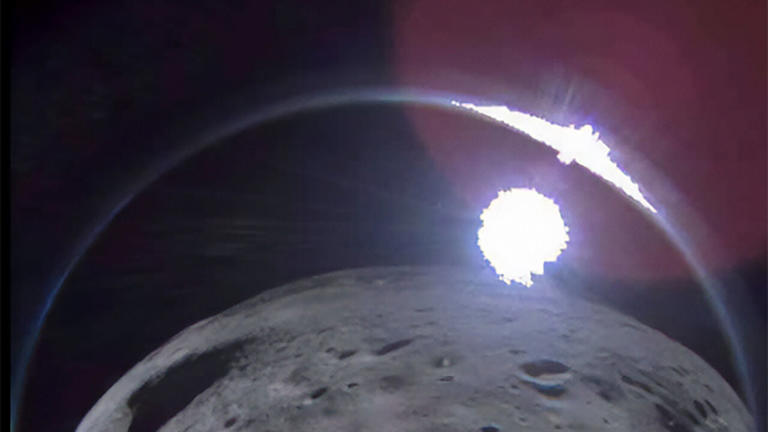
De maanlander stuurde vandaag een eerste foto door van op het maanoppervlak.
Vrijdag werd bekend dat de Odysseus de maanlanding weliswaar heelhuids doorstaan heeft, maar op zijn zij ligt. De zonnepanelen krijgen hierdoor niet genoeg licht om de batterijen voldoende op te laden. Hierdoor zal de missie slechts 5 dagen duren, zowat de helft minder dan gepland.
 The Search for Extraterrestrial Life Beneath Our Seas
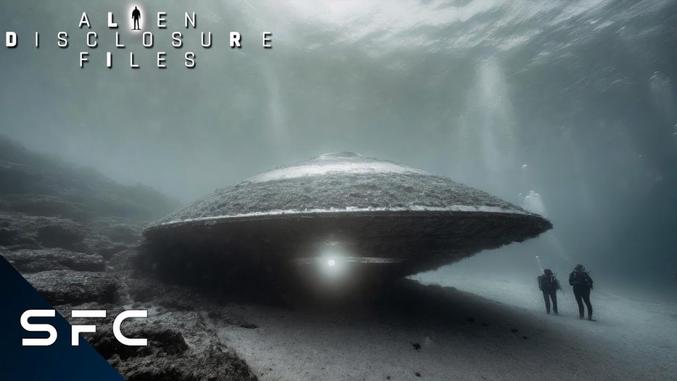
In the vast, uncharted waters of our planet, a mystery as old as humanity itself persists: are we alone in the universe? Recent advancements and discoveries have reignited this question, propelling it into the depths of our oceans. The possibility of extraterrestrial life forms residing in the underwater realms of Earth is not just the stuff of science fiction but has become a subject of serious scientific inquiry.
Unidentified Aerial Phenomena and Oceanic Depths
The intrigue surrounding unidentified aerial phenomena (UAP) has expanded beyond the skies, plunging into the marine abyss. Reports and declassified files suggest UAPs have been observed entering our oceans at astonishing speeds, diving into depths that remain largely unexplored by humans. With 80% of our oceans unmapped and unknown, these sightings offer a tantalizing hint that our planet’s waters could be home to alien civilizations or outposts.
The Earth’s Oceans: A Cradle for Life
Covering 75% of the Earth’s surface, the oceans are the cradle of life on our planet. They play a crucial role in regulating climate, supporting biodiversity, and providing a substantial portion of the oxygen we breathe. This makes them a logical interest point for any visiting extraterrestrial entities interested in the Earth’s life-supporting capabilities. The discovery of vast amounts of water in space, on planets, and moons within our solar system and beyond, underscores water’s universal significance for life.
The Baltic Sea Anomaly: A Case Study
Among the most compelling pieces of evidence suggesting underwater alien activity is the Baltic Sea anomaly. Discovered by treasure hunters, this 200-foot diameter object with unusual markings and a structure resembling a spacecraft lies at the ocean’s bed. The object, surrounded by tracks on the sea floor, has sparked debate among scientists, treasure hunters, and UFO enthusiasts. While some argue it’s a natural geological formation, others believe its design and the equipment malfunctions experienced near it hint at extraterrestrial origins.
The Mariana Trench: Earth’s Final Frontier
The Mariana Trench, the deepest known point in the Earth’s oceans, holds particular fascination. Its extreme conditions and the discovery of life forms that appear almost alien themselves suggest that if extraterrestrial beings sought refuge on our planet, the trench’s secluded depths would be an ideal sanctuary. The trench, part of the enigmatic Pacific Ring of Fire, is a hotbed for tectonic activity, making it a potential source of energy for advanced technologies.
Technological Implications and Energy Sources
The speculation that extraterrestrials might utilize our oceans for energy is grounded in our understanding of both terrestrial and potential extraterrestrial technology. Hydrothermal vents, for example, could offer a sustainable energy source, leveraging the Earth’s natural geothermal energy in ways humanity is only beginning to explore. The phenomenon of UAPs entering and exiting our oceans seamlessly suggests a technology capable of operating in environments vastly different from the surface world, hinting at a sophistication far beyond our current capabilities.
Towards a New Era of Discovery
The possibility of alien life in our oceans invites us to look beneath the surface of our planet, challenging us to explore the unknown depths as vigorously as we explore space. It beckons a new era of discovery, where the search for extraterrestrial life is not confined to the vast expanse of the universe but is also directed towards the mysterious, unexplored waters of our own planet. As we advance in our technological prowess and expand our understanding of life in extreme environments, the oceans may reveal secrets about the universe and our place within it.
VIDEO:
The search for extraterrestrial life in the depths of Earth’s oceans merges the boundless curiosity of humanity with the rigorous inquiry of science. As we continue to explore these hidden frontiers, we may uncover evidence that reshapes our understanding of life and its potential ubiquity in the cosmos. The oceans, teeming with mysteries, await us as the next frontier in our quest to answer the timeless question: Are we alone?
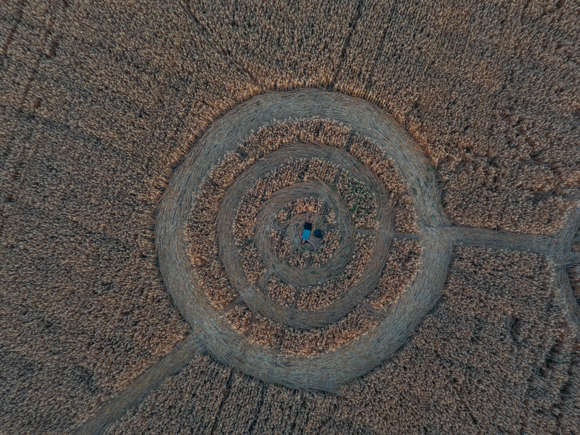
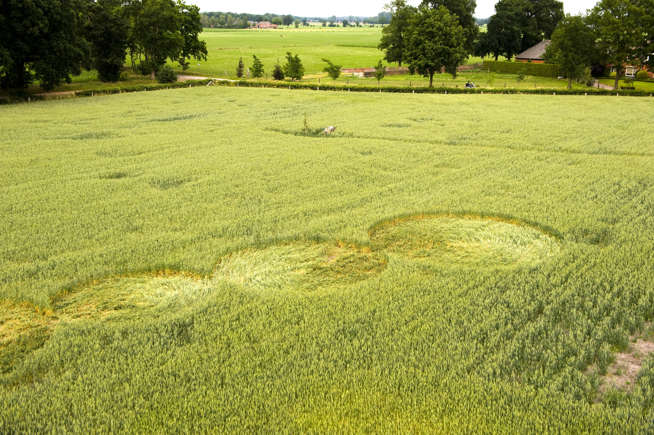
Graancirkels: wat weten we over dit mysterieuze fenomeen?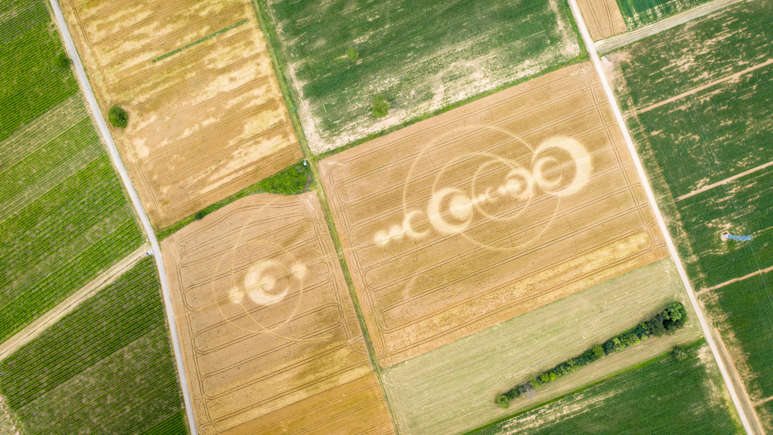
©Shutterstock
Graancirkels: wat weten we over dit mysterieuze fenomeen?
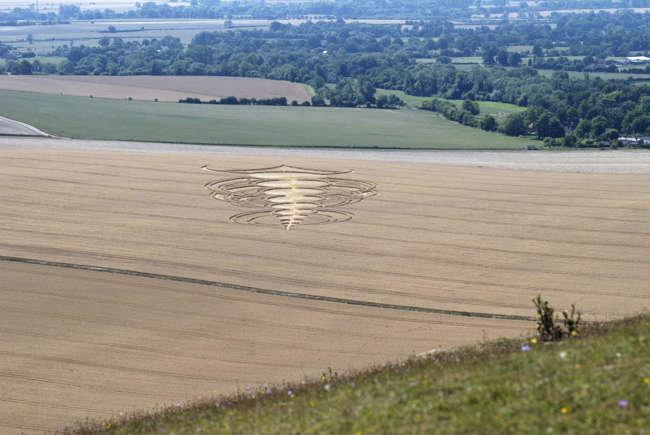
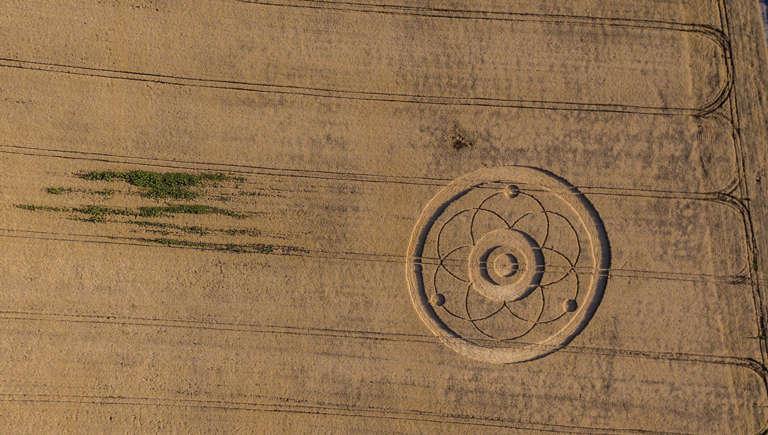
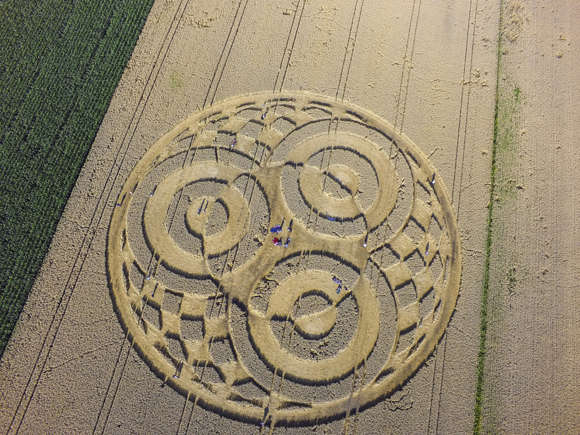
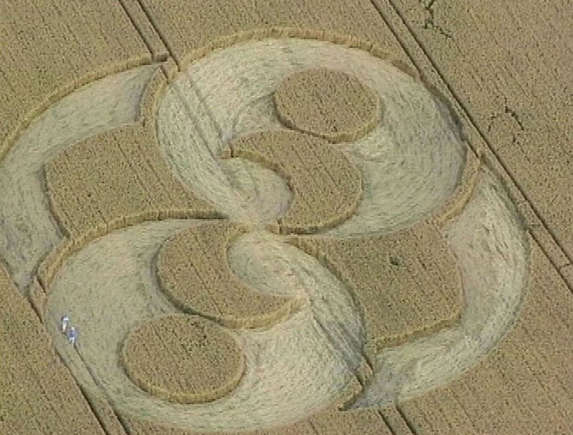
In de jaren tachtig en negentig doken overal ter wereld graancirkels op, wat angst en intriges over hun oorsprong veroorzaakte. Deze cryptische patronen lijken de afgelopen jaren echter verdwenen.
Laten we de geschiedenis, feiten en theorieën verkennen over dit mysterieuze fenomeen dat een milieukunstvorm inspireerde. Lees de volgende items over dit raadselachtig fenomeen..
©Shutterstock
Australië
In de jaren 1960 waren er talrijke UFO-waarnemingen in Queensland, Australië. Mensen beweerden cirkels te hebben ontdekt in moerasriet en rietvelden. Eén zo'n voorval deed zich voor in 1966 toen een aanzienlijke cirkel werd gevonden in het riet van een moeras in Tully, Queensland.
©Shutterstock
Antipodees
Vergelijkbare vindplaatsen zijn gedocumenteerd in verschillende delen van Australië, zoals Tooligie Hill in South Australia in 1971 en Navarre in Victoria in september 1972.
©Shutterstock
Lange geschiedenis
De oorsprong van graancirkels gaat echter veel verder terug. In 1678 werd van een groep cirkels die in Hertfordshire waren ontdekt, gedacht dat ze het werk van de duivel waren, omdat het onmogelijk leek dat een mens ze had kunnen maken;
©Getty Images
Graancirkels
In de jaren 1980 was er een aanzienlijke toename van het aantal gerapporteerde cirkels, wat leidde tot de popularisering van de term "graancirkels".
©Shutterstock
Theorieën
Er werden verschillende verklaringen voor hun ontstaan geopperd. Sommigen geloofden dat UFO's verantwoordelijk waren, terwijl anderen een onbekende vorm van energie, mogelijk paranormaal, voorstelden als de schepper.
©Getty Images
Wiltshire
Eind jaren 1980 vestigden de media de aandacht op graancirkels in Hampshire en Wiltshire, waardoor het fenomeen populair werd.
©Shutterstock
Locatie
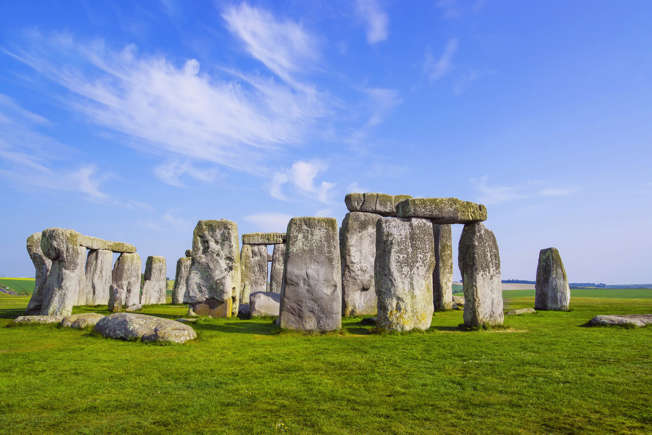
Verder onderzoek wees uit dat graancirkels in het Verenigd Koninkrijk niet willekeurig verspreid waren. Ze verschenen vaak in de buurt van wegen, bewoonde gebieden en oriëntatiepunten zoals de historische steencirkels van Stonehenge en Avebury.
©Getty Images
Operatie Merel
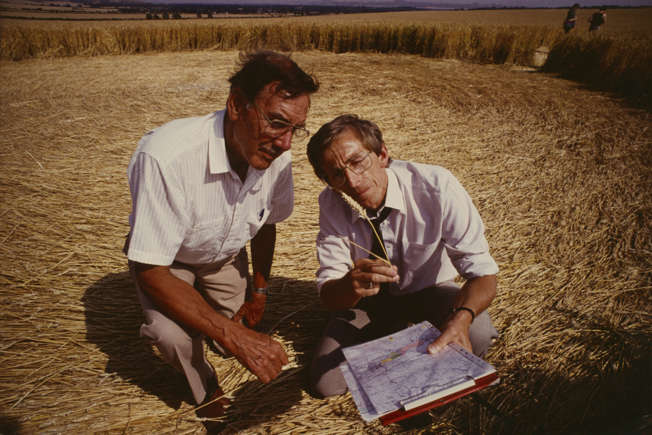
In 1990 begon een team wetenschappers, de zelfbenoemde "cerealogisten", aan een onderzoek om het mysterie rond deze formaties te ontrafelen. Ze sloegen een kamp op op een heuvel in Wiltshire, uitgerust met detectoren voor warmte, licht en geluid. Hun doel was om elk bewijs vast te leggen van een UFO of een buitenaardse entiteit die verantwoordelijk was voor het maken van de graancirkels
©Getty Images
Resultaat
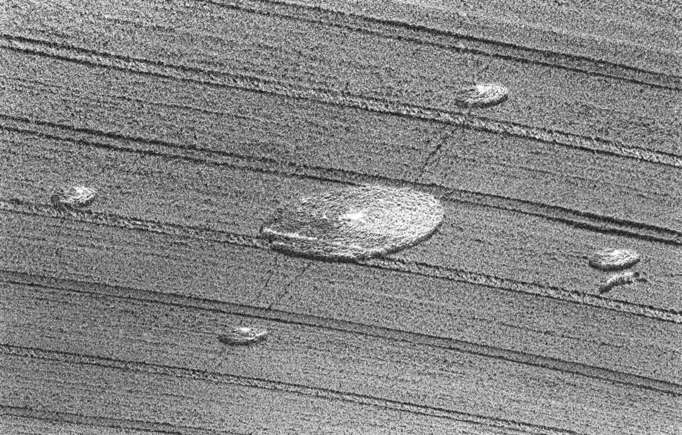
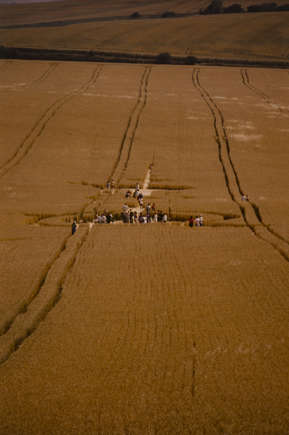
Operatie Blackbird omvatte samenwerking met de BBC en er werd in het gebied gepatrouilleerd door functionarissen van het Ministerie van Defensie. In de tweede nacht registreerde de bewakingsapparatuur knipperende oranje lichten in het aangrenzende veld. De volgende ochtend werden twee grote cirkels met parallelle lijnen ertussen ontdekt.
©Shutterstock
Bewijs
Tijdens het onderzoek van de cirkels werden een bordspel en een houten kruisbeeld ontdekt in het midden van één ervan. Onderzoeker Colin Andrews accepteerde de mogelijkheid dat de knipperende oranje lichten waarschijnlijk werden veroorzaakt door de warmtehandtekening van een hoaxer.
©Reuters
Niet grappig?
Colin Andrews informeerde de pers dat hun onderzoek was gehinderd door een grap, wat een tegenslag veroorzaakte. Hij benadrukte de ernst van hun werk en benadrukte dat de grap van korte duur was.
©Reuters
Ondermijnd
De personen achter de onderbreking van Operatie Blackbird werden niet geïdentificeerd, maar hun acties beschadigden de reputatie van de "cerealogen"
©Shutterstock
Samenzwering?
Volgens berichten hebben samenzweringstheoretici gesuggereerd dat het leger het bedrog heeft uitgevoerd om de onderzoekers minder geloofwaardig te maken.
©Shutterstock
Grappenmakers
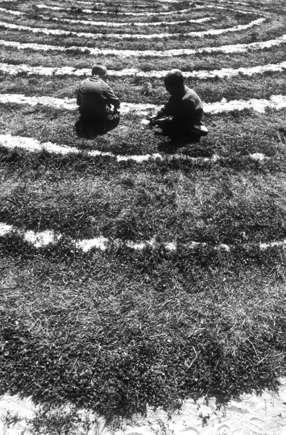
In 1991 schokten Doug Bower en Dave Chorley de wereld toen ze beweerden dat zij degenen waren achter de graancirkels, beginnend in 1978. Ze lieten het proces zien van het creëren van een graancirkel met behulp van basisgereedschap zoals een houten plank, een touw en een baseballpet met een lus van draad om een rechte lijn aan te houden.
©Shutterstock
Verantwoordelijkheid
Bower en Chorley verklaarden naar verluidt dat ze beïnvloed waren door de gebeurtenissen in Australië in de jaren 1960. Ze namen de eer op zich voor alle graancirkels in Groot-Brittannië vóór 1987 en voor meer dan 200 graancirkels van 1978 tot 1991.
©Getty Images
Nieuwe golf
De onthulling van de cirkels van Bower en Chorley in de jaren 1990 leidde tot een toename van het aantal graancirkels. In 2009 meldde het tijdschrift Smithsonian dat deze geometrische ontwerpen in de loop der jaren groter en ingewikkelder zijn geworden. Anonieme cirkelmakers hebben met hun creaties New Age toeristen aangetrokken.
©Reuters
Wereldwijd
Volgens de publicatie zijn er sindsdien wereldwijd op verschillende locaties graancirkels waargenomen. In Zuid-Engeland, waar de meeste activiteit plaatsvindt, richten de cirkelmakers zich op koolzaad-, gerst- en tarwevelden.
©Reuters
Magnetrons
Er zijn echter sceptici die betwijfelen of graancirkels uitsluitend door mensen zijn gemaakt. Physics World onthult dat biofysici opgezwollen stengels hebben geïnterpreteerd als bewijs dat de gewassen werden blootgesteld aan microgolven toen de cirkels werden gevormd. Deze ontdekking heeft geleid tot gepatenteerde methoden om de groei van gewassen te versnellen.
©Shutterstock
Debat
Na de bekentenis van Bower en Chorley ontstond er een gepassioneerde discussie tussen degenen die geloofden dat mensen verantwoordelijk waren en degenen die beweerden dat hun bekentenis niet elke cirkel kon verklaren.
©Shutterstock
Onderzoek
Studies gepubliceerd in 1999 en 2001 vonden bewijs van straling op gewassen in graancirkelformaties, wat een raadsel is voor degenen die de cirkels toeschrijven aan door mensen gemaakte houten plankontwerpen.
©Shutterstock
Prozaïsche waarheid
Andere incidenten hebben eenvoudiger verklaringen. In 2002 maakten mensen melding van graancirkels in de buurt van Pike Lake in Saskatchewan, Canada. Later werd echter bevestigd dat deze formaties in feite mesthopen waren die door een nabijgelegen boer waren weggegooid.
©Shutterstock
Uitleg?
Ook de cirkels die in de jaren 1960 in Australië werden waargenomen, zouden kunnen worden toegeschreven aan wallaby's die opium consumeerden. Volgens rapporten betraden deze buideldieren papavervelden die voor medicinale doeleinden werden gecultiveerd, consumeerden ze overmatige hoeveelheden van de gewassen en bewogen ze zich vervolgens in cirkelvormige patronen.
Een reis naar lokale legendes over de hele wereld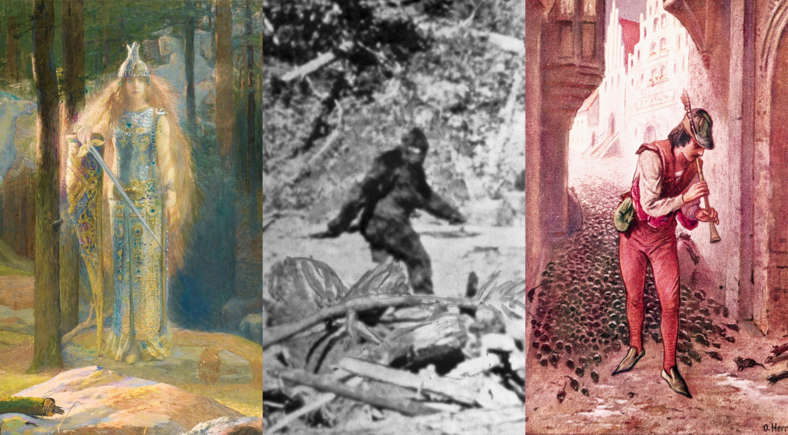
©Getty Images
Een reis naar lokale legendes over de hele wereld
Etherische figuren, die doen denken aan eeuwenoude legendes, komen op subtiele wijze tevoorschijn uit het tapijt van culturen en wenken nieuwsgierigen en dapperen om de blijvende kracht van folklore te ontdekken. Deze verhalen zijn het gefluister van generaties, die de essentie van het mysterieuze en magische vastleggen, en in deze galerij worden ze gevierd als de schatten van ons gedeelde menselijke erfgoed.
Klik door de galerij-foto's om de verhalen van weleer te ontdekken!
©Shutterstock
Het fluisterende bamboe (China)
In het hart van het oude China fluistert een verhaal over twee geliefden, getransformeerd in bamboe, voor altijd samen zwaaiend in de wind. Deze legende, diep geworteld in de Chinese folklore, spreekt over de blijvende kracht van de liefde die echoot door de ritselende bamboebladeren. Het is een herinnering aan de veerkracht van de liefde en de eeuwige aanwezigheid in de natuur.
©Shutterstock
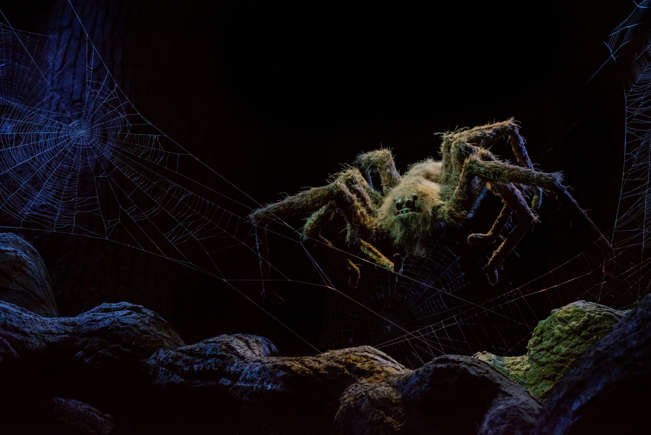
Anansi's Web (West-Afrika)
Onder de Afrikaanse hemel weeft Anansi de Spin meer dan alleen maar webben; hij weeft verhalen over wijsheid. Deze bedrieger, een prominent figuur in West-Afrikaanse verhalen, leert levenslessen door zijn sluwe en avontuurlijke heldendaden. Elke streng van zijn web symboliseert de complexiteit van de beslissingen in het leven en de wijsheid die hij door ervaring verkrijgt.
©Shutterstock
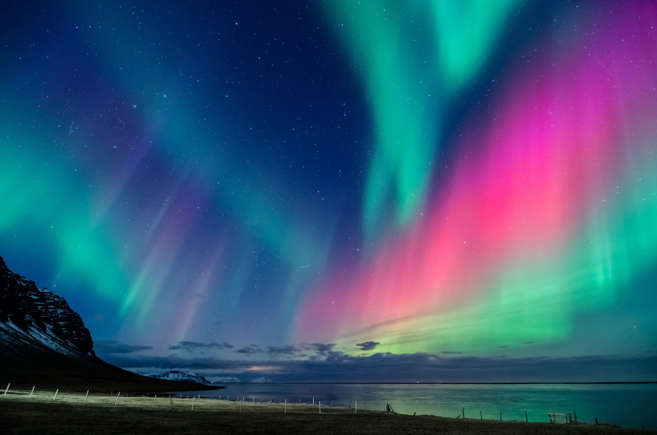
Het noorderlicht (Scandinavië)
Terwijl je in de Scandinavische nacht staart, ben je getuige van de etherische dans van de Aurora Borealis. Folklore vertelt over deze lichten als een hemels fenomeen, waar de geesten van de overledenen in de hemel spelen, verhalen van verwondering weven en het aardse rijk overbruggen met het mystieke.
©Shutterstock
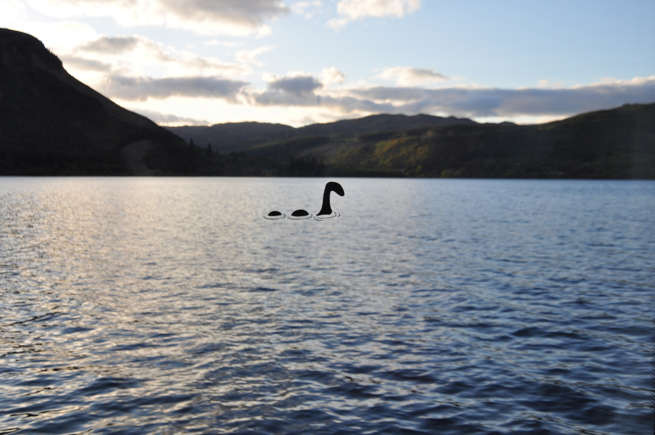
Het monster van Loch Ness (Schotland)
Gehuld in de mist van de Schotse folklore ligt Loch Ness, de thuisbasis van Nessie, het ongrijpbare monster. Deze legende geeft de essentie weer van de enigmatische charme van Schotland, waarbij Nessie de mysteries symboliseert die op de loer liggen in de diepten van onze verbeelding en in de donkere wateren van het meer.
©Shutterstock
Baba Yaga's Hut (Rusland)
In het hart van de Russische folklore staat de hut van Baba Yaga, een bijzondere verblijfplaats op kippenpoten. De enigmatische heks, die vaak een cruciale rol speelt in verhalen over heldendom en speurtochten, belichaamt de dualiteit van de natuur – soms een helper, soms een belemmering, maar altijd een belangrijke figuur in het rijke tapijtwerk van de Slavische mythologie.
©Shutterstock
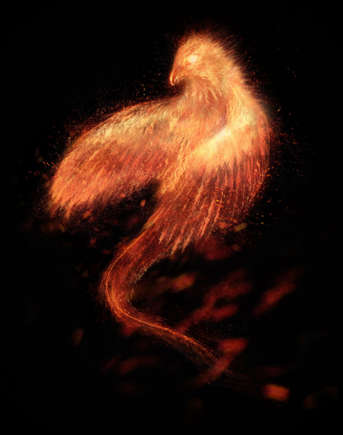
De Feniks (Midden-Oosten)
Uit de as van oude verhalen uit het Midden-Oosten rijst de Feniks op, een prachtige vogel die vernieuwing en het eeuwige leven symboliseert. Dit mythische wezen, helder brandend en herboren uit zijn eigen ondergang, vertegenwoordigt de eindeloze cyclus van leven, dood en wedergeboorte, een krachtig embleem van veerkracht en hoop in de folklore.
©Shutterstock
Kraken (Noordse Zee)
In de diepe, koude wateren van de Noordse Zeeën schuilt de Kraken, een legendarisch zeemonster dat gevreesd wordt door zeilers. Dit enorme wezen, vaak vergeleken met een reuzeninktvis, belichaamt de mysteries en verschrikkingen van de oceaan, een bewijs van de eeuwenoude fascinatie en angst van de mensheid voor de onbekende diepten van de zee.
©Shutterstock
El Dorado (Zuid-Amerika)
Diep in het hart van Zuid-Amerika fascineert de legende van El Dorado, de stad van goud, ontdekkingsreizigers al eeuwenlang. Dit prikkelende verhaal spreekt over grenzeloze rijkdom en ambitie en weerspiegelt de eindeloze zoektocht van de mensheid naar ontdekkingen en de ongrijpbare aard van onze grootste verlangens.
©Shutterstock
De Banshee (Ierland)
In de Ierse folklore is het treurige gejammer van de Banshee onder het maanlicht een voorbode van de dood. Deze spookachtige figuur, gehuld in mysterie, belichaamt de Keltische eerbied voor de overgang van leven naar dood, een aangrijpende herinnering aan de dunne sluier tussen het levende en het spirituele rijk.
©Shutterstock
Tengu (Japan)
Hoog in de Japanse bergen wonen de Tengu: mystieke wezens die deels mens en deels vogel zijn. Deze wezens staan bekend als zowel beschermers als bedriegers van de bossen en symboliseren de complexiteit van de natuur en menselijke interactie, waarbij ze kattenkwaad en wijsheid vermengen in het rijke tapijtwerk van de Japanse folklore.
©Shutterstock
Bigfoot (Noord-Amerika)
In de uitgestrekte, onbekende bossen van Noord-Amerika roept de legende van Bigfoot, een mysterieuze reus, nieuwsgierigheid en debat op. Dit ongrijpbare wezen, vaak omschreven als een torenhoge, harige figuur, belichaamt de wilde en onbekende aspecten van de natuur. Bigfoot dient als symbool voor de mysteries die nog steeds verborgen liggen in de afgelegen wildernis.
©Shutterstock
De regenboogslang (Australië)
Centraal in de Aboriginal mythologie wordt de Regenboogslang vereerd als een krachtige scheppende godheid. Dit levendige, slangachtige wezen, geassocieerd met water en leven, weeft door de verhalen van de inheemse bevolking en symboliseert de schepping, vruchtbaarheid en de onderlinge verbondenheid van alle levende wezens.
©Shutterstock
La Llorona (Mexico)
Het verhaal van La Llorona, gefluisterd langs de rivieroevers, spreekt over een spookachtige vrouw, die eeuwig rouwt om haar verdronken kinderen. Dit aangrijpende verhaal, doordrenkt van Mexicaanse folklore, dient als een waarschuwend verhaal over liefde, verlies en de gevolgen van iemands daden, dat door de eeuwen heen weerklinkt.
©Shutterstock
De Djinn (Midden-Oosten)
In verhalen uit het Midden-Oosten zijn de Djinn bovennatuurlijke wezens, noch geheel goed, noch slecht. Deze raadselachtige wezens worden vaak geassocieerd met het vervullen van wensen en weerspiegelen de dubbele aard van menselijke verlangens en de complexe gevolgen die de vervulling ervan met zich meebrengt.
©Shutterstock
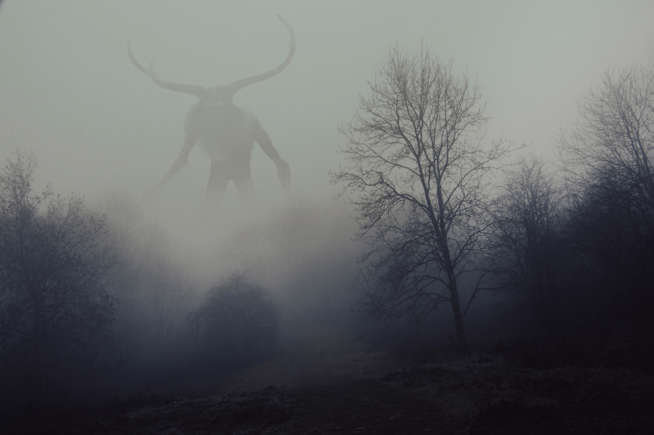
De Krampus (AlpenEuropa)
In de ijskoude Alpengebieden vormt de Krampus een schril contrast met de feestelijke vreugde van Kerstmis. Deze gehoornde figuur, bekend om het straffen van zich misdragende kinderen tijdens de kerstperiode, belichaamt de oude gebruiken en duistere aspecten van wintervieringen en herinnert aan de balans tussen welwillendheid en discipline.
©Shutterstock
De Chupacabra (Latijns-Amerika)
In het hart van de Latijns-Amerikaanse folklore wordt gezegd dat de Chupacabra, een mysterieus wezen, op vee jaagt. Deze legende vat de menselijke angst voor het onbekende en het onverklaarde samen, terwijl verhalen over de waarnemingen nieuwsgierigheid en speculatie blijven aanwakkeren.
©Shutterstock
Māui en de zon (Polynesië)
Māui, de Polynesische halfgod, wordt gevierd vanwege zijn gedurfde prestatie om de zon te vertragen. Dit verhaal benadrukt het menselijk vernuft en de moed, waarbij Māui wordt afgebeeld als een bedrieger en culturele held die de loop van de dag veranderde ten behoeve van zijn volk.
©Shutterstock
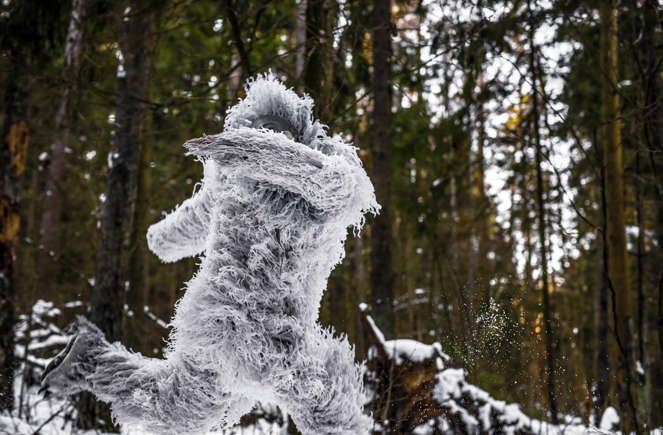
De Yeti (Himalaya)
De Yeti, of de Verschrikkelijke Sneeuwman, is een mysterieus wezen waarvan wordt aangenomen dat het op de besneeuwde toppen van de Himalaya leeft. De legende van de Yeti, die de ongetemde en onontdekte aspecten van onze wereld symboliseert, blijft tot de verbeelding spreken en vertegenwoordigt de mysteries die nog steeds in de uitgestrekte, afgelegen bergen hangen.
©Shutterstock
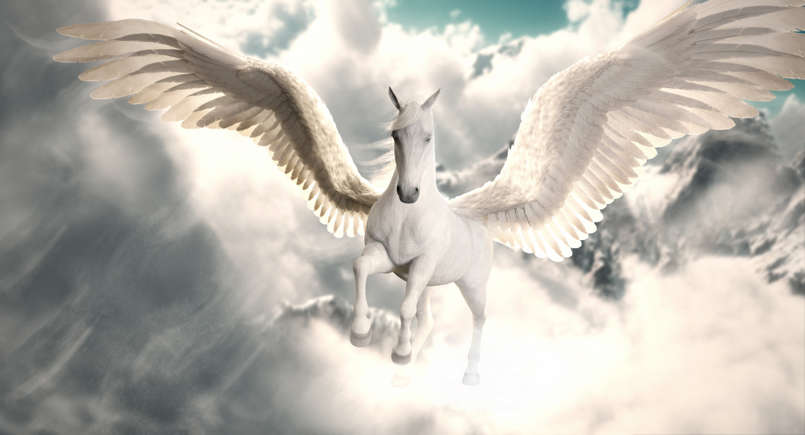
Pegasus (Griekenland)
In de Griekse mythologie symboliseert Pegasus, het majestueuze gevleugelde paard geboren uit Medusa's bloed, de hoogten van inspiratie en vrijheid. Het verhaal van Pegasus is verweven met verhalen over helden en goden, waardoor de grenzeloze mogelijkheden van de verbeelding en het vermogen van de menselijke geest tot verwondering worden benadrukt.
©Shutterstock
Huidlopers (Navajo)
In de Navajo-cultuur zijn Skinwalkers vormveranderende heksen, die een complexe relatie tussen mensen en het bovennatuurlijke belichamen. Deze wezens, die in verschillende dieren kunnen veranderen, vertegenwoordigen de dualiteit van de natuur en de diepgewortelde culturele overtuigingen over de kracht van transformatie en de mysteries van de natuurlijke wereld.
©Shutterstock
Sirenes (Griekse mythologie)
In de verleidelijke maar gevaarlijke wateren van het oude Griekenland belichamen sirenes met hun betoverende muziek de verleiding. Deze wezens, half vogel en half vrouw, lokten zeelieden naar hun ondergang en belichaamden de aantrekkingskracht en gevaren van het onbekende.
©Shutterstock
De fontein van de jeugd (Europa)
De legendarische Fontein van de Jeugd, een mythische bron, zou de jeugd herstellen bij iedereen die het water drinkt. Deze blijvende mythe spreekt over het universele menselijke verlangen naar verjonging en de tijdloze zoektocht naar eeuwig leven en vitaliteit.
©Shutterstock
De Ruiter zonder Hoofd (Verenigde Staten)
De Headless Horseman galoppeert door de pagina's van Washington Irving's 'The Legend of Sleepy Hollow' en is een spookachtige ruiter op zoek naar zijn vermiste hoofd. Deze iconische figuur weerspiegelt de griezelige en mysterieuze sfeer van de vroege Amerikaanse folklore.
©Shutterstock
Kabouters (Ierland)
In de weelderige groene landschappen van Ierland staan Leprechauns, ondeugende feeën, bekend om hun verborgen potten met goud. Deze ongrijpbare wezens, onderdeel van de Ierse folklore, symboliseren geluk, fortuin en de speelse aard van de Ierse geest.
©Shutterstock
Valkyries (Noorse mythologie)
In de Noorse mythologie kozen Walkuren, goddelijke vrouwelijke figuren, het lot van krijgers in de strijd. Deze krachtige wezens, die door de lucht vliegen, vertegenwoordigen de concepten van het lot en het hiernamaals, een integraal onderdeel van de Viking-overtuigingen en -cultuur
©Shutterstock
De rattenvanger (Duitsland)
De rattenvanger, een mysterieuze figuur uit de Duitse folklore, staat erom bekend een stad van ratten te bevrijden en later zijn kinderen weg te lokken. Zijn verhaal is een waarschuwend verhaal over beloften en gevolgen, dat door de eeuwen heen weerklank vindt.
©Shutterstock
De Nian (China)
Het angstaanjagende beest Nian zou in de Chinese folklore zijn verslagen met behulp van rode lantaarns en vuurwerk. Deze legende symboliseert de triomf over angst en tegenspoed, gevierd tijdens het Chinese Nieuwjaar.
©Shutterstock
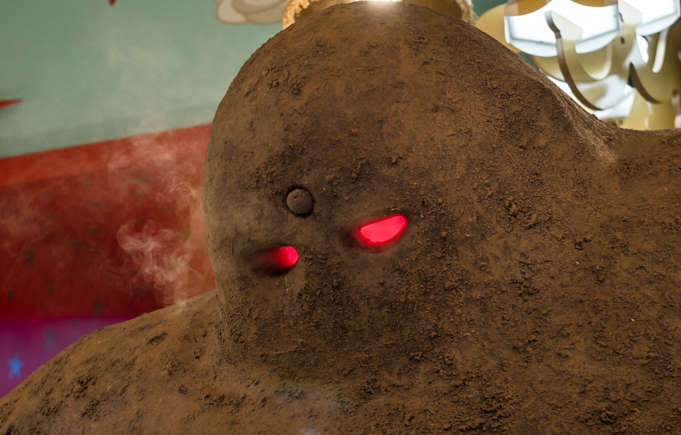
De Golem (Joodse folklore)
In de Joodse folklore werd de Golem, een tot leven gewekt kleifiguur, gecreëerd om de gemeenschap te beschermen. Dit krachtige verhaal onderzoekt thema's als creatie, controle en de onbedoelde gevolgen van onze acties.
©Shutterstock
Kappa (Japan)
De Kappa, waterwezens uit de Japanse folklore, staan bekend om hun kattenkwaad, maar toch zijn ze gebonden aan een beleefdheidscode. Deze wezens symboliseren de genuanceerde relatie tussen mensen en de natuurlijke wereld en weerspiegelen het delicate evenwicht van co-existentie.
©Shutterstock
The Selkie's Secret (Schotse en Ierse folklore)
Selkies, zeehondenmensen uit de Schotse en Ierse overlevering, belichamen de thema's identiteit en vrijheid. Hun verhalen, vaak romantisch en tragisch, spreken over de transformerende aard van selkies en hun diepe verbinding met zowel land als zee, en reflecteren op het universele verlangen naar iemands ware thuis.
Bronnen:
Odysseus Moon Lander Sends More Pictures — and We Know Where It Is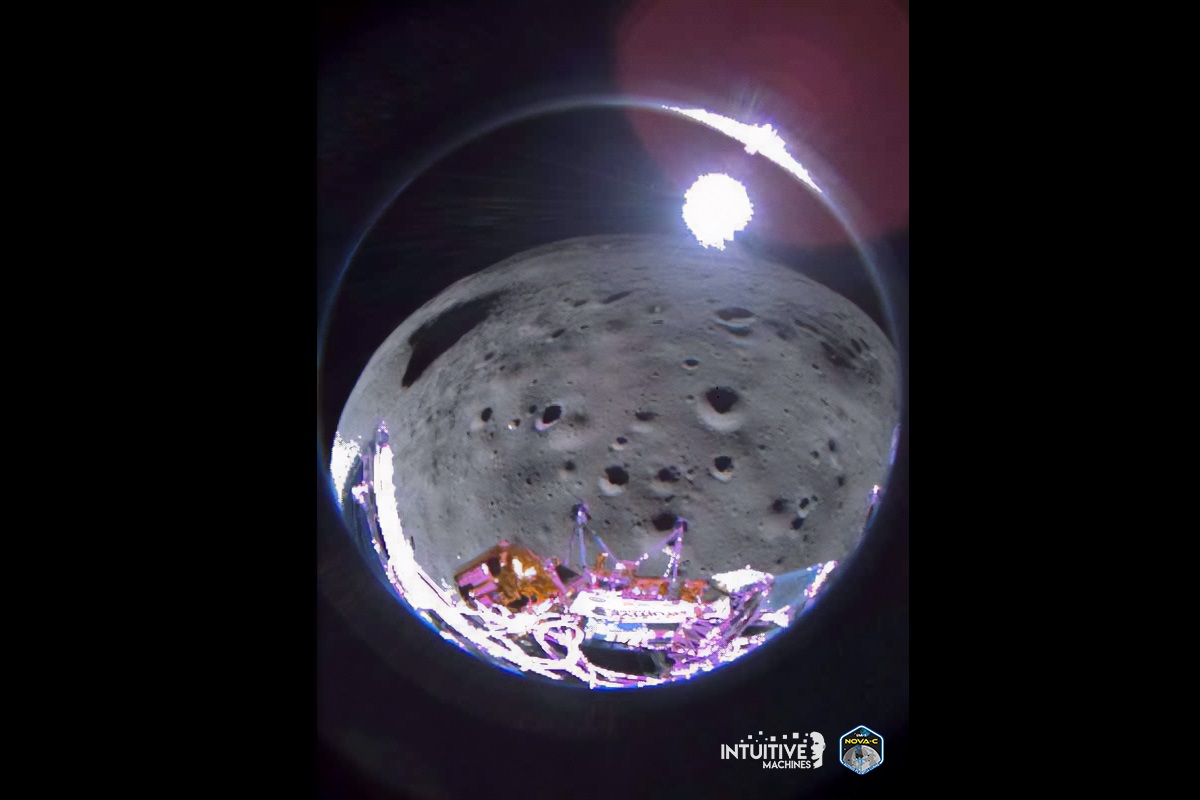
Four days after Intuitive Machines’ Odysseus lander made an off-kilter touchdown on the moon, the mission team is releasing snapshots that were taken during its descent.
The ultra-wide-angle images confirm that the lander is continuing to communicate with flight controllers, even though it’s lying in an awkward angle that limits how much data its antennas can transmit.
Meanwhile, images from NASA’s Lunar Reconnaissance Orbiter have identified Odysseus’ landing spot, within a mile (1.5 kilometers) of its intended target near a crater called Malapert A in the moon’s south polar region. The bad news is that the solar-powered lander may have to go dark sooner than anticipated.
 This low-resolution, ultra-wide-angle image from the Odysseus lander shows the lunar terrain with a scrunched view of the lander itself off to the right side of the frame.
(Credit: Intuitive Machines)
The lander is the first-ever commercial spacecraft to survive a descent to the moon, and the first U.S-built spacecraft to do so since NASA’s Apollo 17 mission in 1972. NASA is paying Intuitive Machines $118 million to deliver six science payloads to the surface, and there are another six private-sector payloads on board.
Odysseus’ descent wasn’t easy: Just hours before the landing, the Nova Control team had to reprogram the lander to work around a disabled laser range-finding system. The spacecraft instead made use of one of the NASA payloads, an experimental laser range-finding system. Fortunately, the work-around worked.
The lander also hit the dirt faster than originally planned, with a lateral motion that’s thought to have tripped up one of Odysseus’ landing legs. As a result, the spacecraft is lying on its side. Mission managers say that doesn’t seem likely to affect data collection, but it is affecting data transmission.
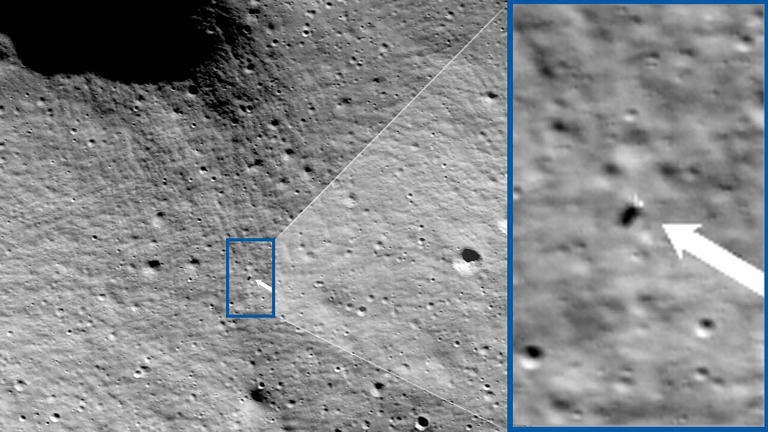
Lunar Reconnaissance Orbiter’s images from this past weekend indicate that Odysseus hit a bull’s-eye, just like the hero from Greek mythology after whom it was named.
 An overhead image from NASA’s Lunar Reconnaissance Orbiter shows the location of the Odysseus lander, highlighted by the blue-bordered inset.
(Credit: NASA / Goddard / Arizona State University)
“After traveling more than 600,000 miles, Odysseus landed within 1.5 km of its intended Malapert A landing site, using a contingent laser range-finding system patched hours before landing,” Intuitive Machines said in today’s update.
But Intuitive Machines also suggested that Odysseus won’t be able to remain in operation for the week to 10 days that mission managers had hoped for. “Flight controllers intend to collect data until the lander’s solar panels are no longer exposed to light,” according to the update. “Based on Earth and moon positioning, we believe flight controllers will continue to communicate with Odysseus until Tuesday morning.”
Maybe Odysseus and its controllers will have to hope for an unexpected revival similar to what the team behind another off-kilter moon lander, Japan’s SLIM spacecraft, experienced this weekend.
Electrodes in Spacesuits Could Protect Astronauts from Harmful Dust on Mars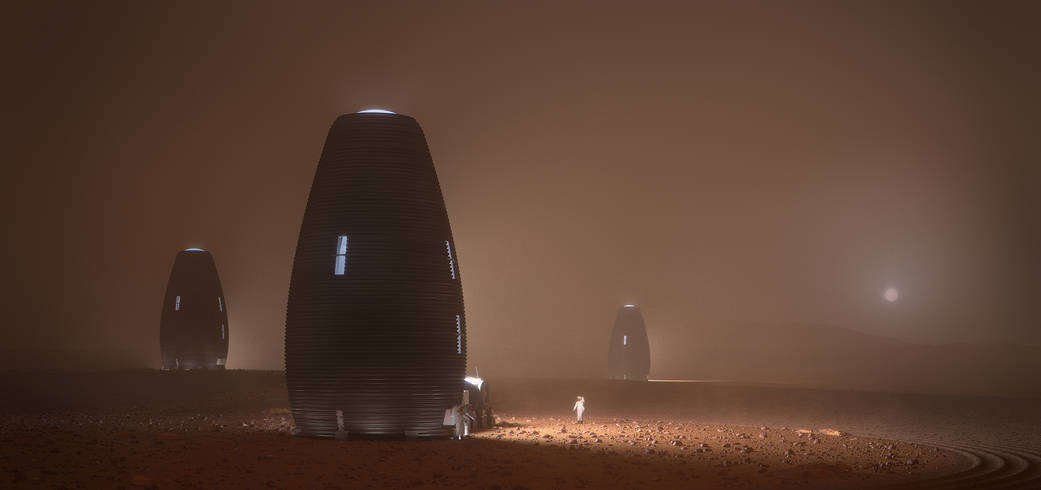
To quote NASA associate administrator Jim Reuter, sending crewed missions to Mars by 2040 is an “audacious goal.” The challenges include the distance involved, which can take up to six months to traverse using conventional propulsion methods. Then there’s the hazard posed by radiation, which includes increased exposure to solar particles, flares, and galactic cosmic rays (GCRs). And then there’s the time the crews will spend in microgravity during transits, which can take a serious toll on human health, physiology, and psychology.
But what about the challenges of living and working on Mars for several months at a time? While elevated radiation and lower gravity are a concern, so is Martian regolith. Like lunar regolith, dust on Mars will adhere to astronauts’ spacesuits and inflict wear on their equipment. However, it also contains harmful particles that must be removed to prevent contaminating habitats. In a recent study, a team of aerospace engineers tested a new electrostatic system for removing Martian regolith from spacesuits that could potentially remove harmful dust with up to 98% efficiency.
The new system was designed by Benjamin M. Griggs and Lucinda Berthoud, a Master’s engineering student and Professor of Space Systems Engineering (respectively) with the Department of Aerospace Engineering at the University of Bristol, UK. The paper that describes the system and the verification process recently appeared in the journal Acta Astronautica. As they explain, the Electrostatic Removal System (ERS) they propose utilizes the phenomenon of dielectrophoresis (DEP) to remove Martian dust from spacesuit fabrics.

Much like its lunar counterpart, Martian regolith is expected to be electrostatically charged due to exposure to cosmic radiation. But on Mars, there’s also the contribution made by dust devils and storms, which have been known to generate electrostatic discharges (aka. lightning). During the Apollo missions, astronauts reported how the lunar regolith would adhere to their suits and get tracked back into their Lunar Modules. Once inside, it would similarly stick to everything and get into their eyes and lungs, causing irritation and respiratory problems.
Given their plans to return astronauts to the Moon through the Artemis Program, NASA is investigating several methods to prevent regolith from getting into habitation modules – like coating technology for spacesuits and electron beams for cleaning them. While Martian dust is expected to inflict similar wear on spacesuits, the situation is made worse because it may contain toxic particles. As Griggs explained to Universe Today via email:
“Beyond having an abrasive effect on spacesuits themselves, Martian regolith is also expected to present health issues to astronauts. It is known to contain a range of harmful particles which may be carcinogenic or cause respiratory issues, and data from the Pathfinder mission showed the presence of toxic particles such as chromium. Martian regolith will therefore require removal from spacesuits prior to entry into habitation zones on Mars to prevent contact between astronauts and regolith particles.”
The principle behind the device, dielectrophoresis (DEP), refers to the movement of neutral particles when subjected to a nonuniform electric field. Their proposed Electrostatic Removal System (ERS) comprises two components: a High Voltage Waveform Generator (HVWG) used to produce square waves of varying frequencies and amplitudes up to 1000 volts and an Electrostatic Removal Device (ERD) consisting of an array of parallel copper electrodes. When the square waves are applied across the electrodes in the ERD, a large and varying electric field is generated. As Griggs summarized:
“Therefore, when dust particles are incident on the surface of the ERD, the dust particles are displaced through a combination of electrostatic and dielectrophoretic forces (due to the large electric field), which acts on charged and uncharged particles respectively within the dust. This acts to displace dust particles in a direction perpendicular to the electrodes, resulting in the clearing of the ERD surface.”
 Microspheroids containing mostly aluminum and chlorine overgrow the mineral surface of synthetic Mars regolith.
Credit: Tetyana Milojevic
To evaluate the performance of their proposed system, Griggs and Prof. Berthoud developed an experiment to investigate several key variables. This included the frequency and amplitude of square waves, the spacing between the electrodes, the incline of the surface of the ERD, the distance between the electrodes and the dust layer, and the material of the surface from which dust is removed. The first step was to produce analytical models, which was an extremely complex task for this system, and previous numerical models were not particularly useful.
“For this work, a simpler model was therefore derived using Couloumb’s law and the law of dielectrophoresis for a preliminary prediction of the effect of parameters including the square wave amplitude, electrode spacing, and dust-electrode separation (the actual distance between the electrodes and the dust particles they are acting to remove) on system performance,” said Griggs. The next step was to prepare an experiment that would quantify the optimum performance and behavior of the proposed system and measure its effects. As Griggs described:
“Two metrics were developed for quantifying and comparing the system performance during testing: clearing performance (% of the surface that was clear did not contain dust particles), and clearing rate (a normalised rate of clearing based on the time taken to go from 5% to 60% of final clearing performance). A wide range of parameters were experimentally explored, including the frequency and amplitude of square wave applied across the electrodes. The system was then applied to removing dust from the outer layer of spacesuits by integrating a layer of Ortho-fabric (the outer layer of spacesuits) between the system and a layer of dust particles.”
From their tests, they found that the system achieved an optimum clearing performance of 98% when integrated directly below a layer of dust particles. However, this dropped off significantly when the outer layer was introduced due to the increased distance between the system and dust particles. As a result, they conclude that this system would likely need to be integrated directly into the outer layer of spacesuits to increase performance, possibly woven into the fabric itself. The system offers a non-abrasive method for dust removal, which is essential to future Mars missions.
 A recent dust devil on Mars captured by NASA’s High Resolution Imaging Experiment (HiRISE) camera.
Credit: NASA/JPL-Caltech/UArizona
However, as Griggs summarized, further refinements are required before the technology can be used on future missions. In addition, the potential benefits reach beyond astronaut health and removing dust from spacesuits:
“This concept has already been explored with success, though by its very nature it compromises the integrity of the outer layer of spacesuit. The technology therefore requires refinement before application on future Mars missions. The technology provides a suitable alternative to the mechanical methods of dust removal used on the short-length Apollo missions (brushing and vacuuming), which are unsuitable for longer Martian missions due to their abrasive effect on the spacesuits. It is therefore also a very promising technology for dust removal in other applications such as dust removal from solar panels or optical devices, which will be essential in future Mars missions.”
Further Reading:
2004 Movie ‘The Passion of the Christ’ Had Unusual Incidents While Filming – Actor Playing Jesus Was Struck by Lightning
“The Passion of the Christ” is a movie directed by Mel Gibson in 2004. It focuses on the final twelve hours of Jesus’ life, including when he comes back to life. This film is special because it’s in Latin and Aramaic, trying to show Jesus’ life in a different way. However, some people didn’t like it because it strongly emphasizes religion and shows biblical events in a dramatic way. Even though it made a lot of money worldwide, more than $400 million, some criticized it for its violent scenes and said it posed a negative view of Jewish people.
Jim Caviezel, who portrayed Jesus in the movie, faced several challenges during its production. He attributed a series of unfortunate events to the film, claiming that offers for other roles dwindled, and he became an outcast in Hollywood. The challenges on set included filming in extremely cold conditions, leading to near-hypothermia, as well as suffering from pneumonia and a lung infection. Caviezel also endured injuries during the filming of the whipping scene, where a hidden post caused him pain, and he dislocated his shoulder while carrying a heavy crucifix.
In one scene, a heavy cross weighing 130 pounds fell on Caviezel’s shoulder, causing a separation. The scene remained in the movie. The cross was very heavy, perhaps more than half the weight of an average Jewish man. Jesus had already gone through a lot, such as being whipped, hit on the head, and having thorns pressed into his head. All his friends had left him. Caviezel acted with a separated shoulder. While filming almost naked in frigid conditions, the actor nearly suffered hypothermia and succeeded in getting a lung infection and pneumonia.
A study found that about 240,000 people get struck by lightning every year. This doesn’t happen very often. But in 2003, during the making of The Passion of the Christ, it happened three times.
The lead actor, Jim Caviezel, said that he felt like a Christmas tree when he got struck by lightning while filming the Sermon on the Mount scene. He even knew it was going to happen about four seconds before it did. He shared this experience with The 700 Club, saying, “I thought, ‘I’m going to get hit.’ And when it happened, I saw the extras grab the ground.”
Caviezel said that after the lightning hit him, fire came out of his head, and his body glowed. The cameras hadn’t reached him yet. “When the cameras reached me,” Caviezel remembered, “I heard Mel shouting, ‘What happened to his hair?’ I looked like I had gone to see Don King’s hair stylist.”
Caviezel was not the only person who got hit by lightning while filming The Passion. “After I got hit, Jon Mikalini, an assistant, came over and asked if I was okay. Then, he got hit too. The difference was that they saw the lightning hit Jon. All I felt was a big slap on my ears and saw pink and red static in front of my eyes for a few seconds.”
Surprisingly, it wasn’t the first time the assistant director got hit while working. According to BBC News, Mikalini had been struck by lightning before when it hit his umbrella. Thankfully, he only got minor burns on his fingertips. Can you believe the chances of that happening? It’s extremely rare, with odds of 1 in 11,728,889,000,000 if you live in the United States.
During the filming of The Passion of the Christ, they had a hidden whipping post set up behind Jim Caviezel. However, there was a problem. One of the actors who was supposed to be whipping Jim didn’t have a great aim when swinging the whip. Jim Caviezel explained that the lash went beyond the board and hit him really hard, making it difficult for him to breathe. He said it felt like having the wind knocked out of him, and the pain was so bad that he couldn’t catch his breath.
Caviezel was not happy. He said, “I turned around and looked at the guy, and I tell you, I may be playing Jesus, but I felt like Satan at that moment… a couple of bad words came out of my mouth.” Unfortunately, shortly after that, Caviezel accidentally got another hit. Playing the role of Jesus isn’t as easy as it seems.
Caviezel had a tough time making the movie. He got hit by lightning, got a few lashes in the wrong place, and even hurt his shoulder while carrying a really heavy cross in the film. The cross he had to carry weighed 150 pounds, and it felt even heavier as the day went on, according to Caviezel.
Mel Gibson talked a lot about weird incidents that happened while making the movie. In an interview, Gibson said some unusual events occurred on set. Some of the amazing things that happened were people getting better from illnesses, getting their sight and hearing back, and most importantly, finding salvation. There was a little six-year-old girl, whose parent worked on the movie crew. She had epilepsy since she was born and used to have up to 50 seizures every day. After the movie came out, she seemed to be almost cured. She didn’t have any seizures for more than a month. It was also said that she was dealing with her condition much better.
Filming the movie “The Passion of the Christ” had a significant effect on many people involved. The set of the film became a place where people talked about their faith. Father John Bartunek, a priest on set, said that everyone felt comfortable discussing spiritual things. He compared himself to a lightning rod for these conversations, but he didn’t actually get struck by lightning.
Because of their experiences during the making of the film, many actors and crew members decided to become Christians (specifically, Catholics) after the movie was done. Even an Atheist actor, Luca Lionello, who played the role of Judas Iscariot, converted to Christianity.
Being in a film and playing a character with a lot of flaws, like Judas, can lead to finding salvation. The impact of the finished movie on those who watch it could be significant, making a positive difference in their lives.
An actor named Luca Lionello, who used to call himself an “angry atheist,” changed his beliefs while working on a film. He played the role of Judas. Towards the end of making the movie, Lionello started considering the film’s main character as his lord and savior. He even went for confession, and it seems the whole experience had a big impact on him. He baptized his children, made his marriage sacred, and returned to the Church.
Read also:
Mel Gibson wanted to make a sequel called ‘The Passion of the Christ: Resurrection,’ even though there were some challenges. It was supposed to be released in 2022. The actor Caviezel, who was in the first movie, also said he will be in the next part. He believed it would be the “biggest film in history” and hinted that it would be done in a unique and special way.
Gibson, however, faced personal controversies. He faced legal problems because of issues with alcohol, and in 2006, he was arrested for driving under the influence. He also made comments that offended Jewish people and said bad things about the LGBT community, which made people criticize him even more. The film was already causing controversy because of its violent scenes, historical mistakes, and accusations of being anti-Jewish.
Now, there’s talk about a sequel to the movie that will explore a question about the three days before Jesus came back to life. This has the potential to create more controversy. Some people wonder if Gibson’s personal beliefs affected the first movie, making it controversial.
The Passion of the Christ was criticized for not being accurate to the Bible, having historical errors, and portraying Jewish characters in a bad way. Some say the violence in the film was too much and distracted from its message about redemption. People have different opinions on whether accidents on the movie set were just accidents or if something more mysterious was happening.
As everyone waits for the sequel, the controversies from the first movie are still being talked about. People discuss faith, how art is interpreted, and whether personal beliefs should affect movies. We’ll have to see if the sequel faces similar challenges, adding more mystery to this interesting Hollywood story.
Cigar-shaped UFO filmed above Ukraine's front line
 Surviving an Alien Encounter: Insights from Harvard’s Avi Loeb

In a world where the possibility of extraterrestrial life captivates the imagination of many, the question of how humanity would fare in the face of an alien invasion remains a topic of intense speculation and debate. Avi Loeb, a renowned astrophysicist from Harvard University, offers a perspective that challenges conventional narratives surrounding this speculative scenario.
Public interest in aliens often oscillates between curiosity and apprehension, reflecting a deep-seated fear of the unknown. A poll conducted by Loeb revealed a predominant belief that contact with extraterrestrial beings could have catastrophic consequences for humanity. This sentiment, according to Loeb, is rooted in the human tendency to anticipate negative outcomes from unfamiliar situations, a psychological artifact of our evolutionary history.
Loeb draws parallels between the fear of alien encounters and the tribalism that characterizes human social interactions. Just as individuals align themselves with groups that share their views, thereby ostracizing those who do not, humanity as a whole tends to view potential extraterrestrial beings through a lens of suspicion and hostility. This instinct, while beneficial in a world of limited resources, may not serve us well in the vast expanse of space, where resources are abundant and the potential for collaboration with advanced civilizations could be transformative.
Contrary to the popular narrative of doom, Loeb views the prospect of encountering advanced alien civilizations as an unparalleled opportunity for learning and growth. Given the immense distances involved in interstellar travel, any civilization capable of reaching Earth would likely possess technology far beyond our current understanding. Rather than posing a threat, these civilizations could offer insights and knowledge that propel human technology and society forward in leaps and bounds.
The discovery of extraterrestrial life would inevitably force humanity to reconsider its place in the universe. Loeb suggests that this could be a humbling yet enlightening experience, pushing us to abandon our tribalistic tendencies in favor of a more unified view of humanity as part of a larger cosmic community. This shift in perspective could lead to a more cooperative and peaceful existence, both among ourselves and with any neighbors we might encounter in the galaxy.
Avi Loeb’s perspective on the potential for human-alien interaction is a beacon of optimism in a field often overshadowed by fear and pessimism. By advocating for curiosity, openness, and a willingness to learn from the unknown, Loeb encourages us to view the possibility of extraterrestrial encounters not as a threat, but as an opportunity to advance our understanding of the universe and our place within it. As we continue to explore the cosmos, keeping an open mind about the potential for alien life could be the key to unlocking a future of unprecedented growth and cooperation.
Japanse maanlander opnieuw geactiveerd na twee weken verplichte rust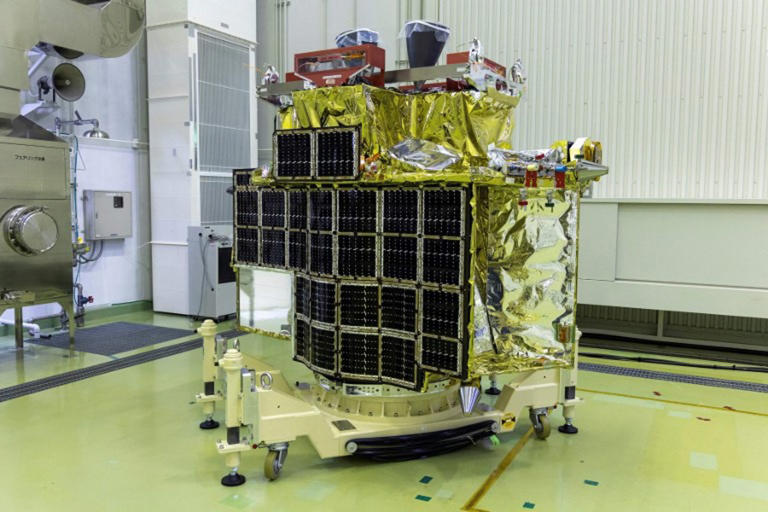
Na twee weken maannacht is de Japanse maanlander SLIM opnieuw geactiveerd, meldt het Japanse ruimtevaartprogramma Jaxa.
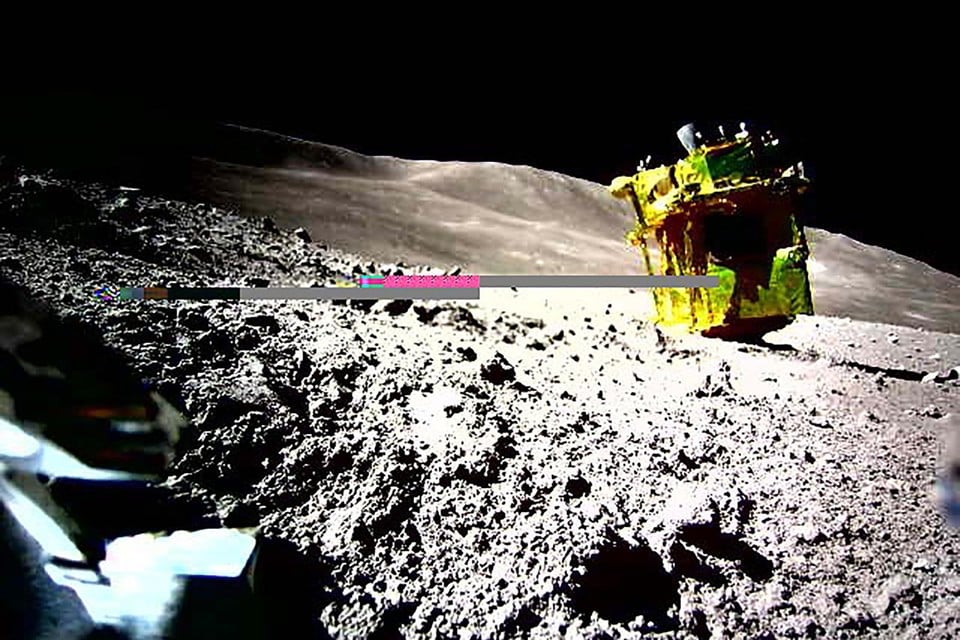
De term maannacht verwijst naar een periode waarin het naar de aarde gekeerde deel van de maan geen zonlicht krijgt en de temperaturen dan ook navenant zakken. Een maannacht duurt ongeveer 15 dagen en de temperaturen kunnen zakken tot onder -160 graden Celsius.
"De voorbije nacht is een commando gestuurd naar SLIM en is een antwoord ontvangen, wat bevestigt dat het toestel de maannacht overleefd heeft en zijn vermogen om te communiceren behouden heeft", schrijft Jaxa op X, het voormalige Twitter. "De communicatie met SLIM werd na korte tijd afgebroken, omdat het nog steeds middag was op de maan en de temperatuur van de communicatietemperatuur erg hoog was. Er worden voorbereidingen getroffen om de operaties te hervatten wanneer de temperaturen van de instrumenten voldoende zijn afgekoeld", vervolgt Jaxa.
De Smart Lander for Investigating Moon (SLIM) landde op 20 januari op 55 meter van zijn oorspronkelijke doel op de maan. Dat maakte van Japan het vijfde land dat met succes landde op de maan, na de Verenigde Staten, de Sovjet-Unie, China en India. Door een motorprobleem in de laatste meters van de afdaling landde SLIM in een hoek, waardoor zijn naar het westen gerichte fotovoltaïsche cellen geen zonlicht konden opvangen. SLIM kwam in een kleine krater, genaamd Shioli, terecht. Voor het toestel werd uitgeschakeld, laadde het twee minirovers uit, die analyses zullen uitvoeren op gesteente uit de interne structuur van de maan, de maanmantel.
Het onbemande ruimtetuig kon opnieuw communiceren en zijn wetenschappelijke opdracht hervatten: onderzoek naar maangesteente. Dat moet duidelijk maken of onder het oppervlakte water, zuurstof en/of brandstoffen aanwezig zijn, cruciaal als mensen in de toekomst een station op de maan willen vestigen.
Nu blijkt dat SLIM de maannacht heeft doorstaan. Volgens de Japanse luchtvaartorganisatie JAXA is de maanlander niet gebouwd om een lange donkere periode en temperaturen tot -150 graden Celsius te overleven.