Ontdek de Fascinerende Wereld van UFO's en UAP's: Jouw Bron voor Onthullende Informatie!
Ben jij ook gefascineerd door het onbekende? Wil je meer weten over UFO's en UAP's, niet alleen in België, maar over de hele wereld? Dan ben je op de juiste plek!
België: Het Kloppend Hart van UFO-onderzoek
In België is BUFON (Belgisch UFO-Netwerk) dé autoriteit op het gebied van UFO-onderzoek. Voor betrouwbare en objectieve informatie over deze intrigerende fenomenen, bezoek je zeker onze Facebook-pagina en deze blog. Maar dat is nog niet alles! Ontdek ook het Belgisch UFO-meldpunt en Caelestia, twee organisaties die diepgaand onderzoek verrichten, al zijn ze soms kritisch of sceptisch.
Nederland: Een Schat aan Informatie
Voor onze Nederlandse buren is er de schitterende website www.ufowijzer.nl, beheerd door Paul Harmans. Deze site biedt een schat aan informatie en artikelen die je niet wilt missen!
Internationaal: MUFON - De Wereldwijde Autoriteit
Neem ook een kijkje bij MUFON (Mutual UFO Network Inc.), een gerenommeerde Amerikaanse UFO-vereniging met afdelingen in de VS en wereldwijd. MUFON is toegewijd aan de wetenschappelijke en analytische studie van het UFO-fenomeen, en hun maandelijkse tijdschrift, The MUFON UFO-Journal, is een must-read voor elke UFO-enthousiasteling. Bezoek hun website op www.mufon.com voor meer informatie.
Samenwerking en Toekomstvisie
Sinds 1 februari 2020 is Pieter niet alleen ex-president van BUFON, maar ook de voormalige nationale directeur van MUFON in Vlaanderen en Nederland. Dit creëert een sterke samenwerking met de Franse MUFON Reseau MUFON/EUROP, wat ons in staat stelt om nog meer waardevolle inzichten te delen.
Let op: Nepprofielen en Nieuwe Groeperingen
Pas op voor een nieuwe groepering die zich ook BUFON noemt, maar geen enkele connectie heeft met onze gevestigde organisatie. Hoewel zij de naam geregistreerd hebben, kunnen ze het rijke verleden en de expertise van onze groep niet evenaren. We wensen hen veel succes, maar we blijven de autoriteit in UFO-onderzoek!
Blijf Op De Hoogte!
Wil jij de laatste nieuwtjes over UFO's, ruimtevaart, archeologie, en meer? Volg ons dan en duik samen met ons in de fascinerende wereld van het onbekende! Sluit je aan bij de gemeenschap van nieuwsgierige geesten die net als jij verlangen naar antwoorden en avonturen in de sterren!
Heb je vragen of wil je meer weten? Aarzel dan niet om contact met ons op te nemen! Samen ontrafelen we het mysterie van de lucht en daarbuiten.
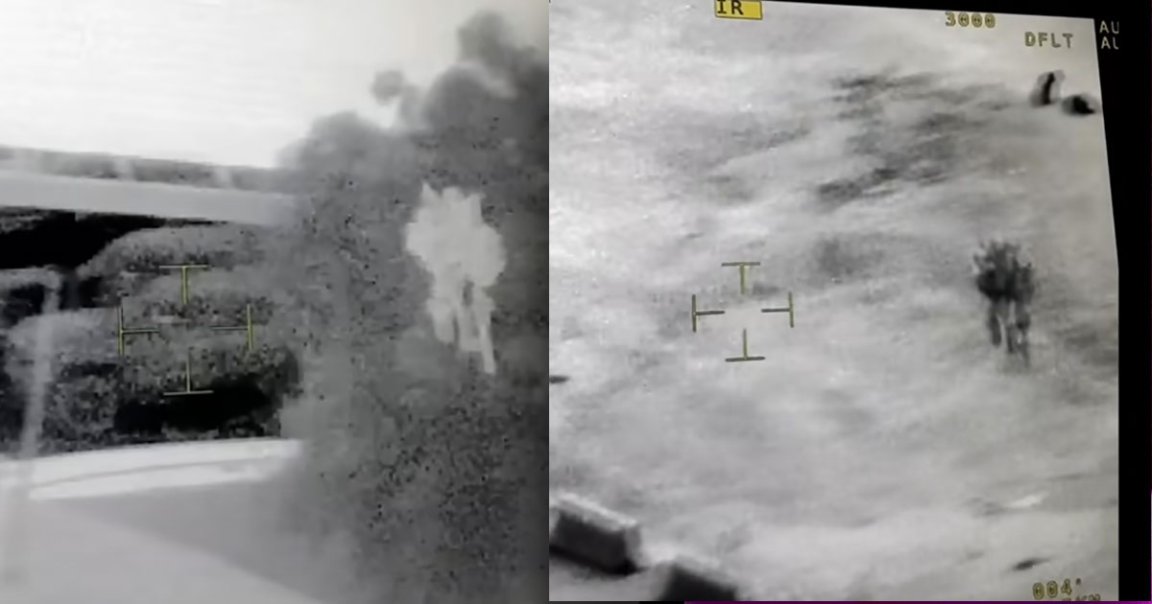
A video of what has since been dubbed a “jellyfish” UFO is making the rounds online.
Thefootage, shared by journalist Jeremy Corbell earlier this week, shows a mysterious object that appears to have dangling tendrils, and which appears to smoothly float over the roofs of a military base in Iraq. According to Corbell, the UFO footage dates back to October 2018.
Naturally, the online UFO community had a field day, speculating what the object could be.
Two days later, Corbell followed up with a different image of a “chandelier” UFO, which was also reportedly filmed over the Persian Gulf.
The Pentagon has yet to weigh in on the footage, but the video comes after interest in “unidentified aerial phenomena” (UAPs) has steadily grown, with members of Congress even receiving a classified briefing earlier this month.
Ultimately, despite plenty of speculation, we have yet to hear anything close to a confirmed report of extraterrestrials coming to visit us. And as you’d expect, there’s already evidence that the latest video has a much more mundane explanation.
Ghost Story
This week, Marine officer Michael Cincoski opened up to NewsNation about the footage, telling the outlet that the “jellyfish” was actually nicknamed the “spaghetti monster” when it was collected, and that sightings started at the end of 2017, not 2018.
According to Cincoski, the footage was taken from an aerostat, a big balloon observatory that was floating over the base to detect any incoming threats.
“Toward the end, it seemingly continued off into the distance,” he told NewsNation, but refuted Corbell’s claims that it ever dropped “into the lake or shoot into the sky.”
“It ended up being the ghost story of the base,” Cincoski added.
Critics, however, say both the “jellyfish” and “chandelier” had much simpler explanations than some outlandish alien theories would suggest.
“The ‘Chandelier’ UFO appears to be a diffraction artifact,” tweeted writer and noted UFO debunker Mick West. “Basically, a glare from a very bright/hot source, like a missile rocket/engine.”
And the jellyfish was likely “two different balloon-like entities” moving about 12 kilometers apart, West added, that appear to be moving at the same speed as the wind — a strong clue that instead of an alien visitor, it’s just a balloon.
UFO’S EN ONZE FASCINATIE ERMEE - De geschiedenis, evolutie en impact van de onbekende vliegende objecten
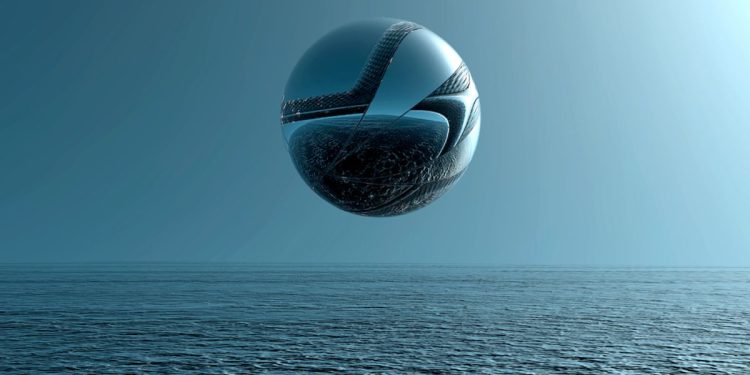
Een illustratie van hoe bolvormige UFO's eruitzien.
Inleiding
De wereld van onbekende vliegende objecten, beter bekend als UFO’s of UAP's, heeft mensen al tientallen jaren in haar greep. Of het nu gaat om oude legendes, middeleeuwse volksverhalen of hedendaagse nieuwsberichten, de fascinatie voor vreemde objecten die door de lucht bewegen zonder duidelijke verklaring, blijft onverminderd aanwezig. Dit artikel neemt je mee op een reis door de geschiedenis van UFO’s, onderzoekt hoe dit fenomeen zich door de jaren heen heeft ontwikkeld en bespreekt de impact die het heeft gehad en nog steeds heeft op de maatschappij en wetenschap in de 21e eeuw.
De vroege geschiedenis van UFO-waarnemingen
De vroege geschiedenis van UFO-waarnemingen is een fascinerend onderwerp dat honderden, zo niet duizenden jaren teruggaat in de tijd. Het fenomeen van onverklaarbare vliegende objecten, oftewel UFO's (Unidentified Flying Objects), is niet iets van de laatste decennia. Mensen overal ter wereld en door de geschiedenis heen hebben getuigenissen, verhalen en symbolen verzameld die wijzen op vreemde verschijnselen aan de hemel. Deze waarnemingen worden vaak geïnterpreteerd als iets buitenaards, maar in de oudheid werden ze meestal gezien als godsverschijningen, bovenaardse krachten of natuurlijke fenomenen.
In oude geschriften en mythologieën vinden we talloze beschrijvingen die mogelijk verband houden met wat wij tegenwoordig als UFO’s zouden kunnen beschouwen. Bijvoorbeeld, in middeleeuwse manuscripten en religieuze teksten worden vaak verhalen verteld over glanzende lichten, vliegende schijven of hemelvaartuigen. Een bekend voorbeeld is de beschrijving van de ‘vliegende schijven’ uit de middeleeuwen die in Europese kronieken voorkomen. Sommige passages uit het boek van de Franse schrijver en profeet Nostradamus spreken over ‘vliegende wielen’ en ‘glanzende lichten’ die door de lucht zweven. Daarnaast zijn er schilderijen uit de middeleeuwen te vinden waarop mysterieuze ronde objecten in de hemel te zien zijn, zoals het beroemde schilderij ‘De Vliegende Aarding’ in de kathedraal van Exeter, dat misschien een passing van een UFO voorstelt.
Ook uit de oude beschavingen zoals Egypte, Mesopotamië, India en China vinden we voorbeelden die mogelijk wijzen op het waarnemen van vreemde luchtverschijnselen. In het oude Egypte bijvoorbeeld, zijn er fresco’s en reliëfs gevonden waarop vliegende schijven en mysterieuze lichten te zien zijn. Een bekend voorbeeld is de gravure van het ‘Vliegende Vuurafel’ uit het graf van Thutmosis III, die er op lijkt te duiden dat de oude Egyptenaren astronomen en scheepsbouwers waren die zich verwonderden over ongewone hemelverschijnselen. Ook in oude Indiase teksten, zoals de Veda’s, worden vliegende voertuigen beschreven, zogenaamde ‘Vimanas’, die mogelijk symbolen waren voor geavanceerde technologie of mythische voertuigen. In Chinese oude geschriften zien we verhalen over ‘luchtgeesten’ en mysterieuze bollen die op subtiele wijze door de lucht bewegen, vaak gekoppeld aan bovennatuurlijke krachten of goddelijke manifestaties.
Bovendien zijn er artefacten zoals petroglyphs en rotstekeningen die vreemde objecten afbeelden. Bijvoorbeeld in Noord-Amerika, bij de Indianen, zijn rotsgravures gevonden waarop gevormde vormen lijken op vliegtuigen of schepen uit een futuristische wereld. In Europa en Scandinavië zijn vergelijkbare tekeningen gevonden die mogelijk verwijzen naar het waarnemen van ongebruikelijke luchtverschijnselen, zoals vlammen, vuurballen of glanzende lichten, soms tijdens vollemaan of bij belangrijke gebeurtenissen. Veel van deze oude gegevens worden tegenwoordig geïnterpreteerd als mystieke of natuurlijke verschijnselen, maar ze zouden ook kunnen wijzen op de aanwezigheid van vreemde voertuigen of wezens die de mensheid al eeuwenlang fascinerend blijven.
Kortom, de vroege geschiedenis van UFO-waarnemingen is rijk en gevarieerd. Door de hele wereld heen, uit allerlei culturen en tijdperken, vinden we aanwijzingen dat mensen altijd al getuige zijn geweest van een fenomeen die ze niet onmiddellijk konden verklaren. Of het nu gaat om schilderijen, teksten, artefacten of volksverhalen, deze vroege indrukken vormen een fascinerend landschap dat laat zien dat het fenomeen van vliegende objecten een onderdeel is van onze menselijke geschiedenis, lang vóór de moderne beeldvorming en rapportages. Het blijven ontdekken en interpreteren van deze oude getuigenissen houdt ons scherp en nieuwsgierig naar de ware aard van deze mysterieuze verschijnselen.
Het moderne tijdperk
Het moderne tijdperk van UFO-onderzoeken en -hype werd echt ingeluid door een gebeurtenis die plaatsvond op 24 juni 1947 in de Verenigde Staten. Op die dag vervoegde een piloot met de naam Kenneth Arnold zich in de schijnwerpers van de wereldgeschiedenis. Arnold, een ervaren burgerluchtvaartpiloot en zakenman uit de staat Idaho, was op dat moment op een routinevlucht toen hij plotseling een opmerkelijk verschijnsel in de lucht zag. Tijdens zijn vlucht nabij de bergketen van Mount Rainier in de staat Washington merkte hij een formatie van mysterieuze vliegende objecten op. Wat Arnold precies zag waren verschillende vliegende objecten die in een formatie door de lucht bewogen. Wat hem vooral opviel, was de manier waarop deze objecten zich gedroegen: ze leken zonder enige moeite en met grote snelheid over de hemel te bewegen.
Arnold beschreef de objecten als ‘saucer-like’, oftewel schotelvormig, wat zou kunnen wijzen op een ronde, platte vorm zoals een traditionele schotelopvang. Deze beschrijving sloeg aan en werd snel een centraal punt in de berichtgeving over het verschijnsel. De term “flying saucers” die voortkwam uit Arnold’s rapport, werd al snel populair en zou decennia lang synoniem worden met alles wat met mysterieuze vliegende objecten werd geassocieerd. Dit incident veroorzaakte een ware media-sensatie; kranten, radio- en televisiezenders berichtten massaal over de waarneming van Arnold en de vermoedelijke verschijning van buitenaardse voertuigen. Het was voor het eerst dat het begrip UFO UFO breed bekend raakte onder het grote publiek en begon te leven in het collectieve bewustzijn.
Kort na deze gebeurtenis begonnen talloze andere mensen, waaronder gewone burgers, vissers, vrachtwagenchauffeurs en militairen, soortgelijke waarnemingen te doen. Over de jaren heen werden honderden rapporten verzameld van mensen die onverklaarbare objecten hadden gezien in de lucht. Sommige van deze waarnemingen waren erg gedetailleerd en officieel gedocumenteerd, wat de nieuwsgierigheid en de belangstelling voor het fenomeen alleen maar verder aanwakkerde. Militaire bases en overheidsinstanties begonnen ook alert te worden op de mogelijke dreiging die deze onverklaarbare objecten konden vormen.
De media speelden een grote rol in het versterken van de UFO-waan. Ze overspoelden het publiek met verhalen over mysterieuze verschijnselen, getuigenverslagen en zogenaamde geheim gehouden informatie. Deze uitgebreide berichtgeving zorgde voor een groeiende publieke belangstelling en zelfs angst. Mensen begonnen te speculeren over de mogelijkheid dat we in contact zouden kunnen komen met buitenaardsen of dat er een geheime overmacht actief was die ons observeerde.
Door de jaren heen ontwikkelde zich een uitgebreide cultuur rondom het fenomeen UFO’s, met wetenschappelijke onderzoeken, conspiracy-theorieën en een wereldwijde gemeenschap van enthousiastelingen die verder wilden zoeken naar antwoorden. Het incident van Kenneth Arnold wordt dan ook vaak beschouwd als het begin van de moderne UFO-hype, het startpunt van een lange en complexe geschiedenis die tot op de dag van vandaag voortduurt. Deze gebeurtenis markeerde het moment waarop het fenomeen uit de marginale hoek was gekropen en was doorgedrongen tot het middelpunt van publieke en overheidsdebatten over buitenaards leven en technologische geheimen.
De jaren ’50 en ’60: een periode van onderzoek en theorieën
De jaren ’50 en ’60 vormen een fascinerende periode in de geschiedenis van UFO-onderzoek, gekenmerkt door een groeiende nieuwsgierigheid en de ontwikkeling van verschillende theorieën. Na het incident van 1947, waarbij een onbekend object crashte in Roswell, New Mexico, namen de meldingen van ongeïdentificeerde vliegende objecten (UFO’s) snel toe. Mensen waren steeds meer gefascineerd door het idee dat we mogelijk niet alleen in het universum waren, en het publieke bewustzijn over buitenaardse bezoekers nam toe.
In deze periode werden diverse onderzoeksgroepen opgericht om UFO-incidenten te bestuderen. Een van de bekendste initiatieven was ‘Project Blue Book’, dat van 1952 tot 1969 door het Amerikaanse leger werd uitgevoerd. Het doel was om concrete bewijzen te vinden voor het bestaan van buitenaardse wezens, of om te bewijzen dat deze fenomenen verklaard konden worden door natuurlijke of menselijke oorzaken. Tijdens de looptijd werden er meer dan 12.000 meldingen onderzocht, variërend van eenvoudige verschijningen in de lucht tot complexe waarnemingen zoals vormen die explosief van kleur konden veranderen of zich met ongelooflijke snelheid voortbewogen. Voorbeelden hiervan zijn de zogenaamde 'foo fighters' die door piloten tijdens de Tweede Wereldoorlog werden gerapporteerd en ook in de jaren ’50 en ’60 vaak werden waargenomen.
Uit het onderzoek bleek dat het merendeel van de waarnemingen konden worden verklaard door natuurlijke fenomenen zoals weersverschijnselen (bijvoorbeeld lichteffecten door wolken of bliksemflitsen), of menselijke activiteiten zoals het loslaten van ballonnen of het testen van nieuwe vliegtuigen en vuurpijlen. Tevens werden veel waarnemingen toegeschreven aan lichtreflexies of zelfs psychologische factoren zoals massahysterie of verkeerd geïnterpreteerde observaties. Desondanks bleef een klein gedeelte van de meldingen onduidelijk en onverklaarbaar, wat leidde tot speculaties dat sommige UFO’s misschien buitenaardse schepen waren.
Wetenschappers zoals Stanton Friedman en anderen pleitten voor een open houding en suggereerden dat het niet uitgesloten kon worden dat sommige waarnemingen bewijs waren van buitenaardse bezoekers. Het idee dat intelligente buitenaardse wezens actief zouden kunnen zijn op aarde en dat sommige UFO’s mogelijk hun schepen waren, werd in die tijd vooral besproken in wetenschappelijke kringen en in sciencefiction. Films zoals ‘Close Encounters of the Third Kind’ uit 1977 en series zoals ‘The Outer Limits’ en ‘The Twilight Zone’ weerspiegelden deze fascinatie en spelen een grote rol in de popularisering van het buitenaardse verhaal. In die periode werd de basis gelegd voor de latere uitgebreide wetenschappelijke en culturele discussies over het bestaan van buitenaardse levensvormen en de mysteries rondom UFO’s.
Deze afbeelding toont een luchtfoto van het Pentagon op 26 januari 2020. Op 14 november 2024 onthulde een nieuw rapport van het Pentagon over UFO's honderden nieuwe incidenten.
AP Foto/Pablo Martinez Monsivais, Bestand/AP Foto/Pablo Martinez Monsivais, Bestand/AP Foto/Pablo Martinez Monsivais, Bestand
De periode van twijfel en wantrouwen
In de jaren ’70 en ’80 nam de publieke interesse in UFO’s tijdelijk af. De media en wetenschappelijke gemeenschap richtten zich meer op andere onderwerpen, en er was een zekere scepsis over de enorme hoeveelheid getuigenissen en onverklaarbare verschijnselen. Desondanks bleef een kleine groep onderzoekers en liefhebbers verder zoeken en theorieën ontwikkelen over buitenaardse levensvormen die de aarde zouden bezoeken.
De opkomst van internet en de digitalisering aan het eind van de 20e eeuw leidde tot een nieuw tijdperk van informatieverspreiding. Video’s en foto’s van vermeende UFO’s werden overal gedeeld en besproken. Sommige van deze opnames leken overtuigend, terwijl anderen later werden ontkracht of verklaard als menselijke of natuurlijke verschijnselen. De discussie bleef echter voortduren.
In deze periode ontstond ook een groeiende belangstelling onder het grote publiek en in de popcultuur. Films, series en boeken verwerkten het thema van buitenaardse wezens en UFO’s. Denk aan klassiekers als “Close Encounters of the Third Kind”, “Independence Day” en “The X-Files”. Deze media-invloeden zorgden voor een versterkte fascinatie en soms ook voor verkeerde verwachtingen of misverstanden over de werkelijkheid van UFO-waarnemingen.
De hernieuwde belangstelling in de jaren ’90 en de 21e eeuw
In de jaren ’90 en de daaropvolgende jaren zagen we een aanzienlijk hernieuwde interesse in het fenomeen van UFO’s en onverklaarbare vliegende objecten. Deze periode werd gekenmerkt door een grote toestroom van nieuwe beelden, video’s en rapportages die de publieke nieuwsgierigheid weer deden toenemen en de discussie over buitenaards leven en geheime technologie nieuw leven inbliezen. Een van de meest invloedrijke gebeurtenissen uit die periode was de publicatie van de beroemde ‘Tic Tac’-video’s door het Amerikaanse ministerie van Defensie.
De ‘Tic Tac’-video’s werden in 2004 en 2015 gemaakt door Amerikaanse Navy-piloten die deelnamen aan geheime militaire oefeningen. Op de beelden is te zien hoe een onbegrijpelijk object, dat lijkt op een kleine, ovale, witte ‘Tic Tac’, zich op verbijsterende snelheid door de lucht beweegt, zonder de gebruikelijke vluchttechnieken die wij kennen. Het object kan volgens de piloten van direction veranderen en extreem snelle transities maken, die onmogelijk te verklaren zijn door menselijke technologie uit die tijd. Deze beelden werden in 2017 door het Pentagon officieel vrijgegeven, wat een golf van publieke en wetenschappelijke interesse veroorzaakte.
De vrijgave van deze video’s leidde niet alleen tot uitgebreid media-onderzoek, maar gaf ook het startschot voor bredere discussies over het bestaan en de herkomst van deze objecten. Mensen begonnen vragen te stellen zoals: Wat is die technologie die zo snel en beweeglijk is? Zijn deze objecten van menselijke of buitenaardse oorsprong? Hoe kunnen ze zich zo snel door de lucht voortbewegen zonder dat we ze begrijpen? Het bleek dat deze beelden niet slechts anekdotisch waren, maar hoge-resolutie en real-time getuigenissen bevatten die wetenschappers van over de hele wereld aan het denken zette.
Naast de ‘Tic Tac’-video’s waren er nog meer voorbeelden van opmerkelijke waarnemingen die in de jaren ’90 en daarna de aandacht trokken. Bijvoorbeeld de ‘Phoenix Lights’ in 1997, waarbij duizenden mensen in Arizona een formatie van lichten zagen boven de stad zwemmen. Hoewel deze gebeurtenis niet werd vastgelegd op video, veroorzaakte het een massale publieke waarneming die tot op heden sommige wetenschappers en UFO-enthousiastelingen niet kunnen verklaren. Ook de beelden van de ‘Belgische UFO-golf’ tussen 1989 en 1990, met talrijke waarnemingen en visuele waarnemingen, zorgden voor een toenemende interesse.
Wat de video’s uit de jaren ’90 en de 21e eeuw nog belangrijker maakte, was dat ze hoge-resolutie beelden brachten die voorheen niet beschikbaar waren. Ze gaven wetenschappers de kans om te analyseren en te proberen verklaren wat deze objecten waren en hoe ze bewogen. De beelden werden gebruikt door overheidsinstanties, wetenschappers en onafhankelijke onderzoeksbureaus in een poging om meer te begrijpen over de technologische aard van de verschijnselen.
De hernieuwde belangstelling zorgde ook voor meer onderzoek en investeringen in de studie van UFO’s. In 2020 besloot het Amerikaanse Congres bijvoorbeeld een officieel onderzoekscommissie op te richten, de ‘UFO Task Force’, die zich specifiek richt op het verzamelen en analyseren van onverklaarbare waarnemingen. Dit markeerde een belangrijke doorbraak, want voorheen waren deze fenomenen vaak door de overheid en wetenschap genegeerd of onderdrukt als zijnde onbetrouwbare verhalen.
Al deze gebeurtenissen en beelden samen zorgen voor een nieuwe dimensie in het fenomeen van UFO’s. Ze moedigen niet alleen verder wetenschappelijk onderzoek aan, maar veranderen ook de perceptie van het publiek en beleid. De beelden bieden namelijk de mogelijkheid om de technologie en fenomenen te bestuderen, en mogelijk om te achterhalen of er buitenaardse intelligenties betrokken zijn, of dat de objecten van geheime menselijke technologie afkomstig zijn. Kortom, deze periode wordt gekenmerkt door een hernieuwde en meer open blik op het onverklaarbare, die nog steeds voortduurt en zich uitstrekt tot in de 21e eeuw.
Organisaties en betrokkenheid
In recente jaren hebben verschillende organisaties zich actief ingezet voor het onderzoeken van UFO’s. Een van de meest prominente is ‘To the Stars Academy’, opgericht door de voormalig muzikant van de band Blink-182, Tom DeLonge. Deze organisatie bestaat uit een groep wetenschappers, voormalig defensiefunctionarissen en andere experts die zich richten op het verzamelen en analyseren van getuigenissen, videobeelden en andere gegevens.
Pentagon deelt beelden van ufo
Daarnaast heeft de Amerikaanse overheid stappen gezet om documenten en rapporten vrij te geven die voorheen vertrouwelijk waren. In 2020 publiceerde het Pentagon een serie declassificeerde video’s en rapporten waarin Navy-piloten worden getoond die onverklaarbare objecten zien tijdens hun oefeningen. De regering erkende dat voor een meerderheid van deze incidenten geen conventionele verklaringen bestaan en dat ze serieus genomen moeten worden.
Ook andere landen en internationale organisaties zijn zich meer gaan interesseren voor dit fenomeen. Onder andere Frankrijk met het revolutionaire project ‘GEPAN’ en het Britse ‘MOD’ (Ministry of Defence) hebben rapporten en studies gepubliceerd die de globalisering van UFO-onderzoek illustreren.
Beelden van ufo’s onderzocht door Amerikaanse marine | NU.nl
De maatschappelijke en wetenschappelijke impact
De invloed van het UFO-fenomeen op de 21e eeuw is divers en complex. Aan de ene kant heeft het bijgedragen aan een levendige subcultuur van onderzoekers, schrijvers, filmmakers en enthousiastelingen die de theorieën en waarnemingen blijven bestuderen en uitdiepen. Film en literatuur worden vaak geïnspireerd door de mogelijkheid dat buitenaardse wezens ons mogelijk bezoeken en misschien zelfs al onder ons leven.
Aan de andere kant bestaat er veel scepsis over UFO’s. Veel skeptici betwijfelen de authenticiteit van waarnemingen en zien het fenomeen als pseudowetenschap, complottheorie of massale illusie. Sommige wetenschappers en onderzoekers waarschuwen dat de focus op buitenaardse bezoekers afleidt van daadwerkelijke grote vraagstukken rond ruimteonderzoek, klimaatverandering, technologische innovatie en wereldveiligheid.
Desondanks is de wetenschap meer open gaan staan voor het fenomeen. De laatste jaren zien we toegenomen aandacht voor het onderwerp in academische kringen. Het US Department of Defense heeft bijvoorbeeld in 2021 de ‘Unidentified Aerial Phenomena Task Force’ (UAPTF) opgericht om onverklaarbare verschijnselen te bestuderen en te rapporteren. Wetenschappers uit verschillende disciplines roepen op tot een meer objectieve, gesystematiseerde aanpak en proberen data te verzamelen die eerst onbeskikbaar waren.
Daarnaast stimuleert de groeiende interesse in ruimtevaart en technologische innovaties de hoop dat we in de toekomst de ware aard en herkomst van deze mysterieuze verschijnselen kunnen achterhalen. Er wordt onder meer gewerkt aan geavanceerde radar- en sensor-technologieën, kunstmatige intelligentie en deep space observaties.
De toekomst van UFO-onderzoek
De toekomst van het onderzoek naar UFO’s en buitenaardse fenomenen lijkt veelbelovend. Met nieuwe technologieën zoals geavanceerde radar- en videotechnologie, kunstmatige intelligentie en ruimtevaart kunnen we beter waarnemingen en analyses uitvoeren. Daarnaast groeit de internationale samenwerking tussen landen en wetenschappelijke instellingen, wat kan leiden tot meer objectieve en betrouwbare gegevens.
Ook sociale media en de toegankelijkheid van informatie zorgen voor een bredere betrokkenheid van het publiek. Iedereen met een smartphone kan een waarneming delen en bijdragen aan de verzameling van data. Dit democratiseert het onderzoek en kan leiden tot verrassende ontdekkingen.
Bovendien is er een groeiende bewustwording dat de zoektocht niet alleen draait om buitenaardse bezoekers, maar ook om het begrijpen van onze eigen ruimte en de technologie die we daarbij kunnen inzetten. De mogelijkheid dat wij niet de enigen in het universum zijn, stimuleert niet alleen wetenschappelijke innovatie, maar ook een bredere filosofische en existentiële reflectie over onze plek in het heelal.
Het belang van open en transparante communicatie wordt onderstreept door verschillende overheidsinstellingen. Het documenteren en vrijgeven van gegevens en het rapporteren van onverklaarbare verschijnselen helpt niet alleen om scepsis weg te nemen, maar bevordert ook het vertrouwen in wetenschappelijk onderzoek.
De integratie van technologische ontwikkelingen en internationale coöperatie kan ervoor zorgen dat het komende decennium mogelijk een doorbraak zal betekenen in ons begrip van deze mysterieuze verschijnselen. Nieuwe gegevens uit ruimteonderzoek, gecombineerd met de wachters van openheid van overheden en wetenschappelijke instituten, kunnen leiden tot het antwoord op een van de grootste vragen uit de menselijke geschiedenis: zijn wij alleen in het universum of niet?
Conclusie
Kort gezegd, de geschiedenis van UFO’s is al even oud als de beschaving zelf. Van oude legendes tot hedendaagse video’s en officiële rapporten, het fenomeen blijft mensen fascineren, verbazen en intrigeren. Hoewel veel waarnemingen kunnen worden verklaard door natuurlijke of menselijke oorzaken, blijven de onverklaarbare incidenten de indruk achterlaten dat er meer is dan we weten of begrijpen.
De acceptatie dat UFO’s serieus moeten worden onderzocht, groeit gestaag. De constellatie van onderzoek, openheid van overheden en technologische vooruitgang kan ons in de toekomst misschien dichter brengen bij het beantwoorden van de eeuwige vraag: zijn we alleen in het heelal, of worden we al lang bezocht door intelligente buitenaardse beschavingen? Hoe dan ook, één ding is zeker: de fascinatie en nieuwsgierigheid naar UFO’s zullen niet verdwijnen, maar alleen maar toenemen.
Volgens de bekende Amerikaanse ufoloog Stanton Friedman, “De waarheid is daarbuiten.” En terwijl wetenschap en technologie zich verder ontwikkelen, blijft de zoektocht naar die waarheid een van de meest intrigerende en ongrijpbare puzzels van onze tijd. De komende decennia kunnen de antwoorden dichterbij brengen, of juist meer vragen oproepen die ons uit blijven dagen en inspireren. Het blijft een boeiend mysterie dat onze verbeelding en zoekmachine-energie blijft voeden.
De wetenschap zal blijven proberen om verklaring te vinden voor de onverklaarbare verschijnselen, terwijl de samenleving blijft dromen en fantaseren over de mogelijkheid van buitenaardse bezoekers. Het is deze combinatie van nieuwsgierigheid, kritisch onderzoek en openheid die ervoor zorgt dat het verhaal van UFO’s ons blijven boeien en uitdagen. Uiteindelijk draait het om onze collectieve zoektocht naar antwoorden over onszelf, het universum en misschien ook wel over wat er nog buiten ons bereik ligt.
Het is dus niet alleen een kwestie van het geloven in buitenaardse wezens of het afwijzen ervan, maar vooral een reflectie op onze eigen menselijke natuur: de drang naar begrip, het verlangen naar contact en de angst voor het onbekende. Door ons te blijven verdiepen in het fenomeen en de verhalen erachter, houden we de deur open naar nieuwe ontdekkingen en inzichten, die misschien ons wereldbeeld voorgoed kunnen veranderen.
En zo blijven UFO’s een fascinerend en intrigerend onderdeel van onze collectieve geschiedenis en cultuur, die niet alleen verhalen vertellen over buitenaardse aardbewoners of geheimzinnige voertuigen, maar ook over onze eigen zoektocht naar waarachtigheid, kennis en de ultieme vraag: zijn we echt alleen? De reis gaat door, en de mysterie blijft ons uitdagen, inspireren en fascineren.
A popular UFO-reporting app has recorded thousands of sightings of Unidentified Submersible Objects (USOs) near US waterways — phenomena which high-ranking US Navy officials warn could pose a threat to national security.
A video accompanying one of the reports sent to UFO logging app Enigma showed mysterious green lights moving beneath the surface of the ocean.
Enigma
Enigma, which touts itself as the “largest queryable historical sighting database for global UFO sightings,” claims it has received reports on over 30,000 Unidentified Flying Objects and Unidentified Anomalous Phenomena since launching in late 2022.
But the sightings haven’t been limited to the skies, with reports also coming in about strange objects rising from the depths of the sea, or plunging into the water without so much as a splash.
Pentagon-reviewed footage has documented instances of unidentified craft diving into or emerging from the water without damaging the vessel or even making a splash, prompting alarm from some officials.
Jeremy Corbell/Weaponized Podcast
As of August, Enigma has also logged more than 9,000 mysterious sightings within 10 miles of US shorelines or major bodies of water — 500 of them within 5 miles — with more than 150 of the reports describing objects hovering above or descending into waterways, according to Marine Technology News.
The US states with the most reported USO sightings were California (389) and Florida (306) — both among the top three US states with the most ocean coastline. One of the most bizarre reports includes phone camera video of unexplained green lights traveling beneath the surface of the ocean.
Thousands of reports of Unidentified Submersible Objects (USOs) — the aquatic equivalent of a UFO — have been logged along US shorelines in recent years.Enigma
The app has released maps plotting out the reported sightings, represented as clusters of orange dots running up and down the east and west coasts.
UFO sightings are nothing new, and are often dismissed as crackpottery by much of the scientific community or relegated to the stuff of science fiction, but retired Navy Rear Admiral Tim Gallaudet warns UFOs with the ability to go from air to sea without crashing or even creating a splash could have “world-changing” ramifications.
“The fact that unidentified objects with unexplainable characteristics are entering US water space and the DOD is not raising a giant red flag is a sign that the government is not sharing all it knows about all-domain anomalous phenomena,” Gallaudet wrote in a March 2024 report.
Alarm bells were raised in July 2019, when the USS Omaha recorded a UFO/UAP that vanished into the ocean without a trace after buzzing a Navy fleet off the coast of San Diego. Video of the incident was verified by the Pentagon, displaying capabilities Gallaudet said “jeopardizes U.S. maritime security, which is already weakened by our relative ignorance about the global ocean.”
In his 29-page report for UFO-focused think tank the Sol Foundation, Gallaudet said there’s a documented pattern of similar phenomena being reported.
“Pilots, credible observers and calibrated military instrumentation have recorded objects accelerating at rates and crossing the air–sea interface in ways not possible for anything made by humans,” he wrote.
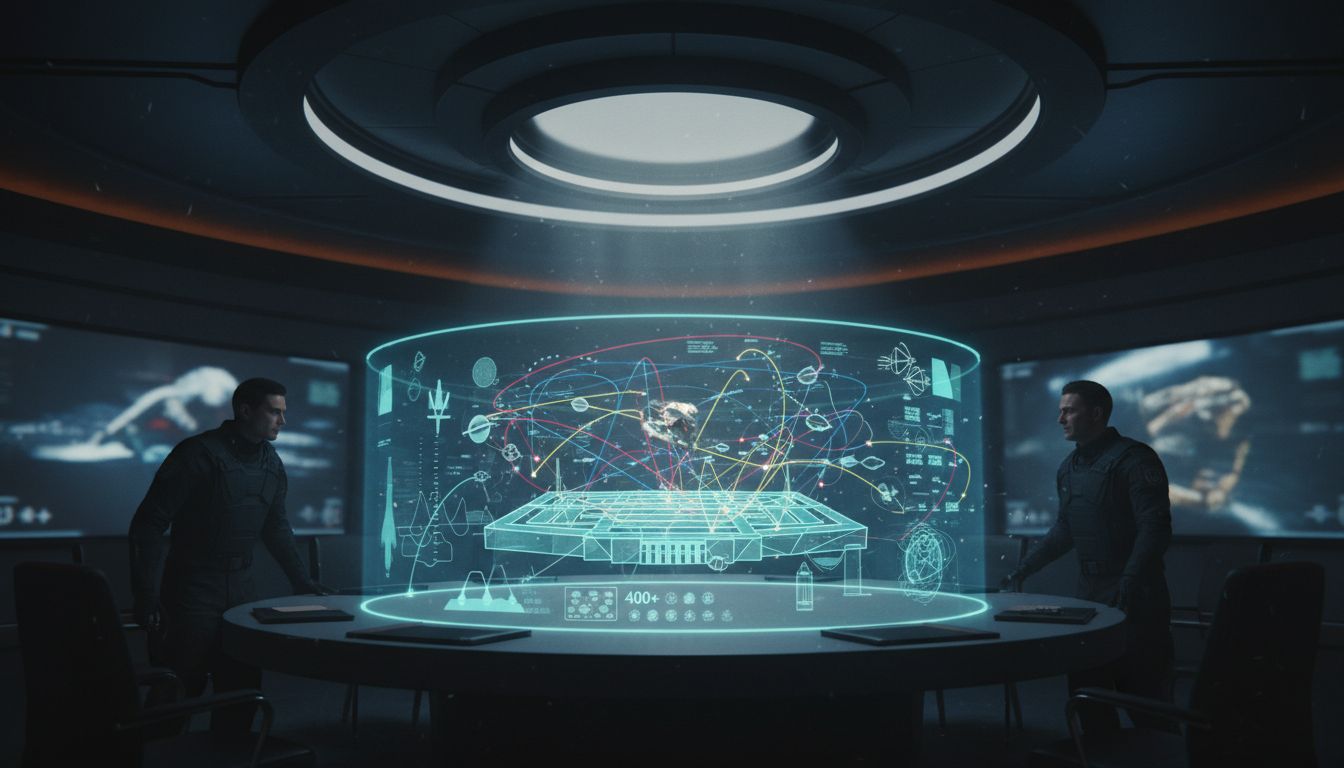
Pentagon Reveals 400 UFO Sightings Following Leaked Videos
Overview
The Department of Defense announced this week that more than 400 unidentified aerial phenomenon (UAP) sightings have been logged by Navy and Air Force personnel since the release of the agency’s 2021 report and the subsequent leak of three Navy videos. The new data, presented at a House Intelligence subcommittee hearing, expands the known inventory of anomalous objects that have been observed near military installations, training ranges, and operational airspace. While the Pentagon stopped short of attributing any sighting to extraterrestrial technology, analysts noted recurring patterns—high‑speed maneuvers, sudden acceleration, and flight paths that appear to violate known aerodynamic limits—that suggest “advanced, possibly non‑human, capabilities.”
Key Details
The 400‑plus reports were gathered through the UAP Task Force’s standardized reporting system, a process introduced in 2022 to reduce the stigma that previously discouraged pilots from filing entries. Among the most striking cases are three incidents recorded in the past six months near the Atlantic Fleet’s training area off the coast of Virginia, where infrared sensors captured objects executing instantaneous 180‑degree turns at speeds exceeding 15,000 km/h. Another cluster involved “tic‑tac‑shaped” craft observed over the Nevada Test and Training Range, displaying rapid altitude changes without visible propulsion. None of the sightings have been conclusively linked to known aircraft, drones, or atmospheric phenomena, prompting the Defense Department to label them “unexplained” rather than “aliens.”
Government Response
Under Secretary of Defense for Intelligence and Security Ronald Moultrie emphasized the administration’s commitment to “eliminate the stigma” surrounding UAP reporting. “Our goal is to bring operators into a standardized data‑gathering process,” he told lawmakers, adding that consistent documentation is essential for national‑security assessments. The hearing, the first public UAP briefing in nearly five decades, also featured testimony from Deputy Assistant Secretary of Defense for Intelligence, Dr. Sean Kirkpatrick, who outlined ongoing collaborations with the Federal Aviation Administration and the National Geospatial‑Intelligence Agency to cross‑reference civilian sightings and satellite data. The Pentagon’s newly created Office of UAP Investigation now reports directly to the Secretary of Defense, a structural change aimed at improving inter‑agency coordination.
Implications for Security and Policy
Congressional members expressed a mix of curiosity and concern. Representative Andre Carson, chair of the subcommittee, warned that “persistent gaps in our situational awareness could be exploited by adversarial nations,” underscoring the need to determine whether the phenomena represent foreign hypersonic platforms or something entirely novel. The November 2025 update to the UAP database, which added high‑resolution sensor logs from the Space Force’s Space Surveillance Network, intensified calls for a comprehensive disclosure bill. While senior officials maintain that no definitive evidence of extraterrestrial origin exists, the sheer volume of unexplained encounters has prompted the National Security Council to allocate additional funding for advanced sensor development and AI‑driven pattern analysis.
Next Steps
The Pentagon plans to release a supplemental report by early 2026, summarizing the 400 sightings and outlining a roadmap for enhanced detection capabilities. In parallel, the House Intelligence Committee is slated to hold a follow‑up hearing in March, where lawmakers will review the newly declassified data and assess the adequacy of current reporting mechanisms. Defense analysts suggest that a transparent, science‑based approach—combined with international cooperation on air‑space monitoring—could both mitigate security risks and address public demand for clarity. Until more conclusive evidence emerges, the UAP phenomenon remains a high‑priority intelligence challenge, prompting continued scrutiny across the defense and aerospace communities.
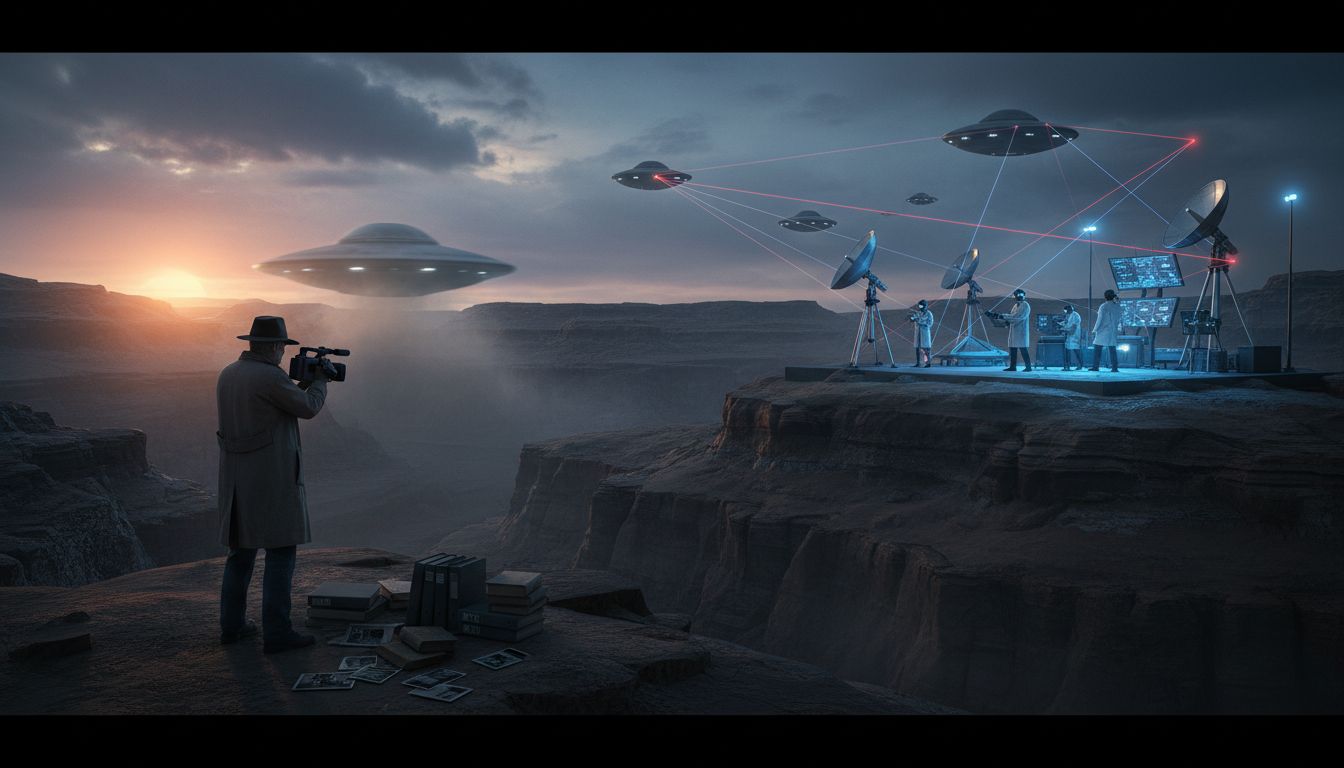
In een recente lezing georganiseerd door het Human Institute en UAPMed schetste Michael Cifone, een filosoof van de wetenschap verbonden aan de Society for UAP Studies, een verschuiving in de manier waarop onderzoekers onherleidbare luchtfenomenen (UAP) en niet-menselijke intelligentie (NHI) benaderen. Hij contrasteerde het model van de “klassieke ufologie”—voornamelijk gerechtelijk, retrospectief en afhankelijk van ooggetuigenverslagen—met wat hij beschreef als de “opkomende wetenschap van UAP,” een demonstratieve inspanning die zich richt op het bouwen van speciale instrumenten, het synchroniseren van datastromen en het nastreven van directe observatie. Cifones presentatie, onderdeel van een serie getiteld Investigating Non‑Human Intelligence, onderstreepte de noodzaak om verder te kijken dan het verzamelen van oude rapporten en over te gaan op een systematische, op data gebaseerde methodologie.
Epistemologische Uitdagingen
Cifone waarschuwde dat de aannames die in de traditionele natuurwetenschappen worden gehanteerd, onderzoekers kunnen verblinden voor het fenomeen dat zij proberen te bestuderen. Hij stelde een prikkelende vraag: “Wat als het probleem niet ontbrekende bewijzen zijn, maar ontbrekende categorieën?” Volgens zijn kader worden drie onderling verweven kwesties het kennislager vormgegeven:
Bewijsmateriaal is niet neutraal– de instrumenten en theorieën die wij gebruiken, predeterminen wat wij kunnen meten. Dit betekent dat de instrumenten die we inzetten noodzakelijkerwijs bepalen naar welk fenomeen we zoeken en hoe we dat interpreteren. Een laserafstandsmeter kan bijvoorbeeld alleen afstanden meten die binnen het bereik en de precisie vallen die het apparaat toestaan. Daarnaast bepalen bestaande theorieën welke interpretaties als legitiem worden beschouwd.
De epistemische cirkel– buitensporige claims vereisen bewijs dat niet door bestaande instrumenten kan worden vastgelegd. Dit betekent dat sommige fenomenen, indien ze zelden voorkomen of zich slechts onder bepaalde condities voordoen, niet gemakkelijk te vast te leggen zijn met de huidige technologie. Toch houden onderzoekers vol dat bewijs wel mogelijk moet zijn, wat leidt tot een vicieuze cirkel tussen hypothese en observatie.
Fenomenen kunnen tijdelijk, participatief en relationeel zijn – anders dan de stabiele, herhaalbare gebeurtenissen waar de conventionele wetenschap de voorkeur aan geeft. UAP kunnen zich bijvoorbeeld slechts af en toe voordoen, afhankelijk zijn van het bewustzijn of de intentie van de waarnemer, of een relationele dynamiek vertonen die niet past binnen traditionele natuurwetenschappelijke modellen.
Cifone pleit voor een nieuwe vorm van empirisme die objectieve instrumenten combineert met fenomenologische, eerst-person ervaring. Hierdoor kunnen onderzoekers “luisteren naar de data” voordat zij vooraf ingestelde categorieën opleggen. Dit impliceert dat de beleving en interpretatie van de waarneming even belangrijk moeten worden genomen als meetinstrumenten, vooral in gevallen waarin het fenomeen moeilijk of onmogelijk reproduceerbaar is.
Opkomende Wetenschappelijke Benaderingen
De presentatie omschreef concrete stappen om UAP-onderzoek te transformerentr en tot een rigoureuze wetenschap. Enkele voorstellen waren:
Het opbouwen van speciale sensor netwerken – deze netwerken kunnen in real-time high-resolutie, multimodale data vastleggen. Denk aan het gebruik van radar, infrarood, elektromagnetische metingen en audio. Het doel is om het veld te verschuiven van retrospectief getuigenis naar live observatie, waardoor de kans op snelle verificatie en analyse toeneemt.
Professionalisering van forensische onderzoeksmethoden– door te zorgen dat sporen zoals elektromagnetische anomalieën of materiaalerestanten worden verzameld en geanalyseerd volgens strikte normen die ook in de ruimtevaart of forensische laboratoria worden gehanteerd. Dit zorgt voor een hogere betrouwbaarheid van de bevindingen en maakt ze vergelijkbaar met andere takken van geavanceerd technisch onderzoek.
Het behandelen van mensen als sensoren – een concept dat werd verkend door Maya Cowan. Hier wordt erkend dat menselijke waarneming betrouwbaar is, maar ook zijn grenzen kent, en dat deze waarnemingen kunnen worden geïntegreerd met instrumentale gegevens. In deze aanpak wordt de menselijke interpretatie niet uitgesloten maar juist aangevuld, door bijvoorbeeld gecombineerde analyses te maken van witness reports en meetgegevens.
Deze initiatieven weerspiegelen de focus van de UAP-onderzoeksgemeenschap op “lokale gedragingen en dynamische relaties,” wat het onderscheid maakt van de verre, message-gerichte doelen van SETI. Terwijl SETI zich richt op signaaldetectie en communicatie met buitenaardse intelligentie op grote afstand, richt UAP-onderzoek zich vaak op snelle, onvoorspelbare fenomenen die zich direct manifesteren in onze atmosfeer. Door menselijke rapporten te synchroniseren met instrumentale metingen hopen onderzoekers een rijker, gevalideerd datacollectief te scheppen dat meer inzicht kan geven in het aard, de aard en de mogelijke intelligentie achter deze fenomenen.
Interdisciplinaire Kaders
Cifone benadrukte het belang van radicale interdisciplinariteit als essentieel voor een opkomende wetenschap van niet-menselijke intelligentie. In dit kader wordt vaak teruggevallen op het 6W-model – wie, wat, wanneer, waar, waarom en hoe – als een raamwerk voor het organiseren van onderzoeken die fysieke verklaringen combineren met geleefde ervaring.
Wie betreft de onderzoekers en waarnemers, waaronder wetenschappers, piloten, nauwe observatoren en betrokken burgers.
Watverwijst naar de fenomenen zelf: UAP, anomalieën in elektromagnetische velden, materiaalterreinen of mogelijk niet-menselijke activiteiten.
Wanneer en waar beschrijven de tijdstippen en locaties van waarnemingen, cruciaal voor correlaties en patroonherkenning.
Waarom en hoe betreffen de interpretaties en mechanismen die mogelijk ten grondslag liggen aan de fenomeen; deze bieden inzicht in de motivatie en aard van de aanwezige intelligenties of natuurlijke processen.
Fenomenologen zoals Kim Engels ontwikkelen methoden om het “gehele UFO-gevoel” vast te leggen, door narratieve gegevens te verbinden met sensorlogs. Deze aanpak beoogt de kloof te overbruggen tussen objectieve data en subjectieve betekenis, omdat hij van mening is dat dit noodzakelijk is om antropocentrisme te overwinnen. Door het onderzoeken van de percepties, gevoelens en interpretaties van getuigen wil men niet alleen de feiten vastleggen maar ook de context waarin deze plaatsvinden, wat kan leiden tot een dieper begrip van het fenomeen.
Verder suggereerde Cifone dat het herintegreren van de geesteswetenschappen—zoals antropologie, filosofie en psychologie—met de natuurwetenschappen het conceptuele vocabulaire kan uitbreiden dat nodig is om fenomenen te beschrijven die “participatief en relationeel” zijn, in plaats van louter externe objecten.
Dit multidisciplinaire model benadrukt dat het begrijpen van UAP en NHI niet louter een technische onderneming is, maar ook een cultureel en interpretatief vraagstuk. Het vraagt om een brede blik, waarin wetenschap en erfgoed, perceptie en werkelijkheid, samenvallen.
Vooruitzichten en Skepsis
Hoewel de visie ambitieus is, betwijfelde Cifone zelf de haalbaarheid ervan; hij merkte op dat veel van de voorgestelde praktijken nog “utopisch” zijn zonder duurzame financiering, institutionele steun en methodologische consensus. Het opzetten van uitgebreide sensor netwerken, het trainen van multidisciplinaire teams en het integreren van fenomenologische benaderingen vereisen aanzienlijke middelen en lange termijnplanning.
Desalniettemin werden enkele pilotprojecten besproken, zoals gecoördineerde hemelwacht-netwerken en samenwerkingsworkshops tussen natuurkundigen, antropologen en piloten, die het praktische potentieel van dit interdisciplinaire model demonstreren. Zo werd het voorbeeld gegeven van internationale netwerken die realtime data verzamelen en analyseren, als een mogelijke basis voor bredere wetenschappelijke samenwerkingen.
De bredere wetenschappelijke gemeenschap houdt deze ontwikkelingen nauwlettend in de gaten. Zoals Cifone afsluit: “De werkelijke vraag is niet of niet-menselijke intelligentie bestaat – het universum is groot genoeg dat dit bijna triviaal is. De vraag is of onze wetenschappen al intelligent genoeg zijn om het waar te nemen.” Als de opkomende wetenschap van UAP erin slaagt instrumenten, fenomenologie en rigoureuze epistemologie te integreren, kan dit mogelijk het systematische bewijs leveren dat zowel sceptici als gelovigen al lang zoeken. Het zou kunnen leiden tot een paradigmaverschuiving, waarin we niet alleen de fenomenen accepteren maar ook begrijpen en, misschien, contact maken met andere vormen van intelligentie die onze horizon nu nog verbreden.
Slotwoord
De overgang van klassieke ufologie naar een meer wetenschappelijke en systematische benadering markeert een belangrijke ontwikkeling in de studie van het onbekende. Door een combinatie van geavanceerde technologieën, interdisciplinaire samenwerking en een herziening van epistemologische principes, wordt het mogelijk om de mysterieuze fenomenen rondom UAP en NHI in een nieuw, meer rigoureus licht te plaatsen. Het pad naar een echte wetenschap binnen dit domein is nog lang en vol uitdagingen, maar de richting is duidelijk: een integrale aanpak waarin data, ervaring en theorie hand in hand gaan. Alleen zo kunnen we misschien ooit de antwoorden vinden op vragen die ons al eeuwenlang bezighouden.
Since its 1956 publication, When Prophecy Fails, the classic psychological study of an American UFO cult, has remained a prominent social psychology text underpinning the idea of cognitive dissonance.
Written by Leon Festinger, Henry Riecken, and Stanley Schachter, When Prophecy Fails recounts the experiences of members of a UFO cult after their leader’s predictions failed to come true, which only increased the members’ fervor.
However, decades later, a fresh academic review of the seminal work raises significant questions about many of its claims. In a new paper published in the Journal of the History of the Behavioral Sciences, independent researcher Thomas Kelly examines contemporary periodicals, one of the author’s original notes about the study, and further investigation of the subjects’ later lives, now arguing that the work’s conclusions were inaccurate and derived from the original researchers’ unethical behavior.
Anatomy of a UFO Cult
The story, as told in When Prophecy Fails, is that a UFO cult sprang up around a Chicago housewife, Dorothy Martin, who claimed to channel messages from extraterrestrials. Supporting Martin were her closest lieutenants, Charles Laughead and his wife Lillian, as the cult grew to a small circle of diehard followers.
After Martin’s prediction that a great flood would destroy much of the Earth on December 21, 1954, appeared in newspapers, psychologists from the University of Minnesota joined the group as participant observers.
In the resulting book based on their experiences, the authors of When Prophecy Fails claimed that when the date came and went, the cult members began to experience cognitive dissonance, which they dealt with by doubling down on their beliefs and increasing their proselytization efforts. The work was immensely successful and was followed a year later by Festinger’s A Theory of Cognitive Dissonance, another important work in the field of psychology, which more broadly defined the phenomenon of cognitive dissonance while making many references to the UFO cult events.
Reconsidering When Prophecy Fails
Researcher Thomas Kelly is a political scientist by training, with a PhD from UC Berkeley, and has previously published on health policy. He explained to The Debrief how, after reading When Prophecy Fails for personal interest, he became concerned with the influential work’s accuracy.
“When I read the book, alarm bells went off in my head because the authors made sweeping claims while offering anecdotes that often seemed to undermine their main thesis,” Kelly explained. “For example, they would discuss how the cult rarely proselytized in one chapter, and in the next introduce a book publisher that they were hoping would print a book of their teachings.”
“As I read more about the case, each document made When Prophecy Fails look worse,” Kelly continued. “For instance, Festinger’s book A Theory of Cognitive Dissonance offered an account of the events of When Prophecy Fails, but he altered the account in several ways even though they were only published a year apart.”
Kelly noted his greatest surprise was at how often the researchers documented their active encouragement of the cult’s beliefs during moments of doubt, which he discovered in Festinger’s newly released papers.
“I was surprised by how actively the authors manipulated the cultists: Henry pretending to be an alien emissary, Liz pretending to get psychic messages, Liz and Frank getting involved in the child welfare investigation,” Kelley expressed. “Had the authors just massaged or exaggerated their findings, I would have been much less surprised.”
Belief Persists
“By the standards of [the authors], mere belief in UFOs or psychics or occultism is not an example of belief persisting past disconfirmation,” Kelly writes in the recent study, adding that “only belief in Martin’s specific prophecy and reinterpretation would qualify.”
Kelly traces Martin’s later career as “Sister Thedra,” a period marked by claims that she channeled both Jesus and extraterrestrial beings. At the same time, the Laugheads continued to promote their beliefs in prophecy and alien contact. When Kelly notes that Martin eventually recanted, the reality appears more nuanced than a simple admission of error. Martin suggested that her belief that the followers would be taken up in a spaceship might have referred not to a literal ascent, but to a spiritual uplifting—though she later conceded that no one can make precise, date-specific predictions. Interestingly, some of Sister Thedra’s subsequent followers seem to have been unaware of the original 1954 events that gave rise to her earlier notoriety.
Fundamentally, Kelly’s work clearly illuminates many ethical breaches in When Prophecy Fails, and underscores the authors’ narrow focus on how groups respond to falsified predictions. However, not everyone feels that Kelly’s arguments completely upend the decades-old research, and it is important to note that Kelly’s paper offers a relatively narrow and specific refutation of the ideas in When Prophecy Fails and its claims regarding cognitive dissonance.
“I think it’s an interesting take, which could have been fleshed out a bit more with additional examples and evidence,” commented Aaron Gulyas, a historian specializing in UFO and conspiratorial beliefs, regarding Kelly’s new perspectives on the work, though arguing that it may not entirely refute the primary argument of When Prophecy Fails.
“The focus on the ‘proselytization’ angle seems a bit narrow to me,” Gulyas told The Debrief. “I thought that Kelly might have paid more attention to the way that Martin’s and the Laugheads’ commitment to UFO belief deepened despite the failure of the ‘prophecy.’”
“I’ve always had serious concerns about the ‘infiltration’ angle of the study, and Kelly’s article indicates that there were certainly ethical issues at play here,” Gulyas concedes. “At the same time, I don’t think flaws in the study undermine the concept of ‘cognitive dissonance’ as much as Kelly seems to!”
Mythologizing When Prophecy Fails
Still, Kelly argues that there should have been more careful criticism of When Prophecy Fails closer to its publication. “Neither the cult leader, Dorothy Martin, nor her key followers, Charles and Lilian Laughead, were obscure; they were discussed in mainstream newspapers and UFO magazines,” Kelly says.
It would have been easy, he says, “for supporters of When Prophecy Fails to interview them or pick up a copy of already published magazines that would have cast doubt on When Prophecy Fails as soon as it was published.”
Despite the work’s influence, a few earlier critics did question some of its methodology. From a direct reading of When Prophecy Fails, even without Festinger’s recently released papers, many today would indeed conclude that the researchers were too closely involved in the cult’s activities, with the authors and additional paid observers accounting for a third of its membership. Additionally, the group’s high public profile and media attention likely influenced their behavior to persist with their UFO beliefs.
This isn’t the first time that events underlying some of the most dramatic psychology studies have been questioned. In 2019, Thibault Le Texier published Investigating the Stanford Prison Experiment: History of a Lie. In his book. Le Texier investigated how Philip Zimbardo’s famous 1971 psychology experiment, which cast participants as guards and inmates in a mock prison, was deeply flawed and explicitly designed to produce a desired outcome. Despite serious issues with the study, it went on to become a highly influential work of psychology, even appearing as evidence in the trial of a former Abu Ghraib prison guard.
Overall, Kelly’s research offers new clarity regarding the flawed methodology present in When Prophecy Fails, and a much-improved understanding of the subjects and their subsequent lives within the UFO and occult communities.
“The standards and norms of every field of study change over time, and reappraisals like this are useful,” Gulyas said.
The paper, “Debunking ‘When Prophecy Fails’,” appeared in the Journal of the History of the Behavioral Sciences on November 4, 2025.
Ryan Whalen covers science and technology for The Debrief. He holds an MA in History and a Master of Library and Information Science with a certificate in Data Science. He can be contacted at ryan@thedebrief.org, and follow him on Twitter@mdntwvlf.
The Age of UFO transparentness is upon us. Finally, some would say. It is no longer a conspiracy to discuss UFO sightings, and UFO reports from the past and present are being analyzed with great scientific care. NASA has tasked a group of astrophysicists to try and explain UFOs and find out whether their nature is indeed not of this Earth. This paradigm shift has motivated many aviators to come forward and share their stories, and what they have to say is of great importance, as it can greatly contribute to our understanding of unidentified flying objects.
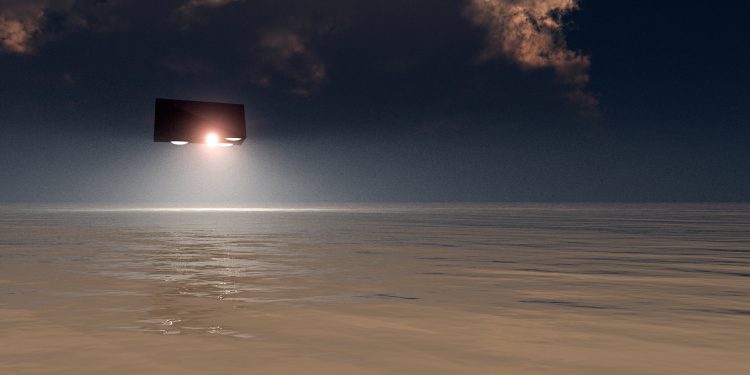
Naval Aviators have reported encountering strange “Black Cube” UFOs that were surrounded by strange clear spheres. Some of these cube-shaped UFOs even shadowed some, and many airplanes nearly collided with them. So this begs the question, what have aviators encountered? Based on their reports and comments, these objects were not weather balloons, were not drones, and seemed like nothing humankind has ever produced.
Some of these objects display characteristics that are unlike any modern-day aircraft. The technology at their disposal, as per comments made by fighter pilots, is beyond anything we know of. But the danger about these objects resides not only in the fact that we do not know what they are or whom they belong to; the greater danger resides in the fact that on numerous occasions, fighter pilots have almost collided with these mysterious objects. As penned down by Marik Von Rennenkampff for The Hill, Fighter pilots narrowly escaped disaster in 2014 when the jets were flying in controlled airspace and almost collided with an unidentified flying object. But this is just one of many examples. In fact, fighter pilots have reported seeing these objects “everywhere.”
In the piece, Rennenkampff had asked former fighter pilot Ryan Graves about UFO encounters. The experienced pilot answered that he and his colleagues saw these objects near airports and over the continental United States. On many occasions, these objects appeared hundreds of miles out to sea. ” There’s air traffic operation, and they’re operating in ways that are befuddling our aviators,” the experienced fighter pilot revealed in the interview. One of the perhaps more interesting UFO encounters that took place near an airport is the so-called Aguadilla UFO that took place in 2013 in Puerto Rico. At the time, a United States Customs and Border plane spotted a mysterious fast-moving object near the airport. This UFO headed out towards the ocean, splashed into the sea as if it did not even make contact with the water, reappeared, and then spit into two. You can read more about it here.
Perhaps what is most interesting is an encounter recalled by Graves that took place off the East Coast in 2014, when a fighter pilot described a dark cube-shaped UFO that was surrounded by some sort of clear sphere. What is most interesting is that this UFO had no wings, flaps, tails, and no visible propulsion system. But these encounters with the enigmatic cube-shaped UFOs are by no means isolated events. In fact, Graves recalls that a few years after the 2014 incident, a test pilot had spoken with Graves about encountering such an object.
According to the test pilot, the cube-shaped UFO surrounded by a clear sphere was just “flying alongside the pilot” at an approximate distance of some 30 feet. Eventually, the object just accelerated and disappeared. The exact origin of these objects remains a profound mystery. However, with the age of UFO transparency finally, upon us, we may finally get a better understanding of what these objects are. NASA is putting great effort into trying to find out what these objects are, the Pentagon has a UFO office that is investing a great amount of money and time in discovering their source, and the US Congress, in the meanwhile, seems convinced these things are not of this planet.
Ancient and Modern UFOs in Africa: An In-Depth Analysis with Professor Tim Murithi Dreamland
Introduction
The phenomenon of unidentified flying objects (UFOs) and unidentified aerial phenomena (UAP) has captivated human imagination for centuries, often intertwined with cultural, religious, and scientific narratives. In recent years, Africa has emerged as a fascinating focal point for these studies, blending ancient symbolism with contemporary accounts. On November 7, 2025, the "Dreamland" podcast, part of Whitley Strieber’s “Unknown Country” network, hosted a compelling episode featuring Professor Tim Murithi, a renowned cultural anthropologist at the University of Nairobi. The discussion provided a comprehensive perspective on the historical and modern narratives surrounding UFOs in Africa, emphasizing the importance of scholarly rigor while examining sensational claims.
Ancient Africa and the Visual Motifs in Egyptian Art
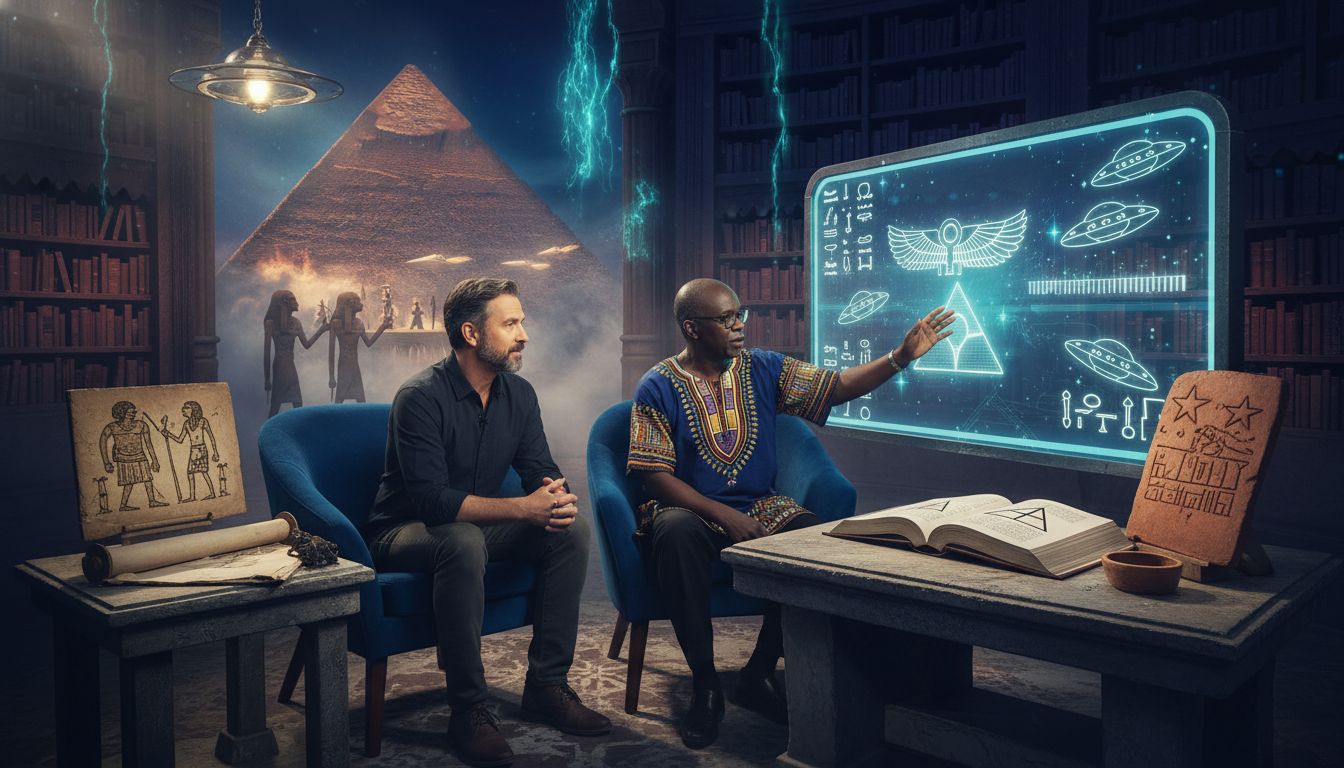
Professor Murithi began by exploring the visual motifs found in ancient Egyptian artifacts, which are often cited in UFO lore. The Egyptian tomb paintings depict stylized representations of the sun-disk, celestial barques (or sun boats), and various sky gods. Murithi clarified that these images, while striking, are better understood as symbolic representations rooted in religious and cosmological beliefs of the time. For example, the solar barque was a mythological symbol illustrating the journey of the sun through the sky, not an indication of actual spacecraft.
A notable example is the depiction of a chariot-like object held by deities in tomb paintings, which some interpret as ancient spacecraft. However, Egyptologists argue these are prehistoric depictions of chariots or solar symbols, not technological devices. As Murithi pointed out, “The iconography aligns with the religious symbolism of the Old Kingdom period, rather than evidence of extraterrestrial engineering.”
The Great Pyramid of Giza: Engineering Marvel or Alien Construction?
The Great Pyramid is often at the center of debates about ancient alien intervention. Enthusiasts highlight its precise alignment with Cardinal points and the remarkable engineering achievements of its builders. Murithi referenced recent scholarly research, including a 2023 study by Egyptologists at the University of Cambridge, which attributes the pyramid’s orientation—a deviation of less than 0.2 degrees from true north—to sophisticated astronomical observations and shadow-tracking techniques. These methods were well within the capabilities of Old Kingdom engineers.
While some claim the internal chambers were designed to house spacecraft or alien technology, Murithi emphasized that no archaeological evidence supports such theories. The internal structures, including the Grand Gallery and the Queen’s and King’s Chambers, are understood by archaeologists as functional components of tomb construction and religious symbolism, rather than alien installations.
The Dogon People of Mali and Their Astronomical Knowledge
Moving westward, Murithi discussed the famous case of the Dogon people of Mali, renowned for their detailed knowledge of Sirius B, a white dwarf star invisible without telescopes. Early anthropologists like Marcel Griaule in the 1930s and 1940s reported that the Dogon possessed complex knowledge about Sirius B, including its density and orbit, which seemed to exceed what was accessible through their traditional observances.
However, recent ethnographic research suggests that this knowledge may have been introduced through contact with French missionaries and Western scholars, rather than direct extraterrestrial communication. Murithi noted that “oral traditions are inherently fluid and susceptible to external influences,” and that the Dogon’s cosmology likely represents a synthesis of indigenous beliefs and external knowledge sources. The claim of ancient alien contact, he argued, tends to oversimplify the nuanced oral history and astronomical practices of the community.
Modern UFO and UAP Narratives: The Case of Thiaoouba Prophecy*
The episode also examined a contemporary literary work, Thiaoouba Prophecy, published in 1994 by French author Michel Desmarquet. The book narrates the author’s alleged abduction to a distant planet called Thiaoouba, where he claims to have received spiritual teachings and insights into extraterrestrial civilizations.
Murithi positioned Thiaoouba Prophecy alongside the biblical and apocryphal texts like the Book of Enoch, which also contain accounts of divine or otherworldly encounters. Both serve as cultural mirrors reflecting humanity’s hopes, fears, and questions about existence beyond Earth. Murithi cautioned that such narratives, while compelling, are not evidence of actual extraterrestrial contact but rather expressions of spiritual and cultural imagination.
Sensationalism versus Scholarly Rigor
The podcast further explored two recent articles disseminated on the same platform. One challenged claims that Roman shipbuilders possessed “anti-gravity” technology, and the other investigated mysterious “holes” found in an archaeological site in Peru. Murithi emphasized that sensational headlines often outpace scientific validation, and it is crucial to rely on verifiable data.
He articulated a fundamental principle: “The responsible approach is to let the data speak.” Human ingenuity and cultural development explain many extraordinary achievements without resorting to extraterrestrial intervention. For example, ancient Egyptians' architectural marvels, such as the Sphinx and the pyramids, demonstrate sophisticated engineering based on astronomical and mathematical understanding, achievable with the technology of the time.
Conclusion: A Call for Science and Skepticism
The episode concluded with a reaffirmation of the importance of grounded archaeological methodology. While UFO legends and modern sightings will continue to inspire curiosity, the most reliable explanations for Africa’s ancient wonders come from scientific inquiry and careful interpretation of existing cultural and archaeological records.
Professor Murithi’s insights serve as a reminder that human cultures, across history, have expressed their encounters with the cosmos through symbolic language, art, and oral tradition, rather than extraterrestrial visitation. As he eloquently summarized, “The most remarkable achievements of humanity arise from our own ingenuity, not alien technology.”
In Summary
Ancient Egyptian artifacts symbolize celestial phenomena and deities through religious and cultural symbols.
The Great Pyramid’s architectural precision results from advanced terrestrial astronomy and engineering, not alien intervention.
The Dogon’s astronomical knowledge likely resulted from external influences, not direct contact with extraterrestrials.
Contemporary UFO narratives, including Thiaoouba Prophecy, mirror cultural and spiritual aspirations rather than verifiable evidence.
Critical scholarship advocates for interpreting these phenomena through scientific methods, emphasizing human innovation over sensationalism.
This comprehensive perspective underscores the importance of applying rigorous archaeological and cultural analysis when examining claims of ancient and modern UFO phenomena in Africa. Grounded research continues to be the most reliable avenue for understanding the continent’s fascinating megalithic and cultural achievements.
An examination of what we do know about alleged alien spacecraft—and where the mysteries remain. Allegations that alien spacecraft have been discovered and hidden by governments continue to generate headlines, but verified evidence remains elusive. Analysts note that while several incidents—such as declassified U.S. Department of Defense reports on unidentified aerial phenomena—have sparked interest, none have confirmed the recovery of extraterrestrial vehicles. Most claims lack verifiable data or peer-reviewed publication. Nonetheless, a handful of images, radar logs and whistle-blower testimonies are keeping the debate alive, urging scientists and officials to scrutinize fact from fiction.
1. Claims of Hidden Alien Craft Have Circulated for Decades Rumors that governments have secretly recovered alien spacecraft date back to the late 1940s, shortly after the Roswell incident in New Mexico. Although that event was later attributed to a classified balloon project, it cemented the idea that officials might be concealing evidence of extraterrestrial technology.
Since then, stories of secret “crash retrieval programs” and hidden laboratories have resurfaced regularly in popular culture and online communities. Despite the intrigue, no credible documentation or physical proof of alien spacecraft has ever been made public.
2. The U.S. Has Studied Unexplained Aerial Phenomena In recent years, the U.S. government has confirmed that it investigates unidentified aerial phenomena—commonly known as UAPs. These efforts began with the Navy’s Advanced Aerospace Threat Identification Program (AATIP) and continued through the Department of Defense’s All-domain Anomaly Resolution Office, or AARO.
Officials say the goal is to study unknown objects in the sky that might pose flight or security risks, not to confirm alien visits. So far, all publicly released analyses attribute most sightings to balloons, drones, optical illusions, or ordinary aircraft.
3.Declassified Videos Renewed Public Interest In 2020, the Pentagon officially released three videos showing unidentified objects captured by Navy pilots in 2004 and 2015. The footage, which showed small shapes moving quickly against the sky, fueled speculation about advanced technology.
While the Navy confirmed the videos were authentic, officials emphasized that “unidentified” does not mean “extraterrestrial.” The clips illustrate how difficult it can be to identify distant objects captured by infrared sensors or cameras under high-speed conditions.
4. Recent Whistleblower Claims Sparked New Debate In 2023, former intelligence official David Grusch claimed that the U.S. government possesses “non-human” spacecraft materials and has kept them secret for decades. His statements drew widespread attention and congressional interest but were not accompanied by any physical or verifiable evidence.
Multiple agencies and independent experts have since stated that they have seen no proof to support Grusch’s claims. While his testimony fueled renewed calls for transparency, no documentation or recovered materials have been publicly confirmed or examined.
5. Congress Has Pressed for Greater Transparency Lawmakers from both political parties have expressed interest in understanding how UAP data is collected and analyzed. Recent hearings have asked defense officials whether any evidence of non-human craft has been found.
The Pentagon and NASA have both stated that, to date, they have discovered no confirmed signs of extraterrestrial vehicles or technology. Congress has nonetheless urged continued reporting and analysis to improve transparency and prevent speculation from filling the information gap.
6. NASA Has Its Own Independent UAP Study In 2022, NASA announced an independent study to examine publicly available data related to unexplained aerial phenomena. The team included physicists, former astronauts, and data scientists tasked with creating a scientific framework for studying future reports.
NASA’s 2023 summary concluded there was no verified evidence of alien craft but emphasized the need for better data collection. The agency said existing reports often lack critical details such as sensor calibration, environmental conditions, or corroborating radar information.
7. Experts Say Extraordinary Claims Require Extraordinary Proof Astrophysicists and aerospace engineers consistently emphasize that claims of recovered alien craft must meet the same scientific standards as any other discovery—replication, peer review, and physical evidence. So far, none of the alleged materials or photographs meet that threshold.
Experts say the absence of verifiable samples makes it impossible to draw reliable conclusions. While skepticism doesn’t rule out the possibility of extraterrestrial life, scientists stress that proof must come through measurable, repeatable observation rather than testimony alone.
8. Possible Origins of the “Crash Retrieval” Myth Many historians trace modern UFO retrieval stories to Cold War secrecy. During that era, projects such as spy-plane development and nuclear testing were classified, leading the public to misinterpret mysterious lights or aircraft.
When government agencies refused to comment for security reasons, conspiracy theories often filled the void. Researchers studying UFO folklore note that secrecy around military operations made it easy for rumors of alien technology to gain traction and persist for generations.
9. Some Materials Claimed to Be “Alien” Have Been Tested Over the years, individuals have presented metallic fragments they claimed came from alien craft. Independent laboratories and academic institutions have analyzed some of these samples, finding that they contained common terrestrial alloys such as aluminum, magnesium, and silicon.
No tested material has ever shown properties inconsistent with known Earth-based manufacturing or chemistry. These findings reinforce the scientific position that, so far, no physical evidence of extraterrestrial construction has been verified.
10. Astronomers Say Spacecraft Would Be Difficult to Hide Astronomers point out that any interstellar object entering Earth’s atmosphere would be easily detected by global radar and satellite systems. Modern space surveillance networks can track objects only a few centimeters wide in orbit.
For an alien spacecraft to arrive and crash undetected would defy current understanding of physics and monitoring capabilities. Scientists add that extraordinary technology capable of crossing interstellar distances would likely not fail upon arrival—a key argument against hidden crash theories.
11. Most “UFO Sightings” Have Conventional Explanations Decades of research have shown that the majority of UFO sightings result from misidentified aircraft, atmospheric phenomena, or human-made satellites. The appearance of new technologies—such as Starlink satellite constellations—has increased the number of mistaken reports.
Studies by independent astronomy groups and the U.S. Air Force’s past Project Blue Book consistently found that 90 percent or more of sightings had ordinary explanations. While some cases remain unexplained due to limited data, “unexplained” does not mean “alien.”
12. Scientists Continue Searching for Extraterrestrial Life—But Elsewhere The absence of verified alien spacecraft doesn’t mean scientists have given up the search for life beyond Earth. Programs like the Search for Extraterrestrial Intelligence (SETI) monitor space for radio signals, while missions such as NASA’s Perseverance rover look for microbial fossils on Mars.
Astronomers have also identified thousands of exoplanets where life might exist. Experts say these research efforts—rather than rumors of secret recoveries—offer the most promising path toward answering humanity’s biggest question: whether we’re alone in the universe.
That event sparked nationwide panic when a suspected Chinese surveillance balloon crossed the continental US before being shot down by a fighter jet off the coast of South Carolina.
For many, the sudden reappearance of these enigmatic objects raises fresh questions about who, or what, is watching from above.
Locals have flooded social media with photos and videos of the strange balloons, pleading for help in identifying them.
While some observers believe the objects may be part of routine research projects, others are convinced they are 'new Chinese spy balloons' designed to gather intelligence.
In Tucson, Arizona, multiple sightings have been reported this year, with one prompting speculation that it was 'a spy camera platform from China transmitting military secrets in fast bursts.'
However, later reports determined that at least one of the Tucson objects was part of a US military test, which stirred fresh concerns among privacy advocates.
Arizona has been a balloon hotspot over the past few months, with some locals first believe they were Chinese spy balloons
People used flight tracking data to watch a balloon's path in June
Jay Stanley, a senior policy analyst at the American Civil Liberties Union, told the Arizona Mirror: 'It is a technology that should not and constitutionally cannot be applied to the American people.
'Even testing for eventual overseas use in legitimate combat theaters raises a lot of questions about what kind of data is being collected.'
The most recent incident in Arizona was reported about two weeks ago, when a balloon was spotted drifting over Lemmon.
Social media users attempted to track the balloon on flight monitoring apps but were unsuccessful, fueling suspicion about its purpose.
'Not showing on Flightradar24, though, like others have in weeks past,' one Reddit user wrote. Another chimed in, 'I saw it a few minutes ago outside. Usually, they're at 60,000 feet. It must be huge!'
Earlier sightings in June caused a stir when multiple high-altitude balloons lingered over the Tucson and Sierra Vista areas for more than a week, leaving residents on edge.
In Boulder, Colorado, locals reported seeing what was later identified as an Aerostar Thunderhead steerable balloon.
'It's not just a weather balloon,' one Reddit user explained. 'It can also carry signal-gathering equipment, communications equipment, or other sensors.'
Many people in Colorado spotted a balloon this week, floating outside of Boulder
Aerostar, a company that develops balloons for scientific research, telecommunications and military applications, has confirmed ownership of several of the objects spotted across the country.
A meteorologist also determined that a balloon seen over Alabama belonged to Aerostar.
James Spann, a respected weather expert, posted yesterday on X: 'Getting a number of reports of a high-altitude object over North Alabama… looks like it is a balloon (HBAL787). It has been drifting south over NE Alabama this afternoon.'
The balloon eventually moved into Tennessee, hovering at an altitude of 59,200 feet, far above commercial airliners, which typically fly at around 35,000 feet.
While some scientists say high-altitude balloons are commonly used for atmospheric research and communications tests, their sudden visibility and stealthy flight patterns continue to alarm the public.
A meteorologist also determined that a balloon seen over Alabama belonged to Aerostar
James Spann, a respected weather expert, posted yesterday on X: 'Getting a number of reports of a high-altitude object over North Alabama… looks like it is a balloon (HBAL787). It has been drifting south over NE Alabama this afternoon.'
A report released in February revived the Chinese balloon incident, finding it was secretly equipped with US-made technology.
It was full of the very same technology that may have helped Beijing spy on unsuspecting Americans, two sources with direct knowledge of the classified investigation told Newsweek exclusively.
Military analysts who dismantled the balloon found it was loaded with American-made satellite communication modules and sophisticated sensors from at least five different US companies, as reported by the outlet.
A Chinese patent uncovered during the investigation also alarmingly showed that Beijing had already mapped out exactly how to use American satellite technology to control these spy balloons and harvest sensitive data.
The necessary equipment was reportedly easily available for purchase online.
Meer van UFO'S of UAP'S, ASTRONOMIE, RUIMTEVAART, ARCHEOLOGIE, OUDHEIDKUNDE, SF-SNUFJES EN ANDERE ESOTERISCHE WETENSCHAPPEN - DE ALLERLAATSTE NIEUWTJES


 Internet Puzzled by “Jellyfish” UFO Video