“That’s an interesting chapter in science,” he said. “Or the failure of science.”
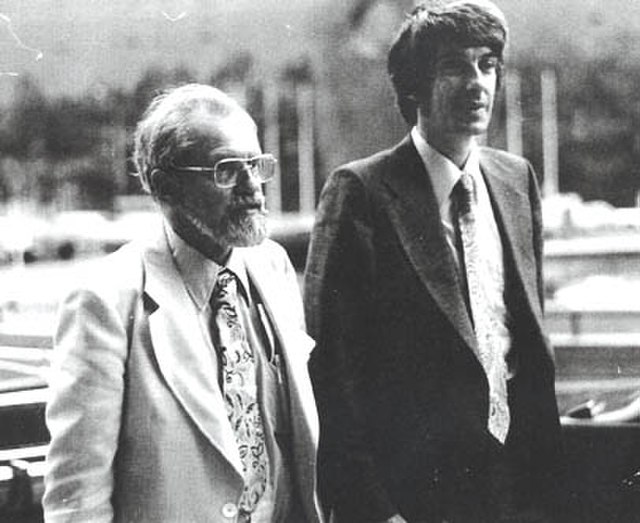
By then, Vallee had already returned to France. As he, his wife Janine, and their son, Oliver, were acclimating to life in Europe again, Vallée was quietly readjusting his approach to the UFO question.
“Once I was back in France, in a way, it served to give me the space to rethink what we had done,” Vallée told me. “I mean, I knew the Condon Committee was a joke… and that science was somewhere else. So it forced me to ask some fundamental questions that I would not have asked if I had stayed at Northwestern.”
“So I thought, where does all this come from, anyway?”
Vallée began haunting the old Paris bookshops, acquiring rare historical texts and early treatises on the sciences. An interesting question had begun to form in his mind, as he recorded in a journal entry on October 29, 1967: What about the forgotten accounts of Little People, of Elementals, of Leprechauns? If these beings are part of the same phenomenon we see now, what does that mean for their nature? Are we necessarily dealing with extraterrestrials?
“I found that the phenomenon has always been there,” Vallée says of his years spent mining observations of unusual aerial phenomena from texts that date back to classical antiquity. “Of course, they are describing it in the language of the time,” he notes, “but they are describing something that’s very, very much like what I get from witnesses today.”
The fruits of such musings culminated in Vallée’s seminal 1969 effort, Passport to Magonia, widely regarded as one of his most influential early works and, paradoxically, the effort that cast him as a pariah in the eyes of many of his ufological peers.
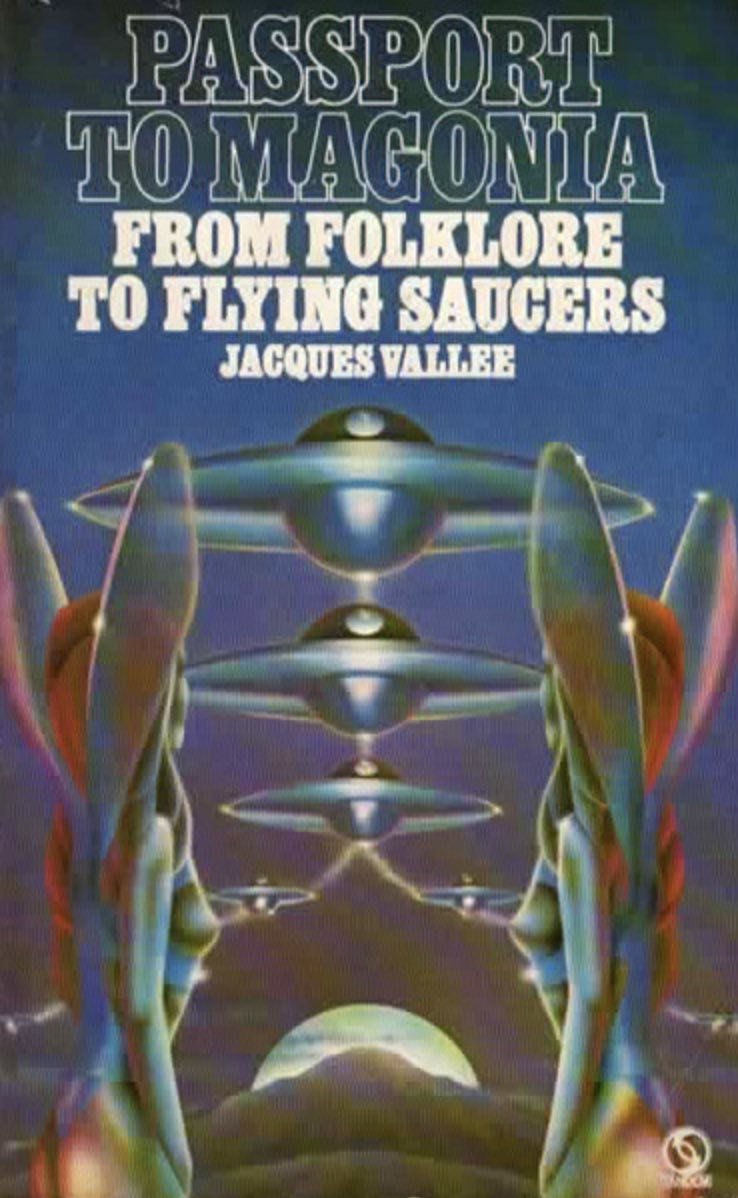 Mass market paperback edition of Passport to Magonia (Credit: Archives for the Unexplained).
“At first, it was completely rejected.” he says, recalling one UFO magazine that featured his likeness shortly after Magonia was published, accompanied by the headline, “Vallée has gone off the deep end.” Today, Vallée laughs about the chiding he received from his peers, and I note a hint of nostalgia about those early works behind the dry chuckle that emerges.
“Maybe the truth was in the deep end.”
OVER THE COURSE OF the ensuing decades, Vallée would continue to challenge the extraterrestrial hypothesis favored particularly among American UFO researchers. Parallel to this effort, his professional career brought him into work with the Institute for the Future in the mid-1970s, where he worked as principal investigator on the National Science Foundation computer networking project that gave rise to one of the earliest iterations of the ARPANET conferencing system. In the following decade, Vallée would become involved in venture capitalism, first as a partner at Sofinnova, then moving on to become a general partner in multiple different Silicon Valley funds, including his involvement in private investments today.
As his professional career flourished, Vallée never lost sight of his fascination with strange aerial phenomena. He authored a string of follow-ups to Magonia on the topic of UFOs throughout the 1970s and 80s, each continuing to build on the premise that the phenomenon could be far more complex than conventional opinions on UFOs would offer. His pioneering work continued to garner attention along the way, even serving as the inspiration for Claude Lacombe, a French scientist portrayed by actor François Truffaut in Stephen Spielberg’s classic film Close Encounters of the Third Kind.
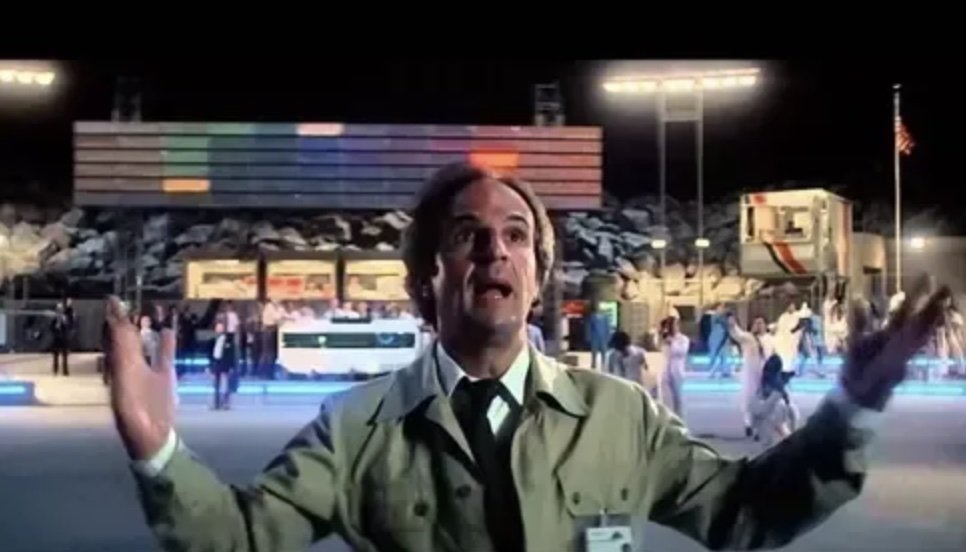
Actor François Truffaut in Stephen Spielberg’s Close Encounters of the Third Kind (fair use).
In the 1990s, Vallée authored a trilogy of books that focused on the prospects of alien contact. However, he always maintained a healthy distance from drawing conclusions about what any exotic technologies behind UFOs might represent. It was also during this period that Vallée began working with real estate developer Robert Bigelow’s National Institute for Discovery Science (NIDS), a privately funded scientific research effort that looked at UFOs and related phenomena.
In July 2014, Vallée presented a paper at the GEIPAN International Workshop in Paris, France, titled “Unidentified Aerial Phenomena: A Strategy for Research,” offering both a snapshot of what he had learned about the complexities of the phenomenon over several decades of study, as well as what he believed might be a path toward more fruitful future research.
“After years of ideological arguments based on anecdotal data the field of UAP research appears ready to emerge into a more mature phase of reliable study,” Vallée wrote in the paper’s abstract. Citing the mounting scientific interest in UAP around the world, based in part on documents conveying an official military interest in these phenomena, the scientist argued that the path forward would require the analysis of hard data, paired with intelligently informed theoretical studies.
“Without pre-judging the origin and nature of the phenomena, a range of opportunities arise for investigation,” Vallée wrote, warning that “such projects need to generate new hypotheses and test them in a rigorous way against the accumulated reports of thousands of observers.”
The problem was that in 2014, despite the existence of several notable independent catalogs containing information on historical incidents, there was no single collection of reliable UAP reports—a centralized database, in other words—upon which such studies could rely. This had been part of what prompted Vallée to assemble such a database for NIDS, work that would later carry over as Bigelow’s efforts moved out of the private sector and into the official world as part of the Defense Intelligence Agency’s Advanced Aerospace Weapons Systems Application Program (AAWSAP).
(Credit: Jacques Vallée/fair use)
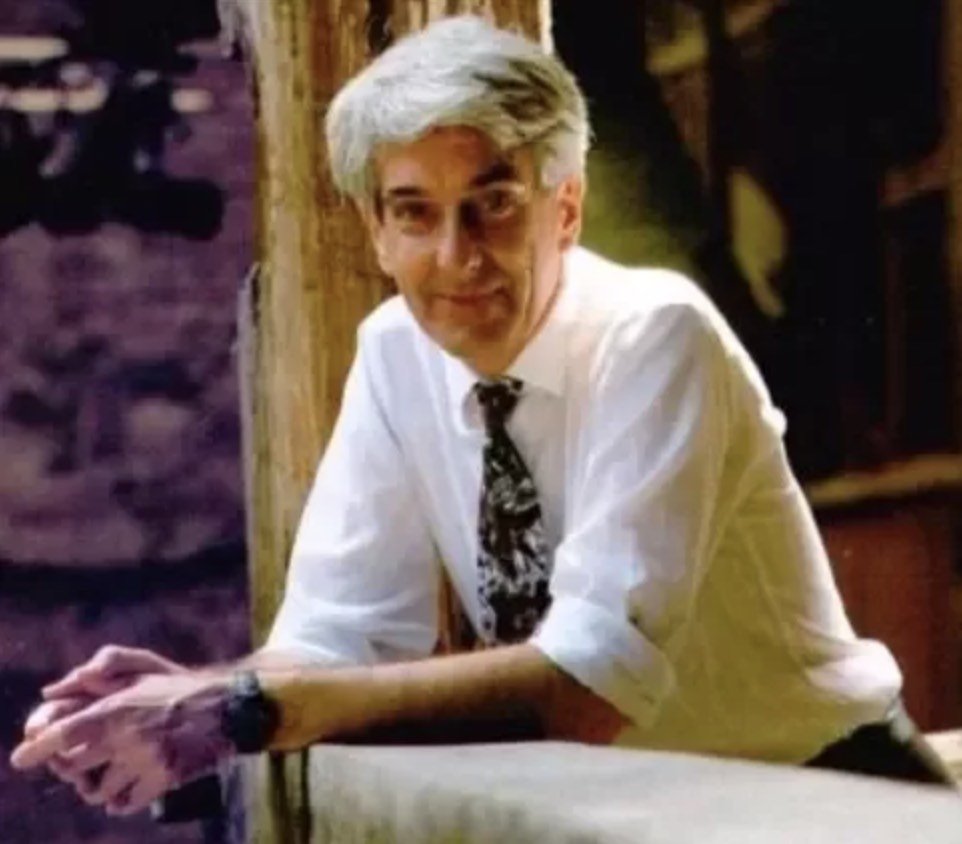
“In the United States the National Institute for Discovery Science (“NIDS”) and the Bigelow Aerospace Corporation have initiated a series of special catalogues to safeguard their own reports from public sources and from their staff,” Vallée wrote in his 2014 paper, adding that he had been asked to develop a UAP data warehouse containing 11 individual databases.
“The project is known as ‘Capella,’” it stated.
According to slides accompanying Vallée’s 2014 presentation, the Capella project focused on several areas that ranged from patterns emerging from UAP data to possible physics underlying the phenomenon and its impact on humans.
During our call, Vallée spoke candidly about the project and what he hopes it might still be used to achieve.
“There is such a database. It is the one we built as part of the AATIP/BAASS project in Las Vegas,” Vallée told me. Comprising roughly 260,000 cases from countries around the world, the scientist said during our call that the Capella database had been one of the major focal points of the program.
“Contrary to what people believe, [Capella] is the largest part of the budget that was spent on the classified project,” Vallée said. This included paying for translations of incident reports from Russian, Spanish, Portuguese, and several other languages into English, and providing funding for teams that conducted additional research on-site.
“It was a large effort for two years, Vallée said, though he added that in reality, “probably close to fifty or sixty years of work went into the database.” Although Capella constitutes what is arguably the most extensive database containing information on UAP ever built, don’t expect to see it any time soon; it remains classified as a part of the data developed under the DIA’s AAWSAP program managed by James Lackatski between 2008 and 2010.
“The database is still classified, to my knowledge,” Vallée said during our call, prompting me to ask whether such a vast amount of historical information on the UAP subject shouldn’t be made publicly available.
Speaking with The Debrief in December 2021, Mark Rodeghier, Ph.D., director of the J. Allen Hynek Center for UFO Studies and a longtime colleague of Vallée, expressed frustration over previous statements made by Colm Kelleher, Ph.D., another of the scientists who worked on the AAWSAP program, who noted that much of the AAWSAP data will likely remain classified.
“I mean, isn’t that discouraging, disappointing, [and] ridiculous,” Rodeghier told The Debrief. “It’s not work on how we can get a hypersonic missile. It’s UFO investigations. How can that be classified at this point? And the answer, of course, is that it shouldn’t be classified now.”
During our call, Vallée expressed similar sentiments to Rodeghier’s, although he also defended Capella’s current classified status on account of some of the information it protects.
“You make a good point,” Vallée told me. “That’s the kind of thing that should be accessible to science,” although adding that “it will be accessible to very highly competent people who can continue to look at it under the proper classification.”
“I think it’s properly classified,” Vallée added, “because it contains a lot of medical data that should be private.” However, he said that he thinks that over time, perhaps portions can be “sanitized” for release to the public, “so that we don’t invade the privacy of individuals who have reported those things, especially their medical data.”
“It’s not classified for any military or intelligence reason as far as I know,” Vallée said. “But I’m not part of the project anymore.” Vallée noted that even he no longer has access to Capella, although several longtime colleagues of his who still work in government do.
“I’m very proud to have worked on that,” Vallée said. “It’s probably the high water mark in the computer study of UFOs so far.”
“But as we know, the high water mark is going to go even higher after this.”
DESPITE HIS OWN LEVEL of involvement with government UAP studies, as well as the level of interest generated by videos of unidentified objects collected by the U.S. military—the existence of which Vallée himself hinted at in Geneva as early as 2013—the 83-year-old scientist still doesn’t necessarily hold military UAP data in higher regard than that collected by civilians.
“The military cases in the databases I know of are less than ten percent in every country,” Vallee said during our call. “They are really good because the military has radar. They have, of course, planes that can chase the objects… pilots who are very well trained and very well positioned to give a description.”
“Those are excellent reports,” Vallée concedes. “But what about the farmer in the field, who sees [an object] close to him, and has traces, and has materials? Who has felt physiological reactions?”
“What about those cases?” he asks. “They are full of information.”
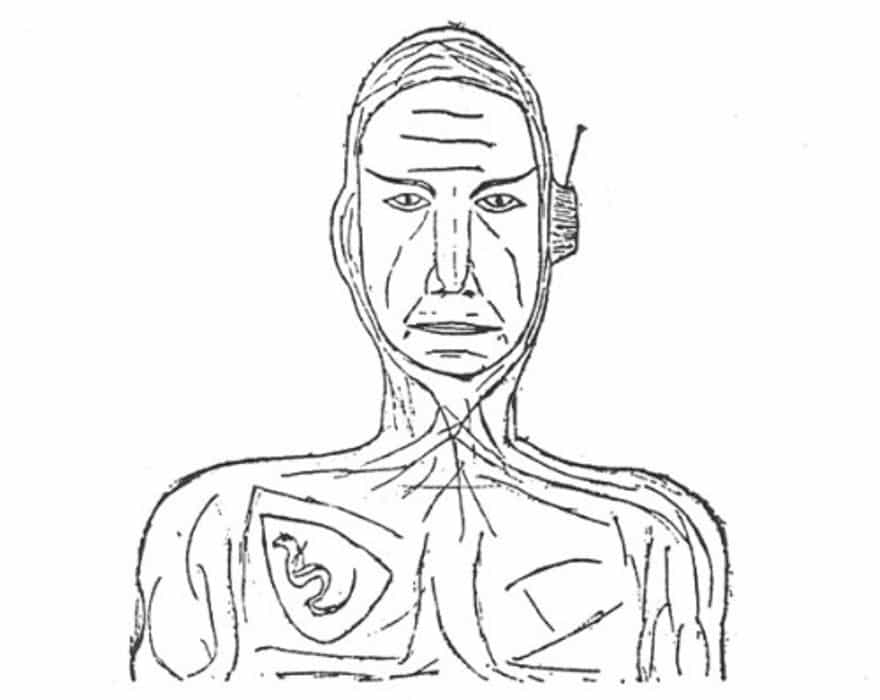
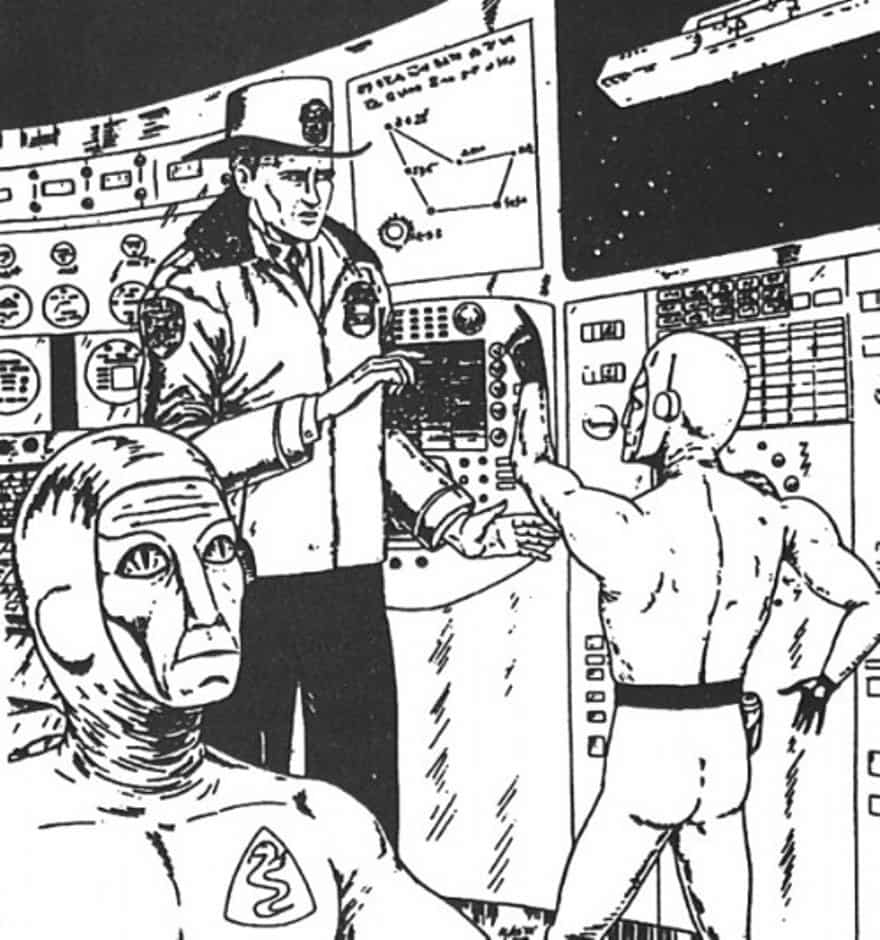
Vallée’s appreciation for UAP information collected from non-governmental sources is particularly evident in his latest book, Trinity: The Best-Kept Secret, coauthored with Italian journalist Paola Leopizzi Harris. In it, they unravel the story of two men, Jose Padilla and Reme Baca, who claim to have witnessed the crash of an unusual aircraft near San Antonito, New Mexico, in August 1945. Padilla, who went on to become a State Trooper in Rowland Heights, California, maintained that as children, he and Baca had seen a large, dull-gray avocado-shaped object—along with its frantic occupants—where it had apparently crashed near his family’s ranch. The object, they say, was later recovered by the military.
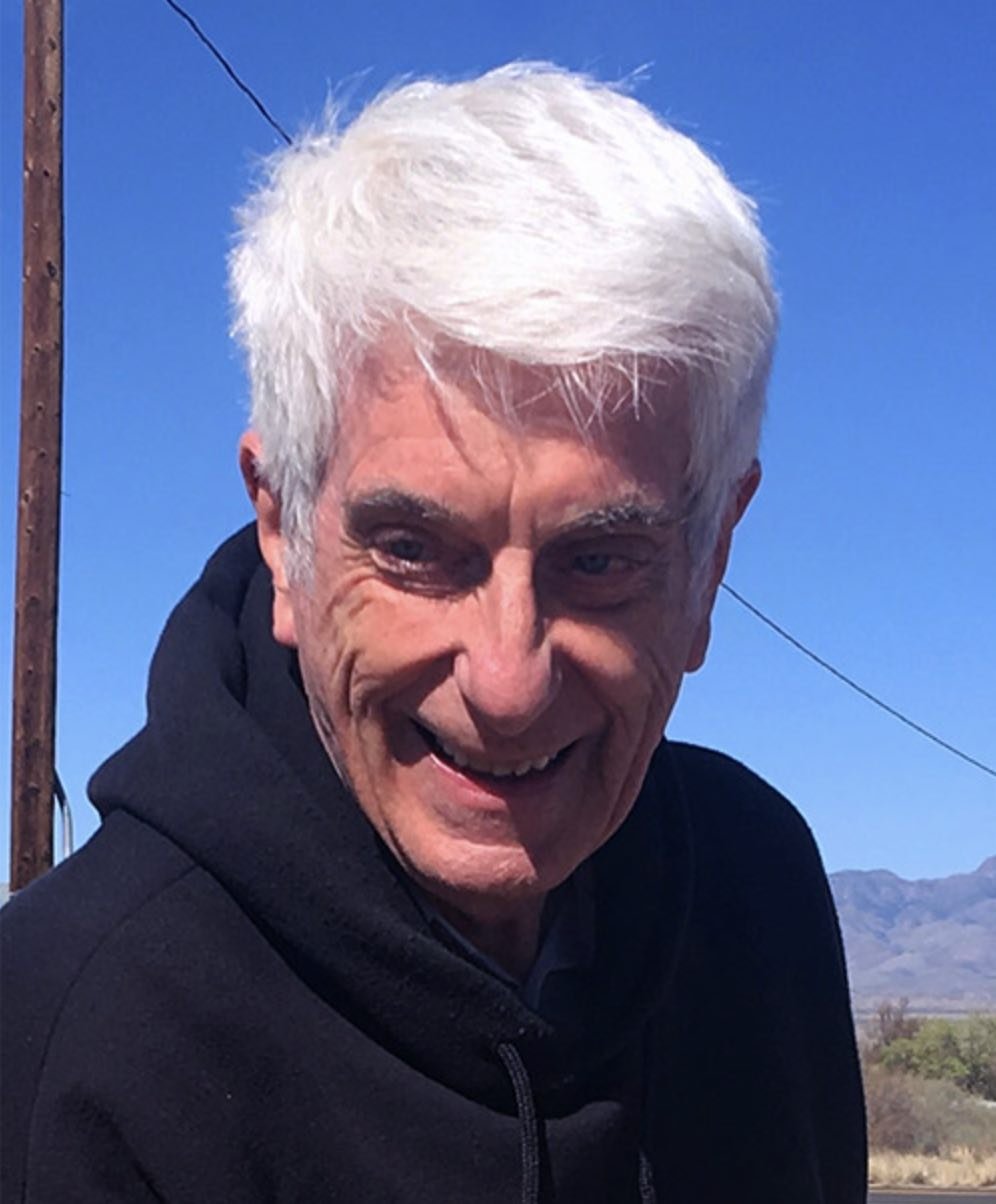
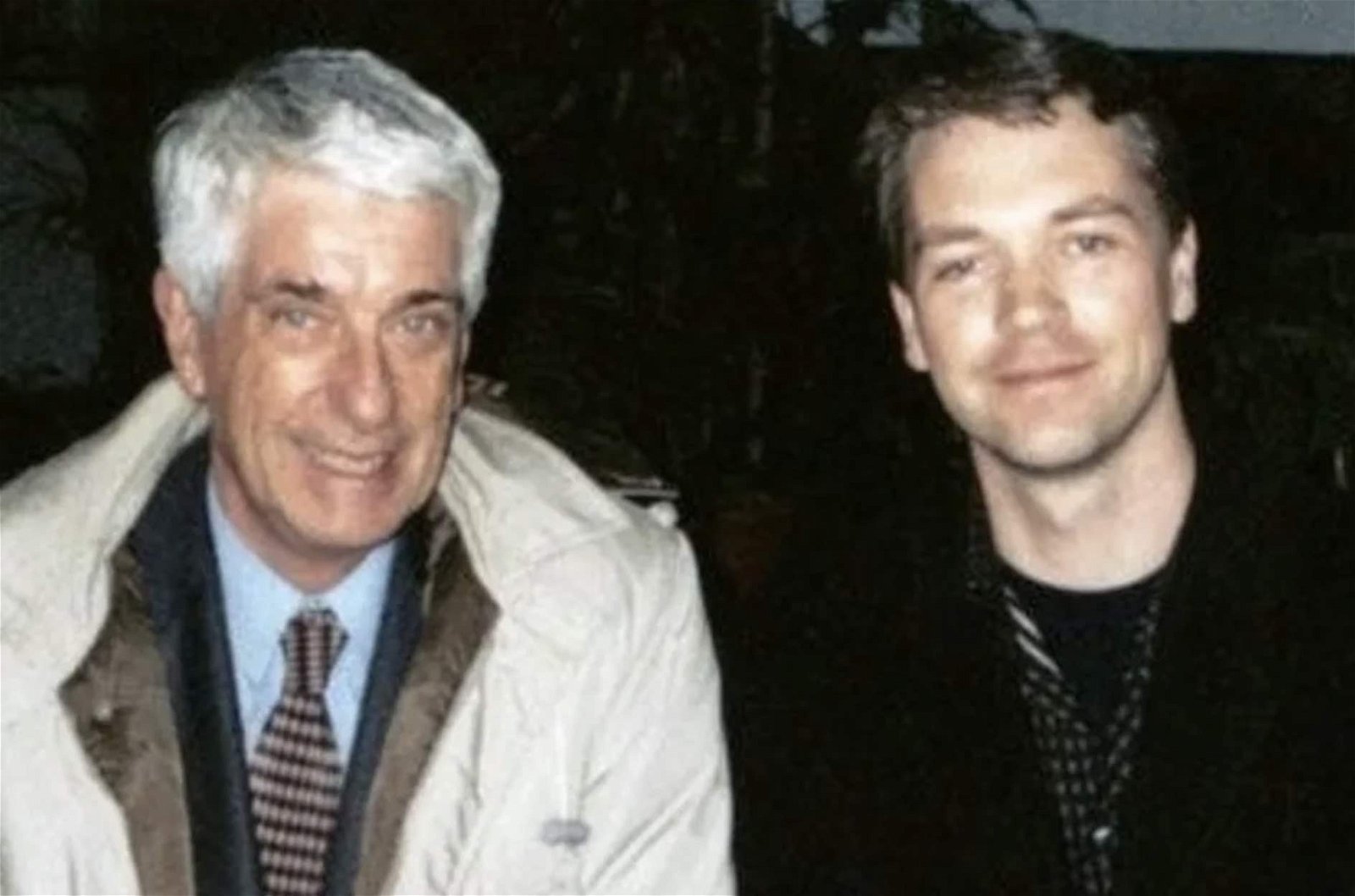
Vallée while conducting field research in New Mexico in advance of the publication of Trinity: The Best-Kept Secret
(Credit: Jacques Vallée).
In a newly updated second edition of the book, Vallée and Harris present additional witness testimony they have gathered about the alleged incident, which includes an observation of the crash remembered by the family of Lt. Colonel William J. Brothy, who at the time had been piloting a B-25 on a training mission. According to Brothy, he and his crew had flown over the site and recalled, “There were a lot of pieces.”
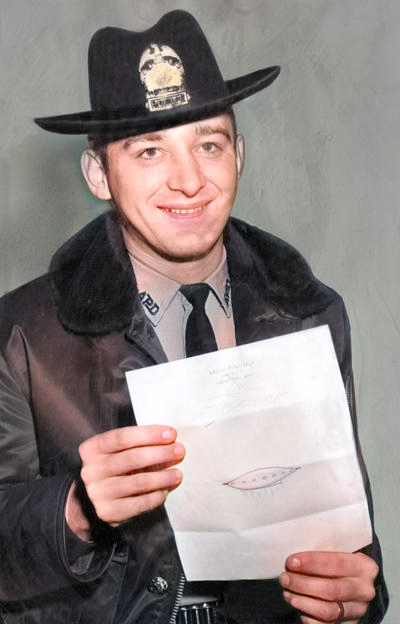
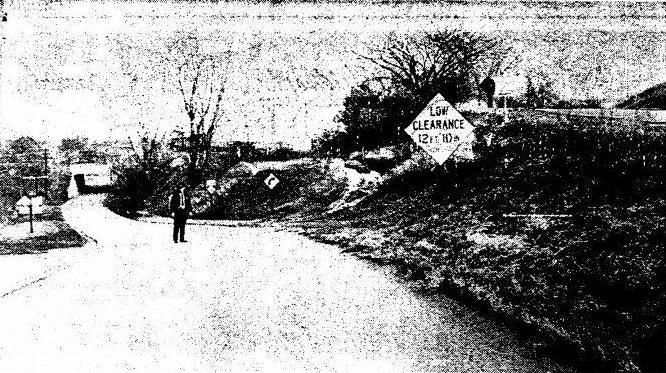
In Trinity, Vallée emphasizes what he believes are undeniable similarities between descriptions of the 1945 incident and a UAP landing in New Mexico observed by police officer Lonnie Zamora in 1964. Then, the following year another strikingly similar incident occurred near Valensole, France, involving the close observation of a landed craft and its apparent pilot or occupant.
“There is a case in Valensole, in France, and the case in Socorro. The object is identical to the Trinity object,” Vallée said. “And the [occupants] are identical to the creatures that Mr. Padilla is describing to me at Trinity, that he saw.”
“I was involved in Socorro, and I was involved in Valensole. Those are cases I know very well,” Vallée said, adding that Trinity contains new information on the Socorro case, once referred to by Hector Quintanilla, director of the U.S. Air Force’s Project Blue Book at the time of the incident, as being “the best documented case on record.”
Today, much of Vallée’s research is focused on the collection and study of material samples believed to have been collected from UAP. Compared with his earlier work, which challenged popular notions about extraterrestrials being associated with UAP, this might surprise longtime followers of the scientist’s work. For Vallée, however, it is only the next phase in the many decades he has spent working toward resolving the mystery.
“It’s all one thing,” Vallée said during our call. “The first book I wrote was Anatomy of a Phenomenon, which… I took as a study of extraterrestrial intelligence in general, and how it was I thought UFOs illustrated the idea of life elsewhere and intelligence elsewhere… that’s definitely the place from which we started.”
“Then, when I started working with Dr. Hynek, and I started working with—in those days, it was just called ‘computer catalogs,’ it wasn’t dignified as databases or data warehouses—but those catalogs held thousands of cases. My first complete catalog was donated to the Condon Committee at the University of Colorado, when they did the study funded by the Air Force.”
“Which,” Vallée notes, “to my surprise, concluded the problem didn’t exist. So, we’ve come a long way from that.”
Given his level of involvement in working to resolve the UAP question—an effort now spanning more than six decades, including his involvement in official government UAP investigations in several countries and having authored some of the most popular books ever written on the subject—perhaps the most surprising thing expressed by Vallée during our discussion had been his predictions about how he thinks his own work will be remembered by future generations.
“I think everything I’ve done, and everything my contemporaries have done, is going to be forgotten,” he said, mirroring his observations of the invention, and subsequent reinvention, of so many other innovations in science over time, not least among them the World Wide Web.
“And then in a few years, it’s going to be reinvented by, you know, great people at Stanford and Harvard in a new way,” he tells me, accompanied by the distinctive chuckle I had by now come to expect after one of his witty responses.
“That’s always the way science works.”


 “CHIMERA” METAMATERIAL ACHIEVES PREVIOUSLY IMPOSSIBLE MULTI-TERRAIN INVISIBILITY