DE VLAAMSE UFOLOGEN
Inleiding tot de Vlaamse Ufologie
De belangstelling voor UFO's (ongeïdentificeerde vliegende objecten) en gerelateerde fenomenen is wereldwijd een onderwerp van fascinatie en controverse. In Vlaanderen, zoals in veel andere regio's, zijn er verschillende ufologen die zich hebben toegelegd op het bestuderen van deze mysterieuze verschijnselen. Onder hen zijn enkele opmerkelijke figuren zoals Marc Broux, Wim van Utrecht, Pieter Hendrickx en Ghislain Struys. Dit artikel biedt een overzicht van hun bijdragen aan de ufologie in Vlaanderen, hun onderzoeken, publicaties en de bredere context waarin zij werken.
De Opkomst van de Ufologie in Vlaanderen
De ufologie begon in België en Vlaanderen serieus aandacht te krijgen in de jaren '50 en '60, parallel aan de wereldwijde UFO-hype. De Belgische UFO-golf in de jaren '80, met een aantal gerapporteerde waarnemingen, waaronder de beroemde waarnemingen van "de Belgische driehoek", heeft de interesse in het onderwerp verder aangewakkerd. Dit leidde tot de oprichting van verschillende organisaties en initiatieven die zich bezighouden met het onderzoeken van UFO-waarnemingen en het verspreiden van kennis over het fenomeen.
1. Marc Broux { UFO-BELGIUM, BUFON }

Marc Broux is een prominente figuur binnen de Vlaamse ufologie, een niche die zich bezighoudt met het bestuderen van onverklaarde vliegende objecten en de mogelijke aanwezigheid van buitenaards leven. Zijn bijdrage aan dit vakgebied is veelzijdig en omvat onderzoek, publicaties en het organiseren van evenementen. Broux heeft niet alleen bijgedragen aan de verspreiding van kennis over ufologie in Vlaanderen, maar heeft ook een brug geslagen tussen wetenschappelijk onderzoek en de interesse van het bredere publiek.
Een van de belangrijkste aspecten van Broux' werk is zijn rol als onderzoeker. Hij heeft talloze meldingen van UFO-waarnemingen geanalyseerd en bestudeerd. Door zijn methodische aanpak en kritische blik heeft hij geprobeerd om objectieve gegevens te verzamelen en te interpreteren, wat essentieel is voor het serieus nemen van dit onderwerp. Broux heeft verschillende publicaties op zijn naam staan waarin hij zijn bevindingen deelt, wat bijdraagt aan de academische en populaire literatuur over het onderwerp. Deze publicaties hebben niet alleen de interesse in ufologie aangewakkerd, maar ook de noodzaak benadrukt van een zorgvuldig en kritisch onderzoek naar UFO-verschijnselen.
Daarnaast heeft Marc Broux ook een belangrijke rol gespeeld in het organiseren van evenementen, zoals lezingen en symposia, waarbij hij zowel experts als geïnteresseerden samenbrengt. Deze evenementen bieden een platform voor discussie en kennisuitwisseling, en stimuleren een bredere belangstelling voor het onderwerp. Door het organiseren van deze bijeenkomsten heeft Broux bijgedragen aan de opbouw van een gemeenschap van ufologie-enthousiastelingen in Vlaanderen, wat cruciaal is voor de verdere ontwikkeling van het vakgebied.
Een ander belangrijk aspect van zijn werk is de educatieve component. Broux hecht waarde aan het informeren van het publiek over het fenomeen UFO’s en de verschillende theorieën die daarmee gepaard gaan. Hij heeft geprobeerd om het onderwerp toegankelijk te maken voor een breder publiek, en om mythes en misvattingen te ontkrachten. Dit is bijzonder belangrijk in een tijd waarin de media vaak sensationeel omgaan met UFO-incidenten, wat kan leiden tot desinformatie en wantrouwen.
Broux heeft ook de samenwerking met andere UFO-onderzoekers en organisaties bevorderd, zowel nationaal als internationaal. Deze samenwerkingen hebben geleid tot een uitwisseling van ideeën en methoden, wat de kwaliteit van het onderzoek ten goede komt. Door deze netwerken heeft hij bijgedragen aan een meer gestructureerde en professionele benadering van de ufologie in Vlaanderen.
Samenvattend kan gesteld worden dat Marc Broux een sleutelrol speelt in de Vlaamse ufologie. Zijn onderzoek, publicaties en organisatorische inspanningen hebben niet alleen de kennis over UFO's vergroot, maar ook de interesse van het publiek gestimuleerd en een gemeenschap gecreëerd rondom dit fascinerende onderwerp. Dankzij zijn inzet is de Vlaamse ufologie in staat om een meer serieuze en wetenschappelijke benadering te hanteren, en dit heeft een blijvende impact op hoe het fenomeen UFO’s wordt waargenomen en bestudeerd in Vlaanderen.
2. Wim van Utrecht { SVLT }

Old famous triangular ufo pic, has it been debunked?
Wim van Utrecht is een prominente figuur binnen de Vlaamse ufologie, het bestuderen van onverklaarde vliegende voorwerpen (UFO's) en gerelateerde fenomenen. Zijn bijdrage aan dit veld kan niet worden onderschat, zowel op het gebied van onderzoek als in de popularisering van de ufologie in Vlaanderen. Dit artikel verkent wat Wim van Utrecht betekent voor de Vlaamse ufologie en waarom zijn werk van groot belang is.
Ten eerste heeft Wim van Utrecht zich onderscheiden door zijn gedegen onderzoekswerk. Hij heeft talloze getuigenissen van UFO-waarnemingen verzameld en geanalyseerd, wat heeft geleid tot een beter begrip van de fenomenen die zich in Vlaanderen voordoen. Door zijn methodische aanpak heeft hij bijgedragen aan een serieuze en wetenschappelijke benadering van ufologie, wat vaak wordt geassocieerd met pseudowetenschap en speculatie. Van Utrecht pleit voor een objectieve en kritische benadering van UFO-waarnemingen, waarbij hij het belang van bewijs en documentatie benadrukt.

Daarnaast heeft Van Utrecht een belangrijke rol gespeeld in het creëren van een netwerk van onderzoekers en enthousiastelingen in Vlaanderen. Hij heeft verschillende evenementen en conferenties georganiseerd waar mensen hun ervaringen konden delen en discussiëren over UFO-verschijnselen. Dit heeft niet alleen geleid tot een grotere zichtbaarheid van de ufologie in de regio, maar ook tot de oprichting van samenwerkingsverbanden tussen verschillende onderzoekers en organisaties. Door deze netwerken heeft hij een platform gecreëerd waar serieuze discussies over UFO's kunnen plaatsvinden, wat de legitimiteit van het vakgebied versterkt.
Wim van Utrecht is ook actief geweest in de media, waar hij zijn kennis en ervaring heeft gedeeld met een breder publiek. Door zijn aanwezigheid in kranten, tijdschriften en op televisie heeft hij de interesse in ufologie aangewakkerd bij mensen die anders misschien nooit in contact zouden komen met het onderwerp. Zijn vermogen om complexe onderwerpen toegankelijk te maken voor een breed publiek is een van zijn grootste kwaliteiten. Dit heeft geholpen om de stigma's die vaak aan ufologie kleven te doorbreken en heeft veel mensen aangemoedigd om open te staan voor het verkennen van onverklaarde fenomenen.
Bovendien heeft Van Utrecht aandacht gevestigd op de noodzaak van samenwerking met andere wetenschappelijke disciplines. Hij heeft vaak gepleit voor een interdisciplinaire aanpak van ufologie, waarbij inzichten uit de psychologie, sociologie en natuurkunde kunnen bijdragen aan een beter begrip van waarnemingen en de impact die deze hebben op de samenleving. Door deze benadering heeft hij de ufologie gepositioneerd als een onderwerp dat niet alleen relevant is voor UFO-enthousiastelingen, maar ook voor academici en onderzoekers in andere velden.
In conclusie betekent Wim van Utrecht voor de Vlaamse ufologie een belangrijke schakel in de ontwikkeling van een serieuze en respectabele benadering van het onderwerp. Zijn onderzoeksinspanningen, netwerken, media-activiteit en pleidooien voor interdisciplinaire samenwerking hebben de ufologie in Vlaanderen gestimuleerd en geprofessionaliseerd. Door zijn werk heeft hij niet alleen bijgedragen aan een beter begrip van UFO-verschijnselen, maar ook aan de acceptatie en erkenning van ufologie als een legitiem onderzoeksgebied. Als gevolg daarvan heeft hij een blijvende impact gehad op hoe zowel het publiek als de academische wereld naar dit fascinerende onderwerp kijkt.
3. Pieter Hendrickx
link https://blog.seniorennet.be/peter2011/
Pieter Hendrickx is een expert op het gebied van UFO-onderzoek in België en heeft een significante bijdrage geleverd aan de Vlaamse ufologie. Hij is vooral bekend om zijn gedetailleerde analyses van specifieke UFO-waarnemingen en zijn vermogen om complexe gegevens te interpreteren. Hendrickx heeft een wetenschappelijke achtergrond en benadert het onderwerp vanuit een kritisch en analytisch perspectief.
Pieter Hendrickx is een invloedrijke figuur in de Vlaamse ufologie, een niche binnen de bredere studie van onverklaarde vliegende objecten (UFO's) en gerelateerde fenomenen. Zijn bijdrage aan dit vakgebied is van groot belang, zowel op academisch als op praktisch niveau. Hendrickx heeft zich ingezet om de ufologie in Vlaanderen een serieuze en wetenschappelijke benadering te geven, waardoor het onderwerp niet langer als een marginaal of belachelijk fenomeen wordt gezien.
Een van de belangrijkste aspecten van Hendrickx's werk is zijn focus op het verzamelen en analyseren van getuigenverslagen. Hij heeft talloze getuigen geïnterviewd en hun verhalen gedocumenteerd, wat heeft geleid tot een schat aan gegevens. Deze systematische benadering is cruciaal, omdat het laat zien dat veel meldingen van UFO-waarnemingen serieus genomen moeten worden. Hendrickx pleit voor een wetenschappelijke methode in de ufologie, en zijn werk is een voorbeeld van hoe dit kan worden gedaan.
Daarnaast heeft Hendrickx zich actief ingezet voor de bewustwording van het fenomeen UFO's in Vlaanderen. Hij heeft lezingen gegeven, boeken gepubliceerd en media-interviews gedaan om het publiek te informeren over de verschillende aspecten van ufologie. Zijn educatieve inspanningen hebben geholpen om de stigma's rond het onderwerp te verminderen en meer mensen aan te moedigen om openlijk over hun ervaringen te praten. Dit is van groot belang, omdat het delen van getuigenissen kan leiden tot een beter begrip van het fenomeen en tot verdere onderzoeksinitiatieven.
Een ander belangrijk kenmerk van Hendrickx's benadering is zijn kritische houding ten opzichte van het fenomeen. Hij is zich bewust van de vele pseudowetenschappelijke claims die circuleren binnen de ufologie en kiest ervoor om deze te weerleggen met feiten en logica. Dit maakt zijn werk geloofwaardig en helpt om de ufologie te positioneren als een serieuze tak van onderzoek. Hendrickx benadrukt het belang van kritisch denken en het vermijden van sensatiezucht, wat essentieel is voor de ontwikkeling van een betrouwbare onderzoeksomgeving.
Hendrickx heeft ook samengewerkt met andere onderzoekers en organisaties, zowel nationaal als internationaal. Deze netwerken zijn van groot belang voor de uitwisseling van kennis en ervaringen, en ze versterken de positie van de Vlaamse ufologie op het wereldtoneel. Door samen te werken met andere wetenschappers en onderzoekers, draagt Hendrickx bij aan een bredere discussie over UFO's en aanverwante onderwerpen, wat kan leiden tot nieuwe inzichten en ontdekkingen.
Tot slot is Pieter Hendrickx niet alleen een onderzoeker, maar ook een pleitbezorger voor het recht van mensen om hun ervaringen te delen zonder vooroordelen. Hij heeft een veilige ruimte gecreëerd voor getuigen om hun verhalen te delen, wat leidt tot een grotere diversiteit aan meldingen en inzichten. Dit is cruciaal voor het begrip van het fenomeen UFO's, omdat het de menselijke ervaring centraal stelt in het onderzoek.
In conclusie, Pieter Hendrickx heeft een significante impact gehad op de Vlaamse ufologie door zijn systematische, wetenschappelijke benadering, zijn educatieve inspanningen en zijn pleitbezorging voor getuigen. Zijn werk helpt om de ufologie te legitimeren en te positioneren als een serieus onderzoeksgebied binnen de bredere wetenschappelijke gemeenschap.
4. Ghislain Struys { UROS }
Ghislain Struys is een belangrijke figuur in de Vlaamse ufologie, een studie die zich richt op het onderzoeken van ongeïdentificeerde vliegende objecten (UFO’s) en de mogelijke implicaties daarvan. Zijn bijdrage aan dit veld is veelzijdig en heeft een aanzienlijke impact gehad op zowel de populariteit van het onderwerp als de serieuze benadering ervan binnen de Vlaamse gemeenschap.
Struys is vooral bekend als oprichter van de "Vlaamse Vereniging voor Ruimteonderzoek" (VVRO), een organisatie die zich richt op het verzamelen en analyseren van getuigenissen, het onderzoeken van waarnemingen en het bevorderen van wetenschappelijk onderzoek naar UFO-verschijnselen. Zijn inzet voor de vereniging heeft bijgedragen aan het legitimeren van UFO-onderzoek in Vlaanderen en heeft het mogelijk gemaakt om dit vaak beladen onderwerp in een meer serieuze context te plaatsen.
Een van Struys' belangrijkste bijdragen aan de Vlaamse ufologie is zijn focus op het verzamelen van betrouwbare gegevens en getuigenissen. In tegenstelling tot de vaak sensationele berichtgeving in de media, heeft hij gepleit voor een meer methodische en wetenschappelijke benadering van UFO-waarnemingen. Dit houdt in dat hij de nadruk legt op het documenteren van feiten, het analyseren van gegevens en het onderzoeken van getuigenissen met een kritische blik. Door dit te doen, heeft hij geholpen om een cultuur van ernst en integriteit in de ufologie te bevorderen, wat essentieel is voor de acceptatie van het onderwerp in bredere wetenschappelijke en maatschappelijke kringen.
Struys heeft ook bijgedragen aan de educatie rond UFO-onderzoek. Hij heeft lezingen gegeven, artikelen geschreven en documentaires ondersteund die het publiek informeren over de geschiedenis van UFO-waarnemingen, de verschillende theorieën die erover bestaan, en de relevante wetenschappelijke inzichten. Door deze educatieve inspanningen heeft hij een brug geslagen tussen de ufologie en het bredere publiek, waardoor meer mensen geïnteresseerd raken in en openstaan voor het onderwerp.
Een ander belangrijk aspect van Struys’ werk is zijn betrokkenheid bij de internationale ufologie. Hij heeft samengewerkt met verschillende organisaties en onderzoekers over de hele wereld, wat heeft geleid tot een uitwisseling van ideeën en kennis. Deze internationale samenwerking heeft niet alleen de Vlaamse ufologie verrijkt, maar heeft ook bijgedragen aan een beter begrip van UFO-verschijnselen op globaal niveau.
Bovendien heeft Struys’ werk de aandacht gevestigd op de culturele en sociale impact van UFO-waarnemingen. Hij heeft erop gewezen hoe deze verschijnselen diepgeworteld zijn in de menselijke ervaring en hoe ze de manier waarop we naar onszelf en onze plaats in het universum kijken, kunnen beïnvloeden. Dit heeft geleid tot een bredere discussie over de betekenis van UFO’s in de moderne samenleving en de vragen die zij oproepen over technologie, wetenschap en zelfs spiritualiteit.
In conclusie, Ghislain Struys heeft een fundamentele rol gespeeld in de ontwikkeling van de Vlaamse ufologie. Zijn methodische benadering, educatieve inspanningen en internationale samenwerking hebben niet alleen de legitimiteit van het onderwerp vergroot, maar ook bijgedragen aan een dieper begrip van de sociale en culturele implicaties van UFO-verschijnselen. Hierdoor blijft zijn invloed voelbaar in de hedendaagse discussie over UFO’s en hun betekenis voor de mensheid.
5. Jan Deceuster
Jan Deceuster is een bekende naam in de Belgische ufologie. Hij staat vooral bekend om zijn systematische benadering van UFO-waarnemingen en zijn betrokkenheid bij het documenteren van getuigenissen. Deceuster heeft in de loop der jaren talloze getuigeninterviews afgenomen en veel aandacht besteed aan de verificatie van de feiten rondom UFO-waarnemingen. Zijn werk heeft bijgedragen aan een beter begrip van de fenomenen die vaak als UFO's worden gekarakteriseerd.
Deceuster heeft ook samengewerkt met verschillende organisaties en heeft zijn bevindingen vaak gedeeld in lezingen en publicaties. Hij is van mening dat het belangrijk is om een wetenschappelijke benadering te hanteren bij het bestuderen van UFO's, en hij pleit voor een objectieve evaluatie van de beschikbare gegevens. Dit is essentieel voor het scheiden van serieuze waarnemingen van hoaxes of misverstanden.
6. Julien Weverbergh
Julien Weverbergh is een andere prominente figuur in de Vlaamse ufologie. Hij is vooral bekend om zijn boeken en publicaties die de geschiedenis van UFO-waarnemingen in België en de rest van de wereld onderzoeken. Weverbergh heeft zich intensief beziggehouden met het bestuderen van de verschillende theorieën rondom UFO's, inclusief de mogelijkheid van buitenaardse levensvormen en interdimensionale reizen.
Een van de meest opmerkelijke bijdragen van Weverbergh is zijn focus op de culturele en psychologische aspecten van UFO-waarnemingen. Hij heeft betoogd dat veel waarnemingen niet alleen kunnen worden verklaard door fysieke objecten, maar ook door de manier waarop mensen deze ervaringen interpreteren. Dit maakt zijn werk bijzonder waardevol, omdat het niet alleen de feiten rondom UFO's onderzoekt, maar ook de impact ervan op de menselijke psyche.
Weverbergh heeft ook aandacht besteed aan de rol van de media in de verspreiding van UFO-verhalen. Hij heeft erop gewezen dat de manier waarop UFO-waarnemingen worden gepresenteerd vaak invloed heeft op hoe het publiek deze fenomenen waarneemt en begrijpt. Dit heeft geleid tot een grotere bewustwording van de noodzaak om kritisch te kijken naar de informatie die beschikbaar is.
7. Frederick Delaere { Belgisch UFO-meldpunt }

Frederick Delaere is een opmerkelijke figuur binnen de Vlaamse ufologie, en zijn bijdrage aan het onderzoek naar onverklaarde vliegende objecten in België is van groot belang. Delaere, geboren en getogen in Vlaanderen, heeft zijn leven gewijd aan het bestuderen van UFO-waarnemingen en het verzamelen van gegevens over dit intrigerende fenomeen. Zijn werk heeft niet alleen bijgedragen aan de lokale kennis over UFO's, maar heeft ook een bredere impact gehad op de internationale ufologie.
Een van de belangrijkste aspecten van Delaere's bijdrage is zijn methodische benadering van het onderwerp. In tegenstelling tot veel andere UFO-onderzoekers, die soms worden gekarakteriseerd door speculatie en sensatie, heeft Delaere altijd de nadruk gelegd op een wetenschappelijke en analytische benadering. Hij verzamelt gegevens, analyseert getuigenverklaringen en probeert objectieve feiten van fictie te scheiden. Dit heeft hem geholpen om geloofwaardigheid te verwerven binnen de gemeenschap van onderzoekers en enthousiastelingen, en heeft zijn werk relevant gemaakt voor zowel academici als leken.
Delaere is ook bekend om zijn vermogen om de complexe wereld van UFO-waarnemingen toegankelijk te maken voor een breder publiek. Hij heeft verschillende boeken en artikelen geschreven waarin hij zijn bevindingen op een begrijpelijke manier presenteert. Door deze communicatieve vaardigheden heeft hij de interesse in ufologie in Vlaanderen aangewakkerd en een platform gecreëerd voor discussie en onderzoek. Zijn werk heeft bijgedragen aan het normaliseren van het gesprek over UFO's, wat voorheen vaak als taboe werd beschouwd.
Een ander belangrijk aspect van Delaere's impact is zijn rol als netwerker binnen de ufologische gemeenschap. Hij heeft talloze lezingen en presentaties gegeven, waarbij hij niet alleen zijn eigen onderzoek deelt, maar ook anderen aanmoedigt om hun ervaringen en waarnemingen te delen. Dit heeft geleid tot een sterke gemeenschap van onderzoekers en geïnteresseerden in Vlaanderen, die samenkomen om kennis en ervaringen uit te wisselen. Delaere fungeert vaak als een brug tussen verschillende generaties van ufologen, en zijn invloed heeft geholpen om de volgende generatie onderzoekers te inspireren.
Bovendien heeft Delaere bijgedragen aan het verzamelen van gegevens over de beroemde Belgische UFO-golf van de jaren '80 en '90. Deze golf, gekenmerkt door talloze waarnemingen van onverklaarbare vliegende objecten, heeft wereldwijd aandacht gekregen. Delaere's gedetailleerde documentatie en analyse van deze gebeurtenissen heeft niet alleen de lokale geschiedenis van UFO-waarnemingen rijker gemaakt, maar heeft ook internationale onderzoekers geholpen om deze fenomenen beter te begrijpen.
In het bredere perspectief van de Vlaamse ufologie kan men zeggen dat Frederick Delaere een sleutelfiguur is die de deur heeft geopend voor een serieuzere en meer gestructureerde benadering van het fenomeen UFO's. Zijn toewijding aan feiten, zijn communicatieve vaardigheden en zijn netwerkcapaciteiten hebben een blijvende impact gehad op zowel de lokale als de internationale ufologische gemeenschap. Door zijn inspanningen blijft de interesse in UFO's en de mysteries die ze met zich meebrengen groeien, en daarmee ook de zoektocht naar antwoorden op deze intrigerende vragen. Delaere's werk zal ongetwijfeld nog vele jaren voortleven in de annalen van de Vlaamse ufologie.
8. LEVI BOTERDAEL
Levi Boterdael is een opmerkelijke figuur binnen de Vlaamse ufologie, een discipline die zich bezighoudt met het bestuderen van ongeïdentificeerde vliegende objecten (UFO's) en het fenomeen van buitenaardse leven. Sinds zijn jeugd is Boterdael gefascineerd door de mysteries van de ruimte en de mogelijkheid van leven buiten de aarde. Deze interesse heeft hem ertoe aangezet om zich diepgaand te verdiepen in de verhalen, getuigenissen en wetenschappelijke studies rond UFO's.
Boterdael wordt vaak beschreven als een gedreven en gepassioneerde onderzoeker. Hij heeft talloze boeken en artikelen geschreven over UFO-waarnemingen, zowel in Vlaanderen als internationaal. Zijn werk is niet alleen gericht op het documenteren van getuigenissen, maar ook op het analyseren van de psychologische en sociale aspecten van UFO-verschijnselen. Hij gelooft dat het begrijpen van deze fenomenen niet alleen een kwestie is van het verzamelen van feiten, maar ook van het begrijpen van de menselijke ervaring en de impact die deze ervaringen hebben op individuen en gemeenschappen.
Een belangrijk aspect van Boterdaels werk is zijn inzet voor het bevorderen van serieus onderzoek naar UFO's. Hij pleit voor een wetenschappelijke benadering van het fenomeen, waarbij objectieve gegevens en rigoureuze methodologieën centraal staan. Boterdael heeft verschillende lezingen en seminars gegeven, waarin hij zijn bevindingen deelt met zowel geïnteresseerden als sceptici. Hij moedigt een open dialoog aan, waarbij mensen worden aangemoedigd om vragen te stellen en kritisch na te denken over wat ze horen en zien.
Boterdael is ook actief binnen verschillende organisaties die zich bezighouden met ufologie. Hij werkt samen met andere onderzoekers en enthousiastelingen om informatie uit te wisselen, onderzoek te coördineren en bewustwording te creëren over het fenomeen. Zijn netwerk strekt zich uit over de grenzen van Vlaanderen, en hij is betrokken bij internationale initiatieven die zich richten op het onderzoeken van UFO-verschijnselen.
Naast zijn onderzoek is Levi Boterdael ook een fervent voorstander van het behoud van getuigenverklaringen en het archiveren van gegevens. Hij begrijpt dat persoonlijke verhalen een cruciale rol spelen in het begrijpen van het fenomeen en dat deze verhalen vaak een rijke bron van informatie bieden. Boterdael werkt eraan om een platform te creëren waar mensen hun ervaringen kunnen delen, zonder angst voor oordeel of ridicule.
In de loop der jaren heeft Boterdael verschillende prijswinnende documentaires en publicaties op zijn naam staan, die zowel educatief als verkennend zijn. Hij blijft een invloedrijke stem binnen de Vlaamse ufologie, waarbij hij niet alleen de mysteries van de lucht onderzoekt, maar ook de diepere vragen over ons bestaan en onze plaats in het universum. Door zijn toewijding en passie heeft Levi Boterdael een blijvende impact gehad op de manier waarop UFO's worden waargenomen en bestudeerd in Vlaanderen en daarbuiten.
9. ANDRE SKONDRAS
André Skondras is een belangrijke figuur binnen de Vlaamse ufologie, en zijn bijdragen hebben een aanzienlijke impact gehad op de manier waarop UFO-waarnemingen en het fenomeen in het algemeen worden benaderd in Vlaanderen en daarbuiten. Skondras is vooral bekend om zijn diepgaande analyses van UFO-verschijnselen en zijn vermogen om critici en sceptici te confronteren met wetenschappelijke en logische argumenten.
Een van de belangrijkste bijdragen van Skondras aan de Vlaamse ufologie is zijn kritische benadering van getuigenissen. Vaak worden UFO-waarnemingen gekarakteriseerd door subjectieve ervaringen en emotionele reacties, maar Skondras pleit voor een methodische en objectieve evaluatie van deze getuigenissen. Hij verzamelt gegevens, interviewt getuigen en probeert fenomenen te verklaren vanuit een wetenschappelijk perspectief. Hierdoor heeft hij een brug geslagen tussen de vaak gefragmenteerde wereld van UFO-enthousiastelingen en de wetenschappelijke gemeenschap.
Daarnaast heeft Skondras bijgedragen aan de popularisering van ufologie in Vlaanderen. Hij heeft verschillende lezingen en presentaties gegeven waarin hij de basisprincipes van ufologie uitlegt en het publiek bewust maakt van de verschillende aspecten van het fenomeen. Zijn vermogen om complexe ideeën toegankelijk te maken voor een breed publiek heeft geleid tot een grotere belangstelling voor het onderwerp. Hij heeft ook samengewerkt met andere ufologen en onderzoekers, wat heeft geleid tot een netwerk van mensen die zich inzetten voor serieuze studie van UFO's.
Skondras heeft ook aandacht besteed aan de culturele en maatschappelijke impact van UFO-waarnemingen. Hij onderzoekt hoe deze fenomenen niet alleen wetenschappelijk, maar ook psychologisch en sociologisch van belang zijn. Door UFO's te plaatsen binnen een bredere culturele context, helpt hij om te begrijpen waarom mensen in bepaalde periodes en plaatsen meer UFO-waarnemingen doen en hoe deze waarnemingen hun wereldbeeld kunnen beïnvloeden.
Een ander belangrijk aspect van Skondras' werk is zijn betrokkenheid bij het documenteren van UFO-verschijnselen in Vlaanderen. Hij heeft verschillende rapporten en studies gepubliceerd die zich richten op specifieke waarnemingen en trends in de regio. Deze publicaties zijn niet alleen waardevol voor onderzoekers, maar ook voor beleidsmakers en de bredere gemeenschap die geïnteresseerd is in de UFO-onderwerpen.
Tot slot is Skondras een pleitbezorger voor openheid en transparantie binnen de ufologie. Hij moedigt zowel onderzoekers als getuigen aan om hun bevindingen te delen en samen te werken aan het begrijpen van het fenomeen. Dit heeft geleid tot een meer samenwerkende en minder gefragmenteerde gemeenschap van ufologen in Vlaanderen, wat de kwaliteit van het onderzoek ten goede komt.
In conclusie, André Skondras is een sleutelfiguur in de Vlaamse ufologie. Zijn kritische benadering, zijn inzet voor wetenschappelijke integriteit, en zijn vermogen om het onderwerp toegankelijk te maken voor een breed publiek zijn waardevolle bijdragen aan het vakgebied. Door zijn werk heeft hij niet alleen de studie van UFO's in Vlaanderen bevorderd, maar ook bijgedragen aan een beter begrip van de culturele en maatschappelijke implicaties van deze mysterieuze verschijnselen.
De Vlaamse Ufologie Gemeenschap
De Vlaamse ufologie gemeenschap is een diverse en dynamische groep van onderzoekers, schrijvers en enthusiasts. Naast de bovengenoemde figuren zijn er nog veel andere ufologen actief in Vlaanderen, die bijdragen aan het onderzoek en de verspreiding van kennis over UFO's. Deze gemeenschap organiseert regelmatig lezingen, conferenties en andere evenementen om het onderwerp onder de aandacht te brengen en om ervaringen en kennis te delen.
Kritiek en Controverse
Net als in andere delen van de wereld, is de ufologie in Vlaanderen niet vrij van kritiek en controverse. Veel wetenschappers en sceptici beschouwen het onderzoek naar UFO's als pseudowetenschappelijk en twijfelen aan de validiteit van getuigenverklaringen en de interpretatie van gegevens. Dit heeft geleid tot een spanningsveld tussen ufologen en de wetenschappelijke gemeenschap.
De Vlaamse ufologen, waaronder Broux, Van Utrecht, Hendrickx en Struys, hebben deze kritiek vaak moeten weerleggen. Ze pleiten voor een open en wetenschappelijke benadering van het onderwerp, waarbij ze benadrukken dat het belangrijk is om niet alle waarnemingen onmiddellijk af te doen als onzin. In plaats daarvan moedigen ze een zorgvuldige en kritische evaluatie van gegevens aan.
De Toekomst van de Ufologie in Vlaanderen
De toekomst van de ufologie in Vlaanderen lijkt veelbelovend, met een groeiende interesse in het onderwerp en een toenemende acceptatie van de noodzaak voor serieus onderzoek. De Vlaamse ufologen blijven zich inzetten voor het verzamelen van gegevens, het documenteren van waarnemingen en het delen van kennis met het publiek.
Technologische ontwikkelingen, zoals de opkomst van drones en verbeterde camera's, bieden nieuwe mogelijkheden voor het vastleggen van UFO-waarnemingen. Dit kan leiden tot een beter begrip van het fenomeen en mogelijk zelfs tot de ontdekking van nieuwe inzichten.
Conclusie
De Vlaamse ufologen, zoals Marc Broux, Wim van Utrecht, Pieter Hendrickx en Ghislain Struys, spelen een cruciale rol in het onderzoek naar UFO's en het verspreiden van kennis over dit fascinerende onderwerp. Hun bijdragen zijn essentieel voor het legitimeren van de ufologie als een serieuze tak van onderzoek, en hun inzet voor een kritische en open benadering is van groot belang.
De gemeenschap van Vlaamse ufologen blijft groeien en evolueren, en met de voortdurende belangstelling voor UFO's en het verkennen van het onbekende, blijft de toekomst van de ufologie in Vlaanderen een spannend en onvoorspelbaar avontuur.
- Als je aanpassingen aan dit artikel wilt doen, laat het weten. Dit is een overzicht zoals A1 ChatGPT OF AI de Vlaamse ufologen ziet.
{ PETER2011 MET BEHULP VAN ChatGPT }


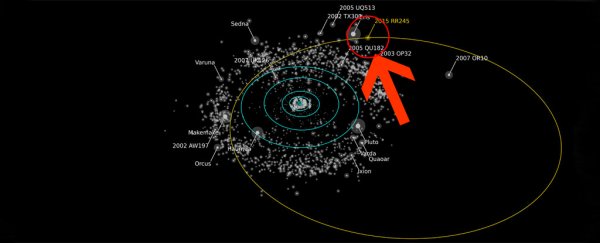
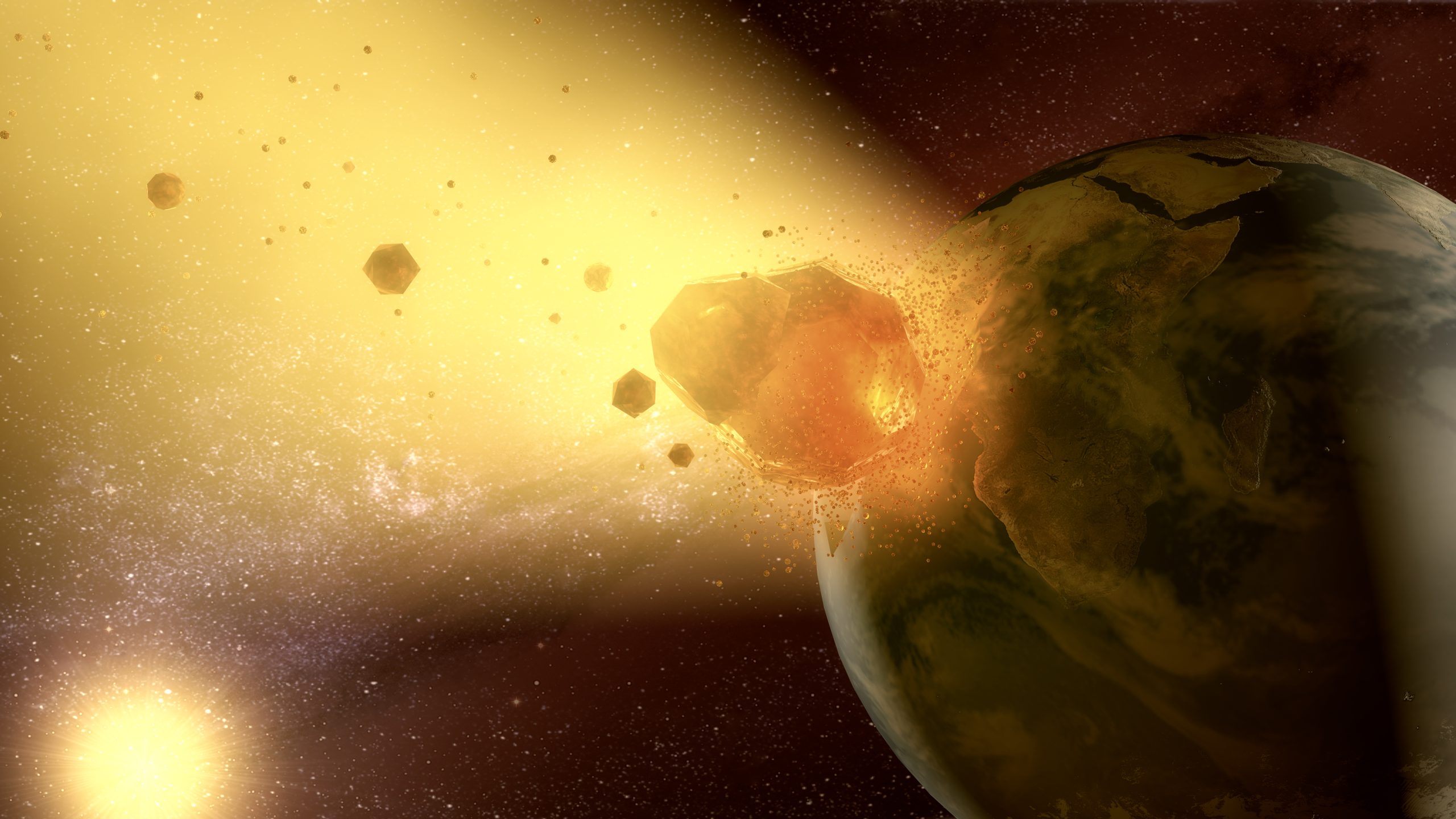
 Dramatically Decreasing the Time it Takes to Measure Asteroid Distances