The Belgian UFO Wave of 1989/1990: A Comprehensive Analysis
![UFO/OVNI La photo du TR3B de la vague Belge 1990. [HOAX ?] - YouTube](https://i.ytimg.com/vi/etvaUXV4tu0/maxresdefault.jpg)
The Belgian UFO wave of 1989-1990 remains one of the most remarkable and thoroughly documented series of sightings in the history of unidentified flying objects (UFOs). This phenomenon captured the attention of the public, military, and scientific communities alike, leading to extensive investigations and debates. The wave is particularly noted for the sightings of triangular-shaped craft, often referred to as the "Belgian triangles." This essay aims to provide a detailed examination of the Belgian UFO wave, exploring its historical context, key events, sightings, theories, and the polarized views surrounding this enigmatic phenomenon.
Historical Overview
The Belgian UFO wave began in late 1989 and extended into 1990, marked by a series of sightings across the country. The first reports emerged in November 1989, with witnesses describing large, triangular objects flying silently at low altitudes. Over the following months, thousands of sightings were reported, prompting investigations from both civilian organizations and the Belgian military.
The wave reached a peak in April 1990, when the Belgian Air Force became involved, conducting aerial patrols in response to the numerous reports. This period saw a significant increase in public interest and media coverage, further fueling speculation about the nature and origin of these unidentified objects.
Key Events and Sightings: The Belgian UFO Wave of 1989/1990
The Belgian UFO wave of 1989/1990 remains one of the most documented and intriguing periods of UFO sightings in history. This series of events captured the imagination of the public and sparked significant interest from government and military organizations. The wave was characterized by numerous sightings, military involvement, and extensive media coverage, leading to a cultural phenomenon that persists in UFO discourse today.
- Initial Sightings (November 1989)
The Belgian UFO wave began in late November 1989, primarily in the Walloon region, where residents began reporting unusual phenomena in the sky. On November 29, two police officers in the town of Eupen became the first credible witnesses to what would become a series of extraordinary encounters. They described a large, silent craft gliding overhead, illuminated by brilliant lights that captivated their attention. The officers reported that the object was triangular in shape, a detail that would become a consistent theme in subsequent sightings. Their report set off a chain reaction, as more individuals began to come forward with their experiences, leading to a growing body of evidence surrounding the sightings.
- Escalation of Reports (December 1989 - January 1990)
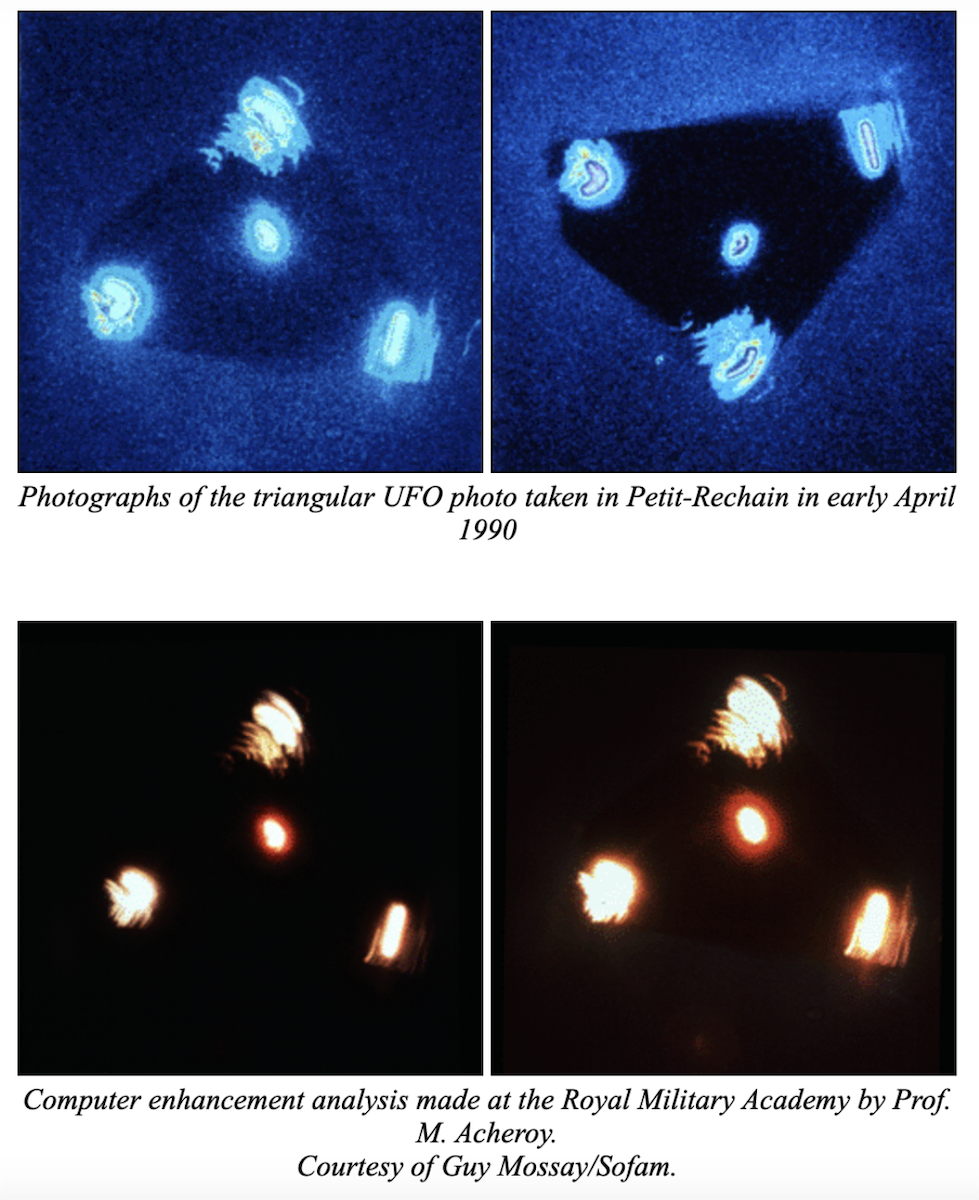
As December rolled in, the number of reported sightings began to escalate dramatically. Citizens from various towns, including Liège and Namur, reported similar encounters with triangular-shaped objects glowing in the night sky. Witnesses described the crafts as having three bright white lights positioned at each corner of the triangle, along with a central red light that pulsated ominously. The consistency in the descriptions provided by different observers lent a degree of credibility to the claims, making it less likely that these sightings were mere figments of imagination or misinterpretations of conventional aircraft. This period saw an influx of reports, with hundreds of individuals claiming to have seen the unidentified flying objects, leading to a sense of urgency and concern among the local population.
- Military Involvement (April 1990)
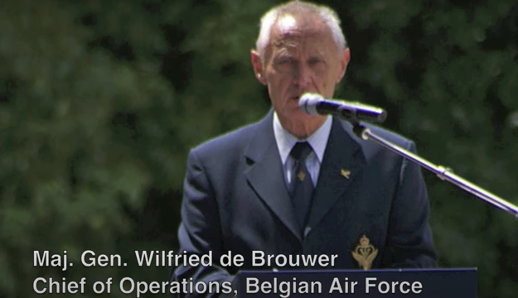
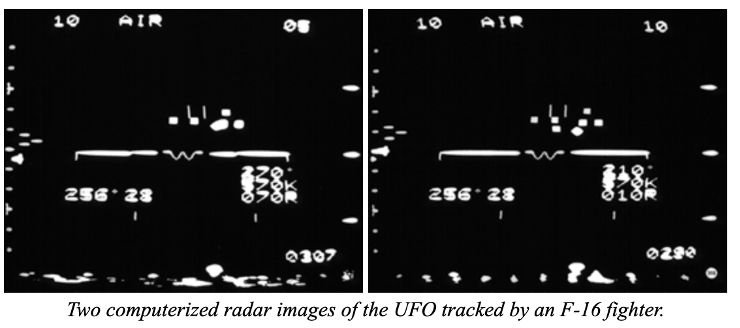
As sightings continued to proliferate, the Belgian government and military took notice, leading to the initiation of a formal investigation. In April 1990, the Belgian Air Force launched Operation "Royal Flush," a dedicated mission aimed at understanding and addressing the surge of UFO reports. This operation involved deploying fighter jets to intercept the unidentified crafts that had been sighted across the country. A pivotal moment occurred on April 30, when radar operators detected an object that did not conform to any known aircraft profiles. The military pilots engaged in a series of high-speed chases, attempting to identify the craft, but were met with baffling maneuvers that seemed to defy conventional aerodynamics. This encounter was documented and later became a key piece of evidence in discussions surrounding the Belgian UFO wave.
- Media Attention and Public Reaction
The wave of sightings attracted significant media attention, with newspapers, television programs, and radio shows extensively covering the events. The media frenzy not only heightened public interest but also encouraged others who had previously been hesitant to share their experiences. As a result, the number of reported sightings continued to grow, creating a snowball effect that captivated the nation. Various experts and ufologists began to weigh in on the phenomenon, offering their interpretations and theories, some of which ranged from government experiments to extraterrestrial visitors. This period marked a turning point in how UFOs were perceived in Belgium, as the public grappling with the unexplained transformed the UFO narrative from fringe speculation into a serious topic of discussion.
In conclusion, the Belgian UFO wave of 1989/1990 stands out not only for its remarkable series of sightings but also for the robust governmental and military responses it elicited. The initial reports from police officers ignited a wave of public interest, leading to hundreds of sightings across the country. The military’s involvement through Operation "Royal Flush" underscored the seriousness of the phenomenon and added a layer of credibility to the accounts. Ultimately, the media’s extensive coverage fueled public curiosity and ensured that the events of this period would remain a significant chapter in the ongoing exploration of unidentified aerial phenomena.
The Triangular Craft: Characteristics and Descriptions
One of the most intriguing aspects of the Belgian UFO wave that occurred in the late 1980s and early 1990s was the prevalence of triangular-shaped craft. Witnesses across various regions consistently described these mysterious objects, leading to a wealth of accounts that share common characteristics. This phenomenon has captivated the public imagination and sparked numerous investigations. Below, we delve into the defining characteristics of these triangular crafts in greater detail.
1. Shape: A Distinctive Form
The first and most striking feature of the triangular craft is their shape. Witnesses reported these objects as being distinctly triangular, or delta-shaped, often with smoothly rounded edges. This aerodynamic design stood in stark contrast to the more conventional, disc-shaped UFOs that had been reported in earlier decades. The triangular shape, combined with the craft’s sleek profile, suggests an advanced engineering design that is not typically found in known aircraft.
The corners of the triangle were often described as being sharply defined yet elegantly curved, which contributed to the overall appearance of sophistication. The aesthetic quality of these crafts—often described as “stealth-like”—has led some to speculate that they may belong to advanced military technology, potentially even reverse-engineered extraterrestrial vehicles. This theory is fueled by the fact that many sightings occurred near military bases and installations.
2. Lights: An Enigmatic Display
Another defining characteristic of the triangular craft is the arrangement and coloration of their lights. Most witnesses described seeing three bright white lights positioned at each corner of the triangle, which created a striking visual effect during nighttime sightings. These lights were often reported to be exceptionally bright, drawing the attention of observers from great distances.
In addition to the three corner lights, many accounts included the presence of a central red light, which sometimes pulsated or glowed steadily. The combination of bright white lights with a central red light not only added to the craft's otherworldly appearance but also raised questions about the purpose of these lights. Some speculated that the lights could serve navigational purposes or possibly act as a form of communication. The striking contrast between the white and red lights further contributed to the craft’s mystique, making them easily identifiable and memorable to those who witnessed them.
3. Silent Operation: A Mysterious Quietness
One of the most remarkable aspects of the triangular craft is the absence of sound during flight. Many witnesses noted that these objects moved silently through the sky, a feature that starkly contrasts with conventional aircraft, which typically produce recognizable engine noise. This characteristic not only heightened the sense of mystery surrounding the sightings but also raised further questions about the technology behind these crafts.
The silent operation has led to speculation about the propulsion systems employed by these triangular objects. Theories range from advanced anti-gravity technology to some form of electromagnetic propulsion, both of which would allow for silent flight. The absence of noise during flight has also contributed to the eerie and almost surreal experiences reported by witnesses, making the sightings both fascinating and unsettling.
4. Size and Altitude: A Dominant Presence
Reports of the size and altitude of these triangular crafts further distinguish them from conventional aircraft. Many witnesses described the crafts as being significantly larger than typical planes, sometimes estimating their size to be comparable to that of a large commercial airliner or even bigger. This perception of size contributed to the overwhelming presence these crafts held in the sky, often evoking feelings of awe or fear among observers.
In terms of altitude, these crafts were frequently reported to be flying at low elevations, sometimes just above tree line or peering into residential neighborhoods. This low-altitude behavior allowed for closer observation and contributed to the detailed descriptions provided by witnesses. Many noted that the craft appeared to glide smoothly, almost as if they were defying the usual laws of aerodynamics.
In conclusion, the triangular craft observed during the Belgian UFO wave exhibit a range of distinctive characteristics that set them apart from conventional aircraft. Their unique shape, striking lights, silent operation, and significant size at low altitudes have sparked intrigue and speculation about their origins and purpose. The consistency of witness accounts adds credibility to these sightings, creating a rich tapestry of mystery that continues to engage researchers, enthusiasts, and the general public alike. As investigations into these phenomena continue, the triangular craft remain a compelling subject of study in the ever-evolving discourse on unidentified aerial phenomena.

The famous image of an ostensible UFO in the 1990 wave. In 2011, the photographer Patrick Maréchal stated it was a picture of a polystyrene triangle with four lightbulbs.
Theories and Explanations of the Belgian UFO Wave of 1989/1990
The Belgian UFO wave, which unfolded between late 1989 and early 1990, remains one of the most compelling and well-documented clusters of unidentified flying object sightings in history. This phenomenon garnered significant attention not only from the general public but also from the military and the scientific community. As a result, a multitude of theories and explanations have emerged to account for the wave of sightings. These can be broadly categorized into three primary groups: military experiments, natural phenomena, and extraterrestrial hypotheses. Each of these perspectives offers a different lens through which to analyze the events of that period.
1. Military Experiments
One of the most prevalent theories suggests that the UFO sightings during this period may have been linked to secret military experiments or advanced aerial technology. Skeptics of the extraterrestrial explanation argue that given the timing and the nature of the sightings, it is plausible that these unidentified objects were, in fact, advanced military aircraft or experimental technology being tested by the Belgian Air Force or even foreign military forces.
The Belgian military’s active involvement in investigating the sightings, including their collaboration with civilian UFO organizations, has fueled this theory. In particular, the deployment of F-16 fighter jets to intercept the reported UFOs provides a strong basis for the argument that the phenomena could have been man-made. Witnesses reported seeing large, triangular craft that exhibited flight characteristics far beyond conventional aircraft capabilities, leading some to speculate that these could be prototypes of advanced military vehicles.
However, despite the military's engagement, no conclusive evidence has emerged to substantiate claims of secret aircraft or classified projects. The Belgian Air Force conducted investigations but ultimately did not confirm that the UFOs were military in nature. This absence of definitive proof leaves room for skepticism regarding the military experiments theory, as it raises questions about the extent of classified activities and whether the military would be forthcoming about such projects.
2. Natural Phenomena
Another explanation for the Belgian UFO wave centers on natural phenomena. Proponents of this theory argue that many of the sightings could be attributed to atmospheric anomalies, misidentified celestial objects, or other natural occurrences. For instance, some skeptics suggest that what witnesses perceived as UFOs could have been the result of light reflections, weather balloons, or even swamp gas—a phenomenon in which marshy areas emit flammable gases that can create unusual visual effects.
To support this viewpoint, skeptics often point to the potential for misinterpretation of common astronomical events. The period saw clear skies, and various celestial phenomena such as bright planets or meteor showers could have contributed to the confusion. However, the consistent and detailed accounts from numerous witnesses across different locations challenge the idea that these sightings can be explained away as mere misidentifications. Many reported specific details about the craft's shape, size, and behavior, which do not align with typical natural phenomena.
Moreover, atmospheric conditions and the geographical context of Belgium during this time do not sufficiently account for the sheer volume and nature of the sightings. The wave was characterized by multiple reports of large, silent, triangular-shaped objects moving in ways that defied conventional flight patterns. This consistency and specificity in witness testimonies raise questions about the adequacy of natural explanations in accounting for the reported phenomena.
3. Extraterrestrial Hypotheses
The most sensational and captivating explanation for the Belgian UFO wave is the hypothesis that these sightings were indicative of extraterrestrial visitation. Proponents of this theory argue that the large, triangular craft described by numerous witnesses could be vehicles from advanced civilizations beyond Earth. This explanation taps into a broader narrative of humanity’s search for life beyond our planet and has gained significant traction in popular culture.
Advocates of the extraterrestrial hypothesis often highlight the remarkable technological capabilities that would be required for such craft to operate as described—objects that can hover silently, execute sudden maneuvers, and exhibit speeds beyond those of known aircraft. They argue that the level of sophistication displayed by these crafts suggests an origin that cannot be accounted for by human technology. This perspective resonates with a segment of the population that is fascinated by the idea of contact with alien civilizations and the implications such encounters would have for humanity.
Despite its appeal, the extraterrestrial hypothesis is not without its critics. The primary challenge facing this theory is the lack of empirical evidence. While numerous sightings were reported, and some were even captured on video, no definitive proof has been produced to confirm that these objects were of extraterrestrial origin. The absence of physical evidence, such as debris or biological samples, continues to hinder the validation of this theory.
Conclusion
In conclusion, the Belgian UFO wave of 1989/1990 presents a fascinating case study that has sparked diverse theories and explanations. From military experiments to natural phenomena and extraterrestrial hypotheses, each perspective contributes to the ongoing discourse about the nature of unidentified flying objects. While military experiments and natural phenomena provide plausible explanations, the allure of extraterrestrial visitation continues to captivate the imagination of many. Ultimately, the Belgian UFO wave remains an enigmatic chapter in the history of ufology, inviting further investigation and debate as society grapples with the mysteries of the skies. The varying explanations highlight not only the complexity of UFO sightings but also the broader questions about humanity's place in the universe and the potential for life beyond our planet.
Evidence and Documentation of the Belgian UFO Wave
The Belgian UFO wave, which spanned from late 1989 to 1990, remains one of the most compelling and thoroughly documented cases of unidentified flying objects (UFOs) in modern history. Unlike many other UFO sightings that tend to rely on anecdotal evidence, the Belgian UFO wave is distinguished by a wealth of documentation, which includes radar data, witness testimonies, and photographic evidence. This multifaceted approach to the phenomenon has allowed researchers to analyze the events from various angles, contributing to ongoing debates about the nature of the phenomena observed during this period.
1. Radar Data
One of the most significant pieces of evidence supporting the Belgian UFO wave is the radar data collected during the events. Military radar operators from the Belgian Air Force, along with civilian radar operators, detected unidentified flying objects that exhibited flight patterns inconsistent with those of known aircraft. The radar returns indicated objects that could accelerate rapidly, perform sharp turns, and hover in place—capabilities far beyond those of conventional aircraft at the time.
A key operation during this period was Operation "Royal Flush," which aimed to investigate and identify the numerous reports of unidentified aerial phenomena. During this operation, radar operators recorded multiple sightings of triangular-shaped crafts flying at high altitudes, sometimes at speeds exceeding 2500 kilometers per hour. The radar data provided a crucial foundation for the investigation, as it not only validated many eyewitness accounts but also raised questions about the type of technology that could produce such extraordinary flight characteristics.

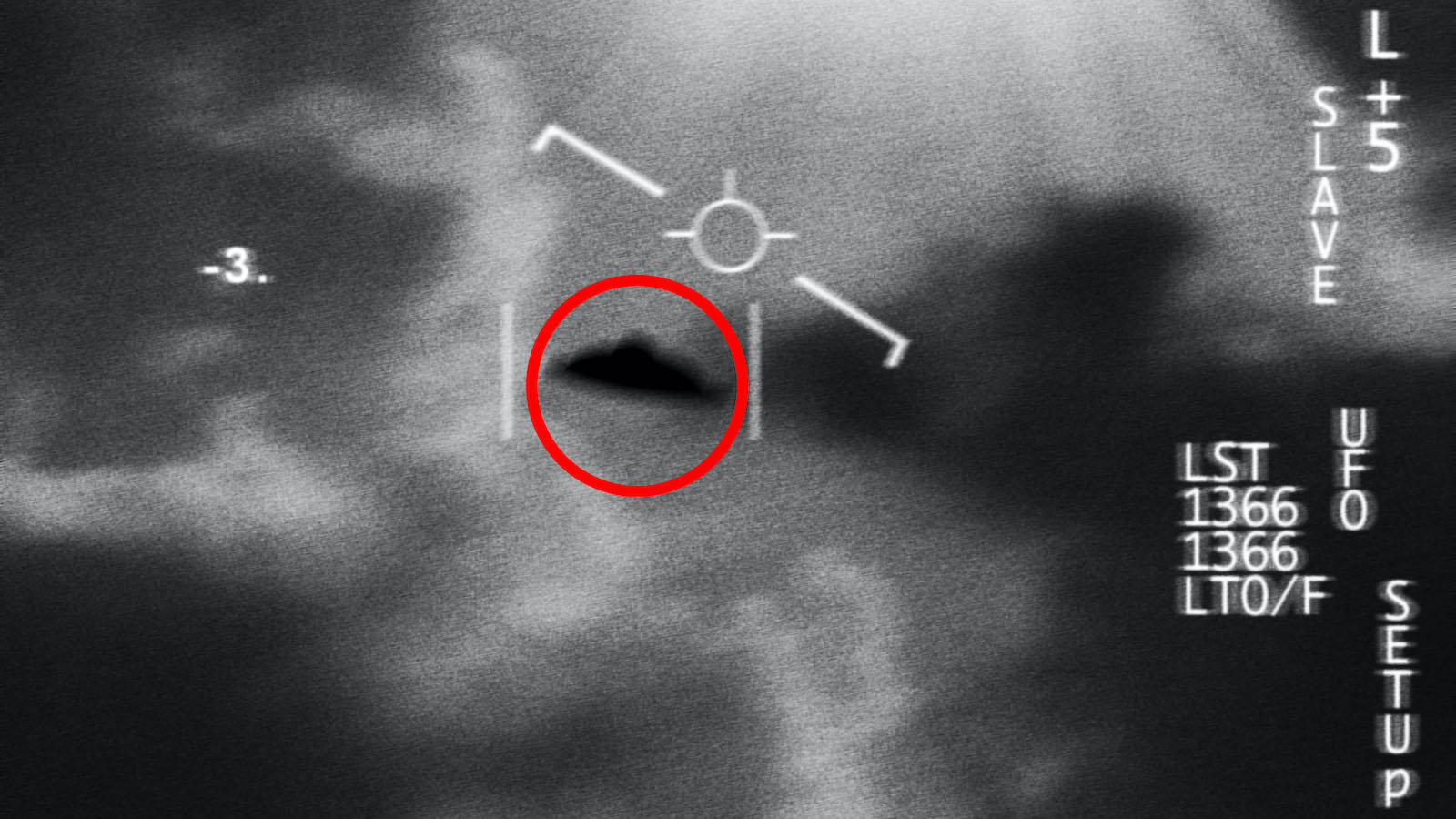
Did they see a UFO on their radar screens?
(Credit: Andrey Semenov via Getty Images)
The military's involvement in tracking these objects adds a layer of credibility to the evidence. The data collected during Operation "Royal Flush" has been subjected to rigorous analysis and remains a focal point for researchers and enthusiasts alike. The fact that well-trained military personnel were involved in the sightings lends additional weight to the claims of unidentified aerial phenomena, as it is unlikely that such experienced individuals would misinterpret conventional aircraft or atmospheric phenomena.
2. Witness Testimonies
Another cornerstone of the Belgian UFO wave is the multitude of witness testimonies that emerged during and after the sightings. Thousands of individuals reported seeing strange lights and craft in the night sky, with many offering detailed accounts of their experiences. These witnesses included civilians, police officers, and even military personnel, all of whom described similar characteristics of the objects they observed.
Many witnesses expressed a deep sense of urgency and concern about the nature of the phenomena they encountered. Accounts frequently mentioned triangular shapes, bright lights, and unusual flight patterns, with some witnesses claiming that the crafts made no sound as they hovered above them. The consistency in descriptions from various witnesses across different locations adds to the credibility of these accounts, suggesting that they were not mere illusions or mass hysteria.
In addition to the sheer volume of testimonies, the emotional weight carried by many of the witnesses contributes to the overall narrative of the Belgian UFO wave. Some individuals reported feeling a sense of fear or apprehension during their encounters, while others described a profound sense of awe and wonder at the sight of the unidentified crafts. These personal experiences provide a human element to the phenomenon, allowing researchers to explore the psychological and sociological impacts of UFO sightings on communities.
3. Photographic Evidence
Photographic evidence is another crucial aspect of the documentation surrounding the Belgian UFO wave. Several photographs claimed to depict the triangular crafts reported by witnesses, yet this evidence is met with mixed reactions. While some photos appear to show distinct shapes and lights in the sky, the authenticity and clarity of these images have often been called into question.
Skeptics argue that many photographs lack the necessary detail to conclusively identify the objects, often attributing the images to misidentified aircraft, atmospheric phenomena, or even hoaxes. The challenge of capturing clear images of fast-moving aerial objects, particularly at night, complicates the analysis of photographic evidence. Despite these criticisms, some researchers maintain that certain photographs display characteristics that are difficult to attribute to known aircraft or conventional explanations.
The debate surrounding the photographic evidence is emblematic of the wider discourse on UFOs and the nature of the phenomena observed during the Belgian UFO wave. While some argue that the photographs support the existence of extraterrestrial technology, others caution against drawing definitive conclusions based solely on images that may lack context. This ongoing discussion highlights the complexity of the investigation and the need for a cautious approach to interpreting evidence.
In conclusion, the Belgian UFO wave represents a unique chapter in the study of unidentified aerial phenomena. The extensive documentation of sightings—including radar data, witness testimonies, and photographic evidence—offers a rich tapestry of information that continues to intrigue researchers and enthusiasts alike. While the radar data provides a technical foundation for understanding the capabilities of the observed objects, the witness testimonies bring a human perspective to the phenomenon, emphasizing the emotional and psychological impact of these encounters.
As the debate continues regarding the nature of the objects observed during this period, the Belgian UFO wave stands as a significant case within the broader context of UFO research. The combination of credible radar data, a multitude of eyewitness accounts, and the contentious nature of the photographic evidence creates an ongoing dialogue that challenges our understanding of aerial phenomena. Whether viewed through the lens of skepticism or belief, the Belgian UFO wave remains a compelling subject of investigation, inviting further exploration into the mysteries of our skies.
Polarized Views: Supporters vs. Skeptics
The Belgian UFO wave, which unfolded between 1989 and 1990, is one of the most significant episodes in the history of unidentified flying object (UFO) sightings. It captivated not just the local population but also attracted international attention, leading to a robust discourse among enthusiasts, researchers, and skeptics alike. This phenomenon provides a unique case study of how polarized views can emerge around a single subject, illustrating broader themes of belief, evidence, and the human experience of the unknown.
Historical Context of the Belgian UFO Wave
The Belgian UFO wave began in late 1989 and continued into 1990. Reports of sightings surged, with thousands of witnesses claiming to have seen triangular-shaped crafts that exhibited flight characteristics beyond conventional aircraft. The sightings peaked on the night of January 30, 1990, when thousands reported seeing a large, silent craft gliding through the skies. The Belgian Air Force even took the reports seriously enough to scramble F-16 fighter jets to intercept these unidentified objects.
The Evidence: Supporters’ Perspective
For proponents of the existence of Unidentified Flying Objects (UFOs), the Belgian UFO wave of the late 1980s and early 1990s is frequently cited as one of the most compelling cases in the history of ufology. The phenomenon, which saw a significant increase in UFO sightings across Belgium, particularly in the years 1989 and 1990, has become a focal point for discussions around the legitimacy of UFO phenomena. Supporters of the existence of UFOs cite several key pieces of evidence that they believe substantiate the claim that these sightings represent something extraordinary beyond mere misinterpretations or hoaxes.
1. Witness Testimonies
One of the most persuasive elements of the Belgian UFO wave is the sheer volume and credibility of eyewitness accounts. Reports emerged from a diverse group of individuals, including law enforcement officers, military personnel, and ordinary citizens. Notably, many of these witnesses possessed training or experience that lent weight to their observations. For example, police officers are typically trained to observe details accurately and report them reliably. These witnesses consistently described the crafts as triangular in shape, adorned with lights at each corner. This uniformity in descriptions is particularly striking; it provides a cohesive narrative that supporters argue is difficult to dismiss as mere coincidence or collective misperception. The emotional intensity and detail in these testimonies further bolster their credibility, as many witnesses reported feelings of awe and fear, suggesting that they encountered something well beyond their ordinary experiences.
2. Photographic and Video Evidence
In addition to eyewitness accounts, photographic and video evidence captured during the Belgian UFO wave has been presented as significant support for the existence of these unidentified objects. While skeptics argue that some of this media could be hoaxes or misinterpretations, many supporters contend that several images stand out due to their clarity and detail. For instance, the famous photographs taken in 1990 by a group of Belgian citizens show a triangular craft illuminated by bright lights. Supporters argue that the quality of these images, coupled with their consistency with witness descriptions, provides a compelling case for the reality of these sightings. The scrutiny and analysis of this evidence by both enthusiasts and skeptics alike highlight its complexity, and many supporters assert that the technological advancements in image analysis only serve to reinforce the authenticity of these documents.
3. Military Involvement
The role of the Belgian Air Force in the UFO wave adds an air of legitimacy to the claims made by supporters. The military not only acknowledged the presence of UFOs but also took proactive measures to investigate them. Reports indicate that F-16 fighter jets were dispatched to intercept these unidentified objects, which suggests a level of seriousness and concern on the part of the military. The involvement of trained pilots and military radar operators lends credibility to the sightings, as these individuals are skilled in identifying aircraft and anomalous aerial phenomena. This military engagement has led supporters to argue that if the military is concerned enough to intercept these objects, then there must be a substantive basis to the claims of their existence.
4. Radar Tracking
Compounding the evidence presented by eyewitnesses and military involvement is the data from radar operators, who reported tracking objects that corresponded with various eyewitness accounts during the Belgian wave. In several cases, radar systems detected unidentified objects that matched the descriptions given by witnesses, suggesting that these objects were not merely figments of imagination or misidentified conventional aircraft. The fact that these objects appeared on military radar systems adds a layer of scientific scrutiny to the claims. Supporters argue that the corroboration between radar data and eyewitness accounts indicates that something anomalous was indeed occurring in Belgian airspace during this period.
5. Scientific Inquiry
The Belgian UFO wave has also garnered attention from the scientific community, with several researchers and organizations undertaking thorough investigations into the phenomenon. Notably, the Belgian UFO Research Organization (BUFORA) documented and analyzed sightings in a systematic manner. The organization employed methodologies typical of scientific inquiry, including interviews, data collection, and analysis of physical evidence. Supporters assert that this scientific approach lends credibility to the claims surrounding the wave, as it demonstrates that the phenomenon has been taken seriously by individuals trained in research and investigation. The willingness of researchers to explore the evidence rigorously suggests that there may be more to the story than mere speculation or sensationalism.
The Skeptics’ Perspective
While supporters provide a robust case for the Belgian UFO wave, skeptics present a range of counterarguments that seek to debunk these claims. They emphasize the importance of critical thinking and a reliance on empirical evidence, especially when discussing extraordinary phenomena.
1. Psychological Explanations
Skeptics often point to psychological factors as potential explanations for the wave of sightings. They argue that phenomena like mass hysteria can lead individuals to interpret ordinary events as extraordinary, especially in a context where public interest and media coverage are heightened. The social dynamics at play during the Belgian UFO wave could have contributed to a collective misinterpretation of what were, in reality, common aerial phenomena.
2. Mass Delusion or Misidentifications
Many skeptics maintain that a significant number of sightings can be attributed to misidentified aircraft, weather balloons, or astronomical phenomena such as planets or meteorological events. They argue that the vastness of the sky and the limitations of human perception make it relatively easy for individuals to mistake known objects for something unidentified. The skeptics suggest that a more thorough analysis of environmental factors could explain many of the reported sightings without resorting to extraordinary claims.
3. Hoaxes and Fabrication
The possibility of hoaxes cannot be overlooked in the discussion of the Belgian UFO wave. Skeptics assert that some of the photographic evidence circulated during this period could have been staged or manipulated. They argue that the presence of hoaxes undermines the credibility of the entire wave, as it raises questions about the authenticity of other reports. The occurrence of hoaxes in the world of UFOs serves as a reminder to maintain a healthy skepticism and to scrutinize evidence carefully.
4. Lack of Conclusive Evidence
Despite the numerous claims and reports surrounding the Belgian UFO wave, skeptics highlight the absence of definitive evidence that points to the existence of extraterrestrial crafts. They argue that until such evidence is produced—such as physical artifacts or verifiable scientific data—claims of UFO sightings should be treated with skepticism. The need for extraordinary evidence in the face of extraordinary claims remains a cornerstone of the skeptical viewpoint.
5. Scientific Community’s Stance
Finally, the scientific community's general skepticism toward UFO claims further complicates the discussion. Many scientists argue that extraordinary claims require extraordinary evidence, and they often cite the lack of interest in pursuing these sightings within mainstream science as indicative of their dubious nature. The absence of robust scientific inquiry into the Belgian UFO wave, as perceived by skeptics, suggests that the phenomena may not warrant serious consideration in the realm of established science.
In conclusion, the Belgian UFO wave remains a contentious topic, with compelling arguments presented by both supporters and skeptics. While advocates highlight witness testimonies, military involvement, radar tracking, and scientific inquiry as key pieces of evidence, skeptics raise valid concerns about psychological explanations, misidentifications, hoaxes, and the need for conclusive evidence. This ongoing debate exemplifies the complexity of the UFO phenomenon and the challenges inherent in establishing a definitive understanding of such extraordinary claims.
The Role of Media in Shaping Perspectives
The media plays a significant role in shaping public perception of the Belgian UFO wave. In the early stages of the wave, sensationalist reporting attracted attention and fueled speculation. Supporters argue that the media helped bring legitimacy to the claims by covering them extensively, often interviewing witnesses and experts. This coverage, they argue, helped validate the experiences of those who reported sightings.
Conversely, skeptics contend that media sensationalism contributed to mass hysteria, leading people to report sightings based on what they had read or seen in the news. They argue that the media's tendency to sensationalize stories creates an environment ripe for misinterpretation and exaggeration.
The Intersection of Belief and Skepticism
The polarized views surrounding the Belgian UFO wave highlight a deeper psychological and sociological phenomenon. At its core, the debate between supporters and skeptics often reflects broader beliefs about the unknown and humanity's place in the universe.
Supporters of UFOs often possess a worldview that embraces the possibility of extraterrestrial life and advanced technologies beyond our current understanding. They may see the sightings as evidence of a broader cosmic reality, challenging conventional views of human existence and the limits of scientific knowledge.
On the other hand, skeptics often adhere to a more empirical worldview, emphasizing the importance of rationality, evidence, and scientific rigor. They may view UFO claims as distractions from more pressing scientific inquiries or as manifestations of human psychology rather than indications of extraterrestrial visitation.
The Social Dynamics of Belief
The division between supporters and skeptics is also influenced by social dynamics. Individuals often align with groups that share their beliefs, creating echo chambers where ideas are reinforced rather than challenged. This social reinforcement can lead to heightened polarization, as individuals become more entrenched in their views and less open to opposing perspectives.
For supporters, being part of a community that believes in UFOs can provide a sense of belonging and purpose. They may feel that they are part of a larger quest for truth, seeking to uncover mysteries that mainstream society has overlooked. This sense of mission can drive individuals to advocate for further investigation into UFO phenomena.
Conversely, skeptics may find camaraderie in their commitment to critical thinking and scientific inquiry. They may view themselves as defenders of rationality against a tide of pseudoscience and misinformation. This sense of moral obligation to uphold standards of evidence can motivate skeptics to engage in public discourse, attempting to educate others on the importance of skepticism.
Bridging the Divide: The Need for Open Dialogue
In a world increasingly characterized by polarized views, the Belgian UFO wave serves as a reminder of the importance of open dialogue. While supporters and skeptics might seem at odds, both perspectives hold value in the quest for understanding. Encouraging respectful conversations can foster a more nuanced understanding of the phenomenon and promote critical thinking.
Both sides can benefit from acknowledging the limitations of their views. Supporters can recognize the need for rigorous standards of evidence, while skeptics can appreciate the human desire to explore the unknown and consider the possibility of phenomena beyond current scientific understanding.
Conclusion
The Belgian UFO wave remains a striking example of how polarized views can develop around a singular phenomenon. Supporters and skeptics each offer compelling arguments, reflecting broader themes of belief, evidence, and the human capacity for wonder. As society grapples with the unknown, the dialogue surrounding UFOs offers an opportunity to explore not just the skies but also the depths of human curiosity and the boundaries of understanding. In the end, the pursuit of truth—whether through belief or skepticism—remains a fundamentally human endeavor, one that invites exploration and inquiry into the mysteries that lie beyond our understanding.
[ PETER2011 }


 A Mars Chopper Mission Over Glaciers and Canyons