UFOs, Aliens, and the Unknown Other


Is There Anyone Out There? An Exploration of the Search for Extraterrestrial Life
The question of whether we are alone in the universe has captivated humanity for centuries. Anyone gazing into the vast, star-studded night sky has likely pondered the existence of other intelligent beings somewhere among the countless celestial bodies. The sheer scale of the universe, with its billions of galaxies, each containing billions of stars and potentially even more planets, makes it seem plausible that life exists beyond Earth. Yet, despite this compelling logic, definitive evidence confirming the existence of extraterrestrial life remains elusive as of now.
Historically, the idea of life beyond Earth was rooted in myth, religious beliefs, and speculation. Ancient civilizations often considered the cosmos as populated or influenced by divine or supernatural beings. With the advent of modern science and astronomy, the focus shifted to empirical investigation. The development of telescopes and space exploration technology allowed scientists to expand their understanding of the universe's vastness and complexity. Astrobiology, an interdisciplinary science dedicated to studying life's potential in the universe, has become central to these efforts. Missions like the Mars rovers, the search for exoplanets in habitable zones, and the study of extreme environments on Earth—where life exists under harsh conditions—are all aimed at uncovering signs of life beyond our planet.
Recently, the question of extraterrestrial visitation has gained renewed attention, fueled by reports and claims of unidentified flying objects (UFOs) and unidentified aerial phenomena (UAPs). Although mainstream science remains cautious, a growing number of people believe that some UFO sightings indicate evidence of alien visitors. This belief is reinforced by declassified government reports and videos showing objects performing maneuvers that defy current understanding of physics. While these sightings do not conclusively prove alien contact, they have sparked widespread interest and debate, raising questions about the possibility of intelligent extraterrestrial civilizations reaching Earth.
The potential discovery of extraterrestrial life—whether microbial life on Mars or intelligent beings elsewhere—poses profound scientific, psychological, and societal implications. Scientifically, confirming extraterrestrial life would revolutionize our understanding of biology, evolution, and the conditions necessary for life. Psychologically, it could challenge human self-perception and our place in the universe, prompting introspection about our origins and destiny. Societally, the discovery could influence cultural, religious, and political beliefs, potentially uniting humanity in shared wonder or causing fear and division.
While the scientific community continues its methodical search, the question remains open. The possibility that intelligent life exists elsewhere in the universe is both exhilarating and daunting. As our technological capabilities improve and our understanding deepens, we inch closer to answers—though, at present, the definitive reply to “Is there anyone out there?” remains beyond our grasp. Nonetheless, the quest to explore the cosmos and seek out our cosmic neighbors continues, driven by curiosity and the fundamental human desire to discover our place in the universe.
The Scientific Basis for the Search for Extraterrestrial Life
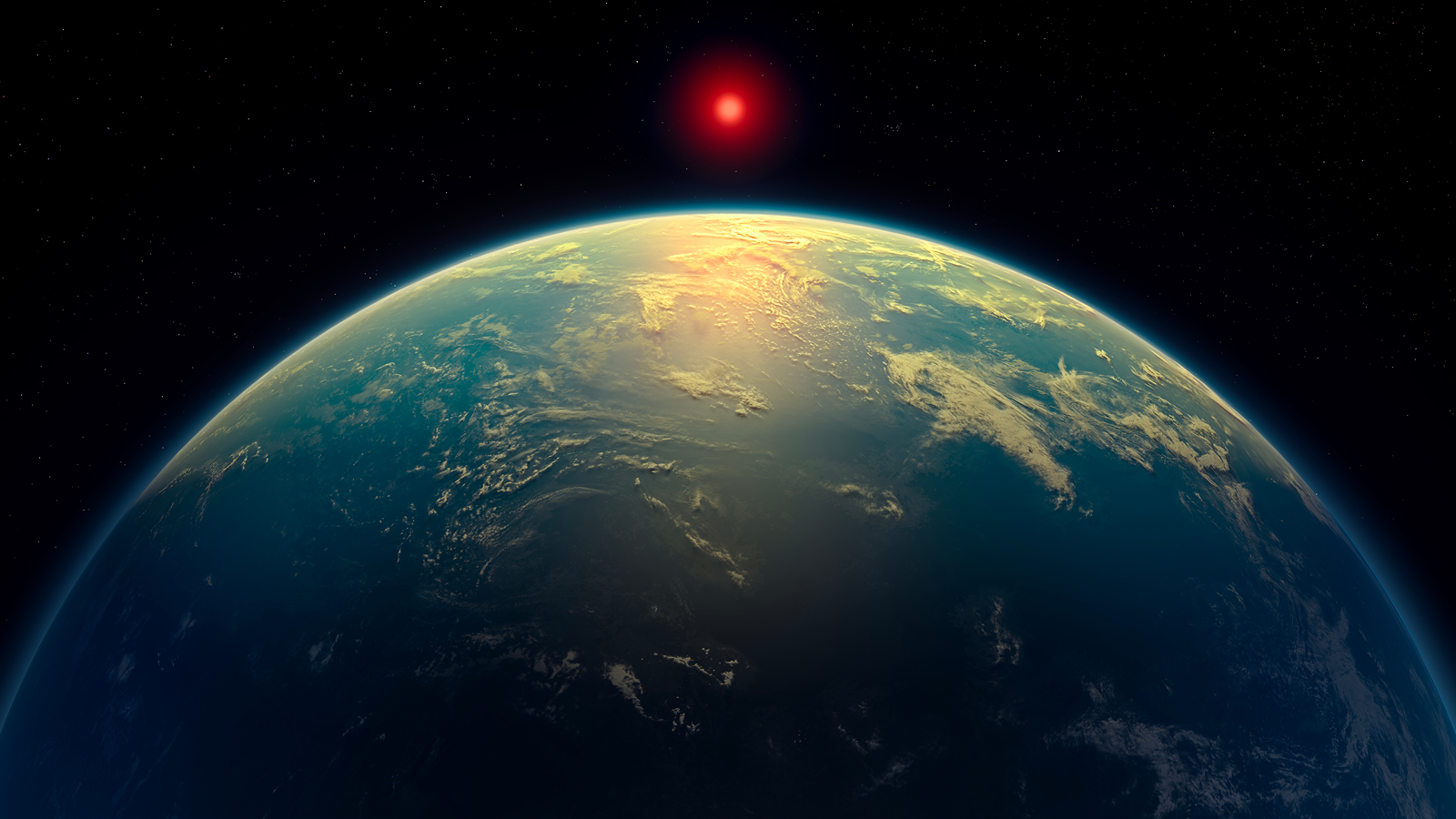
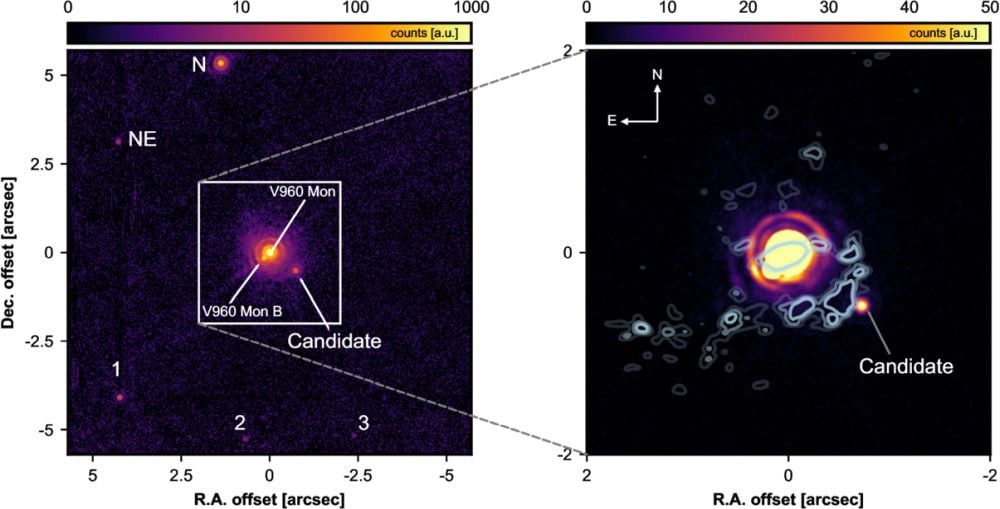
The universe's vastness is often cited as a compelling reason to believe in extraterrestrial life. Modern cosmology estimates the universe contains over 2 trillion galaxies, each comprising billions to trillions of stars, many of which host planets in the so-called "habitable zone." The discovery of exoplanets—planets outside our solar system—has significantly expanded our understanding of potential habitats for life. As of 2023, thousands of exoplanets have been identified, some with conditions that could support life as we know it.
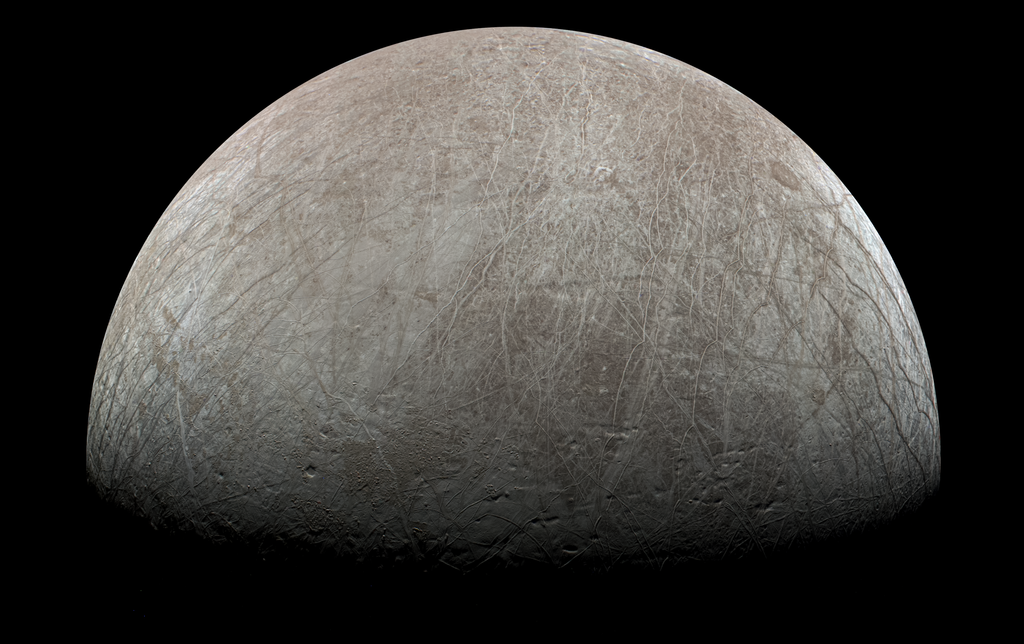
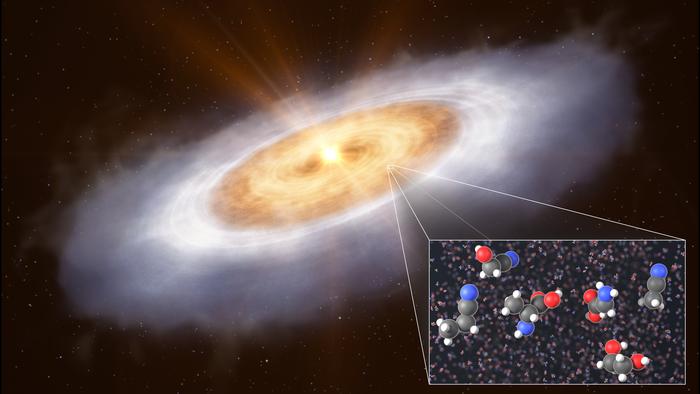
Astrobiology, the scientific study of life's potential in the universe, combines disciplines such as biology, geology, and astronomy. Researchers examine extremophiles—organisms that thrive in Earth's harshest environments—to understand the potential for life in extraterrestrial environments. The detection of water, organic molecules, and other prebiotic compounds on moons such as Europa and Enceladus further fuels the hypothesis that life could exist elsewhere.
Despite these promising findings, conclusive evidence of extraterrestrial life remains elusive. The scientific community emphasizes rigorous methodologies, such as the search for biosignatures—indicators of past or present life—via telescopes and space missions. Projects like the James Webb Space Telescope aim to analyze the atmospheres of exoplanets for signs of life. Similarly, missions to Mars and icy moons aim to uncover microbial life, if present.
The Rise of Belief in Alien Encounters
Despite the absence of conclusive scientific evidence, public belief in extraterrestrial visitation has seen a notable increase over recent decades. Surveys and polls consistently show that a significant portion of the population holds the conviction that Earth has been visited by alien beings. Several interconnected factors contribute to this growing trend, shaping public perceptions and fueling imagination about the possibility of extraterrestrial life.
1. Media and Popular Culture
One of the most influential drivers of public belief in alien encounters is the pervasive presence of media and popular culture. Movies, television series, documentaries, and books frequently depict encounters with extraterrestrial beings, UFO sightings, and abductions. Iconic films like Close Encounters of the Third Kind and E.T. the Extra-Terrestrial, along with numerous sci-fi series, have played a pivotal role in popularizing the idea that alien life exists and may have visited Earth. These portrayals often dramatize encounters and create compelling narratives that resonate with audiences, blurring the line between fiction and perceived reality.
The influence of media extends beyond entertainment; it shapes collective imagination and expectations about what alien contact might look like. For many, the depiction of flying saucers and alien abductions in popular culture has become ingrained in their worldview, leading to a heightened sensitivity to unusual phenomena and a tendency to interpret ambiguous stimuli as potential evidence of extraterrestrial activity. The widespread dissemination of such stories and images reinforces the idea that UFOs are not just fictional but could be real phenomena, thus contributing to the rise of belief.
2. Declassified Government Files
Government transparency, or perceived transparency, has also impacted public perceptions regarding alien encounters. Over the years, various governments, particularly the United States, have declassified and released documents related to UFO sightings and investigations. Notably, the Pentagon's release of videos showing unidentified aerial phenomena (UAP) has captured widespread attention and reignited debates about the existence of extraterrestrial visitors.
These releases have led to increased public skepticism toward official explanations that attribute UFO sightings to natural or man-made causes. The acknowledgment of unexplained aerial phenomena by military and governmental agencies has fueled speculation that authorities might possess knowledge about alien contacts that they are reluctant to disclose. The publication of these documents has empowered believers, who see them as evidence that governments are withholding crucial information about extraterrestrial life and visitation. This dynamic fosters a sense of intrigue and suspicion, further elevating public interest and belief in alien encounters.
3. Personal Anecdotes and Anecdotal Evidence
Another significant factor influencing public belief in alien encounters is the proliferation of personal stories and anecdotal accounts. Thousands of individuals across different regions claim to have experienced sightings of unidentified flying objects or even direct encounters with extraterrestrial beings. Many share their stories online through forums, social media, and dedicated websites, while others have narrated their experiences in books and media interviews.
While these personal testimonies lack the scientific rigor and verification required for validation, they have a powerful psychological and cultural impact. Human beings tend to be naturally inclined toward storytelling, and personal accounts often evoke emotional responses that can persuade others of their authenticity. These stories contribute to a collective narrative that reinforces the possibility of alien visitation, especially when accompanied by photographs, videos, or other supposed evidence. Despite the absence of empirical proof, the sheer volume of anecdotal evidence sustains and amplifies public belief in extraterrestrial encounters.
4. Psychological and Cognitive Factors
Underlying many beliefs in alien encounters are psychological and cognitive processes inherent to human nature. Humans are highly adept at pattern recognition—a trait that historically helped our ancestors identify threats and opportunities in their environment. However, this predisposition can lead to false positives, where natural or mundane phenomena are misinterpreted as extraordinary events.
For instance, ambiguous lights in the night sky or strange sounds can be perceived as alien craft or signals. Our brains also have a tendency to attribute agency to unexplained stimuli, a phenomenon known as "agent detection." This cognitive bias can result in people believing that unidentified phenomena are controlled or caused by intelligent extraterrestrial beings, especially when combined with cultural influences and media portrayals.
Additionally, psychological factors such as the desire for wonder, fear of the unknown, and the human tendency towards superstition can make individuals more receptive to believing in alien encounters. Some researchers suggest that sleep paralysis, hallucinations, and other neurological phenomena may also contribute to reports of alien abductions and sightings. These cognitive and psychological mechanisms help explain why belief in extraterrestrial encounters continues to grow, even in the absence of concrete scientific evidence.
Conclusion
In sum, the rise in public belief in alien encounters is a complex phenomenon influenced by media portrayals, government disclosures, personal anecdotes, and inherent human cognitive biases. While scientific validation remains elusive, these factors collectively create an environment where belief in extraterrestrial visitation continues to thrive. As media and cultural narratives evolve, and as governments release more information, it is likely that public interest and belief in alien encounters will persist, driven by a combination of psychological predispositions and societal influences.
Implications of Widespread Belief in Alien Visitation
The increasing belief among the general public that extraterrestrials have visited Earth could have profound and multifaceted implications across various domains of society. This shift in perception is likely to influence scientific inquiry, cultural narratives, governmental policies, and social behaviors in both positive and potentially challenging ways.
On the positive side, widespread belief in alien visitation could stimulate greater interest in space exploration and scientific research. As more people become convinced that intelligent life exists beyond our planet, there may be increased funding and support for space agencies such as NASA, ESA, and private companies like SpaceX. This heightened interest could accelerate technological innovations related to spacecraft, communication systems, and life-supporting habitats. Additionally, a surge in curiosity might inspire educational initiatives aimed at STEM (Science, Technology, Engineering, and Mathematics), encouraging young generations to pursue careers in science and engineering fields. The pursuit of understanding extraterrestrial life could also lead to international collaborations, fostering peaceful cooperation among nations in the quest to explore the cosmos.
However, there are also significant societal challenges that could arise from this widespread belief. For example, if the notion of alien visitation becomes mainstream without solid scientific evidence, it may lead to the proliferation of conspiracy theories, misinformation, and distrust in official sources. Governments and scientific institutions might face difficulties in communicating facts versus fiction, potentially resulting in public confusion or panic. There could also be cultural and religious tensions, especially if the idea of extraterrestrial life conflicts with existing belief systems or philosophical worldviews.
Furthermore, the societal response to the idea of alien visitation could influence policy decisions. For instance, governments may need to establish protocols for handling potential encounters or evidence of extraterrestrial life, which could involve international treaties and diplomatic channels. The question of disclosure from authorities might become contentious, with debates about transparency and the management of public reactions.
In terms of social behavior, belief in alien visitations might alter perceptions of humanity’s place in the universe, fostering either a sense of unity and shared purpose or fear and paranoia. The phenomenon could also impact mental health, with some individuals experiencing anxiety or existential crises in response to these beliefs.
In conclusion, the widespread belief in alien visitation holds immense potential to inspire scientific advancement and cultural enrichment, but it also necessitates careful management to mitigate societal risks. Ensuring accurate information dissemination, fostering international cooperation, and addressing cultural sensitivities will be crucial in navigating the complex implications of this phenomenon.
Potential Societal Challenges
The increasing reports and public interest in unidentified aerial phenomena and potential extraterrestrial encounters bring with them a host of societal challenges that merit careful consideration. While the scientific exploration of these phenomena can expand our understanding of the universe, it also raises several concerns that could impact society on multiple levels.
1. Misinformation and Pseudoscience:
One of the most significant issues surrounding the topic of alien encounters is the proliferation of misinformation and pseudoscience. As stories and claims about alien sightings, abductions, or encounters spread through social media, forums, and even mainstream media, unverified and often sensationalist narratives can overshadow credible scientific research. This can lead to a general decline in scientific literacy, as people may be misled into believing in conspiracy theories or unsubstantiated claims. The rapid spread of pseudoscientific ideas can foster distrust in scientific institutions and experts, making it more difficult for society to discern fact from fiction. Moreover, such misinformation can hinder future scientific investigations, as unfounded fears or false beliefs may influence public opinion and policy decisions.
2. Psychological Impact:
The societal belief in alien visitation might also have profound psychological effects on individuals. For some, credible or perceived evidence of extraterrestrial life could trigger anxiety, paranoia, or fear about humanity’s place in the universe. Others might experience hallucinations, sleep disturbances, or interpret natural phenomena—such as unusual weather patterns or atmospheric events—as signs of alien activity. This can lead to social alienation, where individuals feel isolated due to their beliefs or fears. In extreme cases, the collective hysteria surrounding sightings or reports could result in mass panic or distress, impacting mental health on a broader scale.
3. Policy and Security Concerns:
Governments worldwide could face mounting pressure to respond to these phenomena, especially if credible evidence suggests potential security threats. Requests for transparency about classified information related to unidentified aerial phenomena (UAP) could spark political debates and diplomatic tensions. Misinterpretations of UAPs as hostile or advanced military technology might provoke unwarranted military responses, escalating tensions or even leading to conflicts. Additionally, the allocation of resources towards investigating and monitoring these phenomena might divert attention from other critical issues, creating logistical and policy challenges.
4. Religious and Philosophical Implications:
The potential discovery or widespread belief in extraterrestrial life could profoundly impact religious and philosophical perspectives. Many religious doctrines place humans at the center of creation or assign a special significance to humanity’s role in the universe. Evidence of alien life could challenge these traditional views, prompting debates about the nature of existence, consciousness, and the divine. Philosophically, questions about the uniqueness of human life and our place in the cosmos would be intensified, possibly leading to a reevaluation of long-held beliefs. Such paradigm shifts could cause societal discomfort or resistance from religious institutions, as they grapple with reconciling new scientific information with spiritual doctrines.
Conclusion:
While the exploration of unidentified aerial phenomena and the possibility of extraterrestrial life offers exciting scientific and philosophical opportunities, it is essential to recognize and address the associated societal challenges. Misinformation, psychological effects, policy dilemmas, and philosophical debates are all interconnected issues that require careful management. Promoting scientific literacy, fostering open and transparent communication, and engaging in multidisciplinary dialogues will be crucial in navigating these challenges responsibly. As society stands on the brink of potentially paradigm-shifting discoveries, a balanced approach that considers both scientific possibilities and societal implications will be vital for ensuring that progress benefits all.
Addressing the Challenges: A Scientific and Educational Approach
In today’s society, the proliferation of misinformation and misconceptions surrounding UFOs and extraterrestrial life poses significant challenges. To effectively navigate these issues, it is essential to promote comprehensive scientific literacy and critical thinking skills among the general public. Scientific literacy enables individuals to evaluate information more accurately, discern credible sources from unreliable ones, and understand the scientific methods used in extraterrestrial research. Critical thinking further empowers people to analyze claims objectively, question assumptions, and avoid falling prey to sensationalism or conspiracy theories.
Public education campaigns play a pivotal role in this endeavor. These initiatives should aim to clearly communicate the distinctions between credible scientific research, which is based on empirical evidence and peer-reviewed findings, and speculative or anecdotal claims that lack rigorous validation. Educational programs can utilize multimedia platforms, school curricula, and community outreach to make complex scientific concepts accessible and engaging. For example, explaining the scientific process behind UFO investigations—such as data collection, analysis, and peer review—can demystify the subject and foster a more informed public discourse.
Transparency from scientific and governmental institutions is equally vital in building public trust and dispelling misconceptions. Regular updates about UFO investigations, openly sharing data and methodologies, and acknowledging uncertainties can foster an environment of honesty and accountability. When institutions operate transparently, they reduce suspicion and encourage constructive dialogue about unexplained phenomena, rather than fueling unfounded conspiracy theories.
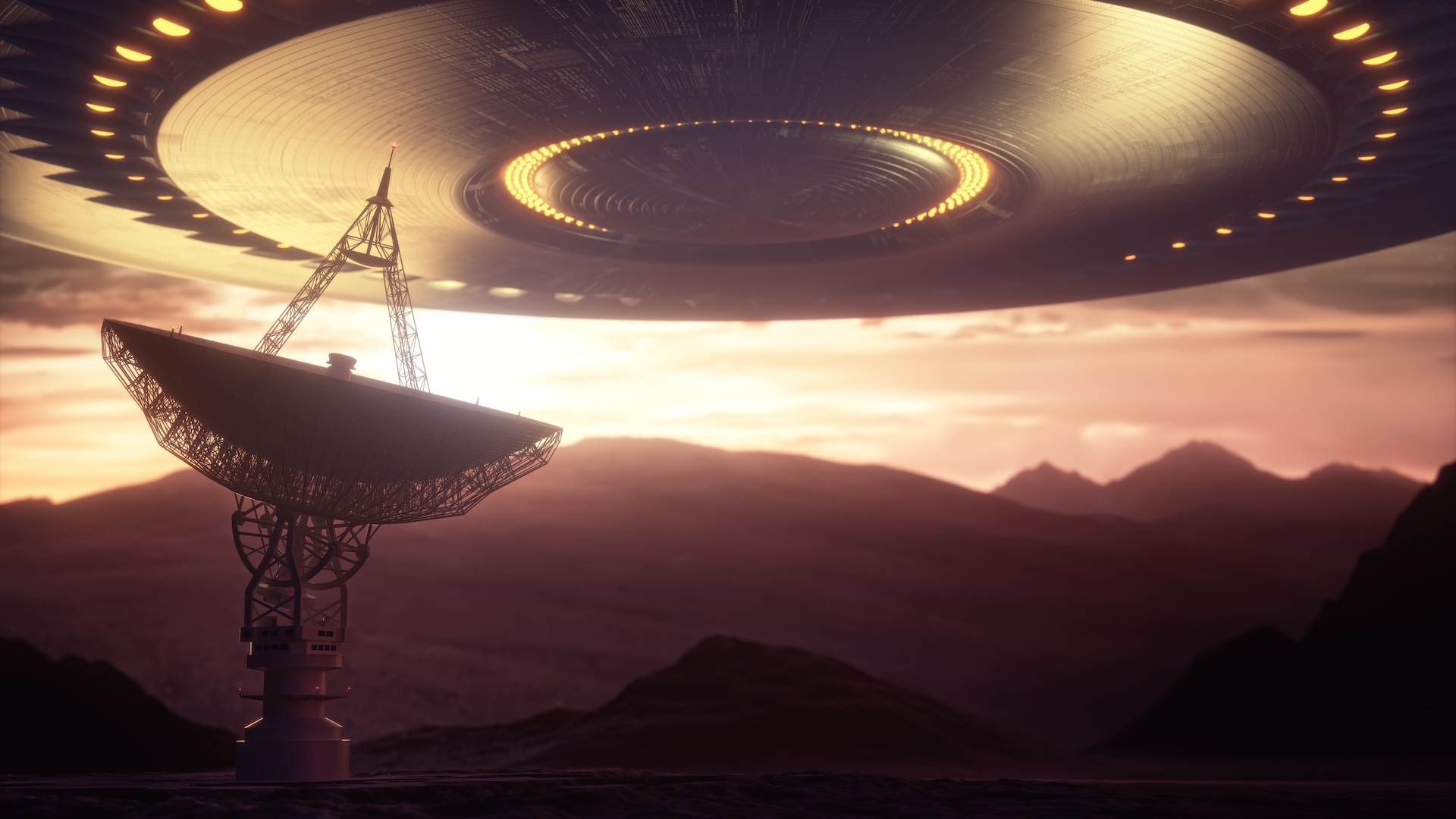
Furthermore, fostering international collaboration is crucial in the quest to discover extraterrestrial life. Space agencies, research institutions, and governmental bodies across countries should work together to share data, resources, and expertise. Initiatives such as the Search for Extraterrestrial Intelligence (SETI) exemplify this collaborative approach. SETI employs advanced radio telescopes and signal analysis techniques to detect potential communications from intelligent civilizations beyond Earth. Maintaining scientific rigor in these efforts involves rigorous peer review, standardized protocols, and ethical considerations, such as ensuring that discoveries are communicated responsibly and without causing unnecessary alarm.
In addition, establishing international guidelines and treaties can help manage the ethical implications of potential extraterrestrial contact and ensure that discoveries benefit humanity collectively. Overall, a combination of scientific education, transparent communication, and international cooperation is essential to address societal challenges related to UFO phenomena and extraterrestrial life, fostering a more informed, responsible, and united global community in the pursuit of cosmic knowledge.
Conclusion
The question of whether extraterrestrial life exists remains one of the most profound and intriguing in scientific inquiry. While numerous scientific discoveries and ongoing research suggest that the universe's vastness and diversity increase the likelihood of life beyond Earth, definitive evidence has yet to be found. The discovery of extremophiles—organisms that thrive in Earth's most extreme environments—has expanded our understanding of the potential habitats for alien life, indicating that life could exist in a variety of conditions previously thought inhospitable. Advances in telescopes and space exploration technology have led to the identification of numerous exoplanets within the habitable zone of their stars, further fueling speculation about the possibility of extraterrestrial organisms.
Despite these promising developments, there remains no verified evidence that extraterrestrial beings have visited or made contact with Earth. The scientific community continues to explore this possibility through projects such as SETI (Search for Extraterrestrial Intelligence) and NASA's Mars missions, which seek signs of past or present life. While the absence of concrete proof leaves the question open, the ongoing search underscores humanity's innate curiosity and desire to understand its place in the cosmos. Ultimately, whether extraterrestrial life exists remains an open question, one that drives scientific research and captures the imagination of people worldwide.