Revealed: Unexplained objects that stop and accelerate quickly in space detected by 'highly qualified observers, says former UFO chief. 'Spacecraft we know don't behave that way'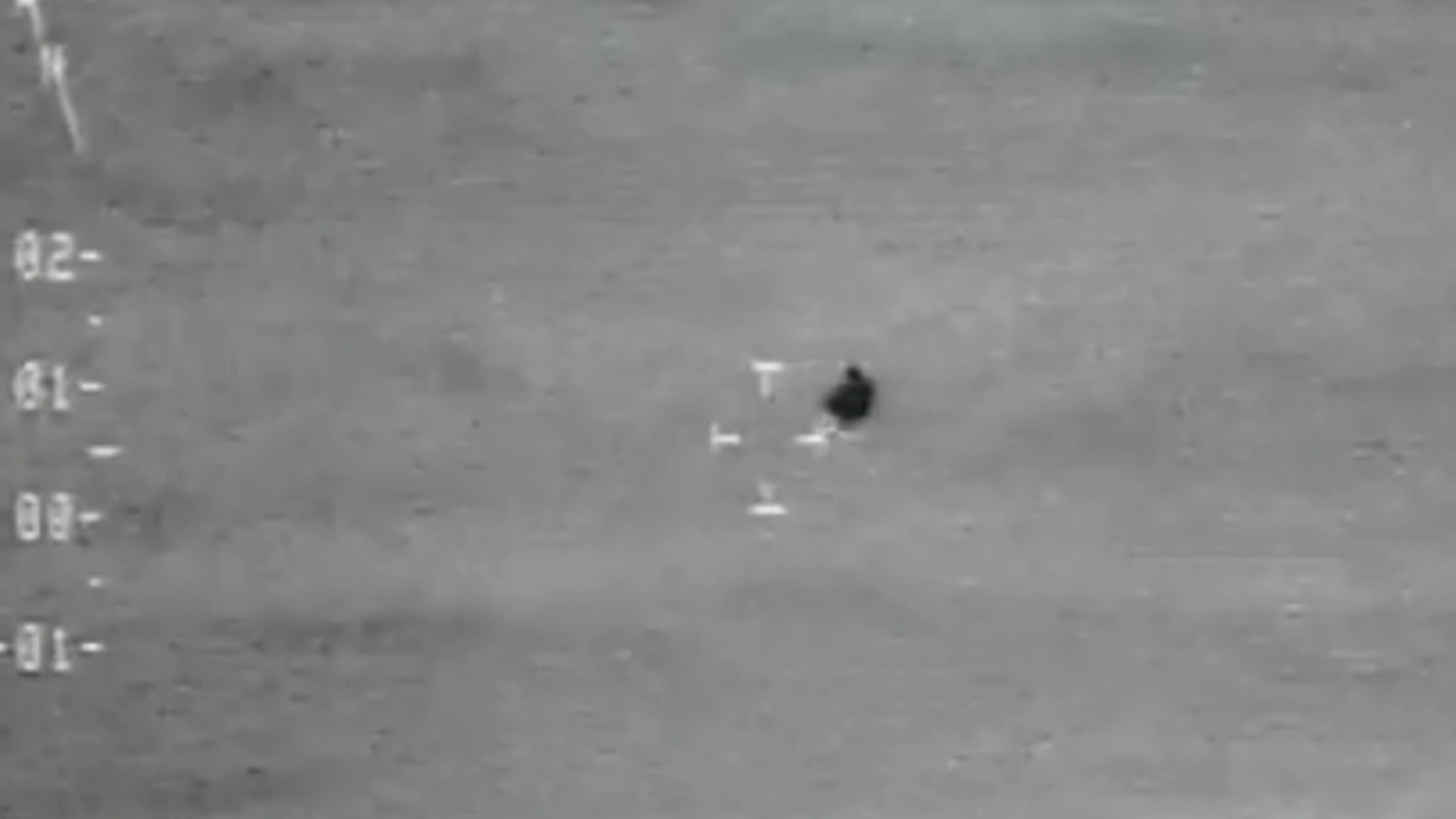





Overview
Veteran NASA engineer Gentry Lee – a former project manager for the Mars Pathfinder and a key figure in the development of the Mars rovers – told reporters on 24 February 2026 that, while the existence of extraterrestrial life is “almost inevitable,” there is no credible evidence that any such life has ever visited Earth. Lee’s remarks come amid renewed public interest in unidentified aerial phenomena (UAP) and a series of high‑profile congressional hearings on the topic. He cautioned that “UFO believers have been misled by sensational claims that lack scientific rigor,” and emphasized that NASA’s current focus remains on systematic, data‑driven searches for life beyond our planet.
Lee’s Perspective
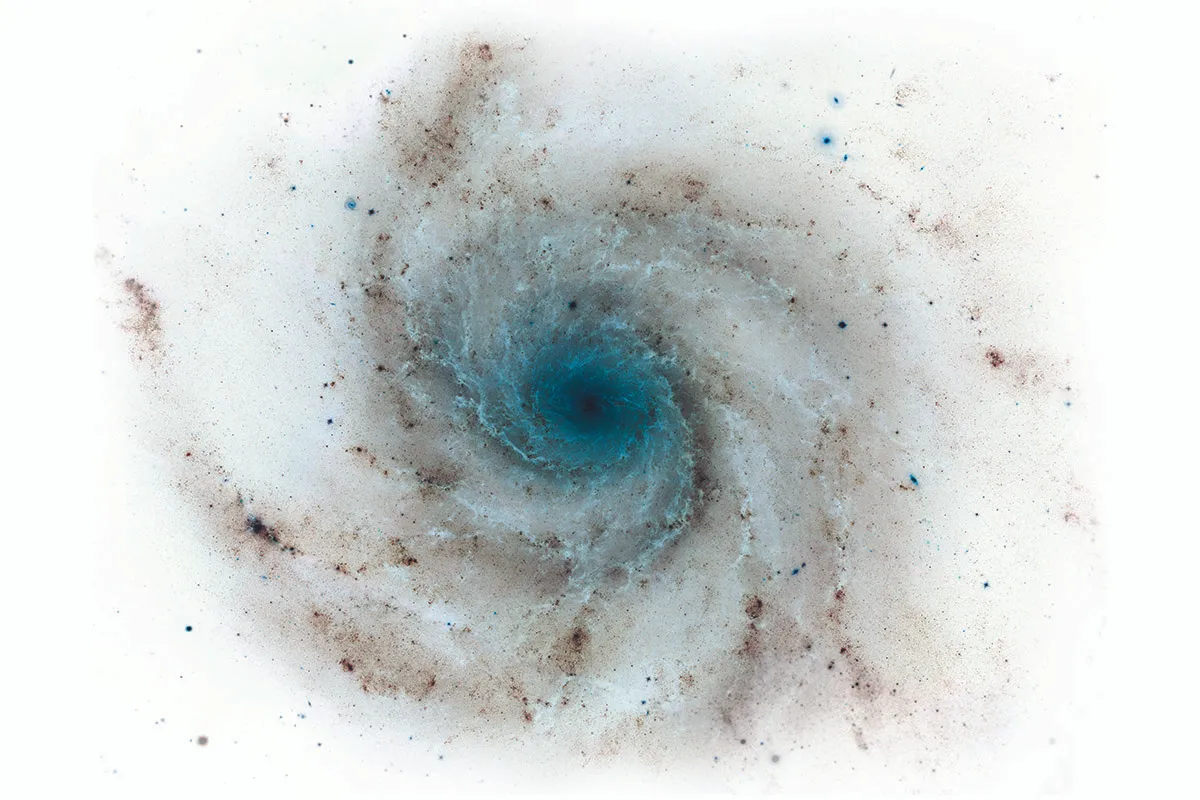
In his interview with a media outlet in London, Lee emphasized the significant role that the vastness of the universe plays in supporting the possibility of extraterrestrial life. He explained that the sheer scale of the cosmos makes the likelihood that Earth is the only planet with life incredibly small. With billions of galaxies, each containing billions of stars, the probability that Earth is uniquely suited for life is astronomically low. This concept is rooted in the principle of statistical probability; given the enormity of space, it would be extraordinary if no other planets harbored life forms. However, Lee also underscored a crucial distinction: while the chances of microbial life existing elsewhere are high, the leap from simple organisms to intelligent, technologically advanced civilizations capable of interstellar travel is immense. Currently, there is no concrete evidence to support the existence of such civilizations. Despite numerous claims and sightings, scientists like Lee point out that no signals, artifacts, or physical traces have been definitively linked to extraterrestrial intelligence.
This cautious stance reflects the scientific community’s consensus, which remains skeptical until verifiable proof is presented. Lee’s perspective balances curiosity with scientific rigor, advocating for a measured approach grounded in empirical evidence rather than speculation. He acknowledges the excitement surrounding potential alien encounters but emphasizes that extraordinary claims require extraordinary proof. Until such evidence emerges, the scientific approach remains focused on exploring the universe for signs of life through systematic research rather than sensationalism.

Context Within the UFO Debate
The current UFO debate has evolved significantly over recent years, especially with the United States government taking steps to declassify and study unexplained aerial phenomena. Several videos capturing unidentified flying objects (UFOs), now often referred to as Unidentified Aerial Phenomena (UAP), have been released to the public, fueling both curiosity and skepticism. The establishment of the All-Domain Anomaly Resolution Office (AARO) signifies a formal effort to investigate these sightings and assess any potential threats to national security. While these initiatives lend credibility to the study of unexplained aerial phenomena, scientists like Lee caution against jumping to conclusions. He warns that the public’s fascination with aliens can sometimes overshadow the importance of scientific rigor, leading to sensationalism. Many UFO reports are often the result of misinterpretations of natural atmospheric phenomena, astronomical events, or human-made objects. Some claims are hoaxes or deliberate fabrications aimed at garnering attention.
Lee advocates for a clear distinction between genuine scientific investigation and myth-making, emphasizing that credible research must be based on solid evidence rather than rumors or sensational stories. He hopes that the focus remains on collecting verifiable data and applying rigorous scientific methods to understand these phenomena, rather than succumbing to hype or unfounded speculation about alien life.
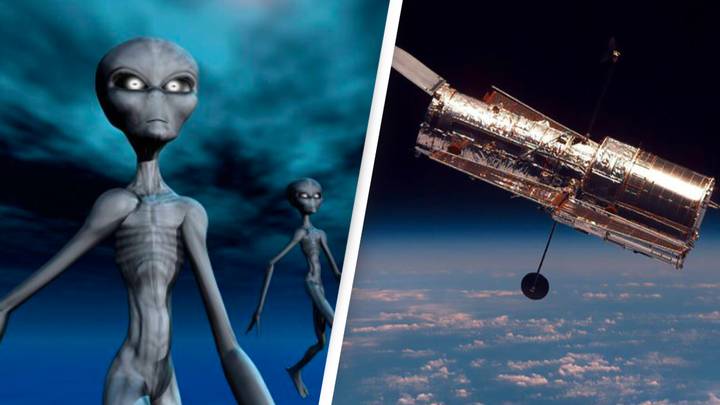
Ongoing Scientific Efforts
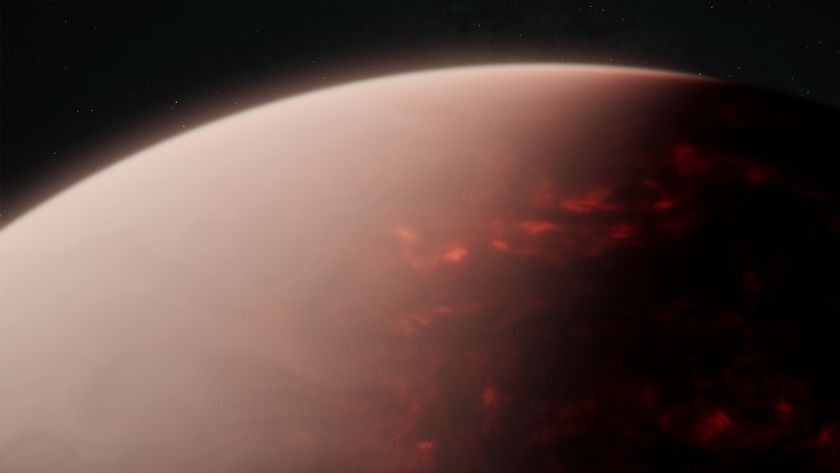
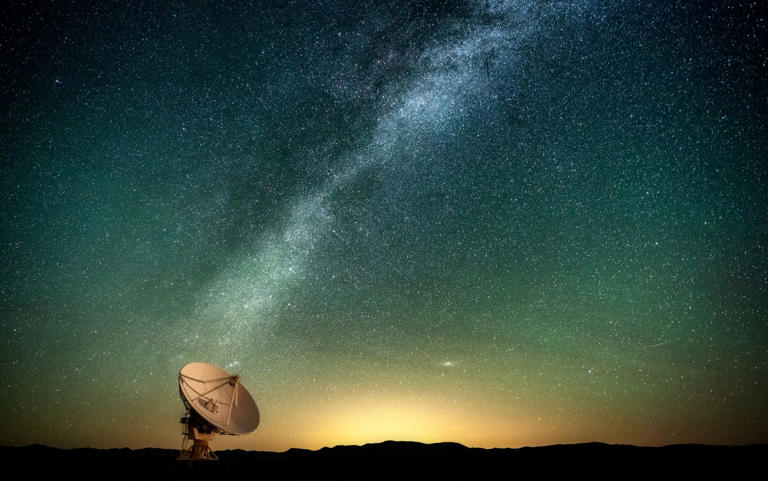
The scientific community is actively engaged in multiple projects aimed at discovering signs of extraterrestrial life, aligning with Lee’s call for disciplined inquiry. NASA’s current missions are designed to explore potential habitats beyond Earth systematically. The James Webb Space Telescope, for example, is analyzing the atmospheres of exoplanets, searching for biosignature gases such as oxygen, methane, and phosphine—indicators that could suggest the presence of life or habitable conditions. These gases are considered potential markers because they can be produced by biological processes. Meanwhile, the upcoming Europa Clipper mission, scheduled for launch in 2027, aims to study Jupiter’s icy moon Europa.
This moon is believed to harbor a subsurface ocean beneath its icy crust, and scientists hope to detect chemical signs of habitability or even microbial life within this hidden ocean. Additionally, on Mars, the Perseverance rover and its Ingenuity helicopter continue to collect rock and soil samples, searching for organic molecules and other biological markers. These samples may eventually be returned to Earth for detailed analysis. The overarching goal of these missions is to follow a logical, step-by-step approach: first, identify environments that could support life, then look for biological indicators, and finally, investigate the possibility of technological signatures—technosignatures—that could indicate intelligent life.
These efforts exemplify a cautious yet promising approach, grounded in scientific methodology, to answering one of humanity’s most profound questions: are we alone in the universe?
Implications for the Public and Policy
Lee’s remarks carry significant implications for both policymakers and the general public. His message underscores that the search for extraterrestrial life is a long-term scientific pursuit, rather than a quick fix for sensational headlines or entertainment. The recent declassification of UAP videos by the U.S. government has sparked widespread interest, but Lee stresses the importance of maintaining scientific discipline. Transparent, peer-reviewed research programs are essential to ensure that any claims about alien life are based on reliable and reproducible data. Policymakers are encouraged to support sustained investment in scientific missions and research that adhere to rigorous standards, rather than succumbing to the allure of sensational stories that lack empirical backing.
Lee also highlights the broader philosophical implications of discovering extraterrestrial life. If humanity were to find evidence of an advanced civilization, it would fundamentally alter our understanding of our place in the universe—potentially challenging long-held beliefs and sparking profound societal and scientific shifts. Until such a discovery is made, Lee advocates for patience, rigor, and reliance on data. He concludes that the pursuit of knowledge about extraterrestrial life must be driven by scientific integrity, ensuring that any breakthroughs are meaningful and credible. Ultimately, maintaining a disciplined approach will serve humanity best as we continue to explore the cosmos and seek answers to one of the most compelling questions: are we alone?