


















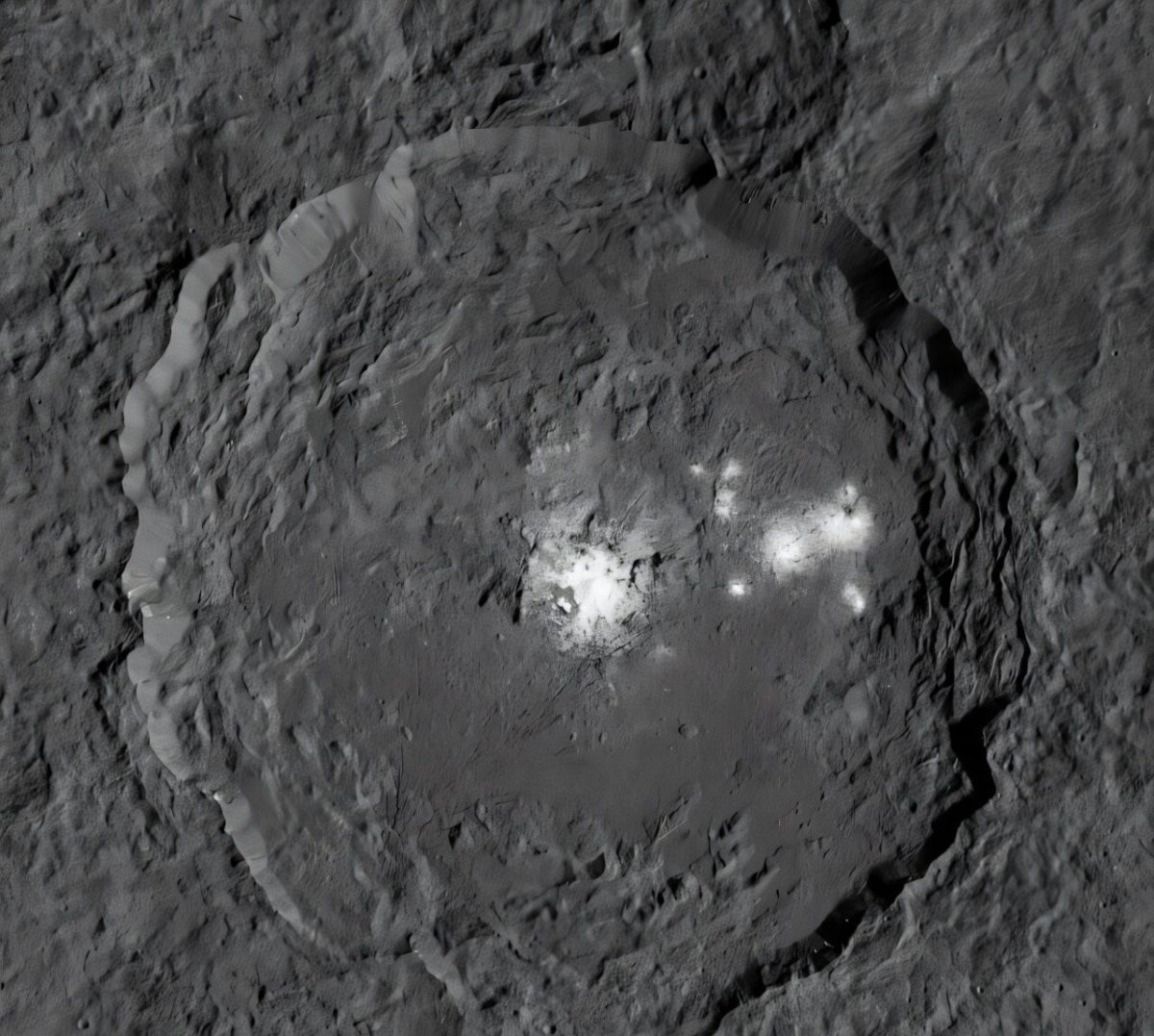
Ceres is a dwarf planet in the main asteroid belt. Bright white patches on the floor of one of its large craters have been identified as exposed salt deposits. Scientists believe, however, that water ice—or even an ocean—may lie hidden beneath them.
Dinsdag 3 november 2026
 Cosmic rays could scar the heart, raising risks for Mars-bound astronauts, rat study hints

Cosmic rays could scar the heart, raising risks for Mars-bound astronauts, rat study hints
Rats that were exposed to radiation similar to what Mars-bound astronauts might face showed higher levels of scar tissue in their hearts, indicating they were more vulnerable to heart failure.
Edited byLaura Mondragón, Brandon Specktor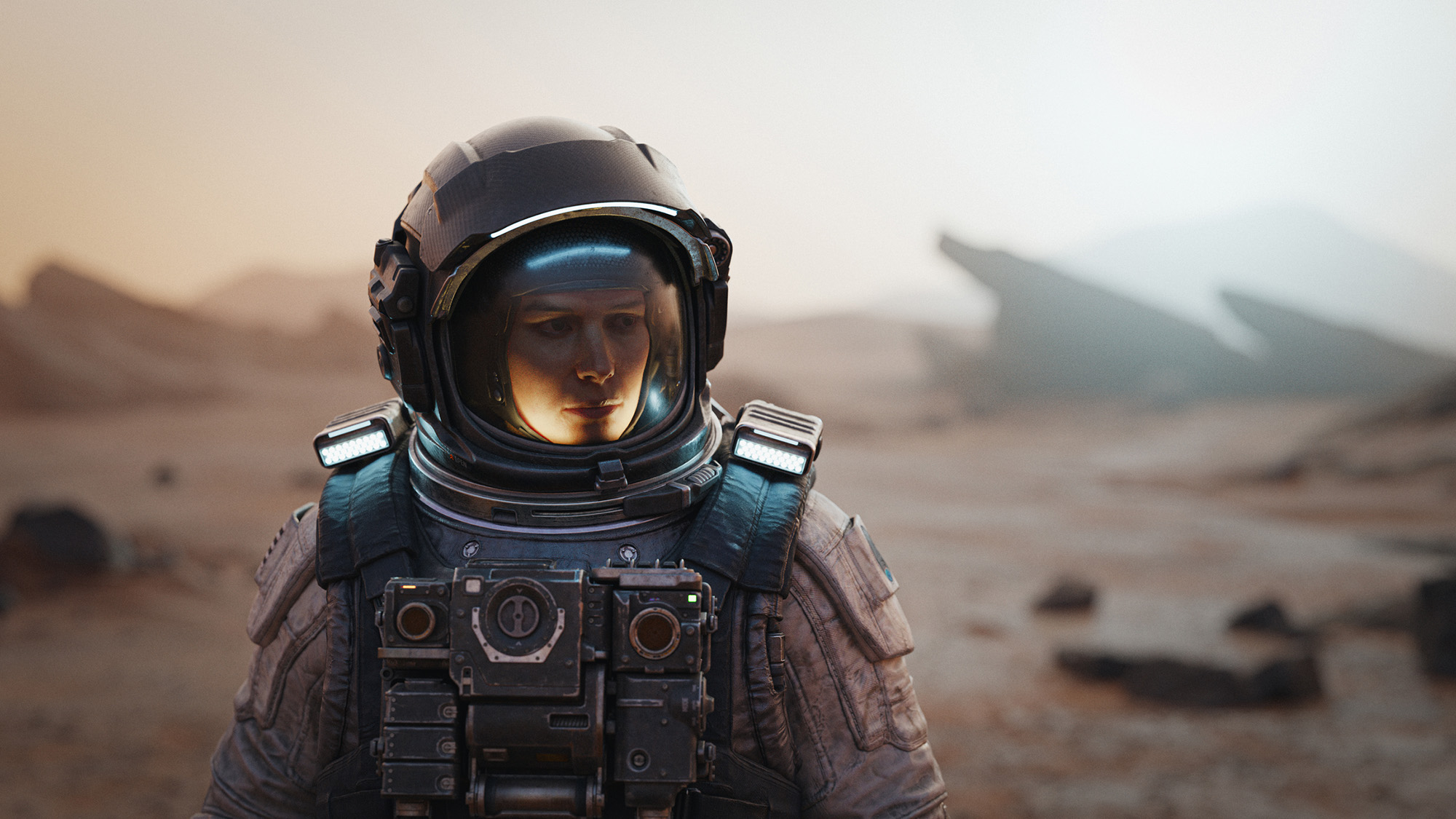
An illustration of an astronaut on Mars. Exposure to cosmic radiation on a Mars-bound flight could affect astronauts' long-term heart health, new research suggests.
(Image credit: piranka via Getty Images)
Exposure to space radiation may increase astronauts' risk of a dangerous heart condition, a new study in rats hints.
The research, published Sept. 30 in the journal PLOS One, found that rats exposed to levels of radiation similar to what an astronaut might experience on a long-term trip to Mars developed more scar tissue around the small blood vessels of their hearts than rats that were not exposed to this radiation. This scar tissue is indicative of a condition known as cardiac fibrosis, which is known to increase the risk of heart failure.
This scar tissue was observed nearly a year after the rats were first exposed to the radiation.
But since this study was in rats, it cannot definitively say whether this effect will play out in humans. For example, given that humans have a longer life expectancy than rats (80 years versus 2 to 4 years), the effects seen in rats may take around 30 years to show up in humans. However, the study authors say the research highlights the importance of following astronauts' health long after they return to Earth.
"The message that we try to convey … is that the follow-up time is really important," study co-author John Baker, a professor of surgery in the Radiation Bioscience Laboratory at the Medical College of Wisconsin, told Live Science. "When astronauts come back to the Earth, they expect — and we expect — that they're going to live for a long time. I think we have to be wary that they could well develop at least some type of cardiac disease."
You may like Spaceflight may harm the reproductive system of astronauts' kids and grandkids, early mouse study suggests
 Scientists finally know why astronauts struggle to poop in space — and reveal a hidden risk of long-haul spaceflight
 Could we ever create artificial gravity on a spaceship?
How space radiation affects the heart
The link between exposure to radiation and cardiac issues has been well documented. However, "no astronaut has ever been exposed to galactic cosmic radiation for long periods of time," Baker said, which makes it difficult to determine exactly how space radiation affects the heart.
Although Baker and his team previously pinpointed cardiac issues among rats exposed to radiation, this new study utilized NASA's Simulated Galactic Cosmic Ray Simulation (SimGCRSim). This new simulator provides a more precise comparison of the levels of space radiation an astronaut might experience while exploring deep space for more than a year.
During the study, the researchers exposed rats to several minutes of radiation proportionate to their size, similar to what they might experience on a trip to Mars and back (a roughly 18-month round trip, with current technology). Some of the rats' hind legs were suspended, to "simulate conditions of weightlessness," Baker said.
After 360 days, the rats that were exposed to cosmic radiation developed twice as much scar tissue around the heart's small blood vessels than unexposed rats. This buildup of scar tissue means "the heart can't relax to the point when it needs to," thereby increasing the risk of heart failure, Baker said.
This effect was not seen in the rats who were exposed only to simulated weightlessness, confirming "it was only the radiation that produced the damaging effect on the heart," Baker said. However, long-term testing revealed that this group of rats had lower levels of key immune cells, suggesting that microgravity also may affect aspects of long-term health. (Numerous studies have shown various short-term health impacts related to microgravity.)
What to read next A joyful wedding nearly broke a woman's heart in a rare case of 'happy heart syndrome'
 Mini 'arteries-on-a-chip' could help predict a person's risk of stroke
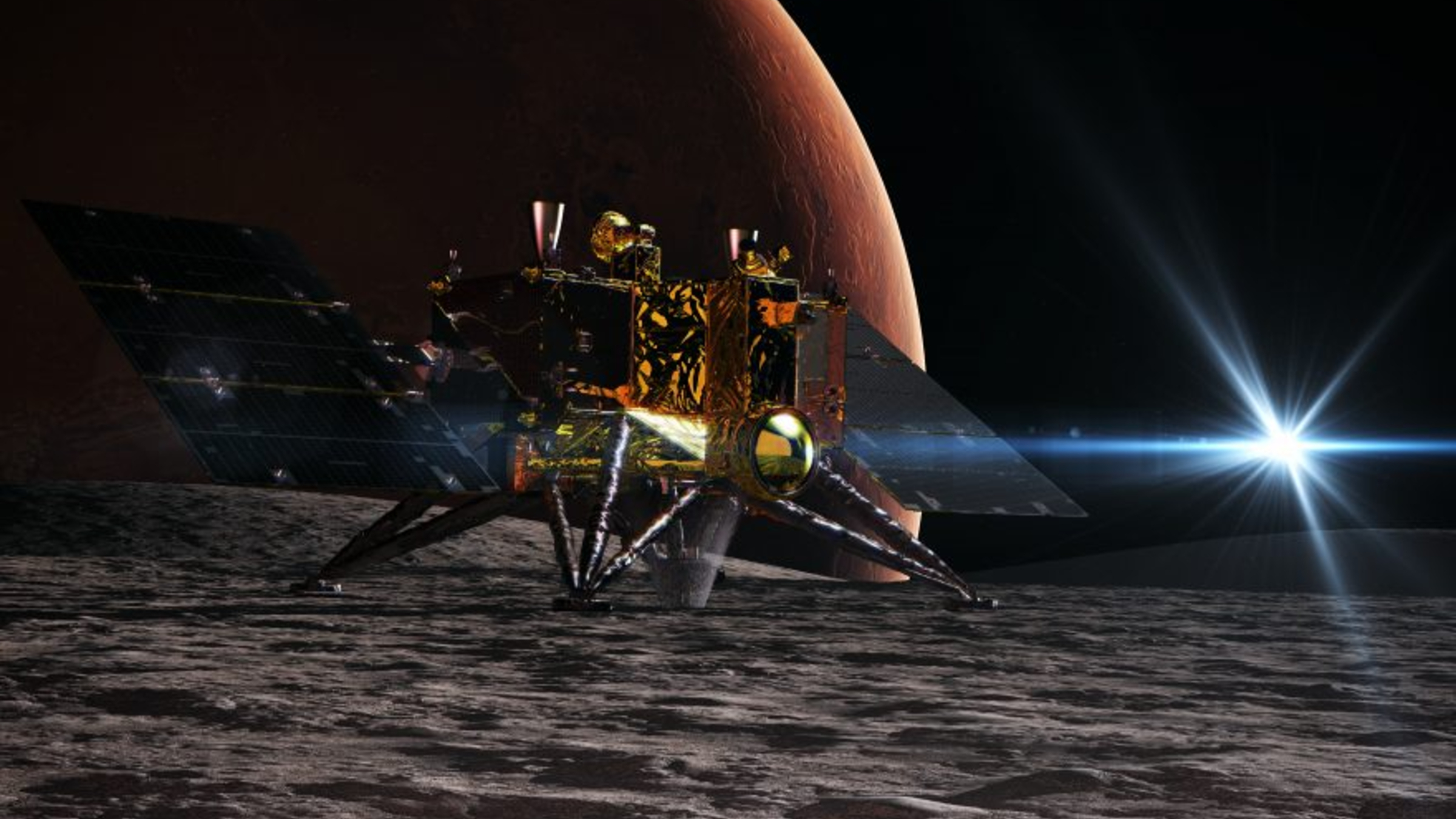 Japan launches world's first round-trip mission to Mars
Related stories
- Spaceflight may harm the reproductive system of astronauts' kids and grandkids, early mouse study suggests
- Scientists finally know why astronauts struggle to poop in space — and reveal a hidden risk of long-haul spaceflight
- Mystery medical episode that left astronaut unable to speak shows one of NASA's biggest risks as moon missions ramp up
This study "is a very valuable contribution to space biology," Rupak Pathak, an associate professor of pharmaceutical science at the University of Arkansas for Medical Sciences who was not involved in the study but holds a doctorate in radiation biology, told Live Science. While rats and humans have clear differences, "they share more than 90% of genetic information," he said, as well as very similar cardiac systems.
Given that the study authors were able to expose the rats to radiation only once, Pathak would like to see further experiments exploring whether chronic radiation exposure affects the function of the heart and other vital organs.
Baker and his colleagues hope that future experiments can be used to help NASA implement safeguards for astronauts on long-term missions, such as providing astronauts heart medications or improving shielding for the spacecraft.
"The more we know before we start, then the better NASA is going to be at working out what types of countermeasures can be developed," said Baker.
Article Sources
- Lenarczyk, M., Kronenberg, A., Kwok, A., Borg, A., Alsheikh, A. J., Mathison, A. J., Zimmermann, M. T., Lawton, S. B. R., Raff, H., Willey, J., Komorowski, R. A., Urrutia, R., & Baker, J. E. (2026). Multiple simulated spaceflight stressors impact cardiac fibrosis, calcium dynamics, immune function, cytokines and gene variants in rat, Rattus norvegicus. PLoS ONE, 21(9), e0357485. https://doi.org/10.1371/journal.pone.0357485
RELATED
Geschreven door peter om 22:15
Stuur door