Unveiling the Extraterrestrial Charm of Iinomachi: A Rural Community in Japan Putting Itself on the Intergalactic Map through UFO Sightings
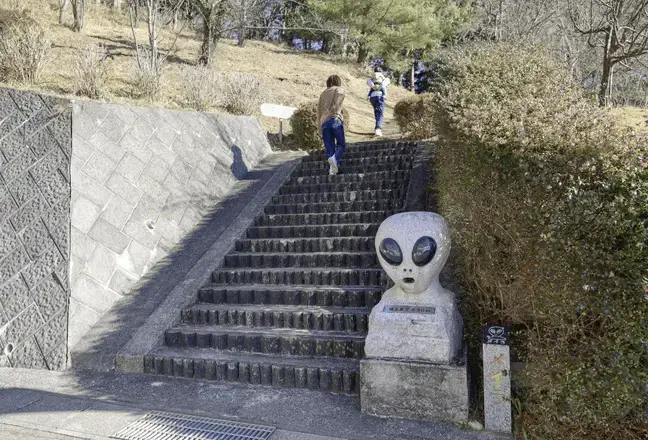
The small rural community of Iinomachi in northeastern Japan has been making a name for itself as a hotspot for UFO sightings. The town is using its extraterrestrial reputation to boost its local economy and attract visitors interested in the unknown. Once a prosperous town known for its silk production and weaving industries, Iinomachi is now struggling with a dwindling population of only 5,000 people.
According to some local residents, the Senganmori mountain, which is a conical structure that dominates the area, is a suspected UFO hotspot due to the number of sightings of luminous objects in the area over the past four decades.
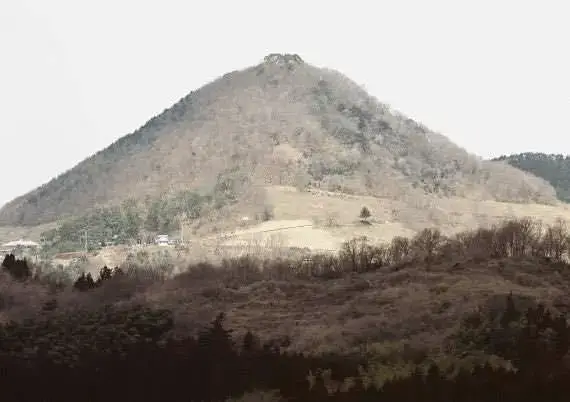
To capitalize on their reputation as a UFO hot spot, Iinomachi has created numerous UFO-themed attractions. Visitors to the town are greeted with UFO-shaped streetlights, bus stops, flags, and even an alien statue. The town’s “UFO Fureaikan” museum, located halfway up the mountain, has been open since 1992 and displays around 3,000 books, photos, and other resources related to aliens and UFOs, some of which were donated by the late UFO researcher Kinichi Arai. Around 30,000 people from in and out of the prefecture visit the museum annually.
In 2021, the International UFO Lab was established in Iinomachi on June 24, which is designated as World UFO Day. The lab collects and disseminates UFO sighting reports to its members around the world. Any UFO believer can become a member of the organization by paying a one-year membership fee of 10,000 yen ($74). Elite members, those who sign on for three years at 20,000 yen or 30,000 yen, are entitled to special T-shirts and locally brewed sake, and all members can attend UFO-related events.

In response, the town organized its first UFO festival in December last year. It was held to celebrate the 30th anniversary of the UFO museum. During the event, participants dressed up as extraterrestrials for a parade and a contest. After retiring from his job as a chemical manufacturer, Tetsu Konno decided to join the IUFO Lab, a non-profit organization based in Fukushima.
After the local government selected him to help revitalize the area, he said goodbye to his family and moved to Osaka Prefecture.

Through the use of extraterrestrial resources, the town hopes to breathe new life into the area by attracting more visitors and residents. It also aims to educate the public about the possibility of alien life. Despite the recent geopolitical tensions caused by the reported sightings of airborne objects, a municipal official in Fukushima said the government is still focused on finding out more about the nature of life in the universe.
The town of Iinomachi has become known for its extraterrestrial reputation. Its various attractions and strange sightings have attracted a wide range of visitors.
China announces via state media that it may have detected signals from an ALIEN CIVILISATION – before mysteriously deleting the report
China has claimed that it may have received a message from an alien civilisation using its $180 million Sky Eye telescope, according to reports.
Sky Eye, a 1,640-foot-diameter telescope based in China's Guizhou province, has detected unusual electromagnetic signals that scientists claim could have alien origins.
The news was revealed in a report by Science and Technology Daily, the official newspaper of China's Ministry of Science and Technology, based in Beijing.
But according to Bloomberg, Science and Technology Daily deleted the report shortly after it was posted, although it's uncertain why.
China claims to have received a message from an alien civilisation, mysterious radio signals suggest (file photo)

Five-hundred-meter Aperture Spherical Telescope, also known as FAST or Sky Eye, is based in a natural basin in Guizhou
'Sky Eye telescope may have picked up signs of life beyond Earth, according to a report by the state-backed Science and Technology Daily, which then appeared to have deleted the report and posts about the discovery,' Bloomberg says.
'The news had already started trending on social network Weibo and was picked up by other media outlets, including state-run ones.'
The Science and Technology Daily report cited Zhang Tonjie, chief scientist of an extraterrestrial civilization search team co-founded by Beijing Normal University, the National Astronomical Observatory of China and the University of California, Berkeley.
The team detected two sets of suspicious signals in 2020 while processing data collected in 2019, and found another suspicious signal in 2022 while observing exoplanets – planets outside our solar system.
Zhang said the suspicious signals could also be some kind of radio interference, so further investigation is required.
MailOnline has contacted the National Astronomical Observatory of China for comment.
Currently, no life beyond Earth has ever been found, but this does not mean that the universe is lifeless other than on Earth, according to NASA.
The US space agency says: 'While no clear signs of life have ever been detected, the possibility of extraterrestrial biology – the scientific logic that supports it – has grown increasingly plausible.'
Due to its size, Five-hundred-meter Aperture Spherical Telescope, also known as FAST or Sky Eye, has one of the best chances of discovering alien life.
It was launched in September 2020 specifically to search interstellar communication signals that suggest alien life and potentially habitable exoplanets.
As its official name suggests, FAST has a diameter of 500 meters (1,640 feet), making it the world’s largest full dish radio telescope.

The dish-like telescope, as large as 30 football fields, costed 1.2 billion yuan (about $180 million)

Engineers work at the control centre for the Five-hundred-meter Aperture Spherical radio Telescope (FAST) on February 3, 2021 in Pingtang County, Qiannan Buyei and Miao Autonomous Prefecture, Guizhou Province of China
It's able to scan twice the sky area covered by the Arecibo Observatory in Puerto Rico, the previous record holder for the largest single-aperture radio telescope in the world.
FAST can deliver readings between three and five times more sensitive than those from Arecibo Observatory, which is why scientists have been hopeful the telescope could lead to a breakthrough in the search for alien life.
A 65-person village was destroyed before construction of FAST began, and more than 9,000 people in the surrounding countryside were forced to relocate to create a three-mile radius around the telescope without any electromagnetic interference.
According to government officials, each person was given the equivalent of $1,800 in compensation for the relocation.
LATEST UFO SIGHTINGS AND VIDEOS - 2023LATEST UFO SIGHTINGS AND VIDEOS - 2023
UFO Sightings 2023 - Caught on camera Aliens Real SIGHTINGS
REAL! REAL! REAL! UFO/UAP Sightings Footage! Caught ON SIGHT!
UFO & UAP 2023 Real Footage New ALIEN Caught on Camera Around the world
UFO & UAP 2023 Real ufo Secret EXPOSED | New Alien Footage Around the world
UFOs: The Best Sightings of the Year (Before & After 2023)
UFO & UAP 2023 Real Footage New ALIEN Caught on Camera Around the world
Alien Fingers Seen In Rover Mars Photo! It's watching! UFO Sighting News. Archeologists Discover Another Secret Corridor Inside the Great Pyramid of Giza

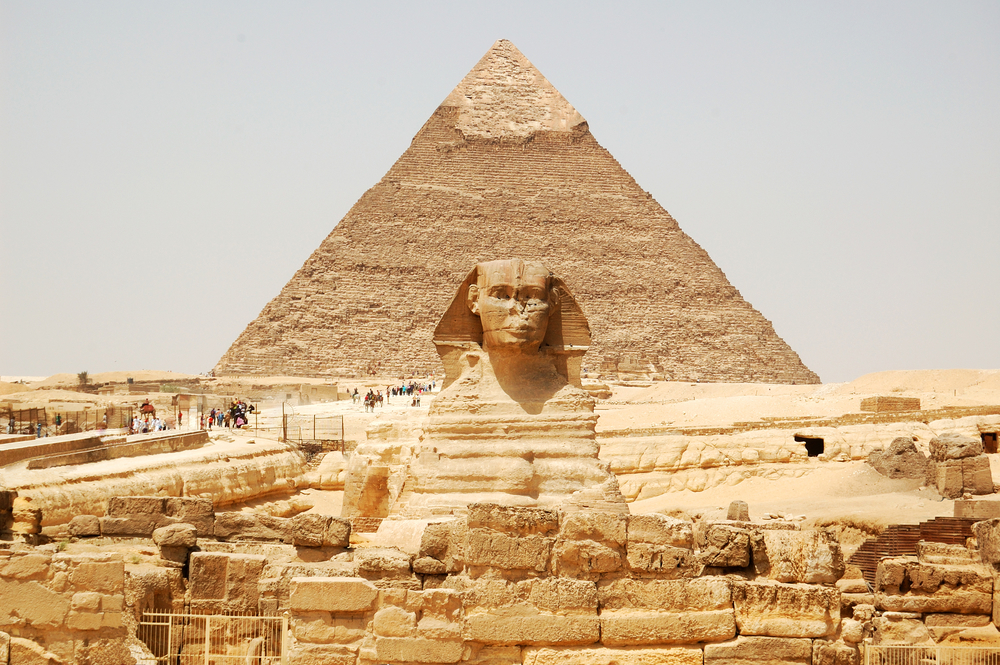
It is the only remaining member of the Seven Wonders of the Ancient World still standing, but that doesn’t mean the Great Pyramid of Giza still can’t surprise us. As archeologists acquire better tools for penetrating the ancient walls, more chambers and corridors appear that may one day be physically explored with drones or robots. The ScanPyramids project is privy to those latest technologies and announced this week details about a recently discovered corridor inside the North face of the pyramid in the mysterious “Chevron zone.”
"This discovery, in my opinion, is the most important discovery of the 21st Century."
That proclamation was made to reporters by Zahi Hawass, Egypt's former minister of antiquities and a leading archeologist, in announcing new revelations, published in the journal Nature Communications, about a corridor-shaped structure first detected in 2016 and 2017 by a ScanPyramids team. ScanPyramids’ mission since its founding in 2015 is to scan Old Kingdom Egyptian Pyramids - The Great Pyramid (Khufu), Khafre (the middle of the three Ancient Egyptian Pyramids of Giza), the early Bent pyramid and the unusual Red pyramid – in hopes of detecting internal spaces and tunnels without any drilling or other forms of destruction. Techniques include Infrared thermography, 3D simulation and cosmic-ray muon radiography imaging. The last tool was the first to find the latest corridor, which the archeologists then confirmed with images taken through a 6mm-thick endoscope feed through a tiny joint in the pyramid's stones. Since then, the ScanPyramids team went on to take new measurements benefiting from the extreme sensitivity of nuclear emulsion films from Nagoya University and gaseous detectors from CEA Instruments.
“In this paper, we report on the first precise analysis of the void found with cosmic-ray muon radiography behind the North Face Chevron and named the ScanPyramids North Face Corridor (NFC). Its shape and location are accurately evaluated by focusing on the 7 following parameters: its 3 dimensions (width W, height H, length L), its position (North-South position X, East-West position Y, altitude Z) and its slope α. While a potential, future exploration will primarily require a precise determination of Y and Z, most of these parameters are also important to understand the role of the Chevron.”
The “Chevron” refers to the huge inverted V-shaped gabled limestone beams which cover the original entrance to the descending corridor (DC) on the North side of Khufu’s Pyramid. The North side has a number of chevrons, some hidden, which have long baffled researchers. The ‘gable’ is the flat triangular end piece under a conventional pitched roof that is made of wood or stone. Its purpose is to support the sloped roof and protect the interior from the elements. These enormous limestone chevron blocks make no sense on the Great Pyramid because there is no need to relieve the weight above them to protect something below them.
“Khufu’s Pyramid is the first pyramid, in the history, that uses a Chevron technique to cover internal structures and prevent them from collapsing. We can find Chevron on the North Face, in the queen’s chamber ceiling and above the king’s chamber. The construction process of the oldest of the seven wonders of the ancient world is one of the most important archaeological mysteries. Any discovery of previously unknown internal structures could contribute to the knowledge on the construction of this Pyramid.”
The newly discovered corridor may be the space that is doing the protecting, not the chevron, according to the study. It is approximately 9 meters (29 feet) in length, and has a transverse section of about 2 by 2 meters (6.5 by 6.5 feet). There are many large internal structures or rooms inside the Great Pyramid which are connected by narrow corridors laid out in a north-south direction at a distance of about 7 meters (23 feet) east from the center of the pyramid. You may be familiar with some of them – the queen’s chamber, the grand gallery and the king’s chamber. That last chamber contains a broken sarcophagus thought to have once contained the mummy of King Khufu – it is a room said to have been visited by Napoleon, who may have had the proper small stature to fit into the tiny spaces. (Photos and illustrations can be seen in the study.)
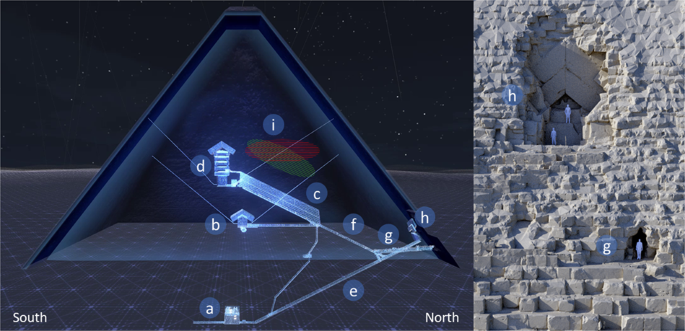
a Subterranean chamber, b queen’s chamber, c grand gallery, d king’s chamber, e descending corridor, f ascending corridor, g al-Ma’mun corridor, h north face Chevron area, i ScanPyramids Big Void with horizontal hypothesis (red hatching) and inclined hypothesis (green hatching) as published in November 20176. All these images were obtained from a 3D modelization using dedicated laser surveys and photogrammetry data.
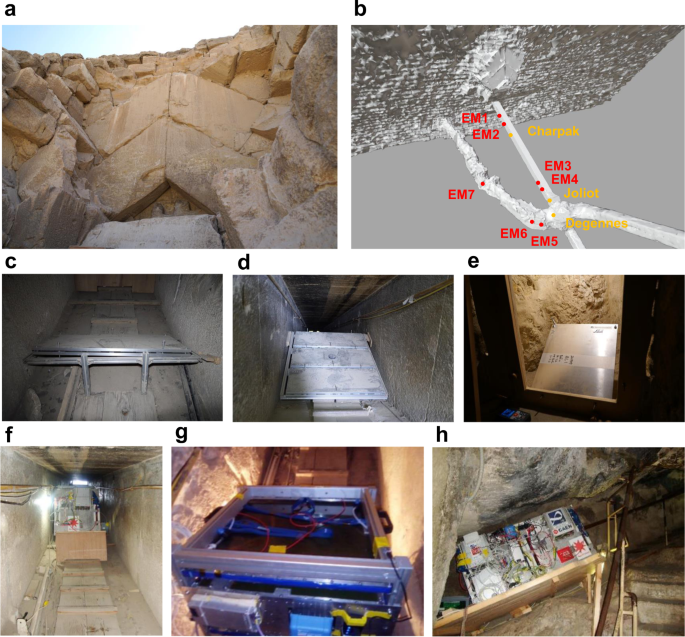
a The Chevron, which consists of huge gabled limestone beams, covering the original entrance to the DC on the North side of Khufu’s Pyramid. b 3D model and positions of the detectors from Nagoya University, indicated by red dots and of the detectors from CEA, indicated by orange dots, in the DC and in the MC. c–h The detectors. c shows EM3, d shows EM2, e shows EM5, f shows Charpak, g shows Joliot and h shows Degennes.
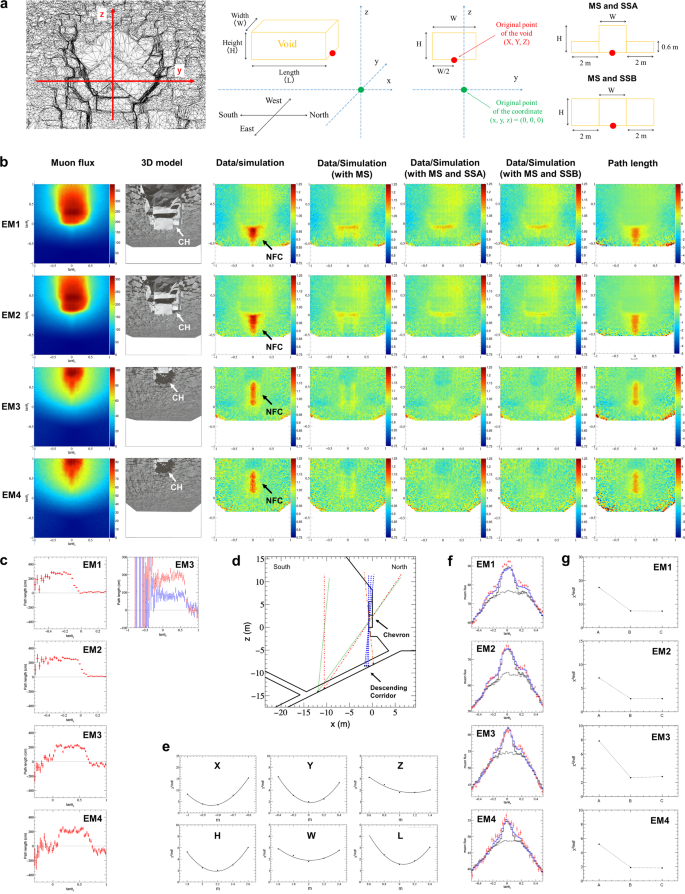
a The left figure shows the 3D model of Chevron and its origin. Center panels show the definition of the coordinate system and the origin of the rectangular cuboid which was defined as its North extremity along x, its center along y, and its bottom along z. Right panels show the set up of the main structure (MS) and sub-structures designated A (SSA), B (SSB). CH denotes the Chevron. b Two-dimensional angular distribution for EM1 to EM4. From left to right: observed muon flux (tracks/cm2/day/sr), 3D model, ratio of muon flux of the observed data to simulation, with MS, with MS and SSA, with MS and SSB, and path length with difference between the data and simulation. The resolution is tanθtan� = 0.025. c Histograms of path length with difference between the data and simulation in the range of 0.000 ≦ tanθxtan�� < 0.025 in the axial direction of tanθytan�� corresponding to the North-South direction. d Region of existence of the NFC based on path length. e χ2 analysis for the evaluation of parameters presenting location and shape of the NFC. The horizontal axis shows the values of evaluated parameters. The vertical axis is the value of reduced χ2 obtained by the comparison of the data and simulation. f Histograms of muon flux in the range of −0.250 ≦ tanθytan�� < −0.225 for EM1 and EM2, 0.200 ≦ tanθytan�� < 0.225 for EM3 and EM4, respectively. The data with statistical error of 1 σ (standard deviation) are shown in red. The gray dashed line is the simulation without the inner structures, the black solid line is the simulation with the DC and MS, and the blue solid line is the simulation with the DC, MS, and SSA. g Results of the χ2 analysis for the case where the MS and sub-structures are added to known structures. A, B, and C denote the case where MS, MS and SSA, MS and SSB are added, respectively.
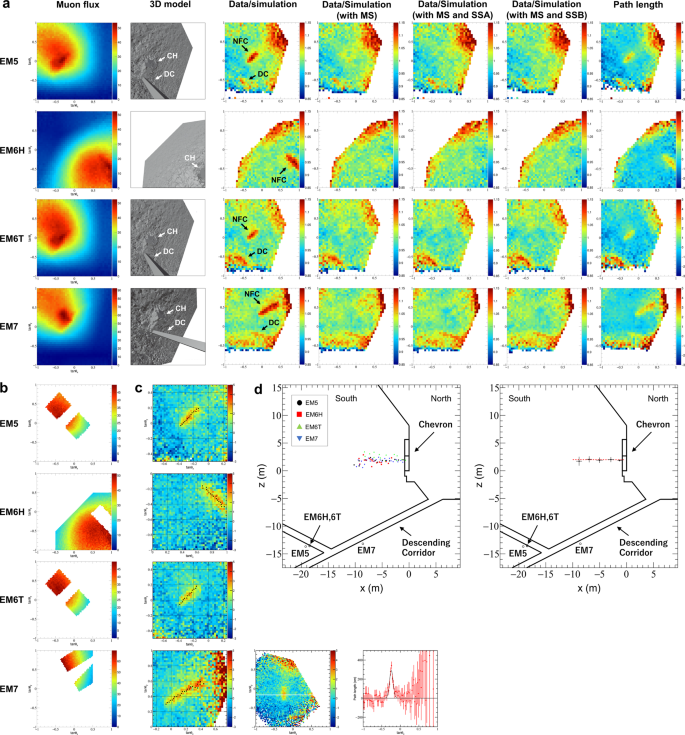
a Two-dimensional angular distribution for EM5 to EM7. From left to right: observed muon flux (tracks/cm2/day/sr), 3D model, ratio of muon flux of the data to simulation, with main structure (MS), with MS and sub-structure A (SSA), with MS and sub-structure B (SSB), and path length with difference between the data and simulation. The resolution is tanθtan� = 0.050. CH denotes the Chevron. b The area used for normalization. c Left panels show two dimensional angular distribution with enlarged area including NFC of path length difference between the data and simulation with the resolution of tanθtan� = 0.025. The black dots are the direction to the center of the NFC, obtained by taking a cross section every tanθtan� = 0.025 and fitting it (Methods). Center panel shows an example of path length difference obtained by EM5, and the coordinate system is rotated to take the cross section for fitting, which is perpendicular to the longitudinal direction (North-South direction) of the NFC. Right panel shows an example of the fitting to a cross section taken at tanθytan�� = −0.1625 after rotation, which is indicated by the white line shown in center panel, where the horizontal axis is tanθxtan�� after rotation and the vertical axis is the difference in path length. d Location of the NFC. Left panel shows the intersection of a vertical plane passing through the central axis of the DC and a line extending towards the plane on the direction of the central value of the histogram fitted starting from the detector position. Right panel shows the result of averaging the projection points obtained by all detectors in the height direction with a width of 2 m in the x (North-South) direction. The error bars are the standard deviations of the averaged projection points in the x and y directions. The red dotted line is the approximate line obtained by linear approximation of the projection results in the range of −2 to −8 m.
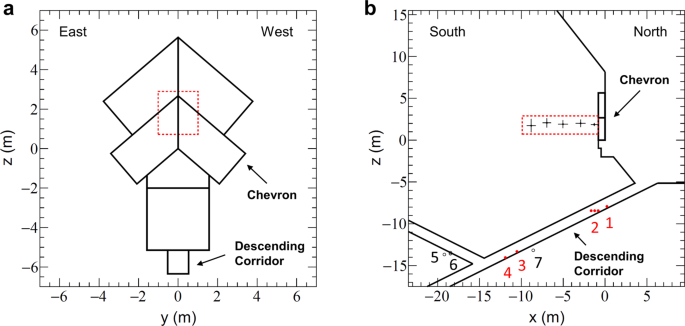
The location and shape of the NFC are shown in cross-sectional views of the analysis area including Chevron from the North (a) and East (b) sides. Locations of EM1 to EM4 detectors installed in the DC and obtained results are shown in red, and EM5 to EM7 installed in the MC are shown in black, respectively in b. The red dotted line is the projection of the location and shape of the NFC defined as a rectangular cuboid achieved by EM1 to EM4, on planes. Black dots are the projection points in the height obtained by detectors (EM5 to EM7) on planes and error bars, which is the standard deviations of the averaged projection points in the x and z directions as shown in Fig. 4d.
"This corridor, it’s protecting or reducing the pressure on something beneath it, Might be chamber, might be something else. Very soon, we can figure out what is the main issue of this corridor."
Mostafa Waziri of Egypt's Supreme Council of Antiquities says he thinks the unfinished corridor may have been placed there to relieve the pressure of the weight of the stones around the main entrance seven meters (23 feet) away from it, or it may be reducing the pressure over another as yet undiscovered corridor or chamber. This has already been observed in other areas inside the Great Pyramid – there five rooms above the king's burial chamber which are believed to be redistributing the weight of the massive pyramid to protect the chamber. While many researchers believe the king’s mummy has been looted from this burial chamber, there is hope that the pharaoh had more than one burial chamber.
“To our knowledge, this study is the first characterization of the position and dimensions of a void detected by cosmic-ray muons with a sensitivity of a few centimeters only. On the archaeological side, the discovery of a void located behind the Chevron and having a larger cross-section than the corridors connecting the inner structures of the pyramid may be decisive in approaching the role of this Chevron. Last but not least, the NFC does not seem to connect to the SP-BV, though a smaller corridor of <1.0 m="" between="" these="" two="" structures="" cannot="" be="" completely="" ruled="" out="" from="" measurements="" span="">
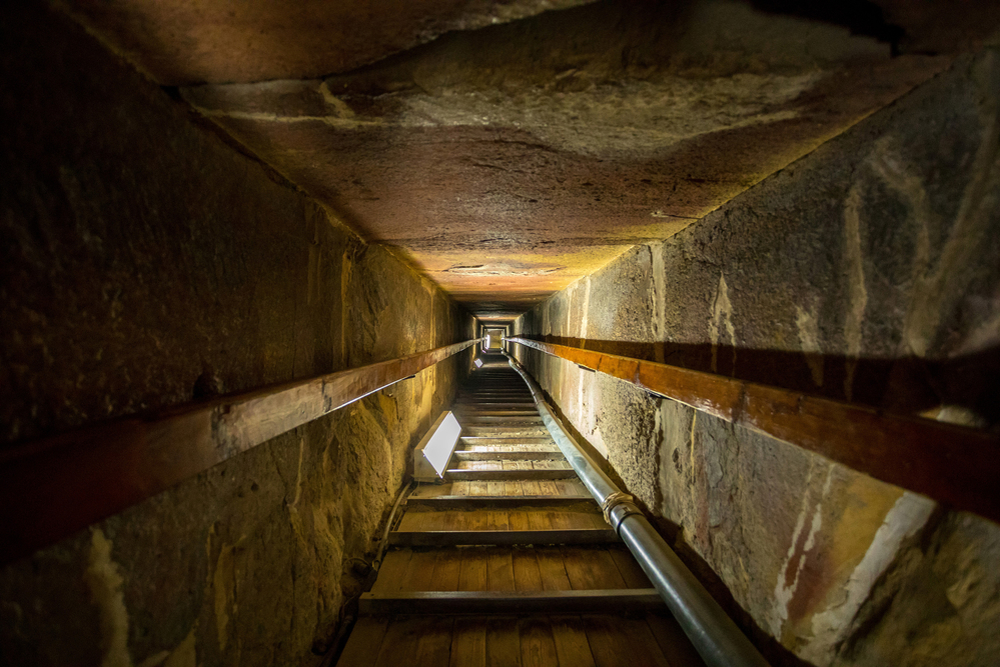
A stairway into a tomb in the center of a pyramid at Giza.
This discovery has both past and future implications for ScanPyramids research. While the team could not come to a conclusive agreement on the purpose of North Face Chevron, it went a long way in showing that the many corridors connecting the inner structures are more than just passageways – they are providing the service of relieving the pressure of the massive weight of the pyramid – an unbelievable achievement in construction that rivals the actual act of building the Great Pyramid itself. This will help archeologists studying Khufu’s pyramid and the others determine where similar pressure-reliving corridors might be located. It will also speed up the process of investigating these pyramids and hopefully locate hidden entrances and corridors which will facilitate better inspections using drones, robots and careful human archeologists.
Is this “the most important discovery of the 21st Century" involving the Great Pyramid of Giza? That remains to be seen. It is definitely impressive and it highlights the achievements of these ancient Egyptians who designed and built these great wonders oof the world without Infrared thermography, 3D simulation and cosmic-ray muon radiography imaging.
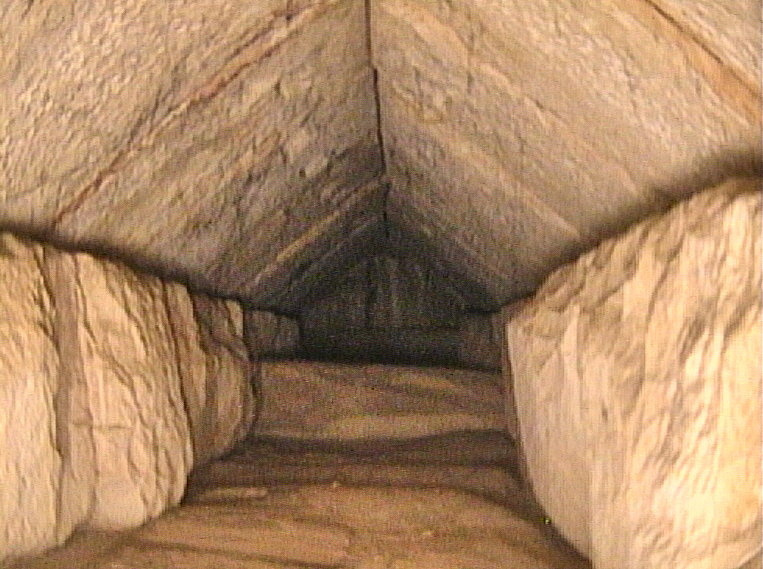
A hidden corridor inside the Great Pyramid of Giza that was discovered by researches from the the Scan Pyramids project by the Egyptian Tourism Ministry of Antiquities is seen in Giza, Egypt March 2, 2023.
The Egyptian Ministry of Antiquities/Handout via REUTER S
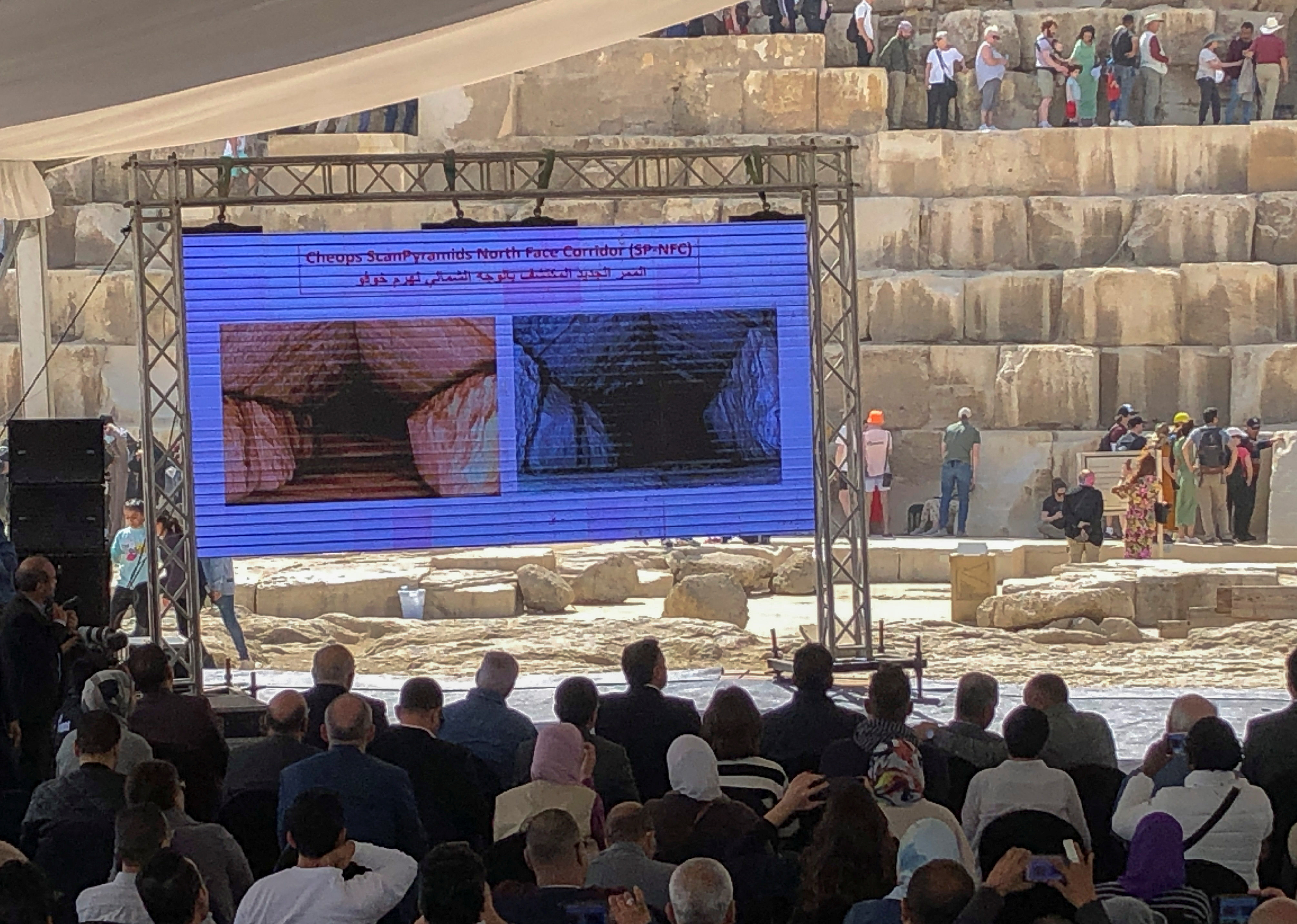
An image of a hidden corridor inside the Great Pyramid of Giza that was discovered by researches from the the Scan Pyramids project is displayed during a news conference of the Egyptian Minister of Tourism and Antiquities Ahmed Eissa in front of the Great Pyramid of Giza, Giza, Egypt, March 2, 2023.
REUTERS/Sherif Fahmy
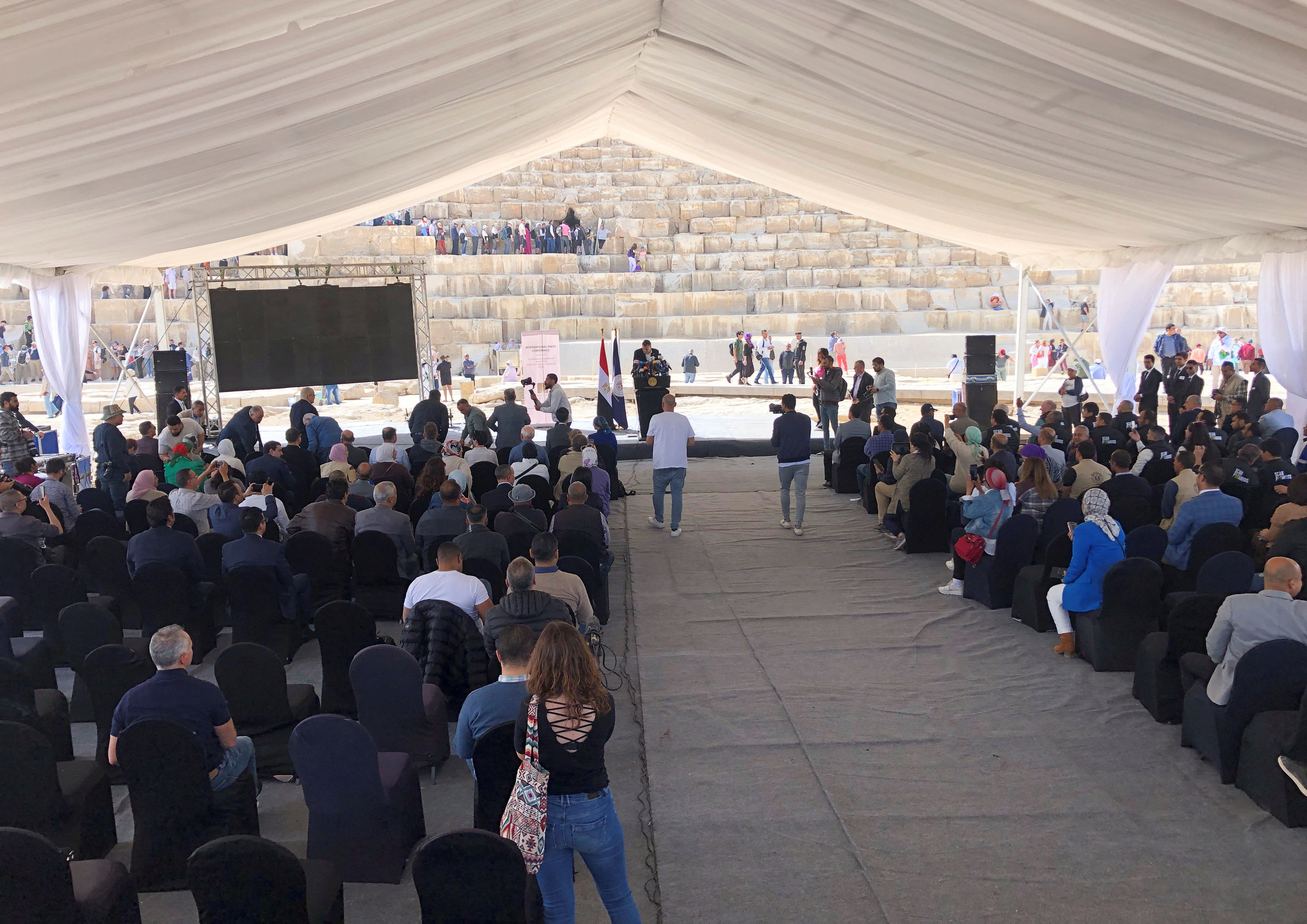
Egyptian Minister of Tourism and Antiquities Ahmed Issa talks to the media in front of the Great Pyramid of Giza, Cairo, Egypt, March 2, 2023.
REUTERS/Sherif Fahmy
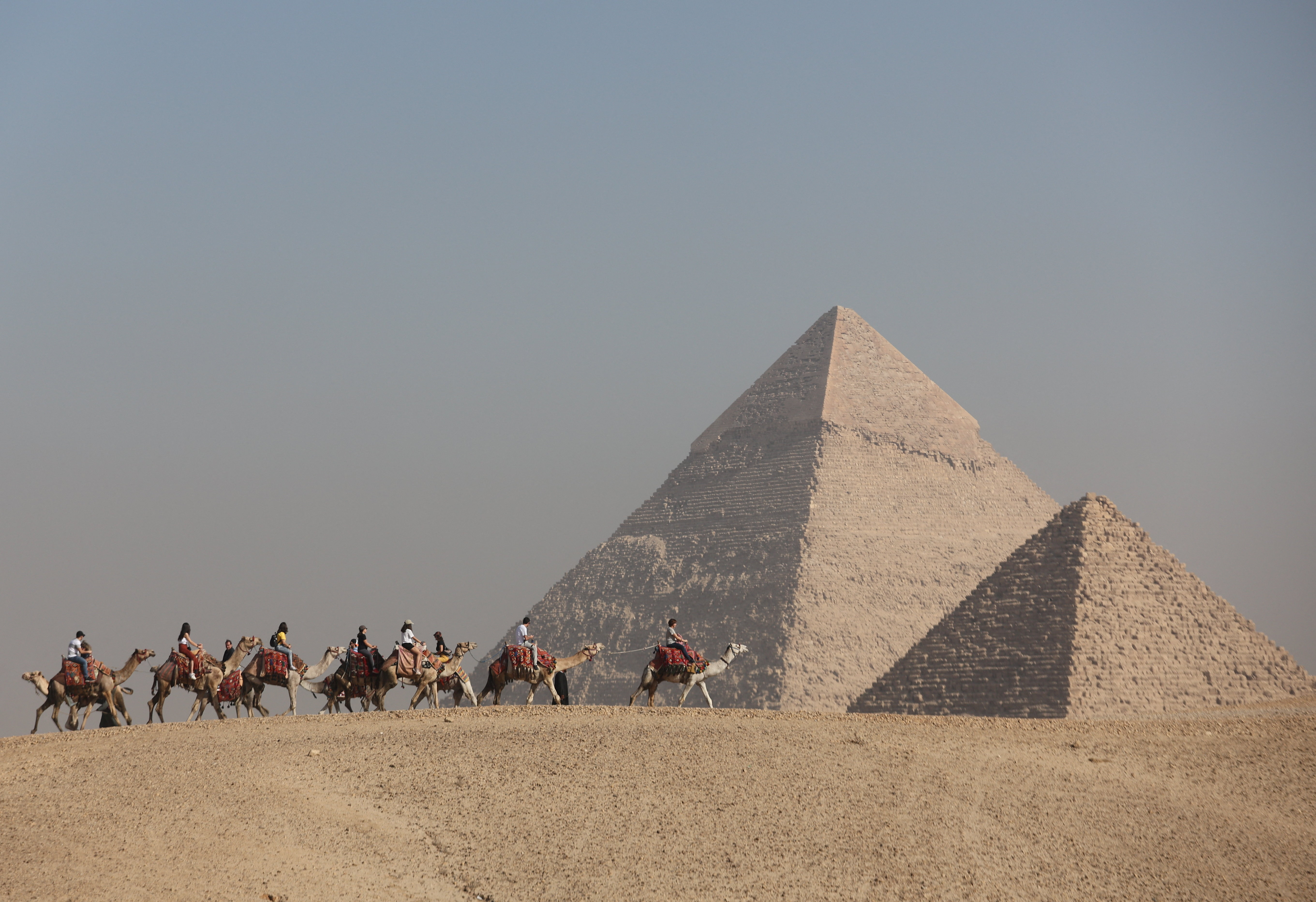
Tourists ride camels in front of the Great Pyramids plateau in Giza, Egypt December 11, 2022.
REUTERS/Amr Abdallah Dalsh
The Strange and Mysterious Case of Neil Dovestone
Every once in a while there is a strange case concerning a person who just seems to appear from the ether, only to die and leave behind nothing but cryptic clues. Such people popuklate history, taunting us with their enigmas and never able to be fully understood. One such case is that of a man who appeared one day in the foggy moors of England, springing out of the mist to then turn up dead and leave behind a compelling unsolved mystery.
At around 2 p.m on December 11th, 2015, an unassuming, smartly drtessed elderly man walked out of a cold, misty day into the Clarence Pub in Greenfield, located at a moorland in North West England called Saddleworth Moor, in the Dark Peak area of the Peak District National Park. Something immediately seemed off about him, with his out-of-place appearance, as he was not dressed like the other hikers who frequented the pub, he kept to himself, had no backpack or bag of any kind, and he did not order a drink, not even a glass of water. His eccentric demeanor was made even stranger when he cryptically told the pub landlord, Mel Robinson, that he wanted to “go to the top of the mountain.” Robinson would say of the odd encounter:
It was cold outside, and going dark already. Overcast. It rained all day the day before, and it rained all day the day after. It being the quiet period after lunch, he was sitting at the end of the bar. He got up, but the stranger didn’t want a drink. He wanted to walk to ‘the top of the mountain’. It was unusual, the way he was dressed. He was wearing just a light mac, normal trousers and shirt, and slip-on shoes. The top of the mountain. That was unusual, too. Walkers often come in for directions, but this isn’t mountain country, and the locals don’t use the noun of even the highest escarpments. He didn’t say Indian’s Head, he didn’t say Dovestone reservoir. He just said ‘the top of the mountain’.

Saddleworth Moor
Seeing as it was already getting relatively late in the day and the mysterious stranger was not dressed or equipped for a hike out there in the moorland, Robinson advised against trying that day to go to the summit of the nearby peak at the Chew reservoir, which is what he assumed the man meant. The stranger said nothing to this, merely thanking him and heading out into the cold rain without another word. At the time it was all a bit weird, but Robinson was used to various slightly off-kilter travelers and hikers coming through his doors from all over the place, so at the time he did not think much of it. Little did he know that he would be one of the last people to see the stranger alive. The stranger was seen by two Royal Society for the Protection of Birds staff climbing up the Wimberry Stones, a rock feature known locally as "Indian's Head" overlooking the reservoir, after which he would walk right off into a strange unsolved mystery that has not really been solved to this day.
The next day, at about 10:50 a.m., a passing cyclist stumbled across the man’s dead body near the Chew reservoir, not far from where he had last been seen. The body was lying on its back, with his arms crossed comfortably over his stomach as if he was cloud watching, and by police estimates it seemed he had walked around 2.5 miles (4 km) from the pub, much of it uphill. In his right trouser pocket was £130 in £10 notes, and his coat pocket held three train tickets from the previous morning: a single from Ealing Broadway to London Euston and a return from Euston to Manchester Piccadilly, although it was not clear how he had travelled the 11 miles (17km) from Manchester to Greenfield. Also found in a pocket was a medicine box made of card, and within this was an empty bottle of thyroxine sodium, a drug for the treatment of hypothyroidism, with a label printed in both English and Urdu. There was no ID, no wallet, and no cards, keys, phone, watch or driving license, no way at all to identify who he was. There was no sign of a struggle, the body was in a peaceful state, with no visible injuries, and it seemed almost as if he were just taking a nap. It was all pretty odd, and although police suspected he had died of a heart attack no one could figure out who he was or why he had been climbing around on that moor. It would later be found that he had actually died of a lethal dose of strychnine, which made it even odder still. What was going on here?
Police began trying to find out who the man, who was given the placeholder name “Neil Dovestone,” was, but this would prove to be easier said than done. Cross-referencing the man’s DNA against the national criminal intelligence and missing persons databases failed to provide a match, his fingerprints were not on record, and appeals to the public for information went unanswered. It was as if he were a ghost. Unable to figure out who he was, authorities began trying to track his movements in the days leading up to his death. The train tickets and CCTV footage tracked his journey from Manchester Piccadilly to London Euston to Ealing Broadway, and at Piccadilly he went back and forth between the station shops for approximately 53 minutes, bought a sandwich, and spent about four minutes at the station information counter, although it is not clear what he was talking about there for so long. He left the station at around 1 p.m. and after this, there is no more CCTV footage and his movements are unknown. It wasn’t much help in determining what was going on or how he had come to arrive in Greenfield at that pub. Who was this guy and where did he come from? No one had a clue.

Another perplexing mystery was why he had gone all the way out into that moor to turn up dead. One theory doing the rounds at the time was that Dovestone was actually a man named Stephen Evans, who was a survivor of an airplane crash on the moor in 1949 that had killed 24 of the passengers and crew on board. The idea was that he had for whatever reason come to that moor to pay his respects and to ultimately kill himself there, possibly over survivor’s guilt, but it would turn out that he was not, in fact, Evans because Evans would turn out to be very much alive and well. It was then thought he might be another of the only eight survivors of the crash, Michael Prestwich, aged two at the time of the disaster, but he was found to have died decades before. Another intriguing idea was that he was a spy who had gotten in over his head and been assassinated with the poison. However, why do that all the way out there on the moor? Why would he go out there? In the end, this was all pure speculation with nothing to back it up.
It was purely by accident that a big lead would be found. It had been discovered during a secondary postmortem that Dovestone had at some point had hip surgery to install a metal plate, but what had been missed at first was that the particular type of plate in this case was only legal in Pakistan. This, plus the bottle with Urdu printed on it, heavily suggested that Dovestone had come to Britain from Pakistan. With this new information, police were able to track the plate down to a hospital in Lahore, and eventually they finally were able to put a name to the body. It was found that “Neil Dovestone” was actually a David Lytton, who was 67-years-old at the time of his death, and was born to Jewish parents as David Lautenberg in London, and in 2006 he had suddenly gone off to live in Pakistan. Now the body had been identified, but this did little to solve the overall mystery, and indeed it offered up even more questions than answers. For one, there could be found no known connection between Lytton and the Saddleworth Moor, no reason at all for him to be there or to want to go there. Then there was his long trip from Pakistan, and when this was added to the other odd clues such as his inappropriate clothing and mysterious death it begged the question- why come all the way from Pakistan to a moor he had no connection with and turn up dead there?

At this point the main police explanation was that Lytton had committed suicide, and this makes sense in a way because he was found to have been prone to bouts of depression, but there are a lot of problems with this. The most obvious is why would he come all that way to climb up a remote peak in a moor he never been to in clothes completely unsuitable for the environment in order to kill himself? There is also the fact that he died of a fatal dose of strychnine, which is a slow and painful way to die, with death coming by asphyxiation as the muscles spasm and contract uncontrollably, so why would he choose that method of suicide? As a matter of fact, if he had really died an agonizing death by strychnine then why was his body in such a peaceful state as if he had been sleeping? It was also found that he had bought a return ticket to Pakistan while in England, so why do that if you want to off yourself? This was starting to get people talking about the spy theory again, with the idea being that a mission had gone south and he had either been assassinated or had killed himself with what is called an “L-pill,” given to agents to avoid torture or information falling into enemy hands. This could be why he carried no identification and also explain the fact that he had bought a return trip to Lahore, meaning perhaps he was trying to run from someone. Still, why that moor? Indeed, why England at all? If he wanted to kill himself, why not just do it in Pakistan?
In the end there are no real answers. Although we know who "Neil Dovestone" really was, he has truly left a mystery in his wake. What brought him out to that remote moor from faraway Pakistan? How did he end up dead and what is the meaning of all of the weird clues? Just what is going on here? We may never know for sure.
RELATED VIDEOS, selected and posted by peter2011
Mysterious Alien Spacecraft Spotted in Florida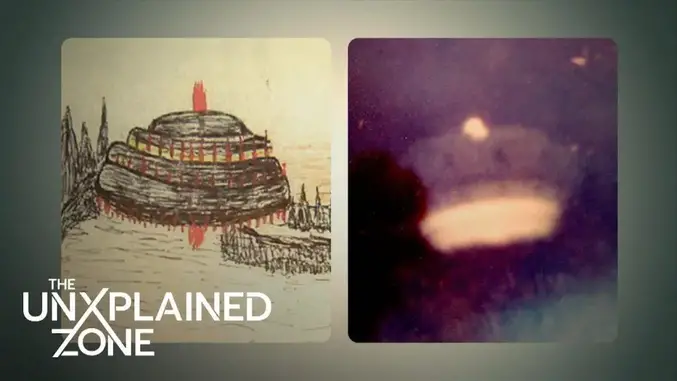
The state of Florida has long been considered a hotbed for sightings of UFOs and unidentified submerged objects (USOs), and the Gulf Breeze region is no exception. In 1980, Ed Walters captured some of the most compelling evidence of UFO sightings in Gulf Breeze, Florida. He took several photographs of a glowing object that appeared to be an acorn-shaped spacecraft, surrounded by lights and emitting a bright light from the bottom.
Although some skeptics have claimed that the photographs were hoaxed using double exposure techniques, many researchers believe that Walters’ story was genuine. In fact, there were a dozen other witnesses who reported seeing the same object, and several hundred more who saw something that could have been related.
So, what exactly is a USO? As explained by Bill Birnes, USOs are “unidentified submerged objects” that are essentially the underwater equivalent of UFOs. The Gulf of Mexico and the Caribbean area are both hot spots for USO activity, and there have been countless reports of sightings over the years.
Interestingly, the acorn shape of the spacecraft that Walters photographed is similar to the craft that was hand-drawn by a witness in Cuba. Both objects have a basic acorn shape, are surrounded by lights, and emit a bright light from the bottom. The acorn shape is also similar to what was seen in Kecksburg, Pennsylvania, in 1965.
Despite the overwhelming evidence and numerous sightings in the area, Walters was called a hoaxer by some skeptics. However, he never let the critics get the best of him and remained steadfast in his belief that what he saw was real. He even passed two lie detector tests and eight hours of psychological tests that proved his sanity.
So, what do these mysterious alien spacecraft want? That is the million-dollar question. Although there are no definitive answers, many researchers believe that they could be attracted to something in the water or out in the ocean.
The Gulf Breeze region of Florida remains a hot spot for sightings of unidentified flying and submerged objects. Although skeptics continue to cast doubt on the validity of the evidence, many researchers believe that there is something truly mysterious and otherworldly happening in the area. Only time will tell what the truth really is.
NASA volgt asteroïde die Valentijnsdag in 2046 zou kunnen verpesten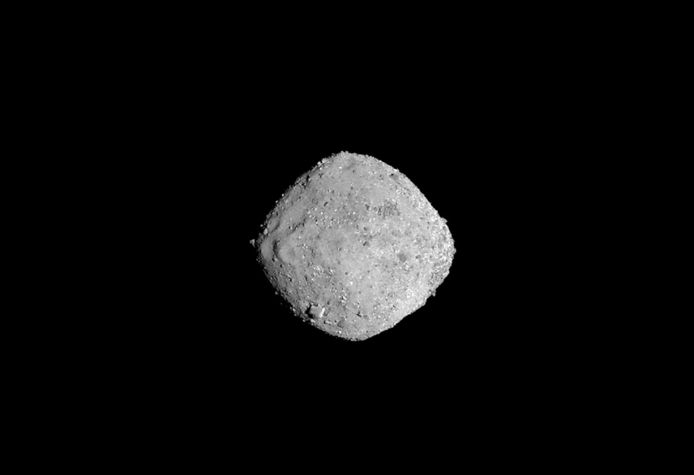 Illustratiefoto. © afp
Het Europees Ruimteagentschap ontdekte een grote asteroïde die mogelijks op onze aarde kan botsen. Toch hoeven we ons niet te veel zorgen maken, want de kans dat hij de aarde effectief zal treffen is 1 op 600 volgens NASA. Het agentschap voorspelde ook dat de asteroïde op 14 februari 2046 zou kunnen inslaan.
De asteroïde zou de lengte hebben van een Olympisch zwembad, hoewel er nog grote onzekerheid is over de grootte. De ruimterots verplaatst zich ongeveer 25 kilometer per seconde op een afstand van meer dan 18 miljoen kilometer van de aarde en voltooit elke 271 dagen een lus rond de zon.
Wetenschappers hebben 2023 DW, de naam die de asteroïde kreeg, toegevoegd aan de zogenaamde “risicolijst”. Op die lijst staan alle objecten die door de ruimte zweven en die de aarde kunnen treffen. Ze hebben hem voorlopig een 1 gegeven op de Torino-schaal. Deze schaal werd in 1999 ontwikkeld en geeft het risico weer van botsingen tussen ruimteobjecten en de aarde. Een nul op de schaal betekent dat er geen kans is op een inslag, een 10 betekent honderd procent zekerheid van inslag.
Het lage cijfer 1 betekent dat wetenschappers verwachten dat de asteroïde “geen ongewoon gevaar oplevert” en “de kans op een botsing uiterst onwaarschijnlijk is, zonder reden voor publieke aandacht of bezorgdheid”, aldus NASA. Maar toch onderscheidt 2023 DW zich van de andere 1.448 asteroïden op de lijst. Hij is namelijk de enige met een ranking hoger dan 0.
NASA legde bovendien de nadruk op het succes van de DART-missie, of de Double Asteroid Redirection Test. In september 2022 kon een ruimtevaartuig succesvol botsen tegen een asteroïde om zijn baan te veranderen. “Dit is precies de reden waarom we die missie vlogen”, vertelt NASA, “En die missie was een spectaculair succes”.
Triangle Formation of Black Spheres: Latest UFO Sighting in El Cajon, California
On March 9th, 2023, a UFO sighting was reported in El Cajon, California. According to witness reports, three black spheres appeared overhead an apartment complex in the afternoon. The objects were unlike any known flying objects and were rotating around each other in an odd formation.
The witness, who was filming the objects, noted that they seemed unaffected by the wind and were flickering in the sky. This was not like a metallic reflection of a Mylar balloon, which can often be mistaken for a UFO. The objects disappeared shortly after the witness’s girlfriend made him stop filming to go inside. Suddenly, the spheres whipped around about 90 degrees and vanished.
This latest UFO sighting is just one of many reported in recent years. With the advent of smartphones and social media, it is easier than ever to capture footage of unexplained objects in the sky. However, despite the proliferation of UFO sightings, the phenomenon remains shrouded in mystery.
Pentagon says "Alien motherships in our solar system possibly sending probes to earth"