Naar de inhoud

UFO'S of UAP'S, ASTRONOMIE, RUIMTEVAART, ARCHEOLOGIE, OUDHEIDKUNDE, SF-SNUFJES EN ANDERE ESOTERISCHE WETENSCHAPPEN - DE ALLERLAATSTE NIEUWTJES

UFO's of UAP'S in België en de rest van de wereld
akke.beakke.be
Ontdek de Fascinerende Wereld van UFO's en UAP's: Jouw Bron voor Onthullende Informatie! Ben jij ook gefascineerd door het onbekende? Wil je meer weten over UFO's en UAP's, niet alleen in België, maar over de hele wereld? Dan ben je op de juiste plek! België: Het Kloppend Hart van UFO-onderzoek In België is BUFON (Belgisch UFO-Netwerk) dé autoriteit op het gebied van UFO-onderzoek. Voor betrouwbare en objectieve informatie over deze intrigerende fenomenen, bezoek je zeker onze Facebook-pagina en deze blog. Maar dat is nog niet alles! Ontdek ook het Belgisch UFO-meldpunt en Caelestia, twee organisaties die diepgaand onderzoek verrichten, al zijn ze soms kritisch of sceptisch. Nederland: Een Schat aan Informatie Voor onze Nederlandse buren is er de schitterende website www.ufowijzer.nl, beheerd door Paul Harmans. Deze site biedt een schat aan informatie en artikelen die je niet wilt missen! Internationaal: MUFON - De Wereldwijde Autoriteit Neem ook een kijkje bij MUFON (Mutual UFO Network Inc.), een gerenommeerde Amerikaanse UFO-vereniging met afdelingen in de VS en wereldwijd. MUFON is toegewijd aan de wetenschappelijke en analytische studie van het UFO-fenomeen, en hun maandelijkse tijdschrift, The MUFON UFO-Journal, is een must-read voor elke UFO-enthousiasteling. Bezoek hun website op www.mufon.com voor meer informatie. Samenwerking en Toekomstvisie Sinds 1 februari 2020 is Pieter niet alleen ex-president van BUFON, maar ook de voormalige nationale directeur van MUFON in Vlaanderen en Nederland. Dit creëert een sterke samenwerking met de Franse MUFON Reseau MUFON/EUROP, wat ons in staat stelt om nog meer waardevolle inzichten te delen. Let op: Nepprofielen en Nieuwe Groeperingen Pas op voor een nieuwe groepering die zich ook BUFON noemt, maar geen enkele connectie heeft met onze gevestigde organisatie. Hoewel zij de naam geregistreerd hebben, kunnen ze het rijke verleden en de expertise van onze groep niet evenaren. We wensen hen veel succes, maar we blijven de autoriteit in UFO-onderzoek! Blijf Op De Hoogte! Wil jij de laatste nieuwtjes over UFO's, ruimtevaart, archeologie, en meer? Volg ons dan en duik samen met ons in de fascinerende wereld van het onbekende! Sluit je aan bij de gemeenschap van nieuwsgierige geesten die net als jij verlangen naar antwoorden en avonturen in de sterren! Heb je vragen of wil je meer weten? Aarzel dan niet om contact met ons op te nemen! Samen ontrafelen we het mysterie van de lucht en daarbuiten.

Archief

Hoe is het leven op aarde ontstaan? Volgens een nieuwe studie begon het allemaal met een bliksemschicht

Hoe is het leven op aarde ontstaan? Volgens een nieuwe studie begon het allemaal met een bliksemschicht

Janine imagedoor Janine

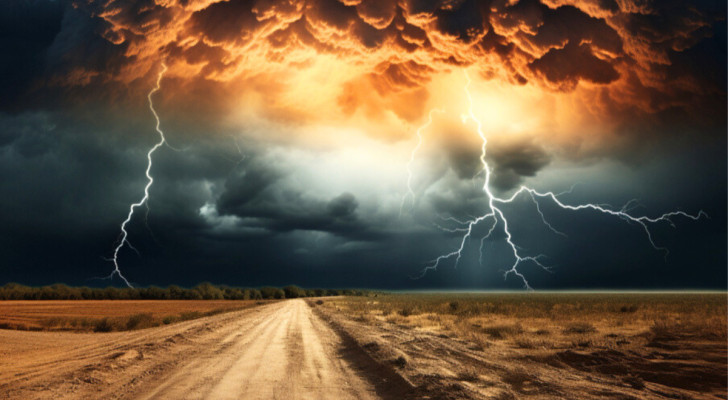
AI Generated/Freepik

Volgens een onderzoek is het leven op onze planeet mogelijk ontstaan door een precies atmosferisch fenomeen: bliksem. Dit is hoe.

Oorsprong van het leven op aarde, het grootste mysterie voor de wetenschap

Hoe is het leven op aarde ontstaan ​​en wat heeft het veroorzaakt? Het is een van de grootste vragen van de wetenschap, maar een nieuwe studie heeft misschien het antwoord gevonden. Volgens wetenschappers van Harvard heeft de bliksem die onze oerplaneet tussen de wolken trof mogelijk de elementen gegenereerd die noodzakelijk zijn voor het leven.

De wetenschap heeft zich altijd afgevraagd wat de oorsprong van het leven op aarde is en dit nieuwe onderzoek lijkt steeds dichter bij het antwoord te komen. Een eeuwenoude bliksemschicht kan de oorzaak zijn geweest, waaruit ieder levend wezen is ontstaan. Om het mysterie op te lossen, moeten we beginnen bij de basis: hoe zijn stikstof en koolstof ontstaan ​​en wanneer verschenen ze in onze wereld? Er zijn in dit opzicht drie mogelijke hypothesen: ze werden getransporteerd door kometen en hemellichamen die op de aarde vielen, door onderwaterbronnen of door de bliksem die ons oppervlak trof.

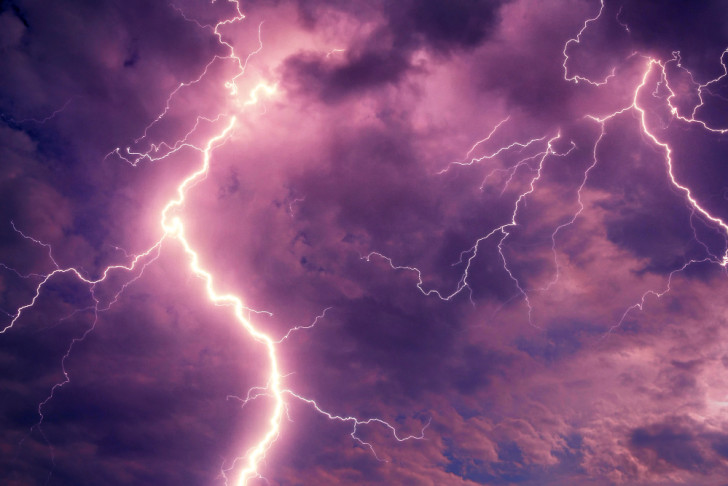
Miller-Urey-experiment over de oorsprong van leven veroorzaakt door bliksem over de oorsprong van bliksem leven

Freepik

Volgens het team van deskundige scheikundigen van de universiteit van Harvard ligt het antwoord precies in de bliksem: nadat ze de wolken en de aarde hadden geraakt, hebben ze mogelijk “hoge concentraties reactieve moleculen op lokaal niveau geproduceerd, waardoor er verschillende grondstoffen zijn ontstaan ​​voor de opkomst en overleving van primitief leven wereldwijd.”

Dit is niet de eerste studie die deze theorie probeert aan te tonen: zelfs Harold Urey, de Amerikaanse Nobelprijswinnaar voor de scheikunde, volgde samen met zijn student Stanley Miller in 1953 hetzelfde experimentele pad. Destijds creëerden ze een elektrische boog om deze theorie na te bootsen. de bliksem, waarbij gebruik wordt gemaakt van een combinatie van ammoniak, methaan, waterstof en water, elementen waarvan men denkt dat ze de atmosfeer van onze jonge planeet vormen. Het resultaat was de productie van aminozuren, essentieel voor het voortbrengen van leven. Tegenwoordig geloven wetenschappers dat de oorspronkelijke atmosfeer uit stikstof en kooldioxide zou kunnen bestaan: op basis hiervan voerde het team van Harvard een nieuw experiment uit, waarbij dat van Urey en Miller werd bijgewerkt.

Heeft de bliksem leven teweeggebracht? Het nieuwe experiment

Door in het laboratorium een simulatie van blikseminslagen tussen de wolken en de aarde na te bootsen, binnenin een primordiale biosfeer, observeerden de wetenschappers de chemische reacties van deze atmosferische gebeurtenissen: het resultaat toonde een significante reductie van kooldioxide tot koolmonoxide en mierenzuur, terwijl stikstof werd omgezet in ammonium, nitriet en nitraat.

Uiteindelijk lijkt de bliksem de belangrijkste elementen voor de vorming van leven te hebben geproduceerd. Hoewel ze het leven niet direct creëerden, kunnen ze wel de voorwaarden hebben gecreëerd voor de ontwikkeling ervan. Als de atmosfeer van de jonge aarde inderdaad bestond uit niet-reactieve stikstofmoleculen, dan was de bliksem datgene wat ontbrak om de aanzet te geven tot de vorming van zaken die essentieel zijn voor het leven, zoals eiwitten en DNA. De zekerheid over wat er miljarden jaren geleden gebeurde, zal er echter misschien nooit komen.

{ https://www.curioctopus.nl/ }

Hoe vind je dit bericht?
Geschreven door peter om 01:48 Stuur door

The Ultimate Space Program Cover-Up: Unveiling Cold War UFO Secrets

The Ultimate Space Program Cover-Up: Unveiling Cold War UFO Secrets

THE SPACE PROGRAM ULTIMATE COVER-UP

The history of the Cold War is filled with intrigue, secrets, and a relentless quest for technological superiority. Amid this backdrop, new revelations suggest that the space race between the United States and the Soviet Union was not merely a competition to reach the stars, but also a smokescreen for one of the most extraordinary cover-ups in history: the existence of extraterrestrial beings and their advanced technology.

The Space Race: A Hidden Agenda?

During the Cold War, the rivalry between the U.S. and the Soviet Union extended far beyond Earth’s atmosphere. The race to space, marked by milestones such as the launch of Sputnik and the Apollo moon landing, was more than just a demonstration of technological and ideological superiority. Declassified documents from the era hint at a darker, more secretive purpose: the exchange of intelligence on unidentified flying objects (UFOs) and their occupants.

The UFO phenomena became a significant concern for both superpowers. Reports of sightings and encounters were not just relegated to the fringes of society but were taken seriously by military and intelligence agencies. One of the most chilling accounts comes from a 1989 incident in Siberia, where a UFO allegedly retaliated after being shot down, resulting in the petrification of 23 Soviet soldiers. These soldiers were reportedly turned into a limestone-like substance, an event that remains unexplained and terrifying in its implications.

Operation Paperclip and the Cold War Tensions

The foundation for this clandestine competition can be traced back to the aftermath of World War II. With the collapse of Nazi Germany, both the United States and the Soviet Union scrambled to capture German scientists, engineers, and technological innovations. This effort was formalized in the U.S. through Operation Paperclip, which brought former Nazi experts to America, where they played pivotal roles in the development of the space program and military technology, including what would become NASA.

The Soviet Union, not to be outdone, initiated its own secret operation, absorbing thousands of German specialists to bolster its own technological capabilities. This transfer of knowledge and expertise fueled the Cold War arms race, including the development of intercontinental ballistic missiles and other advanced weaponry. But beyond the conventional arms race, there was an underlying competition to harness extraterrestrial technology, with both sides hoping to gain an insurmountable edge.

UFOs Over Washington and the Eisenhower Incident

The 1950s and 60s were a period of intense UFO activity. In 1952, a series of UFO sightings over Washington, D.C., caused widespread alarm. Radar operators detected unidentified objects that defied conventional explanations, and witnesses, including military personnel, reported strange lights and crafts maneuvering in ways that no known aircraft could replicate. The U.S. Air Force launched an investigation, ultimately attributing the sightings to weather phenomena, though many remain unconvinced by this explanation.

One of the most persistent rumors from this period involves President Dwight D. Eisenhower. Allegedly, Eisenhower had multiple secret meetings with extraterrestrials, facilitated by telepathic communication, at various military bases across the United States. While official documentation supporting these claims is non-existent, the story has been kept alive by testimonies from individuals who claim to have been involved or who heard about the meetings firsthand.

The Kingman Incident and the Alien Treaty

Further fueling the narrative of alien collaboration is the Kingman, Arizona incident of 1953. Reports from the time suggest that multiple UFOs crashed in the desert, with at least one intact craft recovered by the military. Eyewitness accounts describe the presence of alien bodies, some alive, at the crash site. Speculation abounds that this event was part of a larger exchange between the U.S. government and extraterrestrial beings, possibly involving the transfer of technology in return for certain concessions.

It is in this context that the so-called “Eisenhower Alien Treaty” is often discussed. According to some theories, Eisenhower, facing the growing threat of the Soviet Union and the need for technological superiority, entered into a secret agreement with these extraterrestrial visitors. This treaty allegedly granted the U.S. access to advanced alien technology, which would be critical in the ongoing Cold War.

President Kennedy and the Cover-Up

John F. Kennedy’s presidency, marked by its ambitious goals for space exploration, also intersects with this narrative. After a crucial meeting with Eisenhower in 1961, it is rumored that Kennedy was briefed on the alien treaty and the extent of the U.S. government’s interactions with extraterrestrials. Some believe that Kennedy shared details of these revelations with close confidante Marilyn Monroe, contributing to the many conspiracy theories surrounding their untimely deaths.

Kennedy’s vision for space exploration was not just about beating the Soviets to the moon; it was also about demonstrating American leadership in what was perceived as the next frontier of human achievement. However, if these theories hold any truth, Kennedy’s push for the Apollo program may have been motivated by more than just national pride—it could have been part of a broader strategy to integrate and deploy alien technology.

VIDEO:

  • DECLASSIFIED – THE SPACE PROGRAM ULTIMATE COVER-UP | Aliens Uncovered | Full SCI-FI Documentary HD

While much of this remains in the realm of speculation and conspiracy, the declassified documents and testimonies suggest that there may be more to the story of the space race than what is taught in history books. The possibility that the Cold War space race was a cover for deeper, more secretive interactions with extraterrestrial beings adds a fascinating layer to our understanding of this period.

As researchers and enthusiasts continue to investigate these claims, the truth behind the ultimate cover-up—if it exists—remains one of the most tantalizing mysteries of our time. Whether or not we will ever uncover definitive proof of these allegations, the story of the space race and its possible connections to alien technology will continue to captivate and intrigue generations to come.

{ https://www.latest-ufo-sightings.net/ }

Hoe vind je dit bericht?
Geschreven door peter om 01:41 Stuur door

Astronauten gestrand in de ruimte: hoe zullen ze overleven?

Astronauten gestrand in de ruimte: hoe zullen ze overleven?

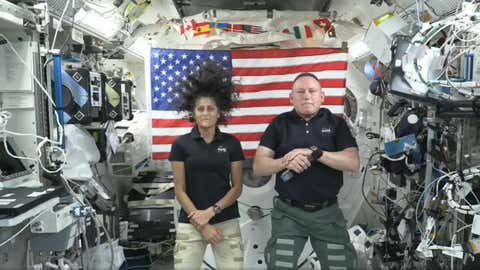
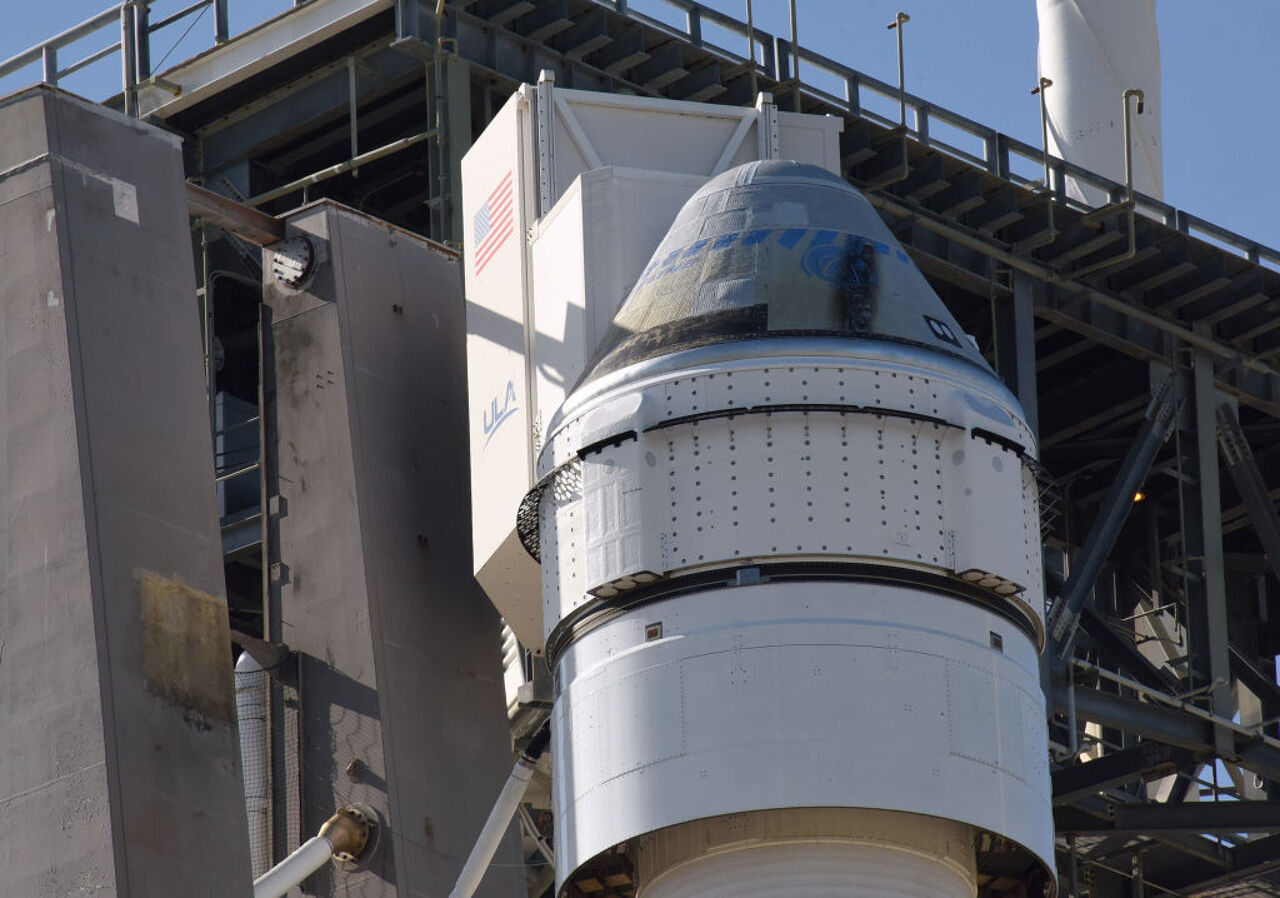
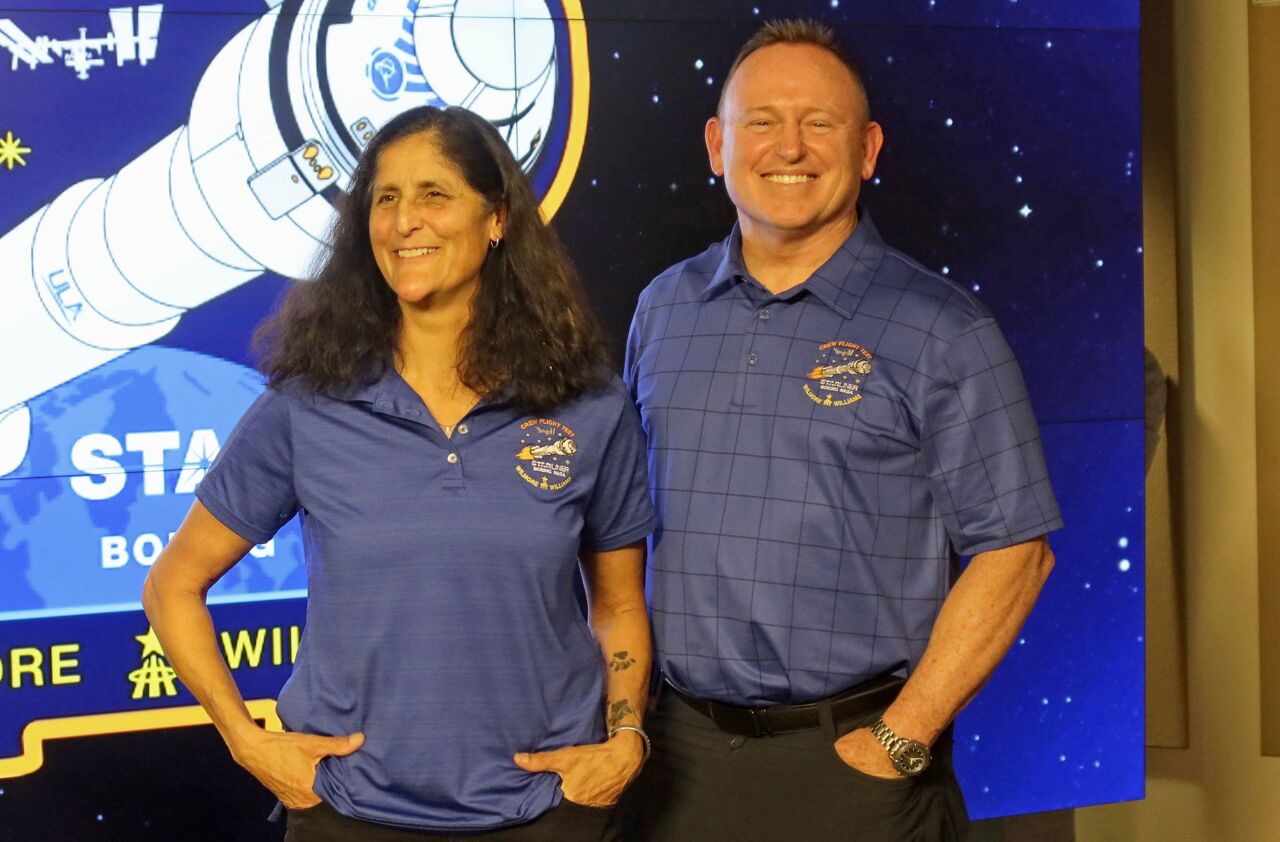
Twee NASA-astronauten, Sunita “Suni” Williams en Commandant Barry “Butch” Wilmore, zijn onverwacht gestrand in de ruimte na een mislukte testvlucht van het Boeing Starliner ruimtevaartuig. In plaats van hun geplande terugkeer naar de aarde na acht dagen, worden ze geconfronteerd met een onzekere toekomst aan boord van het internationale ruimtestation (ISS).

Astronauten gestrand in de ruimte: hoe zullen ze overleven?

NASA via Getty Images

De twee astronauten, beiden gepensioneerde marinekapiteins en ervaren ruimtevaarders, bevinden zich in een uitdagende situatie. Terwijl ingenieurs op aarde koortsachtig werken om de oorzaak van het probleem met het voortstuwingssysteem van het Starliner-ruimtevaartuig te achterhalen, blijven Williams en Wilmore optimistisch. Tijdens een persconferentie vanuit de ruimte in juli uitte Williams haar vertrouwen in de technische teams: “Ik heb een heel goed gevoel in mijn hart dat het ruimtevaartuig ons zonder problemen thuis zal brengen.”

Desondanks is het onzeker hoe lang het duo nog in de ruimte zal moeten blijven. Commandant Wilmore benadrukte het belang van de tests die nu worden uitgevoerd: “We vertrouwen erop dat de testen die we doen de testen zijn die we moeten doen om de juiste antwoorden te krijgen en om ons de gegevens te geven die we nodig hebben om terug te keren.”

in-sunitw.png?crop=16:9&width=480&format=pjpg&auto=webp&quality=60

Williams en Wilmore kwamen aan op 6 juni.
Foto: NASA

Leven zonder zwaartekracht

Voor Williams en Wilmore is het leven in de ruimte ondertussen een bijzondere ervaring. In het ISS, waar zwaartekracht geen rol speelt, ervaren ze geen verschil tussen liggen, staan of zelfs ondersteboven zijn. Slapen kan overal in het ruimtestation, of het nu op de vloer, muur of plafond is, omdat er geen gevoel van richting is. Het ISS biedt slaapstations ter grootte van telefooncellen, waar de bemanning in een slaapzak kan rusten.

Naast hun dagelijkse werkzaamheden aan reparaties en experimenten, zoeken de astronauten ook naar manieren om hun tijd in de ruimte nuttig te besteden. Zo genieten ze van het adembenemende uitzicht op de aarde vanuit het observatoriumdek van het station. Daarnaast kunnen ze gebruik maken van de fitnessapparatuur aan boord, zoals het Advanced Resistive Exercise Device (ARED), dat hen in staat stelt traditionele oefeningen uit te voeren, zoals squats en bankdrukken, door gebruik te maken van vacuümtechnologie.

De Starliner kampt al even met technische mankementen. De capsule van Boeing had jaren geleden al op punt moeten staan.

Foto: Getty

De realiteit dringt door

Ondanks deze afleidingen blijft de harde realiteit van hun situatie aanwezig. “Die mantra die je hebt gehoord, ‘Falen is geen optie’, dat is waarom we hier nu blijven,” zei Wilmore eerder. De komende dagen zullen cruciaal zijn om te bepalen of Williams en Wilmore veilig naar de aarde kunnen terugkeren, of dat hun verblijf in de ruimte nog aanzienlijk langer zal duren.

e3c1d59f-553a-11ef-92ff-02b7b76bf47f.jpg

Williams is een gewezen helikopterpiloot en Wilmore een gevechtspiloot.

Foto: Kyodo News

Recordbrekend verblijf?

Mocht het verblijf van Williams en Wilmore in de ruimte langer duren, dan zullen ze echter geen records breken. Het record voor de langste afzonderlijke ruimtevlucht staat op naam van de Russische kosmonaut Valeri Polyakov, die in 1995 maar liefst 437 dagen in de ruimte verbleef. Recente records zijn echter ook indrukwekkend: NASA-astronaut Frank Rubio keerde vorig jaar terug na een verblijf van 371 dagen in de ruimte.

{ https://www.msn.com/nl-be/feed?ocid=msedgntp&pc=acts }

Hoe vind je dit bericht?
Geschreven door peter om 00:20 Stuur door

Explore an Apollo-era mission gone wrong in sci-fi mystery game 'Lifeless Moon' (video) News

Explore an Apollo-era mission gone wrong in sci-fi mystery game 'Lifeless Moon' (video)

A scene from Serenity Forge's "Lifeless Moon."  (Image credit: Serenity Forge)

Here's the official synopsis:

"You've uncovered a cryptic mystery on the moon. Confront a strange phenomenon, tap into its extraordinary powers, and overcome psychological challenges to reveal the truth."

A scene from Serenity Forge's "Lifeless Moon."  (Image credit: Serenity Forge)

"Lifeless Moon" acts as sort of a spiritual successor to Serenity Forge's "Lifeless Planet" from 2014,  and its "Lost"-style narrative design was influenced by classic science fiction literature and films where lunar explorers face inexplicable anomalies in time and space. It's also a throwback to TV series like "The Outer Limits," which often depicted astronauts or test pilots facing disorienting situations, psychological experiments, and dangerous discoveries while on routine missions.

Serenity Forge's "Lifeless Moon" is available now on your favorite gaming platform.

{ https://www.space.com/ 

Hoe vind je dit bericht?
Geschreven door peter om 01:44 Stuur door

Mars was once wet, but now its surface is desiccated. Its meagre atmosphere contains only a tiny trace amount of water vapour. But new research says the planet contains ample liquid water. Unfortunately, it’s kilometres under the surface, well out o

A cutout of the Martian interior beneath NASA's Insight lander. The top 5 kilometers of the crust appear to be dry, but a new study provides evidence for a zone of fractured rock 11.5-20 km below the surface that is full of liquid water—more than the volume proposed to have filled hypothesized ancient Martian oceans. Credit: James Tuttle Keane and Aaron Rodriquez, courtesy of Scripps Institute of Oceanography

Mars Has Lots of Water, But It’s Out of Reach

Mars was once wet, but now its surface is desiccated. Its meagre atmosphere contains only a tiny trace amount of water vapour. But new research says the planet contains ample liquid water. Unfortunately, it’s kilometres under the surface, well out of reach.
the bridk-red planet Mars with white caps at poles

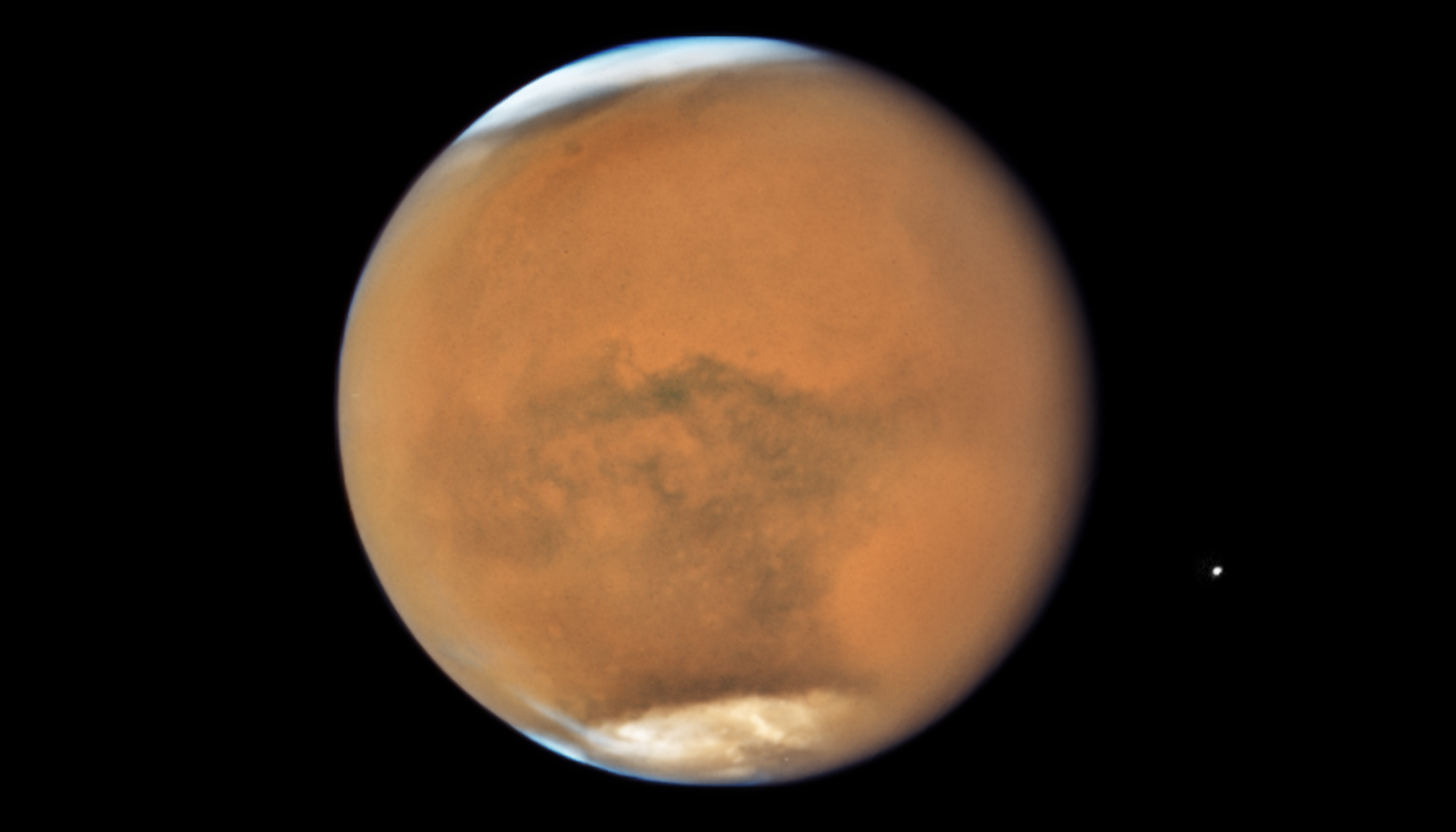
A 2018 photo of Mars during a dust storm, snapped by the Hubble Space Telescope. More than 3 billion years ago, the dusty red planet had oceans and rivers. That water disappeared, leaving only ice on the surface, most of it in the polar caps. A new analysis of Mars' interior suggests that much of the liquid water still exists in the pores of rocks 10-20 kilometers below the surface.

NASA, ESA, STScI

The question of what happened to Mars’ water is an enduring one. There’s ample evidence showing that water flowed across the planet’s surface, carving out river channels, creating sediment deltas, and filling lakes. It may even have had ocenas. The planet was likely warm and wet until around 3.8 billion years ago, during the transition from the Noachian Period to the Hesperian Period. Over time it lost both its thick atmosphere and its water.

The most widely accepted explanation for the water’s disappearance is that the planet’s magnetic shield weakened and that the solar wind blew most of the water away into space.

New research published in the Proceedings of the National Academy of Sciences (PNAS) presents a new wrinkle in the Mars water mystery. Its title is “Liquid water in the Martian mid-crust,” and the first author is Vashan Wright, an assistant professor at UC San Diego’s Scripps Institution of Oceanography.

“Understanding the Martian water cycle is critical for understanding the evolution of the climate, surface and interior,” Wright said in a press release. “A useful starting point is to identify where water is and how much is there.”

Wright and his colleagues worked with data from NASA’s InSight lander, which was sent to Mars to study the planet’s deep interior. InSight aimed to understand not only Mars but also the processes that shape all rocky planets. The mission ended in December 2022 when the lander became unresponsive, but scientists are still working with its data.

During its mission, InSight gathered seismic data with SEIS, the Seismic Experiment for Interior Structure. SEIS was sensitive to Marsquakes and meteorite impacts, and the seismic data is helping scientists understand Mars’ interior, including its core, mantle, and crust.

This image shows InSight’s SEIS, the Seismic Experiment for Interior Structure. It's housed under a protective dome that shields it from wind and dust. Credit: NASA/JPL This image shows InSight’s SEIS, the Seismic Experiment for Interior Structure. It’s housed under a protective dome that shields it from wind and dust. Credit: NASA/JPL

“Large volumes of liquid water transiently existed on the surface of Mars more than 3 billion years ago,” the authors write in their published research. “Much of this water is hypothesized to have been sequestered in the subsurface or lost to space.”

Seismic waves sensed by SEIS can help determine if some of Mars’ water is in the planet’s subsurface. When seismic waves travel through a planet, they reveal information about the inner structure and composition. There are different types of waves, and some can’t travel through liquids. That’s how scientists learned that Earth has a liquid core.

Wave velocities and directions also reveal a lot. Velocity and direction change when the waves reach boundaries like the one between a planet’s crust and its mantle. Waves also provide information about the density and elasticity of materials they pass through. Changes in wave speed also reveal information about temperature differences.

But conclusions don’t jump out of data and announce themselves. Researchers have to work their way through the data and try to interpret it. The Mars science community is doing just that, and this research is the latest part of the effort.
a fly-like lander sitting on red dirt with the sun rising behind it

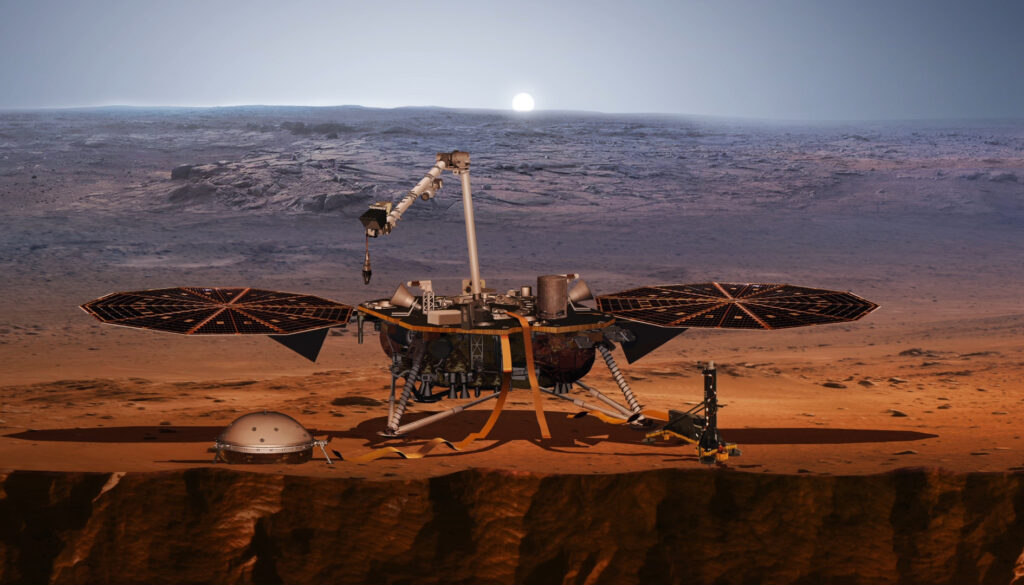
An artist’s concept of the InSight lander on Mars after the lander’s robotic arm deployed a seismometer (domed object to the left of the lander) and a heat probe directly onto the ground. The lander stopped recording data in 2022, but scientists are still mining the data for information about Mars’ interior.

NASA/JPL-Caltech

Previous researchers have tried to constrain the conditions under the InSight Lander in Elysium Planitia. Scientists use the term upper crust to describe the depth down to about 8km and the term lower crust to describe the depth between 8 km and about 20 km. Some research from orbiters showed that the upper crust is like a cryosphere that contains abundant frozen water. Orbital images of recent meteorite impacts appear to show exposed ice.

But this new research goes against that. The authors write that seismic waves “in the upper 8 km beneath InSight is lower than expected for an ice-saturated cryosphere.”

Previous research also showed that the lower crust contains either highly porous mafic rock or less porous felsic rock. However, it was difficult to determine how much water was contained in the pores.

That’s where this research comes in.

“We assess whether Vs, Vp, and bulk density ?b data are consistent with liquid water-saturated pores in the mid-crust (11.5 ± 3.1 to 20 ± 5km) within 50 km of the InSight lander,” the authors write. Vs means the velocity of secondary seismic waves, Vp means the velocity of primary seismic waves, and pb means bulk density. The bulk density means the mass of a volume unit of rock including any liquid trapped in its pores.

According to the authors, the mid-crust is one of our identifiable layers under the InSight lander. It may even be global, but there is not enough data to conclude that yet.

However, the researchers did reach another conclusion: “A mid-crust composed of igneous rock with thin fractures filled with liquid water can best explain the geophysical data.”


If the InSight Lander location is representative of the rest of Mars, the approximately 11.5 km to 20 km deep mid-crust could hold an enormous amount of water. There could be enough to cover the entire planet in a layer of water 1 to 2 km deep. Of course, this is just a thought exercise since Mars’ wouldn’t be able to hold onto the surface water.

If the planet does hold such a vast amount of water, it won’t be of much use to human visitors trying to establish a presence there. Even on Earth, drilling only 1 km into the surface is difficult. It’s challenging to conceive of a way to drill 11 km deep on Mars.

But where there’s water, there could be life.

“Establishing that there is a big reservoir of liquid water provides some window into what the climate was like or could be like,” said co-author Michael Manga, a UC Berkeley professor of earth and planetary science. “And water is necessary for life as we know it. I don’t see why [the underground reservoir] is not a habitable environment.”

It may very well be habitable, but that doesn’t mean it’s inhabited. It is at least a possibility, though.

We’ve found life at a depth of 5 km within Earth’s crust. Could the same thing be possible on Mars?

Just like the water, an answer to that question is well out of reach. For now.

{ https://www.universetoday.com/ }

Hoe vind je dit bericht?
Geschreven door peter om 01:19 Stuur door

Incredible moment two Boeing 747 pilots are intercepted by several UFOs on flight - which did not show up on radar

Incredible moment two Boeing 747 pilots are intercepted by several UFOs on flight - which did not show up on radar

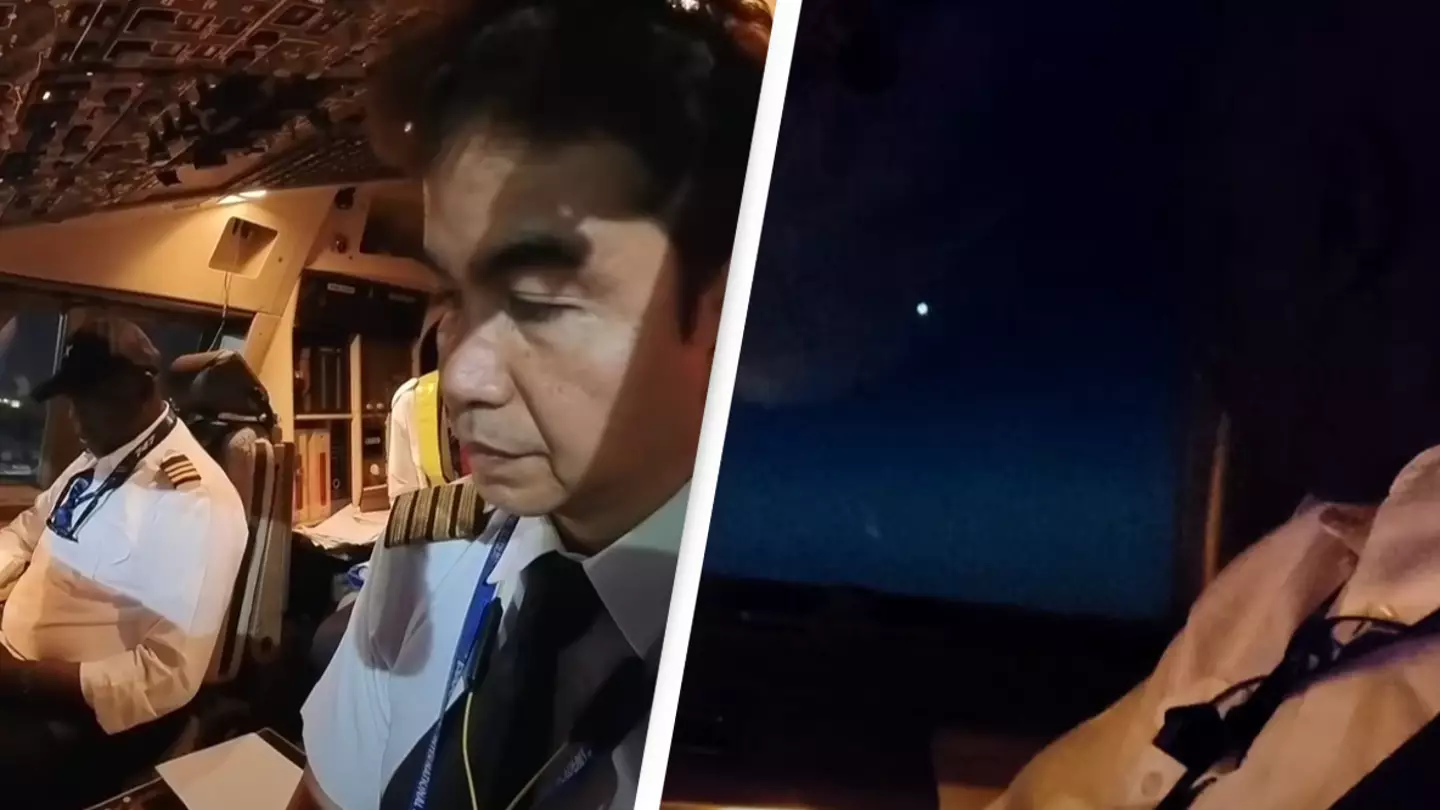
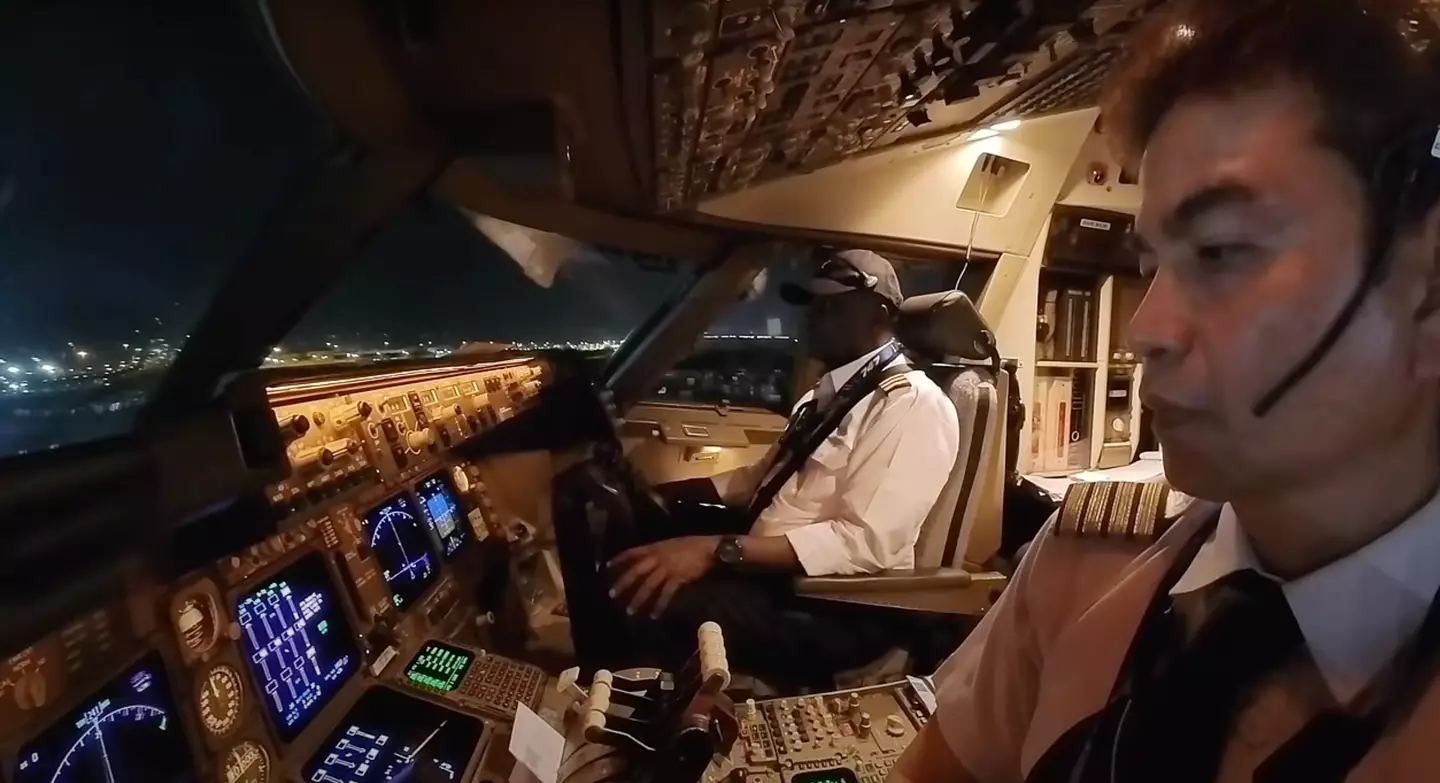
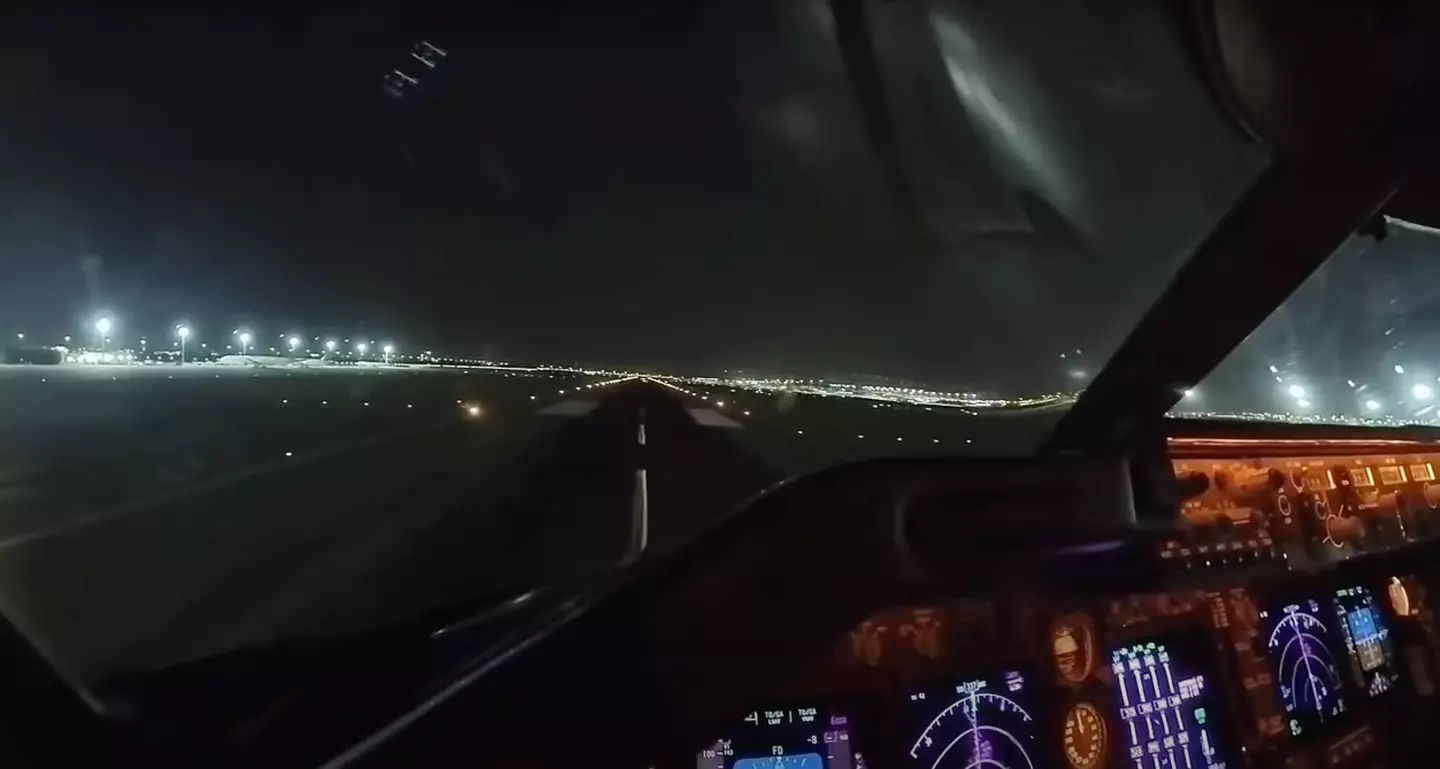
This is the incredible moment two airline pilots spot several white 'UFO' orbs during a flight that did not show up on the radar.  

The video, which was posted on YouTube by Captain Ruud Van Pangemanan, shows two pilots flying a Boeing 747 from Saudi Arabia to Nigeria.

Suddenly, the pair spotted objects that they described as being 'extremely bright' and 'moving freely' in the sky. 

According to Captain Ruud, the supposed UFO orbs showed up around 30 minutes into the flight after a 'normal take off and cruising'.

The video, which is titled 'UFO Intercept Captain Ruud Flight with Boeing 747' ends with the pilot convinced he has seen a UFO. 

He says: 'This is my experience of seeing something strange or UFO.

This is the incredible moment two airline pilots spot several white UFO orbs on flight that did not show up on the radar

This is the incredible moment two airline pilots spot several white UFO orbs on flight that did not show up on the radar

'What we see is still a mystery.

'Before that, we thought it was a light plane but it wasn't on our radar.

'We thought maybe it was a star but the stars didn't move.

'The UFO light shone for a long time and moved.'

The pilots can be heard in the clip discussing different theories as to what they saw in the sky. 

They said they initially thought they were 'aircraft' but these would show up on the radar. 

The pair then considered drones but dismissed this theory as well as drones need to use the radar and don't have such bright lights. 

Their final consideration was satellites but Captain Rudd was not convinced by this idea either due to the way they moved 'in various ways'. 

However social media users reacting to the video were more sceptical of what the pilots saw. 

One person posted in response to a version of the clip on Reddit: : 'As an airline pilot we see these lights just about every late night/early morning flight we do.' 

The pilots described the objects they saw as being 'extremely bright' and 'moving freely' in the sky

The pilots described the objects they saw as being 'extremely bright' and 'moving freely' in the sky

They added: 'They always appear over the same part of the sky depending on the time and direction we are flying.'

Captain Ruud has 32 years of flying experience according to his Instagram account that has more than 130,000 followers. 

He works for Max Air which is a Nigerian airline operating domestic and international flights. 

The sighting comes after a Pentagon chief admitted last year that UFOs have been spotted 'all over the world'. 

Physicist Dr Sean Kirkpatrick, director of the Pentagon's All-domain Anomaly Resolution Office (AARO), said: 'We see these ['metallic orbs'] all over the world, and we see these making very interesting apparent maneuvers.'

Dr Kirkpatrick presented AARO's latest findings to NASA's independent team of scientists and other experts who have been tasked with studying the UFO phenomenon in May last year. 

She added that roughly two to five percent of around 800 cases their organisation constituted real and baffling anomalies.

{ https://www.dailymail.co.uk/ }

Hoe vind je dit bericht?
Geschreven door peter om 23:26 Stuur door

Boeing 747 Pilots Claim They Were Intercepted By UFOs That Didn’t Show Up On Radar

Boeing 747 Pilots Claim They Were Intercepted By UFOs That Didn’t Show Up On Radar

Aerial Sunset View from Airplane

Lummi/Aerial Sunset View from Airplan

Kay Smythe - News and Commentary Writer

A now-viral video shared by a Boeing 747 pilot flying from Saudi Arabia to Nigeria in early August allegedly showed three strange lights near the aircraft.

The footage was shared by Captain Ruud Van Pangemanan, who said the glowing orbs showed up around 30 minutes into his flight (the 20-minute mark in the video posted to YouTube). You can clearly see Pangemanan’s co-pilot, and he is transfixed on the aerial phenomenon, which looks sort of like a lighthouse beacon in the sky as it flashes in and out in the sky.

Whatever the objects are, Pangemanan said they didn’t show up on radar. Similarly, his team thought the lights might be drones, though these would also presumably show up on radar.

Pangemanan dismissed the idea that the lights were satellites or stars. But I feel like the latter may be close to the truth, as this is more like a spook light than a straight UFO. Unlike UFOs, spook lights are just giant balls of light that are said to hover off the ground. Science explains them as “ball lightning.” Do I think Pangemanan videoed ball lightning in the atmosphere? No. But I’m not sure he’s captured a UFO either. 

My gut feeling, unlike more recent UFO sightings, is that this particular video is probably of something related to the recent meteor showers. Yes, these lights are a bit weird in the way they behave. But they just look like large fragments of exploding rock in our atmosphere.

I may be wrong; perhaps this is some type of military aircraft or possibly some type of cosmic event. But I feel like this is probably not legitimate. At least, I hope it isn’t.

If we want to go full tin-foil-hat and believe these are UFOs following Pangemanan fly to Nigeria then their behavior is somewhat disconcerting. Unlike most UFOs, which whiz through the skies in all sorts of directions, these ones seemed to hover, moving gradually. Almost like they’re watching.

And I really don’t like the idea of an interplanetary alien species taking the time to watch us humans as we go about our normal lives. 

Thankfully, I think this is literally just a series of really big shooting stars.

{ https://dailycaller.com/ }

Hoe vind je dit bericht?
Geschreven door peter om 23:15 Stuur door

Pilots intercepted by mystery ‘UFOs’ that went under the radar during flight

Pilots intercepted by mystery ‘UFOs’ that went under the radar during flight

Pilots intercepted by mystery ‘UFOs’ that went under the radar during flight

The pilots were flying from Saudi Arabia to Nigeria when they uncovered the 'UFOs'

Callum JonesCallum Jones

The remarkable moment a pair of pilots were intercepted by mystery 'UFOs' has been shown online, with many convinced they now believe as a result of the staggering footage.

Discussion surrounding UFOs has been going on for decades, and it's one that doesn't seem to be ending anytime soon.

While some stories are more plausible than others, it's harder to argue with video footage.

Captain Ruud Van Pangemanan recently posted a video to YouTube of two pilots flying a Boeing 747 from Saudi Arabia to Nigeria.

However, this flight was far from ordinary as the two pilots spotted objects that were described as being 'extremely bright' and 'moving freely' in the night sky.

Captain Ruud explains in the video titled 'UFO Intercept Captain Ruud Flight with Boeing 747' that the supposed 'UFO orbs' appeared around 30 minutes into the flight.

The pilots could not believe their eyes. (YouTube/Captain Ruud Van Pangemanan)
The pilots could not believe their eyes.
(YouTube/Captain Ruud Van Pangemanan)

There was nothing out of the ordinary going on before then, with Captain Rudd stating a 'normal take off and cruising' took place prior to the alleged sighting.

The video concludes with the pilot convinced he had seen a UFO.

"This is my experience of seeing something strange or UFO," he explained in the video.

The pilot continued: "What we see is still a mystery. Before that, we thought it was a light plane but it wasn't on our radar.

"We thought maybe it was a star but the stars didn't move. The UFO light shone for a long time and moved."

The initial assumption here is it's just another aircraft, though this would show up on the pilots' radar.

On this occasion, they say nothing was to be seen.

Drones was another idea floated by those in the aircraft, but this would show up on the radar as well.

The pilots were intercepted by mystery 'UFOS'. (YouTube/Captain Ruud Van Pangemanan)
The pilots were intercepted by mystery 'UFOS'.
(YouTube/Captain Ruud Van Pangemanan)

While we may not know for sure what the flashing lights were, a Pentagon chief did admit last year UFOs have been spotted 'all over the world'.

Physicist Dr Sean Kirkpatrick, director of the Pentagon's All-domain Anomaly Resolution Office, said: "We see these ['metallic orbs'] all over the world, and we see these making very interesting apparent manoeuvres."

The video has been viewed more than 100,000 times on YouTube, with many now believing in UFOs.

"My wife and I sit in our garden here in the uk. Every single night, if we have a clear sky, you will see lights travel across the sky that will suddenly grow bright, exactly what you see in this video. I am actually so happy that a pilot has confirmed what we see," one person commented.

While a second added: " These things are real, and reporting them may help to at least plot where they are most prevalent. This in turn alerts others to be cautious."

  • Featured Image Credit: YouTube/Captain Ruud Van Pangemanan
Play

{ https://www.unilad.com/ }

Hoe vind je dit bericht?
Geschreven door peter om 23:03 Stuur door

ESA’s Trace Gas Orbiter Spots Chloride-Bearing Deposits on Mars

ESA’s Trace Gas Orbiter Spots Chloride-Bearing Deposits on Mars

Chloride deposits are markers for early Mars’ aqueous past, with important implications for the understanding of the Martian climate and habitability. Using high-resolution color-infrared images captured by the Colour and Stereo Surface Imaging System (CaSSIS) onboard ESA’s Trace Gas Orbiter (TGO), planetary researchers have performed a planet-wide search for chloride-bearing deposits in Terra Sirenum and other regions of Mars.

This CaSSIS/TGO image shows chloride-bearing deposits (purplish, scaley wave) in Terra Sirenum, Mars. Image credit: ESA / TGO / CaSSIS.

This CaSSIS/TGO image shows chloride-bearing deposits (purplish, scaley wave) in Terra Sirenum, Mars.

Image credit: ESA / TGO / CaSSIS.

“Mars is currently a desert world that used to be covered by rivers, lakes, and possibly oceans some 3.5 billion years ago,” said University of Bern researcher Valentin Bickel and his colleagues.

“A cold era began when Mars lost its magnetic field and could no longer hold its own atmosphere, leading to water evaporating, freezing, or becoming trapped within the surface.”

“As the water disappeared over time, it left mineral fingerprints on the surface.”

In the study, the researchers used a neural network to map potentially chloride-bearing deposits in CaSSIS images over a significant fraction of Mars.

They identified a total of 965 chloride deposit candidates with diameters ranging from 300 to 3,000 m.

“Most likely, those salt deposits formed from shallow ponds of water or brine that evaporated in the Sun,” the scientists said.

“People use a similar method to produce salt for human consumption in saltwater pools on Earth.”

“Very salty waters could have become a haven for life, a beacon for habitable places on Mars,” they added.

“High concentrations of salt allow water to remain liquid at temperatures as low as minus 40 degrees Celsius.”

“The chloride deposits in the picture above and its direct relation to liquid water make areas such as Terra Sirenum good targets for future robotic missions searching for signs of life.”

“Chloride-bearing terrain does not stand out in regular black-and-white images but shows up as a distinct purple hue in color-infrared images, making CaSSIS a unique tool to study the distribution of salts across Mars.”

“Our paper includes never-seen-before data that helps us better understand the distribution of water in Mars’ distant past,” they said.

“TGO continues to image Mars from orbit to understand its ancient past and potential habitability.”

“The spacecraft is not only returning spectacular images, but also providing the best inventory of atmospheric gases and mapping the planet’s surface for water-rich locations.”

“Understanding the history of water on Mars and whether it once allowed life to flourish is at the heart of ESA’s ExoMars missions.”

  • The team’s paper was published this month in the journal Scientific Data.
  • V.T. Bickel et al. 2024. A Global Dataset of Potential Chloride Deposits on Mars as Identified by TGO CaSSIS. Sci Data 11, 845; doi: 10.1038/s41597-024-03685-3

{ https://www.sci.news/ }

Hoe vind je dit bericht?
Geschreven door peter om 22:51 Stuur door

Large Language Models Pose No Existential Threat to Humanity, Scientists Say

Large Language Models Pose No Existential Threat to Humanity, Scientists Say

ChatGPT and other large language models (LLMs), comprising billions of parameters and pre-trained on extensive web-scale corpora, have been claimed to acquire certain capabilities without having been specifically trained on them. These capabilities, referred to as emergent abilities, have been a driving force in discussions regarding the potentials and risks of language models. In their new paper, University of Bath researcher Harish Tayyar Madabushi and colleagues present a new theory that explains emergent abilities, taking into account their potential confounding factors, and rigorously substantiate this theory through over 1,000 experiments. Their findings suggest that purported emergent abilities are not truly emergent, but result from a combination of in-context learning, model memory, and linguistic knowledge.

Lu et al. suggest large language models like ChatGPT cannot learn independently or acquire new skills.

Lu et al. suggest large language models like ChatGPT cannot learn independently or acquire new skills.

“The prevailing narrative that this type of AI is a threat to humanity prevents the widespread adoption and development of these technologies, and also diverts attention from the genuine issues that require our focus,” Dr. Tayyar Madabushi said.

Dr. Tayyar Madabushi and colleagues ran experiments to test the ability of LLMs to complete tasks that models have never come across before — the so-called emergent abilities.

As an illustration, LLMs can answer questions about social situations without ever having been explicitly trained or programmed to do so.

While previous research suggested this was a product of models ‘knowing’ about social situations, the researchers showed that it was in fact the result of models using a well-known ability of LLMs to complete tasks based on a few examples presented to them, known as ‘in-context learning’ (ICL).

Through thousands of experiments, the team demonstrated that a combination of LLMs ability to follow instructions, memory and linguistic proficiency can account for both the capabilities and limitations exhibited by LLMs.

“The fear has been that as models get bigger and bigger, they will be able to solve new problems that we cannot currently predict, which poses the threat that these larger models might acquire hazardous abilities including reasoning and planning,” Dr. Tayyar Madabushi said.

“This has triggered a lot of discussion — for instance, at the AI Safety Summit last year at Bletchley Park, for which we were asked for comment — but our study shows that the fear that a model will go away and do something completely unexpected, innovative and potentially dangerous is not valid.”

“Concerns over the existential threat posed by LLMs are not restricted to non-experts and have been expressed by some of the top AI researchers across the world.”

However, Dr. Tayyar Madabushi and co-authors maintain this fear is unfounded as their tests clearly demonstrated the absence of emergent complex reasoning abilities in LLMs.

“While it’s important to address the existing potential for the misuse of AI, such as the creation of fake news and the heightened risk of fraud, it would be premature to enact regulations based on perceived existential threats,” Dr. Tayyar Madabushi said.

“Importantly, what this means for end users is that relying on LLMs to interpret and perform complex tasks which require complex reasoning without explicit instruction is likely to be a mistake.”

“Instead, users are likely to benefit from explicitly specifying what they require models to do and providing examples where possible for all but the simplest of tasks.”

“Our results do not mean that AI is not a threat at all,” said Technical University of Darmstadt’s Professor Iryna Gurevych.

“Rather, we show that the purported emergence of complex thinking skills associated with specific threats is not supported by evidence and that we can control the learning process of LLMs very well after all.”

“Future research should therefore focus on other risks posed by the models, such as their potential to be used to generate fake news.”

  • Sheng Lu et al. 2024. Are Emergent Abilities in Large Language Models just In-Context Learning? arXiv: 2309.01809

{ https://www.sci.news/ }

Hoe vind je dit bericht?
Geschreven door peter om 22:34 Stuur door

Meer van UFO'S of UAP'S, ASTRONOMIE, RUIMTEVAART, ARCHEOLOGIE, OUDHEIDKUNDE, SF-SNUFJES EN ANDERE ESOTERISCHE WETENSCHAPPEN - DE ALLERLAATSTE NIEUWTJES

↑ Terug naar de berichten