Ontdek de Fascinerende Wereld van UFO's en UAP's: Jouw Bron voor Onthullende Informatie!
Ben jij ook gefascineerd door het onbekende? Wil je meer weten over UFO's en UAP's, niet alleen in België, maar over de hele wereld? Dan ben je op de juiste plek!
België: Het Kloppend Hart van UFO-onderzoek
In België is BUFON (Belgisch UFO-Netwerk) dé autoriteit op het gebied van UFO-onderzoek. Voor betrouwbare en objectieve informatie over deze intrigerende fenomenen, bezoek je zeker onze Facebook-pagina en deze blog. Maar dat is nog niet alles! Ontdek ook het Belgisch UFO-meldpunt en Caelestia, twee organisaties die diepgaand onderzoek verrichten, al zijn ze soms kritisch of sceptisch.
Nederland: Een Schat aan Informatie
Voor onze Nederlandse buren is er de schitterende website www.ufowijzer.nl, beheerd door Paul Harmans. Deze site biedt een schat aan informatie en artikelen die je niet wilt missen!
Internationaal: MUFON - De Wereldwijde Autoriteit
Neem ook een kijkje bij MUFON (Mutual UFO Network Inc.), een gerenommeerde Amerikaanse UFO-vereniging met afdelingen in de VS en wereldwijd. MUFON is toegewijd aan de wetenschappelijke en analytische studie van het UFO-fenomeen, en hun maandelijkse tijdschrift, The MUFON UFO-Journal, is een must-read voor elke UFO-enthousiasteling. Bezoek hun website op www.mufon.com voor meer informatie.
Samenwerking en Toekomstvisie
Sinds 1 februari 2020 is Pieter niet alleen ex-president van BUFON, maar ook de voormalige nationale directeur van MUFON in Vlaanderen en Nederland. Dit creëert een sterke samenwerking met de Franse MUFON Reseau MUFON/EUROP, wat ons in staat stelt om nog meer waardevolle inzichten te delen.
Let op: Nepprofielen en Nieuwe Groeperingen
Pas op voor een nieuwe groepering die zich ook BUFON noemt, maar geen enkele connectie heeft met onze gevestigde organisatie. Hoewel zij de naam geregistreerd hebben, kunnen ze het rijke verleden en de expertise van onze groep niet evenaren. We wensen hen veel succes, maar we blijven de autoriteit in UFO-onderzoek!
Blijf Op De Hoogte!
Wil jij de laatste nieuwtjes over UFO's, ruimtevaart, archeologie, en meer? Volg ons dan en duik samen met ons in de fascinerende wereld van het onbekende! Sluit je aan bij de gemeenschap van nieuwsgierige geesten die net als jij verlangen naar antwoorden en avonturen in de sterren!
Heb je vragen of wil je meer weten? Aarzel dan niet om contact met ons op te nemen! Samen ontrafelen we het mysterie van de lucht en daarbuiten.
ALH84001, which is one of the most famous meteorites ever recovered, helped catapult the field of astrobiology to new heights when scientists uncovered what initially appeared to be microscopic bacteria fossils within this meteorite, though those findings remain inconclusive to this day. (Credit: NASA)
Meteorites: Why study them? What can they teach us about finding life beyond Earth?
Universe Today has explored the importance of studying impact craters, planetary surfaces, exoplanets, astrobiology, solar physics, comets, planetary atmospheres, planetary geophysics, and cosmochemistry, and how this myriad of intricately linked scientific disciplines can assist us in better understanding our place in the cosmos and searching for life beyond Earth. Here, we will discuss the incredible research field of meteorites and how they help researchers better understand the history of both our solar system and the cosmos, including the benefits and challenges, finding life beyond Earth, and potential routes for upcoming students who wish to pursue studying meteorites. So, why is it so important to study meteorites?
Dr. Alex Ruzicka, who is a Professor in the Department of Geology at Portland State University, tells Universe Today, “They provide our best information about how the solar system formed and evolved. This includes planet formation. We also obtain information on astrophysics (stellar processes) through studies of pre-solar grains.”
There is often confusion regarding the differences between an asteroid, meteor, and meteorite, so it’s important to explain their respective differences to help better understand why scientists study meteorites and how they study them. An asteroid is a physical, orbiting planetary body that is primarily comprised of rock, but can sometimes be comprised of additional water ice, with most asteroids orbiting in the Main Asteroid Belt between Mars and Jupiter and the remaining orbiting as Trojan Asteroids in the orbit of Jupiter or in the Kuiper Belt with Pluto. A meteor is the visual phenomena that an asteroid produces as it burns up in a planet’s atmosphere, often seen as varying colors from the minerals within the asteroid when heated up. The pieces of the asteroid that survive the fiery entry and hit the ground are called meteorites, which scientists’ study to try and learn about the larger asteroid body it came from, and where that asteroid could have come from, as well. But what are some of the benefits and challenges of studying meteorites?
Dr. Ruzicka tells Universe Today, “Benefits: scientific knowledge, information on potential resources (e.g., metals, water) for humans to utilize, information on how to link meteorites and asteroids, which can provide information on space collision hazards for Earth. Challenges: compared to Earth rocks, we lack field evidence for their source bodies and parent bodies (how they relate to other rocks), we have to factor in the element of time that is longer for space rocks than for Earth rocks, and sometimes we are dealing with formation environments completely unlikely what we have on Earth. So, the challenges are big and many.”
According to NASA, more than 50,000 meteorites have been retrieved from all over the world, ranging from the deserts of Africa to the snowy plains of Antarctica. In terms of their origins, it is estimated that 99.8 percent of these meteorites have come from asteroids, with 0.1 percent coming from the Moon and 0.1 percent coming from Mars. The reason why we’ve found meteorites from the Moon and Mars is due to pieces of these planetary bodies being catapulted off their surfaces (or sub-surfaces) after experiencing large impacts of their own, and these pieces then travel through the Solar System for thousands, if not millions, of years before being caught in Earth’s gravity and the rest is history. Therefore, with meteorites originating from multiple locations throughout the Solar System, what can meteorites teach us about finding life beyond Earth?
Morgan Nunn Martinez, who was a PhD student at UC San Diego, and Dr. Alex Meshik seen photographing and measuring a meteorite specimen in Antarctica’s Miller Range during the 2013-2014 Antarctic Search for Meteorites (ANSMET) program field season. (Credit: NASA/JSC/ANSMET)
“That the ingredients for making life formed in space and were delivered to Earth,” Dr. Ruzicka tells Universe Today. “We know organic molecules formed in gas clouds, were incorporated in our solar system, and processed in asteroidal and cometary bodies under higher temperatures in the presence of water. These were then delivered to Earth which wouldn’t have been very hospitable in early times due to sterilizing impacts. We also know that there must have been a lot of planetary rock swapping early when impact rates were high. Life itself may have been transplanted to Earth from Mars.”
As it turns out, one of the most fascinating meteorites ever recovered did come from Mars, which was identified as ALH84001, as it was found in Allan Hills of Antarctica on December 27, 1984, during the 1984-85 field season where researchers from all over the world gather in Antarctica to search for meteorites using snowmobiles. Despite being collected in 1984, it wasn’t until 1996 that a team of scientists discovered what initially appeared to be evidence of microscopic bacteria fossils within the 1.93-kilogram (4.25-pound) meteorite.
ALH84001, which is one of the most famous meteorites ever recovered, helped catapult the field of astrobiology to new heights when scientists uncovered what initially appeared to be microscopic bacteria fossils within this meteorite, though those findings remain inconclusive to this day. (Credit: NASA)
This immediately made headlines across the globe, resulting in countless non-scientific claims that these microfossils were clear evidence of life on Mars. However, both the researchers of the initial study and the scientific community were quick to point out the unlikelihood that these features resulted from life based on other observations made about ALH84001. For example, while ALH84001 is estimated to be 4.5 billion years old, which is when Mars is hypothesized to have possessed liquid water on its surface, radiometric dating techniques revealed that ALH84001 was catapulted off Mars approximately 17 million years ago and landed on Earth approximately 13,000 years ago.
Microscopic image of ALH84001, which initially made headlines for potentially possessing microscopic bacteria fossils, though these finding remain inconclusive to this day. (Credit: NASA)
To this day, there has been no clear evidence that ALH84001 ever contained traces of life. Despite this, ALH84001 has nonetheless helped launch the field of astrobiology into new heights, with present-day scientists claiming this one meteorite was the reason they pursued their career path to find life beyond Earth. But what have been the most exciting aspects about meteorites that Dr. Ruzicka has studied throughout his career?
Dr. Ruzicka tells Universe Today, “A lot is interesting, what’s most exciting? That’s hard to say. I get satisfaction from taking clues left by the rocks to figure out or constrain the processes that formed them. I am engaged in a meteoritic version of CSI, we can call it MSI (for meteoritic scene investigation).”
Like many scientific fields, this “meteoritic version of CSI” requires individuals from a myriad of backgrounds and disciplines, including geology, physics, geochemistry, cosmochemistry, mineralogy, and artificial intelligence, just to name a few, with the aforementioned radiometric dating frequently used to estimate the ages of meteorites by measuring the radioactive isotopes within the sample. It is through this constant collaboration and innovation that scientists continue to unlock the secrets of meteorites with the goal of understanding their origins and compositions, along with how our Solar System, and life on Earth (and possibly elsewhere), came to be. Therefore, what advice can Dr. Ruzicka offer upcoming students who wish to pursue studying meteorites?
Dr. Ruzicka tells Universe Today, “Work hard and pursue your dreams. Find a rigorous program of study because it will come in handy.”
While meteorites are space rocks that crash land on Earth after traveling through the heavens for millions, and possibly billions, of years, these incredible geologic specimens are slowly helping scientists’ piece together the origins of the Solar System and beyond, and even how life might have come to be on our small, blue world, and possibly elsewhere. With a myriad of tools and instruments at their disposal, scientists from all over the world will continue to study meteorites in hopes of answering the universe’s toughest questions.
Dr. Ruzicka concludes by telling Universe Today, “Rocks from space are the best kinds of rocks to study. Way more cool than most rocks on Earth because they are in some ways more puzzling.”
How will meteorites help us better understand our place in the cosmos in the coming years and decades? Only time will tell, and this is why we science!
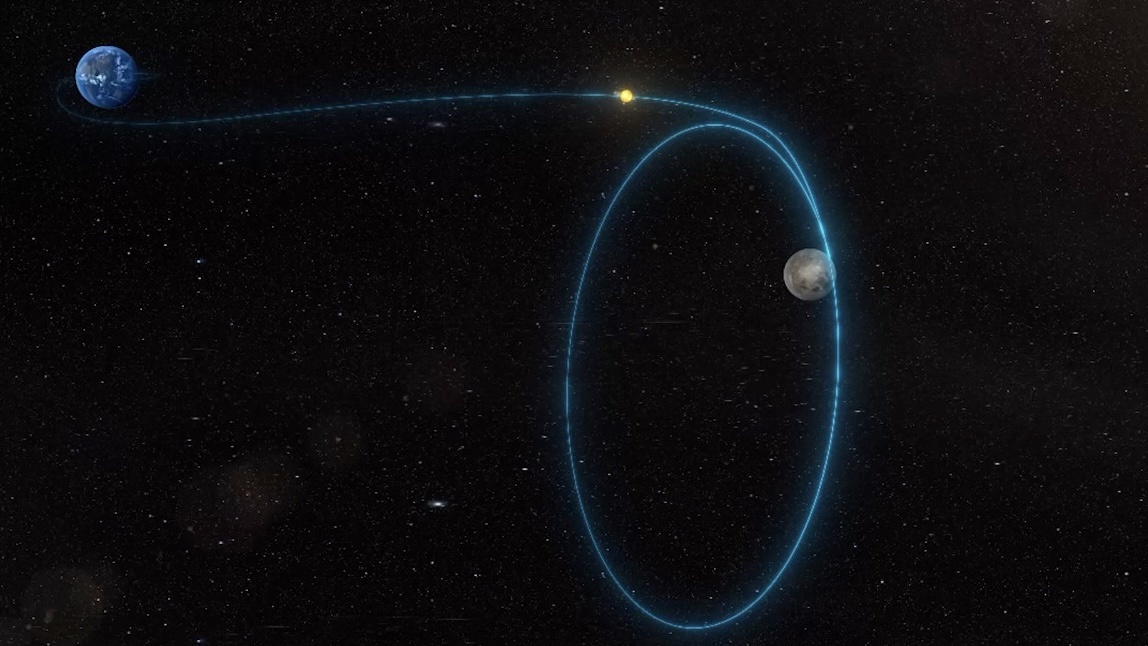
On March 20th, China’s Queqiao-2(“Magpie Bridge-2”) satellite launched from the Wenchang Space Launch Site LC-2 on the island of Hainan (in southern China) atop aLong March-8 Y3 carrier rocket. This mission is the second in a series of communications relay and radio astronomy satellites designed to support the fourth phase of the Chinese Lunar Exploration Program (Chang’e). On March 24th, after 119 hours in transit, the satellite reached the Moon and began a perilune braking maneuver at a distance of 440 km (~270 mi) from the lunar surface.
The maneuver lasted 19 minutes, after which the satellite entered lunar orbit, where it will soon relay communications from missions on the far side of the Moon around the South Pole region. This includes the Chang’e-4 lander and rover and will extend to the Chang’e-6 sample-return mission, which is scheduled to launch in May. It will also assist Chang’e-7 and -8 (scheduled for 2026 and 2028, respectively), consisting of an orbiter, rover, and lander mission, and a platform that will test technologies necessary for the construction of the International Lunar Research Station (ILRS).
A perilune braking maneuver is vital to establishing a lunar orbit and consists of a thruster firing as the spacecraft approaches the Moon. This reduces the spacecraft’s relative velocity to less than the lunar escape velocity (2.38 km/s; 1.74 mps) so that it can be captured by the Moon’s gravity. Two experimental satellites that will test navigation and communication technology (Tiandu-1 and -2), which accompanied the Queqiao-2 satellite to the Moon, also performed a perilune braking maneuver and entered lunar orbit on Monday.
These two satellites will remain in formation in an elliptical lunar orbit and will conduct communication and navigation tests, including laser ranging with the Moon and microwave ranging between satellites. According to the CNSA, Queqiao-2 will enter a 24-hour elliptical orbit around the Moon at a distance of 200 km (125 mi) at its closest point (perigee) and 100,000 km (62,000 mi) at its farthest point (apogee). Mission controllers will further alter Queqiao-2’s orbit and inclination to bring it into a “200 by 16,000-km, highly-elliptical ‘frozen’ orbit.”
Within this highly stable orbit, Queqiao-2 will have a direct line of sight with ground stations on Earth and the far side of the Moon and will conduct communication tests with Chang’e-4 and Chang’e-6 using its 4.2-m (13.8-ft) parabolic antenna. The mission could also support other countries in their lunar exploration efforts, many of whom are also interested in scouting the Moon’s far side and southern polar region. The satellite also carries scientific instruments, including extreme ultraviolet cameras, array-neutral atom imagers, and lunar orbit Very Long Baseline Interferometry (VLBI) test subsystems.
“Experts told me that this is an ideal location on the Moon to observe the separation of the Queqiao-2 star arrow, and it also has a deep connection with China’s lunar exploration project. This is the Moon’s rich maria region… Fifteen years ago, on March 1, 2009, it was here that the Chang’e-1 probe of China’s lunar exploration project completed a controlled collision with the Moon… The location of the Sea of Abundance on the moon is also very eye-catching. The next time the moon is full, you look up at the moon and find this dark black patch in the southeast of the moon. This is the Sea of Abundance!”
Visualization of the ILRS from the CNSA Guide to Partnership (June 2021). Credit: CNSA
The satellite will support China’s upcoming Chang’e-6 mission, China’s second attempt to return lunar samples to Earth. Mission controllers will adjust its orbit into a 12-hour period to support the Chang’e-7 and -8 missions. These missions aim to map the terrain and scout resources (particularly water ice) around the South Pole-Aitken Basin. These missions will ultimately support the creation of the ILRS, a joint project between CNSA and Roscomos to create a lunar base that will enable research and development on the Moon.
This program is intended to rival NASA’s Artemis Program, which will send astronauts on a circumlunar flight next year – the Artemis II mission. The program will culminate in 2026 with the first crewed mission to the lunar surface (Artemis III) in over 50 years. NASA also plans to deploy the core elements of the Lunar Gateway next year, an orbital habitat that will facilitate the deployment of the Artemis Base Camp. Along with its international and commercial partners, these elements will support the creation of “a sustained program of lunar exploration and development.”
Image of a tardigrade, which is a microscopic species and one of the most well-known extremophiles, having been observed to survive some of the most extreme environments, including outer space. (Credit: Katexic Publications, unaltered, CC2.0)
Extremophiles: Why study them? What can they teach us about finding life beyond Earth?
Universe Today has conducted some incredible examinations regarding a plethora of scientific fields, including impact craters, planetary surfaces, exoplanets, astrobiology, solar physics, comets, planetary atmospheres, planetary geophysics, cosmochemistry, meteorites, and radio astronomy, and how these disciplines can help scientists and the public gain greater insight into searching for life beyond Earth. Here, we will discuss the immersive field of extremophiles with Dr. Ivan Paulino-Lima, who is a Senior Research Investigator at Blue Marble Space Institute of Science and the Co-Founder and Chief Science Officer for Infinite Elements Inc., including why scientists study extremophiles, the benefits and challenges, finding life beyond Earth, and proposed routes for upcoming students. So, why is it so important to study extremophiles?
“The study of extremophiles represents the edge of the human knowledge in terms of the environmental limits where life forms can live, withstand, or preserve their integrity and living potential,” Dr. Paulino-Lima tells Universe Today. “For example, the exploration of the hot springs at Yellowstone led to the discovery of the Taq DNA polymerase from Thermus aquaticus, which was subsequently used to develop the polymerase chain reaction (PCR) technique. Just like the thermophiles, represented by organisms that thrive in hot temperatures, a growing diversity of microorganisms and ecosystems have been found in cold temperatures, extremes of pH, pressure, salinity, radiation, desiccation, and toxic substances.”
The study of extremophiles can be summed up as “life in extreme environments”, or environments that are inhospitable for most of life on Earth, including humans, plants, and animals. Extremophiles have been found to not only survive, but thrive, in the unlikeliest of environments on Earth, including hydrothermal vents, alkaline lakes, acid mine drainage, cosmic rays, sunlight, Mariana Trench, dry environments such as the McMurdo Dry Valley and Atacama Desert, gold mines, and even underneath ice shelves in Antarctica.
Along with the environments noted by Dr. Paulino-Lima, other types of extremophiles include those that can survive without oxygen, high amounts of carbon dioxide, dissolved heavy metals, and sulfur. Therefore, with their wide array of locations, what are some of the benefits and challenges of studying extremophiles?
“The study of extremophiles is often challenging because of their very nature that defies our traditional concepts,” Dr. Paulino-Lima tells Universe Today. “Some anaerobic microorganisms are extremely sensitive to oxygen and require anaerobic chambers and special techniques for their cultivation and routine maintenance. In terms of benefits, some types of extremophiles are very resistant to desiccation and can be preserved in a dry state for many years. Similarly, thermophiles can be preserved at room temperature for a long time since their normal metabolic activity happens at a much higher temperature.”
Finding life in such extreme environments on Earth has helped change the conversation regarding where scientists might find life beyond Earth, including Venus, Mars, Europa, Titan, Enceladus, and even exoplanets. Of these worlds, Europa and Enceladus have gained a lot of attention over the last few decades due to the existence of internal liquid water oceans within these small moons. It is currently hypothesized that hydrothermal vents could exist at the bottoms of these oceans, potentially providing nutrients for life, just like here on Earth. Currently, the NASA Europa Clipper mission is scheduled to be launched to Europa this October and arrive at Jupiter in 2030, with the goal of ascertaining the habitability potential for Europa and its internal ocean. Therefore, what can extremophiles teach us about finding life beyond Earth?
“The study of extremophiles allows us to establish empirical and theoretical limits to life on Earth, Dr. Paulino-Lima tells Universe Today. “With these limits, we can narrow down the search for life beyond Earth and constrain the habitats that Earth-like life could currently inhabit or could have inhabited at some point in the past. During our search for extraterrestrial life, it is very possible that we will come across even more exotic possibilities, known collectively as ‘alternative biochemistries’. For example, a different type of metabolism for carbon-based life has been proposed for Titan, one of Saturn’s moons. However, these possibilities remain theoretical or speculative, and have yet to be demonstrated in a laboratory. The search for life beyond Earth is necessarily guided by established knowledge, but with an open mind. Extremophiles represent the state of the art in terms of our established knowledge for the limits of Earth-like life.”
Aside from their astrobiological implications, extremophiles also present opportunities for use in a myriad of industries, including biotechnology, medical science, food processing, and clothing. For biotechnology, extremophiles that live in extreme heat, cold, salinity, and methane can be used for copying DNA, biofuel production, and biomining. For medical science, extremophiles that live in extreme dryness, radiation, acid, and vacuum can be used for DNA transfer, which is a crucial practice in repairing DNA damage resulting from a myriad of reasons. Therefore, with their myriad of astrobiological and industrial applications, what are some of the most exciting aspects about extremophiles that Dr. Paulino-Lima has studied during his career?
“One of the most exciting aspects of extremophiles that I have studied in my career is the fact that they can withstand the ultimate frontier of tolerance – outer space,” Dr. Paulino-Lima tells Universe Today. “This includes vacuum, extremes of temperature, blasts of radiation coming from the solar wind, cosmic rays, supernovas, all of that combined, and for an extended period. To me it is impossible to be aware of these facts and not to ask whether we are alone in the universe. The detection of a single spore anywhere in the solar system that excludes an Earth origin, or the detection of biosignatures from exoplanets, or even elaborate radio signals with sophisticated patterns coming from other solar systems, will take us to a new era of self-awareness and exploration, which will have a profound impact on the culture and future of our society.”
One of the most well-known extremophiles are tardigrades, also known as water bears, which are known for their extreme resilience in almost any environment, including outer space. These microscopic creatures can suspend their metabolism when under extreme environmental stressors, only to later reanimate without detrimental health effects. They have been observed to survive under any type of conditions, including starvation, freezing, boiling, extreme heat, and vacuum.
Image of a tardigrade, which is a microscopic species and one of the most well-known extremophiles, having been observed to survive some of the most extreme environments, including outer space. (Credit: Katexic Publications, unaltered, CC2.0)
Along with the myriad of extremophile types and the locations where they are found, studying extremophiles are equally accomplished by a myriad of scientific disciplines, including microbiologists and astrobiologists, who conduct field studies and collect samples to be examined and analyzed back in homebase laboratories. Through this, scientists learn the complex processes that enable extremophiles to survive in such harsh environments, all the way down to the organisms’ genetic material. Along with laboratory experiments and tests, scientists who study extremophiles collaborate with other disciplines, including organic geochemistry, biochemistry, geology, and stratigraphy, just to name a few. Therefore, what advice does Dr. Paulino-Lima have for upcoming students who wish to pursue studying extremophiles?
“Our society is based on all kinds of information,” Dr. Paulino-Lima tells Universe Today. “The trick is to select what can be turned into knowledge, what can lead to a path. Be wise to separate knowledge from mere information. Attend conferences, organize meetings, organize your time, and make connections. The best opportunities may be the ones you are not thinking of or have never imagined. My career would never be the same without all the answers and feedback that turned into the stepstones of my professional development. I would never have known if I had not asked. I will be forever grateful to everyone who played a role and helped shape my trajectory.”
As noted, the study of extremophiles comes from collaboration with other researchers and scientific disciplines. For example, Dr. Paulino-Lima and a member of his PhD committee, Dr. Lynn Rothschild (who was previously one of his primary publication references), have worked together on a myriad of projects at NASA Ames Research Center, including a satellite with biological experiments and a database designed to conduct a method to remotely identify extraterrestrial life. Additionally, he has worked with Dr. Jesica Urbina, who is currently the CEO at Infinite Elements Inc., on an innovative research project, as well.
The study of extremophiles is a multidisciplinary and collaborative effort, encompassing field work and laboratory experiments in hopes of further identifying where and how we can find life, both on Earth and beyond. It is through these efforts that scientists work to answer some of the most difficult questions throughout human history, including how did we get here and are we alone? As the study of extremophiles continues to grow and evolve with new methods and discoveries, the number of individuals involved in this incredible and unique field of study will undoubtedly grow and evolve along with it.
“Many people may feel discouraged to pursue a career in biological sciences because they feel unattracted by the tedious routine of laboratory experiments,” Dr. Paulino-Lima tells Universe Today. “I imagine this is especially true for the study of extremophiles. However, this is only one aspect of the scientific method. A large part comes from reading and staying up to date with the newest developments in a particular field. In a time where all biological information is digitized, the development of coding skills is fundamental for everyone who wants to study extremophiles from a bioinformatics perspective. For those who have an entrepreneur spirit, this is a vast area filled with exciting opportunities. Let your knowledge guide your imagination towards a better and more sustainable future.”
How will extremophiles help us better understand our place in the universe in the coming years and decades? Only time will tell, and this is why we science!
The Stephenville Sighting: Unveiling the Texas UFO Phenomenon
In the early dusk of January 8, 2008, the small town of Stephenville, Texas, became the epicenter of one of the most compelling UFO sightings in modern American history. This event not only captivated the local community but also garnered international attention, challenging the skepticism surrounding unidentified flying objects and urging a reevaluation of our skies’ mysteries.
The Sighting Unfolds
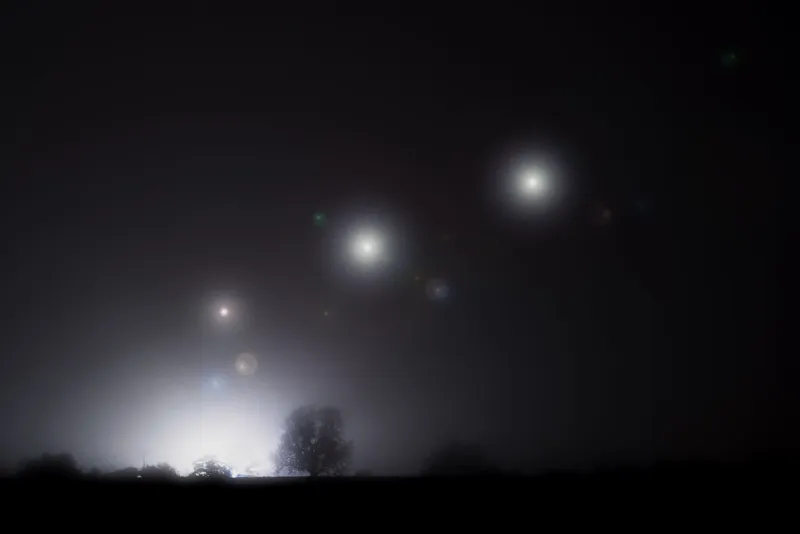
As the sun set over Stephenville, a group of friends gathered to enjoy the evening’s tranquility, unaware that their night would turn into an unparalleled experience. It started with a call to Steve Allen, a local pilot, from his friend, inviting him over for a casual outdoor gathering. The serenity of the evening was abruptly disrupted when Allen, stepping out of his vehicle, noticed a series of bright lights hurtling toward them at an unprecedented speed. The object, described as having lights as blinding as magnesium flares, was moving at a velocity beyond any known aircraft in the vicinity. To the witnesses’ astonishment, the object was pursued by two F-16 jets, a detail that lent a chilling realism to the encounter.
The Community’s Response
The event swiftly transcended the boundaries of a mere anecdotal encounter, as numerous residents across Stephenville reported witnessing the same or similar anomalies. The local reporter, Angela Joyner, took it upon herself to chronicle these sightings, embarking on a journalistic journey that would later consume her life. Joyner’s investigation revealed a pattern of credibility among the witnesses, ranging from business owners to law enforcement officers, all adamant about what they had seen yet unable to explain it.
Government Denials and Confirmations
Initially, military officials denied any aircraft, specifically F-16s, were in the area at the time of the sightings. However, this statement was later retracted, with officials conceding that military jets were indeed present, albeit on unrelated training missions. This admission did little to clarify the nature of the sighting and instead fueled further speculation and demands for transparency.
The Investigation Deepens
The Mutual UFO Network (MUFON), a civilian organization dedicated to the study of UFO phenomena, took a keen interest in the Stephenville sighting. Their investigation was comprehensive, involving interviews with witnesses and an analysis of radar data, which intriguingly revealed unidentified objects moving at speeds and with capabilities unattribated to conventional technology. This analysis suggested the presence of an object or objects that defied easy explanation, either hovering motionless or accelerating beyond the known capabilities of human-engineered aircraft.
The Legacy of Stephenville
The Stephenville UFO sighting remains a pivotal moment in the study of unidentified aerial phenomena (UAP). It challenges the stigmas associated with UFO sightings and calls into question the adequacy of our understanding of the phenomena. The incident underscores the necessity for a more open, scientific investigation into UAPs, free from the constraints of skepticism and government secrecy.
VIDEO:
Giant UFO in Texas (Full Episode) | UFOs: Investigating the Unknown
The events of that evening in Stephenville have not only left an indelible mark on the witnesses and the town but have also reignited a global conversation about our place in the universe and the possibility of life beyond Earth. It is a reminder that, sometimes, the truth is not only out there but is also more complex and astonishing than we could have ever imagined.
Why do people believe in aliens and UFOs? We asked a psychologist his views on the paranormal
Iain Todd
UFOs and the idea that aliens in spacecraft have visited Earth.
Yet the notion that there could be life beyond Earth is not so hard to believe.
Astronomers estimate there are 100 - 400 billion stars in our Milky Way galaxy alone, and exoplanet researchers calculate there is at least one planet orbiting every star we see in the night sky.
This makes the chances of alien life existing elsewhere in the Universe seem very likely.
But what about ufology, flying saucers and alien abductions? What makes people believe in UFOs and other unexplained phenomena?
Psychologist Chris French's latest book is called The Science of Weird S*t and explores these very questions.
We got the chance to speak to Chris about his research into strange phenomena to get a psychologist's view on what makes people believe in UFOs and alien contact.
As someone who deals in science, why devote so much time to the paranormal?
I suppose I'd have to go back to my childhood, into early adulthood. I believed in a lot of paranormal stuff.
I was always fascinated by it as a kid and even as a teenager, even when I went to university and did my first psychology degree.
My PhD was not on any of the weird stuff at all. It was all about differences between the cerebral hemispheres and using EEG. It was all very scientific.
And somebody recommended a particular book that I thought I'd like.
It was Parapsychology: Science or Magic? by a guy called James Alcock, a Canadian social psychologist.
It was the first sceptical treatment of any of this stuff that I'd ever come across, and it opened my eyes to this whole new way of thinking about things.
I started at Goldsmiths in 1985 and by that point I counted myself as being a card-carrying skeptic.
I did a couple of lectures on one of the courses on parapsychology from a skeptical perspective, and the students seemed to enjoy it, whether they were believers or skeptics.
It's one of those topics that people get engaged with. And then about 10 years later, I realised I could put on a whole course on this stuff.
So I had a course originally called, I think it was Psychology, Parapsychology, and Pseudoscience, and was occasionally just doing little studies here and there, but still carrying on with the more 'respectable' research.
It was made very clear to me that my interest in the weird stuff was tolerated, but not encouraged!
It got to a point where I thought, well, that's the stuff that really interests me.
There are very good arguments for taking it seriously, because most people statistically believe in at least one paranormal concept.
And a lot of people claim they've had direct experience with the paranormal. So there's something from a psychological point of view that needs to be explained there.
And it can tell us a lot about how the mind works.
So in the end, I ditched all the other stuff and devoted myself entirely to the weird stuff.
Zener cards can be used to test phenomena such as telepathy. Credit: Aida Servi / Getty Images
Is belief in the paranormal a problem that needs to be addressed, do you think?
When I first discovered the joys of scepticism, I became what I would now see as a fairly extreme sceptic.
I held a lot of views like all kinds of paranormal belief are a bad thing to have, that all people who claim to have psychic powers are either crazy or deliberate frauds, that all parapsychology experiments were flawed, that parapsychologists didn't know how to do science.
I don't believe any of those things anymore.
The the deeper I've got into it, the more I've modified and come back towards the central ground.
Paranormal beliefs can be dangerous insofar as it depends on people's reasons for believing this stuff.
If it's because they lack critical thinking skills, then that opens the door to a lot of other kinds of beliefs that can be potentially dangerous.
For one thing, I'm a sceptic when it comes to complementary and alternative medicine.
And I think that people who practice that, even if they're totally 100% sincere, can sometimes do damage because people might fail to get treated for conditions if they're encouraged to abandon conventional medicine.
That's dangerous. And there are all kinds of other examples you can think of.
People are more likely to be ripped off by con artists pretending to be psychics.
But again, I don't think that most people who claim psychic powers are deliberate con artists, but some of them are.
So there's all kinds of potential dangers there.
On the other hand, there are psychological benefits from believing in the paranormal.
People do take psychological comfort from those kind of beliefs, particularly at times of stress and crisis and so on.
So I think we need to separate the questions of whether or not these paranormal claims are ever true - other things that defy explanation in terms of conventional scientific concepts - from the questions about whether paranormal beliefs and paranormal practices are actually dangerous.
Sometimes they can be, most of the time they probably aren't.
The feeling that you've had a paranormal experience could be similar to getting engrossed in a TV programme. Credit: Mikael Vaisanen / Getty Images
Is there a specific type of person that believes in the paranormal?
There are lots of different factors that come into play.
Personality is one of them, and there are certain personality dimensions that pretty reliably correlate with paranormal belief.
Things like fantasy proneness, a personality dimension called absorption, the kind of tendency that you might have if you're watching a film or reading a book to get totally engrossed in it.
Those things are involved in being very creative and having a good imagination.
Those kind of people are more likely to believe in the paranormal and they're more likely to report paranormal experiences.
But it's not a perfect correlation: far from it.
You might lack all of those quite desirable qualities and still believe in the paranormal, or you might have all of them and not believe in the paranormal.
But if you compare in groups, believers with sceptics, yes, you would find personality variables that correlate with it. But there are all kinds of other factors as well.
Personal experience is an obvious one. There are lots of reasons why people might have genuinely weird experiences that maybe initially they can't explain.
One of the things we're really interested in is the phenomenon of sleep paralysis.
If you have an episode of sleep paralysis, which can involve hallucinations and things like that, if you can't think of any other explanation, well maybe ghosts or aliens seem to be the most logical explanation for it.
It might be that you've been brought up in a family where everybody's a strong believer, and most of us tend to adopt the kind of beliefs of our parents to some extent.
All kinds of factors come into play.
Are you a creative, imaginative person? You may be more likely to have a paranomal 'experience'. Credit: We Are / Getty Images
Is there a set psychological approach to addressing beliefs in the paranormal?
Most of the research we did was focused on seeing if we could come up with non paranormal explanations for ostensibly paranormal experiences, and also looking at the factors that correlate with paranormal belief and so on.
And wherever possible, seeing if we could actually put those kinds of skeptical explanations to the experimental tests, the kinds of things that were raised as possible alternative explanations, be it hallucinatory experiences, false memories, reasoning errors or others.
Could we actually produce empirical evidence to support those kinds of explanations?
Most of what we did was in that strand.
But for me, a very important part of skepticism is to always be open to the possibility that you might be wrong.
New evidence might come along that makes you change your mind.
So there was a lesser strand of research where we would directly test paranormal claims.
And in those cases, for those kinds of studies, the way that you test it depends very much on what the claim is.
You design the test around the claim and you make sure that the claimant is happy with the way you intend to test it.
We would go to the lengths of getting them to sign something in advance to say "this is a fair test of my claim" and then when we tested them and they failed the test, they'd decide that it wasn't actually a fair test after all.
That just happened again and again and again, but I think it was also important to show that there is a degree of open mindedness there.
I'm putting my skepticism on the line and putting it to the test, and we'll just see what the data comes out as.
Ever seen something strange in the sky and didn't know what it was? You're not alone. Credit: David Wall / Getty Images
Is belief in UFOs and flying saucers common?
It varies from survey to survey, but you will typically find about a third of people say they believe that aliens have visited the Earth.
And again it varies, but certainly 10%, 15% say they have actually seen a UFO.
Now that raises the question: "what do you mean by UFO?"
Do you literally mean an unidentified object in the sky? Well, fine, I don't have a problem with that.
We can all look up into the sky and not know what we're looking at.
But of course, it's kind of quite interesting that we automatically these days equate UFO with ET, and that's a huge inferential leap.
When you look back historically, 1947 was a golden year. That was the year that the phrase 'flying saucer' entered the English language.
And there was a series of what they called UFO flaps at the time, where lots of people were reporting seeing things up in the sky.
But the surveys that were carried out, when they were asking the general public what they thought this phenomenon was, often didn't even include ET as an option.
It wasn't part of consciousness then: it was things like Soviet military technology, a meteorological phenomenon, a celestial phenomenon, whatever else it may be.
And yet now, it would be the automatic go-to explanation for many people.
If they see a light up in the sky and they don't know what it is, it's an ET, it's an alien.
Well of course that's a huge inferential leap.
And ufologists themselves acknowledge that well over 95% of sightings have a mundane explanation.
If you put the time in, you can figure out, well, it was in that part of the sky and it was at that time we know there was a meteorite, or there was a satellite re entry, it's on a flight path for aeroplanes, et cetera.
It's that very small percentage that don't have an obvious explanation that gets people very excited.
But why should we assume we'll be able to come up with a definitive explanation for all possible sightings?
Police can't solve all crimes that they investigate. Sometimes the evidence just isn't good enough for us to be able to decide what it was.
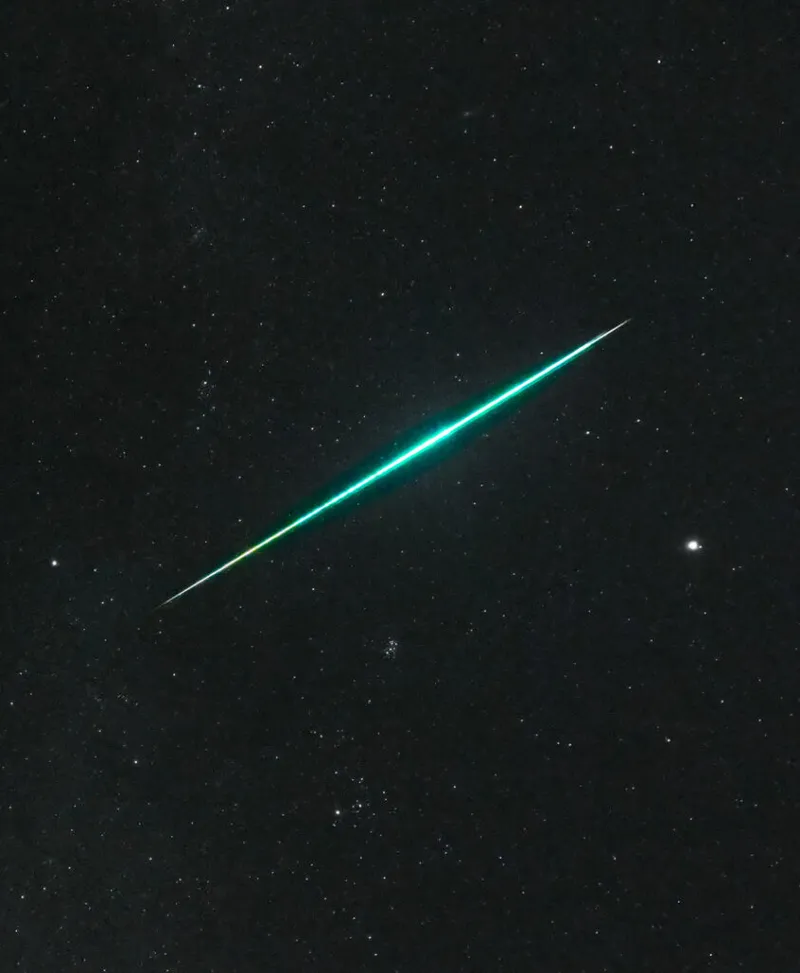
A Geminid meteor photographed by Gaurav Singh, Panuke Lake, Nova Scotia, Canada, 14 December 2023
Do you think we would rather believe the more exciting explanation?
Well, I think that's right. Certainly that's why, as a kid and as a teenager, I was into the paranormal.
It wasn't particularly of any great personal experiences I'd had. It's just that it's exciting. It's fun.
And again, people sometimes say, well how arrogant to assume we're the only intelligent species in the universe.
It's a very big place! I'm just not convinced that it's been visiting Earth on a regular basis.
Things from a psychological point of view get really interesting when you go beyond just the sightings, but onto alien abduction claims.
I've met, spoken to a lot of alien abductees, people who in my opinion sincerely believe they have had contact with aliens.
And there's only two possibilities: either they really have, or they haven't and there's something really interesting going on from a psychological point of view.
My favoured explanation tends to be in terms of false memories. But I'm open to the possibility I might be wrong.
It'd be really, really exciting if we do ever make direct contact, but I'm not convinced that we have yet.
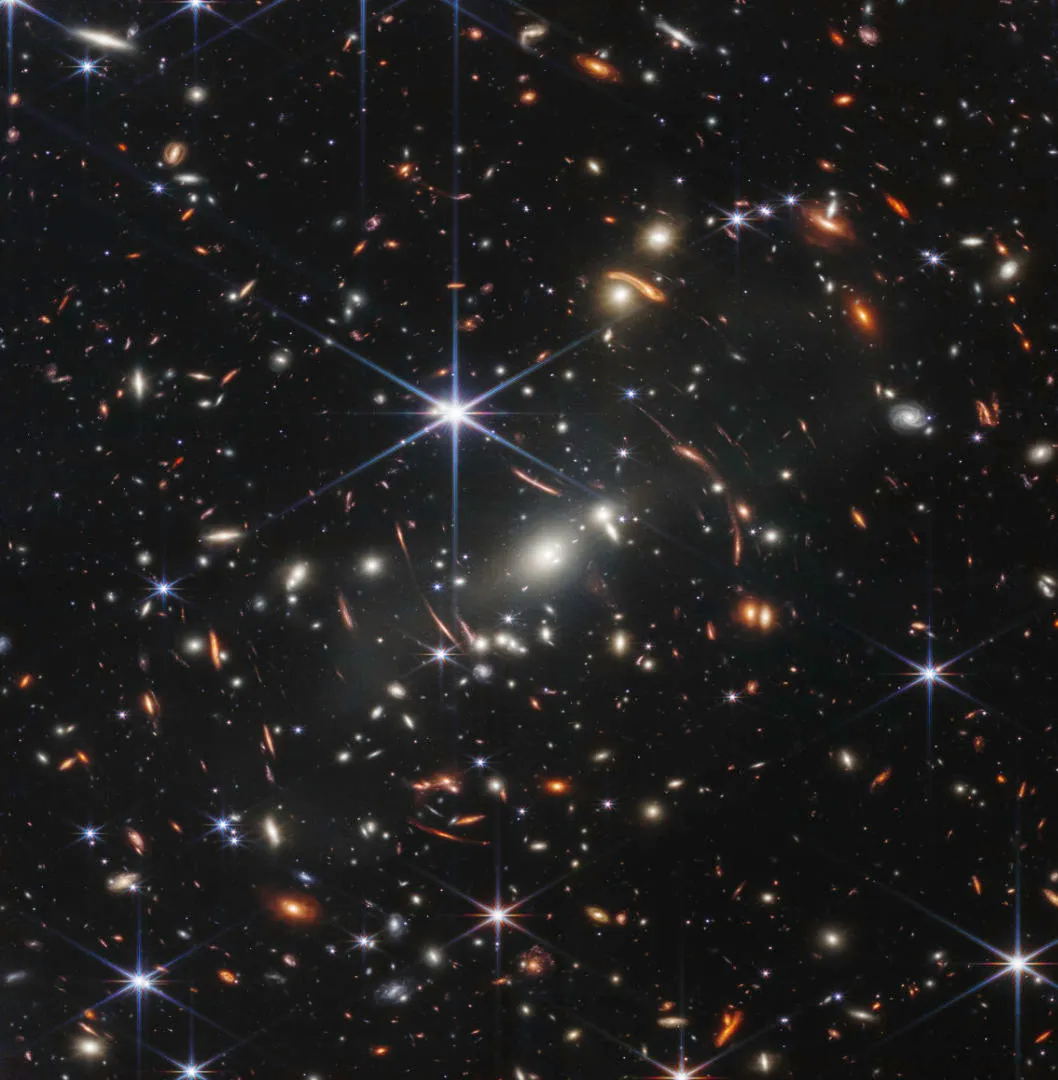
Concluding there must be life beyond Earth isn't too much of a stretch. What what about alien beings having visited Earth? Credit: NASA, ESA, CSA, STScI
Do you find when people claim to have seen a ghost or alien, it's when they were alone at night and rarely in a crowded place during the day?
I'm sure if you were talking to somebody on the other side of the argument here now, they'd be saying, oh, but there are cases where the phenomenon has been witnessed by other people.
And again, you have to look at each case on its individual merits.
Even in those cases where it's claimed there were multiple witnesses, there are often reasons to be rather dubious about the claim that's being made.
By and large, a lot of cases occur when people report they were in bed, and suddenly they felt paralysed, they couldn't move, they felt a strong presence.
And often they don't actually directly see any aliens during this experience.
If they've had that kind of experience, I would put it down to sleep paralysis, which we know all about and there's medical and scientific literature on.
But if they come across some article by a ufologist saying, "if you've ever had this experience, you've been abducted by aliens, and they have wiped your memory for the rest of the experience."
Then they might go to see a hypnotherapist for hypnotic regression under the mistaken belief that going through that will help them to recover hidden or repressed memories.
It doesn't. It just provides the perfect context for the creation of false memories. So you end up with these apparent memories in your head that feel very real.
What about case where multiple witnesses have all seen a UFO?
Even with those multiple witness cases, you have to look at each one individually.
But when you get cases like that, one of the phenomena that's relevant here is something called memory conformity.
And that's a situation where if a group of people all witness something unexpected and unusual, then before there's any kind of formal interview of them, they're likely to discuss it together.
And sometimes you get situations where one person's account can influence another person's memory.
We've done studies on this, not in the context of UFOs particularly, but in the context of spoon bending, where if you suggest to somebody that a spoon is bending right before their very eyes when nobody's even touching it, some people will kind of be affected by that suggestion.
The chances are that, when you get those multiple witness cases in a UFO context, there was something up in the sky.
So, yes, they did all see something, whether it was a metallic craft with little windows and aliens beaming, smiling back at them, or whether it was actually Chinese lanterns or a weather balloon or whatever else it may be.
People can influence each other in those kind of contexts.
So you have to look at each case individually. But then after having done that, you then have to stand back and say well, okay, overall do I think any of these cases are likely to be genuine ET contact?
I wouldn't claim that I can explain away every single case you could put before me, I wouldn't do that.
But given that we know people sometimes make mistakes, we know people sometimes just make stuff up, then on balance I'm going to need stronger evidence.
Another point in this context is the fact there are so many CCTV cameras, particularly in this country, and everybody carries a good quality camera around with them in their pocket these days.
Why aren't there loads of really high quality videos showing UFOs hovering over cities from different angles?
It just doesn't happen. It tends to be the same blurry, not-quite-sure-what-it-is photos.
So there's the potential there to prove that, yes, these things really are flying around up there.
So far the evidence, I'd say, is far from convincing.
If a group of people all see the same unknown object in the night sky, chances are they will influence each other's testimony. Credit: AerialPerspective Images/Getty Images
Is it a psychologist's job to convince someone they haven't seen what they think they've seen?
Not necessarily. When I've got my scientist hat on, if you ask me for my view on a particular topic, I'll give you my honest opinion and my reasons for believing what I believe.
I'm not necessarily out to convince you that you're wrong and I'm right.
And that applies even more in other paranormal contexts.
Anything that relates to, say, life after death. If you've got a situation where somebody is taking great comfort from feeling the spirit of a dearly departed loved one is still around and they're getting comfort from that, I wouldn't want to take that away from them. Why would I?
As far as I'm concerned, anybody can believe anything they like as long as it doesn't have negative impact on other people.
If you then ask for my opinion on what they're talking about, well I'll give it to you, because that's what science is all about.
Science is all about what's true, not necessarily what makes us feel good.
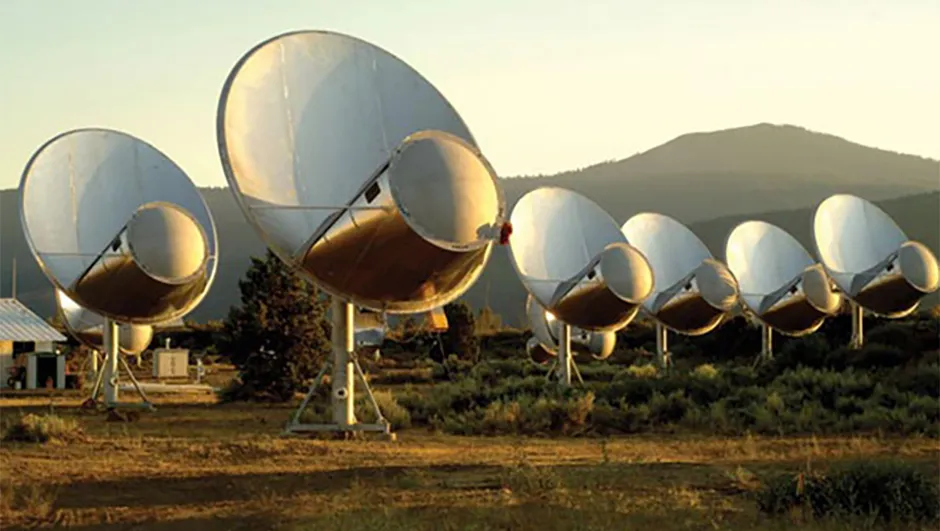
Whether or not we believe UFOs are visiting Earth, science will continue to look for life elsewhere in the Universe. Credit: SETI Institute
Is belief in spacecraft visiting Earth more credible than other phenomena, because it's likely there could be life beyond Earth?
To my way of thinking, yes, because I have kind of considerable respect for the laws of physics and the idea there's life out there that might conceivably make contact with Earth.
There'd be all kinds of problems to surmount, vast distances for example, but you can imagine a scenario with suspended animation or advanced technology of some sort.
It doesn't actually require us to say the laws of physics as we currently understand them are completely wrong.
They may be incomplete, but I don't think they're wrong.
But other kinds of concepts within the paranormal would require a complete turning upside down of our current scientific view in major aspects.
As Carl Sagan was very fond of saying, extraordinary claims require extraordinary evidence.
The evidence has to be so much stronger for those kind of paranormal claims, for us to take them seriously, because we've got a vast amount of evidence that generally supports the conventional scientific worldview.
Where will your research take you next?
There are a lot of topics that I either barely touch on or even don't touch on at all in the book.
One possibility I've been thinking about is that of false memories.
Looking at false memories as they relate to things like alien abduction claims and past life memory claims and so on, has implications for legal cases in the real world.
Another possibility for a follow up would be a look at false memory from different angles, as it relates to the weird stuff, as it relates to real life legal cases and just what it tells us about the way memory works in general.
It's a fascinating topic. So that's another idea I'm toying with, but I haven't decided yet. I'll see how well this book does first.
The Science of Weird S**t is published by MIT Press. Find out more about Chris's work by following him on Twitter @chriscfrench.
In recent years, the discussion surrounding UAPs has gained new momentum due to groundbreaking revelations and insights from researchers like Leslie Kean. She says that there is a bundle of evidence that posits that the UFO phenomenaare linked with an “Alternate dimension.” She believes UFOs could be connected to “the afterlife” and “near-death experiences” and could come from another “dimension.”
Leslie Kean, a respected journalist known for her extensive research on UFOs, has shed light on the multifaceted nature of these encounters in a podcast with Chris Letho. According to Leslie, there are two distinct aspects of the UFO phenomenon. The first one is the physical aspect, involving UFOs being detected on radar and approached by the military in a traditional, empirical manner. However, Kean also highlights the second, more enigmatic layer of UFO experiences.
Leslie told Lehto that she is increasingly sure there is a connection between the supernatural, near-death experiences, and unexplained sightings. She said, “Certainly, the more paranormal elements of the UFO phenomenon seem to have some relationship to what people describe in near-death experiences and other types of activities that take place in terms of just consciousness-related anomalous experiences that people have, which are very varied. There just is some kind of crossover air, and I don’t know what it is. I mean, there is the whole component of UFOs, which is just purely physical.”
Leslie speculates that there might be a connection between UFOs and some form of alternate dimension that exists beyond the boundaries of our five senses. This dimension, she suggests, may overlap with our own, providing a possible explanation for the mysterious and often inexplicable aspects of UFO phenomena.
The connection between the paranormal and UFOs takes us to Skinwalker Ranch. In 2007, James Lacatski, a scientist at the Defense Intelligence Agency (DIA) became interested in Skinwalker Ranch. His visit to the ranch led him to believe in the existence of paranormal phenomena, including UFOs, ghosts, and monsters. He shared his experience with Nevada Senator Harry Reid, leading to the creation of AAWSAP, a program aimed at studying aerospace technology trends.
In 2017, Leslie pitched a story to the New York Times about a Pentagon UFO program called “AATIP,” without mentioning AAWSAP or its paranormal investigations. This led to public interest in UFOs, but according to former AAWSAP contractor Colm Kelleher, the true story was largely hidden.
Despite the controversy and skepticism surrounding AAWSAP/AATIP, some former members continued to pursue their interest in UFOs and the paranormal. Some even briefed Congress on UFO-related matters, causing a stir among elected officials and the media. Jay Stratton, an AAWSAP/Skinwalker Ranch alum, provided UFO information to a Pentagon press office and headed a Pentagon UFO Task Force during the Trump administration. (Source)
However, it is suggested that the task force was more focused on unconventional UFOs than addressing other national security concerns. Some former DOD officials criticized Stratton’s leadership, alleging that he was preoccupied with paranormal stories related to Skinwalker Ranch.
Dailystar writes, “Leslie says it’s a shame that the entire area of the paranormal got a bad reputation because so many fraudsters got involved in it. And similarly, the number of hoax UFO sightings has led to scientists not taking reports as seriously as they should. She say more investigation of both phenomena is needed to understand exactly what’s going on. She added that there are major UFO reports such as the sighting in Stephenville, Texas, in 2008 that urgently need to be re-examined.”
Leslie says that at the moment, UFO research is being taken more seriously than it has been in decades, but scientific inquiry into life after death is being almost ignored. “I think people should know that the Bigelow Institute for Consciousness studies [BICS], which was founded by Robert Bigelow, is doing investigations into all of these questions,” she said.
The institute launched an essay competition for the best accounts of near-death experiences. “Robert Bigelow was offering huge cash prizes for the winners of this contest, so there was a lot of motivation and there were some amazing essays that were submitted which provided fascinating evidence,” she said.
The ranch gained notoriety in the 1990s when it was purchased by Mr. Bigelow, who funded a number of studies of the phenomena reported at the ranch. However, the specifics of what has been reported at the ranch and the credibility of those reports have been the subject of much debate and skepticism. Some people believe that the ranch is a hotspot for extraterrestrial activity, while others claim that the reports of strange occurrences at the ranch are the result of hoaxes or misidentifications of natural phenomena
In an interview with award-winning journalist George Knapp, Mr. Bigelow shared his personal experiences and losses that prompted his interest in life after death, as well as UFOs. He talked about possible links between consciousness research and UFOs. He also talked about the risks of trying to establish communications with the unknown.
“That’s been mainly what I’ve been doing except for the skinwalker ranch thing for 20 years as the space world has been huge in my life to pursue the legitimate parochial kind of you know using fire engines rockets to get you there. We didn’t expect anything like this to happen and so there this is different. This is the holy grail and is different than the second holy grail. If the second one is ‘Beings’ (E.T.), then the first one: Is there any part of your consciousness that survives your bodily death? That’s a big deal. That’s a huge story. That’s gigantic.”
“Be a little careful about what you wish for. So on the face of it, communication sounds great and that by the way has been tried forever ever since the oracle of Delphi. I mean you can go back thousands of years and that’s been attempted. So It’s not now you know the last 100 years through electronics and using some kind of electrical apparatus to try to have some kind of communications. And you know communication can be at all different kinds of levels. There might be communication that just causes you an awareness.”
Mr. Bigelow’s investigative team, headed by Colm Kelleher, the institute’s scientific administrator and biochemist, documented their own paranormal events, according to a 2005 book “Hunt for the Skinwalker,” by Dr. Kelleher and Mr. Knapp.
Mr. Bigelow said he saw “interdimensional” forces at play through portals at certain paranormal hot spots like Skinwalker. But he also said he had frequently visited the ranch without experiencing the kind of chilling events others reported, as if some intelligence were selecting the people to act upon. “I slept like a log every single night,” he said. And no human was physically harmed, but he said he and other visitors often carried strange things home, like a sulfurous stink in a certain part of his house. His wife felt the presence of a faceless creature pressing down on her side of bed.
Brandon Fugal, the current owner of Skinwalker Ranch says one of the most unexpected intersections of UFO phenomena and religious belief comes from Mormon theology. Mormonism teaches that the universe is inhabited by countless worlds and dimensions, a concept referred to as “worlds without number.” This belief is rooted in the idea that there is a divine plan for existence, and the universe is teeming with diverse life forms. (Source)
Within the framework of Mormonism, the notion of multiple dimensions of reality separated by a spiritual fabric known as “the veil” is essential. In these dimensions, there are worlds populated by people who are aliens to Earth. Travel between these dimensions is considered possible through the power of God or, interestingly, through the power of Satan.
One notable figure who recognized the potential connection between Mormon beliefs and UFO phenomena was the late U.S. Senator Harry Reid. When asked about reconciling his Mormon faith with his interest in the paranormal, Reid emphasized that Mormonism’s teachings align with the idea of otherworldly existence. He believed that there is ample evidence to suggest that there are indeed other dimensions and realms of reality, paralleling the quest to understand UFOs and the unexplained phenomena at Skinwalker Ranch.
David Grusch, a popular UFO whistleblower claimed that in 1945, the United States intercepted a mysterious craft that was initially recovered by Mussolini’s forces in Italy back in 1933. As evidence of this extraordinary event, Grusch presented a handwritten Italian memo containing small drawings at the bottom. What made this revelation even more intriguing was the implication of the Vatican’s involvement, suggesting the religious institution was not only aware of the existence of NHI but also actively participated in suppressing this information. (Click here to read the full article)
Grusch made significant assertions regarding the NHI, stating that these entities might be extraterrestrial or interdimensional, or possibly both. Astronomer and UFO researcher Jacques Vallée states that UFOs and related events of a paranormal nature involve visitations from other “realities” or “dimensions.” The idea proposes that these alternate realities exist separately yet parallel to our own. In 1975 book “The Edge of Reality,” Vallée and Hynek considered the possibility of what they call “interlocking universes.”
The U.S. Navy is reportedly preparing to test a hypersonic weapon as part of a joint developmental program with the U.S. Army, which aims to unleash the military’s Long-Range Hypersonic Weapon (LRHW) capabilities.
“The Army is working closely with the Navy in the development of the LRHW,” according to a recent Congressional Research Service (CRS) report. “LRHW is comprised of the Common Hypersonic Glide Body (C-HGB), and the Navy 34.5-inch booster.”
The forthcoming test will involve the C-HGB, which relies on the Navy’s booster rocket motor to propel the weapon to hypersonic speeds. Once the rocket is ejected, the C-HGB can glide at speeds of Mach 5 or greater. The missile is designed to be highly maneuverable, which helps ensure it remains difficult to detect and intercept before reaching its destination.
The news of the forthcoming test follows plans the Navy revealed late last year to upgrade several of its warships with a series of 87-inch missile tubes, each capable of housing three C-HGB hypersonic missiles, for a total of 12 per ship. The missile tubes will replace the twin 155 mm Advanced Gun Systems that are currently equipped for each of the Navy vessels.
THE COMMON HYPERSONIC GLIDE BODY (C-HGB)
The C-HGB is the outgrowth of technologies that are more than a decade in the making, originally part of the Alternate Re-Entry System developed by the Army and designed by Sandia National Laboratories in the early 2010s.
Production of the C-HGB for the Army and the Navy has been underway for several years in cooperation with Dynetics, a subsidiary of Leidos, who was contracted to develop the prototypes. Dynetics’ development of the C-HGB prototypes marks the first time that a domestic private sector entity has been tasked with building hypersonic weapons.
“The LRHW system provides the Army a strategic attack weapon system to defeat Anti-Access/Area Denial (A2/AD) capabilities, suppress adversary long-range fires, and engage other high payoff/time critical targets,” the recent CRS report read.
Earlier this week at the recent Association of the U.S. Army’s Global Force Symposium, Lt. Gen. Robert Rasch told Defense News that the test would not involve the Army’s ground support equipment but would instead be “a stool launch” that would provide the military “another look at the missile.”
DARK EAGLE: A CLOSER LOOK
Known as Dark Eagle, the Army says its LRHW will be capable of reaching targets within a range of 1,725 miles and reportedly traveling at speeds exceeding 3,800 miles per hour.
After being fired from the Army’s portable ground-based launch units, Dark Eagle can climb high into Earth’s atmosphere, where it remains beyond the reach of air and missile defense systems until it nears its target.
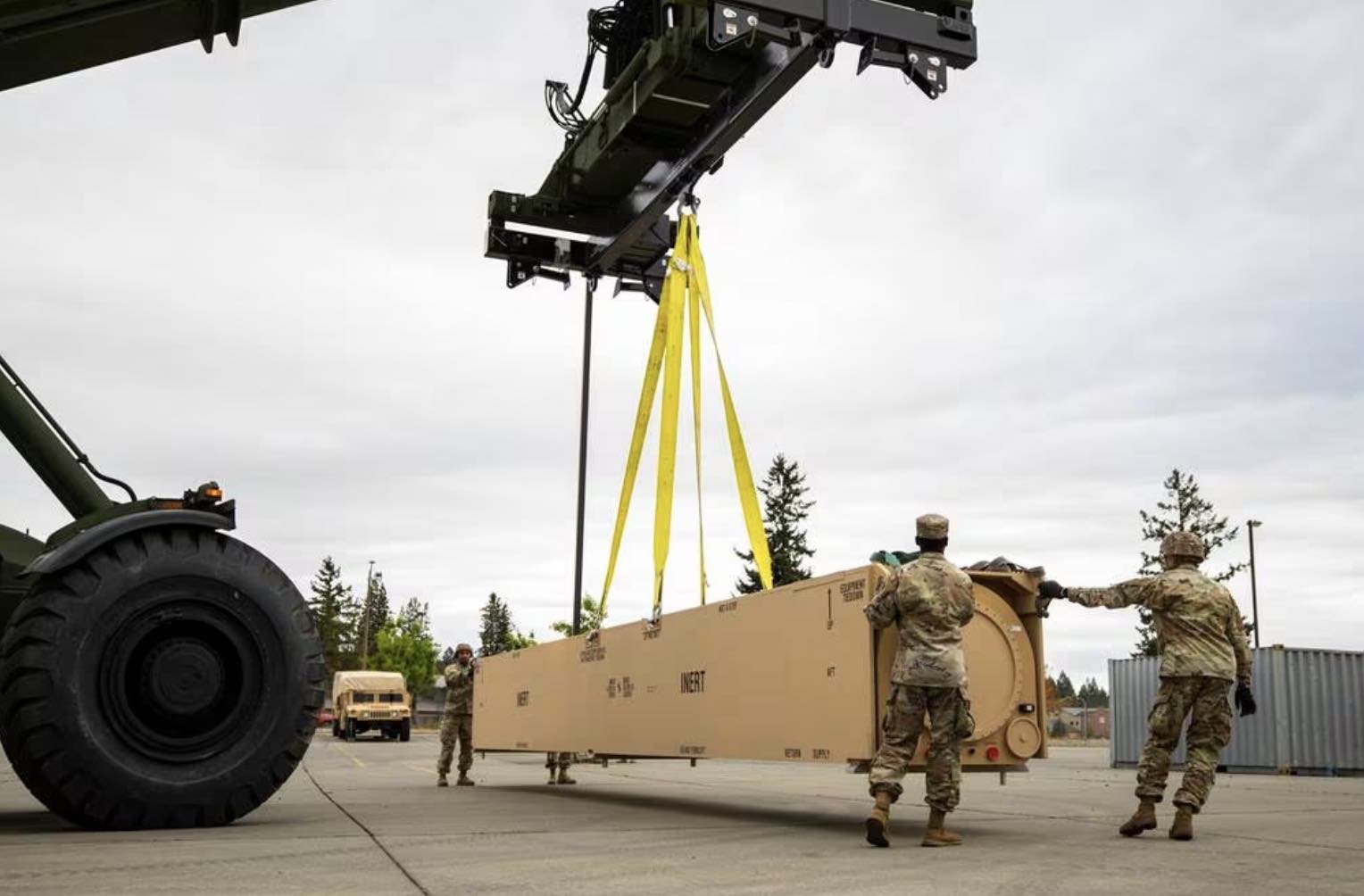
Following the Navy’s initial C-HGB test this spring, the Army plans to conduct a test later this summer from its ground-based truck-launched system, with weapon system integration performed by Lockheed Martin. The Army has organized the LRHW launch systems into batteries consisting of four Transporter Erector Launchers, which are fitted to modified M870A4 trailers.
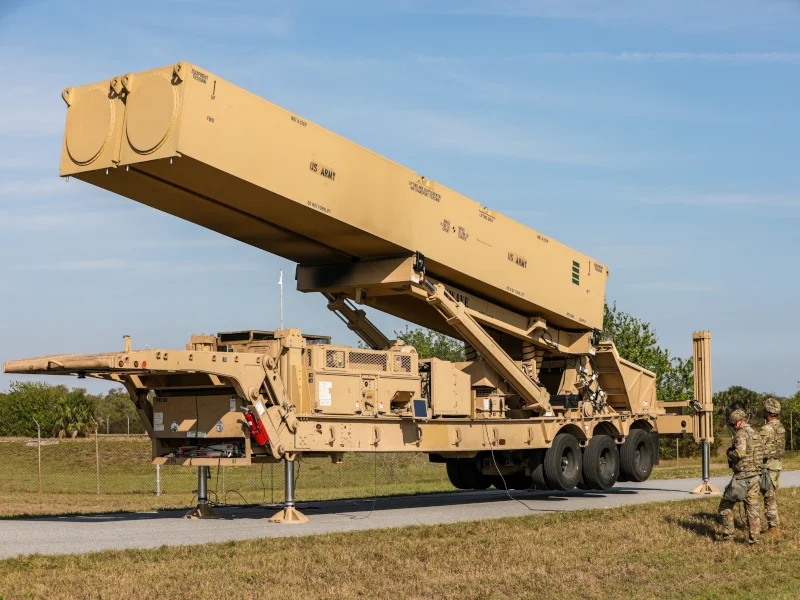
The U.S. Army’s ground-based truck-launched system, which it will use to launch its Dark Eagle Long-Range Hypersonic Weapon
(Credit: US Army/ Spc. Chandler Coats).
“The M870A4 SEMITRAILER is a 40-ton payload, mechanical folding gooseneck, level-deck trailer with rear ramps capable of handling payloads on primary, secondary, and trail profile roads,” states an unclassified 2019 U.S. Army Budget Line Item Justification. Although originally designed for the transport of large construction equipment, the modified trailers are equipped to house the Army’s Transporter Erector Launchers.
Each trailer features two AUR+Cs with a single Battery Operations Center (BOC) for command and control and a BOC support vehicle. According to the December CRS report, the first battery of eight LRHW missiles is to be operated by a Strategic Long-Range Fires battalion under the 5th Battalion, 3rd Field Artillery Regiment at Joint Base Lewis-McChord, Washington.
In the future, additional LRHW batteries will be assigned to other Strategic Long-Range Fires battalions within the Army’s 1st Multi Domain Task Force (MDTF).
Presently, the U.S. is racing against similar hypersonic developments being undertaken by Russia and China, who have been actively testing similar weapons capabilities for years.
Earlier this month, it was revealed that the U.S. Air Force conducted a test with a prototype hypersonic missile in the Marshall Islands. Formally known as the AGM-183, the missile is an air-launched rapid response weapon (ARRW), a type of hypersonic air-to-ground missile that was the result of a $480 million contract granted to Lockheed Martin in 2018.
Although initial tests began in June 2019, the program was officially canceled last spring following a series of setbacks. However, additional testing that was initially undisclosed to the public continued, and late last year, the first official launch of a full prototype operational AGM-183 occurred at a test range off the Southern California coast.
The initial delivery of prototype launch systems hardware arrived at Joint Base Lewis-McChord, Washington, last October(Credit: U.S. Army/Spc. Karleshia Gater).
Last year, the Army and the Navy were met with setbacks of their own, which resulted in the postponement of tests originally scheduled for last March, as well as subsequent Navy and Army tests planned for October and November.
Despite last year’s test cancellations, Lt. Gen. Rasch said that if the Navy’s tests this spring meet their anticipated objectives, the Army will proceed with assembling its own capabilities, which he says are “ready to go” and in varying stages of completion.
Following the Army’s tests later this year, the new LRHW systems will be delivered to the initial Strategic Long-Range Fires battalion at Joint Base Lewis-McChord and thereafter to additional units as they become equipped with the required ground-based launch systems.
What Is The Viral Jellyfish UAP? The UFO Video And The Internet's Weird Reaction Explained
The past year has been a wild one for the UFO and alien community. Hearings about supposed UAP evidence have found their way into mainstream news, and it seems people are talking more and more about the UFO phenomenon.
Now, there's a new viral video going around that supposedly shows a UFO. But no one has any good guesses as to what it actually is, whether it's "alien" or not, because it's just that weird. Here's everything you should know about the so-called "Jellyfish UAP."
What Is the Jellyfish UAP?
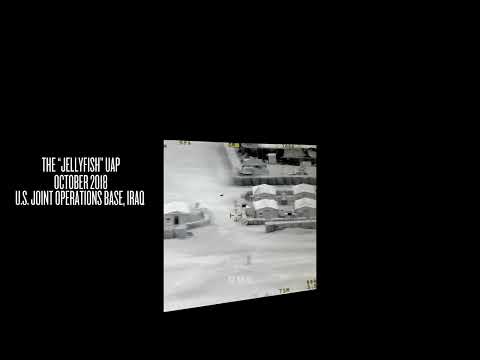
The "Jellyfish UAP" video supposedly was shot by a PTDS surveillance balloon at a military base in Iraq in 2018. The video focuses on an unusual object as it moves across the landscape for about two minutes. The UFO is clearer at first, but the visual looks like a bizarre clump of snakes, leaving lots of people confused. The object was most widely compared to a jellyfish.
While a lot of alleged UFO videos make the rounds online, often being dubbed hoaxes or appearing only in niche UFO-obsessed forums, the main reason this one hit the mainstream and became popular is due to the sheer weirdness of it. No one knows what it is, even big believers in UFO phenomena. Naturally, the internet came up with a lot of jokes about the jellyfish UAP discourse.
How Is The Jellyfish UAP Being Discussed Online?
Naturally, these UAP videos are subjected to lots of scrutiny and discourse online. But this one's special. In this case, it doesn't really matter if you care about UFOs, or if you believe aliens are real and have been visiting Earth. The jellyfish UAP is gaining tons of attention online, and not just for conspiracy theorists or alien fans.
For the most part, it's people trying to picture exactly what the UAP looks like up close, or what it could be. Then, people redraw it, with varying degrees of detail or humor. There are the typical alien interpretations:
And then, because the other half of the internet would never take something like this too seriously, there are the more … creative interpretations or some good old-fashioned memes:
Area 51 Unveiled: The Lazar S4 UFO Mystery in 3D CGI
Embark on a captivating journey behind the enigmatic bay doors of Area 51 with our latest 3D CGI animation, “Behind the Bay Doors of Area 51 – The Lazar UFO at S4.” This video takes you deep into the heart of one of the most secretive locations on Earth, where the legendary Bob Lazar claimed to have worked on reverse engineering extraterrestrial technology.
Through cutting-edge CGI, we bring to life the rumored alien spacecraft and the clandestine surroundings of the S4 site, located just south of the main Area 51 facility. Lazar’s controversial claims have fueled UFO enthusiasts and skeptics alike for decades, sparking debates and investigations into the existence of alien life and advanced technology.
Whether you’re a believer in the extraordinary or simply fascinated by the mysteries of Area 51, this animation is sure to intrigue and entertain. Join us as we peel back the layers of secrecy and explore what might lie within the depths of S4. It’s an experience that invites you to question the boundaries of human knowledge and the possibilities of what exists beyond our world.
Don’t forget to like, share, and subscribe for more exclusive content. Dive into the unknown with us—where truth and fiction blur, and the tales of tomorrow unfold.
De meest indrukwekkende dingen ooit gemaakt met een 3D-printer Iedereen en hun buurman weten dat de wereld met elke nieuwe dag exponentieel sneller verandert. Maar een van de meest fascinerende revoluties die plaatsvinden in laboratoria over de hele wereld is de opkomst van 3D-printen. Van dingen die je kunt eten tot vervangingen voor voeten en alles daartussenin.
LEES VERDER om enkele van de meest indrukwekkende dingen te zien die 3D-printers ooit hebben gemaakt.
Een hart Israëlische wetenschappers van de Universiteit van Tel Aviv hebben naar verluidt 's werelds eerste 3D-geprinte, gevasculariseerde technische hart gecreëerd.
Ongeboren baby Een Ests 3D-technologiebedrijf besloot het ultieme zwangerschapssouvenir te maken, waardoor ouders de kans krijgen hun baby aan te raken voordat deze zelfs maar geboren is.
Ongeboren baby Nadat ze zorgvuldige foto's hebben gemaakt, printen ze 3D-foetusmodellen zo gedetailleerd dat je al hun vingers kunt tellen en kunt zien wiens neus de baby heeft!
Jezelf Je maakt eerst een fotografische scan van 360 graden van een persoon en geeft deze vervolgens weer in een digitaal 3D-model (en retoucheert het model zodat het voldoet aan de vereisten voor afdrukken). De drukmachine gebruikt dit digitale model vervolgens om een solide figuur met hoge resolutie te produceren.
Een wervelkolom-as Een kunstmatige 3D-geprinte as, de eerste die ooit met succes in de wervelkolom van een botkankerpatiënt is geïmplanteerd, wordt geïmplanteerd in een model in het Peking University Third Hospital in Beijing.
Prothetische onderarm De Taiwanese ingenieur Chang Hsien-Liang verloor zijn onderarm bij een ongeval en was zeer ontevreden over zijn prothetische opties. Daarom ontwierp en bouwde hij zijn eigen prothetische onderarm met behulp van 3D-printtechnologie!
Een toekansnavel Grecia de toekan verloor het grootste deel van zijn bovensnavel bij een aanval, maar hij kan nu eten met zijn 3D-geprinte snavel in het dierenasiel Zoo Ave in Alajuela, Costa Rica.
Ijsje Bedrukte lekkernijen die je kunt eten! In de Iceason-winkel in Shanghai worden deze kleine karakters gemaakt van ijs met aardbeienmelksmaak en vervaardigd door een 3D-printer.
Een chocoladebierflesje Gaetan Richard, oprichter van het 3D-printchocoladebedrijf Miam Factory, maakt iets waarvan je niet wist dat je het nodig had: een chocoladebierflesje.
Een motor Ontwerper Marco Mattia Cristofori, van de Duitse 3D-printerfabrikant BigRep, creëerde een bijna volledig 3D-geprinte e-motorfiets, genaamd "NERA".
Een auto Tijdens een rondleiding door Techmer PM, een kunststofproductiebedrijf in Tennessee, wierp Barack Obama een blik op een 3D-geprinte Shelby Cobra.
Vliegtuigstoelen Airgo's 3D-geprinte prototype van hun Orion-vliegtuigstoelen voor lange afstanden ziet er zeker uit als een upgrade van een touringcar.
Viool Hier poseert de Franse ingenieur en professionele violist Laurent Bernadac met een 3D-geprinte viool gemaakt van transparante hars, de "3Dvarius" genoemd.
Kunststof werkende pistolen In 2014 werd Yoshimoto Imura de eerste man die in Japan werd gearresteerd wegens illegaal bezit van twee plastic pistolen die hij zelf had gemaakt met behulp van 3D-printtechnologie.
Huisvesting Onderzoekers van de Universiteit van Nantes in Frankrijk hebben het startschot gegeven voor een 3D-geprint sociaal woningbouwgebouw genaamd 'Yhnova'
Geavanceerde geometrische structuren De M1 3D-printer bij Carbon in Redwood City, Californië concurreert met de ingewikkelde creaties van de natuur zelf.
Meer van UFO'S of UAP'S, ASTRONOMIE, RUIMTEVAART, ARCHEOLOGIE, OUDHEIDKUNDE, SF-SNUFJES EN ANDERE ESOTERISCHE WETENSCHAPPEN - DE ALLERLAATSTE NIEUWTJES


 Meteorites: Why study them? What can they teach us about finding life beyond Earth?