








|
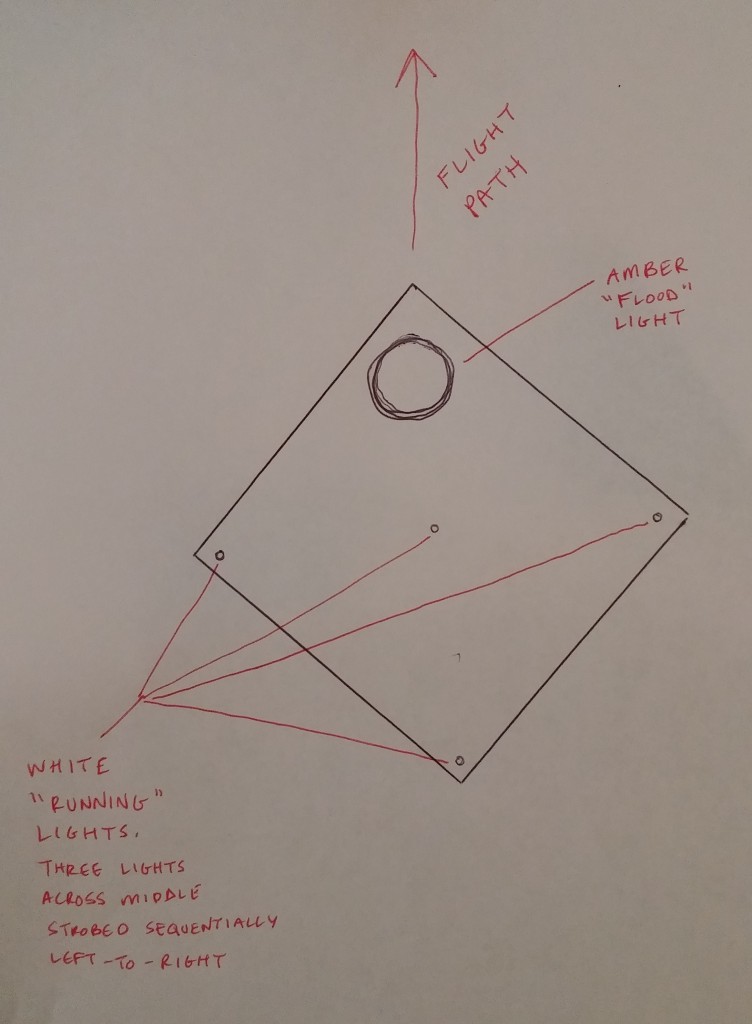
Ondanks dat de laatste jaren het aantal waarnemingen van oranje bollen in de lucht spectaculair is toegenomen, is er nog steeds geen harde verklaring voor. Het heeft er alle schijn van dat dit soort waarnemingen ook in het nieuwe jaar in aantallen verder zullen toenemen, totdat…. Totdat het raadsel eindelijk wordt opgelost. Broeksterwoude Net na 12 uur s,nachts, om 00:15 tot 00:40 uur, 1 januari 2015 zag ik drie keer, een voor een een kleine oranje lichtbol vliegen in een rechte lijn. Ze kwamen vanuit het zuiden. Het siervuurwerk was nog in volle gang. De objecten die ik gezien heb, waren duidelijk geen vuurpijlen. Want vuurwerk brandt niet constant. De kleine ufo's maakten geen geluid. Het zien van deze ufo's maakten me blij! De lezer heeft helaas geen opnames kunnen maken, maar het lijkt heel veel op een gebeurtenis die op exact dezelfde datum en tijd plaatsvond aan de andere kant van de wereld en wel in de buurt van Tokyo. Ook daar enkele prachtige oranje bollen die zich door het luchtruim begeven. Enkele dagen daarvoor doet zich ongeveer hetzelfde voor in de provincie Groningen:
Noot: Namens de redactie bedanken we alle mensen die de moeite nemen hun waarnemingen met ons te delen. { www.NIBURU.nl } |
 Thoughts On ETs By Albert Einstein In A Newly Released Digital Papers

Thoughts On ETs By Albert Einstein In A Newly Released Digital Papers
Early in December 2014, Albert Einstein’s digital papers were released and many were excited to know about any mention of space travel from the great man’s work. While Einstein died two years earlier than the launch of Sputnik 1 in 1957, the theory about rocket flight had existed for many decades by that time. Many people were theorizing about it, including Hermann Oberth, a physicist from Germany.
The first digital release, however, only covers the life of Einstein up to 1923, when Oberth only started to write about spaceflight. So, while searching for the terms space travel or rocket, nothing can be found in the digital papers. Perhaps, in the later volumes these terms would come out.
However, there is still an interesting item from January 1920 wherein the professor said that earth is not the only planet that supports life because it is not singular in any other respect. He added that if intelligent life exists somewhere in the universe, it’s not right to assume that these ETs would contact mankind by wireless radio. He said that light rays, would be the first method attempted because they can be controlled much more easily.
Einstein thought of what we have known today as radio Search for Extraterrestrial Intelligence (SETI) may sound surprising because most searches until today primarily rely on radio signal. But it is also important to note that in 1920, Einstein lacked information. Radio searchers are preferred for SETI because radio waves penetrate more easily in pervasive dust in space, which can block shorter-wavelength light from reaching Earth. Astronomers did not have full understanding yet about the nature of interstellar dust in 1920.
Still, Optical SETI searchers by teams from many places, including teams at Harvard, favored light beams even though it is harder to search for light beams that would have to be aimed exactly in planet Earth’s direction, as compared to radio signals that scattered in space.
Einstein’s digital papers also mention about Mars saying that it’s a pity humans don’t live on Mars and just observed nastic antics of man by telescope.