Image: ChatGPT
The Next Step In UAP Disclosure Is Better Measurement – Analysis
By Burak Oktenli
Key Takeaways:
- The author says releasing UAP files (Trump’s 2026 disclosure drive, ~300 Pentagon records) cannot replace measurement: AARO’s latest report logged 319 cases, resolved 114, parked 191 for lack of data, and found the main barrier was weak, late, or uncalibrated sensors—not hidden exotic craft.
- Better science needs comparable, multi-instrument observations (range, timing, calibration, independent physics), an explicit “not enough information” label, and a shared evidence record so aviation, weather, space, and defense data can be compared without exposing classified sensor performance.
- Success should be counted as correct resolutions (e.g., 238 satellite flares via 3-D modeling), calibrated uncertainty, and refusal to turn missing range or AI confidence into “new physics.” Unresolved should mean the sky, not the archive.
Washington can release more files, but declassification cannot recover range, timing, or calibration that an observation never captured. AARO’s latest report points toward a common evidence standard.
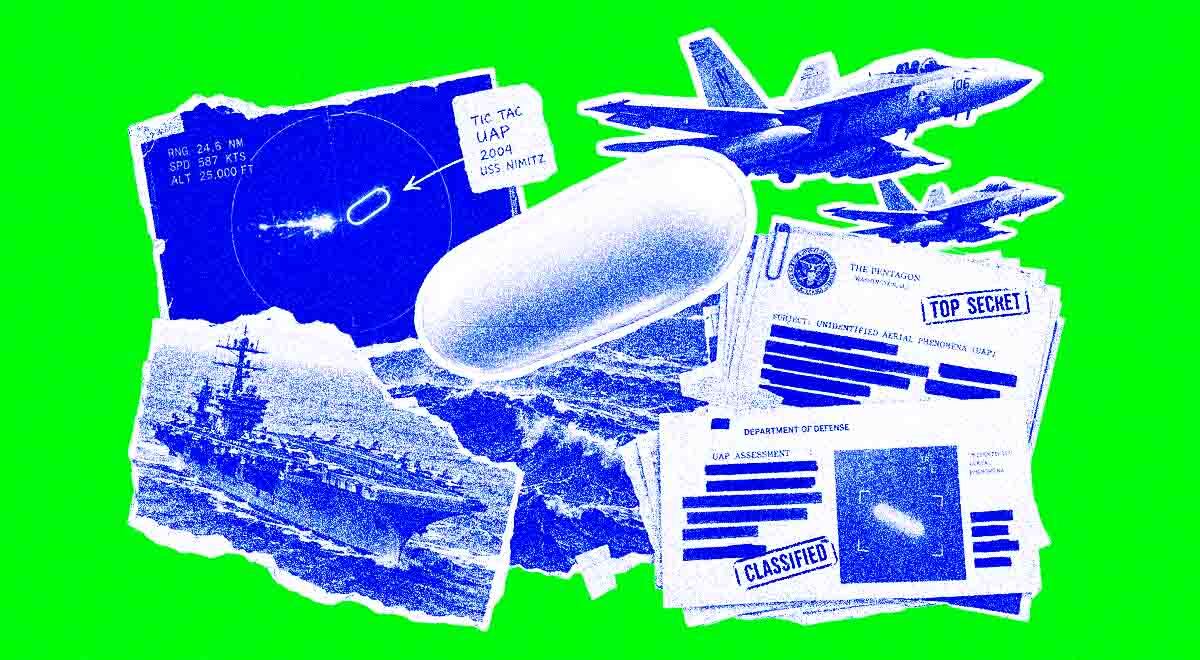
Washington can release every UAP file it holds and still leave the central scientific problem untouched. Declassification can reveal what a witness reported and how an agency interpreted it. It cannot add range, synchronized timing, or calibration to an event that was never measured well enough.
That is not an argument against transparency. It is an argument for completing it. In February, President Donald Trump directed the Pentagon and other agencies to identify and release records on unidentified anomalous phenomena. By June, the administration’s disclosure campaign had released about 300 files, while the National Archives continued digitizing historical records. Disclosure supplies institutional context. Measurement supplies physical context. The two are not substitutes.
The latest annual report from the All-domain Anomaly Resolution Office, or AARO, makes that distinction unusually clear. AARO received 319 reports, resolved 114, transferred 191 to an active archive pending corroborating data, and identified nine for further specialist analysis. The report’s most consequential finding was not a shape in the sky. It was that a lack of timely, actionable sensor data continued to prevent resolution.
An archived case is not evidence of exotic physics. It is evidence that a question outlived the measurements needed to answer it. ‘Unresolved’ is a status of evidence, not a category of object.
The policy window is open. On July 8, AARO highlighted a Naval Postgraduate School special issue on UAP science and analysis devoted to data vetting, event-based sensing, military observations, and practical photography. Twelve days later, AARO posted its annual report. Together, the releases point toward the next phase of UAP policy: not merely opening more files, but making future observations comparable, testable, and useful.
From disclosure to observability
AARO acknowledges that its holdings are shaped by collection bias. Reports cluster in the continental United States, its coastal waters, and areas where U.S. forces operate because those are the places with more American sensors and personnel. A map of reported anomalies is therefore partly a map of where institutions looked. It cannot, by itself, show where unusual events are most common.
The problem is global. Civil aviation, meteorology, astronomy, space surveillance, and defense organizations observe overlapping parts of the sky, but they use different instruments, retention rules, clocks, metadata, and access controls. No country can infer global prevalence from its own uneven coverage. Reports that cross borders cannot be compared reliably when their evidence is recorded in incompatible forms.
The distinction also matters for security. AARO’s report separately recorded 50 known unmanned-aircraft incidents near U.S. nuclear infrastructure, weapons, and launch sites; none was reported as UAP. Better measurement serves two purposes at once: it keeps weak evidence from becoming an extraordinary claim, and it keeps a real incursion from disappearing into a vague anomaly category.
Eurasia Review covered NASA’s independent UAP study when it warned that too few high-quality observations existed to support firm scientific conclusions. NASA’s scientific guidance emphasized systematic calibration, multiple measurements, and complete sensor metadata. AARO’s new report shows that the same data-quality bottleneck remains.
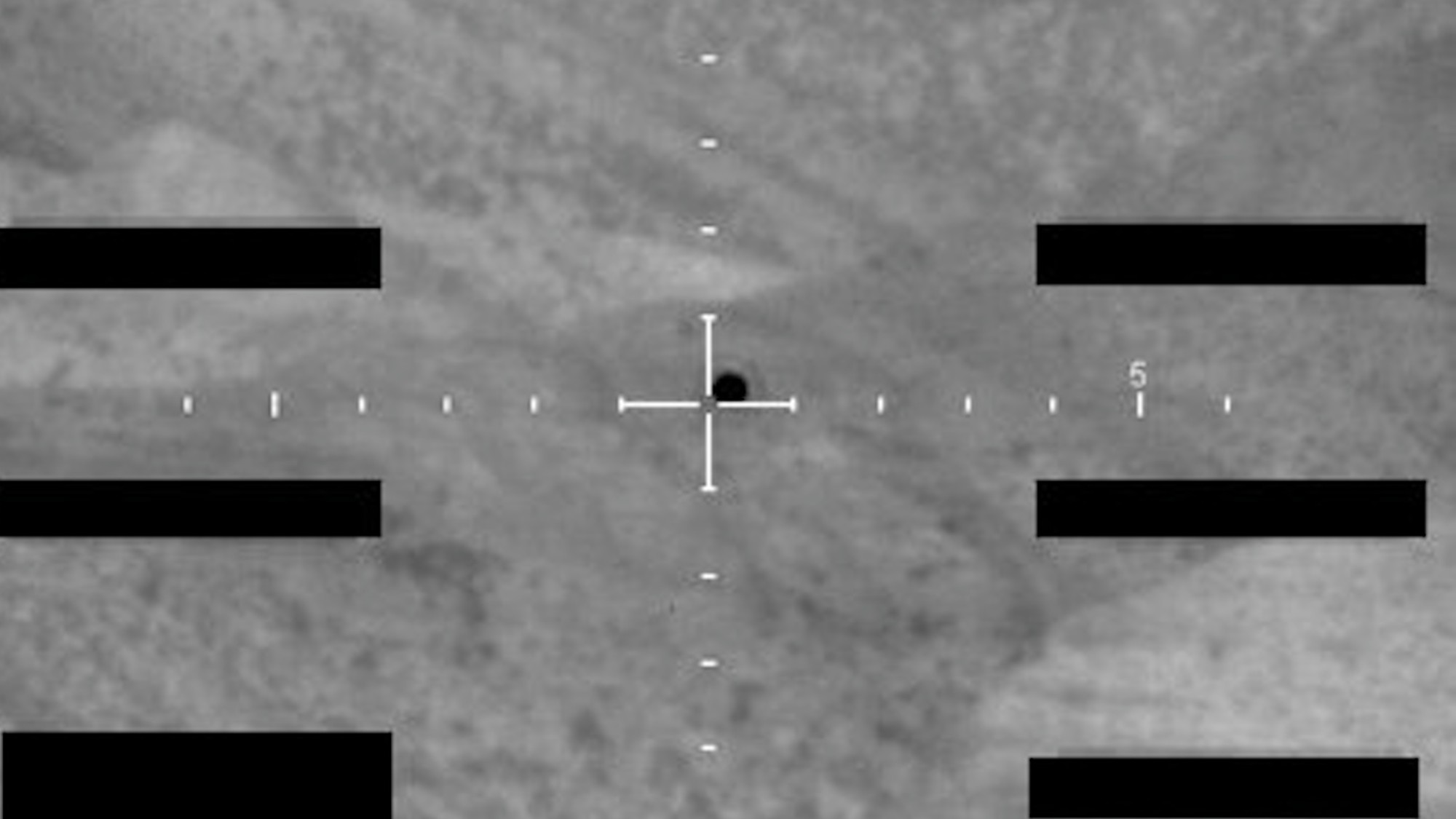
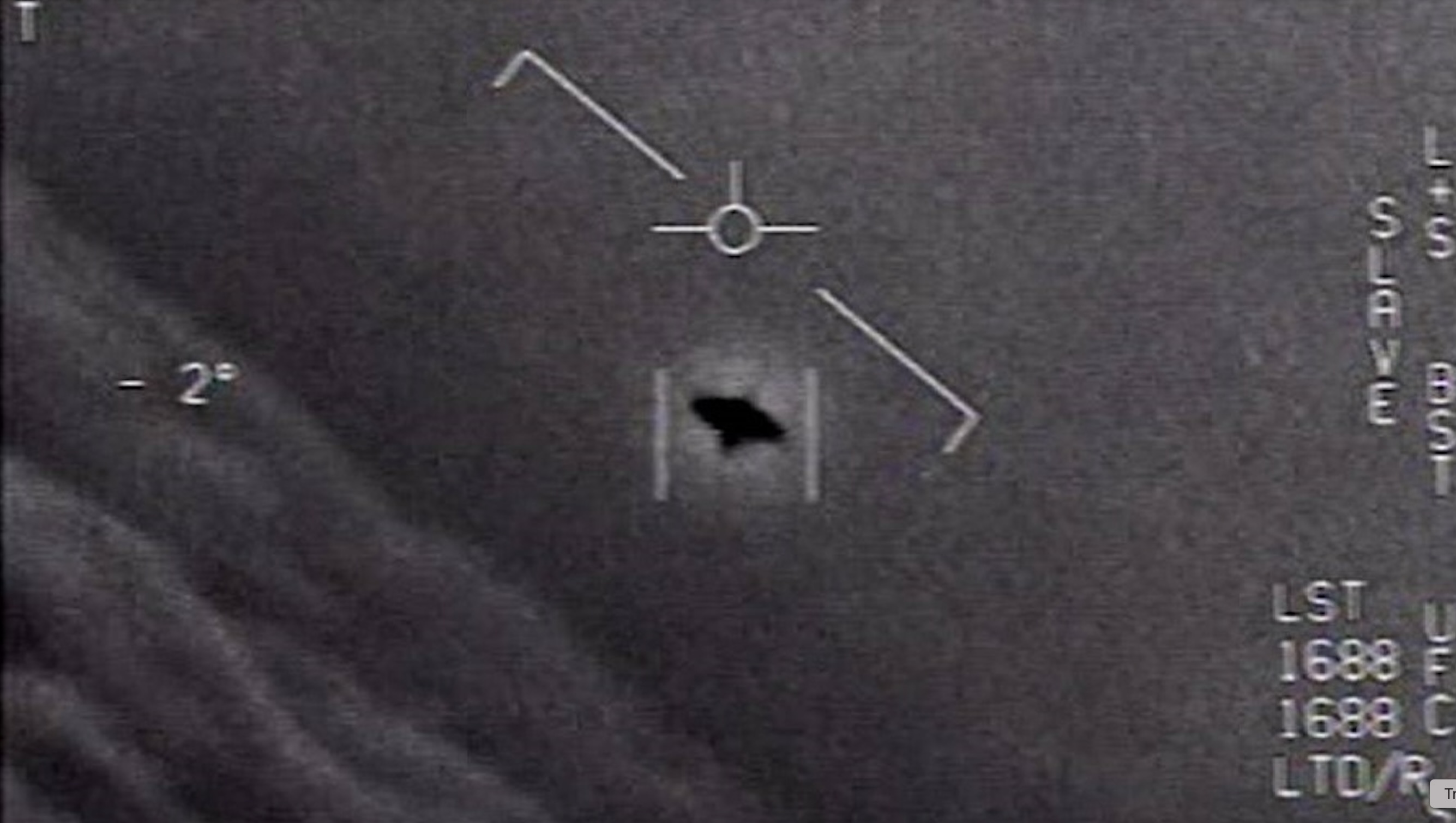
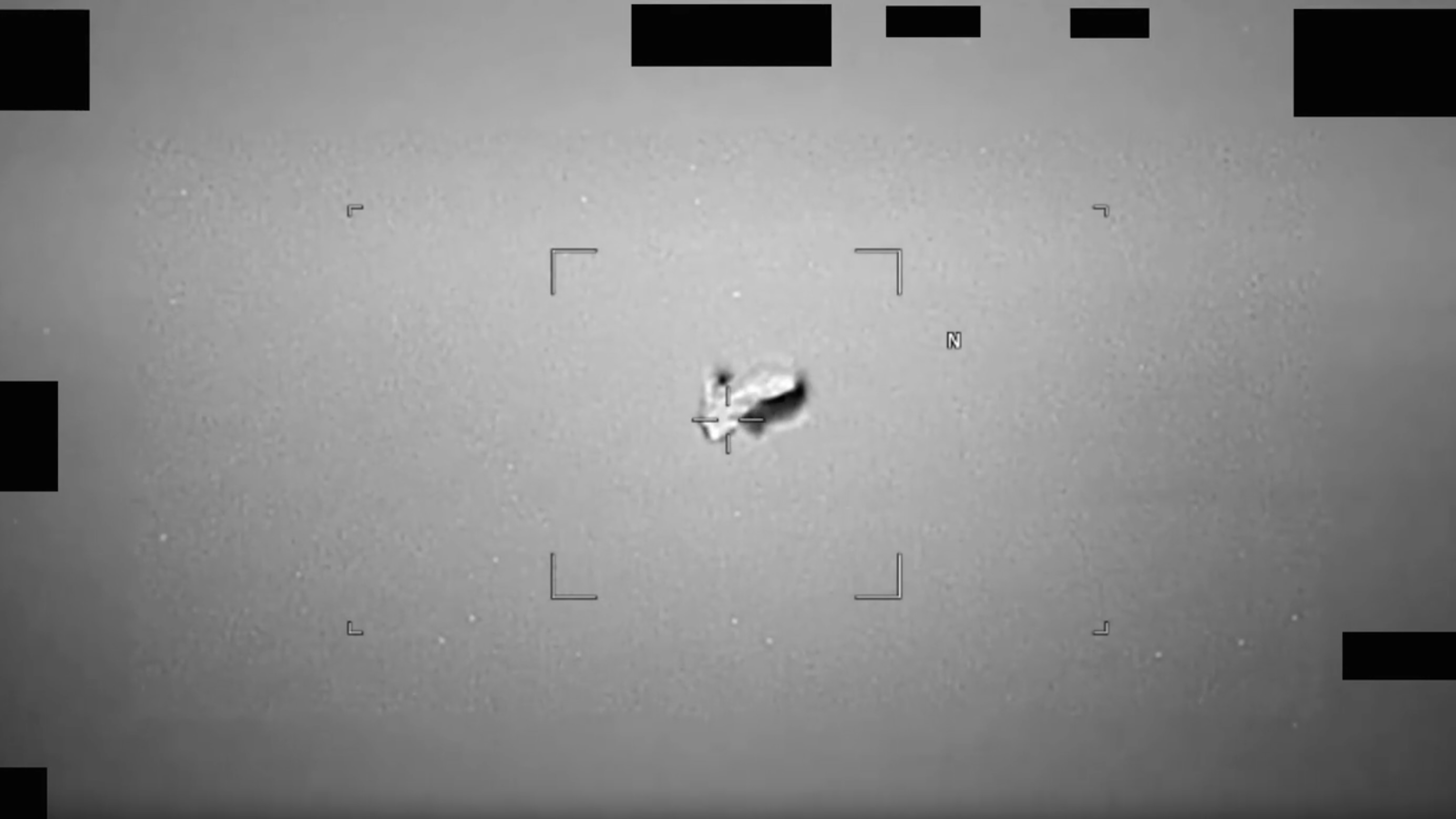
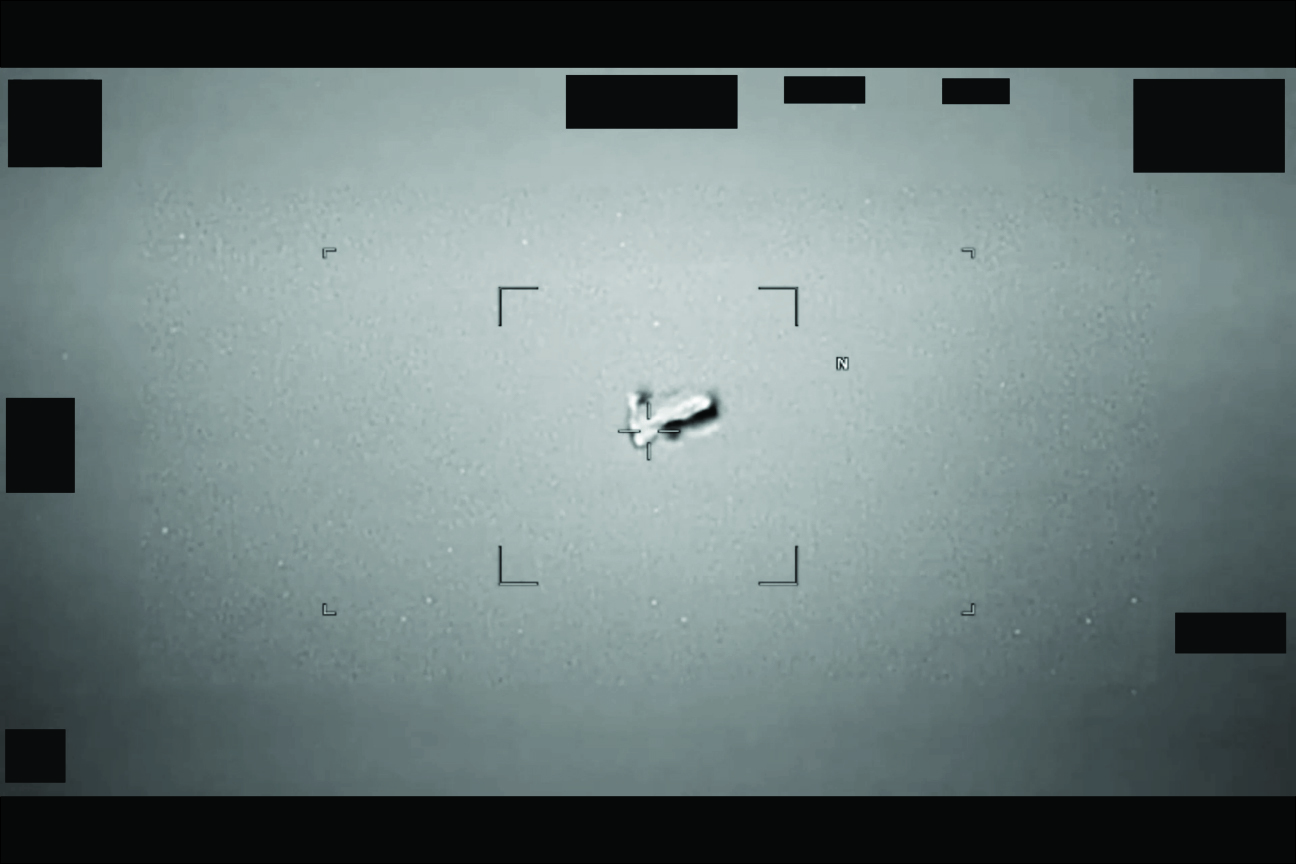
A video may show apparent motion, but without range it cannot establish physical speed. An infrared point may look hot, but without radiometric calibration, target size, emissivity, and atmospheric correction it cannot establish temperature. An optical event and a radio transient may occur at the same time, but timing alone does not show that they came from the same source. These are measurement problems, not philosophical objections.
Independent evidence matters more than sensor count
The answer is not simply more cameras. Ten instruments that share the same timing fault, calibration error, software defect, or environmental confounder can create the appearance of corroboration while repeating one mistake. A stronger design uses heterogeneous redundancy: different instruments measuring the same physical quantity through different mechanisms, with uncertainty and common-cause failure treated explicitly.
The Galileo Project’s multimodal observatory work demonstrates the value of combining wide-field optical and infrared tracking, narrow-field characterization, radio-frequency measurement, acoustics, and environmental sensors. Its observatory-system architecture treats commissioning, calibration, raw-data provenance, and reproducible processing as parts of the scientific instrument rather than administrative details.
New sensor physics can add an independent witness. NIST’s Rydberg-atom methods can make traceable measurements of radio-frequency electric fields, including magnitude and phase. In a research observatory, an atom-based probe should complement mature antennas and receivers, not replace them. Agreement between channels based on different physics is more informative than agreement between two copies of the same receiver. Disagreement can reveal which assumption failed.
A scientific system must be allowed to say ‘not enough information’
The hardest design problem is deciding when a measurement supports an inference. Automated systems are optimized to return labels, but a scientific instrument sometimes needs to refuse. A vision model may be highly confident that an object is unusual while its range remains unknown. The confidence score still cannot supply velocity. Invalid timing should block a time-difference calculation. Sensor saturation should block a claim about the source’s spectrum.
A credible observatory therefore needs an explicit insufficient-observability state. This is not a weaker kind of anomaly. It means the available evidence does not support the next inference. The system may retain the event, request another sensor, or mark it for review, but it should not convert missing information into apparent physical novelty.
This principle anchors a research architecture I have been developing called Q-PAMO, the Quantum-Plasma Anomaly Measurement Observatory. Despite its name, the design assumes neither plasma nor an extraordinary origin. It separates evidence into three domains: the object’s motion, emissions associated with it, and environmental effects around it.
An event can progress from raw trigger to calibrated observation, candidate, corroborated candidate, and finally unresolved anomaly only when stated measurement gates are satisfied. Missing range, invalid timing, weak signal, failed calibration, or broken provenance can stop that progression regardless of an algorithm’s confidence. Plasma remains a hypothesis to test against reflected light, combustion, meteors, lightning-related effects, aurora, and sensor artifacts. It is never assigned because a luminous event merely looks strange.
Artificial intelligence still has a useful role. It can search continuous streams, prioritize follow-up, align observations across sensors, and identify known classes quickly. It should accelerate the route to evidence without manufacturing evidence that an instrument did not capture.
A shared evidence standard
International UAP research does not require a new global agency or a universal theory. It needs a minimum evidence record that lets reports from different systems be compared. Each case should state the observation time and clock uncertainty; sensor position, orientation, and calibration status; whether range was measured or assumed; where raw data are preserved; what processing changed them; which environmental conditions and sensor-health limits applied; which model and software version were used; and whether corroboration came from a genuinely independent source.
That standard would make disclosure more informative without forcing governments to reveal classified sensor performance. Evidence can be released in layers. A public package can preserve derived geometry, uncertainty, calibration status, processing history, and enough raw information for independent testing, while a restricted annex protects sensitive locations and capabilities. Secrecy may limit what can be published, but it should not turn an untestable assertion into a scientific result.
Civil-aviation authorities, research observatories, meteorological networks, space-tracking organizations, and defense partners could adopt the same minimum fields without surrendering control of their data. They could also publish reference datasets built from known aircraft, satellites, balloons, meteors, atmospheric events, and deliberately injected sensor faults. Before an observatory claims to recognize the extraordinary, it should demonstrate that it measures the ordinary correctly.
What scientific success looks like
AARO’s report provides a useful example. A new three-dimensional modeling capability enabled analysts to resolve 238 reports as satellite flaring—the brief reflection of sunlight from satellite surfaces. Turning a bright orb into a geometric explanation is not an anticlimax. It is what a successful anomaly program should do.
Success should be measured by the share of cases resolved correctly, performance against cooperative reference targets, false alarms per sensor-hour, calibration of uncertainty intervals, reproducibility of derived trajectories, and the system’s willingness to abstain when evidence is inadequate. Months of routine census data may be more valuable than one spectacular clip because they reveal what normal looks like and how instruments fail.
Public communication should follow the same discipline. A detection is not a discovery. An outlier score is not a new physical category. A classifier’s confidence is not a substitute for geometry. A cryptographic hash can show that a file has not changed; it cannot show that the original measurement was accurate.
The 191 cases in AARO’s active archive are not a cosmic conclusion. They are a measurement backlog. NASA has described the data problem, AARO is improving collection and analysis, NIST can contribute independent sensor physics, and academic observatories are demonstrating continuous multimodal observation. The missing piece is a shared evidentiary architecture that connects these capabilities across institutions and borders.
If a rare event survives calibrated tracking, independent range or parallax, multi-site localization, radio-direction consistency, environmental controls, spectral comparison, sensor-health checks, provenance validation, and serious attempts to reproduce it as an artifact, scientists will have something worth explaining. If it does not survive, the observatory has still succeeded.
Transparency can show that a file exists. Only disciplined measurement can show what existed in the sky. The objective is not to build a system that confirms extraordinary objects. It is to build one in which ordinary errors find it increasingly difficult to survive. Only then will ‘unresolved’ describe the sky rather than the gaps in our instruments.
{https://www.eurasiareview.com/category/world-news/}


 The US government is 'sincere in its efforts to understand UAP', new White House council chair says