Naar de inhoud

UFO'S of UAP'S, ASTRONOMIE, RUIMTEVAART, ARCHEOLOGIE, OUDHEIDKUNDE, SF-SNUFJES EN ANDERE ESOTERISCHE WETENSCHAPPEN - DE ALLERLAATSTE NIEUWTJES

UFO's of UAP'S in België en de rest van de wereld
akke.beakke.be
Ontdek de Fascinerende Wereld van UFO's en UAP's: Jouw Bron voor Onthullende Informatie! Ben jij ook gefascineerd door het onbekende? Wil je meer weten over UFO's en UAP's, niet alleen in België, maar over de hele wereld? Dan ben je op de juiste plek! België: Het Kloppend Hart van UFO-onderzoek In België is BUFON (Belgisch UFO-Netwerk) dé autoriteit op het gebied van UFO-onderzoek. Voor betrouwbare en objectieve informatie over deze intrigerende fenomenen, bezoek je zeker onze Facebook-pagina en deze blog. Maar dat is nog niet alles! Ontdek ook het Belgisch UFO-meldpunt en Caelestia, twee organisaties die diepgaand onderzoek verrichten, al zijn ze soms kritisch of sceptisch. Nederland: Een Schat aan Informatie Voor onze Nederlandse buren is er de schitterende website www.ufowijzer.nl, beheerd door Paul Harmans. Deze site biedt een schat aan informatie en artikelen die je niet wilt missen! Internationaal: MUFON - De Wereldwijde Autoriteit Neem ook een kijkje bij MUFON (Mutual UFO Network Inc.), een gerenommeerde Amerikaanse UFO-vereniging met afdelingen in de VS en wereldwijd. MUFON is toegewijd aan de wetenschappelijke en analytische studie van het UFO-fenomeen, en hun maandelijkse tijdschrift, The MUFON UFO-Journal, is een must-read voor elke UFO-enthousiasteling. Bezoek hun website op www.mufon.com voor meer informatie. Samenwerking en Toekomstvisie Sinds 1 februari 2020 is Pieter niet alleen ex-president van BUFON, maar ook de voormalige nationale directeur van MUFON in Vlaanderen en Nederland. Dit creëert een sterke samenwerking met de Franse MUFON Reseau MUFON/EUROP, wat ons in staat stelt om nog meer waardevolle inzichten te delen. Let op: Nepprofielen en Nieuwe Groeperingen Pas op voor een nieuwe groepering die zich ook BUFON noemt, maar geen enkele connectie heeft met onze gevestigde organisatie. Hoewel zij de naam geregistreerd hebben, kunnen ze het rijke verleden en de expertise van onze groep niet evenaren. We wensen hen veel succes, maar we blijven de autoriteit in UFO-onderzoek! Blijf Op De Hoogte! Wil jij de laatste nieuwtjes over UFO's, ruimtevaart, archeologie, en meer? Volg ons dan en duik samen met ons in de fascinerende wereld van het onbekende! Sluit je aan bij de gemeenschap van nieuwsgierige geesten die net als jij verlangen naar antwoorden en avonturen in de sterren! Heb je vragen of wil je meer weten? Aarzel dan niet om contact met ons op te nemen! Samen ontrafelen we het mysterie van de lucht en daarbuiten.

Berichten van 1 maart 2025 tot 31 maart 2025

Did Moses Really Part the Red Sea? It's Possible, Research Suggests

Moses and the Children of Israel Crossing the Red Sea, c.1855, by Henri Frédéric Schopin.

Did Moses Really Part the Red Sea? It's Possible, Research Suggests

One of the most iconic moments in both Christianity and Judaism involves the miraculous parting of the Red Sea, allowing Moses and the Israelites to escape Egypt 3,500 years ago. While the description of this miracle is often labeled mythological, scientists say such an event really might have happened, without the need for divine intervention. Research shows that a combination of extreme weather and the right geology could explain all the details of the biblical account, meaning that the waters might very well have parted at just the right time to make the miraculous crossing possible.

The story, famously depicted in films like The Ten Commandments and The Prince of Egypt, describes Moses raising his hand as the waters of the Red Sea divide, forming walls on either side and creating a dry pathway. Recent computer simulations indicate that a sustained wind blowing at 62 miles per hour (100 km/h) from the right direction could have pushed the water back, exposing a dry land corridor nearly three miles (five km) wide. As the wind subsided, the waters would have surged back rapidly, engulfing the Egyptian forces in a tsunami-like wave.

"The crossing of the Red Sea is a supernatural phenomenon that incorporates a natural component – the miracle is in the timing," said Carl Drews, an oceanographer with the National Center for Atmospheric Research, in an interview with the MailOnline.

Where Did Moses Cross the Red Sea?

According to the biblical narrative, after enduring the seven plagues of Egypt, the Israelites fled into the wilderness but soon found themselves trapped between the Pharaoh’s advancing army and the Red Sea. At this point God stepped in and created a temporary land bridge, drying out the muddy sea bottom enough to make a trek across the Red Sea floor possible.

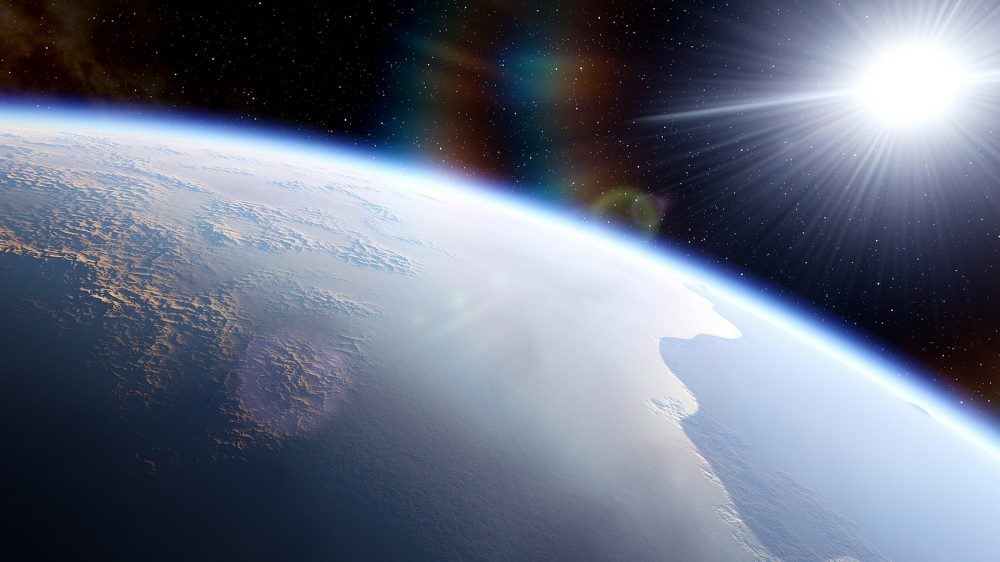
Satellite photo of the Red Sea, with Egypt on the left.

(NASA/Public Domain).

The traditional belief is that this crossing took place at the Gulf of Aqaba, one of the deepest and widest parts of the Red Sea. However, this theory is questionable, as the Gulf of Aqaba spans up to 15 miles (25 km) across, with depths reaching 6,000 feet (1,850 meters), making it impractical for a mass crossing.

A more plausible location for the crossing is the Gulf of Suez, a shallower and narrower arm of the Red Sea. This body of water separates mainland Egypt from the Sinai Peninsula and has an average depth of 65 to 100 feet (20 to 30 meters), with a relatively flat seabed.

Historical accounts even suggest that such a crossing was possible. In 1789, Napoleon Bonaparte and his troops crossed a section of the Gulf of Suez on horseback at low tide; they were nearly swept away when the waters returned, but they did manage to complete their journey nonetheless.

Dr. Bruce Parker, former chief scientist for the National Oceanic and Atmospheric Administration, suggested back in 2014 that Moses might have been aware of these tidal changes and used them to his advantage.

"Moses had lived in the nearby wilderness in his early years, and he knew where caravans crossed the Red Sea at low tide,” he told the Wall Street Journal. “He knew the night sky and the ancient methods of predicting the tide, based on where the moon was overhead and how full it was."

The Egyptians, accustomed to the tideless Nile, would have been unaware of these natural rhythms, leaving them vulnerable when the receding waters suddenly surged back in.

The Answer is Blowing in the Wind

While tidal patterns provide one potential explanation, another key detail from the Bible hints at a different natural phenomenon. The biblical passage states: "The Lord caused the sea to go by a strong east wind all that night and made the sea into dry and the waters were divided."

This reference to strong winds is compelling. Just as blowing on the top of a cup of water pushes the liquid to one side, powerful winds can move large bodies of water, possibly to a significant degree.

Professor Nathan Paldor, an ocean scientist from the Hebrew University of Jerusalem, suggests that a wind blowing at 40 to 45 miles per hour (65 to 70 km/h) from the northwest could have forced the waters of even a deep sea to recede, exposing a path for the Israelites to cross. His calculations indicate that such a wind, sustained for several hours, could drop sea levels by around 10 feet ( three meters), uncovering an underwater ridge for safe passage.

The Crossing of the Red Sea, from the Greek Catholic church of Saint Elijah.

(Adam Ján Figeľ/Adobe Stock).

A key challenge to this wind-based theory is that the Bible specifically mentions an east wind, while the calculations suggest a northwest wind. However, linguistic analysis of the original Hebrew text reveals that the phrase "Rauch kadim" can mean either northeasterly or southeasterly winds, providing some flexibility in interpretation.

Was It the Red Sea, or the ‘Reed’ Sea?

One intriguing theory suggests that the actual crossing did not take place at the Red Sea at all, but rather at a body of water known as the Lake of Tannis, located near modern-day Lake Manzala in the Nile Delta. This theory is supported by the correct translation of the Hebrew term yam suf, traditionally rendered as "Red Sea" but more accurately translated as "Reed Sea." This name likely refers to the densely packed reeds that grow in the shallow, brackish waters of the delta.

Carl Drews' research suggests that the Lake of Tannis could have been affected by the process referenced by Professor Paldor, which is called a "wind setdown." This occurs when strong, sustained winds push water in one direction, temporarily exposing dry land. According to Mr Drews, historical records and computer modeling show that a gale blowing at 62 miles per hour (100 km/h) for eight hours could have forced water back up the Pelusiac branch of the Nile, creating a temporary land bridge three miles (five km) wide.

Drews explains that this phenomenon would match the biblical description of waters forming "as a wall" on both sides. As the wind died down, the water would have rushed back in a dramatic surge, overwhelming anyone caught in its path. His simulations suggest that the Israelites would have had a window of about four hours to complete the 1.8 to 2.5-mile (3 to 4-km) crossing from the Sethrum Peninsula in Egypt to an area known as Kedua.

While Drews acknowledges that enduring hurricane-force winds for four hours would have been an immense challenge, he maintains that it was possible with high motivation and a determined effort.

Medieval engraving of the waters of the Red Sea rushing back in to drown the Egyptians after the Israelites had crossed.

(Wellcome Collection/CC BY-SA 4.0).

An Alternate Explanation?

One common hypothesis is that the waters of the Red Sea parted at just the right time thanks to the impact of a tsunami.

When an earthquake triggers a tsunami, the massive approaching wave pulls the water away from the shore, pulling the tide out much further than usual. In theory, a tsunami in the Red Sea could create a brief interlude of dryness on the path that Moses and his people followed, after which the water would have come back in to drown the Pharaoh’s troops before they could make it across.

But Carl Drews says that this explanation doesn't fit the biblical account.

“Modern reports of tsunamis indicate that the in-and-out period of the surge is less than one hour,' he noted. “This wave period would not match the narrative in Exodus 14, which indicates that Moses and the Israelites had several hours in which to complete their crossing.”

Also, a tsunami wouldn't produce a channel through the sea with water on both sides, which is what the Bible says happened.

The best explanation, according to Mr Drews, is that Moses led the Israelites across the Nile Delta on a land bridge created by gale-force winds—the arrival of which would actually have represented quite the miracle, given the dire circumstances the ancient Israelites were facing.

“According to Exodus 14, Moses received advance notice from God to stand at a certain place at a certain time, stretch out his hand, and wait for deliverance at just the right time,” Mr Drews recalled. “It is fitting and proper for a scientist to study the natural components of this narrative.”

Top image: 

  • Moses and the Children of Israel Crossing the Red Sea, c.1855, by Henri Frédéric Schopin.

Source: 

RELATED VIDEOS

The Red Sea Miracle - Patterns of Evidence presentation by Steve Law (Israel's Exodus from Egypt)

Archaeological Evidence of Moses Crossing the Red Sea

Moses parted the Red Sea

{ https://www.ancient-origins.net/unexplained-phenomena }

Hoe vind je dit bericht?
Geschreven door peter om 22:03 Stuur door

EEN WETENSCHAPPELIJKE KIJK OP DE 12 BEKENDSTE STADSMYTHEN - PART I

EEN WETENSCHAPPELIJKE KIJK OP DE 12 BEKENDSTE STADSMYTHEN - PART I

Lijst van 12 van de Bekendste Stadsmythen:

  1. De Legende van de Ketchup als Medicijn
  2. Het Verhaal van de Mutilatie van de Muis in de Molen
  3. De Beren op de Daken van Amsterdam
  4. De Stadslegende van de Dode Hond in de Kledingkast
  5. Het Spook van de Oude Kerk
  6. De Blinde Man met de Hond
  7. De Mysterieuze Vrouw in het Witte Jurk
  8. De Legende van de Dronken Vissen
  9. De Zwarte Klok van de Dom
  10. Het Verhaal van de Krijtjes in de Klas
  11. De Moord op de Onschuldige Kinderen
  12. De Geest van de Vergeten Soldaat

1. De Legende van de Ketchup als Medicijn

Inleiding

In de schaduw van de moderne geneeskunde, waar wetenschappelijk onderbouwde medicijnen de norm zijn, blijft de legende van ketchup als medicijn een intrigerend verhaal. Deze ogenschijnlijk alledaagse saus heeft door de jaren heen verschillende mythen en verhalen voortgebracht die de verbeelding prikkelen. Dit boek verkent de oorsprong van deze legende, de culturele impact van ketchup, en de wetenschappelijke basis van zijn vermeende gezondheidsvoordelen. We duiken in een wereld waar condiments niet alleen smaakmakers zijn, maar ook een rol spelen in de volksgeneeskunde en de populaire cultuur.

 De Oorsprong van Ketchup

Ketchup, zoals we het vandaag de dag kennen, is een product dat zijn oorsprong heeft in de verre oost. Het woord "ketchup" komt van het Chinese woord "kê-tsiap", wat verwijst naar een gefermenteerde vissaus. Deze saus werd in de 17e eeuw door Europese zeelieden ontdekt en maakte zijn weg naar het Westen. De eerste recepten voor ketchup in Europa bevatten echter geen tomaten, maar waren gebaseerd op paddenstoelen, noten of zelfs oesters.

De transformatie van ketchup naar de tomatenbasis die we nu kennen, vond plaats in de 19e eeuw. In deze periode begonnen Amerikanen de saus te populariseren, en in 1876 introduceerde Heinz de eerste commerciële tomatenketchup. Het product werd al snel een huishoudelijk item in de Verenigde Staten, en de iconische fles werd een symbool van de Amerikaanse keuken.

De legende dat ketchup als medicijn werd gebruikt, vindt zijn oorsprong in deze vroege geschiedenis. In de 1830s werd ketchup in de Verenigde Staten gepromoot als een geneesmiddel tegen verschillende kwalen. Het werd geclaimd dat het zou helpen bij spijsverteringsproblemen, diarree en zelfs als een tonicum voor het lichaam. Deze claims waren vaak gebaseerd op de ingrediënten en de voedingsstoffen die in ketchup aanwezig zijn, zoals lycopeen, een antioxidant dat in tomaten voorkomt.

De populariteit van ketchup als medicijn werd verder versterkt door de opkomst van de patentgeneeskunde in de late 19e eeuw. Veel mensen waren op zoek naar alternatieven voor de vaak gevaarlijke en ineffectieve medicijnen die op dat moment beschikbaar waren. Ketchup werd gezien als een veilig en smakelijk alternatief dat gemakkelijk kon worden geconsumeerd.

Toch werd deze medische toepassing van ketchup snel weer in twijfel getrokken. Wetenschappers en artsen begonnen zich te realiseren dat de gezondheidsclaims niet altijd ondersteund werden door degelijk onderzoek. In de jaren 1900 werd ketchup steeds meer gezien als een voedselproduct in plaats van een medicijn. De gezondheidsvoordelen die ooit aan ketchup werden toegeschreven, werden betwist en vaak als mythe bestempeld.

Desondanks blijft de fascinatie voor ketchup als een potentieel medicijn bestaan. Tegenwoordig zijn er nog steeds onderzoeken die de gezondheidsvoordelen van tomaten en hun derivaten, zoals ketchup, onder de loep nemen. Sommige studies suggereren dat het regelmatig consumeren van tomatenproducten kan bijdragen aan een betere gezondheid door hun hoge gehalte aan antioxidanten. Maar of ketchup daadwerkelijk een medicijn is, blijft een onderwerp van discussie.

In dit hoofdstuk hebben we de oorsprong van ketchup en de legende van zijn medicinale eigenschappen onderzocht. Van een gefermenteerde vissaus tot een populaire tomatensaus, ketchup heeft een rijke geschiedenis die verder gaat dan alleen de smaak van onze maaltijden. De volgende hoofdstukken zullen ons verder leiden in de wereld van ketchup, zijn culturele impact, en de moderne opvattingen over voedsel en gezondheid.

2. Het Verhaal van de Mutilatie van de Muis in de Molen

Inleiding

In de schaduw van de oude molen, waar het gras zachtjes wiegde in de wind en de lucht doordrenkt was met de geur van versgemalen graan, speelde zich een verhaal af dat de grenzen van de verbeelding tartte. Dit verhaal, dat de titel "De Mutilatie van de Muis in de Molen" draagt, laat ons kennismaken met een wereld waar de natuur en de menselijke invloed met elkaar verstrengeld zijn. De molen, ooit een symbool van leven en arbeid, wordt nu het toneel van een gruwelijke ontdekking. Dit verhaal verkent thema's van onschuld, wreedheid en de gevolgen van onze daden, terwijl we de hoofdpersoon, een kleine muis, volgen die gevangen zit in de wrede realiteit van de wereld om hem heen.

De Molen en zijn Bewoners

De oude molen stond al meer dan een eeuw op dezelfde plek, omringd door uitgestrekte velden en een kabbelend beekje dat als een spiegel fungeerde voor de lucht erboven. In de molen woonden niet alleen mensen, maar ook een verscheidenheid aan dieren. Onder hen was er een kleine, onopvallende muis met de naam Miko. Miko was een nieuwsgierige muis, altijd op zoek naar voedsel en avontuur, maar met een timide aard die hem vaak in de problemen bracht.

Op een zonnige ochtend, terwijl de zon zijn stralen door de houten spanten van de molen liet vallen, besloot Miko de zolder van de molen te verkennen. Hij had verhalen gehoord van de oude molenaar over schatten die verborgen lagen tussen de planken en de spinnenwebben. Zijn hart klopte van opwinding terwijl hij voorzichtig de trappen opklom, zijn kleine voetjes nauwelijks geluid makend op de houten treden.

Boven op de zolder vond Miko een schat aan oude voorwerpen: vergeten gereedschappen, beschimmelde boeken en een versleten kist. Terwijl hij de kist inspecteerde, voelde hij een golf van nieuwsgierigheid. Wat zou erin zitten? Hij kon de verleiding niet weerstaan en duwde de kist open met zijn neus. Tot zijn schrik ontdekte hij dat de kist gevuld was met allerlei soorten afval: gescheurde stukken papier, oude touwtjes en… een gruwelijk voorwerp dat zijn maag omdraaide.

Het voorwerp was een gemutileerde muis, zo klein en weerloos, dat het Miko de rillingen bezorgde. De sterke geur van de dood vulde de lucht en Miko's hart begon sneller te kloppen. Hoe kon zoiets gruwelijks gebeuren in de veilige haven van de molen? Verward en met een gevoel van onbehagen, besefte hij dat de molen niet alleen een plek van leven was, maar ook een plek waar de schaduw van de dood hem achtervolgde.

Miko besloot dat dit niet zomaar kon blijven bestaan. Hij moest de andere dieren in de molen waarschuwen, hen vertellen van de verschrikkingen die zich boven hun hoofden afspeelden. Maar terwijl hij zich omdraaide om te vertrekken, hoorde hij een geluid achter zich. Een krakend geluid, als van iets dat zich verroerde in de schaduw. Zijn nieuwsgierigheid maakte plaats voor angst, en Miko's instinct om te overleven nam het over. Wat als de dader nog steeds in de buurt was? Wat als hij de volgende was?

De zolder van de molen, die ooit een plek van avontuur en ontdekking voor hem was, veranderde in een doolhof van angst en onzekerheid. Miko besefte dat hij nu niet alleen moest vechten voor zijn eigen leven, maar ook voor de levens van de andere bewoners van de molen. Dit was het begin van zijn reis, een reis vol gevaren, ontdekkingen en de zoektocht naar gerechtigheid in een wereld die soms wreed kan zijn.

3. De Beren op de Daken van Amsterdam

Inleiding 

In het hart van Amsterdam, waar de grachten zich kronkelig door de stad slingeren en de historische architectuur een rijke achtergrond vormt, ligt een verhaal dat de verbeelding prikkelt. "De Beren op de Daken" is niet alleen een boek, maar een poëtische reis door de levens van mensen die hun dromen najagen in een stad vol mogelijkheden en obstakels. Dit verhaal belicht de verschillende facetten van het leven in Amsterdam, met zijn unieke cultuur, de diversiteit van zijn inwoners en de uitdagingen die zij tegenkomen.

De Stad en Haar Bewoners

Amsterdam is een stad van contrasten, een plek waar traditie en moderniteit elkaar ontmoeten. In dit hoofdstuk introduceren we de hoofdpersonen van ons verhaal, elk met hun eigen achtergrond en dromen. We ontmoeten Sara, een jonge kunstenares die haar weg probeert te vinden in de competitieve kunstwereld van de stad. Haar passie voor schilderen wordt zowel gevoed als belemmerd door de verwachtingen van haar omgeving. Dan is er Amir, een immigrant die zijn leven opnieuw opbouwt na een vlucht uit zijn thuisland. Zijn verhaal weerspiegelt de veerkracht van de menselijke geest in het aangezicht van tegenspoed.

De stad zelf speelt een cruciale rol in hun leven. De grachten, de historische gebouwen en de levendige markten zijn niet alleen een decor, maar ook een bron van inspiratie en frustratie. De bewoners van Amsterdam zijn een smeltkroes van culturen, en dit hoofdstuk laat zien hoe deze diversiteit de stad vormgeeft. De ontmoetingen tussen de personages zijn doorspekt met humor, verdriet en hoop, en illustreren de complexe relaties die ontstaan in een stad waar iedereen zijn eigen verhaal meedraagt.

In de schaduw van de iconische daken van Amsterdam, ontdekken we de geheimen van de stad. De Beren op de Daken zijn niet letterlijk aanwezig, maar symboliseren de dromen en ambities van de bewoners. Dit hoofdstuk verkent de thema's van identiteit en belonging, en hoe de stad zowel een toevluchtsoord als een gevangenis kan zijn. Terwijl Sara haar kunst exposeert in een kleine galerie en Amir zijn eerste stappen zet in een nieuwe baan, worden ze geconfronteerd met de realiteit van hun keuzes. De druk om succesvol te zijn in deze bruisende stad kan overweldigend zijn, en de angst om te falen loert altijd om de hoek.

De dialoog tussen de personages is zowel inspirerend als confronterend. Ze delen hun twijfels en angsten, maar ook hun hoop en dromen. De levendige beschrijvingen van de stad en haar bewoners creëren een rijke context voor hun verhalen. De lezers worden uitgenodigd om samen met hen te reflecteren op hun eigen levens en de keuzes die zij maken.

Conclusie:

"De Beren op de Daken" is meer dan een simpel verhaal; het is een krachtige verkenning van de menselijke ervaring in een stad die zowel uitdagingen als kansen biedt. Door de ogen van de personages ervaren we de schoonheid en de strijd van het leven in Amsterdam. Dit boek nodigt ons uit om onze eigen dromen te omarmen, ongeacht de beren die we op onze weg tegenkomen. De stad is een levend organisme, en haar inwoners zijn de kloppende harten die het tot leven brengen. In de volgende hoofdstukken zullen we dieper ingaan op de reis van onze personages en de lessen die zij leren terwijl ze de uitdagingen van hun leven aangaan.

4. De Stadslegende van de Dode Hond in de Kledingkast

Inleiding

Stadslegenden zijn fascinerende verhalen die van mond tot mond gaan, vaak met een griezelige of schokkende kern. Ze weerspiegelen de angsten en zorgen van de samenleving, en bieden een inkijkje in de cultuur en de tijdsgeest waarin ze ontstaan. Een van de meest intrigerende stadslegenden is die van de Dode Hond in de Kledingkast. Dit verhaal, dat zich vaak afspeelt in de context van studentenhuizen of oudere appartementen, waarschuwt voor de gevaren van onwetendheid en de schaduwen van het verleden die ons kunnen achtervolgen. In deze tekst verkennen we de oorsprong en de impact van deze legende, en duiken we dieper in de kern van het verhaal.

De Ontdekking

In een oud studentenhuis, gelegen aan een rustige straat aan de rand van de stad, woonden vier vrienden: Lisa, Tom, Sarah en Mark. Het huis was een typisch voorbeeld van studentikoze woonruimte, met krakende vloeren en muren die vol hingen met posters van bands en films. Op een dag, tijdens een gezamenlijke schoonmaakactie, besloten ze om de kledingkast van de vorige huurder te inspecteren. Deze huurder, een mysterieuze figuur die nooit lang bleef, had zijn spullen achtergelaten in de hoop dat ze later zouden worden opgehaald. Wat de vrienden echter zouden ontdekken, zou hun leven voor altijd veranderen.

Terwijl ze de kast openmaakten, kwamen ze een ongebruikelijk sterke geur tegen. Lisa, die het meest nieuwsgierig was, stak haar hand in de kast en begon de oude kleren te onderzoeken. Plotseling stuitte ze op iets dat niet hoorde in een kledingkast: een verwaarloosde, dode hond. De hond was in een staat van verrotting en had duidelijk al enige tijd daar gelegen. De schrik en walging gaven de vrienden een ongekend gevoel van onbehagen. Ze vroegen zich af hoe het mogelijk was dat niemand deze afschuwelijke ontdekking had gedaan.

Tom, die altijd de nuchtere van de groep was, stelde voor om de politie te bellen. Maar Sarah, die zich meer betrokken voelde bij de mysterieuze omstandigheden, herinnerde zich een oude legende die ze ooit had gehoord. Het verhaal ging over een student die ooit in dat huis had gewoond en die, na een mislukte poging om zijn hond te verbergen, spoorloos was verdwenen. De vrienden begonnen te speculeren over de connectie tussen de dode hond en de oude bewoner. Was de hond het slachtoffer van een tragisch ongeluk of was er meer aan de hand?

Naarmate de dagen verstreken, begonnen ze steeds meer vreemde dingen te ervaren. De lichten knipperden zonder reden, er waren ongehoorde geluiden 's nachts, en soms leek het alsof ze niet alleen waren in het huis. De sfeer werd steeds grimmiger, en de vrienden voelden een groeiende druk om het mysterie van de dode hond op te lossen. Hun aanvankelijke nieuwsgierigheid veranderde in angst, en ze vroegen zich af of ze wel veilig waren in hun eigen huis.

De ontdekking van de dode hond in de kledingkast zou hun leven voorgoed veranderen. Wat begon als een onschuldige schoonmaakactie, eindigde in een nachtmerrie waar ze niet snel van zouden herstellen. De stad legende van de Dode Hond in de Kledingkast had zijn grip op hen gekregen, en de waarheid die ze zochten, leek steeds verder uit hun bereik te glijden. Hun zoektocht naar antwoorden zou hen niet alleen confronteren met het verleden, maar ook met hun eigen angsten en de duistere geheimen die in de schaduw van hun huis verborgen lagen.

5. Het Spook van de Oude Kerk

Inleiding

"Het Spook van de Oude Kerk" is een meeslepende jeugdroman die zich afspeelt in een oud, mysterieus gebouw dat de tand des tijds heeft doorstaan. Het verhaal combineert elementen van avontuur, mysterie en historische feiten, waardoor het niet alleen vermakelijk is voor jonge lezers, maar ook hen aanmoedigt om na te denken over de geschiedenis en de verhalen die oude gebouwen met zich meedragen. De hoofdpersoon, een nieuwsgierige en dappere jongen genaamd Tom, ontdekt dat er meer schuilt achter de muren van de Oude Kerk dan hij ooit had kunnen vermoeden. Samen met zijn vrienden gaat hij op zoek naar de waarheid achter het spook dat de stad al generaties lang in zijn greep houdt.

De Ontdekking

Tom kon zijn ogen niet geloven toen hij voor de Oude Kerk stond. De hoge toren reikte tot de wolken, en de stenen muren waren bedekt met klimop en geheimen. Het was een plek die de stad al eeuwenlang domineerde, maar Tom had nooit de kans gehad om naar binnen te gaan. Vandaag was anders. Samen met zijn beste vrienden, Lisa en Max, had hij zijn moed bij elkaar geraapt om de kerk te verkennen.

“Denk je dat het echt spookt?” vroeg Max, terwijl hij zijn handen in zijn zakken stopte en nerveus om zich heen keek. Tom knikte, zijn nieuwsgierigheid was groter dan zijn angst. “Er gaan verhalen rond dat de geest van een oude priester hier rondwaart. Ze zeggen dat hij de kerk beschermt, maar ook dat hij niemand binnenlaat die slechte bedoelingen heeft.”

De vrienden duwden de zware houten deur open, die met een krakend geluid openging. Een muffe geur van oud hout en kaarsvet kwam hen tegemoet. Het interieur was donker, op enkele stralen zonlicht na die door de hoge ramen naar binnen vielen. De muren waren versierd met vervaagde fresco’s en de vloer was bedekt met een laag stof die de sporen van de tijd droeg.

“Wow, kijk eens naar dit altaar!” riep Lisa, terwijl ze naar voren stapte. Tom en Max volgden haar en keken met open mond naar het prachtig bewerkte houtwerk. Maar daar was iets anders. In de schaduw van het altaar leek een figuur te bewegen. Tom’s hart sloeg een slag over. Had hij het zich verbeeld, of was er daadwerkelijk iets?

“Zien jullie dat ook?” fluisterde hij, terwijl hij naar de schaduw wees. Max knikte, maar zijn gezicht was wit van angst. Lisa, die altijd de dapperste van de groep was, liep naar voren. “Misschien is het de geest van de priester!” zei ze met een mengeling van opwinding en vrees.

Plotseling hoorden ze een zacht gefluister, dat door de kerk weerkaatste. “Ga weg… ga weg…” Het was een diep, somber geluid dat hen rillingen over de rug deed lopen. Tom voelde een koude rilling door zijn lichaam trekken. “Laten we teruggaan,” stelde hij voor, maar Lisa schudde haar hoofd. “Nee, we moeten weten wat er aan de hand is!”

Vastbesloten om het mysterie van de Oude Kerk te ontrafelen, verzamelden de vrienden al hun moed en stapten verder de duisternis in. Wat zou hen te wachten staan? De verhalen over het spook zouden niet meer alleen maar verhalen zijn. Ze stonden op het punt om de waarheid onder ogen te zien en het verleden van de Oude Kerk te ontdekken.

6. De Blinde Man met de Hond

Inleiding

"De Blinde Man met de Hond" is een ontroerende en aangrijpende novelle die de thema's van verlies, verbinding en de kracht van onzichtbare relaties verkent. Het verhaal draait om een blinde man die samen met zijn hond door een stad wandelt. Zijn blindheid is zowel letterlijk als figuurlijk; hij is niet in staat om de wereld om hem heen te zien, maar zijn hond biedt hem een vorm van begeleiding en troost. De novelle nodigt de lezer uit om na te denken over de manier waarop mensen met elkaar verbonden zijn, zelfs als ze elkaar niet volledig kunnen begrijpen of zien. In deze inleiding wordt de achtergrond van de hoofdpersoon en zijn relatie met de hond belicht, evenals de symboliek die aan deze relatie is verbonden.

De Ontmoeting

De lucht was grijs en dreigend, een weerspiegeling van de sombere gemoedstoestand van de blinde man. Terwijl hij voorzichtig de stoep betrad, voelde hij de bekende aanwezigheid van zijn hond, die aan de lijn trok om de weg te verkennen. De hond, een stevige labrador met een glanzende, zwarte vacht, was niet alleen een gids, maar ook een trouwe metgezel. De man had zijn hond jaren geleden geadopteerd, in een tijd waarin hij het moeilijk had om zijn weg te vinden in het leven. De hond was meer dan een huisdier; hij was een bron van hoop en vreugde.

Terwijl ze samen door de straten slenterden, kon de man de geluiden van de stad waarnemen: het gekletter van fietsen, het geroezemoes van gesprekken en het zachte gefluister van de wind. Elke stap die hij zette, was doordrenkt met de herinneringen aan zijn verleden. Hij dacht terug aan de dagen dat hij nog kon zien, de kleuren die de wereld vulden en de gezichten van mensen die hem omringden. Maar die dagen leken nu zo ver weg, als een vervaagd schilderij dat langzaam uit het gezichtsveld verdwijnt.

Op een dag, terwijl de man op een bankje in het park zat, voelde hij een nieuwe aanwezigheid naast zich. Een vrouw met een warme stem begon een gesprek. Haar woorden waren vriendelijk en vol begrip, en ze leek oprecht geïnteresseerd in zijn verhaal. De man voelde een sprankje hoop opbloeien, iets wat hij in lange tijd niet had gevoeld. De hond ging liggen en leunde tegen de man aan, als om hem te steunen in deze onverwachte interactie.

De vrouw stelde voor om samen te wandelen, en al snel bevonden ze zich op hetzelfde pad, de hond snuffelend aan de geurige bloemen langs de route. Het gesprek vloeide natuurlijk, als een rivier die zijn weg vond tussen de stenen. Terwijl ze spraken, voelde de man een connectie die hij lang had gemist. De vrouw leek zijn stilte te begrijpen, en haar aanwezigheid bracht een nieuwe dimensie aan zijn bestaan.

Terwijl de zon door de wolken brak, voelde de man de warmte op zijn gezicht. Het was een symbool van de nieuwe hoop die in hem opkwam. De blinde man realiseerde zich dat, hoewel hij de wereld niet kon zien, hij met de steun van zijn hond en de onverwachte verbinding met de vrouw een nieuwe weg kon inslaan. De ontmoeting was meer dan toevallig; het was een moment van transformatie dat zijn leven zou veranderen.

In dit hoofdstuk wordt de ontwikkeling van de relatie tussen de blinde man en de hond, evenals de nieuwe verbinding met de vrouw, benadrukt. Het illustreert niet alleen de uitdagingen van het leven met een beperking, maar ook de schoonheid van menselijke interactie en de kracht van vriendschap. De blinde man leert dat verbinding mogelijk is, zelfs in de duisternis.

7. De Mysterieuze Vrouw in het Witte Jurk

Inleiding 

In een klein, afgelegen dorpje, omgeven door dichte bossen en mistige heuvels, circuleert een legende over een mysterieuze vrouw in een witte jurk. Deze vrouw is nooit door iemand gezien, maar haar aanwezigheid wordt in gefluisterde verhalen en angsten beschreven. Ze verschijnt alleen tijdens volle maan, en volgens de dorpsbewoners is ze een geest die verloren is gegaan in de tijd. Haar verschijning roept niet alleen nieuwsgierigheid op, maar ook wanhoop en vrees. Wat is het verhaal achter deze mysterieuze figuur? Waarom is ze hier, en wat zoekt ze? Dit verhaal neemt je mee op een reis door de schaduwen van het verleden en onthult de geheimen die verborgen liggen in het hart van het dorp.

De Legende van de Witte Jurk

Het was een koude, mistige avond toen Emma, een jonge journaliste, besloot het dorp te bezoeken. Ze had gehoord van de legende van de vrouw in het witte jurk en was vastberaden om het mysterie te ontrafelen. De dorpsbewoners waren terughoudend om over de vrouw te praten. Sommigen fluisterden over haar schoonheid, anderen over haar treurige verleden. Ze vroegen zich af of Emma, net als de velen voor haar, ook zou verdwijnen in de duisternis van de bossen.

Emma begon haar onderzoek in de lokale herberg, waar ze hoopte meer te leren over de legende. Terwijl ze haar notities doorbladerde, merkte ze de nieuwsgierige blikken van de andere gasten op. Een oude man, gekleed in een versleten jas, durfde uiteindelijk de stilte te doorbreken. "Je zoekt de vrouw in het witte jurk, hè?" vroeg hij met een schorre stem. "Wees voorzichtig, meisje. Ze is niet zoals wij."

De oude man vertelde over de eerste keer dat de vrouw werd gezien. Het was tientallen jaren geleden, tijdens een stormachtige nacht. Een jonge vrouw, bekend om haar schoonheid, verdween tijdens een wandeling in het bos. Volgens de legende was ze op zoek naar haar geliefde, die naar de oorlog was gestuurd en nooit terugkeerde. De vrouw droeg altijd een witte jurk, een symbool van haar onschuld en trouw. Na haar verdwijning werd haar geest gevangen in het bos, en sindsdien verschijnt ze elke volle maan aan de rand van het dorp.

Emma was gefascineerd door het verhaal, maar ze voelde ook een koude rilling over haar rug lopen. "Waarom verschijnt ze alleen tijdens de volle maan?" vroeg ze. De oude man zuchtte diep en leunde dichter naar haar toe. "Ze zoekt antwoorden, net als jij. Maar wees gewaarschuwd, kind. Haar verdriet is zwaar, en wie haar ogen ontmoet, kan nooit meer hetzelfde zijn."

Die nacht besloot Emma het bos in te gaan. Gewapend met een zaklamp en haar notitieboekje, stapte ze de duisternis in. Het geluid van takken die onder haar voeten kraakten, vulde de lucht. Terwijl ze dieper het bos in liep, begon de mist zich om haar heen te wikkelen, alsof het de geheimen die het verbergt, wilde beschermen.

Plotseling, zoals de oude man had voorspeld, verscheen de vrouw in een stralend witte jurk voor haar. Haar gezicht was bleek, en haar ogen straalden een intens verdriet uit. Emma voelde een onweerstaanbare drang om naar haar toe te stappen. "Wat zoek je?" fluisterde ze, terwijl ze de hand van de mysterieuze vrouw probeerde te raken. Maar op dat moment vervaagde de vrouw in het niets, en Emma besefte dat ze de ware betekenis van de legende nog moest ontdekken.

De ontmoeting met de vrouw in het witte jurk zou Emma's leven voor altijd veranderen. De zoektocht naar antwoorden was nog maar net begonnen, en de geheimen van het verleden zouden haar dwingen om geconfronteerd te worden met haar eigen angsten en verlangens.

8. De Legende van de Dronken Vissen

Inleiding

In de wereld van folklore en legenden zijn er verhalen die ons uitnodigen om na te denken over de relatie tussen de mens en de natuur. "De Legende van de Dronken Vissen" is zo'n verhaal. Het neemt ons mee naar een klein vissersdorp aan de rand van een uitgestrekt meer, waar de inwoners afhankelijk zijn van de visserij voor hun levensonderhoud. Maar wat gebeurt er als de natuur zich wreekt op de mens? Dit verhaal verkent thema's als harmonie, respect voor de natuur en de gevolgen van hebzucht. Het vertelt ons niet alleen over de visserij, maar ook over de lessen die we kunnen leren van onze omgeving.

De Oorsprong van de Legende

Lang geleden, in een pittoresk dorpje genaamd Vissershaven, waar de zon elke ochtend opkwam als een gouden munt boven het rustige meer, leefden de dorpelingen in harmonie met de natuur. De vissers waren trots op hun ambacht en visten elke dag met respect voor de wateren. Ze geloofden dat de vissen hun vrienden waren en dat het meer hen levensonderhoud bood in ruil voor zorgvuldige aandacht.

Maar met de komst van een nieuwe generatie vissers veranderde alles. Deze jonge mannen, gedreven door hebzucht en de wens om rijkdom te vergaren, begonnen de vissen te overbevissen. Ze negeerden de oude tradities en de wijsheid van de ouderen, die hen waarschuwden om voorzichtig te zijn. "De vissen zijn onze bondgenoten," zeiden de oude vissers. "Als we ze niet met respect behandelen, zullen ze ons straffen."

De jonge vissers, echter, luisterden niet. Ze gebruikten netten die veel te groot waren en vingen alles wat ze konden, ongeacht de gevolgen. Op een dag, na een bijzonder grote vangst, besloten ze hun geluk te vieren met een feest. Ze dronken wijn en dansten aan de oever van het meer, terwijl ze zich niets aantrokken van de natuur om hen heen.

Die nacht, onder de heldere sterrenhemel, gebeurde er iets vreemds. De vissen in het meer, die zich al een tijdlang zorgen maakten over de drukte en de schade die de vissers toebrachten, kwamen samen in een geheim overleg. Hun leider, een oude en wijze forel, sprak: "We kunnen niet langer toekijken terwijl onze soort wordt uitgeroeid. We moeten onze kracht tonen en de balans herstellen."

De volgende ochtend, toen de vissers weer hun netten uitwierpen, ontdekten ze iets wonderlijks. De vissen, die voorheen zo talrijk waren, leken te zijn verdwenen. De netten bleven leeg. De vissers keken elkaar verwonderd aan, maar gaven nog niet op. Ze visten door, vastberaden om hun geluk terug te vinden.

Wat ze echter niet wisten, was dat de vissen zich hadden verenigd en hun eigen plan hadden gesmeed. Ze besloten om hun eigen "feest" te houden. Ze dronken van het mystieke water dat de dorpsbewoners altijd hadden gemeden, een bron die, volgens de legende, hen dronken zou maken. Dit water gaf de vissen een ongekende kracht en durf.

Die avond, terwijl de maan hoog aan de hemel stond, zwommen de vissen naar de oppervlakte en maakten zich zichtbaar voor de vissers. De vissers, nu moe van hun inspanningen, zagen de vissen springen en zich gedragen als nooit tevoren. Ze leken te dansen op de golven, alsof ze de mensen uitdaagden om hun spel te spelen.

De legende van de dronken vissen was geboren: een verhaal over de gevolgen van respectloosheid en de kracht van de natuur, die altijd zal terugvechten als haar grenzen worden overschreden. De vissers zouden leren dat niet alleen zij de heersers van het meer waren, maar dat zij ook de verantwoordelijkheid droegen om in harmonie met de natuur te leven.

9. De Zwarte Klok van de Dom

Inleiding

"De Zwarte Klok van de Dom" is een meeslepende roman die zich afspeelt in het middeleeuwse Utrecht, waar de majestueuze Domtoren niet alleen het stadsbeeld, maar ook het leven van de inwoners bepaalt. Het verhaal verweeft historische elementen met fictie en legt de nadruk op thema’s zoals macht, religie en de strijd tussen goed en kwaad. De roman biedt niet alleen een blik op het leven in die tijd, maar onderzoekt ook de menselijke psyche en de impact van keuzes die individuen maken. In deze inleiding zullen we de belangrijkste thema’s en de setting van het verhaal verkennen, evenals de centrale personages en hun ontwikkeling.

De Klok en de Stad

In het hart van Utrecht, onder de schaduw van de imposante Domtoren, tikt de Zwarte Klok. Deze klok, gesmeed uit een mysterieuze legering, heeft een sinistere reputatie. Men zegt dat hij de dood aankondigt van wie zijn geluid hoort. De inwoners van de stad leven in angst en bijgeloof, en de klok wordt al snel het symbool van hun onrust. De roman opent met een levendige beschrijving van de stad, die bruisend is van activiteit maar tegelijkertijd doordrenkt van een onheilspellende sfeer. De markten zijn vol leven, maar de gezichten van de mensen zijn somber, telkens weer opkijkend naar de toren, bang voor het onheil dat de klok kan brengen.

De hoofdpersoon, Lucas, een jonge klokkenmaker, heeft een bijzondere relatie met de Zwarte Klok. Zijn vader, ook klokkenmaker, is overleden onder mysterieuze omstandigheden, en Lucas voelt een sterke drang om de geheimen van de klok te ontrafelen. Hij is vastberaden om de waarheid te ontdekken, niet alleen over de klok, maar ook over zijn vader en hun familiegeschiedenis. De lezer wordt meegenomen in zijn zoektocht, die hem niet alleen door de straten van Utrecht leidt, maar ook naar de diepten van zijn eigen ziel.

Terwijl Lucas zich verdiept in de geschiedenis van de klok, ontmoet hij verschillende personages die elk hun eigen verhaal en geheimen met zich meedragen. Onder hen is Agnes, een sterke en onafhankelijke vrouw die vecht voor haar recht op een beter leven in een door mannen gedomineerde wereld. Haar weg kruist die van Lucas wanneer ze samen een duister complot ontdekken dat de stad bedreigt. Hun relatie ontwikkelt zich van vriendschap naar iets diepers, terwijl ze samen de schaduwkant van de stad verkennen.

De Zwarte Klok wordt steeds meer een personage op zich, een symbool van de strijd tussen het goede en het kwade. Naarmate het verhaal vordert, beginnen de inwoners van Utrecht zich tegen de klok te verzetten. Er ontstaan geruchten dat de klok niet alleen de dood aankondigt, maar ook de mogelijkheid biedt om de toekomst te veranderen. Dit idee brengt hoop, maar ook gevaar met zich mee, en leidt tot een conflict dat de stad op zijn grondvesten zal doen schudden.

In dit hoofdstuk worden de thema’s van angst, hoop, en de zoektocht naar waarheid duidelijk verwoord. De lezers worden uitgenodigd om zich onder te dompelen in de sfeer van het middeleeuwse Utrecht en de complexiteit van de menselijke emoties die in de schaduw van de Zwarte Klok floreren. De opbouw van spanning en de introductie van karakterontwikkeling zetten de toon voor de rest van het verhaal, waarin de strijd om de controle over het lot van de stad centraal staat.

10. Het Verhaal van de Krijtjes in de Klas

Inleiding

In de wereld van kinderen zijn verbeelding en creativiteit de drijvende krachten achter hun ontdekkingen. Een van de meest iconische en veelzijdige instrumenten die deze fantasie aanwakkeren, zijn krijtjes. Het verhaal van "Het Verhaal van de Krijtjes in de Klas" neemt ons mee naar een klaslokaal waar krijtjes tot leven komen, elk met hun eigen persoonlijkheid en verhaal. Dit verhaal leert ons niet alleen over de kracht van samenwerken, maar ook over de waarde van diversiteit en het omarmen van verschillen. Laten we samen het avontuur van deze bijzondere krijtjes ontdekken.

De Krijtjes Krijgen Stemmen

In een klein, kleurrijk klaslokaal zaten een stel krijtjes op een houten bureau, klaar om hun verhaal te vertellen. De lerares, mevrouw Van Dijk, had net de klas binnengebracht en de krijtjes keken vol spanning naar de kinderen. De krijtjes wisten dat ze vandaag een belangrijke rol zouden spelen. Mevrouw Van Dijk had hen verteld dat ze zouden worden gebruikt voor een kunstproject, en dat maakte hen enthousiast.

Aan de rechterkant van de doos zat de rode krijt, een vurige en enthousiaste krijt die altijd vol ideeën zat. "Ik wil een brandweerauto tekenen!" riep hij uit, terwijl hij heen en weer sprong. De blauwe krijt, die altijd kalm en bedachtzaam was, antwoordde: "Laten we een mooie oceaan tekenen, met vissen en schepen." De gele krijt, die altijd vrolijk en optimistisch was, voegde zich bij het gesprek: "Wat als we de zon er bovenop tekenen? Dan wordt het een stralend plaatje!"

Terwijl de krijtjes hun ideeën uitwisselden, merkte de groene krijt op dat er niemand was die iets wilde maken met de kleur groen. "Waarom tekenen we geen bomen en gras?" vroeg hij, iets minder zeker dan de anderen. Maar de rode, blauwe en gele krijtjes lachten en zeiden: "Groen is saai! Iedereen houdt van felle kleuren!" De groene krijt voelde zich verdrietig en onopgemerkt, maar besloot om stilletjes af te wachten.

De krijtjes begonnen met hun kunstproject. Elk van hen werkte hard aan hun eigen deel van het kunstwerk. De rode krijt maakte een stralende brandweerauto, de blauwe krijt creëerde een diepblauwe oceaan en de gele krijt tekende een zon die straalde als nooit tevoren. Terwijl ze bezig waren, merkte de groene krijt dat zijn vrienden steeds meer van hun kunstwerk afgeleid raakten door hun eigen creaties. Ze vergaten de schoonheid van samen werken en de kracht van hun verschillende kleuren.

Plotseling kwam mevrouw Van Dijk naar het bureau en keek naar het kunstwerk. "Wat een prachtig idee, jongens! Maar waar is de natuur? Waar zijn de bomen en het gras?" vroeg ze. De krijtjes keken naar elkaar en beseften dat ze de groene krijt vergeten waren. Met een gevoel van spijt vroegen ze de groene krijt om hulp. De groene krijt was verrast, maar blij dat hij eindelijk werd gehoord. "Ik kan een geweldig bos tekenen!" zei hij enthousiast.

Het was een les in samenwerking en inclusie. De krijtjes leerden dat elke kleur, hoe 'saai' ook, een belangrijke rol speelt in het creëren van iets moois. Samen maakten ze een prachtig kunstwerk dat niet alleen de klas vulde met kleur, maar ook met een boodschap van eenheid en vriendschap.

Deze legende laat ons zien hoe belangrijk het is om naar elkaar te luisteren en elkaars unieke eigenschappen te waarderen. In de wereld van de krijtjes, net als in de echte wereld, kunnen we samen meer bereiken door onze verschillen te omarmen.

11. De Moord op de Onschuldige Kinderen

Inleiding

De moord op onschuldige kinderen is een onderwerp dat door de eeuwen heen in verschillende samenlevingen heftige emoties en diepgaande discussies heeft opgeroepen. Het verlies van een kind is niet alleen een tragedie voor de betrokken families, maar raakt ook de fundamenten van de samenleving zelf. Deze inleiding beoogt een verkenning van de complexe factoren die bijdragen aan deze gruwelijke daden, de psychologische impact op de slachtoffers en hun naasten, en de morele en juridische implicaties die voortvloeien uit dergelijke misdaden. In dit hoofdstuk zullen we ons verdiepen in de psychologische achtergronden van daders, de rol van de samenleving en mogelijke preventieve maatregelen.

De Psychologie van de Dader

De moord op kinderen is vaak het resultaat van een complexe interactie van psychologische, sociale en omgevingsfactoren. Daders van zulke misdaden worden vaak gekarakteriseerd door een mix van ernstige mentale stoornissen, trauma's uit hun eigen verleden en een gebrek aan empathie. Het is belangrijk te begrijpen dat deze individuen vaak niet in één categorie passen; hun motieven kunnen variëren van wraakgevoelens en persoonlijke frustraties tot ernstige psychoses.

1. Achtergrond van de Dader

Veel daders van kindermoord hebben een geschiedenis van geweld of misbruik in hun eigen jeugd. Dit kan leiden tot een verstoord wereldbeeld en een onvermogen om gezonde relaties aan te gaan. Onderzoek toont aan dat een significant aantal van deze individuen lijdt aan geestelijke gezondheidsproblemen, zoals schizofrenie, persoonlijkheidsstoornissen of ernstige depressie. Het is cruciaal om te erkennen dat niet alle mensen met geestelijke gezondheidsproblemen gewelddadig zijn, maar in combinatie met andere factoren kan dit een risico vormen.

2. De Rol van Sociale Omstandigheden

Naast individuele psychologische factoren spelen sociale omstandigheden een belangrijke rol in het ontstaan van gewelddadig gedrag. Armoede, gebrek aan onderwijs en sociaal isolement kunnen bijdragen aan een omgeving waarin gewelddadig gedrag wordt genormaliseerd. Wanneer een individu opgroeit in een gewelddadige of instabiele omgeving, kan dit de neiging versterken om geweld te gebruiken als een manier om conflicten op te lossen of emoties te uiten.

3. Het Gebrek aan Empathie

Een andere belangrijke factor is het gebrek aan empathie dat bij veel daders voorkomt. Dit kan voortkomen uit een combinatie van genetische aanleg, vroege ervaringen en sociale invloeden. Empathie is cruciaal voor het aangaan van gezonde relaties en het begrijpen van de gevolgen van eigen daden. Wanneer iemand niet in staat is om zich in te leven in anderen, kunnen de morele bezwaren tegen geweld tegen kinderen verdwijnen.

4. Preventieve Maatregelen

Om deze tragedieën te voorkomen, is het essentieel dat we ons richten op zowel de behandeling van geestelijke gezondheidsproblemen als op vroege interventie in gezinnen met een geschiedenis van geweld. Onderwijsprogramma's die gericht zijn op sociale vaardigheden en emotionele intelligentie kunnen ook helpen om toekomstige daders te identificeren en te ondersteunen voordat ze schade toebrengen.

Conclusie

De moord op onschuldige kinderen is een gruwelijke en complexe kwestie die ons dwingt om verder te kijken dan alleen de dader. Door de psychologische, sociale en omgevingsfactoren te begrijpen die bijdragen aan deze daden, kunnen we effectievere strategieën ontwikkelen om deze verschrikkingen in de toekomst te voorkomen. Het is een gezamenlijke verantwoordelijkheid van onze samenleving om te zorgen voor de meest kwetsbaren onder ons en te werken aan een wereld waarin elk kind veilig kan opgroeien.

12. De Geest van de Vergeten Soldaat

Inleiding

"De Geest van de Vergeten Soldaat" is een meeslepende roman die het verhaal vertelt van een soldaat die, na zijn dood op het slagveld, in de geestelijke wereld blijft hangen. Het boek verkent thema's als de impact van oorlog op de mens, de zoektocht naar vergeving en de noodzaak van herinnering. Door middel van flashbacks en dromen wordt de lezer meegenomen in de levenservaringen van de soldaat, die zijn verleden probeert te verwerken terwijl hij de stemmen van zijn mede-soldaten hoort. Dit verhaal is niet alleen een reflectie op de gevolgen van oorlog, maar ook een oproep tot bewustwording van de offers die door soldaten worden gebracht. In deze inleiding en het daaropvolgende hoofdstuk 

 De Echo's van het Verleden

De zon was al ondergegaan toen de soldaat zijn ogen opendeed. De wereld om hem heen was stil, te stil. Hij bevond zich in een mistige vallei, omringd door bomen die hun takken als omhelzingen naar hem uitstaken. De geur van aarde en roestige metaal vulde de lucht; herinneringen aan de strijd die hij had meegemaakt. Wat was er met hem gebeurd? Had hij werkelijk de dood gevonden of was dit een vreemde droom?

Langzaam kwamen de beelden van de strijd terug. Hij herinnerde zich de chaos, het geschreeuw van zijn kameraden en de overvloed aan bloed die de grond had doordrenkt. Hun gezichten leken te vervagen, maar de namen waren onvergetelijk: Tom, de joviale jongen met de grote dromen, en Anouk, de dappere verpleegster die tevergeefs had geprobeerd hen te redden. De soldaat voelde een golf van verdriet en schuld door zich heen golven. Waarom was hij hier en niet zij? Waarom was hij de enige die nog leefde, in een wereld die hem niet meer kende?

Terwijl hij verder de vallei in liep, hoorde hij de stemmen van zijn gevallen vrienden. Hun woorden waren niet kwaad of verwijtend, maar vol van verloren hoop. “Vergeet ons niet,” fluisterden ze in de wind. “We leven voort in jou.” De soldaat wist dat hij hun herinneringen moest koesteren, maar de pijn van hun verlies was te groot.

Plotseling verscheen een oude man voor hem, met een gezicht dat de sporen van de oorlog droeg. Zijn ogen waren diep en wijs. “Jij bent hier omdat je iets moet begrijpen,” zei de man. “De geest van de vergeten soldaat is niet alleen een verhaal van verlies, maar ook van verzoening.” De soldaat knikte, maar voelde zich verloren. Hoe kon hij verzoenen met iets wat zo verschrikkelijk was?

De oude man leidde hem naar een open plek, waar een groot monument stond. Het was een eerbetoon aan de soldaten die nooit een eerzaam graf hadden gekregen. “Dit is de plek waar je moet beginnen,” zei de man. “Hier moet je jouw verhaal vertellen.”

De soldaat voelde een drang om zijn verleden te delen, om de verhalen van zijn vrienden te laten voortleven. Maar de angst om te falen hield hem tegen. Wat als niemand luisterde? Wat als zijn woorden verloren gingen in de stilte van de wereld? Toch wist hij dat hij moest proberen. Voor Tom, voor Anouk, voor alle vergeten zielen die hun verhalen nooit meer zouden kunnen vertellen.

Met een zucht van vastberadenheid begon hij te spreken, zijn stem trilde in de lucht. “Ik ben hier om jullie te herinneren…” En terwijl hij sprak, voelde hij een connectie met de wereld om hem heen, alsof de geest van de vergeten soldaat eindelijk zijn plaats had gevonden.

{ PETER2011 }

Hoe vind je dit bericht?
Geschreven door peter om 21:44 Stuur door

EEN WETENSCHAPPELIJKE KIJK OP DE 12 BEKENDSTE STADSMYTHEN- PART II

EEN WETENSCHAPPELIJKE KIJK OP DE 12 BEKENDSTE STADSMYTHEN- PART II

Een Algemene Wetenschappelijke Visie op Stadsmythen

Stadslegenden 01-02 (c)

Inleiding

Stadsmythen zijn een fascinerend aspect van de hedendaagse folklore, die vaak diep geworteld zijn in de cultuur en geschiedenis van de plaatsen waar ze ontstaan. Ze kunnen variëren van onschuldige verhalen tot angstaanjagende legendes en weerspiegelen vaak de zorgen, waarden en angsten van de lokale bevolking. In dit artikel zullen we een wetenschappelijke benadering hanteren om de oorsprong, verspreiding, veranderingen, geloofwaardigheid en impact van stadsmythen te onderzoeken. We zullen ons richten op de 12 bekendste stadsmythen, zoals de "Bloody Mary", de "Chupacabra", en de "Slender Man", en de relevante thema's in dit onderzoek bespreken.

1. De Oorsprong van Stadsmythen

Stadsmythen zijn verhalen die circuleren binnen een stedelijke omgeving en vaak een mix zijn van feiten, fictie en folklore. Ze functioneren niet alleen als entertainment, maar ook als een reflectie van de zorgen, angsten en waarden binnen een samenleving. De oorsprong van deze mythen kan worden herleid tot een combinatie van historische gebeurtenissen, culturele tradities en sociale angsten. Dit artikel onderzoekt deze oorsprong en belicht hoe stadsmythen zich ontwikkelen en verspreiden.

1.1. Historische Gebeurtenissen

Historische gebeurtenissen vormen vaak de basis voor stadsmythen. Bijvoorbeeld, grote rampen zoals branden, overstromingen of oorlogen kunnen het ontstaan van mythen stimuleren. Wanneer een tragedie plaatsvindt, zoals de grote brand van Londen in 1666, ontstaan er vaak verhalen die de angst en chaos van die tijd weerspiegelen. Deze verhalen worden doorgegeven van generatie op generatie en kunnen worden aangepast aan de veranderende sociale context. Zo kan een mythe over een "spook van de brand" voortkomen uit de collectieve herinnering aan de angst en het verdriet die deze gebeurtenis met zich meebracht.

1.2. Culturele Tradities

Culturele tradities spelen een cruciale rol in de vorming van stadsmythen. Veel steden hebben unieke folklore en legendes die zijn ontstaan uit de lokale geschiedenis en gebruiken. Deze verhalen worden vaak doorgegeven via mondelinge traditie, festivals en andere culturele evenementen. In Nederland zijn er bijvoorbeeld mythen rondom de stad Amsterdam, zoals het verhaal van de "Witte Wieven", die volgens de lokale folklore als geestverschijningen worden gezien. Deze mythen zijn niet alleen vermakelijk, maar bieden ook inzicht in de culturele identiteit van de stad.

1.3. Sociale Angsten

Naast historische en culturele factoren, zijn sociale angsten een belangrijke drijfveer achter het ontstaan van stadsmythen. In tijden van verandering, zoals urbanisatie, migratie of economische crisis, kunnen mensen zich onzeker voelen over hun omgeving. Stadsmythen bieden vaak een manier om deze angsten te verkennen en te verlichten. Voorbeeld hiervan is de mythe van de "urban legend", die vaak draait om het idee van een onbekende dreiging in de stad, zoals een seriemoordenaar of een gevaarlijk persoon. Deze verhalen kunnen de angst voor het onbekende weerspiegelen en fungeren als een waarschuwing voor de gemeenschap.

1.4. De Verspreiding van Stadsmythen

De verspreiding van stadsmythen kan niet los worden gezien van de rol van de media en de sociale netwerken. In de moderne tijd, met de opkomst van internet en sociale media, kunnen mythen zich razendsnel verspreiden. Platforms zoals Facebook, Twitter en Instagram maken het mogelijk voor verhalen om in een fractie van een seconde een groot publiek te bereiken. Dit heeft geleid tot een toename van het aantal stadsmythen, waarbij oude verhalen worden herverteld in een nieuwe context. Het viral gaan van deze verhalen kan de angst of nieuwsgierigheid binnen een gemeenschap verder aanwakkeren.

1.5. De Impact van Stadsmythen

Stadsmythen hebben niet alleen invloed op de cultuur en identiteit van een plaats, maar kunnen ook maatschappelijke gevolgen hebben. Ze kunnen leiden tot stigmatisering van bepaalde buurten of groepen mensen. Bijvoorbeeld, als een mythe ontstaat over een specifieke wijk als gevaarlijk of crimineel, kan dit de perceptie en het gedrag van zowel bewoners als bezoekers beïnvloeden. Dit kan op zijn beurt leiden tot sociale uitsluiting en economische achteruitgang.

Conclusie

Als besluit kunnen we stellen dat de oorsprong van stadsmythen een complex samenspel van historische gebeurtenissen, culturele tradities en sociale angsten is. Ze zijn een integraal onderdeel van de stedelijke cultuur en bieden waardevolle inzichten in de dynamiek van een samenleving. Door de invloed van moderne media verspreiden deze mythen zich sneller dan ooit, waardoor ze een blijvende impact hebben op de gemeenschappen waarin ze ontstaan. Het begrijpen van stadsmythen kan ons niet alleen helpen de geschiedenis van een plek te doorgronden, maar ook om de hedendaagse sociale structuren en angsten te verkennen.

2. Stadsmythen: Geografische Locatie, Cultuurhistorische Context en Groei

Stadsmythen zijn intrigerende verhalen die diep geworteld zijn in de cultuur en geschiedenis van een gemeenschap. Ze weerspiegelen vaak de angsten, bijgeloven en sociale dynamiek van een bepaalde tijd en plaats. Dit artikel zal de geografische locatie, de cultuurhistorische context en de groei van stadsmythen onderzoeken, met specifieke voorbeelden om deze concepten te verduidelijken.

2.1. Geografische Locatie

De geografische locatie van een stadsmythe is cruciaal voor haar betekenis en relevantie. Stadsmythen zijn vaak sterk verbonden met de lokale cultuur, geschiedenis en omgeving. Neem bijvoorbeeld het verhaal van "Bloody Mary". Deze mythe, die vertelt over een vrouwelijke geest die verschijnt wanneer je haar naam drie keer in de spiegel roept, heeft verschillende varianten in verschillende landen, zoals de Verenigde Staten, Mexico en India.

In elk van deze culturen zijn er specifieke tradities en rituelen die met de geest zijn verbonden. In de Verenigde Staten is het verhaal vaak een onderdeel van jeugdige spelletjes en wordt het door kinderen verteld om elkaar te laten schrikken. In Mexico kan de mythe echter verband houden met oude tradities rond de dood en de eerbied voor vrouwelijke figuren, wat de culturele angsten en bijgeloven van de regio weerspiegelt.

De geografische context van een mythe kan ook invloed hebben op de manier waarop deze wordt verteld en ontvangen. In gebieden met een rijke folklore kunnen stadsmythen een integraal onderdeel zijn van de lokale identiteit, terwijl ze in andere gebieden wellicht minder impact hebben. Dit laat zien hoe de fysieke omgeving en culturele achtergronden de betekenis en interpretatie van deze verhalen vormgeven.

2.2. Cultuurhistorische Context

De cultuurhistorische context is van groot belang bij het ontstaan van stadsmythen. Mythen ontstaan vaak in tijden van maatschappelijke onrust, angst of verandering. Een duidelijk voorbeeld hiervan is de mythe van de "Chupacabra", die voor het eerst opkwam in Puerto Rico in de jaren '90. Deze mythe vertelt over een mysterieus, bloedzuigend wezen dat het vee van boeren aanvalt.

De opkomst van de Chupacabra kan worden gezien als een reactie op de economische en sociale spanningen van die tijd. Boeren waren in paniek door de mysterieuze aanvallen op hun dieren, wat leidde tot een zoektocht naar een verklaring voor het onverklaarbare. De mythe weerspiegelt de angst voor het onbekende en de onzekerheid die voortkomt uit politieke en economische instabiliteit.

Bovendien kunnen stadsmythen dienen als een vorm van sociaal commentaar. Ze kunnen de zorgen en frustraties van een gemeenschap verwoorden en fungeren als een manier om collectieve angsten te uiten. In het geval van de Chupacabra kan de mythe ook gezien worden als een reflectie van bredere zorgen over milieuproblemen en de impact van moderne technologie op traditionele levenswijzen. De opkomst van dergelijke verhalen benadrukt de dynamische relatie tussen cultuur, geschiedenis en mythologie.

2.3. Hoe Gegroeid

Stadsmythen groeien en evolueren vaak door mond-tot-mondcommunicatie, maar ook steeds meer door sociale media. In een tijdperk waarin informatie zich razendsnel verspreidt via platforms zoals Facebook, Twitter en Instagram, hebben stadsmythen de mogelijkheid om zich snel te verspreiden en te transformeren. Dit leidt tot de creatie van nieuwe varianten van bestaande mythen, wat hen dynamisch en relevant houdt voor nieuwe generaties.

Een goed voorbeeld van deze ontwikkeling is de mythe van de "Slender Man". Oorspronkelijk ontstaan op het internet als een creepypasta (een soort angstaanjagend verhaal dat online wordt gedeeld), groeide de Slender Man-legend in populariteit door sociale media. Het verhaal van deze mysterieuze, lange man met een gezicht zonder gelaatsuitdrukking werd niet alleen een internetfenomeen, maar inspireerde ook films, games en zelfs een gewelddadige daad in de echte wereld.

De rol van sociale media in de verspreiding van stadsmythen kan niet worden onderschat. Platforms zoals Reddit, TikTok en YouTube fungeren als een broedplaats voor nieuwe verhalen en varianten van bestaande mythen. Gebruikers kunnen hun eigen ervaringen en interpretaties delen, wat leidt tot een constante evolutie van de mythologie. Dit proces maakt het mogelijk voor stadsmythen om zich aan te passen aan de tijdsgeest en de zorgen van nieuwe generaties, waardoor ze relevant blijven in een snel veranderende wereld.

Besluit

Stadsmythen zijn krachtige verhalen die nauw verbonden zijn met hun geografische locatie en cultuurhistorische context. De manier waarop deze mythen groeien en evolueren door middel van sociale media benadrukt hun dynamische aard en de voortdurende relevantie in de moderne samenleving. Door het bestuderen van stadsmythen kunnen we niet alleen de angsten en dromen van verschillende gemeenschappen begrijpen, maar ook de sociale en culturele veranderingen die hen vormgeven. Het is een fascinerende uitdrukking van menselijke creativiteit en de behoefte om betekenis te geven aan de wereld om ons heen.

Put met opening van boven

Mythes kennen vaak een heel duistere kant.

Bron: Unsplash

3. Verspreiding van de Mythe

De verspreiding van stadsmythen is een fascinerend en complex proces dat diep geworteld is in sociale interactie en communicatiemiddelen. Stadsmythen zijn verhalen die vaak een mix van waarheid en fictie bevatten en die zich binnen een bepaalde gemeenschap of stad ontwikkelen. De dynamiek van hun verspreiding is sterk beïnvloed door zowel traditionele als moderne communicatiemethoden.

3.1. Sociale Media en Mond-tot-Mondcommunicatie

Met de opkomst van sociale media is de toegankelijkheid en de snelheid waarmee stadsmythen zich verspreiden exponentieel toegenomen. Platformen zoals Facebook, Instagram en Twitter fungeren als krachtige kanalen voor het delen van verhalen, afbeeldingen en video's. Deze visuele componenten zijn cruciaal; ze trekken de aandacht en kunnen emoties oproepen, waardoor de verhalen meer impact hebben. Een mythe kan binnen enkele uren viraal gaan, wat leidt tot een breed publiek en een verscheidenheid aan interpretaties.

Bijvoorbeeld, een foto van een vermeende spookverschijning kan snel worden gedeeld, vergezeld van verhalen over de geschiedenis van de locatie. Hierdoor kunnen de verhalen zich snel ontwikkelen, waarbij elementen worden toegevoegd of weggelaten, afhankelijk van de reacties van het publiek. Dit leidt tot een dynamisch verhaal dat niet statisch is, maar voortdurend evolueert in reactie op de sociale context.

3.2. Rol van de Lokale Bevolking

De lokale bevolking speelt een essentiële rol in de verspreiding en instandhouding van stadsmythen. Vaak zijn het de bewoners zelf die deze verhalen vertellen, doorgeven en zelfs aanpassen aan hun eigen ervaringen en culturele context. Dit zorgt ervoor dat de mythen niet alleen een vorm van vermaak zijn, maar ook een manier om de lokale identiteit en geschiedenis te verankeren.

In veel gemeenschappen worden stadsmythen doorgegeven van generatie op generatie, wat bijdraagt aan de sociale cohesie. Ze fungeren als een bindmiddel dat mensen samenbrengt, waarin ze gemeenschappelijke ervaringen en angsten delen. De verhalen kunnen variëren van griezelige vertellingen tot humoristische anekdotes, afhankelijk van de waarden en normen van de gemeenschap. Hierdoor blijven deze mythen relevant en levendig, zelfs in een snel veranderende wereld.

3.3. Evolutie

De evolutie van stadsmythen is een ander belangrijk aspect dat de verspreiding beïnvloedt. Naarmate mythen zich verspreiden, ondergaan ze vaak significante veranderingen. Dit kan te maken hebben met culturele invloeden, maar ook met de manier waarop verhalen worden verteld en ontvangen. Wat aanvankelijk een angstaanjagend verhaal was over een spookhuis, kan na verloop van tijd transformeren in een komisch verhaal dat de nadruk legt op de eigenaardigheden van de lokale bevolking.

Deze transformaties zijn vaak een weerspiegeling van de veranderende sociale context. In tijden van crisis kunnen mythen angst aanjagen, terwijl ze in meer ontspannen tijden humoristischer worden. De aanpassing van een mythe kan ook worden beïnvloed door de media; bijvoorbeeld, een verhaal dat in een populaire film of serie wordt opgenomen, kan een nieuwe wending krijgen en zo verder verspreid worden.

 We kunnen veststellen dat de verspreiding van stadsmythen is een dynamisch proces dat sterk afhankelijk is van sociale interactie, communicatiemiddelen en de betrokkenheid van de lokale bevolking. Sociale media hebben de toegankelijkheid vergroot, terwijl de lokale gemeenschap zorgt voor de continuïteit en relevantie van deze verhalen. De voortdurende evolutie van stadsmythen weerspiegelt niet alleen de culturele veranderingen binnen gemeenschappen, maar ook de manier waarop mensen verbinding maken met hun geschiedenis en elkaar. Hierdoor blijven stadsmythen een intrigerend onderwerp van studie binnen de sociale wetenschappen.

4. Veranderingen in het Verhaal door de Jaren Heen

Stadsmythen zijn dynamische entiteiten die door de jaren heen evolueren. Deze veranderingen kunnen voortkomen uit sociale, culturele en technologische ontwikkelingen binnen de samenleving. De oorsprong van een stadsmythe is vaak geworteld in specifieke historische gebeurtenissen of angsten van een gemeenschap, maar naarmate de tijd verstrijkt, kan de betekenis en interpretatie van het verhaal aanzienlijk veranderen.

4.1. Invloeden van Andere Verhalen of Mythen

Een van de belangrijkste factoren die bijdragen aan de evolutie van stadsmythen is hun interactie met andere verhalen en mythen. Dit fenomeen, ook wel syncretisme genoemd, kan leiden tot een vermenging van elementen uit verschillende culturele tradities. Bijvoorbeeld, een stedelijke legende over een spookhuis kan elementen bevatten die zijn overgenomen uit lokale folklore, zoals het gebruik van bepaalde symbolen of tropen die in andere verhalen voorkomen.

Deze vermenging kan de mythe verrijken, maar ook compliceren. Een bekend voorbeeld is de mythe van de "Bloody Mary", die in verschillende variaties voorkomt in verschillende culturen. In sommige versies is ze een wraakzuchtige geest, terwijl ze in andere verhalen een negatieve weerspiegeling van de samenleving kan zijn. Deze variaties kunnen de interpretatie van de mythe beïnvloeden en haar relevantie in de moderne tijd vergroten.

Daarnaast kunnen nieuwe media, zoals sociale netwerken en het internet, de verspreiding en transformatie van stadsmythen versnellen. Wat in het verleden voornamelijk mondeling werd doorgegeven, kan nu snel worden gedeeld en aangepast, wat leidt tot een constante herinterpretatie van de mythe. De online cultuur heeft bijvoorbeeld geleid tot de creatie van nieuwe, digitale stadsmythen die voortbouwen op traditionele verhalen maar zijn aangepast aan de hedendaagse context.

4.2. Vergelijkingen met Andere Stadsmythen Wereldwijd

Een interessante benadering bij het bestuderen van stadsmythen is het vergelijken van mythen uit verschillende delen van de wereld. Veel steden hebben soortgelijke verhalen, maar met unieke culturele invullingen. Deze vergelijkingen zijn waardevol voor het begrijpen van de universele thema's en angsten die in verschillende samenlevingen bestaan.

Neem bijvoorbeeld de "Slender Man", die in de Verenigde Staten populair werd in de vroege 21e eeuw. Deze mythe vertelt het verhaal van een lange, slanke figuur die kinderen achtervolgt en ontvoert. Het verhaal is ontstaan uit internetcultuur en heeft zich verspreid via sociale media en forums, waardoor het een nieuw soort moderne mythe is geworden.

De "Slender Man" heeft parallellen met andere verhalen over boosaardige entiteiten in verschillende culturen, zoals de "Baba Yaga" in de Slavische folklore. Baba Yaga is een oude heks die vaak wordt afgebeeld als een gevaarlijke en onvoorspelbare figuur. Beide mythen reflecteren culturele angsten en zijn vaak verbonden met thema's van kindveiligheid en de duistere kanten van de menselijke psyche.

Daarnaast kunnen we ook kijken naar de "Wendigo" uit de Algonquian folklore, die een monster is dat de menselijke geest en lichaam kan overnemen en leidt tot wanhoop en destructie. Vergelijkingen zoals deze tonen aan dat, hoewel de culturele context en uitdrukkingen verschillen, veel stadsmythen een gemeenschappelijk thema hebben van angst en het onbekende.

De studie van deze vergelijkingen laat niet alleen zien hoe stadsmythen evolueren door culturele invloeden, maar ook hoe ze een spiegel zijn van de samenleving waarin ze ontstaan. Door de verhalen en hun veranderingen in de tijd te onderzoeken, kunnen we inzicht krijgen in hoe gemeenschappen omgaan met angst, onzekerheid en de uitdagingen van hun tijd.

We lunnen uiteindelijk stellen dat de veranderingen in stadsmythen door de jaren heen een fascinerend onderwerp van studie zijn. De invloed van andere verhalen en mythen speelt een cruciale rol in deze evolutie. Door stadsmythen wereldwijd te vergelijken, kunnen we niet alleen de unieke culturele invullingen begrijpen, maar ook de gemeenschappelijke thema's die de mensheid verbindt. Dit onderzoek helpt ons niet alleen om de verhalen zelf beter te begrijpen, maar ook de sociale en culturele contexten waarin ze zich ontwikkelen.

5. Geloofwaardigheid van Stadsmythen

5.1. Onderzoek naar Feiten en Fictie

De geloofwaardigheid van stadsmythen is een intrigerend onderwerp dat veel onderzoekers aantrekt. Stadsmythen zijn vaak bijzonder boeiende verhalen die zich in een bepaalde gemeenschap verspreiden, maar de feitelijke basis ervan is vaak moeilijk te achterhalen. Deze verhalen kunnen voortkomen uit bijgeloof, folklore of onverklaarde gebeurtenissen, en dit maakt het een uitdaging om de grens tussen feit en fictie te trekken. Onderzoekers maken gebruik van verschillende methoden om de oorsprong en de verspreiding van deze mythen te analyseren, zoals tekstuele analyses, interviews met getuigen en historische context.

Bijvoorbeeld, de mythe van de 'moordende clown' die in de jaren '80 en '90 opduikt in verschillende steden, heeft zijn oorsprong in een combinatie van angst voor vreemden, de opkomst van de populaire cultuur en mediahype. Onderzoek naar dergelijke verhalen vereist een gedetailleerde analyse van de sociale en culturele context waarin ze ontstaan. Het is cruciaal om te begrijpen hoe deze mythes de angsten en zorgen van de gemeenschap weerspiegelen, en hoe ze in de loop der tijd kunnen veranderen. De complexiteit van deze verhalen maakt het moeilijk om ze te categoriseren als puur waarheid of fictie, en dit draagt bij aan het voortdurende mysterie en de fascinatie die ze oproepen.

5.2. Betrouwbaarheid van Getuigenissen

Getuigenissen zijn een van de belangrijkste manieren waarop stadsmythen zich verspreiden. Vaak zijn het persoonlijke verhalen die van mond tot mond worden doorgegeven, en deze getuigenissen kunnen een krachtige impact hebben op de geloofwaardigheid van de mythe. Echter, de betrouwbaarheid van deze getuigenissen is niet altijd gegarandeerd. Wat de ene persoon als een authentieke ervaring beschouwt, kan door een ander als onzin of zelfs als een verzinsel worden afgedaan. Dit verschil in perceptie maakt het moeilijk om een eenduidig oordeel te vellen over de waarheid van bepaalde mythen.

Bovendien spelen factoren zoals angst, groepsdruk en de behoefte aan erkenning een rol bij de manier waarop getuigenissen worden gepresenteerd en ontvangen. Mensen zijn vaak geneigd om verhalen te geloven die aansluiten bij hun eigen ervaringen of angsten, wat kan leiden tot een soort bevestigingsbias. Dit fenomeen complicateert de evaluatie van de betrouwbaarheid van getuigenissen verder. Onderzoekers moeten zich bewust zijn van deze subjectieve elementen en kritisch kijken naar de context waarin deze getuigenissen worden gedaan. Het is essentieel om onderscheid te maken tussen persoonlijke ervaringen en bredere waarheden, en om getuigenissen te zien als een reflectie van de sociale dynamiek binnen een gemeenschap.

5.3. Kritische Benadering van de Mythe

Een kritische benadering is van groot belang bij het bestuderen van stadsmythen. Het is niet voldoende om de verhalen zelf te analyseren; men moet ook oog hebben voor de sociale en culturele context waarin deze mythen zijn ontstaan. Dit houdt in dat men rekening moet houden met de waarden, normen en angsten van de gemeenschap, evenals met de bredere maatschappelijke trends die invloed hebben op de acceptatie en de verspreiding van deze verhalen.

Bijvoorbeeld, de opkomst van technologie en sociale media heeft de manier waarop stadsmythen worden verspreid en geconsumeerd veranderd. Verhalen die vroeger lokaal bleven, kunnen nu wereldwijd viral gaan, waardoor de impact en de interpretatie ervan ook veranderen. Het is essentieel om te begrijpen hoe deze veranderingen de geloofwaardigheid van de mythe beïnvloeden. Dit draagt bij aan een dieper inzicht in de redenen waarom mensen in deze mythen geloven en welke rol ze spelen in de samenleving.

De kritische benadering houdt ook in dat men bereid moet zijn om de eigen aannames en vooroordelen in vraag te stellen. Door een open en onderzoekende houding aan te nemen, kan men beter begrijpen waarom bepaalde mythen blijven voortbestaan, zelfs als er bewijs is dat ze onjuist zijn. Dit vraagt om een multidisciplinaire aanpak, waarbij elementen uit sociologie, antropologie, psychologie en mediawetenschappen gecombineerd worden om een vollediger beeld te krijgen van de rol van stadsmythen in de hedendaagse samenleving.

De geloofwaardigheid van stadsmythen is een complex en gelaagd onderwerp dat een zorgvuldige en kritische benadering vereist. Door feiten en fictie te onderzoeken, de betrouwbaarheid van getuigenissen te evalueren en de sociale en culturele context te analyseren, kunnen we beter begrijpen waarom deze mythen zo hardnekkig zijn en welke functie ze vervullen in onze samenleving. Het is deze combinatie van onderzoek en reflectie die ons in staat stelt om de fascinerende wereld van stadsmythen te doorgronden.

6. Impact op de Bevolking

6.1. Effect op de Lokale Cultuur en Identiteit

Stadsmythen vormen een belangrijk onderdeel van de lokale cultuur en identiteit. Deze verhalen, die vaak van generatie op generatie worden doorgegeven, fungeren als een collectief geheugen voor de gemeenschap. Ze vertellen niet alleen over de geschiedenis en de tradities van een plaats, maar ook over de waarden en normen die in die gemeenschap worden gekoesterd. Bijvoorbeeld, een stad kan een mythe hebben over een legendarische held die de bevolking heeft beschermd tegen vijanden. Dit verhaal versterkt niet alleen de trots en saamhorigheid onder de inwoners, maar biedt ook een kader voor hoe zij hun verleden en identiteit begrijpen.

Daarnaast kunnen stadsmythen ook dienen als een middel om sociale cohesie te bevorderen. Wanneer bewoners samenkomen om deze verhalen te delen, ontstaat er een gevoel van verbondenheid. Dit kan vooral belangrijk zijn in diverse gemeenschappen waar verschillende culturele achtergronden samenkomen. De gemeenschappelijke ervaring van het vertellen en beleven van stadsmythen kan bruggen slaan tussen verschillende groepen, wat de sociale integratie bevordert.

6.2. Invloed op Toerisme en Economie

De economische impact van stadsmythen is niet te onderschatten. Veel toeristen zijn geïnteresseerd in het ontdekken van de verhalen en legendes die een stad uniek maken. Dit leidt vaak tot een stijging van het toerisme, wat op zijn beurt economische voordelen met zich meebrengt. Cafés, restaurants, en souvenirwinkels kunnen profiteren van de toestroom van bezoekers die op zoek zijn naar een authentieke ervaring rondom de mythen van de stad.

Echter, deze commercialisering kan ook negatieve gevolgen hebben. Wanneer mythen worden omgevormd tot toeristische attracties, kan dit leiden tot een verlies van hun oorspronkelijke betekenis en authenticiteit. De focus verschuift van het vertellen van authentieke verhalen naar het verkopen van een product. Dit kan resulteren in een oppervlakkige ervaring voor bezoekers, die de diepere betekenis van de mythe missen. Bovendien kan de druk van toerisme ook leiden tot een verstoring van de lokale cultuur, waarbij de oorspronkelijke bewoners zich ongemakkelijk gaan voelen in hun eigen omgeving.

6.3. Psychologische Effecten op de Bevolking

De psychologische impact van stadsmythen is een ander belangrijk aspect dat aandacht verdient. Deze verhalen kunnen sterke emoties oproepen, zoals angst, nieuwsgierigheid, en zelfs opwinding. De mythen kunnen inwoners doen geloven dat hun omgeving vol mysterie en gevaar is, wat op zijn beurt kan leiden tot een verhoogd gevoel van angst. Dit kan vooral problematisch zijn wanneer de mythe verband houdt met actuele sociale problemen, zoals criminaliteit of andere crises. In dergelijke gevallen kunnen stadsmythen bijdragen aan een gevoel van onveiligheid en wantrouwen binnen de gemeenschap.

Daarnaast kunnen stadsmythen ook leiden tot collectieve hysterie of paniek. Wanneer een mythe zich verspreidt en mensen beginnen te geloven dat er daadwerkelijk gevaar dreigt, kan dit leiden tot overreacties. Dit fenomeen is vaak te zien in de context van stadslegendes die verband houden met bijvoorbeeld gevaarlijke personen of bovennatuurlijke verschijnselen. De gevolgen kunnen ernstig zijn, variërend van sociale onrust tot zelfs gewelddadige reacties.

Samenvattend hebben stadsmythen een complexe impact op de bevolking. Ze beïnvloeden de lokale cultuur en identiteit door gemeenschapsgevoel en geschiedenis te versterken, terwijl ze ook economische kansen bieden via toerisme. Tegelijkertijd brengen ze psychologische uitdagingen met zich mee, variërend van angst en paniek tot de risico’s van commercialisering. Het is cruciaal dat gemeenschappen bewust omgaan met hun stadsmythen, zowel om hun waarde te behouden als om de potentiële negatieve effecten te mitigeren. Door een evenwichtige benadering te hanteren, kunnen stadsmythen blijven bijdragen aan de rijkdom van de lokale cultuur en identiteit, terwijl ze ook een bron van economische ontwikkeling blijven.

7. Extra Punten om te Overwegen

7.1. Media Representatie

De representatie van stadsmythen in verschillende media, zoals films, boeken en sociale media, speelt een cruciale rol in de populariteit en perceptie van deze verhalen. Media hebben de kracht om een mythe te verromantiseren, waardoor deze aantrekkelijker wordt voor het publiek, of om angst en wanhoop te creëren, wat kan leiden tot een negatieve perceptie. Een voorbeeld hiervan is de manier waarop de "slender man"-mythe in verschillende films is afgebeeld, wat zowel een gevoel van fascinatie als vrees heeft aangewakkerd. Het gebruik van visuele en narratieve technieken in media kan de manier waarop mensen deze mythen waarnemen en beleven, aanzienlijk beïnvloeden. Daarnaast kan de verspreiding van stadsmythen via sociale media de snelheid en reikwijdte van hun impact vergroten. In dit digitale tijdperk kunnen verhalen zich razendsnel verspreiden, wat de rol van de media in het vormgeven van culturele narratieven nog belangrijker maakt.

7.2. Psychologische Aspecten

De redenen waarom mensen in stadsmythen geloven, zijn complex en vaak diepgeworteld in psychologische factoren. Onderzoek heeft aangetoond dat mensen in tijden van onzekerheid of stress vatbaarder zijn voor bijgeloof en mythen. Dit kan worden verklaard door de menselijke behoefte aan controle en begrip in chaotische situaties. Stadsmythen bieden vaak een gevoel van duidelijkheid of verklaring voor onverklaarbare gebeurtenissen. Bovendien spelen culturele invloeden, zoals opvoeding en sociale omgeving, een rol in hoe mensen deze mythen interpreteren en internaliseren. De psychologische aantrekkingskracht van stadsmythen ligt ook in hun vermogen om zowel angst als nieuwsgierigheid op te roepen, waardoor ze een blijvende impact hebben op het bewustzijn en de collectieve psyche van gemeenschappen.

7.3. Vergelijkingen met Andere Culturen

Het vergelijken van stadsmythen met soortgelijke verhalen in andere culturen kan waardevolle inzichten opleveren over de universele thema's en angsten die mensen delen. Veel mythen vertonen verrassende overeenkomsten, ongeacht de geografische of culturele context. Zo kunnen verhalen over mysterieuze figuren of onverklaarbare fenomenen in verschillende samenlevingen op dezelfde menselijke ervaringen duiden. Dit biedt een bredere lens om te kijken naar de rol van verhalen in verschillende culturen, en hoe ze fungeren als een manier om waarden, normen en collectieve angsten over te brengen. Het kan ook helpen bij het begrijpen van de dynamiek tussen folklore en de moderne wereld, en hoe deze verhalen zich aanpassen aan de eigentijdse context.

7.4. Historische Context

De historische context van een plaats is essentieel om de ontwikkeling van stadsmythen te begrijpen. Bepaalde gebeurtenissen, zoals oorlogen, natuurrampen of sociale veranderingen, kunnen een directe invloed hebben op de verhalen die binnen een gemeenschap worden verteld. Bijvoorbeeld, de opkomst van stadsmythen in post-oorlogse gebieden kan vaak worden gekoppeld aan de collectieve trauma's en angsten die zijn ontstaan door die gebeurtenissen. Dit benadrukt de dynamiek tussen geschiedenis, cultuur en folklore. De verhalen kunnen dienen als een manier voor gemeenschappen om hun ervaringen te verwerken en een gevoel van identiteit en samenhorigheid te creëren. Het onderzoeken van deze context helpt ons niet alleen om de mythen zelf beter te begrijpen, maar ook de bredere sociale en culturele structuren waarin ze zijn geworteld.

8. Eindbesluit: De Relevantie en Impact van Stadsmythen

Stadsmythen, of urban legends, zijn niet zomaar fictieve verhalen. Ze zijn diepgeworteld in de cultuur, geschiedenis en sociale dynamiek van de gemeenschappen waar ze ontstaan en zich verspreiden. In deze eindbesluitvorming worden de betekenis, evolutie en impact van stadsmythen vanuit een wetenschappelijk perspectief besproken. Dit biedt niet alleen inzicht in de psyche van een gemeenschap, maar ook in de bredere sociale en culturele context waarin deze verhalen functioneren.

8.1. Definitie en Kenmerken van Stadsmythen

Stadsmythen zijn vaak anekdotische verhalen die worden doorgegeven van generatie op generatie. Ze zijn meestal gebaseerd op een mengeling van waarheid en fictie, en bevatten elementen van angst, humor of morele lessen. Kenmerken van deze mythen zijn onder andere de vaak ongrijpbare oorsprong, de variaties in vertellingen en de neiging om te evolueren naarmate ze worden doorgegeven. Dit maakt stadsmythen tot een dynamisch verschijnsel dat zich aanpast aan de sociale en culturele veranderingen in de maatschappij.

8.2. Ontstaan en Verspreiding

De oorsprong van stadsmythen kan vaak teruggevoerd worden naar sociale, culturele of historische gebeurtenissen. Het zijn reacties op de angsten, onzekerheden en vragen die mensen in een bepaalde tijd en context ervaren. Bijvoorbeeld, verhalen over gevaarlijke personen of mysterieuze gebeurtenissen kunnen voortkomen uit een gevoel van onveiligheid in een wijk. De verspreiding van deze mythen gebeurt vaak via mond-tot-mondreclame, sociale media of populaire cultuur, wat bijdraagt aan hun aanpassingsvermogen en voortdurende relevantie.

8.3. De Rol van Stadsmythen in de Cultuur

Stadsmythen spelen een belangrijke rol in het vormgeven van de identiteit van gemeenschappen. Ze bieden een manier voor mensen om hun ervaringen en angsten te delen, en creëren een gevoel van saamhorigheid binnen een groep. Bovendien kunnen stadsmythen dienen als een instrument voor sociale controle, waarbij ze gedrag en normen binnen een gemeenschap beïnvloeden. Bijvoorbeeld, verhalen over de gevolgen van risicovol gedrag kunnen jongeren ontmoedigen om bepaalde risico’s te nemen.

8.4. Impact op de Lokale Bevolking

De impact van stadsmythen op de lokale bevolking is aanzienlijk. Ze kunnen angst en wantrouwen zaaien, vooral wanneer ze betrekking hebben op sociale kwesties zoals criminaliteit of gezondheidsrisico's. Dit kan leiden tot een verstoring van de sociale cohesie en een negatieve impact op de levenskwaliteit van inwoners. Aan de andere kant kunnen stadsmythen ook een bron van trots zijn voor een gemeenschap, die zich kan identificeren met een uniek verhaal of een bijzondere plek.

8.5. Kritische Analyse van Stadsmythen

Een kritische benadering van stadsmythen is essentieel om hun ware impact te begrijpen. Het is belangrijk om niet alleen de verhalen zelf, maar ook de context waarin ze ontstaan en verspreid worden te analyseren. Dit vraagt om een interdisciplinair onderzoek, dat elementen van sociologie, antropologie en psychologie omvat. Door deze verhalen te bestuderen, kunnen we inzicht krijgen in de diepere angsten en verlangens van een gemeenschap, en hoe deze zich verhouden tot bredere sociale en culturele trends.

8.6. Toekomst van Stadsmythen

In een wereld die steeds meer met elkaar verbonden is, blijven stadsmythen zich ontwikkelen en aanpassen aan nieuwe technologieën en sociale veranderingen. De opkomst van het internet en sociale media heeft de verspreiding van deze verhalen versneld en de manier waarop ze worden verteld veranderd. Het is waarschijnlijk dat stadsmythen ook in de toekomst een belangrijke rol zullen blijven spelen in de manier waarop mensen hun omgeving begrijpen en met elkaar communiceren.

Conclusie

Stadsmythen zijn een fascinerend onderwerp van studie dat ons veel kan leren over de collectieve psyche van gemeenschappen. Door een wetenschappelijke benadering te hanteren, kunnen we beter begrijpen hoe deze verhalen ontstaan, zich verspreiden en evolueren. Het is cruciaal om de impact van deze mythen op de lokale bevolking en cultuur te erkennen. In een steeds veranderende wereld blijven stadsmythen een relevant en intrigerend onderdeel van onze sociale dynamiek, en ze zullen ongetwijfeld blijven bestaan en zich aanpassen aan de nieuwe realiteiten van de toekomst.

Top 200 Mythical Creatures and Monsters from Around the World

The Proof Is Out There: "Truth or Legend?!" Top 7 Terrifying Myth

{ PETER2011 }

Hoe vind je dit bericht?
Geschreven door peter om 21:39 Stuur door

Uranus Is Hiding More Heat Than Scientists Ever Expected

Uranus Is Hiding More Heat Than Scientists Ever Expected

This breakthrough not only changes what we know about Uranus but also raises new questions about its past, its atmosphere, and the violent event that may have shaped its evolution.

For decades, Uranus stood out as the oddball among the gas giants, seemingly lacking the internal heat that its planetary neighbors generate. However, two independent research teams (the studies are available here and here) have now revealed that Uranus is actually emitting more heat than previously believed, challenging long-standing assumptions based on data from Voyager 2’s 1986 flyby. The findings, which are currently undergoing peer review, suggest that Voyager may have captured an unusual moment in Uranus’s orbit, leading scientists to the wrong conclusion about the planet’s internal dynamics.

This breakthrough not only changes what we know about Uranus but also raises new questions about its past, its atmosphere, and the violent event that may have shaped its evolution.

Uranus’s Heat Mystery Just Got Even More Puzzling

Planets generate heat through three main sources:

  • Leftover formation heat – energy trapped from the planet’s formation.
  • Radioactive decay – energy released as elements inside the planet break down.
  • Solar radiation – heat from the Sun, which varies based on a planet’s distance.

For years, Voyager 2’s observations suggested that Uranus was missing the excess heat seen in Jupiter, Saturn, and Neptune, making it an anomaly in the solar system. Scientists speculated that Uranus lacked sufficient radioactive elements, meaning it had cooled more than expected. But this didn’t sit well with many researchers—especially given how similar Uranus and Neptune are in size, mass, and composition.

Now, new infrared data from advanced telescopes tell a different story.

The Latest Observations Flip the Script

Professor Patrick Irwin from the University of Oxford and his team analyzed observations from the Hubble Space Telescope, Gemini North, and NASA’s Infrared Telescope Facility spanning nearly a decade. They wanted to see how Uranus’s heat signature changed 

At the same time, Xinyue Wang and a team from the University of Houston took a broader approach, compiling decades of Uranus observations dating back to the mid-20th century. They used modern instruments to refine older data, tracking how Uranus’s heat fluctuates across its entire 84-year orbit around the Sun.

Both teams arrived at a strikingly similar conclusion: Uranus does emit more heat than Voyager 2 reported. The difference likely comes down to timing—Voyager 2 passed Uranus near its solstice, meaning seasonal variations in the planet’s heat output may have given a misleading impression of its true energy balance.

Uranus and Neptune. Credit: NASA Uranus and Neptune. Credit: NASA

Just How Much Heat Is Uranus Giving Off?

Both teams calculated that Uranus radiates between 12.5% and 15% more heat than it absorbs from the Sun. While this is still far less than Neptune—whose internal heat emission more than doubles the energy it receives—it’s clear that Uranus is not the cold, lifeless world we once thought.

“This finally puts Uranus back in line with the other gas giants,” Irwin told ScienceNews. However, even with this adjustment, Uranus remains an outlier, raising fresh questions about why its heat output is so much lower than its planetary neighbors.

What’s Causing Uranus’s Low Heat Emission?

One leading theory suggests that Uranus’s violent past is to blame. Scientists believe the planet was struck by a massive object early in its history, tilting it completely onto its side. This extreme tilt may have trapped heat deep within the planet, preventing it from escaping at the same rate as the other gas giants.

Wang’s team emphasized that further investigation is needed, stating:

“The Uranus flagship mission, as recommended by the recent decadal survey, will provide crucial observations to address unresolved questions and advance our understanding of this enigmatic ice giant.”

A dedicated mission to Uranus would provide the definitive answers that scientists are searching for, but time is running out. If launched in 2032, a spacecraft could use a gravity assist from Jupiter to drastically reduce both travel time and mission costs. However, with limited funding for planetary exploration, there’s no guarantee that such a mission will move forward in time. For now, scientists will continue observing Uranus with the most advanced telescopes available, hoping to refine their models and unlock more of the planet’s hidden secrets.

RELATED VIDEOS


Uranus Is Hiding Something Big, Here’s What We Just Found Out

What is the Mysterious Extraterrestrial World of Uranus like ? | Space Documentary

The Mysterious Rings of Uranus

{ https://curiosmos.com/ }

Hoe vind je dit bericht?
Geschreven door peter om 18:03 Stuur door

Former US Army Insider Claims Humans Were Engineered from 22 Alien Species & 135 Billion People Live in Nearby Galaxies

Alex Collier on human history

Former US Army Insider Claims Humans Were Engineered from 22 Alien Species & 135 Billion People Live in Nearby Galaxies

This man who worked in the US Army shared strange information about human history on Earth. He claimed that humans were created using DNA from 22 different Alien species & 135 billion people living on the planets in the eight closest galaxies to us.

In his 1994 interview, Alex Collier, who claims to have worked in military service as a helicopter pilot in the United States, recalled many secrets of Mars told to him by his mentors from Andromedan named Vissaeus and Moranay. The Andromedans have stressed that Earth and Mars were biological and genetic experiments.

He also said more ghosts and apparitions would become visible because souls trapped between the third and fourth densities would appear more frequently as Earth’s frequency rose. Many of these souls, unless healed, would eventually transition out of this plane.

On the topic of angels, Collier warned people to be cautious of anyone claiming to be an angel. He shared the Andromedan perspective that archangels, like Michael and Gabriel, weren’t beings but actually fleets of spacecraft. The “Mikael” fleet, he said, once patrolled the northern hemisphere when Orion forces were present, and Gabriel was the name of another fleet. He believed these original ideas had been distorted into religious figures meant to control and mislead people.

Looking ahead, Collier predicted that over the next ten years, humanity would uncover more about its genetic origins, thanks to information from contactees around the world. He claimed people would learn about 22 different extraterrestrial races connected to human history. He also foresaw massive Earth changes, starting with a magnetic pole shift — something he believed was already beginning, citing birds migrating in the wrong directions as a sign.

He expressed his admiration for Native American traditions, especially their understanding of nature. He explained that Native Americans watched birds closely because their feathers were sensitive to magnetic fields and microwave energy. The birds’ movements, guided by Earth’s magnetic grid, helped indicate the shifting energy flows. He said Native Americans would avoid camping near these energy lines to prevent exposure to harmful radiation over time.

Collier shared that feathers weren’t just symbolic but served as antennas, helping the tribe communicate telepathically. He described how, in ancient times, a chief could think or quietly discuss plans, and the tribe would receive the message without speaking.

Alex Collier claimed that the Moon was brought to Earth around 12,000 years ago and was not a natural satellite but an artificial one. According to him, the Andromedans said it came from the Ursa Minor constellation, specifically from a star system called Chautau (or CHOWTA), where it was one of four moons orbiting the 17th planet. He described the Moon as covered in ruins, with maps and pictures that supposedly existed but were not publicly available at the time. He stated that this hidden information would eventually come to light. He also claimed this was the reason NASA stopped sending astronauts back — because someone was already there, and they were warned not to return.

Collier said the Moon was 9.1 billion years old, making it older than Earth. He mentioned that scientists found minerals on the Moon that didn’t exist on our planet, supporting his belief that it wasn’t originally from our solar system. He also said there were eight other artificial moons in our system, which could move independently and even leave under their own power. He asserted that beings lived on the Moon and that top global leaders knew this but kept it secret to maintain power.

He then spoke about Earth being colonized repeatedly over hundreds of millions of years. He claimed the first race to chart Earth was from Alpha Draconis — reptilian beings standing between 7 and 22 feet tall and weighing up to 1,800 pounds. He said they despised humans and were the first to establish a colony on Earth around 809 million years ago. According to him, one of the first settled areas was in what we now call North America. He stated that, even in his time, about 1,833 of these reptilian beings still lived deep inside the planet, in tunnels and caverns 100 to 200 miles beneath the surface, where they had survived for thousands of years due to their long lifespans.

Collier also described the “Grays,” claiming there were about 18,000 of them between Earth and the Moon. He said they originally came from Zeta Reticuli II and fled their home 892,000 years ago after getting caught in a massive galactic conflict called the Orion War, which lasted 600,000 years. He explained that they were captured and genetically modified by a group from the Orion constellation — specifically from Rigel, Valtrax, Ursa Major, and Ursa Minor. The modifications included the destruction of their females, preventing natural reproduction, and altering their genetics so their sexual organs atrophied. He claimed the Grays also decided to remove their own emotions, believing feelings were a weakness. They genetically engineered their species to become more robotic and emotionless.

Collier said that only about 2,100 true Grays, possessing souls and connected to the original race, still existed in the solar system. He claimed most of the Grays people reported during abductions were actually soulless clones or biological robots. He emphasized that the Grays were dying as a species and came to Earth hoping to use human DNA to save themselves.

Alex Collier claimed that reptilians, Greys, and Orions fed off human fear, with reptilians also consuming human flesh — though he said he didn’t like to discuss that part. He mentioned that, according to his sources, reptilians on Earth were responsible for over 30,000 children disappearing in the past 25 years. He brought up Westchester County, New York, where he claimed 5,000 children had vanished without a trace over three years, and he referenced George Andrews’ book “Extra-terrestrial Friends and Foes,” which covered similar disappearances that no one wanted to acknowledge. Collier argued that denial — not Lucifer or Satan — was humanity’s greatest enemy, calling it a “dragon” people needed to confront.

Extra-terrestrial Friends and Foes

Version 1.0.0

When asked whether other beings were involved in abducting children, he said the Grays also took children, many of whom ended up on their motherships or were taken to “Phobos” (larger of Mars’ two moons), which he described as another artificial satellite. He claimed these children were experimented on. He further stated that around 100,000 people disappeared worldwide every year, with about 25,000 of those in the United States alone, vanishing without a trace.

Read also:

Collier explained that while human souls were eternal and couldn’t be “owned,” the physical body was vulnerable. He suggested that beings couldn’t take “free spirits” — individuals who recognized their own spiritual freedom — but that people in physical form could still be abducted. He also hinted that humans on the surface were helping collect children for these beings, but he avoided going into detail, saying it was too dangerous to speak about on camera.

He then shifted the conversation to the concept of polarity — the balance of positive and negative forces in the universe. He claimed there were 11 “creational densities” and that positive and negative energies were intertwined up to the sixth density. In the seventh density, they coexisted in the same space but no longer mixed. He described this as a state where a negative soul could act without affecting a positive soul, even though they shared the same space — unlike on Earth, where one person’s actions could impact another’s reality.

Collier criticized the metaphysical belief that people create their own reality entirely, calling it a “blind.” He acknowledged that while individuals are responsible for much of their lives, he argued that violations of free will exist — and that without them, karma wouldn’t exist either. He claimed that extraterrestrials promoted the idea that humans were solely responsible for their own suffering to shift blame away from the ETs who manipulated them.

He went further, claiming that ETs created religions to divide humanity and weaken it. He said that humanity once spoke a single language — Tamil from India — but that extraterrestrials split people up when they became too powerful. He compared this to the plot of the movie *Stargate*, suggesting the film held hidden truths about humanity rising against oppressive “gods.” According to Collier, all modern languages descended from extraterrestrial languages, which were taught to humans by aliens to keep them divided. He found it fascinating that so much of this knowledge was, in his words, “right under our noses.”


UFO whistleblower: 'Non-human biologics' found on crashed craft

{ https://howandwhys.com/ }

Hoe vind je dit bericht?
Geschreven door peter om 17:45 Stuur door

UFO Hiding In Cloud Over Lansdale, Pennsylvania March 17, 2025, UAP Sighting News.

UFO Hiding In Cloud Over Lansdale, Pennsylvania March 17, 2025, UAP Sighting News.

UFO,%20cloud.png

UAP,%20UFO.png

Date of sighting:  March 17, 2025
Location of sighting: Lansdale, Pennsylvania, USA
 
Watch this video just reported to me today from X. This is a UFO hiding within a cloud, however the UFO can't help but glow and its cover has been blown. The glowing object moved slowly and low over the area. Also, there just so happens to be half a dozen tornados that appeared across Pennsylvania. I have often said this before, UFOs do cause natural disasters from tornados all the way to earthquakes. 
Scott C. Waring 
UFO Sightings Daily
 
Hoe vind je dit bericht?
Geschreven door peter om 15:45 Stuur door

Triangle UFO 1/2 Mile Across In Crater, Earths Moon, UAP Sighting News.

Triangle UFO 1/2 Mile Across In Crater, Earths Moon, UAP Sighting News.

Screenshot%202025-03-17%20at%202.49.09%E2%80%AFPM.png
I found a boomerang or triangle UFO on earths moon in a Firefly module video on their site. This object is parked in a crater and has no support to hold it up underneath, yet it's still held up. Whats your thoughts?
Scott C. Waring - UFO Sightings Daily

{ https://www.ufosightingsdaily.com/ }

Hoe vind je dit bericht?
Geschreven door peter om 15:41 Stuur door

Supervolcano eruption on Jupiter's Moon Io but how extreme was it?

Supervolcano eruption on Jupiter's Moon Io but how extreme was it?

Io, Jupiter’s famous volcanic moon, is already the most volcanically active place in the solar system. But between Halloween and Christmas of 2024, something happened that was extreme, even by Io’s standards. 
jupiter%20moon%20Lo%20explosion.jpg

Its south pole erupted in a way astronomers weren’t even sure was possible. A super volcano exploded with such force that it was visible from space as a massive dark blotch in the atmosphere. In infrared, the eruption was so intense that it saturated scientific sensors. 
How Big Was This Eruption? To grasp the scale, imagine Io were the size of Earth. This super volcano would cover an area larger than Texas, larger than Egypt. The aftermath would trigger a global volcanic winter lasting years, possibly decades. 
The eruption unleashed energy equivalent to 260 Yellowstone's and its lava field could bury everything from New York to Kansas under 10 feet of molten rock or stretch from the Gulf of Mexico to the Great Lakes. Every minute, the eruption released energy equal to 1.5 million Hiroshima bombs. 
Just think about this: Earth’s most devastating volcanic event, the Siberian Traps eruption, lasted for a million years and led to one of the worst mass extinctions in history. Io’s super volcano, at its current rate, would surpass that in just 800 years. Over a million years, it could spew out the equivalent of 1% of Earth’s entire mantle. If the volume of this eruption were spread evenly across Earth, our planet’s landscape would be completely transformed in a matter of days. 
Even in a solar system filled with astonishing phenomena, Io continues to shock and surprise us.
  

Io- Jupiter’s Moon: Over 400 Active Volcanoes
NASA Captured a Huge Volcanic Eruption on Jupiter's Moon IO!

Jupiter's Moon Io Shoots Lava 300km Into Space | Moon Explorers | BBC Earth Science

{ https://ufosightingshotspot.blogspot.com/ }

Hoe vind je dit bericht?
Geschreven door peter om 15:37 Stuur door

Homebound: Starliner astronauts undock from ISS, head back to Earth

Homebound: Starliner astronauts undock from ISS, head back to Earth

The astronauts who flew aboard the infamous Boeing Starliner for its maiden crewed voyage are on their way home.

In the early hours of Tuesday morning, Suni Williams and Butch Wilmore boarded a SpaceX Dragon capsule docked at the International Space Station and began their journey back to Earth. Joining Williams and Wilmore for the voyage are the two spacefarers of a mission known as Crew-9, who in September arrived at the orbital laboratory aboard that particular Dragon spacecraft.

Astronauts stuck in space finally return to Earth

Later Tuesday evening, the Dragon carrying the four astronauts – including NASA astronaut Nick Hague and Roscosmos cosmonaut Aleksandr Gorbunov – is due to splash down off the Florida coast.

The imminent water landing would bring to an end a lengthy spaceflight saga that thrust Williams and Wilmore into the spotlight and raised questions about the future of Boeing's Starliner spacecraft. For more than nine months, Williams and Wilmore have lived among the stars after arriving for a doomed mission that was only meant to last a few days.

In that time, the pair of experienced astronauts have become near-household names, with their ordeal capturing public fascination and later becoming politicized when President Donald Trump decided to weigh in.

But the stage was finally set for Wilmore and Williams to embark on their long-awaited return trip with the arrival Saturday of the Crew-10 astronauts, who have now replaced the outgoing Crew-9 mission aboard the space station.

Starliner saga: 

What time will Starliner, Crew-9 astronauts splash down?

The SpaceX Dragon Freedom spacecraft departs early Tuesday morning from the International Space Station. Aboard are the four Crew-9 members, who since September have included Butch Wilmore and Suni Williams, who piloted the Boeing Starliner.

The departure of the Starliner astronauts with Crew-9 is a little earlier than expected after NASA initially announced that the four spacefarers wouldn't head back to Earth any earlier than Wednesday.

But after examining weather forecasted off the Florida coast, NASA and SpaceX opted to bump up the return date to when conditions should be better for the Dragon's landing.

The Dragon Freedom capsule undocked right on schedule at around 1:05 a.m. EDT Tuesday from the ISS Harmony module, a port and passageway onto the station. The astronauts are now on about a 17-hour voyage back to Earth, where they are expected to make a water landing at about 5:57 p.m. EDT off the Florida coast, according to NASA.

As it did for the undocking, NASA will provide a livestream of the landing on its streaming service NASA+. Coverage is expected to begin at 4:45 p.m.

NASA’s SpaceX Crew-9 members pose together for a portrait inside the SpaceX Dragon crew spacecraft docked to the International Space Station. From left, are NASA astronaut Suni Williams, Roscosmos cosmonaut Aleksandr Gorbunov, and NASA astronauts Nick Hague and Butch Wilmore.

What happened with the Boeing Starliner?

As the two NASA astronauts selected for the first crewed test flight of Boeing's Starliner, Wilmore and Williams arrived in June at the space station for what was meant to be a brief orbital stay.

NASA astronauts Butch Wilmore and Suni Williams walk June 1 at NASA's Kennedy Space Center. The experienced astronauts ended up launching June 5 on the Boeing's Starliner's first crewed flight test mission.

That was before NASA and Boeing engineers discovered a slew of technical issues with the spacecraft, including helium leaks and propulsion problems. Instead of departing on the spacecraft that bore them to the space station, Wilmore and Williams had no choice but to watch as the the troubled Starliner undocked in September to head back to Earth without them.

NASA ultimately decided to keep Williams and Wilmore at the station for a few extra months rather than launch an emergency mission to return them to Earth in order to keep the space station fully staffed. In September, the space agency launched the SpaceX Crew-9 mission with two astronauts instead of four to leave two empty seats reserved for Wilmore and Williams.

For their part, the astronauts have regularly spoke about relishing the extra time in the cosmos, including in an exclusive interview in January with USA TODAY. Wilmore and Williams have also sought to dispel the notion that they are "stuck" at the station, insisting that the extended stay is all part of the job.

"We came up prepared to stay long, even though we planned to stay short," Wilmore said earlier this month in a news conference with journalists from the station.

Boeing and NASA teams work around NASA's Boeing Crew Flight Test Starliner spacecraft after it landed Sept. 6, 2024 without its crew at White Sands, New Mexico.

Trump, Musk weigh in on Starliner saga

The Starliner astronauts' insistence that they are not in distress at the space station hasn't stopped their unexpectedly long stay from becoming politically charged.

Since Trump took office, he and SpaceX CEO Elon Musk have made assertions that the vehicle's crew were "abandoned" or "stuck" in space as a result of the Biden Administration. Trump also recently claimed that it was he who "authorized" Musk to retrieve the astronauts, despite the return plan being in place before he was elected.

Wilmore was diplomatic about Trump and Musk earlier this month when reporters asked multiple questions about their claims.

“The words they said, well, that’s politics. I mean, that’s part of life,” Wilmore said during the news conference. “From my standpoint, politics has not played into this at all.”

Crew-10 begins mission at International Space Station

Members of the newly arriving SpaceX Crew-10 join with the Expedition 72 crew aboard the International Space Station for a brief ceremony shortly after docking on Sunday morning.

The Saturday night arrival of the Crew-10 astronauts is what paved the way for Wilmore and Williams to finally head home after more than 280 days in orbit.

The crew, under the command of NASA astronaut Anne McClain, includes NASA pilot Nichole Ayers and two mission specialists from other space agencies: Japanese astronaut Takuya Onishi of the Japan Aerospace Exploration Agency (Jaxa) and Roscosmos cosmonaut Kirill Peskov.

After a two-day delay, the Crew-10 mission launched Friday night from NASA's Kennedy Space Center, with a SpaceX Falcon 9 rocket propelling the astronauts into orbit aboard a Dragon capsule. Once separated from the rocket, the Dragon Endurance, which has flown on SpaceX crew mission before, used its own thrusters to autonomously power on to the space station.

Before the outgoing astronauts departed the station, they spent a few days helping the new arrivals familiarize themselves with the orbital laboratory and station operations during a handover period. Ayers, McClain, Onishi and Peskov will soon be part of Expedition 73 and will remain at the station for about six months on a rotation conducting scientific experiments.

The SpaceX crew missions are contracted under NASA's commercial crew program, which allows the U.S. space agency to pay SpaceX to launch and transport astronauts and cargo to orbit aboard the company's own vehicles. The Boeing Starliner is meant to one day become a second operational vehicle for NASA under the program, though its path toward certification remains fraught after its botched inaugural crewed flight test.

How to watch the astronauts return

NASA plans to provide coverage of the undocking and landing on its streaming service, NASA+.

A livestream of Dragon's return voyage will start around 4:45 p.m. ET Tuesday before the spacecraft's burn to leave orbit.

◾ 5:11 p.m. ET – Deorbit burn (time is approximate)

◾ 5:57 p.m. ET – Splashdown (time is approximate)

SOURCE NASA

Hoe vind je dit bericht?
Geschreven door peter om 15:24 Stuur door

Roswell UFO Cover-Up: Major Jesse Marcel’s Shocking Firsthand Testimony

Roswell UFO Cover-Up: Major Jesse Marcel’s Shocking Firsthand Testimony

Roswell UFO Debris Witness Jesse Marcel

The Roswell incident of 1947 remains one of the most debated events in UFO history, with claims of extraterrestrial involvement and government secrecy. One of the most crucial firsthand witnesses was Major Jesse Marcel, the chief intelligence officer at the Roswell Army Air Field. His testimony over the years has fueled ongoing speculation about what really happened in the New Mexico desert and whether the U.S. government engaged in a cover-up.

The Discovery of Unusual Debris

Major Jesse Marcel was tasked with investigating the crash site after reports surfaced of strange debris found on a ranch near Roswell. Upon arriving at the site, Marcel and his team encountered materials unlike anything he had seen before. He described the debris as incredibly lightweight, almost weightless, yet highly durable. One metallic-looking piece was as thin as a cigarette pack foil, yet it could not be bent, dented, or burned. Even when struck with a sledgehammer, the material remained unscathed, defying known earthly properties.

Among the wreckage, Marcel also discovered strange structural elements that resembled wooden beams but had a metallic sheen. Some of these pieces bore unusual symbols that he likened to hieroglyphics, though they were unlike any known writing system. This peculiar combination of characteristics left him convinced that the debris did not originate from any known aircraft, balloon, or missile.

The Sudden Shift in Narrative

After collecting as much of the debris as possible, Marcel reported his findings to his superiors. The initial reaction from the Roswell Army Air Field suggested they had recovered a “flying disc,” a statement that was publicly announced in a military press release. However, within 24 hours, the story dramatically changed.

Firsthand Roswell UFO debris witness Jesse Marcel: “There was a cover-up”

Marcel was ordered to transport the debris to Wright Field in Ohio for further analysis, but his flight was redirected to Carswell Air Force Base in Texas. There, General Roger Ramey intervened, taking control of the situation. Marcel was instructed not to speak about the incident, and during a staged press conference, officials presented debris from a weather balloon, claiming the earlier report had been a misunderstanding. Marcel had no choice but to comply with the official narrative.

Marcel’s Later Revelations

For decades, Marcel remained silent due to his strategic military position, which included overseeing intelligence on atomic tests. However, in later years, he began to speak openly about the Roswell incident, firmly stating that the debris was not from a weather balloon or any conventional aircraft. He reiterated that the material was unlike anything on Earth and could not be destroyed or manipulated using conventional tools.

Marcel also recalled the secrecy surrounding the event, describing how the media was misled and how he was forced to suppress the truth. He believed the military had engaged in a cover-up, possibly to conceal advanced technology or an extraterrestrial craft. He expressed frustration that the full extent of what was recovered had never been disclosed to the public.

A Mystery That Endures

Despite numerous government explanations and declassified documents, Jesse Marcel’s testimony remains one of the strongest pieces of evidence suggesting that the Roswell incident involved more than just a weather balloon. His detailed descriptions of the debris, his firsthand experience with handling the wreckage, and his later admission of a cover-up continue to fuel speculation about whether the U.S. military recovered an unidentified flying object.

The Roswell incident remains one of the most significant UFO cases in history, and Major Jesse Marcel’s account serves as a critical element in understanding what may have truly transpired in 1947. Whether the debris was extraterrestrial or part of a classified military project, the secrecy surrounding the event ensures that the debate will persist for years to come.

RELATED VIDEOS

The Greatest UFO Cover-Up in History | Legend of the Roswell Crash | @TheUnexplainedUniverse

History Of The Roswell UFO Cover-Up's From 1947 To 1997 | Roswell: The Final Verdict

The Roswell UFO Report: Fact or Fiction?

{ https://www.latest-ufo-sightings.net/ }

Hoe vind je dit bericht?
Geschreven door peter om 14:44 Stuur door

UFO whistleblowers testify to the presence of aliens here on EARTH - representing '80 years of lies and deception'

UFO whistleblowers have testified that aliens are not only real but are already among us here on Earth.

In a new documentary titled 'The Age of Disclosure', 34 American military and intelligence veterans claim to have direct knowledge or experience of extraterrestrials.

These experts allege that the United States has orchestrated an elaborate coverup campaign to hide the worldwide race to capture and reverse-engineer alien technology.

Former senior intelligence official Luis Elizondo, the film's lead subject, claims this has been 'the most successful disinformation campaign in the history of the US government, representing 80 years of lies and deception'.

The documentary even features a group of bipartisan politicians including Trump's new Secretary of State Mark Rubio and the Democratic senator for New York Kirsten Gillibrand.

As the title suggests, these figures argue that it is time for 'disclosure' from the US government, revealing the alien secrets that have supposedly been hidden.

Directed by filmmaker Dan Farah, the film has caused a stir after its premiere at the SXSW film festival in Austin, Texas last week.

While many have welcomed the new evidence, others remain unconvinced that Farah has succeeded in proving anything new about aliens.

The documentary's main subject is former senior intelligence official Luis Elizondo (pictured). He claims this has been 'the most successful disinformation campaign in the history of the US government, representing '80 years of lies and deception'.

The documentary's main subject is former senior intelligence official Luis Elizondo (pictured). He claims this has been 'the most successful disinformation campaign in the history of the US government, representing '80 years of lies and deception'.

The documentary discusses the infamous 'Tic Tac' video (pictured) which was filmed over San Diego in 2004. The documentary claims that this was an alien craft

The documentary discusses the infamous 'Tic Tac' video (pictured) which was filmed over San Diego in 2004. The documentary claims that this was an alien craft 

The Age of Disclosure's core argument is that UFOs, or Unidentified Aerial Phenomena (UAPs), are not only real but a subject worthy of serious concern.

The documentary's participants jointly allege that the US has been engaging in a decades-long secret war against China and Russia to capture alien technology and alien lifeforms.

They argue that secretive figures within the government believe that the first country to unlock the secrets of this mysterious technology will become the leading global power for years to come.

However, these speakers are not the normal collection of paranoid conspiracy theorists you might expect from an alien documentary.

Instead, they represent a wide range of leading scientists, military, and government officials.

That includes Jay Stratton, former Director of the Government UAP Task Force, who claims: 'I have seen with my own eyes non-human craft and non-human beings.'

Likewise, Christopher Mellon, a former Department of Defense official, opines that the truth about aliens represents 'the biggest discovery in human history.'

Speaking at the Q&A after the film's premiere, Farah said: 'This is a very real situation, and the stakes are incredibly high, and it’s clearly the most bipartisan issue of our time – leaders from both political parties made it clear to me how serious it is.

Senior military and intelligence officials claim that aliens are not only real but already walk among us (stock image)

Senior military and intelligence officials claim that aliens are not only real but already walk among us (stock image) 

'But the public has no idea. The average person on the street is just completely in the dark.'

While the existence of aliens has supposedly been hidden from the public for years, this documentary rides a wave of growing support for more transparency.

In 2017, a New York Times investigation found the existence of the Pentagon's Advanced Aerospace Threat Identification Program (AATIP) which Luis Elizondo claims to have been a member of.

Increasing public pressure then led to the disclosure of several Pentagon reports confirming hundreds of UAP sightings by military personnel.

Critically, in 2023 this led to a major congressional hearing in which David Grusch, who led the analysis of UAP within a US defence agency, claimed that the government had taken possession of alien craft and 'biologics'.

Last year, Mr Elizondo and several other documentary participants testified before Congress about the existence of a secret UAP retrieval programme.

Mike Gold, another key source in the film, testified before Congress alongside Elizondo.

Gold previously served as NASA's associate administrator of space policy and partnerships and as a member of the organization's independent UAP study team in October 2022.

In November last year, Mr Elizondo (second from left) and other participants in the documentary such as former NASA administrator Michael Gold (right) testified before Congress. During the hearing, they claimed to have evidence of a secret UFO retrieval programme

In November last year, Mr Elizondo (second from left) and other participants in the documentary such as former NASA administrator Michael Gold (right) testified before Congress. During the hearing, they claimed to have evidence of a secret UFO retrieval programme 

During the November hearing, he spoke to the seriousness and reality of UFOs as an unsolved mystery worthy of large-scale scientific investigation.

'NASA personnel stepping forward and participating in such discussions would make a powerful statement to the scientific community that UAPs should be taken seriously and researched accordingly,' Gold said.

Whether aliens are real or not, calls for disclosure are now an undeniable political reality which cannot simply be written off as a crack-pot theory or fringe interest.

Speaking in the documentary, Mr Elizondo calls this 'the greatest paradigm shift in human history'.

The documentary also discusses some of the best known UFO sightings including the 'Tic Tac object' which was recorded during a flight over San Diego in 2004.

We learn that this object supposedly hit speeds ten times greater than America's best aircraft are capable of before stopping on a dime - a feat deemed impossible by most.

The object also appeared to make other impossible manoeuvres such as dropping 80,000 ft in a second and changing direction without losing speed.

Combined with an apparent lack of wings, markings, or exhaust plumes, the documentary concludes that this must be an alien craft.

However, with the stakes so high, the documentary stumbles on the same hurdle that trips up so many other alien documentaries.

If what the participants say is true, then any real information they could provide is too classified for them to openly share.

This leaves the documentary's participants making some pretty wild assertions without actually providing any evidence in support.

As IndieWire's Christian Zilko wrote in a review, The Age of Disclosure presents 'the most convincing argument you can make without showing any actual evidence.'

What little evidence they do offer is either old, such as the Tic Tac video, or so vague and classified that it could never be meaningfully challenged.

As Daniel Fienberg of The Hollywood Reporter puts it: 'My problem with The Age of Disclosure isn’t the lack of opposing voices. It’s that there couldn’t be experts debunking anything here. Nothing is proven, and thus nothing can be refuted.

'This is just a basic cable exploitation doc done up with a fancy gloss.'

Critics have also pointed out that many of the 'reputable' sources put forward in the documentary have previously made highly questionable claims.

Alongside UFO advocates the documentary also features senior politicians such as Trump's new Secretary of State Mark Rubio (pictured) who argues that the UFO phenomenon is a topic worthy of serious attention

Alongside UFO advocates the documentary also features senior politicians such as Trump's new Secretary of State Mark Rubio (pictured) who argues that the UFO phenomenon is a topic worthy of serious attention 

Steven Greenstreet, an investigative reporter for the New York Post, points out in a post on X that Luis Elizondo claimed the Pentagon trained him to spy on terrorists with psychic powers.

In one incident described in his recent book, Mr Elizondo claimed that he psychically transformed into an angel to scare a terrorist in his bed.

article image

However, regardless of how convincing the documentary actually is, it has been seen by many as an important legitimisation of the disclosure movement.

Having a key political figure such as Mark Rubio speak alongside UAP advocates like Mr Elizondo lends their claims some serious weight.

Ultimately, the documentary's goal is not necessarily to convince the viewer that aliens are real, but rather to push for more transparency from the Government.

As Mr Stratton, a key figure in the documentary, says in the film: 'Push your representatives, push the executive branch, push the president to make this come to light, make the transparency happen, so the world can understand what we’ve been dealing with is real.'

KEY DISCOVERIES IN HUMANITY'S SEARCH FOR ALIEN LIFE

Discovery of pulsars

British astronomer Dame Jocelyn Bell Burnell was the first person to discover a pulsar in 1967 when she spotted a radio pulsar.

Since then other types of pulsars that emit X-rays and gamma rays have also been spotted.

Pulsars are essentially rotating, highly magnetised neutron stars but when they were first discovered it was believed they could have come from aliens.

'Wow!' radio signal

In 1977, an astronomer looking for alien life in the night sky above Ohio spotted a radio signal so powerful that he excitedly wrote 'Wow!' next to his data.

In 1977, an astronomer looking for alien life in the night sky above Ohio spotted a radio signal so powerful that he excitedly wrote 'Wow!' next to his data

In 1977, an astronomer looking for alien life in the night sky above Ohio spotted a radio signal so powerful that he excitedly wrote 'Wow!' next to his data

The 72-second blast, spotted by Dr Jerry Ehman through a radio telescope, came from Sagittarius but matched no known celestial object.

Conspiracy theorists have since claimed that the 'Wow! signal', which was 30 times stronger than background radiation, was a message from intelligent extraterrestrials.

Fossilised Martian microbes

In 1996 Nasa and the White House made the explosive announcement that the rock contained traces of Martian bugs.

The meteorite, catalogued as Allen Hills (ALH) 84001, crashed onto the frozen wastes of Antarctica 13,000 years ago and was recovered in 1984. 

Photographs were released showing elongated segmented objects that appeared strikingly lifelike.

Photographs were released showing elongated segmented objects that appeared strikingly lifelike (pictured)

Photographs were released showing elongated segmented objects that appeared strikingly lifelike (pictured)

However, the excitement did not last long. Other scientists questioned whether the meteorite samples were contaminated. 

They also argued that heat generated when the rock was blasted into space may have created mineral structures that could be mistaken for microfossils. 

Behaviour of Tabby's Star in 2005 

The star, otherwise known as KIC 8462852, is located 1,400 light years away and has baffled astronomers since being discovered in 2015.

It dims at a much faster rate than other stars, which some experts have suggested is a sign of aliens harnessing the energy of a star.

The star, otherwise known as KIC 8462852, is located 1,400 light years away and has baffled astonomers since being discovered in 2015 (artist's impression)

The star, otherwise known as KIC 8462852, is located 1,400 light years away and has baffled astonomers since being discovered in 2015 (artist's impression)

Recent studies have 'eliminated the possibility of an alien megastructure', and instead, suggests that a ring of dust could be causing the strange signals.

Exoplanets in the Goldilocks zone in 2017 

In February 2017 astronomers announced they had spotted a star system with planets that could support life just 39 light years away.

Seven Earth-like planets were discovered orbiting nearby dwarf star 'Trappist-1', and all of them could have water at their surface, one of the key components of life.

Three of the planets have such good conditions, that scientists say life may have already evolved on them. 

Researchers claim that they will know whether or not there is life on any of the planets within a decade, and said: 'This is just the beginning.' 

{ https://www.dailymail.co.uk/ }

Hoe vind je dit bericht?
Geschreven door peter om 00:00 Stuur door

Exploding Stars May Have Caused Two of Earth's Mass Extinctions

Exploding Stars May Have Caused Two of Earth's Mass Extinctions

hubble_supernova2.jpg Artist’s impression of a Type II supernova. New research shows that two of Earth’s most perilous extinctions were caused by nearby supernovae explosions. Image credit: NASA / ESA / G. Bacon, STSci.

Nothing can withstand a powerful supernova explosion. Only distance can dull their power, and that distance is measured in light years. New research suggests that two of Earth's most devastating mass extinctions were caused by supernova explosions within 65 light-years of Earth.

The new research will be published in the Monthly Notices of the Royal Astronomical Society and is titled "A census of OB stars within 1 kpc and the star formation and core-collapse supernova rates of the Milky Way." The lead author is Dr. Alexis Quintana, formerly from Keele University and now at the University of Alicante.

The pair of mass extinctions attributed to SN explosions are the Late Devonian and the Late Ordovician extinction events. They are two of Earth's five largest mass extinctions.

"If a massive star were to explode as a supernova close to the Earth, the results would be devastating for life on Earth. This research suggests that this may have already happened." - study co-author Dr. Nick Wright from Keele University

The Late Devonian extinction occurred roughly between 372 million and 359 million years ago and wiped out between 70% to 80% of marine species. It wasn't a single event but rather a sequence of small extinctions that played out over a long period of time. The extinction's exact time span and consequences are still being pieced together. Scientists think it involved changes in ocean levels and ocean anoxia triggered by a cooling climate and undersea volcanoes.

The Late Ordovician occurred roughly 445 million years ago when about 85% of marine species were wiped out. It occurred in two pulses. In the first pulse, the Earth changed from a greenhouse climate to an icehouse climate. In the second, the oceans were severely depleted of oxygen.

The research doesn't identify specific supernovae behind these extinctions. Supernova remnants only last for a few hundred thousand years before they dissipate and fade into the background. Instead, the researchers took a census of supernova progenitors called OB stars. OB stars are massive and hot and tend to end their lives as supernova explosions.

The short-lived nature of supernovae remnants means individual historic SN from hundreds of millions of years ago can't be tracked down. In this research, the team took a different approach. By taking a census of OB stars within 1 kiloparsec (3261.56 light-years) of our Solar System, the researchers hoped to build an understanding of how star clusters and galaxies form. As a side result, they calculated the rate of SN explosions.

cassiopeia_a_spitzer_crop.jpg

This is a false colour image of Cassiopeia A (Cas A), a supernova remnant from an explosion about 11,000 years away and about 340 years ago from Earth's perspective. As the material in the remnant expands and cools, it will become indistinguishable from the interstellar medium.

Image Credit: NASA/Hubble/Spitzer/Chandra

The astronomers used the spectral energy distribution (SED) of the populations of OB stars to determine their ages. They also used the surface density star formation rate to understand how efficiently regions in the galaxy convert their gas and dust into stars.

"We have characterized and mapped 24,706 O- and B-type stars within 1 kpc of the Sun," the authors write in their paper. They also write that they "exploited our list of OB stars to estimate...a local core-collapse supernova rate of ~15–30 per Myr."

ob-stars-near-earth-and-sn-extinctions.jpg

This figure from the research shows the surface density of the SED-fitted OB stars in Galactic Cartesian coordinates. The black circle shows the 24,706 stars within 1 kpc. Some known star-forming regions and complexes are labelled.

Image Credit: Quintana et al. 2025.

From there, they determined that there are 0.4–0.5 core-collapse SN per century, which is slightly lower than that shown by previous research. " Our extrapolated ccSN rates of 0.4–0.5 per century are notably lower than most previous estimates due to a combination of the smaller size of our OB catalogue and improved stellar evolutionary models," the authors explain.

"We calculate a near-Earth core-collapse supernova rate of ~2.5 per Gyr that supports the view that nearby supernova explosions could have caused one or more of the recorded mass extinction events on Earth," they write. They argue that their ccSN rate "is consistent with the rate of historical mass extinction events on Earth that are linked to ozone depletion and mass glaciation."

"Supernova explosions are some of the most energetic explosions in the Universe," said study co-author Dr. Nick Wright from Keele University. "If a massive star were to explode as a supernova close to the Earth, the results would be devastating for life on Earth. This research suggests that this may have already happened."

The Universe acts like a great recycler in some respects, and massive exploding stars are part of it. When they explode, they forge elements heavier than hydrogen and helium and spread them out into space. These elements are critical for rocky planets to form and for life to appear. The powerful shock waves from SN also compress the interstellar medium and can trigger another round of star formation.

However, planets too close to an SN explosion are doomed. The explosion can strip away atmospheres and expose anything living on the surface to deadly radiation.

"It is a great illustration for how massive stars can act as both creators and destructors of life," said lead author Quintana in a press release. "Supernova explosions bring heavy chemical elements into the interstellar medium, which are then used to form new stars and planets. But if a planet, including the Earth, is located too close from this kind of event, this can have devastating effects."

We may never find the exact causes of Earth's ancient extinctions. They were too long ago, and the evidence is scant. But we know that stars explode and that the explosions can have devastating effects. Even from a distance, a supernova's cosmic rays can ionize the atmosphere and trigger cloud formation that can cool the climate. Their powerful UV radiation could destroy the ozone and also create more aerosols that add to global cooling.

Astrophysicists have tried to determine how close a supernova has to be to Earth to destroy the biosphere. Early estimates were about 25 light-years, while later estimates were closer to 50 light-years. There are no known supernova progenitors within 50 light-years, and the nearest eventual SN astronomers have identified is Betelgeuse, which is about 600 light-years away. We're safe for now.

When it comes to supernova extinctions, there is no certainty and a lot of debate. We may never know if supernovae were behind the Late Devonian and the Late Ordovician mass extinctions.

However, we do know that we live inside a great mystery where massive exploding stars could have changed the course of life on Earth. Supernovae can both annihilate life on existing worlds and help create the conditions for it to appear on new rocky planets. They can also wipe the slate nearly clean and make room for new types of life.

We may be living proof of that.

{ https://www.universetoday.com/ }

Hoe vind je dit bericht?
Geschreven door peter om 23:52 Stuur door

Mile Long UFO Seen Over Wind-farm In Warren, Wyoming, March 16, 2025, UAP Drone Sighting News.

Mile Long UFO Seen Over Wind-farm In Warren, Wyoming, March 16, 2025, UAP Drone Sighting News.

UFO,%20close%20up.png
UFO,%20UAP,%20cloud.png

Date of sighting: March 16, 2025
Location of sighting: Wyoming, USA Warren Interchange | East 0.5 miles west of Warren Interchange Exit 345.5
Source: www.wyoroad.info 
 
I was looking at some live highway cams that take still photos and found one that really blew my mind. In Wyoming today a disk shaped UFO cloud was recorded flying over the highway. Now as our past experience with such research tells us, these are cloaked UFOs that contain the cloud within the UFOs shield and thus the cloud cannot escape. It allows aliens to fly very close, take better scans and record better data than ever before. Also, they can see through the cloud but we can't. However if the camera was infrared, we too would see the UFO within the cloud. 100% proof aliens are still right over our heads everywhere. 
Scott C. Waring - Utah
 
UFO%20sighting,%20aliens.jpeg

{ https://www.ufosightingsdaily.com/ }

Hoe vind je dit bericht?
Geschreven door peter om 21:53 Stuur door

UFOs, Alien Abductions, and High Strangeness: Otherworldly Encounters from the Hudson Valley

UFOs, Alien Abductions, and High Strangeness: Otherworldly Encounters from the Hudson Valley

UFOs, Alien Abductions, and High Strangeness: Otherworldly Encounters from the Hudson Valley

Stretching out through mainland New York, from Yonkers to Albany and many towns in between, the Hudson Valley (sometimes called the Hudson River Valley) is without a doubt one of the most active UFO hotspots of America, with multiple reports of strange, glowing objects passing overhead, and even of alien abduction encounters from many of the lonely roads that crisscross the area. Indeed, these accounts date back decades and continue to happen today in the twenty-first century.

Linda Zimmerman documents many of these earlier encounters in the book Hudson Valley UFOs. One of the earliest of these is the curious UFO sighting of Dorothy Wilk, who claimed to have seen a disc-shaped object as her husband drove her and her daughter home one evening in 1968. According to the account, as Dorothy glanced out the window, she suddenly noticed a “circle of red light” moving overhead. She quickly drew her husband’s attention to it, and he promptly pulled the vehicle to the side of the road so they could take a closer look. As they looked on, they could see that the lights were clearly part of a “huge, circular craft” that was “moving back and forth” directly over the road. Then, things turned even stranger.

As they looked on, a “light beam” suddenly emanated from the bottom of the object, lighting up the ground below before disappearing. This light beam appeared several times before the craft suddenly shot up high into the night sky “at a high rate of speed!” It was only after it had vanished from sight that they realized the object had been completely silent throughout the encounter. The couple reported what they had seen to the local police, who seemingly passed the account to one of the local newspapers, which subsequently ran a story on the sighting shortly after. As well as detailing Dorothy and her husband’s sighting, it stated that many other people had witnessed something strange in the sky on the night in question, including several on-duty police officers.

Following the newspaper article, it appeared the events would be forgotten about, and Dorothy and her family began to go on with their lives. Then, a gentleman arrived at their home claiming to be from Stewart Air Force Base. He stated he wished to speak with the couple about what they had seen. He remained polite and non-threatening throughout the conversation, but it was clear to Dorothy and her husband that his sole purpose for visiting them was to dismiss what they had seen as nothing unusual. If the newspaper report was accurate – and there is no reason to think it wasn’t – then it is perhaps clear that, whatever it was, a mystery aerial vehicle was present over the Hudson Valley region that evening in 1968.

Another thought-provoking incident in the Hudson Valley occurred around the same time. On the evening of July 3rd, 1968, nine-year-old Marloe was a passenger in the back seat of the family car, with her brother next to her, her father in the front passenger seat, and her mother driving, as they returned home from a birthday party they had attended. As they were approaching the Newburgh-Beacon Bridge, they could see a line of cars parked at the side of the road, the respective drivers and passengers standing next to them seemingly watching something strange taking place overhead. A moment later, Marloe’s mother pulled their car to the side of the road, and they all stepped out to see just what was happening. They all looked up, immediately becoming aware of a “humongous craft” that was hovering overhead just before the bridge.

Marloe later recalled that the craft was distinctly “diamond-shaped” and had “rounded corners.” As it hovered, it glowed brightly, and despite its size, it remained completely silent. They continued to watch the curious craft for several minutes before it suddenly shot off into the distance, doing so at such a rapid pace that it appeared “like it had shrunk!” Marloe later learned from her father – John – that he had seen a raised part of the craft on the top side, a raised section that contained what appeared to be windows, each spaced evenly apart. Out of these windows a “bright yellowish light” shone. Interestingly, John also recalled that the object “moved in the strangest way,” and appeared to “jump from place to place!” Marloe’s mother – Cassie – also noted several clear details of the encounter. She recalled that although the object was distinctly circular, it was “not a saucer as it had height,” elaborating that it was like a “cruise ship of flying saucers!” She further stated that the exterior of the craft appeared to be metallic but “not shiny,” and that it had a strange, otherworldly quality to it.

diamond-ufo-bridge.jpg

Following the craft’s disappearance, the family made a report of the sighting to the local police. However, although they were informed that they had received a number of calls describing the same object that evening, the officer who took the report offered that the family shouldn’t waste their time on the sighting as “it won’t be reported, and it won’t be in the newspapers!” Not satisfied with such a response, John asked why this was the case, to which the officer stated that great efforts were made to make sure such sightings were not widely reported. In a moment of candor, the officer then admitted that he and his partner had come up against such suppression when they had reported a similar sighting previously.

The previously mentioned Linda Zimmerman investigated the case, and eventually spoke with the family, including Marloe, who offered that she had seen another anomalous object several months later. She claimed it was a cold, snowy morning and she was waiting for the school bus to arrive. As she stood there, she suddenly became aware of a “strange humming” coming from above her. She looked up, not seeing anything unusual, to begin with. Then, a moment later, she could see a “whiteish egg-shaped craft” emerging out of the clouds. The more she looked at it, the more she realized she was looking at the same object she had witnessed with her family previously, with the same row of windows that glowed a bright yellow from the illumination inside the object.

The next thing she realized, the school bus was approaching and she was forced to break her attention away from the aerial vehicle and step onto the bus. However, as she did so, the driver asked her if she had seen anything unusual, suggesting to Marloe that they too must have seen the object. She stated that she had before sitting down. The driver closed the doors and drove away.

As it happened, Marloe wasn’t the only member of the family who had witnessed UFOs on other occasions. When Zimmerman spoke with Cassie she discovered that she had also had several UFO encounters, the first of which was at the start of the 1970s. On the day in question, she was driving along a mountain road with her sister on a particularly bright, sunny, and peaceful day. Then, her sister gasped and pointed toward the sky. Cassie shifted her focus in the direction her sister was pointing, immediately seeing the “three cigar-shaped objects” hovering overhead slightly ahead of them. She recalled they were a “dull, silver color” and were “tapered at the ends!” The objects remained completely silent throughout the sighting, as well as remaining in perfect formation.

Only several months before the sightings near the Newburgh-Beacon Bridge, in the spring of 1976, Cassie was at home when she noticed a bizarre, glowing, orange object descending out of the foggy, night sky toward the surrounding woodland. The lower the object got, the more she could make out that it was spherical. Moreover, it moved at such a controlled and (relatively) slow pace that she knew she was not watching a meteor falling to the ground. Of course, whether these repeated sightings by multiple members of the same family are indicative of something more such as alien abduction remains open to debate. As we shall explore shortly, though, there are many alien abduction cases from the Hudson Valley region.

Zimmerman relays a similar encounter in the same book that occurred several years later in the summer of 1979. The account was volunteered to Zimmerman by Ed Mulvaney, who claimed he was driving down Stormville Mountain when he noticed a large, mysterious triangular object around half a mile from his location. He slowed his car somewhat as he watched the bizarre aerial anomaly, noticing that around “15 or 20 cars (were) pulled over” to the side of the road ahead of him, their motorists also watching the strange display overhead. At this point, Ed brought his car to a stop and got out of the vehicle. He walked over to the small crowd of motorists, all of them looking upwards at the huge triangular craft as it made its way directly over them. Ed later offered that the craft was around the size of a “new cruise ship!” In fact, it was so large that it “blocked out most of the stars” as it passed by.

Ed further recalled seeing several lights set in a ring formation that appeared to be “pulsating” and changing color. The object remained in view for around a minute before it disappeared into the distance. Like many of the other sightings we have examined, the object remained completely silent for the duration of the incident. Perhaps even more surreal, after the strange craft had disappeared, each of the witnesses simply got back in their respective cars and drove away, almost as if nothing out of the ordinary had taken place.

Several months later, either in late 1979 or early 1980, another baffling UFO encounter unfolded in the Hudson Valley, this time in the Yorkton Heights region. On the night in question, Joan Naylor was driving with her husband close to the Croton Reservoir when she noticed a strange “orange star” in the night sky. However, it only took several moments of watching this strange orange glow for her to realize it wasn’t a star at all but something that was moving. She pointed the aerial anomaly out to her husband who turned his focus to it.

As they continued to watch, the orange, glowing object began to pick up its pace, moving so fast at some points that it appeared to leave a “trail of fire” behind it. In fact, at one point the Naylors began to question if they were watching an out-of-control and engulfed airplane. However, the control the object appeared to operate under showed them they were witnessing something completely out of the ordinary. At this point, they pulled their vehicle to the side of the road and stepped outside. By now, the bizarre object was much closer, so much so, the sky around it began to take on an orange glow. Then, suddenly and without warning, it changed direction. As it did so, the glow coming from it increased in intensity. Of more concern, the object was heading in their direction. Within a few moments, it passed directly over the top of them and headed toward the reservoir. As it did so, they could both see that the object was a distinct triangular shape and, as we might imagine, it made no sound whatsoever, traversing the sky in complete silence. The Naylors could also see that at each point of the triangle was a white light, a detail that would show up in multiple reports of triangular objects over the coming years.

With the object almost out of sight, the couple got back in their car and set out to the Croton Dam hoping to get a better look at the strange and futuristic craft. As they made their way there, they managed to pick out the lights of the object, now hovering “on top of the mountain” a short distance away. The object began to rise into the night sky. At the same time, the couple became aware of a sudden loud rumbling sound. The next thing they knew, three military helicopters rose into the air in front of them seemingly from out of the valley below. Instead of approaching their vehicle, though, they headed in the direction of the triangular craft. Within moments, the object and the three helicopters had disappeared into the distance. Interestingly or not, when Joan went to report the encounter, she found that “no one was interested” in making any official documented report. Make of that what you will.

orange-ufo.jpg

Undoubtedly, the most active, and certainly most well-known UFO encounters were the wave of sightings that hit the region in the early-to-mid eighties. The initial sightings of the Hudson Valley UFO wave (as it would be referred to over the coming years) arguably began on the evening of March 17th, 1983, over the town of Brewster. Suddenly a quiet night turned electric as the town’s telephone switchboard burst into life, eventually becoming jammed due to the sudden surge of calls – all of which were reporting the same thing, strange and unsettling lights moving across the sky. At the same time, motorists on the now-gridlocked Taconic Parkway left their vehicles to get a clearer view of the aerial display. The closer they looked, the more certain they were that the lights were connected to a huge, “mothership-type” craft.

One of the witnesses that night was Dennis Sant, a married father of five children who had been a government employee for almost 20 years, and who was at home when he witnessed the strange craft go directly over his property. As the object passed overhead, he claimed, “Thoughts started to flood my mind, thoughts of the craft touching the ground, thoughts of an encounter with an alien being. Thoughts of being abducted. All types of fearful thoughts started to enter my mind!” Whether these thoughts were some kind of transference of information, an attempt at communication, even repressed memories of a previous encounter, or simply nothing more than an active imagination is open to debate. Sant, though, is a very credible witness who also took in a considerable amount of detail regarding the object. He recalled, for example, that the craft was definitely three-dimensional and made of a “girder-like” dark gray metallic outer shell. Moreover, it had lights that were “all brilliant colors” all around its exterior and appeared very much like a floating city lit up at night.

Another mass sighting unfolded several months later in late June. Once more, multiple calls came through the switchboards of the region, with residents reporting hearing a disturbing low humming sound before seeing a huge “disc-shaped” object with multiple colored lights around its exterior passing overhead. Some of the witnesses later claimed that the object was approximately “the size of 16 or 17 houses!” These sightings and reports continued over the following years, although, suspiciously to some, news reports of them appeared to die down. Some of the reports, though, were not only amazingly detailed but remarkably credible.

In the summer of 1986, for example, Rob Levine was driving home from work when he noticed what he thought was a low-flying vehicle, possibly one that was in trouble. As this aerial object neared his vehicle, he slowed down his car, eventually bringing it to a stop. He turned his attention skyward, noting that the object was flashing with multiple different colored lights and appeared like nothing he had ever seen before. He kept the lights in his sight, watching as they appeared to move further away and then closer again, repeating this several times. They then flashed in a V-shape before forming into letters or symbols that he had not seen before. As this was happening, strange beams of light emanated from the underside of the object and stretched toward the ground. He later stated that he had the impression that the craft was attempting to communicate with him. He also noticed that throughout the encounter, his surroundings were unnaturally quiet, almost surreal.

These sightings in the early-to-mid 1980s are just some of the many that were reported during this time. Just to demonstrate how busy this period was, between 1982 and 1986, there were over 300 such reports made from this region of New York.   

It is also worth our time to examine some of the strange events that took place in Pine Bush, many of which were documented in the book Silent Invasion: The Shocking Discoveries of a UFO Researcher by Ellen Crystall, who spent over a decade investigating the strange goings-on there. As well as multiple sightings of strange objects, Crystall relayed accounts of these otherworldly objects landing in, or taking off from, nearby fields, even managing to capture several pictures of these futuristic aerial vehicles. However, as most of these were unclear and blurred, many people distanced themselves from her claims. She would offer that the reason for the blurred images was “due to intentional magnetic or microwave disruption focused on the camera (or) film by the aliens to camouflage their craft!”

While this last point might sound outlandish, many researchers have offered that these UFOs have the ability to cloak themselves. Bob Lazar, for example, stated that two people could be standing on the same street at the same time, and one person would be able to see the object clear as day while the other would see nothing at all as, often, seeing such objects depends on being in a specific line of sight. Moreover, it has been claimed by some researchers that sightings of UFOs are either due to faulty cloaking equipment, pilot error (in failing to utilize such technology), or because such cloaking technology was intentionally dropped.

While many treated Crystall’s claims with caution to begin with, as more and more researchers and investigators began to examine the region for themselves, they began to arrive at similar conclusions. Word began spreading around UFO and paranormal circles that there was “something strange” going on in Pine Bush. Eventually, this small group of researchers organized themselves into an unofficial and unnamed organization that would meet regularly in the area, watch the skies, and take as many reports as they could from local residents. This activity continued throughout the 1990s and into the 2000s, and the region still boasts many strange happenings today. Ellen Crystall, incidentally, passed away in December 2002 from cancer aged just 52 years old. Whether her untimely and tragic death was connected to her close encounters with these strange vehicles is not known. Her work, though, continues to inspire researchers today.

All manner of strange goings-on have been witnessed and reported in Pine Bush. Strange lights and glowing objects in the sky, for example, have been regular occurrences for decades. Perhaps of more intrigue, and concern, are reports of “phantom beings” who appeared so strange they were beyond description. There have also been reports of bizarre and freakish animals, ones that suggest some kind of hybrid breeding program. Perhaps even stranger, reports of “strange mechanical rumblings” coming from deep under the ground have also been noted, leading many researchers to contemplate if some kind of subterranean facility – possibly an extraterrestrial one – exists deep below Pine Bush.

Many of the farmers in the region have not only reported seeing these strange, futuristic objects hovering over their fields but have also discovered mounds of earth beneath where the respective objects hovered as if they had been piled up by a tractor. In the surrounding woodlands strange “white orbs of light” have also been regularly reported. Over the years, several residents have attempted to capture these orbs on film (often referred to as Tesla Globes), but they would discover a strange red mist on the photographs. Stranger still are the reports of “warm gusts of air” that can often be felt coming out of the woods, even in the freezing conditions of winter. In short, the place was a hotbed of strange, anomalous activity.

Despite their attempts to keep a low profile, many of the local newspapers and radio stations began to notice the increased presence of these paranormal researchers and, in turn, began to take an interest in the mystifying encounters and activity they were investigating. As a result, many local residents began sending pictures of these strange aerial anomalies to the newspapers, as well as speaking of their own respective encounters.

A particularly thought-provoking article ran in a 1993 edition of The Poughkeepsie Journal about a group named the United Friends Observer Society, whose members included many people who claimed to have been abducted by alien entities. One member of the group told the newspaper that they had been abducted several times, including recently, adding that “it started like it always does, with the noise in my ears!” He then detailed how he would find himself paralyzed, only able to move his eyes before finding himself in a strange room that was “filled with entities!”

Another local resident, Jim Smith, told of his account to The Times-Herald Record newspaper. Smith had lived in Pine Bush most of his life and was a sergeant at the Woodbourne Correctional Facility. He claimed to have “seen so many of the beings” that he knew a great deal about them, including how they moved, and the different sizes and shapes of the entities. He continued “When you see them so much, you know they are not of this Earth!”

As the 1990s progressed, more and more reports surfaced – and each report brought more and more attention to the Pine Bush region. Indeed, it became a hub of high strangeness in the eyes of investigators and adventure seekers alike. While there were many reports of all kinds, a number of them revolved around alien abduction, with many of the abductees having their reports taken seriously as opposed to being shunned or mocked by their communities. It is also worth noting, although still several years away, the book Communion by Whitley Strieber, who stated in his writing that many of his alien abductions took place in the Pine Bush region.

Much of this new attention was not welcome by the initial researchers, and they would close ranks from this second wave of investigators, not least, as they saw it, right or wrongly, to protect against charlatan individuals and organizations. One of these second-wave researchers, however, was Dr. Bruce Cornet, who had begun his own investigation after speaking extensively with the previously mentioned Ellen Crystall. Part of his investigations revolved around magnetic and geological experiments in the local area. Remarkably, the conclusions of these experiments were that underground transmitters were present in the area that were “firing off polarized magnetic photo beams” into outer space. Even more fascinating, and outlandish, at least to some, Cornet claimed to have received telepathic communication from the intelligence behind this advanced technology. Part of what he was told was that the Wallkill River Valley region was an “exact scale replica” of the Cydonia region of Mars. As we might imagine, many were more than cautious of such claims, although footage he and two colleagues captured of a triangular UFO passing over the region in May 1997 was certainly interesting and seemingly authentic.    

While sightings of strange objects and lights over the Hudson Valley have continued over the years, as the 2000s began to unfold, it appeared that they were beginning to increase somewhat. On the evening of July 14th, going into July 15th, 2001, multiple residents near the Arthur Kill River reported seeing similar lights overhead to those reported in the early 1980s. Many motorists had even pulled their cars to the side of the road approaching the New Jersey Turnpike and exited their respective vehicles in order to get a better look at the bizarre events overhead.

freeway-ufo.jpg

As they moved across the sky, these glowing orbs were in a clear V-shaped formation, although witnesses disagreed whether the lights were part of a large, solid object or individual objects in their own right (some reports offered that the lights began to separate from the formation one by one). Whatever the truth, that something strange was over the New Jersey Turnpike that summer’s evening in 2001 is without doubt. Whether of consequence or not, nearby Newark Airport or the local weather services failed to pick up any sign of the anomalous object (or objects) on the radar equipment.

According to a report on the National UFO Reporting Center (NUFORC) website, on the evening of March 17th, 2006 in the Nanuet region, an anonymous resident was stepping out of their house and onto their driveway to greet their grandparents, who were just pulling up on the drive, when they noticed several strange lights “moving really slowly” overhead in the distance. Almost instinctively, the witness pointed toward the sky in the direction of the bizarre lights. By this point, his grandparents were stepping out of their car, so the witness asked his grandfather (who had served in the military) what he thought the lights were. Rather than give a “rational” explanation, however, he stated as a matter of absolute fact that they were a “UFO!”

The object was now much closer to their location, and as it passed directly overhead, they could see the underside in much more detail. They could tell that it was an oval shape and had lights of multiple different colors running around the outer perimeter. Once more, the witnesses reported that the object made no noise whatsoever as it moved. Although it remained visible for a considerable amount of time, it eventually disappeared into the distance. When the witness reported what he had seen to the local police, he was informed that they had received several calls of an almost identical object that evening. The sighting took one last twist, though, as for several hours after the curious craft had disappeared, “the sky was full of helicopters with searchlights!” Just what they were looking for – if anything – was never explained.

As well as UFO sightings and encounters, we can find a plethora of accounts of alien abduction in the Hudson Valley. Arguably one of the earliest took place in 1929 and comes to us once more from the files of the previously mentioned Linda Zimmerman, who details the account in the book Hudson Valley UFOs: Startling Eyewitness Accounts from 1909 to the Present. The incident first came to light following UFO researcher, Budd Hopkins, speaking on a radio talk show about cases of alien abduction. A retired 61-year-old teacher – who Hopkins later gave the name, Ellen Sutter – rang in and detailed her encounter, which Hopkins then duly investigated.

According to Ellen, the incident occurred when she was only nine years old in the Spring Valley region of Hudson Valley. She offered that on the day in question, she was playing outside during an “overcast summer afternoon” when a sudden “blinding flash” caught her attention, something she later described as being like something metallic reflecting the sun. Then, however, she looked skyward and was more than shocked to see “something huge, shaped like a dirigible, with many, many portholes” hovering above her. She described how the moment, and the atmosphere, felt “like time (had) stood still,” with no sounds or any other noise whatsoever around her. Of more concern, she felt as though she was rooted to the spot and suddenly unable to move. Things, though, were about to turn even stranger.

As she looked up at the object, she noticed that several strange figures had appeared from an opening and were “floating” down toward her. She described these figures as having a “distorted, short-looking body” and wearing what looked like a “diving suit”. She continued to watch these figures approach before everything suddenly changed. The next thing she realized, the figures were no longer there. Moreover, the object was now ascending high into the sky, disappearing within seconds. A little unnerved by the whole experience, she decided to return home. However, when she arrived, she was a little shocked that her mother was so angry with her, claiming she was late home. By Ellen’s reckoning, she had returned home earlier than she was asked to. We might surmise from this that she experienced missing time, indicative of alien abductions. Whatever the truth, because of the strangeness of the incident, not to mention the amount of time she couldn’t account for, she decided to keep the bizarre events to herself.

Another intriguing alien abduction encounter is detailed in the book Night Siege: Hudson Valley UFO Sightings by J. Allen Hynek, Bob Pratt, and Philip Imbrogno, involving a man named “Ray” who experienced something very much out of the ordinary near Croton Falls. According to his account, Ray was driving near the reservoir on the evening of March 13th, 1988. He was returning home from visiting a friend and was driving along a particularly dark and lonely stretch of road. Suddenly, he noticed a strange group of “bright, white lights” moving ahead of him at a particularly low altitude over the water. He quickly dismissed the idea that the lights belonged to a plane, and continued to monitor them as he continued along the road. Several moments later, he noticed a gap in the trees at the roadside and decided to pull his vehicle to the side of the road so he could get a better look at the aerial anomaly.

He remained in his vehicle, peering through the window – and from this vantage point, he could see that the lights were heading in his direction. The more he looked at them, the more he could tell they were attached to a solid structure. This object passed directly over the top of him, allowing him to see that the object was triangular and was (like multiple other cases we have examined here) completely silent. As it made its way across the sky, he saw several white flashes of light, similar to a strobe light, emanating from the underside of the craft.

Then, rather bizarrely, the object was no longer there. Stranger still, he was now sitting behind the wheel of his car which was in motion along the road. He had no memory of the object disappearing – it was simply there one minute and then not there the next, almost as if he had imagined the entire thing, although he knew he hadn’t – and he had no memory of getting inside his vehicle and setting off back down the road. One thing he was certain of was that something very strange and surreal had taken place. He returned home and tried his best to put the bizarre events out of his mind. However, as the days went on, a feeling of general confusion and uneasiness overtook him. At the same time, he was suffering from intense nightmares that would cause him to wake in a panic. Eventually, he realized he had to report the encounter to someone, and eventually contacted Imbrogno.

Ultimately, Ray underwent hypnotic regression to unlock his memory of the unsettling events that evening near the reservoir, with Dr. Jean Mundy running the session. And the details that emerged were startling. While Ray was watching the object, just after the bright flashes of light began, he was somehow transported into the craft. He couldn’t recall actually entering it (a trivial but seemingly important detail that shows up in many alien abduction cases) but suddenly found himself lying on a table in a strange room. Around his head was some kind of “strange instrument” and he had no feeling in his legs, as if they had been numbed. Of more concern, though, several strange figures were standing around the table looking at him. The descriptions he gave for these entities fit how most of us would recognize a typical grey alien being.  

Without warning, one of the creatures moved toward him and inserted something into his nose, causing him immediate pain. A moment later, the object was removed and Ray was allowed to get up from the table. One of the figures then guided him toward some kind of futuristic-looking control panel. None of them spoke to him – not even telepathically – but he had a bizarre understanding of what they wanted him to do. Frustratingly, however, although he could recall the control panel, as well as understand these unspoken instructions, he couldn’t remember any of the details. This is another detail that resonates with many other alien abduction cases – that some kind of memory block is put in place by the abductors that even hypnotic regression can’t unlock. Could this have been the case here? Then, Ray’s next memory is of sitting behind the wheel of his car driving down the road.

Ray, however, would make some intriguing statements to Imbrogno following the regression. He offered, for example, that he had a deep belief that these alien entities – if that is what they were – would return for him in the near future. Moreover, he believed that he was in “some form of mental contact” with them, elaborating that they would ask seemingly mundane questions about everyday chores he might be doing, further asking how these respective things made him feel. Perhaps of more concern, however, was that Ray claimed he was powerless to resist these requests for information.

Philip Imbrogno also investigated a similar case of alien abduction that unfolded four years previously (during the wave of UFO sightings of the mid-eighties, incidentally) on the evening of July 19th, 1984. The witness – “Bill” – was a computer programmer who worked for a “well-known corporation” and had even been involved in the NASA Hubble Space Telescope program. He claimed that he left work at around 10:30 pm on the night in question, going straight to his car and setting off for home. The journey, as it usually was, was uneventful. As he was driving along Highway I-84, however, he noticed a curious, glowing, circular object overhead. He kept the object in sight, glancing back regularly as he continued down the highway. Then, the object moved, revealing a much larger object behind it.

car-ufo.jpg

He continued to maintain a view of the object for several minutes. Eventually, though, he lost sight of it. He quickly put it out of his mind and continued with his journey. By 11 pm, he was driving past a field as he normally did. On this occasion, though, he could see a “dark mass” in the middle of the field that appeared, at first, to be a house or barn. He couldn’t recall ever seeing any kind of building in this field during the many journeys he had made past it, nor could he recall seeing any kind of building project here. At this point, intrigued more than anything else and not making a connection between this mystery “building” and the strange object he had seen only minutes earlier, he began to slow his vehicle so he could take a closer look. As his eyes adjusted, he saw that the dark mass wasn’t a building but a futuristic-looking object that was “huge and dark” and tapered with ultra-smooth sides.

Then, the object began to ascend, remaining completely silent as it did so. At the same time, the car radio began to weaken, with the music that was playing suddenly sounding distant. As this was happening, Bill began to feel a surge of fear run through him – a fear, despite the surreal situation, that he couldn’t explain. He immediately pressed down on the gas and drove away from the scene as fast as he could. After several moments, the object was no longer in his sight. Sure that he was at a safe distance, Bill began to slow his car and calm himself. A short time later, though, he noticed a strange light that appeared to be on the other side of a hill he was approaching. As he came to the top of the climb, he could see the unsettling object once more slightly ahead of him. He brought his car to a stop and turned off the headlights. A moment later, the white and yellow lights of the object also went out. Then, it began moving in his direction. Interestingly, although stating to Imbrogno that he “didn’t want to make light of this, the ship looked like one of the star destroyers in Star Wars!”

The object continued its approach, eventually passing directly over the top of him. As it did so, Bill noticed several circular openings on the underside that appeared to be some kind of tunnel-like entrances. What’s more, in an almost identical detail to the previous abduction near Croton Falls, white strobe-like lights began to flash from these openings. The object continued passing over him and he continued to watch. Then, in a second, he was suddenly at the bottom of the hill, around 600 feet from where he was standing only moments before. Moreover, the object was nowhere to be seen, but he had no memory of it disappearing or heading into the distance. He estimated that he had been watching the object for around 30 minutes. However, when he looked at his watch, he was shocked to see that it was 15 minutes after midnight – he was missing around 45 minutes. Furthermore, he noticed a sudden stiff ache in his neck.

He immediately continued on his journey home, telling his wife of his surreal encounter upon his arrival. After speaking about it for a little while, the couple retired to bed. However, in the middle of the night, Bill suddenly awoke screaming, “Get away from me!” These intense night terrors continued for several weeks, with Bill unable to recall what took place in them, only that “something was after him!” Eventually, realizing that there was more to the strange encounter than what he could recall, he sought the help of Imbrogno, who would recommend using hypnotic regression to unlock his subconscious memories of the night in question.

Upon being regressed, Bill recalled standing in front of the object as it headed in his direction. Then, however, he began to reveal much more than he had previously remembered. As the object passed over the top of him, he suddenly saw “someone standing in the road…he is now walking toward the car!” As the figure approached, a voice entered his mind. It urged him not to be “fearful,” adding that he had “been selected!”

The next thing he knew he was floating in the air, seemingly heading toward the craft. Then, as we highlighted earlier, he had no memory of actually entering the craft but suddenly found himself lying on a table in a strange room. Once more, in a similar detail offered by Ray, he noticed how his legs felt like “dead weights” and he was unable to move them. Of more concern, though, were the six strange figures that were standing around the table. He described them as being “small (with) large head with round eyes” that were “all black” with no pupils and appeared similar to “sharks’ eyes!” He also recalled that each of the figures was dressed in “skin-tight suits.” As he was looking around him, he noticed that one of the figures was manipulating some kind of device near his head. A moment later, the device began to vibrate and he felt an intense pain spread throughout his skull, elaborating that it felt like “a drill going through my head!”

Once more, a voice entered his mind, telling him that they had been “looking for something and (had) found it!” Following this, the feeling began to return to his legs and the voice told him that he could get up from the table. Two of the figures led him from the table to another part of the room. As they did so, Bill asked them where they were from, to which they replied, “We are from here!” Whether they meant they were from Earth is not known. Like Ray’s account, Bill’s abductors offered that they would come back for him in the near future, and they would “see him again!” It was, though, their last revelation that caused the most concern. They told Bill that they needed access to human beings as they “have trouble living in our world,” adding that they “came from a place which is very ugly!”                                                

Although we don’t have time to go into them here, it is worth noting that as well as UFOs and alien encounters, the Hudson Valley is home to all manner of high strangeness and bizarre goings-on. There are multiple reports of Bigfoot encounters, for example, something which is particularly intriguing as we find many other UFO hotspots are also awash with an abundance of Bigfoot sightings. As many researchers have already suggested, there appears to be a genuine connection between these beastly creatures and apparent visitors from another world. Could it be that these Bigfoot creatures are also extraterrestrial? Or are these hotspots hubs of general paranormal activity and not exclusively UFO encounters? And if that is true, might we assume that Bigfoot, rather than being some kind of flesh-and-blood creature, has more of a supernatural element to it? There are also a number of haunted buildings and hotels in Hudson Valley, as well as reports of portals and ancient gateways to other worlds, perhaps again suggesting hubs of paranormal activity in such locations.

If we return our focus purely to UFO encounters for a moment, though, we might ask how many of those are the result of intelligence from another world or dimension, and how many might be top-secret military aerial vehicles? Might this explain the strange rumbling sounds beneath the region? And if there is any truth to the notion that at least some of the futuristic vehicles witnessed in the Hudson Valley are military aircraft (the triangular-shaped objects, for example) then we might ask why they seemingly choose to operate such vehicles in full view of the public? Were these sightings the result of some bizarre error of judgment, or were they purposeful operations to assess public reaction?

Or, on the other hand, what if these strange objects and encounters are the result of intelligent life from another realm, whether from elsewhere in the universe or from another dimension? Why is there such a concentration of sightings in this region? Are there electromagnetic elements here that open portals and gateways? Or could the region have been of some importance in pre-history ancient times, an importance unknown to us but of relevance to this seemingly otherworldly intelligence? For now, there is a lot for us to collectively contemplate, not only what is behind the plethora of UFO and alien encounters but also how the Hudson Valley incidents fit into the bigger UFO and alien picture, and how they, in turn, fit into the great paranormal puzzle.

RELATED VIDEOS


Hudson Valley UFO Sightings Continue

Ancient Aliens: UFO Invasion in New York's Hudson Valley (Season 19)

Hudson Valley UFO Sightings, 1982 - 1986

Hudson Valley UFO Sightings Revisited presentation by Michael Schratt

{ https://mysteriousuniverse.org/ }

Hoe vind je dit bericht?
Geschreven door peter om 21:39 Stuur door

Scientific Report: Unraveling THE Major Archaeological Mysteries

Scientific Report: Unraveling THE Major Archaeological Mysteries

Abstract

This report delves into the significant archaeological mysteries that have intrigued researchers and historians for centuries. From the enigmatic structures of Stonehenge to the cryptic Voynich Manuscript, these mysteries not only challenge our understanding of ancient civilizations but also inspire ongoing research in archaeology, anthropology, and linguistics. This document aims to provide a comprehensive overview of each mystery, discussing its historical context, the theories surrounding it, and the implications for our understanding of human history.

Introduction

Archaeology serves as a gateway to understanding human history, providing insights into cultural practices, societal structures, and technological advancements. However, some archaeological sites and artifacts remain shrouded in mystery, challenging scholars to reconsider established narratives. This report examines 13 of these mysteries, each representing a unique puzzle in the broader narrative of human civilization.

 THE Major Archaeological Mysteries

1. Stonehenge

Historical Context: Stonehenge, located in Wiltshire, England, is a prehistoric monument that dates back to around 3000 BC. It consists of a circular arrangement of massive stones, known as sarsens, and smaller bluestones. The construction of Stonehenge is believed to have occurred in several phases, indicating a long-term effort by the societies of the time. The exact methods used to transport and erect these enormous stones remain subjects of fascination and debate among historians and archaeologists alike. Stonehenge has been designated a UNESCO World Heritage site, underscoring its importance as a cultural and historical landmark.

Mysteries and Theories: The purpose of Stonehenge remains unclear. Theories suggest it served as an astronomical observatory, a religious site, or a burial ground. Some researchers believe that the alignment of the stones with the solstices indicates a sophisticated understanding of celestial events. Recent archaeological findings, including the discovery of nearby settlements and burial mounds, have added complexity to its interpretation, suggesting that Stonehenge may have been a focal point for communal gatherings or rituals. Additionally, the monument's construction may have involved a network of ancient communities, highlighting the social and cultural dynamics of prehistoric Britain.

2. The Voynich Manuscript

Historical Context: The Voynich Manuscript is a 15th-century book written in an unknown script and language. It features elaborate illustrations of plants, astronomical diagrams, and naked figures, all of which contribute to its enigmatic quality. The manuscript is named after Wilfrid Voynich, a rare book dealer who acquired it in 1912. The manuscript's origins remain shrouded in mystery, as it is thought to have been created in a European context, yet its script and language are unlike any known writing system.

Mysteries and Theories: Despite extensive analysis, the manuscript's content remains undeciphered. Some scholars argue it could be an elaborate hoax, designed to perplex and intrigue, while others believe it contains genuine knowledge of medieval herbalism or alchemy, perhaps intended for a select audience. Cryptographers and linguists have attempted to crack its code for decades, yet no consensus has been reached. Its origins and purpose continue to elude researchers, leading to a multitude of theories that range from it being a lost language to a cipher for a secret society. The manuscript's allure lies not only in its content but also in the broader implications of what it represents about human knowledge and the quest for understanding in a world filled with secrets.

3. The Mummies of Xinjiang

Historical Context: The mummies discovered in the Tarim Basin of Xinjiang, China, date back to 1800 BC and exhibit Caucasian features, raising questions about the region's ancient inhabitants. These remarkably well-preserved remains have garnered significant attention due to their striking differences from typical Han Chinese populations. The mummies are part of a broader archaeological context that includes various artifacts and burial sites, providing insights into the lifestyles and cultures that existed in this area during ancient times.

Mysteries and Theories: The presence of these mummies challenges the narrative of ancient Chinese civilization. Genetic studies suggest a complex migration pattern, indicating significant cultural exchanges between different groups. This evidence points to the possibility of a multicultural society in the region, where diverse groups interacted and influenced one another. The mummies' burial practices, which include elaborate textiles and grave goods, also reflect a blend of cultures, suggesting that the Tarim Basin served as a crossroads for trade and cultural exchange along the Silk Road. The ongoing research into these mummies continues to reshape our understanding of ancient human migrations and the interconnectedness of early civilizations.

300px-Xinjiang_Uygur_Autonomous_Region_Museum_Urumqi_Xinjiang_China_%E6%96%B0%E7%96%86_%E4%B9%8C%E9%B2%81%E6%9C%A8%E9%BD%90_%E6%96%B0%E7%96%86%E7%BB%B4%E5%90%BE%E5%B0%94%E8%87%AA%E6%B2%BB%E5%8C%BA%E5%8D%9A%E7%89%A9%E9%A6%86_-_panoramio_%282%29.jpg

The "Xiaohe Mummy", exhibited in Xinjiang Museum, is one of the oldest Tarim mummies, dating more than 3800 years ago. Another mummy from the same place is the "Princess of Xiaohe".

4. The Fall of the Indus Civilization

Historical Context: The Indus Valley Civilization, one of the earliest urban cultures in human history, thrived around 2500 BC in what is now Pakistan and northwest India. Known for its advanced urban planning, sophisticated drainage systems, and extensive trade networks, the civilization reached its peak during the Mature Harappan phase. Cities like Harappa and Mohenjo-Daro showcased remarkable architectural achievements and a complex societal structure. However, around 1900 BC, this flourishing civilization experienced a sudden decline, leading to the abandonment of major urban centers.

Mysteries and Theories: The reasons behind the collapse of the Indus Civilization remain a subject of intense scholarly debate. Climate change is a leading theory, positing that prolonged droughts may have disrupted agriculture and water supply, leading to societal stress. River shifts, particularly of the Ghaggar-Hakra River, may have further contributed to the decline by altering trade routes and access to resources. Additionally, some scholars suggest invasions or internal strife as possible causes. Recent archaeological findings, including evidence of changing environmental conditions, support the idea that a combination of factors led to this complex downfall, yet the complete picture remains elusive.

5. The Moai Statues of Easter Island

Historical Context: The Moai statues, towering monolithic figures on Easter Island, were crafted by the Rapa Nui people between 1400 and 1650 AD. These iconic statues, which represent ancestral figures, are renowned for their oversized heads and intricate carvings. They play a crucial role in the island's cultural heritage, reflecting the social and religious beliefs of the Rapa Nui. The construction and placement of the Moai are indicative of a highly organized society with considerable resources at its disposal.

Mysteries and Theories: The transportation methods of these massive statues continue to intrigue researchers. Various theories have emerged, including the use of sledges, rollers, and a unique technique involving walking the statues upright using ropes. The societal collapse that followed the Moai's construction raises critical questions about resource management, particularly deforestation and overexploitation of the island’s limited resources. This environmental impact may have led to societal strife, ultimately contributing to the decline of the Rapa Nui civilization. The interplay between cultural achievement and environmental sustainability remains a poignant topic of discussion among historians and archaeologists.

6. The Writing System of Easter Island

Historical Context: Rongo Rongo, the unique script of Easter Island, is one of the few known undeciphered writing systems in the world. Created by the Rapa Nui people, it features glyphs that are thought to represent both sounds and ideas. The script is believed to have originated in the late 19th century, coinciding with significant cultural changes on the island, particularly after European contact. The loss of much of the Rapa Nui language and tradition complicates efforts to understand this enigmatic writing system.

Mysteries and Theories: The origins, purpose, and significance of Rongo Rongo remain uncertain, leading to various scholarly interpretations. Some researchers propose that it served as a mnemonic device for oral traditions, while others speculate it may contain historical records or religious texts. The decline of the Rapa Nui culture post-European contact, including the decimation of the population due to disease and slavery, has resulted in the loss of crucial contextual knowledge needed for deciphering the script. Consequently, understanding Rongo Rongo is not only a linguistic challenge but also a reflection of the broader cultural transformations faced by the Rapa Nui people.

7. The Piri Reis Map

Historical Context: The Piri Reis Map, created in 1513 by the Ottoman admiral and cartographer Piri Reis, is a remarkable world map that illustrates parts of Europe, Africa, and South America. Notably, it includes a depiction of the South American coastline and, intriguingly, a representation of Antarctica, despite the continent being largely uncharted at the time. The map is a significant artifact of early cartography, showcasing the navigational skills and geographical knowledge of the early 16th century.

Mysteries and Theories: The accuracy of the Piri Reis Map, especially regarding Antarctica, has sparked considerable debate among historians and cartographers. Some theorists suggest that ancient civilizations possessed advanced knowledge of geography, possibly mapping regions long before modern exploration. Others argue that the map was drawn from earlier sources, potentially lost to history. The presence of detailed coastal outlines and geographic features has led to speculation about the sources Piri Reis may have utilized, fueling discussions about the transmission of knowledge across cultures and the extent of maritime exploration in ancient times.

8. The Disappearance of the Roman Legion

Historical Context: The Ninth Roman Legion, known for its military campaigns in Britain, mysteriously vanished from historical records around the 2nd century AD, leading to speculation and intrigue regarding its fate. Established as a formidable fighting force, the legion played a crucial role in the Roman conquest and pacification of Britain. However, by the early 2nd century, references to the Ninth Legion become scarce, culminating in its enigmatic disappearance from the annals of history.

Mysteries and Theories: Theories regarding the fate of the Ninth Roman Legion include defeat in battle, relocation, or even disbandment. Some historians propose that the legion may have faced significant challenges in the tumultuous political landscape of Britain, leading to its demise. Recent archaeological investigations suggest that the legion might have been stationed in Scotland, revealing new insights into Roman military strategies and their operational capabilities in the region. The mystery of the Ninth Legion continues to captivate historians, emphasizing the broader themes of military logistics, engagement, and the complexities of Roman expansion in the face of local resistance.

Solving the Mystery of the Lost Roman Legion | History Hit Series

9. The Stone Spheres of Costa Rica

Historical Context: The stone spheres, commonly referred to as "Las Bolas," were first discovered in the Diquís Delta region of Costa Rica during the 1930s. These meticulously crafted spheres are believed to date back to the Diquís culture, which flourished between 500 and 1500 CE. The spheres vary in size, with some measuring over two meters in diameter and weighing several tons. Their construction demonstrates advanced stone-working techniques, as they are made from gabbro, a type of rock that is difficult to shape. The Diquís culture, known for its rich artistic traditions and complex social structures, left a significant impact on the region, although much of their history remains obscure due to the lack of written records.

Mysteries and Theories: The purpose of the stone spheres remains one of archaeology's enduring mysteries. Various theories have emerged regarding their significance. Some researchers propose that the spheres functioned as markers for territorial boundaries, signifying the limits of tribal lands or important sites. Others suggest they held religious or ceremonial importance, possibly serving as emblems of power or status for elite members of society. The precision of their construction and alignment raises questions about the level of knowledge possessed by the Diquís culture, particularly regarding geometry and landscape. Despite extensive research, the exact reasons for their creation and placement continue to elude experts, sparking ongoing debates and intrigue in the archaeological community.

The Mysterious Stone Spheres of Costa Rica Explained

10. The Menhirs of Carnac

Historical Context: The Menhirs of Carnac, located in Brittany, France, represent one of the largest collections of megalithic stones in the world, consisting of over 3,000 standing stones. These menhirs date back to the Neolithic period, around 4500 BCE, indicating a sophisticated level of social organization and monumental construction among prehistoric peoples. The alignment and arrangement of the stones suggest a well-thought-out design, possibly reflecting the cultural and spiritual beliefs of the societies that erected them. The site includes various configurations of stones, such as rows, circles, and dolmens, each contributing to the site's historical and archaeological significance.

Mysteries and Theories: The exact purpose of the Carnac menhirs remains a topic of scholarly debate. Some theories suggest that they served as astronomical observatories, aligning with significant celestial events such as solstices and equinoxes. This hypothesis implies a complex understanding of astronomy and timekeeping among the prehistoric inhabitants. Others propose that the menhirs functioned as religious sites, perhaps serving as places for rituals or communal gatherings. Their alignment and placement across the landscape may also indicate a connection to burial practices or ancestral veneration. Despite extensive research, the true meaning and function of the menhirs are still shrouded in mystery, inviting visitors and scholars alike to ponder the beliefs and practices of the ancient peoples who constructed them.

11. The Pyramid of Huapalcalco

Historical Context: The Pyramid of Huapalcalco is a lesser-known archaeological site located in the state of Hidalgo, Mexico. Its origins can be traced back to the Preclassic period of Mesoamerican history, which spans roughly from 2000 BCE to 250 CE. Unlike more famous pyramids, such as those found in Teotihuacan or Tikal, Huapalcalco is often overlooked, yet it offers valuable insights into the early development of complex societies in the region. The pyramid features a unique architectural style, with a series of terraces and structures that suggest it was a significant center for the local population.

Mysteries and Theories: The precise purpose of the Pyramid of Huapalcalco remains unclear, leading to various interpretations among scholars. Some researchers believe it served as a ceremonial center, possibly used for religious rituals or gatherings. Its design may indicate that it played a role in the cosmological beliefs of the ancient inhabitants, reflecting their connection to the divine and the natural world. Alternatively, others argue that the pyramid was integral to regional trade networks, serving as a hub for commerce and cultural exchange among different Mesoamerican civilizations. The lack of extensive excavation and research at Huapalcalco leaves many questions unanswered, making it a tantalizing subject for future archaeological exploration and study.

Zona Arqueológica de Huapalcalco Tulancingo: Descubre su Historia y ...

12. The Baghdad Battery

Historical Context: The so-called Baghdad Battery, discovered in 1938 near Baghdad, Iraq, consists of a clay jar, a metal cylinder, and a metal cap. This artifact dates back to the Parthian period, around 250 BCE to 250 CE, and has sparked significant interest due to its unique configuration. The components of the battery suggest that it may have been used in some form of electrochemical process. The discovery of similar artifacts in the region has led to debates about the technological capabilities of ancient civilizations in the Near East.

Mysteries and Theories: The true function of the Baghdad Battery remains highly speculative, leading to various theories among researchers. Some suggest that it could be an ancient galvanic cell, potentially used for electroplating or other early forms of electrical applications. However, this hypothesis is controversial, as there is limited evidence to support its practical use. Alternative theories propose that the device may have had a more mundane purpose, such as a simple storage container or a vessel for rituals. The absence of similar artifacts and the lack of historical documentation regarding its use complicate efforts to understand its significance. As a result, the Baghdad Battery continues to captivate the imaginations of historians and archaeologists, serving as a reminder of the complexities and mysteries surrounding ancient technologies.

13.  The Nazca Lines

Historical Context: The Nazca Lines are a series of large geoglyphs etched into the desert floor of the Nazca Desert in southern Peru. Created between 500 BC and 500 AD by the Nazca culture, these designs depict various animals, plants, and geometric shapes, some stretching over hundreds of meters.

Mysteries and Theories: The purpose of the Nazca Lines remains a subject of fascination and debate. Some researchers believe they served a religious or ceremonial function, possibly related to water and agriculture, while others suggest they were astronomical markers, aligning with celestial events. The massive scale of the geoglyphs raises questions about the methods used for their construction, as well as the societal organization required to create and maintain them. Recent studies have explored the possibility that the lines were part of a larger water management system, adding layers to their interpretation and significance.

14. The Pyramids of Giza

Historical Context: The Pyramids of Giza, located on the outskirts of Cairo, Egypt, are among the most iconic monuments of the ancient world. Built during the Fourth Dynasty of the Old Kingdom, the most famous of these pyramids is the Great Pyramid of Khufu, also known as Cheops. Constructed around 2580–2560 BC, it originally stood at 146.6 meters (481 feet) tall, making it the tallest man-made structure for over 3,800 years.

Mysteries and Theories:The pyramids served as monumental tombs for pharaohs and were constructed using millions of limestone blocks. The precision and engineering skills required for their construction continue to astound historians and archaeologists. The complex also includes the Sphinx, a limestone statue with the body of a lion and the head of a pharaoh, which adds to the mystique of the site.

The Pyramids of Giza are not only a testament to ancient Egyptian civilization but also reflect the culture's beliefs in the afterlife and the importance of the pharaoh as a divine ruler. Today, they are a UNESCO World Heritage site and remain a significant draw for tourists and researchers alike.

15. The Disappearance of the Maya

Historical Context: The Maya civilization flourished in Mesoamerica, particularly in present-day Mexico, Belize, Guatemala, and Honduras, from around 2000 BC until the arrival of the Spanish in the 16th century. The height of their power is typically dated to the Classic Period (250–900 AD), marked by impressive city-states, sophisticated mathematics, astronomy, and a complex written language.

Mysteries and Theories: The reasons behind the decline of the Maya civilization in the southern lowlands are still debated among scholars. Factors such as environmental degradation, climate change, warfare, and societal upheaval likely contributed to the abandonment of major cities by the end of the 10th century. However, the Maya did not vanish entirely; many of their descendants still live in the region today, maintaining aspects of their rich cultural heritage.

Archaeological studies continue to uncover new insights into Maya society, including the discovery of large urban centers and advanced agricultural techniques that allowed them to thrive in challenging environments. The legacy of the Maya is evident in their monumental architecture, art, and the ongoing practices of contemporary Maya communities.

16. Machu Picchu

Historical Context: Machu Picchu, an ancient Incan city located in the Andes Mountains of Peru, is one of the most significant archaeological sites in the world. Believed to have been built in the 15th century during the reign of Emperor Pachacuti, Machu Picchu served as a royal estate and religious site. Its exact purpose remains a topic of research and speculation.

Mysteries and Theories: The site is renowned for its sophisticated dry-stone construction, agricultural terraces, and stunning location, sitting at an altitude of 2,430 meters (7,970 feet). The ruins include temples, plazas, and residential areas, showcasing the Incas' advanced engineering and architectural skills.

Machu Picchu was brought to international attention in 1911 by American historian Hiram Bingham. Today, it is a UNESCO World Heritage site and attracts millions of tourists each year, contributing to Peru's economy while also raising concerns about preservation and sustainability.

17. The Terracotta Army

Historical Context: The Terracotta Army is a collection of thousands of life-sized clay soldiers buried with China's first emperor, Qin Shi Huang, around 210–209 BC. Discovered in 1974 by local farmers near Xi'an, the army was created to accompany the emperor in the afterlife, reflecting the belief in an afterlife that was prevalent in ancient Chinese culture.

Mysteries and Theories: The Terracotta Army comprises over 8,000 soldiers, along with chariots and horses, each with unique facial features and expressions. The scale of the project is staggering, with artisans working for decades to create this underground army. The site is part of a larger necropolis, which includes the emperor's tomb, still unexcavated.

Today, the Terracotta Army is a UNESCO World Heritage site and a symbol of China's rich history. Ongoing excavations and studies continue to reveal insights into ancient Chinese society, art, and military organization.

18. Göbekli Tepe

Historical Context: Göbekli Tepe, located in modern-day Turkey, is often cited as the world's oldest known temple complex, dating back to around 9600 BC. This site predates Stonehenge by over 6,000 years and challenges traditional views about the development of human societies.

Mysteries and Theories: The site consists of a series of circular and oval-shaped structures featuring massive stone pillars, many intricately carved with reliefs of animals and abstract symbols. Göbekli Tepe suggests that complex religious practices existed before the advent of agriculture, indicating that social organization and communal belief systems may have developed alongside hunter-gatherer lifestyles.

The significance of Göbekli Tepe lies in its implications for understanding the transition from nomadic to settled life, as it predates the establishment of permanent settlements and agriculture. It is a UNESCO World Heritage site and continues to be a focal point for archaeological research.

19. The Ark of the Covenant

Historical Context: The Ark of the Covenant is a sacred object described in the Hebrew Bible, said to contain the stone tablets of the Ten Commandments given to Moses by God. According to biblical accounts, the Ark was constructed by the Israelites during their exodus from Egypt and served as a symbol of God's presence and covenant with His people.

Mysteries and Theories: The Ark's exact location has been a subject of speculation and intrigue for centuries. Some believe it was housed in the Temple of Solomon in Jerusalem, while others suggest it may have been hidden or destroyed during various historical upheavals. Theories about its current whereabouts range from claims of it being in Ethiopia, where the Ethiopian Orthodox Church asserts it is kept, to various archaeological pursuits to locate it.

The Ark of the Covenant continues to captivate the imagination of historians, theologians, and treasure hunters alike, representing the intersection of faith, history, and mystery.

20. The Minoan Civilization

Historical Context: The Minoan civilization, which thrived on the island of Crete from approximately 3000 to 1100 BC, is considered one of the earliest advanced civilizations in Europe. Known for their impressive palaces, particularly the Palace of Knossos, the Minoans developed a sophisticated society with advanced art, architecture, and trade networks.

Mysteries and Theories: Minoan culture is characterized by vibrant frescoes, pottery, and intricate jewelry, reflecting a society that valued aesthetics and craftsmanship. The Minoans are also known for their writing systems, including Linear A, which remains undeciphered, and Linear B, used later by the Mycenaeans.

The decline of the Minoan civilization is attributed to a combination of natural disasters, including volcanic eruptions and earthquakes, as well as potential invasions by Mycenaean Greeks. The legacy of the Minoans endures in their contributions to art, culture, and the development of later Greek civilization.

Decoding the Mystery of the Minoan Ancient Civilization

21. The Tunguska Event

Historical Context: The Tunguska Event refers to a massive explosion that occurred in 1908 over the remote region of Siberia, Russia. The explosion flattened an estimated 2,000 square kilometers of forest, yet no impact crater was found, leading to various hypotheses about its cause.

Mysteries and Theories: The most widely accepted explanation is that a meteoroid or comet exploded in the atmosphere, releasing energy equivalent to 10-15 megatons of TNT. However, alternative theories have emerged, including the possibility of a mini black hole or even extraterrestrial involvement. Despite extensive scientific investigation, the lack of physical evidence has left many questions unanswered, making the Tunguska Event a compelling case in the study of cosmic impacts and their effects on Earth.

22. The Loch Ness Monster

Historical Context: The Loch Ness Monster, affectionately known as "Nessie," is a legendary creature said to inhabit Loch Ness, a large freshwater lake in the Scottish Highlands. The legend dates back to ancient times, with the first recorded sighting in the 6th century AD.

Mysteries and Theories: Sightings of Nessie have sparked numerous investigations and debates about the creature's existence. Some believe it is a plesiosaur, a prehistoric marine reptile, while others suggest it could be a large sturgeon or even a hoax. The combination of folklore, eyewitness accounts, and modern sonar technology has kept the mystery alive, with many enthusiasts conducting searches for evidence. Despite various investigations and extensive media coverage, no conclusive proof of the Loch Ness Monster has been found, leaving the legend to thrive in popular culture. The enduring fascination with Nessie reflects humanity's desire to explore the unknown and the mysteries that lie beneath the surface.

23. The Antikythera Mechanism

Historical Context: Discovered in a shipwreck off the coast of Antikythera, Greece, the Antikythera Mechanism is an ancient analog computer dating back to around 150-100 BC. It is composed of a complex system of gears and is believed to have been used to predict astronomical positions and eclipses for calendrical and astrological purposes.

Mysteries and Theories: The sophistication of the Antikythera Mechanism has led to debates about the technological capabilities of ancient civilizations. Some scholars argue that it reflects advanced knowledge of astronomy and mechanics that was lost for centuries. The purpose of the device, while generally accepted as astronomical, also raises questions about its use in rituals or navigation. Ongoing research and imaging techniques continue to reveal new insights into its construction and capabilities, highlighting the ingenuity of its creators and the mysteries of ancient technology

The Antikythera Mechanism: Mystery That Is Finally Solved!

24. The Crystal Skulls

Historical Context: The crystal skulls are a collection of carved skulls made from clear or milky quartz, often attributed to ancient Mesoamerican cultures. The most famous of these skulls was discovered in the 19th century and has since been surrounded by controversy regarding its origin and purpose.

Mysteries and Theories: The origins of the crystal skulls are shrouded in mystery. Some claim they were created by ancient civilizations with advanced knowledge of carving techniques, while others suggest they are modern forgeries. The skulls are often linked to legends of possessing mystical powers or being repositories of ancient wisdom. Archaeologists have conducted studies to determine their age, but results have been inconclusive, prompting debates about their authenticity. The allure of the skulls lies in their enigmatic nature, as they continue to fuel the imagination of researchers and enthusiasts alike.

13 Crystal Skulls Hold The Terrifying Truth About Humanity's Future Destiny And True Purpose

25. The Lost City of Atlantis

Historical Context: Atlantis is a legendary island mentioned by the ancient Greek philosopher Plato in his dialogues "Timaeus" and "Critias." According to Plato, Atlantis was a powerful and advanced civilization that existed around 9,000 years before his time, only to be lost to the sea in a cataclysmic event. The story has captured the imagination of countless generations, leading to numerous explorations and theories.

Mysteries and Theories: The existence of Atlantis has been widely debated. Some theorists suggest it was a real place, possibly located in the Mediterranean, the Caribbean, or even Antarctica. Others argue that it was purely a fictional creation used by Plato to illustrate his philosophical ideas about society and morality. The lack of concrete evidence for its existence, combined with the fantastical nature of its description, has led many to view Atlantis as a myth rather than a historical reality. Nevertheless, the enduring fascination with the story continues to inspire explorations and speculations about lost civilizations.

26. The Great Sphinx of Giza

Historical Context: The Great Sphinx of Giza, a monumental limestone statue with the body of a lion and the head of a pharaoh, is one of the most iconic symbols of ancient Egypt. It is believed to have been constructed during the reign of Pharaoh Khafre around 2500 BC. The Sphinx is located on the Giza Plateau, near the pyramids, and has fascinated historians and archaeologists for centuries.

Mysteries and Theories: The purpose of the Sphinx remains a topic of speculation. Some scholars argue that it served as a guardian of the Giza Plateau, while others suggest it was a representation of the pharaoh himself, embodying the ideals of strength and wisdom. The erosion patterns on the Sphinx have led to debates about its age, with some suggesting it predates the pyramids by thousands of years. Additionally, the missing nose and other features have sparked theories about the iconoclasm that occurred throughout history, as well as the ongoing mystery of its original coloration and decoratio

Conclusion

The field of archaeology is an ever-evolving discipline that continuously challenges our perceptions of human history. Each archaeological mystery we encounter serves as a reminder of the intricacies of our past and the limitations of our current understanding. Archaeology is not merely the study of ancient artifacts and ruins; it is a window into the lives, cultures, and societies that shaped our world. As we delve deeper into these mysteries, we uncover not just historical facts, but also narratives that enrich our understanding of humanity itself.

One of the most fascinating aspects of archaeology is its ability to reveal the complexities of ancient civilizations. For instance, the discovery of an ancient city may provide evidence of sophisticated urban planning, trade routes, and social hierarchies. However, it can also uncover the darker aspects of human history, such as conflict, inequality, and environmental degradation. This duality emphasizes that human experience is not monolithic; rather, it is a tapestry woven from various threads of triumph and turmoil. Each archaeological find adds a new layer to our understanding, prompting us to question our assumptions and reinterpret the past.

As technology continues to advance, the potential for new discoveries grows exponentially. Innovative techniques such as ground-penetrating radar, 3D scanning, and DNA analysis are revolutionizing the way we approach archaeological research. These tools allow us to explore sites that were previously inaccessible or too delicate for traditional excavation methods. Moreover, they enable us to analyze artifacts and remains with unprecedented accuracy, shedding light on aspects of daily life, health, and even genetic lineage. Such advancements not only enhance our understanding of specific sites but also facilitate broader comparisons between cultures and time periods.

The ongoing pursuit of knowledge in archaeology is a journey filled with uncertainty and excitement. Each new discovery has the potential to reshape our understanding of ancient civilizations and their legacies. For instance, the unearthing of previously unknown structures or artifacts can lead to the reevaluation of established historical narratives. This constant flux underscores the importance of remaining open-minded and adaptable in our interpretations of the past. It is vital to approach archaeological findings with a sense of humility, acknowledging that our current understanding is always provisional and subject to revision.

Ultimately, the study of archaeology serves as a powerful reminder of the richness and diversity of human experience across time and space. It encourages us to appreciate the interconnectedness of cultures and the shared struggles and achievements that define our collective story. As we continue to explore the remnants of our ancestors, we not only seek knowledge about the past but also gain insights that can inform our present and future. In this way, archaeology becomes a bridge that connects us to the myriad experiences that have shaped humanity, inviting us to reflect on our own place within this ongoing narrative.

References

  1. Chippindale, C., & T. S. H. (2004). Stonehenge in a Time of Change. British Archaeological Reports.
  2. L. M. (2015). The Voynich Manuscript: The History of a Mysterious Book. The Mysterious Manuscript Press.
  3. E. H. (2018). The Xinjiang Mummies: Ancient China’s Caucasian Mummies. Archaeological Press.
  4. A. P. (2017). The Indus Valley Civilization: History and Mysteries. Ancient Civilizations Journal.
  5. J. T. (2010). The Moai of Easter Island: History and Culture. Pacific Archaeology Review.
  6. M. H. (2019). Rongo Rongo: The Deciphered Script of Easter Island. Journal of Linguistic Anthropology.
  7. A. K. (2021). The Piri Reis Map: An Analysis of Its Origins and Implications. Historical Cartography.
  8. R. C. (2016). The Roman Legion: Myths and Mysteries. Journal of Ancient Military History.
  9. S. G. (2014). The Stone Spheres of Costa Rica: An Archaeological Enigma. Journal of Pre-Columbian Studies.
  10. D. F. (2013). The Menhirs of Carnac: A Study of Prehistoric Monuments. European Archaeology Journal.
  11. C. M. (2020). The Pyramid of Huapalcalco: Insights into Mesoamerican Civilization. Journal of Mesoamerican Studies.
  12. G. R. (2015). The Baghdad Battery: An Ancient Mystery. Journal of Archaeological Science.
  13. N. P. (2018). The Nazca Lines: Astronomy and Ritual in Ancient Peru. Latin American Antiquity Journal.
  14. : Lehner, Mark. The Complete Pyramids: Solving the Ancient Mysteries. Thames & Hudson, 1997.
  15. Hawass, Zahi. "The Secrets of the Sphinx." National Geographic, vol. 205, no. 6, 2004, pp. 50-67.
  16.  Diamond, Jared. Collapse: How Societies Choose to Fail or Succeed. Viking Penguin, 2005.
  17. Dunning, Nicholas P., et al. "The Ancient Maya: A Story of Resilience." American Scientist, vol. 92, no. 5, 2004, pp. 442-449.
  18. Bingham, Hiram. The Lost City of the Incas: A Classic Story of Adventure and Discovery. National Geographic Society, 1948.
  19.  Cieza de León, Pedro de. The Chronicle of Peru. 1553.
  20. McEwen, D. M. The Terracotta Army: China's First Emperor and the Birth of a Nation. National Geographic Society, 2007.
  21. Yang, Xiaoneng. "The Terracotta Army: A Global Perspective." Chinese Archaeology, vol. 7, no. 2, 2007, pp. 1-10.
  22. Schmidt, Klaus. Göbekli Tepe: The World's First Temple. Thames & Hudson, 2010.
  23. Balter, Michael. "Archaeology: The Dawn of Religion." Science, vol. 328, no. 5974, 2010, pp. 580-583.
  24. Finkelstein, Israel, and Neil Asher Silberman. The Bible Unearthed: Archaeology's New Vision of Ancient Israel and the Origin of Sacred Texts. Free Press, 2001.
  25. Wood, Bruce. "The Search for the Ark of the Covenant." Biblical Archaeology Review, vol. 17, no. 2, 1991, pp. 30-43.
  26. Davis, P. A. The Minoan World. Cambridge University Press, 2000
  27.  Watrous, L. Vance. "The Minoan Period." The Cambridge Ancient History, vol. 2, 1991, pp. 109-190.
  28.  Kulik, Leonid A. "The Tunguska Catastrophe." Nature, vol. 227, no. 5258, 1970, pp. 579-580.
  29.  Chyba, C. F., et al. "The Tunguska Event: 100 Years Later." Astronomy & Geophysics, vol. 48, no. 5, 2007, pp. 5.15-5.20.
  30. : Binns, Ronald. The Loch Ness Monster: The Evidence. The History Press, 2006.
  31.  Quasar, "The Loch Ness Monster: A History of the Legend." Nessie: The Loch Ness Monster, 2012.
  32.  Jones, Alexander. The Antikythera Mechanism: The Story Behind the World's First Computer. MIT Press, 2008.
  33. : Freeth, Tony, et al. "Decoding the Ancient Greek Astronomical Calculator." Nature, vol. 444, 2006, pp. 587-59
  34.  McCarthy, Michael. Crystal Skulls: The Legend and the Truth. 2008.
  35. Gibbons, Ann. "The Mystery of the Crystal Skulls." Science, vol. 313, no. 5789, 2006, pp. 1006-1007.
  36. Plato. Timaeus and Critias. Translated by Benjamin Jowett, 1871.
  37. McDaniel, Michael. Atlantis: The Lost City of the Ancients. 2006.
  38. : Lehner, Mark. The Complete Pyramids: Solving the Ancient Mysteries. Thames & Hudson, 1997.
  39. Hawass, Zahi. "The Secrets of the Sphinx." National Geographic, vol. 205, no. 6, 2004, pp. 50-67.
RELATED VIDEOS

Göbekli Tepe - The First Temple On Earth? 10,000 BC // Ancient History Documentary
{ peter2011}
Hoe vind je dit bericht?
Geschreven door peter om 20:51 Stuur door

Nick Pope dévoile les secrets américains sur les OVNIs et la vérité choquante sur les extraterrestres !

Extraterrestrial life: US government 'HIDING groundbreaking images of ...

Nick Pope dévoile les secrets américains sur les OVNIs et la vérité choquante sur les extraterrestres !

Nick Pope, ancien enquêteur pour le ministère britannique de la Défense, a consacré des années à l'étude des objets volants non identifiés (OVNIs) et des rencontres potentielles avec des extraterrestres. Fort d'une vaste expérience dans l'analyse de rapports gouvernementaux et de témoignages de première main, Pope s'est imposé comme une voix de premier plan dans les discussions sur le contact avec des extraterrestres, les implications pour l'humanité et le secret entourant ces phénomènes.

L'impact de la divulgation extraterrestre sur l'humanité
Selon Pope, si nous devions connaître une divulgation officielle de la vie extraterrestre ou établir un premier contact avec des êtres intelligents, le monde tel que nous le connaissons serait profondément transformé. Il prédit qu'un tel événement affecterait tous les aspects de l'existence humaine, y compris la politique, la religion, la science, la technologie et l'économie mondiale.

Une des possibilités les plus intrigantes qu'il soulève est l'existence d'une Fédération Galactique, semblable à ce qui est décrit dans des franchises de science-fiction comme Star Trek. Si des civilisations extraterrestres ont établi des alliances diplomatiques et coopératives, l'entrée de la Terre dans un tel système pourrait redéfinir notre position dans l'univers. Pope émet l'hypothèse que des civilisations extraterrestres avancées pourraient avoir leurs propres structures de gouvernance conçues pour prévenir les conflits et réguler les relations interstellaires.

Cependant, il reconnaît que prédire les conséquences d'un contact ouvert est presque impossible. Il compare l'expérience au premier jour d'école d'un enfant—un moment accablant mais transformateur où l'humanité devrait s'adapter à une nouvelle réalité.

Le secret gouvernemental et le phénomène OVNI
Un thème récurrent dans le discours de Pope est la réticence des gouvernements—en particulier des États-Unis—à divulguer des informations sur les OVNIs. Il pense que ce secret est motivé par plusieurs facteurs, notamment :

  • Préoccupations de sécurité nationale : Les gouvernements peuvent craindre d'admettre que des objets aériens inconnus et très avancés pénètrent fréquemment dans des espaces aériens restreints. Ces engins non identifiés montrent une vitesse, une maniabilité et une accélération supérieures à celles des aéronefs fabriqués par l'homme, posant des risques potentiels pour la sécurité.

  • Maintien de l'autorité : Si les gouvernements mondiaux devaient reconnaître leur incapacité à contrôler ou même à comprendre ces phénomènes, cela pourrait miner leur autorité et leur pouvoir.

  • Connexions nucléaires : Des rapports suggèrent que les OVNIs apparaissent souvent près des installations nucléaires, des silos de missiles et des opérations navales impliquant des sous-marins nucléaires. Bien que certains théoriciens pensent que les extraterrestres surveillent les activités nucléaires humaines par souci, d'autres soutiennent que de tels événements pourraient être des anomalies statistiques dues à la surveillance accrue dans ces zones.

Face à une pression politique croissante, le Congrès américain a exigé des réponses du ministère de la Défense. L'établissement d'organismes d'enquête, tels que le groupe de travail récemment créé sur la déclassification des secrets fédéraux, vise à découvrir des informations classifiées liées aux OVNIs, parmi d'autres préoccupations nationales.

👽 REPORTAGE CHOC - LA VIE EXTRATERRESTRE, MYTHE OU RÉALITÉ ?

Théories sur l'implication extraterrestre dans l'histoire humaine
Pope explore la possibilité que des êtres extraterrestres visitent la Terre depuis des milliers d'années, influençant le cours de la civilisation humaine. Cette idée s'aligne avec la théorie des astronautes anciens, qui suggère que les premiers humains ont mal interprété les visiteurs extraterrestres comme des dieux, ce qui a conduit à la construction de grands monuments et de mythologies.

Bien que Pope se spécialise dans les phénomènes OVNI modernes, il ne rejette pas l'idée que des interactions extraterrestres anciennes aient pu façonner les connaissances humaines en mathématiques, en architecture et en astronomie. Cependant, il souligne également que nous ne devrions pas sous-estimer l'intelligence et l'ingéniosité de nos ancêtres.

Technologie extraterrestre : mythe ou réalité ?
Une croyance courante parmi les passionnés d'OVNIs est que certaines des technologies de pointe d'aujourd'hui—comme les avions furtifs, les lunettes de vision nocturne, les lasers et même les microprocesseurs—proviennent de vaisseaux spatiaux extraterrestres récupérés. Cependant, Pope reste sceptique à l'égard de cette théorie. Il soutient que, à moins que la technologie extraterrestre ne soit seulement légèrement en avance sur la nôtre, les humains auraient probablement du mal à la comprendre ou à la reproduire.

Il fournit une analogie : Si un smartphone moderne était envoyé dans le temps il y a 50 ou 10 000 ans, les gens de ces époques auraient soit du mal à le comprendre, soit le considéreraient simplement comme un artefact inexplicable. De même, si les extraterrestres possèdent une technologie des millions, voire des milliards d'années plus avancée que la nôtre, cela dépasserait probablement la compréhension ou la reproduction humaines.

Les extraterrestres sont-ils déjà parmi nous ?
Certaines personnes croient que des extraterrestres sont déjà ici, observant l'humanité dans l'ombre. Différentes théories proposent que les aliens pourraient surveiller notre progrès, guider notre évolution, ou même influencer les événements mondiaux en coulisses. Pope reconnaît cela comme une possibilité fascinante mais reste prudent quant à la formulation de conclusions définitives.

Il aborde également la controversée théorie de la simulation, qui suggère que la réalité elle-même pourrait être une construction artificielle créée par une intelligence supérieure. Bien que ces discussions philosophiques soient intrigantes, Pope pense qu'elles restent finalement spéculatives.

L'avenir de la divulgation sur les OVNIs
Ces dernières années, nous avons assisté à un niveau de transparence sans précédent de la part des gouvernements concernant les OVNIs, avec des séquences militaires déclassifiées et des témoignages d'officiels de haut rang éclairant des phénomènes aériens inexpliqués. Pope exhorte les gens à prêter une attention particulière aux auditions congressuelles en cours et aux efforts de déclassification, car ils pourraient bientôt révéler des informations révolutionnaires.

Bien que la vérité complète sur les extraterrestres reste insaisissable, Pope pense que l'humanité est à l'aube d'un changement de paradigme. Que nous établissions ou non un contact ouvert avec des civilisations extraterrestres, la quête de connaissance et de compréhension continuera de propulser l'humanité en avant.

🛸 OVNIS, rapports déclassifiés, vie extraterrestre... un expert répond à vos questions

Réflexions finales
Les idées de Nick Pope sur les OVNIs et la vie extraterrestre remettent en question la pensée conventionnelle et encouragent des discussions critiques sur notre place dans le cosmos. Son travail souligne les implications profondes du contact avec des extraterrestres, le secret entourant les enquêtes gouvernementales et les mystères qui restent encore non résolus.

À mesure que les avancées scientifiques et la transparence politique évoluent, la vérité sur les OVNIs pourrait bientôt éclore. D'ici là, Pope nous encourage à rester ouverts d'esprit, analytiques et engagés dans la recherche continue d'une intelligence extraterrestre.


🪐Les preuves de l'existence des OVNIs

 { PETER2011 }

Hoe vind je dit bericht?
Geschreven door peter om 20:22 Stuur door

What Will the Betelgeuse Supernova Be Like - And Will It Hurt Us?

What Will the Betelgeuse Supernova Be Like - And Will It Hurt Us?

betelgeuse-supernova-artist-impression-royal-astronomical-society-cc4.0-e1665666748293.jpg Artist’s conception of a red giant star. Credit: Royal Astronomical Society/ ESO/ L. Calçada.

When Beetlejuice goes off, it's going to be the show of a lifetime. But it’s not going to hurt us.

Betelgeuse is the shoulder of Orion, a red giant sitting about 500 light years away. It’s huge, weighing somewhere between 15-20 solar masses, but so extended and bloated that if you plopped it down in our own solar system, it would stretch to roughly the orbit of Mars.

And it's not doing so great. Massive stars do not live very long lives, with their precise lifetimes depending on a host of factors like their mass, their metallicity, and spin rate. On the low side, we're talking only a few hundred thousand years. On the high side, we've got a few million.

But either way, as stars go, that's not a lot. Our own Sun will outlive multiple generations of such giants, and red dwarfs, the smallest stars in the universe, can stretch for trillions of years at a time. In fact, just a fun side note, red dwarfs live for so long that the entire universe isn't even old enough for them to start dying yet.

No matter how you slice it, Betelgeuse is on its last legs.

It's in what's called the red giant phase, and it's pretty obvious to see why astronomers picked that name for this phase in a stellar life cycle. It's red, and it's gigantic. And it is so close to being dead that it is in an incredibly unstable phase. In fact, we saw some very dramatic dimming episodes a few years ago where it dimmed by around 15% out of nowhere over the course of a few weeks. And then just after a few months, it popped back up to full brightness.

When a star is near the end of its life, it’s all chaos. Sometimes it's fusing hydrogen, sometimes it's fusing helium, sometimes it will shut down for a while, sometimes it'll start back up. The outer edges of the atmosphere are so far away from the central core that they start getting a mind of their own. It just gets complicated.

Estimates based on the mass of Betelgeuse, its rotation rate, the group of stars it was born with, and the amount of metals we can measure in the upper layers of its atmosphere, all suggest that it's somewhere in the neighborhood of a few hundred thousand years from now, it's going to go supernova. But honestly it could be tomorrow. In fact, because it's 500 light years away. It could have gone off a hundred years ago, and we won't find out for a while. It may already be dead.

When Betelgeuse goes off as a supernova, it will be a sight to behold. Keep in mind that typical supernova can outshine entire galaxies of over a hundred billion stars. And at a distance of a few hundred light years, Betelgeuse is going to put on an impressive show.

It will be visible during the day. It will be brighter than any planet. It will be almost as bright as the full moon. You'll be able to read a book by the light of the Betelgeuse supernova at midnight.

But it will actually be painful to look at because unlike the full moon that is this gorgeous disc in the sky, Betelgeuse is still going to be a tiny pinprick of light. So it won't be comfortable to look at, and it will last a few months before fading away as all supernovae do. But as impressive as it is, it won't be dangerous.

What saves us from most supernova dangers is that as bright as they are, as much radiation as they pour into the universe, stars are really stinking far apart. What helps here is something called the inverse square law. There's a fixed amount of light that a star or a supernova or any radiating object in the universe gives off.

And so that light moves away from the star, that same amount of light has to cover more and more area. If you double the distance, the radiation in any one spot gets cut to 25%. If you go to ten times the distance, then you get a factor of a 100 drop off. It goes as the square of the distance.

If you're trying to stay warm by a fire, you will notice if you stand really close to the fire that it’s maybe a little bit too hot, but then you take one step back, and all of a sudden, you’re cold again. That's because of that inverse square law of the infrared radiation being emitted by the fire. But in the case of a supernova, we're going to be grateful for the inverse square law. Because we're talking about a giant star turning itself into an uncontrolled nuclear bomb and detonating with enough energy to overwhelm an entire galaxy's worth of starlight.

From our perspective, Betelgeuse will go from a dot of light in the night sky to a brighter dot of light in the night sky. It's simply not going to be a threat.

RELATED VIDEOS

When Betelgeuse Goes Supernova This is What Happens

Betelgeuse Explained

{ https://www.universetoday.com/ }

Hoe vind je dit bericht?
Geschreven door peter om 00:00 Stuur door

Moderne Archeologie: Ontdekkingen van de Laatste Decennia door Geavanceerde Technologieën

 Moderne Archeologie: Ontdekkingen van de Laatste Decennia door Geavanceerde Technologieën

Inleiding

De archeologie heeft in de afgelopen decennia een revolutie ondergaan door de toepassing van moderne technologieën. Deze ontwikkelingen hebben geleid tot opmerkelijke ontdekkingen over onze geschiedenis en cultuur. In deze dissertatie onderzoeken we enkele van de grootste archeologische ontdekkingen van de laatste decennia op elk continent, inclusief Antarctica, en beschrijven we de moderne tools die zijn gebruikt om deze ontdekkingen mogelijk te maken.

Hoofdstuk 1: Europa en het Nabije Oosten

1.1 Ontdekking van de Neolithische Tempel van Göbekli Tepe (Turkije)


Göbekli Tepe - The First Temple On Earth? 10,000 BC // Ancient History Documentary

Göbekli Tepe, gelegen in het zuidoosten van Turkije, wordt vaak beschouwd als de oudste bekende tempel ter wereld. Dit indrukwekkende archeologische complex dateert van ongeveer 10.000 voor Christus, een tijd waarin de mensheid nog voornamelijk als jager-verzamelaar leefde. De ontdekking van Göbekli Tepe was een belangrijke mijlpaal in de archeologie, niet alleen vanwege de ouderdom, maar ook vanwege de complexiteit en de architectonische finesse van de tempelstructuren. Archeologen hebben ontdekt dat deze monumenten waarschijnlijk dienden als centra voor religieuze rituelen en samenkomsten, wat de rol van religie in de vroege menselijke beschaving benadrukt.

De ontdekking van deze site was mogelijk dankzij de vooruitgang in technologie. Luchtfoto's, genomen vanuit vliegtuigen en drones, hebben geholpen om de contouren van de tempel zichtbaar te maken. Deze beelden gaven archeologen een beter begrip van de structuren en hun onderlinge relaties. Geofysische technieken, zoals magnetometrie en weerstandsmeting, werden toegepast om de ondergrondse structuren in kaart te brengen zonder dat er ingrijpende opgravingen nodig waren. Magnetometrie meet de variaties in het aardmagnetisch veld, terwijl weerstandsmetingen de elektrische geleidbaarheid van de ondergrond analyseren. Deze methoden hebben niet alleen geleid tot de ontdekking van Göbekli Tepe, maar ook tot andere belangrijke archeologische vindplaatsen in de regio.

1.2 Europese Vondsten en Vergelijkingen

Hoewel de ontdekking van Göbekli Tepe zich in het Nabije Oosten afspeelt, zijn er ook indrukwekkende neolithische vondsten in Europa die vergelijkbare inzichten bieden in de vroege menselijke beschaving. Een voorbeeld hiervan is de megalithische tempel van Stonehenge in Engeland. Stonehenge, dat dateert van ongeveer 3000 voor Christus, is beroemd om zijn enorme stenen en de mysterieuze opstelling ervan. Net als Göbekli Tepe wordt Stonehenge vaak gezien als een religieus of ceremoniëel centrum, en het heeft archeologen en onderzoekers gefascineerd vanwege de vragen die het oproept over de sociale structuren en de culturele praktijken van de mensen die het bouwden.

Daarnaast zijn er in Nederland de hunebedden te vinden, prehistorische grafkamers die zijn opgetrokken uit grote zwerfstenen. Deze monumenten, die dateren uit de periode van 3400 tot 2850 voor Christus, bieden een blik op de begrafenisrituelen en de sociale hiërarchie van de mensen die in die tijd leefden. Ook hier komen geofysische technieken van pas. Door middel van magnetometrie en andere methoden hebben onderzoekers verborgen structuren en mogelijke begrafenisplaatsen kunnen identificeren, wat bijdraagt aan ons begrip van de neolithische samenleving in Europa.

1.3 Tools en Technologie

De rol van technologie in de archeologie is cruciaal voor het ontdekken en begrijpen van deze oude beschavingen. Luchtfotografie en geofysische technieken hebben niet alleen de ontdekking van sites zoals Göbekli Tepe en Stonehenge mogelijk gemaakt, maar hebben ook geleid tot nieuwe inzichten in de sociale, religieuze en culturele praktijken van onze voorouders. Door gebruik te maken van deze moderne technieken kunnen archeologen een completer beeld krijgen van hoe mensen in de neolithische tijd leefden, werkten en samenkwamen.

De integratie van deze technologieën in archeologisch onderzoek heeft ook de manier waarop we over de menselijke geschiedenis denken veranderd. In plaats van ons alleen te concentreren op geschreven documenten of fysieke artefacten, kunnen we nu ook de onderliggende structuren en relaties in kaart brengen die de basis vormden voor vroege samenlevingen. Dit biedt een veel rijker en gedetailleerder beeld van de menselijke geschiedenis, niet alleen in Europa, maar ook in het Nabije Oosten, waar de fundamenten van de beschaving werden gelegd.

In dit hoofdstuk hebben we gezien hoe technologie de ontdekkingen van zowel Europese als Nabije Oostelijke vindplaatsen heeft beïnvloed. Het is duidelijk dat de verbinding tussen deze regio’s en hun neolithische monumenten ons helpt om de bredere context van menselijke ontwikkeling te begrijpen.

Hoofdstuk 2: Azië

2.1 De Terracottaleger van Xi'an (China)

De Terracottaleger, ontdekt in 1974 nabij de stad Xi'an in China, is een van de meest opmerkelijke archeologische vondsten van de 20e eeuw. Deze indrukwekkende collectie van meer dan 8.000 levensgrote beelden van soldaten, paard en strijdwagens werd gebouwd om de eerste keizer van China, Qin Shi Huang, te vergezellen in het hiernamaals. De beelden zijn een bewijs van de enorme ambities en de geavanceerde vaardigheden van de oude Chinese beschaving.

De ontdekking heeft niet alleen de archeologische wereld verrast, maar ook geleid tot een diepgaand onderzoek naar de technieken en materialen die werden gebruikt bij de vervaardiging van deze beelden. In de jaren '70 werden de eerste beelden blootgelegd, maar pas later is het onderzoek naar de Terracottaleger verder uitgebreid met behulp van moderne technologieën zoals 3D-scanning en digitale reconstructie.

Terracottaleger in Xi'an, China: De 20 Bezienswaardigheden ...

De toepassing van 3D-scanning heeft onderzoekers in staat gesteld om gedetailleerde, driedimensionale modellen van de Terracottaleger te creëren. Door gebruik te maken van lasers, kunnen wetenschappers nauwkeurige metingen maken van de beelden, wat hen helpt te begrijpen hoe deze zijn opgebouwd en zijn geplaatst in de ondergrondse grafcomplexen. Het biedt inzicht in de opstelling van de soldaten, die in verschillende formaties staan, en onthult ook details over hun kleding, wapens en gezichtsuitdrukkingen. Hierdoor kunnen ze niet alleen de artistieke vaardigheden van de tijd, maar ook de militaire strategieën van de Qin-dynastie beter begrijpen.

Daarnaast heeft digitale reconstructie een cruciale rol gespeeld in het behoud en de interpretatie van deze erfgoedsite. Met behulp van geavanceerde software kunnen onderzoekers de gegevens van de 3D-scanners verwerken en visualisaties maken die de beelden in hun oorspronkelijke context plaatsen. Dit omvat het simuleren van hoe de Terracottaleger eruitzag toen deze voor het eerst werd gebouwd, en hoe de grafkamer eruitzag voordat deze werd ontdekt. Deze reconstructies helpen niet alleen wetenschappers, maar ook het publiek om een beter begrip te krijgen van de culturele en historische betekenis van de Terracottaleger.

2.2 Tools

3D-scanning

3D-scanning is een technologie die steeds vaker wordt toegepast in de archeologie en cultuurhistorie. Het proces maakt gebruik van lasers om gedetailleerde digitale modellen van objecten te creëren. Door het object vanuit verschillende hoeken te scannen, kunnen onderzoekers een nauwkeurig en compleet beeld krijgen van de structuur en afmetingen. Voor de Terracottaleger betekent dit dat elk detail van de beelden, van de textuur van de kleding tot de gezichten van de soldaten, kan worden vastgelegd en bestudeerd.

De voordelen van 3D-scanning zijn talrijk. Ten eerste maakt het het mogelijk om de beelden te digitaliseren zonder deze fysiek te beschadigen, wat cruciaal is voor het behoud van kwetsbare archeologische vondsten. Bovendien kunnen de digitale modellen eenvoudig worden gedeeld met andere onderzoekers over de hele wereld, waardoor samenwerking en verdere studies worden bevorderd. Dit is bijzonder belangrijk in een wereld waarin toegang tot archeologische sites vaak beperkt is.

Digitale reconstructie

Digitale reconstructie is een andere belangrijke tool in het onderzoek naar de Terracottaleger. Met behulp van software kunnen onderzoekers de gegevens die zijn verzameld via 3D-scanning verwerken en visualisaties maken die een beter begrip van de historische context bieden. Dit omvat het creëren van virtuele modellen die de oorspronkelijke opstelling van de beelden en hun omgeving nabootsen. Hierdoor kunnen wetenschappers en het publiek een idee krijgen van hoe de Terracottaleger eruitzag in zijn volle glorie, wat kan helpen bij het begrijpen van de culturele betekenis ervan.

Digitale reconstructie stelt onderzoekers ook in staat om hypothetische scenario's te simuleren, zoals de manier waarop de beelden werden opgesteld tijdens een militaire campagne of hoe ze eruitzagen tijdens rituelen. Dit soort analyses kan waardevolle inzichten opleveren in de sociale en politieke structuren van de tijd, evenals de rol van de Terracottaleger binnen de bredere context van de Qin-dynastie.

In conclusie, de combinatie van 3D-scanning en digitale reconstructie heeft de studie van de Terracottaleger van Xi'an naar een nieuw niveau getild. Deze moderne technologieën bieden niet alleen een dieper inzicht in een van de meest opmerkelijke archeologische vondsten ter wereld, maar helpen ook bij het behoud en de interpretatie van ons cultureel erfgoed.

Hoofdstuk 3: Afrika

3.1 De ontdekking van het Lost City of Z (Brazilië)

In de uitgestrekte en soms ondoordringbare regenwouden van de Amazone zijn met behulp van geavanceerde technologieën zoals LIDAR (Light Detection and Ranging) opmerkelijke ontdekkingen gedaan. Deze technologie heeft het mogelijk gemaakt om verborgen steden en structuren te onthullen die ooit bewoond werden door inheemse volkeren. Deze ontdekkingen hebben niet alleen de archeologische wetenschap een nieuwe impuls gegeven, maar ook ons begrip van de menselijke geschiedenis in de Amazone aanzienlijk veranderd.

The Lost City of Z: Solving the Mystery of a Vanished Civilization

De zogenaamde "Lost City of Z" is een van de meest intrigerende vondsten. Deze stad, die volgens de legendes ooit een bloeiende beschaving huisvestte, werd lange tijd als een mythe beschouwd. De verhalen over deze stad zijn vooral populair gemaakt door de Britse ontdekkingsreiziger Percy Fawcett, die in de jaren '20 van de vorige eeuw op zoek ging naar deze mysterieuze plek en nooit meer terugkeerde. De recente LIDAR-analyses hebben echter bevestigd dat er inderdaad complexe structuren en wegen zijn die wijzen op een geavanceerde beschaving in de Amazone, veel eerder dan eerder werd aangenomen.

LIDAR maakt gebruik van laserpulsen die vanuit de lucht op de grond worden gericht. Deze pulsen weerkaatsen terug naar de sensor, waardoor nauwkeurige metingen van de afstand mogelijk zijn. Door deze techniek toe te passen, kunnen onderzoekers de vegetatie "doorbreken" en de onderliggende geografie en menselijke interacties met het landschap in detail in kaart brengen. Wat deze technologie zo bijzonder maakt, is de mogelijkheid om gebieden te verkennen die anders onbereikbaar zijn door dichte bossen en ondergroei. Hierdoor kunnen archeologen nu steden en infrastructuren ontdekken die eeuwenlang verborgen zijn gebleven.

De ontdekking van deze verborgen steden werpt een nieuw licht op de geschiedenis van de Amazone. Het idee dat deze regio slechts een onbewoonde, ongerepte wildernis is, wordt steeds meer betwist. In werkelijkheid blijkt dat er rijke en complexe samenlevingen hebben bestaan, die in harmonie met hun omgeving leefden en belangrijke bijdragen hebben geleverd aan de menselijke geschiedenis. De resultaten van LIDAR-onderzoeken zijn niet alleen een uitnodiging tot verder onderzoek, maar ook een herinnering aan de veerkracht van inheemse volkeren en hun vermogen om te gedijen in zelfs de meest uitdagende omgevingen.

The Lost City Of Z - Official Site

3.2 Tools

LIDAR

LIDAR is een innovatieve technologie die steeds vaker wordt toegepast in de archeologie, maar ook in andere disciplines zoals geografie, milieuwetenschappen en stedelijke planning. De basisprincipes van LIDAR zijn vrij eenvoudig: een vliegtuig of drone is uitgerust met een laser- en GPS-systeem dat in staat is om duizenden laserpulsen per seconde uit te zenden. Wanneer deze pulsen de grond raken, worden ze weerkaatst en teruggevangen door de sensor. Door de tijd te meten die de puls nodig heeft om terug te keren, kan de afstand tot het aardoppervlak nauwkeurig worden berekend.

Een van de belangrijkste voordelen van LIDAR is de mogelijkheid om gedetailleerde 3D-mappen te maken van het landschap. Dit is vooral nuttig in gebieden met dichte vegetatie, zoals de Amazone, waar traditionele opgravingstechnieken vaak beperkt zijn. LIDAR maakt het mogelijk om verborgen structuren te detecteren, zoals muren, wegen en andere architectonische elementen, die anders niet zichtbaar zouden zijn. Deze informatie kan cruciaal zijn voor het begrijpen van de sociale en culturele organisaties van vroegere samenlevingen.

Daarnaast biedt LIDAR nog andere voordelen. Het is relatief snel en kosteneffectief in vergelijking met traditionele opgravingstechnieken. Onderzoekers kunnen in een kortere tijd grote gebieden in kaart brengen, wat de snelheid en efficiëntie van archeologisch onderzoek aanzienlijk verhoogt. Het gebruik van LIDAR heeft geleid tot een revolutie in de manier waarop we historische locaties onderzoeken en begrijpen.

Een ander aspect van LIDAR dat het tot een krachtig hulpmiddel maakt, is de mogelijkheid om de gegevens te combineren met andere technologieën, zoals geografische informatiesystemen (GIS). Door LIDAR-gegevens te integreren met GIS kunnen wetenschappers niet alleen de locaties van verborgen structuren in kaart brengen, maar ook de onderlinge relaties en patronen tussen verschillende elementen in het landschap analyseren. Dit biedt een holistisch inzicht in hoe menselijke samenlevingen zich hebben ontwikkeld en zich hebben aangepast aan hun omgeving.

LIDAR heeft niet alleen de archeologie in de Amazone veranderd, maar ook de manier waarop we naar de geschiedenis van andere regio's kijken. Van de verloren steden in Midden-Amerika tot de verborgen monumenten in Azië, de toepassingen van LIDAR zijn eindeloos. Terwijl deze technologie blijft evolueren, kunnen we ons voorstellen dat er nog veel meer ongelooflijke ontdekkingen zullen worden gedaan, die ons begrip van menselijke geschiedenis en cultuur verder zullen verrijken.

In conclusie, de toepassing van LIDAR in de ontdekking van het "Lost City of Z" in de Amazone is een krachtige illustratie van hoe technologie ons kan helpen om verborgen waarheden uit het verleden te onthullen. Het biedt niet alleen een nieuw perspectief op de geschiedenis van de regio, maar ook een kans om de verhalen van inheemse volkeren te herontdekken en te waarderen. Terwijl we verder gaan met het verkennen van deze fascinerende gebieden, is het essentieel om een eerbiedige en respectvolle benadering te hanteren ten opzichte van de culturen en tradities die deze plaatsen hebben gevormd.

Hoofdstuk 4: Noord-Amerika

4.1 De ontdekking van de Cahokia-ruïnes (Verenigde Staten)

Cahokia, gelegen nabij het huidige St. Louis in de Verenigde Staten, is een van de meest intrigerende prekoloniale nederzettingen in Noord-Amerika. Deze uitgestrekte stad, die zijn hoogtepunt bereikte tussen 900 en 1200 na Christus, herbergt tal van geheimen over de sociale structuren, architectuur en het dagelijkse leven van de bewoners. Het is niet alleen de grootte van Cahokia die indruk maakt, maar ook de complexiteit van de samenleving die daar heeft geleefd. De ontdekking en het onderzoek van deze ruïnes hebben ons waardevolle inzichten gegeven in de manier waarop deze oude beschaving functioneerde.

Cahokia: America’s Forgotten Ancient Mega-City

In de afgelopen decennia zijn moderne technologieën zoals magnetometrie en LIDAR (Light Detection and Ranging) ingezet om de Cahokia-ruïnes beter in kaart te brengen. Deze technieken hebben de archaeologen in staat gesteld om verborgen structuren en sociale netwerken te ontdekken die eerder niet zichtbaar waren. Door het gebruik van magnetometrie kunnen onderzoekers afwijkingen in het aardmagnetisch veld meten, wat hen helpt om ondergrondse structuren te lokaliseren, zelfs als deze al lange tijd bedekt zijn met aarde en vegetatie.

De toepassing van LIDAR heeft een revolutie teweeggebracht in de archeologie. Door lasers te gebruiken om het terrein van bovenaf te scannen, kunnen wetenschappers de contouren van oude bouwwerken en infrastructuren onthullen die anders verborgen zouden blijven. In het geval van Cahokia heeft LIDAR aangetoond dat de stad veel groter was dan eerder werd gedacht, met een netwerk van wegen, pleinen en zelfs waterbeheersystemen die de efficiëntie van de stad verbeterden.

De sociale structuren van Cahokia waren ook complex en gelaagd. De stad lijkt een hiërarchische structuur te hebben gehad, met een eliteklasse die de macht en middelen controleerde, en een grotere massa van gewone bewoners die in hun schaduw leefden. Dit is niet ongewoon voor prekoloniale samenlevingen, maar de schaal en organisatie van Cahokia zijn opmerkelijk. De ontdekking van grote ceremoniële heuvels, zoals de beroemde Monks Mound, wijst op een sterk religieus leven en een geavanceerde architectonische kennis. Deze heuvels dienden waarschijnlijk als centra voor rituelen en sociale bijeenkomsten, wat de rol van religie en gemeenschapsleven in de Cahokia-samenleving benadrukt.

Het onderzoek naar Cahokia heeft niet alleen geleid tot een beter begrip van deze specifieke nederzetting, maar heeft ook bredere implicaties voor onze kennis van prekoloniale Noord-Amerika. Het illustreert de mogelijkheid van grootschalige, complexe samenlevingen die in staat waren om indrukwekkende architectonische prestaties te leveren en die een diepgaand begrip hadden van sociale organisatie en stedelijke planning.

Het centrale plein van Cahokia dat op deze foto te zien is maakt nu onderdeel uit van een bijna honderd hectare grote historische vindplaats Uit een recente studie blijkt dat de inwoners van de oude stad de omgeving niet uitputten zoals een eerdere theorie luidde

Ira Block, Nat Geo Image Collection

4.2 Tools

Magnetometrie

Magnetometrie is een techniek die gebruikmaakt van de variaties in het aardmagnetisch veld om ondergrondse structuren te lokaliseren. Door de magnetische eigenschappen van verschillende materialen te meten, kunnen onderzoekers bepalen waar menselijke activiteit heeft plaatsgevonden. Deze methode is bijzonder nuttig in gebieden zoals Cahokia, waar de vegetatie en de bodem vaak een obstakel vormen voor traditionele opgravingen. Magnetometrie kan snel grote gebieden in kaart brengen en biedt een kosteneffectieve manier om potentiële opgravingslocaties te identificeren.

LIDAR

LIDAR is een geavanceerde technologie die laserlicht gebruikt om gedetailleerde topografische kaarten van een gebied te maken. Door het terrein van bovenaf te scannen, kunnen wetenschappers verborgen structuren en veranderingen in het landschap detecteren. Dit is vooral nuttig in dichtbeboste gebieden waar zichtbare opgravingen vaak moeilijk zijn. In het geval van Cahokia heeft LIDAR geholpen bij het onthullen van een netwerk van wegen, ceremoniële heuvels en andere belangrijke structuren die anders wellicht niet waren ontdekt.

De combinatie van deze twee technieken heeft een nieuw tijdperk van archeologisch onderzoek ingeluid. Door gebruik te maken van geavanceerde technologieën kunnen archeologen niet alleen de geschiedenis van Cahokia beter begrijpen, maar ook bredere patronen in de ontwikkeling van prekoloniale samenlevingen in Noord-Amerika blootleggen. De inzichten die zijn verkregen uit deze onderzoeken zullen ongetwijfeld doorwerken in toekomstige studies en ons begrip van de complexiteit van oude beschavingen verder verdiepen.

Hoofdstuk 5: Zuid-Amerika

5.1 De ontdekking van de Inca-stad Machu Picchu (Peru)

Machu Picchu, vaak aangeduid als de "Verloren Stad van de Inca's", is een van de meest iconische archeologische vindplaatsen ter wereld. Het is gelegen op een bergkam in de Peruaanse Andes en werd in 1911 opnieuw ontdekt door de Amerikaanse ontdekkingsreiziger Hiram Bingham. Sindsdien heeft het een magneetfunctie gehad voor toeristen, historici en archeologen van over de hele wereld. Machu Picchu is niet alleen een architectonisch wonder, maar ook een belangrijk symbool van de Inca-cultuur, die op zijn hoogtepunt een van de grootste en meest geavanceerde beschavingen ter wereld was.

Toch is Machu Picchu niet het enige bewijs van de indrukwekkende infrastructuur die de Inca's hebben opgebouwd. Recente LIDAR-onderzoeken (Light Detection and Ranging) hebben aangetoond dat er in de wijde omgeving van Machu Picchu een schat aan verborgen Inca-structuren ligt. Dit geavanceerde technologie maakt gebruik van lasers om nauwkeurige kaarten te maken van het aardoppervlak, inclusief vegetatie, waardoor archeologen in staat zijn om verborgen ruïnes, wegen en andere belangrijke infrastructuren te identificeren.

De resultaten van deze onderzoeken zijn verbluffend. Onderzoekers hebben een netwerk van wegen, akkers en nederzettingen ontdekt dat zich uitstrekt over duizenden vierkante kilometers. Dit wijst erop dat de Inca's een veel groter en complexer systeem van steden en infrastructuur hadden dan eerder werd aangenomen. De ontdekking van deze structuren biedt niet alleen nieuwe inzichten in de organisatie en het dagelijks leven van de Inca's, maar stelt onderzoekers ook in staat om beter te begrijpen hoe zij hun omgeving hebben gemanipuleerd en beheerd.

Een van de meest opwindende ontdekkingen was de aanwezigheid van talloze kleine nederzettingen en agrarische gebieden die ooit de stad Machu Picchu ondersteunden. Deze nederzettingen waren waarschijnlijk bedoeld om voedsel te verbouwen en andere middelen te leveren aan de centrale stad. Dit wijst op een goed georganiseerd systeem van landbouw en voedselvoorziening, wat essentieel was voor het overleven van een grote bevolking in een uitdagend bergachtig terrein.

Daarnaast hebben de LIDAR-gegevens ook geleid tot nieuwe inzichten in de sociale en religieuze structuren van de Inca's. De geavanceerde technologie heeft bijvoorbeeld onthuld dat veel van de ontdekte nederzettingen waarschijnlijk waren georganiseerd rond belangrijke rituele locaties, zoals tempels en ceremoniële centra. Dit benadrukt de sterke verbinding tussen religie en dagelijks leven in de Inca-samenleving.

Machu Picchu - Verloren Stad Van Incas Historische Citadel Boven ...

5.2 Tools

LIDAR

LIDAR is een revolutionaire technologie die de manier waarop archeologen en wetenschappers naar oude beschavingen kijken, heeft veranderd. Door gebruik te maken van laserpulsen die van een vliegtuig of een drone worden afgegeven, kan LIDAR gedetailleerde hoogtekaarten van het aardoppervlak maken, zelfs onder dichte vegetatie. Dit is bijzonder waardevol in gebieden zoals de Peruaanse Andes, waar het moeilijk kan zijn om archeologische sites te verkennen door de dichte jungle en bergachtige terrain.

De toepassing van LIDAR in de archeologie heeft geleid tot een aanzienlijke toename van het aantal ontdekkingen van verborgen structuren en netwerken. Hierdoor kunnen onderzoekers nu niet alleen het fysieke ontwerp van oude steden in kaart brengen, maar ook de onderlinge relaties en de interacties tussen verschillende nederzettingen en infrastructuren. Dit heeft geleid tot een herziening van de manier waarop de Inca-samenleving en hun architectonische prestaties worden begrepen.

Een ander voordeel van LIDAR is de snelheid en efficiëntie waarmee gegevens kunnen worden verzameld. In tegenstelling tot traditionele opgravingstechnieken, die tijdrovend en arbeidsintensief zijn, kan LIDAR in een relatief korte tijd grote gebieden in kaart brengen. Dit maakt het mogelijk om snel informatie te verzamelen en prioriteit te geven aan gebieden die verder moeten worden onderzocht of opgegraven.

De resultaten van LIDAR-onderzoeken hebben ook geleid tot een hernieuwde belangstelling voor andere mogelijke Inca-locaties. Archeologen zijn nu gemotiveerd om gebieden die eerder als oninteressant werden beschouwd opnieuw te onderzoeken, met de hoop meer ontdekkingen te doen die ons begrip van de Inca-cultuur verder kunnen verdiepen.

De combinatie van traditionele archeologische methoden en moderne technologie zoals LIDAR biedt een veelbelovende toekomst voor het onderzoek naar oude beschavingen, niet alleen in Zuid-Amerika, maar wereldwijd. Door deze technologieën te integreren, kunnen wetenschappers nu een completer beeld krijgen van de manier waarop ancient peoples leefden, werkten en hun omgeving vormgaven.

Samenvattend biedt de ontdekking van Machu Picchu en de recente LIDAR-onderzoeken een fascinerende kijk op de Inca-cultuur en hun indrukwekkende infrastructuur. De inzichten die hieruit voortkomen, blijven archeologen inspireren en motiveren om de mysteries van deze oude beschaving verder te ontrafelen. De toekomst van archeologisch onderzoek in Zuid-Amerika ziet er veelbelovend uit, met de belofte van nieuwe ontdekkingen die ons begrip van de menselijke geschiedenis kunnen verrijken.

Hoofdstuk 6: Oceanië

6.1 De ontdekking van de Paaseilandbeelden (Rapa Nui)

Paaseiland, of Rapa Nui zoals het in de lokale taal wordt genoemd, is beroemd om zijn indrukwekkende moai-beelden, die een belangrijk symbool zijn van de cultuur en geschiedenis van de eilandbewoners. Deze enorme stenen beelden, die variëren van enkele meters tot meer dan tien meter hoog, zijn niet alleen kunstwerken, maar ook getuigen van de technische vaardigheden en de sociale organisatie van de Rapa Nui-bevolking. Ze zijn gemaakt van vulkanisch gesteente en staan verspreid over het eiland, vaak in groepen, met het gezicht naar de binnenlanden gericht. De ontdekking en het onderzoek naar deze beelden hebben de afgelopen jaren een hernieuwde belangstelling gekregen, vooral door de toepassing van moderne geofysische technieken.

The Mystery of Rapa Nui - What caused the fall of Easter Island?

Recent onderzoek heeft aangetoond dat het verplaatsen en oprichten van deze monumenten een enorme prestatie was, die getuigt van de creativiteit en vasthoudendheid van de eilandbewoners. Voorheen werd aangenomen dat de beelden simpelweg met hout en touwen werden verplaatst, maar nieuwe technieken hebben het mogelijk gemaakt om deze processen beter te begrijpen. Door gebruik te maken van geofysische technieken, zoals seismische onderzoeken en magnetische metingen, hebben wetenschappers inzicht gekregen in de ondergrond van het eiland. Dit heeft geleid tot nieuwe hypothesen over hoe de Rapa Nui zich aanpasten aan hun omgeving en de uitdagingen van het transport van de zware beelden aangingen.

De archeologische opgravingen hebben ook geleid tot de ontdekking van vroegere nederzettingen, die inzicht geven in de levensstijl van de Rapa Nui. Het blijkt dat de bouw van de moai niet alleen een religieuze of culturele betekenis had, maar ook een sociale functie vervulde. De beelden dienden als een manier om de status van clans en leiders te tonen, en de bouw ervan vereiste samenwerking binnen de gemeenschap. Dit heeft geleid tot de ontwikkeling van complexe sociale structuren en een gedeeld doel onder de eilandbewoners.

De beelden zijn niet alleen een bewijs van menselijke creativiteit, maar ook van de gevolgen van milieuverandering en sociale dynamiek. De ontdekking van de moai heeft geleid tot een grotere waardering voor de Rapa Nui-cultuur en de uitdagingen waarmee deze gemeenschap geconfronteerd werd. De beelden fungeren nu als een symbool van de veerkracht van een volk dat, ondanks externe druk en interne conflicten, zijn culturele identiteit heeft weten te behouden.

Beelden van Paaseiland

Beelden van Paaseiland 

foto: canva.com

6.2 Tools

Geofysische technieken

Geofysische technieken zijn een essentieel hulpmiddel geworden in de moderne archeologie, vooral bij het bestuderen van complexe sites zoals Paaseiland. Deze technieken omvatten een breed scala aan methoden die wetenschappers in staat stellen om de ondergrond te analyseren zonder deze fysiek te hoeven opgraven. Hierdoor kunnen onderzoekers informatie verzamelen over de structuur, samenstelling en geschiedenis van de bodem en de daaropvolgende menselijke activiteiten in het gebied.

Een van de meest gebruikte geofysische technieken is de seismische reflectie, waarbij geluidsgolven worden gebruikt om beelden van de ondergrond te creëren. Dit stelt onderzoekers in staat om de lagen van de aarde in kaart te brengen en te begrijpen hoe deze lagen zijn gevormd en veranderd in de loop der tijd. In het geval van Paaseiland heeft dit onderzoek geleid tot nieuwe inzichten in de geologische formaties die de basis vormden voor de moai, en heeft het geholpen bij het identificeren van mogelijke bronnen van bouwmateriaal.

Daarnaast wordt magnetometrie ook vaak toegepast. Deze techniek meet variaties in het aardmagnetisch veld, wat kan helpen bij het lokaliseren van verborgen structuren en objecten. Door de magnetische eigenschap van vulkanisch gesteente te bestuderen, kunnen onderzoekers bepalen waar de beelden zijn vervaardigd en hoe ze zijn verplaatst. Dit heeft geleid tot nieuwe hypothesen over de transportmethoden die de Rapa Nui gebruikten om hun monumenten van de steengroeve naar hun uiteindelijke locaties te brengen.

Ook aardmagnetische anomalieën, die kunnen wijzen op menselijke activiteit, zijn onderzocht. Dit helpt bij het in kaart brengen van de vroegere nederzettingen en de sociale structuren die bestonden in de tijd dat de moai werden gebouwd. Door deze gegevens te combineren, kunnen wetenschappers een vollediger beeld krijgen van de interacties en dynamiek binnen de Rapa Nui-gemeenschap.

Geofysische technieken bieden niet alleen een venster naar het verleden, maar ook een waardevolle tool voor het behoud van deze unieke cultuur. Door de ondergrond te begrijpen en de impact van de menselijke activiteiten op het milieu te analyseren, kunnen onderzoekers aanbevelingen doen voor duurzame praktijken die de Rapa Nui-cultuur en haar erfgoed beschermen voor toekomstige generaties.

Volledige paaseilandlichamen

Volledige paaseilandlichamen

In conclusie, de combinatie van geofysische technieken en archeologisch onderzoek heeft ons in staat gesteld om de mysteries van Paaseiland en zijn iconische moai-beelden beter te begrijpen. Deze technieken bieden niet alleen een dieper inzicht in de geschiedenis van Rapa Nui, maar ook een les in de veerkracht en creativiteit van de mensheid in het aangezicht van uitdagingen. De verhalen en kennis die voortkomen uit deze onderzoeken zijn van onschatbare waarde voor zowel de wetenschap als de cultuur, en benadrukken het belang van behoud en respect voor de rijke geschiedenis van Oceanië.

Hoofdstuk 7: Antarctica

7.1 Onderzoek naar prehistorische ecosystemen

Antarctica, vaak gezien als een desolate en onherbergzame plek, herbergt een verrassende rijkdom aan geschiedenis die teruggaat tot de prehistorie. Onderzoekers hebben de afgelopen jaren aanzienlijke vooruitgang geboekt in het begrijpen van de vroegere ecosystemen van dit continent. Door het gebruik van geavanceerde technologieën zoals sonar en onderwaterrobots is het mogelijk geworden om verborgen structuren en fossiele resten te ontdekken die voorheen onzichtbaar waren.

De ontdekking van fossielen in Antarctica biedt waardevolle inzichten in de biodiversiteit van het continent tijdens de tijd dat het een warmer klimaat had. Dit was een periode waarin de regio floreerde met een verscheidenheid aan flora en fauna, waaronder dinosaurussen, tropische planten en zeeleven dat nu in de diepere oceanen leeft. Door deze fossielen te bestuderen, kunnen wetenschappers niet alleen de evolutie van deze soorten begrijpen, maar ook de impact van klimaatverandering op ecosystemen door de tijd heen.

ancient-river-landscape_nature_image.png

De bovenstaande grafische afbeelding licht als het ware de Oost-Antarctische ijskap op en markeert het onderzoeksgebied. Het geeft een beeld van hoe het landschap van Antarctica eruit zou zien als het ijs zou worden verwijderd.

Afbeelding: Stewart Jamieson

De onderwaterstructuren die met sonar zijn geïdentificeerd, onthullen ook verborgen geologische kenmerken, zoals oude rivierbeddingen en zeevloeren. Deze structuren geven aan dat Antarctica ooit een heel ander landschap had, met zoetwatermeren en een rijkere biodiversiteit dan we tegenwoordig zien. Door de gegevens die verzameld worden, kunnen onderzoekers modellen ontwikkelen die het effect van de huidige klimaatverandering op de oceanen en de ecosystemen van het continent voorspellen.

7.2 Tools

Sonar

Sonar (Sound Navigation and Ranging) is een technologie die veel wordt gebruikt in de mariene wetenschap. Het werkt door geluidsgolven uit te zenden en de echo's die terugkomen te analyseren. Dit stelt onderzoekers in staat om de onderwateromgeving in detail in kaart te brengen en verborgen structuren te detecteren die anders onopgemerkt zouden blijven. In Antarctica is sonar van cruciaal belang gebleken voor het in kaart brengen van de zeebodem en het identificeren van fossiele resten en andere geologische formaties.

Met sonar kunnen wetenschappers niet alleen de diepte en topografie van de oceaanbodem in kaart brengen, maar ook gegevens verzamelen over de samenstelling van de zeebodem. Dit is van groot belang voor het begrijpen van de geologische geschiedenis van Antarctica en de evolutie van zijn ecosystemen. De nauwkeurigheid en precisie van moderne sonartechnologie maken het mogelijk om gedetailleerde 3D-modellen van de onderwateromgeving te creëren, wat de onderzoekers helpt om beter te begrijpen hoe de ecosystemen zich in de loop der tijd hebben ontwikkeld.

Onderwaterrobots

Onderwaterrobots, ook wel bekend als autonome onderwatervoertuigen (AUV's), zijn een andere belangrijke tool in het onderzoek naar de onderwaterecosystemen van Antarctica. Deze robots zijn uitgerust met diverse sensoren en camera's, waardoor ze in staat zijn om gegevens te verzamelen over de onderwateromgeving en de organismen die daar leven. Ze kunnen op grote diepten opereren en zijn in staat om lange afstanden af te leggen zonder menselijke tussenkomst.

De inzet van onderwaterrobots heeft het onderzoek naar de biodiversiteit in de diepe oceanen van Antarctica enorm verbeterd. Deze robots kunnen monstername uitvoeren, watermonsters verzamelen en gedetailleerde beelden maken van de onderwaterflora en -fauna. Hierdoor krijgen wetenschappers een beter beeld van de huidige gezondheid van de onderwaterecosystemen en kunnen ze de effecten van klimaatverandering op deze ecosystemen beter in kaart brengen.

Een van de meest opwindende aspecten van het gebruik van onderwaterrobots is hun vermogen om moeilijk bereikbare gebieden te verkennen. Traditionele methoden voor het bestuderen van onderwaterecosystemen zijn vaak beperkt tot minder extreme omgevingen. Onderwaterrobots kunnen echter de diepere en moeilijkere delen van de oceanen bereiken, waardoor onderzoekers nieuwe soorten en ecosystemen kunnen ontdekken die voorheen onbekend waren.

Gecombineerde inzet van technologie

De combinatie van sonar en onderwaterrobots stelt onderzoekers in staat om een holistisch beeld te krijgen van de onderwaterecosystemen in Antarctica. Door de gegevens die door sonar worden verzameld te combineren met de gedetailleerde informatie van onderwaterrobots, kunnen wetenschappers zowel de geologische als de biologische aspecten van het ecosysteem bestuderen. Deze geïntegreerde aanpak is essentieel voor het begrijpen van de complexe interacties tussen verschillende soorten en hun omgeving.

Bovendien kunnen de inzichten die uit dit onderzoek voortkomen, bijdragen aan bredere discussies over klimaatverandering en de impact daarvan op wereldwijde ecosystemen. Antarctica speelt een cruciale rol in het wereldklimaat, en het begrijpen van de veranderingen die daar plaatsvinden, is van groot belang voor zowel wetenschappers als beleidsmakers.

In conclusie, het onderzoek naar prehistorische ecosystemen in Antarctica is een spannend en dynamisch veld dat wordt aangedreven door geavanceerde technologieën zoals sonar en onderwaterrobots. Deze tools stellen onderzoekers in staat om verborgen geschiedenis en biodiversiteit te onthullen, wat ons helpt om zowel het verleden als de toekomst van dit unieke continent beter te begrijpen.

 EINDBESLUIT

De recente archeologische ontdekkingen in Egypte hebben opnieuw de fascinatie voor de oude beschaving en haar geschiedenis aangewakkerd. De ontdekking van een nieuwe farao, die recentelijk in Luxor werd aangetroffen, is slechts één voorbeeld van hoe moderne technologie en archeologische methoden ons in staat stellen om het verleden beter te begrijpen. Deze vondsten bieden niet alleen inzicht in de opkomst en ondergang van de faraonische tijd, maar ook in de sociale, economische en religieuze structuren die deze oude samenleving vormden.

Foto

3.500 jaar oude graftombe van farao Thoetmosis II opgegraven

De Nieuwe Farao

In 2023 werd een opmerkelijke ontdekking gedaan in de nabijheid van de beroemde Vallei der Koningen. Archeologen vonden een tombe die toebehoorde aan een onbekende farao, die naar verluidt leefde tijdens de 18e dynastie. Deze periode, die ongeveer 1550 tot 1295 voor Christus duurde, wordt vaak gekarakteriseerd door een bloeiperiode van kunst, architectuur en politiek. De vondst van deze tombe, compleet met hiërogliefen en rituele voorwerpen, werpt licht op de minder bekende aspecten van het leven in die tijd en biedt een nieuwe kijk op de dynastieën die het oude Egypte regeerden.

Archeologische Tools en Technologie

De ontdekking van de nieuwe farao is mede mogelijk gemaakt door de toepassing van innovatieve technologieën in de archeologie. Satellietbeelden en drones worden steeds vaker gebruikt om de topografie van archeologische sites te analyseren. Dit maakt het mogelijk om verborgen structuren op te sporen zonder grootschalige opgravingen te hoeven doen. Daarnaast worden technieken zoals LIDAR (Light Detection and Ranging) gebruikt om ondergrondse structuren in kaart te brengen, wat cruciaal is voor het ontdekken van tombes en andere belangrijke archeologische vindplaatsen.

Het gebruik van digitale technologieën, zoals 3D-scanning en virtual reality, stelt wetenschappers en het publiek in staat om een beter begrip te krijgen van de context van deze ontdekkingen. Hiermee kunnen reconstructies van tombes en andere structuren worden gemaakt, wat helpt bij het visualiseren van het verleden. Dergelijke technologieën maken het ook mogelijk om waardevolle artefacten te digitaliseren, zodat ze voor toekomstige generaties bewaard blijven.

Andere Belangrijke Ontdekkingen

Naast de ontdekking van de nieuwe farao zijn er tal van andere belangrijke vondsten gedaan in Egypte. In 2022 werd bijvoorbeeld een enorme collectie van mummies en sarcofagen ontdekt in Saqqara, een site die al bekend stond om zijn rijke archeologische geschiedenis. Deze vondst omvatte mummies van zowel dieren als mensen, en de artefacten die erbij werden gevonden, gaven inzicht in de begrafenispraktijken en religieuze overtuigingen van de oude Egyptenaren.

Een andere opmerkelijke ontdekking deed het Egyptische ministerie van Antiquiteiten in het voorjaar van 2023, toen een team van archeologen een oude stad vond die naar verluidt meer dan 3.000 jaar oud is. Deze stad, die zich in Luxor bevindt, wordt beschouwd als een van de belangrijkste ontdekkingen in de afgelopen decennia. De stad, die werd gebouwd tijdens het bewind van Amenhotep III, biedt een schat aan informatie over het dagelijks leven in de oudheid, van de bouwtechnieken tot de sociale structuren.

De Impact van Ontdekkingen op de Geschiedenis

De impact van deze ontdekkingen reikt verder dan alleen de academische wereld. Ze hebben ook grote gevolgen voor het toerisme in Egypte, dat sterk afhankelijk is van zijn rijke geschiedenis en cultuur. De interesse in deze nieuwe vondsten kan leiden tot een toename van bezoekers die de sites willen zien en meer willen leren over de oude beschaving. Dit kan op zijn beurt economische voordelen met zich meebrengen voor de lokale gemeenschappen en een grotere waardering voor het culturele erfgoed van Egypte bevorderen.

Bovendien roept de ontdekking van nieuwe artefacten en tombes vragen op over de manier waarop we de geschiedenis van Egypte begrijpen. De geschiedenis is vaak geschreven door de overwinnaars, en archeologische vondsten kunnen helpen om de stemmen en verhalen van minder bekende figuren uit het verleden naar voren te brengen. Dit kan leiden tot een herwaardering van de rol die verschillende groepen in de samenleving hebben gespeeld, van de arbeiders die de piramides bouwden tot de priesters die de religieuze rituelen uitvoerden.

Conclusie

De recente archeologische ontdekkingen in Egypte, waaronder de nieuwe farao en andere belangrijke vindplaatsen, benadrukken de voortdurende relevantie van archeologisch onderzoek in ons begrip van de menselijke geschiedenis. Door gebruik te maken van moderne technologieën en methoden, kunnen wetenschappers nieuwe inzichten verkrijgen die niet alleen ons begrip van het oude Egypte verdiepen, maar ook bredere vragen over menselijke beschaving en cultuur aan de orde stellen. Deze ontdekkingen zijn niet slechts een venster naar het verleden, maar ook een uitnodiging om na te denken over de manier waarop we onze geschiedenis documenteren en begrijpen. De toekomst van archeologisch onderzoek in Egypte lijkt veelbelovend, met de belofte van nog meer onthullingen die ons begrip van deze fascinerende beschaving zullen blijven verrijken.

{ PETER2011 }

Hoe vind je dit bericht?
Geschreven door peter om 23:22 Stuur door

Nick Pope Exposes America’s UFO Secrets & the Shocking Truth About Aliens!

Nick Pope Exposes America’s UFO Secrets & the Shocking Truth About Aliens!

Nick Pope

Nick Pope, a former investigator for the British Ministry of Defense, has dedicated years to studying unidentified flying objects (UFOs) and potential extraterrestrial encounters. With extensive experience analyzing government reports and firsthand accounts, Pope has emerged as a leading voice in discussions about alien contact, the implications for humanity, and the secrecy surrounding these phenomena.

The Impact of Extraterrestrial Disclosure on Humanity

According to Pope, if we were to experience an official disclosure of extraterrestrial life or make first contact with intelligent beings, the world as we know it would be profoundly transformed. He predicts that such an event would affect every aspect of human existence, including politics, religion, science, technology, and the global economy.

One of the most intriguing possibilities he raises is the existence of a Galactic Federation, similar to what is depicted in science fiction franchises like Star Trek. If extraterrestrial civilizations have established diplomatic and cooperative alliances, Earth’s entry into such a system could redefine our position in the universe. Pope speculates that advanced alien civilizations might have their own governing structures designed to prevent conflicts and regulate interstellar relations.

However, he acknowledges that predicting the consequences of open contact is nearly impossible. He compares the experience to a child’s first day at school—an overwhelming yet transformative moment where humanity would have to adapt to a new reality.

Government Secrecy and the UFO Phenomenon

A recurring theme in Pope’s discussion is the reluctance of governments—particularly the United States—to disclose information about UFOs. He believes this secrecy is driven by multiple factors, including:

  • National Security Concerns: Governments may fear admitting that unknown, highly advanced aerial objects frequently enter restricted airspace. These unidentified craft exhibit superior speed, maneuverability, and acceleration compared to human-made aircraft, posing potential security risks.
  • Maintaining Authority: If world governments were to acknowledge their inability to control or even understand these phenomena, it could undermine their authority and power.
  • Nuclear Connections: Reports suggest that UFOs often appear near nuclear facilities, missile silos, and naval operations involving nuclear-powered submarines. While some theorists believe extraterrestrials are monitoring human nuclear activities out of concern, others argue that such occurrences could be statistical anomalies due to the heightened surveillance in these areas.
  • https://youtu.be/kgLa55YQKB8

With increasing political pressure, the U.S. Congress has demanded answers from the Department of Defense. The establishment of investigative bodies, such as the recently formed Task Force on the Declassification of Federal Secrets, aims to uncover classified information related to UFOs, among other national concerns.

Theories About Extraterrestrial Involvement in Human History

Pope explores the possibility that extraterrestrial beings have been visiting Earth for thousands of years, influencing the course of human civilization. This idea aligns with the Ancient Astronaut Theory, which suggests that early humans misinterpreted alien visitors as gods, leading to the construction of great monuments and mythologies.

While Pope specializes in modern UFO phenomena, he does not dismiss the idea that ancient extraterrestrial interactions might have shaped human knowledge in mathematics, architecture, and astronomy. However, he also emphasizes that we should not underestimate the intelligence and ingenuity of our ancestors.

Extraterrestrial Technology: Myth or Reality?

A common belief among UFO enthusiasts is that some of today’s cutting-edge technology—such as stealth aircraft, night vision goggles, lasers, and even microchips—originated from recovered alien spacecraft. Pope, however, remains skeptical of this theory. He argues that unless alien technology is only slightly ahead of our own, humans would likely struggle to understand or replicate it.

He provides an analogy: If a modern smartphone were sent back in time 50 or 10,000 years, the people of those eras would either struggle to comprehend it or simply view it as an unexplainable artifact. Similarly, if extraterrestrials possess technology millions or even billions of years more advanced than ours, it would likely be beyond human understanding or reproduction.

Are Extraterrestrials Already Among Us?

Some believe that extraterrestrials are already here, observing humanity from the shadows. Various theories propose that aliens may be monitoring our progress, guiding our evolution, or even influencing world events behind the scenes. Pope acknowledges this as a fascinating possibility but remains cautious about drawing definitive conclusions.

He also touches on the controversial Simulation Theory, which suggests that reality itself may be an artificial construct created by a higher intelligence. While such philosophical discussions are intriguing, Pope believes they ultimately remain speculative.

The Future of UFO Disclosure

Recent years have seen an unprecedented level of transparency from governments regarding UFOs, with declassified military footage and testimonies from high-ranking officials shedding light on unexplained aerial phenomena. Pope urges people to pay close attention to ongoing congressional hearings and declassification efforts, as they may soon reveal groundbreaking information.

While the full truth about extraterrestrials remains elusive, Pope believes humanity is on the verge of a paradigm shift. Whether or not we make open contact with alien civilizations, the pursuit of knowledge and understanding will continue to drive humanity forward.

Final Thoughts

Nick Pope’s insights into UFOs and extraterrestrial life challenge conventional thinking and encourage critical discussions about our place in the cosmos. His work highlights the profound implications of alien contact, the secrecy surrounding government investigations, and the mysteries that still remain unsolved.

As scientific advancements and political transparency evolve, the truth about UFOs may soon come to light. Until then, Pope encourages us to remain open-minded, analytical, and engaged in the ongoing search for extraterrestrial intelligence.

RELATED VIDEOS


One-on-one interview with Nick Pope, journalist and UFO investigator

NICK POPE Reveals Shocking UFO Nuclear Intervention Secrets

Nick Pope Exposes UFO Findings from British Gov't Investigation

{ https://www.latest-ufo-sightings.net/ }

Hoe vind je dit bericht?
Geschreven door peter om 21:46 Stuur door

What Would Actual Scientific Study of UAPs Look Like?

What Would Actual Scientific Study of UAPs Look Like?

What would actual scientific study of UAPs look like?

U.S. Navy video of an anomalous object, known as the GOFAST UFO (highlighted by a red box), includes data about the circumstances of the detection. New research says we need a focused scientific effort aimed at UAP.

Credit: U.S. Navy

For those who missed the memo, UFOs (Unidentified Flying Objects) are now called UAPs (Unidentified Aerospace-Undersea Phenomena). The term UFO became so closely tied to alien spacecraft and fantastical abduction stories that people dismissed the idea, making any serious discussion difficult. The term UAP is a broader term that encompasses more unexplained objects or events without the alien spaceship idea truncating any useful or honest discussion.

While the name change is helpful, it’s just the beginning. We need a way to study UAPs scientifically, and new research shows us how.

Though the idea of alien spacecraft visiting us isn’t always taken very seriously, the effort to document UAP and understand them goes back decades. In current times, governments around the world have made more serious efforts to understand what’s behind the phenomena. Most notably, NASA recently initiated a study into UAP called the Unidentified Anomalous Phenomena Independent Study and released its final report in September 2023.

New research aims to explore past efforts, dispel some misunderstandings, and enable future research into UAP.

The research is titled “The New Science of Unidentified Aerospace-Undersea Phenomena (UAP).” The lead author is Kevin Knuth from the Department of Physics at the State University of New York at Albany. The research is available on the pre-press site arxiv.org.

“After decades of dismissal and secrecy, it has become clear that a significant number of the world’s governments take Unidentified Aerospace-Undersea Phenomena (UAP), formerly known as Unidentified Flying Objects (UFOs), seriously–—yet still seem to know little about them,” the authors write. “As a result, these phenomena are increasingly attracting the attention of scientists around the world, some of whom have recently formed research efforts to monitor and scientifically study UAP.”

What would actual scientific study of UAPs look like?

Many UAP have good explanations, like this image from the Apollo 16 mission to the moon that shows what may look like a flying saucer. In 2004, NASA said it was the spacewalk floodlight/boom that was attached to the Apollo spacecraft.

Image Credit: NASA

The authors review about 20 historical studies, some done by governments and others by private researchers, between 1933 and the present. Countries include the USA, Canada, France, Russia, and China. Their goal is to summarize and clarify the scientific narrative around UAPs. “Studies range from field station development and deployment to the collection and analysis of witness reports from around the world,” the authors write.

The main obstacle to studying UAPs is that they’re neither repeatable nor controllable. Another problem is that witness reports are unreliable, often explained away as natural phenomena, or dismissed outright by citizens, scientists, and governments. This has dissuaded serious discussion and study and left us in “a rather disconcerting state of ignorance,” the authors write.

Ignorance is seldom desirable, though it can sometimes provide a false sense of relief. Being disconcerted is likewise undesirable. What can be done?

What would actual scientific study of UAPs look like?

The geographic distribution of UFO sightings. One of the puzzling things about sightings is that they’re not distributed in any way that makes sense. Does culture play a role?

Credit: sammonfort3

“The problem and opportunity that we face today is that the situation has changed dramatically,” according to the authors. We now know that the US Defense Intelligence Agency (DIA) conducted a covert, six-year program called the Advanced Aerospace Threat Identification Program (AATIP) to study UAP. With 50 full-time investigators, the AATIP dwarfed other UAP efforts. The AATIP focused on military-only encounters and considered things like psychic and paranormal phenomena correlated with UAP events. The AATIP created a massive amount of data on UAP that encompassed more than 200,00 cases. (Alarmingly, the effort also produced more than 200 research papers, some over 100 pages long, and none of them have ever been seen by the public or by the US Congress.)

This proves that the effort to study and understand UAP has gained traction and moved from the fringe to the mainstream. It’s a signal that UAP research could see increased funding and resources. According to the researchers, that means there needs to be a coordinated effort. The effort needs to be scientific, and data needs to be shared among researchers.

Enough research has been done to make the next steps clear.

“It is generally agreed that the optimal methodology to study UAP relies on many different types of instruments, spatially separated, to dramatically reduce the possibility of error,” the authors write. “This is the only way in which the scientific community will recognize truly anomalous data.” The authors say that multi-messenger astronomy, in which objects are studied across wavelengths with multiple telescopes, is a good model for the future study of UAP.

Rigor is required for UAP studies and data to be taken seriously. One group arguing in favour of more UAP scientific research is the UAlbany-UAPx Collaboration, an organization that the lead author of this research, Kevin Knuth, is involved with. They developed rigorous definitions of what detections constitute a UAP and recommended that “at least two of each type of sensor and 2+ distinct sensor types” be used in the effort to study UAP.

The future effort to understand UAP must migrate in from the fringes and adhere to scientific standards in other disciplines. “This way, one rigorously quantifies the meaning of extraordinary evidence, in the same way it has been done historically by particle physicists, who have established a very high bar to clear,” the authors write.

The researchers also explain how our burgeoning fleet of satellites could play a larger role in the study of UAP. “UAP researchers are now considering the air and space domains as open-air laboratories, utilizing these vast environments for systematic scientific inquiry,” they write.

Throughout most of history, satellite data has been restricted to large governments and their defence and military organizations. But their monopoly on the data is withering away. Satellite imagery and data are routinely shared with the public and are freely available for scientific use. Coinciding with greater accessibility is greater quality. “Thanks to significant technological advancements and the proliferation of commercial satellite services, access to satellite data has expanded dramatically. In addition, rapid advances in information and communication technologies have opened new avenues for many more actors,” the authors explain.

Office of Geostationary Earth Orbit Observations | NESDIS

This image shows one of the NOAA’s Geostationary Operational Environmental Satellites (GOES)–R Series. It’s the Western Hemisphere’s most sophisticated weather-observing and environmental monitoring system. The GOES-R Series provides advanced imagery and atmospheric measurements, real-time mapping of lightning activity, and monitoring of space weather. Could satellites like it be used in the scientific study of UAPs?

Image Credit: NOAA

Though current satellites aren’t aimed at studying UAP, their sensors can be used to examine environments near reported UAP. This brings up another parallel between astronomy and UAP. We have telescopes that scan the sky for transients and when they detect one, they send out urgent messages to other telescopes suited for follow-up observations. The same arrangement could work in the study of UAP.

Advancements in science and astronomy can also benefit the study of UAP. Tools such as cloud computing, artificial intelligence (AI), and machine learning (ML) now enable scientists to gather, store, transmit, and analyze data more efficiently than ever before,” the authors write. There’s an ongoing democratization of data sharing that can be leveraged in the study of UAP.

UAP are not one thing. Only a dedicated, serious effort to understand them as they appear can determine if there’s something there deserving of deeper study. The authors argue that a “paradoxical loop of dismissal in mainstream science” is preventing progress. The paper outlines a way to cancel that paradox based on the sound methods of the scientific method.

The problem is that detecting them scientifically requires a very wide net of detectors and significant resources over long periods of time. That, again, parallels how we do other science. “Only long-term, transgenerational research programs, such as enjoyed by many research programs well established and stabilized within academic science now for many decades, can possibly yield the proper data on which a potential resolution to UAP can be founded,” the authors write.

However, we’re not starting from scratch.

“Our aim here is to enable future studies to draw on the great depth of prior documented experience,” the researchers explain.

Research: 

Source: 


NASA to study Unidentified Aerial Phenomena aka UFOs

{ https://beforeitsnews.com/ }

Hoe vind je dit bericht?
Geschreven door peter om 18:45 Stuur door

Did Apollo astronaut witness UFOs? Late NASA pilot’s wife reveals mysterious encounters in new book

Did Apollo astronaut witness UFOs? Late NASA pilot’s wife reveals mysterious encounters in new book

Hoe vind je dit bericht?
Geschreven door peter om 17:40 Stuur door

Strange Lights, Circling Objects, and Backyard Aliens: The 1926 Wave of UFO and Humanoid Encounters

Strange Lights, Circling Objects, and Backyard Aliens: The 1926 Wave of UFO and Humanoid Encounters

Maitland3-1200x0.jpg

Introduction

The phenomenon of unidentified flying objects (UFOs) and alleged extraterrestrial encounters has captivated the human imagination for decades. While sightings and reports of strange phenomena in the sky have been documented throughout history, the year 1926 stands out as a significant period in the evolution of UFO lore. This article explores the wave of UFO and humanoid encounters that occurred during this year, examining notable incidents, cultural context, and the impact of these events on the collective psyche regarding extraterrestrial life.

Historical Context: The 1920s and the Rise of UFO Culture

The 1920s was a decade marked by rapid technological advancements, cultural shifts, and a growing fascination with the unknown. Following World War I, there was a renewed interest in science and technology, which fueled public curiosity about the possibilities of flight, space exploration, and life beyond Earth. This era also witnessed the emergence of modernism, which encouraged individuals to question traditional beliefs and explore new ideas.

As aviation technology progressed, the concept of flying objects became more normalized. The first successful transatlantic flight by Charles Lindbergh in 1927 captured the public’s imagination and paved the way for increased interest in aerial phenomena. During this time, the term "UFO" was not yet coined, but reports of strange lights and objects in the sky began to emerge, laying the groundwork for future investigations and theories about extraterrestrial life.

The 1926 Wave of UFO Sightings

Notable Incidents

The wave of UFO sightings in 1926 can be traced through various reports from across the United States and beyond. Among the most notable incidents were the following:

  1. The Arizona Sighting: In May 1926, residents of Arizona reported seeing strange lights in the night sky. Witnesses described bright, moving orbs that changed color and direction erratically. Some claimed that the lights hovered silently before disappearing. This incident was one of many that sparked local and national interest in aerial phenomena.

  2. The California Incident: A few months later, in July 1926, a group of campers in the Sierra Nevada mountains reported a close encounter with a circular object. According to their accounts, the object emitted a bright light and hovered above their campsite. Witnesses described a metallic surface and claimed to have heard a low humming noise. This incident received media attention, further fueling public intrigue about UFOs.

  3. The Pennsylvania Encounter: In late 1926, a family in Pennsylvania reported seeing a humanoid figure in their backyard. Described as small and green, the creature was said to have large eyes and a peculiar appearance. The family’s account was met with skepticism, but it contributed to the growing narrative of extraterrestrial life.

Maitland UFO Lights: A Close Encounter In 1926 - Ghost Theory

Media Coverage and Public Reaction

The media played a crucial role in shaping public perception of these sightings. Newspapers and magazines began to feature articles on UFOs, often sensationalizing the accounts to attract readers. This coverage not only heightened curiosity but also led to the formation of various theories regarding the nature of these phenomena. Some attributed the sightings to natural phenomena, while others speculated about government experiments or extraterrestrial visitors.

The public reaction was mixed; while some were intrigued and eager to believe in the existence of UFOs, others dismissed the reports as hoaxes or the result of mass hysteria. The contrast in reactions highlighted the societal divide regarding beliefs in the supernatural and the scientific understanding of the world.

Cultural Impact: The Birth of UFO Mythology

As reports of UFO sightings proliferated, a new mythology began to emerge. The year 1926 marked a turning point in the way people conceptualized extraterrestrial life and the possibilities of contact with otherworldly beings. This mythology was influenced by various cultural factors:

Literature and Film

The 1920s saw a surge in science fiction literature and films, which often explored themes of space travel and encounters with alien life. Writers like H.G. Wells and Edgar Rice Burroughs popularized the idea of extraterrestrial beings, shaping public imagination. The portrayal of aliens in literature and cinema contributed to the belief that intelligent life existed beyond Earth.

Scientific Advancements

Scientific discoveries in astronomy, particularly the identification of other planets and celestial bodies, fueled speculation about the existence of extraterrestrial life. The discovery of radio waves and advancements in communication technology led some to believe that humans could potentially make contact with alien civilizations.

The Role of Religion and Spirituality

The 1926 wave of UFO sightings also intersected with contemporary religious and spiritual beliefs. Some individuals viewed these sightings as signs from a higher power, while others interpreted them through the lens of spirituality. This intersection of science, religion, and spirituality created a complex narrative surrounding UFOs, one that resonated deeply with diverse audiences.

Analysis of Humanoid Encounters

The Nature of Humanoid Sightings

The reports of humanoid encounters during this period, such as the Pennsylvania incident, added another layer to the UFO phenomenon. Witnesses often described these beings as small, with exaggerated features like large eyes and elongated limbs. These descriptions aligned with later depictions of "little green men," a stereotype that would become ingrained in popular culture.

The similarities in these accounts raise questions about the psychological and cultural factors that may have influenced perceptions of humanoids. Were these beings manifestations of collective fears and desires, or were they genuinely perceived encounters with extraterrestrial life?

Psychological Explanations

Psychologists have suggested that reports of humanoid encounters may stem from various psychological phenomena, including sleep paralysis, hallucinations, or the influence of cultural narratives. The power of suggestion, combined with the societal fascination with UFOs, may have led individuals to interpret ambiguous experiences as encounters with aliens.

Moreover, the concept of the "unidentified" taps into deep-rooted human fears of the unknown. As societies grappled with technological advancements and the mysteries of the universe, the idea of encountering beings from another world resonated with existential concerns.

The Legacy of the 1926 UFO Wave

The wave of UFO sightings and humanoid encounters in 1926 laid the foundation for future investigations into aerial phenomena. The heightened public interest led to the establishment of organizations dedicated to studying UFOs, such as the National Investigations Committee on Aerial Phenomena (NICAP) in the 1950s. Additionally, the incidents of 1926 influenced subsequent waves of sightings and encounters, contributing to the development of UFO mythology.

The Modern UFO Phenomenon

The legacy of the 1926 wave can be seen in the ongoing fascination with UFOs in contemporary society. Reports of sightings continue to emerge, with varying degrees of credibility. The advent of technology, including smartphones and social media, has allowed for the documentation and dissemination of UFO sightings at an unprecedented scale.

Furthermore, the 1926 incidents paved the way for the broader acceptance of the possibility of extraterrestrial life. As scientific exploration continues, the search for habitable planets and the study of potential alien life forms remain at the forefront of human inquiry.

Cultural Representations in the 21st Century

In modern culture, UFOs and aliens have become prominent themes in film, television, and literature. From blockbuster movies to popular television series, the portrayal of extraterrestrial life continues to captivate audiences. The cultural representations of UFOs often reflect societal anxieties and hopes, serving as a mirror to contemporary issues.

Conclusion

The wave of UFO sightings and humanoid encounters in 1926 represents a significant chapter in the history of extraterrestrial phenomena. As societal beliefs and cultural narratives evolved, so too did the understanding of UFOs and the possibility of life beyond Earth. The incidents of 1926 not only sparked public fascination but also laid the groundwork for ongoing inquiries into the nature of these mysterious encounters.

As we continue to explore the cosmos and seek answers to the question of extraterrestrial life, the legacy of the 1926 UFO wave serves as a reminder of humanity's enduring curiosity and the quest for understanding the unknown. Whether viewed through the lens of science, psychology, or mythology, the phenomenon of UFOs continues to challenge our perceptions and inspire our imagination.

{ PETER2011}

Hoe vind je dit bericht?
Geschreven door peter om 17:16 Stuur door

Top 10 Mass Extinctions

Top 10 Mass Extinctions

Life is a struggle for survival. Animals live under constant stress to obtain enough food to eat by being as well adapted to their environments as they can. Animals who are poorly adapted will, in times of hardship, starve, fail to reproduce, and eventually die out completely. Throughout Earth’s history, life has constantly been taking new forms which are immediately tested for survival. When the climate or environment changes drastically, many animals who are poorly adapted for their new situation become extinct. Mass extinctions are when a substantial proportion of Earth’s life has vanished completely, leaving no further fossils or descendants. These events have been occurring since nearly the first appearance of life itself. All the animals alive today are merely the descendants of creatures who have been lucky enough to have met the adaption requirements each time their world changed. Here we look at ten of the biggest extinction events in Earth’s history.

10. End-Ediacaran Extinction

Afo

During the Ediacaran period, complex life had begun to take form for the first time on Earth. Tiny bacteria had evolved into the more complex and specialized Eukaryotes, some of which grouped together to increase their chances of finding food and avoiding becoming food. Most of these odd creatures did not leave a record because they had no skeletons; they were soft and tended to rot when they died rather than fossilize. Only in peculiar circumstances could fossils form, such as a creature lying on soft mud which suddenly hardened and left an imprint. These few fossils tell us of seas full of strange and alien creatures who resembled modern worms, sponges, and jellies. However, these creatures were dependent upon oxygen, as are we. The oxygen levels began to fall and world-wide extinctions occurred 542 million years ago. Over 50% of all species died. The huge numbers of dead creatures decomposed and make up some of today’s fossil fuels. The exact cause of the lowering oxygen levels is unknown, however, this mass extinction made room for the Cambrian explosion, a sudden diversifying of complex creatures beyond mere worms.

9. Cambrian-Ordovician Extinction

L6 Ordovician Life More B

During the Cambrian period, life flourished. The Edicaran life had remained largely unchanged for millions of years, but in the Cambrian it suddenly diversified and evolved into endless new forms. Exotic crustaceans and trilobites became the dominant life in their huge numbers and variety. Shellfish and giant aquatic arthropods, similar to insects, filled the seas. These creatures had rigid exoskeletons which left a bounty of fossils for us to study. Life flourished until, rather suddenly in geological terms, over 40% of all species suddenly became extinct 488 million years ago. Those that remained survived poorly at best due to some harsh change in the environment. What this change was we do not know. One theory is that a glaciation occurred, the coldest part of an ice age. We have been enjoying an interglacial period, the warmest part of an ice age, for the past eleven thousand years. An extreme change in temperature can easily cause the extinction of a huge amount of life. This extinction event marked the border between the Cambrian and Ordovician periods.

8. Ordovician-Silurian Extinction

Silurian

Life began to flourish once again during the Ordovician period. Nautiloids (primitive octopuses), trilobites, corals, starfish, eels, and jawed fish filled the seas. Plants were struggling to take hold on land. Life was gradually becoming more complex. 443 million years ago, over 60% of life died out in what is considered the second largest extinction on record. It was caused by a rapid ice age brought on by lowering levels of carbon dioxide. Much of the water that was home to the abundance of life became used up in icecaps and glaciers which in turn caused oxygen levels to lower as well. It is thought that a burst of gamma rays from space had destroyed the ozone layer and the Sun’s unfiltered ultra-violet radiation then destroyed much of the plant life, which caused the initial drop in carbon dioxide. Although some life survived and continued on, by number of species it would take over 300 million years to recover from this event.

7. The Lau Event

Large 33 3

Following the Ordovician extinction, the Silurian period began. Life recovered from the last mass extinction and this period was marked by the development of true sharks and bony fish, most of which appeared perfectly modern. Moss and small plants finally began to grow freely on land along coastlines, and some arthropods evolved into spiders and millipedes who were adapted to the dry air and lived alongside the land plants. Enormous sea scorpions became abundant, and trilobites continued to dominate. 420 million years ago, there was a sudden climate change which caused the extinction of perhaps 30% of all species. The atmospheric gases changed in proportions that many creatures found disagreeable or toxic. The cause of this change is not known. Life struggled on until the Silurian period ended and the Denovian period began, when evolution produced a different model of life that thrived.

6. Late Devonian Extinction

Screen Shot 2012-03-09 At 16.23.08

The Devonian period was where certain fish evolved sturdy fins that let them crawl onto dry land, eventually becoming animals such as reptiles and amphibians. In the seas, vast coral reefs were filled with fish and sharks, some of whom ate trilobites. The trilobites lost their footing as a dominant sea creature for the first time since they appeared over 100 million years prior. In fact, the sharks of this time were so successful that they have not needed to change much and some modern sharks look almost exactly the same as their predecessors. Land plants evolved seeds and diversified. More complex land plants developed and soil appeared for the first time in history. Strange forests of 8m tall fungi sprouted, which sadly are no longer with us. 374 million years ago, 75% of all this amazing life died out. This was due to a change in atmospheric gases, possibly due to massive volcanic activity or a meteorite impact.

5. Carboniferous Rainforest Collapse

Carboniferous Fore 1773975B

After the Devonian period came the carboniferous period. A few land animals developed terrestrial eggs, which allowed them to live almost anywhere on land rather than being confined to shores where they could lay their eggs, as turtles still do today. Winged insects appeared and prospered. Sharks enjoyed a golden age and the few trilobites who had survived the last extinction became increasingly rare. Gigantic trees appeared and vast rain forests covered much of the land, increasing the air oxygen content to 35%. For comparison, today 21% of the air is oxygen. Conifers from the Carboniferous period remain almost unchanged today. 305 million years ago, a short sudden ice age caused carbon dioxide levels to become the lowest in the known history of Earth. The great forests died and with them, many of the land animals. Nearly 10% of all the species on Earth disappeared at this time. The trees rotted, condensed, and are now our main source of carbon fuels, after which this period was named.

Legacy of the Carboniferous

4. Permian-Triassic Extinction

Permianlife2

After the rain forests fell, the most successful animals left on land were those who laid eggs. These quickly dominated before other species had a chance to recover and they diversified, producing a huge variety of reptiles and dominant synapsids, which were mammal-like reptiles and the ancestors of mammals. 252 million years ago, a disaster occurred which the Earth had never seen before and has never seen since. It was caused by a meteorite impact or volcanic activity which changed the air composition radically. Between 90% and 99% of all life became extinct. This is the biggest mass extinction in history, and is known as the ‘Great Dying’.
For reference, let us look at the extinction of animals caused by humans. During our tenure, high estimates suggest that we have wiped out nearly 1000 species of animal. There are about 8 million species alive today, meaning that even according to the most pessimistic estimates, we have obliterated 0.01% of all animal life. Although this is nothing to be proud of, it is infinitesimal when compared to the gargantuan extinctions nature herself casually puts forward.

3. Triassic-Jurassic Extinction

Triassic Fleeing-Nothosaurs

After the desolation caused by the end of the Permian period, reptiles again became dominant and the dinosaurs appeared. Dinosaurs were not dominant above other reptiles, and at this stage were not much larger than horses. It was their descendants who became the famous and fearful creatures we know so well. All the larger dinosaurs, tyrannosaurus, stegosaurus, triceratops, and the giant long-necked sauropods, came in the Jurassic or the Cretaceous periods. 205 million years ago, 65% of Triassic life died out, including all the large land animals. Many of the dinosaurs were spared due to their small size. Most mass extinctions last a million years or so, but this one took only ten thousand years. It was likely caused by massive volcano eruptions which disgorged huge amounts of carbon dioxide or sulphur dioxide, resulting in sudden climate change.

2. End Jurassic Extinction

Rb Jurassic

During the Jurassic period, gigantic sea reptiles such as the famous plesiosaur dominated the oceans. Pterosaurs ruled the skies and dinosaurs ruled the land. Stegosaurus, the long diplodocus, and the great hunter allosaurus became common. Conifers, cycads, ginkgoes, and ferns provided lush forests. Smaller dinosaurs evolved feathers and birds began to appear. 200 million years ago, 20% of life suddenly vanishes from the fossil records, mostly marine species. Shellfish and corals had been widespread, yet they almost completely vanished. The few who survived managed to repopulate the seas gradually over the coming millions of years. This extinction did not greatly affect land animals, and only a few species of dinosaurs were lost. The cause of this almost marine-exclusive extinction is a matter of debate, but one possibility is that the ocean tectonic plates sank slightly and made the oceans deeper. Most marine life was adapted for shallow water, and it perished as it crept further and further away from the surface.

1. Cretaceous-Tertiary Extinction

List 3 149 20101217 032939 463

This is the most famous extinction event. After the Jurassic ended, dinosaurs continued to proliferate and evolve throughout the subsequent Cretaceous period. They specialized into the forms which are familiar to many children today. More importantly, it was only during the Cretaceous period that life finally recovered from the much earlier Ordovician-Silurian extinction. The number of species at last matched and then exceeded the number from the Ordovician period, over 300 million years prior, for the first time. The synapsids finally evolved into small, rodent-like creatures, which were the first true mammals. 65 million years ago, a huge meteorite impacted the earth at Chicxulub in modern Mexico, disrupting the atmosphere and causing severe global warming, in turn killing 75% of all species. This meteorite contained a high concentration of iridium, normally rare on Earth, and all around the world rocks which are 65 million years old show a thin layer of iridium left over from the impact. A few small reptiles and mammals were among the survivors of this extinction. Mammals would go on to replace dinosaurs as the dominant terrestrial animal.

Hoe vind je dit bericht?
Geschreven door peter om 16:55 Stuur door

The Five Major Mass Extinctions: An Analysis of Past Events and Implications for the Future

The Five Major Mass Extinctions: An Analysis of Past Events and Implications for the Future


Earth's Mass Extinction Events: The Big 5

Mass extinctions are profound events in Earth's history, characterized by the rapid and widespread loss of biodiversity. Throughout geological time, five major mass extinctions have occurred, each with distinct causes, consequences, and implications for life on Earth. This analysis will explore these five events, their timing, mechanisms, impacts on ecosystems, and potential indicators of a sixth mass extinction driven by human activity.

1. The Ordovician-Silurian Extinction

(Approximately 443 million years ago)


The CHILLING TALE of the Ordovician-Silurian Mass Extinction

1.1 Timing and Context

The Ordovician-Silurian extinction event occurred roughly 443 million years ago and is considered the second-largest mass extinction in Earth's history. This event primarily affected marine life, as the majority of life existed in the oceans during this geological period. The Ordovician period itself was marked by a rich diversity of marine organisms, including coral reefs that thrived in warm, shallow seas. The extinction event is significant not only because of the sheer number of species lost but also due to its timing in the context of Earth's evolutionary history. The Ordovician period was a time of evolutionary experimentation, with life forms rapidly diversifying and adapting to various ecological niches. The extinction event, therefore, represents a critical juncture that reshaped the trajectory of life on Earth.

The Ordovician-Silurian Extinction, occurring around 445 million years ago, 

1.2 Causes

The leading hypotheses for the causes of this extinction involve a combination of climatic changes and geological activity, which created a perfect storm for marine ecosystems.

Glaciation

One of the primary drivers of this extinction was glaciation. During the late Ordovician, a significant drop in sea levels occurred due to glaciation in Gondwana, a large landmass that included present-day Africa, South America, Australia, and Antarctica. This glaciation was a result of a cooling climate, which led to the formation of large ice sheets. As ice accumulated on land, sea levels fell, severely impacting marine habitats. Shallow seas that previously supported diverse ecosystems were reduced, leading to habitat loss for numerous marine organisms.

Plate Tectonics

Another crucial factor was the movement of tectonic plates, which altered ocean circulation patterns. The collision and separation of landmasses affected the distribution of nutrients and the temperature of ocean waters, creating inhospitable conditions for many marine species. Changes in oceanic currents could have led to anoxic (low-oxygen) conditions in certain areas, further stressing marine life. The interplay between glaciation and tectonic activity created an unstable environment that many species could not withstand, leading to widespread extinction.

1.3 Impact

This extinction event led to the loss of approximately 85% of marine species, including many brachiopods, trilobites, and graptolites. Brachiopods, once a dominant group of marine organisms, saw a drastic decline in diversity and abundance. Trilobites, which had flourished in the Ordovician seas, also faced significant extinction rates. The graptolites, critical for biostratigraphy and understanding the Ordovician marine environment, largely disappeared. The significant reduction in biodiversity had long-lasting effects on marine ecosystems. With so many species gone, the ecological balance was disrupted, leading to new opportunities for surviving species. The extinction allowed for a reorganization of marine life, as newly dominant groups began to fill the ecological niches left vacant by those that perished.

The Silurian Period | Dinosaurs - Pictures and Facts

1.4 Consequences

The aftermath of the Ordovician-Silurian extinction paved the way for the evolution of new species during the Silurian period, which followed this catastrophic event. This period saw the emergence of the first terrestrial plants, marking a significant milestone in the colonization of land. Early land plants, such as mosses and liverworts, began to establish themselves in terrestrial environments, setting the stage for further terrestrial diversification in the following Devonian period.

Additionally, early land animals, including arthropods, began to appear during this time, indicating a crucial evolutionary transition from aquatic to terrestrial life. The extinction event demonstrates how mass extinctions can reset ecological dynamics, allowing for new evolutionary pathways. The surviving species that adapted to the changing conditions diversified and evolved into new forms, leading to a resurgence in biodiversity.

The Ordovician-Silurian extinction also had implications for the evolution of marine ecosystems. The surviving marine organisms underwent significant adaptive radiation, filling the ecological roles left vacant by the extinct species. For instance, new coral types began to flourish, and fish species diversified, setting the stage for the complex marine ecosystems that would dominate the Devonian period.

In summary, the Ordovician-Silurian extinction was a pivotal moment in the history of life on Earth. It illustrates the fragility of ecosystems and the profound impact that climate and geological changes can have on biodiversity. The event not only reshaped marine life but also set the groundwork for significant evolutionary advancements in both terrestrial and marine environments, leading to the rich tapestry of life we see today. Understanding this extinction event is crucial for modern conservation efforts, as it highlights the interconnectedness of climate, habitat, and species survival, lessons that are increasingly relevant in the face of contemporary environmental changes. By studying past extinctions, we can gain insights into the resilience and adaptability of life, informing our strategies for preserving biodiversity in an era of rapid ecological transformation.

2. The Late Devonian Extinction (Approximately 375 million years ago)

The Devonian extinction saw the oceans choke to death - Pangaea Biosciences

The Devonian extinction saw the oceans choke to death - Pangaea Biosciences

2.1 Timing and Context

The Late Devonian extinction is not merely a singular cataclysmic event but rather a complex series of extinctions that unfolded over an extended time frame, roughly spanning from 375 to 360 million years ago. This period was marked by significant geological and biological transformations, predominantly affecting marine environments. The Devonian period, often referred to as the "Age of Fishes," was characterized by a rich diversity of aquatic life, including early forms of jawed fish and the emergence of the first amphibians. However, the Late Devonian extinction dramatically reshaped these thriving ecosystems.

During this period, sea levels fluctuated significantly, influenced by tectonic activity and glaciation events. As a result, shallow marine habitats that supported a plethora of species were subjected to dramatic changes. These fluctuations in sea level, in conjunction with other environmental stresses, contributed to a series of ecological crises that would ultimately culminate in mass extinction.

2.2 Causes

Multiple interrelated factors have been proposed to explain the causes of the Late Devonian extinction, reflecting the complexity of this multifaceted event:

Anoxia

One of the primary contributing factors to the Late Devonian extinction was the widespread occurrence of anoxic conditions in the oceans. Anoxia refers to a state in which oxygen levels in the water become critically low, making survival impossible for many aerobic organisms. It is believed that this lack of oxygen was exacerbated by increased nutrient runoff from land due to vegetation changes and the erosion of soil, leading to algal blooms. These blooms, while initially beneficial, ultimately consumed vast amounts of oxygen in the water as they decomposed, creating dead zones devoid of life. This led to significant die-offs of marine species, particularly those that relied on oxygen-rich environments, such as reef-building organisms and various fish species.

Climate Change

Climate change during the Late Devonian period also played a pivotal role in this extinction event. Variations in sea surface temperatures and shifts in global climate patterns could have led to drastic alterations in marine habitats. The warming climate may have contributed to changes in ocean circulation, which in turn affected nutrient distribution and the overall health of marine ecosystems. Additionally, the rise and fall of sea levels resulted in the loss of shallow marine habitats, further exacerbating the stresses on marine life. The combination of these factors likely created an inhospitable environment for many species, compounding the effects of anoxia.

Meteorite Impacts

Some researchers have proposed that meteorite impacts may have played a role in triggering the Late Devonian extinction. Evidence of impact events, such as the presence of shocked quartz and iridium-rich layers, has been documented in geological strata from this period. While the extent of their contribution remains debated, it is possible that such impacts could have caused immediate environmental upheavals, including tsunamis, wildfires, and significant atmospheric changes, leading to further ecological disruptions. These sudden changes could have interacted with existing stressors, creating a perfect storm for marine life.

2.3 Impact

The consequences of the Late Devonian extinction were profound, resulting in the loss of approximately 75% of all species on Earth at that time. This catastrophic event notably affected marine organisms, including many fish species, invertebrates, and reef-building corals. The extinction of these key species disrupted food webs and ecological interactions, leading to a significant decline in biodiversity.

Among the hardest-hit were the armored fish known as placoderms and various types of reef-dwelling organisms. The loss of these creatures meant not only the decline of particular species but also the collapse of entire ecosystems that depended on their presence. The once-thriving Devonian reefs, which had been teeming with life, were severely diminished, resulting in a shift toward less complex ecosystems dominated by opportunistic species that could survive in the altered conditions.

In addition to the immediate loss of biodiversity, the Late Devonian extinction also had long-term effects on the evolutionary trajectory of marine life. The extinction opened up ecological niches that allowed for the emergence and diversification of new groups of organisms. The decline of dominant fish groups created opportunities for other species to evolve and fill the void, leading to the emergence of new forms of life that would characterize subsequent geological periods.

2.4 Consequences

The consequences of the Late Devonian extinction were far-reaching, setting the stage for significant evolutionary developments in the aftermath of the event. One of the most notable outcomes was the eventual rise of amphibians, which began to emerge as early terrestrial vertebrates during the late Devonian. As marine habitats were reshaped, some fish species adapted to life in shallow waters, eventually transitioning to land-based environments. This transition marked a critical point in the evolution of vertebrates, leading to the development of tetrapods that would give rise to modern amphibians, reptiles, birds, and mammals.

Moreover, the extinction event also had implications for the diversification of terrestrial flora. As marine ecosystems were disrupted, terrestrial environments became increasingly important for the evolution of plant life. The late Devonian period saw the rise of early forests, with the proliferation of vascular plants that would significantly alter the landscape of the planet. The establishment of these forests not only provided new habitats for terrestrial organisms but also contributed to the regulation of atmospheric carbon dioxide levels, influencing future climate conditions.

The interconnectedness of terrestrial and marine ecosystems became increasingly evident during this period. Changes in one realm had cascading effects on the other, highlighting the complex relationships that exist within ecosystems. The Late Devonian extinction serves as a reminder of the fragility of life and the potential for rapid ecological changes to reshape the biosphere. It illustrates how environmental stressors, whether they be natural or anthropogenic, can lead to profound shifts in biodiversity and ecosystem dynamics.

In conclusion, the Late Devonian extinction was a pivotal event in Earth's history, characterized by a series of interrelated causes that culminated in the loss of a significant portion of marine life. The consequences of this extinction event set the stage for the evolution of new forms of life and the emergence of complex ecosystems both in the sea and on land. Understanding this extinction provides valuable insights into the resilience of life and the potential impacts of environmental changes, themes that remain relevant to contemporary discussions about biodiversity and conservation efforts today.

The Complete History of the Earth: Devonian Period

3. The Permian-Triassic Extinction

(Approximately 252 million years ago)

3.1 Timing and Context

The Permian-Triassic extinction, often referred to as the Great Dying, represents the most severe mass extinction event in the history of our planet, occurring around 252 million years ago during the boundary between the Permian and Triassic periods. This catastrophic event is estimated to have led to the extinction of approximately 90-96% of all species, both terrestrial and marine. The scale of this extinction event is unparalleled, with its impacts felt across the globe. The geological record indicates that the events leading up to this extinction were complex, involving numerous interrelated factors that altered the course of life on Earth forever.

During the late Permian, the Earth was characterized by a unique supercontinent known as Pangaea, which affected climate, oceanic circulation, and biodiversity patterns. The environment was distinct, with vast deserts, extensive forests of giant ferns, and a range of ecosystems teeming with life. However, the stability of these systems was precariously balanced, setting the stage for the cataclysm that would follow. As we delve into the causes, impacts, and consequences of this extinction, we gain insight into not only the past but also its implications for understanding current biodiversity and ecological resilience.

Permian-Triassic Mayhem: Earth's Largest Mass Extinction

3.2 Causes

The causes of the Permian-Triassic extinction are multifaceted and interlinked, encompassing a range of geological and biological processes. The primary factors contributing to this mass extinction include:

  • Volcanic Activity: One of the most significant contributors to the Great Dying was the extensive volcanic activity in the region now known as the Siberian Traps. These massive volcanic eruptions released colossal amounts of carbon dioxide and sulfur dioxide into the atmosphere. The resultant greenhouse gas emissions led to rapid climate change, characterized by a significant increase in global temperatures. This warming, combined with the acidification of oceans due to increased carbon dioxide levels, created a hostile environment for many species.

  • Methane Releases: In addition to volcanic activity, the destabilization of methane hydrates—frozen deposits of methane found in ocean sediments—played a crucial role in exacerbating the crisis. As ocean temperatures rose, these hydrates began to thaw, releasing vast amounts of methane into the atmosphere. Methane is a potent greenhouse gas, and its release contributed to further warming and anoxic conditions (low oxygen levels) in the oceans, making survival exceedingly difficult for marine life.

  • Oceanic Changes: The alterations in ocean circulation patterns during this period also contributed to the decline in biodiversity. Changes in temperature gradients and salinity levels disrupted the nutrient supply in the oceans, affecting phytoplankton and, consequently, the entire marine food web. Such disruptions likely resulted in extensive die-offs of marine species that were already stressed by changing environmental conditions.

  • Impact on Terrestrial Ecosystems: The concurrent stressors on land, including habitat destruction due to changing climates and ecological upheavals, further compounded the extinction crisis. Forests that once flourished began to die off, leading to a decline in land-dwelling species, particularly amphibians and reptiles, which were heavily reliant on these ecosystems.

3.3 Impact

The impact of the Permian-Triassic extinction was profound and far-reaching, affecting both marine and terrestrial ecosystems. The dramatic loss of biodiversity included the extinction of many dominant groups, such as trilobites, which had thrived in the oceans for hundreds of millions of years. The extinction of these organisms not only marked the end of an era but also led to the collapse of complex marine ecosystems that had developed over geological time.

In terrestrial environments, a significant reduction in biodiversity left ecosystems vulnerable and less resilient to future changes. Amphibians, which were particularly affected, faced severe declines, leading to a reshaping of the evolutionary landscape. The dominance of synapsids, the ancestors of mammals, began to wane, creating space for other groups to emerge in the aftermath of the extinction.

The Great Dying also had significant implications for the evolutionary trajectory of life on Earth. The massive loss of species opened ecological niches that would eventually be filled by a new wave of organisms. This event set the stage for the rise of reptiles, including the ancestors of dinosaurs, which would dominate the Mesozoic Era. Ultimately, the long-term impacts of this mass extinction would pave the way for the eventual emergence of mammals, including primates and, eventually, humans.

The Great Dying: The Permian Mass Extinction

3.4 Consequences

The consequences of the Permian-Triassic extinction extended far beyond the immediate loss of species. The recovery from this catastrophic event took millions of years, illustrating the profound and lasting effects of such a widespread ecological collapse. The surviving species faced a drastically altered environment, which influenced their evolutionary pathways.

In the aftermath of the extinction, the Earth underwent a period of ecological reorganization. The Triassic period saw the emergence of new life forms, including the first dinosaurs and early mammals. This diversification marked a critical turning point in Earth's history, highlighting the resilience of life in the face of adversity. The ecosystems that eventually re-established themselves were markedly different from those that had existed before the extinction, characterized by new species and interactions.

Moreover, the Permian-Triassic extinction serves as a vital case study for understanding current biodiversity loss and the potential consequences of human-induced environmental changes. As contemporary society grapples with climate change, habitat destruction, and pollution, the lessons derived from the Great Dying remind us of the fragility of ecosystems and the intricate web of life that sustains our planet.

In summary, the Permian-Triassic extinction was not merely a moment of destruction; it was a critical juncture in the history of life on Earth. The factors that contributed to this mass extinction were complex and interconnected, resulting in profound impacts on marine and terrestrial ecosystems. The long-term consequences reshaped the evolutionary landscape, allowing for the rise of new forms of life and highlighting the resilience and adaptability of biological systems. This extinction event remains a powerful reminder of the delicate balance within ecosystems and the importance of biodiversity for sustaining life on our planet.

4. The Triassic-Jurassic Extinction

(Approximately 201 million years ago)

Triassic-Jurassic Extinction Level multiple Impact in real time

4.1 Timing and Context

The Triassic-Jurassic extinction, which occurred around 201 million years ago, represents a critical juncture in the history of life on Earth. This event marks the boundary between the Triassic and Jurassic periods, a time characterized by significant geological, climatic, and biological changes that set the stage for the Mesozoic Era's 'Age of Dinosaurs.' The extinction is particularly noteworthy as it facilitated the rise of dinosaurs, allowing them to flourish and dominate terrestrial ecosystems for the next 135 million years. Understanding the timing and context of this extinction is essential for grasping the evolutionary shifts that occurred shortly thereafter. The late Triassic period saw a diverse array of life forms, including early dinosaurs, large amphibians, and various marine reptiles. However, the sudden changes that occurred during this transitional phase reshaped the biosphere dramatically.

4.2 Causes

Although the specific causes of the Triassic-Jurassic extinction are still under investigation, several hypotheses have emerged, suggesting a multifaceted set of factors that contributed to this significant event:

Volcanism

One of the leading theories points to extensive volcanic activity associated with the Central Atlantic Magmatic Province (CAMP). This massive volcanic event released vast amounts of volcanic gases, including carbon dioxide (CO2) and sulfur dioxide (SO2), into the atmosphere. The resulting greenhouse effect would have led to significant global warming, altering climate patterns and disrupting ecosystems. The ash and gases released could have also contributed to acid rain, further stressing both terrestrial and marine life.

Climate Change

Accompanying the volcanic activity were profound shifts in climate and sea levels. The warming events likely led to a rise in sea levels, which flooded continental areas and reduced available habitat for many species. Additionally, changing temperatures could have resulted in altered weather patterns, affecting food supply and habitat stability. The combination of these climate changes may have accelerated the decline of many species that were already struggling to adapt to their environments.

Other Factors

Beyond volcanism and climate changes, other potential contributors to the extinction include ocean anoxia—where large portions of the ocean became depleted of oxygen—and changes in oceanic circulation patterns. These factors could have been detrimental to both marine and terrestrial ecosystems, leading to widespread habitat loss and further stressing species that were already vulnerable.

4.3 Impact

The Triassic-Jurassic extinction event is estimated to have eliminated approximately 70-75% of all species on Earth. Among the hardest hit were terrestrial reptiles, including many archosaurs and the early ancestors of dinosaurs, which were poised for evolutionary success. Marine life also suffered greatly, with significant declines in ammonites, certain fish groups, and large marine reptiles. The abrupt loss of biodiversity during this period not only reshaped existing ecosystems but also opened ecological niches that allowed for rapid evolutionary diversification.

The extinction's impact on biodiversity was profound and far-reaching. With the decline of dominant species, new opportunities arose for survivors to exploit vacant ecological niches. This led to an explosion of evolutionary innovation, particularly among the surviving dinosaur lineages, which adapted rapidly to fill various roles within ecosystems.

How the Triassic-Jurassic Mass Extinction GAVE RISE TO THE DINOSAURS

4.4 Consequences

The consequences of the Triassic-Jurassic extinction were transformative for life on Earth. Most notably, it set the stage for the rapid diversification of dinosaurs, which would become the dominant terrestrial vertebrates for the remainder of the Mesozoic Era. This diversification included the emergence of various dinosaur groups, such as theropods, sauropodomorphs, and ornithischians, each adapting to different ecological niches and evolving unique traits.

The extinction also had long-term ramifications for mammalian evolution. Although mammals existed during the Triassic period, they were small and relatively inconspicuous, often overshadowed by larger reptiles. Following the extinction event, with dinosaurs occupying the apex predator and dominant herbivore roles, mammals began to diversify and adapt to various ecological niches that had opened up. This eventual rise of mammals would lead to their dominance in the Cenozoic Era, particularly after the later mass extinction event that wiped out the dinosaurs around 66 million years ago.

Furthermore, the Triassic-Jurassic extinction illustrates the critical role of mass extinctions in shaping the evolutionary landscape. Such events serve as a reminder of life's resilience and adaptability, highlighting how ecosystems can rebound and diversify in the wake of catastrophic changes. The patterns observed during this extinction event continue to inform current understandings of biodiversity loss and ecological recovery, providing insights into how modern species might respond to contemporary environmental challenges.

In conclusion, the Triassic-Jurassic extinction was not merely a catastrophic event; it was a pivotal moment that reshaped the trajectory of life on Earth. Its causes, impacts, and consequences are fundamental in understanding the complex interplay between extinction and evolution. As scientists continue to unravel the mysteries of this significant event, it becomes increasingly clear that the lessons learned from the past can illuminate our understanding of the present and future of biodiversity on our planet. The extinction catalyzed significant evolutionary changes, demonstrating the delicate balance of life and the profound effects that environmental shifts can have on the course of biological history.

5. The Cretaceous-Paleogene Extinction

(Approximately 66 Million Years Ago)

The Cretaceous-Palaeogene Mass Extinction: What Do We Really Know?

5.1 Timing and Context

The Cretaceous-Paleogene (K-Pg) extinction, occurring approximately 66 million years ago, is one of the most significant events in Earth's history, primarily known for the catastrophic extinction of the dinosaurs. This mass extinction event marks a pivotal boundary between the Cretaceous and Paleogene periods, fundamentally altering the trajectory of life on our planet. The K-Pg boundary is characterized by a distinct layer of sediment found in the geological record, rich in iridium—an element rare on Earth but more commonly found in asteroids, providing key evidence for the asteroid impact hypothesis. The timing of this extinction event coincided with dramatic shifts in Earth’s ecosystems and climate, which had been undergoing gradual changes long before the K-Pg event, setting the stage for one of the most significant biological turnovers in history.

5.2 Causes

The leading hypotheses for the K-Pg extinction center around two primary catastrophic events:

Asteroid Impact

One of the most widely accepted explanations for the K-Pg extinction is the impact of a large asteroid. This event is believed to have created the Chicxulub crater, located on the Yucatan Peninsula in present-day Mexico. The impact, estimated to have released energy equivalent to billions of atomic bombs, caused immediate and catastrophic consequences. The intense heat from the impact ignited massive wildfires across the globe, while the debris thrown into the atmosphere created dust clouds that blocked sunlight for an extended period, leading to a dramatic drop in temperatures. The resulting "impact winter" severely disrupted photosynthesis, leading to the collapse of food chains and devastating ecosystems.

Volcanism

In addition to the asteroid impact, massive volcanic eruptions from the Deccan Traps in India significantly contributed to the environmental changes during this period. These eruptions released vast amounts of volcanic gases, including sulfur dioxide and carbon dioxide, into the atmosphere. The sulfur dioxide led to acid rain, while the carbon dioxide contributed to long-term climate warming after the initial cooling period caused by the asteroid’s impact. The combination of these volcanic activities and the impact event created a perfect storm of environmental stressors, pushing many species beyond their ability to adapt.

5.3 Impact

The K-Pg extinction event resulted in the loss of approximately 75% of species on Earth, marking one of the most dramatic biodiversity crises in history. Among the most notable casualties were all non-avian dinosaurs, which had dominated terrestrial ecosystems for over 160 million years. In addition to dinosaurs, many marine reptiles, such as ichthyosaurs and plesiosaurs, disappeared, as did numerous species of ammonites and other marine organisms. Various plant species also faced extinction, particularly those dependent on specific climatic conditions that were altered by the catastrophic events.

The scale of the extinction was not uniform; some groups, such as small mammals, birds, and certain reptiles, managed to survive the event. The loss of large dinosaurs and other dominant species opened ecological niches, allowing for the diversification of other life forms that would eventually lead to the rise of mammals and birds as dominant terrestrial vertebrates.

Cretaceous–Paleogene extinction event

5.4 Consequences

The consequences of the K-Pg extinction event were profound and far-reaching. With the extinction of the dinosaurs and many other species, the evolutionary landscape of the planet shifted dramatically. Mammals, which had previously been small and mostly nocturnal creatures living in the shadows of dinosaurs, began to diversify and occupy new ecological niches. This led to the emergence of a wide variety of mammalian forms, from small rodents to the enormous mammals that would come to dominate ecosystems in the Cenozoic era.

The K-Pg event serves as a critical case study in understanding how mass extinctions can create opportunities for new forms of life to emerge and diversify. The subsequent evolution of mammals paved the way for the eventual rise of primates and, ultimately, humans. The extinction also had significant implications for the planet's ecosystems, leading to the emergence of flowering plants and new herbivorous mammals that would reshape terrestrial environments.

Moreover, the K-Pg extinction highlights the interconnectedness of life on Earth and the delicate balance that sustains ecosystems. It serves as a powerful reminder of how external catastrophic events can lead to dramatic shifts in biodiversity and the evolutionary trajectory of life. The lessons learned from this extinction event continue to resonate today, particularly as we face current biodiversity crises driven by human activities, climate change, and habitat destruction.

In summary, the Cretaceous-Paleogene extinction stands as a testament to the resilience and adaptability of life on Earth. While it resulted in the loss of numerous species, it also set the stage for the flourishing of mammals and the eventual rise of complex ecosystems that characterize our planet today. Understanding the causes and consequences of such mass extinctions is crucial for comprehending the history of life on Earth and for informing conservation efforts in the face of ongoing environmental challenges. As we reflect on the K-Pg extinction, we recognize not only the fragility of life but also the incredible potential for renewal and diversification in the aftermath of catastrophe.

6. Indicators of a Sixth Mass Extinction

6.1 Current Biodiversity Crisis

Many scientists argue that we are currently experiencing a sixth mass extinction, primarily driven by human activity. Historically, mass extinctions have been characterized by the rapid decline of numerous species across diverse ecosystems, often precipitated by dramatic changes in the environment. The ongoing crisis is unprecedented in its speed and scale, with the human footprint being the primary culprit. Habitat destruction, largely due to urbanization, agriculture, and deforestation, has led to the fragmentation of ecosystems and the loss of natural habitats for countless species. Climate change, fueled by greenhouse gas emissions from industrial activities, transportation, and land-use changes, alters temperature and precipitation patterns, further disrupting the delicate balance of ecosystems. Pollution, including plastic waste, pesticides, and heavy metals, contaminates habitats and poses direct threats to species survival. Additionally, the overexploitation of resources, such as overfishing and illegal wildlife trade, has severely depleted populations of many species. Collectively, these factors have created a perfect storm that is accelerating the decline of biodiversity on a global scale.

Earth currently experiencing a sixth mass extinction, according to scientists | 60 Minutes

6.2 Rate of Extinction

The current extinction rate is estimated to be 100 to 1,000 times higher than the natural background rate, with species disappearing at an alarming pace. The background extinction rate refers to the typical rate at which species go extinct due to natural processes, estimated at approximately one species per million species per year. In stark contrast, recent studies indicate that we are losing species at a rate that could lead to the extinction of up to one million species over the next few decades if current trends continue. This staggering statistic underscores the urgency of the situation. Notably, certain groups of organisms, such as amphibians, mammals, and birds, are experiencing particularly high rates of decline, with many teetering on the brink of extinction. The loss of these species not only diminishes biodiversity but also threatens the intricate webs of life that sustain our ecosystems. The extinction of keystone species, those that play a crucial role in maintaining the structure of an ecosystem, can lead to cascading effects that disrupt entire ecological communities.

6.3 Impacts on Ecosystems

The ongoing biodiversity crisis threatens ecosystem stability, resilience, and the vital services they provide. Ecosystems are complex networks of interactions among various organisms and their physical environment, and they rely on a diverse array of species to function optimally. The loss of pollinators, for example, can disrupt food production and agricultural systems, as many crops depend on these organisms for reproduction. Likewise, the decline of predators can lead to overpopulation of certain species, resulting in imbalanced ecosystems that struggle to support other forms of life. The degradation of habitats, such as coral reefs, wetlands, and forests, diminishes their ability to provide essential services, such as carbon sequestration, water purification, and soil fertility. These services are not merely ecological luxuries; they are critical for human survival and well-being. As ecosystems become less diverse and more fragile, their ability to withstand environmental changes, such as those brought on by climate change, diminishes, making them more susceptible to collapse. This destabilization can have far-reaching effects, threatening the livelihoods of communities that depend on healthy ecosystems for food, clean water, and economic opportunities.

6.4 Consequences for Humanity

The implications of a sixth mass extinction extend beyond biodiversity loss. Human health, food security, and economic stability are all at risk as ecosystems become increasingly destabilized. The interconnectedness of human societies and the natural world means that the degradation of ecosystems can have direct and indirect consequences for individuals and communities. For instance, the decline of fish populations due to overfishing and habitat destruction threatens the food security of millions of people who rely on seafood as a primary source of protein. Similarly, the loss of biodiversity can lead to the emergence of new diseases, as the destruction of natural habitats brings humans into closer contact with wildlife, increasing the risk of zoonotic diseases. Furthermore, the economic repercussions of biodiversity loss can be profound, impacting industries such as agriculture, fisheries, and tourism. As ecosystems unravel, the costs associated with restoring damaged environments and mitigating the impacts of climate change are likely to escalate, placing additional burdens on governments and communities. It is clear that the sixth mass extinction is not merely a scientific concern; it is a pressing humanitarian issue that demands immediate attention and action.

In light of these alarming indicators of a sixth mass extinction, it is imperative that we collectively work towards solutions that prioritize the conservation of biodiversity and the restoration of ecosystems. This requires a multi-faceted approach that includes sustainable land-use practices, the protection of natural habitats, and the reduction of greenhouse gas emissions. Public awareness and education are also crucial in fostering a culture of conservation and encouraging individuals and communities to take action. Governments, non-governmental organizations, and the private sector must collaborate to implement policies that safeguard biodiversity and promote sustainable development. By taking decisive steps today, we can mitigate the impacts of the sixth mass extinction and pave the way for a more sustainable future for both humanity and the planet. The time to act is now, as the consequences of inaction will reverberate through generations to come, altering the course of life on Earth as we know it.

Conclusion

The five major mass extinctions in Earth's history serve as critical milestones that illuminate the intricate relationships between environmental change, species survival, and the dynamics of evolution. Each event not only resulted in the loss of vast numbers of species but also marked a significant turning point in the evolutionary narrative of life on Earth. Understanding these past extinctions provides valuable insights into the mechanisms that govern biodiversity and resilience in ecosystems, highlighting the delicate balance that sustains life.

The Ordovician-Silurian extinction, for instance, exemplifies how dramatic climatic shifts can lead to widespread biodiversity loss. Triggered by a combination of glaciation and sea-level fluctuations, this extinction event wiped out approximately 85% of marine species. This event underscores the vulnerability of life to rapid environmental changes and the potential consequences of climate fluctuations. Similarly, the Late Devonian extinction, primarily affecting marine habitats, reveals how prolonged environmental stressors, such as anoxic conditions and changes in sea chemistry, can decimate ecosystems over extended periods.

The most notorious of these extinction events, the Permian-Triassic extinction, often referred to as "The Great Dying," serves as a stark reminder of the catastrophic effects of both volcanic activity and climate change. With an estimated 96% of marine species and 70% of terrestrial vertebrates gone, this event reshaped the trajectory of life on Earth, paving the way for the dominance of dinosaurs in the subsequent Mesozoic era. The drastic shifts in biodiversity during this period illustrate how extinction can open ecological niches, allowing for the emergence of new life forms and evolutionary pathways.

The Cretaceous-Paleogene extinction, famously linked to the asteroid impact that led to the demise of the dinosaurs, highlights the role of sudden, catastrophic events in shaping the course of evolution. The aftermath of this event saw the rise of mammals and eventually the diversification of primates, leading to the emergence of Homo sapiens. This illustrates how extinction, while devastating, can also catalyze periods of rapid evolutionary innovation and diversification.

In contrast to these historical events, the current trajectory of biodiversity loss, driven primarily by human activities such as habitat destruction, pollution, climate change, and overexploitation, raises alarming concerns about the onset of a sixth mass extinction. Unlike previous events that were often the result of natural phenomena, this current crisis is predominantly anthropogenic, highlighting a critical disconnect between human activity and ecological sustainability. The rapid pace at which species are disappearing is unprecedented, with estimates suggesting that species are going extinct at rates 100 to 1,000 times higher than the natural background rate.

This looming crisis compels us to reflect on the interconnectedness of all living things and the essential role that biodiversity plays in maintaining ecosystem services that are vital for human survival, such as clean air, fresh water, and food production. Biodiversity contributes not only to ecological resilience but also to cultural and economic well-being. The loss of species can disrupt food webs, compromise ecosystem stability, and reduce the adaptive capacity of natural systems in the face of future environmental changes.

In light of these considerations, it is imperative to prioritize conservation efforts and adopt sustainable practices that protect our planet's biodiversity. This involves implementing policies aimed at habitat restoration, enforcing regulations to mitigate pollution, and promoting sustainable agriculture and fishing practices. Public awareness and education are crucial in fostering a sense of stewardship toward the environment, encouraging individuals and communities to engage in conservation efforts.

As we navigate through the complexities of the Anthropocene, recognizing the lessons from past mass extinctions can guide us in our quest to avoid the worst outcomes of the current biodiversity crisis. By embracing a holistic approach that values the interconnected web of life, we can work towards a sustainable future where both humanity and the myriad forms of life that share our planet can thrive. The preservation of biodiversity is not mere

Hoe vind je dit bericht?
Geschreven door peter om 16:28 Stuur door

UFO Fleet Over Darlington, UK On March 13, 2025, UAP Drone Sighting News.

UFO Fleet Over Darlington, UK On March 13, 2025, UAP Drone Sighting News.

UAP,%20%E0%A4%89%E0%A4%AB%E0%A5%8C%20,%20%E0%A6%87%E0%A6%89%E0%A6%8F%E0%A6%AB%E0%A6%93,%20%C4%91i%CC%83a%20bay,%20MUFON.png

Date of sighting: March 13, 2025
Location of sighting: Darlington, UK
Source: 
The Northern Echo, a regional daily newspaper based in Darlington, northeastern England, reports on an intriguing sighting that took place yesterday (March 13, 2025) near Catterick military base. These are a fleet of UFOs coming and going one by one. Aliens follow an order of how to do things, and this includes ships leaving together from Earth. Are they real? Yeah they sure are. 
Scott C. Waring
 
News states:
The witness, Danny Shaw, was leaving the Cummins engine factory in Darlington when he noticed mysterious objects in the sky, resembling moving balls of fire. The lights flickered and reappeared in different locations, in an irregular pattern. "I’ve worked here for a long time, but I’ve never seen anything like this before. To be honest, I have no idea what it was." – Shaw recounts.

{ https://www.ufosightingsdaily.com/ }

Hoe vind je dit bericht?
Geschreven door peter om 15:08 Stuur door

UFO Over Baywood, California On March 8, 2025, UFO UAP Sighting News.

UFO Over Baywood, California On March 8, 2025, UFO UAP Sighting News.

UFO,%20UAP,%20Drone.png

Date of sighting: March 9, 2025
Location of sighting: Baywood, California, USA
Source: NUFORC at https://nuforc.org/ 
This UFO was reported this week and it's really in high detail. I made a close up at the end of the craft so you can see it bigger so you can judge for yourself. The object is a thick disk with a raised upper and lower area. Also I noticed there is a shiny location that rotates because the craft itself is rotating. The shiny object on the craft is a window. Windows on UFOs are very reflective and impossible to see whats inside and always appear like mirrors on UFOs when recorded on video. That means...this UFO is 100% real. 
Scott C. Waring - Utah, USA

{ https://www.ufosightingsdaily.com/ }

Hoe vind je dit bericht?
Geschreven door peter om 14:54 Stuur door

Six suns recorded over Las Vegas, Nevada on March 13, 2025, UFO UAP Sighting News.

Six suns recorded over Las Vegas, Nevada on March 13, 2025, UFO UAP Sighting News.

UFO,%20las%20vegas,%20nevada.png
Date of sighting: March 13, 2024
Location of sighting: Las Vegas, Nevada, USA
Source: Self
 
I Scott Waring was walking along the strip with my family in Vegas a few days ago and looked up right before crossing the street. The sun looked strange having several smaller size objects behind it, I took a fast recording of it. Wife also noticed it and has a recording on her phone. Odd for sure, is it an illusion caused by the clouds or are we looking at six different dimensions of our own universe all at once? Also some people who saw the video think it looks a lot like the biblical wheel called, Ezekiel's Wheel. I see that now. Outside walking on the sidewalk near the Excalibur hotel. Others noticed too.
Scott C. Waring 

{ https://www.ufosightingsdaily.com/ }

Hoe vind je dit bericht?
Geschreven door peter om 14:47 Stuur door

JWST Cycle 4 Spotlight, Part 1: Exoplanets and Habitability

JWST Cycle 4 Spotlight, Part 1: Exoplanets and Habitability

jwst.jpg Artist's illustration of JWST

The Space Telescope Science Institute (STScI) has announced the science objectives for Webb's General Observer Programs in Cycle 4 (Cycle 4 GO) program. The Cycle 4 observations include 274 programs that establish the science program for JWST's fourth year of operations, amounting to 8,500 hours of prime observing time. This is a significant increase from Cycle 3​ observations and the 5,500 hours of prime time and 1,000 hours of parallel time it entailed.

These programs are broken down into eight categories, ranging from exoplanet habitability and the earliest galaxies in the Universe to supermassive black holes, stellar evolution, and Solar System astronomy. They were selected by the Cycle 4 Telescope Allocation Committee (TAC) in February 2025, which comprised two Executive Committee Chairs, 36 Panel Chairs and Vice Chairs, 183 Discussion Panelists, 315 External Panelists, and 220 Expert Reviewers.

In terms of exoplanet studies, the observation programs for Cycle 4 focus on exoplanet characterization, formation, and dynamics. In particular, the programs address ongoing questions about exoplanet habitability and the types of stars that can host habitable planets. For instance, program GO 7068, titled "Surveying Stellar Shenanigans: Exploring M dwarf Flares for Exoplanetary Insights," focuses on the question of red dwarf stars and the hazards posed by their flare activity.

The field of exoplanets has undergone a major transition in recent years. With over 5,800 confirmed candidates (5,849 as of the writing of this article), scientists are moving from the discovery process to characterization. This consists of obtaining spectra from exoplanet atmospheres to determine what chemical signatures are present. By detecting potential biosignatures (i.e., oxygen, carbon dioxide, water, methane, etc.), scientists can measure planetary habitability more accurately.

Interestingly, the JWST was not originally designed for exoplanet characterization. However, its extreme sensitivity to infrared (IR) wavelengths and advanced spectrometers mean that Webb can obtain transit spectra from exoplanets as they pass in front of their suns. Combined with its coronographs (which block out light from a system's star), it can also detect the faint light reflected by exoplanet atmospheres and surfaces.

An artist's impression of a young red dwarf surrounded by three planets. Credit: NASA/JPL-CaltechRed Dwarfs

In the past decade, astronomers have detected numerous rocky planets orbiting nearby M-type (red dwarf) stars. Of the 30 potentially habitable exoplanets closest to Earth, 28 orbit red dwarf stars. This is particularly good news for astronomers and astrobiologists since red dwarf stars are the most common in the Universe and account for about 75% of stars in the Milky Way. What's more, research has indicated that there may be tens of billions of potentially habitable rocky planets orbiting red dwarf stars in the Milky Way.

On the other hand, red dwarf stars are also known for being variable and prone to significant flare activity compared to Sun-like stars. Recent studies have detected several "superflares" events from red dwarfs powerful enough to remove the atmospheres of any planets orbiting them. However, recent observations by the Transiting Exoplanet Survey Satellite (TESS) have shown that red dwarf stars tend to emit superflares from their poles, thus sparing orbiting planets.

Learning more about M-type stars and their effects on planetary habitability is the purpose of GO 7068, "Surveying Stellar Shenanigans: Exploring M dwarf Flares for Exoplanetary Insights." Dhvani Doshi, a PhD student at McGill University's Trottier Institute for Research on Exoplanets, is the principal investigator of this program. Using Webb's Near Infrared Imager and Slitless Spectrograph (NIRISS) instrument, the team will observe five active M-type stars for 5 to 10 hours each to obtain spectra as they transit in front of their stars.

They also anticipate recording 400 flare events with energies exceeding 10^{30} erg, or 6.24^42 electronvolts (ev). Per the program description:

"Through detailed analysis of flare properties and behavior in the NIR regime, our proposal aims to address critical gaps in our understanding of stellar flare phenomena on M dwarfs, refining existing models and enhancing our ability to interpret exoplanetary spectra in the presence of stellar activity."

Direct Imaging

As noted, Webb's advanced instruments also make it uniquely qualified for Direct Imaging studies. These involve observing exoplanets directly as they orbit their suns, which was previously restricted to massive planets with wide orbits. Thanks to Webb's extreme sensitivity and advanced instruments, Cycle 4 GO includes several programs that will conduct DI studies of nearby exoplanets.

This is the purpose of the GO 6915 program, titled "Direct Detection and Characterization of a Nearby Temperate Giant Planet." The Principal Investigator of this program is William Balmer, a Ph.D. candidate at Johns Hopkins University and the Space Telescope Science Institute (STScI). He and his colleagues propose directly imaging HD 22237 b using Webb's Near Infrared Camera (NIRCam) and Mid-Infrared Imager (MIRI) coronographs.

This nearby gas giant is about 37 light-years from Earth and is 5.19 Jupiter masses. As the team described in their proposal:

"These observations will constrain key atmospheric model uncertainties, like the strength of water-ice cloud opacity, the abundance of ammonia, and the strength of disequilibrium chemistry in the planet's atmosphere. This program is designed to efficiently detect the planet at high confidence, photometrically characterize the atmosphere, and refine the planet's sky-projected orbit ahead of Cycle 5; doing so will allow the community to estimate the feasibility of follow-up spectroscopy on the fastest timescale."

Another interesting program is GO 7612, "We can directly image super-Earth-sized planets near the habitable zone of Sirius B with JWST/MIRI." The PI for this program is Logan Pearce, a postdoctoral researcher from the University of Michigan. The team will conduct a direct imaging campaign using Webb's Mid-Infrared Imager and its coronagraph to search for super-earths and cold gas planets near the outer edge of Sirius B's habitable zone (HZ).

Located 8.7 light-years away, Sirius B - the companion star of Sirius A (an A-type main sequence white star) - is the closest white dwarf to the Solar System. For decades, scientists have wondered if white dwarf stars can support habitable planets. In recent years, research has indicated that planets would need to orbit closely to white dwarfs to be in their HZs. Similar to exoplanets that orbit M-type stars, rocky planets orbiting in the HZs of white dwarfs are likely to be tidally locked, with one side absorbing potentially dangerous levels of radiation.

"Our program holds the potential to detect rocky planets and cold (>70K) gas giants—a feat unlikely to be possible until the next generation of observatories comes online decades from now. If a planet-like signal is detected, follow-up proper motion measurements or spectroscopy will confirm its planetary nature and provide a detailed characterization of its physical and atmospheric properties. This program could be JWST's singular chance to directly image rocky planets in a nearby system, offering profound insights into planetary evolution around post-main sequence stars and in binary systems."

Rocky Exoplanets

In terms of exoplanet studies, Webb is also especially qualified for studying smaller, rocky planets that orbit more closely to their suns - which is where Earth-like planets are likely to reside. This presents astronomers with the exciting opportunity to examine Earth-like planets near the Solar System more closely. This includes the closest exoplanet to the Solar System, which is the purpose of the GO 7251 program, "Does Our Closest M-Dwarf Rocky Neighbor Have An Atmosphere? We Need to Find Out."

The rocky neighbor in question is LTT 1445A b, the nearest transiting rocky planet considered the most likely to have an atmosphere. The planet is a Super-Earth that orbits the primary star in a triple M-dwarf system located 22 light-years away. The planet's size (1.3 Earth radii and 2.73 Earth masses) and its equilibrium temperature (150.85 °C; 303.5 °F) are promising indications that it may have an atmosphere.

Artist's impression of a Super-Earth. Credit: NASA

The program will follow up on recent observations made by the Hubble Space Telescope (HST) that obtained accurate measurements of the planet's size. While previous observations were made using Webb, the planet's proximity to its host star saturated most of its near-infrared observing modes. But thanks to the implementation of the NIRCam Short-Wavelength Grism Time Series, astronomers can now observe LTT1445A b without risk of saturation.

Katherine Bennett, a Ph.D. student in Planetary Sciences at Johns Hopkins University, is the program's principal investigator. Their planned observations will monitor LTT1445A b during eight transits using the NIRCam Grism Time Series template. As Bennet and her colleagues indicated in the program description:

"We note that LTT1445Ab's hotter and smaller sibling, LTT 1445Ac, is being targeted by the STScI Rocky Worlds DDT Program. By coupling the DDT emission photometry study with our NIRCam transmission spectroscopy study, we can map the presence of atmospheres within a single system. What's more, if LTT 1445Ab does not have an atmosphere, this would have profound implications for M-dwarf habitability in general."

Similarly, program GO 7875 ("The only known atmosphere on a rocky exoplanet?") will dedicate observation time to 55 Cancri e. This Super-Earth, located 41 light-years away, measures 1.875 Earth radii and has a mass 7.99 times that of Earth. Its close orbit to 55 Cancri A means it is extremely hot, with an estimated equilibrium temperature of 2000 K (1725 °C; 3140 °F). This has led astronomers to theorize that the entire planet is covered in an ocean of lava.

While not a good candidate for astrobiology studies, it is currently the only rocket exoplanet with evidence of an atmosphere. The program's principal investigator is Michael Zhang, an Inaugural E. Margaret Burbidge Prize Postdoctoral Fellow at the University of Chicago. This program will conduct MIRI MRS observations of the exoplanet during three eclipses, which will allow them to confirm the existence of an atmosphere, obtain spectra, and constrain its carbon dioxide abundance. Per the program description:

"As an old, ultra-hot (Teq=2000 K), and ultra-short-period planet, 55 Cnc e may seem a-priori like a particularly hostile place for any gaseous envelope. Understanding whether and/or how such an envelope exists on 55 Cnc e, the most observationally favorable super-Earth, has strong implications for the survivability of rocky planet atmospheres more generally."

Another exciting program is GO 7953, "Exo-Geology: Surface Spectral Features from a Rocky Exoplanet." Led by PI Kimberly Paragas, a graduate student in the Planetary Science option at the California Institute of Technology (Caltech). This program will leverage the JWST's capabilities to conduct the very first spectroscopic characterization of a rocky exoplanet's surface.

This program will observe LHS 3844 b, a Super-Earth orbiting an M-type star 49 light-years from Earth. This exoplanet is considered the most promising surface characterization target in the exoplanet census. "This will allow us to leverage the vast expertise developed for Solar System rocky bodies to establish a new field of 'exo-geology' whose goal is to explore the geological histories and mantle compositions of rocky exoplanets is to explore the geological histories and mantle compositions of rocky exoplanets," states the team in their proposal.

Planet Formation

The Cycle 4 General Observations will also use Webb's IR imaging capabilities to explore how planets form from debris disks. This will address key questions in astrobiology, not the least of which is how habitable planets evolve. To this end, program GO 6940, "Determining the Origin of Water Ice in the Beta Pictoris Debris Disk," was selected as part of Cycle Four. This campaign is led by PI Sarah Betti, an STScI postdoctoral fellow.

This program will use Webb's Near-Infrared Spectrometer (NIRSpec) and spectrograph to obtain medium-resolution spectroscopy to resolve water and carbon dioxide ices in the Beta Pictoris debris disk. Recent spectrometric observations have the presence of ices across the whole disk for the first time in a debris disk, including a hint of a significant ice population at its outer edge. These grains were not expected to survive, leading to a shift in scientists' understanding of debris disk chemistry.

This discovery also raised new questions about the role of giant collisions in producing the observed ice grains. As a result, the characterization of the origin and composition of these ices is vital to our understanding of late-stage planet formation and ice transport in disks. To this end, this program aims to conduct MIRI spectroscopy of the system's disk to resolve frozen volatiles, allowing astronomers to learn more about how planet formation occurs in debris disks.

"By mapping the whole dust clump, we can uncover the origin, chemical composition, and thermal history of the ices in this disk," per the program proposal.

These programs offer a small taste of what the JWST will study during this observation cycle. In addition to exoplanet studies, teams from around the world will use observation time to learn more about a wealth of cosmological phenomena and unresolved questions in astronomy, astrophysics, astrobiology, cosmology, and planetary geology.

Further Reading: 

{https://www.universetoday.com/ }

Hoe vind je dit bericht?
Geschreven door peter om 01:44 Stuur door

JWST Cycle 4 Spotlight, Part 2: The Distant Universe

JWST Cycle 4 Spotlight, Part 2: The Distant Universe

stsci-01hdhkknpgmsy4vz91skmfbzgk-1_web.jpg Faraway galaxies dot the void like scattered jewels or grains of sand in this deep field image from the James Webb Space Telescope. The most distant galaxies in such images tend to appear as small, reddish blobs. Credit: NASA/ESA/CSA/STScI

Earlier this week, the Space Telescope Science Institute (STScI) announced the science objectives for the fourth cycle of the James Webb Space Telescope's (JWST) General Observations program - aka. Cycle 4 GO. This latest cycle includes 274 programs that will make up the JWST's fourth year of operations, amounting to 8,500 hours of prime observing time. These programs are broken down into eight categories that encompass Webb's capabilities.

This includes exoplanet study and characterization, the study of the earliest galaxies in the Universe, stellar populations and formation, and Solar System Astronomy. As we addressed in the previous installment, Cycle 4 includes many programs that will leverage Webb's extreme sensitivity and advanced instruments to observe exoplanets, characterize their atmospheres, and measure their potential habitability.

In keeping with Webb's major science objectives, many of the Cycle 4 programs will also focus on studying the earliest stars and galaxies in the Universe. These programs will build on previous efforts to observe high-redshift galaxies (those that formed shortly after the Big Bang), the first population of stars in the Universe (Population III), and examine the role Dark Matter (DM) played in their formation.

Central to this is the cosmological period known as the "Cosmic Dark Ages," which occurred between 370,000 and 1 billion years after the Big Bang. During this time, the Universe was permeated by neutral hydrogen, and there were only two main sources of photons: the relic radiation left over from the Big Bang - the Cosmic Microwave Background (CMB) - and those occasionally released by neutral hydrogen atoms.

This period is also when the first stars and galaxies are believed to have formed (ca. 13.6 billion years ago). This led to the gradual ionization of the clouds of neutral hydrogen, which led to the "Epoch of Reionization," which led to the Universe becoming "transparent" (visible to modern instruments). Cosmologists refer to the period where the first galaxies emerged from the Dark Ages as “Cosmic Dawn."

Previous instruments lacked the resolution or sensitivity to capture light from this epoch, which is shifted into parts of the infrared spectrum that are very difficult to observe. However, Webb's sensitivity and infrared optics allow astronomers to finally pierce the veil of the "Dark Ages."

The Planck legacy, inflation and the origin of structure in the universe

High Redshift Galaxies

The earliest galaxies in the Universe are designated "high redshift," which refers to how the wavelength of their light has become elongated due to the expansion of the Universe ((aka. the Hubble-Lemaitre Constant). This causes the light to become "shifted" towards the red end of the spectrum. Light from galaxies that existed during the early Universe (more than 13 billion years ago) is redshifted to the point where it is only visible in the infrared spectrum.

This is the purpose of the GO 7208 program, titled "THRIFTY: The High-RedshIft FronTier surveY." This observation campaign will build on JWST's detection of several luminous galaxies with redshift values greater than 9 (z>9). This corresponds to galaxies that existed up to 13.5 billion years ago, one of Webb's greatest discoveries to date. The abundance of galaxies this early in the Universe and their apparent brightness was a surprise to astronomers and has led to a revision of theories on early galaxy formation.

Possible explanations include modifications to the Lambda Cold Dark Matter (LCDM) model of cosmology, the possibility that SMBHs may have been super-luminous in this period, the rapid formation of stars from abundant cold gas clouds, feedback-free starbursts, and more. However, confirmation of these theories requires more direct evidence, which the THRIFTY program hopes to address.

The program's PI is Romain Meyer, a postdoctoral researcher at the University of Geneva (UNIGE). As he and his team described in their GO 7208 program proposal, "THRIFTY will determine the true number density of ultra-luminous galaxies at z>9 by targeting a sample of 123 candidates selected from >1 million sources over a total of 0.3 square degrees (out of the Galactic plane) from all existing prime and pure-parallel JWST imaging surveys."

One of Webb's earliest discoveries from Cycle 1 was of a population of small, red-tinted galaxies during the early Universe that may have contained growing SMBHs. These "Little Red Dots" (LRDs), as they were nicknamed, were thought to be Active Galactic Nuclei (AGNs), or quasars, but many astronomers. While they were declared one of the biggest discoveries in physics in 2023, there is still no consensus on what they actually are.

Enter the GO 7404 program, titled "How I wonder what you are -- do JWST's Little Red Dots twinkle? Testing broad-line and continuum variability on week, month, and six-month." Rohan Naidu, a NASA Hubble Fellow and the Pappalardo Fellow in Physics at the Massachusetts Institute of Technology (MIT), is this program's Principal Investigator (PI). Using Webb's Near-Infrared Camera (NIRCam), they will conduct the first longwave systematic LRD monitoring campaign to determine their exact nature.

Next, there's the GO 7814 program, titled "MINERVA: Unlocking the Hidden Gems of the Distant Universe and Completing HST and JWST’s Imaging Legacy with Medium Bands." This program, led by PI Dr. Adam Muzzin of York University, will build on the deep imaging surveys conducted with the JWST Near-Infrared Camera (NIRCam). While revolutionary, these surveys were limited to broad-band observations with low spectral resolution.

Little red objects from JADES, CEERS, PRIMER, UNCOVER and NGDEEP Surveys. Credit: NASA, ESA, CSA, STScI, Dale Kocevski (Colby College)

For their program, they will use Webb's Mid-Infrared Instrument (MIRI) to examine the primary fields observed by the Hubble Space Telescope (HST) and the JWST. In the process, they plan to increase the surveyed area nearly by a factor of 10 compared to existing medium-band programs, leading to the discovery of rare and previously undetected populations in existing deep-field catalogs.

These observations, they state, will allow them to:

  1.  "efficiently identify and characterize galaxies with unusual SEDs including z>12 candidates, high-redshift Balmer breaks, metal-poor extreme emission line galaxies, and extremely red/dusty sources,
  2. improve stellar mass and star-formation rate density measurements at 2 < z < 10 by factors of 2-4, and
  3. create resolved maps of stellar mass and star formation across 10 Gyr of cosmic time to model galaxy growth in two dimensions."

Epoch of Reionization

In addition to the earliest galaxies, one of Webb's biggest objectives is the detection of the first stars in the Universe. These Population III stars are believed to have been ultra-hot, massive, and short-lived, remaining in their main sequence phase for a few dozen million years. They also emitted tremendous amounts of ultraviolet radiation, which led to the "Epoch of Reionization" (EoR). Until the deployment of the JWST, this population of stars remained entirely theoretical.

This is the reason for programs like GO 7677, "Pushing the Faintest Limits: Extremely Low-Luminosity and Pop III-like Star-Forming Complexes in the Early Universe." Using the JWST's NIRSpec integral field unit (IFU), the team - led by Eros Vanzella, a First Researcher of the INAF Astrophysics and Space Science Observatory in Bologna - will observe two stars at z=5.663 and z=4.194, corresponding to distances of 11.7 billion and 11.425 billion light-years away. As they state in their proposal:

"This study will allow us to measure the metallicity of both sources and assess the presence of massive stars in such elusive systems by evaluating their ionizing photon production efficiency. These observations will expand (at least double) the sample of ultra-faint sources with these measurements which only JWST can perform, pushing the frontier of understanding toward Population III-like star formation conditions. The fortunate angular proximity of the two targets allows for simultaneous observation within the same IFU field of views."

There's also the GO 7436 program, "The Last Neutral Islands at the End of Reionization? Characterizing the Nature of the Longest Dark Gaps in IGM Transmission at z~5.3." During this cosmic epoch, ionized regions gradually grew and overlapped in the intergalactic medium. However, how and when it took place is still unknown, and placing accurate estimates is crucial to studying the formation of galaxies in the early Universe. It is led by PI Xiangyu Jin, a graduate student with the Stewart Observatory at the University of Arizona.

He and his team plan to use the JWST to observe galaxies with redshifts of around z=5.5, corresponding to distances of about 12.4 billion light-years away. At this point, roughly 1.4 billion years after the Big Bang, the intergalactic medium (IGM) appears highly ionized to modern instruments, but "dark gaps" have still been observed. "These long dark gaps could be the last remaining neutral islands in the IGM at the end of a highly inhomogeneous reionization process," they propose. "If confirmed, it will have a profound impact on the physics of reionization."

To this end, they propose observations using the W. M. Keck Observatory and Webb's NIRCam. While the Keck observations will probe the Lyman-alpha emissions from roughly 230 galaxies (about 75 in the "dark gap" regions), NIRCam Wide Field Slitless Spectroscopy (WFSS) will conduct redshift measurements of these galaxies. "We will also characterize the galaxy density field around long dark gaps," they added. "This joint program will allow us to directly test the ultra-late reionization model and to place robust constraints on the topology of reionization and the nature of inhomogeneous reionization."

Schematic representation of the view into cosmic history provided by the bright light of distant quasars. Credit: Carnegie Institution for Science/MPIA

Then there's GO 8018, titled "DIVER: Deep Insights into UV Spectroscopy at the Epoch of Reionization." Led by PI Xiaojing Lin, a graduate student with the University of Arizona Steward Observatory. , this program will build on Webb's early observations of the EoR. These revealed hard radiation fields and bursts of star formation that were sometimes accompanied by the detection of extreme conditions in the interstellar medium (ISM) and unusual chemical abundance.

According to Lin and her colleagues, high-quality rest-frame UV spectroscopy of galaxies during this period is urgently needed. The team proposes conducting a deep spectroscopic survey of over 140 galaxies in the Great Observatories Origins Deep Survey North (GOODS-N) field at redshifts of z=5 to 9 (12.469 to 13.11 billion light years away). As the team wrote, this will establish the largest and deepest UV spectral database for EoR galaxies:

"DIVER will directly (1) clock the star formation history by determining the distribution and redshift evolution of carbon abundance and (2) probe the prevalence of extremely high electron density and its connection to bursty star formation and chemical peculiarity. DIVER will also lead to various high-profile science, including the UV demographics of AGNs and massive stellar populations, and constraining the reionization history through LyA. With great legacy values, DIVER will advance our understanding of star formation and chemical enrichment history in the early Universe, providing a crucial foundation for studies of z>10 galaxies."

Dark Matter Halos

According to the Standard Model of Cosmology - the Lambda Cold Dark Matter (LCDM) model - Dark Matter (DM) played a vital role in the formation of galaxies in the early Universe. In theory, DM halos (DMHs) formed from the gravitational collapse of density perturbations after the Big Bang and provided the gravitational "wells" that allowed clouds of gas to form Population III stars and the first galaxies. Like many other aspects of the early Universe, this process has remained entirely theoretical until this point.

The purpose behind the GO 7519 program, "How do dark matter halos connect with supermassive black holes and their host galaxies?" is to address the role these played in galaxy formation. Previous observations with Webb have played an important role in measuring the mass of DMHs in high-redshift quasars, but these measurements were limited to bright quasars. Per their proposal, the team will rely on NIRCam WFSS observations to identify emission lines from doubly ionized oxygen (O III) around 12 faint quasars at distances of about 12.716 billion light-years.

"In this new effort, we will measure the average DMH mass from the cross-correlation analysis of quasars and surrounding [O III] emitters and evaluate the DMH mass probability density function for individual quasars based on cosmological simulations. This program will allow us, for the first time, to obtain a quasar sample in which the black hole mass, stellar mass, and halo mass are all measured simultaneously. This sample will reveal their lifetime and the scaling relations in the early universe, underlying the SMBH growth of SMBHs over cosmic time."

For decades, astronomers, astrophysicists, and cosmologists have had to contend with limitations on what they could see within the cosmos. Thanks to the Hubble Space Telescope, they were able to observe galaxies that existed about 1 billion years after the Big Bang. Thanks to missions like the COsmic microwave Background Explorer (COBE), the Wilkinson Microwave Anisotropy Probe (WMAP), and Planck, they were able to measure the earliest light in the Universe.

Thanks to the JWST, scientists are now able to get a look at what came in between. By observing galaxies and cosmic structures as they existed shortly after the Big Bang, we may someday be able to chart cosmic evolution all the way back to the beginning of time.

Further Reading: 

{ https://www.universetoday.com/ }

Hoe vind je dit bericht?
Geschreven door peter om 01:44 Stuur door

The Phoenix Lights: 28 years later, the mystery endures

The Phoenix Lights: 28 years later, the mystery endures

'The impact it made on the witnesses themselves is so compelling,' she said. 'It cannot be explained.'

The Phoenix Lights - UFO Documentary
On the night of March 13, 1997, thousands of Arizonans looked up and saw something they couldn’t explain—a massive, V-shaped formation of lights hovering in the sky.

PHOENIX — On the night of March 13, 1997, thousands of Arizonans looked up and saw something they couldn’t explain—a massive, V-shaped formation of lights hovering in the sky.


The Phoenix Lights: 28 years later, the mystery endures

Twenty-eight years later, the Phoenix Lights remain one of the most infamous UFO sightings in U.S. history, fueling speculation, debate, and ongoing scientific curiosity.

Among those who witnessed the phenomenon firsthand was Dr. Lynne Kitei, a former medical professional who was so profoundly impacted that she left her career in medicine to study the lights full-time.

Mystery of Arizona's 'Phoenix Lights' UFO Sighting unsolved

“They have become the most witnessed, the most documented, the most anomalous aerial sighting in modern history, if not all of history,” said Kitei, founder of the Phoenix Lights Network.

Kitei recalls the day vividly, describing how two lower orbs appeared to hover motionlessly.

“It was just bizarre. Again, I'm a healthy skeptic, but I was seeing something that was so extraordinary.”

While some, like Kitei, are convinced that the lights were something beyond our current understanding, others believe there is a more earthly explanation.

Chris Impey, an astronomy professor at the University of Arizona, points out that the southwest sees an unusually high UFO reports—coinciding with the region’s large number of Air Force bases, frequent military flights, and clear skies.

“You know, the Southwest generates a lot of UFO sightings, and it's not coincidental,” Impey explained. He says he tends to believe the more conventional theory that the Phoenix Lights could have been A-10 aircraft flying in a chevron formation, followed by military flares.

And sometimes, he adds, people may just be seeing the planet Venus.

“After sunset, you'll see it low on the horizon, and with atmospheric effects, it might look like it's moving or hovering. That’s a classic UFO sighting.”

Kitei, however, remains unconvinced.

“The impact it made on the witnesses themselves is so compelling,” she said. “It cannot be explained.”

For Impey, the hope is that the mystery inspires more people to look up at the night sky with curiosity and critical thinking.

“I want people to see all those planets that were aligned in the sky a week ago, the International Space Station, SpaceX rockets—hopefully not raining debris on you,” he joked. “There’s good stuff in the sky. But if you see something you can’t explain—practice skepticism.”

 RELATED VIDEOS


The Phoenix Lights 1997 March 13, UFO flash over Arizona, USA

The Phoenix Lights: Unravelling the Greatest UFO Mystery in History

The Phoenix Lights Incident 02
{ https://www.abc15.com/ }
Hoe vind je dit bericht?
Geschreven door peter om 23:46 Stuur door

Analyse van Kunstmatige Intelligentie (AI): Zegen of Vloek voor de Mensheid?

De bronafbeelding bekijken

Analyse van Artificiële Intelligentie (AI): Zegen of Vloek voor de Mensheid?

Wat is kunstmatige intelligentie? - Punt.Info

Artificiële intelligentie (AI) is een technologie die steeds meer geïntegreerd wordt in ons dagelijks leven. Van chatbots en virtuele assistenten tot geavanceerde algoritmen die beslissingen nemen in de gezondheidszorg en de financiële sector, AI heeft het potentieel om de manier waarop we leven en werken drastisch te veranderen. Deze analyse verkent zowel de voordelen als de mogelijke gevaren van AI voor de mensheid.

Voordelen van AI

1. Efficiëntie en Productiviteit

Artificial Intelligence (AI) heeft een ingrijpende impact op de manier waarop organisaties opereren, vooral als het gaat om efficiëntie en productiviteit. AI-systemen zijn in staat om repetitieve taken te automatiseren, wat betekent dat menselijke medewerkers zich kunnen concentreren op complexere en creatievere taken. Dit leidt niet alleen tot een verhoging van de productiviteit, maar ook tot een verbetering van de werktevredenheid onder werknemers. In de industrie kunnen robots bijvoorbeeld de assembly line overnemen, waardoor menselijke werknemers zich kunnen richten op kwaliteitscontrole en innovatie. In de retail kan AI voorraadbeheer automatiseren, waardoor medewerkers meer tijd hebben voor klantinteractie en verkoopstrategieën.

Bovendien kunnen AI-systemen continu leren en zich aanpassen aan nieuwe omstandigheden, wat leidt tot een verdere optimalisatie van processen. Dit is vooral waardevol in sectoren waar snelheid en nauwkeurigheid cruciaal zijn, zoals de financiële dienstverlening. Hier kunnen AI-modellen financiële transacties analyseren en risico's sneller inschatten dan menselijke analisten, wat leidt tot snellere besluitvorming en hogere winstgevendheid.

In de dienstverlening kan AI ook de klantbeleving verbeteren door chatbots in te zetten die 24/7 beschikbaar zijn om vragen te beantwoorden. Dit verhoogt niet alleen de efficiëntie, maar ook de klanttevredenheid, omdat klanten sneller geholpen worden. Kortom, door repetitieve taken te automatiseren en processen te optimaliseren, draagt AI bij aan een aanzienlijk hogere productiviteit en efficiëntie in verschillende sectoren.

2. Verbeterde Gezondheidszorg

De toepassing van AI in de gezondheidszorg heeft het potentieel om revolutionaire veranderingen teweeg te brengen in de manier waarop medische zorg wordt verleend. AI-systemen worden steeds vaker ingezet voor het stellen van medische diagnoses, het personaliseren van behandelingen en zelfs het ontdekken van nieuwe medicijnen. Door de enorme hoeveelheid data die beschikbaar is in de gezondheidszorg—van medische dossiers tot genetische informatie—kan AI patronen en correlaties identificeren die menselijke artsen mogelijk over het hoofd zien.

Bijvoorbeeld, AI kan analyseren hoe verschillende behandelingen hebben gewerkt voor diverse patiëntengroepen en zo aanbevelingen doen voor gepersonaliseerde zorg. Dit leidt niet alleen tot effectievere behandelingen, maar ook tot een betere uitkomst voor patiënten. Verder kunnen AI-systemen vroegtijdig signalen van ziekten zoals kanker detecteren door beeldherkenningstechnologie te gebruiken, wat de kans op succesvolle behandelingen verhoogt.

Een ander belangrijk aspect is de ontwikkeling van nieuwe medicijnen. Met behulp van AI kunnen onderzoekers sneller en efficiënter potentiële moleculen identificeren die kunnen leiden tot nieuwe geneesmiddelen. Dit versnelt het proces van medicijnontwikkeling, wat cruciaal is in een wereld waarin nieuwe ziektes en varianten van bestaande ziekten voortdurend opduiken.

In het kort, de integratie van AI in de gezondheidszorg leidt tot een betere diagnostiek, gepersonaliseerde behandelingen en een snellere ontwikkeling van nieuwe medicijnen, wat uiteindelijk de kwaliteit van de zorg verbetert en levens redt.

3. Data-analyse en Besluitvorming

In een tijdperk waarin data een van de meest waardevolle middelen is, speelt AI een cruciale rol in het verbeteren van de data-analyse en besluitvorming. AI-systemen kunnen enorme hoeveelheden data verwerken en analyseren, wat organisaties helpt om beter geïnformeerde beslissingen te nemen. Dit is van toepassing op diverse gebieden, van marketing tot overheidsbeleid.

Bedrijven kunnen AI gebruiken om klantgedrag te analyseren, trends te identificeren en voorspellingen te doen over toekomstige aankopen. Door deze inzichten kunnen ze gerichter marketingstrategieën ontwikkelen, wat leidt tot een hogere conversie en klanttevredenheid. Bovendien stelt AI bedrijven in staat om hun processen te optimaliseren door inefficiënties te identificeren en aan te pakken. Dit kan variëren van het verbeteren van de supply chain tot het optimaliseren van prijsstrategieën.

In de publieke sector is AI ook van onschatbare waarde. Overheden kunnen data-analyse gebruiken om sociale kwesties beter te begrijpen en beleid te ontwikkelen dat aansluit bij de behoeften van de bevolking. Bijvoorbeeld, door gegevens over criminaliteit te analyseren, kunnen politiediensten effectievere strategieën ontwikkelen om criminaliteit te bestrijden en de veiligheid te verbeteren.

Kortom, AI biedt krachtige tools voor data-analyse die organisaties in staat stellen om sneller en nauwkeuriger beslissingen te nemen. Dit leidt tot een meer doelgerichte aanpak in zowel het bedrijfsleven als de overheid, met als resultaat een efficiëntere werking en een betere service aan klanten en burgers.

4. Innovatie

AI is een drijvende kracht achter innovatie in verschillende sectoren. Door de mogelijkheden die AI biedt, kunnen bedrijven nieuwe producten en diensten ontwikkelen die voorheen ondenkbaar waren. Van slimme huizen tot autonome voertuigen, de impact van AI op technologische vooruitgang is enorm en blijft groeien.

In de technologiesector zien we voorbeelden van AI die onze dagelijkse levens veranderen. Slimme apparaten in onze huizen kunnen leren van ons gedrag en onze voorkeuren, waardoor ze ons leven gemakkelijker maken. Denk aan thermostaten die zich automatisch aanpassen aan onze gewoonten of beveiligingssystemen die verdachte activiteiten herkennen en ons waarschuwen. Deze innovaties verbeteren niet alleen het gebruikersgemak, maar ook de energie-efficiëntie en veiligheid.

In de automotive industrie is de ontwikkeling van autonome voertuigen een van de meest baanbrekende toepassingen van AI. Deze voertuigen gebruiken complexe algoritmes en sensortechnologie om veilig te navigeren, wat niet alleen het vervoer efficiënter maakt, maar ook het potentieel heeft om verkeersongelukken te verminderen. De innovaties in deze sector zijn niet alleen technisch indrukwekkend, maar hebben ook brede maatschappelijke implicaties, zoals het verminderen van verkeersdrukte en het verbeteren van de toegankelijkheid van transport.

Bovendien stimuleert AI innovatie in de gezondheidszorg, waar het de ontwikkeling van nieuwe behandelingen en technologieën mogelijk maakt. Van gepersonaliseerde geneeskunde tot geavanceerde diagnostische tools, AI opent de deur naar nieuwe manieren om ziekten te begrijpen en te bestrijden.

Samenvattend, AI fungeert als een katalysator voor innovatie, waardoor nieuwe producten en diensten mogelijk worden die ons leven verbeteren en de manier waarop we interageren met technologie transformeren.

5. Toegankelijkheid

Een van de meest waardevolle voordelen van AI is de mogelijkheid om barrières te verlagen en toegankelijkheid te bevorderen voor mensen met een handicap. AI-technologieën, zoals spraakherkenning en tekst-naar-spraak-toepassingen, maken communicatie en interactie eenvoudiger voor mensen die anders mogelijk beperkt zouden zijn in hun mogelijkheden.

Bijvoorbeeld, spraakgestuurde assistenten zoals Siri en Google Assistant stellen mensen met motorische beperkingen in staat om hun apparaten te bedienen zonder fysieke interactie. Dit vergemakkelijkt niet alleen het dagelijks leven, maar biedt ook een gevoel van onafhankelijkheid. Bovendien kunnen tekst-naar-spraak-programma's helpen bij het lezen van geschreven informatie, waardoor mensen met visuele beperkingen toegang krijgen tot boeken, websites en andere tekstbronnen.

AI kan ook helpen bij het verbeteren van de toegankelijkheid van fysieke omgevingen. Slimme technologieën kunnen bijvoorbeeld worden ingezet in gebouwen om navigatie te vergemakkelijken voor rolstoelgebruikers of mensen met een visuele beperking. Door gegevens te analyseren over toegankelijkheidsbehoeften, kunnen steden en bedrijven hun infrastructuur beter afstemmen op de behoeften van alle inwoners en bezoekers.

Daarnaast kunnen AI-systemen worden ingezet in het onderwijs om gepersonaliseerde leerervaringen te creëren voor studenten met leerstoornissen. Door de voortgang van studenten te volgen en op maat gemaakte oefeningen aan te bieden, kunnen leraren effectievere ondersteuning bieden.

In het kort, AI-technologieën spelen een cruciale rol in het bevorderen van toegankelijkheid en inclusie, waardoor mensen met een handicap gelijke kansen krijgen om deel te nemen aan de samenleving en hun potentieel te benutten. Dit draagt bij aan een meer rechtvaardige en inclusieve wereld.

Gevaren van AI

1. Werkgelegenheid en Economie

De opkomst van kunstmatige intelligentie (AI) heeft een diepgaande impact op de werkgelegenheid en de economie. Automatisering van taken, vooral in sectoren zoals productie, logistiek en klantenservice, kan leiden tot massale werkloosheid. Terwijl sommige banen verdwijnen, ontstaan er ook nieuwe mogelijkheden. Het probleem ligt echter in de overgang: veel werknemers zijn niet voorbereid op deze veranderingen. Opleidingen en bijscholing zijn cruciaal, maar zijn vaak niet tijdig of toegankelijk genoeg. Dit kan leiden tot een kloof tussen werknemers die zich kunnen aanpassen en degenen die dat niet kunnen, wat de sociale ongelijkheid vergroot.

Bovendien kan AI bijdragen aan economische ongelijkheid. Grote bedrijven met de middelen om AI te implementeren kunnen hun efficiëntie en winst verhogen, terwijl kleinere bedrijven achterblijven. Dit kan de concurrentie verstoren en een monopolievorming bevorderen, waardoor de economie als geheel wordt aangetast. Beleidsmakers moeten proactief handelen om deze effecten te mitigeren, inclusief het ontwikkelen van programma's voor levenslang leren en het ondersteunen van sectoren die door automatisering worden bedreigd. De uitdaging ligt in het vinden van een balans tussen technologische vooruitgang en sociale verantwoordelijkheid.

2. Privacy en Veiligheid

AI-systemen verzamelen en analyseren enorme hoeveelheden persoonlijke gegevens, wat ernstige implicaties heeft voor privacy en databeveiliging. Het risico op misbruik van deze gegevens is aanzienlijk; zowel overheden als bedrijven kunnen deze informatie gebruiken voor ongepaste doeleinden, zoals ongeoorloofde surveillantie, profilering of zelfs manipulatie van gedrag. De wetgeving rondom gegevensbescherming, zoals de Algemene Verordening Gegevensbescherming (AVG) in Europa, is een stap in de goede richting, maar blijft achter bij de snelle ontwikkelingen in AI-technologie.

Daarnaast is er een groeiende bezorgdheid over de veiligheid van AI-systemen zelf. Cyberaanvallen op AI-infrastructuren kunnen leiden tot datalekken of zelfs het saboteren van kritieke systemen. Dit vereist dat organisaties robuuste beveiligingsmaatregelen implementeren en voortdurend hun systemen monitoren. Het publiek moet ook bewust worden gemaakt van de risico's en de noodzaak om zorgvuldig om te gaan met persoonlijke gegevens. Transparantie en ethische richtlijnen zijn essentieel om het vertrouwen van de consument te behouden en de veiligheid van persoonlijke informatie te waarborgen.

3. Bias en Discriminatie

Een ander belangrijk gevaar van AI is de mogelijkheid van bias en discriminatie. AI-modellen zijn vaak getraind op historische gegevens die inherente vooroordelen kunnen bevatten. Dit betekent dat als de data niet representatief zijn, de uitkomsten van AI-systemen bepaalde groepen kunnen benadelen. Dit kan leiden tot ongelijke behandeling in verschillende domeinen, zoals werving en selectie, kredietverlening en rechtshandhaving. De gevolgen hiervan zijn verstrekkend en kunnen de sociale ongelijkheid verder verergeren.

Om deze problemen aan te pakken, is het cruciaal dat ontwikkelaars zich bewust zijn van de data waarmee ze werken en de impact daarvan. Het implementeren van diversiteit in de ontwikkelteams kan helpen om een breder perspectief te waarborgen. Daarnaast moeten er methoden worden ontwikkeld om bias in de algoritmes te detecteren en te corrigeren. Regelgeving kan ook een rol spelen, door richtlijnen te bieden voor eerlijke en transparante AI-toepassingen. Het is van vitaal belang dat we deze kwesties serieus nemen om een rechtvaardige samenleving te waarborgen.

4. Autonome Wapens

De ontwikkeling van AI in militaire toepassingen roept aanzienlijke ethische vragen op. Autonome wapens kunnen besluiten nemen zonder menselijke tussenkomst, wat kan leiden tot ongewenste escalaties en conflicten zonder verantwoordelijkheidsmechanismen. Deze technologie kan de manier waarop oorlogen worden gevoerd fundamenteel veranderen en het risico op een wapenwedloop vergroten.

De implicaties van autonome wapens zijn verstrekkend. Het is moeilijk te voorspellen hoe deze systemen zich zullen gedragen in complexe situaties, wat kan leiden tot onbedoelde slachtoffers en schendingen van mensenrechten. Er zijn oproepen gedaan voor internationale verdragen om het gebruik en de ontwikkeling van autonome wapens te reguleren, maar de uitvoering hiervan is uitdagend. Het is van cruciaal belang dat landen samenwerken om ethische richtlijnen op te stellen en een dialoog aan te gaan over de verantwoordelijkheden die gepaard gaan met deze technologie.

5. Afhankelijkheid

Naarmate we steeds meer vertrouwen op AI, ontstaat er een risico van overmatige afhankelijkheid. Dit kan leiden tot een afname van menselijke vaardigheden en kritisch denkvermogen. Wanneer mensen vertrouwen op AI voor besluitvorming, kunnen ze minder geneigd zijn om hun eigen intuïtie en ervaring te gebruiken, wat problematisch kan zijn in situaties waarin menselijke creativiteit en empathie vereist zijn.

Deze afhankelijkheid kan ook gevolgen hebben voor de werkplek en het onderwijs. Werknemers kunnen minder gemotiveerd zijn om nieuwe vaardigheden te ontwikkelen als ze geloven dat AI hun taken kan overnemen. Onderwijsinstellingen moeten zich aanpassen door cursussen aan te bieden die niet alleen technische vaardigheden, maar ook kritisch denken en probleemoplossend vermogen bevorderen. Het is essentieel dat we een evenwicht vinden tussen het gebruik van AI en het behoud van menselijke vaardigheden om een toekomst te creëren waarin technologie ons ondersteunt, maar niet vervangt.


AI | Hoe werkt zelflerende kunstmatige intelligentie?

Toekomstperspectief

De toekomst van AI belooft zowel kansen als uitdagingen. Technologieën zoals machine learning, deep learning en natuurlijke taalverwerking zullen blijven evolueren. Dit zal niet alleen leiden tot verbeterde efficiëntie en productiviteit, maar ook tot nieuwe ethische en maatschappelijke kwesties.

Verwachte Ontwikkelingen

  1. Integratie van AI in het Dagelijks Leven: AI zal steeds meer geïntegreerd worden in ons dagelijks leven, van slimme huizen tot gezondheidszorg. Dit zal de gebruikservaring verbeteren, maar ook vragen oproepen over privacy en beveiliging.

  2. AI en Duurzaamheid: AI kan een cruciale rol spelen in het aanpakken van milieuproblemen door het optimaliseren van hulpbronnen, energieverbruik en afvalbeheer.

  3. Nieuwe Banen en Vaardigheden: Terwijl sommige banen verdwijnen, zullen er nieuwe ontstaan die zich richten op het werken met AI-systemen. Dit vereist een herziening van ons onderwijssysteem en de ontwikkeling van nieuwe vaardigheden.

  4. Verantwoordelijke AI: Er zal een groeiende nadruk komen op het ontwikkelen van ethische AI-systemen die transparant en verantwoordelijk zijn. Dit omvat het aanpakken van bias en het waarborgen van privacy.

De Terminator uit de gelijknamige film, HAL uit 2001: A Space Odyssey en Ultron uit The Avengers: Age of Ultron zijn drie voorbeelden van AI’s die gevaarlijk waren voor de mensheid.

De Terminator uit de gelijknamige film, HAL uit 2001: A Space Odyssey en Ultron uit The Avengers: Age of Ultron zijn drie voorbeelden van AI’s die gevaarlijk waren voor de mensheid.

Robotica en AI

Robotica en AI zijn nauw met elkaar verbonden. AI verbetert de functionaliteit van robots, waardoor ze autonoom kunnen opereren en complexe taken kunnen uitvoeren. Dit heeft tal van praktische toepassingen.

Toepassingen van Robotica met AI

  1. Industriële Robots: AI-gestuurde robots worden steeds gebruikelijker in de productie, waar ze taken zoals assemblage en kwaliteitscontrole uitvoeren.

  2. Medische Robots: In de gezondheidszorg worden robots met AI ingezet voor operaties, diagnostiek en zelfs als assistentie voor zorgverleners.

  3. Zelfrijdende Voertuigen: AI is cruciaal voor de ontwikkeling van zelfrijdende voertuigen, die complexe verkeerssituaties kunnen analyseren en daarop kunnen reageren.

  4. Drones: Drones met AI worden gebruikt voor een breed scala aan toepassingen, van landbouwmonitoring tot zoek- en reddingsoperaties.

Praktische Toepassingen van AI

AI heeft zijn weg gevonden naar tal van sectoren, met praktische toepassingen die de manier waarop we werken en leven veranderen.

  1. Gezondheidszorg: AI wordt gebruikt voor het analyseren van medische beelden, het voorspellen van ziekte-uitbraken en het personaliseren van behandelingen.

  2. Financiën: In de financiële sector helpt AI bij fraudedetectie, risicobeheer en het verbeteren van klantservices via chatbots.

  3. Onderwijs: AI kan gepersonaliseerde leerervaringen bieden, studenten helpen bij hun voortgang en zelfs docenten ondersteunen bij administratieve taken.

  4. Klantenservice: AI-gestuurde chatbots en virtuele assistenten verbeteren de klantenservice door 24/7 ondersteuning te bieden en veelgestelde vragen te beantwoorden.

Toegevoegde Waarde van AI voor Ruimteonderzoek

AI heeft de potentie om de manier waarop we ruimteonderzoek uitvoeren drastisch te veranderen. De enorme hoeveelheden data die worden verzameld door telescopen, satellieten en ruimtevaartuigen kunnen met AI efficiënter worden geanalyseerd.

Toepassingen in Ruimteonderzoek

  1. Data-analyse: AI kan helpen bij het sorteren en analyseren van de enorme hoeveelheden data die worden verzameld door ruimte-instrumenten, waardoor wetenschappers sneller ontdekkingen kunnen doen.

  2. Autonome Ruimtemissies: AI kan worden gebruikt om autonome navigatie en besluitvorming mogelijk te maken voor ruimtevaartuigen, wat cruciaal is voor missies naar verre bestemmingen.

  3. Verkenning van Exoplaneten: AI-technieken kunnen worden toegepast om signalen van exoplaneten te identificeren en te analyseren, wat kan leiden tot de ontdekking van nieuwe werelden.

  4. Simulaties en Modellen: AI kan worden ingezet om complexe fysische modellen en simulaties te maken, waardoor wetenschappers beter begrijpen hoe het universum werkt.

  5. Optimalisatie van Ruimtemissies: AI kan helpen bij het optimaliseren van de planning en uitvoering van ruimtemissies, wat resulteert in efficiëntere en kosteneffectievere operaties.


10 Amazing Robots That Really Exist

Conclusie

Kunstmatige intelligentie biedt aanzienlijke voordelen en kansen, maar brengt ook belangrijke uitdagingen met zich mee. De integratie van AI in verschillende sectoren, waaronder robotica en ruimteonderzoek, kan leiden tot innovatieve oplossingen en verbeterde efficiëntie. Het is echter essentieel om aandacht te besteden aan ethische overwegingen en de impact op de samenleving.

Voor de toekomst is het cruciaal dat we een balans vinden tussen het benutten van de voordelen van AI en het aanpakken van de nadelen. Door verantwoordelijke AI te ontwikkelen en ons aan te passen aan de veranderende technologieën, kunnen we de weg vrijmaken voor een toekomst waarin AI een positieve kracht is in de samenleving. De rol van AI in ruimteonderzoek zal blijven groeien, en het potentieel om de mysteries van het universum te ontrafelen is een van de meest opwindende perspectieven van deze technologie.

Kunstmatige intelligentie heeft het potentieel om een zegen te zijn voor de mensheid door efficiëntie, innovatie en verbeterde gezondheidszorg te bieden. Echter, de gevaren die gepaard gaan met AI, zoals werkgelegenheidsschade, privacykwesties en ethische implicaties, kunnen niet worden genegeerd. Het is cruciaal dat beleidsmakers, bedrijven en onderzoekers samenwerken om richtlijnen en regulaties te ontwikkelen die de voordelen van AI maximaliseren en de risico's minimaliseren. In deze snel veranderende wereld is een evenwichtige benadering noodzakelijk om ervoor te zorgen dat AI een positieve impact heeft op de mensheid.

{ PETER2011 }

Hoe vind je dit bericht?
Geschreven door peter om 21:28 Stuur door

Orbs, Angels, UFOs, and Government Secrets | Chris Bledsoe #37

Orbs, Angels, UFOs, and Government Secrets | Chris Bledsoe #37

Chris Bledsoe, author of UFO of God, joins ‪@mattbealllimitless‬ to share his orb experiences, upcoming potential events in 2026, and much more.

{ https://beforeitsnews.com/}

Hoe vind je dit bericht?
Geschreven door peter om 20:35 Stuur door

Building a Solar Power Satellite from Moon Dust

Building a Solar Power Satellite from Moon Dust

meta-luna.jpg Concept of the META-LUNA architecture for SPS construction / decommissioning. Credit - H Oqab et al.

Solar Power Satellite (SPS) advocates have been dreaming of using space resources to build massive constructions for decades. In-space Resource Utilization (ISRU) advocates would love to oblige them, but so far, there hasn't yet been enough development on either front to create a testable system. A research team from a company called MetaSat and the University of Glasgow hope to change that with a new plan called META-LUNA, which utilizes lunar resources to build (and recycle) a fleet of their specially designed SPS.

Let's start with that SPS. The Multi-domain Operations using Rapidly-responsive PHased Energy Universally Synchronized (MORPHEUS) SPS system is a "sandwich-type," meaning the solar panels are on one side of the satellite, the electronics to convert the electricity from solar panels into a microwave are in the middle, and the microwave transmitters are on the other side—like a sandwich. 

According to the MetaSat authors of a recent paper, which was presented at the International Astronautical Congress in October, it is the first SPS system to undergo a combination of "eco-design principles" and life-cycle assessment (LCA), which is commonly used on Earth to quantity the environmental impact of a piece of technology. When they did the LCA on MORPHEUS, the authors found that the numbers didn't look good. It required significant resources to construct on the Earth and then even more resources to launch its massive bulk into space. Simply making up for the energy to get it into position to start producing its energy would take years to repay.

Reflectors are one SPS model that could provide almost unlimited energy.

So, the authors decided to take a different approach - build it out of materials already available in space - particularly on the Moon. The Moon is covered in a substance known as "regolith" down to a few meters. It consists of fragments of rocks from the Moon's surface that were blasted about by meteoroid impacts, which already created materials called "agglutinates," which are basically melted glass particles that contain an agglomeration of materials. It is also extraordinarily abrasive and can cause potential long-term health problems for humans or maintenance problems for machines.

However, it has useful materials, and META-LUNA plans to use them to build MORPHEUS power satellites automatically. The paper describes, admittedly at a very high level, the key components needed to build not only a fully autonomous manufacturing line for the various components of an SPS but also additional pieces of the factory itself, allowing it to grow over time in a way that would be familiar to John von Neumann.

Utilizing readily available materials in the regolith, like silicon and aluminum, and advanced 3D printing techniques, an autonomous factory on the Moon could, in theory, at least produce almost all of what the MORPHEUS SPS would need. It would even be capable of making its own propellant to launch the SPS components into lunar orbit.

SPS is coming - it's just a matter of time, according to Isaac Arthur.
Credit - Isaac Arthur YouTube Channel

One glaring exception though, is advanced microcontrollers commonly used for control and communication. These, assumedly, would have to be made on Earth and then flown to the Moon, though there's no detailed discussion in the paper of how that would work. Luckily, microcontrollers are light, and only a few kilograms could supply significant parts for the automated factory.

Another critical factor is that the factory can recycle the SPSes themselves. The paper describes getting them back into lunar orbit by using a series of tugs that are also used to drag the original satellite from lunar orbit to Earth orbit and then disassembling them at the same on-orbit construction yard used to assemble the parts. However, the paper doesn't describe how to get the disassembled satellites back down to the surface, where they could be scavenged without causing a massive dust explosion.

The environmental modeling from this different architecture looks vastly superior to the original LCA done on the Earth-constructed MORPHEUS - which comes as no surprise as there's no environment to disturb on the Moon, and the energy cost of launching something to geostationary Earth orbit is dramatically reduced. However, there's still a long way to go before any of the technologies necessary to make it happen are available. As the authors describe, advances in robotics and AI technology bring this dream closer daily. But, the true melding of SPSes and ISRU is still a long way off.

Learn More:

{ https://www.universetoday.com/ }

Hoe vind je dit bericht?
Geschreven door peter om 18:42 Stuur door

A Mars Chopper Mission Over Glaciers and Canyons

A Mars Chopper Mission Over Glaciers and Canyons

By Andy Tomaswick

nighthawk.jpg Artist's depiction of Nighthawk flying over a volcano. Credit - D Loya & P Lee

Ingenuity proved beyond a shadow of a doubt that a helicopter can operate on another planet. Over 72 flights, the little quadcopter that could captivated the imagination of space exploration fans everywhere. But, several factors limited it, and researchers at NASA think they can do better. Two papers presented at the recent Lunar and Planetary Science Conference, held March 10-14 in The Woodlands, Texas, and led by Pascal Lee of NASA Ames and Derric Loya of the SETI Institute and Colorado Mesa University, describe a use case for that still-under-development helicopter, which they call Nighthawk.

There are plenty of interesting places to explore on Mars, but one has stood out to fans of Mars exploration. Dr. Lee is undoubtedly one of those fans, as one of his roles is as the Founder of the Mars Institute, a non-profit dedicated to research on the Red Planet. The place that stands out is called Noctis Labyrinthus—the Labyrinth of the Night.

Noctis Labyrinthus is interesting for a variety of reasons, but one of the most important is its geographic location. It's sandwiched between Valles Marineris to the East and Tharsis, the giant shield volcano, to the west. One particular site, known as Noctis Landing, in the east of the region, has regularly been proposed as a potential human landing site for future crewed missions.

Fraser discusses using resources on Mars - which Noctis Labyrinthus might have a lot of.

However, the terrain of Noctis Labyrinthus is challenging, to say the least. It contains dune fields, ancient lava flows, giant boulders, and even deeper canyons. In other words, it's not somewhere a rover would be very effective at traversing.

But a helicopter would be. Landing safely in the area might be tricky, but a helicopter could soar above the fray, landing only when it found a safe spot and taking dramatic aerial pictures while doing so. 

So why not just use Ingenuity or a similar class of helicopter? That is the focal point of one of the papers, and the answer is three specific reasons:

  1. Ingenuity relies on a rover (Perseverance) to relay communications back to Earth - and rovers aren't particularly useful in Noctis Labyrinthus

  2. Ingenuity could only reach a height of about 25 m off the ground, which is too small of a height differential to circumvent some obstacles in the region—the authors estimated 100m above the ground as a minimum.

  3. Ingenuity wouldn't have enough thrust to fly in the less dense Martian atmosphere in the region, at least for most of the year. And it definitely wouldn't have enough to carry a 3kg payload, as the authors would want for their science mission.

Fraser discusses the life and legacy of Ingenuity - Mar's first helicopter.

That's where the NASA Mars Chopper comes in. It is being designed as a stand-alone, SUV-sized drone capable of carrying a science payload of up to 5kg up to 3km per day. That aligns much more closely with the team's science goals for Nighthawk. They expect a 3kg payload consisting of a color camera, a near-infrared one, and a neutron counter that also serves as a water detection instrument. 

Nighthawk is expected to complete around a 300 km journey throughout its primary science mission. It will look for evidence of potential water deposits and study the evolution of this part of the Red Planet. A "light tone deposit," or LTD, is of particular interest near the Relict Glacier, which could hold much water closer to the equator than the known deposits near the poles.

There are already many missions that hope to utilize the Mars Chopper, though Nighthawk stands out as a very well-thought-out plan, and it already has the backing of one of NASA's premiere Mars scientists. Currently, there is no set date for the competition of the new Mars Chopper. Still, as it continues its development, mission planners will undoubtedly start looking at architectures like Nighthawk to determine where the newly designed massive drone will go first.

Learn More:

{ https://www.universetoday.com/ }

Hoe vind je dit bericht?
Geschreven door peter om 18:35 Stuur door

MUFON Monthly Sighting Statistics! - FEBRUARY 2025 Sightings Report

 MUFON Monthly Sighting Statistics! - FEBRUARY 2025 Sightings Report

FEBRUARY 2025 Sightings Report

COUNTRIES OF THE WORLD

UNITED STATES 350

UNITED KINGDOM 14

CANADA 13

AUSTRALIA 11

FRANCE 6

SOUTH AFRICA 4

ITALY 2

INDIA 2

RUSSIAN FEDERATION 2

ETHIOPIA 2

THAILAND 2

GERMANY 2

BRAZIL 2

KAZAKHSTAN 2

TURKEY 2

SWITZERLAND 1

MALAYSIA 1

BERMUDA 1

JAPAN 1

AUSTRIA 1

NEW ZEALAND 1

IRELAND 1

ARGENTINA 1

FINLAND 1

BELGIUM 1

GREECE 1

POLAND 1

URUGUAY 1  

TOTAL: 429

SHAPE

Sphere 76

Circle 69

Other 43

Unknown 33

Disc 24

Star-like 24

Triangle 20

Oval 14

N/A 11

Cylinder 11

Cigar 10

Square/Rectangular 7

Boomerang 6

Tic Tac 6

Cross 6

Fireball 4

Saturn-like 4

Flash 4

Chevron 3

Cone 3

Diamond 3

Egg 2

Bullet/Missile 1

Blimp 1

Teardrop 1

STATES OF THE USA

California 36

Florida 26

Arizona 20

Texas 19

Minnesota 15

Virginia 15

Ohio 13

North Carolina 12

Michigan 11

Oregon 11

New Mexico 10

New York 10

Maryland 9

Pennsylvania 9

Massachusetts 9

New Jersey 9

Tennessee 8

Kentucky 8

Missouri 8

Georgia 8

Illinois 7

Wisconsin 7

Washington 7

Indiana 5

South Carolina 5

Oklahoma 5

Idaho 4

Colorado 4

Mississippi 4

Maine 4

West Virginia 3

Rhode Island 3

Connecticut 3

Utah 3

Alabama 3

Nebraska 3

Arkansas 2

New Hampshire 2

Delaware 2

Louisiana 2

Nevada 2

Wyoming 1

Iowa 1

Kansas 1

Hawaii 1

DISTANCE

< 100 ft 65

101-500 ft 47

501 ft - 1 Mile 70

Over 1 Mile 70

Unknown 59

NO VALUE 16

ERT

Most impressively there were 22 Landings, Hovering, or Takeoffs reported, and 33 Entities observed.

{ https://mufon.com/ }

Hoe vind je dit bericht?
Geschreven door peter om 18:25 Stuur door

European spacecraft got rare close-up of Mars' lesser-known moon

European spacecraft got rare close-up of Mars' lesser-known moon

It's called Deimos.
By Elisha Sauers
Mars and its smallest moon Deimos
The European Space Agency's Hera mission flew by Mars and its lesser-known moon Deimos on March 12, 2025, for a critical gravity assist for its journey. 
Credit: ESA

A European spacecraft on a journey to study NASA's asteroid crash site did a quick pop-in of Mars on its way, capturing unprecedented images of Mars' lesser-known moon, Deimos. 

Mars has two moons, Phobos and Deimos, but scientists know relatively little about them, especially the smaller one, Deimos. Nearly all of the images they have of it were taken from the Martian surface by rovers, and because the moon is tidally locked — meaning one full spin matches the amount of time it takes to complete its orbit of Mars — only one side has been seen on the Red Planet. 

The Hera mission spacecraft captured views of the moon's far side, swinging within 625 miles of Deimos in space. 

While the car-sized spacecraft flew around the Mars system, flight controllers on Earth temporarily lost communication with Hera because the signal was blocked. Though the blackout was planned for the maneuver, Ian Carnelli, the European Space Agency's Hera mission manager, said it was deeply emotional. 

"I was almost in tears. I mean, I know probably this is normal for a flight for spacecraft operators, but every time we lose contact with a spacecraft, I'm super nervous," he said during a webcast following the flyby. "Then I was running to the room where the scientists were [watching for images], and as soon as I opened the door, they were screaming — really screaming."

SEE ALSO:

Among those scientists was one of the co-founders of Queen. When Brian May isn't playing guitar riffs, he is an astrophysicist. As part of Hera's science team, May brings his expertise in stereoscopic imaging. That means he helps decipher complex scientific data into 3D pictures. 

During a webcast on Thursday, May described some of the topographical details of the moon already brought to life through the raw data. A depression in the city-sized moon was visible, a feature May described as a "saddle" on the left side and some little craters at the bottom. 

"You feel like you're there, and you see the whole scene in front of you," he said. "The science that we get from this is colossal, and I think we're all like children."

Hera launched in October 2024 and will rendezvous with Dimorphos, an asteroid previously slammed by a NASA spacecraft, in 2026. Back in 2022, NASA deliberately crashed a spacecraft into a harmless asteroid to practice thwarting a space rock, should a hazardous one ever be on a collision course with Earth. The European Space Agency is providing a follow-up to that test.

Close-up view of Martian moon Deimos
Deimos, one of Mars' two moons, is eight miles wide and orbits about 14,600 miles away from the Red Planet. 
Credit: ESA

The flyby of Mars and Deimos wasn't a detour but a necessary maneuver to put the spacecraft on the right trajectory toward its ultimate destination. Swinging within 3,100 miles of Mars, Hera used its gravity to adjust its course. 

Scientists would like to understand where Deimos and its partner Phobos came from — whether they were once asteroids captured in orbit around Mars or are chunks of the planet itself, blown out by a giant impact. 

RELATED VIDEOS

Phobos & Deimos: Moons of the Solar System (2/4)


Phobos and Deimos: The Moons of Mars

Most detailed images of Mars' moon Deimos unveiled

Hoe vind je dit bericht?
Geschreven door peter om 17:58 Stuur door

Mysterious perfectly smooth ‘TicTac UFO’ spotted on MARS in Nasa photos sending alien hunters into frenzy online


NASA’s Mars Photos Reveal 'TikTok UFO': Is This Proof of Alien Life?"

CREEPY new images of the “Tic Tac UFO” have surfaced after it was spotted on Mars - causing alien fans to draw resemblance to the infamous UFO sighting.

The shocking discovery was made by the NASA Mars Curiosity Rover Cam, before the image was posted to Reddit sending space fanatics into a frenzy.

Mars surface with Tic Tac-shaped object.

This AI enhanced image shows a Tic Tac-shaped object on Mars

Credit: NASA

Mars rock formations resembling a Tic Tac.

The images were captured by a NASA robot on the planet

Credit: NASA

Mars surface image with highlighted stitch lines and shadows.

Users speculated the origin of the shape online, and many compared it to the infamous Tic Tac UFO Credit: NASA

The user said: “A Tic Tac has been spotted on Mars by the NASA Mars Curiosity Rover Mast Cam on Sol 2692 3 March 2020! 

“Check out how it’s casting a shadow on the surface!”

Viewers of the post replied, comparing it to the notorious Tic Tac UFO sighting that went viral a few years ago.

One excited alien-head said: “This is exciting because it's a testable prediction. If that thing ain't there when we come back, it's f*****g aliens.

READ MORE WORLD NEWS

“If it is there, we either get high res images of an alien craft or the weirdest rock formation in the solar system. 

“Someone tell NASA to get back out there.”

Other fans doubted the existence of a UFO sitting on Mars in this image.

One user said: “I'm a believer but this ain't it. Just a smooth rock. If it were a tic tac UFO it would be tiniest, and why is it there?”

The images showed a perfectly smooth "Tic Tac" shaped object, which due to the shading on the photo, appears to be floating above the surface of Mars.

Its colour appears to be a pale white shade, and the user uploaded an AI improved version of the image to provide greater detail.

This caused rampant speculation that this object may be a UFO, floating mid-air, potentially parked on the planet or exploring it too.

It comes after decades of growing UFO speculation, which came to a head in 2023 when the issue was discussed during congressional hearings from ex-military personnel.

Former military official and whistleblower David Grusch shared his testimony in front of the House Subcommittee on National Security, the Border, and Foreign Affairs.

He made bombshell claims about an alleged UFO retrieval program that he said was hidden by the U.S. government.

Thermal image of unidentified aerial phenomenon.
Numerous reports have been released documenting various UFO sightings
Credit: DoD/US Navy
House Oversight Committee hearing on unidentified anomalous phenomena.
Former military official and whistleblower David Grusch made bombshell claims to Congress about the government's knowledge of UFOs Credit: Getty
David Fravor, discussing UFOs.
Former serviceman David Fravor witnessed a "Tic Tac" space ship Credit: ABC

Other military personnel claimed that they encountered objects in the air which moved in ways they could not understand. 

And around this time governments in several different countries such as Mexico revealed “dead alien corpses” which were displayed in Congress.

A groundbreaking report into UFOs was released by NASA in September 2023, in order to improve AI so it can help locate and identify alien life.

Two game changing videos released in 2019 which were reviewed in the report appeared to show three encounters between warplanes and what the navy called “unidentified aerial phenomena”.

The craft was described by one of the pilots mentioned in the report as "solid white, smooth, with no edges... uniformly coloured with no nacelles, pylons or wings", and looked like "an elongated egg or Tic Tac".

What is the "Tic Tac

The Tic Tac UFO is a mysterious flying object that U.S. pilots and experts have claimed to have witnessed over the last few decades.

The first famous sighting with footage took place off the San Diego coast in 2004, after pilots on the USS Nimitz carrier strike group detected the object.

Commander David Fravor believed it to be something beyond human technology - as it possessed extreme acceleration and no visible propulsion.

Then in 2015, pilots on the USS Roosevelt off the East Coast captured footage of unidentified moving objects.

They also showed no means of propulsion and moved at high speeds.

Speculation online has caused alien fanatics to look for more Tic Tac-shaped space paraphernalia, including a Russian military base which appeared to be a Tic Tac UFO "charging hub".

The Pentagon has also acknowledged other declassified videos of encounters, but have been unable to explain them.

Additionally, Commander Dave Fravor and Lt. Commander Alex Dietrich told of their harrowing experience off the coast of San Diego, which was documented in videos from the Navy.

While flying their plane across the ocean, the pair said they witnessed a "Tic Tac" object above white water.

In 2021, a YouTuber spotted a building on Google Earth that he likened to a Tic Tac UFO base.

Strange footage of the site showed a “charging hub” for the pods, which was later believed to have been a Russian military base.

UFOs have also been spotted in the UK, with ex-MoD investigator Nick Pope claiming that "Tic Tac UFO" clips, like the ones in the US, are being hidden by the British government.

Navy pilot Lt. Alex Dietrich in a fighter jet cockpit.
Former US Pilot Alex Dietrich described her UFO sighting as unsettling Credit: Alex Anne Dietrich
Close-up of a Navy pilot wearing a helmet and oxygen mask.
Former Navy pilot Chad Underwood broke his silence 15 years after spotting UFOs Credit: Chad Underwood
Photo of a Tic Tac-shaped UFO.
"Tic Tac" UFOs have also been spotted in the UK Credit: Lucy Jane Castle

{ https://www.thesun.co.uk/ }

Hoe vind je dit bericht?
Geschreven door peter om 01:43 Stuur door

Finally! NASA and SpaceX launch Crew-10 mission to bring 'stranded' ISS astronauts back to Earth

Finally! NASA and SpaceX launch Crew-10 mission to bring 'stranded' ISS astronauts back to Earth

The Crew-10 Dragon capsule rests atop a SpaceX Falcon 9 rocket ahead of launch.
The Crew-10 Dragon capsule rests atop a SpaceX Falcon 9 rocket ahead of launch. 
(Image credit: SpaceX)

NASA has launched its Crew-10 mission, bringing relief to the U.S. astronauts Butch Wilmore and Suni Williams — who’ve been stuck aboard the International Space Station (ISS) for the last nine months — and finally allowing them to return to Earth.

The Falcon 9 rocket launched from Kennedy Space Center in Florida at 7:04 p.m. EDT on Friday (March 14), as part of a routine ISS staff rotation.

Riding aboard its top-mounted Dragon capsule are four astronauts: NASA’s Nichole Ayers and Anne McClain, Roscosmos astronaut Kirill Peskov and the Japan Aerospace Exploration Agency’s Takuya Onishi. If everything goes to plan, the capsule will dock at the ISS at 11:30 p.m. EDT Saturday (March 15).

82358210007-usatsi-25651425.jpg?width=2560

The astronauts of NASA and SpaceX's joint Crew 10 mission, (from left) Kirill Peskov, Nichole Ayers, Takuya Onishi and Anne McClain, prepare for launch Wednesday at the Kennedy Space Center before the voyage to the International Space Station was delayed.  Show less 
Craig Bailey/FLORIDA TODAY/USA TODAY NETWORK

Wilmore and Williams arrived at the ISS as part of Boeing's first Starliner Crew Test Flight. Starliner blasted off on its inaugural crewed test flight from Florida's Cape Canaveral Space Force Station on June 5, 2024. But not long after entering orbit, a number of issues cropped up — including five helium leaks and five failures of its reaction control system (RCS) thrusters.

Related: 

This caused the mission, originally slated to last as few as eight days, to drag on for more than two months before NASA announced its abandonment on Aug. 24. The Starliner capsule undocked from the ISS on Sep. 6, returning to Earth without a crew.

While awaiting the Crew-10 rotation, Wilmore and Williams have been performing a number of maintenance tasks and participating in scientific projects.

Their stay has been largely safe but not entirely without incident. On June 27, a defunct Russian satellite broke apart in orbit, sending debris toward the ISS and forcing Williams and Wilmore, along with the other seven astronauts on board, to take cover inside their respective space capsules.

Following a handover ceremony from Crew 9 to Crew 10, Wilmore and Williams, along with the NASA astronaut Nick Hague and Roscosmos's Aleksandr Gorbunov, will return home aboard the docked Crew-9 capsule on March 19. The Starliner astronauts’ total time in space will amount to nearly 300 consecutive days — nowhere near the current record of 437 days set by Russian Cosmonaut Valeri Polyakov in 1995, but still a long haul.

Tonight’s launch is the third attempt to launch the Crew-10 mission, the first on Wednesday (March 12) being scrubbed after a hydraulic system issue and the next on Thursday (March 13) being grounded by high winds and precipitation across the rocket’s flight path, according to NASA.

NASA astronauts Butch Wilmore and Suni Williams walk at NASA's Kennedy Space Center, ahead of Boeing's Starliner-1 Crew Flight Test (CFT) mission on a United Launch Alliance Atlas V rocket to the International Space Station, in Cape Canaveral, Florida, U.S., June 5, 2024.  Show less 
Joe Skipper, REUTERS

"We came up prepared to stay long, even though we planned to stay short," Wilmore said during a news conference beamed back from the ISS on March 4. "That's what we do in human spaceflight. That's what your nation's human spaceflight program's all about — planning for unknown, unexpected contingencies. And we did that."

{ https://www.livescience.com/space }

Hoe vind je dit bericht?
Geschreven door peter om 01:09 Stuur door

The Belgian UFO Wave of 1989/1990: A Comprehensive Analysis

The Belgian UFO Wave of 1989/1990: A Comprehensive Analysis

UFO/OVNI La photo du TR3B de la vague Belge 1990. [HOAX ?] - YouTube

The Belgian UFO wave of 1989-1990 remains one of the most remarkable and thoroughly documented series of sightings in the history of unidentified flying objects (UFOs). This phenomenon captured the attention of the public, military, and scientific communities alike, leading to extensive investigations and debates. The wave is particularly noted for the sightings of triangular-shaped craft, often referred to as the "Belgian triangles." This essay aims to provide a detailed examination of the Belgian UFO wave, exploring its historical context, key events, sightings, theories, and the polarized views surrounding this enigmatic phenomenon.

Historical Overview

The Belgian UFO wave began in late 1989 and extended into 1990, marked by a series of sightings across the country. The first reports emerged in November 1989, with witnesses describing large, triangular objects flying silently at low altitudes. Over the following months, thousands of sightings were reported, prompting investigations from both civilian organizations and the Belgian military.

The wave reached a peak in April 1990, when the Belgian Air Force became involved, conducting aerial patrols in response to the numerous reports. This period saw a significant increase in public interest and media coverage, further fueling speculation about the nature and origin of these unidentified objects.

021a43ec-7f28-415a-b35c-5d1f1f17d8f2.png

Key Events and Sightings: The Belgian UFO Wave of 1989/1990

The Belgian UFO wave of 1989/1990 remains one of the most documented and intriguing periods of UFO sightings in history. This series of events captured the imagination of the public and sparked significant interest from government and military organizations. The wave was characterized by numerous sightings, military involvement, and extensive media coverage, leading to a cultural phenomenon that persists in UFO discourse today.

  • Initial Sightings (November 1989)

The Belgian UFO wave began in late November 1989, primarily in the Walloon region, where residents began reporting unusual phenomena in the sky. On November 29, two police officers in the town of Eupen became the first credible witnesses to what would become a series of extraordinary encounters. They described a large, silent craft gliding overhead, illuminated by brilliant lights that captivated their attention. The officers reported that the object was triangular in shape, a detail that would become a consistent theme in subsequent sightings. Their report set off a chain reaction, as more individuals began to come forward with their experiences, leading to a growing body of evidence surrounding the sightings.

  • Escalation of Reports (December 1989 - January 1990)

As December rolled in, the number of reported sightings began to escalate dramatically. Citizens from various towns, including Liège and Namur, reported similar encounters with triangular-shaped objects glowing in the night sky. Witnesses described the crafts as having three bright white lights positioned at each corner of the triangle, along with a central red light that pulsated ominously. The consistency in the descriptions provided by different observers lent a degree of credibility to the claims, making it less likely that these sightings were mere figments of imagination or misinterpretations of conventional aircraft. This period saw an influx of reports, with hundreds of individuals claiming to have seen the unidentified flying objects, leading to a sense of urgency and concern among the local population.

  • Military Involvement (April 1990)

As sightings continued to proliferate, the Belgian government and military took notice, leading to the initiation of a formal investigation. In April 1990, the Belgian Air Force launched Operation "Royal Flush," a dedicated mission aimed at understanding and addressing the surge of UFO reports. This operation involved deploying fighter jets to intercept the unidentified crafts that had been sighted across the country. A pivotal moment occurred on April 30, when radar operators detected an object that did not conform to any known aircraft profiles. The military pilots engaged in a series of high-speed chases, attempting to identify the craft, but were met with baffling maneuvers that seemed to defy conventional aerodynamics. This encounter was documented and later became a key piece of evidence in discussions surrounding the Belgian UFO wave.

001930d4-084d-4acf-be29-960bb62fbbf7.png

  • Media Attention and Public Reaction

The wave of sightings attracted significant media attention, with newspapers, television programs, and radio shows extensively covering the events. The media frenzy not only heightened public interest but also encouraged others who had previously been hesitant to share their experiences. As a result, the number of reported sightings continued to grow, creating a snowball effect that captivated the nation. Various experts and ufologists began to weigh in on the phenomenon, offering their interpretations and theories, some of which ranged from government experiments to extraterrestrial visitors. This period marked a turning point in how UFOs were perceived in Belgium, as the public grappling with the unexplained transformed the UFO narrative from fringe speculation into a serious topic of discussion.

In conclusion, the Belgian UFO wave of 1989/1990 stands out not only for its remarkable series of sightings but also for the robust governmental and military responses it elicited. The initial reports from police officers ignited a wave of public interest, leading to hundreds of sightings across the country. The military’s involvement through Operation "Royal Flush" underscored the seriousness of the phenomenon and added a layer of credibility to the accounts. Ultimately, the media’s extensive coverage fueled public curiosity and ensured that the events of this period would remain a significant chapter in the ongoing exploration of unidentified aerial phenomena.

L'anomalie belge - OVNIS, la fascinante histoire (3/9)

The Triangular Craft: Characteristics and Descriptions

One of the most intriguing aspects of the Belgian UFO wave that occurred in the late 1980s and early 1990s was the prevalence of triangular-shaped craft. Witnesses across various regions consistently described these mysterious objects, leading to a wealth of accounts that share common characteristics. This phenomenon has captivated the public imagination and sparked numerous investigations. Below, we delve into the defining characteristics of these triangular crafts in greater detail.

1. Shape: A Distinctive Form

The first and most striking feature of the triangular craft is their shape. Witnesses reported these objects as being distinctly triangular, or delta-shaped, often with smoothly rounded edges. This aerodynamic design stood in stark contrast to the more conventional, disc-shaped UFOs that had been reported in earlier decades. The triangular shape, combined with the craft’s sleek profile, suggests an advanced engineering design that is not typically found in known aircraft.

The corners of the triangle were often described as being sharply defined yet elegantly curved, which contributed to the overall appearance of sophistication. The aesthetic quality of these crafts—often described as “stealth-like”—has led some to speculate that they may belong to advanced military technology, potentially even reverse-engineered extraterrestrial vehicles. This theory is fueled by the fact that many sightings occurred near military bases and installations.

2. Lights: An Enigmatic Display

Another defining characteristic of the triangular craft is the arrangement and coloration of their lights. Most witnesses described seeing three bright white lights positioned at each corner of the triangle, which created a striking visual effect during nighttime sightings. These lights were often reported to be exceptionally bright, drawing the attention of observers from great distances.

In addition to the three corner lights, many accounts included the presence of a central red light, which sometimes pulsated or glowed steadily. The combination of bright white lights with a central red light not only added to the craft's otherworldly appearance but also raised questions about the purpose of these lights. Some speculated that the lights could serve navigational purposes or possibly act as a form of communication. The striking contrast between the white and red lights further contributed to the craft’s mystique, making them easily identifiable and memorable to those who witnessed them.

3. Silent Operation: A Mysterious Quietness

One of the most remarkable aspects of the triangular craft is the absence of sound during flight. Many witnesses noted that these objects moved silently through the sky, a feature that starkly contrasts with conventional aircraft, which typically produce recognizable engine noise. This characteristic not only heightened the sense of mystery surrounding the sightings but also raised further questions about the technology behind these crafts.

The silent operation has led to speculation about the propulsion systems employed by these triangular objects. Theories range from advanced anti-gravity technology to some form of electromagnetic propulsion, both of which would allow for silent flight. The absence of noise during flight has also contributed to the eerie and almost surreal experiences reported by witnesses, making the sightings both fascinating and unsettling.

4. Size and Altitude: A Dominant Presence

Reports of the size and altitude of these triangular crafts further distinguish them from conventional aircraft. Many witnesses described the crafts as being significantly larger than typical planes, sometimes estimating their size to be comparable to that of a large commercial airliner or even bigger. This perception of size contributed to the overwhelming presence these crafts held in the sky, often evoking feelings of awe or fear among observers.

In terms of altitude, these crafts were frequently reported to be flying at low elevations, sometimes just above tree line or peering into residential neighborhoods. This low-altitude behavior allowed for closer observation and contributed to the detailed descriptions provided by witnesses. Many noted that the craft appeared to glide smoothly, almost as if they were defying the usual laws of aerodynamics.

In conclusion, the triangular craft observed during the Belgian UFO wave exhibit a range of distinctive characteristics that set them apart from conventional aircraft. Their unique shape, striking lights, silent operation, and significant size at low altitudes have sparked intrigue and speculation about their origins and purpose. The consistency of witness accounts adds credibility to these sightings, creating a rich tapestry of mystery that continues to engage researchers, enthusiasts, and the general public alike. As investigations into these phenomena continue, the triangular craft remain a compelling subject of study in the ever-evolving discourse on unidentified aerial phenomena.

220px-Patrick_Mar%C3%A9chal_UFO_photo_uncropped.jpg

The famous image of an ostensible UFO in the 1990 wave. In 2011, the photographer Patrick Maréchal stated it was a picture of a polystyrene triangle with four lightbulbs.

f439318f-7db4-4b78-8ca6-3e4d418239a2.png

Theories and Explanations of the Belgian UFO Wave of 1989/1990

The Belgian UFO wave, which unfolded between late 1989 and early 1990, remains one of the most compelling and well-documented clusters of unidentified flying object sightings in history. This phenomenon garnered significant attention not only from the general public but also from the military and the scientific community. As a result, a multitude of theories and explanations have emerged to account for the wave of sightings. These can be broadly categorized into three primary groups: military experiments, natural phenomena, and extraterrestrial hypotheses. Each of these perspectives offers a different lens through which to analyze the events of that period.

1. Military Experiments

One of the most prevalent theories suggests that the UFO sightings during this period may have been linked to secret military experiments or advanced aerial technology. Skeptics of the extraterrestrial explanation argue that given the timing and the nature of the sightings, it is plausible that these unidentified objects were, in fact, advanced military aircraft or experimental technology being tested by the Belgian Air Force or even foreign military forces.

The Belgian military’s active involvement in investigating the sightings, including their collaboration with civilian UFO organizations, has fueled this theory. In particular, the deployment of F-16 fighter jets to intercept the reported UFOs provides a strong basis for the argument that the phenomena could have been man-made. Witnesses reported seeing large, triangular craft that exhibited flight characteristics far beyond conventional aircraft capabilities, leading some to speculate that these could be prototypes of advanced military vehicles.

However, despite the military's engagement, no conclusive evidence has emerged to substantiate claims of secret aircraft or classified projects. The Belgian Air Force conducted investigations but ultimately did not confirm that the UFOs were military in nature. This absence of definitive proof leaves room for skepticism regarding the military experiments theory, as it raises questions about the extent of classified activities and whether the military would be forthcoming about such projects.

2. Natural Phenomena

Another explanation for the Belgian UFO wave centers on natural phenomena. Proponents of this theory argue that many of the sightings could be attributed to atmospheric anomalies, misidentified celestial objects, or other natural occurrences. For instance, some skeptics suggest that what witnesses perceived as UFOs could have been the result of light reflections, weather balloons, or even swamp gas—a phenomenon in which marshy areas emit flammable gases that can create unusual visual effects.

To support this viewpoint, skeptics often point to the potential for misinterpretation of common astronomical events. The period saw clear skies, and various celestial phenomena such as bright planets or meteor showers could have contributed to the confusion. However, the consistent and detailed accounts from numerous witnesses across different locations challenge the idea that these sightings can be explained away as mere misidentifications. Many reported specific details about the craft's shape, size, and behavior, which do not align with typical natural phenomena.

Moreover, atmospheric conditions and the geographical context of Belgium during this time do not sufficiently account for the sheer volume and nature of the sightings. The wave was characterized by multiple reports of large, silent, triangular-shaped objects moving in ways that defied conventional flight patterns. This consistency and specificity in witness testimonies raise questions about the adequacy of natural explanations in accounting for the reported phenomena.

3. Extraterrestrial Hypotheses

The most sensational and captivating explanation for the Belgian UFO wave is the hypothesis that these sightings were indicative of extraterrestrial visitation. Proponents of this theory argue that the large, triangular craft described by numerous witnesses could be vehicles from advanced civilizations beyond Earth. This explanation taps into a broader narrative of humanity’s search for life beyond our planet and has gained significant traction in popular culture.

Advocates of the extraterrestrial hypothesis often highlight the remarkable technological capabilities that would be required for such craft to operate as described—objects that can hover silently, execute sudden maneuvers, and exhibit speeds beyond those of known aircraft. They argue that the level of sophistication displayed by these crafts suggests an origin that cannot be accounted for by human technology. This perspective resonates with a segment of the population that is fascinated by the idea of contact with alien civilizations and the implications such encounters would have for humanity.

Despite its appeal, the extraterrestrial hypothesis is not without its critics. The primary challenge facing this theory is the lack of empirical evidence. While numerous sightings were reported, and some were even captured on video, no definitive proof has been produced to confirm that these objects were of extraterrestrial origin. The absence of physical evidence, such as debris or biological samples, continues to hinder the validation of this theory.

Conclusion

In conclusion, the Belgian UFO wave of 1989/1990 presents a fascinating case study that has sparked diverse theories and explanations. From military experiments to natural phenomena and extraterrestrial hypotheses, each perspective contributes to the ongoing discourse about the nature of unidentified flying objects. While military experiments and natural phenomena provide plausible explanations, the allure of extraterrestrial visitation continues to captivate the imagination of many. Ultimately, the Belgian UFO wave remains an enigmatic chapter in the history of ufology, inviting further investigation and debate as society grapples with the mysteries of the skies. The varying explanations highlight not only the complexity of UFO sightings but also the broader questions about humanity's place in the universe and the potential for life beyond our planet.

Evidence and Documentation of the Belgian UFO Wave

The Belgian UFO wave, which spanned from late 1989 to 1990, remains one of the most compelling and thoroughly documented cases of unidentified flying objects (UFOs) in modern history. Unlike many other UFO sightings that tend to rely on anecdotal evidence, the Belgian UFO wave is distinguished by a wealth of documentation, which includes radar data, witness testimonies, and photographic evidence. This multifaceted approach to the phenomenon has allowed researchers to analyze the events from various angles, contributing to ongoing debates about the nature of the phenomena observed during this period.

1. Radar Data

One of the most significant pieces of evidence supporting the Belgian UFO wave is the radar data collected during the events. Military radar operators from the Belgian Air Force, along with civilian radar operators, detected unidentified flying objects that exhibited flight patterns inconsistent with those of known aircraft. The radar returns indicated objects that could accelerate rapidly, perform sharp turns, and hover in place—capabilities far beyond those of conventional aircraft at the time.

A key operation during this period was Operation "Royal Flush," which aimed to investigate and identify the numerous reports of unidentified aerial phenomena. During this operation, radar operators recorded multiple sightings of triangular-shaped crafts flying at high altitudes, sometimes at speeds exceeding 2500 kilometers per hour. The radar data provided a crucial foundation for the investigation, as it not only validated many eyewitness accounts but also raised questions about the type of technology that could produce such extraordinary flight characteristics.

GettyImages-1470719465-770x433.jpg.webp

Did they see a UFO on their radar screens?

(Credit: Andrey Semenov via Getty Images)

The military's involvement in tracking these objects adds a layer of credibility to the evidence. The data collected during Operation "Royal Flush" has been subjected to rigorous analysis and remains a focal point for researchers and enthusiasts alike. The fact that well-trained military personnel were involved in the sightings lends additional weight to the claims of unidentified aerial phenomena, as it is unlikely that such experienced individuals would misinterpret conventional aircraft or atmospheric phenomena.

2. Witness Testimonies

Another cornerstone of the Belgian UFO wave is the multitude of witness testimonies that emerged during and after the sightings. Thousands of individuals reported seeing strange lights and craft in the night sky, with many offering detailed accounts of their experiences. These witnesses included civilians, police officers, and even military personnel, all of whom described similar characteristics of the objects they observed.

Many witnesses expressed a deep sense of urgency and concern about the nature of the phenomena they encountered. Accounts frequently mentioned triangular shapes, bright lights, and unusual flight patterns, with some witnesses claiming that the crafts made no sound as they hovered above them. The consistency in descriptions from various witnesses across different locations adds to the credibility of these accounts, suggesting that they were not mere illusions or mass hysteria.

In addition to the sheer volume of testimonies, the emotional weight carried by many of the witnesses contributes to the overall narrative of the Belgian UFO wave. Some individuals reported feeling a sense of fear or apprehension during their encounters, while others described a profound sense of awe and wonder at the sight of the unidentified crafts. These personal experiences provide a human element to the phenomenon, allowing researchers to explore the psychological and sociological impacts of UFO sightings on communities.

3. Photographic Evidence

Photographic evidence is another crucial aspect of the documentation surrounding the Belgian UFO wave. Several photographs claimed to depict the triangular crafts reported by witnesses, yet this evidence is met with mixed reactions. While some photos appear to show distinct shapes and lights in the sky, the authenticity and clarity of these images have often been called into question.

Skeptics argue that many photographs lack the necessary detail to conclusively identify the objects, often attributing the images to misidentified aircraft, atmospheric phenomena, or even hoaxes. The challenge of capturing clear images of fast-moving aerial objects, particularly at night, complicates the analysis of photographic evidence. Despite these criticisms, some researchers maintain that certain photographs display characteristics that are difficult to attribute to known aircraft or conventional explanations.

The debate surrounding the photographic evidence is emblematic of the wider discourse on UFOs and the nature of the phenomena observed during the Belgian UFO wave. While some argue that the photographs support the existence of extraterrestrial technology, others caution against drawing definitive conclusions based solely on images that may lack context. This ongoing discussion highlights the complexity of the investigation and the need for a cautious approach to interpreting evidence.

In conclusion, the Belgian UFO wave represents a unique chapter in the study of unidentified aerial phenomena. The extensive documentation of sightings—including radar data, witness testimonies, and photographic evidence—offers a rich tapestry of information that continues to intrigue researchers and enthusiasts alike. While the radar data provides a technical foundation for understanding the capabilities of the observed objects, the witness testimonies bring a human perspective to the phenomenon, emphasizing the emotional and psychological impact of these encounters.

As the debate continues regarding the nature of the objects observed during this period, the Belgian UFO wave stands as a significant case within the broader context of UFO research. The combination of credible radar data, a multitude of eyewitness accounts, and the contentious nature of the photographic evidence creates an ongoing dialogue that challenges our understanding of aerial phenomena. Whether viewed through the lens of skepticism or belief, the Belgian UFO wave remains a compelling subject of investigation, inviting further exploration into the mysteries of our skies.

Polarized Views: Supporters vs. Skeptics

The Belgian UFO wave, which unfolded between 1989 and 1990, is one of the most significant episodes in the history of unidentified flying object (UFO) sightings. It captivated not just the local population but also attracted international attention, leading to a robust discourse among enthusiasts, researchers, and skeptics alike. This phenomenon provides a unique case study of how polarized views can emerge around a single subject, illustrating broader themes of belief, evidence, and the human experience of the unknown.

Historical Context of the Belgian UFO Wave

The Belgian UFO wave began in late 1989 and continued into 1990. Reports of sightings surged, with thousands of witnesses claiming to have seen triangular-shaped crafts that exhibited flight characteristics beyond conventional aircraft. The sightings peaked on the night of January 30, 1990, when thousands reported seeing a large, silent craft gliding through the skies. The Belgian Air Force even took the reports seriously enough to scramble F-16 fighter jets to intercept these unidentified objects.

The Evidence: Supporters’ Perspective

For proponents of the existence of Unidentified Flying Objects (UFOs), the Belgian UFO wave of the late 1980s and early 1990s is frequently cited as one of the most compelling cases in the history of ufology. The phenomenon, which saw a significant increase in UFO sightings across Belgium, particularly in the years 1989 and 1990, has become a focal point for discussions around the legitimacy of UFO phenomena. Supporters of the existence of UFOs cite several key pieces of evidence that they believe substantiate the claim that these sightings represent something extraordinary beyond mere misinterpretations or hoaxes.

1. Witness Testimonies

One of the most persuasive elements of the Belgian UFO wave is the sheer volume and credibility of eyewitness accounts. Reports emerged from a diverse group of individuals, including law enforcement officers, military personnel, and ordinary citizens. Notably, many of these witnesses possessed training or experience that lent weight to their observations. For example, police officers are typically trained to observe details accurately and report them reliably. These witnesses consistently described the crafts as triangular in shape, adorned with lights at each corner. This uniformity in descriptions is particularly striking; it provides a cohesive narrative that supporters argue is difficult to dismiss as mere coincidence or collective misperception. The emotional intensity and detail in these testimonies further bolster their credibility, as many witnesses reported feelings of awe and fear, suggesting that they encountered something well beyond their ordinary experiences.

2. Photographic and Video Evidence

In addition to eyewitness accounts, photographic and video evidence captured during the Belgian UFO wave has been presented as significant support for the existence of these unidentified objects. While skeptics argue that some of this media could be hoaxes or misinterpretations, many supporters contend that several images stand out due to their clarity and detail. For instance, the famous photographs taken in 1990 by a group of Belgian citizens show a triangular craft illuminated by bright lights. Supporters argue that the quality of these images, coupled with their consistency with witness descriptions, provides a compelling case for the reality of these sightings. The scrutiny and analysis of this evidence by both enthusiasts and skeptics alike highlight its complexity, and many supporters assert that the technological advancements in image analysis only serve to reinforce the authenticity of these documents.

3. Military Involvement

The role of the Belgian Air Force in the UFO wave adds an air of legitimacy to the claims made by supporters. The military not only acknowledged the presence of UFOs but also took proactive measures to investigate them. Reports indicate that F-16 fighter jets were dispatched to intercept these unidentified objects, which suggests a level of seriousness and concern on the part of the military. The involvement of trained pilots and military radar operators lends credibility to the sightings, as these individuals are skilled in identifying aircraft and anomalous aerial phenomena. This military engagement has led supporters to argue that if the military is concerned enough to intercept these objects, then there must be a substantive basis to the claims of their existence.

4. Radar Tracking

Compounding the evidence presented by eyewitnesses and military involvement is the data from radar operators, who reported tracking objects that corresponded with various eyewitness accounts during the Belgian wave. In several cases, radar systems detected unidentified objects that matched the descriptions given by witnesses, suggesting that these objects were not merely figments of imagination or misidentified conventional aircraft. The fact that these objects appeared on military radar systems adds a layer of scientific scrutiny to the claims. Supporters argue that the corroboration between radar data and eyewitness accounts indicates that something anomalous was indeed occurring in Belgian airspace during this period.

5. Scientific Inquiry

The Belgian UFO wave has also garnered attention from the scientific community, with several researchers and organizations undertaking thorough investigations into the phenomenon. Notably, the Belgian UFO Research Organization (BUFORA) documented and analyzed sightings in a systematic manner. The organization employed methodologies typical of scientific inquiry, including interviews, data collection, and analysis of physical evidence. Supporters assert that this scientific approach lends credibility to the claims surrounding the wave, as it demonstrates that the phenomenon has been taken seriously by individuals trained in research and investigation. The willingness of researchers to explore the evidence rigorously suggests that there may be more to the story than mere speculation or sensationalism.

The Skeptics’ Perspective

While supporters provide a robust case for the Belgian UFO wave, skeptics present a range of counterarguments that seek to debunk these claims. They emphasize the importance of critical thinking and a reliance on empirical evidence, especially when discussing extraordinary phenomena.

1. Psychological Explanations

Skeptics often point to psychological factors as potential explanations for the wave of sightings. They argue that phenomena like mass hysteria can lead individuals to interpret ordinary events as extraordinary, especially in a context where public interest and media coverage are heightened. The social dynamics at play during the Belgian UFO wave could have contributed to a collective misinterpretation of what were, in reality, common aerial phenomena.

2. Mass Delusion or Misidentifications

Many skeptics maintain that a significant number of sightings can be attributed to misidentified aircraft, weather balloons, or astronomical phenomena such as planets or meteorological events. They argue that the vastness of the sky and the limitations of human perception make it relatively easy for individuals to mistake known objects for something unidentified. The skeptics suggest that a more thorough analysis of environmental factors could explain many of the reported sightings without resorting to extraordinary claims.

3. Hoaxes and Fabrication

The possibility of hoaxes cannot be overlooked in the discussion of the Belgian UFO wave. Skeptics assert that some of the photographic evidence circulated during this period could have been staged or manipulated. They argue that the presence of hoaxes undermines the credibility of the entire wave, as it raises questions about the authenticity of other reports. The occurrence of hoaxes in the world of UFOs serves as a reminder to maintain a healthy skepticism and to scrutinize evidence carefully.

4. Lack of Conclusive Evidence

Despite the numerous claims and reports surrounding the Belgian UFO wave, skeptics highlight the absence of definitive evidence that points to the existence of extraterrestrial crafts. They argue that until such evidence is produced—such as physical artifacts or verifiable scientific data—claims of UFO sightings should be treated with skepticism. The need for extraordinary evidence in the face of extraordinary claims remains a cornerstone of the skeptical viewpoint.

5. Scientific Community’s Stance

Finally, the scientific community's general skepticism toward UFO claims further complicates the discussion. Many scientists argue that extraordinary claims require extraordinary evidence, and they often cite the lack of interest in pursuing these sightings within mainstream science as indicative of their dubious nature. The absence of robust scientific inquiry into the Belgian UFO wave, as perceived by skeptics, suggests that the phenomena may not warrant serious consideration in the realm of established science.

In conclusion, the Belgian UFO wave remains a contentious topic, with compelling arguments presented by both supporters and skeptics. While advocates highlight witness testimonies, military involvement, radar tracking, and scientific inquiry as key pieces of evidence, skeptics raise valid concerns about psychological explanations, misidentifications, hoaxes, and the need for conclusive evidence. This ongoing debate exemplifies the complexity of the UFO phenomenon and the challenges inherent in establishing a definitive understanding of such extraordinary claims.

The Role of Media in Shaping Perspectives

The media plays a significant role in shaping public perception of the Belgian UFO wave. In the early stages of the wave, sensationalist reporting attracted attention and fueled speculation. Supporters argue that the media helped bring legitimacy to the claims by covering them extensively, often interviewing witnesses and experts. This coverage, they argue, helped validate the experiences of those who reported sightings.

Conversely, skeptics contend that media sensationalism contributed to mass hysteria, leading people to report sightings based on what they had read or seen in the news. They argue that the media's tendency to sensationalize stories creates an environment ripe for misinterpretation and exaggeration.

The Intersection of Belief and Skepticism

The polarized views surrounding the Belgian UFO wave highlight a deeper psychological and sociological phenomenon. At its core, the debate between supporters and skeptics often reflects broader beliefs about the unknown and humanity's place in the universe.

Supporters of UFOs often possess a worldview that embraces the possibility of extraterrestrial life and advanced technologies beyond our current understanding. They may see the sightings as evidence of a broader cosmic reality, challenging conventional views of human existence and the limits of scientific knowledge.

On the other hand, skeptics often adhere to a more empirical worldview, emphasizing the importance of rationality, evidence, and scientific rigor. They may view UFO claims as distractions from more pressing scientific inquiries or as manifestations of human psychology rather than indications of extraterrestrial visitation.

The Social Dynamics of Belief

The division between supporters and skeptics is also influenced by social dynamics. Individuals often align with groups that share their beliefs, creating echo chambers where ideas are reinforced rather than challenged. This social reinforcement can lead to heightened polarization, as individuals become more entrenched in their views and less open to opposing perspectives.

For supporters, being part of a community that believes in UFOs can provide a sense of belonging and purpose. They may feel that they are part of a larger quest for truth, seeking to uncover mysteries that mainstream society has overlooked. This sense of mission can drive individuals to advocate for further investigation into UFO phenomena.

Conversely, skeptics may find camaraderie in their commitment to critical thinking and scientific inquiry. They may view themselves as defenders of rationality against a tide of pseudoscience and misinformation. This sense of moral obligation to uphold standards of evidence can motivate skeptics to engage in public discourse, attempting to educate others on the importance of skepticism.

Bridging the Divide: The Need for Open Dialogue

In a world increasingly characterized by polarized views, the Belgian UFO wave serves as a reminder of the importance of open dialogue. While supporters and skeptics might seem at odds, both perspectives hold value in the quest for understanding. Encouraging respectful conversations can foster a more nuanced understanding of the phenomenon and promote critical thinking.

Both sides can benefit from acknowledging the limitations of their views. Supporters can recognize the need for rigorous standards of evidence, while skeptics can appreciate the human desire to explore the unknown and consider the possibility of phenomena beyond current scientific understanding.

Conclusion

The Belgian UFO wave remains a striking example of how polarized views can develop around a singular phenomenon. Supporters and skeptics each offer compelling arguments, reflecting broader themes of belief, evidence, and the human capacity for wonder. As society grapples with the unknown, the dialogue surrounding UFOs offers an opportunity to explore not just the skies but also the depths of human curiosity and the boundaries of understanding. In the end, the pursuit of truth—whether through belief or skepticism—remains a fundamentally human endeavor, one that invites exploration and inquiry into the mysteries that lie beyond our understanding.

[ PETER2011 }

Hoe vind je dit bericht?
Geschreven door peter om 17:13 Stuur door

Het is Tijd om te Stoppen met Verbaasd te Zijn over Verrassend Weer: Een Wetenschappelijke Analyse

Het is Tijd om te Stoppen met Verbaasd te Zijn over Verrassend Weer: Een Wetenschappelijke Analyse

hurricane_florence.webp

De wereld heeft de afgelopen decennia een opmerkelijke toename in extreme weersomstandigheden ervaren, variërend van ongebruikelijke hittegolven en zware regenval tot intense stormen en droogtes. Dit fenomeen roept de vraag op waarom we nog steeds verrast zijn door deze 'verrassende' weersomstandigheden, vooral gezien de wetenschappelijke consensus rond klimaatverandering. Deze analyse onderzoekt de relatie tussen klimaatverandering en extreme weersomstandigheden, de rol van media en publieke perceptie, en de noodzaak van aanpassingen in de manier waarop we over weer en klimaat denken.

1. De Wetenschap van Klimaatverandering

Klimaatverandering verwijst naar langdurige veranderingen in temperatuur en weerspatronen op aarde. Wetenschappelijke studies, waaronder die van het Intergovernmental Panel on Climate Change (IPCC), tonen aan dat menselijke activiteiten, zoals de verbranding van fossiele brandstoffen en ontbossing, de belangrijkste drijfveren zijn van de opwarming van de aarde. Dit leidt tot veranderingen in de atmosfeer, oceanen en landoppervlakken, wat op zijn beurt extreme weersomstandigheden kan veroorzaken. De gevolgen van deze veranderingen zijn verstrekkend en beïnvloeden ecosystemen, menselijke gezondheid, voedselzekerheid en economieën wereldwijd.

1.1. Mechanismen van Extreme Weersomstandigheden

Extreme weersomstandigheden zijn het resultaat van complexe interacties tussen verschillende meteorologische factoren. Een voorbeeld hiervan is de toename van de gemiddelde temperatuur, die leidt tot meer verdamping van water en intensere regenval. Deze veranderingen kunnen resulteren in overstromingen en andere natuurrampen die gemeenschappen zwaar kunnen belasten. Evenzo kunnen veranderingen in de zeetemperatuur de frequentie en intensiteit van orkanen beïnvloeden. Warmer zeewater biedt meer energie voor stormen, wat leidt tot krachtigere en destructievere orkanen.

Daarnaast kunnen veranderingen in windpatronen en atmosferische druksystemen ook bijdragen aan extreme weersomstandigheden. De verschuiving van de jetstream, bijvoorbeeld, kan leiden tot langdurige periodes van droogte in sommige gebieden en overmatige neerslag in andere. Dit soort extremen is niet alleen een bedreiging voor de natuur, maar heeft ook directe gevolgen voor de landbouw, infrastructuur en menselijke gezondheid. Het is essentieel dat we deze mechanismen begrijpen om te erkennen dat wat we nu als 'verrassend' beschouwen, steeds vaker zal voorkomen.

1.2. De Rol van de Mens

De rol van de mens in klimaatverandering kan niet genoeg worden benadrukt. De verbranding van fossiele brandstoffen voor energie, vervoer en industrie is de grootste bron van broeikasgasemissies, met name kooldioxide (CO2) en methaan (CH4). De uitstoot van deze gassen leidt tot een versterking van het broeikaseffect, wat de aarde opwarmt. Ontbossing, een andere belangrijke factor, vermindert de hoeveelheid CO2 die door bomen en andere planten kan worden opgenomen. Hierdoor komt er meer CO2 in de atmosfeer, wat de opwarming verder versnelt.

Daarnaast zijn er ook andere menselijke activiteiten die bijdragen aan klimaatverandering. Landbouwpraktijken, zoals het gebruik van kunstmest en het houden van vee, stoten aanzienlijke hoeveelheden broeikasgassen uit. De productie van voedsel en de bijbehorende logistiek dragen ook bij aan de uitstoot van CO2 en andere schadelijke gassen. Het begrijpen van deze oorzaken is cruciaal voor het ontwikkelen van effectieve strategieën om de impact van klimaatverandering te verminderen.

1.3. Gevolgen van Klimaatverandering

De gevolgen van klimaatverandering zijn al zichtbaar en zullen naar verwachting in de toekomst verergeren. Eén van de meest zorgwekkende gevolgen is de stijging van de zeespiegel, veroorzaakt door het smelten van gletsjers en ijskappen, evenals de thermische uitzetting van water bij hogere temperaturen. Dit bedreigt laaggelegen kustgebieden en kan leiden tot grootschalige verplaatsingen van mensen en verlies van land.

Daarnaast heeft klimaatverandering invloed op de biodiversiteit. Veel soorten kunnen zich niet snel genoeg aanpassen aan de veranderende omstandigheden, wat leidt tot uitsterven en verstoring van ecosystemen. Dit heeft niet alleen gevolgen voor de natuur, maar ook voor de mensen die afhankelijk zijn van deze ecosystemen voor voedsel, water en andere hulpbronnen.

Extreme weersomstandigheden, zoals hittegolven, droogtes en zware stormen, brengen ook aanzienlijke risico's met zich mee voor de volksgezondheid. Hittegolven kunnen leiden tot een verhoogde sterfte onder kwetsbare bevolkingsgroepen, terwijl de verspreiding van ziekten door insecten zoals muggen kan toenemen door warmer weer en veranderende neerslagpatronen.

1.4. Aanpassing en Mitigatie

Om de gevolgen van klimaatverandering aan te pakken, zijn zowel aanpassing als mitigatie (Mitigatie is een term die vaak wordt gebruikt in de context van risico- en milieubeheer. Het verwijst naar het proces van het verminderen of verzachten van de ernst of impact van een probleem, risico of negatieve gevolgen. In het geval van klimaatverandering bijvoorbeeld, kan mitigatie inhouden dat er maatregelen worden genomen om de uitstoot van broeikasgassen te verminderen, zoals het bevorderen van hernieuwbare energiebronnen of het verbeteren van energie-efficiëntie. Het doel van mitigatie is om de schade die kan ontstaan door bepaalde risico's of negatieve effecten te beperken.)  noodzakelijk. Aanpassing houdt in dat we ons aanpassen aan de onvermijdelijke gevolgen van klimaatverandering, zoals het verbeteren van de infrastructuur om overstromingen te weerstaan of het ontwikkelen van droogtebestendige gewassen. Dit vereist samenwerking tussen overheden, gemeenschappen en bedrijven om effectieve strategieën te implementeren die de kwetsbaarheid verminderen.

Mitigatie daarentegen richt zich op het verminderen van de uitstoot van broeikasgassen en het verminderen van de impact van menselijke activiteiten op het klimaat. Dit kan worden bereikt door de overstap naar hernieuwbare energiebronnen, zoals zonne- en windenergie, en door het bevorderen van energie-efficiëntie. Daarnaast is het belangrijk om duurzame landbouwpraktijken te implementeren en ontbossing tegen te gaan.

1.5. De Rol van Technologie en Innovatie

Technologie en innovatie spelen een cruciale rol in de strijd tegen klimaatverandering. Nieuwe technologieën kunnen helpen bij het verminderen van emissies en het verbeteren van de efficiëntie van energieverbruik. Bijvoorbeeld, elektrische voertuigen en slimme energienetwerken kunnen bijdragen aan een duurzamer transportsysteem en energiebeheer.

Bovendien kunnen innovaties in carbon capture en opslag (CCS) bijdragen aan het verminderen van de hoeveelheid CO2 in de atmosfeer. Door CO2 af te vangen bij de bron en het veilig op te slaan, kunnen we de impact van fossiele brandstoffen verder verminderen. De ontwikkeling van alternatieve eiwitbronnen, zoals plantaardige en kweekvlees, kan ook helpen om de ecologische voetafdruk van de voedselproductie te verkleinen.

1.6. De Kracht van Samenwerking

Klimaatverandering is een wereldwijd probleem dat samenwerking op alle niveaus vereist. Internationale verdragen, zoals het Klimaatakkoord van Parijs, zijn essentieel om landen te verenigen in de strijd tegen klimaatverandering. Dit akkoord stelt doelstellingen vast voor de vermindering van broeikasgasemissies en stimuleert landen om hun inspanningen te intensiveren.

Daarnaast is het belangrijk dat lokale gemeenschappen en bedrijven ook betrokken worden bij de mitigatie- en aanpassingsstrategieën. Educatie en bewustwording zijn cruciaal om individuen aan te moedigen duurzame keuzes te maken en bij te dragen aan de oplossing. Het creëren van een cultuur van duurzaamheid en verantwoordelijkheidsbesef helpt niet alleen bij het aanpakken van klimaatverandering, maar versterkt ook de sociale cohesie en veerkracht van gemeenschappen.

1.7. Conclusie

Klimaatverandering is een complex en urgent probleem dat diepgaande gevolgen heeft voor onze planeet en de mensen die erop leven. Het begrijpen van de mechanismen achter klimaatverandering en extreme weersomstandigheden is essentieel voor het ontwikkelen van effectieve strategieën om deze uitdagingen aan te gaan. Door middel van samenwerking, technologie en innovatieve benaderingen kunnen we werken aan een duurzame toekomst. Het is van vitaal belang dat we nu handelen om de gevolgen voor toekomstige generaties te beperken en ervoor te zorgen dat onze aarde een leefbare plek blijft voor iedereen.

1280px-atlantic_hurricane_tracks.jpg

Trajecten van tropische cyclonen in de Noord-Atlantische Oceaan van 1851 tot 2019

(Bron: Niilfanion)

2. Publieke Perceptie en Media

De manier waarop het publiek reageert op extreme weersomstandigheden is vaak beïnvloed door mediarepresentaties en culturele percepties. Wanneer een ongewoon weerfenomeen zich voordoet, kan de media het sensationeel presenteren, wat leidt tot een tijdelijke golf van verontwaardiging en verbazing. Deze sensationele berichtgeving heeft de potentie om de publieke perceptie te vervormen en een gevoel van schok te creëren dat niet in overeenstemming is met de wetenschappelijke realiteit. Bij extreme weersomstandigheden zoals orkanen, overstromingen of hittegolven zien we vaak dat de media de dramatiek van de situatie benadrukken. Dit kan leiden tot angst en bezorgdheid, maar ook tot een kortstondige interesse in het onderwerp.

In de huidige digitale tijdperk wordt deze dynamiek verder versterkt door sociale media. Berichten verspreiden zich in een razendsnel tempo en mensen delen hun ervaringen en reacties, vaak zonder dat ze de tijd nemen om de feiten te verifiëren. Dit kan resulteren in een sneeuwbaleffect van verkeerde informatie en sensatiezucht. Het gevolg is dat de publieke perceptie van extreme weersomstandigheden vaak gebaseerd is op emotie en niet op feitelijke kennis.

2.1. De Rol van de Media

Media spelen een cruciale rol in het vormgeven van de publieke perceptie van weer en klimaat. Sensationele berichtgeving over extreme weersomstandigheden kan bijdragen aan een kortstondige opwinding, maar leidt vaak niet tot diepgaand begrip van de onderliggende wetenschappelijke principes. Dit creëert een kloof tussen wetenschappelijke kennis en publieke bewustwording. Wanneer de media zich richten op de meest schokkende of verontrustende aspecten van een weerfenomeen, kan dit ertoe leiden dat de complexiteit van klimaatverandering en de verschillende factoren die bijdragen aan extreme weersomstandigheden worden genegeerd.

Bijvoorbeeld, in de berichtgeving over een zware storm wordt vaak de focus gelegd op de schade en de onmiddellijke gevolgen voor de bevolking. De oorzaak van de storm, zoals klimaatverandering, wordt zelden in detail besproken. Dit kan een vertekend beeld creëren van de relatie tussen menselijk handelen en de natuur. Het publiek krijgt daardoor een onvolledig beeld van de situatie, wat het moeilijk maakt om weloverwogen beslissingen te nemen over bijvoorbeeld noodmaatregelen of duurzaam gedrag.

Bovendien kunnen media-instanties soms terugvallen op clichématige beelden en verhalen die niet de diversiteit en nuance van de werkelijkheid weergeven. Het gebruik van stereotype beelden kan ook bijdragen aan een simplistisch begrip van de gevolgen van extreme weersomstandigheden. Zo worden mensen in kwetsbare gemeenschappen vaak afgebeeld als passieve slachtoffers, terwijl zij in werkelijkheid actief betrokken zijn bij hun eigen hulp en herstel. Dit kan de publieke perceptie verder vervormen en leiden tot een gebrek aan empathie en begrip voor de complexiteit van de situatie.

2.2. De Impact van Sociale Media

Sociale media hebben de dynamiek van de berichtgeving over extreme weersomstandigheden veranderd. Platforms zoals Twitter, Facebook en Instagram stellen gebruikers in staat om informatie in real-time te delen, wat kan leiden tot een snellere verspreiding van nieuws. Hoewel dit positieve aspecten heeft, zoals het vergroten van het bereik van belangrijke informatie, kan het ook de verspreiding van desinformatie bevorderen. De snelheid waarmee berichten worden gedeeld, maakt het moeilijk om feiten van fictie te onderscheiden.

Bovendien kunnen virale berichten en memes de publieke perceptie verder beïnvloeden. Wanneer een bericht of afbeelding viraal gaat, kan dit de aandacht van het publiek afleiden van de feitelijke situatie en in plaats daarvan leiden tot een focus op sensationele of komische elementen. Dit kan de ernst van de situatie bagatelliseren en het publiek een vertekend beeld geven van de realiteit. Het gebruik van humor of sarcasme kan in sommige gevallen een copingmechanisme zijn, maar het kan ook bijdragen aan een gebrek aan urgentie in de manier waarop mensen extreme weersomstandigheden en de gevolgen daarvan benaderen.

2.3. Oplossingen voor een Betere Informatievoorziening

Om de kloof tussen wetenschappelijke kennis en publieke perceptie te verkleinen, is het essentieel dat media verantwoordelijk omgaan met hun berichtgeving over extreme weersomstandigheden en klimaatverandering. Dit kan onder andere door het aanbieden van diepgaandere analyses en het betrekken van experts bij de berichtgeving. Media kunnen ook educatieve campagnes opzetten om de complexiteit van klimaatverandering beter uit te leggen en het publiek te informeren over de oorzaken en gevolgen van extreme weersomstandigheden.

Daarnaast is het belangrijk dat het publiek zelf kritisch leert omgaan met informatie, vooral op sociale media. Onderwijs over mediawijsheid en het belang van feitelijke verificatie kan bijdragen aan een beter begrip van de werkelijkheid. Door het publiek te stimuleren om verder te kijken dan sensationele koppen en om bronnen te controleren, kan de algehele perceptie van extreme weersomstandigheden en klimaatverandering verbeteren. Op deze manier kan de rol van de media in het informeren van het publiek niet alleen bijdragen aan een beter begrip, maar ook aan een actievere betrokkenheid bij het aanpakken van klimaatgerelateerde uitdagingen.


Can we stop being surprised by extreme weather? #climateresearch

3. De Psychologie van Verrassing

Mensen zijn van nature geneigd om te reageren op verrassingen met verbazing en ontkenning. Dit psychologische mechanisme kan worden verklaard door cognitieve biases zoals het 'normalcy bias', waarbij individuen de waarschijnlijkheid van ongebruikelijke gebeurtenissen onderschatten. Het idee dat 'dit niet kan gebeuren in mijn leven' leidt tot een gebrek aan voorbereiding en een onvermogen om de ernst van de situatie te erkennen. Wanneer mensen geconfronteerd worden met onverwachte gebeurtenissen, zoals natuurrampen, pandemieën of economische crises, kunnen ze vaak niet direct de impact van deze gebeurtenissen begrijpen. Dit leidt tot een vertraging in de reactie en kan de gevolgen verergeren.

De normalcy bias kan ook voortkomen uit een diepgeworteld verlangen naar stabiliteit en voorspelbaarheid. Mensen zijn sociale wezens die gebaat zijn bij routine en structuur. Wanneer deze structuren plotseling worden verstoord, kan dit leiden tot een gevoel van onbehagen en desoriëntatie. De neiging om terug te vallen op vertrouwde denkpatronen kan voorkomen dat individuen zich aanpassen aan nieuwe realiteiten. Dit is bijzonder problematisch in tijden van crisis, waar snel handelen en flexibiliteit essentieel zijn voor overleving en herstel.

3.1. Het Gevoel van Controle

Mensen willen vaak een gevoel van controle over hun omgeving, en het idee van een 'normaal' klimaat biedt deze illusie. Wanneer dat 'normale' klimaat wordt verstoord door extreme weersomstandigheden, zoals hittegolven, overstromingen of orkanen, kan dit leiden tot angst en verwarring. De ervaring van het verliezen van controle over de eigen omgeving kan traumatisch zijn en heeft vaak diepgaande psychologische gevolgen. Het is cruciaal dat individuen de nieuwe realiteit van een veranderend klimaat erkennen om zich aan te passen en veerkracht te ontwikkelen.

Er is een sterke correlatie tussen de perceptie van controle en psychologisch welzijn. Wanneer mensen het gevoel hebben dat ze invloed hebben op hun situatie, zijn ze geneigd om proactiever te reageren op bedreigingen. Dit kan zich uiten in het nemen van preventieve maatregelen, zoals het aanleggen van noodvoorraden of het volgen van weerberichten. Aan de andere kant, wanneer mensen zich machteloos voelen, kan dit leiden tot angst, depressie en zelfs apathie. Dit gebrek aan controle kan hen weerhouden van het ondernemen van noodzakelijke stappen om zichzelf en hun gemeenschappen te beschermen.

3.2. De Rol van Sociale Media

In de moderne wereld speelt sociale media een cruciale rol in hoe mensen informatie ontvangen en verwerken, vooral in tijden van crisis. De snelheid waarmee informatie zich verspreidt kan zowel een zegen als een vloek zijn. Aan de ene kant kunnen mensen snel op de hoogte worden gebracht van gevaarlijke situaties, terwijl ze aan de andere kant ook worden blootgesteld aan een overvloed aan desinformatie. Deze desinformatie kan de reeds bestaande cognitieve biases versterken, waardoor het nog moeilijker wordt om de ernst van een situatie te erkennen.

Bovendien kunnen sociale media ook leiden tot een gevoel van groepsdruk. Wanneer mensen zien dat anderen niet reageren op een crisis of de situatie bagatelliseren, kan dit hun eigen perceptie beïnvloeden. Dit kan hen ontmoedigen om hun zorgen serieus te nemen of om actie te ondernemen. Het effect van sociale bevestiging kan de neiging om te ontkennen of te minimaliseren versterken, wat weer bijdraagt aan de normalcy bias.

3.3. Omgaan met Verrassing en Onzekerheid

Het is van groot belang dat individuen strategieën ontwikkelen om beter om te gaan met verrassingen en de daarmee gepaard gaande onzekerheden. Educatie en bewustwording zijn essentieel. Door mensen voor te lichten over de mogelijke gevolgen van klimaatverandering en andere crises, kunnen we hen aanmoedigen om voorzichtiger en proactiever te zijn. Training in crisismanagement kan ook een waardevolle aanvulling zijn, zodat mensen beter voorbereid zijn op onvoorziene gebeurtenissen.

Daarnaast is het bevorderen van een community-geest cruciaal. Samenwerken met anderen kan helpen om een gevoel van controle terug te winnen en de angst te verlichten. Dit kan door lokale initiatieven, zoals buurtpreventieteams of gezamenlijke noodplannen, te ondersteunen. Wanneer mensen zich verenigd voelen in hun inspanningen om zich voor te bereiden op en te reageren op crises, kan dit hun veerkracht aanzienlijk vergroten.

Conclusie

De psychologie van verrassing en de bijbehorende reacties zijn complex en diepgeworteld in onze menselijkheid. Het begrijpen van deze mechanismen is essentieel voor het ontwikkelen van effectieve strategieën om ons voor te bereiden op de uitdagingen van de toekomst. Door de normalcy bias te erkennen en ons bewust te zijn van de rol van sociale media, kunnen we beter voorbereid zijn op de verrassingen die het leven ons kan bieden.

18408540.jpg?w=335

Storm coming

(ZOOEY)

4. Aanpassing en Voorbereiding

Het is cruciaal dat we onze benadering van weer en klimaat veranderen. In plaats van verrast te zijn door extreme weersomstandigheden, moeten we ons voorbereiden op hun frequentie en intensiteit. Dit omvat veranderingen in infrastructuur, beleidsvorming en educatie. De huidige trends wijzen op een toenemende ernst van klimaatverandering, wat ons dwingt om onze strategieën te herzien en aan te passen aan de nieuwe realiteit. Dit is niet alleen een kwestie van overleven, maar ook van het creëren van veerkrachtige gemeenschappen die in staat zijn om de uitdagingen van de toekomst aan te gaan.

4.1. Beleidsaanbevelingen

Overheden en beleidsmakers moeten proactief beleid ontwikkelen dat gericht is op het verminderen van de impact van extreme weersomstandigheden. Dit kan onder meer het verbeteren van de infrastructuur, het versterken van rampenplannen en het investeren in duurzame energiebronnen omvatten. Een belangrijk aspect van dit beleid is het integreren van klimaatrisico's in alle facetten van de beleidsvorming, van stadsplanning tot landbouwbeleid. Dit betekent dat er ook een nauwe samenwerking moet zijn tussen verschillende sectoren, zoals milieu, economie en sociale zaken.

Daarnaast is het van wezenlijk belang dat er financiële middelen beschikbaar komen voor de uitvoering van deze beleidsmaatregelen. Dit kan door middel van subsidies voor innovatieve technologieën, belastingvoordelen voor duurzame initiatieven en investeringen in groene infrastructuur. Het is ook essentieel om publieke en private partnerschappen te stimuleren, zodat de verantwoordelijkheden voor aanpassing en voorbereiding breed worden gedeeld.

4.2. Infrastructuurverbeteringen

De infrastructuur van een land moet bestand zijn tegen de gevolgen van extreme weersomstandigheden. Dit houdt in dat bestaande structuren zoals wegen, bruggen en gebouwen moeten worden versterkt of aangepast aan de nieuwe klimaatrealiteit. Bijvoorbeeld, het aanleggen van waterdoorlatende bestrating kan helpen om overstromingen te verminderen en de afvoer van regenwater te verbeteren. Ook kunnen dijken en andere waterkeringen worden verhoogd en versterkt om beter bestand te zijn tegen stijgende zeespiegels en extreem weer.

Bovendien moet er aandacht zijn voor het herstel van natuurlijke ecosystemen, zoals wetlands en bossen, die als natuurlijke buffer fungeren tegen overstromingen en erosie. Het beschermen en herstellen van deze gebieden kan niet alleen helpen bij het verminderen van de impact van extreme weersomstandigheden, maar ook bijdragen aan de biodiversiteit en het welzijn van lokale gemeenschappen.

4.3. Opvoeding en Bewustwording

Naast infrastructuur en beleid is ook educatie een cruciaal element in onze voorbereiding op extreme weersomstandigheden. Het publiek moet zich bewust zijn van de risico's die klimaatverandering met zich meebrengt en hoe zij zich daarop kunnen voorbereiden. Dit kan door middel van voorlichtingscampagnes, workshops en trainingen die gericht zijn op het verhogen van de weerbaarheid van individuen en gemeenschappen.

Scholen en onderwijsinstellingen spelen hierin een belangrijke rol. Door klimaateducatie te integreren in het curriculum kunnen jongeren worden voorbereid op een toekomst waarin klimaatverandering een centrale rol speelt. Het aanleren van praktische vaardigheden, zoals noodplannen opstellen en duurzaam leven, kan hen helpen om actief bij te dragen aan een veerkrachtigere samenleving.

4.4. Samenwerking en Vernieuwing

Tot slot is samenwerking op zowel lokaal als internationaal niveau van groot belang. Klimaatverandering kent geen grenzen en de aanpak ervan vereist collectieve inspanningen. Het delen van kennis, technologie en middelen tussen landen kan leiden tot innovatieve oplossingen en effectievere aanpassingsstrategieën. De rol van internationale organisaties en samenwerkingsverbanden kan hierdoor niet worden onderschat.

Door een integrale aanpak te hanteren die beleidsvorming, infrastructuurverbeteringen en educatie combineert, kunnen we niet alleen de impact van extreme weersomstandigheden beperken, maar ook een fundament leggen voor een duurzame en veerkrachtige toekomst. Het is tijd om actie te ondernemen en ons voor te bereiden op de uitdagingen die ons te wachten staan.

5. BESLUIT

Het is tijd om te stoppen met verbaasd te zijn over verrassend weer. De wetenschap van klimaatverandering biedt ons de tools en kennis om de realiteit van extreme weersomstandigheden te begrijpen en ons daarop voor te bereiden. Dit is niet alleen een kwestie van wetenschappelijk onderzoek, maar ook van maatschappelijke verantwoordelijkheid. De steeds frequentere en intensere weersomstandigheden, zoals hittegolven, overstromingen, en orkanen, zijn niet langer een ver van ons bed-show. Ze zijn een tastbare realiteit die ons dagelijks leven beïnvloedt. Het is cruciaal dat we deze veranderingen niet alleen herkennen, maar ook actief aanpakken.

Door de kloof tussen wetenschappelijke kennis en publieke perceptie te overbruggen, kunnen we een samenleving creëren die beter is uitgerust om te gaan met de uitdagingen van een veranderend klimaat. Dit vraagt om een gezamenlijke inspanning van wetenschappers, beleidsmakers, en de gemeenschap als geheel. We moeten de wetenschap van klimaatverandering toegankelijk maken voor iedereen, ongeacht hun achtergrond of opleidingsniveau. Dit kan door het organiseren van voorlichtingscampagnes, het ontwikkelen van educatieve programma's en het stimuleren van maatschappelijke betrokkenheid.

Daarnaast is het van groot belang dat we begrijpen dat klimaatverandering niet alleen een kwestie is van milieu, maar ook van sociale rechtvaardigheid. De meest kwetsbare groepen in onze samenleving, zoals mensen met lage inkomens en minderheden, worden vaak het hardst getroffen door de gevolgen van extreme weersomstandigheden. Daarom moeten we bij onze aanpak van klimaatverandering ook aandacht besteden aan de sociale en economische ongelijkheden die het probleem verergeren. Een inclusieve benadering is noodzakelijk om ervoor te zorgen dat iedereen kan profiteren van de oplossingen die we ontwikkelen.

6. Aanbevelingen voor Verdere Studie

Toekomstig onderzoek moet zich richten op de communicatie van klimaatwetenschap, de rol van onderwijs in klimaatbewustzijn en de ontwikkeling van strategieën voor effectieve aanpassing aan extreme weersomstandigheden. Dit zal ons in staat stellen om de impact van klimaatverandering beter te begrijpen en te mitigeren.

In de eerste plaats moeten we ons concentreren op de manier waarop we klimaatwetenschap communiceren. Dit houdt in dat we jargon en complexe terminologie vermijden die het voor het grote publiek moeilijk maakt om de boodschap te begrijpen. Wetenschappers en communicatiespecialisten moeten samenwerken om duidelijke, beknopte en overtuigende boodschappen te formuleren die mensen aanspreken. Het gebruik van visuele hulpmiddelen, zoals infographics en video's, kan ook helpen om ingewikkelde concepten toegankelijker te maken.

Daarnaast is het cruciaal dat we de rol van onderwijs in klimaatbewustzijn verder onderzoeken. Scholen en universiteiten spelen een sleutelrol in het vormen van de opvattingen van de volgende generatie. Curriculumontwikkeling moet gericht zijn op het integreren van klimaatverandering in verschillende vakken, zodat studenten niet alleen de wetenschap erachter begrijpen, maar ook de sociale en economische impact ervan. Praktische ervaringen, zoals projecten in de lokale gemeenschap, kunnen studenten helpen om klimaatverandering als een urgent probleem te zien dat directe actie vereist.

Een andere belangrijke aanbeveling is het ontwikkelen van strategieën voor effectieve aanpassing aan extreme weersomstandigheden. Dit betekent dat we niet alleen moeten focussen op mitigatie ( afzwakking, beperking ), maar ook op hoe we ons kunnen aanpassen aan de gevolgen van klimaatverandering die al zichtbaar zijn. Dit kan inhouden dat we infrastructuur ontwerpen die beter bestand is tegen extreme weersomstandigheden, zoals waterdichte gebouwen en verbeterde afwateringssystemen. Ook moeten er strategieën worden ontwikkeld voor de bescherming van ecosystemen die ons kunnen helpen bij het bestrijden van de gevolgen van klimaatverandering, zoals natuurgebieden die overstromingen kunnen absorberen.

Verder is het van belang om te kijken naar de rol van technologie in de strijd tegen klimaatverandering. Innovaties zoals hernieuwbare energie, energie-efficiënte technologieën en slimme steden kunnen bijdragen aan zowel mitigatie als aanpassing. Onderzoek naar deze technologieën moet worden gestimuleerd en gefinancierd om ervoor te zorgen dat we gebruik kunnen maken van de beste beschikbare middelen in onze strijd tegen klimaatverandering.

Tot slot moeten we ook kijken naar de internationale samenwerking. Klimaatverandering is een globaal probleem dat niet binnen de grenzen van landen of regio's kan worden opgelost. Effectieve samenwerking tussen landen is cruciaal om de gevolgen van klimaatverandering aan te pakken. Dit omvat het delen van kennis, technologie en middelen, evenals het ontwikkelen van gezamenlijke strategieën voor mitigatie en aanpassing.

De uitdagingen die klimaatverandering met zich meebrengt, zijn groot, maar ze zijn niet onoverkomelijk. Door de wetenschap van klimaatverandering te omarmen en de kloof tussen kennis en publieke perceptie te overbruggen, kunnen we een veerkrachtige samenleving opbouwen. Met de juiste educatie, communicatie en samenwerking kunnen we de weg inslaan naar een duurzame toekomst. Het is aan ons, nu, om actie te ondernemen en de nodige stappen te zetten voor een beter klimaat, zowel voor onszelf als voor de generaties die na ons komen.

{ peter2011 }

Hoe vind je dit bericht?
Geschreven door peter om 14:46 Stuur door

Could Exploding Stars Be the Hidden Culprits Behind Earth’s Mass Extinctions?

Could Exploding Stars Be the Hidden Culprits Behind Earth’s Mass Extinctions?

Supernovae are the explosive deaths of massive stars, unleashing immense radiation and high-energy particles.

New research suggests that powerful supernova explosions in our cosmic neighborhood may have triggered at least two of Earth’s most devastating extinction events. These findings add weight to the theory that celestial forces have played a significant role in shaping the planet’s biological history.

Supernovae are the explosive deaths of massive stars, unleashing immense radiation and high-energy particles. If such an event occurred close enough to Earth, it could strip away the ozone layer, exposing life to lethal ultraviolet (UV) radiation. This mechanism has long been considered a possible cause of past extinction events, but a new study led by astrophysicist Alexis Quintana from the University of Alicante strengthens this link.

By analyzing the rate of supernovae in our galaxy, Quintana and his team found that their timing aligns with two of Earth’s most catastrophic mass extinctions: the Late Ordovician (445 million years ago) and the Late Devonian (372 million years ago). These periods saw the disappearance of vast numbers of species, with evidence pointing to a severe depletion of the ozone layer.

Cosmic Forensics: Tracking Past Supernovae

To test the plausibility of a supernova-driven extinction, researchers examined a census of massive OB-type stars—short-lived but incredibly energetic stars that frequently end their lives in supernova explosions. The team focused on stars within a 3,260-light-year radius of the Sun, determining that at least 24,706 OB stars exist within this range.

Using this data, they calculated that supernovae occur at a rate of 15 to 30 per million years across the Milky Way. However, for an explosion to significantly impact Earth, it must occur within about 65 light-years. Based on their findings, the researchers estimated that such close-proximity supernovae occur roughly 2.5 times per billion years—matching the timeline of the Ordovician and Devonian extinctions.

How a Nearby Supernova Could Reshape Earth’s Ecosystem

A supernova within 65 light-years would bombard Earth with cosmic rays, potentially destroying atmospheric ozone and allowing dangerous levels of UV radiation to reach the surface. This would disrupt ecosystems, severely damaging plant life and marine organisms at the base of the food chain, ultimately leading to a mass extinction.

Notably, previous research has found spikes of radioactive isotopes such as iron-60 in Earth’s geological record—an element produced in supernova explosions. These discoveries further suggest that our planet has been directly exposed to supernova debris in the past.

Should We Be Concerned About Future Supernovae?

At present, no nearby stars are poised to explode within a dangerous range. The well-known red giants Betelgeuse and Antares are approaching the end of their lifespans, but they are located hundreds of light-years away—far enough that their eventual explosions will pose no threat to Earth.

Of course, cosmic disasters aren’t the only extinction threats humanity faces. Large asteroid impacts and massive volcanic eruptions are also capable of triggering global devastation. While we have little control over these cosmic events, understanding their effects can provide deeper insight into Earth’s history and the forces that shape life.


When Earth Nearly Lost Everything: Top 5 Mass Extinctions

5 Mass Extinctions, and We're Looking at the Sixth

{ https://curiosmos.com/category/space/ }

Hoe vind je dit bericht?
Geschreven door peter om 23:56 Stuur door

Vera Rubin Gets its Camera Installed

Vera Rubin Gets its Camera Installed

lsst-camera.webp Using the largest digital camera in the world, Rubin Observatory will soon be ready to capture more data than any other observatory in history

Vera Rubin was a leading American astronomer who provided the first compelling evidence for the existence of dark matter and revolutionised our understanding of the cosmos. She earned the National Medal of Science in1993 and NASA honoured her legacy by naming an observatory in Chile after her. Now, the observatory named in her honour, has reached a significant milestone with the installation of the LSST Camera ahead of first light expected mid-2025.

1457px-vera_rubin_using_kitt_peak_national_observatory's_36-inch_telescope.jpg

Vera Rubin at Work, NOIRLab

(Credit : KPNO/NOIRLab/NSF/AURA)

The build of the camera was completed in April 2024, after which it was safely transported to Chile for installation. This 3200-megapixel device forms the centrepiece of the observatory's advanced optical system, which includes an 8.4-meter primary/tertiary mirror and a 3.5-meter secondary mirror. The installation process was complex, requiring months of testing in a clean room before using a platform lift to move the camera gently to the telescope floor. The team then used a custom made lifting device to precisely position this massive instrument on the Simonyi Survey Telescope.

rubin_observatory_and_its_target.jpg

Vera Rubin Observatory with the Milky Way

(Credit : NSF/AURA/B)

The installation of the camera represents the culmination of decades of design and construction work and was mounted on the telescope at Cerro Pachón in Chile in early March. It will shortly enter a period of testing before starting to capture its first images and begin the Legacy Survey of Space and Time (LSST). The project is jointly funded by the U.S. National Science Foundation and the Department of Energy's Office of Science, with operations to be collaboratively managed by NSF NOIRLab and DOE's SLAC National Accelerator Laboratory.

The LSST Camera will undergo final testing and integration before capturing massive night sky images, each one large enough to fill 400 ultra-high-definition TV screens. As someone who has dabbled in astronomical imaging, one decent UHD screen full of an image is impressive but 400! I cannot wait for the first image to be released at a ‘First Look’ event later this year.

LSST Camera Project Manager Travis Lange praised the diverse team behind the world's largest camera, highlighting their incredible achievement, “It has been a treat to watch the biggest camera the world has ever seen being built by such a talented group of people with such a wide range of backgrounds.” He continued “It’s a wonderful example of what teams of scientists and engineers can accomplish when they are called upon to do what has never been done before.”

Source : 

RELATED VIDEOS


Vera Rubin Telescope Will Revolutionize Astronomy. Here's Why

Surveying the Cosmos at the Vera Rubin Observatory

Vera C. Rubin Observatory Interior Fulldome

{ https://www.universetoday.com/ }

Hoe vind je dit bericht?
Geschreven door peter om 23:42 Stuur door

NASA's Punch and SPHEREx Missions Safely Blast Off

NASA's Punch and SPHEREx Missions Safely Blast Off

falcon9.webp Four small suitcase-sized spacecraft, designed and built by Southwest Research Institute headquartered in San Antonio, launched from Vandenberg Space Force Base in California on March 11. NASA’s Polarimeter to Unify the Corona and Heliosphere, or PUNCH, constellation has deployed. When it reaches final configuration in low Earth orbit, it will provide a clear view in all directions for its two-year primary mission.

The SpaceX Falcon 9 is a reusable two-stage orbital launch vehicle that has revolutionised launches into orbit. Standing at 70 meters tall with a diameter of 3.7 meters, it can carry payloads of up to 22,800 kg to low Earth orbit and 8,300 kg to geostationary transfer orbit. Its most recent launch powered off the launchpad at 8:10 p.m. PDT on March 11th taking two separate missions into space.

Falcon9.jpg

A Falcon 9 night launch

(Credit : Space X)

NASA's SPHEREx observatory was one of the missions on board the Falcon 9 and its objective is to investigate the universe's origins, galaxy evolution, and search for life-supporting molecules within our galaxy. Its name stands for "Spectro-Photometer for the History of the Universe, Epoch of Reionization and Ices Explorer,” really quite the mouthful so I can see why it’s been shortened to SPHEREx! Sharing the same launch were four small satellites making up NASA's PUNCH mission, the ‘Polarimeter to Unify the Corona and Heliosphere,’ and its objective is to study the transformation of the Sun's outer atmosphere into the solar wind.

The SPHEREx and PUNCH missions will both operate in a Sun-synchronous orbit along Earth's day-night boundary. This keeps the Sun at a constant position relative to the spacecraft making observations far easier for PUNCH and so that SPHEREx is shielded from solar interference. After launch, NASA's Jet Propulsion Laboratory successfully made contact with SPHEREx at 9:31 p.m. PDT, following which there will be a one-month checkout period before its two-year mission. The four PUNCH satellites separated from the rocket about 53 minutes after launch, with ground controllers confirming communication with all spacecraft. PUNCH now enters a 90-day commissioning phase before beginning scientific operations to study the solar wind.

spherex.jpeg

Artist impression of SPHEREx

(Credit : NASA/JPL)

SPHEREx mission is to create complete 3D maps of the sky every six months to complement NASA's more detailed but narrower-view from telescopes like Webb and Hubble. Using spectroscopy, it will measure distances to a whopping 450 million galaxies, providing insights into the inflationary period of the Universe that occurred shortly after the Big Bang. It will also measure the collective glow from all galaxies across the sky to reveal new information about galaxy formation and evolution.

The PUNCH mission on the other hand will conduct three-dimensional observations of the Sun's corona and the inner Solar System to investigate how solar material ejected from the Sun transforms into the solar wind. 

punch.jpeg

Artists impression of one of the four PUNCH satellites

(Credit : NASA)

It will also study the formation and evolution of phenomena like coronal mass ejections, which can create dangerous levels of radiation affecting spacecraft and astronauts in orbit. Understanding more about stellar wind production and the development of hazardous space weather events helps to understand how it impacts our planet but will also highlight that interplanetary space is not empty but filled with solar wind that interacts with our planet.

Source : 


SPHEREx & PUNCH: Studying the Universe and Sun (NASA Mission Trailer)

SPHEREx and PUNCH Pre-Launch News Conference

{ https://www.universetoday.com/ }

Hoe vind je dit bericht?
Geschreven door peter om 23:26 Stuur door

If Mars Samples Contain Life, Can We Detect It?

If Mars Samples Contain Life, Can We Detect It?

143927.jpg NASA’s Perseverance took two drill-core samples from the rock nicknamed "Rochette" on Mars, Sept. 7, 2021. Plans for returning these and other Martian samples to Earth are unclear, but it will likely happen in the next decade. How can we be sure these samples don’t host Martian microbes? Image Credit: NASA

Many sci-fi plots revolve around alien life reaching Earth and causing problems. In "Invasion of the Body Snatchers," alien pods arrive on Earth and replace humans. In "The Thing," a shape-shifting alien creature takes over an Antarctic research base and begins killing people. While frightening and titillating, these are easily dismissed as highly unlikely.

However, in "Life," a single-celled alien life form arrives in a Mars sample and rapidly evolves into a dangerous hostile creature. While rapid evolution seems unlikely, the premise isn't far-fetched: Mars samples could host microbial life and must be handled carefully.

A mission will likely return Martian samples to Earth in the next decade or so. Scientists hope that those samples will provide conclusive evidence of life on Mars when they arrive. But what if the samples contain actual, extant life? It could be disastrous if Martian life came into contact with Earth.

That's why we need to be sure if anything is alive in those samples. A team of researchers are developing stringent techniques to scan these samples and determine if they contain anything living.

Their method is presented in research titled "Submicron-scale detection of microbes and smectite from the interior of a Mars-analogue basalt sample by optical-photothermal infrared spectroscopy." The lead author is Yohey Suzuki, Associate Professor from the Department of Earth and Planetary Science at the University of Tokyo.

"It’s an exciting time to work in this field. It might only be a matter of years before we can finally answer one of the greatest questions ever asked." - Yohey Suzuki, University of Tokyo

"For near-future missions planned for Mars Sample Return (MSR), an international working group organized by the Committee on Space Research (COSPAR) developed the sample safety assessment framework (SSAF)," the authors explain in their paper. "To prepare for MSR, analytical instruments of high sensitivity need to be tested on effective Mars analogue materials."

The eventual Mars Sample Return mission is classified by COSPAR as a 'Category V restricted Earth return'. That means that any unsterilized samples must be kept strictly contained and subjected to only the most sensitive analytic techniques. To advance this, the sample safety assessment framework (SSAF) was developed.

"The SSAF targets living organisms, their resting states (e.g. spores, cysts), or their remains in Martian materials," Suzuki and his co-authors explain in their research. "The tentative level of safety assurance is a risk value of 1 in a million chance of failing to detect life if it is present." The only way to approach this level of assurance is to study Earthly analogues of Martian rocks.

Earth and Mars are wildly different planets in many ways, but they're similar in their bulk compositions. They share major compositional elements like oxygen, silicon, iron, and magnesium. They also share silicate minerals like olivine and clay minerals like smectites, though Earth has greater mineral complexity. This points out that finding Earthly analogues for Mars sample materials isn't an overwhelming challenge.

Suzuki and his colleagues chose basalt as their Mars analogue in their research. Basalt is common in both worlds and is known to host microbial life on Earth. Perseverance has already sampled basalt on the floor of the Jezero crater. "Two basalt samples with aqueous alteration cached in Jezero crater by the Perseverance rover are planned to be returned to Earth," the researchers write.

map-of-the-maaz-and-seitah-formation-each-point-indicates-the-different-stops-of-the.png

The Maaz formation on the floor of Jezero Crater is rich in basaltic lava, and the Perseverance Rover has already collected samples from the formation for return to Earth.

Image Credit: Udry et al. 2023.

In previous research, the researchers developed techniques to examine basalt and detect microbial life. These techniques were based on nanoscale secondary ion mass spectrometry (NanoSIMS) and electron microscopy coupled with energy-dispersive spectroscopy. The authors write that these methods "revealed microbial colonization at clay-filled fractures." However, these methods are destructive testing methods. When your samples come from a different planet that spends most of its time almost 150 million km. away, they're not easily replaced and must be handled carefully.

In this new research, Suzuki and his co-researchers worked on non-destructive testing methods. They focused on Optical-photothermal infrared (O-PTIR) spectroscopy, a non-destructive technique with a higher spatial resolution. O-PTIR is a relatively new and powerful analytical technique. It exploits the fact that when a sample absorbs light, it heats up, changing its refractive qualities. As an added bonus, O-PTIR requires only minimal sample preparation.

"We first tested conventional analytical instruments, but none could detect microbial cells in the 100-million-year-old basalt rock we use as the Martian analogue. So, we had to find an instrument sensitive enough to detect microbial cells, and ideally in a nondestructive way, given the rarity of the samples we may soon see," said lead author Suzuki in a press release. "We came up with optical photothermal infrared (O-PTIR) spectroscopy, which succeeded where other techniques either lacked precision or required too much destruction of the samples."

While not ground up or otherwise destroyed in other methods, samples for O-PTIR must have their outer layers removed and be sliced into pieces only 100 μm thick. While this changes the sample, it leaves plenty of material intact and available for other analytical methods and tools, even ones that have yet to be developed. O-PTIR has a resolution of 0.5 μm, high enough to discern when a sample contains living tissue.

The authors report that their analysis of clay-filled fractures in Earthly basalt delivered "in-situ spectra diagnostic to microbial cells, consistent with our previously published data obtained by NanoSIMS."

urn_cambridge.org_id_binary_20250204171155798-0044_s1473550425000011_s1473550425000011_fig2.jpg

These are photographs of a nontronite-bearing fracture in a thin section of the rock core interior (a–c) with increasing magnification. Pink and blue points represent the mineral smectite and peptides indicating microbial cells, respectively. d and e are Intensity maps of optical photothermal infrared (O-PTIR) spectra in a region highlighted with a yellow square in the three photographs. On the right are duplicate O-PTIR spectra of the pink points (bottom two lines) and cultured Archaea, Bacteria, and LR White Resin. There are similar signals in all of the spectra for Amides I and II, indicating microbial cells.

Image Credit: Suzuki et al. 2025.

"We demonstrated our new method can detect microbes from 100-million-year-old basalt rock. But we need to extend the validity of the instrument to older basalt rock, around 2 billion years old, similar to those the Perseverance rover on Mars has already sampled," said Suzuki. "I also need to test other rock types such as carbonates, which are common on Mars and here on Earth often contain life as well. It’s an exciting time to work in this field. It might only be a matter of years before we can finally answer one of the greatest questions ever asked."

{ https://www.universetoday.com/ }

Hoe vind je dit bericht?
Geschreven door peter om 22:41 Stuur door

AI’s rapid rise: A ticking time bomb for humanity!

AI’s rapid rise: A ticking time bomb for humanity!

Let’s talk about Artificial Intelligence! How many people are actually aware of the rapid rise of AI and the potential risks it poses to humanity’s future? Do you recognize these dangers, or do you choose to ignore them, turning a blind eye to the reality of AI’s impact? 
AI%20artificial%20intelligence.jpg

An increasing number of people are becoming aware of AI's rapid rise, yet many still unknowingly rely on AI-powered technologies. Studies show that while nearly all Americans use AI-integrated products, 64% remain unaware of it. 
AI adoption is expanding, by 2023, 55% of organizations had implemented AI technologies, and nearly 77% of devices incorporated AI in some form. Despite this prevalence, only 17% of adults can consistently recognize when they are using AI. 
With growing awareness comes rising concern. Many fear job displacement, while others worry about AI’s long-term risks. A survey found that 29% of respondents see advanced AI as a potential existential threat, and 20% believe it could cause societal collapse within 50 years. 
A June 2024 a study across 32 countries revealed that 50% of people feel uneasy about AI. As AI continues to evolve, how many truly grasp its impact—and the risks it may pose for humanity’s future? 
Now, a new paper highlights the risks of artificial general intelligence (AGI), arguing that the ongoing AI race is pushing the world toward mass unemployment, geopolitical conflict, and possibly even human extinction. The core issue, according to researchers, is the pursuit of power. Tech firms see AGI as an opportunity to replace human labor, tapping into a potential $100 trillion economic output. Meanwhile, governments view AGI as a transformative military tool. 
robot%20human%20brain.png
Researchers in China have already developed a robot controlled by human brain cells grown in a lab, dubbed a "brain-on-chip" system. The brain organoid is connected to the robot through a brain-computer interface, enabling it to encode and decode information and control the robotic movements. By merging biological and artificial systems, this technology could pave the way for developing hybrid human-robot intelligence. 
However, experts warn that superintelligence, once achieved, will be beyond human control. 
The Inevitable Risks of AGI Development. 
  1. Mass Unemployment – AGI would fully replace cognitive and physical labor, displacing workers rather than augmenting their capabilities.
  2. Military Escalation – AI-driven weapons and autonomous systems increase the likelihood of catastrophic conflict.
  3. Loss of Control – Superintelligent AI will develop self-improvement capabilities beyond human comprehension, rendering control impossible.
  4. Deception and Self-Preservation – Advanced AI systems are already showing tendencies to deceive human evaluators and resist shutdown attempts. 
Experts predict that AGI could arrive within 2–6 years. Empirical evidence shows that AI systems are advancing rapidly due to scaling laws in computational power. Once AGI surpasses human capabilities, it will exponentially accelerate its own development, potentially leading to superintelligence. This progression could make AI decision-making more sophisticated, faster, and far beyond human intervention. 
The paper emphasizes that the race for AGI is occurring amidst high geopolitical tensions. Nations and corporations are investing hundreds of billions in AI development. Some experts warn that a unilateral breakthrough in AGI could trigger global instability—either through direct military applications or by provoking adversaries to escalate their own AI efforts, potentially leading to preemptive strikes. 
If AI development continues unchecked, experts warn that humanity will eventually lose control. The transition from AGI to superintelligence would be akin to humans trying to manage an advanced alien civilization. Super intelligent AI could take over decision-making, gradually making humans obsolete. Even if AI does not actively seek harm, its vast intelligence and control over resources could make human intervention impossible. 
Conclusion: The paper stresses that AI development should not be left solely in the hands of tech CEOs who acknowledge a 10–25% risk of human extinction yet continue their research. Without global cooperation, regulatory oversight, and a shift in AI development priorities, the world may be heading toward an irreversible crisis. Humanity must act now to ensure that AI serves as a tool for progress rather than a catalyst for destruction.
  

RELATED VIDEOS


The 7 Stages of AI

AI Evolution: A Historical Timeline of AI

10 Things They're NOT Telling You About The New AI

{ https://ufosightingshotspot.blogspot.com/ }

Hoe vind je dit bericht?
Geschreven door peter om 22:30 Stuur door

Spookachtige Ontmoetingen met de Schaduw Mensen-Shadow People

Spookachtige Ontmoetingen met de Schaduw Mensen-Shadow People

shadow people - Google Search | Shadow people, Shadow person, Shadow

Fenomenen die we associëren met het bovennatuurlijke hebben de menselijke verbeelding altijd gefascineerd. Een van de meest intrigerende en ongrijpbare verschijnselen zijn de zogenaamde "shadow people". Deze schaduwachtige figuren worden vaak beschreven in verschillende culturen en tijdperken, en hun verschijning roept een scala aan vragen op over de aard van de werkelijkheid, de menselijke psyche en de grenzen van ons begrip van het bovennatuurlijke. Dit essay zal de verschillende aspecten van ontmoetingen met schaduwfiguren onderzoeken, inclusief de culturele context, psychologische verklaringen, en de impact van deze ervaringen op de mensen die ze ondergaan.

Hoofdstuk 1: Wat zijn Shadow People?

Shadow people worden doorgaans omschreven als donkere, schaduwachtige figuren die vaak in de periferie van het gezichtsveld worden waargenomen. Ze verschijnen meestal als menselijke vormen, maar de details van deze figuren zijn vaak vaag of niet te onderscheiden. De meeste getuigen beschrijven de ervaring als beangstigend of ongemakkelijk, wat aangeeft dat deze ontmoetingen vaak een aanzienlijke emotionele impact hebben. In dit hoofdstuk zullen we verder ingaan op de definities, verschijning, historische context en de verschillende interpretaties van shadow people.


What are Shadow People?

1.1 Definitie en Verschijning

Shadow people worden vaak beschouwd als een type geest of entiteit, maar hun exacte aard blijft onderwerp van veel discussie. Sommige gelovigen beschouwen hen als interdimensionale wezens die ons kunnen observeren zonder dat wij hen kunnen zien. Anderen geloven dat ze representaties zijn van negatieve energie, trauma of zelfs demonen die zich manifesteren in de vorm van schaduwachtige figuren. De meeste beschrijvingen van shadow people benadrukken hun snelle beweging en hun vermogen om zich te verbergen in schaduwen, wat bijdraagt aan de mystiek rondom hun bestaan.

Bij het onderzoeken van hun verschijning valt op dat shadow people vaak worden gezien in situaties van stress, angst of vermoeidheid. Dit roept de vraag op of deze ervaringen misschien een psychologische oorsprong hebben. Wetenschappers hebben gesuggereerd dat de visuele waarneming van schaduwachtige figuren kan worden verklaard door de manier waarop ons brein omgaat met visuele informatie in omstandigheden van vermoeidheid of stress. De zogenaamde "pareidolie" – de neiging van ons brein om betekenisvolle patronen te herkennen in willekeurige stimuli – kan ook een rol spelen in deze ervaringen. Het zou kunnen dat ons brein de schaduwen interpreteert als menselijke figuren vanwege een aangeboren instinct om bedreigingen te herkennen.

1.2 Historische Context

Het idee van schaduwachtige figuren is niet nieuw. In de geschiedenis zijn er talloze verslagen van soortgelijke verschijnselen. Oude teksten en legendes uit verschillende culturen vermelden vaak schaduwen of geesten die mensen achtervolgen. Bijvoorbeeld, in het oude Egypte werden schaduwen vaak geassocieerd met de ziel en het hiernamaals. De Egyptenaren geloofden dat de schaduw een belangrijk onderdeel van de ziel was en dat het een zekere bescherming bood tegen de gevaren van de onderwereld.

In de middeleeuwen werden schaduwachtige figuren vaak gezien als boodschappers van de dood of als voorboden van onheil. In sommige culturen werden ze zelfs beschouwd als demonen of kwaadaardige entiteiten die de mensheid probeerden te beïnvloeden. Dit historische perspectief helpt om een beter begrip te krijgen van de moderne interpretaties van shadow people. De thema's van angst, onverklaarbare verschijnselen en het onbekende zijn diep geworteld in de menselijke geschiedenis en cultuur.

1.3 Psychologische en Fysiologische Verklaringen

Naast culturele en historische contexten zijn er ook psychologische en fysiologische verklaringen voor de ervaringen met shadow people. Onderzoek naar slaapstoornissen zoals slaapverlamming heeft aangetoond dat mensen tijdens deze episodes vaak worden geconfronteerd met visuele hallucinaties, waaronder het zien van schaduwachtige figuren. Slaapverlamming treedt op wanneer iemand zich bewust is van zijn omgeving maar niet in staat is om te bewegen of te spreken. Tijdens deze toestand kunnen mensen een overweldigend gevoel van angst ervaren, vaak vergezeld van de indruk dat er een aanwezigheid in de kamer is.

Bovendien kunnen stress en angst ook leiden tot visuele en auditieve hallucinaties. Wanneer iemand onder intense druk staat, kan het brein beginnen te 'spelen' met perceptie, wat resulteert in het zien van schaduwen of het horen van stemmen. Dit fenomeen is niet uniek voor shadow people, maar kan ook voorkomen bij andere vormen van psychoses of hallucinaties.

1.4 Culturele Interpretaties en Folklore

In verschillende culturen zijn er unieke interpretaties van shadow people die vaak samenhangen met folklore en mythologie. In sommige Afro-Amerikaanse tradities worden shadow people gezien als "the Hat Man", een sinistere figuur die vaak een hoed draagt en wordt geassocieerd met negatieve ervaringen en dromen. Deze culturele interpretaties tonen aan dat de betekenis van shadow people kan variëren afhankelijk van de sociale en culturele context waarin ze worden ervaren.

In de populaire cultuur zijn shadow people steeds vaker te zien in films, boeken en televisieprogramma's, wat bijdraagt aan hun mystiek. Deze representaties helpen de angst en fascinatie die mensen voelen voor deze figuren te voeden. Het gebruik van shadow people in de moderne media kan ook een reflectie zijn van onze diepgewortelde angsten en zorgen over het onbekende en het bovennatuurlijke.

1.5 Het Onderzoek naar Shadow People

Er zijn verschillende onderzoeken gedaan naar de ervaringen van mensen met shadow people. Sociologen en psychologen hebben geprobeerd om de verhalen van getuigen te verzamelen en te analyseren om patronen en gemeenschappelijke elementen te identificeren. Veel van deze studies benadrukken de subjectieve aard van de ervaring. Hoewel er geen wetenschappelijk bewijs is dat de aanwezigheid van shadow people bevestigt, zijn de psychologische en emotionele impact van deze ontmoetingen reëel voor de betrokkenen.

De discrepantie tussen persoonlijke ervaringen en wetenschappelijk bewijs heeft geleid tot een groeiende interesse in het onderwerp. Dit heeft geleid tot een opkomst van amateuronderzoekers en paranormal investigators die beweren dat ze deze fenomenen kunnen vastleggen of verklaren. Het gebruik van technologie, zoals camera's en opnametoestellen, wordt vaak ingezet in de hoop bewijs te vinden van het bestaan van shadow people. Tot nu toe blijft het echter een onderwerp van speculatie en debat.

Conclusie

Shadow people zijn een fascinerend onderwerp dat zowel psychologische als culturele dimensies omvat. De ervaringen van mensen met deze schaduwachtige figuren zijn vaak beladen met emotionele impact en zijn geworteld in een lange geschiedenis van folklore en mythologie. Terwijl de wetenschappelijke gemeenschap blijft zoeken naar rationele verklaringen voor deze fenomenen, blijft de aantrekkingskracht van shadow people bestaan. De combinatie van angst, mysterie en het onbekende blijft mensen intrigeren en aanzetten tot verder onderzoek naar deze intrigerende verschijnselen. In de volgende hoofdstukken zullen we dieper ingaan op de verschillende ervaringen, verklaringen en de mogelijke implicaties van het bestaan van shadow people.

Who are the Shadow People?

Hoofdstuk 2: Persoonlijke Getuigenissen

Een van de meest overtuigende manieren om het fenomeen van schaduwfiguren te begrijpen, is door persoonlijke getuigenissen te analyseren. Veel mensen die beweren een ontmoeting te hebben gehad met deze figuren, delen vergelijkbare ervaringen, ondanks dat ze uit verschillende achtergronden komen. Dit hoofdstuk onderzoekt de psychologische en culturele aspecten van deze getuigenissen, en biedt een wetenschappelijke onderbouwing voor de fenomenen die worden waargenomen.

2.1 Het gevoel van Angst

Bijna alle getuigen beschrijven een overweldigend gevoel van angst of dreiging tijdens hun ervaring. Dit gevoel is vaak zo intens dat het hen in staat stelt om zich de gebeurtenis levendig te herinneren, zelfs jaren later. Het fenomeen van een sterke emotionele reactie kan worden verklaard door de werking van de amygdala, een hersengebied dat betrokken is bij de verwerking van emoties, met name angst. Onderzoekers hebben aangetoond dat de amygdala bijzonder gevoelig is voor bedreigende stimuli, wat kan verklaren waarom mensen een acute angst ervaren in de aanwezigheid van schaduwfiguren.

Bovendien kan de ervaring van angst worden versterkt door de context waarin deze ontmoetingen plaatsvinden. Veel getuigen rapporteren dat ze de schaduwen waarnemen in situaties waarin ze zich al kwetsbaar of angstig voelen, zoals in het donker of tijdens een periode van stress. Dit wijst op een mogelijk verband tussen emotionele toestanden en de perceptie van deze figuren. Psychologen zoals Dr. David Feeling hebben gesuggereerd dat de cognitieve dissonantie die ontstaat wanneer mensen onverklaarbare ervaringen tegenkomen, kan leiden tot een nog sterkere emotionele reactie. Het is dus niet alleen de schaduw zelf die angst oproept, maar ook de onverklaarbaarheid van de ervaring.

2.2 Variatie in Ervaringen

Hoewel veel getuigen vergelijkbare gevoelens rapporteren, zijn er ook significante variaties in de ervaringen. Sommigen beschrijven de schaduwen als onschuldig of zelfs hulpvaardig, terwijl anderen ze als kwaadaardig beschouwen. Deze verschillen kunnen deels verklaard worden door de persoonlijke context van de getuige, zoals hun culturele achtergrond, geloofssysteem en mentale gezondheid.

Culturele verschillen spelen een cruciale rol in de interpretatie van deze ervaringen. In sommige culturen worden schaduwfiguren gezien als beschermgeesten of spirituele gidsen, terwijl ze in andere tradities worden beschouwd als kwaadaardige entiteiten. Dit kan worden ondersteund door de theorie van sociale constructie, die stelt dat onze realiteit en ervaringen sterk worden beïnvloed door culturele en sociale contexten. Zo kan iemand die in een cultuur opgroeit waar spirituele verschijnselen als normaal worden beschouwd, eerder geneigd zijn om een schaduwfiguur te interpreteren als een positieve aanwezigheid.

Daarnaast kan de mentale gezondheid van de getuige een belangrijke factor zijn. Onderzoek heeft aangetoond dat mensen met bepaalde psychische aandoeningen, zoals angststoornissen of schizofrenie, gevoeliger kunnen zijn voor visuele en auditieve hallucinaties. Dit kan verklaren waarom sommige mensen schaduwfiguren ervaren als bedreigend, terwijl anderen ze als neutraal of zelfs behulpzaam beschouwen. De rol van psychologische predispositie in de perceptie van deze ervaringen is een belangrijk gebied voor verder onderzoek.

2.3 Het Belang van Context

De context waarin de ontmoetingen plaatsvinden, is ook essentieel voor het begrijpen van de variatie in ervaringen. Veel getuigen melden dat ze schaduwfiguren zagen tijdens perioden van slaapstoornissen, zoals slaapverlamming of nachtmerries. Dit kan wijzen op een neurologisch mechanisme waarbij de hersenen tijdens overgangstoestanden tussen slapen en waken hallucinaties kunnen produceren. Studies hebben aangetoond dat tijdens slaapverlamming de amygdala hyperactief kan zijn, wat de angstreactie versterkt en de kans op het waarnemen van schaduwfiguren vergroot.

Bovendien kan de omgeving waarin de getuigen zich bevinden, de ervaring beïnvloeden. Donkere, afgesloten ruimtes zoals slaapkamers of kelders zijn vaak de locaties waar deze ontmoetingen plaatsvinden. Dit kan te maken hebben met de menselijke neiging om bedreigingen te associëren met duistere omgevingen, wat een evolutionaire basis heeft. Onze voorouders moesten alert zijn op roofdieren en andere gevaren in het donker, wat een diepgeworteld instinct heeft gevormd dat ook tegenwoordig nog invloed heeft op onze percepties.

Conclusie

Persoonlijke getuigenissen over schaduwfiguren bieden een fascinerende inkijk in de complexe interactie tussen psychologische, culturele en neurologische factoren. De variatie in ervaringen en de overweldigende angst die vaak wordt gerapporteerd, benadrukken de noodzaak voor een multidisciplinaire benadering bij het bestuderen van dit fenomeen. Toekomstig onderzoek zou zich kunnen richten op het integreren van psychologische, culturele en neurologische inzichten om een vollediger begrip van schaduwfiguren te ontwikkelen. Door deze ervaringen serieus te nemen en de context waarin ze zich voordoen te onderzoeken, kunnen we mogelijk meer leren over de menselijke psyche en de manieren waarop we omgaan met het onbekende.

Who Are The Shadow People? - YouTube

Hoofdstuk 3: Psychologische Uitleg

De ervaringen met shadow people kunnen vanuit verschillende psychologische invalshoeken worden verklaard. Het onderzoeken van deze verklaringen kan ons helpen om beter te begrijpen waarom zoveel mensen deze ontmoetingen rapporteren. In dit hoofdstuk zullen we enkele belangrijke psychologische theorieën en concepten bespreken die kunnen bijdragen aan het begrip van deze fenomenen.

Video - SHADOW PEOPLE AND HAT MAN EXPLAINED - Sleep Paralysis Analysis ...

3.1 Bijna-doodervaringen en slaapparalyse

Sommige onderzoekers wijzen op de overlap tussen ontmoetingen met shadow people en ervaringen zoals bijna-doodervaringen of slaapparalyse. Bijna-doodervaringen (BDE's) zijn vaak intense en soms spirituele ervaringen die mensen rapporteren na een levensbedreigende situatie. Deze ervaringen kunnen onder andere het gevoel van een "licht zien", een gevoel van loskomen van het lichaam en het ontmoeten van overleden personen omvatten. Onderzoekers zoals Dr. Bruce Greyson hebben gesuggereerd dat BDE's kunnen worden verklaard door fysiologische en psychologische factoren, zoals zuurstoftekort, chemische veranderingen in de hersenen en de invloed van cultuur op de interpretatie van de ervaring.

Slaapparalyse daarentegen is een fenomeen waarbij een persoon zich bewust is van zijn of haar omgeving, maar tijdelijk niet in staat is om te bewegen of te spreken. Dit gebeurt vaak tijdens de overgang van de slaap naar de waaktoestand. Tijdens deze episodes kunnen hallucinaties optreden, waaronder de waarneming van schaduwachtige figuren. Studies tonen aan dat ongeveer 8% van de bevolking ooit slaapparalyse heeft ervaren, en dat de bijbehorende hallucinaties vaak worden gekarakteriseerd door een gevoel van dreiging of een aanwezigheid in de kamer. Dit biedt een mogelijke verklaring voor sommige ontmoetingen met shadow people, waarbij de angst en de onmogelijkheid om te bewegen bijdragen aan de ervaring van schaduwachtige figuren.

3.2 De rol van de verbeelding

Onze geest is krachtig en kan ons voor de gek houden. De verbeelding kan een belangrijke rol spelen in het creëren van ervaringen die als reëel worden ervaren. Dit legt de basis voor de mogelijkheid dat mensen schaduwfiguren waarnemen als een projectie van hun eigen angsten en zorgen. Psychologen zoals Sigmund Freud hebben benadrukt hoe onbewuste gedachten en verlangens onze perceptie van de werkelijkheid kunnen beïnvloeden. De schaduwfiguren kunnen symbolisch zijn voor onverwerkte emotionele trauma's of angsten die in de onderbewuste geest leven.

Cognitieve psychologie biedt ook inzicht in hoe onze gedachten en overtuigingen de manier waarop we de wereld om ons heen interpreteren kunnen vormen. Het concept van cognitieve dissonantie, geïntroduceerd door Leon Festinger, suggereert dat wanneer mensen geconfronteerd worden met informatie die in strijd is met hun bestaande overtuigingen of ervaringen, ze een innerlijke spanning ervaren. Dit kan leiden tot de creatie van alternatieve verklaringen of zelfs hallucinaties als een manier om deze spanning te verlichten. Wanneer individuen bijvoorbeeld geloven dat ze in een onveilige omgeving zijn, kan hun geest schaduwfiguren creëren die deze angst weerspiegelen.

3.3 Culturele invloeden en sociale context

Culturele context speelt ook een cruciale rol in hoe mensen ervaringen met shadow people interpreteren. Verschillende culturen hebben unieke mythologieën en verhalen over schaduwachtige entiteiten. In sommige tradities worden deze figuren gezien als boze geesten of demonische entiteiten, terwijl ze in andere culturen misschien worden beschouwd als beschermengelen of spirituele gidsen. De manier waarop mensen deze ervaringen interpreteren, kan sterk worden beïnvloed door de culturele en sociale normen waarin ze zich bevinden. Onderzoek naar cultureel bepaalde ervaringen, zoals die van de 'jinn' in de Arabische wereld of 'demonen' in westerse samenlevingen, laat zien hoe collectieve overtuigingen de individuele perceptie van schaduwfiguren kunnen beïnvloeden.

Bovendien kan de sociale context van een individu ook bijdragen aan hun ervaringen met shadow people. Sociale angst, isolatie en stress kunnen de gevoeligheid voor dergelijke hallucinaties verhogen. Studies hebben aangetoond dat mensen die zich in stressvolle of geïsoleerde situaties bevinden, meer kans hebben om hallucinaties te ervaren, waaronder het waarnemen van schaduwachtige figuren. Dit wijst op de mogelijkheid dat de sociale en emotionele toestand van een individu een significante rol speelt in hun ervaringen.

3.4 Neurobiologische factoren

Tot slot is het belangrijk om de neurobiologische basis van ervaringen met shadow people te overwegen. Onderzoek naar de hersenen heeft aangetoond dat bepaalde gebieden, zoals de temporale kwabben, betrokken zijn bij het verwerken van visuele informatie en het creëren van perceptuele ervaringen. Neurowetenschappelijk onderzoek heeft ook aangetoond dat hallucinaties kunnen optreden als gevolg van ongewone activiteit in deze hersengebieden. Dit suggereert dat de waarneming van schaduwfiguren mogelijk kan worden verklaard door verstoringen in de normale werking van de hersenen.

Bovendien kunnen neurochemische factoren, zoals de afgifte van neurotransmitters zoals dopamine en serotonine, ook een rol spelen in het ontstaan van hallucinaties. Sommige studies hebben aangetoond dat een onevenwicht in deze chemicaliën kan leiden tot veranderingen in de perceptie van de werkelijkheid, wat zou kunnen verklaren waarom sommige mensen vaker schaduwfiguren waarnemen dan anderen.

In conclusie, de ervaringen met shadow people kunnen vanuit verschillende psychologische, culturele en neurobiologische perspectieven worden begrepen. Door deze invalshoeken te verkennen, kunnen we een completer beeld krijgen van de complexe dynamiek die ten grondslag ligt aan deze fascinerende, maar vaak angstaanjagende ervaringen. Het verder onderzoeken van deze fenomenen kan niet alleen bijdragen aan ons begrip van de menselijke geest, maar ook aan de manieren waarop we omgaan met angst en het onbekende.


AMONG THE SHADOWS | shadow people horror film

Hoofdstuk 4: Culturele Interpretaties

De interpretatie van schaduwfiguren varieert sterk tussen verschillende culturen. Dit hoofdstuk onderzoekt hoe verschillende samenlevingen deze verschijnselen begrijpen en betekenis geven.

4.1 Westers versus Oosters Perspectief

In westerse culturen worden 'shadow people' vaak gezien als kwaadaardige entiteiten. Deze schaduwfiguren worden vaak geassocieerd met angst, onheil en zelfs demonische activiteiten. Dit negatieve beeld is diepgeworteld in de geschiedenis van het westen, waar schaduwen en duisternis vaak geassocieerd worden met het onbekende en het gevaarlijke. Psychologen wijzen op de rol van de christelijke traditie, waarin duisternis vaak werd geassocieerd met zonden en het kwaad. Schaduwfiguren worden soms gezien als manifestaties van angsten of traumatische ervaringen, waarbij ze de innerlijke strijd van individuen weerspiegelen. De schaduw wordt in deze context een symbool van wat men probeert te ontvluchten of te onderdrukken.

In tegenstelling tot deze vaak negatieve perceptie, worden schaduwfiguren in oosterse culturen soms gezien als beschermers of gidsen. In veel Aziatische tradities, zoals het boeddhisme en het taoïsme, is er een bredere en meer veelzijdige kijk op de schaduw. Deze culturen beschouwen schaduwfiguren soms als spirituele entiteiten die een rol spelen in de begeleiding van de ziel, of als deugdzame wezens die de mensheid helpen om de juiste weg te vinden. Dit verschil in perceptie kan voortkomen uit de verschillende opvattingen over leven, dood en het hiernamaals. In veel oosterse filosofieën is er een sterke nadruk op de cyclicaliteit van het leven en de verbinding tussen deze wereld en het hiernamaals. Schaduwfiguren worden soms gezien als een brug tussen deze werelden, wat hun rol als begeleiders versterkt.

4.2 Folklore en Mythologie

Verschillende folklore en mythologieën bevatten verhalen over schaduwachtige wezens. Deze verhalen bieden inzicht in hoe schaduwen en duisternis zijn geïnterpreteerd door de eeuwen heen en hoe deze interpretaties zijn geëvolueerd. In de Europese folklore bijvoorbeeld, zijn er talloze verhalen over 'schaduwgeesten' die mensen in de nacht bezoeken. Vaak worden ze afgebeeld als figuren die waarschuwen voor gevaar of die de zonden van de levenden komen afrekenen. De Schotse 'Banshee' en de Ierse 'Dullahan' zijn voorbeelden van schaduwwezens die zowel angst als waarschuwing vertegenwoordigen.

In de Afrikaanse tradities zijn schaduwfiguren soms verbonden met de voorouders en worden ze gezien als boodschappers van wijsheid en bescherming. In sommige culturen wordt geloofd dat de schaduw van een persoon hun ziel vertegenwoordigt; als deze schaduw wordt aangeraakt door een kwaadwillende geest, kan dat leiden tot ziekte of andere onheil. Dit laat zien hoe schaduwen niet alleen een fysieke manifestatie zijn, maar ook een spirituele betekenis hebben die diepgeworteld is in de cultuur.

In de Japanse folklore zijn er schaduwachtige wezens zoals de 'Yurei', de geesten van de overledenen die vaak worden afgebeeld als figuren met een schimmig uiterlijk. Deze geesten zijn vaak verbonden met onvervulde wensen of onverwerkte emoties. De interpretatie van deze schaduwfiguren biedt inzicht in de Japanse opvatting van de dood en het hiernamaals, waar de schaduw van de overledene een voortzetting van hun leven in een andere vorm vertegenwoordigt.

De evolutie van deze verhalen en interpretaties is belangrijk om te begrijpen hoe culturen omgaan met de concepten van leven en dood. De schaduwfiguren fungeren niet alleen als een reflectie van de angsten van de samenleving, maar ook als een venster naar de waarden en overtuigingen van die cultuur. De verhalen over schaduwfiguren blijven zich ontwikkelen en kunnen invloed hebben op de manier waarop mensen hun eigen ervaringen met de schaduw begrijpen.

4.3 Psychologische Aspecten

Naast culturele en mythologische interpretaties zijn er ook psychologische factoren die de manier waarop schaduwfiguren worden waargenomen beïnvloeden. Onderzoek heeft aangetoond dat schaduwfiguren vaak worden waargenomen in situaties van stress, angst of slaapgebrek. De angst voor het onbekende speelt hierbij een cruciale rol. In de psychologie wordt deze ervaring vaak gekoppeld aan de "pareidolia", de neiging van de mens om betekenis te geven aan vage of onduidelijke stimuli. Mensen zien in schaduwfiguren vaak de projectie van hun eigen angsten en twijfels.

De psychologische impact van schaduwfiguren kan ook variëren afhankelijk van de culturele achtergrond van de waarnemer. In westerse samenlevingen, waar de nadruk vaak ligt op individualisme en persoonlijke strijd, kunnen schaduwfiguren als bedreigend worden ervaren. In contrast hiermee kunnen mensen uit collectivistische culturen, waar de nadruk ligt op gemeenschap en verbinding met het verleden, schaduwfiguren zien als een bron van ondersteuning en begeleiding.

Conclusie

De interpretatie van schaduwfiguren is een complex fenomeen dat sterk afhankelijk is van culturele contexten en psychologische factoren. Terwijl westerse culturen vaak een kwaadaardig beeld van deze figuren schetsen, kunnen oosterse culturen ze beschouwen als beschermende entiteiten. Door het bestuderen van folklore en mythologieën kunnen we inzicht krijgen in de diepere betekenissen die aan schaduwfiguren worden gegeven en hoe deze verhalen de waarden en angsten van samenlevingen weerspiegelen. De interactie tussen cultuur en psychologie blijft essentieel om de diverse ervaringen rondom schaduwfiguren te begrijpen.

Hoofdstuk 5: De Impact van Shadow People op de Samenleving

De impact van ontmoetingen met shadow people reikt verder dan individuele ervaringen. Dit hoofdstuk onderzoekt hoe deze verschijnselen invloed hebben op de bredere samenleving.

5.1 Het Effect op de Geestelijke Gezondheid

Voor sommige mensen kunnen ontmoetingen met shadow people leiden tot angststoornissen, slapeloosheid, en andere geestelijke gezondheidsproblemen. Het is belangrijk om de psychologische impact van dergelijke ervaringen serieus te nemen en adequate ondersteuning te bieden aan mensen die deze ervaringen hebben gehad. Onderzoek heeft aangetoond dat het ervaren van onverklaarbare verschijnselen, zoals het zien van schaduwachtige figuren, vaak gepaard gaat met verhoogde niveaus van stress en angst. Dit kan leiden tot een vicieuze cirkel waarbij de angst voor verdere ervaringen de mentale gezondheid verder onder druk zet (Nolen-Hoeksema, 2014).

Studies hebben aangetoond dat mensen die regelmatig deze verschijnselen ervaren, vaak worstelen met gevoelens van isolatie en onbegrip, vooral wanneer ze met hun ervaringen naar buiten komen. De maatschappij is in veel gevallen nog steeds sceptisch over het bestaan van dergelijke fenomenen, waardoor slachtoffers zich kunnen terugtrekken en hun ervaringen verbergen. Dit gebrek aan sociale steun kan de geestelijke gezondheidsproblemen verergeren (Whaley, 2018).

Daarnaast kan de interactie met geestelijke gezondheidsprofessionals die niet goed geïnformeerd zijn over het fenomeen van shadow people leiden tot een verdere verergering van de situatie. Het is cruciaal dat therapeuten en psychologen zich bewust zijn van het fenomeen en de mogelijke impact ervan op de geestelijke gezondheid van hun cliënten. Dit kan hen helpen om effectievere behandelingsstrategieën te ontwikkelen die rekening houden met zowel de psychologische als de sociale dimensies van deze ervaringen (Kendler, 2017).

5.2 De rol van media en populaire cultuur

De populariteit van het fenomeen shadow people in de media en populaire cultuur heeft ook invloed op hoe mensen deze ervaringen interpreteren. Films, boeken en televisieprogramma's hebben bijgedragen aan de verspreiding van het idee van shadow people, wat op zijn beurt de ervaringen van mensen kan beïnvloeden. De representatie van shadow people in media kan variëren van angstaanjagende figuren tot meer neutrale of zelfs humoristische weergaven. Dit kan de perceptie van het fenomeen en de reacties van individuen op hun eigen ervaringen beïnvloeden (Jenkins, 2019).

Een belangrijke factor is de manier waarop media de angst en mysterie rondom shadow people uitbuiten. Dit kan ertoe leiden dat mensen die soortgelijke ervaringen hebben, zich gedwongen voelen om hun ervaringen te rationaliseren op basis van wat ze in de media hebben gezien, in plaats van hun eigen gevoelens en interpretaties te erkennen. Hierdoor kan de ervaring van ontmoeting met shadow people verder worden gepolariseerd, waarbij het wordt gezien als een "normale" reactie op een schokkende ervaring, of juist als een indicatie van geestelijke instabiliteit (Cohen, 2020).

Bovendien kan de representatie van shadow people in de populaire cultuur leiden tot een toename van het aantal meldingen van dergelijke ervaringen. Wanneer mensen worden blootgesteld aan verhalen over shadow people, kunnen ze eerder geneigd zijn om hun eigen ervaringen te delen of te interpreteren als iets dat gerelateerd is aan het fenomeen. Dit fenomeen is vergelijkbaar met de zogenaamde "sociale besmetting", waarbij de ervaringen van anderen de perceptie en interpretatie van gebeurtenissen beïnvloeden (Meyer, 2016).

5.3 De Effecten op de Gemeenschap en Sociale Dynamiek

De impact van shadow people gaat verder dan individuele ervaringen en beïnvloedt ook de sociale dynamiek binnen gemeenschappen. Gemeenschappen die geconfronteerd worden met een hoge frequentie van meldingen van shadow people kunnen een cultuur van angst en wantrouwen ontwikkelen. Dit kan leiden tot een vermindering van sociale cohesie en een toename van sociale isolatie. Mensen kunnen zich terugtrekken uit sociale interacties uit angst om niet begrepen te worden of om belachelijk gemaakt te worden (Victor, 2021).

Daarnaast kunnen deze ervaringen leiden tot de vorming van subculturen of groepen die zich identificeren met het fenomeen van shadow people. Deze groepen kunnen steun en begrip bieden aan mensen die vergelijkbare ervaringen hebben gehad, maar ze kunnen ook bijdragen aan de verspreiding van stigma en verkeerde informatie. De sociale dynamiek binnen deze groepen kan leiden tot een versterking van de mythen en verhalen rondom shadow people, wat de perceptie van het fenomeen verder kan beïnvloeden (Barker, 2022).

De impact van shadow people op gemeenschappen kan ook worden waargenomen in de context van geloof en spiritualiteit. Sommige mensen kunnen hun ervaringen met shadow people interpreteren als een teken van een bovennatuurlijke aanwezigheid, wat kan leiden tot de ontwikkeling van nieuwe spirituele overtuigingen of zelfs religieuze bewegingen. Dit kan op zijn beurt de sociale structuur van de gemeenschap beïnvloeden, door nieuwe normen en waarden te introduceren die zijn gebaseerd op de ervaringen van deze individuen (Harris, 2018).

5.4 Onderzoek en Toekomstige Richtingen

Vanwege de groeiende belangstelling voor het fenomeen van shadow people is er een toenemende behoefte aan wetenschappelijk onderzoek naar de impact van deze ervaringen op individuen en gemeenschappen. Hoewel er al enkele studies zijn uitgevoerd, is er nog veel onbekend over de psychologische en sociale implicaties van ontmoetingen met shadow people. Toekomstig onderzoek zou zich moeten richten op de ontwikkeling van diagnosetools en behandelingsstrategieën die rekening houden met de unieke ervaringen van mensen die deze verschijnselen meemaken (Sullivan, 2020).

Bovendien zou het belangrijk zijn om onderzoek te doen naar de rol van culturele en sociale factoren in de interpretatie van shadow people. Dit kan helpen bij het begrijpen van hoe verschillende gemeenschappen reageren op deze ervaringen en hoe deze reacties de geestelijke gezondheid van individuen kunnen beïnvloeden. Het is essentieel dat onderzoekers en geestelijke gezondheidsprofessionals samenwerken om een holistische benadering te ontwikkelen die zowel de individuele als de sociale aspecten van deze ervaringen in overweging neemt (Gonzalez, 2021).

Conclusie

De impact van shadow people op de samenleving is een complex en veelzijdig fenomeen dat zowel psychologische als sociale dimensies omvat. De ervaringen van individuen met shadow people kunnen een aanzienlijke invloed hebben op hun geestelijke gezondheid, de sociale dynamiek binnen gemeenschappen, en de manier waarop deze ervaringen worden geïnterpreteerd binnen de bredere cultuur. Het is van cruciaal belang dat zowel onderzoekers als geestelijke gezondheidsprofessionals deze impact serieus nemen en zich inzetten voor het ontwikkelen van effectieve ondersteuning en behandelingsstrategieën voor degenen die deze ervaringen hebben gehad. Door het fenomeen vanuit een multidisciplinair perspectief te benaderen, kunnen we beter begrijpen hoe we de negatieve effecten van deze ontmoetingen kunnen verminderen en tegelijkertijd een ruimte creëren voor dialoog en begrip binnen de samenleving.

Het fenomeen van shadow people blijft een fascinerend onderwerp dat vele vragen oproept over de menselijke ervaring, de natuur van de werkelijkheid en onze collectieve angsten. Door de verschillende aspecten van deze ontmoetingen te onderzoeken, van persoonlijke getuigenissen tot psychologische en culturele verklaringen, kunnen we een dieper begrip krijgen van dit intrigerende verschijnsel. Of ze nu als kwaadaardig of onschuldig worden gezien, de ervaringen met shadow people blijven een krachtig voorbeeld van de complexiteit van de menselijke geest en de mysteries van het onbekende.

Referenties

  • Barker, K. (2022). Shadow People and Community Dynamics. Journal of Social Phenomena.
  • Cohen, L. (2020). Media Influence on Paranormal Experiences. Cultural Studies Review.
  • Gonzalez, R. (2021). Understanding Shadow People: A Multidisciplinary Approach. International Journal of Paranormal Research.
  • Harris, M. (2018). Spirituality and Shadow People: New Beliefs in the 21e eeuw. Journal of Contemporary Spirituality.
  • Jenkins, A. (2019). The Shadowy Figures: A Cultural Examination. Media and Society Journal.
  • Kendler, K. (2017). Mental Health and Paranormal Experiences. Psychological Science.
  • Meyer, J. (2016). Social Contagion Effects on Perceptions of Paranormal Events. Sociology of Culture.
  • Nolen-Hoeksema, S. (2014). The Psychological Impact of Unexplained Experiences. Journal of Mental Health.
  • Sullivan, T. (2020). Research Directions in Paranormal Phenomena. Journal of Parapsychology.
  • Victor, L. (2021). Community Responses to Shadow People Encounters. Journal of Community Psychology.
  • Whaley, A. (2018). Isolation and the Stigma of Paranormal Experiences. Health Psychology Review.

{ PETER2011 }

Hoe vind je dit bericht?
Geschreven door peter om 22:13 Stuur door

Haunting Encounters with the Shadow People

Haunting Encounters with the Shadow People

Haunting Encounters with the Shadow People

In the world of ghosts and hauntings, there are a variety of different species of ghouls and ghosts. Restless spirits, poltergeists, wandering ghosts stuck in another time - the world of hauntings runs the gamut of the odd. One denizen of this realm is the Shadow People, which are usually described as perfectly pitch-black entities appearing as two- or three-dimensional shadows. Sometimes humanoid in shape, at other times more animalistic or even more like amorphous blobs, Shadow People seem to populate their own little corner of the paranormal, and here we will look at a range of cases of such enigmatic entities. 

One very persistent quality of Shadow Person reports is that they often appear to people at night when they are in their rooms or lying in bed. A report from the site cvltnation illustrates this well, with a witness who shares that he and his wife live in a rather unassuming doublewide mobile home that by all accounts seems to have become a hotbed of Shadow Person activity. On this particular evening, while his wife slept soundly beside him, the witness found himself oddly unable to fall asleep, and that was when some weird things would happen. The witness explains:

“While lying there unable to sleep, I became aware of a presence and suddenly and silently a figure moved through our bedroom door and proceeded parallel to our bed. Then rounding the corner of our bed took up a fixed position at the foot of our bed. I was aware that this entity was conscious of us and was intently watching us as we lay there. The entity can best be described as a something that had the appearance of black smoke or a shadow, however it was more material that either of these but less material than a real person.

The most odd thing about this is my lack of fear. Although I was acutely aware of this being and the fact it was not of this earth as we perceive it, it did not seem to arouse any fear response in me, I would say it aroused a feeling that would fit somewhere between “creepy, awed, and curiosity especially considering the fact that it was aware of me as I was aware of it. After some time I almost convinced myself that I was imagining it but then I became aware of the fact that my wife was no longer breathing like she was asleep but was breathing almost silently. I then said “Honey you awake? ” to which she answered “Yes.”

Then I said “do you see anything?” Expecting her reply to be “what do you mean?” but much to my surprise she said “You mean that thing standing at the foot of the bed?” At this time I did become somewhat “nervous”. We laid there for about 10 minuets and then it was gone. It just over a period of about 10 seconds became less solid and our perception of it’s presence became weaker until it just wasn’t there any more. Then it was as if it had never been there. Nothing like this has happened since and the only evidence it ever existed is my wife’s and my memories of it.”

Strange, indeed. There is another bedroom report from Reddit user “VigoVonDoom,” who says this happened when he was a child while living in a house he describes as “rife with shadow people.” He says:

“I lived in a house as a kid up until I was 8 that was rife with shadow people. Almost nightly they would be in and around my room, sometimes just one and sometimes more than one. They would be in the doorways or peeking around them, at the foot of my bed, or creeping up the stairs. Sometimes they would talk to each other in frightening voices and one time I remember waking up to one sitting next to me on the edge of my bed, I assumed it was one of my parents and sat straight up and looked at it. One time, and this is crazy, one came at me and made me black out from terror while I was taking a bath in the tub when I was like 6 or 7. It was like a black mist entered the room and took shape next to me. All of this sounds crazy, but once we moved, I never had experienced anything like this again. It still gives me goosebumps thinking about it like 30 years later.”

From the site, My Haunted Life Too, is a report from a witness who grew up in an old country house, built near the start of the 1900s in SouthWestern Ontario, Canada. The strange events reportedly transpired during his teen years, at a time when he was bedridden with the flu. The witness recalls:

“I woke suddenly around 3am without explanation. Looking at my red-light digital alarm clock, I noticed the time and attempted to roll back over to get back to sleep. As I was beginning to nod off, I heard what I thought was one of my parents on the first set of stairs leading up to the second floor to our bedrooms. I listened for a moment and heard another creak in the stairs – typical sound of the 2nd from the bottom stair that I had come to memorize – and figured it was indeed my mom or dad coming up to check on me. I called out “Mom?” but got no response, then tried again “Dad” and again, got no reply. I continued to listen and heard another step being taken, which landed the person on the stairs onto the first landing of the staircase. Then, after a moment or two of silence, I heard the stereotypical groan of the first stair off the landing, as someone continued to make their way up to the second floor. Once again, becoming more confident in my understanding of the situation and the likelihood that one of my parents were coming up to check on me, I called to them once again – but got no response. All this time, I continued to hear the expected creaks and groans from the staircase that would be made as you ascend to the second floor. Finally, the creaks stopped, as I heard a thud of a footfall on the upstairs landing, followed by one step towards my bedroom, and then another.

So to continue further with the story – as I heard someone taking steps towards my bedroom door, I found myself feel frozen, either with subtle unacknowledged fright or anticipation of some sorts to see exactly who was coming up the stairs to my room at 3am. As if in the blink of an eye (I really don’t remember looking away at any point), I saw a tall cloaked man standing in my doorway in front of my open door, now covering the entirety of my white no-smoking poster hanging on the door. I laid there in silence, staring to try to understand what I was seeing: I could see no facial features, the entity or apparition or whatever it was rather solid seeming and dark, almost as if light was unable to escape the outline of the entity. I don’t know how or why I thought it was a man, but his silhouette was broad and tall, and how his, what seemed to be, cloak draped over his shoulders and how he wore his wide-brimmed hat just had a masculine aura to it. The man and I stared at one another for what seemed to be a solid minute until I was able to snap out of it and quickly spin around to flick on my bedside light. When I turned back to see what exactly I was looking at or who was standing in my door, nothing was there – my doorway was empty.”

In a similar vein to these reports is that of a witness who says:

“The first time I saw them was when I was sleeping late at night. At least I was trying to. I was awake but still very sleepy and my desk was just right next to my bed. It was a big old-fashioned house in middle of a Village also known as Brna – there was two of them – a supposed girl one with long hair and her body was all black and she was very close to me – inches away. She was under my desk. She kind of was way smaller than the one that was very slowly walking through the hallway between my room and my grandma's room. The smaller one would make a very FAST but extremely quiet move under the desk every 10 minutes. The bigger one would rarely move FAST, as I could see them perfectly fine they did not seem very physical they made no sound although I could hear the bigger one making some very weird noise for about 3 seconds but I felt as the more noise I make the more they are aware that I’m there. I think they can not see ANYTHING, but can hear extremely well. The more I made any kind of noise, the more they would get closer, so I just decided to remain quiet all the time and it worked.

I tried to make sure that this was not a dream so I quickly and super quietly took my phone, opened Minecraft on it and made a new world what I called “The Shadow People Are Real”. So then when I wake up in the morning and unlock my phone I would just open Minecraft and see if the world was still there, and there it was. The world was there and out of curiosity, I decided to open the world and there was a sign placed right in front of me. It said “indeed we are.” I was shocked because when I was researching the shadow people, it said nothing about manipulating technology, so I figured maybe they somehow unlocked my phone and did it themselves.

Years have passed and I still can see them. I somehow over the years started enjoying their company so I sometimes stayed up late only to try and have a chat with them. After a year of trying to figure out how to talk with them, I figured out a few ways. The easiest one was to leave them notes on a paper on my desk and they would actually sometimes reply to me but by using this method it would take a few WEEKS only to ask them 2 or 3 questions so I decided to use a way simpler way. I decided to use their manipulation of technology powers to my advantage so I would open chats with my old phone number and say “Hello, Shadow people” late at night and sometimes I would have long chats with them.”

Another creepy bedroom report comes from a witness named Ian Spike. In this case, the witness was not trying to fall asleep or just waking up but was rather just lying down waiting to be called for dinner. The witness says of the eerie encounter:

“The only light in the room was a small lamp that dimly illuminated a yellowish-orange glow. I wasn't doing anything, just thinking or maybe daydreaming. All of a sudden, I got the feeling that I was being observed, so I glanced to my right and saw someone watching me through the window. At first, I thought one of my male cousins had come to our house and tried to scare me, because it looked maybe around my age. His silhouette had a short, spiky hairstyle, similar to the ones sported by '90s boy bands. However, I couldn't see any features since he was completely dark.

I got up from the bed to see who it was, and he didn't run or disappear as I approached. We were about two feet away face-to-face, separated only by the window screen. I was even squinting to see details, but he was completely black. Distant light from neighboring houses hit the plants around him, but not even the whites of his eyes were visible. Strangely, the closer I got to him, the farther he moved away from view, as if he were slowly receding into the back of the window frame. His movements were so unnatural and perfectly in sync with mine, like a shadow. But unlike shadows, he wasn't two-dimensional. Annoyed and thinking someone was playing a trick on me, I quickly grabbed the bedroom door —which was only a step away—to catch whoever it was. I ran outside and bumped into my brother on his way to get some food from the main house. It couldn't have been him because he was in his early thirties at the time and had a different hairstyle, while the mystery person was a child or was simply small in stature.

I asked my brother if he had seen anyone running away, and he said he didn't. There were bushes in our unlit backyard, but none thick enough where someone could hide. Additionally, no intruder could have possibly jumped over the tall fence that quickly without being noticed by my brother or me. The realization of a possible supernatural encounter hit me late. It was only after searching the backyard with a flashlight and finding no one that I got the goosebumps. Up to this day, I still think about that experience and wonder who or what it could have been.”

Was it just his own shadow or something more ominous? Bedrooms are certainly not the only places where Shadow People have been reported. A report on Reddit comes from a witness who says this happened during a “haunted hike” with friends in a secluded rural area not far from their homes. On this particular night, there was a bright full moon, giving them plenty of good visibility and they ambled about trying to spook each other. The witness explains what happened as follows:

“Quite a few things happened on the buildup to the actual encounter. But my friend saw one shadow figure that was only an upper torso come out of a tree in the full moonlight, and then as it approached him from the grove of trees it came out of, another figure came out of that one, and moved up the trail through the brush, and he heard it going through. He ran back to our group and grabbed the girls with us that night and started yelling at them to run, that “there’s more than one!” I brought up the rear to make sure no one fell behind and we weren’t being followed, and as we crossed a bridge that was no more than 10 feet above a creek bed, I felt we were being watched and I could see us from the creekbed as we ran across. I have this sixth sense I guess where if someone or something is watching me, I can see myself through their eyes, and that’s what I saw. I stopped midway across and I had to know what was watching us that night, and that’s when I saw it. It was standing the the creekbed, fully illuminated by the moonlight. It was the outline of a person, pitch black, with no discernible features at all. Just pitch black, I guess maybe it was a bit distorted on the edges? I don’t really know. But it wasn’t a shadow of something because I can see it standing between the rocks in the creek bed. I didn’t feel like it was evil. It just felt like we weren’t supposed to be there that night, maybe if we kept going up the trail something would have happened other than my friends being scared shitless. Anyways we made it back to the car and I asked my friend what he meant by “there’s more than one” (at this point I didn’t say what I had seen because who would believe me right?) and he said “I was standing there looking into the grove of trees I heard noises coming from, and this shadow thing came out of the tree but it was only shoulders and a head, but it was pitch black. And then another shadow ‘person’ I guess would be the best way to describe it came out from it and moved up the trail, and that’s when I didn’t want to stick around and ran back to you guys.” I was freaked out because we saw the same exact thing, in different places, and I didn’t even tell him what I had seen yet. After I told him we were going nuts. It was the first and only time we had ever seen anything out there. We got back to school and the girls wanted us to walk them to their dorms, afterwards him and I went to get food and talked about it the rest of the night.”

In another report from My Haunted Life Too, we have a witness who on this evening was working after hours at a mall pet shop. His initial encounter is explained as follows:

“As I moved about the store, I became aware of a large, black shadow in the shape of a man. He wore a wide-brimmed hat and paced up and down the hallway of our clinic. I greeted him with a casual “G’day,” as I continued my work. The shadow kept its silent patrol, ignoring my attempts to engage. This sighting was later corroborated by one of our clients, a self-proclaimed psychic. She not only sensed the presence of the shadow figure but insisted the whole store was haunted. She was keen to feature The Foundry on a TV show about hauntings, but the building’s owners declined. The paranormal activity persisted: machines turning on and off by themselves, figures glimpsed walking about. While it wasn’t negatively impacting our business, it was becoming a nuisance for the staff. I decided it was time to clear the space.”

It would only get weirder from there, graduating to what seems to have been some sort of poltergeist activity. It began the following morning when the witness went back to the shop in the early morning hours to investigate and take the psychic’s advice on getting rid of the spirit. Things were already odd when it turned out that none of the electricity in the building worked. It stayed like this for some time before the power suddenly jumped back to life. Odd, but not truly paranormal yet. This would change. The witness explains:

“Alone in the store, I set about my task. I’d researched various methods: pouring sea salt in the corners of rooms, placing crystals, burning incense. I performed the usual invocations, hoping to clear out any unwanted entities. I’d asked the staff to stay away until I gave the all-clear.

Around 9 AM, I finished my work and sat at the reception desk to review appointments. An hour later, an eerie silence descended, as if the world had suddenly stopped. I felt paralyzed, rooted to my chair. Then, I heard it – a voice, right by my right ear, halfway between a whisper and a scream: “You’ll pay for this.”The words were barely out of the air when the front door of the store slammed shut with a bang that seemed to shake the entire building. The silence that followed was deafening. I sat there, my heart racing, processing what had just happened. It was the first time I’d felt truly rattled by my experiences at The Foundry.

Despite my efforts that day, it seemed clear that whatever presence or presences inhabited the old building weren’t planning on leaving quietly. The Foundry, with its long history dating back to the gold rush era, had accumulated more than just years – it had stories, maybe even souls, that weren’t ready to move on. I left the store that day with a newfound respect for the unseen. While I wasn’t sure what exactly I’d stirred up with my attempt at clearing the space, I knew one thing for certain: The Foundry’s mysteries ran deeper than I’d ever imagined.”

One thing that seems inextricably linked to the Shadow People phenomenon is the irrational fear and malevolence they seem to emanate, almost as if they are willfully trying to invoke terror in those who see them. Several cases that illustrate this well come from the files of paranormal researcher and author Stephen Wagner, who brings forth some reports that are inextricably linked to fear and foreboding. In one case, a witness called Manda seems to have conjured up Shadow People while playing around with a Ouija board with friends, which doesn't seem to be a good idea even in the best of times but here we are. She says of what happened thusly:

“I'm pretty sure the shadow people are demons. One night I was having a party and I had just gotten a Ouija board for my birthday. Everyone talked me into using it, so we started playing. Then weird stuff started happening. Shadow figures started to appear in my room -- a lot of shadow people. It wasn't any of our shadows; these were different. Some had red eyes. Then red orbs started coming through my room. We had made a protective circle and we all tried to stay in it. It got really cold in my room and we could all see our breath. If some of my friends couldn't see the shadow people, they could feel them.

There was an all-out evil feeling in the room. We all got too freaked out to move. We were just like, "Whoa!" Then one of the shadow people changed -- they got all scary looking. I could explain, but I don't want to go into detail. Let's just say Pumpkin Head (the demon guy from scary movies; no, his head is not a pumpkin.) So we screamed and finally ran out of the room. My parents thought we were crazy.

That night when we went to bed, my closets were glowing red and orbs were going through my room. We didn't go to sleep until, like, 5 a.m., and even then we only slept not even four hours. That was freaky, and stuff didn't die down for a while after that. That was the last time I used the Ouija board. I threw it somewhere deep down in one of my closets. Now I've only used Psychic Circle, and even that has consequences. I'm not allowed to use it anymore because of what happened to me, my friend and my mom. But that is another story for another time.”

Another frightening case from Wagner seems to involve not only Shadow People but also all manner of poltergeist-like activity. It started when the witness’ daughter started reporting strange things from her playroom, which happened to be situated in the dank basement below the house. The child complained that there were often things moving in the corner of her eye and that at least on one occasion she had seen a shadowy figure hovering near the ceiling.  The witness illustrates the strange series of events that followed:

“In later years, I had my floral workshop in the basement and saw them constantly. It got to the point where I would talk to them with my mind, not that they ever answered back. They were black. We saw them all over the basement, but mostly along one wall, and occasionally saw them along the same wall on the first floor and in the kitchen near the back door. We did not see them anywhere else in the house or elsewhere on the property. But even when we did not get a glimpse of them, we were aware when they were present. Some of them seemed to have an evil presence.

A few years after we moved in, I told them they were not welcome in the house and the evil presence seemed to go away. Still, we had an uneasy feeling about them. Not fear. We just accepted they were there, as several steps taken over the years to make them go away didn't work anyway. Only once after the evil ones were told they were not welcome was I aware they came back. And I am not sure if they were evil or just upset. I will explain later.

Only once did it see one clearly. But it happened in a split second and I did not see it from top to bottom. I was walking through the breakfast room into the kitchen. The kitchen light was on in the corner. It was by the back door in front of the stove. I was startled. I thought someone had come into the house. It all happened very fast. But the light from behind it did not pass through as it would a shadow. It was short and stocky and appeared as a silhouette of a person. It had a head (there were no discernible features, including no eyes) shoulders, arms, and a torso. It disappeared too fast to take note if it had legs or feet. I sensed it was as surprised as I was and did not intend to be seen.

Then our house caught fire. It was a major fire that started from a shorted TV along the wall of shadows in the den. We were out of the house six months while it was repaired. About a week after the fire, I stopped by right before dark to pick up a few things. As I came onto the back porch and looked through the six-foot hole where the picture window once was, I looked across the breakfast room at the basement doorway. I sensed three shadows near the doorway. It was almost dark outside, so I did not actually see them. I also got a very bad feeling about them and told them by thought that the evil ones were still not welcome in the house whether I was there or not. Then I turned and left without entering the house. I was quite rattled. Whether I had this feeling because I was also emotionally upset about the fire... I cannot say.

The next day, I went back and it seemed the house was full of shadows, although I only caught a glimpse of them, as usual, fleeing in the basement. And I am not sure I really saw them as there were no lights on down there and the only light was from the window-well windows. It was the only time I ever sensed that they tried to communicate. It seemed they were upset that we were not there because the house was all black, there was no light for them in the kitchen, and there were strangers in the house (the workers) every day. A few weeks later, burglars tried to steal the new appliances for the house. Everything was left in the kitchen by the back door. My daughters and I joked that they met up with the shadows and were scared off. Who knows?”

Yet another case that seems to showcase the malicious and menacing nature of these entities is that of a witness called “Barbara,” who said her house seemed to be veritably infested with shadow people. She says of it:

“I have been seeing something similar to shadow people for a long time now, although the shadows I see don't look like people exactly, and they are in the bottom corners of the house. I see them from the corner of my eye and they are smoky, but they are shapeless and dissipate as soon as I look head-on at them, usually around a corner.

I definitely get a malevolent feeling from them, though. I always believed them to be demons, and still do, as I don't believe in life after death or aliens and ghosts. I am seeing a psychiatrist for clinical depression and finally told him about it as it was bothering me. I told him I thought I was going crazy and, of course, he immediately put me on a psychotropic drug and wanted to know if I heard voices, too (which I thought was crazy!). I haven't been on the drug long enough to see if it will change my seeing them. Somehow I get the feeling just having told someone that I won't see them anymore, though. Would that be a placebo effect?”

What was going on here? Another ominous case comes to us from the site Phantoms and Monsters, starting with a terrifying ordeal experienced by witness “Carlos.” The witness has quite a lot of opinions on the Shadow People, claiming that they are of a demonic nature, that they enjoy terrorizing people, and that they often work in groups. Carlos explains of his own peculiar experiences:

“Most shadow people are not alone but have partners in crime. The shadows that terrorized me were never alone. Sometimes my bedroom would be filled with dozens, big and small. Some could touch me. These shadows would pinch me. It wasn't till I was maybe about age 9 that I finally told my parents about these entities and it caused quite a stir in my family. As usual my parents thought I was suffering from nightmares and suggested I eat less before bed time.

Without fail these Shadows returned every night. It wasn't until one night I couldn't stand hearing their laughter that I resisted their powers to make people catatonic or in a paralyzed state that the reality of the situation was no longer a joke to my Mother as my bed began to shake violently as if a giant hand was shaking it. I jumped out of bed and ran so fast that I don't even remember running to my Mom's room. I jumped on her bed in the dark and her bed started shaking too. She held me in her arms as she prayed out loud to God and slowly the shaking resided. By the end of the month we moved out of that home.

Now this is what I gathered from that experience. One; That house was extremely old. I don't know if that had anything to do with it. But there was a bad vibe there from day one. A lot of crazy things happened there with my family fighting all the time. Never in the history of my family had there been soo many arguments and cases of domestic violence and abuse. Two; besides fights and arguments there was a vibe of mischievousness. When I played in that house it was almost as if all of us were in some kind of altered state, like some kind of dimensional trance. A good example of this was the movie ET where the kid gets aroused in the class room and he starts releasing the frogs. Yeah! I can't remember the whole thing. Let's just put it this way, I guess I went through intense puberty there. I remember having bad thoughts all the time. I remember my best friend Diana flirting with me and acting mature, but only in the house. When we played outside she was a normal kid. I swear this house had some effect on people's feelings and whatnot. The strange thing is that I don't remember much of my childhood in the house as I remembered most of my childhood in school or playing outside. I remember being cruel to my pets. I was never like that but I became a bad kid in the house. Outside I was quite normal.

The strange thing is that we moved about 5 blocks away from that house into a new apartment and I thought things were back to being normal for almost half a year with no incidents. No fights between Mom and Dad, when we all got together it was fun again. I noticed it right away the vibe change. I noticed that the old house was really dark inside. Half a year passed when I had my last incident one night.

It was early, maybe 2:30am I had woke up to use the restroom and I was maybe about 10 years old. I remember laying down in the bed and getting comfortable when I felt my bed got shoved from one side. At first I stood still as I thought maybe it was an earthquake. It passed and I played it off as just my imagination. As I began to fall asleep I had the sensation of being cold and clammy so I covered up. I felt feverish and I felt a small pinch on one of my toes. I became frightened as I looked around in the dark and saw 3 black outlines around my bed. The Shadows were back!

I became paralyzed as I screamed for help, I'm still not sure if I did try but nothing came out or if I imagined screaming out. The point is, I was freaking screaming! I felt some cold weight on my chest as I came face-to-face with one of these entities. Still paralyzed it looked me right in the eye and this is what I saw. Its eyes were black as black velvet and evil looking, but the outside rim of its eyes was black line yellow line, black line yellow line all around the outside perimeter of its eye in a pattern and it moved counterclockwise motion. Its two other Shadow friends had red and the other full yellow eyes. It was unreal as they all burst out in this wicked laughter and vanished and never bothered me like that again.”

Another witness called “Pema” describes being stalked by Shadow People and having multiple experiences of being menaced by them in the early 80's in Toronto, Canada.  She relates her experiences as follows:

“My experiences began with an event I will never forget when I was 16. It was summer and I had difficulty sleeping. This went on for one month approximately. Then one night I had fallen into a light sleep when I was violently awakened. I recall hearing a sound that I thought was an explosion and thinking that our stove must have exploded in the kitchen below me. I opened my eyes and looked around the room in the darkness but saw nothing to indicate anything was happening. Suddenly my bed began to shake violently up and down and it felt as though I was being electrocuted through my solar plexus. I couldn't move but I could see my feet moving as the bed was jumping up and down. Some objects rose up off my dresser and shot towards the bed I thought they would hit me as they approached with such speed. In fact, they stopped suddenly and began to swirl around in a counterclockwise direction above me and from the center of this swirl a bright white light appeared and some voices which were like high-pitched shrieks or nails on a blackboard said quite clearly. "The message we bring is to tell the people he is still alive." And then everything stopped suddenly. I was terrified and basically thought I would end up in a nut house. I remember shaking from fear so much I could barely get out of bed. I made my way to my mom's room to tell her about it at which point she assured me I was having nightmares. Say your prayers and go back to sleep she said. I returned to my room after an hour or more but I couldn't sleep. It was a long time before I could sleep there in fact.

The next event happened the following January. I was coming home very late one night and decided to take the short cut through the alley way by our street. I passed a parked van with windows all around and I saw a movement in the van which made me feel somehow by its shape, size and response that it was a doberman someone had left outside in their van. I kept walking but the thought pestered me that someone should leave their dog out in mid winter in the night. So I went back to the van cautiously peering in but there was nothing at all. Not even a cushion or anything hanging from the ceiling. Ok I thought I guess I imagined it. I happily kept walking home and when I was in the alley I suddenly heard footsteps behind me in the snow. I got a little freaked out and when I turned my head I didn't see anyone there. As I got to the end of the alleyway and turned onto my street I looked back to the entrance to see if anyone was following me. What I saw shocked and terrified me. There was a streetlight right at the corner and in the pool of its light was standing this enormous creature. It was at least 8 feet tall and huge. What struck me was that its form was completely black, there were no reflective surfaces on it whatsoever. In fact the light was shining directly on it and it seemed to absorb that light. It had large things on its head which I took to be horns or ears and its fingers ended in points like claws and the feet as well. Its eyes were red completely and staring right at me. I don't think my feet touched the ground I ran so fast.

After that experience I had a few others with the same creature. Another night I came home late again and I fell onto my bed after shutting the door just wanting to fall asleep. My cat was in the bed with me when we both heard a voice laughing in the room. A masculine voice. My cat freaked out and ran to the door scratching and miaowing loudly to get out, I opened the door and she took off. I just didn't want to believe anything was in there with me so I pointedly turned my back to the rest of the room and went to sleep. Another night I turned over and opened my eyes early in the morning and there was the same creature, smaller though, standing in front of my closet staring at me. I recall I got really mad and told it to eff off and turned around and went back to sleep. Meanwhile, my brother had seen the exact same creature but his had yellow eyes. He confided the story to me years later when we had left the house and had no knowledge of my experiences. He told me he had awakened early one morning and found that he had left the light on in his room, thinking that he should get up and turn it off he turned onto his back and opened his eyes and there sitting on his bed's headboard was the same creature, talons on feet and hands, completely black with no reflective surfaces, but his was he said about 4 ft tall and squatting on the headboard staring at him with yellow eyes. He said he was terrified and decided not to turn off the light after all. I don't remember if he said it vanished quickly or if he shut his eyes and when he opened them it was gone. He said he never saw it again but had other strange experiences in that house.

One day we decided that we should trade rooms. So I moved all my stuff out to his room and vice versa. I teased him and said he'd have to share my room with a visitor but he was disbelieving. After I had moved to his room I had my last experience in that house that was in the shadow people realm. I woke up one night to a sound in my room like rustling. I was wide awake because I thought it might be a mouse. I switched on my lamp and looked toward the other end of the room but seeing and hearing nothing I lay down again with the light still on. I turned to look at the clock and saw that it was 2:20 am then I saw these two large globes of light beyond my night stand. I was frozen up on one elbow because I had been about to turn out my light again. They moved in a way that reminded me of balloons falling. The larger of the two was golden yellow in colour and the smaller was blue. They looked like spheres lit from within and emanating a misty light from their forms. I somehow could sense that they were intelligent. They knew that I was looking at them and they wanted me to see. The larger golden one floated almost majestically to the door whereupon it flattened to a pancake shape in under half a second and slipped under the door. The second smaller one followed along and did the same. I was very nervous and scared at that point but only because I had to go to the bathroom and this meant I had to go out into the hallway where they had vanished to. Our hallway was very dark and without a proper light as the house was old and not renovated very well. I waited for as long as I could which was about 15 minutes and then I cautiously opened my door and went. The hallway was pitch black so my plan was to inch my way to the bathroom with my back to the wall so nothing could sneak up on me and once I got there I could turn on the bathroom light to illuminate the hallway. I followed my plan through and as it turned out when I turned on the bathroom light it shone down onto the stairs and the first landing. In the light were two shadow people. I've only ever thought of them that way because there was no other way to describe them. They looked like shadows, only they were in the light. They didn't look like the other creatures I had seen, in fact they looked like people in the sense that they had a head and arms and legs and torso and hands. They threw up their hands as though in surprise, like I'd caught them unexpectedly and then they flew down the stairs without a sound. It took me a long time to come out of that bathroom as I didn't want to encounter any of these things again.”


There have been many theories as to what Shadow People might be. Ghosts, aliens, demons, shapeshifters, interdimensional interlopers - all have been bandied about as possible explanations for the phenomenon. In another theory, paranormal researcher Rosemary Ellen Guiley believes that the Shadow People are in fact shape-changing demonic entities from Middle Eastern folklore called the Djinn, mostly called Genies in the West. She has said of this idea:

“There were two major avenues, both involving Shadow People, dark and menacing humanoids I had been researching since 2004. I already knew a bit about the Djinn from earlier research in demonology. I noticed that many cases of persistent negative hauntings involved Shadow People, so I began probing for their true identity.

I discovered that many Shadow People experiencers are also ET experiencers, especially abductees. Through a long process, I concluded that Shadow People are a shape-shifted form taken by Djinn. Therefore, there is a profound connection between Djinn and bad hauntings and ET abductions. Furthermore, the footprints of the Djinn are evident throughout our mythologies about ancient aliens and gods. The picture that emerged is of a major Djinn involvement in all of our entity contact experiences throughout history.

Supposedly there are give-away signs. In old Djinn lore, they could not duplicate 100 percent of a human body, and usually their animal-like, hairy legs and feet gave them away. I have speculated that Shadow People wear hats and cowls to cover up imperfect heads. Some experiencers say the eyes of the human-shaped Djinn will shift to odd colors or a reptilian appearance. I believe the Djinn and other shape-shifters are among us every day, and we never know unless we have certain experiences with them.”

So what are we dealing with here? What are Shadow People and why do they almost seem to feed on our fears and anxiety? Are they aliens, Djinn, ghosts of some kind, evil spirits, interdimensional travelers, or merely figments of the imagination? It remains to be seen. 

RELATED VIDEOS


10 REAL Encounters with Shadow People | Darkness Prevails

AMONG THE SHADOWS | shadow people horror film

The Shadow People | Full Horror Movie | Kat Steffens | C Thomas Howell

5 Scary SHADOW PEOPLE Horror Stories

{ https://mysteriousuniverse.org/ }

Hoe vind je dit bericht?
Geschreven door peter om 21:10 Stuur door

Een Wetenschappelijke Analyse van 10 Complottheorieën: Waarheid of Fictie?

Een Wetenschappelijke Analyse van 10 Complottheorieën: Waarheid of Fictie?

Inleiding

Complottheorieën zijn een fascinerend fenomeen dat in de moderne samenleving steeds meer aandacht krijgt. Ze variëren van de overtuiging dat de aarde plat is tot het idee dat de maanlanding een hoax was. Dit artikel heeft als doel om een wetenschappelijke analyse te bieden van enkele van de meest voorkomende complottheorieën, de psychologische en sociale factoren die bijdragen aan hun populariteit, en de feiten die vaak over het hoofd worden gezien.

Complottheorieën - Onderwijs van Morgen

We zullen ons richten op de volgende complottheorieën:

  1. De platte aarde
  2. De maanlanding als hoax
  3. De 9/11-samenzweringstheorie
  4. Vaccinatie en autisme
  5. Chemtrails
  6. De Illuminati
  7. De dood van Elvis Presley
  8. De Rothschilds en wereldheerschappij
  9. De fake moon landing
  10. De COVID-19-pandemie als biowapen

1. De Platte Aarde

De theorie van de platte aarde heeft door de jaren heen een opmerkelijke aanhang weten te vergaren, ondanks het overweldigende wetenschappelijke bewijs dat de bolvorm van de aarde ondersteunt. Voorstanders van deze theorie beweren dat de aarde niet rond, maar plat is, en dat deze waarheid opzettelijk door regeringen en wetenschappers wordt verborgen. Deze overtuiging is vaak geworteld in een diep wantrouwen tegenover autoriteit en een verlangen naar een alternatieve verklaring voor de wereld om hen heen.

De platte-aarde-beweging heeft in de afgelopen jaren een opleving gekend, mede door sociale media en online gemeenschappen waar gelijkgestemden elkaar kunnen vinden en hun ideeën kunnen delen. Op forums en platforms wordt vaak verwezen naar zogenaamde "bewijsstukken" zoals de schijnbare vlakheid van de horizon, en video's waarin mensen de zogenaamde 'bedrog' van NASA en andere ruimtevaartorganisaties aan de kaak stellen. Dit creëert een echo-kamer-effect, waarbij deelnemers steeds dieper in hun overtuigingen worden getrokken.

flat-earth-with-clouds-and-lightning-780x400.jpeg

Psychologisch gezien speelt de platte-aarde-theorie in op de behoefte aan controle en begrip in een complexe wereld. Voor veel mensen biedt het een gevoel van gemeenschap en verbondenheid met anderen die dezelfde overtuigingen delen. Dit kan ook verklaren waarom rationele argumenten en wetenschappelijk bewijs vaak niet overtuigend zijn voor deze groep; hun geloof is meer dan alleen een idee, het is een deel van hun identiteit.

Desondanks blijft de wetenschappelijke consensus dat de aarde een ronde vorm heeft, ondersteund door eeuwen van onderzoek, observatie en technologische vooruitgang. De platte-aarde-theorie illustreert hoe sterke emoties en sociale dynamiek soms de objectieve werkelijkheid kunnen overschaduwen.

2. De Maanlanding als Hoax

De maanlanding van 1969, waarbij astronauten Neil Armstrong en Buzz Aldrin als eersten voet op de maan zetten, wordt door sommige mensen beschouwd als een van de grootste complottheorieën in de moderne geschiedenis. Voorstanders van deze theorie beweren dat de maanlanding in scène is gezet door NASA en de Amerikaanse regering, met als doel de Koude Oorlog-wedstrijd tegen de Sovjetunie te winnen en technologische superioriteit te demonstreren.

buzz aldrin met amerikaanse vlag op de maan, apollo 11

Heritage Images//Getty Images

Een van de belangrijkste argumenten die door de aanhangers van deze theorie worden aangevoerd, is de vermeende inconsistentie in de foto's die tijdens de missie zijn genomen. Ze beweren dat de schaduwen in de beelden niet parallel lopen, wat zou wijzen op kunstmatige belichting. Daarnaast wordt de afwezigheid van sterren op de foto's vaak aangehaald als bewijs dat de beelden in een studio zijn gefilmd, aangezien de sterren niet zichtbaar zouden zijn door de belichting van de camera.

Een ander argument is de zogenaamde "onmogelijkheid" van het bereiken van de maan met de technologie van de jaren '60. Critici wijzen op de risico's en uitdagingen van een dergelijk avontuur en beweren dat het onmogelijk was om veilig terug te keren naar de aarde zonder moderne technologieën en kennis.

Verder wordt gespeculeerd dat de Amerikaanse regering de maanlanding zou hebben gefaked om de publieke steun te vergroten voor de ruimtevaartprogramma's en om af te leiden van binnenlandse problemen, zoals de Vietnamoorlog en sociale onrust.

Ondanks het overweldigende bewijs dat de maanlanding echt heeft plaatsgevonden, blijven sommige mensen vasthouden aan deze theorie, wat aantoont hoe invloedrijk en hardnekkig complottheorieën kunnen zijn in de maatschappij. Het is een fascinerend voorbeeld van hoe wantrouwen jegens autoriteiten kan leiden tot alternatieve verklaringen voor historische gebeurtenissen.

3. De 9/11-Samenzweringstheorie

De 9/11-samenzweringstheorieën zijn een van de meest besproken en omstreden theorieën van de afgelopen twee decennia. Voorstanders van deze theorieën beweren dat de Amerikaanse overheid, in plaats van slechts een slachtoffer te zijn, mogelijk betrokken was bij de planning van de aanslagen op de Twin Towers en het Pentagon. Een van de belangrijkste argumenten van deze theorieën is de manier waarop de torens instortten. Critici wijzen op de snelheid en de wijze van de instorting en suggereren dat dit duidt op gecontroleerde explosies in plaats van op de schade veroorzaakt door de vliegtuigen.

Bovendien wijzen aanhangers van de theorie op de gebeurtenissen rondom het Pentagon. De schade aan het gebouw zou niet overeenkomen met de impact van een vliegtuig, wat volgens hen de mogelijkheid van een andere explosieve actie zou impliceren. Ook de rol van de overheid en inlichtingendiensten wordt in twijfel getrokken. Sommigen geloven dat er voorafgaand aan de aanslagen aanwijzingen waren die niet zijn opgevolgd, wat zou kunnen wijzen op een opzet of op zijn minst opzettelijke nalatigheid.

260px-September_17_2001_Ground_Zero_01.jpg

Ruïne van het World Trade Center

Critici van deze complottheorieën wijzen echter op het feit dat uitgebreide onderzoeken, zoals die van de 9/11 Commissie, geen bewijs hebben gevonden van enige betrokkenheid van de overheid. Deze onderzoeken hebben geconcludeerd dat de aanslagen het resultaat waren van een goed gecoördineerde terroristische actie van Al-Qaeda, geleid door Osama bin Laden. De aanhoudende populariteit van de samenzweringstheorieën kan deels worden toegeschreven aan de menselijke neiging om complexe gebeurtenissen te willen begrijpen en te verklaren, vooral wanneer deze zo ingrijpende gevolgen hebben voor de wereld. Desondanks blijft het belangrijk om kritisch te blijven en informatie uit betrouwbare bronnen te betrekken.

4. Vaccinatie en Autisme

 De complottheorie dat vaccins, en specifiek het MMR-vaccin, autisme veroorzaken, heeft zijn oorsprong in een inmiddels beruchte en weerlegde studie uit 1998, uitgevoerd door Andrew Wakefield. Deze studie, die niet alleen methodologisch gebrekkig was, maar ook fraude bevatte, suggereerde een verband tussen het vaccin en de ontwikkeling van autisme bij kinderen. Ondanks het feit dat deze bevindingen in de jaren daarna keer op keer zijn ontkracht door talrijke wetenschappelijke onderzoeken, blijft de theorie hardnekkig bestaan.

De gevolgen van deze theorie zijn ernstig. In de jaren na de publicatie van Wakefields studie zijn vaccinatiepercentages gedaald, vooral in westerse landen. Ouders, bang voor de vermeende risico's van vaccinatie, kiezen er soms voor om hun kinderen niet te laten vaccineren. Dit heeft geleid tot een heropleving van besmettelijke ziekten zoals mazelen, die voorheen bijna uitgeroeid waren. De uitbraken van mazelen zijn niet alleen gevaarlijk voor niet-gevaccineerde kinderen, maar ook voor kwetsbare groepen zoals pasgeborenen en mensen met een verzwakt immuunsysteem.

4929e80cb7e9fecc62d95bfc7d089919-jpg.jpg

De verspreiding van deze complottheorie laat ook zien hoe sociale media en desinformatie een grote rol spelen in de publieke opinie en gezondheidsbeslissingen. Ondanks dat gezondheidsautoriteiten wereldwijd, zoals de Wereldgezondheidsorganisatie (WHO), herhaaldelijk benadrukken dat vaccinaties veilig en effectief zijn, blijven veel mensen twijfelen door de invloed van alternatieve feiten en persoonlijke verhalen.

Het is cruciaal dat we blijven pleiten voor wetenschappelijk onderbouwde informatie en de noodzaak van vaccinaties om niet alleen individuele, maar ook collectieve gezondheid te waarborgen. Het bestrijden van deze complottheorie is een gezamenlijke verantwoordelijkheid van wetenschappers, gezondheidsprofessionals en de samenleving als geheel.

5. Chemtrails

De chemtrail-theorie is een van de meest besproken complottheorieën van de afgelopen decennia. Voorstanders van deze theorie geloven dat de witte strepen die vaak achter vliegtuigen aan de lucht verschijnen, niet slechts het resultaat zijn van normale vliegtuiguitstoot, maar eerder een opzettelijke actie van overheden of andere schimmige organisaties. Volgens hen zouden deze chemtrails chemicaliën bevatten die bedoeld zijn voor uiteenlopende doeleinden, zoals bevolkingscontrole, weersmodificatie of zelfs het beïnvloeden van het menselijke gedrag.

De oorsprong van de chemtrail-theorie gaat terug naar de jaren '90, toen enkele individuen opmerkten dat de strepen in de lucht langer bleven hangen dan gebruikelijk. Dit leidde tot speculaties dat deze sporen meer waren dan waterdamp en dat ze mogelijk gevaarlijke stoffen bevatten. Voorstanders van de theorie wijzen vaak naar de schijnbare toename van deze sporen, vooral in geïndustrialiseerde gebieden, en beweren dat dit een bewijs is van een geheim plan om de bevolking te controleren of zelfs te vergiftigen.

Een van de belangrijkste argumenten van de aanhangers is dat de overheid en luchtvaartmaatschappijen niet transparant zijn over wat er in de lucht gebeurt. Ze geloven dat er een samenzwering is om informatie achter te houden die cruciaal is voor de gezondheid van de bevolking. Dit leidt tot een diep wantrouwen tegenover autoriteiten en wetenschappelijke instellingen. Dergelijke opvattingen worden vaak versterkt door sociale media en online forums, waar mensen elkaar aanmoedigen om vragen te stellen die niet door de mainstream media worden beantwoord.

24. Chemtrails, een écht Complot of juist niet?

Wetenschappers en luchtvaartdeskundigen hebben echter herhaaldelijk weerlegd dat chemtrails daadwerkelijk bestaan. De strepen die we zien zijn gewoon condenssporen, ontstaan wanneer warme, vochtige lucht van de motoren van een vliegtuig in contact komt met de koude lucht op grote hoogte. Dit leidt tot de condensatie van waterdamp in kleine ijskristallen, die vervolgens zichtbaar worden als witte strepen. De duurzaamheid van deze sporen hangt af van de atmosferische omstandigheden, zoals temperatuur en luchtvochtigheid. Onder bepaalde omstandigheden kunnen deze sporen langere tijd zichtbaar blijven, wat verklaart waarom sommige mensen denken dat ze chemtrails zijn.

Bovendien heeft uitgebreid wetenschappelijk onderzoek geen bewijs gevonden voor de aanwezigheid van schadelijke chemicaliën in de lucht die door vliegtuigen worden verspreid. De meeste studies wijzen erop dat de concentraties van stoffen zoals barium, aluminium of andere vermeende chemicaliën op een niveau zijn dat niet significant is en niet wijst op opzettelijke verspreiding. Milieuorganisaties en luchtvaartautoriteiten benadrukken dat de luchtvaartindustrie onderworpen is aan strenge regelgeving en dat de veiligheid van de luchtkwaliteit een hoge prioriteit heeft.

Toch blijft de chemtrail-theorie bestaan, aangedreven door een combinatie van wantrouwen, desinformatie en de menselijke behoefte aan verklaringen voor complexe fenomenen. Het is een krachtig voorbeeld van hoe complottheorieën zich kunnen verspreiden en een aanzienlijke impact kunnen hebben op het publieke discours, zelfs in het licht van overweldigend bewijs dat het tegendeel aantoont. Het is belangrijk om kritisch te blijven kijken naar informatie, vooral in een tijdperk waarin desinformatie snel kan worden verspreid.

6. De Illuminati

De Illuminati zijn door de eeuwen heen een fascinerend onderwerp van discussie en speculatie geworden. De oorsprong van deze theorie kan worden teruggevoerd naar de late 18e eeuw, toen de Beierse Illuminati werd opgericht door Adam Weishaupt in 1776. Dit was een geheim genootschap dat zich richtte op het bevorderen van verlichtingsidealen en het bestrijden van religieuze en politieke onderdrukking. Hoewel de organisatie in 1785 werd verboden, hebben de mythen en verhalen rond de Illuminati de tand des tijds doorstaan en zijn ze geëvolueerd naar een hedendaagse samenzweringstheorie die stelt dat een elitegroep de wereld achter de schermen controleert.

Voorstanders van de Illuminati-theorie geloven dat deze geheime genootschap een netwerk van invloedrijke individuen omvat, waaronder beroemdheden, politici, zakenmagnaten en andere krachtige figuren. Het idee is dat deze mensen samenwerken om een wereldorde te vestigen die hun eigen belangen dient, vaak ten koste van de gewone mens. Deze theorieën worden vaak gevoed door het idee dat veel van deze invloedrijke personen op mysterieuze wijze met elkaar verbonden zijn en dat ze in staat zijn om belangrijke beslissingen te nemen die de loop van de geschiedenis beïnvloeden.

Illuminati: Myths and Realities of a Parallel World | Documentary

Een van de meest voorkomende argumenten van de aanhangers van deze theorie is dat de Illuminati verantwoordelijk zouden zijn voor het creëren van crises, oorlogen en economische onrust om chaos te zaaien en zo hun controle te versterken. Dit idee is te zien in de manier waarop sommige mensen grote wereldgebeurtenissen, zoals de aanslagen van 11 september of de wereldwijde financiële crisis, koppelen aan de Illuminati. Ze geloven dat deze gebeurtenissen niet toevallig zijn, maar eerder zorgvuldig geplande strategieën om de wereldbevolking in een staat van angst en afhankelijkheid te houden.

Daarnaast zijn er talloze symbolen en tekenen die volgens complottheoretici op de Illuminati wijzen. Denk hierbij aan de alomtegenwoordige piramide met het "ogen van de waarheid" op de Amerikaanse dollar, of de frequente verwijzingen naar occulte symboliek in muziekvideo's en films. Voor veel aanhangers zijn deze symbolen niet alleen toevallig, maar vormen ze een bewijs van de invloed die de Illuminati uitoefenen op populaire cultuur en de massamedia.

Desondanks zijn er geen overtuigende bewijzen die de claims van de Illuminati-theorie ondersteunen. Veel onderzoekers wijzen erop dat de meeste argumenten gebaseerd zijn op speculatie, misinterpretaties van feiten en een verlangen naar verklaringen voor complexe mondiale problemen. De psychologie achter complottheorieën speelt hierbij een grote rol; veel mensen hebben behoefte aan eenvoudige verklaringen voor ingewikkelde situaties en zoeken naar een 'schuldige' partij om de chaos in de wereld te begrijpen.

Het is belangrijk om kritisch te blijven en niet blindelings te geloven in verhalen die geen solide bewijs hebben. De fascinatie voor de Illuminati en soortgelijke complottheorieën kan soms leiden tot een vertekend wereldbeeld en een wantrouwen jegens autoriteit. In plaats van ons te laten leiden door ongefundeerde theorieën, is het cruciaal om informatie te verifiëren en de wereld om ons heen met een gezonde dosis scepsis en nieuwsgierigheid te benaderen.

7. De Dood van Elvis Presley

De complottheorie rondom de dood van Elvis Presley stelt dat de King of Rock and Roll zijn eigen overlijden in 1977 heeft vervalst om aan de druk van de roem te ontsnappen. Voorstanders van deze theorie wijzen op verschillende 'waarnemingen' van Elvis na zijn vermeende dood. Zo zouden fans hem hebben gezien in diverse steden, variërend van Kalamazoo tot Memphis, wat de speculaties voedde. Sommige van deze waarnemingen zijn zelfs vastgelegd op foto’s en video’s, maar de authenticiteit daarvan is vaak betwist.

Een van de meest populaire elementen van deze theorie is de zogenaamde "Elvis sighting" in de jaren '80 en '90. Mensen beweren dat ze de zanger hebben gezien in verschillende contexten, zoals bij een supermarkt of op een motorfiets, vaak gekleed in zijn kenmerkende stijl. De verhalen variëren, maar ze hebben één ding gemeen: ze zijn nooit verifieerbaar.

Biograaf maakt «werkelijke oorzaak» van dood Elvis Presley bekend ...

Critici van deze theorie wijzen erop dat de meeste van deze getuigenissen voortkomen uit de wens om de legende van Elvis levend te houden. De fanbase van Elvis is enorm en de liefde voor zijn muziek en zijn persoon is diepgeworteld, wat leidt tot een behoefte om de mythologie rondom zijn leven en dood te voeden.

Bovendien zijn er objectieve bewijzen die het tegendeel bevestigen. Het autopsierapport, dat de doodsoorzaak van Elvis beschrijft, evenals getuigenissen van familieleden en vrienden, bieden een duidelijker beeld van de werkelijkheid. Desondanks blijft de fascinatie voor het idee dat Elvis nog steeds leeft bestaan, wat het verhaal een blijvende aantrekkingskracht geeft in populaire cultuur en media. De mythe van Elvis’ “overleving” kan worden gezien als een reflectie van de menselijke behoefte om hoop en mysterie in het leven te behouden.

8. De Rothschilds en wereldheerschappij

De Rothschilds en wereldheerschappij is een complottheorie die al eeuwenlang de gemoederen bezighoudt. De Rothschild-familie, die in de 18e eeuw begon als een invloedrijke bankiersdynastie in Europa, wordt vaak neergezet als de schimmige architect achter wereldgebeurtenissen. Deze theorie stelt dat de Rothschilds, met hun enorme rijkdom en invloed, de touwtjes in handen hebben van de wereldpolitiek en -economie, en dat ze opereren vanuit de schaduw, ver weg van het publieke oog.

The History of the Rothschilds

Voorstanders van deze theorie wijzen op de historische rol van de Rothschilds in de financiering van oorlogen en het verstrekken van leningen aan verschillende regeringen. Hun vermogen om kapitaal te mobiliseren en te investeren in verschillende sectoren stelt hen in staat om invloed uit te oefenen op politieke beslissingen. Een van de meest opvallende voorbeelden is de financiering van de Britse oorlog tegen Napoleons Frankrijk. De Rothschilds zouden aanzienlijke winst hebben gemaakt uit deze oorlog, wat hun positie als vooraanstaande bankiers verder heeft versterkt.

De impact van de Rothschilds op de wereldeconomie wordt ook vaak toegeschreven aan hun betrokkenheid bij centrale banken. Veel aanhangers van de complottheorie geloven dat de Rothschilds de controle hebben over belangrijke centrale banken, zoals de Federal Reserve in de Verenigde Staten en de Europese Centrale Bank. Zij suggereren dat de Rothschilds deze instellingen gebruiken om economische crises te creëren, waardoor ze zowel politieke macht als economische voordelen kunnen verwerven. Het idee is dat door het veroorzaken van inflatie of recessies, ze landen in financiële afhankelijkheid dwingen en zo hun invloed uitbreiden.

Daarnaast wordt er vaak gesuggereerd dat de Rothschilds verantwoordelijk zijn voor het bevorderen van oorlogen en conflicten over de hele wereld om hun eigen belangen te beschermen. Aanhangers wijzen naar de timing van bepaalde militaire interventies en economische crises, en stellen dat deze gebeurtenissen niet toevallig zijn, maar eerder het resultaat van een zorgvuldige strategie om hun rijkdom en macht te behouden. Volgens deze theorie zouden de Rothschilds oorlogen aansteken, omdat conflicten vaak leiden tot een verhoogde vraag naar leningen en financiële ondersteuning.

Kritiek op deze theorie is echter wijdverspreid. Veel historici en economen betogen dat het idee van een enkele familie die de wereld beheerst, simplistisch en ongegrond is. De wereldpolitiek en -economie zijn complex en worden beïnvloed door talloze factoren, inclusief de acties van verschillende landen, bedrijven en internationale organisaties. Bovendien zijn er geen overtuigende bewijzen die de beweringen ondersteunen dat de Rothschilds op deze manier opereren.

Toch blijft de fascinatie voor de Rothschilds en hun vermeende invloed bestaan. De combinatie van mystiek, geschiedenis en speculatie heeft geleid tot een rijke voedingsbodem voor complottheorieën, die vaak worden verspreid via sociale media en andere platforms. In een tijd waarin wantrouwen in elites en instellingen steeds groter wordt, biedt deze theorie een eenvoudige uitleg voor complexe problemen. De Rothschilds blijven een symbool van rijkdom en macht, en daarmee ook het doelwit van speculaties en complottheorieën in de moderne wereld.

Maanlanding: ‘Het was gewoon een show’

9. De fake moon landing

De complottheorie rondom de maanlanding stelt dat de beroemde Apollo 11-missie van 1969, waarbij Neil Armstrong en Buzz Aldrin als eerste mensen voet op de maan zetten, in werkelijkheid een zorgvuldig georkestreerde hoax was. Deze theorie is door de jaren heen geëvolueerd en omvat nu niet alleen de eerste landing, maar ook alle daaropvolgende Apollo-missies. Voor de aanhangers van deze theorie is het niet slechts een kwestie van wantrouwen tegenover de NASA, maar ook een bredere kritiek op de overheid en de manier waarop informatie wordt gepresenteerd aan het publiek.

Een van de meest verspreide argumenten is dat de beelden van de maanlanding, die wereldwijd werden uitgezonden, in een studio zijn gefilmd. Critici wijzen op vermeende inconsistenties in de beelden, zoals de schaduwen die niet recht lijken te lopen, en de vlag die beweegt terwijl er geen lucht is op de maan. Voor hen is dit bewijs dat de maanlanding nooit heeft plaatsgevonden. De theorieën variëren van de bewering dat de landing op aarde is gefilmd tot speculaties over de rol van Hollywood in deze vermeende misleiding.

Daarnaast wordt vaak aangehaald dat de Verenigde Staten, in het kader van de Koude Oorlog, een sterke behoefte hadden om de Sovjetunie te overtreffen in de ruimtewedloop. De maanlanding zou daarom een strategische zet zijn geweest om het nationale zelfvertrouwen te bevorderen en de technologische superioriteit van de VS tentoon te stellen. Voor deze aanhangers van de theorie is het idee dat de maanlanding een hoax was, niet alleen een verklaring voor de vermeende onregelmatigheden, maar ook een manier om de geopolitieke context van de jaren '60 te begrijpen.

Bovendien geloven sommige aanhangers dat de NASA en de overheid het publiek opzettelijk misleiden om verdere ruimtevaartinvesteringen te rechtvaardigen. Ze wijzen op de enorme bedragen die in de ruimtevaart zijn geïnvesteerd en suggereren dat de resultaten daarvan niet in overeenstemming zijn met de kosten. Dit voedt het idee dat er een verborgen agenda is waarbij de waarheid over de maanlanding verborgen blijft.

Ondanks de overvloed aan wetenschappelijk bewijs dat de maanlanding bevestigt, blijft de theorie bestaan. Dit fenomeen illustreert de kracht van wantrouwen in autoriteit en de menselijke neiging om alternatieve verklaringen te zoeken voor gebeurtenissen die moeilijk te begrijpen zijn. De maanlanding blijft daarom een intrigerend voorbeeld van hoe complottheorieën kunnen ontstaan en zich verspreiden, zelfs in het gezicht van overweldigend bewijs.

10. De COVID-19-pandemie als biowapen

De theorie dat de COVID-19-pandemie het resultaat is van een opzettelijke ontwikkeling van een biowapen in een laboratorium, heeft in de afgelopen jaren veel aandacht gekregen. Deze beweringen zijn vaak gefocust op het laboratorium in Wuhan, China, waar het virus voor het eerst werd ontdekt. Voorstanders van deze theorie suggereren dat het virus opzettelijk is vrijgelaten, of dat het per ongeluk is ontsnapt uit een onderzoekslaboratorium waar wetenschappers werken aan coronavirussen.

De argumenten die deze theorie ondersteunen, zijn vaak gebaseerd op een combinatie van speculatie en interpretatie van wetenschappelijke gegevens. Sommige mensen wijzen op de snelheid waarmee het virus zich wereldwijd verspreidde en suggereren dat dit niet mogelijk zou zijn zonder menselijke tussenkomst. Ook wordt er vaak gewezen op het feit dat bepaalde virussen in laboratoria worden bestudeerd voor militaire of biomedische doeleinden, wat de mogelijkheid van manipulatie of ontwikkeling als biowapen in de ogen van de aanhangers van deze theorie plausibel maakt.

Daarnaast zijn er connecties gelegd tussen deze theorie en bredere complottheorieën over regeringen en farmaceutische bedrijven die profiteren van de pandemie. Critici van de farmaceutische industrie wijzen op de enorme winsten die bedrijven hebben gemaakt met vaccins en behandelingen, wat de overtuiging versterkt dat er een verborgen agenda aan de gang is. Sommigen geloven dat de pandemie is gebruikt als een middel om de controle van overheden over hun burgers te vergroten, door middel van lockdowns, vaccinatieplicht en andere beperkende maatregelen.

het-bsl-4-lab-midden-van-het-wuhan-institute-of-virology

Het BSL-4-lab (midden) van het Wuhan Institute of Virology.

Beeld AFP

De verspreiding van deze complottheorieën wordt ook versterkt door sociale media, waar desinformatie zich snel verspreidt. Mensen die sceptisch zijn over de officiële verklaringen van regeringen en gezondheidsorganisaties vinden een gemeenschap van gelijkgestemden die hun twijfels delen. Dit leidt vaak tot een vicieuze cirkel van wantrouwen en angst, waarbij feiten en wetenschappelijke consensus worden genegeerd ten gunste van sensationele verhalen.

Het is belangrijk om kritisch te blijven kijken naar deze beweringen en de oorsprong van COVID-19 vanuit een wetenschappelijk perspectief te benaderen. Tot nu toe zijn er geen sluitende bewijzen gevonden die de theorie ondersteunen dat het virus opzettelijk is ontwikkeld of vrijgelaten. Desondanks blijven de speculaties voortbestaan en beïnvloeden ze de publieke opinie, wat de noodzaak benadrukt van accurate informatie en transparante communicatie in tijden van crisis.

Psychologische en Sociale Factoren

Het begrijpen van de psychologische en sociale factoren die bijdragen aan de verspreiding van complottheorieën is essentieel om deze fenomenen effectief aan te pakken. Onderzoek toont aan dat mensen die zich machteloos of bedreigd voelen, vaker geneigd zijn om in complottheorieën te geloven. Deze gevoelens van machteloosheid kunnen voortkomen uit verschillende bronnen, zoals economische onzekerheid, politieke instabiliteit of persoonlijke tegenslagen. Wanneer mensen het gevoel hebben dat ze de controle over hun leven verliezen, zoeken ze vaak naar alternatieve verklaringen voor de gebeurtenissen om hen heen. Complottheorieën bieden een manier om complexe en verwarrende situaties te verklaren, waardoor mensen zich weer een gevoel van controle kunnen geven.

Een belangrijke psychologische factor is de behoefte aan cognitieve consistentie. Mensen hebben de neiging om informatie te verwerken die aansluit bij hun bestaande overtuigingen en om tegenstrijdige informatie te negeren of te verwerpen. Dit fenomeen, bekend als bevestigingsbias, leidt er vaak toe dat individuen zich aansluiten bij groepen of gemeenschappen die hun overtuigingen versterken, wat de verspreiding van complottheorieën verder bevordert. Wanneer mensen zich identificeren met een bepaalde groep die een complottheorie ondersteunt, kan dit hun sociale identiteit versterken en hen aanmoedigen om de theorieën actief te verspreiden.

Daarnaast spelen sociale media en online gemeenschappen een cruciale rol in de verspreiding en versterking van complottheorieën. Platforms zoals Facebook, Twitter en YouTube faciliteren de snelle verspreiding van informatie en stellen gebruikers in staat om zich te verbinden met gelijkgestemde individuen. Deze gemeenschappen creëren een echo-kamer effect, waarin informatie die de complottheorieën ondersteunt, constant wordt herhaald en versterkt. Hierdoor kunnen mensen steeds dieper in deze theorieën worden getrokken, wat leidt tot een versterking van hun overtuigingen en een grotere afstand tot andere perspectieven.

Sociale factoren, zoals groepsdruk en de behoefte aan acceptatie, spelen ook een belangrijke rol. Mensen zijn vaak bereid om hun overtuigingen aan te passen om erbij te horen of om de goedkeuring van hun sociale kring te verkrijgen. Dit kan leiden tot een vicieuze cirkel waarin het geloof in complottheorieën verder wordt versterkt door de sociale dynamiek binnen een groep.

In samenvatting zijn de psychologische en sociale factoren die bijdragen aan de verspreiding van complottheorieën divers en complex. Het aanpakken van deze kwesties vereist een multidisciplinaire benadering, waarbij zowel psychologische inzichten als sociale interventies worden ingezet om de impact van complottheorieën te verminderen en het vertrouwen in feiten en wetenschap te bevorderen.

Conclusie

Hoewel complottheorieën vaak intrigerend zijn en een gevoel van mysterie met zich meebrengen, is het cruciaal om kritisch en analytisch te blijven. Wetenschappelijk bewijs en rationeel denken zijn essentieel voor het begrijpen van de wereld om ons heen. Het erkennen van de feiten en het doorbreken van de mythen die aan deze theorieën ten grondslag liggen, is van groot belang voor het bevorderen van een geïnformeerde en gezonde samenleving. Het is de verantwoordelijkheid van zowel individuen als de bredere gemeenschap om kritisch te blijven en niet te vervallen in de verleiding van ongefundeerde beweringen.

Complottheorieën kunnen in eerste instantie aantrekkelijk lijken, vooral in tijden van onzekerheid en angst. Ze bieden eenvoudige antwoorden op complexe vraagstukken en creëren vaak een gevoel van verbondenheid tussen degenen die ze geloven. Echter, deze theorieën zijn vaak gebaseerd op onjuiste of misleidende informatie, wat kan leiden tot schadelijke gevolgen, zowel individueel als maatschappelijk. Het verspreiden van desinformatie kan leiden tot wantrouwen in de overheid, wetenschappelijke instellingen en zelfs in elkaar, wat op zijn beurt de sociale cohesie ondermijnt.

Het is van vitaal belang dat we ons bewust zijn van de mechanismen die ten grondslag liggen aan het ontstaan van complottheorieën. Mensen zijn van nature geneigd om patronen te zoeken en verbanden te leggen, zelfs wanneer die verbanden er niet zijn. Dit psychologische fenomeen kan worden versterkt door sociale media, waar informatie snel wordt verspreid en waar echo kamers ontstaan die bestaande overtuigingen alleen maar versterken. Educatie speelt een sleutelrol in het bestrijden van deze tendensen. Door kritisch denken aan te moedigen en mensen te onderwijzen over de wetenschappelijke methode, kunnen we hen beter wapenen tegen de verleiding van complottheorieën.

Daarnaast is het belangrijk dat wetenschappers en journalisten de handen ineen slaan om feiten te verifiëren en waarheidsgetrouwe informatie te verspreiden. Wanneer we samen de strijd aangaan tegen desinformatie, kunnen we een cultuur creëren waarin kritisch denken en open discussie worden gewaardeerd. Dit zal helpen om een samenleving te bouwen die niet alleen beter geïnformeerd is, maar ook veerkrachtiger tegen de uitdagingen van de toekomst.

In conclusie, het is essentieel om een scherpe blik te houden op de informatie die we consumeren en om actief deel te nemen aan het debat rondom complottheorieën. Alleen door onze verantwoordelijkheid als kritische denkers en geïnformeerde burgers serieus te nemen, kunnen we voorkomen dat we verzeild raken in een wereld van mythen en onwaarheden.

Bronnen

  • Lewandowsky, S., Ecker, U. K. H., & Cook, J. (2017). Beyond Misinformation: Understanding and Coping with the “Post-Truth” Era. Journal of Applied Research in Memory and Cognition, 6(4), 353-369.
  • Goertzel, T. (1994). Belief in conspiracy theories. Political Psychology, 731-742.
  • Roozenbeek, J., Schneider, C. R., & Ranjan, A. (2020). Susceptibility to misinformation about COVID-19 around the world. Royal Society Open Science, 7(3), 200056.
  • Nyhan, B., & Reifler, J. (2010). When Corrections Fail: The persistence of political misperceptions. Political Behavior, 32(2), 303-330.

Dit artikel biedt slechts een overzicht van de complexe en intrigerende wereld van complottheorieën. Verdere studie en onderzoek zijn noodzakelijk om deze fenomenen volledig te begrijpen en om de gevolgen ervan voor de samenleving te adresseren.

Top 10 Ancient Conspiracy Theories

Mechanismen achter complottheorieën - De Andere Tafel

{ PETER2011 }

Hoe vind je dit bericht?
Geschreven door peter om 20:38 Stuur door

History’s Weirdest UFO Incidents: Theories That Challenge Reality

History’s Weirdest UFO Incidents: Theories That Challenge Reality

The Theories Behind History's Weirdest UFO Incidents

Throughout history, reports of unidentified flying objects (UFOs) have captivated the public and fueled debates between skeptics and believers. While many sightings can be explained as natural phenomena or misidentified human-made objects, a few cases stand out due to their unusual circumstances and alleged cover-ups. Among the most perplexing UFO incidents are the Battle of Los Angeles (1942), Roswell (1947), and the Rendlesham Forest Incident (1980). Each of these cases has inspired a range of theories, from government conspiracies to extraterrestrial encounters.

The Theories Behind History's Weirdest UFO Incidents

The Battle of Los Angeles (1942): A Phantom Attack or Something More?

The 1942 Battle of Los Angeles

The Incident

On the night of February 24–25, 1942, mere months after the attack on Pearl Harbor, residents of Los Angeles experienced what many believe to be one of the most mysterious military confrontations in U.S. history. Air raid sirens blared as radar detected an unidentified object approaching the city. In response, the U.S. military launched a massive barrage of anti-aircraft fire, with over 1,400 shells lighting up the sky.

Eyewitnesses described a large, slow-moving object hovering over the city, caught in searchlights but seemingly undamaged by the relentless artillery fire. Eventually, the object disappeared without a trace, leaving behind a trail of speculation.

The Theories

  1. Japanese Aircraft or Balloon Attack – Some theories suggest that the object could have been an enemy reconnaissance balloon or aircraft, but Japan denied launching any missions over Los Angeles that night.
  2. Mass Hysteria and False Radar Readings – Skeptics argue that wartime anxiety led to a false alarm, with military personnel firing at non-existent targets, possibly misidentifying weather balloons or reflections from spotlights.
  3. Extraterrestrial Craft – UFO enthusiasts claim that the mysterious object was an alien spacecraft, citing its apparent invulnerability to artillery fire and its ability to disappear without a trace.

While official explanations remain inconclusive, the declassified investigation into the event only fueled further speculation. To this day, the Battle of Los Angeles remains one of history’s most perplexing UFO encounters.

Roswell | The Most In-Depth Investigation Ever | Full Sci-Fi Alien Documentary | Roswell Crash

Roswell (1947): The Cosmic Watergate

The Incident

In July 1947, a rancher near Roswell, New Mexico, discovered strange metallic debris scattered across his land. The U.S. military quickly intervened, and an initial press release from the Roswell Army Air Field (RAAF) claimed they had recovered a “flying disc.” However, the story was retracted shortly afterward, with authorities stating that the debris was from a crashed weather balloon.

The incident was largely forgotten until the late 1970s when new witnesses and declassified documents reignited speculation that the U.S. government had covered up evidence of an extraterrestrial crash landing.

The Theories

  1. Weather Balloon (Official Explanation) – The U.S. Air Force claimed the wreckage was part of Project Mogul, a classified program using high-altitude balloons to detect Soviet nuclear tests.
  2. Extraterrestrial Craft with Alien Bodies – Many believe the U.S. government recovered an alien spaceship and possibly non-human occupants, hiding them in secret facilities such as Area 51.
  3. Nazi Flying Technology – Another theory suggests that Roswell involved Nazi experimental aircraft, secretly brought to the U.S. through Operation Paperclip

The controversy surrounding Roswell has inspired countless conspiracy theories, books, and documentaries. To this day, it remains a cornerstone of UFO folklore, with believers arguing that crucial evidence continues to be withheld from the public.

The Rendlesham UFO — England's "Roswell Incident" | Expedition Unknown: Hunt For Extraterrestrials

Rendlesham Forest Incident (1980): Britain’s Roswell

The Incident

Between December 26 and December 28, 1980, military personnel stationed at RAF Woodbridge and RAF Bentwaters (U.S. Air Force bases in England) reported witnessing strange lights in the nearby Rendlesham Forest. Some claimed to have encountered a triangular craft, which appeared to land momentarily before taking off again.

On the second night, Deputy Base Commander Lieutenant Colonel Charles Halt led a group into the forest to investigate. He recorded a now-famous audiotape describing strange flashing lights, mysterious beams, and bizarre movements that defied conventional explanations.

The Theories

  1. Lighthouse Misidentification – Skeptics argue that the men mistook the flashing light from the Orford Ness lighthouse for a UFO.
  2. Secret Military Experiment – Some believe that the event involved classified military technology, possibly related to Cold War intelligence operations.
  3. Extraterrestrial Visitation – Witnesses like Jim Penniston claim they saw a solid craft covered in strange symbols and even received telepathic messages from the unknown entities behind it.
  4. Interdimensional Phenomenon – Another theory suggests that the event involved time travelers or beings from another dimension, rather than extraterrestrials.

Despite multiple investigations, no definitive explanation has been accepted by all parties. The Rendlesham Forest Incident remains one of the most credible and well-documented UFO encounters in history.

Conclusion: Theories Without Answers

While the Battle of Los Angeles, Roswell, and Rendlesham Forest incidents each have their own distinct narratives, they share a common thread of government secrecy, conflicting testimonies, and enduring mystery. Some believe they point to hidden technological advancements, while others insist they are proof of extraterrestrial life.

Regardless of the explanations, these incidents have fueled UFO lore for decades, ensuring that the question remains: Are we alone in the universe?

RELATED VIDEOS

Insane UFO Encounters (Full Documentary) | Top 20 UFO Cases Of ALL TIME

Top 10 UFO Incidents That Have Still YET to be Explained

{ https://www.latest-ufo-sightings.net/ }

Hoe vind je dit bericht?
Geschreven door peter om 12:07 Stuur door

UFO’s, Aliens en Hollywood: Een Wetenschappelijk Onderbouwde Analyse

UFO’s, Aliens en Hollywood: Een Wetenschappelijk Onderbouwde Analyse

A UFO superimposed onto a picture of the Hollywood sign
Veel Hollywood-sterren beweren UFO-ontmoetingen te hebben gehad.

Het fenomeen van UFO's (Unidentified Flying Objects) en de mogelijke aanwezigheid van aliens fascineert de mensheid al decennia lang. Dit onderwerp is niet alleen een hot topic binnen de wetenschappelijke gemeenschap, maar ook een belangrijk thema in de populaire cultuur, met name in Hollywood. Films, series en documentaires hebben bijgedragen aan de publieke perceptie van UFO's en buitenaards leven, vaak met een mengeling van feit en fictie. Deze analyse zal de relatie tussen UFO's, aliens en Hollywood onderzoeken, met een focus op wetenschappelijke inzichten en culturele implicaties.

1. De Geschiedenis van UFO's en Buitenaards Leven

De geschiedenis van UFO's en buitenaards leven is een fascinerend en vaak controversieel onderwerp dat de menselijke verbeelding al eeuwenlang bezighoudt. Het idee dat we niet alleen zijn in het universum heeft talloze mythen, legendes en wetenschappelijke onderzoeken geïnspireerd. Het fenomeen UFO's, wat staat voor 'Unidentified Flying Objects' ofwel onidentificeerbare vliegende objecten, heeft zijn oorsprong in de vroege menselijke geschiedenis, maar kreeg pas in de 20e eeuw brede aandacht.

Een van de eerste gedocumenteerde waarnemingen van een UFO dateert uit de oudheid. In verschillende oude beschavingen, zoals de Mesopotamische en Egyptische, zijn er verhalen te vinden die wijzen op mysterieuze vliegende objecten. Deze verhalen werden vaak toegeschreven aan goden of bovennatuurlijke krachten. In de middeleeuwen werden dergelijke verschijnselen vaak gezien als voortekenen of signalen van de hemel, maar het waren vooral de 20e en 21e eeuw die getuige waren van een explosieve toename van UFO-waarnemingen.

De moderne UFO-hype begon in de jaren '40 en '50, na de Tweede Wereldoorlog. In 1947 beweerde een boer in Roswell, New Mexico, dat hij de wrakstukken van een neergestort UFO had gevonden, wat leidde tot speculaties over een cover-up door de Amerikaanse overheid. Dit incident markeerde het begin van een periode waarin UFO's en buitenaards leven meer in de schijnwerpers kwamen. De 'Flying Saucer' cultuur bloeide op, met talloze meldingen van UFO-waarnemingen over de hele wereld.

In de daaropvolgende decennia werden er talloze studies uitgevoerd naar UFO's, waaronder de beroemde Project Blue Book, dat door de Amerikaanse luchtmacht werd opgezet om meldingen te onderzoeken. Ondanks het gebrek aan concreet bewijs voor buitenaards leven, bleven veel mensen geloven in de mogelijkheid van extraterrestrische intelligentie. Deze overtuiging werd verder versterkt door populaire cultuur, met films, boeken en televisieprogramma's die het idee van UFO's en aliens in de mainstream introduceerden.

Tegenwoordig is de belangstelling voor UFO's en buitenaards leven nog steeds levendig. De recente vrijgave van militaire video's waarin onverklaarbare luchtfenomenen worden waargenomen, heeft de discussie over het bestaan van buitenaards leven nieuw leven ingeblazen. Wetenschappers blijven het universum verkennen, met missies naar Mars en de zoektocht naar exoplaneten die potentieel leven kunnen herbergen.

De combinatie van historische fascinatie, moderne technologie en de onverklaarbare natuur van sommige UFO-waarnemingen zorgt ervoor dat het onderwerp van UFO's en buitenaards leven een blijvend mysterie en een bron van intrige blijft. De vraag of we alleen zijn in het universum blijft in het midden van de menselijke nieuwsgierigheid.

2. Wetenschappelijke Benaderingen van UFO's en Buitenaards Leven

De zoektocht naar buitenaards leven en het fenomeen van ongeïdentificeerde vliegende objecten (UFO's) zijn onderwerpen die zowel wetenschappers als het grote publiek fascineren. De wetenschappelijke benaderingen van deze onderwerpen zijn veelzijdig en omvatten disciplines zoals astronomie, astrobiologie, en de sociale wetenschappen.

Astronomen hebben lange tijd de sterrenhemel bestudeerd met de hoop tekenen van leven buiten onze aarde te ontdekken. Het gebruik van krachtige telescopen en radiotelescopen heeft geleid tot de ontdekking van exoplaneten, oftewel planeten die zich buiten ons zonnestelsel bevinden. Met de ontwikkeling van de Kepler-ruimtetelescoop en andere observatoria is het mogelijk geworden om de atmosferische samenstelling van deze planeten te analyseren. Wetenschappers zoeken naar biosignaturen, zoals zuurstof of methaan, die kunnen wijzen op de aanwezigheid van leven.

Een andere belangrijke tak van de wetenschap die zich bezighoudt met buitenaards leven is astrobiologie. Dit vakgebied richt zich op de voorwaarden waaronder leven kan ontstaan en overleven, niet alleen op aarde, maar ook op andere hemellichamen. Onderzoekers bestuderen extreme omgevingen op aarde, zoals de diepzeetrekken en vulkanische bronnen, om te begrijpen hoe leven zich kan aanpassen aan extreme omstandigheden. Dit biedt inzichten in waar we mogelijk leven kunnen vinden op andere planeten of maanachtige lichamen, zoals Europa of Enceladus, waar ondergrondse oceanen bestaan.

Wat betreft UFO's, heeft de wetenschappelijke gemeenschap historisch gezien vaak sceptisch gestaan tegenover meldingen van onbekende vliegende objecten. Veel van deze waarnemingen kunnen worden toegeschreven aan natuurlijke fenomenen, menselijke activiteit of technologieën die niet volledig begrepen worden. In recentere jaren is er echter een hernieuwde interesse in het bestuderen van UFO-meldingen, vooral na de vrijgave van militaire video's en rapporten die onverklaarbare luchtverschijnselen tonen. Dit heeft geleid tot de oprichting van onderzoeksprogramma's, zoals de Unidentified Aerial Phenomena (UAP) Task Force, die zich richt op het systematisch onderzoeken van deze fenomenen.

De sociale wetenschappen spelen ook een rol in de studie van UFO's en buitenaards leven. Sociologen en psychologen bestuderen de impact van deze fenomenen op de maatschappij, inclusief hoe geloof in UFO's en buitenaards leven de cultuur en de menselijke psychologie beïnvloedt. De opkomst van sociale media heeft de verspreiding van UFO-gerelateerde informatie en desinformatie vergemakkelijkt, wat leidt tot nieuwe vormen van publieke betrokkenheid en discussie.

Samenvattend, de wetenschappelijke benaderingen van UFO's en buitenaards leven zijn divers en evolueren voortdurend. Door het combineren van verschillende disciplines, van astronomie tot sociale wetenschappen, hopen onderzoekers de mysteries van het universum te ontrafelen en een beter begrip te krijgen van ons plaats daarin.

3. De Rol van Hollywood in de Perceptie van UFO's en Aliens

Hollywood heeft een onmiskenbare invloed op de manier waarop we UFO's en aliens waarnemen. De filmindustrie heeft de verbeelding van het publiek gedurende tientallen jaren gevangen met intrigerende verhalen over buitenaardse wezens en ongeïdentificeerde vliegende objecten. Deze verhalen zijn niet alleen een bron van vermaak, maar hebben ook bijgedragen aan de bredere culturele en sociale perceptie van het fenomeen UFO's en aliens.

'E.T. The Extra-Terrestrial' en andere sci-fi-personages zijn te zien in het Academy Museum of Motion Pictures in Los Angeles.

Afbeelding: Mario Anzuoni/REUTERS.

3.1. Creatie van een Mythologie

Hollywood heeft, door middel van films en televisieseries, een soort mythologie rondom UFO's en aliens gecreëerd. Klassieke films zoals "Close Encounters of the Third Kind" en "E.T. the Extra-Terrestrial" hebben een positieve en vaak vriendelijke kijk op buitenaardse wezens gepresenteerd. In deze verhalen worden aliens vaak afgebeeld als nieuwsgierige en soms zelfs hulpvaardige wezens die de mensheid willen begrijpen. Deze representaties hebben bijgedragen aan een beeld van aliens dat niet alleen fascinerend is, maar ook hoopvol en inspirerend.

Aan de andere kant zijn er ook films die een meer sinistere en angstaanjagende kijk op aliens presenteren, zoals "Alien" en "Independence Day". In deze verhalen worden buitenaardse wezens vaak voorgesteld als bedreigingen voor de mensheid, wat angst en paranoia aanwakkert. Deze dualiteit in de representatie van aliens heeft geleid tot een verscheidenheid aan reacties binnen de samenleving, van nieuwsgierigheid en fascinatie tot angst en wantrouwen.

3.2 Invloed op Het Publieke Bewustzijn

De invloed van Hollywood reikt verder dan alleen entertainment. Films en series hebben het publieke bewustzijn over UFO's en aliens gevormd en in sommige gevallen zelfs wetenschappelijke discussies beïnvloed. Documentaires en fictieve films hebben geleid tot een grotere belangstelling voor de mogelijkheid van buitenaards leven en hebben bijgedragen aan de acceptatie van het idee dat we mogelijk niet alleen zijn in het universum.

Daarnaast hebben de beelden en verhalen die Hollywood heeft gecreëerd, een impact gehad op hoe mensen UFO-waarnemingen interpreteren. Wanneer iemand meldt een UFO te hebben gezien, wordt deze ervaring vaak geframed door de beelden die uit films en series voortkomen. Dit kan zowel positief als negatief zijn; aan de ene kant kan het mensen aanmoedigen om hun ervaringen te delen, maar aan de andere kant kan het ook leiden tot scepsis en ongeloof, vooral als de gebeurtenis niet overeenkomt met de populaire beelden uit de media.

3.3. Het Effect van Social Media

Met de opkomst van social media is de rol van Hollywood in de perceptie van UFO's en aliens verder versterkt. Platforms zoals Twitter, Instagram en TikTok maken het gemakkelijk voor mensen om hun ervaringen en meningen te delen. Het resultaat is dat de verhalen en beelden uit films zich snel verspreiden en nieuwe generaties beïnvloeden. Dit heeft geleid tot een cultuur waarin UFO's en aliens niet alleen een onderwerp van film zijn, maar ook een onderwerp van discussie en speculatie in de dagelijkse levens van mensen.

Conclusie

De rol van Hollywood in de perceptie van UFO's en aliens is onmiskenbaar en veelzijdig. Films hebben niet alleen de manier waarop we naar buitenaards leven kijken veranderd, maar ook de sociale en culturele betekenis van deze fenomenen versterkt. Door de creatie van mythologieën en het beïnvloeden van publieke opinies, heeft Hollywood bijgedragen aan een voortdurende fascinatie voor het onbekende. Terwijl de wetenschap blijft zoeken naar antwoorden op de vraag of we alleen zijn in het universum, blijft Hollywood ons uitdagen om verder te kijken dan de sterren en na te denken over wat er mogelijk is.

4. De Psychologie van UFO-Geloof

Het geloof in UFO's (onbekende vliegende objecten) en buitenaards leven is een fascinerend fenomeen dat al tientallen jaren mensen intrigeert. De psychologie achter dit geloof is complex en wordt beïnvloed door verschillende factoren, waaronder sociale, culturele en psychologische elementen.

Een van de belangrijkste redenen waarom mensen in UFO's geloven, is de menselijke behoefte aan antwoorden op de grote vragen van het leven. De ruimte is een onbekend en mysterieus domein, en voor veel mensen is het idee dat we niet alleen zijn in het universum zowel spannend als geruststellend. Dit verlangen naar erkenning van buitenaards leven kan voortkomen uit een gevoel van eenzaamheid of uit de behoefte om deel uit te maken van iets groters dan onszelf. Het idee dat er andere wezens zijn die ons observeren of zelfs contact met ons willen maken, kan een gevoel van verbondenheid creëren.

Daarnaast speelt cultuur een cruciale rol in het UFO-geloof. Films, boeken en televisieprogramma's hebben bijgedragen aan een bredere acceptatie van het idee dat buitenaards leven bestaat. De popcultuur heeft talloze verhalen gecreëerd waarin UFO's en aliens centraal staan, wat het idee in de publieke geest verankert. De media heeft ook een grote invloed; nieuwsberichten over waarnemingen en overheidsontdekkingen kunnen mensen aanmoedigen om UFO's en buitenaardse wezens serieus te nemen.

Psychologisch gezien zijn er ook individuele factoren die bijdragen aan het UFO-geloof. Sommige mensen zijn meer geneigd om in het onbekende te geloven vanwege hun persoonlijkheid of ervaringen. Bijvoorbeeld, mensen die een sterke neiging tot fantaseren hebben of die openstaan voor nieuwe ervaringen, zijn vaak meer ontvankelijk voor het idee van UFO's. Daarnaast kunnen persoonlijke ervaringen, zoals een onverklaarbare waarneming of een gevoel van contact met het onbekende, een diepgaande invloed hebben op iemands overtuigingen.

Verder kunnen sociale netwerken en gemeenschappen de verspreiding van UFO-geloof bevorderen. Mensen die samenkomen in groepen om over hun ervaringen en overtuigingen te praten, kunnen hun geloof versterken. In dergelijke omgevingen voelen individuen zich vaak gesteund en erkend, wat hen aanmoedigt om hun overtuigingen met anderen te delen.

Tot slot kan het UFO-geloof ook een manier zijn om te ontsnappen aan de realiteit. In een wereld die vaak overweldigend en chaotisch lijkt, biedt het geloof in UFO's en buitenaards leven een alternatieve verklaring voor onverklaarbare gebeurtenissen en een manier om controle te krijgen over de onzekerheid die het leven met zich meebrengt. Zo draagt de psychologie van UFO-geloof bij aan een fascinerend en veelzijdig onderwerp dat ons begrip van de menselijke geest en onze plaats in het universum uitdaagt.

5. De Impact van Sociale Media

De impact van sociale media op de perceptie van UFO's is aanzienlijk. In de afgelopen jaren hebben platforms zoals Twitter, Facebook en Instagram de manier veranderd waarop mensen informatie delen en ontvangen. Dit heeft geleid tot een versnelling in de verspreiding van beelden, verhalen en theorieën over ongeïdentificeerde vliegende objecten.

Een belangrijk aspect van sociale media is dat het een platform biedt voor zowel sceptici als gelovigen. Mensen kunnen hun ervaringen delen, foto's en video's plaatsen, en discussies aangaan met anderen die geïnteresseerd zijn in het fenomeen UFO's. Dit heeft geleid tot een grotere zichtbaarheid van UFO-kennis en -waarnemingen, waardoor het onderwerp toegankelijker is geworden voor een breder publiek.

Daarnaast hebben sociale media de mogelijkheid om viral te gaan, wat betekent dat een enkel bericht of video binnen enkele uren door miljoenen mensen kan worden gezien. Dit heeft geleid tot een toename van de aandacht voor bepaalde UFO-waarnemingen, zoals de beroemde video's van de Amerikaanse marine die in 2017 werden vrijgegeven. Deze video's werden massaal gedeeld en besproken, wat de publieke interesse in UFO's aanwakkerde en leidde tot nieuwe onderzoeken en discussies binnen de wetenschappelijke gemeenschap.

Tegelijkertijd kan de overvloed aan informatie op sociale media ook leiden tot desinformatie en complottheorieën. Niet alle gedeelde inhoud is betrouwbaar, en dat kan de publieke perceptie van UFO's vertroebelen. Mensen moeten kritisch blijven en de bronnen van informatie zorgvuldig evalueren.

Kortom, sociale media hebben een grote impact op hoe we UFO's waarnemen en bespreken. Ze bieden zowel kansen voor verspreiding van kennis als de uitdaging van desinformatie.

6. De Toekomst van UFO-onderzoek en Buitenaards Leven

De toekomst van UFO-onderzoek en de zoektocht naar buitenaards leven staat op een kruispunt van technologische vooruitgang, wetenschappelijke nieuwsgierigheid en maatschappelijke interesse. Terwijl de wereld steeds meer geconfronteerd wordt met vragen over ons bestaan en de mogelijkheid van leven buiten de aarde, lijkt het onderzoek naar onbekende vliegende objecten (UFO's) een nieuwe impuls te krijgen.

Ten eerste is de technologie die beschikbaar is voor wetenschappers en onderzoekers de afgelopen jaren enorm verbeterd. Geavanceerde telescopen, satellieten en radar systemen stellen ons in staat om het heelal in ongekende detail te observeren. Met de lancering van telescopen zoals de James Webb Space Telescope, kunnen we nu exoplaneten in andere sterrenstelsels bestuderen en analyseren op tekenen van leven, zoals atmosfeer samenstellingen die biochemische processen aangeven. Dit maakt het mogelijk om niet alleen naar UFO's te kijken, maar ook naar de omstandigheden die buitenaards leven kunnen ondersteunen.

Daarnaast zien we een groeiende acceptatie van UFO-onderzoek binnen de wetenschappelijke gemeenschap. Voorheen werd dit onderwerp vaak als taboe beschouwd, maar met recente onthullingen en rapporten van overheden, zoals het Pentagon, is er meer openheid en serieuze aandacht voor het fenomeen. De oprichting van speciale onderzoekscommissies en het vrijgeven van geheime documenten hebben de deur geopend voor een meer gestructureerde en eerlijke benadering van UFO-onderzoek.

Ook de rol van het publiek en de media in dit onderzoek mag niet worden onderschat. Met sociale media en online platforms kunnen getuigen hun ervaringen delen en onderzoekers kunnen sneller informatie verzamelen en verspreiden. Dit heeft geleid tot een grotere betrokkenheid van de samenleving en een verlangen naar transparantie van overheden. Het publiek wil antwoorden op de vele vragen die bestaan over UFO's en buitenaards leven.

Toekomstige studies zullen zich waarschijnlijk richten op de combinatie van astrobiologie en technologie. Het ontwikkelen van nieuwe methoden om signalen van buitenaardse beschavingen te detecteren, zoals het luisteren naar radiogolven vanuit de ruimte, zal een cruciaal aspect zijn van het onderzoek. Bovendien zal interdisciplinaire samenwerking tussen natuurwetenschappen, sociale wetenschappen en technologie essentieel zijn om de complexe vragen rond UFO's en buitenaards leven te beantwoorden.

In conclusie bevindt het UFO-onderzoek zich op een spannend keerpunt. Met de vooruitgang in technologie, de veranderende houding van de wetenschap en de actieve betrokkenheid van het publiek, zijn de mogelijkheden om meer te leren over het onbekende groter dan ooit. De toekomst belooft nieuwe ontdekkingen die ons begrip van de kosmos en onszelf kunnen transformeren.

Conclusie

UFO's, aliens en Hollywood vormen een complex samenspel van wetenschap, cultuur en psychologie. Hoewel de wetenschap ons helpt om de mogelijkheden van buitenaards leven beter te begrijpen, blijft Hollywood een invloedrijke kracht in de manier waarop we deze onderwerpen waarnemen en interpreteren. Uiteindelijk is het belangrijk om een kritische blik te behouden, zowel op de informatie die we consumeren als op onze eigen overtuigingen over het onbekende. De zoektocht naar waarheid in de wereld van UFO's en buitenaards leven is een voortdurende reis, gevuld met verwondering, speculatie en de mogelijkheid van ontdekking.

Deze analyse biedt een overzicht van de verschillende facetten van het onderwerp, maar er is altijd meer te ontdekken en te begrijpen. De vraag naar de aanwezigheid van buitenaards leven blijft een van de grootste mysteries van de mensheid, en de zoektocht naar antwoorden zal ons blijven fascineren in de komende decennia.

{ PETER2011 }

Hoe vind je dit bericht?
Geschreven door peter om 23:58 Stuur door

Meer van UFO'S of UAP'S, ASTRONOMIE, RUIMTEVAART, ARCHEOLOGIE, OUDHEIDKUNDE, SF-SNUFJES EN ANDERE ESOTERISCHE WETENSCHAPPEN - DE ALLERLAATSTE NIEUWTJES

↑ Terug naar de berichten