Naar de inhoud

UFO'S of UAP'S, ASTRONOMIE, RUIMTEVAART, ARCHEOLOGIE, OUDHEIDKUNDE, SF-SNUFJES EN ANDERE ESOTERISCHE WETENSCHAPPEN - DE ALLERLAATSTE NIEUWTJES

UFO's of UAP'S in België en de rest van de wereld
akke.beakke.be
Ontdek de Fascinerende Wereld van UFO's en UAP's: Jouw Bron voor Onthullende Informatie! Ben jij ook gefascineerd door het onbekende? Wil je meer weten over UFO's en UAP's, niet alleen in België, maar over de hele wereld? Dan ben je op de juiste plek! België: Het Kloppend Hart van UFO-onderzoek In België is BUFON (Belgisch UFO-Netwerk) dé autoriteit op het gebied van UFO-onderzoek. Voor betrouwbare en objectieve informatie over deze intrigerende fenomenen, bezoek je zeker onze Facebook-pagina en deze blog. Maar dat is nog niet alles! Ontdek ook het Belgisch UFO-meldpunt en Caelestia, twee organisaties die diepgaand onderzoek verrichten, al zijn ze soms kritisch of sceptisch. Nederland: Een Schat aan Informatie Voor onze Nederlandse buren is er de schitterende website www.ufowijzer.nl, beheerd door Paul Harmans. Deze site biedt een schat aan informatie en artikelen die je niet wilt missen! Internationaal: MUFON - De Wereldwijde Autoriteit Neem ook een kijkje bij MUFON (Mutual UFO Network Inc.), een gerenommeerde Amerikaanse UFO-vereniging met afdelingen in de VS en wereldwijd. MUFON is toegewijd aan de wetenschappelijke en analytische studie van het UFO-fenomeen, en hun maandelijkse tijdschrift, The MUFON UFO-Journal, is een must-read voor elke UFO-enthousiasteling. Bezoek hun website op www.mufon.com voor meer informatie. Samenwerking en Toekomstvisie Sinds 1 februari 2020 is Pieter niet alleen ex-president van BUFON, maar ook de voormalige nationale directeur van MUFON in Vlaanderen en Nederland. Dit creëert een sterke samenwerking met de Franse MUFON Reseau MUFON/EUROP, wat ons in staat stelt om nog meer waardevolle inzichten te delen. Let op: Nepprofielen en Nieuwe Groeperingen Pas op voor een nieuwe groepering die zich ook BUFON noemt, maar geen enkele connectie heeft met onze gevestigde organisatie. Hoewel zij de naam geregistreerd hebben, kunnen ze het rijke verleden en de expertise van onze groep niet evenaren. We wensen hen veel succes, maar we blijven de autoriteit in UFO-onderzoek! Blijf Op De Hoogte! Wil jij de laatste nieuwtjes over UFO's, ruimtevaart, archeologie, en meer? Volg ons dan en duik samen met ons in de fascinerende wereld van het onbekende! Sluit je aan bij de gemeenschap van nieuwsgierige geesten die net als jij verlangen naar antwoorden en avonturen in de sterren! Heb je vragen of wil je meer weten? Aarzel dan niet om contact met ons op te nemen! Samen ontrafelen we het mysterie van de lucht en daarbuiten.

Archief

Levende, groeiende gebouwen: gaan we onze eerste Marskolonie bouwen met de hulp van algen?

Ontwerp-zonder-titel-2024-01-16T104131.950-954x603_1.jpg

Levende, groeiende gebouwen: gaan we onze eerste Marskolonie bouwen met de hulp van algen?

 Jeannette Kras - Redacteur

Als mensen ooit echt op Mars willen wonen, dan moeten we eerst een oplossing vinden voor een gigantisch probleem: hoe bouw je een leefbare omgeving zonder duizenden en duizenden kilo’s aan bouwmateriaal vanaf de Aarde te verschepen? Dit is peperduur en logistiek bijna onmogelijk. Maar de redding komt misschien wel uit onverwachte hoek…

Onderzoekers van de Harvard John A. Paulson School of Engineering and Applied Sciences (SEAS) denken een oplossing te hebben gevonden in de levende natuur en schrijven erover in de nieuwste uitgave van het vakblad Science Advances. Hoofdonderzoeker Robin Wordsworth laat zien dat het mogelijk is om groene algen te laten groeien in bunkers gemaakt van bioplastic, onder omstandigheden die lijken op wat het oppervlak van Mars te bieden heeft. Het is een veelbelovende stap richting het bouwen van duurzame buitenaardse huizen die zichzelf kunnen onderhouden en nog kunnen groeien ook.

Bizarre omstandigheden
In het lab bootste het onderzoeksteam de ijle atmosfeer van Mars na: een druk van 600 Pascal (dat is meer dan honderd keer lager dan op Aarde) en een omgeving rijk aan koolstofdioxide in plaats van alle stikstof en zuurstof waar onze atmosfeer vol mee zit. Onder die bizarre omstandigheden slaagden ze erin om de algensoort Dunaliella tertiolecta te laten groeien in een speciaal ontworpen, 3D-geprinte kamer gemaakt van het bioplastic polymelkzuur (in het Engels bekend als polylactic acid (PLA)). Deze stof is een biologisch afbreekbaar en composteerbaar plastic gemaakt van maïszetmeel, suikerriet of tapioca. Het wordt vaak gebruikt als een duurzaam alternatief voor traditionele plastics, vooral bij 3D-printen, voedselverpakkingen en medische implantaten.

De bioplastickamer heeft meerdere functies: hij laat genoeg licht door om de algen te laten fotosynthetiseren, houdt schadelijke UV-straling buiten en zorgt voor een drukverschil waardoor water – ondanks de lage luchtdruk – vloeibaar blijft. “Als je een habitat hebt gemaakt van bioplastic en je laat daar algen in groeien, dan kunnen die algen weer nieuw bioplastic produceren”, legt Wordsworth uit. “Zo krijg je een soort zelfvoorzienend systeem dat nog lang door kan blijven groeien, ook als het bouwwerk al lang en breed staat.”

Bioplastic met algengroei. Foto: Wordsworth Group / Harvard SEAS

Een leefbare bubbel op een dode planeet
Tot nu toe waren plannen voor leven op Mars vooral gericht op industriële technieken, oftewel dure materialen produceren en met veel moeite recyclen. Het idee van Wordsworth is veel natuurlijker; het is een systeem dat werkt zoals de ecosystemen op Aarde. Het team werkte eerder ook al aan lokale ’terraforming’ van Mars: met behulp van aerogel – een superlicht en isolerend materiaal – creëerden ze een soort kaseffect dat de bodem opwarmde, zodat er planten konden groeien. Combineer je die technologie met deze nieuwe bioplastic-algenkamers, dan krijg je een leefbare omgeving waarin druk en temperatuur onder controle blijven.

Levende, groeiende gebouwen
Wordsworth en zijn collega’s zijn al druk bezig met de volgende stap. Ze gaan de nieuwste versie van hun habitats testen onder vacuümomstandigheden, zoals het er op de maan of in de ruimte aan toegaat. Ook zijn er plannen om een volledig werkend ‘closed loop-systeem’ te bouwen: een leefruimte die zichzelf in stand houdt en zelfs nieuwe onderdelen kan produceren. “Het idee van habitats die opgebouwd zijn uit biologische materialen is niet alleen fascinerend, het is ook haalbaar”, zegt Wordsworth. “En als het lukt om deze technologie verder te ontwikkelen, dan kunnen we die misschien ook op Aarde gebruiken voor een duurzamer manier van bouwen.”

Bronmateriaal

RELARED VIDEOS


{ https://scientias.nl/nieuws/astronomie-ruimtevaart/ }

Hoe vind je dit bericht?
Geschreven door peter om 23:05 Stuur door

Onder smeltende gletsjers borrelt iets dat wetenschappers zorgen baart

joseph-vary-Wovj8TOSHRw-unsplash-954x637_1.jpg

Onder smeltende gletsjers borrelt iets dat wetenschappers zorgen baart

Andrei Stiru - Redacteur

Gletsjers houden meer tegen dan we tot nu toe dachten.

Het smelten van gletsjers in de Chileense Andes leidt mogelijk tot meer frequente vulkaanuitbarstingen. Dat blijkt uit nieuw onderzoek van de Universiteit van Wisconsin-Madison. Daarbovenop zouden deze ook nog eens intenser kunnen worden. Het effect zou niet beperkt blijven tot de Andes. Het verdwijnen van gletsjers zou een wereldwijd effect kunnen hebben, menen de onderzoekers in een persbericht. Naarmate klimaatverandering het ijs sneller doet verdwijnen, zouden honderden vulkanen rond de wereld actiever kunnen worden. De studie is nog niet gepubliceerd, maar werd wel al gepresenteerd op de Goldschmidt Conferentie in Praag, een grote internationale bijeenkomst op het gebied van geochemie. 

Laatste ijstijd
De wetenschappers analyseerden om tot deze conclusie te komen zes vulkanen in het zuiden van Chili, waaronder de momenteel sluimerende Mocho-Choshuenco. Met behulp van argondatering (een techniek waarbij wordt gekeken naar de hoeveelheid argon in gesteente om te bepalen hoe oud het is) bepaalden ze exact wanneer eerdere uitbarstingen plaatsvonden. De analyse van kristallen in vulkanisch gesteente leerde de onderzoekers dan weer meer over de omstandigheden waarin magma gevormd wordt en opstijgt. 

De studie keek specifiek naar de periode van de laatste ijstijd, tussen 26.000 en 18.000 jaar geleden. Toen bedekte een gigantische ijsmassa, de zogenoemde Patagonische IJskap, het gebied. Door deze technieken te combineren, konden ze zien hoe de aanwezigheid en het verdwijnen van al dat ijs de vulkanische activiteit beïnvloedde.

IJs houdt magma tegen
De resultaten laten zien dat dikke gletsjers tijdens de ijstijd de aardkorst zwaar belastten, waardoor magma minder makkelijk naar boven kwam. Dit zorgde ervoor dat zich diep onder de grond, op 10 tot 15 kilometer, een grote voorraad magma opbouwde. Toen het ijs aan het einde van de ijstijd snel smolt, nam de druk op de korst af. De gassen in het magma konden uitzetten, wat leidde tot krachtige uitbarstingen. Dit proces verklaart waarom vulkanen actiever werden na het verdwijnen van het ijs.

Relevant door klimaatverandering

Hoofdauteur van de studie Pablo Moreno-Yaeger licht in het persbericht toe waarom dat vandaag de dag relevant is: “Gletsjers hebben de neiging om het volume van uitbarstingen van de vulkanen eronder te onderdrukken. Maar als gletsjers zich terugtrekken door klimaatverandering, suggereren onze bevindingen dat deze vulkanen vaker en explosiever uitbarsten. De belangrijkste voorwaarde voor meer explosiviteit is in eerste instantie een zeer dikke glaciale bedekking over een magmakamer, en de trigger is wanneer deze gletsjers zich beginnen terug te trekken, waardoor de druk vrijkomt.” De onderzoeker zegt dat de klimaatverandering niet alleen in Chili kan zorgen voor meer en zwaardere uitbarstingen. Vooral Antarctica, maar ook Nieuw-Zeeland, Noord-Amerika en Rusland, waar vulkanen onder gletsjers liggen, moeten volgens hem beter worden onderzocht.

Uitbarstingen hebben zelf ook impact
Wereldwijd kan dit ook een impact hebben op het klimaat. Vulkanen spuwen bij een uitbarsting namelijk aerosolen uit die de aarde tijdelijk afkoelen. Een goed voorbeeld is de uitbarsting van de gigantische Filipijnse vulkaan Mount Pinatubo in 1991. Na de uitbarsting daalde de temperatuur wereldwijd met ongeveer 0,5 graden Celsius. Maar bij herhaalde uitbarstingen stapelen broeikasgassen zich net op, wat op lange termijn juist bijdraagt aan de opwarming van de aarde. Dit kan een vicieuze cirkel veroorzaken: meer uitbarstingen versnellen het smelten van gletsjers, wat weer meer vulkanische activiteit uitlokt.

De opbouw van zo’n magmareservoirs kan echter eeuwen kan duren. Dat geeft de mensheid tijd om gerichte systemen te ontwikkelen die ons op tijd kunnen waarschuwen voor uitbarstingen. De volledige studie verschijnt later dit jaar in een wetenschappelijk vakblad. De onderzoekers zeggen nog niet in welk vakblad. 

Bronmateriaal

RELATED VIDEOS


OPMERKING PETER2011
Met het 'smelten van gletsjers' wordt in deze studie bedoeld: het smelten van een ijskap van 500.000 km^3 in Patagonië na de ijstijd. Zo'n ijskap zal zeker een invloed op de onderliggende aardkorst hebben en mogelijk tevens op vulkanisme. Maar om het effect van zo'n ijskap dan te extrapoleren naar de gletsjers van vandaag? Dat is echt een gigantisch schaalverschil, de grootste gletsjers nu hebben volumes van slechts enkele tientallen km^3. Om dit dan vervolgens te koppelen aan de huidige klimaatverandering wat 'wetenschappers zorgen baart' is wel heel vergezocht.
Hoe vind je dit bericht?
Geschreven door peter om 22:54 Stuur door

Report: Over 2,000 UFO Sightings in First Half of 2025

Report: Over 2,000 UFO Sightings in First Half of 2025

The National UFO Reporting Center has received more than 2,000 incidents of UFO sightings in the first half of 2025, The Hill reported Friday.

Since January, the nonprofit, known as NUFORC, has received 2,174 reports of UFOs and unexplained sightings in 2025, an increase from the 1,492 over the same period in 2024.

The center, which has collected and investigated cases since 1974, noted that of the 3,000 reports collected this year, many of the sightings happened years or decades ago and are not immediately reported due to the stigma involving UFO cases.

Christian Stepien, NUFORC's chief technology officer, said he believes that only 5% of sightings are ever reported. Over the years, the center has received information from air traffic controllers, military personnel, police, and everyday citizens.

"There are so many things being seen by so many people. And if it's a secret block project, you're not flying it over highly populated neighborhoods where everybody can see it, and even these days, have pictures of it," Stepien told the outlet.

Many of the cases NUFORC received end up being easily explained as balloons, drones, planets, and stars.

"We get lots of reports of balloons and things like that that we can say that's clearly a balloon, or that's a drone, or it's an airplane or whatever it is," he said. Roughly 3% of the reports turn out to be worth pursuing.

"The dramatic ones are kind of the cases where you say somebody saw a giant triangle floating over their house the size of a tennis court or a football field," Stepien said. "And we get those reports fairly regularly, things that can't possibly be mistaken for something else."

The report from NUFORC comes as the Trump administration seeks to be more transparent about UFOs. The White House announced in June an order to "restore American airspace sovereignty."

The task force recognizes the growing threat of unmanned aircraft systems and seeks to increase restrictions over critical infrastructure and develop new drone detection technologies. Stepien hopes the new attitude toward UFOs from the government will strengthen these efforts.

"The government certainly has the good stuff," he added. "These days with cellphones and things like that, we're starting to get some nice videos and things, but we don't have high-resolution cameras and forward-looking infrared [technology] and that kind of stuff."

Related Stories:

{ https://www.newsmax.com/ }

Hoe vind je dit bericht?
Geschreven door peter om 22:15 Stuur door

Over 60 UFO sightings reported whizzing across state in first half of 2025, national tracking group says

UFO appears to disappear in the water without making a splash

An Unidentified Anomalous Phenomena (UAP) was filmed from the USS Omaha off coast of San Diego in July 2019. CREDIT: Jeremy Corbell/WeaponizedPodcast

New York state has seen 66 reported Unidentified Aerial Phenomena (UAP) sightings during the first half of 2025, according to a report from the National UFO Reporting Center (NUFORC).

With 66 distinct incidents logged between January and late June, the state has had reports of an array of mysterious aerial objects, ranging from glowing orbs and silent triangles to fast-moving disks and shape-shifting lights.

The incidents, according to NUFORC, span rural hamlets, suburban skies and the bustling airspace of the Big Apple.

The NUFORC had 65 reported UFO sightings in New York in the first half of 2024.

UFO

The National UFO Reporting Center was founded in 1974 by noted UFO investigator Robert J. Gribble. 

(Department of Defense)

The phenomenon appears to be statewide, with hot spots in urban centers like New York City as well as multiple reports from smaller towns such as Chester, Ridge and Evans Mills. 

Evans Mills, which is located near a military base, saw repeated orb sightings in March, prompting witness speculation about possible connections to defense activities. 

The most common shapes were orbs, spheres and triangles, frequently observed performing advanced maneuvers.

UFO iStock

New York had 66 reported sightings of UFOs in the first half of 2025. (iStock)

Several reports detailed sharp right-angle turns, sudden accelerations and zigzagging flight paths. 

One particularly vivid sighting, according to NUFORC, took place in Chester on March 25, 2025, when someone walking their dog around 6 p.m. reported seeing two extremely fast white orbs flying in close formation.

Initially, the witness believed the objects to be birds, but their unusual speed and synchronized, wavering flight pattern stood out. Midway through their trajectory across the sky, the objects executed a sharp, nearly 90-degree turn to the northwest without any deceleration, the witness claimed. 

At that moment, they transformed into dark, aerodynamic ovals that nearly disappeared into the night sky, according to the report. The witness described the orbs as momentarily pitch black.

An alien spaceship

The U.S. government is compelled to investigate reports of UFOs to identify any issues regarding threats to national security. (iStock)

A handful of these sightings also included photographic or video evidence, although NUFORC has not released digital evidence.

Other entries speculated about plausible explanations, like drones, aircraft, fireworks and even the International Space Station. The bulk of reports from NUFORC remain open and unexplained.

April through June represented a peak in activity, aligning with warmer months that typically encourage outdoor observations.

Another remarkable incident reportedly occurred on June 24, 2025, during a commercial flight approaching New York City. 

A passenger seated in 1A reported to NUFORC that they witnessed a metallic ball flying in the opposite direction, roughly 100 to 200 feet below the aircraft. 

The witness, arriving from Toronto, described the object as a perfectly round, shiny sphere that caught his eye due to its metallic gleam. 

The witness noted that the object did not resemble a balloon or stationary object, saying it moved steadily away from the aircraft. 

The passenger immediately alerted the pilots upon landing, though neither reported seeing the object. Despite this, the observer remained convinced of the object’s extraordinary nature.

WATCH: These states are best prepared for alien invasion, UFO expert says

NUFORC was founded in 1974 by UFO investigator Robert J. Gribble and aims to document and investigate unexplained sightings across the world.

"The Center’s primary function over the past five decades has been to receive, record, and to the greatest degree possible, corroborate and document reports from individuals who have been witness to unusual, possibly UFO-related events," the website says.

{ https://www.foxnews.com/ }

Hoe vind je dit bericht?
Geschreven door peter om 22:03 Stuur door

Military jet's mysterious collision raises questions about advanced UFOs in US airspace: 'Been here all along'

UFO expert says President Trump is right person to declassify government files

Former U.K. Defense Ministry official Nick Pope tells Fox News Digital that the declassification of federal secrets and other documents is of very high interest to the American people.

Declassified documents revealing a United States military aircraft was previously struck by an unknown flying object is raising eyebrows as experts point to other unexplainable sightings suggesting otherworldly technology flying within the country’s airspace. 

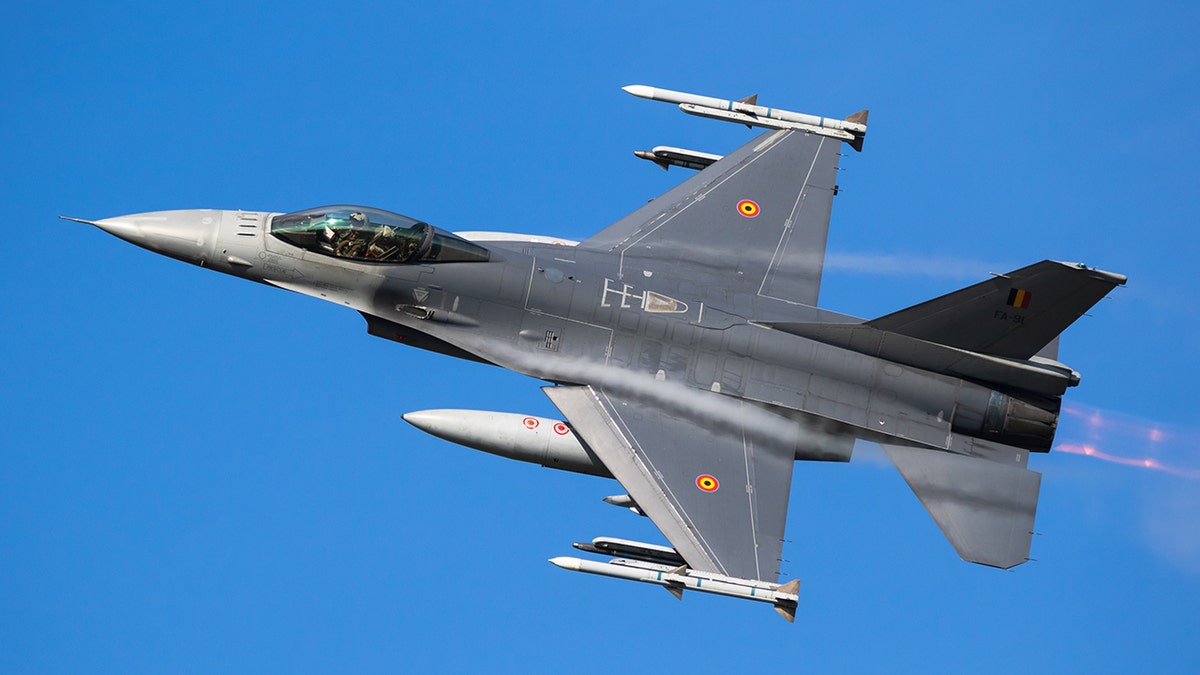
The incident occurred in January 2023, after an unidentified object collided with the left side of an F-16 Viper jet participating in training exercises near Gila Benda, Arizona, an Air Force spokesperson confirmed to Fox News Digital. 

The flying object struck the clear "canopy" at the top of the aircraft and was first spotted by an instructor pilot sitting in the rear of the plane, officials said. An initial investigation determined no damage was done to the near $70 million jet, with officials ruling against a possible bird strike. 

An F-16 military aircraft

An F-16 fighter jet was struck by an unidentified flying object while engaging in training exercises in Arizona in January 2023. (iStock)

Authorities ultimately determined the aircraft was struck by a drone, but the location and operator of the device have yet to be determined, the spokesperson said. 

The incident was the first of four encounters with unidentified anomalous phenomena (UAP) that were reported a day later, according to Federal Aviation Administration (FAA) documents obtained by the War Zone. 

"According to military personnel I’ve personally met with, there were objects 200 miles off the East Coast that were extensively loitering and had no visible means of propulsion," James Fox, a director specializing in films about UFO activity, told Fox News Digital. "So a report from 2023 about an actual impact with a UAP doesn’t really surprise me." 

The concerning collision comes as the Department of Defense reported 757 incidents involving UAPs from May 1, 2023, to June 1, 2024, according to an unclassified document released by the All-Domain Anomaly Resolution Office. 

Of those encounters, 708 occurred in the air, with only 49 instances marked as "case closed" by officials. Additionally, the department received 18 reports regarding UAP incidents near nuclear infrastructure, launch sites and weapons, according to the report.

"None of these resolved cases substantiated advanced foreign adversarial capabilities or breakthrough aerospace technologies," the report states. 

An alien spaceship

The Pentagon recorded 757 incidents involving UAPs from 2023 to 2024, according to unclassified documents. (iStock)

The sightings of UAPs near military sites are nothing new, according to Fox. 

"There are reports dating back to the 1930s and 1940s," Fox said. "Where you had mysterious, glowing, and orb-like objects that emitted very bright light that could just fly rings around the military planes from World War II."

Fox pointed to the sheer advanced technology showcased within these sightings, such as aircraft that do not emit a heat signature or have the ability to fly stationary in high wind conditions.

"This has been well-documented for decades," Fox said. "So either we’ve managed to track the same thing it’s been, [possibly] non-human intelligence, since the 1940s. Or someone has managed to replicate the technology, reverse engineer it and they’re flying it around." 

UFO iStock

Of the 2023 to 2024 reports, 708 occurred in the air, with only 49 instances marked as "case closed" by officials, according to Pentagon documents. (iStock)

In 2020, the Department of Defense established an Unidentified Aerial Phenomena Task Force (UAPTF) to further research and investigate the various UAPs spotted throughout American skies. 

"The mission of the task force is to detect, analyze and catalog UAPs that could potentially pose a threat to U.S. national security," the department said in a statement. 

Fox also cited officials’ use of updated technology to pinpoint the location and characteristics of UAPs possibly contributing to the influx in reports over recent years. 

"They’ve adjusted the frequency on particular radars to pick up smaller objects that maybe have been here all along," Fox said, adding, "it’s a global phenomenon exhibiting the technology that’s just lightyears ahead from anything we have. Has there been a successful effort in reverse engineering? [If not], then it falls into the category that many would say is non-human intelligence." 

While a vast majority of UAPs spotted by officials are quickly identified, Fox insists there are a select few that have origins unknown to even the highest of government authorities and do not match the technology owned by the country’s adversaries. 

"A small percentage of these objects display a technology that's just light-years beyond anything that we or anybody else on the planet has," Fox said. "Which would imply, once you do the process of elimination, if it isn’t Russia or China, and if it’s not us, what's left?" 

Fox also attributes overall public skepticism regarding UAPs to the U.S. government remaining tight-lipped about its findings over the years. However, officials have continued to work toward transparency with the American public, with a congressional hearing on UFOs occurring for the first time in decades in 2022 and continuing to take place on the floors of Congress. 

"The primary reason for secrecy is that it’s difficult for any governing body to admit that there are structured craft of unknown origin whizzing around with impunity," Fox said. "They fly rings around our fastest jets, and [the government] doesn’t know who they are, where they come from or what they want." 

RELATED VIDEOS

{ https://www.foxnews.com/  }

Hoe vind je dit bericht?
Geschreven door peter om 21:45 Stuur door

Life on Mars could survive — so long as you're one of these strange, hybrid lifeforms

Life on Mars could survive — so long as you're one of these strange, hybrid lifeforms

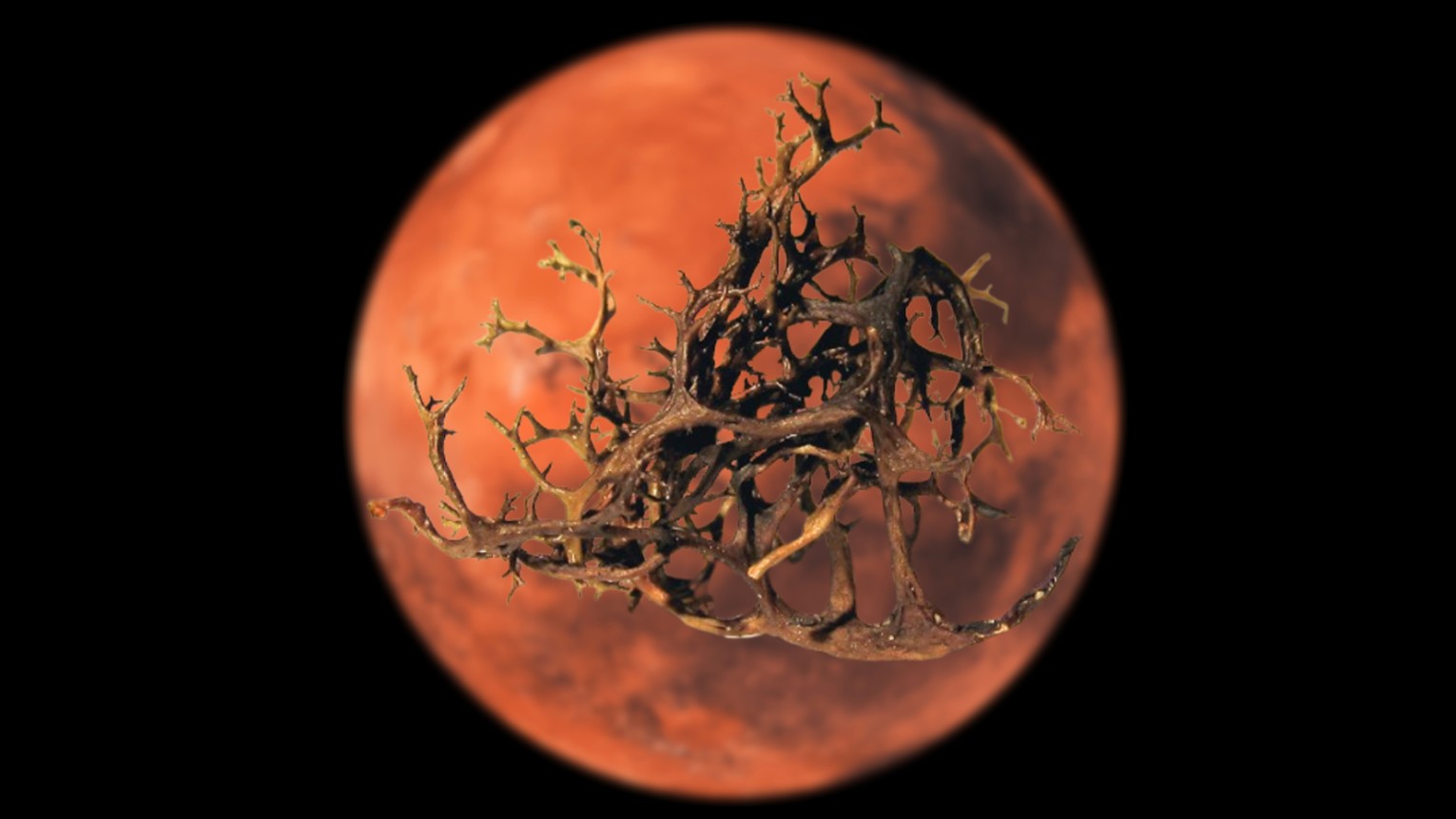
A new study has revealed that lichens can withstand the intense ionizing radiation that hits Mars' surface. (The lichen in this photo is Cetraria aculeata.)
A new study has revealed that lichens can withstand the intense ionizing radiation that hits Mars' surface. (The lichen in this photo is Cetraria aculeata.) 
(Image credit: Pensoft)

Earth-based lifeforms known as lichens may be tough enough to survive on Mars, a new study suggests.

Scientists came to this conclusion after blasting the lichens with a year's worth of Martian radiation in less than a day during a lab experiment — and the terrestrial lifeforms survived the process.

Mars is not an easy place to live. The Red Planet is essentially one giant desert with a minimal atmosphere, low temperatures and no liquid water at its surface. But the biggest barrier to life on Mars is the lack of a strong magnetic field, which protects against the constant bombardment of ionizing radiation from cosmic rays and solar flares, which can damage living cells and mutate their DNA.

You may like
  • An artist's illustration of Mars's Gale Crater beginning to catch the morning light.

NASA rover reveals signs of crucial life-sustaining process on Mars

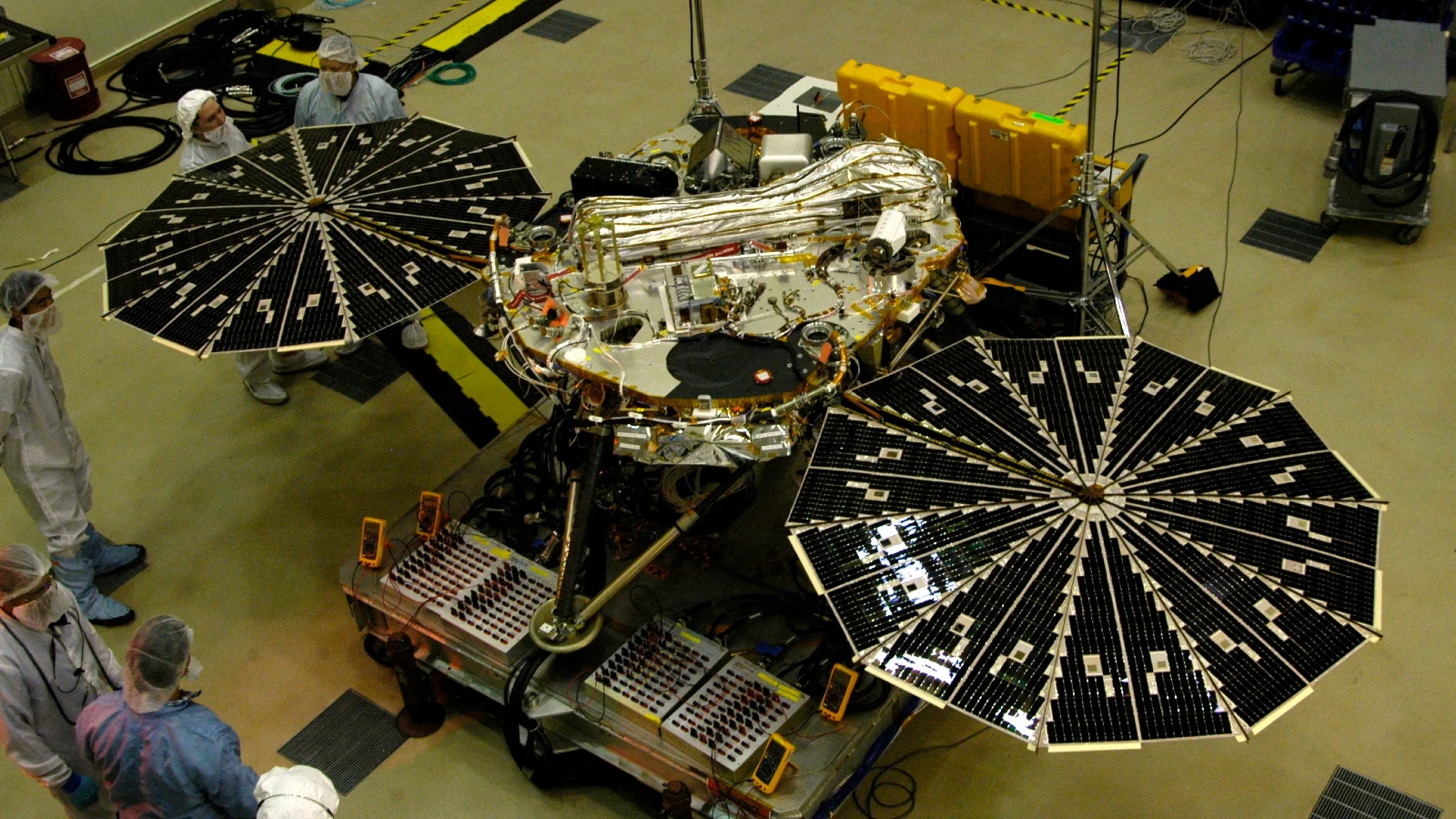
  • The Phoenix Mars lander inside the clean room the bacteria were found in

Never-before-seen 'extreme' microbes surrounded NASA robot before it was sent to Mars 18 years ago, new study reveals

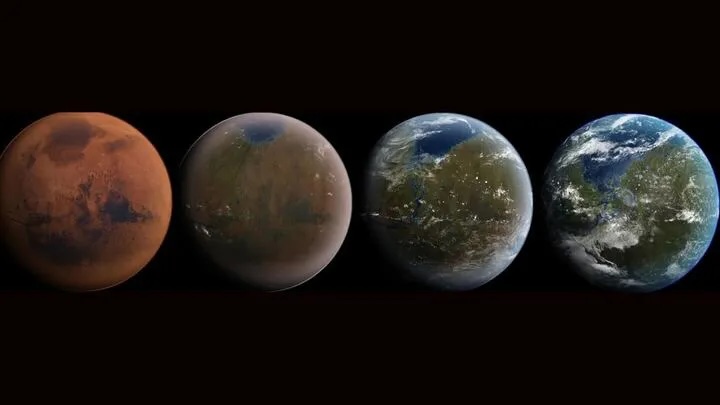
  • Artist's illustration depicting the terraforming of Mars — turning into a more Earth-like world.

Turning the Red Planet green? It's time to take terraforming Mars seriously, scientists say

One group of living things that may be able to survive these extreme conditions is lichens, symbiotic associations between fungi and photosynthetic bacteria and/or algae. These hybrid lifeforms, which are not considered true organisms but are listed as species on the three of life, work together to stay alive and many are extremophiles, capable of tolerating no hydration and extreme temperatures for long periods. Some species have even survived being directly exposed to the vacuum of space.

In the new study, published March 31 in the journal IMA Fungus, researchers tested how two lichen species — Diploschistes muscorum and Cetraria aculeata — reacted to ionizing radiation under Martian conditions. To do this, the team placed the lifeforms in a specialized vacuum chamber at the Space Research Centre of the Polish Academy of Sciences in Warsaw, which replicated the atmospheric pressure, temperatures and composition on the Red Planet. They bombarded the lichens with a year's worth of Martian radiation in just 5 hours. Both species were able to remain metabolically active throughout the tests.

Related: 

A side by side comparison of the two lichen species used in the study

Cetraria aculeata (left) and Diploschistes muscorum (right) both survived the experiments. But D. muscorum is a better candidate for living on Mars.  (Image credit: Wikimedia/Alberto Salguero (left)/Thayne Tuason (right))

"These findings expand our understanding of biological processes under simulated Martian conditions and reveal how hydrated organisms respond to ionizing radiation," Kaja Skubała, a researcher at the Institute of Botany at the Jagellonian University in Krakow, Poland, said in a statement. "Ultimately, this research deepens our knowledge of lichen adaptation and their potential for colonizing extraterrestrial environments."

Of the two species, D. muscorum showed the greatest resistance to the radiation, sustaining less damage to its cells, which suggests that some lichens will be better suited to Martian conditions than others. However, it is unlikely that any species would be able to survive on Mars unattended for long periods, as there is no known liquid water at the surface, which all of Earth's lifeforms need to survive.

This is the reason why it is unlikely that there is any extraterrestrial life currently alive on Mars.

Martian candidates

According to the researchers, the new experiments show that lichens are prime candidates for being taken on future Mars missions, although there are several resilient species other than D. muscorum that could also make the trip.

But lichens are not the only lifeforms that could potentially survive on the Red Planet.

A photo of a person in a space suit posing next to lichen on a rock

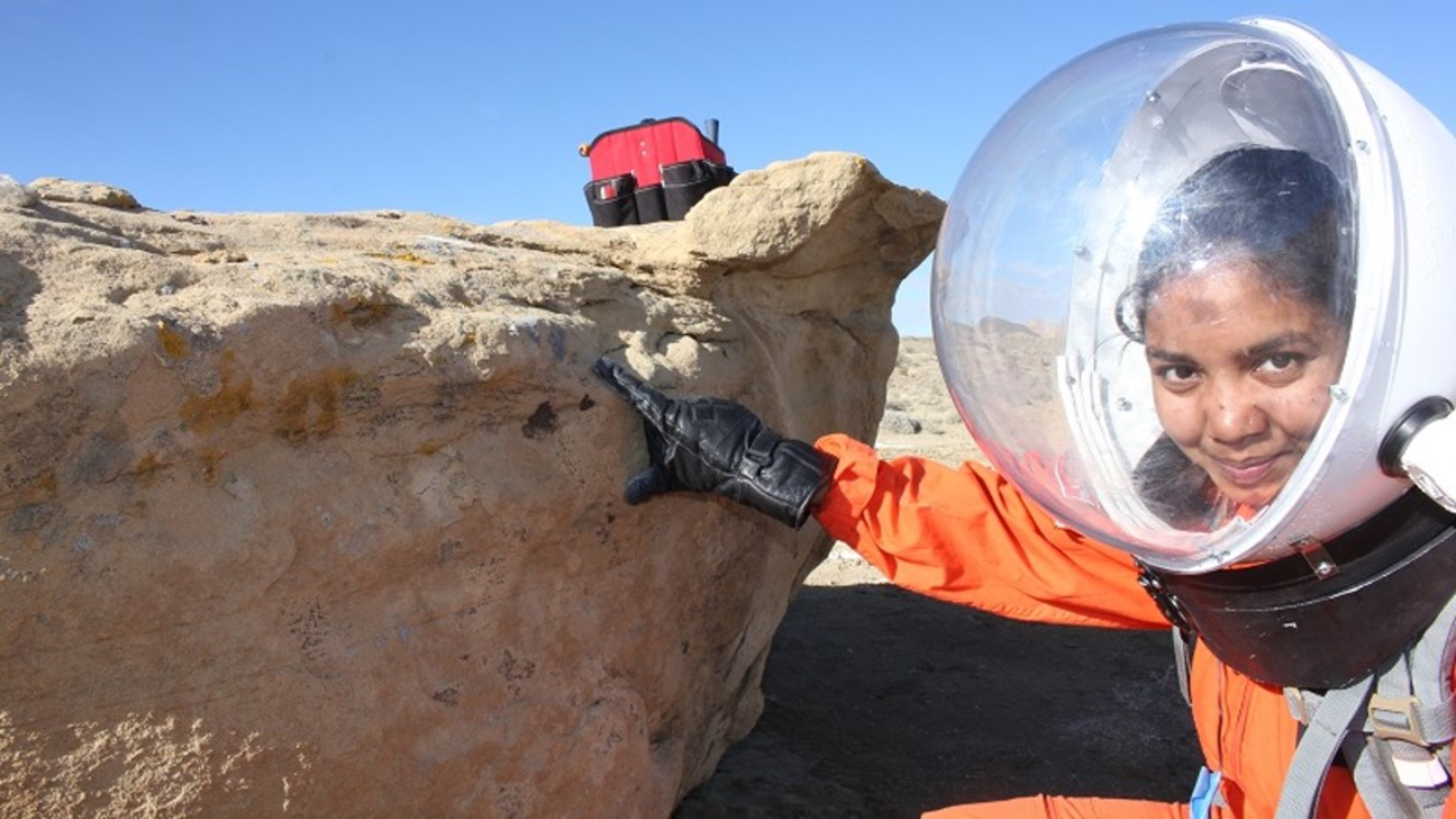
Scientists collect lichens near the Mars Desert Research Station in Utah to replicate how they might study life on Mars. This experiment was not part of the new study.  (Image credit: Mars 160 Crew/The Mars Society)

One extremophile group that has long been considered as future Martian tourists is tardigrades. These microscopic critters are nearly indestructible and can survive extreme temperatures, crushing pressures, total dehydration and the vacuum of space, largely thanks to an ability to switch off their metabolism and enter a state of suspended animation.

Other candidates include mosses — plants with similar abilities to lichens. Some desert moss species have even been shown to be resilient to gamma rays and liquid nitrogen, hinting that they too could fare well on Mars.

Single-celled microorganisms, such as bacteria, might also be able to survive on Mars if they were sheltered from radiation, living underground. Research has shown that these microbes could also survive for hundreds of millions of years beneath the surface in a hibernation-like state.

However, the first terrestrial lifeforms to touch down on Mars will likely be a species that is naturally very poorly suited to living on Mars — humans. NASA intends on launching the first crewed mission to the Red Planet sometime in the 2030s, when they will get a taste of how tough it is to survive there.

  • Editor's note: This article was originally published April 8, 2025

{ https://www.livescience.com/space }

Hoe vind je dit bericht?
Geschreven door peter om 21:17 Stuur door

Could signs of Mars life be hidden in its thick layers of clay?

Could signs of Mars life be hidden in its thick layers of clay?


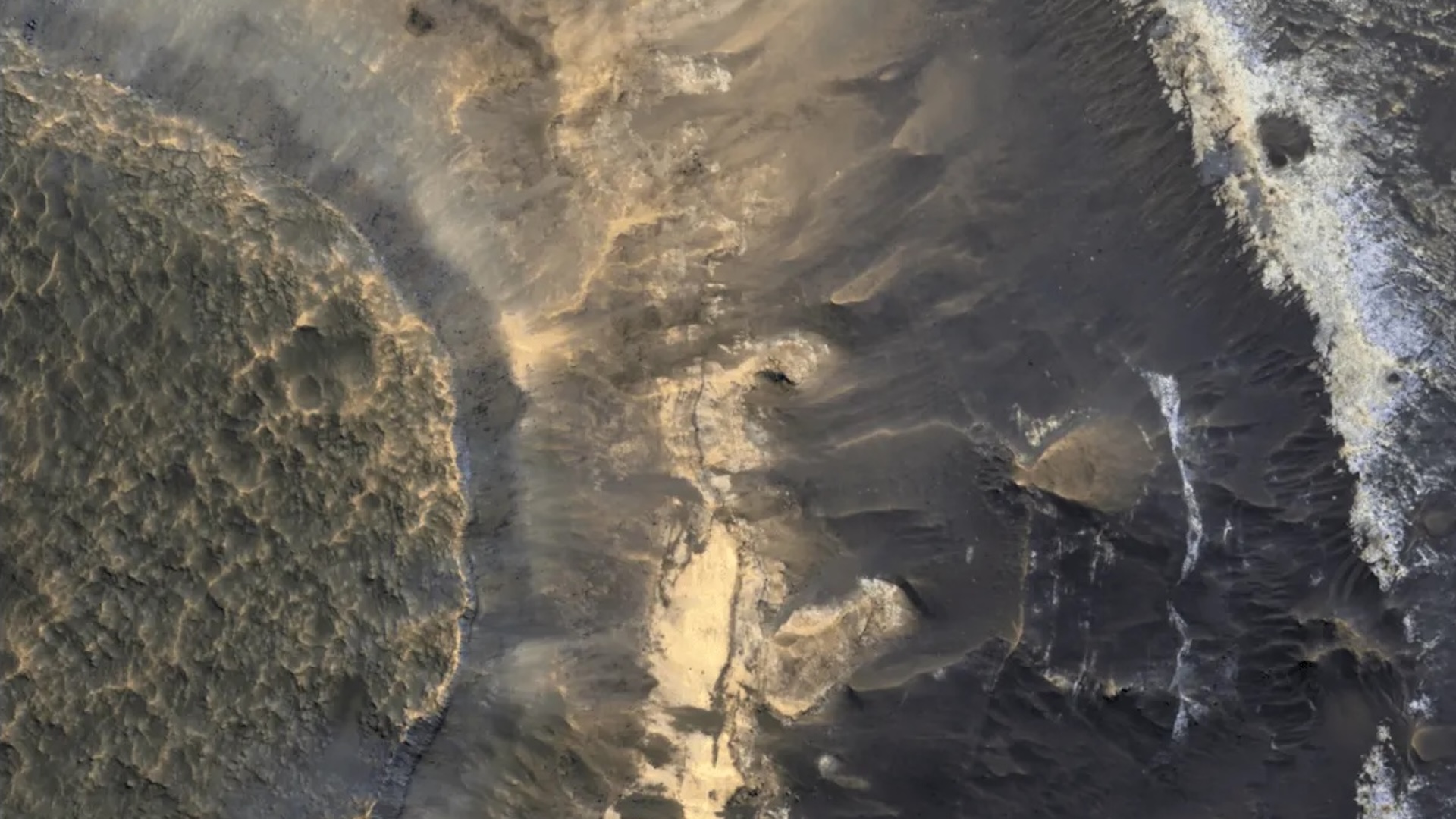
A photo of Mars landscape, with brown cracks and rock formations
(Image credit: NASA/JPL-Caltech/UArizona)

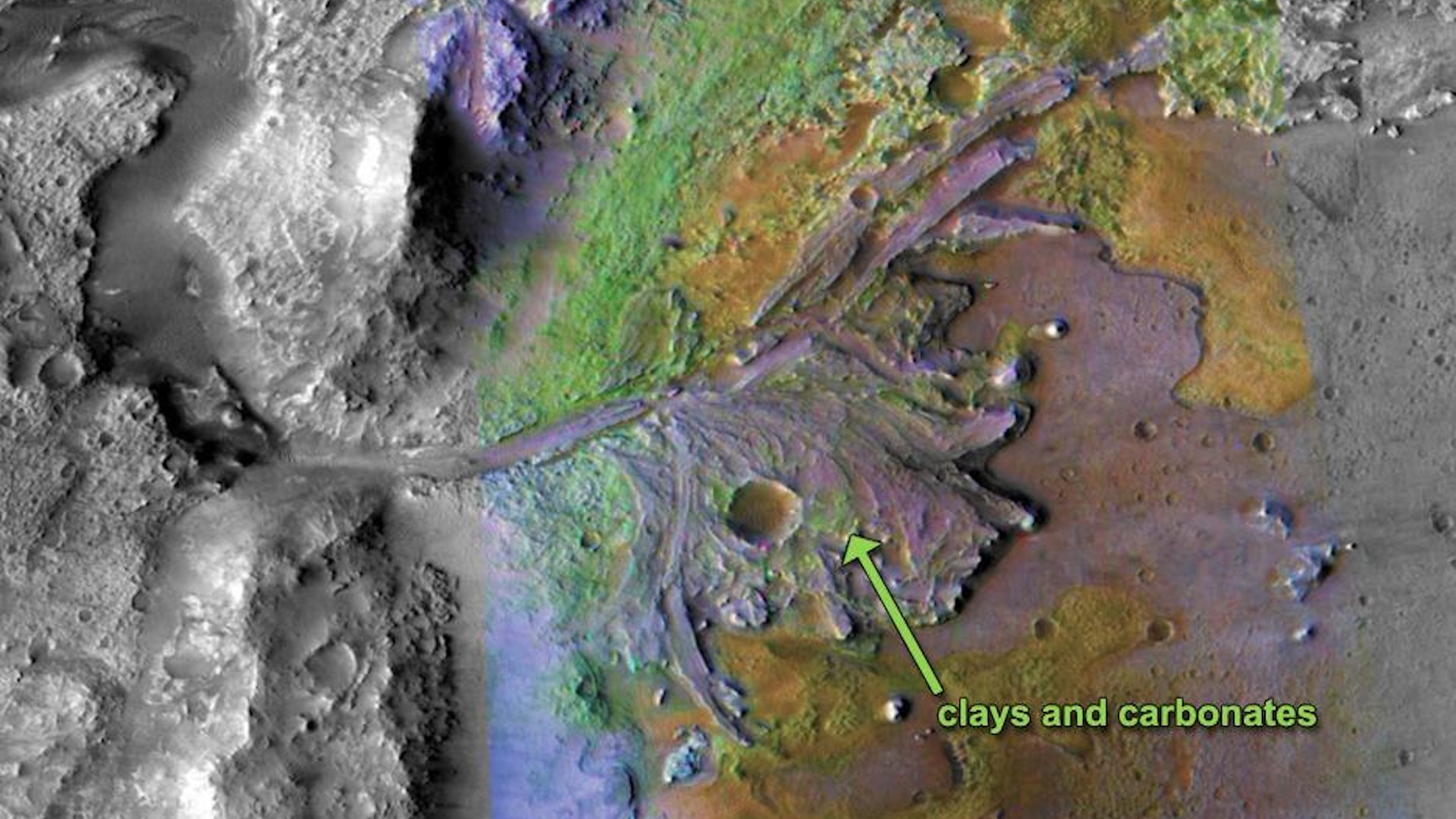
The thick, mineral-rich layers of clay found on Mars suggest that the Red Planet harbored potentially life-hosting environments for long stretches in the ancient past, a new study suggests.

Clays need liquid water to form. These layers are hundreds of feet thick and are thought to have formed roughly 3.7 billion years ago, under warmer and wetter conditions than currently prevail on Mars.

"These areas have a lot of water but not a lot of topographic uplift, so they're very stable," study co-author Rhianna Moore, who conducted the research as a postdoctoral fellow at the University of Texas' Jackson School of Geosciences, said in a statement.

You may like
  • An artist's illustration of Mars's Gale Crater beginning to catch the morning light.

NASA rover reveals signs of crucial life-sustaining process on Mars

  • A photograph taken from the Mars Reconnaissance Orbiter, which shows wave-like patterns inside a Mars crater.

NASA Mars satellite uncovers markings 'like paint dripping down a wall' on Martian surface

  • an illustration of Mars

Scientists find hint of hidden liquid water ocean deep below Mars' surface

"If you have stable terrain, you're not messing up your potentially habitable environments," Moore added. "Favorable conditions might be able to be sustained for longer periods of time."

On our home planet, such deposits form under specific landscape and climatic conditions.

"On Earth, the places where we tend to see the thickest clay mineral sequences are in humid environments, and those with minimal physical erosion that can strip away newly created weathering products," said co-author Tim Goudge, an assistant professor at the Jackson School's Department of Earth and Planetary Sciences.

Related: 

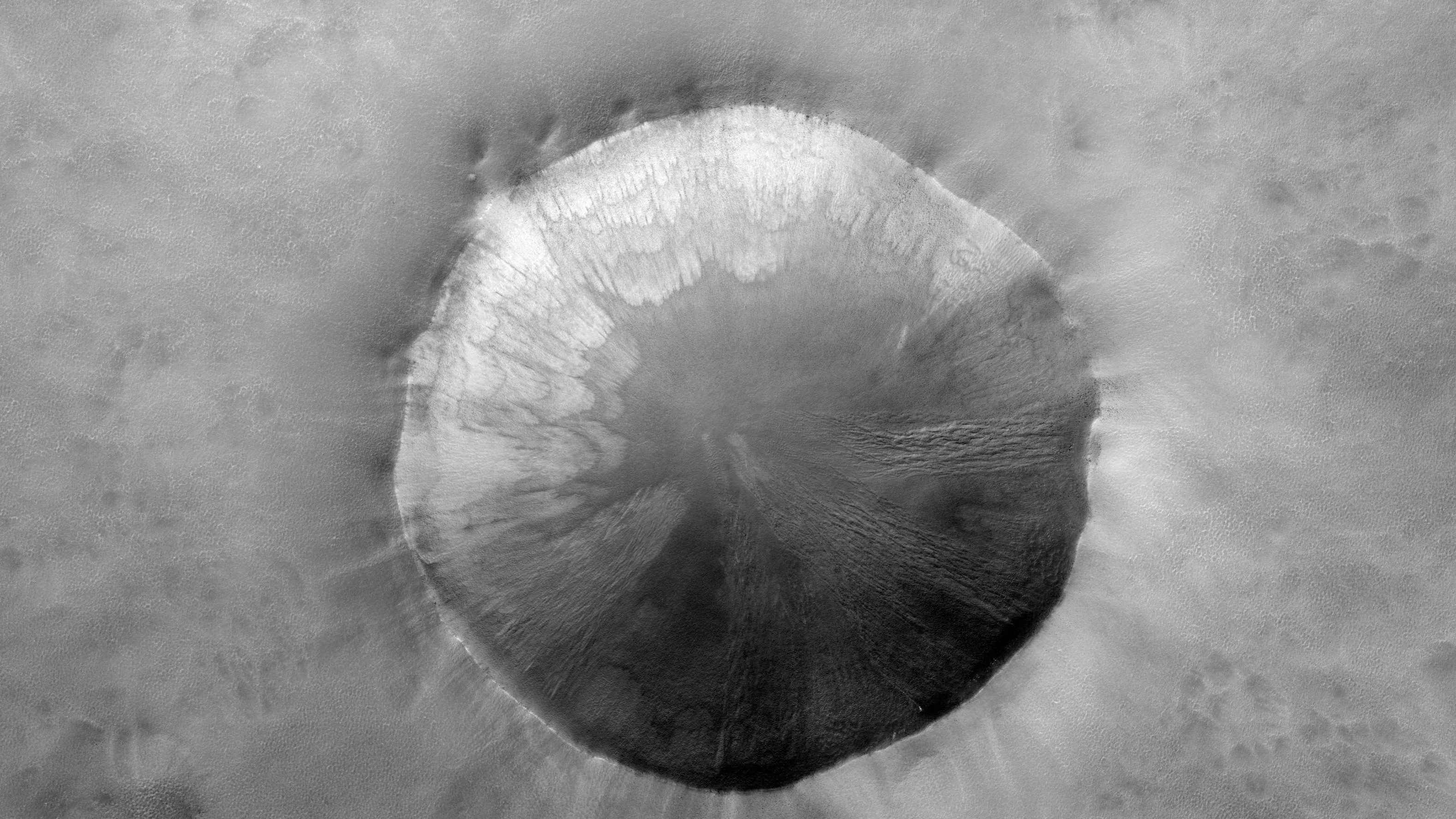
Clays can be seen in the Hellas basin of Mars.  (Image credit: NASA/JPL-Caltech/UArizona)

However, it remains unclear how Mars' local and global topography, along with its past climate activity, influenced surface weathering and the formation of clay layers.

Using data and images from NASA's Mars Reconnaissance Orbiter — the second-longest-operating spacecraft around Mars, after the agency's 2001 Mars Odyssey — Moore, Goudge, and their colleagues studied 150 clay deposits, looking at their shapes and locations, and how close they are to other features like ancient lakes or rivers.

They found that the clays are mostly located in low areas near ancient lakes, but not close to valleys where water once flowed strongly. This mix of gentle chemical changes and less intense physical erosion helped the clays stay preserved over time.

"[Clay mineral-bearing stratigraphies] tend to occur in areas where chemical weathering was favoured over physical erosion, farther from valley network activity and nearer standing bodies of water," the team wrote in the new study, which was published in the journal Nature Astronomy on June 16.

The findings suggest that intense chemical weathering on Mars may have disrupted the usual balance between weathering and climate.

On Earth, where tectonic activity constantly exposes fresh rock to the atmosphere, carbonate minerals like limestone form when rock reacts with water and carbon dioxide (CO2). This process helps remove CO2 from the air, storing it in solid form and helping regulate the climate over long periods.

On Mars, tectonic activity is non-existent, leading to a lack of carbonate minerals and minimal removal of CO2 from the planet's thin atmosphere. As a result, CO2 released by Martian volcanoes long ago likely stayed in the atmosphere longer, making the planet warmer and wetter in the past — conditions the team believes may have encouraged the clay's formation.

The researchers also speculate that the clay could have absorbed water and trapped chemical byproducts like cations, preventing them from spreading and reacting with the surrounding rock to form carbonates that remain trapped and unable to leech into the surrounding environment.

"[The clay is] probably one of many factors that's contributing to this weird lack of predicted carbonates on Mars," said Moore.

  • This article was originally published on Space.com.

{ https://www.livescience.com/space }

Hoe vind je dit bericht?
Geschreven door peter om 20:58 Stuur door

These are the Most Concerning Pieces of Space Debris

These are the Most Concerning Pieces of Space Debris

Illustration of space debris around Earth. Credit: ESA

Tens of thousands of pieces of space debris are hurtling around Earth right now. These defunct satellites, spent rocket stages, collision fragments and even a toolbox threaten active spacecraft and could trigger cascading disasters that make space unusable for generations. Since removing just a single piece of debris can cost tens of millions of dollars, the critical question becomes which ones should we prioritise?

It was during a spacewalk around the ISS that astronauts dropped a toolbox that now poses a threat to future space travellers. (Credit : NASA)

It was during a spacewalk around the ISS that astronauts dropped a toolbox that now poses a threat to future space travellers. (Credit : NASA)

The numbers tell a sobering story. NASA data shows the monthly count of objects in Earth's orbit continues to climb relentlessly, while computer simulations predict an alarming future. Without intervention, low Earth orbit could become so cluttered with debris that catastrophic collisions become routine, potentially triggering a runaway chain reaction known as Kessler Syndrome.

A few years ago, eleven international teams of space experts tackled this challenge by each creating a ranked list of the 50 most concerning objects in low Earth orbit. Although they used different approaches, 20-40% of the objects ended up on several experts' lists, showing remarkable consensus given the complexity of the problem. However, their lists didn't perfectly match. Now, researchers from France and Spain have applied social choice theory, the mathematical study of voting and collective decision making to this conundrum, revealing how different ways of combining expert opinions lead to dramatically different conclusions about our most urgent space threats.

International space agencies agree that simply preventing new debris isn't enough. To stabilise the space environment, experts estimate we need to actively remove five to ten large pieces of debris, each bigger than 10 centimetres, every year before they fragment into thousands of smaller, untrackable pieces.

Orbital Debris strike on one of the window’s within the International Space Station. (Credit : NASA)

Orbital Debris strike on one of the window’s within the International Space Station.

(Credit : NASA)

Thankfully, the technology for space cleanup missions is rapidly advancing, with the first operational tests scheduled for later in 2025 and 2026. But with removal costs in the tens of millions of dollars per object, choosing the right targets is crucial.

The eleven expert teams used sophisticated methods to evaluate space debris, considering factors like mass, collision probability, orbital lifetime, and proximity to operational satellites. Despite using different approaches, they showed remarkable agreement with 20-40% of objects appeared on multiple lists. Only one object appeared on every expert's list, while their collective work identified 273 different pieces of concerning debris across all lists.

This level of consensus is quite impressive given the complexity of weighing multiple risk factors. However, the remaining disagreements still matter significantly when deciding where to spend tens of millions of dollars on removal missions.

Illustration of a satellite breaking up into multiple pieces at higher altitudes. (Credit : ESA)

Illustration of a satellite breaking up into multiple pieces at higher altitudes.

(Credit : ESA)

The original study combined the expert opinions using a hybrid scoring method, multiplying each object's Borda score (based on its ranking positions) by the number of lists it appeared on. This approach identified object 22,566 as the most concerning piece of debris.

However, the new research demonstrates that this conclusion depends entirely on the aggregation method chosen. Using the classic Borda count alone, object 22,220 emerges as the top priority. Apply the Condorcet winner principle, which seeks the object that would beat all others in head to head comparisons, and object 27,006 takes the lead. These aren't minor technical differences though. Each method reflects different philosophical approaches to collective decision making, with real implications for where humanity spends its limited space cleanup resources.

The researchers argue for fundamental changes in how we approach space debris prioritisation. Rather than forcing experts to rank exactly 50 objects, they suggest allowing each team to identify however many objects they consider truly concerning. This acknowledges that the threshold for "concerning" debris shouldn't be artificially constrained by committee decisions.

They also propose moving from ranked ballots to evaluative voting, where experts would categorise debris as "extremely hazardous," "hazardous," or "acceptable risk" based on absolute criteria rather than relative comparisons. This approach would be more robust to changes in the candidate pool and better reflect how experts actually think about risk assessment.

This research illuminates a broader challenge in scientific decision making, how to fairly aggregate expert opinions when stakes are high and resources are limited. The space debris problem resembles other collective choices, from pandemic response priorities to climate change mitigation strategies, where multiple valid perspectives must be reconciled into policies.

The study also reveals a critical gap in current debris removal planning, the failure to account for removal costs and dynamic effects. When one piece of debris is removed, the risk profiles of remaining objects change, suggesting we need more sophisticated approaches that consider removal sequences rather than individual targets.

As private space companies launch thousands of new satellites and space tourism takes off (if you will pardon the pun,) the orbital environment will only become more crowded. The methods we develop today for democratically choosing which space junk to remove, combining expert knowledge with fair aggregation techniques, may determine whether future generations inherit accessible space or a debris filled orbital wasteland that takes centuries to clear.

Source : 

RELATED VIDEOS

{ https://www.universetoday.com/ }

Hoe vind je dit bericht?
Geschreven door peter om 20:25 Stuur door

Global climate pattern shows signs of shifting. What will happen in the US?

Global climate pattern shows signs of shifting. What will happen in the US?

Doyle Rice   USA TODAY

Early signs of a possible La Niña fall and winter are emerging in some climate models, federal forecasters announced July 10.

La Niña is a part of a natural climate cycle officially known as El Niño – Southern Oscillation, called ENSO by scientists. The cycle swings between warmer and cooler seawater in a region along the equator in the tropical Pacific. La Niña is marked by cooler-than-average ocean water in the region.

It is one of the main drivers of weather in the United States, especially during the late fall, winter and early spring. It's the opposite of the more well-known El Niño, which occurs when Pacific Ocean water is at least 0.9 degree warmer than average for three months.

La Niña and El Niño typically have minimal impact on summer weather in the United States, other than some effects on hurricanes. Winter is the one season when they have the most impact.

A typical La Niña winter in the United States brings cold and snow to the Northwest and unusually dry conditions to most of the Southern states, according to the Climate Prediction Center. The Southeast and mid-Atlantic also tend to see higher-than-average temperatures during a La Niña winter. 

Meanwhile, New England and the Upper Midwest, including New York, tend to see lower-than-average temperatures, the Weather Channel said.

Map shows what a La Niña could mean for winter 2025-2026

The typical impacts of a La Niña winter in North America include a wetter, colder winter in parts of the northern United States and a drier, warmer winter in parts of the southern United States.

La Niña causes the jet stream to move northward and to weaken over the eastern Pacific. During La Niña winters, the South sees warmer and … Show more   
NOAA

What is La Niña?

La Niña is a natural climate pattern marked by cooler-than-average seawater in the central and eastern Pacific Ocean. When the water cools at least 0.9 degree Fahrenheit below average for three straight months, a La Niña is declared.

"While this may sound like a small change in temperature, it can cause significant changes in the weather patterns around the globe," AccuWeather meteorologist Brian Lada said.

Could the possible La Niña affect the hurricane season?

In general, La Niña conditions favor hurricane development in the Atlantic basin, which includes the Caribbean Sea and the Gulf of America, formerly known as the Gulf of Mexico. This is because during La Niña, the strong storm-killing winds known as wind shear relax across the Atlantic basin, allowing hurricanes to more easily develop.

Hurricane researcher Phil Klotzbach of Colorado State University, in a July 10 email to USA TODAY, explained that "while Caribbean shear has been quite strong in June and is likely to remain strong throughout most of July, the potential trend more towards cool neutral (or even weak La Niña) later in the season may result in lower shear in the Caribbean later in the season."

The lower the wind shear, the greater the chance for hurricane development in the Atlantic basin.

Typical influence of La Niña on Pacific and Atlantic seasonal hurricane activity.  
NOAA

But the status of ENSO is only part of the hurricane puzzle: Twenty years ago, in 2005, for instance, ENSO-neutral conditions also occurred in the Pacific ‒ and that year spawned the infamously destructive hurricanes Katrina and Rita, the National Weather Service said in an online report.

How likely is a La Niña winter?

Right now, it appears to be a toss-up.

While so-called "ENSO-neutral" conditions are most likely through the late summer, thereafter, chances of La Niña conditions increase into the fall and winter 2025-26, forecasters from the Climate Prediction Center (CPC) said July 10. In fact, one climate model used by the CPC – the North American Multi-Model Ensemble – "favors the onset of La Niña conditions during the Northern Hemisphere fall," the CPC said in its monthly update.

Japan's weather bureau also announced July 10 that there is a 40% chance of La Niña emerging in the fall.

Overall, the CPC said the chances for La Niña remain comparable to the likelihood of ENSO-neutral continuing.

What is ENSO-neutral?

ENSO-neutral means neither El Niño (warmer waters) nor La Niña (cooler waters) conditions are dominant in the Pacific. While El Niño and La Niña have expected impacts on global seasonal weather and climate, what about neutral?

"ENSO-neutral doesn’t mean we expect upcoming seasonal rain, snow, and temperature to be close to average," writes Emily Becker in the CPC's ENSO blog. "Rather, during neutral, we don’t have the same predictive information that El Niño and La Niña’s atmospheric changes provide, making upcoming patterns harder to predict very far in advance."

Contributing: Reuters

RELATED VIDEOS

{ https://eu.usatoday.com/news/ }

Hoe vind je dit bericht?
Geschreven door peter om 23:31 Stuur door

Aliens: Facts about extraterrestrial life and how scientists are looking for it

Aliens: Facts about extraterrestrial life and how scientists are looking for it

Hoe vind je dit bericht?
Geschreven door peter om 22:59 Stuur door

Meer van UFO'S of UAP'S, ASTRONOMIE, RUIMTEVAART, ARCHEOLOGIE, OUDHEIDKUNDE, SF-SNUFJES EN ANDERE ESOTERISCHE WETENSCHAPPEN - DE ALLERLAATSTE NIEUWTJES

↑ Terug naar de berichten