Ontdek de Fascinerende Wereld van UFO's en UAP's: Jouw Bron voor Onthullende Informatie!
Ben jij ook gefascineerd door het onbekende? Wil je meer weten over UFO's en UAP's, niet alleen in België, maar over de hele wereld? Dan ben je op de juiste plek!
België: Het Kloppend Hart van UFO-onderzoek
In België is BUFON (Belgisch UFO-Netwerk) dé autoriteit op het gebied van UFO-onderzoek. Voor betrouwbare en objectieve informatie over deze intrigerende fenomenen, bezoek je zeker onze Facebook-pagina en deze blog. Maar dat is nog niet alles! Ontdek ook het Belgisch UFO-meldpunt en Caelestia, twee organisaties die diepgaand onderzoek verrichten, al zijn ze soms kritisch of sceptisch.
Nederland: Een Schat aan Informatie
Voor onze Nederlandse buren is er de schitterende website www.ufowijzer.nl, beheerd door Paul Harmans. Deze site biedt een schat aan informatie en artikelen die je niet wilt missen!
Internationaal: MUFON - De Wereldwijde Autoriteit
Neem ook een kijkje bij MUFON (Mutual UFO Network Inc.), een gerenommeerde Amerikaanse UFO-vereniging met afdelingen in de VS en wereldwijd. MUFON is toegewijd aan de wetenschappelijke en analytische studie van het UFO-fenomeen, en hun maandelijkse tijdschrift, The MUFON UFO-Journal, is een must-read voor elke UFO-enthousiasteling. Bezoek hun website op www.mufon.com voor meer informatie.
Samenwerking en Toekomstvisie
Sinds 1 februari 2020 is Pieter niet alleen ex-president van BUFON, maar ook de voormalige nationale directeur van MUFON in Vlaanderen en Nederland. Dit creëert een sterke samenwerking met de Franse MUFON Reseau MUFON/EUROP, wat ons in staat stelt om nog meer waardevolle inzichten te delen.
Let op: Nepprofielen en Nieuwe Groeperingen
Pas op voor een nieuwe groepering die zich ook BUFON noemt, maar geen enkele connectie heeft met onze gevestigde organisatie. Hoewel zij de naam geregistreerd hebben, kunnen ze het rijke verleden en de expertise van onze groep niet evenaren. We wensen hen veel succes, maar we blijven de autoriteit in UFO-onderzoek!
Blijf Op De Hoogte!
Wil jij de laatste nieuwtjes over UFO's, ruimtevaart, archeologie, en meer? Volg ons dan en duik samen met ons in de fascinerende wereld van het onbekende! Sluit je aan bij de gemeenschap van nieuwsgierige geesten die net als jij verlangen naar antwoorden en avonturen in de sterren!
Heb je vragen of wil je meer weten? Aarzel dan niet om contact met ons op te nemen! Samen ontrafelen we het mysterie van de lucht en daarbuiten.
Management of Public Reporting of Unidentified Aerial Phenomena in Canada. A preview of the upcoming Sky Canada Report From the Office of the Chief Science Advisor of Canada.
Credit: Government of Canada
Sky Canada’s UAP Report Preview: How Canada Plans to Handle UFO Sightings Scientifically
Unidentified Aerial Phenomena (UAPs), generally better known as UFOs, or unidentified flying objects, have been a popular topic of speculation, theorizing, and speculative fiction throughout the 20th and 21st century. It has also led to no small number of public panics and misperceptions, however, over whether a particular aerial phenomenon is natural, extraterrestrial, or the work of some nefarious adversary.
In 2022, the Office of the Science Advisor of Canada, Dr. Mona Nemer, sought to apply a more scientific lens to the question of what’s going on up there. That led to the Sky Canada Project, which was created to “review current practices surrounding public reporting of unidentified aerial phenomena (UAPs) in Canada,” and provide recommendations on how to “enhance transparency and scientific inquiry on UAP issues in Canada.”
Originally the final report was scheduled to be released in April of 2025. It isn’t out yet, as it was delayed by the election.
In the meantime, however, the Office released a version of the Report in January; and in lieu of the full report, this preview is worth looking at in order to see Science Advisor’s vision of how Canada could manage the UAP issue in the future. The preliminary report is called “Management of public reporting of Unidentified Aerial Phenomena in Canada,” and can be found here.
UAP reporting and coordination gaps
Notably, Sky Canada makes it very clear that the goal of the project is not to either collect evidence and first-hand data on UAPs or, especially, to “prove or disprove the existence of extraterrestrial life or extraterrestrial visitors.” Instead, it is focused more on methods and procedures; on means by which the Government can handle the “between 600 and 1000 UAP sightings annually” among Canadians. They said that “one in four respondents say they have personally witnessed a UAP in their lifetime.”
While polling cited in the report suggests that Canadians are generally either “not very concerned” or “not at all concerned” about UAPs, many still consider them a flight safety issue, and they’re still not sure what to do when they see one. “Only 10 percent reported their sightings,” the report said, with 40 percent of respondents not even knowing who to report to or how to do so.
This has led to a government-wide problem where “consultations with many federal departments and agencies revealed that they do receive UAP sighting information and reports from their stakeholders and the public,” but “few of these departments investigate these sightings unless they pertain to specific aspects of their respective mandates.” Even when they do collect reports, “most departments do not compile the reports they receive,” and so “UAP reports are scattered across multiple government and non-government organizations.”
Sky Canada’s preliminary report highlighted five key gaps that need to be addressed to resolve these issues.
A lack of a cohesive system for reporting and followup, where UAP reports are haphazardly received by various departments with “little coordination or oversight”;
An absence of public engagement, where Canadians have “no official, accessible platform””” to report UAP sightings and obtain potential explanations, which “contributes to the proliferation of misinformation and disinformation”;
The limited analysis of UAP reports: reports aren’t analyzed unless they’re deemed to post safety or security risks;
Insufficient scientific involvement: Sky Canada noted that “efforts to study UAPs with scientific rigour and engage the Canadian scientific community have been limited”; and
Only modest efforts to enhance science literacy: which combines with the lack of transparency and cohesive reporting and analysis to “exacerbate the impact of misinformation and disinformation.”
Comparing international approaches
Sky Canada’s report looked at some international counterparts, and saw that there were some useful examples of “coordinated, transparent and scientifically driven” UAP reporting approaches.
The United States, for example, has an All-domain Anomaly Resolution Office (AARO) that was established in 2022 and which “has structured approaches for collecting and investigating data on UAP sightings.” NASA has also created a position of “Director of Unidentified Anomalous Phenomena Research” to study the issue.
Sky Canada also points to France’s Groupe d’Études et d’Informations sur les Phénomènes Aérospatiaux Non identifiés / UAP Study and Information Group (GEIPAN) operates under France’s space agency CNES, whose mission is “to collect, investigate and archive UAP reports, and make its findings available to the public.” They also pointed to Chile’s SEFAA (Sección de Estudios de Fenómenos Aéreos Anómalos / Section for the Study of Anomalous Aerial Phenomena), which “serves as the official body responsible for collecting, analyzing and scientifically studying UAPs.”
Recommendations for handling UAPs
To resolve these issues, Sky Canada provided recommendations across four different topic areas: Reporting and Data Oversight, Communications, Research, and International Collaboration.
First, and most important: Canada needs to identify and/or create a lead that’s focused on this issue. This is the key first step in resolving the reporting and data oversight issue; someone at some federal department or agency needs to take the lead on this, preferably headed by “a trusted and recognized scientific organization” with communications ability and an “already established international scientific network.” Sky Canada suggested that the Canadian Space Agency might be a good choice on this.
This lead should establish a dedicated service focused on collecting testimonies and investigating cases, posting its analyses publicly to “proactively inform Canadians about UAPs.” Part of this will, the report said, “conven[ing] a network of government and academic partners and experts to conduct scientific analyses and follow up with observers.” This will also include working with civil aviation to encourage people in that space to “report UAP sightings without fear of stigmatization,” which will help avoid pilots being distracted by easily-explained UAPs.
On the question of Communications, Sky Canada recommended that the lead have a proactive strategy to “support public dialogue,” working together with publicly-facing organizations in the name of increasing transparency and communication with the public. They suggest museums, science centres and public libraries as a good place to start.
The government should also promote intra-governmental collaborations via an internal directive to federal agencies to work together with the lead on the issue. Not only will this help resolve the reportage bottleneck, but will help the agencies sort out UAPs that may actually be relevant to them. Sky Canada noted that both Transport Canada and the RCMP might benefit from this kind of collaboration.
They also mentioned the need to improve media relations, centred on the lead, and to set up an expert panel to determine “effective approaches to countering misinformation and disinformation.”
As to research, the report emphasizes the importance of “open access and open data,” as well as periodic surveys of Canadians to “gauge their perceptions of UAPs and assess the impact of the dedicated services.” Sky Canada said that the lead should also “support citizen science,” and that they should take steps to “enable volunteer participation in the study of UAPs.”
Part of that work should involve “the development and deployment of publicly accessible digital and portable tools,” such as smartphone apps and interactive platforms. That will help with data collection, as well as with disseminating information on UAPs. Sky Canada said that it should also involve “build[ing] on Canada’s strength in astronomy and aerospace research”; leveraging Canada’s “superb talent pool and physical research infrastructure” for the task, giving it opportunities “to be part of the public dialogue.”
Finally, in line with the international examples they highlighted, Sky Canada recommended a focus on international collaboration. This includes information-sharing partnerships with international entities dedicated to UAPs like AARO and GEIPAN, as well as international cooperation on research and communication to help with research and public awareness.
Implementing these recommendations, exemplifying a “science-based, collaborative approach,” the preliminary report said, “will help address public concerns, demystify UAPs, and potentially reveal valuable insights into aerial phenomena that are currently unexplained.” It will also “improve public trust but also position Canada alongside some of its allies as leaders in the global effort to elucidate the nature of UAPs.”
KOMEN UFO's (USOs) van Onderwater Basissen? Het Verkennen van het Mysterie
INLEIDING
In de afgelopen decennia hebben getuigenissen en waarnemingen met betrekking tot onverklaarbare vliegende objecten (UFO's) en onderwaterverschijnselen (USOs) de belangstelling van zowel het grote publiek als de wetenschappelijke gemeenschap versterkt. Hoewel het merendeel van deze waarnemingen kunnen worden verklaard door menselijke technologie, natuurlijke fenomenen of interpretatiefouten, blijven er gevallen over die moeilijk te verklaren zijn. Een bijzonder intrigerende hypothese is dat sommige USOs mogelijk afkomstig zijn uit geheime ondergrondse of onderwaterbases, gebouwd door intelligente wezens of clandestiene regeringsprojecten.
Deze theorie roept vragen op over de herkomst, aard en doelstellingen van deze objecten, evenals de mogelijkheid dat er onder de zeespiegel verborgen faciliteiten bestaan. Het idee dat dergelijke bases bestaan, wordt ondersteund door verschillende anekdotes, waarnemingen en bepaalde wetenschappelijke aanwijzingen, hoewel het bewijs vaak fragmentarisch en controversieel blijft.
In dit artikel wordt de plausibiliteit van deze theorie onderzocht door een analyse van bestaande literatuur, waarnemingen en wetenschappelijke inzichten. Door kritisch te kijken naar de verschillende aspecten van USOs en de mogelijke connectie met onderwaterbases, hopen we een genuanceerd beeld te schetsen van een fascinerend en mysterieus fenomeen dat nog niet volledig is verklaard.
1. Definities en Terminologie
1.1 UFO's en USOs UFO’s, ofwel Unidentified Flying Objects, verwijzen naar objecten die in de lucht worden waargenomen en niet onmiddellijk verklaard kunnen worden door bekende technologie of natuurlijke fenomenen. Het begrip ‘onbekend’ betekent dat op dat moment geen directe identificatie mogelijk is, maar het sluit niet uit dat later een verklaring gevonden kan worden. In de praktijk omvatten UFO-waarnemingen een breed scala aan verschijnselen, van eenvoudige lichtgevende vlekken tot complexe objecten die snelheden en manoeuvres vertonen die voor menselijke technologie onmogelijk lijken te zijn. Zo zijn er talloze rapportages van objecten die met grote snelheden bewegen, abrupt van koers veranderen, of zonder zichtbare aandrijving verdwijnen (Dolan, 2009).
De meeste waarnemingen blijven onverklaard en worden vaak door wetenschappers, overheden en onderzoekers serieus genomen. Bijvoorbeeld, de Amerikaanse overheid heeft de afgelopen decennia verschillende projecten gelanceerd, zoals het Project Blue Book in de jaren 50 en 60, waarin duizenden UFO-rapportages systematisch werden onderzocht. Hoewel de meeste waarnemingen uiteindelijk konden worden verklaard door natuurlijke verschijnselen of menselijke activiteiten, blijven enkele gevallen onverklaard en voeden ze de speculatie over buitenaardse intelligentie.
USOs (Unidentified Submarine Objects) vormen de onderwatervariant van UFO’s. In tegenstelling tot de luchtwaarnemingen vinden USO-waarnemingen plaats onder water, meestal bij militaire operaties of onderwateronderzoek. Deze objecten worden vaak gerapporteerd door duikers, onderzeediensten en maritieme onderzoekers. USOs kunnen zich bewegen met uitzonderlijke snelheden onder water, snel van koers veranderen en verdwijnen onder de oppervlakte zonder dat op dat moment een duidelijke verklaring gevonden wordt. Het bijzondere aan USOs is dat de onderwateromgeving veel minder goed bestudeerd is dan de atmosfeer, waardoor er meer ruimte is voor speculatie en mysterie rondom deze verschijnselen (Haines & O'Connell, 2008).
Een bekend voorbeeld van een USO-waarneming is die van de Amerikaanse marine in 2019, toen piloten van de USS Omaha een object zagen dat zich onder water snel kon bewegen, met een snelheid die niet overeenkwam met bekende onderwatertechnologie. Dit soort incidenten roept vragen op over de aard en herkomst van deze verschijnselen en of ze mogelijk natuurlijke, menselijke of buitenaardse oorsprong hebben.
1.2 Onderwater bases en hun hypothese De hypothese dat USOs afkomstig kunnen zijn uit onderwater bases is een van de meest fascinerende en controversiële theorieën binnen de ufologie. Deze theorie suggereert dat er geheime faciliteiten onder de zeespiegel bestaan, mogelijk gebouwd door menselijke regeringen, geheime genootschappen, of zelfs buitenaardse wezens. Deze bases zouden strategisch gelegen kunnen zijn in diepzee-gebieden, ver weg van menselijke controle en observatie, en dienen als schuilplaatsen of onderzoeksfaciliteiten voor geavanceerde technologieën.
Volgens deze hypothese beschikken deze onderwater bases over technologieën die het mogelijk maken om objecten te laten verdwijnen, te manoeuvreren op manieren die voor menselijke schepen onmogelijk zijn, en zelfs te communiceren met of te faciliteren voor buitenaardse wezens. Sommige theorieën stellen dat deze bases gebruik maken van natuurlijke geologische formaties, zoals onderzeese bergen of grottenstelsels, die moeilijk te detecteren zijn.
Een voorbeeld van de hypothese van onderwater bases is de vermeende aanwezigheid van zogenaamde ‘Black Projects’, geheime militaire projecten die zich bezighouden met het ontwikkelen van antizwaartekrachttechnologie en onderwatervaardigheden. Daarnaast zijn er geruchten over onderwater bases die verbonden zouden zijn met de zogenaamde ‘Deep Underground Military Bases’ (DUMBs), waar geavanceerde technologieën worden ontwikkeld en getest. Wetenschappers en onderzoekers die zich bezighouden met deze theorieën wijzen op het gebrek aan openlijke bewijs, maar benadrukken dat de uitgebreide militaire activiteit onder water en ondergrond mogelijk in overeenstemming is met dergelijke geheime faciliteiten.
De hypothese wordt ondersteund door enkele anekdotische rapportages en getuigenissen van marinepersoneel dat geheime ontmoetingen en waarnemingen heeft gedaan. Bijvoorbeeld, in 1980 meldde een Russische onderzeebootkapitein dat hij onderwaterbases had waargenomen die niet konden worden verklaard door bekende technologie. Het ontbreken van open data en het geheime karakter van militaire operaties maken het echter onmogelijk om definitief bewijs te leveren, waardoor deze theorie vooral in de sfeer van de speculatie blijft.
1.3. Wetenschappelijke inzichten en kritische beschouwing Hoewel de ideeën over onderwater bases en USO-verschijnselen intrigerend zijn, ontbreekt het vooralsnog aan sluitend wetenschappelijk bewijs. Veel waarnemingen kunnen achteraf worden verklaard door natuurlijke fenomenen zoals thermale waterstromingen, bioluminescente organismen of atmosferische verschijnselen. Daarnaast wijst de wetenschap erop dat technologieën die objecten onder water laten verdwijnen of snel laten bewegen, voor zover bekend, niet bestaan of nog niet ontwikkeld zijn.
Desalniettemin blijven de waarnemingen en rapportages een fascinerend fenomeen voor onderzoekers en liefhebbers. Ze illustreren de enorme complexiteit en het mysterie van de oceanen en de atmosfeer, en benadrukken de noodzaak voor meer wetenschappelijk onderzoek onder water en in de ruimte. Sommige wetenschappers pleiten voor een meer open en transparante aanpak van UFO- en USO-onderzoeken, zodat we niet alleen kunnen begrijpen wat er in de lucht en onder water gebeurt, maar ook de grenzen van menselijke technologie kunnen doorgronden.
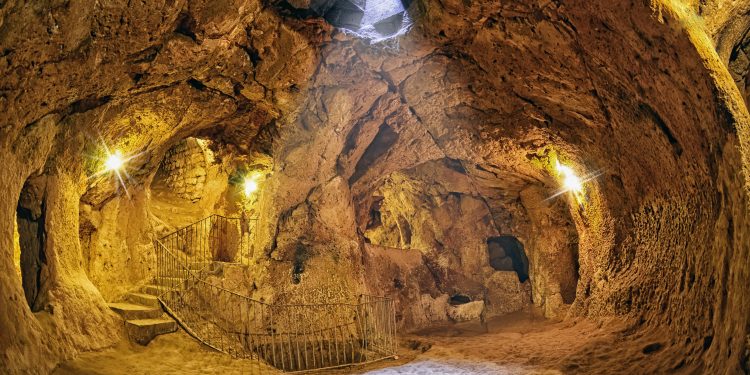
Geraint Rowland Photography//Getty Images
2. Historische context en waarnemingen
2.1 Historische waarnemingen van USOs Sinds het begin van de 20e eeuw zijn er talloze rapporten en incidenten bekend waarbij onverklaarbare onderwaterverschijnselen, vaak aangeduid als USO’s (Unidentified Submarine Objects), werden waargenomen. Deze waarnemingen komen meestal van militaire schepen, onderzeeboten en gespecialiseerde onderwateronderzoekers. Een van de meest bekende incidenten vond plaats in de jaren 1970, toen de Amerikaanse marine tijdens oefeningen voor de kust van Californië vreemde onderwaterobjecten zag die zich met hoge snelheid door het water bewogen en zich plotseling konden laten verdwijnen. Deze verschijnselen werden door militaire piloten en scheepsbemanningen als zeer overtuigend beschreven en leidden tot intensieve onderzoeken door de US Navy (U.S. Navy, 2019).
Een ander opvallend geval betrof de USS Indianapolis, die tijdens de Tweede Wereldoorlog in 1945 werd ingezet. Sommige getuigenissen uit die periode beschrijven onderwaterverschijnselen die niet door de toenmalige technologie konden worden verklaard. Zo werden objecten beschreven die enorme snelheden konden behalen onder water, veel hoger dan de bekende onderzeetechnologie uit die tijd. Bovendien zouden deze objecten abrupt van koers kunnen veranderen, wat de technologische beperkingen van destijds overschreed. Wetenschappers en historici speculeren dat deze waarnemingen mogelijk verband houden met niet-geïdentificeerde technologieën die ver vooruit waren op dat moment (Friedman, 2014).
Daarnaast zijn er uitgebreide rapportages van de Russische marine uit de jaren 1980 en 1990, waarin meldingen worden gedaan over mysterieuze onderwaterobjecten die niet konden worden geïdentificeerd. Deze incidenten werden zelden publiekelijk erkend, maar militaire bronnen en geheime rapporten bevestigen dat Russische onderzeediensten soortgelijke verschijnselen observeerden die niet overeenkwamen met bekende onderzeetechnologie. Sommige van deze waarnemingen beschreven objecten die snelheden bereikten die de limieten van bekende onderwatersystemen overstegen en zich met grote precisie konden manoeuvreren (Skripkin, 2010).
2.2 Politieke en militaire interesse De waarnemingen van USOs hebben altijd grote politieke en militaire interesse gewekt. Overheden, vooral die van de Verenigde Staten, Rusland en andere grote mogendheden, hebben door de jaren heen uitgebreide onderzoeken uitgevoerd om de aard en oorsprong van deze verschijnselen te achterhalen. Het hoofdargument was dat deze objecten mogelijk afkomstig zouden kunnen zijn van geheime militaire technologieën, zoals onderwaterdrones, geavanceerde onderzeese voertuigen of zelfs nieuwe vormen van onderwaterwapens. Gezien de potentiële bedreiging voor nationale veiligheid werden deze waarnemingen intensief onderzocht door militaire en inlichtingendiensten.
In 2019 publiceerde het Pentagon een reeks videobeelden die waren gemaakt door radar- en videocliptechnologie van militaire piloten en schepen. Deze beelden toonden onverklaarbare onderwater- en luchtsverschijnselen die niet konden worden verklaard door bekende technologieën of natuurlijke fenomenen. De beelden leidden tot een hernieuwde discussie over de aard en herkomst van USOs en brachten vragen naar voren of deze verschijnselen mogelijk buitenaardse oorsprong hadden of dat ze door geheime technologieën van aardse makelij waren ontwikkeld (Pentagon, 2020).
Deze transparantie stimuleerde verder wetenschappelijk onderzoek en beleidsmatige discussies over de noodzaak om meer gegevens te verzamelen en te analyseren. Het blijft een open vraag of deze verschijnselen een bedreiging vormen of dat ze mogelijk nieuwe technologische inzichten bieden voor de mensheid. De voortdurende interesse en het onderzoek onderstrepen het belang van een grondige en kritische wetenschappelijke aanpak om de ware aard van USOs te achterhalen.
3. Wetenschappelijke verklaringen en theorieën
3.1 Natuurlijke fenomenen en menselijke technologie
Veel waarnemingen kunnen worden verklaard door natuurlijke verschijnselen. Onderwater vulkanen en hydrothermale bronnen kunnen bijvoorbeeld lichtgevende verschijnselen veroorzaken die lijken op UFO’s of USOs. Bioluminescente organismen, zoals bepaalde diepzeevissen, kunnen licht produceren dat op vliegende objecten lijkt, vooral in donker diepe wateren (Mikulski & O’Connell, 2013).
Daarnaast kunnen geheime militaire technologieën, zoals onderwater drones, autonome onderzeeboten en geavanceerde submarines, de waarnemingen verklaren. Tijdens de Koude Oorlog ontwikkelden de Verenigde Staten en de Sovjet-Unie geavanceerde onderzeese voertuigen die in staat waren om grote diepten te bereiken en zeer hoge snelheden te behalen. Sommige waarnemingen zouden kunnen wijzen op deze geheime technologieën die nog niet publiekelijk bekend zijn (Friedman, 2014).
3.2 Buitenaardse hypotheses
Sommige onderzoekers suggereren dat USOs mogelijk buitenaardse in oorsprong zijn. Volgens deze theorieën maken deze objecten gebruik van onderwater basisstructuren op aarde of in de buurt van de oceaanbodem om zich te verplaatsen, te observeren of te communiceren. De diepe oceaan wordt gezien als een ideale locatie voor buitenaardse wezens om zich te verbergen, vanwege de moeilijkheid om ze te detecteren en te volgen (Hynek, 1972).
Getuigenissen van militairen en duikers die objecten met buitengewone manoeuvres beschrijven, worden door sommige wetenschappers geïnterpreteerd als bewijs voor buitenaardse technologie die zich onder water manifesteert. Sommige waarnemingen wijzen op technologie die niet overeenkomt met menselijke capaciteiten, zoalsde mogelijkheid om snel te manoeuvreren, abrupt van richting te veranderen en op indrukwekkende snelheden te bewegen, zelfs onder extreme druk en in de donkere diepten van de oceaan. Deze waarnemingen roepen vragen op over de aard en oorsprong van deze objecten, en of ze mogelijk buitenaards van oorsprong zijn.
Onderwater-UFO's vertonen vermogen dat de Amerikaanse maritieme veiligheid in gevaar brengt, zegt voormalig marineofficier foxnews.com
3.2.1.De theorie van buitenaardse oorsprong van USOs
Sommige onderzoekers stellen dat onderwater onbekende objecten (USOs) niet zomaar natuurlijke verschijnselen of menselijke technologieën kunnen zijn, maar dat ze mogelijk buitenaardse voertuigen zijn die zich onder water bevinden. Volgens deze hypotheses maken deze objecten gebruik van natuurlijke onderwaterstructuren, zoals zeegrotten, onderwater vulkanen of thermale bronnen, om zich te verbergen en te bewegen. Deze locaties bieden strategische voordelen voor wezens die niet door menselijke instrumenten kunnen worden ontdekt of gevolgd.
Een belangrijk argument voor deze theorie is dat de diepe oceaan nog altijd grotendeels onontgonnen terrein is. Volgens Hynek (1972) en andere onderzoekers is de oceaan de ultieme schuilplaats voor buitenaardse wezens, omdat het voor menselijke waarnemers bijna onmogelijk is om volledige controle en detectie te verkrijgen in deze extreme omgeving. De enorme diepten en de complexiteit van onderwaterstructuren maken het mogelijk voor objecten om zich te verbergen voor observaties, terwijl ze toch in staat zijn om te bewegen en te observeren.
3.2.2. Getuigenissen en waarnemingen
Verschillende getuigenissen van militairen, duikers en luchtverkeersleiders ondersteunen de hypothese dat USOs mogelijk buitenaards van oorsprong zijn. In sommige gevallen beschrijven getuigen objecten die zich onder water bewegen met manoeuvres die geen overeenstemming tonen met menselijke technologieën. Bijvoorbeeld, sommige getuigenissen beschrijven objecten die plotseling van snelheid veranderen, onder water draaien of verdwijnen, en dat alles zonder enige zichtbare aandrijving.
Een bekend voorbeeld is een incident uit de jaren 1980 waarbij een Amerikaanse marinevaartuig meldde dat een onbekend object met snelheid onder water bewoog en zich daarna plotseling uit de oceaan verdween. Dit soort waarnemingen worden door onderzoekers geïnterpreteerd als bewijs dat deze objecten mogelijk gebruik maken van technologieën die buiten ons huidige begrip liggen, en dat ze mogelijk buitenaardse oorsprong hebben.
3.2.3. Technologie die menselijke capaciteiten overstijgt
Wat deze waarnemingen bijzonder maken, is dat de waargenomen manoeuvres en snelheden niet overeenkomen met de huidige menselijke technologie. Bijvoorbeeld, het is onmogelijk voor menselijke onderwatervaartuigen om snel van richting te veranderen op de manier die sommige getuigen beschrijven, vooral op grote diepten waar de druk en de beperkingen van de technologie het moeilijk maken om dergelijke bewegingen uit te voeren.
Sommige onderzoekers suggereren dat deze objecten beschikken over technologie die gebruikmaakt van onbekende fysische principes, zoals antizwaartekracht of andere vormen van geavanceerde energieën die nog niet door de wetenschap zijn ontdekt. Deze hypothese wordt ondersteund door observaties van objecten die plotseling snelheden bereiken die de limieten van menselijke technologie ver overschrijden, en die zich in een manier bewegen die onmogelijk lijkt voor conventionele onderwater- of luchtvaartuigen.
3.3.De rol van de diepe oceaan als schuilplaats
De diepe oceaan wordt vaak genoemd als een ideale locatie voor buitenaardse wezens om zich te verbergen en te opereren. Deze regio's zijn moeilijk te verkennen en te monitoren, en bieden talloze onderwaterstructuren en natuurlijke fenomenen die als dekmantel kunnen dienen. Thermale bronnen, onderwater grotten en vulkanische gebieden vormen natuurlijke schuilplaatsen die moeilijk te detecteren en te volgen maken.
Bovendien is het mogelijk dat buitenaardse wezens gebruik maken van onderwaterbasisstructuren die zich bevinden op de oceaanbodem of in de buurt van geologische activiteit. Volgens sommige hypothesen kunnen deze basisstructuren zich bevinden op plekken waar menselijke technologieën nog niet kunnen komen, waardoor ze perfect verborgen blijven voor onze observaties.
3.4. Wetenschappelijke uitdagingen en skeptische standpunten
Ondanks de fascinerende getuigenissen en waarnemingen, blijft de hypothese dat USOs buitenaards van oorsprong zijn, controversieel. Veel wetenschappers wijzen op het gebrek aan concreet bewijs en benadrukken dat natuurlijke verklaringen, zoals natuurlijke verschijnselen (bijvoorbeeld bioluminescente organismen, onderwaterexplosies of atmosferische fenomenen), vaak over het hoofd worden gezien of ondergewaardeerd.
Daarnaast is het technisch gezien nog steeds een grote uitdaging om te bewijzen dat deze objecten niet menselijke of natuurlijke oorsprong hebben, vooral omdat de diepe oceaan moeilijk te onderzoeken is en veel gegevens nog altijd niet beschikbaar zijn. Skeptici stellen dat waarnemingen vaak kunnen worden verklaard door misinterpretaties, optische illusies of verrassende maar natuurlijke verschijnselen.
3.5. Conclusie
De theorie dat USOs mogelijk buitenaardse voertuigen zijn die zich onder water bevinden, wordt ondersteund door getuigenissen, waarnemingen en de onmogelijkheid om bepaalde manoeuvres met menselijke technologie te reproduceren. De diepe oceaan vormt een natuurlijke schuilplaats voor deze objecten, waardoor het voor onderzoekers moeilijk is om definitief bewijs te verkrijgen. Hoewel er nog geen sluitend wetenschappelijk bewijs is dat deze objecten buitenaards van oorsprong zijn, blijft de mogelijkheid bestaan dat sommige waarnemingen wijzen op technologieën die onze huidige wetenschap overstijgen.
Het bestuderen van deze verschijnselen vereist verdere onderwateronderzoeken en het ontwikkelen van nieuwe technologische methoden om de diepe oceaan en de mysterieuze objecten die daarin worden waargenomen te verkennen. Het blijft een fascinerend en intrigerend gebied dat de grenzen van onze kennis uitdaagt en mogelijk nieuwe inzichten biedt over de aanwezigheid van buitenaardse levensvormen en hun technologische capaciteiten.
4. Plausibiliteit van onderwater bases als herkomst voor USOs
De vraag of onderwater bases kunnen dienen als herkomst voor onidentificeerbare onderwater objecten (USOs) is een complex en intrigerend onderwerp. Het wordt ondersteund door verschillende technologische, strategische en geopolitieke overwegingen. In dit hoofdstuk wordt de plausibiliteit hiervan geanalyseerd door te kijken naar de technologische haalbaarheid, de bestaande infrastructuur, toekomstige innovaties en de strategische belangen die hierbij een rol spelen.
4.1 Technologische haalbaarheid
4.1.1 Huidige technologische staat en bestaande onderwaterfaciliteiten
Het bouwen en onderhouden van onderwater bases op grote diepten vereist geavanceerde technologieën die momenteel nog in ontwikkeling zijn of geheim worden gehouden. Toch zijn er al enkele voorbeelden van onderzeese faciliteiten die aantonen dat langdurige menselijke aanwezigheid onder water mogelijk is. Zo kennen we het Amerikaanse project “SeaLab,” dat in de jaren 1960 en 1970 functioneerde op relatief beperkte diepten, en de Russische onderzeese basis “Nerpa,” die vooral voor militaire doeleinden wordt gebruikt. Deze voorbeelden tonen aan dat het technisch mogelijk is om onderzeese bases te bouwen, maar vooral op beperkte diepten en voor korte tot middellange termijn.
Het realiseren van onderwater bases op grote diepten, bijvoorbeeld dieper dan 1.000 meter, brengt echter aanzienlijk grotere uitdagingen met zich mee. De enorme waterdruk op dergelijke diepten, die kan oplopen tot meer dan 1000 bar, vereist de ontwikkeling van structures die bestand zijn tegen extreme krachten. Daarnaast spelen lage temperaturen, afwezigheid van natuurlijk licht en corrosieve omstandigheden een grote rol bij de keuze van materialen en constructietechnieken. Tot op heden zijn er geen publieke voorbeelden van langdurige onderwater bases op deze grote diepten, maar de recente ontwikkelingen in onderwatertechnologie geven reden tot optimisme dat dit in de toekomst mogelijk wordt.
4.1.2 Levensonderhoud en zelfvoorzienendheid
Een ander belangrijk aspect is de levensduur en zelfvoorzienendheid van onderwater bases. Voor langdurige operaties onder water moeten bases beschikken over systemen voor energieproductie, waterrecycling, voedselvoorziening en afvalbeheer. Moderne technieken zoals onderwater nucleaire reactoren, die al worden ontwikkeld voor onderzeese en ruimtevaarttoepassingen, zouden in de toekomst kunnen voorzien in een duurzame energievoorziening. Ook kunnen geavanceerde energieopslag systemen, zoals krachtige accu’s en waterstoftechnologieën, bijdragen aan de zelfvoorzienendheid.
Daarnaast is de inzet van autonome robots en drones van groot belang voor het onderhoud en de verkenning van deze bases. Deze technologieën verminderen de noodzaak voor permanente menselijke aanwezigheid en maken het mogelijk om grote delen van de infrastructuur op afstand te beheren. Bijvoorbeeld, de ontwikkeling van autonome onderwaterschepen zoals de Amerikaanse “Sea Hunter” – een vaartuig dat onderwater operaties kan uitvoeren zonder bemanning – illustreert de vooruitgang op dit gebied.
4.1.3 Innovaties en toekomstige technologische ontwikkelingen
De technologische uitdagingen voor het bouwen van grote, duurzame onderwater bases blijven groot, maar innovaties in materialen, constructietechnieken en robotica bieden perspectief. Zo wordt er gewerkt aan 3D-printen onder water, waarmee complexe structuren snel en efficiënt kunnen worden vervaardigd. Modulaire constructies maken het mogelijk om bases uit verschillende onderdelen samen te stellen en aan te passen, afhankelijk van de behoeften en omstandigheden.
Daarnaast worden nieuwe materialen ontwikkeld die beter bestand zijn tegen corrosie, hoge druk en lage temperaturen. Combinaties van lichtgewicht, sterke composieten en zelfhelende materialen kunnen de levensduur en stabiliteit van onderwater structuren aanzienlijk verbeteren. Het potentieel van dergelijke innovaties geeft aan dat het technisch mogelijk wordt om onderwater bases op grote diepten te realiseren, mits de juiste investeringen en onderzoeksinspanningen worden gedaan.
4.2 Strategische en geopolitieke overwegingen
4.2.1 Geheimhouding en militaire belangen
Veel van de technologieën en infrastructuren die nodig zijn voor onderwater bases worden waarschijnlijk in het geheim ontwikkeld. Militaire en strategische belangen spelen hierbij een grote rol, aangezien onderzeese bases strategische voordelen kunnen bieden voor spionage, communicatie en defensie. Het is mogelijk dat bepaalde onderzeese bases voor geheime doeleinden worden gebruikt, en dat hun bestaan niet publiekelijk bekend is.
Deze geheime bases kunnen dienen als herkomst voor USOs, vooral als ze uitgerust zijn met geavanceerde technologieën en goed beveiligde infrastructuren. Het feit dat veel militaire operaties onderwater niet onmiddellijk zichtbaar zijn, versterkt de plausibiliteit dat dergelijke bases bestaan en mogelijk worden gebruikt voor het testen en lanceren van USOs.
4.2.2 Mobiliseerbare en semi-permanente structuren
Een andere strategische overweging is dat onderwater bases niet per se permanent hoeven te zijn. Mobiliseerbare en semi-permanente structuren kunnen snel worden verplaatst of aangepast, afhankelijk van de behoeften en omstandigheden. Modulaire constructies en onderwaterdrijvende platforms maken het mogelijk om bases te herplaatsen of te herstructureren zonder grote infrastructurele veranderingen.
Dit biedt niet alleen strategische flexibiliteit, maar vermindert ook de kosten en risico's verbonden aan langdurige constructies op één locatie. Het gebruik van dergelijke structuren versterkt de plausibiliteit dat onderwater bases kunnen bestaan als herkomstlocaties voor USOs, zonder dat deze permanent en zichtbaar aanwezig hoeven te zijn.
4.3 Conclusie
Hoewel er aanzienlijke technologische uitdagingen zijn, wijzen de bestaande voorbeelden, de voortdurende innovaties en de geheime militaire ontwikkelingen erop dat onderwater bases op grote diepten technisch mogelijk en strategisch aantrekkelijk kunnen zijn. Ze zouden als herkomstlocaties voor USOs kunnen fungeren, vooral gezien hun strategisch voordeel, de moeilijkheid om ze te detecteren en de mogelijkheid tot zelfvoorzienendheid.
De combinatie van geavanceerde materialen, autonome robots, modulaire structuren en geheime militaire projecten maakt het plausibel dat dergelijke onderwater bases bestaan en worden gebruikt voor diverse doeleinden, inclusief het testen en lanceren van USOs. Hoewel het bewijs nog beperkt is en veel details in de duisternis blijven, blijft de technologische en strategische haalbaarheid een sterk argument voor de plausibiliteit van deze hypothese.
Kortom, de ontwikkeling en het bestaan van grote, geheime onderwater bases als herkomst voor USOs kunnen niet volledig worden uitgesloten. Ze vormen een intrigerend mogelijk verklaringsmodel dat verdere aandacht en onderzoek verdient.
5. De buitenaardse hypothese voor onderwater basissen
De hypothese dat buitenaards leven bestaat, is een van de meest intrigerende en controversiële onderwerpen binnen de wetenschap en de populaire cultuur. Deze theorie stelt dat intelligent buitenaards leven niet alleen mogelijk, maar ook daadwerkelijk aanwezig is op of in de buurt van onze planeet. Het verkennen van deze hypothese vereist een gestructureerde benadering, waarbij we kijken naar de bewijzen, de mogelijke locaties, en de implicaties.
5.1. Bewijs en argumenten voor de buitenaardse hypothese
Tot op heden is er geen sluitend wetenschappelijk bewijs dat buitenaards leven op Aarde aanwezig is geweest of nog bestaat. Echter, verschillende observaties en anekdotische rapporten worden door voorstanders aangevoerd als indicaties dat er mogelijk iets onverklaarbaars speelt. Bijvoorbeeld, fenomenen zoals UFO’s (Unidentified Flying Objects) worden door sommige waarnemers geïnterpreteerd als mogelijke buitenaardse voertuigen. Hoewel de meeste UFO-waarnemingen inmiddels kunnen worden verklaard door natuurlijke fenomenen, menselijke fouten of militaire experimenten, blijven een aantal incidenten onduidelijk en worden ze door sommige onderzoekers geïnterpreteerd als bewijs dat er meer aan de hand is.
Daarnaast wijzen astronomische ontdekkingen op de aanwezigheid van exoplaneten in de "bewoonbare zone" van andere sterrenstelsels, wat de plausibiliteit verhoogt dat leven elders in het universum ontstaan kan zijn. Onderzoek door bijvoorbeeld de NASA’s Kepler- en TESS-missies heeft duizenden exoplaneten geïdentificeerd, waarvan een aantal zich in de leefbare zone bevinden, waar vloeibaar water mogelijk aanwezig is. Wetenschappers zoals astrobioloog Sara Seager benadrukken dat de kans op het bestaan van leven buiten de aarde niet verwaarloosbaar is, vooral omdat het universum meer dan 100 miljard sterrenstelsels bevat.
Ook wordt er onderzoek gedaan naar extremofielen – organismen die onder extreme omstandigheden overleven, zoals in diepzee-venten, onder ijs of in zure zwavelbaden. Deze bevindingen breken met de oude opvatting dat leven alleen onder milde omstandigheden kan bestaan en vergroten de mogelijkheid dat buitenaards leven zich in totaal verschillende omgevingen kan ontwikkelen, inclusief onderwater basissen op andere planeten of manen.
5.2. Mogelijke locaties en manieren van aanwezigheid
Volgens de hypothese kunnen buitenaardse wezens zich op verschillende manieren en op diverse locaties op Aarde hebben geïntroduceerd. Twee hoofdscenario’s worden vaak besproken.
5.2.1. Indringers van buitenaardse beschavingen:
In dit scenario zouden buitenaardse wezens ons systeem bezoeken en mogelijk zelfs clandestien in onze samenleving aanwezig zijn. Dit wordt vaak gekoppeld aan de theorie van geheime bases, zoals die op de maan of op andere planeten in ons zonnestelsel, waarvan beweerd wordt dat ze door buitenaardse wezens worden gebruikt. Voorbeelden die in de populariteit blijven, zijn de zogenaamde "Roswell-incident" uit 1947, waar een vermeend neergestort UFO werd gevonden, en de vermeende geheime bases in de Antarctis, waar volgens theorieën buitenaardse technologiëen zouden worden bewaard.
Bovendien worden er geruchten verspreid dat bepaalde high-tech militaire installaties, zoals de Amerikaanse "Area 51", geheime technologie en mogelijk buitenaardse artefacten herbergen. Hoewel de officiële verklaringen meestal militaire experimenten of geheime projecten betreffen, blijven complottheorieën over buitenaardse betrokkenheid populair.
5.2.2. Langdurige aanwezigheid of contact:
Een andere theorie stelt dat buitenaardse vormen van leven al eeuwenlang onze cultuur beïnvloeden, bijvoorbeeld via oude mythes, monumenten of mysterieuze artefacten. Sommige onderzoekers denken dat mysterieuze structuren zoals de piramides van Egypte, Stonehenge of de Nazca-lijnen mogelijk bewijs zijn van buitenaardse interactie of invloed.
Daarnaast suggereren theorieën dat buitenaardse wezens zich bewust of onbewust mengen in ons dagelijks leven. Bijvoorbeeld, sommige getuigenissen verwijzen naar "zieleachtige" verschijningen of ontmoetingen die mogelijk verband houden met buitenaardse entiteiten die zich onder de mensen bevinden. Hoewel deze verhalen moeilijk te verifiëren zijn, wekken ze interesse en worden ze gebruikt om de hypothese te ondersteunen.
5.3. Kritiek en scepsis
De buitenaardse hypothese wordt niet algemeen ondersteund door de wetenschappelijke gemeenschap, voornamelijk vanwege het gebrek aan concreet bewijs en de mogelijkheid van alternatieve verklaringen voor waarnemingen en anomalieën. Veel waarnemingen kunnen worden toegeschreven aan natuurlijke fenomenen, menselijke fouten, of geheime militaire activiteiten. Bijvoorbeeld, ballonnen, weersverschijnselen, en optische illusies kunnen vaak UFO-waarnemingen verklaren.
Daarnaast wijst de wetenschap op het belang van falsifieerbaarheid; een hypothese moet getest kunnen worden en weerlegd kunnen worden. Omdat buitenaardse aanwezigheid op Aarde niet op een empirisch verifieerbare manier kan worden bevestigd of weerlegd, blijft het een hypothese die vooral in het domein van speculatie en pseudowetenschap valt.
Toch blijven onderzoekers, zoals de SETI (Search for Extraterrestrial Intelligence), zoeken naar tekenen van buitenaardse intelligentie via radio- en lichtsignalen, met de hoop dat toekomstige technologische ontwikkelingen meer duidelijkheid kunnen brengen. Het is belangrijk om een kritische houding te handhaven en niet te snel conclusies te trekken zonder voldoende bewijs.
Samengevat: hoewel de buitenaardse hypothese intrigerend en populair is, blijft het wetenschappelijk gezien een onderwerp van speculatie. Het onderzoek gaat door, en nieuwe ontdekkingen in astrobiologie en astronomisch onderzoek kunnen mogelijk in de toekomst meer licht werpen op de vraag of wij werkelijk niet alleen zijn in het universum.
Gallaudet zei ook dat deze "grote verlichte vaartuigen" misschien schuilgaan in de onontdekte diepten van onze oceanen
6. Wetenschappelijke kijk en sceptische benadering
De wetenschappelijke aanpak ten opzichte van de buitenaardse hypothese is sterk gebaseerd op kritisch denken, bewijs en falsifieerbaarheid. Wetenschappers benaderen onbekende fenomenen met een gezonde dosis scepsis, wat betekent dat ze eerst zoeken naar natuurlijke of menselijke oorzaken voordat ze buitenaardse verklaringen overwegen. Deze houding zorgt ervoor dat de wetenschap zich ontwikkelt op basis van objectieve waarnemingen en verantwoorde interpretaties, in tegenstelling tot speculatie en ongefundeerde aannames.
6.1. Kritisch onderzoeken en bewijzen
Wetenschap vereist dat claims worden ondersteund door herhaalbare en verificabele bewijzen. Wat betreft buitenaards leven betekent dit dat onderzoekers zoeken naar fysische, biochemische of astronomische bewijzen die een buitenaardse oorsprong kunnen bevestigen. Bijvoorbeeld, de detectie van buitenaardse signalen via radio-astronomie, zoals in het SETI-project (Search for Extraterrestrial Intelligence), kan een indicatie zijn van intelligent buitenaards leven. Daarnaast kunnen onverklaarbare emissies van exoplaneten of anomalieën in de kosmische achtergrondstraling aanwijzingen bieden. Een bekend voorbeeld is de waarneming van de 'Wow!-signaal' in 1977, dat korte tijd als potentiële buitenaardse communicatie werd beschouwd, maar nooit met zekerheid kon worden bevestigd. Wetenschappers zoeken ook naar biosignaturen, zoals specifieke chemische samenstellingen in de atmosfeer van een planeet die wijzen op biologische activiteit, bijvoorbeeld zuurstof of methaan in een exoplaneet.
6.2. Het belang van falsifieerbaarheid
Een fundamenteel principe in de wetenschap is dat hypotheses falsifieerbaar moeten zijn, dat wil zeggen dat er een manier moet bestaan om ze te weerleggen. De buitenaardse hypothese is moeilijk te falsifiëren omdat het bewijs vaak anekdotisch of interpretatief is, en omdat buitenaardse contacten mogelijk buiten ons bereik en begrip liggen. Bijvoorbeeld, het enige bewijs dat vaak wordt aangevoerd, zijn waarnemingen van onverklaarbare objecten of fenomenen die niet gemakkelijk te verklaren zijn door natuurlijke oorzaken. Echter, zonder concrete testbare voorspellingen blijft de hypothese moeilijk te weerleggen of te bevestigen, waardoor het een uitdaging vormt voor de wetenschappelijke methode. Een voorbeeld hiervan is de vermeende aanwezigheid van UFO’s, die vaak worden toegeschreven aan buitenaardse schepen, maar die meestal kunnen worden verklaard door natuurlijke of menselijke oorzaken zoals weersverschijnselen, vliegtuig- of satellietverkeer.
6.3. Het risico van pseudowetenschap
Veel claims over buitenaards leven en geheime bases worden als pseudowetenschap beschouwd omdat ze vaak niet kunnen worden getest of weerlegd. Pseudowetenschap kenmerkt zich door het ontbreken van falsifieerbare hypotheses, het gebruik van anekdotisch bewijs en het ontbreken van een wetenschappelijke methodiek. Een voorbeeld is het idee van geheime bases op de maan of onder de grond, dat vaak gebaseerd is op vermeende getuigenissen en interpretaties die niet door empirisch bewijs worden ondersteund. Het is daarom cruciaal dat wetenschappers zich baseren op bewijs dat objectief kan worden geëvalueerd en dat ze openstaan voor verschillende verklaringen. De wetenschappelijke gemeenschap waarschuwt voor het gevaar dat pseudowetenschappelijke claims de publieke perceptie van wetenschap kunnen ondermijnen en verkeerde verwachtingen kunnen scheppen over de mogelijkheden van buitenaards leven. Een goede wetenschappelijke benadering houdt in dat men kritisch blijft, openstaat voor nieuwe ontdekkingen, maar altijd terugvalt op bewijs en methodiek.
Kortom, de wetenschappelijke kijk op buitenaards leven is gekenmerkt door een kritische, bewijsgerichte en falsifieerbare aanpak. Hoewel het zoeken naar buitenaardse intelligentie en levensvormen fascinerend is en mogelijk grote wetenschappelijke doorbraken kan opleveren, blijft het belangrijk dat de claims en hypotheses binnen de grenzen van de wetenschappelijke methode blijven. Alleen op die manier kunnen we met vertrouwen spreken over wat we weten en wat nog moet worden onderzocht, en voorkomen dat pseudowetenschappelijke ideeën de overhand krijgen.
7. Eindbesluit
De vraag of buitenaards leven al dan niet op Aarde aanwezig is, blijft voorlopig onbewezen. Hoewel er veel interessante aanwijzingen en theorieën bestaan, ontbreken tot nu toe onweerlegbare bewijzen die deze hypothese ondersteunen. De wetenschap blijft echter openstaan voor nieuwe ontdekkingen en technologische ontwikkelingen die mogelijk meer licht kunnen werpen op deze mysterieuze vraag.
Gezien de huidige stand van kennis en de strengheid van de wetenschappelijke methode, kunnen we concluderen dat er geen overtuigend bewijs is voor de aanwezigheid van buitenaardse wezens op Aarde. Het is belangrijk om kritisch te blijven, bewijs te blijven zoeken en niet te snel te vervallen in speculatie of sensationele verhalen.
Tegelijkertijd moeten we de mogelijkheid niet uitsluiten dat buitenaards leven bestaat elders in het universum. De enorme omvang van het heelal en de recente ontdekkingen van exoplaneten in bewoonbare zones maken dat het plausibel is dat we niet de enigen zijn. Echter, totdat er harde en reproduceerbare bewijzen worden gevonden, blijft dit vooral een fascinerende hypothese en niet een wetenschappelijke vaststelling.
Kortom, de buitenaardse hypothese is een boeiend onderwerp dat de menselijke nieuwsgierigheid en de wetenschappelijke zoektocht naar het onbekende blijft stimuleren. Wetenschap en scepsis vormen hierbij de belangrijkste instrumenten om tot betrouwbare conclusies te komen. Pas wanneer solide bewijs beschikbaar is, kan men definitief spreken van buitenaards leven dat onze planeet heeft bezocht of hier leeft. Tot die tijd blijft het een intrigerende vraag, waarvoor we met een kritische blik en open geest blijven zoeke
3D map of the Milky Way uncovers strange structure
A new 3D map of the Milky Way shows our galaxy isn’t flat — it’s warped and twisted, revealing a complex shape that redefines how we see our place in the universe.
An artists illustration of the true shape of the Milky Way, with an S-like warp in the outer reaches of the disk.
Image Credit: CHEN Xiaodian.
The first true 3D map of the Milky Way is changing everything we thought we knew about our galaxy. What once looked like a flat spiral now appears warped, rippled, and strangely twisted. It’s not just a better view of space — it’s a reality check about where we live.
Our home in the universe is more dynamic and distorted than anyone imagined.
How the 3D map of the Milky Way was created
This 3D visualization of the Milky Way was created using data from 1,339 massive Cepheid variable stars — each one blazing up to 100,000 times brighter than our sun. These stellar beacons helped scientists reshape our understanding of the galaxy’s warped structure. Credit Chen Xiaodian.
The breakthrough comes from scientists at the National Astronomical Observatories of the Chinese Academy of Sciences (NAOC) and Macquarie University in Australia. To build the 3D map of the Milky Way, they tracked more than 1,300 classical Cepheids — rare, pulsating stars known for their consistent brightness cycles.
Because Cepheids act like stellar mile-markers, researchers were able to measure distances across the galaxy with incredible precision — often within 3 to 5%.
What they discovered was unexpected: the outer edges of the Milky Way aren’t flat. Instead, they curve upward and downward, forming a graceful S-shaped warp that becomes more pronounced the farther stars are from the center.
Why the Milky Way isn’t flat
This strange galactic twist is likely caused by gravitational torque — a twisting force from the Milky Way’s densely packed core. As the inner regions rotate, they tug unevenly on the outer arms, bending the galaxy’s shape over time.
The team also believes hydrogen gas clouds in the galaxy’s outskirts may respond differently to gravity, adding to the distortion. In essence, the galaxy is slowly twisting — and the new 3D map of the Milky Way is the first to capture it in detail.
Why this took so long to discover
Mapping our galaxy is notoriously difficult. Since we live inside the Milky Way, our view is limited by dust, gas, and distance. For decades, astronomers had only rough, two-dimensional models to work from.
But with Cepheid variables acting as reliable beacons, scientists were finally able to stitch together a fuller view — one that shows the true, twisted structure of our galactic home.
The Milky Way isn’t the only galaxy with this kind of warp. Astronomers have spotted similar distortions in dozens of spiral galaxies, suggesting this bending may be more common than previously thought.
But what makes this discovery remarkable is how close it hits — this isn’t a distant object in the sky. It’s where we live.
Thanks to the most accurate 3D map of the Milky Way ever created, we’re starting to see our galaxy not as a clean geometric spiral, but as a living, bending, evolving structure shaped by invisible forces.
This will totally blow your mind. Michael Levin found in his compelling study that our cells use higher-level systems to talk to each other and organize what they do. One of those higher-level systems is bioelectricity — a kind of electrical communication that happens in neurons (brain cells) and all cells. These electrical patterns help cells figure out where they are in the body and what they should become.
The groundbreaking work of Michael Levin, a scientist at Tufts University, and his research could radically change how we understand biology, development, and even intelligence itself.
Traditionally, scientists have believed that genes, the information stored in our DNA, are the main drivers of this process. Genes control how cells behave, what kind of cells they become, and how organs form. Since sequencing the human genome, most biological research has focused on figuring out how genes do all this.
Levin, however, argues that genes are not the full story. He compares genes to low-level computer code. In computer science, programmers don’t usually work with machine code directly—they use higher-level tools that make things easier to understand and control
Levin suggests that biology has higher levels of organization that go beyond genes. One of these higher levels is what he calls the bioelectric network—a system where cells communicate using electrical signals, not just chemical signals or genetic instructions.
We usually think of neurons (brain cells) as the only cells that talk to each other using electricity. But Levin’s research shows that many types of cells can do this. And these bioelectric signals help guide development, healing, and even complex decisions about what body parts to grow. (Source)
A powerful example of this is the planarian, a small worm that can regenerate its body, even from tiny fragments. Levin and his team discovered that the worm’s bioelectric state helps its cells “know” whether they need to grow a head or a tail. By changing the worm’s electrical signals (without altering its genes), they could create worms with two heads, no heads, or even the head of a different species. Some of these changes were permanent and passed on to offspring, showing that genes weren’t the only factor in controlling the worm’s shape and structure. (Levin website)
Levin’s lab has also used this method to make frogs grow extra limbs or eyes in strange places, like in their guts or tails, and those eyes work. This ability to guide development using electrical signals could eventually lead to tools that let us “program” living tissue, much like we program computers. Levin imagines a future where we can input a desired body part or organ into a program and output the signals needed to make it grow, which could revolutionize medicine.
But Levin’s work goes beyond just building new organs. He believes that intelligence and decision-making exist throughout biology, not just in brains. For instance, if a tadpole’s face is rearranged, the parts move back into place as it grows. Cells “know” what the final structure should look like and work together to reach that goal, even if things start wrong. This shows that development is flexible and smart—it’s not just following a rigid script written in genes.
Levin defines intelligence as the ability to reach the same goal in different ways. Cells and tissues show this kind of adaptability all the time. For example, if an embryo is split in two, both halves can grow into full organisms. If a salamander’s cells are enlarged, its organs still form at the right size by using fewer, bigger cells.
Even more surprisingly, Levin’s team has created “biobots” by giving certain chemical cues to frog or human cells. These are tiny living robots that can move, heal, and even reproduce—without any genetic engineering. This shows how much untapped creativity exists in biological systems, and how we might be able to harness it to heal diseases, repair injuries, or even clean up pollution.
On a practical level, the impact of Levin’s work is a move away from seeing genes as the sole blueprint for biological structure, toward recognizing the central role of bioelectric networks. But beneath that shift lies a deeper thesis: that intelligence and cognition are not exclusive to brains or conscious organisms, but are widespread across all levels of biology. Development itself appears to be intelligent. Take, for example, an experiment where researchers manually scrambled the facial features of a developing tadpole. Despite this disruption, the organs found their way back to their correct positions as the tadpole matured.
This shows that development isn’t a rigid, gene-driven process but something more adaptive—something that behaves as if it’s working toward a goal. The scrambling introduced by the researchers wasn’t an evolutionary pressure the animal was selected for, yet it still corrected itself. Levin and his team refer to such manipulated animals as “Picasso frogs,” highlighting the system’s ability to make sense of a bizarre configuration using its internal logic.
Biological systems adapt not just at the whole-organism level, but even at the level of individual cells and tissues. Levin defines intelligence as the capacity to reach the same goal through different means, and many of his experiments demonstrate exactly that.
If you slice an embryo in half, it doesn’t produce two malformed half-organisms—it forms two complete, viable individuals. If you artificially enlarge the cells of a newt’s kidney, the resulting structures still maintain their intended size, just built with fewer cells.
In extreme cases, when the cells are made large enough, the organism forms entire tubules out of single cells, folding inward. These systems are reconfigurable in ways that suggest decentralized decision-making and goal-directed behavior.
What makes all of this even more remarkable is that intelligence in biology doesn’t just mean resilience or robustness; it can also mean creativity.
When given the right stimuli, biological systems don’t just return to their default behavior; they can develop entirely new ones. Levin’s lab has taken frog skin cells, ordinary cells that would normally just form outer tissue, and, using biochemical signals (no genetic editing), turned them into tiny autonomous “biobots” that move and even self-replicate.
More recently, similar work has been done using adult human lung tissue to create biobots capable of repairing damaged neurons. These are early steps into a whole new world where we might create living machines to fight cancer, clean environmental waste, or regenerate damaged organs.
The broader implication of Levin’s work is that we may need to rethink our assumptions about what counts as an “agent” and what systems are capable of “goals.”
Is a cell an agent? What about a tissue, an organ, or a network of immune cells? Levin suggests that intelligent, goal-directed behavior predates brains—it appears in morphogenesis, in bacterial swarms, even in gene networks.
These systems don’t look like the agents we’re used to, but they exhibit behaviors we associate with intelligence: memory, problem-solving, and adaptation. And crucially, Levin isn’t just making this case philosophically; he and his colleagues are demonstrating it experimentally.
By redefining intelligence and cognition in these more general terms, Levin opens the door to new scientific and engineering paradigms. If cells have goals, we can learn to speak their language and steer them toward outcomes we want.
If intelligence arises from cooperation among many simple parts, then the brain is just one example of a much broader class of cognitive systems. That shift could unify fields that have long remained separate: neuroscience, immunology, developmental biology, synthetic bioengineering, and even sociology.
This way of thinking reframes cognitive science itself. If cognition is not limited to brains but is a property of coordinated systems, then any system of cooperating agents, cells, tissues, organisms, or even human societies can be studied with the same tools.
Researchers have already found parallels: cancer as a kind of cellular dissociative disorder, or ant colonies falling for visual illusions in the same way individual animals do.
Levin argues that all intelligence is collective intelligence. Every complex behavior we observe emerges from the interactions of simpler units, each with its limited competencies and goals. That includes us.
What we think of as a single “self” is, biologically, a federation of trillions of semi-autonomous cells negotiating and cooperating toward loosely shared outcomes.
It’s a radical but increasingly unavoidable perspective. Just as societies are built from individual humans, your body is built from individual cells.
And just as human societies have emergent properties, like language, law, and culture, so do the cellular societies inside us. The similarity isn’t just poetic; it might be the key to understanding both biology and intelligence in a far more unified and powerful way.
Missions to Mars with the Starship Could Only Take Three Months
By Matthew Williams
Artist's rendering of the Starship approaching Mars. Credit: SpaceX
Mars has received considerable attention in the past few decades, thanks to the many robotic missions exploring it to learn more about its past. NASA and China plan to send astronauts/taikonauts there in the coming decades, and commercial space companies like SpaceX hope to send passengers there sooner. This presents several significant challenges, one of the greatest being the lengthy transit times involved. Using conventional propulsion and low-energy trajectories, it takes 6 to 9 months for crewed spacecraft to reach Mars.
These durations complicate mission design and technology requirements and raise health and safety concerns since crews will be exposed to extended periods in microgravity and heightened exposure to cosmic radiation. Traditionally, mission designers have recommended nuclear-electric or nuclear-thermal propulsion (NEP/NTP), which could shorten trips to just 3 months. In a recent study, a UCSB physics researcher identified two trajectories that could reduce transits to Mars using the Starship to between 90 and 104 days.
The study was authored by Jack Kingdon, a graduate student researcher in the Physics Department at the University of California, Santa Barbara (UCSB). He is also a member of the UCSB Weld Lab, an experimental ultracold atomic physics group that uses quantum degenerate gases to explore quantum mechanical phenomena. The paper describing his work appeared in Scientific Reports(a Nature publication) on May 22nd, 2025.
Since its inception, research into nuclear propulsion has generally fallen into one of two camps: nuclear-thermal and nuclear-electric propulsion (NTP/NEP). The former relies on a nuclear reactor to heat hydrogen propellant, turning it into a hot plasma that is channeled to generate thrust, while the latter relies on a nuclear reactor to power a Hall-Effect engine. These concepts offer high acceleration (delta-v) and steady specific impulse (Isp), respectively, and using them together in the form of bimodal propulsion combines the benefits of both.
Many researchers consider the technology the only means to reduce transit times to the point that a mission will fall within NASA's career radiation limit of ~600 millisieverts (mSv). Kindgon's study challenges this prevailing assumption and advances the theory that a 90-day transfer can be achieved using conventional propulsion. This mission architecture could be realized while space agencies and commercial space entities wait for more advanced concepts to be developed. As Kingdon told Universe Today via email:
"This proposal's main advantage is that it only uses technology that exists or is close to existing. VASIMIR & NEP are very far from existing (for real missions in space), primarily as they all require giant in space nuclear reactors which will be technically tough and politically even tougher to develop. NTP is almost certainly more expensive than chemical even though the tech does exist, and it does not offer significant advantages."
Mission Outline
As outlined on its website, conference presentations, and user manual, the SpaceX mission architecture consists of six Starships travelling to Mars. Four of these spacecraft will haul 400 metric tons (440 U.S. tons) of cargo while two will transport 200 passengers. Based on the Block 2 design, which has a 1500 metric ton (1650 U.S. ton) propellant capacity, the crewed Starships will require 15 tankers to fully refuel in Low Earth Orbit (LEO). The cargo ships would require only four, since they would be sent on longer low-energy trajectories.
Once the flotilla arrives at Mars, the Spaceships will refuel using propellant created in situ using local carbon dioxide and water ice. When the return window approaches, one of the crew ships and 3-4 cargo ships will refuel and then launch into a Low Mars Orbit (LMO). The cargo ships will then transfer the majority of their propellant to the crew ship and return to the surface of Mars. The crew ship would then depart for Earth, and the process could be repeated for the other crew ship.
Kingdon calculated multiple trajectories using a Lambert Solver, which produces the shortest elliptical arc in two-body problem equations (aka. Lambert's problem). The first would depart Earth on April 30th, 2033, taking advantage of the 26-month periodic alignment between Earth and Mars. The transit would last 90 days, with the crew returning to Earth after another 90-day transit by July 2nd, 2035. The second would depart Earth on July 15th, 2035, and return to Earth after a 104-day transit on December 5th, 2037.
As Kingdon explained, the former trajectory is the most likely to succeed:
"The optimal trajectory is the 2033 trajectory - it has the lowest fuel requirements for the fastest transit time. A note that may not be obvious to the layreader is that Starship can very easily reach Mars in ~3 months - in fact it can in any launch window, over a fairly wide range of trajectories. However Starship may impact the Martian atmosphere too fast (although we do not know, and likely SpaceX don't either actually how fast Starship can hit the Martian atmosphere and survive). The trajectories discussed are ones that I am confident Starship will survive."
Challenges Remain
This study not only offers reduced transits to Mars but also addresses a key issue identified in the SpaceX mission architecture. This is the problem of the Starship's mass budget, which was identified in a previous study by a team of engineers from the German Aerospace Center (DLR), the University of Bremen, and the Chair of Space Systems at the Technical University of Dresden. After conducting a trajectory optimization, they found that the current plans did not yield a return flight opportunity due to a too large system mass.
In short, they found that once refueled on the surface, the Starship would not have sufficient thrust to achieve escape velocity and a trans-Earth-injection (TEI) maneuver. The addition of additional tankers to refuel in LMO addresses this issue by allowing the Starship to top up before breaking orbit from Mars.
Nevertheless, Kingdom acknowledges that there are still challenges that must be overcome before 90-day transits will be possible:
"There are two major challenges with this architecture, and those problems are also inherent to the current SpaceX Mars mission plan. Starship as a system must work - the failures on flight 7,8 & 9 must be overcome, and improvements to vehicle performance must be made, along with development of life support systems and orbital refuelling but these are all planned."
Another major challenge is the prospect of building refueling stations on Mars' surface. According to SpaceX's plan, propellant would be manufactured using a Sabatier reactor, where methane and oxygen are produced via a chemical reaction between hydrogen and carbon dioxide. No one has ever attempted to manufacture cryogenic propellants on another planet, and this presents all manner of unknowns.
"[T]his will be a tough problem, but again likely less hard of a problem than catching a 70m tall skyscraper with giant mechanical arms," said Kingdon. "If SpaceX gets close to its intended near-term performance goals for Starship, this architecture is feasible."
Future Telescopes Could Detect Life Managing their Planet Atmospheres
By Evan Gough
Earth's carbonate-silicate cycle moderates the planet's temperature and helps keep it habitable. If we can identify this cycle in a population of exoplanets, we're making progress in identifying habitable worlds. Image Credit: By John Garrett - https://www.skepticalscience.com/print.php?n=1959, CC BY-SA 3.0, https://commons.wikimedia.org/w/index.php?curid=74327875
The challenge in the search for habitable worlds is clear. We need to be able to identify habitable worlds and distinguish between biotic and abiotic processes. Ideally, scientists would do this on entire populations of exoplanets rather than on a case-by-case basis. Exoplanets' natural thermostats might provide a way of doing this.
"Within just a few decades, the search for potentially habitable and inhabited exoplanets has evolved from science fiction to a central scientific pursuit for the exoplanet community," the authors of new research write. With more than 5,000 confirmed exoplanets, the scientific focus is shifting from detecting exoplanets to characterizing them. The new work shows how atmospheric carbon dioxide could play a central role in understanding exoplanets.
Terrestrial planets like Earth have a natural thermostat called carbonate-silicate (Cb-Si) weathering feedback. The Cb-Si feedback is a geochemical cycle that regulates a planet's atmospheric CO2 content over long geological timescales.
When CO2 builds up in the atmosphere, the atmosphere warms. This creates more evaporation and rainfall. Carbonic acid is a weak acid formed in the atmosphere when water combines with carbon dioxide. When a warming atmosphere creates more rain, it also creates more carbonic acid.
Carbonic acid falls on the planet's surface, weathering silicate rocks and removing carbon. The carbon is eventually washed into the sea, where it's taken up in the shells of marine organisms. It falls to the sediment on the ocean floor and is ultimately sequestered back into the crust with help from plate tectonics. The creatures that absorb the carbon into their shells as calcium carbonate play a key role. The carbon in their shells becomes limestone.
This process is enhanced in a warming atmosphere, meaning it eventually removes more carbon from the atmosphere until it cools and the cycle slows again. Volcanic activity can release carbon back into the atmosphere, completing the cycle. Scientists think Earth's Cb-Si feedback has allowed our planet to maintain surface water and habitability for billions of years.
Earth as seen from NASA's Apollo 17 mission. Are there other worlds out there like ours? If they do, they likely have their own carbonate-silicate cycles.
The question is, can the Cb-Si cycle be understood in terms of a population of exoplanets? If it can be, then exoplanet scientists will have a powerful new way of understanding exoplanets without spending an inordinate amount of time examining them individually. With the help of upcoming missions, the Cb-Si cycle could be the tool scientists need.
"Identifying key observables is essential for enhancing our knowledge of exoplanet habitability and biospheres, as well as improving future mission capabilities," the researchers write. "While currently challenging, future observatories such as the Large Interferometer for Exoplanets (LIFE) will enable atmospheric observations of a diverse sample of temperate terrestrial worlds."
The researchers explain that the Cb-Si weathering feedback is a well-known habitability marker and a potential biological tracer. The cycle creates specific CO2 trends in terrestrial atmospheres. In their work, they explore the idea that they can identify CO2 trends specific to biotic or abiotic planet populations. They did it by creating simulated exoplanet populations based on geochemistry-climate predictions. The exoplanets are all exo-Earth Candidates (EEC) because they're the most conservative habitable zone planet candidates. The simulations involved EEC populations of 10, 30, 50, and 100 planets.
Their simulations include stellar flux, different F, G, and K-type stars within 20 parsecs of the Sun, and various atmospheric CO2 partial pressures. "With this, we aim to produce planet populations which remain close to an Earth-Sun-like environment," the researchers explain. The researchers then retrieved their results based on the observational power of the proposed LIFE mission, which is intended to detect atmospheric biosignatures.
"We observe a robust detection of CO2 trends for population sizes NP ≥ 30 and all considered spectrum quality scenarios S/N = [10, 20] and R = [50, 100] in both biotic and abiotic cases," the authors write. NP is the number of planets or population size, and S/N and R describe the quality of the atmospheric spectrum acquired by LIFE. S/N is the signal-to-noise ratio, while R is spectral resolution.
This figure illustrates some of the results. The top shows biotic trends, and the bottom shows abiotic trends. The dark blue biotic trends indicate a relationship between incident flux and atmospheric CO2 pressure, which shows that a Cb-Si weathering feedback cycle is present. The study aims to identify this relationship and trend among exo-Earth candidates.
Image Credit: Hansen et al. 2025. ApJ
That means that Cb-Si weathering feedback trends are robustly detectable in populations of 30 or greater exo-Earth candidates, where the signal-to-noise ratio is either 10 or 20 and the spectral resolution is at least 50 or 100. S/N ratios of 10 or 20, and resolutions of 50 are modest observational capabilities.
"We demonstrate the ability of future missions like LIFE, or similar mid-infrared interferometer concepts, to enable population-level characterization of temperate terrestrial atmospheres and find that Cb-Si cycle driven CO2 trends, as a population-wide habitability signature, can readily be detected in a modest population of thermal emission spectra," the authors write.
This illustration shows LIFE, the Large Interferometer For Exoplanets. The five-satellite constellation is designed to detect and characterize the atmospheres of dozens of Earth-like worlds.
Image Credit: ETH Zurich/LIFE Initiative.
Their work had some limitations, though, which the researchers readily point out. For example, there are systematic biases in CO2 partial pressure measurements, and those measurements are critical to identifying the trends. Their atmospheric model is also simplified and contains only H20, CO2, and N2, which are essential features of Earth's atmosphere, but not a complete picture. "The inclusion of additional species, such as CH4 or O3, would influence the self-consistent modelling of planetary atmospheres, impacting thermal structures and surface conditions," the researchers explain.
The end result is that this method shows promise for identifying population-level CO2 trends in populations of only 30 EECs. If scientists can do that, they can narrow down the targets worthy of in-depth study and characterization.
This is just the beginning of population-wide characterization of exoplanets and their biotic and abiotic signatures. Instead of looking for the "smoking-gun" signature of life on single worlds, we may be able to detect and identify life through large statistical patterns across numerous worlds. In that case, this work also shows how telescopes with modest observational capabilities can "filter through" the exoplanet population, sparing valuable and expensive observing time on more powerful observatories.
However, there's still more work to do before we get to that stage. The method needs to be tested against more diverse atmospheres.
"Further studies, which test atmospheric characterization performance against broad atmospheric diversity, are essential to prepare next-generation observational facilities to provide robust and accurate constraints of atmospheric as well as planetary parameters," the researchers explain in their conclusion.
"Efforts like these will pave the way toward assessing the commonness of habitable worlds or even global-scale biospheres outside of our Solar System," they conclude.
Bizarre Craft Hit Soldiers With Debilitating Light Beam
Courtesy John Timmerman, J. Allen Hynek Center For UFO Studies Courtesy CNI News
This text is an edited transcript of an interview between Mr. Francis P. Wall, a private first class (PFC) in the U.S. Army during the Korean War, and John Timmerman, an associate of the J. Allen Hynek Center for UFO Studies (CUFOS) in Chicago, Illinois. The interview took place in January, 1987. Noted UFO researcher Richard F. Haines checked military records and found Mr. Wall listed as a Korean combatant in the infantry unit he names below.
CNI News thanks John Timmerman for permission to reprint this text. Mr. Wall recounts his experience as follows:
"This event that I am about to relate to you is the truth, so help me God. It happened in the early Spring of 1951 in Korea. We were in the Army infantry, 25th Division, 27th Regiment, 2nd Battalion, 'Easy' Company. We were in what is known on the military maps as the Iron Triangle, near Chorwon. "It is night. We are located on the slopes of a mountain, below [which] there is a Korean village. Previously we have sent our men into this village to warn the populace that we are going to bombard it with artillery. On this night, we were doing just that. We had aerial artillery bursts coming in. "We suddenly noticed on our right-hand side what appeared to be a lava sphere / globe that looked like fire inside it. come wafting down across the mountain. And at first no one thought anything about it. So we noticed that this thing continued on down to the village to where, indeed, the artillery air bursts were exploding. It had an orange glow in the beginning. We further noticed that this object was [so] quick that it could get into the center of an airburst of artillery and yet remain unharmed. "[The] time element on this, I would say, [was] anywhere from, oh, forty-five minutes to an hour all told. "But then this object approached us. And it turned a blue-green brilliant light. It's hard to distinguish the size of it; there's no way to compare it. The light was pulsating. This object approached us. "I asked for and received permission from Lt. Evans, our company commander at that time, to fire upon this object, which I did with an M-1 rifle with armor-piercing bullets. And I did hit it. It must have been metallic because you could hear when the projectile slammed into it. "Now why would that bullet damage this craft if the artillery rounds didn't? I don't know, unless they had dropped their protective field around them, or whatever. But the object went wild, and the light was going on and off. It went off completely once, briefly. And it was moving erratically from side to side as though it might crash to the ground. Then, a sound -- we had heard no sound previous to this -- the sound of, like, diesel locomotives revving up. That's the way this thing sounded. "And then, we were attacked. We were swept by some form of a ray that was emitted in pulses, in waves that you could visually see only when it was aiming directly at you. That is to say, like a searchlight sweeps around and... you would see it coming at you. Now you would feel a burning, tingling sensation all over your body, as though something were penetrating you. "So the company commander, Lt. Evans, hauled us into our bunkers. We didn't know what was going to happen. We were scared. These are underground dugouts where you have peep holes to look out to fire at the enemy. So, I'm in my bunker with another man. We're peeping out at this thing. It hovered over us for a while, lit up the whole area with its light, and then I saw it shoot off at a 45 degree angle, that quick, just there and gone. That quick. And it was as though that was the end of it. "But, three days later the entire company of men had to be evacuated by ambulance. They had to cut roads in there and haul them out. They were too weak to walk. They had dysentery. Then subsequently, when the doctors did see them, they had an extremely high white blood cell count which the doctors could not account for. "Now in the military, especially the Army, each day you file a company report. We had a confab about that. Do we file it in the report or not? And the consensus was 'No.' Because they'd lock every one of us up and think we were crazy. At that time, no such thing as a UFO had ever been heard of, and we didn't know what it was. "I still don't know what it was. But I do know that since that time I have periods of disorientation, memory loss, and I dropped from 180 pounds to 138 pounds after I got back to this country. And I've had great difficulty keeping my weight up. Indeed, I'm retired and disabled today."
An illustration showing the pyramids of Egypt beneath the stars.
The Significance of Orion in Ancient Civilizations: An In-Depth Analysis
Abstract
The constellation Orion has fascinated humanity for thousands of years, serving as a prominent celestial feature that has inspired myths, legends, and practical applications across various ancient cultures. Its striking pattern of bright stars, including Betelgeuse and Rigel, makes it easily recognizable in the night sky, and its position has held significant astronomical and cultural importance.
This report delves into the complex role Orion played in ancient civilizations by exploring its astronomical characteristics, mythological stories, and cultural relevance. The constellation’s visibility from both the Northern and Southern Hemispheres, along with its seasonal appearances, made it an essential tool for various practical purposes, such as determining the timing of agricultural activities, navigation during long sea voyages, and marking important religious festivals.
Archaeological findings, such as ancient carvings and alignments of monuments, suggest that many cultures, including the Egyptians, Greeks, and Polynesians, attributed symbolic and spiritual meanings to Orion, often associating it with gods, heroes, or divine beings. Its association with the myth of Orion the Hunter in Greek mythology, as well as similar stories in other traditions, highlights its universal significance as a symbol of strength, pursuit, and cosmic order. By synthesizing archaeological, anthropological, and astronomical evidence, this report emphasizes how Orion was more than just a constellation; it was a vital cosmic symbol deeply embedded in the worldview, religious practices, and societal structures of ancient peoples worldwide. Ultimately, Orion’s enduring presence in human history underscores its profound influence on our understanding of the cosmos and our place within it.
Throughout human history, the night sky has served as a source of inspiration, guidance, and understanding for countless civilizations. From the earliest times, humans have looked upward to interpret the cosmos, using the stars and constellations as tools to make sense of their environment, timekeeping, and spiritual beliefs. Constellations functioned not only as celestial maps but also as narratives that conveyed myths, legends, and cultural values. Among these, Orion—the "Hunter"—stands out as one of the most recognizable and significant star patterns in the sky. Its brightness, distinctive shape, and prominent position have made it a focal point in many ancient cultures.
The significance of Orion transcends mere visual appeal. Its consistent appearance and predictable movement across the sky made it an invaluable reference point for early astronomers and travelers. For ancient Egyptians, Orion was associated with Osiris, the god of the afterlife, symbolizing rebirth and eternal life. The Greeks mythologized Orion as a mighty hunter, whose story intertwined with other celestial figures, influencing their mythology and art. Similarly, the Babylonians incorporated Orion into their celestial omens, using its position to predict seasonal changes. Indigenous cultures across the Americas and Australia also recognized Orion's shape and incorporated it into their mythologies, rituals, and calendars.
This report aims to explore the many facets of Orion's importance to these diverse civilizations. We will examine the astronomical reasons behind its prominence, such as its visibility and seasonal significance. Additionally, we will delve into the mythological stories and spiritual symbolism associated with Orion, highlighting how it shaped cultural identities and religious beliefs. Furthermore, we will consider the practical applications of Orion’s position, such as its role in agriculture and navigation. By understanding these dimensions, we gain insight into how a single constellation could influence societal development, religious practices, and cultural narratives across different parts of the world. Ultimately, Orion exemplifies the profound connection between the stars and human civilization, serving as a bridge between the cosmos and our collective cultural heritage.
Astronomical Characteristics of Orion
Visibility and Prominence
Orion is undoubtedly one of the most conspicuous and easily recognizable constellations in the night sky. Its prominence is due to both its brightness and its distinctive, easily identifiable pattern of stars. The constellation’s layout resembles a hunter, with a striking belt of three aligned stars—Alnitak, Alnilam, and Mintaka—that serve as a visual anchor. Orion's main stars are among the brightest in the entire night sky; for instance, Betelgeuse, a red supergiant marking Orion’s shoulder, and Rigel, a blue supergiant representing the foot, are both luminous and easily spotted. Because Orion straddles the celestial equator, it is visible from almost every part of the world, from the northern to the southern hemisphere, making it a universal feature of the night sky. During the winter months in the northern hemisphere and summer months in the southern hemisphere, Orion stands out prominently, often serving as a celestial landmark for stargazers and astronomers alike. Its bright stars and distinctive shape have made it a key point of reference in the night sky across different cultures and eras.
Seasonal and Agricultural Significance
Throughout history, many ancient civilizations observed Orion’s movements and positions to mark seasonal changes and agricultural cycles. One notable phenomenon is the heliacal rising of Orion—the first time the constellation becomes visible just before sunrise after a period of being hidden by the Sun’s glare. This event was often associated with seasonal transitions, such as the start of the agricultural planting season or the flood cycle. For example, in ancient Egypt, the heliacal rising of Orion occurred just before the annual flooding of the Nile River, which was essential for fertilizing the land and enabling successful crop cultivation. The Egyptians linked Orion with Osiris, the god of the afterlife and fertility, reinforcing its importance in their religious and agricultural calendars. Similarly, other ancient cultures, including the Babylonians and Greeks, associated Orion with mythological stories and used its position to predict seasonal changes. These observations highlight the crucial role Orion played in the daily lives and survival strategies of ancient peoples, serving as a celestial calendar guiding agricultural activities and societal planning.
Celestial Mechanics and Precession
The position of Orion in the sky is not fixed over long periods due to the phenomenon known as Earth's precession. Precession is a slow, conical movement of Earth's rotational axis caused by gravitational forces exerted by the Sun and the Moon on Earth's equatorial bulge. Over approximately 26,000 years, this precession causes the apparent position of stars and constellations, including Orion, to shift gradually relative to our vantage point on Earth. As a result, the timing of Orion's heliacal risings and its position in the sky change over millennia. Ancient civilizations, observing these shifts, incorporated Orion into their calendars, mythologies, and cosmological models. For instance, the changing position of Orion has influenced myth stories and religious practices, as societies interpreted its movement as part of celestial cycles. Precession also affects which stars serve as pole stars at different times in history, linking Orion’s position to broader astronomical phenomena and cultural developments. Understanding this celestial mechanics underscores the dynamic nature of the night sky and the long-standing human effort to comprehend the cosmos.
Orion in Ancient Civilizations
1. The Ancient Egyptians
Orion and Osiris
The ancient Egyptians held Orion in high regard, particularly associating it with Osiris, the god of the afterlife, resurrection, and fertility. This connection was deeply embedded in their religious beliefs and cosmology. The star constellation Orion, especially the three prominent stars that form Orion’s Belt — Alnitak, Alnilam, and Mintaka — served as a celestial symbol of Osiris. The Egyptians believed that the heliacal rising of Orion, which occurs just before the annual flooding of the Nile, marked a crucial time for agricultural planning and spiritual renewal. This timing reinforced the idea that Orion was a divine force linked to life, death, and rebirth.
In their mythology, Osiris was the ruler of the underworld and the judge of the dead, overseeing the process of resurrection. The association with Orion reflected a belief that the constellation represented the divine presence guiding souls through the afterlife. The rising of Orion in the night sky symbolized the cycle of death and rebirth, mirroring the annual flooding of the Nile, which brought fertility to the land and ensured the renewal of life. This celestial link further emphasized the importance of Orion in the Egyptian worldview as a symbol of eternal life and spiritual continuity.
The Orion Pyramids
The layout of the iconic Giza pyramids demonstrates the Egyptians' sophisticated understanding of celestial alignments, particularly with Orion’s Belt. The three main pyramids—those of Khufu, Khafre, and Menkaure—are believed to be deliberately aligned with the three stars of Orion’s Belt. This alignment suggests that the pyramids were more than just royal tombs; they were also astronomical monuments designed to encode celestial symbolism into the landscape.
Researchers have observed that the three pyramids mirror the pattern of Orion’s Belt from a specific vantage point, with the positions of the pyramids corresponding to the relative positions of the stars. This alignment not only reflects the Egyptians’ advanced knowledge of astronomy but also indicates their desire to establish a cosmic connection between the pharaohs buried within these structures and the divine realm represented by Orion. The celestial alignment underscores the importance of Orion in religious rituals, royal cosmology, and the belief in an eternal connection between the king’s soul and the stars.
In conclusion,
Orion held a significant place in ancient Egyptian culture, symbolizing divine power, eternal life, and cosmic order. Its association with Osiris and the alignment of the pyramids demonstrate the Egyptians’ intricate integration of astronomy, religion, and architecture, highlighting their profound understanding of the universe and their place within it.
2. The Greeks and Romans
Mythological Significance
In Greek mythology, Orion is renowned as one of the most formidable and legendary hunters. According to myth, Orion was a giant and a mighty hunter, celebrated for his strength, bravery, and hunting skills. His story varies across different sources, but a common theme is that he was the son of Poseidon, the god of the sea, which granted him the ability to walk on water and gave him a divine connection to the ocean. Orion's life was marked by numerous adventures, including his quest to hunt and kill dangerous beasts, and he was often depicted as a symbol of heroism and martial prowess.
A significant aspect of Orion’s myth involves his romantic relationship with the goddess Artemis, the goddess of the hunt, which ultimately led to his tragic demise. Some versions tell that Orion was accidentally killed by Artemis or by a giant scorpion sent by Gaia, the Earth goddess, to punish him. His death marked the end of his earthly adventures but elevated his status in the heavens. Zeus, the king of the gods, placed Orion among the stars as a constellation to honor his heroic deeds, allowing his myth to live on in the night sky. Over time, Orion became a symbol of human mortality and the fleeting nature of life, reminding viewers of the heroic ideals and the inevitable passage of time.
Astronomical Identification
Ancient Greek astronomers quickly recognized Orion as one of the most striking and prominent constellations in the night sky. Its bright stars, including Betelgeuse and Rigel, make Orion easily identifiable and serve as a celestial landmark. The constellation’s distinctive shape, resembling a hunter carrying a shield and a club, helped ancient observers to navigate the night sky and locate other celestial bodies.
Orion’s role extended beyond mythology into practical applications, especially in the realms of navigation and seasonal observation. For example, sailors and farmers used Orion as a celestial guide to determine the time of year and to plan their activities accordingly. In particular, the rising and setting of Orion signaled important seasonal changes, such as the arrival of winter or the start of planting season. The constellation’s position in the sky also served as a seasonal calendar, with its appearance in the evening sky indicating specific agricultural or ceremonial timings.
In summary,
Orion held both mythological and astronomical significance for the ancient Greeks and Romans. As a mythological figure, he embodied heroism, strength, and mortality, while astronomers used his prominent constellation as a navigational tool and seasonal indicator, emphasizing his importance in both cultural stories and practical daily life.
3. The Babylonians
The Babylonians were a highly advanced civilization known for their remarkable contributions to astronomy, mathematics, and mythology. Among their many achievements, their understanding and observation of the night sky played a crucial role in their culture and religious practices. One of the most notable celestial objects they documented and associated with their beliefs was the constellation Orion.
Zodiac and Mythology
Babylonian astronomers recognized Orion as an important part of the zodiac, which is a band of the sky through which the sun, moon, and planets move. They identified Orion as a prominent constellation and linked it to their mythological and religious beliefs. In Babylonian mythology, Orion was associated with the god of war and fertility, often depicted as a mighty hunter. This association reflected the constellation's significance in their cultural narratives, symbolizing strength, fertility, and divine power. The heliacal rising of Orion—when it first becomes visible just before sunrise after a period of being hidden by the sun’s glare—was considered a crucial calendrical event. This event marked the beginning of certain agricultural and religious festivals, guiding their agricultural cycles and rituals. The appearance of Orion in the night sky served as an important celestial signal that influenced their societal activities and ceremonies.
Astronomical Records
The ancient Babylonians meticulously recorded their observations of the night sky on clay tablets inscribed with cuneiform script. These tablets contain some of the earliest known detailed astronomical records, including precise descriptions of Orion’s position and movement throughout the year. These records not only demonstrated their keen interest in tracking celestial phenomena but also underscored Orion’s importance within their religious and cultural frameworks. The detailed data allowed Babylonian astronomers to predict celestial events with remarkable accuracy, which in turn helped them develop complex calendars and astrological systems. Their records of Orion’s heliacal risings and other positional data reveal a sophisticated understanding of the celestial mechanics and a deep connection between astronomy and their spiritual beliefs. For the Babylonians, celestial bodies like Orion were more than mere stars; they were divine symbols that connected the heavens with their earthly existence, guiding both their spiritual practices and daily lives.
In conclusion,
the Babylonians’ recognition of Orion as part of the zodiac and their detailed astronomical records highlight their advanced understanding of the cosmos and the integral role that celestial phenomena played in their mythology, religion, and societal organization.
4. Indigenous Cultures of the Americas and Australia
Many Indigenous Australian groups and Native American tribes have rich oral traditions that include detailed stories and mythologies associated with the constellation Orion. These cultures often interpret Orion not just as a pattern of stars in the night sky but as a powerful symbol embedded with deep spiritual, seasonal, and practical significance.
In Australia, Indigenous groups have long viewed the night sky as a vital part of their cultural landscape. For many Aboriginal Australians, the constellation Orion is linked to ancestral beings and mythological stories passed down through generations. Some communities see Orion as a celestial hunter or ancestral figure engaged in ongoing stories of creation and life. For example, certain groups interpret Orion as a representation of a great hunter or a spiritual figure responsible for guiding the seasons and the availability of resources. These stories often explain natural phenomena, such as animal migrations or the timing of seasonal events, by referencing Orion’s position and movement across the sky. Such narratives serve as an astronomical calendar, helping communities determine the right times for hunting, gathering, and ceremonial activities.
Similarly, in Native American cultures across North and Central America, Orion holds significant mythological importance. Many tribes recognize Orion as a powerful figure, often associated with hunting, war, or spiritual journeying. For example, the Plains tribes sometimes see Orion as a symbol of the Great Hunter, a hero figure who embodies strength and skill. These stories frequently link Orion to seasonal cycles, such as the timing of plant harvests or animal migrations, which are crucial for survival. In some traditions, Orion’s position in the sky signals the changing of seasons, serving as an astronomical guide for planting and harvesting schedules.
Furthermore, both Indigenous Australians and Native American tribes use Orion’s stars as part of their spiritual narratives. The constellation often appears in stories that explain the origins of the world, the actions of ancestral beings, or the moral lessons embedded in their cultural teachings. These narratives reinforce social structures, cultural identity, and spiritual beliefs, demonstrating how the night sky functions as a living map of their worldview.
Overall, for many Indigenous Australian groups and Native American tribes, Orion is not merely a pattern of stars but a vital element of their cultural storytelling—integrating astronomy with spirituality, seasonal change, and survival strategies. Their oral traditions reveal a profound understanding of the cosmos, emphasizing the interconnectedness of natural phenomena, human life, and spiritual existence.
Cultural and Religious Significance
Orion: the Hunter Constellation
Orion as a Cosmic Hunter
The constellation Orion has fascinated humanity for millennia, largely due to its striking pattern of bright stars that resemble a hunter in the night sky. Across numerous cultures and civilizations, Orion has been symbolized as a mighty hunter, embodying qualities such as strength, bravery, and protection. Its figure is often depicted as a formidable figure wielding weapons, with a belt and sword clearly visible among the brightest stars. This visual resemblance has made Orion a natural focal point for myth-making and storytelling, as people sought to interpret and find meaning in the patterns of the stars.
In many ancient societies, Orion was seen as a celestial warrior or protector figure, serving both as a symbol of human strength and as a divine guardian watching over the Earth. The prominent stars—Alnitak, Alnilam, and Mintaka—form Orion’s Belt, which is easily recognizable and has historically served as a navigational aid. The constellation’s commanding presence in the sky often led to its association with heroism and divine authority, reinforcing the human desire to connect their stories with the cosmos.
Furthermore, Orion's depiction as a hunter resonates with the universal human experience of hunting and survival, linking celestial imagery with terrestrial life. This connection underscores the importance of the stars not just for navigation but also for cultural identity and spiritual guidance. Many indigenous cultures, such as those in Africa, Australia, and the Americas, have their unique stories and legends centered on Orion, emphasizing its role as a symbol of protection, strength, and divine power.
Calendar and Agricultural Cycles
Throughout history, many societies have observed the heliacal risings of Orion—its first appearance in the dawn sky after a period of invisibility—and used these celestial events as markers for important agricultural activities. The rising of Orion at specific times of the year often signified the beginning of planting seasons or the time to harvest crops, integrating celestial observations into daily life and survival strategies.
For example, in ancient Egypt, the heliacal rising of Orion coincided with the flooding of the Nile River, which was crucial for agriculture. The Nile flood was essential for fertilizing the land, and its timing was closely linked to the appearance of Orion in the sky. The Egyptians associated this event with the god Osiris, who represented rebirth and fertility, further intertwining celestial phenomena with spiritual beliefs and societal practices.
Similarly, in ancient Greece and Mesopotamia, the appearance of Orion marked key seasonal transitions. The Greeks associated Orion with a heroic figure, and his rising often signaled the start of planting or harvesting periods. These observations allowed for the synchronization of agricultural activities with natural cycles, ensuring food security and societal stability.
In many indigenous cultures around the world, Orion’s position in the sky served as a natural calendar, guiding farmers and shepherds in their daily routines. The consistent timing of Orion's risings provided a reliable framework for organizing seasonal work, festivals, and communal rituals, reinforcing the deep connection between celestial phenomena and terrestrial life.
Mythological Narratives
The stories and legends surrounding Orion are rich and varied, often involving themes of death, rebirth, heroism, and divine intervention. These mythological narratives served to explain the origins of the constellation and to impart moral or spiritual lessons to society.
In Greek mythology, Orion was a giant huntsman known for his extraordinary strength and hunting skills. According to one legend, Orion was the son of Poseidon, the god of the sea, which granted him the ability to walk on water. His stories often depict him as a hero who faced various challenges, including conflicts with other gods and mythological creatures. His death is subject to different versions: one story suggests that he was killed by a scorpion sent by Gaia after he boasted he could kill all animals on Earth, leading to his placement in the sky by Zeus as a constellation—a symbol of heroic achievement and celestial immortality.
Many cultures also saw Orion as a symbol of renewal and rebirth. In some African traditions, Orion’s appearance was associated with the changing of seasons and the cycle of life and death. Its rising signaled times of renewal, planting, and spiritual rebirth. These stories reinforced societal values such as bravery, perseverance, and the importance of aligning human life with natural and divine cycles.
Furthermore, Orion’s constellation often served as a narrative device linking human experiences with the universe. Its stories provided a framework for understanding the cosmos and humanity’s place within it, offering explanations for natural phenomena and guiding moral behavior. These mythologies reinforced societal and spiritual beliefs, creating a shared cultural identity centered around the stars.
In summary,
Orion’s significance extends beyond its stunning visual presence in the sky. It embodies universal themes of strength, protection, renewal, and divine connection. Its role in calendars, mythology, and cultural identity underscores the profound impact celestial observations have had throughout human history, shaping societies’ spiritual, agricultural, and social practices.
Orion’s Role in Navigation and Astronomy
Navigational Aid
In ancient times, Orion played a crucial role for sailors and travelers who relied heavily on the stars to find their way across vast oceans and uncharted lands. Before the invention of modern navigational tools such as compasses, GPS devices, or detailed maps, celestial bodies served as vital reference points. Orion, being one of the most conspicuous and recognizable constellations in the night sky, stood out due to its bright stars and distinctive pattern resembling a hunter. Its consistent appearance in the night sky across different seasons and latitudes made it an invaluable celestial guide. Mariners would observe Orion’s position at specific times of the year to determine their latitude and direction, especially during long sea voyages where land was out of sight. The constellation’s alignment with other stars and its predictable rising and setting times allowed travelers to maintain their course with a higher degree of accuracy, reducing the risks associated with navigation in unfamiliar waters.
Astronomical Education Beyond its practical use as a navigational tool, Orion also served an important role in the education of early astronomers and priests. Its clear and memorable shape made it an ideal reference point for teaching celestial mechanics—the movements and relationships of celestial bodies. Ancient civilizations, such as the Egyptians and Babylonians, recognized Orion’s significance and incorporated it into their mythologies and religious practices. Priests and astronomers used Orion’s position to explain the cycles of the seasons, the apparent motion of stars, and the complex workings of the cosmos. The constellation’s prominence in the sky helped foster a sense of order, divine purpose, and interconnectedness within the universe, reinforcing cultural and spiritual beliefs. Furthermore, the study of Orion’s position and movement contributed to the development of early astronomical models, laying the foundation for future scientific advancements in understanding the heavens.
The Precession of the Equinoxes and Changing Significance
Over thousands of years, the Earth's axis experiences a slow wobble known as the precession of the equinoxes. This phenomenon causes the position of the stars and constellations, including Orion, to shift gradually relative to the Earth's equinoxes and solstices. As a result, the traditional celestial references associated with specific times of the year have changed over millennia. For example, during ancient times, Orion was prominently positioned in the night sky at certain key points in the calendar, influencing both agricultural practices and mythological stories.
This gradual shift has significant implications for how civilizations interpreted the heavens. As Orion's position relative to Earth's celestial markers moved, its symbolic importance in various cultures also evolved. In some mythologies, Orion was associated with gods, heroes, or seasonal cycles, but these associations diminished or transformed as the constellation's position changed. The precession effectively altered the "cosmic clock," leading to new constellational alignments and meanings over generations.
Furthermore, the changing position of Orion reflects the dynamic relationship between celestial phenomena and human culture. It demonstrates how our understanding of the universe is not static but constantly evolving. The precession underscores the importance of astronomy in shaping mythologies, calendars, and spiritual beliefs across different civilizations. Ultimately, this slow celestial movement highlights the interconnectedness of astronomical events and cultural development throughout history.
Comparative Analysis: Why Orion Was So Important
Aspect: Cultural Relevance Orion's prominence in various cultures underscores its deep-rooted significance. Its conspicuous position in the night sky made it a constant presence for ancient peoples, influencing their stories, rituals, and calendars. Its recognition across civilizations highlights its role as a universal symbol connecting humanity with the cosmos.
Explanation Throughout history, Orion has served as a cultural touchstone. Its distinctive shape and bright stars made it an easily recognizable constellation, inspiring myths and legends. Societies used Orion to mark time, celebrate events, and understand their place in the universe. Its imagery often appears in art, literature, and oral traditions, cementing its cultural importance.
Cultural Relevance Orion's brightness and distinctive pattern made it an iconic feature of the night sky, easily recognizable across different regions and cultures. Its visibility and unique shape facilitated a shared understanding among ancient peoples, fostering the development of mythologies and storytelling traditions that have persisted for millennia. This familiarity helped unify diverse groups through a common celestial reference.
Brightness & Recognizability The constellation's luminous stars, especially Betelgeuse and Rigel, stand out vividly against the night sky, serving as navigational beacons for ancient travelers. These bright points of light allowed people to identify Orion quickly, even from great distances, fostering a sense of familiarity and aiding in storytelling and myth creation. Its recognizability made it a natural celestial landmark.
Facilitated consistent observation and myth-making The conspicuous brightness of Orion's stars permitted consistent observation over generations, enabling cultures to develop rich mythologies around it. Its predictable appearance at certain times of the year allowed societies to anchor their stories and rituals to a reliable celestial event, reinforcing cultural identity and spiritual beliefs.
Seasonal Indicator Orion's heliacal risings, which occur when the constellation first becomes visible just before dawn after a period of invisibility, were crucial in ancient agricultural societies. These risings signaled the start of planting or harvesting seasons, guiding farming activities and ensuring food security, thus directly impacting societal stability.
Ensured survival and societal stability By serving as a seasonal calendar marker, Orion's heliacal risings helped ancient communities plan their agricultural cycles accurately. This synchronization of celestial events with farming activities contributed to crop success and societal stability. Such celestial cues were vital for survival, especially before written calendars, fostering societal cohesion and continuity.
Mythological Associations In numerous cultures, Orion is linked with gods, heroes, or spiritual principles, symbolizing strength, protection, or divine intervention. These mythological ties reinforced societal values, justified religious practices, and provided moral lessons. The constellation became more than a pattern of stars; it was a divine or heroic archetype embedded in cultural consciousness.
Reinforced cultural values and religious practices Myths surrounding Orion often encapsulate virtues like bravery, loyalty, or celestial order. Rituals and festivals centered around Orion's appearance celebrated these qualities, strengthening community bonds and religious devotion. The constellation's mythological stories served as moral guides, shaping societal norms and spiritual beliefs.
Architectural Alignments Ancient civilizations, such as the Egyptians, built pyramids and temples aligned with Orion's stars, embedding celestial symbolism into their physical monuments. These alignments reflected a profound spiritual connection to the cosmos, emphasizing the divine nature of their rulers and the universe's order. Such structures demonstrate an advanced understanding of astronomy and religious symbolism.
Embedded celestial symbolism in physical monuments The precise alignment of architectural structures with Orion's stars symbolized the divine cosmos on Earth. These monuments functioned as eternal representations of celestial principles, reinforcing the sacred connection between the heavens and the earthly realm. They served as physical manifestations of spiritual beliefs and cosmic order.
Navigation Orion's prominent and consistent position in the night sky provided a reliable celestial guide for travelers and explorers. Its distinctive shape and brightness made it an effective navigational point, especially in open landscapes or at sea. This facilitated exploration, trade, and expansion by helping societies traverse unfamiliar territories with confidence.
Supported exploration and expansion By acting as a celestial compass, Orion enabled ancient navigators to determine direction and latitude during journeys. Its position relative to other stars helped explorers find their way across vast distances, promoting cultural exchanges and territorial expansion. Orion's role as a cosmic guide was vital in shaping human exploration and connectivity.
The Search for Extraterrestrial Connections
Ancient Alien Civilizations: The Orion Connection Revealed
The enduring fascination with Orion has led some to speculate about its possible connections to extraterrestrial life and ancient astronaut theories. The consistency of Orion’s importance across different cultures and epochs raises intriguing questions. Could the myths and architectural marvels associated with Orion be more than mere coincidences or imaginative stories? Might they be ancient records or signals pointing to extraterrestrial origins or visitations? While these theories are speculative, they fuel our imagination and quest for understanding, reminding us that the night sky has always been a source of wonder, inspiration, and perhaps, clues to our own origins.
The constellation of Orion, with its rich tapestry of myths, astronomical significance, and mysterious allure, continues to fascinate and inspire. As we delve into the stories and symbols associated with this celestial giant, we are reminded of humanity’s eternal quest to understand the universe and our place within it. Whether as a hunter in the sky, a symbol of rebirth, or a link to otherworldly realms, Orion’s legacy remains a captivating chapter in our collective exploration of the cosmos. So, keep looking to the stars, maybe one day we will find all of the answers we seek by doing so.
Until the next one, stay curious!
Conclusion
The constellation of Orion held profound importance for ancient civilizations due to a confluence of astronomical, mythological, and practical factors. Its prominence in the night sky, predictability, and cultural symbolism made it a vital marker for seasonal cycles, religious beliefs, and societal cohesion. From the Egyptians' association with Osiris and their pyramid alignments to Greek myths of mighty hunters and navigational uses, Orion exemplifies humanity’s enduring quest to understand and find meaning in the cosmos.
Understanding Orion's historical significance not only illuminates ancient peoples' worldview but also underscores the universal human tendency to seek order, purpose, and connection within the celestial sphere. Its legacy continues to inspire modern astronomy and cultural reflection, reminding us of our shared celestial heritage.
A room in the deep interior of the underground city of Derinkuyu. Depositphotos.
It takes time for your eyes to adjust underground. In Derinkuyu, even artificial light falls strangely against the rough-cut walls. The carved tunnels narrow and widen at irregular intervals. Stone staircases descend in switchbacks. Air drifts through vertical shafts. In places, the space feels close and silent. In others, it carries a low, natural echo. There is no sunlight here, but there is architecture. And now, there is sound.
Derinkuyu: The Ancient Underground City Designed to Outlast the Surface
More than 60 meters below the surface of central Turkey, the remains of Derinkuyu form one of the most complex underground settlements in the world. The city reaches down seven levels, with chambers for sleeping, cooking, worship, and gathering. At its height, it may have held as many as 20,000 people. What was once hidden as a defensive structure has become one of the region’s most studied archaeological sites. Now, thanks to new work by Sezin Nas, a researcher at Istanbul Galata University, its sound is also being reconstructed.
Nas specializes in interior architecture and acoustic environments. She has created a 3D virtual soundscape of Derinkuyu based on its spatial forms and material properties. Her focus was not on modern reverb or sonic art, but on physical acoustics, how stone, void, and structure shaped what people heard as they moved through the city.
A new study uses 3D modeling to recreate the sounds of daily life in Derinkuyu, an ancient underground city in Turkey.
Credit: Wikimedia Commons / Nevit Dilmen CC BY 3.0
Reconstructing Derinkuyu’s acoustic design
To build the sound model, Nas selected three spaces for detailed analysis: a church, a domestic living area, and a kitchen. These areas were chosen for their function and variation in spatial volume. Using architectural surveys and acoustic simulation tools, she mapped the surfaces, volumes, and materials. Then, she modeled how sounds, voices, tools, footsteps, fire, would behave in each room.
Derinkuyu was not silent. It was carved from soft volcanic rock called tuff, which absorbs some frequencies but carries others. Ventilation shafts, often mistaken for simple air ducts, served as both airflow systems and vertical communication lines. Nas emphasized this dual function. A single shaft could move both air and sound across levels, linking different parts of the city without direct sightlines.
These design features were not secondary. They were structural. In Nas’s model, sound is shown to travel in ways that mirror social and architectural priorities. Openings near cooking areas allowed for shared sensory cues. Narrow passageways between levels blocked sound, creating acoustic boundaries that likely shaped patterns of privacy and control.
One of the rooms of the intricately carved undergrounds city of Derinkuyu.
Depositphotos.
Derinkuyu was not the only underground city in Cappadocia, but it is the deepest and most spatially complex. Most of the surviving tunnels were cut by hand during the Byzantine period, though earlier phases may date back even further. The site’s layout reflects both practical and defensive concerns. Entrances were concealed. Rolling stone doors could be used to block off corridors. Livestock was housed below ground. Water was sourced from wells that reached deep into the rock.
For centuries, these spaces were known locally but remained undocumented by formal archaeology. Since their rediscovery in the 1960s, sites like Derinkuyu have been measured, mapped, and visited by millions of tourists. Yet until Nas’s work, few efforts had been made to study how they sounded when they were inhabited.
Nas presented her findings at the 188th Meeting of the Acoustical Society of America in May 2025. She described Derinkuyu as an “interior environment on an urban scale,” distinct from open-air soundscapes typically studied in urban acoustics. By reconstructing its sonic behavior, she argues, researchers can better understand how residents used space, communicated, and structured their routines.
The soundscape is not a guess. It is built from data. Nas’s model incorporates not only geometry but also human behavior. Different rooms produce different reverberation times. Kitchens absorb more sound due to their lower ceilings. Churches echo longer. In between, passageways create acoustic transitions that affect how one space flows into another.
Tunnels in every direction make the enormous Derinkuyu complex.
The region of Cappadocia, where Derinkuyu is located, has long been shaped by geology. The area’s soft volcanic substrate allowed for extensive excavation. Entire villages were carved directly into rock faces. By the early medieval period, Christians fleeing persecution expanded these spaces into multi-level underground complexes.
Derinkuyu may have been occupied intermittently over many centuries. Archaeological evidence points to phases of construction and reuse, often tied to periods of threat. Its layout includes features like defensive bottlenecks, food storage rooms, and central gathering spaces. Everything about it was designed to support life under siege.
The physical conditions underground are stable. Temperatures remain constant year-round. The architecture protects against both heat and cold. But living underground also shaped experience in other ways. Light was scarce. Sound carried differently. The absence of wind and open air created an environment defined by enclosed resonance. Nas’s model captures those differences in a way that drawings and photographs cannot.
Architectural design shaped how sound traveled
A collection of images from the underground tunnels of Derinkuyu. Credit: Sezin Nas
“There is a notable gap in the literature regarding the acoustic environment and soundscape of underground cities,” Nas said.
Her research reveals that the city’s ventilation shafts served not only for airflow but also for communication. Voices and sounds could carry between rooms and levels, creating an interconnected audio environment.
“This multifunctional use of the ventilation system strongly highlights the exceptional construction process of the site and plays a central role in shaping its soundscape,” she said.
“Listening to the reconstructed soundscape provides insights into how sound influenced spatial experience, communication practices, and social organization within the underground city.”
Virtual soundscape revives the sounds of daily life in Derinkuyu, the ancient underground city of Turkey
To reconstruct the sound environment, Nas analyzed three key spaces: a church, a kitchen, and a living area. She studied their acoustic properties – how sound would bounce, echo, and fade – based on size, material, and use. The result is a 3D virtual soundscape that reimagines what the city may have sounded like in its prime.
Nas presented her findings on Wednesday during the 188th Meeting of the Acoustical Society of America and the 25th International Congress on Acoustics, held from May 18 to 23.
Sound as a bridge to cultural memory
“Derinkuyu underground city is considered an interior environment on an urban scale,” Nas said. “Listening to the reconstructed soundscape provides insights into how sound influenced spatial experience, communication practices, and social organization within the underground city.”
She hopes her work with the sounds of ancient life in Turkey will encourage greater use of soundscapes in historical research. Beyond technical insight, she views the study as a way to honor and preserve a forgotten layer of cultural identity.
“This research also highlights the role of historical sound environments,” Nas said. It is “an important and often overlooked component of cultural heritage.”
A tool for future design
Beyond archaeology, Nas sees potential for applying this work to modern planning. As urban development pushes into underground infrastructure, understanding how sound behaves in buried environments becomes increasingly important. Most studies of urban acoustics focus on surface cities. Underground spaces are treated as isolated exceptions.
An image of the underground city of Derinkuyu. Depositphotos.
Derinkuyu offers a counterexample. It was not a tunnel or a bunker. It was a functioning urban environment, carved to support collective life. Its soundscape reflects that design. Nas argues that acoustic modeling can contribute to both historical preservation and future construction.
More broadly, the project adds a new dimension to how we study ancient environments. Architecture is often recorded visually. Sound is harder to capture. But for people living in places like Derinkuyu, sound was part of how space was navigated, understood, and controlled. Children learned where they were by the echo of a footstep. Adults heard voices through shafts before they saw faces. The city’s structure taught people how to listen.
What Derinkuyu reveals
The 3D reconstruction of Derinkuyu is not a re-creation of ancient life. It doesn’t guess what people were thinking or feeling. What it does is document how space worked, how it changed sound, and how those changes shaped experience.
Sound was never separate from architecture. It was one of the ways people understood where they were. A child would know a main room by the way it echoed. A parent might hear a pot drop two levels above. The structure itself trained people to listen.
This kind of work is rare. Archaeology usually records what can be drawn or photographed. Sound is harder. It fades. But in places like Derinkuyu, it never really disappeared. The shape of the rooms, the angles of the walls, and the width of the shafts still control how noise moves. That information is still there, waiting to be measured.
By treating sound as something worth studying, not just as an effect, but as part of how a space functioned, Nas adds something to the record that was missing. Not a story, not a theory, but a way to hear a place that once stayed quiet to the outside world. Fascinating!
Derinkuyu Turkey – Explore the Largest Underground City in the World!
Meer van UFO'S of UAP'S, ASTRONOMIE, RUIMTEVAART, ARCHEOLOGIE, OUDHEIDKUNDE, SF-SNUFJES EN ANDERE ESOTERISCHE WETENSCHAPPEN - DE ALLERLAATSTE NIEUWTJES









 June MUFON eNewsletter- with the Monthly Sighting Statistics!