Naar de inhoud

UFO'S of UAP'S, ASTRONOMIE, RUIMTEVAART, ARCHEOLOGIE, OUDHEIDKUNDE, SF-SNUFJES EN ANDERE ESOTERISCHE WETENSCHAPPEN - DE ALLERLAATSTE NIEUWTJES

UFO's of UAP'S in België en de rest van de wereld
akke.beakke.be
Ontdek de Fascinerende Wereld van UFO's en UAP's: Jouw Bron voor Onthullende Informatie! Ben jij ook gefascineerd door het onbekende? Wil je meer weten over UFO's en UAP's, niet alleen in België, maar over de hele wereld? Dan ben je op de juiste plek! België: Het Kloppend Hart van UFO-onderzoek In België is BUFON (Belgisch UFO-Netwerk) dé autoriteit op het gebied van UFO-onderzoek. Voor betrouwbare en objectieve informatie over deze intrigerende fenomenen, bezoek je zeker onze Facebook-pagina en deze blog. Maar dat is nog niet alles! Ontdek ook het Belgisch UFO-meldpunt en Caelestia, twee organisaties die diepgaand onderzoek verrichten, al zijn ze soms kritisch of sceptisch. Nederland: Een Schat aan Informatie Voor onze Nederlandse buren is er de schitterende website www.ufowijzer.nl, beheerd door Paul Harmans. Deze site biedt een schat aan informatie en artikelen die je niet wilt missen! Internationaal: MUFON - De Wereldwijde Autoriteit Neem ook een kijkje bij MUFON (Mutual UFO Network Inc.), een gerenommeerde Amerikaanse UFO-vereniging met afdelingen in de VS en wereldwijd. MUFON is toegewijd aan de wetenschappelijke en analytische studie van het UFO-fenomeen, en hun maandelijkse tijdschrift, The MUFON UFO-Journal, is een must-read voor elke UFO-enthousiasteling. Bezoek hun website op www.mufon.com voor meer informatie. Samenwerking en Toekomstvisie Sinds 1 februari 2020 is Pieter niet alleen ex-president van BUFON, maar ook de voormalige nationale directeur van MUFON in Vlaanderen en Nederland. Dit creëert een sterke samenwerking met de Franse MUFON Reseau MUFON/EUROP, wat ons in staat stelt om nog meer waardevolle inzichten te delen. Let op: Nepprofielen en Nieuwe Groeperingen Pas op voor een nieuwe groepering die zich ook BUFON noemt, maar geen enkele connectie heeft met onze gevestigde organisatie. Hoewel zij de naam geregistreerd hebben, kunnen ze het rijke verleden en de expertise van onze groep niet evenaren. We wensen hen veel succes, maar we blijven de autoriteit in UFO-onderzoek! Blijf Op De Hoogte! Wil jij de laatste nieuwtjes over UFO's, ruimtevaart, archeologie, en meer? Volg ons dan en duik samen met ons in de fascinerende wereld van het onbekende! Sluit je aan bij de gemeenschap van nieuwsgierige geesten die net als jij verlangen naar antwoorden en avonturen in de sterren! Heb je vragen of wil je meer weten? Aarzel dan niet om contact met ons op te nemen! Samen ontrafelen we het mysterie van de lucht en daarbuiten.

Archief

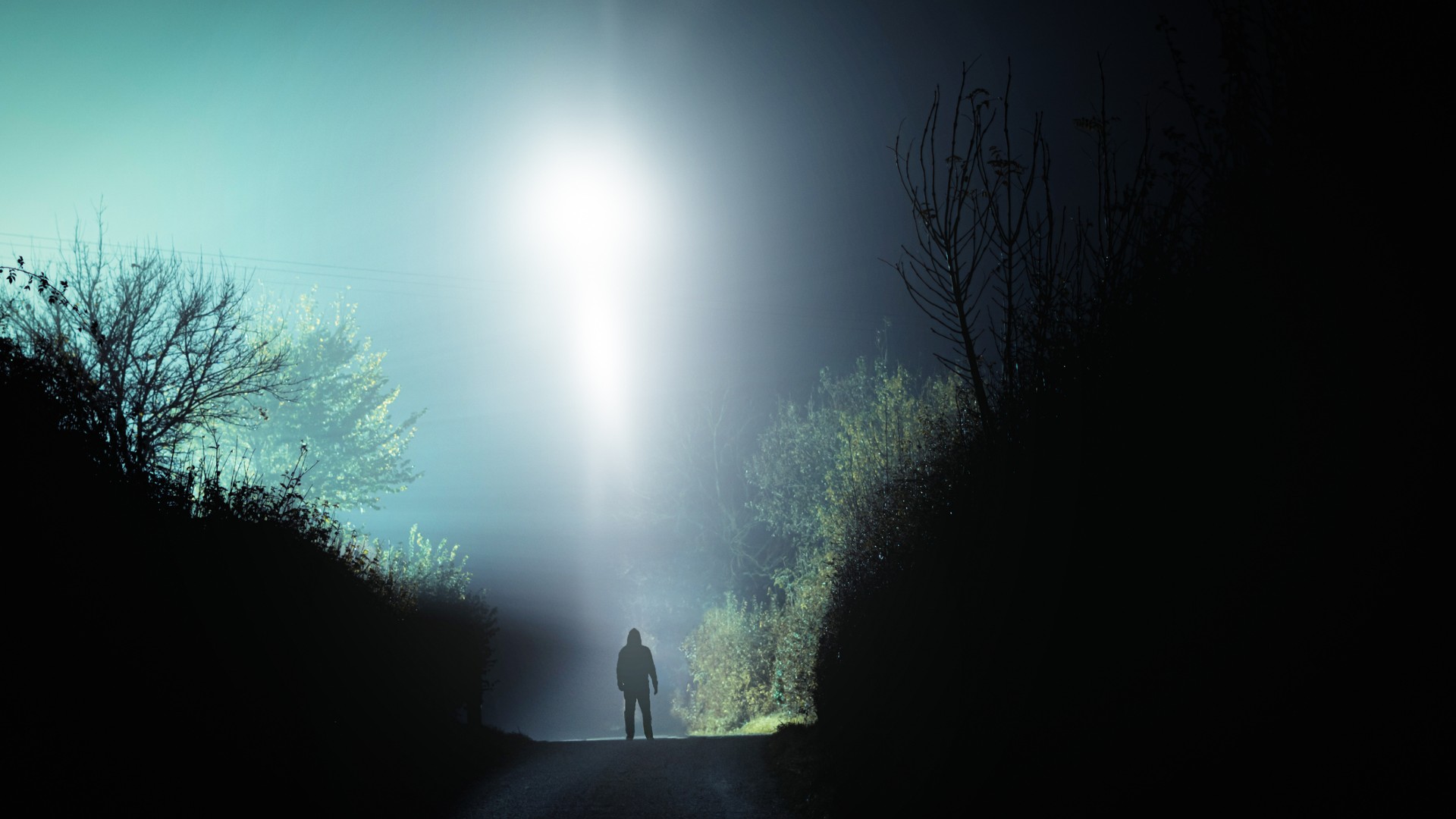
UFOs and Prolonged Uncertainty

UFOs and Prolonged Uncertainty

Chronic uncertainty around unexplained phenomena and its psychological effects.

Key points

  • Prolonged UAP uncertainty can turn curiosity into powerlessness, anger, and mistrust.
  • Information gaps make false narratives and confident claims more appealing.
  • Honest communication about what is known and unknown can make uncertainty easier to tolerate.

Ahmed/Unsplash

Source: Ahmed/Unsplash

The growing public interest in unidentified anomalous phenomena (UAP) isn’t just about wanting to know what’s in the sky. It is about answering the question of what implications they have for mankind. But as the interest is growing, so is the level of frustration many people are experiencing.

While recent congressional hearings, scientific initiatives, and mainstream media coverage show the previously taboo subject is now being talked about more openly by serious people, the conclusions remain inconclusive.

The PURSUE (Presidential Unsealing and Reporting System for UAP Encounters) files, which Donald Trump specifically stated on his Truth Social account he was releasing so “the people can decide for themselves 'WHAT THE HELL IS GOING ON,'” have received almost 2 billion views. But the information being released is being given without context or explanation and has, thus far, left more questions than answers.

Many government and military officials have gone on record stating they have seen classified information that indicates the possibility of non-human space craft and biologics, but they can’t say more. Even whistleblowers who are trying to provide information, report they can’t give specifics because of NDAs or fear of retaliation.

It always seems as if someone knows something they can’t tell you for some reason.

All of this ambiguity has led to feeling that we may never get the real answers.

And this type of chronic uncertainty has significant psychological implications.

When people feel information is being intentionally withheld, it changes the way they process what’s happening.

Uncertainty Can Become Powerlessness

Humans live with constant uncertainty. We don’t know exactly what will happen in the next five minutes let alone five days, five months, or five years.

But when we start to feel uncertain because it seems like someone else is controlling what we are allowed to know, we stop wondering what’s true and instead begin asking, “Why is the truth being kept from me?”

When you can’t access information you need to answer important questions, you can start to feel powerless, which can lead to other negative emotions like suspicion, frustration, and even anger.

Anger can give you a sense of having more power in a situation. It motivates and mobilizes people into action. People may begin to protest or demand answers as a way to help regain control.

But if there is no clear action capable of resolving the uncertainty, that energy has nowhere productive to go. Someone can remain psychologically activated while the situation remains unchanged.

For some people, this may lead to disengagement, they stop caring or paying attention entirely, for others it may cause them to become more proactively involved.

The Search for Closure

When people encounter uncertainty around a subject that has personal meaning they naturally try to soothe their anxiety. In the case of UAPs, they may seek out more information by reading government reports, following congressional hearings, searching historical records, listening to interviews, or becoming actively involved in online communities. Each new document or testimony offers the possibility that they may finally get the missing piece of the puzzle.

But it can also create a cycle of anticipation and disappointment. Every time there is a new hearing, a new witness that comes forward, or a document release is promised, people raise their hopes that this will be the confirmation they’ve been looking for, but definitive evidence never seems to appear.

People can begin to feel deceived or foolish for believing they were finally going to get an answer. And the search for information can start to become emotionally consuming because the brain continues to treat the open question as unfinished business that needs resolving.

Confidence Can Substitute for Evidence

When the explanations being given, if there are any at all, are inadequate to explain what we are seeing, let alone answer the ultimate question everyone is asking, which is “are we alone in the universe?” interest doesn't just disappear. People begin to search elsewhere for the answers they need.

Research shows that uncertainty and a lack of control can make people more receptive to false explanations.1 This can open the door to believing in conspiracy theories, particularly those that portray the government as deceptive or threatening.

When no information is being provided, people can begin to mistake voices that seem loud or certain for credibility. A confident explanation feels reassuring, but it does not necessarily mean it is an informed one.

While government communication won’t prevent misinformation, it can reduce the space in which misinformation grows.

The Erosion of Trust

Trust helps people tolerate uncertainty. We do not need all the information ourselves as long as we believe that those who do possess it are competent, honest, and acting in good faith.

Just releasing information does not guarantee trust. Research on government transparency shows it can sometimes reveal disagreement, poor decisions, or uncertainty and may sometimes reduce confidence in the short term.2

But people are more likely to view a process as fair and trustworthy when they believe the government is being transparent, even when they don’t get the outcome they wanted.3 This matters psychologically because fair and understandable procedures make uncertainty easier to tolerate.

People can understand that the government won’t know what every UAP is. But they do want to understand how the evidence is being evaluated, why some information continues to remain classified, what conclusions the available evidence can support, and how open questions are being answered.

Without that understanding, people are left to interpret what the ambiguous information being provided is, as well as what the government’s silence means.

People Can Tolerate Honest Uncertainty

Officials may fear that admitting uncertainty will undermine public confidence, but research suggests that honest uncertainty is often less damaging than expected.

Studies have found that communicating uncertainty does not result in a meaningful reduction in trust in the source providing the information.4 Transparent explanations of the strength and limitations of evidence also don't appear to undermine public trust.5

This kind of communication provides a psychologically important framework.

People can understand that evidence is incomplete or that different explanations are possible. And they can understand that there are good reasons, such as national security, why some information cannot be immediately released. What is harder to tolerate are feelings of ambiguity and uncertainty when there is no clear process for resolving it.

Turning Uncertainty Into a Shared Process

UAP transparency is not dependent on the release of every document, but it does require clear and honest communication that helps people better understand the process as it is unfolding.

Communication, by itself, won’t eliminate uncertainty. But when people understand what's happening, discovering what UAPs are can become a shared scientific problem rather than a process from which they feel excluded.

The search for answers can remain focused on discovering the real evidence rather than driven by a desire to eliminate the discomfort of not knowing.

Whatever the ultimate explanation for UAP may be, the public is already responding psychologically to the process by which information is being investigated and released.

The answers matter, but so does the experience of waiting for them.

References

  1. Douglas, K. M., Sutton, R. M., & Cichocka, A. (2017). The psychology of conspiracy theories. Current Directions in Psychological Science, 26(6), 538–542. https://doi.org/10.1177/0963721417718261
  2. Grimmelikhuijsen, S., Porumbescu, G., Hong, B., & Im, T. (2013). The effect of transparency on trust in government: A cross-national comparative experiment. Public Administration Review, 73(4), 575–586. https://doi.org/10.1111/puar.12047
  3. de Fine Licht, J. (2014). Transparency actually: How transparency affects public perceptions of political decision making. European Political Science Review, 6(2), 309–330. https://doi.org/10.1017/S1755773913000131
  4. van der Bles, A. M., van der Linden, S., Freeman, A. L. J., & Spiegelhalter, D. J. (2020). The effects of communicating uncertainty on public trust in facts and numbers. Proceedings of the National Academy of Sciences, 117(14), 7672–7683. https://doi.org/10.1073/pnas.1913678117
  5. Kerr, J. R., Schneider, C. R., Freeman, A. L. J., Marteau, T., & van der Linden, S. (2022). Transparent communication of evidence does not undermine public trust in evidence. PNAS Nexus, 1(5), pgac280. https://doi.org/10.1093/pnasnexus/pgac280

UFO Truths Exposed | UFOs: Investigating the Unknown MEGA Episode | National Geographic

{ https://www.psychologytoday.com/gb/basics/anxiety }

Hoe vind je dit bericht?
Geschreven door peter om 21:12 Stuur door

Scientists finally know why astronauts struggle to poop in space — and reveal a hidden risk of long-haul spaceflight

Scientists finally know why astronauts struggle to poop in space — and reveal a hidden risk of long-haul spaceflight

A new NASA-backed study has pinpointed why astronauts often experience constipation in space and how that might affect their health on long-haul missions to Mars and beyond.

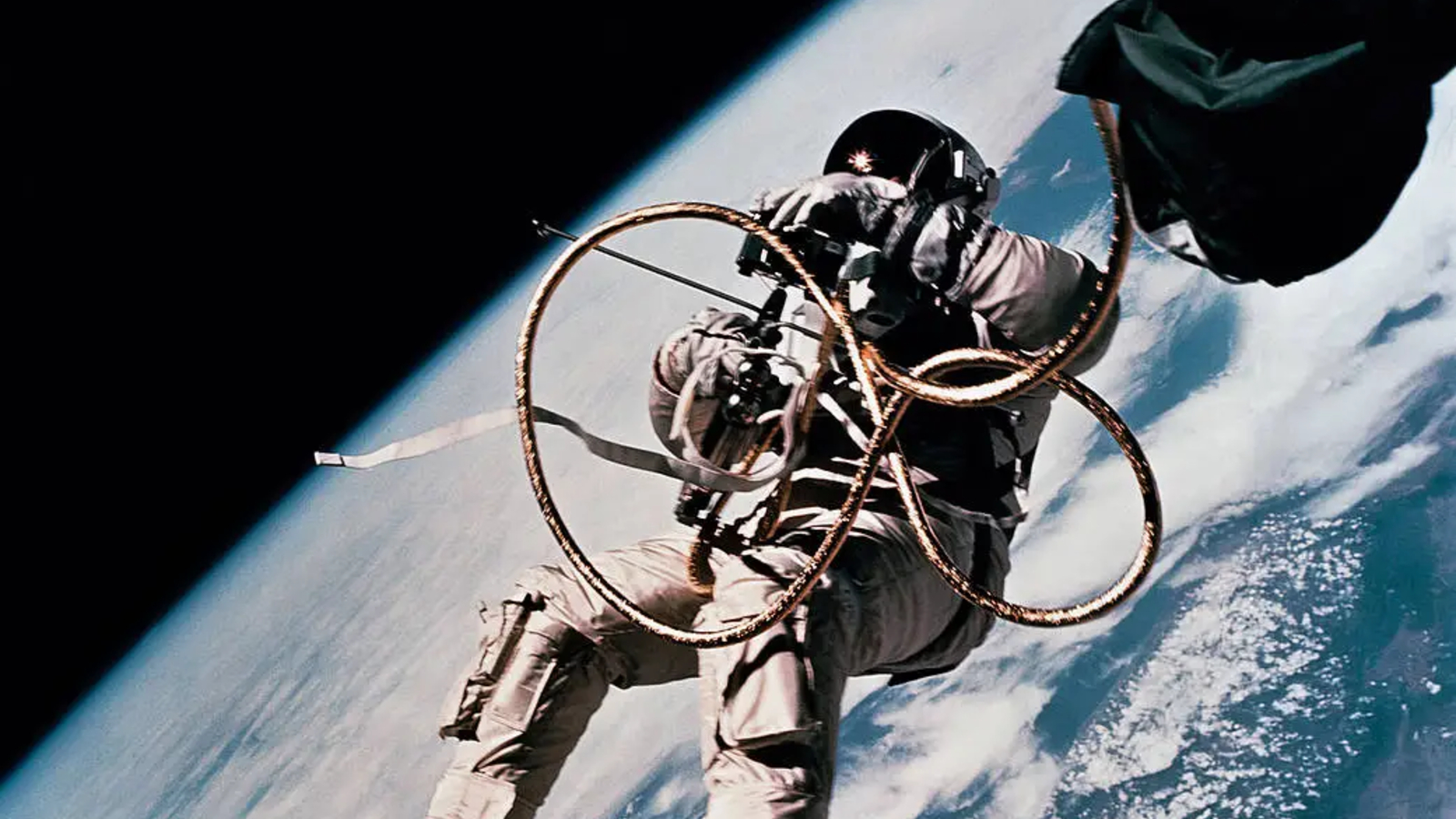
Photo of an astronaut floating in space

New blood tests have pinpointed why astronauts get constipated in space. This photo shows NASA astronaut Ed White on the first American spacewalk in 1965.
(Image credit: NASA)

Scientists have finally gotten to the bottom of why astronauts struggle to poop in space, thanks to a new blood test. The findings also reveal an unexpected side effect of this cosmic constipation that may need to be addressed before humans take long-haul trips to Mars and beyond, the study authors say.

As soon as people started living in space, it became apparent that it was harder to go "number two" among the stars than down on Earth — and not just because of how complicated it is to use a space toilet. For most astronauts, this gastrointestinal change is just an inconvenience, but some have to take laxatives to overcome the problem. The drugs are routinely stocked on most space missions, including the recent Artemis II mission.

Constipation is one of several digestive issues astronauts contend with, including bloating, indigestion and acid reflux, according to NASA. And like most other health problems that can affect astronauts, researchers have long suspected that microgravity is the leading cause. However, it has been very hard to prove that hypothesis or understand the other effects that chronic constipation may have on astronauts' general health.

Space Poop Problem Explained: NASA's $23 Million Toilet & Astronaut Diapers

In a new NASA-backed study, published June 29 in the journal Nature Communications, researchers analyzed more than 400 blood samples from 52 astronauts who each spent more than two months at a time living on board the International Space Station (ISS). Their stays took place between 2006 and 2018.

In the blood samples, the team looked for specific metabolites — the byproducts of metabolic processes that break down food, drugs and tissue in the body. They identified 40 such compounds, but the most instructive were those that were produced by gut bacteria that help break down proteins in the intestines.

You may like
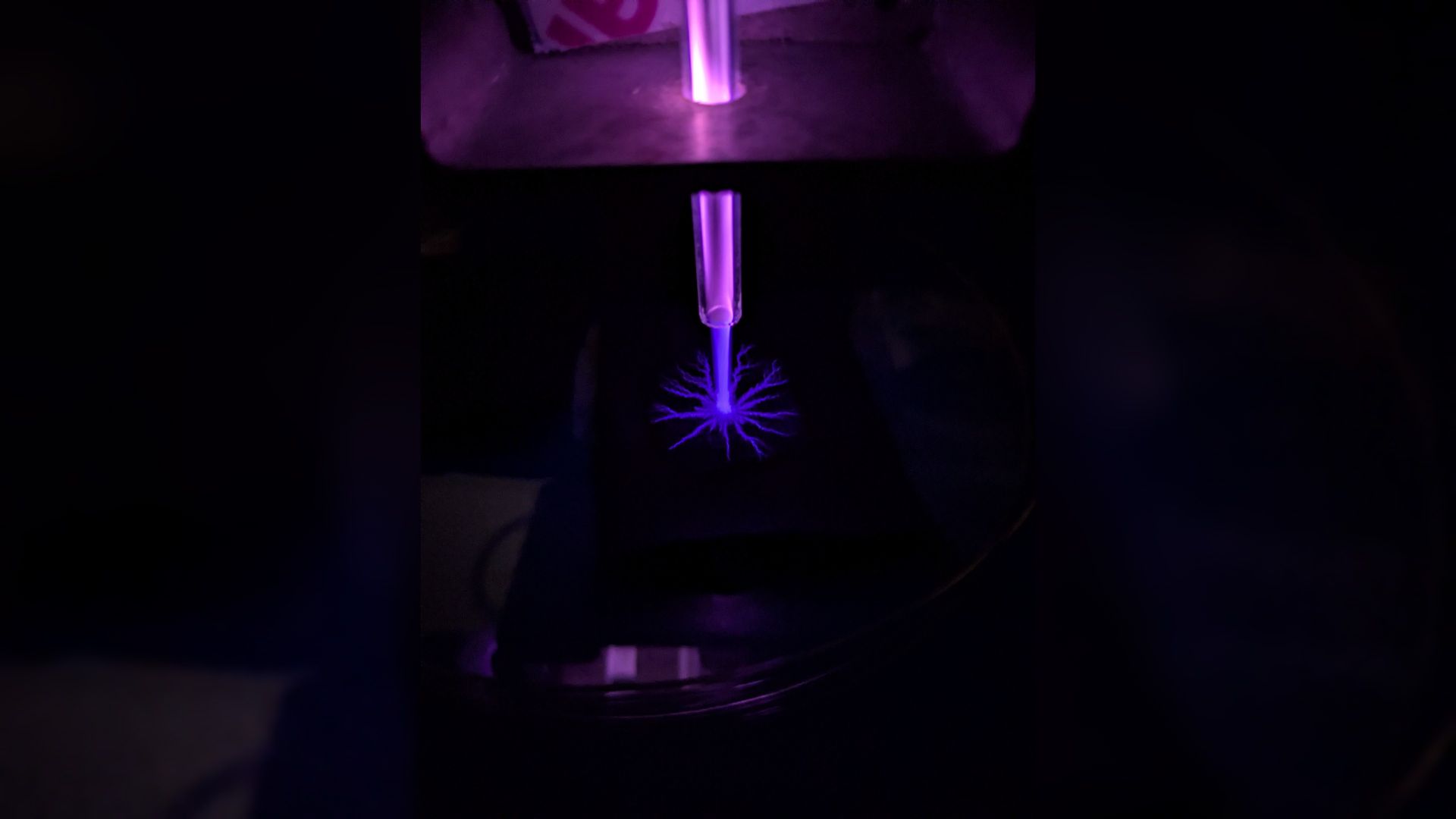
  • A close up of a blue laser in a dark room.

Astronauts could use lightning-like plasma jets to kill germs on the moon and Mars, demo hints

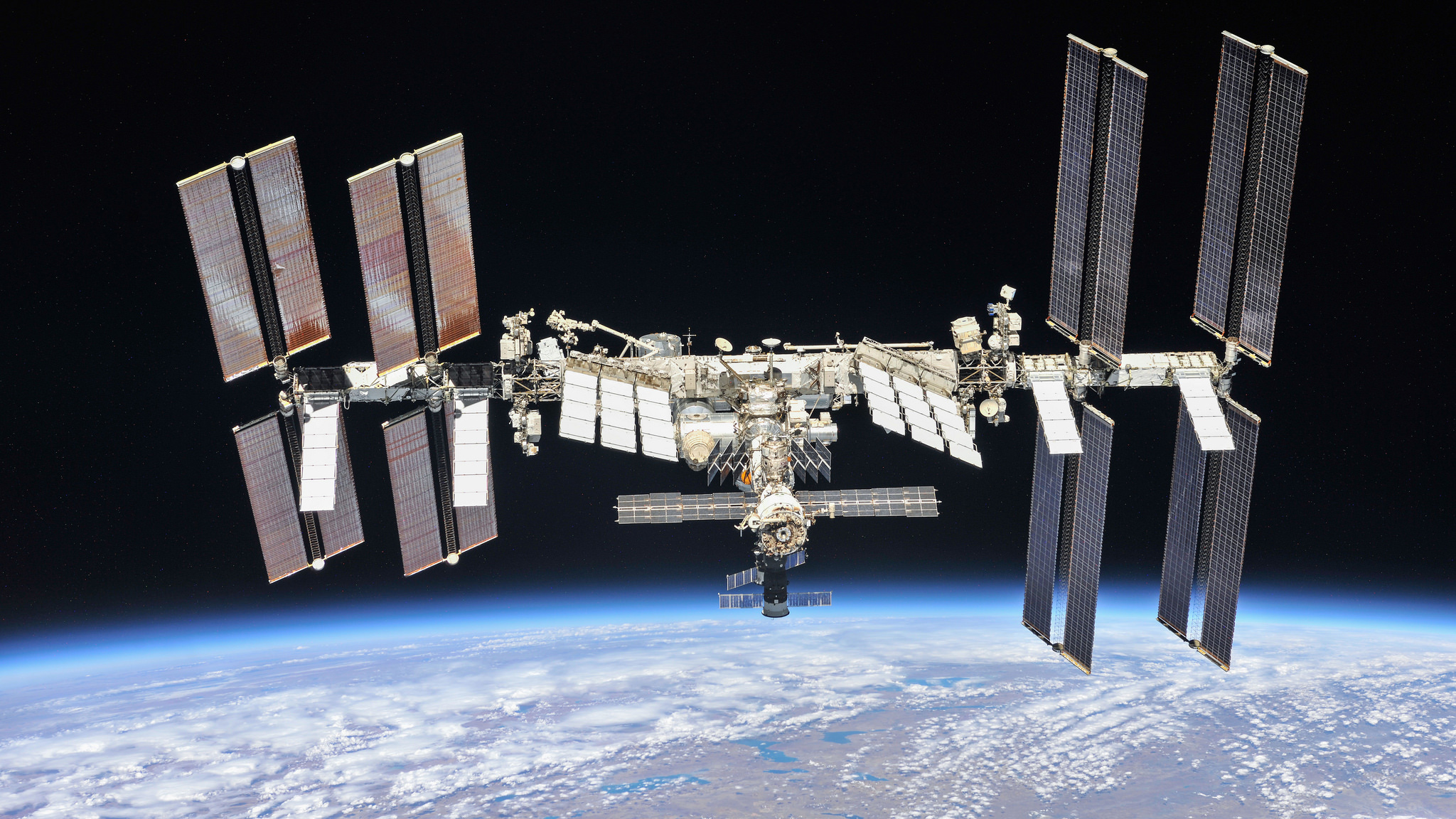
  • The International Space Station as seen in October 2018.

NASA astronauts briefly shelter in 'safe haven' procedure following worsening leaks on Space Station

  • illustration of colorful microbes in a small intestine

'Poop pills' may ease insomnia by reprogramming the gut microbiome, early study hints

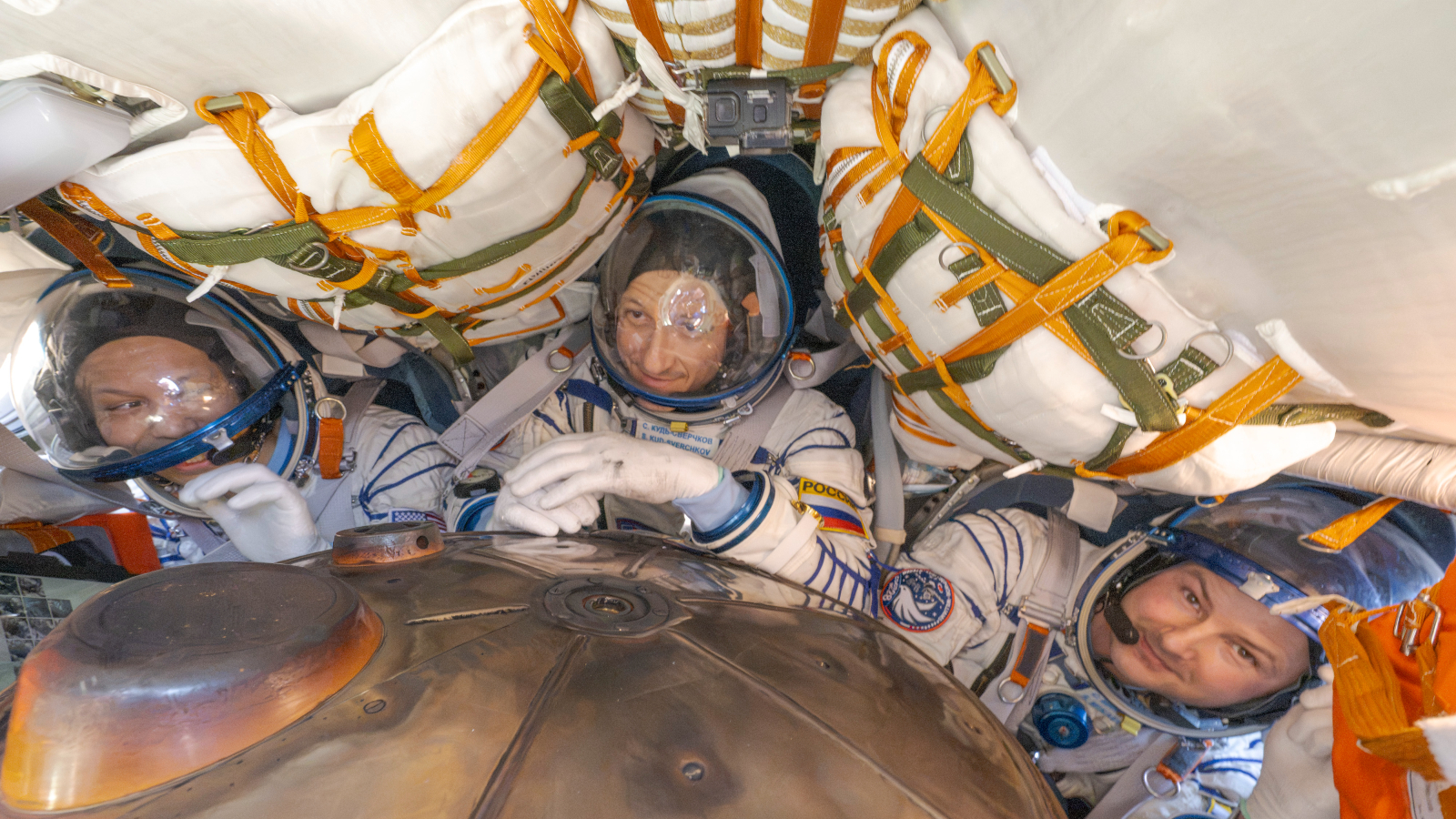
A photograph of three astronauts in a return capsule from the ISS

NASA astronauts can experience constipation from the first week of the mission until they return to Earth. This photo shows astronauts Chris Williams (left), Sergey Kud-Sverchkov (center) and Sergei Mikaev (right) shortly after returning from a 241-day stay on the ISS in July 2026.

(Image credit: Bill Ingalls/NASA via Getty Images)

"We see changes in astronauts' blood samples that indicate that the gut bacteria begin to ferment protein to a greater extent than usual," study first author Giorgia La Barbera, an associate professor in the University of Copenhagen's Department of Nutrition, Exercise and Sports, said in a statement. This happens "within weeks after the astronauts arrive in space" and can persist "until they are back on Earth," she added.

Protein fermentation occurs when gut bacteria begin to break down proteins instead of their usual food group of choice, complex carbohydrates such as fiber. This switch to protein can happen on Earth too, either due to a poor diet or digestive issues, such as lazy bowel syndrome. But in space, it is a sign of something else.

"The lack of gravity in space probably causes food to move more slowly through the intestine," study co-author Henrik Roager, head of the University of Copenhagen's Microbiome & Metabolomics research group, said in the statement. That means fiber has more of a chance to be thoroughly broken down, and gut bacteria eventually turn to protein instead.

This slower intestinal movement can "help explain constipation in astronauts," Roager added.

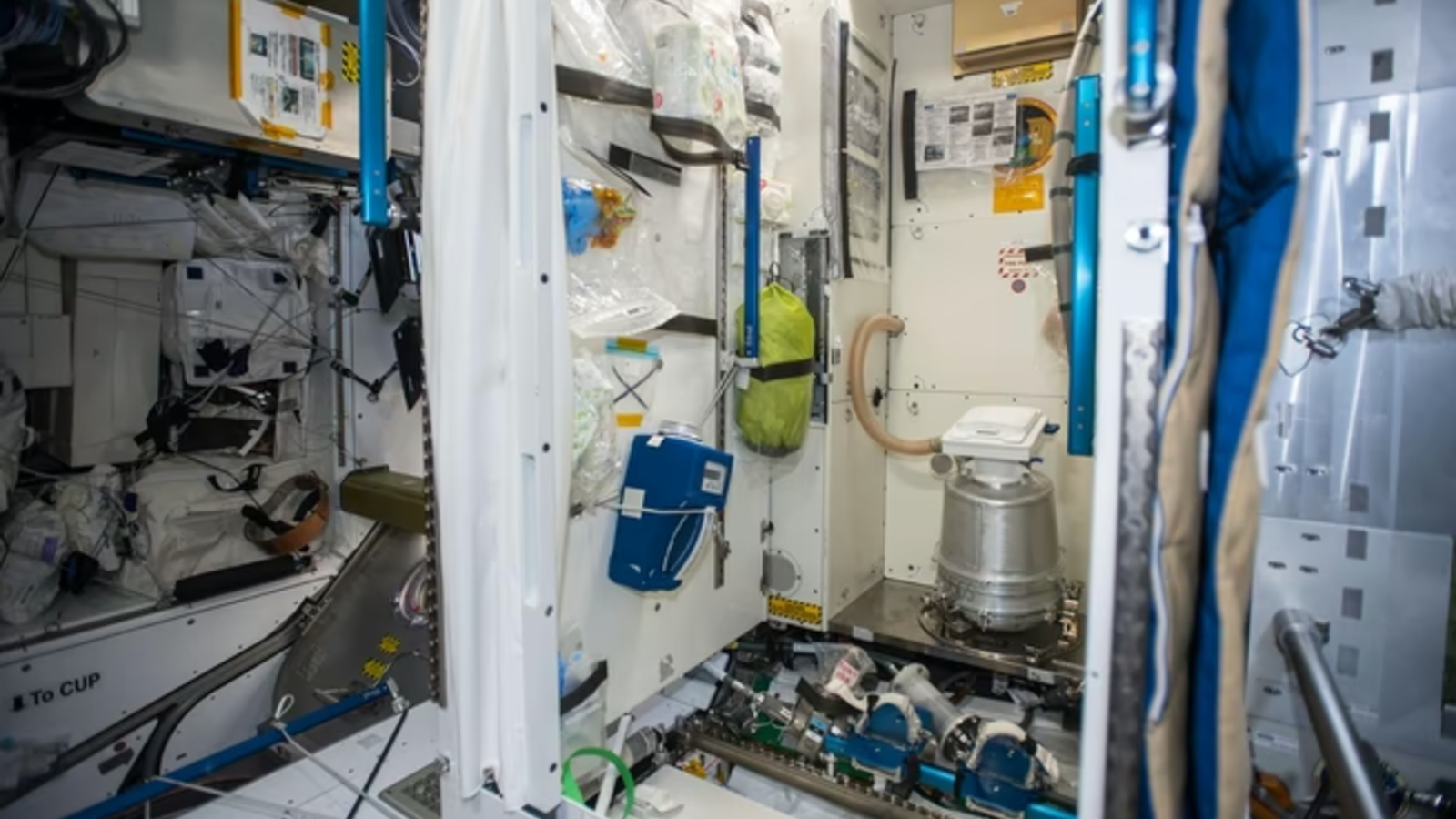
A photo of the toilet on board the ISS

Going to the bathroom in space is already more complicated than it is on Earth. This photo shows the toilet, or Waste and Hygiene Compartment (WHC), on the ISS.

(Image credit: NASA)

The researchers also found that changes to astronauts' diets ‪—‬ including altered caffeine, fish and fat intake ‪—‬ may influence constipation, Live Science's sister site Space.com reported. However, this dietary factor accounts for less than one-third of the observed metabolite changes, leaving microgravity as the primary cause, the researchers noted.

What to read next
  • An illustration of MAVEN in orbit around Mars

'I would never have guessed it': Unexpected effect is squeezing Mars' atmosphere like toothpaste, experts say

  • A view of Earth from the International Space Station, with a solar panel seen in the top right corner

Why does metal stick together in space?

  • Scroll structure in black and white with square formation on edges.

NASA shares image of impossible-looking crystal growing on the space station. What is happening?

While it is unsurprising that microgravity is the main cause of astronauts' constipation, the discovery of increased protein fermentation raises some new concerns that may need to be addressed.

"We know that products of protein fermentation [are] often associated with negative health consequences, such as kidney damage, potential effects on mood or reduced ability to focus, among others," study co-author Lars Ove Dragsted, head of preventive and clinical nutrition at the University of Copenhagen, said in the statement. When it comes to intestinal health, products of protein fermentation have also been linked to inflammation and weakening of the gut's lining.

Over short periods, these potentially harmful metabolites, including ammonia and hydrogen sulfide, likely pose limited risks to astronauts' overall health. However, long-duration spaceflights — like those that may one day carry astronauts farther into the solar system — could cause these compounds to rise to harmful levels, the study authors said.

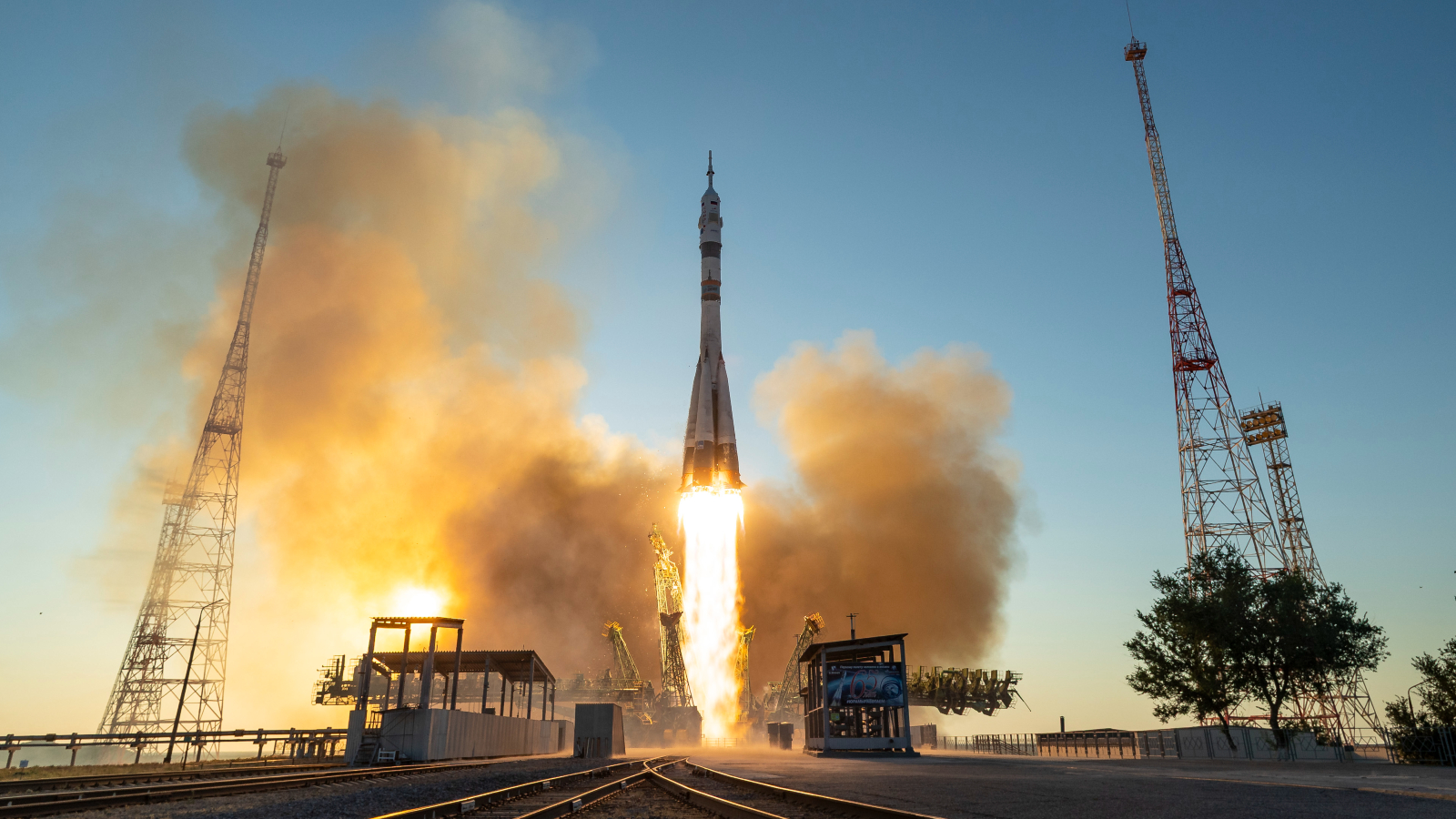
Photo of a Soyuz rocket launching from Russia in July 2026

Researchers are concerned that long-haul spaceflights could cause metabolites from protein fermentation to rise to dangerous levels. This photo shows a Russian Soyuz rocket carrying the most recent crew members to the ISS on July 14, 2026.

(Image credit: Bill Ingalls/NASA via Getty Images)

It is also unclear how prolonged periods of reduced gravity, like those experienced by future residents of NASA's upcoming moon base, could affect protein fermentation in the gut. (The current study covered only brief stints on the ISS.)

RELATED STORIES
Hoe vind je dit bericht?
Geschreven door peter om 20:54 Stuur door

Astronomen hebben een nieuw type object ontdekt in de ruimte: de zwartegatster

image.jpeg

Astronomen hebben een nieuw type object ontdekt in de ruimte: de zwartegatster

 Jeannette Kras - Redacteur

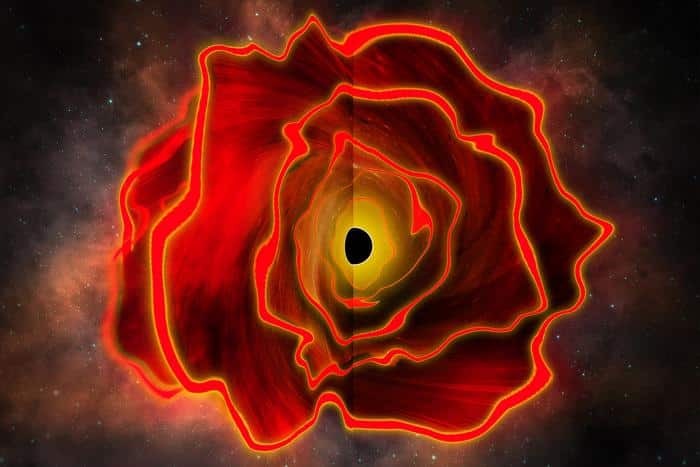
Astronomen hebben in het vroege heelal een opmerkelijk object ontdekt. Het lijkt op een enorme ster, ongeveer zo groot als ons zonnestelsel, maar het straalt honderd miljard keer meer energie uit dan een gewone ster. De meest waarschijnlijke verklaring: een volledig nieuw type kosmisch object, een zogeheten zwartegatster.

De ontdekking, gepubliceerd in Nature, is gedaan met de James Webb-ruimtetelescoop. De telescoop legde het helderrode object vast in een periode waarin het heelal nog maar enkele honderden miljoenen jaren oud was. Het lijkt te bestaan uit een centraal zwart gat, omgeven door een enorme, dichte gasmantel. De energie is daardoor niet afkomstig van kernfusie, zoals bij gewone sterren, maar van het zwarte gat zelf.

Hoofdauteur Rohan Naidu: “We denken dat er een centraal zwart gat zit dat 100.000 keer zo zwaar is als de zon. Daaromheen bevindt zich een zeer uitgestrekte gasmantel die eruitziet als een ster ter grootte van het zonnestelsel. Het is enorm.”

De ontdekking kan bovendien een verklaring bieden voor de mysterieuze kleine rode stippen die op vrijwel alle diepe opnamen van de James Webb-telescoop opduiken. “Deze kleine rode stippen lijken overal in het vroege heelal voor te komen, maar verdwijnen tegen de huidige tijd bijna volledig”, zegt Naidu. “Wat deze objecten precies zijn, is een van de meest bediscussieerde onderwerpen uit het James Webb-tijdperk.”

Op zoek naar vroege sterrenstelsels

De astronomen zochten niet bewust naar een zwartegatster. Het team gebruikte de James Webb-telescoop om de vroegste sterrenstelsels op te sporen in een onderzoeksprogramma met de naam Mirage or Miracle (MoM). “Er is al enige tijd een raadsel rond veel heldere oude sterrenstelsels”, zegt Naidu. “Wat we ontdekten, is dat iets wat eruitziet als een uitzonderlijk helder vroeg sterrenstelsel, oftewel een ‘miracle’, in sommige gevallen eigenlijk een ‘mirage’ kan zijn.” Het lijkt op een sterrenstelsel, maar het is in werkelijkheid iets anders.

Tijdens die zoektocht viel één object direct op: een uitzonderlijk heldere, rode stip. Rood licht wordt vaak veroorzaakt doordat stof het licht onderweg rood kleurt. Toch paste dat hier niet bij de metingen. “Wanneer we iets zien dat erg rood is in het heelal, gaan we er vaak van uit dat het is omgeven door stof, zoals roet of as”, zegt onderzoeker Robert Simcoe. “Net zoals de rook van de bosbranden in Canada de lucht boven Boston onlangs felrood kleurde, kunnen astronomische objecten roder lijken dan hun werkelijke kleur wanneer je ze door een sluier van stof bekijkt.”

Het object vertoonde bovendien een uitzonderlijk sterke Balmer-break: een abrupte afname van licht op bepaalde golflengten die normaal wordt gezien bij sterren met een dichte gasatmosfeer. “De breuk die we bij dit object hebben waargenomen, is de diepste die we ooit bij enig object hebben gezien, waardoor gewone sterren als bron zijn uitgesloten”, zegt Naidu. “Maar daardoor vroegen we ons af of we misschien een nieuw soort sterrenatmosfeer zagen, zij het op een spectaculaire schaal.” Opvallend was ook dat het licht vrijwel uitsluitend sporen van waterstof en helium bevatte.

Een nieuwe klasse objecten?

Met computersimulaties testte het team verschillende verklaringen. Een extreem dichte waterstofmantel bleek de bijzondere lichtsignatuur goed te verklaren, maar niet de enorme helderheid. “Je hebt iets dat een beetje op een ster lijkt, maar 100 miljard keer helderder is”, zegt Naidu. “Dat betekent dat kernfusie onmogelijk de energiebron kan zijn, terwijl dat het proces is dat alle sterren die we kennen aandrijft.” Een actief zwart gat kan die hoeveelheid energie wél produceren. Simulaties waarin een zwart gat werd gecombineerd met een enorme waterstofmantel kwamen het beste overeen met de waarnemingen.

Het object kreeg de naam MoM-BH*-1. Mogelijk is het de eerste vertegenwoordiger van een geheel nieuwe klasse kosmische objecten. De minder heldere rode stippen die JWST op andere plekken in het vroege heelal ziet, zouden eveneens zwartegatsterren kunnen zijn. “Elke kleine rode stip is in overeenstemming met een zwartegatster, ingebed in een gewoon vroeg sterrenstelsel”, zegt Naidu. “Maar wat MoM-BH*-1 bijzonder maakt, is dat de zwartegatster zijn omringende gaststelsel vrijwel volledig overstraalt, waardoor we puur het licht van de zwartegatster zien.”

Bronmateriaal

GERELATEERDE VIDEO'S

James Webb Found a “Black Hole Star”

5 Facts About the Black Hole Star Astronomers Just Found

Mystery of Mom bh Star 1: Dawn of the Universe Unveiled #shortvideo #space #astrophysics

{ https://scientias.nl/nieuws/astronomie-ruimtevaart/ }

Hoe vind je dit bericht?
Geschreven door peter om 23:14 Stuur door

Secret Soviet UFOs: What happened when two scientists knocked on a door in Estonia? | Reality Check

Secret Soviet UFOs: What happened when two scientists knocked on a door in Estonia? | Reality Check

Ross Coulthart
https%3A%2F%2Fmedia.zenfs.com%2Fen%2Fnewsnation_articles_600%2F86fb6d502130a843b5ec37b925052551.png

Something metallic turned up under a garden in a quiet Tallinn suburb in 1969, and the Soviets spent the next twenty years trying to get it out, bringing in excavators and scientists and military, borrowing the house from its owners and living in it, digging on and off until perestroika ended the whole effort and they walked away. Astrophysicist Dr. Beatriz Villarroel and Ocean X co-founder Dennis Åsberg went to that address to find out what is still down there. Nobody came to the door, but the neighbor who had watched all of it from his window talked to them for an hour.

This is their full conversation with Ross Coulthart, recorded for "Secret Soviet UFOs" and running well past what the special had room for. Villarroel walks through the peer-reviewed work that brought her to Estonia, highly reflective objects photographed in orbit years before anyone on Earth had launched a satellite, and why she thinks the same search belongs in the ground. Åsberg ties Merivälja to the Baltic Sea anomaly his team found on sonar roughly 300 kilometers away and argues that both could predate the last ice age. Between them, they count five European cases and will not give up the coordinates of one of them. What nobody can answer yet is what sits under that garden, and the only thing that would settle it is ground-penetrating radar in the yard of a man who has already told them no.


Secret Soviet UFOs: What happened when two scientists knocked on a door in Estonia? | Reality Check

Reality Check: Secret Soviet UFOs | KGB swarms suburban house in UFO hunt
Hoe vind je dit bericht?
Geschreven door peter om 22:51 Stuur door

The Truth Behind UFO Sightings over Canada’s Nuclear Facilities

I’ve spent five decades investigating. Here are the facts

Hoe vind je dit bericht?
Geschreven door peter om 22:40 Stuur door

FBI Files Detail 'Bronze Metallic Object' Materialising in Sky as Pentagon Releases UFO Data

FBI Files Detail 'Bronze Metallic Object' Materialising in Sky as Pentagon Releases UFO Data

For the first time, complete UFO case files drawn from multiple federal agencies have been made directly accessible online

Pentagon

The Pentagon has started putting decades of declassified UFO files online via a new public website, officials in Washington confirmed on Friday. 

PHOTO Wayne Thornton/Pinterest

The Pentagon has begun publishing decades of declassified UFO files on a new public website, officials confirmed on Friday in Washington, bringing previously secret reports from the late 1940s to 2025 into the open for the first time.

The move follows President Donald Trump's directive earlier this year ordering US agencies to release government records on UFOs, now formally labelled unidentified anomalous phenomena, or UAPs, along with any files touching on 'extraterrestrial life.'

The All-domain Anomaly Resolution Office, known as AARO, has spent recent years sifting through historic reports and producing public summaries, but this is the first time complete case files, drawn from multiple federal agencies, have been made directly accessible online.

Pentagon UFO Website Puts 'Never-Before-Seen' Files in One Place

The Pentagon said the new site will host 'never-before-seen' UFO material, including videos, photos and original documents pulled from across the US government.

In a statement, the Department of Defence stressed that anyone can now search the database without security clearance, and promised further releases on a 'rolling basis' as more files are reviewed.

It can be recalled that interest in UFOs has surged in recent years, fuelled by leaked cockpit footage, congressional hearings and an increasingly vocal community of former officials urging transparency.

The Pentagon appears keen to show it has heard that noise. Secretary of Defence Pete Hegseth hailed Friday's drop of documents as 'unprecedented transparency,' even as some files arrive heavily redacted, with full pages blacked out.

Many of the UFO sightings cluster around sensitive military activity and major deployments. In the 1950s and 1960s, that meant Cold War flashpoints in Germany and the Soviet Union.

In more recent years, alleged encounters concentrate in the Middle East, particularly near the Strait of Hormuz, Iraq and Syria, where the US has maintained a sustained footprint and some of its most advanced surveillance kit.

Officials suggest that it is no coincidence. The lion's share of reports in the cache come from military pilots and personnel, often using sophisticated sensors that far outstrip civilian technology. If you go looking with the best gear, in other words, you see more weird stuff.

Crucially, in all of the incidents described in the newly released records, the Pentagon says the aerial phenomena posed no apparent threat to US forces. Most of the unknown objects either broke contact abruptly or vanished from view just as quickly as they had appeared.

Orbs, a 'Super-Hot' Object and a Bronze UFO in the Sky

Among the more recent entries, one 2023 case in the western United States stands out inside the document trove. Over two days, federal law enforcement officers independently reported strange orbs in the sky, with one account describing 'orbs launching other orbs.'

The Pentagon itself labels that episode 'among the most compelling' in its holdings, although the files stop short of any firm conclusion about what was actually seen.

In a separate 2024 encounter in Iraq, an unidentified craft was reported zipping across the surveillance systems of a US aircraft at high speed while the crew was engaged in an unrelated strike. The object cut across their sensors but, again, did not interfere with the mission and disappeared as quickly as it arrived.

A 2025 account relayed by a senior intelligence officer to the FBI pushes things further into science-fiction territory. According to the government's own description, US personnel were dispatched in a helicopter to search an area where orbs had previously been reported.

They allegedly located a 'super-hot' orb hovering above the ground, which then travelled roughly 20 miles at a speed too fast for the helicopter to keep up. That is the sort of detail that will send online forums into overdrive.

The historic files are hardly less surreal. NASA transcripts from 1969 in the release record Apollo 11 astronaut Buzz Aldrin telling officials he saw what he described as a 'possible laser' in space, noting a 'fairly bright light source' that the crew tentatively ascribed to that explanation.

UFO

Trump says it was his push for 'complete and maximum transparency' that forced the release of UFO files  Pinterest

Then there is the FBI's own artwork. One composite sketch, based on witness reporting, shows what the bureau calls an 'apparent ellipsoid bronze metallic object materialising out of a bright light in the sky, 130-195 feet in length, and disappearing instantaneously.'

The image reads like classic UFO lore, except this time it is filed in a government record rather than a tabloid or late-night talk show.

Trump Claims Credit as Experts Warn of New Speculation

Trump teasing a major disclosure of UFO and UAP material. On his social media platform, the president took a victory lap on Friday, saying it was his push for 'Complete and Maximum Transparency' that forced the release.

'It was my Honor to direct my Administration to identify and provide Government files related to Alien and Extraterrestrial Life, Unidentified Aerial Phenomena, and Unidentified Flying Objects,' Trump wrote, claiming the publication will allow Americans to 'decide for themselves' what is happening in the skies.

Last month, while welcoming the Artemis II astronauts to the Oval Office, Trump told reporters that his administration would be 'releasing as much as we can in the near future.' UFOs, he said, had been 'in the minds of people for a long time', hinting that the government needed to catch up with public curiosity.

Not everyone inside the Pentagon ecosystem is thrilled about how the data drop is being presented.

Sean Kirkpatrick, the former head of AARO, issued a pointed warning against reading too much into raw files without expert context.

READ MORE

  • UFO

The Pentagon Just Declassified a UFO 'Time Warp' Encounter and Harvard Is Blaming Alien Technology

He said there was 'nothing unexpected' in the latest release and argued that, without analysis, the website would 'only serve to fuel more speculation, conspiracy and armchair pseudoscience, particularly from the playhouse politics theatre company.'

For starters, AARO's official reviews to date have not found any evidence that UFOs or UAPs are extraterrestrial in origin. That conclusion runs directly against the hopes of some true believers, and it is one reason the office has itself become a target of suspicion and wild claims.

The newly released files arrive, then, in an awkward middle ground. On one hand, this is the first time complete case files, even in redacted form, have been published straight from federal archives. On the other, many pages remain obscured, and the government is still saying, essentially, that nothing in its vaults proves alien visitors.

Whether this wave of UFO transparency calms public obsession or just adds more fuel to it, the files are now out there, and they are not going back in the box.

RELATED


Pentagon UFO Files Just Turned Terrifying — 3 Unclassified Unknown Objects Appeared

Pentagon's UFO file releases mark a historic shift in transparency

{ https://www.ibtimes.co.uk/ }

Hoe vind je dit bericht?
Geschreven door peter om 22:15 Stuur door

Iran’s Alien Files? Tehran’s U.S. Conspiracy Claim Takes on New Leverage in a High-Stakes War

Iran’s Alien Files? Tehran’s U.S. Conspiracy Claim Takes on New Leverage in a High-Stakes War

America ı By Samuel Lopez

Man in a dark suit sits at a desk, hands folded, with the Iranian flag on his left and a gray alien figure in the background.

INSIDE THIS REPORT

  • Iranian media once promoted an extraordinary claim that alien forces secretly controlled the United States.
  • No verified evidence establishes that Iran possesses UAP materials—or that the U.S. has an alien partnership.
  • But in wartime, even unproven “disclosure” claims can become a potent tool of propaganda, pressure and psychological warfare.

By Samuel López | USA Herald

As U.S.-Iran hostilities continue to shake the region, an old and extraordinary allegation from Iranian state-aligned media is worth revisiting—not as proof of extraterrestrial contact, but as a warning about how UAP narratives can be turned into geopolitical weapons.

In January 2014, Iran’s semi-official Fars News Agency circulated a report claiming the United States had been governed since 1945 by a secret extraterrestrial “shadow government.” The story invoked a supposed alien agenda, alleged contact with President Dwight D. Eisenhower, and claims attributed to documents supposedly linked to former NSA contractor Edward Snowden. Radio Free Europe/Radio Liberty reported on the Fars publication and its allegations at the time.

The claim takes on a different significance in the middle of a real geopolitical crisis. The relevant question is no longer whether the 2014 story was credible—it was not supported by verifiable evidence—but whether Tehran could revive, expand or strategically deploy the same narrative if it claimed to possess proof that the United States has been governed by a secret extraterrestrial “shadow government” since 1945.

To be clear, there is currently no public, credible evidence that Iran possesses such proof, or that the United States has cooperated with extraterrestrial beings, or has hidden an alien program from Congress or the public.

The Pentagon’s All-domain Anomaly Resolution Office reached a similar conclusion in its historical report. Read AARO’s historical-record report here.

But, that doesn’t end the legal, political or national-security significance of the subject. It sharpens it.

A government at war does not need authentic alien artifacts to exploit public interest in alien artifacts. It needs a plausible narrative, carefully timed releases, selectively edited footage, ambiguous radar tracks, alleged insider testimony, or claims that cannot immediately be disproven because the underlying information is classified.

If Iran were to announce that it possessed UAP-related material—whether real, misunderstood, fabricated, foreign-made, or simply unexplained—the first battlefield would be public confidence. Tehran could frame the release as evidence that Washington has concealed advanced technology, lied to its own citizens, or maintained secret arrangements beyond democratic oversight.

The immediate target would not necessarily be scientists. It would be American public trust.

That kind of disclosure campaign could be designed to trigger congressional demands for classified briefings, force the White House into rapid denials, fuel online speculation, and divide an already polarized public over whether officials are withholding information. It could also muddy the line between authentic classified aerospace programs, adversary technology, drone incursions and truly unresolved aerial events.

The strategic value would be especially high during sensitive diplomacy. A claimed Iranian “UAP disclosure” could be deployed to distract from sanctions negotiations, military setbacks, intelligence disclosures, weapons inspections or domestic unrest. Tehran could offer supposed evidence through intermediaries, friendly media channels, foreign intelligence contacts, or international institutions—then demand political concessions, sanctions relief, security guarantees, or a halt to military action in exchange for access to the material.

That would amount to leverage by ambiguity.

The legal problem for the United States would be just as serious as the public-relations problem. If Iran released purported documents identifying U.S. facilities, defense contractors, aviation programs or alleged recovery sites, federal officials could face a difficult choice: deny the allegations and risk validating portions of the disclosures, or refuse substantive comment and allow speculation to intensify.

American intelligence agencies have confronted versions of that dilemma for decades. Genuine classified programs, especially aerospace, surveillance and weapons-development projects—can create the appearance of a cover-up when viewed without context. AARO itself noted that secrecy surrounding legitimate national-security programs has fueled public speculation about hidden extraterrestrial knowledge.

Iran could exploit that uncertainty with remarkable precision.

Still, extraordinary claims require extraordinary proof. A grainy video, anonymous source, metal fragment, or government statement probably wouldn’t do much to establish ‘proof’ of an extraterrestrial U.S.-connection.

Without real and authenticated evidence, a revived Iranian claim that they have alien materials or proof that the “United States is being governed by a secret extraterrestrial “shadow government,” would be political theater—not disclosure.

But political theater can matter during war. It can move markets, influence public opinion, strain alliances and force governments to spend valuable time rebutting claims that were engineered to be impossible to conclusively disprove in real time.

Iran’s 2014 alien-shadow-government story may have been dismissed as fringe propaganda. In today’s environment, however, it offers a revealing preview of how UAP narratives could be repackaged as a modern instrument of state pressure: not to prove that aliens are here, but to exploit the fact that millions of people believe governments may know more than they are saying.

{ https://usaherald.com/ }

Hoe vind je dit bericht?
Geschreven door peter om 21:55 Stuur door

'We Want to Believe' book explores the reality of UFOs: 'It's always going to be more likely that someone is wrong about what they saw' (interview)

'We Want to Believe' book explores the reality of UFOs: 'It's always going to be more likely that someone is wrong about what they saw' (interview)

"They're not supernatural or miraculous. If they really existed they'd exist in time and space and three dimensions like everything else."

a person looks up at a bright light in the sky

UAPs are hot these days, whether they can be partially explained or wholly dismissed 

(Image credit: David Wall/Getty Images)

After all these years, we still want to believe.

Whether you're a bona fide believer or a staunch skeptic, we can all agree that UFO legends and lore is a fascinating subject that continues to fuel endless debate. And with pop culture feeding our lizard brains lurid tales of flying saucers and alien invasions, it’s no wonder humanity is always up for a good story of inexplicable aerial sightings or various uncanny encounters of the third kind.

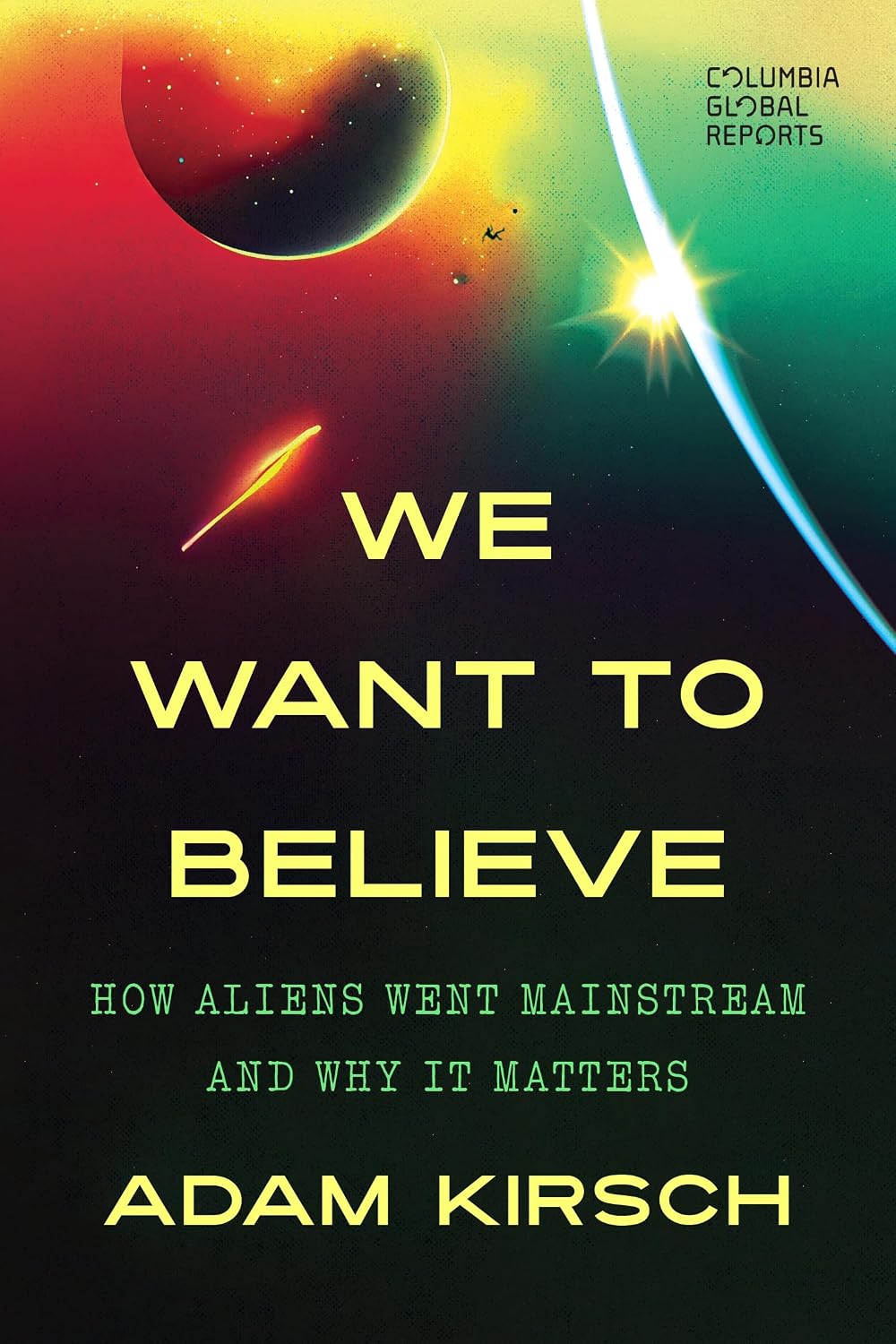
In "We Want To Believe: How Aliens Went Mainstream And Why It Matters" (Aug. 25, Columbia Global Reports), acclaimed literary critic and Senior Editor at The Atlantic Adam Kirsch explores this insatiable drive to wonder at unidentified phenomena. For Kirsch, the topic asks many of the same questions that human religions do. "For me, humanity's way into the subject is that UFOs are a way of thinking about a lot of the same questions we might also think about in religious or philosophical terms," Kirsch told Space in an interview. "Questions like what is unique about humanity, are we alone in the universe, are there other minds, what's our destiny as a species?"

Kirsch says the recent wave of alleged whistleblowers helped push him towards studying UFOs, or UAP, as they're now known.

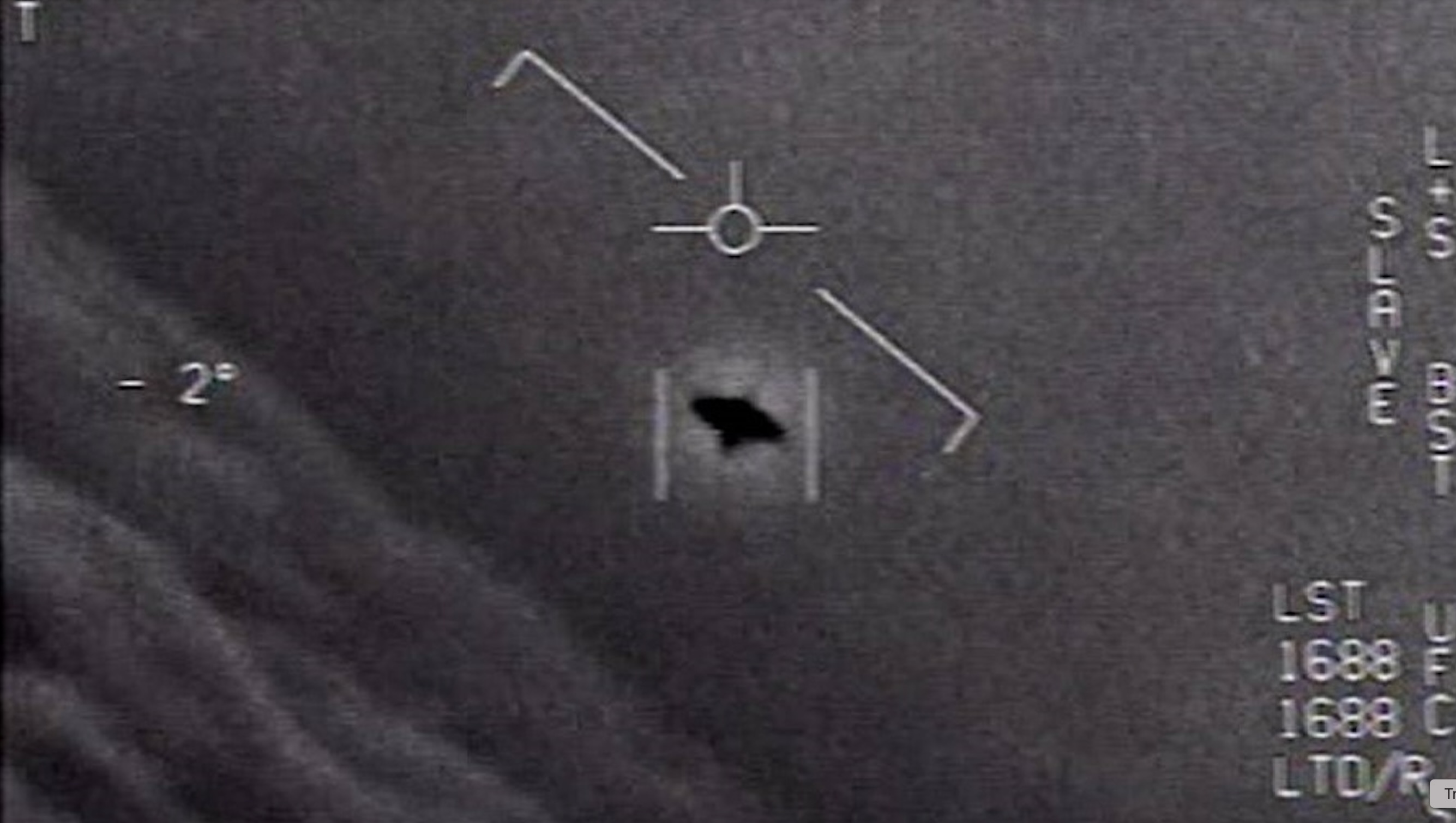
"The real start of my interest in the subject was in 2017 when there was this sudden reporting in the mainstream media about the Pentagon UFO videos and the so-called secret program to collect UFO reports. For the first time, it seemed like maybe there was some legitimate news or evidence."

You may like
  • Composite of front covers from Mack's "Abduction," Jung's "Flying Saucers," Vallees' "Passport to Magonia," Elizondo's "Imminent," and Pasulka's "American Cosmic."

Get ready for the next Pentagon file drop with our essential UFO reading list

  • a man in winter clothing looks confused outside in the snow

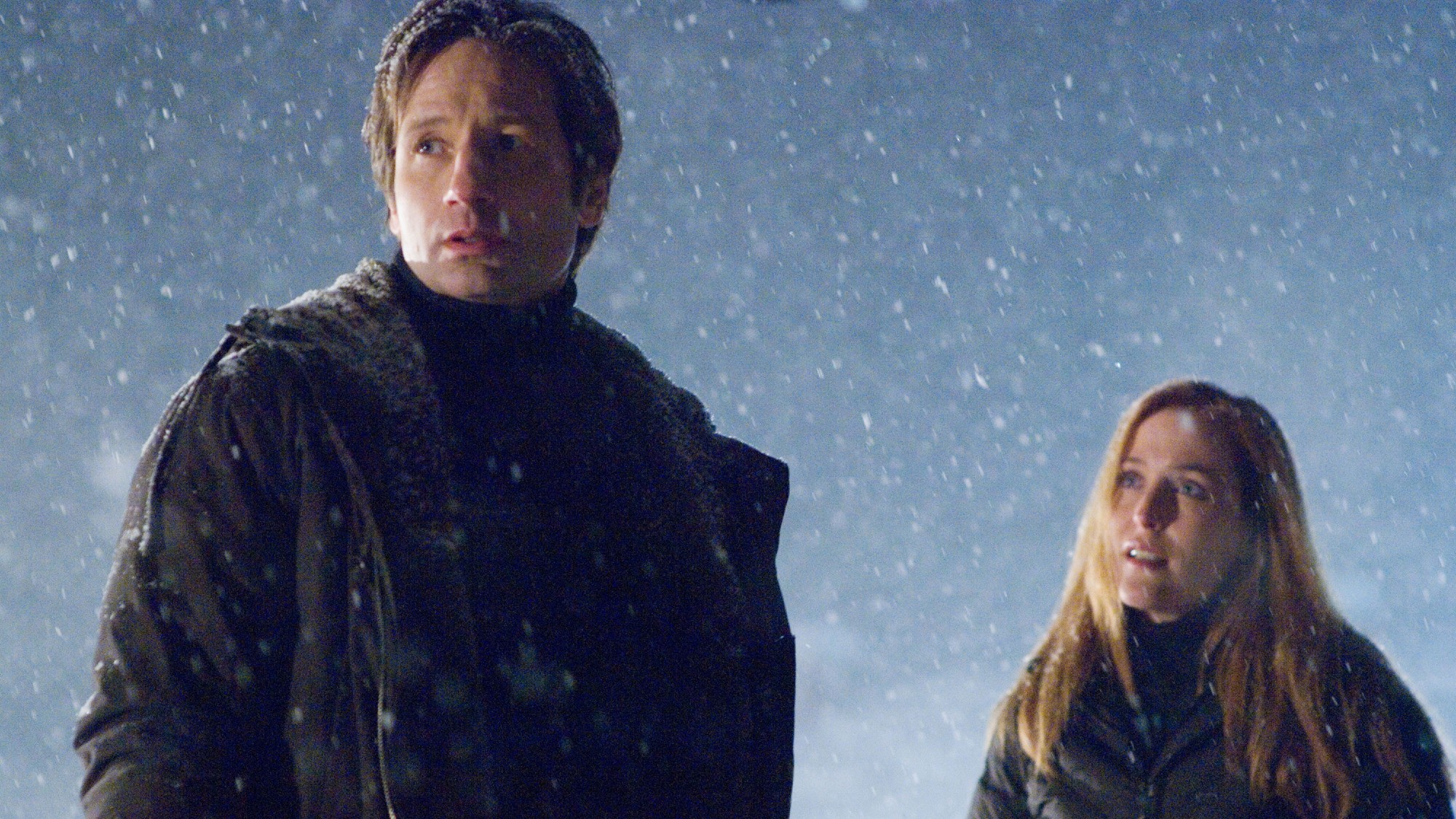
'The X-Files' creator Chris Carter says new director's cut of 'I Want to Believe' is 'the horror movie that we really wanted to make' (interview)

  • Navy pilots have encountered unidentified aerial phenomena (UAP).

'This is unprecedented': Why the Pentagon's recent UFO file releases are so important

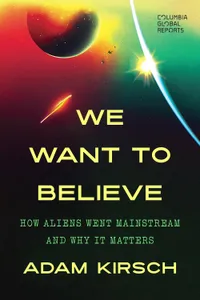
a yellow, green and red ufo book cover

"We Want To Believe" touches down in bookstores on Aug. 25, 2026.  (Image credit: Columbia Global Reports)

Kirsch recognized that monumental occasion as a pivotal moment that truly altered the way that American culture and media talked about the titillating topic.

"I got more into the history and the lore of UFOs and partly out of just that basic idea that it would be really cool if there were other minds in the universe. It would be amazing if we could find proof of that. Over the years it's happened repeatedly in this history of UFOs. There's a lot of public excitement and then it peters out because there is no evidence and there isn't anything concrete to point to. And that's definitely what's happened over this last cycle."

Using grounded scientific logic and basic common sense, Kirsch brings a calm measured approach to the UAP hysteria that's been gripping the whole country.

"One of the interesting things about testimony that people like David Fravor and Ryan Graves gave about this is, 'When the camera sees something, the person doesn't see it. And when the person sees something, the camera doesn't see it.' It's always one or the other, it's never both at the same time. Even as long ago as the 1950s, people were saying that UFOs for some reason are not photogenic. No one ever seems to be able to get a real clear image of a UFO the way you’d think you'd be able to if they actually exist in the atmosphere."

an author profile image of a man in glasses

Senior Editor for The Atlantic and literary critic Adam Kirsch.  (Image credit: Columbia Global Reports)

"The obvious and logical explanation is that there's nothing to take a picture of. But it does get to this basic question of how do we go from, 'I had an experience' to 'This is what the experience tells me about the world.' I talk in the book about the difference between evidence and testimony. When they're talking about UFOs, people often blur that distinction. Testimony is an account and people are often wrong or misinterpret about what happened to them."

What to read next
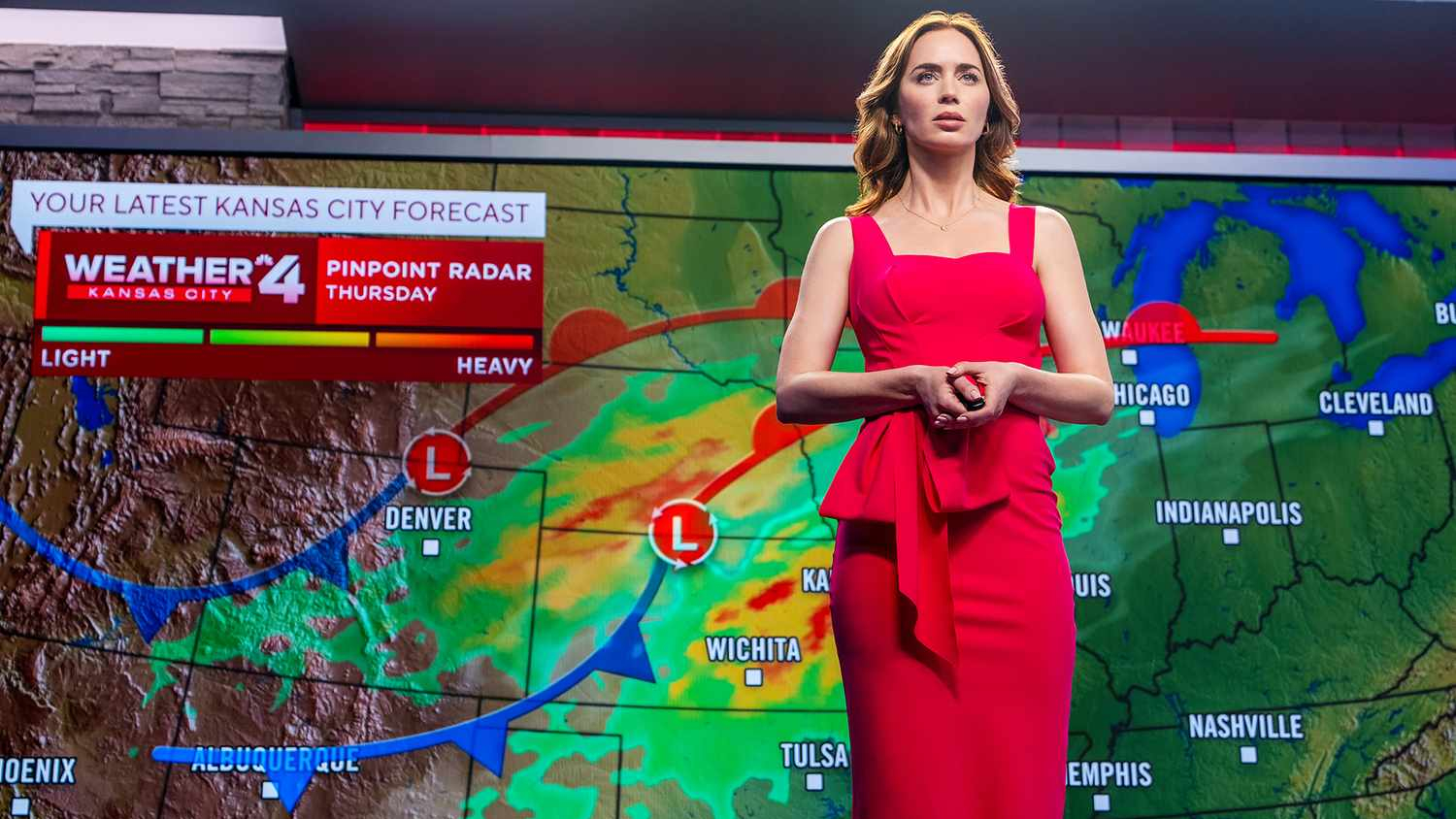
  • A blonde woman in a red dress presenting a weather forecast.

Why Steven Spielberg's 'Disclosure Day' feels like the most exciting sci-fi release of the year

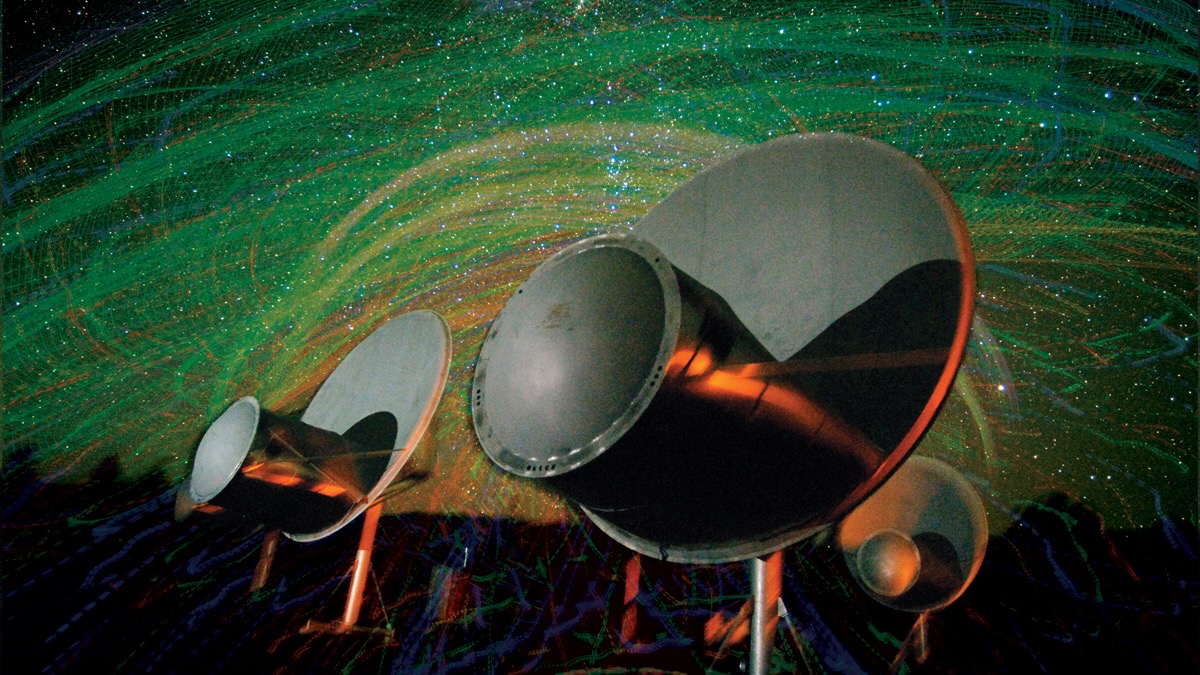
  • The Allen Telescope Array at the Hat Creek Radio Observatory in Northern California.

How should we handle alien detection in a world of AI, deepfakes and social media? This committee is writing the rulebook

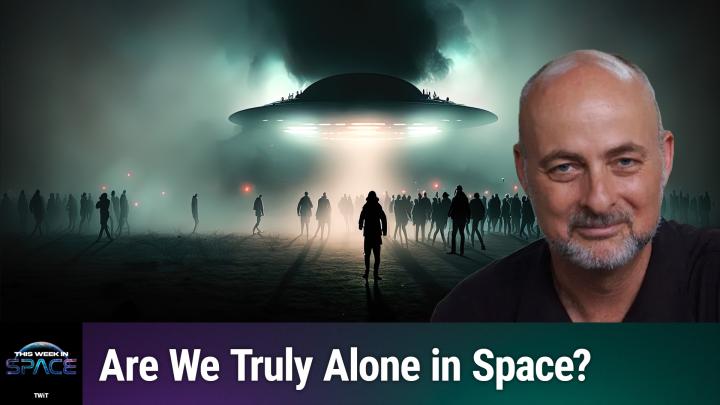
  • This Week In Space podcast: Episode 215 — Disclosure Day

This Week In Space podcast: Episode 215 — Disclosure Day

After all the smoke clears, the test that Kirsch declares must be applied to these reports is the same test that 18th-century philosopher David Hume said when talking about religious miracles.

"You don't have to prove that a miracle didn't happen, all you have to do is prove that it's more likely that someone was wrong, than that the laws of nature were suspended," Kirsch adds. "The same is true of UFOs. They're not supernatural or miraculous. If they really existed they'd exist in time and space and three dimensions like everything else. Based on the way we understand the universe and space travel, makes the odds very small that a UFO report would really be an actual extraterrestrial spacecraft. It's always going to be more likely that someone is wrong about what they saw.

"Modern science and scientific education is all about learning to not trust your instincts. It's about learning to say that the way that I spontaneously understand the world is wrong and there's a better way to understand it. UFOs are a perfect example of this because there's no evidence for them, but there's lots of people that see things in the sky they don't understand.

"With these released UAP videos, we might not be getting the whole truth, but that doesn't mean the whole truth is as interesting as I want it to be, and that there's some cosmic secret."

U.S. Deputy Director of Naval Intelligence Scott Bray explains a video of an unidentified aerial phenomena, as he testifies before a House Intelligence Committee subcommittee hearing at the U.S. Capitol on May 17, 2022 in Washington, DC.

U.S. Deputy Director of Naval Intelligence Scott Bray explains a UAP video before a House Intelligence Committee subcommittee hearing on May 17, 2022.  (Image credit: Kevin Dietsch/Getty Images)

"We Want To Believe" is available at bookstores and online outlets Aug. 25, 2026.

We Want to Believe: How Aliens Went Mainstream and Why It Matters

We Want to Believe: How Aliens Went Mainstream and Why It Matters: was US$18 now US$14 at Amazon

In "We Want to Believe," Adam Kirsch traces the intellectual history behind UFOs. The book draws on declassified documents, military encounters, and a wide literature of belief and skepticism to examine why some questions endure and what it means for modern societies when certainty fails and curiosity persists.

RELATED

Schoolyard witnesses in mass UFO sighting demand answers | Australian Story

{ https://www.space.com/entertainment }

Hoe vind je dit bericht?
Geschreven door peter om 21:05 Stuur door

Metals recovered by Russia from alleged UFO appear not to be from Earth: Coulthart

Metals recovered by Russia from alleged UFO appear not to be from Earth: Coulthart

Rob Taub

(NewsNation) — Some metals from an alleged UFO recovered by Russia in Estonia were determined not to be of Earthly origin.

NewsNation special correspondent Ross Coulthart told “NewsNation Prime” the discovery by Russian scientists showed the metals were “not normal isotopic ratios that you would expect for similar metals that were found on this planet.”

The development follows Coulthart’s latest podcast, “Secret Soviet UFO,” which details a story from the 1960s where a suburban couple was doing routine work on their home when a worker digging a well struck a hard metallic object.

“The reality is the Soviet Union had its fair share of anomalous events and this is one of the most celebrated ones,” Coulthart said after visiting the site. “It’s been the subject of speculation in Estonia for many years, both before and after the fall of the Iron Curtain.”

KGB had files about the alleged UFO event: Coulthart

Coulthart noted the event was recorded in both KGB files and files of the former Overseas Intelligence Service, the KGB and now the FSB.

“We also know from multiple witnesses who were on the ground at the time that there was a massive investigation where the Soviet military came in, the whole house garden was dug up, there was a tunnel dug to the object, whatever it was, and there were reports — multiple reports — of people including a worker that tried to hit the object with a pickaxe,” he added.

“He was hit in the chest by some kind of propulsive force. We don’t know what that force was, but as a result of that incident and weird anomalous things that happened in and around the house that were witnessed and recorded again by multiple witnesses, the entire tunnel system was closed up and as best as we know, the object has never been recovered,” Coulthart said.

Metals discovered supposedly caused weird events: Coulthart

The object — now dubbed “Object M” — appeared to cause “weird phenomena” around the house, with multiple events recorded by multiple witnesses. Coulthart noted Russian files were discovered that exemplified diagrams of Object M under the ground.

“There were ground-penetrating radar tests done by scientists intriguingly at the very beginning of the end of the Cold War in the early 1990s; there was even a Japanese team that went and did their own ground-penetrating radar survey and they confirmed that there was indeed an anomalous metallic object about 30 metres, 30 feet under the house.”

Coulthart believes the discovery led to one of the biggest UFO investigations of all time.

“The Soviets in the era of the Cold War dedicated an investigation to over 10,000 UFO cases, and what they found proved beyond any shadow of a doubt that Russia was very, very interested in UFOs,” he acknowledged.

RELATED VIDEOS

Metals recovered by Russia from alleged UFO appear not to be from Earth: Coulthart #Shorts

Could a piece of metal found by the Soviet Union in the 60s be from UFO?

{ https://www.newsnationnow.com/entertainment-news/ }

Hoe vind je dit bericht?
Geschreven door peter om 20:41 Stuur door

Did the Government Just Admit It Can’t Explain the UAP Orbs — Or Did It Just Hire Someone to Explain Them Away?

Did the Government Just Admit It Can’t Explain the UAP Orbs — Or Did It Just Hire Someone to Explain Them Away?

America ı By Samuel Lopez

Untitled

INSIDE THIS REPORT

  • Avi Loeb says government sources asked him to build a science council because they can't explain UAP orbs as human-made tech.
  • The wording raises a hard question: are officials seeking answers, or a credible cover story?
  • A closer look at the "orb" phenomenon suggests something Loeb's framework may not be built to capture.

By Samuel López | USA Herald

WASHINGTON - Professor Avi Loeb has spent the summer of 2026 becoming the most quoted man in ufology, and his latest post on X may be the most consequential yet. Writing through the account of the UAP Science Advisory Council he now chairs, Loeb said reliable, national-security-focused U.S. government sources asked him to build the council because the nature of UAP orbs remains unresolved based on all publicly available data — and, as he put it in his own words, because they cannot explain the orbs "in terms of human-made technologies."

That single phrase deserves more scrutiny than it has received.

“Reliable US government sources who are focused on national security asked me to establish the UAP Science Advisory Council because they cannot explain UAP orbs in terms of human-made technologies. Given these circumstances, it is the duty of all genuine scientists to figure out who these strangers visiting our backyard are.” - Professor Avi Loeb @ProfAviLoeb

On its face, Loeb's statement reads as vindication for years of witness testimony: the government, by its own admission, is stumped. But read it again. "Cannot explain UAP orbs in terms of human-made technologies" is not the same sentence as "cannot explain UAP orbs." It is narrower, and the narrowness may be the point. It suggests a search confined to one hypothesis space — ours — rather than an open inquiry into what these objects actually are.

If the goal from the outset is to find a terrestrial, technological explanation, then the council isn't hunting for the truth. It's hunting for the most defensible version of a predetermined answer.

That distinction matters enormously, and it is worth asking plainly: are the agencies who approached Loeb genuinely trying to solve the orb phenomenon, or are they trying to acquire his credibility — his Harvard pedigree, his media fluency, his willingness to speak in public — to construct a narrative the public will accept?

A scientist of Loeb's stature lends enormous weight to whatever conclusion eventually gets announced. That weight is valuable whether the underlying goal is disclosure or damage control.

Loeb's own record complicates the picture further. Public reporting this year has repeatedly noted that the council formed after intelligence and defense officials, including the Pentagon's All-Domain Anomaly Resolution Office, the ODNI, and the FBI, tasked him with assembling a multidisciplinary panel to bring scientific rigor to the government's UAP files.

Loeb has framed his approach as a "whodunit" — better sensors, better data, elimination of competing explanations. That is a defensible scientific method. But method only gets you as far as the assumptions baked into it, and this investigation may be starting with the wrong ones.

Here is where independent research into the orb phenomenon diverges sharply from the official framework. Reports of sphere-like objects — the so-called Buga sphere, metallic ball-shaped craft, luminous circular objects tracked by military sensors — are typically treated as a single category: unknown physical craft awaiting classification. Loeb's council, understandably, wants better instrumentation and material data to sort that category out. But that approach assumes the orbs are objects in the conventional sense: solid, engineered, governed by the same physics as a drone or a satellite.

My own investigation into the orb phenomenon points somewhere else entirely. The pattern that recurs across credible sightings — orbs descending low, entering the atmosphere, and appearing to track their surroundings with something resembling awareness — does not fit the profile of hardware. It fits the profile of something behaving. Witnesses do not describe machines. They describe presence. That is not a materials-science problem, and it may not yield to a materials-science solution, no matter how sophisticated the council's sensors become.

None of this proves the government is running a cover story. It is entirely possible that officials approached Loeb in good faith, hoping rigorous science will finally cut through decades of speculation. But the phrasing he chose to publish — a search for a human-made explanation — leaves the door open to a less comforting possibility: that the mission was never to find out what the orbs are, but to find a way to explain them that the public, and perhaps Congress, will accept without asking what else they might be.

Genuine science does not start with the answer it's permitted to find. Until the council's mandate is stated without that qualifier, the public is right to keep asking the question Loeb himself raised: who — or what — are these strangers visiting our backyard?


The Truth Behind UAPs: What They Don’t Want You to Know

Dr. Phil read the UAP files before the public, here's what he found | Reality Check

{ https://usaherald.com/ }

Hoe vind je dit bericht?
Geschreven door peter om 20:25 Stuur door

Meer van UFO'S of UAP'S, ASTRONOMIE, RUIMTEVAART, ARCHEOLOGIE, OUDHEIDKUNDE, SF-SNUFJES EN ANDERE ESOTERISCHE WETENSCHAPPEN - DE ALLERLAATSTE NIEUWTJES

↑ Terug naar de berichten