Philly UFO Conference 201

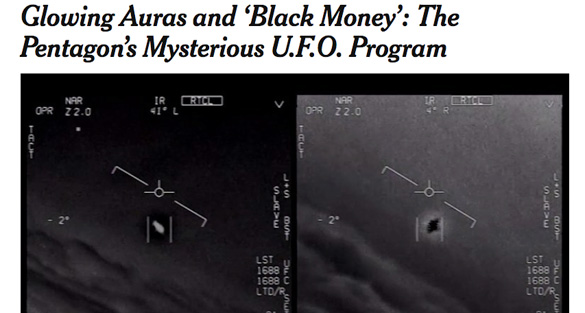
- Leslie Kean is an author and investigative journalist. Her book, UFOs: Generals, Pilots, and Government Officials Go on the Record is a New York Times Bestseller. She has authored several credible, well researched article that have garnered the attention of the media, including the New York Times exposing the Pentagon’s secretive UFO program. This interview took place soon after that article. Listen to the interview here.
Alejandro Rojas: I am very happy, very, very happy, especially at this day and time to welcome back to the show. Leslie Kean. Hello Leslie.
Leslie Kean: Hello Alejandro. Great to be with you.
Alejandro Rojas: So thank you so much for coming on the show. I know that you have been absolutely swamped with media requests. What’s it been like?
Leslie Kean: Well, it’s been intense. I mean, and hard work the week after the article came out, it was really unbelievable as you know, there was so much attention drawn to it, so it was, you know, it’s, it’s, it’s been quite a ride. I mean it’s, it’s just been very, very intense demanding of a lot of time and energy. And right now I’m just sort of enjoying this weekend where there’s not as much I have to do. So.
Alejandro Rojas: When you go into these interviews, for example, with Tucker Carlson, you were on Fox News recently, which was kind of, people were like, wow, you know, Tucker Carlson having a UFO discussion on his show. But, which went very well, of course. How do you feel going into it? Do you have any idea, you know, the angle they’re going to take, whether they’re going to ridicule it or not.
Leslie Kean: I’m usually pretty sure they’re not going to ridicule it. I mean, I think, you know, especially the week following the New York Times story, which was when most of the interviews were, I mean they, people were just really turned on by the story. And this recent interview with Tucker Carlson, he made it very clear because my publisher set it up that he wanted to talk about my book. That’s what he said. He was interested in just having me on to serve as an expert not to focus on the, the, the Time story and it’s because he’s genuinely interested in this topic. And I, I remember watching the coverage he did after the Times story came out during that week and he did excellent coverage. I mean, very, very intelligent coverage. I was impressed with it and, and I was, his, his producers told us that he really has a genuine interested in this in this topic.
Leslie Kean: So I went in there not knowing what he was going to really want to talk to me about. I had no idea. And he just zeroed in on this O’Hare case, which, you know, took me by surprise, but I thought it was great. It was great that he actually knew something about a specific case which most anchors don’t and he just seemed to be very passionate about it. So I think he is genuinely interested in this topic. I really do believe that and I think he did a great job irrespective of what anything else has coverage that people might not, I’m not going to comment on Fox. Fox’s attitudes, but in terms of UFOs I think he did a terrific job and he really has a serious interest in the topic, which is great.
Alejandro Rojas: Yeah, you could get that from his, his enthusiasm, his excitement to talk to you and bringing up O’hare is great because you know, at this point we now have this, this, you know, the DoD had a program looking into this, taking it seriously. So now it’s, it’s a good time to reflect on the other great cases out there. And of course Chicago O’Hare was a really good one.
Leslie Kean: Really good one. I absolutely agree with you. It’s such, it’s such a strong case in terms of illustrating the lack of attention that our government has given to this topic.
Alejandro Rojas: Right. And the point where he was making and you are making that, you know, this thing popped through the clouds and, and when it shot up, these were seen by United personnel, um, in 2008 I think it was, right, 2006 to 2006 earlier. And um, but the FAA just called it a weather phenomenon. I think that’s what they ended up on. And the, at first they didn’t want to look into it at all. And He makes a great point that, yeah, which is the point I think everybody should be making is, you know, we obviously, it’s intuitively obvious that we should look into situations like this and not just ignore them.
Leslie Kean: Absolutely. And I, and he really made that point. He kept saying, why wouldn’t they do it? He was like, how outraged. And I thought that was great because it indicated that he had thought about this.
Alejandro Rojas: Yeah. So you were also on Don Lemon and I just wanted to hear your thoughts on this. And of course that interview went great. But I think the day after, or a couple of days after they had,, Neil deGrasse Tyson on and although he kind of Poo pooed at least the alien hypothesis, just saying we don’t have enough evidence for that. Which is a good point I think. Um, yeah, but he, he did go on to kind of say something along the similar vein as Tucker Carlson and that we should be looking into these things. He doesn’t mind that we spend $22 million looking into these unknown situations because we should be looking into them. When you saw him say that, what was that a bit shocking?
Leslie Kean: Yeah. I mean I was glad he said that. And I think also his point about we can’t assume that they’re alien is also a valid point. And the irony of that is that we’re not doing that, we didn’t do that in our article. We didn’t do that in any of it. Uh, no, it wasn’t even a hint of that we had done that, you know. So for him to sort of comment on the New York Times and criticize a point that we never even made isn’t really fair. But um, and then he goes on about, you know, when you have an alien it’ll take me out to lunch. I mean, you know, I’ll take them out to lunch. That’s not the point. The point is that we have an unknown phenomenon that needs further study and I think along those lines, he’s pretty, uh, he’s pretty okay with it as you said. He just likes to stretch it into this realm that isn’t where we went with it anyway in the first place.
Alejandro Rojas: And that would be my next question is frustration about that. You’re obviously very careful, you and the group who wrote the article on and how you crafted it and what information you’re putting in there and obviously very aware of the baggage that comes along with, with these sorts of stories. So like you said, you’re very careful not to make it about aliens. However much of the media, even Don Lemon is trying to press you on aliens and Elizondo has had the same experience. Everybody trying to push them on “What about alien? What about aliens?” And that hasn’t, that wasn’t part of the story. That’s not what you’re talking about.
Leslie Kean: It’s true. I mean, and obviously the extraterrestrial hypothesis is a valid one. I mean, I have said that all along. I said that in my book and I still say that and there are plenty of very respectable people who have studied this, you know, generals, pilots and government officials. As I put in the title of my book, that would all agree that the extraterrestrial hypothesis is valid and rational and, but given, even though that’s true, we still don’t know. We don’t know at the level that will satisfy the scientific community. And that’s where that’s, you know, that may be a while. We may eventually get there, but without investing more resources into this, we’re not going to get there. And that’s why a program like this is important. But I think, you know, I think it’s perfectly valid, but you know, you can’t make that leap. And I think one of the problems with a lot of the people in the UFO community is they, they’ve made that leap to such an extent that they say that it’s fact. And I understand why people assume that when they, when they know a lot about this subject, I mean, it’s, it’s, it’s easy to go there, but in terms of what we want to present to the world at large and where we are at in terms of a society dealing with this topic, we’re not there yet.
Alejandro Rojas: Right. And I mean, when you’re doing these interviews, which is a great point, and, and I think it’s difficult to explain that to people because people get frustrated with me for the same thing. Regardless of whatever my opinions are, regardless of whether or not I believe in that it’s a possibility or I believe aliens are here interacting with us, when you’re, when you’re speaking with a mainstream or when you’re writing a credible paper like what you guys, you all did, a credible article, you need to focus on the facts and what’s provable and what you can credibly substantiate, um, which makes,
Leslie Kean: Yeah, that’s exactly right. Yeah.
Alejandro Rojas: And it makes a piece more powerful and, and your pieces certainly have been powerful and they get a lot of attention for that reason.
Leslie Kean: Yeah. I mean, I think you have to, and you know, obviously with the writing, but the New York Times, we have a lot of editors involved as well. So, but yeah, I mean if it’s not provable, if it’s not documentable, it doesn’t go in the, in the article and that’s, that’s the way it should be. I think that’s the way it should be.
Alejandro Rojas: All right. So getting back to the last time we spoke. And that’s what, that’s what’s kind of funny in and validating is you, and this was right after the to the Stars Academy announced and we were both kind of, I think we’ve talked soon and maybe a week or so after your article on that. And we were both kind of surprised at the reactions and, and people seeming to not get the importance of, for instance, someone coming out and saying, I used to work for the Department of Defense Investigating, essentially, UFOs. You and I of course thought, wow, that’s incredible. But you know, we were both kind of like, I don’t know why people are so negative about all of this and a not looking at the juice, but it seems that there were people that certainly took notice, um, the Washington Post, POLITICO and then, oh, you, you all were able to put together this article for the Times that really started the whole thing off. How did that come about? How did the article come about?
Leslie Kean: Well. I went to a meeting on October 4th with some of that was arranged by some of Elizondo’s colleagues who also knew me. And so they wanted me to meet him basically. And I went down and went to Washington and we spent three or four hours together and Elizondo, you know, talked to me and I was shown documentation. I was shown the videos that were eventually released with our story. Um, and just given, you know, told all about Harry Reid, was shown documents about Harry Reid’s involvement and just the story was kind of laid out for me at this meeting. And I realized at that point that it was a New York Times level story given the documentation that was available for the program and for the people involved and everything else. And so that’s, that’s how it all started. And then I went to my colleague Ralph Blumenthal, who I’ve known for a long time, who’s a, who was on staff for the New York Times for 40, 45 years and has since become a freelance writer for the Times.
So he continues to work for the times and on a freelance basis. And I went to him and he, we ended up having, then we sat down with somebody in the New York Bureau of the New York Times and had an initial meeting, the three of us to, to lay out the story for them. That’s how it all started. And then that person, then there’s another meeting with the Washington bureau and you know, it took a while to get the times on board, but once they understood what we had, they assigned us a reporter to work with us. Helene Cooper has been absolutely fantastic. She’s their Pentagon reporter out of the Washington bureau and we just that’s how it all started. And then we just got going on the story and it took quite awhile to do it because the editing process is very intense at the Times.
And you know, there’s just a lot of, every single line is, you know, thought through very carefully. And so there were different drafts that had to go back and forth and you know, we had to decide what information would be included and what wouldn’t and all that kind of thing. But you’re working at the New York Times, you’re working with a team of people. So there’s a lot of considerations that go into a story that beyond the considerations of the three reporters that are writing it. And, and that was interesting for me to experience because in the past I’ve written for the Huffington Post where I basically have no editors. You know, I just write a story and I upload it and it’s there. That’s it. And so this is a very interesting process. It’s just another level of journalism than I’ve ever experienced before. And it’s just been an amazing opportunity and situation for me to be able to write for the Times. I’m just very grateful for that. That door’s been opened.
Alejandro Rojas: Were you skeptical that they would pick it up? I mean, and was Blumenthal? He must’ve been confident that they would be interested in the story.
Leslie Kean: Yeah. He thought they would be. Originally he was the one who originally pitched it to the Times, you know, through an email because he knows people there because he’s worked there for so long and that’s how it all started. So he was pretty confident in it and it wasn’t until we had our sit down meeting with the, um, with the, with Mark, I think his name was Mark Mazzetti. He’s the investigative investigations editor at The Washington bureau. He happened to be in New York shortly after we pitch the story and we sat down with him in New York and it was after that meeting I think that we were pretty confident, but he, he didn’t give us an answer right away. He said, well, I’m going to, I’m going to talk to people in Washington and get back to you. And we had to wait maybe a week before we heard back again. But um, then we, we got the green light. So
Alejandro Rojas: Were you all aware that the Post, the Washington Post and POLITICO were also working on stories?
Leslie Kean: Yeah, we heard rumors to that effect, which was, it was disconcerting for us. But, uh, we knew that, you know, we knew that we had a story that we didn’t think anybody else would be able to get, which is all the, on the record sources that we had. If you look at the POLITICO story, it didn’t have people on the record. A lot of them were, were anonymous sources and uh, we don’t, you know, the Times we’re not, we’re not going to do that in the New York Times.
Alejandro Rojas: Yeah. And, and the Post story even seemed a bit more speculative.
Leslie Kean: Yeah. I mean, they didn’t have access to a lot of the sources that we had and that the documents and all kinds of stuff. So they, I don’t think any stories could match the one that we did just because we had access to a lot that the other media didn’t have.
Alejandro Rojas: One of the parts in the Post story that, you know, at least The Sun has asked me about and others and I want to see what your thoughts are on this is that they seem to be implying that or trying to imply that Elizondo was a little bit, you know, got the videos released under a false pretense a bit. They put in this part that there was some memo and it is kind of weird the way they wrote it. Um, the paragraph on this, some kind of memo that said he tried, he got it released in order to educate pilots on safety, but he alluded to, he really was doing it to get this out to the public and show that there’s this DoD department.
Leslie Kean: Yeah. I mean, I don’t know. I have the document that shows the process by which these videos were released and it doesn’t say anything along the lines of what the Post has said. So I don’t know where that came from.
Alejandro Rojas: The document about the release, does it say, does it say why he wanted it release and why they approved it?
Leslie Kean: Yeah, it was not educate pilots. I mean, I have to look at it again, but as I recall, there was nothing on there about that. And maybe at our break I can look at that document again.
Alejandro Rojas: Yeah. Because a big question is why did they allow him to release those videos? Um, and I guess, do you have that answer?
Leslie Kean: Um, let me look at that document again maybe and then we can respond. Yeah.
Alejandro Rojas: All right, well we’ll do that at break. We’ll look at that document again. But getting back to your story that, and of course George Knapp obviously has had somewhat of knowledge of some of this that was going on because he’s worked with Bigelow, so at least he knew Bigelow. A lot of us knew Bigelow was spending money on UFO research and these sorts of things back when this all was getting funded. Of course, none of us, at least I didn’t know. And I, I wouldn’t imagine you would have known it, maybe even George Knapp didn’t know that, you know, he was working with the Department of Defense at the time. Did you know that?
Leslie Kean: Um, I don’t think I did know that.
Alejandro Rojas: Yeah.
Leslie Kean: I mean, I knew that he was related to a government investigations and so on, but it was nothing specific, nothing specific like this.
Alejandro Rojas: But Knapp was able to get interviews with Harry Reid. And were you surprised with Harry Reid’s reaction? Will you all even got an interview in your story with Harry Reid.
Leslie Kean: We had the first interview with him.
Alejandro Rojas: How did you feel about his reaction?
Leslie Kean: Harry Reid’s? Oh, he was fantastic. Absolutely. I mean, our partner here, Helene Cooper was the one who flew to Las Vegas and met with him. And, uh, he was absolutely wonderful. He spent like an hour with her. He told her everything and you know, so that he wasn’t embarrassed or ashamed or sorry that he’d done this and he was just a very, very positive, great bright person. And the interview was, was really fantastic.
Alejandro Rojas: Yeah, I mean it’s, I think it’s a really important component to some of that what’s happened since your story and what it inspired is Harry Reid coming out and standing firm that he is very proud of creating this program. He has no regrets whatsoever. And that lends a lot of credibility to what Elizondo was doing and the seriousness that many people and the government really do take towards the UFO topic.
Leslie Kean: I agree with you. It was very, very important component to have him on the record. And we, we knew that from the beginning that we were, we wanted that to happen. So, we, we did a lot of our reporting first so we would have some, you know, we didn’t want to, we saved him more, a lot more or less for the end. We didn’t want to alert him too much in advance that we were doing this story. So, um, so yeah, but it’s extremely important part of it to have him speaking out about it.
Alejandro Rojas: And it feels at, at least for me, and I’m guessing for you a bit validating because although people like Don Lemon last time you were on his show or, you’ve done interviews for important stories you’ve written for like Chile and other UFO stories in the past few years, but the mainstream has been skeptical that anybody in the government does really take UFOs seriously or military or have since 1969 even though we can show evidence, we’ve got documentation to show, look, they did take it seriously. They have investigated certain cases, but still it doesn’t stick. You know, they still haven’t bought into that. But it seems to have changed when you have a Harry Reid, when you have an Elizondo out there now, it seems to have changed. Now it feels, and I’d love to hear what you think that they’ve kind of accepted that, okay, this situation, this, this, UFO investigations are a serious thing. There are at least taken seriously by some of our government and military.
Leslie Kean: Yeah. I mean this is the first time that we’ve known that there is an actual named program, you know, that we know how it was set up, how it was funded, how many years it went for, we know who the person was that was in charge of it. I mean these things were not known before and so it just takes everything to another level when you actually know for a fact that there was a, there, there is still a program, we know where is, we know who was in charge of it and you know, all this information about it and it has a name. So that’s very different from before when we just would sort of speculate about, well yeah, I’m sure that there’s government interest in this, but we don’t exactly know where it is or what it’s called. So yeah, I mean you’re right it, and it does of course.
That’s why the, the article was so important because now the mainstream, uh, you know, will take it seriously a lot more once they know that the, the Pentagon has a program and they can see videos and they can get information from that program. Uh, they understand this at another level that’s never been, you know, it just hasn’t happened since the close of Blue Book that anything that’s important I think has, has come out that’s going to elevate the position that the topic has in the, you know, among the political world and the the world that really is responsible for policy making. So it’s a huge change in that regard and it does absolutely elevate the seriousness that the top ic will have and I think it already has and hopefully it will continue to, it’ll continue that way. You know, I hopefully will have more information will come out and we’ll be able to keep this ball rolling.
Alejandro Rojas: Are you all planning another story to come out anytime soon?
Leslie Kean: We are exploring that. Yeah. It was just not something I really want to comment on. Yeah, no, we’re not, we’re not planning to drop the ball that’s for sure.
Alejandro Rojas: Which is great because a followup is good to keep this in people’s minds. And also because, you know, it does seem like, at least for the moment as we just mentioned it, there’s a shift. There’s, people are taking it more seriously right now.
Leslie Kean: I think that’s true. And I think that’s, that’s a really important, really, really important.
Alejandro Rojas: So it’s about time to take a break. So we will come back momentarily. But it is kind of interesting. I have a lot of people, you know, and maybe you’ve had this experience, saying that, you know, they’re getting calls from family and friend who are, are actually taking the topic seriously as well. Someone joked about it yesterday that even though they do all this research and writing and have several books their family hasn’t even read, all of us sudden now, years later after this person’s been been doing this, you know, they’re being taken seriously by their family where they haven’t up until now. So a demonstration of the impact of this article, but we’ll talk more about that after the break. For those of you listening on KGRA, you’re going to hear a short commercial break. For those of you listening on the podcast, you will hear just a short musical interlude and then we’ll be back with Leslie Kean so stay tuned.
Alejandro Rojas: Welcome back to open mind UFO radio. I’m your host Alejandro Rojas. And we are talking to journalists, Leslie Kean. And you say you were able to look at that memo to confirm that the Post’s statement about the videos being released for education and safety purposes. It’s not in there.
Leslie Kean: No, I mean his request for the release of the videos did not include anything to do with pilot education or aviation safety.
Alejandro Rojas: So they, they essentially are alluding to that he wasn’t straight forward with his superiors. But do you get that sense at all?
Leslie Kean: Not at all. I mean, I don’t, it’s nothing in this document that suggests that he wasn’t being straight forward and I’m absolutely nothing. Now, maybe the Post has some document that I’m not aware of because I don’t know what they, what they were referring to when they made that statement. I have no, I don’t know. All I know is what I have and my documents don’t suggest that. I also know that Elizondo is in a very, a person of incredible integrity and honesty and he wouldn’t, he just knowing him, I don’t think he would ever be careful, be comfortable, uh, being an all disingenuous about anything. He’s very honest, very careful, very astute. And uh, so I just, I have to not comment on that because unless they have some, they’re either making an error or they have some document that I’m not aware of, one or the other.
Alejandro Rojas: Well, and now talking to Elizondo, he doesn’t seem to, he doesn’t have any, um, at least in the discussions that I’ve had with him, he doesn’t seem to be frustrated with or upset with his superiors. He doesn’t seem to be at odds with the DoD. He still is a patriot. He still believes in their mission and he wants, he seems like he, and, and as mentioned, really wants to cooperate with them in what he’s talking about.
Leslie Kean: Yeah, that’s absolutely right. He has the highest respect for the Department of Defense, for the people he worked with. They’re not just in the UFO program at an all the other very, very sensitive jobs that he had a, he was a counter intelligence officer. He was in the field doing a lot of stuff. I mean, this was a small part of what he did this program. So he left the program with the utmost sense of respect of the, of the people he worked with and for the department and for the mission of the department. And the greatest respect for secretary Jim Mattis, who he knew well and actually served with in Afghanistan. And he, he considers MaTTis to be one of the finest people he’s ever known, so that there’s no negativity there at all about, about his work at the DoD. Um, he would, you know, he just needed to retire and he needed to make the point that more resources need to go to this study of this, of this issue.
And he felt the best way to do that was to do what he did, to draw attention to it because it was just sort of impossible for the program to function, uh, within the system there. And it was just dysfunctional. There was no resources for it. There were people that were opposed to it. It was not, you know, very secret. And so that needed to change. And so he made them, he made the step he did to try to facilitate that changing. But it has nothing to do with being critical of, of the people he worked with or the purpose of the department or anything else.
Alejandro Rojas: Yeah. You know, I think it was an opinion piece in the Times. It was another, in another paper, if not the Times. I’m pretty sure it was the Times, though. You, you may recall this story by someone who worked in intelligence. And one of the reasons he said, you know, a program like this would be, there were a few reasons why a program like this would be secret and one of those reasons is simply, and he gave other examples of more mundane sort of projects, but that for some reason have some sort of social stigma attached to them. And even though they may be important, because it’s easy to make fun of them, they don’t want to reveal to the public that they’re doing this sort of thing. And if Elizondo’s actions, which I believe they have, can legitimize this topic some more, then that may allow the military to not have to deal with or ridicule factor if they’re setting up a project or working on a project like this, which hopefully may entice the military or other institutions to do this sort of work. If we can get rid of that stigma that its’ something to giggle about.
Leslie Kean: Yeah, that’s certainly, certainly helps. And I think the New York Times story is, has helped to do that.
Alejandro Rojas: Did you all add then have the DoD or anybody look over the article before you released it or have a consultant that you worked with?
Leslie Kean: You mean within the DoD? Yeah. Oh No, no, no, no, no, no. The media is independent of, you know, the government that it’s reporting on. You don’t have to clear it.
Alejandro Rojas: Yeah. I just know some people I know like Charles Halt for instance, has ran stuff through his superiors before and Nick Pope. So I was just wondering if you all had done something or felt you had to do that. Um, Yep.
Leslie Kean: Cause those are, those are people who are actual employees or who part of the system of the government. So they may have to clear it, but an independent news organization doesn’t have to.
Alejandro Rojas: Hmm. And then I guess the other question is, you know, this whole now of course, and unfortunately the more kind of a fringe aspects of, of this field of which are large, maybe the, the majority of the UFO field, it’s really kind of very speculative and conspiratorial. So, of course there’s this idea that maybe Elizondo is on a secret mission to somehow frame or disinform, people on this topic. I mean, do you get that sense whatsoever?
Leslie Kean: Absolutely not. I mean, it’s just an absurd, absurd notion to me and I’ve, I’ve spent a lot of time speaking with him. And so I would say absolutely not. He’s, he’s genuine. He has high integrity and he’s doing what he’s doing for the reasons he says he is. It’s that simple.
Alejandro Rojas: And it’s funny because even though you say that, and I’ve talked to him and I feel the same way, I think that when you, you talk to him, you get an idea of his motivations, what his life is like, impacts this has had on his life, the sacrifices he’s had to make to get some of this information out. And I think even standing back, even without talking to him, I felt that way, looking at the whole situation. But there are so many people that really build these world-views that even if they were just speak to him, I think, there’s practically nothing that would convince them otherwise.
Leslie Kean: Yeah. I don’t, I don’t know why that is, unless they feel they’re just very, very, very mistrustful of anyone within government possibly, or maybe some of the people, you know, they’ve built their whole kind of careers and personalities around a particular theory that they have. And maybe they don’t want to let that go because it would, you know, they’ve built up their whole persona around it. So they’re very attached to trying to maintain their particular conspiracy theory and therefore they have to fit him into that rather than maybe shifting the way they look at things. But, you know, some of the things, yeah, it just, the conspiracies about, I mean, I wasn’t even aware that people were saying that were saying that, that he’s, he’s trying to deceive people. I mean, it’s just, you know, it’s just, to me it’s just ridiculous.
Alejandro Rojas: It’s unfortunate. And there’s a lot of it out there, even from, you know, more well known researchers, certainly people that you’ve interacted with as well. And it’s unfortunate, I agree with you especially to go there without gathering the facts and it’s missing the point. It’s focusing on the wrong thing. It’s focusing on how do I fit this story into my worldview in this scenario that I’ve built instead of just looking for at it for what it is, and then missing all the important parts of it, such as the effect that this has had on the mainstream, which is such a huge positive, I think for this topic being taken seriously.
Leslie Kean: Yeah. So that’s what I mean, you know, I’m, I’m just not that aware of what’s going on in sort of the, within the UFO community world, but just cause, you know, but so I dunno what else to say about it. Yeah.
Alejandro Rojas: Yeah. With, the, your story, there’s a couple of other important pieces that were in there. Oh. And I guess just to follow up on the last point real quick is yeah, that’s why I think it’s really important to have like you come on and talk about how this story came about. Because I think a lot of people think of, you know, these, these cabal people like an X-Files setting in a dark room at the New York Times coming up with a plan. “We’re going to write this story and that story. Who can we get to write it and who can we get in the DoD to be our guy to tell people this.” You know…
Leslie Kean: You mean like, it’s some kind of orchestrated planned thing by some organization or entity that controls all the information, right? I mean, I have never, ever encountered anything to give me even the smallest hint that that’s what’s going on in my own work. And certainly not in this article with the New York Times. I mean, we, it happened the way I’m telling you it happened, right? I got this information, we pitched it to the Times they said, hey, yes, this is a story. Let’s do it. It’s that simple.
Alejandro Rojas: Yeah. And that’s the tragedy with these conspiracy theories because then all of these people who are working with the mainstream media or you know, or, or production organizations on television shows or movies or documentaries, you know, they’re not giving credit that they’re the ones who came up with this idea. I mean, it was you going to Blumenthal, it was you all. That’s where it, that what generated the, this story and the situation or at least this story to get out. So people then, yeah, you know, it, it allows people to have these conspiracies where they’re not giving credit where credit’s due,
Leslie Kean: I guess. So, I don’t know. They’re so attached to that. I, you know, I don’t know. I mean, obviously there have been plenty of insiders over the years who know a lot more than is being revealed. And so maybe that’s what people are concerned about. A lot of the reason that a lot of stuff has not come out is simply be due to the fact that it’s classified, it’s highly classified and protected in special access programs and so on. And people who know about these things would go to jail if they talked about it. Yeah. So it’s a, you know, they can’t do it. And so you can’t fault them. It doesn’t mean there’s some grand conspiracy behind it. It just means like so many other topics certain things are kept secret for a lot of different reasons. And, you know, on this issue, I’ve learned a lot more about the, the role that, um, concern for our adversaries getting a hold of a lot of this information that plays a big role in the desire to protect it. And that’s legitimate. It’s legitimate. So I don’t know. I, I mean, I can understand that people are frustrated that more has not been released and that the government hasn’t acknowledged a lot of things. But
Leslie Kean: I don’t think, you know, creating this, this idea that there’s some vast cabal conspiracy controlling it and they’re like planning how they’re going to let you know they’re planning everything and they’ve set up to the stars because they’re manipulating Tom DeLonge to create this, this thing. And they’ve giving him certain information and then they’re controlling the next step, which is the New York Times. And then there, I just don’t, I’ve never seen that there’s any force behind these things that are, that are making them all happen.
I just don’t, I don’t understand where that theory comes from unless some of the people behind these theories, know something that I don’t know, but I, and that’s possible. I don’t know everything.
Alejandro Rojas: Yeah. Which may be possible in some cases, but in this case particularly there’s just so much speculation and people standing steadfastly to their speculation and as opposed to doing the hard work and speaking to people like you to figure out what the, how things actually didcome about.
Leslie Kean: I mean, why, why did they have a need to not just accept what’s, you know, what the truth is or why do they have a need to create all these, these complicated scenarios? I Dunno. I Dunno.
Alejandro Rojas: Yeah. I don’t either. So some of the more fascinating parts, some of the really incredible parts of this story. There’s the idea of, there’s a paragraph on a couple of the other things that they looked into, including some sort of metal that is in a Bigelow a building somewhere.
Leslie Kean: Yeah. I mean that of course is an extremely interesting component to me and we are trying to pursue that. I can’t comment any further on it and we would love to be able to learn more about that. Uh, so that’s all I can really say at this point.
Alejandro Rojas: So you can’t speak on its origins or…
Leslie Kean: It’s very, very, very hard to access information along those lines. But, so we’re, we’re, we’re, we’re, we’re seeing what we, you know, I just can’t comment or I’ll get in trouble.
Alejandro Rojas: Yeah, that’s fine. No problem. No problem. And then also on the second part of that paragraph, it talks about interviewing people who had, or at least believed they had, had physical effects due to an encounter with a UFO essentially. Did, were you able to find out much about who they talked to? Some speculation out there. Is that, this may be related to the Rendlesham incident?
Leslie Kean: Yeah, I mean, I guess that would be an example of a case where a close encounter certainly affected people. Absolutely. Um, we, you know, we were, we were writing more about cases that the program was involved with, which of course it wouldn’t have been Rendlesham. And, you know, a lot of the, the people who have had these effects are, do not want to go on the record, unfortunately. So, that’s always an issue as a journalist is getting people who are willing to put their names on it on a, on a case like that. And that’s very hard to come by. But, so that’s, that’s just, you know, something else too that we have to try to find more out about, but it is, most people involved in those kinds of effects don’t want to go public about it now. It certainly. Yeah. But I, I understand what you’re saying about Rendlesham that’s a good example. Yeah.
Alejandro Rojas: Do you know the cases that, that, that AATIP, now that we’re all calling it kind of due to the acronym, looked into, were those all submitted to them from the military or were they from the public or perhaps from, from pilots or other organizations?
Leslie Kean: No, they were all military cases, so that really limits, I mean they were sometimes brought by other agencies to them, but they were all cases involving military pilots. So they didn’t even, even cases that occurred during their tenure, such as the O’hare case in 2006, uh, oh wait, no, that was before they didn’t start to 2007. So I’m the wrong about that. But even any cases that just involves civilians or even commercial pilots were not under the purview of that program.
Alejandro Rojas: Do you know how many cases that they looked at?
Leslie Kean: Oh Gosh. I said, you know, at some point I got an estimate. Might’ve been like about maybe a dozen a year or something like that. 10 a year or something like that, as I recall. Yes.
Alejandro Rojas: And were these cases that were already vetted, in other words, the people who obtained or, or felt there was something about their case, did they already go over the investigation trying to figure out what it was before they submitted it to AATIP?
Leslie Kean: That’s a good question. I don’t know. I mean, I think they probably, my sense is they worked with AATIP to explore these cases and maybe didn’t know a lot about it before that because I don’t, yeah. But you know, it’s probably different for every case and I just don’t, I don’t feel I have enough information to answer that.
Alejandro Rojas: What about the number of unknowns?
Leslie Kean: That’s another question. I mean, these would be great things for you to ask Elizondo when you do your interview with him. Yeah. I mean, I, it, these are all questions I’d love to ask him and I just haven’t been focused on it in terms of how many of them, you mean, of those cases were actually resolved and explained versus how many yeah. And that as a question I can’t answer. I wish I could.
Alejandro Rojas: And then I guess, what about the third video? Is that going to be released soon? Do you know much?
Leslie Kean: I think it is going to be really soon, but that’s all I can say at this point. But yeah, I think it is.
Alejandro Rojas: Do you know if it will have more information, uh, along with it than perhaps the gimbal one, for example, it had zero information that came along with it.
Leslie Kean: I know. The problem is that information was classified, so they weren’t allowed to, we weren’t allowed to have access to it. I don’t know about the third one with respect to that. I don’t know. It may be a similar situation where you have the audio, but you don’t have much other data, which is, it’s difficult. But if it’s protected, you know, there’s something we can do about it.
Alejandro Rojas: Yeah. But I mean, luckily we did get one extraordinary case and, and, and this is great because, and that’s why I think I kept thinking 2008 was of course the Nimitz San Diego case which is a very exciting case and it’s wonderful that not only that this case has gotten more attention, and now we know it was taken seriously and investigated by Elizondo and the group. But it’s getting, it’s held up. I mean it’s a strong case and now we have these witnesses, a pilot going, pilots going and talking to people in the media. It’s another really strong case now that we can kind of add to the list of, of strong cases that we can point to for credibility for the topic.
Leslie Kean: Yeah. And I think that it helps the media take it seriously and it, because it was investigated by the program, even though it had occurred actually in 2004 before the program even started. But nonetheless, they went back and they did a bunch of interviews and they collected documents on it. And, uh, fortunately, you know, that case is not buried somewhere in some kind of system that we don’t have access to in the DoD. So I agree with you. It’s, and it was wonderful, Dave Fravor the pilot, uh, was an excellent interview and he’s very available to speak to the media, which has been great because we didn’t know if that would be the case or not when we had them in our story. But he’s very, very compelling and intelligent and, so that’s been an important, that was an important component of our story to have a case that we could bring forward as an example of the kind of things they investigated. And also to have the video of the, of the object that was, you know, or one of the objects if the, if there were more than one that was seen during the Nimitz. There was a period of days, but so it was, it was great to have that as a part of the story. I think really, really important to be able to include that. Yeah.
Alejandro Rojas: Well, I guess that’s everything. Thank you so much. I think that the conversations like this are really important. I think, you know, for people out there before you jump to wild conclusions, you got to vet that stuff. You got to go talk to the people who are doing things and you know, you and I talked about the media and these misperceptions about the media being taken over. And you know, I work with the media, I work closely and some of our colleagues such as James Fox who makes documentaries or at least Spiegel who worked at the Huffington post or George Knapp who works for mainstream news, you know, uh, or Bryce Zabel we’re going to have at the conference who works on movies. Um, you know, these people are the ones coming up with these great stories are, they’re the champions who are trying to, such as yourself get the credible information out and to say that they’re manipulated or somehow their projects came from top down when that’s not the case is unfortunate because these people just work hard to get this information out there and, and like your situation it sometimes takes a lot of work and effort, but it’s worth it because it’s very important and you know, you all deserve the credit for getting this out there. And it’s frustrating when people just kind of blow it off and “Oh, they were told to do that.”
Leslie Kean: I don’t know who they think is telling us.
Alejandro Rojas: I don’t know either, the smoking man.
Leslie Kean: Do you think I would like get on the phone or go in some dark room with a cigarette smoker and you know, I’m told what to do. I don’t know how they imagined that it works. But I can tell you it’s incredibly hard work. I mean, it was really, really, really hard work and do this and so many different levels and my whole life was on hold during this, you know, people read an article, they have no concept of how much goes into every single paragraph and how much background you have to cover in order to write that one paragraph, how much more you know, than is ever even in the article, you know, and just, uh, the, the, the editing process and the sensitivity of all of it and the reporting, it just takes a huge amount of time.
Leslie Kean: It’s very, very hard work. And we’re doing this because we believe that this information needs to reach the world so that we can change the paradigm. And, you know, there’s a whole team of people doing this and when you, when you do this work and then you hear these theories that, like you were just saying, it’s just like what, you know, what are, you know, what is that? Um, so, you know, yeah. I mean, it’s hard for me to have the time to talk to every single UFO researcher that has these concerns. But, you know, I’m, it does help to talk to the people that you’re, you’re preaching about you know, if they’re coming out and saying all these things about me and they’ve never even talked to me, it’s just you wonder where the information comes from. I don’t know. Um, but I, I just, you know, I, I’ve never encountered, and you know, they could say, well, it’s all behind the scenes, so you’re not aware of it. I really don’t think that the editors at the New York Times who decided to do this have anybody telling them what to do and not to do. Yeah. And I just, it just doesn’t work that way. Um, and it was just the moment, the reason the story came now was because Elizondo retired, right? Elizondo decided to that this was the time where he had to, he was, he was, he was frustrated enough that he couldn’t do what he needed to do inside. And that’s what precipitated the whole story. It wasn’t anything beyond that.
Alejandro Rojas: Well that’s great. I think that clears things up a lot. Thank you so much for coming on the show again and I’m really happy to talk to you about all of this and then, you know, thank you so much for pushing this story and getting it in the Times. I think, you know, your stories are, I mean, when you look at the timeline, let’s say, of progress on this topic have been so important and they often garners so much attention because of the careful way that you put them together. It’s just wonderful to have you out there doing this sort of staff and I think you deserve so much credit for this and thank you so much.
Leslie Kean: Well, thanks a lot Alejandro. I appreciate that. And um, thanks to all your listeners and you know, I’m on Facebook, so if anybody has questions about the conspiracies or any of that stuff, they can certainly come on my Facebook page and I’d be happy to dialogue on, on that with anybody.
Alejandro Rojas: All right, great. Thanks.