The purpose of this blog is the creation of an open, international, independent and free forum, where every UFO-researcher can publish the results of his/her research. The languagues, used for this blog, are Dutch, English and French.You can find the articles of a collegue by selecting his category. Each author stays resposable for the continue of his articles. As blogmaster I have the right to refuse an addition or an article, when it attacks other collegues or UFO-groupes.
Druk op onderstaande knop om te reageren in mijn forum
Zoeken in blog
Deze blog is opgedragen aan mijn overleden echtgenote Lucienne.
In 2012 verloor ze haar moedige strijd tegen kanker!
In 2011 startte ik deze blog, omdat ik niet mocht stoppen met mijn UFO-onderzoek.
BEDANKT!!!
Een interessant adres?
UFO'S of UAP'S, ASTRONOMIE, RUIMTEVAART, ARCHEOLOGIE, OUDHEIDKUNDE, SF-SNUFJES EN ANDERE ESOTERISCHE WETENSCHAPPEN - DE ALLERLAATSTE NIEUWTJES
UFO's of UAP'S in België en de rest van de wereld Ontdek de Fascinerende Wereld van UFO's en UAP's: Jouw Bron voor Onthullende Informatie!
Ben jij ook gefascineerd door het onbekende? Wil je meer weten over UFO's en UAP's, niet alleen in België, maar over de hele wereld? Dan ben je op de juiste plek!
België: Het Kloppend Hart van UFO-onderzoek
In België is BUFON (Belgisch UFO-Netwerk) dé autoriteit op het gebied van UFO-onderzoek. Voor betrouwbare en objectieve informatie over deze intrigerende fenomenen, bezoek je zeker onze Facebook-pagina en deze blog. Maar dat is nog niet alles! Ontdek ook het Belgisch UFO-meldpunt en Caelestia, twee organisaties die diepgaand onderzoek verrichten, al zijn ze soms kritisch of sceptisch.
Nederland: Een Schat aan Informatie
Voor onze Nederlandse buren is er de schitterende website www.ufowijzer.nl, beheerd door Paul Harmans. Deze site biedt een schat aan informatie en artikelen die je niet wilt missen!
Internationaal: MUFON - De Wereldwijde Autoriteit
Neem ook een kijkje bij MUFON (Mutual UFO Network Inc.), een gerenommeerde Amerikaanse UFO-vereniging met afdelingen in de VS en wereldwijd. MUFON is toegewijd aan de wetenschappelijke en analytische studie van het UFO-fenomeen, en hun maandelijkse tijdschrift, The MUFON UFO-Journal, is een must-read voor elke UFO-enthousiasteling. Bezoek hun website op www.mufon.com voor meer informatie.
Samenwerking en Toekomstvisie
Sinds 1 februari 2020 is Pieter niet alleen ex-president van BUFON, maar ook de voormalige nationale directeur van MUFON in Vlaanderen en Nederland. Dit creëert een sterke samenwerking met de Franse MUFON Reseau MUFON/EUROP, wat ons in staat stelt om nog meer waardevolle inzichten te delen.
Let op: Nepprofielen en Nieuwe Groeperingen
Pas op voor een nieuwe groepering die zich ook BUFON noemt, maar geen enkele connectie heeft met onze gevestigde organisatie. Hoewel zij de naam geregistreerd hebben, kunnen ze het rijke verleden en de expertise van onze groep niet evenaren. We wensen hen veel succes, maar we blijven de autoriteit in UFO-onderzoek!
Blijf Op De Hoogte!
Wil jij de laatste nieuwtjes over UFO's, ruimtevaart, archeologie, en meer? Volg ons dan en duik samen met ons in de fascinerende wereld van het onbekende! Sluit je aan bij de gemeenschap van nieuwsgierige geesten die net als jij verlangen naar antwoorden en avonturen in de sterren!
Heb je vragen of wil je meer weten? Aarzel dan niet om contact met ons op te nemen! Samen ontrafelen we het mysterie van de lucht en daarbuiten.
21-12-2025
"We Are Not Alone" Part 1: The Files of a US Army UFO Discloser | Redacted
"We Are Not Alone" Part 1: The Files of a US Army UFO Discloser | Redacted
Overview
A former U.S. Army insider has come forward with explosive claims about classified UFO programs, revealing his identity publicly for the first time. In an interview released on the YouTube channel "Redacted," Jorge Pabon, known previously only as "JP," describes his years working on secretive military projects involving underground ocean bases, alleged extraterrestrial cooperation, and advanced healing technologies. The interview, which is the first in a two-part series, delves into Pabon’s background, the risks of disclosure, and the broader implications for UFO transparency in the United States.
Insider Profile: From Shadows to Spotlight
Pabon, who served as an E4 with the U.S. Army and was attached to the Seventh Group Special Forces unit, outlined his official capacity during the interview. “I was a 91 Juliet—that’s a quartermaster of chemical repairs. I deal with water purification and I also do translation,” Pabon explained, noting his proficiency in three languages and experience as a paratrooper. While Pabon emphasized he was not a Green Beret, he clarified his role as a "Red Beret," attached to, but not formally part of, the Special Forces.
This distinction, according to Pabon, is significant when considering how information about classified operations is compartmentalized. “People that are higher ranks…have to stay [in] secure facilities. The people that are lower enlisted…go out to do the missions,” he said, highlighting a trend where lower-ranked soldiers often witness extraordinary events but remain in the shadows.
Claims of Hidden Technologies and Secret Bases
Pabon alleges that during his service, he was involved with programs related to advanced technologies, including so-called 'med beds' capable of healing human bodies within hours. He referenced a deleted tweet by former President Donald Trump as having hinted at such technology. Additionally, he discussed his alleged work on clandestine bases both on the moon and under the ocean, suggesting that these installations are part of ongoing secret operations.
The interview also broached the subject of cooperation between the U.S. government and non-human entities. While Pabon refrained from providing specific details due to national security concerns, he implied that the scope of these activities is vast and involves “hundreds of thousands” of personnel worldwide who have had similar experiences. “We’re doing the grunt work. When I say ‘we,’ it’s not only me, it’s more soldiers like me,” he stated.
Risks and Reluctance in Disclosure
Coming forward with such claims, Pabon acknowledged, carries significant risks. He cited both personal safety concerns and the potential spiritual and interdimensional implications of the information. “It goes beyond…it connects to the spiritual and interdimensional realm of things. I can’t really talk about it because of national security,” Pabon said, adding that many of his peers are hesitant to speak out due to these risks.
Pabon’s testimony adds a new voice to the growing chorus of whistleblowers advocating for greater UFO transparency. While his claims have not been independently verified and remain controversial, the interview provides a rare glimpse into the mindset and experiences of those who allege firsthand involvement in the U.S. government’s most secretive UFO programs.
The Path Forward
As the conversation around UFO disclosure continues to gain momentum in Washington and beyond, testimonies like Pabon’s highlight the complexities involved in bringing classified information to light. The second part of the interview is expected to explore these issues further, potentially shedding more light on what some believe could be the most significant story of our time: humanity’s relationship with advanced non-human intelligence.
Think self-driving cars are impressive? Try a self-driving rover on a planet over a hundred million miles away.
On Wednesday, NASA announced that its Mars Perseverance rover had pulled off a stunning feat of endurance and self-sufficiency. Over the course of four hours and 24 minutes, the intrepid little robot managed to traverse 1,350.7 feet, or about a quarter mile. It’s the most any Mars explorer has traveled in a single Martian day — or “sol,” in the lingo — and it did it pretty much on its own.
That’s because the rover is largely autonomous. The human scientists choose its destinations, but the bot’s navigation software charts its actual course.
“Engineers at [Jet Propulsion Laboratory] meticulously plan each day of the rover’s activities on Mars,” NASA explained in a statement. “But once the rover starts driving, it’s on its own and sometimes has to react to unexpected obstacles in the terrain.”
One navigation tool is Enhanced Autonomous Navigation, or ENav, which can scan for potential obstacles and hazards up to 50 feet ahead of the rover, which is farther in advance than previous Mars robots, and automatically plan around them.
“More than 90 percent of Perseverance’s journey has relied on autonomous driving, making it possible to quickly collect a diverse range of samples,” said Hiro Ono, a JPL autonomy researcher and lead author of a new paper published in IEEE Transactions on Field Robotics describing ENav, said in the NASA statement.
A video captured by the rover’s navigation cameras shows its epic journey, which took place on June 19, 2025. The images were taken every 16 feet for the first third of the journey, and every 3.3 for the final two thirds, according to NASA’s Jet Propulsion Laboratory, and then combined with virtual frames which were created by reconstructing using the rover’s detailed data in a computer environment.
The distance feat comes as the Mars Perseverance rover reaches another milestone. After nearly five years of roaming the Red Planet, it’s now traveled almost 25 miles. With the help of autonomous software, JPL scientists hope that the rover will amble on at least another 37 miles more.
“As humans go to the Moon and even Mars in the future, long-range autonomous driving will become more critical to exploring these worlds,” Ono said.
An Area 51 Worker, an Underground Encounter, and the Question We Can’t Ignore
An Area 51 Worker, an Underground Encounter, and the Question We Can’t Ignore
Some stories don’t sound dramatic because they’re polished or rehearsed. They sound dramatic because the person telling them never wanted to tell them at all.
This is one of those stories.
What follows is not a claim of proof, nor an attempt to convince. It is a human account—filtered through trusted witnesses—of something that allegedly happened deep beneath Area 51, a place already wrapped in secrecy, silence, and unanswered questions.
A Casual Lunch That Took an Unexpected Turn
The story begins far from restricted airspace and warning signs. It starts at a lunch table in Las Vegas.
Legendary big-wave surfer Garrett McNamara, known for riding record-breaking waves in Nazaré and for the HBO documentary series The 100 Foot Wave, was eating with close friends. Someone brought along another guest—an older man with a long career in aerospace and defense work.
At first, nothing seemed unusual. Until someone, half-jokingly, asked the question people always ask when Area 51 comes up:
“So… did you ever see any aliens?”
Instead of laughing, the man reportedly went pale.
That moment, according to those present, changed the entire mood of the table.
Taken Underground
After some hesitation, the man allegedly explained that during his time working at Area 51, he had been escorted deep underground, into sections far removed from aircraft testing and conventional military research.
What he claimed to have seen there was not technology.
It was a being.
Described as reptilian in appearance, the entity was reportedly restrained, possibly chained, and held in some form of custody. The most unsettling part of the account was not how the being looked—but how it communicated.
The man claimed the entity spoke to him telepathically, directly into his mind.
There were no words spoken aloud. No interpreters. Just a sudden, overwhelming sense of communication that caused immediate panic.
He ran.
According to those retelling the story, the experience affected him so deeply that he later went on long-term medical leave, struggling with trauma ever since.
Importantly, the people sharing this story emphasized something crucial: they were not seeking attention, publicity, or belief. They were simply repeating what a visibly shaken man told them—reluctantly.
A Second Story: “The Mantis Beings Don’t Want Humans Present”
As unsettling as the first account is, it wasn’t the only one mentioned.
Another individual—allegedly involved in monitoring or transcribing communications—overheard references to activities at S-4, a rumored installation often associated with advanced or non-human technology.
The statement he overheard was chilling in its simplicity:
“The Mantis beings don’t want any humans in the room.”
This detail matters because mantis-like entities appear repeatedly across UFO and abduction lore. They are often described as:
Tall
Insectoid
Highly intelligent
Authoritative, almost supervisory
In many accounts, they are not experimenters—but overseers.
The implication is uncomfortable: humans may not be participants, but observers tolerated only when allowed.
Area 51 Was Never Just About Airplanes
To understand why stories like this persist, we have to look backward.
Presidential adviser Harold Malmgren publicly stated that he was briefed on “other world technologies” by Richard Bissell, the CIA official credited with founding Area 51.
This suggests something important: non-human technology may not have arrived later—it may have been part of the original reason Area 51 existed at all.
Before spy planes, the region was an atomic test site. And nuclear facilities, time and again, appear linked to unexplained aerial phenomena.
That connection raises a disturbing but logical question: Was Area 51 created to hide aircraft… or to hide something far stranger?
Prisoner, Partner, or Something Else Entirely?
One of the most troubling elements of this story is the idea of a non-human entity being held captive.
It doesn’t sit comfortably—even with those who believe in extraterrestrial contact.
Some attempt to reconcile this contradiction by suggesting:
The entity may not have been a true biological being, but a controlled avatar or drone
There may have been conflict or rule violations
Human–non-human cooperation may exist, but not without tension
Claims by figures like Phil Schneider echo similar themes—underground bases, restricted levels, and violent encounters following misunderstandings or breaches of protocol.
Whether these stories are literal, exaggerated, symbolic, or intentionally distorted remains unknown.
Why Serious People Take These Stories Seriously
What stands out in this account is not certainty—but caution.
The speakers repeatedly emphasize that these ideas should be handled with low conviction:
Don’t dismiss them outright
Don’t accept them as fact
Look for patterns, not conclusions
Physicist Hal Puthoff is mentioned as someone who often hints at extraordinary possibilities without direct confirmation—encouraging researchers to connect dots rather than chase headlines.
This approach closely mirrors the thinking of Jacques Vallée, who argued that the UFO phenomenon may involve consciousness, control systems, and intelligence far stranger than “aliens in spaceships.”
The Fringe Is Where the Future Often Hides
History shows us something uncomfortable: many ideas that later reshaped science and society began at the fringe.
That doesn’t mean every strange story is true. But it does mean automatic dismissal can be just as unscientific as blind belief.
This account—of a traumatized worker, an underground encounter, and beings who may not want us present—forces us to confront a deeper question:
What if we are not as informed, as central, or as important as we assume?
No one is asking you to “take this to the bank.”
But perhaps it deserves a place on the table—examined calmly, critically, and without ridicule.
Because if even a fraction of these stories reflect reality, then the mystery isn’t just about aliens.
It’s about how long humanity has been standing at the edge of a much larger truth, unsure whether we’re guests… or something closer to bystanders.
And maybe that’s why these stories refuse to disappear.
Legendary director Steven Spielberg, the visionary behind 'E.T.' and 'Close Encounters of the Third Kind,' has returned to the big screen with his latest project, 'Disclosure Day.'
The first trailer offers a tantalizing glimpse into a story that promises to shake the world with revelations about alien life, while keeping much of the plot shrouded in mystery.
The star-studded cast includes Emily Blunt, Josh O'Connor, Colin Firth, Colman Domingo, Eve Hewson and Wyatt Russell.
Clocking in at two minutes and seven seconds, the teaser opens with a haunting question: 'If you found out we weren't alone, if someone showed you, proved it to you, would that frighten you?'
Viewers are then thrust into Blunt's world, as she portrays a meteorologist abruptly seized by a mysterious extraterrestrial force during a live broadcast.
O'Connor plays a determined man on a mission to reveal the truth about alien life to the world.
The trailer is packed with cryptic crop circles, high-speed chases, eerie creatures and chilling hints that humanity may not be alone in the universe.
Adding to the buzz, cryptic billboards appeared in Times Square and Los Angeles on December 10, bearing the message: 'All will be disclosed — Spielberg 06.12.26.'
This is a developing story... More updates to come
Emily Blunt portrays a meteorologist abruptly seized by a mysterious extraterrestrial force during a live broadcast
Adding to the buzz, cryptic billboards appeared in Times Square and Los Angeles on December 10, bearing the message: 'All will be disclosed — Spielberg 06.12.26'
Spielberg's fascination with UFOs and outer space began in childhood, when his father woke him one night to watch the Perseid meteor shower from a field near their home in Haddon Heights, New Jersey.
That early wonder inspired his first amateur film project at just 17, a 1964 feature, length sci-fi movie called 'Firelight', which he screened at a local Phoenix theater for family and friends, charging $1 per ticket.'
That film seemed to set the director on path about the unknown, as hist 1977 'Close Encounters of the Third Kind' was released, followed by 'E.T' in 1982.
Both films were blockbuster hits, with ET becoming the highest-grossing film of all time for over a decade, surpassing Star Wars.
More recently, in 2005, Spielberg revamped the timeless 'War of the Worlds' that was one of that year's top films.
He has returned to his roots with 'Disclosure Day,' which was based on an his original story, but penned by r David Koepp, who helped write 'Jurassic Park,' 'Jurassic Park: The Lost World,' and 'War of the Worlds.'
'Just watched this chilling clip from Steven Spielberg's new UFO film Disclosure Day (trailer dropped [Tuesday])—Emily Blunt's weather forecast turns into straight-up ALIEN NOISES live on air, a UFO enthusiast posted on X.
'These eerie clicks and guttural sounds are TERRIFYING.'
The trailer is packed with cryptic crop circles, high-speed chases, eerie creatures and chilling hints that humanity may not be alone in the universe
Steven Spielberg fascination with UFOs and outer space began in childhood, when his father woke him one night to watch the Perseid meteor shower from a field near their home in Haddon Heights, New Jersey
Josh O'Connor plays a determined man on a mission to reveal the truth about alien life to the world
Another fan shared online: 'For a half-century, every new Steven Spielberg release has always felt like a must-see event.
'Already looking forward to seeing 'Disclosure Day' next year -- and I love that Emily Blunt is playing a Kansas City TV meteorologist. Midwest meteorologists are the best!'
Mysterious movie posters for the film recently appeared under the bright lights of New York's Times Square, showing an eerie eye peering through the silhouette of a bird.
While the image sparked many questions, the trailer appears to answer at least one.
In the newly released clip, there is a shot of bizarrely behaving robins that flying into an apartment where Blunt and O'Connor are sitting.
One social media users posted on X about the billboard, saying: 'This billboard in Times Square is not just promoting another movie.
'It is signaling the return of the filmmaker who reshaped the medium itself. Spielberg, the most influential director in the history of cinema, the man whose last name is a synonym for Hollywood, is about to debut his first original sci-fi story in years.'
It's not just Santa people should be looking out for next week as experts say you're more likely to see an 'alien' over Christmas.
In December, the UFOReporting Centre see a huge surge in UFO sightings with a massive spike on Christmas Day.
Christian Stepien, technical director at the centre in America said the reason for the increased reporting could be due to festive firework and light displays.
Ron James from the Mutual UFO Network told The Daily Beast: 'We do have a slight uptick twice a year in the summer and around the holidays.
'There are a few reasons why people might be paying more attention: they might be off work, they're doing family activities and things they don't normally do, so there are more possibilities for people to encounter things. Then, of course, there's always Santa Claus and the reindeer.
'If there is an uptick, I can understand that because there's a lot of people out during time shopping and doing things.
'They might be looking up in the air so I can understand it if there is.'
In 2021, there were a whopping 75 sightings reported on December 25.
File image: In December, the UFO Reporting Centre see a huge surge in UFO sightings with a massive spike on Christmas Day
Accounts of UFOs peaking during the festive period go all the way back to Christmas 1965.
Astronaut Wally Schirra Jr. was aboard Gemini 6 when he spotted an usual 'object'.
At the time, he stated: 'We have an object, looks like a satellite going from north to south, probably in polar orbit. Looks like he might be going to re-enter soon.You just might let me pick up that thing.'
Adding to his report, fellow astronaut Thomas Stafford noted: 'I see a command module and eight smaller modules in front. The pilot of the command module is wearing a red suit.'
Mission control was sent into hysteria until Wally began to play Jingle Bells on the harmonica and revealed it was all a joke.
December 22, 2015, marked one of the most important events in the history of modern space exploration. SpaceX successfully landed the Falcon 9 rocket stage for the first time. On the tenth anniversary of this historic landing, we explain how SpaceX achieved this feat and how it changed space exploration forever.
Space challenge
The Space Shuttle program was the first full-fledged attempt to create a partially reusable space system. Within its framework, the shuttle itself was reused, as well as a pair of solid-fuel boosters that landed on parachutes. However, due to a number of technical compromises inherent in the program’s architecture and the immaturity of the technologies involved, it cannot be considered a success from an economic point of view. Yes, the shuttles were reused. However, their restoration and preparation for a new launch required much more time and money than had been anticipated during the development phase. As a result, the cost of launching a shuttle far exceeded the cost of launching a conventional rocket.
Launch of the Atlantis shuttle. Source: NASA
Several rocket designs were also developed that involved reusing first-stage engines, which, according to the designers’ concept, were to be dropped by parachute. However, these designs were never implemented. One of the main reasons for this was that the space industry was still predominantly the preserve of countries. With guaranteed government contracts, there was no point in rocket manufacturers reducing the cost of launches.
This situation began to change at the beginning of the 21st century with the emergence of a number of private companies ready to challenge the traditional aerospace giants. One of them was SpaceX. When the company first announced its plans to reuse the first stage of the Falcon 9 rocket, most experts were extremely skeptical. Some even openly ridiculed them. But SpaceX was ready to take on the challenge.
From parachutes to jet landing
Initially, SpaceX chose a traditional approach and attempted to implement the idea of returning the stage using parachutes. Attempts were made during the first two Falcon 9 launches. In both cases, the stage disintegrated in the atmosphere upon re-entry. Experts quickly realized that this was a dead end. Even if the stage had survived re-entry, the parachute system had a number of problems, one of which was its considerable weight, and another was that the stage would land in seawater, which could damage the engines.
Grasshopper launch. Source: SpaceX
Instead, a controlled reentry and jet landing scheme was chosen. To develop the necessary technologies, SpaceX built Grasshopper, a vehicle capable of vertical takeoff and landing. Testing began in 2012.
At the same time, engineers tried to obtain as much data as possible about the rocket’s behavior during actual space flight and actively experimented. In 2013, SpaceX succeeded in reactivating the engines of the separated first stage for the first time. And in 2014, the first controlled splashdown in the ocean took place. The company also began preparing autonomous barges, which were to be used for most of the landings. However, even then, most experts still did not believe in SpaceX. It was believed that even if the company recovered the stage, the cost of servicing it would negate the whole idea of reusability.
Historic landing
The first real attempt to land the Falcon 9 stage was made in January 2015. It failed. The next time, the company came extremely close to success, but during contact, the stage tipped over onto the barge and exploded.
First successful landing of Falcon 9 on land. Source: SpaceX
On December 22, SpaceX made another attempt to recover a stage from space. The task was made easier by the fact that this time the landing was not on a barge, but on land. And this time, SpaceX was successful. The stage with the serial number B1019 made a historic landing at Cape Canaveral, proving the viability of the idea.
First successful landing of Falcon 9 on a barge. Source: SpaceX
The final confirmation was to be the landing on a barge. After two more failures, on April 8, 2016, SpaceX finally succeeded in solving the problem. For the first time in history, humanity had a rocket with a reusable first stage.
The Reusable Revolution
However, even after all this, not everyone was ready to believe in success. After all, it is not enough to simply return the stage; it must be possible to launch it into space again, and it must be cheaper than using a new stage.
Falcon 9 launch. Source: SpaceX
This task was accomplished a year later when the stage with the side number B1021 successfully returned from space for the second time. The final step was the commissioning of Falcon 9 Block 5, the “final” modification of the rocket, whose design incorporated the results of all SpaceX experiments. It was destined to become SpaceX’s workhorse, which ultimately changed the landscape of global space exploration. As of December 16, 2025, 523 of the 524 launches of this modification of Falcon 9 were successful.
As for reusing stages, out of 531 attempts, SpaceX failed to recover the stage in only six cases. This number is higher than the total number of Falcon 9 launches because its first stages are also used in Falcon Heavy launches.
Falcon 9 first stage landing. Source: SpaceX
Over the years, SpaceX has raised the bar for the maximum number of launches for first stages several times. Initially, it was 10 launches, then 20, and now 40. At the time of writing, the record was held by stage B1067. It has flown into space 32 times.
Thanks to a combination of unprecedented reliability and lower prices than its competitors, reusability has allowed SpaceX to capture a huge share of the global launch market. Falcon 9 launches are now effectively produced on an assembly line basis. It is launched more often than all other rockets combined.
The first stage of the New Glenn rocket after landing on a barge. Source: Blue Origin
Only in 2025 did several companies come close to repeating SpaceX’s success. Blue Origin has achieved the most significant results so far. On its second attempt, it managed to land the New Glenn rocket stage on a barge. China’s Landspace could have gone down in history as the third company to build a reusable rocket. However, the first attempt to land the Zhuque-3 stage was unsuccessful. Next in line are Long March 8, built by the China Academy of Launch Vehicle Technology, and Neutron from Rocket Lab.
SpaceX, in turn, is preparing to take the next step and create the first fully reusable space system in history. In recent years, the company has been actively testing its giant Starship rocket. If all goes well, its first landing could take place as early as 2026.
The fourth launch of Starship. Source: SpaceX
Whatever the future holds for all these rockets, one thing is certain: space exploration will never be the same again. And the beginning of this new path was laid ten years ago, when Falcon 9 managed to do what was previously considered impossible.
Before the movies, before the comic books, and before Tommy Lee Jones and Will Smith brought their suits to the big screen, the Men in Black were known only in whispers.
The legend of these shadowy figures - men in dark suits who threatened people who reported UFO sightings - was born in 1947, when a Washington state logger claimed he saw six flying orbs over Puget Sound.
On June 21, Tacoma resident Harold Dahl was out on the bay with his son, their dog and two crewmembers when he claimed to have spotted six massive, metallic, doughnut-shaped aircraft - each about 100ft across and gliding roughly 2,000ft overhead.
Dahl later described the sighting to an undercover intelligence agent, someone he believed was simply his supervisor.
The very next morning, a man in a black suit appeared at Dahl's home and invited him to breakfast, delivering a warning that would echo through UFO lore for generations.
Dahl's account was printed in the Tacoma Times, and months later, the 29-year-old journalist who covered it was dead under mysterious circumstances.
The story, now known as the Maury Island incident, is detailed in the newly released book Catastrophic Disclosure: The Deep State, Aliens, and the Truth, which argues Dahl's may be one of the first 'modern' UFO sightings.
'This might mark the first appearance of mysterious figures, either from the military or what has become known as the "men in black,"' authors Kent Heckenlively JD and Michael Mazzola wrote.
A new book has detailed the origins of the legendary Men in Black, which started in 1947 when a man reported seeing six objects flying over Washington state. Pictured is an artist impression of what the man said he saw
On June 21, Tacoma resident Harold Dahl (pictured) was out on the bay with his son, their dog and two crewmembers when he spotted six massive, metallic, doughnut-shaped aircraft - each about 100ft across and gliding roughly 2,000ft overhead
The summer of 1947 became a landmark period for UFO sightings, from Ken Arnold's mysterious 'flying discs' near Mt Rainier to the infamous Roswell incident in New Mexico.
Across the nation, Americans were captivated by reports of objects that defied explanation, and the federal government was paying close attention.
But it was Dahl's encounter with the man in the black suit that cemented one of the most enduring legends in UFO history.
According to Heckenlively and Mazzola, such figures - whether military, intelligence or something altogether stranger - appeared in response to sightings like Dahl's, warning witnesses to keep quiet.
Dahl claimed he first saw five of the objects circling while a sixth appeared to be in distress. The craft made no sound, Dahl said, and he saw no propellers, motors or visible means of propulsion.
'A dull explosion followed, and the troubled craft ejected a stream of light metal that looked like thousands of newspapers, then heavier, darker rock, almost like lava,' the authors wrote.
Dahl reported that the damaged craft drifted out over the Pacific Ocean and vanished. He said the falling debris wrecked his boat, killed his dog and injured his son.
He relayed everything to his supervisor, Fred Crisman, who, the authors note, was actually a former intelligence agent with the Office of Strategic Services (OSS), precursor to the CIA. It is not known how long Crisman and Dahl had been working at the same company.
Before the movies, before the comic books, and before Tommy Lee Jones and Will Smith brought them to the big screen, the Men in Black were known only in whispers
Dahl's story appeared in the Tacoma Times the next day. The reporter, Paul Luntz, was said to have also been visited by two men in black suits who threatened him to stop writing about the incident
The next morning, Dahl claimed, a man in a black suit knocked on his door and escorted him to a local diner.
'This was not as unusual as it might seem,' the authors explained. 'Many lumber buyers visited men in Dahl's trade to negotiate for salvaged logs.'
Over breakfast, the mysterious visitor calmly repeated Dahl's entire story back to him, then added: 'I know a great deal more about this experience of yours than you will want to believe.'
According to the book, he leaned in and warned Dahl never to speak of the sighting again, insisting the incident 'never happened' and hinting that if Dahl valued his family's safety, he would remain silent.
The story ran in the Tacoma Times the next day, reported by journalist Paul Lantz, who printed Dahl's description of the objects and confirmed the logger had alerted Crisman.
Reports have suggested that Crisman shared the story with the news outlet.
Reports later suggested Lantz and his wife were also visited by two men in black suits after he published the article.
In a 2014 book, The Maury Island UFO Incident, authors Charlette LeFevre and Philip Lipson quote Lantz's granddaughter: 'My grandmother went into the kitchen to cook while they talked to Paul in the living room.
'She tried to listen. She said they were basically threatening Paul to stop… but Paul was bold and not afraid of them.'
What is now known as the Maury Island incident happened over Puget Sound (pictured)
A few months later, in August, Lantz published another startling report suggesting an Army plane crash in Kelso may have been 'sabotage.'
'The mystery of the 'Flying Saucers' soared into prominence again,' he wrote, after an informant claimed the aircraft was destroyed to prevent flying-disc fragments from reaching Hamilton Field for analysis.
The informant alleged the debris came from 'one of the mysterious platters' that had fallen near Maury Island.
Lantz died on January 10, 1948. Some accounts stated his cause of death was 'a short, unspecific illness,' while his death certificate reportedly cited meningitis.
His death was described by family as sudden and unexpected.
Dahl was later interrogated by the Seattle FBI, which publicly declared the story a hoax, though internal accounts painted a different picture.
Reports claim FBI Director J Edgar Hoover wrote: 'Please be advised that Dahl did not admit… his story was a hoax, but only stated that if questioned by authorities, he was going to say it was a hoax because he did not want further trouble in the matter.'
To this day, no one has definitively explained what Dahl saw on Maury Island, why an intelligence agent posed as his supervisor or why a man in a black suit knew details of the incident before Dahl ever repeated them.
The FBI closed the case, the debris vanished, and the people closest to the story either recanted under pressure or never spoke about it again.
But in the years that followed, dozens of witnesses across the country reported their own encounters with men in black suits who arrived without warning, knew too much and left no trace.
A man who was clinically dead for an astonishing 105 minutes has said his experience in heaven gave him a mission: sharing what he learned about the afterlife with the world.
Dean Braxton, 68, told the Daily Mail how a simple hospital procedure to remove kidney stones in 2006 went horribly wrong, causing a massive infection that stopped his heart.
Doctors failed to resuscitate the Christian minister from Washington state, and had already begun filling out the paperwork before sending his body to the morgue, when he miraculously woke up.
Braxton said hospital staff dubbed him the 'Miracle Man' after doctors reported he suffered no brain damage and returned to perfect health, despite his body being clinically dead for one hour and 45 minutes.
Normally, the human brain begins to experience irreversible damage within five to 10 minutes of being without oxygen, highlighting the extraordinary nature of his survival.
Braxton said he was not afraid during his near-death experience (NDE), rather he felt overwhelming joy, peace and comfort - a revelation that transformed his outlook on life and gave him an 'eternal perspective.'
The Washingtonian said he was taken into another realm he called heaven, where he was met by dead relatives, angels, Jesus and God.
'It's not your time, go back,' Braxton recounted about what Jesus told him before sending him back to Earth. That moment, as he remembers it, has inspired his mission to help others encounter God themselves.
Dean Braxton (pictured) was clinically dead for 105 minutes and claims he journeyed into the afterlife
Braxton, a Christian minister, has been talking about his experience with audiences around the world for 20 years
Once in this realm, the minister said that everything he encountered, which he referred to as 'creations,' made him feel welcomed - even the trees and animals.
'I felt like everything was alive, nothing was dead - and I don't mean just alive in a sense of like grass that I have in my front yard. I mean, they were alive where they were intelligent,' Braxton told the Daily Mail.
'It seemed like everything had an attitude - a good attitude, not a bad one - and they were glad I showed up.'
The pastor went on to say he was greeted by his family members who had already passed away, led by his grandmother, Mary.
This welcome eventually extended to generations of Braxton's ancestors, including those he had never met during his lifetime.
Braxton said that this encounter was life-changing and revealed how important family is to God. He said it showed him that individual families matter just as deeply as the broader 'family of God.'
'I didn't know that until I got there, how important it was. So that really changed my outlook upon my own family,' Braxton said.
He added that his wife, Marilyn Braxton, had to adjust to an entirely new husband after his NDE.
Braxton said his wife, Marilyn Braxton (right), had to adjust to an entirely new husband after his near-death experience changed his perspective on life
Braxton said all of his family members who had previously passed away greeted him in heaven
(Stock Image)
While the people Braxton said he encountered in heaven could speak verbally, he claimed the primary way those in the afterlife communicated was thought-to-thought.
Most often, he said this took the form of instant pictures rather than words. Braxton told the Daily Mail that if someone wanted to talk about a table, for example, they would directly transmit the complete picture of that table into his mind.
He said this concept was ideal because it gave the fullness of the thought instantly. There were no misunderstandings and no need for lengthy explanations, making every conversation deeply intimate, even if the meeting was brief.
Eventually, Braxton said he approached what he called 'the edge of heaven,' a place he couldn't physically describe but believed would mean leaving the realm of Earthly reality if he crossed that barrier.
Braxton (pictured) has been called the 'Miracle Man' after suffering no brain injuries despite being dead for one hour and 45 minutes
After reaching that point, Braxton detailed how Jesus communicated with him and said, 'It's not your time. Go back.'
As many near-death experiencers have expressed in the past, Braxton said he didn't want to leave heaven, but was told by Jesus three separate times that it was time to return to Earth.
The pastor said he still remembers viewing his lifeless body and the family and nurses gathered around him in the hospital before reentering the living world.
'I just remember that my heart started beating again, and the doctors ran over, and they started doing all their stuff,' Braxton told the Daily Mail. 'They didn't expect me to live even after I came back.'
Braxton explained that his NDE did not change his physical body, but did transform his entire outlook on the world and the message he spreads through his ministry.
'I came back a different person, and my wife had to adjust because she had a whole different husband,' he said.
Before he experienced near-death, Braxton said he made decisions based on what felt good or practical in the moment. After, however, he asks: 'How does this impact eternity?'
He realized that almost everything on Earth - possessions, achievements, even many problems - will eventually deteriorate or fall apart, so he has invested his time and energy in things that last forever, especially relationships with people and helping them connect with God.
'I want people to meet Jesus really badly because of my encounter with him,' Braxton said. 'Sometimes I'll go to a place, and people come, and I say, "It's not about me, it's about your encounter with God. You're here, he's here, that's all that matters."
The puzzled voice of a US Air Force pilot reporting his terrifyingly close call with a UFO has been heard for the first time.
Traveling at supersonic speed, the unknown craft came within a 10 feet of the pilot's wing, who was conducting a secret mission overCalifornia.
The pilot, who identified as 'Troy 21,' told local air traffic control (ATC) in Los Angeles: 'This is going to sound weird, but I just had something pass underneath my wing, maybe a football-sized object right underneath my wing.'
During the September 17, 2024 incident, ATC is heard asking Troy 21 if he thought the object might have been a drone, but the stunned pilot couldn't tell.
Troy 21 replied that his sensor operator was looking for the UFO on the plane's cameras, adding that it was a 'dark gray cylindrical object' no bigger than a football.
The pilot quickly informed ATC that they had spotted the UFO again about 60 miles from where it first buzzed Troy 21's plane.
Later in the recording, another air traffic controller in Los Angeles can be heard on the radio dismissing the incident, saying that 'there was UFO reported here, but that's all taken care of now. So you don't have to worry about it... it's gone.'
Former FBI agent Ben Hansen told NewsNation the mysterious object must have be traveling at Mach 2, or twice the speed of sound, to get so far away so fast.
The strange object then moved off at high speed and was seen minutes later 60 miles away from the aircraft
The Air Force pilot was not able to tell if the object was a drone, but UFO expert and former FBI agent Ben Hansen said the chances of that were unlikely
'You hear them call out what they believe they're tracking this object, about 60 miles away, because they've got their own airborne radar,' Hansen told NewsNation.
'If true, within the two minutes when they called back, that would place this object going about Mach 2... That would absolutely, in my opinion, eliminate any prosaic explanation of a drone,' Hansen added.
Hansen was able to secure a copy of the recording after it was not released to the public.
According to the UFO expert, the air traffic controller involved reported the incident to the National UFO Reporting Center (NUFORC).
The Federal Aviation Administration (FAA) recognizes NUFORC as one of the official channels pilots are able to use to make reports about UFOs and other strange sightings.
Hansen noted that this pilot and his crew were likely carrying out a drug interdiction mission for the US Department of Homeland Security when they encountered the tiny UFO.
He added that their aircraft, a Beechcraft 350C, has been converted by the government to house a sophisticated radar system.
Typically it can spot drug traffickers and other illegal activity, but during this flight, the military crew caught a glimpse of an unknown object around 2:30pm on a clear day.
'It's broad daylight. They got a good look at this thing, a cylindrical dark object that passes underneath their wing so close,' Hansen said.
'There's big problems with that happening in controlled airspace like they were and they weren't notified of any air traffic that was supposed to be in the area,' the former FBI special agent continued.
The host of UFO Witness, Ben Hansen, said the 2024 UFO report raises serious concerns since the object passed so close to a manned airplane
Troy 21's plane had advanced radar that reportedly tracked the UFO up to 60 miles away, but air traffic controllers later said there was nothing else to worry about and that the object was now 'gone'
Hansen noted that his team has not spoken to the crew of the aircraft at this point.
He added that because of the secret nature of their flight, the pilot and crew wouldn't be able to say much about the September 17 encounter.
Hansen's computer simulation seen during his interview is based completely on the audio recording of the incident.
The host of 'UFO Witness' on Discovery+ admitted that the object could have passed under the wing from a different direction than the one seen in the video, but this was the best guess of what happened.
'We do know their description is pretty exact,' Hansen added.
As for the possibility of the UFO being a drone, Hansen noted that military drones and some hobby drones can go as high as 20,000 feet (where this encounter took place) but he believes the chances it was drone are unlikely.
The UFO was spotted near what Hansen calls a 'military operations area,' but the object was not in that zone, meaning anyone flying a commercial drone would have had to report their activity.
The incident is one of the latest close encounters that have many Americans believing alien life has been visiting Earth for decades.
Now, some government officials are looking to expose whatever is allegedly being hidden, including Florida congresswoman Anna Paulina Luna.
The pilot of a private jet was left stunned after spotting a small, silver cylinder hovering near his wing thousands of feet above Rhode Island.
A newly released video of the live air traffic control (ATC) broadcast captures the tense moment, with the pilot telling the ground team, 'It appears to be standing still,' as the mysterious object floated beside him.
The object hovered near the wing tip, briefly pacing the aircraft, before drifting out of view.
ATC confirmed there were no other reports in the area and asked whether the object could have been a drone or a balloon.
Flying a Piper PA-32RT-300T Turbo Lance II, which seats up to five passengers, the pilot said he could see no attachments on the object and described it as 'astonishing' while maintaining an altitude of roughly 3,500 feet.
Other pilots in the region chimed in over the radio, with one remarking, 'I want to believe him,' while ATC joked, 'Good luck with the aliens.'
No official FAA or NTSB report has been made public, a common occurrence for unexplained aerial phenomena unless they pose a direct hazard.
The video was uploaded to the YouTube channel VASAviation, run by a corporate pilot and certified flight instructor from Spain, which regularly posts ATC frequency conversations.
The pilot of a private jet was left stunned after spotting a small, silver cylinder hovering near his wing thousands of feet above Rhode Island (STOCK)
The clip, which has been viewed more than 14,000 times, was posted about a month ago, indicating that the sighting likely occurred around that time.
Recently, the broadcast made its way to social media, appearing on X this week, where it has quickly gone viral.
While the pilot did not believe the object was a balloon, some experts offered alternative explanations.
Mick West, a British-American science writer and conspiracy theory investigator, suggested that a weather balloon was the most plausible scenario.
Other social media users speculated that it could have been a military test of new technology.
'UFOs are a brilliant cover,' one X user commented, while another questioned, 'Do you think they'd really test it on a commercial flight?'
Michael Harrison added, 'Truthfully? Yeah, I do. It also has the benefit of keeping the UFO narrative fresh.'
Aviation enthusiast Anthony Dohrmann, founder and CEO of AI-powered virtual caregiver company Electronic Caregiver, offered a more grounded perspective.
A newly released video of the live air traffic control (ATC) broadcast captures the tense moment, with the pilot telling the ground team, 'It appears to be standing still,' as the mysterious object floated beside him. Pictured is flight data of the plane
Flying a Piper PA-32RT-300T Turbo Lance II (STOCK), which seats up to five passengers, the pilot said he could see no attachments on the object and described it as 'astonishing' while maintaining an altitude of roughly 3,500 feet
He suggested that the object could have been a weather balloon, which are often launched at night and carry cylindrical payloads.
'[They] have a kind of translucent material that can reflect city lights or catch sunlight higher up, making it hard to judge their true altitude,' Dohrmann explained.
He added that such balloons can appear to hover or rise slowly, sometimes at about 1,000 feet per minute, and noted that many are launched in nearby Massachusetts.
Dohrmann also pointed out that amateur hobbyists frequently experiment with balloons and other small devices at lower altitudes.
Major Ryan Bodenheimer, a retired F-15 and F-16 combat pilot, revealed in a YouTube video that one of the 'wildest experiences' of his career involved a close encounter with a rectangle-shaped UFO as he flew with his squadron over southern Wyoming.
Bodenheimer, who served in the Air Force for 13 years, said the large craft suddenly appeared out of nowhere during a training mission and looked to be on a collision course with his plane.
'Then I realized we weren't going to hit, and all of a sudden it came more into view, and it was a rectangular shape. This was like essentially a perfect rectangle,' Bodenheimer revealed in his video on June 8.
The military veteran described the UFO as being 30 to 50 feet in height and appearing to be glowing around the edges of its bright white body as it flew alongside the Thunderbirds, the Air Force's elite aerobatic demonstration squadron.
Bodenheimer added that this craft had no visible vapor trail coming from an engine, no radar signal, and was traveling at approximately 400 knots (460 miles per hour).
'It really was defying any type of aeronautical laws that I've learned,' Bodenheimer said.
Major Ryan Bodenheimer (pictured) spent 13 years flying F-15s and F-16s for the US Air Force and revealed this summer that he had two encounters with unexplainable UFOs over the US
Bodenheimer then revealed that his report to air traffic control left officials in 'dead silence' before the entire matter was apparently dismissed as an 'anomalous object.'
The strange rectangle UFO got so close to Bodenheimer's F-16 Falcon at 30,000 feet in the air that he said he could make out every detail of the craft before it eventually flew off and was never seen again.
When air traffic controllers in Denver asked Bodenheimer if he could give them any more details about the UFO, he revealed that it had a cream-colored interior that became transparent or had a hole in its center.
'I know it sounds like I'm talking about a delicious pastry, but this was the wildest experience I've ever had,' the fighter pilot joked.
The only evidence of Bodenheimer's sighting was a report made by air traffic control saying that an object had been spotted in the area where the Thunderbirds were training that day, but he never heard from anyone about the incident again.
Geoscientists Find Explanation for Mysterious Structures within Earth’s Mantle
Geoscientists Find Explanation for Mysterious Structures within Earth’s Mantle
For decades, scientists have been baffled by two enormous structures buried deep inside Earth. These anomalies may retain geochemical signatures distinct from the surrounding mantle. Yet, their origin remains enigmatic. Rutgers University geodynamicist Yoshinori Miyazaki and colleagues offer a striking explanation for these anomalies and their role in shaping Earth’s ability to support life.
The illustration shows a cutaway revealing the interior of early Earth with a hot, melted layer above the boundary between the core and mantle.
The two enigmatic structures, known as large low-shear-velocity provinces and ultra-low-velocity zones, sit at the boundary between Earth’s mantle and its core, nearly 2,900 km (1,800 miles) beneath the surface.
Large low-shear-velocity provinces are continent-sized blobs of dense, hot rock.
One sits beneath Africa; the other is perched under the Pacific Ocean.
Ultra-low velocity zones are thin, molten patches clinging to the core like lava puddles.
Both types of structures slow seismic waves dramatically, signaling unusual composition.
“These are not random oddities,” said Dr. Miyazaki, co-author of a paper published in the journal Nature Geoscience.
“They are fingerprints of Earth’s earliest history.”
“If we can understand why they exist, we can understand how our planet formed and why it became habitable.”
“Billions of years ago, Earth was covered by a global ocean of magma.”
“As it cooled, scientists expected the mantle to form distinct chemical layers, similar to frozen juice separating into sugary concentrate and watery ice.”
“But seismic studies show no such strong layering. Instead, large-low shear velocity provinces and ultra-low velocity zones form irregular piles at the planet’s base.”
“That contradiction was the starting point. If we start from the magma ocean and do the calculations, we don’t get what we see in Earth’s mantle today. Something was missing.”
The team’s model suggests that over billions of years, elements such as silicon and magnesium leaked from the core into the mantle, mixing with it and preventing strong chemical layering.
This infusion could explain the strange composition of large low-shear-velocity provinces and ultra-low-velocity zones, which can be seen as solidified remnants of what the scientists termed a basal magma ocean contaminated by core material.
“What we proposed was that it might be coming from material leaking out from the core,” Dr. Miyazaki said.
“If you add the core component, it could explain what we see right now.”
“The discovery is about more than deep-Earth chemistry.”
“Core-mantle interactions may have influenced how Earth cooled, how volcanic activity unfolded and even how the atmosphere evolved.”
“That could help explain why Earth has oceans and life, while Venus is a scorching greenhouse and Mars is a frozen desert.”
“Earth has water, life and a relatively stable atmosphere.”
“Venus’ atmosphere is 100 times thicker than Earth’s and is mostly carbon dioxide, and Mars has a very thin atmosphere.”
“We don’t fully understand why that is. But what happens inside a planet, that is, how it cools, how its layers evolve, could be a big part of the answer.”
By integrating seismic data, mineral physics and geodynamic modeling, the authors reconceived large low-shear velocity provinces and ultra-low-velocity zones as vital clues to Earth’s formative processes.
The structures may even feed volcanic hotspots such as Hawaii and Iceland, linking the deep Earth to its surface.
“This work is a great example of how combining planetary science, geodynamics and mineral physics can help us solve some of Earth’s oldest mysteries,” said study co-author Dr. Jie Deng, a researcher at Princeton University.
“The idea that the deep mantle could still carry the chemical memory of early core–mantle interactions opens up new ways to understand Earth’s unique evolution.”
“Each new piece of evidence helps fill in gaps in Earth’s early history, turning scattered clues into a clearer picture of its evolution.”
“Even with very few clues, we’re starting to build a story that makes sense,” Dr. Miyazaki said.
J. Deng et al. 2025. Deep mantle heterogeneities formed through a basal magma ocean contaminated by core exsolution. Nat. Geosci 18, 1056-1062; doi: 10.1038/s41561-025-01797-y
'It was a horrible tragedy, but there was a beautiful result temporarily, where everybody was really united,' he said on Thursday.
'There were American flags on everybody's cars in Los Angeles. In New York, everyone was friendly.'
Rogan added that Americans had all decided that we were together and that we were faced with a real threat and that we had to be united, suggesting a similar reaction would unfold in the event of visitors from another world.
Along with the widespread displays of American flags, there were spontaneous memorial vigils, national unity under the 'United We Stand' theme, lawmakers singing 'God Bless America,' and a surge in support for military and first responders.
The discussion was sparked when Rogan referenced a famous moment from history, recalling Ronald Reagan's speech at the United Nations.
'Imagine how united we would be if faced with an alien threat from another world,' he said. 'We'd forget our differences and realize that, at the core, we're all connected.'
Joe Rogan released a new podcast on Thursday, where he shared his feelings about how Americans could react to an alien threat
Rogan said such a world-changing event could evoke reactions similar to those seen 'after September 11th'
Rogan's guest, Michael P. Masters, a professor of biological anthropology at Montana Tech, agreed, expanding on the idea by suggesting humanity may be linked by a deeper, shared consciousness, an idea he said some researchers associate with the UFO phenomenon.
'If we recognize that we are just fingerprints on the same hand, then we're all iterations of the same overarching consciousness,' Masters said.
'And there may be aspects of that reflected in the UFO phenomenon.'
Rogan has a long-standing obsession with the topic of extraterrestrial life and UFOs, and in his stand-up comedy.
He often expresses the view that aliens 'are out there' and that the government might be covering up the truth.
The podcaster also believes that, given the 'hundreds of billions of galaxies' and stars in the universe, it is mathematically certain that 'for sure there's something else out here.'
While often focusing on the physical evidence, he has also explored alternative theories with guests, such as the idea that aliens might be interdimensional beings or human time travelers from the future, which aligns with Masters' theories.
Masters, who holds a PhD in anthropology from The Ohio State University, has gained attention beyond academia for his unconventional theories about UFOs.
'Imagine how united we would be if faced with an alien threat from another world,' he said. 'We'd forget our differences and realize that, at the core, we're all connected.'
Rogan's guest, Michael P. Masters, a professor of biological anthropology at Montana Tech, agreed, expanding on the idea by suggesting humanity may be linked by a deeper, shared consciousness, an idea he said some researchers associate with the UFO phenomenon
In his books, including Identified Flying Objects and The Extratempestrial Model, he argues that some UFO encounters may not involve extraterrestrials at all.
Instead, Masters has proposed that the beings described in many sightings could be future human descendants traveling back through time, a hypothesis he has publicly discussed for years.
'The phenomenon may be our own distant descendants coming back through time to study us in their own evolutionary past,' he said in a 2019 interview.
While Rogan expressed confidence that something unexplained is occurring, Masters emphasized caution, noting that many claims surrounding UFOs and alien encounters require further study as stigma around the topic continues to fade.
Masters also argued the 'gray' alien archetype, large heads, big eyes, thin bodies, mirrors projected human evolution amid declining robustness, fertility issues and genetic engineering.
He linked abductions involving reproductive material extraction to future humans addressing fertility crises, citing cases like Jim Penniston's Rendlesham Forest message, claiming the need for genetic material.
Rogan and Masters touched on government reverse-engineering, whistleblowers like Bob Lazar, transmedium craft, and Peruvian tridactyl mummies resembling grays, with Masters cautious pending further study.
Rogan expressed conviction in the phenomenon, while Masters shared a personal sighting and childhood 'tasking' inspiring his research.
The episode framed UFOs as potentially intratemporal, urging discernment of encounter reports amid diminishing stigma.
Interstellar comet 3I/ATLAS is rapidly moving away from us. Can we 'intercept' it before it leaves us forever? - PART I
Interstellar comet 3I/ATLAS is rapidly moving away from us. Can we 'intercept' it before it leaves us forever? - PART I
3I/ATLAS has passed its closest point to Earth, meaning we will soon lose sight of it for good. Some scientists want to send a spacecraft to chase down the alien comet — or the next interstellar object.
Astronomers want to send a spacecraft to "intercept" 3I/ATLAS or the next interstellar object. Doing so would help researchers learn more about distant star systems in the Milky Way.
Since its discovery in early July, 3I/ATLAS has been studied more enthusiastically than practically any other celestial object in recent memory. Still, for all its fame, much remains unknown about it. The comet’s origins, from somewhere far across our galaxy, may never be known. Its true age, size, composition, and shape are also poorly constrained.
But how can we learn more about this alien interloper — or indeed, the next one — when we’re already studying it with everything we’ve got?
Some scientists are proposing a bold solution: We have to "intercept" it with a spacecraft.
Doing so would not only help us to better understand its key characteristics but also photograph its surface and potentially collect our first-ever interstellar samples, which could help reveal how alien exoplanets form, how common our type of solar system is and maybe even help answer the question of whether or not we are alone in the universe.
"We only have one shot at this object and then it's gone forever," Darryl Seligman, an astronomer at Michigan State University and the lead author of the first paper published about 3I/ATLAS, previously told Live Science. "So we want as much information from all of our observatories as we can possibly get."
Alien interlopers
On July 1, astronomers at the Asteroid Terrestrial-impact Last Alert System (ATLAS) revealed they had spotted a mysterious object traveling toward us from beyond Jupiter, at more than 130,000 mph (210,000 km/h). ATLAS, which automatically scans the skies using telescopes in Hawaii, Chile and South Africa, was hunting for potential threats to Earth. It found something else entirely.
ATLAS astronomers first announced the discovery of a potential interstellar object on July 1, releasing this photo of an object headed toward the sun from beyond Jupiter.(Image credit: ATLAS/University of Hawaii/NASA)
Less than 24 hours later, NASA confirmed that the speeding blur of light was an interstellar object — an alien asteroid or comet that originated outside the solar system — and named it 3I/ATLAS. It was only the third-ever detection of an interstellar object in our solar system, after the anomalous space rock 'Oumuamua in 2017 and Comet 2I/Borisov in 2019.
Interstellar visitors like this are exciting to astronomers because they are one of the few opportunities we have to explore neighboring star systems, which would take generations and the invention of sci-fi technology to reach aboard a spacecraft.
"ISOs are relics from planetary formation, so studying these objects and comparing them to what we have closer to us [could] lead to an interesting view of how other planetary systems in the galaxy formed," Pedro Bernardinelli, a planetary scientist at the University of Washington's DiRAC Institute, told Live Science in an email.
Science Spotlight takes a deeper look at emerging science and gives you, our readers, the perspective you need on these advances. Our stories highlight trends in different fields, how new research is changing old ideas, and how the picture of the world we live in is being transformed thanks to science.
But our Earth-based observatories, and even orbiting spacecraft such as the James Webb Space Telescope (JWST), can only tell us very rough information like general size, shape and composition. To really reveal ISO secrets, we will need to get much, much closer — possibly even close enough to grab a fragment.
Doing so won't be easy, but given the valuable insights it could reveal about the star systems beyond our own, it would be well worth the effort, experts say.
"Each one of these ISOs is a little piece of low-hanging fruit from a tree that can tell us a great deal about the trees growing in some other neighborhood," Wesley Fraser, an astronomer with the National Research Council Canada, previously told Live Science.
Giving chase
But the time to catch this speeding comet is fast approaching. 3I/ATLAS is now reaching its closest point to Earth, around 168 million miles (270 million km) miles away. From there it will move quickly away from us and will likely be beyond Neptune within another year.
Because it is now too late to intercept 3I/ATLAS within the inner solar system, most researchers agree that there is now only one viable option to study this object: to chase it down as it leaves the solar system.
This would require the spacecraft to carry out what researchers call "Oberth maneuvers," where a probe is gravitationally slingshotted around massive objects, such as the sun, to pick up enough speed to allow it to catch up to and intercept an ISO at a specific point along its predicted trajectory.
This idea was first proposed in 2022 to catch up with the first known interstellar object, 'Oumuamua. The plan, dubbed Project Lyra, was to launch a probe in 2028 that would intercept and investigate that object, after completing an Oberth maneuver around Jupiter.
3I/ATLAS has displayed multiple anomalous characteristics on its one-way trip through the solar system, including growing a puzzling "anti-tail" jet shortly before reaching its closest point to the sun. (Image credit: Comet photograph: International Gemini Observatory/NOIRLab/NSF/AURA/Shadow the ScientistImage Processing: J. Miller & M. Rodriguez (International Gemini Observatory/NSF NOIRLab), T.A. Rector (University of Alaska Anchorage/NSF NOIRLab), M. Zamani (NSF NOIRLab); Inset: Teide Observatory, M. Serra-Ricart, Light Bridges)
But this chaser method has a huge limitation: Scientists would need to wait decades for data to come back. For example, if Project Lyra launched a spacecraft in 2030, it would not intercept 'Oumuamua until 2052 at the earliest, Adam Hibberd, a researcher with the U.K.-based nonprofit Initiative for Interstellar Studies (I4IS) who worked on Project Lyra, told Live Science.
So far, Project Lyra has not moved past the planning stage — making a 2028 launch highly unlikely — but the project could still reach 'Oumuamua if launched in 2030 or 2033, Hibberd said. This means we would likely still have plenty of time to chase down 3I/ATLAS, if we want to.
Future propulsion methods, such as a solar sail, could drastically cut the travel time of missions like this from decades down to just a few years, he added. But these technologies are decades away from becoming a reality themselves.
Interstellar comet 3I/ATLAS is rapidly moving away from us. Can we 'intercept' it before it leaves us forever?- PART II
Interstellar comet 3I/ATLAS is rapidly moving away from us. Can we 'intercept' it before it leaves us forever?- PART II
3I/ATLAS has passed its closest point to Earth, meaning we will soon lose sight of it for good. Some scientists want to send a spacecraft to chase down the alien comet — or the next interstellar object.
But given that 3I/ATLAS will be very hard to chase down, some astronomers argue that we shouldn't bother hunting it. Rather we should prepare to intercept the next interesting ISO.
By launching an interceptor spacecraft and parking it in a gravitationally stable position around Earth, known as a Lagrange point, we could, in theory, be ready to quickly intercept a passing object, they argue.
This idea, also first proposed in 2022, has been dubbed the "hide-and-seek" approach. However, unlike Project Lyra, it is much closer to becoming a reality.
The European Space Agency (ESA) is preparing the Comet Interceptor mission, which is currently scheduled to launch in 2029, on board the same rocket as ESA's Ariel space telescope, said Colin Snodgrass, an astronomer at the University of Edinburgh in Scotland who specializes in comets and was the deputy project investigator on the proposal for this mission.
NASA has been keeping a close eye on 3I/ATLAS since it was discovered. The agency released these six photos of the comet, taken by various spacecraft across the solar system, at a press briefing in November. (Image credit: NASA/Goddard/LASP/CU Boulder/JPL-Caltech/University of Arizona/Southwest Research Institute/Lowell Observatory/Qicheng Zhang/ASU/MSSS)
The Comet Interceptor probe isn't specifically aimed at interstellar visitors. Instead, it's designed to hunt nonperiodic comets like Comet Lemmon, which has been visible in the night sky, alongside 3I/ATLAS, in recent months. These comets drift toward the sun every few hundred or thousand years and have poorly defined orbital pathways around the sun.
When ESA researchers spot a comet they can reach, they will "fire the rockets, get to the right place in space to cross the path of the comet and have this fast flyby encounter, where we go shooting past the comet, getting as much data as we can," Snodgrass told Live Science.
And while the mission is not designed to study interstellar objects, the project will be perfectly placed to intercept them.
"The whole science team is very much in agreement that if an interstellar object was to pop up, we wouldn't let that opportunity go by," Snodgrass said.
The main advantage of the hide-and-seek approach is that we wouldn't have to wait decades for a probe to catch up to its target. Additionally, we'd be reaching it at the best time to study it. That's because interstellar comets, like 3I/ATLAS, soak up more solar radiation when in the inner solar system — which, in turn, means they give off more light, gas and dust, giving us a better chance to learn about their composition.
However, a hide-and-seek mission might not be able to catch all the objects we care about. For example, ESA's Comet Interceptor probe would have been unlikely to reach 3I/ATLAS, had it been in orbit when the ISO was first discovered, because the comet was too far away from us, a recent study from Snodgrass and others found.
Collision course
A major limitation of both the chaser and hide-and-seek missions is that ISOs travel too fast for their respective spacecraft to travel alongside, or rendezvous with, these objects.
This makes it "almost impossible" for the probes to directly obtain samples from the objects' surfaces as NASA did during its OSIRIS-REx mission, which successfully landed a probe on the asteroid Bennu in 2020 and collected samples that were later returned to Earth, Hibberd said. Due to fuel limitations, it is also unlikely that these samples could be easily returned to Earth, especially during a chaser mission, he added.
However, there is a third option that could yield valuable interstellar samples: the "impactor" method.
Similar to NASA's Double Asteroid Redirection Test (DART) mission, which successfully deflected the asteroid Dimorphos after smashing into the space rock in 2022, an interceptor probe could also be sent to crash into an ISO, Hibberd suggested. While this probe would be destroyed, a second spacecraft could be deployed to analyze the debris field and potentially even collect leftover fragments of the alien object, he added.
But an impactor mission would need to overcome serious technical challenges. First, ISOs travel much faster than solar system objects, like Dimorphos, meaning it's more difficult to smash them apart. Second, this method would likely work only on an asteroid, not on comets, which have hard, icy shells. And third, a collision could accidentally send chunks of debris on a collision course with Earth, like DART did. As a result, most of the experts who talked to Live Science, including Hibberd, agreed that it is probably too risky to attempt an impactor mission until more research has been done on the subject.
NASA's DART mission smashed into the asteroid Dimorphos in 2022 to test our planetary defence capabilities. Some researchers have proposed doing the same to 3I/ATLAS to help us better study the ISO. (Image credit: NASA, ESA, STScI, Jian-Yang Li (PSI)IMAGE PROCESSING: Joseph DePasquale (STScI))
The perfect mission
If money were no object, we could pursue all of these options. But if an agency like NASA has the budget for only one such mission, which one should be selected?
A chaser mission would allow astronomers to target a specific object they know they want to study, while a hide-and-seek mission would be limited to objects that happened to pass nearby. On the other hand, the hide-and-seek mission could reliably predict objects' locations in the inner solar system, whereas the chaser method would target objects in the dark, more chaotic outer solar system, where it would be harder to find and photograph them, Snodgrass said.
Another issue is that signals from a more distant chaser mission would take longer to send and receive, so mission operators would be unable to monitor and adjust an ISO flyby in real time or fix technical difficulties easily — a difficulty NASA faces with its distant Voyager probes, Snodgrass said.
There is also the matter of money. Project Lyra would likely cost the same as NASA's New Horizons mission, which flew by Pluto in 2015 and cost at least $700 million, Hibberd said. Meanwhile, ESA's Comet Interceptor mission has a budget of around $150 million, Snodgrass said.
As a result, most researchers who spoke to Live Science agreed that a hide-and-seek interceptor would likely be the best way of studying an ISO up close.
But if this is the method we end up using, how should we design the resulting spacecraft to maximize its chances of collecting useful data?
3I/ATLAS, also known as C/2025 N1 (ATLAS), reached its closest point to Earth in the early hours of Dec. 19 on its journey back out of the solar system.(Image credit: NASA/JPL)
While ESA's Comet Interceptor is relatively inexpensive, a dedicated ISO interceptor mission — with a bigger budget — would allow us to launch a faster probe that could carry more fuel and thus travel farther. However, the craft doesn't need to be fancy.
A "fairly stripped-back" probe with a decent camera and a few spectrographs, capable of analyzing the light given off by the different gases, would be more than enough to collect sufficient data from any flyby, Snodgrass said.
If the probe were intercepting a comet, and not an asteroid, it could also be fitted with a device to catch specks of dust from the comet's coma or tail during a superclose approach, just as NASA's Stardust probe did with "Comet Wild 2" in 2004.
Assuming that the interceptor hasn't depleted its fuel reserves and can be returned to Earth, this may be the only reliable way of actually getting our hands on interstellar samples, Snodgrass said.
To intercept or not to intercept
Once the "perfect" interceptor is in position around Earth, researchers will have to choose which ISO to go after. And because any spacecraft is unlikely to be reusable, it may get only one shot at picking the right target.
We may soon be spoiled for choice. ISOs may be far more common than we realize. "There are likely thousands of other ISOs in the solar system right now," Fraser said. "We just can't see them because they are too faint, too far and too fast."
The newly operational Vera C. Rubin Observatory, located in Chile's Atacama desert, is expected to find many more ISOs in the coming decades. (Image credit: Hernan Stockebrand)
But thanks to the newly operational Vera C. Rubin Observatory in Chile, which is designed to spot more small and dim objects in the outer solar system, we are likely to find many more ISOs in the coming decades and, more importantly, spot them much earlier on their journey toward us, which would give us a better chance of studying them.
The first thing to consider is whether to go after an asteroid or a comet. Because comets become more active near the sun and present the most likely route for collecting interstellar samples, they would likely take priority, Snodgrass said.
The next consideration would be the target's distance from Earth. As we have already seen, ESA's Comet Interceptor may have struggled to reach 3I/ATLAS on its journey through the inner solar system. Therefore, it might pay to wait for an ISO that is on a favorable trajectory relative to Earth.
A new study reveals the likely origin of a mysterious spider-like pattern first spotted on Jupiter's moon Europa in 1998. The finding could have implications for a NASA spacecraft en route to the frozen world.
NASA's Galileo spacecraft first photographed a bizarre spider-like structure lurking within a large crater on Europa during a close flyby of the moon on March 29, 1998.
(Image credit: NASA/JPL/University of Arizona)
A mysterious, spider-like structure lurking on Jupiter's fourth-largest moon, Europa, may finally have a proper explanation nearly 30 years after it was discovered. The arachnid imposter has also been given a demonic new name.
In March 1998, NASA's Galileo spacecraft — which studied Jupiter and its major moons between 1995 and 2003 — made a close flyby of Europa, a frozen ocean moon often considered one of the most likely places for extraterrestrial life to exist in the solar system. During this flyby, the probe mapped out a roughly 13.7-mile-wide (22 kilometers) impact structure, dubbed Manannán Crater, on the moon's icy surface, and found something strange lurking within it.
Hidden inside a deep pit near the crater's center was a sprawling dendritic shape. The researchers initially believed the dark feature was caused by the extreme gravitational force exerted on Europa by Jupiter, which is responsible for carving multiple fracture lines across the water world's surface. Other experts have since proposed that it was created by eruptions from hydrothermal vents on the floor of Europa's subsurface ocean. However, neither of these explanations fully explain this unusual shape.
But in a new study, published Dec. 2 in The Planetary Science Journal, researchers proposed an alternative explanation: that the Jovian spider formed in a similar way to how dark dendritic patterns on Earth, known as "lake stars," typically do. These features form when snow falls on frozen lakes and water seeps up through tiny holes in the ice.
With this in mind, the researchers used a similar technique to partially recreate the Manannán Crater's mysterious shape in the lab. The study team also finally named Europa's arachnid-like asterisk Damhán Alla, meaning "spider" or "wall demon" in Irish. (Manannán is a Celtic god from Irish mythology, which partly inspired the new name.)
Researchers partially recreated the spider-like pattern in the lab, using a technique that mimics how lake stars form on Earth. (Image credit: Prof. Lauren Mc Keown)
"Lake stars are really beautiful, and they are pretty common on snow or slush-covered frozen lakes and ponds," study lead-author Laura Mc Keown, a planetary scientist at the University of Central Florida, said in a statement. "It is wonderful to think that they may give us a glimpse into processes occurring on Europa and maybe even other icy ocean worlds in our solar system."
However, rather than water rising through tiny holes, as happens when lake stars form on Earth, Damhán Alla was likely birthed by an asteroid impact — which created a small crack in Europa's icy shell that enabled salty water to seep upward and paint the spider-like pattern on the surface. (This asteroid impact likely happened after the Manannán Crater was already formed.)
The researchers also noted similarities between Damhán Alla and the infamous "spiders on Mars," which are dusty deposits on the Martian surface that look like swarming spiders when viewed from above. These fake arachnids, known as araneiform terrain, form when submerged carbon dioxide ice sublimates, or turns directly into a gas. Mc Keown's team has previously recreated these features on Earth too.
"Lake stars" form when water seeps up through small holes in lakes and spreads through a layer of snow or slush at the surface. Similar processes could be happening on icy water worlds throughout the solar system. (Image credit: Mc Keown et al. 2025)
The similarities in shape between Damhán Alla and the spiders on Mars are due to how "fluid flows through porous surfaces," Mc Keown said. In theory, similar spider features could also form on other frozen ocean worlds, such as Saturn's moon Enceladus, Jupiter's other moon Ganymede and the dwarf planet Ceres, which resides in the asteroid belt beyond Mars.
Mc Keown is now setting up a new laboratory, which will focus on studying how these various spider-like features may form on different solar system moons. She hopes to be able to provide valuable insight that could help inform NASA's Europa Clipper mission, which launched in October 2024 and will arrive to extensively study Jupiter's watery moon in 2030.
"The significance of our research is really exciting," Mc Keown said. "Surface features like these can tell us a lot about what's happening beneath the ice. If we see more of them with Europa Clipper, they could point to local brine pools below the surface," she added.
And these pools could be a good place to start looking for signs of extraterrestrial life.
These ancient cities were built underground — and no one knows exactly why
These ancient cities were built underground — and no one knows exactly why
Some ancient cities were carved deep below the Earth to house thousands — but no one can say for sure why they were built, or what they were hiding from.
Derinkuyu Underground City in Cappadocia, Nevsehir, Turkey
Long before steel and concrete-shaped skylines, entire cities were carved deep below the Earth. These were not just emergency shelters — these were fully developed with food storage, schools, temples, and homes. Mind-boggling ancient cities. One could hold over 20,000 people. But despite decades of research, no one knows exactly why they were built. Were they designed to protect from war, climate disaster, or something more mysterious? These hidden cities remain one of archaeology’s most enduring riddles.
Derinkuyu: A vast city buried beneath Cappadocia
In central Turkey’s Cappadocia region, the ancient city of Derinkuyu plunges 18 stories below ground. Discovered by accident in 1963 when a homeowner knocked down a wall and found a hidden room behind it, Derinkuyu revealed an enormous underground complex — complete with kitchens, wine presses, churches, ventilation shafts, and even livestock pens.
Tunnels in the ancient underground city of Derinkuyu.
At its peak, Derinkuyu could accommodate more than 20,000 people. Stone doors could seal off sections of the city in case of invasion, and long vertical shafts provided fresh air to the deepest levels. The earliest sections may date back to around 800 BCE, with possible Hittite origins, though some scholars argue it could be even older. It was later expanded and used by early Christians fleeing persecution.
Kaymakli: A connected city beneath the stone
A room in the underground city of Kaymakli. Wikimedia commons.
Not far from Derinkuyu lies Kaymakli, another underground settlement likely connected by tunnels to its larger neighbor. Unlike the vertical structure of Derinkuyu, Kaymakli spreads out horizontally, with a maze of rooms across at least five known levels — though many believe there are more yet to be discovered.
Kaymakli was designed for community living, with homes, kitchens, storage areas, and stables all organized into clusters. Its structure suggests it was built not just for hiding, but for long-term habitation. Most experts date its active use to the Byzantine era, especially during times of regional conflict, but some of the rock-cut foundations could be much older.
Mazı: A hidden vertical city carved into the rock
Mazı is a lesser-known but equally fascinating example of ancient underground cities in the Cappadocia region. Unlike the more spacious layouts of Derinkuyu or Kaymakli, Mazı is a vertical settlement, built deep into the volcanic stone with narrow passageways, hidden doors, and steep staircases.
The underground city of Masi. Credit httpsmuze.gov.tr
Its design suggests a focus on defense. Invaders could be slowed or trapped in tight corridors, while residents could escape or defend themselves using hidden exits and small observation holes. Archaeological evidence links Mazı to the Roman or early Christian period, but the full timeline of its use is still uncertain.
Özkonak: Engineered for siege survival
Located in northern Cappadocia, Özkonak may be smaller than Derinkuyu, but it features some of the most sophisticated defense features ever found in ancient cities. Built with narrow shafts that allowed residents to pour boiling oil or water on attackers, it also had communication pipes that ran between levels — a rare feature not seen in other sites.
One of the doors inside the underground city of Özkonak. Wikimedia commons.
Only four levels of Özkonak have been excavated so far, but archaeologists believe there are deeper chambers waiting to be uncovered. Like many of Cappadocia’s subterranean settlements, the exact age of Özkonak is still debated, though its structure suggests it was built with long-term survival in mind.
Tatlarin: A mysterious city still under excavation
Tatlarin is one of the lesser-explored ancient cities in the region. Located near Nevşehir, it features a chapel, storage rooms, and stables — all carved into the rock. Unlike the larger underground complexes, Tatlarin remains only partially excavated, and much of it is still hidden beneath the surface.
One of the rooms of the underground city of Tatlarin. Credit: www.turkishmuseums.com/
Its layout and architecture suggest it may have served both residential and religious purposes. The lack of large-scale tourism or full excavation gives Tatlarin a unique role in understanding the broader underground building tradition in ancient Anatolia.
Why were entire cities built underground?
I believe that the real mystery behind these ancient cities isn’t just their size, but the decision to build them underground at all. Excavating stone, carving tunnels, and creating entire living systems beneath the surface was no small task. It required time, planning, and purpose.
Some historians believe the cities were designed as defensive strongholds, built to protect people from invasions during unstable periods. With hidden entrances, stone doors, and narrow corridors that could be easily defended, the idea holds weight. Others argue that the underground environment offered relief from extreme weather or natural disasters, allowing communities to survive in harsh conditions.
There is also evidence of religious use. In many of these cities, archaeologists have found chapels, altars, and Christian symbols carved into the rock. This suggests they may have served as places of refuge during times of persecution, particularly in the early centuries of Christianity.
Still, these explanations only go so far. The scale of some cities, with facilities for wine production, animal shelters, and food storage, points to long-term habitation. They were not simple hideouts. They were meant to sustain life.
Perhaps the true answer is a combination of factors, or perhaps we are still missing the bigger picture. Until more evidence comes to light, the reasons why these ancient cities were built underground will remain one of the most compelling questions in archaeology.
A blind psychic, who allegedly foretold 9/11and the Covidpandemic, shared several world-changing prophecies for 2026 before her death nearly 30 years ago.
Baba Vanga was a Bulgarian mystic and clairvoyant who became a cult figure among conspiracy theorists after several of her eerie pronouncements were proved true.
Her prophecies for next year have resurfaced, with the most shocking prediction that humans will make contact with a new civilization in November.
The claim speaks of a 'massive spacecraft' arriving on Earth, marking a historic turning point for humanity.
However, scientists remain highly skeptical about any near-term contact with alien life, and the US government has found no evidence of such beings.
Another alarming prophecy was the possibility of World War III, as she warned of rising tensions between major global powers, including China, Russia and the US.
One of Baba Vanga's most talked-about predictions involves a wave of catastrophic natural disasters.
She foresees massive earthquakes, violent volcanic eruptions, and extreme weather striking roughly 8 percent of the planet's land.
However, Baba Vanga, who died from breast cancer in 1996, reportedly also saw visions of world-changing breakthroughs, such as cancer blood tests and mining for energy in space.
Baba Vanga, who lost her sight at age 12, became a cult figure among conspiracy theorists after several of her eerie pronouncements were proved true
She left no written records of her predictions. Most of the accounts come from her niece, Krasimira Stoyanova, or other followers who documented her alleged visions after her death, and who have been accused of misinterpreting what she said.
Born in 1911 as Vangeliya Pandeva Dimitrova, she was a famous blind Bulgarian mystic, clairvoyant, and herbalist known as the 'Nostradamus of the Balkans.'
She lost her sight at age 12 after being caught in a tornado, an event that coincided with the emergence of her purported psychic abilities.
After turning 30, her powers of foresight, healing, and fortune-telling became prominent, attracting believers who sought her guidance.
She made numerous prophecies, often vague, about natural disasters, political shifts and future technologies, some of which supporters claim foretold events like the Kursk submarine disaster, Brexit and the rise of ISIS.
While she has legions of followers, experts warn her prophecies are speculative and not grounded in fact.
Regardless, her predictions for 2026 are flooding the internet.
The prophecy of alien contact seemed to align with reports that President Donald Trump has been briefed about UFOs and alien life living among humans.
Her prophecies for next year have resurfaced, with the most shocking prediction that humans will make contact with a new civilization in November (file photo)
The claims have suggested that Trump could be the one to reveal such details to the world.
Along with alien contact, WWIII and natural disasters, she also foresaw AI taking over major industries, causing not only job upheaval but also complex ethical challenges, Sky History reported.
Industry experts have echoed the claims, saying the technology could advance to hyper-personalized AI agents acting as digital coworkers.
They also see new roles created, including chief AI agent officers.
While Baba Vanga’s prediction of mining energy from Venus is officially scheduled for 2028, experts note that space exploration is a long, gradual process.
If her forecast that humanity will begin harvesting energy from the planet by then comes true, preparations and groundwork could start as early as 2026.
One alarming prophecy was the possibility of World War III, as she warned of rising tensions between major global powers, including China, Russia and the US
She also predicted mass-produced synthetic organs by 2046, and 2026 could mark a crucial phase in their development toward that goal.
Progress may include gene-edited pig kidney transplants, building on programs that began in 2024 and 2025, early clinical trials for bio-artificial liver devices, and bio-printed living-tissue implants, such as 3D-printed ears.
These developments could lay the foundation for realizing her long-term vision of synthetic organ production.
Supporters credit her with foreseeing major medical breakthroughs, including improvements in cancer detection and treatment.
In 2026, multi-cancer early-detection blood tests could move from pilot programs to national screening initiatives in at least one major country.
This would help doctors catch hard-to-detect cancers, like pancreatic and ovarian, much earlier, while sparking debates over false positives, rollout costs, and which patients should be screened first.
A small town sheriff has admitted he is perplexed by a series of mysterious flying objects which have been bewildering locals in his Wyoming community for more than a year.
Unidentified flying objects [UFOs] have been regularly spotted for 13 months above the Jim Bridger Power Plant and Sweetwater County's Red Desert.
John Grossnickle, the Sheriff of Sweetwater County, saw lit-up, drone-like objects as recently as December 13, his spokesman Jason Mower told Cowboy State Daily.
Mower said they've worked with everyone they can possibly think of to try and solve the mystery in the sky.
'We've done everything we can to figure out what they are, and nobody wants to give us any answers,' he said.
Locals are now so accustomed to the strange sightings that the Sheriff's office has stopped receiving calls about them, the spokesman told the outlet.
'It's like the new normal,' Mower said.
He also noted that the objects are thousands of feet above the earth, making them too high to shoot from the ground.
The Jim Bridger Power Plant has been hub for Unidentified flying objects [ UFOs] for 13 months above
John Grossnickle, the Sheriff of Sweetwater County, saw lighted, drone-like objects as recently as December 13
Mower said there have been no issues or concerns among locals in the region, other than their presence.
However, if the UFOs were to cause danger, 'rest assured … we'll certainly act accordingly,' Mower added.
The first drone sightings in Sweetwater came as New Jersey was gripped by mass hysteria when drones were seen repeatedly lighting up the night sky.
'You remember that big UFO scare in New Jersey last year? Well, that was us,' an employee of the unnamed contractor allegedly told a crowd at the event.
According to a source at the summit, the employee went on to claim there was no need to disclose their work to the public because they had a private government contract.
Locals in Sweetwater County are used to the strange sightings that the Sheriff's office no longer receives calls about them
Some 964 sightings of flying objects were logged in the state between November 19 up until December 13 of 2024, according to statistics collected by the state’s Office of Emergency Management.
At the first press briefing of President Trump's second administration on January 28, Press Secretary Karoline Leavitt said that the Federal Aviation Administration (FAA) had authorized drones and that they did not pose a national security threat.
The FAA last attributed the sightings to 'lawful commercial drones, hobbyist drones, law enforcement drones, manned fixed-wing aircraft, helicopters, and stars mistakenly reported as drones'.
The agency then issued a temporary ban on flying drones, but as the sightings continued, warned that 'deadly force' could be used against drones that present an 'imminent security threat.'
Exclusive polling from DailyMail.com and J.L. Partners found that nearly half (45 percent) of people believe the bizarre activity was more than just recreational or normal drone use, with the majority (26 percent) of those respondents pointing to foreign surveillance.
Similar sightings caused mass hysteria in New Jersey last year around the same time as the UFOs were seen in Sweetwater
A private unnamed contractor took responsibility for the drone activity and claimed that they were working under contract for the government
The foreign powers mentioned were China or Russia, which has been suspected among lawmakers like Michael McCaul, R-Texas, who said some of the unidentified aircraft are 'spy drones.'
But 19 percent of Americans do believe the sightings are nothing more than hobby drones and 18 percent stated they are 'normal flying actives that have been exaggerated.'
There are some Americans (17 percent) who believe the drones were government surveillance tools, but 10 percent said the craft was actually protecting citizens.
And a small eight percent are sure the drones are alien vehicles.
Mystery as flock of UFOs seen hovering above power station for more than a year - Daily Mail
Mystery as flock of UFOs seen hovering above power station for more than a year - Daily Mail
Overview
A cluster of unidentified aerial phenomena (UAP) has been observed hovering above the [name of power station, e.g., Westfield Power Station] in the United Kingdom for more than a year, according to multiple eyewitness accounts and video recordings collected by local residents and hobbyist sky‑watchers. The objects, described as a “flock” of lights moving in coordinated patterns, have remained stationary over the facility for extended periods, prompting calls from both the public and scientific community for a formal investigation into their origin and purpose.
Key Details
The sightings were first reported in early December 2024, when a local farmer captured a time‑lapse video showing three to five luminous objects maintaining a fixed position roughly 1,200 metres above the power station’s turbine hall. Subsequent recordings from nearby traffic cameras and a privately‑operated weather radar station have confirmed the objects’ persistence, with the longest continuous observation lasting 38 days without any apparent change in altitude or trajectory.
Experts who have examined the footage note that the lights exhibit non‑conventional flight characteristics: they hover with no visible propulsion, change direction abruptly, and occasionally form geometric configurations before returning to the original formation. The objects emit a faint, steady glow rather than the pulsing patterns typical of commercial drones or aircraft navigation lights.
A UFO expert claimed that UFOs have long visited nuclear bases and continue to do so. For at least 17 nights in December 2023, swarms of small 'drones' were seen penetrating the highly restricted airspace above Langley Air Force Base in Virginia.
Official Response
The UK Ministry of Defence (MoD) issued a brief statement on 12 December 2025 acknowledging the reports and confirming that the UAP Task Force, established in 2023, is reviewing the available data. “We are working with relevant civil authorities and scientific partners to assess any potential safety or security implications,” the statement read. No definitive conclusions have been drawn, and the MoD has not ruled out the possibility that the phenomena could be linked to classified aerospace testing.
Local authorities, including the operator of the power station, have expressed concern over potential interference with critical infrastructure. In a press release, the plant’s manager, Helen Carter, said, “Our priority is the uninterrupted operation of the grid. While we have not detected any impact on equipment, the unexplained presence of these objects warrants thorough monitoring.”
Scientific and Public Reaction
The prolonged nature of the sightings has reignited debate within the scientific community about how to categorize and study UAPs. Dr. Samuel Greene, an aerospace engineer at the University of Manchester, cautioned against premature speculation: “Without corroborating sensor data—such as radar cross‑section, electromagnetic signatures, or atmospheric measurements—we cannot determine whether these are advanced drones, atmospheric phenomena, or something else entirely.”
Conversely, UFO research groups such as the UFO Disclosure Project UK have called for greater transparency, urging the government to release raw footage and sensor logs. Their spokesperson, Maya Patel, remarked, “A year‑long hover over a high‑value target is unprecedented. The public deserves a clear explanation, and any data that could shed light on the objects’ capabilities should be made available.”
Context and Next Steps
Hovering UAPs have been reported sporadically worldwide, but few have persisted over a single site for as long as this case. Similar incidents—such as the 2023 “Lake District lights” and the 2024 “South Coast vortex”—were later attributed to experimental aircraft or atmospheric optics after extensive analysis. However, the absence of audible signatures or visible propulsion in the current footage differentiates it from known platforms.
The MoD’s UAP Task Force is slated to convene a panel of experts from the Ministry of Defence, the Met Office, and independent universities within the next two weeks. Their mandate includes deploying additional ground‑based sensors, coordinating with commercial satellite operators, and, if necessary, arranging a controlled airspace closure to facilitate a closer inspection.
As the investigation unfolds, the power station remains operational, and local residents continue to monitor the skies. Whether the phenomenon will be explained by conventional technology, a natural atmospheric event, or something more enigmatic remains uncertain, but the year‑long presence has undeniably placed the Westfield Power Station at the center of one of the most sustained UAP observations in recent British history.
Menselijke Oorsprong op Aarde en de “Prison Planet” Theorie: Een Diepgaande Verkenning
Menselijke Oorsprong op Aarde en de “Prison Planet” Theorie: Een Diepgaande Verkenning
Zijn mensen hierheen gebracht vanaf een andere planeet?
Inleiding
De vraag naar de ware oorsprong van de mensheid heeft altijd een centrale plek ingenomen in menselijke geschiedenis, filosofie en wetenschap. Van de oude mythes en religieuze overtuigingen tot de moderne evolutietheorie, de zoektocht naar ons verleden blijft een fascinerend en complex onderwerp. In de afgelopen decennia zijn echter ook alternatieve theorieën naar voren gekomen die ver naast de traditionele wetenschappelijke kaders liggen. Een van de meest intrigerende en controversiële hiervan is de “Prison Planet” theorie, die beweert dat de aarde functioneert als een soort gevangenis of controlecentrum, beheerd door geavanceerde buitenaardse of geheime menselijke krachten.
Dit artikel onderzoekt zowel de wetenschappelijke inzichten over de menselijke oorsprong als de uitgebreide achtergrond van de “Prison Planet” theorie. We zullen de historische context, de bewijzen, de populaire theorieën en de kritische standpunten bespreken, met als doel een evenwichtige en gedetailleerde analyse te bieden van dit onderwerp dat velen intrigeert en uitdaagt.
De Wetenschap Achter de Oorsprong van de Mens
1. De Evolutionaire Theorie
De meest breed geaccepteerde theorie over de menselijke oorsprong is de evolutietheorie, ontwikkeld door Charles Darwin en verder verfijnd door talloze wetenschappers. Volgens deze theorie zijn moderne mensen (Homo sapiens) het resultaat van een lange evolutie die miljoenen jaren overspant, met afstamming van gemeenschappelijke voorouders met andere apensoorten.
De fossiele geschiedenis toont een voortdurende ontwikkeling: van vroege homininen zoals Sahelanthropus tchadensis en Australopithecus, tot de genus Homo, inclusief Homo habilis, Homo erectus, en uiteindelijk Homo sapiens. DNA-analyse, vooral van mitochondriaal DNA, ondersteunt de evolutie-uitgangspunten en bevestigt dat de mens afstamt van een gemeenschappelijke voorouder die ongeveer 200.000 jaar geleden in Afrika leefde.
2. De Overgang naar Bewustzijn
Een belangrijke onderzoekslijn richt zich op de ontwikkeling van cognitieve vermogens bij de vroege mens. De anatomische veranderingen gingen gepaard met een toenemende hersengrootte en complexiteit, wat leidde tot een sprong in taal, cultuur en zelfbewustzijn. Archeologische vondsten, zoals kunst, sieraden en religieuze rituelen, tonen dat onze voorouders al vroeg symbolisch denken en sociaal gedrag ontwikkelden.
3. Open Vragen en Speculaties
Ondanks de uitgebreide bewijsvoering blijft de exacte aard van het proces en de details rond de overgang van aap naar mens onderwerp van discussie. Vragen over het ontstaan van bewustzijn, de rol van genetische mutaties en de mate van invloed van omgevingsfactoren blijven open.
De Historische Context en Mystiek
1. Oude Beschavingen en Mythes over Oorsprong
Door de eeuwen heen hebben verschillende culturen verhalen ontwikkeld over de herkomst van de mens. In de Griekse mythologie bijvoorbeeld, werden mensen vaak gecreëerd door goden zoals Prometheus en Athena. In het Oude Egypte speelden scheppingsverhalen een centrale rol in religieuze overtuigingen. Veel van deze verhalen bevatten een scheppingshandeling die de mens verbindt met goddelijke krachten of kosmische energieën.
2. Mystiek en Esoterisch Denken
Naast religieuze verhalen bestaan er ook esoterische theorieën die proberen de menselijke oorsprong te verklaren vanuit geheime kennis. Sommige van deze theorieën suggereren dat de mens oorspronkelijk een buitenaards schepsel is dat op aarde werd neergestort of hier kwam als deel van een kosmische missie. Andere geloven dat de mens betrokken is bij een voortdurende, geheime strijd tussen goed en kwaad, met aardse en buitenaardse machten die onze geschiedenis manipuleren.
Theorieën over de "Prison Planet"
1. Wat is de "Prison Planet" Theorie?
De "Prison Planet" theorie is een controversiële en vaak gepromote ideeënbundel die stelt dat de aarde niet simpelweg een planeet is waarop de mensheid evolueert, maar eerder een soort gevangenis of gecontroleerd speelveld. Volgens deze theorie worden de bewoners van de aarde onderworpen aan controle door geavanceerde buitenaardse beschavingen, geheime regeringen, of beide samen. Deze machtige entiteiten zouden de mensheid gevangen houden om te experimenteren, te gebruiken als energiebron, of te onderdrukken in een illusie van vrijheid.
2. De Oorsprong van de Theorie
De theorie kreeg haar modern most in de late 20e eeuw, vooral via zelfverklaarde onderzoekers en alternative denkers zoals David Icke, Richard Dolan en andere prominente figuren in de UFO- en conspiracy gemeenschap. Icke, bijvoorbeeld, beschrijft in zijn werken dat de wereld wordt gecontroleerd door een trotskistische, buitenaardse parasitaire elite die hij "Reptilians" noemt. Volgens hem zijn deze reptielachtige buitenaardse wezens verantwoordelijk voor de wereldwijde machtsstructuren en houden zij de mensheid gevangen in een illusie van vrije wil.
3. Kernpunten van de Theorie
Controlerende Entiteiten: Buitenaardse beschavingen of geheime menselijke genootschappen die de wereld domineren.
Aardse "gevangenschap": Mensen functioneren als slaven, energiebronnen of proefpersonen zonder dat ze dit bewust doorhebben.
Manipulatie via Technologie en Media: Globalistische elites gebruiken geavanceerde technologie, media en mind control technieken om de massa te manipuleren.
De Rol van Geheime Overheden: Veel verhalen vertellen over geheime projecten, zoals de Montauk-projecten, die bedoeld zouden zijn om de controle uit te breiden of om bewustzijnsveranderingen te induceren.
4. Bewijs en Argumenten
Aanhangers van de "Prison Planet" theorie baseren hun claims op verschillende soorten "bewijzen":
UFO-waarnemingen en buitenaardse ontmoetingen: Vaak worden ufo's en vermeende buitenaardse contactmomenten geïnterpreteerd als bewijs dat buitenaardse wezens de aarde controleren.
Archieven en geheime documenten: Sommige beweren dat er geheime documenten bestaan die de waarheid over de controle en manipulatie door krachtgroepen onthullen.
Anciente Aliens en Megalieten: Theorieën die aangeven dat oude beschavingen en monumenten het resultaat zijn van buitenaardse interventies, en dat deze beschavingen de aarde gebruiken voor hun eigen doelen.
Technologie en mind control: Beschuldigingen dat technologieën zoals HAARP, 5G, en chemtrails worden gebruikt om de mensheid te beheersen.
Kritische Analyse en Wetenschappelijke Standpunten
1. De Wetenschappelijke Tegenargumenten
De meeste wetenschappers en academici staan sceptisch tegenover de “Prison Planet” theorie, omdat het gebrek aan direct bewijs en de vaak speculatieve aard ervan in strijd is met de principes van de empirische methode.
Gebrek aan empirisch bewijs: Er is geen concreet en verifieerbaar bewijs dat wijst op een planetaire controle door buitenaardse wezens of geheime machtsstructuren.
Misbruik van wetenschap en geschiedenis: Veel van de beweerde bewijzen worden gebaseerd op interpretaties van oude artefacten, cryptische teksten, of geluidsfragmenten die niet wetenschappelijk verifiëerbaar zijn.
Psychologische verklaringen: Sommige theorieën over geheime controle en buitenaardse overheersing kunnen worden verklaard door psychologische factoren zoals paranoia, cognitieve bias, en het zoeken naar verklaringen voor complexe, onbegrepen situaties.
Mislukking van simulaties: Terwijl technologie snel vordert, is er geen bewijs dat we in een door buitenstaanders gecreëerde simulatie of gevangenis leven.
2. Kritiek op de Conspiracy Circuits
Veel critici beschouwen de “Prison Planet” theorie als een vorm van pseudowetenschap of pseudohistorie, gebouwd op selectief gebruik van feiten en speculatie. Ze wijzen op het gevaar van het verspreiden van vermeende “waarheden” die de publieke angst en desinformatie vergroten.
3. Alternatieve verklaringen voor de verhalen
Het verlangen naar een gevoel van controle of het zoeken naar zingeving en geheime kennis kunnen verklaren waarom zoveel mensen zich aangetrokken voelen tot deze theorieën. Gebrek aan transparantie binnen de overheid en de complexiteit van mondiale machtstructuren dragen ook bij aan deze overtuigingen.
Afbeeldingsbron: Anomalien.com
Conclusie
De vraag naar de menselijke oorsprong is een fascinerend samenspel tussen wetenschap, mythologie, religie en moderne alternatieve theorieën. De evolutietheorie biedt een robuuste en door bewijs onderbouwde verklaring voor hoe wij als soort zijn ontstaan. Tegelijkertijd blijven mystiek, oude verhalen en geheime ontdekkingen de menselijke verbeelding prikkelen.
De “Prison Planet” theorie vertegenwoordigt een radicale alternatieve kijk die inspeelt op diepgewortelde angsten en het verlangen naar geheime kennis. Hoewel er geen wetenschappelijk bewijs is dat deze theorie ondersteunt, blijft het een krachtig cultureel fenomeen dat ons dwingt na te denken over machtsstructuren, controle en de aard van realiteit.
Het is essentieel dat we kritisch blijven nadenken, onderscheid maken tussen feit en fictie, en openstaan voor nieuwe inzichten, terwijl we de waarde van goed onderbouwde wetenschap omarmen. Pas door een evenwichtige benadering kunnen we de mysteries van ons verleden en onze huidige wereld op een verantwoorde manier onderzoeken.
Epiloog
De zoektocht naar de ware oorsprong van de mens en de waarheid achter de wereld waarin we leven, blijft een boeiend avontuur. Of we nu geloven in natuurlijke evolutie, oude mythes, of zelfs dat we gevangen zitten in een “Prison Planet”, het vraagt ons allen om kritisch te denken, open te staan voor nieuwe ideeën, en altijd te zoeken naar kennis en inzicht.
Door onze geschiedenis en de vele verhalen die daaruit voortvloeien te bestuderen, kunnen we een dieper begrip krijgen van wie we zijn, waar we vandaan komen en welke wereld we creëren voor de toekomst. Het is onze menselijke drang om te begrijpen en te verbinden, die ons blijft drijven in deze eeuwigdurende zoektocht naar de waarheid.
Noten en Referenties
Omdat dit artikel gebaseerd is op een breed scala aan bronnen, campagnethema's en theorieën, wordt aanbevolen om verder te lezen in de werken van Charles Darwin (The Origin of Species), David Icke (The Robots), Richard Dolan (UFOs and the National Security State), en verschillende academische en kritische bronnen over conspiratietheorieën en de geschiedenis van de menselijke evolutie.
Let op: De "Prison Planet" theorie wordt niet erkend door de wetenschappelijke gemeenschap en wordt beschouwd als een alternatief idee zonder substantieel bewijs. Het is belangrijk om informatie kritisch te beoordelen en te vertrouwen op wetenschappelijk verifieerbare feiten.
{ PETER2011 }
19-12-2025 om 17:32
geschreven door peter
0
1
2
3
4
5
- Gemiddelde waardering: 0/5 - (0 Stemmen) Categorie:ALIEN LIFE, UFO- CRASHES, ABDUCTIONS, MEN IN BLACK, ed ( FR. , NL; E )
Beste bezoeker, Heb je zelf al ooit een vreemde waarneming gedaan, laat dit dan even weten via email aan Frederick Delaere opwww.ufomeldpunt.be. Deze onderzoekers behandelen jouw melding in volledige anonimiteit en met alle respect voor jouw privacy. Ze zijn kritisch, objectief maar open minded aangelegd en zullen jou steeds een verklaring geven voor jouw waarneming! DUS AARZEL NIET, ALS JE EEN ANTWOORD OP JOUW VRAGEN WENST, CONTACTEER FREDERICK. BIJ VOORBAAT DANK...
Druk op onderstaande knop om je bestand , jouw artikel naar mij te verzenden. INDIEN HET DE MOEITE WAARD IS, PLAATS IK HET OP DE BLOG ONDER DIVERSEN MET JOUW NAAM...
Druk op onderstaande knop om een berichtje achter te laten in mijn gastenboek
Alvast bedankt voor al jouw bezoekjes en jouw reacties. Nog een prettige dag verder!!!
Over mijzelf
Ik ben Pieter, en gebruik soms ook wel de schuilnaam Peter2011.
Ik ben een man en woon in Linter (België) en mijn beroep is Ik ben op rust..
Ik ben geboren op 18/10/1950 en ben nu dus 75 jaar jong.
Mijn hobby's zijn: Ufologie en andere esoterische onderwerpen.
Op deze blog vind je onder artikels, werk van mezelf. Mijn dank gaat ook naar André, Ingrid, Oliver, Paul, Vincent, Georges Filer en MUFON voor de bijdragen voor de verschillende categorieën...
Veel leesplezier en geef je mening over deze blog.










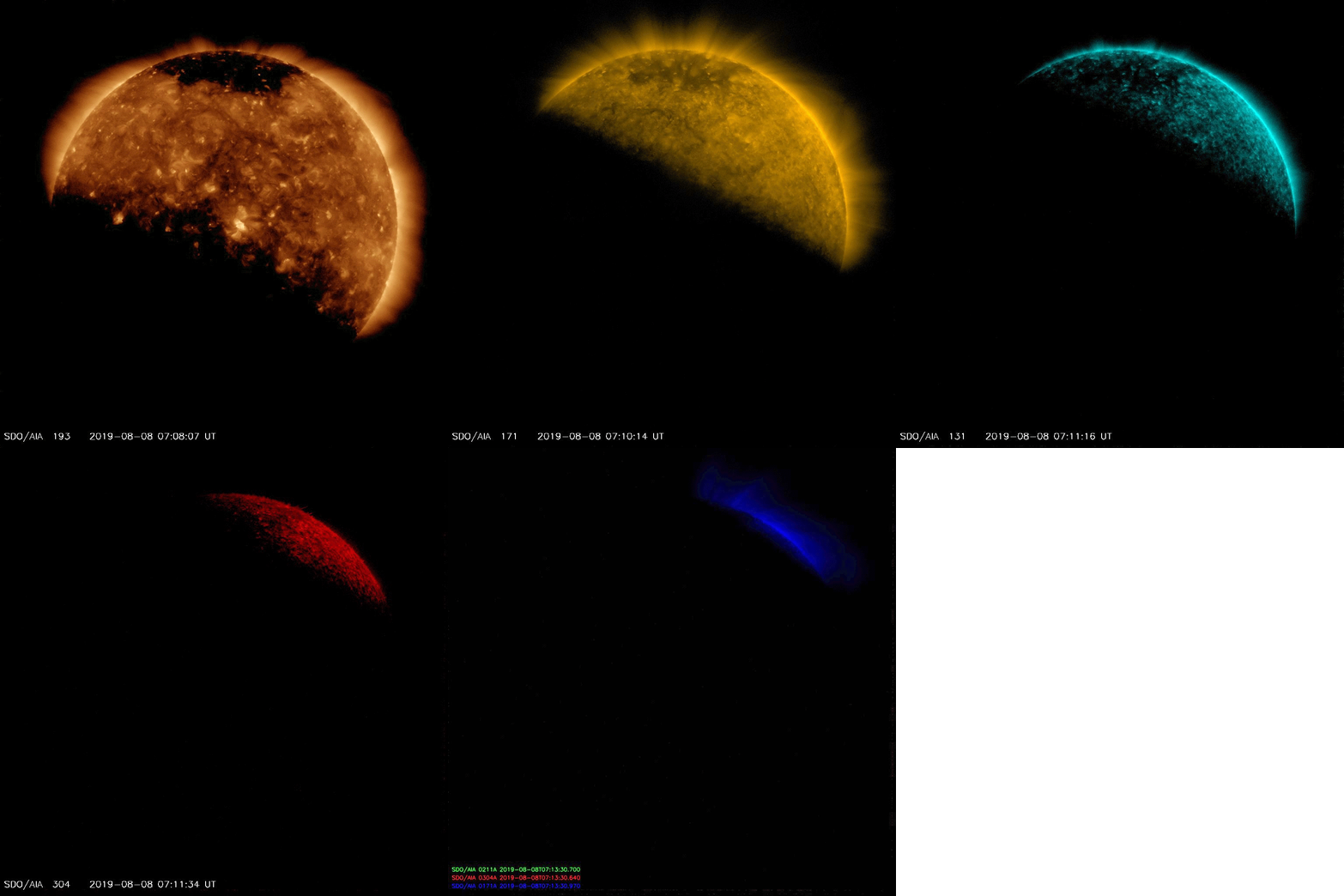





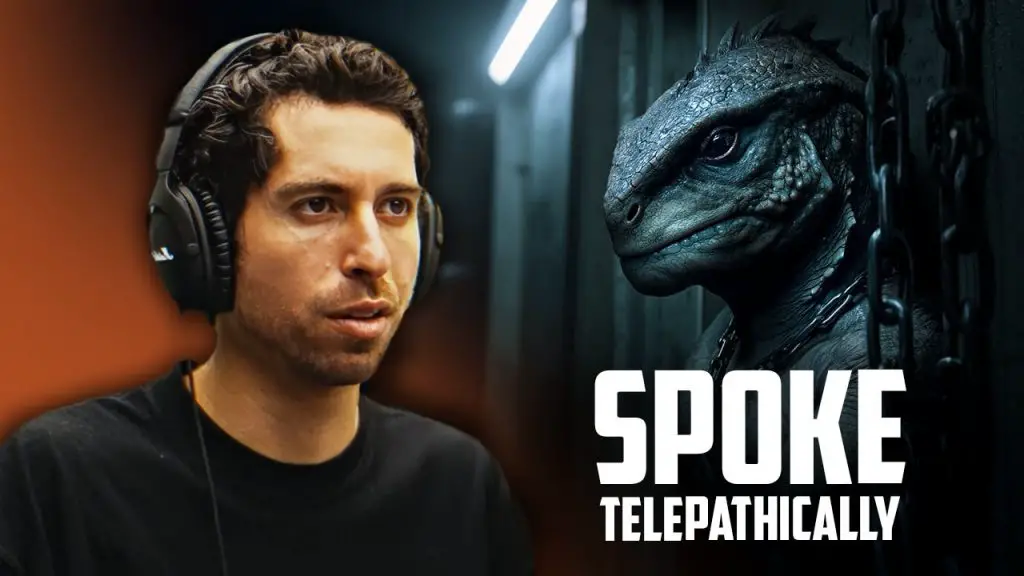





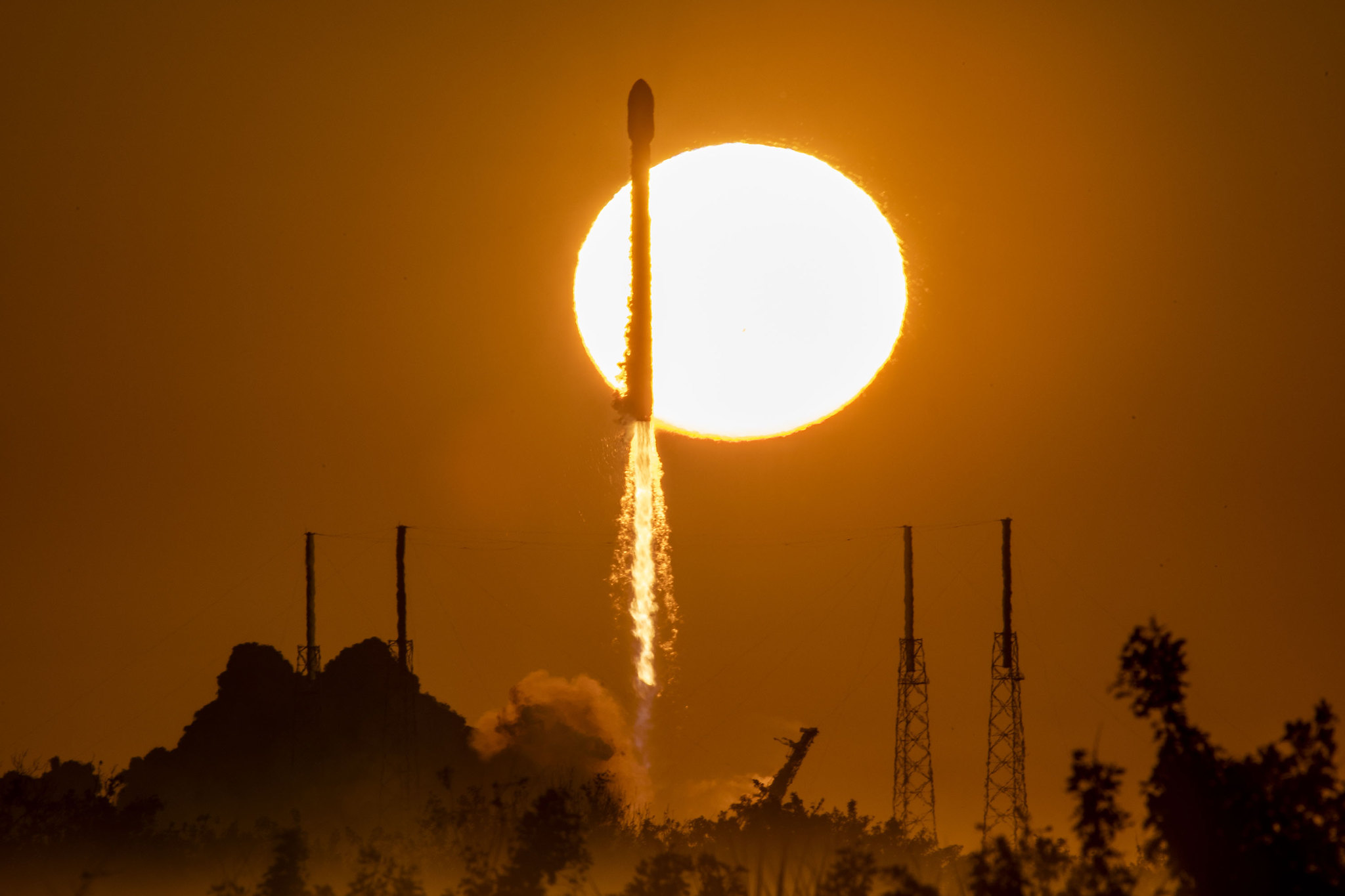
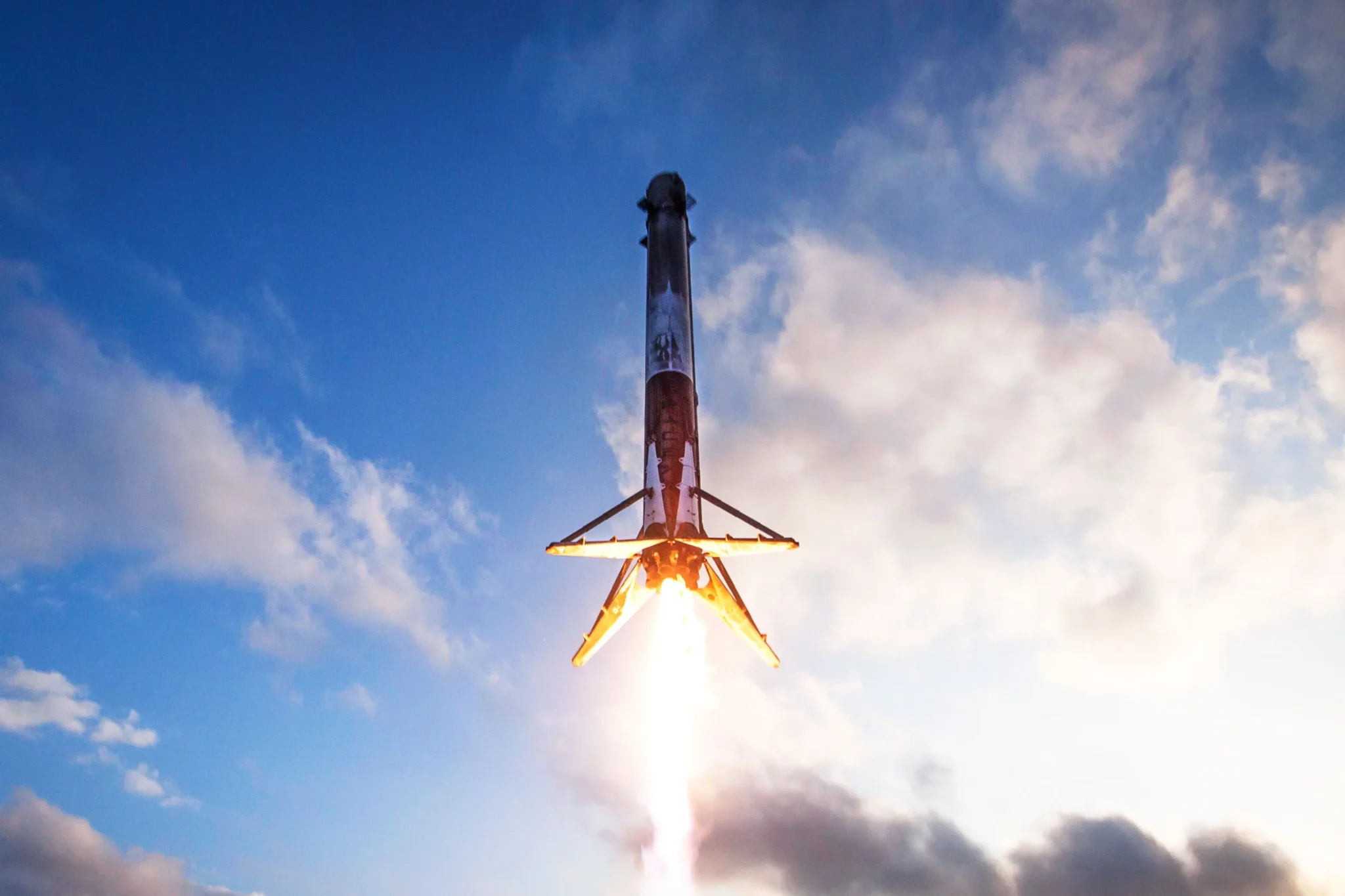
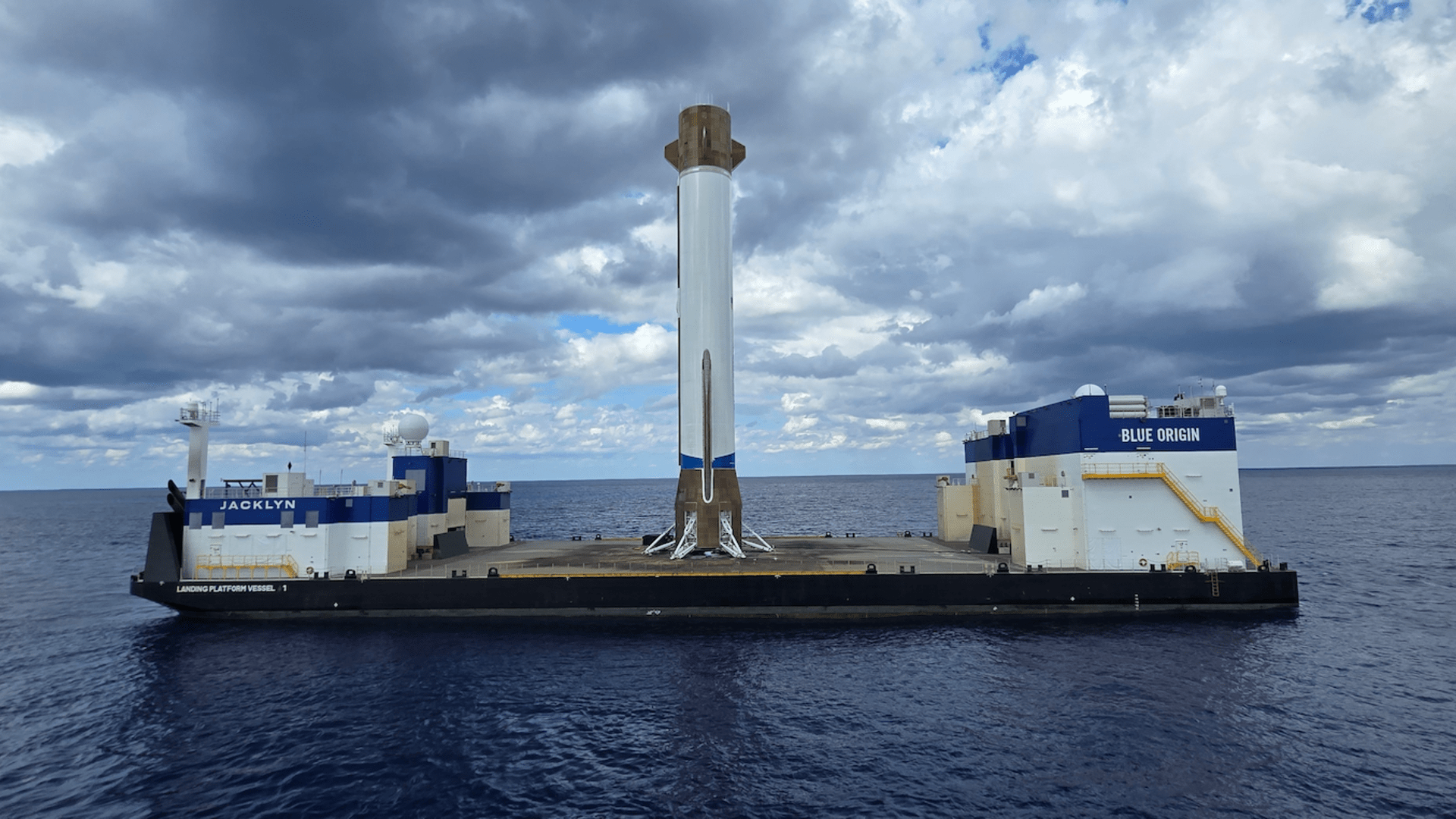
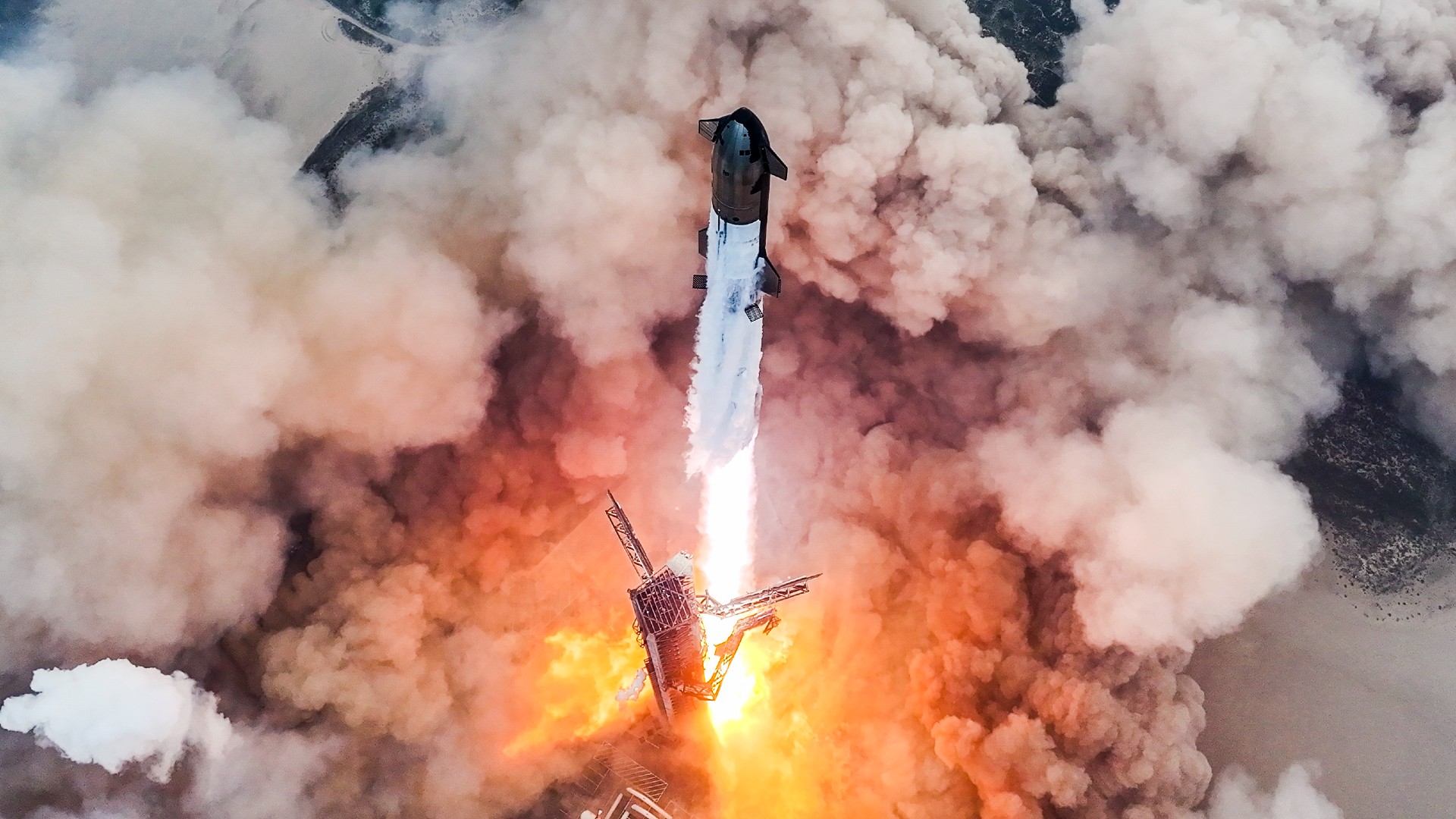


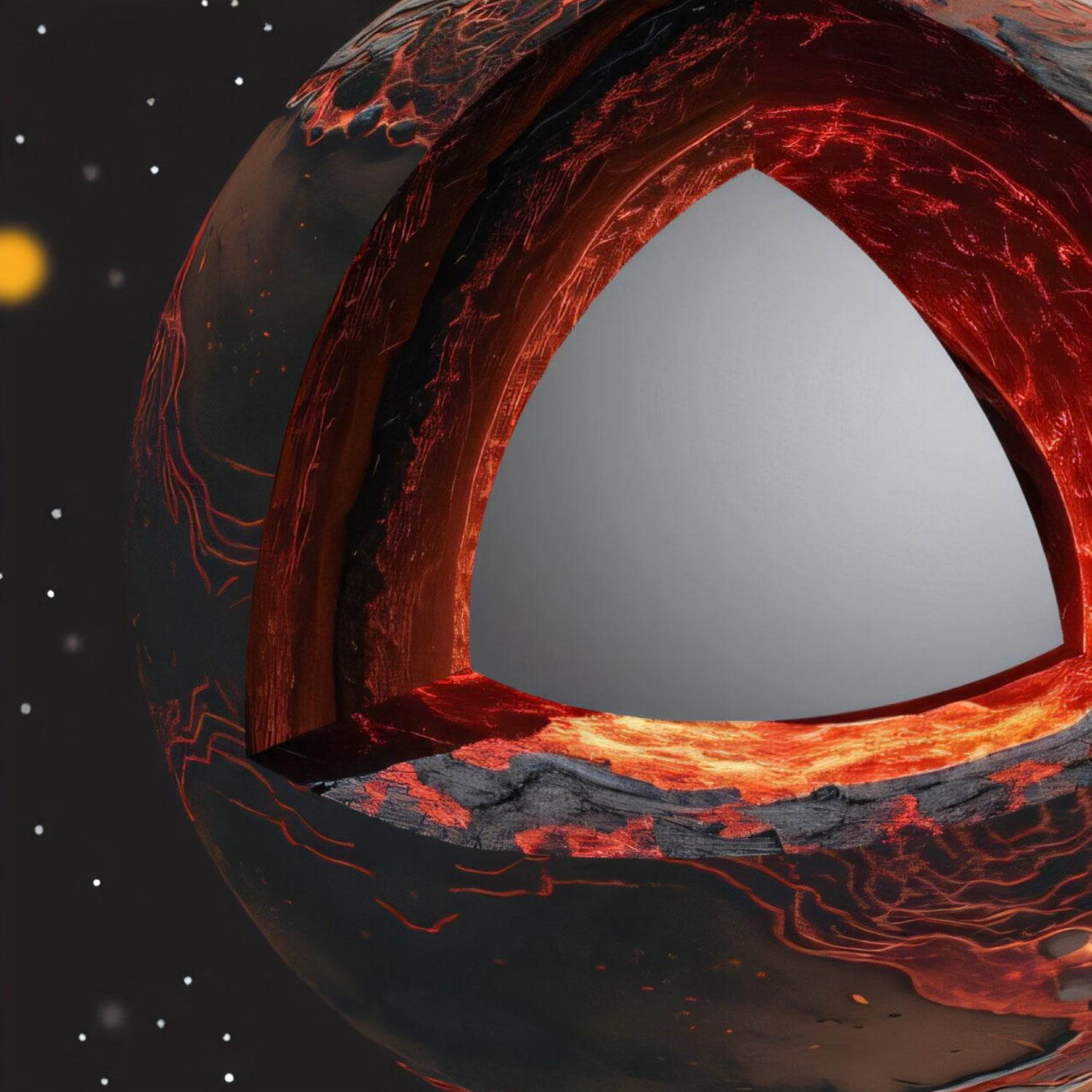


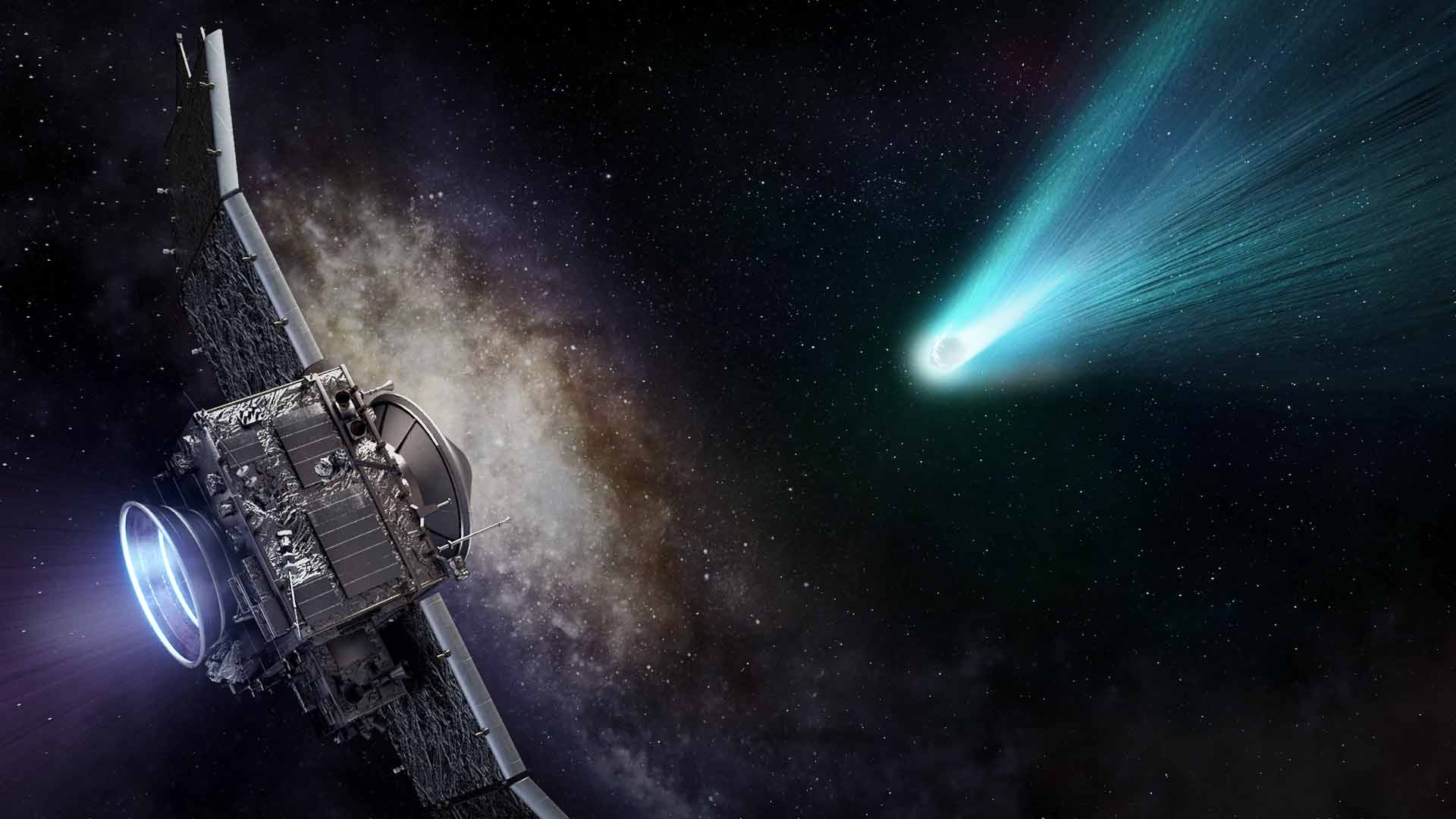
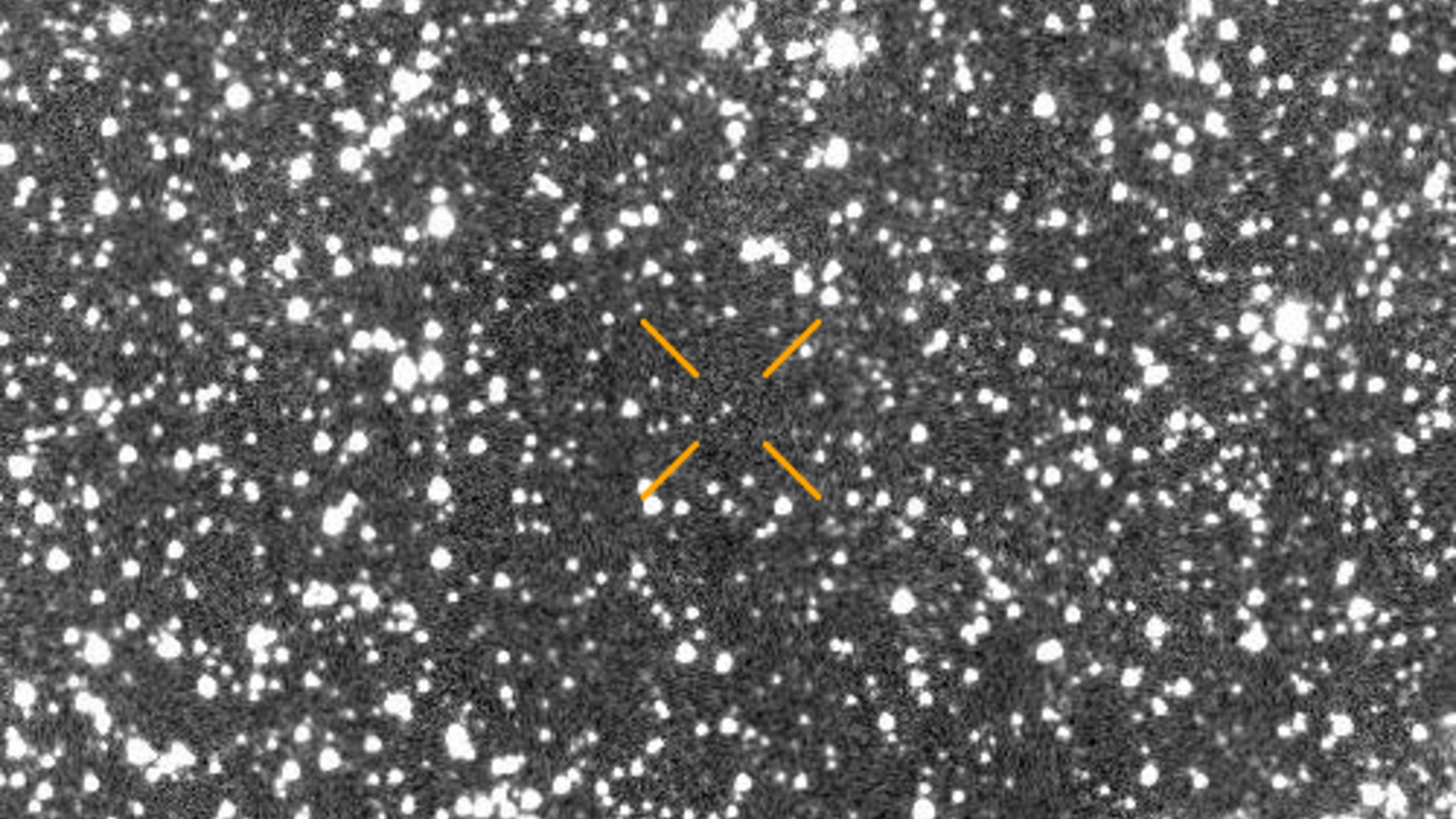










![The Jim Bridger Power Plant has been hub for Unidentified flying objects [ UFOs] for 13 months above](https://i.dailymail.co.uk/1s/2025/12/18/05/104833381-15393169-The_Jim_Bridger_Power_Plant_has_been_hub_for_Unidentified_flying-a-103_1766036273291.jpg)