The purpose of this blog is the creation of an open, international, independent and free forum, where every UFO-researcher can publish the results of his/her research. The languagues, used for this blog, are Dutch, English and French.You can find the articles of a collegue by selecting his category. Each author stays resposable for the continue of his articles. As blogmaster I have the right to refuse an addition or an article, when it attacks other collegues or UFO-groupes.
Druk op onderstaande knop om te reageren in mijn forum
Zoeken in blog
Deze blog is opgedragen aan mijn overleden echtgenote Lucienne.
In 2012 verloor ze haar moedige strijd tegen kanker!
In 2011 startte ik deze blog, omdat ik niet mocht stoppen met mijn UFO-onderzoek.
BEDANKT!!!
Een interessant adres?
UFO'S of UAP'S, ASTRONOMIE, RUIMTEVAART, ARCHEOLOGIE, OUDHEIDKUNDE, SF-SNUFJES EN ANDERE ESOTERISCHE WETENSCHAPPEN - DE ALLERLAATSTE NIEUWTJES
UFO's of UAP'S in België en de rest van de wereld Ontdek de Fascinerende Wereld van UFO's en UAP's: Jouw Bron voor Onthullende Informatie!
Ben jij ook gefascineerd door het onbekende? Wil je meer weten over UFO's en UAP's, niet alleen in België, maar over de hele wereld? Dan ben je op de juiste plek!
België: Het Kloppend Hart van UFO-onderzoek
In België is BUFON (Belgisch UFO-Netwerk) dé autoriteit op het gebied van UFO-onderzoek. Voor betrouwbare en objectieve informatie over deze intrigerende fenomenen, bezoek je zeker onze Facebook-pagina en deze blog. Maar dat is nog niet alles! Ontdek ook het Belgisch UFO-meldpunt en Caelestia, twee organisaties die diepgaand onderzoek verrichten, al zijn ze soms kritisch of sceptisch.
Nederland: Een Schat aan Informatie
Voor onze Nederlandse buren is er de schitterende website www.ufowijzer.nl, beheerd door Paul Harmans. Deze site biedt een schat aan informatie en artikelen die je niet wilt missen!
Internationaal: MUFON - De Wereldwijde Autoriteit
Neem ook een kijkje bij MUFON (Mutual UFO Network Inc.), een gerenommeerde Amerikaanse UFO-vereniging met afdelingen in de VS en wereldwijd. MUFON is toegewijd aan de wetenschappelijke en analytische studie van het UFO-fenomeen, en hun maandelijkse tijdschrift, The MUFON UFO-Journal, is een must-read voor elke UFO-enthousiasteling. Bezoek hun website op www.mufon.com voor meer informatie.
Samenwerking en Toekomstvisie
Sinds 1 februari 2020 is Pieter niet alleen ex-president van BUFON, maar ook de voormalige nationale directeur van MUFON in Vlaanderen en Nederland. Dit creëert een sterke samenwerking met de Franse MUFON Reseau MUFON/EUROP, wat ons in staat stelt om nog meer waardevolle inzichten te delen.
Let op: Nepprofielen en Nieuwe Groeperingen
Pas op voor een nieuwe groepering die zich ook BUFON noemt, maar geen enkele connectie heeft met onze gevestigde organisatie. Hoewel zij de naam geregistreerd hebben, kunnen ze het rijke verleden en de expertise van onze groep niet evenaren. We wensen hen veel succes, maar we blijven de autoriteit in UFO-onderzoek!
Blijf Op De Hoogte!
Wil jij de laatste nieuwtjes over UFO's, ruimtevaart, archeologie, en meer? Volg ons dan en duik samen met ons in de fascinerende wereld van het onbekende! Sluit je aan bij de gemeenschap van nieuwsgierige geesten die net als jij verlangen naar antwoorden en avonturen in de sterren!
Heb je vragen of wil je meer weten? Aarzel dan niet om contact met ons op te nemen! Samen ontrafelen we het mysterie van de lucht en daarbuiten.
11-01-2026
400 billion times brighter than the Sun: astronomers witness a colossal explosion
400 billion times brighter than the Sun: astronomers witness a colossal explosion
Astronomers witnessed a cosmic explosion that released energy equivalent to 400 billion suns. It was caused by a supermassive star being torn apart by ablack hole.
Absorption of a star by a supermassive black hole (concept). Source: Caltech/R. Hurt (IPAC)
The event, officially designated AT2024wpp (and informally named Whippet), was first discovered by astronomers as part of the Zwicky Transient Facility sky survey. It immediately attracted attention due to its similarity to the cosmic explosion AT 2018cow, which was 10–100 times brighter than an average supernova.
Whippet also resembled another class of objects called “Luminous Fast Blue Optical Transient” (LFBOT). This is an incredibly bright burst of light visible at distances of up to billions of light-years, which usually lasts for several days and emits high-energy radiation ranging from the blue end of the spectrum to ultraviolet and X-rays. Although several dozen such phenomena have been detected, LFBOTs remain poorly understood, although scientists associate them with the destruction of stars.
To solve the mystery of Whippet, researchers observed it using the Liverpool Telescope in the Canary Islands and the Swift spacecraft. They confirmed that its spectrum was shifted toward the blue end of the spectrum and that the object emitted X-rays, as expected from an LFBOT. This, combined with the fact that Whippet had an extremely high temperature, led to the conclusion that the event was caused by a black hole tearing apart a star with its gravity.
Further investigation by Whippet revealed a powerful shock wave propagating from the central source at about 20% of the speed of light, colliding with the surrounding gas. These shock waves dissipated in about six months when they reached the outer gas bubble left over from the destroyed star.
However, scientists have not yet fully understood all the circumstances surrounding Whippet. The team discovered helium moving away from the source at a speed of about 21 million km/h. This suggests that some densely bound structure survived tidal disruption and is moving at a speed of about 2% of the speed of light.
The team believes that this could be a stream of material ejected by the core of a doomed star when it was “spaghettified” by the black hole at the center of Whippet. Another possibility is that this stream of helium was generated by a third body in the system when it was exposed to particles and X-rays ejected by the black hole that had just “devoured” the star.
NASA’s Curiosity rover, which has been exploring the Red Planet for more than 13 years, has sent back a stunning new panorama. Taken from the summit of Mount Sharp, the image reveals a stark but breathtaking view of the landscape bathed in the rays of the setting sun.
NASA’s Curiosity rover photographed this panorama from the slopes of Mount Sharp inside Gale Crater, combining images taken on two different Martian days in November 2025 to highlight the change in light. Photo: NASA/JPL-Caltech
Observation point
In November 2025, the rover’s navigation cameras captured black-and-white images over two Martian days (sols). Specialists combined them into a single composite panorama, using blue and yellow tones to highlight changes in lighting. This technique helps to better see the details of the terrain.
Curiosity took this image from the top of a ridge overlooking a unique area known as the Boxwork. This is a maze of mineral ridges created billions of years ago by underground waters flowing through cracks in the rock. Softer rocks eroded over time, leaving behind hard “veins.” Such structures are key evidence of Mars’ wet past.
Image taken by the Curiosity rover on July 25, 2025. Source: NASA/JPL-Caltech/MSSS
The rover recently drilled into this ridge to collect a rock sample for analysis. In the foreground of the panorama, you can see tracks from its wheels and traces of previous drilling. Curiosity’s goal is to study how the planet evolved from a wet environment, potentially suitable for microbial life, to a dry desert.
Maximum efficiency
Despite its age, the Mars rover has gained new autonomous capabilities thanks to software updates. This allows it to plan its research more effectively and collaborate with orbital spacecraft, optimizing the performance of its aging energy system.
The panorama from Mount Sharp is not only an impressive sight, but also a reminder of the persistent work of the research robot. Each new sample and photograph brings science closer to solving the main mystery: whether there was ever life on Mars.
Deep-sea trenches are deep depressions at the bottom of the Earth’s oceans, which are unique features of our planet in the Solar System. They were formed as a result of the movement of tectonic plates and can reach depths of 10-11 km, creating one of the most amazing landscapes on our planet – the hadal zone.
What do you know about deep-sea trenches? Source: geographical.co.uk
Space at the bottom
There are places on our planet whose gloomy mystery can rival the darkness of space itself. Usually, these include Antarctic glaciers, where life is almost impossible, or the polar deserts on some islands of the Canadian Arctic Archipelago, which are often compared to Mars.
However, there are places on Earth that are almost as inaccessible to humans as outer space, even though they are as far away from it as possible. These are deep-sea trenches – narrow and long depressions at the bottom of the world’s oceans, whose bottoms are never reached by sunlight. Their landscape resembles that of a celestial body, and their few inhabitants resemble aliens.
However, to truly understand the depth of the trenches, you need to observe what happens when you gradually walk along the seabed, going deeper and deeper.
Littoral zone. Source: Wikipedia
First, they determine the area between the highest point that gets underwater during high tide and the one that remains dry during low tide. This is called the littoral zone, and it is usually a narrow strip along the coast that sometimes gets a few kilometers wide. A great example of a littoral zone is a bunch of Ukrainian estuaries: looking at them, it is clear that the littoral zone is an area that makes any other part of the seabed seem deep.
Next comes the continental shelf – a section of the seabed where the depth slowly decreases to 200 m. The northern part of the Black Sea or the English Channel area, where the depth may not exceed hundreds of meters, tens of kilometers from the coast, are typical example. In essence, the shelf is part of the continental mass submerged by the ocean. Between the sedimentary rocks and basalt, as in much drier places, there is a layer of granite.
If you continue further, you will reach the continental slope, where the bottom descends at a much greater angle and quickly reaches a depth of 2-3 km. The continental slopes are particularly pronounced. For example, off the coast of North America.
The bottom of the World Ocean. Source: Wikipedia
Further down, the angle of the seabed decreases again, and abyssal plains stretch to depths of 4-5 km. These are huge depressions, comparable in size to entire countries, bounded by continental slopes. Sunlight rarely reaches their bottom, and despite the fact that bathyscaphes have repeatedly descended there, we still know less about these areas than we do about the surface of the Moon.
Deep-sea trenches are located even deeper than abyssal plains. The term “hadal zone” is used to describe the fauna of this landscape. There is no need to talk about flora, as it is practically non-existent at depths greater than 5 km. These are truly abysses, where the bottom slopes steeply downward and no light penetrates.
Formation of oceanic trenches
The fact that all the deepest areas of the ocean are shaped like narrow, elongated strips stretching along the coasts of continents or island arcs can be explained by the peculiarities of their formation. As is well known, the Earth’s crust consists of large blocks – tectonic plates. They move along the viscous, relatively plastic outer layer of our planet’s mantle, and it is this movement that causes earthquakes and volcanic eruptions.
Formation of an oceanic trench
The crust of plates can be continental, i.e., contain the aforementioned layer of granite, or oceanic, i.e., consist only of basalt and sedimentary rocks. Some plates consist of both types, while others consist only of oceanic crust.
In most cases, the transition from the continental slope to the ocean depths involves the same tectonic plate. However, sometimes two different lithospheric blocks are encountered here: one with a continental crust and the other with an oceanic crust. In this case, the oceanic plate begins to subduct beneath the continental plate and partially melts. As a result, a deep depression is formed.
Its slopes are always gentler on the side of the subducting oceanic plate and steeper on the continental side. This is the structure we call a deep-sea oceanic trench. At the same time, the plate subducts very slowly, so from the outside it may seem like a completely calm place.
Pacific Ring of Fire. Source: Wikipedia
The way deep-sea trenches are formed determines their extremely uneven distribution across the surface of our planet. They are always located in tectonically active zones, mainly in the so-called Pacific Ring of Fire, which surrounds the largest ocean on our planet.
Mariana Trench
In fact, all ten of the deepest ocean trenches are located in the Pacific Ocean. There are more than thirty of them in total. For comparison, there are only three large trenches in the Indian and Atlantic Oceans, and none at all in the Arctic Ocean.
However, the most famous of the Pacific trenches is the Mariana Trench, which is also considered the deepest in the world. Its depth is estimated differently, but usually the value of 11,022 m is given. It is located in the western part of the Pacific Ocean, near the islands of the same name. Its bottom is so inaccessible that humans first reached it only in 1960, just a year before they first set foot on the surface of the Moon. Until recently, the number of people who had visited the bottom of this trench was smaller than the number who had visited our natural satellite.
Mariana Trench. Source: Wikipedia
The water pressure at this depth is 108.6 MPa, which is 1,072 times greater than normal atmospheric pressure at sea level. However, microorganisms, crustaceans, and even fish have been found there. None of them is found anywhere else except this place, and they have never seen the light of the sun or stars. Their living conditions resemble those in space.
In addition, despite its inaccessibility, the Mariana Trench already bears the negative traces of human activity. Heavy toxic waste settles there and, together with river water, flows into the oceans.
Other trenches
Everyone knows about the Mariana Trench. However, the rest are no less amazing than it. Tonga, Philippine, Kermadec, Izu Ogasawara, Kuril-Kamchatka, North New Hebridean, Bougainville, and Japan – all of them are deep enough to completely submerge Mount Everest.
The landscape of the Puerto Rico Trench. Source: www.wired.com
Although the Mariana Trench is the deepest, the title of the longest on Earth belongs to another Pacific structure – the Peru-Chile Trench. It stretches along the coast of South America for 5,900 km, where the Nazca Plate dives under the South American Plate.
The deepest and largest trench in the Indian Ocean is the Sunda Trench, which stretches for 4-5 thousand km along the coast of Indonesia. Its maximum depth is 7,729 m near the island of Bali.
The ocean trenches of the Atlantic Ocean are generally relatively short in length, as they are formed by small tectonic plates. The deepest of these is the Puerto Rico Trench, with a maximum depth of 8,742 m. This is only slightly less than the height of Mount Everest.
It would seem that ocean trenches have nothing to do with astronomy. However, when considering the planets of the Solar System, among the unique phenomena available only on Earth, along with the biosphere, it is worth mentioning them. After all, nowhere else do lithospheric plates move, and even more so, there are no places where they collide under a layer of liquid.
Artist's depiction of an ancient extant lake in Gale Crater. Credit - NASA/JPL-Caltech/MSSS
Mars has a curious past. Rovers have shown unequivocal evidence that liquid water existed on its surface, for probably at least 100 years. But climate models haven’t come up with how exactly that happened with what we currently understand about what the Martian climate was like back then. A new paper, published in the journal AGU Advances by Eleanor Moreland, a graduate student at Rice University, and her co-authors, has a potential explanation for what might have happened - liquid lakes on the Red Planet would have hid under small, seasonal ice sheets similar to the way they do in Antarctica on Earth.
To understand why this finding is significant, it's best to understand the “Faint Young Sun Paradox” in Mars research. According to data collected by the Curiosity Rover in Gale Crater, there was absolutely liquid water pooled on the surface of Mars at some point in its history. There were clear signs of deltas and even river channels carved into the rock, and the best estimates for when this hydrological cycle was active was around 3.5 billion years ago.
However, 3.6 billion years ago, the Sun was 25% dimmer than it is currently - and we already know Mars is frozen even at the Sun’s current output power. So how could liquid water, which must, by definition, exist in environments above freezing, endure on the surface of Mars while it was possibly even colder than it is today.
Water discusses the possibility of water on Mars
There have been two main solutions to this paradox put forward in the literature. One is that there were “bursts” of warming on Mars that were caused by either active volcanoes or asteroid impacts, that allowed liquid water to run freely, but only until the energy from those events dissipated. The other is that Mars was always cold and icy, but that the liquid water existed under permanent ice sheets.
To settle this debate, Ms. Moreland and her co-authors developed a new computer model called the Lake Modeling on Mars for Atmospheric Reconstructions and Simulations (LakeM2ARS). This software package takes inputs like a potential lake’s location, its size, and the atmospheric composition, and predicts how long it could have held onto its liquid water. The results of the model were rather counterintuitive.
In warm scenarios, where the ambient temperature was above freezing for a significant amount of time, evaporation actually made the lakes dry out quickly. Whereas, in cold scenarios, the lake would have developed seasonal ice cover, which would have acted as a barrier to the evaporation. It would have still allowed liquid water to actively exist on the surface during seasonal warm periods though. “Warm” is relative though, with only a small part of the year existing at an average of above 0 ℃. Most of the rest of the year the average temperature would have been closer to -20 to -30 ℃.
We still haven't found existing liquid water on Mars - as Fraser explains.
So how can researchers rule out permanent ice rather than the seasonal variety? If the atmosphere was too thin, that likely would have been the condition on Mars for millions of years. But, it also would have left distinct physical marks, such as dropstones and frost wedges, that weren’t present when Curiosity looked in Gale Crater. Seasonal ice provides a nice middle ground between the two extremes. It stopped the quick evaporation of the “warm and wet” climate model, while also explaining the absence of the features expected if the water was constantly frozen.
This study fits neatly into the ongoing discussion about the early climate on Mars, and what implications it might have had for the existence of life at some point on the planet. Luckily, we have another rover (Perseverance) wandering around different Martian terrain (Jezero Crater) that the LakeM2ARS software can be adapted to model that area, as well as other previously wet areas on Mars. As we continue our exploration of what is now a dry, arid world, the history of water will remain one of its most intriguing mysteries, even as we develop ever more sophisticated computer models to figure it out.
This illustration shows NASA's Perseverance rover with sample tubes on the Martian surface. Funding has been cut for the mission, effectively ending it. Image Credit: NASA/JPL-Caltech
It looks like NASA's Mars Sample Return (MSR) mission has come to a bureaucratic end. The mission was to be the crowning achievement in the study of Mars and all the questions surrounding its ancient habitability. But the US Congress has drastically cut the mission's funding.
Despite decades of study and technological improvement and innovation, the issue of Martian habitability has been difficult to solve. MSL Curiosity and Perseverance have widened and deepened our understanding of the planet, and have provided tantalizing evidence for warm, wet periods on Mars conducive to life. But the next step was to return Martian rock samples to Earth, where the investigative power of modern labs could be brought to bear on them.
As far back as 2011, returning samples from Mars was recognized as a high priority in NASA's planetary science endeavours. Even today, NASA's webpage for MSR states that "Mars Sample Return (MSR) would be NASA's and ESA’s (European Space Agency) ambitious, multi-mission campaign to bring carefully selected samples to Earth. MSR would fulfill one of the highest priority solar system exploration goals from the science community. Returned samples would revolutionize our understanding of Mars, our solar system and prepare for human explorers to the Red Planet."
The Perseverance rover was the first stage of the mission, and it has performed exceptionally well. The rover has gathered and cached 33 sample tubes of interesting rocks and dust, ready for retrieval by the MSR. Now, the fate of those samples is unclear.
NASA knew that they were in tough territory. The estimated cost to retrieve the samples ballooned to 11 billion dollars. After working on new mission architectures, they were able to get the estimated cost down to about 7 billion dollars. But those were just estimates, and because it's such an unprecedented mission, there was a clear lack of certainty around those numbers.
The issue is money. There's heavy pressure on NASA to reduce its budget, and although Congress refused to reduce it as severely as the President wanted, something had to give. Since the MSR still required large amounts of money, and since the technology to achieve it still wasn't clear, it was the obvious choice for cancellation. It became a high-profile political football, not just a science mission.
The mission was extremely complex. The current design involved sending a lander to the surface. Perseverance would deliver the sample tubes to the lander, and if that were not possible, a pair of small sample return helicopters would do the job. The lander also had a rocket which would carry the samples to Martian orbit. From there, it would rendezvous with an orbiting spacecraft that would send the samples back to Earth. To say this was a complex undertaking is an understatement.
*This artwork from 2022 shows the conceived mission architecture.
Image Credit: By NASA/ESA/JPL-Caltech
- https://photojournal.jpl.nasa.gov/catalog/PIA25326 (image link), Public Domain, https://commons.wikimedia.org/w/index.php?curid=121171927*
But isn't NASA all about American ingenuity and the spirit of exploration and adventure? You can't lead in science without money, and it's hard to argue that President Trump's request to inflate the USA's military budget to an unprecedented degree didn't have something do with NASA's budget cuts. He asked for 1.5 trillion dollars of military spending, a profligate 50% increase.
The budget still provides some money for developing technology related to further exploration of Mars, but only a small amount.
"As proposed in the budget, the agreement does not support the existing Mars Sample Return (MSR) program. However, the technological capabilities being developed in the MSR program are not only critical to the success of future science missions but also to human exploration of the Moon and Mars."
It continues: "Therefore. the agreement provides the request of $110,000,000 for the Mars Future Missions program, including existing MSR efforts, to support radar, spectroscopy, entry, descent, and landing systems, and translational precursor technologies that will enable science missions for the next decade, including lunar and Mars missions."
*Perseverance's cached samples await retrieval on the Martian surface.
Image Credit: NASA/JPL-Caltech/MSSS*
It's possible that some of that money will lead to new technologies, and a more budget-friendly way of retrieving the cached samples. But that is far from certain. It's also possible that technology will be developed that can study the samples effectively on the surface and returning them to Earth won't be necessary. But the technology in Earthly labs will advance at the same rate. It's difficult to conceive how studying them on Mars will ever be as effective as studying them on Earth.
Politics can't be ignored in this issue. NASA was teaming up with the ESA on this mission. But with the current administration's threats against European countries and the EU, which include using military force to sieze Greenland—otherwise known as war—that cooperation is likely dead. Maybe never to be revived.
The future is always unwritten and unknown. Maybe the MSR will be revived at some point in the future. Maybe the ESA will go it alone. China has plans for a Mars sample return mission, and now the path is clear for them to be the first to return Martian samples to Earth. However, their mission is not as sophisticated as the NASA/ESA mission. While Perseverance's samples are carefully chosen for maximum science benefit, China's mission is more of a grab and go endeavour.
Fortunately, the sample tubes are likely to sit there waiting for a long time, unlikely to be degraded in Mars' cold, dry environment. But for scientists who have put their hearts and minds into this ambitious mission, the news must be crushing.
Chandra image of Kepler's Supernova, with colors representing the different levels of X-ray energy in the expelled debris. Credit: NASA
In 1604, German astronomer Johannes Kepler spotted a new star in the sky that was so bright it could be seen during the daytime. The discovery, which Kepler described in his book *De Stella Nova*, caused quite a stir in the astronomical community. With this one point of light, astronomers questioned the prevailing dogma that the "firmament" (the background stars in the sky) was not unchanging and permanent. In time, we would come to realize that Kepler's Supernova (as it's come to be known) was a white dwarf that exceeded its critical mass and exploded in a brilliant burst.
Located about 17,000 light-years from Earth in the constellation Ophiuchus, Kepler's Supernova is a prime example of a Type 1a supernova. These occur when a white dwarf in a binary system pulls material from its companion star or merges with another white dwarf. Its proximity to Earth has allowed the Chandra X-ray Observatory to capture detailed images of the supernova remnant, which astronomers have used to monitor its evolution over time. Based on data acquired between 2000 and 2025, the science team has created the longest-spanning video of the debris field left by this supernova.
Supernova remnants, which consist of massive clouds of dust and gas expelled from the star, are heated to millions of degrees by the heat of the explosion. This causes the material to glow brightly in different wavelengths (often in X-ray light), which Chandra has monitored using its advanced X-ray optics. Combined with the longevity of the mission, which has been in operation for a quarter of a century, Chandra has monitored changes in the remnant cloud very closely.
Jessye Gassel, a graduate student at George Mason University in Virginia, led the work on this video. It and the associated research were presented by Gassel at the 247th meeting of the American Astronomical Society in Phoenix. "The plot of Kepler’s story is just now beginning to unfold," he said in a Chandra press release. "It’s remarkable that we can watch as these remains from this shattered star crash into material already thrown out into space."
A particularly interesting part of this video is how it shows different parts of the remnant moving at incredible speeds in different directions. While the fastest parts are traveling at about 2% the speed of light (22.2 billion km/h; 13.8 billion mi/h) downwards, the slowest parts are traveling at 0.5% the speed of light (6.4 billion km/h; 4 billion mi/h) upwards. This difference is due to the gas the remnant is pushing toward the top of the image being denser than the gas it is pushing toward the bottom. This provides scientists with information about the supernova's environment.
Another interesting feature is the widths of the rims forming the blast wave of the supernova, the leading edge of the explosion that encounters material outside the star first. By examining how wide and fast it was, the team gained vital information about the star's explosion and its immediate surroundings before they were disturbed. "Supernova explosions and the elements they hurl into space are the lifeblood of new stars and planets," said Brian Williams, the principal investigator of the new Chandra observations. "Understanding exactly how they behave is crucial to knowing our cosmic history."
According to the new compromise spending bill for the current fiscal year, it appears Congress has given in to the White House’s demands that resources needed to complete the planned Mars Sample Return (MSR) program be explicitly excluded from any approved budget. While the bill still awaits a final vote in Congress and the President’s signature, NASA officials are sending signals that the MSR program is effectively dead.
“The agreement does not support the existing Mars Sample Return program,” the bill states.
Victoria Hamilton, a planetary scientist at the Southwest Research Institute (SwRI) and chair of NASA’s Mars Exploration Program Analysis Group, described the death of MSR as “deeply disappointing” while also questioning the veracity of the current administration’s stated goals.
“When we’ve got memos coming out saying we want to be the dominant power in space, I wonder how we leave something this ambitious behind,” Hamilton said.
Escalating Cost of Retrieving Martian Rocks has Haunted the MSR Program
Before NASA launched Perseverance in July 2020, mission planners had struggled with the concept of retrieving the samples the rover was tasked with collecting through its mission. Since then, the interplanetary explorer has collected dozens of samples and stored them for the planned future return.
Artist’s concept of the Mars ascent rocket, one component of the effort to collect and send samples of Martian rock back to Earth
(NASA/Public Domain).
During that time, the cost for MSR has continued to rise, with 2024 estimates reaching $11 billion. Regardless of the potential scientific value, the extraordinarily large share of NASA’s science budget that the single mission was projected to consume left planetary scientists working on other stalled or underfunded projects wondering whether the MSR was worth the broader scientific cost.
Repeated threats from Congress to scrap the ambitious yet costly program altogether resulted in a new, stripped-down plan released in January 2025 that came closer to the original $7 billion estimate. Now, it appears even that plan was still too rich for the current administration’s taste, resulting in its explicit exclusion from the new bill.
Funding Could Aid Other Missions and Keep Hopes of MSR Alive
As advocates of the MSR program try to regroup and seek other alternatives to bring the Martian rocks back to Earth to study, NASA’s proposed $7.25 billion science budget offers some hope that a future mission may not be completely off the table.
For example, the bill, which cuts roughly 1% from the 2025 budget, allocates $110 million for a “Mars Future Missions” program to continue developing the key technologies needed for any future sample-return mission. These include further development of landing systems that can survive the thin atmosphere during descent, which has proven challenging and costly for previous missions.
Europa Lander prototype.(Credit: NASA/JPL-Caltech)
Assuming the bill is signed into law, other missions that have waited patiently for MSR to run its course may see new signs of life. For example, recent discoveries on the moons of Jupiter and Saturn and in the atmosphere of Venus have led to plans for missions to further explore those tantalizing findings. These include plans to explore potential subsurface oceans on Enceladus and Europa for extraterrestrial life.
Is the Search for Extraterrestrial Life on Mars Dead?
Although the newly proposed NASA science budget adds hope to the search for life on other moons and planets, proponents of MSR note the tantalizing cache of samples already collected by the rover since its 2021 arrival.
In 2024, mission operators spotted a surface feature containing mineral deposits called “leopard spots” in a dry riverbed that leads to Jezero crater. NASA scientists note that on Earth, these types of leopard spots are often left by microbial organisms interacting with the rock, making the Chevaya Falls sample arguably the best candidate for containing signs of past life on Mars.
Bethany Ehlmann, a planetary scientist at the University of Colorado Boulder, said scientists eagerly await the opportunity to examine these samples in Earth labs equipped to determine if they do hold signs of extraterrestrial life. Elhman also pointed to the potential for other scientific discoveries that the dozens of samples gathered by Perseverance may hold.
“A rock with a potential biosignature is awaiting return now, and other rocks hold breakthrough discoveries,” the UC Boulder scientist explained.
Unless Congress has an unexpected last-minute change of heart, the new budget has left mission planners wondering about the fate of the samples, as the rover has nearly finished filling its collection tubes.
“We’d really like to hear from NASA sooner than later that they will work with the community on a plan to get these samples,” Hamilton said.
Christopher Plain is a Science Fiction and Fantasy novelist and Head Science Writer at The Debrief. Follow and connect with him on X, learn about his books at plainfiction.com, or email him directly at christopher@thedebrief.org.
NASA’s Hubble Space Telescope has spotted an astronomical object unlike any previously observed, revealing an unusual remnant of the cosmic past.
The object, which astronomers say is a dark matter cloud void of any stars, but billowing with cosmic gases, has been dubbed “Cloud-9” and represents the first confirmed detection of such an unusual object.
The object’s unique appearance offers astronomers a unique look at the evolution of galaxies early in their formation process and could provide new insights into the mysterious nature of nonluminous dark matter.
“A Tale of a Failed Galaxy”
The absence of stars within Cloud-9 served as a key observation, according to principal investigator Alejandro Benitez-Llambay of the Milano-Bicocca University in Milan, Italy.
“In science, we usually learn more from the failures than from the successes,” Benitez-Llambay said in a statement. “In this case, seeing no stars is what proves the theory right.”
Characterizing Cloud-9 as the cosmic remnant that conveys “a tale of a failed galaxy,” Benitez-Llambay said the discovery offers astronomers a rare glimpse of “a primordial building block of a galaxy that hasn’t formed.”
Above: An annotated “compass” view of Cloud-9, which astronomers categorize as a Reionization-Limited H I Cloud (RELHIC), as captured by the Hubble Space Telescope’s ACS (Advanced Camera for Surveys) and the ground-based Very Large Array (VLA) radio telescope (Image Credit: Science: NASA, ESA, VLA, Gagandeep Anand (STScI), Alejandro Benitez-Llambay (University of Milano-Bicocca); Image Processing: Joseph DePasquale (STScI)).
A Cosmic “RELHIC”
Cloud-9 represents a new class of objects known as Reionization-Limited H I Clouds (RELHICs), where “H I” represents neutral hydrogen. Combined, the term was devised by astronomers to convey the presence of a hydrogen cloud that formed early in the universe, and which had not yet produced any stars.
Like cosmic phantoms, these kinds of objects were long hypothesized, but had never been directly observed until now. Before the recent Hubble observations, astronomers may have mistaken Cloud-9 for a faint dwarf galaxy invisible to telescopes on Earth, as they lack the sensitivity required to detect any stars that might have been lurking in its gaseous body.
“With Hubble’s Advanced Camera for Surveys, we’re able to nail down that there’s nothing there,” said Gagandeep Anand of STScI, the lead author of a new study detailing the discovery.
A Window to the Dark Side
“We know from theory that most of the mass in the universe is expected to be dark matter, but it’s difficult to detect this dark material because it doesn’t emit light,” according to Andrew Fox, a member of the discovery team with the European Space Agency’s Association of Universities for Research in Astronomy/Space Telescope Science Institute (AURA/STScI).
Comparing the cosmic relic to “a window into the dark universe,” Fox said that Cloud-9 has offered he and his international colleagues behind the discovery “a rare look at a dark-matter-dominated cloud.”
A New Theory Emerges
According to current theories, RELHICs may represent clouds composed of dark matter that have failed to accumulate the amount of gas required to form stars. Based on its presence alone, astronomers now hypothesize that Cloud-9 may be the first detection of a variety of small, dark matter-rich failed galaxies that are likely found throughout the universe.
These unique structures have likely evaded detection in the past because traditional observation methods make them very difficult to spot, as they are void of bright objects like stars.
Another unique feature about Cloud-9 is that the clouds it possesses are smaller and more uniform when compared to hydrogen cloud formations observed closer to the Milky Way. Cloud-9 is also closer to possessing a perfect spherical shape, which also contributes to its unique appearance.
With a neutral hydrogen core approximately 4,900 light-years in diameter, based on radio signals emanating from the object. This leads astronomers to conclude that Cloud-9 has a mass roughly one million times greater than that of our Sun. If this estimate is correct, that would mean that the dark matter the object possesses would be equivalent to five billion solar masses.
Failed galaxies like Cloud-9 are unique, as they represent structures that are quite unlike most astronomers observe in our universe. Their study lends themselves to the study of dark matter, as well as the mysteries surrounding unusual region that are void of stars—a characteristic that makes them difficult to observe due to the presence of more luminous objects nearby.
Although Cloud-9’s discovery first occurred three years ago during the radio survey of the Five-hundred-meter Aperture Spherical Telescope (FAST) in Guizhou, China, the discovery was later confirmed by observations made by the Green Bank Telescope and the Very Large Array facilities in the United States.
Still, Hubble’s keen eye, made possible from its position in space, was required to conclusively rule out the presence of any stars that would have been too faint for even the most powerful telescops on Earth to detect.
Cloud-9’s confirmation marks an astronomical first, and although such objects had been hypothesized to exist, the discovery was still surprising, according to team member Rachael Beaton of STScI, who compared the unique celestial object to an empty cosmic home, of sorts.
“Among our galactic neighbors, there might be a few abandoned houses out there,” Beaton said.
Micah Hanks is the Editor-in-Chief and Co-Founder of The Debrief. A longtime reporter on science, defense, and technology with a focus on space and astronomy, he can be reached atmicah@thedebrief.org. Follow him on X @MicahHanks, and at micahhanks.com.
NASA releases rare close-up images of interstellar comet 3I/ATLAS
NASA releases rare close-up images of interstellar comet 3I/ATLAS
Story by Modern Engineering Marvels
A staggering 250,000 kilometers per hour was the speed at which the comet had rushed through the inner solar system near the Sun–a reminder of how extreme velocities set interstellar visitors apart from homegrown comets. That velocity set the stage for NASA’s newly released close‑up views of 3I/ATLAS, captured by three spacecraft at Mars as the object swept just 18 million miles from the planet, a very unusually intimate pass for an object born around another star.
Image Credit to Wikimedia Commons | License details
The sharpest imaging came from the HiRISE camera aboard the Mars Reconnaissance Orbiter, which resolved a compact coma appearing as a bright, pixelated sphere at about 19 miles per pixel. While modest in appearance, these data provided crucial constraints on both nucleus size and dust environment. MAVEN’s ultraviolet instrument added a layer of chemical insight to the campaign, as its design for probing tenuous atmospheric gases lent itself to detecting hydrogen signatures tied to water breakdown, thus providing an upper limit on the comet’s deuterium‑to‑hydrogen ratio, an important tracer of the comet’s formation region. Composition-sensitive ultraviolet data of this sort are extremely rare for interstellar objects.
This multi‑spacecraft campaign corresponds to an unprecedented solar system–wide effort. Per ESA, twelve NASA assets have imaged 3I/ATLAS since July, including heliophysics missions that could observe the comet near the Sun when Earth-based telescopes couldn’t track it through the intense glare. Those vantage points allowed for continuous monitoring as 3I/ATLAS passed behind the Sun, enabling high‑cadence studies of its evolving tail geometry. Newly processed images from SOHO and NASA’s PUNCH mission showed the dust tail in late September and early October, capturing distinct jets that intensified after perihelion in late October.
3I/ATLAS as seen from Mars.
Photo shared by NASA Photograph: (NASA)
The pace of the observations then quickened when the James Webb Space Telescope joined the campaign. Its infrared spectrograph measured an unexpected chemical signature: the coma contains nearly eight times as much CO₂ as water vapor. This inversion of the typical cometary ratio is unlike almost every well‑studied solar system comet. “I have never seen such a strong CO2 peak in a comet spectrum,” said Martin Cordiner of NASA Goddard. Because Earth’s atmosphere blocks the relevant infrared wavelengths, only Webb could uncover this composition, hinting that 3I/ATLAS may preserve ice chemistry inherited from a star-forming environment very different from the Sun’s.
Such chemical fingerprints are complemented by orbital analyses that suggest great age. As NASA’s Tom Statler pointed out, the comet may have originated in a system older than the solar system itself: “gives me goose bumps to think about.” Its hyperbolic trajectory confirms that it is indeed an interstellar visitor, and integrations backward in time of its motion indicate it approached from the constellation Sagittarius with a heliocentric velocity in excess of 58 km/s. Investigations using the stellar data from the European Space Agency’s Gaia spacecraft demonstrate that the distribution of the velocity of the comet is indicative of objects that have been ejected from the Milky Way thin disk-a stellar population which contains long‑lived, moderately metal‑poor systems. These results support early theoretical predictions that 3I/ATLAS may have formed billions of years ago.
Amateur astronomers have seized the moment as the comet moves through the predawn sky. Observers say small telescopes can capture a faint, fuzzy glow-an accessible signpost of cosmic material that spent eons drifting between stars before its brief appearance near Earth. Indeed, as NASA’s acting astrophysics director Shawn Domagal‑Goldman put it, “Everyone that is in control of a telescope wants to look at it because it’s a fascinating and rare opportunity.”
Meanwhile, the scientific race goes on, as ESA’s Juice spacecraft conducts its own observations. The main antenna is now serving as a heat shield near the Sun, delaying data return until February, but its unusual geometry also means it will provide some of the highest‑quality post-perihelion measurements. When those data do arrive, they will be joining a rapidly growing archive of multi-wavelength studies and form the most complete portrait ever assembled of an interstellar comet during one solar system passage.
Can we use bees as a model of intelligent alien life to develop interstellar communication?
Can we use bees as a model of intelligent alien life to develop interstellar communication?
Story by Scarlett Howard, Adrian Dyer, Andrew Greentree
Humans have always been fascinated with space. We frequently question whether we are alone in the universe. If not, what does intelligent life look like? And how would aliens communicate?
The possibility of extraterrestrial life is grounded in scientific evidence. But the distances involved in travel between the stars are vast. If we do contact aliens, it would likely be via long-distance communication, with our nearest neighboring star being 4.4 light years away. Even being optimistic, it would likely take more than 10 years for any round-trip communication.
How could that work when we have no shared language? Well, consider how we can engage with creatures here on Earth with minds quite alien to our own: bees.
Despite the vast differences in human and bee brains, both of us can do mathematics. As we argue in a new paper published in the journal Leonardo, our thought experiment lends weight to the idea that mathematics may form the basis for a "universal language," which might one day be used to communicate between the stars.
Mathematics as the language of science
The idea of mathematics as universal is not new. Writing in the 17th century, Galileo Galilei described the universe as a grand book "written in the language of mathematics."
Science fiction, too, has long explored the idea of mathematics as a universal language. In the 1985 novel and 1997 film Contact, extraterrestrials reach out to humans using a repeating sequence of prime numbers sent via radio signal.
In The Three-Body Problem, a novel by Liu Cixin adapted into a Netflix series, communication between aliens and humans to solve a mathematical problem occurs through a video game.
Mathematics also features in a 1998 novella by Ted Chiang called Story of Your Life, which was adapted into the 2016 film Arrival. It describes aliens with a non-linear experience of time and a correspondingly different formulation of mathematics.
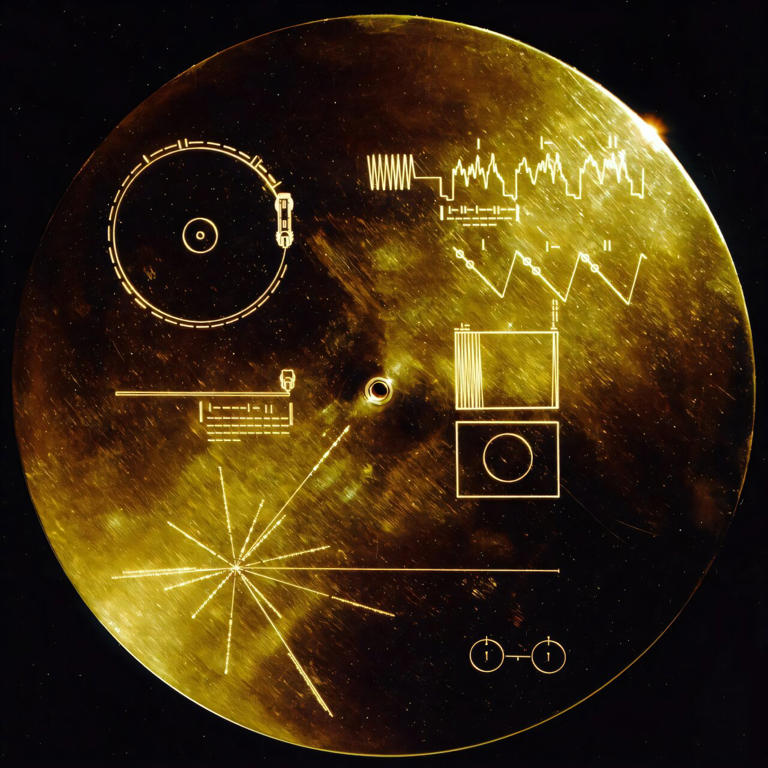
Real scientific efforts at universal communication have also involved mathematics and numbers. The covers of the Golden Records, which accompanied the Voyager 1 and 2 space probes launched in 1977, are etched with mathematical and physical quantities to "communicate a story of our world to extraterrestrials."
The 1974 Arecibo radio message beamed out into space consisted of 1,679 zeros and ones, ordered to communicate the numbers one to ten and the atomic numbers of the elements that make up DNA. In 2022, researchers developed a binary language designed to introduce extraterrestrials to human mathematics, chemistry, and biology.
This gold-aluminum cover was designed to protect the Voyager 1 and 2 'Sounds of Earth' gold-plated records from micrometeorite bombardment, but also served a second purpose in providing the finder with a key to playing the record using binary arithmetic and numbers, as well as schematics to explain the process.
Credit: NASA/JPL
How do we test a universal language without aliens?
A creature with two antennae, six legs, and five eyes may sound like an alien, but it also describes a bee. (Science fiction has, of course, imagined "insectoid" aliens.)
The ancestors of bees and humans diverged over 600 million years ago, yet we both possess communication, sociality, and some mathematical ability. Since parting ways, both honeybees and humans have independently developed effective, but different, means of communication and cooperation within complex societies.
Humans have developed language. Honeybees evolved the waggle dance—which communicates the location of food sources, including distance, direction, angle from the sun, and quality of the resource.
Due to our vast evolutionary separation from bees, as well as the differences between our brain sizes and structures, bees could be considered an insectoid alien model that exists right here on Earth. At least for the purposes of our thought experiment.
Bees and mathematics
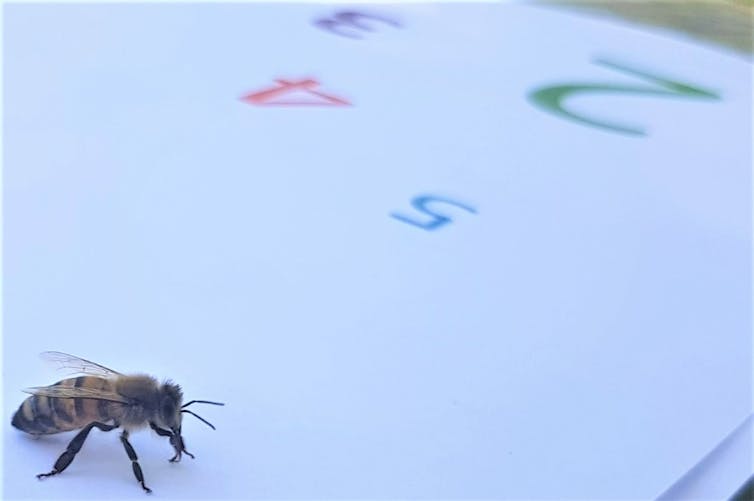
In a series of experiments between 2016 and 2024, we explored the ability of bees to learn mathematics. We worked with freely flying honeybees that chose to regularly visit and participate in our outdoor math tests to receive sugar water.
Bees have demonstrated the ability to learn simple arithmetic and can perform other numerical feats.
Scarlett Howard
Despite the miniature brains of bees, they have demonstrated a rudimentary capacity to perform mathematics and learn to solve problems with quantities. Their mathematical ability involved learning to add and subtract one, which provides a launching pad to more abstract mathematics. The ability to add or subtract by one theoretically allows bees to represent all of the natural numbers.
If two species considered alien to each other—humans and honeybees—can perform mathematics, along with many other animals, then perhaps mathematics could form the basis of a universal language.
If there are extraterrestrial species, and they have sufficiently sophisticated brains, then our work suggests that they may have the capacity to do mathematics. A further question to be answered is whether different species will develop different approaches to mathematics, akin to dialects in language.
Such discoveries would also help to answer the question of whether mathematics is an entirely human construction, or if it is a consequence of intelligence and thus, universal.
Back in April, we came across a flashy and almost entirely CGI video of a bizarre concept for a rideable, four-legged robotic “horse.”
The video showed the mysterious concept, dubbed Corleo, roaming rocky terrain, leaping over icy crevasses, crossing snowy landscapes without losing its footing, and traversing a dark forest at night — all while carrying an adult rider on its back and being powered by a hydrogen power cell.
Kawasakiが提案する未来のオフロードパーソナルモビリティ「CORLEO」
While the company behind the idea, Kawasaki Heavy Industries, showed off a full-scale model at an exposition at the time, promising a production-ready device by the far-off date of 2050, we had a lot of trouble believing Corleo was little more than pure vaporware.
But the company has now announced that it’s started to work on turning its ambitious vision into a reality, and decades ahead of schedule. As New Atlas reports, Kawasaki is setting up a dedicated “Safe Adventure Business Development Team,” with the aim of showing off a functioning prototype at the Expo 2030 in Riyadh, Saudi Arabia.
The company is hoping to put the unusual motorcycle on legs on sale by 2035, a lofty plan that still keeps the delivery way well in the future to avoid near-term embarrassment — we’re looking at you, Elon Musk!
According to a press release, Kawasaki is also developing a “riding simulator that enables riding experience of the four-legged mobility vehicle.”
Beyond targeting thrill seekers, the company also suggests that Corleo could be used to “eliminate mountain accidents and make mountainous regions safe and enjoyable for everyone.”
Sure, it may sound like a promising start — but there are plenty of reasons to remain skeptical. For one, achieving the kind of agility the company showed off in its original marketing video will likely remain an enormous engineering challenge.
What exactly a production-ready prototype will be able to do at the Expo 2030 — a mere four years from now — remains unclear as well.
In short, for now we’ll reserve judgment — but we’re nonetheless excited about the prospect of a robotic horse that we can ride into the sunset, not unlike Aloy, the protagonist of the popular video game series “Horizon.”
0
1
2
3
4
5
- Gemiddelde waardering: 0/5 - (0 Stemmen) Categorie:SF-snufjes }, Robotics and A.I. Artificiel Intelligence ( E, F en NL )
09-01-2026
Most People Have Never Heard of This Valley That Keeps Capturing UFOs! | Project Hessdalen
Most People Have Never Heard of This Valley That Keeps Capturing UFOs! | Project Hessdalen
Overview
Nestled in the remote Hessdalen Valley of Norway, a persistent mystery has captivated scientists and enthusiasts for over four decades. Project Hessdalen, an internationally recognized research initiative, has dedicated itself to studying the unexplained light phenomena that continue to appear above this quiet landscape. Since the early 1980s, locals and visitors have regularly reported seeing strange orbs, luminous anomalies, and inexplicable lights dancing across the night sky.
These sightings often occur with startling consistency, sometimes as frequently as 20 to 30 times per week, highlighting the persistent and puzzling nature of the phenomena. Despite numerous investigations, camera recordings, and scientific studies, the true origin and nature of the lights remain elusive and unexplained. Researchers have considered numerous theories, ranging from natural atmospheric phenomena to experimental aircraft or even extraterrestrial activity, but no definitive explanations have been confirmed. The Hessdalen lights have attracted researchers from around the world, eager to understand their mysterious origin. The local community has been both intrigued and impacted by these ongoing sightings, with tourism increasing as visitors come hoping to witness the phenomenon firsthand. Overall, the Hessdalen lights continue to challenge our understanding of atmospheric and environmental science, inspiring ongoing scientific exploration and debate. This enduring mystery keeps Hessdalen at the forefront of paranormal and scientific research, fueling curiosity and investigation into one of the most intriguing natural phenomena in modern times.
The Origins of Project Hessdalen
The origins of Project Hessdalen can be traced back to the early 1980s, specifically to the years 1981 and 1982, when Norwegian media outlets first began reporting on the mysterious lights appearing in the Hessdalen Valley. At that time, the sightings were primarily considered a local curiosity—something intriguing yet unworthy of serious scientific inquiry. The reports consisted of vivid descriptions of glowing orbs and strange luminous phenomena that seemed to dance across the night sky, capturing the imagination of local residents and visitors alike. These reports sparked curiosity and interest among the residents and gave rise to a sense of wonder surrounding the Hessdalen lights.
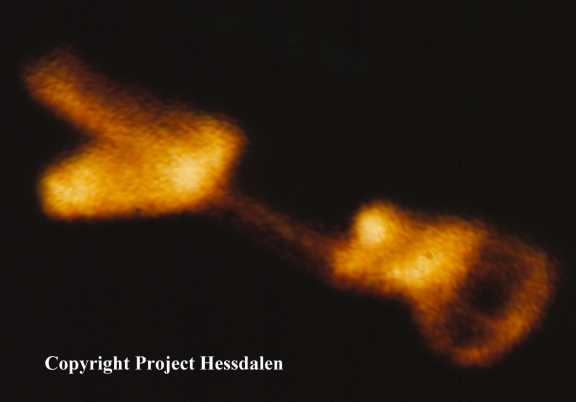
- Photo taken by Kurt Anderssen in 1982. It is taken close to the main road in Hessdalen, towards a flashing light above the mountain Finnsåhøgda. Kurt used a camera standing on a tripod, equipped with a 2000 mm lens, which he had borrowed from Arne P.Thomassen. Kurt managed to take a picture just when the light got in the view of the camera.
As local reports grew more frequent and consistent, the phenomenon began to attract the attention of scientists and researchers, who saw an opportunity to investigate a genuinely unusual natural occurrence. Fred Palisen, who is now the CEO of Project Hessdalen, recalls a pivotal experience from 1983. He explains, “In 83, there were two cars—maybe like six people—who went up the mountain to observe. Just one hour after they had parked and set up camp, they saw something extraordinary: a powerful light moving back and forth, sometimes dipping below the horizon, emitting beams, then moving again.” The sighting was so compelling that it encouraged further investigation.
This first-hand account underscored the need for systematic study rather than dismissing the phenomenon as mere hallucination or urban legend. An observer at the time insisted, “We are scientists. We should study this.” That statement marked a turning point; it demonstrated a shift from casual observation to a scientific approach. Despite initial skepticism from some academics who questioned whether such unexplained lights could be scientifically studied, these early explorers persisted in their efforts, driven by curiosity and a desire to understand what they had witnessed.
The commitment to rigorous observation laid the foundation for the eventual establishment of an ongoing research project in Hessdalen. Over the years, scientists and engineers have deployed sophisticated equipment, including cameras, spectrometers, and radar systems, to monitor and analyze the phenomenon. The project has grown into a collaborative effort involving local residents, international researchers, and technology experts. Today, Project Hessdalen continues to document the lights, striving to find scientific explanations for their origins—whether natural, electrical, or something currently beyond our understanding.
In summary, the origin of Project Hessdalen is rooted in early media reports, local curiosity, and a committed group of investigators who recognized the importance of studying these mysterious geological phenomena. Their efforts have transformed what was once considered a local curiosity into a serious scientific investigation that continues to intrigue researchers worldwide.
Scientific Methods and Technology
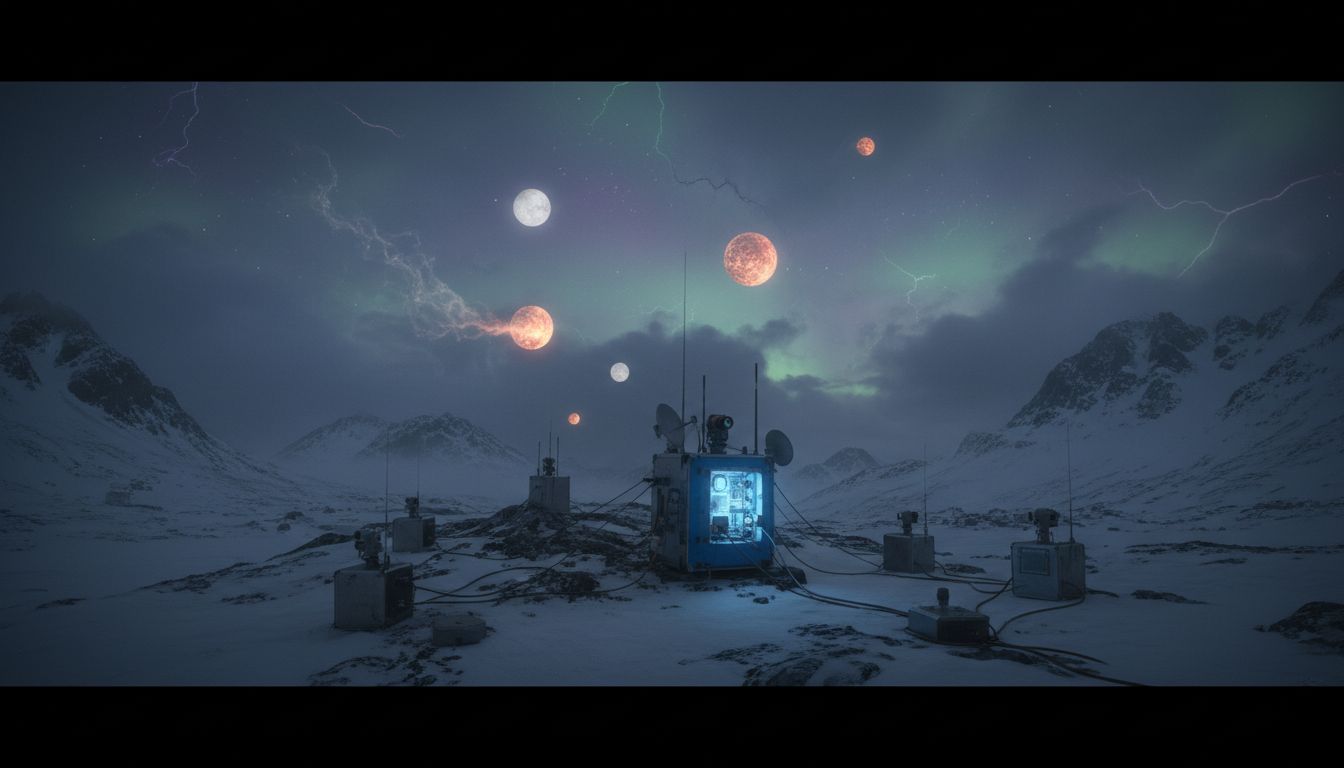
Central to Project Hessdalen’s mission is its unwavering dedication to collecting measurable and verifiable data. Since its inception in 1998, the project has pioneered innovative technological solutions to monitor and study the mysterious phenomena observed in the Hessdalen Valley in Norway. One of its most significant advancements is the development and deployment of the "Blue Box," a state-of-the-art autonomous multi-sensor anomaly detection system. This device is regarded as the world's first of its kind, capable of continuously surveilling the sky above Hessdalen without human intervention.
The Blue Box integrates various sensors—such as electromagnetic detectors, spectrometers, and infrared cameras—to capture a comprehensive dataset across multiple spectrums. This continuous monitoring enables researchers to track unusual light sightings, analyze their characteristics, and distinguish between natural and artificial phenomena. The data collected are stored in real-time and can be analyzed later to identify patterns or recurring behaviors, providing vital insights into the bizarre lights that have baffled scientists for decades.
As Palisen, a key researcher involved with the project, explains, the overarching goal is to promote "open science" — where all collected data can be shared openly with scientists worldwide and made accessible to the public. This transparency encourages collaboration and transparency, fostering a global scientific community that can verify findings and explore hypotheses without proprietary restrictions.
The project's approach combines cutting-edge technology with collaborative, hands-on research efforts. In addition to the Blue Box, the team utilizes high-definition video cameras strategically positioned around the valley to capture the phenomena from multiple angles. These video recordings, synchronized with sensor data, allow for detailed analysis of the phenomena in real time and after the events occur.
Moreover, the project actively engages students and international research teams through organized fieldwork, such as science camps and collaborative expeditions. These initiatives not only help gather diverse insights but also promote educational outreach and inspire the next generation of scientists. Overall, the combination of innovative sensors, video monitoring, and a collaborative scientific ethos forms the backbone of Project Hessdalen’s efforts to uncover the truth behind these enigmatic lights.
Theories and Global Interest
The persistent and enigmatic light phenomena observed in Hessdalen have captivated researchers, scientists, and enthusiasts worldwide for decades. These luminous displays, which often appear as bright, rapidly moving or stationary lights in the night sky, have inspired a diverse array of hypotheses attempting to explain their origin. At the more scientifically grounded end, some experts propose that these lights are caused by natural plasma formations resulting from unique atmospheric conditions. Others suggest they may be due to unusual electromagnetic phenomena, possibly related to ionization events in the Earth's ionosphere or interactions between meteorological processes and mineral-rich terrains in the valley.
Additionally, some researchers have explored the possibility that these lights originate from natural atmospheric discharges, similar to ball lightning or other rare electrical phenomena. These ideas are supported by observations of the lights changing speed, shape, and color, sometimes correlating with local weather patterns or atmospheric changes. Conversely, more speculative theories propose extraterrestrial origins, suggesting that the lights could be manifestations of UFO activity or alien visitors observing Earth. These claims, though popular in sensational media, remain fringe within the scientific community, which emphasizes thorough investigation and empirical evidence.
Photo taken by Arne P. Thomassen the 25. September 1982 between 19.00 and 20.00. It is taken from the mountain Finnsåhøgda south, towards east. This photo shows the same phenomena as in this picture, but it was taken some minutes after.
Despite the variety of hypotheses, the researchers involved in the Hessdalen project emphasize a cautious, scientific approach. They are committed to understanding the phenomena through material evidence rather than sensationalism. The core of their work involves extensive observation, data collection, and analysis of the lights using a combination of high-resolution cameras, spectrometers, and sensor arrays. To foster international cooperation and enhance their understanding, the team regularly hosts workshops and conferences that attract experts from around the world. These gatherings provide a platform for sharing footage, sensor readings, and hypotheses, encouraging interdisciplinary collaboration among physicists, meteorologists, astrophysicists, and engineers.
Over the years, peer-reviewed studies have been published based on data collected in Hessdalen, establishing a scientific framework to describe the events, even though the phenomenon itself remains elusive and not fully understood. This ongoing research aims to uncover the underlying causes of the lights, bridging the gap between curiosity and scientific rigor, and maintaining Hessdalen’s reputation as a unique natural laboratory for studying unexplained atmospheric phenomena on a global scale.
Community and Continued Mystery
For Fred Palisen and many involved in Project Hessdalen, the initiative is as much about community engagement as it is about scientific research. He describes his own entry into the project as almost incidental—a joke during a workplace presentation about conspiracy theories led to an unexpected leadership role. Yet, despite the humorous beginnings, the dedication of those involved remains unwavering. The lights of Hessdalen, with their mesmerizing and sometimes haunting displays, continue to inspire both skepticism and wonder. Palisen recalls observing the lights firsthand: "This is a light that was so strong. So it was obviously not a star... It was moving sideways and up and down and sometimes stopping, and then you would have a beam coming down." Such accounts fuel ongoing curiosity about what exactly causes these mesmerizing displays.
Despite decades of observation and technological advancements, the true nature of the Hessdalen lights remains unresolved. Some scientists postulate natural explanations, while others keep an open mind toward extraterrestrial hypotheses. The ongoing efforts of Project Hessdalen exemplify the enduring value of open-minded scientific investigation—demonstrating how persistent curiosity and rigorous methodology can keep a mystery alive. Ultimately, Hessdalen stands as a testament to humanity’s fascination with the unknown and the importance of exploring phenomena that challenge conventional understanding.
In essence, Hessdalen’s unexplained lights serve as a reminder that, sometimes, nature still holds secrets waiting to be unlocked—and that scientific curiosity remains a vital tool in uncovering the truth behind inexplicable mysteries.
MUFON Presentation Revealed First Authenticated UFO Contacts by They Fly Productions
MUFON Presentation Revealed First Authenticated UFO Contacts by They Fly Productions
Unprecedented physical evidence was analyzed and authenticated by US astronaut, USAF OSI/DoD case supervisor, NASA, JPL, IBM and USGS scientists, plus McDonnell Douglas defense industry, photographic, special effects, and other experts
SEDONA, Ariz., Jan. 7, 2026 /PRNewswire/ -- The formerly tabloid topic of UFOs is now making headlines worldwide, attracting Harvard scientists, military whistleblowers, and is the subject of frequent US government hearings. For almost 60 years, the MUFON organization has researched reports and sightings of UFOs but without finding conclusive, independently authenticated, scientific proof of extraterrestrials, until now.
MUFON Presentation Revealed First Authenticated UFO Contacts by They Fly Productions
At his recent presentation for MUFON, in Sedona, Arizona, UFO expert and science researcher for 47 years, Michael Horn, showed dozens of still irreproducible, pre-digital, 35 mm UFO photos and an 8mm video of a spacecraft – now confirmed by independent scientific experts to be extraterrestrial in origin. Horn showed an example of a state-of-the art analysis of one of the photos that revealed never-before seen details that authenticated the UFO.
The clear and often close-up photos, including some of multiple craft – and two claimed to be from within a UFO above the Swiss countryside – were taken by Billy Meier, a reclusive Swiss man, and represented a small sampling of 617 of his remaining photos, which once numbered over 1,200.
The photographic evidence was followed by documentation of what Horn referred to as an even "higher standard of proof", i.e. information that would have required a technology still relegated to the realm of science fiction. Such information has been the subject of several episodes on Redacted, hosted by former News anchor, Clayton Morris, who pointed out that Meier has frequently published "verifiable, copyrighted material" on major international news stories – before the events occurred – which would require…time travel.
Horn showed video clips of Morris, including where he showed that – in 1987 – Meier predicted coming conflicts at the North Pole between the US and Russia, and in 2017 warned about America's "secret plans to attack Russia from Germany", both of which were recently confirmed and – verifiably – published decades ago.
Additionally, Meier's predictions, such as those from 1958 and 1987, specifically foretelling AI and the dangers it poses to humankind, are now being echoed by scientists. Horn said he has made all the documentation, including over 250 of Meier's predictions and the UFO evidence, freely available on his blog so that, like MUFON, everyone interested can determine the truth for themselves.
We publish non-theoretical, evidence-based, information, documentation, scientific analyses, etc., about the Billy M }eier contacts, still ongoing in Switzerland for 84 years, and evidence for which has been analyzed and authenticated by U.S. astronaut, USAF OSI/DoD case supervisor, NASA, JPL, IBM and USGS scientists, plus McDonnell Douglas defense industry, photographic, special effects, and other experts.
In its preliminary data release, taken from just seven nights of observations, the powerful Vera C. Rubin Observatory has discovered an enormous, fast-spinning asteroid that sets a new record.
An artist’s illustration of the massive, fast-spinning asteroid 2025 MN45, discovered in the first data from the Vera C. Rubin Observatory.
(Image credit: NSF–DOE Vera C. Rubin Observatory/NOIRLab/SLAC/AURA/P. Marenfeld)
Scientists analyzing the first images from the Vera C. Rubin Observatory have discovered the fastest-spinning asteroid in its size class yet.
The record-breaking space rock, called 2025 MN45, is larger than most skyscrapers on Earth at about 2,300 feet (710 meters) wide. The massive rock completes a rotation in about 113 seconds — making it the fastest-spinning known asteroid over 1,640 feet (500 meters) in diameter.
The research, published in The Astrophysical Journal Letters Wednesday (Jan. 7), is part of an asteroid survey aimed at improving our understanding of how these small bodies formed and evolved.
The study is the first peer-reviewed paper from the Rubin Observatory's LSST Camera — the largest digital camera in the world — which will repeatedly scan the Southern Hemisphere's night sky over 10 years to create an unprecedented time-lapse movie of the universe.
Rocks that roll
Asteroids are essentially large space rocks, and many are remnants of how our solar system appeared early in its 4.5 billion-year-old history, before the evolution of planets and moons. Therefore, by studying asteroids, scientists can figure out how our solar system changed over the eons.
Scientists found 2025 MN45 using the preliminary data release from the Rubin Observatory, which has already revealed thousands of previously unknown asteroids around the solar system after just seven nights of observations. (The 10-year LSST survey has yet to formally begin, but is expected to start in the next few months.)
The asteroid's remarkably fast spin excited the team, as it provides clues about the ancient rock’s composition.
"Clearly, this asteroid must be made of material that has very high strength in order to keep it in one piece," Sarah Greenstreet, an assistant astronomer at the National Science Foundation's National Optical-Infrared Astronomy Research Laboratory, said in a statement. "It would need a cohesive strength similar to that of solid rock."
"This is somewhat surprising," added Greenstreet, who also leads a Rubin working group about near-Earth objects and interstellar objects, "since most asteroids are believed to be what we call 'rubble pile' asteroids, which means they are made of many, many small pieces of rock and debris that coalesced under gravity during solar system formation or subsequent collisions."
This lightcurve shows how the asteroid’s brightness (x-axis) changes as it rotates (y-axis). Analyzing the curve allowed the team to calculate the asteroid's rotation speed, which sets a new record among asteroids of its size. (Image credit: NSF–DOE Vera C. Rubin Observatory/NOIRLab/SLAC/AURA/J. Pollard. Acknowledgement: PI: Sarah Greenstreet (NSF NOIRLab/Rubin Observatory))
Thousands more to come
In general, fast-spinning asteroids could have reached that state after a collision with another space rock, the study team said. It is also possible that 2025 MN45 is a remnant of a much larger asteroid that was shattered by a cosmic crash.
Most asteroids in the solar system are in the main asteroid belt between Mars and Jupiter. But most fast-spinning asteroids that astronomers have observed are much closer to Earth, simply because they are easier to see, the study authors noted. 2025 MN45 is a main-belt object, where most asteroids (as they are loose piles of rubble) must take at least 2.2 hours to rotate in order to avoid fragmentation. Anything that rotates faster than that "must be structurally strong," they wrote.
That said, 2025 MN45 is not the only fast spinner in the main asteroid belt. In addition to 2025 MN45, Rubin's first dataset includes 16 "super-fast" rotators, each of which has a rotational period of between 13 minutes and 2.2 hours, as well as two "ultra-fast" rotators with spins of less than two minutes each. All of these asteroids are also longer than 100 yards (90 m), and all but one of the newfound asteroids lives in the main belt.
The commissioning data from Rubin, which was released last June, underwent a deeper look in the new paper, which was also discussed Wednesday at a news conference at the 247th meeting of the American Astronomical Society in Phoenix.
The huge set of observations has about 1,900 never-before-seen asteroids, according to the statement. There will be many more to come when Rubin formally begins its 10-year survey of the sky in the coming months.
In particular, the initial results suggest that crashes may not be the only way asteroids reach extreme speeds, perhaps pressing astronomers to develop new explanations.
Europa, een van de vele manen van Jupiter, is een van de meest veelbelovende plekken om buitenaards leven te vinden in ons zonnestelsel. Onder een kilometers dikke ijslaag bevindt zich wellicht een oceaan van vloeibaar water. Maar uit een nieuwe studie blijkt dat de zeebodem mogelijk geologisch dood is en dat zet een flinke domper op de hoop dat Europa leven kan herbergen.
Op aarde wemelt het van het leven rond hydrothermale bronnen op de oceaanbodem. Dat zijn plekken waar scheuren in de aardkorst zeewater in contact brengen met vers gesteente. Bij die interactie komen allerlei chemische stoffen vrij die micro-organismen als energiebron kunnen gebruiken. Geen zonlicht nodig.
Wetenschappers koesteren al decennialang de hoop dat er zich onder de oppervlakte van Europa iets gelijkaardigs voordoet. De Jupitermaan heeft een oceaan die zo’n 97 kilometer diep is. Als er op de bodem breuken zouden ontstaan door tektonische activiteit, zou dat de perfecte omgeving kunnen zijn voor primitief leven.
Te weinig kracht om de bodem te breken
Maar daar zit nu het probleem. Amerikaanse onderzoekers hebben berekend hoeveel spanning er nodig is om breuken te laten bewegen op Europa’s zeebodem. Daarna keken ze naar alle bekende krachten die zulke spanning zouden kunnen veroorzaken.
De resultaten zijn ontmoedigend. De getijdenkracht van Jupiter, die Europa elke 84 uur een beetje uitrekt en samenperst, levert slechts ongeveer 3 procent van de benodigde spanning op. Zelfs als je aanneemt dat het gesteente al verzwakt is door miljarden jaren aan slijtage, blijft de getijdenkracht een factor tien tot twaalf te zwak.
Ook andere mechanismen schieten tekort. De stroming in Europa’s mantel (de laag onder de korst) zou in theorie breuken kunnen veroorzaken, maar zelfs in het meest optimistische scenario is die kracht honderden keren te zwak. En het krimpen van Europa’s binnenste door afkoeling? Daarvoor zou de rotsige kern met een hele kilometer moeten slinken voordat er iets zou breken.
Chemisch evenwicht: einde verhaal?
Zonder actieve breuken kan zeewater niet diep in de rotsbodem doordringen. Reacties tussen water en gesteente blijven dan beperkt tot hooguit de bovenste paar honderd meter. Na verloop van tijd bereikt die zone een chemisch evenwicht met de oceaan erboven en dan stopt de aanvoer van chemische energie.
Voor leven dat afhankelijk is van zulke chemische reacties is dat een probleem. Organismen die energie halen uit het mengen van vloeistoffen met verschillende chemische samenstellingen zouden op den duur zonder brandstof komen te zitten.
Is alle hoop verloren?
Niet helemaal. De onderzoekers wijzen op alternatieve energiebronnen die niet afhankelijk zijn van tektonische activiteit. Radioactief verval van uranium, thorium en kalium in het gesteente kan waterstof produceren, een proces dat radiolyse heet. Op aarde leven er micro-organismen in oude rotsformaties die precies dat doen, kilometers onder het aardoppervlak.
Of dit voldoende energie kan leveren voor een heel ecosysteem op Europa is nog onduidelijk. Maar het betekent wel dat de zoektocht naar leven niet per se ophoudt bij een geologisch stille zeebodem.
Europa Clipper gaat het uitzoeken
De NASA-missie Europa Clipper, die in 2024 is gelanceerd en in 2030 bij Jupiter aankomt, zal helpen om deze vragen te beantwoorden. Het ruimtevaartuig gaat onder andere meten hoe dik de ijslaag is, hoeveel warmte er vrijkomt door getijdenwerking en of er misschien waterpluimen uit de ijskorst spuiten die iets kunnen onthullen over de chemische samenstelling van de oceaan.
Toch zal zelfs deze missie wellicht geen definitief antwoord geven. Uiteindelijk zullen we de oceaan en misschien ooit de zeebodem rechtstreeks moeten onderzoeken om te weten of er leven is op Europa.
The smell of space has been described as similar to the smell of something cooking on a charcoal grill.
Rbkomar/Getty Images
Key Takeaways
Astronauts report that space has a distinct smell, often described as metallic or sweet.
These descriptions come from astronauts' experiences after returning from spacewalks and noticing the smell in the airlock, which suggests the scent clings to their suits and equipment.
The smell of space is thought to be due to the presence of polycyclic aromatic hydrocarbons, compounds that form in the dust and debris of space.
We all know space is empty, right? Most of space is completely absent of anything – not dust, not planets nor sun, not even air. So, why do many of the people who've been to space and spent time in it report that space has a smell?
It turns out that space does smell, and our solar system has a very particular smell. This is likely the result of several factors, but all are clear: Our corner of the universe is kind of stinky. If you're curious to learn what space smells like and why it smells that way, the explanation might surprise you.
While no astronaut has been unwise enough to unclasp and remove their helmet in the vacuum of space (which is very bad for longevity), astronauts have reported a smell upon returning from space. Specifically, many astronauts report different smells in the airlock after participating in spacewalks.
"The best description I can come up with is metallic; a rather pleasant sweet metallic sensation," wrote astronaut Don Pettit, according to Space.com. "It reminded me of my college summers where I labored for many hours with an arc welding torch repairing heavy equipment for a small logging outfit. It reminded me of pleasant sweet-smelling welding fumes. That is the smell of space." Pettit participated in several EVAs (extravehicular activities or spacewalks) during his NASA career, accumulating repeated experience with the smell.
Other astronauts have described it in similar yet varying ways: "burning metal," "a distinct odor of ozone, an acrid smell," "walnuts and brake pads," "gunpowder" and even "burnt almond cookie." Much like all wine connoisseurs smell something a bit different in the bottle, astronaut reports differ slightly in their "smelling notes" but have one thing in common: a burnt smell.
What might explain why space smells burnt? There are two possible explanations.
The Oxidation Explanation
One theory to explain the smell of space relates to the process that occurs in the airlock as astronauts return from space to the International Space Station or spacecraft they call home while orbiting Earth. During re-pressurization, the chemical reaction of oxidation occurs; atoms of oxygen in space attach to the astronaut's suit and float in during the de-pressurized time when the airlock is open and combine to form atmospheric oxygen (O2).
This process is similar to combustion without the flame and smoke – and smells similar too, which might explain the smoky, charred odor astronauts report.
The Stellar Explosion Explanation
A second hypothesis about what might explain the smell of space that astronauts report upon returning through the airlock relates to stellar explosions — that is, dying stars.
Though we've only been studying the night sky for a few centuries, the universe dates some 13.7 billion years old, and our solar system is estimated to be about 4.5 billion years old. This means that for literally billions of years before our solar system even formed, stars were being born and dying across the universe.
When stars die, it tends to be a dramatic affair, and this bombastic process creates a compound called polycyclic aromatic hydrocarbons (PAHs). PAHs are present throughout the solar system, including here on Earth; they can be found in some foods, coal and oil, among other materials. They also occur when coal, tobacco, wood, meat and other substances are burned. Perhaps part of the reason space has a distinctly burnt and charcoal smell is because it — like a grill on a summer evening — is emitting smelly PAHs.
Now That's Interesting
Outside our solar system, it's not as stinky! Other parts of the universe have other compounds and elements, which create different smells — though no human is likely to ever take a big whiff to confirm. For example, the dust cloud Sagittarius B2 has a high concentration of ethyl formate, which is the organic compound that gives both raspberries and rum their distinctive odors. If you love a good raspberry daiquiri, that's the corner of the universe for you!
President Donald Trump has allegedly been 'fully briefed' on what the US government has been keeping secret about UFOs and alien life living among humans.
In a recent interview, whistleblower and retired US Air Force Major David Grusch claimed that Trump has received reports on crashed spacecraft and non-human remains retrieved by the US, the origins of these beings, and their intentions.
Grusch, a current advisor to Congress's UAP Task Force, said the president could soon become the 'most consequential leader in world history' by publicly disclosing what America has kept hidden about extraterrestrials.
'Members of this current administration are very well aware of this reality. Certainly, the current president is very knowledgeable on this subject,' Grusch told Fox News.
To this point, previous White Houses, the US military, and even NASA have all denied that humans have made contact with alien life or have ever recovered extraterrestrial technology from crashed UFOs.
No physical evidence has ever been presented publicly that would back up the stories by countless civilians, scientists, and military personnel over the decades, who claim to have seen or interacted with beings from another world.
However, Grusch said the US military has not only recovered UFOs and alien bodies, but he personally viewed intelligence reports, data, and even pictures of non-human bodies with his own eyes.
The whistleblower also allegedly told members of Congress that Trump was even briefed during his first term about the existence of multiple alien races and how one species has been crossbreeding with humans.
David Grusch (Pictured) recently revealed that President Trump has been briefed on the existence of aliens and the effort to recover crashed UFOs
President Trump (Pictured) expressed skepticism that reports of UFOs and alien encounters were real during a June 2024 interview with Logan Paul
Grusch spent 14 years in the Air Force before working as an intelligence officer for the National Reconnaissance Office (NRO), which builds and lunches surveillance satellites for the Pentagon.
From 2019 to 2021, he represented NRO on the UAP Task Force, but eventually became a whistleblower after allegedly learning that elements of the US government had prevented Congressional oversight on matters related to extraterrestrials.
In 2023, he testified before Congress, claiming that secret government departments had been running UFO retrieval and reverse-engineering programs for decades.
When asked if he would declassify the files about aliens on the Lex Fridman Podcast in September 2024, then-candidate Trump said: 'Sure, I’ll do that. I would do that. I’d love to do that. I have to do that.'
Missouri congressman Eric Burlison previously echoed Grusch's statements, revealing the alleged existence of at least four alien species humans secretly know about.
Burlison added that Grusch had briefed the president on the existence of a race known as the 'Nordics,' which are generally human in appearance, with fair skin and blond hair, who have created alien-human hybrids.
'He [Grusch] said that the Nordic aliens are like a few hundred years more advanced than we are, but they're not super advanced,' Burlison said during an X space interview on June 27.
'He says that there are aliens that are crossbreeds living in the world,' the congressman added, noting that Grusch did not have an answer when asked how humans would be able to tell if someone was an alien hybrid.
In September, Congressman Eric Burlison of Missouri revealed video of a US military drone striking an orb-shaped UFO with a missile, which bounced off and did not stop the craft
Grusch described an alien race called 'the Greys' as being thousands of years more advanced than humans or other alien species humans know about (Stock Image)
Burlison, who appointed Grusch to the government's UAP committee, added that the Air Force veteran described another alien race called the Greys as being thousands of years more advanced than humans.
According to Grusch's reports, these aliens, who were shorter with grey skin and large black eyes, were responsible for sightings of craft that defied gravity and controlled technology using their minds.
As for whether these aliens were peaceful or coming to Earth with hostile intentions, Grusch revealed last month that the US has seen a 'mixed bag of activity.'
'We can't quite understand the intent of some of the sentients and why they're visiting. Could it be because we have interesting genetic material on Earth? We're a Jurassic Park tourist attraction for them. [It] could be a myriad of reasons,' he told Bret Baier of Fox News on November 21.
The UAP advisor added that the US was in a secret arms race with Russia and China, who have also captured and crashed alien spacecraft and have been working to reverse engineer the technology.
Although Grusch believed Trump may soon decide to release the classified reports on extraterrestrial programs and encounters, the president has previously said he was a skeptic when it comes to UFO conspiracies.
'People who are very smart and very solid have said they believe there is something out there, and you know it makes sense that there could be. I've never been convinced, even despite that, you know, I just for some reason it's not my thing,' Trump told the Impaulsive podcast in June 2024.
Despite the skepticism, Grusch claimed that the White House was motivated to 'do the right thing' in terms of disclosing all the whistleblower information Congress has been investigating regarding UFOs.
The Daily Mail has reached out to the White House for comment regarding the claims in Grusch's interview.
Grusch noted, however, that he and others have faced intimidation and threats of physical harm to stay quiet about the existence of alien life, but he did not name who has been behind the cover-up.
'I was physically threatened even before I sent in my intelligence community inspector general report under the previous administration,' the whistleblower alleged.
'I actually had to go and and seek legal protection that way because I was, you know, literally in fear both professionally and in my personal life.'
A shocking admission by the CIA has just reopened the mystery surrounding 3I/ATLAS, the interstellar object speeding through our solar system.
Although NASA has claimed the object is an ordinary comet, an icy rock with a long tail of gas and dust, intelligence officials have refused to answer whether they investigated the possibility that 3I/ATLAS is an extraterrestrial craft.
In response to a November 2025 Freedom of Information Act (FOIA) request regarding the supposed comet, the CIA said it could 'neither deny nor confirm the existence or nonexistence of records' regarding 3I/ATLAS.
The federal government had maintained that the object showed no signs of harboring alien life or that it was an artificially constructed spacecraft since it was detected in July 2025.
However, the CIA still decided to provide what is known as a 'Glomar response.' It's a way for the government to say, 'We're not going to tell you if we have information or not, because even admitting that could reveal sensitive secrets.'
Harvard professor Avi Loeb has continued to challenge NASA's claims, highlighting that 3I/ATLAS has exhibited at least 12 strange behaviors that scientists have not been able to explain as natural occurrences.
Those anomalies include the object having a bright 'anti-tail' pointing in the opposite direction of a normal comet, course changes that defy the laws of gravity, and a nickel shell, which is a metal typically used by spacecraft to deflect heat.
'That this information is treated as sensitive enough to be classified by the CIA is surprising, given that NASA officials stated decisively at a press conference on November 19, 2025, that 3I/ATLAS is definitely a comet of natural origin,' Loeb said.
Amateur stargazers have taken clear images of the interstellar object 3I/ATLAS (Pictured) using common telescopes during its journey through the solar system
The CIA has released a statement neither confirming nor denying any investigations into 3I/ATLAS, complying with a November 2025 FOIA request
As 3I/ATLAS nears Jupiter on March 16, the Harvard physicist said the new revelations by the US intelligence community suggest the government has secretly investigated the possibility that the object is a hostile threat, as he theorized last year.
The Daily Mail has requested comment from both the CIA and NASA and is awaiting a response.
The FOIA request was submitted by UFO and government conspiracy researcher John Greenewald Jr, who noted in a post on X that he was filing an appeal to get a clearer answer from the CIA.
Greenewald Jr added that he has filed the same request for information regarding 3I/ATLAS with NASA and other US agencies and is still waiting for them to reply.
FOIA requests are part of US law that lets anyone, including citizens, journalists, and researchers, ask government agencies for documents or records on a specific topic.
The agency must give a response, but it can withhold revealing details if the information is classified for national security reasons or falls under certain exemptions.
'Very interesting, apparently CIA [director John] Ratcliffe knows something,' one person on social media alleged.
The new revelations have come months after NASA completely dismissed the possibility of 3I/ATLAS being extraterrestrial in origin, with space agency administrator Nicky Fox saying they've found nothing 'that would lead us to believe it was anything other than a comet.'
3I/ATLAS is projected to reach its closest point to Jupiter in March 2026 before leaving the solar system for good
However, NASA's November announcement created more doubt about the object's origins than it solved, as the agency was widely mocked for the blurry images it released of 3I/ATLAS.
Many critics quickly pointed out that amateur astronomers with common telescopes had been taking much clearer photographs of the alleged comet as it approached Earth in December, despite being over 200million miles from the object.
In comparison, NASA Mars orbiters were less than 20million miles away from 3I/ATLAS in early October 2025, but still only returned heavily pixelated images of the visitor, which caused some to claim it was a cover-up.
'NASA officials were encouraged to deliver the likely scientific interpretation, while at the same time, the serious consideration of a black swan event by the CIA was hidden from public view to prevent panic from taking hold for no good reason,' Loeb speculated in a statement published Monday.
A black swan event is a rare, totally unexpected happening that's highly unlikely but could have huge, world-changing consequences for the Earth.
In the case of the interstellar comet 3I/ATLAS, Loeb said if the tiny chance that the object was artificial alien technology turned out to be true, it would be a massive shock with enormous implications for humanity, including proving aliens exist.
The cryptic response from the CIA adds another layer to the eight-decade conspiracy theory UFO believers have had, claiming that the US government has been concealing what it knows about extraterrestrial life.
Just days after Greenewald Jr's FOIA request was submitted in November, the hit documentary 'The Age of Disclosure' was released, interviewing 34 US government, military, and intelligence officials about their knowledge of an alleged UFO cover-up.
Despite the speculation, the US military and federal government have said there has never been any physical proof that UFOs or beings from other planets exist.
An award-winning psychic's concerning prediction for 2026 appears to have already come true, as a series of large earthquakes have rattled the globe.
Jill M Jackson, a spiritual teacher and author from Mississippi, had warned of increased earthquakes this year, especially along the US West Coast and inAsia, with 'major water events' being strengthened by the quakes and causing larger floods.
In just the first seven days of 2026, nearly 100 earthquakes greater than 4.5 in magnitude have been recorded worldwide, according to the US Geological Survey (USGS).
Moreover, 10 large earthquakes over magnitude 5.0 have struck the Pacific Rim in the last two days, impacting Japan, the Philippines, Indonesia, and Russia.
That wave of seismic activity included a major 6.4 magnitude quake that struck the Philippines just after 10pm ET Tuesday night.
Jackson warned Americans to get prepared now, including those living in states such as California, Oregon, and Washington, which could be impacted by several dangerous fault lines sitting along the West Coast.
'There's a lot of changes coming. There's a lot of earth changes coming. I see land shifting... And it's important for us to be in a place of preparation. Pay attention to water and things like that,' she revealed.
One major earthquake has already struck North America in 2026. A magnitude 6.5 quake rocked southern Mexico on January 2, sending shockwaves all the way to Mexico City and forcing hundreds of residents to evacuate buildings.
The US Geological Survey has recorded 95 earthquakes greater than 4.5 in magnitude since the start of 2026, with most centered along the Pacific Rim
Jill M Jackson (Pictured) issued several predictions for 2026, including an economic downturn in the US that would cost many people their jobs
Jackson, who has been named 'Psychic of the Year' twice, added in a recent interview that Earth would see an 'amplification' in the intensity of earthquakes, including in Japan, Indonesia, and Thailand.
She predicted stronger flooding risks would emerge for islands in the Caribbean, the Indian Ocean, and the Pacific this year as well.
In November 2025, Jackson accurately predicted the major 7.6 magnitude quake striking off Japan's Aomori Prefecture on December 8, 2025, causing injuries, damage, and tsunami alerts.
Her newest predictions come after a year where Californians were repeatedly rattled by significant tremors along the state's coastline and swarms of minor quakes which lasted for days at a time.
In November and December, more than 300 earthquakes rattled the same region in California, sparking fears among locals that the infamous 'Big One' could soon strike and devastate the West Coast.
San Ramon in the East Bay was the epicenter of this seismic activity, which sits on top of the Calaveras Fault, an active branch of the notorious San Andreas Fault system.
The Calaveras Fault is capable of producing a magnitude 6.7 earthquake, which would impact millions of people in the San Francisco Bay Area. USGS has previously estimated there is a 72 percent chance of this happening by 2043.
A rupture along the larger, 800-mile-long San Andreas fault would likely cause even more destruction, with the latest simulations of a magnitude 7.8 earthquake striking near Los Angeles predicting 1,800 deaths, 50,000 injuries, and $200 billion in damages, according to the Great California ShakeOut.
The Great California Shakeout predicted that a 7.8-magnitude earthquake could kill 1,800 people and cause $200 billion in damages in Southern California alone
Jackson (Pictured) has said she began seeing spirited at birth and was able to communicate with them since the age of 12
The psychic's forecast for the new year also included a plea for Americans to prepare for significant instability in the US economy, leading to many job losses.
'I do see a lot of polarity... A lot of ups and downs. It's going to feel like a roller coaster. Sadly, I do see a lot more people losing their jobs in 2026,' Jackson predicted during a December 26 interview on the Jeff Mara Podcast.
The psychic also ongoing wars, including the Russia-Ukraine conflict, would continue for several more years with no quick end in sight, although some conflicts like in Venezuela might 'fizzle out' by mid-2026.
While Jackson warned that many Americans could end up unemployed this year, the dramatic turn in the economy would actually benefit these workers, as she claimed the layoffs would force people to leave careers they were not spiritually aligned with.
'I do see a lot of people doing complete 180s and leaving jobs and careers that they have been in for years and years and starting over, starting something new. I also see a lot of new businesses being created, but it feels more local,' Jackson told the podcast.
'Once they go through that, they are going to have an opportunity to go within and realize that they were not on their soul's path anyway.'
Jackson added that these major shifts in the US will cause many to feel a sudden, unexplained urge to move away from homes they've lived in for 10, 15, or even 20 years.
Out in the depths of space, somewhere in between Mars and Jupiter, is a newly discovered asteroid that’s breaking records.
Astronomers have spotted a celestial rock the size of seven football pitches that is spinning faster than they’ve ever seen before.
The asteroid, named 2025 MN45, is 710 metres in diameter and completes a full rotation every 1.88 minutes.
The fact that it spins so rapidly has baffled experts, who say it must consist of solid rock in order to maintain its shape.
‘Clearly, this asteroid must be made of material that has very high strength in order to keep it in one piece as it spins so rapidly,’ Sarah Greenstreet, who leads the Rubin Observatory’s Solar System Science Collaboration’s Near-Earth Objects and Interstellar Objects working group, said.
‘We calculate that it would need a cohesive strength similar to that of solid rock.
‘This is somewhat surprising since most asteroids are believed to be what we call “rubble pile” asteroids, which means they are made of many, many small pieces of rock and debris that coalesced under gravity during Solar System formation or subsequent collisions.’
While it is currently out in the asteroid belt, hundreds of millions of kilometres away, asteroids and comets have previously been ‘nudged’ into Earth’s neighbourhood by the gravity of nearby planets.
This artist’s illustration depicts 2025 MN45 — the fastest-rotating asteroid with a diameter over 500 meters that scientists have ever found
The lightcurve of the asteroid - the y-axis shows the asteroid’s brightness, and the x-axis shows its phase, or where it is in its rotation
The sighting forms part of a much larger discovery, as scientists have detected 1,900 new asteroids cruising about our Solar System that have never been seen before.
Within this flurry are 19 super and ultra-fast rotating asteroids – with 2025 MN45 taking the new record for the fastest-spinning asteroid with a diameter over 500 meters that astronomers have found.
For their study, researchers collected data over the course of about 10 hours across seven nights in April and May of last year.
They used the Rubin Observatory’s LSST Camera – the largest digital camera in the world – to capture the night sky.
‘Discoveries like this exceptionally fast-rotating asteroid are a direct result of the observatory's unique capability to provide high-resolution, time-domain astronomical data, pushing the boundaries of what was previously observable,’ Regina Rameika, from the US Department of Energy, said.
As asteroids orbit the Sun, they also rotate at a wide range of speeds, the researchers explained.
These spin rates not only offer clues about the conditions of their formation billions of years ago but also tell us about their internal composition and evolution over their lifetimes.
In particular, an asteroid spinning quickly may have been sped up by a past collision with another asteroid, suggesting that it could be a fragment of an originally larger object.
Most asteroids can be found orbiting our Sun between Mars and Jupiter within the main asteroid belt
An illustration of the main asteroid belt, orbiting the Sun between Mars and Jupiter, where asteroid 2025 MN45 can be found
This image, one of the first released by Rubin Observatory, exposes a Universe teeming with stars and galaxies — transforming seemingly empty, inky-black pockets of space into glittering tapestries for the first time
‘Fast rotation also requires an asteroid to have enough internal strength to not fly apart into many smaller pieces, called fragmentation,’ the team said in a release.
‘Most asteroids are ‘rubble piles’, which means they are made of many smaller pieces of rock held together by gravity, and thus have limits based on their densities as to how fast they can spin without breaking apart.
‘For objects in the main asteroid belt, the fast-rotation limit to avoid being fragmented is 2.2 hours; asteroids spinning faster than this must be structurally strong to remain intact.
‘The faster an asteroid spins above this limit, and the larger its size, the stronger the material it must be made from.’
Within the main asteroid belt are space rocks ranging in size from 530km (329 miles) to just 10 metres (33 feet) in diameter.
‘Sometimes, asteroids and comets are nudged into Earth’s neighbourhood by the gravity of nearby planets,’ NASA says.
However, they explained that it is ‘highly unlikely’ an asteroid large enough to cause widespread damage will impact Earth for the next 100 years or more.
Currently, NASA would not be able to deflect an asteroid if it were heading for Earth but it could mitigate the impact and take measures that would protect lives and property.
This would include evacuating the impact area and moving key infrastructure.
Finding out about the orbit trajectory, size, shape, mass, composition and rotational dynamics would help experts determine the severity of a potential impact.
However, the key to mitigating damage is to find any potential threat as early as possible.
NASA and the European Space Agency completed a test which slammed a refrigerator-sized spacecraft into the asteroid Dimorphos.
The test is to see whether small satellites are capable of preventing asteroids from colliding with Earth.
The Double Asteroid Redirection Test (DART) used what is known as a kinetic impactor technique—striking the asteroid to shift its orbit.
The impact could change the speed of a threatening asteroid by a small fraction of its total velocity, but by doing so well before the predicted impact, this small nudge will add up over time to a big shift of the asteroid's path away from Earth.
This was the first-ever mission to demonstrate an asteroid deflection technique for planetary defence.
The results of the trial are expected to be confirmed by the Hera mission in December 2026.
Beste bezoeker, Heb je zelf al ooit een vreemde waarneming gedaan, laat dit dan even weten via email aan Frederick Delaere opwww.ufomeldpunt.be. Deze onderzoekers behandelen jouw melding in volledige anonimiteit en met alle respect voor jouw privacy. Ze zijn kritisch, objectief maar open minded aangelegd en zullen jou steeds een verklaring geven voor jouw waarneming! DUS AARZEL NIET, ALS JE EEN ANTWOORD OP JOUW VRAGEN WENST, CONTACTEER FREDERICK. BIJ VOORBAAT DANK...
Druk op onderstaande knop om je bestand , jouw artikel naar mij te verzenden. INDIEN HET DE MOEITE WAARD IS, PLAATS IK HET OP DE BLOG ONDER DIVERSEN MET JOUW NAAM...
Druk op onderstaande knop om een berichtje achter te laten in mijn gastenboek
Alvast bedankt voor al jouw bezoekjes en jouw reacties. Nog een prettige dag verder!!!
Over mijzelf
Ik ben Pieter, en gebruik soms ook wel de schuilnaam Peter2011.
Ik ben een man en woon in Linter (België) en mijn beroep is Ik ben op rust..
Ik ben geboren op 18/10/1950 en ben nu dus 75 jaar jong.
Mijn hobby's zijn: Ufologie en andere esoterische onderwerpen.
Op deze blog vind je onder artikels, werk van mezelf. Mijn dank gaat ook naar André, Ingrid, Oliver, Paul, Vincent, Georges Filer en MUFON voor de bijdragen voor de verschillende categorieën...
Veel leesplezier en geef je mening over deze blog.





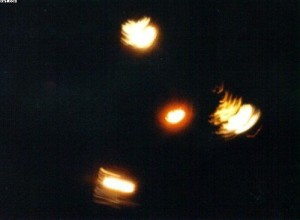
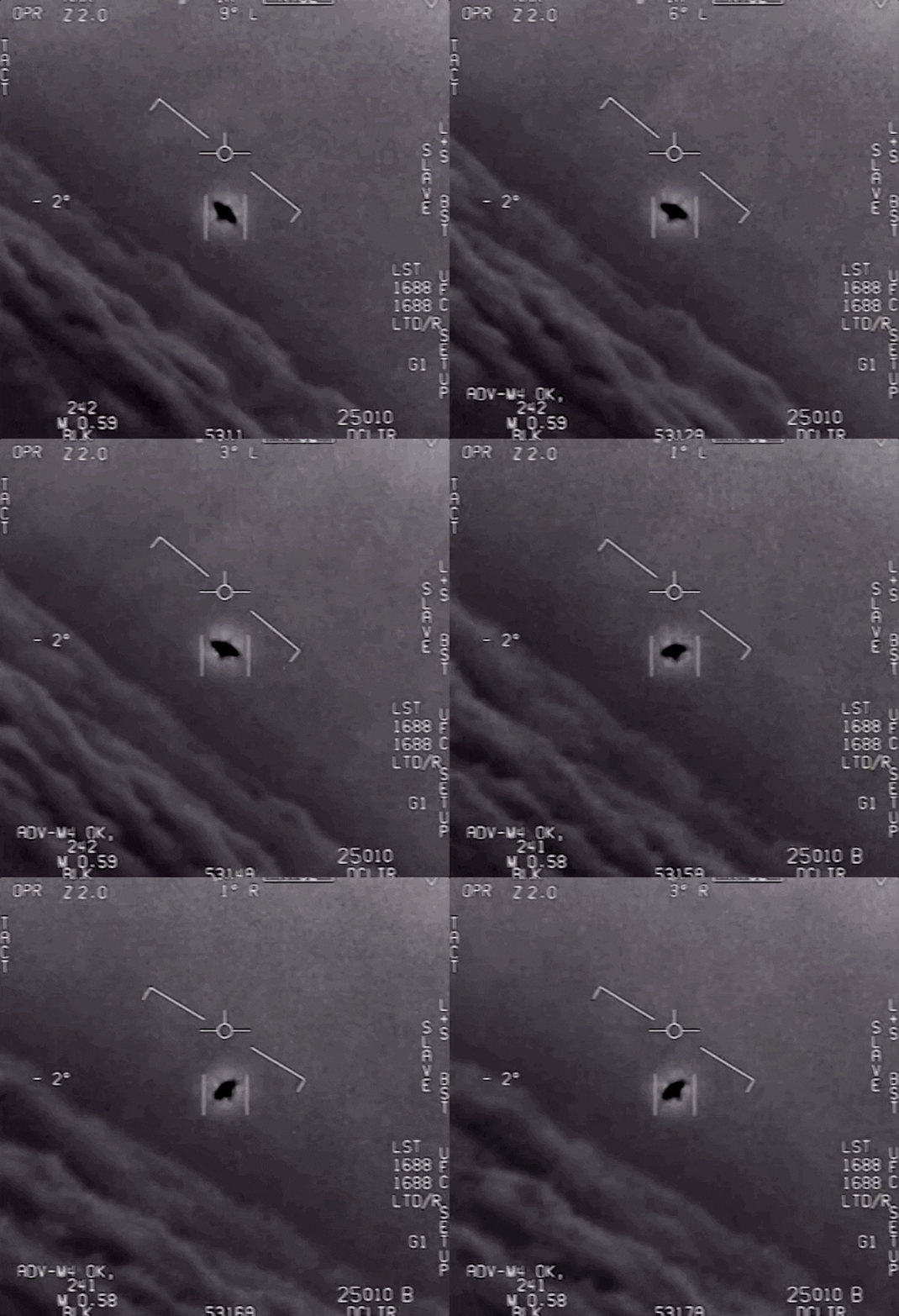






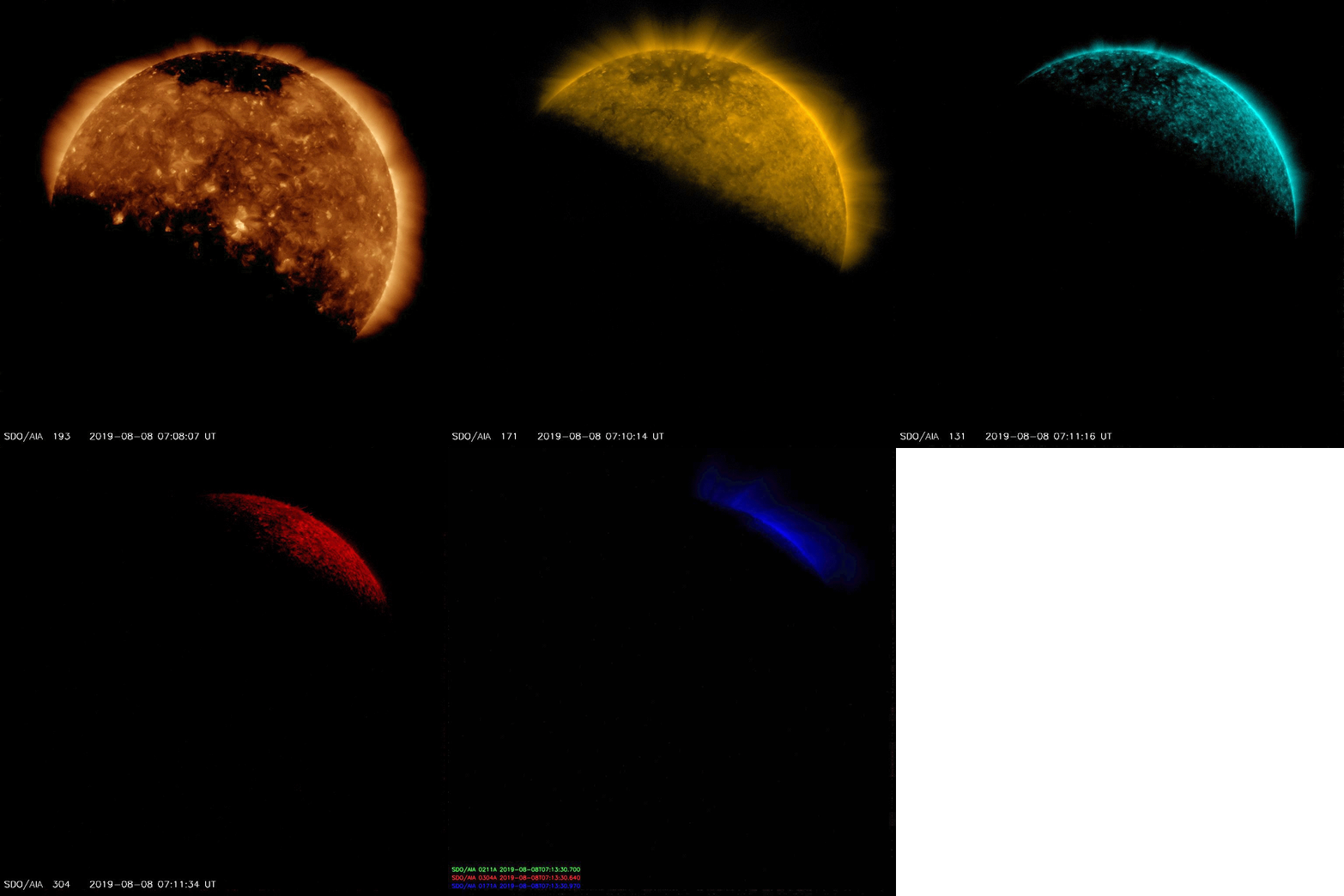


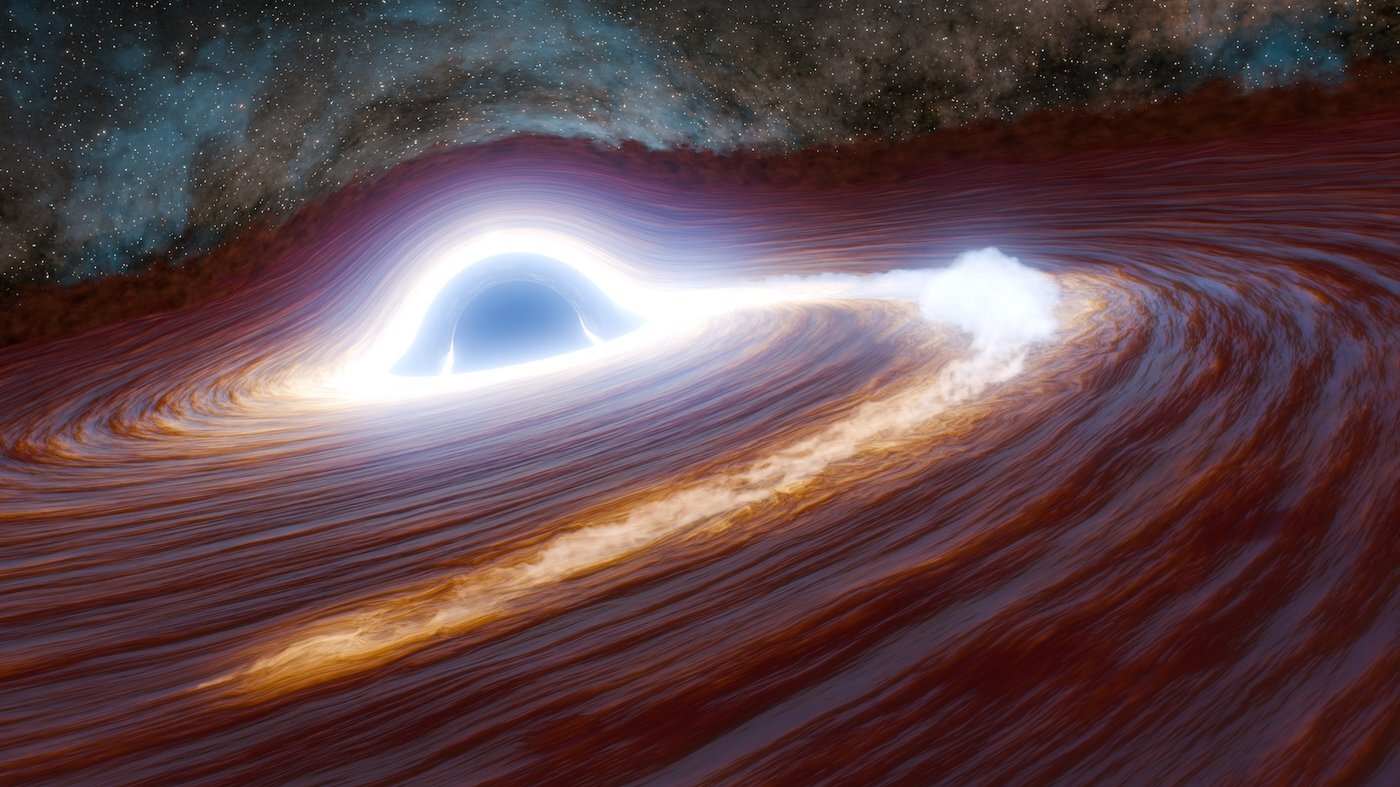






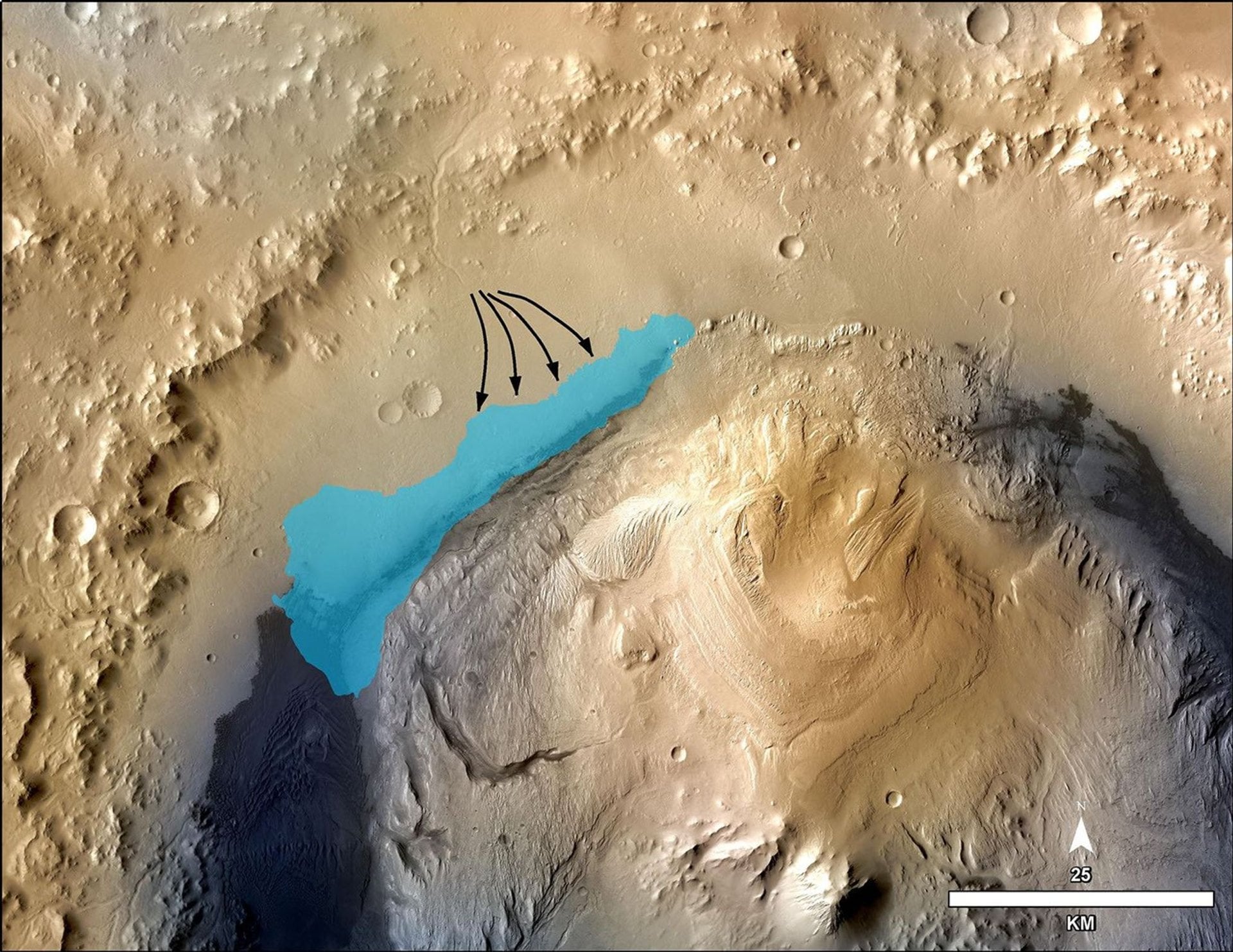

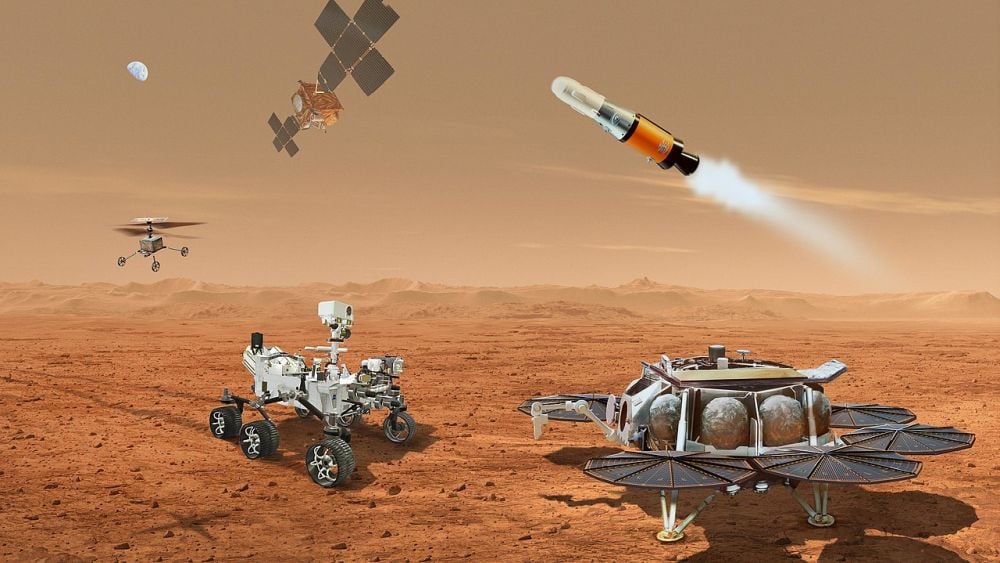
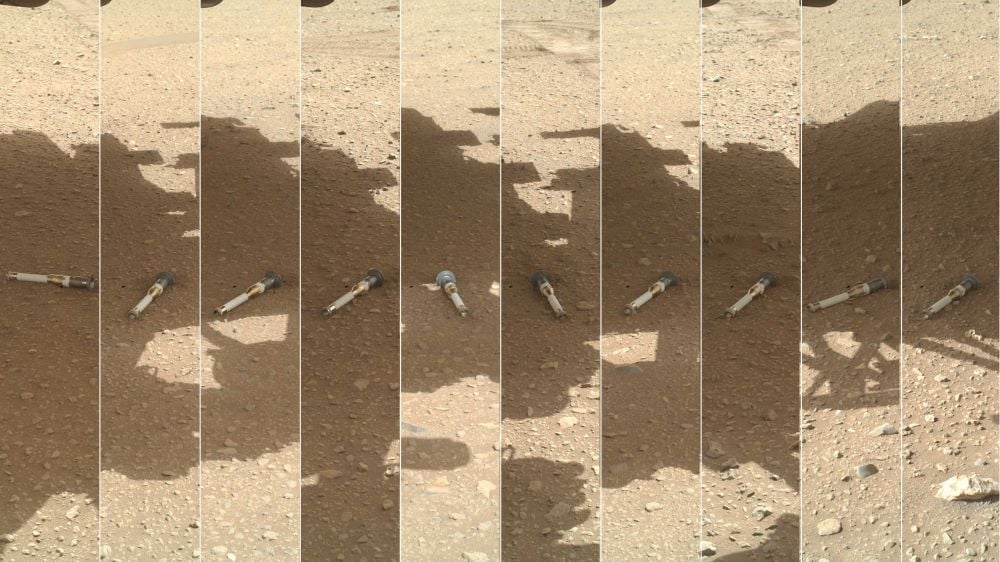
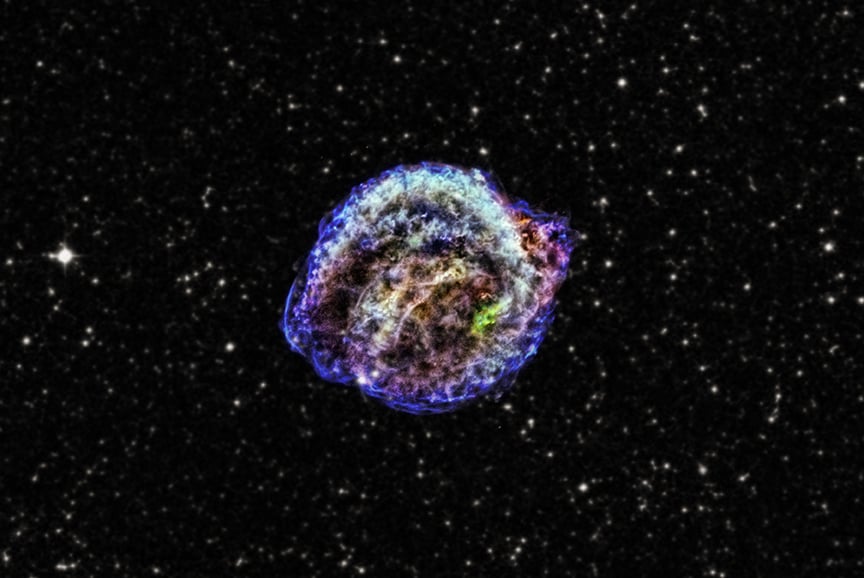

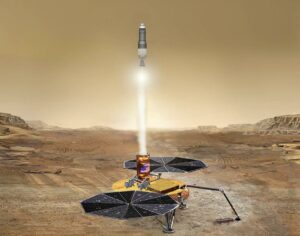


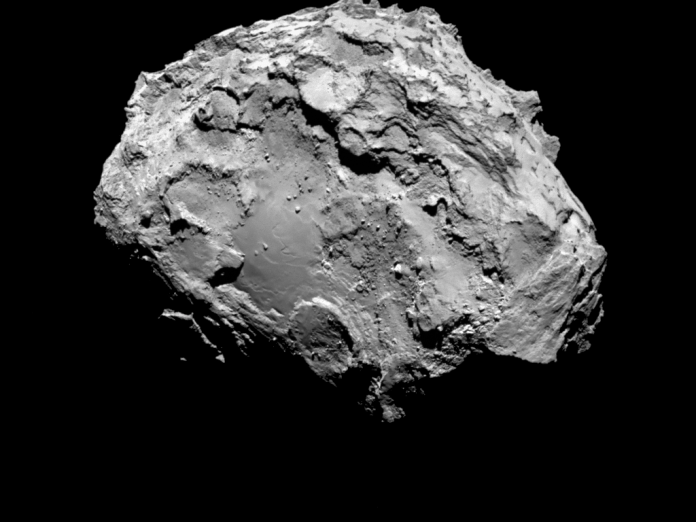
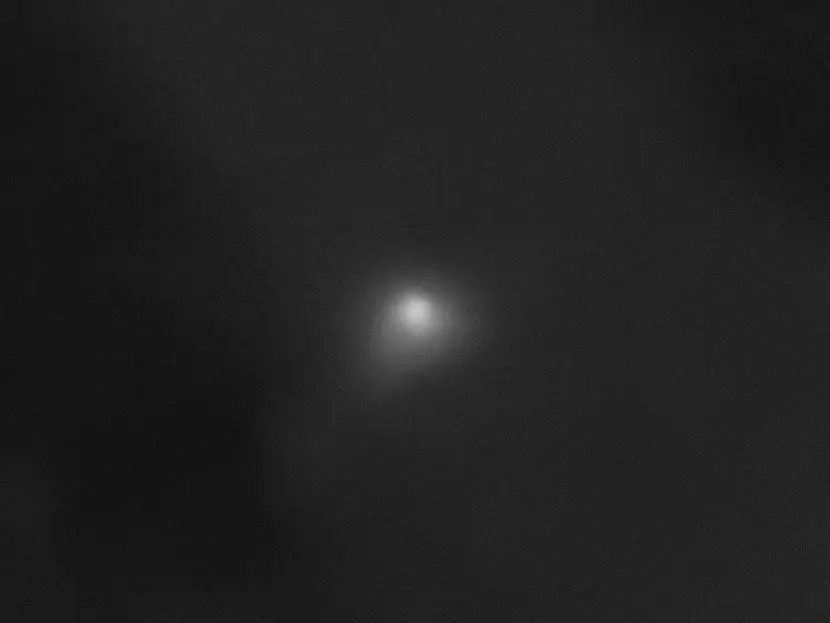&imwidth=800&imheight=600&format=webp&quality=medium)