Romenu is een blog over gedichten, literatuur en kunst Maar Romenu is ook een professionele freelance vertaler Du-Ne en Ne-Du http://www.roumen-vertalingen.nl/
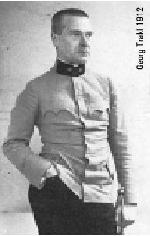
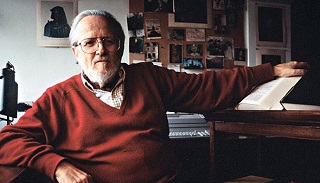
Georg Trakl werd op 3 februari 1887 in het conducteurshuis aan de Waagplatz 2 in Salzburg geboren. Zijn vader, Tobias Trakl, was een handelaar in ijzerwaren en zijn moeder, die ook psychische problemen had, was Maria Catharina Trakl, (meisjesnaam Halik). Voorts had hij nog drie broers en drie zussen. Margarethe (doorgaans Grethe genoemd) stond hem het naast, zelfs zodanig dat sommigen een incestueuze verhouding vermoeden. Zijn jeugd bracht hij door in Salzburg. Vervolgens bezocht hij van 1897 tot 1905 het humanistische gymnasium. Om toch een academische opleiding te kunnen volgen, werkte hij tot 1908 in de praktijk bij een apotheker. Sommigen vermoedden dat hij dit vooral deed om zichzelf opiaten te kunnen verschaffen. Bij het uitbreken van WO I werd Trakl als medicus naar het front in Galicië (heden ten dage in Oekraïne en Polen) gestuurd. Zijn gemoedsschommelingen leidden tot geregelde uitbraken van depressie, die verergerd werden door de afschuw die hij voelde voor de verzorging van de ernstig verwonde soldaten. De spanning en druk dreven hem ertoe een suïcidepoging te ondernemen, welke zijn kameraden nochtans verhinderden. Hij werd in een militair ziekenhuis opgenomen in Kraków, alwaar hij onder strikt toezicht geplaatst werd.Trakl verzonk daar in nog zwaardere depressies en schreef Ficker om advies. Ficker overtuigde hem ervan dat hij contact moest opnemen met Wittgenstein, die inderdaad op weg ging na Trakls bericht te hebben ontvangen. Op 4 november 1914, drie dagen voordat Wittgenstein aan zou komen, overleed hij echter aan een overdosis cocaïne
Paul Celan
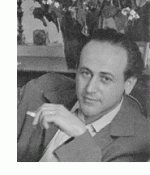
Paul Celan werd onder de naam Paul Antschel op 23 november 1920 geboren in Czernowitz, toentertijd de hoofdstad van de Roemeense Boekovina, nu behorend bij de Oekraïne. Paul Celans ouders waren Duitssprekende joden die hun zoon joods opvoedden en hem naar Duitse christelijke scholen stuurden. In 1942 werden Celans ouders door de Duitse bezetter naar een werkkamp gedeporteerd en daar vermoord. Hijzelf wist aanvankelijk onder te duiken, maar moest vanaf juli 1942 in een werkkamp dwangarbeid verrichten. Celan overleefde de oorlog. Via Boekarest en Wenen vestigde Celan zich in 1948 in Parijs. Daar was hij werkzaam als dichter, vertaler en doceerde hij aan de prestigieuze Ecole Normale Supérieure. Vermoedelijk op 20 april 1970 beëindigde hij zijn leven zelf door in de Seine te springen.
Gerard Reve
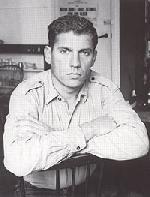
Gerard Reve over: Medearbeiders ”God is in de mensen, de dieren, de planten en alle dingen - in de schepping, die verlost moet worden of waaruit God verlost moet worden, door onze arbeid, aangezien wij medearbeiders van God zijn.” Openbaring ”Tja, waar berust elk godsbegrip op, elke vorm van religie? Op een openbaring, dat wil zeggen op een psychische ervaring van zulk een dwingende en onverbiddelijke kracht, dat de betrokkene het gevoel heeft, niet dat hij een gedachte of een visioen heeft, maar dat een gedachte gedachte of visioen hem bezit en overweldigt.”
Simon Vestdijk
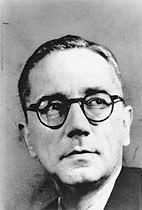
Simon Vestdijk (Harlingen, 17 oktober 1898 – Utrecht, 23 maart 1971) was een Nederlands romancier, dichter, essayist en vertaler. Zijn jeugd te Harlingen en Leeuwarden beschreef hij later in de Anton Wachter-cyclus. Van jongs af aan logeerde hij regelmatig bij zijn grootouders in Amsterdam, waar hij zich in 1917 aan de Universiteit van Amsterdam inschrijft als student in de medicijnen. Tijdens zijn studie die van 1917 tot 1927 duurde, leerde hij Jan Slauerhoff kennen.Tot 1932 is hij als arts in praktijken door heel Nederland werkzaam. In 1932 volgt zijn officiële schrijversdebuut met de uitgave van de bundel Verzen in De Vrije Bladen. Doorslaggevend voor Vestdijks uiteindelijke keuze voor de literatuur is zijn ontmoeting in 1932 met Eddy Du Perron en Menno ter Braak. Deze ontmoeting had tot resultaat dat hij redactielid werd van het tijdschrift Forum Kort daarop, in 1933, wordt zijn eerste novelle, De oubliette, uitgegeven. In hetzelfde jaar schrijft hij Kind tussen vier vrouwen, dat, eerst geweigerd door de uitgever, later de basis zal vormen voor de eerste drie delen van de Anton Wachter-romans. In 1951 ontvangt Vestdijk de P.C. Hooftprijs voor zijn in 1947 verschenen roman De vuuraanbidders. In 1957 wordt hij voor het eerst door het PEN-centrum voor Nederland voorgedragen voor de Nobelprijs voor de Literatuur, die hij echter nooit zal krijgen. Op 20 maart 1971 wordt hem de Prijs der Nederlandse Letteren toegekend, maar voor hij deze kan ontvangen overlijdt hij op 23 maart te Utrecht op 72-jarige leeftijd. Vestdijk was auteur van ca. 200 boeken. Vanwege deze enorme productie noemde de dichter Adriaan Roland Holst hem 'de man die sneller schrijft dan God kan lezen'. Andere belangrijke boeken van Simon Vestdijk zijn: "Kind van stad en land" (1936), "Meneer Visser's hellevaart" (1936), "Ierse nachten" (1946), "De toekomst de religie" (1947), "Pastorale 1943" (1948), "De koperen tuin" (1950), "Ivoren wachters" (1951), "Essays in duodecimo" (1952) en "Het genadeschot" (1964).
K.P. Kavafis K.P. Kavafis werd als kind van Griekse ouders, afkomstig uit Konstantinopel, geboren in 1863 in Alexandrië (tot vandaag een Griekse enclave) waar hij ook het grootste deel van zijn leven woonde en werkte. Twee jaar na de dood van zijn vader verhuist het gezin in 1872 naar Engeland om na een verblijf van vijf jaar naar Alexandrië terug te keren. Vanwege ongeregeldheden in Egypte vlucht het gezin in 1882 naar Konstantinopel, om na drie jaar opnieuw naar Alexandrië terug te gaan. In de jaren die volgen maakt Kavafis reizen naar Parijs, Londen en in 1901 zijn eerste reis naar Griekenland, in latere jaren gevolgd door nog enkele bezoeken. Op de dag van zijn zeventigste verjaardag, in 1933 sterft Kavafis in Alexandrië. De roem kwam voor Kavafis pas na zijn dood, dus postuum. Deels is dat toe te schrijven aan zijn eigen handelswijze. Hij was uiterst terughoudend met de publicatie van zijn gedichten, liet af en toe een enkel gedicht afdrukken in een literair tijdschrift, gaf in eigen beheer enkele bundels met een stuk of twintig gedichten uit en het merendeel van zijn poëzie schonk hij op losse bladen aan zijn beste vrienden.
Thomas Mann
Thomas Mann, de jongere broer van Heinrich Mann, werd geboren op 6 juni 1875 in Lübeck. Hij was de tweede zoon van de graankoopman Thomas Johann Heinrich Mann welke later één van de senatoren van Lübreck werd. Zijn moeder Julia (geboren da Silva-Bruhns) was Duits-Braziliaans van Portugees Kreoolse afkomst. In 1894 debuteerde Thomas Mann met de novelle "Gefallen". Toen Thomas Mann met 21 jaar eindelijk volwassen was en hem dus geld van zijn vaders erfenis toestond - hij kreeg ongeveer 160 tot 180 goldmark per jaar - besloot hij dat hij genoeg had van al die scholen en instituties en werd onafhankelijk schrijver. Kenmerkend voor zijn stijl zijn de ironie, de fenomenale taalbeheersing en de minutieuze detailschildering. Manns reputatie in Duitsland was sterk wisselend. Met zijn eerste roman, Buddenbrooks (1901), had hij een enorm succes, maar door zijn sceptische houding tegenover Duitsland na de Eerste Wereldoorlog veranderde dit volledig. Stelde hij zich tot aan de jaren twintig apolitiek op (Betrachtungen eines Unpolitischen, 1918), meer en meer raakte hij bij het Politiek gebeuren betrokken. Zijn afkeer van het nationaal socialisme groeide, zijn waarschuwingen werden veelvuldiger en heftiger. In 1944 accepteerde hij het Amerikaanse staatsburgerschap. Tussen 1943 en 1947 schreef Mann Doktor Faustus (zie Faust), de roman van de 'Duitse ziel' in de gecamoufleerd geschilderde omstandigheden van de 20ste eeuw. In 1947 bezocht hij voor het eerst sinds de Oorlog Europa, twee jaar later pas Duitsland. In 1952 vertrok hij naar Zwitserland. Op 12 augustus 1955 stierf hij in Zürich. Twintig jaar na zijn dood, in aug. 1975, is zijn literaire nalatenschap geopend: dagboekaantekeningen van 15 maart 1933 tot 29 juli 1955, alsmede notities uit de jaren 1918 tot en met 1921.Belangrijke werken zijn: Der Zauberberg, Der Tod in Venedig, Dokter Faustus , Joseph und seine Brüder en Die Bekenntnisse des Hochstaplers Felix Krull.
Rainer Maria Rilke
Rilke werd op 4 december 1875 geboren in Praag. Hij had al naam gemaakt als dichter met zijn bundels Das Stundenbuch en Das Buch der Bilder, toen hij de literaire wereld versteld deed staan en wereldfaam verwierf met de publicatie van zijn twee delen Neue Gedichte in 1907 en 1908. Hij verzamelde daarin het beste werk uit een van zijn vruchtbaarste periodes, die hij grotendeels doorbracht in Parijs. Rilke was daar diep onder de indruk gekomen van Rodin, bij wie hij een tijdlang in dienst was als particulier secretaris. Rodin, zei hij later, had hem leren kijken. Dit kijken kwam neer op intense concentratie, om het mysterie te kunnen zien ‘achter de schijnbare werkelijkheid'. Latere en rijpere werken als Duineser Elegien (1912-1923) en het ronduit schitterende Die Sonette an Orfeus (1924) illustreren Rilkes metafysische visie op het onzegbare, dat haar verwoording vindt in een hermetische muzikale taal. Op 29 december 1926 overlijdt Rilke in het sanatorium in Val-Mont aan de gevolgen van leukemie. Enkele dagen later wordt hij, overeenkomstig zijn wens, begraven op het kerkhof van Raron.
* * * * * * * * * * * * * * * *
Romenu
Over literatuur, gedichten, kunst en cultuur
08-10-2017
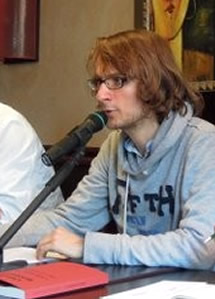
Thijs Feuth
De Nederlandse schrijver en arts Thijs Feuth werd geboren in Nijmegen op 8 oktober 1981. Feuth studeerde geneeskunde in Amsterdam en werkt als arts in Fins Lapland bij een lokaal gezondheidscentrum. Hij behoort als hardloper tot de Nederlandse marathontop en schreef als columnist voor o.a. Runner's World. Als vrijwilliger in Afrika ontmoette hij de Finse Laura en een paar jaar later volgde hij Laura naar haar geboorteland. Feuth debuteerde in 2015 met de roman “Zwarte ogen”. In 2017 verscheen “Achter de rug van God, een vreemdeling in Lapland”. In dat boek beschrijft hij hoe hij samen met Laura naar Lapland reizst om negen maanden lang als artsen stage te lopen in de gezondheidspost van het kleine stadje Posio, en hoe hij verliefd wordt op het land.
Uit: Zwarte ogen
“De waarheid is dat Alex nooit een vlieg kwaad zou doen. Hij was zachtaardig en broos en verzamelde elpees van Chet Baker. Dat hij op een zondagochtend om elf uur achttien de halsslagaders van Presa zo lang dichtkneep dat zij vanaf die dag in vegetatieve toestand in het ziekenhuis van Enschede moest verblijven, bewijst dat feiten zich niet altijd aan de waarheid houden. Die ochtend brandden zijn wangen alsof hij koorts had. Hij zag apen door de slaapkamer rennen en de muren bolden als de zeilen van een schip op volle zee. Opeens was daar een slang. Geen adder of ringslang, maar een tropische wurgslang die naast hem in bed lag. Zodra haar lichaam verslapte, nam de wereld weer normale proporties aan en drong de verschrikkelijke werkelijkheid zich aan hem op. Paniek sloeg door zijn lijf. Eerst dacht hij dat ze dood was. Hij meende een soort van reanimatie toe te moeten passen, maar toen hij haar gezicht in zijn handen had en zijn mond op de hare wilde drukken, bemerkte hij dat ze ademde. Ze had een vreemdsoortige, diepe ademhaling, die de forensisch arts later Cheyne-Stokes zou noemen en die volgens zijn expertise zonder enige twijfel het gevolg was van hypoxie in de hersenstam. Maar dat wist Alex op dat moment nog niet. Hij gaf Presa met de vlakke hand mepjes tegen de wang en toen dat geen effect had, greep hij haar naakte schouders en schudde. Dat zou later bevestigd worden door dezelfde forensisch arts, die ongevraagd ‘nogal hardhandig’ toevoegde, wat hem op een protest van Alex’ verdediging kwam te staan, maar wat door de rechter, een oudere vrouw met zachte, haast vleiende stem, door de vingers werd gezien. Het strafbare feit lag als een bloedend hart op een weldadig gevulde fruitschaal, meende Marsman, de Amsterdamse topadvocaat die door de vermogende familie van Alex was ingeschakeld. Een juiste interpretatie van de feiten was slechts mogelijk als de rechter bereid was alle omstandigheden, ook de minder directe, in ogenschouw te nemen. De fruitschaal dankte zijn vermelding overigens aan de biografische gegevens van de rechter, die de advocaat ter beschikking had: schildert in haar vrije tijd stillevens. Het was van belang om Alex’ jeugd onder de loep te nemen. Op het eerste gezicht had het hem aan niets ontbroken, als telg van een welvarende familie die aan de wieg had gestaan van een Hengeloos bedrijf van wereldfaam dat in signaalapparatuur gespecialiseerd was. Juist dit gebrek aan gebreken was echter de grote tekortkoming in de ontwikkeling van Alex, zo stelde de advocaat.”
O,drank, je hebt zoveel verpest. Toch ben je in mijn dorstig leven altijd die ene hoer gebleven, die mij het diepste heeft gelest,
want hoe je me ook hebt geflest door altijd (en ik kon het weten) al je beloften te vergeten, als je weer klaar lag voor de rest,
en hoe je m'ook hebt uitgemest door alles wat je van me nam, ik leefde als ik bij je kwam, bij jou alleen. Dat weet je best.
Je grokstem en je valse streken, de stomme platheid van je spreken en van je bed de wulpse stank,
't was niets, als ik maar weg mocht zinken in jou om steeds weer in te drinken jouw zoete leugen-bitt're drank.
De schilder
Zijn vrees staat als een bevend spook te kijk op zijn Picasso-doeken. Steeds angst, op al die Talens-koeken. En in de keuken staat ze ook.
Want deze vrouw, zo fel en kloek, verdreef hem uit de luwe sferen van landschap en van jutteperen, te hoop gelopen op het doek.
O kalme jaren, toen hij dat nog deed: de lichtvlek mikken op de vaas, de gaatjes nadoen van de kaas. Dat stille werk dat niemand leed.
Maar zij dreef blauwzuur in zijn coloriet. Haar strengheid tormenteert zijn kwast, en als zijn angst zich paars ontlast, ageert hij tegen haar 'Kom eten, Piet.
Mijn zoontje
Mijn zoontje wil de sneeuw bewaren en vlinders op zijn petje dragen. Aan mij komt hij gewillig vragen, hoe hij zijn dartel schip moet varen.
Vertrouwen glinstert in zijn oog en maakt mij wel eens moedeloos. Ik knijp zijn handje en ben boos omdat ik hem zo vaak bedroog.
Ik weet dat eens het uur zal komen, dat hij mijn ganse onmacht kent en hoogstens glimlacht om de vent die heldje speelde in zijn dromen.
Als dan mijn dag ten einde spoedt en reeds verschemert naar de nacht, is hij een man, die leeft en lacht. Want alles gaat, zoals het moet.
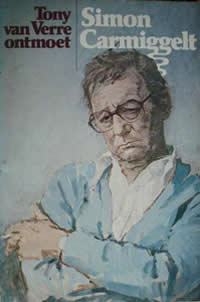
Simon Carmiggelt (7 oktober 1913 – 30 november 1987) Cover
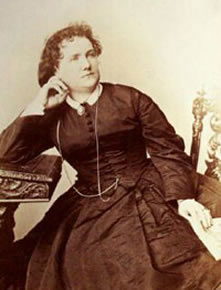
De Amerikaanse schrijfster Rachel Kushnerwerd geboren op 7 oktober 1968 in Eugene, Oregon en verhuisde naar San Francisco in 1979. Zie ook alle tags voor Rachel Kushner op dit blog.
Uit: Telex From Cuba
“There it was on the globe, a dashed line of darker blue on the lighter blue Atlantic. Words in faint italic script: Tropic of Cancer. The adults told her to stop asking what it was, as if the dull reply they gave would satisfy: “A latitude, in this case twenty-three and a half degrees.” She pictured daisy chains of seaweed stretching across the water toward a distant horizon. On the globe were different shades of blue wrapping around the continents in layers. But how could there be geographical zones in the sea, which belongs to no country? Divisions on a surface that is indifferent to rain, to borders, that can hold no object in place? She’d seen an old globe that had one ocean wrapping the Earth, called Ocean. In place of the North Pole was a region marked “Heaven.” In place of the South Pole, “Hell.” She selected the color black from a list of topics and wrote her book report, despite feeling that reducing Treasure Island to various things colored black was unfaithful to the story, which was not about black, but perhaps how boys need fathers, and how sometimes children are more clever than adults and not prone to the same vices. The Jolly Roger was black, and there was Black Dog, who showed up mysteriously at the Admiral Benbow, demanding rum. There were black nights on the deserted island, creeping around in shadows amid yet more blackness: the black of danger. Also, the “black spots” that pirates handed out—a sort of threat. A death sentence, really. “Who tipped me the black spot?” asked Silver. This death sentence, a stain of wood ash on a leaf of paper. The leaf, torn from a Bible, which now had a hole cut into Revelation. And holes are black as well. She’d read about Sargasso, a nomadic seaweed city, and hoped they would encounter some. Other things floated on the ocean as well: jetsam, which is what sailors toss overboard to lighten their load, and flotsam, things caught and pushed out to sea, such as coconuts, which rolled up on the shores of Europe in a time before anyone knew what lay to the west. Maybe coconuts still washed up, but they weren’t eerie and enchanting now that you could buy one at the store. In that earlier time, people displayed them as exotic charms. Or cut them open. A strange white fluid poured out, greasy and foul-smelling. Not poisonous, just spoiled from such a long and difficult journey, a fruit thousands of miles from its home under the green fronds of a palm tree."
“The family Schindler was Catholic. So too was the family of young Amon Goeth, by this time also completing the Science Course and sitting for the Matura examinations in Vienna. Oskar's mother, Louisa, practiced her faith with energy, her clothes redolent all Sunday of the incense burned in clouds at High Mass in the Church of St. Maurice. Hans Schindler was the sort of husband who drives a woman to religion. He liked cognac; he liked coffeehouses. A redolence of brandy-warm breath, good tobacco, and confirmed earthiness came from the direction of that good monarchist, Mr. Hans Schindler. The family lived in a modern villa, set in its own gardens, across the city from the industrial section. There were two children, Oskar and his sister, Elfriede. But there are not witnesses left to the dynamics of that household, except in the most general terms. We know, for example, that it distressed Frau Schindler that her son, like his father, was a negligent Catholic. But it cannot have been too bitter a household. From the little that Oskar would say of his childhood, there was no darkness there. Sunlight shines among the fir trees in the garden. There are ripe plums in the corner of those early summers. If he spends a part of some June morning at Mass, he does not bring back to the villa much of a sense of sin. He runs his father's car out into the sun in front of the garage and begins tinkering inside its motor. Or else he sits on a side step of the house, filing away at the carburetor of the motorcycle he is building. Oskar had a few middle-class Jewish friends, whose parents also sent them to the German grammar school. These children were not village Ashkenazim—quirky, Yiddish-speaking, Orthodox—but multilingual and not-so-ritual sons of Jewish businessmen. Across the Hana Plain and in the Beskidy Hills, Sigmund Freud had been born of just such a Jewish family, and that not so long before Hans Schindler himself was born to solid German stock in Zwittau. Oskar's later history seems to call out for some set piece in his childhood. The young Oskar should defend some bullied Jewish boy on the way home from school. It is a safe bet it didn't happen, and we are happier not knowing, since the event would seem too pat. Besides, one Jewish child saved from a bloody nose proves nothing. For Himmler himself would complain, in a speech to one of his Einsatzgruppen, that every German had a Jewish friend. " 'The Jewish people are'going to be annihilated,' says every Party member. 'Sure, it's in our program: elimination of the Jews, annihilation—we'll take care of it.' And then they all come trudging, eighty million worthy Germans, and each one has his one decent Jew. Sure, the others are swine, but this one is an A-One Jew."
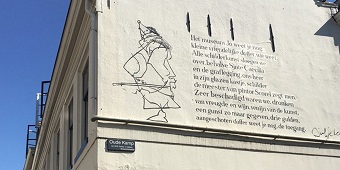
Het museum Jo, weet je nog. kleine vriendelijke doffer, wie weet, Alle schilderkunst sloegen we over, behalve Sinte Caecilia en de graflegging, ons heer in zijn glazen kastje, schilder de meester van pintor Scorel zegt men. Zeer beschadigd waren we, dronken van vreugde en wijn, venijn van de kunst, een gunst zo maar gegeven, drie gulden, aangeschoten doffer weet je nog,de toegang.
Dirkje Kuik (7 oktober 1929 – 18 maart 2008) Bovenstaand gedicht aan Kuiks voormalige woonhuis aan de Oudekamp in Utrecht
“Cotillion drew two daggers.His gaze fell to the blades. The blackened iron surfaces seemed to swirl, two pewter rivers oozing across pits and gouges, the edges ragged where armour and bone had slowed their thrusts. He studied the sickly sky’s lurid reflections for a moment longer, and then said, ‘I have no intention of explaining a damned thing.’ He looked up, eyes locking. ‘Do you understand me?’ The figure facing him was incapable of expression. The tatters of rotted sinew and strips of skin were motionless upon the bones of temple, cheek and jaw. The eyes held nothing, nothing at all. Better, Cotillion decided, than jaded scepticism. Oh, how he was sick of that. ‘Tell me,’ he resumed, ‘what do you think you’re seeing here? Desperation? Panic? A failing of will, some inevitable decline crumbling to incompetence? Do you believe in failure, Edgewalker?’ The apparition remained silent for a time, and then spoke in a broken, rasping voice. ‘You cannot be so . . . audacious.’ ‘I asked if you believed in failure. Because I don’t.’ ‘Even should you succeed, Cotillion. Beyond all expectation, beyond, even, all desire. They will still speak of your failure.’ He sheathed his daggers. ‘And you know what they can do to themselves.’ The head cocked, strands of hair dangling and drifting. ‘Arrogance?’ ‘Competence,’ Cotillion snapped in reply. ‘Doubt me at your peril.’ ‘They will not believe you.’ ‘I do not care, Edgewalker. This is what it is.’ When he set out, he was not surprised that the deathless guardian followed. We have done this before. Dust and ashes puffed with each step. The wind moaned as if trapped in a crypt. ‘Almost time, Edgewalker.’ ‘I know. You cannot win.’ Cotillion paused, half turned. He smiled a ravaged smile. ‘That doesn’t mean I have to lose, does it?’
Georg Hermann, James Whitcomb Riley, Wilhelm Müller, Sohrab Sepehri, Chigozie Obioma
De Duitse schrijver Georg Hermann(oorspronkelijk Georg Hermann Borchardt) werd op 7 oktober 1871 in Berlijn geboren. Zie ook alle tags voor Georg Hermannop dit blog.
Uit: Eine Zeit stirbt
„Doch das ist eine durchaus falsche Annahme gewesen. Weder blieb das Geld Geld. Noch die Ware Ware. Noch die Menschen Menschen. Der Staat hat nur die Zauberformel »Inflation« gemurmelt, hat nur seinen Zauberstab geschwungen: Hokus Pokus Trallala! Und alles ist anders geworden: das Geld ist kein Geld mehr. Die Ware Ersatzware. Und was aus den Menschen geworden ist, ist schwer zu sagen. Doch eines kann man mit Bestimmtheit feststellen: keine Menschen. Genug davon. Nur soviel: die Siedlung hier ist damals, als man noch gar nicht ahnte, was werden würde, begonnen worden, und hat deshalb lange halbfertig gestanden, und ist endlich noch so gerade notdürftig aus allerhand unerprobten Surrogaten von Baumaterialien zusammengeleimt und unter Dach gebracht und dann ganz schnell bezogen worden. Der Hauptvorzug dieser Ersatzstoffe besteht darin, daß sie durchweg vorzügliche Schalleiter sind. Wenn z. B. jemand jetzt in der Nebenwohnung oder zwei Wohnungen weiter Klavier spielt und dazu singt, von der Oma ihrem kleinen Häuschen, das versoffen werden muß, oder wenn er auch nur seiner Frau ein Geheimnis anvertraut, hört man es fünfzehn Meter höher oder tiefer oder weiter, im Waschkeller und auf dem Trockenboden, im Schlafzimmer oder auf der Diele, genau so gut wie im Kleinviehstall. Jedes Ei, das dort gelegt wird, erleben alle Parteien ringsum. Und all das hört man dank der Vorzüglichkeit der neuen Baustoffe fast noch deutlicher und reiner und ohne Nebengeräusche als an Ort und Stelle selbst. Die anderen Eigenschaften dieser Bausurrogate sind jedoch weniger angenehm. Sie machen es z. B., daß im Spätherbst und mehr noch im Vorfrühling die Wände schwitzen, als hätten sie Aspirin genommen. Daß im Winter kein Ofen, ganz gleich welcher Konstruktion, je ein Zimmer warm und mollig kriegt.“
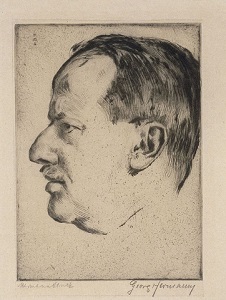
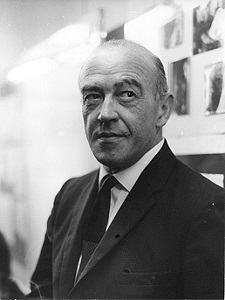
Georg Hermann (7 oktober 1871 - 19 november 1943) Portret doorHermann Struck, ca. 1920 – 1930
This Pan is but an idle god, I guess, Since all the fair midsummer of my dreams He loiters listlessly by woody streams, Soaking the lush glooms up with laziness; Or drowsing while the maiden-winds caress Him prankishly, and powder him with gleams Of sifted sunshine. And he ever seems Drugged with a joy unutterable-- unless His low pipes whistle hints of it far out Across the ripples to the dragon-fly That like a wind-born blossom blown about, Drops quiveringly down, as though to die-- Then lifts and wavers on, as if in doubt Whether to fan his wings or fly without.
The Boy Lives On Our Farm
The boy lives on our Farm, he's not Afeard o' horses none! An' he can make 'em lope, er trot, Er rack, er pace, er run. Sometimes he drives two horses, when He comes to town an' brings A wagon-full o' 'taters nen, An' roastin'-ears an' things.
Two horses is 'a team,' he says, An' when you drive er hitch, The right-un's a 'near-horse,' I guess Er 'off'--I don't know which-- The Boy lives on our Farm, he told Me, too, 'at he can see, By lookin' at their teeth, how old A horse is, to a T!
I'd be the gladdest boy alive Ef I knowed much as that, An' could stand up like him an' drive, An' ist push back my hat, Like he comes skallyhootin' through Our alley, with one arm A-wavin' Fare-ye-well! to you-- The Boy lives on our Farm!
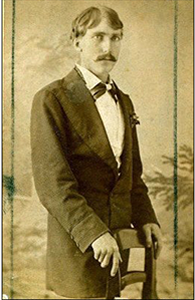
James Whitcomb Riley (7 oktober 1849 – 22 juli 1916) Rond zijn 25e jaar
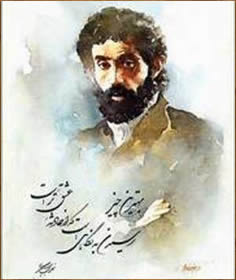
If you are coming to me, I am beyond Oblivion. Beyond Oblivion is a place Where dandelions run into the veins of air, Bringing news of a faraway blooming bush. The sands bear the footprints of delicate horsemen Mounting the hilltop of poppies. Beyond Oblivion, the umbrella of desire is open. As soon as thirst blows onto the root of a leaf Rain sings songs of freshness. One is lonely here. Where an elm's shadow streams into eternity.
If you are coming to me Approach gently, softly lest you crack The fragile china of my solitude!
Vertaald door Ismail Salami
I don't know
I don't know why they say the horse is a noble animal and the dove is beautiful and why no one keeps a vulture. Why is the clover inferior to the red tulip? We need to wash our eyes and view things differently. We should wash our words Words should be wind Words should be rain We should close the umbrellas And walk in the rain.
“This word, once pronounced, often completed the message. He brought out two twenty-naira notes from the breast pocket of his coat and dropped them on our study table. “For both of you,” he said, and left the room. Obembe and I were still sitting in our bed trying to make sense of all that when we heard Mother speaking to him outside the house in a voice so loud it seemed he was already far away. “Eme, remember you have growing boys back here,” she’d said. “I’m telling you, oh.” She was still speaking when Father started his Peugeot 504. At the sound of it, Obembe and I hurried from our room, but Father was already driving out of the gate. He was gone. Whenever I think of our story, how that morning would mark the last time we’d live together, all of us, as the family we’d always been, I begin—even these two decades later—to wish he hadn’t left, that he had never received that transfer letter. Before that letter came, everything was in place: Father went to work every morning and Mother, who ran a fresh food store in the open market, tended to my five siblings and me who, like the children of most families in Akure, went to school. Everything followed its natural course. We gave little thought to past events. Time meant nothing back then. The days came with clouds hanging in the sky filled with cupfuls of dust in the dry seasons, and the sun lasting into the night. It was as if a hand drew hazy pictures in the sky during the rainy seasons, when rain fell in deluges pulsating with spasms of thunderstorms for six uninterrupted months. Because things followed this known and structured pattern, no day was worthy of remembrance. All that mattered was the present and the foreseeable future.“
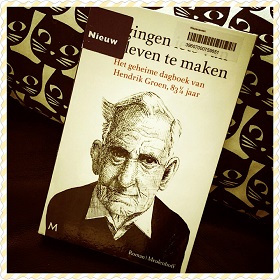
De Nederlandse schrijver Hendrik Groen (pseudoniem van Peter de Smet) werd geboren in Amsterdam-Noord in 1930. Hij is de auteur van het in 2014 verschenen boek "Pogingen iets van het leven te maken: Het geheime dagboek van Hendrik Groen, 83¼ jaar". Dat boek werd in 2016 bekroond met de Publieksprijs voor het Nederlandse Boek. Het vervolg "Zolang er Leven is: Het nieuwe geheime dagboek van Hendrik Groen, 85 jaar" verscheen in 2016. Jarenlang was onbekend wie er schuilging achter het pseudoniem. Dit leidde tot speculatie over wie het kon zijn. De namen Sylvia Witteman tot Arnon Grunberg werden genoemd. Zowel de Volkskrant als het NRC Handelsblad onthulden in 2016 vrijwel gelijktijdig dat het zou gaan om de toen 62-jarige Peter de Smet. De Smet heeft daarop gereageerd met de woorden dat 'hij niet zit te wachten op publiciteit' en 'geen zin in de heisa van bekendheid heeft'. "Pogingen iets van het leven te maken" won in 2016 de Publieksprijs voor het Nederlandse Boek. Deze prijs werd door de auteur niet persoonlijk opgehaald. In 2017 werden de boeken verfilmd en door Omroep Max als televisieserie "Het geheime dagboek van Hendrik Groen uitgezonden". De scenarioschrijver Martin van Waardenberg bevestigde wederom dat De Smet de man achter het pseudoniem is.
Uit: Pogingen iets van het leven te maken: het geheime dagboek van Hendrik Groen, 83 1/4 jaar
“Dinsdag 1 januari 2013 Ik hou ook het komend jaar niet van bejaarden. Dat geschuifel achter die rollators, dat misplaatste ongeduld, dat eeuwige klagen, die koekjes bij de thee, dat zuchten en steunen. Ik ben zelf 83 1/4 jaar. Woensdag 2 januari Er was royaal poedersuiker gemorst. Om de tafel beter af te kunnen nemen met een vaatdoekje zette mevrouw Smit de schaal met appelflappen even op een stoel. Mevrouw Voorthuizen kwam aanlopen en ging met haar enorme reet midden in de schaal met flappen zitten zonder het zelfs maar te merken. Pas toen mevrouw Smit de schaal ging zoeken om hem terug te zetten kwam iemand op het idee onder mevrouw Voorthuizen te kijken. Toen die opstond plakten er drie appelflappen aan haar bloemetjesjurk. 'Ze passen mooi bij het motiefje,' zei Evert. Ik stikte haast van het lachen. Dit prachtige begin van het nieuwe jaar had moeten leiden tot algemene hilariteit maar gaf, in plaats daarvan, aanleiding tot drie kwartier gezemel over de schuldvraag. Ik werd van verschillende kanten boos aangekeken vanwege het feit dat ik het blijkbaar grappig had gevonden. En ik, ik mompelde excuses. In plaats van nog harder te lachen, mompelde ik excuses. Ik, Hendrikus Gerardus Groen, ben namelijk altijd correct, innemend, vriendelijk, beleefd en behulpzaam. Niet omdat ik dat ook allemaal ben maar omdat ik niets anders durf te zijn. Zelden zeg ik wat ik zeggen wil. Altijd kies ik voor de veilige weg. Mijn specialiteit: het sparen van kool én geit. Mijn ouders hadden een vooruitziende blik toen ze mij Hendrik noemden: veel braver zul je ze niet snel tegenkomen. 'Kent gij Hendrik niet, die altijd zoo beleefd zijnen hoed afneemt als hij voorbij gaat?' Dat ben ik. Ik word nog depressief van mezelf, dacht ik. Toen heb ik het besluit genomen om ook iets van de ware Hendrik Groen te laten horen: precies één jaar lang zal ik mijn ongecensureerde kijk geven op het leven in een bejaardenhuis in Amsterdam-Noord. Als ik voor het eind van het jaar doodga is dat overmacht. In dat geval zal ik mijn vriend Evert Duiker vragen om op mijn begrafenis een kleine bloemlezing te houden uit mijn dagboek. Als ik opgebaard lig in de kleine zaal van crematorium 'De Einder', netjes gewassen en gestreken, zal de ongemakkelijke stilte doorbroken worden door de raspende stem van Evert die enkele aardige passages zal voorlezen aan het onthutste publiek. Over één ding maak ik mij zorgen: stel dat Evert eerder doodgaat dan ik? Dat zou niet netjes zijn van hem, vooral omdat ik nóg meer ziektes en gezwellen heb dan hij. Op je beste vriend moet je kunnen rekenen. Ik zal het er met hem over hebben.”
Victor Vroomkoning, Ulrike Ulrich, Yaşar Kemal, Heinrich Federer, Ludwig Begley, Maria Dąbrowska, Horst Bingel, Peter Gosse, Lennart van Nieuwenhuijzen
Tussen vreemden ligt hij onder marmeren Latijn. In dode taal spreekt hij niet aan.
Na die foto stierf hij vijftien jaar tot hier.
Het paars van de azalea’s herinnert aan zijn laatste lippen.
Dag vader, zeg ik tegen niemand meer.
Vrije val
Als giervalk hing ik in de ijle lucht aan de vlerken van mijn vindingrijke vader. Ontstegen aan zijn dwaaltuin raakte ik buiten mijzelf. Al maar hoger vogel kreeg ik weidser zicht. Naar de hemel streefde ik, naar het zonneklare licht. Godzucht bracht me in extase, lang- zaamaan smolt alles wat ik was.
In mijn val doorzag ik het ijdele van mijn vlucht, de draagwijdte van wat vader me had meegegeven. Onderste- boven viel ik naar het alledaagse
terug. Wie redt mijn gezicht, mijn daze kop, wie brengt mij weer tot stand?
Zoiets
Er kwam sneeuw over de wereld, spierwit en naakt begonnen we ons hardop te herinneren wie we waren, wie we hadden willen zijn.
‘Zoiets,’ antwoordde ik op al haar vragen en ik ging er nog eens goed voor liggen om me meer voor haar geest te halen maar spreken was er niet meer bij.
Later dwarrelde ze blank en licht van me vandaan en weer later hield ook het sneeuwen op en dekte ik me toe met het laken dat haar warmte nog had.
En nog later kwam er opnieuw sneeuw over de wereld en over me heen.
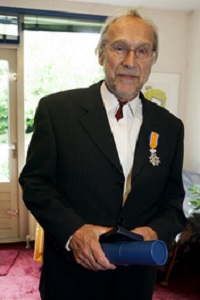
Victor Vroomkoning (Boxtel, 6 oktober 1938) Hier na zijn benoeming tot Ridder in de Orde van Oranje Nassau in 2014
sie bricht schon lange auf. packt ihren mut zusammen und das nötigste. macht listen, was sie nicht vergessen darf. gibt ausgeliehene bücher zurück, lässt am fahrkartenschalter in der schlange einen nach dem anderen vor. vergewissert sich, dass die gleise noch dortliegen. beobachtet menschen, die wegfahren. abends, wenn die fernzüge die nacht durchmachen, schaut sie unverhohlen in die liegewagenabteile. sie schaut sich die gesichter der alleinreisenden an, die viel gepäck haben. sie geht auf den bahnhof und sucht nach verwandten zügen. wenn sie zurückkommt, fragt er sie nicht, wo sie war.
an ihrer stelle
an ihrer stelle will sie nicht mehr bleiben. an seiner stelle sieht sie ungeheuer. die hat sie selber angeheuert, um nicht mit ihm allein zu sein. an ihrer stelle bleibt ihr nichts mehr übrig von sich. sie gibt sich aus für eine andere, sie gibt sich auf und ab, verausgabt sich ins ungefähre. sie schaut vorbei und trifft sich nicht mehr an. so reißt sie aus und alles ein und läuft ihm fort, so weit so gut er sehen kann. sie findet sich nicht mehr zurecht geliebt, da kann er lieben, wie er will. sie findet sich zurecht gewiesen aus dem garten und wartet also draußen vor dem tor, dass er sie einlässt und auch sich auf sie und ihre dünne haut, in der an ihrer stelle sie nicht stecken will. da sitzt sie, legt sich karten, lehnt sich ab und zu an eine hoffnung an und hält es halt nicht aus an seiner seite sie selbst zu sein. an ihrer stelle.
Das Gefängnis, die Schule der türkischen Literatur
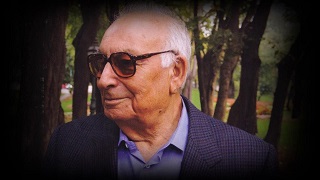
Opposition ist eine türkische Tradition.Und wenn man die Geschichte der türkischen Literatur näher untersucht, dann findet man in ihrem Zentrum die Bauernliteratur, oder vielmehr die Volksliteratur. Anatolien war schon immer ein rebellisches Stück Land, seit dem 13. Jahrhundert ist hier die Kette der Revolten nicht abgebrochen. Aus diesen Aufständen sind immer auch Künstler herausgewachsen. Diese Traditionslinie beginnt bei Yunus Emre, dem großen mystischen Dichter des 13. Jahrhunderts und überhaupt dem bedeutendsten Dichter der türkischen Geschichte, sie geht über Dadaloğlu bis hin zum radikalen Erneuerer der türkischen Lyrik, Nâzim Hikmet. Schon Yunus Emre sagte:
»Der Herren Güte ist dahin Sie reiten einher auf Araberpferden Sie essen Menschenfleisch Sie trinken Blut«
Welch ein Zorn gegen die Mächtigen! Die Schriftsteller meiner Generation stehen in dieser Traditionslinie. Sogar Hikmet, der aus einer Aristokratenfamilie des Osmanischen Reiches stammt, fand den Weg mitten ins Herz Anatoliens: Er saß siebzehn Jahre für seine Überzeugung im Gefängnis, und dort hat er seine Lyrik entwickelt, im Kontakt mit den Menschen Anatoliens, mit Dieben, Mördern, kleinen Gaunern, mit Unterdrückten aller Art, mitten im Volk und seinem riesigen Schatz an Erfahrungen. Das ist wohl eines der überraschendsten Merkmale der Schriftsteller meiner Generation. Es gibt praktisch keinen, der nicht durchs Gefängnis gegangen ist. Sabahattin Ali, der als Erster Romane über die Bauern geschrieben hat, wurde ermordet. Hikmat war siebzehn Jahre im Gefängnis, Kemal Tahir fünfzehn Jahre, Aziz Nesin fünf Jahre, Ahmed Arif, unser bedeutendster Lyriker der Gegenwart, fünf Jahre, Ruhi Su auch fünf Jahre. Auch Orhan Kemal saß lange Zeit im Gefängnis. Ich selbst war dreimal im Gefängnis. Das erste Mal mit siebzehn Jahren, dann wieder 1950, als ich gefoltert wurde. 1971 wurde ich wieder festgenommen, aber nach vielen internationalen Protesten wieder freigelassen. Es gibt keinen Zweifel – das Gefängnis ist die Schule der türkischen Gegenwartsliteratur."
Der Du auf der Wolken Rande Hoch am Abendhimmel schreitest, Über alle Meer' und Lande Segnend Deine Hände breitest:
Einsamer! Gebete rauschen Dir, wohin Dein Ohr sich neige, Und ich senk' in leisem Lauschen Demutsvoll das Haupt und schweige.
Vaterunser
O unser Vater, der Du wohnst da droben Im hohen Himmelsraum! An allen Orten Soll Deinen Namen man gebührend loben!
Lass offen Deiner Wohnung hohe Pforten! Dein Wille herrsch! Im Himmel wie auf Erden Gehorche alles willig Deinen Worten.
Lass Nahrung uns und Speise täglich werden; Was wir gefehlt, vergib; auch wir vergeben Von Feindeshand erduldete Beschwerden.
Ins Netz, das listig die Versucher weben, Lass, Herr, uns Unachtsame nimmer fallen! Bewahr uns vor der Sund' in diesem Leben
Zuletzt
Über sieben Bäche geht es, Herz, mein Herz, zu Dir, Und mit sieben Winden weht es Rauh entgegen mir. Doch dann wird an Deinem Pförtchen Alles gut und still, Wenn ich harre mit dem Wörtchen: Herr, tu auf, ich will!
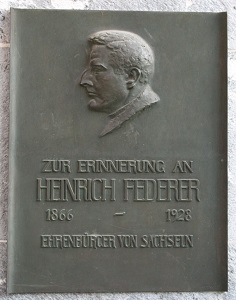
Heinrich Federer (6 oktober 1866 – 29 april 1928) Gedenkplaat aan de parochiekerk in Sachseln
Uit: Nights and Days (Vertaald door Christine A. Brown)
“During the first few years their sustenance depended almost exclusively on the sale of the grand remnants of the past: linen tablecloths, old furs, cambric undergarments and keepsake silver. When this stock ran out, the older daughter, Teresa, having reached the upper forms of the gymnasium, began to give lessons; they did not always suffice for dinner, but they kept them from starving. The family situation got considerably better when Daniel and Julian completed their studies. Julian remained in St. Petersburg, and only announced by a letter that he had received a good position, but Daniel settled down with his mother and sisters and began to teach biology in the recently established private technical gymnasium in Kaliniec. The teaching profession was, at that time in Poland, one of the few open to the educated Poles. So that, shortly afterwards, the daughter Teresa also began to teach in the same gymnasium which she had previously attended and when the youngest one, Basia, completed her schooling, she, in turn, began to disseminate her freshly acquired knowledge in various private houses. Gaiety, bustle and small talk began now to reign in the household of Adam Ostrzenski's widow. A suitable apartment was rented in the middle of the town and friends and acquaintances of Daniel and Teresa began to flock there afternoons and evenings to read books, sing and dance together. The budding Miss Basia's hemline was still very high, in spite of her respectable earnings reaching as much as a few rubles a month. She was still regarded as a little girl by the company which gathered in Lady Ostrzenski's home, but in a way which did not hurt her self-esteem. For she was not only admitted to all the amusements of the more adult assembly, but also enjoyed a number of privileges on various occasions. Daniel Ostrzenski's friends were young students or freshly baked lawyers, doctors and teachers, biologists, historians, mathematicians. All of them had great reserves of vigor and talent commensurate with great enterprises and, lacking a broader field of activity forbidden to all by the government, they expended their extra energy in long chats and in play."
"The voice is not mine; it is Henry James's, who famously and fortunately disregarded his own advice by writing again and again about la serenissima. As a novelist, I have obviously disregarded his counsel as well, and I am about to disregard it again now. (...)
"I have been visiting Venice since 1954. In the 1980s, visits to Venice became an unquestioned annual event, one that my wife and I have come to regard as a fixed part of our lives. The rush of pleasure is just as intense when we first see from the water taxi we boarded at the airport the outline of the city glimmering in the morning haze; we still find that the way we live in Venice goes well with our work. Our painter son who has lived in Rome for many years, and whose knowledge of Venetian calli and rii and sottoporteghi, and of the contents of the sacristies of out-of-the-way churches, is almost as surprising as my wife's, has continued to spend harmonious days with us, organized around lunches and dinners, which we eat late to safeguard the working hours during which we are not to be disturbed. I had the great good luck to get to know the work of Marcel Proust and Thomas Mann long before I first went to Venice: Mann beginning in 1949, when I read Death in Venice, "Mario and the Magician", and "Disorder and Early Sorrow," and Proust's in the spring of 1951, when during one semester I made my way through all of À la recherche du temps perdu. It was also in the early 1950s, although I cannot pinpoint the year, that I began to read Henry James, at first probably some of the stories and perhaps The Turn of the Screw and Washington Square, and later, but while I was still at college, the longer works. Certainly, I had read The Wings of the Dove by the summer of 1954. I have a life-long unshakeable habit of peering at people, events and places through works of fiction I admire, as though they were so many different pairs of glasses, each of which in its own way adjusts my vision. Accordingly, I have no reason to doubt my memory of having looked at Venice from the start as Venice of James and Proust and Mann."
Wir saßen im Weidenbaum, ich und ich, der Wind und der Regen, die Beute, die Toten, im Sumpf, die Frösche schwiegen.
Wir saßen im Weidenbaum, ich und ich, Vaters Schlachten, Mutters Trophäen, Jägers Hochsitz, wir, die Eulen kamen.
Wir saßen im Weidenbaum, ich und ich, die Hexe siegte im Knusperhaus, Vögel, jubelten, Fingerlein gehenkt.
Thanatos
Du bleibst da unten auf dem Grund, das Wasser hält dich jetzt,
nie gibst du auf, da rettet sich der Kerl, taucht einfach auf, schenkt sich das Leben, nennt den Preis,
du kannst es nicht, dein Wasser, der Sog in dir, sie stürmen deine Brust, die Marter, all die Seelen, der Nachbar, sie schnitten ihm die Haut vom Leib, du hältst die Ohren zu,
er war es nicht, nichts konnt' er tun, die Augen fest geschlossen,
nie warst du der Erde noch so nah, du bettelst, schnell, das hält ja niemand aus, du hast das nicht gewollt,
du gehst den Weg allein, sein Schweigen, deine Stimme, der Tod, die Hoffnung bricht, keine Hand, die Gebete, kalt, kein Tedeum, dein Helm, gewendet,
wir haben nichts gesehen, das Wasser nimmt die Toten auf,
du bleibst, du stirbst schon nicht, die Schranken, zu, hier gibt es kein Gericht, die Rosen, schwarz,
wir, die Gräber, fest geschlossen.
Horst Bingel (6 oktober 1933 – 14 april 2008) Cover
Ich erwachte von einem Schluchzen, es war meines. Ruckende Bewegungen des Brustkorbes bis in den Adamsapfel herauf. Nämlich ich starb. Und die Enkelin, die tirilierend mich tätschelte, Wußte nicht. Wie auch. Sterben - an geht's, wohlan. Weggehen aber aus ihrem Gewußtsein. Vielleicht daß beim Hören meines Namens Ein Lichtstäubchen Heimelung dermaleinst, ein Lichts-Splitterchen Ihr noch vorüberflög? Ich entschloss mich zu weilen.
Wie seltsam fremd ich mir, als nun das Dasein Ganz war. So ganz und so zugegen, dass ich Mein Enden offen in das Auge fasste Mit lässigem, fast teilnahmslosem Kaltsinn.
Ich spürte noch das trockne Atemziehen Aufschroffen: Nicht aus Saumseligkeits-Taumel Der einzeln gelinden Fingerspitzen, die sich Die Härchen all entgegenfrösteln machten — Der Beinglanz Deiner schntalheitlichen Hände, Wo die sich in die Fessel dunkel jüngen, Enttäubte messerklar das Lirumlarum Der Lüste zu des Lebens-Muss Durdvöllern.
In fiebriger Entfernungsübergröße Entkernte sich das Wirkliche zu Nahheit.
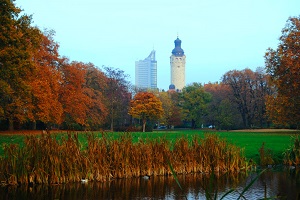
Peter Gosse (Leipzig, 6 oktober 1938) Leipzig
Onafhankelijk van geboortedata
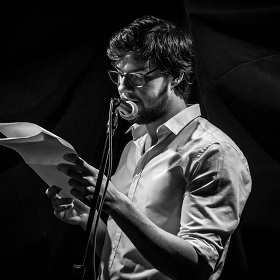
De Nederlandse dichter Lennart van Nieuwenhuijzen werd in 1991 geboren in Rotterdam. Hij schrijft iedere week poëzie op zondag op de website ThePostOnline.
Nachtkasttroffee
Je bent een boek dat ik geprezen heb maar zelf niet meer wil lezen, als ik ga slapen lig je steevast op het kastje naast mijn bed, ik heb ooit bijna in je kaft elegant mijn naam gezet maar wilde je toch liever lenen en heb je niet aangeschaft.
Tags:Victor Vroomkoning, Ulrike Ulrich, Yaş,ar Kemal, Heinrich Federer, Ludwig Begley, Maria Dą,browska, Horst Bingel, Peter Gosse, Lennart van Nieuwenhuijzen, Romenu
Uit:The Power of the Powerless (Vertaald door Paul Wilson)
“A specter is haunting Eastern Europe: the specter of what in the West is called "dissent." This specter has not appeared out of thin air. It is a natural and inevitable consequence of the present historical phase of the system it is haunting. It was born at a time when this system, for a thousand reasons, can no longer base itself on the unadulterated, brutal, and arbitrary application of power, eliminating all expressions of nonconformity. What is more, the system has become so ossified politically that there is practically no way for such nonconformity to be implemented within its official structures. Who are these so-called dissidents? Where does their point of view come from, and what importance does it have? What is the significance of the "independent initiatives" in which "dissidents" collaborate, and what real chances do such initiatives have of success? Is it appropriate to refer to "dissidents" as an opposition? If so, what exactly is such an opposition within the framework of this system? What does it do? What role does it play in society? What are its hopes and on what are they based? Is it within the power of the "dissidents"—as a category of subcitizen outside the power establishment—to have any influence at all on society and the social system? Can they actually change anything? I think that an examination of these questions—an examination of the potential of the "powerless"—can only begin with an examination of the nature of power in the circumstances in which these powerless people operate. Our system is most frequently characterized as a dictatorship or, more precisely, as the dictatorship of a political bureaucracy over a society which has undergone economic and social leveling. I am afraid that the term "dictatorship," regardless of how intelligible it may otherwise be, tends to obscure rather than clarify the real nature of power in this system. We usually associate the term with the notion of a small group of people who take over the government of a given country by force; their power is wielded openly, using the direct instruments of power at their disposal, and they are easily distinguished socially from the majority over whom they rule. One of the essential aspects of this traditional or classical notion of dictatorship is the assumption that it is temporary, ephemeral, lacking historical roots. Its existence seems to be bound up with the lives of those who established it. It is usually local in extent and significance, and regardless of the ideology it utilizes to grant itself legitimacy, its power derives ultimately from the numbers and the armed might of its soldiers and police. The principal threat to its existence is felt to be the possibility that someone better equipped in this sense might appear and overthrow it.”
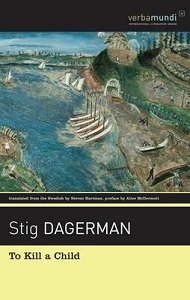
« It’s a peaceful day as sunlight settles onto the fields of the plain. Soon bells will be ringing, because today is Sunday. Between fields of rye, two children have just come upon a footpath that they have never taken before, and in the three villages along the plain, window panes glisten in the sun. Men shave before mirrors propped on kitchen tables, women hum as they slice up cinnamon bread for the morning meal, and children sit on kitchen floors, buttoning the fronts of their shirts. This is the pleasant morning of an evil day, because on this day a child will be killed in the third village by a cheerful man. Yet the child still sits on the kitchen floor, buttoning his shirt. And the man who is still shaving talks of the day ahead, of their rowing trip down the creek. And still humming, the woman places the freshly cut bread on a blue plate. No shadows pass over the kitchen, and yet even now the man who will kill the child stands near a red gas pump in the first village. He’s a cheerful man, looking through the view-finder of his camera, framing a shot of a small blue car and a young woman who stands beside it, laughing. As the woman laughs and the man snaps the charming picture, the attendant screws their gas cap on tightly. He tells them it looks like a good day for a drive. The woman gets into the car, and the man who will kill the child pulls out his wallet. He tells the attendant they’re driving to the sea. He says when they reach the sea they’ll rent a boat and row far, far out. Through her open window, the woman in the front seat hears his words. She settles back and closes her eyes. And with her eyes closed she sees the sea and the man sitting beside her in a boat. He’s not an evil man. He’s carefree and cheerful. Before he climbs into the car, he stands for a moment in front of the grille, which gleams in the sun, and he enjoys the mixed aroma of gasoline and lilacs. No shadows fall over the car, and its shiny bumper has no dents, nor is it red with blood.”
Stig Dagerman (5 oktober 1923 - 5 november 1954) Cover
De Nederlandse dichter, schrijver en journalist K. L. Poll,(volledige naam Kornelis Lubbertus Poll) werd geboren in Dordrecht op 5 oktober 1927. Zie ook alle tags voor K. L. Pollop dit blog.
Uit: Het Meer van de Ondank. Een tijdgedicht
Oktober
2 De hemel slibt dicht, de ruimte wordt kleiner. De triomf van de kleuren vermindert, verdunt. Keer terug naar de winter. De hand van de meester vertekent de dingen ook jou en ook mij.
3 Gedenk de witte stam van de berk hoog tussen duizenden gele blaadjes, dansmeester in de herfst, stevig wit zonnig hout dat straks ook de sneeuw zal leiden op de maat van strenge, aanhoudende muziek.
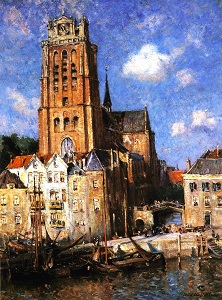
K.L. Poll (5 oktober 1927 - 14 november 1990) Dordrecht Harbor door Colin Campbell Cooper, ca.1898
When things go wrong and will not come right, Though you do the best you can, When life looks black as the hour of night - A pint of plain is your only man.
When money's tight and hard to get And your horse has also ran, When all you have is a heap of debt - A pint of plain is your only man.
When health is bad and your heart feels strange, And your face is pale and wan, When doctors say you need a change, A pint of plain is your only man.
When food is scarce and your larder bare And no rashers grease your pan, When hunger grows as your meals are rare - A pint of plain is your only man.
In time of trouble and lousey strife, You have still got a darlint plan You still can turn to a brighter life - A pint of plain is your only man.
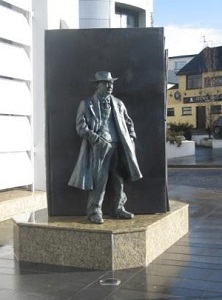
Flann O’Brien (5 oktober 1911 – 1 april 1966) Standbeeld in Strabane
Uit: Brieven aan Sophie (Vertaald door Anneke Brassinga)
“O, we misten hem deerlijk, onze vriend! Het heerlijkst moment aan tafel was toen we ons hart uitstortten, onze afwezige vrienden ten tonele voerden en hun lof zongen! Wat een warmte in onze bewoordingen, in onze gevoelens en ideeën! Wat een geestdrift! Wat een vreugde schonk het ons, over hen te praten! Hoe graag zouden zij ons hebben aangehoord! O, beste Grimm, wie zal u mijn woorden overbrengen? We zaten lang aan tafel, maar de tijd vloog om. Daarna togen we naar het hogergelegen deel van de tuinen. Het viel me in dat waterpartijen altijd het mooist zijn als er een cascade bij is of een stroom, maar dat die ontbreken in deze tuinen. We spraken over kunst, poëzie, filosofie en liefde; over de glorie en nietigheid van onze ondernemingen, over het gevoel, de aaltjes van onsterfelijkheid, over mensen, goden en vorsten; over ruimte en tijd, leven en dood. Het was een koor van stemmen waarin de dissonanten van de baron steeds de boventoon voerden. Toen de wind opstak en de avond kil begon te worden keerden we naar het rijtuig terug. Baron Von Gleichen heeft veel gereisd. Op de terugweg onderhield hij ons met verhalen, over de staatsinquisiteurs in Venetië, die altijd tussen de biechtvader en de beul in lopen, over de barbaarse ideeën aan het Siciliaanse hof, waar men een antieke zegekar met bas-reliëfs, paarden en al aan de monniken heeft gegeven, die het brons hebben gesmolten om er kerkklokken van te gieten. We kwamen erop doordat in Marly een cascade is afgebroken, waarvan het marmer nu de kapelmuren van de St.-Sulpice siert. Ik zei niet veel. Ik luisterde, of liet mijn gedachten dwalen.”
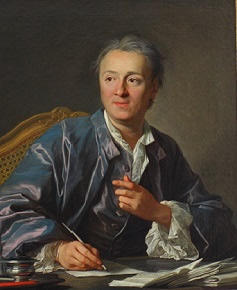
Denis Diderot (5 oktober 1713 - 31 juli 1784) Portret door Louis-Michel van Loo, 1767
„Sie brauchte tatsächlich nur ein paar Sekunden, um das Türschloss zu öffnen. Mithilfe eines Drahtes, den sie geformt und gebogen hatte, genau so, wie es ihr Boris, ihr großer Bruder, vor vielen Jahren gezeigt hatte. Sie war noch ein kleines Mädchen gewesen, Boris hingegen schon erwachsen, und jeder, der seine speziellen Hobbys kannte, hätte vermutlich darauf gewettet, dass er eines Tages eine kriminelle Karriere hinlegen würde: Er übte beständig, Türschlösser zu knacken oder Fenster aufzuhebeln, und er hatte beachtliche Fähigkeiten darin entwickelt. Aber schließlich war er ein grundsolider Tischler geworden. Es hatte nie auch nur die geringste Gesetzesübertretung in seinem Leben gegeben. Selina schob die Tür auf, huschte in das Zimmer, schloss die Tür hinter sich und lehnte sich kurz von innen dagegen. Bislang lief alles nach Plan, vor allem vollkommen lautlos. Trotzdem wusste sie, dass sie jeden Moment entdeckt werden konnte, und dass sie dann vermutlich am besten mit dem Leben abschloss. Wenn Sergej und Igor sie bei einem Fluchtversuch erwischten, war sie so gut wie tot. Ihre Augen gewöhnten sich an die Dunkelheit, die in dem Zimmer herrschte. Eine Straßenlaterne, die unmittelbar hinter der Grundstücksgrenze stand, spendete ein wenig Licht, gedämpft von einem Baum, der sie zur Hälfte verdeckte. Nur schattenhaft konnte sie die Umrisse der Gegenstände im Raum wahrnehmen: Schreibtisch, Regale, ein Aktenschrank. Taisias Zimmer. Taisia war die Schlimmste. Sergej und Igor waren brutale Schläger, aber Taisia war derkluge Kopf dahinter, vollkommen kalt, skrupellos und ohne den Anflug eines Gewissens. Hier im Haus war sie die Chefin. Und jeder tat, was sie sagte.“
Charlotte Link (Frankfurt am Main, 5 oktober 1963)
Uit:L'obscène oiseau de la nuit (Vertaald door Didier Coste)
“Mon père n'avait pas souvenir que de son propre père, le mécanicien de locomotive ; plus loin régnait exclusivement l'obscurité des gens de notre espèce, sans histoire propre à la famille, qui appartiennent à la masse où les identités et les faits s'estompent pour engendrer des légendes et des traditions populaires. Il n'avait pas mémoire de notre histoire, ce n'était qu'un Peñaloza, maître d'école de gosses têtus qui lui tapaient sur les nerfs. J'entends encore la voix de mon père sous notre fétide lampe de paraffine. Le soir, après avoir mangé n'importe quel fricot qui devait d'avantage à l'imagination de ma mère qu'aux matières grasses, mon père traçait des plans pour moi, pour que j'arrive d'une façon ou d'une autre à appartenir à quelque chose de différent du vide de notre triste famille sans histoire ni traditions, ni rites ni souvenirs, et la nuit nostalgique s'allongeait dans l'attente de sa voix insistante qui tombait du plafond dans une petite bassine le contredisait avec obstination. Mon père m'expliquait tout. Il exigeait sans exiger, avec la véhémence de sa main tendre mais pudique qui voulait toucher la mienne sans oser le faire sur le tapis de table brodé par ma sœur, lequel réussissait à dissimuler que la table était ordinaire mais non qu'elle boitait. Oui, papa, oui, c'est possible, pourquoi pas, je vous le promets, je vous le jure qu'au lieu de ce triste visage sans traits des Peñaloza, je vais acquérir un masque magnétique, un visage grand, lumineux, souriant, pleins de caractère, que personne ne manquera d'admirer. Et comme compatissant avec mon entreprise inutile, ma mère levait les yeux une seconde pour me regarder, et puis elle se concentrait à nouveau sur le jupon de quelque richard du quartier, qu'elle était en train de repriser. »
“Strange beds have rarely agreed with me, and after only a short spell of somewhat troubled slumber, I awoke an hour or so ago. It was then still dark, and knowing I had a full day’s motoring ahead of me, I made an attempt to return to sleep. This proved futile, and when I decided eventually to rise, it was still so dark that I was obliged to turn on the electric light in order to shave at the sink in the corner. But when having finished I switched it off again, I could see early daylight at the edges of the curtains. When I parted them just a moment ago, the light outside was still very pale and something of a mist was affecting my view of the baker’s shop and chemist’s shop opposite. Indeed, following the street further along to where it runs over the little round-backed bridge, I could see the mist rising from the river, obscuring almost entirely one of the bridge-posts. There was not a soul to be seen, and apart from a hammering noise echoing from somewhere distant, and an occasional coughing in a room to the back of the house, there is still no sound to be heard. The landlady is clearly not yet up and about, suggesting there is little chance of her serving breakfast earlier than her declared time of seven thirty. Now, in these quiet moments as I wait for the world about to awake, I find myself going over in my mind again passages from Miss Kenton’s letter. Incidentally, I should before now have explained myself as regards my referring to ‘Miss Kenton’. ‘Miss Kenton’ is properly speaking ‘Mrs Benn’ and has been for twenty years. However, because I knew her at close quarters only during her maiden years and have not seen her once since she went to the West Country to become ‘Mrs Benn’, you will perhaps excuse my impropriety in referring to her as I knew her, and in my mind have continued to call her throughout these years. Of course, her letter has given me extra cause to continue thinking of her as ‘Miss Kenton’, since it would seem, sadly, that her marriage is finally to come to an end. The letter does not make specific the details of the matter, as one would hardly expect it to do, but Miss Kenton states unambiguously that she has now, in fact, taken the step of moving out of Mr Benn’s house in Helston and is presently lodging with an acquaintance in the nearby village of Little Compton. It is of course tragic that her marriage is now ending in failure. At this very moment, no doubt, she is pondering with regret decisions made in the far-off past that have now left her, deep in middle age, so alone and desolate. And it is easy to see how in such a frame of mind, the thought of returning to Darlington Hall would be a great comfort to her. Admittedly, she does not at any point in her letter state explicitly her desire to return; but that is the unmistakable message conveyed by the general nuance of many of the passages, imbued as they are with a deep nostalgia for her days at Darlington Hall. Of course, Miss Kenton cannot hope by returning at this stage ever to retrieve those lost years, and it will be my first duty to impress this upon her when we meet. I will have to point out how different things are now – that the days of working with a grand staff at one’s beck and call will probably never return within our lifetime. But then Miss Kenton is an intelligent woman and she will have already realized these things. Indeed, all in all, I cannot see why the option of her returning to Darlington Hall and seeing out her working years there should not offer a very genuine consolation to a life that has come to be so dominated by a sense of waste.“
Coen Peppelenbos, Oek de Jong, Cynthia Mc Leod, Matthieu Gosztola, Gabriel Loidolt, Koos Schuur, Roy Alton Blount Jr., Mary Elizabeth Braddon, André Salmon
“Ik kan vliegen. Ik weet dat het een kwestie van definitie is, maar als je je zonder gebruik van mechanica kunt bewegen door de lucht, dan kun je vliegen. Ik weet elke seconde van mijn vlucht nog. Het uitzicht van het dak was feeëriek. Kun je dat zeggen? De zon was al bijna onder, maar je kon de akkers nog zien. In de tuin stonden tientallen kleine lampjes die het zonlicht dat ze die dag gevangen hadden teruggaven. Af en toe gloeide een sigaret op. Ik ging staan op de rand, draaide me om en wachtte op het fluitsignaal dat het teken was om me in beweging te zetten. Ik strekte mijn armen en toen, het leek minuten te duren, dan eindelijk het schelle gefluit klonk, kromde ik mijn rug, trok mijn armen terug voor mijn borst en liet me in een koprol achterover vallen. Daardoor kreeg ik vaart. Mijn schouders raakten de dakpannen het eerst en ik rolde door van de glooiende dakpannen over de knik naar het steile deel van het dak. Had ik bij de eerdere vlucht die avond nauwelijks respons gekregen, nu hoorde ik gekrijs, ik hoorde glazen op de tegels kletteren, ik hoorde de dakpannen in een trage lawine achter me aan schuiven, ik voelde aan mijn eigen lichaam dat ik me moest omdraaien zodat ik me kon afzetten onder aan het dak. Ik strekte me uit en vloog. En vloog. Ik vloog over de coniferen en zag de paniek in de gezichten onder mij; er gebeurde iets onverwachts en het leek of ik wel voor eeuwig door kon vliegen met dat lichaam van mij, dat lichaam dat voldeed aan al mijn eisen, dat lijf dat met ongeloof bekeken werd en ook wel met angst omdat er iets groots en donkers naar beneden kwam. En tussen de menigte zag ik een jongen die als enige voluit lachte en een meisje dat me met een brutale glimlach volgde. En vloog. Ik vloog en zag het zwembad onder me, in het midden dreef een strandbal en ik besloot dat ik me aan de wetten van de zwaartekracht zou overgeven, van de duizenden sprongen uit het verleden een ultieme duik zou maken en strekte mijn lichaam naar het water dat ik doorkliefde met slechts een kleine waterverplaatsing en terwijl het water boven me sloot en ik in de stilte van het water mijn vlucht afmaakte, eerst verder neerwaarts en daarna opwaarts, wist ik dat deze val perfect was en voor altijd zou bestaan in de hoofden van de toeschouwers die aanwezig waren geweest. En alleen daar.”
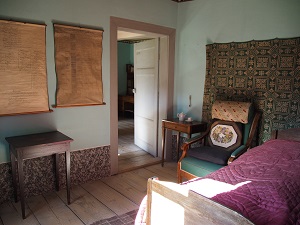
“De rondgang was op vernuftige wijze in overeenstemming gebracht met de gang van het leven zelf: ik eindigde in Goethe's slaapkamer, tevens sterfkamer. De inhoudsopgave van dit kamertje, te vinden in de katalogus, luidt als volgt: Slaapkamer. Tussen haakjes: sterfkamer. Deze bevat naast het eenvoudige bed van grenenhout en het tegen de koude beschermende groenwitte wandtapijt aan de Noord- en Oostwand, de leunstoel, een voetenbankje, twee kleine tafels, een smal tapijt, een schellekoord, een thermometer, drie barometers, alsmede enige geschreven tabellen zur Geologie und zur Tonlehre. Dus zelfs hier nog aantekeningen! In het middaguur van de 22ste Maart 1832 is Goethe, zittend in de stoel, in deze kamer gestorven. Het kamertje was niet toegankelijk. In de deuropening boog ik mij over een rood fluwelen koord. Het hoofd naar rechts wendend zag ik het bed, het eenvoudige bed, waar ooit Goethe temidden van ijsblokken lag opgebaard. En boven het hoofdeinde van het bed hing Goethe's Augenschirm. Zijn zonneklep. Het voorwerp was van metaal, groen geschilderd en het frappeerde me. Ik herinner me hoe ik mijn enthousiasme over deze zonneklep probeerde te delen met degene die naast me stond: de professor wiens wereldwijde faam gebaseerd is op een standaardwerk over De Stijl dat hij ooit geschreven zou hebben. Hij was die middag nog niet de mythische professor die hij nu voor mij geworden is. Hij stond zeer levend naast mij, kortademig en wel, en begreep niets van mijn opwinding over een zonneklep. Gedurende de tien minuten dat ik vervolgens naar het ding staarde, begreep ik zelf ook niet veel van mijn extase, van de ruimte die ik plotseling in mijn hoofd voelde. Een half uur later zag ik Goethe natuurlijk in zijn tuin, bij een rododendron, de zonneklep op het hoofd. Hij schoffelde. Naast hem stond vanzelfsprekend de heer Eckermann, in gespannen afwachting van de klassieke uitspraak over het schoffelen van tuinen. De professor sleepte mij mee naar het huis van Schiller. Zo'n dag was het. Een jaar later was de zonneklep een mytisch voorwerp geworden. De kleine Edo Mesch draagt, dankzij Goethe, een zonneklep van groen, doorzichtig plastic.”
Oek de Jong (Breda, 4 oktober 1952) Goethes slaapkamer in Weimar
“Misi Graman kreeg heel veel bezoek; ze kwamen om het nieuwe gouverneurshuis van binnen te zien, trots leidde misi Graman ze rond in het huis, dat ze voortaan altijd ‘het paleis’ noemde. Ze moesten natuurlijk ook de nieuwe baby zien en misi Henriette werd bewonderd en aangehaald. ‘Wat lijkt ze op haar moeder,’ riep een vrouw en ‘wat lijkt ze op haar vader,’ riep een andere, maar zodra de dames gingen zitten kwam het gesprek op die nieuwe dominee. Iedereen had iets te zeggen over die dominee Kals en zijn vrouw Anna. Wat was dat toch een vreselijke man! Ze waren in oktober gekomen toen misi Graman nog op Berg en Dal was en vanaf het begin had eenieder kunnen horen wat een vreemde ideeën die man erop nahield. Hij had gelukkig maar één keer een preek mogen houden, maar wat was hij in zijn preek tekeergegaan tegen de kolonisten, die hij nog niet eens kende. ‘Alsof God hem als criticus van de kolonie heeft aangesteld,’ zei misi Drouillet. En dat terwijl er zoveel over hem en zijn vrouw te zeggen was, want wist misi Graman wel hoe die man en zijn vrouw met elkaar leefden? Als kat en hond! Ze hadden zo vaak helse ruzie en dan scholden ze op elkaar ten overstaan van de hele buurt. ‘De dominee is in huis en de domineese loopt buiten op en neer. Als je de woorden hoort die uit de ongewassen mond van dat vrouwmens komen? De slechtste Amsterdamse sloerie is nog netjes daarbij vergeleken,’ meende misi Wriedt, die het zelf niet gezien kon hebben, want zij woonde dichtbij het paleis aan de overkant van het Plein. ‘Het Hof heeft al bepaald dat hij voorlopig nooit meer in de stad preekt, ze sturen hem naar de gemeente aan de Cottica Perica,’ zei misi Graman. ‘Dan zullen die arme lui daar het te verduren krijgen,’ zuchtte een andere vrouw, waarop misi Graman lachend zei: ‘Ach, misschien duurt het niet lang, want je weet toch dat daar binnen korte tijd vier dominees achter elkaar zijn overleden.’ Misi Wriedt nam een hap van haar koekje en zei rustig: ‘Wel, misschien wordt hij de vijfde, dan kan hij zelf aan God gaan vertellen hoe slecht wij hier zijn,’ en alle vrouwen lachten hartelijk.”
Je marche dans le noir Même en plein jour C'est là
Et pourtant je sais que tu es là Et que tu me fermes les yeux Pour que je ne voie pas Que rien n'a changé
La lumière n'est toujours pas Finie sur la terre
Je te regarde dans tes jeux Avec ce qui t'occupe Et qui me rend occupé de toi Et de tes gestes
Je suis immobile et sans souffle Pour être uniquement quelques-uns De tes gestes sur les choses Que tu transformes dans leur place De choses pour en faire un Jeu et une mélodie De l'oubli de la douleur
Je te regarde pour voir soudain les Mots très fort
Dans mes bras il y a toi Que je cherche et que je trouve Et qui es là sitôt que je te regarde
Sitôt que je regarde quelque chose Que je veux regarder ou que je Ne pense pas regarder Et qui me rappelle aussitôt à Chaque coup toi
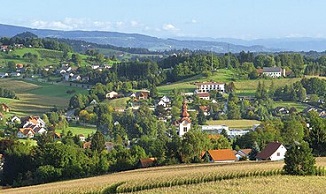
« Avant de placer le téléviseur dans le local de service, j'avais une étrange perception du temps. Jours et nuits se différenciaient à peine. Ils venaient et passaient, s'étiraient ou se raccourcissaient, se confondaient de sorte que, rétrospectivement, je n'ai plus l'impression que d'une longue nuit et d'un long jour. Malgré cela je croyais tout connaître dans l'île. Il n'y avait pas un sentier qui m'eût échappé, pas une colline que je n'eusse gravie. Je savais où les plaques de roche étaient friables, où les éboulis pouvaient glisser. Je connaissais les endroits plus ou moins chauds. Et pour le phare, il n'en était guère autrement. Je découvris même ce qui, à un certain moment, m'avait provoqué des nausées. C'étaient certains vents qui s'engouffraient dans les murs et produisaient des sons confus à peine audibles. Je savais déjouer les pièges de l'escalier à vis et la passerelle n'avait plus de secrets pour moi. Mais je n'allais pas tarder à découvrir qu'il y avait encore des choses dont je ne savais rien.»
Gabriel Loidolt (Eibiswald, 4 oktober 1953) Eibiswald
Wandelend door een boomgaarden wereld vroeg ik een vogel een vederen woord een zingend woord een zonlicht woord smeekte ik een vogel een woord mij ten dienste een vliegwoord een vangbal een boemerang
Maar toen ik droomde dat mijn wens zich vervulde verschool ik mij om het te breken om te zien wat er in zou zijn: een nest jonge vogels of schaduw en schimmel een beest dat zou bijten of mijzelf schreiend of van de wereld het eerste en laatste niets
September
Blond lief, de laatste gouden dagen wuiven ten afscheid en wij achten 't niet, de bomen en de struiken dragen hun laatste tooi en in het riet schuilen de vissen en hun trage vinslag verraadt hen niet.
Het wordt nu tijd ons te bezinnen; de bossen kleuren dieper bruin en lila herfstasters beginnen hun ijle bloeien in mijn tuin.
Het wordt nu tijd om te bedenken: de zomer houdt niet eeuwig stand; zij schonk ons al wat zij kon schenken - de laatste gouden dagen wenken en herfst komt reeds in feller kleuren drenken de bloemen van dit dierbaar land.
“We knew this from Nash Roberts. Nash Roberts is a veteran New Orleans TV weatherman who is low-tech, at least by way of presentation, and always right. Nash was broadcasting from his own house, it looked like, tracing the hurricane with a grease pencil on a sheet of Plexiglas or a pad of paper, I forget which, while the other channels’ meteorologists were using all manner of laser pointers and rear-projected electronic schematic representations of the area. You couldn’t tell what in the world Nash was scribbling with the grease pencil, but as usual he was the first to make the call, this one’s going to miss us, and he was on the money. So I felt I could venture outside and take a look at the river, and when I did, it was going backward. I’m pretty damn sure. Ordinarily, at any rate, when you face the river from the French Quarter you’ll see the river flowing from your right to your left. As recently as the late sixties, early seventies, when Kermit Ruffins was a kid in New Orleans—he’s a fixture in the city now as a jazz musician—he’d catch crabs from the river, to eat. “Get some string, tie a chicken leg on it, and when that string get real tight, pull in real slow—scoop ’em up and put ’em in the bucket. End of the day we might have a hundred, hundred-fifty crabs.” You wouldn’t want to eat anything out of the river here now; it’s filthy with silt and petrochemicals. But it’s a robust presence. John Barry, author of Rising Tide, a terrific book about the horrific flood of 1927 (which the New Orleans elite managed to divert onto poorer folks’ lands) says the river is “perfect,” as opposed to the imperfect people who try to make it behave. It’s a little like the horse that the New Orleans “swamp blues” musician Coco Robichaux told me about, which kept walking into a post, over and over. “What are you doing trying to sell a blind horse?” somebody said. “He ain’t blind,” said the man who was trying to sell him. “He’s just tough. He don’t care." The river is perfect because it doesn’t care. It would just as soon drown New Orleans, or any other place, as not. But people, being imperfect, want to believe that it cares. People call it “Old Man River,” “The Father of Waters.” Big dirty thruster barreling into town.”
Roy Alton Blount Jr. (Indianapolis, 4 oktober 1941) Indianapolis
“The principal door was squeezed into a corner of a turret at one angle of the building, as if it were in hiding from dangerous visitors, and wished to keep itself a secret — a noble door for all that — old oak, and studded with great square-headed iron nails, and so thick that the sharp iron knocker struck upon it with a muffled sound, and the visitor rung a clanging bell that dangled in a corner among the ivy, lest the noise of the knocking should never penetrate the stronghold. A glorious old place. A place that visitors fell in raptures with; feeling a yearning wish to have done with life, and to stay there forever, staring into the cool fish-ponds and counting the bubbles as the roach and carp rose to the surface of the water. A spot in which peace seemed to have taken up her abode, setting her soothing hand on every tree and flower, on the still ponds and quiet alleys, the shady corners of the old-fashioned rooms, the deep window-seats behind the painted glass, the low meadows and the stately avenues — ay, even upon the stagnant well, which, cool and sheltered as all else in the old place, hid itself away in a shrubbery behind the gardens, with an idle handle that was never turned and a lazy rope so rotten that the pail had broken away from it, and had fallen into the water. A noble place; inside as well as out, a noble place — a house in which you incontinently lost yourself if ever you were so rash as to attempt to penetrate its mysteries alone; a house in which no one room had any sympathy with another, every chamber running off at a tangent into an inner chamber, and through that down some narrow staircase leading to a door which, in its turn, led back into that very part of the house from which you thought yourself the furthest; a house that could never have been planned by any mortal architect, but must have been the handiwork of that good old builder, Time, who, adding a room one year, and knocking down a room another year, toppling down a chimney coeval with the Plantagenets, and setting up one in the style of the Tudors; shaking down a bit of Saxon wall, allowing a Norman arch to stand here; throwing in a row of high narrow windows in the reign of Queen Anne, and joining on a dining-room after the fashion of the time of Hanoverian George I, to a refectory that had been standing since the Conquest, had contrived, in some eleven centuries, to run up such a mansion as was not elsewhere to be met with throughout the county of Essex.”
Mary Elizabeth Braddon (4 oktober 1837 – 4 februari 1915)
“Une rue très moderne. mais pas améri-caine. Non, italienne, plutôt. Une rue d'un faubourg de Milan; à cause de sa pouillerie piquée de faux luxe, de point en point. Le nombril flamboyant du tram jaune la-qué changeant en petites fontaines de tète les flaques d'eau entre les rails. A des coins de rue, le cabaret bas de la masure A un étage; le cabaret rouge qu'éclaire un seul bec indigent et qui, pourtant, dispute une clientèle au bar de feu et de nickel, de musiques et de liqueurs, de céramique et de gazettes sportives, de cuivres et d'aca• jou brillant plus que les cuivres; le bar rempli d'objets qui sont autant de miroirs et de glaces qu'inclinent les vapeurs, et de gens qui se meuvent au long du fer à cheval de marbre et d'acajou A la façon des viveurs dans un promenoir. Le sifflet du percolateur est une invitation marine. Il y a de la sciure sur les dalles pompé-iennes: une fille tourne, la tête abandonnée, avec la Salammbo de cire dressée au centre d'un parterre d'ampoules électriques. Les camelots, les marchands de presse. les bagotierss'entassent, en guenilles hum ides, tout au fond, la où dans cette orgie de lu-mière on fait l'économie d'une lampe. au-tour d'une table de Cézanne : des verres presque carrés, un litre au goulot exagéré. Imaginez une fête foraine culbutée, avec les quais du port occidental, par un paque-bot du Pacifique. Après il n'y a plus rien que de pauvres maisons construites par des écoliers de l'école talque. Quelques espiègles bien doués ont dessiné leurs parents à la fenêtre et plusieurs n'ont oublié ni le chien 'Prim, ni le serin Pill dans sa cage aux barreaux tracés à la règle. Et puis c'est le crime du bienfaiteur, du philanthrope juif : la citadelle de briques aux balcons presque en fer forgé ; des balcons offerts par M. de Rothschild. »
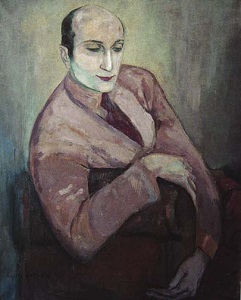
André Salmon (4 oktober 1881 – 12 maart 1969) Portret door Lepold Gottlieb, 1920
Tags:Coen Peppelenbos, Oek de Jong, Cynthia Mc Leod, Matthieu Gosztola, Gabriel Loidolt, Koos Schuur, Roy Alton Blount Jr., Mary Elizabeth Braddon, André Salmon, Romenu
“De prins glundert. De belangrijkste dag van het jaar verloopt helemaal volgens plan. Met het verplichte diner achter de rug, met de praatjes tot een bevredigend einde gebracht, zoekt hij de hand van zijn Amerikaanse vrouw. Ze is zo elegant als haar ouders met haar naam hebben voorspeld. De sfeer is gemoedelijk, het gezelschap is inmiddels aan elkaar gewend. Door de grote glaspartijen van de ontvangstruimte stroomt het zonlicht naar binnen, in de verte weerkaatst door de azuurblauwe zee, een schittering die men bijna kan horen. Een vogel in zweefvlucht trekt zijn aandacht, hoog tegen de hemel maakt hij steeds opnieuw rondjes, glijdt hij met de luchtstroom mee en keert zich er weer tegenin, als naait hij met zijn scherpe snavel lus na lus een onzichtbare scheur in de luchtlagen. En de prins wordt die vogel, hij kijkt neer op dit lapje grond tegen de flank van een berg, als een adelaar, hij kijkt mee over Gods schouder naar de menselijke bedrijvigheid, deze concentratie van inspanning en energie en intellect, deze roemruchte opeenhoping van buitengewone welvaart en architectuur, het romantische rijm met de kleuren van het gesteente hogerop, het verblindende wit van de gerangschikte jachten in de haven eronder - een prinsdom, bedenkt hij ouder en wijzer, en nostalgisch door de wijn, als een voortdurende, nooit in te lossen belofte. Daar pal middenin, haarscherp afgetekend, het circuit voor de grand prix. Een grillige ring van geladen afwezigheid. Hij neemt de trouwring van zijn vrouw tussen de vingers en spreekt in stilte de hoop uit dat er vandaag geen doden zullen vallen, niet zoals vorig jaar. Met zijn andere hand strijkt hij zijn snor. Daarna keert de prins zich om naar zijn genodigden, maar in gedachten is hij bij Deedee. Jack Preston was dertien toen hij aan de tractor van boer Colin sleutelde. Het was een oude Massey Ferguson, uit de vroege jaren dertig. Hij stond tegen een van de monumentale loodsen die dwars op de weg waren gebouwd, sommige zonder muren om het hooi droog te houden, zes aan weerskanten van de straat, die daardoor toch de indruk wekte een privéweg te zijn door het landbouwbedrijf van boer Colin. Sinds twee jaar was Jack Preston een zwijgzame jongen geworden; hij stond naast zijn moeder toen een man van het leger, met zijn pet tegen de glimmende knopen van zijn uniform, over hun hoofden heen het huis in staarde en woordelijk herhaalde wat hem was opgedragen.”
« CALIGULA: I'm going to marry you. DRUSILLA: You can't. We're not Egyptians. CALIGULA: I know. We are much more beautiful. DRUSILLA: Rome is not Egypt, and stop looking at yourself like that. CALIGULA: Let's go to Egypt then. DRUSILLA: You are a fool. CALIGULA: Caesar cannot be a fool. DRUSILLA: But he's trying very hard. CALIGULA: Caesar cannot be a fool! DRUSILLA: "Little Boots", they'll throw you in the Tiber if you attempt to move the government. So, you're going to marry a respectable Roman lady of the senatorial class. CALIGULA: No, I'm not. DRUSILLA: Yes, you are! You've got to have an heir. CALIGULA: Who will kill me when he grows up! (…)
CALIGULA: That will be my wife. DRUSILLA: Oh no! Not Caesonia. CALIGULA: You're impossible! DRUSILLA: She's the most promiscuous woman in Rome. CALIGULA: Perfect! DRUSILLA: Caesonia's been divorced. She's extravagant, always in debt. CALIGULA: I want her. DRUSILLA: But not for a wife. CALIGULA: Send her to me now. DRUSILLA: No, "Little Boots". I won't let you do it. It wouldn't be wise. CALIGULA: Yet such is the will of the senate and the people of Rome.“
Gore Vidal (3 oktober 1925 – 31 juli 2012) Scene uit de remake van Gore Vidal’s Caligula, 2005
« Maybe I could guide the conversation along more clinical lines. `Any more symptoms?' I asked. 'Any cough, constipation, diarrhoea? Does she ever cry out in pain?' The lady shook her head. 'No, nothing like that. She just moons around looking at us with such a pitiful expression and searching for Emmeline.' Oh dear, there it was again. I cleared my throat. 'She never vomits at all? Especially after a meal?' `Never. When she does eat a little she goes straight away to find Emmeline and takes her to her basket.' `Really? Well I can't see that that has anything to do with it. Are you sure she isn't lame at times?' The lady didn't seem to be listening 'And when she gets Emmeline into her basket she sort of circles around, scratching the blanket as though she was making a bed for the little thing.' I gritted my teeth. Would she never stop? Then a light flashed in the darkness. `Wait a minute,' I said. 'Did you say making a bed?' `Yes, she scratches around for ages then puts Emmeline down.' `Ah yes.' The next question would settle it. 'When was she last in season?' The lady tapped a finger against her cheek. 'Let me see. It was in the middle of May — that would be about nine weeks ago.' There wasn't a mystery any more. `Roll her over, please,' I said. With Lucy stretched on her back, her eyes regarding the surgery ceiling with deep emotion, I ran my fingers over the mammary glands. They were turgid and swollen. I gently squeezed one of the teats and a bead of milk appeared. `She's got false pregnancy,' I said. `What on earth is that?' The lady looked at me, round-eyed. `Oh, it's quite common in bitches. They get the idea they are going to have pups and around the end of the gestation period they start this business.”
“7 oktober 1917 De oorlog brengt ons altijd nieuwe stemmingen die als trilbeelden3 elkander in ons gemoed opvolgen. Er zijn er van algemene aard die bijblijven, - alzo4: de slechte hoedanigheid van het meel dat we uit het voedingscomiteit et eten krijgen; - de schaarsheid van kolen en het gebrek aan licht, - het gevoel van opgesloten te zijn als in krijgsgevangenschap... dat alles zijn dingen die bijblijven en die men gewaar wordt bij 't wakkerworden, 's morgens, en waarvan er de dag door gesproken wordt opdat we 't toch niet vergeten zouden; - Maar daarbij zijn nog de vluchtige stemmingen die als trilbeelden opkomen en weer vervliegen in rasse1 vlucht. Zo heb ik het nu vandaag. Het is kermiszondag. Van de kermis blijft echter niets meer over tenzij de herinnering aan de vroegere feestelijkheden, de overkomst2 van familieleden en een geweldige smulpartij die verschillende dagen duurde. Nu niets van dat alles. De zondag gaat voorbij in de zwaarste eenzaamheid. In 't westen gaat het trommelvuur, omdat3 we eraan herinnerd zouden blijven dat het oorlog is. Gister kregen we duizend mannen troepen op 't dorp maar 't weer is zo slecht dat er op straat geen enkele van die duizend soldaten te zien is. Hier in huis hebben we een luitenant die de ganse dag te slapen ligt en twee ordonnancen4 die zitten te koekeloeren op hun bovenkamertje. In de keuken zijn de kinders aan 't spel en ik kan gerust en ongestoord mijn zondagslectuur voortzetten met Goethe.
10 oktober 1917 Mijn luitenant heeft ontdekt dat hij toevallig bij iemand is ingekwartierd die van zijn vak is en hij komt kennis maken. Hij is een student Dr. in de Germaanse philologie en vereerder van Gezelle5 ... en zo kunnen we wat praten over boeken en schriften.”
Stijn Streuvels (3 oktober 1871 – 15 augustus 1969) Cover
« Désoeuvré, le promeneur erra un long moment sur la rive sablée comme un chemin de halage. Il examinait curieusement les grandes portes aux vitres poussiéreuses qui donnaient sur des pièces délabrées ou abandonnées, sur des débarras encombrés de brouettes, d’outils rouillés et de pots de fleurs brisés, lorsque soudain, à l’autre bout des bâtiments, il entendit des pas grincer sur le sable. C’étaient deux femmes, l’une très vieille et courbée ; l’autre, une jeune fille, blonde, élancée, dont le charmant costume, après tous les déguisements de la veille, parut d’abord à Meaulnes extraordinaire. Elles s’arrêtèrent un instant pour regarder le paysage, tandis que Meaulnes se disait, avec un étonnement qui lui parut plus tard bien grossier : « Voilà sans doute ce qu’on appelle une jeune fille excentrique – peut-être une actrice qu’on a mandée pour la fête. » Cependant, les deux femmes passaient près de lui et Meaulnes, immobile, regarda la jeune fille. Souvent, plus tard, lorsqu’il s’endormait après avoir désespérément essayé de se rappeler le beau visage effacé, il voyait en rêve passer des rangées de jeunes femmes qui ressemblaient à celle-ci. L’une avait un chapeau comme elle et l’autre son air un peu penché ; l’autre son regard si pur ; l’autre encore sa taille fine, et l’autre avait aussi ses yeux bleus ; mais aucune de ces femmes n’était jamais la grande jeune fille. Meaulnes eut le temps d’apercevoir, sous une lourde chevelure blonde, un visage aux traits un peu courts, mais dessinés avec une finesse presque douloureuse. Et comme déjà elle était passée devant lui, il regarda sa toilette, qui était bien la plus simple et la plus sage des toilettes… Perplexe, il se demandait s’il allait les accompagner, lorsque la jeune fille, se tournant imperceptiblement vers lui, dit à sa compagne : « Le bateau ne va pas tarder, maintenant, je pense ?… » Et Meaulnes les suivit. La vieille dame, cassée, tremblante, ne cessait de causer gaiement et de rire. La jeune fille répondait doucement. Et lorsqu’elles descendirent sur l’embarcadère, elle eut ce même regard innocent et grave, qui semblait dire : « Qui êtes-vous ? Que faites-vous ici ? Je ne vous connais pas. Et pourtant il me semble que je vous connais."
Alain-Fournier (3 oktober 1886 - 22 september 1914) Cover
„Teresa Sanchez sat behind me in ninth-grade algebra. When Mr. Hubbley faced the blackboard, I'd turn around to see what she was read-ing; each week a new book was wedged inside her copy of Today's Equations. The deception worked; from Mr. Hubbley's point of view, Theresa was engrossed in the value of X, but I knew otherwise. One week she perused The Wisdom of the Orient, and I could tell from Theresa's con-templative expression that the book contained exotic thoughts, guidelines handed down from high. Another week it was a paperback novel whose title, Let Me Live My Life, appeared in bold print atop every page, and whose cover, a gauzy photograph of a woman biting a strand of pearls, head thrown back in an attitude of ecstasy, con-firmed my suspicion that Theresa Sanchez was mature beyond her years. She was the tallest girl in school. Her bouffant hairdo, streaked with blond, was higher than the flaccid bouffants of other girls. Her smooth skin, plucked eyebrows, and painted finger-nails suggested hours of pampering, a worldly and sensual vanity that placed her within the domain of adults. Smiling dimly, steeped in daydreams, Theresa moved through the crowded halls with a languid, self-satisfied indif-ference to those around her. "You are merely children," her posture seemed to say. "I can't be bothered." The week Theresa hid 101 Ways to Cook Hamburger behind her algebra book, I could stand it no longer and, after the bell rang, ventured a question. "Because I'm having a dinner par-tl," said Theresa. "Just a couple of in-timate friends." No fourteen-year-old I knew had ever given a dinner party, let alone used the word "intimate" in conversa-tion. "Don't you have a mother?" I asked. Theresa sighed a weary sigh, suf-fered my strange inquiry. "Don't be so naive," she said. "Everyone has a mother." She waved her hand to indi-cate the brick school buildings outside the window. "A higher education should have taught you that." There-sa draped an angora sweater over her shoulders, scooped her books from the graffiti-covered desk, and just as she was about to walk away, she turned and asked me, "Are you a fag?" There wasn't the slightest hint of rancor or condescension in her voice. The tone was direct, casual.”
Bierstube Magie allemande Et douces comme un lait d'amandes Mina Linda lèvres gourmandes Qui tant souhaitent d'être crues A fredonner tout bas s'obstinent L'air Ach du lieber Augustin Qu'un passant siffle dans la rue
Sofienstrasse Ma mémoire Retrouve la chambre et l'armoire L'eau qui chante dans la bouilloire Les phrases des coussins brodés L'abat-jour de fausse opaline Le Toteninsel de Boecklin Et le peignoir de mousseline Qui s'ouvre en donnant des idées
Au plaisir prise et toujours prête Ô Gaense-Liesel des défaites Tout à coup tu tournais la tête Et tu m'offrais comme cela La tentation de ta nuque Demoiselle de Sarrebrück Qui descendais faire le truc Pour un morceau de chocolat
Et moi pour la juger que suis-je Pauvres bonheurs pauvres vertiges Il s'est tant perdu de prodiges Que je ne m'y reconnais plus Rencontres Partances hâtives Est-ce ainsi que les hommes vivent Et leurs baisers au loin les suivent Comme des soleils révolus
Tout est affaire de décors Changer de lit changer de corps À quoi bon puisque c'est encore Moi qui moi-même me trahis Moi qui me traîne et m'éparpille Et mon ombre se déshabille Dans les bras semblables des filles Où j'ai cru trouver un pays
Louis Aragon (3 oktober 1897 – 24 december 1982) Cover van een biografie over zijn jeugd
De Frans-Marokkaanse schrijfster en journaliste Leïla Slimaniwerd geboren op 3 oktober 1981 in Rabat. Slimani ging op 17-jarige leeftijd naar Parijs om politieke wetenschappen en media studies aan de Sciences Po te studeren. Na haar afstuderen overwoog ze even een carrière als actrice, maar zij begon te werken als journaliste voor het tijdschrift Jeune Afrique. In 2014 publiceerde ze haar eerste roman “Dans le jardin de l'ogre” ("In de Tuin van de Ogre") en kreeg ze de Marokkaanse literaire prijs La Mamounia, als eerste vrouwelijke auteur. Twee jaar later werd “Dans le Jardin de l'Ogre” gevolgd door de psychologische thriller “Chanson douce”. Laatstgenoemde werd snel tot een bestseller met meer dan 76.000 verkochte exemplaren binnen drie maanden, zelfs nog voordat aan het boek de Prix Goncourt 2016 werd toegekend. Slimani heeft zowel het Franse als het Marokkaanse staatsburgerschap.
Uit:Chanson douce
“Le bébé est mort. Il a suffi de quelques secondes. Le médecin a assuré qu’il n’avait pas souffert. On l’a couché dans une housse grise et on a fait glisser la fermeture éclair sur le corps désarticulé qui flottait au milieu des jouets. La petite, elle, était encore vivante quand les secours sont arrivés. Elle s’est battue comme un fauve. On a retrouvé des traces de lutte, des morceaux de peau sous ses ongles mous. Dans l’ambulance qui la transportait à l’hôpital, elle était agitée, secouée de convulsions. Les yeux exorbités, elle semblait chercher de l’air. Sa gorge s’était emplie de sang. Ses poumons étaient perforés et sa tête avait violemment heurté la commode bleue. On a photographié la scène de crime. La police a relevé des empreintes et mesuré la superficie de la salle de bains et de la chambre d’enfants. Au sol, le tapis de princesse était imbibé de sang. La table à langer était à moitié renversée. Les jouets ont été emportés dans des sacs transparents et mis sous scellés. Même la commode bleue servira au procès. La mère était en état de choc. C’est ce qu’ont dit les pompiers, ce qu’ont répété les policiers, ce qu’ont écrit les journalistes. En entrant dans la chambre où gisaient ses enfants, elle a poussé un cri, un cri des profondeurs, un hurlement de louve. Les murs en ont tremblé. La nuit s’est abattue sur cette journée de mai. Elle a vomi et la police l’a découverte ainsi, ses vêtements souillés, accroupie dans la chambre, hoquetant comme une forcenée. Elle a hurlé à s’en déchirer les poumons. L’ambulancier a fait un signe discret de la tête, ils l’ont relevée, malgré sa résistance, ses coups de pied. Ils l’ont soulevée lentement et la jeune interne du SAMU lui a administré un calmant. C’était son premier mois de stage. L’autre aussi, il a fallu la sauver. Avec autant de professionnalisme, avec objectivité. Elle n’a pas su mourir. La mort, elle n’a su que la donner. Elle s’est sectionné les deux poignets et s’est planté le couteau dans la gorge. Elle a perdu connaissance, au pied du lit à barreaux. Ils l’ont redressée, ils ont pris son pouls et sa tension. Ils l’ont installée sur le brancard et la jeune stagiaire a tenu sa main appuyée sur son cou."