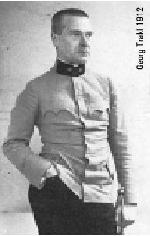
Georg Trakl werd op 3 februari 1887 in het conducteurshuis aan de Waagplatz 2 in Salzburg geboren. Zijn vader, Tobias Trakl, was een handelaar in ijzerwaren en zijn moeder, die ook psychische problemen had, was Maria Catharina Trakl, (meisjesnaam Halik). Voorts had hij nog drie broers en drie zussen. Margarethe (doorgaans Grethe genoemd) stond hem het naast, zelfs zodanig dat sommigen een incestueuze verhouding vermoeden. Zijn jeugd bracht hij door in Salzburg. Vervolgens bezocht hij van 1897 tot 1905 het humanistische gymnasium. Om toch een academische opleiding te kunnen volgen, werkte hij tot 1908 in de praktijk bij een apotheker. Sommigen vermoedden dat hij dit vooral deed om zichzelf opiaten te kunnen verschaffen. Bij het uitbreken van WO I werd Trakl als medicus naar het front in Galicië (heden ten dage in Oekraïne en Polen) gestuurd. Zijn gemoedsschommelingen leidden tot geregelde uitbraken van depressie, die verergerd werden door de afschuw die hij voelde voor de verzorging van de ernstig verwonde soldaten. De spanning en druk dreven hem ertoe een suïcidepoging te ondernemen, welke zijn kameraden nochtans verhinderden. Hij werd in een militair ziekenhuis opgenomen in Kraków, alwaar hij onder strikt toezicht geplaatst werd.Trakl verzonk daar in nog zwaardere depressies en schreef Ficker om advies. Ficker overtuigde hem ervan dat hij contact moest opnemen met Wittgenstein, die inderdaad op weg ging na Trakls bericht te hebben ontvangen. Op 4 november 1914, drie dagen voordat Wittgenstein aan zou komen, overleed hij echter aan een overdosis cocaïne
Paul Celan
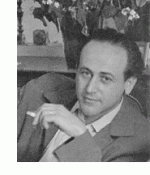
Paul Celan werd onder de naam Paul Antschel op 23 november 1920 geboren in Czernowitz, toentertijd de hoofdstad van de Roemeense Boekovina, nu behorend bij de Oekraïne. Paul Celans ouders waren Duitssprekende joden die hun zoon joods opvoedden en hem naar Duitse christelijke scholen stuurden. In 1942 werden Celans ouders door de Duitse bezetter naar een werkkamp gedeporteerd en daar vermoord. Hijzelf wist aanvankelijk onder te duiken, maar moest vanaf juli 1942 in een werkkamp dwangarbeid verrichten. Celan overleefde de oorlog. Via Boekarest en Wenen vestigde Celan zich in 1948 in Parijs. Daar was hij werkzaam als dichter, vertaler en doceerde hij aan de prestigieuze Ecole Normale Supérieure. Vermoedelijk op 20 april 1970 beëindigde hij zijn leven zelf door in de Seine te springen.
Gerard Reve
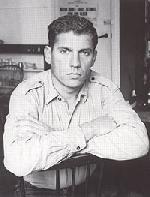
Gerard Reve over: Medearbeiders ”God is in de mensen, de dieren, de planten en alle dingen - in de schepping, die verlost moet worden of waaruit God verlost moet worden, door onze arbeid, aangezien wij medearbeiders van God zijn.” Openbaring ”Tja, waar berust elk godsbegrip op, elke vorm van religie? Op een openbaring, dat wil zeggen op een psychische ervaring van zulk een dwingende en onverbiddelijke kracht, dat de betrokkene het gevoel heeft, niet dat hij een gedachte of een visioen heeft, maar dat een gedachte gedachte of visioen hem bezit en overweldigt.”
Simon Vestdijk
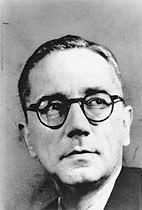
Simon Vestdijk (Harlingen, 17 oktober 1898 – Utrecht, 23 maart 1971) was een Nederlands romancier, dichter, essayist en vertaler. Zijn jeugd te Harlingen en Leeuwarden beschreef hij later in de Anton Wachter-cyclus. Van jongs af aan logeerde hij regelmatig bij zijn grootouders in Amsterdam, waar hij zich in 1917 aan de Universiteit van Amsterdam inschrijft als student in de medicijnen. Tijdens zijn studie die van 1917 tot 1927 duurde, leerde hij Jan Slauerhoff kennen.Tot 1932 is hij als arts in praktijken door heel Nederland werkzaam. In 1932 volgt zijn officiële schrijversdebuut met de uitgave van de bundel Verzen in De Vrije Bladen. Doorslaggevend voor Vestdijks uiteindelijke keuze voor de literatuur is zijn ontmoeting in 1932 met Eddy Du Perron en Menno ter Braak. Deze ontmoeting had tot resultaat dat hij redactielid werd van het tijdschrift Forum Kort daarop, in 1933, wordt zijn eerste novelle, De oubliette, uitgegeven. In hetzelfde jaar schrijft hij Kind tussen vier vrouwen, dat, eerst geweigerd door de uitgever, later de basis zal vormen voor de eerste drie delen van de Anton Wachter-romans. In 1951 ontvangt Vestdijk de P.C. Hooftprijs voor zijn in 1947 verschenen roman De vuuraanbidders. In 1957 wordt hij voor het eerst door het PEN-centrum voor Nederland voorgedragen voor de Nobelprijs voor de Literatuur, die hij echter nooit zal krijgen. Op 20 maart 1971 wordt hem de Prijs der Nederlandse Letteren toegekend, maar voor hij deze kan ontvangen overlijdt hij op 23 maart te Utrecht op 72-jarige leeftijd. Vestdijk was auteur van ca. 200 boeken. Vanwege deze enorme productie noemde de dichter Adriaan Roland Holst hem 'de man die sneller schrijft dan God kan lezen'. Andere belangrijke boeken van Simon Vestdijk zijn: "Kind van stad en land" (1936), "Meneer Visser's hellevaart" (1936), "Ierse nachten" (1946), "De toekomst de religie" (1947), "Pastorale 1943" (1948), "De koperen tuin" (1950), "Ivoren wachters" (1951), "Essays in duodecimo" (1952) en "Het genadeschot" (1964).
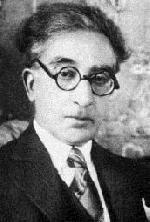
K.P. Kavafis K.P. Kavafis werd als kind van Griekse ouders, afkomstig uit Konstantinopel, geboren in 1863 in Alexandrië (tot vandaag een Griekse enclave) waar hij ook het grootste deel van zijn leven woonde en werkte. Twee jaar na de dood van zijn vader verhuist het gezin in 1872 naar Engeland om na een verblijf van vijf jaar naar Alexandrië terug te keren. Vanwege ongeregeldheden in Egypte vlucht het gezin in 1882 naar Konstantinopel, om na drie jaar opnieuw naar Alexandrië terug te gaan. In de jaren die volgen maakt Kavafis reizen naar Parijs, Londen en in 1901 zijn eerste reis naar Griekenland, in latere jaren gevolgd door nog enkele bezoeken. Op de dag van zijn zeventigste verjaardag, in 1933 sterft Kavafis in Alexandrië. De roem kwam voor Kavafis pas na zijn dood, dus postuum. Deels is dat toe te schrijven aan zijn eigen handelswijze. Hij was uiterst terughoudend met de publicatie van zijn gedichten, liet af en toe een enkel gedicht afdrukken in een literair tijdschrift, gaf in eigen beheer enkele bundels met een stuk of twintig gedichten uit en het merendeel van zijn poëzie schonk hij op losse bladen aan zijn beste vrienden.
Thomas Mann
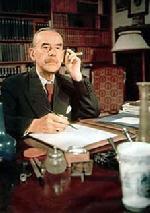
Thomas Mann, de jongere broer van Heinrich Mann, werd geboren op 6 juni 1875 in Lübeck. Hij was de tweede zoon van de graankoopman Thomas Johann Heinrich Mann welke later één van de senatoren van Lübreck werd. Zijn moeder Julia (geboren da Silva-Bruhns) was Duits-Braziliaans van Portugees Kreoolse afkomst. In 1894 debuteerde Thomas Mann met de novelle "Gefallen". Toen Thomas Mann met 21 jaar eindelijk volwassen was en hem dus geld van zijn vaders erfenis toestond - hij kreeg ongeveer 160 tot 180 goldmark per jaar - besloot hij dat hij genoeg had van al die scholen en instituties en werd onafhankelijk schrijver. Kenmerkend voor zijn stijl zijn de ironie, de fenomenale taalbeheersing en de minutieuze detailschildering. Manns reputatie in Duitsland was sterk wisselend. Met zijn eerste roman, Buddenbrooks (1901), had hij een enorm succes, maar door zijn sceptische houding tegenover Duitsland na de Eerste Wereldoorlog veranderde dit volledig. Stelde hij zich tot aan de jaren twintig apolitiek op (Betrachtungen eines Unpolitischen, 1918), meer en meer raakte hij bij het Politiek gebeuren betrokken. Zijn afkeer van het nationaal socialisme groeide, zijn waarschuwingen werden veelvuldiger en heftiger. In 1944 accepteerde hij het Amerikaanse staatsburgerschap. Tussen 1943 en 1947 schreef Mann Doktor Faustus (zie Faust), de roman van de 'Duitse ziel' in de gecamoufleerd geschilderde omstandigheden van de 20ste eeuw. In 1947 bezocht hij voor het eerst sinds de Oorlog Europa, twee jaar later pas Duitsland. In 1952 vertrok hij naar Zwitserland. Op 12 augustus 1955 stierf hij in Zürich. Twintig jaar na zijn dood, in aug. 1975, is zijn literaire nalatenschap geopend: dagboekaantekeningen van 15 maart 1933 tot 29 juli 1955, alsmede notities uit de jaren 1918 tot en met 1921.Belangrijke werken zijn: Der Zauberberg, Der Tod in Venedig, Dokter Faustus , Joseph und seine Brüder en Die Bekenntnisse des Hochstaplers Felix Krull.
Rainer Maria Rilke
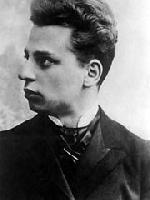
Rilke werd op 4 december 1875 geboren in Praag. Hij had al naam gemaakt als dichter met zijn bundels Das Stundenbuch en Das Buch der Bilder, toen hij de literaire wereld versteld deed staan en wereldfaam verwierf met de publicatie van zijn twee delen Neue Gedichte in 1907 en 1908. Hij verzamelde daarin het beste werk uit een van zijn vruchtbaarste periodes, die hij grotendeels doorbracht in Parijs. Rilke was daar diep onder de indruk gekomen van Rodin, bij wie hij een tijdlang in dienst was als particulier secretaris. Rodin, zei hij later, had hem leren kijken. Dit kijken kwam neer op intense concentratie, om het mysterie te kunnen zien ‘achter de schijnbare werkelijkheid'. Latere en rijpere werken als Duineser Elegien (1912-1923) en het ronduit schitterende Die Sonette an Orfeus (1924) illustreren Rilkes metafysische visie op het onzegbare, dat haar verwoording vindt in een hermetische muzikale taal. Op 29 december 1926 overlijdt Rilke in het sanatorium in Val-Mont aan de gevolgen van leukemie. Enkele dagen later wordt hij, overeenkomstig zijn wens, begraven op het kerkhof van Raron.
* * * * * * * * * * * * * * * *
Romenu
Over literatuur, gedichten, kunst en cultuur
12-03-2010
Dave Eggers, Jack Kerouac, Shihab Nye, Edward Albee, Kathrin Schmidt, Henrike Heiland
„Through the small tall bathroom window the December yard is gray and scratchy, the trees calligraphic. Exhaust from the dryer billows clumsily out from the house and up, breaking apart while tumbling into the white sky. The house is a factory. I put my pants back on and go back to my mother. I walk down the hall, past the laundry room, and into the family room. I close the door behind me, muffling the rumbling of the small shoes in the dryer, Toph's. "Where were you?" my mother says. "In the bathroom," I say. "Hmph," she says. "What?" "For fifteen minutes?" "It wasn't that long." "It was longer. Was something broken?" "No." "Did you fall in?" "No." "Were you playing with yourself?" "I was cutting my hair." "You were contemplating your navel." "Right. Whatever." "Did you clean up?" "Yeah." I had not cleaned up, had actually left hair everywhere, twisted brown doodles drawn in the sink, but knew that my mother would not find out. She could not get up to check. My mother is on the couch. At this point, she does not move from the couch. There was a time, until a few months ago, when she was still up and about, walking and driving, running errands. After that there was a period when she spent most of her time in her chair, the one next to the couch, occasionally doing things, going out, whatnot. Finally she moved to the couch, but even then, for a while at least, while spending most of her time on the couch, every night at 11 p.m. or so, she had made a point of making her way up the stairs, in her bare feet, still tanned brown in November, slow and careful on the green carpet, to my sister's old bedroom. She had been sleeping there for years -- the room was pink, and clean, and the bed had a canopy, and long ago she resolved that she could no longer sleep with my father's coughing. But the last time she went upstairs was weeks ago. Now she is on the couch, not moving from the couch, reclining on the couch during the day and sleeping there at night, in her nightgown, with the TV on until dawn, a comforter over her, toe to neck. People know.“
“Throughout all these parties I always stole off for a nap under the eucalyptus trees, instead of my rosebush, which was all hot sun all day; in the shade of the trees I rested well. One afternoon as I just gazed at the topmost branches of those immensely tall trees I began to notice that the uppermost twigs and leaves were lyrical happy dancers glad that they had been apportioned the top, with all that rumbling experience of the whole tree swaying beneath them making their dance, their every jiggle, a huge and communal and mysterious necessity dance, and so just floating up there in the void dancing the meaning of the tree. I noticed how the leaves almost looked human the way they bowed and then leaped up and then swayed lyrically side to side. It was a crazy vision in my mind but beautiful. Another time under those trees, I dreamt I saw a purple throne all covered with gold, some kind of Eternity Pope or Patriarch in it...And as I say, that hummingbird, a beautiful little blue hummingbird no bigger than a dragonfly, kept making a whistling jet dive at me, definitely saying hello to me, every day, usually in the morning, and I always yelled back at him a greeting. Finally he began to hover in the open window of the shack, buzzing there with his furious wings, looking at me beadily, then, flash, he was gone. That California humming guy...
Though sometimes I was afraid he would drive right into my head with his long beaker like a hatpin.
There was also an old rat scrambling in the cellar under the shack and it was a good thing to keep the door closed at night. My other great friends were the ants, a colony of them that wanted to come in the shack and find honey. ('Calling all ants, calling all ants, come and get your ho-ney!' sang a little boy
one day in the shack), so I went out to their anthill and made a trail of honey leading them into the back garden, and they were at the new vein of joy for a week. I even got down on my knees and talked to the ants. There were beautiful flowers all around the shack, red, purple, pink, white, we kept making bouquets, but the prettiest of all was the one Japhy made of just pine cones and a sprig of pine needles. It had that simple look that characterized all his life.”
Uit: The Cambridge Companion to Edward Albee(Reedactie: Stephen Bottoms)
„It is now more than forty years since Edward Albee’s Who’s Afraid of Virginia Woolf? – the play for which he is still best known – gave him his first Broadway hit and propelled him into the front rank of American playwrights. Today, he is frequently listed alongside Eugene O’Neill, Tennessee Williams, and Arthur Miller as one of the nation’s great (white, male) dramatists of the twentieth century. Other candidates for that shortlist have appeared since (David Mamet, perhaps Sam Shepard, Tony Kushner), but these writers, operating primarily in the decentered, post-1960s world of off-Broadway and regional theatre, have never been Broadway mainstays in the way their predecessors were. Thus Albee, who hit Broadway just before Broadway’s preeminence as a launching pad for serious drama began seriously to be questioned, has for many years tended to be seen as “the last of the line,” and, consequently, as a figure not only of the establishment, but also of the past. In a fragmented, postmodern theatre culture full of young pretenders and competing, multicultural voices, it is all too easy to forget that the somewhat patrician figure of Edward Albee was himself once a controversial young iconoclast, and indeed that, throughout his long career, he has consistently refused to do what is expected of him – and has the sling and arrow scars to prove it.
Albee’s somewhat paradoxical position in American culture was perhaps summed up by the Kennedy Center’s honors ceremony of 1996, at which he was lauded by (the perhaps equally paradoxical) President Clinton: “Tonight our nation – born in rebellion – pays tribute to you, Edward Albee. In your rebellion, the American theatre was reborn.”1 Still sufficient of a rebel to become the first playwright to provide a sympathetic treatment of bestiality on the Broadway stage – with 2002’s The Goat, or Who is Sylvia? – Albee seems to delight, even now, in prodding and unsettling conventional sensibilities, often with a kind of vaudevillian glee. And yet he is also a deeply serious, highly erudite figure, very much a member of the literary establishment. He is, in short, a writer of many faces, many moods, and any assessment of Albee’s fascinating, diverse body of plays should, perhaps, be similarly multifaceted.“
„ES KLAPPERT UM SIE HERUM. Als ihre Schwester heiratete, hatte die Mutter das Silberbesteck in eine Blechschüssel gelegt, auf eine Alufolie. Heißes Salzwasser darüber. Das saubere Besteck wurde nach einiger Zeit aus der Schüssel genommen und abgetrocknet: Es hatte genauso geklappert. Wer heiratet denn? Sie versucht die Augen zu öffnen. Fehlanzeige. Mehr als Augenöffnen versucht sie nicht. Ist genügsam. Sie kann aber sehr deutlich die Stimme ihrer Mutter hören. Ah, also doch das Besteck! Was sagt ihre Mutter? Die rechte Hand ist aber viel kälter als die linke, sagt sie, und der rechte Fuß genauso. Warum hat die Mutter eine kalte rechte Hand?, fragt sie sich. Muss lächeln, als sie sich vorstellt, sie überprüfe die Temperatur ihrer Füße. Sie lacht!, sagt ihre Mutter. Sie verzieht nur das Gesicht. Hat das ihr Vater gesagt? Aber ja, das war unzweifelhaft die Stimme ihres Vaters! Jetzt möchte sie doch die Augen öffnen. Was hat sie in der Küche ihrer Eltern zu suchen, wo mit Besteck geklappert und die Hand- und Fußtemperatur untersucht wird und sie ihre Augen nicht öffnen kann? O, where do you come from? From London? Das hat sie zu ihrer Tochter gesagt. Hat sie? Ein Auge kann sie öffnen. Sie tut es. Vierzehn ist das Mädchen und heute auf eine Sprachreise nach England gefahren. Warum ist sie schon wieder da? Sie heult. Aus irgendeinem Grund heult sie. Deshalb hat sie ja auch englisch sprechen wollen, um sie aufzumuntern. Es scheint nichts zu nützen, dass sie fröhlich ist. Das Mädchen hat Kummer. Aber welchen? Wen könnte sie fragen? Der Blick wandert. Da! Neben der Tochter steht ihr Mann. My husband, sagt sie. Darüber wird aber doch hoffentlich gelacht werden … Nichts.“
„Meine Mutter konnte jedes Mal riechen, wenn ich Sex hatte. Sie roch es drei Straßen weiter in ihrer
Wohnung. Spätestens wenn ich mir den BH aufmachte, nahm sie Witterung auf. Tastete ich nach den
Kondomen neben dem Bett, griff sie zum Telefon und wartete. Kurz vorm Höhepunkt begann sie zu wählen. Und das Klingeln brachte mich natürlich komplett raus. Frank sagte dann immer, ich solle es einfach ignorieren. Aber das brachte überhaupt nichts, weil mein Anrufbeantworter anging, und wer will sich schon Mutters vorwurfsvolle Stimme im Nebenzimmer anhören, während man damit beschäftigt ist, wenigstens einmal, nur ein einziges Mal in dieser Woche einen Orgasmus herbeizuführen – und zwar keinen handgemachten?
Ich hatte keine Ahnung, wie man die Mithörfunktion an meinem Anrufbeantworter ausstellte. Nach jedem Mutterdesaster nahm ich mir vor, Frank um Hilfe zu bitten, aber dann vergaß ich es wieder. Ich hatte auch schon überlegt, den Anrufbeantworter auszuschalten, wenn er da war. Daran hinderte mich aber neben meiner Vergesslichkeit mein schlechtes Gewissen. Mein schlechtes Gewissen hatte mir nämlich das Leben geschenkt, mich unter größten Entbehrungen ganz alleine großgezogen und litt nun an den Spätfolgen meiner unbarmherzigen Geburt. Aber das ist eine andere Geschichte.
Zurück zum Sex. Wir kamen nach jedem Störfall doch noch dazu. Frank war einer dieser seltenen Männer, die für alles Verständnis haben und alles richtig machen. Er brachte zum Beispiel jedes Mal einen exzellenten Wein und bezaubernde Blumen mit, bestand auf Kerzenlicht, dachte selbst bei Fußballländerspielen nicht daran, mit Freunden in einer Kneipe zu sitzen statt mit mir auf dem
Minibalkon, und ertrug ohne Murren die durchschnittlich einstündigen Anrufe meiner Mutter.“
»Und den Quetschen Virtanen, ob Numminen den Virtanen mit der Ziehharmonika kennen würde? Der sei doch schon etwas älter, oder? bestätigt Numminen. Ganz genau! Den würde er kennen? Also, was für ein Zufall, auch ihn kannte Numminen. - Na wunderbar, nämlich der is' meine Verwandtschaft ... An dieser Stelle verneigt Numminen sich höflich und erhebt sich, um scheinbar unpressiert der Bedürfnisanstalt zuzustreben. Die Tür zum Männerklo ist verschlossen! Blitze der Qual zucken hinter seinen Augen. Da sich sonst niemand in der Toilette aufhält, kann er sein Unterteil pressen, um zu verhindern, dass es dem Druck nachgibt. Ob sich ein Stück Eisengarn in seiner Tasche finden ließe, mit dem das Teil abgedichtet werden kann? Numminen kramt in seinen Taschen. Der Druck steigt ins Unvorstellbare. Jetzt oder nie! Blitzartig verschwindet er im Damen WC.« ... »Mit einem Gefühl tiefer Ehrfurcht ist Numminen unterwegs nach Jaala. In dieser Gemeinde wird pro Einwohner mehr Dreierbier konsumiert als irgendwo sonst 105 Liter! Das renommierte Savukoski liegt mit 101 Litern 4 Liter zurück. Nimmt man nur die Männer und nur den Konsum in den Dreierbierbars, dann liegen die Herren aus Jaala 13 Liter vor denen aus Savukoski! Jahr um Jahr sind die männlichen Jaalaner in den Dreierbierbar Kampfruf ausgebrochen: Noch eine Runde, auf dass wir Erste werden! Heute darf Jaala feststellen: Es ist erreicht«.
Uit: The Child of Pleasure (vertaald door Georgina Harding en Arthur Symons)
„Andrea Sperelli dined regularly every Wednesday with his cousin the Marchesa d'Ateleta.
The salons of the Marchesa in the Palazzo Roccagiovine were much frequented. She attracted specially by her sparkling wit and gaiety and her inextinguishable good humour. Her charming and expressive face recalled certain feminine profiles of the younger Moreau and in the vignettes of Gravelot. There was something Pompadouresque in her manner, her tastes, her style of dress, which she no doubt heightened purposely, tempted by her really striking resemblance to the favourite of Louis XV.
One Tuesday evening, in a box at the Valle Theatre, she said laughingly to her cousin, 'Be sure, you come to-morrow, Andrea. Among the guests there will be an interesting, not to say fatal, personage. Forewarned is forearmed--Beware of her spells--you are in a very weak frame of mind just now.'
He laughed. 'If you don't mind, I prefer to come unarmed,' he replied, 'or rather in the guise of a victim. It is a character I have assumed for many an evening lately, but alas, without result so far.'
'Well, the sacrifice will soon be consummated, cugino mio.'
'The victim is ready!'
The next evening, he arrived at the palace a few minutes earlier than usual, with a wonderful gardenia in his button-hole and a vague uneasiness in his mind. His coupé had to stop in front of the entrance, the portico being occupied by another carriage, from which a lady was alighting. The liveries, the horses, the ceremonial which accompanied her arrival all proclaimed a great position. The Count caught a glimpse of a tall and graceful figure, a scintillation of diamonds in dark hair and a slender foot on the step. As he went upstairs he had a back view of the lady.
She ascended in front of him with a slow and rhythmic movement; her cloak, lined with fur as white as swan's-down, was unclasped at the throat, and slipping back, revealed her shoulders, pale as polished ivory, the shoulder-blades disappearing into the lace of the corsage with an indescribably soft and fleeting curve as of wings.“
Gabriele d'Annunzio (12 maart 1863 - 1 maart 1938)
And me happiest when I compose poems. Love, power, the huzza of battle Are something, are much; yet a poem includes them like a pool water and reflection. In me, nature’s divided things— tree, mould on tree— have their fruition; I am their core. Let them swap, bandy, like a flame swerve I am their mouth; as a mouth I serve.
And I observe how the sensual moths big with odour and sunshine dart into the perilous shrubbery; or drop their visiting shadows upon the garden I one year made of flowering stone to be a footstool for the perfect gods: who, friends to the ascending orders, sustain all passionate meditations and call down pardons for the insurgent blood.
A quiet madman, never far from tears, I lie like a slain thing under the green air the trees inhabit, or rest upon a chair towards which the inflammable air tumbles on many robins’ wings; noting how seasonably leaf and blossom uncurl and living things arrange their death, while someone from afar off blows birthday candles for the world.
„Le patriarcat continue à s’exprimer, avec la même logique criminelle et guerrière, à travers le pouvoir machiste, oppresseur et totalitaire des agro-industries, qui attaquent les fondements de la vie, dans
son expression la plus symbolique et profonde : la fécondité du vivant. » Françoise d’Eaubonne extrait du site Pénélopes
« La cause immédiate des malheurs présents et de la menace de demain est celle du système patriarcal, fondé sur l’appropriation de la fécondité et de la fertilité, et dont les structures mentales et
culturelles se sont maintenues à travers toutes les formes sociales et économiques successives.
Les deux facteurs principaux de l’essor du patriarcat sont les formes lointaines mais directes de la catastrophe écologique actuelle ( épuisement des ressources et inflation démographique globale. » Françoise d’Eaubonne extrait de Que pourrait être une société éco-féministe
« A l’origine, l’agriculture était l’affaire des femmes. Il ne s’agissait pas d’un matriarcat, sorte de patriarcat renversé. Cela n’a jamais existé. Les femmes jouissaient d’un prestige certain, lié à leur
importance dans la société, mais qui n’était pas lié à une hiérarchie.“
Françoise d'Eaubonne (12 maart 1920 – 3 augustus 2005)