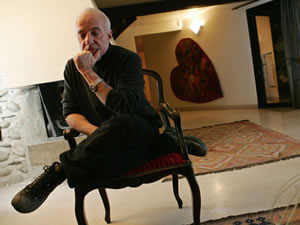
Sabine Scho, Lenrie Peters, J. J. Cremer, Edgar Rice Burroughs

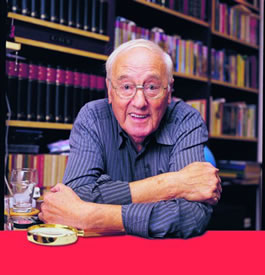
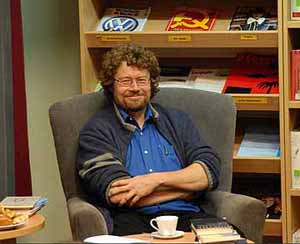
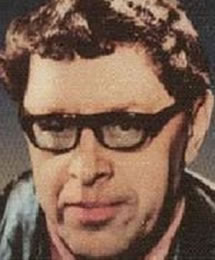
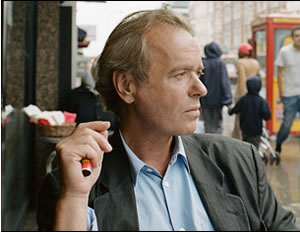
De Duitse dichteres en schrijfster Sabine Scho werd geboren op 1 september 1970 in Ochtrup. Zie ook mijn blog van 1 september 2009.
chartreuse
glaub das doch bitte nicht
was man sagt, was man sieht
die abgewedelten deprivationen
der aufgehellte fleck, und frag
nicht nach fahnen, am malen
ist doch was dran, man kann
auch taschenschirme klonen
und behaupten, sie seien geklaut
bis davon was sichtbar wird
bleibt regen regen, »es läuft
es rollt die leere fassade«
hat es je jemanden interessiert
was man dahinter wie destilliert?
glacier
hartschaum, zerkaute
icegumfelder, bricolage
in curaçao, der umgekippte
saft, das wilde
gefrieren passiert problemlos
die blut-hirnschranke,
eros und
schmelze, squeeze
serotonin, klebt wie
hulle, i mean, warum
ziehst du nicht einfach
leine, empty a bottle
and feel a bit freeze
gefäßverengender
wird es nicht mehr
Sabine Scho (Ochtrup, 1 september 1970)
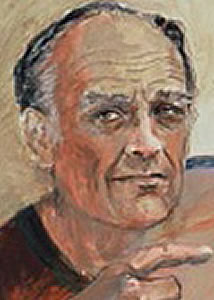
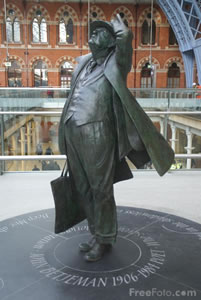
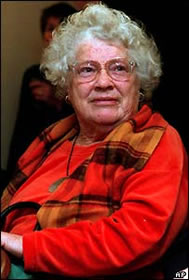
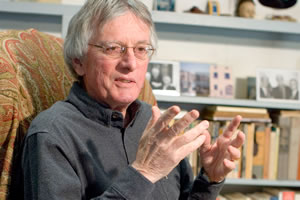
De Gambiaanse schrijver en chirurg Lenrie Leopold Wilfred Peters werd geboren in Bathurst op 1 september 1932. Zie ook mijn blog van 1 september 2009.
We Have Come Home
We have come home
From the bloodless wars
With sunken hearts
Our booths full of pride-
From the true massacre of the soul
When we have asked
‘What does it cost
To be loved and left alone’
We have come home
Bringing the pledge
Which is written in rainbow colours
Across the sky-for burial
But is not the time
To lay wreaths
For yesterday’s crimes,
Night threatens
Time dissolves
And there is no acquaintance
With tomorrow
The gurgling drums
Echo the stars
The forest howls
And between the trees
The dark sun appears.
We have come home
When the dawn falters
Singing songs of other lands
The death march
Violating our ears
Knowing all our loves and tears
Determined by the spinning coin
We have come home
To the green foothills
To drink from the cup
Of warm and mellow birdsong
‘To the hot beaches
Where the boats go out to sea
Threshing the ocean’s harvest
And the hovering, plunging
Gliding gulls shower kisses on the waves
We have come home
Where through the lighting flash
And the thundering rain
The famine the drought,
The sudden spirit
Lingers on the road
Supporting the tortured remnants of the flesh
That spirit which asks no favour of the world
But to have dignity.To be loved and left alone’

Lenrie Peters (1 september 1932 - 28 mei 2009)
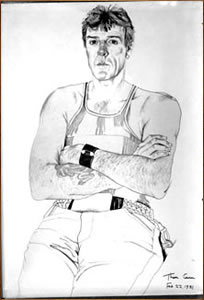
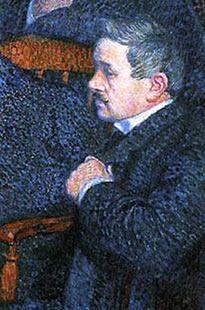
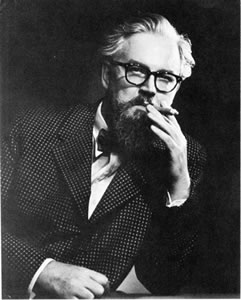
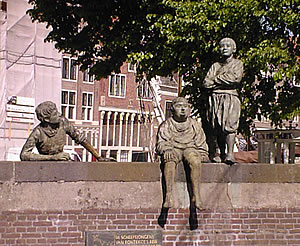
De Nederlandse schrijver Jacob(us) Jan Cremer werd geboren op in Arnhem op 1 september 1827. Zie ook mijn blog van 1 september 2009.
Uit: Fabriekskinderen
„'t Is winter. Een koude decembernacht houdt met kille vingers oud Hollands grijze academieveste den blinddoek voor de oogen.
Slechts een waardig trawant van den reuzengeest dezer eeuw voert strijd met den nacht en rukt er gedurig den blinddoek weêr los. Zie maar, de gazvlammen werpen van afstand tot afstand een vlugtig licht in de holle straten en ginds langs de sombere grachten.
Waartoe die kamp; waarvoor dat licht? Immers de stad ging ter ruste en slaapt.
Geloof het niet, want telkens moet ze wakker en ziende zijn, wakker en ziende om er te waken voor het onheil dat naderen kon.
En de oude stad, zij slaapt dan ook niet. Slechts bij wijlen bevangt haar een ligte sluimering, en 't schijnt u toe als droomde zij van heur alouden roem - even als de teedere loot van den grijzen vorst der Alpen, die zoetjes dommelt aan haren boezem, en murmelt en fluistert van de grootheid zijner afkomst.
Maar toch, hoe vlugtig ook haar sluimering zij - telkens turend over den blinddoek heen, om er te waken zelfs in den nacht, toch vermag zij het niet zoo als zij 't zou willen.
De arme is krank!
Ja, 't hoofd is wel helder, zelfs klaarder dan voorheen; ja heur harte klopt wel even luide voor deugd en voor trouw als in de dagen harer jeugd, nogtans, gij ziet het wel hoe heur regter-arm als verlamd daar ter nederligt.
Luister:
Een deel van heur eêlste sappen gingen over in onzuivere vochten; in vochten die zich vormden tot een afzigtelijke wonde; een wonde die hare krachten verteert, en welligt haar voert in het einde tot de slooping van haar glorierijk bestaan.“

J. J. Cremer (1 september 1827 - 5 juni 1880)
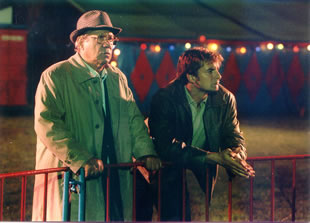
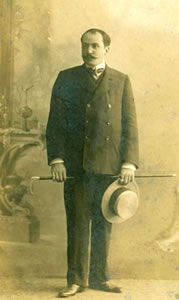
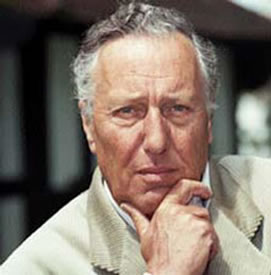
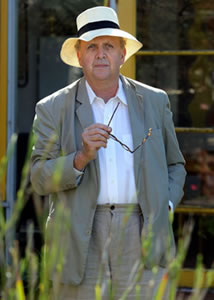
De Amerikaanse schrijver Edgar Rice Burroughs werd geboren in Chicago op 1 september 1875 als de zoon van een zakenman. Zie ook mijn blog van 1 september 2008 en ook mijn blog van 1 september 2009.
Uit: The Son of Tarzan
„Paulvitch had taken to the jungle when he had seen the beasts of Tarzan and their savage lord swarm the deck of the Kincaid, and in his terror lest Tarzan pursue and capture him he had stumbled on deep into the jungle, only to fall at last into the hands of one of the savage cannibal tribes that had felt the weight of Rokoff's evil temper and cruel brutality. Some strange whim of the chief of this tribe saved Paulvitch from death only to plunge him into a life of misery and torture. For ten years he had been the butt of the village, beaten and stoned by the women and children, cut and slashed and disfigured by the warriors; a victim of often recurring fevers of the most malignant variety. Yet he did not die. Smallpox laid its hideous clutches upon him; leaving him unspeakably branded with its repulsive marks. Between it and the attentions of the tribe the countenance of Alexis Paulvitch was so altered that his own mother could not have recognized in the pitiful mask he called his face a single familiar feature. A few scraggly, yellow-white locks had supplanted the thick, dark hair that had covered his head. His limbs were bent and twisted, he walked with a shuffling, unsteady gait, his body doubled forward. His teeth were gone--knocked out by his savage masters. Even his mentality was but a sorry mockery of what it once had been.
They took him aboard the Marjorie W., and there they fed and nursed him. He gained a little in strength; but his appearance never altered for the better--a human derelict, battered and wrecked, they had found him; a human derelict, battered and wrecked, he would remain until death claimed him. Though still in his thirties, Alexis Paulvitch could easily have passed for eighty. Inscrutable Nature had demanded of the accomplice a greater penalty than his principal had paid.“

Edgar Rice Burroughs (1 september 1875 - 19 maart 1950)