

 Simon Carmiggelt, James Whitcomb Riley, Thomas Keneally
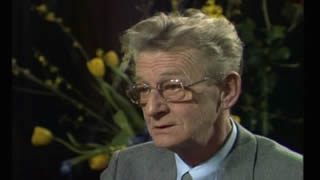
De Nederlandse schrijver en dichter Simon Carmiggelt werd geboren op 7 oktober 1913 in Den Haag. Zie ook mijn blog van 7 oktober 2010 en eveneens alle tags voor Simon Carmiggelt op dit blog.
Uit: Denkend aan A. Roland Holst
"Na de broodjes kaas reden we weer terug.
Ik vroeg hem:
‘Vrouwen hebben altijd een grote rol gespeeld in je leven en in je werk. Maar waarom ben je nooit getrouwd?’
Hij keek me met pretoogjes aan en antwoordde:
‘Je weet wat ik vaak gezegd heb. Vóór mijn vijftigste ben ik niet getrouwd uit egoïsme en na mijn vijftigste uit altruïsme. En dan - er is maar één vrouw die ik trouw kan zijn en dat is de Muze en zij sprak telkens: och, ga maar naar al die aardse vrouwen, want je komt toch weer bij me terug.’
Ondanks de eeuwige concurrentie van de Muze is Roland Holst, zijn leven lang, door vrouwen verwend. Maar hij had ook wel eens tegenslag. Daarover vertelde hij meer dan eens, met grote zelfspot. Op een middag kwam ik bij hem toen hij net weer eens een kroon-jaar achter de rug had. Hij wees mij op een tafel, die geheel vol hoog opgestapelde brieven lag en zei met een zucht:
‘Felicitaties. Die ik allemaal beantwoorden moet. Ik voel mij door weldaden gesloopt. En het zal bij elk kroonjaar in de toekomst wéér gebeuren. Onvermijdelijk. Weet jij een manier om 81 te worden zonder 80 te zijn geweest? In zulke omstandigheden helpen mij maar twee dingen: drankzucht en ontucht.’
Nu was - zo vertelde hij mij - een der brieven afkomstig van een hem onbekende vrouw in Den Haag. Zij bewonderde niet alleen zijn werk, maar gaf ook, in bewogen proza, uiting aan haar liefde voor zijn persoon. De apotheose van de brief was een invitatie, haar eens te komen bezoeken.
‘Dus ik dacht: och, waarom niet?’ zei hij tegen me. ‘Ontucht, nietwaar? Ik schreef haar terug en ik reisde naar Den Haag. Bij het station nam ik een tram die mij in de buurt van haar woning zou brengen. Maar toen ik, na toch deugdelijk te hebben geïnformeerd bij de conducteur, aan de halte in de nabijheid was uitgestapt, kon ik de straat niet vinden. En het huisnummer was mij, eerlijk gezegd, ook ontschoten. Nogal doelloos liep ik daar rond. Een vrouw met een klein meisje aan de hand zag die doelloosheid blijkbaar aan mij, want ze vroeg of ze me soms kon helpen. Ik legde haar mijn situatie uit en zij inviteerde mij binnen te komen. Het adres van de dame in kwestie zou ze dan in de telefoongids even voor mij opzoeken. Terwijl ze daarmee bezig was, keek ik aandachtig naar haar. Een aardige vrouw, met een helder gezicht. Zij schreef het adres voor mij op een papiertje en legde mij uit hoe ik lopen moest. Ik bedankte haar en nam afscheid. Daarop wandelde ik naar mijn bewogen briefschrijfster en belde aan. De deur werd geopend en daar stond ze. Ze was tamelijk bejaard en corpulent en ze had van die blote, dof-witte armen. Ze zei: Kom maar. Ik dacht: ik had liever gewild dat het die vrouw met dat heldere gezicht was geweest.’
‘En wat deed je?’ vroeg ik.
Hij keek me aan met zijn pretoogjes en antwoordde:
‘Ik heb met haar de Couperus-tentoonstelling bezocht.’
Simon Carmiggelt (7 oktober 1913 – 30 november 1987)
De Amerikaanse dichter en schrijver James Whitcomb Riley werd geboren op 7 oktober 1849 in Greenfield, Indiana. Zie ook mijn blog van 7 oktober 2010 en eveneens alle tags voor James Whitcomb Riley op dit blog.
June
Queenly month of indolent repose!
I drink thy breath in sips of rare perfume,
As in thy downy lap of clover-bloom
I nestle like a drowsy child and doze
The lazy hours away. The zephyr throws
The shifting shuttle of the Summer's loom
And weaves a damask-work of gleam and gloom
Before thy listless feet. The lily blows
A bugle-call of fragrance o'er the glade;
And, wheeling into ranks, with plume and spear,
Thy harvest-armies gather on parade;
While, faint and far away, yet pure and clear,
A voice calls out of alien lands of shade:--
All hail the Peerless Goddess of the Year!
The Boys
Where are they?--the friends of my childhood enchanted--
The clear, laughing eyes looking back in my own,
And the warm, chubby fingers my palms have so wanted,
As when we raced over
Pink pastures of clover,
And mocked the quail's whir and the bumblebee's drone?
Have the breezes of time blown their blossomy faces
Forever adrift down the years that are flown?
Am I never to see them romp back to their places,
Where over the meadow,
In sunshine and shadow,
The meadow-larks trill, and the bumblebees drone?
Where are they? Ah! dim in the dust lies the clover;
The whippoorwill's call has a sorrowful tone,
And the dove's--I have wept at it over and over;--
I want the glad luster
Of youth, and the cluster
Of faces asleep where the bumblebees drone!
September Dark
1
The air falls chill;
The whippoorwill
Pipes lonesomely behind the Hill:
The dusk grows dense,
The silence tense;
And lo, the katydids commence.
2
Through shadowy rifts
Of woodland lifts
The low, slow moon, and upward drifts,
While left and right
The fireflies' light
Swirls eddying in the skirts of Night.
3
O Cloudland gray
And level lay
Thy mists across the face of Day!
At foot and head,
Above the dead
O Dews, weep on uncomforted!

James Whitcomb Riley (7 oktober 1849 – 22 juli 1916)
Portret door T. C. Steele, 1891, Indianapolis-Museum-of-Art
De Australische schrijver Thomas Keneally werd geboren op 7 oktober 1935 in Sydney. Zie ook mijn blog van 7 oktober 2010 eveneens alle tags voor Thomas Keneally op dit blog.
Uit: The Grate Shame
“Unlike the humble criminal with whom I begin this book, internationally renowned Irish figures serving time in Australia would sometimes be pardoned or, in more graphic cases, participate in highly organised escapes, arriving again in the northern hemisphere, above all in the United States. There they would exploit in various ways their lustre, and marshal for 'the Irish cause' the sympathy of America and of liberal thought everywhere.
In the twentieth century the reputation of the better known of these prisoners has remained stronger in Ireland and America than in Australia. The famed and tragic Kennedy boys of Boston, for example, would be pointed by the Boston Irish political culture to the speeches of former Tasmanian life-sentenced convict and US general, Thomas Francis Meagher. John Mitchel's Jail Journal remains a classic of penal experience, particularly in Ireland. In Glasnevin Cemetery in Dublin, the grave of Terence Bellew McManus, whose funeral procession--from San Francisco down to the Central American isthmus and across the Atlantic to Dublin--must have been one of the longest funerary events in history, is still honoured and a place for pilgrimage.
But the document which made it inevitable that I should write this book is an obscure one--far more so than any attaching to the spectacular careers of General Thomas Francis Meagher and of John Mitchel, famous friends in Australian exile, famous opponents in the American Civil War”
.

Thomas Keneally (Sydney, 7 oktober 1935)
Zie voor nog meer schrijvers van de 7e oktober ook mijn vorige blog van vandaag.


