Naar de inhoud

Romenu

Over literatuur, gedichten, kunst en cultuur
seniorennet.beseniorennet.be

Berichten van 21 februari 2016

Am zweiten Sonntag in der Fasten (Annette von Droste-Hülshoff)


Bij de tweede zondag van de vasten


 1880472-f327108c58adbeb8c18b1ddf307a0d11.jpg
De vrouw uit Kanaän aan de voeten van Christus door Jean Germain Drouais, 1784


Am zweiten Sonntag in der Fasten
Evang.: Vom Cananäischen Weibe

Liebster Jesu, nur Geduld!
Wie ein Hündlein will ich spüren
Nach den Brocken deiner Huld,
Will mich lagern an die Türen,
Ob von deinen Kindern keines
Mir ein Krüstlein reichen will,
Hungerglühend, doch in meines
Tiefen Jammers Kunde still.

Um Geduld fleh ich zu dir:
Denn ich muß in großen Peinen
Einsam liegen vor der Tür,
Wenn von deinen klaren Weinen,
Deinen lebensfrischen Gaben
Mir der Duft herüberzieht.
Ach, ein Tropfen kann mich laben,
Meine Zunge ist verglüht!

Weil ich fast in meiner Pein
Schaue wie aus Kindesaugen,
Meinen oft die Diener dein,
Daß ich mag zum Gaste taugen.
In Erbarmen ganz vermessen
Reichen sie die Schüsseln hin;
Doch ich will es nicht vergessen,
Daß ich wie ein Hündlein bin.

O, zum allergrößten Heil
Muß es mir bei dir gereichen,
Daß dir, o mein einzig Teil,
Nichts an Langmut zu vergleichen!
Denn es will mir öfters fahren
Durch die Glieder wie ein Blitz,
Deinen Kindern mich zu paaren,
Rasch erringend einen Sitz.

Kann ich dir, du Rächer groß,
Doch in Ewigkeit nicht lügen!
Und mir würd', ein schmählich Los,
So die Diener dein zu trügen:
Weil mir weich die Augen brennen
In der ungestillten Lust,
Ich mich will ein Kindlein nennen
Mit der schuldgebrochnen Brust.

Wie ein Hündlein bin ich nur,
Und so will ich nimmer weichen,
Fest auf deiner Kinder Spur,
Ob sie mir den Bissen reichen,
Wenn die Sonne aufgegangen,
Wenn sie blutet in den Tod,
Will an ihrem Munde hangen,
So du reichst das Abendbrot.

Ist es deinen Kindern recht,
Nur ein Krüstlein mir zu spenden:
Wohl! es ist mir nichts zu schlecht,
Kömmt von übermilden Händen,
Birgt sich reiche Nahrung drinnen,
Nur in ernster Glut erstarrt.
Ach, und meinen stumpfen Sinnen
Wär' ein Kiesel nicht zu hart!

O, es ist ein bittres Los,
Wer ein lieber Gast gewesen,
Um die eignen Sünden groß
Nun die Brocken aufzulesen!
Nicht um des Gerichtes Strenge,
Das mir noch dereinstens dräut,
Nein, im eigenen Gedränge
Innige Versunkenheit.

Daß um meiner Sehnsucht Brand
Neu die Sinne mir gegeben,
Aber nicht, so lang ein Band
Leib und Seele hält umgeben,
Darauf ruht mein einzig Hoffen.
Und so leb' ich langsam hin;
Meine Sinne stehen offen,
Aber ihnen fehlt der Sinn.

Muß in Qual das Morgenrot,
Muß das Abendlicht mich sehen,
O, wie lieblich ist der Tod,
Und um seinen Trost zu flehen!
Darf mich dennoch nicht erkühnen,
Wie er winkt, so lockend mild;
Denn ich muß unendlich sühnen,
Und das Leben ist mein Schild.


 1880472-d604de6403b6ca9f47829bd43742776b.jpg
Annette von Droste-Hülshoff (10 januari 1797 – 24 mei 1848)
Heiligenfigur bij de kapel van Burg Hülshoff


Zie voor de schrijvers van de 21e februari ook mijn volgende twee blogs van vandaag.


Geschreven door Romenu om 12:15 Reageer op dit bericht

Herman de Coninck, Chuck Palahniuk, Hans Andreus, Wystan Hugh Auden, Laure Limongi, Justus van Effen

De Vlaamse dichter, essayist, journalist en tijdschriftuitgever Herman de Coninck werd geboren in Mechelen op 21 februari 1944. Zie ook alle tags voor Herman de Coninck op dit blog.


Twee

Destijds in kinderspelletjes kon je,
bv. als je veter was losgeraakt,
gewoon 'twee' zeggen, en dan stond je
even buitenspel, niemand mocht je dan nog aantikken.

Voor jou had dat moeten blijven gelden.
Dat je 'twee' zei, 'ik ben even
mijn man kwijt', en dat die laatste tien jaar
dan niet hoefden mee te tellen.

Of dat je, in plaats van te sterven,
gewoon verstoppertje speelde
en dat we je nog steeds
niet hadden gevonden.


Wraak

Ik sta geregistreerd. Geboorte, plaats, tijd.
Ik sta voor zowat één kilo papier:
geboorteakte militie, verhuizen van daar naar hier,
politieke sympathieën, vakbondsaangehorigheid.

Daarom ben ik op zoek naar een plek op de
grens van drie naties.
Daar wil ik dan sterven.
Want ik wil met mijn dood op z'n minst het
plezier bederven
van een stuk of twintig administraties.


Huurcontract

Misschien rust op dit huwelijk geen levenslange zegen,
maar wel het soort zekerheid
van een te hernieuwen huurcontract
drie-zes-negen.
We zijn binnen voor de regen
van melancholie.

Misschien is dat minder passionant
dan vroeger, als je klaarkomt vraag ik 'wablieft'
en grappen in die trant.
Maar ik heb je meer dan vroeger lief:
er is zoveel mee 'jou' nu dat ik ken,
zoals ik ook voor jou meer ikken ben.

En allemaal samen hebben we dat zootje van zes.
(Zoontje bedoel ik, maar de schrijffout mag blijven staan.)
Vaak kan ik niet slapen
van het denken eraan.

En dan denk ik: net een heus gezin.
En ik tast naar jouw hand.
En jij slaapt evenmin.


 1880467-595aa930fea395661866ae2f63573fdc.jpg
Herman de Coninck (21 februari 1944 - 22 mei 1997)


De Amerikaanse schrijver en journalist Chuck Palahniuk werd geboren op 21 februari 1962 in Pasco, Washington. Zie ook alle tags voor Chuck Palahniuk op dit blog.

Uit: Fight Club

“The Parker-Morris Building won't be here in nine minutes. You take enough blasting gelatin and wrap the foundation columns of anything, you can topple any building in the world. You have to tamp it good and tight with sandbags so the blast goes against the column and not out into the parking garage around the column.
This how-to stuff isn't in any history book.
The three ways to make napalm: One, you can mix equal parts of gasoline and frozen orange juice concentrate. Two, you can mix equal parts of gasoline and diet cola. Three, you can dissolve crumbled cat litter in gasoline until the mixture is thick.
Ask me how to make nerve gas. Oh, all those crazy car bombs. Nine minutes.
The Parker-Morris Building will go over, all one hundred and ninety-one floors, slow as a tree falling in the forest. Timber. You can topple anything. It's weird to think the place where we're standing will only be a point in the sky. Tyler and me at the edge of the roof, the gun in my mouth, I'm wondering how clean this gun is


 1880467-479a0627ad70521fcc05c71086db1f50.jpg
Brad Pitt als Taylor Durden in de film “Fight Club” uit 1999


We just totally forget about Tyler's whole murder-suicide thing while we watch another file cabinet slip out the side of the building and the drawers roll open midair, reams of white paper caught in the updraft and carried off on the wind.
Eight minutes.
Then the smoke, smoke starts out of the broken windows. The demolition team will hit the primary charge in maybe eight minutes. The primary charge will blow the base charge, the foundation columns will crumble, and the photo series of the Parker-Morris Building will go into all the history books.
The five-picture time-lapse series. Here, the building's standing. Second picture, the building will be at an eighty-degree angle. Then a seventy-degree angle. The building's at a forty-five-degree angle in the fourth picture when the skeleton starts to give and the tower gets a slight arch to it. The last shot, the tower, all one hundred and ninety- one floors, will slam down on the national museum which is Tyler's real target.“


 1880467-f67bd0c056f16a0372aa920a0851f39e.jpeg
Chuck Palahniuk (Pasco, 21 februari 1962)


De Nederlandse dichter en prozaschrijver Hans Andreus werd geboren in Amsterdam op 21 februari 1926. Zie ook alle tags voor Hans Andreus op dit blog.


Het lied van het morgenlicht

Ik groet het morgenlicht maar of het zich laat groeten
de voeten der voorbijgangers laten zich beter groeten
wij moeten zeggen zij ondanks het morgenlicht
ik knik ze toe houd moed zeg ik het licht maakt je toch blij
ze knikken terug maar ze geloven niet ze gaan voorbij.

Het morgenlicht houdt zich nu bezig met de dingen
de pasgewassen trams de rails het draad erboven
de fietssturen de ramen en de raamkozijnen
de dingen kunnen in het morgenlicht geloven
het water van een gracht wordt zonder kleren aan
zo heilig als de heilige Sebastiaan.

En ook de kar de man ernaast de haring op de kar
zij roepen eensgezind en zonder dat zij opzien baren
het morgenlicht nabij en ook ikzelf ik groet
het morgenlicht maar of het zich laat groeten
wij moeten zeggen wij dit is het morgenlicht
wij moeten zeggen wij het licht is ons gezicht
wij moeten zeggen wij het licht gaat eenmaal dicht.


Lied van de wijze kinderen

Toen eerst goed een wereld op aarde ontbrandde,
waar waren de kinderen? Zij lachten
en stierven welgemoed.

Waar bleven de kinderen? Zij aten
hun buiken rond in de honingboom
en gingen varen op de vrolijke zee.

Trof de bliksem hen niet van de dood?
Welnee - zij ademden eenmaal diep
en vielen in lachen uiteen.


Poging

Misschien heb ik nog 't meest geprobeerd
woorden doorzichtiger te maken,

waarbij dan juist extra opvallen
de donkere plekken, verdichtingen

van wat iemand denkt, meent, voelt,
desondanks met de bedoeling

meer het licht zichtbaar te maken
dan wie dit schrijft en zichzelf

ten slotte ook niet veel anders
dan stof gegeven is.


 1880467-2d087a09dfc041015e60497403679c45.jpg
Hans Andreus (21 februari 1926 – 9 juni 1977) 


De Engelse dichter, essayist en criticus Wystan Hugh Auden werd geboren in York op 21 februari 1907. Zie ook alle tags voor Wystan Hugh Auden op dit blog.

Uit: The Quest


V. The City

In villages from which their childhoods came
Seeking Necessity, they had been taught
Necessity by nature is the same
No matter how or by whom it be sought.

The city, though, assumed no such belief,
But welcomed each as if he came alone,
The nature of Necessity like grief
Exactly corresponding to his own.

And offered them so many, every one
Found some temptation fit to govern him,
And settled down to master the whole craft

Of being nobody; sat in the sun
During the lunch-hour round the fountain rim,
And watched the country kids arrive, and laughed.


VI. The First Temptation

Ashamed to be the darling of his grief,
He joined a gang of rowdy stories where
His gift for magic quickly made him chief
Of all these boyish powers of the air;

Who turned his hungers into Roman food,
The town's asymmetry into a park;
All hours took taxis; any solitude
Became his flattered duchess in the dark.

But, if he wished for anything less grand,
The nights came padding after him like wild
Beasts that meant harm, and all the doors cried Thief;

And when Truth had met him and put out her hand,
He clung in panic to his tall belief
And shrank away like an ill-treated child.


 1880467-6f56bf20cd63d6106239e0301929f817.jpg
W. H. Auden (21 februari 1907 – 29 september 1973)
Portret door Robert A. Buhler, 1969


De Franse dichteres en schrijfster Laure Limongi werd geboren op 21 februari 1976 in Bastia (Corsica). Zie ook alle tags voor Laure Limongi op dit blog.

Uit: Anomalie des zones profondes du cerveau

„Ceux qui disent : « Moi aussi j’ai mal à la tête des fois, je suis obligé de prendre du Codoliprane », « Attends, c’est un très bon champagne bio, ça ne peut pas te faire de mal ! », « T’es chiante avec tes maux de tête, quand même », « Encore ! mais c’est vachement souvent dis-donc ! », « On ne voit pas du tout que tu es malade », « Toi ? tu as eu une migraine hier ? Mais ça ne se voit pas ! », « Tu as l’air en super forme, pourtant… », « Et si c’était une tumeur ? », « Tu as fait des tests, quand même, pour vérifier si… tu vois quoi… il n’y aurait pas une grosseur… », « Comment ça ? Mais tu m’avais promis de venir ! », « Tu ne peux pas refuser, c’est la vieille prune que fait ma tante », « Tu ne bois pas de vin, OK, mais au moins un digestif ! », « Dans ces circonstances, je comprends, mais j’aimerais quand même beaucoup que tu viennes, c’est important pour moi. Si tu préfères rester chez toi avec ton mal de tête… », « Tu ne bois pas ?... Mais alors HIIIIIIIIIIIIIII !! », « Tu pourrais faire un effort, quand même », « Tu ne peux pas marcher plus vite ? », « Comment ça tu es fatiguée ? », « Attends, je regarde sur Google si on peut se défoncer avec ton Imiject. Même pas. C’est pas cool », « Mais c’est pas un peu handicapant ces migraines ? », « T’en as pas un peu marre de ces migraines ? », « J’ai un super ostéo, je te file son numéro ? », « Mais pourquoi tu n’essaies pas l’acupuncture ? », « Mais pourquoi tu n’essaies pas l’homéopathie ? », « Mais pourquoi tu n’essaies pas la méditation transcendantale ? », « J’ai entendu parler d’un étiopathe… », « Tu devrais épouser un neurologue », « Et les macarons au camphre, vous avez tenté ? », « T’es allée voir un psy ? », « Tu vois, t’as toujours été contre la psychanalyse, eh ben voilà », « J’ai un pote qui connaît un mec, on ne sait pas trop ce qu’il fait, mais ça aurait marché sur la cousine d’une amie qui s’était cassé la jambe », « La première fois que ça t’est arrivé, tu ne te serais pas disputée avec ton frère ?... Parce que la migraine… la mi-graine, quoi… la moitié de la graine… Ou alors un avortement ? », « T’es sûre que ça fait aussi mal que ça ? », « Ca ne serait pas un peu psychologique ton truc ? », « Et l’hypnose ? », « Tu devrais t’interroger sur la cause. Non mais vraiment. », « Et un rebouteux ? », « T’aurais pas vécu des trucs traumatisants ? », « C’est drôle, mais je t’aurais crue plus déprimée… »…


 1880467-f7227daca0f7f00aedef0726a7572001.jpg
Laure Limongi (Bastia 21, februari 1976)


De Nederlandse schrijver Justus van Effen werd geboren in Utrecht op 21 februari 1684. Zie ook alle tags voor Justus van Effen op dit blog.

Uit: No. 8. Den 8. October 1731. De Hollandsche Spectator

“MY onlangs in een Gezelschap bevindende met een Heer die van Fransche Ouders in Engeland was geboren, en de taal en accent zyner Vaderen bykans scheen vergeeten te hebben; nam ik de vryheid van hem te vragen, waar by het, zyns bedunkens, toe mogt komen, dat der Vlugtelingen Kinderen by ons al wat mogelyk is doen om Franschen te zyn en te blyven, en die in Groot-Brittanje zich bevinden, daar en tegen zich schynen hunne afkomst te schaamen, en niets verwaarlozen, om voor Engelschen door te gaan. Hy vond goed my daar op met een verachtende toon, en mond-trekking, te antwoorden, dat hy daar van geloofde de reden te zyn, dat de Engelsche Landaard op allerlei wyze in verdiensten meer uitstak, als wel Mynheeren de Hollanders. Dit zeggen kwam my zo onreedlyk, laatdunkend en dwaas voor, dat ik de wederlegging van 't zelve verachtende, myne schouderen optrok, en den verwaande jongeling den rug toekeerden. Deze is zekerlyk de ware reden niet. Het komt hier van daan, dat de Engelsche uit 'er aard, hoewel in veele opzichten een treffelyk en pryswaardig Volk, nors en stuurs zyn, verachters van andere Volken, en wat de Franschen betreft, die verachting met eene oude wrok en haat vermengen. Der zelver taal, hoewel algemeen geworden, willen zy niet leeren, of ten minste verontwaardigen zy zich dezelve te spreeken. Dus dwingen zy hunne nieuwe Vaderlanders zich aan het Engelsch te verbinden, niet alleen zich aan die verachting te gewennen, maar ook dezelve allengskens als gegrond aan te nemen, of, voor 't minste, zich zo te houden. Wy Nederlanders daar en tegen van natuur goedaardig, zachtmoedig, verdraagzaam, gewoon met alle volken des Waerelds om te gaan, verachten geen der zelver, en haaten zelfs zulke niet, van welke wy, zelve op 't gevoeligste beledigd, langen tyd gedwongen zyn geweest als aartsvyanden aan te zien.”


 1880467-fe3855b5571d89b3852a67133e4feafa.jpg
Justus van Effen (21 februari 1684 - 18 september 1735)
IJsgezicht van Utrecht door Salomo van Ruysdael, 1658


Zie voor nog meer schrijvers van de 21e februari ook mijn vorige blog van vandaag.

Geschreven door Romenu om 12:13 Reageer op dit bericht

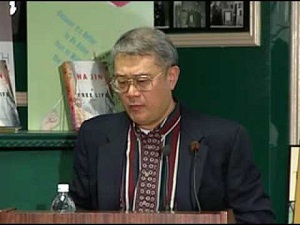
Ha Jin, Anaïs Nin, Raymond Queneau, David Foster Wallace, Ingomar von Kieseritzky, Ishigaki Rin, José Zorrilla y Moral

De Chinees-Amerikaanse schrijver Ha Jin werd geboren op 21 februari 1956 in Jinzhou, China. Zie ook alle tags voor Ha Jin op dit blog.

Uit: War Trash

„At graduation the next fall, I was assigned to the 180th Division of the People's Liberation Army, a unit noted for its battle achievements in the war against the Japanese invaders and in the civil war. I was happy because I started as a junior officer at its headquarters garrisoned in Chengdu City, where my mother was living. My father had passed away three years before, and my assignment would enable me to take care of my mother. Besides, I had just become engaged to a girl, a student of fine arts at Szechuan Teachers College, majoring in choreography. Her name was Tao Julan, and she lived in the same city. We planned to get married the next year, preferably in the fall after she graduated. In every direction I turned, life seemed to smile upon me. It was as if all the shadows were lifting. The Communists had brought order to our country and hope to the common people. I had never been so cheerful.
Three times a week I had to attend political study sessions. We read and discussed documents issued by the Central Committee and writings by Stalin and Chairman Mao, such as The History of the Communist Party of the Soviet Union, On the People's Democratic Dictatorship, and On the Protracted War. Because about half of our division was composed of men from the Nationalist army, including hundreds of officers, the study sessions felt like a formality and didn't bother me much. The commissar of the Eighteenth Army Group, Hu Yaobang, who thirty years later became the Secretary of the Chinese Communist Party, even declared at a meeting that our division would never leave Szechuan and that from now on we must devote ourselves to rebuilding our country. I felt grateful to the Communists, who seemed finally to have brought peace to our war-battered land.
Then the situation changed. Three weeks before the Spring Festival of 1951, we received orders to move to Hebei, a barren province adjacent to Manchuria, where we would prepare to enter Korea. This came as a surprise, because we were a poorly equipped division and the Korean War had been so far away that we hadn't expected to participate. I wanted to have a photograph taken with my fiance before I departed, but I couldn't find the time, so we just exchanged snapshots. She promised to care for my mother while I was gone. My mother wept, telling me to obey orders and fight bravely, and saying, "I won't close my eyes without seeing you back, my son." I promised her that I would return, although in the back of my mind lingered the fear that I might fall on a battlefield.”


 1880462-e2d0f7dac4cce6bab1cf6ed6a05a4284.jpg
Ha Jin (Jinzhou, 21 februari 1956)


De Franse schrijfster Anaïs Nin werd geboren op 21 februari 1903 in Neuilly. Zie ook alle tags voor Anaïs Nin op dit blog.

Uit: Delta of Venus

“Later she came to New York and her wish was fulfilled. She opened the Gotham Book Mart January I, 1920, and was the first to keep it open in the evenings, in the theater section. I believe she educated herself this way, read and listened to the talk around her. Her main interest lies in theosophy. She has antennae, and a gift for friendship. She welcomes the unusual, the uncommercial, the avant-garde. As a result, everything converges to her store, small magazines, rare books, special, unique people, looking for special books. The place has an atmosphere, it is not slick, or organized, or impersonal. People like to come and browse. It is almost like being in a private library, with a familiar natural disorder. Because of her hospitality, there are many treasures in her cellar.
She took me to a light-organ concert. The concept was interesting.
The colors impossibly weak and pretty.
Gonzalo and I searched for a job he could do and like. It was a dismal search, and Gonzalo grew more and more despairing. The only work he responded to was printing, because he had been associated with that on his brother’s newspaper in Lima. He loved first editions, fine printing, and everything connected with it. But he could not get a job because he had no experience.
As we talked, I began to think again it might be good to have our own press. He could do my books or whatever else he wanted to do for his political beliefs, his Latin poet friends.
We saw secondhand presses for seventy-five and one hundred dollars. One of them operated like an old-fashioned sewing machine, by a foot pedal. The inking had to be done by hand. The man said we could turn out Christmas cards on it, but not fine books. Gonzalo was sure it would work. We would have to find one hundred dollars for type and trays.
I talked it over with Frances Steloff. She would lend me seventyfive if I could find the rest of the money.”


 1880462-c219ccc1a1a40d50ced6796146b0ea3f.jpg
Anaïs Nin (21 februari 1903 – 14 januari 1977)
Cover 


De Franse schrijver Raymond Queneau werd geboren op 21 februari 1903 in Le Havre. Zie ook alle tags voor Raymond Queneau op dit blog.


Grande Banlieue

Sur le paysage lont qui s'accroît sans cesse des herbes et des fruits qui mûrissent l'été de nature bonne princesse lance l'alouette de la liberté

Dans les jardins cachés où ne se révèle pas l'histoire des ombres effacées l'eau fourmille en ses voiles de mercure et d'argent froissés

A son heure l'aube opportune fait cesser l'asthme et l'insomnie les crabes courent sur la lune qui près de l'étoile frémit

La mer n'est qu'une opale verte loin d'elle un marin endormi calme ses os endoloris et rêve de découvertes


Le ciel s'est couvert

Le ciel s'est couvert de boue et de brume
L'asphalte pâlit
Tous les pieds sont noirs
Un cerceau jaillit propageant l'écume
Le ruisseau s'étend face au boulevard

Le ciel s'est couvert de pluie et d'enclumes
L'asphalte verdit
Tous les troncs sont noirs
L'abeille alertée a soigné son rhume Ça cocotte un peu près de l'urinoir

Le ciel s'est couvert de rage et de plumes
L'asphalte blanchit
Tous les chats sont noirs
Un train se déplace en criant tummtume
Un flic s'est mouché dedans son mouchoir

Le ciel s'est couvert de pus d'apostume
Le ciel a fondu
Tous les trous sont noirs
Une fille embrasse un aimé jeune hume
Un vendeur veut vendre un journal du soir


 1880462-ea791762edf89077242fe7d154162e24.jpg
Raymond Queneau (21 februari 1903 – 25 oktober 1976)
Hier met zijn zoon Jean-Marie Queneau in 1953


De Amerikaanse schrijver David Foster Wallace werd geboren op 21 februari 1962 in New York. Zie ook alle tags voor David Foster Wallace op dit blog.

Uit: This Is Water: Some Thoughts, Delivered on a Significant Occasion, about Living a Compassionate Life

“Because here's something else that's weird but true: in the day-to day trenches of adult life, there is actually no such thing as atheism. There is no such thing as not worshipping. Everybody worships. The only choice we get is what to worship. And the compelling reason for maybe choosing some sort of god or spiritual-type thing to worship—be it JC or Allah, be it YHWH or the Wiccan Mother Goddess, or the Four Noble Truths, or some inviolable set of ethical principles—is that pretty much anything else you worship will eat you alive. If you worship money and things, if they are where you tap real meaning in life, then you will never have enough, never feel you have enough. It's the truth. Worship your body and beauty and sexual allure and you will always feel ugly. And when time and age start showing, you will die a million deaths before they finally grieve you. On one level, we all know this stuff already. It's been codified as myths, proverbs, clichés, epigrams, parables; the skeleton of every great story. The whole trick is keeping the truth up front in daily consciousness.”
(…)

“If you worship money and things — if they are where you tap real meaning in life — then you will never have enough. Never feel you have enough. It’s the truth. Worship your own body and beauty and sexual allure and you will always feel ugly, and when time and age start showing, you will die a million deaths before they finally plant you. On one level, we all know this stuff already — it’s been codified as myths, proverbs, clichés, bromides, epigrams, parables: the skeleton of every great story. The trick is keeping the truth up-front in daily consciousness. Worship power — you will feel weak and afraid, and you will need ever more power over others to keep the fear at bay. Worship your intellect, being seen as smart — you will end up feeling stupid, a fraud, always on the verge of being found out. And so on.”


 1880462-d8284a4891efb80272be1da6cc747f34.jpg
David Foster Wallace (21 februari 1962 – 12 september 2008)


De Duitse schrijver Ingomar von Kieseritzky werd geboren op 21 februari 1944 in Dresden. Zie ook alle tags voor Ingomar von Kieseritzky op dit blog.

Uit: Traurige Therapeuten

“Ich diagnostizierte eine Hypersensiblität, der die Herren nach einiger Zeit zustimmten. Ich riet ihnen, ausschließlich grüne Teppiche anzuschaffen, moosgrüne und grasgrüne Teppiche. Ich sagte ihnen, ich verstände es sehr gut, dass hypersensible Tiere wie Miriam überall auf der Welt Abgründe witterten, in die man stürzen könne; sie habe absolut recht.
Ach, schöne Erinnerungen an gute Zeiten.
Ich ließ mir einen Schreibtisch bringen und packte ein paar Bücher aus und meine drei Manuskripte, an denen ich arbeiten wollte.
Da lagen nun meine Projekte in grauen, schwarzen und roten Leinenmappen ich schaue sie mir immer mal wieder gern an -, da war die Geschichte des Schwachsinns (schwarze Mappe), ein sehr gutes, noch nicht in Angriff genommenes Werk, viel Material, ein Konvolut, würde wohl nie zu einem Ende kommen. So war’s dann auch.
In der roten Mappe schlummerten meine mannigfachen Fallstudien als Heilpraktiker und Tierheilpraktiker (ich hatte zwei Fernlehrkurse an einer Schweizer Akademie absolviert); in der grauen warteten andere Projekte, darunter eine immer mal wieder vertagte Arbeit über Die letzten Jahre Tolstojs (Tagebuch-Schreibzwänge und andere Familienphänome), und endlich war da mein Tagebuch, das hier im Sanatorium aktualisiert werden sollte; es würde mich bestimmt tonisieren und meinen zerrütteten Nerven helfen, die Vergangenheit systematisch zu kontrollieren. Die Tagebücher oder Kladden von Großvater Edward Singram ließ ich vorerst in der Tasche.
Der Tagesablauf funktioniert schon recht gut; die Mahlzeiten lasse ich mir bringen: leichte Diät, kein Fleisch, kein Alkohol, keine Zigaretten, viele Spaziergänge zwischen Lärchenhainen und Koniferen, wenn es welche sind, wer weiß.
Innenstatus stabil.
Wetter leidlich.
Keine Kontakte, hin und wieder Plauderei mit Spoerri.
Nehme den milden Stimmungsauflueller Dogmatil, hin und wieder im Wechsel Fluoxetin (anregend) und Amitryptilin (dämpfend). Alles in allem ist alles in Ordnung.“


 1880462-2edfb54a4f5001e139d1607ff18c239d.jpg
Ingomar von Kieseritzky (Dresden, 21 februari 1944)
Dresden vanaf de linkeroever van de Elbe boven de Augustusbrücke door Canaletto, 1748


De Japanse dichteres Ishigaki Rin werd geboren op 21 februari 1920 in Tokyo. Zie ook alle tags voor Ishigaki Rin op dit blog.


Souvenir

In recent years
Nothing has been
As good a souvenir.
Shining
So lonely
So beautiful
A single phrase.

‘The earth was green’

The astronauts having landed
Quickly got lost in the crowd
The folk in the square clutched tightly
The telescope made of words they had just been given.

— Can you see it?
— Yep
     I think so
On an uncertain scaffold.

They discovered for certain
Something there for certain
The language of certainty.

It was almost too far away
Like a vision.

The earth was green.


Vertaald door Leith Morton


 1880462-7d83124dbf55c0afa3b264fb808d9c82.jpg
Ishigaki Rin (21 februari 1920 – 26 december 2004)
Cover 


De Spaanse dichter en schrijver José Zorrilla y Moral werd geboren op 21 februari 1817 in Valladolid. Zie ook alle tags voor José Zorrilla y Moral op dit blog.

Uit: Don Juan Tenorio

„BUTTARELLI: You know the story?
DON JUAN:  In its entirety: that’s why I asked for Mejía.
BUTTARELLI: Oh! What fun if the bet were done, because they pay well, in cash.
DON JUAN: And don’t you believe Don Luis will keep his appointment?
BUTTARELLI: Whoa, not a chance: the end of the term’s at hand and I’m sure there’s no way a damned soul can saythey remember a thing about it.
DON JUAN: That’s enough.Here!
BUTTARELLI: Your excellency!
(He bows deeply)
And do you know about either of them?
DON JUAN: Perhaps.
BUTTARELLI: Then they’ll come?
DON JUAN At least one, but if by chance both bother to direct their footsteps here one after the other, well let two best bottles appear for them.
BUTTARELLI: But...
DON JUAN:Shhh! Farewell!
SCENE III
BUTTARELLI: Holy Mother of God! Its Tenorio and Mejía..... it’s certain they’ll both reappear to pick up where they left off. Ah yes, and that man there seems to know all about it.
(A noise off stage.)
But what’s this?
(He goes to the door)
The stranger, fighting in the square! Good Lord, what a rumpus! How the crowd mills round!
Look at him hold the ground alone…! My God! What a fuss! How they run like hell! There’s no doubt they are in Castilla, both of them, now poor Sevilla is turned upside down..... Miguel!"


 1880462-ad1cc9fb1e6a9c8fd7ff53aefdf01c89.jpg
José Zorrilla y Moral (21 februari 1817 – 23 januari 1893)
Cover

Geschreven door Romenu om 12:12 Reageer op dit bericht

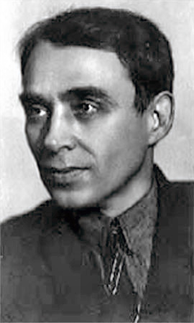
Aleksej Kroetsjonych

De Russische schrijver en dichter Aleksej Jelisejevitsj Kroetsjonych werd geboren op 21 februari 1886 in Olevsk.Kroetsjonych raakte kort voor de Eerste Wereldoorlog als spoorwegarbeider in Tblisi, door deelname aan literaire disputen, verzeild in avant-gardistische kringen. Hij verwierf naam als meest radicale dichter onder de Russische futuristen en geldt als de belangrijkste theoreticus onder hen. In 1913 introduceerde hij in zijn artikel “De nieuwe wegen van het woord” het begrip ‘zaoem’, waarin hij stelt dat de taal zich boven of achter het verstand bevindt en niet rationeel maar alleen maar intuïtief te begrijpen valt. Belangrijk is het woord als zodanig, als vormelement. Waar dichters vroeger uitgingen van gedachten en deze in woorden probeerden uit te drukken, is voor Kroetsjonych niet de gedachte maar het woord zelf primair. Als Adam geeft hij aan alle dingen een nieuwe naam. Zo vindt hij een lelie prachtig, maar het woord ‘lelie’ beduimeld en ‘verkracht’; daarom noemt hij een lelie liever ‘heoejie’, waarmee volgens hem de oorspronkelijke schoonheid wordt hersteld. Een nieuwe taal zorgt volgens Kroetsjonych voor een nieuwe perceptie van de werkelijkheid. Kroetsjenychs poëzie volgt een eigen transrationele taal.


Despair

to dig from under the earth
to steal from the finger
to jump above the head
          sitting walk
          standing run
where to bury the ring
          hang in the noose
          swinging quietly


Rus'

in labor and in swinishness slovenlying
you grow up and become stronger my dear
like the proverbial girl who saved herself
burying her lower half in mud to the waist

crawl forward on knees in darkness and may
your voluntary neighbor light the way ahead


Vertaald door Alex Cigale


 1994996-b185002895d858cc8f273565fa48f3b6.png
Aleksej Kroetsjonych (21 februari 1886 – 17 juni 1968)

Geschreven door Romenu om 00:00 Reageer op dit bericht

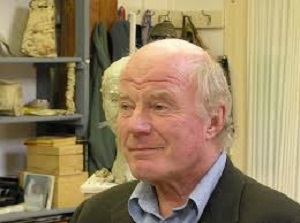
Tom van Deel

De Nederlandse dichter en literatuurcriticus Tom van Deel werd geboren in Apeldoorn op 21 februari 1945. In 1967 publiceerde bij onder de pseudoniemen G. en Gerrit Vogel gedichten in Pharetra, studentenblad van de Vrije Universiteit Amsterdam. Hij was van 1969 tot 2008 recensent van het dagblad Trouw.In de beginjaren was hij daarnaast leraar op een middelbare school. Van Deel geeft nu les in moderne Nederlandse literatuur aan de Universiteit van Amsterdam. Hij debuteerde in 1969 met de dichtbundel “Strafwerk”, in 1971 gevolgd door “Recht onder de merels”. Zijn boekbesprekingen bundelde hij in “Recensies” (1980). In 1987 ontving hij de Jan Campertprijs voor de bundel “Achter de waterval“ (1986). Van Deels interesse voor de combinatie beeldende kunst en poëzie blijkt uit de bundel “Gedichten kijken” (1987), een bloemlezing beeldgedichten, en “Ik heb het Rood van 't Joodse bruidje lief” (1988), gedichten over beeldende kunst. In 1992 verscheen zijn verzameling essays over dit onderwerp: “Als ik tekenen kon”. Van Deel verzorgde veel tekstuitgaven van nagelaten werk van Simon Vestdijk. Over de poëzie van Vestdijk publiceerde hij “Veel lied'ren zijn gezongen” (1987).


Dit moment

Er is niets voor te stellen mooier dan
een vrouw die in het strijkend avondlicht
een tuin inloopt, het waait, het blad van
de kastanje gaat tekeer, ze zoekt naar
bloemen, snoeiend, alles als weleer.
Daar bukt ze, rustig buiten elke tijd,
verbonden met haar wereld, ook de mijne.
Ik zie het aan in dit moment en wens
dat ondanks ons verstrijken het beklijft.


Fabel

Vlinder ziet een speld staan
vindt hem mooi want streng
niet doelloos doch standvastig.
Zij wil hem aan zich binden
dit eenzaam puntig wezen
en zegt me zoete aandrang
'doe ik mijn vleugels dicht
bekijk mij dan van voren
ben ik een speld op poten.'
Bang om zich te bezeren
aan zoiets kleurig breekbaars
met ogen fijn dooraderd
volhardt de speld in staren
blijft stijf gesloten staan
'als ik hier niet vandaan raak
grijpt het ons beiden aan.'


 1994562-09720f9a5c1ff819945e275d34cd19a8.jpg
Tom van Deel (Apeldoorn, 21 februari 1945)


Geschreven door Romenu om 00:00 Reageer op dit bericht

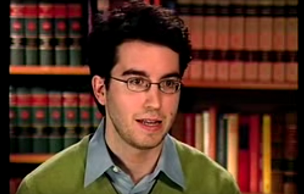
Jonathan Safran Foer

De Amerikaanse schrijver Jonathan Safran Foer werd geboren in Washington D.C. op 21 februari 1977. Foer is de middelste zoon uit een Joodse familie; zijn oudere broer, Franklin, is een voormalig redacteur van The New Republic en zijn jongere broer, Joshua, is de oprichter van Atlas Obscura. Foer bezocht de Georgetown Day School en reisde in 1994 naar Israël met andere Noord-Amerikaanse joodse tieners, gesponsord door de Bronfman youth fellowships. In 1995, als eerstejaarsstudent aan Princeton University, nam hij deel aan een inleidende cursus met schrijfster Joyce Carol Oates. Zijn eerste roman, “Everything is Illuminated” (Alles is verlicht), werd uitgegeven in 2002. Het verscheen al snel in de internationale bestsellerslijsten en won verschillende literaire prijzen, waaronder de National Jewish Book Award en de Guardian First Book Award. Een eerdere versie van het boek (The Very Rigid Search, The New Yorker, 18 juni 2001) werd verfilmd door Liev Schreiber in 2005. Foers tweede roman, “Extremely Loud and Incredibly Close” (Extreem luid & ongelooflijk dichtbij) werd uitgegeven in 2005. Foers derde boek,” Eating Animals” (Dieren eten) werd gepubliceerd in 2009. Het is geen roman zoals zijn overige boeken, maar een non-fictie-boek. Toen Foer op het punt stond vader te worden, begon hij zich af te vragen waar het voedsel vandaan komt dat hij zelf at en dat ook zijn zoon zou gaan eten. Zijn vragen brachten een zoektocht naar antwoorden met zich mee. Na zijn onderzoek heeft hij besloten om vegetariër te worden.

Uit:Everything Is Illuminated

“My legal name is Alexander Perchov. But all of my many friends dub me Alex, because that is a more flaccid-to-utter version of my legal name. Mother dubs me Alexi-stop-spleening-me!, because I am always spleening her. If you want to know why I am always spleening her, it is because I am always elsewhere with friends, and disseminating so much currency, and performing so many things that can spleen a mother. Father used to dub me Shapka, for the fur hat I would don even in the summer month. He ceased dubbing me that because I ordered him to cease dubbing me that. It sounded boyish to me, and I have always thought of myself as very potent and generative. I have many many girls, believe me, and they all have a different name for me. One dubs me Baby, not because I am a baby, but because she attends to me. Another dubs me All Night. Do you want to know why? I have a girl who dubs me Currency, because I disseminate so much currency around her. She licks my chops for it. I have a miniature brother who dubs me Alli. I do not dig this name very much, but I dig him very much, so OK, I permit him to dub me Alli. As for his name, it is Little Igor, but Father dubs him Clumsy One, because he is always promenading into things. It was only four days previous that he made his eye blue from a mismanagement with a brick wall. If you're wondering what my bitch's name is, it is Sammy Davis, Junior, Junior. She has this name because Sammy Davis, Junior was Grandfather's beloved singer, and the bitch is his, not mine, because I am not the one who thinks he is blind.
As for me, I was sired in 1977, the same year as the hero of this story. In truth, my life has been very ordinary. As I mentioned before, I do many good things with myself and others, but they are ordinary things. I dig American movies. I dig Negroes, particularly Michael Jackson. I dig to disseminate very much currency at famous nightclubs in Odessa. Lamborghini Countaches are excellent, and so are cappuccinos. Many girls want to be carnal with me in many good arrangements, notwithstanding the Inebriated Kangaroo, the Gorky Tickle, and the Unyielding Zookeeper. If you want to know why so many girls want to be with me, it is because I am a very premium person to be with. I am homely, and also severely funny, and these are winning things. But nonetheless, I know many people who dig rapid cars and famous discotheques. There are so many who perform the Sputnik Bosom Dalliance—which is always terminated with a slimy underface—that I cannot tally them on all of my hands. There are even many people named Alex. (Three in my house alone!) That is why I was so effervescent to go to Lutsk and translate for Jonathan Safran Foer. It would be unordinary.”


 1968889-a96eb0c5478aa255d9942e4b5e6b8ccf.png
Jonathan Safran Foer (Washington, 21 februari 1977)

Geschreven door Romenu om 00:00 Reageer op dit bericht

Meer van Romenu

↑ Terug naar de berichten