Naar de inhoud

Romenu

Over literatuur, gedichten, kunst en cultuur
seniorennet.beseniorennet.be

Berichten van 16 november 2010

José Saramago, Craig Arnold, Renate Rubinstein, Danny Wallace, Anton Koolhaas
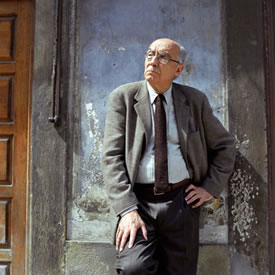
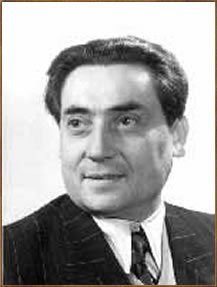
De Portugese schrijver José Saramago werd geboren op 16 november 1922 in het dorpje Azinhaga in de provincie Ribatejo. Zie ook mijn blog van 16 november 2006 en ook mijn blog van 16 november 2008 en ook mijn blog van 16 november 2009.


Uit: Blindness (Vertaald door Giovanni Pontier)


„The amber light came on. Two of the cars ahead accelerated before the red light appeared. At the pedestrian crossing the sign of a green man lit up. The people who were waiting began to cross the road, stepping on the white stripes painted on the black surface of the asphalt, there is nothing less like a zebra, however, that is what it is called. The motorists kept an impatient foot on the clutch, leaving their cars at the ready, advancing, retreating like nervous horses that can sense the whiplash about to be inflicted. The pedestrians have just finished crossing but the sign allowing the cars to go will be delayed for some seconds, some people maintain that this delay, while apparently so insignificant, has only to be multiplied by the thousands of traffic lights that exist in the city and by the successive changes of their three colours to produce one of the most serious causes of traffic jams or bottlenecks, to use the more current term.

The green light came on at last, the cars moved off briskly, but then it became clear that not all of them were equally quick off the mark. The car at the head of the middle lane has stopped, there must be some mechanical fault, a loose accelerator pedal, a gear lever that has stuck, problem with the suspension, jammed brakes, breakdown in the electric circuit, unless he has simply run out of gas, it would not be the first time such a thing has happened. The next group of pedestrians to gather at the crossing see the driver of the stationary car wave his arms behind the windshield, while the cars behind him frantically sound their horns. Some drivers have already got out of their cars, prepared to push the stranded vehicle to a spot where it will not hold up the traffic, they beat furiously on the closed windows, the man inside turns his head in their direction, first to one side then the other, he is clearly shouting something, to judge by the movements of his mouth he appears to be repeating some words, not one word but three, as turns out to be the case when someone finally manages to open the door, I am blind.“


 784799-3d53001fbd9210f1d2875110e83b8049.jpg

José Saramago (Azinhaga, 16 november 1922)


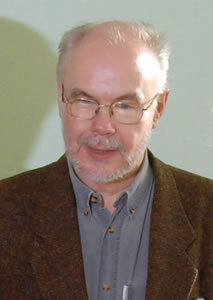
De Amerikaanse dichter Craig Arnold werd geboren op 16 november 1967 in Temple,Californië. Zie ook mijn blog van 16 november 2008 en ook mijn blog van 16 november 2009.


Bird-Understander


Of many reasons I love you here is one


the way you write me from the gate at the airport

so I can tell you everything will be alright


so you can tell me there is a bird

trapped in the terminal      all the people

ignoring it       because they do not know

what do with it       except to leave it alone

until it scares itself to death


it makes you terribly terribly sad


You wish you could take the bird outside

and set it free or       (failing that)

call a bird-understander

to come help the bird


All you can do is notice the bird

and feel for the bird       and write

to tell me how language feels

impossibly useless


but you are wrong


You are a bird-understander

better than I could ever be

who make so many noises

and call them song


These are your own words

your way of noticing

and saying plainly

of not turning away

from hurt


you have offered them

to me       I am only

giving them back


if only I could show you

how very useless

they are not


 784799-d75c840e6814d53850b2668b51652266.jpg

Craig Arnold (Temple, 16 november 1967)


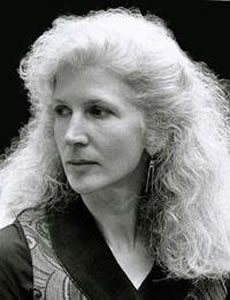
De Nederlandse schrijfster en journaliste Renate Rubinstein werd geboren op 16 november 1929 in Berlijn. Zie ook mijn blog van 16 november 2006 en ook mijn blog van 16 november 2007 en ook mijn blog van 16 november 2008 en ook mijn blog van 16 november 2009.


Uit: Van Geel


“Maar het beste uit deze bundel vind ik het korte stuk van Vasalis, die er, zonder één gedicht te ‘analyseren’, in slaagt om de toon te zetten voor het begrijpen van de meeste. Ze gebruikt geen woord teveel, wat het citeren nog weer extra-moeilijk maakt, maar deze passage was voor mij een sleutel tot Van Geels poëzie: ‘In alle andere z.g. natuurgedichten is heel wat anders aan de gang, iets dat als je het goed leest behoorlijk angstaanjagend èn hunkeringwekkend is. Dat merk je pas aan de opluchting die je ervaart bij b.v. Thee drenken, Wijde regen, en Zwanen bij nacht, waarin je diepe wens “dat het terecht komt” kortstondig wordt verhoord. Geen happy end - geen end tenminste, maar een toestand van gelijkheid en wederkerigheid, waarin de eenzaamheid beëindigd wordt zonder dat er een fusie plaats vindt waarbij één van de twee elementen te gronde gaat. Het hardnekkig streven naar een vereniging die geen vernietiging inhoudt, dat de oorsprong van vele van zijn gedichten vormt, is een zó oude en diepe drang, dat niemand er na zijn 1e jaar op de wereld aan ontkomt, of en hoe hij het ook probeert onder te brengen: al naar zijn aard en levensgeschiedenis in mystiek, religie, politiek, wetenschap, kunst, liefde, geweld.’

Ze eindigt met te betreuren dat haar proza te zwaar rust op een poëzie die juist nooit ‘zwaar’ is, maar zoals zij schrijft: ‘ton sur ton, geen leringen, abstracties, conclusies’. (Dat ‘ton sur ton’ vind ik nog beter gezegd dan het ‘kleurloos grijs’ waar Van Geel het in een brief over heeft.)

En om duidelijk te maken wat ze bedoelt, besluit ze haar stuk met 5 gedichten uit Van Geels laatste bundel (Enkele Gedichten). Ik kies er daarvan twee, ter illustratie, zowel van ‘dat het terecht komt’ als van ‘een vereniging die geen vernietiging inhoudt’.


Thee drenken


Nacht in een theepot

waar water blad,

blad water koestert,

een lichte damp

de tuit verlaat.”


784799-4735ab0d73222a4b6b8bc79769ab70d6.jpg
Renate Rubinstein (16 november 1929 – 23 november 1990)


De Schotse schrijver, humorist, radio-en televisie presentator Daniel Frederick Wallace werd geboren op 16 november 1976 in Dundee. Zie ook mijn blog van 16 november 2008 en ook mijn blog van 16 november 2009.


Uit: Friends Like These


„The changes started without me noticing. But like birds escaping the trees at the first flicker of a distant earthquake, the signs had been there ever since I'd moved to my smart new home in a smart new area of North London. It was an area which was going places.

An area where everyone was married and did brunch and drank lattes and dined at Latvian restaurants. Where the men wore trendy little oblong glasses and the ladies wore skinny jeans, ate croissants and read the papers on a Sunday morning in a place with a battered leather sofa.

What ridiculous cliched thirtysomethings, I thought, as I sat dipping my croissant in my brunchtime latte. What must they make of me here? I'm a maverick. A free-spirited 29-year-old. And my glasses only trendy and oblong.

But then came the morning that my wife, Lizzie, witnessed something terrifying. 'What are you doing?' she said, wideeyed, as she watched me walking into the kitchen.

'I'm just taking this mug to the sink,' I said.

There was silence. And then, as we realised what was happening  -  what this signified  -  how this was the first time in my life I had ever taken a mug to the sink within two days of finishing my tea, I stopped dead in my tracks and we simply stared at each other in horror.

We had felt the first tremors of the earthquake. It was getting closer.

Soon, the evidence began to pile up. The fridge was my early warning system. Gone were the Herta frankfurters and processed cheese of just a year or two before, when I was single. In were skimmed milk and hummus, and baby carrots and fresh spinach. We'd gone organic, we were buying Fairtrade, we had crisp white wine instead of cans of Stella.

Clubs had become bars, nights down the pub had slowly morphed into intimate dinners with close friends. I ate low-fat pretzels with crushed rock salt where once Wotsits would have done.

How had this happened? Could it actually be true? At 29, was I really on the brink of finally, undeniably, irrefutably becoming an adult? “


784799-e59278273edb428e80dae5c3db87f32a.jpg
D
anny Wallace (Dundee, 16 november 1976)


De Nederlandse schrijver
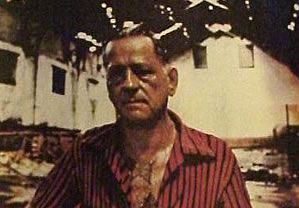
Anton Koolhaas werd op 16 november 1912 in Utrecht. Zie ook mijn blog van 17 november 2006 en ook mijn blog van 17 november 2008 en ook mijn blog van 16 november 2009.


Uit: Een pak slaag


“Ze schudden dan met het hoofd, maar doorgaans doen ze wel als de bliksem wat hij zegt. Het heeft dan ook nog iets van een orakel. De legende van de oude Kees, die het bedrijf groot maakte, blijft op die manier springlevend.

Men zou kunnen denken dat het voor Hein Slotter wel eens benauwend moet zijn, als zoiets gebeurt. Want eigenlijk had hij die brainwave moeten hebben. Maar dat is niet zo. Hein krijgt de tranen in de ogen, als Kees II iets geweldigs zegt. En hij doet het meteen, als het een voorstel is. Hein houdt van de oude Slieps. Niemand weet hoeveel en niemand ziet ook die tranen ooit, omdat niemand er op komt, dat het tranen zouden kunnen zijn omdat Hein Slotter zo veel van Slieps houdt.

De volgende dag kan de oude dan wel weer volkomen vertrokken zijn. Somds wordt er dezelfde avond al weer naar de politie gebeld om mijnheer te zoeken.

Ans is lelijk. Lelijk zegt niets. Ze is dik en rose, maar niet van gezondheid, doch van jachterigheid en zenuwen en huidvlammen. Ze is boos. Ze kan iets niet verkroppen, maar ze weet niet wat. Ze is gemelijk en achterdochtig. Ze eet veel en ze snoept veel en in ieder gezelschap is ze een gevaarlijke roserode kuil, die niet is te dempen en waar iedereen voor oppast.

‘Zou die Hein geen goeie vrijer voor je zijn?’heeft haar vader ooit eens tegen haar gezegd en zeven jaar later kreeg ze de eerste kinderwagen van een nieuw model: Sliep Sleeper, vooral in Engeland een kraker. Kees heette het kindje natuurlijk, hoewel Heins vader ook een Hein was, althans een Hendricus. Onder het kussentje in de wagen lag bij de aanbieding een pakketje aandelen met een blauw lintje erom. Voor Keesje van Kees II.“


784799-f037613a2248e88e7ac09f2f9e62da9a.jpg
Anton Koolhaas (16 november 1912 – 16 december 1992)


Zie voor nog meer schrijvers van de 16e november ook mijn vorige blog van vandaag.
Geschreven door Romenu om 00:00 Reageer op dit bericht

Chinua Achebe, Hugo Dittberner, Andrea Barrett, Henri Charrière, Jónas Hallgrímsson, Max Zimmering, Birgitta Arens

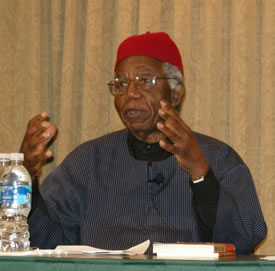
De Nigeriaanse dichter en schrijver Chinua Achebe werd geboren op 16 november 1930 in Ogidi. Zie ook mijn blog van 16 november 2006 en ook mijn blog van 16 november 2008 en ook mijn blog van 16 november 2009.


Agostinho Neto


Agostinho, were you no more

Than the middle one favored by fortune

In children's riddle; Kwame

Striding ahead to accost

Demons; behind you a laggard third

As yet unnamed, of twisted fingers?

No! Your secure strides

Were hard earned. Your feet

Learned their fierce balance

In violent slopes of humiliation;

Your delicate hands, patiently

Groomed for finest incisions,

Were commandeered brusquely to kill,

Your gentle voice to battle-cry.


Perhaps your family and friends

Knew a merry flash cracking the gloom

We see in pictures but I prefer

And will keep that sorrowful legend.

For I have seen how

Half a millennium of alien rape

And murder can stamp a smile

On the vacant face of the fool,

The sinister grin of Africa's idiot-kings

Who oversee in obscene palaces of gold

The butchery of their own people.


Neto, I sing your passing, I,

Timid requisitioner of your vast

Armory's most congenial supply.

What shall I sing? A dirge answering

The gloom? No, I will sing tearful songs

Of joy; I will celebrate

The man who rode a trinity

Of awesome fates to the cause

Of our trampled race!

Thou Healer, Soldier and Poet!


784789-13a52c998042b23cf1f006a9b0dd7bab.jpg
Chinua Achebe (Ogidi, 16 november 1930)


De Duitse schrijver, dichter en essayist Hugo Dittberner werd geboren op 16 november 1944 in Gieboldehausen. Zie ook mijn blog van 16 november 2006 en ook mijn blog van 16 november 2008 en ook mijn blog van 16 november 2009.


Uit: Das See-Vokabularium


„Ein »He, du!« hörte ich im Radio rufen, aber Torges Läuten an der Haustür mußte ich überhört haben.

Denn nun arbeitete er schon an der alten Drehklingel und ließ gleich mehrmals das lange Ratschen mit dem folgenden kurzen Klingeln ertönen.

Als ich öffnete, stand er, noch immer »jung und prompt«, wie wir gesagt hatten, vor der Tür, obwohl

dreißig Jahre vergangen waren. Torge war der jüngere Bruder meines Studienfreundes Rainer Frederking. Eine Weile hatte er wie wir in Göttingen studiert und es damals nur schwer verwunden, daß er in unserer Freundschaft keine Rolle spielen sollte. Später hatte ich ihn noch ein, zwei Mal im Haus der Eltern an der See gesehen, als ich Rainer besuchte; und es schien nicht so, daß er Lust hätte, mit mir ins Gespräch zu kommen. So war ich gespannt, warum er mich, wie er telefonisch kurz angekündigt hatte, auf der Durchreise sprechen wollte.

Er kam gleich, als wartete der nächste Zug, zur Sache.

»Mir war immer klar, daß Rainer ein besonderer Mensch war!« betonte er: »Als Bruder kann ich das

wohl beurteilen!«

»Nun«, sagte ich, noch immer empfindlich bei seinen Übertreibungen, »ich will dir nicht widersprechen, Torge.«

Er erinnerte mich an den Tag, als Rainer nach Oldenburg gefahren war, um aus einer kanadischen

Altkleidersammlung die Elchlederjacke zu fischen, die er dann ewig trug, und wie sehr das ein Signal

war für alles, was kam.

Die Elchlederjacke war in der Tat Rainers besonderes Merkmal bei vielen unserer Unternehmungen

gewesen. Rainers »Wahrzeichen« hatten wir sie genannt. Ich sah ihn vor mir, und ich sah ihn vor mir,

wie er seinem Vater in dem Haus am Meer Rede und Antwort zu stehen hatte, ein erwachsener Sohn in den Zwanzigern! Wir waren am Meer gewesen und hatten über Rainers neues Lied gesprochen. Jünglinge, die am Meer wandern und Pfefferminz lutschen, Arme und Beine schlenkernd, hieß das beim zornigen Vater. Den hatte erbost, daß Rainer in dieser Elchjacke, in seinen Stiefeln und den lose darum schlenkernden gestreiften Hosen als ein Fremder in der Familie umherging, provokant wie ein Westernoder Freizeit-Held.“


 784789-878663e85ebcb16dd83d21a56ad8e3ec.jpg

Hugo Dittberner (Gieboldehausen, 16 november 1944)


De Amerikaanse schrijfster
Andrea Barrett werd geboren in Cape Cod, Massachusetts op 16 november 1954. Zie ook mijn blog van 16 november 2008
en ook mijn blog van 16 november 2009.


Uit: The Voyage of the Narwhal


„In tiny, skin-covered kayaks the strangers darted among the icebergs; their legs were hidden inside the boats, their arms extended by two-bladed paddles. Flash, flash: into the ocean and out again, water streaming silver from the blades. The paddles led to tight hooded jackets; the jackets merged into oval skirts connecting the men at their waists to the boats -- like centaurs, Erasmus thought. Boat men, male boats. It was all a blur, he couldn't see their faces.

Sean Hamilton tossed them bits of biscuit and Erasmus revised his first opinion: This was where the journey began, with this first sight of the arctic men he'd read about for so long. That these Greenlanders had traded with whalers for two centuries, been colonized by the Danes and converted by Moravian and Lutheran missionaries, made them less strange: but they were still new to him. On the first night in port, over a dinner of eider ducks at the huge-chimneyed home of the Danish inspector, he looked alternately at a bad engraving of four Greenlanders captured near Godthaab and brought to Copenhagen and, out the window next to the portrait, at the jumble of wooden huts and sealskin tents into which the mysterious strangers disappeared.“


 784789-dcdc215fa59a9ae2801de4009338d851.jpg

Andrea Barrett (Cape Cod, 16 november 1954)


De Franse schrijver Henri Charrière werd geboren op 16 november 1906 in Saint-Étienne-de-Lugdarès. Zie ook mijn blog van 16 november 2008.


Uit: Papillon (Vertaal door Walter B. Michaels)


“The prosecutor was Magistrate Pradel. He had the grim reputation of being the "number one" supplier to the guillotine and to the domestic and colonial prisons as well.

Pradel was the personification of public vengeance: the official accuser, without a shred of humanity. He represented law and justice, and he would do everything in his power to bend them to his will. His vulture's eyes gazed intently down at me-down because he sat above me, and down also because of his great height. He was at least six foot three-and he carried it with arrogance. He kept on his red cloak but placed his cap in front of him and braced himself with hands as big as paddles. A gold band indicated he was married, and on his little finger he wore a ring made from a highly polished horseshoe nail.

Leaning forward a little, the better to dominate me, he seemed to be saying, "Look, my fun-loving friend, if you think you can get away from me, you're much mistaken. You don't know it, but my hands are really talons and they're about to tear you to pieces. And if I'm feared by the lawyers, it's because I never allow my prey to escape.

"It's none of my business whether you're guilty or innocent; my job is to use everything that's available against you: your bohemian life in Montmartre, the testimony extorted from the witnesses by the police, the testimony of the police themselves. With the disgusting swill the investigator has collected, I must make you seem so repulsive that the jury will cast you out of the society of men."

Was I dreaming or was he really speaking to me? Either way I was deeply impressed by this "devourer of men."

"Don't try to resist, prisoner. Above all, don't try to defend yourself. I'm going to send you down the road of the condemned anyway. And I trust you have no faith in the jury. Have no illusions in that quarter. Those twelve know nothing of life.“


 784789-e6b53de9aeb2aeb188a529a9eb205b63.jpg

Henri Charrière (16 november 1906 – 29 juli 1973)


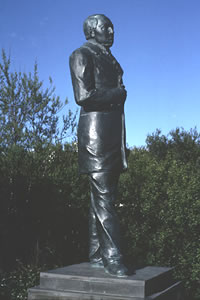
De IJslandse dichter en natuurwetenschapper Jónas Hallgrímsson werd geboren op 16 november 1807 in Öxnadalur. Zie ook mijn blog van 16 november 2008.


At an Old Grave, 1841


Hardship! though your unhappy son

lies here secure in nature's keeping,

clad in eternal night and sleeping ---

his soul's enduring weal is won.


 Glazed is your eye --- how free from guile,

how kind in my young estimation!

It made me sigh with admiration,

seeing the triumph of your smile!


Stilled are your thin, deft hands (how high

their art had been! our envy lingers),

agile as winsome maidens' fingers

laying white linen out to dry.


Bide here, my old friend, in your bed

until the golden tones of seven

trumpets remold the earth and heaven!

Iceland was cold, oh Kjærnested.


Artistry knows her cue to cry:

wintertime snows lay waste the flowers,

waiting to close their tale of hours ---

the reddest rose is first to die.


Vertaald door Dick Ringler


784789-7572d361b6d41c5a840f654803cdf825.jpg
Jónas Hallgrímsson (16 november 1807 – 26 mei 1845)

Standbeeld van Einar Jónsson in Reykjavik


De Duitse dichter en schrijver Max Zimmering werd geboren op 16 november 1909 in Pirna (Sachsen). Zie ook mijn blog van 16 november 2006. 


Klopfen an der Tür

Es klopfte an der Tür, ein zages Klopfen,
als wenn der Wind ein Blatt ans Fenster schnellt,
wie ein verirrter Sonnenregentropfen,
der dir im Garten auf die Zeitung fällt.

So zögernd war der Laut, der mich gerufen -
so zögernd war der Blick, der mich empfing:
Ein kleines Mädchen nahe an den Stufen,
schon fluchtbereit, ein blasses, schmales Ding.

Erst auf die dritte Frage, sanft gesprochen,
bat sie mich um Wasser, da sie durstig sei.
Mir war's, als hört ihr Herz ich leise pochen.
"Und hungrig?" fragte ich wie nebenbei.

War es Verachtung, war's ein Mitleidsschimmer
im Kinderauge, das mich musterrnd maß?
"Zu trinken nur, denn hungrig bin ich immer..."
Sie leerte gierig das gereichte Glas.


 784789-294e183f1675c9cfde45453768c801f5.jpg

Max Zimmering (16 november 1909 - 15 september 1973)


Zie voor onderstaande schrijvers ook mijn blog van 16 november 2008.


De Duitse schrijfster Birgitta Arens werd geboren op 16 november 1948 in Oeventrop.

Geschreven door Romenu om 00:00 Reageer op dit bericht

Meer van Romenu

↑ Terug naar de berichten