

Naar de inhoud

Romenu

Over literatuur, gedichten, kunst en cultuur
seniorennet.beseniorennet.be

Berichten van 23 maart 2011

Mitch Cullin, Gary Whitehead, Yōko Tawada, Steven Saylor, Nils-Aslak Valkeapää
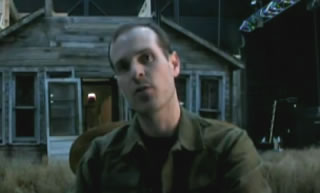
De Amerikaanse schrijver Mitch Cullin werd geboren op 23 maart 1968 in Santa Fe, New Mexico.  Zie ook mijn blog van 23 maart 2007 en ook mijn blog van 23 maart 2008 en ook mijn blog van 23 maart 2009 en ook mijn blog van 23 maart 2010.


Uit: The Post-War Dream


„That serpentine formation of listless souls wound back into the darkness-the shapes of children, men and women, mothers cradling infants, the elderly-coming from where the cows had been headed, drawing nearer while never quite reaching him. But it was the gas mask each one wore which disturbed him the most-such cumbersome equipment obscuring their faces, too large for the heads of small children and practically consuming the entire bodies of the infants, giving the group a uniform, superficial appearance not unlike that of cattle. Even so, he perceived their determined movements as a kind of miserable retreat, a retrogression toward the past and, indeed, toward the living-where, upon arriving at their destination, he imagined the masks would be cast aside and all of them would inhale freely once more.

Yet every step of their bare feet was now preceded by labored breath, a collective exhalation delivered in unison and released as a muted, staccato gasp through chemical air filters-while their paper-thin skin contracted around pronounced rib cages, and many of their arms hung like broken branches at their sides. As the ragged column advanced steadily in the moonlight, he realized the physical condition of the people had deteriorated badly since he'd first seen them decades ago. Their clothing was either reduced to shreds or had fallen away, their ankles and feet were covered with sores, their hair was so long that it ran the length of their backsides, and the men's thick beards jutted from beneath their masks. In that stream of pale, dirty bodies only their protruding bones shone clearly as they marched one after the other.

"Where are you going?" he had once asked them without speaking. "What is it you're looking for? What do you want?"


878097-63a987d00989ce904d2ddc58cdfcde70.jpg
Mitch Cullin (Santa Fe, 23 maart 1968)


De Amerikaanse dichter Gary Joseph Whitehead werd geboren op 23 maart 1965 in Pawtucket, Rhode Island. Zie ook mijn blog van 23 maart 2007 en ook mijn blog van 23 maart 2008 en ook mijn blog van 23 maart 2009 en ook mijn blog van 23 maart 2010.


First Year Teacher to His Students


Go now into summer, into the backs of cars,

into the black maws of your own changing,

onto the boardwalks of a thousand splinters,

onto the beaches of a hundred fond memories

in wait, where the sea in all its indefatigability

stammers at the invitation. Go to your vacation,


to the late morning cool of your basement rooms,

the honeysuckle evening of the first kiss, the first

dip and pivot, swivel and twist. Go to where

the clipper ships sail far upriver, where the salmon

swim in the clean, cool pools just to spawn.

Wake to what the spider unspools into a silver


dawn dripping with light. Sleep in sleeping bags,

sleep in sand, sleep at someone else's house

in a land you've never been, where the dreamers

dream in a language you only half understand.

Slip beneath the sheets, slide toward the plate,

swing beneath the bandstand where the secret


things await. Be glad, or be sad if you want,

but be, and be a part of all that marches past

like a parade, and wade through it or swim in it

or dive in it with your eyes open and your mind

open to wind, rain, long days of sun and longer

nights of city lights mixing on wet streets like paint.


Stay up so late that you forget day-of-the-week,

week-of-the-month, month-of-the-year of what

might be the best summer, the summer

best remembered by the scar, or by the taste

you'll never now forget of someone's lips,

and the trips you took—there, there, there,


where snow still slept atop some alpine peak,

or where the moon rose so low you could see

its tranquil seas...and all your life it'll be like

some familiar body that stayed with you one night,

one summer, one year, when you were young,

and how everywhere you walked, it followed.


878097-6b48c5275172696e692bfbd2819b9029.jpg
Gary Whitehead (Pawtucket,  23 maart 1965)


De Japanse schrijfster Yōko Tawada werd geboren op 23 maart 1960 in Tokyo. Zie ook mijn blog van 23 maart 2007 en ook mijn blog van 23 maart 2008 en ook mijn blog van 23 maart 2009 en ook mijn blog van 23 maart 2010.
 

Uit: Abenteuer der deutschen Grammatik


1. Wortstellung


Das Verb spielt die zweite Geige

Wenn die Melodie zitiert ist

hat es den letzten Ton

An einem gewöhnlichen Tag steht das Subjekt vorne

Jeder kann anfangen aber wer steht am Ende

Wenn ein anderer den Kopf macht

muss das Subjekt

nach hinten rücken

Die Reihenfolge und die Hierarchie sind zweierlei

Der Rhythmus kennt keine Korruption


2. Passé Composé


Ein Kompott

Für uns alle dasselbe

Für mich für dich für ihn für sie denn

Es ist gegessen und vergessen.

Nur die Haltung des Habens unterscheidet sich 

Zwischen mir und ihm und ihr und sie und uns

Bitte nicht zu viel „und“!

Und das Haben zeigt bei jedem ein anderes Ende

Ich bleibe eher offen

Du bis streng verschlossen

Er und sie haben Hüte auf dem Kopf

Gemeinsam sind die eingeatmete Luft und

Die durchgemachte Nacht

Wir lasen nie das gleiche Buch, aber

Gelesen haben wir alle oder

Ich „gelese", du „gelesest"?

Das perfekt Vergangene ist durchkomponiert und vereinfacht

Warum sind wir aber so vielfältig in der Gegenwart?


 878097-d360d08b3ae027d0f5f58ca7de96e85d.jpg

Yōko Tawada (Tokyo, 23 maart 1960)


De Amerikaanse schrijver Steven Saylor werd geboren op 23 maart 1956 in Port Lavaca Texas. Zie ook mijn blog van 23 maart 2008 en ook mijn blog van 23 maart 2009 en ook mijn blog van 23 maart 2010..


Uit: A Murder on the Appian Way


"Papa! Wake up!"

A hand gripped my shoulder and shook me gently. I pulled away and felt cold air on the back of my neck as the blanket slid away. I snatched it back and snuggled against it, burrowing for warmth. I reached for Bethesda, but found only a warm vacancy where she should have been.

"Really, Papa, you'd better wake up." Eco shook me again, not quite so gently.

"Yes, husband," said Bethesda. "Get up!"

What sleep is as deep as the sleep of a cold Januarius night, when the sky is a blanket of lowering clouds and the earth shivers below? Even with my son and wife yammering at me, I slipped back into the arms of Morpheus as easily as a boy slipping into a bottomless, downy bed of goose feathers. It seemed to me that two magpies were chattering absurdly in a tree nearby, calling me "Papa" and "Husband." They swooped down, fluttered their wings, pecked me with their beaks. I groaned and waved my arms to fend them off. After a brief battle they retreated into the frosty clouds, leaving me to dream in peace.

The frosty clouds burst open. Cold water splashed my face.

I sat upright, sputtering and blinking. With a satisfied nod, Bethesda placed an empty cup beside a flickering lamp on a little table against the wall. Eco stood at the foot of the bed, gathering up the blanket he had just pulled off me. I shivered in my sleeping gown and hugged myself.

"Blanket thief!" I mumbled grimly. At that moment it seemed the foulest crime imaginable. "Stealing an old man's rest!"

Eco remained impassive. Bethesda crossed her arms and arched an eyebrow. By the dim lamplight the two of them still looked suspiciously like magpies.

I closed my eyes. "Have pity!" I sighed, thinking an appeal to mercy might gain me just one more blissful moment of sleep.


 878097-fa7bec6e170d1308a0d5b5fec24e292d.jpg

Steven Saylor (Port Lavaca, 23 maart 1956)


De Samische dichter, schilder, musicus en fotograaf  Nils-Aslak Valkeapää werd geboren op 23 maart 1943 in Palonjoensuu nabij Enontekiö. Zie ook mijn blog van 23 maart 2009 en ook mijn blog van 23 maart 2010.


Uit: Trekways of the Wind


For a moment I was with you

rested for a while


And now my friend, my dear bird

it is time to leave again

It is always like that towards the end


And I take out the white reindeer fur coat

not so new any more

but not worn either

And I take out the mottled fur shoes

new shoe strings

nice dark fur leggings

the silver belt the gákti

the silk scarf the cap

the fur gloves

And the food pack


I leave

to arrive

go away

to be closer


To the space of your thoughts

to your heart

I crawl

into the heart


I journey

on the sea of time

follow

the tracks of the wind


878097-8d285a7fb93a9c288ec2911f1fd57fb2.jpg
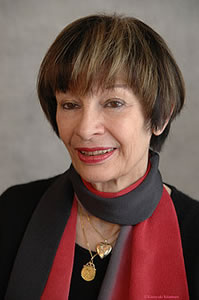
Nils-Aslak Valkeapää
(23 maart 1943 – 26 november 2001)


Zie voor nog meer schrijvers van de 23e maart ook mijn vorige blog van vandaag.
Geschreven door Romenu om 18:35 Reageer op dit bericht

Federica de Cesco, Roger Martin du Gard, Hamvas Béla, Daniel Biga, Ceija Stojka

De Zwitserse schrijfster Federica de Cesco werd geboren op 23 maart 1938 in Pordenone, Zie ook mijn blog van 23 maart 2009 en ook mijn blog van 23 maart 2010.


Uit: Muschelseide


„Ricardo fühlte sich nicht wohl. Herzrhythmusstörungen. Die Anfälle traten gelegentlich auf, waren harmlos, aber unangenehm. Er nahm sie leider als Vorwand, um nicht in den Country-Club zu gehen, und wurde dabei immer blasser und dicker. Da er krank aussah und unsicher auf den Beinen war, sagte ich ihm, er solle sich ausruhen. Er schluckte seine Tabletten und zog sich früh zurück. Als ich später mit Francesca zu Abend aß, hätte ich sie gern gefragt, ob sie etwas über die japanische Gedenksäule wusste. Vielleicht hätte ich Glück: Es gab Momente, in denen ihr die Worte glatt von der Zunge rollten, ohne dass sie sich sehr anzustrengen brauchte. Und wiederum andere, in denen sie nur ihre Arbeit im Kopf hatte und ein Gespräch mit ihr wenig Sinn hatte. Letzteres war gerade der Fall: Sie war übel gelaunt.
Sie fand die Suppe zu salzig, beklagte sich über den Rinderbraten – der tatsächlich zäh war – und rauchte, bis es auch mir den Appetit verdarb. Ich ließ sie beim Portwein allein. Am Morgen erschien Ricardo wie gewohnt zum Frühstück und ließ sich die Zeitung bringen. Francesca erkundigte sich schnodderig nach seinen Befinden. Er antwortete freundlich. »Danke, Francesca. Mir geht es wieder gut.« Sie beließ es dabei. Ihr Leben schien erfüllt zu sein, erfüllt von Dingen, von denen sie nicht sprach. Ich kannte sie wirklich nicht gut. Sie war eine Fremde, von weither gekommen. Manchmal genügte eine Kleinigkeit, ein falsches Wort, dass sie zornig wurde.
Zorn begriff ich, was mir an ihr nicht gefiel, war, dass sie die Menschen so leichtfertig kränkte. Doch war ich nicht einmal sicher, dass sie es bewusst darauf angelegt hatte. Offen bar machte ihr die Malerei zu schaffen. Ihre Knochen womöglich auch. Ich fragte Ricardo, ob er seine Tabletten genommen hatte.“


878094-1fd1c416fafb9bf341c8e0af77ae8ba8.jpg
Federica de Cesco (Pordenone, 23 maart 1938)


De Franse schrijver Roger Martin du Gard werd geboren op 23 maart 1881 in Neuilly. Zie ook mijn blog van 23 maart 2007 en ook mijn blog van 23 maart 2009 en ook mijn blog van 23 maart 2010.


Uit: Les Thibault, I, Le pénitencier


« Jacques ! s'écria-t-il, écoute-moi, ne m'interromps pas ! Ou plutôt, réponds : si nous nous trouvions tout à coup, toi et moi, seuls au monde, est-ce que tu ne voudrais pas venir auprès de moi, vivre avec moi ? »
L'enfant ne comprit pas tout de suite.
« Ah ! Antoine, fit-il enfin, comment veux-tu ? Il y a papa ?... »
Le père se dressait en travers de l'avenir. Une même idée les effleura : « Comme tout s'arrangerait, si subitement... » Antoine eut honte de sa propre pensée, dès qu'il en eut surpris le reflet dans le regard de son frère ; il détourna les yeux.
« Ah ! bien sûr, disait Jacques, si j'avais pu être avec toi, rien qu'avec toi, je serais devenu tout autre ! J'aurais travaillé... Je travaillerais, je deviendrais peut-être un poète... un vrai... »
Antoine l'arrêta d'un geste :
«Eh bien, écoute : si je te donnais ma parole que personne d'autre que moi ne s'occupera de toi, est-ce que tu accepterais de sortir d'ici ?
– Ou...i... » C'était par besoin d'affection et pour ne pas contrarier son frère, qu'il acquiesçait.
« Mais t'engagerais-tu à me laisser organiser ta vie, tes études, et te surveiller en tout, comme si tu étais mon fils ?
– Oui.
– Bon », fit Antoine, et il se tut. Il réfléchissait. Ses désirs étaient toujours si impérieux qu'il ne doutait jamais de leur exécution ; et, en fait, il avait jusqu'à présent mené à bout tout ce qu'il avait ainsi voulu avec opiniâtreté. Il se tourna vers son cadet et sourit :
 « Je ne rêve pas, reprit-il, sans cesser de sourire, mais d'une voix résolue. Je sais à quoi je m'engage. Avant quinze jours, tu m'entends, avant quinze jours... Aie confiance ! Tu vas rentrer dans ta boîte courageusement, sans avoir l'air de rien. Et avant quinze jours, je te le jure, tu seras libre ! »


878094-76ff9eb5bd190d2ff1228792c89d2507.jpg
Roger Martin du Gard (23 maart 1881 – 22 augustus 1958)


De Hongaarse schrijver Hamvas Béla werd geboren op 23 maart 1897 in Eperjes (tegenwoordig Prešov). Zie ook mijn blog van 23 maart 2007 en ook mijn blog van 23 maart 2009 en ook mijn blog van 23 maart 2010.


Uit: Preface to Crime and Punishment (Vertaald door Bors Hulesch)


„Dostoevsky’s Crime and Punishment is not a symbolic piece. It is probably nothing more than the story of a student. The student who wishes to study but hasn’t got the means, and who therefore murders an old pawnbroker. He tries to motivate his murder by contrasting his poverty to the moneybags of the old hag, and representing this as unjust. Which does ring somewhat true. That a young man wishing to study should lead a life of destitude, while the avaricious old witch is hoarding her roubles, seems inappropriate. But for Rodion Raskolnikov to strike the woman down and take her roubles for himself is even more inappropriate. The student knows it; everybody knows it. True; such an uneven distribution of wealth in unfair. But the fact is, when the old usurer is murdered and her bags are taken, injustice does not suddenly become justice. Quite the contrary: it becomes felony. Murder and robbery cannot be represented as acts that restore justice. Dostoevsky himself is of the same opinion; as well as any sane individual who has ever read his novel.

Crime and Punishment is not a symbolic work, and it makes not the slightest reference to any meaning beyond what the story relates. It is the thought itself; nothing more. This is characteristic of mid-19th century attempts to come to terms with the French revolution and the Napoleon-phenomenon. Under the influence of Stendhal and Balzac, one might add. These were the times when greatness and career became confused. For we must remember that Napoleon was a careerist; and an even more talented careerist than Julius Caesar; and the difficulty in understanding him stems from the inability to distinguish greatness from careerism within him.“


 878094-2bacaeee23448c6a1fe9e8f3703ccda5.jpg

Hamvas Béla (23 maart 1897 – 7 november 1968)


De Franse dichter en schrijver  Daniel Biga werd geboren op 23 maart 1940 in Nice. Zie ook mijn blog van 23 maart 2007  en ook mijn blog van 23 maart 2008 en ook mijn blog van 23 maart 2009 en ook mijn blog van 23 maart 2010.


LEOPARDI

Moi poète français du XXème siècle et demi
de race ouvrière
prenant le Flyveflisken à
7 heures un matin d'hiver de Köbenhavn
pour m'encourager
je me récitais ces vers
Passero solitario alla campagna
Cantando vaï finché non more il giorno ;
Ed erra l'armonia per questa valle...
Canti et cosi trapassi

Dell'anno et di tua vita il più bel fiore...
de l'aristocratique Leopardi
poète italien du XIXème en fleur
ayant vécu souffert et étant mort à Recanati
un si petit village des Marches
et la mer l'Oresund en Baltique
charriait des glaces


 878094-f3b124c9eb24ed401eb379bca0de7697.jpg

Daniel Biga (Nice, 23 maart 1940)


De Oostenrijkse schrijfster Ceija Stojka werd op 23 maart 1933 geboren in Kraubarth. Zie ook mijn blog van 23 maart 2008  en ook mijn blog van 23 maart 2007 en ook mijn blog van 23 maart 2010.


Uit: Träume ich, dass ich lebe?

„Und sie hat sich im Stacheldraht ein Loch gemacht, ist hinaus, und hat den Mohn bei den Greißlern, die sie kannte, verkauft. Kannst du dir vorstellen mit welcher Angst! Mit diesem Geld hat sie dann

Milch kaufen können. Sie hat sich hinausgeschlichen, um Milch für uns zu holen. Ihr Glück war, dass sie nie ein Kopftuch getragen hat, sondern immer Kostüme und kleine Stöckelschuhe, so hat man sie nicht als Romni erkannt.

Dann hat sie bei den Gadje gesagt, sie sollen sie auf dem Herd eine Einbrennsuppe machen lassen. Sie hat einen Mehlteig gemacht, für Eingetropftes, aber für trockenes Eingetropftes, als Nudelersatz. Das hat sie in die Suppe gegeben und Kümmel dazu. In einer Milchkanne – eine hellblaue und eine rote mit Tupfen hat sie gehabt – hat sie uns die Suppe gebracht.

Sie ist auch immer nach Floridsdorf gegangen und hat sich Nachricht von einer Romni geholt. Diese Frau war mit einem Mann befreundet, der immer wusste, wann eine schlimme Razzia durchgeführt

werden wird. Schlimme Razzia hieß, dass die Gestapo in jedem Bezirk Menschen einfängt.

Dann sind wir sofort weg. Die Mama ist oft mit der Gusti Godl, das war eine Gadji, die uns geholfen hat, und dem kleinen Ossi nach Schönbrunn gegangen. Er hatte schwarze Haare, blauschwarze Haare, deswegen hat sie ihm immer eine Haube aufgesetzt, eine selbst genähte.

Die Gusti Godl hat meist ein kariertes Kleid getragen, ein Dirndl mit Schürze. Und der Fritz Karasek war manchmal dabei. Er hat meine Schwester Kathi geliebt, er war ein Longinus, er hat oft einen

grauen Anzug getragen. Sie waren Gadje, sie waren nicht auffällig. Manchmal sind wir auch einfach irgendwo herumgegangen. Drei, vier Tage haben wir uns dann nicht gesehen und dann haben wir uns alle wieder getroffen.

Einmal hat uns der Fritz Karasek in ein Wirtshaus gebracht, mich und die Kathi. Das Wirtshaus hatte einen abschüssigen, herrlichen Garten, und ich wollte so sitzen, dass wir in diesen Garten hinunterschauen. Es war ein milder Tag, man hat den Frühling schon gerochen. Dort sind wir gesessen.“


 878094-ef8bb0379e880c83b16b5ab9b98c96fe.jpg

Ceija Stojka (Steiermark, 23 maart 1933)

Geschreven door Romenu om 18:29 Reageer op dit bericht

Meer van Romenu

↑ Terug naar de berichten