Naar de inhoud

Romenu

Over literatuur, gedichten, kunst en cultuur
seniorennet.beseniorennet.be

Berichten van 27 maart 2012

Heinrich Mann, Golo Mann, Carolina Trujillo, Patrick McCabe, Bob den Uyl, Dubravka Ugrešić, Shusaku Endo

De Duitse schrijver Heinrich Mann werd geboren op 27 maart 1871 in Lübeck. Zie ook alle tags voor Heinrich Mann op dit blog.


Uit: Der Untertan


„Diederich Heßling war ein weiches Kind, das am liebsten träumte, sich vor allem fürchtete und viel an den Ohren litt. Ungern verließ er im Winter die warme Stube, im Sommer den engen Garten, der nach den Lumpen der Papierfabrik roch und über dessen Goldregen- und Fliederbäumen das hölzerne
Fachwerk der alten Häuser stand. Wenn Diederich vom Märchenbuch, dem geliebten Märchenbuch, aufsah, erschrak er manchmal sehr. Neben ihm auf der Bank hatte ganz deutlich eine Kröte gesessen,
halb so groß wie er selbst! Oder an der Mauer dort drüben stak bis zum Bauch in der Erde ein Gnom und schielte her!

Fürchterlicher als Gnom und Kröte war der Vater, und obendrein sollte man ihn lieben. Diederich liebte ihn. Wenn er genascht oder gelogen hatte, drückte er sich so lange schmatzend und scheu wedelnd am Schreibpult umher, bis Herr Heßling etwas merkte und den Stock von der Wand nahm. Jede nicht herausgekommene Untat mischte in Diederichs Ergebenheit und Vertrauen einen Zweifel. Als der Vater einmal mit seinem invaliden Bein die Treppe herunterfiel, klatschte der Sohn wie toll in die Hände worauf er weglief.

Kam er nach einer Abstrafung mit gedunsenem Gesicht und unter Geheul an der Werkstätte vorbei, dann lachten die Arbeiter. Sofort aber streckte Diederich nach ihnen die Zunge aus und stampfte.
Er war sich bewußt: "Ich habe Prügel bekommen, aber von meinem Papa. Ihr wäret froh, wenn ihr auch Prügel von ihm bekommen könntet. Aber dafür seid ihr viel zuwenig." 


 1123266-8fbfaecd04da1c46fde43afffe7df3cf.jpg

Heinrich Mann (27 maart 1871 – 12 maart 1950)

Grafmonument in Berlijn


De Duitse schrijver en historicus Golo Mann werd geboren in München op 27 maart 1909. Zie ook alle tags voor Golo Mann op dit blog.


Uit: Wallenstein


„Ja, er fing's klein an und ist jetzt so groß,
 Denn zu Altdorf, im Studentenkragen,
 Trieb er's, mit Permiß zu sagen,
 Ein wenig locker und purschikos...
Schiller


Das Dorf Hermanitz liegt im Osten des schönen Landes Böhmen, an der Elbe oder Labe, dort, wo sie nach Süden fließt.
Die Gegend, mit Wiesen, bewegtem Wasser und buchenwaldumzogener Höhenkette, ist lieblich noch heute, obgleich nicht ganz so, wie vor Zeiten, als um das Castell nur wenige Wirtschaftsgebäude und Wohnungen für die Leibeigenen standen. Das Castell ist längst verschwunden; ein Bauernhof deckt seinen Grund. Von 1548 bis 1623 gehörte es samt fünf Nachbardörfern den Herren von Waldstein. Danach wechselten die Besitzer in schneller Reihenfolge: die Treka von Lipa, die dänischen Ulefeld, die Piccolomini aus Siena, die Czernin, welche aus dem Hause der Drslawitzer abstammen, zuletzt der Orden der Barmherzigen Brüder. Von der herrschaftlichen Kirche wird uns aus dem Jahre 1713 berichtet:
»Unter dem Titel der heiligen Mariae Magdalenae der Büßerin ist in Hermanitz eine Kirche, ein altes Gebäude von Stein, der Glockenturm aber, in welchem drei Glocken, große, mittlere und kleine, ist ganz baufällig, daß es kaum mehr kann geläutet werden.« Ein paar Jahre später trugen deutsche Siedler die Kirche ab und bauten eine neue, ließen jedoch die Grabdenkmäler zu beiden Seiten des Altars stehen, wo sie standen. Die Bilder sind in weißen Marmor gehauen, etwas weniger als lebensgroß: ein Ritter und seine Frau. Der Ritter, barhäuptig, mit Schnurr- und Knebelbart, hält
in der Rechten ein Schwert, das er, wie wir wissen, im Leben nie brauchte; die Spitze des Schwertes ruht auf einem Wappen, das vier Löwen zeigt. Um das Relief zieht sich eine Inschrift in tschechischer Sprache.“


1123266-d5fd2065ed49d0336ca931d165ce7503.jpg
Golo Mann (27 maart 1909 - 7 april 1994) 

Aquarel door Rinaldo Hopf, 2009


De Uruguayaans-Nederlandse schrijfster Carolina Trujillo werd geboren in Montevideo, Uruguay, op 27 maart 1970. Zie ook mijn blog van 27 maart 2011.


Uit: De bastaard van Mal Abrigo


„‘De wetenschap is gearriveerd,’ fluisterde Marta in trance. De wetenschap was een communist die een rustiger plekje opzocht.
Marta wilde zich voortplanten, ze hoefde geen romance met de wetenschap, laat staan een langduri­ge relatie of iets dergelijks. Ze wilde alleen wat in wetenschap geweekt zaad. Ze was al bijna zesentwintig jaar en wist ze dat ze zich niet veel kieskeurigheid meer kon veroorloven. Dokter Romero was de beste kans die zich in Mal Abrigo kon voordoen. Over de sporen van inteelt, die onder de bevolking sluimerden, zou ze zich ook geen zorgen hoeven maken. Toen ze zijn kindje zag wist ze het zeker. De kleine Gerardo Romero was een gezonde baby van één jaar. Hij keek pienter uit zijn ogen die leken te vragen om een broertje, eentje die net als hij pienter uit de oogjes keek. Pienterder dan die dorpssufferds die haar niet eens durfden na te fluiten denkend dat ze hek­senkracht bezat. Marta bezat maar twee dingen: een kaar­sen­winkel en weten­schap.
‘Ik ben het bijgeloof in Mal Abrigo,’ had ze zich bij de dokter geïntroduceerd, ‘ik heb begrepen dat u de wetenschap bent.’ Ze wachtte om te zien of hij zijn vaardigheden, zoals beleefdheid, nog beheerste. Hij kon haar tegenspreken, zeggen dat haar werkterrein allang niet meer als bijgeloof werd beschouwd, dat ze collega’s waren maar dokter Romero staarde haar aan alsof dat zijn laatste vaardigheid was en dat was ook goed.”


 1123266-29fccfb08a49ae6d6666c63ac116d3e3.jpg

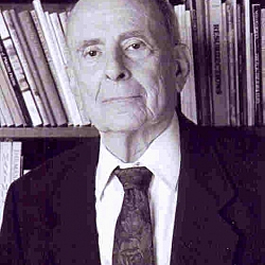
Carolina Trujillo (Montevideo, 1970)


De Ierse schrijver Patrick Joseph McCabe werd geboren op 27 maart 1955 in Clones, Monaghan. Zie ook alle tags voor Patrick Mc Cabe op dit blog.


Uit: Call Me the Breeze


„He spent about a month on it, beavering away in his room. When he was finished, he presented it to me: 'The magnificent Joey Tallon Archibe!' he says.

But there could be no doubt about it -- he really had done a terrific job. In place of the leatherette holdall, a neat little stack of marbled box files containing all my notebooks and ledgers.

I've had a really good time going through it. And if I was any kind of writer at all, I'd have made something worthwhile out of it, instead of just sitting here rambling half the night, filling up pages with discursive nonsense. I mean, it's not as if enough didn't happen!

Particularly during the seventies, when the old leatherette holdall found itself very much favoured -- particularly by anonymous men who had a predilection for leaving it behind them in crowded public houses.

Campbell Morris

Although somehow you always felt that in a small border town like Scotsfield nothing serious would ever really happen. That most of what you heard was talk and would never amount to anything much.

But that was before the 'Campbell Morris Incident'. Campbell was a salesman who happened to drop by for the Lady of the Lake festival but ended up getting himself killed. It's impossible to say who started the rumours about him.

Either way it ended with him being pulled out of the reservoir and the cops going apeshit, raiding pubs. It wasn't my business. I was too busy getting on with my life, pulling pints and thinking about Jacy. She was all I ever thought about in those days.

'He was a fucking spy! And that's it!' you'd hear them shouting late at night, full of guilt over what they had done. There had been six or seven of them involved, I think.

'How about we go out to The Ritzy?' they'd said, as the salesman drunkenly grinned. 'You'll see things out there that you'd never come across in Dublin or London.'


 1123266-c0e61ce958fdccc42113dcdf72b86e6d.jpg

Patrick McCabe (Clones, 27 maart 1955)


De Nederlandse schrijver Bob den Uyl werd geboren in Rotterdam op 27 maart 1930. Zie ook alle tags voor Bob den Uyl op dit blog.


Uit: Sommigen niet


„Ik ben altijd sterk tegen vliegtuigen geweest. Een weerzin die waarschijnlijk is blijven hangen uit de oorlog. Iedere keer als ik een vliegtuig hoor overkomen, al is het een reclamevlieger, wacht ik op het losbarsten van het afweergeschut, het ratelen van de mitrailleurs en het fluiten van de bommen. Heel vervelend. Zelf reizen in een vliegtuig is voor mij een kwelling die ik alleen doorsta omdat het mij sneller bij mijn doel zal brengen. Mijn wantrouwen jegens vliegende voorwerpen is maar weer heel juist gebleken.

Toen ik in Tokio eenmaal het punt had bereikt dat ik naar huis moest, al was het lopend, bleek het eerste vliegtuig dat mij mee kon nemen een toestel van de Air France te zijn. Ik wilde eerst op een ander wachten want een Frans vliegtuig, dat kan nooit wat wezen, maar alle volgende vluchten waren volgeboekt. Iedereen lachte me uit om mijn vooroordeel, en onder invloed hiervan boekte ik toch maar een plaats.

Met z'n tachtigen in een vliegtuig, bemanning niet meegerekend, het is toch geen kleinigheid. En dan allee hop, de Noordpool over naar Parijs. Ik was heel slim op het achterste plaatsje in het toestel gekropen, de grootste overlevingskansen in het oog houdend, knaagde angstig op allerlei ingenieuze snacks, dronk alle glazen die me werden aangeboden, en vroeg me af wanneer het toestel zou neerstorten. Ik durfde niet uit het raampje te kijken, las wat in een tijdschrift zonder het te bevatten, en zat met mijn voeten te wippen, kortom, mijn gewone houding tijdens een vliegreis.“


 1123266-fc0ae086d2683705e7dde75cb87a0b2c.jpg

Bob den Uyl (27 maart 1930 - 14 februari 1992)


De Kroatische schrijfster Dubravka Ugrešić werd geboren op 27 maart 1949 in Kutina in Joegoslavië. Zie ook alle tags voor Dubravka Ugrešić op dit blog.


Uit: The Ministry of Pain (Vertaald door Michael Henry Heim)


„The northern landscape like the desert makes for absolutism. Except that in the north the desert is green and full of water. And there are no temptations, no roundnesses or curves. The land is flat, which makes people extremely visible, and that in turn is visible in their behavior. The Dutch are not much for contact; they are for confrontation. They bore their luminous eyes into those of another and weigh his soul. They have no hiding places. Not even their houses. They leave their curtains open and consider it a virtue.
Cees Nooteboom

I don't remember when I first noticed it. I'd be standing at a tram stop waiting for a tram, staring at the map of the city in the glass case, at the color-coded bus and tram routes that I didn't understand and that were of little or no interest to me at the time, standing there without a thought in the world when suddenly, out of the blue, I'd be overcome by a desire to bash my head into the glass and do myself harm. And each time I'd come closer to it. Here I go, any second now, and then . . .

"Come now, Comrade," he would say in a slightly mocking tone, laying a hand on my shoulder. "You're not really going to . . . ?"

It's all my imagination, of course, but the picture it creates can be so real that I actually think I'm hearing his voice and feeling his hand on my shoulder.

People say that the Dutch speak only when they have something to say. In this city, where I'm surrounded by Dutch and communicate in English, I often perceive my native language as alien. Not until I found myself abroad did I notice that my fellow countrymen communicate in a kind of half language, half swallowing their words, so to speak, and uttering semi-sounds. I experience my native language as an attempt by a linguistic invalid to convey even the simplest thought through gestures, grimaces, and intonations. Conversations among my compatriots seem long, exhausting, and devoid of content. Instead of talking, they seem to be stroking each other with words, spreading a soothing, sonorous saliva over one another.“


 1123266-77f656b4e8927515c0e51a9ec68b470e.jpg

Dubravka Ugrešić (Kutina, 27 maart 1949)


De Japanse schrijver Shusaku Endo werd geboren in Tokio op 27 maart 1923. Zie ook alle tags voor Shusaku Endo op dit blog. 


Uit: Five by Endo : Stories (Vertaald door Van C. Gessel)


“Yet the night he read the Confessions, Suguro felt as though a more responsive chord had been struck within him than with any other history of the Christian era he had encountered. Every study he had read was little more than a string of paeans to the noble acts of priests and martyrs and common believers inspired by faith. They were without exception chronicles of those who had sustained their beliefs and their testimonies no matter what sufferings or tortures they had to endure. And each time he read them, Suguro had to sigh, `There's no way I can emulate people like this.'

    He had been baptized as a child, along with the rest of his family. Since then he had passed through many vicissitudes and somehow managed to arrive in his forties without rejecting his religion. But that was not due to firm resolve or unshakeable faith. He was more than adequately aware of his own spiritual slovenliness and pusillanimity. He was certain that an unspannable gulf separated him from the ancient martyrs of Nagasaki, Edo and Unzen who had effected glorious martyrdoms. Why had they all been so indomitable?

    Suguro diligently searched the Christian histories for someone like himself. But there was no one to be found. Finally he had stumbled across the Christian Confessions one day in a second-hand bookshop, and as he flipped indifferently through the pages of the book, he had been moved by the account of a man whose name Collado had concealed. The man had the same feeble will and tattered integrity as Suguro. Gradually he had formed in his mind an image of this man — genuflecting like a camel before the priest nearly three hundred years earlier, relishing the almost desperate experience of exposing his own filthiness to the eyes of another.

    `I stayed for a long time with some heathens. I didn't want the innkeeper to realize I was a Christian, so I went with him often to the heathen temples and chanted along with them. Many times when they praised the gods and buddhas, I sinned greatly by nodding and agreeing with them. I don't remember how many times I did that. Maybe twenty or thirty times — more than twenty, anyway.“


1123266-43875e17f553fd9b55d2d96c0f1e45c6.jpg
Shusaku Endo (27 maart 1923 – 29 september 1996)


Zie voor nog meer schrijvers van de 27e maart ook mijn vorige blog van vandaag en eveneens mijn eerste blog van vandaag.
Geschreven door Romenu om 19:10 Reageer op dit bericht

Alfred de Vigny, Žarko Petan, Hansjörg Schneider, Kenneth Slessor, Francis Ponge, Marie Under

De Franse dichter en schrijver Alfred de Vigny werd geboren op 27 maart 1797 te Loches (departement Indre-et-Loire). Zie ook alle tags voor Alfred de Vigny op dit blog. 


Paris (Fragment)


- Prends ma main, Voyageur, et montons sur la Tour. -
Regarde tout en bas, et regarde à l'entour.
Regarde jusqu'au bout de l'horizon, regarde
Du nord au sud. Partout où ton oeil se hasarde,
Qu'il s'attache avec feu, comme l'oeil du serpent
Qui pompe du regard ce qu'il suit en rampant,
Tourne sur le donjon qu'un parapet prolonge,
D'où la vue à loisir sur tous les points se plonge
Et règne, du zénith, sur un monde mouvant,
Comme l'éclair, l'oiseau, le nuage et le vent.
Que vois-tu dans la nuit, à nos pieds, dans l'espace,
Et partout où mon doigt tourne, passe et repasse ?

- " Je vois un cercle noir, si large et si profond
" Que je n'en aperçois ni le bout ni le fond.
" Des collines, au loin, me semblent sa ceinture,
" Et, pourtant, je ne vois nulle part la nature,
" Mais partout la main d'homme et l'angle que sa main
" Impose à la matière en tout travail humain.
" Je vois ces angles noirs et luisants qui, dans l'ombre,
" L'un sur l'autre entassés, sans ordre ni sans nombre
" Coupent des murs blanchis pareils à des tombeaux.
" - Je vois fumer, brûler, éclater des flambeaux,
" Brillant sur cet abîme où l'air pénètre à peine,
" Comme des diamants incrustés dans l'ébène.


 1123263-a24aa1a0c77dddd60e3af899f46c3194.jpg

Alfred de Vigny (27 maart 1797 – 17 september 1863)

Parijs


De Sloveense schrijver, regisseur en journalist Žarko Petan werd geboren op 27 maart 1929 in Ljubljana. Zie ook alle tags voor Žarko Petan op dit blog. 


Aphorisms


Its no use writing between the lines if youre only
Paid for the lines themselves.

Satire is difficult to write but it is even more difficult
To put your name to it.

Looking at some girls today, I almost believe
That babies are brought by storks.

The cautious person travels from capitalism
to socialism with a round-trip ticket.


 1123263-cdf964e855e58bd9f19a9e70f2f172a0.jpg

Žarko Petan (Ljubljana, 27 maart 1929)


De Zwitserse schrijver Hansjörg Schneider werd geboren op 27 maart 1938 in Aarau. Zie ook alle tags voor Hansjörg Schneider op dit blog. 


Uit: Hunkeler und die Augen des Odipus


„Er horte die Kirche von Huningue sieben Uhr schlagen. Eine Schar Kormorane flog flussaufwärts Basel zu.

Der Rhein war hier gestaut. Auf franzosischer Seite floss das Wasser in den Kanal, auf dem die Schiffe hinunterfuhren zu den Schleusen von Kembs. Auf deutscher Seite lag der alte Flusslauf, der mit mehr oder weniger Wasser versorgt wurde, je nach Pegelstand. Die Betonkonstruktion des Wehrs ragte in den grauen Himmel, zuverlassig und beruhigend sicher.

Zwischen dem ersten und dem zweiten Trager sah Willy Dreier etwas, was er noch nie gesehen hatte. Ein knapp acht Meter langes, alteres Schiff war auf die Stahlplatte, die das Wasser zuruckhielt, aufgefahren. Sein Bug war eingedruckt.

Er ragte uber den Wasserspiegel, als ob er das Wehr hatte rammen und uberspringen wollen.

Willy Dreier ging auf die Brucke zu der Insel, die Kanal und Altrhein trennte. Er schaute hinuber zum Schiff, das an der Stahlwand festsas. Es war ein Hausboot und hies Antigone, der Name stand in weiser Farbe auf dem Bug. Die Tur war offen, in der Stube brannte ein Licht. Willy Dreier rief

mehrmals hinuber, so laut er konnte. Er bekam keine Antwort, es bewegte sich nichts.“


1123263-4a0b093ea9706c7a4c69cc18de65eb90.jpg 

Hansjörg Schneider (Aarau, 27 maart 1938)


De Australische dichter Kenneth Slessor werd geboren op 27 maart 1901 in Orange, New South Wales. Zie ook alle tags voor Kenneth Slessor op dit blog. 


City Nightfall


SMOKE upon smoke; over the stone lips
Of chimneys bleeding, a darker fume descends.
Night, the old nun, in voiceless pity bends
To kiss corruption, so fabulous her pity.
All drowns in night. Even the lazar drowns
In earth at last, and rises up afresh,
Married to dust with an Infanta's flesh—
So night, like earth, receives this poisoned city,
Charging its air with beauty, coasting its lanterns
With mains of darkness, till the leprous clay
Dissolves, and pavements drift away,
And there is only the quiet noise of planets feeding.
And those who chafe here, limed on the iron twigs,
No greater seem than sparrows, all their cries,
Their clockwork and their merchandise,
Frolic of painted dolls. I pass unheeding.


 1123263-9c826cba0da31279a1900f3dcb076901.jpg

Kenneth Slessor (27 maart 1901 – 30 juli 1971)

Orange, New South Wales


De Franse dichter en schrijver Francis Ponge werd geboren op 27 maart 1899 in Montpellier. Zie ook alle tags voor Francis Ponge op dit blog. 


Uit: La Rage de l'expression


Le mimosa

Sur fond d'azur le voici, comme un personnage de la comédie italienne, avec un rien d'histrionisme saugrenu, poudré comme Pierrot, dans son costume à pois jaunes, le mimosa.
Mais ce n'est pas un arbuste lunaire : plutôt solaire, multisolaire…
Un caractère d'une naïve gloriole, vite découragé.
Chaque grain n'est aucunement lisse, mais formé de poils soyeux, un astre si l'on veut, étoilé au maximum.
Les feuilles ont l'air de grandes plumes, très légères et cependant très accablées d'elles-mêmes ; plus attendrissantes dès lors que d'autres palmes, par là aussi très distinguées. Et pourtant, il ya quelque chose actuellement vulgaire dans l'idée du mimosa ; c'est une fleur qui vient d'être vulgarisée.
… Comme dans tamaris il y a tamis, dans mimosa il y a mima.


 1123263-90cc71447708a7642d72059f6667af17.jpg

Francis Ponge (27 maart 1899 – 6 augustus 1988)


De Estlandse dichteres Marie Under werd geboren op 27 maart 1883 in Tallin. Zie ook alle tags voor Marie Under op dit blog. 


Night


Over the garden the moons tide tumbles;

Shrubs are shaken by gusts and tremblings;

Pathways ribbon with sudden dissemblings

Towards the threshold where false foot stumbles.

Out of the soil of midnight, tender,

Lift my arms white tendrils and, weaving,

Motion to someone shadowy and absent,

Someone who tarries somewhere, perhaps may not be existent.


Oh, do I fear the days of torrid splendour,

Nights full of flowers? Oh, do I fear when I see that

These would not yield to the ultimate depths of my choosing?

My heart is breaking little by little

As a ripe pomegranate, skin parched brittle,

Breaks: full loving is prelude to losing.


Cords are unknotted, the covers have parted,

And I rise winged from where I have smarted.

Oh, do I fear now what heart discloses,

All these desires in fevered legions?

And shall I gather the pure cold roses,

Open and waiting in those white regions,

Towards which the days have died and the nights have faded,

And my blue sail wafts a burning soul that has loved as they

Did?


 1123263-2fdfbbb8c6dd2aef04c0a9c0d9a5e7f8.jpg

Marie Under (27 maart 1883 – 25 september 1980)

Geschreven door Romenu om 19:02 Reageer op dit bericht

Louis Simpson, Lajos Zilahy, Andon Zako Çajupi, Harry Rowohlt, Sophie Mereau, Carlo Dossi

De Jamaicaanse dichter Louis Simpson werd geboren op 27 maart 1923 in Jamaica. Zie ook mijn blog van 27 maart 2009 en ook mijn blog van 27 maart 2011.


Carentan O Carentan  


Trees in the old days used to stand

And shape a shady lane

Where lovers wandered hand in hand

Who came from Carentan.


This was the shining green canal

Where we came two by two

Walking at combat-interval.

Such trees we never knew.


The day was early June, the ground

Was soft and bright with dew.

Far away the guns did sound,

But here the sky was blue.


The sky was blue, but there a smoke

Hung still above the sea

Where the ships together spoke

To towns we could not see.


Could you have seen us through a glass

You would have said a walk

Of farmers out to turn the grass,

Each with his own hay-fork.


The watchers in their leopard suits

Waited till it was time,

And aimed between the belt and boot

And let the barrel climb.


I must lie down at once, there is

A hammer at my knee.

And call it death or cowardice,

Don't count again on me.


Everything's all right, Mother,

Everyone gets the same

At one time or another.

It's all in the game.


I never strolled, nor ever shall,

Down such a leafy lane.

I never drank in a canal,

Nor ever shall again.


There is a whistling in the leaves

And it is not the wind,

The twigs are falling from the knives

That cut men to the ground.


Tell me, Master-Sergeant,

The way to turn and shoot.

But the Sergeant's silent

That taught me how to do it.


O Captain, show us quickly

Our place upon the map.

But the Captain's sickly

And taking a long nap.


Lieutenant, what's my duty,

My place in the platoon?

He too's a sleeping beauty,

Charmed by that strange tune.


Carentan O Carentan

Before we met with you

We never yet had lost a man

Or known what death could do.


 1123260-86ae10d58ad4fb90988e68a906b94f1e.jpg

Louis Simpson (Jamaica, 27 maart 1923)


De Hongaarse schrijver en filmmaker
Lajos Zilahy werd geboren op 27 maart 1891 in Nagyszalonta, nu Salonta nabij Oradea.
Zie ook alle tags voor Lajos Zilahy op dit blog. 


Uit: Was mein Herz begehrt (Vertaald door Eta Neumann-Veith u. Andrea Seidler)


„Er erinnerte sich an vergangene Sonntagnachmittage, an denen ihn solche Ausflüge begeistert hatten. Er sah den Wald vor sich, die dunklen, geheimnisvollen Nester in den vom Blitz getroffenen kahlen Bäumen und hörte das Krächzen der Krähen, er sah das lehmige Wasser des kleinen Flusses,

die goldgrünen Schatten der Weiden und meinte sogar, das Glucksen des Schlamms in seinen löchrigen Schuhen zu hören.

All das währte nur einen Augenblick. Die Erinnerungen verflüchtigten sich ebenso rasch, wie sie gekommen waren. Mit krauser Stirn starrte er vor sich hin, verärgert über sein Unvermögen, die Zeit totzuschlagen. Die Leere und Sinnlosigkeit des Lebens wurde ihm plötzlich bewusst.

Als Gymnasiast hatte er es kaum erwarten können, das Abitur hinter sich zu bringen, als Student hatte

er gehofft, dass sich ihm nach dem Examen mit einem Schlag sämtliche Türen öffnen würden und dass sich hinter ihnen Glanz, Frauen, Leidenschaft und ihm noch unbekannte aufregende Dinge verbargen, die nur auf ihn warteten.

Und jetzt stand er auf der Straße und hatte weder Lust noch Kraft, sich eine Zigarette anzuzünden. Was würde ihm das Leben noch bringen?

Vorgestern hatte er das deutsche Kindermädchen der Familie Binz im Stiegenhaus umarmt und geküsst. Das betörend-süßliche Parfüm des Mädchens lag immer noch in der Luft. Er verdrängte den Gedanken. Seine Mutter wünschte sich eine Schwiegertochter.“


 1123260-98eeb8b5244db91369635627c0dc425c.jpg

Lajos Zilahy (27 maart 1891 - 1 december 1974)


De Albanese dichter, schrijver en vertaler Andon Zako Çajupi werd geboren op 27 maart 1866 in Sheper. Zie ook alle tags voor Andon Zako Çajupi op dit blog. 


Elegy To A Lost Youth


Oh sweet wife, your comfort's dead -

can't even raise his wrinkled head,

who was rampant night and day:

a stallion eager for the fray.


Alas! alack! O woe is me!

My mount is useless, as you see.

He who stood proud and erect

now can't command the least respect.


A feral beast only last year,

village women made him rear

up when they showed a comely thigh

- and on he charged to do, not die.


He pranced through Europe east to west,

and always gave his perky best

to Irish red-heads, dusky Roms,

wispy maidens, buxom moms.


He'd make a seamstress lose her needle,

doll-like duchesses he'd wheedle,

tempt a cowgirl off the farm.

Feisty fishwives he could charm!


There was not a breed he missed

from trousered Tosk to dirndled Swiss

on pristine Alpine peaks -

even pious, racist Greeks -


until they yielded up their crannies,

(he cheered up many lonely grannies).

In France he had amazing luck:

queues would form to have a suck -


and when he went to Istanbul

great grown men desired that tool!

(They didn't get it, but perhaps

I should have gratified those chaps...)


Oh, my poor neglected wife

your husband's manhood has no life,

can't give you pleasure any more

as once it did till it was sore.


A prominent, popular swell,

what he did he did right well.

Now old age has come to this:

he peeps out only for a piss.


Vertaald door Anthony Weir en Blerta Alikaj


 1123260-98bc100d02d1843fe5aaacbafeea48d0.jpg

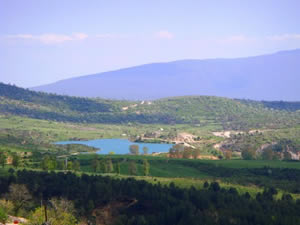
Andon Zako Çajupi (27 maart 1866 – 11 juli 1930)

Het meer bij Sheper, Albanië 


De Duitse schrijver en vertaler Harry Rowohlt werd geboren op 27 maart 1945 in Hamburg. Zie ook mijn blog van 27 maart 2009 en ook mijn blog van 27 maart 2011.


Uit: Der Kampf geht weiter


“Ein Jahr später: Aus einer ca 30000 Seiten umfassenden Lose- Blatt-Sammlung ist nun vorliegendes Buch entstanden. Der Plan dafür war längst in den Köpfen, denn seit Harry Rowohlt 1997 seine (vorläufig) letzte Kolumne in der ZEIT veröffentlichte, war des jammervollen Gezeters kein Ende: Warum SCHREIBT er nicht mehr? ER.

Tat er aber doch, wußten die Insider, er tat es bereits Jahrzehnte vor dem ersten Auftritt in der oben erwähnten Wochenzeitung, und zwar in Form von BRIEFEN, BRIEFEN, BRIEFEN.

Womit haben wir es nun zu tun? Mit Dokumenten von historischer Bedeutung? Mit intimen Bekenntnissen? Mit politischen Manifesten? Mal sehen.

Harry Rowohlt schreibt an sein »Brüderchen« und an seine Freunde, an die Autoren, die er übersetzt hat, und an seine Verleger; er schreibt an Buchhändler und Journalisten, er antwortet Leserbriefschreibern und Bittstellern. Er schreibt zärtlich und entzückt – oder erbost und (selten) unversöhnlich.

Da liegt der Hase im Pfeffer!

Einerlei, ob Ledig-Rowohlt oder Siegfried Unseld, ob Roger Boylan oder Frank McCourt, ob der anonyme »Lindenstraße «-Fan oder der berühmte Kollege U. die Adressaten sind: Der freie Geist und herausragende Stilist HR unterscheidet nicht zwischen Promi und No-name, er schert sich nicht um Konvention und Contenance; jeder erhält die ihm zugedachte Antwort.”


 1123260-bc37e4d2434bf05ecfb6e17bf8551403.jpg

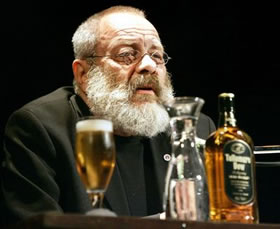
Harry Rowohlt (Hamburg, 27 maart 1945)


De Duitse dichteres en schrijfster Sophie Mereau (geb. Schubart) werd geboren op 27 maart 1770 in Altenburg. Zie ook alle tags voor Sophie Mereau op dit blog. 


Schwärmerey
 
Wirst du mir stets den Seraphsfittig leihen,
du nektartrunkne, süße Schwärmerey?
Du wirst es nicht. - Verglimmen und zerrinnen
wird deine Gluth vor den getrübten Sinnen;
dein Wahnsinn bleibt dem kühlern Blut nicht treu.
 
Dies Saitenspiel, das rings mit Harmonieen
die ganze Erde magisch übergoß,
verrauscht und schweigt; die Phantasie verblühet,
der Lenz erbleicht, der Freude Gluth versprühet,
- ein Einz'ges nur bleibt ewig wechsellos!
 
Was nur allein des Zufalls Laune trotzet,
die schöne Blüthe reiner Menschlichkeit,
das uns allein zu freyen Wesen gründet,
woran allein sich unsre Würde bindet,
dies höchste Gut, es heißt - Selbstständigkeit.


 1123260-2b1116af12923df70822d92fe0d26647.jpg

Sophie Mereau (27 maart 1770 – 31 oktober 1806)

Clemens Brentano en Sophie Mereau


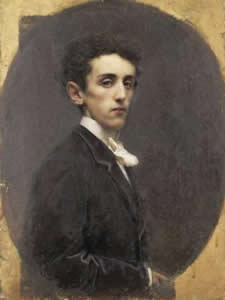
De Italiaanse schrijver Carlo Dossi werd geboren op 27 maart 1849 in Zenevredo in de provincie Pavia. Zie ook mijn blog van 27 maart 2009 en ook mijn blog van 27 maart 2011.


Uit: Une divinité secrète (Bespreking van „Amours“ door François Sureau) 


„Amours est ce petit livre par lequel il a mis fin à 38 ans, en 1887, à sa carrière publique d'écrivain. Sa manière, à la fois détournée et naturelle, y atteint une véritable perfection. Dossi, qui n'aimait pas l'intrigue, retient son lecteur par une musique intime dont les phrases se détendent après de longues circonvolutions et frappent au coeur par une note de regret, de sensualité ou de drôlerie. Il décrit une succession de ciels, coupés de retour sur terre. Au premier ciel, les amours enfantines; au deuxième, les meubles qui rappellent l'amour; au troisième, les héroïnes de roman, avec le «coeur de chiffon rouge cousu sur leur corset, comme sur un plastron d'escrime»; au quatrième, la musique, qui meurt sous l'aspect d'une petite musicienne. Puis l'on monte plus haut encore, en traversant les rêves de ce Robinson sans Vendredi, qui aura tant attendu. «Promis à une éternelle impopularité, écrit-il, ses livres peuvent cependant figurer utilement sur les étagères d'un psychiatre.» Heureux homme que ce psychiatre, s'il choisit, comme nous, de les ouvrir.“


 1123260-b76c82c0051ac82a3a66227734027d0a.jpg

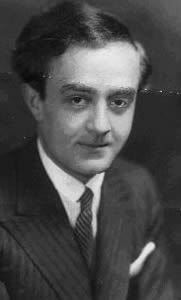
Carlo Dossi (27 maart 1849 – 1910)

Portret door Tranquillo Cremona, 1867

Geschreven door Romenu om 18:55 Reageer op dit bericht

Meer van Romenu

↑ Terug naar de berichten