Naar de inhoud

Romenu

Over literatuur, gedichten, kunst en cultuur
seniorennet.beseniorennet.be

Berichten van 14 november 2011

Astrid Lindgren, P.J. O'Rourke, Jonathan van het Reve, Karla Schneider, Jurga Ivanauskaitė

De Zweedse schrijfster Astrid Lindgren werd als Astrid Ericsson geboren op 14 november 1907 en groeide op op de boerderij Näs in Vimmerby in Småland. Zie ook alle tags voor Astrid Lindgren op dit blog.


Uit: Pippi Langstrumpf (Vertaald door Cäcilie Heinig)


„Am Rand der kleinen, kleinen Stadt lag ein alter verwahrloster Garten. In dem Garten stand ein altes Haus und in dem Haus wohnte Pippi Langstrumpf. Sie war neun Jahre alt und sie wohnte ganz allein dort. Sie hatte keine Mama und keinen Papa, und eigentlich war das sehr schön, denn so gab es niemanden, der ihr sagen konnte, dass sie schlafen gehen sollte, wenn sie gerade mitten im schönsten Spiel war, und niemand, der sie zwingen konnte, Lebertran zu nehmen, wenn sie lieber Bonbons essen wollte.

Prinzessin Pippi Früher hatte Pippi mal einen Papa gehabt, den sie schrecklich lieb hatte. Ja, sie hatte natürlich auch eine Mama gehabt, aber das war so lange her, dass sie sich gar nicht mehr daran erinnern konnte. Die Mama war gestorben, als Pippi noch ein ganz kleines Ding war, das in der Wiege lag und so furchtbar schrie, dass es niemand in ihrer Nähe aushalten konnte. Pippi glaubte, dass ihre Mama nun oben im Himmel war und durch ein kleines Loch auf ihr Mädchen runterguckte, und Pippi winkte oft zu ihr hinauf und sagte:

"Hab keine Angst um mich! Ich komm immer zurecht!"

Ihren Papa hatte Pippi nicht vergessen. Er war Kapitän und segelte über die großen Meere, und Pippi war mit ihm auf seinem Schiff gesegelt, bis er einmal bei einem Sturm ins Meer geweht worden und verschwunden war. Aber Pippi war ganz sicher, dass er eines Tages zurückkommen würde. Sie glaubte überhaupt nicht, dass er ertrunken sein könnte. Sie glaubte, dass er auf einer Insel an Land geschwemmt worden war, wo viele Eingeborene wohnten, und dass ihr Papa König über alle Eingeborene geworden war und jeden Tag eine goldene Krone auf dem Kopf trug.“


 1031807-e0b39d51ad109f08cfb4e7e55027f260.jpg

Astrid Lindgren (14 november 1907 -  28 januari 2002)

Standbeeld in Stockholm


De Amerikaanse journalist en schrijver P.J. O'Rourke werd geboren op 14 november 1947 in Toledo, Ohio. Zie ook alle tags voor P.J. O'Rourke op dit blog.

Uit: Parliament of Whores


„What is this oozing behemoth, this fibrous tumor, this monster of power and expense hatched from the simple human desire for civic order? How did an allegedly free people spawn a vast, rampant cuttlefish of dominion with its tentacles in every orifice of the body politic?
The federal government of the United States of America takes away between a fifth and a quarter of all our money every year. That is eight times the Islamic zakat, the almsgiving required of believers by the Koran; it is double the tithe of the medieval church and twice the royal tribute that the prophet Samuel warned the Israelites against when they wanted him to anoint a ruler:
This will be the manner of the king that shall reign over you. . . . He will take the tenth of your seed, and of your vineyards. . . . He will take the tenth of your sheep. . . . And ye shall cry out in that day because of your king. . ..
Our government gets more than thugs in a protection racket demand, more even than discarded first wives of famous rich men receive in divorce court. Then this government, swollen and arrogant with pelf, goes butting into our business. It checks the amount of tropical oils in our snack foods, tells us what kind of gasoline we can buy for our cars and how fast we can drive them, bosses us around about retirement, education and what’s on TV; counts our noses and asks fresh questions about who’s still living at home and how many bathrooms we have; decides whether the door to our office or shop should have steps or a wheelchair ramp; decrees the gender and complexion of the people to be hired there; lectures us on safe sex; dictates what we can sniff, smoke and swallow; and waylays young men, ships them to distant places and tells them to shoot people they don’t even know.
The government is huge, stupid, greedy and makes nosy, officious and dangerous intrusions into the smallest corners of life—this much we can stand. But the real problem is that government is boring. We could cure or mitigate the other ills Washington visits on us if we could only bring ourselves to pay attention to Washington itself. But we cannot.“


 1031807-8850856c014ea13e59f1173c3aab7ff0.jpg

P.J. O'Rourke (Toledo, Ohio,  14 november 1947)


De Nederlandse schrijver en columnist Jonathan van het Reve werd geboren op 14 november 1983 in Amsterdam. Zie ook mijn blog van 14 november 2008 en ook mijn blog van 14 november 2009 en ook mijn blog van 14 november 2010.


Uit: De boot en het meisje


“We gaan aan tafel zitten. Ik pak de wijn en maak hem open, terwijl Rosa de coquilles bakt.
'Kan ik je ergens mee helpen?' roept Bart.
'Ja, eigenlijk wel, heel graag.' roept Rosa uit de keuken.
Bart staat op en laat mij alleen met Rachel.
Ze kijkt ietsje minder bang dan daarnet, maar helemaal op haar gemak lijkt ze nog niet.
'Lekkere wijn,' zegt ze.
'Ja,' zeg ik. Ik draai een beetje met mijn glas. 'Hij ruikt naar noten, vind je niet?'
'O, ik heb echt totaal geen verstand van wijn hoor! Ik vind hem gewoon lekker smaken. Ik zou echt niet weten wat voor wijn dit is.' Ze kijkt naar het etiket. 'Ik koop normaal altijd wijn in de supermarkt, en dan weet ik nog niet wat ik moet kopen. Ik ken ook geen namen van wijnen. Maar ik weet wel wat ik lekker vind.'
'Wat dan?'
'Nou, dit dus. Maar ik haat Chardonnay. Chileense wijn vind ik wel lekker.'
'O ja. Ik weet er ook niet zo veel van, hoor.' Ik neem een slokje. 'Wat doe je eigenlijk?'
'Rietveld, laatste jaar.'
'Wat voor richting?'
'Voorheen Audio-Visueel.'
'Gekke naam is dat toch. Wanneer is de eindtentoonstelling?'
'Volgende maand al.' Haar ogen worden groot. 'Echt stressen nog. Ik moet nog heel veel monteren.'
'Wat voor filmpje heb je gemaakt?'
'Ja, het is een beetje raar hoor, maar het gaat over imperialisme, of misschien wel over heel veel dingen. Het komt erop neer dat ik een stuk steen van het Colosseum in Rome meeneem naar Madison Square Garden in New York. Daarom waren wij daar ook. Om aan te geven dat de Amerikanen een beetje de Romeinen van deze tijd zijn. Qua politiek dan. En hoe ze hun cultuur opdringen aan de rest van de wereld.'
'Hoe heet het?'
'Romans through the time. A rock's quest of entertainment now and then.' “


 1031807-97241b2f5cd7ed24e7c925ea673cdcd7.jpg

Jonathan van het Reve (Amsterdam, 14 november 1983)


De Duitse schrijfster Karla Schneider werd op 14 november 1938 geboren in Dresden. Zie ook mijn blog van 14 november 2008 en ook mijn blog van 14 november 2009 en ook mijn blog van 14 november 2010.


Uit: Glückskind


„Mitten in der Rechenstunde klopfte es an die Tür der Klasse 4a.

Voller Freude über die Unterbrechung legten alle Schüler und Schülerinnen ihre Füller hin. Nur Frau

Spalteholz, die Lehrerin, war nicht begeistert. Sie hasste Unterbrechungen. Hinterher hatten die

Schüler immer alles vergessen, was sie ihnen vor der Unterbrechung erklärt hatte.

Die Tür wurde schwungvoll aufgerissen und über die Schwelle trat der Direktor. In seiner Begleitung

befand sich eine Frau. Sie war nicht mehr jung, aber auch nicht direkt alt. Ihr Rock fegte den Boden.

Ihre Haare hingen offen bis zum Gürtel und waren blond mit schon vielen grauen Strähnen. Ein bisschen sah sie aus wie eine Fee. Aber auch ein bisschen wie eine Hexe.

»Darf ich euch Frau Fortuna vorstellen«, sagte der Direktor. »Sie hat sich eure Klasse ausgesucht,

umeine kleine Befragung durchzuführen. Ich hoffe, ihr gebt Frau Fortuna auf ihre Fragen klare und

deutliche Antworten.«

»Und ich hoffe, es wird nicht allzu lange dauern«, fügte Frau Spalteholz hinzu. »Die Klasse kann

es sich nicht erlauben, eine Mathestunde einzubüßen.« Dann zog sie sich ans Fenster zurück und verschränkte die Arme zu einer Brezel.“


 1031807-4a0b093ea9706c7a4c69cc18de65eb90.jpg

Karla Schneider (Dresden, 14 november 1938)

Dresden bij avond 


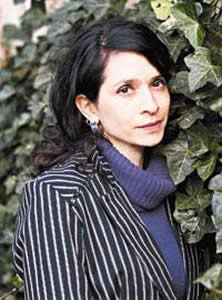
De Litouwse schrijfster Jurga Ivanauskaitė werd geboren in Vilnius op 14 november 1961. Zie ook mijn blog van 14 november 2008 en ook mijn blog van 14 november 2009 en ook mijn blog van 14 november 2010.


Uit: The Red Dress (Vertaald door Kristina Sakalavičiūtė)


„This is how Nora fell into the classical situation of Cinderella. Many stars of the stage, according to theater critics, got their start this way. Needless to say, Nora was anxious and paced back and forth in Elegija's dressing room. She walked up to the window many times and looked out into the yard, where children were noisily chasing a bright-red ball through yellow leaves. Snapping her fingers rhythmically, she would then go back to the closet, where the dress hung on a door handle, and caress it with the palm of her hand before returning to the window.

Eventually, Nora sat down in the swivel chair, upholstered in yellow plush. She looked around to see if anyone was watching and began to rummage through Elegija's dressing table drawers. She took out the Salome script; it was stained with something red. Sniffing it, Nora decided against it being wine. She thumbed through the pages, of which several had cigarette burns. Elegija's comments, question marks and exclamation points, made with felt markers of varying colors, filled the text. In the other drawer, Nora found a small book covered in newspaper. She opened it to where a candy wrapper marked the page and read aloud, unconsciously imitating Elegija's intonations, a paragraph underlined in red pencil:

—"I am the Alpha and the Omega, the very first and the very last, the beginning and the end. Blessed are those who wash their clothes in the Blood of the Lamb to gain power from the tree of life and pass through the gates into the city. Outside there are scoundrels, sorcerers, shameless cretins, murderers, idolaters and all who love and live by lies..."

She closed the book, irritated and dissatisfied because the underlined phrase was full of meaning, but just as equally senseless. Even though Nora had secretly expected the book to explain the mystery of Elegija's disappearance, it was no help at all. She opened another drawer and smiled, catching herself looking for one more clue to Elegija's disappearance. In the drawer was a desiccated plant with a note tied to it with a red ribbon. Nora, of course, read it: "To Elegija—the Touch-Me-Not (cf. The Soviet Lithuanian Encyclopedia)—from the 21st Graduating Class of the Donelaitis School." In the same drawer, several tubes of lipstick rolled about and Nora painted her lips with one of them. She looked at the mirror, first puckering her lips, then stretching them wide, and finally smiling. At last she frowned because the color was so unbearably bloody. She darted a glance at the dress and realized at once that the lipstick was the same color and Elegija had bought it especially for the performance.“


 1031807-83152b5631ff8eae4f9c33027b1984e1.jpg

Jurga Ivanauskaitė (14 november 1961 - 17 februari 2007)


Zie voor nog meer schrijvers van de 14e november ook mijn vorige blog van vandaag.
Geschreven door Romenu om 18:23 Reageer op dit bericht

Fondane Benjamin, Eric Malpass, Taha Hussein, Aleardo Aleardi, Adam Oehlenschläger, Herbert Zand, Jakob Schaffner

De Roemeens-Franse dichter, toneelschrijver, literair criticus, regisseur en vertaler Fondane Benjamin (eig. Benjamin Wechsler) werd geboren op 14 november 1898 in Iaşi. Zie ook mijn blog van 14 november 2010.


Préface en prose (Fragment)


C’est à vous que je parle, homme des antipodes,

Je parle d’homme à homme,

avec le peu en moi qui demeure de l’homme

avec le peu de voix qui me reste au gosier,

mon sang est sur les routes, puisse-t-il, puisse-t-il

ne pas crier vengeance !

L’hallali est donné, les bêtes sont traquées,

laissez-moi vous parler avec ces mêmes mots

que nous eûmes en partage –

il reste peu d’intelligibles !


Un jour viendra, c’est sûr, de la soif apaisée,

nous serons au-delà du souvenir, la mort

aura parachevé les travaux de la haine,

je serai un bouquet d’orties sous vos pieds,

- alors eh bien sachez que j’avais un visage

comme vous. Une bouche qui priait, comme vous.


Quand une poussière entrait, ou bien un songe,

dans l’oeil, cet oeil pleurait un peu de sel. Et quand

une épine mauvaise égratignait ma peau,

il y coulait un sang aussi rouge que le vôtre !

Certes, tout comme vous j’étais cruel, j’avais

soif de tendresse, de puissance, d’or, de plaisir, de

douleur.

Tout comme vous j’étais méchant et angoissé

solide dans la paix, ivre dans la victoire,

et titubant, hagard, à l’heure de l’échec !


Oui, j’ai été un homme comme les autres hommes,

nourri de pain, de rêve, de désespoir. Eh oui, j’ai

aimé, j’ai pleuré, j’ai haï, j’ai souffert,

j’ai acheté des fleurs et je n’ai pas toujours

payé mon terme. Le dimanche j’allais à la

campagne pêcher, sous l’oeil de Dieu, des poissons

irréels,

je me baignais dans la rivière

qui chantait dans les joncs et je mangeais des frites

le soir. Après, après, je rentrais me coucher

fatigué, le coeur las et plein de solitude,

le coeur plein de pitié pour moi,

plein de pitié pour l’homme,

cherchant, cherchant en vain sur un ventre de

femme cette paix impossible que nous avions

perdue naguère, dans un grand verger où fleurissait

au centre, l’arbre de la vie …


1031803-013bcee73fbc2afad67c4ea2578d6973.jpg
Fondane Benjamin (14 november 1898 - 2e of 03 oktober 1944)

Portret door Victor Brauner


De Engelse schrijver Eric Lawson Malpass werd geboren op 14 november 1910 in Derby. Zie ook mijn blog van 14 november 2010.


Uit: Morgens um sieben ist die Welt noch in Ordnung (Vertaald door Brigitte Roeseler)


„Morgendämmerung und ein Himmel wie kalter Haferbrei. In den Winkeln des Daches noch

ein paar Flecken nassen Schnees.

In dem großen, weitläufigen Haus lag die Familie im sonntagmorgendlichen Winterschlaf,

eingekuschelt gegen die Kälte und den kommenden Tag.

Aber Gaylord war gegen Kälte unempfindlich. Der junge Gaylord Pentecost war gegen die

meisten Dinge unempfindlich. Gleich nach dem Aufwachen hopste er erst mal ein bisschen auf

dem Bett herum. Als ihm das langweilig wurde, zog er die Schlafanzughose auf seine nicht vorhandene Taille herauf und machte sich auf eine Besuchstour durch das Haus.

Zuerst war Opa an der Reihe. In seinem Zimmer war es noch dunkel. Gaylord zog die Vorhänge

auf. Die Vorhänge hingen an Messingringen. Wenn andere sie zurückzogen, klapperten

sie wie Kastagnetten. Wenn Gaylord sie zurückzog, klang es wie eine Maschinengewehrsalve.

Opa öffnete nicht einmal die Augen. «Verschwinde, zum Teufel noch einmal», sagte er.

Opa wirkte unter der Bettdecke wie ein massiver, kleiner runder Berg. Gaylord nahm einen

Anlauf und landete mitten auf dem Berg. «Ich bin ein Ritter», schrie er. «Und du bist mein

Schlachtross.»

«Ich bin kein Schlachtross», sagte Opa. «Ich bin ein alter Mann, der seine Ruhe haben will.

Herrgott nochmal.»

Neugierig berührte Gaylord mit dem Finger eins der faltigen Augenlider. Er schob das Lid

nach oben und betrachtete nachdenklich das gelbe, Unheil verkündende Auge. Er ließ das

Lid wieder herunterklappen. «Soll ich dir eine Tasse Tee machen?»

«Wenn du recht lange dazu brauchst, ja»,

sagte Opa. Gaylord kletterte von ihm herunter.

«Geht wie der Blitz», antwortete er vergnügt.

«Bitte, lass dir Zeit», sagte Opa.

Gaylord spazierte weiter zu Großtante Marigold.

«Willst du eine Tasse Tee haben?», schrie er von der Tür her.“


 1031803-4a3f1d53818abb43f0284366122a64b3.jpg

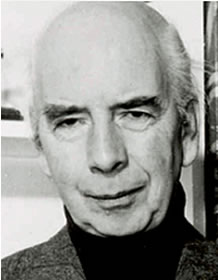
Eric Malpass (14 november 1910 - 16 oktober 1996)


De Egyptische schrijver Taha Hussein werd geboren in Al Minya in Egypte op 14 november 1889. Zie ook alle tags voor Taha Hussein op dit blog.


Uit: The Days


“From that day our lad's outlook on life was completely changed. He really knew God and was at great pains to draw near to Him by every possible means, from alms-giving to earnest prayer and the recitation of the Qur'an... From that day the lad knew what night vigils were, for many a time he would spend the dark hours of a whole night, either thinking about his brother or reciting Surat al-Ikhlas [chapter of Qur'an] thousands of times.

(…)


They start the Zikr sitting in silence. Then they begin to move their heads and raise their voices a little. Then a shudder runs through their bodies and lo! they are all standing, having leapt into the air like jacks-in-the-boxes. . The sheikhs move about the circle, reciting the poetry of Ibn Farid and similar poems.”

(…)


Now the connection of the family with one of the Sufi sects was strong and lasting. It left among them many lasting traces in the way of information, stories and talk about miracles and supernatural events.”


1031803-003bfb487867ab63504c559124d57ebd.jpg
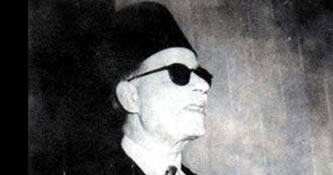
Taha Hussein (14 november 1889 – 28 oktober 1973)


De Italiaanse dichter Aleardo Aleardi werd geboren op 14 november 1812 in Verona. Zie ook alle tags voor Aleardo Aleardi op dit blog.


Cowards


In the deep circle of Siddim hast thou seen,
Under the shining skies of Palestine,
The sinister glitter of the Lake of Asphalt?
Those coasts, strewn thick with ashes of damnation,
Forever foe to every living thing,
Where rings the cry of the lost wandering bird
That on the shore of the perfidious sea
Athirsting dies,--that watery sepulchre
Of the five cities of iniquity,
Where even the tempest, when its clouds hang low,
Passes in silence, and the lightning dies,--
If thou hast seen them, bitterly hath been
Thy heart wrung with the misery and despair
Of that dread vision!
                      Yet there is on earth
A woe more desperate and miserable,--
A spectacle wherein the wrath of God
Avenges Him more terribly. It is
A vain, weak people of faint-heart old men,
That, for three hundred years of dull repose,
Has lain perpetual dreamer, folded in
The ragged purple of its ancestors,
Stretching its limbs wide in its country's sun,
To warm them; drinking the soft airs of autumn
Forgetful, on the fields where its forefathers
Like lions fought! From overflowing hands,
Strew we with hellebore and poppies thick
The way.


 1031803-27072218ce5d82c37136ebdbb0e1cb6e.jpg

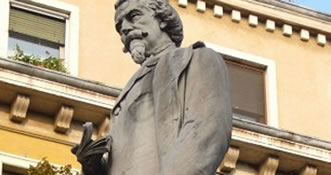
Aleardo Aleardi (14 november 1812 – 17 juli 1878)

Standbeeld in Verona 


De Deense dichter en schrijver Adam Gottlob Oehlenschläger werd geboren op 14 november 1779 in Vesterbro, Kopenhagen. Zie ook mijn blog van 14 november 2009 en ook mijn blog van 14 november 2010.


Christ's Birth


Each year when vapours melt and wane,

Child Jesus Christ is born again;

The Angel in air, in grove, in sea.

It is the Saviour, it is He.

Wherefore all Nature, with serene

Rejoicing, buds in hopeful green.


Now the young stainless shepherd lads.

Watching the stars' high myriads,

See God's angels in fields of night

Assemble, trembling in cool moonlight.

"To-day a Saviour is born," they sing,

"From gentle Mary's womb, from spring.


"His only drink is the earliest dew.

His eyes gaze heavenward into the blue,

His hands reach heavenward; they are bound

With garlands of roses to the ground.

His cry is the breeze, in the straw he lies,

Blue heaven mirrored in his eyes.


"Ah shepherds, go to Bethlehem;

Seek the cold-hearted, counsel them

To go into the fields, and find

The laughing Child, green grass-entwined,

And hear his voice, and see his smile.

That heaven may lift the earth awhile."


The hovering angels reascend.

To Bethlehem the shepherds wend.

And tell their happy news, but they

Are scorned, and mocked, and turned away

Back to the meadows, where the sod

Blooms with the new-born Child of God.


The stars stretch forth their silver hands

And beckon the kings of the eastern lands ;

The rays come singing with holy sound

And humbly sink to the living ground.

Praising the Lord made manifest.

Who smiles from the Mother's lovely breast.


They rise again from the darkened mould

In petals of purple, crimson, and gold,

Innocent children, devout and fair.

Half-lifted, half-bent to the earth in prayer,

Holding their yellow urns astir

With the sweetness of frankincense and myrrh.


 1031803-ef5b4abd7cc331161698d8e9ec219a5e.jpg

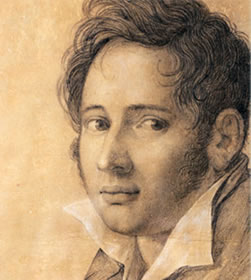
Adam Oehlenschläger (14 november 1779 – 20 januari 1850)


Zie voor onderstaande schrijvers ook mijn blog van 14 november 2010.


De Oostenrijkse dichter, schrijver, essayist en vertaler Herbert Zand werd geboren op 14 november 1923 in Knoppen. Zie ook mijn blog van 14 november 2008.


De Zwitserse schrijver Jakob Schaffner werd geboren op 14 november 1875 in Basel. Zie ook mijn blog van 14 november 2008.

Geschreven door Romenu om 18:14 Reageer op dit bericht

Chloe Aridjis

De Engels-Mexicaanse schrijfster Chloe Aridjis werd geboren in New York op 14 november 1971. Zij groeide op in Mexico City en Nederland, waar haar vader werkzaam was als ambassadeur van Mexico. Aridjis studeerde vergelijkende literatuurwetenschap aan Harvard en promoveerde aan de Universiteit van Oxford. Haar boek essays over magie en poëzie in negentiende-eeuws Frankrijk werd uitgebracht in 2005. Ze publiceerde in tijdschriften en kranten in Engeland en Mexico en woont na vijf jaar in Berlijn momenteel in Londen, waar ze werkt aan een roman en een verhalenbundel. Haar eerste roman "Book of Clouds" werd gepubliceerd in 2009. In november 2009 won haar Book of Clouds de Prix du Premier Roman Etranger in Frankrijk.


Uit: Book of Clouds


„I saw Hitler at a time when the Reichstag was little more than a burnt, skeletal silhouette of its former self and the Brandenburg Gate obstructed passage rather than granted it. It was an evening when the moral remains of the city bobbed up to the surface and floated like driftwood before sinking back down to the seabed to further splinter and rot.

 Berlin was the last stop on our European tour — we'd worked our way up from Spain, through France, Belgium and the Netherlands — and soon we would be flying home, back across the Atlantic, to start the new school year. My two brothers, still thrumming with energy, lamented that we had to leave. In every town and city they'd wandered off into the night and not returned until breakfast, answering in cranky monosyllables, between sips of coffee, whenever anyone commented on the amount of money being wasted on hotel rooms. My two sisters, on the other hand, weighed down by stories and souvenirs, were desperate to unload, and my parents too felt weary and ready for home. Not to mention that we'd used up 60 percent of the money we'd just inherited from my grandfather, and the remaining 40 had allegedly been set aside for our ever-expanding deli.

 On our final evening, after an early dinner, our parents announced they were taking us to a demonstration against the Berlin Wall to protest twenty-five years of this "icon of the Cold War." Wherever you went in Berlin, sooner or later you would run into it, even on the day we visited Hansa Studios where Nick Cave and Depeche Mode used to record, or the secondhand shop that sold clothes by the kilo. No matter where you went — east, west, north, south — before long you hit against the intractable curtain of cement and were able to go no further. That was our impression, anyway, so we figured that we too might as well protest against this seemingly endless structure that limited even our movement, though we were just seven tourists visiting the city for the first time.“


 1114687-065367745196f1f5b2778025e99cd880.jpg

Chloe Aridjis (New York, 14 november 1971)
Geschreven door Romenu om 00:00 Reageer op dit bericht

Meer van Romenu

↑ Terug naar de berichten