Naar de inhoud

Romenu

Over literatuur, gedichten, kunst en cultuur
seniorennet.beseniorennet.be

Michel Tremblay, Yann Martel, Nicholas Mosley, Claude Seignolle

De Canadese schrijver Michel Tremblay werd geboren in Quebec op 25 juni 1942. Zie ook alle tags voor Michel Tremblay op dit blog.


Uit: Les belles-sœurs


“(Les cinq femmes se lèvent et se tournent vers le public. L’éclairage change.)

LES CINQ FEMMES, ensemble – Quintette : Une maudite vie plate ! Lundi !

LISETTE DE COURVAL – Dès que le soleil a commencé à caresser de ses rayons les petites fleurs dans les champs et que les petits oiseaux ont ouvert leurs petits becs pour lancer vers le ciel leurs petits cris…

LES QUATRE AUTRES – J’me lève, pis j’prépare le déjeuner ! Des toasts, du café, du bacon, des œufs.  J’ai d’la misère que l’yable à réveiller mon monde.  Les enfants partent pour l’école, mon mari s’en va travailler.

MARIE-ANGE BROUILLETTE – Pas le mien, y’est chômeur.  Y reste couché.

LES CINQ FEMMES – Là, là, j’travaille comme une enragée, jusqu’à midi.  J’lave.  Les robes, les jupes, les bas, les chandails, les pantalons, les canneçons, les brassières, tout y passe !  Pis frotte, pis tord, pis refrotte, pis rince… C’t’écoeurant, j’ai les mains rouges, j’t’écoeurée.  J’sacre.  A midi, les enfants reviennent.  Ça mange comme des cochons, ça revire la maison à l’envers, pis ça repart ! L’après-midi, j’étends.  Ça, c’est mortel !  J’haïs ça comme une bonne !  Après, j’prépare le souper.  Le monde reviennent, y’ont l’air bête, on se chicane !  Pis le soir, on regarde la télévision !  Mardi !

LISETTE DE COURVAL – Dès que le soleil…

LES QUATRE AUTRE FEMMES – J’me lève, pis j’prépare le déjeuner.  Toujours la même maudite affaire ! Des toasts, du café, des œufs, du bacon… J’réveille le monde, j’les mets dehors.  Là, c’est le repassage.  J’travaille, j’travaille, j’travaille.  Midi arrive sans que je le voye venir pis les enfants sont en maudit parce que j’ai rien préparé pour le dîner.  J’leu fais des sandwichs au béloné.  J’travaille toute l’après-midi, le souper arrive, on se chicane.  Pis le soir, on regarde la télévision !  Mercredi !  C’est le jour du mégasinage !  J’marche toute la journée, j’me donne un tour de rein à porter des paquets gros comme ça, j’reviens à la maison crevée ! Y faut quand même que je fasse à manger.  Quand le monde arrivent, j’ai l’air bête !  Mon mari sacre, les enfants braillent… Pis le soir, on regarde la télévision !  Le jeudi pis le vendredi, c’est la même chose !  J’m’esquinte, j’me désâme, j’me tue pour ma gang de nonos !  Le samedi, j’ai les enfants dans les jambes par-dessus le marché !  Pis le soir, on regarde la télévision !  Le dimanche, on sort en famille : on va souper chez la belle-mère en autobus.  Y faut guetter les enfants toute la journée, endurer les farces plates du beau-père, pis manger la nourriture de la belle-mère qui est donc meilleure que la mienne au dire de tout le monde !  Pis le soir, on regarde la télévision !  Chus tannée de mener une maudite vie plate ! Une maudite vie plate ! Une maudite vie plate ! Une maud…

(L’éclairage redevient normal.  Elles se rassoient brusquement.)”


 1185864-333964edbeb4f598d78d7d87c3a555d3.jpg

Michel Tremblay (Quebec, 25 juni 1942)


De Canadese schrijver Yann Martel werd op 25 juni 1963 geboren in Salamanca. Zie ook alle tags voor Yann Martel op dit blog.


Uit: Schiffbruch mit Tiger (Vertaald door Manfred Allie en Gabriele Kempf-Allie)


“Es war Richard Parker, durch den ich Ruhe fand. Das ist die Ironie dieser Geschichte, dass gerade der, der mich zu Anfang so sehr ängstigte, dass ich darüber fast den Verstand verlor, am Ende derjenige war, der mir innere Ruhe und Lebenssinn gab, ja ich möchte fast sagen: Harmonie.
Er sah mich forschend an. Nach einer Weile erkannte ich diesen Blick. Ich war damit aufgewachsen. Es war der Blick eines zufriedenen Tiers, das von seinem Käfig oder seiner Grube aus die Welt betrachtet, so wie unsereiner vom Restauranttisch nach draußen sehen würden, wenn nach einem guten Essen die Zeit gekommen ist, wo man plaudert oder dem Treiben auf der Straße zusieht. Offensichtlich hatte Richard Parker eine gute Portion Hyäne vertilgt und so viel Regenwasser getrunken, wie er wollte. Diesmal bleckte er nicht die Zähne, und er knurrte und fauchte auch nicht. Er betrachtete mich einfach, sah mir zu, ernst, doch nicht drohend. Er drehte die Ohren und legte den Kopf schief, bald in die eine, bald in die andere Richtung. Es war alles so, nun, katzenhaft. Er sah wie eine große, liebe, wohlgenährte Hauskatze aus, ein 450 Pfund schwerer Kater.
Er stieß einen Laut aus, ein Schnauben durch die Nasenlöcher. Ich spitzte die Ohren. Er schnaubte noch einmal. Ich staunte. War das das Prusten?
Tiger können eine ganze Reihe von Geräuschen machen. Es gibt mehrere Formen von Knurren und Fauchen, das lauteste darunter wohl das Aaonh aus vollem Halse, das Männchen und läufige Weibchen vor allem in der Brunstzeit ausstoßen. Es ist ein Schrei, der noch in größter Entfernung zu hören ist, und er lässt das Blut in den Adern gefrieren, wenn man ihn aus nächster Nähe hört. Tiger kommentieren es mit einem Wuff, wenn man sie überrascht, einer kurzen, klaren Explosion der Wut, heftig genug, dass man sofort das Weite suchen würde, wären die Beine nicht starr vor Schreck. Beim Angriff brüllt ein Tiger in kurzen, kehligen Stößen wie ein Husten.”


1185864-5aaacd65d002d1af5a535ea5b73f8f65.jpg
Yann Martel (Salamanca, 25 juni 1963)


De Engelse schrijver
Nicholas Mosley werd geboren op 25 juni 1923 geboren in Londen. Zie ook alle tags voor Nicholas Mosley op dit blog.


Uit: Hopeful Monsters


„I said ‘You are going to tell me about the new thing, the General Theory.’

My father said ‘Ah!’

There are two or three particular and personalised images that stick in my mind from my father’s efforts to explain to me, aged nine, Einstein’s General Theory of Relativity. These images arose from the conjecture that light itself had weight, so that it could be bent or pulled in the proximity of matter by what used to be called ‘gravity’: that if there is enough matter in the universe (which Einstein thought there was) then space itself would be bent or curved – and it would be just such curvature that could properly be called gravity. The particular images suggested by my father that have stuck in my mind are, firstly, of a small group of people standing back to back on a vast and lonely plain; they are looking outwards; they are trying to see something other than just their surroundings and themselves. But they can never by the nature of things see anything outside the curve of their own universe, since gravity pulls their vision back (my father drew a diagram of this) so that it comes on top of them again like falling arrows. The second image is that of a single person on this vast and lonely plain who has constructed an enormously powerful telescope; by this he hopes to be able to break at last out of the bonds of his own vision; he looks through it; he sees – what appears to be a new star! Then he realises that what he is looking at is the back of his own head – or the place where his head now is billions of years ago, or in the future, or whatever. Anyway, here he is now with the light from him or to him having gone right round the universe and himself never being able to see any further than the back of his own head.“


1185864-27bce28aebbea5e570afe6ec6c45c9cd.jpg 

Nicholas Mosley (Londen, 25 juni 1923)


De Franse schrijver
Claude Seignolle werd geboren op 25 juni 1917 in Périgueux. Zie ook alle tags voor Claude Seignrolle op dit blog.


Uit: L'hostie

„Vous me demandez un article ou une nouvelle, enfin quelque chose d'inédit. Mais mon actuelle contrariété ne m'y prédispose pas et je me dois de vous apprendre la chose, puisque c'est à Liège, à la dernière Noël que j'ai commis cette grave imprudence...
... Ah! pourquoi ai-je écouté ce diable de photographe qui, voulant une scène originale, m'obligea à poser achetant dans la rue, à un gamin sans doute de connivence, cette... cette hostie...
Maudit soit le franc que je donnai en échange!
Ce ne fut qu'une fois revenu à Paris, en retrouvant au fond d'une de mes poches l'hostie brisée et souillée, que je réalisai l'ampleur du sacrilège que j'avais commis.
Vous me connaissez, je veux tout savoir sur tout. Je feuilletai aussitôt divers vieux grimoires et, ainsi, appris-je que, jadis, la punition classique pour un tel méfait était la métamorphose du coupable en... crapaud... Cependant, on pouvait espérer sa délivrance en embrassant un serpent...
D'abord cela m'amusa, autant la fantaisie de ces grimoires, que la pensée d'une excellente publicité pour un écrivain de l'insolite : devenir un crapaud, attirer les regards de tout un chacun en se promenant à croupeton dans les rues de Paris, coasser en guise de conversation... bref, ne pas faire comme les autres - ce qui d'ailleurs m'est facile puisque tout m'arrive sans cesse.“


1185864-72d714aad82e5e49eebdfd62be63d363.jpg
Claude Seignolle (Périgueux, 25 juni 1917)


Zie voor nog meer schrijvers van de 25e juni ook mijn blog van 25 juni 2011 deel 2 en eveneens deel 3.
Geschreven door Romenu om 19:04 Reageer op dit bericht
Reageer op dit bericht

Reageer op dit bericht

Een titel of je eigen website toevoegen

De blogger leest alles eerst na: je tekst verschijnt zodra die goedgekeurd is.

Matthijs Kleyn, Ernesto Sabato, Yves Bonnefoy, Scott Oden, Kurt Kusenberg, Madelon Székely-Lulofs

De Nederlandse schrijver en televisiemaker Matthijs Leonard Kleyn werd geboren in Leiden op 24 juni 1979. Zie ook alle tags voor Matthijs Kleyn op dit blog.


Uit: Vita


‘Of Bellona en ik gaan langs bij haar ouders aan zee. Daar weet ik zeker dat er geen ruzies of spanningen zullen ontstaan, want die weten niks van ruzies en spanningen en dat wil Bellona ook zo houden. Uiteindelijk komen de ruzies vanzelf. Of eigenlijk is ruzie niet het goede woord. Het is boosheid van haar kant. Soms ga ik ertegen in. Dan schreeuw ik terug. Maar ik schreeuw alleen over mezelf. Dat ik er gek van word. Dat ik weg wil. Maar ik kan niet weg.’

(....)


‘Ik hou van haar eerlijkheid. Hoe ze ineens alles eruit gooit. Terwijl ik een seconde daarvoor nog twijfelde of ik de enige was.’

‘Ik niet.’

Ze fronst.

‘Wat?’

‘Ik heb geen relatie. Ik heb het uitgemaakt.’

‘Wat?! Waarom heb je het uitgemaakt?’

‘Gewoon. Ik was niet gelukkig.’


1185137-651c06f2ba83a081ff03775519bfe0e3.jpg 

Matthijs Kleyn (Leiden, 24 juni 1979)


De Argentijnse schrijver Ernesto Sabato werd op 24 juni 1911 geboren in Rojas, een dorp in de provincie Buenos Aires. Zie ook alle tags voor Ernesto Sabato op dit blog.


Uit: De tunnel (Vertaald door Martine Koenders en Gerard Klooster)


„Nog voor ik die woorden had uitgesproken, kreeg ik er al een beetje spijt van: onder degene die ze wilde zeggen en er een pervers genoegen aan wilde beleven, maakte een zuiverder en zachtaardiger iemand aanstalten om het heft in handen te nemen zodra de wreedheid van die zin haar werking had gedaan, iemand die in zekere zin al stilzwijgend partij voor María had gekozen, nog voor die stomme en zinloze woorden waren uitgesproken (wat had ik er eigenlijk ook mee kunnen bereiken?). Vandaar dat die verborgen persoon ze al met verbijstering aanhoorde toen ze nog maar nauwelijks over mijn lippen kwamen, alsof hij ondanks alles niet echt had geloofd dat die ander ze uit zou kunnen spreken. En naar gelang de woorden kwamen, begon hij het bevel over mijn geweten en mijn wil over te nemen, en met zijn doortastende optreden was hij nog bijna op tijd geweest om te verhinderen dat de zin er in zijn geheel uitkwam. De zin was nog maar net af (want ondanks alles maakte ik de zin af), of hij had me al volledig in zijn macht en beval me vergiffenis te vragen, neer te knielen voor María en toe te geven dat ik lomp en wreed was geweest. Hoe vaak is deze tweedeling in mijn bewustzijn niet de schuld geweest van gruwelijke gebeurtenissen! Terwijl het ene deel ervoor zorgt dat ik een mooie levenshouding aanneem, stelt het andere bedrog, hypocrisie en valse edelmoedigheid aan de kaak; terwijl het ene deel me ertoe brengt iemand te beledigen, krijgt het andere medelijden met hem en beschuldigt het mij van wat ik in anderen veroordeel; terwijl het ene deel me de schoonheid van de wereld laat zien, wijst het andere me op alle lelijkheid en op het bespottelijke van elk geluksgevoel. Maar goed, het was hoe dan ook al te laat om de open wond in María’s ziel te helen (en dit werd me stilletjes en met vage, zelfvoldane kwaadwilligheid voorgehouden door mijn andere ik, die daar nu ergens in een soort smerige grot was weggedoken), het was onherroepelijk te laat.“


 1185137-abbb4278a0fb2fccd91f0a24fa2d6049.jpg

Ernesto Sabato (24 juni 1911 – 30 april 2011)


De Franse dichter, schrijver en vertaler Yves Bonnefoy werd in Tours geboren op 24 juni 1923. Zie ook alle tags voor Yves Bonnefoy op dit blog.


Uit: Les Planches courbes


Ne cesse pas, voix dansante, parole
De toujours murmurée, âme des mots
Qui colore et dissipe les choses
Les soirs d'été où il n'est plus de nuit.

--

Parfois prend le miroir
Entre ciel et chambre
Dans ses mains le minime
Soleil terrestre.

--

On se prend à rêver
Que les mots ne sont pas
A l'aval de ce fleuve, fleuve de paix,
Trop pour le monde.

--

L'orage
A envahi le ciel, l'éclair
S'est fait d'un grand cri bref,
Et les richesses de la foudre se répandent.

--

Mais le sommeil se fait indifférence.
Ses lumières, ses ombres : plus rien qu'une
Vague qui se rabat sur le désir.


 1185137-4833c42ae54b6f3b2261732ebf157fd8.jpg

Yves Bonnefoy (Tours, 24 juni 1923)


De Amerikaanse schrijver Scott Oden werd geboren op 24 juni 1967 in Columbus, Indiana. Zie ook alle tags voor Scott Oden op dit blog.


Uit: Serpent of Hellas


“The ninth day of Pyanopsion waning, in the first year of the 75th Olympiad, during the archonship of Kalliades [23 September, 480BC].


That night, the sky above Athens glowed like molten copper.

Beneath the smoke and the stench of burning, a thousand fires illuminated the ravages of an implacable enemy—the hordes of Asia, whose spiteful hands broke open tombs in the Kerameikos, whose reddened axes hacked at works of great renown, and whose avarice drove them to shatter the foundations of the city in search of silver. Their master, Xerxes son of Darius, watched in grim silence as Athens burned. This was his moment of triumph, the culmination of an eighteen-year-old score. As the Athenians had brought fire and ruin to Sardis in his father’s day, in a bid to free their brother Greeks of Ionia from the yoke of Persian servitude, so now did the Great King give his minions a free hand to repay the Athenians in kind.

But even in triumph the Great King brooded, for unlike Sardis his Persians had found Athens nearly deserted . . .

#


From the smoke-wreathed heights of the Acropolis, the city’s few remaining defenders, those too sickly, too poor, or too hidebound to heed the wisdom of Themistokles and seek safety abroad, shuddered at the eerie silence rising from the quarters of the city. For two days the narrow winding streets had reverberated with howls of rapine and the harsh ring of laughter; now, on the eve of the third day, a solitary voice lilted out of the night, a sing-song chant that echoed from the direction of the Persian camp on the Hill of Ares.”


 1185137-20c72a1c70d477b5ee4c0aaa442810b2.jpg

Scott Oden (Columbus, 24 juni 1967)

Columbus, Indiana 


De Duitse schrijver en criticus Kurt Kusenberg werd geboren op 24 juni 1904 in Göteborg. Zie ook alle tags voor Kurt Kusenberg op dit blog.


Uit: Über den Unsinn


„Wie alles Natürliche hat der Unsinn sein eigenes Gefälle, dem man sich getrost überlassen darf. Wie immer, wissen zwei Arten von Menschen am besten mit ihm umzugehen: die ganz Unschuldigen und die Wissenden, jene aus Instinkt, diese mit Kunst. Kleist hat das in seiner Studie über das Marionettentheater auseinandergesetzt. Carrols ,Alice im Wunderland" ist ein klassisches Unsinnbuch. Genießt man es wie einen Apfel oder wie ein Kunstwerk, so ist man eins mit dem Verfasser, der es - aus Spaß - für ein kleines Mädchen geschrieben hat, und mit Millionen von Kindern, die es seither gelesen haben. Zergliedert man es, so schaut man dem Autor ins seelische Getriebe - also dorthin, wo er sich vermutlich nicht umgeschaut hat; für die Kunst ist somit nichts gewonnen, nur für den Kommentator. Aber auch er vermag den Unsinn in kein System zu bringen, denn Unsinn hat keines.

Wohl aber besitzt er die Eigenschaft, dem Geist eine Vibration mitzuteilen, die sehr anregend sein kann; freilich ist darauf kein Verlaß. Manche Menschen empfinden diese Vibration als unbehaglich ; sie wollen wissen, woran sie sind, und das ist - wenn überhaupt - gerade in diesem Fall nicht gut möglich. Wenn die Nonsens-Komiker, Karl Valentin oder Alexis, auf der Bühne standen, weinten die Zuschauer vor Lachen.“ 


1185137-a63537de14cfb8a2b606564c354cf0b3.jpg 

Kurt Kusenberg (24 juni 1904 – 3 oktober 1983)


De Nederlandse schrijfster en journaliste Magdalena Hermina Székely-Lulofs werd geboren in Soerabaja op 24 juni 1899. Zie ook alle tags voor Madelon Székely-Lulofs op dit blog.


Uit: Rubber


„Het was een zonnige, broeiend warme dag en nu de motor tot rust was gekomen, viel een loome, droomerige stilte neer. Als heete stoom hing de lucht onder de autokap. Van Laer had zijn tropenhelm afgenomen en veegde de droppels van zijn voorhoofd. Toen stak hij een sigaret op, deed een paar knoopen van zijn jas los en leunde in een wat gemakkelijker houding weg. Hij wist, dat het lang zou duren eer de pont zou klaar liggen voor den overtocht.

In de rivier stroomde het vuile bruine water traag en haast onwillig. Doodstil, door geen koeltje bewogen, stonden de struiken van de hooge oevers. Alles leek verstard, broeiend en blakend in den fellen zonnegloed. Op een opengehakte plek in de wildernis was een armoedig hutje, hoog op palen, gebouwd uit bamboe en blâren. Hier woonde de veerman met zijn helper, zijn vrouw en zijn vier kinderen.

Uit het scheef-openhangende deurtje was een vrouw langs het wankele trapje naar beneden geklommen. Zij was vuil en slordig gekleed in een korte sarong en een loshangend baadje, dat een groezelig onderlijfje toonde. Op haar rug, in een slendang, droeg ze een klein kind, waarvan alleen het hoofdje zichtbaar was. Ernstig keken de droomerige zwarte oogen naar de auto, den blanken toewan en den chauffeur, die, aan den kant van den weg neergehurkt, een strootje rookte. Ook de vrouw bleef even kijken. Af en toe krabde zij zich in de vettige haren of trok iets aan de slendang. Toen ging zij naar haar keuken, een ruimte, alleen door een afdakje overdekt, naast het huisje.

Zonder de minste haast maakte zij een houtvuur tusschen een paar opgezette baksteenen, plaatste er een zwarte ijzeren pan op, waarin zij wat klapperolie goot om visch te bakken. Een scherpe stank van ranzige olie en gedroogde visch verspreidde zich ineens over den weg. Het maakte John ongeduldig.

‘Waar is je man?’ snauwde hij tegen de vrouw. Zij verroerde zich niet.“


1185137-e822f2da2cc0ffa05ce2391a7a6f7cab.jpg 

Madelon Székely-Lulofs (24 juni 1899 – 22 mei 1958)


Zie voor nog meer schrijvers van de 24e juni ook mijn blog van 24 juni 2011 deel 2.

Geschreven door Romenu om 19:51 Reageer op dit bericht

Pascal Mercier, David Leavitt, Franca Treur, Jean Anouilh, Richard Bach, Anna Achmatova

De Zwitserse schrijver en filosoof Pascal Mercier (eig. Peter Bieri) werd geboren op 23 juni 1944 in Bern. Zie ook alle tags voor Pascal Mercier op dit blog.


Uit: Nachtzug nach Lissabon


“Die Tasche ging auf, und die Hefte glitten auf den nassen Asphalt. Die Frau drehte sich um. Für einige Augenblicke sah sie reglos zu, wie die Hefte vom Wasser dunkler wurden. Dann zog sie einen Filzstift aus der Manteltasche, machte zwei Schritte, bückte sich zu Gregorius hinunter und schrieb ihm eine Folge von Zahlen auf die Stirn.
»Entschuldigen Sie«, sagte sie auf französisch, atemlos und mit fremdländischem Akzent, »aber ich darf diese Telefonnummer nicht vergessen und habe kein Papier bei mir.«
Jetzt blickte sie auf ihre Hände, als sähe sie sie zum erstenmal. »Ich hätte natürlich auch ...«, und nun schrieb sie, zwischen Gregorius' Stirn und der Hand hin und her blickend, die Nummer auf den Handrücken. »Ich . „ ich wollte sie nicht behalten, ich wollte alles vergessen, aber als ich den Brief dann fallen sah ... „ ich mußte sie festhalten.«
Der Regen auf den dicken Brillengläsern trübte Gregorius die Sicht, und er tastete ungeschickt nach den nassen Heften. Wiederum, so schien ihm, glitt die Spitze des Filzstifts über seine Stirn. Doch dann merkte er, daß es jetzt der Finger der Frau war, die mit einem Taschentuch die Zahlen wegzuwischen versuchte.
»Es ist eine Zumutung, ich weiß ...«, und nun begann sie, Gregorius beim Aufsammeln der Hefte zu helfen. Er berührte ihre Hand und streifte ihr Knie, und als sie sich beide nach dem letzten Heft streckten, stießen sie mit dem Kopf zusammen.
»Vielen Dank«, sagte er, als sie sich gegenüberstanden. Er deutete auf ihren Kopf. »Tut es sehr weh?«
Abwesend, mit gesenktem Blick, schüttelte sie den Kopf. Der Regen prasselte auf ihr Haar und lief ihr übers Gesicht.
»Kann ich ein paar Schritte mit Ihnen gehen?«
»Äh ... ja, sicher«, stotterte Gregorius.
Schweigend gingen sie zusammen bis zum Ende der Brücke und weiter in Richtung Schule. Das Zeitgefühl sagte Gregorius, daß es nach acht war und die erste Stunde bereits begonnen hatte. Wie weit war »ein paar Schritte«? Die Frau hatte sich seinem Gang angepaßt und trottete neben ihm her, als ginge es den ganzen Tag so weiter. Sie hatte den breiten Kragen des Mantels so weit aufgestellt, daß Gregorius von der Seite nur ihre Stirn sah.
»Ich muß dort hinein, ins Gymnasium«, sagte er und blieb stehen. »Ich bin Lehrer.«
»Kann ich mitkommen?« fragte sie leise.”


1184477-4010f1dfcfcf85ce9363f8a7f816521d.jpg
Pascal Mercier (Bern, 23 juni 1944)


De Amerikaanse schrijver
David Leavitt werd geboren in Pittsburgh op 23 juni 1961. Zie
ook alle tags voor David Leavitt op dit blog.


Uit:
Lost Language of Cranes


“Early on a rainy Sunday afternoon in November a man was hurrying down Third Avenue, past closed and barred florist shops and newsstand, his hands stuffed into his pocket and his head bent against the wind. The avenue was deserted except for an occasional cab, which parted the gray water puddled in the potholes and sent it streaming. Behind the lighted windows of apartment buildings people stretched, divided the Sunday Times, poured coffee into glazed mugs, but in the street it was a different scene: A bum covered by soggy shopping bags huddled in a closed storefront; a woman in a brown coat held a paper over her head and ran; a pair of cops whose walkie-talkies blared distorted voices listened to an old woman weep in front of a pink enamelled building. What, the man wondered, was he, a decent and respectable man, with a well-heated apartment, good books to read, a coffee maker, doing out among these people, out in the street on a cold Sunday afternoon?”

(…)

” It was horrible, really, what I was feeling, the sense I had that I was running a terrible risk every minute of my life—risking my family, my career—but not being able to help it; somehow just not being able to help it. I was thinking every day how I had to change my life, how I couldn’t go on this way; but I knew the more I thought that, the farther I was getting from where I thought I should have been. ”


1184477-2277788ebc8cce89a14a79921ee1e668.jpg
David Leavitt (Pittsburgh, 23 juni 1961)


De Nederlandse schrijfster en freelance journaliste
Franca Treur werd geboren in Meliskerke op 23 juni 1979. Zie ook alle tags voor Franca Treur op dit blog.


Uit:
Dorsvloer vol confetti


„Katelijne staat met de moeder tegen de auto geleund. Ze hebben hun handen achter hun rug, hun vingers om het handvat van het portier. Katelijne voelt zich groot. Te groot om er nog met haar

ouders op uit te gaan.

De hemel is helblauw en ze voelt de zon op haar achterhoofd branden als een straalkacheltje. Boven de duinen hangen twee puddinggele matrasvliegers. Ze denkt aan het groepje uit haar klas dat met elkaar heeft afgesproken om naar het strand te gaan.

Ze hebben mooi weer. Katelijne had aan de moeder gevraagd of ze

mee mocht.

‘Je gaat daar niet tussen die naakte badgasten liggen,’ was haar antwoord. Dat viel te verwachten. De moeder kijkt nogal neer op mensen uit de kerk die het wel doen. ‘Al dat vlees dat daar maar wordt uitgestald. Een kind van God laat zichzelf niet graag zien.’

Katelijne vindt dat een degelijk badpak net het verschil maakt, maar als ze zoiets zegt, is het de duivel die haar dat influistert, want het gaat dan van kwaad tot erger. ‘Met de pinkster is er nog bijna geen volk op het strand,’ had ze gezegd, maar voor de moeder was de discussie al lang over en uit. Ze had natuurlijk niet moeten zeggen dat ze naar het strand ging. Ze had het moeten hebben over een fietspuzzeltocht. Jammer dat dat soort dingen altijd pas achteraf in haar opkomt.

Harde grasstengels dringen haar sandalen binnen. Ze zegt tegen de moeder dat ze net zo goed een boek had kunnen lezen. Dat ze daar dan meer aan zou hebben gehad, maar de waarheid is dat

ze geen boek meer heeft om te lezen, want zoals altijd heeft ze de bibliotheekboeken allang uit en de boeken die ze thuis hebben ook. De moeder doet alsof ze haar niet hoort, alsof ze geboeid luistert

naar het treiterige geluid van een brommer in de verte, die voortdurend gas geeft en weer terugneemt.“


1184477-297892797876058c16769949f10281b7.jpg
Franca Treur (Meliskerke,23 juni 1979)


De Franse (toneel)schrijver
Jean Anouilh werd geboren in Bordeaux op 23 juni 1910. Zie ook alle tags voor Jean Anouilh op dit blog.


Uit:
Eurydice. Legend of Lovers (Vertaald door Kitty Black)


“The refreshment room of a provincial station. Overdecorated, worn, and dirty. Marble-topped tables, mirrors, benches covered with threadbare red velvet. Seated at a too high desk, like a Buddha on an altar, is the CASHIER, with a large bun and enormous breasts. Aged WAITERS, bald and dignified, spittoons, and sawdust. Before the rise of the curtain we hear an accordion. It is ORPHEUS playing quietly in the corner, beside his FATHER, absorbed in his miserable accounts in front of two empty glasses. In the background a single customer, a YOUNG MAN with his hat pulled down over his eyes, wearing a mackintosh, apparently lost in thought. Music for a moment, then the FATHER stops his additions and looks at ORPHEUS.

FATHER: My boy?

ORPHEUS (still playing): Father?

FATHER: You don‟t expect your poor old father to go round with the hat in a station restaurant?

ORPHEUS: I‟m playing for my own pleasure.

FATHER (continuing): A station restaurant with only one customer, who‟s pretending not to notice anyway. I know their little ways. They pretend not to be listening, and not to see the plate when you hold it out. But I pretend not to see they‟re pretending. (Pause, while ORPHEUS continues to play.) D‟you enjoy playing as much as that? I can‟t imagine how you, a musician, can still manage to like music. When I‟ve been twanging away for a bunch of idiots playing cards in a cafe, there‟s only one thing I want to do...

ORPHEUS (without stopping): Go and play cards in another cafe.”


1184472-5f3e0d9bd0b6c6b06a5aaf21f6eb5049.jpg

Jean Anouilh (23 juni 1910 – 3 oktober 1987)


De Amerikaanse schrijver
Richard Bach werd geboren in Oak Park, Illinois op 23 juni 1936. Zie
ook alle tags voor Richard Bach op dit blog.


Uit:
The Bridge Across Forever


"Or you can quit. I thought if being a moviestar is so wonderful, why are there so many drunks and addicts and divorces and suicides in Celebrityville?" She looked at me, unguarded, unprotected. "I decided it wasn't worth it. I've mostly quit."
I wanted to pick her up and hug her for being so honest with me.
"You're the Famous Author," she said. "Does it feel that way to you: does this make sense to you?"
"A lot of sense. There's so much I need to know about this stuff. In the newspapers, have they done this to you? Print things you've never said?"
She laughed, "Things you've not only never said, but never thought, never believed, wouldn't think of doing. A story published about you, with quotes, word for word, made-up. Fiction. You've never seen the reporter . . . not even a phone call, and there you are in print! You pray readers won't believe what they see in some of those papers."
"I'm new at this, but I have a theory."
"What's your theory?" she said.
I told her about celebrities being examples that the rest of us watch while the world puts tests to them. It didn't sound as clear as what she had said.
She tilted her head up to me and smiled. When the sun went down, I noticed, her eyes changed color, to sea-and-moon-light.
"That's a nice theory, examples," she said. "But everybody's an example, aren't they? Isn't everybody a picture of what they think, of all the decisions they've made so far?"
"True. I don't know everybody, though: they don't matter to me unless I've met them in person or read about them or seen them on some screen. There was a thing on television a while ago, a scientist researching what it is that makes a violin sound the way it does, I thought what does the world need with that? Millions of people starving, who needs violin research?“


1184477-57e8ecbb96725363bc8a5af4f7b9940e.jpg
Richard Bach (Oak Park, 23 juni 1936)


De Russische dichteres
Anna Achmatova werd geboren in Bolshoi Fontan bij Odessa, 23 juni 1889. Zie ook alle tags voor Anna Achmatova op dit blog.


Crucifix

Do not cry for me, Mother, seeing me in the grave.

I
This greatest hour was hallowed and thandered
By angel's choirs; fire melted sky.
He asked his Father:"Why am I abandoned...?"
And told his Mother: "Mother, do not cry..."

II
Magdalena struggled, cried and moaned.
Peter sank into the stone trance...
Only there, where Mother stood alone,
None has dared cast a single glance.


A widow in black


A widow in black -- the crying fall
Covers all hearts with a depressing cloud...
While her man's words are clearly recalled,
She will not stop her lamentations loud.
It will be so, until the snow puff
Will give a mercy to the pined and tired.
Forgetfulness of suffering and love --
Though paid by life -- what more could be desired?


And you, my friends who have been called away


And you, my friends who have been called away,
I have been spared to mourn for you and weep,
Not as a frozen willow over your memory,
But to cry to the world the names of those who sleep.
What names are those!
I slam shut the calendar,
Down on your knees, all!
Blood of my heart,
The people of Leningrad march out in even rows,
The living, the dead : fame can't tell them apart.


1184477-ec3b95f1314e1188280a6fbf53b2f67d.jpg
Anna Achmatova (23 juni 1889 - 5 maart 1966)


Zie voor nog meer schrijvers van de 23e juni ook mijn blog van 23 juni 2011 deel 2.

Geschreven door Romenu om 19:48 Reageer op dit bericht

Nescio, Juliën Holtrigter, Jaap Robben, Willie Verhegghe, Henry Rider Haggard, Erich Maria Remarque, Dan Brown

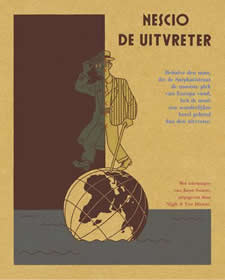
De Nederlandse schrijver Nescio (pseudoniem van Jan Hendrik Frederik Grönloh) werd geboren in Amsterdam op 22 juni 1882. Zie ook alle tags voor Nescio op dit blog.


Uit: Amsterdam Stories (The Freeloader, De Uitvreter, vertaald door Damion Searls)


„Except for the man who thought Sarphatistraat was the most beautiful place in Europe, I've never met anyone more peculiar than the freeloader.

The freeloader you found lying in your bed with his dirty shoes on when you came home late; the freeloader who smoked your cigars and filled his pipe with your tobacco and burned your coal and peered into your cupboards and borrowed your money and wore out your shoes and took your coat when he had to go home in the rain. The freeloader who always ordered in someone else's name, who sat and drank jenever like a prince at the outdoor tables of the Hollandais on other people's tabs, who borrowed umbrellas and never brought them back, who heated Bavink's secondhand stove until it cracked, who wore his brother's double collars and loaned out Appi's books, and took trips abroad whenever he'd hit up his old man for money again, and wore suits he never paid for.

His first name was Japi. I never knew his last name. Bavink showed up with him when he came back from Veere.

All summer long Bavink had been painting in Zeeland and it was in Veere that he saw Japi for the first time. Japi was just sitting there. Bavink wondered once or twice: Now what kind of guy is that? No one knew. He was always sitting by the water somewhere, just sitring, hour after hour, not moving. At noon and at six he went inside for an hour, to eat; the rest of the day he sat. That lasted about three weeks, then Bavink didn't see him anymore.

A couple of days later, Bavink was coming back from Rotterdam. Every now and then Bavink needed to have a lot of people around; he tromped along the Rotterdam harbor for a few days, then he'd had enough. On board the ship from Numansdorp to de Zijpe, there was Japi again, sitting. A stiff, cold wind was blowing pretty hard that morning and there were whitecaps on the water. Every now and then spray splashed up over the railing at the bow of the ship. The glass doors on the foredeck were closed; there was no one at the bow. Just Japi, peering out over the rail and getting completely drenched. "Look at that," Bavink thought, "if it isn't that same guy." He went and stood next to him. The boat pitched and rolled. Japi sat on his little bench, held on tight to his cap, and let himself get soaked. This lasted quite a while, until he noticed that someone was standing next to him. "Nice weather we're having,"


1183878-d5e0a260dfec272de76fab4b71499f0a.jpg
Nescio (22 juni 1882 – 25 juli 1961)

Boekomslag door Joost Swarte, 2006


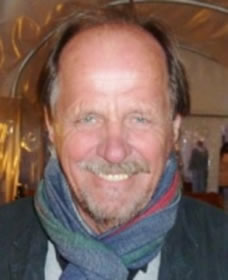
De Nederlandse dichter Juliën Holtrigter (pseudoniem van Henk van Loenen) werd geboren op 22 juni 1946 in Hilversum. Zie ook  Zie ook alle tags voor Juliën Holtrigter op dit blog.


PELGRIMAGE


Op weg naar Raayens, te voet, even gestopt.
Twijfel aan straathoek Raaiweg / Heupenstallaan.

Foto gemaakt en mij gevraagd: is dit waar?
En zo ja, in hoe ver?
Er was toch meer dan men ziet?

Leg je oor op de rails en verloochen je ogen.
Dan zul je horen geritsel, gerinkel, hoe men moet
lopen om ergens te komen en waarvandaan men
dat doet. Om maar een dwarsstraat te noemen.

Zwaar hangt de slaap in de bomen. De zomer
kauwt op haar weefsels, haar speeksel is oud.

Een stevige beet in jong vlees, dat geneest.
En dan luisteren leren, nog beter.


SPUI


Voor Jean-Jacques Suurmond

Het Spui overstekend, de zon scheen, op weg
naar een dode, hoorde ik zeggen: Ik ben
de verteller en jij bent mijn personage,
een van de vele. Maar laat je niet imponeren.
Ga toch vooral met mijn plot op de loop.

Ja, deze schrijver die mij verzon en beminde,
die mij beschermt, niet tegen waanzin of
wanhoop, niet tegen kanker of dood,
was een moment in het heden!

Ik haal je nog eens met zeer harde hand
uit de stront, zo klonk het daarna nog.
Heb meelij met hen die niet onder worden
gescheten, want je zult zien, ik sta op en
ik keer alles om: ik red het uitschot en
geef hen een naam.


 1183878-1e2e9db29af8a5227a7034e8749d7d2a.jpg

Juliën Holtrigter (Hilversum, 22 juni 1946)


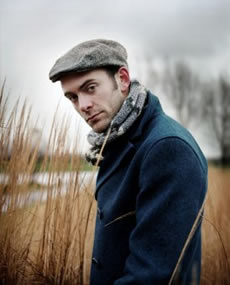
De Nederlandse dichter en theatermaker Jaap Robben werd geboren in Oosterhout op 22 juni 1984. Zie ook alle tags voor Jaap Robben op dit blog.


Graveeltje


Zijn leven is saai als een steen.


Eén dag als een graveeltje

en je verveelt je meteen.


Het enige diertje op aarde

dat niet kan bewegen.


Ligt dagen op straten te wachten

in de hoop op een bezem

die hem verder wil vegen.


Dus wil je dit arme diertje

iets laten beleven

dan kun je ‘m het beste

een rotschop geven.


Twee tranen


Soms moet mijn moeder huilen

zomaar twee tranen uit het niets

en wacht ik op de trap

tot ze me ziet.


Dan kust ze mij.


Tranen hoef je niet te snappen

die zijn er soms gewoon

fluistert ze

en deze zijn allebei voor jou.


 1183878-c784ac8ea10a1b59477fa25717c90204.jpg

Jaap Robben (Oosterhout, 22 juni 1984)


De Belgische dichter en schrijver
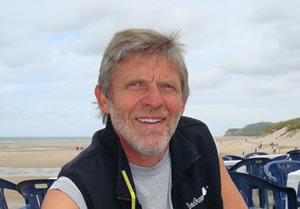
Willie Verhegghe werd op 22 juni 1947 te Denderleeuw geboren. Zie ook alle tags voor Willie Verhegghe op dit blog.


Ninove, een ode


De Dender scheurt en schuurt je middendoor
en in de vele zwartgeschubde vissen jaagt
het bloed dat door Filips van Valois met zwaard
en lans en pijl binnen je muren werd vergoten.


Maar je bleef trots en stout,een stad
die zich koestert in haar jas van oude stenen
en warmt aan het zwavelgeel uit de fabrieken
of het licht dat in gloeilampen werd gevat.


Je poorten blijven op de wereld openstaan,
je bier is honing voor de droogste keel
en één dag in het jaar schrijven renners op je asfalt
met hun zweet geschiedenis,een feest van kracht.


En als de avond valt en het duister
van de nacht je torens tart zingen monniken
in hun slapende abdijruïnes een lepradokter
naar de hoge wolken van het heldendom.


De Muur van Geraardsbergen


Rilling en razernij door het peloton:

de Muur van Geraardsbergen staat

als een pantsercolonne van kasseien

te wachten en lacht zijn stenen bloot.

Benen breken in een helse kramp,

hoofd en adem haperen bij zoveel vertoon

van hoog en steil en bijna niet te temmen.


De Muur slaat zijn porfieren klauwen uit,

maait als een oorlog jonge mannen weg.

En houdt dan plots op muur te zijn:

wanneer de strijd bergop gestreden is

en de laatste man zijn lijf behoedzaam

tot zijn oude vormen heeft teruggebracht,

huilt de helling om voorbij verdriet.

Fluweel over de stad die haar torens telt

en de renners afgeranseld naar de finish jaagt.


 1183878-c0a2bd1c26b051979fda746406745650.jpg

Willie Verhegghe (Denderleeuw, 22 juni 1947)


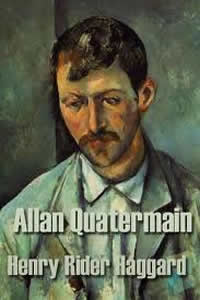
De Engelse schrijver Henry Rider Haggard werd geboren in Norfolk op 22 juni 1856. Zie ook alle tags voor Henry Rider Haggard op dit blog.


Uit: King Solomon's Mines


„First reason: Because Sir Henry Curtis and Captain John Good asked me.

Second reason: Because I am laid up here at Durban with the pain in my left leg. Ever since that confounded lion got hold of me I have been liable to this trouble, and being rather bad just now, it makes me limp more than ever. There must be some poison in a lion's teeth, otherwise how is it that when your wounds are healed they break out again, generally, mark you, at the same time of year that you got your mauling? It is a hard thing when one has shot sixty-five lions or more, as I have in the course of my life, that the sixty-sixth should chew your leg like a quid of tobacco. It breaks the routine of the thing, and putting other considerations aside, I am an orderly man and don't like that. This is by the way.

Third reason: Because I want my boy Harry, who is over there at the hospital in London studying to become a doctor, to have something to amuse him and keep him out of mischief for a week or so. Hospital work must sometimes pall and grow rather dull, for even of cutting up dead bodies there may come satiety, and as this history will not be dull, whatever else it may be, it will put a little life into things for a day or two while Harry is reading of our adventures.

Fourth reason and last: Because I am going to tell the strangest story that I remember. It may seem a queer thing to say, especially considering that there is no woman in it—except Foulata. Stop, though! there is Gagaoola, if she was a woman, and not a fiend. But she was a hundred at least, and therefore not marriageable, so I don't count her. At any rate, I can safely say that there is not a petticoat in the whole history.

Well, I had better come to the yoke. It is a stiff place, and I feel as though I were bogged up to the axle. But, "sutjes, sutjes," as the Boers say—I am sure I don't know how they spell it—softly does it. A strong team will come through at last, that is, if they are not too poor. You can never do anything with poor oxen. Now to make a start.“


 1183878-6f786906072a9b5d213734835a2f2db4.jpg

Henry Rider Haggard (22 juni 1856 - 14 mei 1925)

E-book omslag 


De Duitse schrijver Erich Maria Remarque (pseudoniem van Erich Paul Remark) werd geboren op 22 juni 1898. Zie ook alle tags voor Erich Maria Remarque op dit blog.


Uit: All Quiet on the Western Front (Vertaald door A. W. Ween)


„We wake up in the middle of the night. The earth booms. Heavy fire is falling on us. We crouch into corners. We distinguish shells of every calibre.

Each man lays hold of his things and looks again every minute to reassure himself that they are still there. The dug-out heaves, the night roars and flashes. We look at each other in the momentary flashes of light, and with pale faces and pressed lips shake our heads.

Every man is aware of the heavy shells tearing down the parapet, rooting up the embankment and demolishing the upper layers of concrete. When a shell lands in the trench we note bow the hollow, furious blast is like a blow from the paw of a raging beast of prey. Already by morning a few of the recruits are green and vomiting. They are too inexperienced….

The bombardment does not diminish. It is falling in the rear too. As far as one can see spout fountains of mud and iron. A wide belt is being raked.

The attack does not come, but the bombardment continues. We are gradually benumbed. Hardly a man speaks. We cannot make ourselves understood.

Our trench is almost gone. At many places it is only eighteen inches high, it is broken by holes, and craters, and mountains of earth. A shell lands square in front of our post. At once it is dark. We are buried and must dig ourselves out….“


 1183878-cc5698b00f47a4ff5fa7f84be0bb102c.jpg

Erich Maria Remarque (22 juni 1898 – 25 september 1970)


De Amerikaanse schrijver
Dan Brown werd geboren in Exeter, New Hampshire, op 22 juni 1964.
Zie ook alle tags voor Dan Brown op dit blog.


Uit: Angels & Demons


„High atop the steps of the Great Pyramid of Giza a young woman laughed and called down to him. "Robert, hurry up! I knew I should have married a younger man!" Her smile was magic.

He struggled to keep up, but his legs felt like stone. "Wait," he begged. "Please..."

As he climbed, his vision began to blur. There was a thundering in his ears. I must reach her! But when he looked up again, the woman had disappeared. In her place stood an old man with rotting teeth. The man stared down, curling his lips into a lonely grimace. Then he let out a scream of anguish that resounded across the desert.

Robert Langdon awoke with a start from his nightmare. The phone beside his bed was ringing. Dazed, he picked up the receiver.

"Hello?"

"I'm looking for Robert Langdon," a man's voice said.

Langdon sat up in his empty bed and tried to clear his mind. "This...is Robert Langdon." He squinted at his digital clock. It was 5:18 A.M.

"I must see you immediately."

"Who is this?"

"My name is Maximilian Kohler. I'm a discrete particle physicist."

"A what?" Langdon could barely focus. "Are you sure you've got the right Langdon?"

"You're a professor of religious iconology at Harvard University. You've written three books on symbology and — "

"Do you know what time it is?"

"I apologize. I have something you need to see. I can't discuss it on the phone."

A knowing groan escaped Langdon's lips. This had happened before. One of the perils of writing books about religious symbology was the calls from religious zealots who wanted him to confirm their latest sign from God. Last month a stripper from Oklahoma had promised Langdon the best sex of his life if he would fly down and verify the authenticity of a cruciform that had magically appeared on her bed sheets. The Shroud of Tulsa, Langdon had called it.“


 1183878-c73f914b5adf362ae73c8d5a676d14a1.jpg

Dan Brown (Exeter, 22 juni 1964)


Zie voor nog meer schrijvers van de 22e juni ook mijn blog van 22 juni 2011 deel 1 en eveneens deel 2.
Geschreven door Romenu om 22:16 Reageer op dit bericht

Ed Leeflang, Thomas Blondeau, Anne Carson, Adam Zagajewski, Georg Lentz

De Nederlandse dichter Ed Leeflang werd geboren op 21 juni 1929 in Amsterdam. Zie ook alle tags voor Ed Leeflang op dit blog.


Dronk op de tuin


Van god los maar om de kikkers
en alle kweepeer begaan, de merel
te hulp met de appels, het huis
met cement, de woelrat vol van genade
naar het leven staand, te verschrikter
gezegend als het peren regent of
pruimen, goed voor de wesp, wreed
voor de wespen, aan de kant van
de egel, de muizen, de uilen,
in twijfel om wat het leed, het gras,
het kroos, het woord. Drinken wij uit.
Vriendin, wij hoeven niet altijd voort.


Donor


Er zit al iemand in de file
die mijn organen nodig heeft
mijn netvlies of mijn nieren,
wie ik mijn hart gun,
die dan weer slapen kan,
een ander in de ogen zien.


Die rijdt nu tussen achterlichten
met iedereen de avond in
en voegt zich in het menuet

turend op het asfalt
neuriënd achter het stuur
afslaand naar mijn nieuw adres.


Hij is nieuwsgierig naar de richting


Hij is nieuwsgierig naar de richting
van de wind, het afval bij de vuilnisbakken,

de blues, hij heeft plectrums, stukken

kwarts, een kompas, vuursteen en adressen

van ballonvaarders in zijn zakken.


Hij kent de Wadden, drijft op vlotten,
leidt kampen en maakt zonnewijzers,

vindt de begraven potten en hij

kan eenzaam lezen.


Hij heeft voor alles tijd,
kan niet slapen van nieuwsgierigheid

en komt tussen de vakanties langs

om te vertellen van vreemde breuken,

het nodige delen, het begrip verzameling;

op zijn gitaar laat hij horen

hoe een driekwartsmaat verschilt

van andere maten.


En hun verbazing over dit bestaan
- zij gaan naar school als gaan ze emigreren -

wil wegens hem niet overgaan:

van wat hij leeft willen ze

als voor het eerst geestdriftig

leren leven.


 1183098-7cc4e99a9a76f32565ebacf3acab31ba.jpg

Ed Leeflang (21 juni 1929 – 17 maart 2008)


De Vlaamse dichter, schrijver en journalist Thomas Blondeau werd geboren in Poperinge op 21 juni 1978. Zie ook  Zie ook alle tags voor Thomas Blondeau op dit blog.


Uit: Donderhart


„6 juli, Station Brussel-Zuid

‘Hey... stranger.’

Ze had geen betere begroeting kunnen kiezen. Tussen de twee woorden had een pauze gezeten, geen stilte maar een twijfel. Eva Witkins eerste zin in jaren tegen Max waren van een onschuldige nonchalance. Een bekentenis zonder schuldige. Het klonk alsof ze al die tijd niet geweten had wat te zeggen. Nu ze de woorden eindelijk gevonden had, kon ze hem weer ontmoeten. Met niet meer dan de gêne van iemand die te laat was buiten zijn schuld om. Sorry, een vrachtwagen was gekanteld, de weg was weggeslagen door een vloedgolf, ik wist niet wat te zeggen.
Eva. In de zeven jaar die lag tussen hun slordige afscheid en dit filmcitaat had Max een uitvoerige methode bedacht om iedere gedachte aan haar uit te bannen. Die bestond uit een zorgvuldig ontworpen patroon van doodlopende wegen dat moest voorkomen dat onoplettendheid hem aan haar deed denken. Restaurants waar ze ooit samen hadden gegeten, werden ontoegankelijk verklaard. Acteurs uit een film die had opgestaan terwijl ze vrijden, werden als overleden beschouwd. Het bos waarin ze ooit hadden gewandeld, kon gerooid zijn zonder dat Max er weet van had.
En nu liep Eva met haar makkelijke stappers over die barricade van verboden bioscopen en verrotte parkbankjes en verscheurde de Plattegrond van Blinde Vlekken waar Max jaren aan had besteed.
Deze ontmoeting leek in niets op de fantasieën die hij hier vroeger over had gehad. Vroeger, voor hij zijn stille diplomatie van het verzwijgen geperfectioneerd had. Dit was geen rendez-vous tussen idool en aanbidder. Max was niet uitgeteerd door liefdesverdriet en zij was niet ongenaakbaar en onveranderlijk. Geen nobelheid, geen ootmoedig lijden en al die blabla waarmee Max zichzelf de weg had versperd nadat Eva had gezegd dat ze niet meer op hem verliefd was. Dit was geen zwijmelscenario, dit waren twee jonge dertigers die lang geleden wat hebben gehad met elkaar.
‘Mevrouw... Wat brengt u hier?’


 1183098-ee502f6ec7e2d168b041251207422f7d.jpg

Thomas Blondeau (Poperinge, 21 juni 1978)


De Canadese dichteres, essayiste en vertaalster
Anne Carson werd geboren op 21 juni 1950 in Toronto. Zie ook alle tags voor Anne Carson op dit blog.


Outwardly His Life Ran Smoothly


Comparative figures: 1784 Kant owned 550 books, Goethe 2300, Herder 7700.


Windows: Kant had one bedroom window, which he kept

shut at all times, to forestall


insects. The windows of his study faced the garden, on the other

side of which was the


city jail. In summer loud choral singing of the inmates wafted

in. Kant asked that the


singing be done sotto voce and with windows closed. Kant

had friends at city hall and


got his wish.


Tolstoy: Tolstoy thought that if Kant had not smoked so

much tobacco The Critique of


Pure Reason would have been written in language you could

understand (in fact he


smoked one pipe at 5 AM).


Numbering: Kant never ate dinner alone, it exhausts the

spirit. Dinner guests, in the


opinion of the day, should not number more than the Muses

 nor less than the Graces.


Kant set six places.


Sensualism: Kant’s favorite dinner was codfish.


Rule Your Nature: Kant breathed only through his nose.


 1183098-255984660a99406d4a4d07774b7854f4.jpg

Anne Carson (Toronto, 21 juni 1950)


De Poolse dichter en essayist Adam Zagajewski werd geboren op 21 juni 1945 in Lwów, het huidige Lviv. Zie ook alle tags voor Adam Zagajewski op dit blog.


Try To Praise The Mutilated World


Try to praise the mutilated world.
Remember June's long days,
and wild strawberries, drops of wine, the dew.
The nettles that methodically overgrow
the abandoned homesteads of exiles.
You must praise the mutilated world.
You watched the stylish yachts and ships;
one of them had a long trip ahead of it,
while salty oblivion awaited others.
You've seen the refugees heading nowhere,
you've heard the executioners sing joyfully.
You should praise the mutilated world.
Remember the moments when we were together
in a white room and the curtain fluttered.
Return in thought to the concert where music flared.
You gathered acorns in the park in autumn
and leaves eddied over the earth's scars.
Praise the mutilated world
and the grey feather a thrush lost,
and the gentle light that strays and vanishes
and returns.


Vertaald door  Renata Gorczynski


 1183098-be339dbb1b75788041156dd63150cb75.jpg

Adam Zagajewski (Lwów, 21 juni 1945)


De Duitse schrijer en uitgever Georg Lentz werd geboren in Blankenhagen op 21 juni 1928. Zie ook alle tags voor Georg Lentz op dit blog.


Uit: Heißer April'45


„Sie schienen aus der Sonne herabzustürzen auf die schmale Schneise der Chaussee, die, geradlinig, endlos, ein helles Band zwischen dunkelgrünem Dickicht, nach Westen führte. Charlie und Irma sahen, daß die Frau des Kommandanten stehenblieb, sie hob beide Arme in das golden über sie flutende Abendlicht, als wolle sie die anfliegenden Maschinen mit den Händen aufhalten. Das Panjepferd reagierte auf das Flugzeuggeräusch. Es brach aus, zerrte das Fuhrwerk durch den Graben. Die Frau erwachte aus ihrer Starre, ließ die Schnur der Peitsche pfeifen, als der Wagen steckenblieb. Ein letzter Ruck, der Sarg auf der Ladefläche polterte, hob sich, das Gefährt brach fast auseinander, einen Augenblick lang dachten sie, der Schrein würde von der Ladefläche rutschen, doch dann lag der Graben, der flach verlief, hinter ihnen. Äste peitschten ihre Gesichter, trockene Nadeln rieselten. Duft von frischem Harz strömte aus den Bruchstellen der Zweige, der geknickten Stämmchen.
Tiefflieger. Sie kamen immer aus der Sonne. Charlie sah, bevor er sich auf den Boden warf, daß Maschinen vom Typ Mustang sie angriffen. Pfeilschnelle Jäger, nicht die langsameren Spitfire, den Einschlägen ihrer Bordwaffen waren sie ausgewichen in der Flakstellung, tänzerisch, wie Toreros den Hörnern des Stiers. Charlie erkannte die Angreifer als Mustang, obwohl das Licht der sinkenden Sonne ihre Silhouetten zerfraß. Endlose Stunden Flugzeug-Erkennungsdienst zeitigten Ergebnisse.“


 1183098-abf1c9e19e1e84ab26b3ec28d0a6bcbc.jpg

Georg Lentz (21 juni 1928 - 18 januari 2009)

De gerenoveerde pastorie in Blankenhagen


Zie voor nog meer schrijvers van de 21e juni ook mijn vorige blog van vandaag en eveneens mijn eerste blog van vandaag.
Geschreven door Romenu om 19:03 Reageer op dit bericht

Robert Menasse, Jean-Paul Sartre, Machado de Assis, Chitra Gajadin, Helmut Heißenbüttel

De Oostenrijkse schrijver Robert Menasse werd geboren op 21 juni 1954 in Wenen. Zie ook alle tags voor Robert Menasse op dit blog.


Uit: Permanente Revolution der Begriffe


“Aus diesem Grund gilt in der Arbeitstheorie nicht die Zeit, die man für eine Arbeit benötigt hat, sondern nur die dafür »gesellschaftlich notwendige Arbeitszeit« als Arbeitszeit.

Was natürlich heißt, dass die vielen Stunden, die ich nun gearbeitet habe, ohne dass sie gesellschaftlich notwendigwaren, keine Arbeit darstellen. Wenn dieser Text im Netz erscheint,

werden spätestens jetzt, also nur wenige Minuten nach Beginn der Lektüre, die ersten Poster erste Posting-Sätze mit einer Leichtigkeit, die sich von selbst versteht, schreiben können, etwa »Richtig: Menasse gesellschaftlich nicht notwendig!« und dergleichen. Und sie werden in ihrem glücklichen Hohn natürlich nicht begreifen, dass sie sich selbst dabei verhöhnen, weil sie damit hinausposten in

die Welt, dass sie selbst nur ihre eigene verblödende Fronarbeit in braver Unterwürfigkeit unter dieMarktgesetze für gesellschaftlich notwendnotwendig halten, also ihre Unfreiheit, und dass sie, wie schon oft beschrieben, aber von ihnen nicht gelesen, die freiwillige Zustimmung zu ihrer Unfreiheit mit

Freiheit verwechseln. Oder es wird ein katholischer Pater aus einem berühmten österreichischen Stift, also ein Prediger der Liebesreligion, wieder einmal einen hasserfüllten Leserbrief schreiben, weil ich seine Schäfchen verwirre, statt sie, so wie er, zu scheren. Oder es wird ein berühmter Anwalt mit einer noblen Anwaltsadresse in Wien seine Sekretärin zum Diktat rufen und ohne Umschweife in wenigen

Sekunden, die Fingerkuppen seiner Hände bedächtig aneinandergelegt, die Formulierung finden, dass er sich in der von ihm abonnierten Zeitung Artikel von mir verbiete, und die Sekretärin wird das tippen, ohne seine unfreiwillig komische Formulierung (»sich« kann er ja »verbieten«,was er will, ohne einen Leserbrief zu schreiben) zu korrigieren, weil er hat es so gesagt und dann hat er es auch unterschrieben, er hat ja sehr viel zu unterschreiben, derHerr Doktor, er ist ja geradezu ein Unterschriftsteller. Es werden also nur wegen meiner vielen Stunden des Nicht-Schreibens viele

Sätze produziert werden – und auch hier: weit und breit niemand, der gearbeitet hat. Mit einer einzigen Ausnahme.”


 1183093-215e7bc26ddfd4ceed06fc584ae3215f.jpg

Robert Menasse (Wenen, 21 juni 1954)


De Franse schrijver Jean Paul Sartre werd geboren op 21 juni 1905 in Parijs. Zie ook alle tags voor Jean-Paul Sartre op dit blog.


Uit: Die Wörter (Vertaald door Hans Mayer)


“"Als ein Wesen, das vor allen als Idol verehrt, gleichzeitig aber von jedermann abgewiesen wird, war ich ein Pfand, das man in Zahlung gibt, und hatte mit sieben Jahren als einzige Hilfe mich selbst, denn noch nicht Existierenden. Ein ver- lassener Eispalast, wo das angehende Jahrhun- dert seine Langweile spazierenführte. Ich wurde geboren, da ich mich selbst so sehr nötig hatte; bisher hatte ich nur die Eitelkeiten eines Schoß- hundes kennengelernt; da ich auf den Stolz ver- wiesen worden war, verwandelte ich mich ganz in Stolz. Da mich niemand ernsthaft brauchte, erhob ich den Anspruch, unentbehrlich zu sein für das Universum. Welche Überhebung! Welche Torheit! In Wahrheit hatte ich keine Wahl. Als blinder Passagier war im Abteil eingeschlafen und wurde vom Schaffner wachgerüttelt. <<Bitte Fahrkarte!>> Ich musste gestehen, dass ich keine hatte, auch kein Geld, um die Reise bezahlen zu können. Ich begann damit, mich für schuldig zu erklären: meine Ausweispapiere hätte ich zu Hause ver- gessen und wüsste auch nicht mehr, wie ich durch die Sperre gelangt sei, aber ich gäbe zu, unrecht- mäßgerweise den Zug bestiegen zu haben. Weit davon entfernt, die Autorität des Schaffners zu bezweifeln, beteuerte ich laut meine Achtung für seine Aufgaben und unterwarf mich von vorn- herein seiner Entscheidung. In diesem äßersten Augenblick der Erniedrigung blieb mir bloß noch der Ausweg, die ganze Situation umzustülpen: ich gab also das Geheimnis preis, dass wichtige und geheime Gründe mich zwängen, nach Dijon zu reisen, im Interesse Frankreichs und vielleicht der Menschheit. Und wenn man die Dinge in diesem Sinne betrachtete, gäbe es vielleicht im ganzen Zug keinen einzigen Menschen, der so zum Mit- fahren berechtigt sei wie ich. Freilich handle es sich um ein übergeordnetes Gesetz, das im Widerspruch zu den Reisebestimmungen stehe, aber wenn der Schaffner mich zwänge, den Zug zu verlassen und die Reise zu unterbrechen, könne es zu schweren Verwicklungen kommen, deren Folgen er sich zu nehmen hätte.“


1183093-c4b462f620fb324438f61884eb676023.jpg
Jean-Paul Sartre (21 juni 1905 - 15 april 1980)


De Braziliaanse schrijver Joaquim Maria Machado de Assis werd geboren in Rio de Janeiro op 21 juni 1839. Zie ook alle tags voor Machado de Assis op dit blog.


Uit: The Posthumous Memoirs of Brás Cubas (Vertaald door Gregory Rabassa)


„For some time I debated over whether I should start these memoirs at the beginning or at the end, that is, whether I should put my birth or my death in first place. Since common usage would call for beginning with birth, two considerations led me to adopt a different method: the first is that I am not exactly a writer who is dead but a dead man who is a writer, for whom the grave was a second cradle; the second is that the writing would be more distinctive and novel in that way. Moses, who also wrote about his death, didn't place it at the opening but at the close: a radical difference between this book and the Pentateuch.

With that said, I expired at two o'clock on a Friday afternoon in the month of August, 1869, at my beautiful suburban place in Catumbi. I was sixty-four intense and prosperous years old, I was a bachelor, I had wealth of around three hundred contols, and I was accompanied to the cemetery by eleven friends. Eleven friends! The fact is, there hadn't been any cards or announcements. On top of that it was raining--drizzling--a thin, sad, constant rain, so constant and so sad that it led one of those last-minute faithful friends to insert this ingenious idea into the speech he was making at the edge of my grave: "You who knew him, gentlemen, can say with me that nature appears to be weeping over the irreparable loss of one of the finest characters humanity has been honored with. This somber air, these drops from heaven, those dark clouds that cover the blue like funeral crepe, all of it is the cruel and terrible grief that gnaws at nature and at my deepest insides; all that is sublime praise for our illustrious deceased.

Good and faithful friend! No, I don't regret the twenty bonds I left you. And that was how I reached the closure of my days. That was how I set out for Hamlet's undiscovered country without the anxieties or doubts of the young prince, but, rather, slow and lumbering, like someone leaving the spectacle late.“


 1183093-d1586a294bf09f1772374ce78666cccb.jpg

Machado de Assis (21 juni 1839 - 29 september 1908)


De Surinaamse dichteres en schrijfster Chitra Gajadin werd geboren in District Suriname op 21 juni 1954. Zie ook alle tags voor Chitra Gajadin op dit blog.


Franchepane


Zilver doorstreept bruin

in doffe tinten etst de zon

littekens op mijn huid

canvas van vergetelheid

zelfhechtend op elke

muur

opgeslagen ogen beslaan

in absolute bekoring

oneindig traag dringt

door de aderen

clownesk debuut

uit de tropen

zich amputeren

om te herstellen

in dit doolhof

zonder uitgang


1183093-9d6bc3b6055336d884003ddafd519de0.jpg 

Chitra Gajadin (District Suriname, 21 juni 1954)


De Duitse dichter, schrijver en essayist Helmut Heißenbüttel werd geboren op 21 juni 1921 in Rüstringen, tegenwoordig Wilhelmshaven. Zie ook alle tags voor Helmut Heißenbüttel op dit blog.


Shortstory


er hatte es mit ihr sie hatte es mit ihm
was hatte er mit ihr was hatte sie mit ihm
er hatte es auch mit dem da sie hatte es auch mit der da
was hatte er auch mit dem da was hatte sie auch mit der da
er hatte es mit ihr und auch mit dem da
was hatte er mit ihr und auch mit dem da
sie hatte es mit ihm und auch mit der da
was hatte sie mit ihm und auch mit der da


er hatte es mit sich selbst sie hatte es mit sich selbst
was hatte er mit sich selbst was hatte sie mit sich selbst


er hatte es hatte er es sie hatte es hatte sie es

er hatte es mit ihr und auch mit dem da und mit sich selbst sie

hatte es mit ihm und auch mit der da und mit sich selbst er hatte
es mit ihr und auch mit dem da und mit sich selbst und sogar mit
der da sie hatte er mit ihm und auch mit der da und mit sich selbst
und sogar mit dem da der da hatte es mit ihm und ihr und der da
die da hatte es mit ihr und ihm und dem da hatte der da es auch
mit sich selbst hatte die da es auch mit sich selbst


sie hatten es alle miteinander und mit sich selbst


aber was hatten sie denn nun eigentlich alle miteinander und
auch mit sich selbst


1183093-3984a291fec77a92b652bba927a49ad1.jpg
Helmut Heißenbüttel (21 juni 1921 – 19 september 1996)

Strandhalle en Aqarium in stadsdeel Rüstringen, Wilhelmshaven

Geschreven door Romenu om 18:56 Reageer op dit bericht

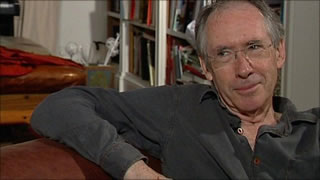
Ian McEwan, Alon Hilu, Françoise Sagan, Wulf Kirsten, Frans de Cort

De Britse schrijver Ian McEwan werd op 21 juni 1948 geboren in de Engelse garnizoensplaats Aldershot. Zie ook alle tags voor Ian McEwan op dit blog.


Uit: Amsterdam


„The patch of lawn was strewn with flattened cigarette butts, for this was a place where people came to stand about and wait for the funeral party ahead of theirs to clear the building. As they strolled up and down, the two old friends resumed the conversation they had had in various forms a half-dozen times before but that gave them rather more comfort than singing "Pilgrim."
Clive Linley had known Molly first, back when they were students in '68 and lived together in a chaotic, shifting household in the Vale of Health.
"A terrible way to go."
He watched his own vaporized breath float off into the gray air. The temperature in central London was said to be twelve degrees today. Twelve. There was something seriously wrong with the world for which neither God nor his absence could be blamed. Man's first disobedience, the Fall, a falling figure, an oboe, nine notes, ten notes. Clive had the gift of perfect pitch and heard them descending from the G. There was no need to write them down.
He continued, "I mean, to die that way, with no awareness, like an animal. To be reduced, humiliated, before she could make arrangements, or even say goodbye. It crept up on her, and then . . ."
He shrugged. They came to the end of the trampled lawn, turned, and walked back.

"She would have killed herself rather than end up like that," Vernon Halliday said. He had lived with her for a year in Paris in '74, when he had his first job with Reuters and Molly did something or other for Vogue.
"Brain-dead and in George's clutches," Clive said.“


1183089-1a1b0a87d8ca7111d863a1badfc97d17.jpg
Ian McEwan (Aldershot, 21 juni 1948)


De Israëlische schrijver Alon Hilu werd geboren op 21 juni 1972 in Jaffa. Zie ook alle tags voor Alon Hilu op dit blog.


Uit: Death of a Monk


„Maman, Father's statuesque, long-haired, amply-bosomed wife, bedecked with golden rings and chains, who throughout the day pretended to be my good friend and dress me up in silk clothing to prance about in her room, would lecture him about things I had said to my cross-eyed sister, Alkhola, for example that I had teased her about her deformed eye and her grating voice, and my grumbly sister of the blue eyes and pure white skin would affirm it all, teary-voiced, adding her own evidence, blasphemous notes that I had supposedly sent her and blessings I had bestowed upon her wishing a slow recovery for that malformed eye and, at the apex of her account, her pupils rolling like buttons fallen from tattered clothing, she would add that I had teased her with the words, Imek muvhama alleh eljamous, which is to say that while pregnant with her, my mother had gazed upon a water buffalo, which explained her perpetually angry countenance.

And while Maman and Alkhola embraced and consoled themselves in one another's arms, the younger brother Meir would recount, each evening, each time in a different manner, how Aslan had confiscated his playthings, how Aslan had taken his garments and how this Aslan had a finger in every pie and a pie in every finger, and lo, I can picture Father's eyebrows contracting, the hairs protruding and erect, as he loosens his belt, the siblings grabbing hold of me in my tunic, which was always clean and pleasant as were all the garments I loved, and they convey me to wrathful Father, to his belt that is lashing my tiny feet, stroke after stroke, to the accompaniment of a long and vociferous string of curses, from the mild 'Stupid,' to blessings of 'May God take your soul,' ' Allah yela'anek,' or ' Allah yah'dek,' after which I would not cry nor shed a tear, rather, I would merely walk sniveling to my room, shoulders stooped and head bent, leaning for support on the arms of one of the servants.“


 1183089-034953ab2349093feefb54f672b8a660.jpg

Alon Hilu (Jaffa, 21 juni 1972)


De Franse schrijfster Françoise Sagan (pseudoniem van Françoise Quoirez) werd geboren in Cajarc, Lot op 21 juni 1935. Zie ook alle tags voor Françoise Sagan op dit blog.


Uit: Ein gewisses Lächeln (Vertaald door Helga Treichl)


„Ganz natürlich kamen wir auf Liebe zu sprechen. Er sagte, die Liebe sei eine gute Sache, weniger wichtig, als man sich einbilde, aber um glücklich zu sein, müsse man geliebt werden und selber einigermaßen innig lieben. Ich stimmte ihm mit einem Kopfnicken zu. Er sagte, er sei sehr glücklich, denn er liebe Francoise sehr und sie ihn ebenso. Ich beglückwünschte ihn und versicherte ihm, dass mich das nicht erstaune, denn Francoise und er seien großartige Menschen. Ich verging vor Rührung.
„Und nun“, sagte Luc, „ würde ich mich freuen, wenn ich mit ihnen ein Abenteuer haben könnte.“

(...)


„In gewisser Hinsicht“, sagte Luc ernsthaft, „gibt es da etwas. Ich will sagen: zwischen uns. Sonst habe ich im allgemeinen für junge Mädchen nicht sehr viel übrig. Aber wir sind vom gleichen Schlag. Ich meine, es wird weder so dumm noch so abgedroschen sein. Und das kommt selten vor. Also denken Sie darüber nach.“


1183089-427c04093f06d3ec58b40532a9f307e6.jpg
Françoise Sagan (21 juni 1935 – 24 september 2004)


De Duitse dichter, schrijver en uitgever Wulf Kirsten werd geboren op 21 juni 1934 in Klipphausen bij Meißen. Zie ook alle tags voor Wulf Kirsten op dit blog.


libellentümpel

lichtgestalten, schilfgrün,
um ihrer selbst willen gesetzt
an teichränder, wo libellen
aus tümpeln, fast schon verlandet,
steigen und schwirren
mit ausgebreiteten flügeln,
augensinnlich, ohrenfällig,
nimm einen ziegelbrocken auf,
wirf ihn, der stein wächst
vertraulich, ehrenwert,
sinkt ab, fällt zu grunde,
das wasser wölkt sich,
schlägt einen kranz von wellen,
in den laubhölzern eingebunden
gespinst an gespinst,
darüber fährt eben jetzt,
windvertrieben eine perlmuttwolke,
vollkommen einvernehmlich
als pfingstwunder.


1183089-4cd30e523f0fd519c877ac91de6f1439.jpg
Wulf Kirsten (Klipphausen, 21 juni 1934)


De Vlaamse dichter
Frans Joseph de Cort werd geboren in Antwerpen op 21 juni 1834. Zie ook alle tags voor Frans de Cort op dit blog en ook mijn blog van 21 juni 2011 deel 2.


Zomeravond

Stem: ‘Enfants, n'y touchez pas.’ (Clapisson.)


De zonne zinkt

Van goud en vuer omtogen,

En zacht en streelend klimt de maen op vóór

En 't allen kant vaert meê het lied ten hoogen, onze oogen;

Dat heel Natuer haer Meester tegenzingt.

En wy den blik naer boven,

In 't plegtig avonduer,

Stemmen mede in het lied en wy danken en loven

Den Meester der Natuer,


Hoort! alles vloeit

Van liefdetoonen over:

't Gevleugeld zangrenheir kweelt vrolyk in het loover;

De krekel tjilpt haer liedjen vol getoover,

Wyl langs de haeg, de kever snorrend stoeit.

En wy den blik naer boven, enz.


De zefir sust

De lieve bloeme weder;

Zy buigt het hoofdjen voor zyn zachten adem neder,

En neuriet blyde een liedjen zoet en teeder

En lacht hem toe, den dauwdrop die haer kust,

En wy den blik naer boven, enz.


Knielt vol ontzag

Teneder, aerdelingen,

Die voelen kunt wat wind en bloem en vogel zingen,

En 't allen kant de beê hoort opwaerts klinken;

Dank, Heere, dank, voor d'afgeloopen dag.

Wy ook, den blik naer boven, enz.


 1183089-a0ee715c4042bee4e7f38866492fb843.jpg

Frans de Cort (21 juni 1834 – 18 januari 1878)

Antwerpen, Grote Markt bij avond


Zie voor nog meer schrijvers van de 21e juni ook mijn blog van 21 juni 2011 deel 3 en eveneens mijn blog van 21 juni 2011 deel 4.


Geschreven door Romenu om 18:51 Reageer op dit bericht

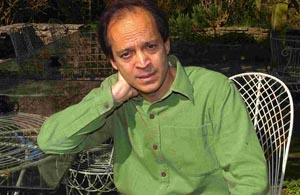
Vikram Seth, Paul Muldoon, Kurt Schwitters, Jean-Claude Izzo, Silke Andrea Schuemmer

De Indische schrijver Vikram Seth werd geboren op 20 juni 1952 in Kolkata. Zie ook alle tags voor Vikram Seth op dit blog.


Uit: Two Lives


„When I was seventeen I went to live with my great-uncle and great-aunt in England. He was Indian by origin, she German. They were both sixty. I hardly knew them at the time. It was August 1969 – the monsoon season in Calcutta. A few days before I left, Mama had taken me to a temple to be blessed, which was most unlike her. She and Papa came to see me off at Dumdum Airport. I arrived at Heathrow in the afternoon. My great-uncle and great-aunt were still away on their annual holiday in Switzerland and, as I recall, I was met at the terminal by someone in the firm for which my father worked. My first impression was of the width of the road that led (under grey skies) to London. I was housed for a night in a drab hotel somewhere near Green Park.
That evening Shanti Uncle and Aunty Henny returned from Switzerland, and the following day I and my luggage arrived at their door.
I looked at the house that was to be my home for the next few years. There was a red pillar-box not far from the gate of 18 Queens Road, Hendon; this was to be my beacon whenever I trudged up from the tube station. In front of the house was a small, low-walled, immaculately maintained garden with a few rosebushes in full bloom. A path led to the door. To the right of the path, slanted on a stand, was a burnished brass plaque that read:


S. B. Seth
L.D.S., R.C.S. (Edin.), B.Sc., D.M.D. (Berlin)
Dental Surgeon


I set down my luggage on the front step. The thought of meeting people whom I had not seen for years and did not really know, and whose home I would be sharing, made me nervous. I was, in any case, fearfully shy. After a minute I rang the bell.“


 1182503-df721a8c2dfea168597e9d5ff1917851.jpg

Vikram Seth (Kolkata, 20 juni 1952)


De Ierse dichter en schrijver Paul Muldoon werd geboren in Portadown, County Armagh, in Noord-Ierland op 20 juni 1951, Zie ook  Zie ook alle tags voor Paul Muldoon op dit blog.


Milkweed and Monarch


The rain comes flapping through the yard
like a tablecloth that she hand-embroidered.
My mother has left it on the line.
It is sodden with rain.
The mushroom shed is windowless, wide,
its high-stacked wooden trays
hosed down with formaldehyde.
And my father has opened the gates of Troy
to that first load of horse manure.
Barley straw. Gypsum. Dried blood. Ammonia.
Wagon after wagon
blusters in, a self-renewing gold-black dragon
we push to the back of the mind.
We have taken our pitchforks to the wind.

All brought back to me that September evening
fifteen years on. The pair of us
tripping through Barnett's fair demesne
like girls in long dresses
after a hail-storm.
We might have been thinking of the fire-bomb
that sent Malone House sky-high
and its priceless collection of linen
sky-high.
We might have wept with Elizabeth McCrum.
We were thinking only of psilocybin.
You sang of the maid you met on the dewy grass-
And she stooped so low gave me to know
it was mushrooms she was gathering O.

He'll be wearing that same old donkey-jacket
and the sawn-off waders.
He carries a knife, two punnets, a bucket.
He reaches far into his own shadow.
We'll have taken him unawares
and stand behind him, slightly to one side.
He is one of those ancient warriors
before the rising tide.
He'll glance back from under his peaked cap
without breaking rhythm:
his coaxing a mushroom-a flat or a cup-
the nick against his right thumb;
the bucket then, the punnet left or right,
and so on and so forth till kingdom come.

We followed the overgrown tow-path by the Lagan.
The sunset would deepen through cinnamon
to aubergine,
the wood-pigeon's concerto for oboe and strings,
allegro, blowing your mind.
And you were suddenly out my ken, hurtling
towards the ever-receding ground,
into the maw
of a shimmering green-gold dragon.
You discovered yourself in some outbuilding
with your long-lost companion, me,
though my head had grown into the head of a horse
and shook its dirty-fair mane
and spoke this verse:

Come back to us. However cold and raw, your feet
were always meant
to negotiate terms with bare cement.
Beyond this concrete wall is a wall of concrete
and barbed wire. Your only hope
is to come back. If sing you must, let your song
tell of treading your own dung,
let straw and dung give a spring to your step.
If we never live to see the day we leap
into our true domain,
lie down with us now and wrap
yourself in the soiled grey blanket of Irish rain
that will, one day, bleach itself white.
Lie down with us and wait.


 1182503-63d3bc89975f8dc4a6836daf72d948ec.jpg

Paul Muldoon (Portadown, 20 juni 1951)


De Duitse schrijver, dichter en kunstenaar Kurt Schwitters werd geboren op 20 juni 1887 in Hannover. Zie ook alle tags voor Kurt Schwitters op dit blog.


If I Were, When I Was


Untimely gropes without space      The I in the Everywhere You From Morning-Evening-Evening-Morning      toward the next self-consciousness.
From the eternally Old it came,      As I;      Always growing without degree or measure      It remains in the I.
Soon smaller-larger, up-back      In the You the I, in the I the You.      You are like I,      Your I you are,     like I.
Thus we travel in the Nothing      Unevenly different and differently the same      Uneven evenness (Variable parable) of the millions      Me-Thee, Thee-Me: the same way.      Always believing everyone fulfills his duty,      Always faithful to the call within;      The hope that we may unite ourselves,      Remains unsevered.      We live, because we can remember,      And go on living, because we hope.      Time is change all around us,      Space is Cover.
We are the measure,      For Time and eternally,      infinite Space.
We grope, because we know,      If we were, when we were.


Vertaald door Pierre Joris


Dumb Poem


A worm hangs from a fishhook.
A fish bites the worm.
The fish also bites the fishhook.
The hook pulls the fish.
Now the fish hangs from the hook.
The hook swings it through the air.
The fish drops dead in the air.
The hook drops the fish dead.
A new worm hangs from the fishhook.
A new fish bites the new worm.
And new life blossoms out among the ruins.


Vertaald door Jerome Rothenberg


1182503-3c9aebe49ca287145feba1dffeec7bbe.jpg 

Kurt Schwitters (20 juni 1887 – 8 januari 1948)


De Franse schrijver
Jean-Claude Izzo werd geboren op 20 juni 1945 in Marseille. Zie ook alle tags voor Jean-Claude Izzo op dit blog.


Uit: Total Chaos (Vertaald door Howard Curtis)


„Rue des Pistoles, twenty years after

All he had was her address. Rue des Pistoles, in the old neighborhood. It was years since he'd last been in Marseilles. But he didn't have a choice. Not now.

It was June 2nd, and it was raining. Despite the rain, the taxi driver refused to turn into the back alleys. He dropped him in front of Montée-des-Accoules. More than a hundred steps to climb and a maze of streets between there and Rue des Pistoles. The ground was littered with garbage sacks spilling their contents. There was a pungent smell on the streets, a mixture of piss, dampness and mildew. The only big change was that even this neighborhood was being redeveloped. Some houses had been demolished, others had had their fronts repainted ocher and pink, with Italian-style green and blue shutters.

Even on Rue des Pistoles, maybe one of the narrowest streets of all, only one side, the side with even-numbered houses, was still standing. The other side had been razed to the ground, as had the houses on Rue Rodillat, and in their place was a parking lot. That was the first thing he saw when he turned the corner from Rue du Refuge. The developers seemed to have taken a breather here. The houses were blackened and dilapidated, eatenaway by sewer vegetation.

He was too early, he knew. But he didn't want to go to a bistro and sit drinking one coffee after another, looking at his watch, waiting for a reasonable hour to wake Lole. What he wanted was to have his coffee sitting comfortably in a real apartment. He hadn't done that for months. As soon as she opened the door, he headed straight for the only armchair in the room, as if it was something he'd often done. He stroked the armrest with his hand, sat down slowly, and closed his eyes. It was only afterwards that he finally looked at her. Twenty years after.

She was standing. Bolt upright, as always. Her hands deep in the pockets of a straw-colored bathrobe. The color made her skin look browner than usual and emphasized the blackness of her hair, which she was wearing short now. Her hips may have grown thicker, he wasn't sure. She'd become a woman, but she hadn't changed. Lole, the Gypsy. She'd always been beautiful“.


 1182503-84261a660a4591933a64be272f5b8866.jpg

Jean-Claude Izzo (20 juni 1945 – 26 januari 2000)


De Duitse dichteres, schrijfster en kunsthistorica Silke Andrea Schuemmer werd geboren op 20 juni 1973 in Aken. Zie ook alle tags voor Silke Andrea Schuemmer op dit blog.


Uit: Organische Portraits


Was sich ein Nest baut in den Achselhöhlen,
das kriecht auch durch den Nabel fort. Und in die
Muscheln ruft es wilde Worte, färbt Wangen rot,
ist Echolot auch für die Lymphen, die sich wie
grüngebleichte Nymphen zu den Schulterblättern schmiegen.
In den Salzfässern unterm Hals, da leckt sich satt,
was da geschlüpft aus Haar und Poren, was
ausgebrütet zu der Beuge runterfloß, um sich dann
noch einen Weg zu bohren zur andren Seite hin.
Was sich ein Nest baut in den Achselhöhlen,
das schlängelt sich auch durch den Mund,
das brennt und zündelt auf der Zunge,
bis die Lippen wund ein neues Nest gestatten.


Es regt sich, schnarrt und ächzt im Kehlkopf drin
schlägt den harten Gong des Gaumens zwölfmal an
Gewalpert wird vielleicht ganz oben wo sichs wölbt
hier unten, wo der Kiefer leise knackt,
spukt es in der Lippenfurche, huscht ein Schatten übers Kinn
Statt Fäden: Speichelnetze. Was da sich drin verfängt
zappelt eine Weile, stirbt dann schnell wie hingesagt
In den Winkeln ist ein früh verwestes Wort verwoben
ein unterkühltes seilt sich von der Schartenspitze ab
durch klebrig, dichtgesponnenes Gemasch
beschlägt in Tau und lungenwarmem Dunst
Zehn Füße hat der mißgeborne Vers
die rudern, krabbeln um ihr Leben einen Laut
wenn nicht der Atemzug vom nächsten drüberfährt


 1182503-993c593362356cb5fcd8d377bb73350e.jpg

Silke Andrea Schuemmer (Aken, 20 juni 1973)


Zie voor nog meer schrijvers van de 20e juni ook
mijn blog van 20 juni 2011.
Geschreven door Romenu om 19:14 Reageer op dit bericht

Salman Rushdie, Sybren Polet, Josef Nesvadba, Osamu Dazai, José Rizal, Friedrich Huch, Gustav Schwab

De Indisch-Britse schrijver en essayist Salman Rushdie werd geboren in Bombay op 19 juni 1947. Zie ook alle tags voor Salman Rushdie op dit blog.


Uit: Mitternachtskinder (Vertaald door Karin Graf)


“Es war einmal ein kleiner Junge, der wurde in der Stadt Bombay geboren … Nein, so geht es nicht, ich kann mich um das Datum nicht herummogeln: Ich wurde am 15. August 1947 in Dr. Narlikars

privatem Entbindungsheim geboren. Und die Zeit? Die Zeit spielt auch eine Rolle. Also dann: nachts. Nein, man muss schon genauer sein … Schlag Mitternacht, um die Wahrheit zu sagen. Uhrzeiger

neigten sich einander zu, um mein Kommen respektvoll zu begrüßen.

Oh, sprich’s nur aus: Genau in dem Augenblick, in dem In dien die Unabhängigkeit erlangte, purzelte ich in die Welt. Schweres Atmen war zu hören. Und draußen vor dem Fenster Feuerwerk und

Menschenmassen. Ein paar Sekunden später brach mein Vater sich den großen Zeh; aber verglichen mit dem, was mich in diesem verhängnisvollen Augenblick befallen hatte, war sein Unfall eine bloße

Lappalie, denn dank der verborgenen Willkürherrschaft dieser verbindlich grüßenden Uhren war ich auf geheimnisvolle Weise an die Geschichte gefesselt, war mein Geschick unlösbar mit dem meines

Landes verkettet worden. Für die nächsten drei Jahrzehnte sollte es kein Entkommen geben. Wahrsager hatten mich prophezeit, Zeitungen feierten meine Ankunft, Politiker bescheinigten meine

Echtheit. Ich hatte in der ganzen Sache nichts zu sagen. Ich, Saleem Sinai, später auch verschiedentlich Rotznase, Fleckengesicht, Kahlkopf, Schnüffl er, Buddha und sogar Scheibe-vom-Mond genannt, war vom Schicksal schwer mit Beschlag belegt worden – selbst unter günstigsten Umständen eine gefährliche Verstrickung. Und ich konnte mir zu der Zeit noch nicht einmal selbst die Nase putzen.

Nun läuft jedoch die Zeit ab (da sie keine weitere Verwendung für mich hat). Ich werde bald einunddreißig Jahre alt. Vielleicht. Wenn mein zerfallender, überbeanspruchter Körper es zulässt. Aber ich kann nicht darauf hoffen, mein Leben zu retten, ich kann nicht einmal damit rechnen, tausendundeine Nacht zu haben. Ich muss schnell arbeiten, schneller als Scheherazade, wenn mein Leben bei meinem Tod einen Sinn – ja, Sinn – gehabt haben soll. Ich gebe es zu: Mehr als alles andere fürchte ich die Sinnlosigkeit.”


1181834-3583029bf484cfebbd20fce29330eecd.jpg
Salman Rushdie (Bombay, 19 juni 1947)


De Nederlandse dichter en schrijver Sybren Polet (pseudoniem van Sybe Minnema) werd geboren in Kampen op 19 juni 1924. Zie ook alle tags voor Sybren Polet op dit blog.


Verdedigingsgrijs

Dag amper aan de supermarkt ontsnapt,
Verdedigingsgrijs, de allernatuurlijkste kleur.
Leven een quaestie van ondergeluk.
Eten
een krachttoer, een krachtmeting.
De ziel
als een hond met een kunstgebit,
gevangen in de draaideur van een warenhuis.

Een hoog aan de gevel gekleefd
een handvol bejaarde hangjongeren.
In de bomen enkele nagesynchroniseerde merels.
Op het gazon: een zielig hoopje massa-DNA
ter grootte van een molshoop.
Je speurt de zwakke uitstraling.

Droom van een trauma:
de verstrooide as van een gecremeerde crimineel
die je door wind in het gezicht wordt geblazen.

De vijfvingerige leegte die je aangrijnst.

In de lucht: een eigenhandig gedolven mangat
dat je zult vullen met jezelf.
Laberdi laberda laberdonia.


Zonsverduistering


Vanmorgen om 10 u 10
ontmoette ik de man
die de zon heeft verduisterd,
drie minuten lang.

Hij droeg een colbert van krekels,
een dorp als een monocle in zijn oog.

Hij aksepteerde mijn cuba libre niet,
hij aksepteerde mijn cafe solo niet,
hij aksepteerde mij niet;
zijn wenkbrauwen van muggen optrekkend,
liep hij door mij heen,
als een mens door een gedachte.

Een zee had geen branding meer,
drie minuten lang;
en de zon had geen negatieven meer,
drie minuten lang -

Daarna verdween hij uit mijn gedachten,
als een foto die emigreert
naar doorzichtiger schijngebieden -


 1181834-2a70e9543b3256aee001e6139985ecbd.jpg

Sybren Polet (Kampen, 19 juni 1924)

Kampen, op een oude schoolplaat 


De Tsjechische schrijver Josef Nesvadba werd geboren op 19 juni 1926 in Praag. Zie ook alle tags voor Josef Nesvadba op dit blog.


Uit: The Einstein Brain


„While students flock to hear lectures on Goethe or Herder's views on art, we have been forced to give up the gymnasium to the Lecturer in Aesthetics, although when the University was founded his department was almost forgotten, it was so insignificant. The shocking thing is that we cannot imagine how this state of affairs has come about. Is it the natural desire of the younger generation to rebel against their parents and do something different? Or is it some kind of unconscious protest (here Professor Kozhevkin permitted himself to smile) against figures themselves as the symbols of order and therefore as symbols of paternal authority? Our psychologists have been studying this matter for a long time, but alas! they have not been able to come to any conclusion."

We clapped again and Professor Smith-Jones sat down. For a while there was an uncomfortable silence. Nobody felt like carrying on with the discussion. They were all afraid to speak up. Yet the reasons for this changing trend had been known long enough. I decided to speak myself.

"There is no point in refusing to face the facts," I got down to brass tacks at once. "We've come to the end of our resources. We've reached a dead end. It is true that since the end of the nineteenth century the technical sciences have transformed the world and thrown all other branches of knowledge into the shade; they have made it possible for humanity to devote itself to more important tasks and so on and so forth. We are all aware of these things. But technical progress has not solved the fundamental problems of the human mind. People are still asking how and why we should live; we still know nothing of how the universe came into being, and we cannot understand the fourth dimension Einstein worked out. Whenever we set this question to our cybernetic machines they reject it as unscientific, wrongly programmed, too personal, private, human.“


 1181834-836541f3ac28a591dad82638bfcb538a.jpg

Josef Nesvadba (19 juni 1926 – 26 april 2005)


De Japanse schrijver Osamu Dazai (eig.Shūji Tsushima) werd geboren op 19 juni 1909 in Tsugaru. Zie ook alle tags voor Osamu Dazai op dit blog.


Uit: The setting sun (Vertaald door Donald Keene)


“Take the matter of eating soup. Weare trained to lean slightly over theplate, to take up a little soup with thespoon held sideways, and then to bringit to our mouth, still holding the spoonsideways. Mother, on the other hand,lightly rests the fingers of her left handon the edge of the table and sitsperfectly erect, with her head held highand scarcely so much as a glance at theplate. She darts the spoon into the soupand like a swallow — so gracefully andcleanly one can really use the simile —brings the spoon to her mouth at a rightangle, and pours the soup between herlips from the point. Then, with innocentglances around her, she flutters the spoon exactly like a little wing, never spilling adrop of soup or making the least sound of sippingor clinking the plate. This may not be the way of eating soup that etiquette dictates, but to me it ismost appealing and somehow really genuine. As amatter of fact, it is amazing how much bettersoup tastes when you eat it as Mother does,sitting serenely erect, than when you look downinto it. But being, in Naoji's words, a high-classbeggar and unable to eat with Mother's effortlessease, I bend over the plate in the gloomy fashionprescribed by proper etiquette.Mother's way of eating, not only soup butevery-thing else, is quite a thing apart fromnormal table manners. When the meat appearsshe at once cuts it up into little pieces with herknife and fork, then transfers the fork to her righthand and happily skewers one piece afteranother. Again, while we are struggling to free themeat from a chicken bone without rattling theplate, Mother unconcernedly picks up the bone inher fingers and chews the meat off. Even suchuncivilized actions seem not only charming butstrangely erotic when Mother performs them. Thereal things are apt to be deviant.I have sometimes myself thought things wouldtaste better if we ate with our fingers, but I refrainfrom doing so, for fear that if a high-class beggarlike myself imitates Mother badly, it might makeme look a beggar plain and simple”.


 1181834-a61628196731538b8c0f4aca6d68dc84.jpg

Osamu Dazai (19 juni 1909 – 13 juni 1948)


De Filippijnse schrijver José Rizal (eig. José Protacio Rizal Mercado y Alonso Realonda) werd geboren op 19 juni 1861. Zie ook alle tags voor José Rizal op dit blog.


Kundiman


Now mute indeed are tongue and heart:
love shies away, joy stands apart.
Neglected by its leaders and defeated,
the country was subdued and it submitted.

But O the sun will shine again!
Itself the land shall disenchain;
and once more round the world with growing praise
shall sound the name of the Tagalog race.

We shall pour out our blood in a great flood
to liberate the parent sod;
but till that day arrives for which we weep,
love shall be mute, desire shall sleep.


Goodbye to Leonor


And so it has arrived -- the fatal instant,
the dismal injunction of my cruel fate;
so it has come at last -- the moment, the date,
when I must separate myself from you.

Goodbye, Leonor, goodbye! I take my leave,
leaving behind with you my lover's heart!
Goodbye, Leonor: from here I now depart.
O Melancholy absence! Ah, what pain!


 1181834-416cb3a8b0680cfd5e0afc64262c458f.jpg

José Rizal (19 juni 1861 - 30 december 1896)

Portret door Romeo C. MananQuil


De Duitse dichter en schrijver Friedrich Huch werd geboren op 19 juni 1873 in Braunschweig. Zie ook alle tags voor Friedrich Huch op dit blog.


Uit: Enzo


“Es war ein weites, bequem eingerichtetes Gemach, das noch soeben von zwei Stimmen erfüllt gewesen war, die lebhaft, hoffnungsvoll und heiter redeten, befreit von einem schweren Druck. Eine verstaubte Flasche alten Weines stand auf dem Flügel, der schräg die Mitte des Zimmers beherrschte, neben ihr zwei halbgeleerte Gläser, undeutlich beleuchtet von einer elektrischen Stehlampe mit grünem Seidenschirm. Ihr Schein fiel voll auf eine Partitur, deren Zeichen vielfach durchstrichen, verbessert und noch nicht vollendet waren. An den Wänden hingen sehr große Lorbeerkränze mit goldbedruckten roten Bändern.

Jetzt öffnete sich die Tür wieder, und der Kapellmeister trat herein. Er stieß einen langen Seufzer der Erleichterung aus und ließ sich in einen Sessel fallen, wie jemand, der nach langem Kranksein, nach schließlicher Operation endlich aus dem Hospital entlassen, sich auf diesen Augenblick mit einem abschließenden: Gott sei Dank schon tagelang gefreut hat.

Alles glücklich überstanden! murmelte er für sich, alles am Ende noch gut abgelaufen, aber es hat meine Nerven doch sehr heruntergebracht. – Er starrte in einen Winkel, fühlte eine leise Übelkeit, der sich sogleich der Wunsch anreihte, sich zu stärken, und sah verlangend nach der Weinflasche. Aber sollte er schon wieder aufstehen von seinem schönen weichen Sitze? Nach kurzem Schwanken erhob er sich, trat langsam zum Flügel, sah die beiden Gläser an und wußte nun nicht mehr, welches sein eigenes und welches das Glas des Arztes gewesen sei. Mit leidendem Gesicht füllte er sie beide, trank das eine aus und stellte das andere vor sich auf die Flügelplatte, auf der er dann selber mit beiden Ellenbogen für seinen Kopf einen Stützpunkt fand. Sein Mähnenhaar fiel herab und spiegelte sich mit dem Gesichte undeutlich auf dem schimmernden Grund. – Und wenn ich dieses alles hätte persönlich aushalten sollen, dachte er wieder, das hätte ich ganz sicher nicht überstanden. Wie nur eine Frau das durchmachen kann! Und später steht sie wohl und gesund wieder auf und weiß doch, daß ihr so etwas vielleicht noch öfter geschehen wird. Ich hätte kein Talent zur Frau, zur Mutter; Schmerzen sind etwas Entsetzliches.“


1181834-51ebef968fe7ff7df9d8b9920fc4a847.jpg
Friedrich Huch (19 juni 1873 – 12 mei 1913)


De Duitse schrijver en pastor Gustav Schwab werd geboren op 19 juni 1792 in Stuttgart. Zie ook alle tags voor Gustav Schwab op dit blog.


An August Grafen von Platen


Nimm hin den Dank, wie du mein Herz erfrischet!

Das war kein Mahl aus Orients fremder Küche;

Das mundet anders, als die kalten Sprüche,

Die der Hyperbeln Würze heiß gemischet!


Wein, lautern Wein hast du mir aufgetischet,

Erzogen auf durchsonntem Steingebrüche

Glüht er im Kelch, dampft auf in Wohlgerüche,

Und schäumt, daß ihn kein Tadel überzischet.


Im Innersten hab' ich's bekennen müssen:

Du bist, du bist der heil'gen Sänger Einer,

Vor deren Geist der meinige sich beuget.


Ja, selig ist die Lust, die schafft und zeuget;

Doch eine – heut empfind' ich's – ist nicht kleiner:

Die Lust, begabtre Geister zu begrüßen.


Abendsegen


Dank, Vater! dir für Leid und Lust
Und was du mir gegeben.
Laß mich, wie dieses liebe Heut,
Mein Morgen auch erleben.
Erfüll' mir keinen thör'gen Wunsch,
Das Gute laß nicht säumen.
Und was du mir nicht geben kannst,
Ei, davon laß mich träumen!


 1181834-f2b3eb5960c5df5eb7484161ba288074.jpg

Gustav Schwab (19 juni 1792 – 4 november 1850)

Geschreven door Romenu om 20:20 Reageer op dit bericht

Richard Powers, Raymond Radiguet, Geoffrey Hill, Bert Schierbeek, Aster Berkhof, Karin Fellner, Mirjam Pressler

De Amerikaanse schrijver Richard Powers werd geboren op 18 juni 1957 in Evanston, Illinois. Zie ook alle tags voor Richard Powers op dit blog.


Uit: The Time of Our Singing


„In some empty hall, my brother is still singing. His voice hasn't dampened yet. Not altogether. The rooms where he sang still hold an impression, their walls dimpled with his sound, awaiting some future phonograph capable of replaying them.
My brother Jonah stands fixed, leaning against a piano. He's just twenty. The sixties have only begun. The country still dozes in its last pretended innocence. No one has heard of Jonah Strom but our family, what's left of it. We've come to Durham, North Carolina, the old music building at Duke. He has made it to the finals of a national vocal competition he'll later deny ever having entered. Jonah stands alone, just right of center stage. My brother towers in place, listing a little, backing up into the crook of the grand piano, his only safety. He curls forward, the scroll on a reticent cello. Left hand steadies him against the piano edge, while right hand cups in front of him, holding some letter, now oddly lost. He grins at the odds against being here, breathes in, and sings.
One moment, the Erl-King is hunched on my brother's shoulder, whispering a blessed death. In the next, a trapdoor opens up in the air and my brother is elsewhere, teasing out Dowland of all things, a bit of ravishing sass for this stunned lieder crowd, who can't grasp the web that slips over them:

Time stands still with gazing on her face,
Stand still and gaze for minutes, hours, and years to her give place.
All other things shall change, but she remains the same,
Till heavens changed have their course and time hath lost his name.

Two stanzas, and his tune is done. Silence hangs over the hall. It drifts above the seats like a balloon across the horizon. For two downbeats, even breathing is a crime. Then there's no surviving this surprise except by applauding it away. The noisy gratitude of hands starts time up again, sending the dart to its target and my brother on to the things that will finish him.“


 1181037-4d0f6e9a198ede17ebe07999989ada63.jpg

Richard Powers (Evanston, 18 juni 1957)


De Franse schrijver Raymond Radiguet werd geboren op 18 juni 1903 in Saint-Maur-des-Fossés. Zie ook alle tags voor Raymond Radiguet op dit blog.


Uit: Den Teufel im Leib (Vertaald door Hinrich Schmidt-Henkel)


“Ich werde mir viele Vorwürfe einhandeln. Aber was kann ich dafür? Ist es meine Schuld, dass ich ein paar Monate vor Kriegsbeginn zwölf wurde? Die Verwirrungen, die diese außergewöhnliche Zeit für mich mit sich brachte, waren ganz sicher andere, als man sie in diesem Alter sonst erlebt; doch da trotz allem Anschein nichts stark genug ist, einen reifer werden zu lassen, als man ist, musste ich als Kind ein Abenteuer bestehen, das auch einem erwachsenen Mann zu schaffen gemacht hätte.

Ich bin nicht der Einzige. Meine Altersgenossen werden an diese Zeit ganz andere Erinnerungen haben als die Älteren.


 1181037-eaf589cb572738e2f6870126fec9109f.jpg

Scene uit de film 'Le diable au corps' met Micheline Presle en Gérard Philipe, 1947


Überhaupt, wer mich verurteilt, der soll sich erst mal vor Augen führen, was der Krieg für viele Jungen

meines Alters bedeutete: vier Jahre lang große Ferien. Wir wohnten in F… an der Marne.

Meine Eltern waren Gegner der gemeinsamen Erziehung von Jungen und Mädchen.* Doch dadurch wurde die Sinnlichkeit, mit der wir geboren werden und die noch gar nicht wusste, wohin, eher verstärkt als abgeschwächt.

Ich war nie ein Träumer. Was anderen, Leichtgläubigeren, wie Traum vorkommt, das war für mich ebenso wirklich wie für eine Katze ein Käse unter einer Glasglocke. Dennoch gibt es die Glasglocke.

Geht die Käseglocke entzwei, kann die Katze sich freuen, auch wenn ihre Besitzer die Glocke zerbrochen haben und sich daran die Hände zerschneiden.”


 1181037-ee960f15f5f87138822c0bdb845cb26a.jpg

Raymond Radiguet (18 juni 1903 – 12 december 1923)

Rond 1919


De Engelse dichter Geoffrey Hill werd geboren op 18 juni 1932 in Bromsgrove, Worcestershire. Zie ook alle tags voor Geoffrey Hill op dit blog.

.


Ovid in the Third Reich


non peccat, quaecumque potest peccasse negare,
solaque famosam culpa professa facit.

Amores, III, xiv

I love my work and my children. God
Is distant, difficult. Things happen.
Too near the ancient troughs of blood
Innocence is no earthly weapon.

I have learned one thing: not to look down
So much upon the damned. They, in their sphere,
Harmonize strangely with the divine
Love. I, in mine, celebrate the love-choir.


Picture of a Nativity


Sea-preserved, heaped with sea-spoils,
Ribs, keels, coral sores,
Detached faces, ephemeral oils,
Discharged on the world’s outer shores,

A dumb child-king
Arrives at his right place; rests,
Undisturbed, among slack serpents; beasts
With claws flesh-buttered. In the gathering

Of bestial and common hardship
Artistic men appear to worship
And fall down; to recognize
Familiar tokens; believe their own eyes.

Above the marvel, each rigid head,
Angels, their unnatural wings displayed,
Freeze into an attitude
Recalling the dead.


 1181037-5fb687d0ce77000e7cd0edc380a6747c.jpg

Geoffrey Hill (Bromsgrove, 18 juni 1932)


De Nederlandse schrijver en dichter Bert Schierbeek (1918-1996) werd geboren op 18 juni 1918 in Glanerbrug in Twente. Zie ook alle tags voor Bert Schierbeek op dit blog.

.


Molen te Sellingen


de standaardmolen in Sellingen

daar staat hij
al jaren te
wachten op
wind
tussen de boeren
hun huizen en koeien
in de wei
staat hij recht
zijn wieken stijf
en zwart
als hijzelf
de molen
wachtend op wind
op een heuveltje

(wij noemen hem standaardmolen
op zijn driepoot heel alleen
wachtend op wind)


Stilte


wat me
bezighoudt
soms
is de angstwekkende
stilte
in het woord
zo luid
meestal
zo angst en
aanjagend
het geluid
van de stilte


 1181037-27fb94a913e7ae84a53f9fa19ee0cdc1.jpg

Bert Schierbeek (18 juni 1918- 9 juni 1996)


De Vlaamse schrijver
Aster Berkhof (eig. Louis van den Bergh werd geboren in Rijkevorsel op 18 juni 1920. Zie ook alle tags voor Aster Berkhof op dit blog.


Uit: Veel geluk professor


„Het eerste kwartier was een genot, vooral toen hij het stadje helemaal achter zich had, en niets meer zag dan dennen en sneeuw. Het bos had iets plechtigs over zich, iets dat aan een kathedraal herinnerde, en de wind, die er doorheen voer, en de sneeuwpakken, die ritselend en verstuivend omlaag kwamen, en de eekhoorntjes, die snel als schichten van de ene boom in de andere schoten en soms meters ver op hun pluimstaart bleven zweven, het was alles zo schoon, zo indrukwekkend en zo stil, dat Pierre er niets van gewaarwerd dat hij bij iedere stap tot aan zijn enkels in de sneeuw zakte, en almaar door kijkend en bewonderend voortploederde, met zijn valies in de ene en een paar opgevouwen kranten in de andere hand.

Hij dacht terug aan Dr. Schlesinger, en hij glimlachte. Vandaag voor de eerste maal voelde hij eens geen afkeer en misprijzen voor de oude brombeer, die al dertig jaar in de rectorstoel van de Weense universiteit zetelde en zijn jonge docenten het leven zo moeilijk en zo saai mogelijk maakte. Vandaag voor de eerste maal vond hij dat hij eigenlijk ongelijk had gehad de arme man zo lang en zo diep te verachten. De man kon er tenslotte ook niet aan doen dat hij een slechte maag had en alle twee, drie uren het zuur kreeg. En hij kon er evenmin aan doen dat zijn huishoudster soms vergat maagzout en water gereed te zetten, en dat de ongelukkige die hem op zulke momenten iets kwam vragen, dan schrikwekkende en goddeloze verwensingen naar het hoofd gegooid kreeg.

Neen, neen, de oude Schlesinger mocht er zijn. Hij was wel koppig overtuigd dat buiten Plato alle filosofen sufferds waren, en dat de dichter van Dertienlinden zo groot was als die van Hermann en Dorothea, maar in feite was hij nog de slechtste niet. En op zijn volgende verjaardag zou hij hem, in plaats van het gebruikelijke boek, eens een fles deugdelijke schnaps als geschenk geven. De man had er recht op, na zoveel jaren van trouwe plichtsbetrachting en noeste arbeid.“


 1181037-ef855d1e19b9f3a44ff25ba60eb33edf.jpg

Aster Berkhof (Rijkevorsel, 18 juni 1920)


De Duitse dichteres Karin Fellner werd geboren 1970 in München, waar zij nog steeds woont. Zie ook alle tags voor Karin Fellner op dit blog..


Uit: hangab zur Kehle


statt stau wünschst du dir beim abwasch
aura zu hören aus
dem stimmkoffer und dass jemand
spräche vom reizenden scheitern
an unübersetzbaren welten:
flackernde laubgehäuse
eine schwimmschule wolken
blankenese! oder
lausbubenlüftchen dies
pyjamahafte flattern


 1181037-b0444624eb9d917c485d7fd6500fcd3e.jpg

Karin Fellner (München, 18. Juni 1970)


De Duitse schrijfster en vertaalster
Mirjam Pressler werd geboren op 18 juni 1940 in Darmstadt. Zie ook alle tags voor Mirjam Pressler op dit blog.


Uit: Ein Buch für Hanna


“An einem Morgen brach Hanna zusammen, sie blieb einfach auf dem Boden liegen und weinte und konnte nicht mehr aufhören zu weinen. Mira schüttelte sie, aber sie schaffte es nicht einmal, den Kopf zu heben. Die anderen gingen hinunter, um sich ihre Ration des schrecklichen Kaffees zu holen, doch Hanna blieb liegen. Da holte Mira aus ihrem Rucksack einen verschrumpelten Apfel und drückte ihn Hanna in die Hand. „Hier, der ist noch von Rosch Haschana. Ich habe ihn für eine besondere Gelegenheit aufgehoben.“ Sie lächelte.

„Ehrlich gesagt, ich habe gar nicht mehr gewusst, dass er noch da ist, ich habe ihn vorhin erst

entdeckt, sonst hätte ich ihn doch längst gegessen.“

Hanna war so erstaunt, dass sie aufhörte zu weinen. Sie biss in den Apfel, biss hinein und kaute so lange, bis sich das Fruchtfleisch in ihrem Mund aufgelöst hatte und nur noch eine süße, sämige Flüssigkeit übrig blieb, die sie dankbar schluckte. Für einen Moment war es, als säßen sie in Dänemark, in der Küche des Lindenhofs, und Bente hätte ihnen etwas zu essen hingestellt. Mira lächelte sie an, und Hanna verstand, dass Mira ihr ein Spiel anbot: Sie sollten so tun, als ob. Hanna war bereit, dieses Spiel mitzuspielen, Mira sollte sich nicht umsonst bemüht haben. Sie hielt der Freundin den Apfel mit der Aufforderung hin, auch einen Bissen zu nehmen, und fragte: „Wieso hat man euch eigentlich erwischt, nur euch?“ Zugleich wunderte sie sich, warum sie diese Frage erst jetzt stellte.”


 1181037-9c3ecbd7a3095ab621d966c2d8dc0898.jpg

Mirjam Pressler (Darmstadt, 18 juni 1940)


Zie voor nog meer schrijvers van de 18e juni ook mijn blog van 18 juni 2011.
Geschreven door Romenu om 18:57 Reageer op dit bericht

Dolce far niente 12 (Bij Vaderdag)


Dolce far niente 12 (Bij Vaderdag)


 1179929-0d936f9bace964dab24c3aff80d23de2.jpg

Kijken hoe vader werkt, Albert Neuhuys (10 juni 1844 –  6 februari 1914)


My Father


The memory of my father is wrapped up in
white paper, like sandwiches taken for a day at work.

Just as a magician takes towers and rabbits
out of his hat, he drew love from his small body,

and the rivers of his hands
overflowed with good deeds.


 1179929-0de7ab273aa516c63a5abfa039b04c76.jpg

Yehuda Amichai (3 mei 1924 – 22 September 2000)


Do not go gentle into that good night


Do not go gentle into that good night,

Old age should burn and rave at close of day;

Rage, rage against the dying of the light.


Though wise men at their end know dark is right,

Because their words had forked no lightning they

Do not go gentle into that good night.


Good men, the last wave by, crying how bright

Their frail deeds might have danced in a green bay,

Rage, rage against the dying of the light.


Wild men who caught and sang the sun in flight,

And learn, too late, they grieved it on its way,

Do not go gentle into that good night.


Grave men, near death, who see with blinding sight

Blind eyes could blaze like meteors and be gay,

Rage, rage against the dying of the light.


And you, my father, there on the sad height,

Curse, bless, me now with your fierce tears, I pray.

Do not go gentle into that good night.

Rage, rage against the dying of the light.


1179929-67e8aa13883345d65f495cc4acb2139f.jpg
Dylan Thomas (27 oktober 1914 – 9 november 1953)


Vom Vater...


Vom Vater hab`ich die Statur,
des Lebens erstes Führen,
vom Mütterchen die Frohnatur
und Lust zu fabulieren.


Urahnherr war der Schönsten hold,
das spukt so hin und wieder;
Urahnfrau liebte Schmuck und Gold,
das zuckt wohl durch die Glieder.


Sind nun die Elemente nicht
aus dem Komplex zu trennen,
was ist denn an dem ganzen Wicht
Original zu nennen?


 1179929-c2fd4007c30a1a8918d3e2237fe0b59e.jpg

Johann Wolfgang von Goethe (28 augustus 1749 – 22 maart 1832)


Het geschenk van mijn vader


Wij zaten samen, zwijgend, bij het vuur;
mijn lieve vader
en ik.
Bij elk klokgetik
kwam zijn stervensuur
nader en nader.

Hij was rustig en goed;
lijk de moeder
die haar kindje heeft gedekt tot de kin,
en die heengaat op lichte voet,
stil en verblijd.
Zo wist hij zijn denken en daden bedolven
onder Gods warme barmhartigheid.

Hij stond langzaam uit zijn zetel op,
recht en sterk lijk hij had geleefd.
Zijn fijne hand
heeft gebeefd
op mijn hand:
een nevel over ontwakend land.

Hij heeft zijn laatste daad gedaan:
hij gaf me zijn uurwerk,
eenvoudig, zonder één woord,
en monklend is hij te rust gegaan.

Maar, toen ik hem zacht naar het bed geleidde,
wist ik
hoe een Engel, zingend, aanschreed achter ons beide.
Want moedig had mijn vader,
in mijn handen
afstand van daad en tijd gedaan.
Trots en wenend ben ik van hem heengegaan.


 1179929-7c25d581a1e95e61f9e0deaf29d5a491.jpg

Marnix Gijsen (20 oktober 1899 – 29 september 1984)
Geschreven door Romenu om 10:09 Reageer op dit bericht

James Weldon Johnson

De Amerikaanse dichter, schrijver en diplomaat James Weldon Johnson werd geboren op 17 juni 1871 in Jacksonville, Florida Vooral door zijn moeder werd Johnson aangemoedigd om de Engelse literatuur en de Europese muzikale traditie te bestuderen. Hij studeerde aan Atlanta University met de bedoeling dat het onderwijs dat hij daar kreeg zou worden gebruikt om de belangen van de zwarte mensen te bevorderen. Na zijn afstuderen kreeg hij een baan als schoolhoofd in Jacksonville. In 1900 schreef hij het ​​nummer "Til Ev'ry Voice and Sing" ter gelegenheid van de verjaardag van Lincoln. Het lied dat immens populair werd in de zwarte gemeenschap werd bekend als de “Negro National Anthem." Johnson verhuisde naar New York in 1901 om samen te werken met zijn broer Rosamond, een componist, en kreeg een beetje succes als songwriter voor Broadway, maar koos er in 1906 uiteindelijk voor om Amerikaanse consul in Venezuela te worden. In dienst van het corps diplomatique publiceerde Johnson gedichten in Century Magazine en in The Independent. In 1912, publiceerde Johnson onder een pseudoniem “The Autobiography of an Ex-Colored Man”, het verhaal van een muzikant die zijn zwarte roots verwerpt voor een leven van materieel comfort in de witte wereld. De roman onderzoekt de kwestie van raciale identiteit in de twintigste eeuw, een gemeenschappelijk thema bij de schrijvers van de Harlem Renaissance.


Brothers


See! There he stands; not brave, but with an air
Of sullen stupor. Mark him well! Is he
Not more like brute than man? Look in his eye!
No light is there; none, save the glint that shines
In the now glaring, and now shifting orbs
Of some wild animal caught in the hunter's trap.

How came this beast in human shape and form?
Speak, man! - We call you man because you wear
His shape-How are you thus? Are you not from
That docile, child-like, tender-hearted race
Which we have known three centuries? Not from
That more than faithful race which through three wars
Fed our dear wives and nursed our helpless babes
Without a single breach of trust? Speak out!
I am, and am not.

Then who, why are you?


I am a thing not new, I am as old
As human nature. I am that which lurks,
Ready to spring whenever a bar is loosed;
The ancient trait which fights incessantly
Against restraint, balks at the upward climb;
The weight forever seeking to obey
The law of downward pull; and I am more:
The bitter fruit am I of planted seed;
The resultant, the inevitable end
Of evil forces and the powers of wrong.

Lessons in degradation, taught and learned,
The memories of cruel sights and deeds,
The pent-up bitterness, the unspent hate
Filtered through fifteen generations have
Sprung up and found in me sporadic life.
In me the muttered curse of dying men,
On me the stain of conquered women, and
Consuming me the fearful fires of lust,
Lit long ago, by other hands than mine.
In me the down-crushed spirit, the hurled-back prayers
Of wretches now long dead, - their dire bequests, -
In me the echo of the stifled cry
Of children for their bartered mothers' breasts.

I claim no race, no race claims me; I am
No more than human dregs; degenerate;
The monstrous offspring of the monster, Sin;
I am-just what I am . . . . The race that fed
Your wives and nursed your babes would do the same
To-day, but I -
Enough, the brute must die!
Quick! Chain him to that oak! It will resist
The fire much longer than this slender pine.
Now bring the fuel! Pile it 'round him! Wait!
Pile not so fast or high! or we shall lose
The agony and terror in his face.
And now the torch! Good fuel that! the flames
Already leap head-high. Ha! hear that shriek!
And there's another! Wilder than the first.
Fetch water! Water! Pour a little on
The fire, lest it should burn too fast. Hold so!
Now let it slowly blaze again. See there!
He squirms! He groans! His eyes bulge wildly out,
Searching around in vain appeal for help!
Another shriek, the last! Watch how the flesh
Grows crisp and hangs till, turned to ash, it sifts
Down through the coils of chain that hold erect
The ghastly frame against the bark-scorched tree.

Stop! to each man no more than one man's share.
You take that bone, and you this tooth; the chain -
Let us divide its links; this skull, of course,
In fair division, to the leader comes.

And now his fiendish crime has been avenged;
Let us back to our wives and children. - Say,
What did he mean by those last muttered words,
'Brothers in spirit, brothers in deed are we'?


 1338229-024fa2aa77df6be8e175735898b43577.jpg

James Weldon Johnson (17 juni 1871 – 26 juni 1938)

Portret door Laura Wheeler Waring, 1943

Geschreven door Romenu om 00:00 Reageer op dit bericht

August Willemsen, Casper Fioole, Joyce Carol Oates, Derek R. Audette, -minu

De Nederlandse schrijver essayist en vertaler August Willemsen werd geboren in Amsterdam op 16 juni 1936. Zie ook alle tags voor August Willemsen op dit blog.


Uit: Braziliaanse brieven


„Vrijdag 20 juli vroeg terug naar São Paulo. Op de bank: geen geld. De HBU zal nu reclameren en het geld naar de HBU in Rio sturen. São Paulo was, na twee dagen provinciestad, een verademing. Dat cosmopoliete. In de lift van het hotel trof ik een receptionist en een hotelgast. Receptionist, tegen mij: ‘Hier is een landgenoot van u’. Ik kijk naar de man. Zuidamerikaanser kon het niet: klein, donkerharig, besnord, vermetele strohoed. Hij zegt: ‘Ik ben Argentijn.’ Ik zeg: ‘Ik ben Hollander.’ ‘O,’ zegt de receptionist, ‘ik dacht dat u Paraguayo was.’ Het maakt allemaal niets uit. De hotelbaas is Galiciër, de receptionisten zijn Brazilianen, de kokkin spreekt Spaans en de wasvrouw Italiaans, verhaspeld met Spaanse en Portugese woorden. En iedereen verstaat iedereen. Op grond van uiterlijk wordt geen enkele (althans zelden de juiste) conclusie getrokken met betrekking tot herkomst.

Laatste avond in São Paulo. Ik loop, enigszins in gedachten met gebogen hoofd, over de São João, en zie opeens vonken en brandende dingen vlak voor mijn voeten neervallen. Ik kijk omhoog: uitslaande brand in een wolkenkrabber. Toen zag ik dat er wel al politiewagens waren, maar blijkbaar had men het niet nodig gevonden het trottoir af te zetten. Ik maakte dat ik naar de overkant kwam. Brand op de zesde verdieping, vooral gevoed door gordijnen en luxaflex zonneschermen voor de open ramen. Het vuur klom razend snel hoger. Bij elke nieuwe verdieping die werd bereikt steeg gejuich en applaus uit de menigte op. De brandweer had het vuur gauw geblust, het zat voornamelijk aan de voorkant. Maar zeven verdiepingen waren toch geblakerd. En de mensen maar juichen, als betrof het een voetbalwedstrijd.

Later op de avond nam ik nog even afscheid van ‘mijn’ Portugees, een kroegbaas op de hoek. Vreemd dat een Portugees in Brazilië, voor mij, toch weer iets ‘eigens’ heeft (Europa?).“


 1179558-8987f4a7e5dd3382a04e39f2675b00e7.jpg

August Willemsen (16 juni 1936 – 29 november 2007)


De Nederlandse dichter Casper Fioole werd geboren op 16 juni 1975. Zie ook alle tags voor Casper Fioole op dit blog.


Stilte staat


Stilte staat
als een muur in ons bed.

Vol groot gelijk bid ik
dat jij dit zwijgen
pijnlijker vindt dan ik.
Dat je het haat.
Dat het je misselijk maakt.
En vooral,
dat je sorry zeggen gaat,
en tegen me aan komt liggen.
Nu.
Op dit moment.
Alsjeblieft.

Eén seconde eerder dan ik.


“Paar pondjes minder. Minder slordig.”


In dit lijflijk geheugen,
waar elk jaar
zijn sporen slingeren liet
stapel op stapel op plaatsen
laag op laag op plekken
hoe slordig jaren zijn,
zet ik het mes


 1179558-d006671af613dd42ce6f20eca5817518.jpg

 Casper Fioole (16 juni 1975)


De Amerikaanse dichteres en schrijfster
Joyce Carol Oates werd geboren in Lockport, New York, op 16 juni 1939.
Zie ook alle tags voor Joyce Carol Oates op dit blog.


Uit: A Widow's Story


“February 15, 2008. Returning to our car that has been haphazardly parked—by me—on a narrow side street near the Princeton Medical Center—I see, thrust beneath a windshield wiper, what appears to be a sheet of stiff paper. At once my heart clenches in dismay, guilty ap­prehension—a ticket? A parking ticket? At such a time? Earlier that afternoon I'd parked here on my way—hurried, harried—a jangle of admonitions running through my head like shrieking cicadas—if you'd happened to see me you might have thought pityingly That woman is in a desperate hurry—as if that will do any good—to visit my husband in the Telemetry Unit of the medical center where he'd been admitted several days previously for pneumonia; now I need to return home for a few hours preparatory to returning to the medical center in the early eve­ning—anxious, dry-mouthed and head-aching yet in an aroused state that might be called hopeful—for since his admission into the medical center Ray has been steadily improving, he has looked and felt better, and his oxygen intake, measured by numerals that fluctuate with liter­ally each breath—90, 87, 91, 85, 89, 92—is steadily gaining, arrangements are being made for his discharge into a rehab clinic close by the medical center—(hopeful is our solace in the face of mortality); and now, in the late afternoon of another of these interminable and exhausting hospital-days—can it be that our car has been ticketed?—in my distraction I'd parked illegally?—the time limit for parking on this street is only two hours, I've been in the medical center for longer than two hours, and see with embarrassment that our 2007 Honda Accord—eerily glaring-white in February dusk like some strange phosphorescent creature in the depths of the sea—is inexpertly, still more inelegantly parked, at a slant to the curb, left rear tire over the white line in the street by several inches, front bumper nearly touching the SUV in the space ahead. But now—if this is a parking ticket—at once the thought comes to me I won't tell Ray, I will pay the fine in secret.”


 1179558-175874780f44bb75aa9a905462565b2e.jpg

Joyce Carol Oates (Lockport, 16 juni 1939)


De Canadese dichter, artiest en musicus
Derek Raymond Joseph Audette werd geboren op 16 juni 1971 in Hull, Quebec.
Zie ook alle tags voor Derek R. Audette op dit blog.


A Song for the Worms


Longer still they tear at my fetid heart
with minds that suffer like a dew draped leaf,
and through grand halls lined with bitter demur
my ersatz body is slowly produced.
In this garden of ubiquitous pain
they bear witness to this decrepit act.
I am no longer a child of the earth,
but a beast of famine who hungers not.

A vile and loathsome sow I have become,
a hellish fiend drenched in disquietude.
I have become a grim, pernicious blight,
an icon of well deserved abhorrence.
Yet upon my head sits a shining crown,
for now am I also, desolation.


1179558-6cc164508c9fd6e447872d66f99eb853.jpg 

Derek R. Audette (Hull, 16 juni 1971)


De Zwitserse schrijver en columnsit -minu (eig. Hans-Peter Hammel) werd geboren op 16 juni 1947 in Basel. Zie ook alle tags voor -minu op dit blog.


Uit: Von einem Hügelbrand und dem geretteten Elefanten

”Es schneite. Dies Ende Mai. Und in Italien.
Ich war eben am Wäscheaufhängen. Das heisst, ich stand etwas ratlos vor den Gästeleintüchern, die plötzlich in einem eierfruchtartigen Lila im Sturmwind flatterten. LILA?
Da erst entdeckte ich das pechschwarze Hemd, das mir der Mann, der in Orbetello stets im Schatten des Bäckergässchen hockt, angedreht hatte. Ich meine, er heisst Bubu oder so. Jedenfalls hockt er, seit Orbetello ein Städtchen ist, in diesem windigen Gässchen. Bubu hat stets allerlei lustige Dinge vor sich ausgebreitet. Etwa hölzerne Elefanten.
Aber auch chinesische Feuerzeuge. Und dann Colliers aus diversen Funkelsteinen, von denen er behauptet, sie seien aus Afrika, aus dem Land seiner Vorfahren. Aber natürlich sind sie vom Obi-Bastelmarkt. Ich erkenne sie sofort wieder.
Denn Hannchen, mein Patenkind, bastelte mir immer auf Weihnachten Kleiderbügel mit diesem Funkelsteinzeug, weil das gute Mädchen schon bald einmal geschnallt hatte, dass sein Patenonkel total, ABER TOTAL auf den Glamour dieser Kleiderbügelwelt abfährt.
Wir driften ab. Das Thema war, dass Bubu mich jeden Tag löchert, ich solle bei ihm einen hölzernen Elefanten kaufen, weil man so etwas immer gebrauchen könne. Bubus Angebot ist allerdings eines der wenigen, wo ich mit frohem Herzen NEIN sagen kann.
Bubu hört mein NEIN nicht gerne. Er fragt mich weinerlich, ob ich ein Problem mit seiner Hautfarbe hätte ... Ob ich einer Rechtsgruppierung angehören würde ... Kurz: Bubu redet Scheiss.
DICKEN SCHEISS. Und seine Hautfarbe lässt mich so kalt wie sein elefantöses Angebot.
NA JA: DIESES THEATER HATTE ICH JA SCHON.”


1179558-497dc1820a0edc36de2ecaa845a713be.jpg
-minu (Basel, 16 juni 1947)


Zie voor nog meer schrijvers van de 16e juni ook mijn vorige blog van vandaag.
Geschreven door Romenu om 16:14 Reageer op dit bericht

Theo Thijssen, Ferdinand Laholli, Elfriede Gerstl, Giovanni Boccaccio, Frans Roumen

De Nederlandse schrijver en onderwijzer Theo Thijssen werd geboren in Amsterdam op 16 juni 1879. Zie ook alle tags voor Theo Thijssen op dit blog.


Uit: Kees de jongen


„Tante stond op en ging voorzichtig de alkoofdeur dichtdoen. Toen kwam ze naar Kees kijken, maar die hield zich dadelijk weer slapend.

"De arme schapen," fluisterde tante, "hoe laat is het gebeurd?"

"Weet 't niet," zei oom, heel moeilijk sprekend, net of-ie telkens benauwd werd, "... hij is niet meer bij kennis gekomen na vanmiddag... aldoor zo stil blijven liggen... we hebben er maar bij gezeten, vader ook... zo oud als-ie is... de godganse nacht... en tegen de ochtend werd-ie zo erg stil... gingen we twijfelen... zeg ik tegen haar: zie dat je nou wat slapen gaat nog... zulke onzin praat je dan hè... tegen je eigen gedachten in... ben ik nog naar die dokter gevlogen... heb daar staan te schellen... hij zou komen... hij moet nóg komen... och hij wist het gisteren al... kom ik terug... 't leek of ze gék was... die juffrouw van boven was er gelukkig... de ouwe man wist geen raad ook... Och god Jeanne, 't is ook zo erg, 't is ook zo erg...

En hij huilde nu, z'n stem was helemaal geen mannenstem meer...

Kees ging ineens recht overeind in het bed zitten. Ze schrokken allebei.

"U liegt het toch! U líegt het!" riep-ie, het enige wat-ie zeggen kón.

Oom stond op en ging de keuken in, alsof-ie wegvluchtte. Tante kwam naar Kees toe, zwijgend, en duwde hem zachtjes neer en dekte hem toe.

"D'r is niks van waar!" schreeuwde Kees; hij duwde z'n hoofd in het kussen, om niet te laten zien hoe erg hij huilde.

"Nee d'r is ook niks van waar, Kees," suste tante, "blijf jij nog maar slapen, toe blijf nog maar slapen tot ik jullie roep, dan is het tijd genoeg nog. Denk om Truus."

Kees gaf geen antwoord. Huilend zocht hij naar een uitweg, naar een middel om aan de waarheid te ontkomen, om zichzelf te bewijzen dat ze zich allemaal vergisten...

Maar hij vond niets. En hij moest zich machteloos overgeven aan de waarheid: dat het toch gebeurd was, toch gebeurd... "


 1179550-abd0301aa347d13e4a920f957b7a272c.jpg

Theo Thijssen (16 juni 1879 - 23 december 1943)


De Albanese dichter en vertaler Ferdinand Laholli werd geboren op 16 juni 1960 in Gradishta. Zie ook alle tags voor Ferdinand Laholli op dit blog.


PENITENTIAL


I banged
my head
to quiet me
and now
it aches
from endurance.


THE WORKERS' PARTY OF ALBANIA


The killer
comes for our dreams,
amnesiac
because he doesn't like
corpses.


Vertaald door Zana Banci en Anthony Weird


1179550-b3ff5e1a2ed44279c335d30b793409b9.jpg
Ferdinand Laholli (Gradishta, 16 juni 1960)


De Oostenrijkse dichteres en schrijfster Elfriede Gerstl werd geboren op 16 juni 1932 in Wenen. Zie ook alle tags voor Elfriede Gerstl op dit blog.


Mein Prater


die liliputbahn ist ein schwan auf schienen, die schwäne spucken hier frösche

aus und im kreis durch die luft fliegen ist noch keine mutprobe, da gibts

noch mehr.

2 x fürchten kaufen und rein in die geisterbahn. sich im spiegelkabinett

[und seinen ebenbildern] verirren – schlicht und grad nicht mehr rausfinden.

und immerzu fliegen im sitzen und liegen. mit all dem gekreisch der

fliegenden in den ohren vertickert der sonntag.

bitte nur die kleinen blechautos fahren müssen dürfen, nicht wahr, und

viel viel zuschauen.

später mit meiner tochter als schulkind so mit 6, 7 – der micky maus,

musste ich donald der tolpatsch sein und mir die schrecklich schöne

praterwelt erklären lassen.

und was wollte sie? na was schon: grade einmal schwan im bach fahren

und mit autodromwagerln, die immerzu zusammenstossen, und zur erholung

in die liliputbahn, die durch ein miniwäldchen bimmelt, hinein in eine beinaheruhe

– nach all dem gewusel, getrampel und geschrei ein tröpfchen stille.


 1179550-c658f08e4a7b1ad51082c9dfc3ac4715.jpg

Elfriede Gerstl (16 juni 1932 – 9 april 2009)

Hier met Elfriede Jelinek (links)


De Italiaanse dichter en schrijver Giovanni Boccaccio werd geboren in Florence of Certaldoi in juni of juli 1313. Zie ook alle tags voor Boccacio op dit blog.


Uit: Das Dekameron (Vertaald door Karl Witte)


„Um so überschwenglichere Gnade haben wir aber in ihm zu erkennen, wenn wir, deren sterbliches Auge auf keine Weise in das Geheimnis des göttlichen Willens eindringen kann, durch falschen Wahn betrogen, einen zu unserem Fürsprecher vor der Majestät Gottes erwählen, den er von seinem Angesicht verbannt hat, und wenn er, vor dem nichts verborgen ist, dessen ungeachtet mehr auf die reine Gesinnung des Bittenden als auf dessen Unwissenheit oder auf des Angerufenen Verdammung sieht und das Gebet ebenso erhört, als ob der vermeintliche Fürsprecher die Seligkeit, ihn zu schauen, genösse. Daß es sich so verhält, wird aus der Geschichte offenbar werden, die ich euch erzählen will. Offenbar nach menschlichem Dafürhalten, sage ich, da Gottes Ratschlüsse uns verborgen bleiben.

Es wird nämlich berichtet, daß Musciatto Franzesi, als er von einem reichen und angesehenen Kaufherrn zum Edelmanne geworden war und nun mit dem Bruder des Königs von Frankreich, dem vom Papst Bonifaz herbeigerufenen und unterstützten Karl ohne Land, nach Toskana ziehen sollte, sich entschloß, seine Geschäfte, welche, wie es bei Kaufleuten der Fall zu sein pflegt, äußerst verwickelt waren, mehreren Bevollmächtigten zu übertragen. Für alles fand er Rat, nur blieb ungewiß, wo er jemanden auftreiben wollte, der geschickt wäre, jene Schulden einzutreiben, die er bei einigen Burgundern ausstehen hatte. Der Grund seines Bedenkens lag darin, daß ihm wohlbekannt war, was für ein wortbrüchiges, händelsüchtiges und abscheuliches Volk die Burgunder sind und daß er sich auf niemand besinnen konnte, der abgefeimt genug gewesen wäre, um ihrer Bösartigkeit mit Erfolg Widerpart zu leisten. Als er in solchem Zweifel lange hin und her überlegt hatte, fiel ihm ein gewisser Ciapperello von Prato ein, der sein Haus in Paris oft zu besuchen pflegte.“


 1179550-9e4ce29eb3d7102fac2f14a4087b83b9.jpg

Giovanni Boccaccio ( juni of juli 1313 - 21 december 1375)


En als toegift bij een andere verjaardag:


Kiss Krisstal

Er was een stilte die zich niet liet dwingen,
een angst, onhoudbaar diep en koud als staal.
Zij speelden mij een morgen voor, een maal
van ijzing en een stoelendans die dringen

naar macht en aanzien werd. Herinneringen
van duizend malen kregen hier verhaal.
Absurd theater in een achterzaal
scheen plotseling fataal. Tot hun zingen

herkenning werd, ik lachte om hun grappen,
bevrijd en in hun midden opgenomen.
Het oude huis dat mij een warmte bood,

waarin ik trillende naar lucht moest happen,
was hier onzinnig aan zijn eind gekomen.
Is het nou afgelopen met de dood?


Frans Roumen, Uit: Elk woord van mij is zonde,

Uitgeverij Berend Immink, Nijmegen 1984)


 1179550-008962744b98c94fbdbb9bf5f95088f1.jpg

Frans Roumen (Wessem, 16 juni 1957)

Poptempel Doornroosje, Nijmegen


Zie ook alle tags voor Frans Roumen op dit blog.


Zie voor nog meer schrijvers van de 16e juni ook mijn blog van 16 juni 2011 deel 2 en eveneens deel 3.


Geschreven door Romenu om 16:07 Reageer op dit bericht

Maria Dermoût, Christian Bauman, Silke Scheuermann, Roland Dorgelès, Ramon Lopez Velarde, François-Xavier Garneau, Trygve Gulbranssen

De Nederlands-Indische schrijfster Maria Dermoût (eigenlijk Helena Anthonia Maria Elisabeth Dermoût-Ingerman) werd geboren in Pekalongan, Java, op 15 juni 1888. Zie ook alle tags voor Maria Dermoût op dit blog.


Uit: Toeti


„Nog meer ingespannen dan tevoren, haar gezicht donker, haar zwarte ogen bedroefd, de mond getrokken. “Ach,” zei zij, en toen, “ach ja, je hebt wel gelijk dat wij alleen... maar zeg dat maar niet hardop, waarvóór eigenlijk, het doet zoveel verdriet om alleen te zijn hé Tsjalie, en soms,” haar hele gezicht oplichtend in haar glimlach, “soms even zijn wij toch niet alleen, als wij...” Zij zweeg, verschrikt voor het grote woord liefhebben.’

(...)


‘Een ogenblik bleven Charles en zij achter in de binnengalerij, zij liepen naast elkaar; zonder iets te zeggen nam Charles haar hand in de zijne, hield die vast zoals mensen dat doen die straks afscheid van elkaar zullen nemen. “Toeti,” zei hij tegen haar naast hem. Hij liet haar hand weer los voordat zij de achtergalerij inliepen. Hij dacht - waarom wist hij zelf niet -aan een ander afscheid, en hoe zijn moeder gezegd had “trouw moet blijken”. Hij herinnerde het zich heel duidelijk alsof het nu was: hij hoorde de woorden, zó was het! Hij keek even naast zich, en dít was het’.


 1179036-386d25e601caf9e429b72190ff3372c6.jpg

Maria Dermoût (15 juni 1888 – 27 juni 1962)


De Amerikaanse schrijver Christian Bauman werd geboren op 15 juni 1970 in Easton, Pennsylvania. Zie ook alle tags voor Christian Bauman op dit blog.


Uit: Voodoo Lounge


„When you go, you go for real. And there is no time more real than 3:00 A.M. Sergeants' time, it's called. Zero three hundred. Zero dark early.
On the old Army boat, the general-quarters bell rang twice for wake-up at 0300. The bell didn't matter; those who'd slept had been up for at least half an hour. Most of the thirty-four soldiers hadn't slept. In warm bunks and cold latrine stalls they'd all felt the engines throttle down at 0245, the hard rattle in the bulkheads reduced to a low buzz as the vessel went from full speed to barely making headway through the Caribbean waters.
The echo of the bell died in empty steel passageways, replaced by the hollow silence of nothing to say, nothing to talk about. Cigarettes went to lips, Zippo lids flipped back. Brown T-shirts came down over heads, camouflage BDU blouses buttoned up. The skeleton crews on night watch wiped oil from the gray sides of the diesels, raised binoculars to eyes on the bridge wings, listened to quiet static on the marine bands, made coffee.
In a cramped, two-bunk crew cabin the soldier everyone called Jersey sat in the only chair, bent over, pulling speed-laces tight on a black jungle boot, tucking ends. The door opened, Dick Wags in blue engine-room coveralls, hands in pockets. The light from the passage behind framing a tight face.
"Roomdog," Dick Wags said, with deep-voice Dick Wags drama. "Voodoo Lounge awaits."
Jersey looked up, snorted, said, "Please." The soldier tapped a Marlboro against the ashtray, bent to tie the other boot. Dick Wags was from northeast Jersey, Jersey from northwest. Dick Wags was Dick, sometimes Rick. Jersey was Jersey, except to Dick Wags; to Dick Wags, Jersey was Roomdog. Everyone's roomdog was Roomdog. It wasn't complicated.“


 1179036-40d9b33c8637cdf6e83daced4809c179.jpg

Christian Bauman (Easton, 15 juni 1970)


De Duitse dichteres en schrijfster Silke Scheuermann werd geboren op 15 juni 1973 in Karlsruhe. Zie ook alle tags voor Silke Scheuermann op dit blog.


Lepra


ein Märchenschock war am Anfang
die einfache Injektion einer Landschaft
in einen Körper, damit er praller wirkt, zugleich lebloser,
der Botrox-Effekt, seine Ausbreitung: überall tote Feengesichter

gut und böse sind nicht mehr paritätisch verteilt,
da die künstlichen Muskel der
Sprache verkümmert sind, zu
billigem Material, das das Gesicht einer Frau modelliert
und ihren Körper, den wir einmal in
Sturmaugen, Felsmund, Flußtränen zergliederten,
in Schneegeschlechter, Salzlippen.
Kerkerhirn, Eisfinger
aufteilen konnten, in seine
Blitznerven, Erdzunge,
Wolkenbrüste, und jedes Organ
hatte seinen Stammplatz, genau wie Herzeleid
keinen gehabt hat

angenommen, drei Wünsche wären offen, einzudringen
in die fiktionale Struktur der Schönheit, was wäre, wir
wollten den Felsmund geschlossen, daß
der Mund, von dem
man gerne sagt, er sehe aus wie ein Schnitt,
nicht mehr da sei, nur ein glattes Stück Haut das
nach dem Messer sucht, ein vergleichsweise
kleiner Schauplatz,
der den Wind stumm sein läßt, der das Elend aufsaugen kann, und
dieser zielgerichtete Wunsch könnte uns dann
gegen die Last aller Platitüden von gestern aufwiegen, wir
wären mehr als federgewichtig, weißt du


 1179036-48fb9348cd4f08bebffb161d6ac795c7.jpg

Silke Scheuermann (Karlsruhe, 15 juni 1973)


De Franse schrijver en journalist Roland Dorgelès (eig. Roland Lécavelé) werd geboren op 15 juni 1885 in Amiens. Zie ook alle tags voor Roland Dorgelès op dit blog.


Uit: Les Croix de bois


„- Ils attaquent !

Gilbert et moi avons bondi ensemble, assourdis. Nos mains aveugles cherchent le fusil et arrachent la toile de tente qui bouche l’entrée.

- Ils sont dans le chemin creux !

Le cimetière hurle de grenades, flambe, crépite. C’est comme une folie de flammes et de fracas qui

brusquement éclate dans la nuit. Tout tire. On ne sait rien, on n’a pas d’ordres : ils attaquent, ils sont dans le chemin, c’est tout...

Un homme passe en courant devant notre trou et s’abat, comme s’il avait buté. D’autres ombres passent, courent, avancent, se replient D’une chapelle ruinée, les fusées rouges jaillissent, appelant le barrage1. Puis le jour semble naître d’un coup ; de grandes étoiles blafardes crèvent au-dessus de nous, et, comme à la lueur d’un phare, on voit naître des fantômes, qui galopent entre les croix. Des grenades éclatent, lancées de partout. Une mitrailleuse glisse sous une dalle, comme un serpent et se met à tirer, au tir rapide, fauchant les ruines.

- Ils sont dans le chemin, répètent les voix.

Et, aplatis contre le talus, des hommes lancent toujours des grenades sans s’arrêter, de l’autre côté du mur.

Par dessus le parapet, sans viser, les hommes tirent. Toutes les tombes se sont ouvertes, tous les morts se sont dressés, et, encore aveuglés, ils tuent dans le noir, sans rien voir, ils tuent de la nuit ou des hommes.“


 1179036-7e6f6d9d8367b2646063abda77df297f.jpg

Roland Dorgelès (15 juni 1885 – 18 maart 1973)

In 1915


De Mexicaanse dichter Ramon Lopez Velarde werd geboren op 15 juni 1888 in Jerez. Zie ook alle tags voor Ramon Lopez Velarde op dit blog.


Wet Earth

Wet earth of liquid evenings when the rain
whispers and girls soften
under the redoubled pelting of the drops
of the roof terrace.

Wet earth of odoriferous evenings when
misanthropy toils up to the lascivious
solitudes of air and on them lights
with the last dove of Noah;
while the thunder crackles tirelessly
along the miry clouds.

We evenings of steaming earth when I
acknowledge I am made
of clay, for the summer tears, beneath
the auspice of the light that is half gone,
the soul turns to water on the nails
of its cross.

Evenings when the telephone invites
naiads known for their knowingness,
who leave their bath for live,
to strew their fatuous tresses on the bed
and to lisp, with perfidy and profit,
damp and panting monosyllables
as the fine rain harries the window-panes....

Evenings like an alcove under the sea,
its bed its bath;
evenings when a maiden
grows old in front of her extinguished hearth,
waiting for a swain to bring her a live coal;
evenings when on earth
angels descend to plough unerring furrows
on edifying fallows;
evenings of supplication and Pascal candles;
evenings when the squall
incites me to inflame
each frigid maiden with the opportune coal;

evenings when, my soul
oxidized, I feel
an acolyte of camphor,
slightly swordfish, slightly
Saint Isidore Labrador....


Vertaald door Samuel Beckett


 1179036-3f6cef60d7f4ab598fa43ffa23705e56.jpg

Ramon Lopez Velarde (15 juni 1888 – 19 juni 1921)

Standbeeld in Jerez 


De Canadese dichter en schrijver François-Xavier Garneau werd geboren op 15 juni 1808 in Ville de Québec. Zie ook alle tags voor François-Xavier Garneau op dit blog.


Le Marin


La nuit est noire et le ciel sans étoiles;
Le vent mugit et frappe, en vain, nos voiles
Que durcissent les frimas.
Adieu patrie ! adieu, plus d'espérance.
Adieu ma femme et ma chère Clémence,
Vous ne me reverrez pas.

De la tempête augmente la furie;
La mer blanchit le navire qui crie,
C'en est fait, nous coulons bas!
Adieu patrie ! adieu, plus d'espérance.
Adieu ma femme et ma chère Clémence,
Vous ne me reverrez pas.

Vous m'attendez à cette heure peut-être,
Et vous croyez toujours me voir paraître
Froid et couvert de frimas.
Adieu patrie ! adieu, plus d'espérance.
Adieu ma femme et ma chère Clémence,
Vous ne me reverrez pas.

Au cap lointain vaccille une lumière...
Mais le vaisseau brisé sombre à l'arrière,
Tous s'élancent dans les mâts.
Adieu patrie ! adieu, plus d'espérance.
Adieu ma femme et ma chère Clémence,

Vous ne me reverrez pas.

Tout disparut sous la vague profonde;
Et le marin qui luttait contre l'onde
Répétait encor tout bas:
Adieu patrie ! adieu, plus d'espérance.
Adieu ma femme et ma chère Clémence,
Vous ne me reverrez pas.


 1179036-7d38c2a147360464996c5ab9e3bc1bc1.jpg

François-Xavier Garneau (15 juni 1809 – 2 februari 1866)


De Noorse schrijver
Trygve Emanuel Gulbranssen werd geboren in Oslo op 15 juni 1894. Zie ook alle tags voor Trygve Gulbranssen op dit blog.


Uit: The Wind From the Mountains (Vertaald door Naomi Walford)


“There was a grand Christmas at
Björndal after this good year. Major Barre and Aunt Eleanor came and there followed feasting and dancing and voluble speeches at the table and catches and boisterous songs.
Some of the guests found it hard to stomach sitting at the table with all the manor-people on Christmas Eve, and be solemn with Bible and church-candles in the middle of the table, and listen to Dag reading the Christmas text. It was still worse when the old man broke up and went to bed quite early, giving it out as a decree that every one would be called in the small hours for the drive to the early Christmas service. What sort of treatment was that for people of position?
They were not at all consoled by being awakened with a dram of spirits and a snack: they dreaded the drive in the night cold and growled angrily. But the singing of the sleigh bells and the glow of the torches and the solemnity in church worked upon them as on others; and what was naive and genuine in them responded through the fog of protest which they had believed to be their attitude to life.“


 1179036-123d8dd2fdb938ceb22f7ee1bb931837.jpg

Trygve Gulbranssen (15 juni 1894 – 10 oktober 1962)
Geschreven door Romenu om 17:05 Reageer op dit bericht

Dolce far niente 11, Anna Enquist, Remco Campert, Ted van Lieshout, Jan Kal, Henk Spaan


Dolce far niente (Voetbal)


1178300-70c2c5647b4bc0ad5fbedca1175611f5.jpg


In het gras


Een schema van het leven ligt

op het voetbalveld, een tekening

van de wereld, op zondagmiddag.


Hoe wij in wisselende bezetting

elkaar steunen, stuktrappen, vereren,

verlaten en kwijtraken, rennend.


Tussen de krijtlijnen een blauwdruk

van verlangen. Nooit krijgen wat wij

najagen, en als de buit binnenkomt


onthand zijn, leeggevreten door vreugde

van een dag, door elkaar bedolven.

En altijd die man, met die fluit.


Anna Enquist (Amsterdam, 19 juli 1945)


Piet Keizer 1973

Sombere tijd zwarte dagen
een glimp van licht zo nu en dan
als op het voetbalveld
jij met je lome genialiteit
je van een verdediger bevrijdt

Ach die na ons komen
nooit zullen ze weten
waarvan we droomden.


Remco Campert (Den Haag, 28 juli 1929)


Vaders interland

Mijn vader heeft het voetballen uitgevonden -
de televisie kan er nog van leren -
maar ze luisteren nooit.

En wat erger is: de andere landen spelen vals.
Pas als Nederland heeft gewonnen
zegt vader dat het mooi en eerlijk was.

Ik vind het zoenen leuk, al kussen ze
alleen spelers van de eigen ploeg.
Of kun je maar maximaal met zijn elven vrijen?


Ted van Lieshout (Eindhoven, 21 december 1955)


1178300-b65f15032b5adb4c41d82127b018773d.jpg


CRUIJFF 50*


Hun zeggen Johan Cruijff wordt vijftig jaar,

dus in principe is dat een gegeven,

want net als bij het voetbal heb het leven

dat dus de dingen volgen na mekaar.


Je ken in wezen honderd worden, maar

normaal gesproken word je nooit meer zeven.

Op die soort basis is dus veel geschreven,

want als je hier bent, ben je dus niet daar.


Je moet je ergens aan de regels houden,

in een sonnet en op het voetbalveld.

Dat is dus logisch, denk je bij je eigen.


Je wordt wel ouder, maar je blijft de oude.

Jij, Johan, bent nog lang niet uitgeteld,

maar ik moet nu na nummer veertien zwijgen.


Jan Kal (Haarlem, 18 december 1946)


Paolo Maldini WK '94


Op 24-6-1990
In de perstent van
Italia Novanta Milaan
Zag ik haar
Naambordje op de rechterborst
Hostess van Coca-Cola
Een mond geschapen voor de kus
In volle glorie staan
Maldini had een zus.

Het kleine zusje van Maldini
Een vijfentachtig lang
Rode rok boven de knie
Het zwarte haar de blauwe ogen
Ik wist niet waar ik kijken moest
Die mond, een vleugje ironie
Zo'n vrouw die achteloos
Het leven van een man verwoest.

Dus als Paolo aanlegt
In de finale van Parijs
Voor de vijfde strafschop
- Ronaldo heeft er een gemist -
Heel Italië bidt Maria, Jezus Christus
Zal ik alleen maar denken:
O Paolo
Hoe is het met je zus?


Henk Spaan (Heerhugowaard, 30 september 1948)
Geschreven door Romenu om 17:11 Reageer op dit bericht

Fernando Pessoa, Willem Brakman, Tristane Banon, Gonzalo Torrente Ballester, Marcel Theroux

De Portugese dichter en schrijver Fernando António Nogueira Pessoa werd geboren in Lissabon op 13 juni 1888. Zie ook alle tags voor Fernando Pessoa op dit blog.


The Keeper Of Sheep II


My gaze is clear like a sunflower.
It is my custom to walk the roads
Looking right and left
And sometimes looking behind me,
And what I see at each moment
Is what I never saw before,
And I’m very good at noticing things.
I’m capable of feeling the same wonder
A newborn child would feel
If he noticed that he’d really and truly been born.
I feel at each moment that I’ve just been born
Into a completely new world…

I believe in the world as in a daisy,
Because I see it. But I don’t think about it,
Because to think is to not understand.
The world wasn’t made for us to think about it
(To think is to have eyes that aren’t well)
But to look at it and to be in agreement.

I have no philosophy, I have senses…
If I speak of Nature it’s not because I know what it is
But because I love it, and for that very reason,
Because those who love never know what they love
Or why they love, or what love is.

To love is eternal innocence,
And the only innocence is not to think…


The Keeper Of Sheep VI


To think about God is to disobey God,
Since God wanted us not to know him,
Which is why he didn’t reveal himself to us…

Let’s be simple and calm,
Like the trees and streams,
And God will love us, making us
Us even as the trees are trees
And the streams are streams,
And will give us greenness in the spring, which is its season,
And a river to go to when we end…
And he’ll give us nothing more, since to give us more would make us less us.


Vertaald door Richard Zenith


 1177846-2889a4b8af325821d061269b6c457d1e.jpg

Fernando Pessoa (13 juni 1888 – 30 november 1935)

Portret in Café Martinho Da Arcada, Lissabon


De Nederlandse schrijver
Willem Brakman werd geboren op 13 juni 1922 in Den Haag. Zie ook alle tags voor Willem Brakman op dit blog.


Uit: De grote schok was Rilke


„Men ziet hoe onverzoenlijk men kan zijn, als men eigen trekken in een ander ontdekt. Toen ik dat mocht zien van het portret, zag ik het portret zelf ook weer scherper: een slap druipgezicht met te grote neus, weggeslagen kin, chinezensnor of, zoals ik het destijds met enige tevredenheid noteerde: een woudonanist.

Maar niet alle vooroordelen zijn fataal. Wat later nam ik Die Aufzeichnungen des Malte Laurids Brigge, weliswaar niet al te geestdriftig, ter hand. Het boek trof mij niettemin als een mokerslag. Rilke schreef het in Parijs, waar hij secretaris was van de beeldhouwer Rodin, die hem leerde zien en hem bevrijdde van het lyrische onbepaalde.

Opeens een genadeloos kijker kwam de werkelijkheid bij hem binnen en schreef hij een onvergetelijk boek over de vele vormen die de angst en de dood in een grote stad kunnen aannemen, in een bijna modern proza. Bijna modern, want ondanks alles handhaaft Rilke een poëtische ritmiek die in het werkelijk moderne proza ontbreekt (denk aan Handke en zijn gebruik van de stokkende en stotende omgangstaal). Malte is een gruwelijk boek over de werkelijkheid - hier toevallig Parijs - als storend element, als duistere achtergrond. Duister niet zozeer in de betekenis van onoverzichtelijk, maar van dreigend.

Het hoofdthema is eigenlijk het levensgevoel van de kunstenaar, gebouwd op een polariteit die men voor hetzelfde geld een verscheurdheid zou kunnen noemen. Een polariteit van rust - beweging, zwaarte - licht, waken - droom, werkelijkheid - spiegelbeeld, kosmos - chaos, dood - leven, heden - verleden, organisch - anorganisch en de alchemistische transmutatie van het ene in het andere tot een twee-eenheid waarvan de samenstellende delen als twee vijandige elementen worden gehandhaafd, ‘wütend in einander gebissen und zu einem Einzigen verkrallt’. Rilke, een meester in het doseren van het leed der ervaring, tast naar het voor hem net nog dragelijke (na het boek heeft hij inderdaad zelfmoord overwogen), maar wat hij ook overhoop haalt, hij blijft in het centrum. Hij blijft het natuurlijke uitgangspunt der mysterieuze gebeurtenissen of stemmingen; hij is daar waar alles van uitgaat en waartoe alles terugkeert.“


 1177846-75266a3d60982f93381e2e85a7f090b6.jpg

Willem Brakman (13 juni 1922 – 8 mei 2008)

Hier met minster Til Gardeniers van CRM in 1981 


De Franse journaliste en schrijfster Tristane Banon werd geboren op 13 juni 1979 in Neuilly-sur-Seine. Zie ook alle tags voor Tristane Banon op dit blog.


Uit: Le bal des hypocrites


“Aujourd’hui, c’est mon anniversaire. Il n’y aura pas de fête ce soir. J’ai 32 ans, mon téléphone est sur écoute, ma ­messagerie sans doute surveillée, quelqu’un met ses pas dans les miens et “on” m’accuse de ne pas y aller, de ne pas porter le coup de grâce, de ne pas prendre tous les risques “au nom des femmes et de la vérité”.
Qu’on prenne ma vie, l’homme derrière moi et mon téléphone qui fait le mouchard, qu’on prenne le tout, je fais un prix de gros, et qu’avec ça “on” ait le courage de porter plainte, de s’avancer un peu plus vers l’ennemi et de livrer le combat.
Combien sont-ils ? Combien à promettre des témoignages si, d’aventure, il fallait ? Combien pour m’assurer d’un soutien indéfectible ? Combien subitement disparus au moment de signer une déclaration écrite, quand il faut photocopier la pièce d’identité qui authentifie la ­parole donnée ? Vas-y, Tristane, va défendre ton honneur, et n’oublie pas de venger toutes les femmes opprimées… Vas-y, on te regarde ! Qu’il est beau, le courage des déserteurs !
La nuit va glisser, de message en message, commentaires postés sur des forums de lecteurs, destinataires d’une actualité prête à mâcher, ­internautes ravis de participer à un semblant de vie médiatique en donnant leur avis sur des images qu’on leur offre à manger comme de la pâtée à des chiens. D’heure en heure, j’égrène les noms de ceux qui ne se prononcent pas, ceux qui insultent la petite ­salope qui a voulu faire du bruit ­médiatique à moindres frais. Ceux-là dénoncent.”


 1177846-b0c2ed450b417c1df93210e1f041936a.jpg

Tristane Banon (Neuilly-sur-Seine,13 juni 1979)


De Spaans-Galicische schrijver Gonzalo Torrente Ballester werd geboren op 13 juni 1910 in Serantes, Ferrol, Galicië. Zie ook alle tags voor Gonzalo Torrente Ballester op dit blog.


Uit: Les délices et les ombres (Vertaald door Claude De Frayssinet)


“En définitive, la venue de Carlos Deza à Pueblanueva del Conde fut moins une arrivée qu’un retour, précédée par des annonces, voire des prophéties, comme si d’un commun accord l’on voulait lui donner de l’importance ; et si les espoirs soulevés par un tel tapage n’avaient pas été déçus plus tard par l’intéressé lui-même, c’eut été parfait. Tout ce battage était vraiment inutile. Carlos nous avait quitté jeune, ou plutôt on nous l’avait enlevé ; ensuite il est revenu. Beaucoup s’en vont, et ceux qui retournent au pays ne sont pas tous des seigneurs, loin de là. Les uns rapportent de l’argent, une voiture et une léontine ; les autres, plus modestes, un chapeau de paille et un accordéon ; la plupart, une maladie dont ils meurent, et tous, sans exception, un nouvel accent, et ce besoin de parler des émigrés, de ceux qui doivent revenir, et des autres dont le retour est à jamais compromis par la honte d’un sort contraire ou par la mort. Ils font tous partie du même groupe, dans la rue, les jours de fête ou au Cercle s’ils en sont membres ; on les respecte parce qu’ils sont allés loin, qu’ils ont vu du pays, et comme ils ont de l’expérience, on les consulte pour les élections, l’emplacement de la nouvelle fontaine, le maintien éventuel des lignes d’autobus desservant La Corogne ou une pétition au Gouvernement pour construire la voie ferrée promise. Mais Carlos n’est pas allé bien loin. Il n’a rapporté ni voiture ni léontine, pas même un accordéon ; et si on lui demande son avis sur la nouvelle fontaine, il hausse les épaules et sourit.
C’était donc, répétons-le, plus un retour qu’une arrivée ; et il était inutile de faire tant d’histoires. Annonces et prophéties pullulaient, certes, mais ce petit jeu était à la portée du premier venu. Ah, bien sûr ! il n’est pas parti en Amérique, comme beaucoup, dans ces contrées où il faut braver le destin et la mort. Certains nous ont quittés et c’est à peine si l’on se souvient. Don Fernando, le père de Carlos, député à Madrid, est revenu un beau jour au pays, s’est marié et a vécu dans son pazo.”


 1177846-f666f25b06ba633934f910b5ea55d35e.jpg

Gonzalo Torrente Ballester (13 juni 1910 – 27 januari 1999)


De Britse schrijver en presentator Marcel Theroux werd geboren op 13 juni 1968 in Kampala, Oeganda. Zie ook alle tags voor Marcel Theroux op dit blog.


Uit: Thoughts On Short Fiction


„Let’s begin at the beginning – how do you start writing a short story? Is it important to have a strong sense of the plot and arc of the story to begin with? Can you give us a little about how the idea for ‘The Ordeal of Toby Trubshaw’ came about?

At the risk of demeaning my own credentials at the outset, I have to say I don’t consider myself to be a master of the short story. There are writers — Helen Simpson, Lorrie Moore, William Trevor, Alice Munro — who write, solely or mainly, short stories. I consider myself a fan and a student of the genre. Having said that, I do think a lot of bunk is talked about short stories. I mean, I enjoy all these writers and I love Chekhov, but I feel there’s a way that the quote unquote literary short story has unfairly hogged the limelight. A short story is a great way to explore mood, a pregnant silence, a seemingly mundane scenario that’s somehow charged with significance. But I don’t see why that kind of short story is the only kind or necessarily the most valid. A short story is just short. Beyond that I think anything is possible. I also love genre pieces, horror, speculative fiction Saki, Poe, Lovecraft, John Collier, Wodehouse, the unclassifiable flights of Borges, etc. Okay, end of homily.

There are broadly two ways to approach any piece of writing, in my opinion. One is where you have an idea of where the whole thing is heading: “worldly roué meets young woman in Yalta; falls in love in spite of himself; faces an uncertain future,” — in the case of Lady with the Lapdog. The other is where you have a phrase, an image, maybe a single line that fascinates you and provokes you into elaborating it.“


 1177846-ada7dd6242bb7b329fb344b4f2b859ac.jpg

Marcel Theroux (Kampala, 13 juni 1968)


Zie voor nog meer schrijvers van de 13e juni ook mijn vorige blog van vandaag.

Geschreven door Romenu om 20:02 Reageer op dit bericht

William Butler Yeats, Lode Zielens, Dorothy L. Sayers, Hector de Saint-Denys Garneau

De Ierse dichter, toneelschrijver en mysticus William Butler Yeats werd geboren in Sandymount bij Dublin op 13 juni 1865. Zie ook alle tags voor William Butler Yeats op dit blog.


A Drunken Man's Praise Of Sobriety


COME swish around, my pretty punk,
And keep me dancing still
That I may stay a sober man
Although I drink my fill.

Sobriety is a jewel
That I do much adore;
And therefore keep me dancing
Though drunkards lie and snore.
O mind your feet, O mind your feet,
Keep dancing like a wave,
And under every dancer
A dead man in his grave.
No ups and downs, my pretty,
A mermaid, not a punk;
A drunkard is a dead man,
And all dead men are drunk.


A Dream Of Death


I DREAMED that one had died in a strange place
Near no accustomed hand,
And they had nailed the boards above her face,
The peasants of that land,
Wondering to lay her in that solitude,
And raised above her mound
A cross they had made out of two bits of wood,
And planted cypress round;
And left her to the indifferent stars above
Until I carved these words:
i{She was more beautiful than thy first love,}
i{But now lies under boards.}


A Man Young And Old: I. First Love


Though nurtured like the sailing moon
In beauty's murderous brood,
She walked awhile and blushed awhile
And on my pathway stood
Until I thought her body bore
A heart of flesh and blood.

But since I laid a hand thereon
And found a heart of stone
I have attempted many things
And not a thing is done,
For every hand is lunatic
That travels on the moon.

She smiled and that transfigured me
And left me but a lout,
Maundering here, and maundering there,
Emptier of thought
Than the heavenly circuit of its stars
When the moon sails out.


 1177839-d55a9503b63a688fda4ab69d4a9a81b4.jpg

William Butler Yeats (13 juni 1865 – 28 januari 1939)

Standbeeld in Sligo, County Sligo (detail)


De Vlaamse schrijver Lode Zielens werd geboren in Antwerpen op 13 juni 1901. Zie ook alle tags voor Lode Zielens op dit blog.


Uit: Forebon


„Maar, daar is de blik: scherp, intelligent, snijdend, vooral. Die blik dringt vooruit, de forsche geslotenheid van den mond stuwt hem nog verder. Het is den onderzoeksrechter niet geheel onbekend, dat hij zijn faam van ongenaakbaarheid te wijten heeft aan dit scherpe, dit spitse kijken, vinnig en schijnbaar onbewogen. Koel en hard, bewegingloos zijn die heel heldere en klaar-blauwe oogen; maar prik hen weg uit dit anders dood-gewone gelaat en Ange zal even scherp blijven kijken. De kracht boort zich door het koude glazuur héén, die blik wordt niet in de pupil van de oogen geboren, hij doorbreekt haar en straalt koel en hevig, dringend in wie tegenover Ange komt te zitten: gespuis, meestal. De griffier heeft de kracht van dien blik onderschept en tracht te kijken naar de wijze van Ange. Met veel oefenen boekt hij eenige resultaten. Vooral bij vrouw en kinderen, bij een gendarm, een huissier. Maar och, als de onderzoeksrechter binnenkomt voelt de griffier zich verschrompelen. Hij is als de maan, die bleek in een klaren avondhemel hangt en maar één zijde van haar wezen kan toonen. Ja, dat is dezen griffier een gevoel, dat hem ietwat ongelukkig maakt. Ik ben mijn persoonlijkheid verloren, denkt hij dan. Mistroostig keert hij op zulke oogenblikken naar huis. Hij zwaait in het donker den wandelstok. Ik heb al drie jaar lang opgehouden te leven, mij overkomt niets meer, vanaf ik in het kabinet van Ange trad leef ik niet meer, denkt hij vaak. Om een beetje op kracht te komen, bezoekt hij dan erg stille drankgelegenheden. Vermits hij royaal betaalt, vermits zij weten wie hij is, vermits hij in zekere mate wordt gevreesd, kan hij er een krachtig taaltje aanslaan. Zijn bevelen worden uitgevoerd, zijn wenschen voorkomen.“


1177839-f87e1b182225d41311976a09aefc923e.jpg 

Lode Zielens (13 juni 1901 - 28 november 1944)


De Engelse schrijfster, dichteres en vertaalster
Dorothy Leigh Sayers werd geboren op 13 juni 1893 in Oxford. Zie ook alle tags voor Dorothy L. Sayers
op dit blog.


Uit Whose Body?


"Oh, damn!" said Lord Peter Wimsey at Piccadilly Circus. "Hi, driver!"

The taxi man, irritated at receiving this appeal while negotiating the intricacies of turning into Lower Regent Street across the route of a 19 'bus, a 38-B and a bicycle, bent an unwilling ear.

"I've left the catalogue behind," said Lord Peter deprecatingly, "uncommonly careless of me. D'you mind puttin' back to where we came from?"

"To the Savile Club, sir?"

"No—110 Piccadilly—just beyond—thank you."

"Thought you was in a hurry," said the man, overcome with a sense of injury.

"I'm afraid it's an awkward place to turn in," said Lord Peter, answering the thought rather than the words. His long, amiable face looked as if it had generated spontaneously from his top hat, as white maggots breed from Gorgonzola.

The taxi, under the severe eye of a policeman, revolved by slow jerks, with a noise like the grinding of teeth.

The block of new, perfect and expensive flats in which Lord Peter dwelt upon the second floor, stood directly opposite the Green Park, in a spot for many years occupied by the skeleton of a frustrate commercial enterprise. As Lord Peter let himself in he heard his man's voice in the library, uplifted in that throttled stridency peculiar to well-trained persons using the telephone.

"I believe that's his lordship just coming in again—if your Grace would kindly hold the line a moment."

"What is it, Bunter?"

"Her Grace has just called up from Denver, my lord. I was just saying your lordship had gone to the sale when I heard your lordship's latchkey."

"Thanks," said Lord Peter; "and you might find me my catalogue, would you? I think I must have left it in my bedroom, or on the desk."

He sat down to the telephone with an air of leisurely courtesy, as though it were an acquaintance dropped in for a chat.

"Hullo, Mother—that you?"

"Oh, there you are, dear," replied the voice of the Dowager Duchess. "I was afraid I'd just missed you."

"Well, you had, as a matter of fact. I'd just started off to Brocklebury's sale to pick up a book or two, but I had to come back for the catalogue. What's up?"


 1177839-77770c6f64aae20f034771d3fa6c6e54.jpg

Dorothy L. Sayers (13 juni 1893 – 17 december 1957)


De Frans-Canadese dichter en schilder
Hector de Saint-Denys Garneau werd geboren op 13 juni 1912 in Montréal. Zie ook alle tags voor Hector de Saint-Denys Garneau op dit blog..


The Elms

In static fields
like slender umbrellas,
in tranquil elegance,
the elms are alone
or among small families.
Composed, they give shade
to cattle and horses
who surround them at noon;
they do not speak,
I did not hear them call.
The elms are insensible,
giving thin shade
simply
to the beasts.


 1177839-6ff8c299750c8fd8b79a05ba44fc0469.jpg

Hector de Saint-Denys Garneau, Sous Bois


River of My Eyes

Oh, this morning my eyes are wide like rivers,
the wave of my ready eyes reflects everything,
this coolness under my eyelids is
extraordinary,
encircling all the images I see--

as a stream that cools an island,
or as flowing waves surround
a sunlit swimmer.


Vertaald door Benjamin Vogt


 1177839-7d38c2a147360464996c5ab9e3bc1bc1.jpg

Hector de Saint-Denys Garneau (13 juni 1912 – 24 oktober 1943)


Zie voor nog meer schrijvers van de 13e juni ook mijn blog van 13 juni 2011 deel 2 en eveneens deel 3.
Geschreven door Romenu om 19:54 Reageer op dit bericht

Thomas Heerma van Voss

De Nederlandse schrijver Thomas Heerma van Voss werd geboren in Amsterdam op 13 juni 1990. Thomas doorliep het Vossius Gymnasium, studeerde een jaar Engels in Londen en studeert sinds 2009 Nederlands aan de Universiteit van Amsterdam. In 2009 verscheen tevens zijn debuut De Allestafel, dat hij al op achttienjarige leeftijd schreef, bij uitgeverij Augustus,


Uit: De kraamafdeling


“Ze vragen zelden wie hij is of wat hij komt doen. De dame bij de receptie knikt hem hooguit vriendelijk toe. De eerste weken zei ze nog: ‘Bent u naar iemand op zoek?’ Maar inmiddels herkent ze zijn gezicht, ze weet dat hij hier dagelijks komt en dus de weg wel kent. Ook op de kraamafdeling wordt hij doorgaans met rust gelaten. Soms zegt een arts: ‘Kan ik u ergens mee helpen?’ Of: ‘De bezoekuren zijn al afgelopen, meneer.’ Dan verzint hij snel iets over een ernstig zieke zoon of een vrouw die net aan het bevallen is, geen arts die hem dan nog de deur durft te wijzen. Het is acht uur ’s ochtends. Leon staat voor de badkamerspiegel. Hij haalt een scheerapparaat over zijn wangen, smeert een paar klodders gel in zijn haar en propt zijn witte jas in zijn broek. De gebruikelijke voorbereiding. Ten slotte trekt hij zijn roodbruine trui aan, op zo´n manier dat er niets van de jas zichtbaar is. Met zijn Polaroid-toestel in de hand gaat hij naar buiten. Het is rustig op straat. Leon slaat een hoek om, en nog een. De afgelopen maanden heeft hij deze route dagelijks gelopen. Toch voelt het nog steeds niet helemaal vertrouwd, hij krijgt het idee dat er nog altijd iets onverwachts kan gebeuren, dat Samantha hem elk moment kan bellen: ‘Kom snel. Het is al bezig.’ Toen hij die woorden hoorde, een half jaar geleden, begon hij meteen te rennen. Hij sprintte zoals hij nog nooit in zijn leven had gedaan, midden over straat, door rode lichten, hij duwde mensen opzij en riep: ‘Weg, weg, mijn dochter wordt geboren.’ Hij wist al maanden dat het een meisje zou worden.


1359528-6e1445b4485849f409778561973884a2.jpg 

Thomas Heerma van Voss (Amsterdam, 13 juni 1990)

Geschreven door Romenu om 00:00 Reageer op dit bericht

Anne Frank, Christoph Meckel, Renan Demirkan, Djuna Barnes, Sandro Penna, Brigid Brophy, Johanna Spyri

De Nederlandse schrijfster Anne Frank werd geboren in Frankfurt am Main op 12 juni 1929. Zie ook alle tags voor Anne Frank op dit blog.


Uit: The Diary of a Young Girl (Vertaald door B. M. Mooyart-Doubleday)


„Tuesday, 11 April, 1944

Dear Kitty,

My head throbs, I honestly don’t know where to begin.

On Friday (Good Friday) we played Monopoly, Saturday afternoon too. These days passed quickly and uneventfully. On Sunday afternoon, on my invitation, Peter came to my room at half past four, at a quarter past five we went to the front attic, where we remained until six o’clock. There was a beautiful Mozart concert on the radio from six until a quarter past seven. I enjoyed it all very much, but especially the “Kleine Nachtmusik.” I can hardly listen in the room because I’m always so inwardly stirred when I hear lovely music.

On Sunday evening Peter and I went to the front attic together and, in order to sit comfortably, we took with us a few divan cushions that we were able to lay our hands on. We seated ourselves on one packing case. Both the case and the cushions were very narrow, so we sat absolutely squashed together, leaning against other cases. Mouschi kept us company too, so we weren’t unchaperoned.

Suddenly, at a quarter to nine, Mr. Van Daan whistled and asked if we had one of Dussel’s cushions. We both jumped up and went downstairs with cushion, cat, and Van Daan.

A lot of trouble arose out of this cushion, because Dussel was annoyed that we had one of his cushions, one that he used as a pillow. He was afraid that there might be fleas in it and made a great commotion about his beloved cushion! Peter and I put two hard brushes in his bed as a revenge. We had a good laugh over this little interlude!

Our fun didn’t last long. At half past nine Peter knocked softly on the door and asked Daddy if he would just help him upstairs over a difficult English sentence. “That’s a blind,” I said to Margot, “anyone could see through that one!” I was right. They were in the act of breaking into the warehouse. Daddy, Van Daan, Dussel, and Peter were downstairs in a flash. Margot, Mummy, Mrs. Van Daan, and I stayed upstairs and waited“.


 1177088-37d47eef85c1c09e027537016263acfa.jpg

Anne Frank (12 juni 1929 – maart 1945)

Beeld op de Westermarkt, Amsterdam


De Duitse dichter, schrijver en graficus
Christoph Meckel werd geboren op 12 juni 1935 in Berlijn. Zie ook alle tags voor Christopher Meckel op dit blog.


Entwurf eines Menschen der Zukunft


Einer läuft mit dem Handy

herum in Montza,

redet mit seinen Monstern,

Gangs der Eisengürtel, zukünftigen Killern

unbekannt, leere Fresse –

how are you. I’m fine.


Wer ihn sucht

ortet Blutbild, Frequenz, Funktion

von Nerv und Knochen.

Von ihm weiß niemand. Unauffindbar

wo Leere den Raum übernahm

und fortsetzt in Vorzeit, Endzeit, Nachzeit.


Er läuft durch den Tag, die Nacht

ohne vermißt zu werden, verlangt zu werden,

business and more.

Ohne Gefühle rauszulassen

und reinzuholen. Ohne. Ohne.

Und ist kein Stoff für sich selbst

und seinesgleichen.


Keine Geheimzahl, kein Code.

Folgt keiner Spur, hinterläßt nichts,

human society, nicht sein Haus.

Kommt zurück an Niemandes Stelle.

Kein Anlaß für Totschlag, Gelächter, Erbarmen.

Nicht auffindbar in Chronologie

und Erscheinungen anderer.


Ihn übernimmt kein Gott und keine Hölle.


Die Sirenen


- holten mich aus dem Schiffsbauch, befreiten

Hände und Füße von Fesseln und stellten mich

an die Reling ins volle Licht (Meerglast

glühend im Zeichen des Löwen), damit ich

den Gesang zu hören bekam mit offenen Ohren,

um den Verstand gebracht und so weiter

                                                                 (sie lagen

im Schatten der Segel mit verstopften Köpfen)

Wir trieben nah vor den verrufenen Felsen

und nichts geschah – die Sirenen

und ich, der Singvogel, altes Bündnis,

                                      private Geschichte –


 1177088-74a466f74fab4fc1233ea75458df0e47.jpg

Christoph Meckel (Berlijn, 12 juni 1935)


De Turks-Duitse schrijfster en actrice Renan Demirkan werd geboren op 12 juni 1955 in Ankara. Zie ook alle tags voor Renan Demirkan op dit blog.


Uit: Wie buchstabiert man Liebe


Ich möchte von der Liebe erzählen, das heißt, ich will davon erzählen, was dieses ›Liebe‹ so alles mit uns macht.

L-i-e-b-e, nur eine Hand voll Buchstaben und gleichzeitig das größte Wort: Es heißt alles und auch gar nichts.

Es ist ein Wort wie eine Mehrzweckhalle, in der alle möglichen Veranstaltungen organisiert werden können.

Kennen Sie Mehrzweckhallen?

Diese steingewordenen Erbsünden der sechziger Jahre?

Ich kenne die von Leverkusen.

Da finden zum Beispiel die legendären Leverkusener Jazztage statt oder ganz alltägliche Kaffeekränzchen, der gebeutelte Fuß­ballverein trifft sich dort zu einer Krisensitzung oder das Frau­enhaus mit einer Benefizveranstaltung, um Geld für den Anbau zu sammeln.

Jeder macht die Halle für sich passend, baut seine Bühne, sucht Freunde, Helfer oder Verbündete.

Aber wenn nichts und niemand drinnen ist, nichts Greifbares, keine Stimme, kein Gesicht, und man hockt da allein mit seinem Echo, eingebunkert von rauem Spannbeton ohne ein Gegenüber, dann ist es ziemlich trostlos und Furcht erregend dort …

L-i-e-b-e, Liebe, ich sage ein und dasselbe Wort zu meinem Kind und zu meinem Liebsten: Ich liebe dich, meine aber etwas grund­verschieden anderes.

Ich liebe …

Ich liebe auch meine Mutter, meinen Vater, ich liebe es, in der Sonne zu sein, ich liebe die italienische Küche, ich liebe Cha­nel Nr. 5!

Ich liebe …“


 1177088-3742397ea63c9ab43adc7f612f988561.jpg

Renan Demirkan (Ankara, 12 juni 1955)


De Amerikaanse schrijfster Djuna Barnes werd geboren in Cornwall-on-Hudson, Orange County in de staat New York op 12 juni 1892. Zie ook alle tags voor Djuna Barnes op dit blog.


Uit: Nightwood


„In the Vienna of Volkbein's day there were few trades thatwelcomed Jews, yet somehow he had managed, by various dealsin household goods, by discreet buying of old masters and firsteditions and by money changing, to secure for Hedvig a housein the Inner City, to the north, overlooking the Prater, a housethat, large, dark and imposing, became a fantastic museum oftheir encounter.

The long rococo halls, giddy with plush and whorled designsin gold, were peopled with Roman fragments, white and disassociated;a runner's leg, the chilly half-turned head of amatron stricken at the bosom, the blind bold sockets of the eyesgiven a pupil by every shifting shadow so that what they lookedupon was an act of the sun. The great salon was of walnut. Overthe fireplace hung impressive copies of the Medici shield and,beside them, the Austrian bird.

Three massive pianos (Hedvig had played the waltzes ofher time with the masterly stroke of a man, in the tempo ofher blood, rapid and rising - that quick mannerliness of touchassociated with the playing of the Viennese, who, thoughpricked with the love of rhythm, execute its demands in theduelling manner) sprawled over the thick dragon's-blood pileof rugs from Madrid. The study harboured two rambling desksin rich and bloody wood. Hedvig had liked things in twos andthrees. Into the middle arch of each desk silver-headed bradshad been hammered to form a lion, a bear, a ram, a dove and intheir midst a flaming torch. The design was executed under thesupervision of Guido who, thinking on the instant, claimed it asthe Volkbein field, though it turned out to be a bit of heraldrylong since in decline beneath the papal frown. The full lengthwindows (a French touch that Guido thought handsome) overlookingthe park were curtained in native velvets and stuffs fromTunis and the Venetian blinds were of that peculiarly sombreshade of red so loved by the Austrians. Against the panels ofoak that reared themselves above the long table and up to thecurving ceiling hung life-sized portraits of Guido's claim tofather and mother. The lady was a sumptuous Florentine withbright sly eyes and overt mouth. Great puffed and pearledsleeves rose to the pricked-eared pointings of the stiff laceabout the head, conical and braided.“


 1177088-09e8f20215c75e4c9eb0b643f174653c.jpg

Djuna Barnes (12 juni 1892 – 18 juni 1982)

De schrijfsters Solita Solano en Djuna Barnes in Parijs


De Italiaanse dichter en schrijver
Sandro Penna werd geboren op 12 juni 1906 in Perugia. Zie ook alle tags voor Sandro Penna op dit blog.


Black fire between surf


Black fire between surf
Your eyes, confused, caught up in a dream
Of travel and solitude, you, my love


The heat, and the cold


The heat, and the cold, of waiting rooms
The world it seemed a clear dream
Everyday life a legend


If behind the window’s glow


If behind the window’s glow
A small boy sleeps, in summer night,
And dreams…
                        Quickly a train
Goes by, and far
                               The sea is as before


Vertaald door Alexander Booth


 1177088-398ae7978a616036bc541e6d54f40b51.jpg

Sandro Penna (12 juni 1906 – 21 januari 1977)

Thuis, in 1976


De Engelse schrijfster, essayiste, criticaen biografe Brigid Antonia Brophy werd geboren op 12 juni 1929 in Londen.  Zie ook alle tags voor Brigid Brophy op dit blog.


Uit: In Transit


„The voice was mechanical. Mechanical equals international.
‘Bay uh ah annoncent le départ de leur vol six six six, à destination de Rome.’
Italian place-name, Frenched, spoken with an angliccent: its mutations made me diagnose my linguistic leprosy as a fallout disease. The unlocatable loudspeakers were bombarding me with linguistic Beta Eta Alpha rays.
At the recognition, my German dropped off, PLONK, its wing swiftly severed by an invisible-ray buzz-saw in mid flight.
I addressed back to the public-address system my macaronic plaint, with the brilliant apostrophe in qu’it throught which I sobbed on an indrawn breath — a plaint which, because it both stated and illustrated my leprosy, constituted a rebus in language.
I had decided to refuse to follow the hint of ‘destination de Rome’ — and equally of ‘destination: home’.
My internal eternal city, my capital Home, was founded by Romulus and Rebus.
The interlocutor whom child—I used to trail to bed was a punny.
I sprang out of the tweed-suited chair which, sloped backwards, was designed to let you rise from it only as a very slow Venus from the foamrubber, and began to stroll. I would have liked to brisk-march but, alone among strangers, you simply cannot, unless you are sure in the possession of a purpose which, if stopped and asked, you could declare as to the Customs. It makes no difference that you know no one ever would stop you and ask.
I strolled, as if not noticing where, towards the wall of glass through which you could look out on a la piste/die Startbhan/the apron, whereon it was forbidden to smoke/rauchen/fumer.“


 1177088-1fd55e912c025f03c4e3e2bb6b5018b1.jpg

Brigid Brophy (12 juni 1929 - 7 augustus 1995)


De Zwitserse schrijfster Johanna Spyri werd geboren in Hirzel op 12 juni 1827. Zie ook alle tags voor Johanna Spyri op dit blog.


Uit: Heidi kann brauchen, was es gelernt hat


»Alles beim alten, Sebastian?« fragte der Herr Doktor wie gewohnt mit freundlicher Stimme und ging die Treppe hinauf, gefolgt von Sebastian, der nicht aufhörte, allerlei Zeichen der Ergebenheit zu machen, obschon der Herr Doktor sie eigentlich nicht sehen konnte, denn er kehrte dem Nachfolgenden den Rücken.

»Gut, daß du kommst, Doktor«, rief Herr Sesemann dem Eintretenden entgegen. »Wir müssen durchaus noch einmal die Schweizerreise besprechen, ich muß von dir hören, ob du unter allen Umständen bei deinem Ausspruche bleibst, auch nachdem nun bei Klärchen entschieden ein besserer Zustand eingetreten ist.«

»Mein lieber Sesemann, wie kommst du mir denn vor?« entgegnete der Angekommene, indem er sich zu seinem Freunde hinsetzte. »Ich möchte wirklich wünschen, daß deine Mutter hier wäre; mit der wird alles gleich klar und einfach und kommt ins rechte Geleise. Mit dir aber ist ja kein Fertigwerden. Du lässest mich heute zum dritten Male zu dir kommen, damit ich dir immer noch einmal dasselbe sage. –

»Ja, du hast recht, die Sache muß dich ungeduldig machen, aber du mußt doch begreifen, lieber Freund« – und Herr Sesemann legte seine Hand wie bittend auf die Schulter seines Freundes –, »es wird mir gar zu schwer, dem Kinde zu versagen, was ich ihm so bestimmt versprochen hatte und worauf es sich nun monatelang Tag und Nacht gefreut hat. Auch diese letzte schlimme Zeit hat das Kind so geduldig ertragen, immer in der Hoffnung, daß die Schweizerreise nahe sei und daß es seine Freundin Heidi auf der Alp besuchen könne; und nun soll ich dem guten Kinde, das ja sonst schon so vieles entbehren muß, die langgenährte Hoffnung mit einemmal wieder durchstreichen – das ist mir fast nicht möglich.«


 1177088-4c11e81b1da5bd46968a9b4c0dcaca79.jpg

Johanna Spyri (12 juni 1827 - 7 juli 1901)


Zie voor nog meer schrijvers van de 12e juni ook mijn blog van 12 juni 2011 deel 2.

Geschreven door Romenu om 18:42 Reageer op dit bericht

Meer van Romenu

↑ Terug naar de berichten