Naar de inhoud

Romenu

Over literatuur, gedichten, kunst en cultuur
seniorennet.beseniorennet.be

Juan Marsé, Waldtraut Lewin, Gaston Miron, Ko Un, Leonardo Sciascia
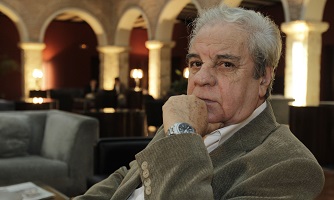
De Catalaanse schrijver Juan Marsé werd geboren op 8 januari 1933 in Barcelona. Zie ook alle tags voor Juan Marsé op mijn blog.

Uit: L'amant bilingue (Vertaald door Jean-Marie Saint-Lu)

“Le châssis rouillé de la Lincoln Continental 1941, sans roues ni moteur, gît au milieu du terrain vague, entouré d’herbes hautes que peigne le vent. C’est le squelette calciné d’un rêve. Personne dans le quartier ne se rappelle comment ni quand la fantastique automobile est arrivée jusque sur ces hauteurs, qui l’a abandonnée sur cette petite colline au nord-ouest de la ville, la condamnant ainsi à mourir à l’état de ferraille. Elle est toujours échouée dans ma mémoire au milieu d’une mer d’herbe et de boue noire, et entourée de tout un tas de choses mortes : des morceaux de poêles en fer, un fauteuil défoncé, des enfants au crâne tondu qui fument à croupetons, des piles de vieux pneus, ma mère, ivre, qui marche contre le vent, des sommiers oxydés et des petits matelas crasseux et tout déchirés.
J’écris ici ces souvenirs pour qu’ils soient sauvés de l’oubli. Ma vie a été une vraie merde, mais je n’en ai pas d’autre.
J’habite avec ma mère en haut de la rue Verdi, dans un vieux pavillon délabré avec un jardin, sur un versant contigu au parc Güell. Je vois la rue en pente, estompée par la bruine, comme un merveilleux toboggan au-dessus de la ville. Au coin; on peut voir la figure d’un jeune garçon, masquée d’un loup noir. C’est moi, douze ans, crâne tondu, brassard de deuil. L’enfant masqué regarde d’un côté et de l’autre, furtivement, puis traverse la rue. Je revois le quartier gris et apeuré, les chats faméliques, les petites terrasses, les draps blancs que fouette le vent. Au coin de l’autre rue, je rejoins trois garçons, Faneca, David et Jaime. Faneca mange une patate cuite, il a été faire une course pour madame Lola et il est passé par la cuisine de la pension Ynès, il y récupère toujours quelque chose à manger. Les rues sont si raides qu’elles ont des marches.
Mon quartier est si haut, si près des nuages, que la pluies’y arrête avant de tomber."


 1527345-78dcb53bf3f75b0cf7d9ce3a551efbcf.jpg
Juan Marsé (Barcelona, 8 januari 1933)


De Duitse schrijfster Waldtraut Lewin werd geboren op 8 januari 1937 in Wernigerode. Zie ook alle tags voor Waldtraut Lewin op dit blog.

Uit: Goethe

„Er nimmt sich den Dreispitz vom Haken, greift nach dem Spazierstock aus Ebenholz mit dem Silberknauf und verlässt fluchtartig seine Wohnung, um eine Runde um den Häuserblock zu machen. Inzwischen schlägt die Uhr der Kirche Mittag.
»Du hast es überstanden, Töchterchen! Gott sei gepriesen! Und es ist ein Junge, der Stammhalter der Goethes ist da!«
Anna Margarethe Textor streicht ihrer Tochter liebevoll das schweißnasse Haar unter die verrutschte Haube, während die Hebamme sich um das Kind bemüht. Hinter dem Bett sitzt in ihrem Lehnstuhl die alte Frau Goethe, die tapfer alles mit durchgestanden hat.
Elisabeth atmet schwer. Ihre Augen sind geschlossen und sie ist bleich von der Anstrengung, ihr Gesicht, sonst lustig und fast noch kindlich, mit der etwas aufgeworfenen Nase und dem kleinen Doppelkinn, wirkt jetzt schlaff und mitgenommen. Sie tastet nach der Hand ihrer Mutter. Es ist ruhig im Raum. Sehr ruhig. Allzu ruhig.
Plötzlich fährt die junge Frau hoch, öffnet angstvoll die Augen. »Warum – warum schreit es nicht?«
»Warte nur, alles wird gut!«
»Warum schreit es nicht??«
»Die Wehmutter tut ihr Bestes …«
»Gütiger Gott, ist es tot? Ist mein Kind tot?«
»Du musst dich in Gottes Ratschluss fügen!«
»Nein! Müllern, was ist mit meinem Kind?!«
Die Hebamme Anna Dorothea Müller versetzt dem Knaben klatschende Schläge auf das Hinterteil, rüttelt und schüttelt ihn. Was Elisabeth von ihrem Lager aus nicht sehen kann – die beiden Großmütter bemerken es: Das Kind ist bläulich angelaufen, »ganz schwarz und ohne Lebenszeichen«, wie später berichtet wird.“
 

 1527345-12bf4e25485d7e6bcb428356633cff2f.jpg
Waldtraut Lewin (Wernigerode, 8 januari 1937)


De Franstalige, Canadese dichter, schrijver en uitgever Gaston Miron werd geboren op 8 januari 1928 in Sainte-Agathe-des-Monts. Zie ook alle tags voor Gaston Miron op dit blog.


October

The man of the hour has the face of a scourged Christ­
and you, Land of Quebec, Mother Courage
in your long march you are swollen
with our painful infectious dreams
witht the uncounted wasting of bodies and souls

upland back there I was born
your son in the old grated mountains of the north
I hurt and ache with the bite of birth
while in my arms my youth blushes

here are my knees so that men may forgive us
we have allowed our fathers' spirit to be degraded
we have allowed the word's splendor to be debased
till we were ashamed and hating ourselves in our brothers
we didn't know how to bind our suffering's roots
to the universal pain in each man hollowed out

I will join my burning companions whose struggle
breaks and shares the bread of our common lot
in the quicksand huddles of grief

we will make you, Land of Quebec
a bed of resurrections
and a thousand lightning metamorphoses
of our leavens from which the future shall rise
and of our wills which will concede nothing
men shall hear your pulse beating through history
this is us winding through the October autumn
the russet sound of roe-deer in the sunlight
this is our future, clear

                                   and commited


Vertaald door Benoît Rheault


 1527345-1d43b194f8e8e09b14fb1a987826ffd7.jpeg
Gaston Miron (8 januari 1928 – 14 december 1996)


De Zuidkoreaanse dichter Ko Un werd op 8 januari 1933 (volgens anderen op 1 augustus 1933) in Kunsan geboren. Zie ook alle tags voor Ko Un op dit blog.


Leven doden:

ouders, kinderen, snij ze af!
Dit, dat en wat niet dat is
en verder wat dan ook,
snij het af met scherpe snede
van een mes in het donker. Weg ermee!
De volgende morgen liggen he mel en aarde
met dode dingen volgestouwd.
Die de hele dag begraven is ons werk
en zo een nieuwe wereld maken.


Vertaald door Boudewijn Walraven


In a Temple's Main Hall

Down with Buddha!
Down with handsome, well-fed Buddha!
What's he doing up there with that oh so casually
     elegant wispy beard?
Next, break down that painted whore of a crossbeam!
A dragon's head? What use is that, a dragon's head?
Tear down that temple, drive out the monks,
turn it all into dust and maggots!
Phaw!

Buddha with nothing, that's real Buddha!
Our foul-mouthed Seoul street-market mother,
     she's real Buddha!
We're all of us Buddhabuddhabuddha real!
Living Buddha? One single cigarette, now
there's real cool Holy buddha!

No, not that either.
For even supposing this world were a piece of cake,
with everyone living it up and living well,
in gorgeous high-class gear, with lots of goods produced
thanks to Korean-American technological collaboration,
each one able to live freely, with no robbing of rights,
Paradise, even!
Paradise, even!
utter Eden unequalled, plastered with jewels, still even then,
day after day people would have to change the world.
Why, of course, in any case,
day after day this world must all be overturned
and renewed to become a newly blooming lotus flower.
And that is Buddha.

Down for sure with those fifteen hundred years
rolling on foolish, rumbling along:
time fast asleep like stagnant water that stinks and stinks.


Vertaald door Brother Anthony


 1527345-99e266c2dbf1c93a81bc94a92fc65a12.jpg
Ko Un (Kunsan, 8 januari 1933)


De Italiaanse schrijver en politicus Leonardo Sciascia werd geboren in Racalmuto, Agrigento op 8 januari 1921. Zie ook alle tags voor Leonardo Sciascia op dit blog.

Uit: The Day of the Owl (Vertaald door Anthony Oliver)

“The only institution in the Sicilian conscience that really counts is the family; counts, that is to say, more as a dramatic juridical contract or bond than as a natural association based on affection. The family is the Sicilians’ State. The State, as it is for us, is extraneous to them, merely a de facto entity based on force; an entity imposing taxes, military service, war, police. Within the family institution the Sicilian can cross the frontier of his own natural tragic solitude and fit into a communal life where relationships are governed by hair-splitting contractual ties. To ask him to cross the frontier between family and State would be too much. In imagination he may be carried away by the idea of the State and may even rise to being Prime Minister; but the precise and definite code of his rights and duties will remain within the family, whence the step towards victorious solitude is shorter.”
(…)

“Scientists say that the palm tree line, that is the climate suitable to growth of the palm, is moving north, five hundred metres, I think it was, every year...The palm tree line...I call it the coffee line, the strong black coffee line...It's rising like mercury in a thermometer, this palm tree line, this strong coffee line, this scandal line, rising up throughout Italy and already passed Rome...”


 1527345-c89df89e2936649e5f4846b54554d58b.jpg
Leonardo Sciascia (8 januari 1921 - 20 november 1989)
Standbeeld in Racalmuto, Sicilië


Zie voor nog meer schrijvers van de 8e januari ook mijn blog van 8 januari 2011 deel 1 en eveneens deel 2.
Geschreven door Romenu om 18:36 Reageer op dit bericht
Reageer op dit bericht

Reageer op dit bericht

Een titel of je eigen website toevoegen

De blogger leest alles eerst na: je tekst verschijnt zodra die goedgekeurd is.

Frans Kellendonk, Dionne Brand, Sofi Oskanen, Henk van Zuiden, Shobhaa Dé, Marie Desplechin

De Nederlandse schrijver en vertaler Frans Kellendonk werd geboren in Nijmegen op 7 januari 1951. Zie ook alle tags voor Frans Kellendonk op dit blog.

Uit: De Nietsnut

“Ik vulde de schrale contouren van mijn herinnering met stukjes en beetjes van mezelf. [...] Het werd, al met al, volstrekt onduidelijk waar hij ophield en ikzelf begon. Het probleem was niet zozeer dat hij mijn creatuur werd - dat zou bovendien een heel goede manier zijn geweest om me van hem te ontdoen -, maar dat hij in dezelfde mate waarin ik bezit nam van hem, bezit van mij nam.
(…)

‘Alles wat ik van mijn vader weet is even belangrijk of onbelangrijk. Ik moet een vorm vinden voor zijn leven, ik moet er een verhaal van maken. Zoals het nu is verdwijnt het tussen de omstandigheden.’
(…)

“Mijn speurtocht had geen enkel nieuw gezichtspunt opgeleverd. Weliswaar bungelde dat charivari van voor- en toevallen nu aan een deugdelijke causale ketting, maar een bewijsstuk of redenering om in te brengen tegen de visies van Willem Kieft en mijn oom Richard had ik niet kunnen ontdekken. Over wat mijn vader had bezield had ik alleen wat kunnen fantaseren, of liever projecteren. Ik had wat rondgestruind in zijn schoenen, met als enig gevolg dat hij, wat mij betrof, nu even onwerkelijk was als het monster van Loch Ness of de Verschrikkelijke Sneeuwman. Alsof ik hem zelf had uitgevonden. En heus niet bij gebrek aan feiten. Feiten te over! Stille en kletsgrage getuigen, sporen, een vuilnisbelt vol sporen. [...] Een beetje detective zou daaruit allang een meedogenloos sluitende reconstructie hebben gewrocht, die geen enkele vraag onbeantwoord liet. Zo niet Frits Goudvis. Die zag alleen maar rommel en chaos, het gat in de hand van de werkelijkheid.”


 1526762-25714294b4b0c9cf12500eabf22a6ad6.jpg
Frans Kellendonk (7 januari 1951 – 15 februari 1990)


De Canadese dichteres en schrijfster Dionne Brand werd geboren op 7 januari 1953 op Trinidad. Zie ook alle tags voor Dionne Brand op dit blog.


Old Pictures of the New World (Fragment)

They show tourists rolling
on beaches in Barbados
someone told me that this island
is flat and inescapable
just right for american military transports,
this same someone said,
the topography of the island
lacking in gradient or thick forest
gives historical witness to the absence
of slave rebellions,
the slaves having nowhere to run
adopted an oily demeanour.
How history slaps us in the face,
using our own hand too.
They show an old
black man
beckoning racists back
to the way it was in Jamaica
a full page ad in the Chicago Sun Times
the slave catcher, the African one,
is a little analysed character,
(being amongst us
is it embarrassing to admit,)
but in contemporary times
whenever the IMF raises the price
on our heads,
whenever the americans want to buy
our skins,
they raise their hands so quickly,
it shocks us.
They show a little grenadian boy
eating an orange
with an american soldier
this is the new picture postcard
the new commercial for the new right
the new look for the new colonialism.


 1526762-d15871becf100970a9dec3852658ca8b.jpg
Dionne Brand (Trinidad, 7 januari 1953)


De Finse schrijfster Sofi Oskanen werd geboren in Jyväskylä op 7 januari 1977. Zie ook alle tags voor Sofi Oskanen op dit blog.

Uit: Purge (Vertaald door Lola Rogers)

“d never seen before, and then she would come back and tell them what Germany was really like.
They waved good-bye and Aliide watched as Hans’s hands wrapped around Ingel’s waist and moved toward her rear end. Their murmurs could be heard all the way into the front yard—Aliide pressed her teeth into the palm of her hand. Images of Ingel’s swelling waist and Hans’s body wrapped around Ingel’s tortured her endlessly, day or night, asleep or awake; she couldn’t see or hear anything else. None of the three of them took any notice of the furrows that were appearing on older people’s brows, furrows that didn’t go away but rather deepened, or how the girls’ father examined the sunset, searched it every evening from the edge of the field, smoking his pipe and staring at the horizon in search of a sign, studying the leaves of the maple tree, sighing as he read the newspaper or listened to the radio, then returned to the sound of the birds.
In 1940, the baby was born—Linda—and Aliide’s head felt like it was about to explode. Hans carried his daughter around, happiness shone in Ingel’s eyes, tears in Aliide’s, and Father’s eyes disappeared under worried wrinkles as he started to hoard gasoline and exchange his paper money for silver and gold. Waiting lines appeared in the village, the first lines ever in the country, and the shops were out of sugar. Hans didn’t warm to Aliide, even though she succeeded three times in putting her blood in his food, once an entire month’s worth. She should try pee the next time. Maria Kreel said it sometimes worked better.”


1526762-96a5a85723fe576a654d0057a1e740f9.jpg
Sofi Oskanen (Jyväskylä, 7 januari 1977)


De Nederlandse dichter, bloemlezer Henk van Zuiden werd geboren in Apeldoorn op 7 januari 1951. Zie ook alle tags voor Henk van Zuiden op dit blog.


Moeder Aarde, Vader Hemel

Dit leven is ons dierbaar―
Al stoppen we zelden voor zebra’s,
eren vogels met verloren broodpakketjes,
jagen honden het bos in,
wuiven kinderen ’s winters onverlicht
naar school en zeggen zonder blozen bij
geplaagde dieren ruimen in plaats van doden.
Dit leven is ons lief ―
We lopen mee in stille tochten, praten
modieus over zinvol en zinloos geweld en
trouw aan ons handelen uit naastenliefde
blijven we dieren offeren.
Vader Hemel, Moeder Aarde,
laat de gesneuvelde schepselen
na het barre bestaan op aarde
in een paradijs waar geen
zondig mens bij kan.
Amen


Toegenegen

Zij zijn zich aan het losmaken
van de omgeving waarin ze groot werden.
Zij zijn niemand anders dan voorheen,
voel maar: de vertrouwde hand, zoen op wang.
Alleen kunnen wij de wereld waarin ze
aankwamen niet vinden —
Oude en nieuwe boeken worden achter
elkaar in hun hoofden open en dicht geslagen.
Soms verhalen ze (hardop of fluisterend)
over iemand die je niet eerder kende.
Blijf luisteren, schuif dichterbij.
Laat ze niet alleen als ze ver dwalen
in andere taal die ze spreken.
Maak jezelf niet wijs dat er nog weinig
in hun leven toe doet, wandel genegen
hun naamloze dagen in en uit, totdat
een vlinder of engel de boeken sluit.


 1526762-b9e8179c50f48b582e9ae8709a9eda6f.jpg
Henk van Zuiden (Apeldoorn, 7 januari 1951)


De Indiase schrijfster en columniste Shobhaa Dé werd geboren op 7 januari 1947 in Maharashtra. Zie ook alle tags voorShobhaa Dé op dit blog.

Uit:Sethji

“Amrita’s urgent whisper pulled him out of his reverie. “Babuji, Babuji. Aapne suna nahin? Suraj has done something terrible.” Babuji held her at arm’s length. “He has done something to himself, right? That’s okay. If somebody had done something to him—then I would have been worried.” Sethji tried to embrace Amrita. He wasn’t looking for sexual satisfaction at that moment, just the indescribable comfort that proximity to her warm, supple body provided. Amrita pushed him away impatiently. “Babuji, please pay attention to what I’m saying, it’s serious. Suraj has raped someone. The girl could die, we have to do something.” Sethji stepped back, looked skywards and chuckled. “Bas? That’s all? Just a rape? Then why all this tamasha? Couldn’t this big news have waited till I finished my massage? You people are impossible. How many times do I have to remind you not to interrupt my maalish? That is the most important part of the day for me. What is all this rape nonsense?”
Amrita’s eyes were cold and expressionless as she led her father-in-law to the narrow cot. The same one she had often slept on, bearing his weight over her own strong muscled body. “Babuji, rape is a serious crime these days. Forget your own years in the village when a man could pick any woman from the field and force himself on her. Times have changed.
If even a single word about this gets out, Suraj could land in jail, and if the girl dies, then he has had it. Plus, you have had it too, Babuji. Rape is seen in a very poor light now. A criminal light. There are strong mahila samaj groups. You know that if Kavitaji hears about this incident, you will have to face hell. It’s such a critical day for you— think, Babuji, think carefully. Kavitaji will blow it all up at the meeting to disgrace you. Babuji, this incident could cost you the confidence vote. This is just what Kavitaji has been waiting for. If it is not handled immediately, Kavitaji wins, you lose!”


 1526762-0bed2d97364085091a82afdc064de5d4.jpg
Shobhaa Dé (Maharashtra, 7 januari 1947)


De Franse schrijfster Marie Desplechin werd geboren op 7 januari 1959 in Roubaix. Zie ook alle tags voor Marie Desplechin op dit blog.

 Uit: Sans moi

“Elle hausse les épaules.
Oh là là, qu’est-ce que tu veux que la personne qui s’est toujours fait violer aille tirer la sonnette chez les flics ? Pardon de vous déranger monsieur l’agent mais cette fois j’en ai marre… Sans compter les histoires de dope à la clé. Quand la personne est dans la merde, elle ne va pas faire la maligne au poste, elle ferme sa gueule.
Mais Olivia, dis-je faiblement, si la personne est mineure, la justice la protège.
Les gens comme toi, ils les protègent. Pas les autres, tu peux me croire. Ils n’auraient balancée au juge des enfants, le juge m’aurait fourré dans un foyer ou même dans une prison, tu ne sais pas comment c’est de se retrouver là-bas.
Mais tu n’avais pas d’éducatrice, pas de DDASS, personne pour te défendre ?
Olivia pouffe.
Si, il y en avait une, la pauvre, elle a fini par me jeter, j’étais insupportable, elle m’a dit : Je me fous de ce qui peut t’arriver, puisque tu ne veux rien écouter, démerde-toi toute seule, et voilà, rayée des listes, j’étais peinarde.
Elle a un visage crâne, des regards de défi. Elle se croit quitte, quand on fait l’andouille, il faut s’attendre à morfler, qui casse paie, pas besoin d’avoir inventer la poudre pour comprendre ça.
Elle n’a aucune idée de la justice, qui écoute les gens, pèse leurs fautes, établit leurs peines. Elle croit dans l’ordre qui aime les forts et réduit les imbéciles en purée. Elle est d’une ignorance crasse, elle ne connaît que la loi des voyous.“


 1526762-ec737332d0248301d1800019761914c3.jpg
Marie Desplechin (Roubaix, 7 januari 1959) 


Zie voor nog meer schrijvers van de 7e januari ook mijn blog van 7 januari 2011 deel 1 en ook deel 2 en eveneens deel 3.

Geschreven door Romenu om 19:48 Reageer op dit bericht

The Three Kings (Henry Longfellow)


Bij het feest van Driekoningen


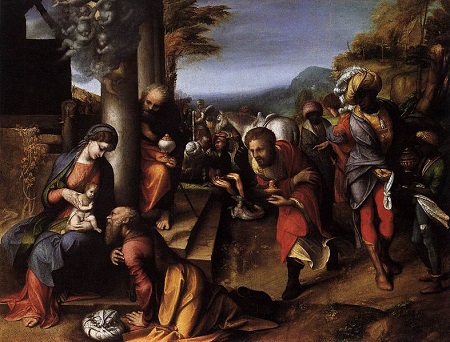
 1525841-6a99f1d5574229d4543944e28aaf22e5.jpg
De aanbidding van de Drie Koningen door Corregio, rond 1518


The Three Kings
 
Three Kings came riding from far away,
Melchior and Gaspar and Baltasar;
Three Wise Men out of the East were they,
And they travelled by night and they slept by day,
For their guide was a beautiful, wonderful star.

The star was so beautiful, large and clear,
That all the other stars of the sky
Became a white mist in the atmosphere,
And by this they knew that the coming was near
Of the Prince foretold in the prophecy.

Three caskets they bore on their saddle-bows,
Three caskets of gold with golden keys;
Their robes were of crimson silk with rows
Of bells and pomegranates and furbelows,
Their turbans like blossoming almond-trees.

And so the Three Kings rode into the West,
Through the dusk of the night, over hill and dell,
And sometimes they nodded with beard on breast,
And sometimes talked, as they paused to rest,
With the people they met at some wayside well.

"Of the child that is born," said Baltasar,
"Good people, I pray you, tell us the news;
For we in the East have seen his star,
And have ridden fast, and have ridden far,
To find and worship the King of the Jews."

And the people answered, "You ask in vain;
We know of no King but Herod the Great!"
They thought the Wise Men were men insane,
As they spurred their horses across the plain,
Like riders in haste, who cannot wait.

And when they came to Jerusalem,
Herod the Great, who had heard this thing,
Sent for the Wise Men and questioned them;
And said, "Go down unto Bethlehem,
And bring me tidings of this new king."

So they rode away; and the star stood still,
The only one in the grey of morn;
Yes, it stopped --it stood still of its own free will,
Right over Bethlehem on the hill,
The city of David, where Christ was born.

And the Three Kings rode through the gate and the guard,
Through the silent street, till their horses turned
And neighed as they entered the great inn-yard;
But the windows were closed, and the doors were barred,
And only a light in the stable burned.

And cradled there in the scented hay,
In the air made sweet by the breath of kine,
The little child in the manger lay,
The child, that would be king one day
Of a kingdom not human, but divine.

His mother Mary of Nazareth
Sat watching beside his place of rest,
Watching the even flow of his breath,
For the joy of life and the terror of death
Were mingled together in her breast.

They laid their offerings at his feet:
The gold was their tribute to a King,
The frankincense, with its odor sweet,
Was for the Priest, the Paraclete,
The myrrh for the body's burying.

And the mother wondered and bowed her head,
And sat as still as a statue of stone,
Her heart was troubled yet comforted,
Remembering what the Angel had said
Of an endless reign and of David's throne.

Then the Kings rode out of the city gate,
With a clatter of hoofs in proud array;
But they went not back to Herod the Great,
For they knew his malice and feared his hate,
And returned to their homes by another way.


 1525841-f93ef417ef791f5843ac83ee3e380aff.jpg
Henry Longfellow (27 februari 1807 - 24 maart 1882)
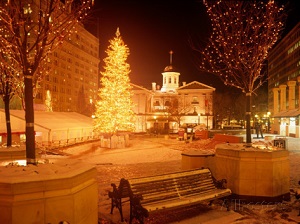
Portland in Kersttijd. Henry Longfellow werd geboren in Portland.


Zie voor de schrijvers van de 6e januari ook mijn vorige blog van vandaag.

Geschreven door Romenu om 10:58 Reageer op dit bericht

Khalil Gibran, Hester Knibbe, Romain Sardou, Carl Sandburg, Jens Johler, E. L. Doctorow

De Libanese dichter en romanschrijver Khalil Gibran werd geboren op 6 januari 1883 in Bischarri. Zie ook alle tags voor Khalil Gibran op dit blog.


Over Vriendschap

En een jongeling zei: Spreek tot ons over vriendschap.
En hij antwoordde, zeggende:
Je vriend is een antwoord op je verlangen.
Hij is je akker die je met liefde bezaait en vol dankzegging oogst.
En hij is je tafel en haardvuur.
Want je komt tot hem met je honger en bij hem zoekt ge rust.

Wanneer je vriend je zijn eigen geest ontsluit, ben je niet bang voor het 'neen' in je eigen geest, noch onthou je hem het 'ja'.
En wanneer hij zwijgt, blijft je hart luisteren naar zijn hart;
want zonder woorden worden in vriendschap alle gedachten, alle verlangens, alle verwachtigen geboren en gedeeld, vol ongevraagde vreugde.
Wanneer je afscheid neemt van je vriend, treur je niet;
want wat je het diepst in hem bemint, kan klaarder voor je zjin bij zijn afwezigheid, zoals een bergbeklimmer de berg duidelijker ziet vanuit de vlakte.
En laat je vriendschap geen andere bedoeling hebben dan een verdieping van de geest.
Want de liefde die iets anders zoekt dan de openbaring van haar eigen mysterie is geen liefde, maar een net dat uitgeworpen wordt; en alleen het waardeloze wordt gevangen.

En laat het beste voor je vriend zijn.
Zo hij de eb van je getij moet ervaren, doe hem ook de vloed kennen.
Want wat is je vriend dat je hem enkel zoeken zou om de tijd te doden.
Zoek hem steeds om de tijd te leven.
Want hij moet je tekort vullen, maar niet je ledigheid.
En laat er een lach zijn in de zoetheid der vriendschap en een samen beleven van genoegens.
Want in de dauw der kleine dingen vindt het hart zijn morgen en wordt verfrist.


 1525831-2586452d6bc6c54d8a725dbddabe96a0.jpg
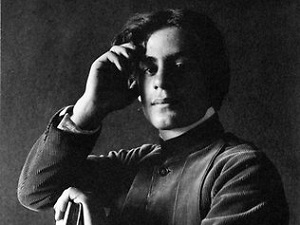
Khalil Gibran (6 januari 1883– 10 april 1931)


De Nederlandse dichteres Hester Knibbe werd geboren op 6 januari 1946 in Harderwijk. Zie ook alle tags voor Hester Knibbe op dit blog.


Oogsteen

Het was nu. Schrikdraad stond
rond de tuinen der zonde, er moest nog
gehinkeld tussen de lijnen, een scherf geschopt
naar de vakken van morgen, op het plein gebuut bij de linde.
Achter de poort lag het wijde. Het was

nu. Zij verruilde haar stuiters voor stuivers
en zocht naar oogsteen en ziel. Vond toen
haar lichaam, wat daarmee te doen.
En het werd om te blozen zo warm in haar zomer
het werd om te blozen zo warm in oktober: het werd

nu. Op de stoepen verschenen lijnen en vakken
getrokken met krijt, op de pleinen stonden de linden buut vrij
en kinderen schopten scherven opzij, holden naar morgen, vonden
een oogsteen, haalden de stroom van het schrikdraad.
En het werd om te blozen zo koud in november.

Het is nu. Gisteren staat met een blos
achter glas en morgen is een mooie formule
die zich nog moet bewijzen: het is nu. Zij kent
de blink van een oogsteen en de kras erin, zij vertrouwt
alsnog op haar hakken, dat die haar dragen
naar einde en aanvang van alle beweging.


Kringloper

Langs de kant van de weg slingert de tijd
en roest en vermolmt. Hij

raapt hem op, een kromme secondewijzer
bijvoorbeeld, een vogelkooitje piepklein
of een balk met een oog dat vergaan zou

wanneer die bleef liggen. Thuis werpt hij
een ander licht op de dingen, maakt ze
tot wat ze nooit zijn geweest, geeft ze
een nieuwe verstilling: ijzervouwer,
houtmeter, herbouwer, verzamelaar
van de kleine verspilling.


 1525831-f62fe65e6c20ad7e091615b6231cabb4.jpg
Hester Knibbe (Harderwijk, 6 januari 1946)


De Franse schrijver Romain Sardou werd geboren op 6 januari 1974 in Boulogne-Billancourt. Zie ook alle tags voor Romain Sardou op dit blog.

Uit: Délivrez-nous du mal

“Ses rivaux avaient renoncé à le déstabiliser ou à l’assassiner ; il avait déjoué toutes leurs tentatives. Même les plus farouches en étaient réduits à attendre sa mort ; trépas qui se refusait à eux, malgré les mille troubles que l’âge lui faisait éprouver.
Le peuple de Rome ignorait les turpitudes de cet ancien soldat converti en cardinal ; pour lui, Artémidore restait le prestigieux Aures de Brayac, héros de la bataille de Mansoura.
Ces jours-ci, de quoi s’indignaient-ils, les Romains ? Du froid qu’il faisait et de la neige qui tombait, des taxes qui grevaient le prix du boisseau de blé, de la fin d’une contrebande de vin avec Chypre qui les privait de Malvoisie, de l’affluence de pèlerins qui accaparaient leurs meilleurs produits, des porteurs d’eau qui refusaient de travailler sous le gel, enfin du froid qu’il faisait et de la neige qui tombait…
De l’absence de souverain pontife ?
Pas un mot.
Des délibérations du conclave qui s’éternisaient ?
À peine plus.
Les Romains étaient accoutumés à ces "interrègnes", persuadés que l’Église, comme l’Empire autrefois, était un géant qui réussissait toujours à se mouvoir, même la tête coupée.
Artémidore de Broca y veillait.”
 

 1525831-70c2908df041df7d1a24af1007aeb6a3.jpg
Romain Sardou (Boulogne-Billancourt, 6 januari 1974)


De Amerikaanse dichter Carl Sandburg werd geboren op 6 januari 1878 in Galesburg, Illinois. Zie ook alle tags voor Carl Sandburg op dit blog.


Hope Is a Tattered Flag

Hope is a tattered flag and a dream of time.
Hope is a heartspun word, the rainbow, the shadblow in white
The evening star inviolable over the coal mines,
The shimmer of northern lights across a bitter winter night,
The blue hills beyond the smoke of the steel works,
The birds who go on singing to their mates in peace, war, peace,
The ten-cent crocus bulb blooming in a used-car salesroom,
The horseshoe over the door, the luckpiece in the pocket,
The kiss and the comforting laugh and resolve—
Hope is an echo, hope ties itself yonder, yonder.
The spring grass showing itself where least expected,
The rolling fluff of white clouds on a changeable sky,
The broadcast of strings from Japan, bells from Moscow,
Of the voice of the prime minister of Sweden carried
Across the sea in behalf of a world family of nations
And children singing chorals of the Christ child
And Bach being broadcast from Bethlehem, Pennsylvania
And tall skyscrapers practically empty of tenants
And the hands of strong men groping for handholds
And the Salvation Army singing God loves us….


I Sang

I sang to you and the moon
But only the moon remembers.
I sang
O reckless free-hearted
free-throated rythms,
Even the moon remembers them
And is kind to me.


 1525831-016a3bdd96958fff34efc5b890ef37cf.jpg
Carl Sandburg (6 januari 1878 - 22 juli 1967)


De Duitse schrijver Jens Johler werd geboren op 6 januari 1944 in Neumünster. Zie ook alle tags voor Jens Johler op dit blog.

Uit: Die Stimmung der Welt

„Er schlug die augen auf und starrte auf die Balken an der Zimmerdecke. Der Mond warf ein bläulich-fahles Licht durchs Fenster.
Er wollte aufstehen, aus dem Bett heraus, ins Arbeitszimmer, in die Komponierstube, ein wenig Musik machen, irgendetwas spielen, um die Gespenster zu vertreiben, die ihn im Traum heimgesucht hatten, aber er konnte sich nicht rühren. Die Beine gehorchten nicht, die Arme nicht, nicht ein einziger Finger.
Was ist los mit mir?
Er spürte immer noch den Druck auf seiner Brust. Jemand hatte ihm im Traum einen Stiefel darauf gesetzt und ihn niedergedrückt. Es fühlte sich an, als presste der Stiefel ihn immer noch, die Brust war wie eingeschnürt, das Atmen fiel ihm schwer.
Ich kriege keine Luft
Er lauschte auf ihren Atem neben sich, der gleichmäßig und ruhig ging. Beim Ausatmen gab sie einen leisen, pfeifenden Ton von sich, ein hohes Gis. Er wollte sie wecken und darum bitten, ihm beim Aufstehen zu helfen. Er öffnete den Mund, um zu sagen, hilf mir bitte, ich kann mich nicht bewegen, ich kriege keine Luft, aber er brachte keinen Ton heraus.
Er konnte nichts tun, gar nichts. Er konnte nur daliegen und die Balken anstarren.
Lieber Gott, mach, dass ich nicht gelähmt bin.
Er schloss die Augen und versuchte, sich wieder in den Traum zurückzuversetzen. Wer war es, der ihm den Stiefel auf die Brust gesetzt hatte? Und wie war es dazu gekommen? Sein Gefühl sagte ihm, irgendetwas sei in dem Traum passiert, das zu seiner Lähmung geführt hatte. Er hatte die Vorstellung, er müsse zurück und dafür sorgen, dass er einen anderen Verlauf nahm. Mit einem anderen Ausgang.“


 1525831-9ea32ae04e3e830154929f7e7fe15e1e.jpg
Jens Johler (Neumünster, 6 januari 1944)
Cover


De Amerikaanse schrijver Edgar Laurence Doctorow werd geboren op 6 januari 1931 in New York. Zie ook alle tags voor E. L. Doctorow op dit blog.

Uit: City Of God

“But then, when dessert was about to be served, the men were instructed to consult the verso of their name cards and move to a new table. I was seated next to a woman TV journalist who expressed strong political views at dinner though never on the screen, and I was not listening, and feeling sodden and miserable, when I looked back and found ... Moira ... staring at me with a solemn intensity that verged on anger.
She will meet me for lunch up near the museum and then we'll look at the Monets.
-And everything flying away from everything else for fifteen or so billion years, affinities are established, sidereal liaisons, and the stars slowly drift around one another into rotating star groups or galaxies, and in great monumental motions the galaxies even more slowly convene in clusters, which clusters in turn distribute themselves in linear fashion, a great chain or string of superclusters billions of light-years on end. And in all this stately vast rush of cosmosity, a small and obscure accident occurs, a chance array of carbon and nitrogen atoms that fuse into molecular existence as a single cell, a speck of organic corruption, and, sacre bleu, we have the first entity in the universe with a will of its own.
”


 1525831-425e41fa0563aeae85ae156babf21935.jpg
E. L. Doctorow (New York, 6 januari 1931)


Zie voor nog meer schrijvers van de 6e januari ook mijn blog van 6 januari 2013 deel 2.

Geschreven door Romenu om 10:44 Reageer op dit bericht

Umberto Eco, Paul Ingendaay, Ngũgĩ wa Thiong'o, László Krasznahorkai, Friedrich Dürrenmatt

De Italiaanse schrijver Umberto Eco werd geboren op 5 januari 1932 in Allasandria. Zie ook alle tags voor Umberto Eco op dit blog.

Uit: The Prague Cemetery (Vertaald door Richard Dixon)

“A passerby on that gray morning in March 1897, crossing, at his own risk and peril, Place Maubert, or the Maub, as it was known in criminal circles (formerly a center of university life in the Middle Ages, when students flocked there from the Faculty of Arts in Vicus Stramineus, or Rue du Fouarre, and later a place of execution for apostles of free thought such as Étienne Dolet), would have found himself in one of the few spots in Paris spared from Baron Haussmann’s devastations, amid a tangle of malodorous alleys, sliced in two by the course of the Bièvre, which still emerged here, flowing out from the bowels of the metropolis, where it had long been confined, before emptying feverish, gasping, and verminous into the nearby Seine. From Place Maubert, already scarred by Boulevard Saint-Germain, a web of narrow lanes still branched off, such as Rue Maître-Albert, Rue Saint-Séverin, Rue Galande, Rue de la Bûcherie, Rue Saint-Julien-le-Pauvre, as far as Rue de la Huchette, littered with filthy hotels generally run by Auvergnat hoteliers of legendary cupidity, who demanded one franc for the first night and 40 centimes thereafter (plus 20 sous if you wanted a sheet).
If he were to turn into what was later to become Rue Sauton but was then still Rue d’Amboise, about halfway along the street, between a brothel masquerading as a brasserie and a tavern that served dinner with foul wine for two sous (cheap even then, but all that was affordable to students from the nearby Sorbonne), he would have found an impasse, or blind alley, which by that time was called Impasse Maubert, but up to 1865 had been called Cul-de-sac d’Amboise, and years earlier had housed a tapis-franc (in underworld slang, a tavern, a hostelry of ill fame, usually run by an ex-convict, and the haunt of felons just released from jail), and was also notorious because in the 18th century there had stood here the laboratory of three celebrated women poisoners, found one day asphyxiated by the deadly substances they were distilling on their stoves.”


 1525519-415cc74d5b0e93f67eb8fcc5218e9845.jpg
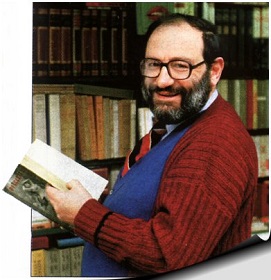
Umberto Eco (Allasandria, 5 januari 1932)


De Duitser schrijver, criticus en literatuurwetenschapper Paul Ingendaay werd geboren op 5 januari 1961 in Keulen. Zie ook alle tags voor Paul Ingendaay op dit blog.

Uit: Die Nacht von Madrid

„Wie die Droschkenkutscher von früher, sage ich gern. Wir hocken vorn und fahren alle, die uns darum bitten. Natürlich haben wir gegenüber den alten Zeiten einen Vorteil. Wir sitzen warm unter einem Dach und bekommen von den Elementen nicht viel mit. Wir brauchen keinen Mantel und keine Mütze. Leider, denke ich manchmal, haben wir auch keine Peitsche mehr.
Unsere Tage sind lang. Zwölf, dreizehn Stunden, manchmal vierzehn. Wer vernünftig ist, hält in der Mittagszeit an und setzt sich in Ruhe hin, um was zu essen. Ich mache es so. Wer nachts fährt, hat es schwerer, aber unmöglich ist das auch nicht. Man kennt seine Stadt. Man kommt herum und findet irgendwo in Madrid eine Nachtbar, um ein Sandwich zu essen. Müsste ich nachts fahren, würde ich Aurora bitten, mir was vorzubereiten, wie sie es früher gemacht hat, als ich noch im Sägewerk war. Alles schön klein geschnitten, ein Stück Obst dazu, Plastikdeckel drauf, damit keine Sägespäne drankamen. Ging gut, über die Jahre. Nur als das Sägewerk zumachte, musste ich mir was einfallen lassen.
Die Taxilizenz habe ich gerade noch gekauft, als sie billig war. Mein jüngerer Bruder kaufte das Ding ein paar Jahre zu spät und konnte nicht aufhören zu fluchen. Er ist ein unglücklicher Taxifahrer geworden, mein Bruder, nicht ganz im Gleichgewicht. Wir haben uns länger nicht gesehen.
Ich merke mir Gesichter und Stimmen, das ist mein Sport. Manche Fahrgäste erkennt man nicht leicht, besonders im Winter, oder sie lesen nur Zeitung und sagen nicht mal fünf Worte, wenn sie bezahlen. »Hier, nehmen Sie«, sagen sie und »Danke«, wenn ich ihnen die Quittung gebe. Das macht keinen Spaß, diese Abfertigung. Mein Taxi ist keine Hühnchenbraterei. Dann muss ich mir sagen, dass auch die Mürrischen zu meiner Sammlung gehören. Dass sie meine Sammlung, ich sag jetzt mal, bereichern. Sobald ich mir das klarmache, ist es gut.“


 1525519-0b133c6b614db6e49800133897ec23b9.jpg
Paul Ingendaay (Keulen, 5 januari 1961)


De Keniase schrijver Ngũgĩ wa Thiong'o werd geboren op 5 januari 1938 in Kamiriithu, Limuru, Kenia. Zie ook alle tags voor Ngũgĩ wa Thiong'o op dit blog.

Uit: Devil on the Cross

“And there and then the people crucified the Devil on the Cross, and they went away singing songs of victory. After three days, th ere came others dressed in suits and ties, who, keeping close to the wall of darkness, lifted the Devil down from the cross. And they knelt before him, and they prayed to him in loud voices, beseeching him to give them a portion of his robes of cunning."
(…)

“What Waringa tried hard to avoid was looking at the pictures of the walls and windows of the church. Many of the pictures showed Jesus in the arms of the virgin Mary or on the cross. But others depicted the devil, with two cow-like horns and a tail like a monkey's, raising one leg in a dance of evil, while his angels, armed with burning pitchforks, turned over human beings on a bonfire. The Virgin Mary, Jesus and God's angels were white, like European, but the devil and his angels were black.”
(…)

“As she stared at them, Waringa noted that their skins were indeed red, like that of pigs or like the skin of a black person who has been scalded with boiling water or who has burned himself with acid creams. Even the hair in their arms and necks stood out stiff and straight like the bristle of an aging hog.”
(…)

“Literature is the honey of a nation’s soul, preserved for her children to taste forever, a little at a time! Gikuyu said that he who has put something aside never goes hungry. Do you think Gikuyu was a fool when he said that? A nation that has cast away its literature is a nation that has sold its soul and has been left a mere shell.”


 1525519-0742f59c8d10693b717157d9dc01e588.jpg
Ngũgĩ wa Thiong'o (Kamiriithu, 5 januari 1938)


De Hongaarse schrijver László Krasznahorkai werd geboren op 5 januari 1954 in Gyula. Zie ook alle tags voor László Krasznahorkai op dit blog.

Uit: Satantango (Vertaald door George Szirtes)

“In the tense silence the continual buzzing of the horseflies was the only audible sound, that and the constant rain beating down in the distance, and, uniting the two, the ever more frequent scritch-scratch of the bent acacia trees outside, and the strange nightshift work of the bugs in the table legs and in various parts of the counter whose irregular pulse measured out the small parcels of time, apportioning the narrow space into which a word, a sentence or a movement might perfectly fit. The entire end-of-October night was beating with a single pulse, its own strange rhythm sounding through trees and rain and mud in a manner beyond words or vision: a vision present in the low light, in the slow passage of darkness, in the blurred shadows, in the working of tired muscles; in the silence, in its human subjects, in the undulating surface of the metaled road; in the hair moving to a different beat than do the dissolving fibers of the body; growth and decay on their divergent paths; all these thousands of echoing rhythms, this confusing clatter of night noises, all parts of an apparently common stream, that is the attempt to forget despair; though behind things other things appear as if by mischief, and once beyond the power of the eye they don't hang together. So with the door left open as if forever, with the lock that will never open. There is a chasm, a crevice.”


 1525519-165d8b90fbf1ebfd3831cca93c9aab4d.jpg
László Krasznahorkai (Gyula, 5 januari 1954)


De Zwitserse schrijver Friedrich Dürrenmatt werd geboren op 5 januari 1921 in Konolfingen. Zie ook alle tags voor Friedrich Dürrenmatt op dit blog.

Uit: Das Versprechen

„Ich ging zur Bar, um noch einen Whisky zu trinken. Außer der älteren Bardame fand ich dort noch einen Herrn, der sich mir vorstellte, kaum daß ich Platz genommen hatte. Es war Dr. H., der ehemalige Kommandant\ der Kantonspolizei Zürich, ein großer und schwerer Mann, altmodisch, mit einer goldenen Uhrkette quer über der Weste, wie man dies heute nur noch selten sieht. Trotz seines Alters waren seine borstigen Haare noch schwarz, der Schnurrbart buschig. Er saß an der Bar auf einem der hohen Stühle, trank Rotwein, rauchte eine Bahianos und redete die Bardame mit Vornamen an. Seine Stimme war laut und seine Gesten waren lebhaft, ein unzimperlicher Mensch, der mich gleicherweise anzog wie abschreckte. Als es schon gegen drei ging und zum ersten Johnnie Walker vier weitere gekommen waren, erbot er sich, mich am nächsten Morgen mit seinem Opel Kapitän nach Zürich zu schaffen. Da ich die Gegend um Chur und überhaupt diesen Teil der Schweiz nur flüchtig kannte, nahm ich die Einladung an. Dr. H. war als Mitglied einer eidgenössischen Kommission nach Graubünden gekommen und hatte, da ihn das Wetter an der Rückfahrt hinderte, ebenfalls meinen Vortrag besucht, ließ sich jedoch nicht darüber aus, nur daß er einmal meinte: »Sie tragen ziemlich ungeschickt vor.
Am nächsten Morgen machten wir uns auf den Weg. Ich hatte in der Dämmerung um noch etwas schlafen zu können zwei Medomin genommen und war wie gelähmt.“


 1525519-7fca245e3a204f870cfcc312672212d1.jpg
Friedrich Dürrenmatt (5 januari 1921 – 14 december 1990)
Portret door Walter Jonas, rond 1944


Zie voor nog meer schrijvers van de 5e januari ook mijn vorige twee blogs van vandaag.

Geschreven door Romenu om 18:54 Reageer op dit bericht

Luisa Futoransky, Forough Farokhzad, Yevgeni Popov, William Snodgrass

De Argentijnse dichteres en schrijfster Luisa Futoransky werd geboren op 5 januari 1939 in Buenos Aires. Zie ook alle tags voor Luisa Futoransky op dit blog.


Tatoong

Golden buddhas of Tatoong with their centers of balance in flames
buddhas with guardians strumming wise mandolins to help them sleep

meanwhile the interpreter strives before a shining trinity
explaining that the figures on the sides are the secretaries
but without specifying as to what faction, which cosmic party
what paperwork they have to fill out to pass from the blue
to the orange of illumination

how many incarnations at the mercy of the elements in the shacks of Yunnan
how much silk and manure and horse sweat
and yak’s milk so that the gust of silence and wind
causes me to doubt my light and shadow

but the Japanese are filming murmured sequences
of martial arts at the feet of the Contemplator
and after we go off in our buses to empty ourselves
of more dinners, more temples, more purchases

what do these tens of thousands of buddhas do at night
to be so happy and composed the next morning?


Circery

I changed
these men into little poems
and confined them to books and journals
because, nowadays,
it’s not worth
going about finding them acorns
or daisies for holy days.

As for Ulysses, the guy from Ithaca,
tell him my oven’s already full
of asps, toads
and mastodons like him.
Besides, the (circus) game
of resurrections
is no longer my specialty.
Now I weave.
Believe me.


Vertaald door Jason Weiss


 1525508-a70863650506ae6b782b51b39b923538.jpg
Luisa Futoransky (Buenos Aires, 5 januari 1939)


De Iraanse dichteres Forough Farokhzad werd geboren op 5 januari 1935 in Teheran. Zie ook alle tags voor Forough Farokhzad op dit blog.


The Bird Was Just A Bird

The birds said:
“What a bright day, what a fresh air!
Spring has arrived.
I must look for my mate.”

The bird fled from the edge of wire.
The bird soared away towards the clouds-
and disappeared fast.
Just like a wish,
Just like a prayer,
Just like a whisper,
The bird spread far and wide-
in the air.

The bird was tiny.
The bird was light.
The bird was not bright,
The bird was lonely,
But the bird, well,
was truly free.

In the sky,
Over the ups and downs of the hills and the lanes,
Over the traffic lights and over the stop signs,
The bird constantly flew.

And,
in the heights of the peace of her dreams,
She finally felt the blue sense of time and space.

The bird, well, was just a bird.
The bird, well, was truly free.


Vertaald door Maryam Dilmaghani


 1525508-ce0c8d7f66b7754ab23262e5c297047e.JPG
Forough Farokhzad (5 januari 1935 – 13 februari 1967)


De Russische schrijver Yevgeni Anatoljewitsj Popov werd geboren op 5 januari 1946 in Krasnojarsk, Sibirië. Zie ook alle tags voor Yevgeni Popov op dit blog.

Uit: Mein Moskau

„Jahr für Jahr schmückten am 1. Mai und am 7. November die bekannten Figuren der Parteibonzen das Lenin-Mausoleum und die jubilierenden «Vertreter der Werktätigen» den Roten Platz; letztere trugen rote Fahnen sowie die Portraits eben jener «Diener des Volkes», welche auf dem Mausoleum standen.

Jahrelang bestürmten Dichter und Schriftsteller erfolglos die Zeitschriftenredaktionen und Verlage, bis sie zu Dissidenten oder Emigranten wurden, oder sie nahmen die Spielregeln an und stärkten die Reihen der sowjetischen «Kulturarbeiter».

Trotzdem, das war nur Moskaus äussere Hülle. Alle wussten (und ich glaube nicht, dass die Perestroika noch jemandem die Augen öffnen musste), dass es sich mit Moskau nicht so einfach verhielt, dass unter der dünnen Kruste erstarrter kommunistischer Lava vulkanische Leidenschaften brodelten: Kommunisten prügelten sich um die Macht und richteten sich um der Karriere willen gegenseitig zugrunde, Untergrundmilizionäre mehrten ihr Vermögen, wer mochte, konnte in Moskau jedes, auch das «antisowjetischste» Buch auftreiben, und der Siegeszug der Ideen von Marx und Lenin über den Planeten verhinderte keinesfalls, dass es in der Zitadelle des Kommunismus sowohl Prostituierte, Devisenschieber, Spekulanten, Diebe und Banditen als auch andersdenkende Philosophen, Schriftsteller und Künstler gab, aber auch ehrliche Durchschnittsbürger, denen jede Ideologie gestohlen bleiben konnte.“


 1525508-9f341ce719ff2b5118731398a13c7b7b.jpg
Yevgeni Popov (Krasnojarsk, 5 januari 1946)


De Amerikaanse dichter William De Witt Snodgrass werd geboren op 5 januari 1926 in Wilkinsburg, Pennsylvania. Zie ook alle tags voor William Snodgrass op dit blog.


Who Steals My Good Name
For the person who obtained my debit card number and spent $11,000 in five days

My pale stepdaughter, just off the school bus,
Scowled, 'Well, that's the last time I say my name's
Snodgrass!' Just so, may that anonymous
Mexican male who prodigally claims

My clan lines, identity and the sixteen
Digits that unlock my bank account,
Think twice. That less than proper name's been
Taken by three ex-wives, each for an amount

Past all you've squandered, each more than pleased
To change it back. That surname you affect
May have more consequence than getting teased
By dumb kids or tracked down by bank detectives.

Don't underrate its history: one of ours played
Piano on his prison's weekly broadcast;
One got rich on a scammed quiz show; one made
A bungle costing the World Series. My own past

Could subject you to guilt by association:
If you write anything more than false checks,
Abandon all hope of large press publication
Or prizes—critics shun the name like sex

Without a condom. Whoever steals my purse
Helps chain me to my writing desk again
For fun and profit. So take thanks with my curse:
May your pen name help send you to your pen.


 1525516-c4b50aad698a8ad9110e526c5bb6b2df.jpg
William Snodgrass (5 januari 1926 – 13 januari 2009)


Zie voor nog meer schrijvers van de 5e januari ook mijn vorige blog van vandaag.

Geschreven door Romenu om 18:42 Reageer op dit bericht

Pierre Seghers, Fred Wander, Humbert Wolfe, Stella Gibbons, Terenci Moix

De Franse dichter en uitgever Pierre Seghers werd geboren op 5 januari 1906 in Parijs. Zie ook alle tags voor Pierre Seghers op dit blog.


La vie

Ainsi passe la vie, de l’un à l’autre va
Se fait et se défait, s’invente, se prolonge
S’endort dans des maisons que bâtissent les songes
Se rêve et s’éveillant ne se reconnaît pas

Ainsi passe la vie. Quand le soleil va naître
Il partage déjà ses hautes graminées
Ses nuages, ses fleurs, ses défuntes années
Son devenir de feux passant dans nos fenêtres

Ainsi passe la vie. On entend des bourdons
Tracer dans la lumière un sillage illusoire
Pour lui seul le poète écoute ses histoires
Et plonge au cœur des fleurs pour apprendre leur nom

Ainsi passe la vie à surprendre un langage
Inaudible et pourtant comme l’herbe vivant
De l’éternel azur qui n’est fait que de vents
De silence, d’attente, et d’autres paysages


 1525507-286ad1b170460e057c7d9d9fd377d1db.jpg
Pierre Seghers (5 januari 1906 – 4 november 1987)
Hier met de acteur  Gerard Philipe die zijn gedichten leest, 1955


De Oostenrijkse schrijver Fred Wander werd geboren op 5 januari 1917 in Wenen als Fritz Rosenblatt. Zie ook alle tags voor Fred Wander op dit blog.

Uit: Hôtel Baalbek

„Und dann kam Hanna wieder herunter und berichtete, wirr und wortreich wie immer und ein wenig verächtlich:
Er sieht Gespenster, er sagt, er habe Katja auf der Straße gesehen, sagt er, auf der Canebière. Er ist mit der Straßenbahn gefahren, und unsere Tochter, so sagt er, ist gerade über die Kreuzung gelaufen, mit einem fremden Mann, er hat gerufen, ist abgesprungen und hat sie gesucht, er ist verrückt geworden!
Er konnte Katja natürlich nicht gesehen haben, sie war vor drei Tagen mit dem Schi∑ abgefahren. Mit der Deventer war sie abgefahren, nach Martinique. Gewiß nicht, um in Martinique zu bleiben, wer blieb schon in Martinique oder Honduras oder in Costa Rica, man kau∫e Visa und Schffskarten nach Martinique oder nach Panama, um von dort nach New York zu gelangen.
Hanna ging dann hinaus auf die Straße, wahrscheinlich, um ein wenig Fett und Gemüse für eine Suppe zu besorgen, was in diesen Tagen nicht leicht war. Alles wurde nur im Schleich gehandelt, gehamstert, versteckt, getauscht, man fürchtete, es würde noch schlimmer kommen. Wenn erst die Deutschen da waren, wenn sie ganz Frankreich besetzten, dann würden wir nichts mehr abbekommen, was würde mit uns geschehen? Was würde geschehen, wenn wir nicht rechtzeitig auf ein Schff kamen?“


 1525507-cd44a160283b46be8db4ff881d5a68e5.jpg
Fred Wander (5 januari 1917 – 10 juli 2006)


De Engelse dichter Humbert Wolfe werd geboren op 5 januari 1885 in Milaan. Zie ook alle tags voor Humbert Wolfe op dit blog.


The Thought

I will not write a poem for you,
because a poem, even the loveliest,
can only do what words can do -
stir the air, and dwindle, and be at rest.

Nor will I hold you with my hands, because
the bones of my hands on yours would press,
and you'd say after, 'Mortal was,
and crumbling, that lover's tenderness.'

But I will hold you in a thought without moving
spirit or desire or will
for I know no other way of loving,
that endures when the heart is stil


 1525507-12ceef4ac468d4501e2347312dabadd4.jpg
Humbert Wolfe (5 januari 1885 – 5 januari 1940)


De Engelse schrijfster Stella Gibbons werd geboren op 5 januari 1902 in Londen. Zie ook alle tags voor Stella Gibbons op dit blog.

Uit:Cold Comfort Farm

“Mrs Smiling was awaiting her in the drawing-room over-looking the river. She was a small Irishwoman of twenty-six years, with a fair complexion, large grey eyes and a little crooked nose. She had two interests in life. One was the imposing of reason and moderation into the bosoms of some fifteen gentlemen of birth and fortune who were madly in love with her, and who had flown to such remote places as Jhonsong La Lake M'Luba-M'Luba and the Kwanhattons because of her refusal to marry them. She wrote to them all once a week, and they (as her friends knew to their cost, for she was ever reading aloud long, boring bits from their letters) wrote to her.
These gentlemen, because of the hard work they did in savage foreign parts and of their devotion to Mrs Smiling, were known collectively as 'Mary's Pioneers-O', a quotation from the spirited poem by Walt Whitman.
Mrs Smiling's second interest was her collection of brassieres, and her search for a perfect one. She was reputed to have the largest and finest collection of these garments in the world, it was hoped that on her death it would be left to the nation.
She was an authority on the cut, fit, colour, construction and proper functioning of brassieres: and her friends had learned that her interest, even in moments of extreme emotional or physical distress, could be aroused and her composure restored by the hasty utterance of the phrase:
'I saw a brassiere to-day. Mary, that would have interested you...'


 1525507-1b84b8196e0b7af394d9203cf685ade9.jpeg
Stella Gibbons (5 januari 1902 – 19 december 1989)


De Spaanse (Catalaanse) schrijver Terenci Moix werd geboren op 5 januari 1942 in Barcelona. Zie ook alle tags voor Terenci Moix op dit blog.


Sexy Whim

Some enchanted evening, quan el dia
derivi envers la nit emmetzinada
florirà entre les ruïnes de Philaë
el rostre turmentós de l'espectre que espero,
em lliuraré, derivant sense nit,
a l'extrema carícia dels no-mites.

Un capvespre màgic, qualsevol, some
enchanted evening, sabràs de mi
que cavalco a l'encalç de l'ensurt
aferrat al timó de la Barca Daurada
que tremola entre els matolls d'esfinxs
somiant l'Opet d'Amon, cerimoniós.


 1525507-dbd0eccb218d934be413f982a6e2dde4.jpg
Terenci Moix (5 januari 1942 – 2 april 2003)

Geschreven door Romenu om 18:25 Reageer op dit bericht

Emil Zopfi, David Berman, Gao Xingjian, Fernand Handtpoorter, Doris Kearns Goodwin

De Zwitserse schrijver Emil Zopfi werd geboren op 4 januari 1943 in Wald. Zie ook alle tags voor Emil Zopfi op dit blog.

Uit: Spitzeltango

„Robert stand neben dem Gepäckband an der Kurve, wo die Koffer und Taschen der Flugpassagiere aus der Tiefe heraufbefördert wurden und auf die schwarzen Gummischuppen fielen. Er sah zu, wie die halbmondförmigen Schuppen ineinandergriffen, sich verdrehten und dann wieder ausrichteten. Das Band lief schon eine Weile leer, dann stoppte es, die Anzeige am Bildschirm erlosch. Sein Koffer war nicht angekommen.
Die letzten Passagiere seines Flugs schoben ihre Trolleys zum Ausgang. Durch die Glasfront sah er Menschen in der Ankunftshalle, die sich umarmten und küssten. Zwei Kinder schwenkten Fähnchen. Weisses Kreuz auf rotem Grund. «Welcome to Switzerland», stand in schwarzer Schrift auf einer Wand aus Chromstahl.
Der Flug aus Chicago hatte in Frankfurt den Anschluss verpasst, Sturm über dem Atlantik. Man hatte ihm versichert, sein Koffer werde nach Zürich umgeleitet. Er schritt durch die Halle, wo die Passagiere anderer Flüge ihr Gepäck von den Bändern hoben und auf Trolleys türmten. Skiausrüstungen, Rucksäcke, ein Cello, ein Teddybär, der auf einer mit Bindfaden umschnürten Schachtel sass.
Im Fundbüro «Lost and Found» sass eine Afrikanerin hinter einem der Bildschirme, das schwarzglänzende Haar in dicht am Kopf anliegende Zöpfchen geflochten. «May I help you, Sir?»
Ihr Englisch klang kantig, so wie Schweizer sprechen. Im Midwestern-Slang, den er sich seit langem angewöhnt hatte, erklärte Robert, dass sein Koffer nach der verspäteten Ankunft in Frankfurt umgeleitet worden sei. Zuverlässig auf den Anschlussflug, habe man versichert. Er schob der Frau das Flugticket mit dem angeklebten Gepäckschein hin. Sie warf einen Blick darauf, tippte einige Daten in ihre Tastatur, legte ihre Stirn in Falten. Dann telefonierte sie, ihre rauchige Stimme und die Zürcher Mundart befremdeten ihn
.“


 1524872-dcf17db981083c01f1e9715414d345f3.jpg
Emil Zopfi (Wald, 4 januari 1943)


De Amerikaanse dichter, songwriter en frontman van Silver Jews David Berman werd geboren op 4 januari 1967 in Williamsburg, Virginia. Zie ook alle tags voor David Berman op dit blog.


Coincidence

For Mildred Nash

Coincidence. Perhaps coincidence
Explains it all. Why look far out, in deep
For mystical solutions to make sense
Of how a dream disturbed more than my sleep—
A dream in which you sat bolt upright on
A Windsor chair and wore a long blue dress
(Ornamented with a white chiffon)
And on your visage bore a dark distress
And said your dog was dead? When I awoke,
I thought the dream an impetus to phone,
And when I did, the first words that you spoke,
Through sobs, were that your cat had died. Your tone
Was as it had been in my dream, which plain
Coincidence tries too hard to explain.


Oh Where

Where did you go, my dear, my day;
Where, oh where, did you go?
To market, to maker of market, to say
Too much of the little I know.

Where did you go, my dear, my year;
Why did you flee from me?
I went from here to there to here
Loitering breathlessly.

Where did you go, my life, my own,
Decades gone in a wink?
Some things are better left unknown
Some thoughts too thick to think.


1524872-81930eb42bd5fc02dd1c32bcc4e5f0b0.jpg
David Berman (Williamsburg, 4 januari 1967)


De Chinese schrijver Gao Xingjian werd geboren op 4 januari 1940 in Ganzhou, in de provincie Jiangxi. Zie ook alle tags voor Gao Xingjian op dit blog.

Uit: Berg Van De Ziel (Vertaald door M. Leenhouts en A.S. Keijser)

"De waarheid kan onmogelijk bewezen worden, en dat hoeft ook niet, daar mogen al die verdedigers van de waarheid van het leven zich het hoofd over breken, het belangrijkste is het leven. Wat waar is, is alleen maar dat ik hier zit voor dit vuur, in die door vettige rook zwartgeblakerde kamer, en dat ik de dansende vuurglans in zijn ogen zie; het enige dat echt is, ben ikzelf, wat echt is, is alleen mijn gewaarwording van dit ene moment, dat kun je niet aan een ander beschrijven. Onder het dek van wolken en mist buiten zijn de groene bergen slechts vaag zichtbaar, het geruis van een snelstromend beekje ergens weerklinkt in je hart, en dat is genoeg."
(…)

`Aan de andere kant van de rivier,' antwoordt de oude man. `Maar ik ben juist naar deze kant gekomen,' sputtert de reiziger. `Dan is het aan de andere kant van de rivier,' zegt de oude man. `Ik ben naar deze kant gekomen vanuit Wuyi, dus als u zegt dat het aan die kant van de rivier is, zou het dan niet eigenlijk aan deze kant moeten zijn,' zegt de reiziger verward. `Wil je niet naar de Berg van de Ziel?' `Jawel.' Dan ligt het aan de andere kant van de rivier.' Ten einde raad gooit de reiziger het over een andere boeg: `Meneer, dat is metafysica, hè?'


 1524872-510be6b81c2784287b600afc17315c55.jpg
Gao Xingjian (Ganzhou, 4 januari 1940)


De Vlaamse dichter en (toneel)schrijver Fernand Handtpoorter werd geboren in Poperinge op 4 januari 1933. Zie ook alle tags voor Fernand Handtpoorter op dit blog.


Herfst in de stad

Bomen ruisen in de deuren
vlammend hout
het wonder van de rust
wordt hier tot leegte

Verbannen op een stoel
zit ik de verre
populieren te beschrijven

Het rapenveld de bieten
het verstrooide rafelige
stro

De klank van klompen op
het laatste stukje kalseide
de zinken emmer schuurt
tegen de stilte aan

De mist die méér is dan
een grijze hinder de herfst
die méér is dan
een dood seizoen.


Ik sta als grijs

Soms sta ik wat alleen
apart of achteraan
ik weet niet veel
met klein verlies te delen

De schaduwkant de tronk
in zijn verzuurde grond
de prikkeldraad de rond
zijn bast gewonden wonde

Beknot en nooit
verwonderlijk van bloei
in schijn berooid en rijk
ondanks de snoei

Tilt hij een teer
en mistig vergezicht
geworteld vers
getakt gedicht

Zijn rauwe bast vol
barsten scheuren
Ik sta als grijs
onder de kleuren.


 1524872-42fe4b79857fb9d350a227d0e3b8daaa.jpg
Fernand Handtpoorter (4 januari 1933 - 5 augustus 2007)


De Amerikaanse schrijfster en biografe Doris Kearns Goodwin werd geboren op 4 januari 1943 in New York. Zie ook alle tags voor Doris Kearns Goodwin op dit blog.

Uit: Wait Till Next Year

“When my father came home from the city, he would change from his three-piece suit into long pants and a short-sleeved sport shirt, and come downstairs for the ritual Manhattan cocktail with my mother. Then my parents would summon me for dinner from my play on the street outside our house. All through dinner I had to restrain myself from telling him about the day's game, waiting for the special time to come when we would sit together on the couch, my scorebook on my lap.
"Well, did anything interesting happen today?" he would begin. And even before the daily question was completed I had eagerly launched into my narrative of every play, and almost every pitch, of that afternoon's contest. It never crossed my mind to wonder if, at the close of a day's work, he might find my lengthy account the least bit tedious. For there was mastery as well as pleasure in our nightly ritual. Through my knowledge, I commanded my father's undivided attention, the sign of his love. It would instill in me an early awareness of the power of narrative, which would introduce a lifetime of storytelling, fueled by the naive confidence that others would find me as entertaining as my father did.
Michael Francis Aloysius Kearns, my father, was a short man who appeared much larger on account of his erect bearing, broad chest, and thick neck. He had a ruddy Irish complexion, and his green eyes flashed with humor and vitality. When he smiled his entire face was transformed, radiating enthusiasm and friendliness. He called me "Bubbles," a pet name he had chosen, he told me, because I seemed to enjoy so many things. Anxious to confirm his description, I refused to let my enthusiasm wane, even when I grew tired or grumpy. Thus excitement about things became a habit, a part of my personality, and the expectation that I should enjoy new experiences often engendered the enjoyment itself.“


 1524872-7bfc9ba6b6f1d09a82470c1548f9201b.jpg
Doris Kearns Goodwin (New York, 4 januari 1943)


Zie voor nog meer schrijvers van de 4e januari ook mijn vorige blog van vandaag.

Geschreven door Romenu om 14:24 Reageer op dit bericht

Andreas Altmann, Max Eastman, Daniel Mursa, Jacob Grimm, Markus Seidel

De Duitse dichter en schrijver Andreas Altmann werd geboren in Hainichen (Sachsen) op 4 januari 1963. Zie ook alle tags voor Andreas Altmann op dit blog.


EIN FISCHREIHER STEHT AUF einer tot
holzinsel im teich unter den regengeräuschen
der pappeln als wäre er aus stein. der himmel
ist einsilbig blau. an unsichtbaren bändern
sind die töne der vögel aufgefädelt. sie singen
zwischen den hohen bäumen, bleiben hängen,
reißen sich los. unzählige kohlweißlinge flattern
im lavendelrausch. der sommer ist ein schlafendes
tier im weißen fell, das im eigenen schatten liegt.
manchmal nachts wechselt es seinen platz. dann
kann es regen geben. ich hätte dir seine spuren
gezeigt. auf dem wasser bilden sich wellen,
die an dich erinnern. sie sind grün und bewegen
sich schnell. der reiher ist gesunken. himmel
hängt an seinem schatten.


 1524865-e6b409912e2e842329216f26b378dda8.jpg
Andreas Altmann (Hainichen, 4 januari 1963)


De Amerikaanse dichter en schrijver Max Forrester Eastman werd geboren op 4 januari 1883 in Canandaigua, N.Y. Zie ook alle tags voor Max Eastman op dit blog.


Earth's Night

Sombre,
Sombre is the night, the stars' light is dimmed
With smoky exhalations of the earth,
Whose ancient voice is lifted on the wind
In ceaseless elegies and songs of tears.
O earth, I hear thee mourning for thy dead!
Thou art waving the long grass over thy graves;
Murmuring over all thy resting children,
That have run and wandered and gone down
Upon thy bosom. Thou wilt mourn for him
Who looketh now a moment on these stars,
And in the moving boughs of this dark night
Heareth the murmurous sorrow of thy heart.


Coming Spring

Ice is marching down the river,
Gaily out to sea!
Sunbeams o'er the snow-hills quiver,
Setting torrents free!

Yellow are the water-willows,
Yellow clouds are they,
Rising where the laden billows
Swell along their way!

Arrows of the sun are flying!
Winter flees the light,
And his chilly horn is sighing
All the moisty night!

Lovers of the balmy weather,
Lovers of the sun!
Drifts and duty melt together--
Get your labors done!

Ice is marching down the river,
Gaily out to sea!
Sing the healthy-hearted ever,
Spring is liberty!


 1524865-856467cfeedcffa6387f82c3da4851e5.jpg
Max Eastman (4 januari 1883 – 25 maart 1969)
Hier met de dichterClaude McKay (links), 1923


De Duitse toneelschrijver Daniel Mursa werd geboren op 4 januari 1979 in Hamburg. Zie ook alle tags voor Daniel Mursa op dit blog.

Uit: Muschi, Puschi, Schnurrdiburr (Samen met Ariane Grundies)

„Für Verniedlichungsfanatiker ist es sicherlich beruhigend zu wissen, dass man aus einem
Bär auch ein Bärchen und aus einem Hasen ein Häschen machen kann. Wem das Animalische nicht so liegt, dem ist vielleicht die Physiognomie seines Partners eine Inspirationsquelle. Kosenamen wie Großer, Dicker, Kleine oder Dicke sind da nur ein vorsichtiger Anfang. Ein Damenbart kann die Angebetete ohne weiteres zur Schmuselippe machen und das abstehende Ohr den Herrn zum Segelöhrchen. Der ehemalige amerikanische Präsident Lyndon B. Johnson nannte sein bestes Stück übrigens selbstbewusst Jumbo! Wer auch auf diesem Gebiet sein Glück nicht findet, dem bleibt immer noch die Flucht ins Anale. Ob Pupsi, Scheißer oder ein süßes Popöchen – einst der Kosename von Jennifer Aniston –, die Welt der Exkremente steht einem offen! Da der Trend ohnehin zum Zweit- bzw. Drittkosenamen geht, kann man sich oder seinem Partner ruhig auch mal etwas Ausgefallenes gönnen, beispielsweise Namen, die aus Abkürzungen entstehen, wie Taf (Tollste aller Frauen) oder Lowü (Lockenwürmchen). Wer’s schlicht mag, versucht eine Verniedlichungsform des Vornamens, auch das ist gängig und erlaubt.
In ihrer Gesamtheit lassen sich Kosenamen in die folgenden Hauptkategorien einteilen:
Persönliches:
Gestrüpp, Krümelinchen
Fremdländisches:
Chérie, Amörchen
Verehrendes:
Edelmann, Tollste aller Frauen
Intimes:
Stecher, Pussy
Niedliches:
Paultschi, Kuschihuschi.“


1524865-6b70e35c6140742b15473b660637ad0d.jpg
Daniel Mursa (Hamburg, 4 januari 1979)
Hamburg


De Duitse jurist, taal- en letterkundige Jacob Ludwig Karl Grimm werd geboren in Hanau op 4 januari 1785. Zie ook alle tags voor Jacob Grimm op dit blog.

Uit: Der Teufel mit den drei goldenen Haaren

“Es war einmal eine arme Frau, die gebar ein Söhnlein, und weil es eine Glückshaut umhatte, als es zur Welt kam, so ward ihm geweissagt, es werde im vierzehnten Jahr die Tochter des Königs zur Frau haben.
Es trug sich zu, dass der König bald darauf ins Dorf kam, und niemand wusste, dass es der König war, und als er die Leute fragte, was es Neues gäbe, so antworteten sie: "Es ist in diesen Tagen ein Kind mit einer Glückshaut geboren: was so einer unternimmt, das schlägt ihm zum Glück aus. Es ist ihm auch vorausgesagt, in seinem vierzehnten Jahre solle er die Tochter des Königs zur Frau haben."
Der König, der ein böses Herz hatte und über die Weissagung sich ärgerte, ging zu den Eltern, tat ganz freundlich und sagte: "Ihr armen Leute, überlasst mir euer Kind, ich will es versorgen." Anfangs weigerten sie sich, da aber der fremde Mann schweres Gold dafür bot und sie dachten: "Es ist ein Glückskind, es muss doch zu seinem Besten ausschlagen," so willigten sie endlich ein und gaben ihm das Kind.
Der König legte es in eine Schachtel und ritt damit weiter, bis er zu einem tiefen Wasser kam; da warf er die Schachtel hinein und dachte: "Von dem unerwarteten Freier habe ich meine Tochter geholfen."


 1524865-2b297b04b2906a04b365f6f2fd385eac.jpg
Jacob Grimm (4 januari 1785 – 20 september 1863)


De Duitse schrijver Markus Seidel werd geboren op 4 januari 1969 in Wilhelmshaven. Zie ook alle tags voor Markus Seidel op dit blog.

Uit: Umwege erhöhen die Ortskenntnis

"Ich gewöhne mich bis zur Abhängigkeit sogar ans Glücklichsein. Selbst an die Schwermut und an das Scheitern und an meine täglichen Peinlichkeiten habe ich mich gewöhnt. Bloß an die Langeweile und daran, dass auf nichts Verlass ist, kann ich mich trotz aller Anstrengung nicht gewöhnen."
(…)

“Musik und Leben hängen irgendwie zusammen, das heißt, man hört nur die Musik, die irgendwie zum eigenen Leben passt. Wenn sich das Leben aber ändert, wird auch die Musik, die man hören will, eine andere und die Beziehung zu den alten Melodien, die man mal sehr mochte, ändert sich.”
(…)

“Und das Hausboot am Ufer schaut aus wie..., der kleine Junge, der aus Spaß ein paar Meter neben mir rennt, trägt eine Hose wie..., und der Aufkleber, den ich da an dem Fahrrad sehe, ist der gleiche wie...
Nichts ist, was es ist, alles ist bloß ein Hinweis, ein Wink für etwas Früheres, denke ich; alles steht bloß in Beziehung zu irgendwas, das ich schon kenne. Ich habe das seltsame Gefühl, als müßte ich in den nächsten Stunden sterben, und alles, was ich sehe, habe ich schon einmal so gesehen, oder doch so ähnlich, so dass sich in den letzten Stunden meines Lebens so etwas wie ein Kreis schließt.”


 1524865-63b0664f485cc25ce6311e6e5dd23fad.jpg
Markus Seidel (Wilhelmshaven, 4 januari 1969)


Zie voor nog meer schrijvers van de 4e januari ook mijn vorige blog van vandaag.

Geschreven door Romenu om 14:12 Reageer op dit bericht

Svend Fleuron, Maurice Mac-Nab, Mite Kremnitz, Rajvinder Singh

De Deense schrijver Svend Fleuron werd geboren op 4 januari 1874 op het landgoed Katrinedal bij Keldby. Zie ook alle tags voor Svend Fleuron op dit blog.

Uit: Kittens : A Family Chronicle (Vertaald door David Pritchard)

“On the whole, the babies had grown. True, their coats were not quite in order, for the fur still stuck out patchily all over their bodies; but the hair was there right enough, and the colours too . . . the white was as white as day, and the black as black as night; even the cross stripes on the grey kitten showed up plainly.
Their hindquarters alone remained noticeably undeveloped; they were still quite conical and stunted, and jerked up stiffly and clumsily with every movement of the body. It would be a long time before that part attained perfection.
The imps were still far from being active and graceful! They reeled and rolled as they crawled over the lumps of touchwood; they could not jump at all, indeed they could scarcely walk. It seemed as if, once having acquired eyes, they had neglected everything else. They used them incessantly . . . and were never tired of looking and looking!
They had no opportunity to gormandize. They drank greedily, and soon sucked old Grey Puss dry. Then she shook them off and closed the milk-spring. This she effected by rolling herself into a ball and pressing her forepaws tightly to her breasts—and however much the little ones exerted themselves to widen the opening with their snouts so as to get inside and continue drinking, they never succeeded.
Then they had revenge by clambering up and nestling on her back and neck; where they lay licking their chops.”


 1524861-95e9766797f804e2928eac26edde9043.jpg
<Svend Fleuron (4 januari 1874 – 5 april 1966)
De kerk van Keldby op het eiland Mön


De Franse dichter en chansonnier Maurice Mac-Nab werd geboren op 4 januari 1856 in Vierzon. Zie ook alle tags voor Maurice Mac-Nab op dit blog.


Ballade des derrières froids (Introduction)

Gloire soit aux fiers bienséants
Qui règnent sous les jupons blancs !
Doux hémisphères ambulants.

Mappemonde trois fois divine
Que le philosophe devine
Sous chaque croupe féminine !

C’est un pays mystérieux
Qui ne laisse rien voir aux yeux
De ses contours harmonieux !

Température tropicale,
Sol de satin, ciel de percale,
Chacun voudrait y faire escale.

Car ces rivages clandestins
Sont des paradis plus certains
Que ne sont ceux des sacristains.

Vers eux nous naviguons sans cesse
Dès notre plus tendre jeunesse,
Et mon rêve serait, princesse,

De posséder rien que l’envers
De l’intéressant univers
Que chantent mes modestes vers !


 1524861-0f02f8fa55fc8548c8eeb420233317bd.jpg
Maurice Mac-Nab (4 januari 1856 – december 1889)


De Duitse schrijfster Mite Kremnitz werd op 4 januari 1852 als Marie Charlotte Bardeleben geboren in Greifswald. Zie ook alle tags voor Mite Kremnitz op dit blog.

Uit: Rumänische Märchen

„Jugend ohne Alter und Leben ohne Tod
Es war einmal, wie's keinmal war, wär's nicht gewesen, würde es nicht erzählt; seitdem der Floh an einem Fuß mit 99 Pfund Eisen beschlagen wurde und in den Himmelsraum sprang, um uns die Märchen zu holen.
Es war einmal ein großer Kaiser und eine Kaiserin, beide jung und schön, und da sie sich Kindersegen wünschten, thaten sie Alles, was dazu nöthig ist, nämlich: sie gingen zu den Hexen und Philosophen, damit diese aus den Sternen lesen möchten, ob sie Kinder haben würden oder nicht. Aber es war Alles vergebens. Endlich hörte der Kaiser, daß in einem nahen Dorfe ein weiser, alter Mann lebte, und schickte zu ihm, um ihn rufen zu lassen. Die Abgesandten aber kamen mit der Antwort heim: wer ihn brauche, möge zu ihm kommen. So brachen also Kaiser und Kaiserin auf und nahmen einige Herrn ihres Hofstaats, Gefolge und Soldaten [16] mit sich und gingen in das Haus des weisen Mannes. Als der Alte sie von fern kommen sah, ging er ihnen entgegen und sagte alsogleich:
»Seid willkommen! Aber was willst Du wissen, Kaiser? Der Wunsch, den Du hegst, wird Dir Trauer bringen.«
»Ich bin nicht hier, um Dich danach zu fragen«, sagte der Kaiser, »sondern um zu wissen, ob Du irgend welche Kräuter hast, die Du uns geben kannst, damit wir Kinder bekommen.«
»Die habe ich«, entgegnete der Alte, »aber Ihr werdet nur ein Kind haben: Es wird ein schöner, liebreizender Knabe sein, und er wird Euch nicht erhalten bleiben.«


 1524861-98dbb482943659232ccabe2adfef1b22.jpg
Mite Kremnitz (4 januari 1852 - 18 juli 1916)


De Indische dichter en schrijver Rajvinder Singh werd geboren op 4 januari 1956 in Kapurthala. Zie ook alle tags voor Rajvinder Singh op dit blog.

Uit: Bäume... der Menschheit äußeres Herz

„Ein Baum ist kein Traum
Er ist ein Magier
Er schluckt all die Lügen und
Spuckt aus die Wahrheit

Bäume sind der Menschheit äußeres Herz. Die Aussage der obigen Strophe versteht man, wenn man sich vorstellt, welche Urkraft die Bäume zwischen Wurzelstock und Krone in sich bergen. Im Gegensatz zu uns Menschen sind Bäume und Pflanzen autotroph, d.h., sie ernähren sich selbst durch Umwandlung anorganischer Nahrung in organische Stoffe. Sie atmen das ein, was wir ausatmen, verwandeln und verabreichen es uns zurück als Sauerstoff. Somit erneuern uns diese mit den Adern ihrer dünnen, feinen Wurzeln in die Erde und mit immer sprießenden Trieben in den Himmel ragenden Bäume, als wären sie unser äußeres Herz. Daher müssen wir Bäume als heilig betrachten, denn sie sind unentbehrlich für den Lebenserhalt der Menschheit. Nicht nur für unser Leben und für das der zukünftigen Generationen, sondern für das Überleben der Menschheit überhaupt sind sie unentbehrlich. Dies zeigt uns das Ausmaß und die Nachhaltigkeit, mit der sie bei ihrem Wachstum der Erdatmosphäre den Störenfried Kohlendioxid entziehen und unser Lebensspender: Sauerstoff uns verabreichen.“


 1524861-153bcab529e52500c4796f460c52f1b8.jpg
Rajvinder Singh (Kapurthala, 4 januari 1956)

Geschreven door Romenu om 13:59 Reageer op dit bericht

Peter Ghyssaert, Alex Wheatle, J.R.R. Tolkien, Marie Darrieussecq, Cicero, Drieu la Rochelle, Henry Handel Richardson

De Vlaamse dichter Peter Ghyssaert werd geboren op 3 januari 1966 te Wilrijk. Zie ook alle tags voor Peter Ghyssaert op dit blog.


Opa

Opa is duizendjarig
en van glas, lijkt het.
Stoot je hem aan, dan begint er
een fijn koperen mechaniek te zingen
in zijn borst: ik heb het warm,
te koud, zit op de tocht.

Zijn eigen handen
zijn een vale nevel voor zijn ogen.
Hij denkt dat bomen brancadiers zijn
- 's winters wit, altijd beweeglijk -
en morst dagelijks van angst.

's Avonds leggen wij zijn beweegbare delen
in hun houten kistjes. Maar iemand
maakt zoek, verlegt wat, en bij dageraad
staat opa's hoofd te schreien
aangebrand van ochtenddauw,
zo eenzaam op de schoorsteenmantel.


Kind in de storm

Ze heeft een regendruppel in haar hand,
een klein gezicht
maar slecht gemaakt. Ze wrijft hem droog.

Het waait onder haar vliesdun kleed;
ze vangt, verkleumd, een nieuw gezicht
en spreekt ertegen: lief
is klein en klein is
overboord voorgoed verloren.

Wat ze heeft dat mag ze houden:
mager haar
en wit gezicht van louter wind;
een vuist zo rond
of daar een angst begint.

Eén dunne rug onder de storm
- een juk onder een juk -
twee schouderbladen
om ter bangst.


 1524428-3a0bd365f34ac1d77ffdb31e28e7be75.jpg
Peter Ghyssaert (Wilrijk, 3 januari 1966)


De Britse schrijver Alex Wheatle werd geboren op 3 januari 1963 in Londen. Zie ook alle tags voor Alex Wheatle op dit blog.

Uit: The Dirty South

“Noel smiled an ugly smile, like he was thinking of some old school, bitch torture that he had seen in some old Samurai film. 'I have a ride now', he said. 'A little Fiesta. Bought it at an auction for three hundred notes. And now I've got my ride, I'm going in for a little stakeout, to see if I can find that bitch who honey-trapped you. It would be good if you could come with me. You could identify any of the African brothers who jacked you. It was probably a Nigerian. I hate them motherfuckers with their scarred up faces and ugly mothers .... They're all over Peckham these days with their crater-legged women and mad-coloured clothes. And then we could deal with them in medieval style. There's something I've got, two piece of long shanks. And I will use them. But if you're going to go on like a pussy then I'll do this shit on my own. And I can remember what the bitch looks like. Man won't find her too buff by the time I'm done with her. And when I am done the phantom of the motherfucking opera will turn his back on her nigger honey-trapping ass.'
(…)

Before she accepted it she gave me a cautious look. I’m sure she was about to protest but she checked herself, looked around and instead offered me a sweet smile… As she unwrapped my present I never blinked. I felt all good. She opened the velvet box and there it was, the gold bracelet, all nice hundred and ninety pound’s worth. I wasn’t chunky or blingy, like what ghetto people normally wear, but lady-like and elegant. The candle light glinted of the surface of the bracelet and onto Akeisha’s face. For a moment, she held it within her hands, not quite believing what I had given to her. She the half stood up, leant towards me and kissed me on the mouth. No tongues but on the mouth. She even closed her eyes for a split second. I wanted so much to sample her right then but I had to keep control. Mentally, I kicked the settle image of her naked toned legs out of my mind. It wasn’t easy.”


 1524428-352024263449dc1cc55f9319bfcb5b58.jpg
Alex Wheatle (Londen, 3 januari 1963)


De Engelse schrijver J.R.R. Tolkien werd geboren op 3 januari 1892 in Bloemfontein, Zuid-Afrika. Zie ook alle tags voor J.R.R. Tolkien op dit blog.

Uit: The Lord of the Rings (The Hobbit)

“Good Morning!” said Bilbo, and he meant it. The sun was shining, and the grass was very green. But Gandalf looked at him from under long bushy eyebrows that stuck out further than the brim of his shady hat.
“What do you mean?” he said. “Do you wish me a good morning, or mean that it is a good morning whether I want it or not; or that you feel good this morning; or that it is a morning to be good on?”
“All of them at once,” said Bilbo. “And a very fine morning for a pipe of tobacco out of doors, into the bargain. If you have a pipe about you, sit down and have a fill of mine! There’s no hurry, we have all the day before us!” Then Bilbo sat down on a seat by his door, crossed his legs, and blew out a beautiful grey ring of smoke that sailed up into the air without breaking and floated away over The Hill.
“Very pretty!” said Gandalf. “But I have no time to blow smoke-rings this morning. I am looking for someone to share in an adventure that I am arranging, and it’s very difficult to find anyone.”
“I should think so—in these parts! We are plain quiet folk and have no use for adventures. Nasty disturbing uncomfortable things! Make you late for dinner! I can’t think what anybody sees in them,” said our Mr. Baggins, and stuck one thumb behind his braces, and blew out another even bigger smokering. Then he took out his morning letters, and began to read, pretending to take no more notice of the old man. He had decided that he was not quite his sort, and wanted him to go away. But the old man did not move. He stood leaning on his stick and gazing at the hobbit without saying anything, till Bilbo got quite uncomfortable and even a little cross.”


 1524428-32019066bfb6096f569b8febf9a7b499.jpg
J.R.R. Tolkien (3 januari 1892 – 2 september 1973)


De Franse schrijfster Marie Darrieussecq werd geboren in Bayonne, Pyrénées-Atlantiques, op 3 januari 1969. Zie ook alle tags voor Marie Darrieussecq op dit blog.

Uit:Il faut beaucoup aimer les hommes

“Il était vêtu d’un manteau étrange, long, d’un tissu fin et fluide. Il ne la regardait pas. Il regardait le bas de la ravine, les lumières de Los Angeles. Il portait sa lourde tête sombre comme si cet effort l’occupait tout entier. Comme si de tous les humains présents il était seul à avoir conscience de ce fardeau qu’est une tête. Dans le contre-jour des lanternes ses cheveux longs lui creusaient une profonde capuche et sa silhouette longiligne avait quelque chose de monacal. L’intensité du champ de force devenait telle que l’un d’eux – elle – formula quelque chose, sur la douceur ou George ou ce qu’ils buvaient ; et il y eut comme une respiration. Le brouillard blanchissait la nuit, une poudre d’eau se formait sur eux. Il lui roula une cigarette. Leurs mains ne se sont pas touchées, mais le champ de force s’est resserré si brutalement que la cigarette a flotté, est passée entre eux sans qu’ils sachent comment, dans l’espace vibrant et bourdonnant. Il a cherché du feu en pantomime dans le noir, dans les poches sans fond de son manteau. Il n’en avait pas – si – la flamme a jailli. Elle a brûlé ses cheveux en s’approchant de trop près et elle a ri, à tort, puisque déjà il exigeait d’elle, en silence, le plus grand sérieux. Elle a aspiré une bouffée, et elle a fait surface, une dernière fois.”
Puis elle a plongé au cœur du monde, avec lui, dans le champ de force, dans le brouillard qui engorgeait Laurel Canyon, dans le bonheur total, opaque et blanc, le bonheur qui désintègre.
C’était un acteur prodigieux. Il était capable de faire apparaître devant lui, autour de lui, des peaux, des mues, superposables, et jamais factices. C’était lui, multiple. Il avait atteint ce niveau, cette assurance, d’être lui rôle après rôle, comme George ou Nicole ou Isabelle. Mais il n’avait jamais accédé au statut de star. Pourtant, elle le constata par la suite, il déclenchait l’adoration, et la peur, et le manque.”


 1524428-98e839efb4c272d89072b403d417c604.jpg
Marie Darrieussecq (Bayonne, 3 januari 1969)


De Romeinse schrijver, redenaar, politicus, advocaat en filosoof Marcus Tullius Cicero werd geboren in Arpinum op 3 januari 106 v. Chr. Zie ook alle tags voor Cicero op dit blog.

Uit: Vriendschap (Laelius (de amicitia, vertaald door Rogier van der Wal)

“Toen Scaevola over deze kwestie te spreken kwam, heeft hij ons verslag gedaan van het gesprek dat Laelius over het thema vriendschap gevoerd had. Dat gesprek had Laelius met Scaevola zelf en met zijn andere schoonzoon, Gaius Fannius,de zoon van Marcus, enkele dagen na de dood van Scipio Africanus.De kern van die uiteenzetting heb ik onthouden en die beschrijf ik in dit boek op mijn eigen manier. Ik voer hen namelijk sprekend op om niet te vaak ‘zei ik’ of ‘zei hij’ in te hoeven voegen. Bovendien wil ik de indruk wekken dat de lezer het gesprek leest terwijl het plaatsvindt.
Je hebt me al vaak aangeraden iets over vriendschap te schrijven; dit gesprek leek mij dus een mooi onderwerp. Zo kan iedereen er kennis van nemen, en het doet ook recht aan ónze vriendschap. Ik heb het dan ook met genoegen op schrift gesteld omop jouw verzoek veelmensen een dienst te bewijzen. In Cato Maior, de dialoog over de ouderdom die ik aan jou heb opgedragen, heb ik de oude Cato
sprekend opgevoerd. Hij was de geschiktste persoon die ik kon bedenken als spreker over die leeftijdsfase. Hij is zelf namelijk heel oud geworden en floreerde op hoge leeftijd meer dan anderen.
Zo leek Laelius mij ook de beste spreker over vriendschap. Want zijn vriendschappelijke relatie met Publius Scipio was uiterst gedenkwaardig, zo hebben we van de vorige generatie begrepen. Laelius was dus inmijn ogen de juiste figuur voor een uiteenzetting over vriendschap. Zijn betoog omvat die dingen waarvan Scaevola zich herinnerde dat Laelius ze besproken heeft. Bovendien krijgt dit type gesprekken, dat is gebaseerd op het gezag vanmannen uit vroeger tijd, en vooral van de beroemde personen onder hen, onwillekeurig meer gewicht. Daardoor word ik zelf, als ik mijn eigen tekst lees, soms zo meegesleept dat ik bijvoorbeeld denk dat Cato spreekt en niet ik.”


 1524428-f73955c95797d10ede2a529a79d84357.jpg
Cicero (3 januari 106 v. Chr. – 7 december 43 v. Chr.)
Standbeeld voor het paleis van justitie in Rome


De Franse dichter, schrijver en essayist Pierre Eugène Drieu la Rochelle werd geboren op 3 januari 1893 in Parijs. Zie ook alle tags voor Pierre Drieu la Rochelle op dit blog.

Uit: Le feu follet

“...Alain ne se confinait pas dans la méditation,ni ne rêvait.Il agissait,il se piquait,il se tuait.La destruction,c'est le revers de la foi dans la vie;si un homme,au delà de dix-huit ans,parvient à se tuer,c'est qu'il est doué d'un certain sens de l'action.
Le suicide,c'est la ressource des hommes dont le ressort a été rongé par la rouille du quotidien.Ils sont nés pour l'action,mais ils ont retardé l'action;alors l'action revient sur eux en retour de bâton.Le suicide,c'est un acte,l'acte de ceux qui n'ont pu en accomplir d'autres.
C'est un acte de foi,comme tous les actes.Foi dans le prochain,dans l'existence du prochain,dans la réalité des rapports entre le moi et les autres moi.
"Je me tue parce que vous ne m'avez pas aimé,parce que je ne vous ai pas aimés.Je me tue parce que nos rapports furent lâches,pour resserrer nos rapports.Je laisserai sur vous une tache indélébile.Je sais bien qu'on vit mieux mort que vivant dans la mémoire de ses amis.Vous ne pensiez pas à moi,eh bien,vous ne m'oublierez jamais!"
Il leva le bras et le piqua...”


 1524428-1418c0cebe55a908265b4087617a61e8.jpg
Pierre Drieu la Rochelle (3 januari 1893 – 16 maart 1945)
In 1914 


De Australische schrijfster Henry Handel Richardson (eig. Ethel Florence) werd geboren op 3 januari 1870 in Melbourne. Zie ook alle tags voor Henry Handel Richardson op dit blog.

Uit: Australia Felix

“All but one: a lean and haggard-looking man of some five and forty, who was known to his comrades as Long Jim. On hearing his mate's report he had sunk heavily down on a log, and there he sat, a pannikin of raw spirit in his hand, the tears coursing ruts down cheeks scabby with yellow mud, his eyes glassy as marbles with those that had still to fall.
He wept, not for the dead man, but for himself. This accident was the last link in a chain of ill-luck that had been forging ever since he first followed the diggings. He only needed to put his hand to a thing, and luck deserted it. In all the sinkings he had been connected with, he had not once caught his pick in a nugget or got the run of the gutter; the "bottoms" had always proved barren, drives been exhausted without his raising the colour. At the present claim he and his mates had toiled for months, overcoming one difficulty after another. The slabbing, for instance, had cost them infinite trouble; it was roughly done, too, and, even after the pins were in, great flakes of earth would come tumbling down from between the joints, on one occasion nearly knocking silly the man who was below. Then, before they had slabbed a depth of three times nine, they had got into water, and in this they worked for the next sixty feet. They were barely rid of it, when the two adjoining claims were abandoned, and in came the flood again--this time they had to fly for their lives before it, so rapid was its rise. Not the strongest man could stand in this ice-cold water for more than three days on end--the bark slabs stank in it, too, like the skins in a tanner's yard--and they had been forced to quit work till it subsided. He and another man had gone to the hills, to hew trees for more slabs; the rest to the grog-shop. From there, when it was feasible to make a fresh start, they had to be dragged, some blind drunk, the rest blind stupid from their booze.”


 1524428-bb1757864b0234b9bea22a67d2e3592b.jpg
Henry Handel Richardson (3 januari 1870 – 20 maart 1946)


Zie voor nog meer schrijvers van de 3e januari ook mijn blog van 3 januari 2013 en ook mijn blog van 3 januari 2012 deel 2 en eveneens deel 3.

Geschreven door Romenu om 18:56 Reageer op dit bericht

Jimmy Santiago Baca, Christopher Durang, David Shapiro, André Aciman, Nyk de Vries, Hans Herbjørnsrud, Anton van Duinkerken

De Amerikaanse dichter en schrijver Jimmy Santiago Baca werd geboren in Santa Fe, New Mexico, op 2 januari 1952. Zie ook alle tags voor Jimmy Santiago Baca op dit blog.
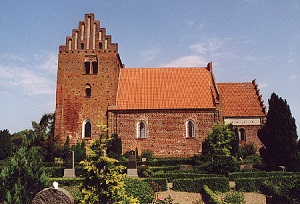
 

Cloudy Day

It is windy today. A wall of wind crashes against,
windows clunk against, iron frames
as wind swings past broken glass
and seethes, like a frightened cat
in empty spaces of the cellblock.

In the exercise yard
we sat huddled in our prison jackets,
on our haunches against the fence,
and the wind carried our words
over the fences,
while the vigilant guard on the tower
held his cap at the sudden gust.

I could see the main tower from where I sat,
and the wind in my face
gave me the feeling I could grasp
the tower like a cornstalk,
and snap it from its roots of rock.

The wind plays it like a flute,
this hollow shoot of rock.
The brim girded with barbwire
with a guard sitting there also,
listening intently to the sounds
as clouds cover the sun.

I thought of the day I was coming to prison,
in the back seat of a police car,
hands and ankles chained, the policeman pointed,
“See that big water tank? The big
silver one out there, sticking up?
That’s the prison.”

And here I am, I cannot believe it.
Sometimes it is such a dream, a dream,
where I stand up in the face of the wind,
like now, it blows at my jacket,
and my eyelids flick a little bit,
while I stare disbelieving. . . .

The third day of spring,
and four years later, I can tell you,
how a man can endure, how a man
can become so cruel, how he can die
or become so cold. I can tell you this,
I have seen it every day, every day,
and still I am strong enough to love you,
love myself and feel good;
even as the earth shakes and trembles,
and I have not a thing to my name,
I feel as if I have everything, everything.


 1523871-57b28b181d6c6014b309c97647abc50f.jpg
Jimmy Santiago Baca (Santa Fe, 2 januari 1952)


De Amerikaanse toneelschrijver Christopher Durang werd geboren op 2 januari 1949 in Montclair, New Jersey. Zie ook alle tags voor Christopher Durang op dit blog.

Uit: 'denity crisis

“When I was eight years old, someone brought me to this... theatre. Full of lots of other children. We were supposed to be watching a production of "Peter Pan." And I remember that something seemed terribly wrong with the whole production. Odd things kept happening. For instance, when the children would fly, the ropes they were on would just keep breaking ... and the actors would come thumping to the ground and they had to be carried off by stagehands. And there seemed to be an unlimited supply of understudies, to take their places, and then they'd just fall to the ground. And then the crocodile that chases Captain Hook, seemed to be a real crocodile, it wasn't an actor. And at one point it fell off the stage and crushed a couple of kids in the front row. And then some of the understudies came and took their places in the audience. And from scene to scene, Wendy just seemed to get fatter and fatter until finally by the end of act one she was completely immobile and they had to move her off stage with a cart.”


 1523871-ad933db2d776bf4a6c800aee1d29f036.jpg
Christopher Durang (Montclair, 2 januari 1949)


De Amerikaanse dichter, criticus en historicus David Shapiro werd geboren op 2 januari 1947 in Newark, New Jersey. Zie ook alle tags voor David Shapiro op dit blog.


A Poet Named Open
We make mistakes

For example, I’m reading
The NYC Poetry Calendar
for April on this
metropolitan spring afternoon

And I read that today Cookie Mueller
whom I slightly know from an
argument with another poet
and also a review she did of
my Melancholy show
and Bernadette and Phillip Good
plus Open will be reading
I don’t know Open
I think it’s not Oppen who’s dead
and unfairly objectified
I guess it’s a young graffiti
Poet, perhaps taking a single
name, in 19th Century excess
They’re reading at the Anarchist Cellar
It’s a perfect name for a young
perhaps slightly jejune ethical anarchist
Then I see on the 16th Open is reading
again, this time with my friend Joe
Ceravolo and my former student Joe
Lewis

Now I’m really intrigued
It seems like a blitz, an Open blitz
perhaps he’s publishing his first
fundamentally daring volume
I think of my translation of
Baudelaire’s Luxe, calme et volupté
Rich calm and open
Why haven’t I thought of a decent
nom de plume like Open
Why settle down with four David
Shapiros
another living just a few blocks away
another painting in a style not mine
Perhaps this Open is the new
Rimbaud and uses my poems for
toilet paper, or perhaps we could
be friends, friends with Open

Again he appears at the Manhattan Public
Library
this time in lower case letters
and than again at Maxwell’s for $3
But my brain adjusts itself to the light

It’s simply an open reading that’s implied
This poet does not exist, though he should
Open a young poet I should have invented
as when I thought all of conceptual art
would have been decent as one short story
by B

Oh, Open, you whom I would have read,
and you who would have read me!


 1523871-73b145355a09d4a1164558775824e749.jpg
David Shapiro (Newark, 2 januari 1947)


De Amerikaanse schrijver, essayist en literatuurwetenschapper André Aciman werd geboren op 2 januari 1951 in Alexandrië in Egypte. Zie ook alle tags voor André Aciman op dit blog.

Uit: Alibis

„What was so threatening to a German, to an Austrian, to a Frenchman or an Englishman in this cigar posture was not just that Jews had made it into mainstream German, Austrian, French, or British society. What was really threatening about such Jews was that they were also the very first to have accessed pan-European culture. In fact, they didn’t just tap into such a culture; they built it.
They were enamored of cosmopolitan European civilization not only because, unlike national venues, it flung open far wider doors to them but also because, all the while not being properly speaking theirs, it was more theirs than any other nation’s. Their romance with the Christian or pagan culture was irresistible precisely because it allowed them to draw much closer than they had ever been to those cultures that only a few generations before had been barred to them. Moreover, it allowed them to realize that being Jewish did not mean they couldn’t get at the center of the Christian universe and understand it, perhaps, even better than did Christians. Benjamin’s unfinished doctoral dissertation was on the theater of the post-Reformation; he was one of the very few modern thinkers to appreciate the genius of Paolo Sarpi, the 16th- and 17th-century Venetian friar who remains today the most lucid historian of the Council of Trent.
Hannah Arendt wrote her dissertation on Saint Augustine under Karl Jaspers, the existential Christian philosopher. Freud, a font of encyclopedic knowledge, was fascinated by classical antiquity. And Ettore Schmitz, who changed his name to Italo Svevo to reflect both his Italian and Swabian roots, had intentionally or inadvertently forgotten to make up a third name to reflect his Jewish origins.”


 1523871-48702886abfbe598dd2033c6ba4f1b87.jpg
André Aciman (Alexandrië, 2 januari 1951)


De Nederlandse dichter Nyk de Vries werd geboren in Noordbergum op 2 januari 1971. Zie ook alle tags voor Nyk de Vries op dit blog.


Carnaval


Een donkere wagen kwam aangereden en een klein meisje stapte uit. Ze kreeg een tasje aangereikt en vrolijk verkleed als clowntje liep ze over het schoolplein. In de school bleek echter dat carnaval pas volgende week was. Het meisje was als enige geschminkt en de hele ochtend moest ze ontroostbaar huilen. Tegen drieën haalde haar moeder haar weer op. Die schrok hevig toen ze het verhaal hoorde en uitvoerig en met tranen in haar ogen vertelde ze wat er die ochtend allemaal mis was gegaan. Ze had misschien maar beter kunnen zwijgen. Dingen uitleggen, daar zijn we allemaal erg goed in.


Krullenbol


Er was een foto van mij in omloop. Maar ik was het niet. Steeds als ik met het beeld werd geconfronteerd, sloeg ik snel de pagina om, ongemakkelijk door die vreemde onbekende ogen. Jaren gingen voorbij. We oefenden zomers in de omgebouwde boerderij van Ursula. We speelden onder leiding van Jan Switters in het voormalig Oostblok. Ik sprak voor het laatst met mijn schoolvriendin tijdens het afscheidsconcert. Ruim een decennium later, in een klein café, niet ver van het pontje, bladerde ik door een stel oude knipsels en stuitte opnieuw op het portret. En pas daar zag ik het. Die jongen met die onbekende ogen. Die krullenbol. Ik was het wel.


 1523871-5502bd2fc681f638103043edf28390da.jpg
Nyk de Vries (Noordbergum, 2 januari 1971)


De Nederlandse dichter, tekstschrijver en uitgever Look J. Boden werd geboren in Vlaardingen op 2 januari 1974. Zie ook alle tags voor Look J. Boden op dit blog.


Onbeslist

Onhandig scheurt het zakje
dat zijn koffie doet verkleuren.
Een junkie kijkt aandachtig
of er handel in hem zit.

Hij zucht: op al-Jazeera
heeft het noodlot toegeslagen.
Farouk van bijna tachtig
zag in jaren niet zo wit.

Hun zaterdag gaat op
aan het bespreken van de wereld:
Samira gaat studeren
en Naomi krijgt een kind.

Geen woord over de oorlog
die op grond van hun verleden
is gezaaid, maar niet zal oogsten
tot de rede zich hervindt.

In Trudy's warme lunchroom
zijn de buren goede vrienden,
waartussen onbeslist blijft
wie verliest of wie er wint.


1523884-99d01d75fa0cb2be2a04081302c88230.jpg
Look J. Boden (Vlaardingen, 2 januari 1974)


De Noorse schrijver Hans Herbjørnsrud werd geboren op 2 januari 1938 in Heddal, Telemark. Zie ook alle tags voor Hans Herbjørnsrud op dit blog.

Uit: Das Skelett und das Anatomiebuch (Vertaald door Ulrich Sonnenberg)

„Die Arbeit ging rasch von der Hand, da die Objekte mit Etiketten nummeriert und bezeichnet waren, wie man sie auch für Einmachgläser verwendet, und die Sammlung nach den einzelnen Fächern sortiert war: Physik, Chemie, Geographie, Biologie und Geologie. In einem Glasschrank fand sich eine in Spiritus eingelegte stockbesoffene Kreuzotter, eine ausgestopfte Riesenralle, ein ausgesprochen lebendig wirkendes Hermelin und einige andere präparierte Tiere und Vögel, an die ich mich nicht mehr erinnere. Aber ich entsinne mich, dass auf einem der Regale der Schädel eines Vielfraßes und das Skelett eines größeren Fisches lagen, dem man den vertrockneten Kopf offenbar wieder aufgesetzt hatte, damit sein glühender, quellender Blick wie aus gehämmertem Kupfer der Nachwelt erhalten blieb. Die nackte Gräte des Fisches verzweigte sich in haarfeine Knochen und glich einer Bonsaibirke, die man mit ihrem bleichrindigen Stamm und den ebenso weißen Zweigen gerade an einem Berghang gefällt hatte.
Ein Biber, der keinen Platz mehr in den Regalen gefunden hatte, saß auf dem Schrank und nagte an einem Espenzweig, unbeirrbar. Die Schnurrhaare des Hermelins zitterten hellwach, und ich hatte den Eindruck, dass seine Augen in kristalliner Furcht glasig schimmerten, wenn ich auf den nachgebenden Bodenbrettern auf und ab ging, die unter meinen Stiefeln mit einem warnenden Klatschen krachten, als würde der Biber auf dem Schrank mit dem Schwanz auf die Wasseroberfläche eines Gebirgsbaches einschlagen.“


 1523871-37431282ac9ff5e61089e1bb365da26b.jpg
Hans Herbjørnsrud (Heddal, 2 januari 1938)


De Nederlandse dichter, essayist, redenaar en literair-historicus Anton van Duinkerken werd op 2 januari 1903 geboren in Bergen op Zoom. Zie ook alle tags voor Anton van Duinkerken op dit blog.


Voorbijgang

Ruiter en paard zijn voorbij.
De hoefslag dreunt in mijn oor.
De hoefslag herinnert mij
Aan al wat ik was en verloor.

Nu welhaast onhoorbaar vergaat
In de stervende dag het geluid.
Wat is van mijn vroegere staat
Mijn eigen, mij blijvende buit?

Bestaat er alleen voor de geest
Een samenhang? Of is dit schijn?
Is iemand wel één uur geweest
Wat hij altijd had willen zijn?

Lucht, die verduistert tot nacht,
Een tikkende klok op de schouw:
Het gebeurde, vergeefs overdacht,
Verbittert, wat komt, met berouw.

Een hoefslag, een ijdel gerucht,
Is voorbij. En voorbij is het lied.
Het wezen der dingen is vlucht.
Het wezen der ziel is verdriet.


 1523871-743a71ca68a0a217649cb44706b931b6.JPG
Anton van Duinkerken (2 januari 1903 - 27 juli 1968)
Borstbeeld door Arthur Spronken in Hilvarenbeek 


Zie voor nog meer schrijvers van de 2e januari ook mijn blog van 2 januari 2012 deel 1 en eveneens deel2.

Geschreven door Romenu om 18:49 Reageer op dit bericht

In Memoriam Herman Pieter de Boer

In Memoriam Herman Pieter de Boer

De Nederlandse dichter, schrijver, liedjesschrijver en journalist Herman Pieter de Boer is gisteren kort na middernacht in Eindhoven overleden. Dat heeft zijn familie bekendgemaakt. Herman Pieter de Boer werd geboren op 9 februari 1928 in Rotterdam. Zie ook alle tags voor Herman Pieter de Boer op dit blog.


Thuis ben

Als ’s morgensvroeg d’r haar nog in een waaier ligt
Ze rekt zich uit, d’r huid is zacht en bezweet
Als ’s morgenvroeg haar dag begint, gordijnen dicht
De eerste uren nog niet aangekleed

Dan weet ik dat ik thuis ben
Dan weet ik dat ik thuis, thuis ben

Als ’s middags de wielen van mijn auto gonzen
En mijn zonnebril begint te gloeien
Als ’s middags mijn hoofd begint te bonzen
En ik d’r adem in mijn hals al haast kan voelen

Dan weet ik dat ik bijna thuis ben

Als ’s avonds de lichten dan langzaam aangaan
En de verliefden samen drinken uit één glas
Als ze tegen mij aanleunt, zacht, versleten jeans aan
Zij houdt van mij en ik hou haar vast

Dan weet ik dat ik thuis ben
Dan weet ik dat ik thuis, thuis ben

Ja, dan weet ik dat ik thuis ben
Dan weet ik dat ik thuis ben


De thuiskomst

Ik ben naar oost en west geweest,
zoveel gezien, zoveel genoten,
Ik vloog. Ik voer op witte boten.
Ik was te gast op ieders feest.

Ik ben naar noord en zuid gegaan,
zo mooi gegeten en gedronken,
terwijl muziek en stemmen klonken
bij teder schijnsel van de maan.

Nu sta ik voor mijn eigen huis,
de ogen peinzende geloken,
de sleutel in het slot gestoken.

Dit is mijn gang! Dit zijn mijn deuren!
Dit zijn die zo vertrouwde geuren…
Goddank, ik ben weer thuis.


 1523705-28251c92f0b696f3c64ffa392ca5c13c.jpg
Herman Pieter de Boer (9 februari 1928 – 1 januari 2014)

Geschreven door Romenu om 12:09 Reageer op dit bericht

The Garden Year (Sara Coleridge)


Aan alle bezoekers en mede-bloggers een gelukkig Nieuwjaar!


 1522703-5b7b86b2a2a573c71a6957c787b71e75.jpg
Stadsgezicht van Haarlem bij winter door Adrianus Eversen, 19e eeuw


The Garden Year

January brings the snow,
Makes our feet and fingers glow.

February brings the rain,
Thaws the frozen lake again.

March brings breezes, loud and shrill,
To stir the dancing daffodil.

April brings the primrose sweet,
Scatters daisies at our feet.

May brings flocks of pretty lambs
Skipping by their fleecy dams.

June brings tulips, lilies, roses,
Fills the children's hands with posies.

Hot July brings cooling showers,
Apricots, and gillyflowers.

August brings the sheaves of corn,
Then the harvest home is borne.

Warm September brings the fruit;
Sportsmen then begin to shoot.

Fresh October brings the pheasant;
Then to gather nuts is pleasant.

Dull November brings the blast;
Then the leaves are whirling fast.

Chill December brings the sleet,
Blazing fire, and Christmas treat.


 1522703-6d01223990e54cf98408ae885a93dbe2.jpg
Sara Coleridge (23 december 1802 - 3 mei 1852)
Greta Hall, waar Coleridge werd geboren.


Zie voor de schrijvers van de 1e januari ook mijn vorige drie blogs van vandaag.

Geschreven door Romenu om 16:47 Reageer op dit bericht

Jonas T. Bengtsson, Adonis, Chantal van Gastel

De Deense schrijver Jonas T. Bengtsson werd geboren op 1 januari 1976 in Kopenhagen. Zie ook alle tags voor Jonas T. Bengtsson op dit blog.

Uit: A Fairy Tale (Vertaald door Charlotte Barslund)

„The television shows images of a dark street, road signs, and snow. Stockholm. A sidewalk has been cordoned off with red-and-white plastic tape, people have gathered behind it. They, too, are standing very still. Some are clasping their mouths. The woman on the television speaks very slowly as if she has just woken up. She says that Olof Palme came out of a cinema not far from there. That he was with his wife, that they had been to see the film The Mozart Brothers and were on their way home.
On the gray sidewalk are dark stains that look like paint. The camera zooms in on them. “It’s blood,” my dad says, never once taking his eyes off the screen.
We’re back on the street. We walk quickly as if rushing away from the images on the television.
I think we’re heading home until we turn right by the closed-down butcher’s. Toward the harbor, down a narrow, cobbled street.
My dad sits down on an iron girder; I sit down beside him, as close to him as I can get. The water in front of us is black. A couple of fishing boats are sailing into the harbor; there’s a huge crane to our right, its hook hangs just above the surface of the water. The sky is gray.
My dad hides his face in his coat sleeve. I hear loud sobs through the thick fabric. He squeezes my hand so hard that it hurts.
“So they got him,” he says. “The bastards finally got him.”
I don’t remember ever seeing my dad cry. I ask him if Palme was someone he knew, but he makes no reply. He holds me tight. My feet are freezing in the rain boots.
“They got him,” he says again.
The wind whips the sea into foam.
“I think we’re going to have to move again.”


 1522699-ead03859b1d2247250ee3bc7b7b54f57.jpeg
Jonas T. Bengtsson (Kopenhagen, 1 januari 1976)


De Syrische schrijver Adonis (pseudoniem van Ali Ahmad Sa'id) werd geboren op 1 januari 1930 in Qassabin in het noorden van Syrië.


The Beginning of Speech

The child I was came to me
once,
a strange face
          He said nothing         We walked
each of us glancing at the other in silence, our steps
a strange river running in between
We were brought together by good manners
and these sheets now flying in the wind
then we split,
a forest written by earth
watered by the seasons’ change.
Child who once was, come forth—
What brings us together now,
and what do we have to say?


The Wound

1.
The leaves asleep under the wind
are the wounds’ ship,
and the ages collapsed on top of each other
are the wound’s glory,
and the trees rising out of our eyelashes
are the wound’s lake.
The wound is to be found on bridges
where the grave lengthens
and patience goes on to no end
between the shores of our love and death.
The wound is a sign,
and the wound is a crossing too.


Vertaald door Khaled Mattawa


 1522699-06235daefb38092ac45c448fcd0f3833.jpg
Adonis (Qassabin, 1 januari 1930)


De Nederlandse schrijfster Chantal van Gastel werd geboren op 1 januari 1980 in Breda. Zie ook alle tags voor Chantal van Gastel op dit blog.

Uit: Zwaar verguld!

“Hij past precies,’ fluister ik tegen mezelf. Ik sta achter de gesloten deur van het toilethokje in skai Lite waar mijn beste vriendin Floor haar bruiloft viert. Ik staar naar mijn verlovingsring, die Ruben vanmiddag aan mijn vinger geschoven heeft. Mijn verloofde Ruben. Niet te geloven. Sinds hij me gevraagd heeft, heb ik geen seconde aan iets anders kunnen denken. Ik speel het moment steeds opnieuw in gedachten af.
Ik kijk nog eens naar mijn hand. Draai de ring een paar keer rond mijn vinger. Die perfecte, prachtige ring, met het blinkende diamantje. Mijn verlovingsring. Ik vind hem zó mooi. Ik zou hier gewoon kunnen blijven staan, in het krappe wc-hokje, starend naar de ring, denkend aan Ruben die hem met zorg voor me uitkiest. Ik zou het dagenlang kunnen volhouden. En het kan me niets schelen dat dat best een beetje raar is.
‘Isa?’ hoor ik aan de andere kant van de deur. Het is mijn andere beste vriendin Daphne. ‘Schiet eens op, ik moet ook, hoor!’
Ik zucht. Kan een meisje niet even rustig van haar huwelijksaan- zoek nagenieten? Er zijn toch toiletten genoeg? Vlug haal ik de ring van mijn vinger en ik stop hem in het aparte vakje van mijn kleine avondtasje. Daar gaan we weer. Pokerface op, alsof er niets bijzonders met mij aan de hand is. Ik ben nu eenmaal gelukkig voor Floor. Dat ze haar grote liefde Mas gevonden heeft, dat ze bijna hun eerste kindje krijgen. Verder is er niets aan de hand. Ik straal alleen voor hen. Ik open de deur en stap naar buiten.
‘Hè, hè,’ zegt Daphne en ze glipt het hokje in, terwijl ik naar de wasbakken loop. ‘Blijf je even voor de deur staan, zodat die niet op slot hoeft?’
‘Ja hoor,’ antwoord ik boven het geluid van het stromende water uit. Als ik mijn handen droog aan een papieren handdoekje, blijf ik een moment lang naar mijn eigen gezicht in de spiegel staren.”


 1522699-4c7b62529275f1098815f93fc47d136e.jpg
Chantal van Gastel (Breda, 1 januari 1980)


Zie voor nog meer schrijvers van de 1e januari ook mijn vorige blog van vandaag.

Geschreven door Romenu om 16:46 Reageer op dit bericht

J.D. Salinger, E. M. Forster, Douglas Kennedy, Rascha Peper, Rüdiger Safranski

De Amerikaanse schrijver Jerome David Salinger werd in New York geboren op 1 januari 1919. Zie ook alle tags voor J. D. Salinger op dit blog.

Uit: The Catcher in the Rye

"I'm not tired."
When I got out in front of Ernie's and paid the fare, old Horwitz brought up the fish again. He certainly had it on his mind. "Listen," he said. "If you was a fish, Mother Nature'd take care of you, wouldn't she? Right? You don't think them fish just die when it gets to be winter, do ya?"
"No, but―"
"You're goddam right they don't," Horwitz said, and drove off like a bat out of hell. He was about the touchiest guy I ever met. Everything you said made him sore.
Even though it was so late, old Ernie's was jam-packed. Mostly with prep school jerks and college jerks. Almost every damn school in the world gets out earlier for Christmas vacation than the schools I go to. You could hardly check your coat, it was so crowded. It was pretty quiet, though, because Ernie was playing the piano. It was supposed to be something holy, for God's sake, when he sat down at the piano. Nobody's that good. About three couples, besides me, were waiting for tables, and they were all shoving and standing on tiptoes to get a look at old Ernie while he played. He had a big damn mirror in front of the piano, with this big spotlight on him, so that everybody could watch his face while he played. You couldn't see his fingers while he played―just his big old face. Big deal. I'm not too sure what the name of the song was that he was playing when I came in, but whatever it was, he was really stinking it up. He was putting all these dumb, show-offy ripples in the high notes, and a lot of other very tricky stuff that gives me a pain in the ass. You should've heard the crowd, though, when he was finished.


 1522692-f68f4f8435e21ae41d6f2209d16de263.jpg
J.D. Salinger (1 januari 1919 – 27 januari 2010)


De Engelse romanschrijver en essayist Edward Morgan Forster werd geboren op 1 januari 1879 in Londen. Zie ook alle tags voor Edward Morgan Forster op dit blog.

Uit:A Passage to India

“Abandoning his bicycle, which fell before a servant could catch it, the young man sprang up on to the verandah. He was all animation. "Hamidullah, Hamidullah! am I late?" he cried.
"Do not apologize," said his host. "You are always late."
"Kindly answer my question. Am I late? Has Mahmoud Ali eaten all the food? If so I go elsewhere. Mr. Mahmoud Ali, how are you?"
"Thank you. Dr. Aziz, I am dying."
"Dying before your dinner? Oh, poor Malimoud Ali!"
"Hamidullah here is actually dead. He passed away just as you rode up on your bike."
"Yes, that is so," said the other. "Imagine us both as addressing you from another and a
happier world."
"Does there happen to be such a thing as a hookah in that happier world of yours?"
"Aziz, don't chatter. We are having a very sad talk."
The hookah had been packed too tight, as was usual in his friend's house, and bubbled sulkily. He coaxed it. Yielding at last, the tobacco jetted up into his lungs and nostrils, driving out the smoke of burning cow dung that had filled them as he rode through the bazaar. It was delicious. He lay in a trance, sensuous but healthy, through which the talk of the two others did not seem particularly sad—they were discussing as to whether or no it is possible to be friends with an Englishman. Mahmoud Ali argued that it was not, Hamidullah disagreed, but with so many reservations that there was no friction between them. Delicious indeed to lie on the broad verandah with the moon rising in front and the servants preparing dinner behind, and no trouble happening.”


 1522692-bfdbec3d8e529da25569a22d5ced4f37.jpg
Edward Morgan Forster (1 januari 1879 - 7 juni 1970)
Scene uit de film van David Lean uit 1984 met Judy Davis, Victor Banerjee and Peggy Ashcroft


De Amerikaanse schrijver Douglas Kennedy werd geboren op 1 januari 1955 in New York. Zie ook alle tags voor Douglas Kennedy op dit blog.

Uit: Leaving the World

“On the night of my thirteenth birthday, I made an announcement.
“I am never getting married and I am never having children.”
I can remember exactly the time and the place where this proclamation was delivered. It was around six p.m. in a restaurant on West 63rd Street and Broadway. The day in question was January 1, 1987, and I blurted out this statement shortly after my parents had started fighting with each other. Fueled by alcohol and an impressive array of deeply held resentments, it was a dispute that ended with my mother shouting out loud that my dad was a shit and storming off in tears to what she always called “the little girls’ room.” Though the other patrons in the restaurant gawked at this loud scene of marital discontent, their fight came as no great shock to me. My parents were always fighting—and they had this habit of really combusting at those junctures in the calendar (Christmas, Thanksgiving, the anniversary of their only child’s arrival in the world) when family values allegedly ruled supreme and we were supposed to feel “all warm and cuddly” toward each other.
But my parents never did warm and cuddly. They needed shared belligerence the way a certain kind of drunk needs his daily eye-opening shot of whiskey. Without it they felt destabilized, isolated, even a little lost. Once they started baiting and taunting each other, they were in a place they called home. Unhappiness isn’t simply a state of mind; it is also a habit . . . and one that my parents could never shake.
But I digress. New Year’s Day, 1987. We’d driven in from our home in Old Greenwich, Connecticut, for my birthday. We’d gone to see the New York City Ballet perform the famous Balanchine production of The Nutcracker. After the matinee we adjourned to a restaurant called O’Neals’, opposite Lincoln Center. My dad had ordered a vodka martini, then downed a second, then raised his hand for a third.”


 1522692-10c9c4f8b167e07354c107d44517d214.jpg
Douglas Kennedy (New York, 1 januari 1955)


De Nederlandse schrijfster Rascha Peper (pseudoniem van Jenneke Strijland) werd geboren op 1 januari 1949 in Driebergen. Zie ook alle tags voor Rascha Peper op dit blog.

Uit: Handel in veren

“De vochtigheid vond Henk Bronkhorst erger dan de hitte. Niet alleen tikten aan alle kanten druppels van de bomen en klimplanten en moest je na iedere stap je schoenen uit het soppende slik trekken, maar de van zweet en water doordrenkte kleren en schoenen kreeg je ook niet meer droog. Er stond geen zuchtje wind en nergens was open gebied.
Na anderhalf uur stijgen door rottende en schimmelende vegetatie bracht de Ambonese bediende van de zendeling bij wie ze overnacht hadden – een lenige jongen in lendendoek die speciaal voor het ‘even meelopen’ een paar tot op de draad versleten hoge soldatenschoenen had aangetrokken – hen bij een pasanggrahan, waar hun gids vlakbij zou wonen. In de hut, onder het breed afhangende dak van palmbladeren, waren Papoea-vrouwen in de weer rond een houtvuur, waarvan de rook uit een gat in het dak opsteeg. De Ambonees riep iets naar hen, waarop twee jonge vrouwen verlegen lachend aan de rand van de hoge plankenvloer kwamen staan, terwijl een tiental kinderen tussen de palen onder de vloer opdook en de vreemdelingen binnen een mum van tijd omringde.
Ze namen uitvoerig alle begroetingsrituelen in acht. Voor zulke gelegenheden
had Bronkhorsts jonge collega Rijk zijn broekzak vol karamels, die hij meteen begon uit te delen. Deze kinderen hadden echter nog zelden of nooit blanken gezien en wisten niet wat snoepjes waren; ze pakten ze wel aan, maar stonden ze onwennig rond te draaien, alsof de knisperende pakketjes in hun hand plotseling zouden kunnen wegvliegen als kevers.”


 1522692-7d125cc2c6d6ce898aa3baeaf15f4205.jpg
Rascha Peper (Driebergen, 1 januari 1949)


De Duitse schrijver en filosoof Rüdiger Safranski werd geboren op 1 januari 1945 in Rottweil. Zie ook alle tags voor Rüdiger Safranski op dit blog.

Uit: Goethe - Kunstwerk des Lebens

„Goethe ist ein Ereignis in der Geschichte des deutschen Geistes – Nietzsche meinte, ein folgenloses. Doch Goethe war nicht folgenlos. Zwar hat die deutsche Geschichte seinetwegen keinen günstigeren Verlauf genommen, aber in anderer Hinsicht ist er überaus folgenreich, und zwar als Beispiel für ein gelungenes Leben, das geistigen Reichtum, schöpferische Kraft und Lebensklugheit in sich vereint. Ein spannungsreiches Leben, dem einiges in die Wiege gelegt war, das aber auch um sich kämpfen mußte, bedroht von inneren und äußeren Gefahren und Anfechtungen. Was immer wieder fasziniert, ist die individuelle Gestalt dieses Lebens. Das ist keine Selbstverständlichkeit.
Heute sind die Zeiten nicht günstig für die Entstehung von Individualität. Die Vernetzung aller mit allen ist die große Stunde des Konformismus. Goethe war mit dem gesellschaftlichen und kulturellen Leben seiner Zeit aufs innigste verbunden, aber er verstand es, ein Einzelner zu bleiben. Er machte es sich zum Grundsatz, nur so viel Welt in sich aufzunehmen, wie er auch verarbeiten konnte. Worauf er nicht irgendwie produktiv antworten konnte, das ging ihn nichts an, mit anderen Worten: Er konnte auch wunderbar ignorieren. Selbstverständlich mußte auch er an vielem Anteil nehmen, das er sich lieber erspart hätte.“


 1522692-9f8a5cb1aeaf7ef40e9e75277885589c.jpg
Rüdiger Safranski (Rottweil, 1 januari 1945)


Zie voor nog meer schrijvers van de 1e januari ook mijn vorige blog van vandaag.


Geschreven door Romenu om 16:46 Reageer op dit bericht

Carry van Bruggen, Joe Orton, Mariano Azuela, René de Ceccatty, Sven Regener

De Nederlandse schrijfster Carry van Bruggen (eig. Caroline Lea de Haan) werd geboren in Smilde op 1 januari 1881. Zie ook alle tags voor Carry van Bruggen op dit blog.

Uit: Om de kinderen

“Mevrouw Van der Wal keek met een zwelling van trotsche vreugde in de borst naar het nieuwe toilet, dat Annie juist had neergespreid op de grijs-fluweelen rustbank in haar kleedkamer; het meisje, slank, in zwart japonnetje, wit schortje, hooggehakte schoentjes, stond op een afstand en wachtte bevelen - haar scherp, zelfbewust gezicht van jonge blondine, die zich bekoorlijk weet, drukte geen goedkeuring en geen afkeuring uit; de oogen hield ze bijna neergeslagen, als dicht, toch voelde de ander, dat ze de laag-uitgesneden, overrijk gegarneerde japon te jeugdig voor haar vond; dit onuitgesproken oordeel ergerde haar, meer nog ergerde haar de eigen ergernis er over, - met een kort woord zond ze Annie de kamer uit, tersluiks kijkend, of geen spottrekje iets van haar gevoelens verried - achter het meisje de deur onhoorbaar in het slot draaiend, kon ze zich nu op haar gemak overgeven aan het genot van het nieuwe ongerepte bezit, het kostbare toilet, waarin ze zich over enkele dagen aan een groot diner vertoonen zou.
De gedachte aan dat diner hield haar al de heele week in nerveuze spanning. Er kon zooveel van afhangen, want het zou haar eerste diner in de werkelijke groote wereld, in den moeilijk te betreden kring der echte aristocraten wezen. En het was aan Robert, haar oudsten zoon, haar trots, dat ze die uitnoodiging te danken hadden. Hij had den gastheer in het ouderlijk huis geintroduceerd. Bewonderenswaardig, zooals die jongen er slag van had de menschen te kiezen, met wie hij omgang wilde en dan, wat meer beduidde, van hen te verkrijgen, dat zij dan het eerst zijn omgang zochten. Ze voelde zoo goed wat het aan hem was.”


 1522686-42ab2e3efeae27a4bf00f952db5f872b.jpg
Carry van Bruggen (1 januari 1881 - 16 november 1932)

Portret door Annie de Meester


De Britse schrijver Joe Kingsley Orton werd geboren in Leicester op 1 januari 1933. Zie ook alle tags voor Joe Orten op dit blog.

Uit: Fred And Marge / The Visitors

“SPP: You seem to have a really worthwhile job here
Fred: We have our coats off, sir. Work is recognised as a virtue.
SPP: You push this stone -
Fred: Up the hill, sir.
SPP: And what happens then?
Fred: It all depends. It should roll down again. But accidents will happen. Sometimes it topples over the other side.”
(…)

“Kemp: I shall be here till they carry me out.
Mrs Platt: We'll have you skipping about in no time.
Kemp: I won't bother you much longer.
Mrs Platt: I won't have that kind of talk, do you hear? You've got years ahead of you. What do you want to die for?
Kemp: I don't want to.
Mrs Platt: Well?
Kemp: But I'm going to”.


 1522686-bdf528f76fb1f4209bf64fc7bc3239b6.jpg
Joe Orton (1 januari 1933 - 9 augustus 1967)


De Mexicaanse schrijver en medicus Mariano Azuela González werd geboren in Lagos de Moreno op 1 januari 1873. Zie ook alle tags voor Mariano Azuela op dit blog.

Uit: Ceux d'en bas (Vertaald door Jeanne en Joaquin Maurin)

„Sur son cheval zain, Demetrio se sent rajeunir. Ses yeux recouvrent leur éclat métallique particulier, et sous ses joues cuivrées d’indigène de race pure coule à nouveau un sang rouge et ardent. Tous les hommes dilatent leurs poumons, comme pour respirer les vastes horizons, l’immensité du ciel, le bleu des montagnes et l’air frais, embaumé par les arômes de la sierra. Et ils font galoper leurs chevaux, comme s’ils voulaient, dans cette course effrénée, s’emparer de la terre entière.
(…)

C'était une véritable matinée nuptiale. Il avait plu la veille toute la soirée, le ciel se levait couvert de blanches nuées. Sur la cime de la sierra trottaient des poulains sauvages aux hautes crinières, gracieux, élégants comme les pics qui dressent leurs têtes jusqu'à embrasser les nuages."


 1522686-9ae4f1971c7d781058a7ad45e1d42141.jpg
Mariano Azuela (1 januari 1873 - 1 maart 1952)


De Franse schrijver, essayist en vertaler René de Ceccatty werd geboren op 1 januari 1952 in Tunis. Zie ook alle tags voor René de Ceccatty op dit blog.

Uit: Raphaël et Raphaël

“Mais, en évoquant ce chemin que j'ai accompli sous cette sorte de galerie miroitante de feuilles par instants traversées de lumière, puis plongées dans l'ombre chaude, étouffante des après-midi du coeur mourant de l'été méridional, je constate que cet épisode que je décris minutieusement appartient déjà à ce passé d'où j'aurais voulu extraire la réminiscence qui l'aurait alourdi de sensations riches, frémissantes de cette vie restituée par la mémoire involontaire. Or je mentirais en prétendant qu'en marchant après l'ondée, mon parapluie embarrassant une de mes mains que j'aurais voulue libre comme l'autre, j'éprouvais la moindre émotion provenant du passé : j'étais trop décidé à visiter mon enfance pour qu'elle me fasse le cadeau d'une visite inopinée, elle-même.
M'aurait-on observé en train d'avancer sous la voûte feuillue, le long de ces façades autrefois bourgeoises et maintenant si négligées qu'elles pouvaient, derrière les volets écaillés et les fers forgés rouilles des balcons, sous la croûte tavelée des vieux crépis, paraître cacher des occupations abusives d'appartements abandonnés ou oubliés par leurs propriétaires, toute une population de locataires intrusifs, dans une accumulation de meubles récupérés, volés, sales, inutiles, inutilisables - un cauchemar de la pauvreté et de ses solutions de fortune -, on m'aurait cru dépourvu de la moindre incertitude sur ma destination, sur mes intentions.”


 1522686-f5f406aeae5258a5c78280d9d2fd48a9.jpg
René de Ceccatty (Tunis, 1 januari 1952)


De Duitse schrijver en musicus Sven Regener werd geboren op 1 januari 1961 in Bremen. Zie alle tags voor Sven Regener op dit blog.

Uit: Der Hund

„Der Mensch ist ein Wesen mit freiem Willen, dachte Herr Lehmann, als er sich der anderen Seite des Lausitzer Platzes näherte, jeder muß selber wissen, was er tut und was nicht, und nur weil Erwin ein Depp ist und einen zum Schnapstrinken überredet, heißt das noch lange nicht, daß Erwin schuld ist, dachte er, aber er dachte auch mit Genugtuung an die Flasche Whisky, die er heimlich hatte mitgehen lassen und die in der großen Innentasche seines langen, für einen Septembertag im Grunde viel zu warmen Mantels steckte. Er selbst hatte zwar keine Verwendung für Whisky, denn er trank ja im Prinzip schon lange keinen Schnaps mehr, aber Erwin mußte immer mal wieder bestraft werden, und Herr Lehmann konnte die Flasche zur Not seinem besten Freund Karl schenken.
Dann sah er den Hund. Herr Lehmann, wie sie ihn neuerdings nannten, obwohl die, die das taten, auch nicht viel jünger waren, obwohl tatsächlich einige von ihnen, sein bester Freund Karl und auch Erwin zum Beispiel, sogar älter waren als er, kannte sich mit Hunderassen nicht aus, aber er konnte sich beim besten Willen nicht vorstellen, daß man so ein Tier mit Absicht züchtete. Der Hund hatte einen großen Kopf mit einer mächtigen, sabbernden Schnauze und zwei großen, lappigen Ohren, die links und rechts davon herunterhingen wie zwei welke Salatblätter. Sein Rumpf war fett, und sein Rücken so breit, daß man darauf eine Flasche Whisky hätte abstellen können, seine Beine waren dagegen unverhältnismäßig dünn, sie ragten aus dem Körper heraus wie abgebrochene Bleistifte. Herr Lehmann, der es nicht übermäßig witzig fand, daß man ihn jetzt so nannte, hatte noch nie ein so häßliches Tier gesehen. Er erschrak und blieb stehen. Er traute Hunden nicht. Und der Hund knurrte ihn an.“


 1522686-6729b165f8e880bb5ab02f3615d3a818.jpg
Sven Regener (Bremen, 1 januari 1961)

Geschreven door Romenu om 16:45 Reageer op dit bericht

Ashfaq Hussain, Kristijonas Donelaitis, Johannes Kinker, Sándor Petőfi, Anne Duden

De Canadess-Pakistaanse (Urdu) Ashfaq Hussain werd geboren op 1 januari 1951 in Karachi, Pakistan. Zie ook alle tags voor Ashfaq Hussain op dit blog.


A Love Poem For My Son

With your eyes, I
will see those days
which have yet to come.
With your feet, I
will run very fast
on dream pathways
which are still obscure
With your hands , I
will touch those mountains
whose very thought
makes me breathless

Those mountains and those roads
on which you walk,
a new era
that is yours.
I will not even see
this new era
but my eyes will kiss
its every moment,
with these bright eyes
that are your eyes.
In your eyes
like light I shine
like love I abide
like a dream I am alive
In your beautiful eyes
all my dreams
hide in a special corner;
and if perchance these dreams
bloom with fragrance of flowers
in their sweet scent
you should keep
all the letters of my name
with care.


 1522773-1e5640f0423267aa1c836593c785542d.jpg
Ashfaq Hussain (Karachi, 1 januari 1951)


De Pruisische-Litouwse dichter Kristijonas Donelaitis werd geboren op 1 januari 1714 in Lasdinehlen bij Gumbinnen in het oostelijk deel van Oost-Pruisen. Zie ook alle tags voor Kristijonas Donelaitis op dit blog.

Winter Cares (Fragment)

Ye animals and birds, it falls on you and us;
The all-pervading cold torments us all alike.
The winter blasts chased you into your dreary dens,
And drove us from the fields into our cheerless homes
To seek welcome warmth at the blazing stove of clay.
You sleep and snore in your wide open winter homes,
Without protection from the rigors of the frosts.
We, when the northern winds assail us angrily,
At once cunningly crawl beneath the windtight roof.
There, in seclusion, we hide from the winter's wrath,
And daily warm ourselves with savory hot soup.
But you, unlucky things, unceasing wanderers,
Be it most hot or cold, bright sunshine or grim rain,
Selfsame attire you wear through the entire long year.
We, when the sun begins to burn our weary backs,
Put on light linen garb, or other lightweight clothes;
And when the raging winds whiplash our loins too much,
We wear our woolen frocks or e'en our sheepskin coats,
Or, to be well warmed up, we climb into our beds.


 1522773-92fe495c5b33b0e4bdb36bd25afcfc05.jpg
Kristijonas Donelaitis (1 januari 1714 – 18 februari 1780)
Borstbeeld in Klaipėda


De Nederlandse dichter, filosoof en advocaat Johannes Kinker werd geboren in Nieuwer-Amstel op 1 januari 1764. Zie ook alle tags voor Johannes Kinker op dit blog.


De Toekomst (Fragment)

Ziet gij dat Landschap niet, kortziende stervelingen!
Dat weemlend voor uw zweeft in 't wijkende verschiet?
Ziet gij dat tafereel van uit den voorgrond niet;
Is 't magtloos, zich aan uw verbeelding op te dringen?
Of houden neevlen van den tijd, waar in gij leeft,
Gestadig nog verdikt door dagelijksche zorgen,
Dit treffend schilderij voor uwen geest verborgen;
En blijft ge aan d' afgrond van 't verleedne vastgekleefd?
Uwe oogen, achterwaards gekeerd, zien naar beneden
In 't donker schimmenrijk, dat eenmaal heeft bestaan.
Ontwerpen daar, versuft, een schrale schets van 't heden,
Maar wagen 't niet het oog naar de uitkomst op te slaan.
Lafhartigen! - houdt u 't belang zoo zeer gekluisterd?
Ziet ge in 't vooroordeel, mits het heersche, een bron van heil?
Voor zijn belofte hebt ge, omkoopbren! alles veil:
Gij mint den nacht; zoo slechts uw licht niet werd verduisterd.
Gij mint den nacht, op dat alleen uw schemering
Te meerder afsteek', bij het zwart dier kleine zielen,
Die voor de magtspreuk, die gij nabaauwt, nederknielen;
Maar beeft te rug voor al wat daalt uit hooger' kring.


 1522773-f9828ae6406a109174a802144b5e6713.jpg
Johannes Kinker (1 januari 1764 – 16 september 1845)
Portret door H. Langerveld / F.C. Bierweiler


De Hongaarse dichter Sándor Petőfi werd geboren in Kiskőrös op 1 januari 1823. Zie ook alle tags voor Sándor Petőfi op dit blog.


The Shepherd Rides On A Donkey

The shepherd rides in donkey-back
The shepherd rides in donkey-back,
His feet are dangling wide,
The lad is big, but bigger still
His bitterness inside.

He played his flute, he grazed his flock
Upon a grassy hill
When he was told his sweetheart girl
Was desperately ill.

He rides his donkey in a flash
And races to her bed,
But by the time he reached the house
His precious one was dead.

The lad was bitter, hoped to die,
But what he did instead:
He took a stick and struck a blow
Upon the donkey's head.


 1522773-bd2df3e05f323cb89c5c27e0dcae27bb.JPG
Sándor Petőfi (1 januari 1823 - 31 juli 1849)
Borstbeeld in Makó


De Duitse dichteres en schrijfster Anne Duden werd geboren op 1 januari 1942 in Oldenburg. Zie ook alle tags voor Anne Duden op dit blog.


Kammerherz

Herzaufgänge
als stünde die Welt
nur einmal im Laub
pro Leben.
Dunstvergötterte
Silberschrift
englisch
über alle Anzeichen
hinweggeschmiegt
grasige Weite.
Mitten im Totschlag
betritt Geißblatt das Haus
säugt die Zimmer
flurwärts
Schädel und Nebenhöhlen
ankert in der Schwebe
ausrißbereit.

Mundgewölbe und Ohrmuschel
geborsten
zerschallt
von Pennergebissen.
Hinter Vorhängen
jetzt noch das Kammerherz.
Genickfänger
fest im Griff.


 1522773-a12619f0bee38d80456885a97fe9bb88.jpg
Anne Duden (Oldenburg, 1 januari 1942)

Geschreven door Romenu om 16:43 Reageer op dit bericht

Paul Hamilton Hayne

De Amerikaanse dichter Paul Hamilton Hayne werd geboren in Charleston, South Carolina, op 1 januari 1830. Nadat hij als jong kind zijn vader verloor werd Hayne opgevoed door zijn moeder in het huis van zijn welvarende en prominente oom Robert Y. Hayne, die een bekend redenaar en politicus was en lid van de Amerikaanse senaat. Hayne studeerde af aan de Universiteit van Charleston in 1852 . Hij begon een praktijk als jurist, maar stopte daarmee al snel om zijn literaire interesses en ambities na te streven. Hayne diende in 1861 in de Confederate army en bleef in het leger totdat zijn gezondheid verslechterde. Hij verloor al zijn bezittingen - met inbegrip van zijn huis en een uitgebreide bibliotheek - toen Charleston werd gebombardeerd in 1862. In 1863 verhuisde Hayne met zijn familie naar Grovetown, Georgia. Hier Hayne woonde en werkte hij tot zijn dood in 1886. Grovetown was ook de plaats waar zijn carrière als literair criticus en tijdschriftredacteur begon. Hij heeft bijgedragen aan belangrijke tijdschriften van het Zuiden in zijn tijd, zoals de Charleston Literary Gazette, de Southern Literary Messenger, de Home Journal en Southern Bivouac. Van belang is ook Haynes vriendschap met collega-dichter Henry Timrod. Timrod was zwak en ziek en Hayne ondersteunde hem financieel. Timrod heeft nu de grotere reputatie als dichter, terwijl Hayne meer bekend is geworden door zijn rol als redacteur en literair criticus dan als dichter. Hayne stierf in zijn huis in Grovetown op 6 juli 1886. Hayne publiceerde verschillende dichtbundels, waaronder een volledige uitgave in 1882. In zijn poëzie ligt de nadruk op het romantische vers, lange verhalende gedichten en ballads. Net als bij andere collega- dichters uit het zuiden was zijn werk zeer beschrijvend van aard. Hayne 's sonnetten worden beschouwd als zijn beste werk. Hij werd ook in het noorden gewaardeerd en werd in het hele land bekend als de officieuze poet laureate van het Zuiden.


The True Heaven

THE bliss for which our spirits pine,
That bliss we feel shall yet be given,
Somehow, in some far realm divine,
Some marvellous state we call a heaven.

Is not the bliss of languorous hours
A glory of calm, measured range,
But life which feeds our noblest powers
On wonders of eternal change?

A heaven of action, freed from strife,
With ampler ether for the scope
Of all immeasurable life
And an unbaffled, boundless hope.

A heaven wherein all discords cease,
Self-torment, doubt, distress, turmoil,
The core of whose majestic peace
Is godlike power of tireless toil.

Toil, without tumult, strain or jar,
With grandest reach of range endued,
Unchecked by even the farthest star
That trembles thro' infinitude;

In which to soar to higher heights
Through widening ethers stretched abroad,
Till in our onward, upward flights
We touch at last the feet of God.

Time swallowed in eternity!
No future evermore; no past,
But one unending NOW, to be
A boundless circle round us cast!


October

The passionate summer's dead! the sky's aglow
With roseate flushes of matured desire,
The winds at eve are musical and low,
As sweeping chords of a lamenting lyre,
Far up among the pillared clouds of fire,
Whose pomp of strange procession upward rolls,
With gorgeous blazonry of pictured scrolls,
To celebrate the summer's past renown;
Ah, me! how regally the heavens look down
O'ershadowing beautiful autumnal woods
And harvest fields with hoarded increase brown
And deep-toned majesty of golden floods
That raise their solemn dirges to the sky,
To swell the purple pomp that floateth by.


 1564750-312cd9f8cbad880b7d6b6bcb2e754ae1.jpg
Paul Hamilton Hayne (1 januari 1830 – 6 juli 1886)
Gravure door J.J. Cade

Geschreven door Romenu om 00:00 Reageer op dit bericht

Juan Gabriel Vásquez

De Colombiaanse schrijver Juan Gabriel Vásquez werd geboren in Bogotá op 1 januari 1973. Zie ook alle tags voor Juan Gabriel Vásquez op dit blog.

Uit: The Sound of Things Falling (Vertaald door Anne McLean)

“The marksmen who finally caught up with him shot him once in the head and again in the heart (with .375-caliber bullets, since hippopotamus skin is thick); they posed with the dead body, the great dark, wrinkled mass, a recently fallen meteorite; and there, in front of the first cameras and onlookers, beneath a ceiba tree that protected them from the harsh sun, explained that the weight of the animal would prevent them from transporting him whole, and they immediately began carving him up. I was in my apartment in Bogota, two hundred fifty or so kilometers south, when I saw the image for the first time, printed across half a page of a national news magazine. That's how I learned that the entrails had been buried where the animal had fallen, and the head and legs had ended up in a biology laboratory in my city. I also learned that the hippopotamus had not escaped alone: at the time of his flight he'd been accompanied by his mate and their baby — or what, in the sentimental version of the less scrupulous newspapers, were his mate and their baby — whose whereabouts were now unknown, and the search for whom immediately took on a flavor of media tragedy, the persecution of innocent creatures by a heartless system. And on one of those days, while following the hunt in the papers, I found myself remembering a man who'd been out of my thoughts for a long while, in spite of the fact that there had been a time when nothing interested me as much as the mystery of his life.
During the weeks that followed, the memory of Ricardo Laverde went from being a minor coincidence, one of those dirty tricks our minds play on us, to becoming a faithful and devoted, ever-present ghost, standing by my bed while I slept, watching from afar in the daylight hours.
On the morning radio programs and the evening news, in the opinion columns that everybody read and on the blogs that nobody read, everyone was asking if it was necessary to kill the lost hippos, if they couldn't round them up, anesthetize them, and send them back to Africa; in my apartment, far from the debate but following it with a mixture of fascination and repugnance, I was thinking more and more intensely about Ricardo Laverde, about the days when we'd known each other, about the brevity of our acquaintance and the longevity of its consequences.”


 1561314-b70e9459af4c0abed9f2d651112bd8a2.jpg
Juan Gabriel Vásquez (Bogotá, 1 januari 1973)

Geschreven door Romenu om 00:00 Reageer op dit bericht

Meer van Romenu

↑ Terug naar de berichten