Naar de inhoud

Romenu

Over literatuur, gedichten, kunst en cultuur
akke.beakke.be

Berichten van 28 augustus 2010 tot 29 augustus 2010

Hugo Brandt Corstius, Maurice Maeterlinck, Thom Gunn, Lukas Hartmann, Edward Carpenter
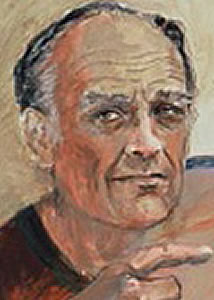
De Nederlandse schrijver en wetenschapper Hugo Brandt Corstius werd geboren in Eindhoven op 29 augustus 1935. Zie ook mijn blog van 29 augustus 2007 en ook mijn blog van 29 augustus 2008 en ook mijn blog van 29 augustus 2009.


Uit: Waarom God Van Frans Houdt


„Pascal (Clermont 1623-Parijs 1662) en Frans Kellendonk (Nijmegen 1951-Amsterdam 1990) hebben meer gemeen dan welk koppel van een Franse en een Nederlandse schrijver ook. Hun sociale afkomst, hun levensloop, hun schrijfstijl, hun levensprobleem, en hun oplossing daarvan, hun ziekte en hun dood vertonen opvallende overeenkomsten.

Er zijn natuurlijk ook verschillen. Pascal was ingenieur en filosoof. Kellendonk anglist en schrijver. Pascal was zijn hele leven ongelukkig - van Frans is mij dat niet bekend. Pascal is wereldberoemd, Kellendonk nog niet. Maar gezien de afstand van 330 jaren en 330 mijlen zijn de overeenkomsten frappant.

De jongen werd geboren in een goed-katholiek, welvarend gezin in een provincieplaats ver van de hoofdstad, waar hij later natuurlijk ging wonen en waar hij in aanraking kwam met stromingen die het traditionele rooms-katholicisme bestreden. Hij is de enige zoon - er zijn nog drie zussen, van wie er een veel invloed op hem heeft. Hij is duidelijk intelligent en krijgt een goede opvoeding. Al vroeg raakt hij - in kleine kring - bekend. Hij heeft venijnige vijanden. Zijn openbare leven is zeer beperkt. Hij blijft ongetrouwd en van enige belangstelling voor een lid van het vrouwelijk geslacht is nooit sprake. Aan het eind van zijn leven lijdt hij aan een ernstige ziekte waar geen kruid tegen gewassen is. Zijn dood is een verlossing. Die dood komt kort na zijn negenendertigste verjaardag.

Over welk onderwerp hij ook schrijft (ketterse opvattingen, kritiek op de wetenschap van de tijd), hij schrijft altijd kristalhelder, klassiek proza. Wat Pascal betreft: er zijn weinig Franse schrijvers uit de zeventiende eeuw die nog zo leesbaar zijn. Het zal me niet verbazen als dat in de drieëntwintigste eeuw ook over Kellendonk gezegd wordt.“


 724792-3af789cabc112cf56bb3bd51049cc700.jpg

Hugo Brandt Corstius (Eindhoven, 29 augustus 1935)

Portret door Ine Laurant, 1997


De Engelse dichter Thomson („Thom“) William Gunn werd geboren op 29 augustus 1929 in Gravesend, Kent. Zie ook mijn blog van 29 augustus 2007 en ook mijn blog van 29 augustus 2008 en ook mijn blog van 29 augustus 2009.


Cat island 


Cats met us at

the landing-place

reclining in the sun

to check us in

with a momentary glance,

concierges

of a grassy island.

(Attila's Throne,

the Devil's Bridge,

and "the best Byzantine

church in the world",

long saints admonitory

on kiln-like inner walls.)

And lunch in a shady court

where cats now

systematically worked

the restaurant, table

by table, gazing into eyes

pleading "I'm hungry

and I'm cute", reaching

front paws up to knees

and always getting

before zeroing in

on the next table, same

routine, same result.


Sensible bourgeois

wild-cats working

with the furred impudence

of those who don't pretend

to be other than whores,

they give you not

the semblance of love

but simply

a look at their beauty

in return for food.

Models, not escorts.

They lack, too,

the prostitute's self-pity,

being beyond shame.

And we lack

what they have.


My Sad Captains 


One by one they appear in

the darkness: a few friends, and

a few with historical

names. How late they start to shine!

but before they fade they stand

perfectly embodied, all


the past lapping them like a

cloak of chaos. They were men

who, I thought, lived only to

renew the wasteful force they

spent with each hot convulsion.

They remind me, distant now.


True, they are not at rest yet,

but now they are indeed

apart, winnowed from failures,

they withdraw to an orbit

and turn with disinterested

hard energy, like the stars.
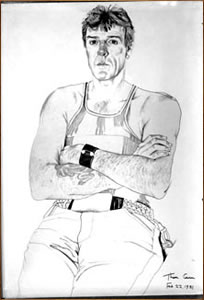


 724792-8efab09f2f09a125f586af52c2bc37fe.jpg

Thom Gunn (29 augustus 1929 – 25 april 2004)

Portret door Don Bachardy, 1981


De Belgische dichter en schrijver
Maurice Maeterlinck werd geboren op 29 augustus 1862 in Gent. Zie ook mijn blog van 29 augustus 2006 en ook mijn blog van 29 augustus 2007 en ook mijn blog van 29 augustus 2008 en ook mijn blog van 29 augustus 2009.


Uit: The Double Garden (Vertaald door Alexander Teixeira De Mattos)


„ I HAVE lost, within these last few days, a little bull-dog. He had just completed the sixth month of his brief existence. He had no history. His intelligent eyes opened to look out upon the world, to love mankind, then closed again on the cruel secrets of death.

     The friend who presented me with him had given him, perhaps by antiphrasis, the startling name of Pelléas. Why rechristen him? For how can a poor dog, loving, devoted, faithful, disgrace the name of a man or an imaginary hero?

     Pelléas had a great bulging, powerful forehead, like that of Socrates or Verlaine; and, under a little black nose, blunt as a churlish assent, a pair of large hanging and symmetrical chops, which made his head a sort of massive, obstinate, pensive and three-cornered menace. He was beautiful after the manner of a beautiful, natural monster that has complied strictly with the laws of its species. And what a smile of attentive obligingness, of incorruptible innocence, of affectionate submission, of boundless gratitude and total self-abandonment lit up, at the least caress, that adorable mask of ugliness! Whence exactly did that smile emanate? From the ingenuous and melting eyes? From the ears pricked up to catch the words of man? From the forehead that unwrinkled to appreciate and love, or from the stump of a tail that wriggled at the other end to testify to the intimate and impassioned joy that filled his small being, happy once more to encounter the hand or the glance of the god to whom he surrendered himself?

     Pelléas was born in Paris, and I had taken him to the country. His bonny fat paws, shapeless and not yet stiffened, carried slackly through the unexplored pathways of his new existence his huge and serious head, flat-nosed and, as it were, rendered heavy with thought.

     For this thankless and rather sad head, like that of an overworked child, was beginning the overwhelming work that oppresses every brain at the start of life. He had, in less than five or six weeks, to get into his mind, taking shape within it, an image and a satisfactory conception of the universe. Man, aided by all the knowledge of his own elders and his brothers, takes thirty or forty years to outline that conception, but the humble dog has to unravel it for himself in a few days: and yet, in the eyes of a god, who should know all things, would it not have the same weight and the same value as our own?”


 724792-b71d52a9b0ca27d86f43ff44a3e56cbf.jpg

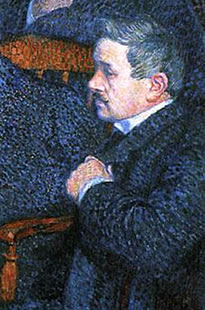
Maurice Maeterlinck (29 augustus 1862 -  6 mei 1949)

Detail uit “De lezing” van  Theo van Rysselberghe


De Zwitserse schrijver Lukas Hartmann (eig. Hans-Rudolf Lehmann) werd geboren op 29 augustus 1944 in Bern. Zie ook mijn blog van 29 augustus 2007 en ook mijn blog van 29 augustus 2008 en ook mijn blog van 29 augustus 2009.


Uit: Die Deutsche im Dorf


“Mein Vater, ein hochgewachsener und strenger Mann, unterrichtete während beinahe vier Jahrzehnten die siebte bis neunte Klasse von Tannwiler. Als lediger Junglehrer hatte er zuerst ein Zimmer im Dorf gemietet und war dann, nach der Heirat mit der Tochter eines Sägereibesitzers, ins Häuschen unterhalb des Schulhauses gezogen. Dort wurde ich geboren, dort wuchs ich auf, dort lernte ich Geige spielen. Das Geigenspiel wurde später zu meinem Beruf.
Oft habe ich mein Schicksal verwünscht, Lehrersohn zu sein. Von Lehrerkindern erwartet man, dass sie gute und angepasste Schüler sind; genau dafür werden sie dann verachtet und verspottet. Wenn sie aber aufmucken, heißt es gleich, ein Lehrerkind solle dem eigenen Vater keine Schande machen. Ich gehörte lange zur ersten Sorte, zu den Stillen und Unauffälligen, und hatte darunter zu leiden, dass ich mich an einfältigen Streichen nicht beteiligen mochte. Das änderte sich erst, als ich mich am Ende der vierten Klasse mit Christian, dem Sohn des Posthalters, verbündete. Er war ein Einzelgänger wie ich, aber zarter in der Konstitution, schweigsam und empfindlich. Er las viel, interessierte sich für Geschichte, für Ausgrabungen und Monumente, während ich damals Musik und Malerei entdeckte und stundenlang in den Kunstbänden meines Vaters schmökerte. Wir hatten beide, in den Augen unserer bäuerlichen Klassenkameraden, absonderliche Interessen.
Christian war erst im Lauf der vierten Klasse nach Tannwiler gekommen. Ich hatte ihn an seinem Fensterplatz wochenlang beobachtet, bevor ich ihn anzusprechen wagte. Ich war fasziniert von seinem Profil, das einem bestimmten Kinderbild aus einem der Kunstbände glich; ich konnte nicht wegsehen, wenn am späten Morgen die Sonne den Flaum in seinem Nacken schimmern ließ. Es war derselbe Flaum, den ich später auch an Christians Schwester Barbara entdeckte, als ich zum ersten Mal ihre seidenen Haare aus dem Nacken hob und die Haut darunter berührte; der Flaum reichte, kaum erkennbar, den Rücken hinunter und lief in einer zarten Spitze aus. Aber das war viel später.“


724792-de54d45d7877658d67a1e641b98d1f8d.jpg
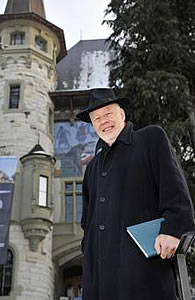
Lukas Hartmann (Bern, 29 augustus 1944)


De Engelse dichter, schrijver en activist Edward Carpenter werd geboren op 29 augustus 1844 in Hove, in de buurt van Brighton. Zie ook mijn blog van 29 augustus 2008 en ook mijn blog van 29 augustus 2009.


TOWARDS DEMOCRACY

PART ONE


The sun, the moon and the stars, the grass, the water that flow,

round the earth, and the light air of heaven:

To You greeting. I too stand behind these and send you word

across them.


I

Freedom at last!

Long sought, long prayed for - ages and ages long:


The burden to which I continually return, seated here thick-

booted and obvious yet dead and buried and passed into heaven,

unsearchable;


[How know you indeed but what I have passed into you?]


And Joy, beginning but without ending-the journey of

journeys - Thought laid quietly aside:


These things I, writing, translate for you - I wipe a mirror and

place it in your hands.


II

The sun shines, as of old; the stars look down from heaven; the

moon, crescent, sails in the twilight; on bushy tops in the warm

nights, naked, with mad dance and song, the earth-children address

themselves to love;


Civilisation sinks and swims, but the old facts remain - the sun

smiles, knowing well its strength.


The little red stars appear once more on the hazel boughs,

shining among the catkins; over waste lands the pewit tumbles

and cries as at the first day; men with horses go out on the land

- they shout and chide and strive - and return again glad at

evening; the old earth breathes deep and rhythmically, night and

day, summer and winter, giving and concealing herself.


I arise out of the dewy night and shake my wings.


Tears and lamentations are no more. Life and death lie stretched

below me. I breathe the sweet aether blowing of the breath of God.


Deep as the universe is my life - and I know it; nothing can

dislodge the knowledge of it; nothing can destroy, nothing can

harm me.


Joy, joy arises - I arise. The sun darts overpowering piercing

rays of joy through me, the night radiates it from me.


I take wings through the night and pass through all the wildernesses

of the worlds, and the old dark holds of tears and death -

and return with laughter, laughter, laughter:


Sailing through the starlit spaces on outspread wings, we two -

0 laughter! laughter! laughter!


724792-c31fe4a23c32952d9c1a0340eab02917.jpg 

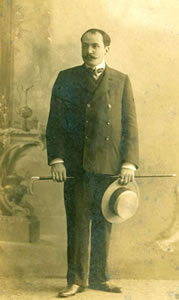
Edward Carpenter (29 augustus 1844 – 28 juni 1929)


Zie voor nog meer schrijvers van de 29e augustus ook mijn vorige blog van vandaag.
Geschreven door Romenu om 21:21 Reageer op dit bericht

Elma van Haren, Herbert Meier, Jacques Kruithof, Djamel Amrani, Valery Larbaud

De Nederlandse dichteres en beeldend kunstenares Elma van Haren werd geboren in Roosendaal op 29 augustus 1954. Zie ook mijn blog van 29 augustus 2009.


Het schitterende

...En met de geur van water in de schaduw, een groene.
Ik kantelde de bemoste stenen om
de zilvervisjes weg te zien glibberen.
Het was een droom over het plezier van het omkeren,
die wetenschap dat je van alle kanten...
en dan toch niet verloren raken!
De vrijheid om vanuit elk opzicht het uitzicht...
Zoals dieren ruiken dat het gaat regenen, terwijl
de lucht nog blauw is. Ja,
dat moest ik beter begrijpen.
Ook wolken behoren tot het landschap.
Niet altijd denken dat omhoog kijken meteen
het zwaard naar beneden laat suizen.

Het was een droom over kristalhelderheid,
waarin ik mijn eigen bewegingen zag,
die ik maakte in slaap.
Een slaapvattend mij.
Eerst een slaapdronken ademen en dan
het kneden van droom door de hersens
om met veel zuurstof wakker te worden.

Uit bed gesprongen om vlug in de spiegel
te zien wat erin zat die dag.
De zilvervisjes, die van onder uit de slaap
naar boven waren geschoten door mijn gezicht
en zich hadden verborgen in de schaduw bij de mond
de ogen de haargrens.
Ik telde mijn geld
en liep in de dag
met een zilvergezicht.


 724782-7a33d867831c2cdbb77e0f3760529be7.jpg

Elma van Haren (Roosendaal, 29 augustus 1954)


De Zwitserse dichter, schrijver en vertaler
Herbert Meier werd op 29 augustus 1928 in Solothurn geboren. Reeds op school begon hij gedichten en stukjes schrijven. Hij studeerde literatuur, geschiedenis, filosofie en kunstgeschiedenis in Bazel, Wenen, Parijs en Fribourg, en sloot zijn studie af met een proefschrift over de toneelstukken van Ernst Barlach. Hij is opgeleid als acteur bij Ernst Ginsberg. Hij werkte als redacteur in Parijs en Poitiers, en was als toneelschrijver en acteur bij het Städtebundtheater Biel / Solothurn actief. Van 1977 tot 1982 was hij de belangrijkste toneelschrijver van het Schauspielhaus in Zürich. Aan de universiteiten van Sankt Gallen en Zürich doceerde hij drama en hij werd benoemd in 1986 als schrijver in residence aan de University of Southern California in Los Angeles. Van 1994 tot 1998 was hij gastheer van de show "Sternstunde Philosophie" op de Zwitserse televisie. Sinds 1955 werkt hij als freelance schrijver en vertaler in Zürich.


Wie kann einer sagen

Sieben Gedichte


1

Wie kann einer sagen -:

»Während Sonnen sterben,

vergehen meine Worte nicht»?

Aus dem Tod der Gestirne

entspringt Lebendiges, fraglos;

Vergleichbares erleidet die Sprache:

im Vergessen

vergehen die Worte nicht,

vielmehr –

sie kommen,

von fernen Sonnenwinden getrieben,

erneut zu uns herab.

Und sind zuweilen wie im Anfang.


 724782-b628186e50f6a6882444167d9a949ade.jpg

Herbert Meier (Solothurn, 29 augustus 1928)


De Nederlandse dichter, schrijver en criticus
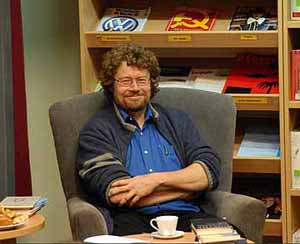
Jacques Kruithof werd geboren in Rotterdam op 29 augustus 1947. Zie en ook mijn blog van 29 augustus 2009.


Uit: II Herman Gorter


 Ik zou zoo graag de wereld beelden

 Ik zou zoo graag de wereld beelden,

 de menschen hoe ze nu groeien

 naar de Eenheid, met al hare weelde

 zou ik ze doen wille' opbloeien,

 als bloemen van muziek.


 Verzen (1928) 

1

Iemand die van Herman Gorter helemaal niets af weet, kan een encyclopedie of een literatuurgeschiedenis opslaan, en leert dan, behalve de jaartallen 1864-1927, dat er vier dichters naar die naam hebben geluisterd: de maker van Mei, de enige echte sensitivist, een volgeling van Spinoza, en een doorgewinterde communist. Aan dat vierkoppige beeld verandert, wanneer zo'n lezer zich verder in de figuur verdiept, en een hele boekenkast vol studies en artikelen door worstelt, betrekkelijk weinig. Het kwartet wordt soms tot een tweetal teruggebracht: er was eerst de Tachtiger Gorter; na een crisis, gemarkeerd door de Kenteringssonnetten van 1891-1893, werd hij de dichter van een Idee, en uiteindelijk marxist - nog altijd een Januskop. Meestal komt daar een waardering aan te pas: sommigen (Coster, Prinsen hielden het ervoor dat de tweede Gorter een ondermaats poëet was, anderen (Brandt Corstius, Van Ravesteijn vonden dat het eerst met het dichtwerk van de latere Gorter menens werd.


Het beeld van Herman Gorter in hand- en schoolboek berust op verkaveling en vierendeling, en op het eerste gezicht valt daar heel weinig tegen in te brengen. Gorter heeft zelf zijn ontwikkeling meermalen geperiodiseerd, en vooral zijn kennismaking met het socialisme als een scheepsramp voorgesteld, waaruit hij ‘als krachtig schipbreukeling van het schip der bourgeoisie in het land der arbeiders aangekomen is.


724782-d9838966b736be6eaa70665e22d7fb8a.jpg
Jacques Kruithof (29 augustus 1947 – 7 maart 2008)


De Algerijnse dichter en schrijver Djamel Amrani werd geboren in Sour El-Ghozlane op 29 augustus 1935. Zie ook mijn blog van 29 augustus 2009.


Je me lave


Je me lave

à la décrue de toutes 

les colères


Paisible mon sommeil

redevient délire

de labours

abri de tous les coeurs

multitude apprivoisée

Ma voix se brise

sur le rivage de nos amours

buissonnières

sur la verrière

dérobée à ta mesure

Que cherche-t-il cet automne

trop tôt venu

ce taillis de pierres précaires

en notre demeure secrète

en notre mémoire calcinée


La halte qui me délivre


et la fugue


qui m'insonore


Bruisse la mer


Bruisse la mer

L'odeur de l'été

colle à mes désirs

Sang enténébré

te voilà ravivé

identique

à

la saturation 

du Poème.


 724782-40796ee7b00246f6a68a7f8b9954b2cc.jpg

Djamel Amrani (29 augustus 1935 – 2 maart 2005)


De Franse schrijver en criticus Valery Nicolas Larbaud werd geboren op  29 augustus 1881 in Vichy. Zie ook mijn blog van 29 augustus 2009.


Uit: James Joyce


„Depuis deux ou trois ans James Joyce a obtenu, parmi les gens de lettres de sa génération, une notoriété extraordinaire. Aucun critique ne s'est encore occupé de son œuvre et c'est à peine si la partie la plus lettrée du public anglais et américain commence à entendre parler de lui ; mais il n'y a pas d'exagération à dire que, parmi les gens du métier, son nom est aussi connu et ses ouvrages aussi discutés que peuvent l'être, parmi les scientifiques, les noms et les théories de Freud ou de Einstein. Là, il est pour quelques-uns le plus grand des écrivains de langue anglaise actuellement vivants, l'égal de Swift, de Sterne et de Fielding, et tous ceux qui ont lu son Portrait de l'Artiste dans sa Jeunesse s'accordent, même lorsqu'ils sont de tendances tout opposées à celles de Joyce, pour reconnaître l'importance de cet ouvrage ; tandis que ceux qui ont pu lire les fragments d'Ulysse publiés dans une revue de New-York en 1919 et 1920 prévoient que la renommée et l'influence de James Joyce seront considérables. Cependant, si, d'autre part, vous allez demander à un Membre de la « Société (américaine) pour la Suppression du Vice » : Qui est James Joyce ? Vous recevrez la réponse suivante : C'est un Irlandais qui a écrit un ouvrage pornographique intitulé Ulysse que nous avons poursuivi avec succès en police correctionnelle lorsqu'il paraissait dans la Little Review de
New-York.
  Il s'est en effet passé pour Joyce aux États-Unis ce qui s'est passé chez nous pour Flaubert et pour Baudelaire. Il y a eu plusieurs procès d'intentés contre The Little Review à propos d'Ulysse. Les débats ont été parfois dramatiques et plus souvent comiques, mais toujours à l'honneur de la directrice de The Little Review, Miss Margaret Anderson, qui a combattu vaillamment pour l'art méconnu et la pensée persécutée.“


 724782-c31fe4a23c32952d9c1a0340eab02917.jpg

Valery Larbaud (29 augustus 1881 – 2 februari 1957)

Geschreven door Romenu om 21:07 Reageer op dit bericht

Johann Wolfgang von Goethe, A. Moonen, Frederick Kesner, Rita Dove

De Duitse dichter en schrijver Johann Wolfgang von Goethe werd geboren op 28 augustus 1749 in Frankfurt am Main. Zie ook mijn blog van 31 augustus 2006 en ook mijn blog van 28 augustus 2007 en ook mijn blog van 28 augustus 2008 en ook mijn blog van 28 augustus 2009.


Uit: Faust I


“Nacht.

In einem hochgewölbten, engen gotischen Zimmer Faust,
unruhig auf seinem Sessel am Pulte.

FAUST:
Habe nun, ach! Philosophie,
Juristerei und Medizin,
Und leider auch Theologie
Durchaus studiert, mit heißem Bemühn.
Da steh ich nun, ich armer Tor!
Und bin so klug als wie zuvor;
Heiße Magister, heiße Doktor gar
Und ziehe schon an die zehen Jahr
Herauf, herab und quer und krumm
Meine Schüler an der Nase herum-
Und sehe, daß wir nichts wissen können!
Das will mir schier das Herz verbrennen.
Zwar bin ich gescheiter als all die Laffen,
Doktoren, Magister, Schreiber und Pfaffen;
Mich plagen keine Skrupel noch Zweifel,
Fürchte mich weder vor Hölle noch Teufel-
Dafür ist mir auch alle Freud entrissen,
Bilde mir nicht ein, was Rechts zu wissen,
Bilde mir nicht ein, ich könnte was lehren,
Die Menschen zu bessern und zu bekehren.
Auch hab ich weder Gut noch Geld,
Noch Ehr und Herrlichkeit der Welt;
Es möchte kein Hund so länger leben!
Drum hab ich mich der Magie ergeben,
Ob mir durch Geistes Kraft und Mund
Nicht manch Geheimnis würde kund;
Daß ich nicht mehr mit saurem Schweiß
Zu sagen brauche, was ich nicht weiß;
Daß ich erkenne, was die Welt
Im Innersten zusammenhält,
Schau alle Wirkenskraft und Samen,
Und tu nicht mehr in Worten kramen.


O sähst du, voller Mondenschein,
Zum letzenmal auf meine Pein,
Den ich so manche Mitternacht
An diesem Pult herangewacht:
Dann über Büchern und Papier,
Trübsel'ger Freund, erschienst du mir!
Ach! könnt ich doch auf Bergeshöhn
In deinem lieben Lichte gehn,
Um Bergeshöhle mit Geistern schweben,
Auf Wiesen in deinem Dämmer weben,
Von allem Wissensqualm entladen,
In deinem Tau gesund mich baden!


724064-7ecb627239612e5eb642da5c39bf2405.jpg 

Johann Wolfgang von Goethe (28 augustus 1749 – 22 maart 1832)

Buste van Alexander Trippel in de Anna-Amalia-Bibliothek in Weimar


De Nederlandse schrijver A. Moonen, (spreek uit: 'a-punt-moonen') werd geboren in Rotterdam op 28 augustus 1937. Zie ook mijn blog van 31 januari 2007 en ook mijn blog van 28 augustus 2007 en ook mijn blog van 28 augustus 2008 en ook mijn blog van 28 augustus 2009.


Uit: Levensvreugde


„Tenslotte belandde hij op de 's-Gravendijkwal van zijn woonplaats (Rotterdam). Een verouderde wel wat van een open gevangenis weghebbende dependance. Hij kreeg een tweepersoons slaapkamer twee hoog. Dag en nacht klonk het opbeurende lawaai van doorgaand verkeer uit en naar de Maastunnel. Binnen de recreatieruimtes vernam hij Skyradio met ordinaire zangstemmen en optimistische reclames en praatjes.

Zeer besteed aan het gewone volk plus medepatiënten schijnbaar, doch een ware hel voor zijn zich traag herstellend gemoed. Er was een rookhok met uitzicht op een binnenplaats. Feitelijk sinds zijn longontsteking tot de niet-rokers behorend voor ruim een maand, kwam hij in de verleiding af en toe een sigaret te bietsen. Eerst werd hij daar misselijk van, allengs echter ging dat over, zeker naarmate hij er diverse zelf gekochte pakjes op liet volgen. Van zijn vroegere sprankelendheid was niks meer over. Hiervoor in de plaats was een via lithiummedicatie getemperde desgeïnteresseerde stemming gekomen. Twee grote witte tabletten moest hij zelf beneden komen ophalen rond tien uur 's avonds, terwijl hij toch al uren lang in bed wezenloos het verkeerslawaai lag te beluisteren.

Kortom, hij zakte in een uitzichtloze diepte weg.

Nog in de kliniek te Capelle verblijvend, mocht hij op een avond zich naar zijn huisadres begeven per openbaar vervoer. Maar hij bezat geen huissleutels. De groene gordijnen waren gesloten. Noch de bovenbuurman bleek thuis, noch de zich over zijn katten ontfermd hebbende overbuurman. Ontmoedigd liep hij de donkere straat weer uit en belde bij de stuurman om de hoek aan. Deze leeftijdgenoot, een goeie kennis, was alweer ettelijke jaren met een veel jongere Caboverdiaanse gehuwd. Gastvrij werd hij ontvangen en zelfs door de heer des huizes vergezeld richting Capelle. Er stond een venijnige oostenwind. Het lopen werd bemoeilijkt wegens de in linkerschoen knellende pijnlijke kleine teen. Bovendien bleek hij te licht gekleed op deze barre maartse kou. De stuurman sprak hem moed in. Moeilijk bereikbaar was de kliniek en beide voetgangers wisten, na bij een bushalte vergeefs gewacht te hebben, de juiste weg niet meer.“


 724064-93e95132445894eb69ac695b816724d7.jpg

A. Moonen  (28 augustus 1937 – 24 januari 2007)


De Australische dichter Frederick Alexander III Kesner werd geboren op 28 augustus 1967 in Manilla op de Filippijnen. Zie ook mijn blog van 28 augustus 2008 en ook mijn blog van 28 augustus 2009.


A web has been spun


A web has been spun
around the world
wide as imagination
making possible what
before hand took years

Many other modes of
communication and
intercourse have fallen
almost by the way side
and flies come in droves
thirsting for much more

What spider lurks we
can only conceptualise
What dangers we
can scarce visualise

But what remains as
it was in antiquated
human conversation
is that in all this closeness
in each others' faces
we are trully still alone.


A web has been spun
around the world
wide, wild conflagration
forging herculeaic
the marriage of hearts
and souls and minds.


Bemused Rumination

Forget
the balm of barometric exuberance.
This night
no longer young, dissipates.

Recall
the dewy welcome of sun-quaffed green.
Yesterdays
revive severed umbilical dreams.

Peruse
the present with fleeting acumen.
Today
ceases yet emerges again tomorrow.

Ignite
the kindling of autumnal reticence.
Perhaps
genial kindnesses shall spring.


 724064-8aa0e9b958ecf96a3b659c11f16a9a54.jpg

Frederick Kesner (Manilla, 28 augustus 1967)


De Amerikaanse schrijfster en dichteres Rita Frances Dove werd geboren op 28 augustus 1952 in Akron, Ohio. Zie ook mijn blog van 28 augustus 2007 en ook mijn blog van 28 augustus 2008 en ook mijn blog van 28 augustus 2009.


My Mother Enters the Work Force


The path to ABC Business School

was paid for by a lucky sign:

Alterations, Qualified Seamstress Inquire Within.

Tested on Sleeves, hers

never puckered -- puffed or sleek,

Leg o' or Raglan --

they barely needed the damp cloth

to steam them perfect.


Those were the afternoons. Evenings

she took in piecework, the treadle machine

with its locomotive whir

traveling the lit path of the needle

through quicksand taffeta

or velvet deep as a forest.

And now and now sang the treadle,

I know, I know....


And then it was day again, all morning

at the office machines, their clack and chatter

another journey -- rougher,

that would go on forever

until she could break a hundred words

with no errors -- ah, and then


no more postponed groceries,

and that blue pair of shoes!


Wiring Home


Lest the wolves loose their whistles

and shopkeepers inquire,

keep moving, though your knees flush

red as two chapped apples,

keep moving, head up,

past the beggar's cold cup,

past the kiosk's

trumpet tales of

odyssey and heartbreak-

until, turning a corner, you stand,

staring: ambushed

by a window of canaries

bright as a thousand

golden narcissi.


 724064-297361358e263000725f82d7da6317f7.jpg

Rita Dove (Akron, 28 augustus 1952)


Zie voor nog meer schrijvers van de 28e augustus ook mijn vorige blog van vandaag.
Geschreven door Romenu om 19:51 Reageer op dit bericht

John Betjeman, Elmar Schenkel, Joeri Trifonov, Janet Frame, William Robertson Davies

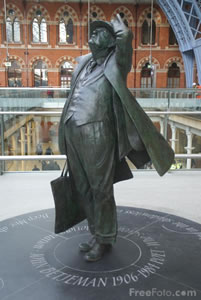
De Engelse dichter en literatuurcriticus Sir John Betjeman werd geboren in Londen op 28 augustus 1906. Zie ook mijn blog van 28 augustus 2009.


Verses Turned...


The church is bright with candlelight

And waiting Evensong.

A single bell with plaintive strokes

Pleads louder than the stirring oaks

The leafless lanes along.


It calls the hoirboys from their tea

And villagers, the two or three,

Damp down the kitchen fire,

Let out the cat, and up the lane

Go paddling through the gentle rain

Of misty Oxfordshire.


How warm the many candles shine

Of Samuel Dowbiggin's design

For this interior neat,

These high box pews of Georgian days

Which screen us from the public gaze

When we make answer meet;


How gracefully their shadow falls

On bold pilasters down the walls

And on the pulpit high.

The chandeliers would twinkle gold

As pre-Tractarian sermons roll'd

Doctrinal, sound and dry.


From that west gallery no doubt

The viol and serpent tooted out

The Tallis tune to Ken,

And firmly at the end of prayers

The clerk below the pulpit stairs

Would thunder out "Amen."


But every wand'ring thought will cease

Before the noble alterpiece

With carven swags array'd,

For there in letters all may read

The Lord's Commandments, Prayer and Creed,

And decently display'd.


On country morningd sharp and clear

The penitent in faith draw near

And kneeling here below

Partake the heavenly banquet spread

Of sacremental Wine and Bread

And Jesus' presence know.


And must that plaintive bell in vain

Plead loud along the dripping lane?

And must the building fall?

Not while we love the church and live

And of our charity will give

Our much, our more, our all.


Five O'Clock Shadow


This is the time of day when we in the Mens's ward

Think "one more surge of the pain and I give up the fight."

Whe he who strggles for breath can struggle less strongly:

This is the time of day which is worse than night.


A haze of thunder hangs on the hospital rose-beds,

A doctors' foursome out of the links is played,

Safe in her sitting-room Sister is putting her feet up:

This is the time of day when we feel betrayed.


Below the windows, loads of loving relations

Rev in the car park, changing gear at the bend,

Making for home and a nice big tea and the telly:

"Well, we've done what we can. It can't be long till the end."


This is the time of day when the weight of bedclothes

Is harder to bear than a sharp incision of steel.

The endless anonymous croak of a cheap transistor

Intesifies the lonely terror I feel.


 724056-986f71a9860540c42e83cf4a20d08231.jpg

John Betjeman (28 augustus 1906 - 19 mei 1984)

Beeld door Martin Jennings bij St Pancras station, Londen


De Duitse schrijver en vertaler Elmar Schenkel werd geboren in Hovestadt (Westfalen) op 28 augustus 1953. Zie ook mijn blog van 28 augustus 2009.


Uit: Leise Drehung


„Scheidungen, Taufen, Firmenjubiläen. Es hatte sich wohl herumgesprochen, dass man auf mich bauen konnte, was die Bilder anging. Ich sorgte für die gute Erinnerung. Darin erkannte ich nach und nach die Aufgabe meines Lebens. Man war ja für irgendetwas angetreten, die Gene wussten Bescheid. Meine Gene sagten: Mach ihnen etwas, damit sie bestimmte Momente im Leben nicht vergessen. Gib ihnen etwas in die Hand, damit sie zumindest glauben, dass dies ein wichtiger Moment war. Mache ihnen den Moment wichtig. Ich war kein Philosoph, jedenfalls nicht in dieser neu entstandenen Vergangenheit, ich war kein Kfz-Mechaniker, ich war kein Vertreter von biologisch

geprüften landwirtschaftlichen Produkten. Alle diese Leute versuchten, den Leuten bestimmte Momente schmackhaft zu machen: gute Autos, gute Gedanken, gutes Essen. Aber eigentlich waren das alles Ablenkungen vom Augenblick. Ich dagegen sage einfach:

»Moment mal « und schon ist etwas geschehen.

» Das mag ja alles sein «, sagte Manja. » Aber wie gesagt, ich hatte den Eindruck, dass deine letzten Bilder dich irgendwie von diesen fixierten Momenten des gesellschaftlichen Lebens abgerückt haben. Auf dem letzten Bild eines Geburtstags habe ich gesehen, dass du dem alten Mann einen Zopf angedichtet hast und seiner Mamsell einen Schnurrbart. Dich scheint der Hafer zu stechen! Ich sehe dich abstürzen mit heiß genähten Flügeln aus Wachs. Also hab ich dich angesprochen, damit du wieder für die Gesellschaft im positiven Sinne produktiv wirst. «


724056-79c2f96fa572c5474b32f852fb89dc53.jpg
Elmar Schenkel (Hovestadt, 28 augustus 1953)


De Russische schrijver Joeri Valentinovitsj Trifonov werd geboren in Moskou op 28 augustus 1925.

Nadat zijn vader in 1937 slachtoffer werd van Jozef Stalin’s zuiveringen verhuisde het gezin Trifonov echter naar een onderkomen communale woning (welke later model zou staan voor het “huis aan de kade”), tegenover het Kremlin. Tijdens de oorlog diende Trifonov bij een Moskouse vliegtuigfabriek. Van 1944 tot 1949 studeerde hij literatuur en vervolgens wierp hij zich op het schrijverschap.

Trifonov staat bekend om zijn zogenaamde “stadse proza” en schetst de alledaagse problemen van het leven in de Sovjet-Unie. In de psychologische uitwerking liet hij zich sterk inspireren doos Anton Tsjechov. Bekende romans van Trifonov (ook in het Nederlands vertaald) zijn “Het huis aan de kade” (1972), “Het andere leven” (1976) en “De oude man” (1978).

In “Het huis aan de kade” beschrijft Trifonov” het intellectuele klimaat tijdens de laatste jaren van Stalin’s bewind. Hij behandelt het leven van alledag van een Sovjet-geleerde die het uiteindelijk in de jaren zeventig tot een aanzienlijke post heeft gebracht. Daarnaast is het een geschiedenis van meerdere generaties in het huis aan de kade, hun vechten en compromissen, hun cynisme en illusies, hun zuiverheid en omgang, symbolisch voor een tijdperk.


Uit: Zeit des Zögerns (Bespreking van „Die Zeit der Ungeduld" door Heinrich Böll in Die Zeit, 1975)


„Eine Zigeunerin in Paris hatte dem Zaren Alexander II. prophezeit, sieben Attentate würde er überleben. Das sechste fand im Februar 1880 statt und bestätigte die Wahrsagerin: Es war dem Tischler Stepan Ghaltürin gelungen, sage und schreibe 150 Kilogramm Dynamit in das Winterpalais zu schmuggeln, und der Zar hatte diese fürchterliche Explosion überlebt. Chalturin entkam, während die Zündschnur noch schwelte; Wachsoldaten und Personal entkamen nicht. Und obwohl die Zeichen ungünstig standen (er hatte am Abend vorher beim Whist sein eigenes Bild vom Tisch gestoßen), ließ Alexander II. sich schon .wenige Wochen später, am 1. März 1880, ausfahren, um eine Parade abzunehmen und bei deiner Lieblingskusine Tee zu trinken. Wie konnte er ahnen, daß im siebten Attentat das achte enthalten war? (Ein Zwillingsattentat, das als Drilling geplant war, denn als neuntes Attentat war Scheljabows Dolchstoß in Reserve gewesen, doch war Scheljabow im letzten Augenblick verhaftet worden.) So entging der Zar dem siebten Anschlag, Ryssakows Schuß, und erlag dem achten, Grinewitzkijs Bombe, die wenige Sekunden später geworfen wurde.

Vorbereitungen und Ausführungen des geglückten Anschlags und einiger mißglückter Attentate bilden den Handlungsfaden dieses erstaunlichen Buches von —- ' Jurij Trifonow: „Die Zeit der Ungeduld". Trifonow begibt sich: in die spannungsgeladene Tradition russischer „Langatmigkeit" und wird doch weder konventionell noch spekulativ. Man muß den Glücksfall der Übersetzung von Alexander Kaempfe hinzuzählen, wenn man sich fragt: was ist das für ein Land, für ein Volk, eine Sprache, die nicht nur den Stoff für einen solchen Roman vor der Tür liegen haben, sondern wo ein solcher Roman auch noch geschrieben wird? Wir sollten uns, denke ich, auf einiges gefaßt machen, nicht nur von Trifonow oder Woinowitsch. In Trif onows Roman wird vom Autor weder gerichtet noch hingerichtet; Trifonow hält sich an keinerlei Klischee, weder ideologisch noch in seinen Formalitäten. Er bietet keine Revolutionärs- Ikonographie und hält sich an kein gängiges Kritiker-Klischee, nach dem ein Roman in eine.bestimmte Kategorie zu gehören hat.“


 724056-4acb30a3727cfd92fd630af13d598071.jpg

Joeri Trifonov (28 augustus 1925 – 28 maart 1981)


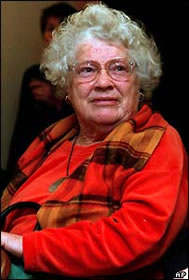
De Nieuw-Zeelandse dichteres en schrijfster Janet Frame werd geboren in Dunedin en groeide op in Oamaru. Zie ook mijn blog van 28 augustus 2006 en ook mijn blog van 28 augustus 2007 en ook mijn blog van 28 augustus 2008 en ook mijn blog van 28 augustus 2009.


Uit: Towards Another Summer


„Upstairs in the attic Grace wondered at the nature of those who allow others to enter a room where their deepest secrets lie.

She sat before Philip's huge desk, considering the drawers and pigeonholes crammed with papers and letters and the Imperial Portable typewriter on the desk with a sheet of paper thrust in it, naked for all the world to see! Somewhere in one of the drawers perhaps Philip's novel lay typed and bound. How could he dare to give a stranger permission to enter this room! Or was this room not the repository of his secrets? Perhaps he himself had no access to his treasures; perhaps he hoarded them elsewhere without ever recognizing them; perhaps he discarded them one by one without ever having known them?

Telling herself that in spite of temptation it is not kind to explore the papers of another whether or not they are admitted secrets, Grace turned her attention to the window which was small, overlooking the golf course and the rigid death-posed trees that stood in their monumental anguish like the thorn trees that are the suicides in hell.

The room, Grace decided, would be a perfect place to write in, although not because of the view, for in writing the studied landscape is not the Holly Road back garden, the Winchley golf course; nor the Old Brompton Road, the car salesroom, the jet cotton-trails in the sky; it is some mysterious place out of the world's depths where the waves are penetrated by the faint gleam of the drowning sun and the last spurts of light escape like tiny sparkling fi sh into the dark folds and ceaselessly moving draperies of the water; it is the inner sea; you may look from every window – in Winchley, London, New Zealand, the World, and never fi nd the Special View. Yet here, in the attic, Grace decided, little effort or encouragement would be needed to draw aside the curtains of the secret window, to smash the glass, enter the View; fearful, hopeful, lonely; disciplining o'e's breath to meet the demands of the new element; facing again and again the mermaid'n's conflict – to go or stay; to return through the window whose one side is a mirror, or inhabit the blood-cave and slowly change from one who gazed at the view to one who is a part or whole of the view itself; and from there (for creation is movement) when all the mirror is a distorted image of oneself, bobbing in the dark waves with stripes of light like silver and gold bars imprisoning'one's face and body, to pass beyond the view, beyond oneself to – where?


724056-8c1c8d671a05c2ca6f9ac9f1ce5fc9c9.jpg
Janet Frame (28 augustus 1924 – 29 januari 2004)


De Canadese schrijver William Robertson Davies werd geboren op 28 augustus 1913 in Thamesville, Ontario. Zie ook mijn blog van 28 augustus 2007 en ook mijn blog van 28 augustus 2009.


Uit: Tempest Tost


“Though not a large place it is truly describable as a city. That word is now used of any large settlement, and Salterton is big enough to qualify; but a city used to be the seat of a bishop, and Salterton was city in that sense long before it became one of the latter. It is, indeed, the seat of two bishoprics, one Anglican and one Roman Catholic. As one approaches it from the water the two cathedrals, which are in appearance so characteristic of the faiths they embody, seem to admonish the city. The Catholic cathedral points a vehement and ornate Gothic finger toward Heaven; the Anglican cathedral has a dome which, with offhand Anglican suavity, does the same thing. St. Michael's cries, "Look aloft and pray!"; St. Nicholas' says, "If I may trouble you, it might be as well to lift your eyes in this direction." The manner is different; the import is the same.”


724056-8ef7150a0b16c5f283146670a9fed45d.jpg
William Robertson Davies (28 augustus 1913 – 2 december 1995)


Geschreven door Romenu om 19:43 Reageer op dit bericht

Maria Barnas

De Nederlandse schrijfster, dichter en beeldend kunstenaar Maria Barnas werd geboren in Hoorn in 1973..Maria Barnas studeerde aan de Rietveld Academie en de Rijksacademie te Amsterdam. Beeldend werk van haar was te zien in het buitenland bij galerie Du Jour in Parijs, Buro Friedrich en Klemm’s Gallery in Berlijn. Ze schrijft voor NRC Handelsblad. Van 2008-2010 wekelijkse columns in het Cultureel Supplement. Eerder schreef zij voor De Groene Amsterdammer en De Volkskrant


De reis


Een leven is zo groot

als een lichaam dat trager

 in bed zakt. Vlak boven de grond.


I


Ik wil voor haar een tekening

maken. Wat zal ik tekenen,

 een zee? Hoe berekenend

moet ik zijn. In de weigering


van haar voet zie ik steeds meer

 dan traag bloed alleen. De aderen en de vaten

 vernauwen zich naarmate ik haar dichter

 nader. Een kind, een kras en zelfs de beweging


van mijn hand lagen in de lijn

 van verwachtingen en ik bedacht

 alles wat ik nu veracht.

 Ik heb haar getekend.


 943488-9a140df715827d63507f4f2b7de3c5a9.jpg

Maria Barnas (Hoorn, 28 augustus 1973)

Geschreven door Romenu om 00:00 Reageer op dit bericht

Meer van Romenu

↑ Terug naar de berichten